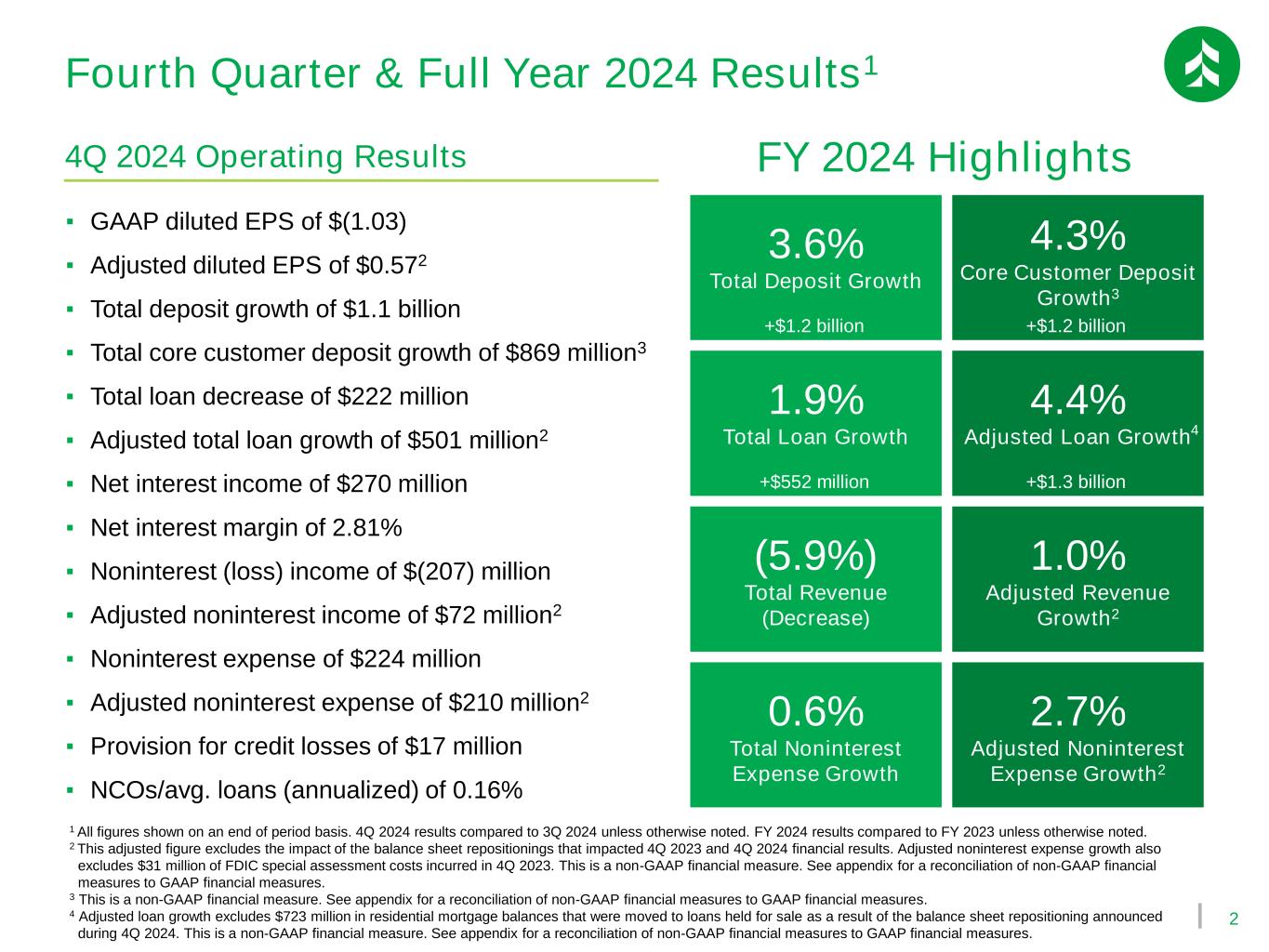
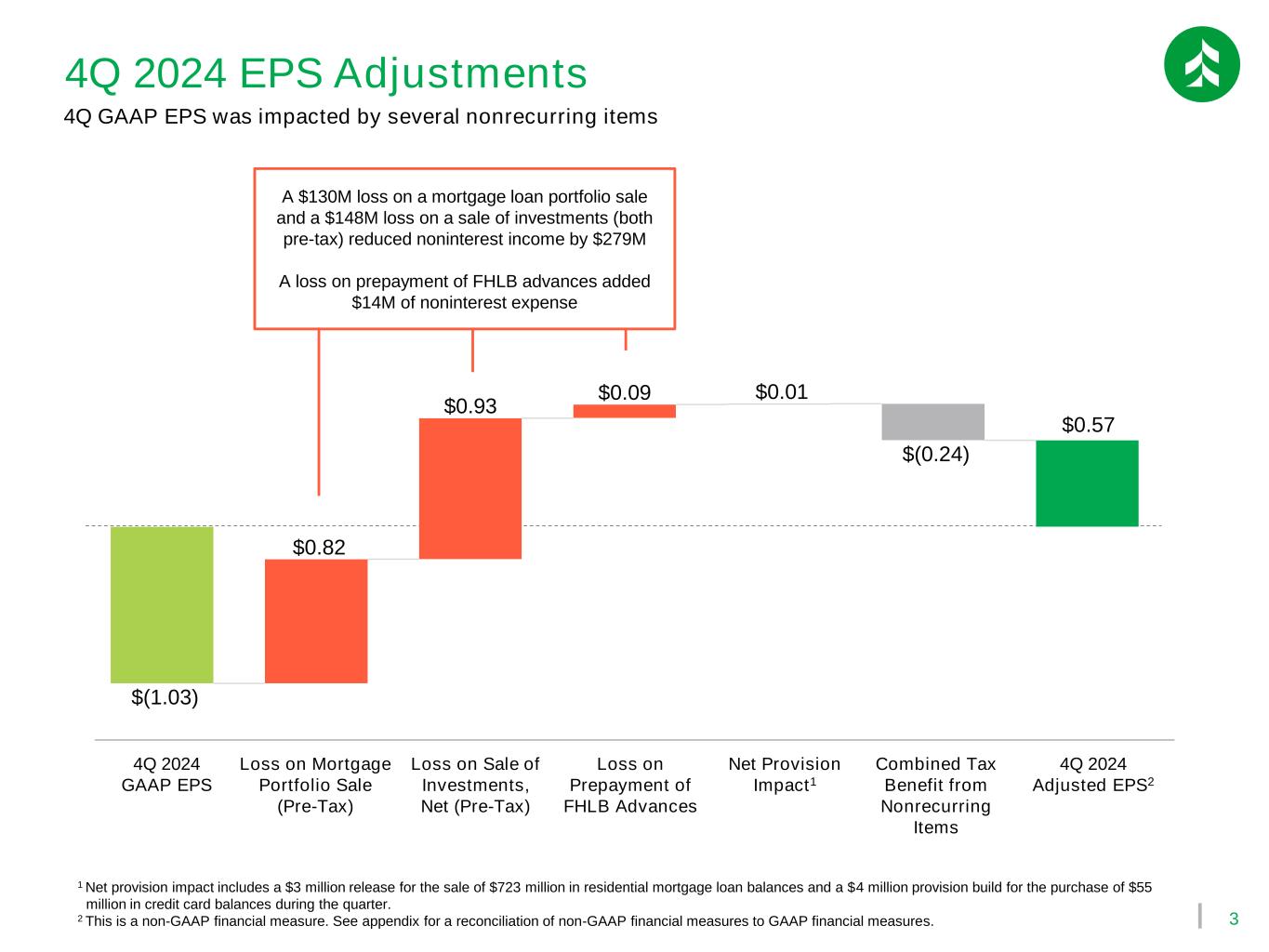
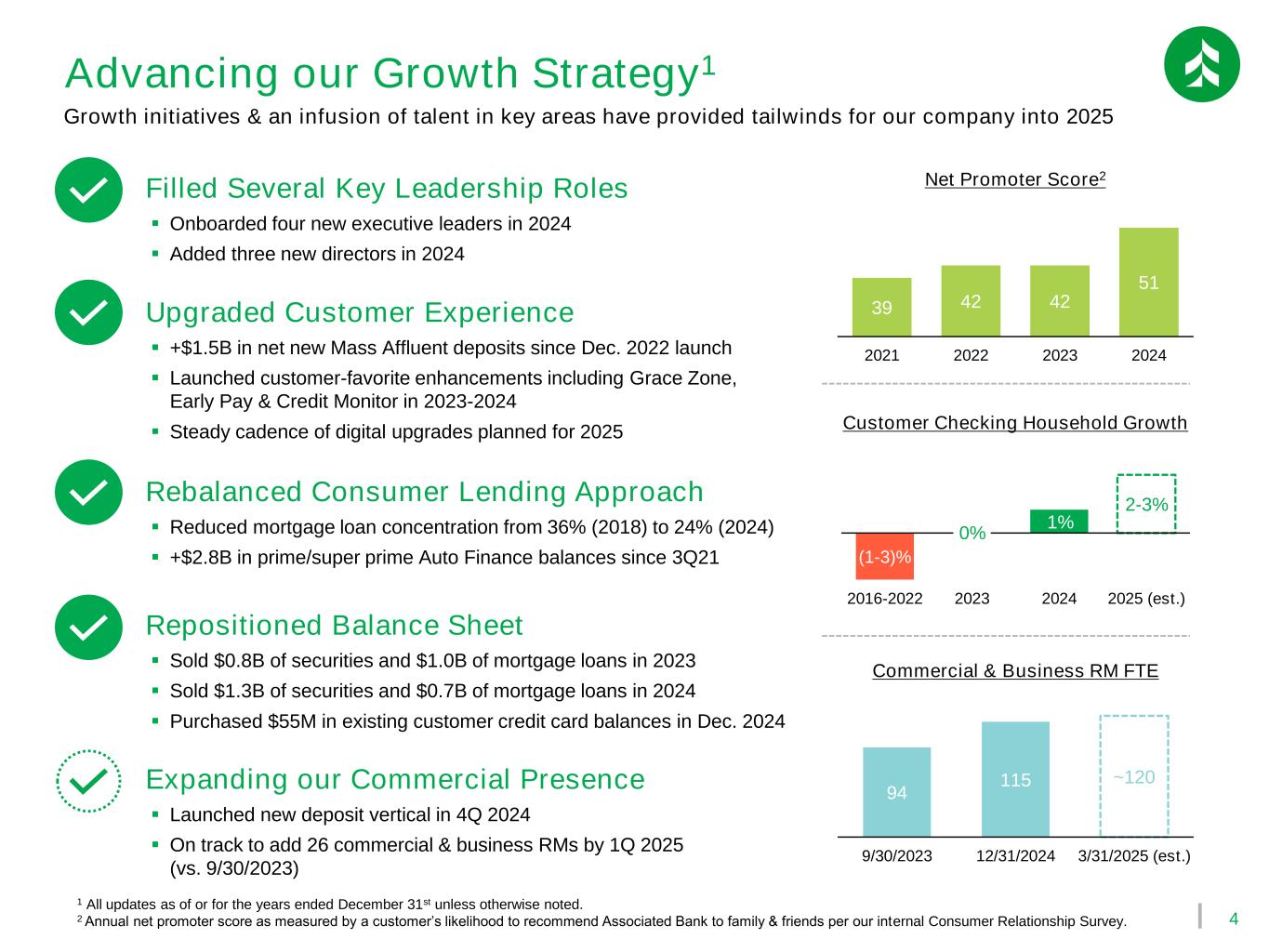
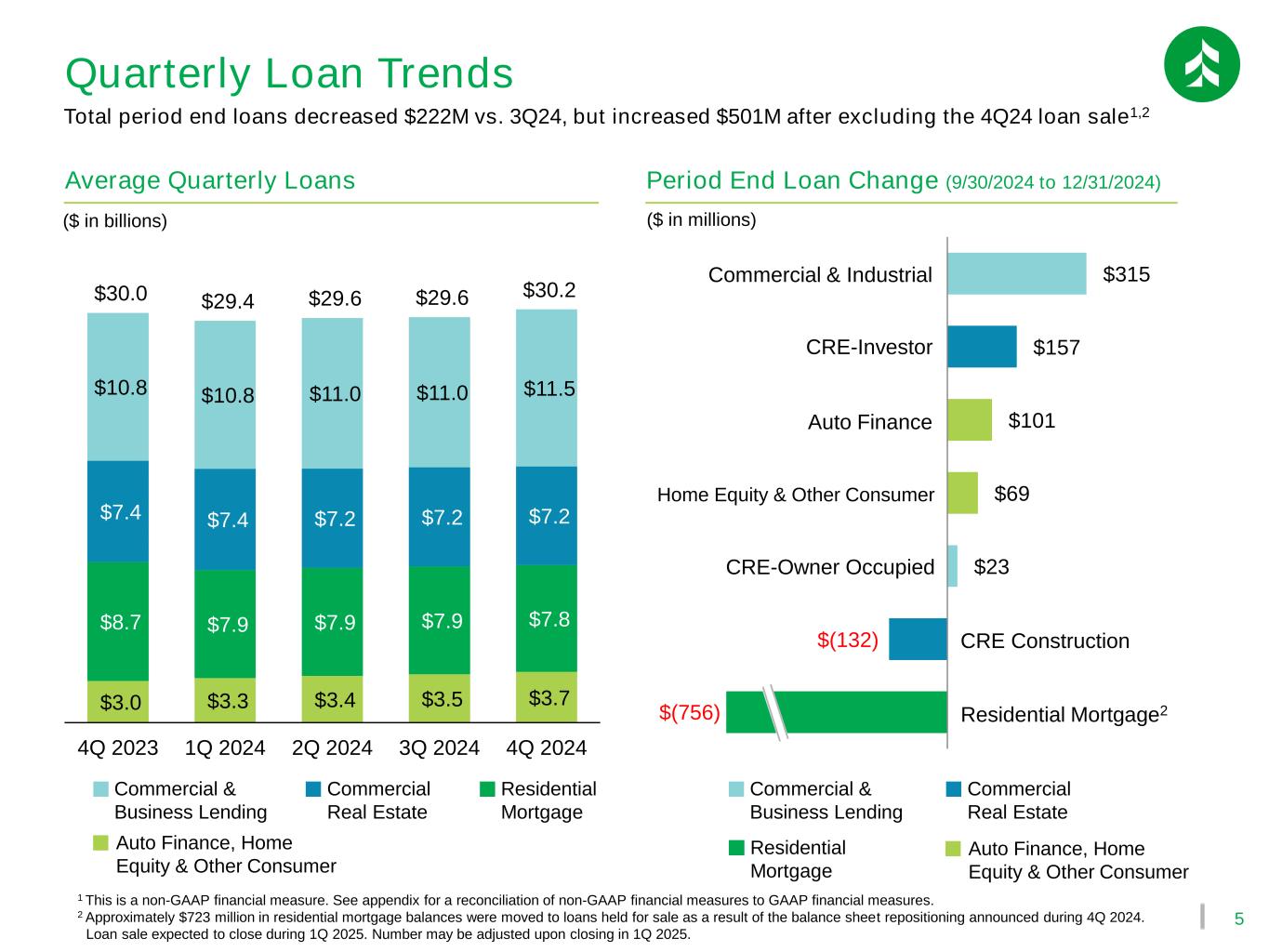
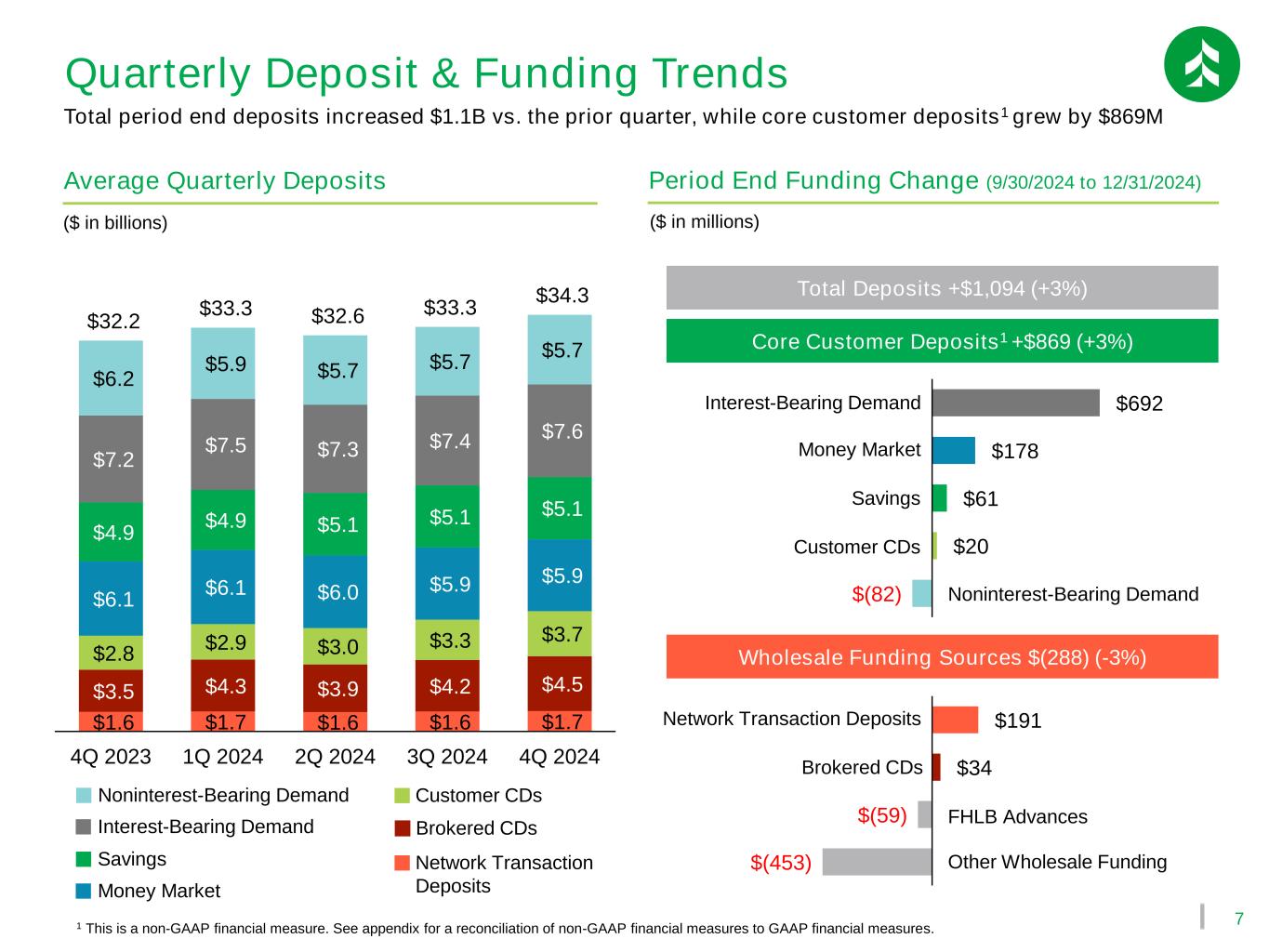
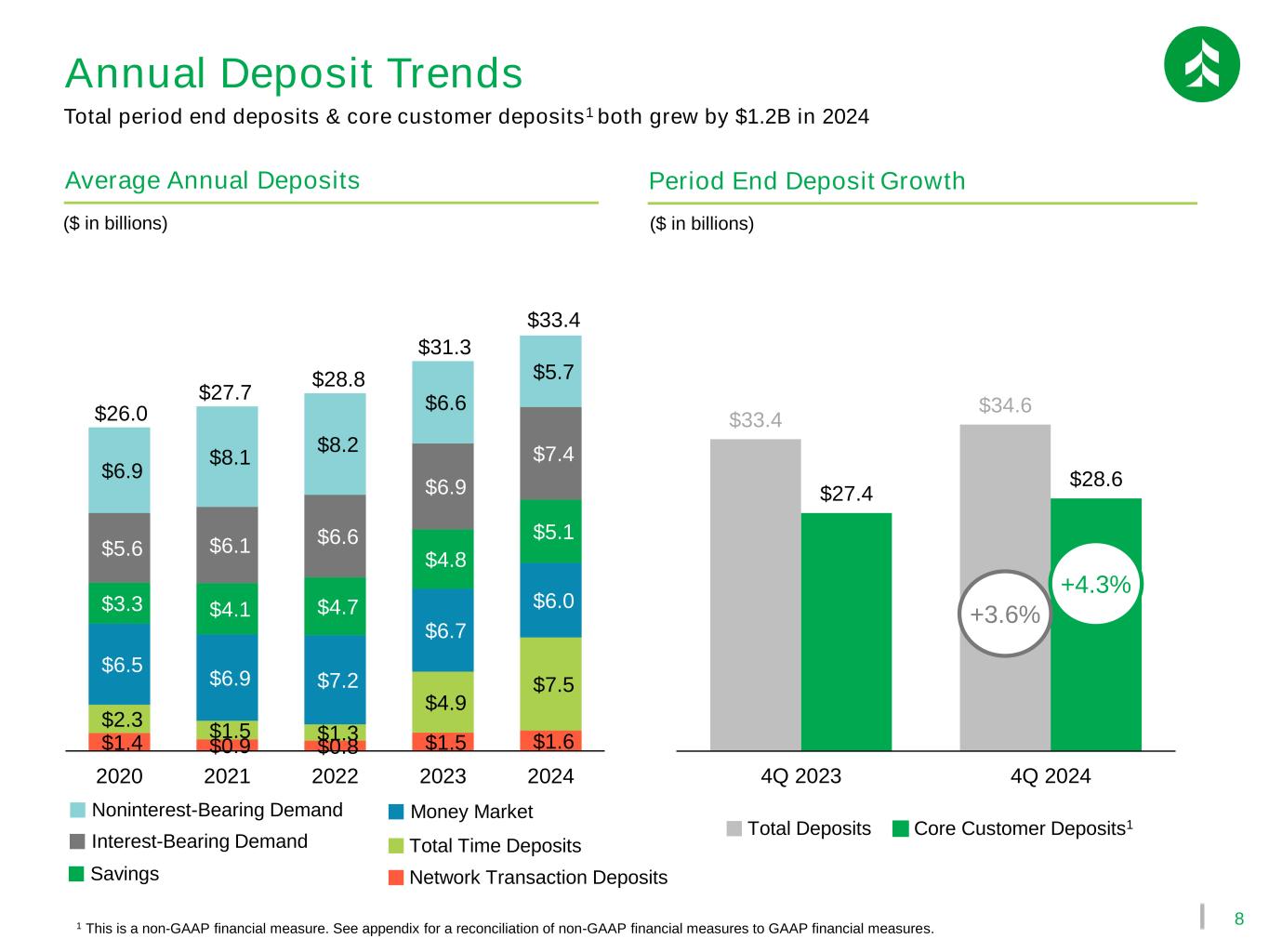
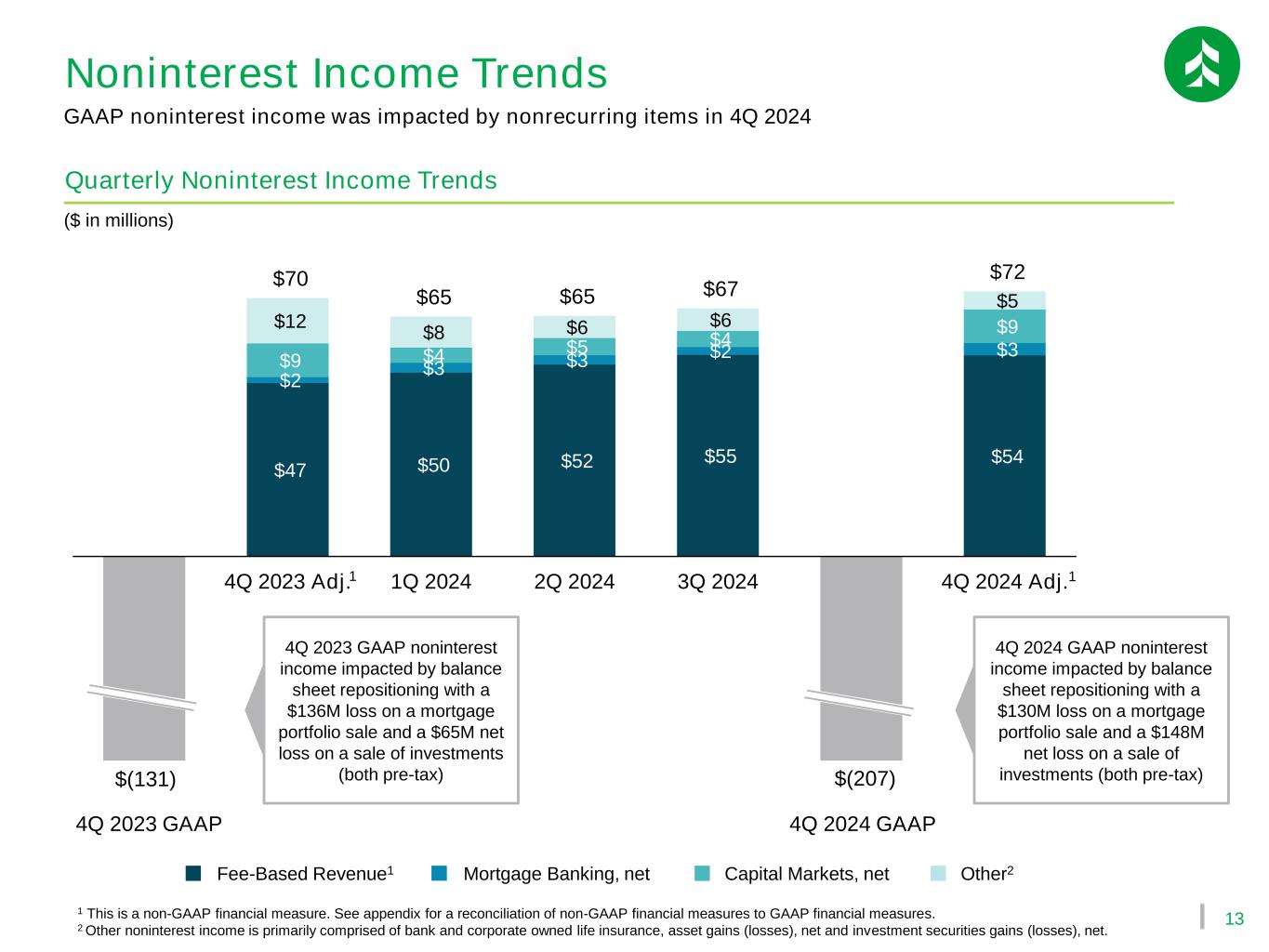
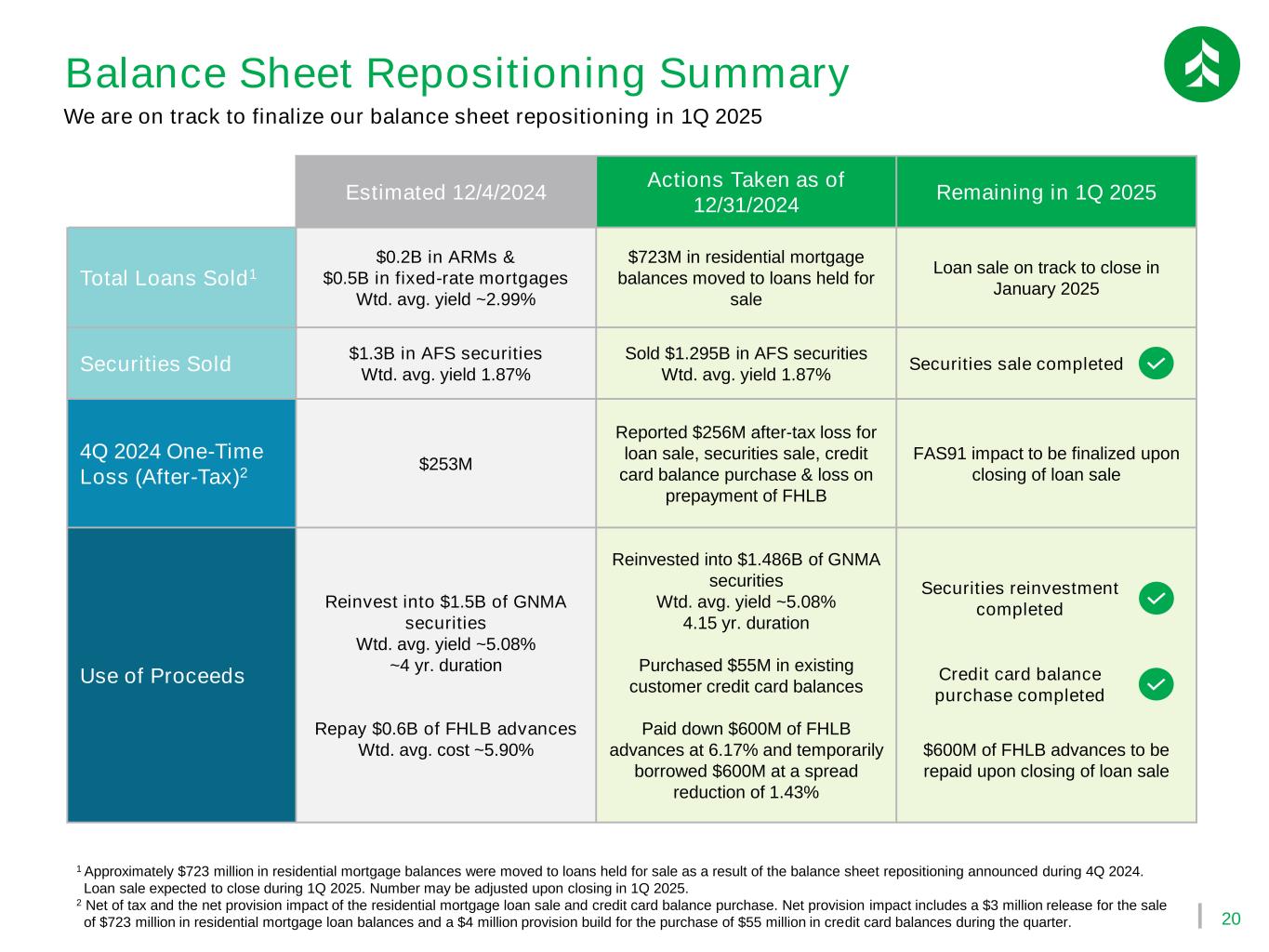
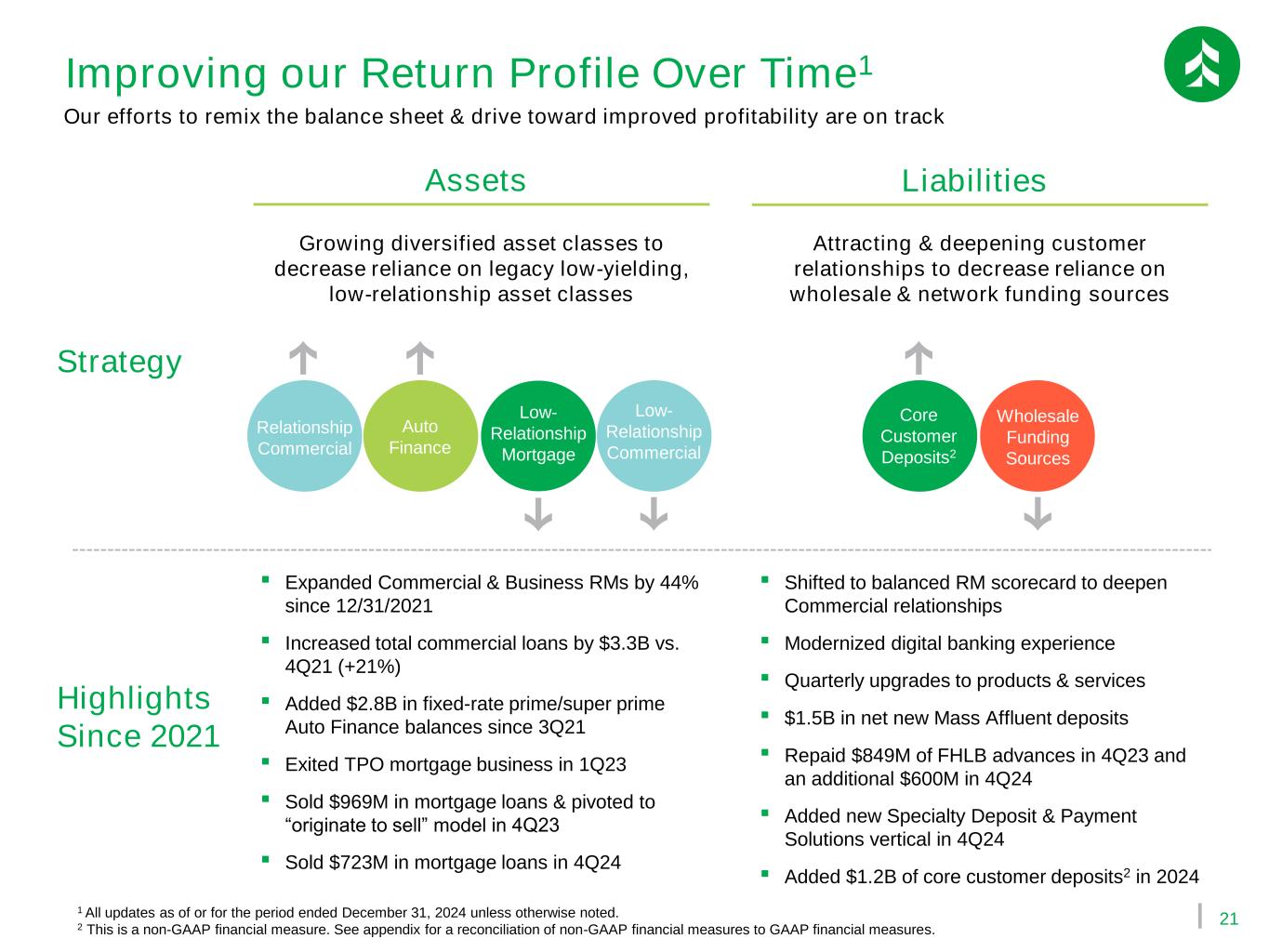
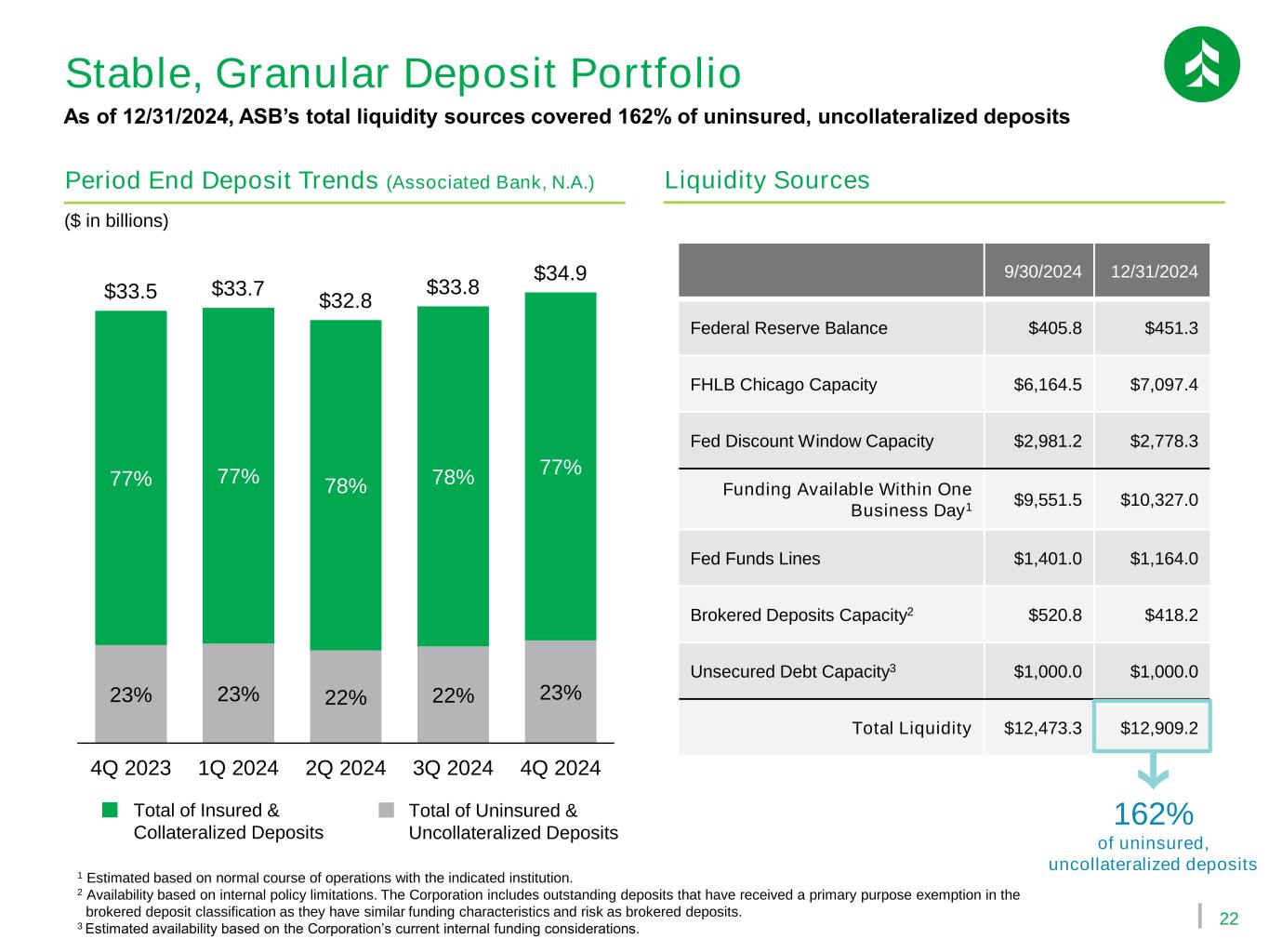
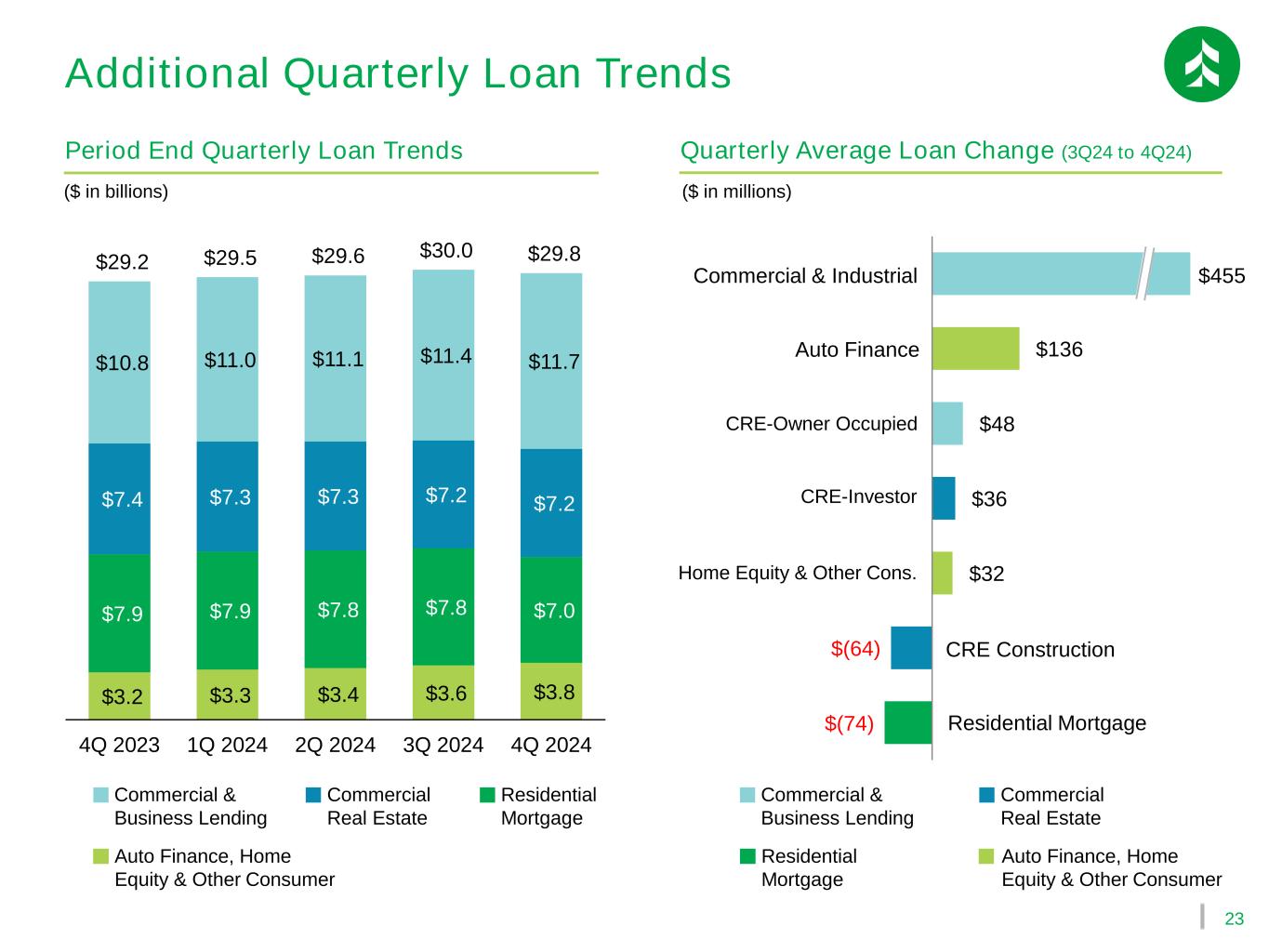
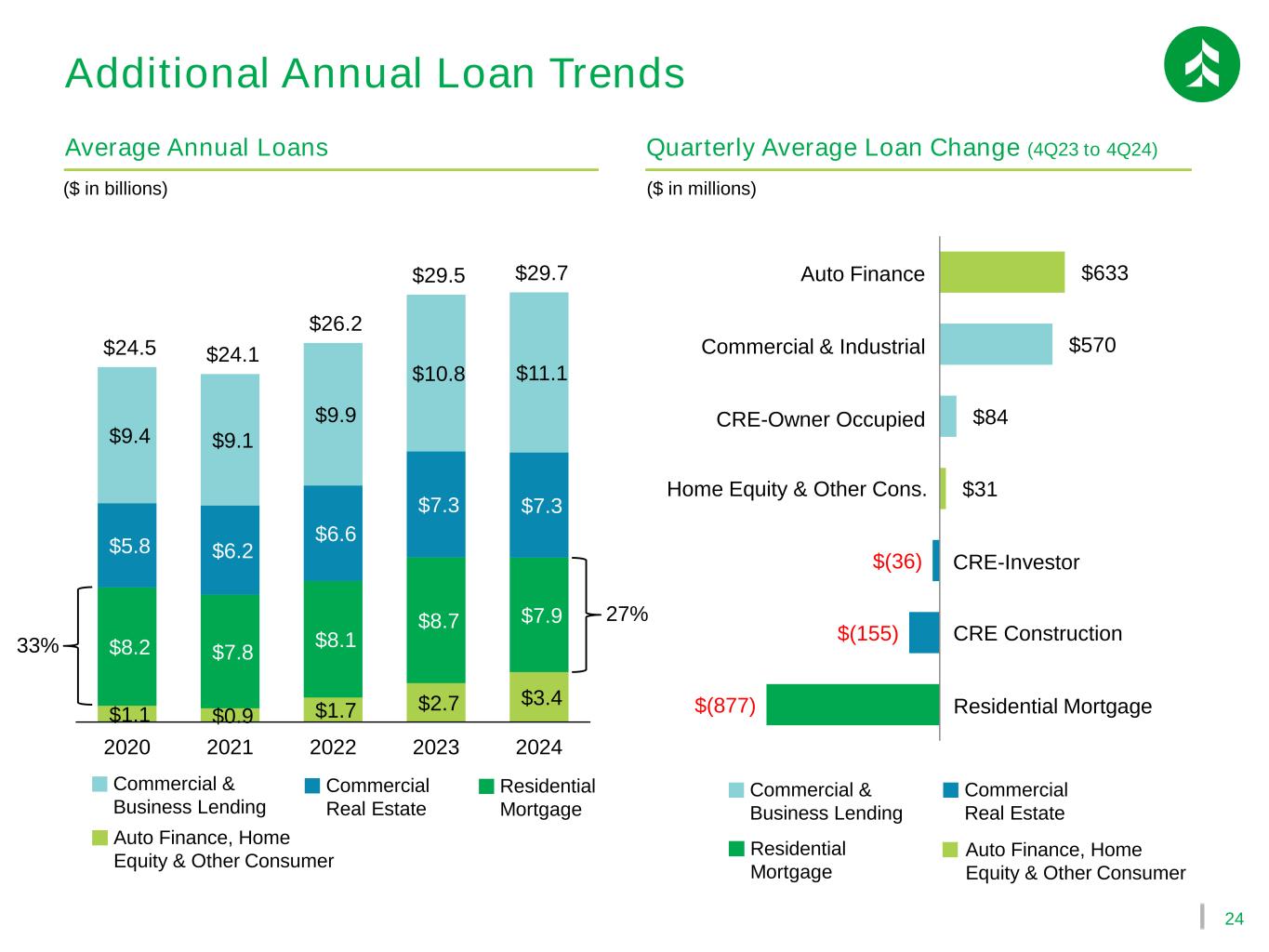
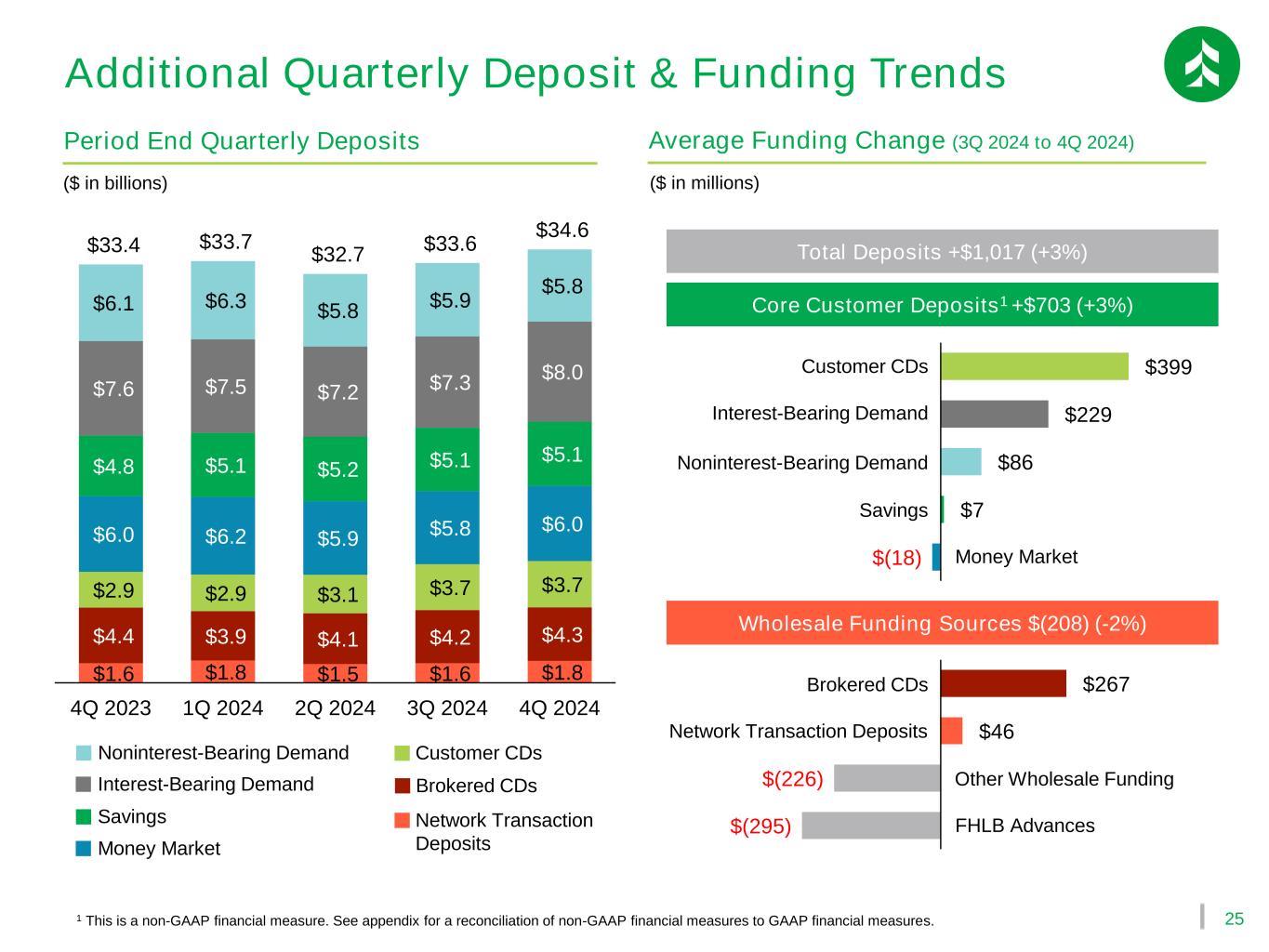
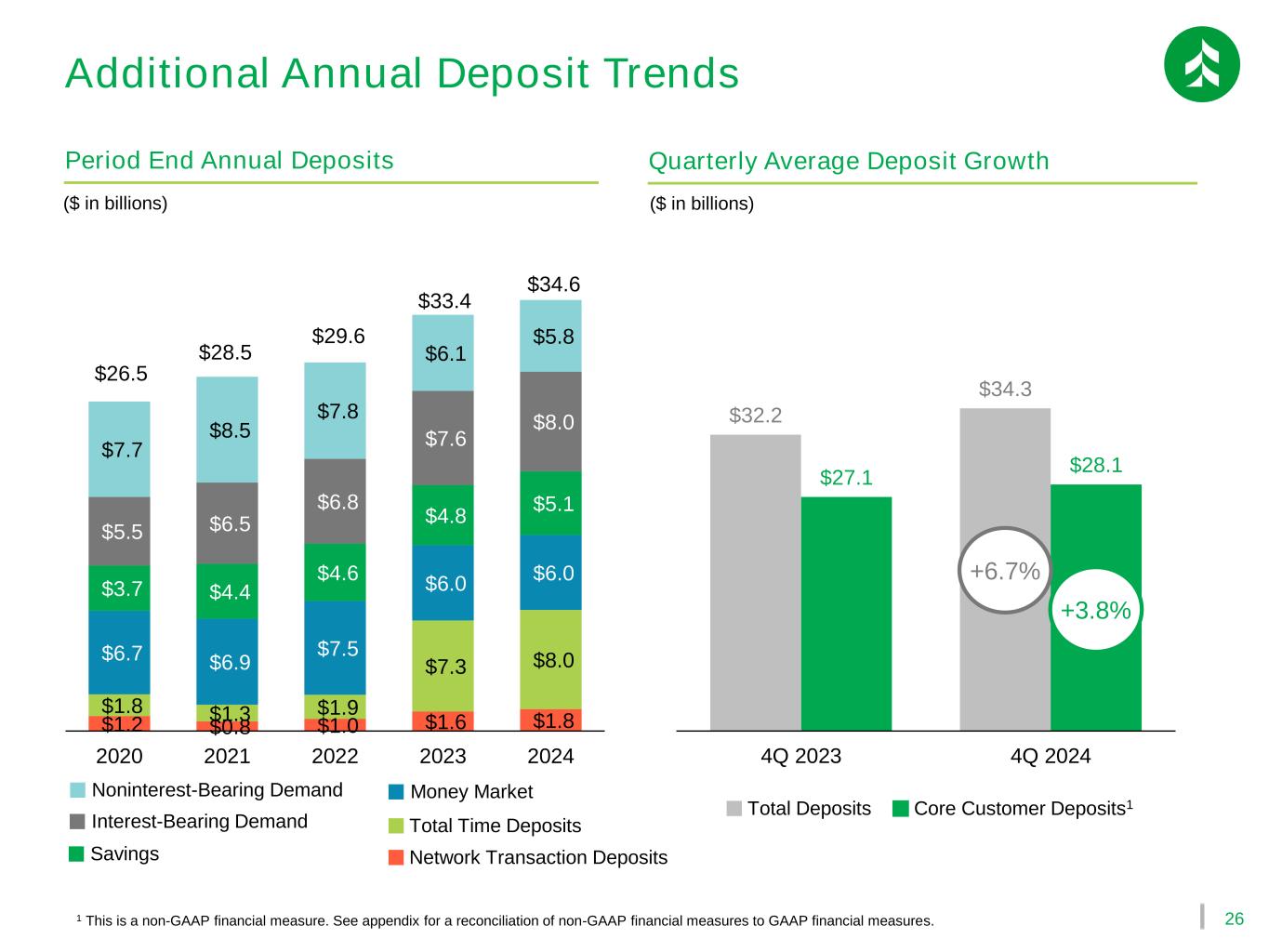
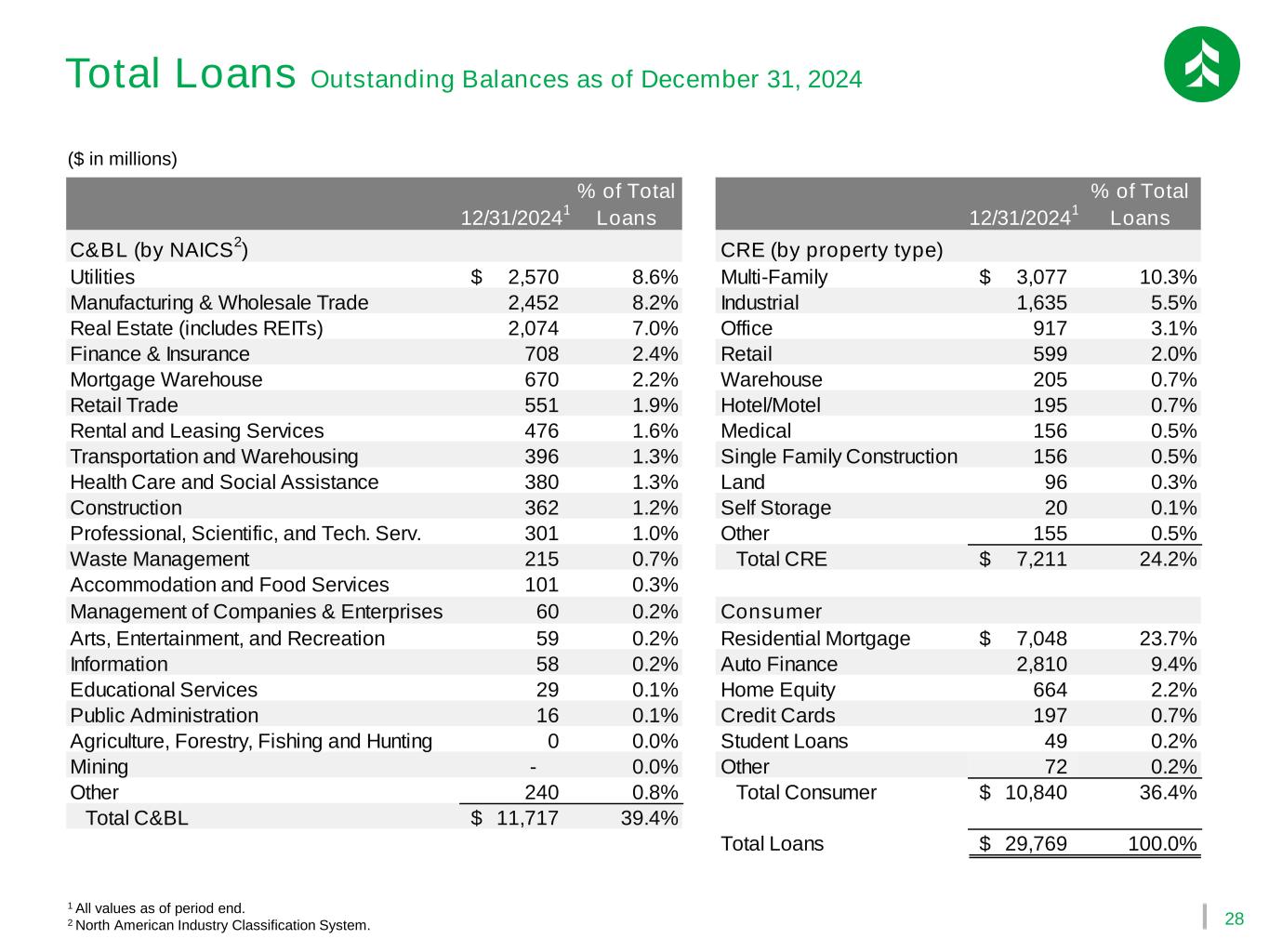
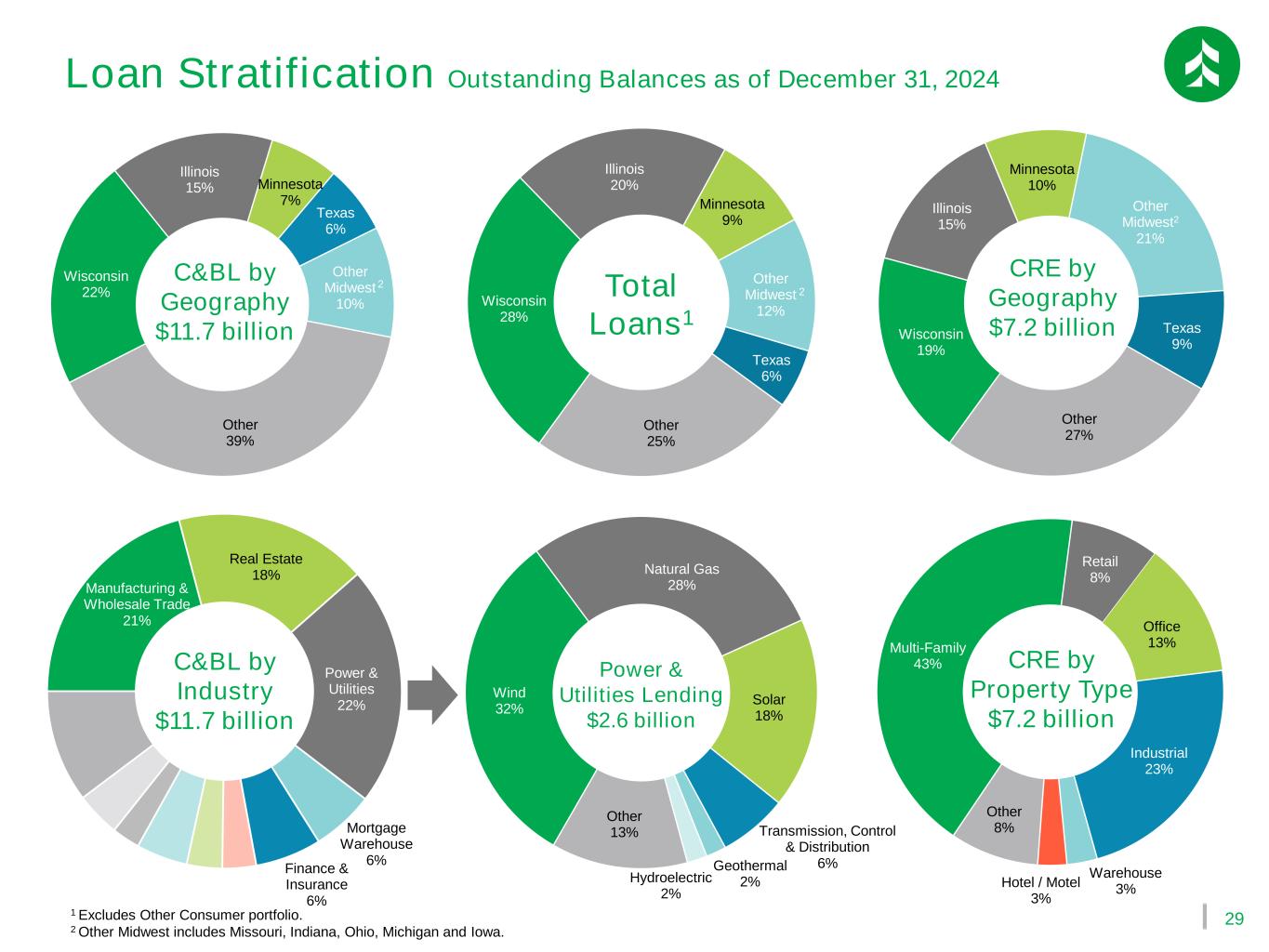
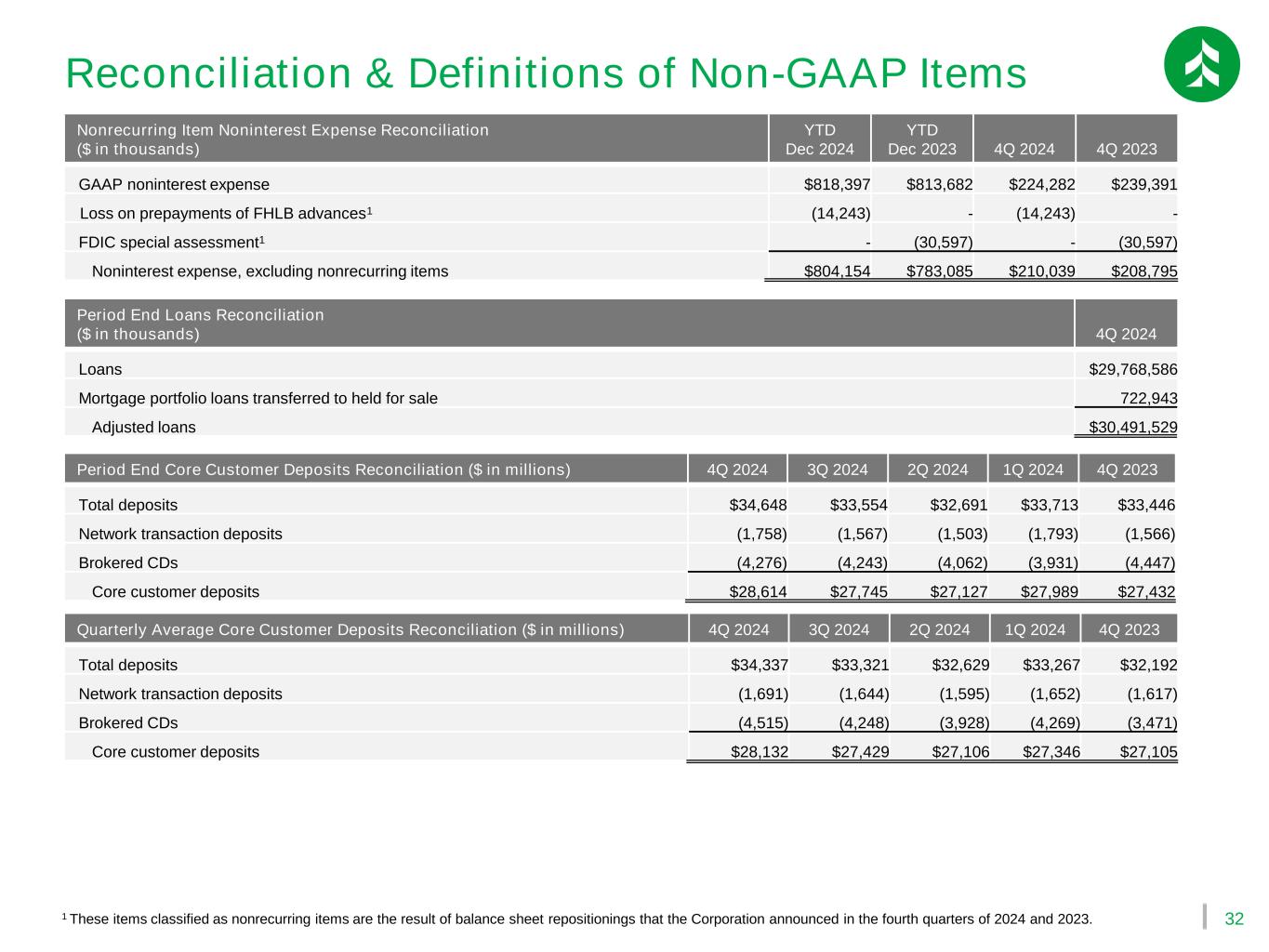
Well, good afternoon, everyone, and welcome to our Fourth Quarter Earnings Call. I'm Andy Harmening. I'm joined once again by our Chief Financial Officer, Derek Meyer; and our Chief Credit Officer, Pat Ahern. I want to start off by sharing some highlights from the fourth quarter of 2024. From there, Derek will cover margin, income statement, and capital trends, and Pat will provide an update on credit. We continue to see signs of strength in the US economy and closer to home in the Midwest, the situation has remained remarkably stable. Unemployment rates in Wisconsin, Minnesota, and several other Midwestern states remain well below the national average of 4.1%. Our prime and super-prime consumer borrowers have remained resilient, and our commercial customers are cautiously optimistic about their growth prospects in 2025. This continued stability has enabled us to remain front-footed with the execution of our growth strategy, and the fourth quarter was an active one for our Company. We added to our commercial capabilities through the launch of a new specialty deposit and payment solutions vertical. We raised over $300 million of new capital through a common stock issuance and put a portion of that capital to work through a balance sheet repositioning, selling approximately $700 million in low-yielding mortgage loans and $1.3 billion worth in AFS securities. We also purchased $55 million in existing customer credit card balances through an expansion of our participation agreement with Elan Financial Services. During the quarter, we also announced the addition of two widely respected business leaders to our Board of Directors in Kristen Ludgate and Owen Sullivan. We elevated three senior business line leaders to our executive leadership team in the Head of Corporate and Commercial Banking, Phil Trier; Deputy Head of Commercial Real Estate, Greg Warsek; and Deputy Head of Consumer and Business Banking, Steve Zandpour. And we welcomed several high-quality RMs to our growing commercial team. Importantly, we also delivered strong financial results during the quarter as we've continued to benefit from our organic growth strategies. Here in Q4, we delivered adjusted loan growth of over $500 million and core customer deposit growth of nearly $900 million while maintaining stability and discipline with regards to credit risk. As we look forward to 2025, we are positioned to play offense, and we're entering the year with a consumer value proposition that stacks up with anyone in the industry. A growing customer household base with deepened relationships, strong and improving customer satisfaction results, an expanding commercial team with deep expertise and capabilities, and an enhanced profitability profile from the balance sheet repositioning we announced in December. Taken together, these actions have positioned Associated for strong performance in 2025 and beyond. With that, I'd like to walk through some additional financial highlights from the quarter and 2024 as a whole, beginning on Slide 2. Our fourth quarter results were impacted by non-recurring items tied to the balance sheet repositioning we announced in December. After excluding these non-recurring items, the emerging momentum of our core businesses was reflected through adjusted earnings per share of $0.57. Core customer deposits grew by nearly $900 million during the quarter. And on the other side of the balance sheet, we grew total loans by over $500 million after adjusting for the mortgage loan sale announced in December. Over $300 million of that growth came in our commercial and business lending segments. An emerging growth story within our commercial business is starting to take hold. We've said all along that our intention is to fund the majority of our loan growth with core customer deposits. And in 2024, we did just that. For the year, we grew core customer deposits by $1.2 billion or 4.3% and adjusted loans by $1.3 billion or 4.4%. This will remain a point of emphasis for us in 2025. Shifting to the income statement, our net interest income increased $8 million from Q3 and finished at $270 million. Our margin increased 3 basis points to $281 million. Due to the timing of our balance sheet repositioning, we expect to realize most of the margin benefit from the transaction here in Q1 of 2025. Our GAAP non-interest income was impacted by non-recurring items tied to our balance sheet repositioning during Q4. But on an adjusted basis, we saw a $5 million quarterly increase. Total adjusted non-interest expense finished at $210 million for the quarter, and while we've continued to make strategic investments in support of our growth plan, staying disciplined on expenses remains a foundational focus of our Company. Another foundational focus is managing credit risk. Here in Q4, our non-accrual loans, charge-offs, and provision all decreased versus the prior quarter and the same period last year. In 2025, we remain committed to staying ahead of the curve by taking a disciplined, consistent approach to loan risk ratings so that we can better understand credit risk in our portfolio by both segment and geography. On Slide 3, we provided a detailed breakdown of EPS impacts from several non-recurring items impacted our financial results in Q4. First, the balance sheet repositioning we announced during the quarter impacted our income statement through a $130 million loss from the sale of mortgages and another $148 million net loss on the securities sale we completed. Combined, these items reduced non-interest income by $279 million. Second, our total non-interest expense was impacted by a $14 million loss on prepayment of FHLB advances tied to the repositioning. And finally, our provision increased slightly due to the net impact of a release from the sale of mortgage loans and a build from the credit card balances we purchased during the quarter. Net of tax, our adjusted EPS came in at a positive $0.57 for the quarter. This adjusted number underscores the strength of our core businesses and gives us confidence that we're on the right path with our strategic plan as we move into 2025.
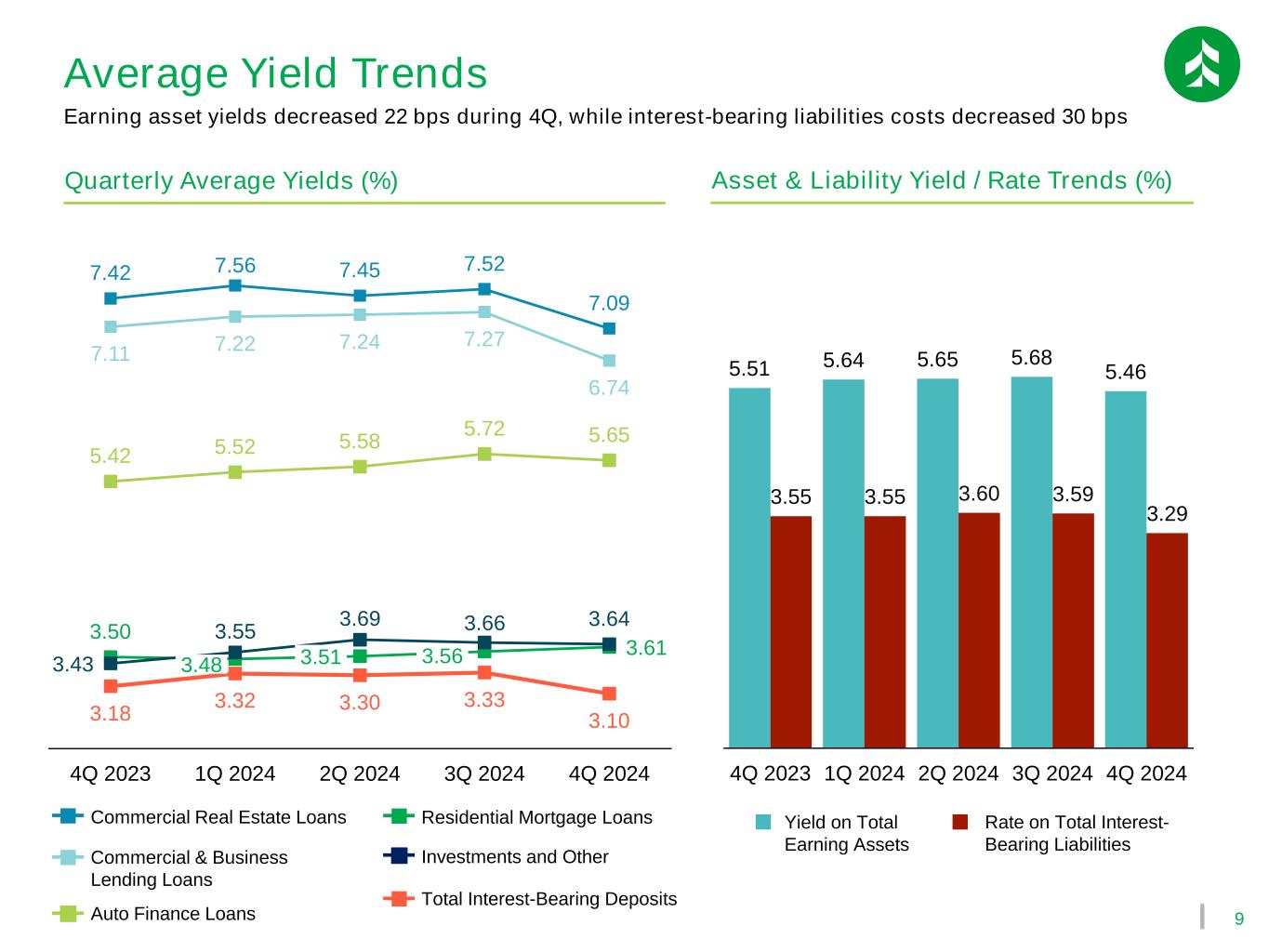
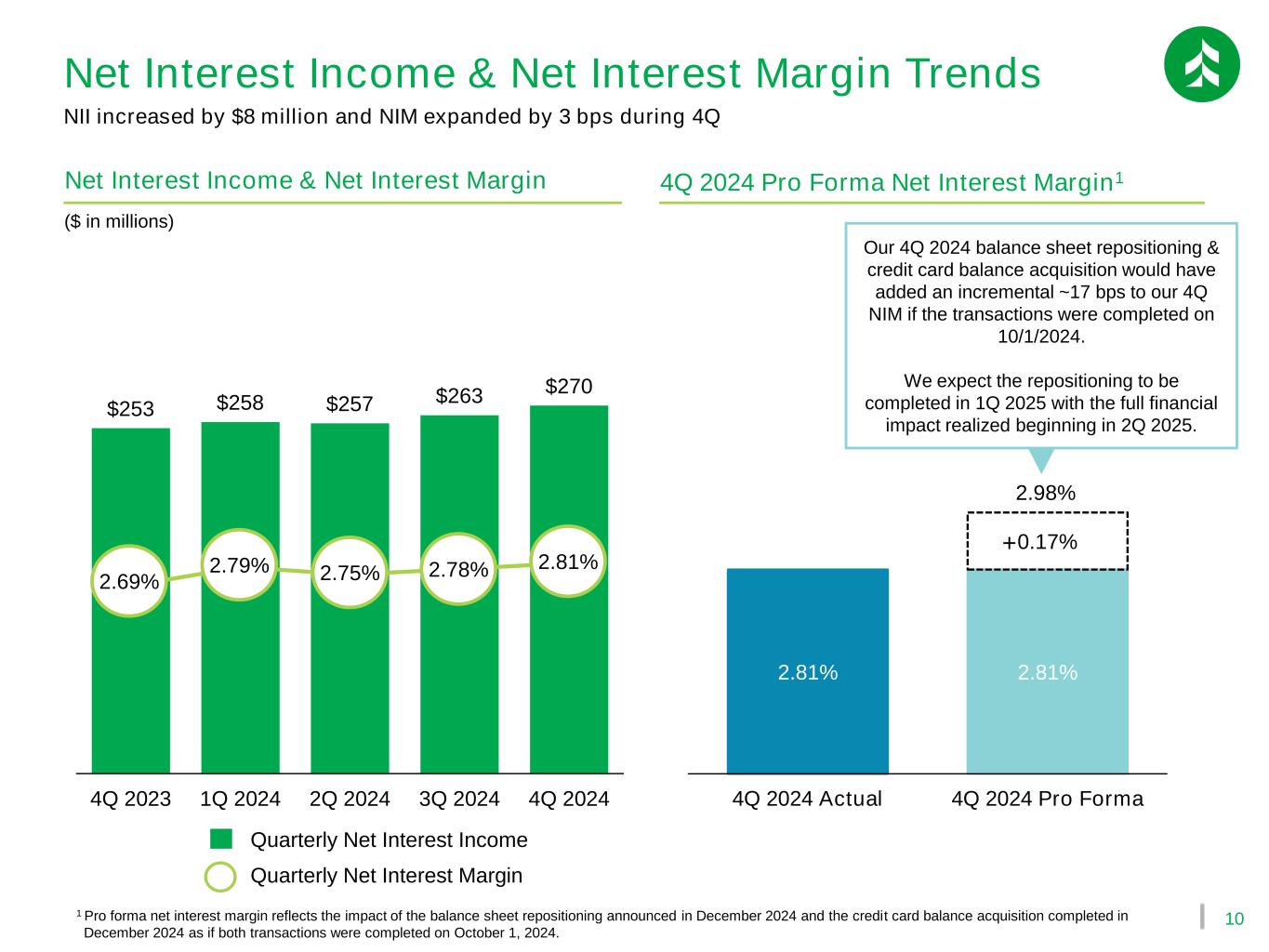
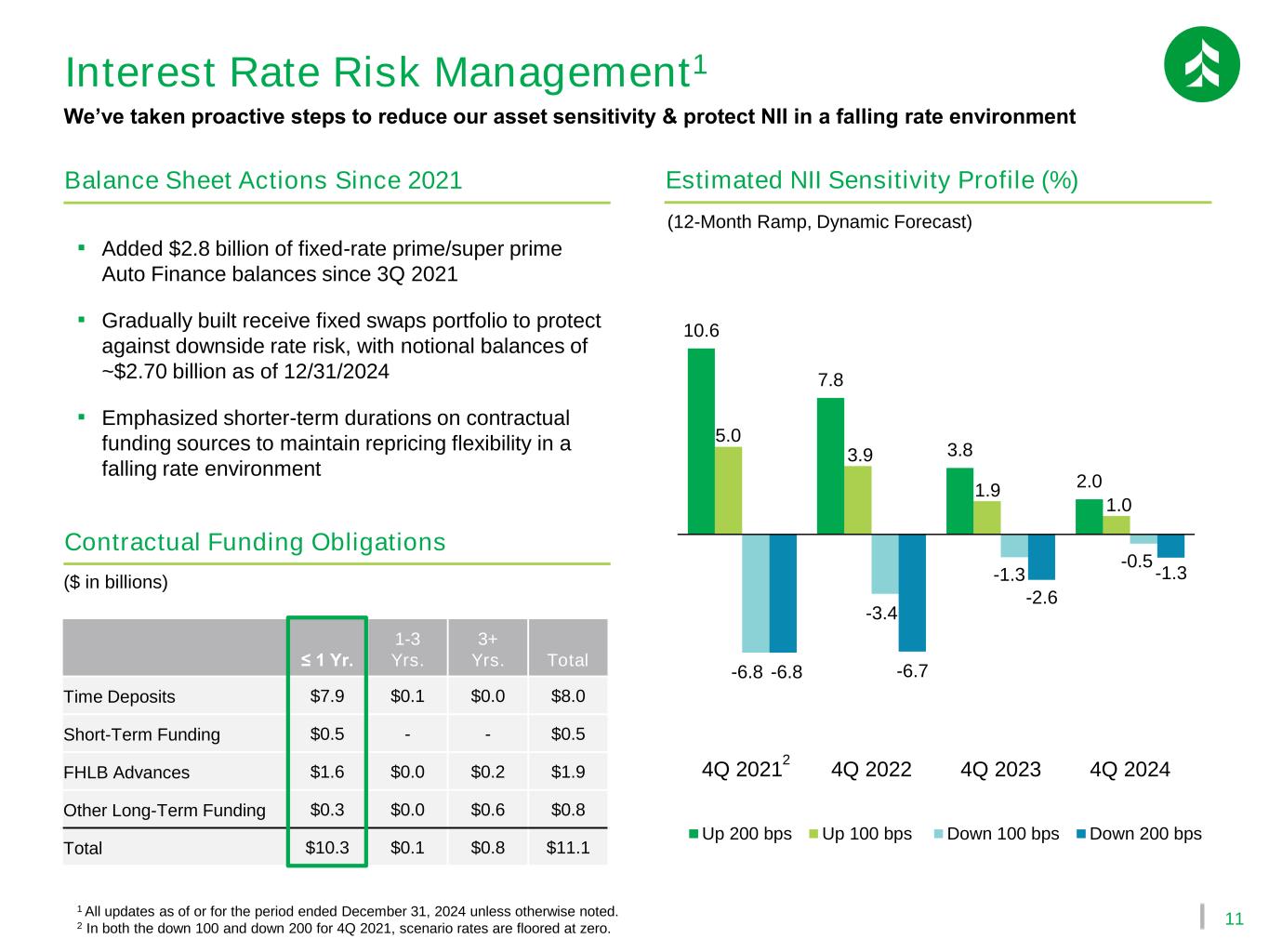
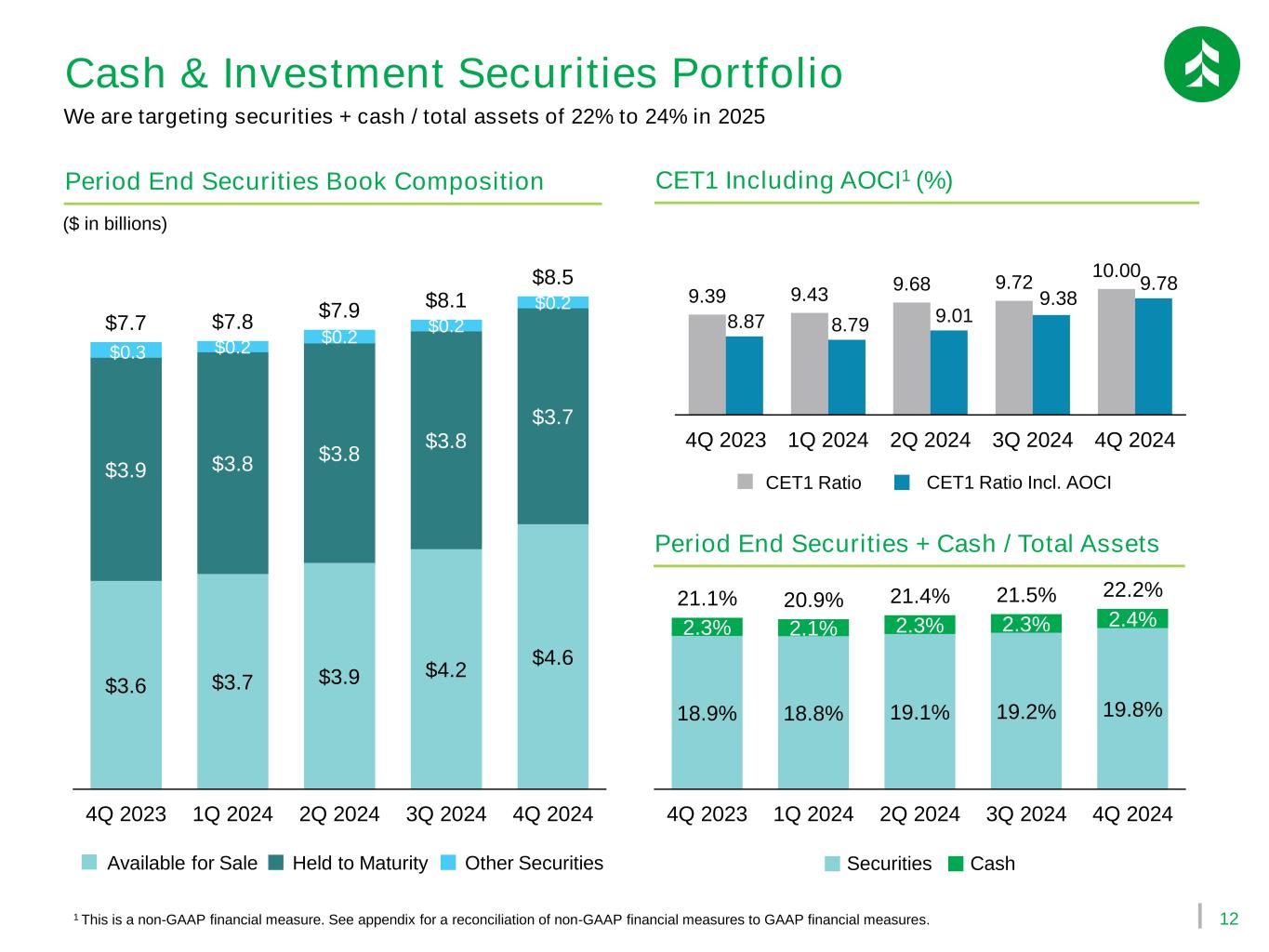
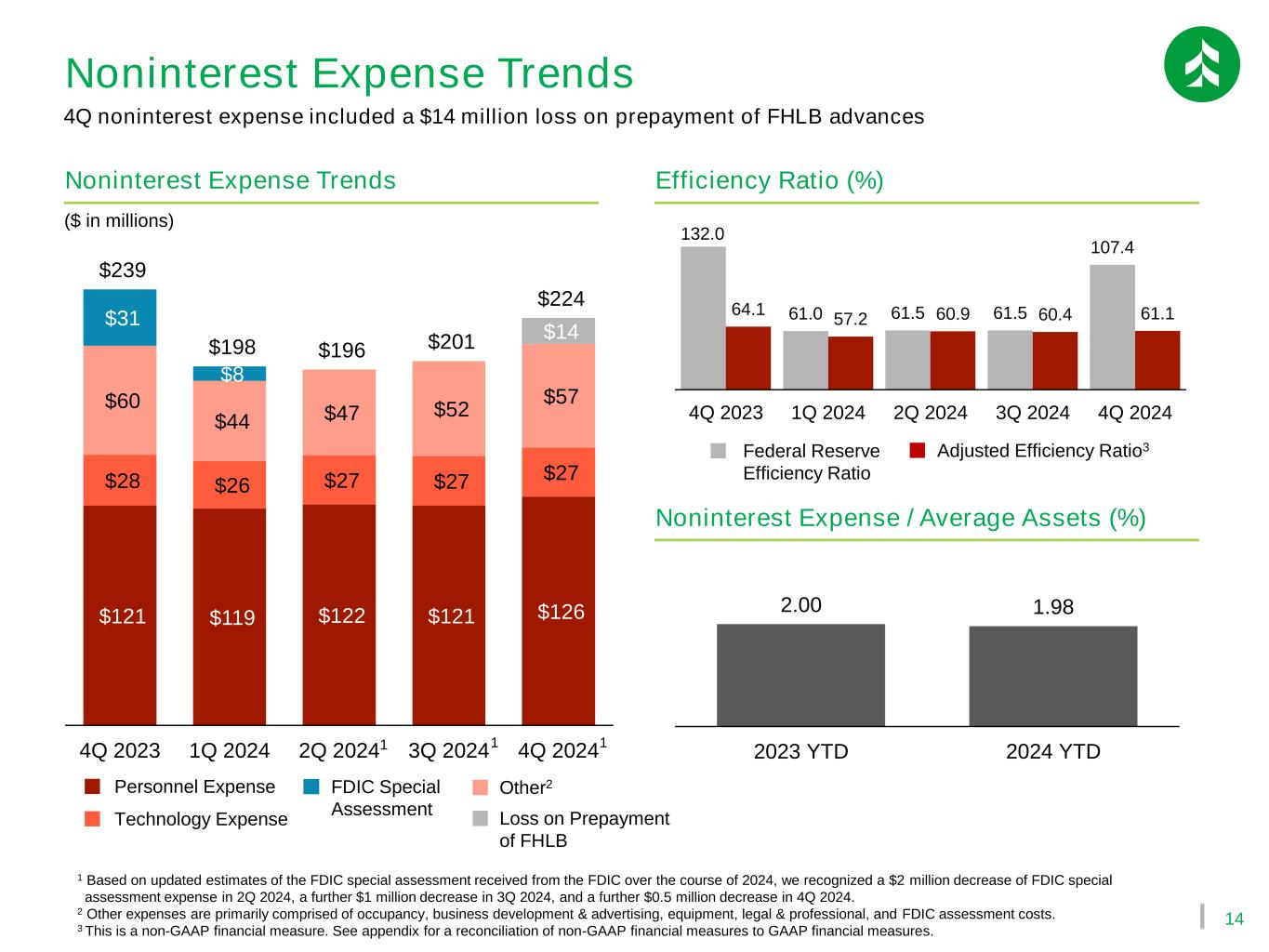
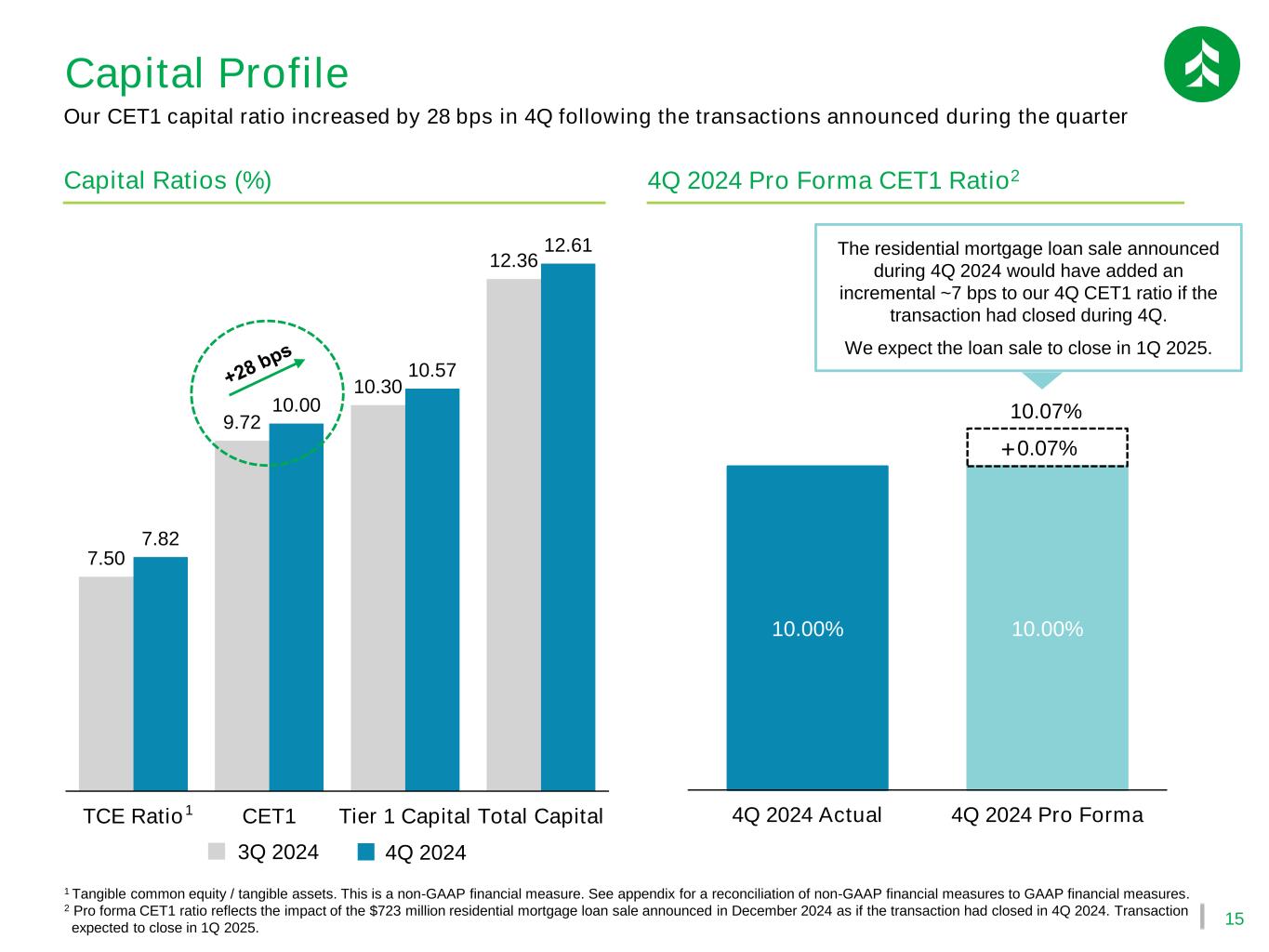
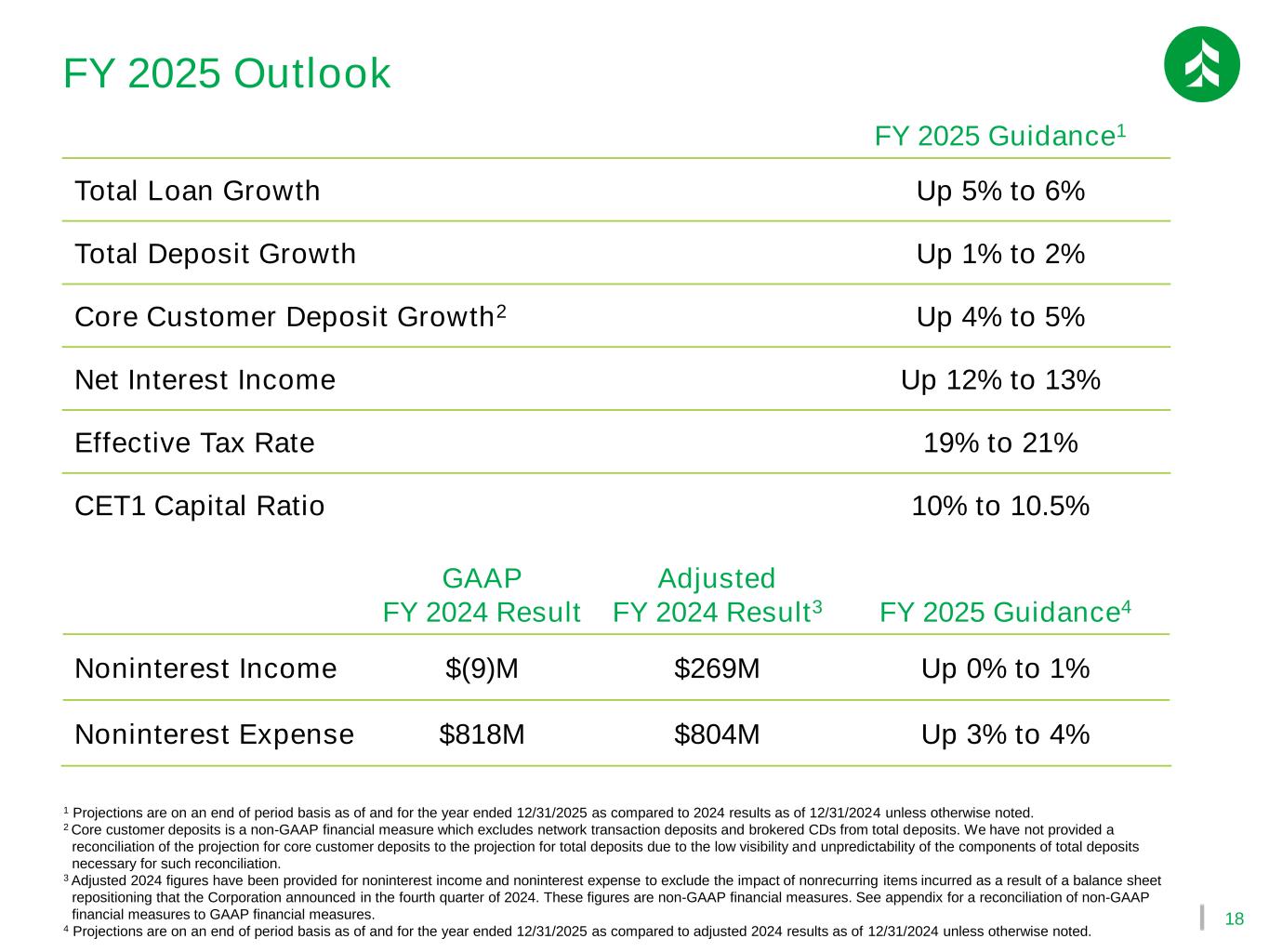
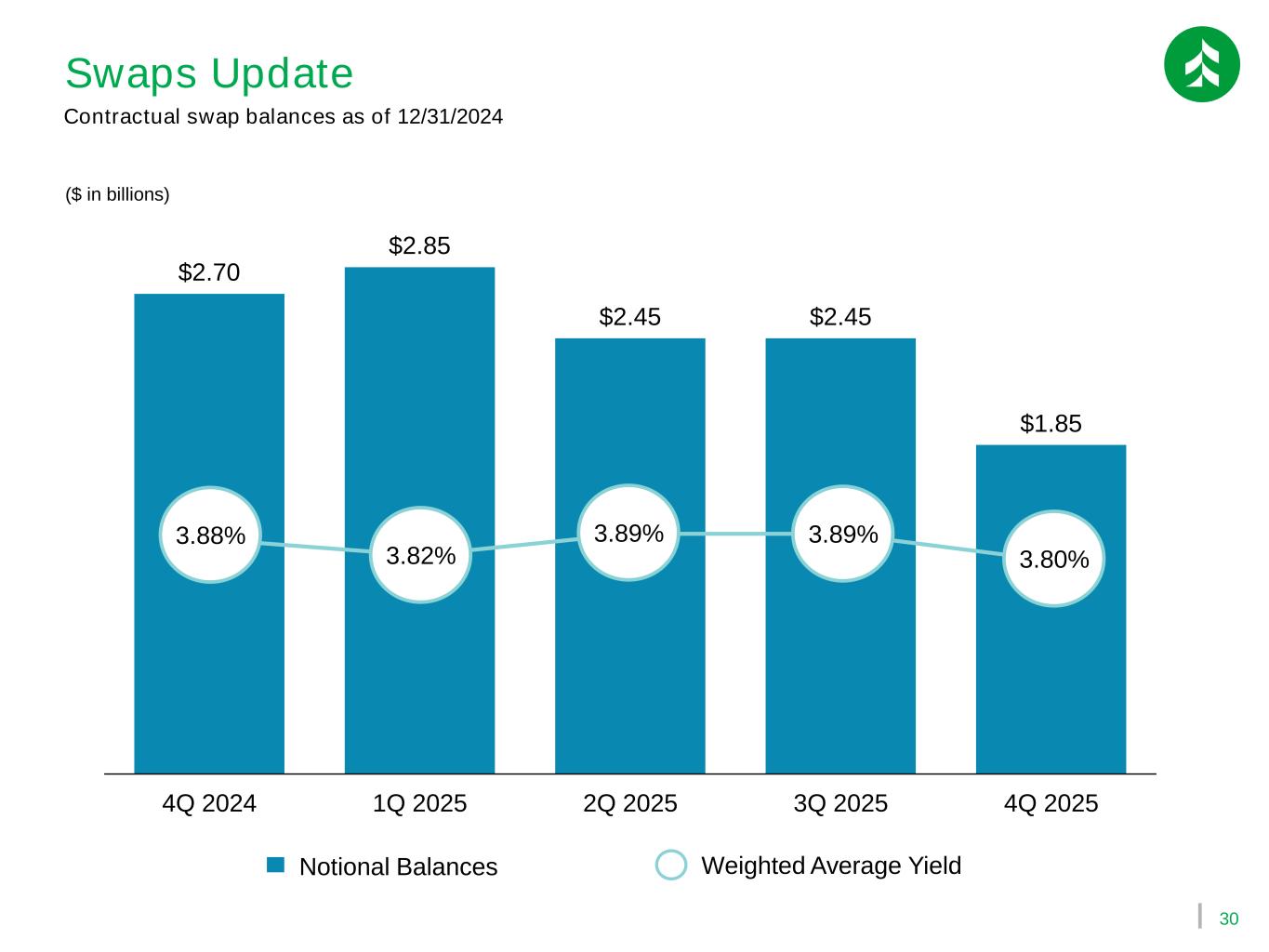
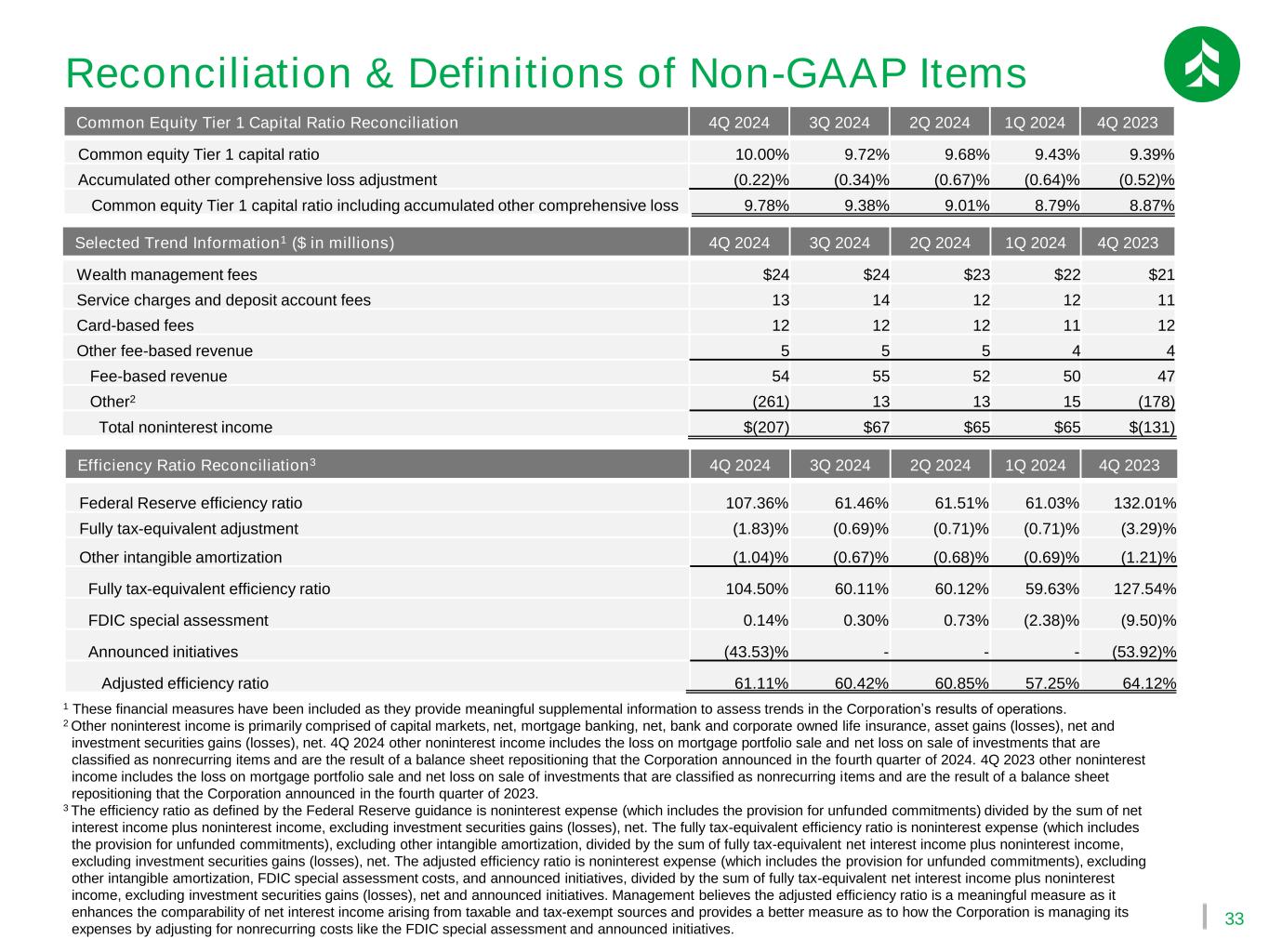
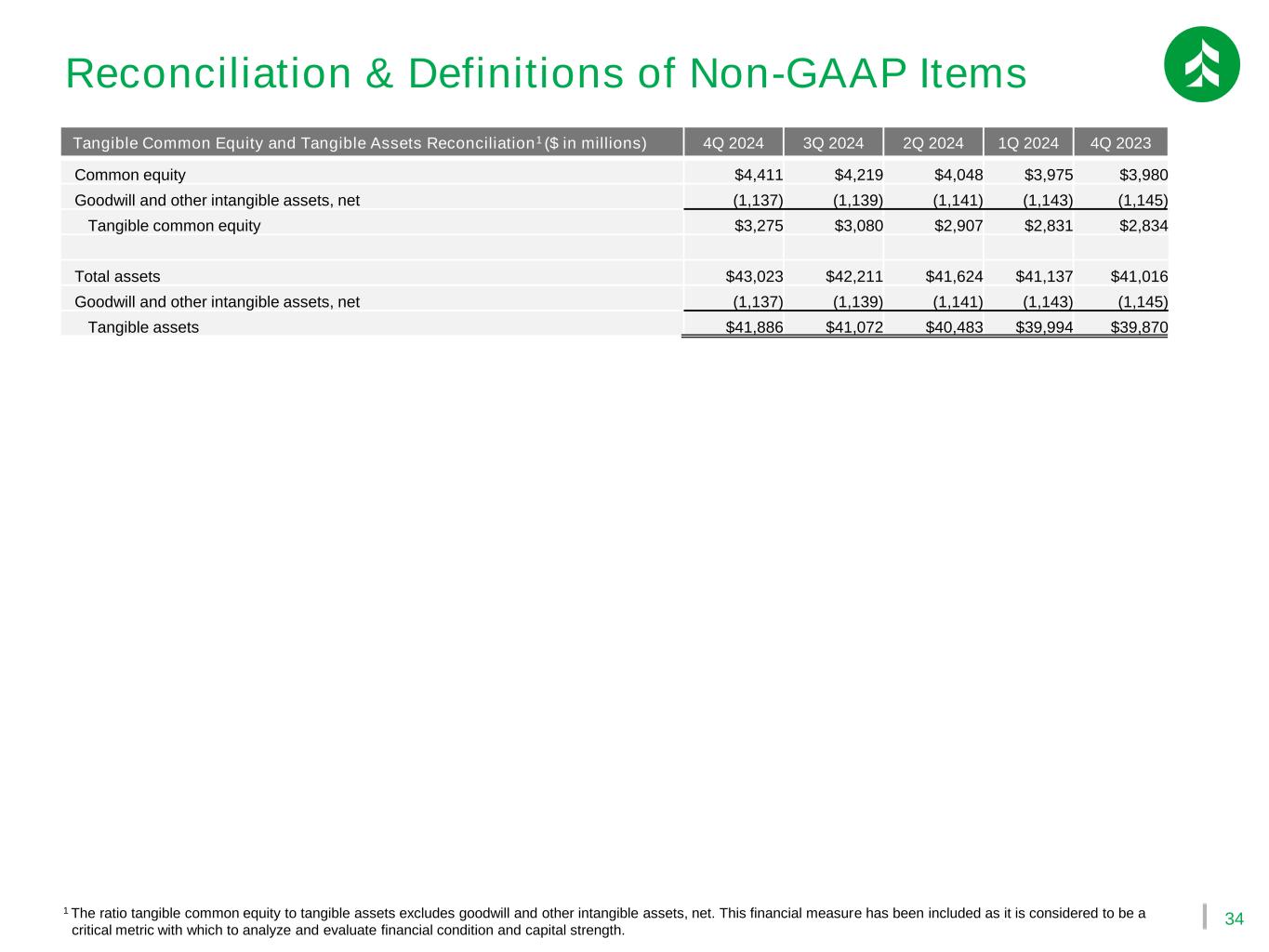
Thanks, Andy. I'll start on Slide 9 with our asset and liability yield trends. Following the 50 basis point Fed rate cut in September and subsequent 25 basis point cuts in November and December, earning asset yields and interest-bearing liability costs both fell meaningfully during the fourth quarter. Total bank-earning asset yields decreased by 22 basis points during the quarter, led by a 43 basis point decrease in CRE loans and a 53 basis point decrease in commercial and business lending, both of which were largely floating-rate portfolios that respond more quickly to changes in market rates. These decreases were partially offset by relative stability in our large fixed-rate auto, residential, and securities books. On the other side of the balance sheet, total liability costs decreased by 30 basis points during the quarter. This larger decrease was a function of our ability to decrease interest-rate-bearing deposit costs by 22 basis points during the quarter, along with our efforts to pay down wholesale funding. Moving to Slide 10, our total net interest income grew by $8 million versus the prior quarter and $17 million versus Q4 of 2023, landing at $270 million for the quarter. Our net interest margin expanded by 3 basis points to 2.81%. During the quarter, due to the timing of the securities reinvestment, which closed at the end of the year, and the timing of the loan sale, which is expected to be settled by the end of the month, the NII benefit we saw in Q4 was largely driven by initial securities sale and a refinancing of our high-cost FHLB advances. On a pro-forma basis, we estimate that our balance sheet repositioning, including the credit card balance acquisition we made in December would have added approximately 17 more basis points to our net interest margin had we received a full quarter's benefit from the transactions. Based on our latest expectations for balance sheet growth, deposit betas, and Fed action, along with the enhanced profitability from our balance sheet repositioning, we expect to drive net interest income growth of between 12% and 13% in 2025. On Slide 11, we provided a reminder of the proactive steps we've taken to get a more neutral asset sensitivity position. Our auto book has grown to $2.8 billion as of year-end, providing a solid base of fixed-rate assets with low prepayment risk and strong credit characteristics. In addition, as of December 31st, we maintain notional swap balances of approximately $2.7 billion. And finally, we had $10.3 billion in contractual funding obligations set to mature in one year or less as of Q4, which is over 90% of the total. Taken together, these actions have reduced our asset sensitivity over time with a down 100 ramp scenario representing about a 0.5% impact to our NII as of Q4. This has reduced from the 3.4% impact we were modeling in Q4 of 2022. Our goal is to maintain this modestly asset-sensitive position going forward. Shifting to Slide 12, our securities book increased to $8.5 billion on a period-end basis with the increase largely driven by the settlement of securities purchases as part of the balance sheet repositioning we announced in December. During the quarter, we saw a pickup in our CET1 ratio, thanks to capital raised from the common stock offering we announced in December. And after putting a portion of that capital to work in the balance sheet repositioning we announced in December, CET1 landed at an even 10% at year-end. We also saw a reduction in our AOCI impact due to our securities sale and, as such, the gap between our regulatory CET1 ratio and our CET1 plus AOCI ratio decreased to just 22 basis points in Q4. Following the transaction, our securities plus cash to total assets ratio rose to 22% for the fourth quarter, and we would expect to manage the ratio in the 22% to 24% range in 2025. Our non-interest income trends are highlighted on Slide 13. As Andy mentioned, our GAAP results reflected a net loss for the fourth quarter, and this loss was driven by non-recurring items tied to the balance sheet repositioning we announced in December. Adjusting for these results, our core non-interest income came in at $72 million in Q4, representing a $5 million increase versus the prior quarter and a $2 million increase versus our adjusted Q4 2023 figure. The quarterly increase was primarily driven in increases in capital markets and mortgage banking income, partially offset by a decrease in BOLI income. Compared to the same period last year, wealth management fees grew by $3 million, while deposit fees and mortgage banking income both grew by $2 million. In 2025, we expect noninterest income to grow by 0% to 1% as compared to our adjusted 2024 base of $269 million. Moving to Slide 14. Our fourth quarter expenses were impacted by a $14 million loss on the prepayment of FHLB advances as part of our balance sheet repositioning. Excluding this non-recurring item, our adjusted non-interest expense came in at $210 million in Q4. This adjusted number represents a $9 million increase from the third quarter but just a $1 million increase from our adjusted Q4 2023 expenses. The bulk of the quarterly increase stemmed from investments in our organic initiatives, including an acceleration of hiring that increased our personnel expense in Q4. For the full year, our non-interest expense came in at $804 million after adjusting to exclude the non-recurring loss on the FHLB prepayment. While we've continued to invest in people and strategies to support our growth plans, we've also remained squarely focused on managing our overall expense run rate on an ongoing basis. With that in mind, we expect the total non-interest expense growth of between 3% and 4% in 2025 off of our adjusted 2024 base of $804 million. On Slide 15, we once again saw key capital ratios increase across the board here in Q4 after raising $331 million of capital with our November common stock offering. While we did put a portion of this capital to work with the balance sheet repositioning we announced in December, we still expect to maintain a higher level of capital than we did pre-transaction. Our TCE ratio increased to 7.82% in Q4, which represents a 32 basis point increase relative to Q3 and a 71 basis point increase relative to Q4 of 2023. Our CET1 ratio steadily climbed throughout 2024 and currently sits at 10% as of Q4, a 28 basis point increase relative to Q3. With that said, we expect to see an incremental 7 basis points of benefit to CET1 once our loan sale closes here in Q1. Following the actions we took in Q4, our expectations for growth in 2025, and the current market conditions, we expect to manage CET1 within a range of 10% to 10.5% in 2025.
Speaker 2
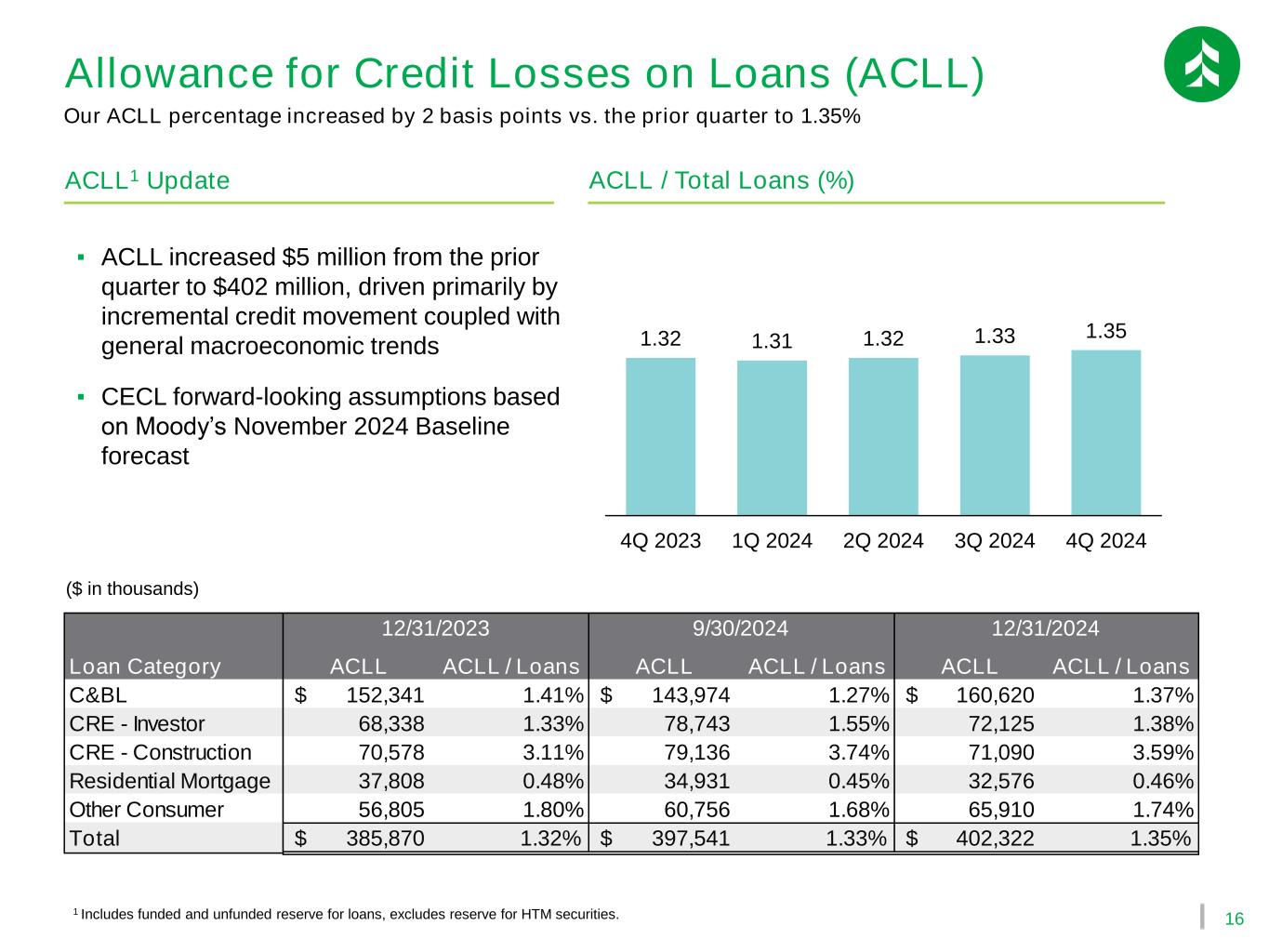
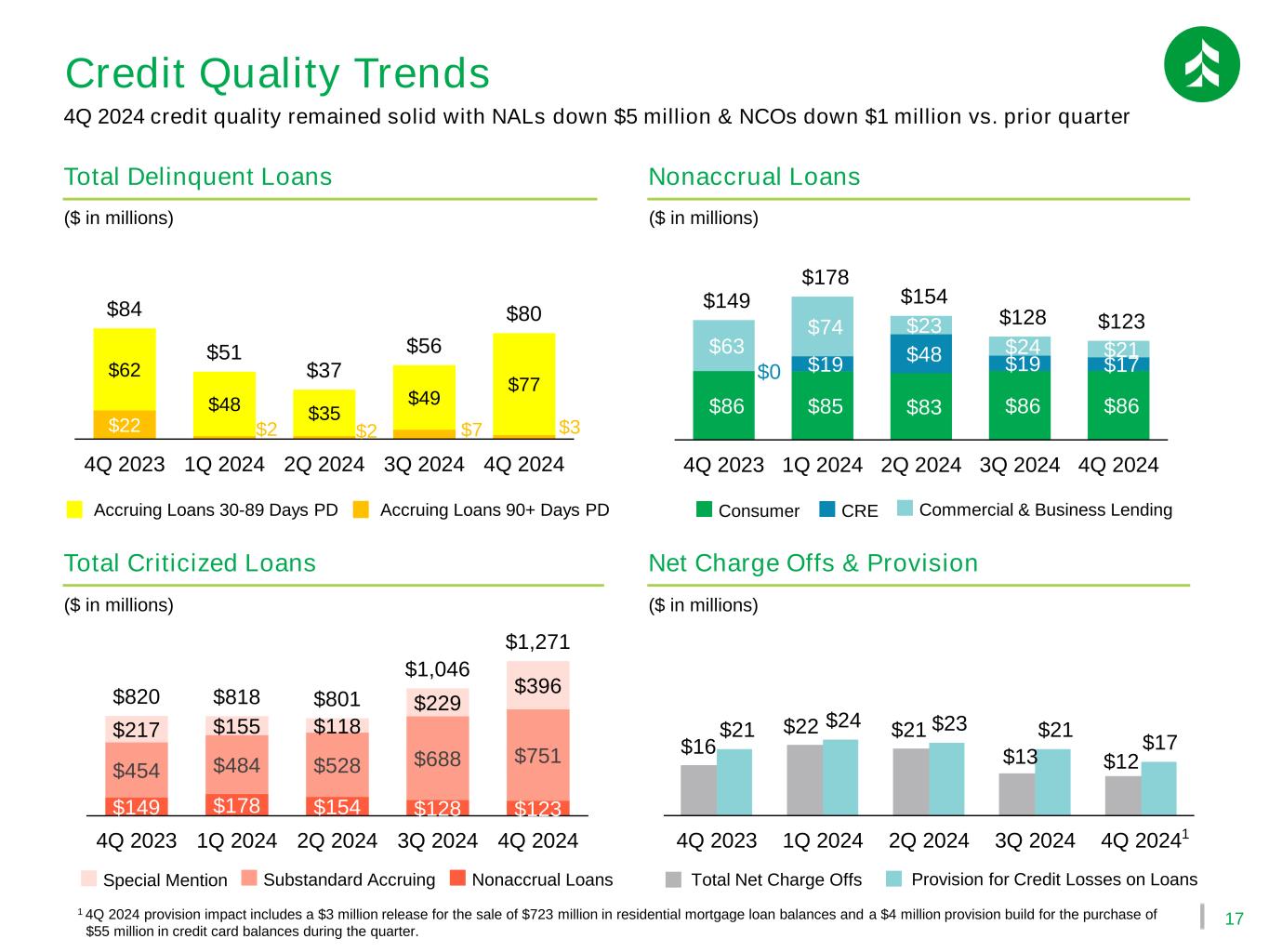
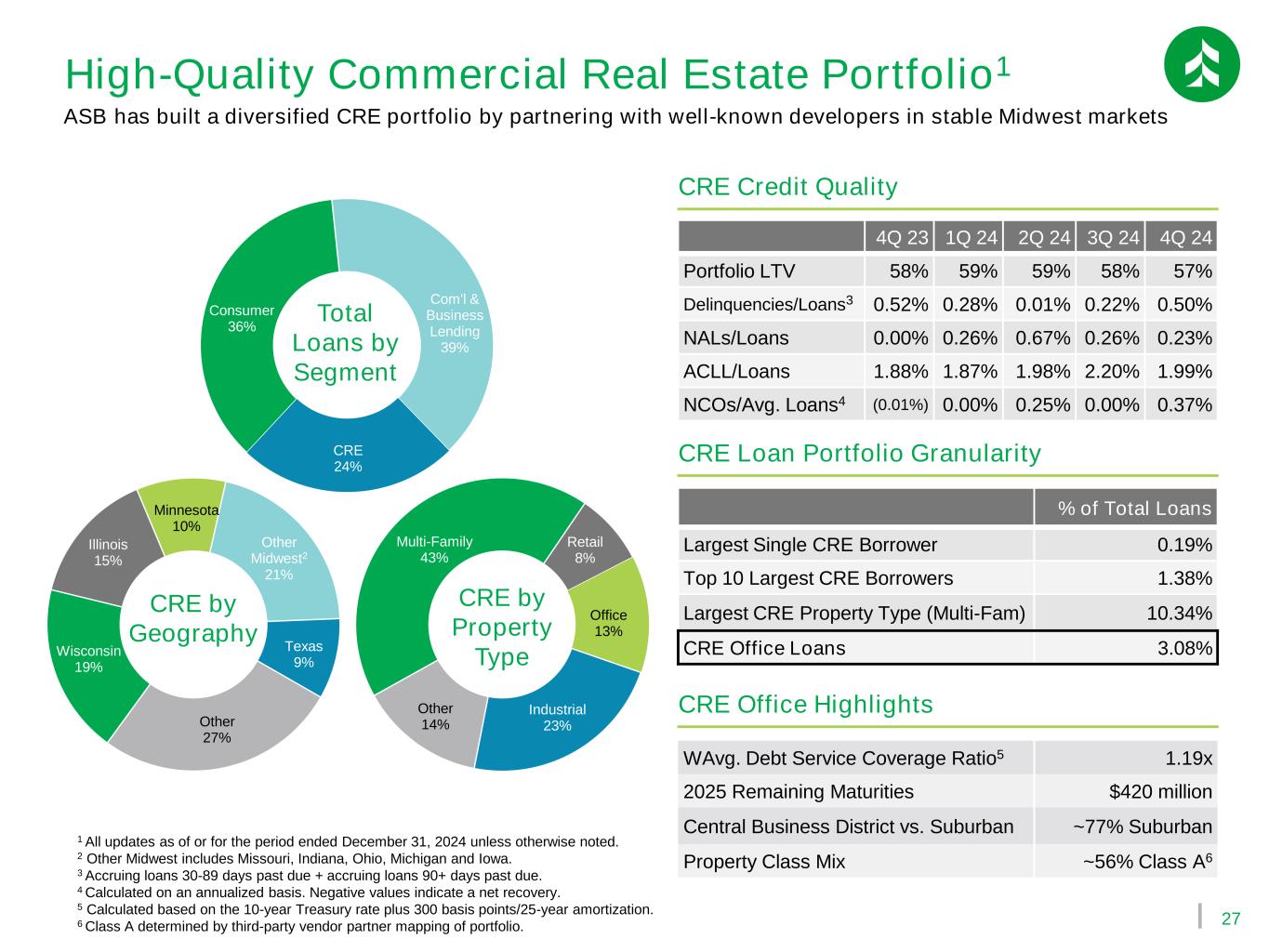
Thanks, Derek. I'll start with an allowance update on Slide 16. We utilized the Moody's November 2024 baseline forecast for our CECL forward-looking assumptions. The Moody's baseline forecast remains consistent with a resilient economy despite the high-interest rate environment. The baseline forecast contains no additional rate hikes, slower but positive GDP growth rates, a cooling labor market, and continued deceleration of inflation with continued monitoring of ongoing market developments. Our ACLL increased by another $5 million in Q4 to finish the quarter at $402 million with increases in the commercial and business lending and other consumer categories, partially offset by decreases in CRE and residential mortgage. The uptick in commercial largely stemmed from some migration into criticized loans during Q4. Similar to last quarter, we do not feel that this increase is an indication of a significant shift in credit stress, but rather it is a reflection of our adherence to risk rating definition guidance acknowledging shifts in credit profiles. The bank does not view these credits representing risk of loss at this time, as reflected in our stable ACL. Altogether, our reserve to loan ratio increased by 2 basis points from the prior quarter and 3 basis points from the same period a year ago to 1.35%. Moving to Slide 17, we maintain a high degree of confidence in the quality of our loan portfolio with continued solid performance in our core credit quality trends. Total bank-wide delinquencies increased to $80 million for the quarter, representing a $24 million increase from the prior quarter but a $4 million decrease from Q4 of 2023. We continue to believe these trends are in line with our normal course of business and not necessarily something that's indicative of future credit stress. Importantly, the quarterly increase was limited to the 30 to 89-day bucket reflecting some timing and completion of recent credit actions. 90-plus day delinquencies have decreased both quarter-over-quarter and year-over-year, coming in at just $3 million in Q4. Further down the line, total criticized and classified loans increased from the prior quarter. The majority of this increase was driven by migration within C&I and CRE categories. Similar to Q3, we do not feel this increase is an indication of a significant shift in the credit profile of the portfolio, but rather a reflection of conforming to industry guidance and a proactive and conservative approach relative to credit changes. We continue our ongoing portfolio deep dives and don't see a systemic shift in our commercial portfolios. In fact, we see potential near-term resolution in many of the noted downgrades as liquidity remains present in the market. Underpinning our confidence in the portfolio is the continued positive trends we're seeing in non-accruals. We continue to see a steady pace of resolution within these stressed credits with total non-accrual balances decreasing for the third consecutive quarter to $123 million. Importantly, we saw decreases in both commercial and business lending and CRE non-accruals in Q4 as well. Finally, we booked $12 million in net charge-offs during the quarter and $17 million in provision, both of which represented the lowest numbers we've seen in the past several quarters. As Andy mentioned, our Q4 provision included a $3 million release for the sale of residential mortgage loans we announced in December and a $4 million provision build for a purchase of $55 million in credit card balances during the quarter. Our net charge-off ratio decreased by 2 basis points to 0.16%. In summary, our credit metrics continue to give us confidence that what we've seen to date is a handful of credits migrating within our rating system and not necessarily a sign of broader issues coming down the road in future quarters. Overall, outside of these specific situations, we remain comfortable in the normalized level of activity we've seen across the bank. Going forward, we remain diligent on monitoring credit stressors in the macro-economy to ensure current underwriting reflects both inflation pressures and shifting labor markets to name just a few economic concerns. In addition, we continue to maintain specific attention to the effects of elevated interest rates on the portfolio, including ongoing interest rate sensitivity analysis bank-wide. We expect any future provision adjustments will continue to reflect changes to risk grades, economic conditions, loan volumes, and other indications of credit quality. With that, I will now pass it back to Andy for closing remarks.
Operator
Great. Thank you so much. We'll now be conducting a question-and-answer session. The first question is from Scott Siefers from Piper Sandler. Please go ahead.
Speaker 4
Good afternoon, everyone. Thank you for the question. Derek, I would like to hear your thoughts on the margin trajectory from the fourth quarter, which stands at 281. We have a solid starting point based on the information from Slide 10 showing a pro forma of 298, which likely reflects the full benefits of the restructuring. I'm interested in hearing about other factors you anticipate in the future. Additionally, if you could provide more details on the funding dynamics, given that you expect deposit growth to be slower than loan growth this year, that would be appreciated. I know that securing core deposits is always a priority, so I'm curious about those dynamics.
Thanks, Scott. I believe we are mainly anticipating a stable outlook in margin once we realize the benefits of this. There could be potential upside since we are asset-sensitive and the current market indicators suggest fewer rate cuts than before. However, as we are asset-sensitive, our outlook, which assumes two rate cuts, might impact our ability to enhance profitability as rates decrease. What we expect to assist us, in addition to this transaction, is the benefits from hedging. We have provided hedging details for the first time, which shows that we will continue to reduce our asset sensitivity in a down-rate scenario, supported by the implied forwards. Additionally, the repositioning of securities offers us potential to help solidify our position and extend our duration. Regarding the auto book, which has decreased for the first time, we anticipate it will stabilize and increase modestly, although at a slower pace than previously. On the funding front, when we provided our guidance for 2024, we identified a gap, but we managed to close it by year-end, primarily funding our loan growth through deposit growth. It's important to note that this still requires some development from our side to support the new deposit vertical. Closing this gap beyond what we indicated in our guidance may begin to speed up towards the end of the year and into 2026. We foresee about a 1% gap that we expect our wholesale funding to close, and we have the capacity to address that by continuing to pay down FHLB funding from our current position. I hope I’ve addressed all your questions, Scott.
Speaker 4
Yes. No, I think that's perfect. And thank you. And I guess the final one was, Andy, maybe you could talk about the $1.2 billion of C&I growth you expect this year? I think that compares to $750 million number you had discussed previously. I could be comparing apples to oranges, but if I'm correct, maybe if you can just sort of walk through the main drivers of that favorable delta.
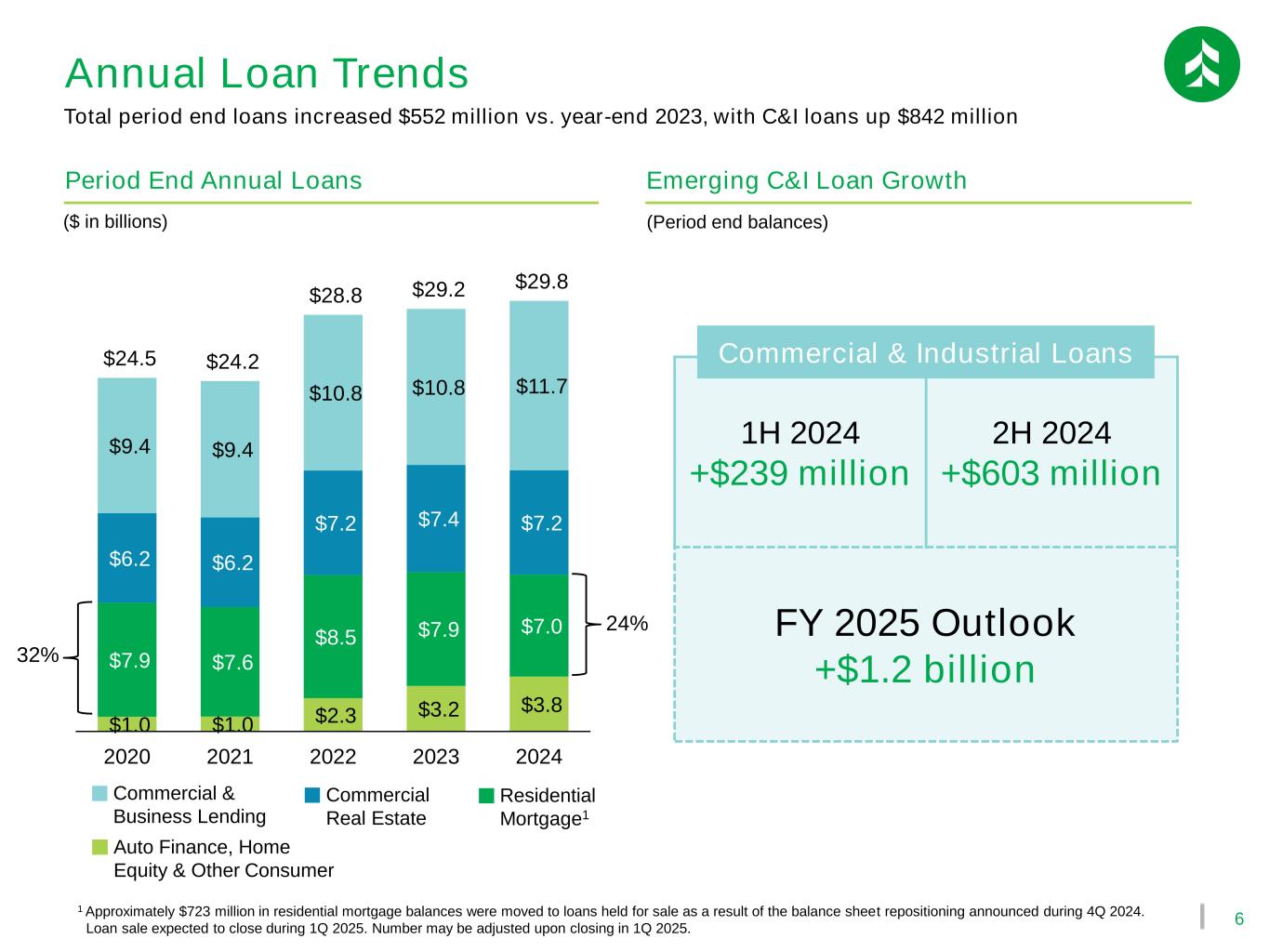
Yes, you're quite close. On page 6, we outline the current trends. We're estimating about $840 million in growth for 2024 and around $1.2 billion for 2025. Our forecast shows growth transitioning from over 4% in 2024 to between 5% and 6% in 2025, primarily driven by commercial. We anticipate that the second half of 2024 will be stronger than the first as we ramp up operations. We have mostly completed our hiring, with a few more announcements expected in the first quarter, but we do not plan to spend the entire year hiring. This was discussed in the fourth quarter of 2023, and we've not only increased our numbers but have also brought in high-quality resources. The growth in commercial is largely due to these resources being with us for a full year and ramping up production. We have a clear view of what’s possible for 2025, and we’ve extrapolated from that. Additionally, our asset-based lending and leasing business, which we launched about three years ago, has grown to approximately $1.2 billion in outstandings, presenting further opportunities for us. The commercial growth plan is well on track, and I'm optimistic as we approach year-end, which is why we expect a ramp-up in growth for 2025.
Speaker 4
Perfect. All right. Thank you very much.
Speaker 5
Thank you. Good afternoon, guys. I guess first, just on the credit side, one for Pat here, you've talked about the deep dive that you're doing on the loan portfolio and how that's impacting the ratings on the loans. I'm just curious how far along you are in that process and if we should expect to continue to see some migration just related to the work that you're doing in that?
Speaker 2
We are conducting thorough reviews consistently and have been for the past few years. What you are observing is an early recognition of any shifts in credit. This is an ongoing procedure that we continuously monitor. From one quarter to the next, there are certainly fluctuations that come with the typical course of business. We are striving to be more proactive in our risk rating assessments to prepare for any potential stress. However, the positive update is that we are not seeing an increase in non-accruals. Therefore, we believe we are staying ahead of any issues as they arise.
Speaker 5
Okay, thank you. And then maybe one for you, Andy. You know, with these significant changes that you've been making, kind of overall that you've talked a lot about, and then kind of the balance sheet changes that you made here in the fourth quarter, do you think it's likely that the major changes are over? It sounds like you're through the majority of the hirings on the commercial side. But as it relates to the balance sheet structure, does it feel like the major changes are done or are there still some changes that you'd be interested in making in the future?
Well, that's a great question. So what I would say is what we needed to prove out is that we could grow organically and we could shift the mix. We're proving that out right now. We saw an opportunity to inorganically take down our residential real estate concentration of non-customer residential real estate, and we've largely done that. Will there be other opportunities? We don't have anything planned in 2024, but there are always different opportunities that we look at from an organic growth standpoint. And right now, because we have a business that is growing on the commercial side, it's growing its deposit base, it has household growth, we have customer satisfaction, we've invested in digital. We have the ability to scale at this point. So opportunistically, if there's a deal in the next 12 to 24 months, we have a team that's very stable and could move down that path. But right now for 2024, what I see is a really good opportunity to execute on the organic side.
Speaker 5
Okay, great. Well, I appreciate you taking my questions.
Speaker 6
Hi, good afternoon. Thanks for taking my questions. Maybe Andy, a question for you. The record high customer satisfaction scores, the net promoter score is all moving in the right direction. My question is how and where does that translate into growth when we look at the balance sheet and the income statement? And does that give you the confidence in that the 6% core consumer deposit growth that you've talked about?
Yes, Terry, I think that was a planted question because it fits perfectly with our focus. I've mentioned customer satisfaction and household growth frequently, and we want to ensure that this question leads to meaningful discussion. Here's the breakdown: in 2022, we reduced our customer base by 1%. In 2023, it remained flat at 0%. In 2024, we increased by 1%, and now we're projecting a 2% growth. This is significant because from 2022 to 2024, the quality of our accounts in terms of dollars rose by 23%. Each percentage of growth now corresponds to approximately $150 million in additional balances. For the first time in over a decade, we are entering the year with a favorable tailwind. With 2% growth, this tailwind increases the additional balances from $150 million to $300 million. Furthermore, we are launching a new deposit vertical, hiring skilled professionals, and enhancing our technology to boost their effectiveness. Alongside that, we plan to have over 20 relationship managers entering the year with incentives to cultivate full relationships. This acts as a catalyst for our efforts. Additionally, we have invested in our health savings account (HSA) business, which is also deposit-focused. Combining household growth, quality accounts, a new deposit vertical, increased relationship managers, and our HSA investment demonstrates that we're not merely hoping to outperform the market; we've strategically positioned ourselves for it. This forms the basis of my confidence in our anticipated deposit growth.
Speaker 6
I can assure you that Ben did not send me that question. As a follow-up, I believe we can all agree that your plan to take an aggressive approach in 2025 is in line with some of the larger banks committing to loan growth this year, particularly in your metropolitan markets. How are you approaching your expense guidance for the year in light of a potentially more competitive environment, especially considering the success you had in the second half of the year in the commercial and industrial sector?
Maybe I'll translate that question. Is it can we stay in the 3% to 4% or do we have pressure on the upside? Is that what you mean on the expense number?
Speaker 6
No, I was talking on the loan growth and large banks being more competitive.
I understand. Regarding pricing, I have been inquiring this week with our Chief Credit Officer and our Head of Commercial, and across the markets and verticals we operate in, we have not faced pricing pressure on the deals we've secured. We have been increasing the amount of deals on our books. The main factor driving this is having quality relationship managers who possess market knowledge and long-term relationships. While we wouldn't be unaffected if the market created pricing pressure on new deals, we have not observed that at this time.
Speaker 6
Thanks for taking my questions.
Well, what I will say in closing is we have as much momentum heading into the year as we've had in the four years that I've been here. We appreciate your interest in the Associated Banc story and we look forward to providing updates as the year goes along. Thank you.
Operator
This concludes today's teleconference. You may disconnect your lines at this time. Thank you again for your participation.