Speaker 0
Good morning, ladies and gentlemen, and thank you for standing by. My name is Kelvin, and I will be your conference operator today. At this time, I would like to welcome everyone to the Bankwell Financial Group fourth quarter 2024 earnings call. All lines have been placed on mute to prevent any background noise. After the speaker's remarks, there will be a question and answer session. If you would like to ask a question during this time, simply press star followed by the number one on your telephone keypad. If you would like to withdraw your question, press star one again. Thank you. I would now like to turn the call over to Courtney Cicchetti, Executive Vice President and Chief Financial Officer. Please go ahead.
Thank you. Good morning, everyone. Welcome to Bankwell's fourth quarter 2024 earnings conference call. To access the call over the Internet and review the presentation materials that we will reference on the call, please visit our website at investor.mybankwell.com and go to the Events and Presentations tab for supporting materials. Our fourth quarter earnings release is also available on our website. Our remarks today may contain forward-looking statements and may refer to non-GAAP financial measures. All participants should refer to our SEC filings, including those found on forms 8K, 10Q, and 10K, for a complete discussion of forward-looking statements and any factors that could cause actual results to differ from those statements. Thank you. And now I will turn the call over to Chris Brasecki, Bankwell's Chief Executive Officer.
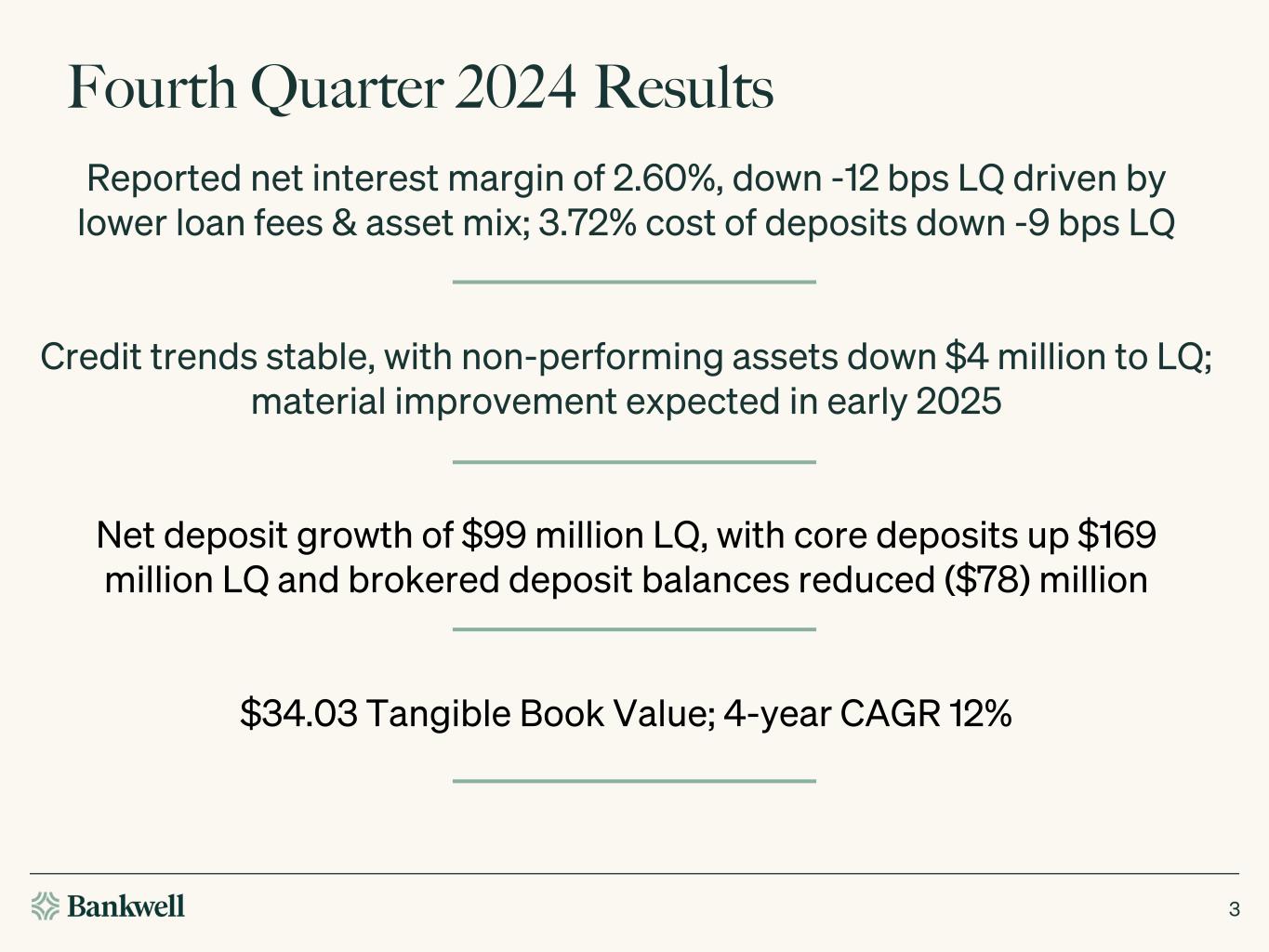
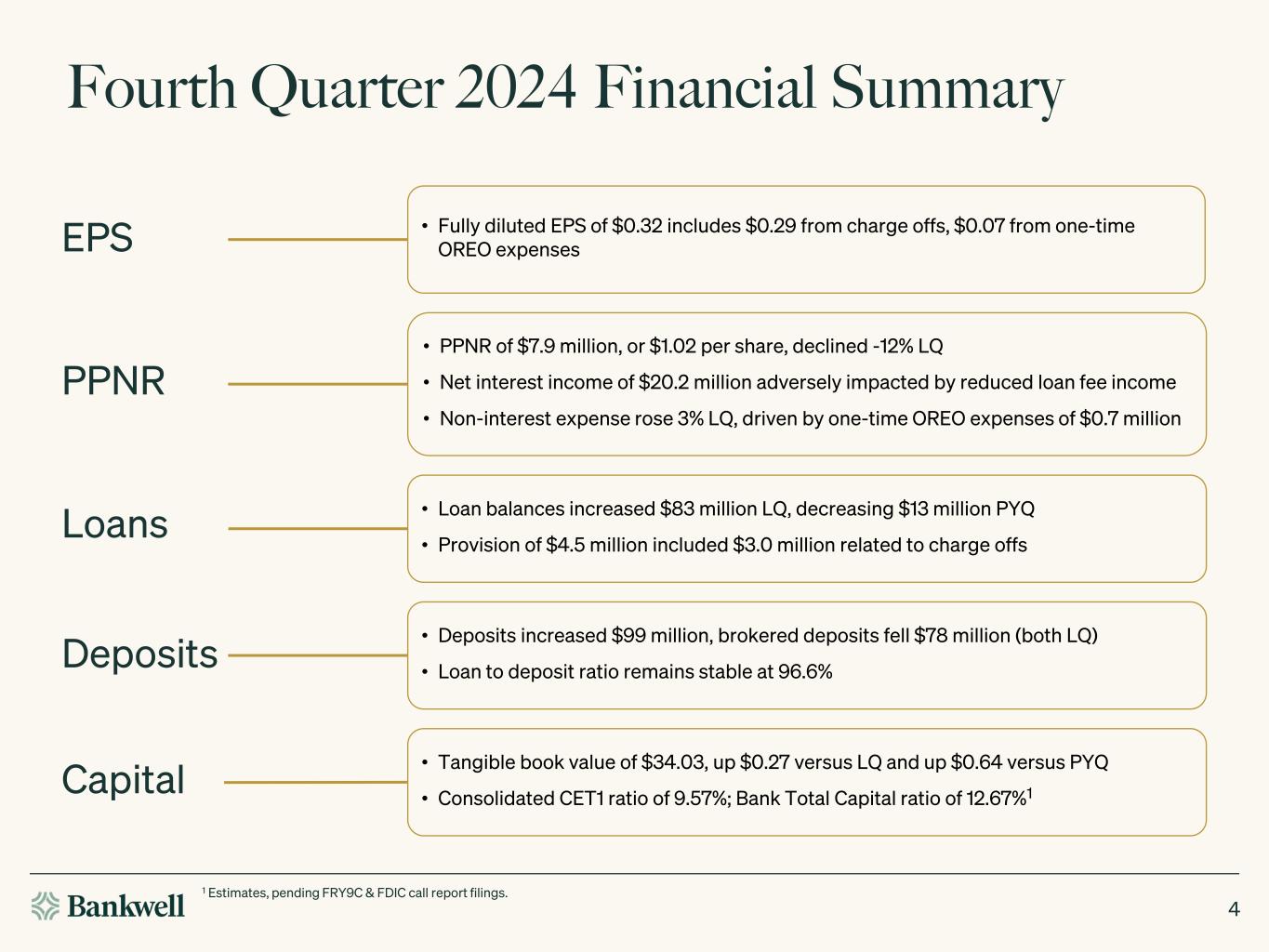
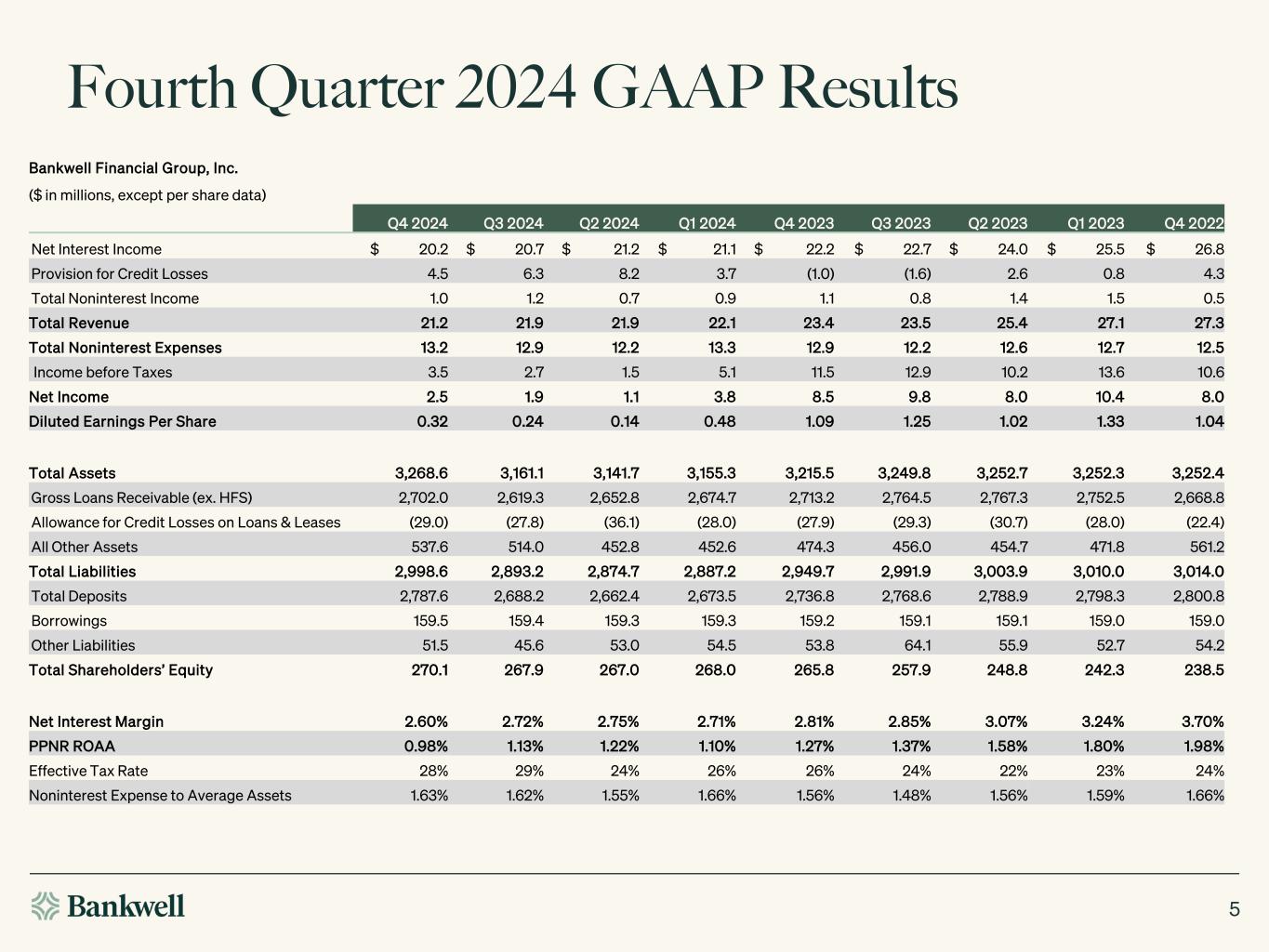
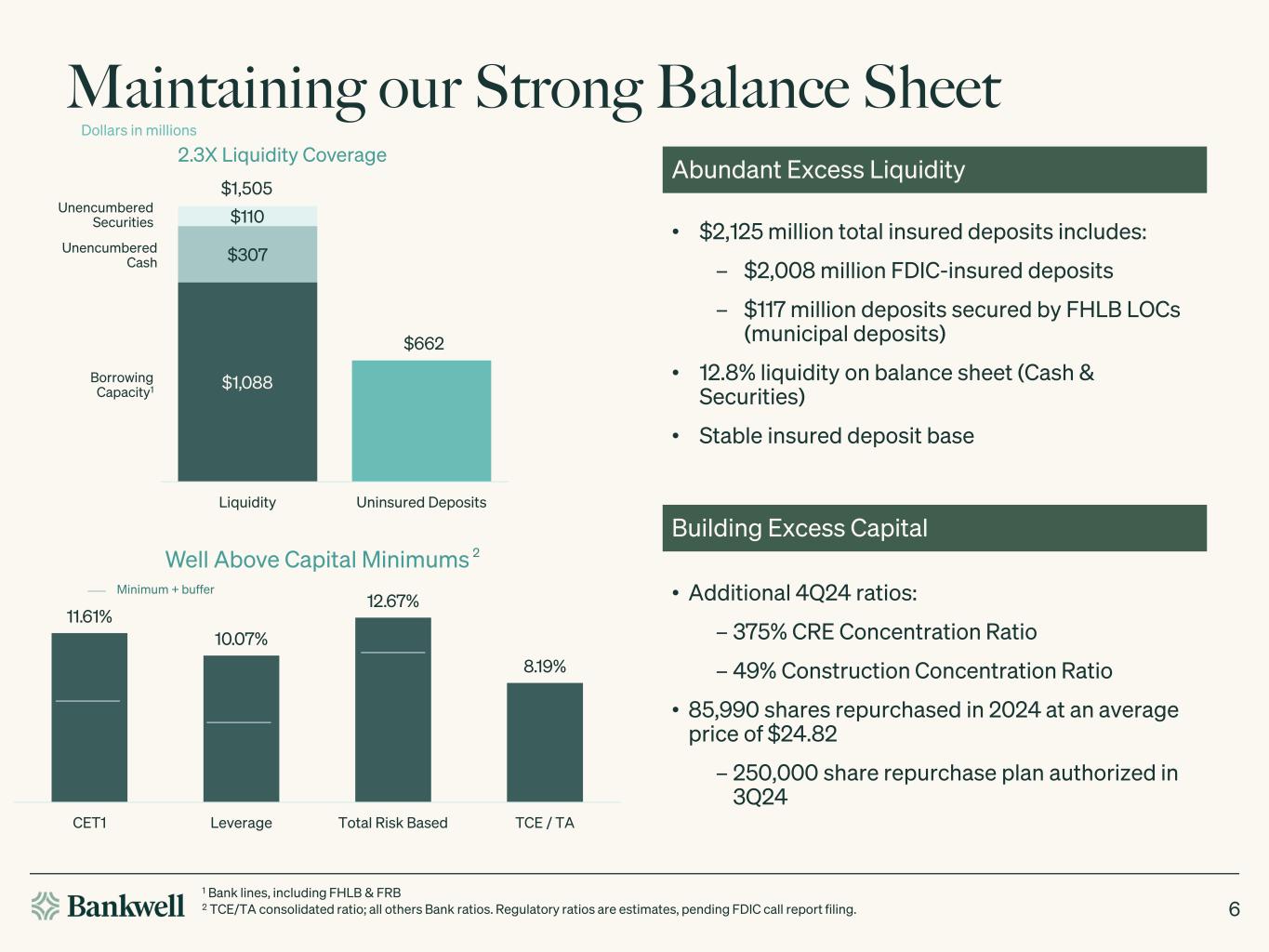
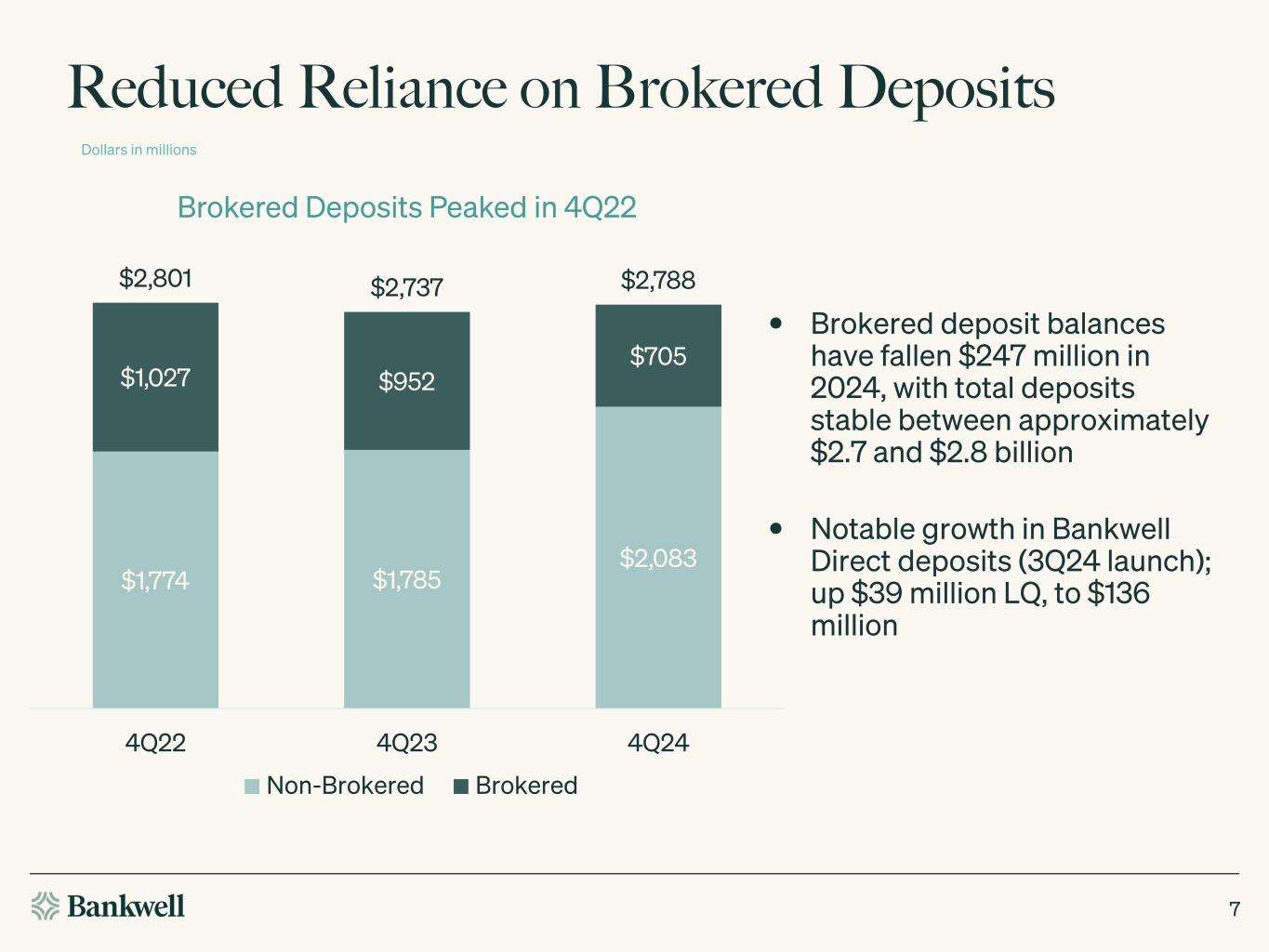
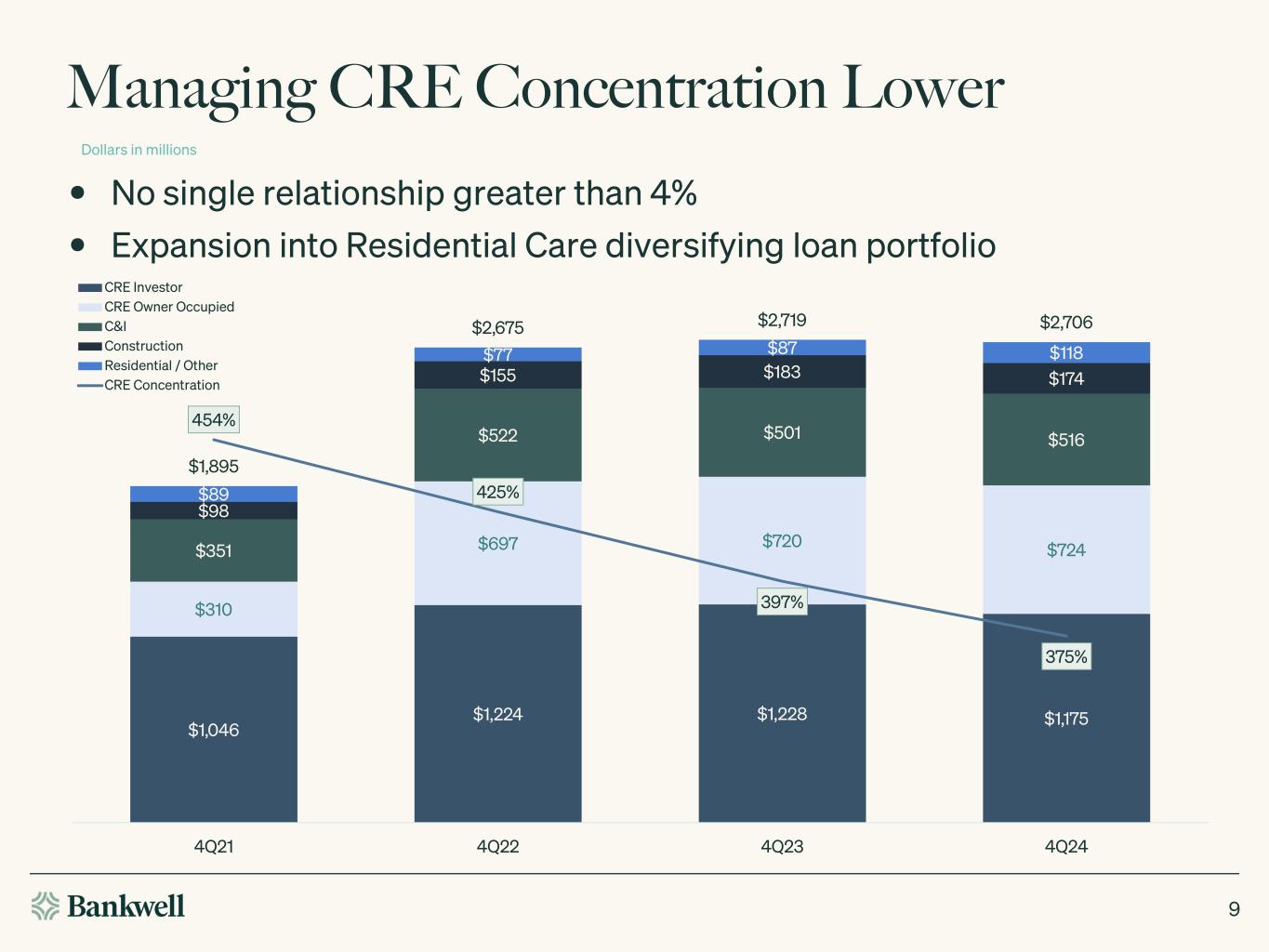
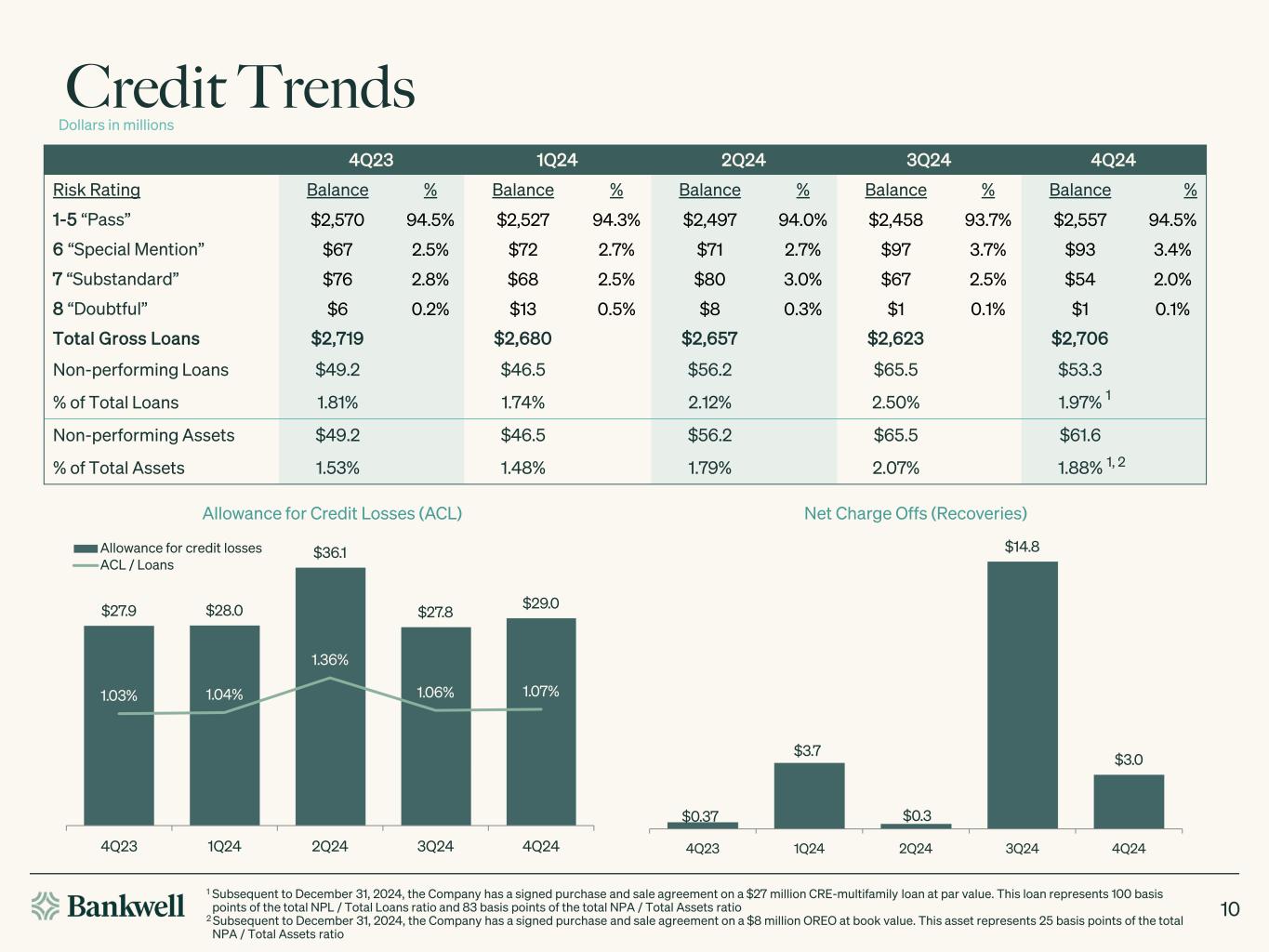
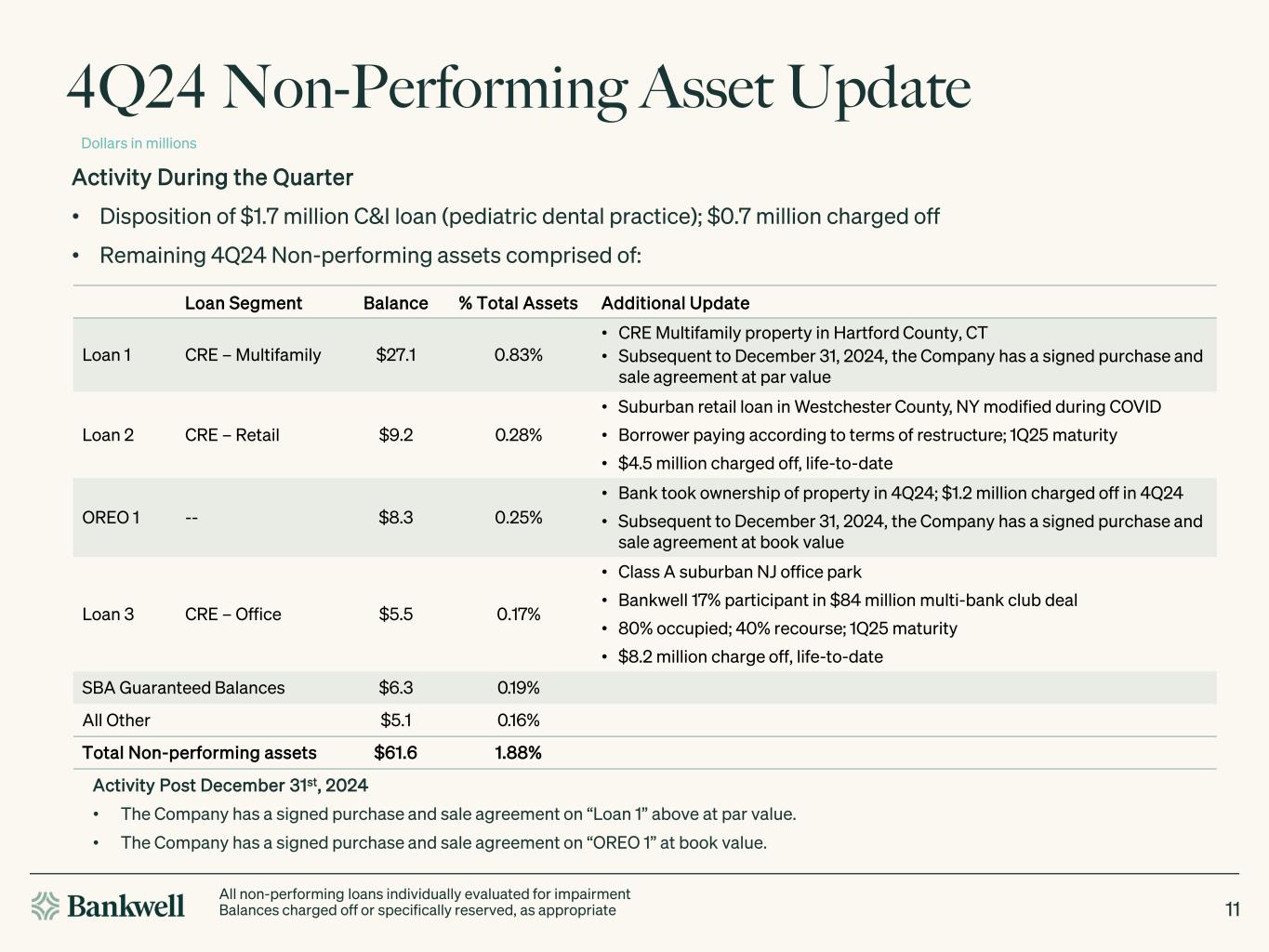
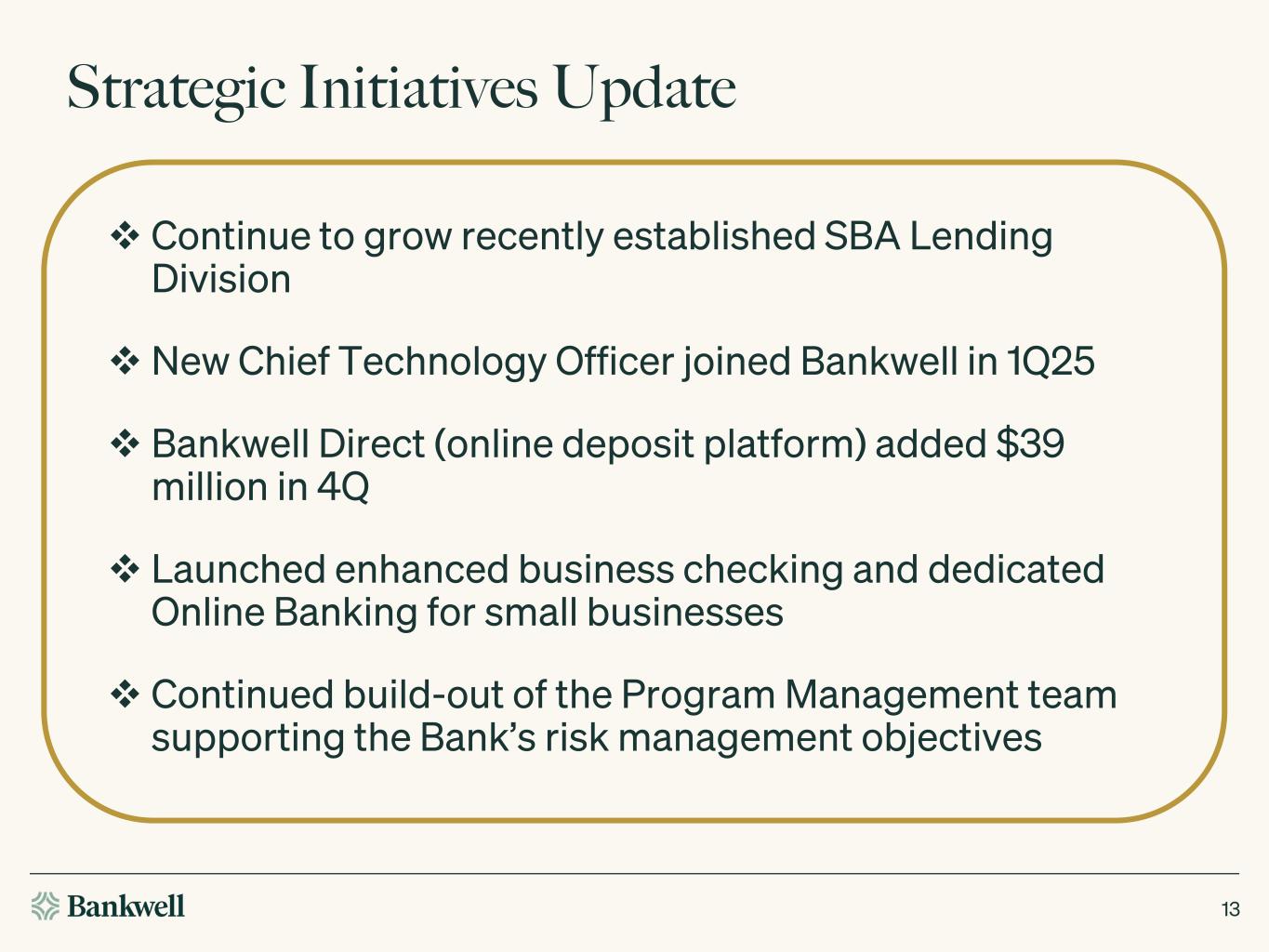
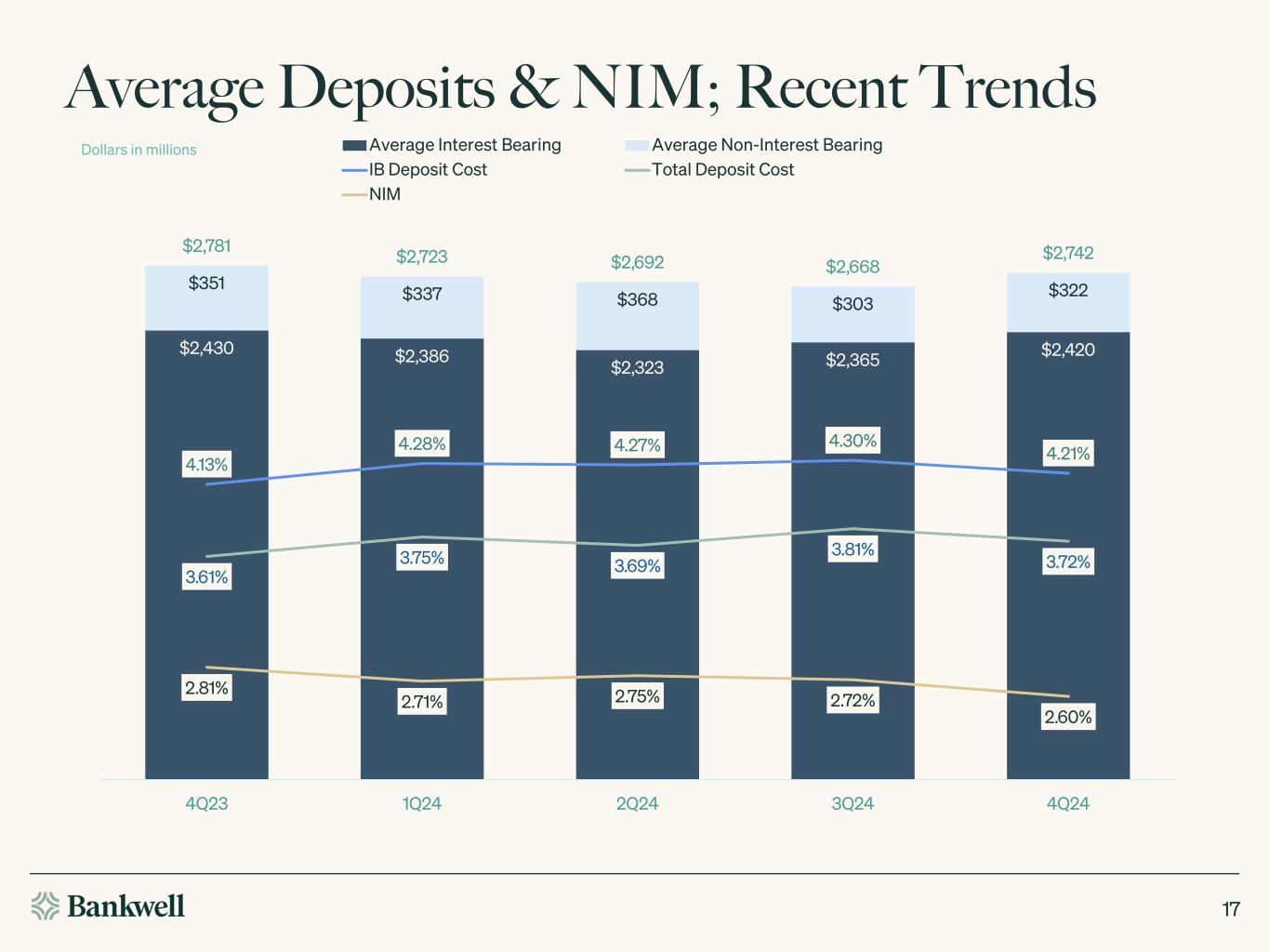
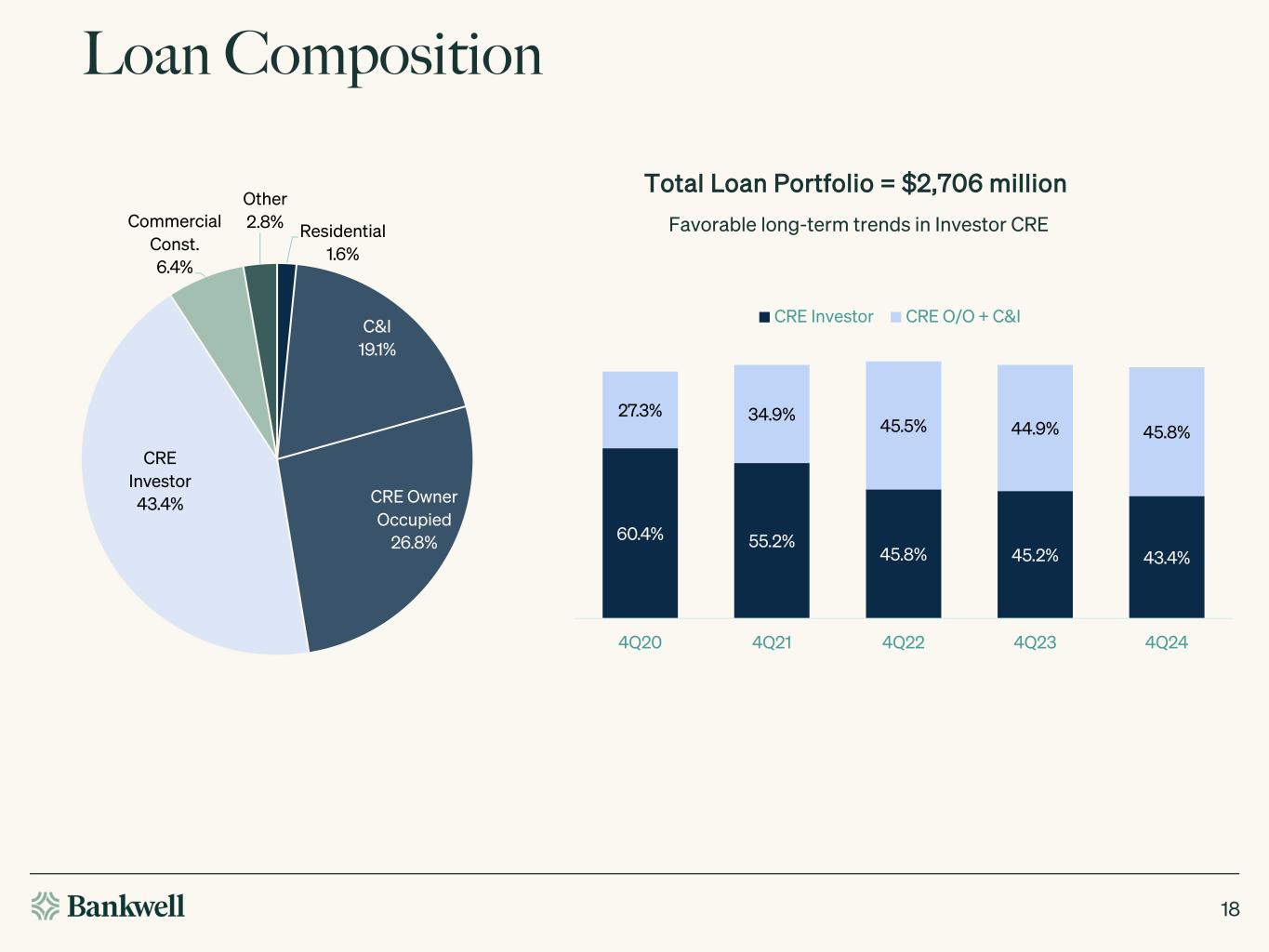
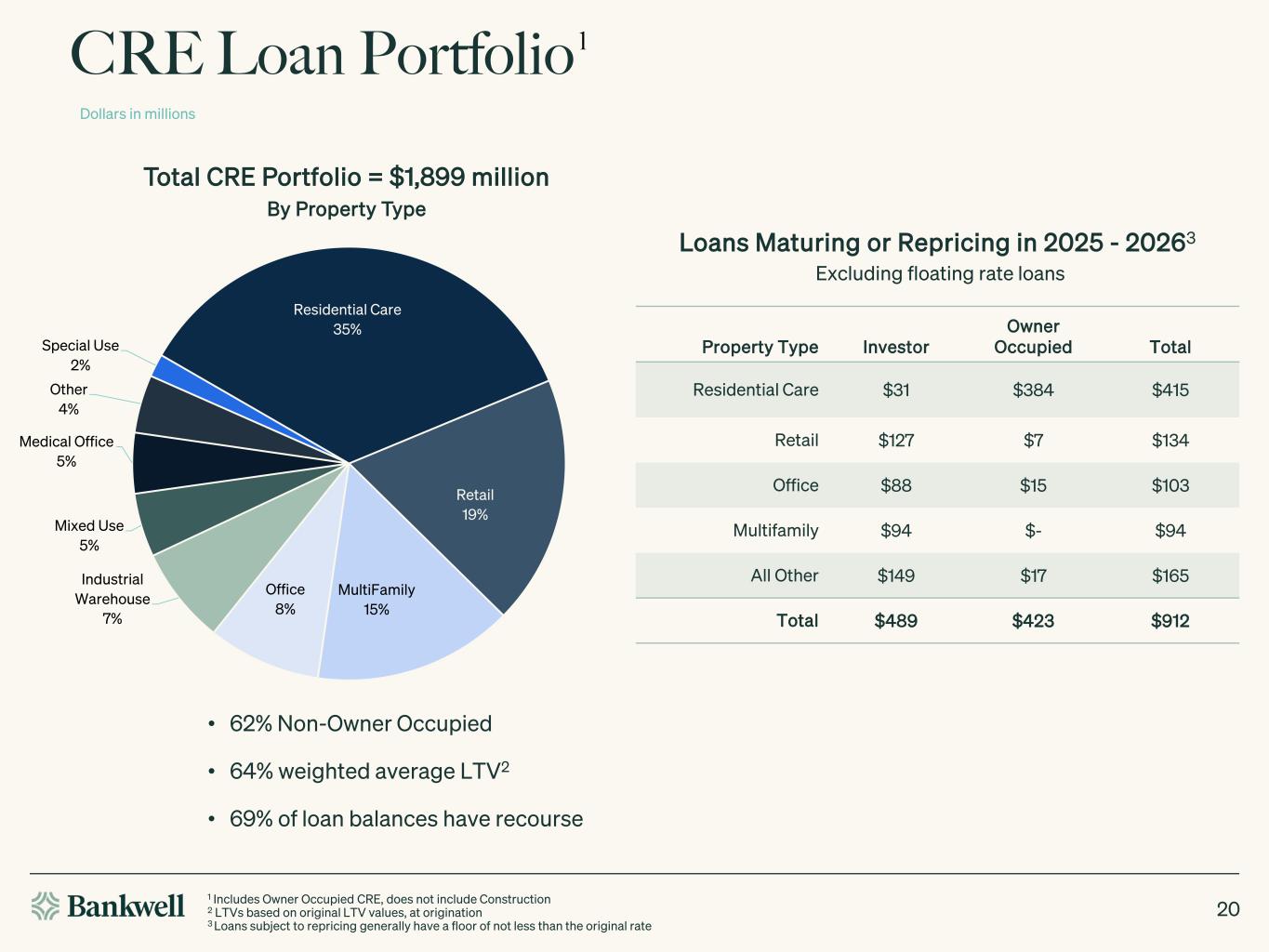
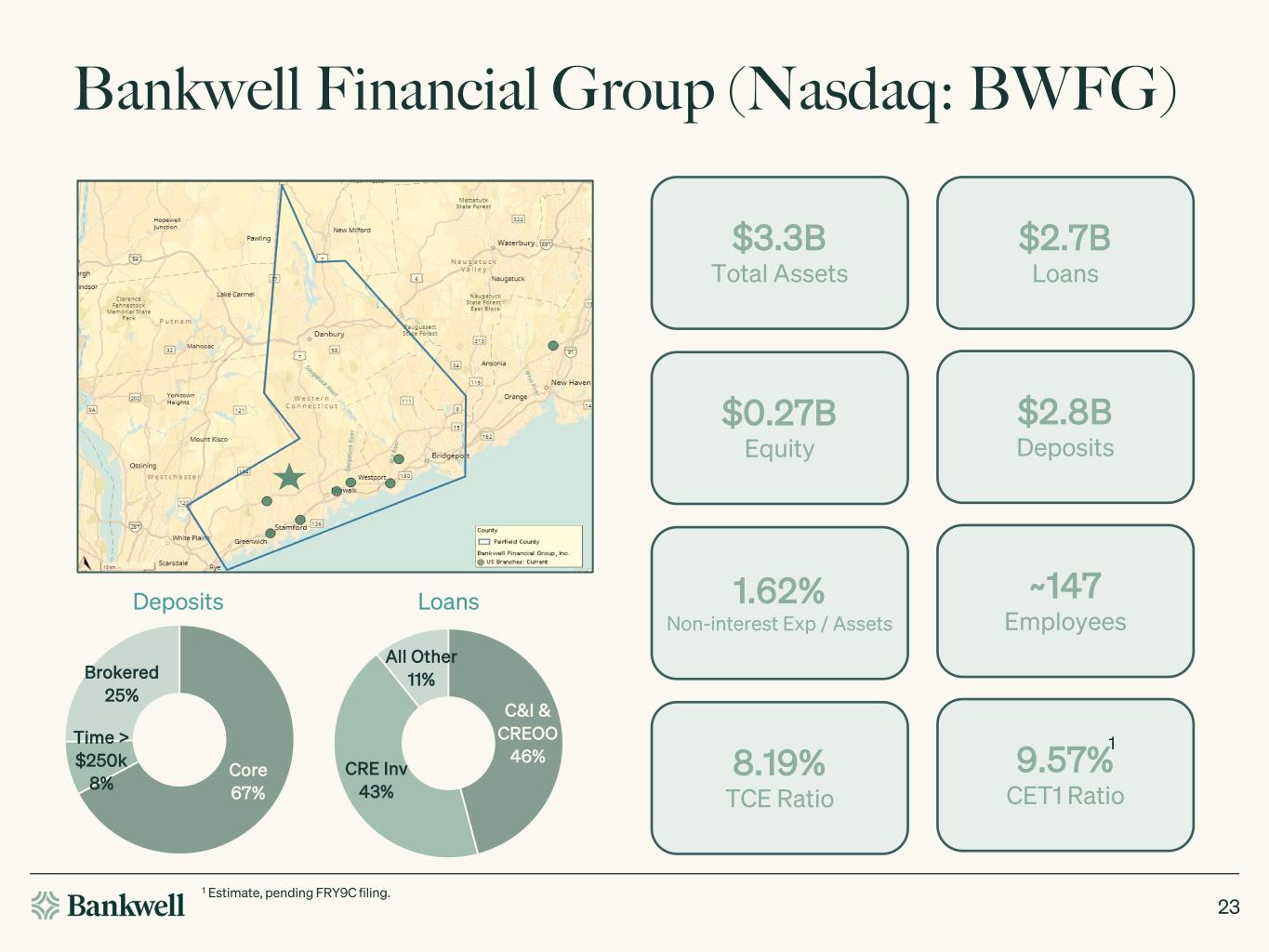
Thanks Courtney. Welcome and thanks to everyone for joining Bankwell's fourth quarter earnings call. This morning I'm joined by Courtney Cicchetti, our Chief Financial Officer, and Matt McNeil, our President and Chief Banking Officer. On behalf of our Board of Directors, I'd like to congratulate Matt on his recent promotion to President of Bankwell Financial Group and its subsidiary, Bankwell Bank. We appreciate your interest in our performance and this opportunity to discuss our results with you. On today's call, we'll provide updates about our financial and operating performance for the fourth quarter, including the status of several non-performing loans we've previously disclosed over the course of 2024 and 2023. It's important to note that during the quarter we saw no credit deterioration and we continue to be optimistic regarding the performance of our loan portfolio in 2025. Our financial results in the fourth quarter included GAAP fully diluted earnings per share of 32 cents which were impacted by three million dollars of net charge-offs. The charge-offs primarily consisted of two non-performing assets. First, we fully disposed of a non-performing CNI loan with a book balance of $1.7 million. The initial write-down on this credit was announced in an 8K filing in July 2024. The $700,000 charge off on this loan and the sale of certain assets finalizes the disposition of this non-performing asset. Second, we took possession of a non-performing construction loan during the fourth quarter, transferred the property to Oreo and charged off $1.2 million, which resulted in a carrying value of $8.3 million. This loan went into non-accruel status in the early days of the COVID pandemic and has been working its way through the legal system. Subsequent to December 31, 2024, we signed a purchase and sale agreement for this Oreo asset for the full $8.3 million book value. The impact of the sale will reduce the non-performing asset ratio by 25 basis points. Also subsequent to December 31st, 2024, we signed a purchase and sale agreement for our largest non-performing loan of $27.1 million at par value, which upon sale will further reduce the non-performing asset ratio by 83 basis points. Both sales should have a neutral impact to future net income. Further details regarding MPAs can be found on slide 11 of our investor presentation. Regarding commercial real estate, we continue to reduce our CRE concentration, which stands at 375 percent of total risk-based capital at year-end 2024 versus 397 percent at year-end 2023 and 425 percent at year-end 2022. On the liability side of the balance sheet, I'm pleased with the continued strides the bank has made to improve the quality and diversity of the deposit base. We had another productive quarter of growth within our Bankwell Direct product, which grew by $39 million over the third quarter, bringing total outstanding balances to $136 million, while broker deposits fell another $78 million on a linked quarter basis. Overall, core deposits grew by $169 million in the fourth quarter, while simultaneously reducing our total deposit costs by nine basis points compared to the third quarter. With a liability-sensitive balance sheet, we remain well-positioned for a normalized yield curve. Now, to discuss our financial results in greater detail, I'll turn it over to our Chief Financial Officer, Courtney Suckevi.
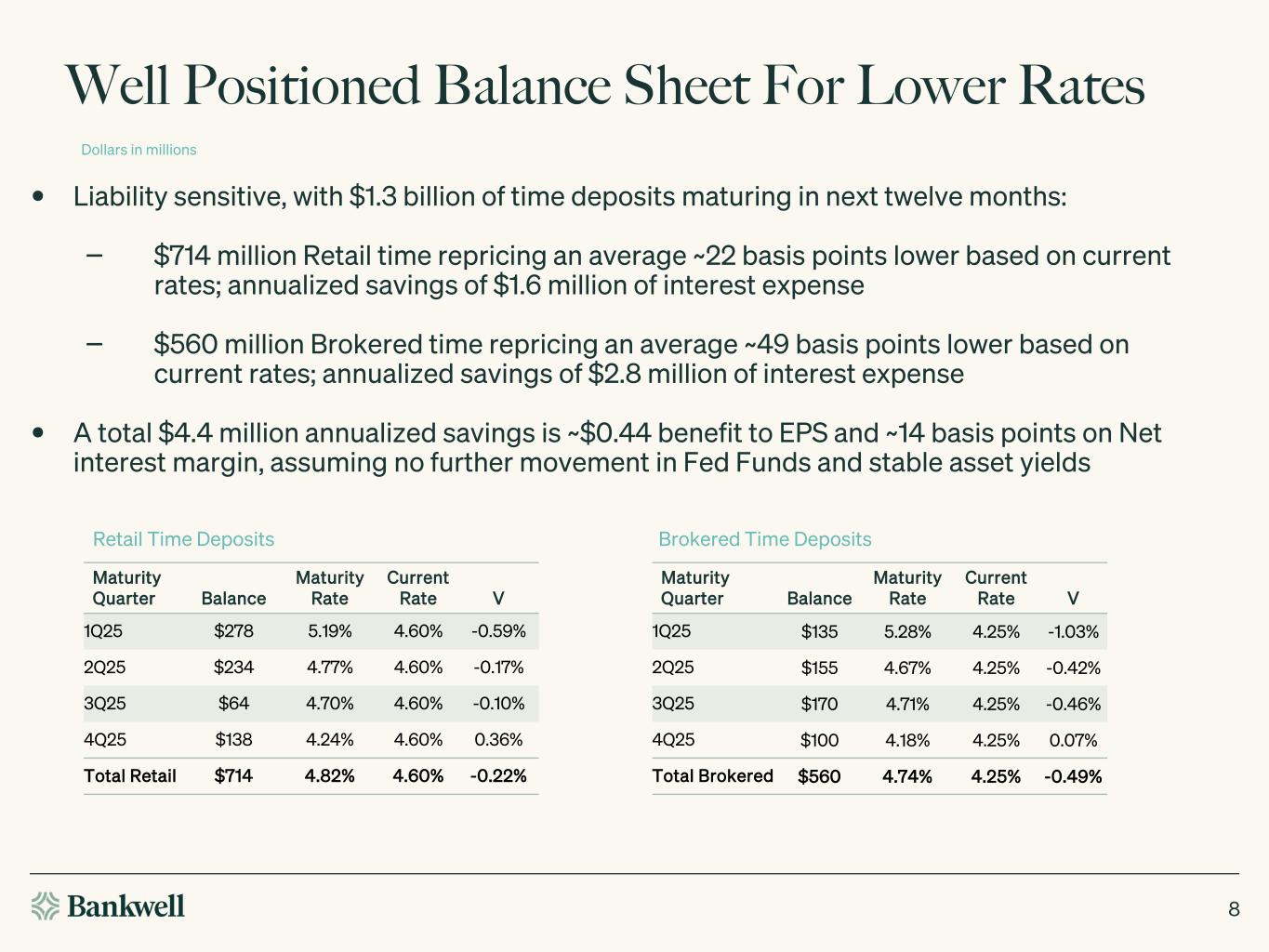
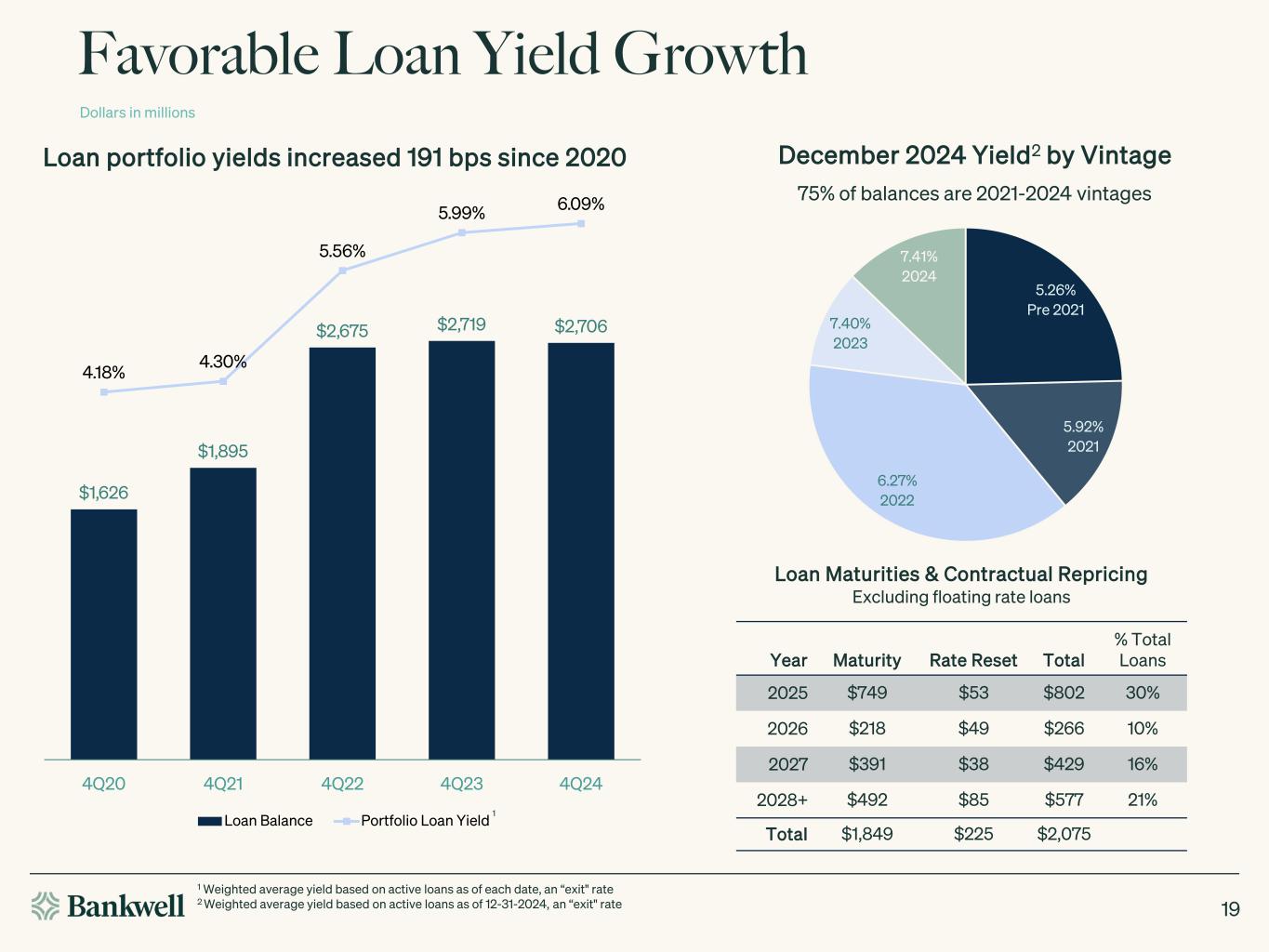
Thank you, Chris. Our pre-provisioned net revenue of $7.9 million was down quarter over quarter, representing 98 basis points of PPNR return on average assets. Reported net interest margin for the fourth quarter was 260 basis points, a 12 basis point reduction relative to the linked quarter. Approximately 10 basis points of that linked quarter reduction was a function of lower loan fees, which were $1 million relative to the $1.8 million in the third quarter. While this quarter's loan fees were lower than average for us, we would note that loan fees can vary from quarter to quarter. Our full year 2024 loan fees of $6 million compares to $5.9 million in 2023, with a quarterly average of approximately $1.5 million dollars. Also contributing to our lower NIMH was our elevated cash position during the quarter. Our average cash balances were approximately 60 million dollars higher than the prior quarter, which contributed to a five basis point drag on NIMH had that cash been otherwise deployed. As Chris mentioned, we had a nine basis point improvement on our deposit costs compared to last quarter, as we're having favorable movement with our time and money market pricing. And despite the fourth quarter results, we expect margin to expand in 2025 as our term deposits continue to reprice more specifically we have 1.3 billion dollars of time deposits maturing in the next 12 months 714 million dollars of retail cds repricing at an average of 22 basis points lower and 560 million dollars of brokered cds repricing at an average 49 basis points lower both based on current rates all else equal we expect to save a total of 4.4 million dollars on an annualized basis from this repricing activity, which equates to an approximate 44 cent pickup in earnings per share and about 14 basis points of margin expansion. This assumes no benefit to non-maturity deposits or any additional cuts in Fed funds, even though we expect to modestly lower our current rates further in the first quarter of 2025. Also, we anticipate half a billion dollars in loans to reprice or mature over the same period, which could further benefit margin by an additional 15 to 20 basis points on an annualized basis. Non-interest income of $964,000 was down compared to the linked quarter, mainly due to a reduction in SBA gain on sale fees. The linked quarter increase in total non-interest expense to $13.2 million included one-time Oreo expenses of approximately $700,000, but also was impacted by elevated occupancy costs, data processing, and professional services, partly offset by a reduction in salaries and employee benefits. We've remained steadfast in our goal to maintain a stable non-interest expense to total asset ratio, which continues to operate at approximately 170 basis points or better. The fourth quarter's provision expense was $4.5 million compared to $6.3 million in the prior quarter. The fourth quarter's expense includes $3 million of net charge-offs previously discussed by Chris. Fourth quarter credit trends were benign and include no credit deterioration. Finally, a few thoughts on our financial condition. Our balance sheet remains well capitalized and liquid with total assets of $3.3 billion up modestly versus the linked quarter. We did not repurchase any shares during the fourth quarter but have 250,000 shares remaining on our authorization as of year-end 2024. I'll now hand it back to Chris for his closing remarks.
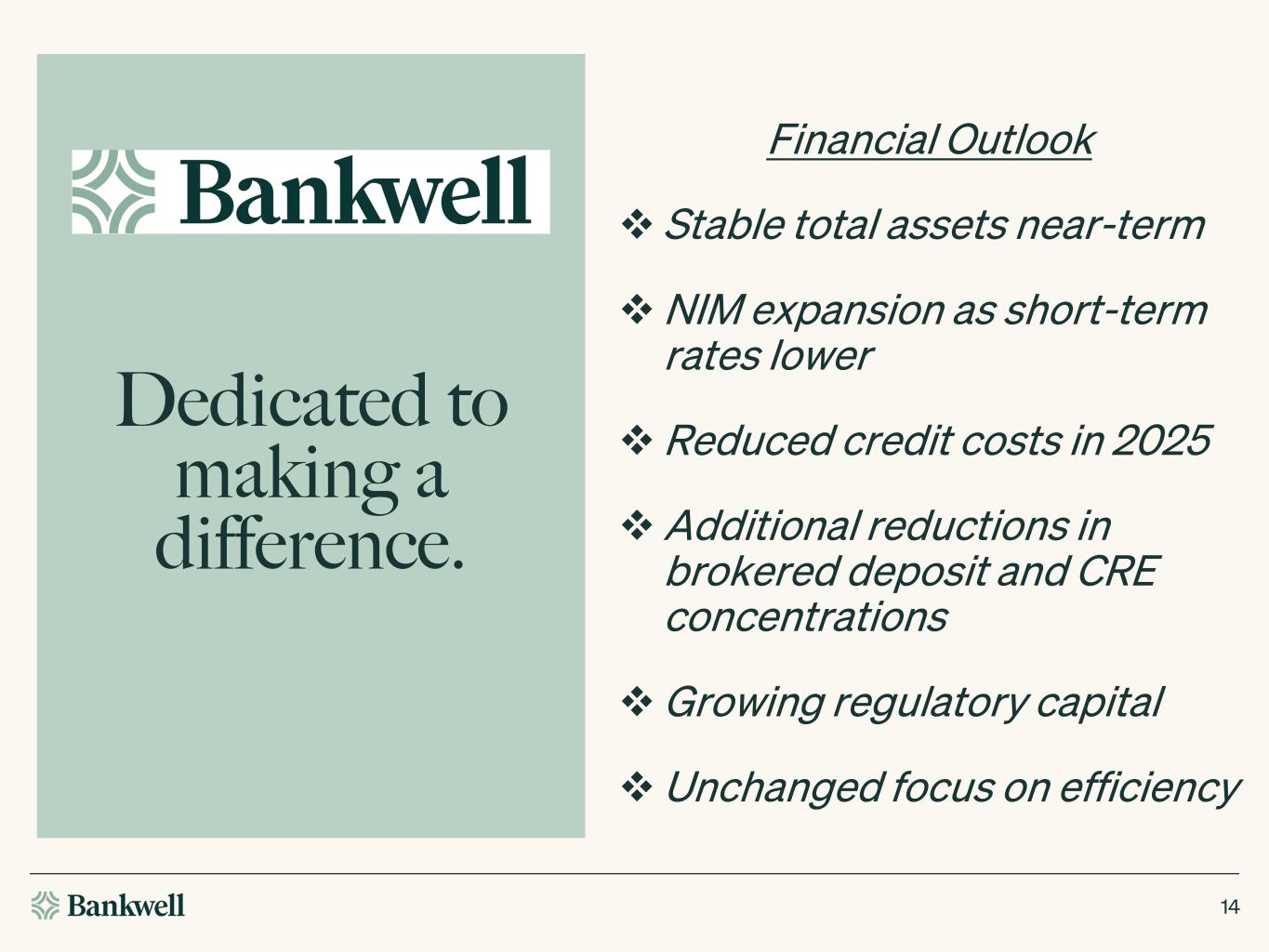
Thank you, Courtney. Before we conclude today's call, I'd like to comment on some of Bankwell's 2024 achievements, as well as our expectations for 2025. Despite the disappointing financial performance due to credit, 2024 was a productive year for the company. We've made excellent progress on several initiatives that lay the groundwork for improved financial performance in 2025 and beyond. First, we've significantly reduced our exposure to broker deposits, which decreased by $247 million year over year. Approximately half of this decrease is due to the successful launch of Bankwell Direct. Second, while we've made significant investments in human capital, especially in the important areas of technology and risk management, we've maintained an efficient platform holding the non-interest expense to asset ratio at 162 basis points for 2024 versus 155 basis points in 2023. Third, we've successfully laid the foundation for an SBA lending division, having started originating SBA loans in December of 2024. Looking ahead to our outlook for 2025, we anticipate modest loan growth of 3% to 5% with net interest income growing to the range of $93 to $95 million. Additionally, we expect 2025's non-interest income to grow to $7 to $8 million, roughly doubling 2024's performance as a result of our growing SBA lending division. We estimate total non-interest expense of approximately $56 to $57 million in the coming year, inclusive of a healthy degree of ongoing investment in previously discussed growth initiatives. Overall, we are quite optimistic for improved financial performance at Bankwell in 2025.
Speaker 0
To close, I'd like to thank all of our teammates here at Bankwell whose outstanding effort and dedication have made the evolution of our company possible this concludes our prepared remarks operator will you please begin the question and answer session ladies and gentlemen we will now begin the question and answer session at this time i would like to remind everyone in order to ask a question press star then the number one on your telephone keypad we will pause just for a moment to compile the q a roster one moment please for your first question your first question comes from the line of Chris O'Connell of KBW. Please go ahead.
Hey, good morning. Good morning, Chris. And congratulations, Matt, on the promotion. So just wanted to start off, I guess, with, you know, what you guys are seeing, you know, on the loan side in terms of, you know, the pipeline and kind of, you know, what the new origination yields are coming on at. I guess start there, please.
So, Chris, we price everything off of, you know, whatever kind of the duration of either a treasury or short-term indices. Things are kind of flat right now. We're seeing most originations right around 7%, maybe a little bit higher.
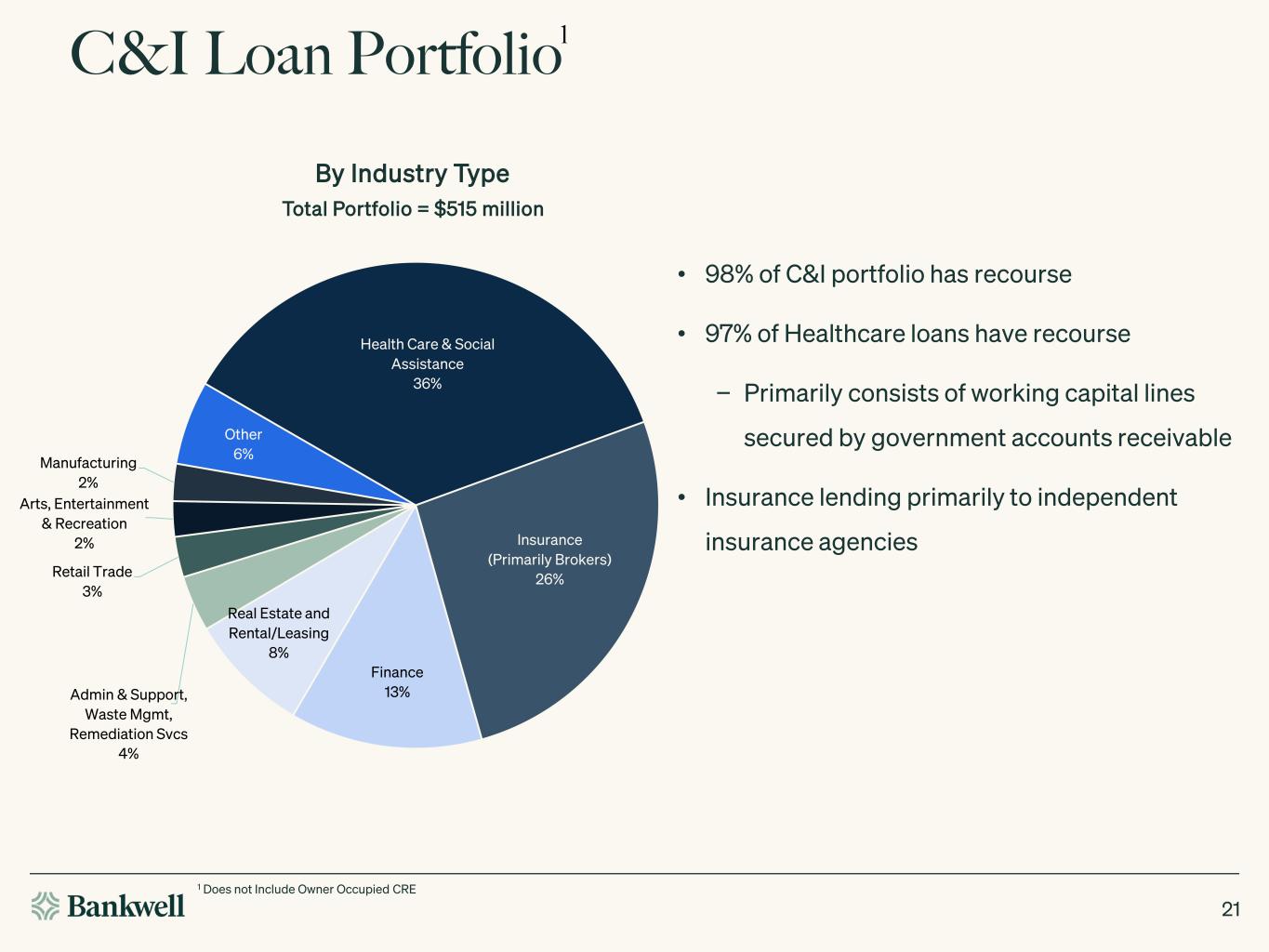
Okay, got it. And then as far as, you know, the growth that you guys are seeing, you know, in the portfolio in the demand near term, I know you guys are kind of, you know, moderating to, you know, a flattish low or growth environment right now until, you know, the CRA concentration ratio comes down. it um is that you know still the case as we get into the back half of 25 do you think uh this is uh chris chris so i would say as because of the mix which is increasingly more cni than cree that kind of takes care of itself over time and you can see the steady
decline we've had in Cree concentration. The growth number really is an estimate, is a function of our CET1 ratio. So that's, you know, our goal is to get that up towards 11, 11 over, you know, sometime at 27 and moving towards there.
So it's not about Cree, it's really just um working to grow the ct1 ratio on a consolidated basis yeah yeah yeah hold code right okay got it and you know i guess on that front you know you know the how do you guys kind of stack rank uh you know your prioritization in terms of getting to that ratio you know versus you know opportunistically you know using the buyback uh over the course of 25. so it's more it's more art than science.
It depends on the trade-off of how profitable the growth is versus a stock buyback and where the stock is trading. So it's the mix of all of those variables. I would expect to see stock buybacks on the magnitude of what we had this year, according...
86,000 shares we Right, but the impact of – Oh, a million – sure. A million dollars of buybacks of capital is about three and a half basis points on our capital ratio. So it's not really a significant impact to buy back 100,000 shares at 30 bucks a share.
Yeah, that's 10 basis points, for instance, on capital. So we have the ability to do both, but with the longer-term goal and knowledge that it's appropriate to uh seeing the whole code and then it's function of what is the stock price and how wide your yields and what's the right time to do it but i think we'll see both okay thank you um you know and then i guess uh on on the fee outlook i mean obviously you know very strong you know doubling uh you know year over year uh more or less is uh can you talk about i guess the the pace of the ramp that you expect uh you know on the sba uh side yeah absolutely so we spent a lot of time this year preparing for uh the actual originations we needed to get the infrastructure in place i mean we had done sba historically here but larger loans and smaller volume and so now we've you know we're using technology to enable smaller loans and we have first put in the right infrastructure for technology and risk and it was a q4 announcement that when we announced ahead of sbda lending division michael johnson uh you know we're ready and have i actually started originating the loans in the sba division and matt can talk about you know how targets and and flow so over time chris um you know we definitely expect more originations in the fourth quarter than the first.
There will be originations in the first quarter. Those have already happened. We expect to see VA loan sales in the first quarter. And, you know, the implied number there in our fees is about $50 million of originations over the whole of 25.
So I wouldn't be surprised to see, you know, three quarters of that coming in the second half okay that's helpful um and then on the uh you know on that ii you know guidance and kind of the overall margin here i guess i was surprised to see the margin down uh you know quarter over quarter uh and i know you know that there was you know the the sounds like some impact on the loan fees but I guess I thought that the you know deposit costs would be coming down a little bit more aggressively here but certainly you know the NII guide with you know they're not too much balance sheet growth you know implies you know kind of a ramp you know pretty you know well above you know just the 14 basis points you guys are getting from the CD portfolio can you talk about you know the the rest of the portfolio outside of those CDs uh and kind of what you guys are seeing in having uh you know in terms of customer conversations uh around uh the cost there yeah Chris uh let me just start off so regarding uh the decrease yes
Courtney has said, and we can put finer points on it, the word decreased fees, but part of the drop is the timing, part of the anticipated decrease in cost of funds is the timing of when the CDs are rolling over. So we have a roll schedule in the investor presentation, and Courtney has gone through in pretty much detail and will continue to put a number on that. I know you want other parts as well. So I'm just starting off by saying that it's not only the fees, it's what was maturing in that quarter and what's maturing ahead. And the quarter ahead, we can see with great granularity what's maturing and what the market price is. So those are real numbers. And Courtney, you want to add to that? And maybe Matt, you can talk about this.
Yeah, and I think, Chris, you hit it on the head a little. Our 260 NIM for the quarter, I would not use that as my launching off point to figure out my first quarter NIM in 2025, you know, a more normalized NIM, you know, accounting for fees and more efficient deployment of cash in that low 270s. I can see our, you know, NIM expanding to the higher 270s in the first quarter. You know, you can see we have our highest retail CDs maturing at a rate of 520 and almost like call that a third at least maturing in the first quarter that we'll be able to reprice down and we alluded to a little bit more on some some modest price cuts and so the 460 is our current rate on our cd offering today but we anticipate to have that lower um in the first quarter okay yeah that that is very helpful and then i guess just you know if you have the december margin i actually i chris i'll have to follow back up with you i don't know that i have that readily available okay but regardless it
It sounds like starting off with like a 270 handle and give or take and kind of moving up from there is appropriate.
Yes, that's that's what I would expect. Yep. So, you know, for the full year, you know, I again, I as a function of our time deposits reprice and our and our loans reprice, you know, I would expect that NIM to approach closer and I think you probably are backing into this number closer to a three NIM for the year, you know, in the two nineties range.
And Chris, I want to add to that, that number that Courtney just gave, that assumes no further action by the Fed. That's just what's built into the system for us.
Great. Yep. Super helpful. I guess just, you know, on that front, you know, maybe if you guys can talk about, you know, what each 25 basis point, you know, that move might do to the margin. you know i i know that there's you know the immediate quarterly impact you know is a little bit dependent on you know what's maturing from a cd or borrowing standpoint that quarter but um you know maybe over the course of you know a 12-month period so over the course of the year we'd have to break it down obviously the term deposits are going to um reprice at when they're going to reprice but now at a lower rate so we I would anticipate the 25 basis
point move on term deposits just would be lower yeah when they actually mature and then we have a number of deposits that are tied to certain levels that would automatically move with Fed and then of course um non-maturity deposits would expect pretty significant uh beta on those as well for every 25 basis we're probably going to drop some rates uh just in the in the upcoming weeks um so i i don't know that we have a breakout of what percentage of those are actually tied the deposits courtney to i don't know maturity deposits yeah that we know will come down precisely 25 basis points.
If I say but I have about a billion of non-maturity deposits I would say 20% of that is tied.
25 would get the full beta.
Yep yep yep and then the others are you know we have exception pricing that you know we may adjust here and there but our state our offered rates would be on the balance of that.
Right so for 25 basis points on the on the deposits that aren't specifically tied to funds they'd be greater than 50 i mean i do have a do you have a better number than that matt yeah i i think we've reached a point now with with falling rates and our you know particular construction of our uh non you know not the time deposit uh will be in the probably 50 to 75 that that's probably closer to 75.
75 okay very helpful and then on the expense uh you know guidance obviously you know amid of a pickup uh a ramp uh you know from 2024 as you guys are you know putting in uh you know a bunch of kind of initiatives uh and and have the sba ramp how should we think about you know the cadence is that um you know coming up to a pretty pretty good starting and run rate right at the beginning of the year or is it going to you know ramp over the course of 2025 as you guys are you know you know inputting these initiatives and having you know some of these you know departments or SBA kind of you know ramping up over the course of the year as well.
So at a high level, Chris, the numbers that we're increasing include a host of positions. So when we show that number ticking up next year, that's with a steady dose of investment in primarily people, and that's still getting around that 170 basis point of asset running at its expense. and that's a number of people which we can go through the sort of people for you and that it's a function of when the right people come but it's over it's over the course of the year we can speak some of the positions give you an idea but we're pretty excited that we've been able to maintain the expenses we have adding a lot of talent and anything above and beyond that I mean the amount
we're spending that that we've guided to sets us up very well for the future so this isn't going to be a you know two three million dollar increase every year we're making investments that we can get us to scale and a greater efficiency but can we put some more meat on the bones as the type of positions and numbers and to get that increase sure we've been adding heads obviously we've been talking a lot about the SBA platform so in our estimates for the year we're adding you know new originators and support staff for those folks you know from a credit and risk perspective more risk function folks some commercial deposit gatherer people so there's there's a good number of heads that are budgeted that aren't here today that we will be building up over time I will also note Chris as you know our first quarter expenses historically are higher than our other quarters just given some one-time annual costs that we have related to our audit expenses for the year and some true ups on taxes on our incentive So 1Q always has a couple of anomalies.
Great. Understood. And then on the credit side, obviously a lot of cleanup here in the fourth quarter and I guess trending into the beginning of 2025 but seems to be yielding a bit of a cleaner run rate after that um can you talk about the timing uh of the two pending uh non-performing slash you know oreo sales i mean i i guess i had thought that the one i'd got uh signed uh towards the tail end of october uh the the larger 27 million dollar credit did that um just get pushed
a little bit in terms of timing or was there any change in circumstance there was a slight change in circumstance uh the the buyer of that credit some some support julian brought in a partner um they have since signed a purchase if all things are you know go off as planned would close in the in the coming weeks we we're you know feeling good about that sale happening Matt can I interrupt you for a second the signature in prior quarter was not a definitive purchase and sale no it was a it was a LOI a letter of intent at the time Chris so the situation okay okay and then sorry Matt in the other second I guess this timing on the second one The timing on the second one is perhaps even sooner, next week maybe, so we have earnest money transactions signaling to us that these transactions are going to go far. Pretty confident that they're going to go.
Chris, the second one is the loan that began its journey in the very, very beginning. this is a construction loan that began in the beginning of COVID, and it's just playing out its final chapters here.
So, the good news from our standpoint is we feel like we're putting this stuff to bed, starting the year with a clean slate, eventually get NPAs down by over 100 basis points just on these couple of loans, and with a good outlook for 24.
Yep. And as I understand it, you know, based on, on, you know, some of the commentary in the, in the release of the decks that you don't expect any additional charge offs related to these credits with the pending sales. And is there any potential chance of, of recoveries with the one at par? I can't remember if there, you know, if it had any specific against it.
We never, we never reserved against it or took any charges against that asset.
Okay, got it, the board should come off then. The prior amount, correct, and then we can talk a little bit about the construction loan, still pending in the courts.
We acquired the collateral for the construction loan that became the Oreo through the bankruptcy of the borrower. we still have an action against personal guarantors in connecticut now that bankruptcy so we're moving forward great and then um just on the you know that obviously cleans up the vast majority uh you know the non-performers here uh but the uh you know two other uh notable ones remaining if you could just provide an update on
those i think in the deck uh labeled under you know loan two and loan three uh with one of them uh you know set to mature next quarter sure so loan two uh was a covid uh impacted loan they had a tenant move out on the first day of their lease which coincided with uh march of 2020. um it's it's been vacant for a period of time to all of the time up until now they do have they do have leases here we have taken various charge-offs about four and a half million dollars and we think that at maturity they'll be able to refinance away from that is that is the request to the borrower now so I think that that one gets cleaned up we believe that there's still value there for the for the sponsors to protect and uh it looks as they have the opportunity to fully lease out the building here right as this correct the majority of that was taken in you know the first or second quarter of 2020 uh when the tenant moved down okay great loan three uh yeah uh loan three uh this is the $84 million club deal with some various regional banks. Sponsor hasn't been cooperative to this point. We do have a receiver in place. So now we can see all of the cash that's coming through the property. It's quite a large property. We're hopeful that not only that this value, this balance that we have remaining is the correct carrying value, but there may be a chance for a recovery at some point to be able to see cash flow on the property.
Okay, got it. So safe to say that probably is going to be more of like a multi-quarter issue to work out?
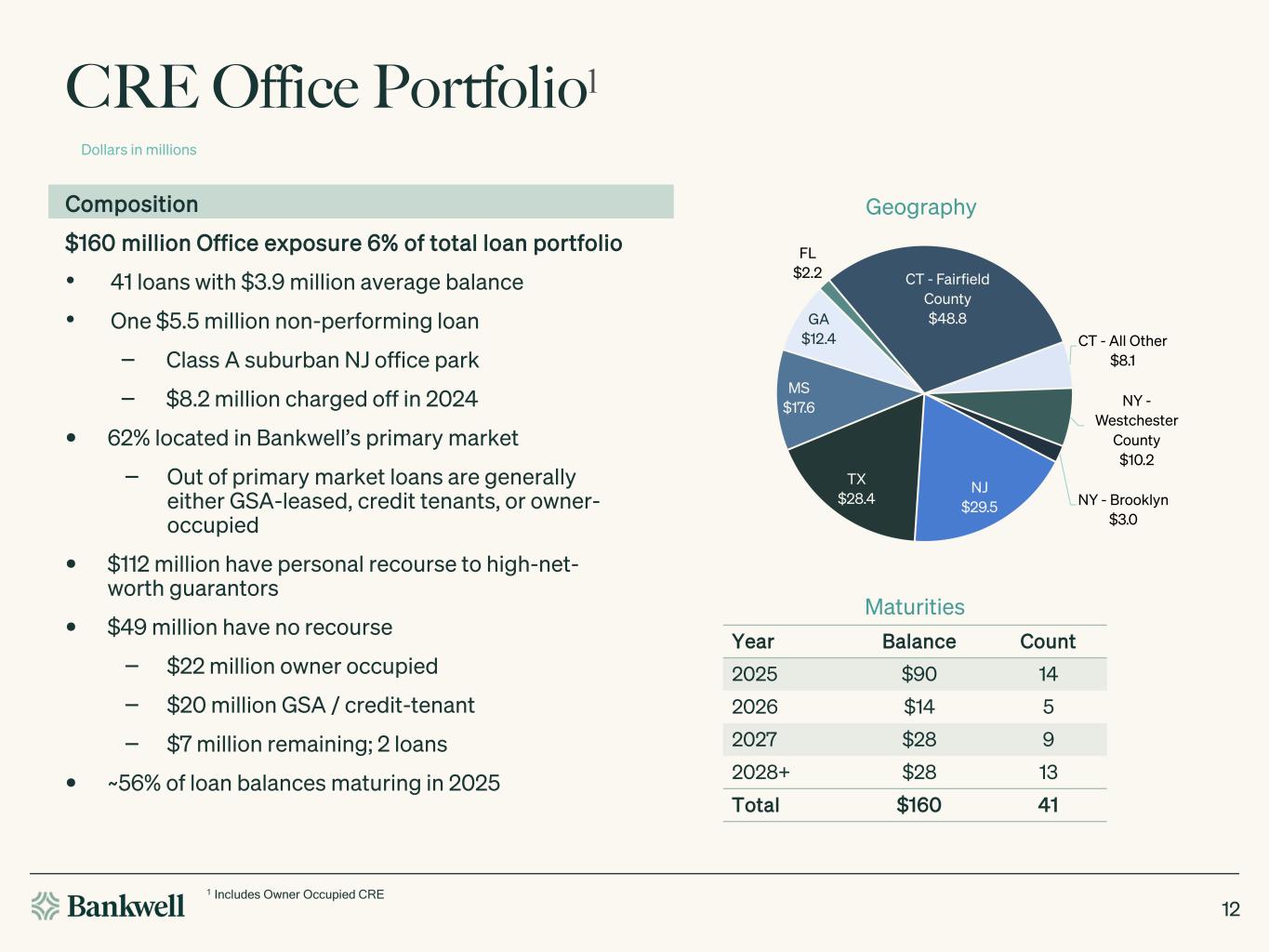
Yeah, it's obviously more complicated with you know several banks in the in the workout and chris that loan has already had over eight million dollars in charges taken against it yep understood got it um okay great and then you know more generally as you guys are looking ahead towards you know 2025 um i think you know you guys don't have a very large office portfolio but uh yeah obviously you know an area of focus um and there's about you know i think it's 56 or 90 million of it uh you know matures next year you know have you guys have come into the year and you know reviewed the portfolio um how do you guys feel about you know those upcoming maturities yeah i think you're probably referring you're referring to page 12 of the investor presentation there's a chart on that So other than the New Jersey club deal that we just talked about, the remaining 13, you'll see there's 13 loans in that million.
The remaining 13 are cash flow positive and pass rated. So we're feeling good about those. Some of those have already had a rise in interest rate. If we've given them a year or two extension on their previously matured loan, they've come up to a market rate and they're still cash flowing. So, you know, we're feeling pretty positive about our remaining office balance.
And, Chris, I'd note that the $90 million of the $160 million is maturing in 2025 in office, and that's because we're essentially doing office after 2020. We made some exceptions, but the balances then drop off because there's not going to be any left.
Got it. Okay, great. Great. And then I guess just last one for me is what's a good tax rate going forward?
Yeah. So obviously our tax rate was a little elevated in the fourth quarter. We had an adjustment based on our 2023 taxes that we pushed through. So we're confident, comfortable with a 24.5, 25% tax rate. If you push that adjustment back into our 23 numbers, our 24 tax rate, I think, comes out to exactly 24 and a half or 24.6.
Great. Thanks for taking all my questions. Appreciate the time.
Speaker 0
There are no further questions at this time. With that, ladies and gentlemen, that concludes your conference call. Thank you for participating and ask that you please disconnect your...