Operator
Greetings. Welcome to Conduent's Second Quarter 2025 Earnings Conference Call. Please note, this conference is being recorded. I will now turn the conference over to David Chen, VP of Investor Relations. Thank you. You may begin.
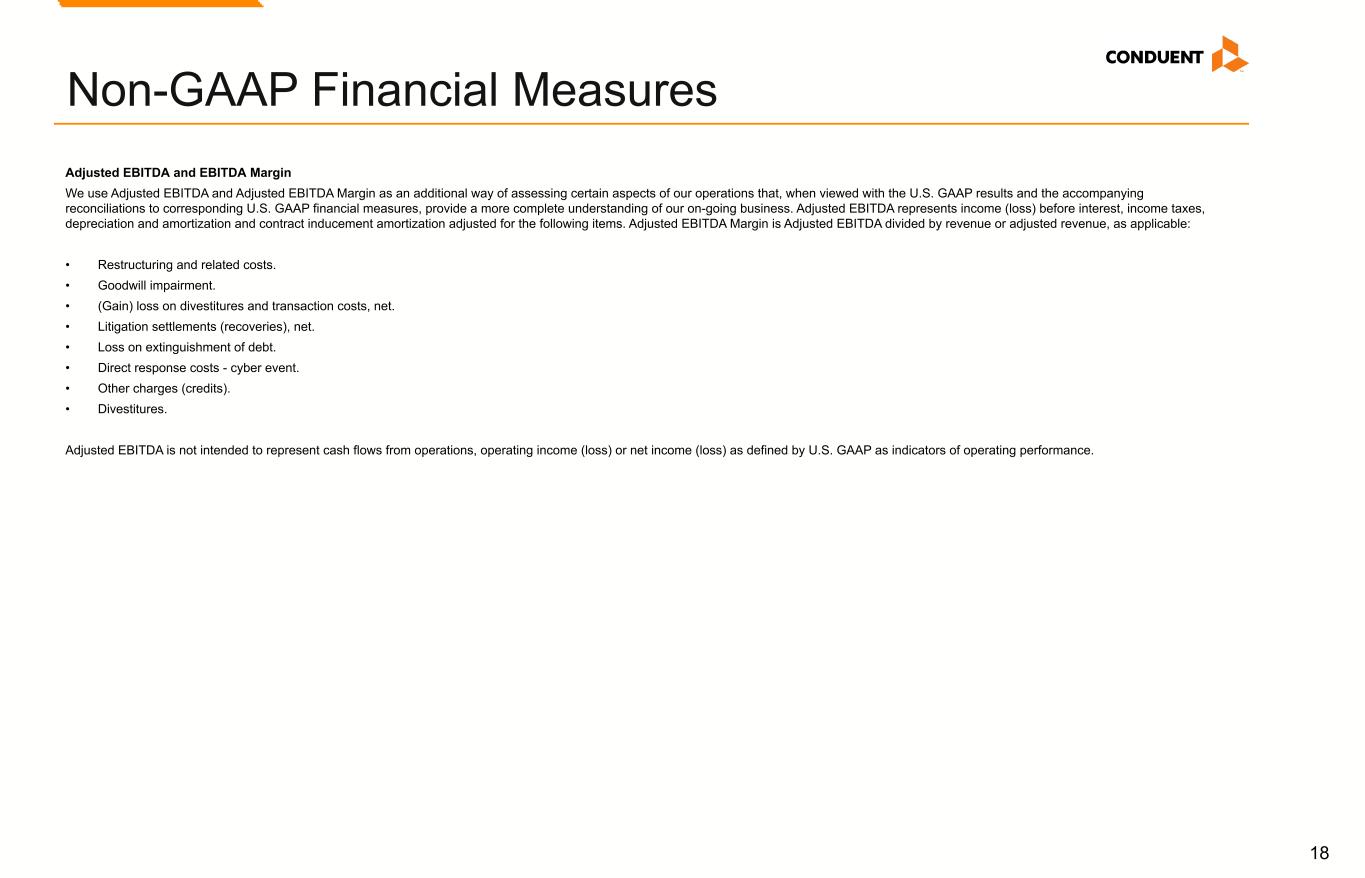
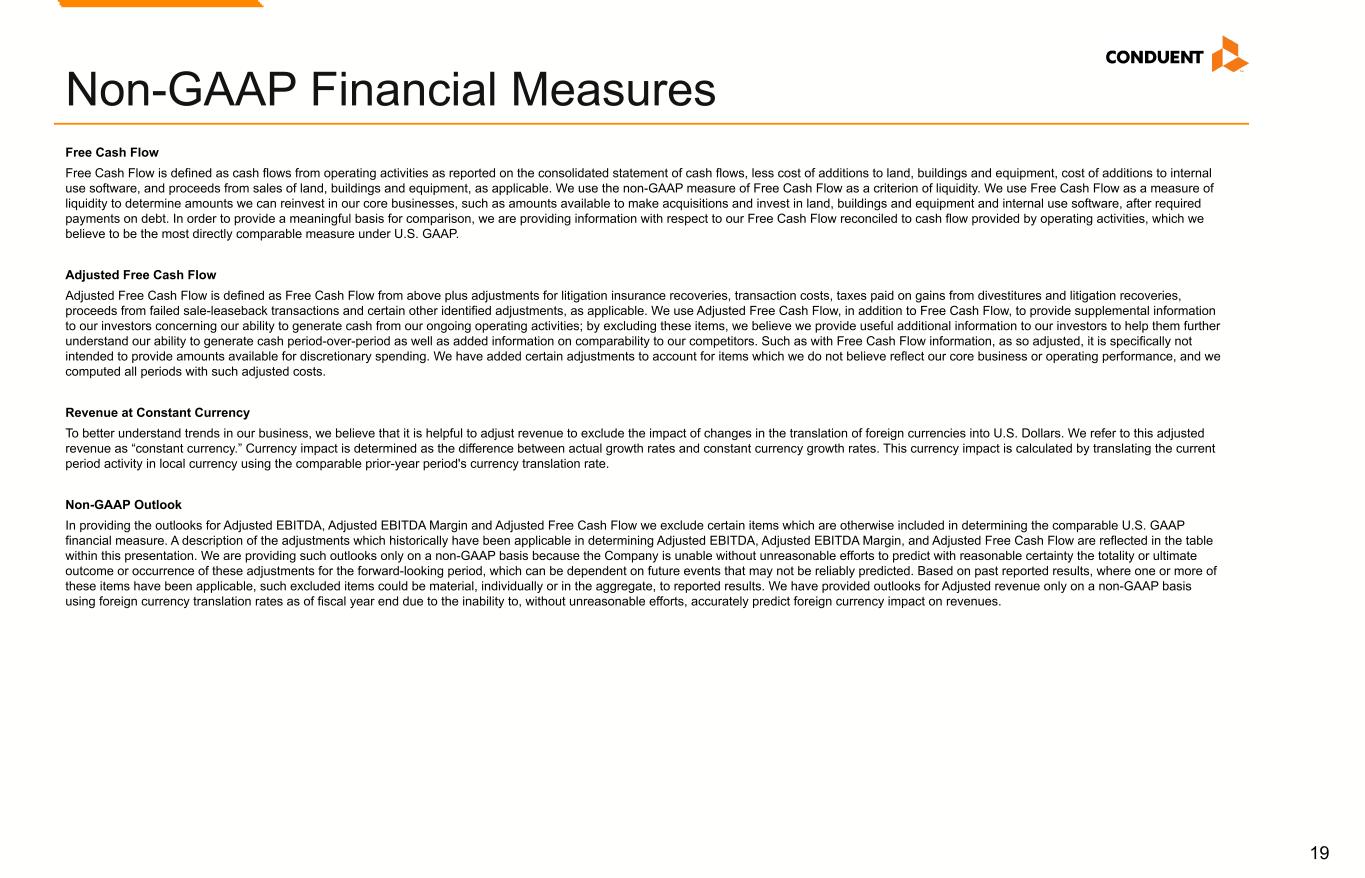
Thank you, operator, and thanks, everyone, for joining us today to discuss Conduent's second quarter 2025 earnings. I am joined today by Cliff Skelton, our President and CEO; and Giles Goodburn, our CFO. This call is being webcast, and a copy of the slides used during this call as well as the press release were filed with the SEC this morning on Form 8-K. This information as well as the detailed financial metrics package are available on the Investor Relations section of the Conduent website. During this call, we may make statements that are forward-looking. These forward-looking statements reflect management's current beliefs, assumptions and expectations and are subject to a number of factors that may cause actual results to differ materially from these statements. Information concerning these factors is included in Conduent's annual report on Form 10-K filed with the SEC. We do not intend to update these forward-looking statements as a result of new information or future events or developments, except as required by law. The information presented today includes non-GAAP financial measures, because these measures are not calculated in accordance with U.S. GAAP and they should be viewed in addition to and not as a substitute for the company's reported results. For more information regarding definitions of our non-GAAP measures and how we use them, as well as the limitations to their usefulness for comparative purposes, please see our press release. And now I would like to turn the call over to Cliff.
Speaker 2
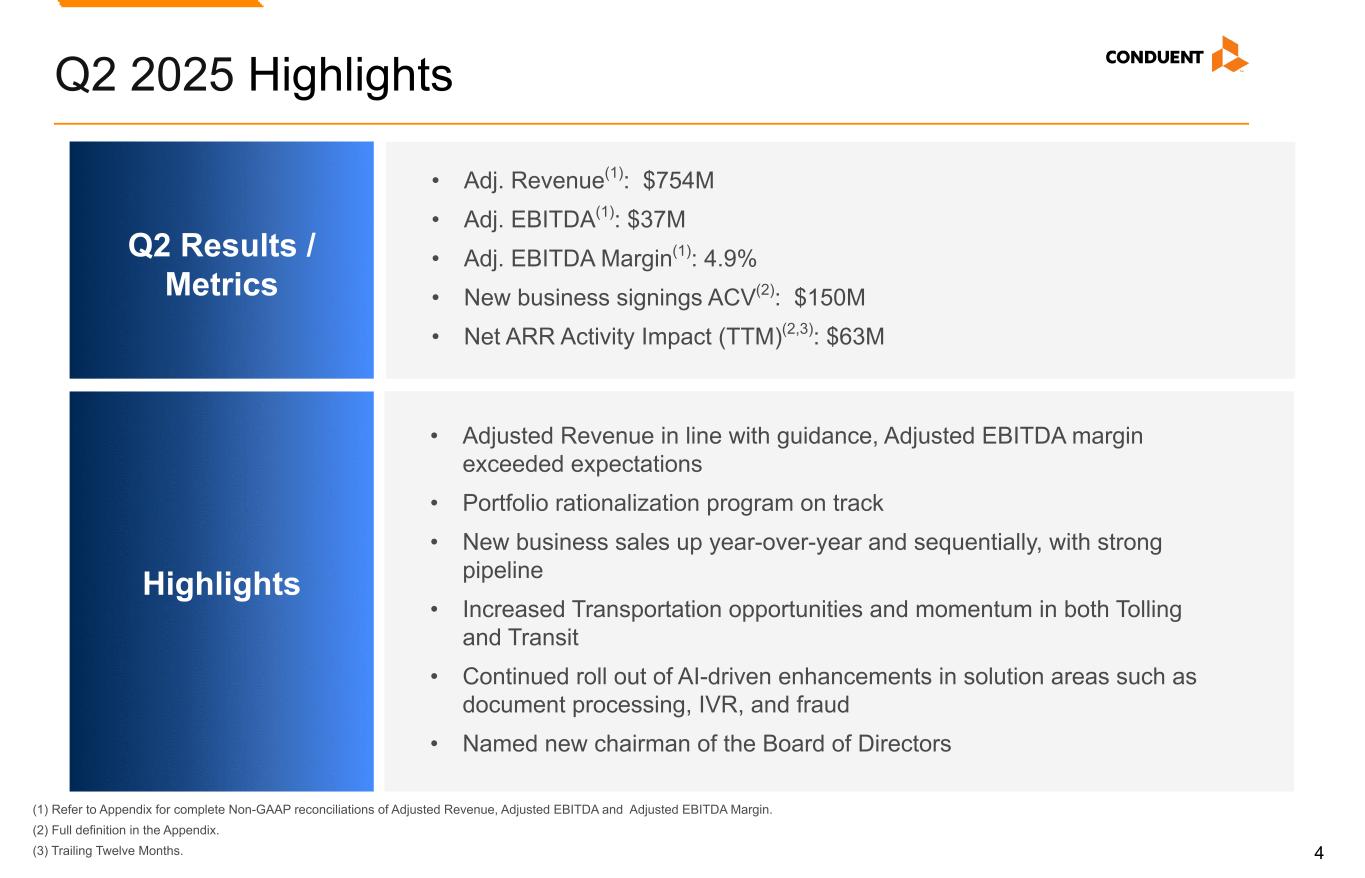
Thank you, David, and thank you, everyone, for joining Conduent's Q2 2025 earnings call. As always, I'll preamble the quarter, I'll turn it over to Giles for the detailed numbers, and I'll close with some comments about the market, changing landscape in public and commercial sectors and some strategic thinking regarding our optimistic view of the rest of the year and into 2026. Q2 was, by and large, right down the middle of the fairway for us. Revenue for the quarter was slightly up sequentially at $754 million, in line with our expectations with another solid quarter of adjusted EBITDA at $37 million and 4.9% of adjusted EBITDA margin, exceeding expectations up year-on-year and flat sequentially in a quarter usually representing the low point of the year. Before Giles gets into the detailed financials, let me just confirm that our portfolio rationalization efforts remain on track. Without getting too explicit, I can say that work is definitely underway. We feel good about our sales performance, especially in the public sector with an overall ACV of $150 million, up year-over-year and quarter-over-quarter. Q3 will be an important quarter for us in sales, and we're expecting improved performance from our Commercial segment as some deals move to the right from Q2. In the quarter, we signed 8 new logos, expanded relationships with 22 existing clients, and renewed several contracts, including the Direct Express contract supporting the federal government as a sub to a leading financial institution. The other good news here is that we're seeing increased activity and sales opportunity in our transportation businesses, both tolling and transit. And our pipeline is strong in government as well. We continue to roll out AI initiatives, encompassing the gamut ranging from the obvious such as telecom enhancements and language smoothing to fraud reduction enhancements, to item processing workflow improvements, to end-user simplification process improvements and efficiency improvements. We remain convinced that while AI and GenAI are obviously here to stay and will continue to morph. In the BPO space, its primary focus is on using AI as an enhancement, not a replacement. As was said by a prominent AI CEO recently, AI isn't seen as a replacement for people, but more as a competitive advantage for those individuals who utilize AI. You went on to say more people are going to be able to do more things. That's effectively what we're seeing. AI is opening doors to enable us to do more things at higher quality with fewer mistakes, potentially driving margin enhancements with a better end user experience. Technology is definitely moving faster than risk tolerance in some areas, but we will continue this journey with open minds for sure. Finally, as part of our orderly sequencing, we elected the new Chairman of the Board, Harsha Agadi. Harsha joins the Board and the Chairman role at a strategic point in time where his experience will be put to good use. We're certainly thankful for Scott Letier's leadership over the past 4 years as he transitions from Chairman to leading the Audit Committee among other roles on our Board. Regarding the rest of the year, Giles will be a little more explicit, but we're intently focused on meeting previously mentioned expectations. As you know, in this business, revenue can be a bit lumpy. However, margin is more controllable. We expect to hit the high end of EBITDA and margin and expect to meet revenue expectations. Let me turn over the dialer to Giles to take you through the detailed financials. Giles?
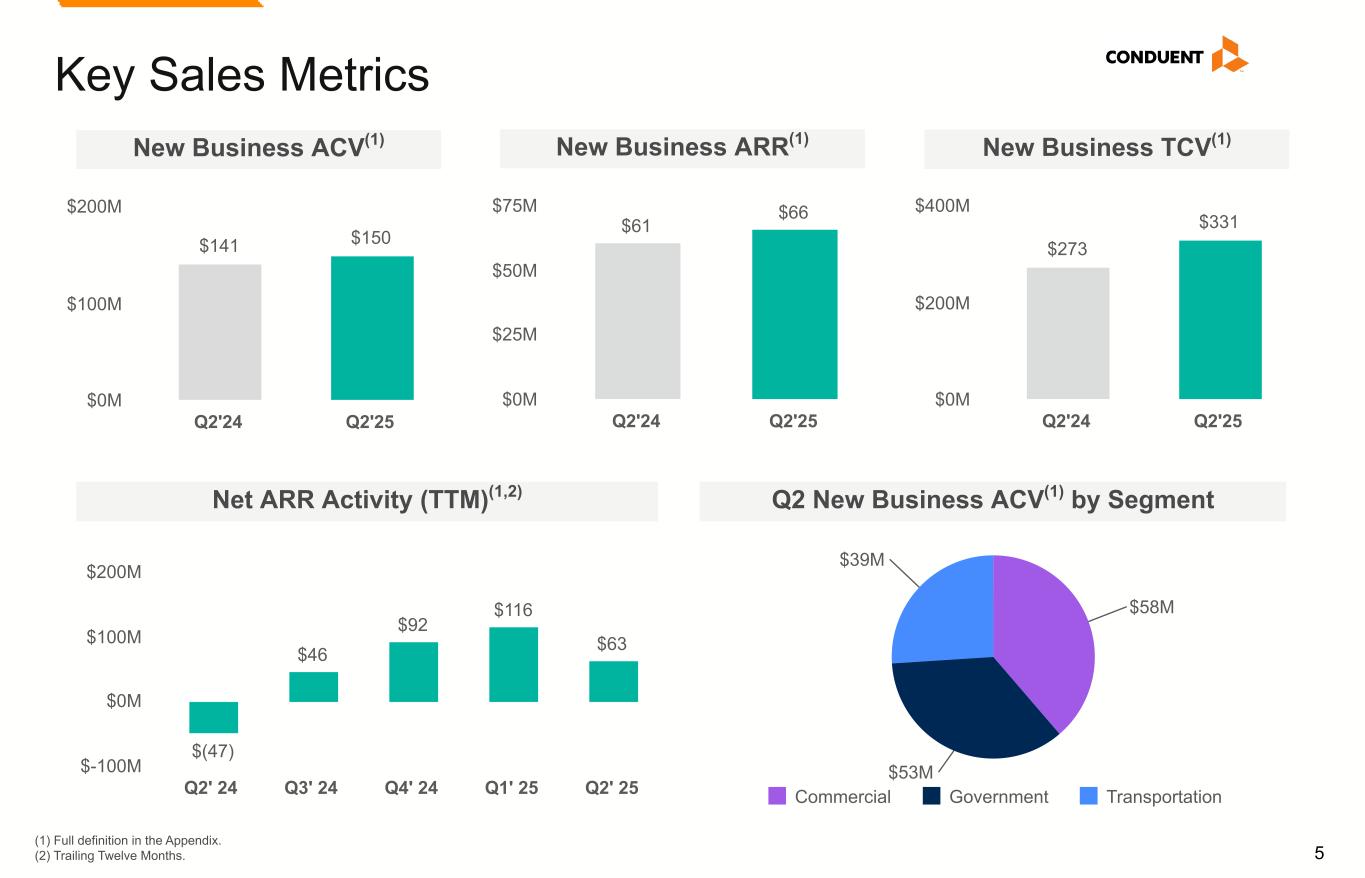
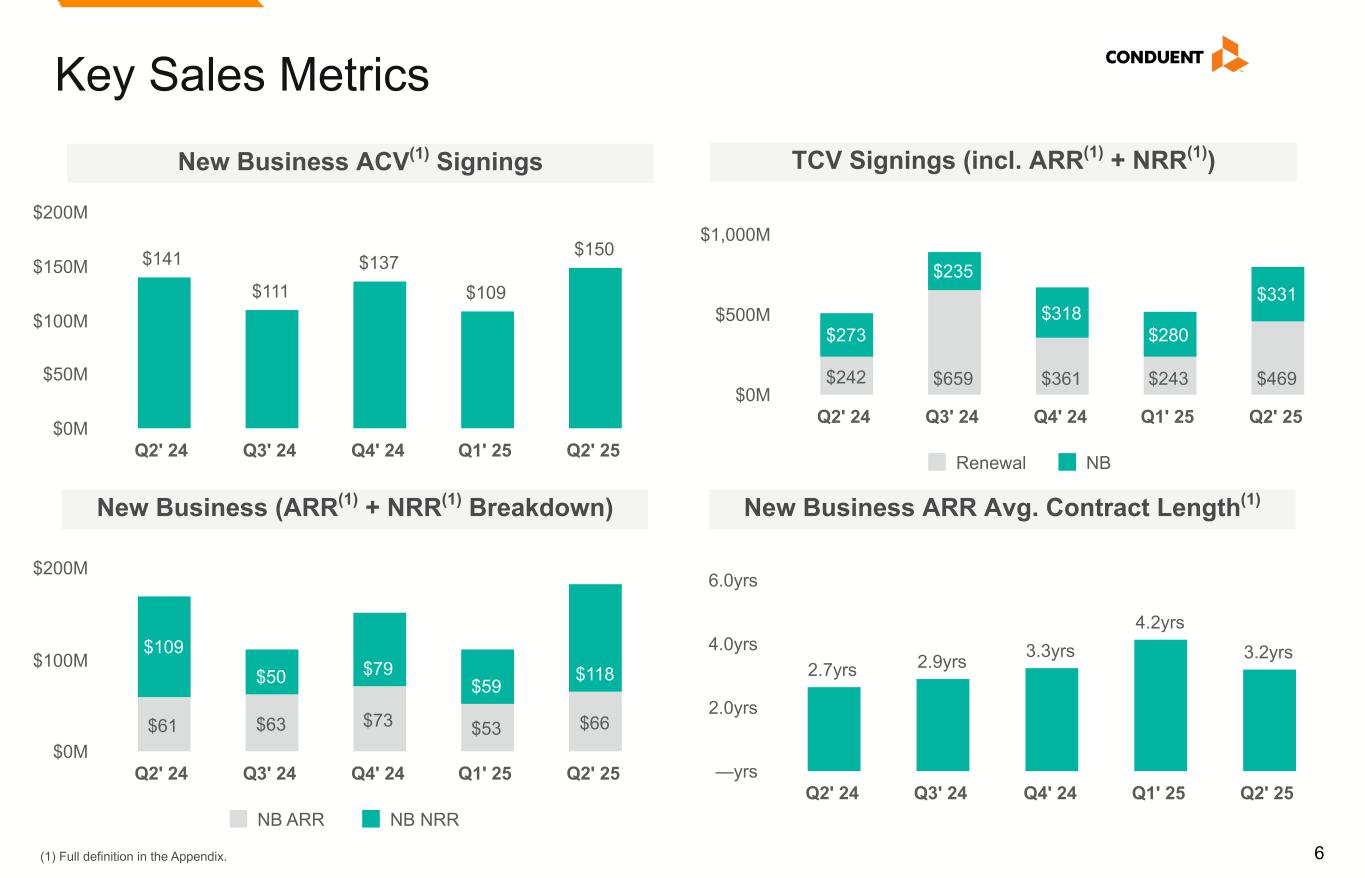
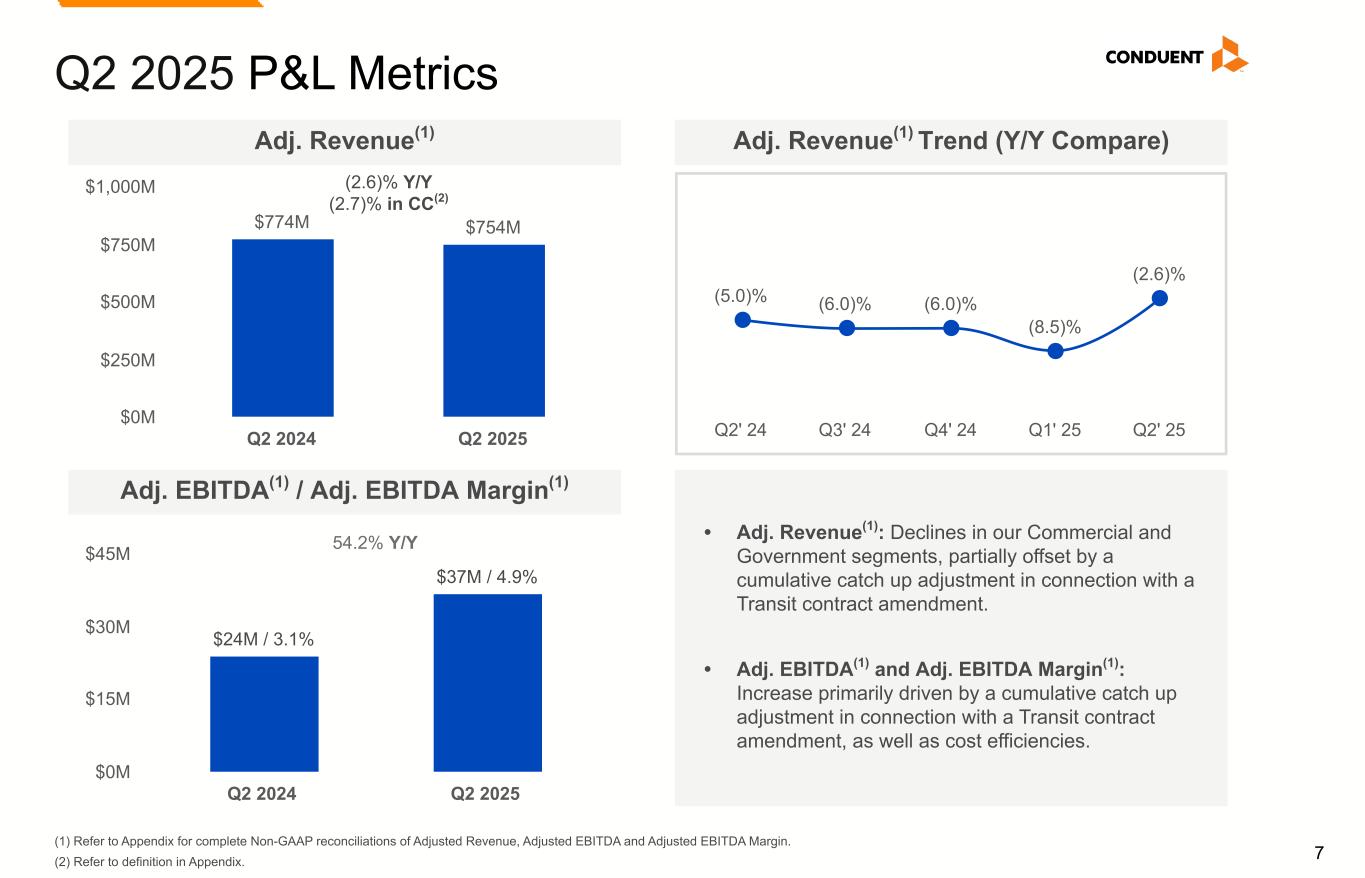
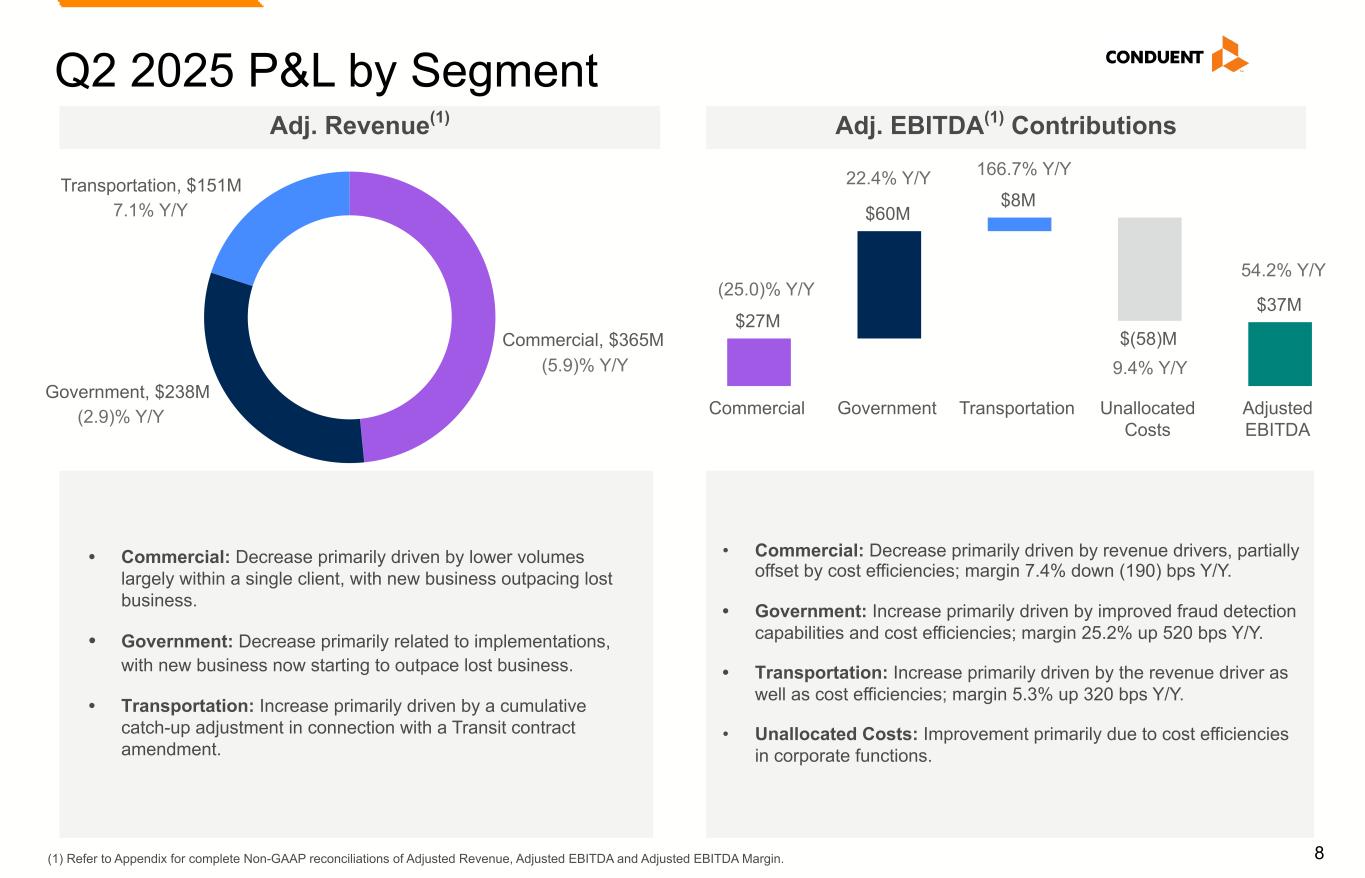
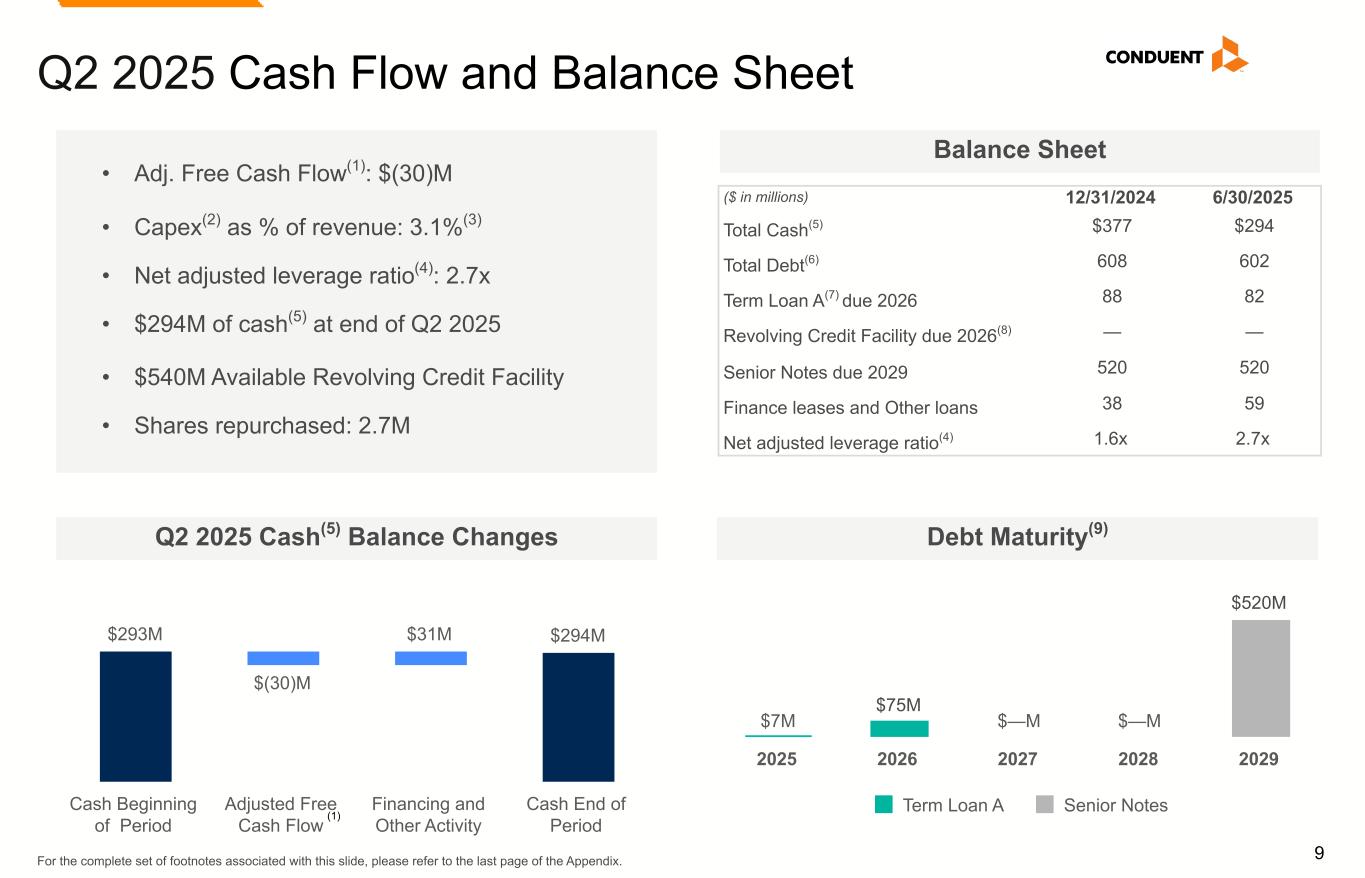
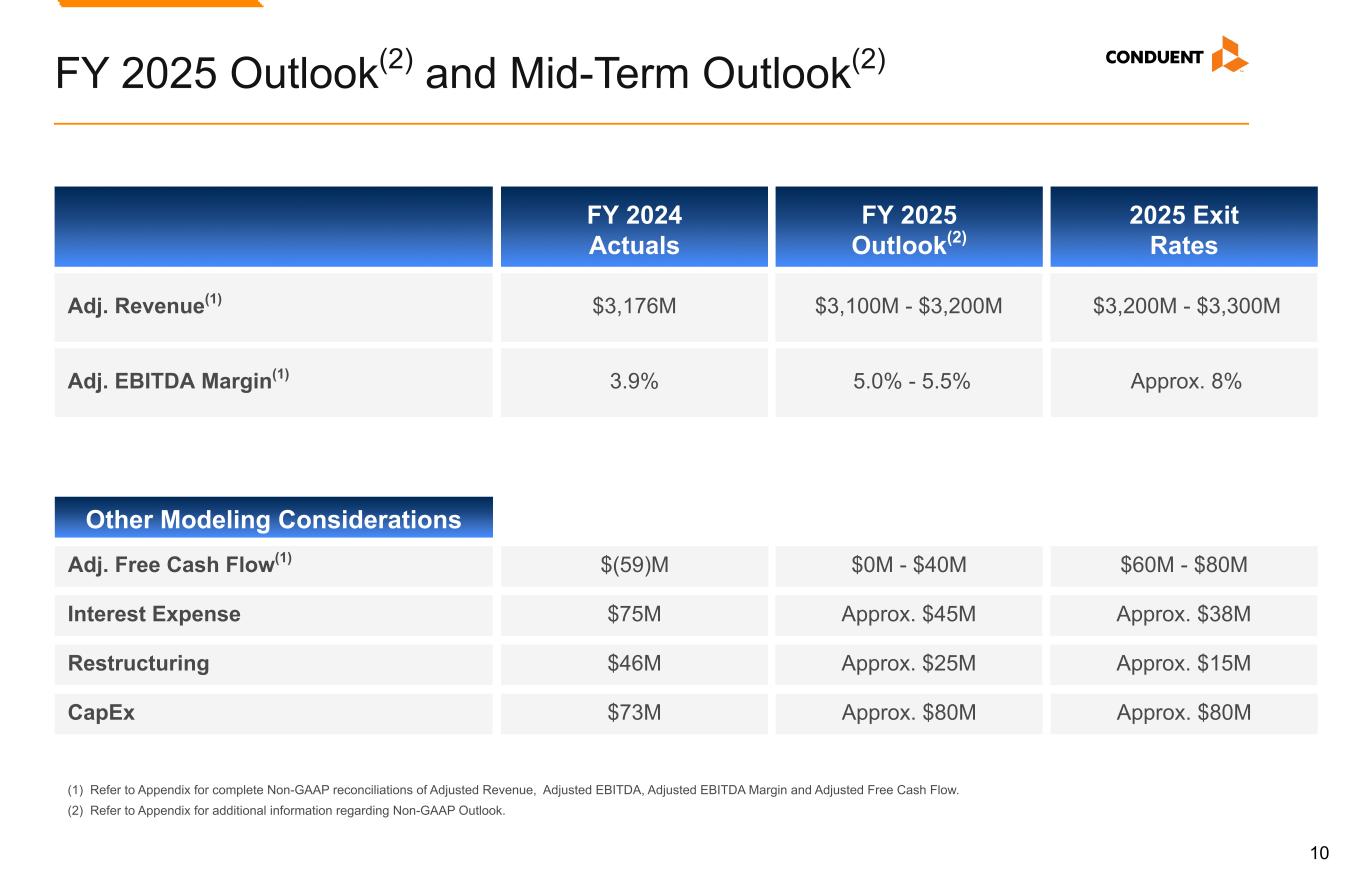
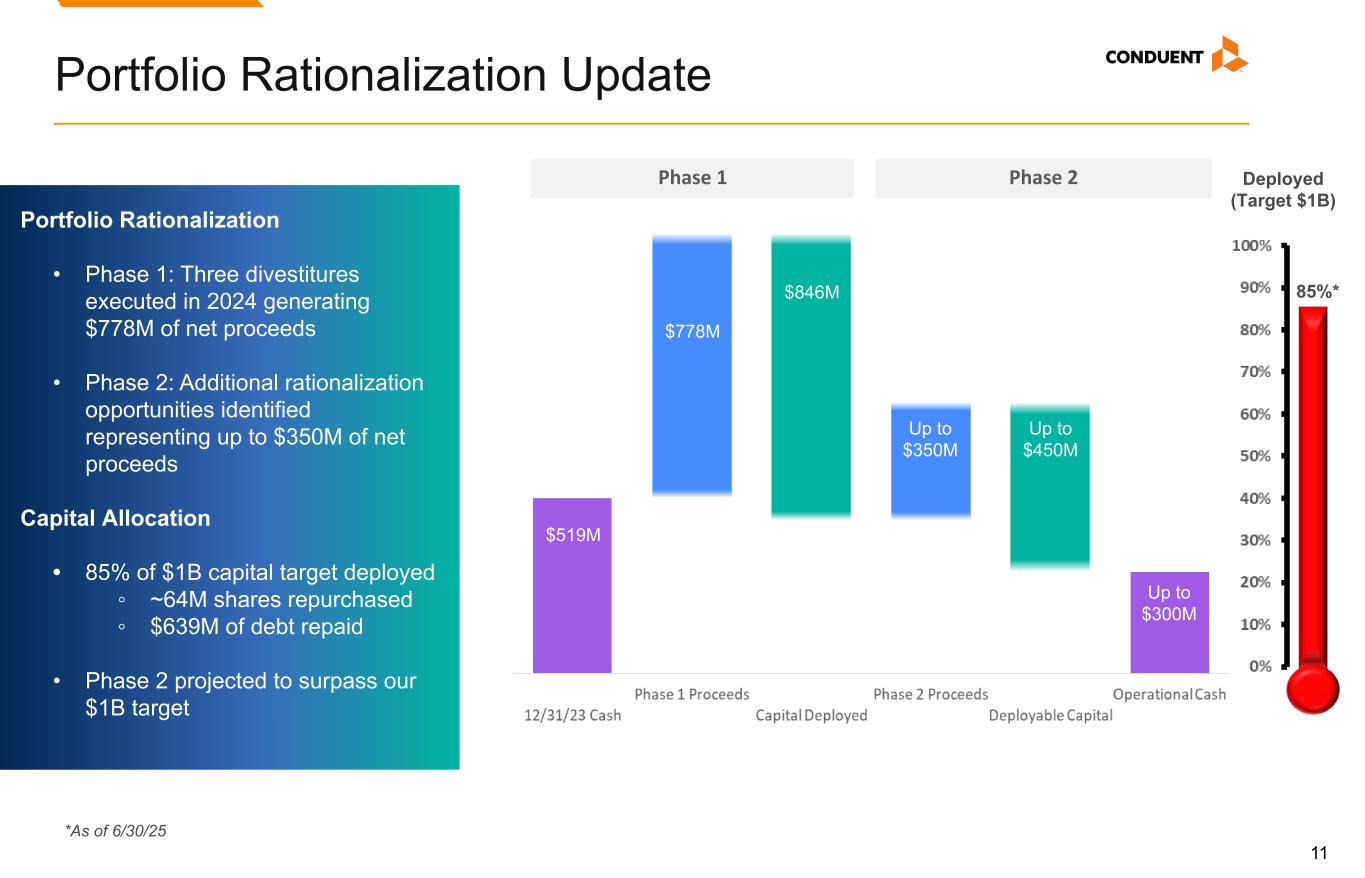
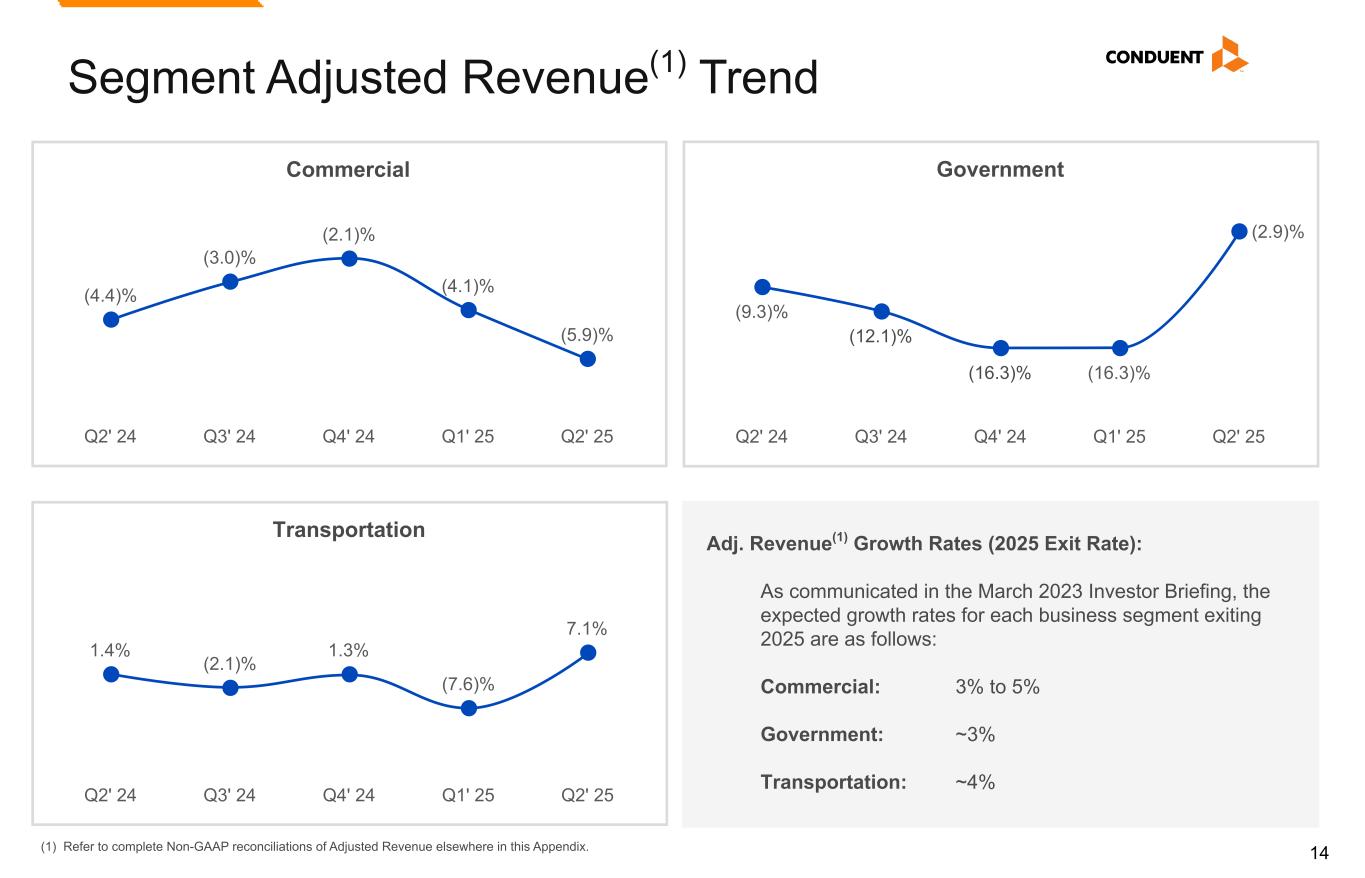
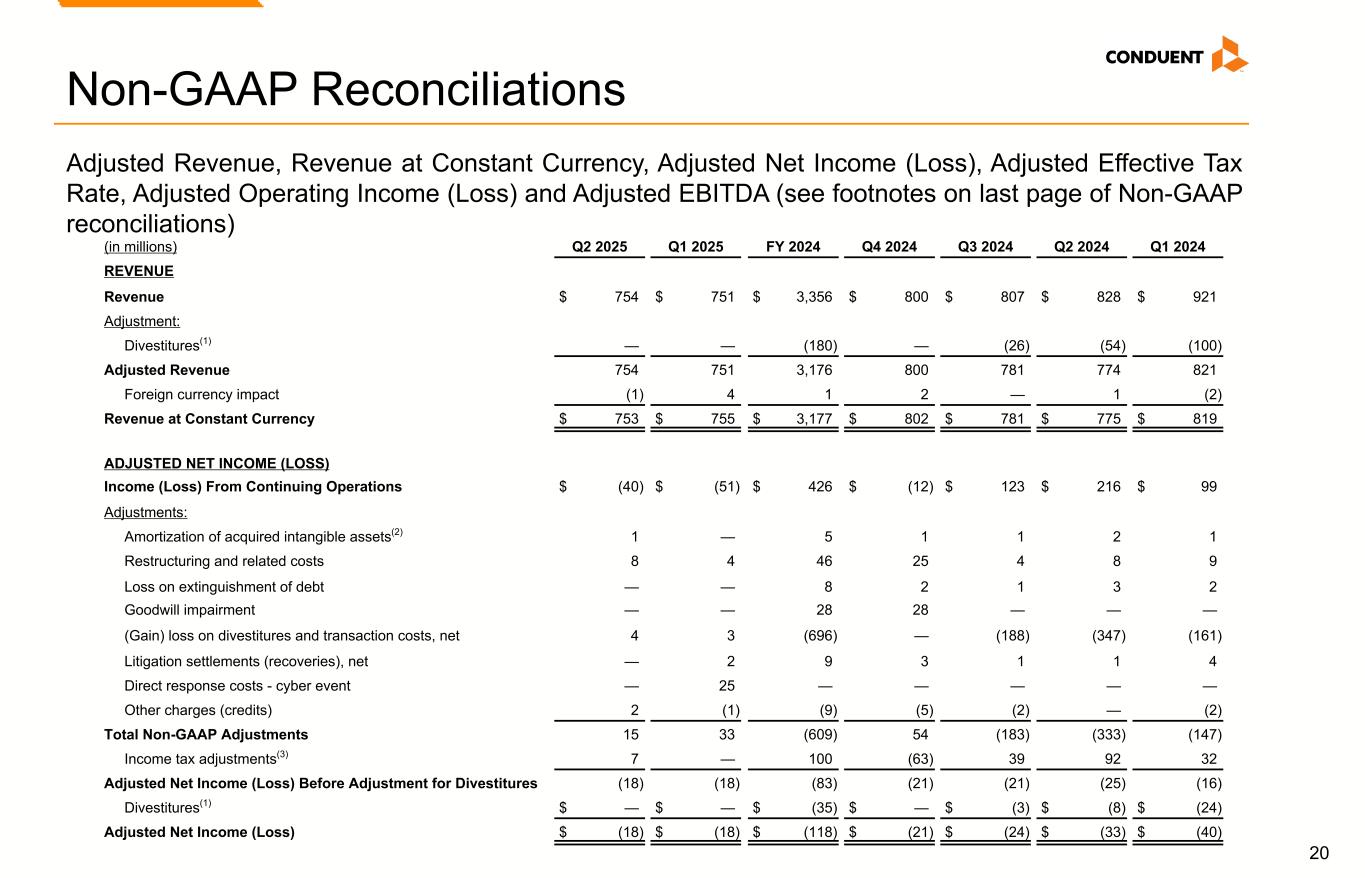
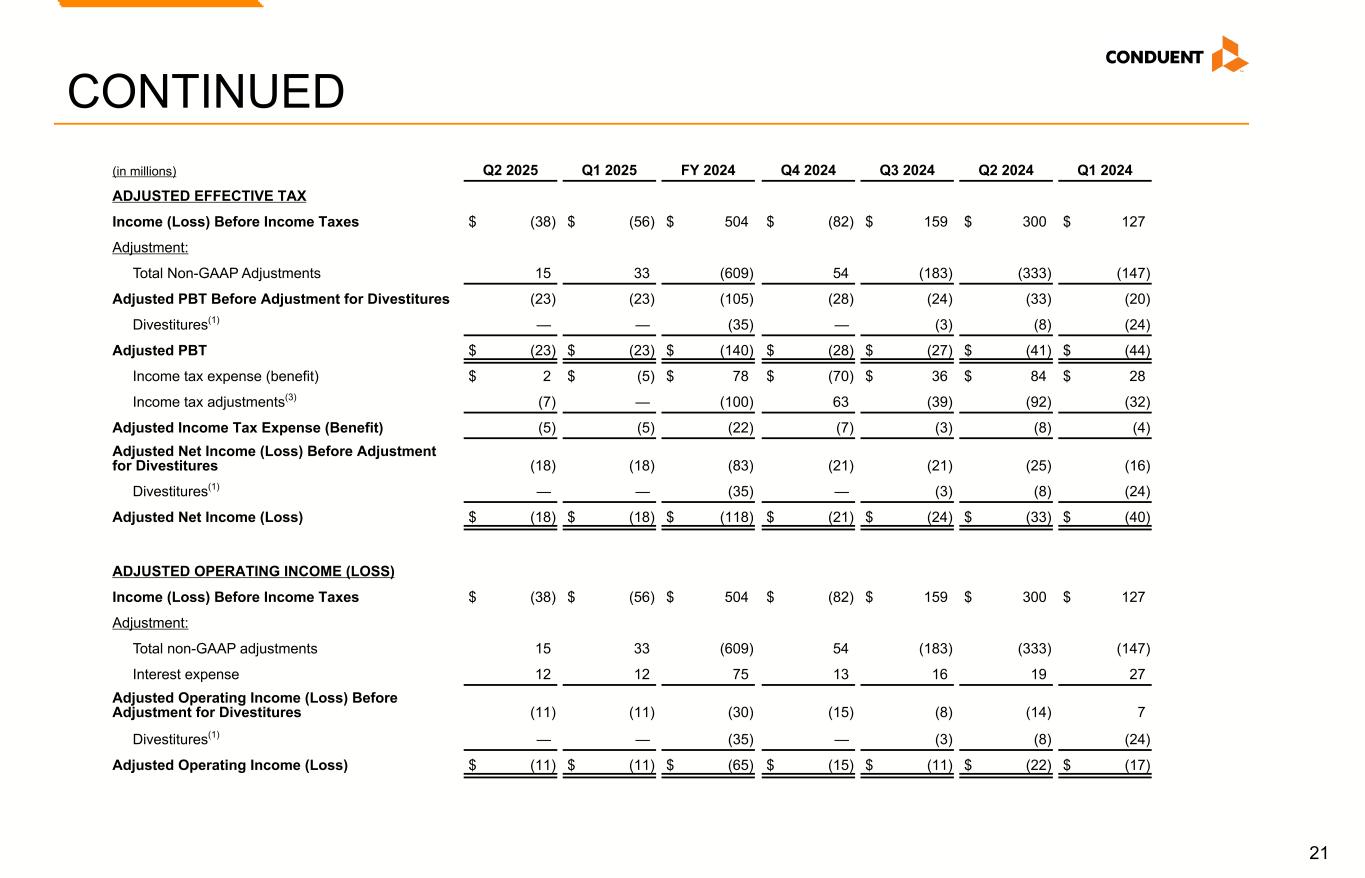
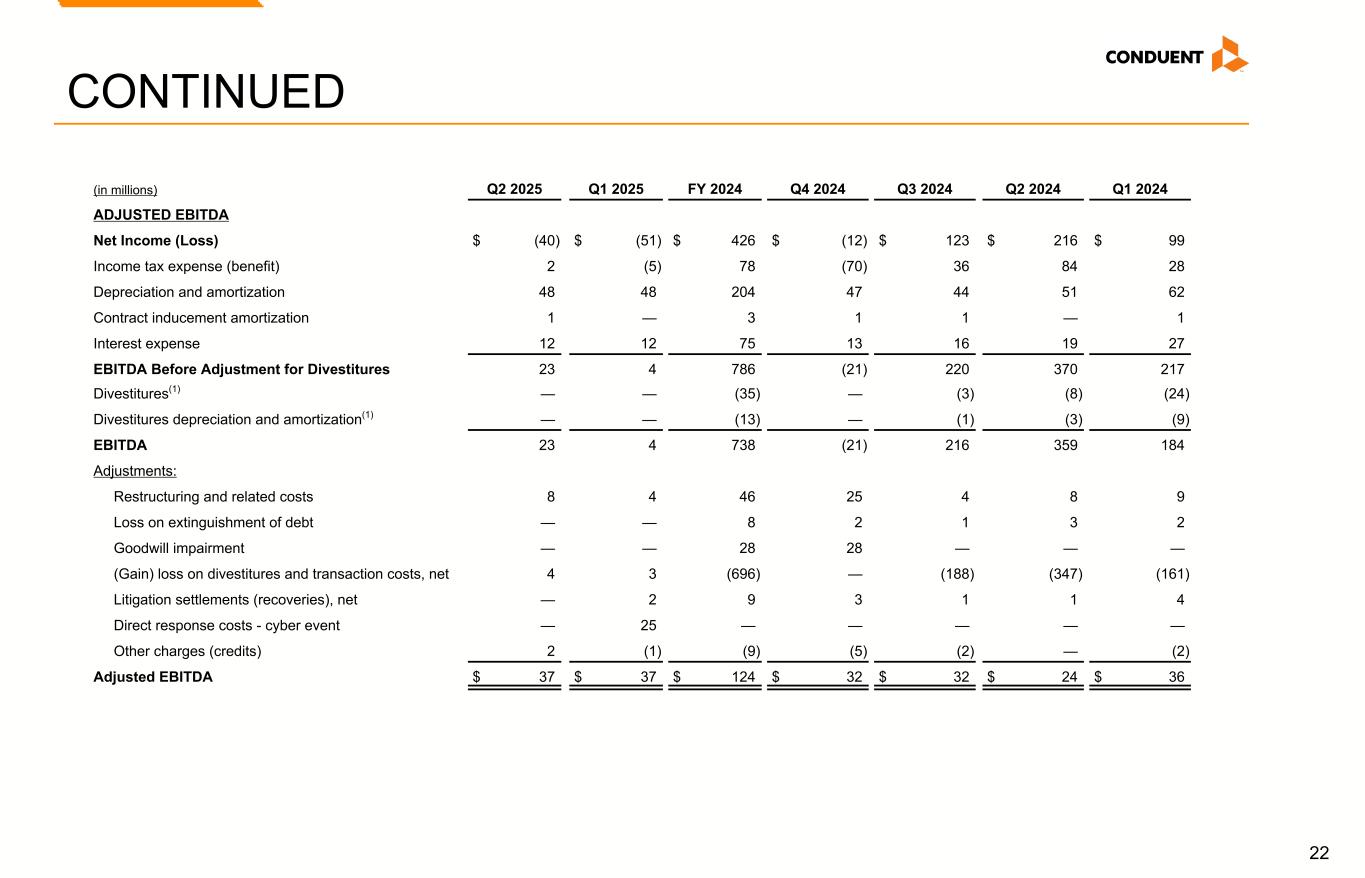
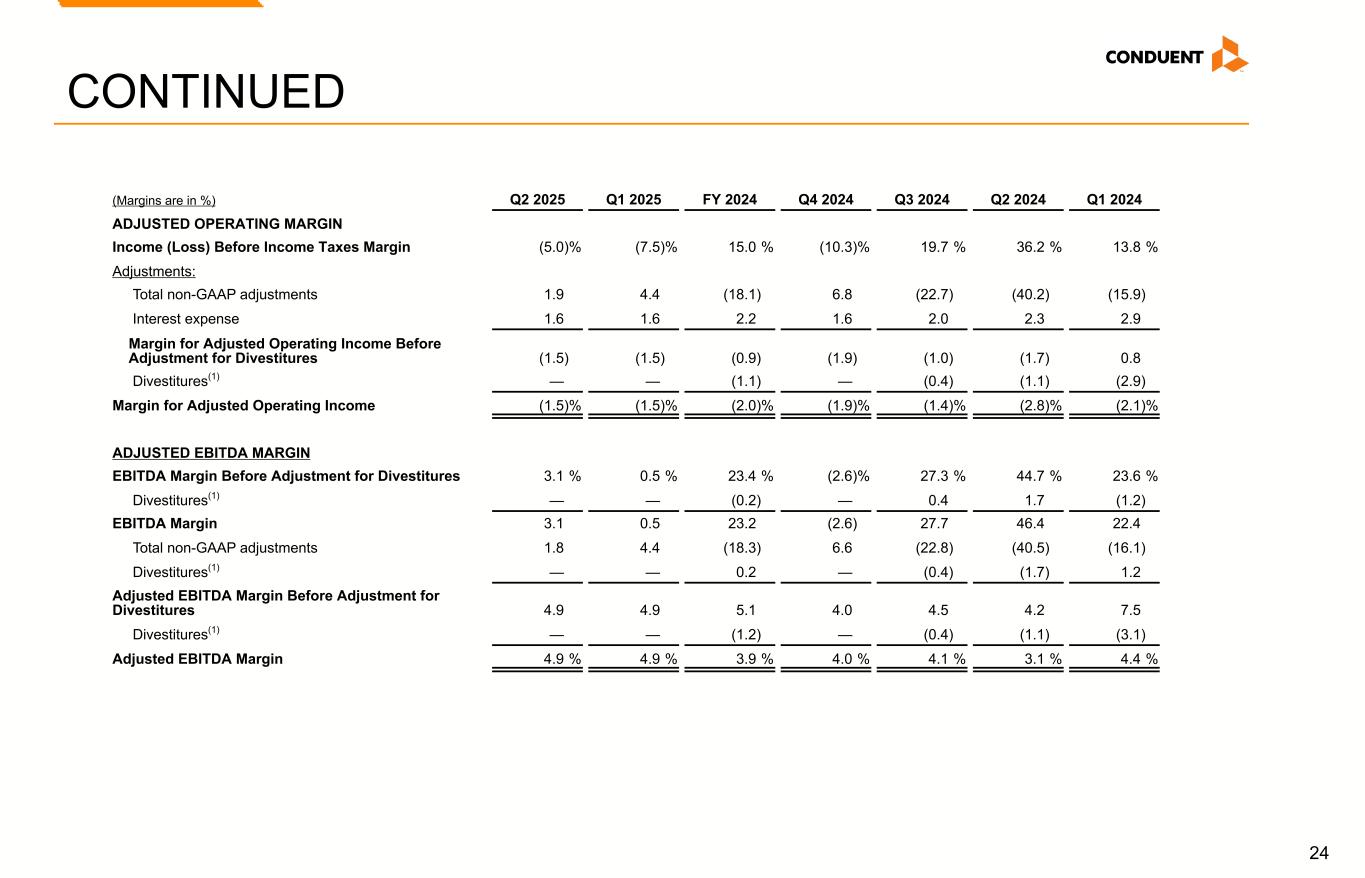
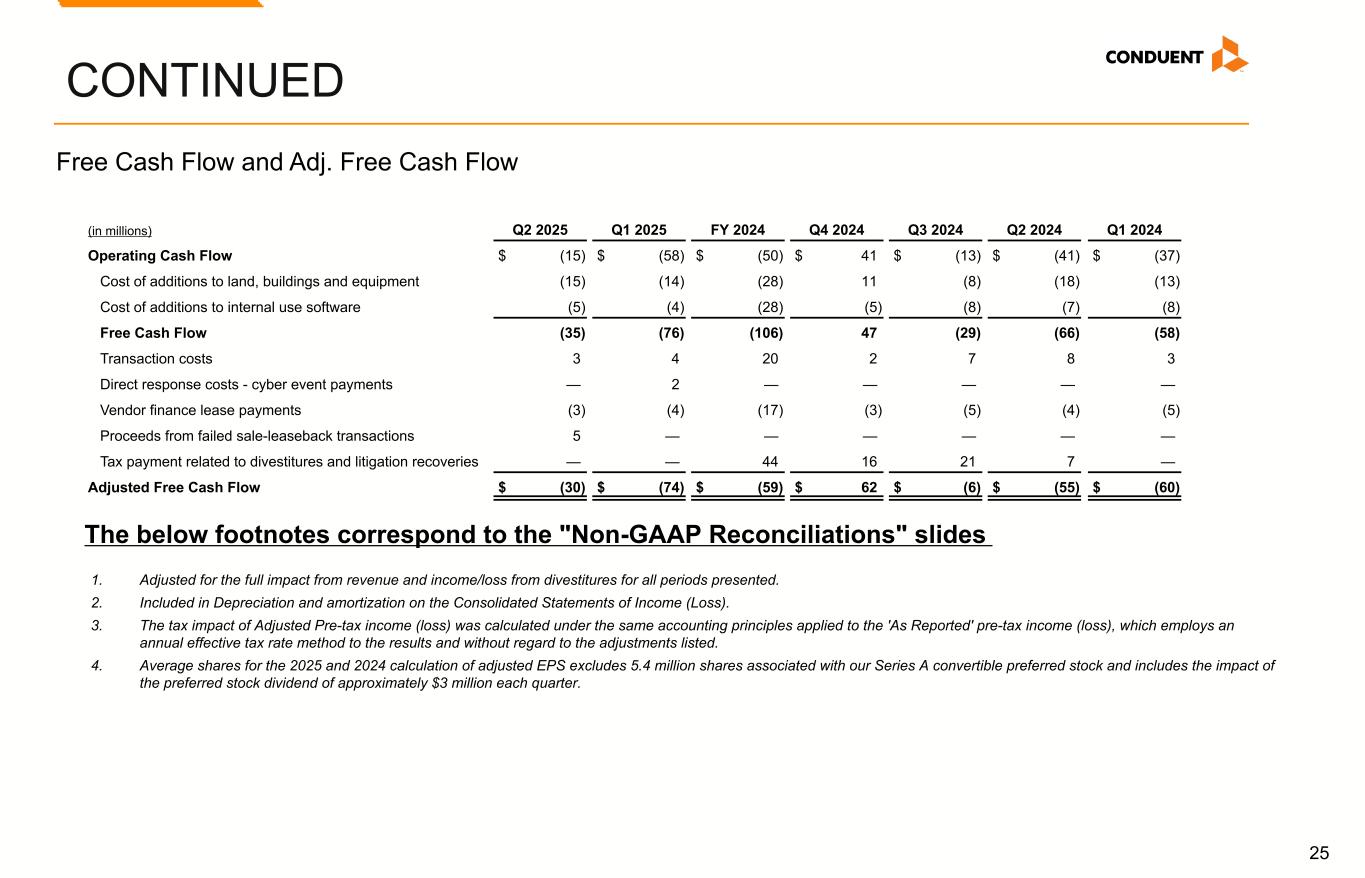
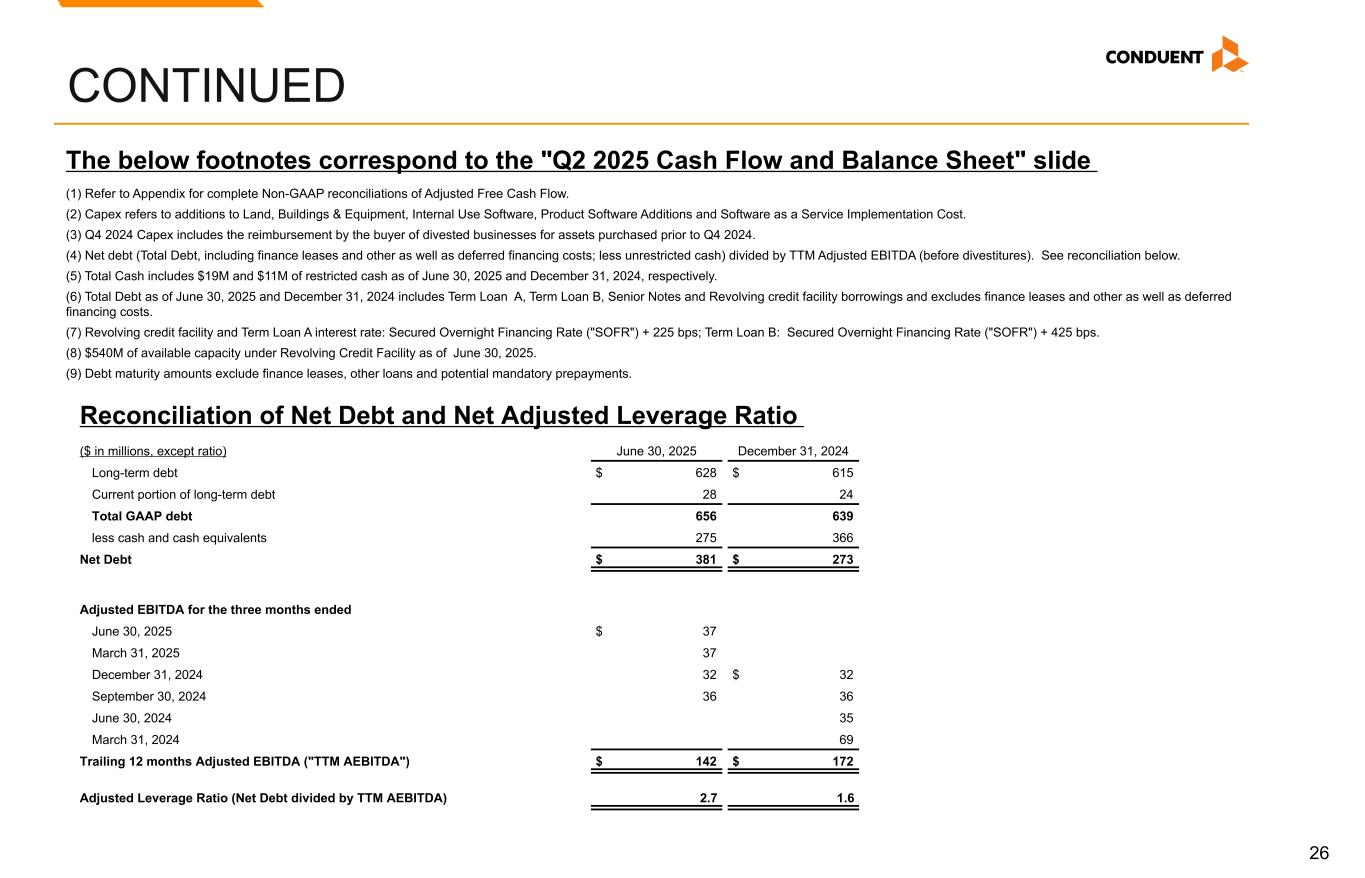
Thanks, Cliff. As we've done in the past, we're reporting both GAAP and non-GAAP numbers. The reconciliations are in our filings and in the appendix of the presentation. Let's discuss the key sales metrics on Slides 5 and 6. We signed $150 million of new business ACV in the quarter, up 6% versus the prior year and 38% sequentially. First half 2025 new business ACV is up 9% versus the first half of 2024, and we're positioned for strong year-over-year ACV growth in the second half of 2025. All three business segments demonstrated sequential new business ACV growth this quarter, with each business segment closing a deal of at least $10 million ACV in the quarter. New business TCV was up 21% versus the prior year at $331 million, and distributed relatively equally across the segments. Renewals in the quarter were solid and included the Direct Express program Cliff mentioned earlier. The net ARR activity metric our combined measure of wins, losses, pricing effects and other contractual changes was positive at $63 million. Our qualified ACV pipeline remains strong at $3.3 billion, which is up 5% year-over-year and 6% since the beginning of 2025, which positions us well to achieve the second half year-over-year ACV growth and will drive revenue growth across all segments in 2026. Let's turn to Slide 7 and review our Q2 2025 P&L metrics. Adjusted revenue for Q2 2025 was $754 million compared to $774 million in Q2 2024, down 2.6% year-over-year. While Transportation achieved revenue growth this quarter, the decline was driven by our Commercial and Government segments, which I'll discuss in more detail in a moment. Adjusted EBITDA for the quarter was $37 million as compared to $24 million in Q2 2024. And our adjusted EBITDA margin of 4.9% is up 180 basis points year-over-year. This is higher than we guided the quarter, which was driven by excellent progress we have been making in one of our large transit contracts. The first half of the year has delivered stronger margins than we had originally planned and sets us up well for the second half of the year, where we will benefit from the continued progress in our cost efficiency programs, price increases in a couple of our larger contracts as well as the traditional seasonality we experienced in the second half of the year, all of which will contribute to our progression towards the previously communicated exit rates. Let's turn to Slide 8 and review the segment results. For Q2 2025, Commercial segment adjusted revenue was $365 million, down 5.9% as compared to Q2 2024. New business continues to outpace lost business in this segment. However, similar to Q1, we continue to experience volume degradation in our largest commercial client, which is a significant contributor to the lower revenues. Adjusted EBITDA was $27 million, and the adjusted EBITDA margin of 7.4% was down 190 basis points year-over-year. The drivers here were lower revenue, higher talent acquisition costs supporting new business signings as we grow into the expanded delivery footprints in the Philippines and India and high usage of centralized technology costs. Government segment adjusted revenue for the quarter was down 2.9% at $238 million. This decline is attributed to the impacts associated with completing or extending several implementations. However, new business has now started to outpace lost business in this segment. Adjusted EBITDA was $60 million, an increase of 22% year-over-year, with adjusted EBITDA margin of 25.2%, up 520 basis points versus Q2 2024. The drivers here resulted from our AI initiatives and efficiency programs, resulting in lower fraud, labor and telecom expenses. Transportation segment adjusted revenue was $151 million, an increase of 7.1% year-over-year, while adjusted EBITDA was $8 million in the quarter, and adjusted EBITDA margin was 5.3% for the quarter, up 320 basis points versus Q2 2024. This was driven by the outcome of a couple of significant events achieved in a large transit contract. These significant events achieved in the first half of the year related to our large transit contract in Australia. Firstly, we signed an amendment to the contract, which included additional scope. And secondly, we repurchased the noncontrolling interest in the joint venture that delivers the client contractual obligations. This allows us to execute more efficiently and resulted in a positive catch-up adjustment in the quarter. Unallocated costs were $58 million for the quarter versus $64 million in Q2 2024. The improvement here is driven by our cost efficiency programs in our corporate functions. Let's turn to Slide 9 and discuss the balance sheet and cash flow. We ended the quarter with approximately $294 million of total cash on balance sheet and our $550 million revolving credit facility was largely undrawn. We are currently in the process of refinancing our revolving credit facilities, which we expect to have finalized in the very near future. On April 30, we received the final payment of $50 million relating to the Curbside Management and Public Safety divestiture, which completes the receipt of proceeds from Phase 1 of our divestiture program. Our net leverage ratio remained at 2.7x this quarter. We see this as the high point in our journey and forecast this ratio to begin to reduce in Q3 and sequentially again in Q4, in line with our forecasted improvements in adjusted EBITDA. Capital expenditure for the quarter was 3.1% of revenue, in line with expectations. In the quarter, we launched a new 3-year share buyback program for an aggregate of $50 million. During Q2, we repurchased approximately 2.7 million shares at an average price of $2.70. Let's turn to Slide 10 and look at our 2025 outlook. Given the stronger than planned adjusted EBITDA margin in the first half of the year and the confidence we have in our outlook, we have increased the midpoint of our guided full year adjusted EBITDA margin range to between 5% and 5.5%. As for revenue, while we are confident we will demonstrate year-over-year revenue growth in the second half of this year, we will fall slightly short of revenue growth on a full year basis and have adjusted our full year adjusted revenue guide accordingly to between $3.1 billion and $3.2 billion. Our 2025 exit rates remain intact and at this point, can be used as a proxy for 2026. Expectations for Q3 2025 are as follows. We expect adjusted revenue to be sequentially higher than Q2 but slightly below Q3 2024, and expect adjusted EBITDA margin to be in the range of 5% to 5.5%, a sequential improvement versus Q2. We continue to expect to post top line growth in the second half of the year and margin to expand as we work through our cost programs. These outlooks have not been adjusted for any Phase 2 divestiture activity and therefore, are representative of the company as it exists today. Turning to Slide 11. We continue to make progress with Phase 2 of our portfolio rationalization strategy with a couple of transactions working through the marketing phase. We incrementally increased the total number of shares repurchased to 64 million and are confident in achieving the $1 billion of capital deployment we committed to in early 2023. That concludes the financial review of second quarter 2025. And if you now turn to Slide 12, I'll hand it back to Cliff for his broader view on the business.
Speaker 2
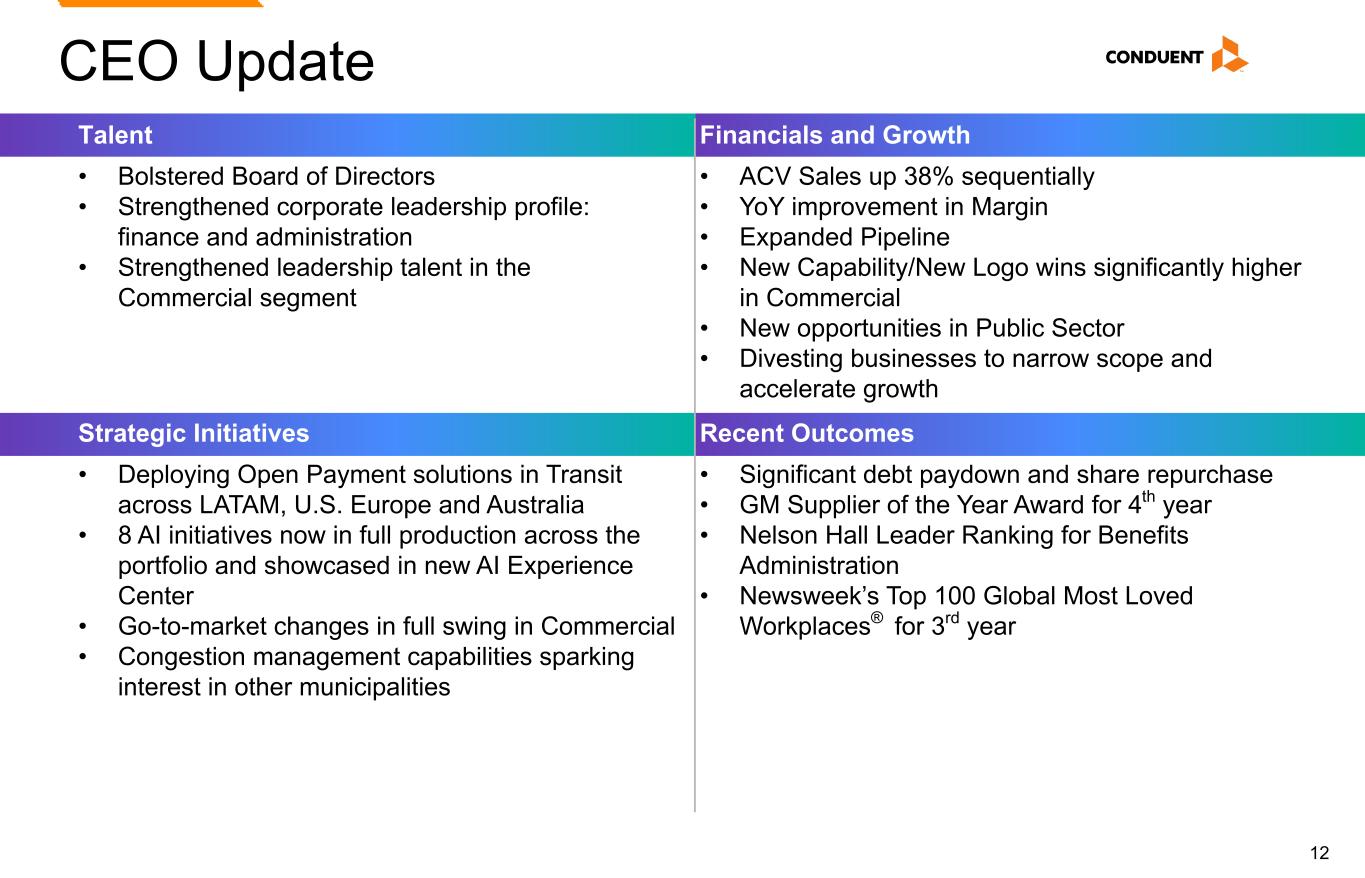
Thank you, Giles. Before we open it up for analyst questions, I'd like to share some thoughts on our business strategy and our optimistic view for the future. Look in our simplest sense, we said and continue to say that we'll tell you what we're going to do and then we'll do it. Q2 financials are yet another example of upholding our execution promise. We'll continue to do just that. We previously said we pursue an optimized portfolio we have and are. We'd improve culture, operations and technology. We've done so, evidenced by awards from Newsweek as well as other culture and industry analyst awards, and dramatically improved retention as well as technology uptime. We'd pay down debt. We have and will continue to do so. We'd use available capital in a balanced way. We have and continue to also buy back shares. We'd improved margins and cash flow as we move out of the 2024 trough. We have done so and we'll continue to do more in 2026 as we hit those 2025 exit rates we described. We'd upgrade our talent with folks that have been there, done that. We have, and we recently bolstered talent in commercial, administration, and finance. We'd take cost out of the center. We have and will continue to do even more of that. We said we'd leverage new government expectations. We've done that especially in our Transportation businesses, both tolling and transit and in the government fraud categories where we expect to see some enhancement. Finally, we said we'd use AI to strengthen our capabilities. We have evidenced by what we're seeing across the quality, efficiency, and end user experience outcomes. In fact, we'll soon have a customer AI experience center to enable further ideation and innovation in the AI space. Regarding AI, one of the underappreciated features of Conduent is that we manage end-to-end business processes for our clients, and most of our solutions are delivered using Conduent's proprietary technologies and platforms. This uniqueness removes some risk of substitution from AI and in fact, allows us to leverage AI to create differentiation in our solutions and to create new adjacencies, such as our fraud solution for account takeover in the government space. Finally, what we are seeing in the business process outsourcing and technology services market is a juxtaposition of uncertainty and optimism. There's continued uncertainty in tariffs and what it means for organizations or will mean, AI and exactly how organizations should capitalize on it. Government and legislative changes and what they mean or will mean. The economy and inflation and where things are headed. Interest rates and unemployment and how to react. Yet the market is blossoming for many, and companies see the green shoots of opportunity in all these factors. Innovation is still valued. Customers come first and most clients remain optimistic. The fundamentals still matter. So we're sticking to them. Transformations take some time, but here at Conduent, we are on track. At this stage, we have to stay consistent in saying what we'll do, doing it and continuing to tell our story. I hope you all hang in there with us on this journey because it's working. There are always puts and takes along the way, but again, the plan is working. The expectation is clearly around growth, cash flow, margin, lower debt and shareholder sentiment we can be proud of. As always, our associates will continue to work hard on behalf of our clients and their end users. It's never perfect but we strive for excellence every day. Thank you for listening. We'll now open it up for questions.
Operator
Our first question comes from Pat McCann with NOBLE Capital.
Speaker 4
My first question had to do with the Big Beautiful Bill. I was wondering if you could give any comments there as far as any potential impacts to the business, particularly around the SNAP program. It seems like maybe we can finally put some of that uncertainty around budget cuts and so forth behind us with regard to the business. I'm just curious if you could give a little bit of color there.
Speaker 2
Thank you, Pat. At this point, the Big Beautiful Bill is more about ideas than actual execution. It's on its way, but we see more possibilities than obstacles, although it's still uncertain. If you consider the work and residency requirements, that work has to be handled by someone. Whether Medicaid spending is going up or down doesn't really impact our business directly. What's important for us is our ability to take advantage of these new requirements and how we evaluate their implementation for our clients. As I mentioned, the situation is uncertain right now. We do see some chances to reduce fraud, both in the SNAP program and in our open loop systems, and those initiatives are moving forward regardless of the Big Beautiful Bill. I noted earlier that there are some promising opportunities within the bill, but full implementation hasn't occurred yet in a way that we can profit from.
Speaker 4
And with regard to the Commercial segment, could you talk a little bit about what are maybe the largest drivers of the new business signing momentum?
Speaker 2
It's been quite consistent. In terms of performance, we are doing better in the new logo and new capability area compared to the add-on services. We need our account managers to improve their performance with the add-ons because that’s where immediate revenue comes from. So far, we are seeing a steady performance. I would like to see the account management team enhance their output. On a year-over-year basis, the new logo and new capability are performing well. Overall in the Commercial segment, we have a positive outlook for Q3, and we need to excel in all three areas.
Speaker 4
Great. And then finally, I was just curious with regard to the rationalization efforts, you mentioned there are a couple of potential news items in process right now. And I was wondering, timing-wise, could you give any more information in terms of should we expect any news between now and the end of the year? Or if there's any additional framing you could give, that would be great.
Speaker 2
Yes. Thanks for the question, Pat. I don't want to get too far out over my skis on this one. Let me just say that there is work underway. As we have said in the past, we're looking to find ways to improve the balance sheet, improve cash flow, improve margins and whatever we do kind of hits the mark in those areas. We think there are opportunities across the portfolio, some more closer to the boat than others. So let me just say that there's work underway without being more explicit. Do I think something is going to happen by the end of the year? I certainly hope so and believe so.
Operator
Our next question comes from the line of Gowshihan Sriharan with Singular Research.
Speaker 5
Can you hear me?
Speaker 5
As these AI-driven solutions become a meaningful part of your offering, are you seeing any pull effect where clients who initially buy a compliance or fraud solution then expand into other Conduent services?
Speaker 2
Yes. If you look at our work in AI, I've previously mentioned that we were in preparation mode. Now, we are in execution mode with eight key initiatives where we are actively in production. One of those initiatives focuses on fraud in the government sector, specifically with our open-loop system, which we are migrating to our closed-loop SNAP solution. However, rather than clients specifically asking for AI, they are seeking efficiency, quality improvement, and process enhancement, with AI being a practical means to achieve that. We have implemented AI in our customer-facing environments like Life@Work, across our transportation business, and in government fraud and pharma. Additionally, we are seeing significant AI advancements in our contact centers related to voice translation and improved IVRs, among other areas. The reality is that AI is integrated throughout our operations. We are making process improvements in scanning and indexing, and as I noted earlier, AI is here to stay. The key point is that we are not solely an AI company; we utilize AI technology to enhance quality, efficiency, and the overall user experience. This integration spans all areas, and no single area, including fraud, is more crucial than the rest.
Speaker 5
Okay. And on the regulatory industry development as Medicaid redetermination cycle, SNAP fraud crackdowns. Do you think the market is substantially underestimating this as a revenue catalyst in the next 6 to 12 months?
Speaker 2
It's a good question, and the answer is uncertain at this time. As I mentioned earlier, there is a significant opportunity. States cannot manage this work on their own; they need to outsource it to companies like ours. They cannot assess eligibility, work requirements, or residency requirements without phone calls, emails, and chats, which is what we handle for the states in Medicaid eligibility. So to answer your question, yes, but it all depends on how quickly and effectively the states implement these federal regulatory requirements.
Speaker 5
Okay. Okay. And for talent acquisition, you've highlighted Newsweek's Most Loved place. Have you seen materially lower attrition rate for critical roles? Or is the wage pressure still an offsetting factor, because I think you mentioned that as you scale new offerings?
Speaker 2
Yes, that's a great question. I would say the wage pressure is less intense than it was a year ago. Our retention has improved, and our attrition is consistently lower, particularly among our most senior employees. However, the competition for talent remains strong. Compensation and workplace culture will always be important factors. We continually strive to attract the best talent to perform at our highest level. As I mentioned earlier, we've invested significantly in our commercial and public sector spaces, making talent acquisition crucial. To directly answer your question, we have observed lower attrition rates and more moderate salary expectations compared to a year ago.
Speaker 5
I'll make this my last question. Given that you guys are in your inflection point with the ongoing portfolio actions and a stated goal of unlocking shareholder value, what should the investors watch for in terms of the strategic shift in the Board-driven initiatives under Mr. Agadi's chairmanship?
Speaker 2
Let me go first and then if Giles has any monetary implications. Look, I wouldn't overreact to the Board changes. The timing was right to make the Chairman role. We're constantly examining the Board constituency. We're constantly examining the right experience base for potential Board members to make sure we've got the right team on the field. I will say that Scott Letier has done a fantastic job leading and mentoring in some very tough times, including when the Icahn folks were in the stock. So we're very appreciative of that hard work. But after 4 years, it was time to start changing things out. The new chairman comes with lots of experience, 4, 5, 6 times as a CEO, big investment profile, several Boards, including Chairman of several big companies to include a claims company, an oil servicing company, et cetera. So we're pleased with where we are. We're not done looking at opportunities in terms of Board constituencies, but I wouldn't expect any significant outcomes strategically otherwise from the move.
Yes. I think the near-term objectives remain the same. We've got to complete Phase 2 of the portfolio rationalization. We've continued to improve our margin sequentially. And then a balanced approach to the capital as it comes in from the divestitures and how we deploy it.
Operator
Our next questions come from the line of Marc Riddick with Sidoti & Company.
Speaker 6
I wanted to begin by asking about your efforts to increase your share of wallet. Could you provide an update on what you are observing with those initiatives, as well as how this relates to the competitive landscape?
Yes, Marc, I think Cliff alluded to this a little bit earlier, but some of the investments that we've made in the commercial space with new leaders and our client partner strategies. Over the last 2 quarters, we've written, I think it's over 40 new capabilities with existing clients, which is expanding share of wallet with some of the bigger clients that we have in the commercial space. So we see early shoots of that working, and we've certainly got aspirations and expectations of a continuation of driving new capabilities in our existing client base as we move into Q3 and Q4. So I think that piece is working. We just need to see more of it.
Speaker 2
Yes. The approach we are taking to grow our presence in the commercial space, particularly regarding new capabilities, is crucial. The share of wallet consists of two elements. First, we are increasing the number of products and services we offer per client, moving from about 1.5 to 1.6 products up to around 2 products per client. Larger clients tend to use more products, while smaller clients use fewer. This aspect of the share of wallet is essential. The second element is that this business often depends on volume. Once we have established a relationship with a client, it is vital to maintain as much of that volume as possible. This volume can fluctuate based on economic conditions or performance. Therefore, ensuring operational stability is a priority for us. We strive to maintain technology uptime and robust operations, as clients do have options and might shift their volume elsewhere. So, our focus is twofold: we must actively increase the share of wallet from a product standpoint while also retaining clients and their volume, regardless of economic conditions. We are doing our utmost in both areas.
Speaker 6
Great. In your prepared remarks, Cliff, you mentioned some commercial activity that seems to have shifted from Q2 to possibly Q3 or the rest of the year. Could you provide some insight into that? Do you believe this is mainly due to delays in client activity? Is it influenced by headlines, or is there something else we should consider?
Speaker 2
Yes, there isn't a single client deal that will be a game changer. That's not what I meant. However, there are several deals that Mike McDaniel, our Head of Commercial, could mention that are very close to signing, with commitment and intent from both sides. Some of these are now expected to finalize in Q3, which is why we anticipate improved performance in Commercial during that period. Specifically, I was addressing Commercial. We also need to enhance our performance in Government, where we've had some successes, but there have been delays. The Government contracts, being longer to finalize, have pushed further into the schedule, and we anticipate more achievements from the Government team in the latter half of the year.
Operator
We have reached the end of our question-and-answer session. And with that, ladies and gentlemen, we appreciate your participation. This does conclude today's teleconference. Please disconnect your lines at this time, and enjoy the rest of your day.