Operator
Good afternoon and welcome to Castle Biosciences First Quarter 2025 Conference Call. As a reminder, today's call is being recorded. We will begin today's call with opening remarks and introductions, followed by a question-and-answer session. I would like to turn the call over to Camilla Zuckero, Vice President of Investor Relations and Corporate Affairs. Please go ahead.
Thank you, operator. Good afternoon, everyone. Welcome to Castle Biosciences first quarter 2025 results conference call. Joining me today are Castle's Founder, President and Chief Executive Officer, Derek Maetzold; Chief Financial Officer, Frank Stokes; and Senior Vice President, Medical, Dr. Matthew Goldberg, Board-certified dermatologist and dermatopathologist. Information recorded on this call speaks only as of today, May 5, 2025. Therefore, if you are listening to the replay or reading this transcript of this call, any time-sensitive information may no longer be accurate. A recording of today's call will be available on the Investor Relations page of the company's website for approximately 3 weeks following the conclusion of the call. Before we begin, I would like to remind you that some of the statements made today will contain forward-looking statements within the meaning of the Private Securities Litigation Reform Act of 1995. These forward-looking statements include but are not limited to, statements about our financial outlook, TAM, intended use populations and similar items referenced in our earnings release issued today and statements containing projections regarding future events or our future financial or operational results and performance, including our anticipated 2025 total revenue, our expectations regarding reimbursement for our products, opportunities for growth, impacts of seasonality and other trends, the size and structure of our commercial teams, the timing of targeted milestones and the impact of our investments in growth initiatives, including our ability to achieve long-term growth and drive stockholder value. Forward-looking statements are based upon current expectations and involve inherent risks and uncertainties and there can be no assurances that the results contemplated in these statements will be realized. A number of factors and risks could cause actual results to differ materially from those contained in these forward-looking statements. These factors and other risks and uncertainties are described in detail in the company's annual report on Form 10-K for the year ended December 31, 2024 and its quarterly report on Form 10-Q for the quarter ended March 31, 2025, under the heading Risk Factors and in the company's other documents and reports filed or to be filed with the Securities and Exchange Commission. These forward-looking statements speak only as of today and we assume no obligation to update or revise these forward-looking statements as circumstances change. In addition, some of the information discussed today includes non-GAAP financial measures such as adjusted revenue, adjusted gross margin, adjusted net loss per share, basic and diluted and adjusted EBITDA that have not been calculated in accordance with generally accepted accounting principles in the United States or GAAP. These non-GAAP items should be used in addition to and not as a substitute for any GAAP results. We believe these metrics provide useful supplemental information in assessing our revenue and operating performance. Reconciliations of these non-GAAP financial measures to the most directly comparable GAAP financial measures are presented in the tables at the end of our earnings release issued earlier today which has been posted on the Investor Relations page of the company's website. I will now turn the call over to Derek.
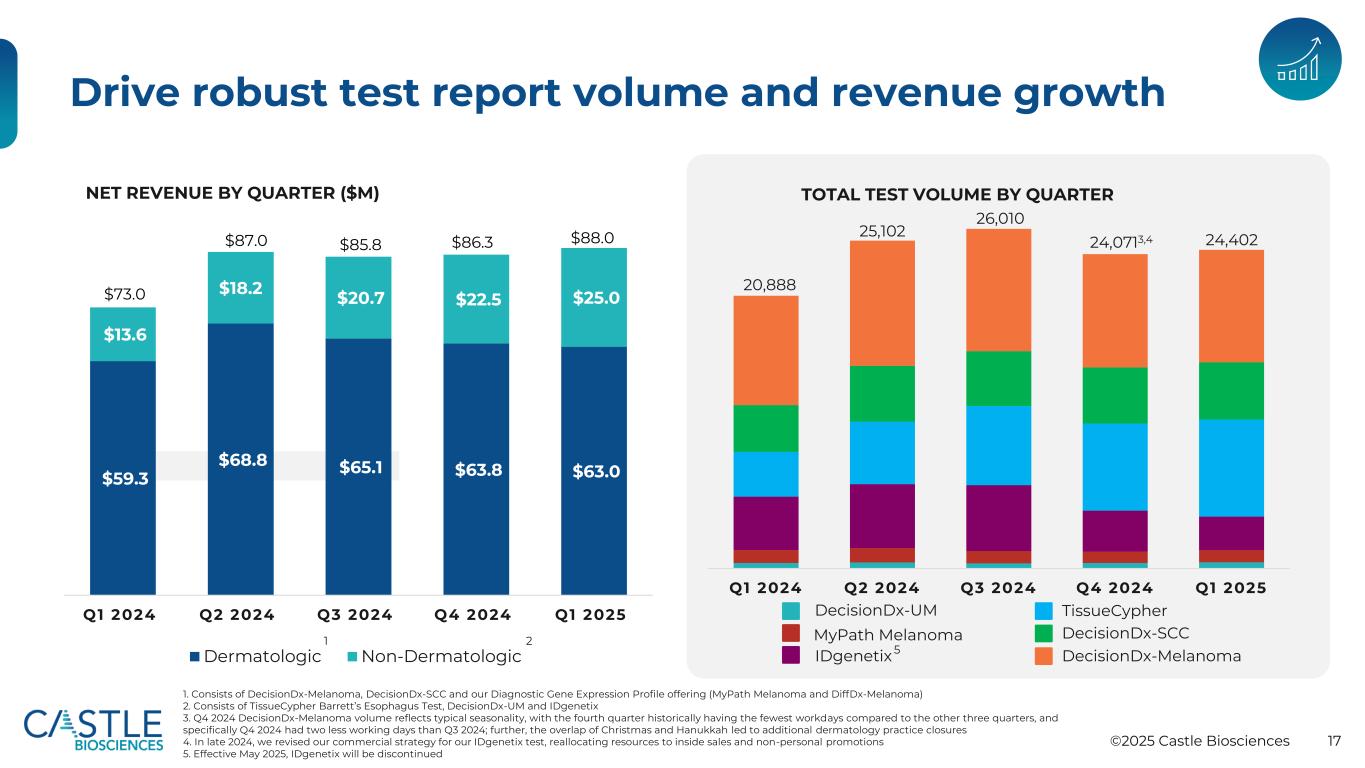
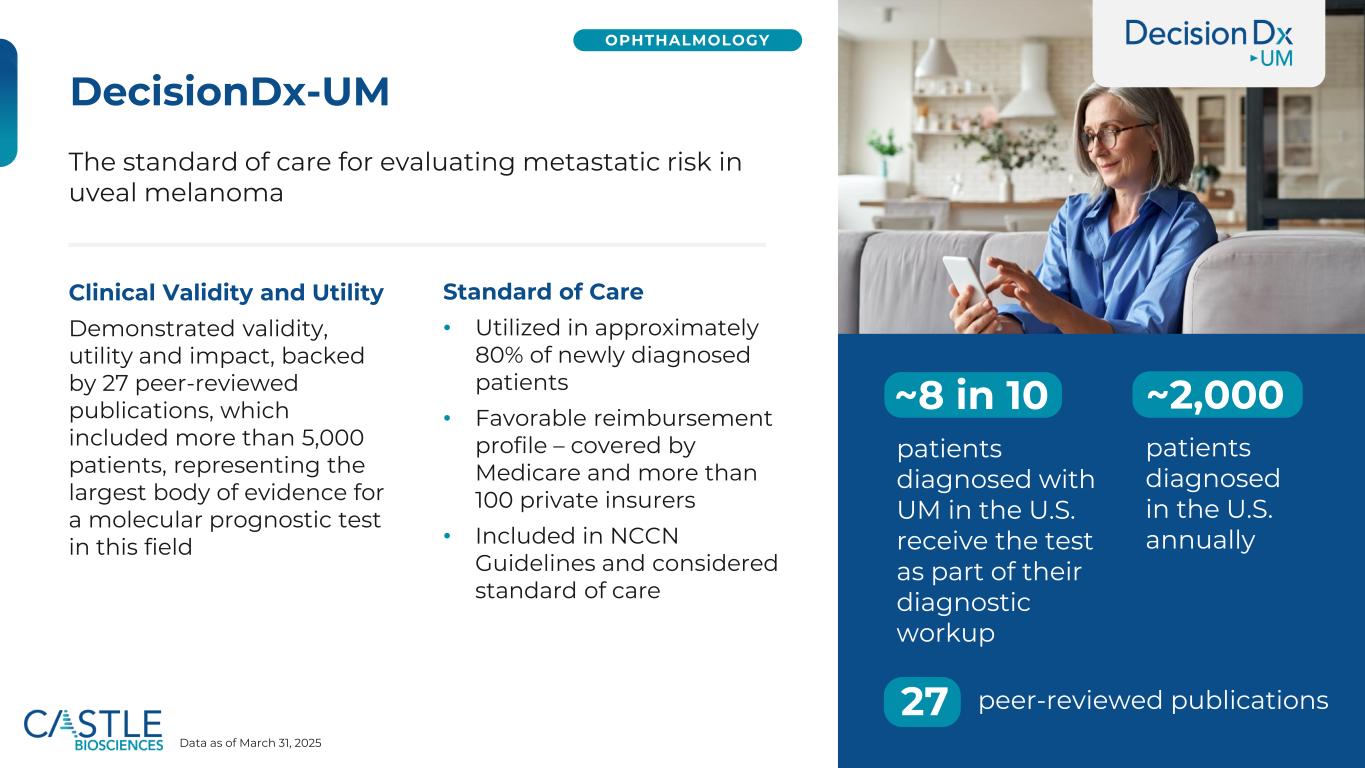
Thank you, Camilla, and good afternoon everyone. We are off to an exceptional start of the year, building on our track record of consistent execution and strong business fundamentals. Revenue grew by 21% to $88 million and total test report volume for our core revenue drivers grew by 33% compared to the first quarter of 2024. Additionally, we believe our strong balance sheet with $275 million in cash, cash equivalents and marketable investment securities gives us the flexibility to continue executing on our growth initiatives as we work to maintain financial discipline. This includes strategic opportunities as evidenced by our announcement earlier today that we signed a definitive agreement to acquire Previse which we believe can further benefit patients and providers alike, while strengthening our position in the gastrointestinal space. Today, I will walk you through business highlights from the quarter, discuss our expected acquisition of Previse and then Frank will provide additional financial highlights before we turn to your questions. Before diving into our business highlights, I'd like to introduce Dr. Matthew Goldberg. Matt joined Castle in August 2020 and currently serves as our Senior Vice President, Medical. He completed his dermatology residency at the University of California, San Francisco, followed by Dermatopathology Fellowship at the University of Texas, Southwestern. Board certified in both dermatology and in dermatopathology, Dr. Goldberg is the ideal person to discuss our DecisionDx-Melanoma test as we enter May, skin cancer awareness month. Matt?
Speaker 3
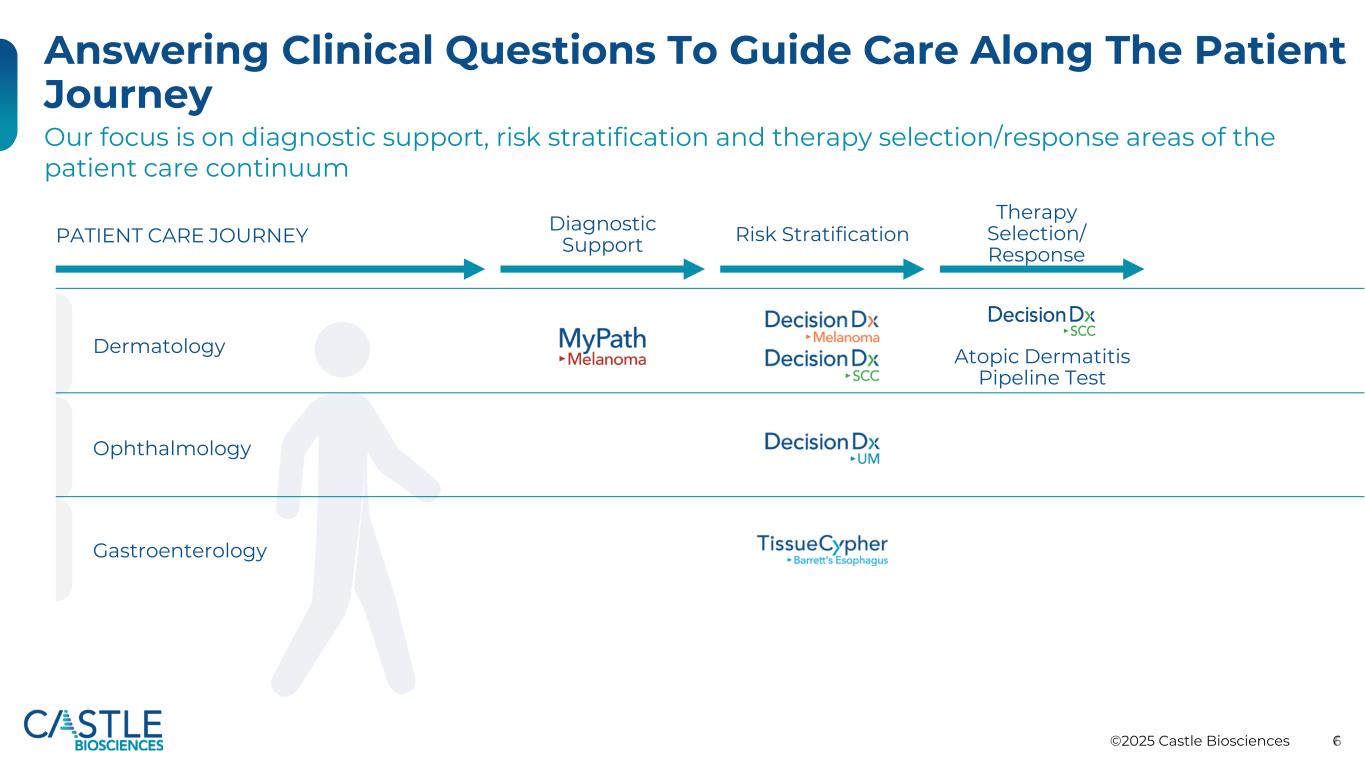
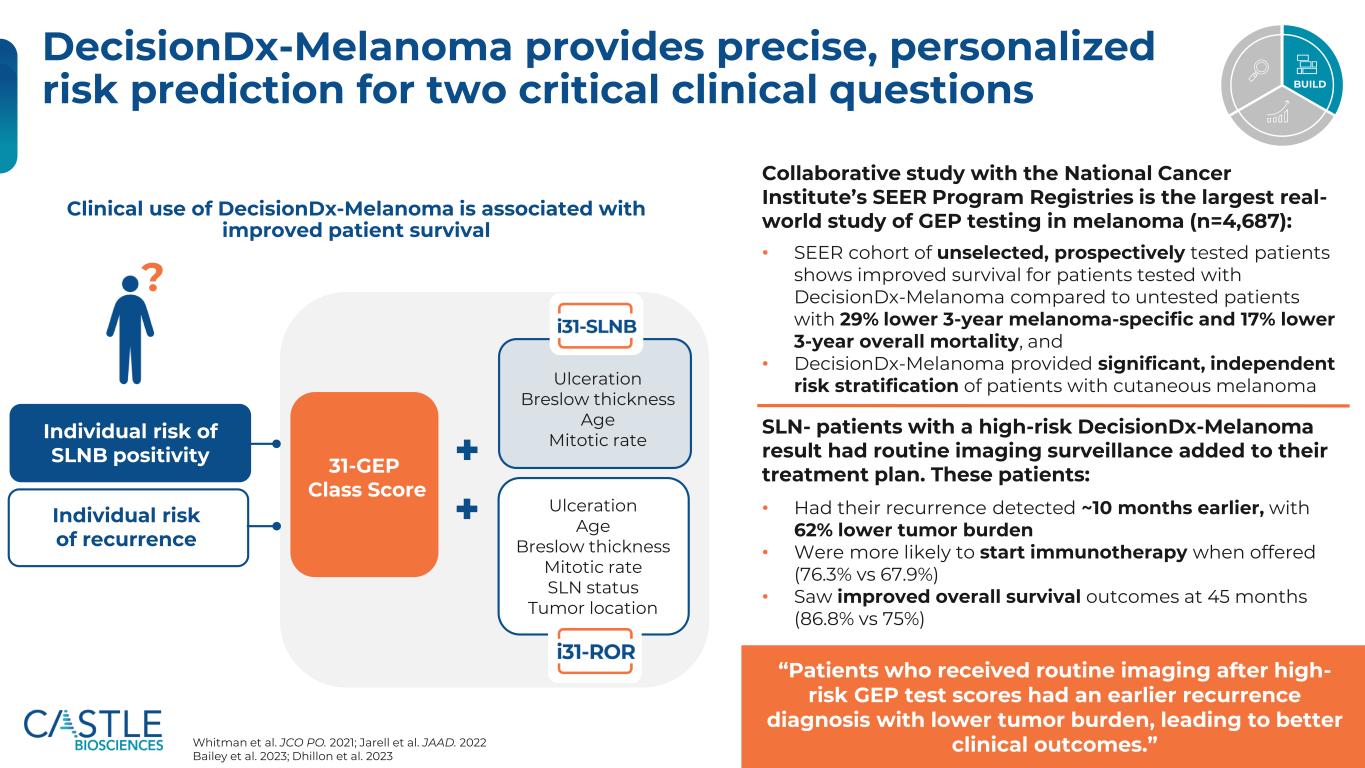
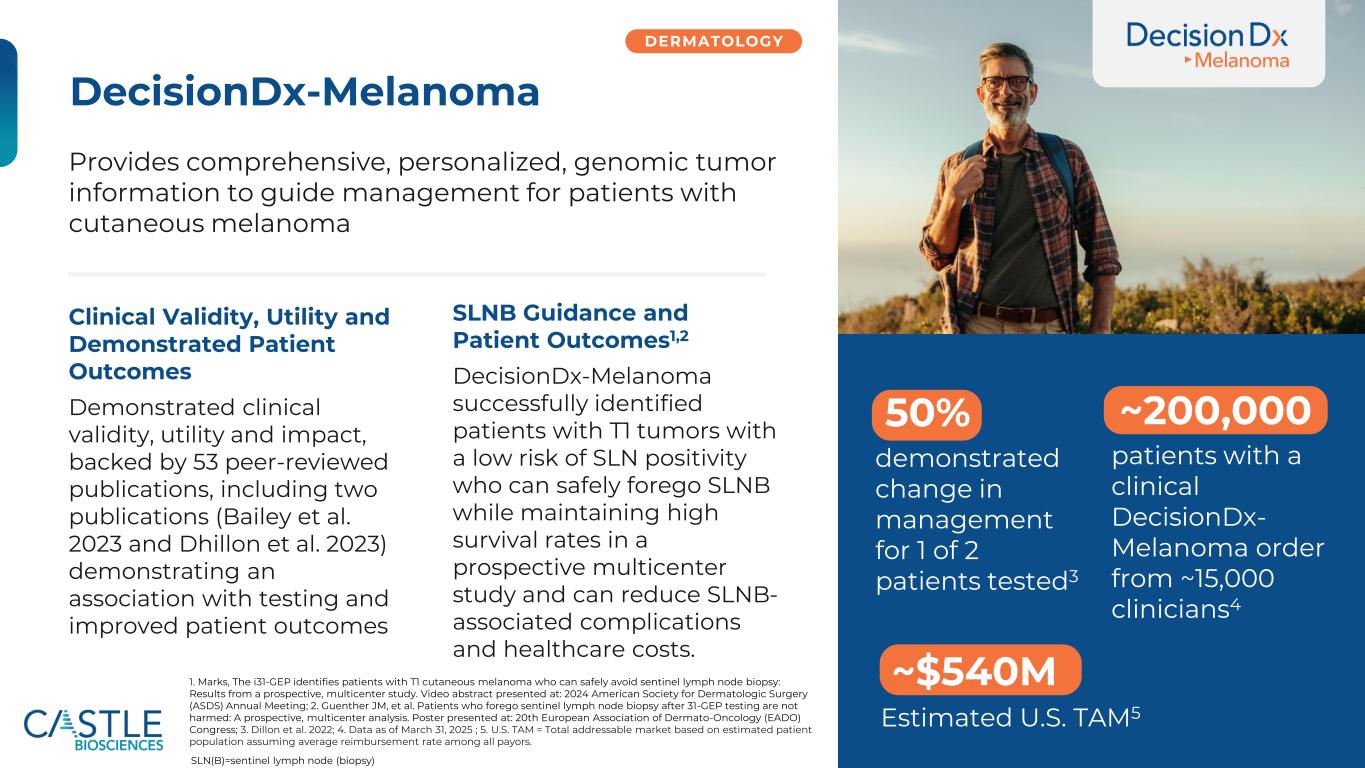
Thank you, Derek. May is skin cancer awareness month. Our mission aligns with raising awareness about the importance of prevention, early detection, risk assessment and personalized treatment strategies designed to improve patient outcomes including for one of the most aggressive forms of skin cancer, melanoma. As you think about the patient journey, our DecisionDx-Melanoma test is ordered by physicians after biopsies take place and a diagnosis of invasive melanoma is made. And our test is designed to answer 2 important clinical questions to guide subsequent treatment plan decisions at this point in the patient journey. First, what is the risk of sentinel lymph node positivity in order to inform decisions on the sentinel lymph node biopsy procedure? And second, what is the patient's risk of recurrence? And importantly, DecisionDx-Melanoma has been shown to be associated with improved patient survival as evidenced from real-world prospective data. Therefore, I'm especially pleased DecisionDx-Melanoma recently achieved a significant milestone, surpassing 200,000 test orders since we launched the test. This is a remarkable achievement and I'm extremely proud of my colleagues and their unwavering commitment to improving the lives of the patients we serve. With that, I'll turn it back to Derek.
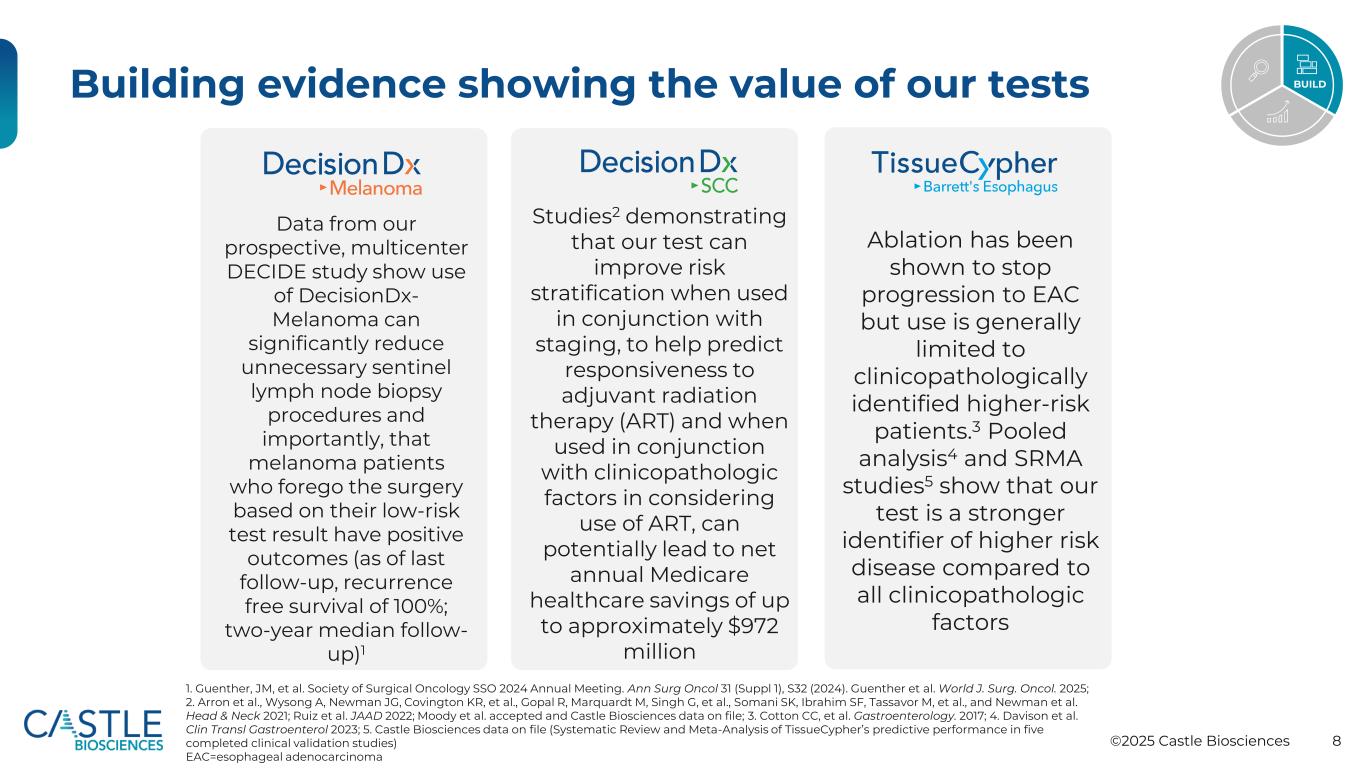
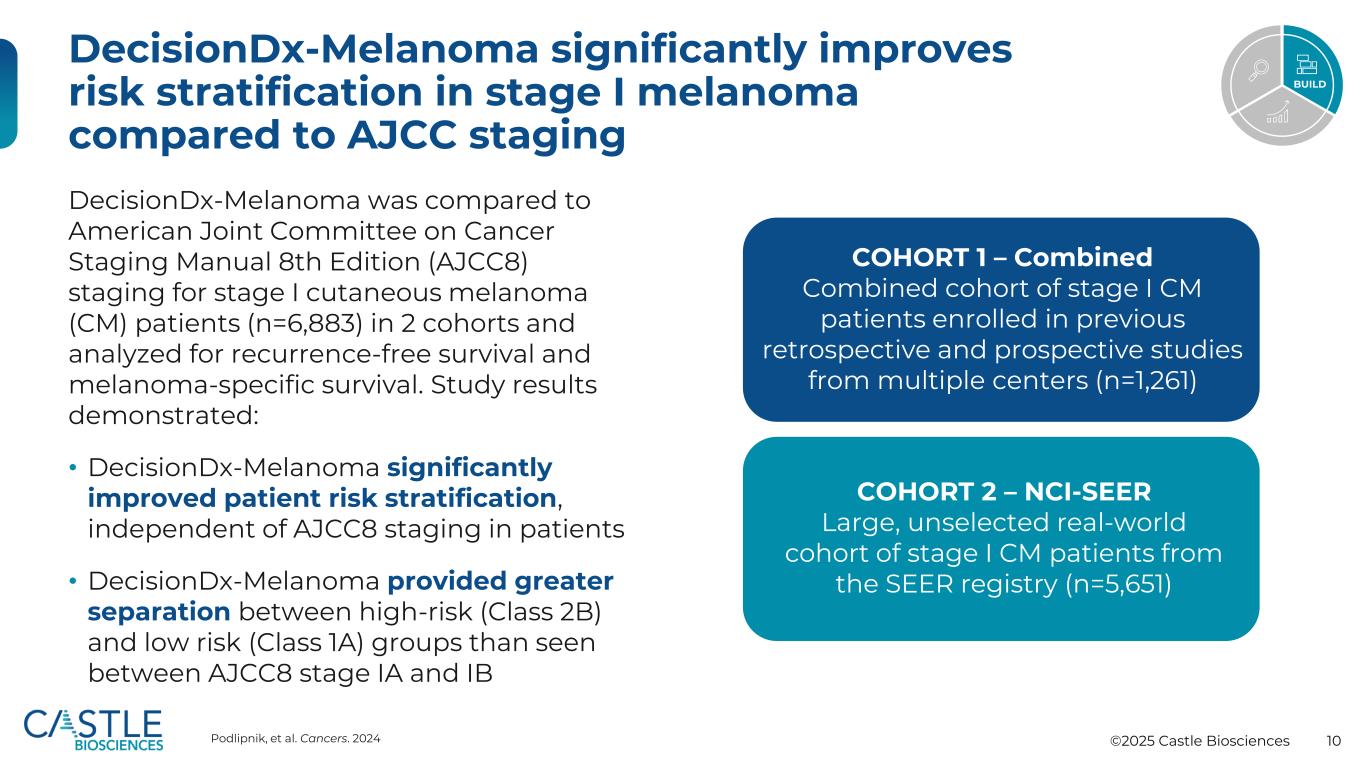
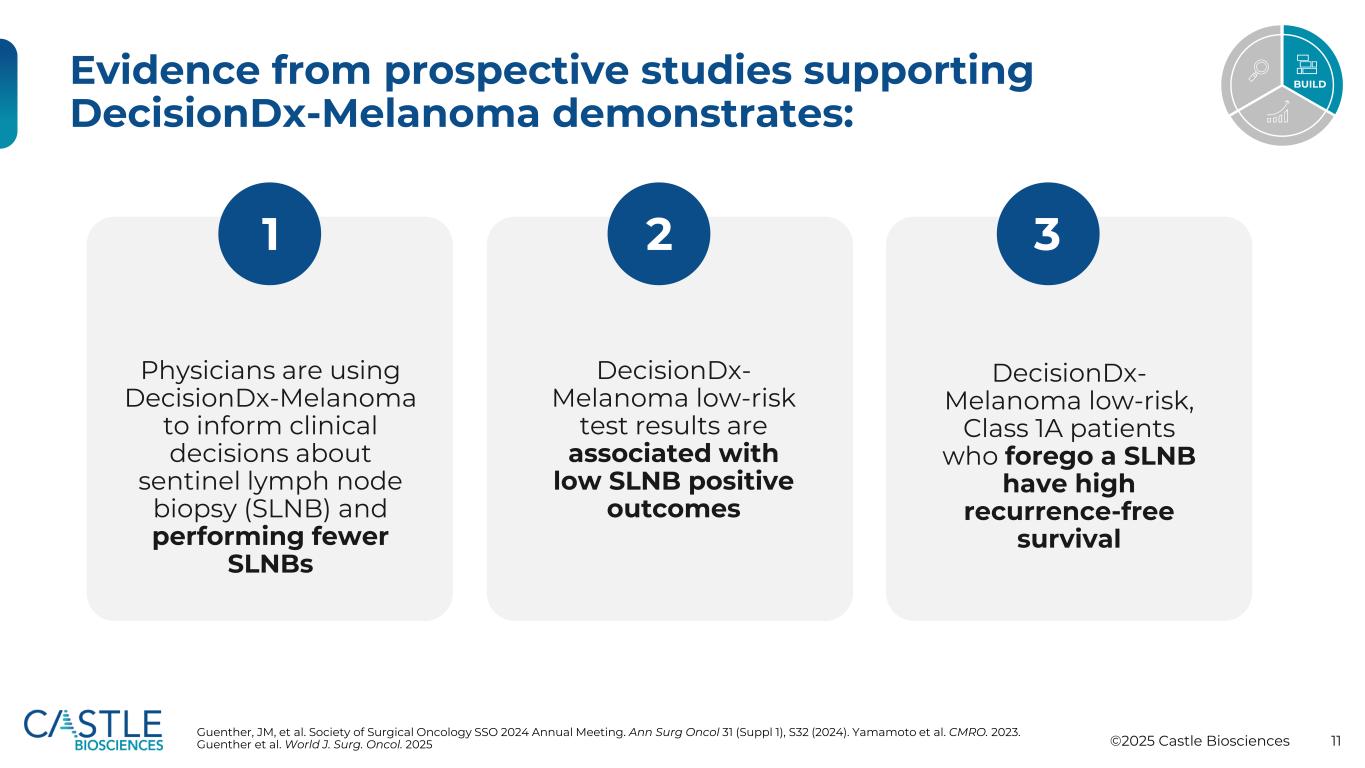
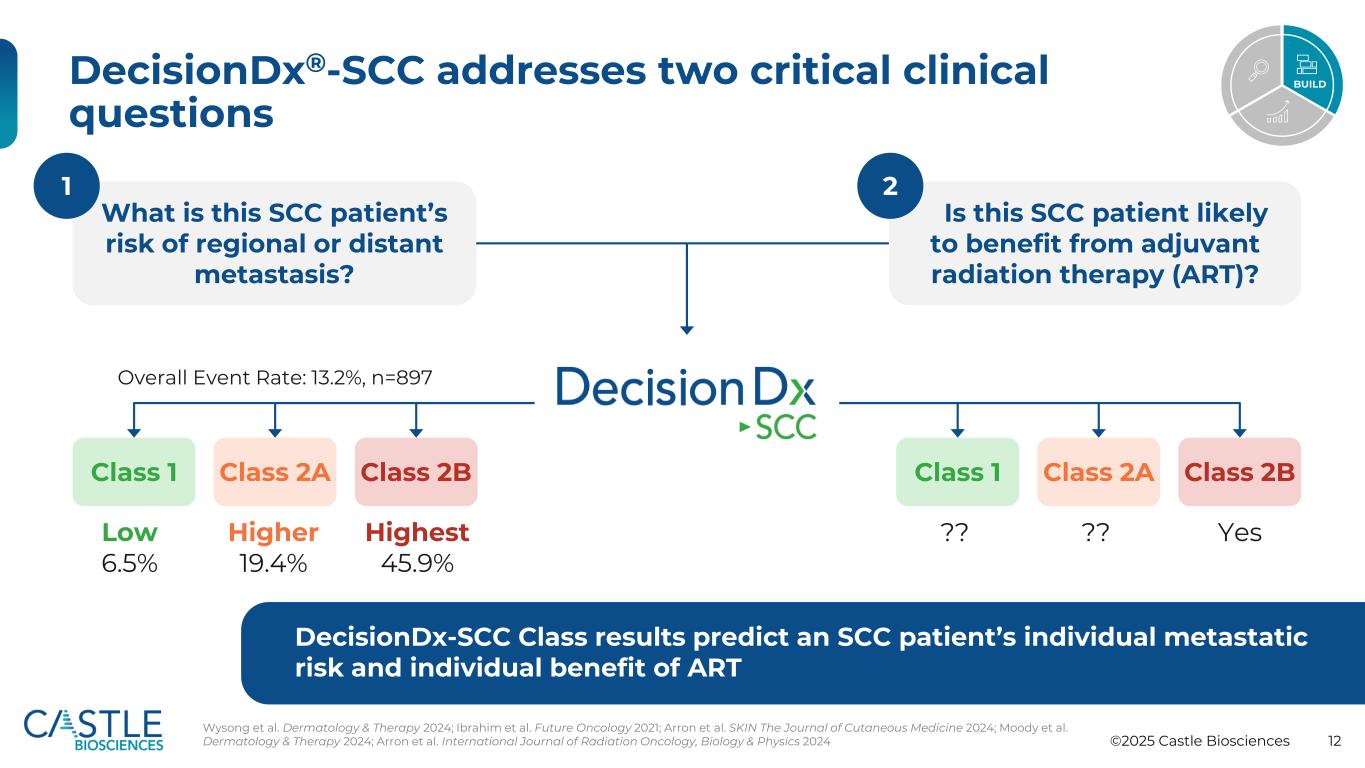
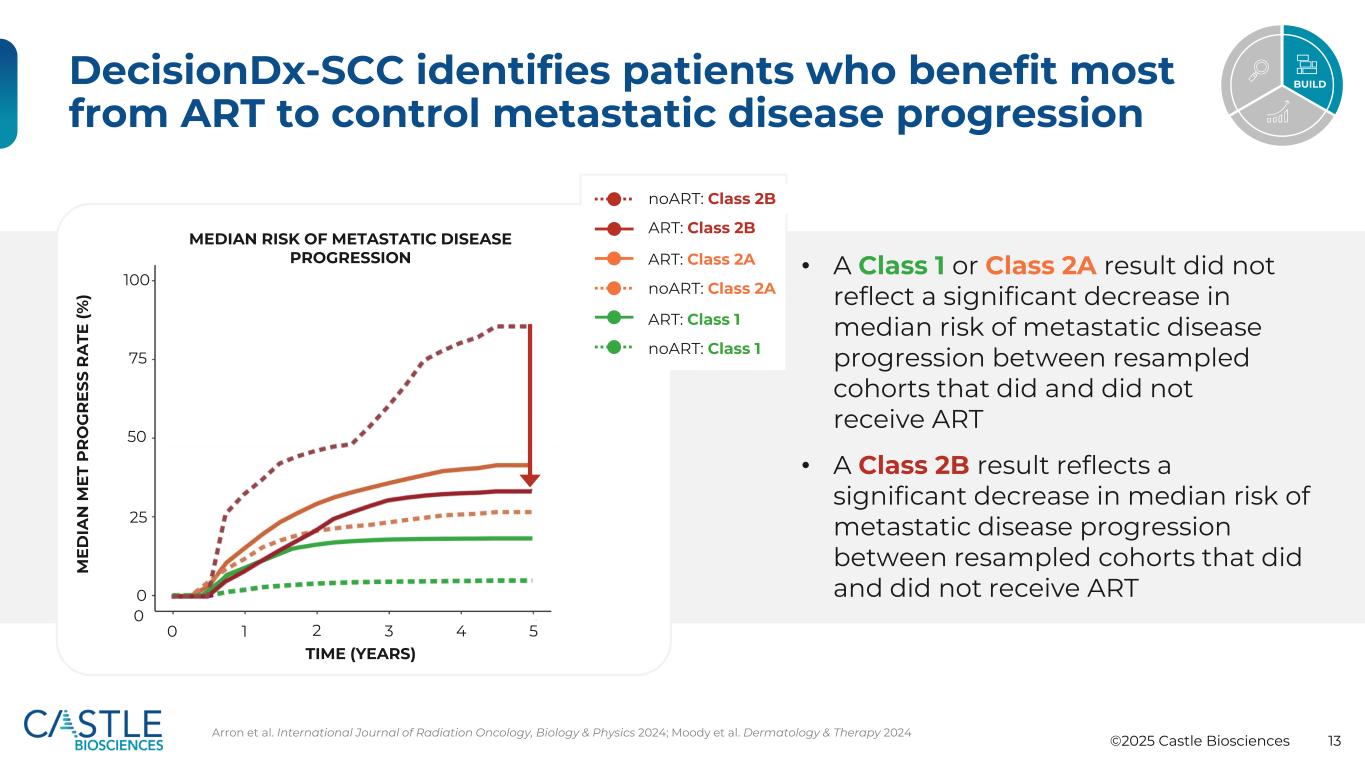
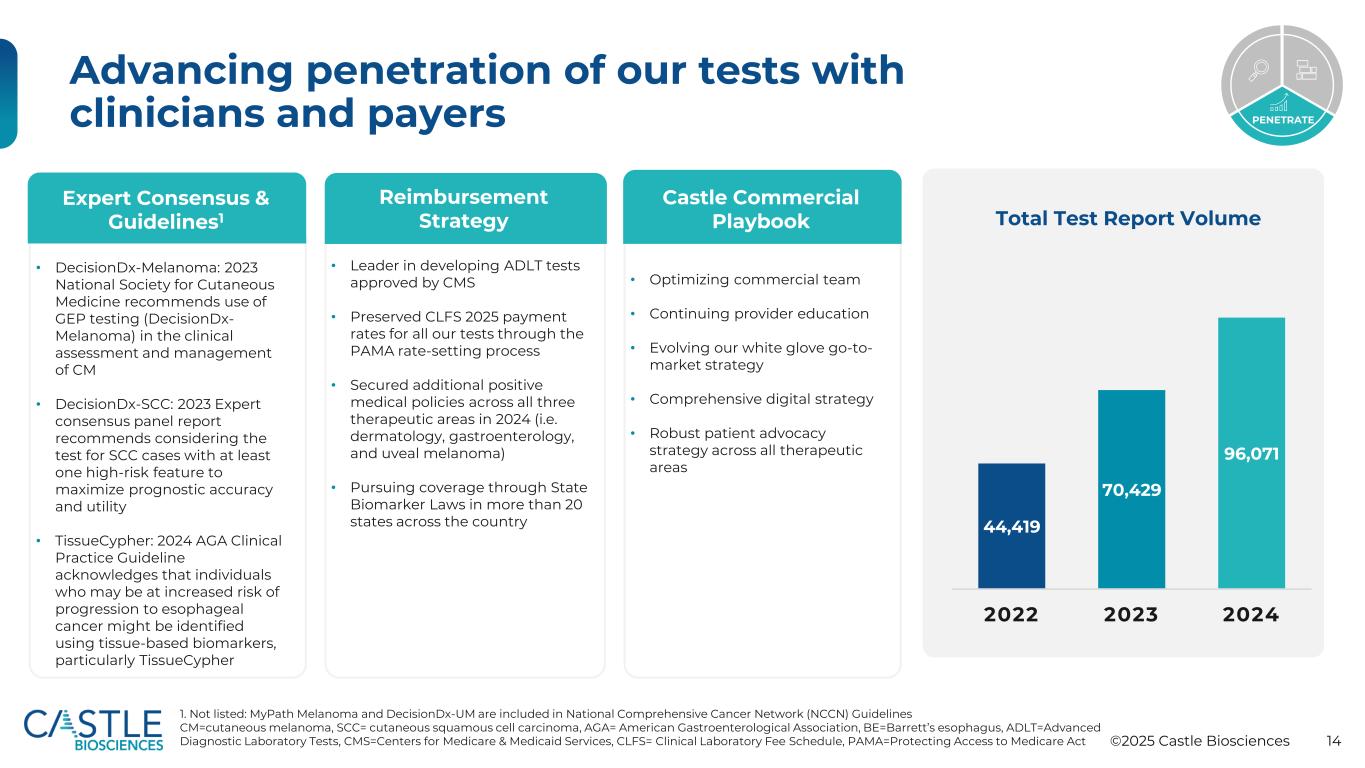
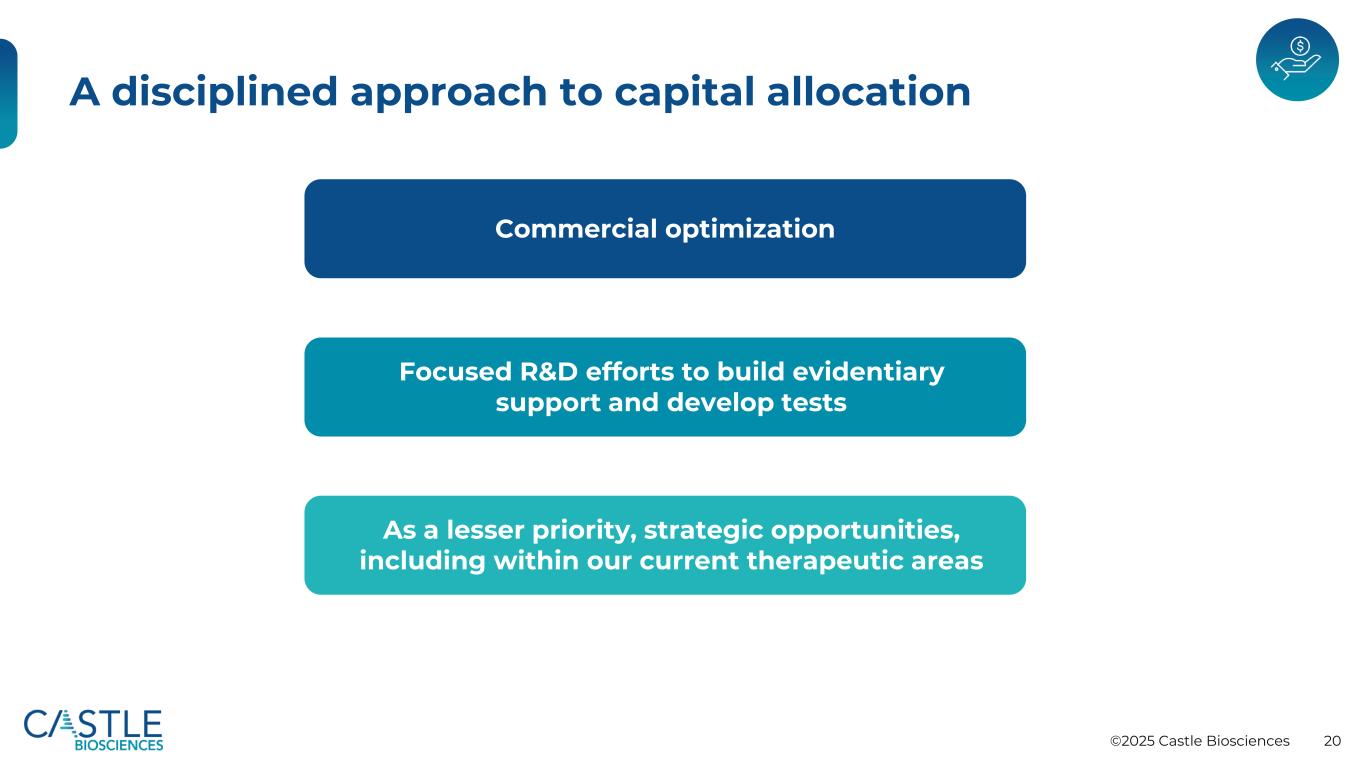
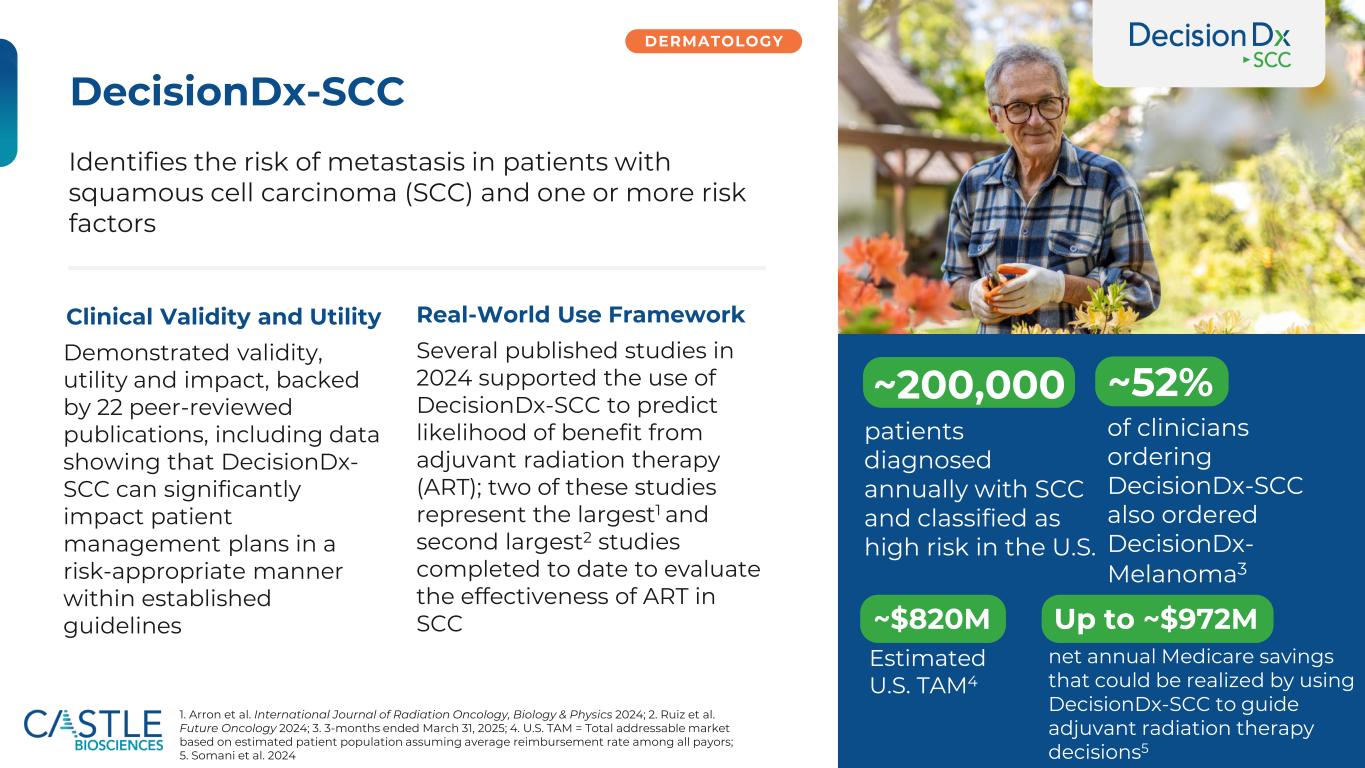
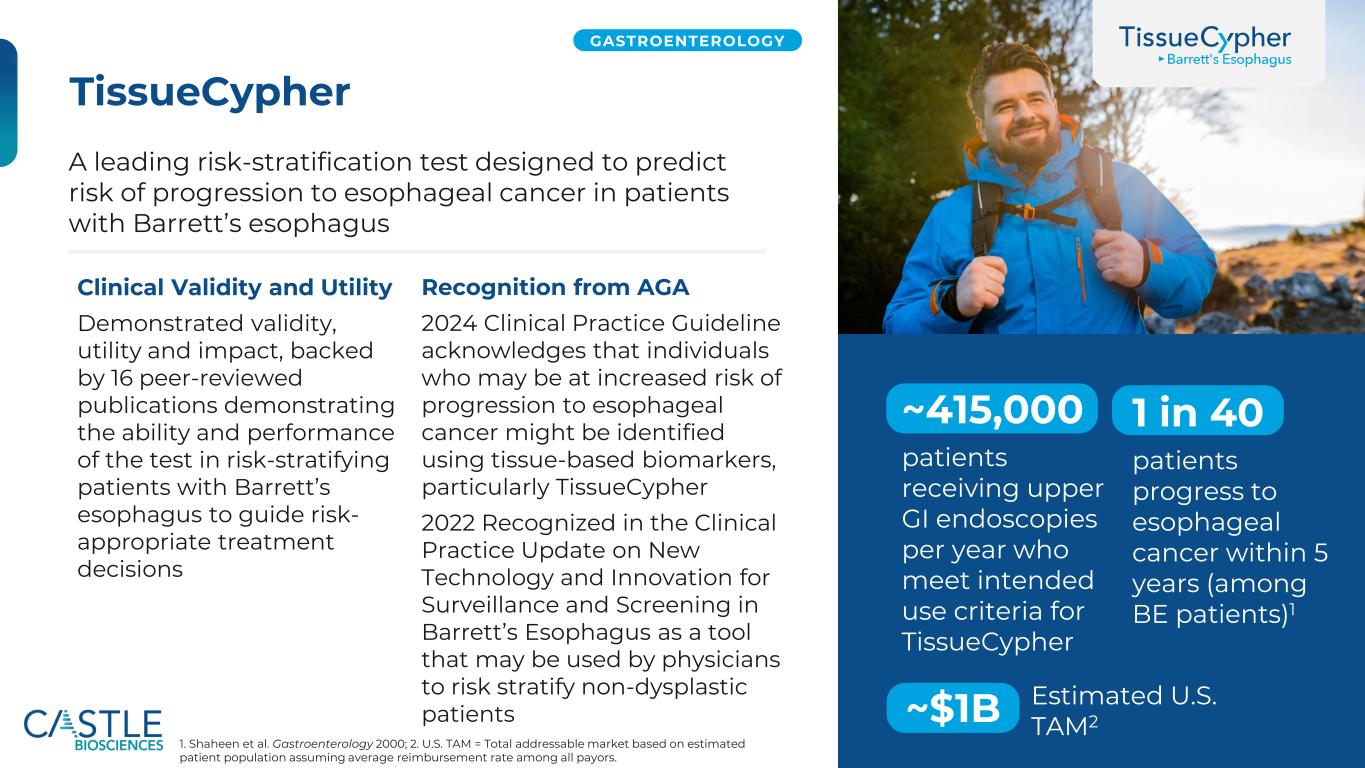
Thanks, Matt. Now we will discuss our quarterly highlights. For DecisionDx-Melanoma, we delivered 8,621 test reports in the quarter, an increase of 3% compared to the first quarter of 2024 and roughly flat from the fourth quarter of 2024 as expected. As a reminder, historically, the second quarter sees growth sequentially over the first quarter. Importantly, we anticipate high single-digit volume growth for DecisionDx-Melanoma for the full year 2025 compared to 2024. We believe our compelling body of evidence reinforces continued adoption. We are especially pleased with the recent publication of 2 papers discussing data from a prospective multicenter study, demonstrating the significant impact of our DecisionDx-Melanoma test on sentinel lymph node biopsy or SLNB decision-making. The first publication reported data from our DECIDE study, supporting the performance of a low-risk DecisionDx-Melanoma test result to predict sentinel lymph node positivity rates of less than 5% for those who have elected to have an SLNB. In this prospective multicenter study, no patient with a DecisionDx-Melanoma predicted risk of less than 5% SLN positivity but who decided to have an SLNB procedure anyway had a positive node. That is, the actual SLNB positivity rate was 0%. The second publication shared outcomes of patients with a low-risk DecisionDx-Melanoma test result, of which approximately half the patients decided to forego an SLNB and approximately half proceeded with an SLNB despite the low-risk DecisionDx-Melanoma test result. Of clinical significance, all patients with a low-risk DecisionDx-Melanoma test result were recurrence-free. Specifically, we saw a 100% recurrence-free survival rate with a median follow-up of 2 years. Additionally, during the quarter, we presented new study data at the National Comprehensive Cancer Network, or NCCN, 2025 Annual Conference, showing DecisionDx-Melanoma as a significant predictor of mortality in a real-world cohort of nearly 7,000 patients with early-stage cutaneous melanoma. Specifically, as part of Castle's collaboration with the National Cancer Institute's SEER program, this study further validated DecisionDx-Melanoma's risk stratification performance in patients with thin or early-stage cutaneous melanoma tumors or Stage I to IIa. In a real-world cohort of 6,892, eighth edition of the American Joint Committee on Cancer, or AJCC8 low-risk patients, the test identified individuals at higher risk of death. Importantly, multivariable analyses confirmed DecisionDx-Melanoma as a significant predictor of melanoma-specific mortality and overall mortality, independent of key AJCC8 factors. These findings highlight the test ability to refine risk assessment beyond AJCC8 staging, helping identify patients who may benefit from enhanced surveillance and management to potentially improve outcomes. Moving on to our DecisionDx-SCC test. We delivered 4,375 test reports in the first quarter of 2025. Building on our 6 studies published in 2024, we presented new data at the NCCN 2025 Annual Conference, demonstrating DecisionDx-SCC's ability to enhance risk stratification beyond traditional staging. Specifically, the study evaluated how integrating DecisionDx-SCC with the Brigham and Women's Hospital or BWH staging, under NCCN guidelines may improve prognostic accuracy. In a multicenter cohort of 1,412 high-risk SCC patients, DecisionDx-SCC significantly enhanced metastatic risk stratification in NCCN high-risk and very high-risk patient populations. And the data demonstrated that the test improved BWH's staging risk prediction accuracy. When combined with BWH staging, a DecisionDx-SCC Class I test result, which is considered low risk results in a nearly twofold decrease in metastatic risk, while a Class IIb test result, which is the highest risk reported, showed more than a fivefold increase in risk among lower-stage patients classified as BWH T1 or T2A NCC and high-risk patients. These findings demonstrate that DecisionDx-SCC may refine individual patient risk assessment, supporting more accurate, personalized treatment decisions based upon a patient's predictive metastatic risk. Now let's turn to DecisionDx-SCC reimbursement. The Novitas Local Coverage Determination policy, or LCD, that included noncoverage language for DecisionDx-SCC went into effect on April 24, 2025. We will be pursuing reconsideration requests of both the Novitas and MolDX LCDs. Based upon timing, neither of these LCDs included a review of the 6 2024 publications noted above which included evidence showing that DecisionDx-SCC is able to predict response to adjuvant radiation therapy or ART, in addition to predicting the risk of progression. Given the strength of evidence and the data surrounding this use, we believe the reconsideration request could be accepted as valid. This evidence and additional studies support that the test is reasonable and necessary, which is the CMS requirement to be a covered test for patients with high-risk SCC. For now, we will be continuing to offer the test because given the strength of evidence in DecisionDx-SCC's ability to predict both the risk of metastasis to impact treatment pathway decisions and the ability to predict responsiveness to ART, we believe it is the right thing to do for patient care. Now let's turn to our gastroenterology franchise. Before getting into our TissueCypher performance for the quarter and the expected Previse acquisition, I want to highlight that April was esophageal cancer awareness month, a month dedicated to raising awareness about esophageal cancer, its risk factors and the importance of early detection. Supporting key educational programs and initiatives throughout the month of April, Castle proudly collaborated with the Esophageal Cancer Action Network, the American Foregut Society and The Gut Doctor Podcast to promote esophageal cancer prevention, education and advocacy. As you will recall, we acquired TissueCypher in December 2021, giving us our spatialomics test designed to determine a patient's individual risk of progression from Barrett's esophagus to high-grade dysplasia or esophageal cancer. Barrett's esophagus is the only known risk factor for the development of esophageal adenocarcinoma cancer, one of the fastest-growing cancers in the U.S. with a 5-year survival rate of less than 20%. TissueCypher has been studied in 16 peer-reviewed publications to date and studies have consistently found that TissueCypher is the strongest independent predictor of progression with the ability to help identify non-dysplastic patients that progress at a rate similar to confirmed low-grade dysplasia. For this reason, we are thrilled with the positive reception TissueCypher has received from the gastroenterology community, particularly as the test can make a meaningful impact on patient care in an area with unmet clinical needs. In fact, in the first quarter of 2025, we delivered 7,432 TissueCypher test reports compared to 3,429 in the same period of 2024. This represents 117% year-over-year growth compared to the first quarter of 2024. As a reminder, the growth drivers we expect for TissueCypher in 2025 and beyond include: one, our recent commercial team expansion; two, the unmet clinical need and clinical value of our test being further accepted by clinicians; and three, a strong focus on education and awareness. We're excited about the growth prospects of the test, including the volume growth expected in 2025, and we are equally pleased by its clinical utility to determine a patient's individual risk of progression from Barrett's esophagus disease to cancer. Turning to our announcement from earlier today, we recently signed a definitive agreement to acquire Previse, a gastrointestinal health company with a primary focus on esophageal disorders. We believe this proposed transaction underscores our commitment to the GI community, providers, and patients alike. As part of our strategic growth initiatives, we continually assess opportunities for those that would fit into most or all of our outlined criteria: which are complementary to our existing test disease states, adding value for our current customers, having some level of existing reimbursement, and being a test that could be successful utilizing Castle's commercial playbook. With Previse, we found an opportunity to expand our offerings within our GI vertical beyond our spatialomics TissueCypher Barrett's Esophagus test, furthering our position in this space. Previse's methylation technology, as well as its pipeline technology, provides us with the potential to address existing unmet needs, including potential upstream opportunities. We expect the transaction to close in a matter of weeks and we'll continue to work through technology transfer, integration, and future R&D plans. Turning to our mental health business. As we told you on our last earnings call in February, due to changes in the market and our focus on allocating resources efficiently on profitable growth, in late 2024, we revised our commercial strategy for our IDgenetix test, reallocating resources to inside sales and non-personal promotions. After careful further assessment, we made the decision to discontinue the test effective May 2025, as it makes the best sense for our business to put its resources towards other disease states with unmet clinical needs. And with that, I will now turn the call over to Frank.
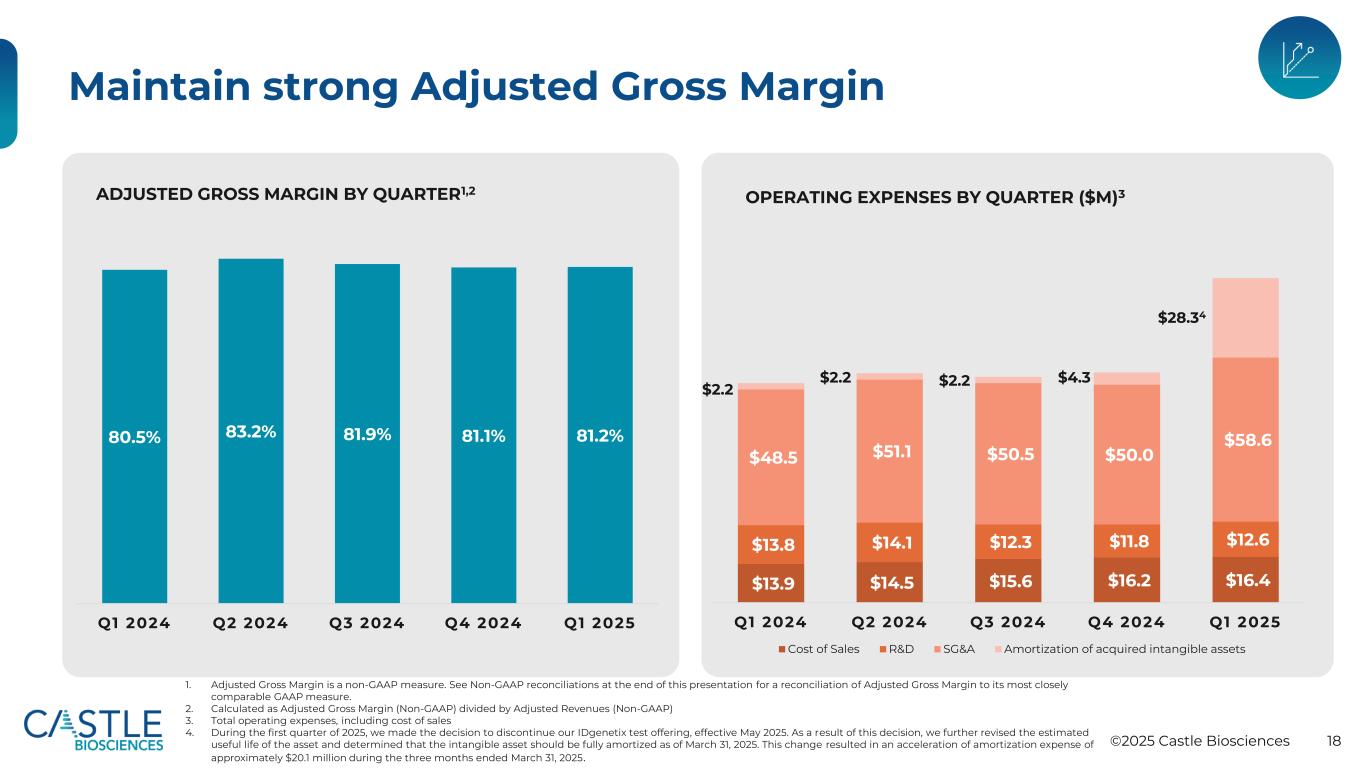
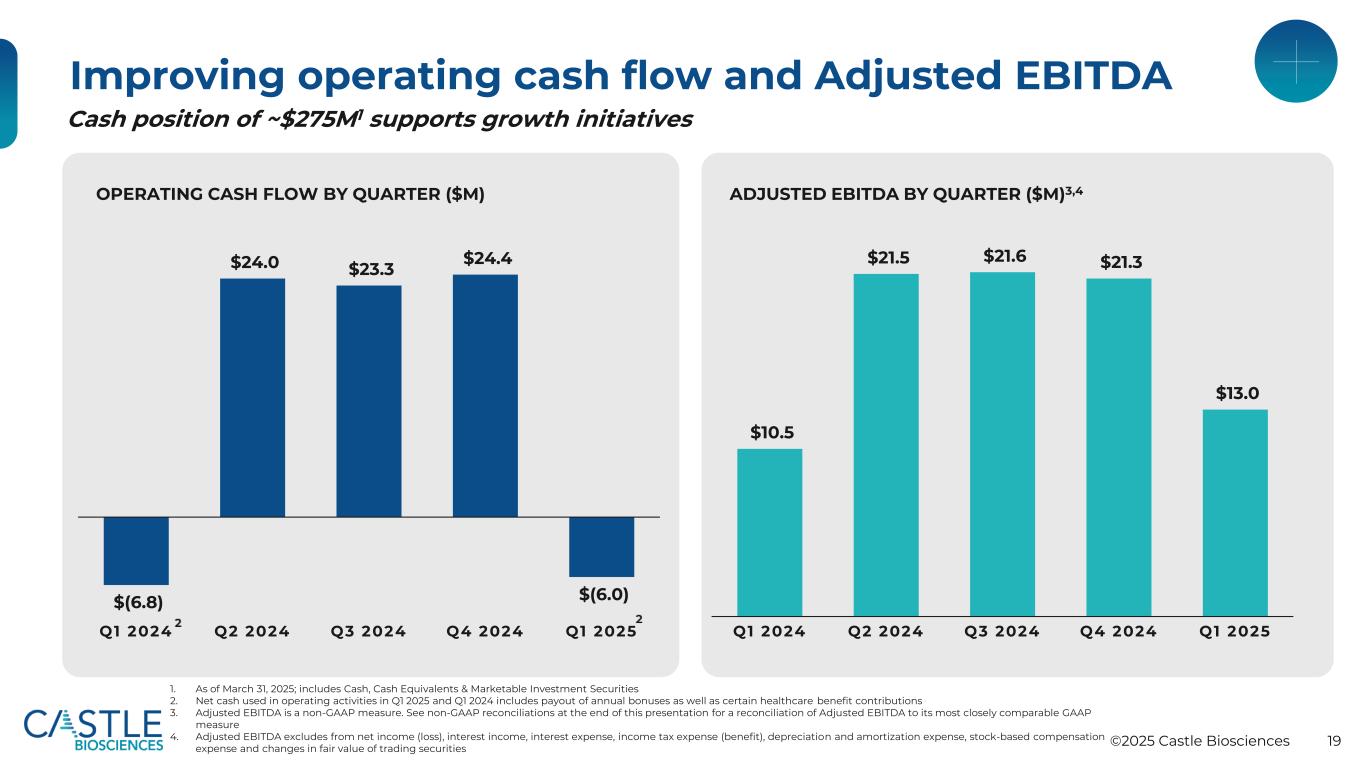
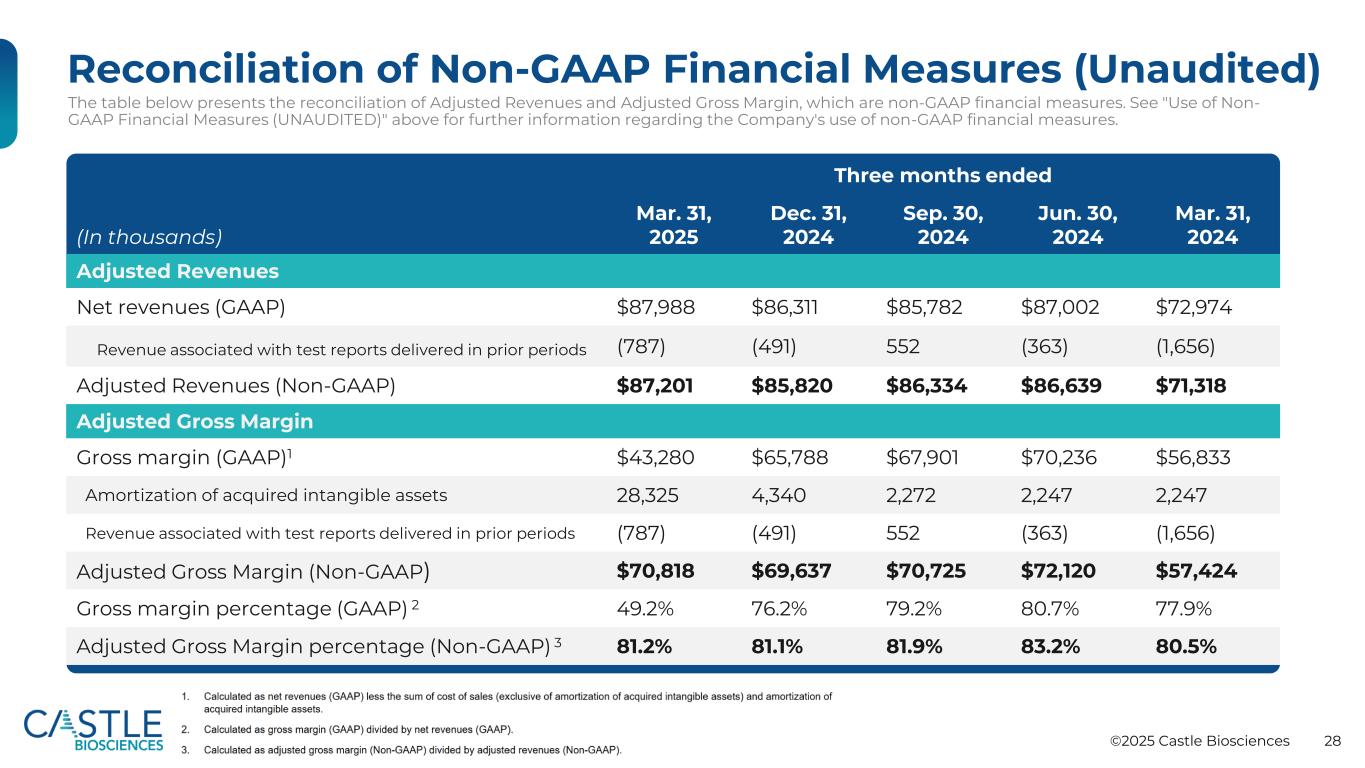
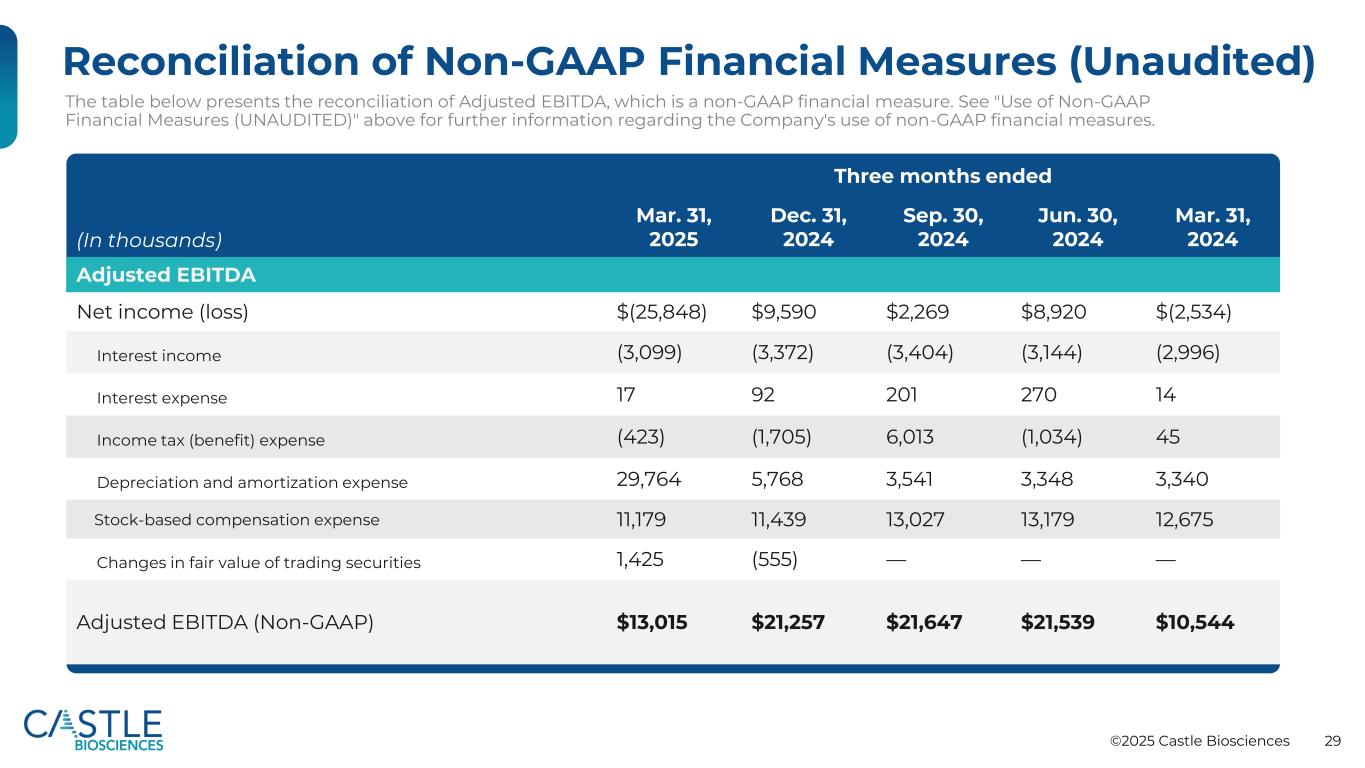
Thank you, Derek, and good afternoon, everyone. As Derek highlighted, we delivered very good first quarter financial results. Revenue was $88 million for the first quarter of 2025, an increase of 21% over the first quarter of 2024. The increase was driven predominantly by test volume growth for our non-dermatologic test, that is 117% TissueCypher growth compared to the first quarter of 2024. Adjusted revenue which excludes the effects of revenue adjustments in the current period related to tests delivered in prior periods, was $87.2 million for the first quarter of 2025, an increase of 22% over the first quarter of 2024. The total revenue for 2025, we are raising our revenue guidance to $287 million to $297 million, up from the previously provided range of $280 million to $295 million. Our revenue guide reflects DecisionDx-SCC reimbursement by Medicare through April 24 only. From an apples-to-apples comparison for 2025 revenue growth, if you exclude DecisionDx-SCC revenue for both our 2024 and 2025 totals, our normalized revenue growth in 2025 would be high teens to low 20s percent. Our gross margin during the first quarter of 2025 was 49.2% compared to 77.9% in the first quarter of 2024. Our adjusted gross margin which excludes the effects of intangible asset amortization related to our acquisitions and excludes the effects of revenue adjustments in the current period associated with test reports delivered in prior periods, was 81.2% for the quarter compared to 80.5% for the same period in 2024. The gross margin for the first quarter of 2025 was impacted in large part due to the one-time adjustment of an acceleration of amortization expense of approximately $20.1 million during the 3 months ended March 31, 2025, associated with the discontinuation of IDgenetix that Derek mentioned earlier. For each of the remaining quarters of 2025, we expect gross margin to be in the mid-70s range. Turning to expenses. Our total operating expenses, including cost of sales, for the first quarter of 2025, were $115.9 million compared to $78.4 million for the first quarter of 2024. Sales and marketing expense for the quarter were $36.8 million compared to $30.5 million for the same period in 2024. The increase is mainly due to higher personnel costs, higher organizational and business development activities costs, and higher sales-related travel and other expenses. General and administrative expenses were $21.8 million for the quarter compared to $18 million for the same period in 2024. The increase is primarily attributable to higher personnel costs, higher information technology-related costs, and higher professional fees. Higher personnel costs reflect headcount expansions in our administrative support functions, as well as merit and annual inflationary wage adjustments for existing employees. Cost of sales expenses were $16.4 million in the first quarter of 2025 compared to $13.9 million in the first quarter of 2024, primarily due to higher personnel costs, higher depreciation expense for lab equipment and leasehold improvements, and higher lab services costs. Increases in personnel costs reflect a higher headcount due to additions made to support business growth in response to growing test report volumes, as well as merit and annual inflationary wage adjustments for existing employees. Higher expenses for lab services also reflect higher test report volumes. R&D expenses were $12.6 million for the quarter compared to $13.8 million for the same period in 2024, primarily due to slightly lower personnel cost and expense for clinical studies. Total noncash stock-based compensation expense, which is allocated among cost of sales, R&D expense, and SG&A expense, was $11.2 million for the first quarter of 2025, down slightly from $12.7 million in the first quarter of 2024, despite a 23% year-over-year increase in total headcount. Interest income was $3.1 million for the first quarter of 2025 compared to $3 million in the first quarter of 2024, primarily a result of higher average balances of marketable investment securities and slightly higher interest rates. Our net loss for the first quarter 2025 was $25.8 million compared to $2.5 million for the first quarter of 2024 and net loss per share basic and diluted was $0.90, and adjusted net loss per share basic and diluted was $0.20 compared to $0.09 and $0.09, respectively, for the same period in 2024. Adjusted EBITDA for the first quarter was $13 million compared to $10.5 million for the comparable period in 2024. Net cash used in operating activities was $6 million for the first quarter 2025, due in part to annual cash bonus payments and certain healthcare benefit payments that do not recur in the remaining 3 quarters of the year. We continue to expect to deliver positive net cash flow from operations for the full year 2025. Net cash used in investing activities was $22.4 million for the first quarter and consisted primarily of purchases of marketable investment securities of $48.4 million, purchases of debt securities classified as held to market of $5.6 million, and purchases of property and equipment of $4.7 million, partially offset by the maturity of marketable investment securities of $36.3 million. As of March 31, 2025, we had cash, cash equivalents, and marketable securities of $275.2 million. In conclusion, I'm pleased with our strong execution and results in the first quarter and look forward to maintaining that momentum for the rest of 2025. I'll now turn the call back over to Derek.
Thank you, Frank. In summary, we had an excellent start to the year, building on our strength and momentum from 2024, underpinned by robust business fundamentals. We look forward to continuing to work to achieve the goals we set for 2025 as our focus remains on driving both near and long-term stockholder value. Thank you for your continued interest in Castle. We will now be happy to take your questions. Operator?
Operator
The first question is from the line of Sung Ji Nam with Scotiabank.
Speaker 5
Just, Frank, just a clarification, the mid-70% gross margin guidance, is that GAAP or non-GAAP? And also, does that include DecisionDx SCC contribution or impact?
That's adjusted gross margin, Sung Ji, and it does include the fall-off of reimbursement for SCC.
Speaker 5
Okay. Got it. And then just on Previse, sorry, just didn't have a chance to go through their website carefully. But do they offer the methylation technology they offer, is that mostly tissue-based? Do they offer liquid biopsy-based technology as well? And then do you anticipate immediate contribution in terms of sales from this acquisition? Or is it just largely complementary in terms of providing additional insight to your TissueCypher product?
So they have a, hi, Sung Ji, they have a product that is available commercially today that is tissue-based. So it's similar to TissueCypher, but it uses a methylation platform or technology platform. They also have a non-endoscopic sponge-based technology. From our perspective, we look forward to seeing if we could potentially combine both methodologies going forward into both tissue-based testing, as well as non-endoscopic or non-pinch biopsy tissue specimens. As you know, we have indicated in the last several quarters, we've been looking for other opportunities, both in dermatology and in gastroenterology, to complement our current offerings and build the strength of both of those franchises. Previse happens to be one of the opportunities that we were able to pull the trigger on at this point in time, but there are other ones out there that we will hopefully be able to discuss in the future. And regarding sales contribution.
And Sung Ji, we wouldn't expect a meaningful impact on revenue or EBITDA this year, but those impacts will be more downstream.
Speaker 6
Congrats on the quarter and the acquisition. So just on Previse, maybe just walk through, Derek, where esophagus fits in the Barrett's workflow relative to TissueCypher. Just wondering if they compete at all? And then could you also talk about the test Medicare payment rate, the mix and the annual volume if possible?
So the Previse test eso predict is a methylation-based assay. The current use is for predicting progression of Barrett's Esophagus disease, so similar to Castle's test of TissueCypher. The TissueCypher dataset is more robust. Our interest is to see, one, how can this enhance our TissueCypher franchise? Can the combination reporting of both TissueCypher from a spatialomic standpoint and DNA methylation from a Previse standpoint get us to a stronger clinical offering to our patients today and tomorrow? And then, of course, can we also use the non-endoscopic sponge-based technology to really push forward a little more upstream Castle offerings.
Speaker 6
Got it. That's helpful. And then on the, I guess, the discontinuation of IDgenetix, can you talk about how you will reinvest the spending associated with the personnel and the marketing for that product? And maybe like how much that business was burning? And if there's any like run rate savings net of severance that you can talk about?
There haven't been significant severance costs or changes. As we mentioned, we adjusted the marketing support for that test, which we still believe is very promising. Unfortunately, it's addressing a critical unmet medical need. Payers in our industry can be irrational, and they have been particularly challenging in this instance. This difficulty contributed to the adjustments we've made over the past several quarters. I anticipate a slight decrease in revenue, Kyle, but this change will positively impact our EBITDA as well. While the numbers won't be substantial, the lower revenue will ultimately enhance the company's EBITDA performance.
Speaker 7
Derek, I wanted to clarify the high single-digit volume growth you mentioned for DecisionDx-Melanoma. I'm trying to understand the offsets and the expected growth for TissueCypher in the second quarter and throughout the year. I'm looking to reconcile the implied growth for TissueCypher based on DecisionDx-Melanoma.
So Frank, do you want to take that?
Certainly. What we stated is that for the year-over-year comparison from '24 to '25, we expect volume growth for melanoma to be in the mid to high single digits. We also shared a comparable figure. The remaining growth will come from TissueCypher. We anticipate continued improvement in average selling prices for melanoma thanks to the team's efforts, which will positively impact the numbers as well. Overall, we expect solid growth for TissueCypher. While it might be challenging to maintain the same growth scale, we see consistent and steady growth throughout the year.
Speaker 7
Got it. Regarding TissueCypher, I believe you currently have 65 sales reps. Can you remind us of your hiring expectations for the remainder of the year? Also, where do you stand with commercial reimbursement, and what is the current priority for commercial reimbursement for TissueCypher?
So I think we discussed that we're around 65 sales territories with, I guess, year-end earnings, Puneet. So we are having training being completed, getting people's feet wet, we'll sort of take certainly a breath and make sure that we can understand if there are gaps in the marketplace right now and a need or a benefit to expand more in 2025 versus a little bit later. So I don't think we've discussed any public plans about near-term expansion. I think we need to kind of get through the second quarter here and see how the expanded efforts are educating the marketplace and producing results and then kind of go from there. At the end of the day, if we are accurate in our assumption that we believe there's around 10,000 targetable clinicians or gastroenterologists and their associated support, then 65 still seems a little low, but we aren't quite sure, to be honest, if the larger group practice models that gastroenterologists practice in make that number adequate or if it still needs to go up a couple of regions.
Speaker 8
This is Tom Peterson on for Catherine. Congrats on a solid quarter. First question, I kind of wanted to get the latest on sales and marketing efforts for DecisionDx-SCC and DecisionDx-Melanoma. You had talked about shifting the sales force incentives more towards melanoma once SCC coverage came out of the model. So I guess, can you just confirm that, that is the strategy going forward and your thoughts on sort of the volume outlook for '25?
Yes, that is still the intention, Tom, to shift the field forces from approximately a 50-50 split between melanoma and squamous cell carcinoma to a stronger emphasis on melanoma in the second half of the year. We haven't had a dedicated focus in this area since COVID. At that time, we were also a much smaller company. So, it’s difficult to predict the extent of growth or acceleration we might see when we refocus our field team predominantly on dermatology, but we do expect to see some increase as it aligns with our goals. Sure. So I think, first of all, our recommendation or guidance, I guess, in the last 1.5 years of having people remove squamous cell carcinoma from revenue models was obviously a good straightforward approach. And certainly, for the remainder of 2025, I would not have anybody reinsert SCC revenue assumptions. I think on timing, it's difficult to project at this point in time. And I think as we see the year progress or the quarter progress, or the quarters progress, we'll go and update the group as we have material knowledge. There is no real good benchmarking to kind of give you an evidence-based target there.
Speaker 9
Can you discuss the distribution of your sales force by test type, so we have an idea of where you're adding the most this year?
Yes, Paul. So as you said, the GI sales force is roughly in the top middle 60s and the derm sales force is high 60s, maybe around 70.
Speaker 9
Could we expect that build and ramp to continue this year?
The derm sales force may experience some growth as we see the territories become fully developed and require additional effort. It’s possible to take a territory and expand it into two. This growth will likely be more episodic. As Derek mentioned earlier, we want to assess our current position on the TC side and monitor the progression of the territories to determine if we need to bring in more representatives.
Speaker 10
Regarding the acquisition of Previse and your positioning of this as a complementary asset to TissueCypher, this conceptually makes sense. That said, it does seem, at least on the surface, similar to what you did with the MyPath acquisition a few years ago which, as you know, came up light of targets. And I ask not to be heavy-handed but I want to hear, what is different here, and what lessons were learned that increase the probability of success? Because on paper, this definitely looks interesting.
I missed the last part of, very last part of your question.
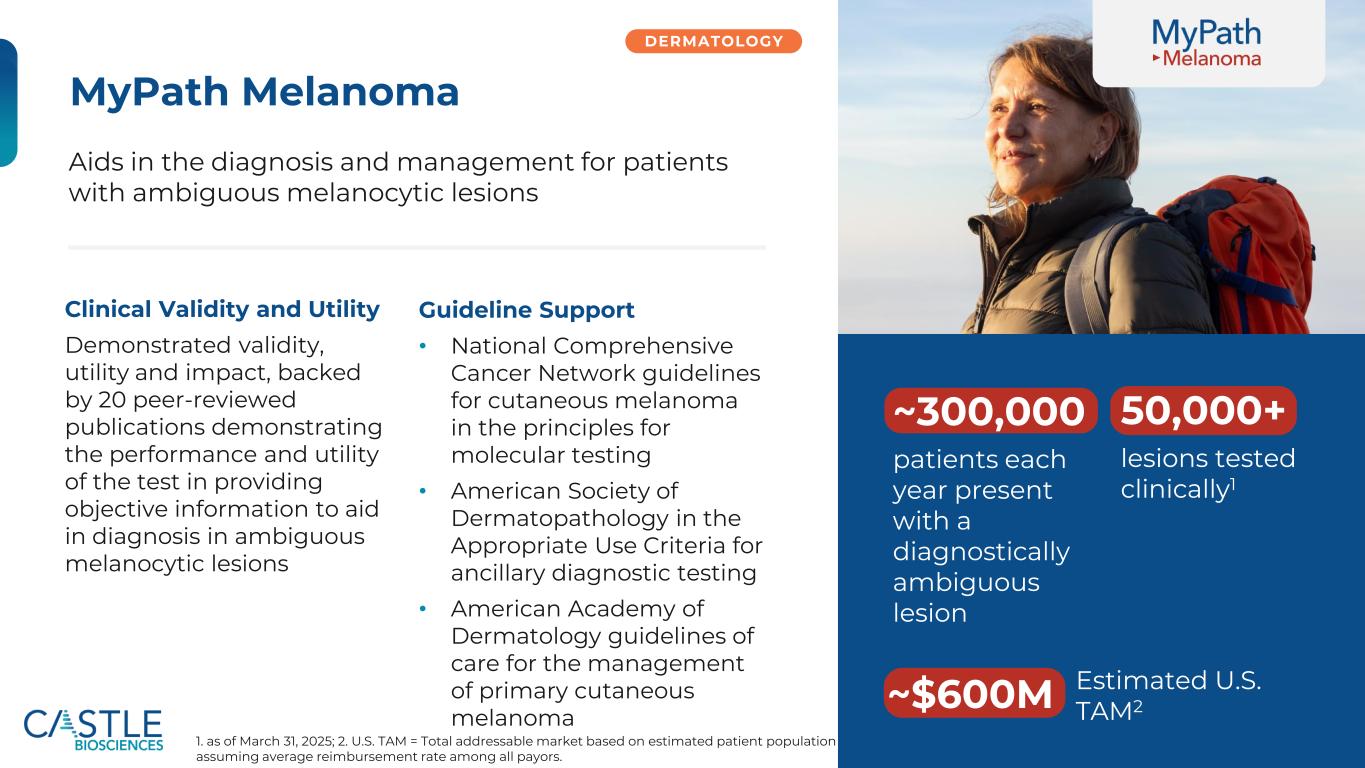
Yes, we are quite pleased with the MyPath acquisition. We successfully increased reimbursement for the differential diagnostic test, which was crucial. Additionally, we expanded our offerings to dermatologists and dermatopathologists, enhancing our value to them. While we do not anticipate MyPath reaching the scale of CM or SCC due to market conditions, we appreciate the ability to reference prognostic tests in melanoma when MyPath results indicate a positive diagnosis from previously uncertain lesions. Previse represents a different opportunity, and we are enthusiastic about the technology it brings. As Derek mentioned, we will be working on some innovative efforts to enhance the prognostic offering, possibly using a multiomics approach in the future. Moreover, Previse has an intriguing pipeline in gastroenterology. As we previously stated, we aim to provide multiple offerings to the GI community, especially in the upper GI esophageal region, and this acquisition brings us several promising candidates. While the motivations for these two acquisitions differ, they both contribute positively to the expansion of our pipeline.
Speaker 10
And maybe I missed this but how much is it getting reimbursed as in how does it compare to TissueCypher in terms of rate, Medicare rate? And will that play a role in decision-making for doctors?
I don't believe it influences decision-making. Their Medicare rate is lower than ours because ours is the ADLT, which creates that difference. However, I don't think clinicians are deciding based on that. We've been able to grow TC quickly due to the strong body of evidence supporting the clinical utility and high actionability of the test.
Speaker 11
Frank, on the margin guide, could you give us a bit more color on that assumption? Specifically, what are your expectations for SCC volumes in the back half of this year? Are you expecting them to trend higher, flatten out, go down?
We anticipate that as we fully shift our promotions towards melanoma, there will be a noticeable slowdown in growth. Eventually, this trend is likely to plateau, and we may see some decline in demand. However, physicians have strongly adopted this test, as demonstrated by the volume of usage. It benefits their practices and their patients, enhances patient management, and saves Medicare nearly $1 billion annually by appropriately guiding patients towards adjuvant radiation therapy if they will benefit and redirecting those who will not benefit. In essence, without promotion, most high-value diagnostic tests tend to stagnate. However, this particular test holds significant value for both its users and the healthcare system.
Speaker 11
No, that makes sense. And then as a follow-up, how are you thinking about the growth algorithm of DecisionDx-Melanoma going forward? And I guess, in terms of same-store sales versus increasing the number of ordering clinicians, I mean, obviously, you probably benefit from both, both are important. But how do you have the reps, I guess, splitting their time between driving utilization or out hunting for new clinicians?
Historically, we have examined a combination of projected revenue per territory and the number of actively ordering customers. We discovered that when a territory reaches around $2 million to $3 million in projected revenue, it typically shifts focus from acquiring new clients to maintaining existing customers. That's usually when we decide to divide the territory. Success often comes when we have two successful territories next to each other, so we might combine two into three, for example. This principle still seems valid. Consequently, this approach allows us to spend about half our time nurturing and educating current clinicians on how to expand the use of our test within our patient population, while the other half is dedicated to raising awareness and promoting usage and adoption.
Speaker 12
Derek, this might be a tough question, but in your prepared remarks, you mentioned that you would continue offering SCC for now. Do you have an idea of how long "for now" might be, considering the uncertainty surrounding the reconsideration requests and the timeline involved?
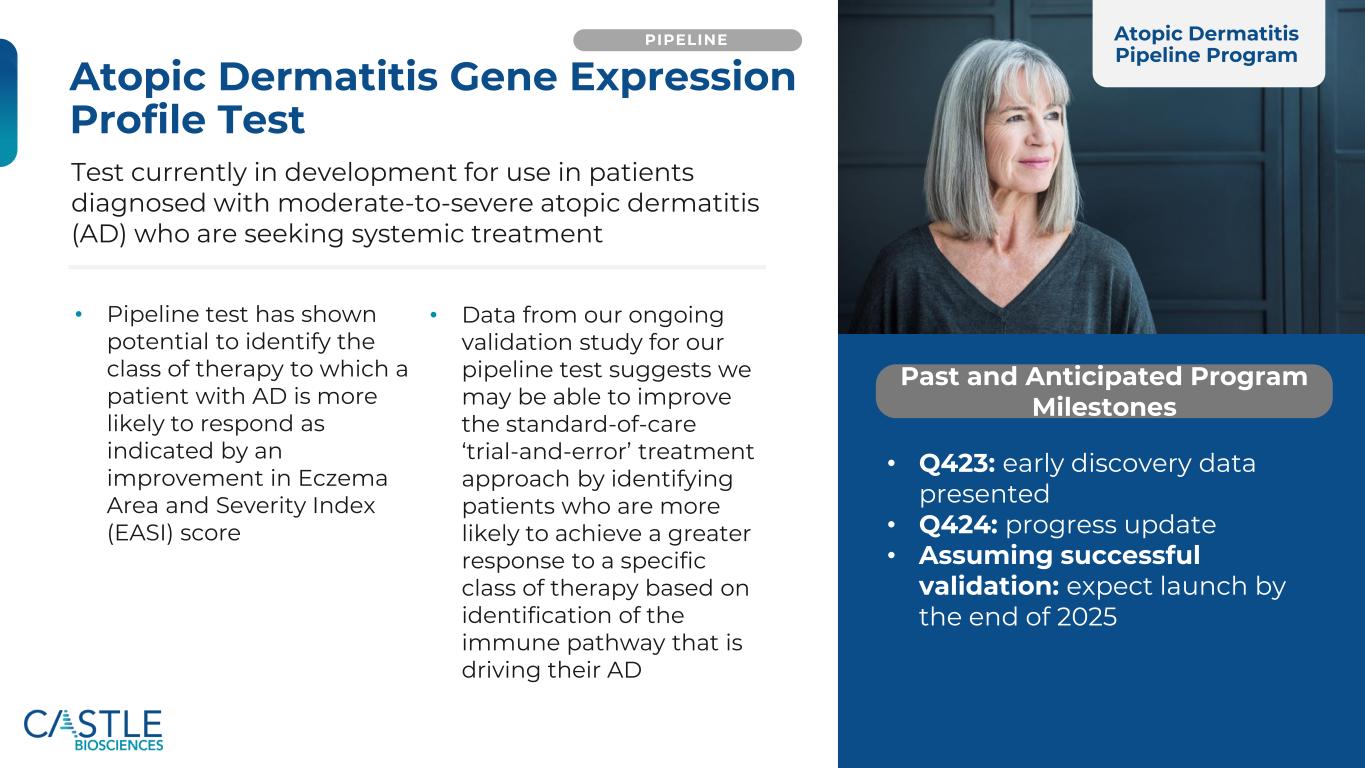
No, I don't want to provide more information or insights to guide our approach at this time. We need to analyze how our interactions with Medicare unfold, as this will influence our strategy. Ethically, we currently have a test that, when utilized correctly, can assist patients and their care teams, including dermatologists, surgeons, and radiation oncologists, in identifying individuals who may be considering adjuvant radiation therapy. We estimate that over 60% of these patients would be advised against this treatment, as our data indicates they would not gain any clinical benefit, but would instead face significant side effects and costs to Medicare. Therefore, we feel it is our responsibility to ensure these patients receive appropriate care. Medicare saves approximately $2.4 million per day by avoiding unnecessary radiation therapies, even after accounting for the cost of our test. We will have to wait and see how we navigate the reconsideration process and make decisions as that situation clarifies. Not since the end of the year-end earnings. We are still moving through market research to appreciate both the interest in our clinicians regarding the product profile, as well as the reimbursement strategy. And we believe we are still on track to achieving our milestone we set a couple of years ago, which was commercial availability by year-end.
Speaker 13
On the acquisition that you just announced, was there any stock included in the deal? Or was it cash? And if you're not willing to share the terms of the deal, is it safe to say that any level of cash would be immaterial to your cash balance?
There was no stock, Mark, and we've not disclosed the value of the transaction.
Speaker 13
Okay. For investors on the line that might be thinking this question, the timing of the acquisition sort of coincides with your decision to shutdown the IDgenetix business which you admittedly did telegraph or I believe you did. And then it also coincides with the lapping of the SCC payments from your Medicare contractor for the time being. To what extent does the timing of this deal influence your probability of winning sort of SEC reimbursement back? Because optically, this almost could look like your ability to win in a Medicare reconsideration request might be smaller than it might have been a quarter ago? Or could you just speak to that? Because obviously, you announced a new deal, the timing of these other 2 going away.
Completely underwrite it.
Speaker 13
Okay. And then last quick question. I know you were asked about what you acquired. What I don't understand is, how much revenue this asset was producing in 2024. And then for the Sponge technology, this does look similar to another test on the market called EsoGuard. Is it safe to say that the Sponge technology or the non-endoscopic technology and the EsoGuard test have some similarities in the marketplace? And then if you could, where does that stand in terms of data and Medicare coverage?
Revenue is not a significant factor for Castle this year. This represents a technology and pipeline opportunity for us, particularly as a means to enhance our prognostic offering for Barrett's. Regarding the Medicare process for non-endoscopic diagnosis, there are some draft policies available, but this technology has not yet reached the stage of pursuing Medicare coverage. Additionally, Mark, it's important to mention that there are several non-endoscopic diagnostic methods beyond just Barrett's, which share similarities with other technologies.
Speaker 6
Just want to ask about the acquisition and the pipeline and keep talking about it. Derek, can you talk about the timing of the pipeline launches and how large those opportunities are? And then just secondly, since you're getting access to the Johns Hopkins PCR-based methylation technology, have you ruled out using that tech to develop like an early detection or screening test for GI cancers?
I haven't dismissed the possibility, Kyle, but I also haven't confirmed anything. I wouldn't have turned down any potential opportunities. I believe we have the chance to speed up the development of our pipeline with extra resources and our broader expertise in gastroenterology, as well as our deeper experience in research and development. We're still some way off regarding the pipeline technologies. I'm not sure we're ready to establish firm timelines, but we do believe we can advance them more quickly than initially anticipated.
Operator
There are no additional questions waiting at this time. So, I would like to pass the call back over to Derek for any closing remarks.
Thank you, operator. This concludes our first quarter 2025 earnings call. We thank you again for joining us today and for your continued interest in Castle Biosciences.
Operator
That concludes today's call. Thank you for your participation and enjoy the rest of your day.