Welcome to the Q1 2025 Expensify Earnings. I'm Expensify's CFO, Ryan Schaffer. And with me, I have Founder and CEO of Expensify, David Barrett. Now we'll pass it off to Niki for the legal lease.
Operator
Please note that all the information presented on today's call is unaudited. And during the course of this call, management may make forward-looking statements within the meaning of the federal securities laws. These statements are based on management's current expectations and beliefs and involve risks and uncertainties that could cause actual results to differ materially from those described in forward-looking statements. Forward-looking statements in the earnings release that we issued today, along with the comments on this call, are made only as of today and will not be updated as actual events unfold. Please refer to today's press release and our filings with the SEC for a detailed discussion of the risks that could cause actual results to differ materially from those expressed or implied in any forward-looking statements made today. Please also note that on today's call, management will refer to certain non-GAAP financial measures. While we believe these non-GAAP financial measures provide useful information for investors, the presentation of this information is not intended to be considered in isolation or as a substitute for the financial information presented in accordance with GAAP. Please refer to today's press release or the investor presentation for a reconciliation of these non-GAAP financial measures to their most comparable GAAP measures.
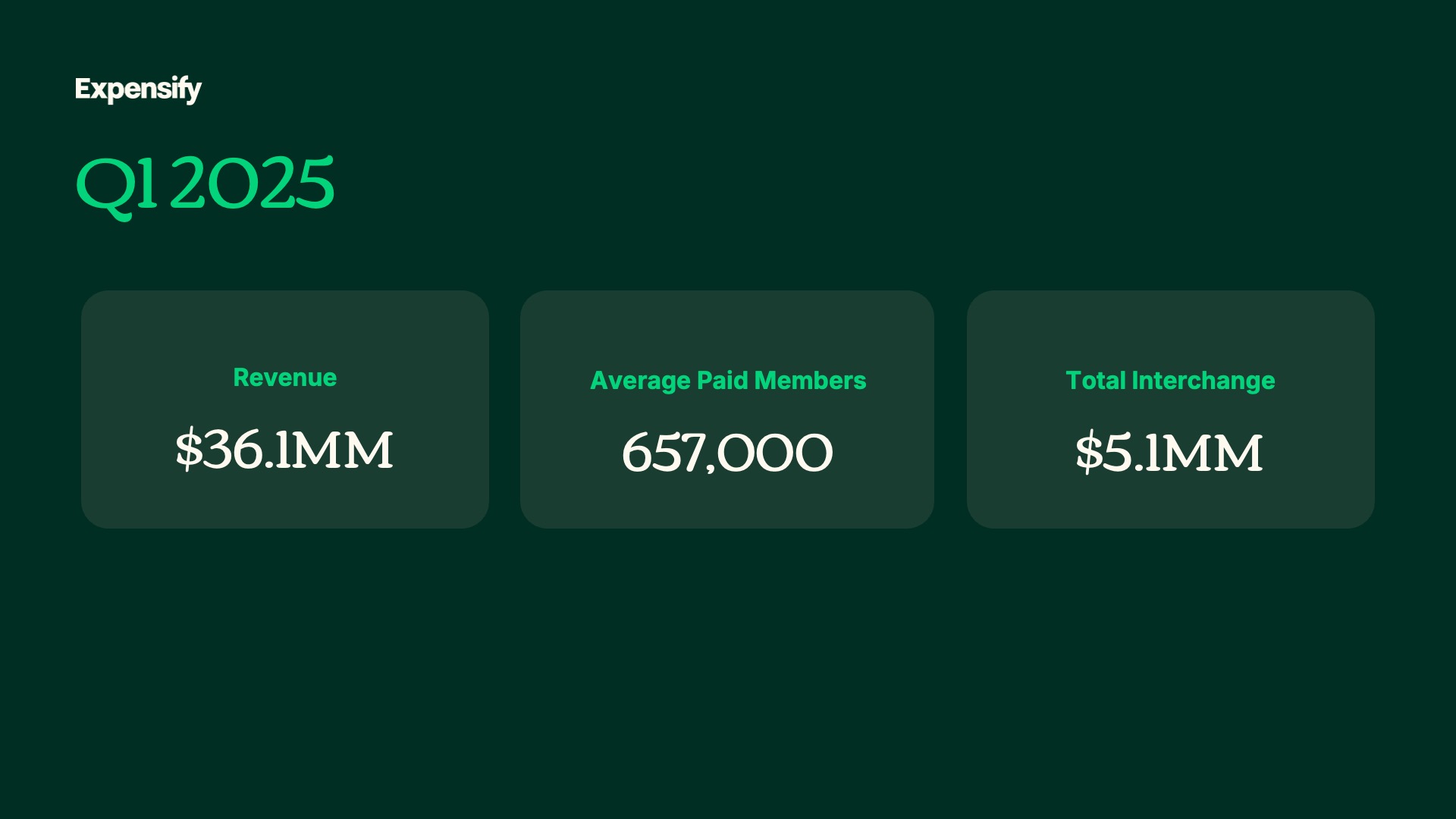
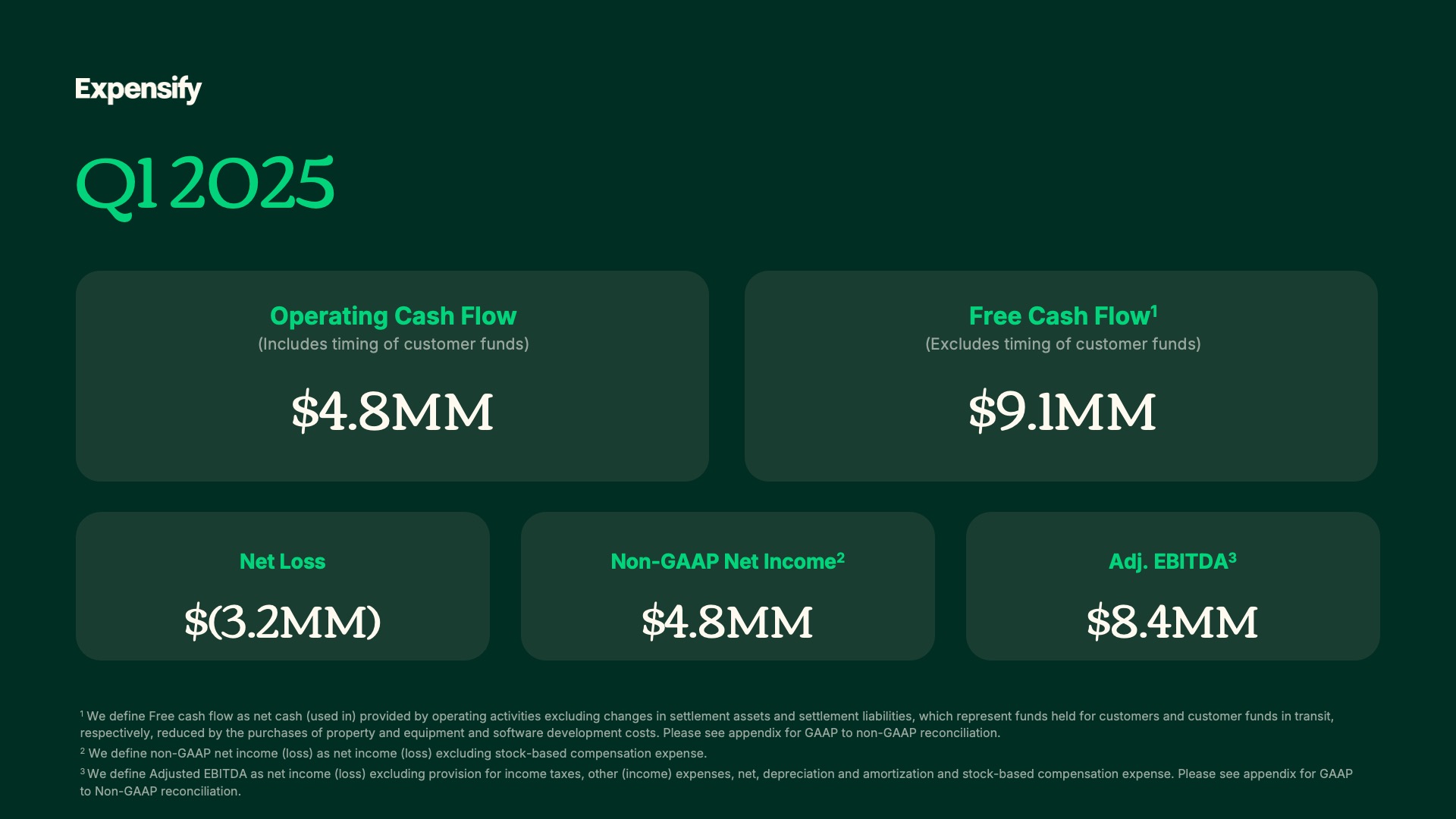
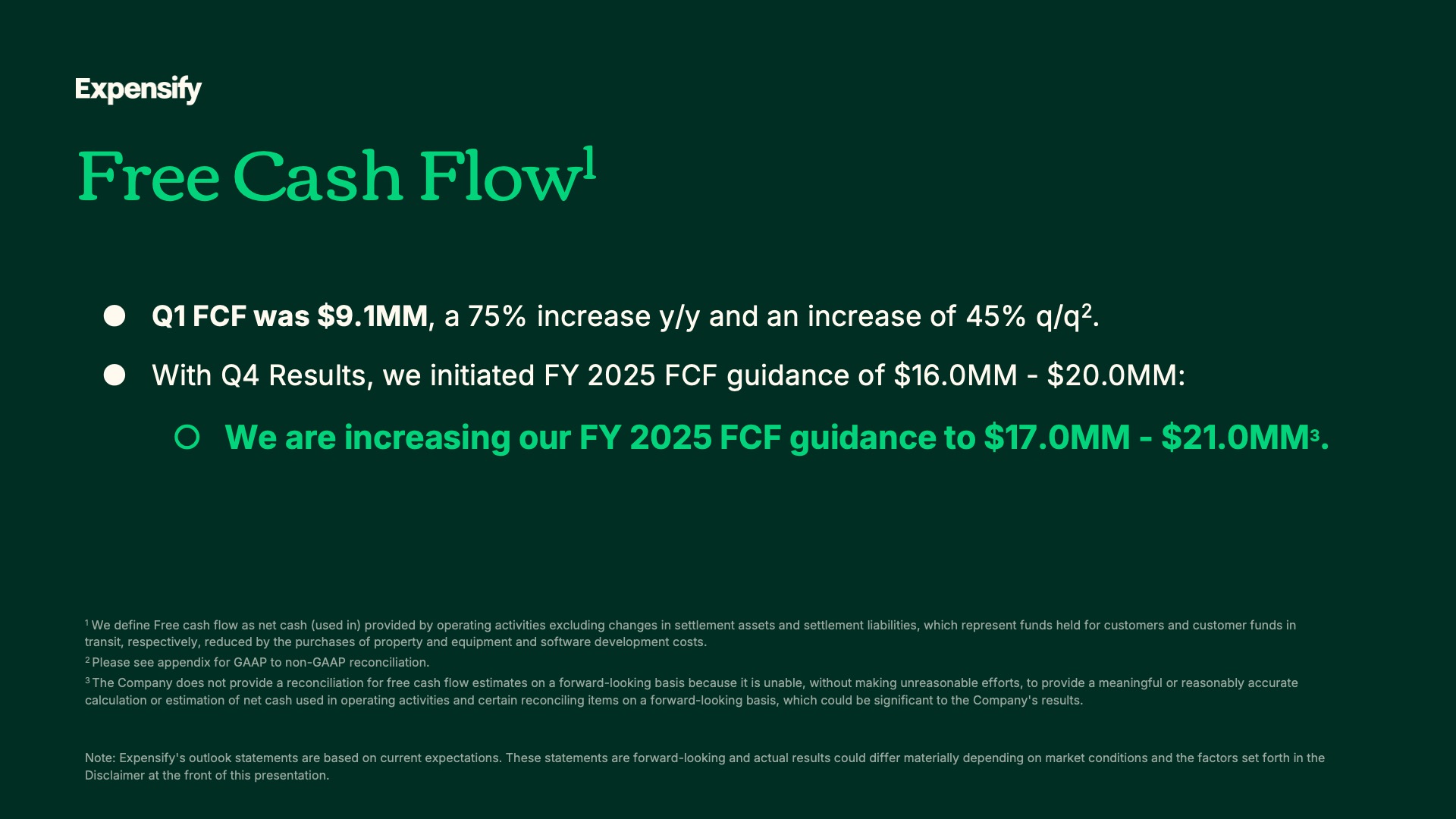
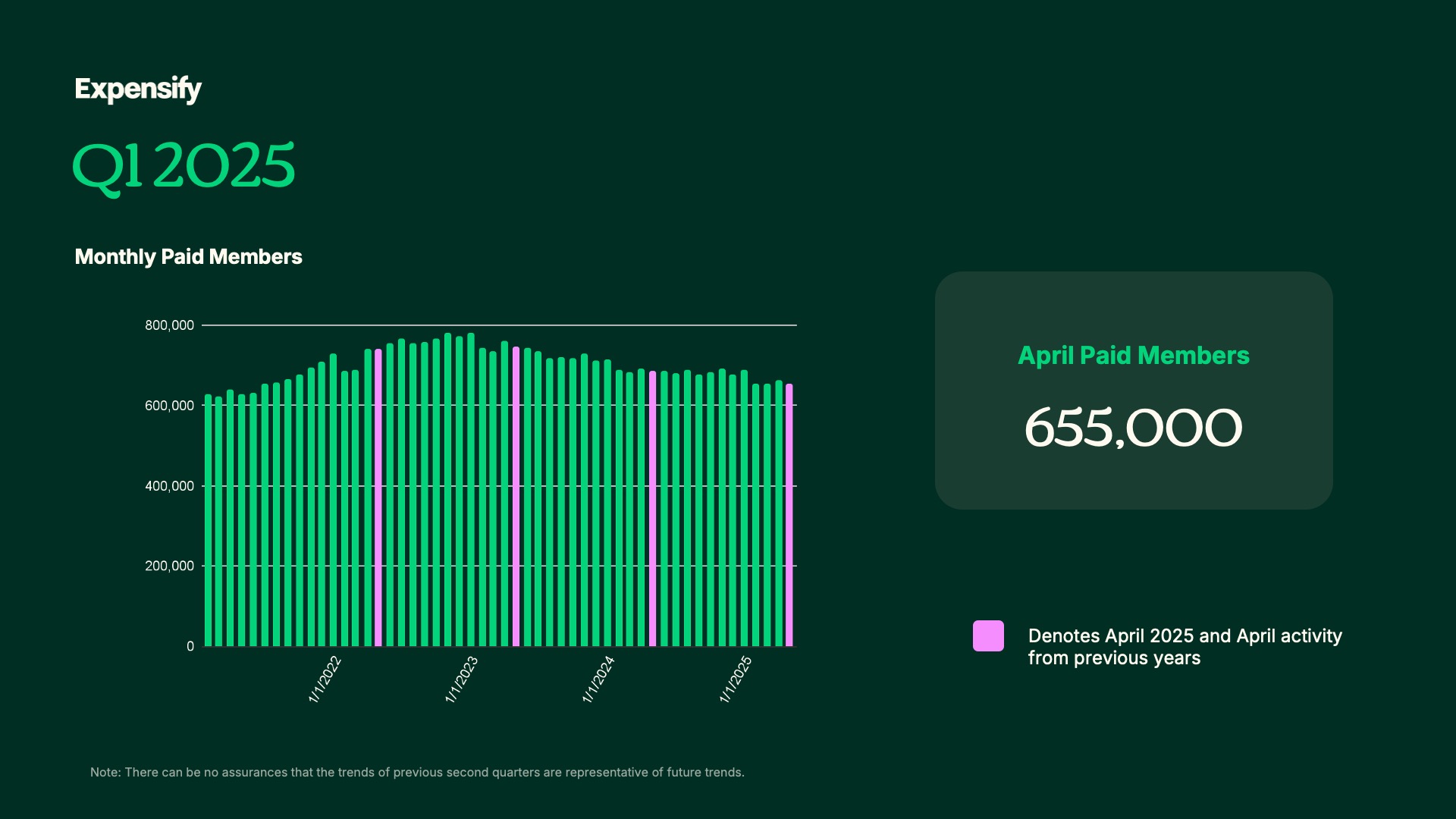
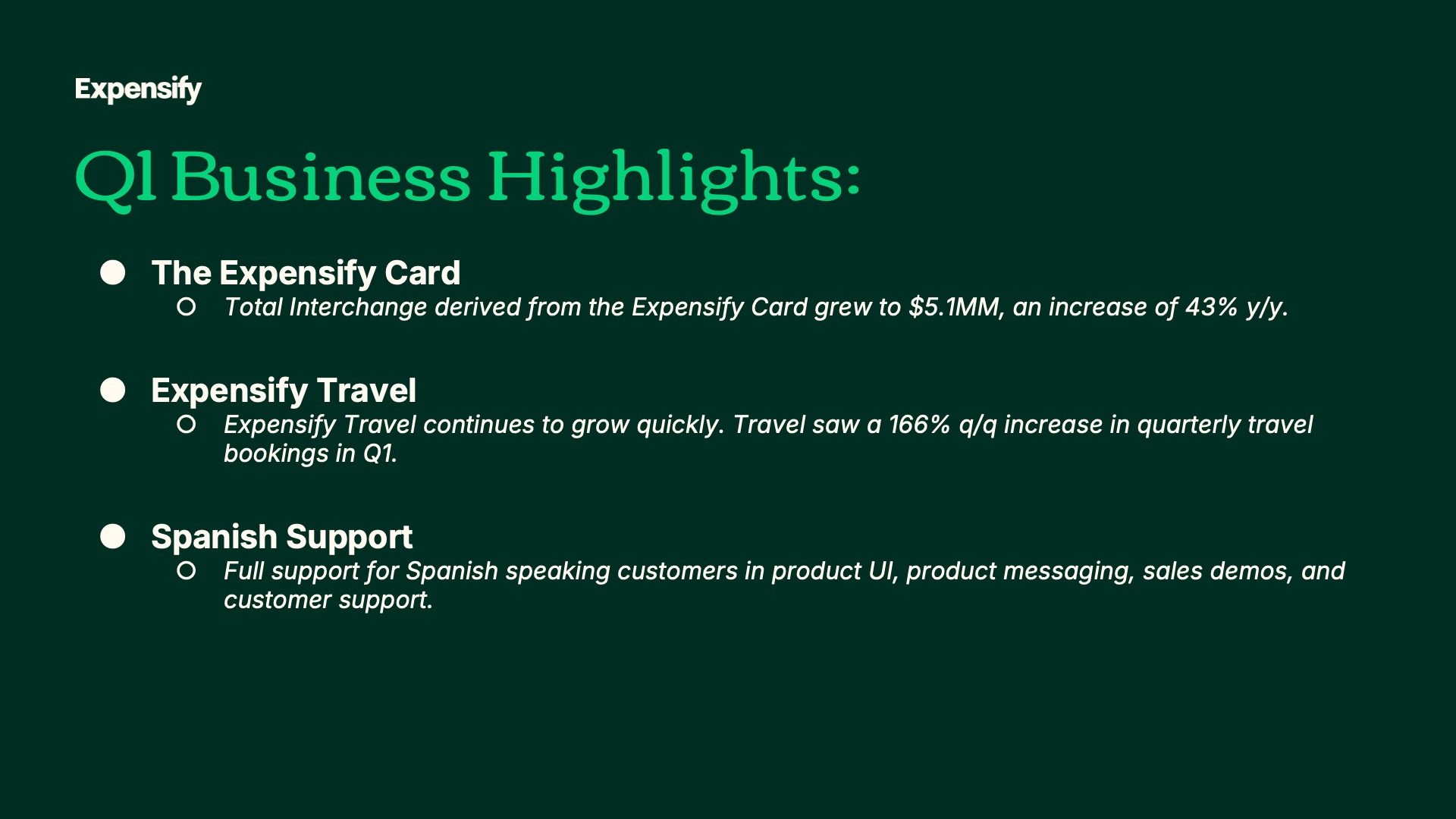
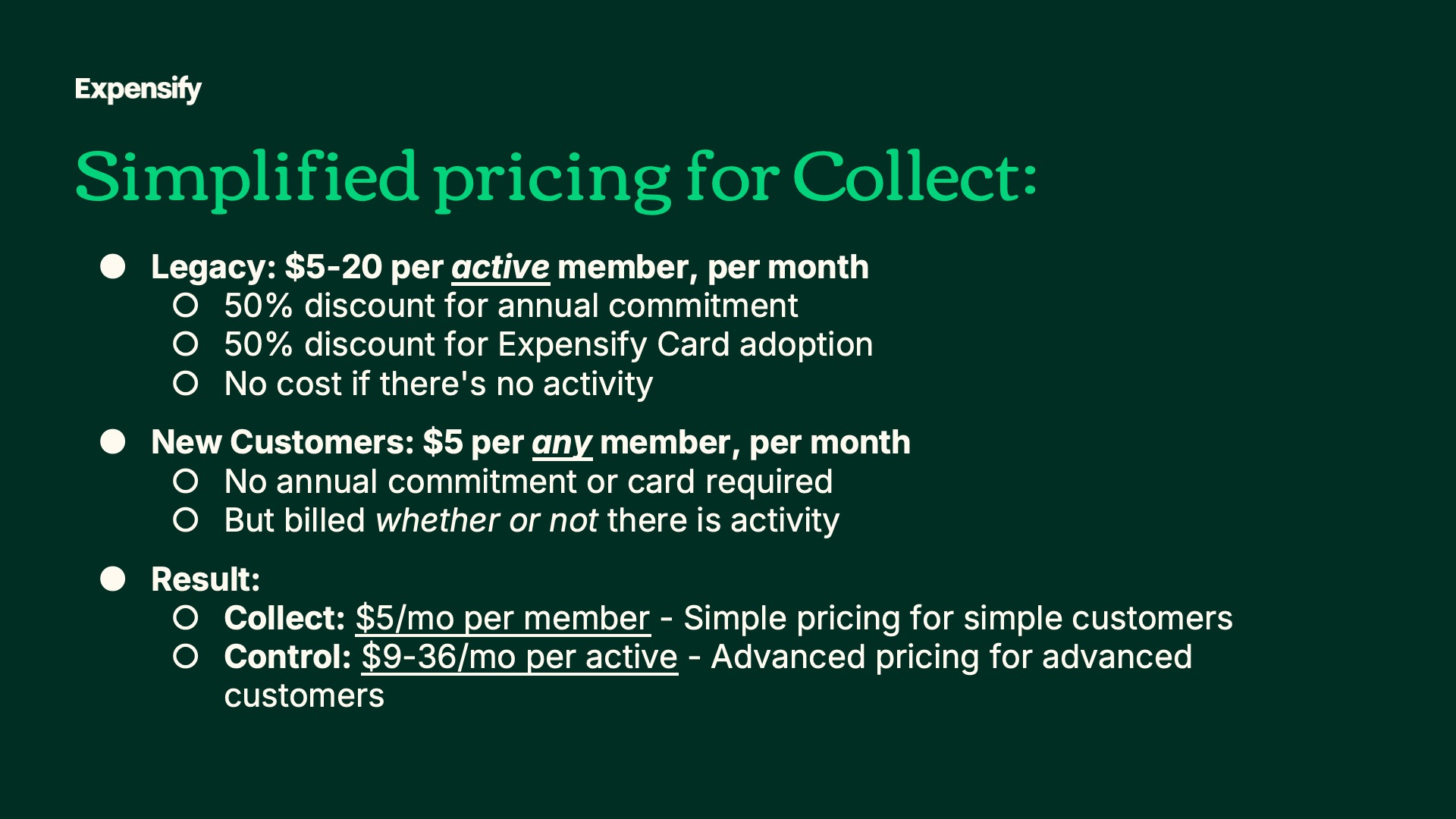
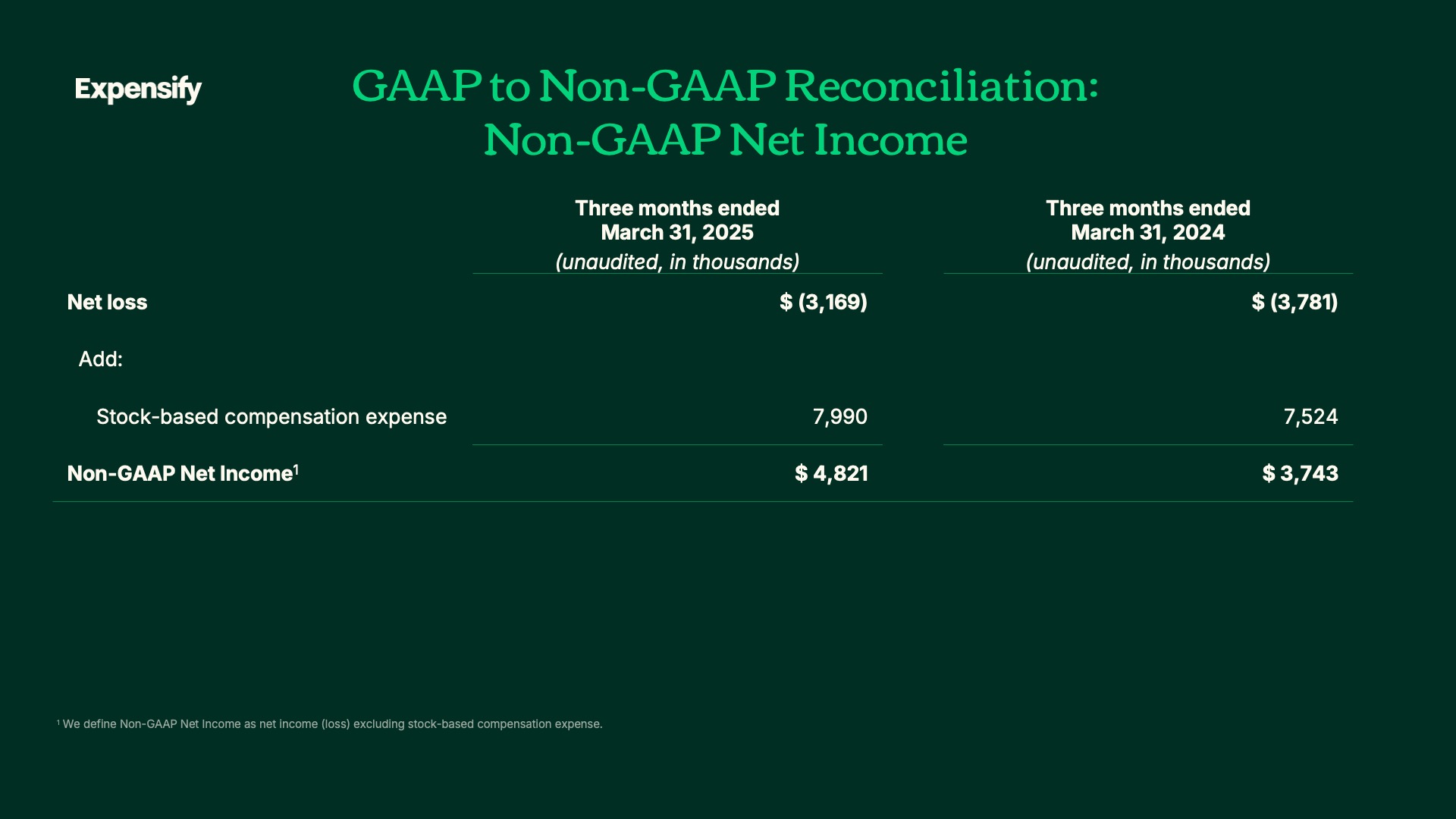
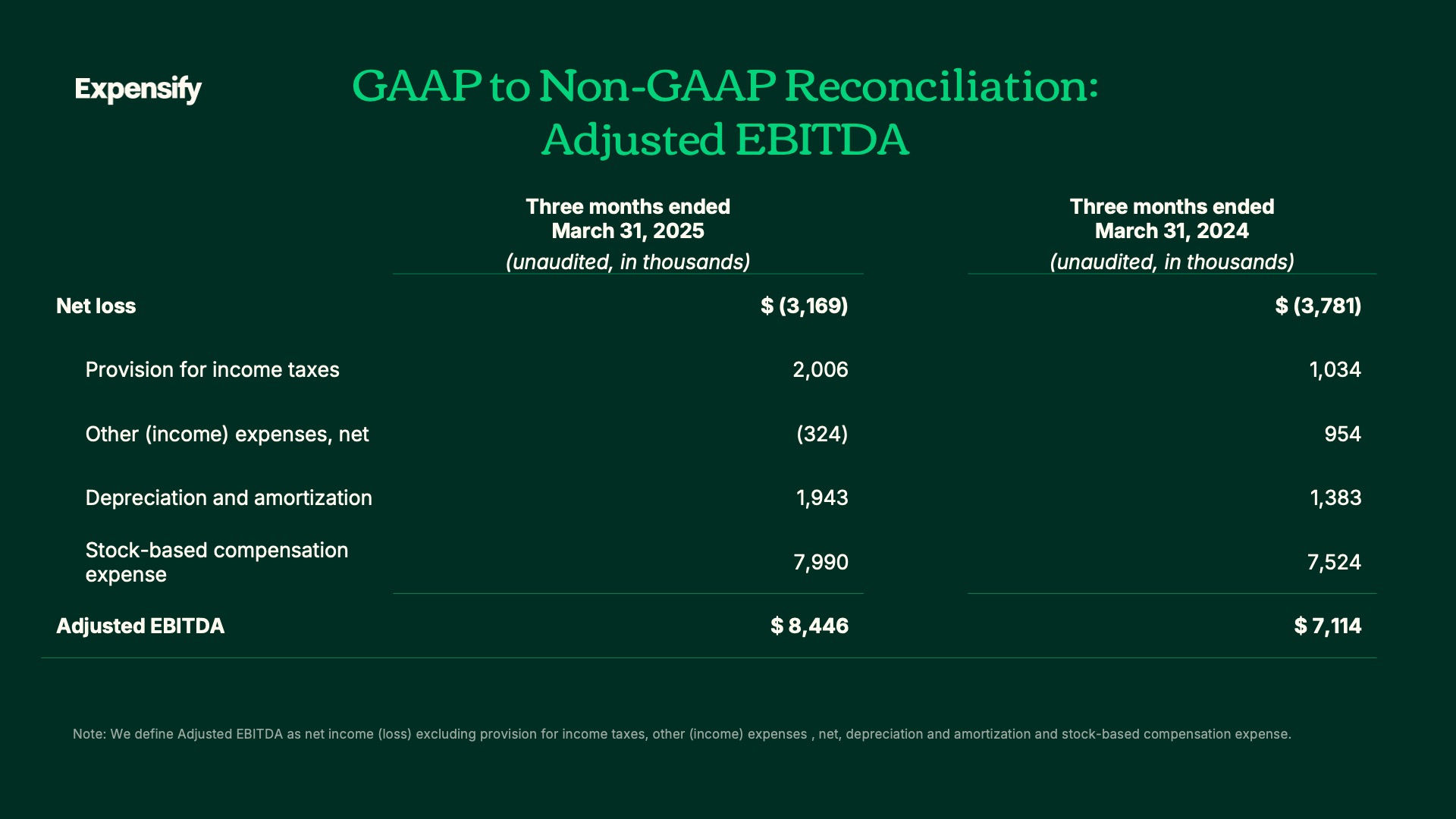
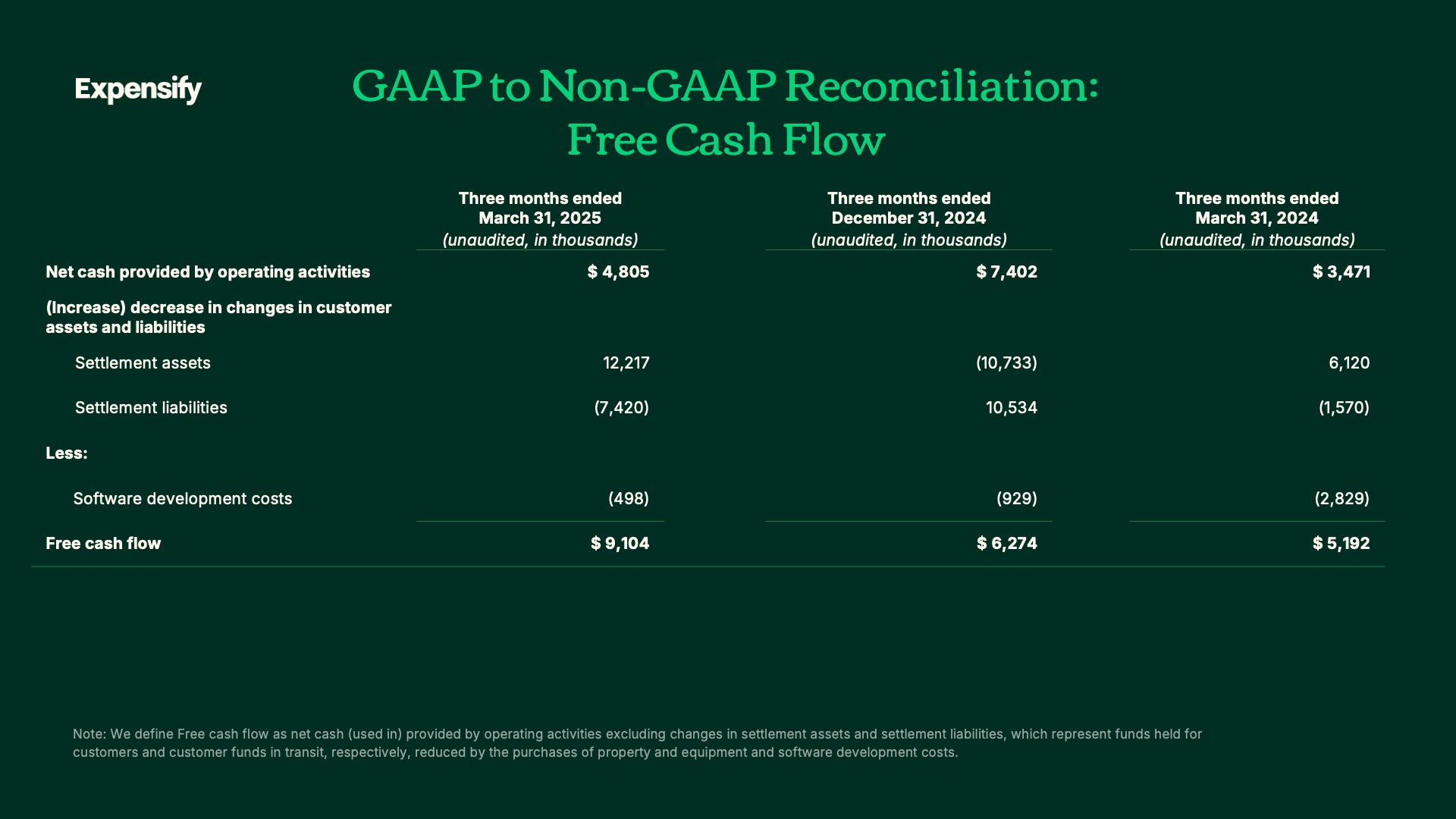
Thanks, Niki. Now let's talk about the Q1 2025 financials. Our revenue was $36.1 million, which is up 8% year-on-year. Our average paid members were 657,000, which is total interchange was 5.1%, which is up 43% year-on-year. Our operating cash flow was $4.8 million. Our free cash flow was $9.1 million. The difference between those two numbers again is customer funds. Our GAAP net loss was $3.2 million. Our non-GAAP net income was $4.8 million, and our adjusted EBITDA was $8.4 million. Now I'll talk about free cash flow. Obviously, we had a really good quarter free cash flow-wise. Like I just said, our Q1 free cash flow was $9.1 million, which is a 75% increase year-on-year and an increase of 45% quarter-on-quarter. With our Q4 results, we initiated free cash flow guidance of annual free cash flow guidance of $16 million to $20 million. We are increasing that to $17 million to $21 million. That's a bit of a conservative increase. This is due to the kind of tumultuous nature of the economy right now as we watch the impact of the tariffs on the economy. And so again, we think this is a conservative number. We have confidence we can hit this number, and we will update this as we see kind of how the current economic policy plays out. As always, just our flash April paid members. April paid members were 655,000, which is just slightly down from Q1. It's less than 0.5% down. So essentially flat. And April is usually a little soft, and this April is no different. You can see previous Aprils denoted by the pink lines on the graph. Now let's talk about Q1 business highlights. Like I mentioned before, the Expensify Card grew to $5.1 million, which is a 43% increase year-on-year. Expensify travel continues to grow very quickly. We saw 166% quarter-over-quarter increase in quarterly travel in Q1. And notably, we are seeing customers adopt travel at twice the rate that they adopted the Expensify card. So we compare those two because it's a cross-sell from our traditional expense product, but we're seeing travel adoption be met by customers with a lot of enthusiasm, and we're very excited about it. Also, we announced full Spanish support. So if you speak Spanish, the product will look great to you. We have Spanish in our product UI and our product messaging. And also, we're now doing sales demos and customer support in Spanish. We are also adding more international support and more languages coming very soon. You might have also seen we announced a simplified pricing for our collect plan. Our legacy collect pricing, which is the same scheme as the control pricing is still under, the collect legacy pricing was $5 to $20 per active member per month, and we gave a 50% discount for annual commitment or subscription and a 50% discount for Expensify card adoption. Notably, no cost if you have employees who are inactive. Now this is great for a more sophisticated customer that can forecast what their usage is going to be in the product. If you have, let's say, 100 employees, about 33% of them will be active on the platform any given month, but not the same 33%. So a different mix of employees each month. So in that case, the customer would buy a 33 seat subscription and any employee can kind of sit in those seats. However, that did take me a while to explain, and it is more sophisticated, and we saw that kind of falling flat on the lower end of the market. The collect customers generally self-service and they're not talking to a salesperson. So we need to communicate what our pricing is in under 5 seconds very simply. So this pricing is not a price reduction per se. It's more of a streamlining of our pricing, and that's based on extensive research into watching user sessions, talking to customers and sales feedback. So under the new scheme, it's $5 for any member per month. So you just enter how many employees you want to use the product at any time, and it's multiplied times $5, and that's your monthly price. So there's no annual spend in our card required, but they are built whether or not the user is actually active. So you're paying per account versus per active seat. The result is collect is $5 per month per member, simplified pricing for simple customers and control, which is $9 to $36 per month per active employee, which is advanced pricing for advanced customers. We think this is going to help us convert at the lower end of the market, and we're really excited for it. Now I'm going to pass it over to David.
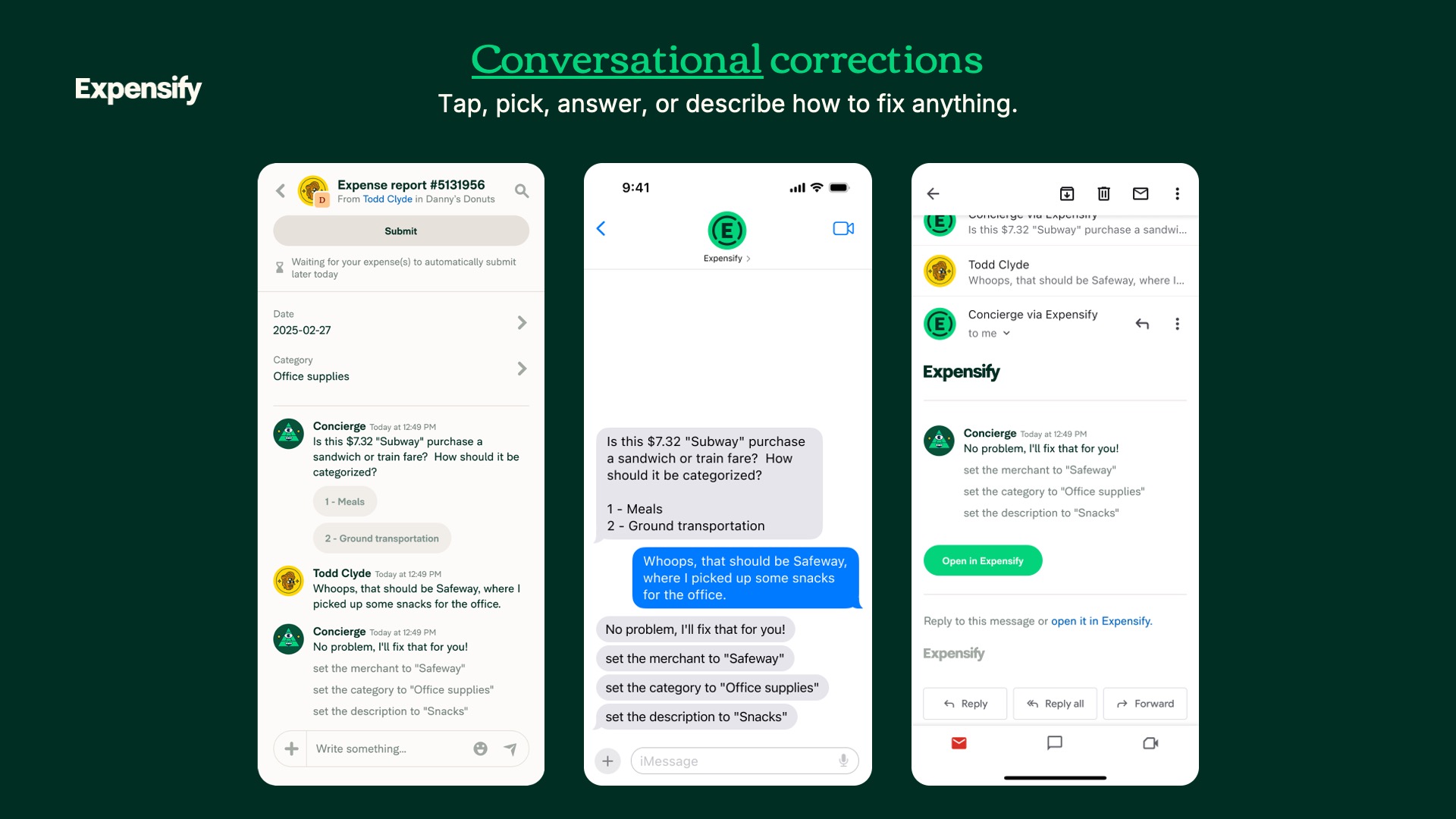
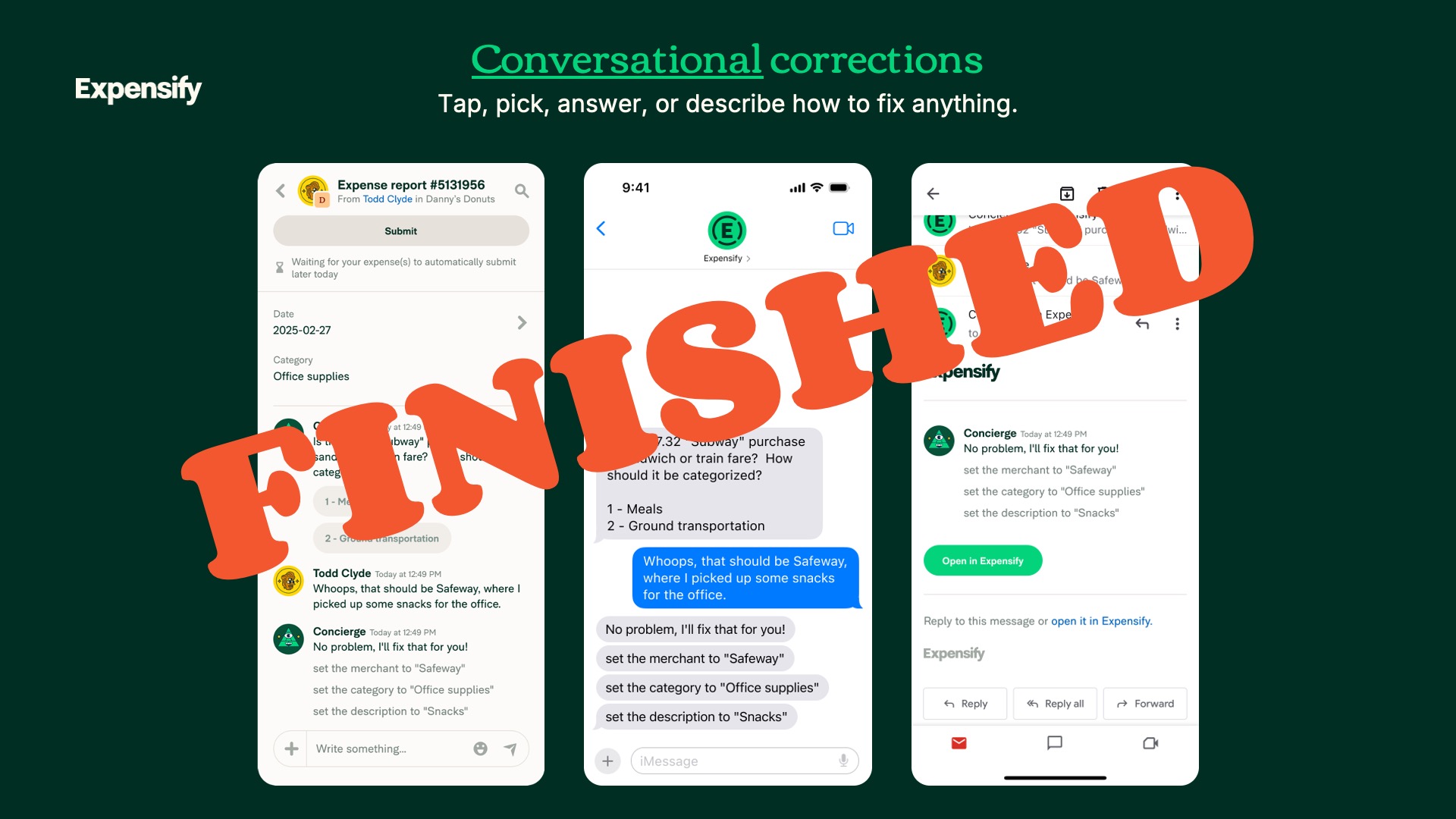
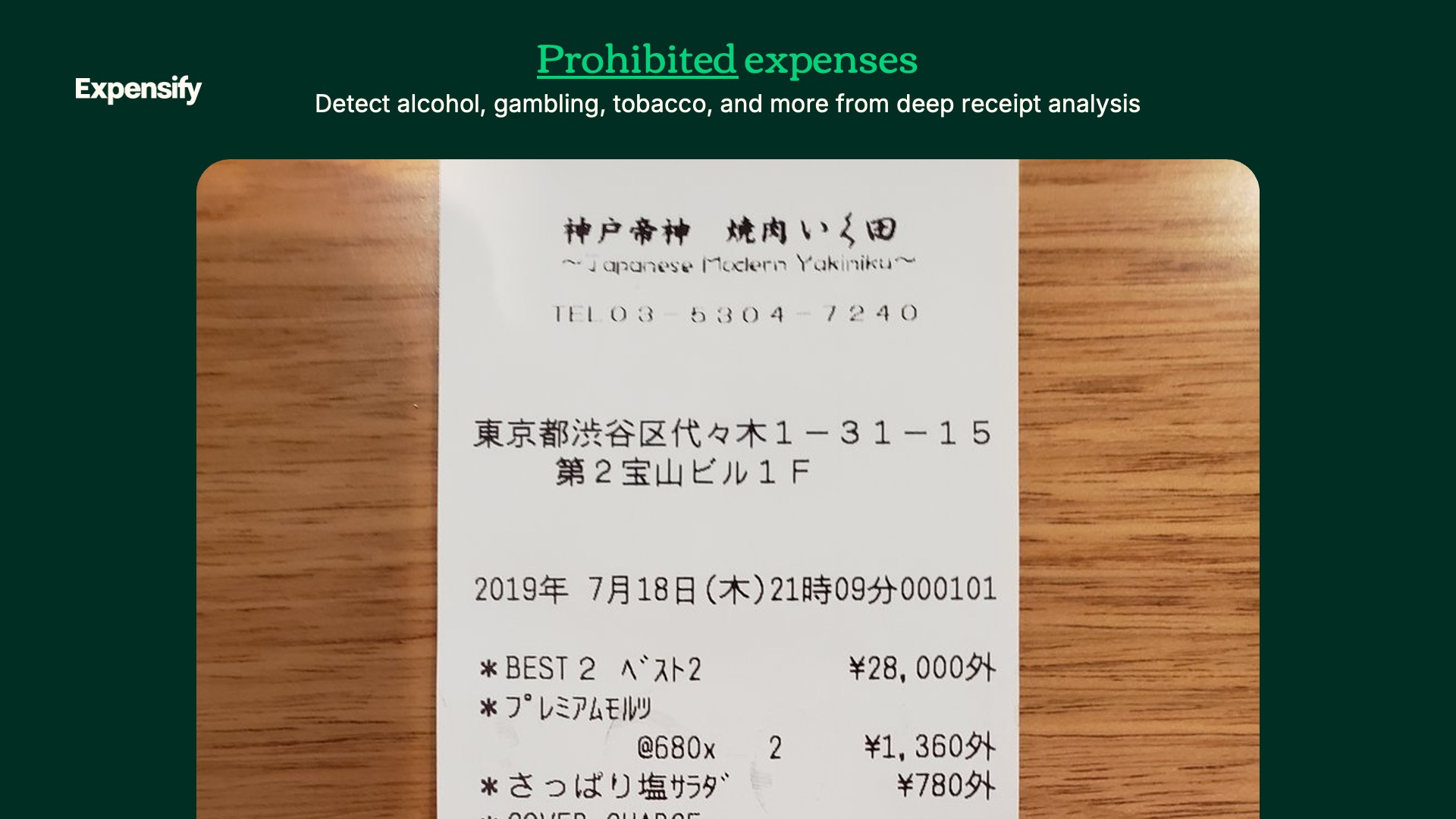
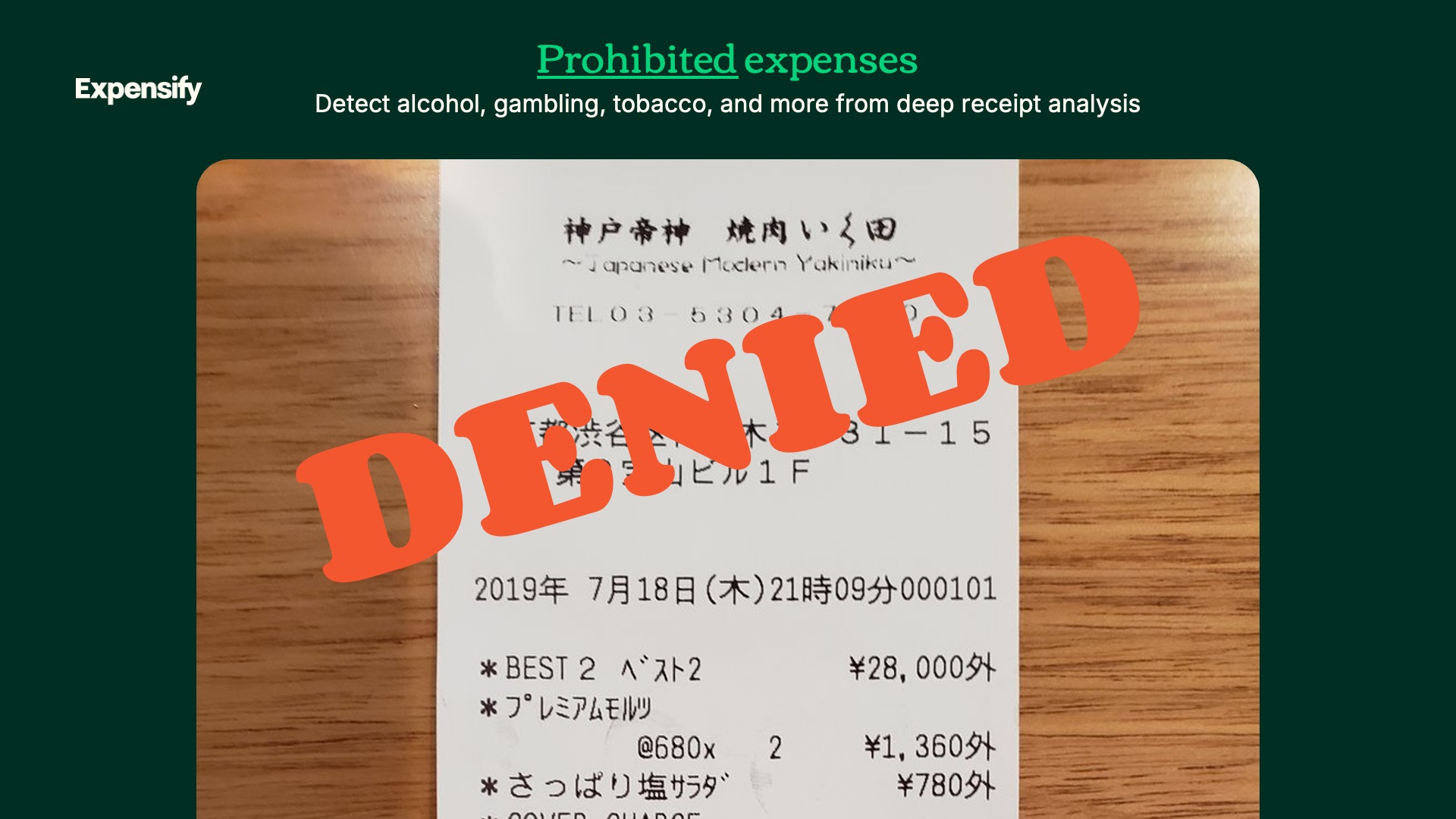
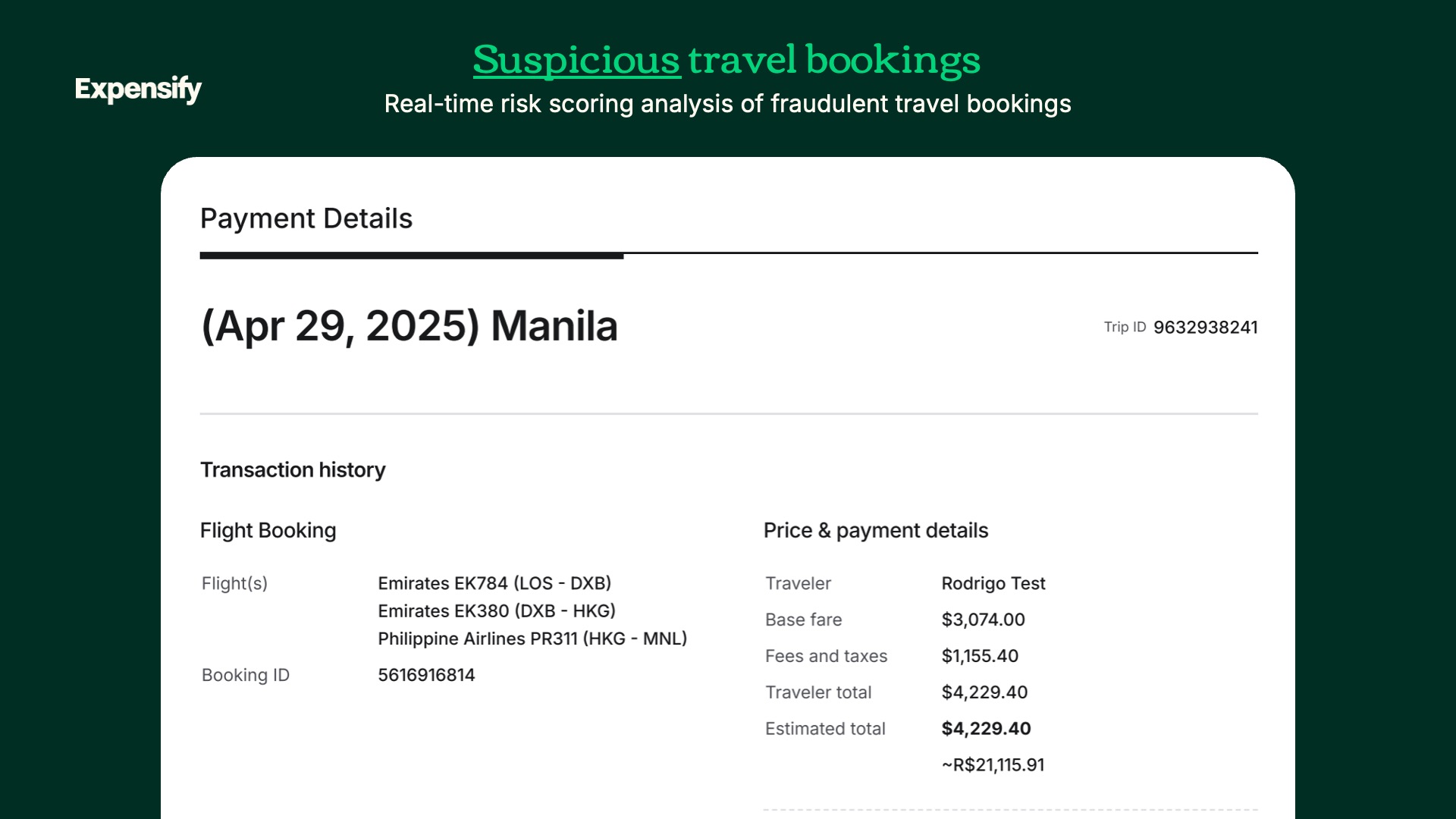
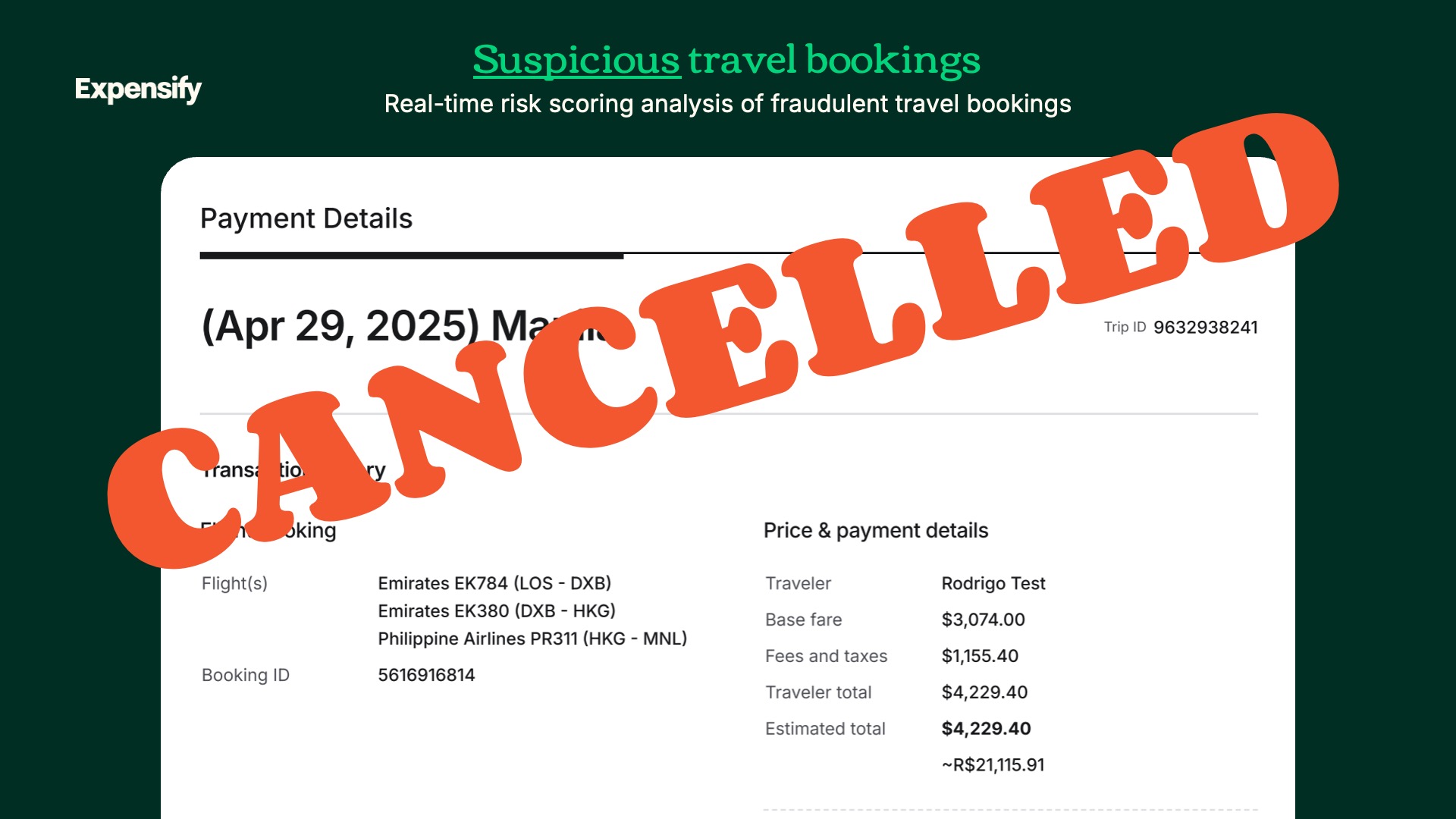
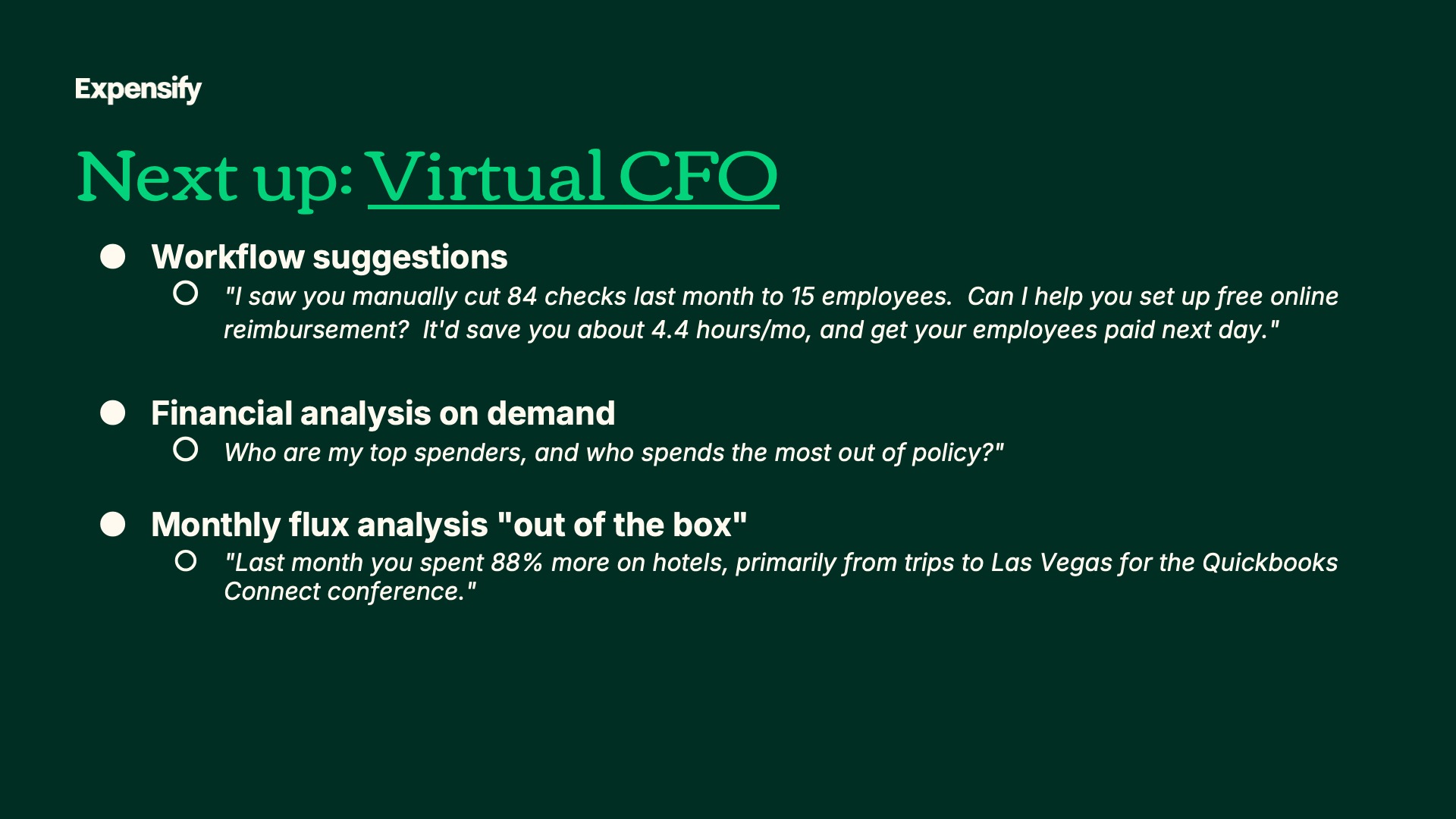
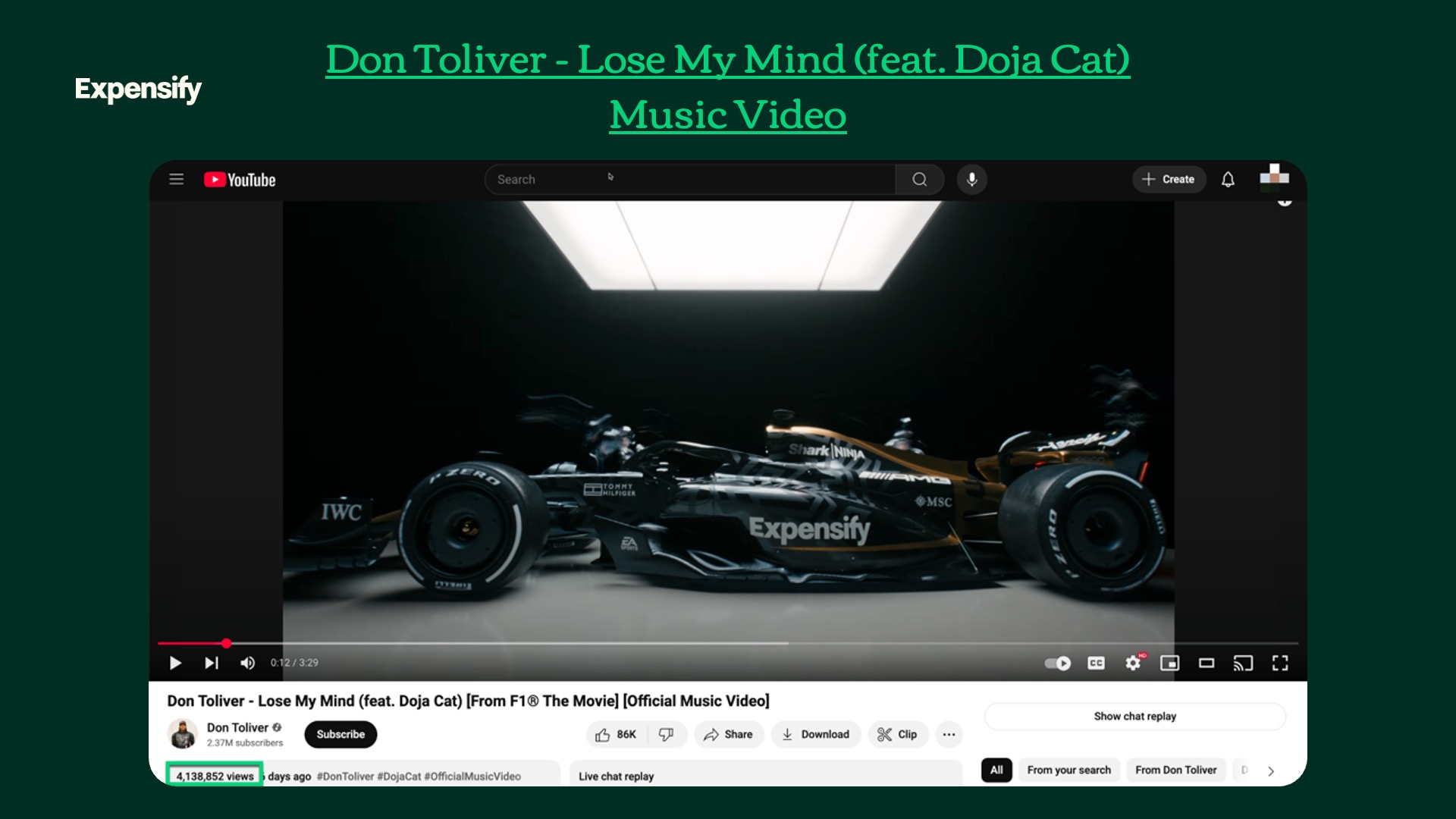
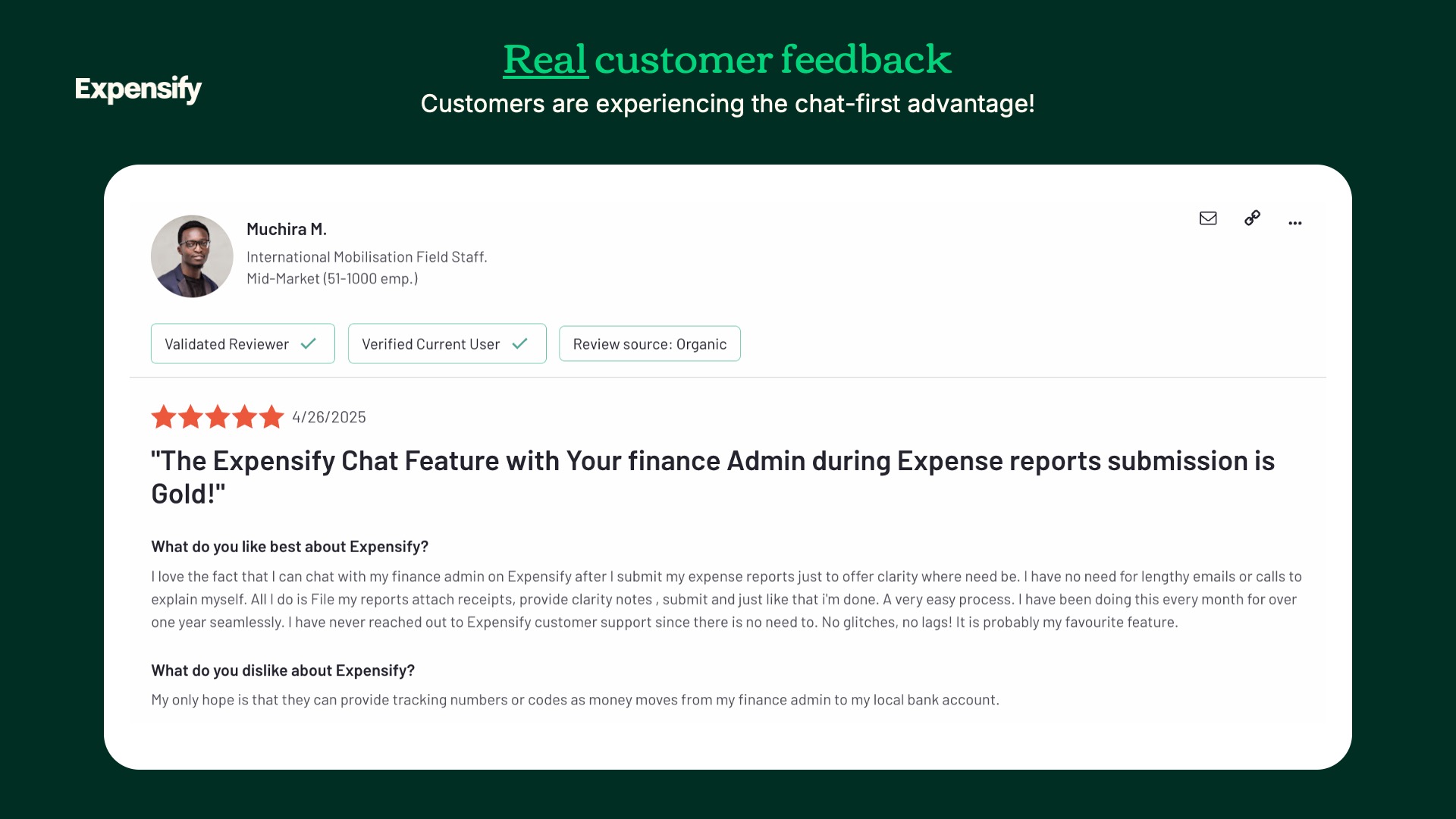
Last quarter, we discussed extensively about AI and the innovative applications we are implementing. This quarter, I want to highlight that we have successfully rolled out many of those applications. We previously mentioned conversational corrections, which involve using AI to categorize scanned receipts for expenses based on the merchant type, their name, and prior categorizations. Our system will either automatically categorize expenses or suggest the most relevant categories, and users can easily confirm or adjust these suggestions using natural language. This feature is now available in our products and is functioning well. Additionally, we've introduced advanced policy violations, allowing users to prohibit expenses related to tobacco, gambling, and alcohol by performing detailed receipt analysis to understand actual purchases. Another critical application of AI is in fraud prevention. Businesses selling online or making travel bookings often face fraud challenges. We now have the capability to detect and cancel fraudulent activities in real-time. Looking ahead, we're particularly excited about introducing virtual CFO functionality, which will help optimize workflows by providing insights on spending patterns, and streamlining processes like payment methods. This feature will deliver automated analyses, helping users stay informed without actively seeking out this information. We also see significant momentum for our F1 marketing efforts, particularly with our brand presence at events like the Met Gala. A recent promotional music video gained considerable attention, and following these events, we saw sign-ups quadruple, triggered by a single impactful action. The anticipation for our F1 product placement is building, and we believe it could be one of our most successful promotional strategies. User feedback is incredibly positive as well, particularly regarding Expensify Chat. Users recognize the challenges in expense management, especially in the final stages that require human interaction. Our chat-centric design addresses this by facilitating communication in context, allowing for efficient resolutions. The design is progressing well, and we are optimistic about the summer shaping up to fulfill our long-term vision even better than anticipated. It's an exciting time for us, and I look forward to your questions.
Operator
Thank you, David. One quick note due to the number of earnings calls happening today, we had a few scheduling conflicts with our analysts. So if we don't hear from you on the Q&A, we look forward to speaking with you on the one-on-one call back. First, let's start off with Citi. I believe George, you're here.
Speaker 3
Great. Maybe we can just start with the topic of the day, macro and tariff impacts. You guys talked about kind of conservatively baking that into your guide to some extent. Have you seen any impacts to date? And maybe when you think about your business, macro headwinds have been an issue in the recent past. You guys have made some changes to the business. How do you think about your resiliency in the face of this environment?
That's a great question. I appreciate your inquiry about resiliency. Clearly, no one desires a poor economy, as it's detrimental for everyone. However, if we find ourselves in challenging economic conditions, I believe we are well equipped to handle it. We generated $9 million in free cash flow this year, which indicates that the restructuring we've implemented over the past year or two has positioned us effectively to endure a difficult economic landscape. Our approach is to hope for the best while preparing for the worst.
Speaker 3
Okay. That makes perfect sense. I wanted to also ask about the paid user number and really just kind of the disconnect that started to show up between what you've seen on revenue versus paid users. I mean, revenue up 8% year-over-year, paid users down year-over-year. When you think about your business, I think investors like we have been kind of trained on paid users as one of the most important metrics for the business. But now you guys are becoming multiproduct. I mean, is that still how you guys are thinking about the business internally and kind of optimizing for paid users? Because it seems like there's levers here that are driving success that kind of extend beyond that metric. Maybe you could just talk about what you've seen in that metric and then how you think about the business as one of many levers.
Yes. That's a great question. Paid members remain crucial, and that focus hasn't changed. However, we have diversified our revenue streams over the last few years. Initially, revenue and paid members were closely linked around the time of our IPO, but we've since expanded beyond that. We generate income through various avenues besides subscriptions. While paid members are still very important, we now have additional strategies to boost revenue, which is beneficial.
Speaker 3
Okay. Great. And then maybe if I could just sneak one more in on the Formula One. I think exciting times here. I think we're T-1.5 months or so away. You guys talked about maybe some early impacts. Do you feel like it had an impact in Q1? Or do you think of this more as like a Q2 benefit? And then presumably, the bulk of the benefit is going to be felt kind of in Q3 and beyond? Or how are you guys thinking about the sequencing of how this hits the model?
I don't believe we've seen much benefit in Q1. I think it's going to improve. We're noticing an early pre-promotion effect. To answer your question, we expect the impact to grow over time, likely more in Q3 than in Q2. It takes time; you watch the movie, then visit the website and enter our conversion funnel. Regarding web traffic, we anticipate significant activity around Q2, but we wouldn't see that translating into new business until a little later. I agree with that.
Operator
Next, we have Citizens JMP. Aaron, I believe you are on the line.
Speaker 4
So can you talk about what verticals following up on George a little bit? What verticals your customer base is most exposed to today? I think you've become less reliant on tech customers since the IPO and analysis you've done on what percentage of your customer base is in industries that may face tariff headwinds?
Great question. It's been a bit challenging to track this due to the uncertainty around the tariffs, such as whether they will be implemented and which industries will be affected. Additionally, there's the possibility that they could be rolled back. This situation makes it difficult to provide a definitive answer. However, the behavior we are observing suggests that customers are in a wait-and-see mode. In a healthy economy, our customers typically grow, with small and medium-sized businesses usually expanding faster than larger enterprises. Currently, our customers seem to be holding off on hiring and making significant expenditures as they assess the situation and its potential effects on them. Therefore, in the first quarter, it's likely too early to see a noticeable impact, but we are closely monitoring it, although pinpointing an exact figure is quite difficult.
Yes. It's like everyone is just kind of holding their breath to see what's coming on the pipeline. So I mean, I think we're eager to find that as everyone else.
Speaker 4
Got it. And then the second one, I'm looking at the slides right now, correct me if I'm wrong, but I think you usually shared the paid member numbers for the first month of the next quarter. Are the April numbers in here?
Yes. So it was flat, slightly down to flat, less than 1%, less than 0.5%.
Speaker 4
Got it. And then the last one would just be, can you remind us from an accounting perspective with the F1 movie coming out in Q2, how we should think about how that's going to hit the cash flow statement and the income statement?
Yes, that's a great question. The accounting for the movie is quite interesting. We've been making payments for the movie for some time now, so the impact on free cash flow has mostly been felt already. However, we haven't recorded the expense yet. When the movie is released, we will recognize the total expense of all the payments made over the years. This means that a significant expense will be recorded, but it won’t significantly affect cash flow. We do have one more payment coming up, and as we undertake advertising, the next quarter will be costly. This will affect free cash flow, but the sales and marketing expenses will increase substantially due to the recognition of all the previous payments that have already impacted free cash flow.
Operator
Well, let's be competing schedules everybody we have live. So we will speak to the rest of you all.
Great. Short and sweet. All right. Thank you all, and we'll see you next quarter. And go see the movie.