Executive readout · one minute
Webcast research workspace
Read the call alongside every captured source. Transcript, slides, 8-K earnings release, 10-Q stay in one workspace.

Earnings call · FY2025 Q2
Executive readout · one minute
Read the call alongside every captured source. Transcript, slides, 8-K earnings release, 10-Q stay in one workspace.
Research coverage
4 live sources
Open each available source without leaving this research workspace.
Open the source you need; every reader stays inside this workspace.
How the reported period landed and where the business moved.
Read the call
Read the speaker-labelled prepared remarks and analyst questions.
Hi. Welcome to the Q2 2025 Expensify Earnings. I'm Expensify's CFO, Ryan Schaffer. And with me, I have Founder and CEO, David Barrett. And now we're going to pass it over to Niki for the legalese.
Please note that all the information presented on today's call is unaudited. And during the course of this call, management may make forward-looking statements within the meaning of the federal securities laws. These statements are based on management's current expectations and beliefs and involve risks and uncertainties that could cause actual results to differ materially from those described in forward-looking statements. Forward-looking statements in the earnings release that we issued today, along with the comments on this call, are made only as of today and will not be updated as actual events unfold. Please refer to today's press release and our filings with the SEC for a detailed discussion of the risks that could cause actual results to differ materially from those expressed or implied in any forward-looking statements made today. Please also note that on today's call, management will refer to certain non-GAAP financial measures. While we believe these non-GAAP financial measures provide useful information for investors, the presentation of this information is not intended to be considered in isolation or as a substitute for the financial information presented in accordance with GAAP. Please refer to today's press release or the investor presentation for a reconciliation of these non-GAAP financial measures to their most comparable GAAP measures.
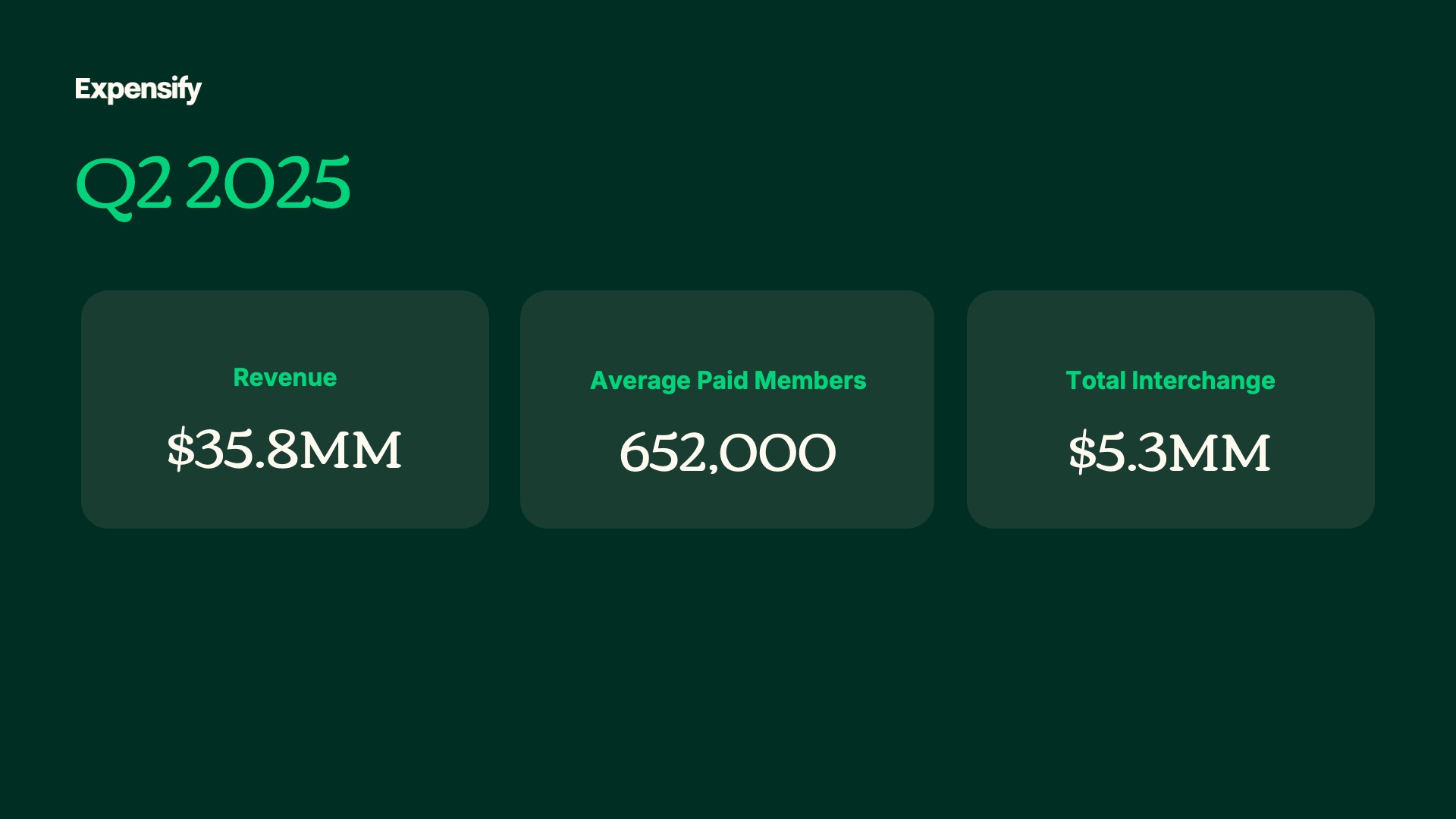
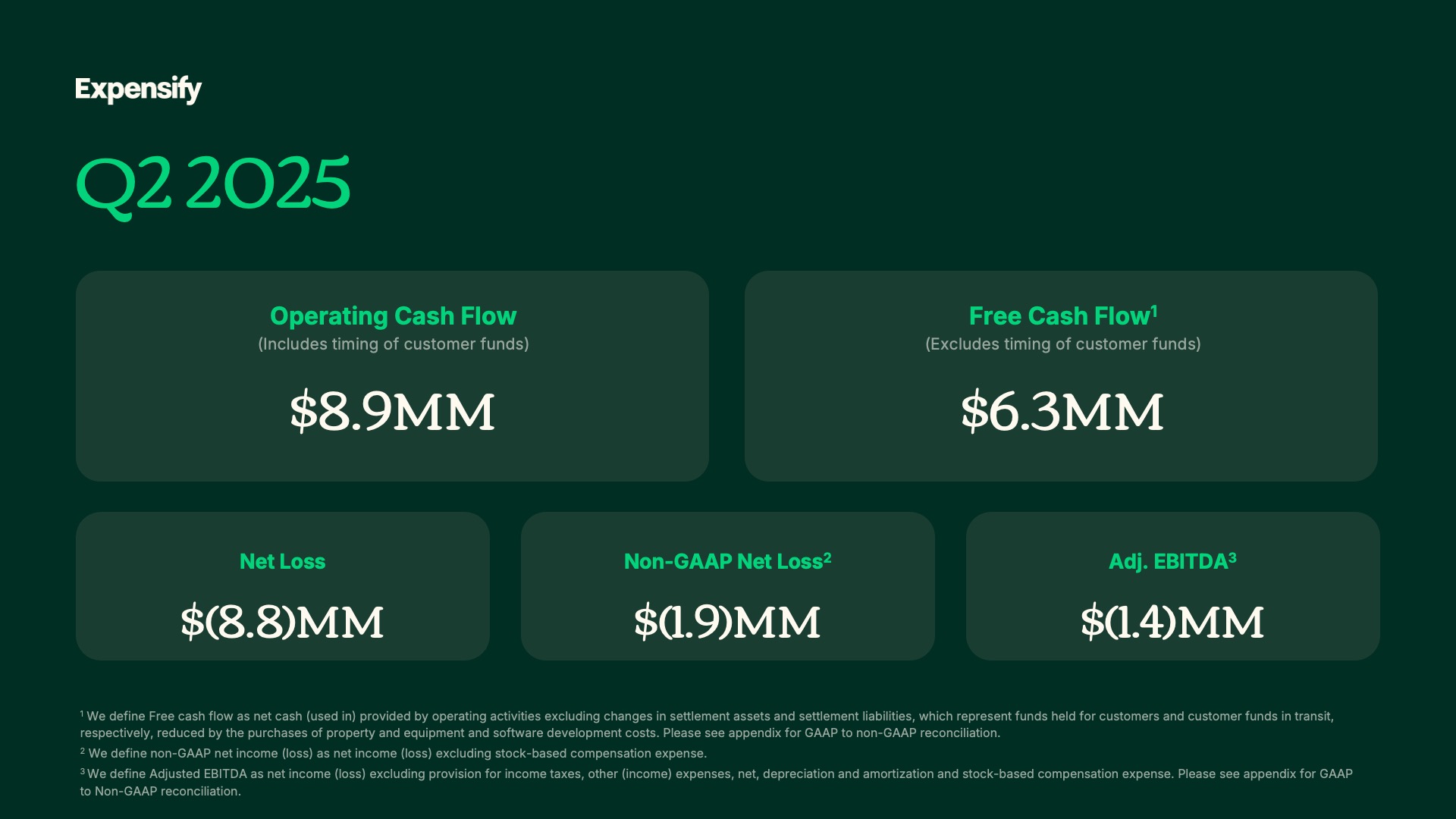
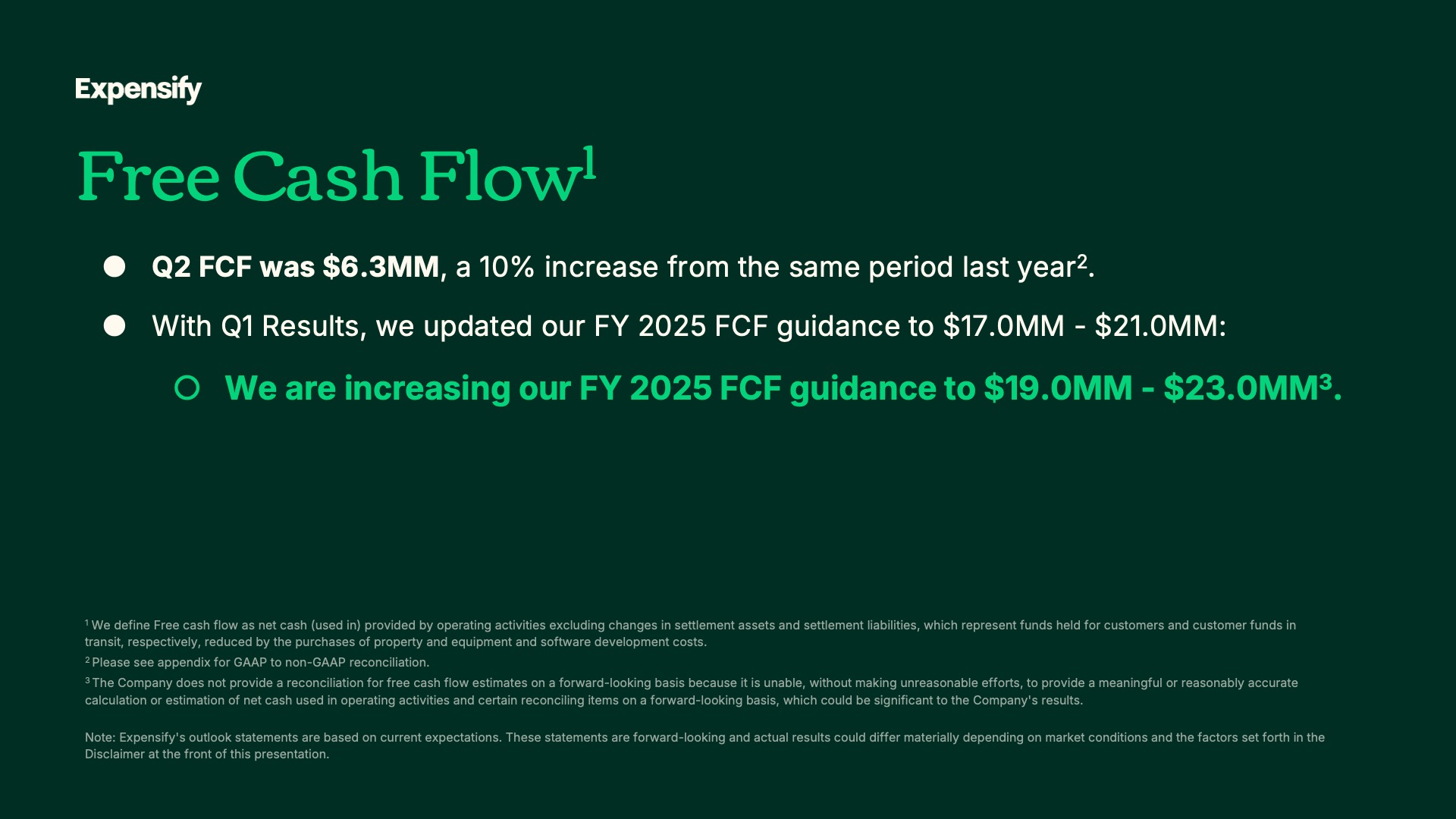
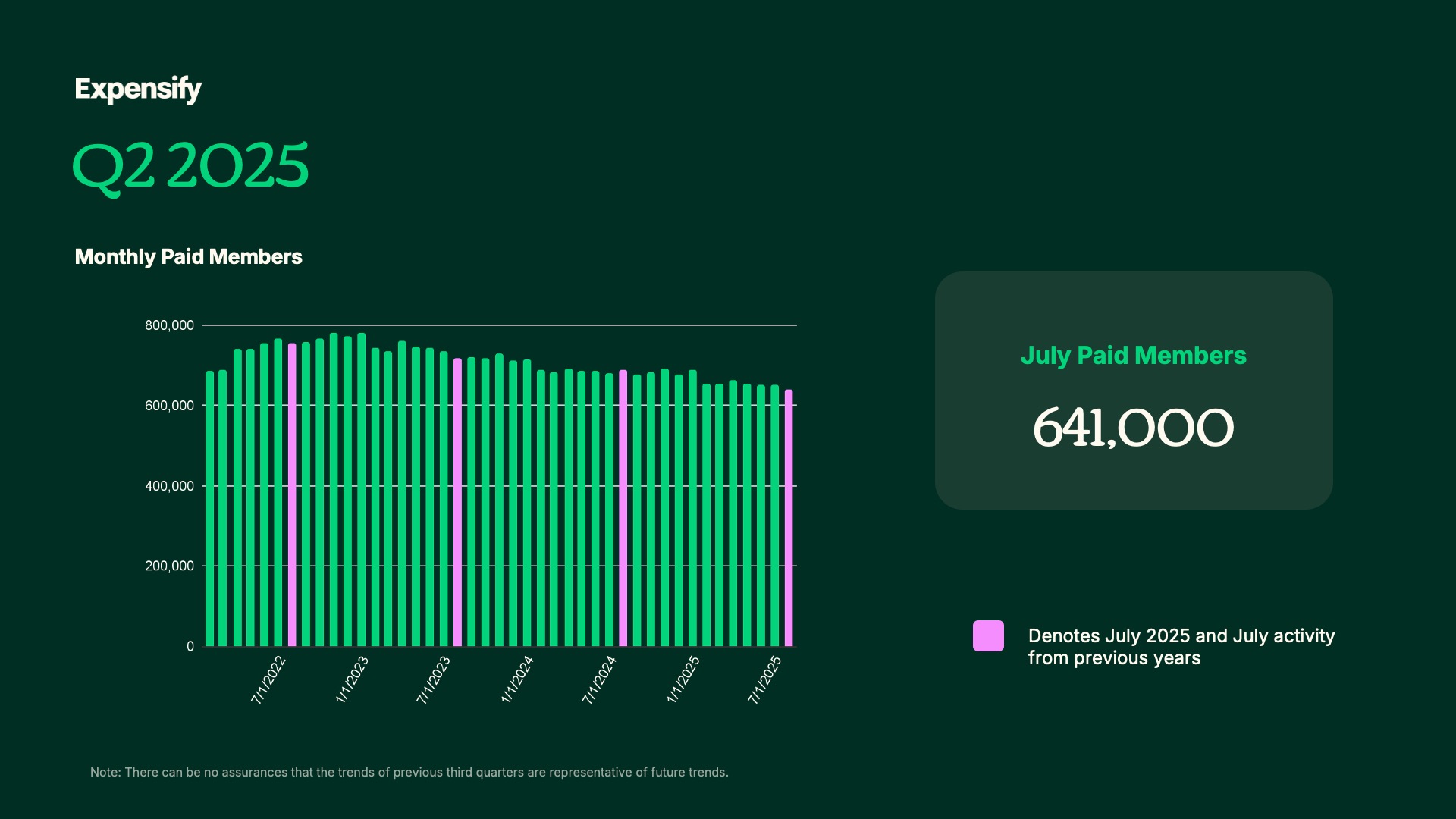
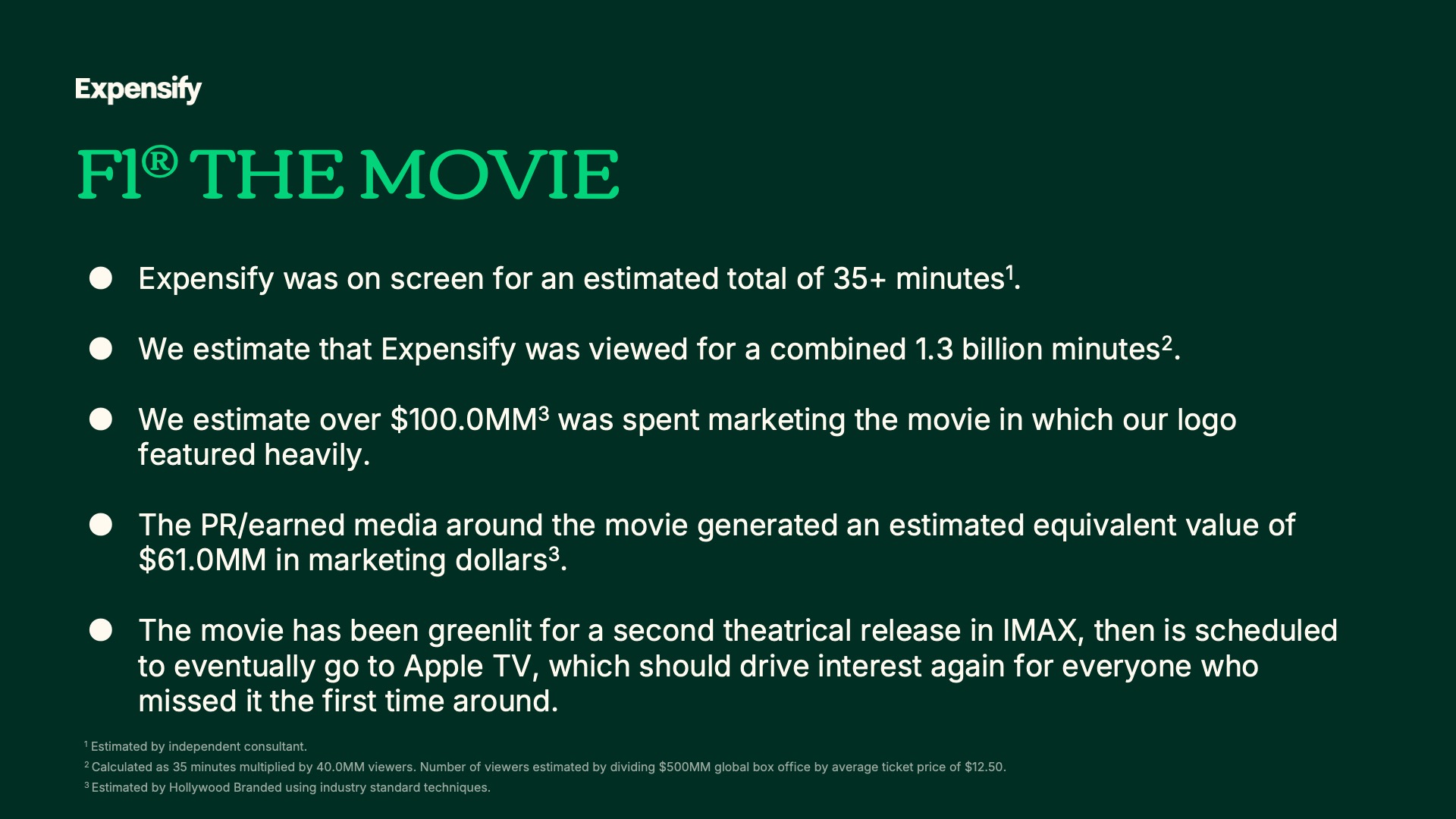
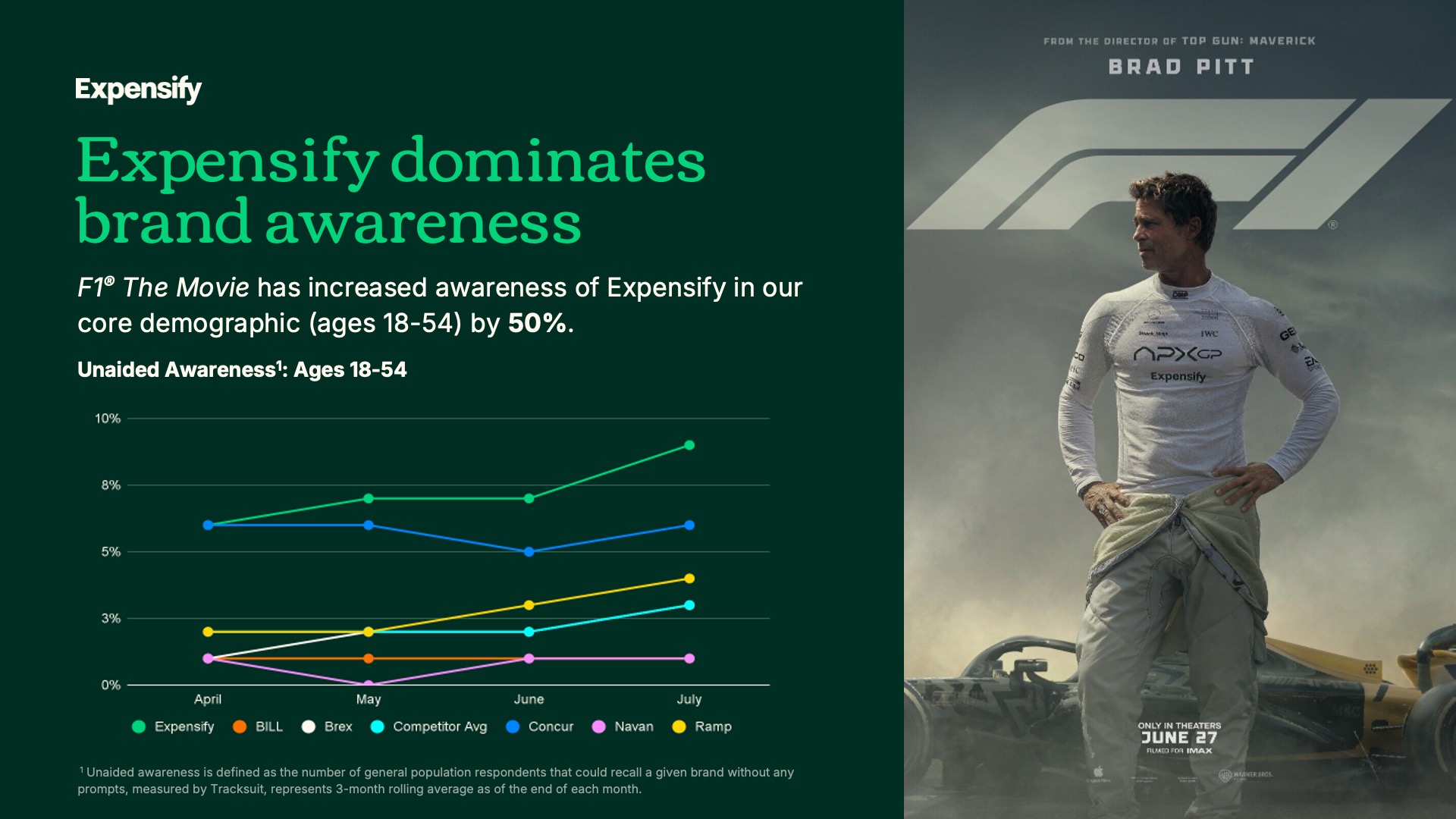
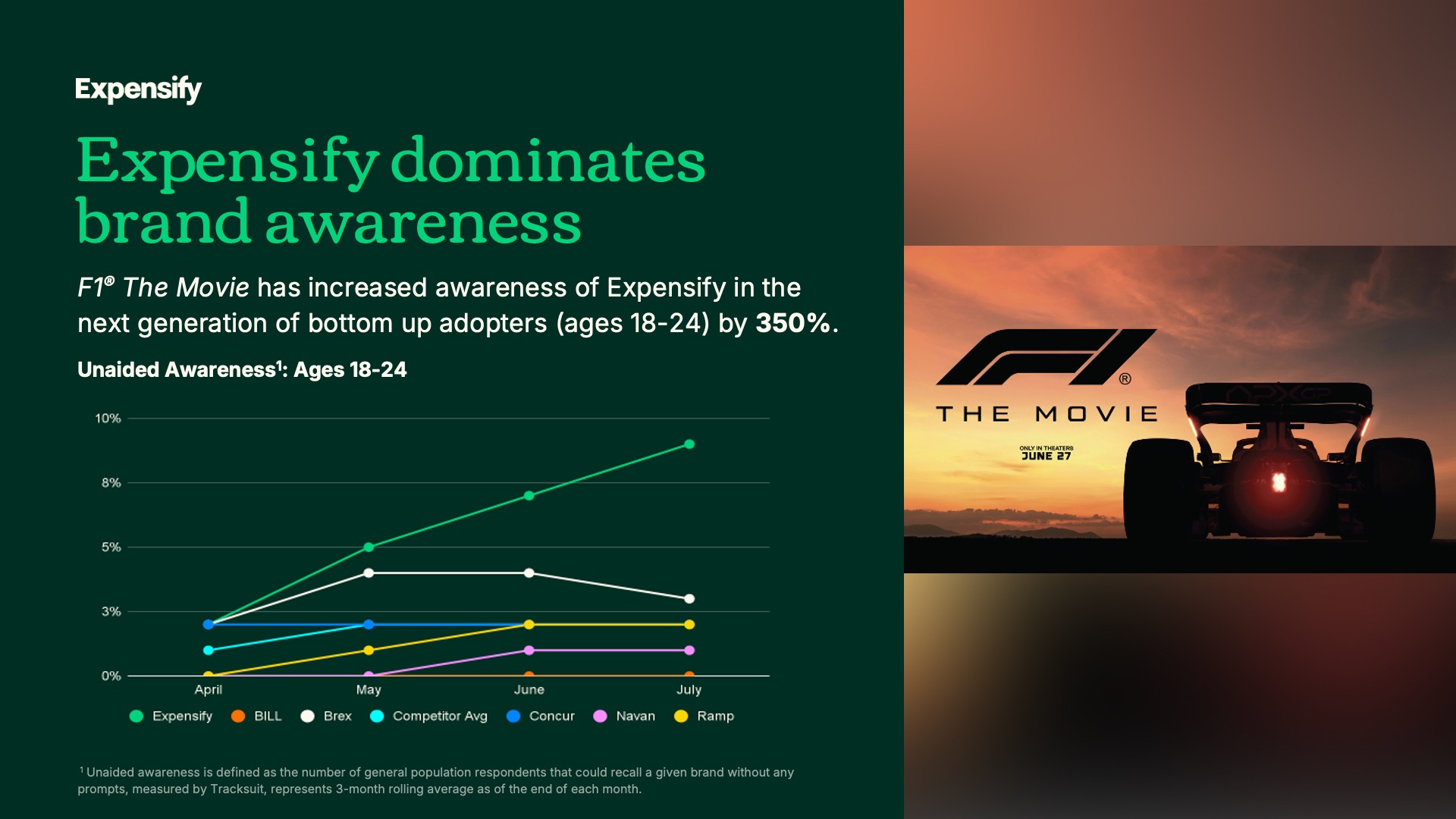
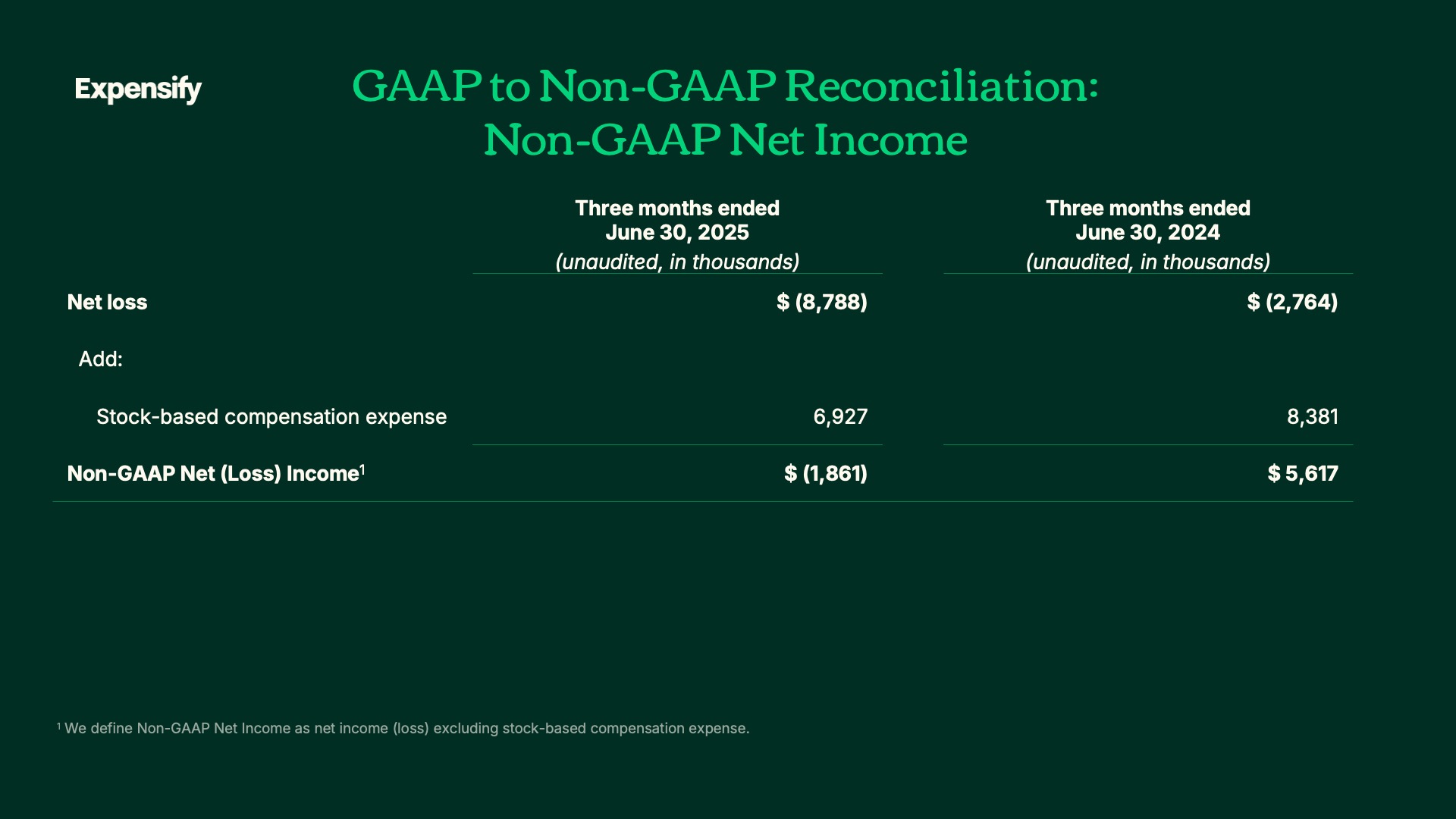
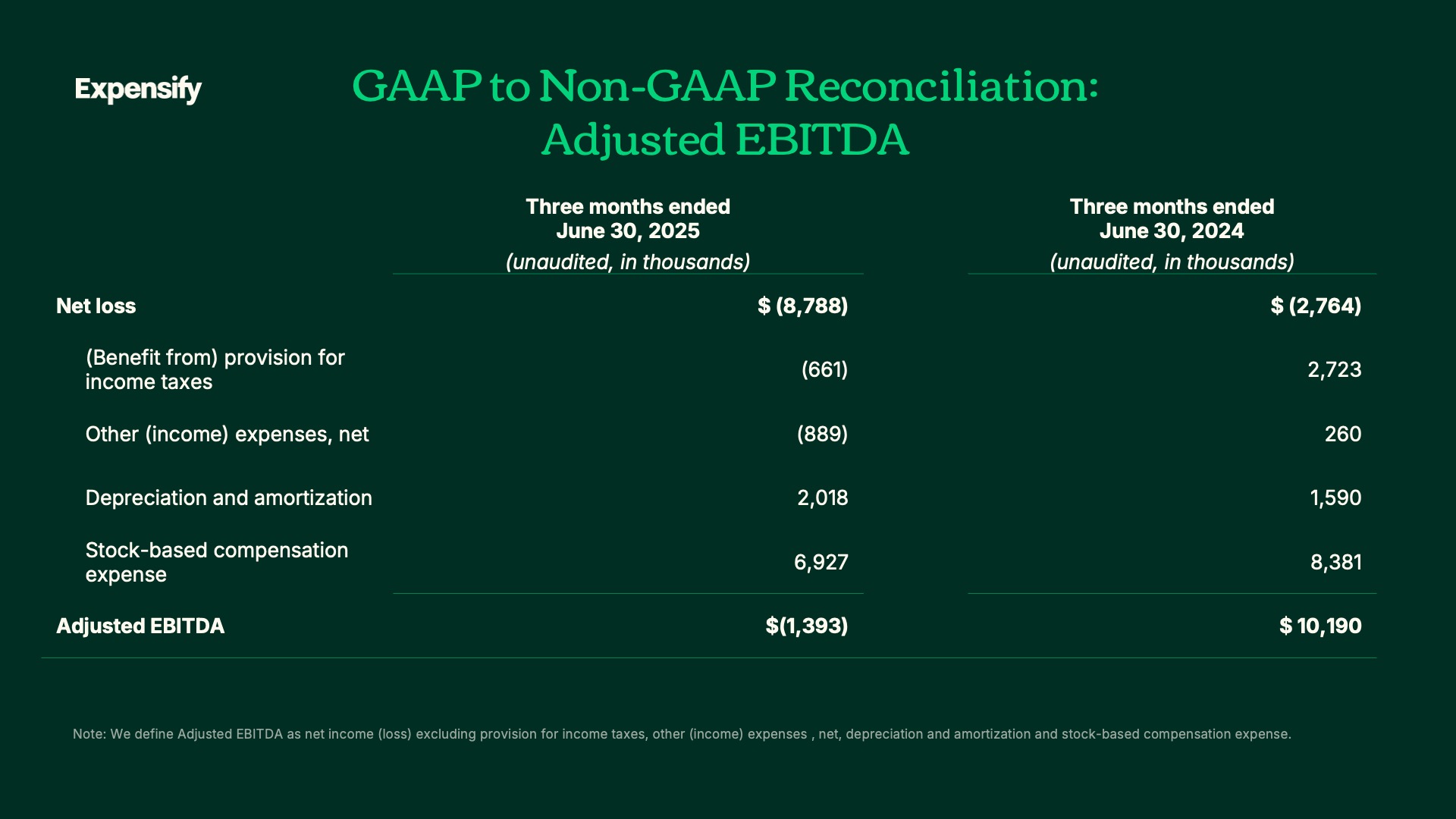
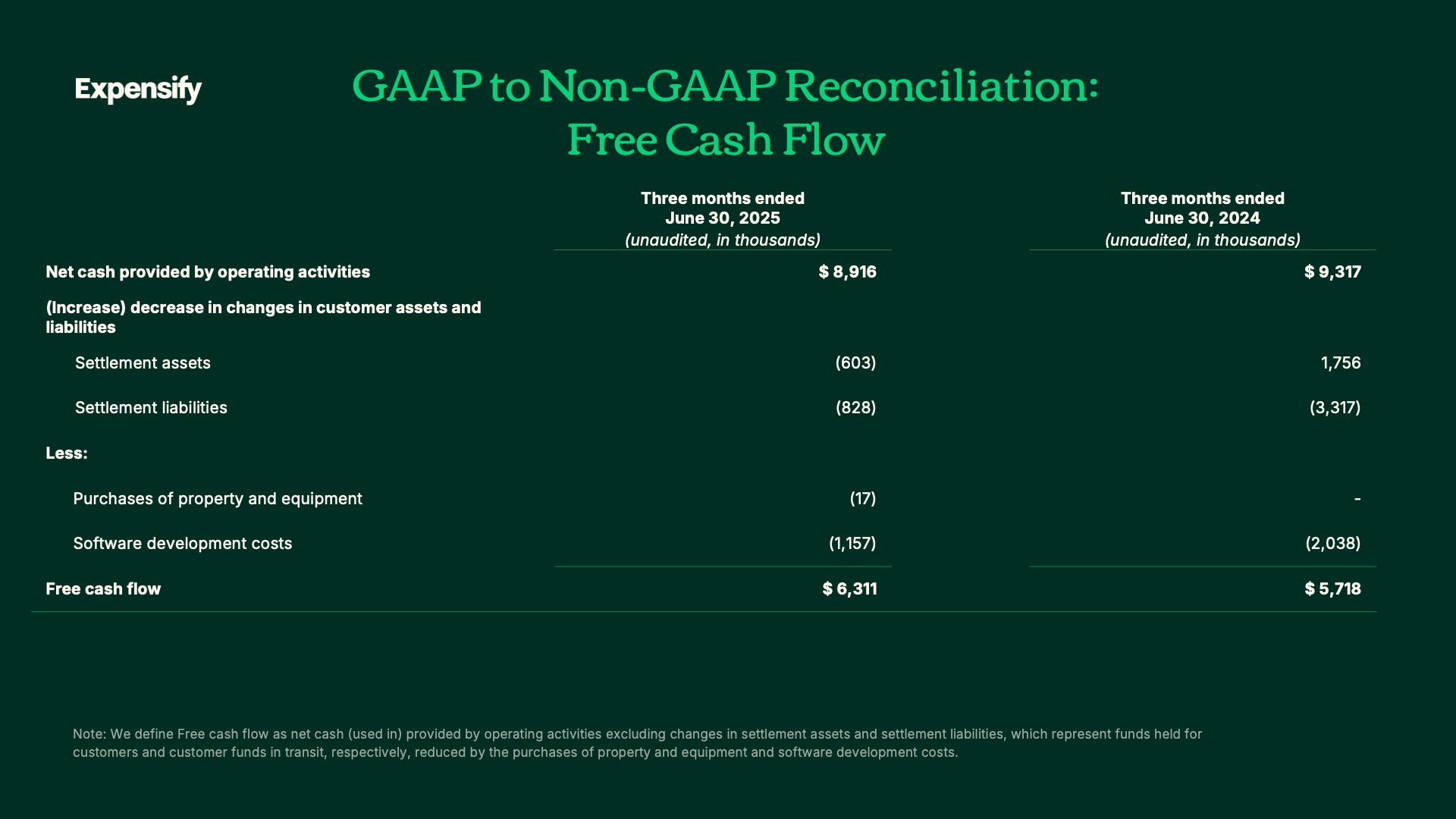
Thank you, Niki. Let’s go over the financial results. Revenue reached $35.8 million, showing a year-over-year increase, which is really encouraging. We had an average of 652,000 paid members and total interchange stood at $5.3 million, also up year-on-year. Operating cash flow was $8.9 million, and free cash flow was $6.3 million. The key difference is that free cash flow does not account for customer funds. We recorded a net loss of $8.8 million, with a non-GAAP net loss of $1.9 million, and adjusted EBITDA was negative $1.4 million. These figures were affected by the movie release, as mentioned in prior calls; due to the nature of movie accounting, we recognize all expenses for several years in this quarter. The unusual financials reflect this as we have accounted for multiple years of payments all at once. We anticipate that next quarter’s numbers will return to normal. The free cash flow of $6.3 million indicates a 10% increase from last year. Recently, we updated our projection for annual free cash flow from $17 million to $21 million, and now we are raising that forecast to $19 million to $23 million. Our confidence in these estimates grows as the year progresses, and we will provide updates next quarter if anything changes. As for July, we had 641,000 paid members; typically, July is a quieter month due to summer vacations, which is reflected in our numbers. Now, let’s discuss the F1 Movie, which I hope you had a chance to see. It was an outstanding film. Notably, Expensify appeared on screen for over 35 minutes, which is remarkable compared to our previous Super Bowl ad in 2019, where our logo was on screen for just 2 seconds. This increase from 2 seconds to 35 minutes significantly enhances our visibility. Considering the box office success and our screen time, we estimate that the Expensify logo was viewable for approximately 1.3 billion minutes recently. Furthermore, we believe that over $100 million was spent on marketing the movie, prominently featuring our logo. We estimate that companies other than ourselves accounted for this expense, which is quite advantageous for us. A considerable amount of buzz surrounded the film, resulting in what we refer to as earned media valued at around $61 million in marketing. This figure represents the estimated cost of securing all the media coverage we received, including articles, news segments, and social media discussions about us. The movie is also set for a second theatrical release in IMAX and will later be available on Apple TV, which will sustain interest moving forward. These are initial figures, and we expect that the film will continue to resonate with audiences and benefit our business in the long term. One way we gauge the effectiveness of this investment is through brand awareness studies involving the general population, rather than specific professional groups. Our goal is to reach everyday users who can introduce our app into their workplaces. The survey results indicate a significant increase in brand awareness, with over a 50% rise in our core demographic of ages 18 to 54 from April to July. Impressively, among future adopters aged 18 to 24, we observed a 350% increase in unaided brand awareness, is especially notable as it’s a challenging demographic to engage. The surveys ask respondents if they are familiar with expense management and, if so, to name any providers, which means a higher number of individuals could identify Expensify over our competitors. This improvement in unaided awareness, the most challenging metric to advance, is very promising for our prospects. We believe this heightened recognition will create a positive ripple effect for our business moving forward. Now, I will turn it over to David.
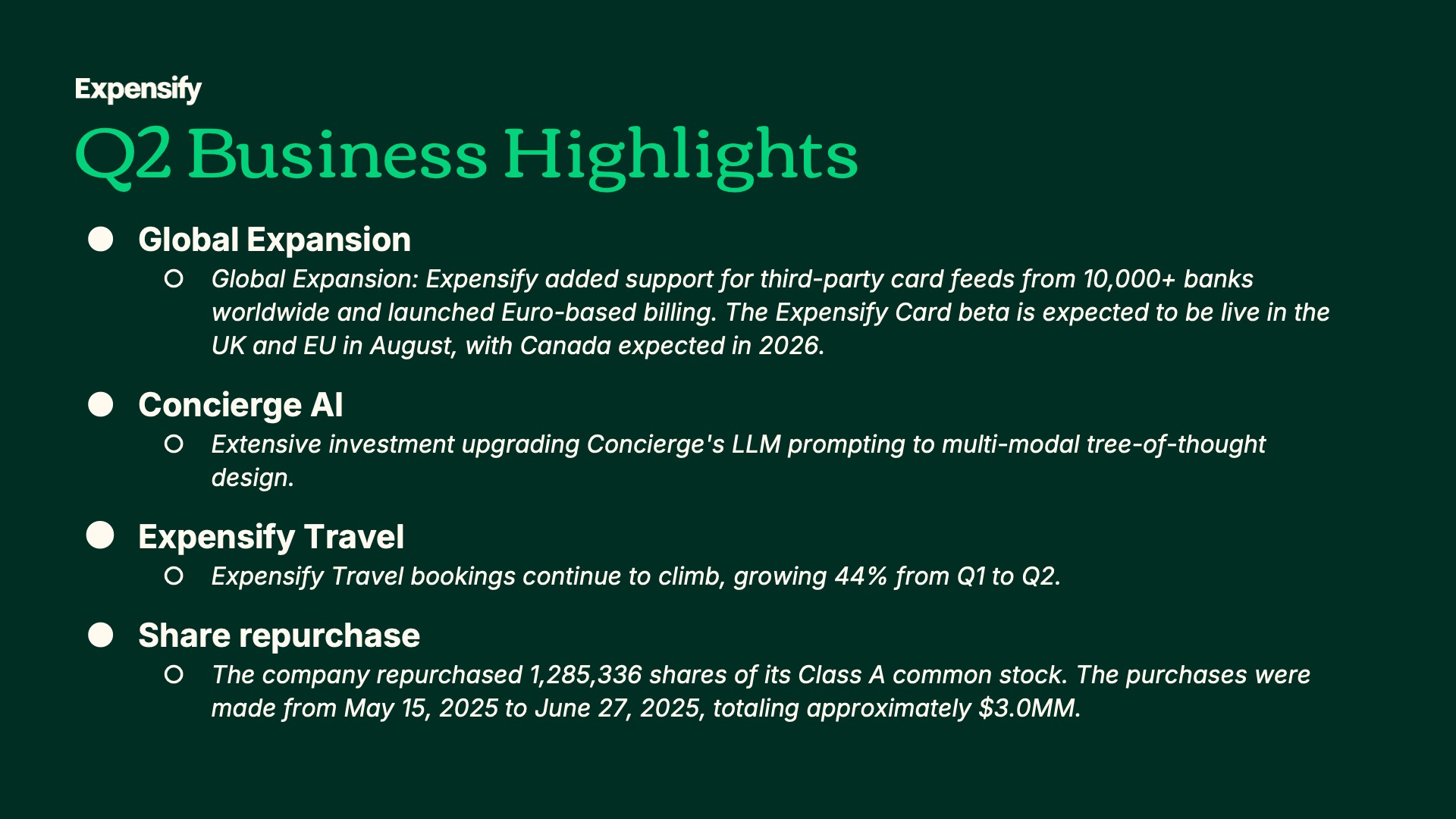
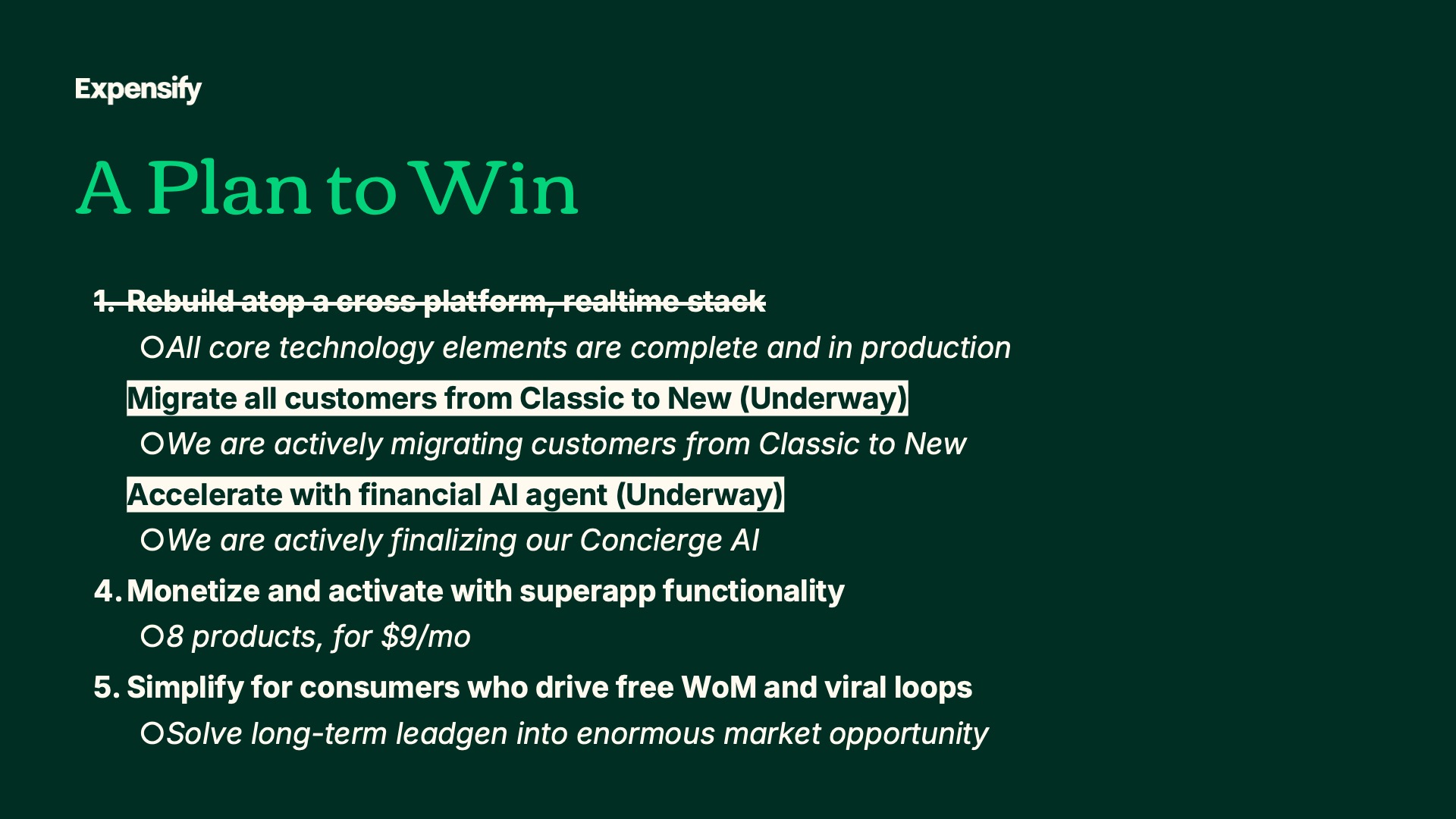
Let's discuss Q2. We've been diligently preparing for F1, recognizing it as a significant opportunity. We've made considerable improvements to Expensify's availability, performance, and overall user experience across numerous F1-friendly countries. We've added support for over 10,000 banks globally, including many in the United States and worldwide, to enhance our third-party card support, which is a major differentiator for us. While we prefer users to utilize the Expensify card, we also allow the use of personal cards, providing a significant advantage in the market. Our capabilities in reimbursement are also expanding globally, making Expensify an excellent choice for companies that do not provide corporate cards to their employees. We’ve introduced the ability to buy Expensify in euros, alongside existing currencies like pounds and U.S. dollars, further easing adoption in Europe. Additionally, the Expensify card will soon be available in the U.K. and EU, which is very exciting for us. The goal is to ensure that we capitalize on the long-term investment in F1 by targeting markets where F1 is popular and favorable for Expensify. One of my main priorities has been our Concierge AI, where we have refined the technical foundation. The idea is to create a multimodal Concierge that can process chat and images. For instance, if a user uploads an image, the system can distinguish between a screenshot from our app and a receipt needing action. We're employing a tree-of-thought design to allow our AI to handle a variety of tasks effectively by categorizing user intent and applying different reasoning based on it. We will share more about this in the upcoming quarter, as it is a significant focus for us. We’ve also seen great performance in Expensify Travel, experiencing a 44% increase last quarter, with strong results in July. Expensify Travel is emerging as a similar growth driver as the Expensify Card did, potentially outperforming its early results. We maintain a long-term strategy focused on generating positive cash flow to consistently repurchase shares and return value to investors. To summarize our plan, we’ve invested years in building a new technology foundation to support the next decade of growth for Expensify. This upgrade includes a real-time infrastructure that allows simultaneous users to see instant updates, akin to applications like Google Docs, tailored for expense management. The chat-centric design enables real-time collaboration on tasks, fostering interaction with our AI, which is increasingly vital. It also operates seamlessly on both desktop and mobile platforms, enhancing accessibility for users. This foundational upgrade is complete and operational. Our immediate focus is on migrating customers from the classic version to the new Expensify, driven by our bottom-up business model that relies heavily on word of mouth. It’s crucial to encourage users to talk about our new features to stimulate lead generation. We're also striving to become leaders in financial AI, investing time in integrating AI technology tightly with our data for real-time, collaborative use. This innovative design aims to enhance user interaction with AI in a contextual manner, and we believe it will change the landscape of our applications. Looking ahead, once we migrate our customers to the new platform and roll out our AI enhancements, we won’t lose sight of our broader ambitions, including invoicing and payroll in the future. Our aim is to create a universal payments engine for various use cases at a competitive price. Simplifying our functionality for consumers is also key to broadening awareness and establishing Expensify as a household name, ultimately driving positive lead generation for years. We’re confident in our strategic plan for the future. Now, we can open it up for questions.
Perfect. First up, we have Citi. I believe, George, are you on the line with us?
Maybe just to start with the exciting news of the F1 Movie. I think I'm one of the few people on the planet who still hasn't seen it. So I'm glad it's coming back to theaters, a lot to catch it in the second round. You guys talked a lot about some of the brand awareness increases there. At least in terms of its conversion to paying users, it seems like that metric hasn't moved much yet as it relates to this initiative. Can you just talk to us about what you're expecting on that front? Is this kind of like still to come maybe in the next quarter or two? Or is this more of a slow and steady type of improvement? How should we think about that?
Yes, that's a great question. The movie was released with only three business days left in the quarter, which means its impact on Q2 was minimal. The numbers we've discussed today reflect the performance since the movie's release, and therefore are not included in the Q2 results. We anticipate that the movie's impact will be felt in the future. It's important to note that this is not just about performance marketing; there's no direct correlation. Instead, it's a longer-term effect. We expect this initiative will create a rising tide that benefits everything we do in the future.
Okay. That's helpful. And then maybe just sticking on this marketing topic. I think one of the topical things in the space of the product-led growth software has been changes to the Google search algorithm, kind of that AI blur surfacing up top and changes to web traffic that that's engendered. Is that at all relevant for your guys' business? And have you guys seen any metrics as it relates to that, any adjustments to how you guys are thinking about marketing from that channel?
Sure. Expensify, even before ChatGPT, we've always invested very heavily in SEO. I think we've got incredibly good general search engine placement across a huge range of keywords. I think we've talked about that in the past years or the past quarters and so forth. The nice thing about that is because all of the AIs are trained to the Internet, and the Internet is already talking about Expensify. That means the AIs themselves talk primarily about Expensify. I don't have the data off the top of my head, but I know that we've looked into in the past, and Expensify ranks very highly in ChatGPT, Claude, Gemini, and so forth. Our SEO strategy has already positioned us well to be recommended as a top option by these tools. Furthermore, we've doubled down on that by making sure that we're optimizing for the tools even more. I'm with you in terms of the future of search is really about these chat-based AIs, and we are certainly prepared for that and are taking advantage of it now.
Great. Aaron, I believe I have you on the line as a dial-in, so let me get you unmuted here.
You put 14% of your payroll into GAAP R&D this quarter, 9% adjusted. Ramp disclosed in March that 50% of payroll goes into R&D there. Do you think the small scale of your business is a headwind to keeping up with the pace of product delivery we're seeing from scaled vendors in the space?
That's a good question. I think that we have an extremely large group of our employees focused on R&D. And I think we're trying to build maybe different products, right? We're building one product that is tightly integrated with each other. I think the rest of the market is building more siloed products. So you have your expense, then you have a different product, which is your invoicing, and they are all kind of like many companies within one large company. We're building something different, which is one product with essentially one payments engine that can handle everything in the back office, no matter what you need. So it's very integrated. It doesn't require as many people. Do you agree?
Yes, I agree with that. I think that you're right with respect to R&D. I think that is tricky from an allocations perspective because so much of our work is about improving technology that's already in production. The separation between what was R&D and expanding something for new use cases versus just, as Ryan was saying, standing up an entirely new system produces different allocations. I'm not an accountant, but I'd say that fundamentally; I spend all my time in R&D, and a lot of people do as well. However, I understand that the accounting of how that comes out for a public company versus a private company might produce different results as well.
That's really helpful. And then I guess a similar question, a follow-up. Do you think the increasing application of AI product development for expense management use cases has the potential to erode the moat you've built around SMB and VSP customers, where historically, you've been the only one who could get the unit economics to work down market and take some of that cost out?
That's interesting. I kind of think it's the opposite. A lot of ink has been spilled on this topic, and we could talk forever about it. I think we're going through a shift in user experience design. Initially, it was all desktop software, and there's a bunch of patterns built up around that. Then, it went to web, and all the software was reinterpreted through a web-centric design. Mobile came out, and all those existing applications were reinterpreted through a small screen application design. We're going through kind of a fourth transition here where every application is going to be reimagined through a chat-centric design. It's interesting to think about because it strips away so many differences. Historically, the difference between an enterprise app and a consumer app looks quite different. However, for an AI chat-centric environment, they might look quite similar. The difference, however, is that it is much easier to make a simple product complicated than to make a complicated product simple. The enterprise space is primarily focused on building complicated products sold to a part of the market that can appreciate that complexity. It's very hard for an existing product, especially very complicated products, to be reduced to the simplicity of a chat-based interface. We've worked hard for a long time to do exactly that. We're speaking from experience here. It's not a straightforward process to make something simple, and it's not a straightforward process to make something infused with AI throughout. Again, I'm not saying everything is perfect, but most companies will take a chat agent on the side where the application is unchanged, and there's just a clip-style AI that appears. The design they choose is easy technically because it separates AI functionality from the rest of the user interface. We have taken a very different path. Concierge is truly embedded throughout our application, and it's integrated at a very, very deep level. No one has a design like us. I think more and more applications are going to move toward Expensify's design, recognizing that a traditional clip-style AI just won't work. I think it is very hard for many companies to simplify their products to go after the SMB sector. However, I think it's much easier for us because we've already done the work. I would prefer to be in our position pursuing their market rather than vice versa.
It also doesn't fundamentally change their business model. They still have large sales teams. This could allow a new competitor to come in and replicate what we're doing, but we haven't seen that happen. Competitors have approached it from a different card-first perspective, which isn't based on AI. They focus on a card approach instead of an AI approach.
Agreed. I think they had their big play, and it was a card-first angle. They leaned really far over their skis to push it, and they did a great job with that. Their focus is card-based. Our focus is more AI-based, and I would be more concerned about some new entrant stealing the industry than them.
Fabulous. Lake Street, I believe, Max, are you on the line?
I'm curious about the go-to-market strategy in relation to the new F1 movie. Do you have any insights on the percentage of new customers who may have joined Expensify due to the F1 exposure? Additionally, I know that word of mouth plays a significant role in promoting the Expensify brand. Are there any other investment initiatives that you could pursue to enhance traction in the legacy subscription business?
Great question. We don't have any F1-based new customer information to share right now in Q2 because, again, it came out right at the end. However, we do have more marketing plans in place that we're going to implement. This isn't a one-and-done situation; we're going to continue to invest in marketing and also harvest this great awareness that we've created.
Yes. I mean we've been a cash flow positive business for a reason. We've built up quite a nice war chest even while paying off our debt. We've shown that we're very willing to take big swings when we think there's a significant opportunity to be taken. We don't have any announcements right now, but this isn't the first time we've done something big, and it won't be the last.
Yes. And then last one for me, and I'll get back in the queue, but it looks like Expensify Travel is trending well. Is there any other color you can add around that?
I just got back from the GBTA, The Global Business Travel Alliance Conference. It went great. As we said before, a lot of customer enthusiasm. We saw great quarter-on-quarter growth. Even in July, we saw huge growth month-on-month. It is growing extremely well, and customers are trying it and loving it. It's a flywheel; the sales cycle is a little longer. They do demos, they do a pilot, and then they start to roll it out, which leads to growth. I think we're starting to see that. Nothing specific to share other than that, but the color commentary is that it is continuing to accelerate, and it's great.
Great. I have one final question. I apologize.
Little bit of mystery caller.
Authenticated, but it didn't come through.
I think we're starting to see that they do demos, run a pilot, and then begin rolling it out, which contributes to growth. While I don't have anything specific to share, I can say that the acceleration is continuing, and that's positive.
All right. Let's wrap it up.
Cool. All right. Well, thank you so much, everyone. As always, it's a pleasure. Very excited to be sharing the results of Q2 and looking forward to Q3.
All right. Thank you.
SEC filing · Item 2.02
Filed Aug 7, 2025 · complete as-filed document
SEC periodic report
Filed Aug 7, 2025 · complete as-filed document