Operator
Good day, and welcome to the Franklin BSP Realty Trust Second Quarter 2025 Earnings Conference Call. Please note this event is being recorded. I would now like to turn the conference over to Lindsey Crabbe, Director, Investor Relations. Please go ahead.
Good morning. Thank you for hosting our call today, and welcome to the Franklin BSP Realty Trust Second Quarter Earnings Conference Call. As the operator mentioned, I'm Lindsey Crabbe. With me on the call today are Richard Byrne, Chairman and CEO of FBRT; Jerry Baglien, Chief Financial Officer and Chief Operating Officer of FBRT; and Mike Comparato, President of FBRT. Before we begin, I want to mention that some of today's comments are forward-looking statements and are based on certain assumptions. Those comments and assumptions are subject to inherent risks and uncertainties as described in our most recently filed SEC periodic reports and actual future results may differ materially. The information conveyed on this call is current only as of the date of this call, July 31, 2025. We assume no obligation to update any statements made during this call, including any forward-looking statements, whether as a result of new information, future events or otherwise, except as required by law. Additionally, we will refer to certain non-GAAP financial measures, which are reconciled to GAAP figures in our earnings release and supplementary slide deck, each of which are available on our website at www.fbrtreit.com. We will refer to this slide deck on today’s call. With that, I'll turn the call over to Rich Byrne.
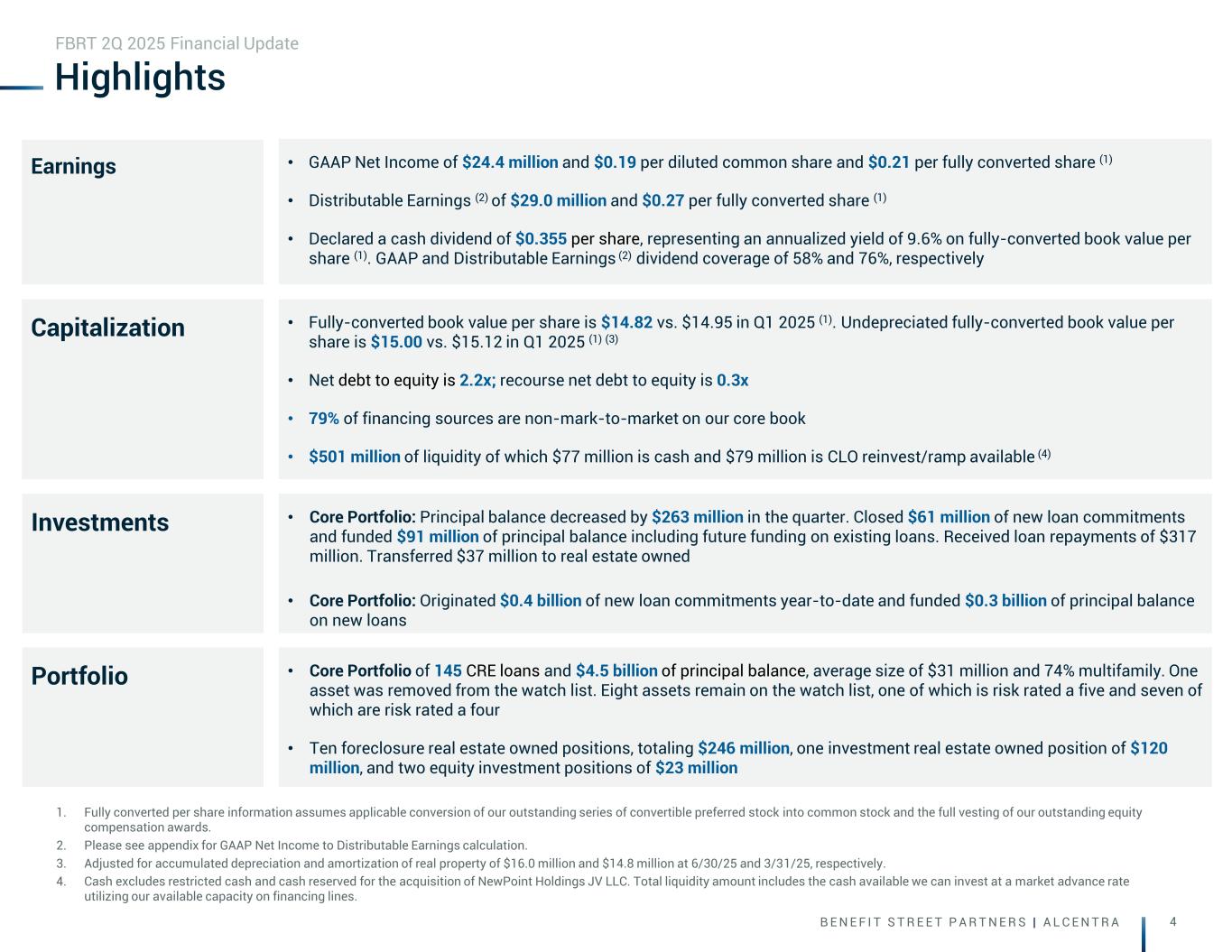
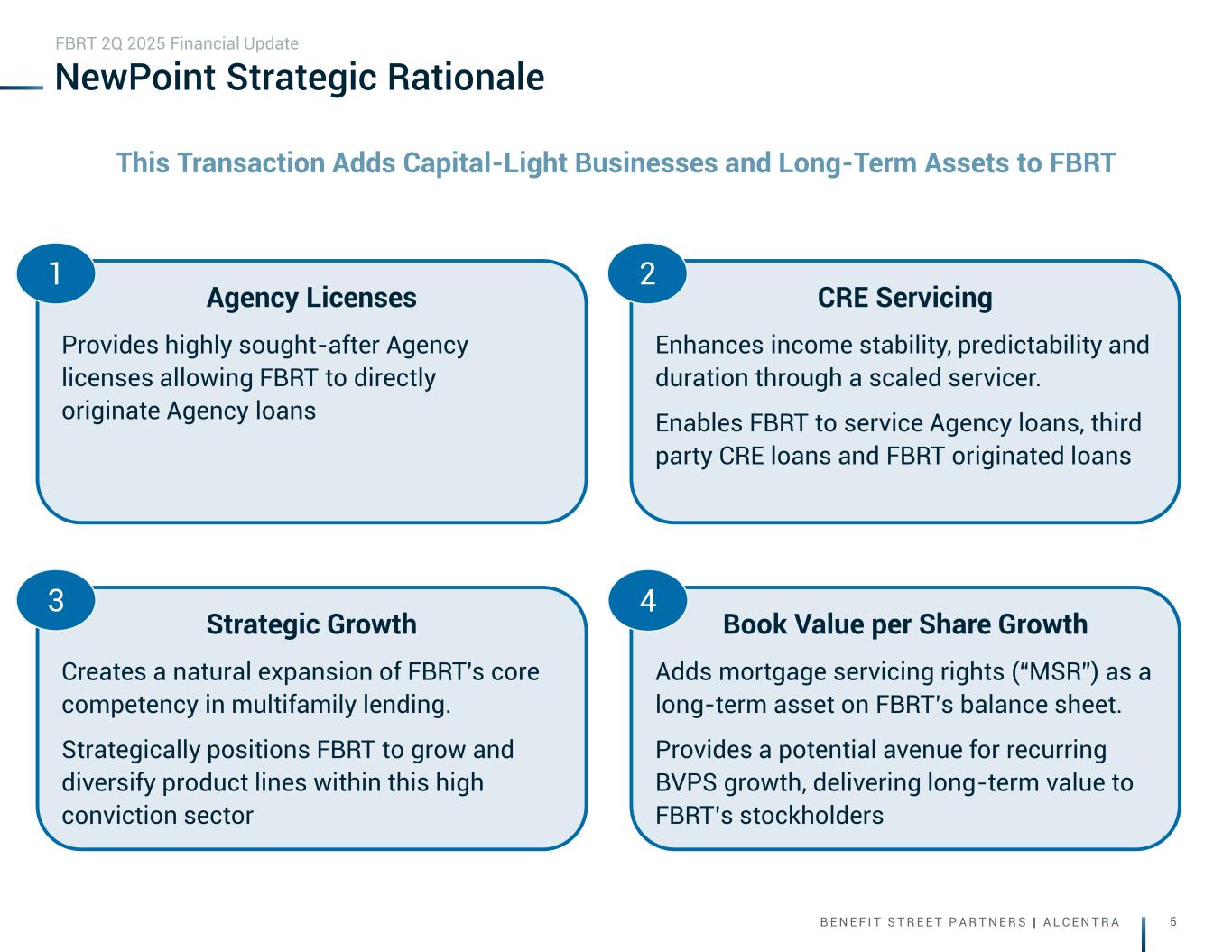
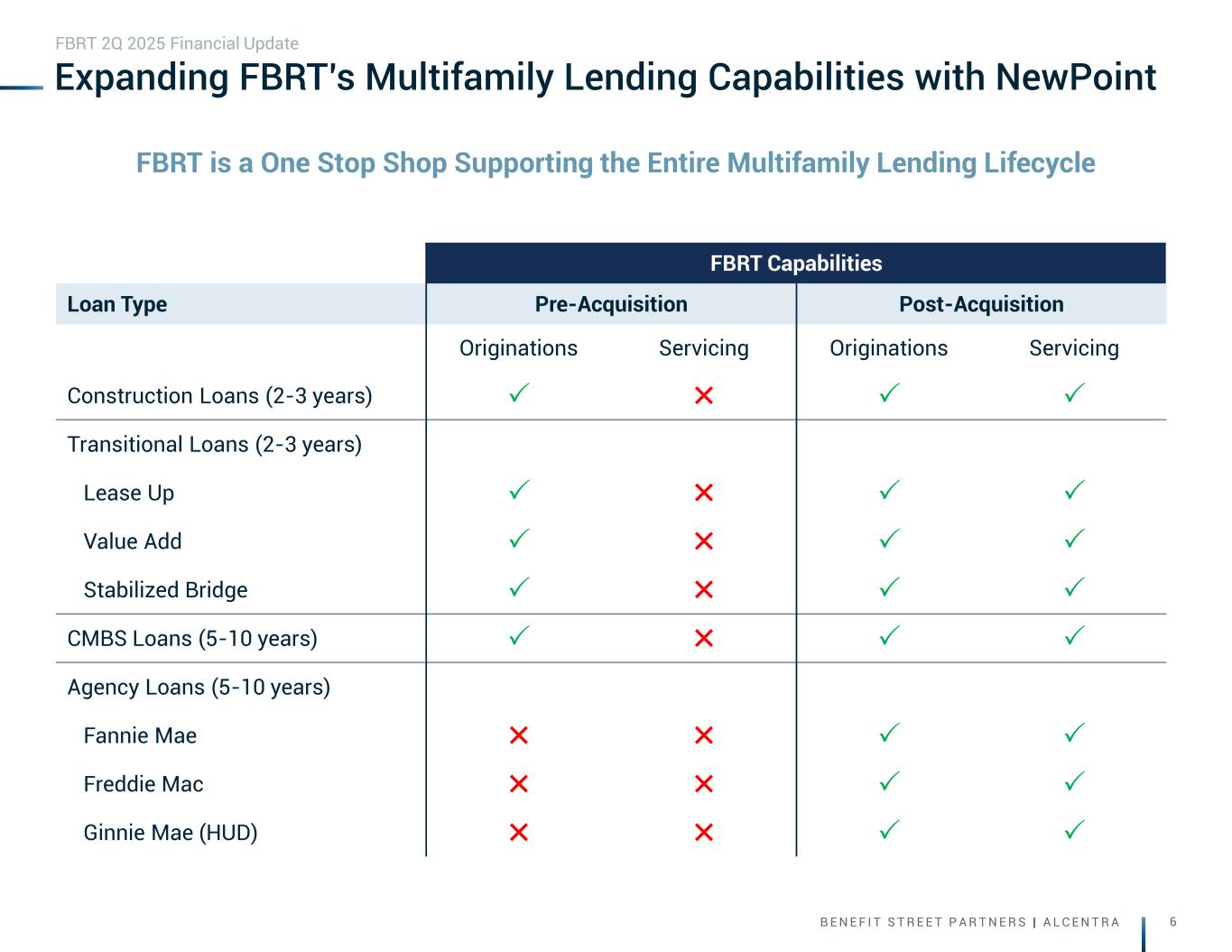
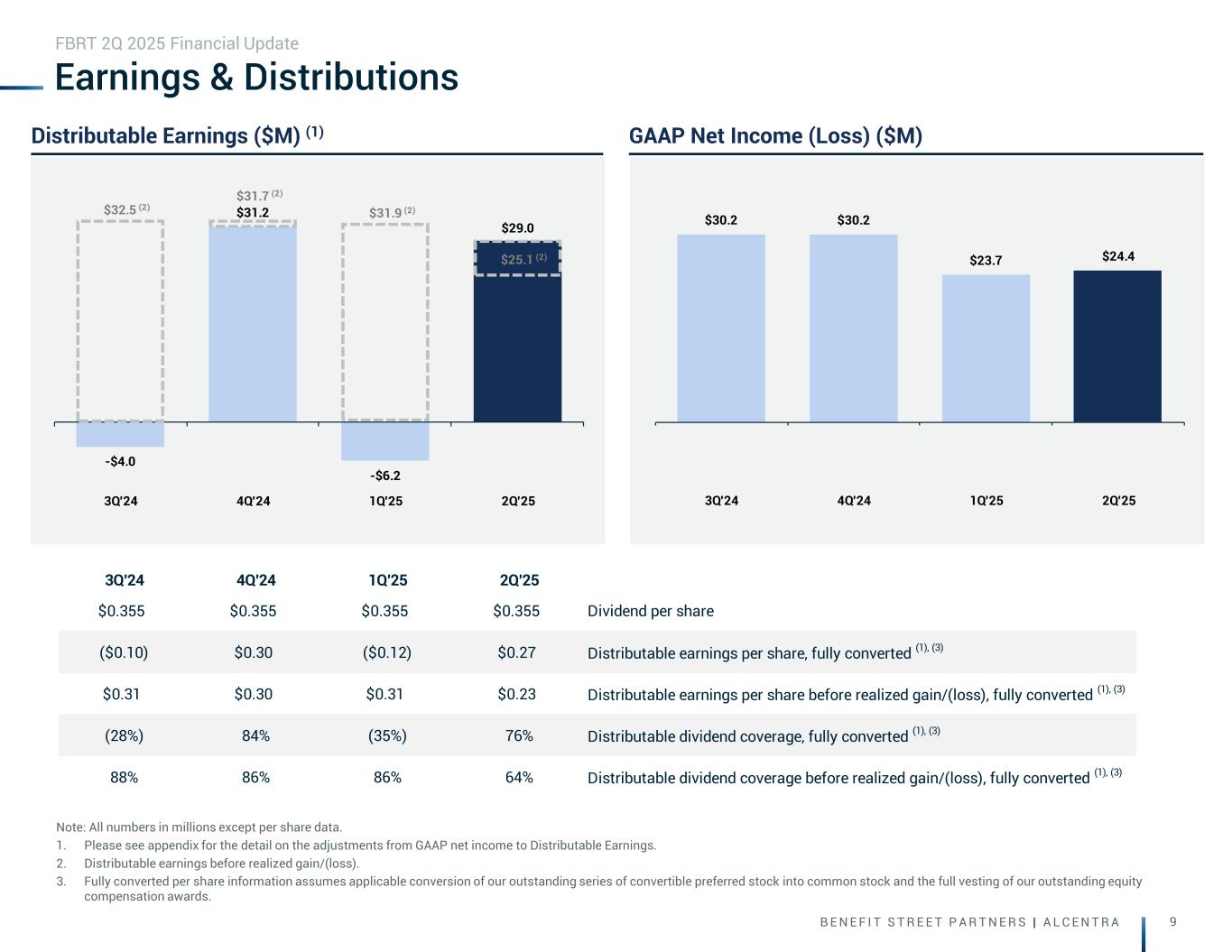
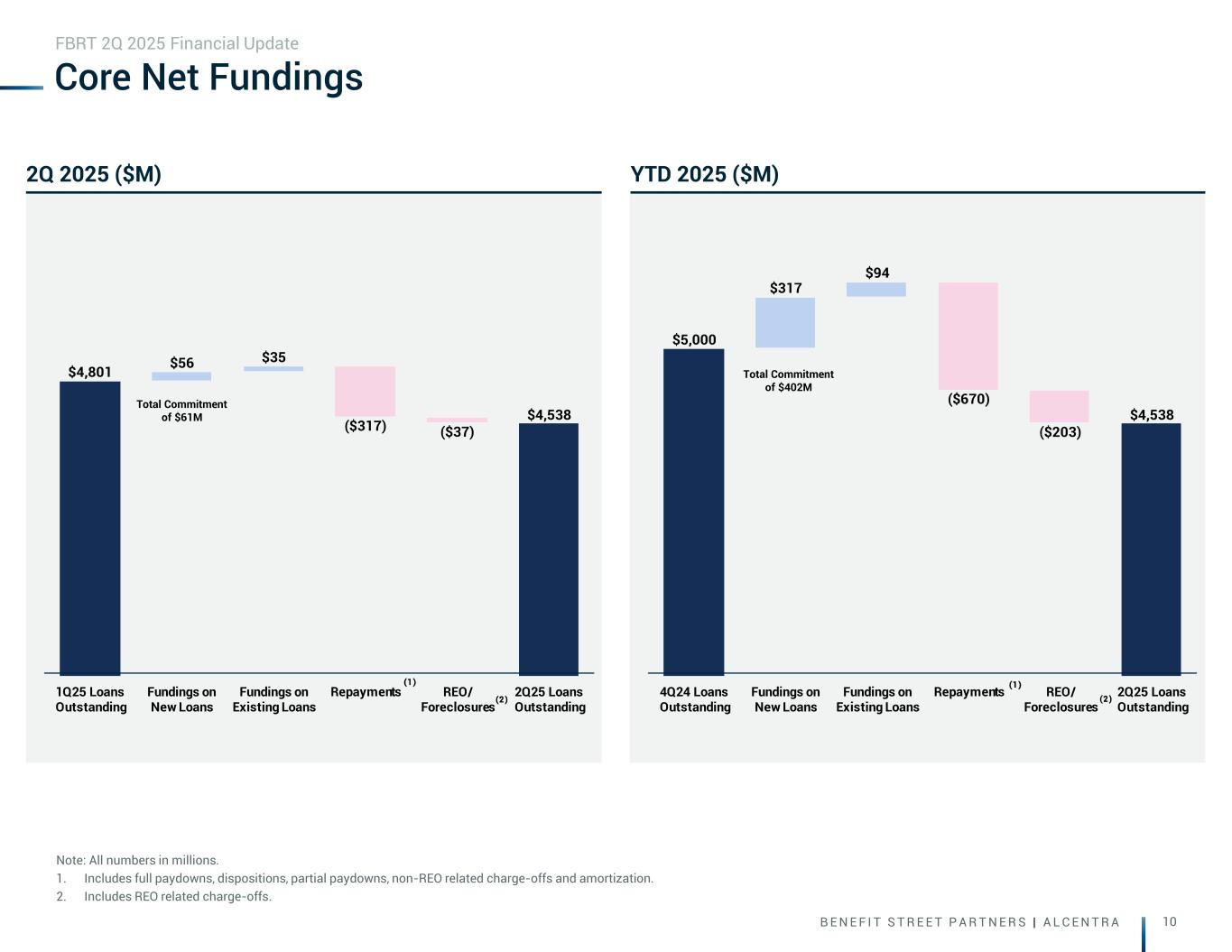
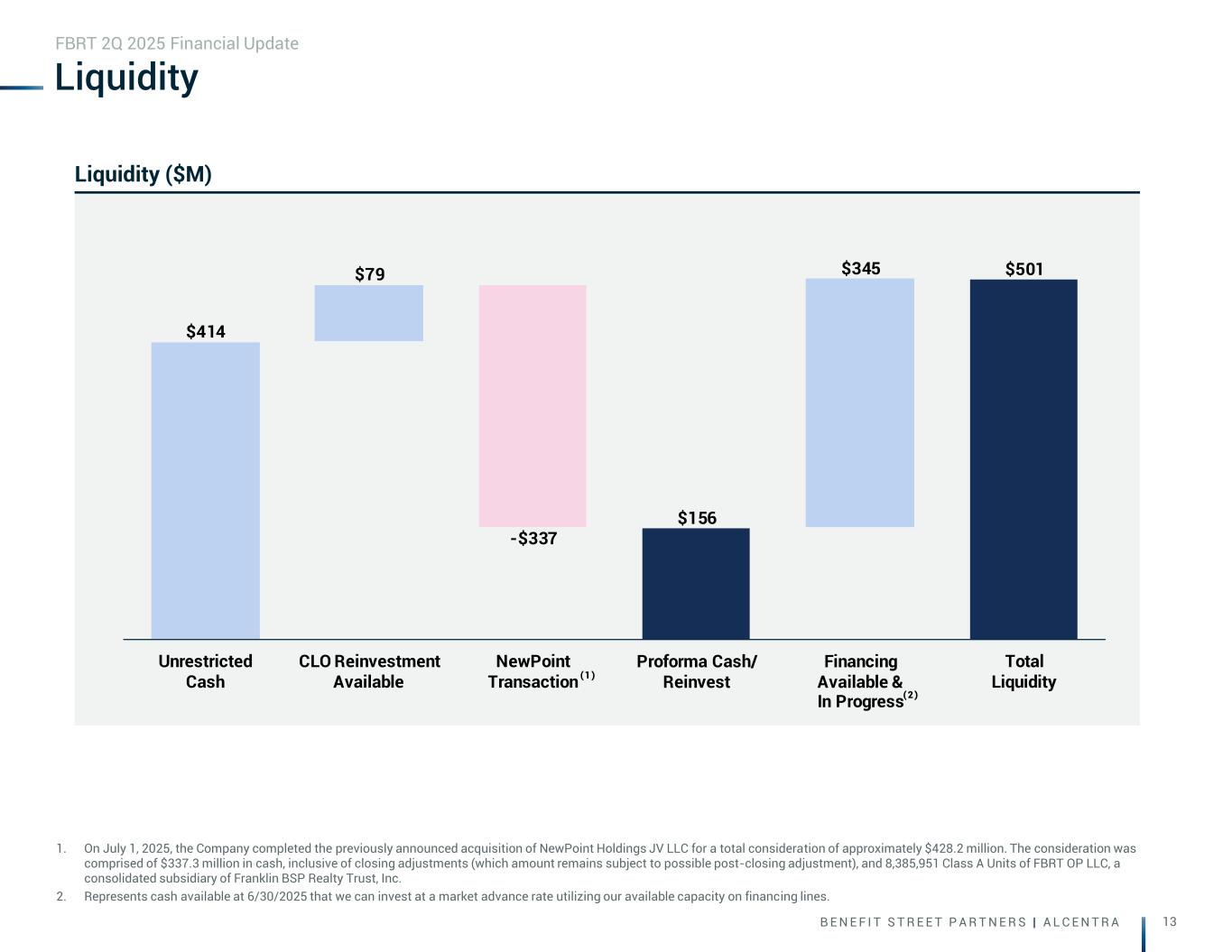
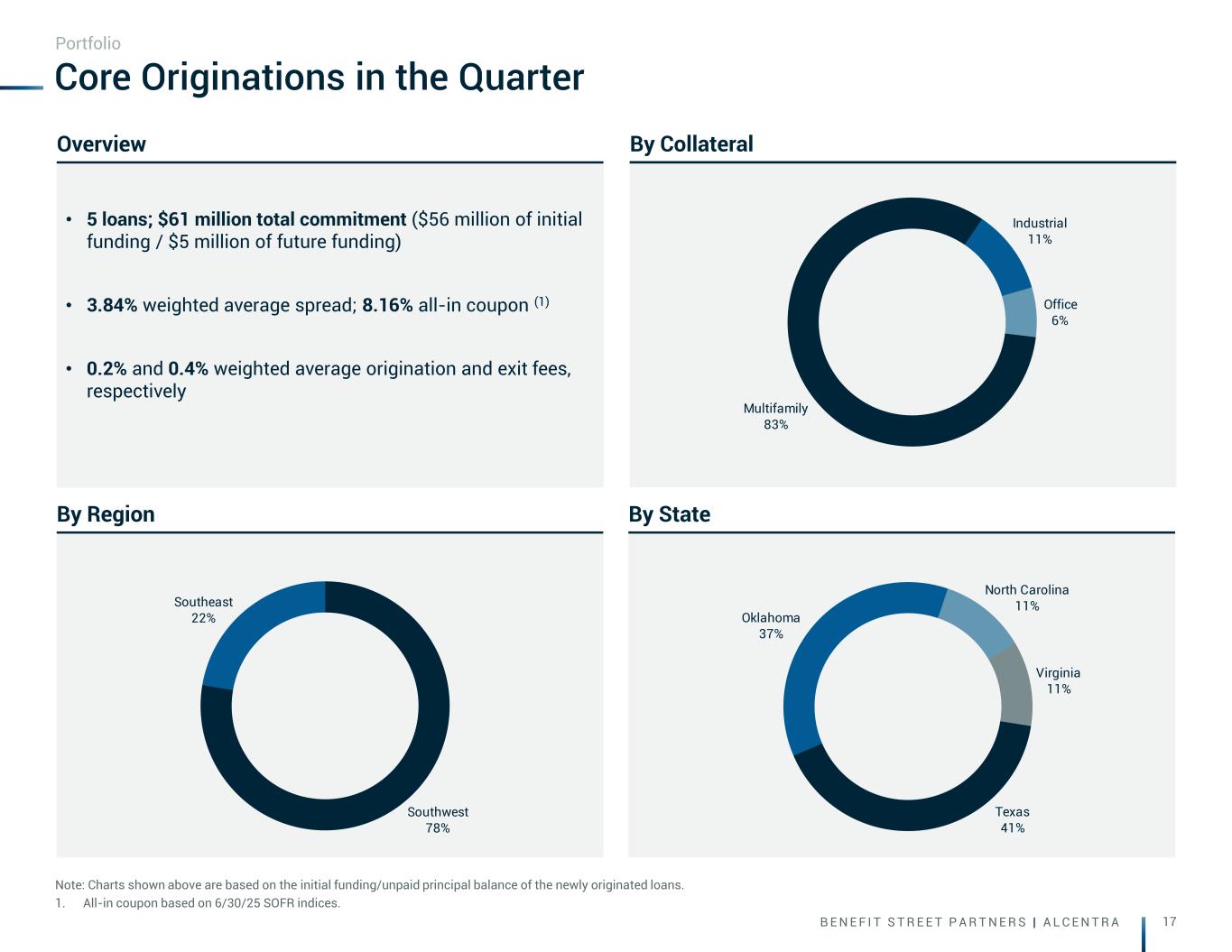
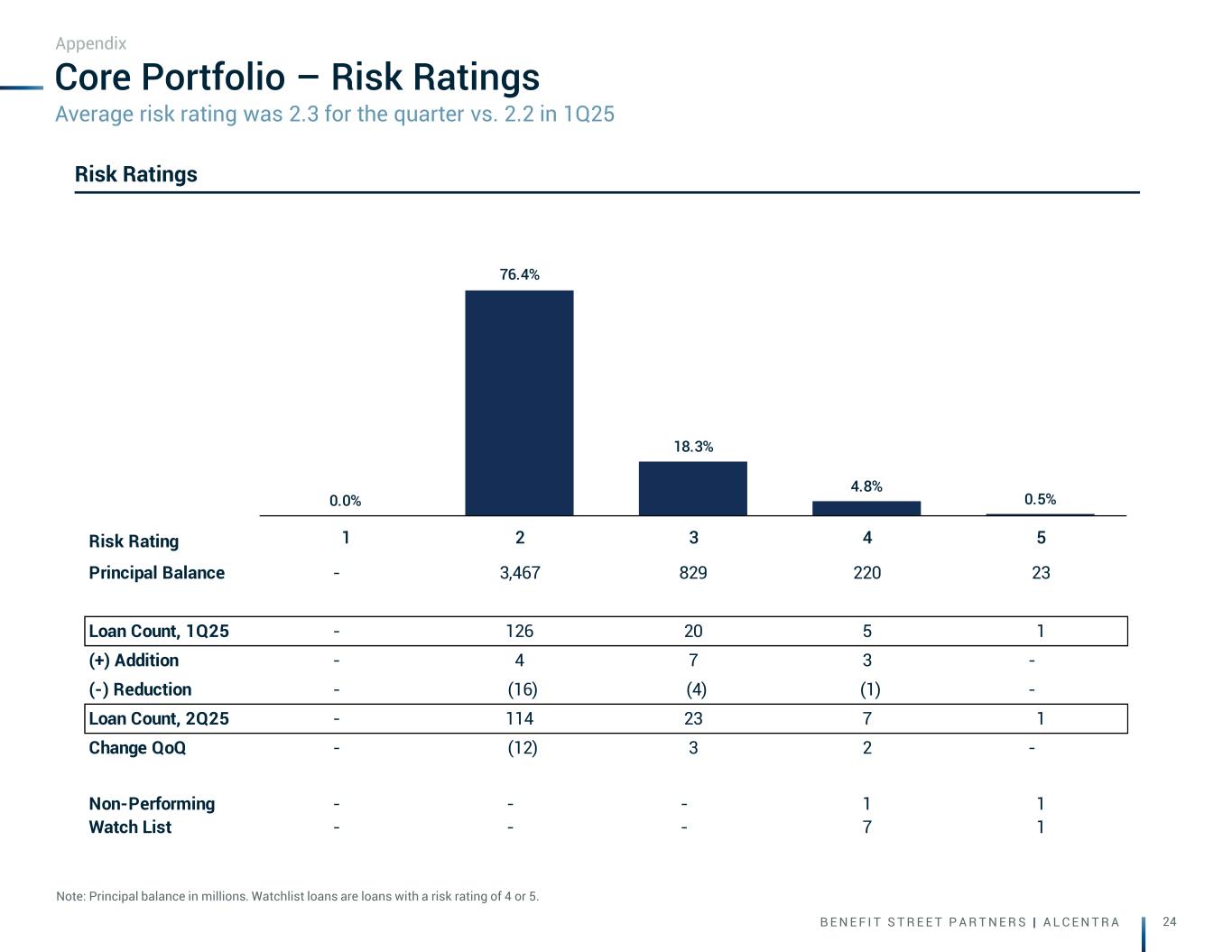
Great. Thank you, Lindsey, and good morning, everyone. I appreciate you joining us today. Before we start, I want to take a moment on behalf of our entire team to express our deepest sympathy for those affected this week by the tragic events at 345 Park Avenue. This situation hits very close to home. Our thoughts are with the victims, their families, and everyone impacted. Now let's begin today’s call by reviewing our second quarter results, and then we’ll open the floor to your questions, as usual. I will start with key developments from the second quarter. Jerry will discuss our financial results and share details about our successful closing of the NewPoint acquisition. Then Mike will provide an update on market conditions, our watch list, and REO activity. We originated $61 million in new loan commitments this quarter, mainly in multifamily assets. Our originations were intentionally lower this quarter as we aimed to maintain a higher cash balance ahead of our NewPoint closing on July 1. We received $317 million in loan repayments in the second quarter across four different property types. This trend is promising and positions us well for the second half of 2025. As we reinvest these funds into new loans and stronger credit metrics, it should clearly benefit us. The loans originated after the interest rate hike made up 56% of our portfolio at the end of the quarter, significantly outpacing our peers. This demonstrates how active we have been in the market over the last 2.5 years. Distributable earnings were $0.27 per fully converted share. We see a clear path to increasing this to a level that can support our dividend. Jerry will detail this in a moment. Our average risk rating at the end of the quarter was 2.3, with 137 of 145 positions risk-rated 2 or 3, and our watch list loans constitute only 5% of our total portfolio. We made significant strides in our REO portfolio this quarter. Our approach remains one of acknowledgment and addressing issues. We sold three multifamily assets totaling $56 million, which collectively exceeded our principal basis at the time of foreclosure. These results reinforce our strategy of being selective and patient in managing REO to maximize our recoveries. Following the NewPoint acquisition closing on July 1, I’ll speak to our liquidity position, excluding the cash paid at closing. Our liquidity stands at $501 million, which includes $77 million in unrestricted cash, along with significant capacity remaining on our warehouse lines and through CLO reinvestment. Acquiring NewPoint marks a significant milestone for us, expanding our platform in our core competency of multifamily lending. The transaction offers substantial synergies to FBRT, including enhanced origination and servicing capabilities that will greatly increase our addressable market. It also integrates a mortgage servicing platform that stabilizes income and provides an immediate opportunity for recurring growth in book value per share. We are confident that NewPoint will drive both earnings growth and book value over the long term. Over the past 12 months and 24 months, FBRT has achieved economic returns of 6.6% and 11.9%, respectively. This places us among the leaders in our peer group. We believe these results reflect our disciplined credit decisions and careful capital management. Before turning it over to Jerry and Mike, I want to briefly discuss our stock valuation. Our stock continues to trade at a significant discount to book value, and we believe the market has concerns regarding our current dividend coverage, the quality of assets in our legacy portfolio, and our recent acquisition of NewPoint. We have included more details in our earnings supplement deck to provide greater transparency on these matters. Additionally, Mike and Jerry will address these topics in their remarks, which you'll hear next. With that, Jerry, I’ll hand it over to you.
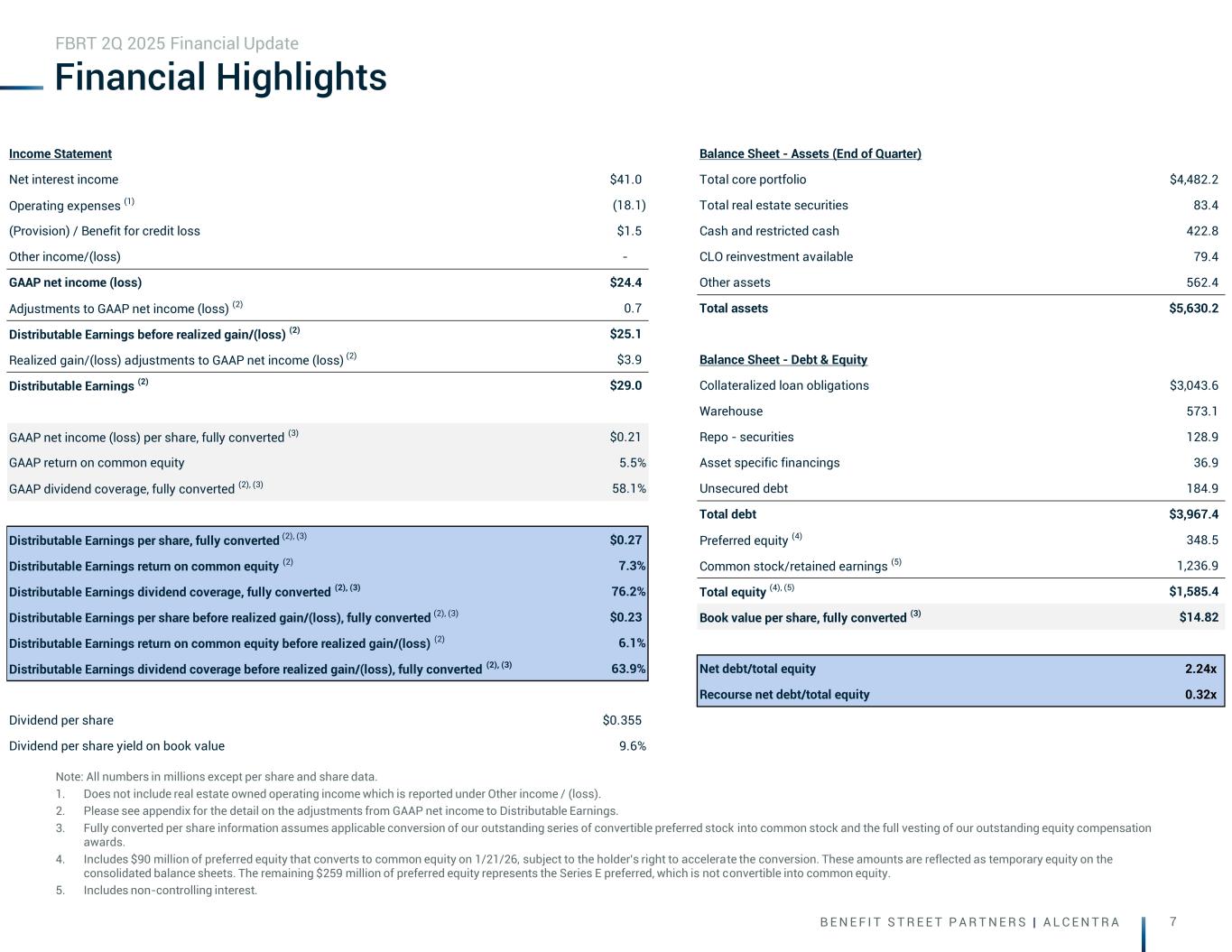
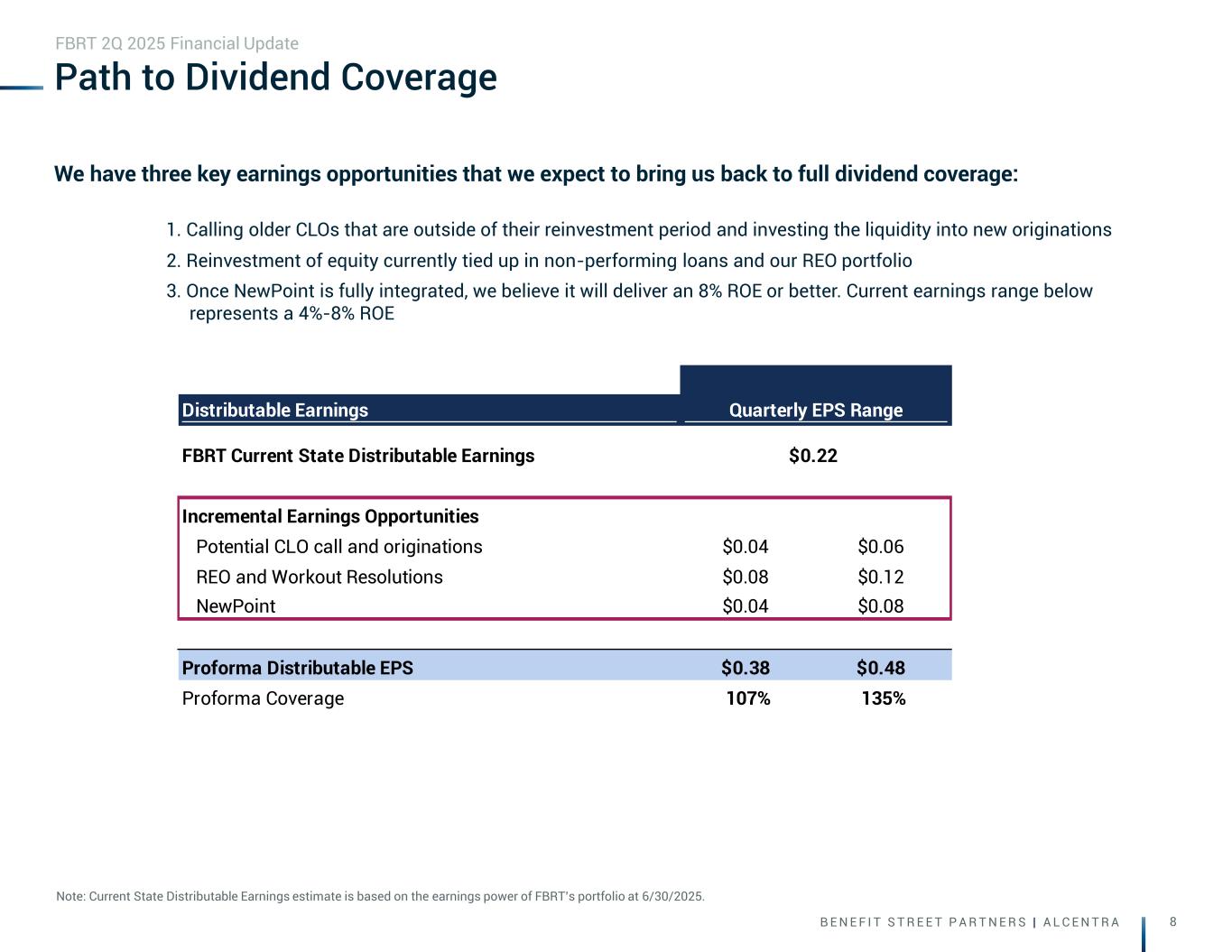
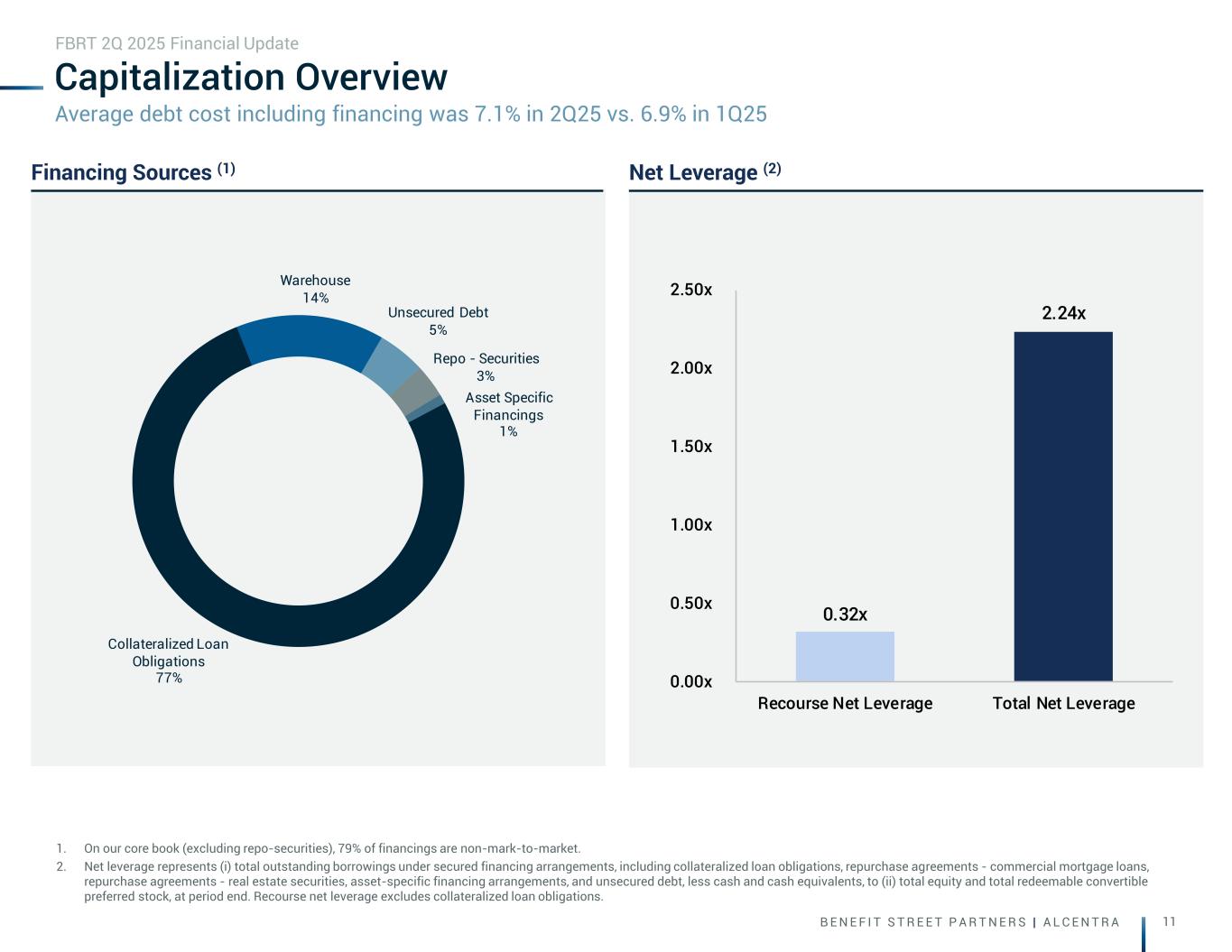
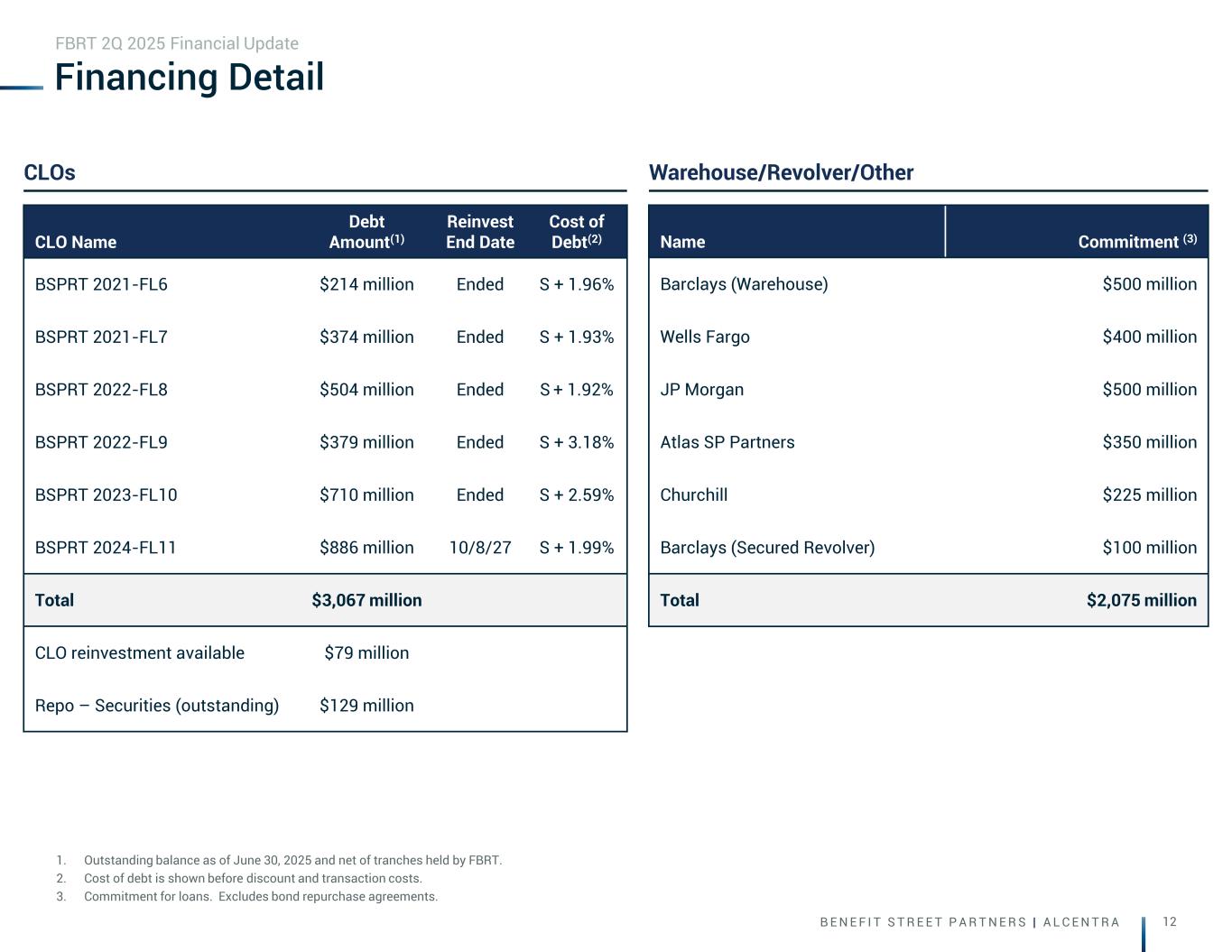
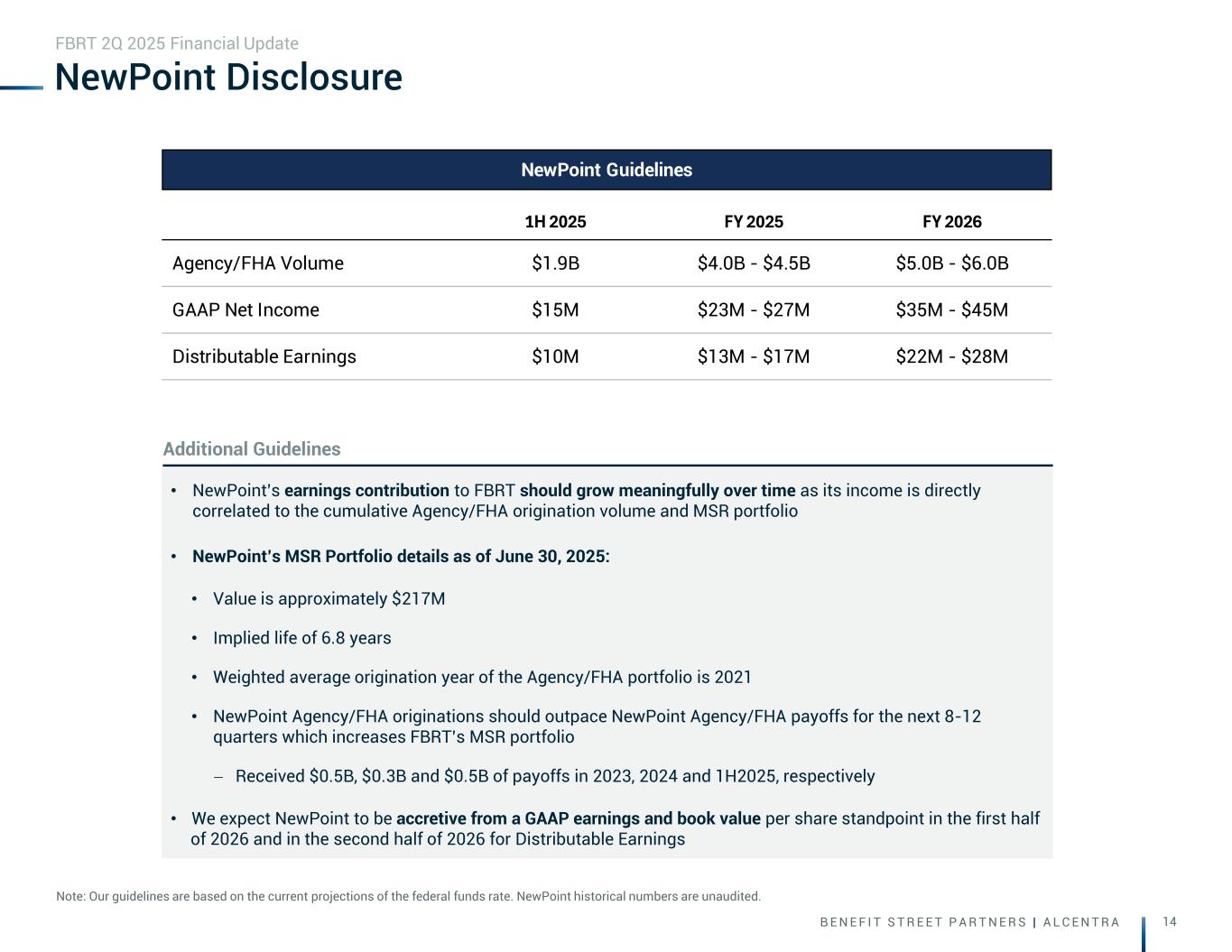
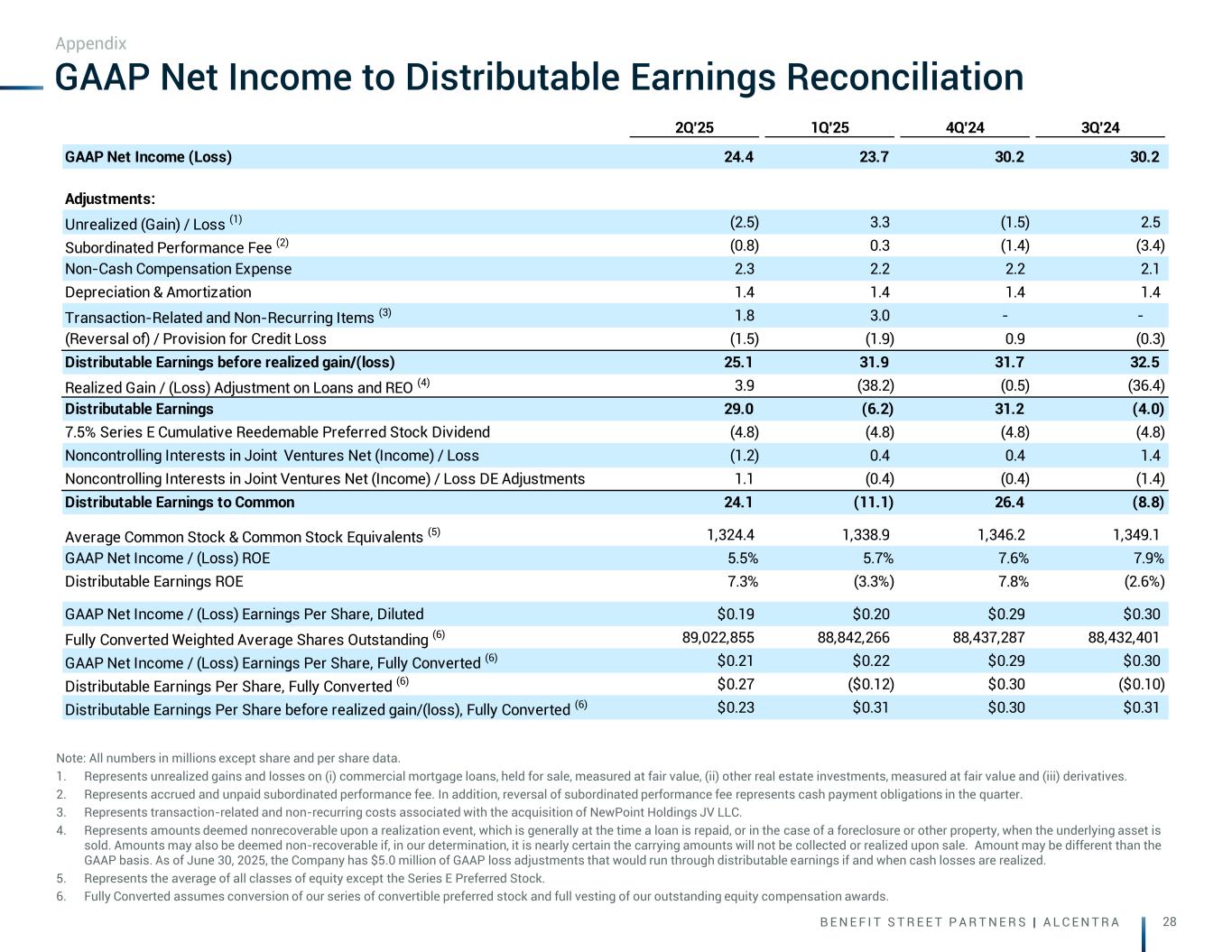
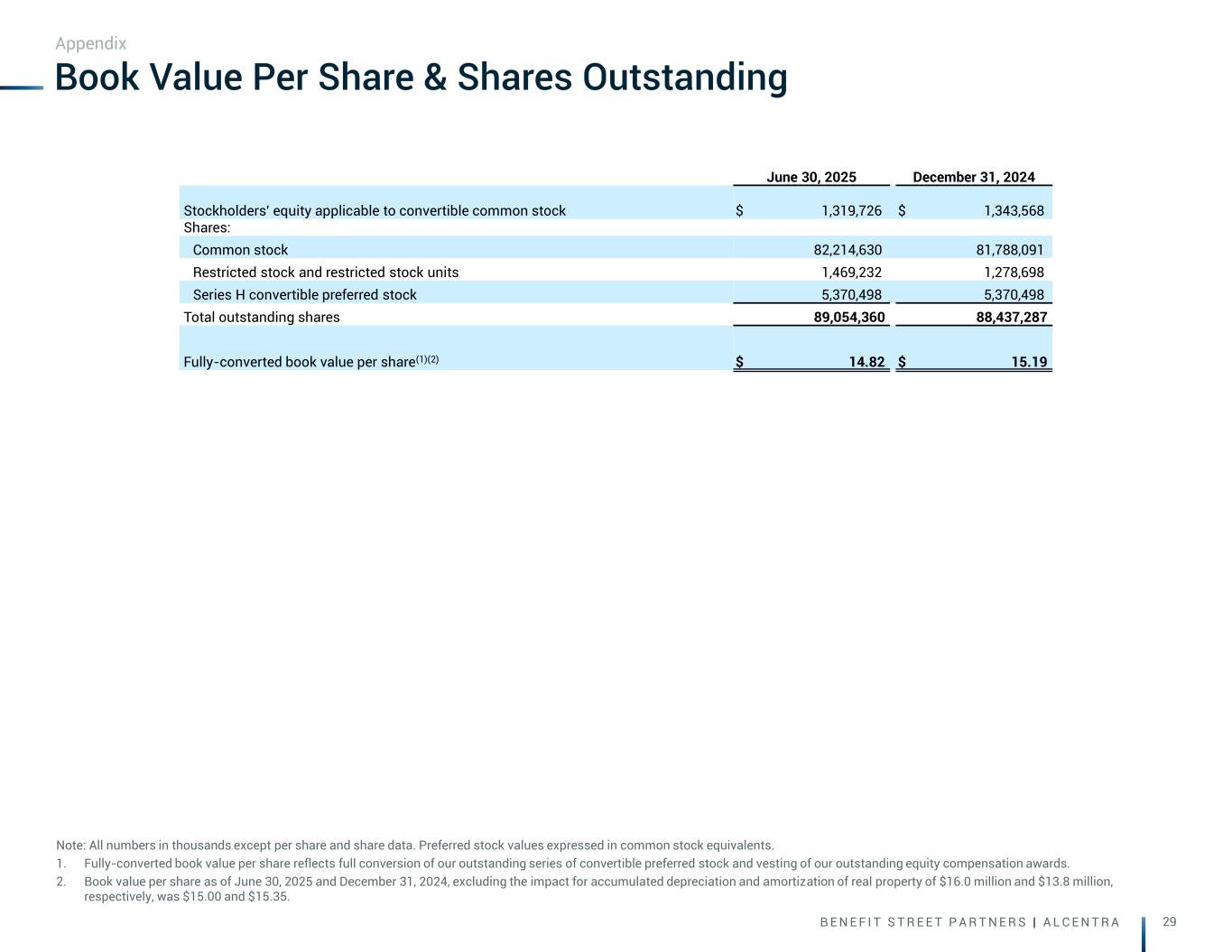
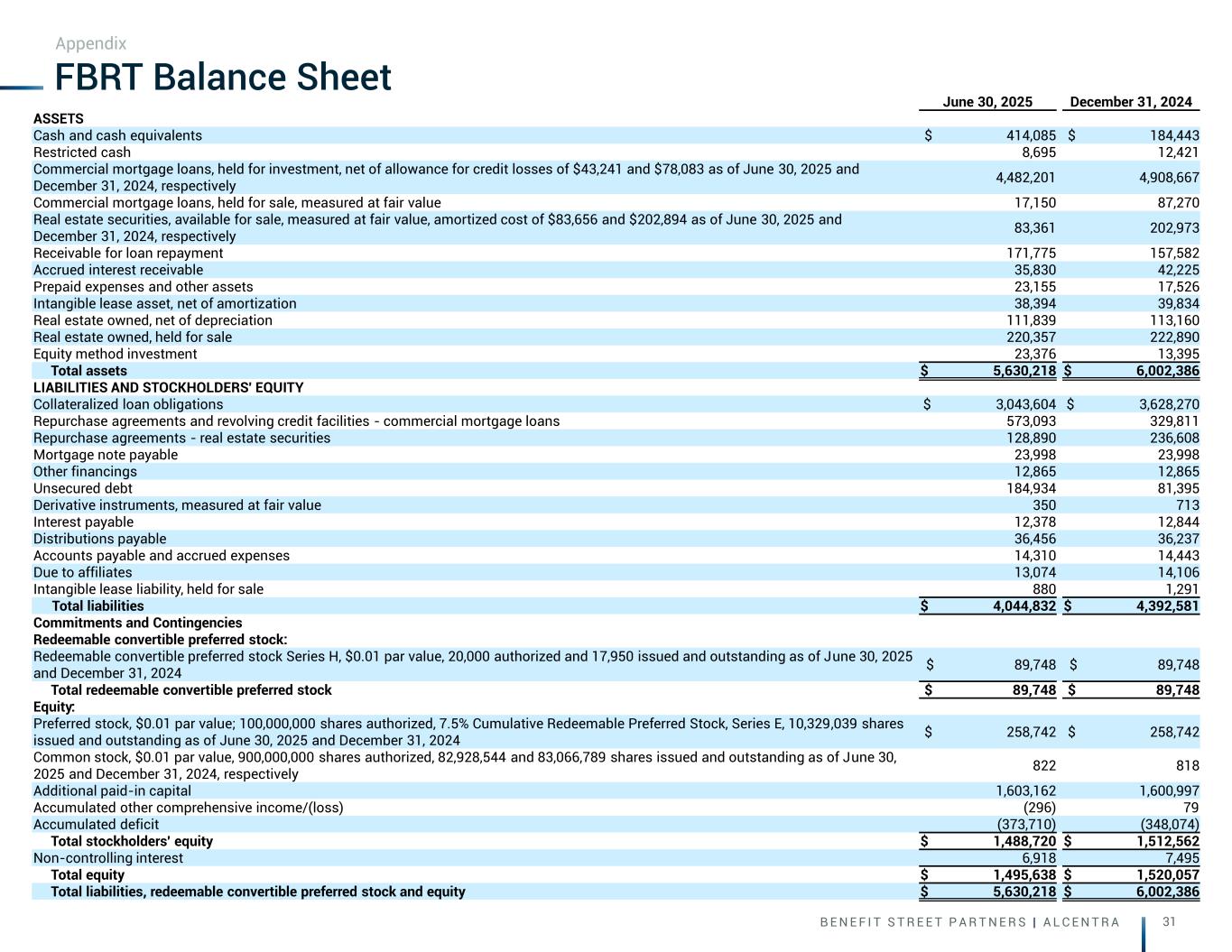
Great. Thanks, Rich. I appreciate everyone being on the call today. I'm going to walk through our second quarter financial results, and that's going to begin on Slide 7. FBRT reported GAAP earnings of $24.4 million or $0.21 per fully converted common share. Distributable earnings for the quarter was $29 million or $0.27 per fully converted share. Our Board determined it was appropriate to maintain the second quarter dividend at the current level of $0.355. We believe there are 3 key drivers to get us to dividend coverage. First, we plan to call several CLOs that are now past their reinvestment periods and are no longer providing optimal leverage. We believe this will generate approximately $0.04 to $0.06 per share quarterly by creating liquidity and freeing up equity in those CLOs for us to reinvest. Second, we expect to reinvest the equity currently allocated to our REO portfolio and REO financings. As we continue to sell assets and recycle that capital into new originations, we estimate this could contribute approximately $0.08 to $0.12 per share per quarter to distributable earnings. Third and lastly, we expect the contribution from NewPoint to grow meaningfully over time. Once it begins to reach scale on origination volume, BSP loan servicing is integrated, and we realize the cost savings from the platform synergies, we believe NewPoint can deliver an 8% ROE or better, and that would generate approximately $0.08 per share in quarterly earnings contribution. Over a longer period of time, we estimate NewPoint can generate low teens ROE. That is just the direct impact from NewPoint. There are many other intangible benefits, including increased deal flow for balance sheet loans and enhanced customer relationships, potential deal flow in our CMBS business, and a much larger real estate team that we can leverage both operationally and strategically to manage our business. Now while the exact timing of these contributions is a little difficult to pinpoint, through these 3 paths, there are collective incremental distributable earnings of $0.16 to $0.26 per share per quarter. Our book value ended the quarter at $14.82 per fully converted share. I'm going to move on now to Slide 11. You can see our average cost of debt on our core portfolio is SOFR plus 2.3%. 77% of our financing continues to come from CLOs with reinvestment capacity available in one of those transactions. As I mentioned before, several of our CLOs are now past their reinvestment periods and advance rates are no longer optimized because of loan repayments. Assuming market conditions remain favorable, we plan to call these CLOs and relever these assets to unlock that liquidity, likely through a combination of bank debt and new CLO issuance. This will allow us to ramp up originations and grow our loan book. Our net leverage position was lower this quarter at 2.2x with recourse leverage standing at 0.3x. Finally, I want to reiterate our excitement around the closing of the NewPoint acquisition. We've already begun integration work, and we filed historical financials yesterday evening. Pro forma financials will be filed shortly. A few things I'd like to highlight about NewPoint are: in 2025, we expect $4 billion to $5 billion in agency FHA volume. Year-to-date, NewPoint has already closed $1.9 billion in agency and FHA volume, and we are expecting solid volume in Q3. We expect GAAP net income to be between $23 million and $27 million and distributable earnings to be between $13 million and $17 million for all of 2025. We included estimates for 2026 in our supplemental deck. NewPoint's earnings contribution to FBRT should grow meaningfully over time as their income is directly correlated to the cumulative agency and FHA origination volume and the servicing portfolio. As of June 30, NewPoint's MSR portfolio was valued at approximately $217 million with an implied life of 6.8 years. Migration of the servicing of BSP loans started in the third quarter. We expect it to be fully migrated by the first quarter of 2026. The full migration of FBRT's loan servicing book represents several million dollars of savings, coupled with several million in additional and incremental float on the balances that we will hold. We expect NewPoint to be accretive from a GAAP earnings and book value per share standpoint in the first half of 2026 and accretive to distributable earnings in the second half of 2026.
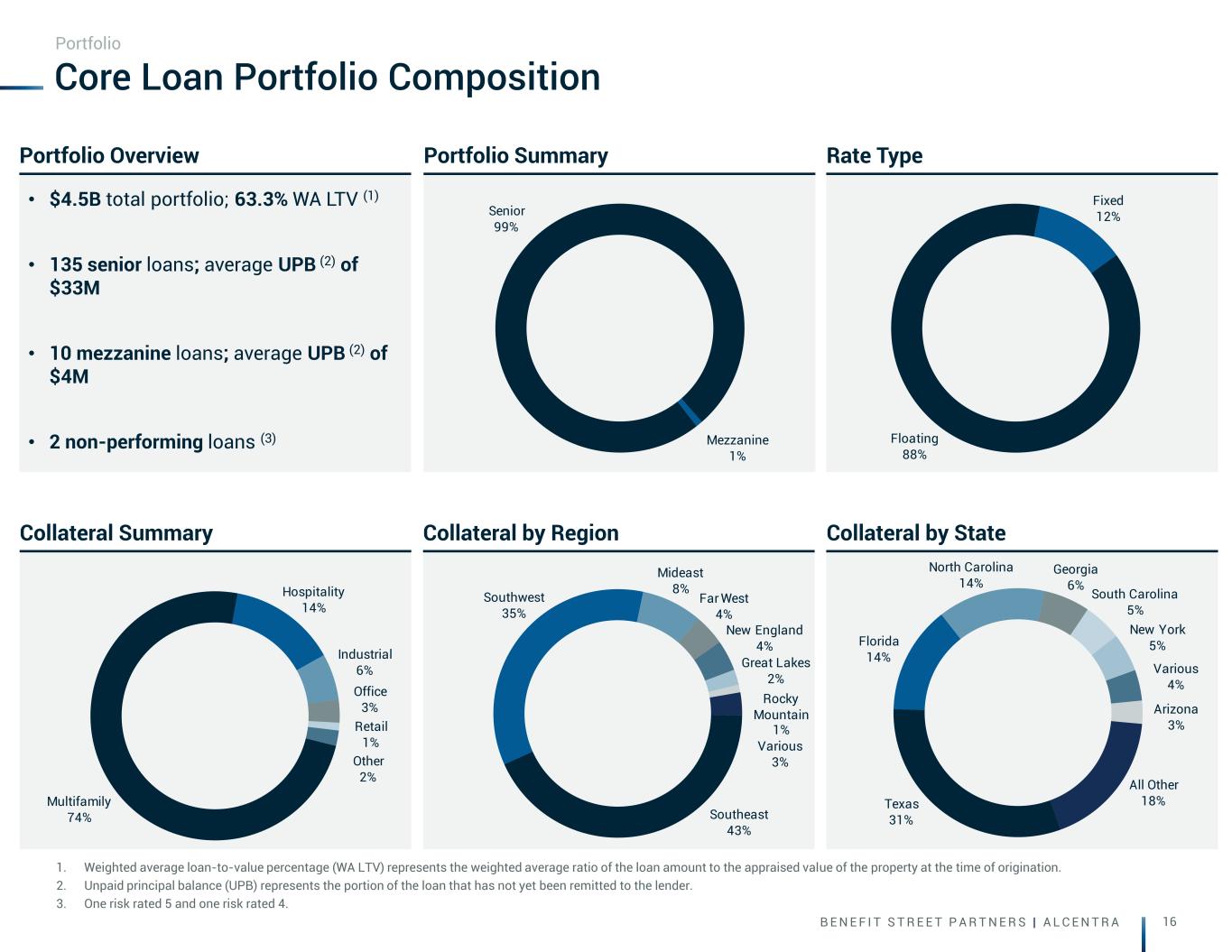
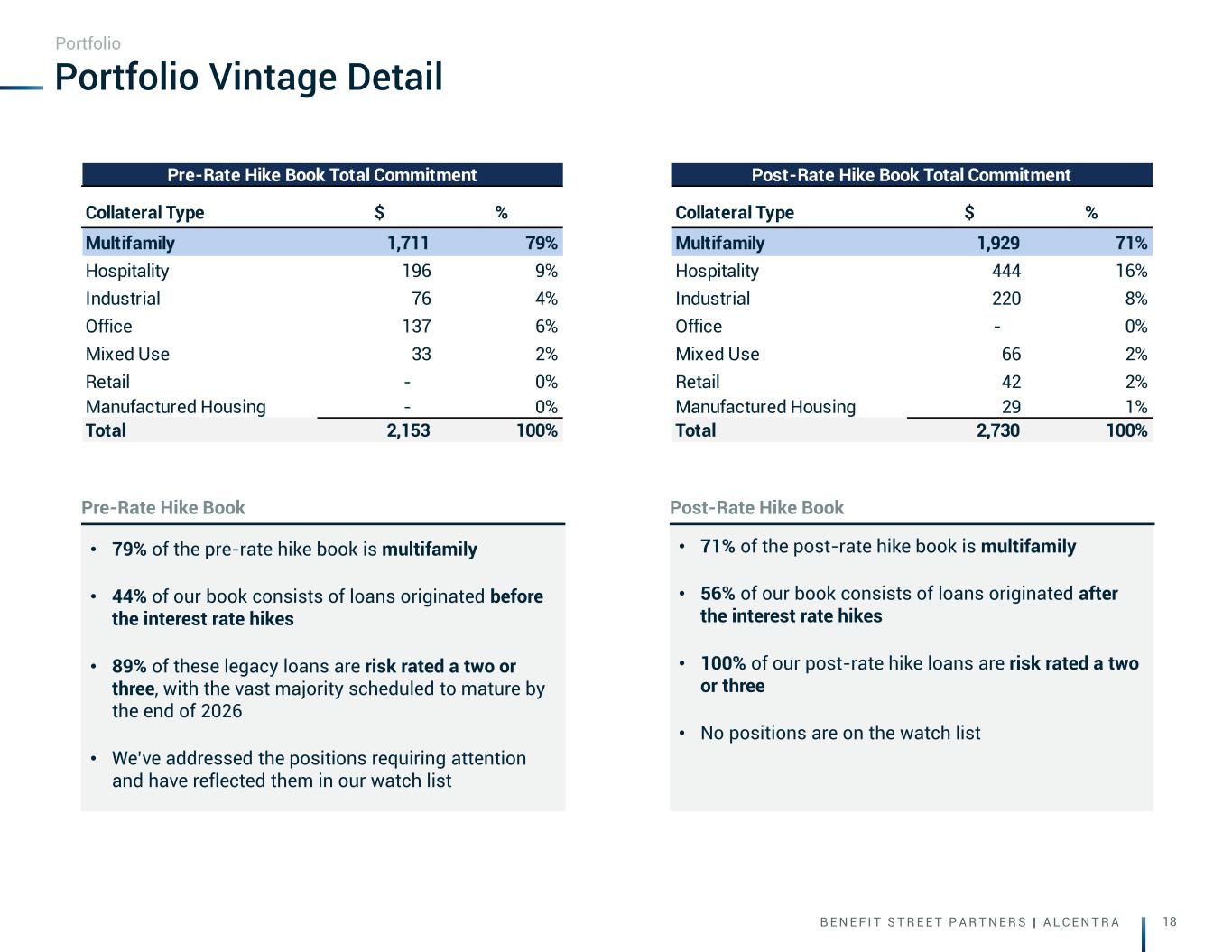
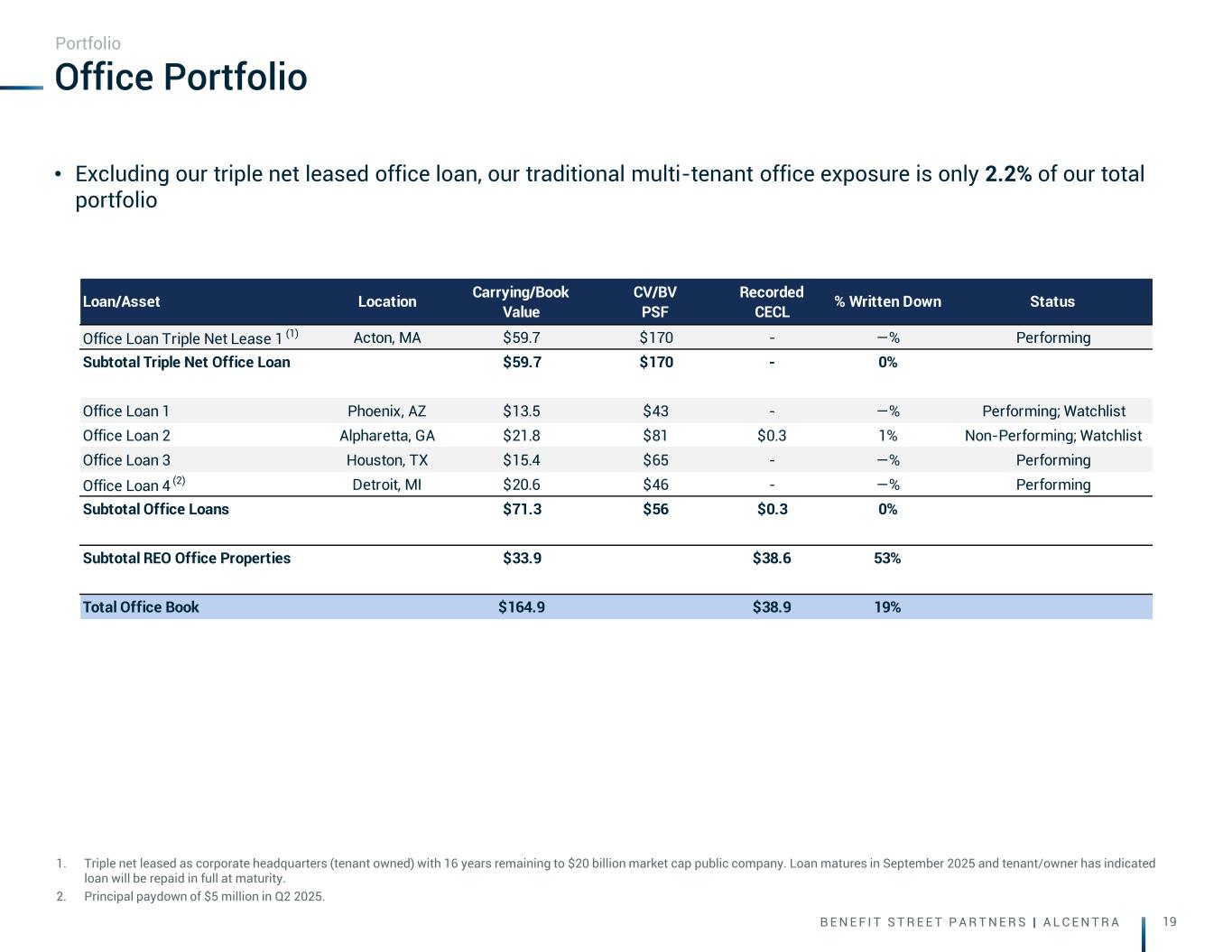
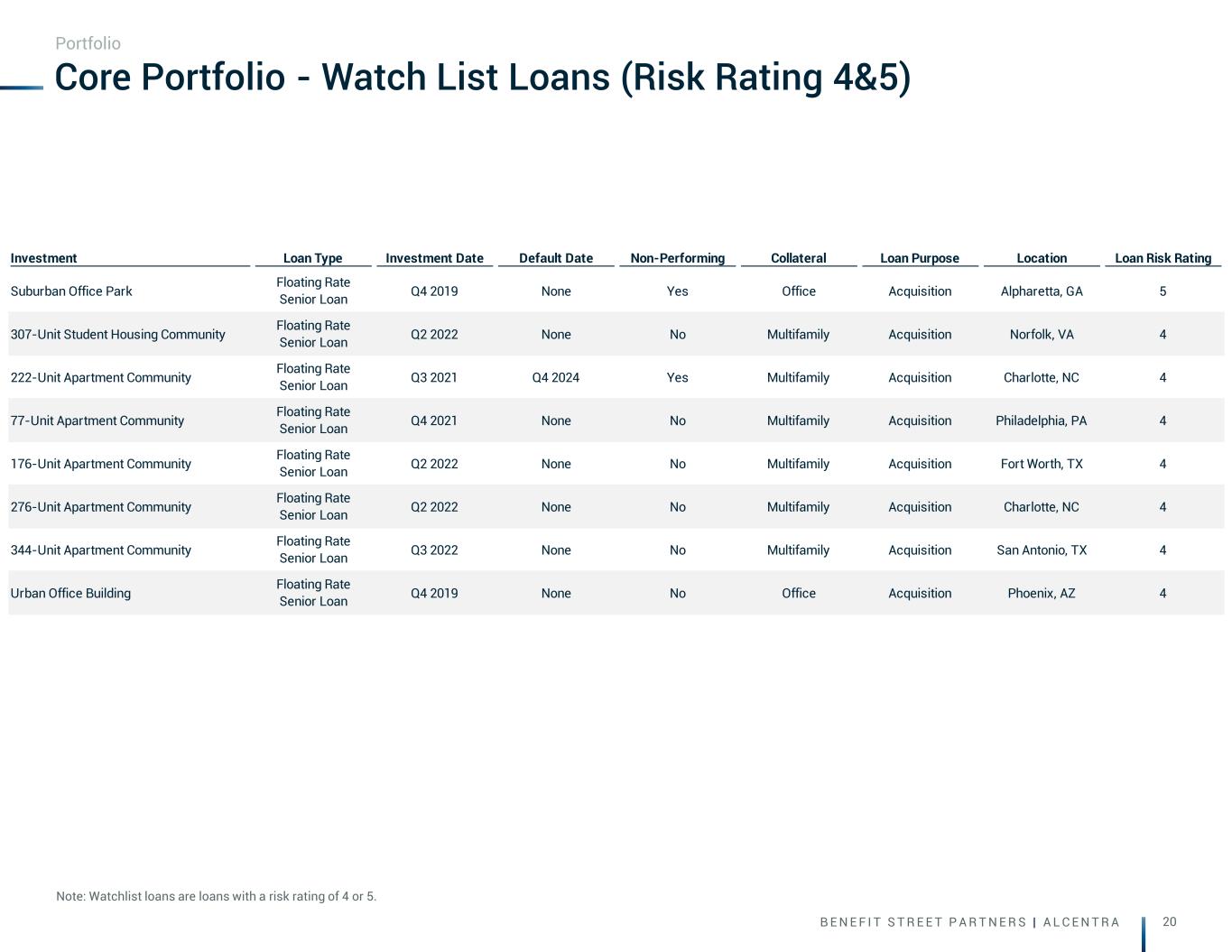
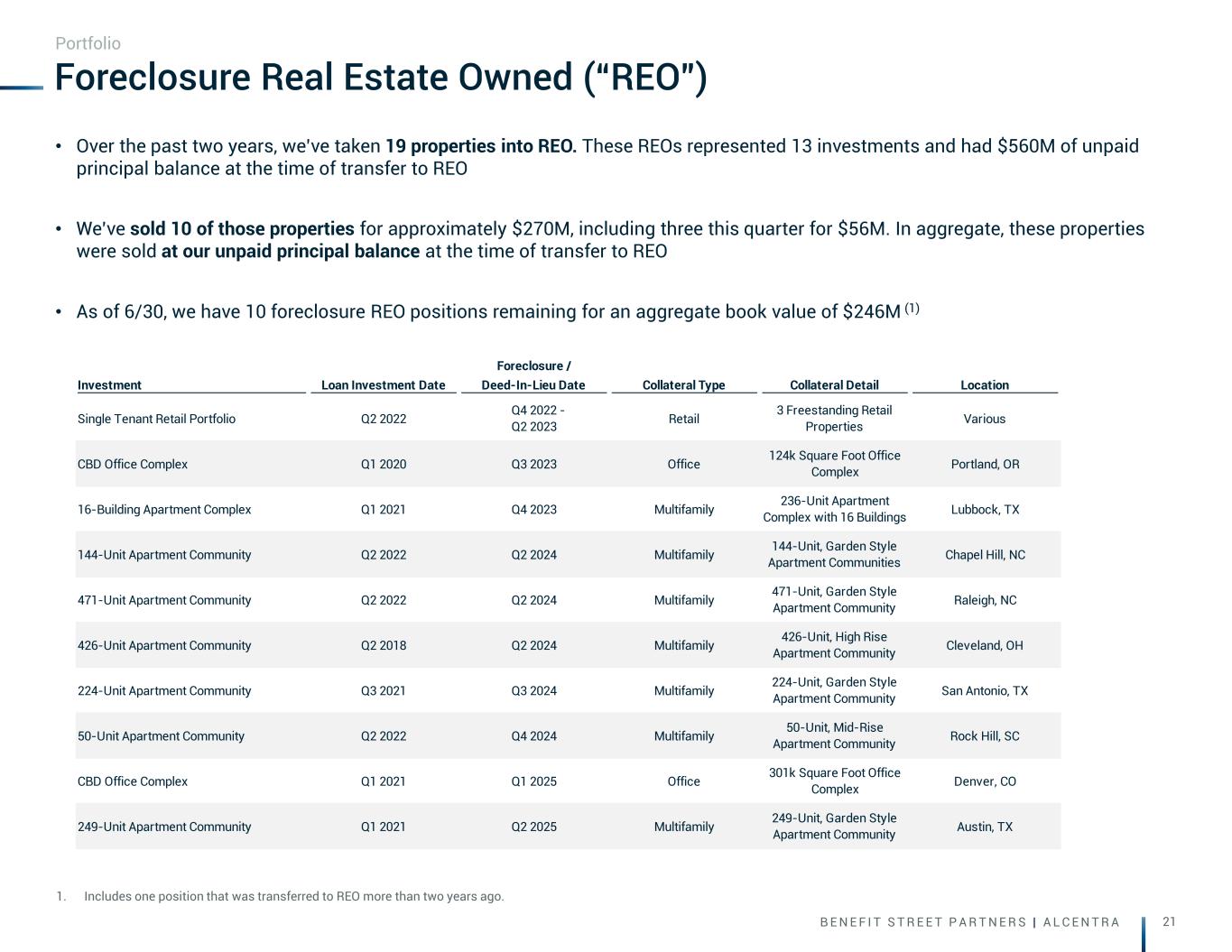
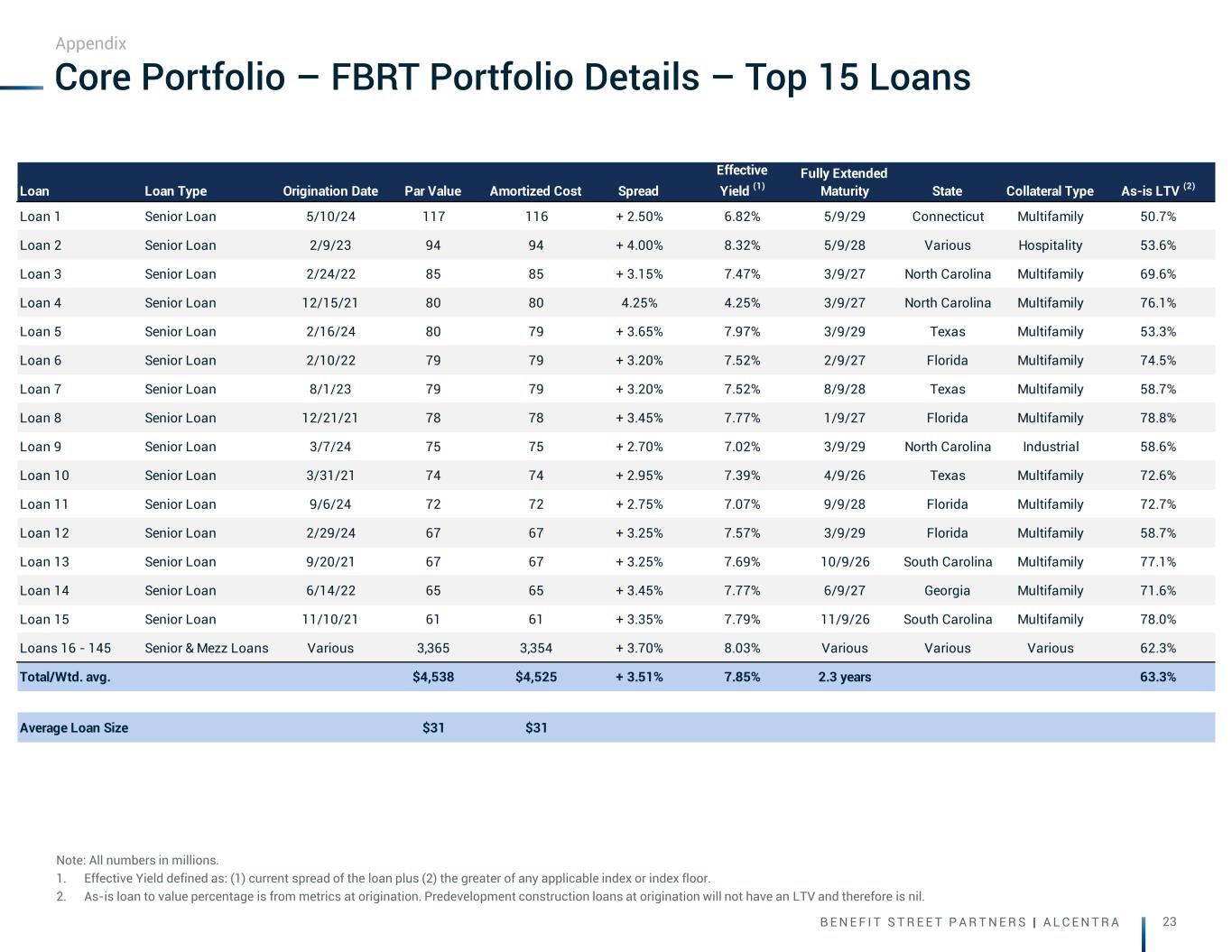
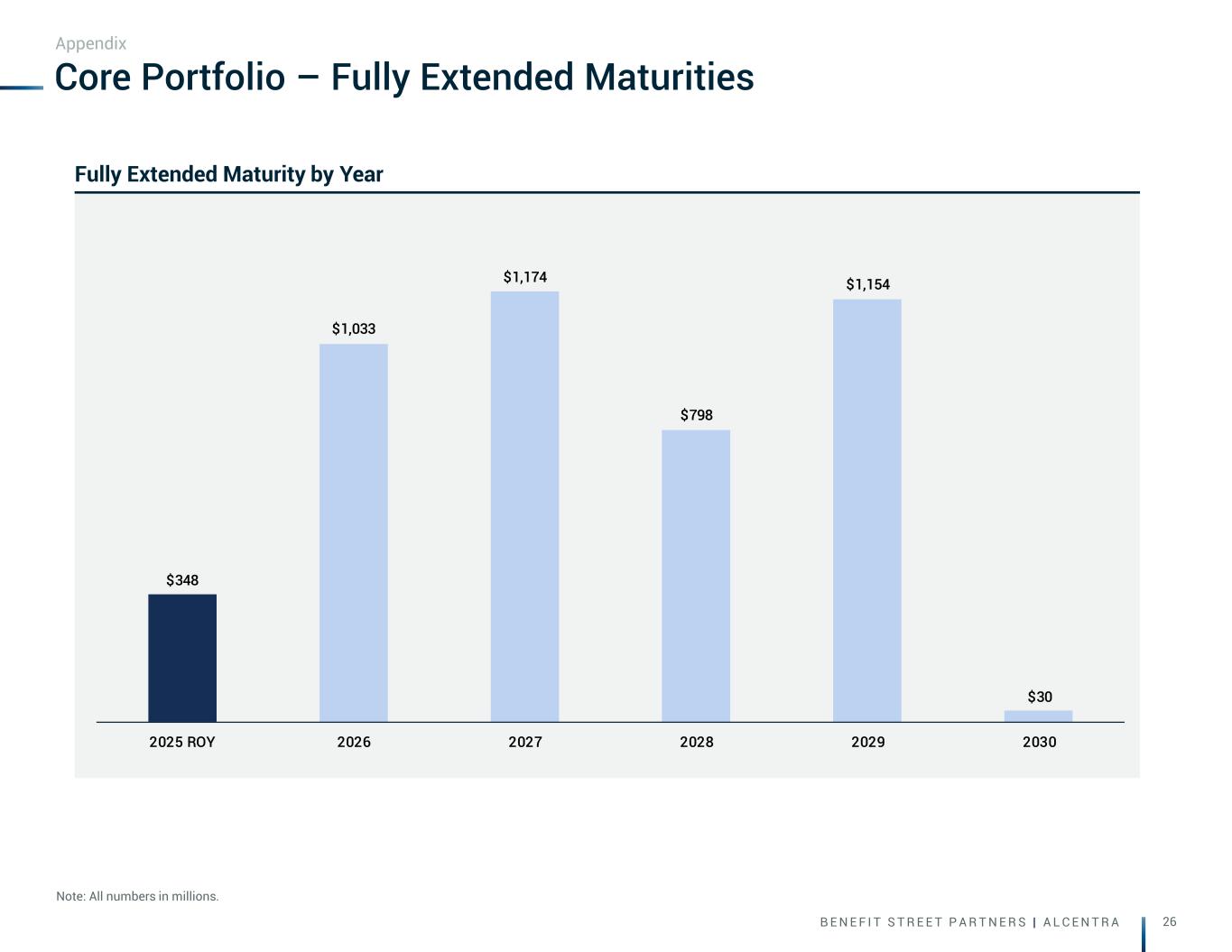
Thanks, Jerry, and good morning, everyone. I'm going to start on Slide 16. Our core portfolio ended the quarter at $4.5 billion across 145 loans with multifamily making up 74%. In today's market, generating strong credit returns takes more than capital to take the broad product offering. While spreads have compressed, we still see attractive opportunities. BSP continues to stand out as a flexible and consistent lender in the market with the ability to structure loans that meet our risk return profile while staying primarily in the senior portion of the capital stack. Before turning to our asset performance, I wanted to spend a little time on the broader CRE market. For the last few years, borrowers and lenders have tried to wait out market dislocation, hoping rate cuts and better days would arise. To date, they haven't. What's next is likely a period of acceptance. Debt funds, mortgage REITs, banks, and life companies will need to mark loans appropriately and move capital. That reset is what brings healthy market functionality back, and we welcome it. We're also watching long-term rates settle into a higher range. Treasury issuance isn't slowing, and we still expect Fed cuts later this year. If we do see a more dovish Fed chair in 2026, we should see a steepening yield curve, resulting in more demand for shorter duration credit. The 10-year U.S. Treasury has always been the benchmark of the CRE credit space, and it's been the benchmark for decades. Unless there is a 3 handle on the 10-year, expect 5-year and shorter duration loans to dominate the sector. Additionally, there is no shortage of capital in the market today. Credit markets are flushed with liquidity, and there's a tremendous amount of equity on the sidelines ready to step in once assets start to clear. On the property side, multifamily fundamentals are improving. New supply is slowing and slowing meaningfully, concessions are burning off, and in certain markets, rent growth is reemerging, especially in newer, higher-quality assets. Legacy 1970s and 1980s vintage stock will lag in a recovery, but strong assets in strong markets are beginning to see positive momentum. We're also seeing healthy pricing signals. Cap rate tiering is back with real differentiation based on asset quality and market strength. That has been painful for buyers that closed acquisitions in late 2021 and early 2022, but it's ultimately the correct dynamic, one that supports more rational equity investing and lending. Moving on to FBRT's portfolio, let's look at Slide 18. Today, we are down to 44% of our loan commitments, consisting of loans originated before the interest rate hikes. The majority of this collateral is multifamily, representing $1.7 billion or 79%, followed by hospitality at $196 million or 9%. 89% of these legacy loans are risk rated at 2 or 3, with the vast majority scheduled to mature by the end of 2026. We've addressed the positions currently requiring attention, and those are reflected on our watch list. Notably, total office exposure when adjusting for our net lease headquarter asset and prior quarter write-downs is only $105 million, 2.2% of total assets, not just legacy assets. That exposure is spread across 4 loans with an average loan size just under $18 million, a weighted average of $56 per square foot and 2 REO assets, one of which is currently under contract. Slide 20 summarizes our watch list. Our watch list includes 8 positions. We continue to actively manage each and borrower engagement remains high. Within our positions, one is the Georgia office building that was extended in January with a principal paydown and has remained current on payments. The borrower on the 307-unit student housing property in Norfolk, Virginia is looking to liquidate the asset within the next 3 to 6 months. We added a Phoenix office building with a $13.5 million loan this quarter following the government lease termination. The borrower is currently marketing that asset for sale. The other watch list loans are multifamily deals from 2021 and 2022 that are behind on business plan. We're in active dialogue with those borrowers, and one of the loans is under contract to be sold at par with a meaningful nonrefundable deposit, and we expect that sale to close imminently. While the watch list count ticked up slightly, requests for modifications continue to slow, which is another sign that FBRT is in the later innings of this cycle, specifically because we have been proactively addressing underperforming assets for years. Slide 21 covers our foreclosure REO portfolio. Over the past 2 years, we've taken 19 properties into REO, totaling roughly $560 million in UPB. 10 of those have been sold for $270 million, in the aggregate above our principal balance at the time of foreclosure, including $56 million of sales this quarter. Our remaining 9 foreclosure REO positions are 82% multifamily assets and at various stages of stabilization. Most importantly, our largest REO asset, a 472-unit multifamily asset in Raleigh, North Carolina, just achieved 90% occupancy. As with past sales, we'll rely on our asset management team to drive value before bringing them to market. Currently, 2 REO assets are under contract with another 2 under letter of intent and more properties are going to market for sale in Q3. Jerry already provided some quantitative feedback on NewPoint. I would add that after 30 days post-closing, my confidence and conviction in the acquisition have only grown. The team is incredibly strong and early collaboration, especially around cross-selling products, has been excellent. We now have more than 300 professionals across 34 states, making us one of the largest middle market platforms in the country. The strategic fit between FBRT and NewPoint is clear. Finally, as Rich noted, our stock continues to trade at a meaningful discount to book value. The market seems to be pricing in substantial unrealized losses in our legacy or pre-rate hike portfolio. To put that into context, for our book value to match the current stock price, we would need to recognize approximately $450 million in additional loan losses, $450 million. In current market conditions, that scenario is simply not realistic. In fact, we feel very good about our legacy book. It's 79% multifamily or $1.7 billion. Over the past 8 quarters, we have received $1.5 billion in payoffs at par or better on 2021 and 2022 originated multifamily loans, including a $43 million payoff last week. Our multifamily REO sales in the aggregate have been sold above our principal balance at the time of foreclosure, and those liquidations occurred in a tougher market environment than what we face today. We have $196 million of legacy hotel loans with the vast majority performing well and risk rated at 2 with none on watch list. Lastly, as I already mentioned, we only have $105 million of legacy office exposure. We re-underwrite every loan in this portfolio quarterly. And based on current market conditions and recent outcomes on loan payoffs and REO sales, I can say with absolute conviction that losses anywhere near the implied $450 million level are highly, highly unlikely. Losses of that magnitude would suggest that every legacy loan in our portfolio is valued at less than $0.80 on the dollar. Yet in the aggregate, we haven't realized any losses on our legacy multifamily loans or liquidated multifamily REO, and we've received $1.5 billion in payoffs from peak vintage multifamily originations. It is very, very difficult to connect these dots. In short, we believe the current stock price is meaningfully undervalued. With that, I would like to turn it back to the operator and begin the Q&A session.
Operator
The first question is from Matthew Erdner with JonesTrading.
Speaker 5
So when it comes to the core portfolio, have you guys resumed originations and kind of at what pace since the closing of NewPoint? And then ideally, kind of once these CLOs are collapsed and you can start to get capital recycled, what's the ideal portfolio size to kind of get back to dividend coverage?
Matt, it's Mike. Thank you for the question. We have turned the treadmill back on. It's going to start a little bit slow to get the machine running again, but we definitely are going to be picking up originations again. I think you'll see that grow probably quarter-over-quarter here, as you suggested in conjunction with the calling of the CLOs. But yes, we're back originating and actively looking to deploy that capital. In terms of portfolio size, Jerry, why don't you step in and just talk about a minute what we typically target in terms of portfolio size to maximize dividend coverage?
Yes. I mentioned earlier about the CLO and the potential to reinvest some of that locked-up equity into productive loan assets. I anticipate that this could lead to over $0.5 billion in additional net originations for our balance sheet, bringing our core portfolio to approximately $5 billion. This estimate can vary based on the specific assets and their yields, but generally, I believe this is aligned with our long-term goals.
Speaker 5
Got it. That's helpful. And then with these originations, what are you guys seeing in terms of spreads compared to historical, say, a year ago?
A year ago, meaningfully tighter. I would say tighter just than 60 days ago. We have seen an absolute deluge of liquidity come into the space. I think not just commercial real estate, kind of all credit sectors. The spread tightening has been very, very aggressive. So I would say, to directly answer the question, Matt, we're probably 100 to 125 tighter on just a fairway multifamily loan versus about a year ago. And I would say you're probably 25 to 50 tighter than just 60 to 90 days ago.
Operator
The next question is from Randy Binner with B. Riley FBR.
Speaker 6
Yes, this is all incredibly helpful for updating the model. Regarding the CLOs, if they are called, do they need to be replaced with other debt in the model? Could you briefly explain that aspect?
Yes. This is Jerry. Yes, that's the theory. It's really levering those back up, right? If you look at the specific leverage levels of our FL6, FL7, FL9, you can see those have factored down quite a bit from the original issuance. I think on a normal pool of loans, the CLOs start at 75% to 80% advances. You're a decent amount under that if you just look at the collective of all those at this point. So I think you'd want to reset that back up to around some range in that starting point, probably not the higher end in this market, but 75% advance, give or take a little bit, at least as far as multi goes, that'd sort of be the target. I think you'd want to relever those assets up, too. And that, obviously, then frees up cash to kind of originate more was what I was getting at with my other remarks. So yes, you should assume that you're going to add a little bit of leverage. And if you look at our net leverage, right, we're down to 2.2x, 2.5 to 2.75x. If you think of that as your additional leverage, that's going to flow through and solve the kind of that core portfolio target that I just mentioned.
Speaker 6
That makes sense. That's helpful. Moving forward, I have a couple of slides before I return to the queue. On Slide 14, you discussed the NewPoint guidelines. Are the pro forma numbers you plan to release available today or next week? I’m trying to understand how to initially interpret that; will these pro formas follow a similar guidance as mentioned, with volume leading to our determination of margin? Could you elaborate a bit on how the pro formas will relate to Slide 14?
The pro forma should be available in the next 24 hours. I believe it will be beneficial in terms of what the pro forma represents. It will provide clarity on the format and future presentation of our financials, although it won’t extend through 2026. We've included this additional information to assist in modeling how you might project volume numbers and where we anticipate the range of potential outcomes. This is a volume-driven business, meaning how much you originate directly impacts the growth of the mortgage servicing rights book, the yield generated, and the gains from sales. I suggest using the pro forma as a reference point for structuring the forward-looking combined business. It will be useful for translating the data observed in the first part of the year into expectations for the remainder of this year and next year. These figures should aid in integrating those two aspects.
Speaker 6
Okay. Just a quick follow-up. In any scenario regarding GSE privatization or changes in their operation, is there a chance that it could disrupt the current strong volumes in this channel? Or could it actually be beneficial? Do you have any thoughts on that?
Yes, Randy, this is Mike. I think it’s important to note that they were not previously government-sponsored; they were publicly traded. I don't believe this will have an overall impact. Since they became GSEs, almost every administration has discussed the possibility of reverting to being private or publicly traded again. It’s a very complicated situation to navigate. I can't say if it will happen, but I don’t think it will significantly affect the business. The reality is that in the housing market, the federal government is very focused on maintaining liquidity, and it will always provide the lowest cost of capital in the commercial real estate sector. Therefore, there will always be demand for it.
Operator
The next question is from Steve Delaney with Citizens JMP.
Speaker 7
Rich, Mike, Jerry, it's great to be with you today. I appreciate the insights from your introductory comments. I'm taking a lot of notes on my legal pad with all these businesses you mentioned. The good part is it provides some flexibility in capital allocation. This has always been a strong story, and I think it will be quite exciting in the coming year. I'm looking forward to it. Mike, you mentioned the bridge business; I believe that was the segment you referred to that is experiencing a surge in liquidity, correct?
Steve, it's really everywhere. I think you've seen...
Yes, it's in the bridge business, of course, but you've seen spreads just tighten kind of everywhere and capital flowing everywhere. I would say most notably in the securitized products market, anything in the CRE, CLO space, anything in the SASB space on a floating rate basis is just oversubscribed multiple times at every single tranche. So there is more liquidity in the system today than I think we've seen almost at any point post-COVID.
Speaker 7
It seems that investors have been holding onto a lot of cash and have now decided to invest and build. I believe this primarily refers to institutional money that is in search of opportunities.
Yes. I mean, look, I think the reality is that I don't want to call a bottom. That's a pretty dangerous game. But I think most people are looking at the market for CRE saying the damage was done over the past 2, 2.5 years. If we aren't at the bottom, we're pretty darn close. So it's a pretty comfortable time to be stepping into kind of credit position.
Speaker 7
Do you think the flexibility to shift focus based on market opportunities without completely stepping away is beneficial? When you assess the bridge business today, considering the quality of the loans and commitments in comparison to 2021 and 2022, do you believe the market is overall stronger and more rational now in terms of sponsor quality and appraisals compared to the origination vintages that have resulted in the current issues people are facing?
I will focus on the FBRT book, as that is where we invest. When speaking with investors, this topic has been central. Looking back to 2021, the majority of loans on our balance sheet were older assets, some dating back to the 1970s, 1980s, and 1990s. These were 30 to 50-year-old assets with business plans that aimed to renovate units by investing $10,000 to $12,000 each—updating appliances, countertops, kitchens, flooring, and painting—to increase rents by $200, and then selling after a few years. In contrast, what we are putting on our balance sheet today primarily consists of high-quality, newer multifamily assets. We're dealing with brand-new or five-year-old properties, where there isn’t a business plan involving heavy renovations. Instead, it's about providing time for these new construction loans to stabilize and fill. The stabilized multifamily loans we are now writing show a shift; five years ago, we rarely encountered borrowers saying they were 94% leased but reluctant to sell in the current market or commit to long-term fixed-rate debt due to uncertainty. They prefer to bridge for 12 to 36 months while waiting for better market conditions. Overall, the quality of assets we are dealing with now is significantly better than it was four or five years ago. Additionally, credit metrics in terms of debt yield and loan-to-value ratios are also substantially improved compared to three to five years ago.
Speaker 7
That's great color. So we're not going to hear the word heavy transitional very much as much as just a bridge loan being really what a bridge is supposed to be, right, from a temporary to lease-up and then get into a permanent financing.
That's been the most popular loan that we've been writing for probably the past 2 years.
Operator
The next question is from Tom Catherwood with BTIG.
Speaker 8
Maybe starting with NewPoint, it seems to be on a similar origination pace as '24. What does the platform need to ramp origination activity? Is it more capital, larger sourcing network, more infrastructure? Kind of how are you approaching that growth?
So it's definitely not more capital. I would say that's one of the top reasons to be in that business is it is incredibly capital light. I do think, as Jerry said in our prepared remarks, we're going to have a very big third quarter at the NewPoint level, which is fantastic. I think that getting a larger net spread across the country is really what we need to do. We have a very large multifamily book already, $8 billion roughly of loans on balance sheet across all of our products. We have our own origination staff at FBRT and BSP that are going to be originating into agency. And then the amount of incoming calls that we've had from originators, right, that are looking at the platform saying, 'Wow, you guys have everything. You can do construction loans, bridge loans, mezz loans, CMBS, now agency.' There are going to be a lot of people that want to jump on the platform. And I think that that's the primary driver is just expanding that net, adding people, and that should be what drives volume. Obviously, it's going to be tied to interest rates as well, but we don't have any control over that.
Speaker 8
Got it. And then maybe sticking with the interest rate comment because that might tie into the next question here. Mike, you talked about transaction markets rebounding as owners seek liquidity and lenders show less willingness to maybe extend and pretend, but that's also been the hope since early middle '24. What do you think finally sparks a sustained recovery in investment sales?
As we've discussed over several quarters, we are firmly against the idea of pretending and extending, and we receive inquiries about this in private discussions. The reality is that there won't be a particular trigger. There won't be a day when everyone suddenly realizes that their office building loan in downtown Chicago, valued at $225 a foot while the building across sold for $60, is now impaired. Everyone is aware of the situation; we just aren't marking them down. I believe we will reach a point of exhaustion. As I mentioned earlier, we are moving towards an acceptance phase. Investors and regulators will eventually reach a breaking point and say enough is enough. You issued this loan seven years ago; it is what it is. There comes a time when pretending and extending can no longer continue. We are nearing the end of that phase. I don’t foresee a sudden realization moment; however, once this trend begins, it will inevitably impact all banks, mortgage REITs, debt funds, and everyone will acknowledge it's time to move forward.
Speaker 8
Appreciate that, Mike. And then one last one for me. Jerry, you mentioned migrating FBRT's loans over to NewPoint's servicer. Is there a savings related to that over time? And are there any loans at parent Benefit Street's balance sheet level that are also migrating over to the servicer?
Not apparent as in Franklin Templeton, but migrating the book means migrating all the loans that we manage at BSP, which is more than just FBRT. That's the number that Mike was just talking about, $10 billion or so of loans, give or take a little bit. That's what would migrate in. And yes, there's definitely savings. You're cutting out, obviously, all the markup that you pay today and picking up all of the entirety of the benefit on the float of all the cash reserves that you hold. So it's really a twofold benefit directly to FBRT in addition to the additional servicing revenue and float from everything else you would move over. So that's why I said it will be a meaningful increase as we roll that in over the next few quarters.
Speaker 8
And I assume that's baked into that $0.08 per quarter that was mentioned at the outset. Okay.
It is. Yes. That was fully contemplated when we consider the whole transaction is the benefit of adding that infrastructure and being able to roll our own products directly into it.
Operator
The next question is from Jason Stewart with Janney Montgomery Scott.
Speaker 9
Jerry, thanks for all these numbers. It sounds like you and the team have been busy. Just looking at your ROE disclosure on NewPoint, could you give us a sense of how you break that down between the origination and the servicing business in terms of ROE?
I don't think we have a detailed breakdown of that split available. Therefore, I can't provide the exact specifics between the two. I’m not sure we have that detailed information published yet, but you can see a bit in the pro forma once we release that, which will give you an idea of where the income is being generated. However, based on what we've published thus far, I don't have that information available.
Speaker 9
Okay. Fair enough. And then on ROE, Mike, when we look at incremental originations and where CLO execution is today, just assuming you stop the line in the sand, originate everything in 1 day and securitize it, what's the marginal ROE on a new CLO gross?
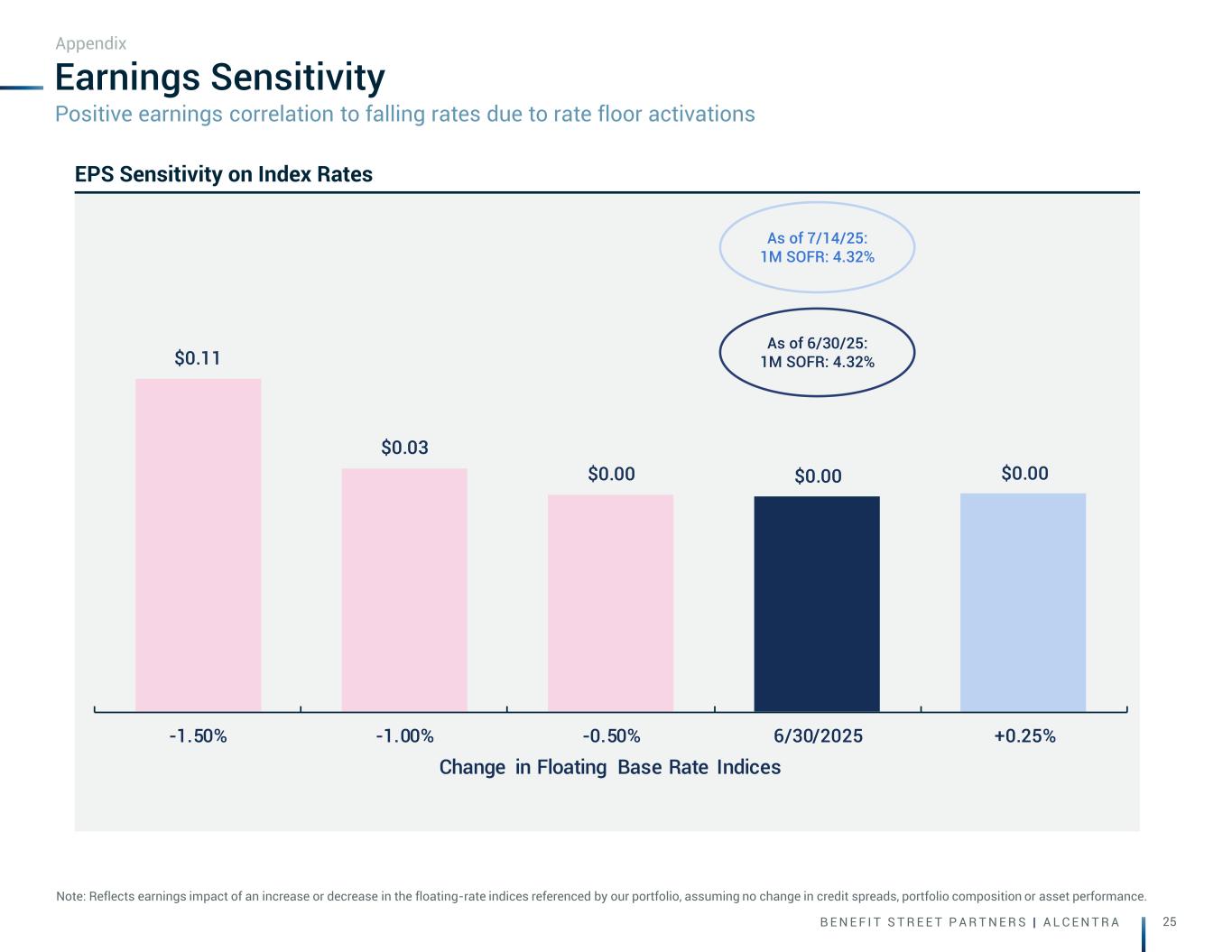
We're still probably achieving a low teens ROE on all new originations. So it’s the line I've been using speaking with investors is the returns are still excellent on a nominal basis. They're outstanding on a risk-adjusted basis when compared to equity returns. They just aren't euphoric, which they've been for the past 2 years, right? Everything we originated for the past 2 years has probably been the best returning credits that we've seen. I also think something that we didn't touch on in the prepared remarks, but very, very different than probably the balance of the industry is we would get a net benefit from decline in SOFR just because of the amount of origination we did over the past 2 years and having very high SOFR floors on those loans. So for the most part, everybody else stopped originating, exited the market, has been waiting. We put on a few billion dollars of new loans with SOFR floors that aren't achievable today. So while I'm not inviting or not predicting what happens next, we're kind of in a very, very unique spot where even if SOFR does come in, it doesn't hurt us where it would hurt others. It actually benefits us.
Speaker 9
Yes. That's a good point. Your 5 to minus 100 is plus $0.03. And then just to follow up on the asset level and multi, given the product transition, do you have a sense for where real-time renewal rates are in multifamily? I mean we've seen some of the equity REITs come out and they're still fairly strong, but that's a pretty high-quality product mix. I mean do you have a sense of where on the margin we are in terms of renewal rates and multi in your book?
I couldn't answer it directly, Jason, on our book. It's obviously going to fluctuate market to market. We're seeing certain markets much stronger than others, obviously. But I couldn't give you detail within our book on retention.
Operator
This concludes our question-and-answer session. I would like to turn the conference back over to Lindsey Crabbe for any closing remarks.
We appreciate you joining us today. Please reach out if you have any further questions. Thank you, and have a great day.
Operator
The conference has now concluded. Thank you for attending today's presentation. You may now disconnect.