Operator
Good morning, ladies and gentlemen. Welcome to Flotek Industries Second Quarter 2025 Earnings Conference Call. This call is being recorded on Wednesday, August 6, 2025. I would now like to turn the conference over to Michael Mike Critelli, Director of Finance and Investor Relations. Please go ahead.
Thank you, and good morning. We are thrilled to have you with us for Flotek's Second Quarter 2025 Earnings Conference Call. Today, I'm joined by Ryan Ezell, Chief Executive Officer; and Bond Clement, Chief Financial Officer. We will start with prepared remarks covering our business operations and financial performance. Following that, we will open the floor for questions. Yesterday, we announced our second quarter 2025 results and an updated earnings presentation, both of which are available on the Investor Relations section of our website. This call is being webcast with a replay available on our website shortly after its conclusion. Please note that the comments made on today's call may include forward-looking statements, which include our projections or expectations for future events. Forward-looking statements are subject to a number of risks and uncertainties, many of which are beyond our control. These risks and uncertainties can cause actual results to differ materially from those projected in forward-looking statements. We advise listeners to review our earnings release and most recent 10-K and 10-Q filings for a more complete description of risk factors that could cause actual results to materially differ from those projected in forward-looking statements. Please refer to the reconciliations provided in the earnings press release and investor presentation as management will be discussing non-GAAP metrics on this call. With that, I will turn the call over to our CEO, Ryan Ezell.
Speaker 2
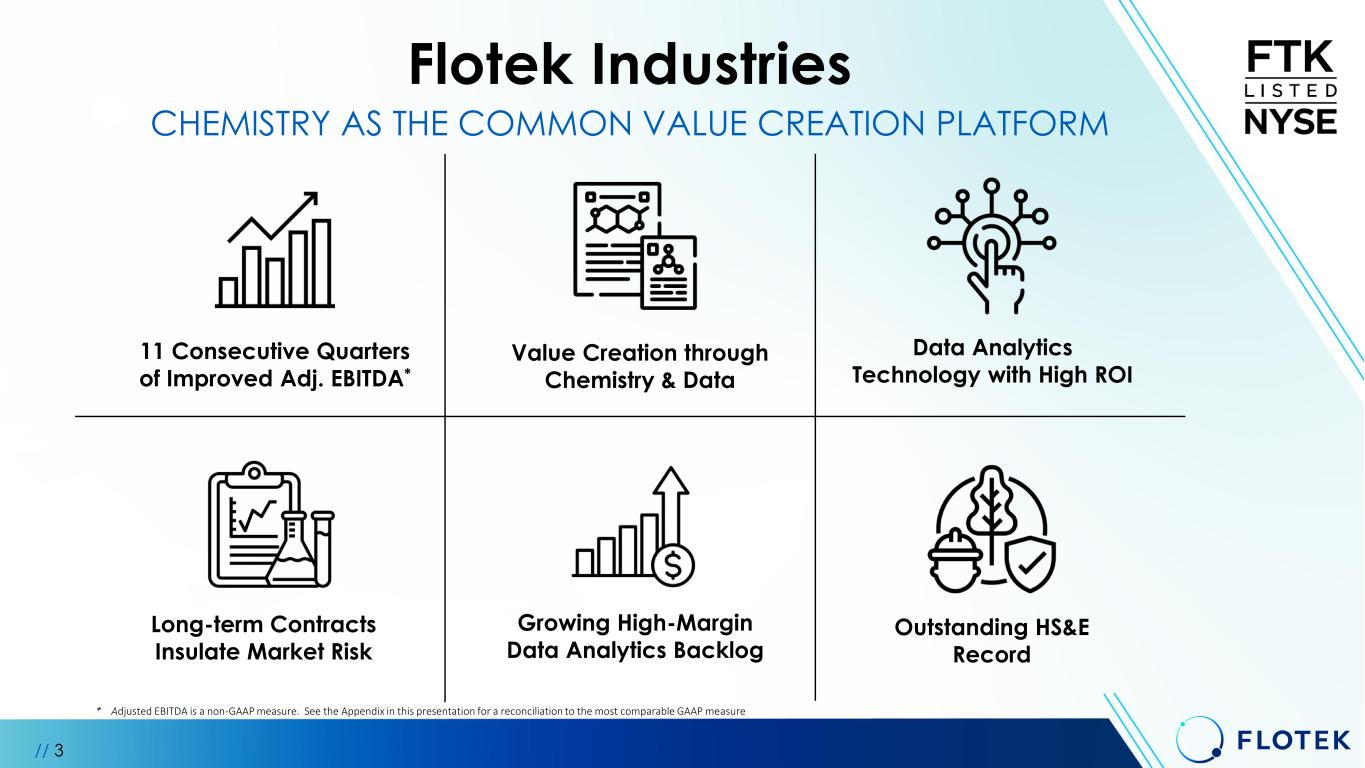
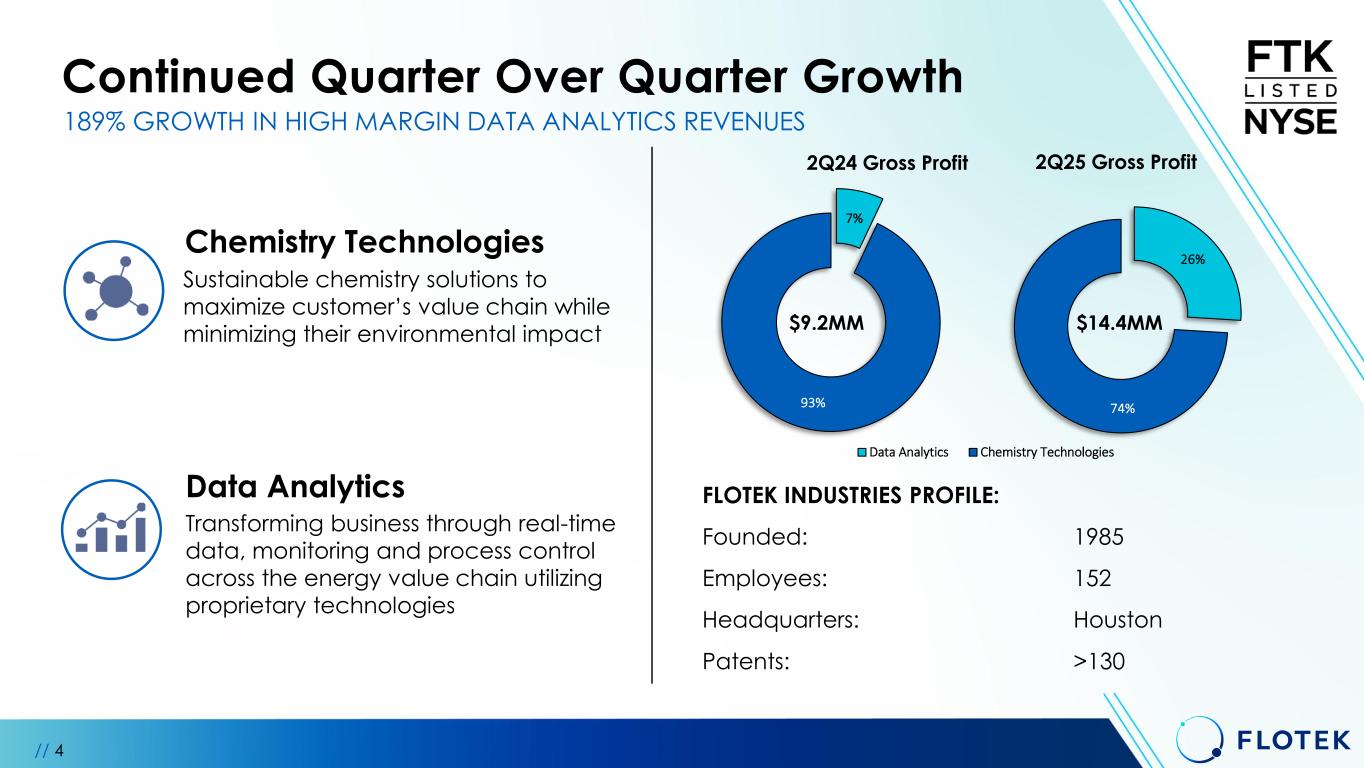
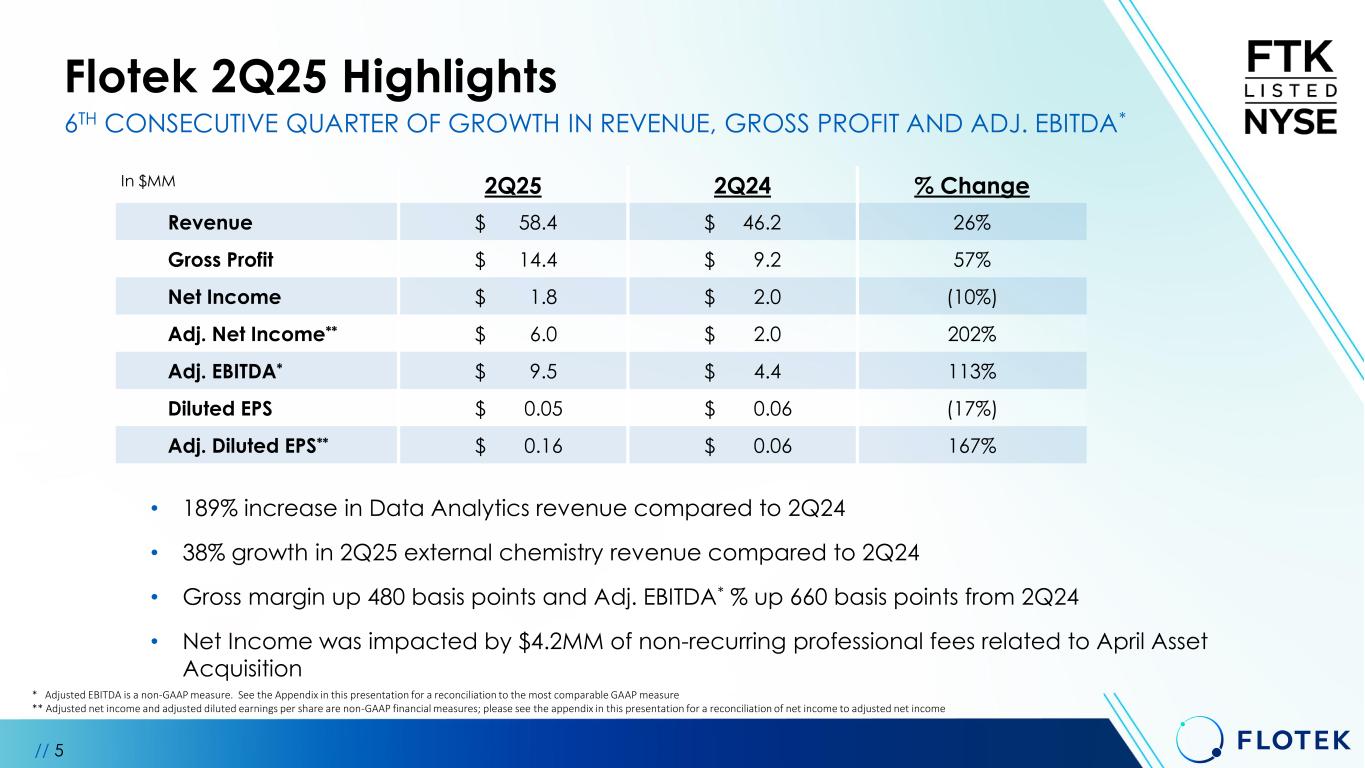
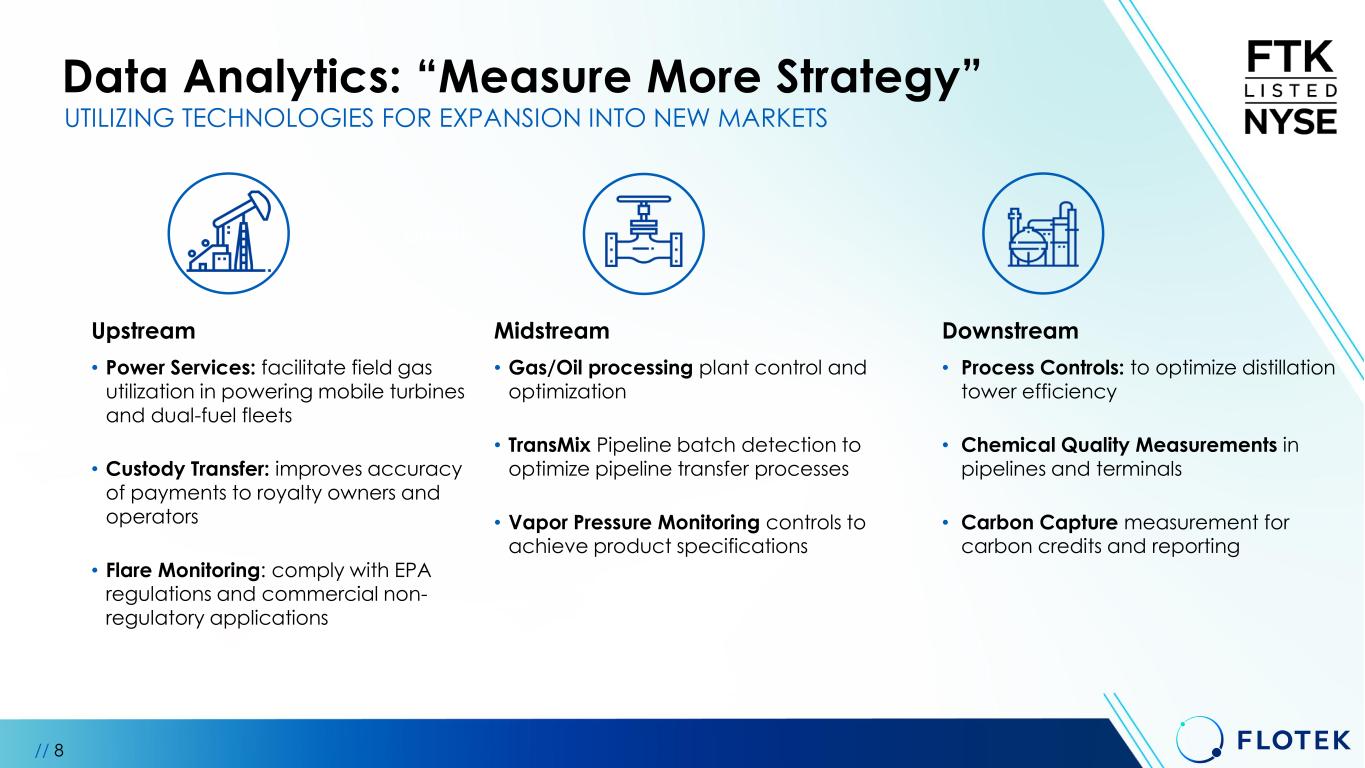
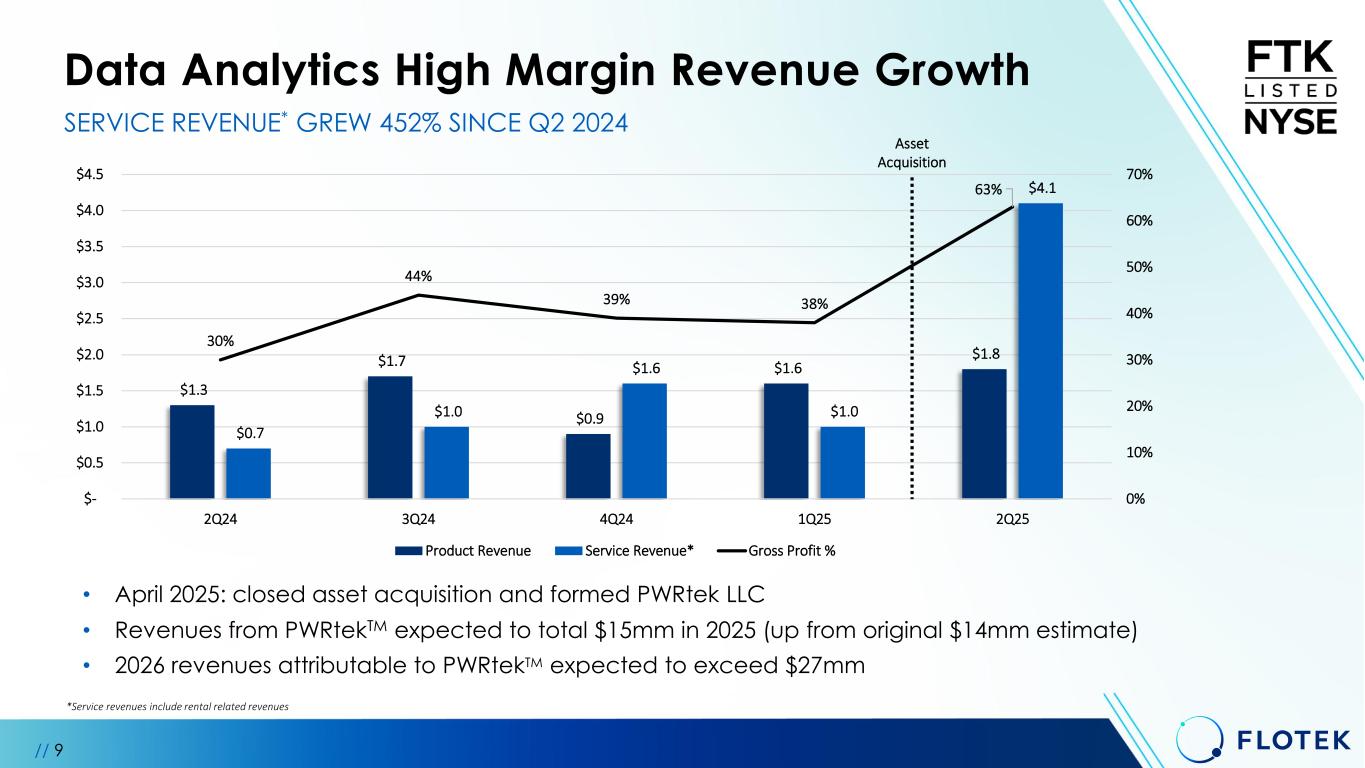
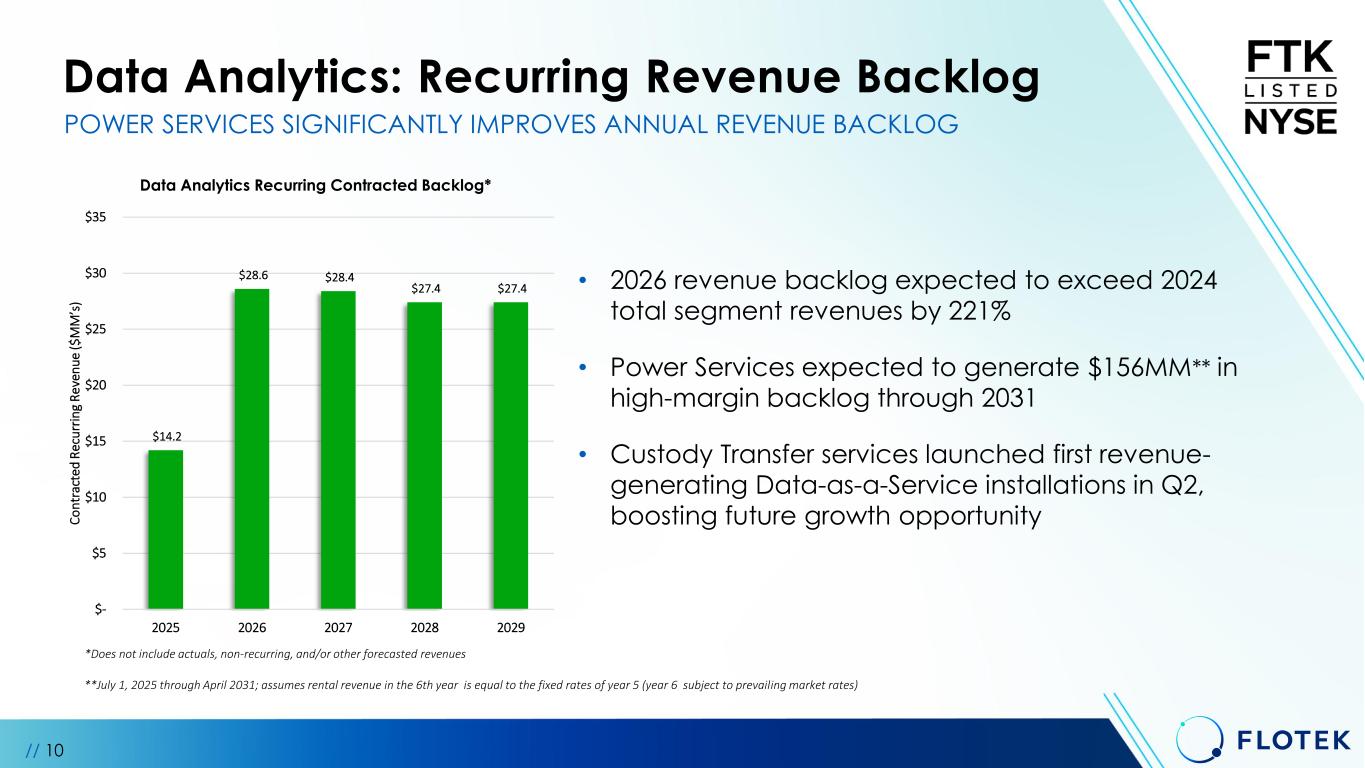
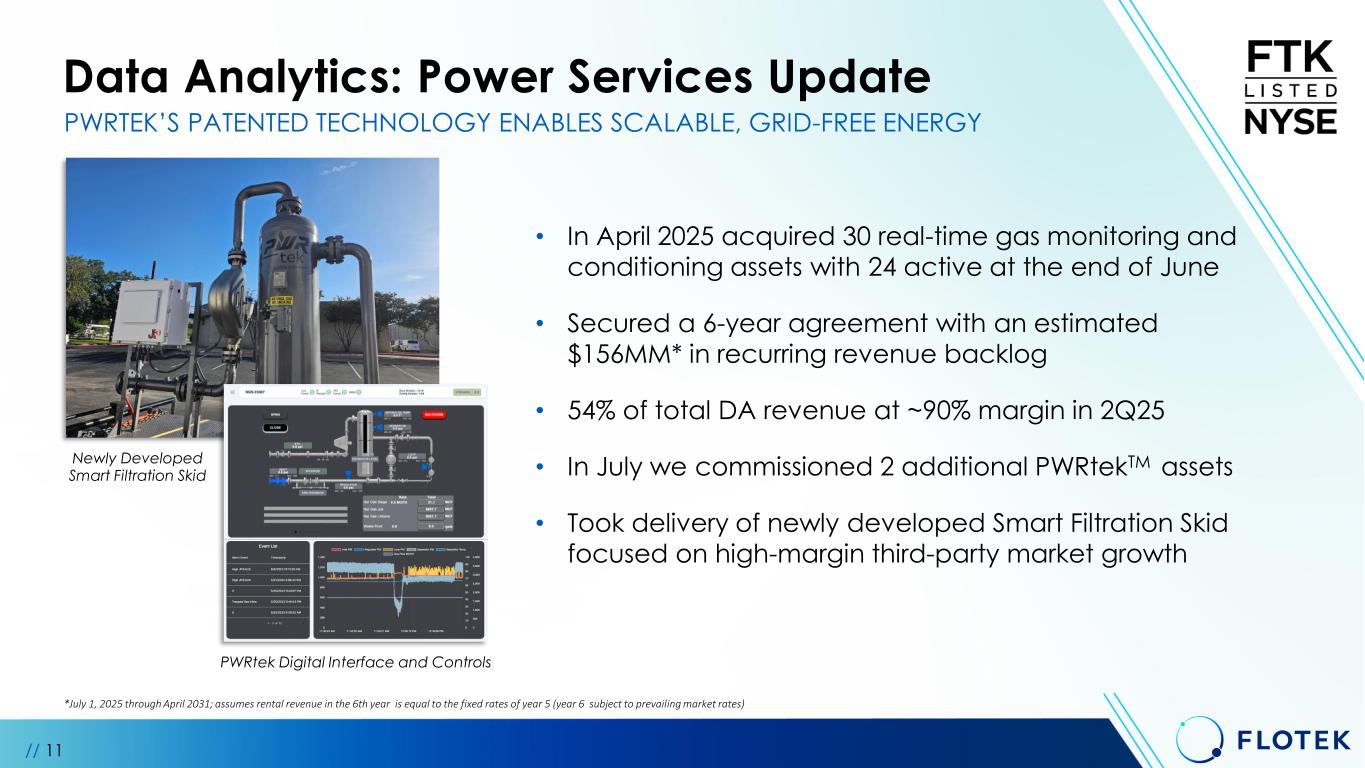
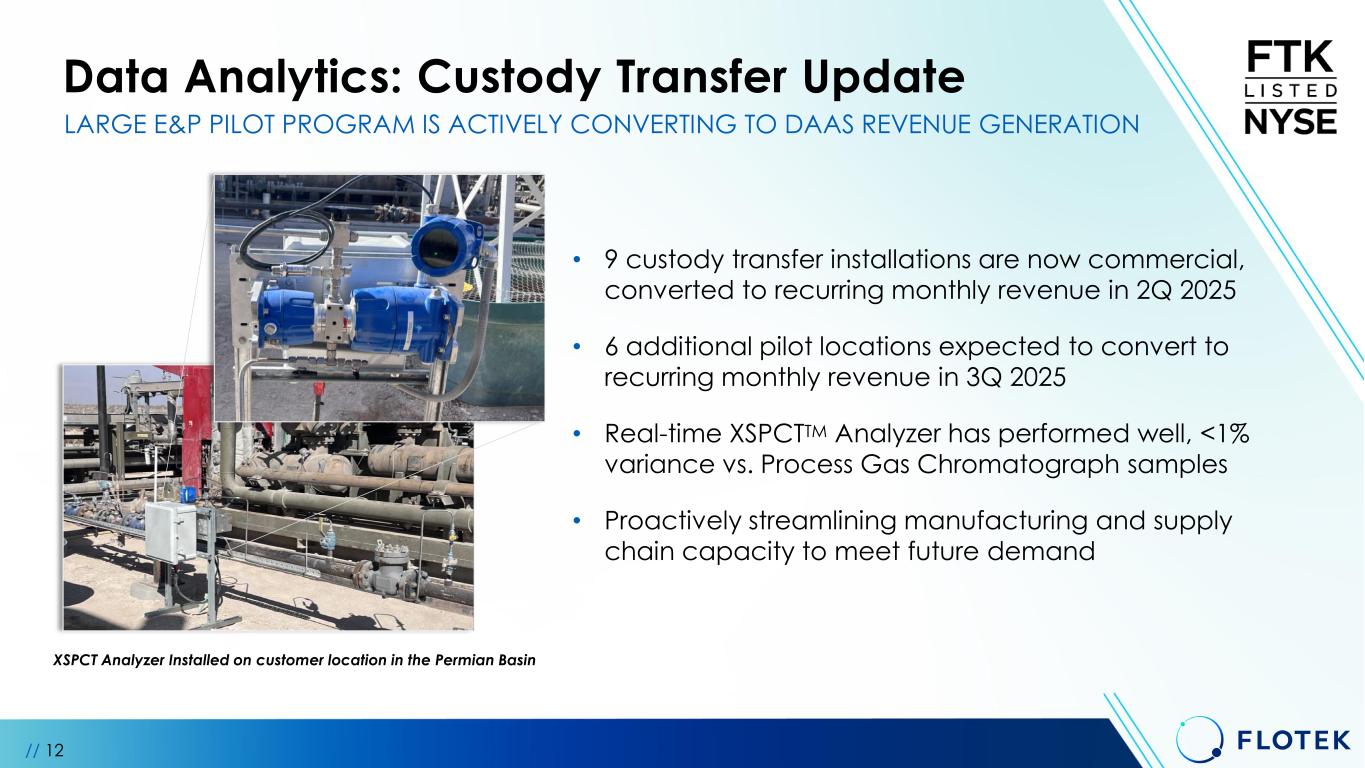
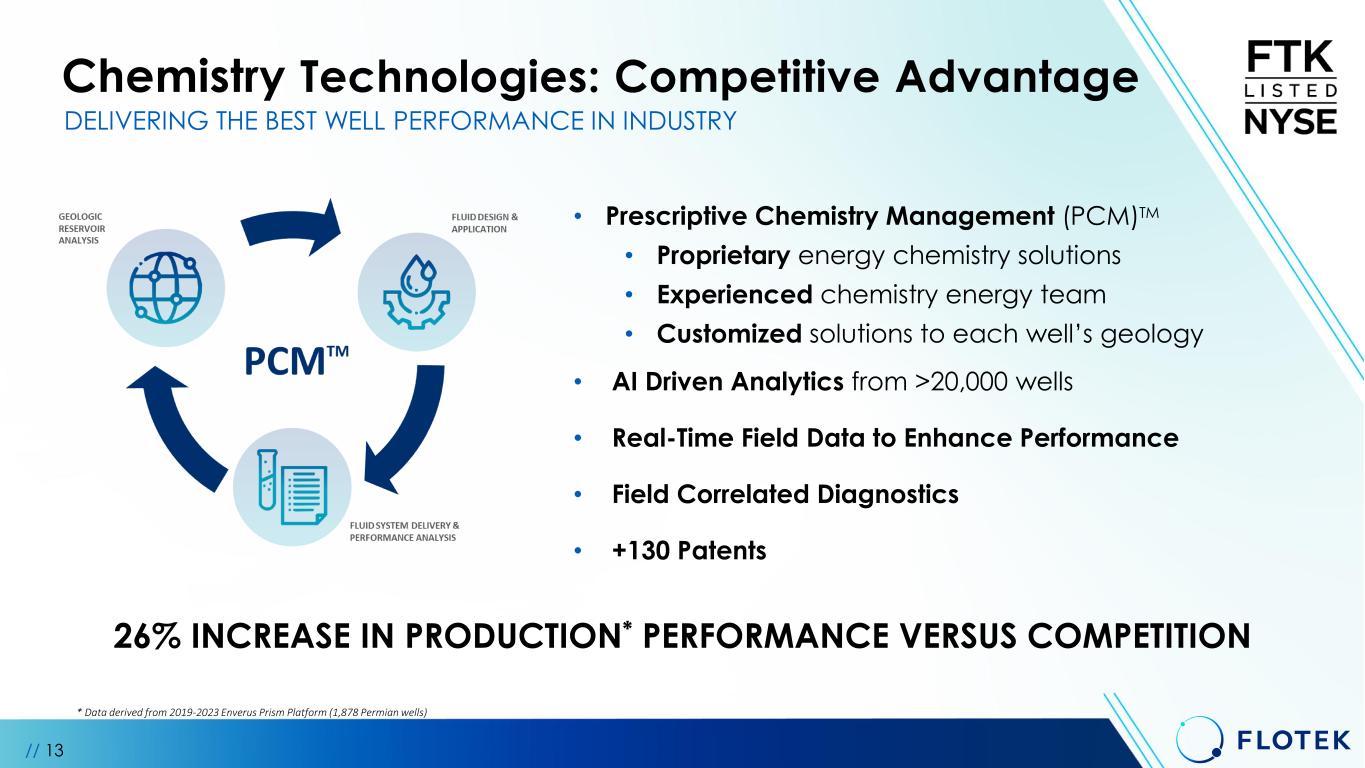
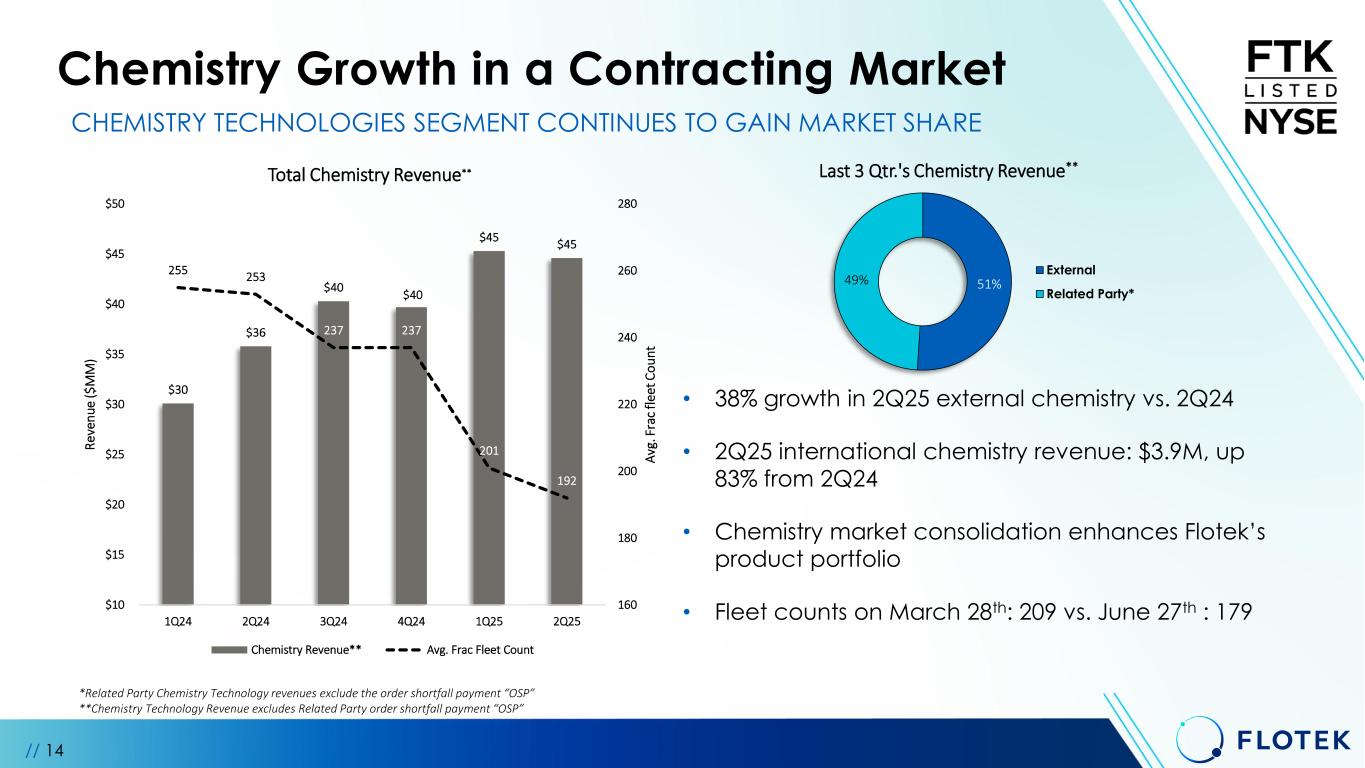
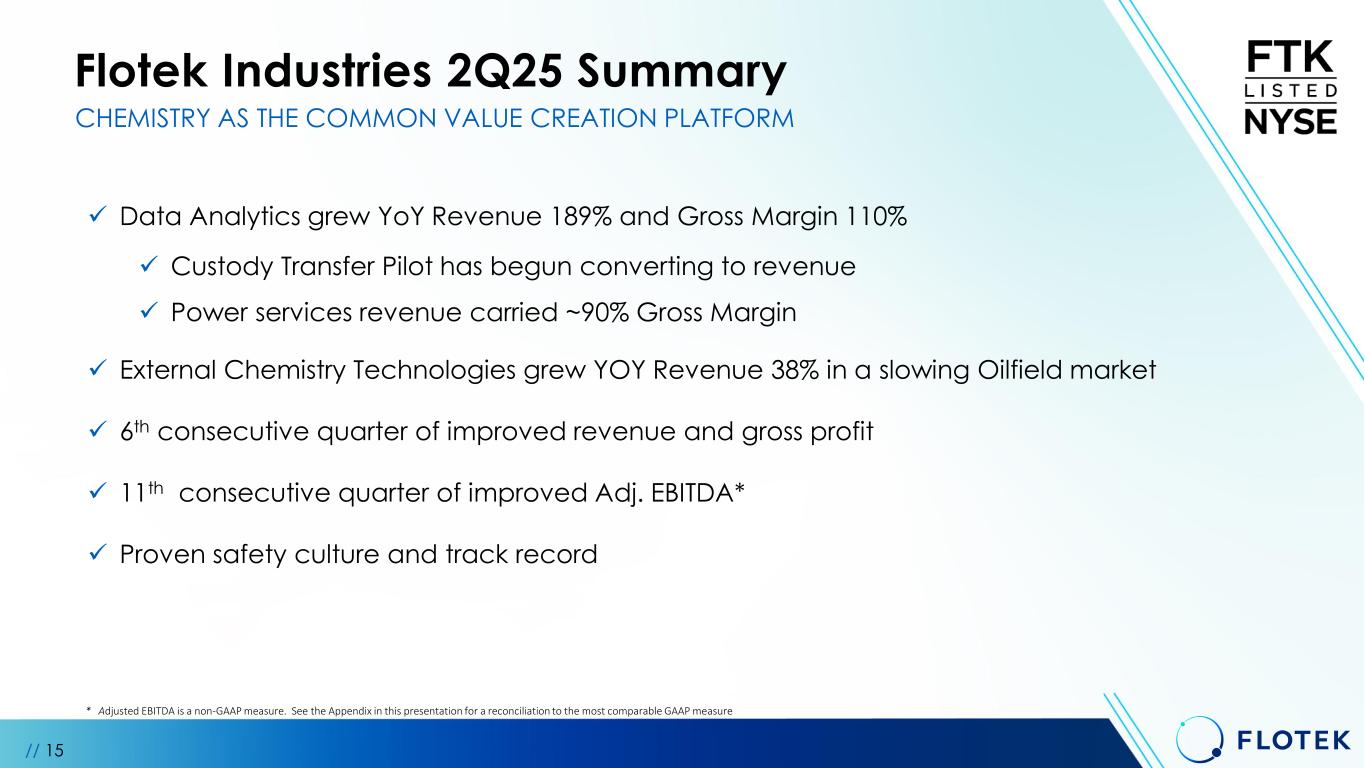
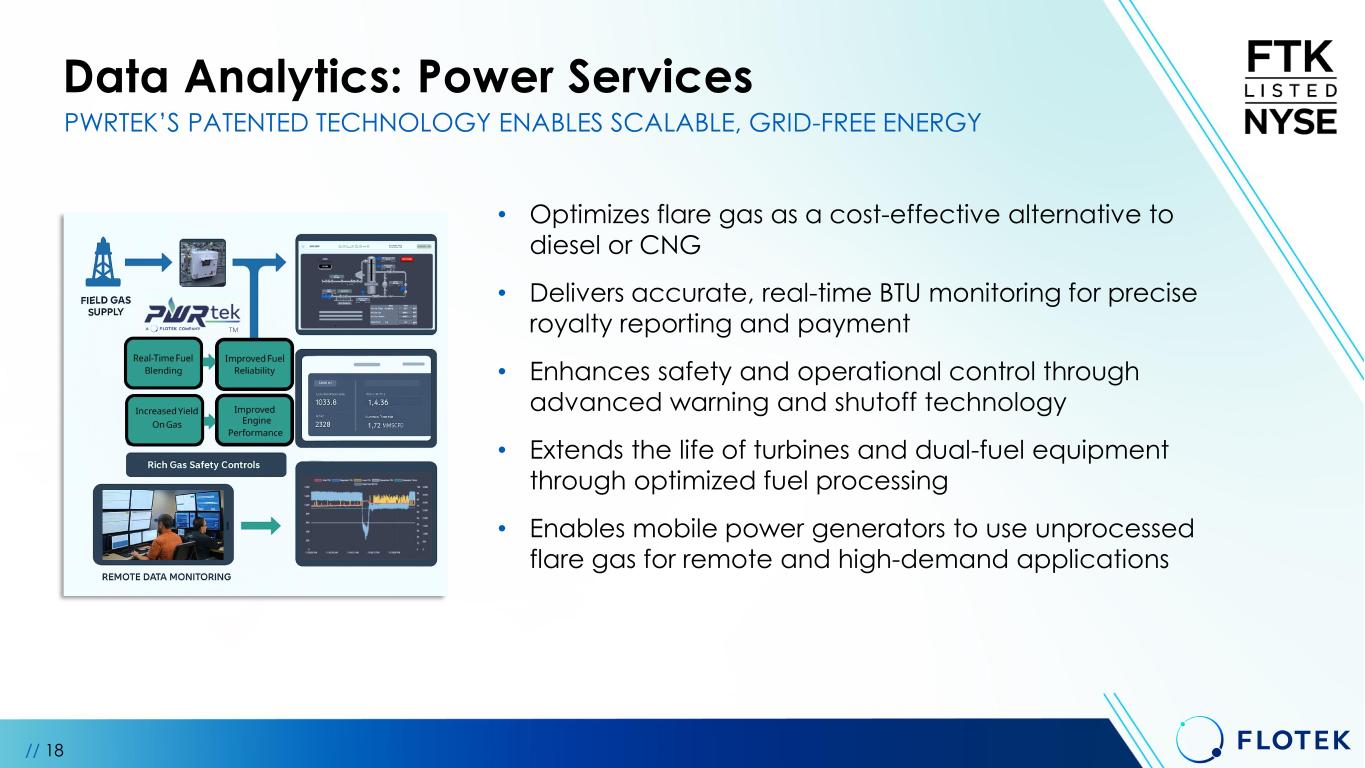
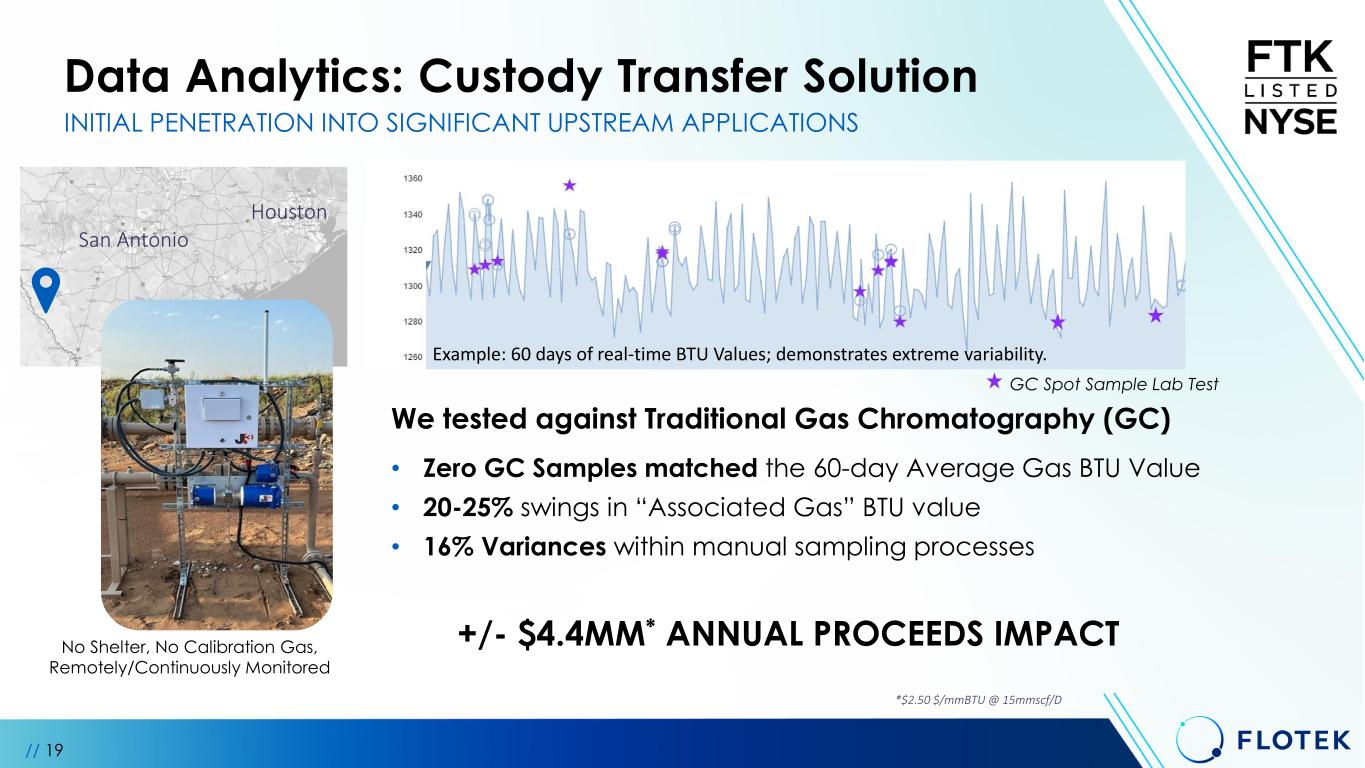
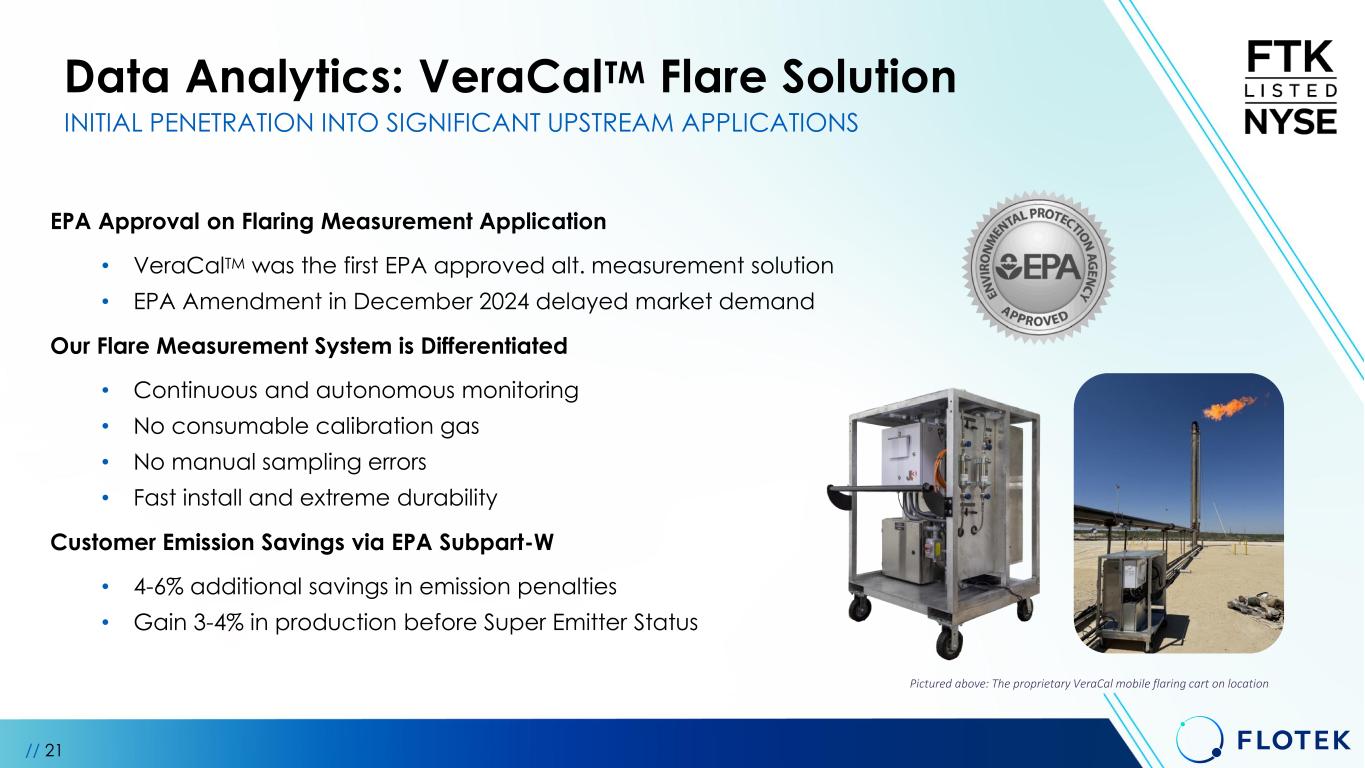
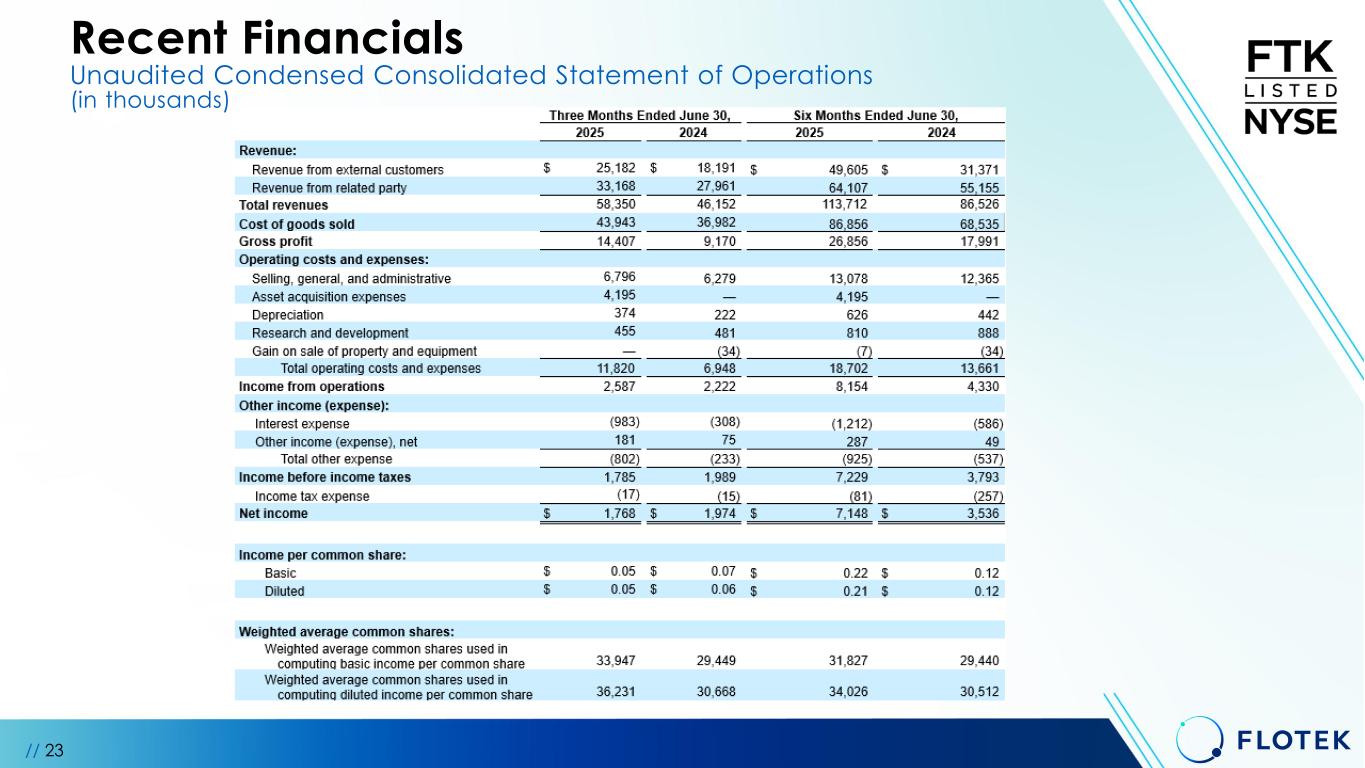
Thank you, Mike, and good morning. We appreciate everyone's interest in Flotek and for joining us today as we discuss our second quarter of 2025 operational and financial results. Throughout the quarter, the sector continued to face dynamic geopolitical and macroeconomic challenges that have generated volatility within the commodities market. Despite these headwinds, the Flotek team demonstrated a resilient focus on executing our corporate strategy, driving transformation, and delivering our sixth consecutive quarter of revenue and gross profit growth alongside our 11th consecutive quarter of adjusted EBITDA improvement. As a result, Flotek continued its track record of increasing market share in both of our complementary business segments as we remain unwavering in our commitment to excellence and value creation for our shareholders and customers throughout the convergence of innovative data and chemistry solutions. With that, I'd like to touch on some key highlights for the quarter referenced in Slide 5 that Bond will discuss later in the call. As part of our measure more strategy in the Data Analytics segment, we acquired 30 real-time gas monitoring and dual fuel optimization assets to accelerate Flotek's strategic expansion into the energy infrastructure sector. Twenty-six were operating at the end of July, and all 30 are expected to be operating by January 1, 2026. We continue to build our revenue backlog in the Data Analytics segment by securing a multiyear contract estimated to deliver $156 million in revenue while providing substantial earnings growth and free cash flow for the segment. Total revenue during the quarter rose 26% versus the second quarter of 2024, highlighted by a 189% increase in Data Analytics revenue, our strongest quarter ever, and a 38% increase in external chemistry revenue. Gross profit climbed 57% versus the second quarter of 2024 with the second quarter of 2025 gross profit margin rising to 25%. Net income totaled $1.8 million. However, excluding $4.2 million in asset acquisition expenses, adjusted net income totaled $6 million, which is a 202% improvement versus the second quarter of 2024 and more than a 10% improvement sequentially. Adjusted EBITDA was up 113% versus the second quarter of 2024 and up more than 20% sequentially. And above all, these milestones were achieved with zero lost time incidents in the field of operations. I also want to spotlight our MTI facility in Raceland, Louisiana, which has remarkably maintained a 10-year record with no ore recordables. During that period, MTI has moved over 350 million pounds of dry products and 5.3 million gallons of liquid products, such an extraordinary feat. So, I want to thank all of our employees for their hard work and commitment to safety and service quality in achieving these outstanding results. I remain excited about Flotek's future as we strengthen our position as a technology leader, spearheading innovation and delivering tailored data and chemistry solutions that meet our customer-specific needs. We're committed to shaping the industry's future by leveraging chemistry as the common value creation platform. Now let's dive into the details, referencing Slide 9 of the investor earnings deck. Today, I want to spotlight the remarkable progress in our Data Analytics segment, which saw service revenues increase 452% in the second quarter of 2025 versus the second quarter of 2024, elevating gross profit to 63% in the second quarter of 2025 versus 30% in the same quarter a year ago. This transformational growth in data-driven service revenue is empowered by three upstream technology applications: power generation, custody transfer, and flare monitoring, all of which are fueling significant advancements for our organization while generating recurring revenue backlog. The first is our transformative power generation solution, which has evolved from a novel analytical approach into a game changer for the energy infrastructure sector that we call PWRtek. What began as advanced analytics has grown into a comprehensive end-to-end fuel management platform, redefining performance standards and operations within the sector. Looking at Slide 11. In April of 2025, we acquired 30 patented real-time gas monitoring and dual fuel optimization assets. This transaction instantly strengthens our presence across all U.S. basins, adding turnkey capacity for fuel valuation, conditioning, and distribution to support remote and mobile energy services, data center, and grid power generation infrastructure. In connection with the asset acquisition, we also secured a six-year contract, anchoring an estimated $156 million in recurring revenue backlog while generating improvements in annual operating income and boosting free cash flow. At the heart of PWRtek is our Verax Analyzer, which goes beyond data collection to deliver custody transfer grade measurements. It provides precise BTU volume reporting for royalties, invoicing, and performance guarantees. Complementing this, our patented ESD trailers actively remove liquids and contaminants, conditioning high BTU hydrocarbon feeds to meet exact turbine or engine performance specifications. Because every site and grid condition is unique, we've integrated Coreless metering, automated CNG blending, and seamless backup connections, allowing operators to switch fuels or go off grid with a single button, resolving major constraints to the development of data center and grid power infrastructure. But PWRtek is about more than just technology. It's about control. Operators interact seamlessly through an on-trailer HMI or a unified web portal that is accessible on desktop, tablet, or smartphone. Our cloud-based portal enables the monitoring of live BTU trends, H2S alerts, Core flow meter readings, and automated CNG blend controls, combined with custom alarm thresholds to automatically isolate all-spec hydrocarbon feeds and protect high-value turbines or engines from catastrophic damage, thus minimizing downtime and operational risk while enhancing safety. All data flows securely through our patented edge-to-cloud pipeline, ensuring zero manual intervention, end-to-end encryption, full audit trails, and compliant custody transfer recordkeeping. Building on this success, we've also taken delivery of our first smart filtration skid, a minimal footprint unit that integrates custody transfer analyzers to remove liquids, monitor BTU, and emissions and auto divert out-of-spec gas. Focused on expanding our external customers, we expect field deployment in the third quarter of 2025 with a potential capital expenditure payback in less than three months. Finally, over 35 Data Analytics patents position Flotek as a leader across the natural gas value chain. When considering our capabilities for advanced fuel blending, zero emissions analytics, custody transfer gate flow cell measurements, wireless ESD actuation, and secure edge-to-cloud data transmission, we deliver unmatched monitoring, control, and safety for field gas operations. Now, let's transition to Slide 12, where we'll dive into our second upstream application, custody transfer. Since January of 2025, a leading E&P partner has been piloting this solution in multiple basins. At a single pilot site, we pinpointed an annual customer opportunity of up to $3.5 million. This highlights the significant value the solution creates. Currently, nine of the custody transfer locations are now fully commercial, converting to recurring monthly revenue. Six additional locations are expected to convert to recurring monthly revenue in the third quarter of 2025, with further expansion expected. Additionally, we are actively pursuing opportunities with other domestic operators and targeted NOCs in the Middle East. This groundbreaking application sets a new standard in the oil and gas industry, delivering unprecedented transparency and minimizing enterprise risk for producing wells like never before. By monitoring hydrocarbon quality and composition in real-time and taking the measurements every 5 seconds, we successfully unlocked a new market for Flotek. Let's move to our third upstream application, the VeraCal Flare monitoring solution. We continue to see operational demand in the second quarter of 2025, realizing nearly $1 million in revenue. We're navigating through the rapidly changing regulatory landscape and partnering with operators and flare developers to deliver value that goes beyond compliance, unlocking new efficiencies and environmental benefits for our clients. It's clear that our transformational strategy to grow the Data Analytics segment through upstream applications is gaining traction. But what is most important is what it means for our stakeholders and investors. Our data-driven strategy ensures predictable recurring revenue and cash flow, delivering stability and long-term value. Our proprietary data technologies and superior measurement accuracy enable velocity and decision control that establish a high barrier to entry, secure client loyalty, and support our value-based service model. And long-term, high-margin subscriptions position Flotek for sustained growth and margin expansion, driving significant shareholder value over time. And lastly, our Chemistry Technologies segment continues to deliver robust performance driven by the differentiation of our prescriptive chemistry management services and our expanding international presence, as shown on Slide 13. Slide 14 underscores the resilient performance of our Chemistry segment, with second quarter 2025 revenue surging 38% year-over-year despite a 24% decline in average active Frac fleets during the same period. While we anticipate potential commodity price volatility in the second half of 2025, we view this as a strategic opportunity to further expand our market share by accelerating the adoption of our prescriptive chemistry management solutions and enhancing asset values for our customers. It's evident that our chemistry team has executed our strategy flawlessly despite the near- to medium-term headwinds while uncertainties around activity levels in the second half of 2025 persist due to the macro factors that could affect the completion chemistry market, we remain focused on defining these challenges, delivering differentiated chemistry and data services to provide our customers with industry-leading returns on their investment. We are confident that our expanding suite of services positions us to deliver superior solutions to a variety of our industry's most challenging problems while maximizing our customers' value chain. Now I'll turn the call over to Bond to provide key financial highlights.
Speaker 3
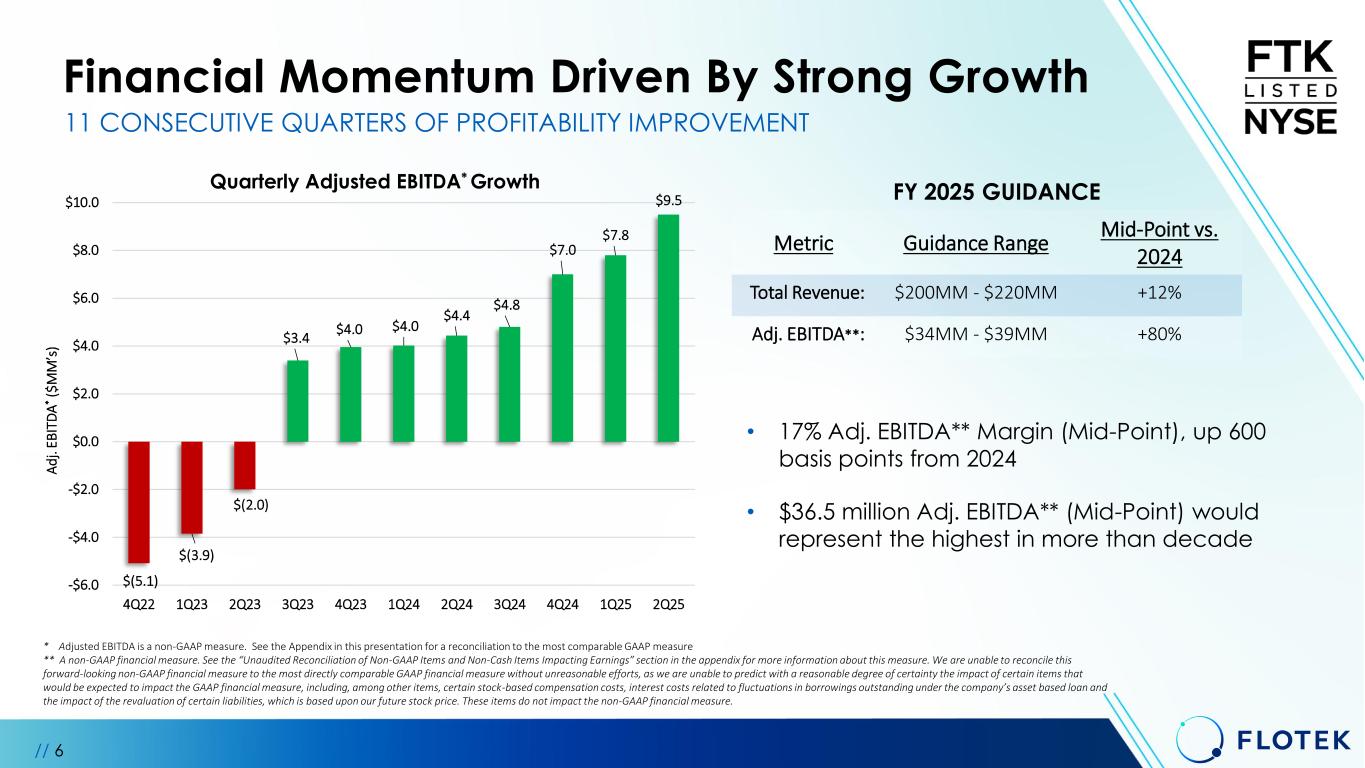
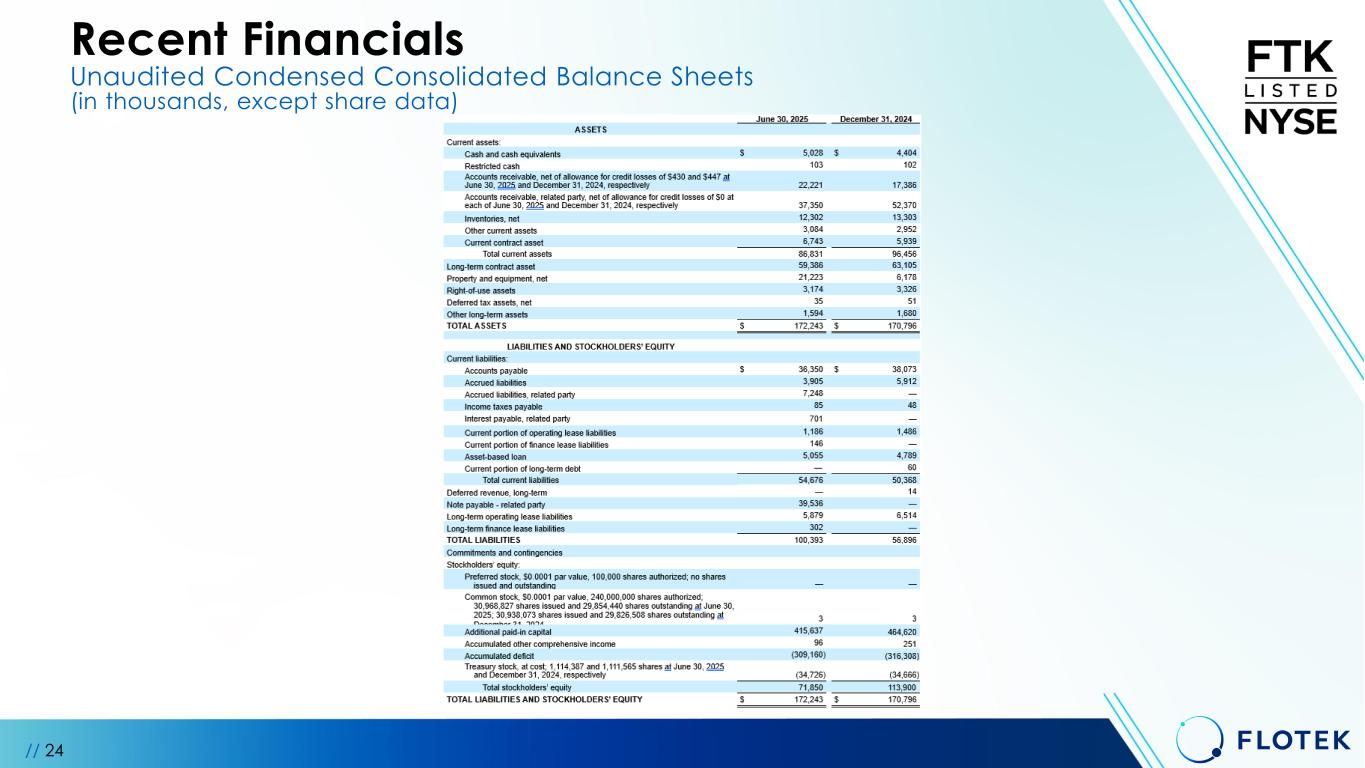
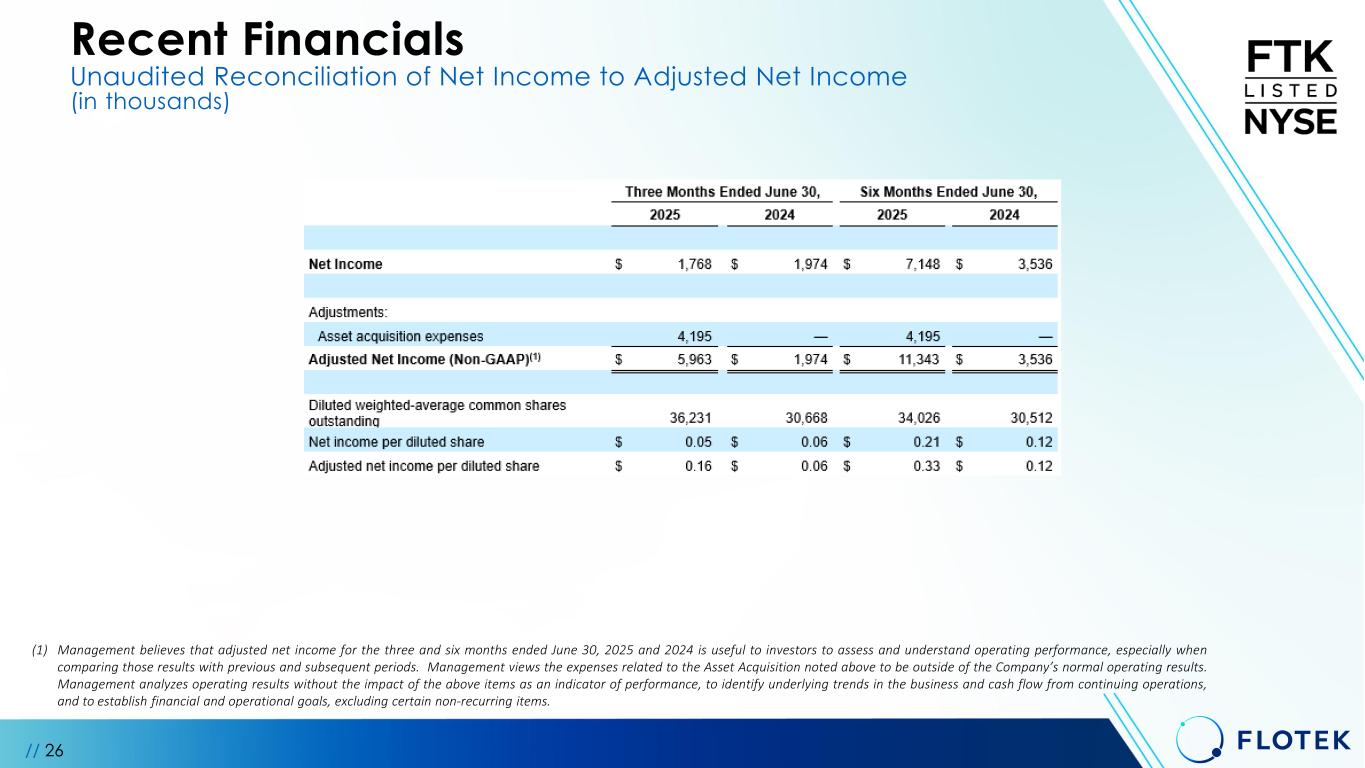
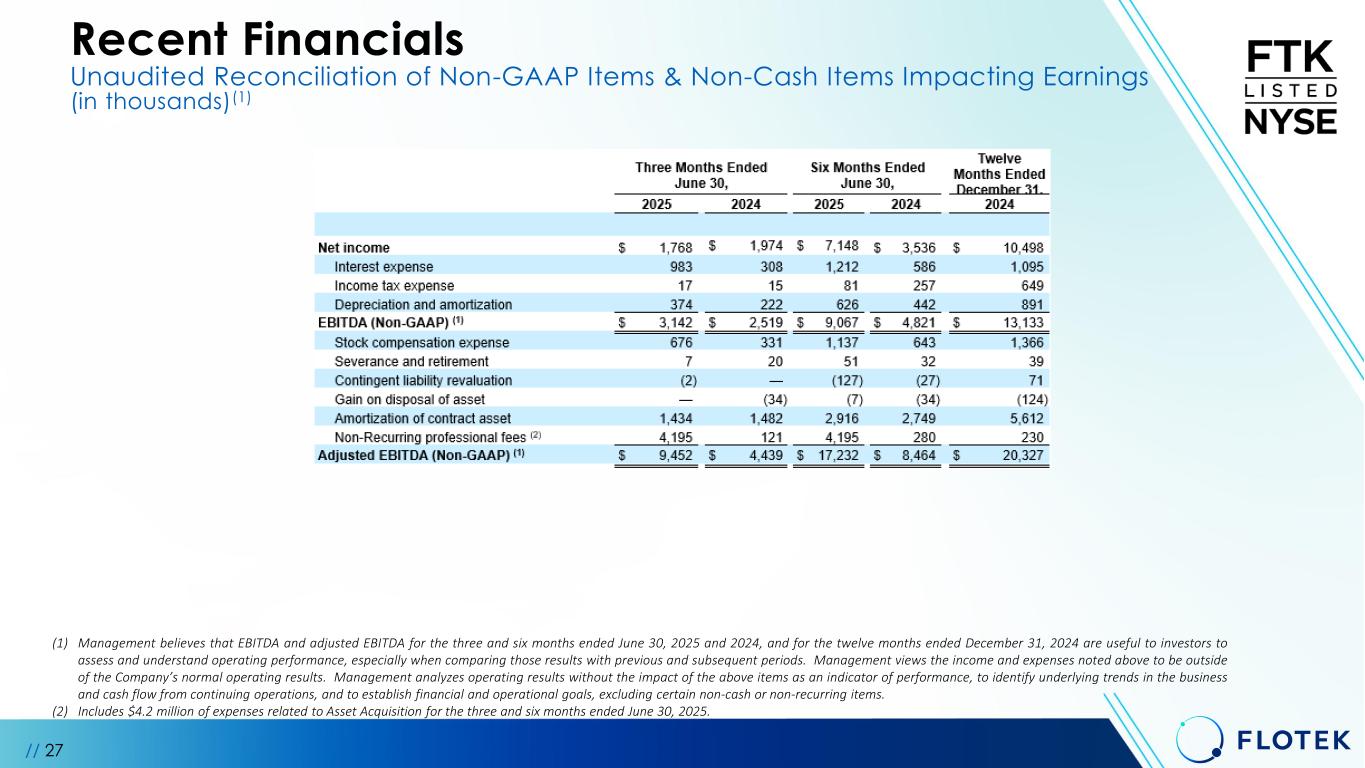
Thanks, Ryan. I'm excited to discuss our second quarter performance released yesterday afternoon. This marks our first opportunity to assess the financial contribution of our newly acquired gas conditioning assets and the accompanying long-term lease. As we reported yesterday, our new PWRtek assets had a meaningful impact on our second quarter numbers. Operating for only two months of the quarter, they generated $3.2 million in revenues and contributed roughly $3 million in gross profit. The addition of this new high-margin revenue drove total company gross margins for the quarter to 25%, or up approximately 200 basis points sequentially. As shown in Slide 9 of our deck, our PWRtek assets served as a clear catalyst for margin and profitability expansion, driving improvements not only within the Data Analytics segment, but also at the corporate level. Emphasizing PWRtek's impact, during the first quarter of 2025, the Data Analytics segment contributed just 8% of total company gross margin. Compare that with the second quarter of this year, where that contribution was up to 26%. The numbers become even more compelling when you consider our expectation that third-quarter revenue from these assets will surpass second-quarter levels, with full year revenue contributions projected to reach approximately $15 million. Based on the fixed rental rates in the lease and with all of PWRtek assets in service for a full year, 2026 revenues are expected to be north of $27 million. Considering that PWRtek generated only 5% of second quarter revenue but provided a remarkable 21% of total company gross profit, it's clear the strategic weight Data Analytics will carry in driving profitability over the coming quarters and the duration of the six-year lease. Moving to the quarterly results. As Ryan mentioned, the second quarter marked our sixth consecutive quarter of revenue growth. Revenue growth was led by a 189% increase in the Data Analytics segment versus the year-ago quarter, highlighted by the increase in service and rental-related revenues driven by the PWRtek assets. Data Analytics segment revenue represented 10% of total second quarter revenues, up from 4% a year ago. On the chemistry front, total revenue grew 19% versus the year-ago quarter. Please see Slide 14 in our earnings deck that reflects the growth in our chemistry revenues over the last several quarters against the backdrop of declining active Frac fleets. SG&A costs during the quarter were up versus the second quarter of last year due to higher stock compensation costs. However, on a percentage of revenue basis, G&A was 12% this quarter versus 14% a year ago. Net income for the quarter totaled $1.8 million or $0.05 per share, and it was impacted by $4.2 million in asset acquisition costs, which primarily related to legal and various advisory services. Excluding the expensed acquisition costs, adjusted net income totaled $6 million or $0.16 per diluted share. Please refer to Slide 26 for the reconciliation between net income and adjusted net income. As it relates to second quarter share count, as noted in the release, shares outstanding at June 30 did include the weighted average impact of the 6 million shares underlying the warrant that was part of the consideration for the PWRtek acquisition. Looking at Slide 6. During the second quarter, we continued our streak with respect to adjusted EBITDA. We have now posted 11 consecutive quarters of improvement. Not only was our second quarter adjusted EBITDA 21% higher sequentially, but when you look at it through the first six months, adjusted EBITDA is running more than 100% higher than the first half of last year. Similar to what we saw on the gross profit margin side, our second quarter adjusted EBITDA margin increased by 200 basis points sequentially, primarily as a result of the new Data Analytics assets. In yesterday's release, we reconfirmed our 2025 guidance, which we have summarized on Slide 6. The midpoint of our revenue and adjusted EBITDA guidance indicates growth of 12% and 80%, respectively, as compared to the 2024 metrics. Assuming the midpoint of both metrics implies a 17% adjusted EBITDA margin as compared to only 11% in 2024, further underscoring the positive margin impact that we witnessed during the second quarter with respect to the PWRtek assets. Consistent with last quarter's call, our guidance reflects a conservative outlook for the second half of the year as it relates to our chemistry business, given the continued industry data points and commentary regarding potentially slowing upstream activity. Touching on the balance sheet. Our June 30 financials reflect the full impact of the PWRtek transaction. As a reminder, consideration included a portion of our 2024 and 2025 chemistry shortfall payments, a $40 million note, and a warrant for 6 million shares. To wrap up my comments on the financials, the second quarter delivered strong performance, highlighted by steady growth in revenue, margins, and profitability. Based on this initial quarter of results from the PWRtek assets, it's clear we're on track to significantly rebalance our profitability mix, transitioning from chemistry technologies as the primary contributor today to Data Analytics emerging as the leading driver of profitability in the near future.
Speaker 2
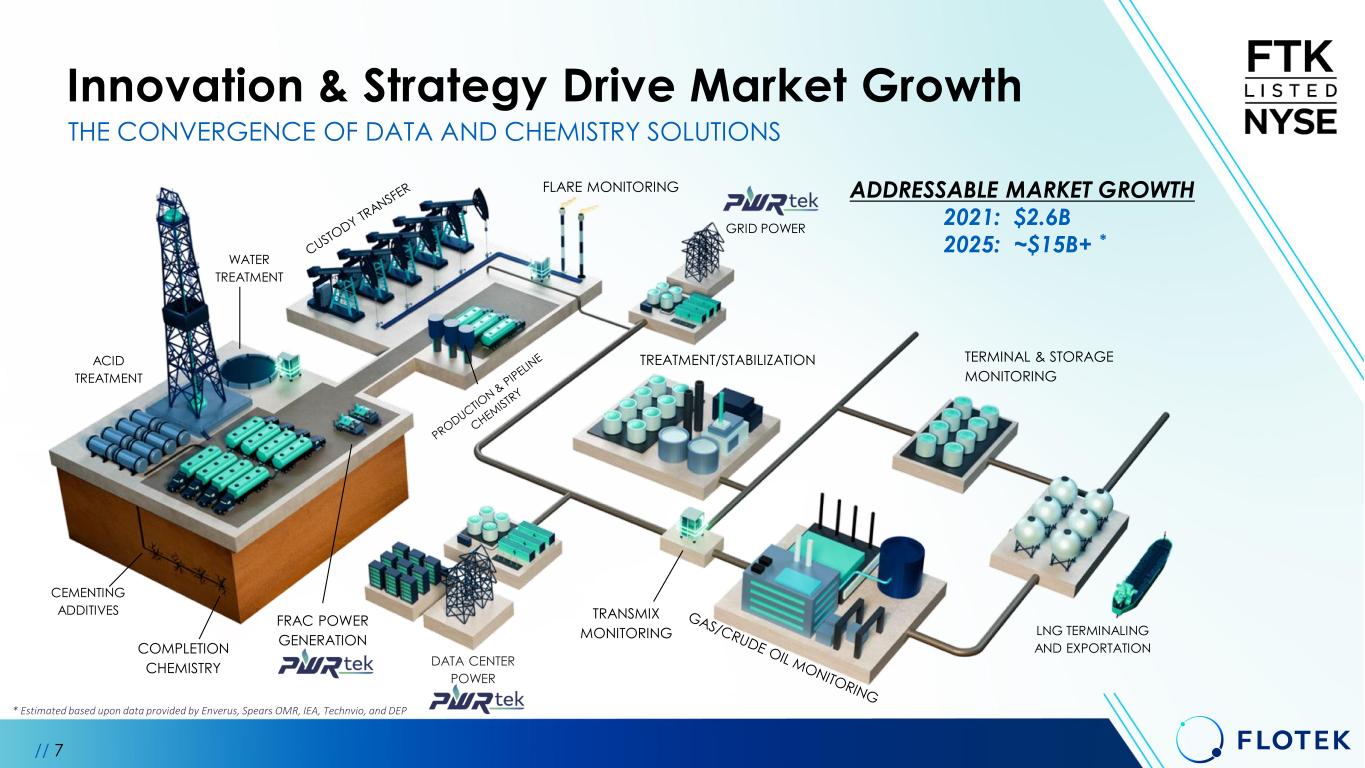
Thanks, Bond. The second quarter of 2025 results build upon our now multiyear track record of consistently posting improved financials. Our 2025 guidance points to another year of impressive financial improvement as we continue to execute our corporate strategy, leveraging chemistry as the common value creation platform. Looking at Slide 7, I remain convinced we are still in the early innings of Flotek's transformation as we continue to grow and maximize returns for our customers and shareholders across the entire value chain of the energy landscape. Our transformative and strategic entry into the energy infrastructure sector is expected to provide a significant increase in high-margin data analytics revenue and cash flow for years to come. With the growth of our upstream applications, we anticipate the Data Analytics segment will contribute over half of the company's profitability in 2026. We have secured long-term contracts for both our Chemistry Technologies and Data Analytics segments, bolstering confidence in Flotek's ability to deliver stable revenue and profitability while effectively shielding our business from the impacts of commodity price fluctuations. Finishing with Slide 15, we believe no other company in our industry is better positioned to deliver the cutting-edge technologies needed to tackle the unique challenges of the energy and infrastructure sectors. I'm incredibly proud of our progress and confident in our team's ability to execute moving forward. Given the growth potential for our Chemistry Technologies and Data Analytics segments, we see Flotek as a compelling investment opportunity. I want to thank you for your continued support, and we're eager to share our vision for Flotek's future and look forward to updating you on our progress in the quarters ahead. Operator, we're ready to open the floor for questions.
Operator
Our first question comes from Jeff Grampp with Northland Capital Markets.
Speaker 4
Ryan, I was hoping to get an update on progress towards contracting additional PWRtek units to third parties. As I recall, I believe most, if not all of these units are earmarked to ProFrac. I know you guys have some demand from other parties. So just curious to get an update on those efforts.
Speaker 2
Yes, that's a great question and one we're happy to answer this morning that we've seen solid traction. We've now got an additional five customers that we are going through the pilot phase of testing the Verax monitoring, proving the application that will transfer into the next step of moving the larger assets like an ESD NGD combo or one of our new smart filtration skids on the location. So we do expect the first smart filtration skid to be out in the next couple of weeks, and we have accelerated the capital builds on the rest of the equipment to start to answer the building demand. So, we're really excited about it. And we're not only seeing it from the aspect of what I would consider to be rig power, which would be dual fuel or e-fleet turbines, but we're also seeing solid traction in grid power and some of the data center support as well. So exciting time for what's going to be coming in the future of PWRtek.
Speaker 4
That's great to hear. I would like to discuss custody transfer and get more details on the locations that have started commercial operations. Can you provide information on the number of customers and the geographical areas where you are gaining traction? I believe you mentioned one customer operating in several basins, but I’m interested in understanding the overall reach in terms of customer numbers and different locations.
Speaker 2
Yes, we've been running a significant pilot program with one of the major exploration and production operators in North America. Currently, our units are operational in almost every major U.S. basin. As we've initiated the pilot program, we install the units and after 60 days of monitoring, they transition to commercial operation. We've fully activated nine units commercially, which began generating revenue in late May and early June. Six more units are now in the process of converting, and this number is still increasing. The initial conversions primarily took place in the Permian Basin, and we're starting to see units come online in the Rockies region and also in the Northeast. Additionally, we have around eight to ten customers currently in pilot phases where we are monitoring custody transfer. We refer to them as pilot projects because they involve various applications in different locations. Some are doing extended tests to replace traditional sampling methods with our technology, while others are focused on NGL production in the first 60 to 90 days after bringing a well online. Each customer has unique needs, but overall, I am very optimistic about this application and believe it will become a significant segment for Flotek in the future.
Speaker 4
Great. That's super helpful detail. If I could just sneak one more in. I think the release noted something like 90% gross margins on the PWRtek assets. I think you guys were initially targeting something more like 80%. I know it's still early, but just any commentary on the potential sustainability at that level would be interesting to hear.
Speaker 3
Yes, Jeff, we obviously were pleased with the margins in the first quarter. Keep in mind that those assets were only operating for a part of the quarter, roughly two months. We still think margins are going to be very attractive. It's hard to say if they're going to be sustained at 90%. But as we said initially, our expectations were going to be north of 80%. So, I think 80% to 90% is probably a reasonable assumption going forward as we sit here today.
Speaker 4
Sounds good. Thanks, Bond.
Operator
And your next question comes from the line of Gerry Sweeney with ROTH Capital.
Speaker 5
So just a follow-up question on the PWRtek side. You've mentioned five customers, or I think five customers are using the PWRtek or piloting or whatever words are talking to you. How big of a market do those five customers represent?
Speaker 2
Initially, I would say that they are divided. Two of the customers are specifically tied to oil and gas operations, such as rig power, while the other three are focused on energy infrastructure, including grid power support and monitoring gas for data centers. When considering achieving any scale, they are comparable in size to our largest customer, which is the ProFrac Power unit. All five of our customers have a similar footprint, if not a larger one.
Speaker 5
Got it. Is there a difference in terms of the depth of maybe due diligence between the oil and gas guys and the energy infrastructure, maybe getting across the finish line?
Speaker 2
Yes, believe it or not, the process of getting equipment on-site is quite similar to what we experienced with our initial deal with ProFrac. First, we demonstrate the effectiveness and capabilities of the Varex monitoring system, which is essential for all this equipment. Typically, we conduct a couple of weeks of testing where they evaluate the field gas alongside their existing knockout systems. After that, we progress to larger assets like an ESC NGD combo, which acts as a monitoring stopgap with distribution, or we might move into a smart filtration skid with distribution. The ESD and smart filtration systems are quite alike, although the footprint for the smart skid is slightly smaller. The diligence aspect comes in because both systems are very similar when working with remote and raw field gas. However, in some power facilities, especially data centers, they often utilize what I would describe as refined, city-level gas. This changes the approach to metering, valuation, and volume management, especially concerning the control of liquids that may be present.
Speaker 5
Got you. And then secondarily, then I'll jump back in line. Just manufacturing capacity, where do you stand on that front, just maybe even meeting potential demand as we move into next year?
Speaker 2
Yes, regarding PWRtek, we have a considerable backlog of Varex analyzers to meet the demand. We acquired 30 initial assets, and we're expecting 26 of the remaining units to arrive soon. Our first smart filtration skid is operational, and we’ve placed orders for additional units and more ESD NGDs. Most of these have a build timeline of 4 to 8 weeks, so I believe we can maintain our pace. We have several builders capable of producing these units due to our proprietary design, which simplifies the construction process. In terms of custody transfer, we have over 200 units ready for deployment, and we are continuously improving our processes to meet the expected growth in deployment compared to the analyzers for PWRtek. We are still working on further refining the E units as they come into production.
Speaker 5
Got you. Sorry, last question. But you mentioned 200 units for field custody. So I mean, you're expecting that to ramp significantly over the next 12, 18 months with that type of.
Speaker 2
Yes. So the great part is our original, we call it our core business where we're doing re-vapor pressure monitoring or trans-mix because they're multichannel units, we can put one or two units in a refinery and they can monitor multiple areas at once. When you look at what we're doing with custody transfer, these orders are coming in at anywhere from 8 to 20 units at a time for a full deployment in an area. So, they have a much larger enterprise deployment capabilities than what we would traditionally see in the older core business, which is exactly the reason why we push so much into the upstream is the competitive advantage we have and our ability to monitor in real time plus the larger scale deployment opportunities.
Operator
And your next question comes from the line of Poe Fratt with Alliance Global Partners.
Speaker 6
You covered a lot of ground, but can we just maybe look at the energy infrastructure, the PWRtek business, the non-ProFrac revenue, when do you think that's going to hit the operating results? And can you give us sort of an order of magnitude about the level that we might see this year in non-ProFrac customers for the PWRtek sector?
Speaker 2
So we will start seeing revenue from non-ProFrac customers in Q3 of this year. And that will continue to expand because the run rates of what we do for the service from just the Varex as we're proving it out versus when we get the higher day rates for the full systems on location are quite a bit different. So, we'll start seeing a lot of the Varex initial Varex revenue already coming through because the majority of the units have already been delivered in July. And so, we'll start to see that come to a larger scale in the back half of the year, but we'll definitely see some in 2025 with a pretty rapid acceleration from what we'll see in '26.
Speaker 6
Great. And is there any way, Ryan, to quantify the revenue potential per customer? Is it even relevant to look at the 30 units generating $27 million of annual revenue and compare that to your new customers? Is that a way to frame it? Or am I missing something?
Speaker 3
Poe, it's Bond. You got to remember, when we talk about power service, it can be a combination of a lot of different types of activities. What we're doing with a lot of non-ProFrac customers today is simply the rental of the Varex unit, which, as Ryan mentioned, is kind of the brains of the skids that we bought in connection with the PWRtek deal. So obviously, those are not going to be as impactful from a revenue perspective. But when we talk about the Smart Skid that we just rolled out our first one, we expect to put that into service in Q3. I don't think it's too early for us to start getting into financial details relative to the economics of these Smart Skids since we haven't placed one with a customer today. But those units could be very meaningful financially, similar to what we see with the pairs of ESD and distribution skids with ProFrac.
Speaker 6
Okay. And can we do the same thing for the custody transfer business? It looks like third quarter; you might see some revenue there. Can you sort of quantify what you might have seen, or you might have booked in the second quarter and then sort of how it scales up over the rest of the year?
Speaker 3
Yes. Second quarter was very small, less than $50,000 in terms of 2Q. We do expect that obviously to expand with a full quarter of revenue. Again, I don't want to get into individual rental rates on these units given the fact that we're trying to expand customer acceptance of the technology, and we're in some pretty highly competitive discussions right now.
Speaker 6
Okay, that's really helpful, Bond. In the last call, you mentioned being cautious about the chemistry side of the business due to a lot of commodity price volatility. Can you provide an update on your outlook for the chemistry business right now compared to what you previously said?
Speaker 2
I think we have observed significant market fluctuations over the past 90 to 180 days. As mentioned earlier, several core factors, including geopolitical issues and potential demand in the latter half of the year, have affected commodity pricing. The outlook from OPEC+ compared to the OECD countries, including the IEA, could impact the normalization of Saudi Arabia's increased production in the market, influencing oil prices and the demand for natural gas in an upward trend. I believe we will experience some near-term softness. Our proprietary technologies have been key to our growth despite a reduction in active Frac fleets because our customers are noticing improvements in reservoir production and the utilization of our chemistry. Our proprietary technology, particularly in complex nanofluids and surfactant simulations, is expected to continue expanding and gaining adoption. However, our chemistry business may face pressure on commodity chemicals like friction reducers due to their commoditized nature. Overall, we anticipate strong production from our high-margin technology while experiencing some impact on friction reducer sales in the chemistry sector, which may extend into the latter part of Q4. We are beginning to see positive signs in the latter half of Q4, with the international business likely remaining steady or even growing due to activity in Saudi Arabia. I also believe that natural gas demand will eventually increase, bringing some improvement, and we're well-positioned in many natural gas basins compared to the competitive landscape.
Operator
And your next question comes from the line of Eric Swergold with Firestorm Capital.
Speaker 7
Congratulations to your entire team for repositioning the company to grow through a downturn and for continuing to enhance product value. I ask this question, but can you elaborate on accessing power generation equipment from the leading manufacturers?
Speaker 2
Eric, do you mind just repeating that? You broke up a little bit there.
Speaker 7
My question was, can you discuss the efforts to get your sensors specs into power gen equipment from the top power gen equipment manufacturers?
Speaker 2
Yes, that's a great question, Eric. Currently, we are engaging with several partners who supply high-end turbine and engine production that we are testing. Most of our testing aims to optimize the engine's performance and lifespan by making dynamic adjustments to fuel and air control. This helps ensure these engines run at their best and minimizes wear and tear, reducing the risk of costly failures. We are actively involved in this process. Traditionally, there were two ways to approach this: either using OEM parts that came with turbines or dual fuel assets or offering it as a service. We have shifted toward collaborating with larger producers who provide this as a service, with us being the brains behind it. This initiative is progressing well and we see strong opportunities arising in the latter half of this year, including one of the pilot programs we are currently running.
Operator
And your next question comes from the line of Chris Sakai with Singular Research.
Speaker 8
I'm interested in Gi. With your ongoing focus on prescriptive analytics for chemistry optimization, can you share what percentage of your chemistry revenue is currently linked to data-driven services? Additionally, how do you anticipate that ratio will evolve by next year?
Speaker 2
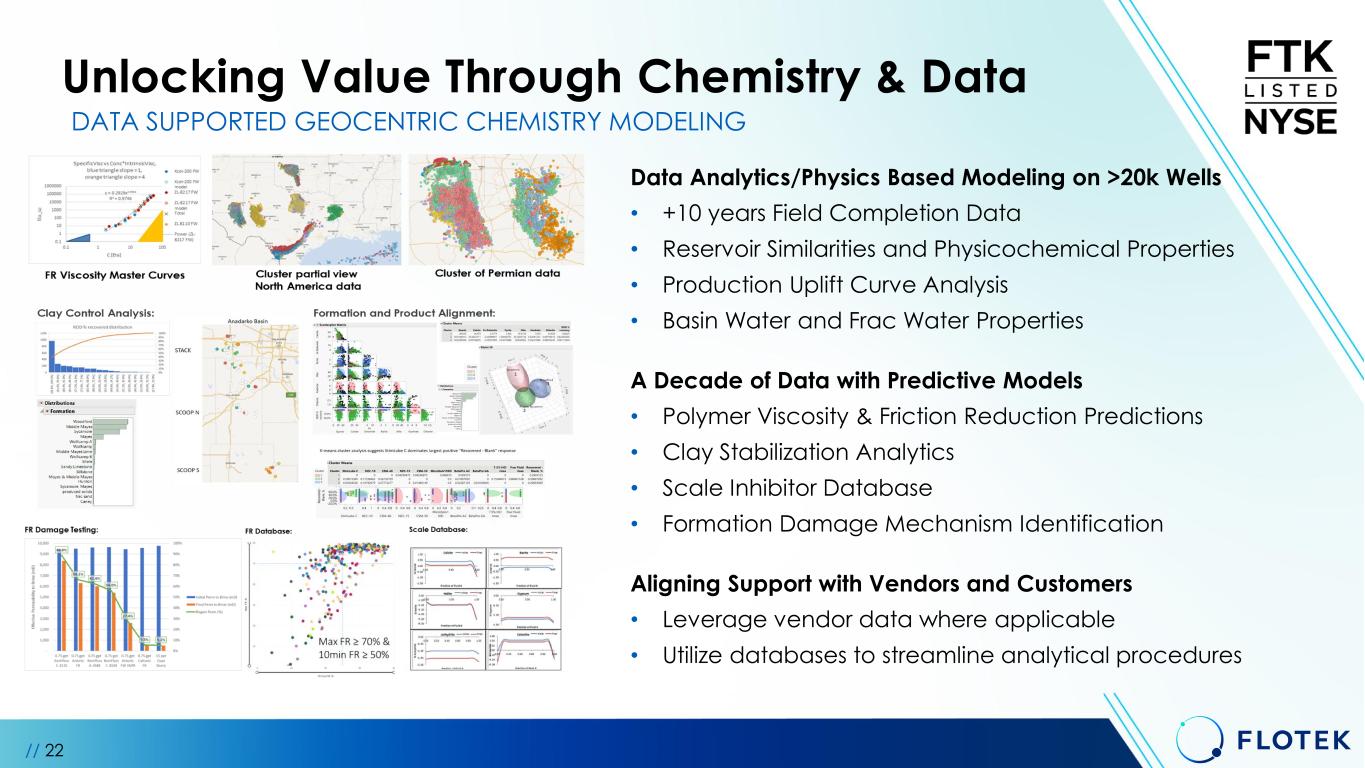
That's quite unique in that the data-driven aspect of our PCM business influences nearly 80% of our operations. On the completion chemistry side, we are currently using real-time data from water quality and other factors to make necessary adjustments to our chemistry. Additionally, when we analyze drill cuttings, core samples, initial crude potential composition, connate water, and conduct XRD testing, we incorporate that information into chemometric models. These models guide us in selecting the appropriate technology for field operations and allow us to refine basic controls and optimization. This data integration essentially affects nearly all aspects of our PCM service. While we do sell some bulk chemistry based solely on pricing, the vast majority of our external customers now rely on our PCM service. As highlighted in our infrastructure slides, we are also implementing real-time monitoring of hydrocarbon production, which creates opportunities to manage production chemistry afterward. We are investigating advanced techniques for real-time water monitoring so that we can adapt our technologies and chemistries on the fly based on water quality, ensuring optimal production from Frac. We are witnessing the convergence of real-time data and optimized prescribed chemistry, and we are at the forefront of this development in the industry. We intend to further advance this approach as a key differentiator for our business moving forward.
Speaker 3
And that's Slide 7, just a quick note.
Operator
And your next question comes from the line of Josh Jayne with Daniel Energy Partners.
Speaker 9
First one for me, just, I guess, a shorter-term question. Could you walk through the expected delta between the low and high end of the guidance range looking in the back half of the year, which segments are going to drive it one way or the other? I would assume because of the size, just of where it sits today, it's probably the chemistry side of the business, but maybe you could talk if there's some variability from some of the other businesses that's ultimately driving the expected outcome in the guidance ranges.
Speaker 3
Yes. I mean, Josh, as we talked about, I think Ryan and I alluded to each in some of our comments, the real variability in the guidance, particularly on the revenue side, is going to be the back half on the chemistry outlook. It's primarily going to be focused on North America. We've obviously shown some resilience relative to decorrelating with the declining active Frac fleets. But we're just taking a conservative look as it relates to our guidance in the back half of the year, recognizing that, that ultimately may come to see us on the chemistry side. On the data side, we feel really good given the fact that as we continue to bring more PWRtek units online throughout the year, that revenue stream is expected to increase sequentially in the third quarter and then again in the fourth quarter. So that's obviously going to be supportive to revenue and obviously, with the margins that those assets put up, supportive to the adjusted EBITDA guidance.
Speaker 9
Understood. And then maybe just more of a strategic question for Ryan. I mean it's been an incredibly busy last 12 months of expansion into a number of different business lines and also growing internationally, et cetera. Is it safe to say that over the next sort of six to nine months, the company is going to be more focused on executing with what you've acquired and built? Or are there other things that you're looking at on the M&A side that could ultimately complement some of these new businesses moving forward? Maybe just how you're thinking about that would be helpful.
Speaker 2
I see this period over the next six to eight months as a great opportunity for the company to further advance our strategy, despite some macro challenges. We are heavily focused on our operations teams as they work on commissioning new assets, as well as the growth of our PWRtek business and the expansion of our Chemistry Technology segments. We aim to further expand the adoption of our complementary services that enhance reservoir performance. I believe there are opportunities to expand our Data Analytics footprint and to grow both our chemistry and data businesses. We will continue to explore targeted opportunities for potential acquisitions that could broaden our capabilities, combining chemical sales with our control strategy on the data side. We will selectively consider ways to consolidate chemistry businesses and grow our Data Analytics business, with the key requirement that these initiatives be immediately beneficial to our operations. This will be our guiding principle.
Operator
And we have no further questions at this time. I would like to turn it back to Michael CPoritelli for closing remarks.
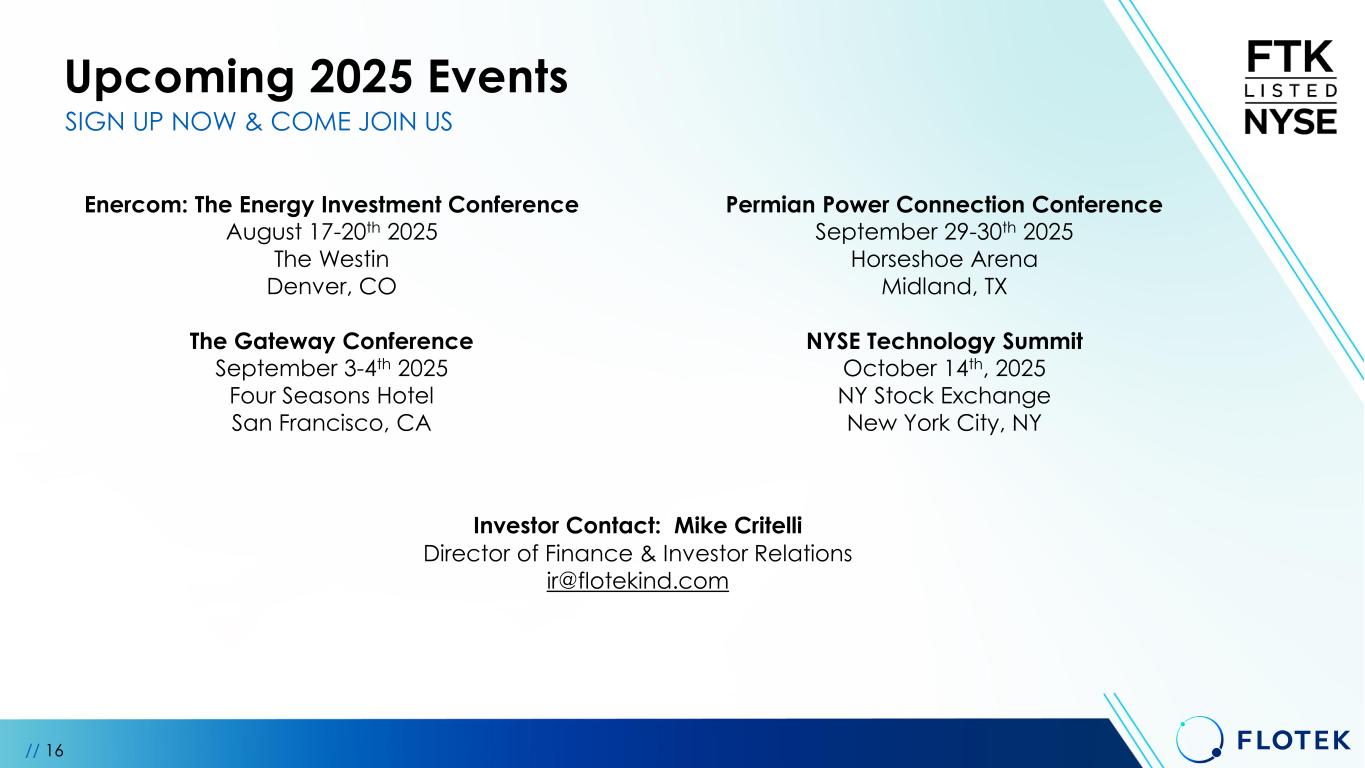
Thank you, everyone, for joining our call today. Please join us at some of our upcoming events. Entercom, August 17th to 20th in Denver, Colorado. We'll also be at the Gateway Conference, September 3rd through the 4th in San Francisco, California. We're also excited to be a part of the New York Stock Exchange Technology Summit, October 14th in New York City. And then lastly, our Permian Power Connection Conference, September 29 to 30th, where we hope to showcase some of our new PWRtek smart filtration skids. Please come and join us.
Speaker 2
And again, thanks, everyone, for joining us today and support of Flotek, and we look forward to speaking to you again soon. Thank you.
Operator
Thank you, presenters. And this concludes today's conference call. Thank you all for joining. You may now disconnect.