Operator
Good day, ladies and gentlemen, and welcome to the GRAIL Fourth Quarter 2025 Earnings Call. Please be advised that this conference call is being recorded. GRAIL Investor Relations, please begin.
Speaker 1
Thank you, operator, and thank you all for joining us today. On the call are Bob Ragusa, our Chief Executive Officer; Aaron Freidin, our Chief Financial Officer; Josh Ofman, President; Sir Harpal Kumar, Chief Scientific Officer and President, International; and Andy Partridge, Chief Commercial Officer. Before we get underway, I'll remind you that we'll be making forward-looking statements based on current expectations. It's our intent that all statements other than statements of historical fact, including statements regarding our anticipated financial results and commercial activity will be covered by the safe harbor provisions for forward-looking statements under federal securities laws. Forward-looking statements are subject to risks and uncertainties. Actual events or results may differ materially from those projected or discussed. All forward-looking statements are based upon currently available information, and GRAIL assumes no obligation to update these statements. To better understand the risks and uncertainties that could cause actual results to differ, we refer you to the documents that GRAIL files with the SEC, including GRAIL's most recent quarterly report and upcoming annual report. This call will also include a discussion of GAAP results and certain non-GAAP financial measures, including adjusted gross profit and adjusted EBITDA, which exclude certain specified items. Our non-GAAP financial measures are intended to supplement your understanding of GRAIL's financials. Reconciliations of the non-GAAP measures to most directly comparable GAAP financial measures are available in the press release issued today, which is posted to our website. And with that, we turn to Bob.
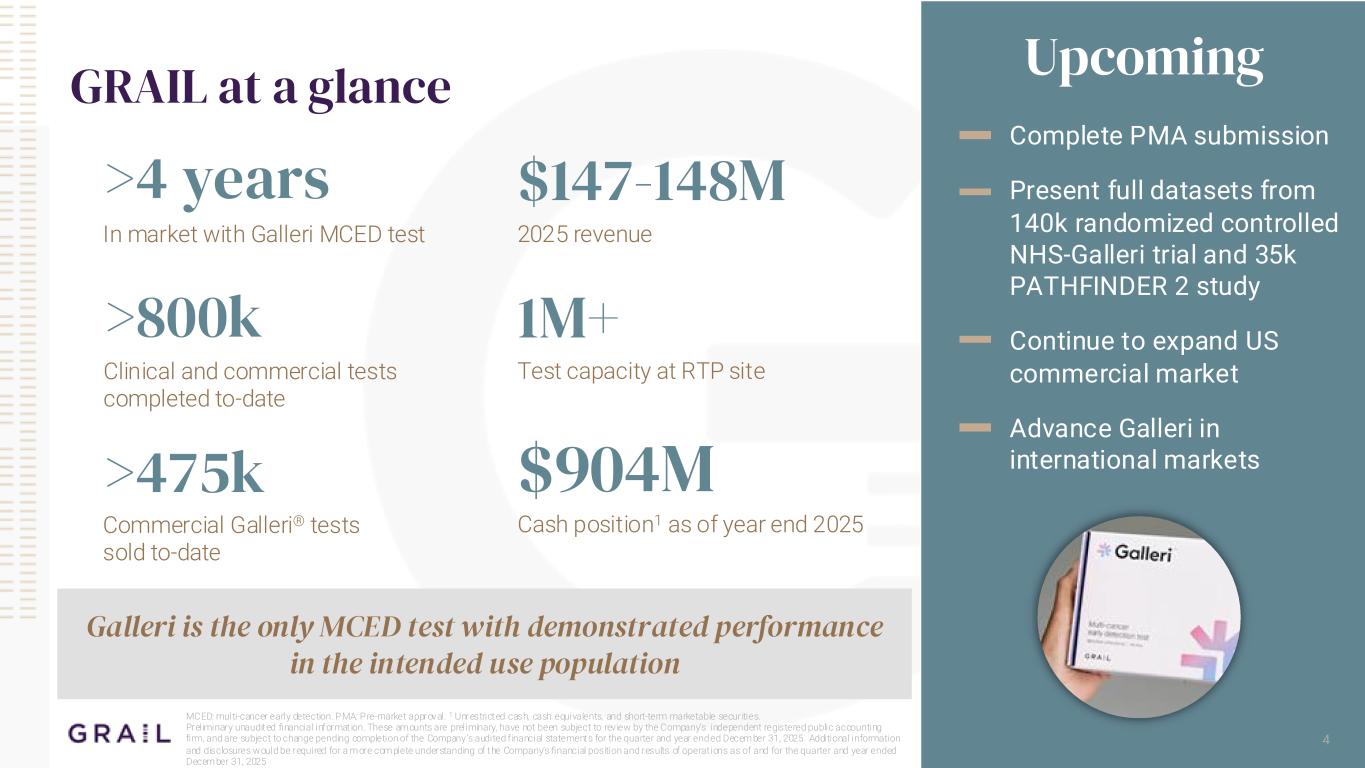
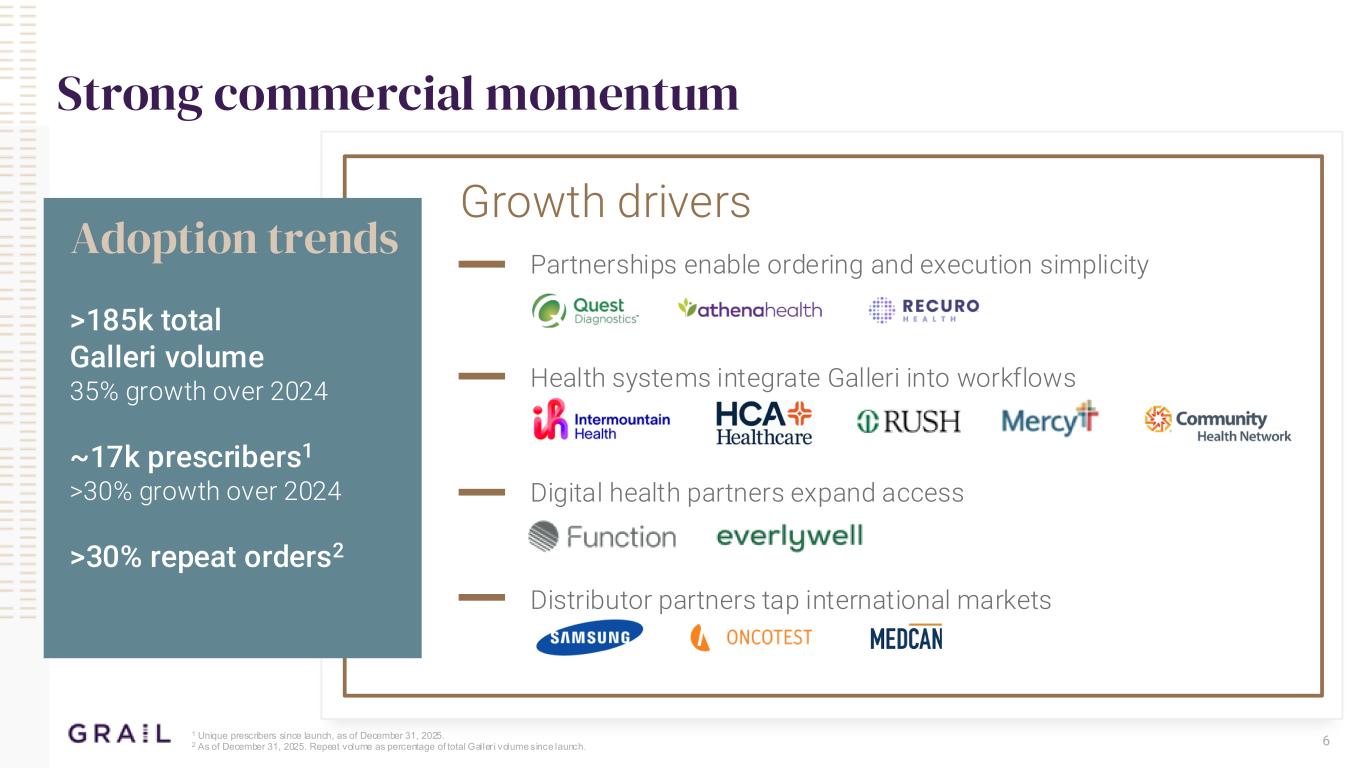
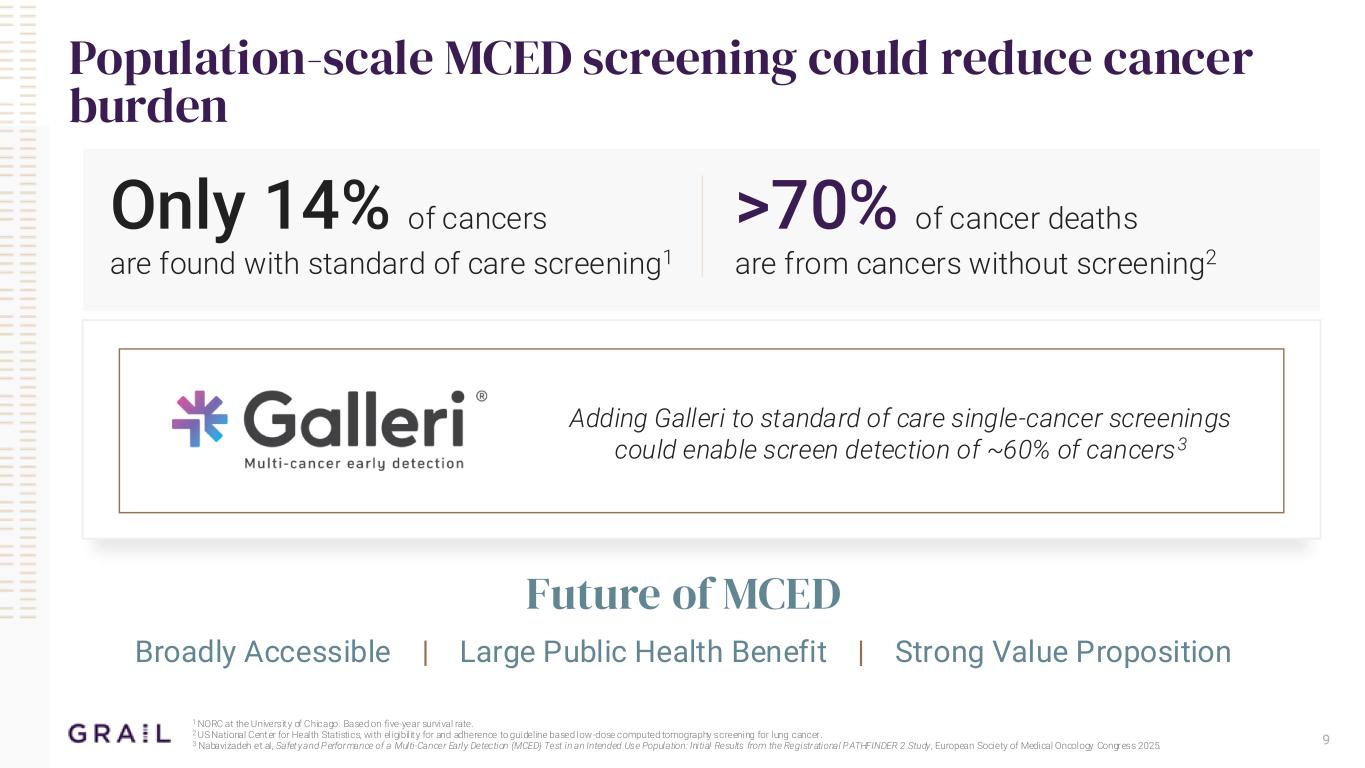
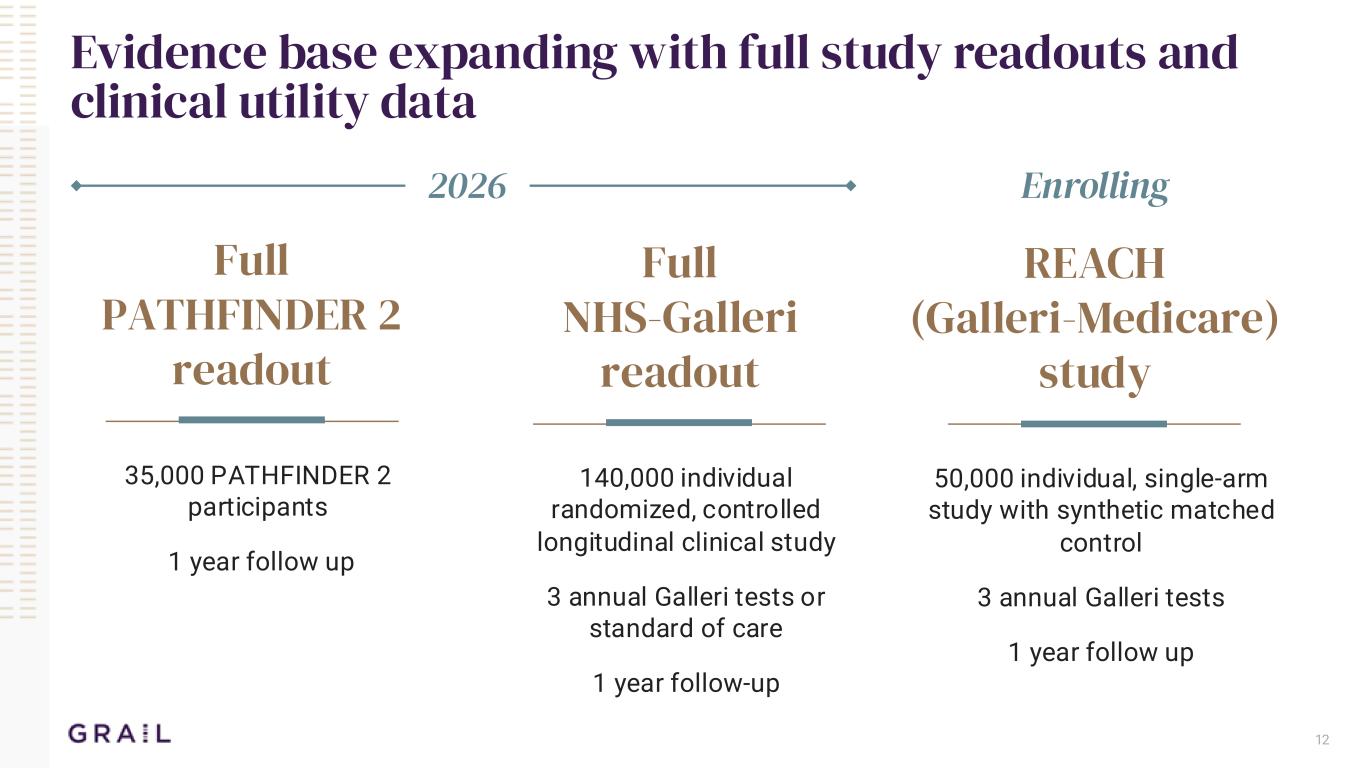
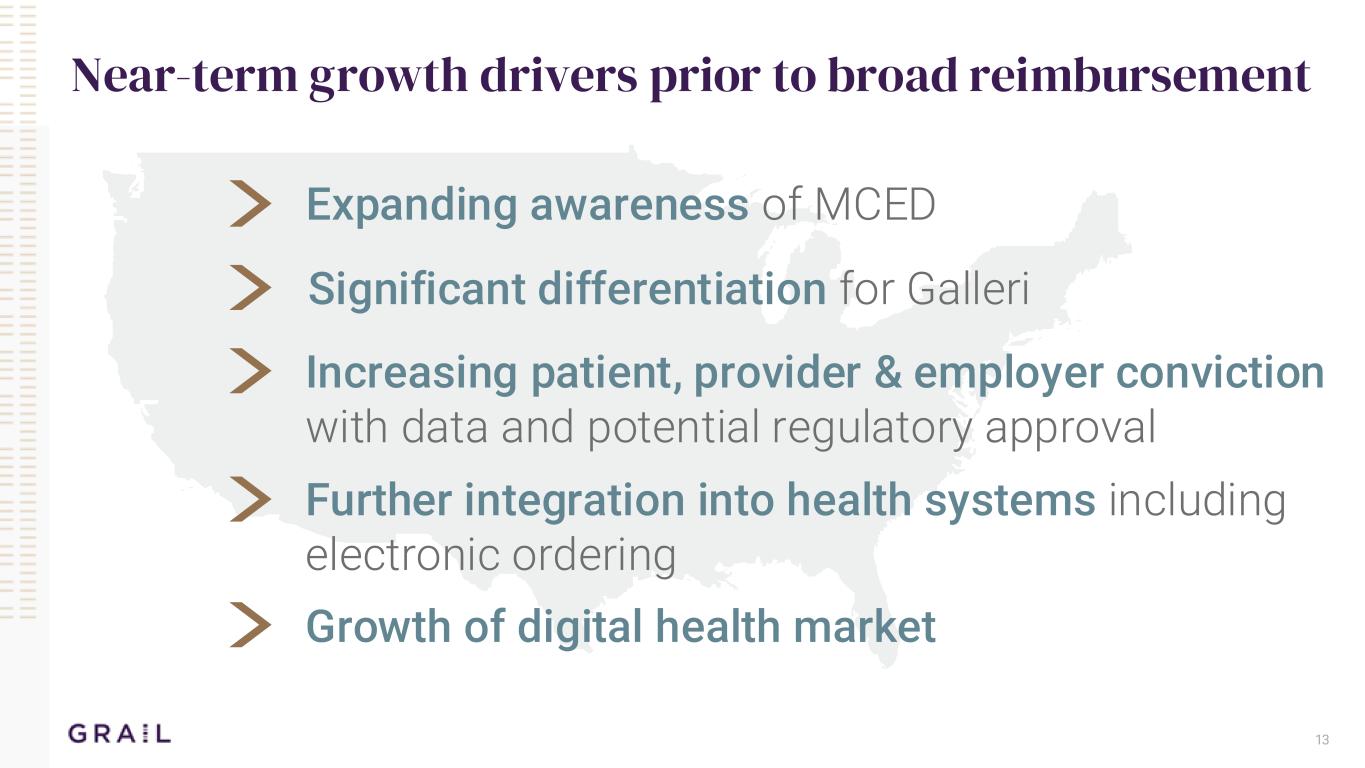
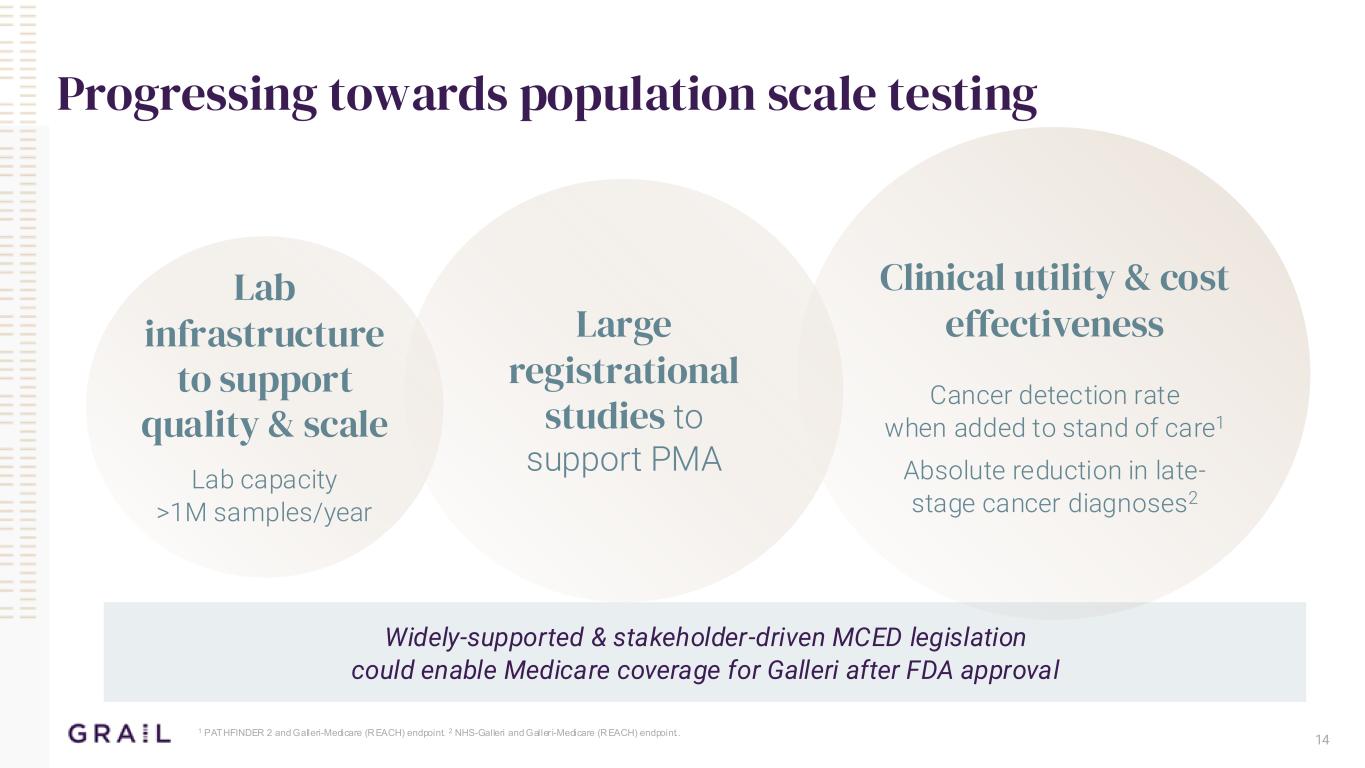
Good afternoon, everyone, and thank you for joining us to review results for the fourth quarter and full year 2025 and discuss recent business updates. 2025 was a year of significant commercial growth for GRAIL, and we have shared a number of exciting developments so far in 2026. We issued a press release this afternoon with top line results from our NHS-Galleri trial. We observed a substantial reduction in Stage IV cancer diagnosis, increased Stage I and II detection of deadly cancers and a fourfold higher cancer detection rate, outcomes that matter for patient care. While there was a trend towards reduction in combined Stage III and IV, the trial did not meet the primary endpoint of statistically significant reduction. These data show the benefit of multi-cancer screening with Galleri and provide the strongest evidence for the recommended annual screening interval. Harpal will talk through the top line NHS-Galleri trial results shortly. In our earnings press release, we also noted full results from all 35,000 participants in PATHFINDER 2 and were consistent with data presented from the first 25,000 participants presented at ESMO last year. We anticipate presenting full data from both NHS-Galleri and PATHFINDER 2 in mid-2026. Based on strong results from the NHS-Galleri and the PATHFINDER 2 study, we also announced today that we are moving forward with a planned expansion of our field sales and medical team. We believe this expanded engagement will enable us to continue to drive commercial momentum. To recap quickly on the strong commercial performance for Galleri in 2025, which we shared in January, the U.S. Galleri test volume grew 36% to more than 185,000 Galleri tests and U.S. Galleri revenue grew by 26%. Our prescriber base is now approximately 17,000 providers, up 30% from the prior year. Galleri's growth in 2025 was driven by both breadth and depth of prescribing. We have been in the market with the Galleri test now for more than 4 years. And from the launch of Galleri through December 31, we have sold almost 0.5 million Galleri tests. We remain on track for continued commercial growth in 2026 with new and expanding partnerships, including digital health opportunities and further integration into health systems. We are focused on expanding awareness of multi-cancer early detection and Galleri's important performance and capability differentiation. We anticipate growing patient, provider, and employer conviction in Galleri as other performance, safety, and clinical utility data sets are read out. A few weeks ago, we announced that we completed our PMA submission with the FDA. The PMA marks a critical step forward, making Galleri available to more people and advancing early detection to provide a significant public health benefit. The submission represents years of focus, disciplined work to achieve design, development, and validation of Galleri in large, diverse screening populations. Josh will share more about our PMA later in this call. Additionally, earlier this month, the Nancy Gardner Sewell Medicare Multi-Cancer Early Detection Screening Coverage Act became federal law. This establishes a Medicare coverage pathway for FDA-approved multi-cancer early detection tests. As a leading MCED developer, it is our privilege to stand with legislators, patient advocates, clinicians, and researchers who have championed the cause. I'll now hand it over to Harpal to discuss top line results from the NHS-Galleri study.
Speaker 3
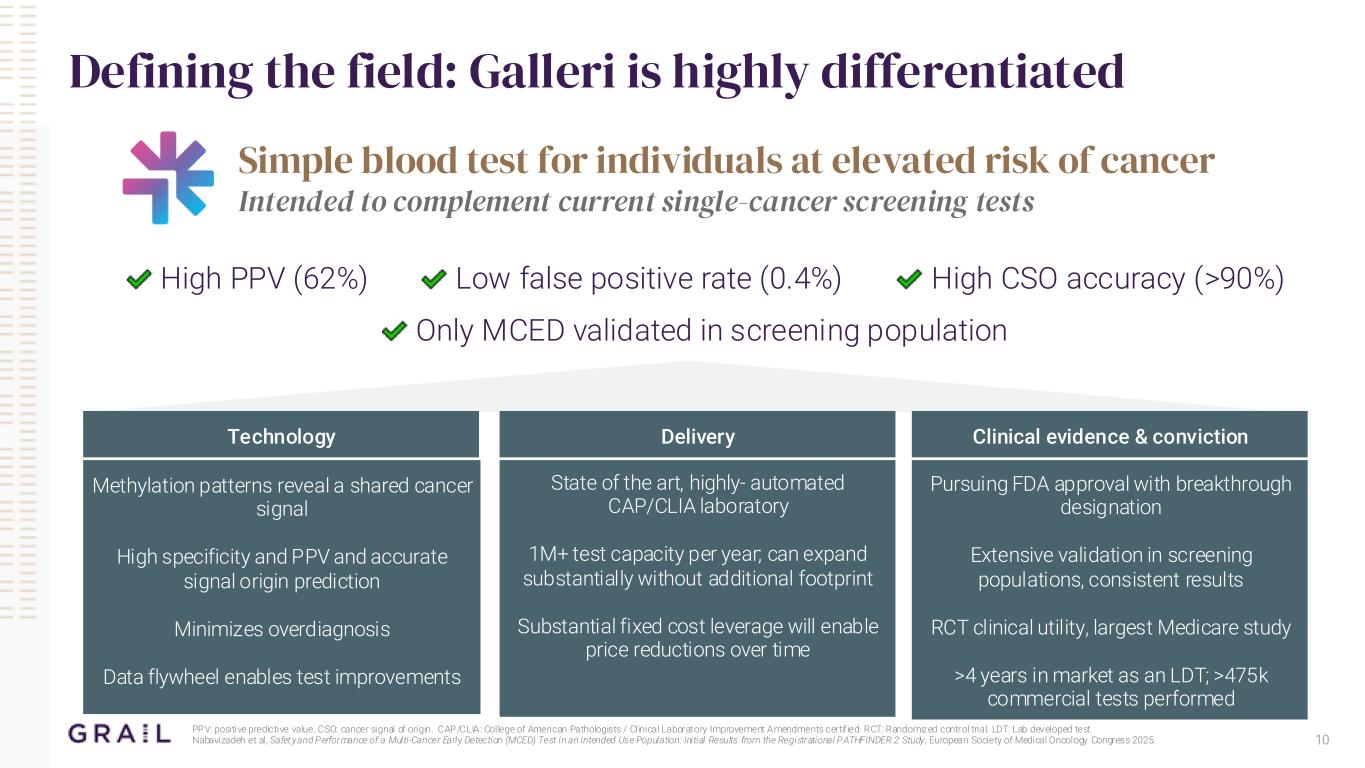
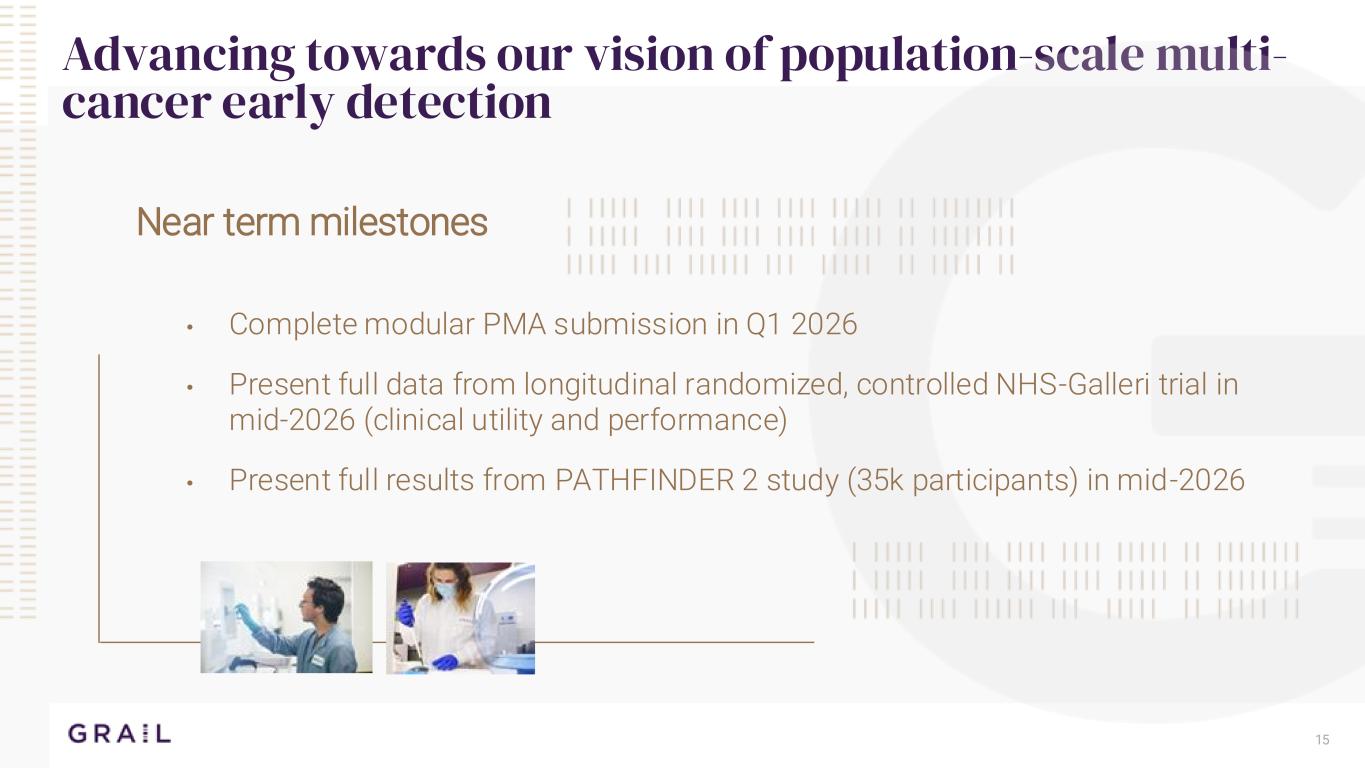
Thank you, Bob. We're very pleased to share top line results from the NHS-Galleri trial. I want to begin with a huge thank you to the more than 142,000 participants who took part in this study, as well as to NHS England, the cancer prevention trials unit at Queen Mary University of London, cancer alliances, investigators, and the clinical teams whose dedication made this landmark trial possible. Detailed results from the NHS-Galleri trial will be submitted for presentation at the upcoming ASCO meeting in Chicago in late May. The design of the NHS-Galleri trial was informed by a large body of evidence showing that across multiple cancer types, reductions in late-stage disease are strongly associated with reductions in cancer mortality. While we did not observe a statistically significant reduction in combined Stage III and IV cancers through the trial, which was the primary endpoint of the study, there was a favorable trend after the prevalent screening round, and we saw compelling evidence of Galleri's benefit. Comparing the two arms of the study, Stage IV diagnoses in the prespecified group of 12 deadly cancers decreased with each year of sequential Galleri screening, with a greater than 20% reduction in the second and third rounds. Similar reductions were observed across all cancers. The reduction in Stage IV cancer diagnoses is a critically important outcome, which we believe can lead to more effective intervention for patients, particularly given the substantial and growing arsenal of effective treatments for many Stage III cancers. In fact, there is a dramatic improvement in survival for many types of cancer at Stage III compared with Stage IV. These results are the first time a multi-cancer early detection test has demonstrated a population-scale stage shift and reduction in metastatic disease in a randomized trial. Screening with Galleri increased the overall cancer detection rate fourfold compared to standard of care and identified substantially more Stage I and II cancers in types that are typically detected at late stage. Screening with the Galleri test also resulted in a substantial reduction in the number of cancers detected clinically through emergency presentation, which are associated with significantly higher mortality and healthcare costs. And these benefits came with a strong safety profile. No serious safety concerns were reported in any of the approximately 70,000 participants who received the Galleri test across 3 rounds of testing. This is the first randomized multi-cancer early detection data set and is unprecedented in scale. Additional analyses are underway to better understand these rich data. As with any study, it's important to evaluate the results in the context of the design and execution. One observation is that we saw a higher-than-anticipated incidence of Stage II cancers in this trial as compared with prior study experiences. The number and distribution of cancer stages across screening rounds suggest the potential for a stronger effect with longer follow-up as data matures. And so we're planning to extend data collection by 6 to 12 months, and we'll reevaluate the impact with more mature data. In both the U.S. and the NHS data, the time to diagnostic resolution appears to improve over time as physicians gain experience with the Galleri test and diagnostic workup. Our learnings from this trial enrich our understanding of cancer biology, multi-cancer screening, and the importance of implementation, particularly in ensuring rapid and thorough diagnostic investigation after a positive test result. Our mission is to detect cancer early when it can be cured. And we're delighted that these results show the potential for more patients to receive treatment with curative intent and have more time with their family and friends. We believe this is the best chance to bend the cancer mortality curve at population scale. As a reminder, the data we're sharing today is limited to our top-line analysis. We plan to submit the detailed results for presentation at ASCO later in the year. I'll now pass it to Josh Ofman to review more about our recently completed PMA application.
Speaker 4
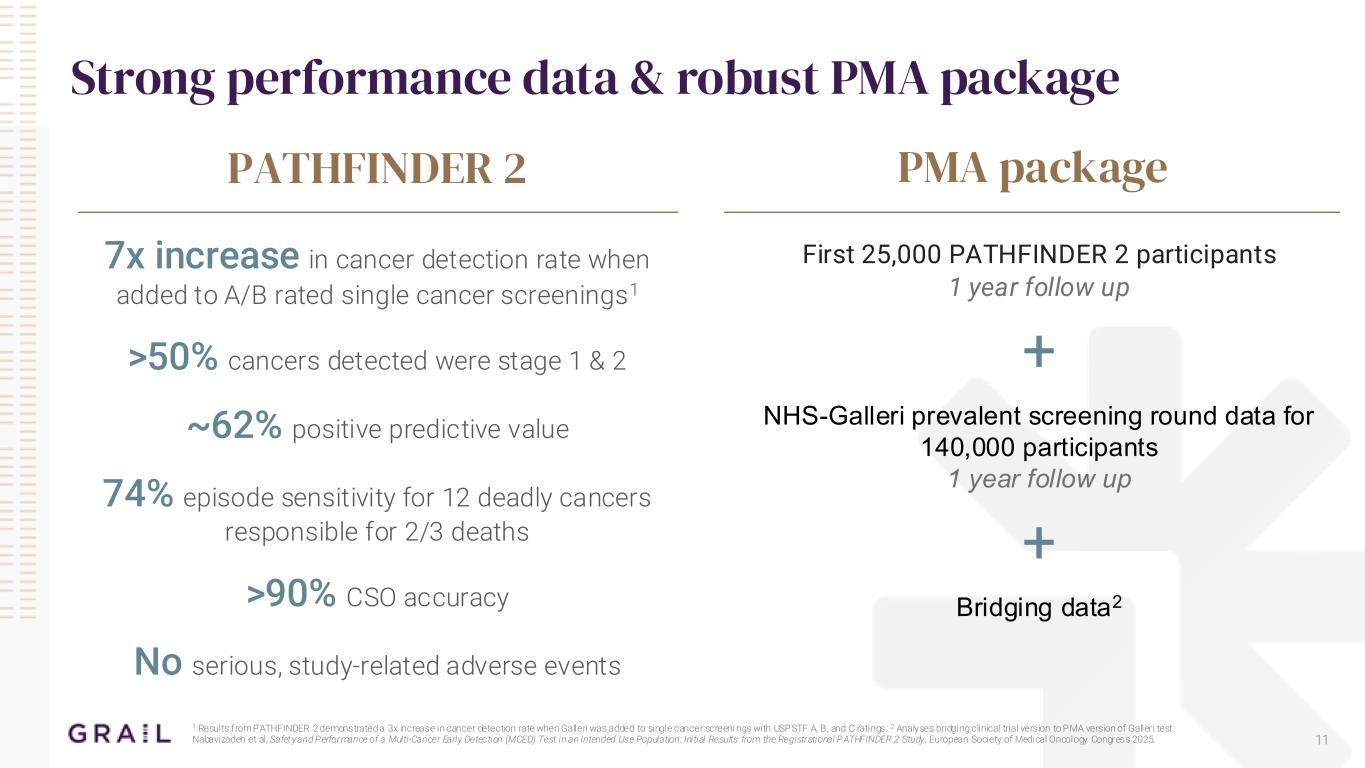
Thank you, Harpal. At the end of January, we completed the submission of the final module of our PMA application to the FDA for Galleri. We're extremely proud of this pivotal milestone in advancing early cancer detection and addressing unmet needs in cancer screening. From the beginning, GRAIL has been completely committed to rigorous scientific and clinical evaluation to ensure that multi-cancer early detection testing is supported by strong data. The PMA submission is focused on test performance and safety results from 2 large registrational studies, including the first 25,000 participants in the U.S.-based PATHFINDER 2 study with 1-year follow-up and data from the prevalence screening round or the first year of the NHS-Galleri trial, the largest and only randomized controlled intended use trial of any MCED test. The PMA submission is also supported by a bridging analysis to compare performance of the version of Galleri used in our registrational trials to the updated version that has been submitted to the FDA for premarket approval. The results from the first 25,000 participants enrolled in PATHFINDER 2 were presented in October at the ESMO Congress. And we've now completed the analysis of the full 35,000 participants, and the results are consistent. The performance data from the prevalent screening round of the NHS-Galleri study, including metrics focused on test performance, clinical validation, and the clinical benefit of detection at Stages I through III, including a reduction in Stage IV were also included to further enhance the data set and provide additional data on more cancers to the FDA. As a reminder, the FDA designated the test as a breakthrough device in 2018. The PMA was submitted at the end of January, and we are anticipating about a 12-month review period. To discuss our fourth quarter financial results, I'll pass it off to Aaron.
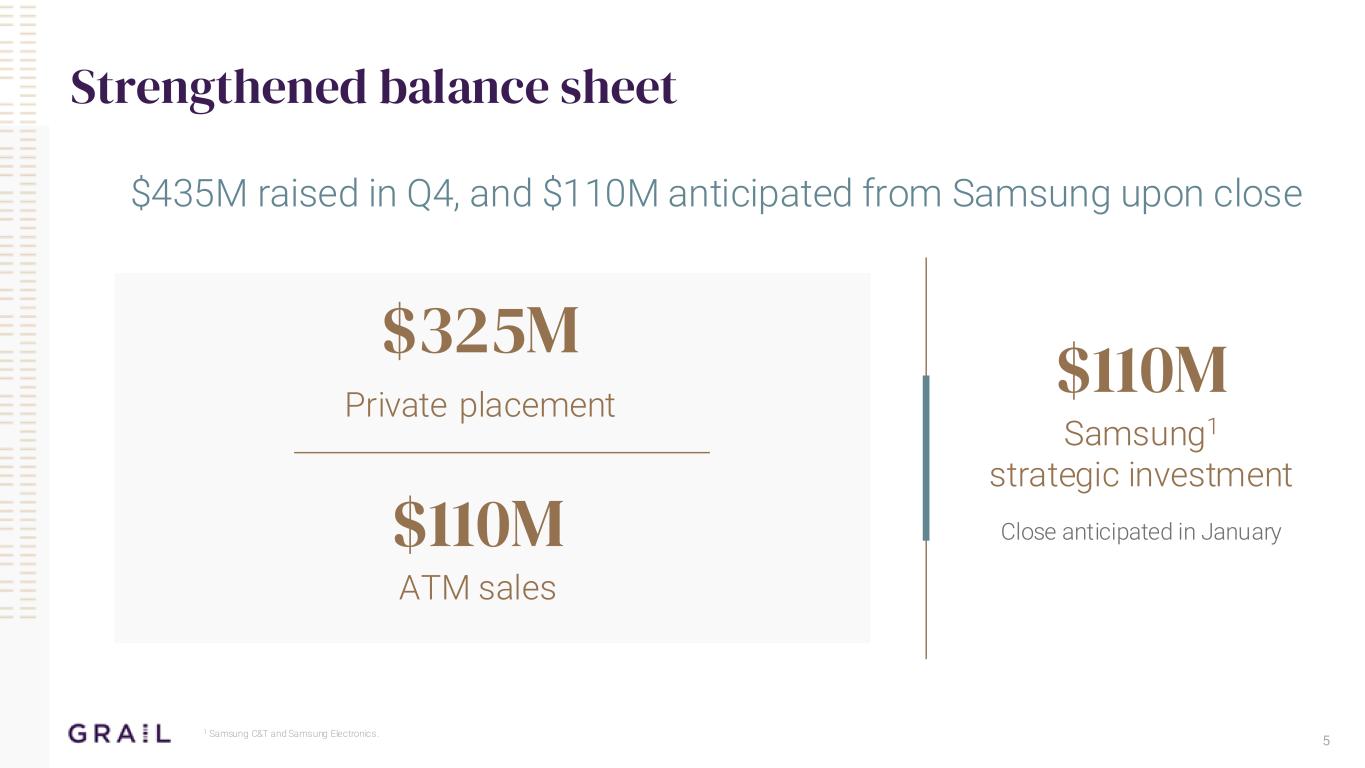
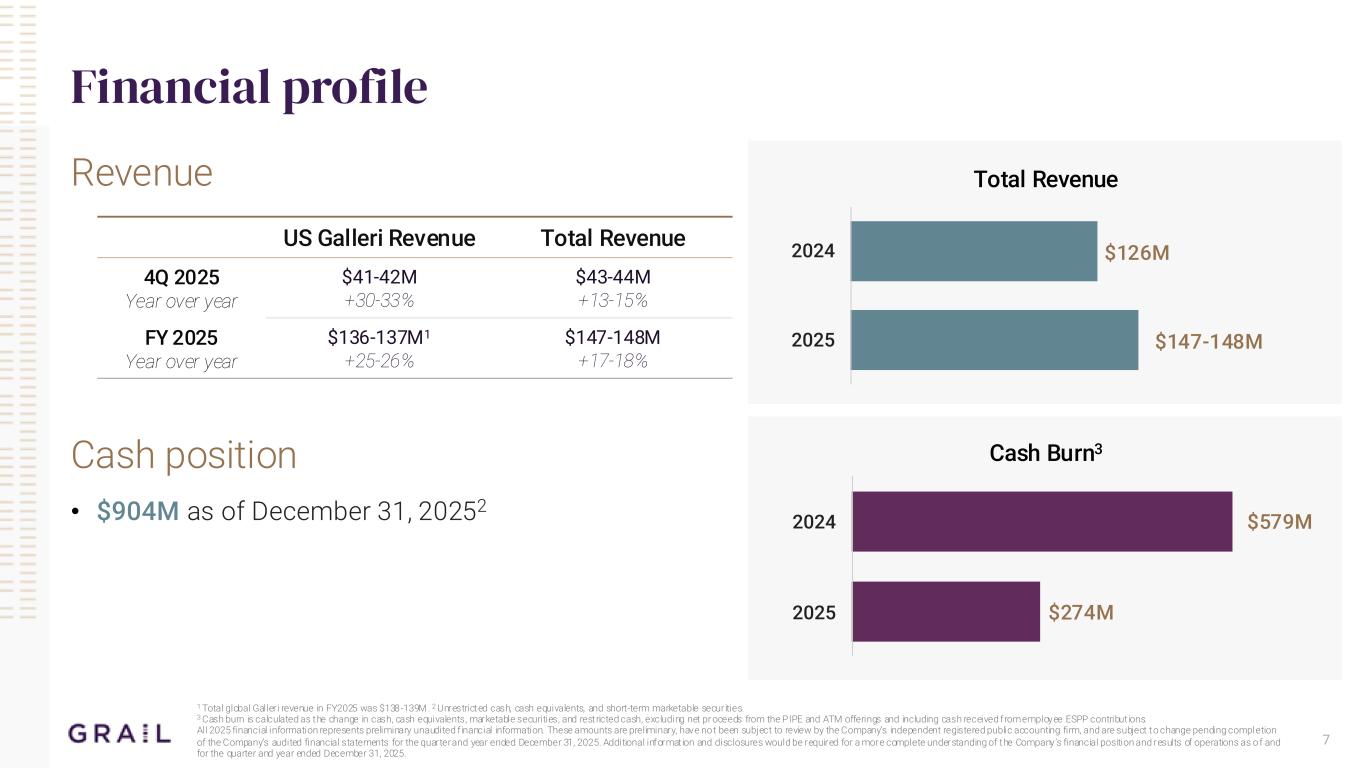
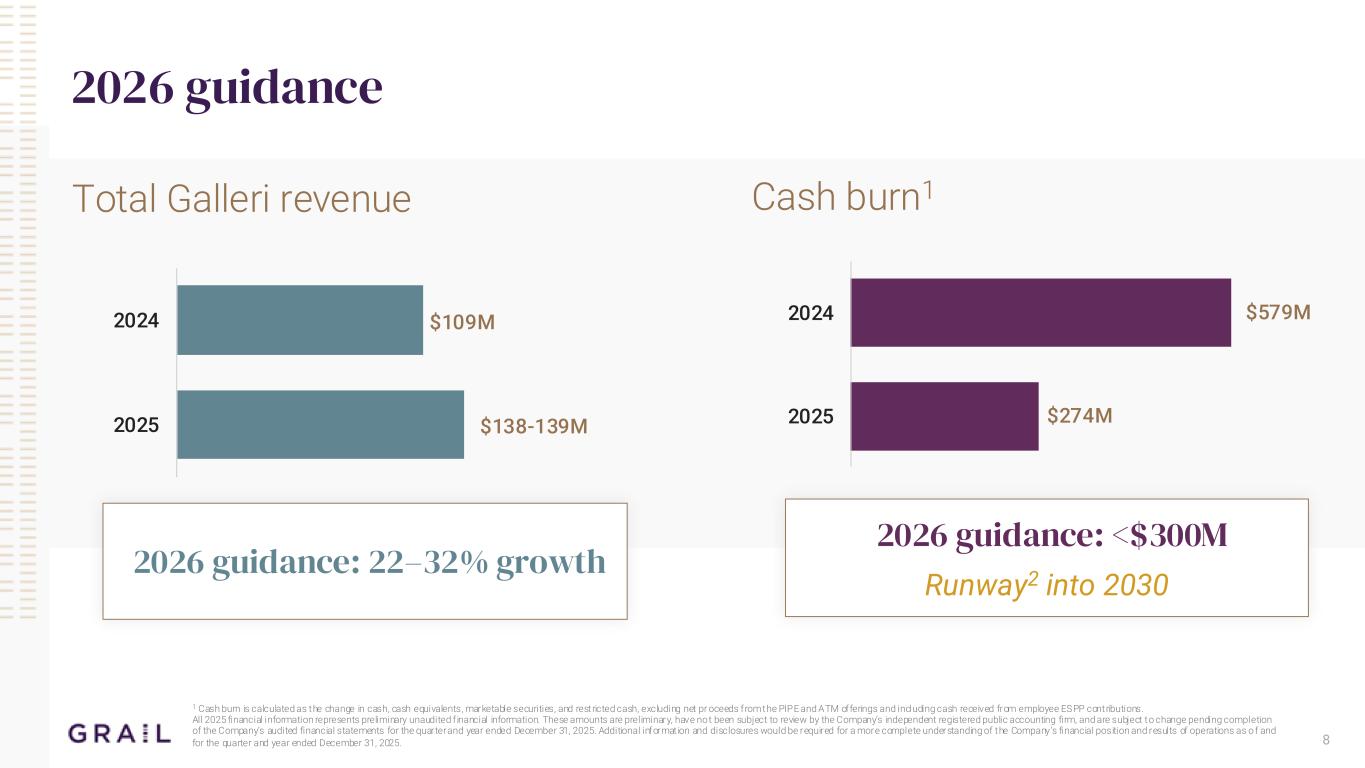
Thanks, Josh, and good afternoon, everyone. I'm pleased to present our results for the fourth quarter and the full year of 2025. Fourth quarter results were strong with revenue of $43.6 million, up $5.3 million or 14% compared to Q4 2024. Total revenue for the quarter is comprised of $42.3 million of screening revenue and $1.3 million of development services revenue. Development services revenue includes services we provide to biopharmaceutical and clinical customers, including support of clinical studies, pilot testing, research, and therapy development. Full year total revenue was $147.2 million, up 17% from full year revenue in 2024. Full year 2025 revenue was comprised of $138.6 million of screening revenue, up 28% over full year 2024. U.S. Galleri revenue in 2025 was $136.8 million, up 26% over 2024 and in line with our guidance of 20% to 30% growth. Revenue also included $8.6 million of development services revenue, a decrease of 49% from 2024. We are seeing continued demand for the Galleri test, and we sold more than 57,000 tests in the fourth quarter and more than 185,000 tests for the year. Screening revenue of $42.3 million in the fourth quarter was up 34% compared with the fourth quarter of 2024, primarily based on an increase in sales volume. In 2025, we began leaning into the price elasticity we see in the market and are finding success in expanding access with our discounting programs. Development service revenue in the fourth quarter of 2025 was $1.3 million. Net loss for the fourth quarter of 2025 was $99.2 million, an increase of 2% compared to Q4 2024. Net loss for the full year was $408.4 million, an improvement of 80% compared to the full year 2024. Net loss in 2024 included goodwill and intangible asset impairment of $1.4 billion. In addition, net loss for 2025 and 2024 included amortization of Illumina acquisition-related intangible assets of $138.3 million. Non-GAAP adjusted gross profit for the fourth quarter of 2025 was $23.1 million, an increase of $5.2 million or 29% compared with Q4 2024. Full year non-GAAP adjusted gross profit was $73.6 million, an increase of $15.8 million or 27% compared with the full year of 2024. Primary drivers of the increased margin were revenue mix and efficiencies of scale related to increased Galleri volume. Adjusted EBITDA for the fourth quarter of 2025 was a negative $71.8 million, representing an improvement of $12.2 million or 15% compared to Q4 2024. Adjusted EBITDA for the full year 2025 was a negative $320.6 million, an improvement of $163 million or 34% compared to the full year 2024. We ended the quarter with a cash position of $904.4 million. This balance included $436 million in proceeds from both our private placement of equity in October as well as our ATM equity issuance program in November and December. As a reminder, we have shared in the past our long-term gross margin target of 50% to 60% at scale. We are making good progress on attaining these margin targets. And as we saw in the third quarter, volume efficiencies make a big difference. In connection with our supply agreement with Illumina, we are obligated to pay them a royalty on revenues. Those royalty payments are suspended until December of 2026. When resumed, we expect to pay Illumina a royalty in the high single digits, subject to certain terms in perpetuity on net sales generated by our products on revenues in oncology. We expect that these payments will make an impact on our gross margins beginning in 2027. Given strong performance in the self-pay market and the momentum we are seeing with positive data readouts, we are reiterating the guidance we shared in January today of Galleri sales growth of 22% to 32% and cash burn for the full year of 2026 to be no more than $300 million. Our cash runway extends into 2030, and we are well positioned to navigate growth over the next several years as we pursue critical milestones toward broad access. Bob, back to you for concluding remarks.
Thanks, Aaron. To close, our teams at GRAIL continue to do great work advancing towards our vision of population scale multi-cancer early detection. We are approaching our 10th anniversary as a company this March, and we are energized by recent milestones and achievements, including the consistently strong performance we are seeing for Galleri across our studies. We presented positive registrational clinical study results for the first 25,000 participants in the PATHFINDER 2 study in October and today shared top line results for the NHS-Galleri trial and the full 35,000 participant PATHFINDER 2 study. We're looking forward to data presentations for both studies later in the year. The business continues to grow, and we are excited about expanding our partnerships with digital health companies and health systems to continue to expand access to Galleri. We have now completed our PMA submission with the FDA and new federal law provides the pathway for Medicare to cover FDA-approved multi-cancer early detection tests. We're in a strong financial position with more than $900 million in cash as of December 31st. I'd like to thank each of our employees for their incredible commitment and dedication to our mission to detect cancer early when it can be cured. We'll now turn the call over to question and answer. Operator, please go ahead.
Operator
Our first question will come from Subbu Nambi with Guggenheim.
Speaker 6
Can you confirm that you don't expect the FDA approval decision to be impacted by the miss of the stage shift endpoint? We know the FDA PMA package only included the prevalent screening round of NHS, but reasonably reviewers at the FDA will see this outcome, right?
Yes, thank you for the question, Subbu. As you know, the FDA will evaluate the effectiveness and safety of our submission. They will consider the data we have from both PATHFINDER 2 and the current prevalent round of the NHS-Galleri. There is not a clear correlation or significant impact between the final results of the NHS-Galleri study and the FDA's assessment of the test.
Speaker 6
Is there any connection between missing the NHS-Galleri stage shift endpoint and the Medicare REACH study, which focuses on the incidence rates of Stage IV cancers? Does this affect Medicare's approach to coverage?
Speaker 4
Sure. Yes. No, you're absolutely correct. So the primary endpoint of the REACH study is a Stage IV reduction, which is what was observed quite strongly in the NHS-Galleri trial. So I think the only read-through is that we believe that it's critically important and clinically important to reduce the incidence of metastatic disease in Stage IV cancer, and that's a really important clinical endpoint, and we're looking forward to assessing that in the REACH trial.
Speaker 6
And Josh, what if we don't reach the statistical significance there, would that have any impact? Or you're saying because it's 50,000, the study is not powered enough?
Speaker 4
Yes. No, we believe the study is properly powered. It will have a control group, and we believe it is properly powered for that type of study, given the effect size that we know and the cancer detection rate that we're seeing. So we're very optimistic about observing that effect, but we need the study, obviously, to read out, and that's going to take some time.
Operator
Your next question will come from Kyle Mikson with Canaccord Genuity.
Speaker 7
Hopefully, you can hear me. I guess first one would be, how does the results here kind of impact your strategy to expand Galleri to other countries in terms of data generation and rollout plans? How would that differ now? And then maybe you could just touch on what are next steps in the U.K. Have you had any discussions with them so far? Or is that later on?
Thank you, Kyle. We believe, as we mentioned in our announcements, that the significant reduction in Stage IV cancer, the fourfold increase in detection rates compared to standard care, the rise in cases of Stage I and II cancers, and the decrease in emergency presentations will all be crucial as we seek to expand into other countries. Each country will assess these factors independently, but we are confident that this data will be compelling. I’ll now hand it over to Harpal to discuss the situation in the U.K. and its implications.
Speaker 3
Thank you, Bob. I'd like to add that we believe this is a robust data set showing significant clinical benefits. There is now a wide range of effective treatments for many types of Stage III cancer, and the potential benefits from the NHS-Galleri study will be relevant globally. I don't believe it negatively affects our international strategy; rather, I hope it positively influences it. We are very pleased with the overall results. Regarding the U.K. and the NHS, we have just received this data and haven't begun discussions yet. I anticipate they will want to see the complete results before engaging in substantial dialogues, which we expect to present at ASCO.
Speaker 7
And then I hate to nitpick, but if you're expanding the sales force, if the results didn't meet the endpoint, I guess, like what's the thought process there. You're very bullish on the future here. I'm just curious what's driving that.
Yes. So again, if you think about the things we saw in terms of reduction in Stage I and II, the increased Stage I and II cancers, and the reduction in Stage IV cancers, those are things that we've looked at within the U.S. that are very, very relevant to clinicians. And maybe to give a little more color, I'll pass it over to Andy, our Chief Commercial Officer.
Speaker 8
Yes. Thanks, Bob. Based on the market research studies that we've done and also consistent customer feedback that we've received from early adopting customers, the NHS-Galleri results that we've released today, we believe, based on everything we've heard and done will be both compelling and meaningful to our customers in terms of the magnitude of both the Stage IV reduction that we've disclosed and also the increased cancer detection rates of fourfold. And we believe that's going to increase both the depth and breadth of prescribing. Hence, we're expanding the provider sales force territories in the U.S.
Operator
Your next question will come from Doug Schenkel with Wolfe Research.
Speaker 9
I'll try to get them all out there upfront and then listen. So first, really a follow-up to the very first question, and I think it's the most important question tonight given the stock reaction in the aftermarket. So I want us to be airtight on this. Is the probability of FDA approval unchanged as a result of the NHS-Galleri readout? Because if the answer is, the probability is unchanged, it would mean the value associated with FDA approval and by extension, CMS reimbursement is also unchanged. So that's the first question. Yes or no, has the probability not changed? The second question is on NHS coverage in the U.K. I know, again, you just got a question on this, but I'm curious if there are any examples you can point to where a diagnostic has been reimbursed after missing a primary endpoint. And then my third question is, has your analysis of NHS-Galleri results led you to any explanation regarding why you came up short of the primary endpoint? Are there potential design issues or population SKUs, anything like that?
Yes. Thanks, Doug. Maybe, Josh, I'll hand over to the FDA questions to you.
Speaker 4
Thanks for the question, Doug. Based on our interactions and the history we've had with the FDA, their primary focus will be on clinical performance and safety. We have submitted data that includes the complete PATHFINDER 2 study involving the first 25,000 participants from the initial year, which corresponds to the performance period of the NHS Galleri trial. During their advisory board meetings and public statements, the FDA has made it clear that their emphasis is on clinical validation rather than clinical utility. In the NHS trial, we aimed to show a broader population-level impact that goes beyond just clinical validation and performance. Notably, we found a significant reduction in Stage IV cancers and a fourfold increase in the cancer detection rate, although these findings are not part of our current submission to the FDA. According to their feedback, they will concentrate on clinical validation.
And maybe Harpal, you want to maybe just comment...
Speaker 3
So regarding your second question about endpoints on diagnostic studies, it's important to note that it's quite rare for diagnostics to undergo randomized controlled trials. While drugs frequently do, diagnostic tests are seldom evaluated with the same level of rigor as we've achieved in the NHS-Galleri trial. This is a significant point to emphasize. We have conducted a rigorous assessment through a very large trial involving 142,000 participants, which provides us with a unique data set that I believe no other diagnostic has experienced, except for major interventional diagnostic products. Additionally, this data set is incredibly rich and contains numerous components that we've shared with you today. It is correct to say that we did not meet the primary endpoint; however, we observed a compelling clinical benefit. This finding is generating excitement in the clinical community about the potential of such a test. The ability to reduce Stage IV cancers allows clinicians to employ curative treatments that they might not have otherwise been able to use, which is quite compelling. Regarding your third question about our insights from the data, we haven't had this data for very long, and we are still analyzing it since there is a significant amount to assess. When examining the primary endpoint, which involves a combined reduction in Stage III and IV cancers, we did observe a reduction in Stage IV cases. However, as we noted, there was an increase in Stage II cancers. It seems that we could see a stronger effect if we were to extend the follow-up period for this cohort, which is why we intend to do so for an additional 6 to 12 months. This is one of the observations we've made while reviewing the data, but there is still much more to explore.
Operator
Your next question will come from Catherine Schulte with Baird.
Speaker 10
I guess, first, just on that last point of extending the trial follow-up by 6 to 12 months. Is that something that you and NHS have already agreed on? And I guess, what is the goal of what you will see in that 6 to 12 months? Is it to push more on the Stage III reduction? Or is there something else that NHS is hoping to see?
Speaker 3
Thank you, Catherine. We haven't gone into much detail with the NHS yet, but I don't see any major obstacles to proceeding. It involves continuing with the passive data collection that's already in place, so it’s mainly about time and getting agreement with the NHS team for data access. I don't anticipate any significant issues there. Regarding your second question, we are looking forward to seeing the control arm data mature more than what we've observed so far. In screening trials, we typically identify cancers sooner than if they were detected later, meaning that the intervention arm may include cancers that are still in the future for the control arm. To effectively compare both arms of the study, we need sufficient follow-up time, and our analysis suggests that a longer follow-up period will be necessary for accurate comparisons.
Speaker 10
And then for the NHS, I know they put out their National Cancer Plan earlier this month and still reiterated their commitment to and interest in multi-cancer early detection. We've got OLS closed an application process for what sounds kind of like a AdAC-related study using multi-cancer tests in primary care to triage patients with nonspecific abdominal symptoms. Is that something that you guys are involved in? And maybe just talk to the broader relationship with NHS.
Speaker 3
Yes, I’m glad to share. We've been in ongoing discussions with the NHS for the past 5 to 6 years, and these discussions are still very active and will continue. We were particularly pleased to see references to multi-cancer early detection in the NHS Cancer Plan released a few weeks ago. There is genuine enthusiasm within the NHS and the Department of Health in England regarding the transformative potential of this new technology for cancer patients. The significant mentions in the Cancer Plan are certainly a result of our ongoing dialogues and relationships with the NHS. Regarding your second question, there is an ongoing process to further assess the role of multi-cancer detection in a symptomatic setting, which builds on our SYMPLIFY study reported a couple of years ago. The Department of Health must go through a competitive application process, which cannot be exclusively offered to GRAIL. That process is currently in progress, and we are applying to participate in it, hopeful for a positive outcome. We believe the data from our SYMPLIFY study are robust and promising in this context.
Operator
Our next question will come from Dan Brennan with TD Cowen.
Speaker 11
Maybe just one on Medicare. So assuming you're successful with FDA, I'm just wondering, I know Medicare, you have the favorable pathway, obviously, and FDA approval, assuming you get that, that would be terrific. But we're under the impression that Medicare does consider clinical utility. So how do you think they would look at the NHS trial? And how would that potentially impact the Medicare decision?
Josh, do you want to take that?
Speaker 4
Great. Yes. Obviously, Medicare now has the authority to provide coverage for multi-cancer early detection tests upon FDA approval, and we will begin a national coverage analysis and carefully examine the data. We believe we will have a strong package of data to submit to CMS, including all our registrational trials and details about NHS-Galleri. This includes the significant reduction in Stage IV cases, the fourfold increase in the cancer detection rate for the population, the rise in the detection of Stage I and II cancers, and also impressive overall clinical performance. We think that this, together with our real-world evidence, our clinical surveillance program, and the REACH study involving Medicare patients at the time of the NCD, will create a very substantial package for them to assess. Again, Medicare has never evaluated a multi-cancer early detection test before. There is no known standard that has been established, so we believe we can provide them with an exceptional amount of evidence to consider coverage for Galleri.
Speaker 11
Okay. I understand that Stage IV has decreased, which is great, but Stage III has increased due to some of the anomalies you mentioned. Can you share if there was an overall decrease across Stage III and Stage IV and what the level of that decrease was?
Speaker 3
Yes. I can't really comment any further at the moment. There was not a statistically significant reduction. But what we did see was a trend towards a reduction over time, and that was a favorable trend. I think that's as much as I can say at the moment, but we are planning to present the full results at ASCO later in the year.
Speaker 11
And I mean if I can sneak in one final one. So the trial was set up for 3 years. Obviously, it was going to be a surrogate for mortality because mortality would just take too long. So I think that was pretty well established. Was there a decision when you set it up for 3 years as opposed to maybe setting it up with a longer follow-up period, kind of how that decision was made? Obviously, it sounds like now you're hoping, obviously, the longer follow-up will still prove out the study. But I'm just wondering when you went into it, how was that decision made?
Speaker 3
Yes. I mean, look, as with any study, it's designed and sized and powered with the best information you have at the time. And at the time, we felt that 3 rounds of screening followed by a year of follow-up would be sufficient. I think with the benefit of hindsight, we probably should have allowed for a longer follow-up period. There have interestingly been a number of publications over the last couple of years about screening studies in general, not just about NHS-Galleri, which make this exact point that the trial should be followed up for longer than 12 months post the last appointment. As I say, this trial was designed 6 years ago, and that was the best information we had at the time. But as I've already touched on, on this call, we have the ability to continue follow-up. So that's what we're going to be doing.
Speaker 4
It's important to note that most screening trials have lasted for at least a decade, often two. This particular trial was relatively short in comparison and aimed for an ambitious goal. However, it marks the first instance where an MCED test has proven its capability to change the stage of diagnosis in a randomized clinical trial, and this should not be overlooked.
Operator
For our next question, we'll return to Kyle Mikson with Canaccord Genuity.
Speaker 7
Given the current results, do you think you could approach the FDA to possibly refine your label to focus on the 12 cancers where you've performed the best, or perhaps consider an older patient demographic? Additionally, how does this influence your views on a potential advisory committee meeting, especially since there was one already held in 2023?
Speaker 4
Yes, sure. Again, we don't think that this finding is going to impact the approvability of Galleri with the FDA. The FDA is clearly going to be focused on clinical performance and safety and the profile of data that was delivered to them. And in that context, we will work through labeling with the agency. Should they seek clarification on the intended use, and narrowing of the indication to the things that you suggest, we'll be negotiating that with them in due time. But we feel like we have a very strong and compelling evidence package for our current intended use, which is adults at elevated risk for cancer such as adults over the age of 50 and with additional risk factors if they are younger than the age of 50. So we feel like we have a robust package, and we'll see where the labeling ends up.
Yes. To add to that, throughout the three rounds of large participants in NHS-Galleri and the 35,000 in PATHFINDER 2, there were no serious adverse events reported across the entire trials. These are substantial numbers, and from a safety perspective, the results were very positive.
Speaker 4
And we think the benefit risk profile is quite compelling as a result of that.
Speaker 3
And just to add something that Josh said, in relation to your point about the 12 cancers, the reason we specify this group of 12 cancers is because it represents 2/3 of all cancer mortality. So if you can make a difference in that group, you really are making a dramatic impact at population scale. But I would draw your attention to something that's in our press release, which is when we talk about the Stage IV reduction and the fact that it's more than 20% in the second and third rounds of screening, yes, it's true for the 12 cancers, but it's also true for all cancers. And so I don't think there's any reason at this stage to think that we should be narrowing our claims only to the 12 cancer types.
Speaker 4
That's a great point, Harpal. Thank you for making that. And just to your last question about the AdCom. It's certainly possible that there can be an AdCom. The FDA has already held an AdCom. And so we are not sure whether that's going to happen. We will wait and see. But we've made the case to the FDA that based on their prior AdCom that they've already held and the fact that we've addressed all of those issues in our submission, which was just completed recently, that there's likely no need for one. But we'll see what the FDA decides.
Speaker 7
All right. Super helpful. Just a quick follow-up. The NHS-Galleri results are relevant to the FDA submission, but I don't think there's much connection to USPSTF inclusion. In a worst-case scenario, if you don't receive FDA approval, which you expect to get, there is still the possibility of USPSTF inclusion and Medicare coverage based on the legislation. Do your thoughts on guideline inclusion remain the same? Or do you still believe that FDA approval is the key milestone that is most likely to happen?
Speaker 4
I'm not entirely clear on your question, but I'll do my best to address it. We believe that the most important milestone is obtaining FDA approval. This is a significant moment for patients and will greatly influence both the clinical and payer communities. Many payers have indicated that FDA approval is essential for them, as they would like to see this before considering coverage for Galleri. Additionally, there will be a National Coverage Analysis decision from CMS, as we've previously mentioned. We consider these factors to be critical. Following that, the evaluation by USPSTF will occur, which is important only if there isn't a coverage pathway through CMS. The USPSTF pathway was established because CMS previously lacked the authority to provide coverage for preventive services, but that has changed. Therefore, we view USPSTF as an additional consideration. However, we believe that obtaining FDA approval will be one of the most crucial steps, alongside the strong evidence we have supporting the clinical benefits, as highlighted by Harpal.
Speaker 7
Yes, to clarify, I was mentioning whether the USPSTF committee would consider this data, but that discussion seems more relevant for the future. Thank you for your time.
Operator
There are no further questions at this time. I will now turn the call back to GRAIL for closing remarks.
Speaker 1
We look forward to presenting full data from our 2 registrational studies in mid-2026, a longitudinal randomized controlled NHS-Galleri trial, including clinical utility and performance and the full 35,000 participant PATHFINDER 2 study. So we look forward to providing future updates, and thanks, everyone, for joining the call.
Operator
Ladies and gentlemen, this concludes the call. You may now disconnect.