Operator
Good day, everyone, and welcome to the Little Fuse Second Quarter 2025 Earnings Conference Call. Today's call is being recorded. At this time, I will turn the call over to the Head of Investor Relations, David Kelly. Please proceed.
Good morning, and welcome to the Little Fuse Second Quarter 2025 Earnings Conference Call. With me today are Greg Henderson, President and CEO, and Abin Kendall-Wall, Executive Vice President and CFO. This morning, we report a result for our second quarter, and a copy of our earnings release and slide presentation is available in the Investor Relations section of our website. A webcast of today's conference call will also be available on our website. Please advance to slide two for our disclaimers. Our discussions today will include forward-looking statements. These forward-looking statements may involve significant risk and uncertainty. Please review today's press release in our forms 10K and 10Q for more detail about important risk that could cause actual results to differ materially from our expectations. We assume no obligation to update any of this forward-looking information. Also, our remarks today refer to non-GAAP financial measures. A reconciliation of these non-GAAP financial measures to the most comparable GAAP measures is provided on our earnings release available in the Investor Relations section or website. I will now turn the call over to Greg.
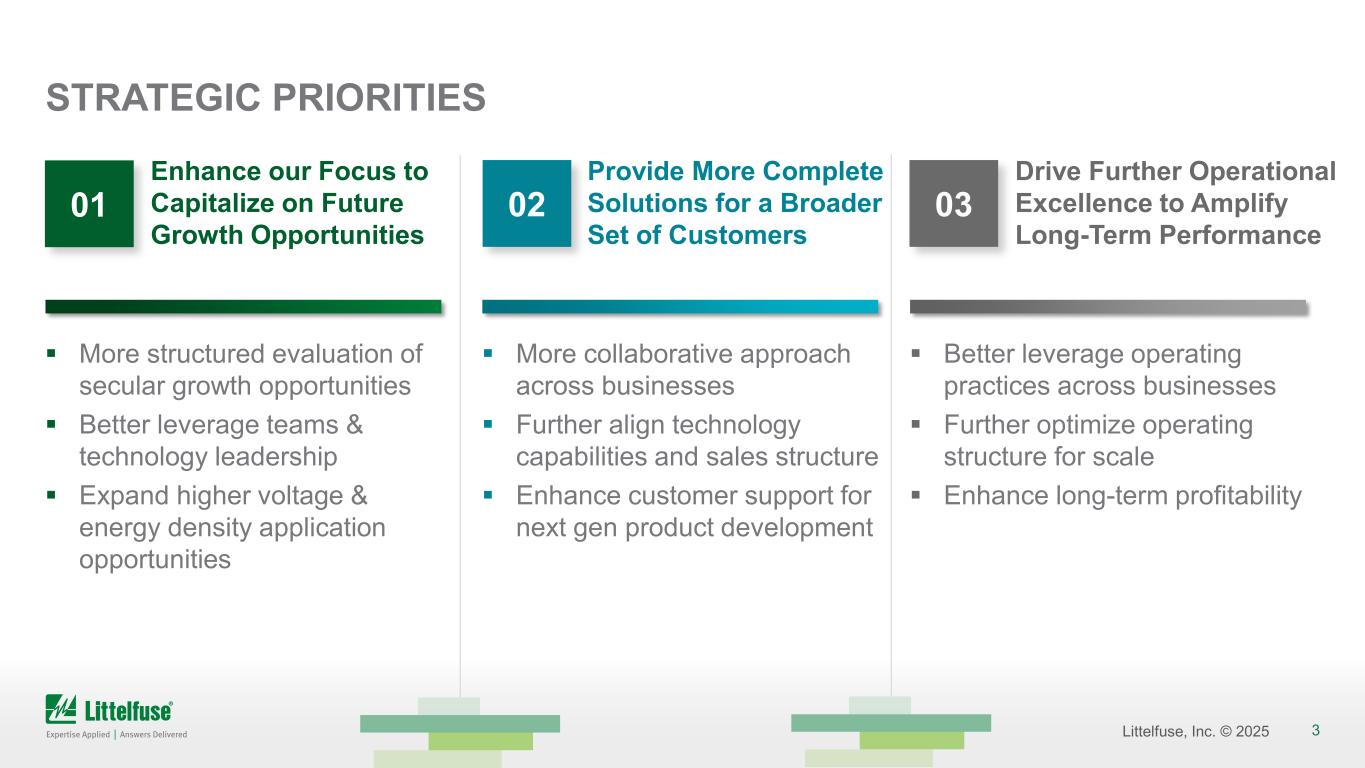
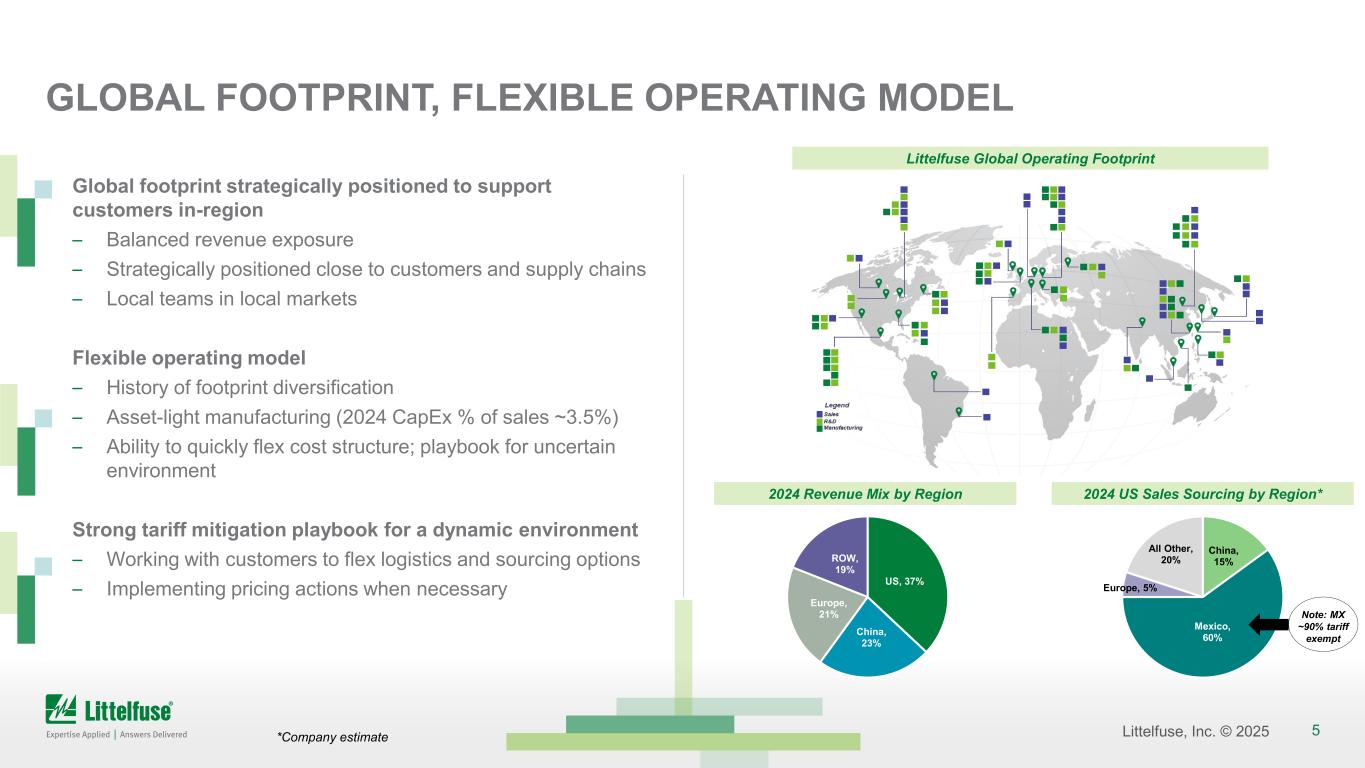
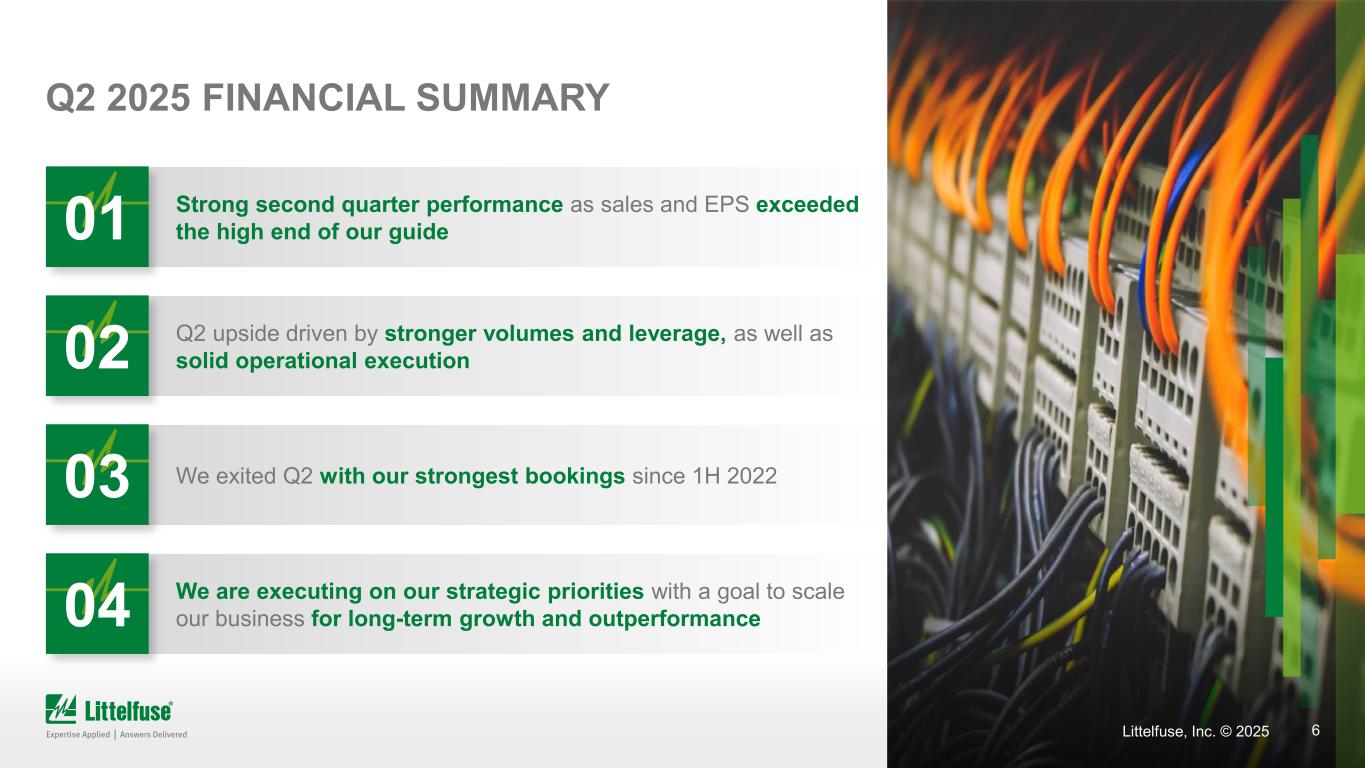
Thank you, David, and thank you to everyone for joining us today i want to start this morning with highlights of our second quarter and then provide an update on the progress from our strategic priorities we're in the early process of capitalizing on our newest growth and operational enhancement opportunities an important milestone in this process was the hiring of our new cfo abhi kandawal for the quarter abhi joins us from ios corporation and he brings more than two decades of financial and operational leadership he has significant experience in driving strategic growth both organic and acquisitions, as well as in scaling operations. Avi has already had a significant impact in this first month at Little Juice. I look forward to continuing our partnership as we focus on scaling our business for long-term growth, enhanced profitability, and best-in-class shareholder returns. In the second quarter, we demonstrated broad-based strength across our businesses, delivering revenue growth of 10% relative to the prior year. Our performance reflects our leadership position in safe and efficient electrical energy transfer. the ongoing meaningful technology evolutions in front of us, and the fact that our customers deeply value our trusted and essential capabilities. Across our segments, we observed continued momentum in the second quarter. Our electronics segment benefited from improved demand for passive electronics and protection products. In our transportation segment, we delivered broad-based growth, while our strong industrial segment performance reflects our unique market and customer positioning. Our end markets continued to move to higher power and higher energy density, and we are leveraging our market leadership and unique product portfolio to help our customers solve increasingly complex challenges. Supporting this, our second quarter booked a bill again tracked above one, while our bookings exited the quarter at the highest run rate since the first half of 2022. We expect our solid growth performance to continue into the third quarter. Our second quarter earnings results also exceeded the high end of our prior guidance range, reflecting strong execution. Avi will discuss specific results in more detail shortly evening, but I want to thank our teams for the hard work and dedication. With that, I wanted to update everyone on the specific progress we're making on each of our strategic priorities that I highlighted last quarter. Our first strategic priority is to enhance our focus to better capitalize on future growth opportunities. Our teams are sharpening their focus on higher voltage and higher energy density applications as our customers are pushing for higher power next-gen solutions this evolution is leading to complex safety and efficiency challenges and our products are increasingly important to solving these challenges at the architecture level importantly this transition is happening across all of our markets and we are seeing the benefits of our heightened focus on these expanding opportunities real time let me provide you with an example in enterprise computing where the industry is transitioning from 5 volt to higher power 48 both capabilities for single cable combined power connectivity interfaces this evolution requires more advanced and unique safety and protection solutions while meeting the increasingly demanding data rate and electromagnetic compatibility requirements in the second quarter we worked with a market leader to develop a next-gen semiconductor protection solution our solution supports higher power and data rates at faster charging speeds and will begin shipping in the third quarter broadly our heightened focus on the secular trends across our end markets will continue drive expanded new business opportunities. We are seeing meaningful traction in our pipeline, and year-to-date, our new business opportunity funnel is up double digits. Our second strategic priority is to provide more complete solutions for a broader set of our customers. Customers deeply value our capabilities and our scale is a significant advantage. Yet, we can further harness our unique and marketing drive portfolio to help more of our customers solve complex challenges around safe and efficient power transfer. To support this opportunity, we are further aligning our technology capabilities and our sales structure to better serve our customers with our full product portfolio. We are also leveraging our collaborative product development, engineering, and testing processes to better support our broad customers as they drive ongoing product innovations. As an example, last quarter we discussed the meaningful role we play in data center advancements. We are seeing an accelerating pipeline opportunity as we have been expanding our go-to-market strategy. I'm pleased to announce several new data center design wins in the second quarter, with market leaders ranging from a global digital infrastructure provider to a leading compute platform player. Our second quarter wins range from liquid cooling to on-the-board and power distribution applications and position us well for continuing strong data center sales growth. Last quarter, we also discussed our opportunities in the rapidly growing green storage market. Today, I wanted to discuss the broader sustainable green ecosystem where we are building momentum globally. In the second quarter, we wanted design with a leading flare and green hydrogen where we will provide high speed high voltage industrial fuses our solution enables pairing to the grid and plays a critical role in reliable renewable energy transfer we also work with the solar supplier to develop a next-gen micro inverter our solution enables compatibility with higher power solar panels and increased battery integration broadly we observe strong renewables and grid storage sales growth in the second quarter and we see continued momentum as these markets transition to higher power solutions Turning to our third strategic priority, we see an opportunity to drive further operational excellence while enhancing long-term profitability as we grow. We can better leverage areas of best-in-class operating practices and apply those across our businesses. We can also further optimize our operating structure to support our growth opportunities and enhance long-term performance. In the second quarter, we established a new global operations team that will focus on driving best-in-class operational capabilities across our global science. Led by this team, we are in the process of establishing and driving best practices with a heightened emphasis on safety, quality, delivery, cost, and inventory. While this is a long journey, we have begun applying this enhanced focus to some of our North American factories. We saw early benefits of these efforts in the quarters, reflected in our second quarter transportation operational performance. Taking a step back, we delivered a strong second quarter and we are well positioned to drive continued growth into the third quarter. We are seeing the benefits of our flexible operating model and global footprint that is closely aligned to our customers and their supply chains. We will continue to work closely with our customers and partners through an evolving environment to deliver on the meaningful opportunities in front of us. Finally, while we have made significant progress to date, we remain focused on our strategic priorities as we aim to position and ultimately scale our company with the goal of delivering long-term, best-in-class performance. With that, I will hand the call over to Avi.
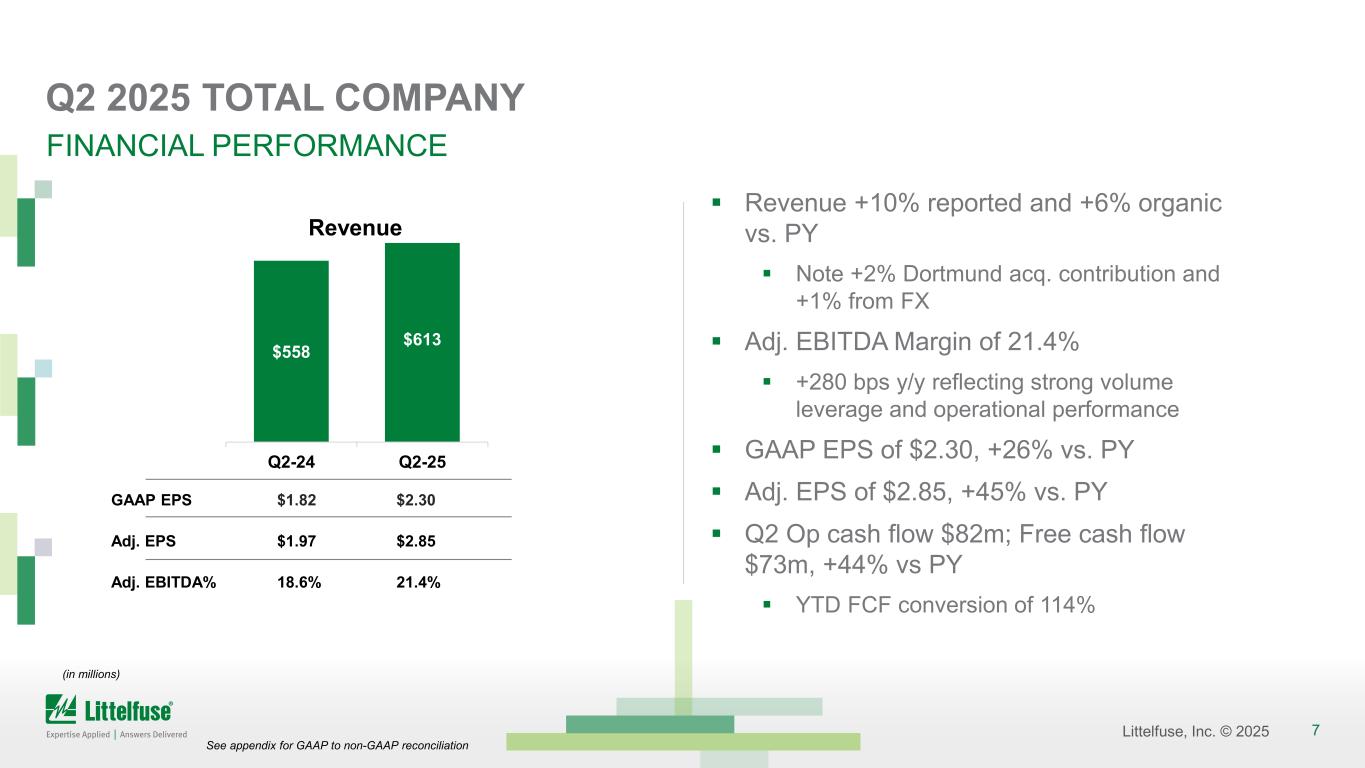
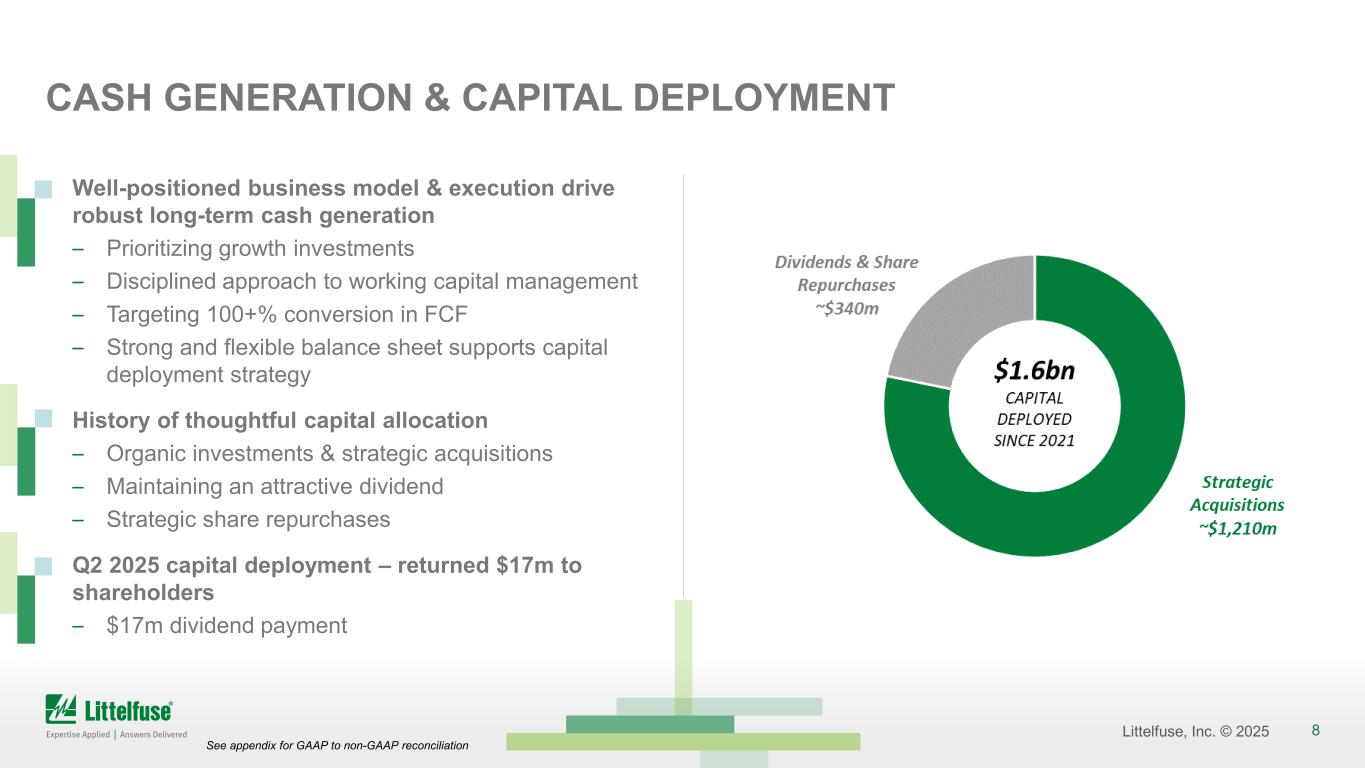
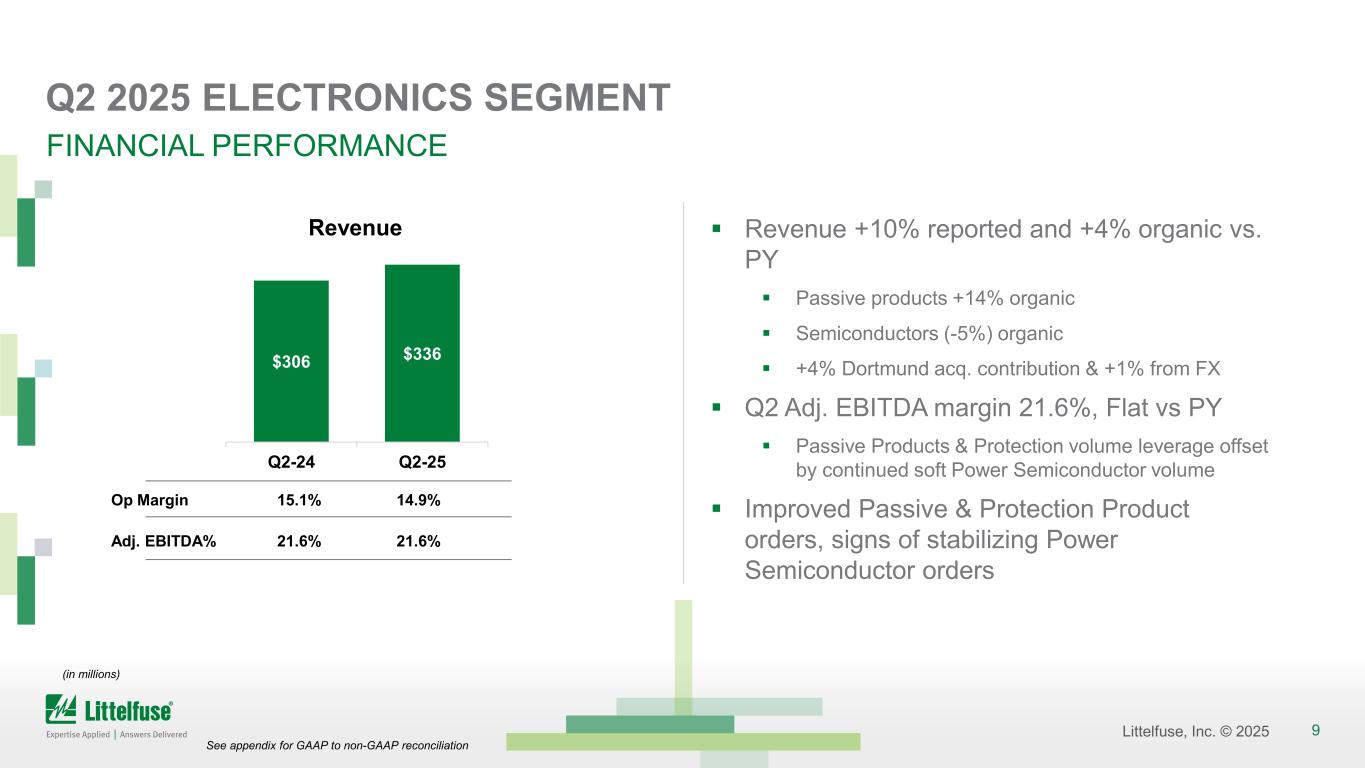
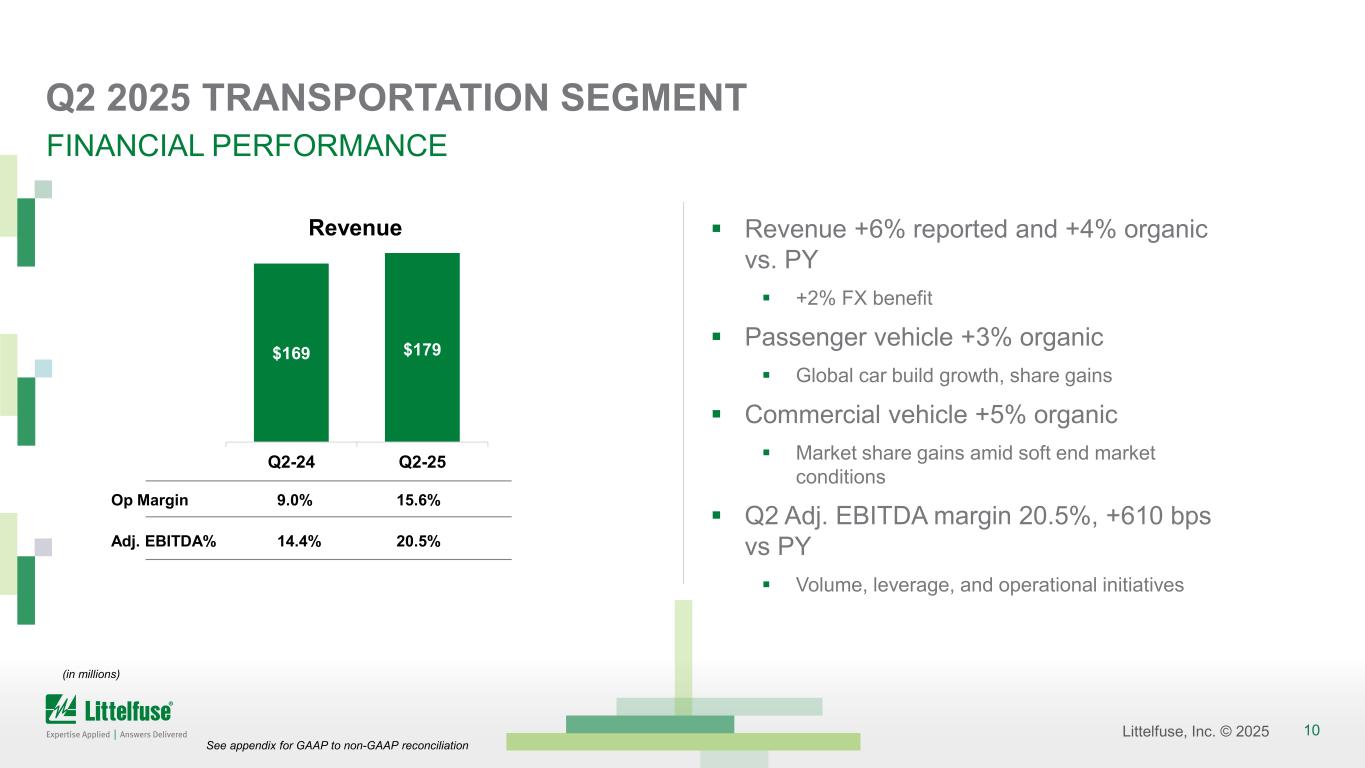
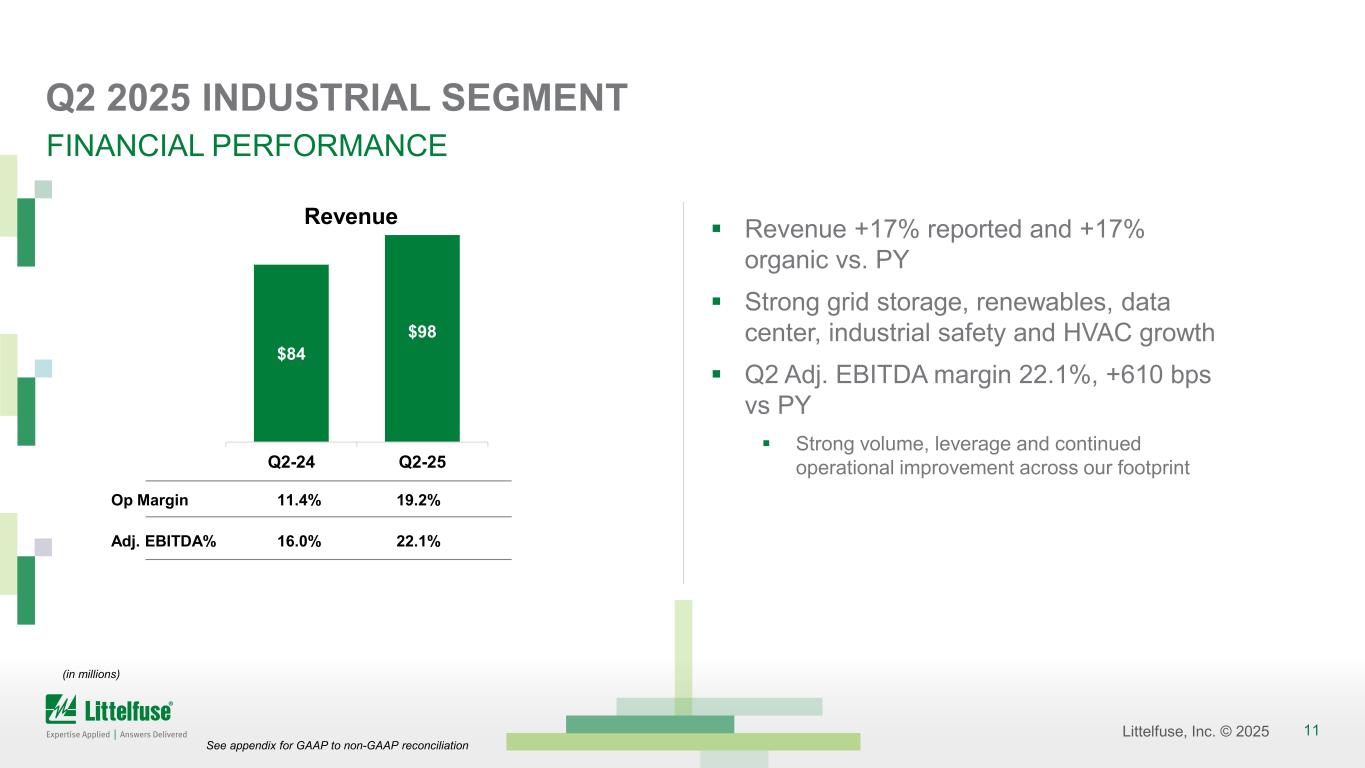
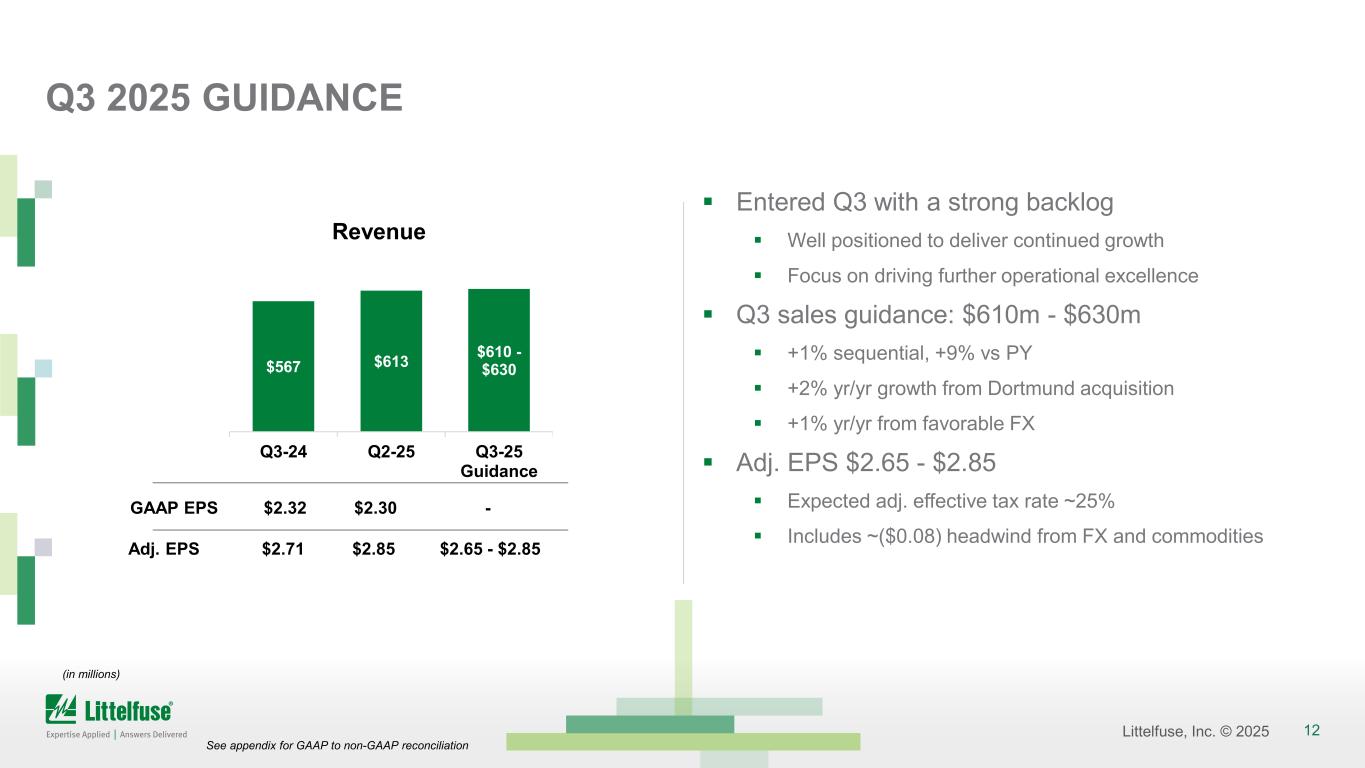
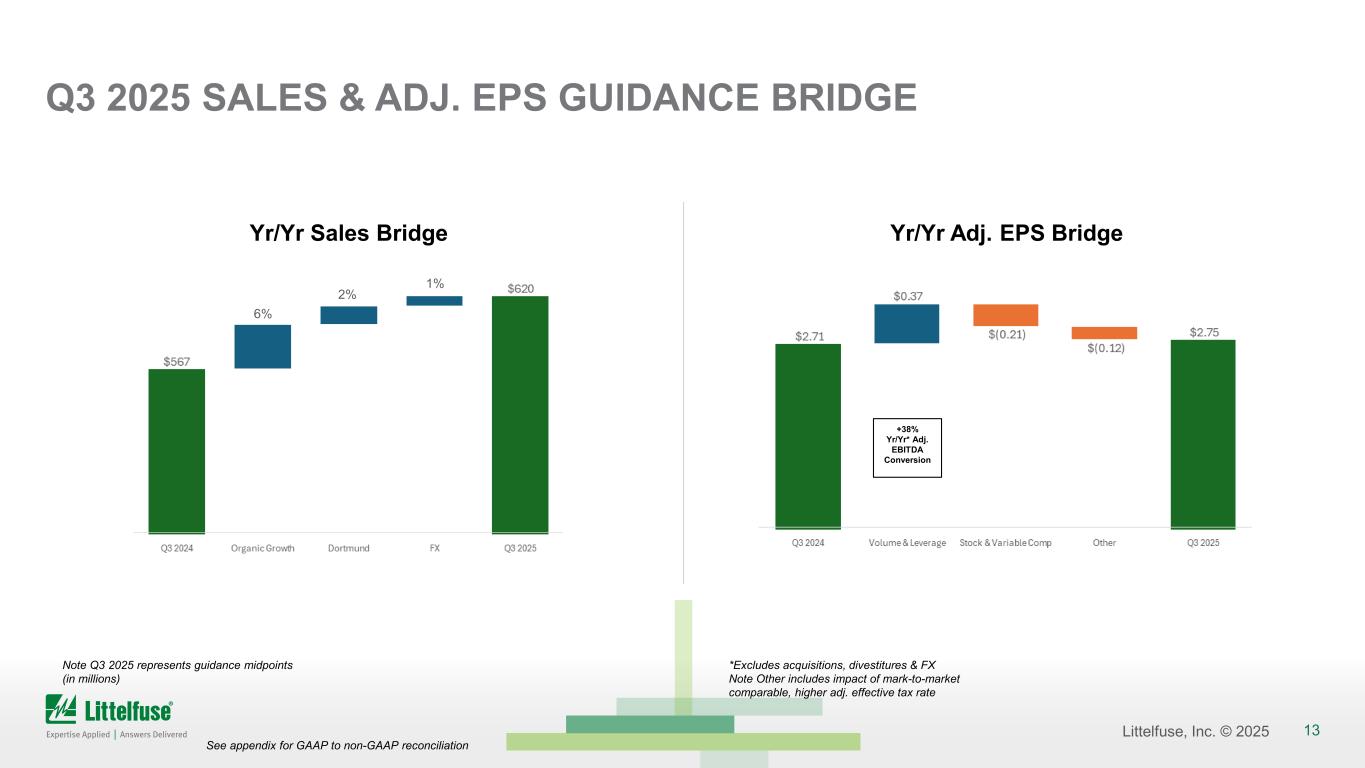
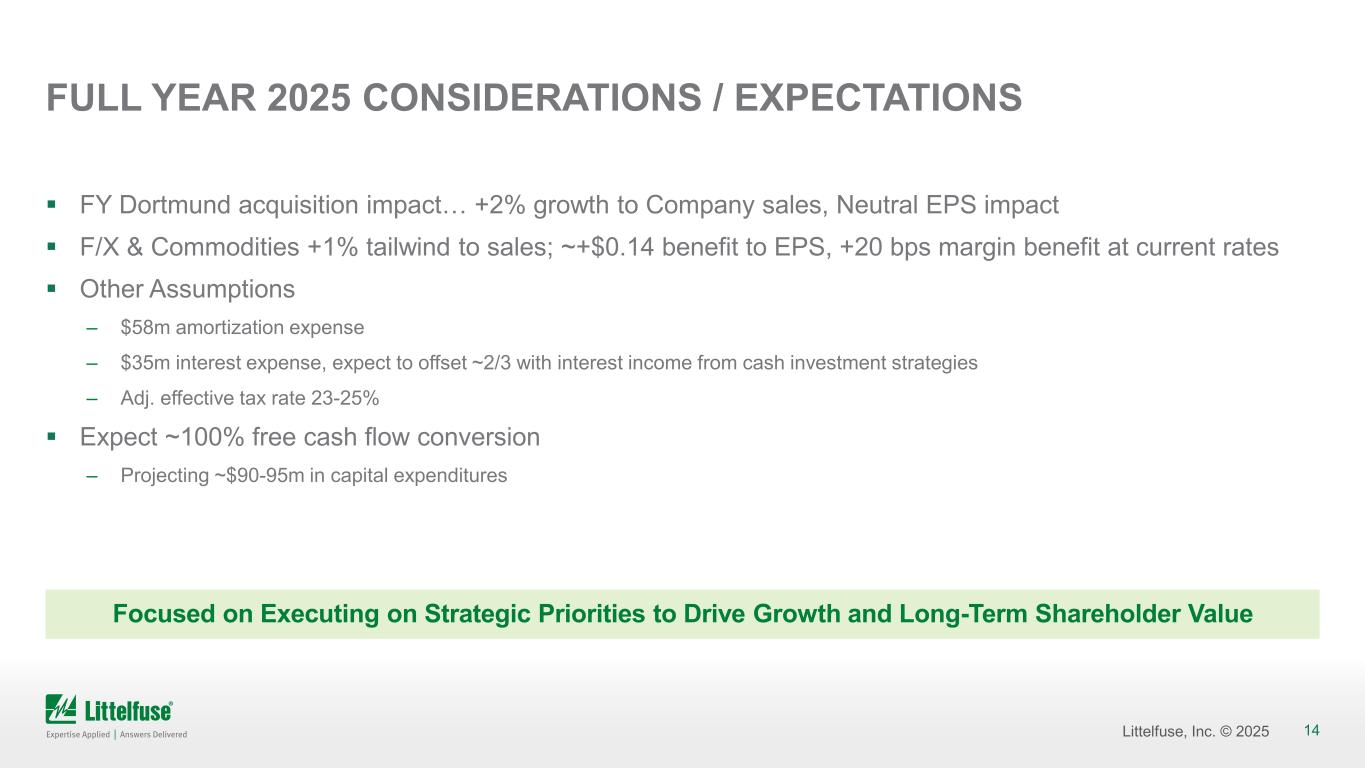
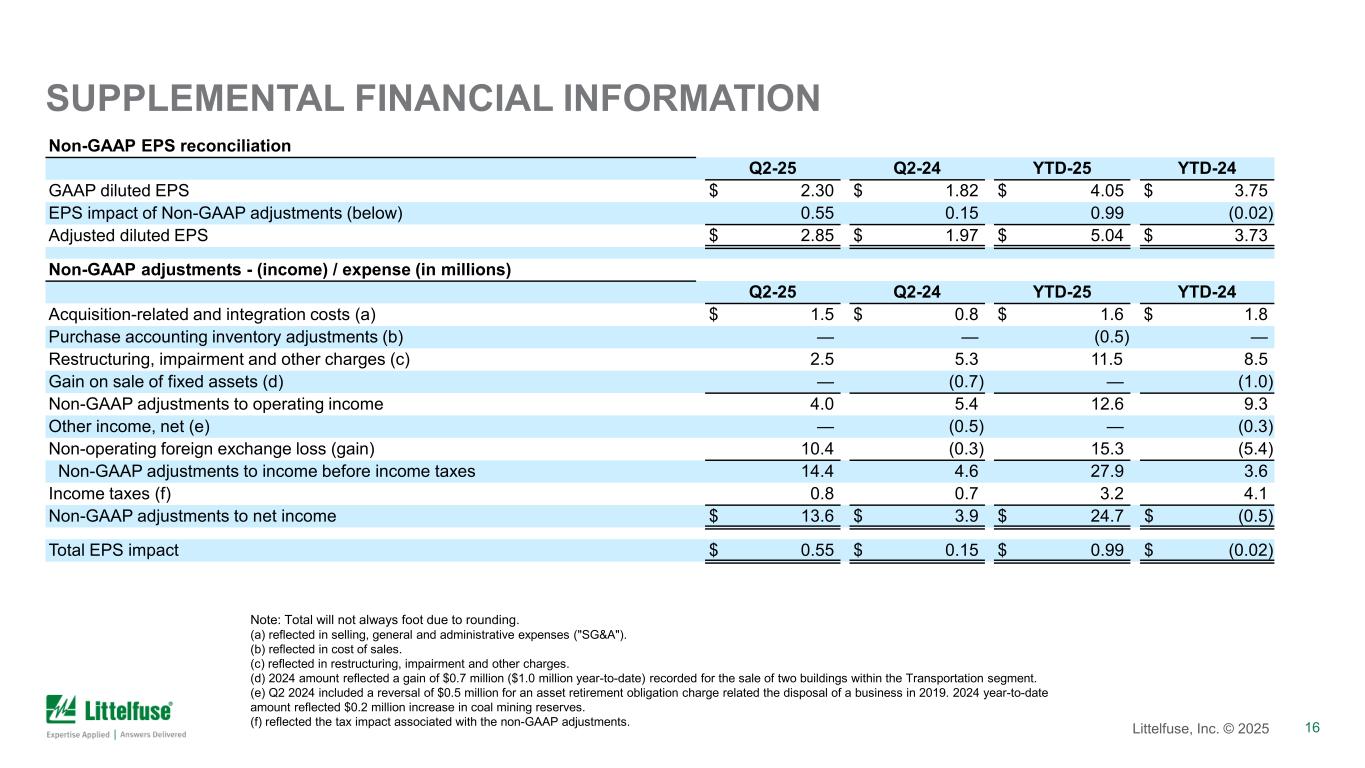
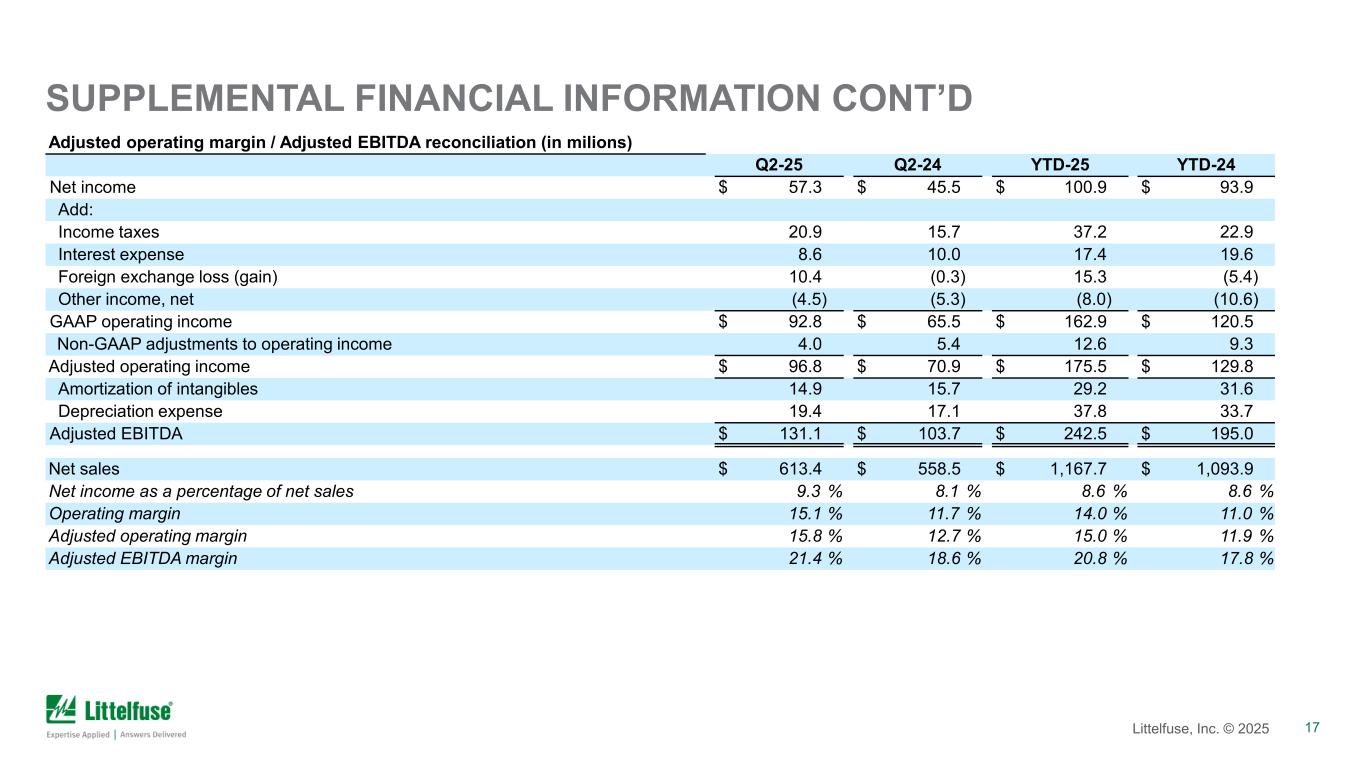
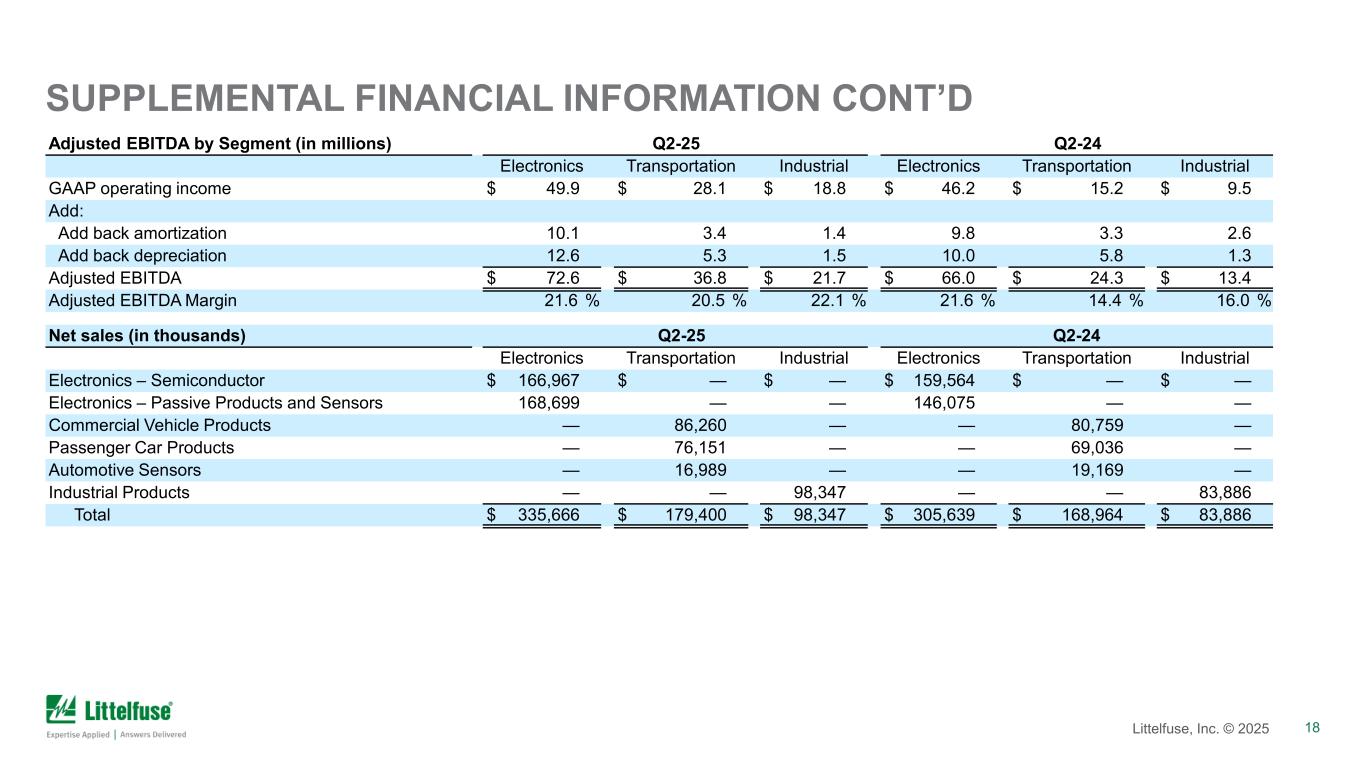
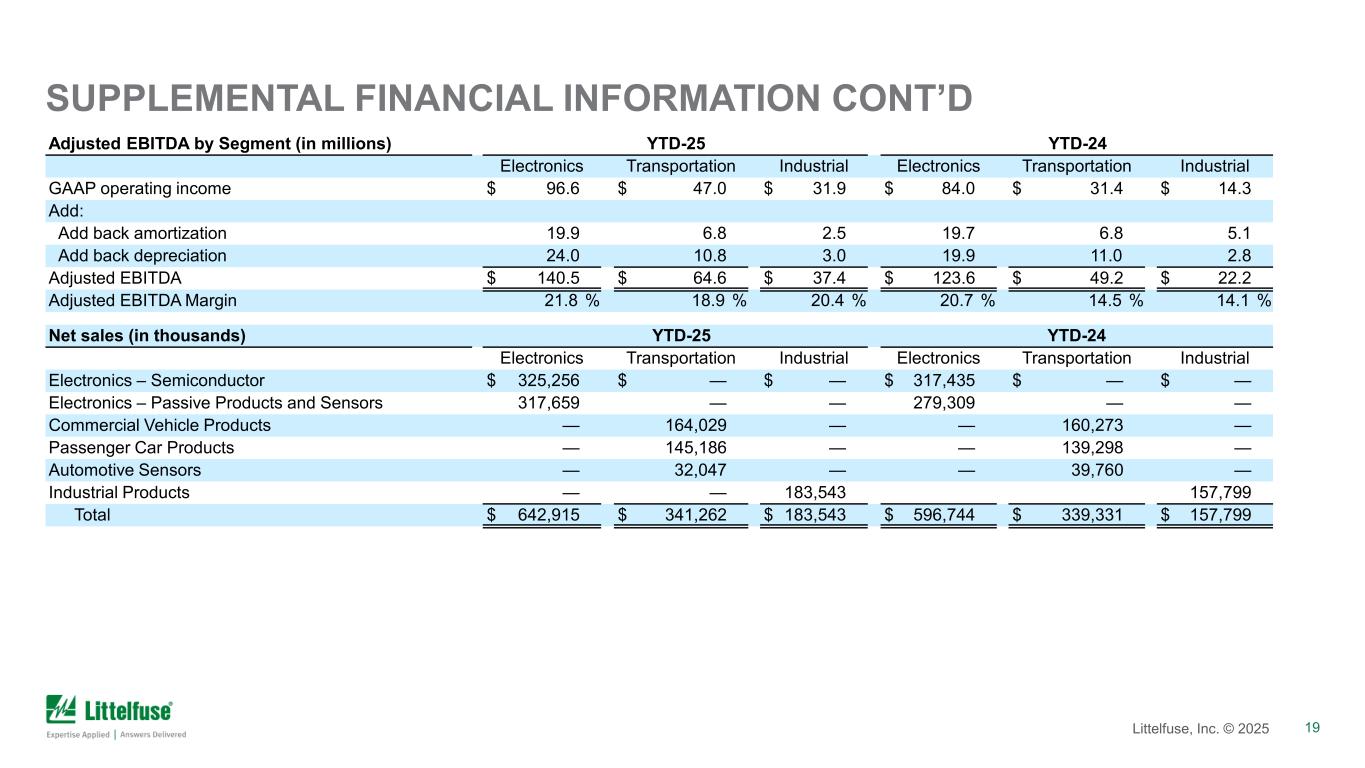
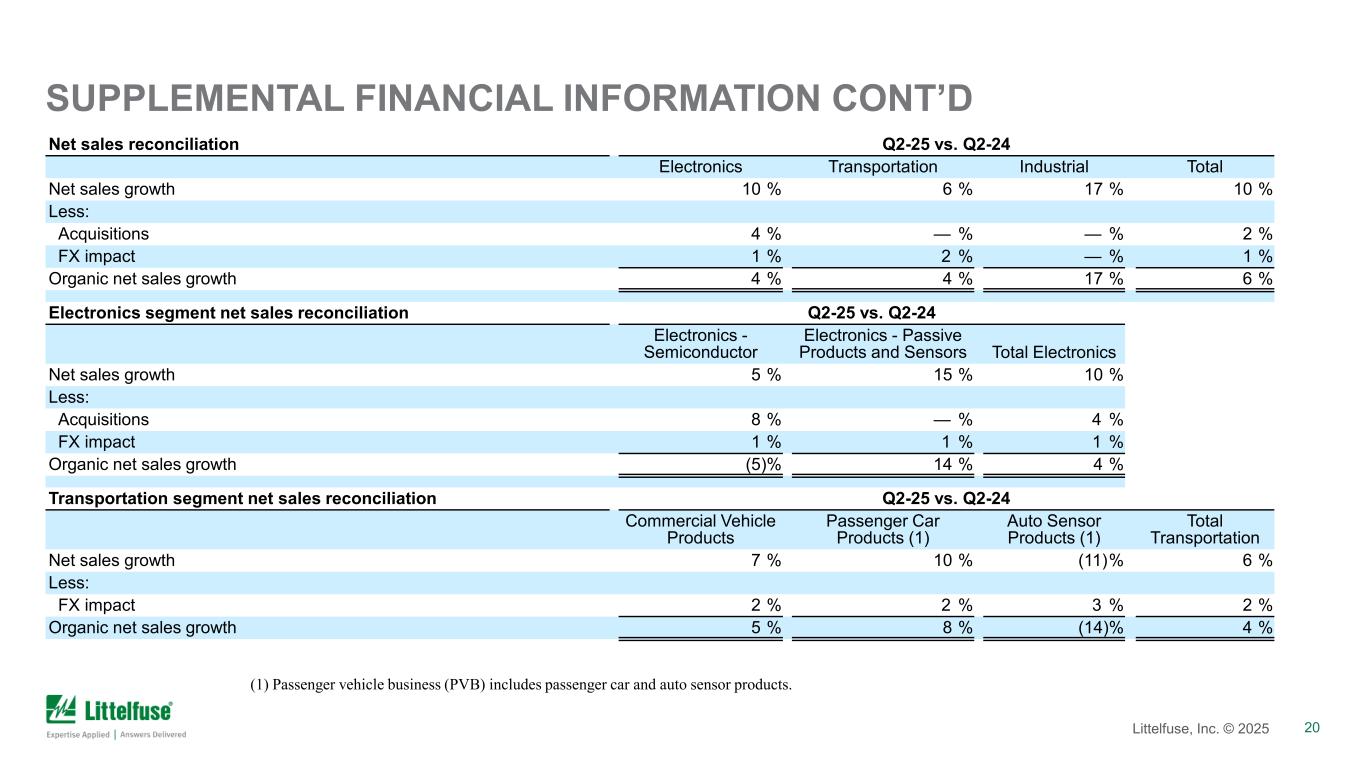
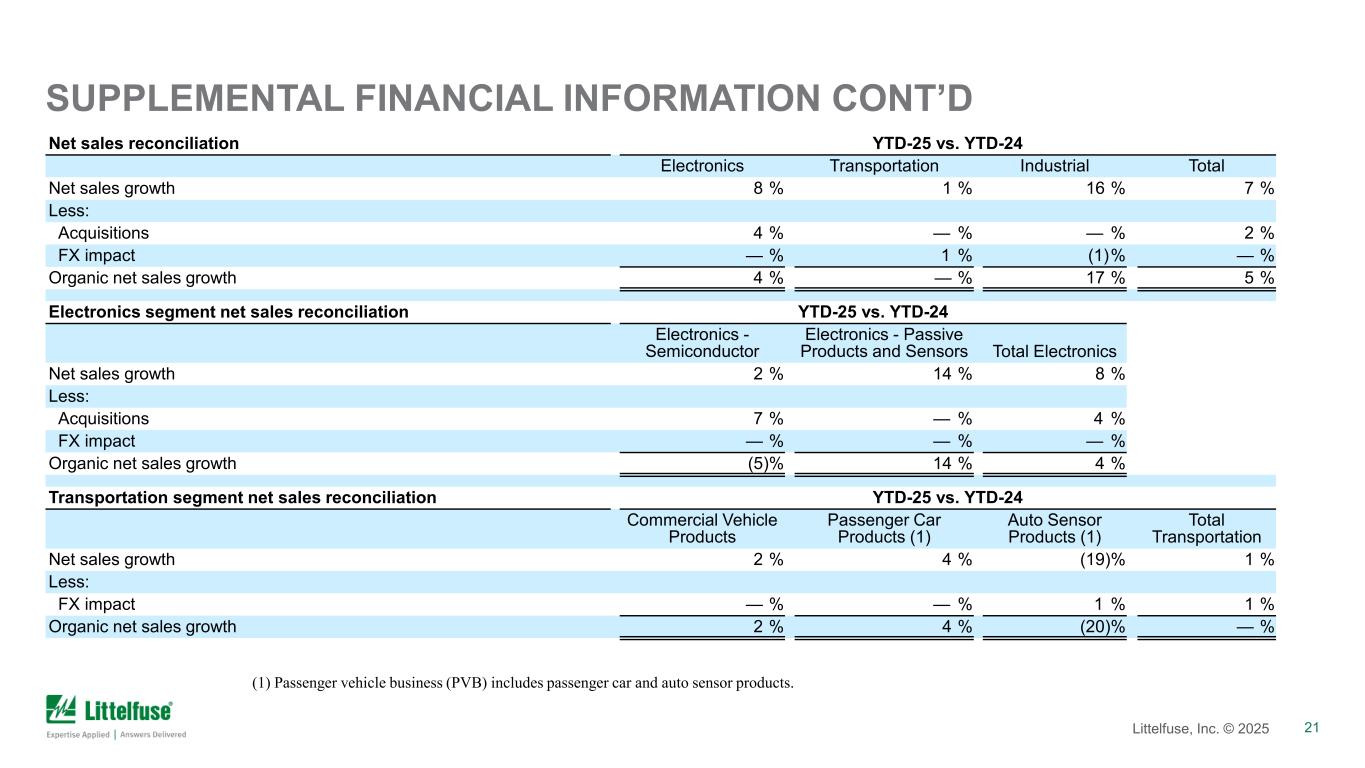
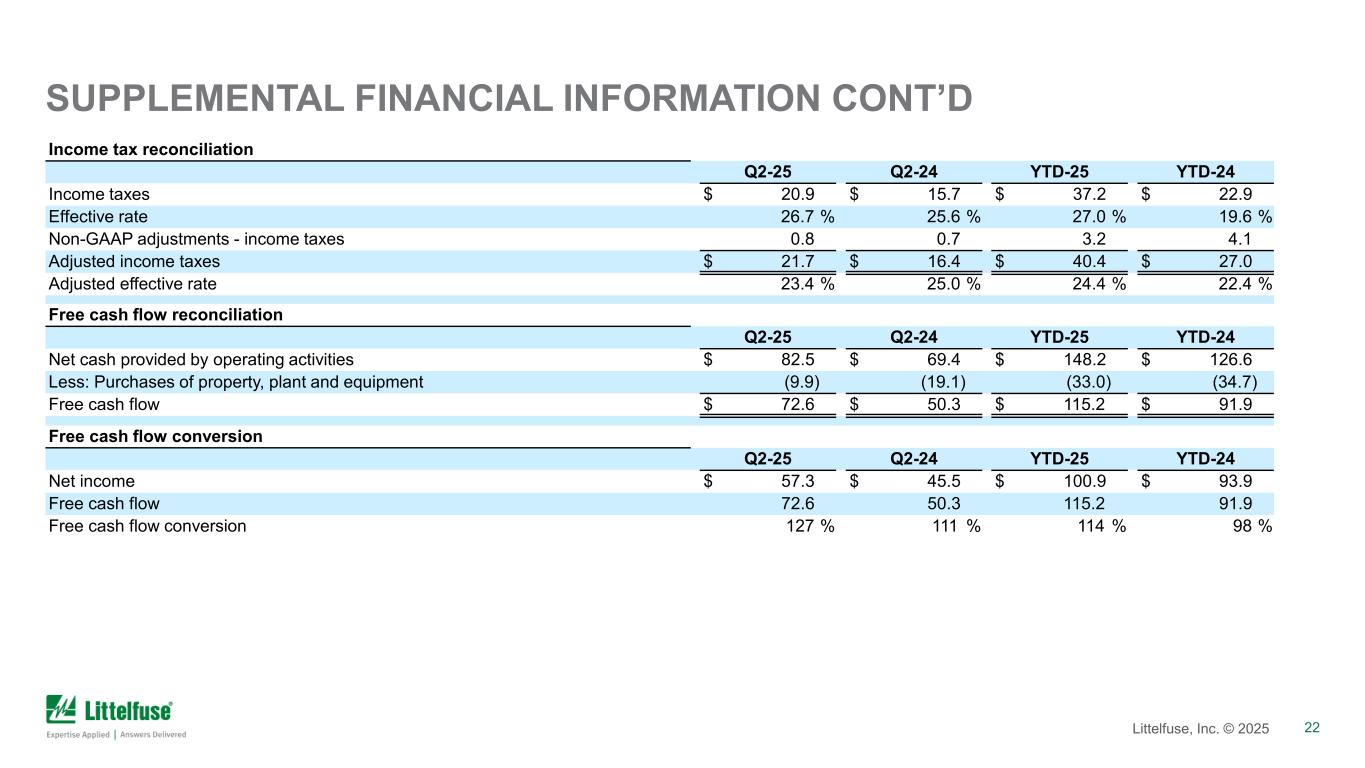
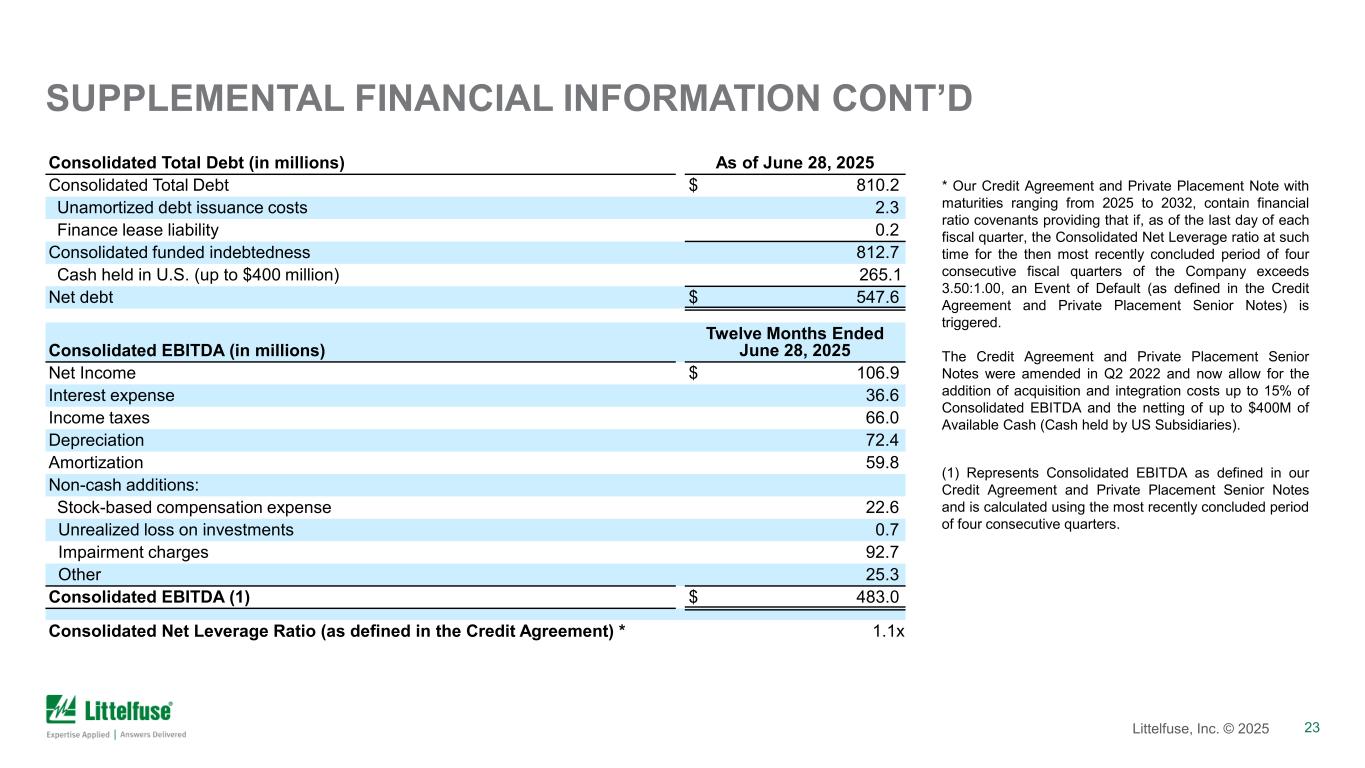
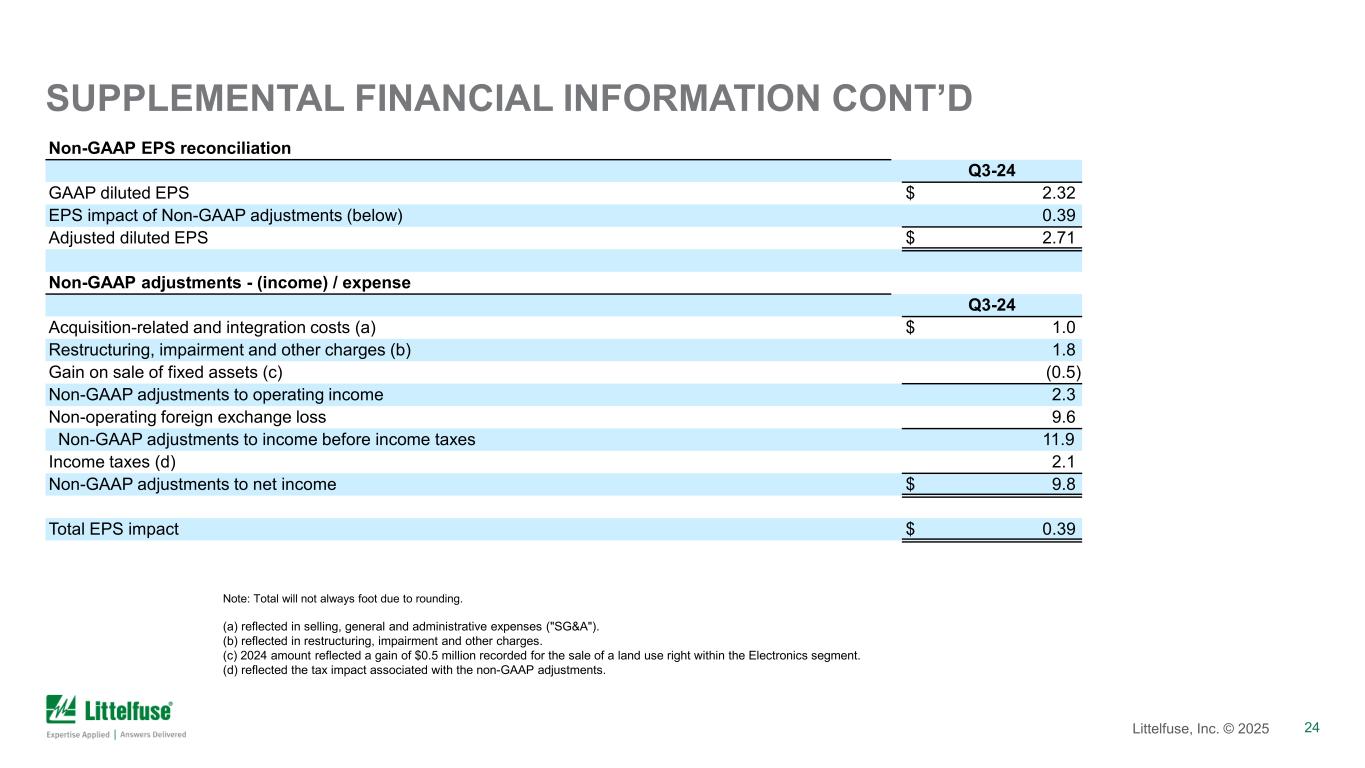
Thank you, Greg, and to everyone joining us today. I'm excited to have joined this great organization as we scale our business for the next growth phase of Little Fears. One month into the role, I've been working with Greg and our leadership team as we build on our strategic product. I see opportunity to enhance our secular growth momentum, form the optimizer portfolio, and strengthen our talent as we drive many long-term returns. For that, please turn to slide 7 to start with details on our second quarter results. As Greg mentioned, we exceeded the height of our guidance range for revenue and adjusted EPS. Going forward, comparisons I will discuss will be relative to the prior years, unless stated otherwise. Revenue in the quarter was $613 million, up 10% in total, and up 6% organic. The Dortmund acquisition contributed 2% to sales growth, while FX was a 1% tailgate. Adjusted EBITDA margin finished at 21.4% up 280 basis points. Our solid margin expansion reflects strong conversion on higher sales growth, improved operational performance, as well as the benefit due to timing of tariff collections and payments. Second quarter adjusted diluted earnings was $2.85 up 45% and exceeded the high end of our guidance reach. This reflects solid sales growth across our segments as well as margin expansion across our transportation and industrial segments. Please note our second quarter adjusted effective tax rate was 23 percent in line with our expectations. Please turn to slide eight for updates in capital allocation. We delivered strong cash generation in the second quarter. Operating cash flow was 82 million and we generated 73 million dollars in free cash flow. Year-to-date we have generated 150 million dollars free cash flow yielding a strong 114% conversion rate. We ended the quarter with $685 million of cash in hand and net debt to EBITDA leverage of 1.1 times. In the quarter, we returned $17 million to shareholders via our cash dividend. We will continue to prioritize our cash flow for organic investments and strategic acquisitions. We will also continue to return capital to our shareholders through our dividend, as well as strategic share budget. Please turn to slide nine for our segment highlight. Starting with the electronics product segment, sales for the segment were up 10% versus last year and up 4% organically. The Dortmund acquisition contributed 4%, while FX contributed 1.2 growth. Sales across passive products were up 14% organically, while semiconductor products declined 5% before. Our strong passive product sales growth in the quarter reflects improved orders from channel partners and increased demand from OEM customers. Within our semiconductor product explosion, we observed continued soft power semiconductor demand that offset improved protection product volumes. Adjusted EBITDA margin of 21.6% was planned versus the prior year. Favorable year-over-year volume leverage on our passive and protection product sales growth was offset by norm-powered semiconductor volumes. Moving to our transportation product segment on slide 10, segment sales increased plus 6% as organic sales increased 4% for the quarter, while FX contributed two points to growth. In the passenger car business, sales increased 3% organic. Passenger car sales increased across North America, Europe, and China as we benefited from shared gains and growth in global car builds. Commercial vehicle sales for the quarter increased 5% organically and benefited from market share gains despite ongoing soft in-market conditions. For the segment, adjusted EBITDA margin of 30.5% was up 610 basis points. In the quarter, we benefited from volume leverage, focus on profitability initiatives continued to drive improved operational performance. On slide 11, industrial product segment sales grew 17% organically for the quarter. The second quarter sales benefit from strong grid storage, renewable, data center, industrial safety, and HVAC growth. Adjusted EBITDA margin was 22.1% in the quarter of 610 basis points. Our strong margin performance deflects improved volume leverage and solid operational distribution. Let's move to slide 12 for the forecast. We entered the third quarter with a strong backlog and remained well positioned to deliver continued growth as we focus and drive with operational excellence. With that in mind, our third quarter guidance incorporates current market conditions, trade policies, and effects rates as of today. We expect third quarter sales in the range of $610 to $630 million, which assumes 6% organic growth at the midpoint and two points of growth stemming from our growth mint acquisition. We are projecting third quarter EPS to be in the range of $2.65 to $2.85, cents which assumes a 38 percent flow through at the midpoint third quarter guidance also assumes an unfavorable impact from stock and variable comp of 21 cents and a 12 cent headband from a prior year favorable mark to market and a higher adjusted effective tax rate at current effects and commodity rates we're expecting an 8 cent headband to eps versus the prior year moving to slide 14 let me some additional details on our full year 2025. We continue to expect 2% total sales growth stemming from our Dortmund acquisition with a neutral impact to EPS. At current rates, we expect effects and commodities will represent a 1% tailwind to sales and a 14-cent benefit to EPS. On other modeling items, we are assuming $58 million in amortization spent and $35 million in interest expense, about two-thirds of which we expect to offset from interest income from our cash investment strategies. We're estimating a full-year tax rate between 23 and 25 percent. We also expect to spend $9 to $95 million in capital expenditures. In closing, our second quarter results reflect a unique technology positioning, flexible operating model, and solid execution. As we look forward, we have a strong business model and balance sheet, and we will maintain our financial discipline and focus on shareholder returns. We will continue to build on our strategic priorities to scale our business and drive long-term value. With that, Hopper, please open the call for Q&A.
Operator
Thank you. If you would like to ask a question, please press star 1 on your telephone keypad. If you would like to withdraw your question, simply press star 1 again. Please ensure your phone is not on mute when called upon. Thank you. Your first question comes from Luke Junk of Baird. Your line is open.
Good morning. Thanks for taking the questions. Gregor, maybe to start, if you could just help us to put the margin upside in both transportation and industrial, just in context relative to history, both recent history and some of the longer-term targets that have been out there. transportation in particular the company's had a long held 15 percent margin target you're right there this quarter just how should we square current trends with what the historical context has been for that business operating wise and then abhi i think you mentioned some tariff timing impacts to margins if you could just uh clarify what that was thank you sure thanks luke uh good morning uh this is greg i'll just start um just maybe i'll take them one at a time so starting
was our transportation segment. I think, as we mentioned in the prepared remarks, one of the key areas that we're focusing on is scaling our operational excellence. And actually, we've been working on focusing on that inside of our transportation business. So strategically, we kind of have two initiatives in transportation. One is that we're strategically focused on diversifying our portfolio, so diversifying our market exposure. So we have a strong exposure, as you know, to passenger car, maybe traditional transportation like heavy trucks. But we have a strategy to try to diversify. So we're winning new designs in more diversified areas, things like agriculture and other customers that we don't penetrate today, but also we have a focus on scaling our operational excellence. And so this is one of the areas that it's still in early innings for us, but we're working on optimizing our factory performance, taking some of our best in class capabilities and scaling them across our factories. And we saw meaningful improvement in our transportation margin in the quarter because of that, and how we can give some more color to that um in industrial i would say that we continue to have a positive revenue growth and margin and i would say a lot of the performance in industrial is related to the markets we're playing in so we're continuing to play and focus of energy storage data center industrial safety with strong growth in hbc so in our industrial business i would say that our top line growth and our focus on high value markets is also driving the performance there and maybe it has obviously they have more following that yeah so first of all pleasure to meet uh pleasure to talk to you i look forward to our partnership here but you know starting with transportation building on
what greg said there's a couple things up one hour first of all if you look at the performance in the quarter and look at four percent organic growth i think what that the margin reflects is the power of the power of leverage operating leverage so you see that play itself out on the board secondly as greg mentioned look we've done a lot of work around operational execution We continue to focus on that. That's one of our strategic priorities. So as we move forward, right, we can continue to build on that. Now, keep in mind, transportation is – margins are not going to be linear because there are sales, you know, that move over time by quarter by quarter given seasonality. But I do expect over the longer haul, transportation as a segment has more margin upside. We'll work the details out as we, you know, as we go to the back half of the year and solidify our strategy. Talking about investors, look, we're really, really pleased with the performance that we saw in the quarter, both on the top and the bottom line. Again, this is pretty much the same story, which is around organic growth translating into, you know, powerful operating leverage, which, you know, see itself out in the margin line. Look, transportation exceeded the quarter at about 19 percent off margin, right? Now, keep in mind, one of the things to consider here is as we start to see our organic growth at 17 percent, some of the margin drop through. We're going to invest back in the business to continue to fuel growth as we move forward. But, again, we're pretty pleased with our performance. You can see the work that we're doing around the third strategic priority on operational execution really put itself out in the quarter across the company.
Thank you for that, and be great to meet you in this context as well. Just on the tariff timing impacts, yeah, could you just clarify what you mentioned in the script as well?
Yeah, absolutely. So look, what I said in the script is something that basically comes down to the timing of the realization of price versus when we incur the cost in the quarter. So what really that means is if you think about a sequence, right, in Q2, we have about a 15-cent benefit or tailwind that will become a headwind in Q2. So really all it is is timing between the quarters in terms of the timing of price realization versus cost that we incur in the P&L. So that's what I meant by that. There's about a $0.15 good guy in Q2 that's going to reverse itself on Q3 and be a bad guy sequentially.
Okay, I understand. Second, maybe just a little bigger picture, Greg, but, you know, really strong results within industrial quarter. You know, historically, this has been a smaller just because of the size of the business, you know, someone in an even segment for the company historically. As you come into the company, is your perception of the business different? I guess I'm thinking especially, you know, your priority around aligning the company's technology capabilities and sales structures. Could that have a sort of outsized impact on the industrial segment specifically, Greg?
Yeah, I think what I want to say is I think we're actually really excited about the industrial segment. When we think about our bigger picture strategy of focusing on safe and efficient transfer of electrical energy and about our customers' transition to higher power, high voltage, high current, this plays really well. This is a big megatrend in that industrial center. And actually, I think we focused in our industrial segment on some of these markets that are maybe leading in this transition. And then we built technology. So, for example, solar, grid storage, these are some of the areas that are leading in this transition. We built technology. Actually, now some of the technology from our industrial business is now a big part of our data center solution. So, as we We talked about data center, some of the data center customers, and actually we sell to two sides of that. We sell to what we would call maybe industrial infrastructure customers that make, that do maybe the grid side, bringing the power into the data center, doing the cooling for the data center. That's part of our industrial business, but also products for our industrial business are playing straight to the hyperscalers directly that are going to the next generation high voltage architecture. So broadly, we feel that industrial is a growth sector for us. You heard, obviously, that, you know, it's actually – it's a high growth, but also a good margin, but we're going to continue to invest in this. So, industrial segment is one that aligns well to our strategy, and you will continue to see, in my opinion, both top-line and bottom-line positive outcomes.
Jumping off on that, on the data center piece specifically, Greg, maybe a multi-part question here. You touched on some of the infrastructure side. can remind us from a um electronic standpoint where where data center exposure is and i think historically for the company in total it's been a good exposure but not necessarily one of the company's largest kind of just where is that today i get the sense that it's growing and you know as you lean into new engagements and opportunities on next gen higher power type applications sounds like some of those things are maybe coming to fruition earlier than expected can you just help us understand magnitude of that tailwind thank you yeah thanks and i think uh data center we consider as inside of our uh electronic segment and um the products in our
electronic segment are also having strong traction data center we mentioned design wins we had this time in liquid cooling but also in on board and so we have a lot of products from our electronic segments that are onboard power protection products and actually are semiconductor protection products actually going to data center onboard. And I think actually, interestingly, like one of the trends that's happening in this, you know, you all hear about data center market and the data center's gigawatts of power, et cetera, but every step of the chain in the data center is going to higher energy density. And so our solutions, a lot of our electronics products are about, you know, they tend to be slightly smaller than, say, the industrial products, but, again, you're trying to put more energy into a small area and still have that protection. So we have some surface, for example, our surface-bound fuses, our over-voltage devices, our semiconductor protection devices are playing well in that space. What was the second half of the question, Luke?
Yeah, so just maybe sizing the data center exposure.
Like I said, I think it's been a good exposure historically, but not one of the largest, but it feels like that's growing right now yeah yeah i think what i would say is that data center is materially important to little fuse but i also think it's going to be more important as time goes on so i think the thing to understand about this we talked about our second strategic priority about selling more of our complete solutions and this is really about also how we align our go-to-market um so that we're more leveraging our broad capabilities interestingly i talked about some of our industrial products selling straight into data center So the go-to-market for our data center is right now focusing in our electronic segment. But we're trying to better scale that go-to-market. So data center is a key kind of early area where we're focusing this scaling of go-to-market to bring more of our portfolio to our customers. And so this is an area where we're building pipeline. We have good design wins, but we also have growing pipeline. And so we will continue to see momentum in that area. All very helpful. I'll leave it there. Thanks, Bill. Thanks for the question. Thanks, Lou.
Operator
The next question comes from Christopher Glenn of Oppenheimer. Your line is open.
Yeah, thanks. Just would like to dive into the passenger vehicle share gains, you know, kind of point in time. I don't think you called it out last quarter. Obviously, it's looked a positive organic. but is this kind of a midstream activity that's just kind of hitting past the starting line presently?
Yeah, thanks, Chris. I think, you know, when we look at passenger vehicle, I think the thing that I'll say is that we have a very strong market position and good exposure globally. And so we participate in the North American market, in the China market, and the European market. And we participate strongly, actually, in EV and also traditionalized vehicles as well. So we have a pretty good market exposure. And I would say, so we have good, strong exposure and share. And we talked about before that on average EVs tend to have higher content. So therefore, when they have higher content, we tend to have more dollar share that goes with that, but we have good share across. And so I would say from my perspective, the share gains here is really about kind of where our market exposure is and how our position is. And that's going to go up and down. But I would also say, just emphasizing, I think, you know, when we talk about our transportation segment, you know, passenger vehicle is an important part of that, but I think you'll continue to see our strategy is to try to continue to diversify.
Passer vehicle is an important part of our transportation segment, but our strategy is to continue to diversify with some key design wins in the corner in areas like agriculture that is diversifying out from our traditional customer base uh and we consider those to be high growth and sam opportunities for us okay great and then you know we just talked about the share gain of transportation industrial you have good market targeting and penetration the electronics is a little bigger more diversified it's tougher to discern um how it ties into better capitalizing on future growth and more complete solutions. You've talked about BMS and medical in the past. Just wondering how the kind of momentum is playing behind the scenes there overall at electronics relative to the kind of more visible at the two smaller segments.
Yeah, I think what's important to understand about this strategy, and I think, you know, from my perspective, we're in the early end of this strategy right now, but what's important is that in all of our segments, in electronics and industrials and transportation we're trying to get more disciplined and deliberate about okay what are the growth drivers in the segment what are the parts of the market that are growing where do we want to focus uh so and and then how do what's our position there so we're focused on these areas where they're focused on transition a higher voltage higher current i gave an example actually in the script that comes from the toronto state which is actually an enterprise computing and actually that example what's interesting about that to me is you know we talk about transition to high voltage on high current, and we've talked in the past about data center going to 400 or 800 volts, and people have been all very high voltage, but actually this enterprise computing market for this application of connectivity is transitioning from 5 volts to 48 volts. Now, 48 volts is not high in the context of 800 volts, but in the context of the application, it's a high voltage, and we've actually developed completely new solutions around semiconductor protection because it's a very demanding requirement in terms of power density and electromagnetic compatibility. So that's a good example. And so what we're trying to do is find where in these markets and in the subsegments, whether it be building automation and electronics or medical or aerospace and defense, where do we have opportunities where we can leverage those megatrends on electrification with our technology? And so you'll be hearing more about that as we go about the strategy over the next quarter. Okay.
And then, you know, last for me was just curious, the electronics margin slightly down sequentially on 9% sequential sales growth. I don't know if stock and variable comp plays in there. It looks like that's a 21% year over year drag in the third quarter.
Maybe we could, you know, level set the context of that third quarter timing uh as well as the electronic sequential margins yeah so so chris this is what i'll say is this i mean if you look at the electronics um you know margin profile what you see in there in the second quarter is really strong drop through in our passive products in our protection business within our semiconductor product business right which is partially getting offset by the leveraging of our semi business and the acquisition of Dortmund. Now, all that said, what we are seeing is improved orders in our power semis. So, as we start to see the volume recover over time, what you can see is rescaling and solid margin performance coming out of the electronic segment. But just so we'll play it one more time on the electronic side, we did see strong drop-through on passive products protection business within our semiconductor product business, which got offset by power semis. On the Q3 question, what I'll tell you is, I think if you look at our guide for Q3, and look at what we've laid out. From a true operational execution standpoint, what you're seeing is year-over-year a flow to a 38 percent on EBITDA conversion, which is getting offset by two things really. Number one is stock and vertical compensation. Within that, there's two pieces. If you recall on the stock-based compensation for retirement eligible employees, instead of taking they hit all in Q2. We spread it between Q2 and Q3. So part of the impact in that 21 cents that you see on the page is tied to that. Second piece is the AIP. So if you recall last year, given where the company's performance were, we had to lower the bonus accrual. So this year, what you see in here is the bonus being accrued at 100% or a target. And so that's why year over year you see an impact. And then the other bucket is nothing more than two things. There was a mark-to-market good guy last year. That won't repeat this year. And then there's the differential in tax rate that's playing a bit of a role on a year-over-year basis. But again, true operational performance is really strong if you look at it on a year-over-year basis at a 38% conversion on the EBITDA line.
Great. Thanks for all that.
Thanks for your questions, Chris.
Operator
The next question comes from Sari Boroditsky with Jefferies. Your line is open.
Hi, thanks for taking the questions. I think we've talked a lot on the call about kind of this focus on growth opportunities, and I know it's early days, but I was just curious if you had any thoughts on what this could add to the top line, and then are these opportunities accretive to margins, or do they need higher investments?
I think, sorry, I'll just start. I mean, I think, you know, it's – we – big picture, we believe that we have significant opportunity to grow and scale a company. So, I think we're focusing our strategy, we're focusing around the safe and efficient transfer energy in all three of our markets, we see opportunity there. So, big picture, we believe what a top line grows. We're building our long-term models now that we're going to be rolling out as we go forward. So we'll be able to talk more in future quarters about kind of the details of our growth model. But I think early indicators that I can say, we've mentioned in the call that we have double-digit growth and opportunity pipeline. I do believe that we're seeing traction already from a customer engagement perspective on how we're aligning our go-to-market. So we're building these long-term models as we go, and we'll be talking about that more in future quarters. But we do believe that we would be driving top-line growth. But we also want to drive bottom-line growth as well. So that's part of the second half. we do believe that untapped opportunity from an operational perspective. That's part of our scaling operational excellence. We saw some early results on that as well. So we believe that we can grow both top-line and bottom-line. Obviously, the top-line will require some investments, but that's kind of the scale, I would say. And I'm on stage here, man. You can give your views to how you see that as well.
Yeah, absolutely. And look, first of all, thanks for the question. pleasure to meet you um yes i'll tell you a lot of strategic priorities what's really exciting about the journey that we're on is a couple things first of all as we sharpen our focus and go after opportunities that's really going to help us grow our top line that's the work we're doing right now and as greg mentioned i'm going to reveal that in the fall but in classic fashion if you kind of think about a portfolio and think about a business model right when you see organic growth just the way you saw it in q2 when you start to move that organic needle what what that translates into is bottom line margin expansion and bottom line growth, right? And that's what we're really excited about, but I think Greg's point on his page three on the slide deck around focusing and capitalizing on future growth opportunities, really providing more broader solutions for our customer, and following that with operational executions, I'm really excited about, and I think that will translate into top line growth, bottom line growth over the longer haul. And to Greg's point, in February of next year, we plan to lay that out as part of our three-year target in terms of what we believe the organic, the inorganic piece is going to convert into over the next three years and what that means from the bottom line standpoint.
I look forward to having those targets. Maybe just sticking on the subject, you know, you talked in the beginning about some higher voltage solutions, data centers.
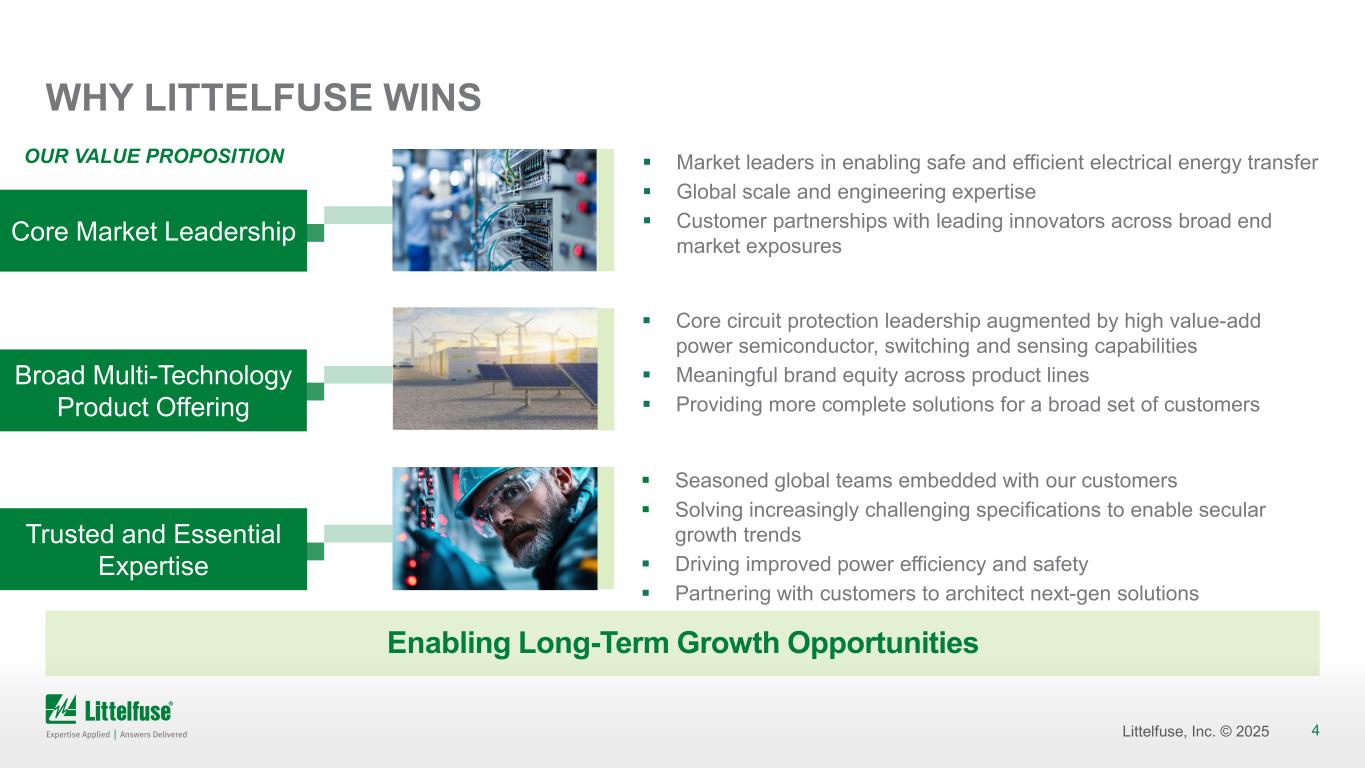
Maybe just any sense of the competitive environment there and maybe your market share today versus what you think it can be. yeah thanks sorry well i mean listen we we uh we uh we feel very comfortable with our technology position and in general i would say uh our position is that as the as the markets move to these higher voltage higher current higher power we are more differentiated i've met with some of these customers even the data center customers myself and uh they really value uh little fuses capability there and i think there's a big part of our capability and brand that place for our strength there because we have experience and people know, okay, they can count on little fuse working in that model. Of course, we have competition. We have competition in all the markets and places that we play. But I would say in general, we feel good about our technology and capability. And in general, as we move to these higher energy density applications, our products are more differentiated and also the problems that the customers are more challenging. and so, therefore, we are a bigger part of the solution. So, in general, that's a good trend for us and for our own organization.
Thanks for the questions. Congrats on the quarter.
Operator
Once again, if you have a question, it is star one on your telephone keypad. Your next question comes from David William with Benchmark. Your line is open.
Thanks for letting me ask the question, and congrats on the really solid execution here. thank you david i guess uh maybe maybe first is just kind of thinking about the the power semi segment and you've talked about the orders improving there but when do you think we can see that leverage really return and and begin to see some some real impact from the the power semi side yeah thanks david just to start just kind of maybe zoom on an answer just um and obvi referred to this a little bit in his remarks earlier um we zoom out and look at our semi-connector business that about 50 percent of our semiconductor businesses are semiconductor protection business that was actually an example we gave on the call here when they're enterprise computing and so that that business has actually been doing very well very strong and actually been following our kind of path of electrons business the other half of our semiconductor business is our power semiconductor business the market from the power semiconductor business has been soft as you know um and uh and so we've had a soft market position we also will be transparent that we've had some of our own execution challenges in the Power Summit Connector business. But I would say the good news is that we are starting to see areas of improvement in Power Summit. And two things. First, I would say that in general our market position in Power Summit, when you get to higher power and high energy density solutions, just like we are in our past business, we are more differentiated. We have more value to our customers. But also from a market perspective, we're starting to see signs of stabilization, orders of an improvement.
And so we do expect positive momentum sequentially in the power semiconductor business and that's areas where we're going to consult continue as well to focus on improving our execution and things that we can talk about more in future forms and secondly just on the visibility and maybe how you see the in demand here do you feel like what we're seeing in terms of the improvement across your segments does this feel like an inflection maybe on the in-demand side or do you think there's some tariff maybe uncertainty that's pulling things forward anything that did you see that's maybe outside of just that normal inflection in demand that you think is driving this?
I mean, like I think what I just said in the call, right, we had solid momentum in the border, strong backlog in bookings, and we are, I would say, from our perspective, seeing improved stability in our end markets. We're still in a dynamic macro environment, but one thing I think we would say is that if we compare this to maybe three to six months ago, we have better visibility. So we feel better about our kind of medium to near-term visibility than we did three to six months ago, given that, you know, the environment that we're in.
Yeah, I mean, look at it. Even if I take a step back and kind of think about a Q3 guide, I mean, you know, if you look at it on a regular basis, we are, you know, talking about a 9% report, 6% organic. So again, if you just look at Q3 performance, back to your question, we are expecting a pretty nice 6% organic for the quarter on a year-over-year basis. And all three segments, as I think about all two segments, you know, 2Q to 3Q, I expect electronics and industrial to go up sequentially. Now, transportation season is down two to three due to shutdowns. And then on a year-over-year basis, as I kind of look at our performance, that's a part of this guide. Across all three segments, you should expect growth.
Thanks for your question, David. this concludes the question and answer session i'll turn the call to greg henderson for closing remarks okay thank you well uh i just want to close thank you appreciate all of you coming and asking questions of support little twos you know it's early innings here for us in our strategy but we are really excited about the future we're building in this safe and efficient energy transfer and i look forward to future quarters where we can update you on progress on our strategy. So thank you very much.
Operator
This concludes today's conference call. Thank you for joining. You may now disconnect.