Operator
Welcome to the Lisetta Therapeutics 2nd Quarter 2025 Financial Results and Business Update Conference Call. Currently, all participants are in a listen-only mode. Following management's prepared remarks, we will hold a Q&A session. To ask a question at the time, please press star 11 on your telephone. You will then hear an automated message advising a hand is raised. As a reminder, this call is being recorded today, Thursday, August 7, 2025. I will now turn the call over to John Mendito, Vice President of Investor Relations and Corporate Communications at LISADA. Please go ahead, sir.
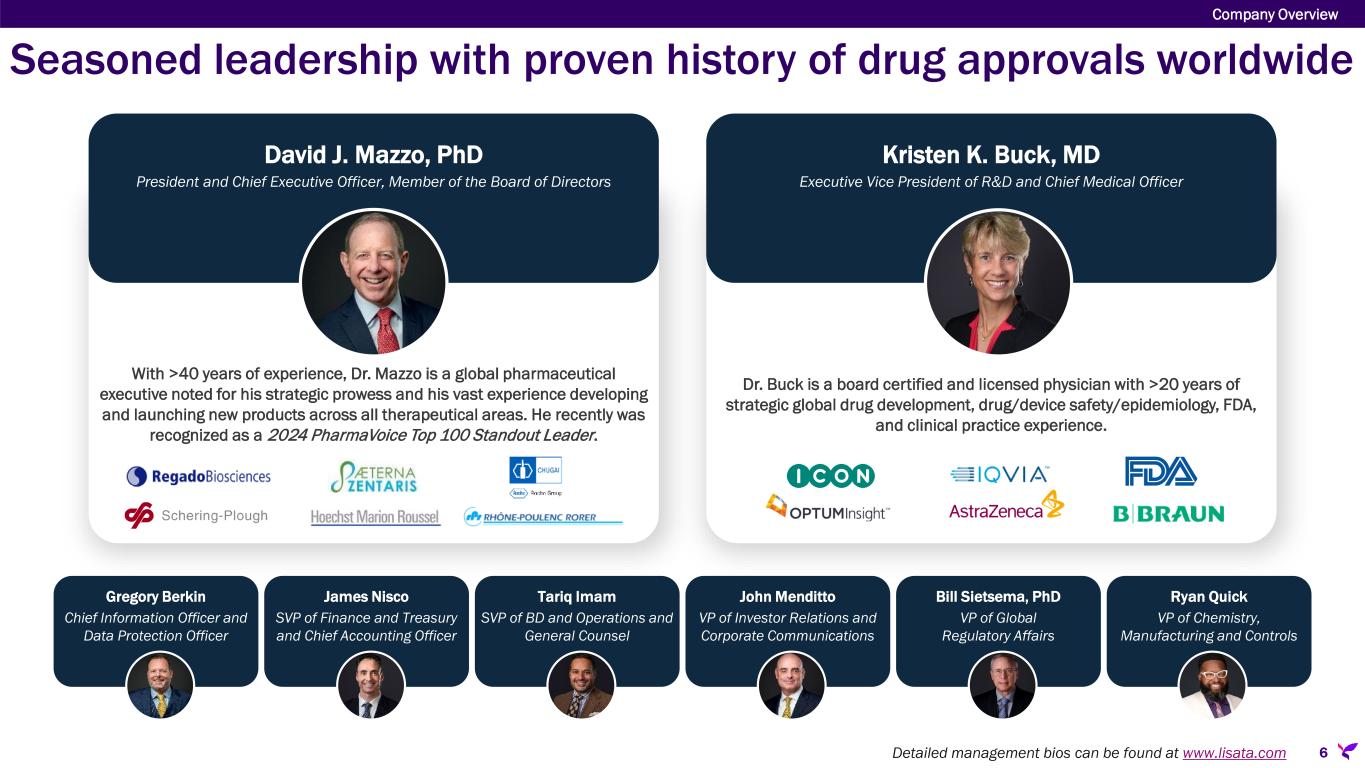
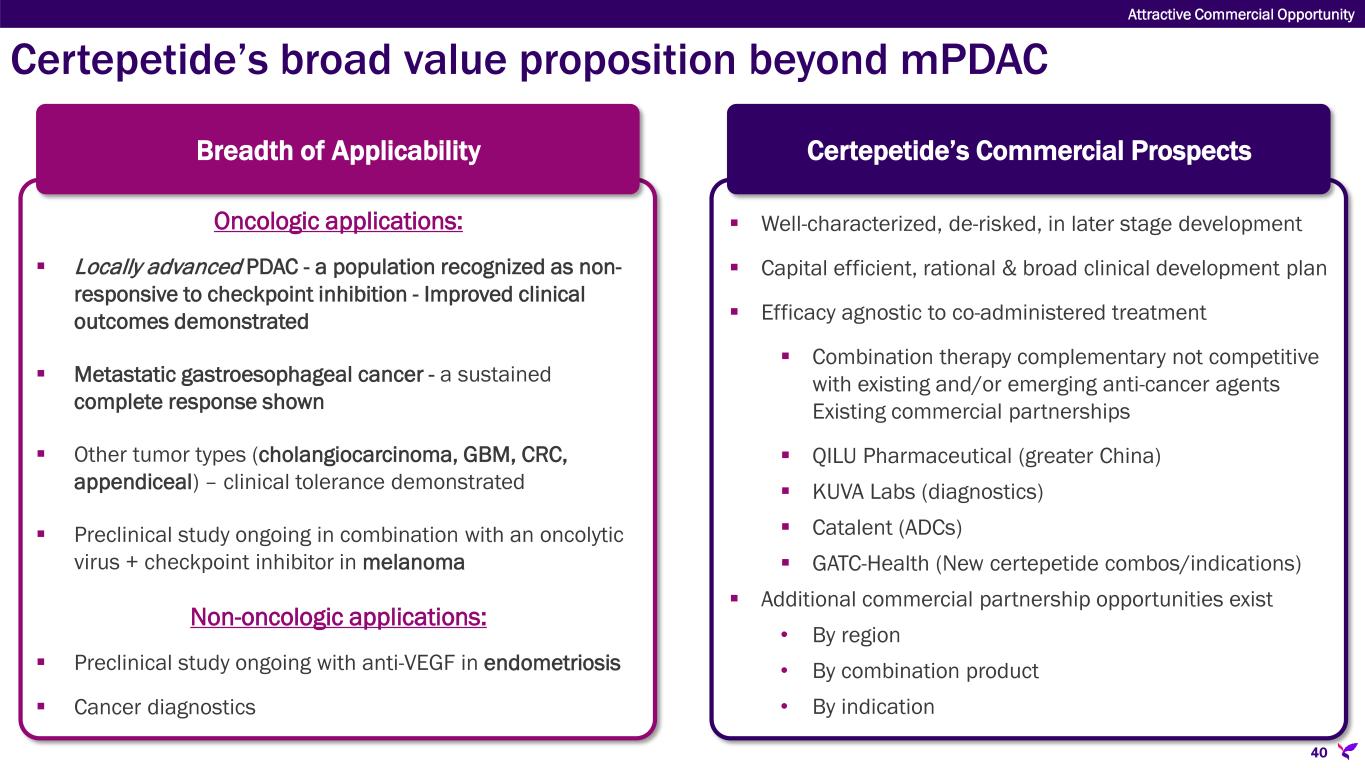
Thank you, Operator, and good afternoon, everyone. For those of you who have been on Lasada's calls previously, you'll recognize that this is not John Mendito speaking, but this is actually the President and Chief Executive Officer, David Mazzo. Unfortunately, John is having technical difficulties and hasn't been able to join the call, and some of the other speakers have also been having some issues today, so we apologize for any inconsistent sound, and we hope that you'll be able to hear the webcast at a later date. Joining me from the management team are Dr. Kristen Buck, the Executive Vice President of Research and Development and Chief Medical Officer, and James Nisko, Senior Vice President of Finance and Treasury and Chief Accounting Officer. Shortly before this call, we issued a press release announcing our second quarter 2025 financial results, which is available under the investors and news section of the company website, along with a webcast replay of this call. If you have not received this news release or if you would like to be added to the company's email distribution list, please subscribe to email alerts on the company website or email john mendito at jmendito, M-E-N-D-I-T-T-O, at lasada.com to be added. Before we begin, I will remind you that comments made by management during this conference call will contain forward-looking statements that involve risks and uncertainties regarding the operations and future results of LASADA. I encourage you to review the company's filings with the Securities and Exchange Commission, including, without limitation, its Forms 10Q, 8K, and 10K, which identify specific risk factors that may cause actual results or events to differ materially from those described in the forward-looking statements. Furthermore, the content of this conference call contains time-sensitive information that is accurate only as of the date of this live broadcast, Thursday, August 7th, 2025. LASADA Therapeutics undertakes no obligation to revise or update any statements to reflect events or circumstances after the date of this conference call. I will now continue with my prepared remarks, And it, of course, is a pleasure to provide you with the latest update of LASADA's recent business highlights, discuss our second quarter 2025 financial results, and give a report on the progress of our development programs. Year-to-date, LASADA has executed on and achieved a number of impactful clinical and corporate milestones, with many of those coming since the start of the second quarter. On the business front, we signed a research agreement with Catalant exploring synergies between Sertepatide and their advanced antibody drug conjugate platform, and we formed a strategic alliance with GATC Health, employing their MAT artificial intelligence platform as a potential source of new drug development candidates, either alone or in combination with Sertepatide. Importantly, we recently announced preliminary results from both the ASCEND and I listed trials that were particularly encouraging, clearly validating Certepatide's promise and our overall development approach. We continue to anticipate that the next 12 months will be a data-rich period for LASADA with several key milestones on the horizon. And following the review of our financial results, Dr. Kristen Buck, our Chief Medical Officer and Head of R&D, will provide an update on our ongoing and planned clinical studies, including timelines and key objectives. And with that, I will now turn the call over to James Nisko, our Senior Vice President of Finance and Treasury and Chief Accounting Officer. James?
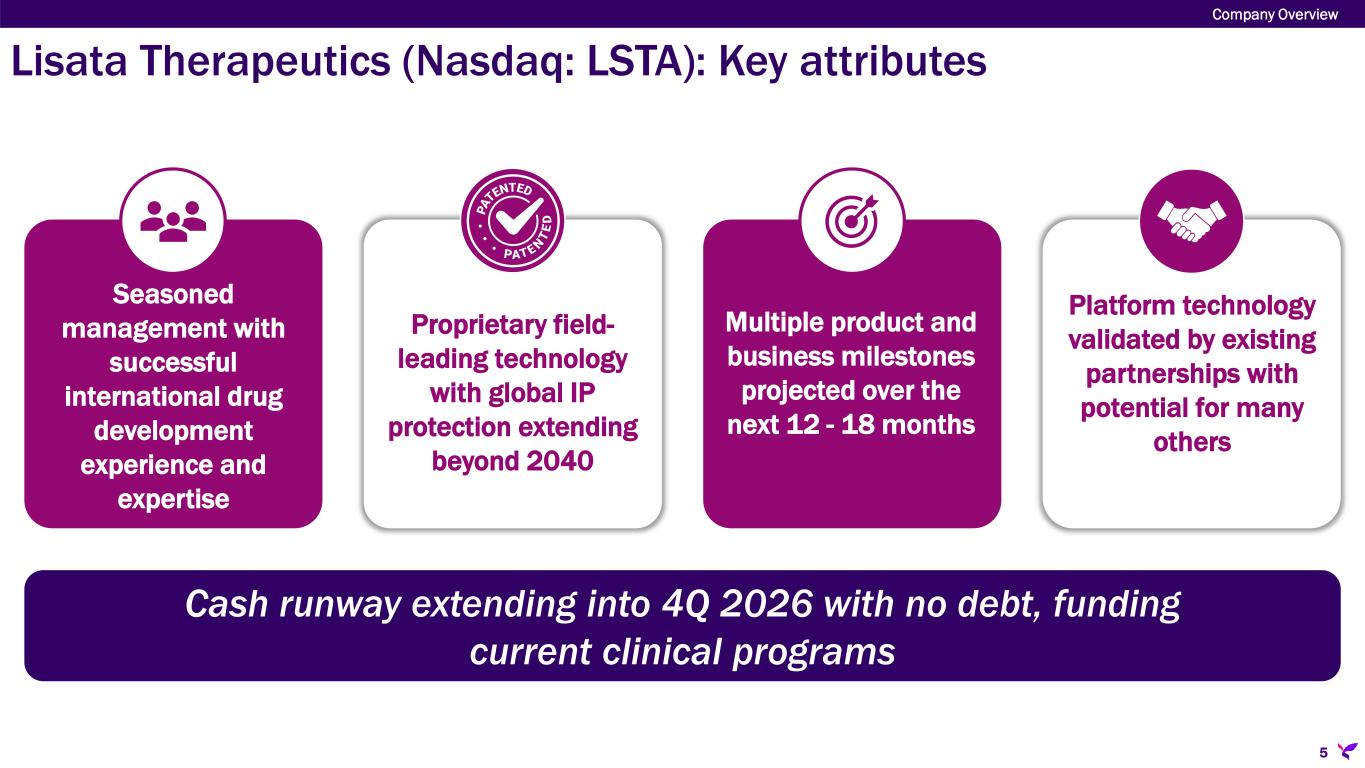
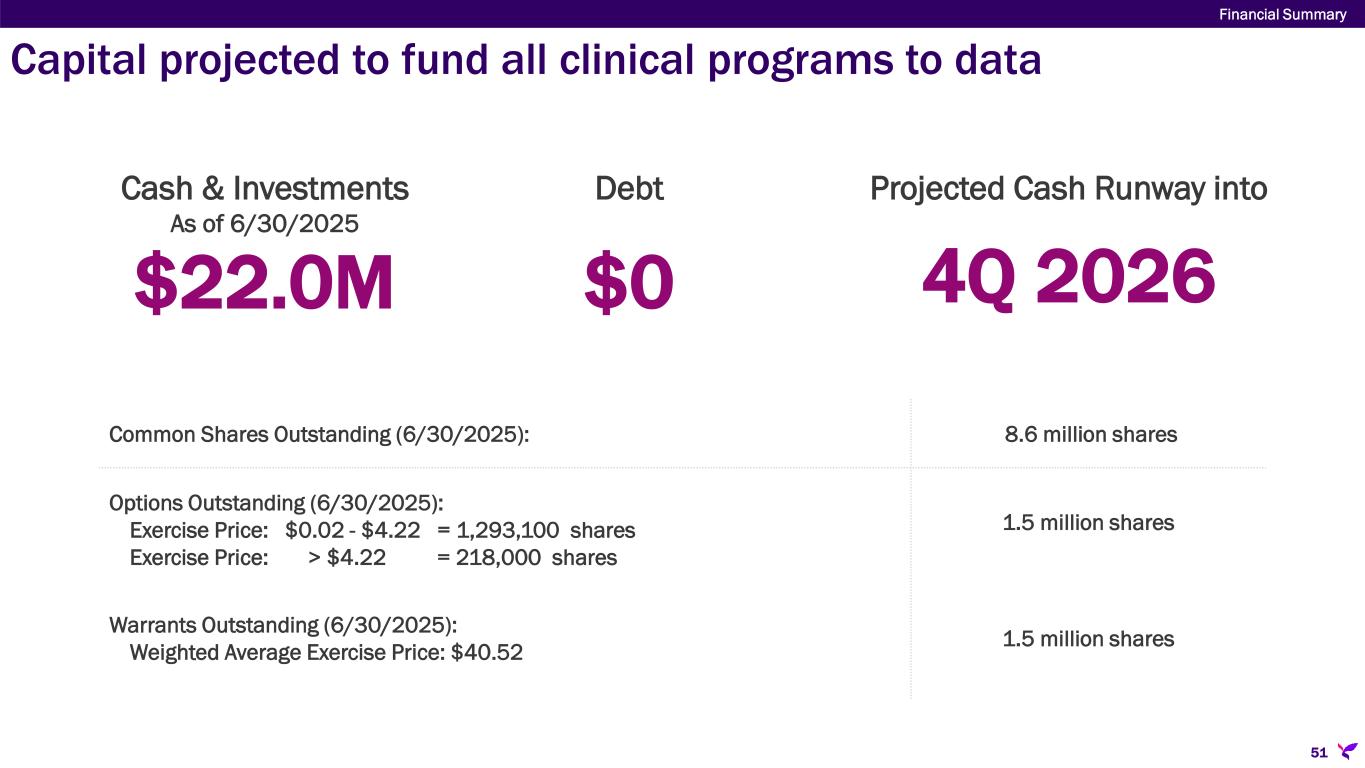
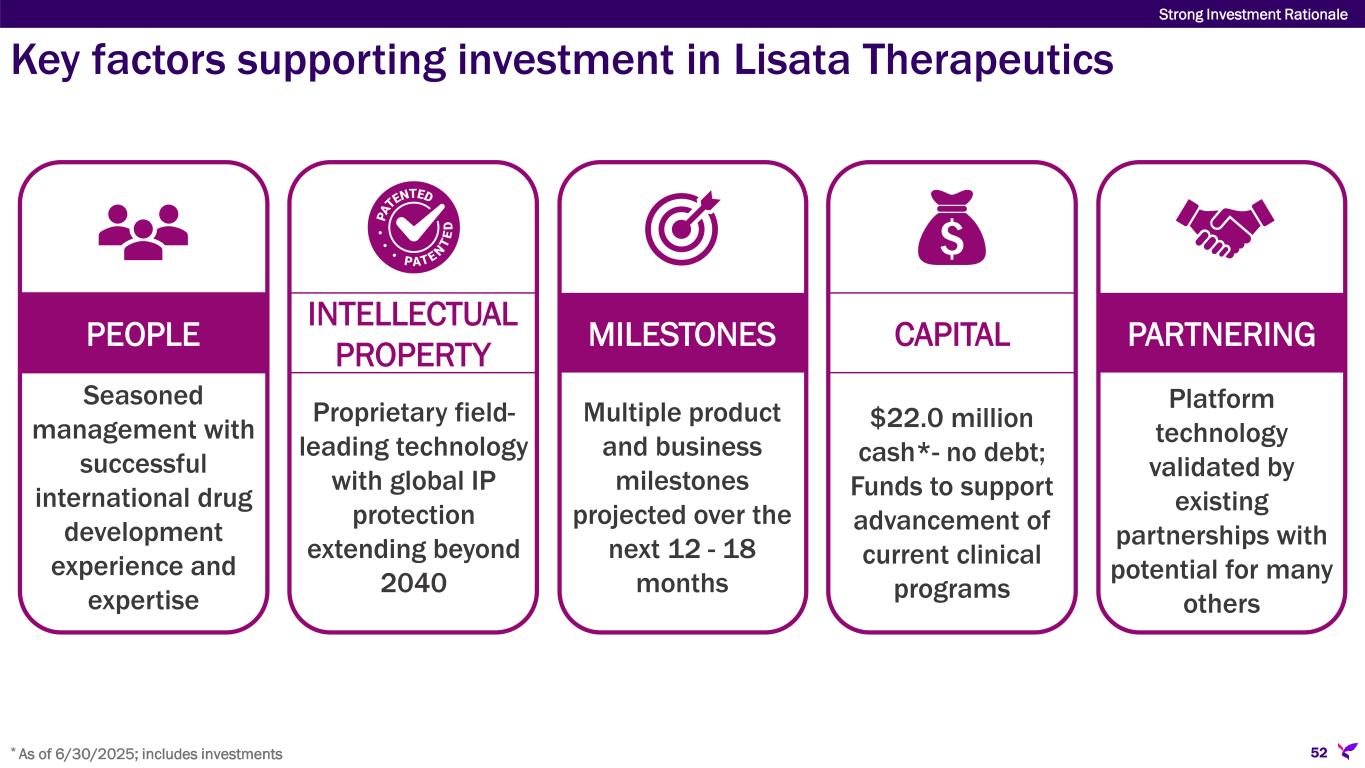
Thanks, Dave. Good afternoon, all. I'm pleased to join you today to present a summary of our second quarter 2025 financial results starting with revenue for the three months ended june 30th 2025 revenue totaled 70 000 in connection with an upfront license fee related to a research license agreement with catalan inc we did not have any revenue for the three months ended June 30th, 2024. Next, a review of our operating expenses. For the three months ended June 30th, 2025, operating expenses totaled $4.9 million compared to $5.5 million for the three months ended June 30th, 2024, representing a decrease of $0.6 million or 10.6%. Research and development expenses were approximately $2.3 million for the three months ended June 30th, 2025, compared to $2.6 million for the three months ended June 30th, 2024, representing a decrease of $0.3 million, or 13.4%. This was primarily due to a reduction in patient treatment costs and clinical research organization expenses associated with our Phase 2A bolster trial and lower spend on chemistry, manufacturing, and controls. General and administrative expenses were approximately $2.7 million for the three months ended June 30, 2025, compared to $2.9 million for the three months ended June 30, 2024, representing a decrease of 0.2 million or 8.1 percent. This was primarily due to savings resulting from the elimination of an employee position and lower spend on consulting and travel and entertainment expenses. Overall, net losses were 4.7 million for the three months ended June 30, 2025 compared to $5 million for the three months ended June 30, 2024. It is noteworthy that we continue to make progress according to our plans for our R&D and business activities while continuing our legacy of prudent capital management and expense minimization. Turning now to our balance sheet and cash flow. As of June 30th, 2025, we had cash, cash equivalents, and marketable securities of approximately $22 million. Based on its existing and planned activities, the company believes available funds will support current operations into the fourth quarter of 2026. With that, I will now turn the call over to Dr. Kristen Buck to provide an overview of the company's development programs. Kristen?
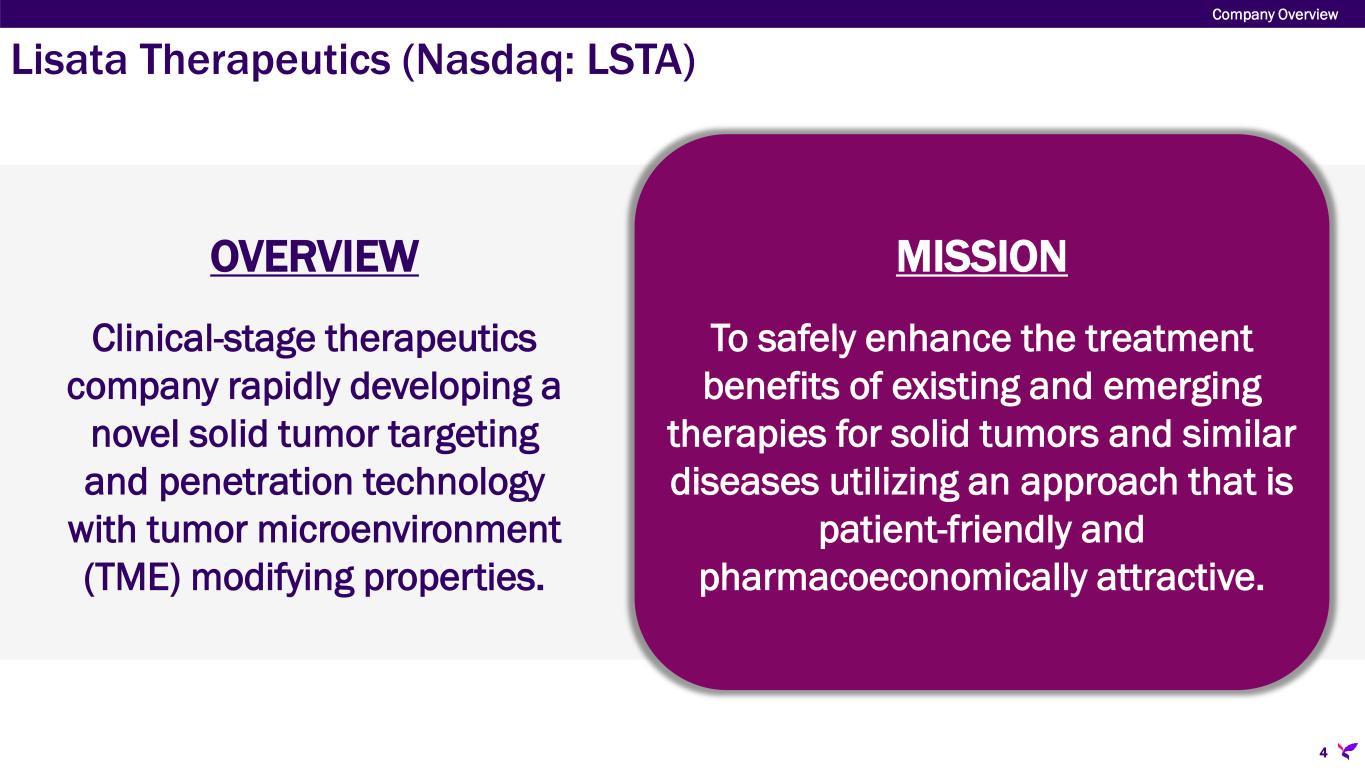
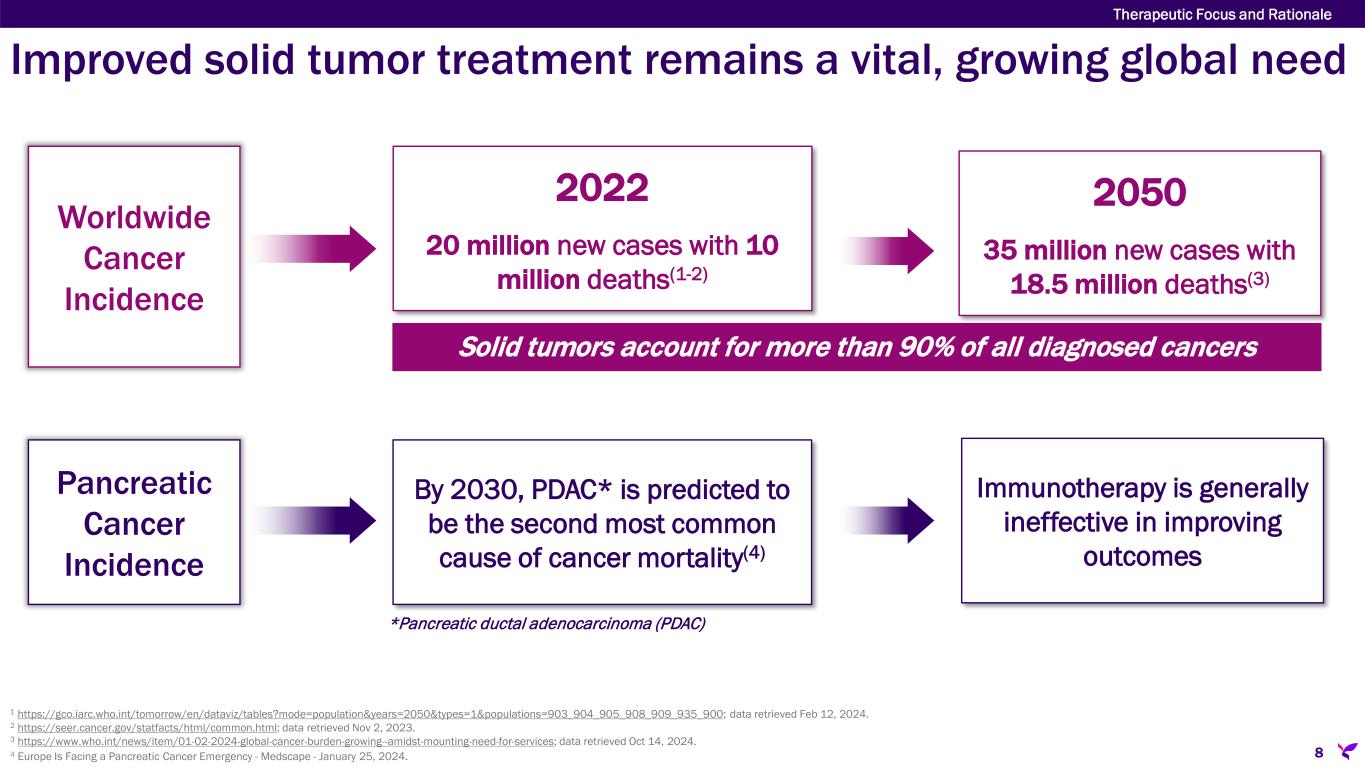
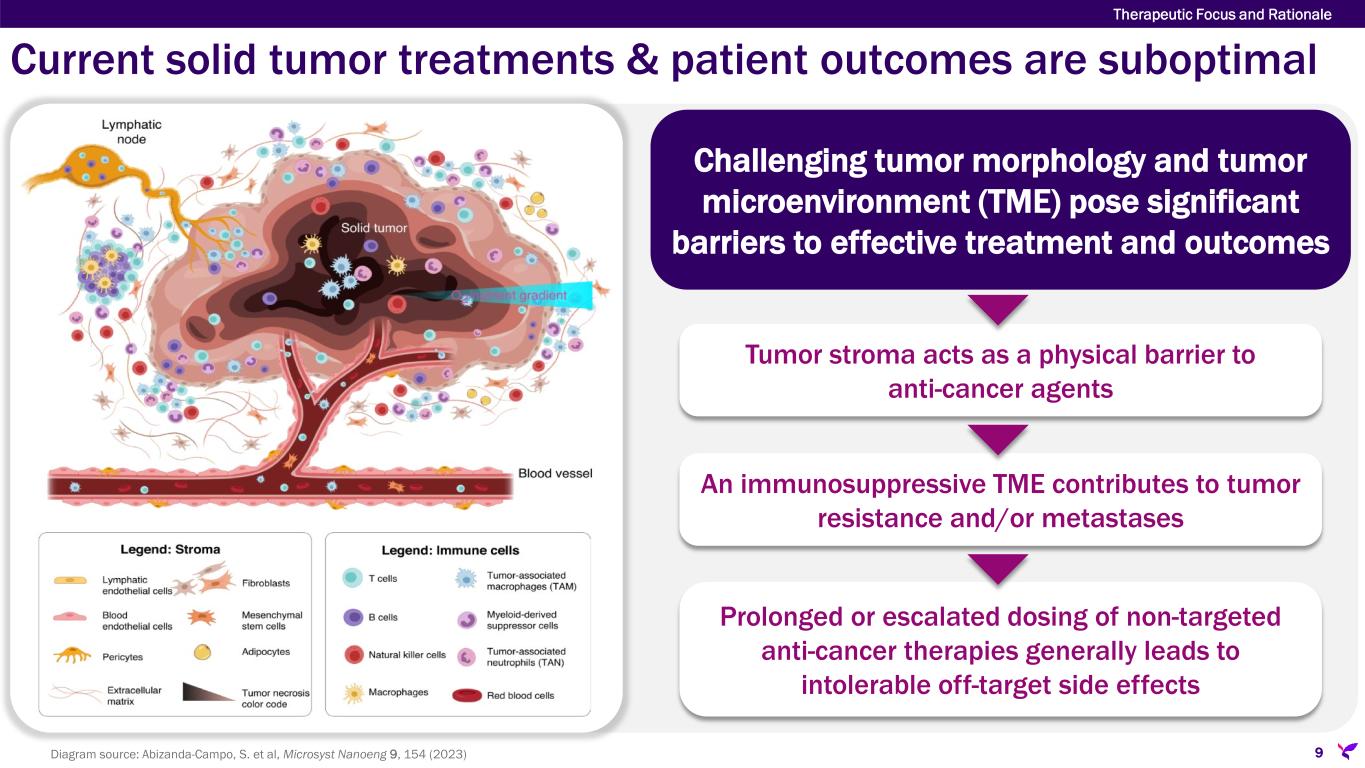
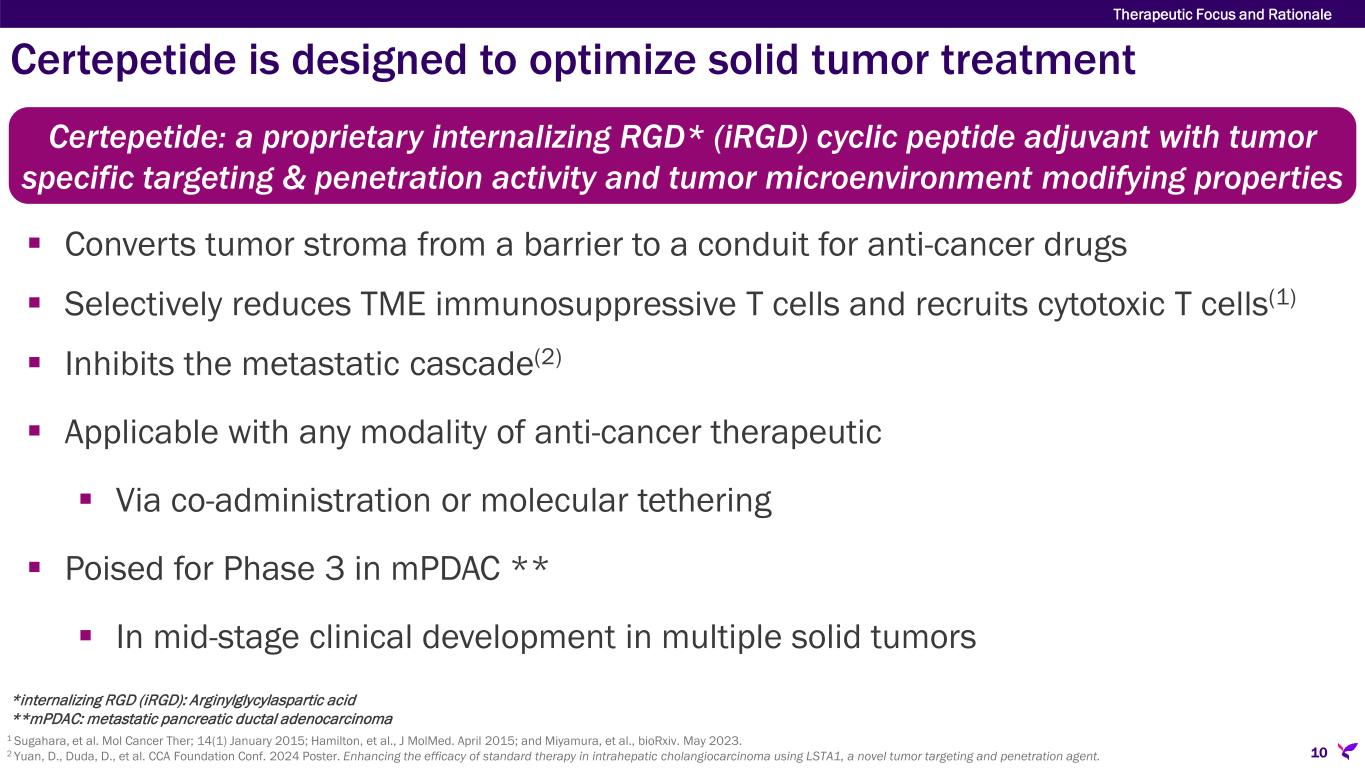
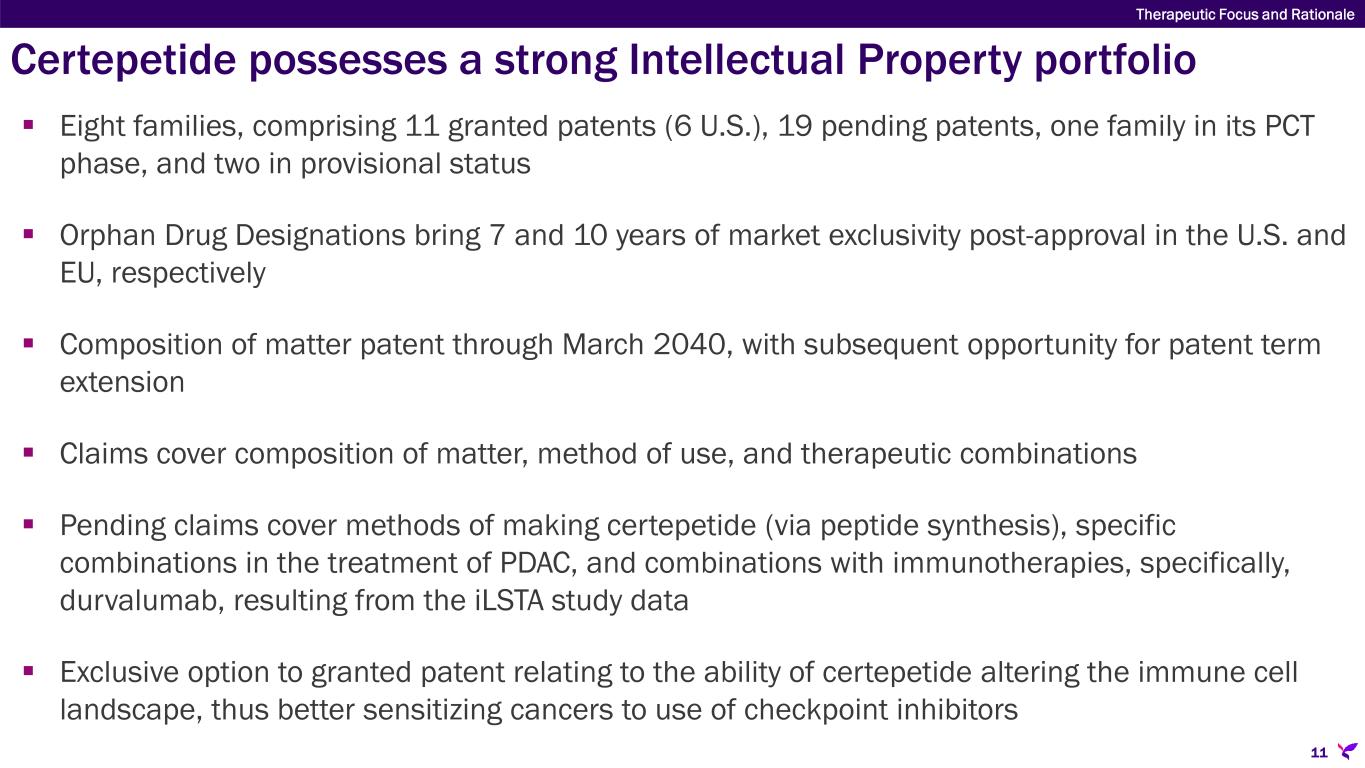
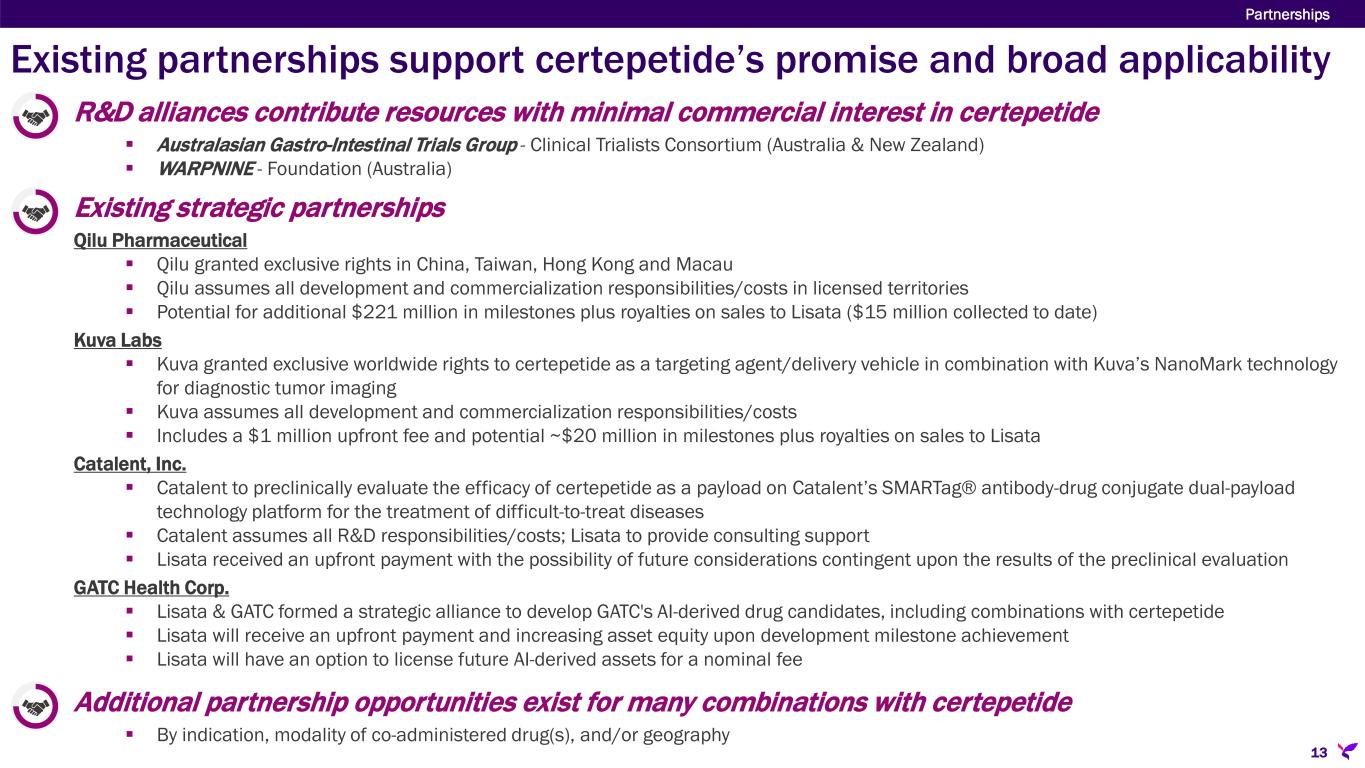
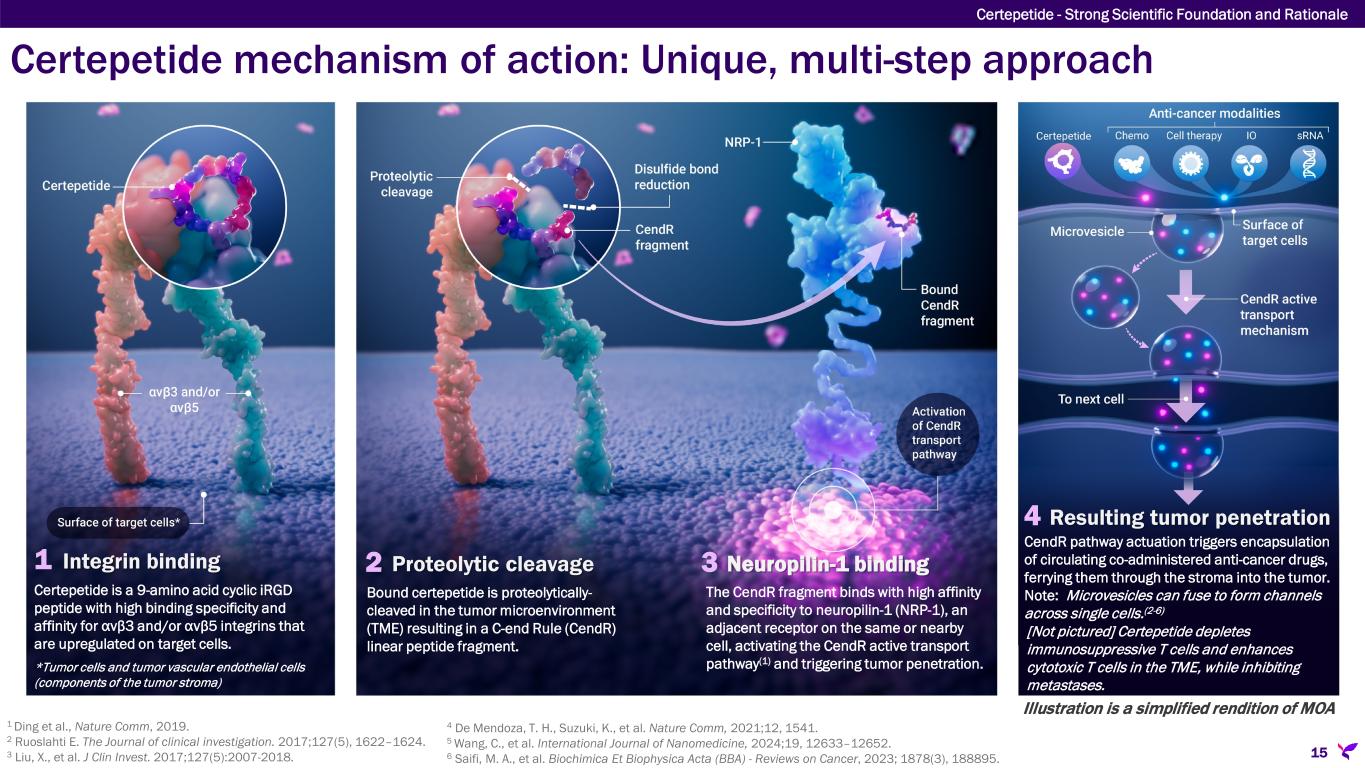
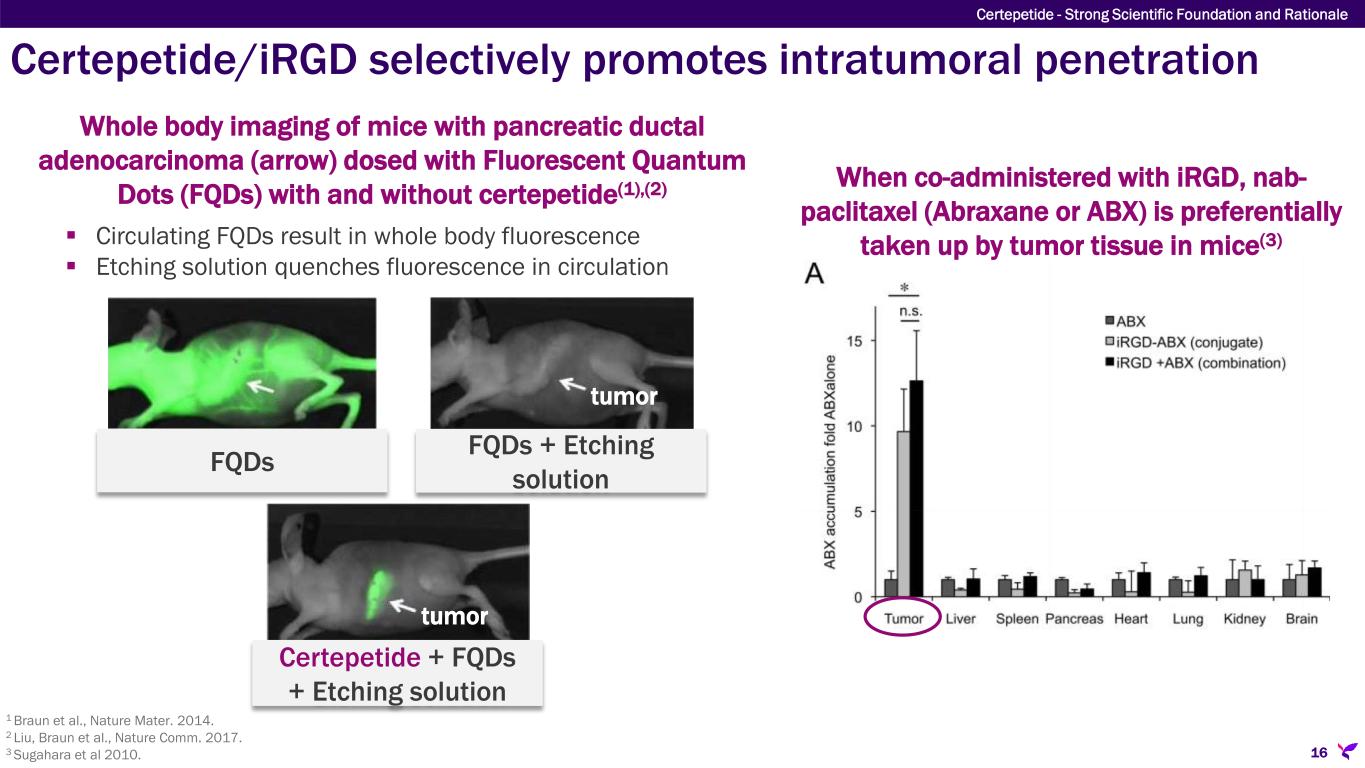
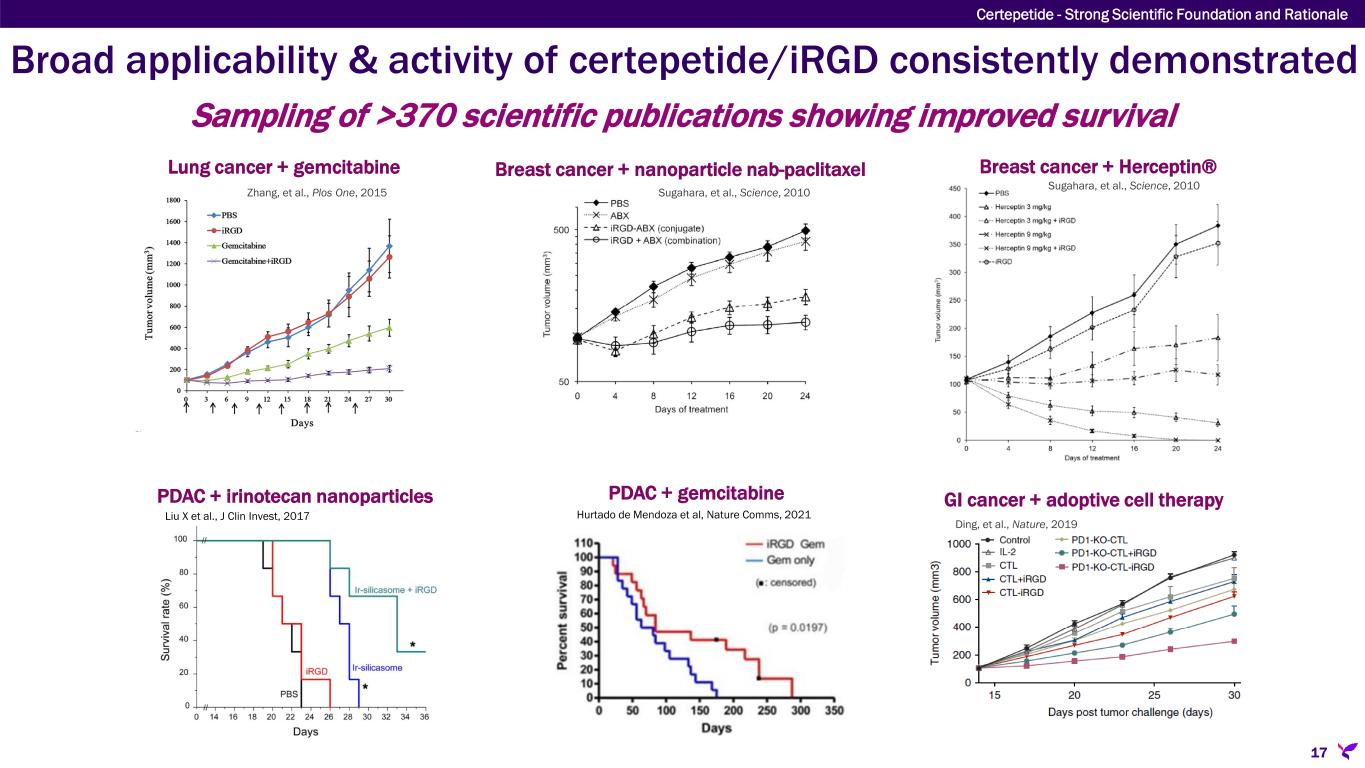
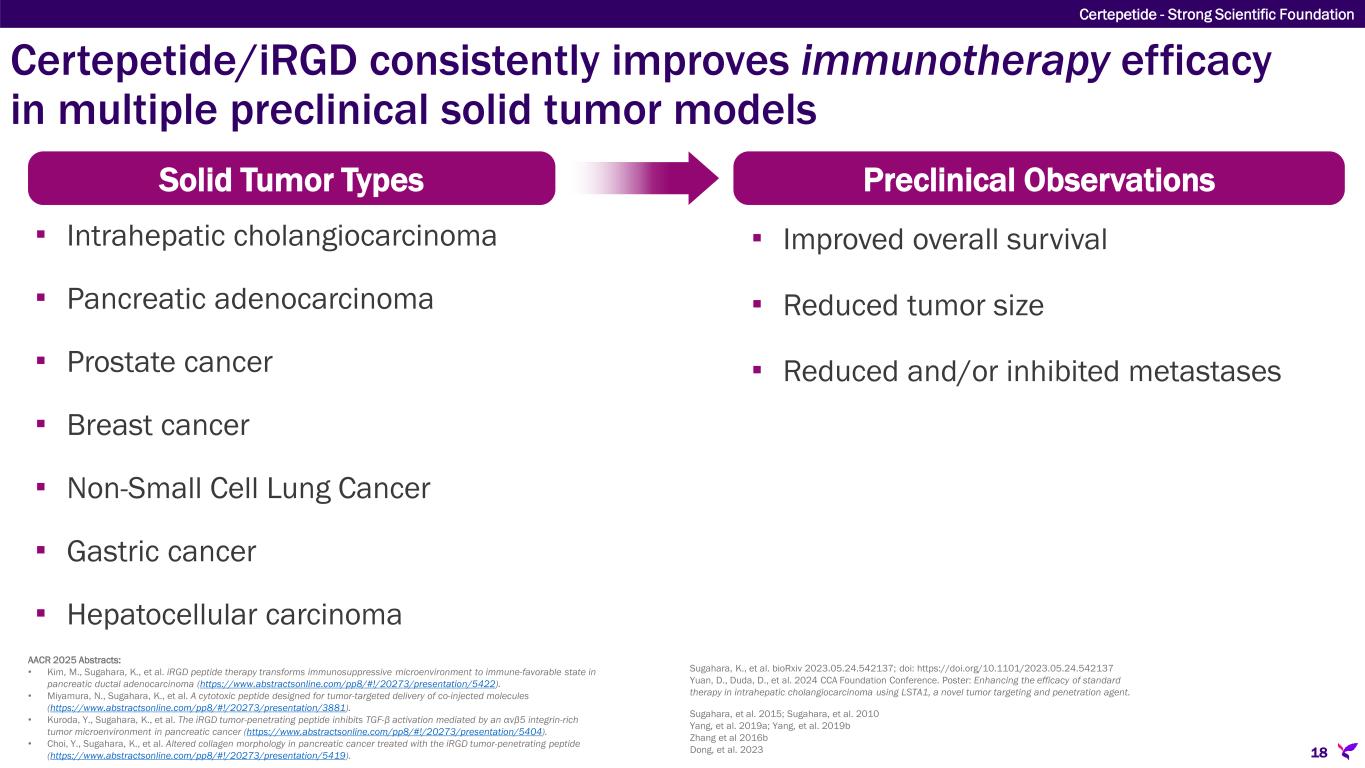
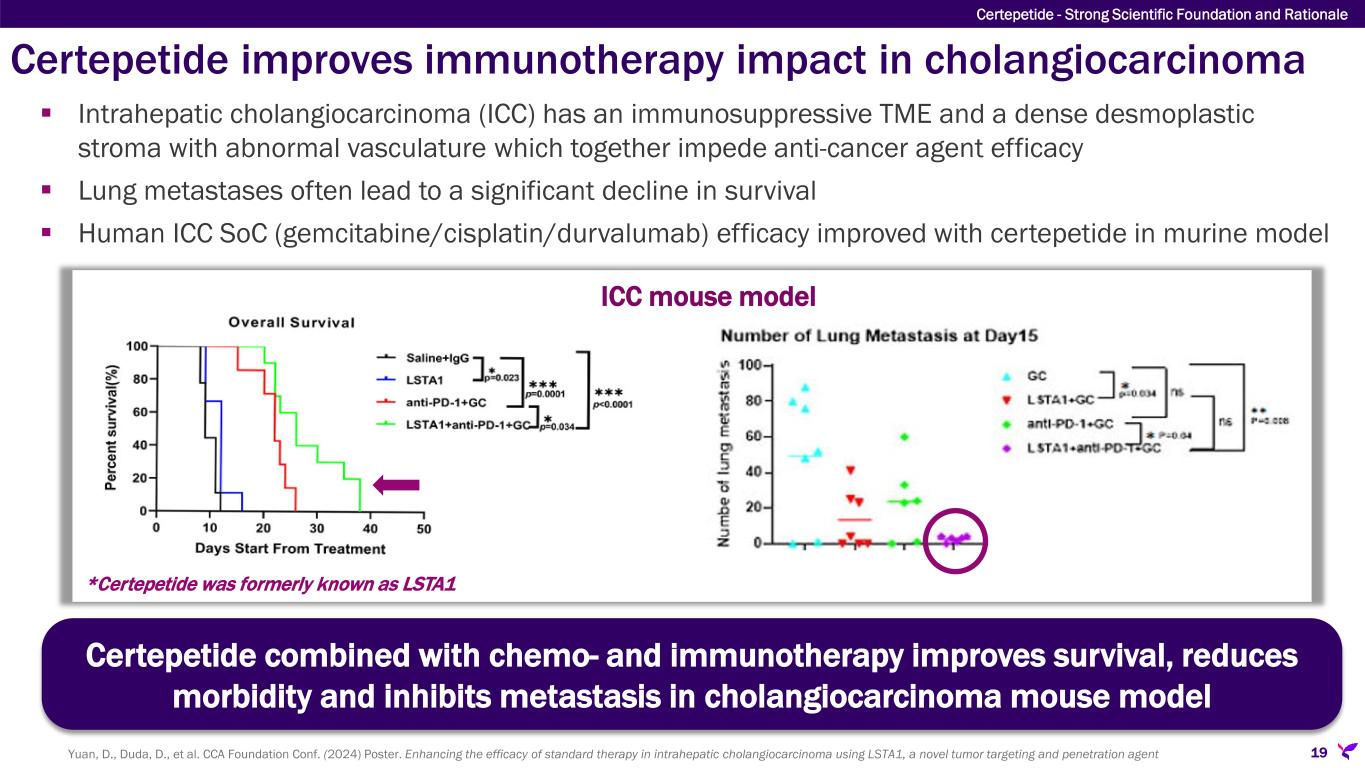
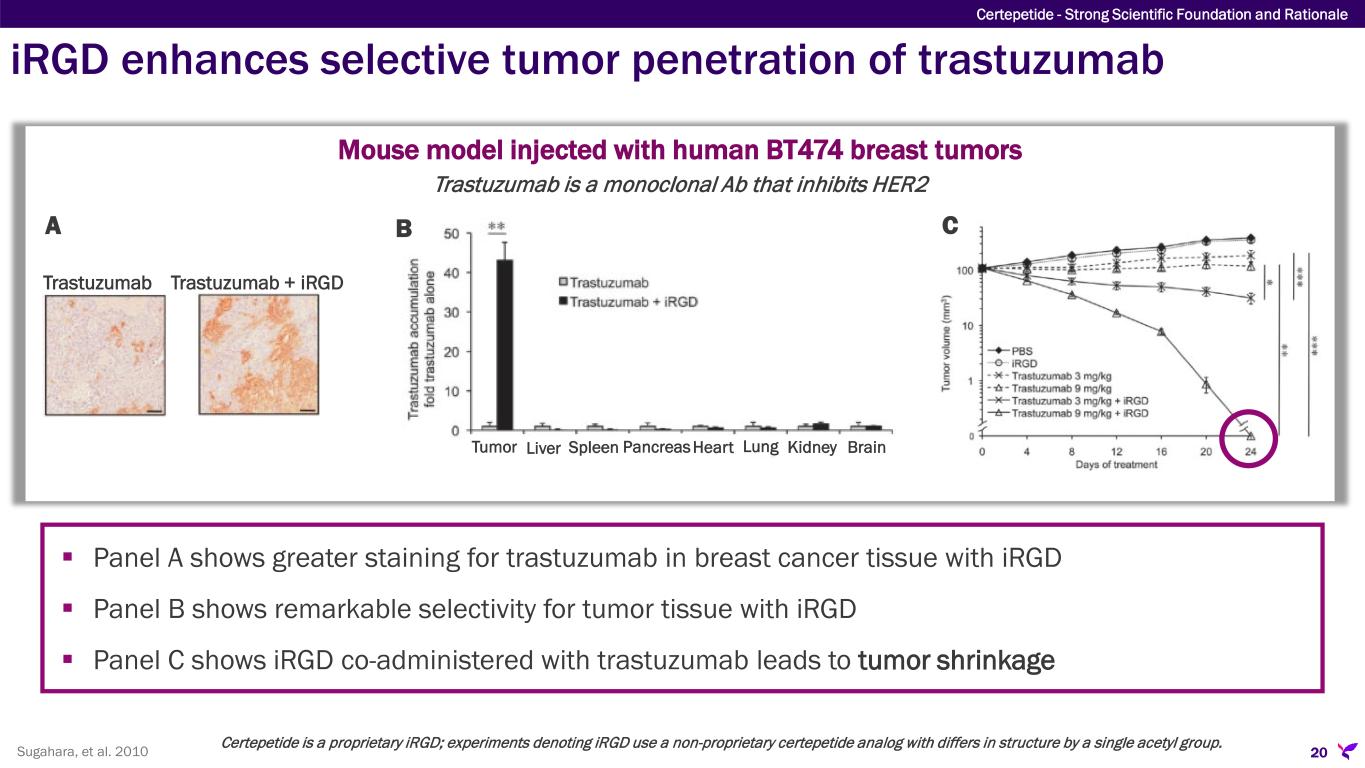
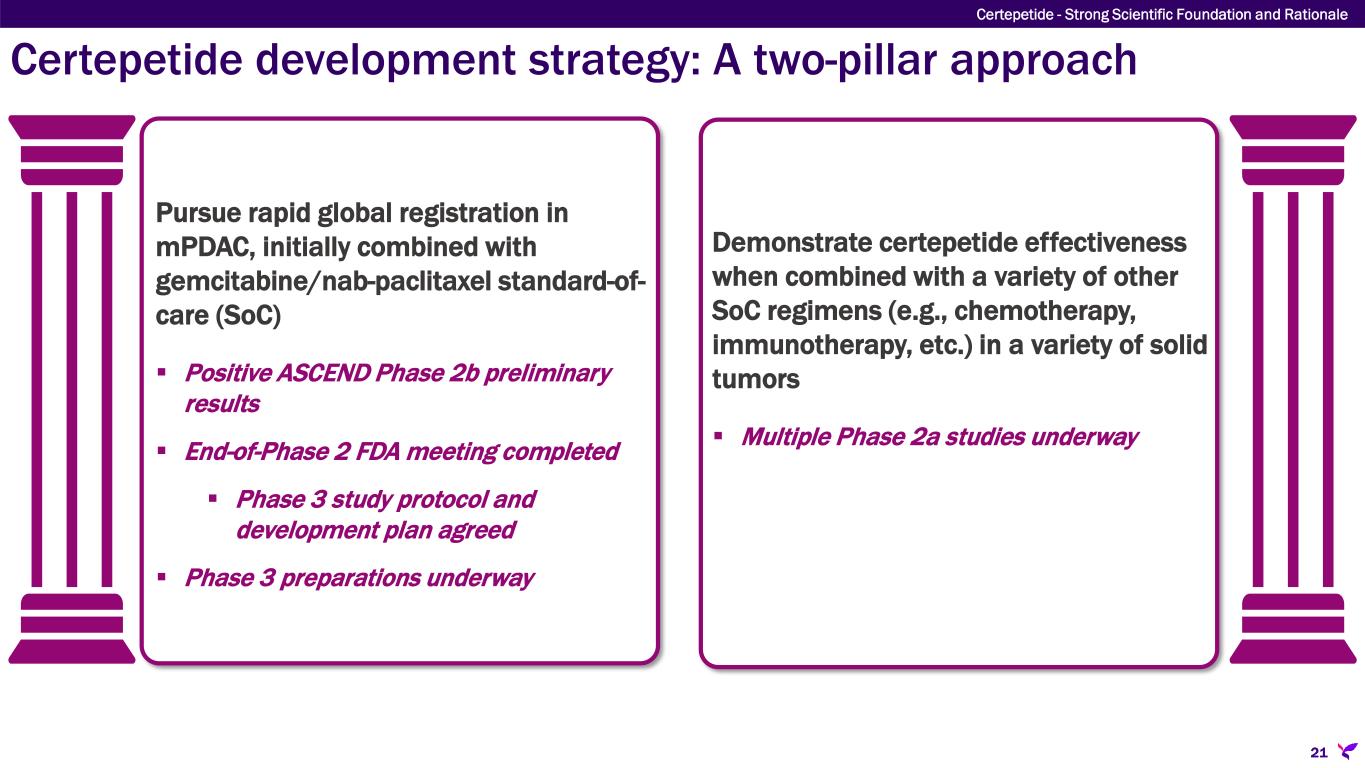
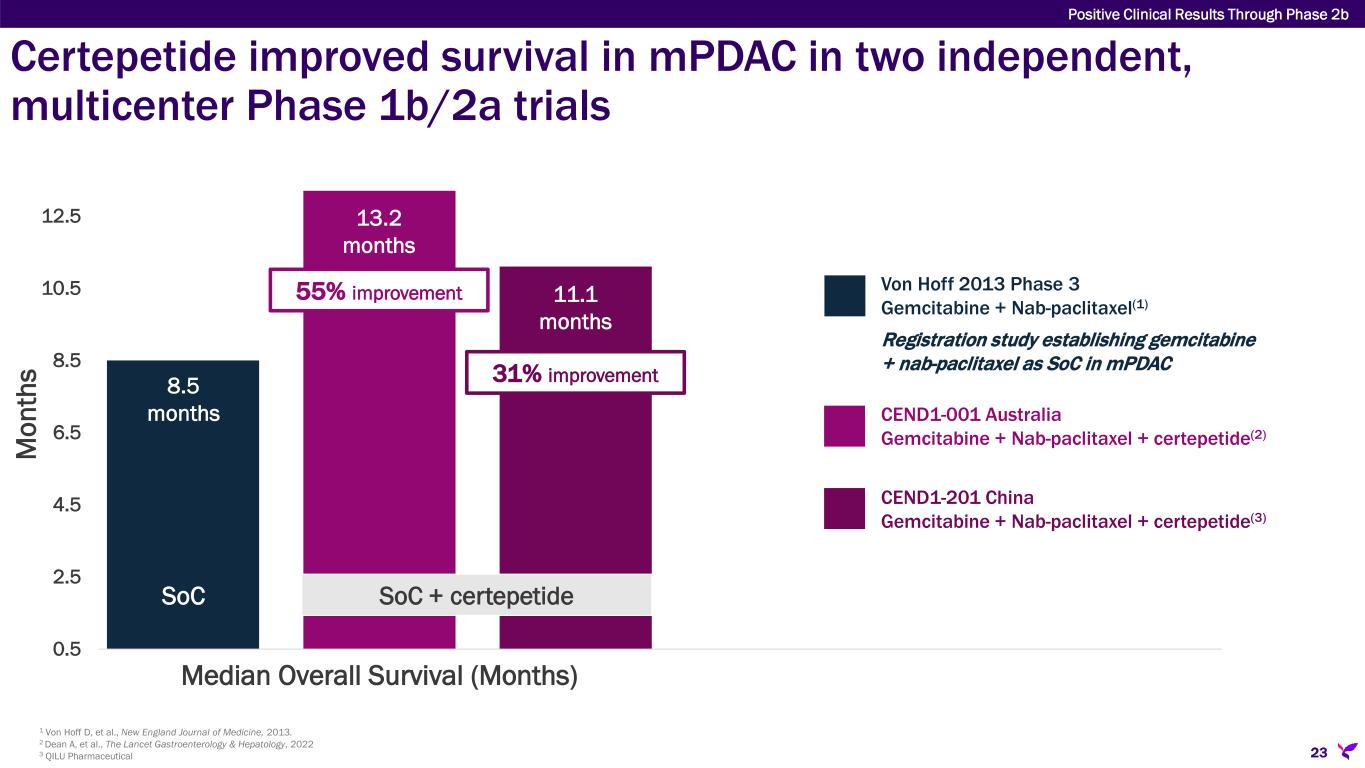
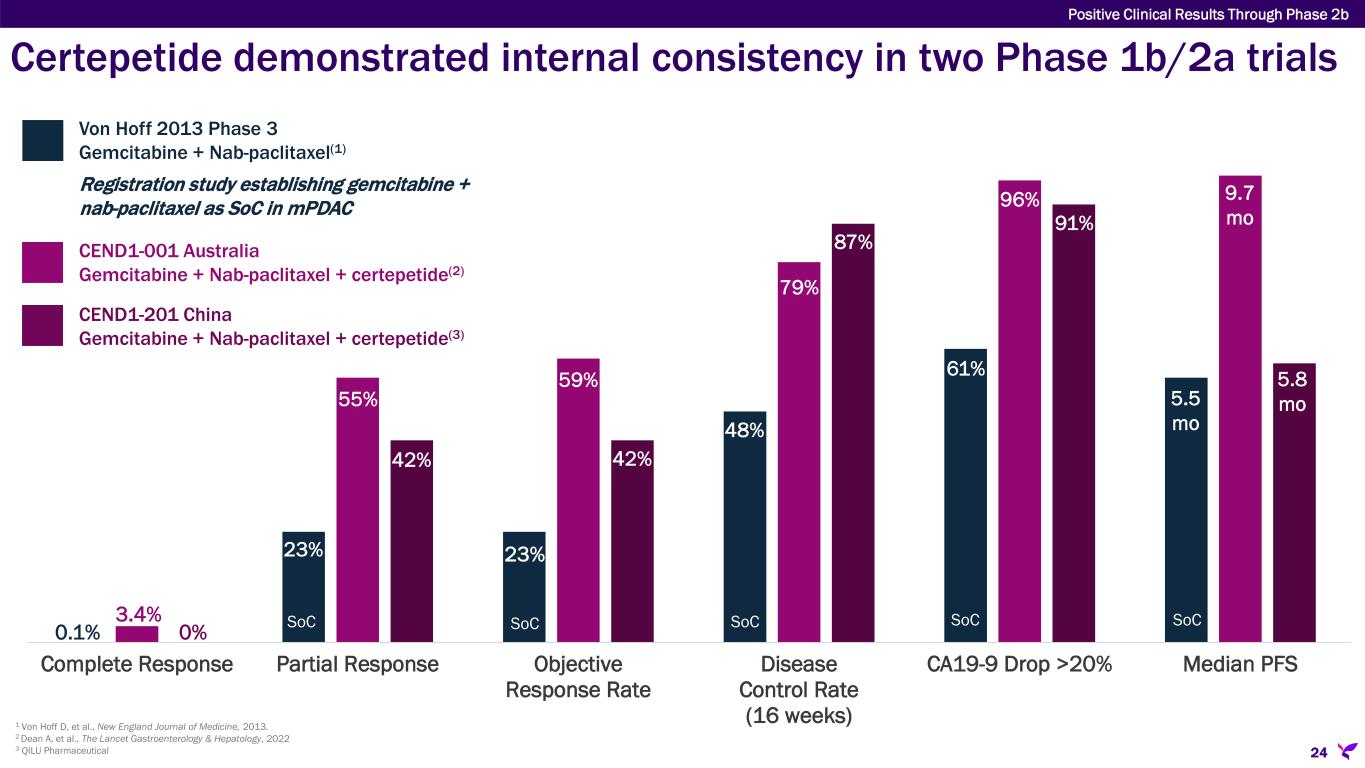
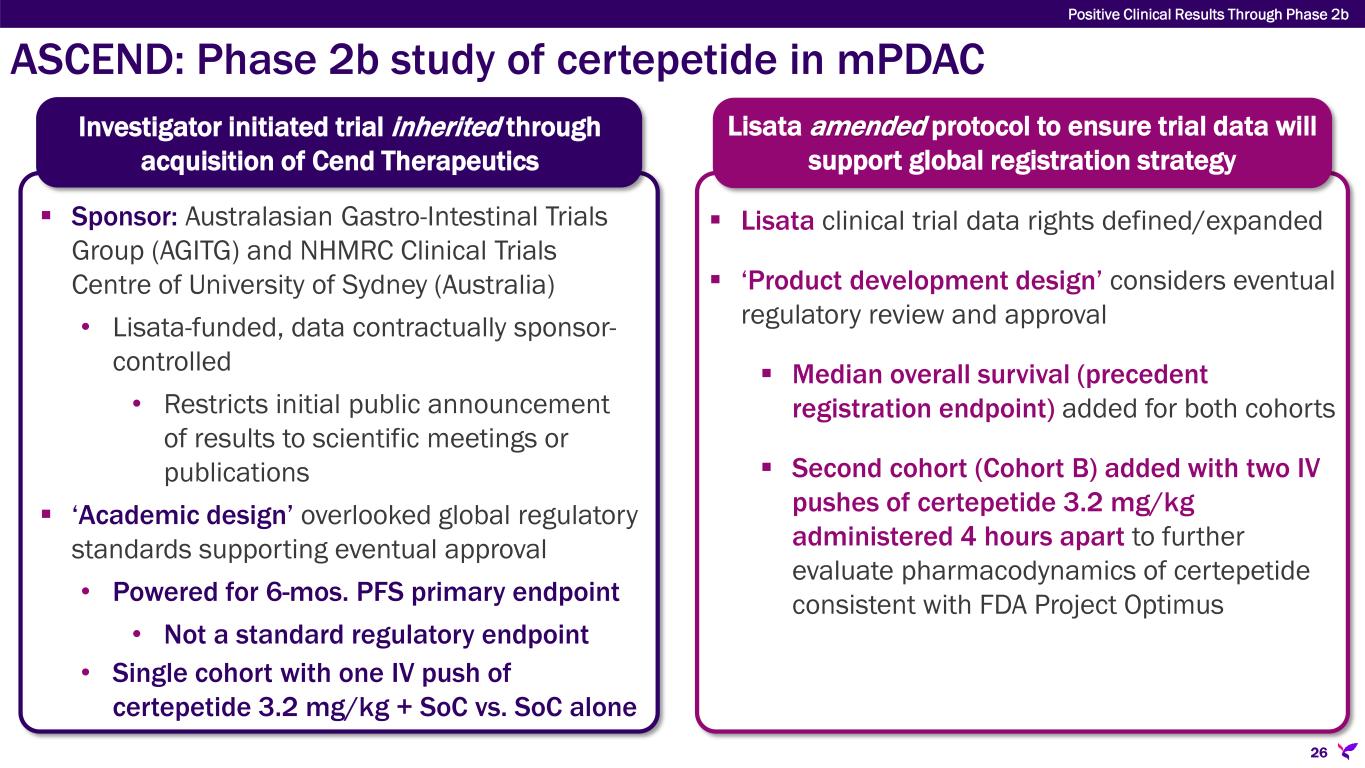
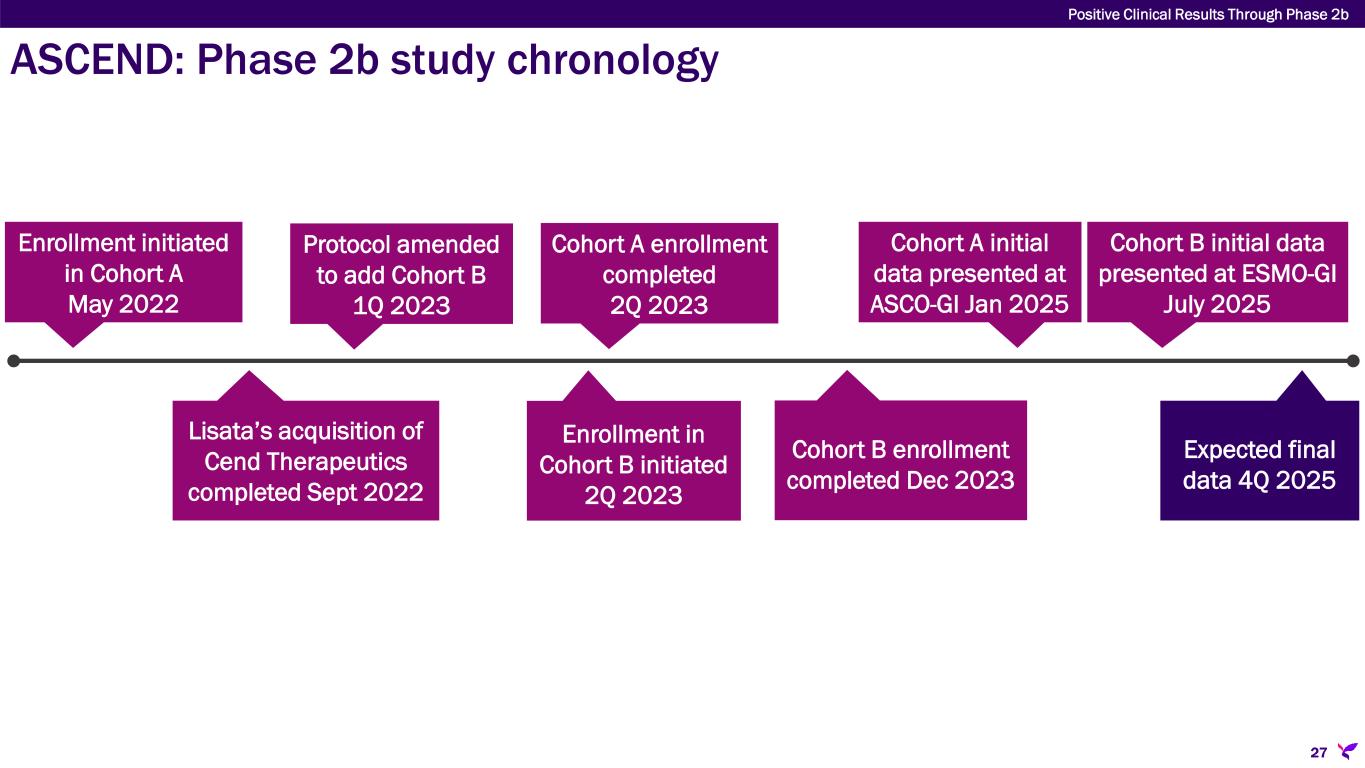
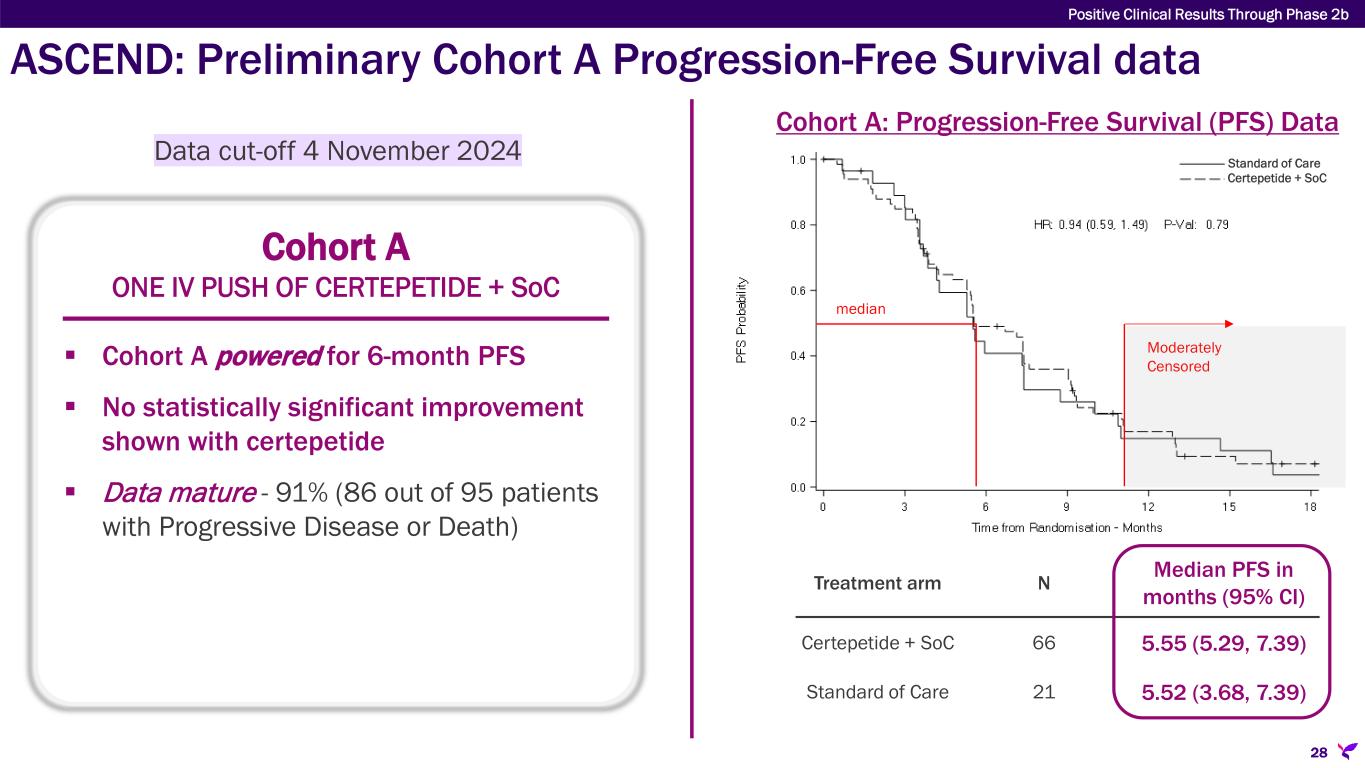
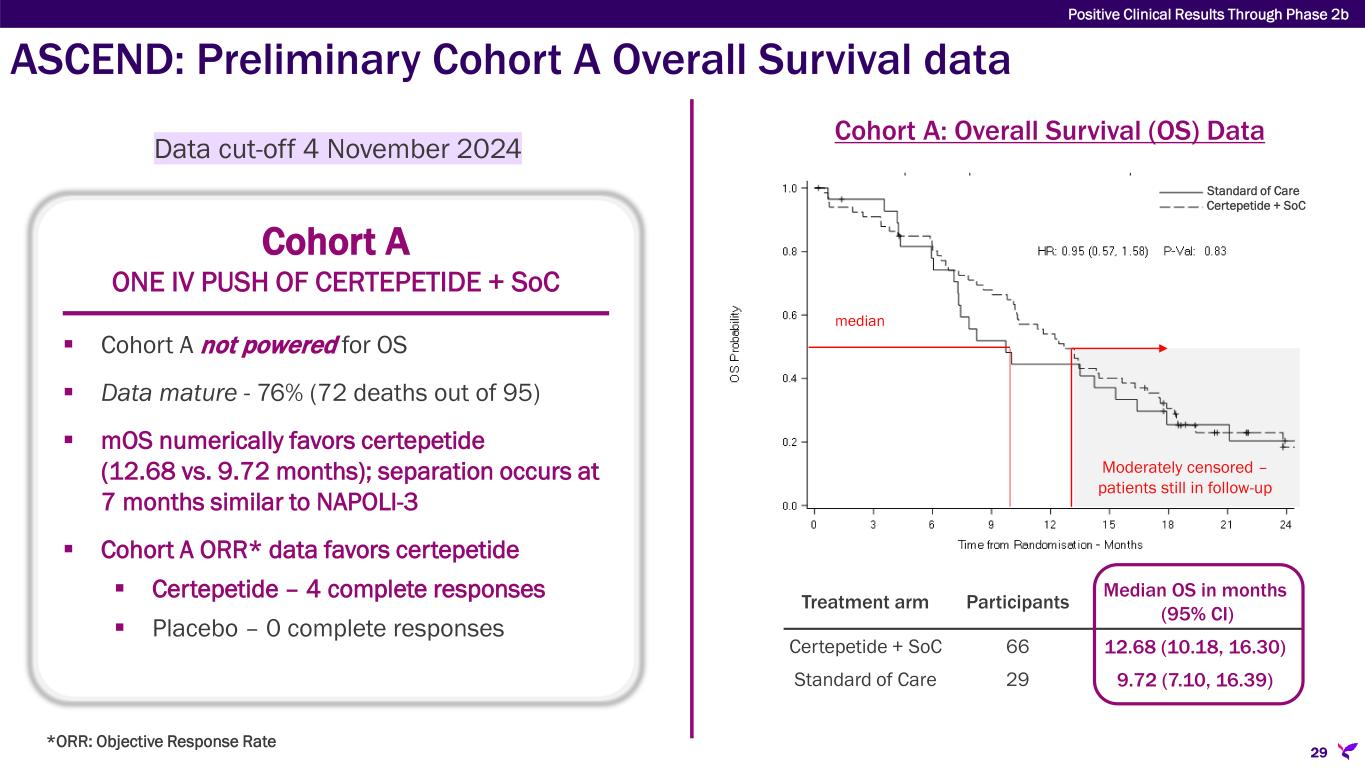
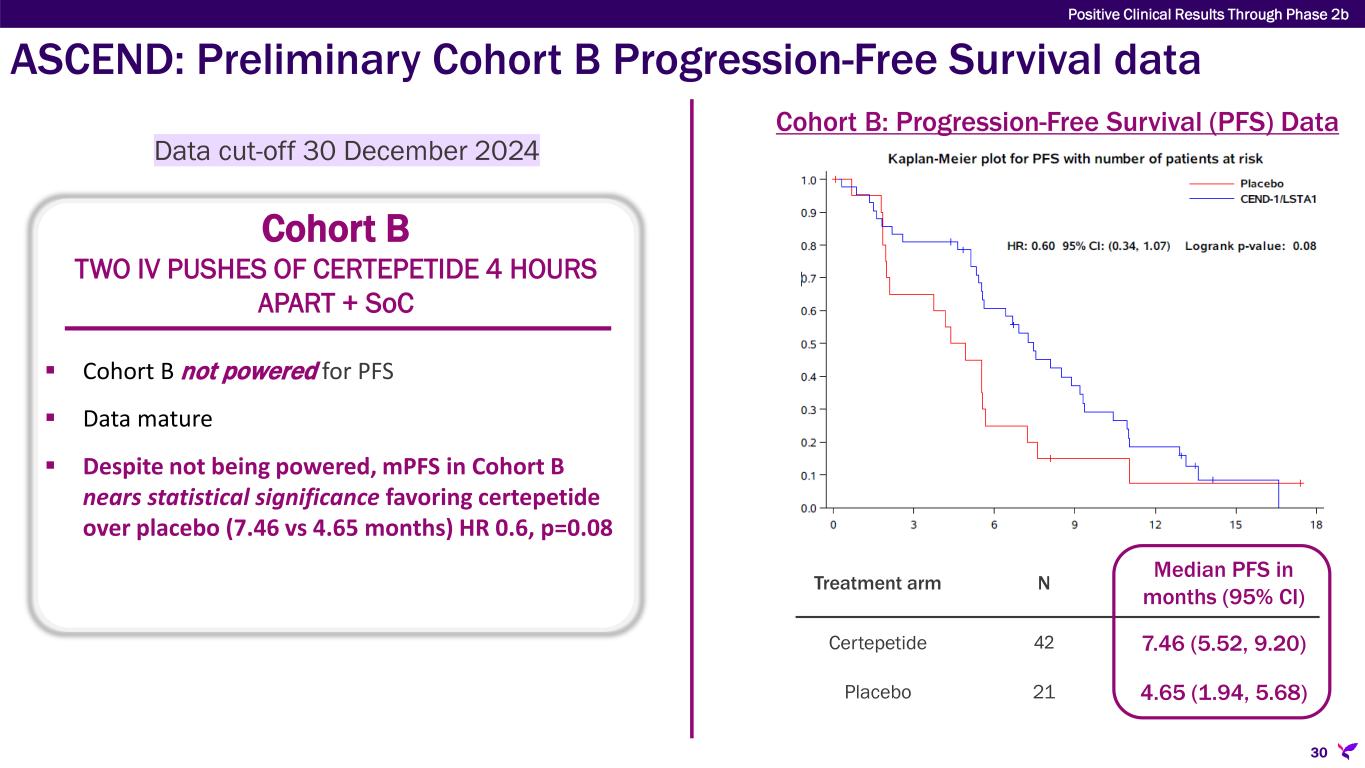
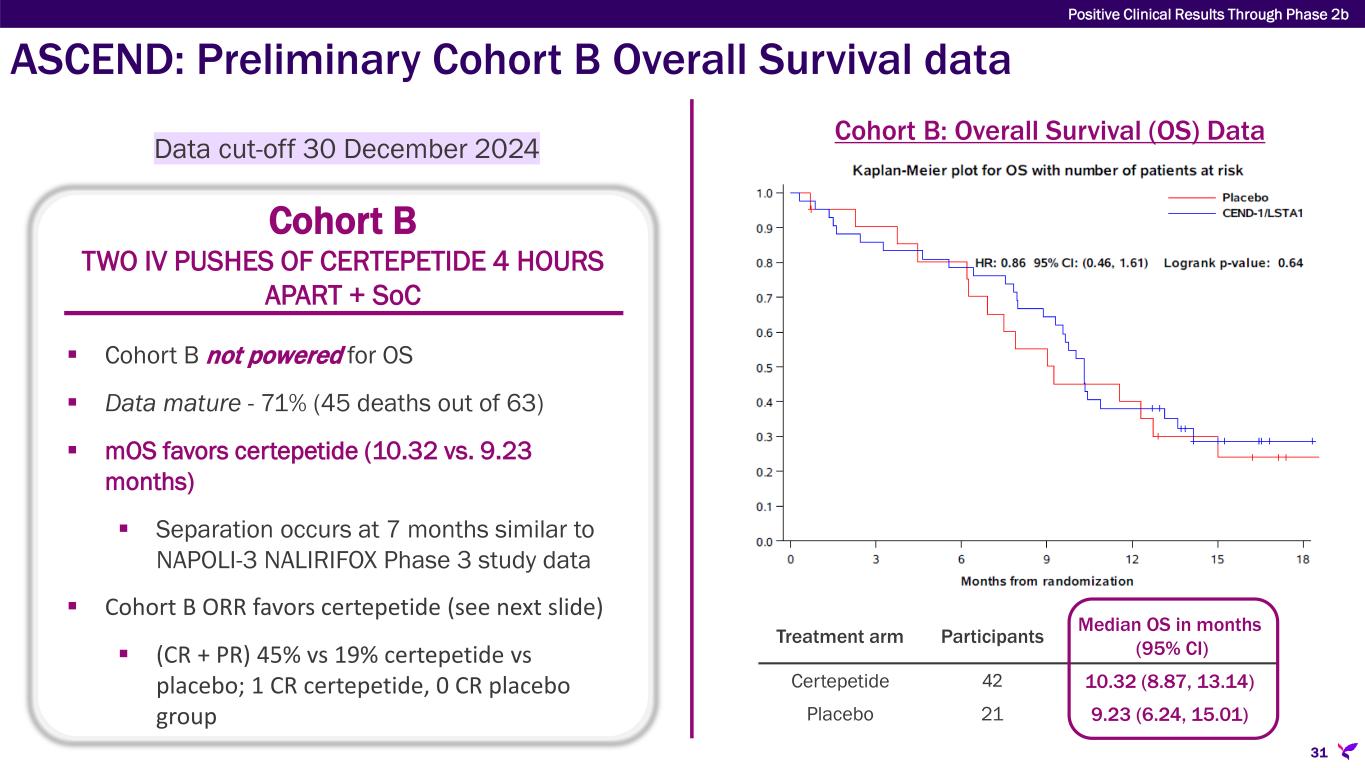
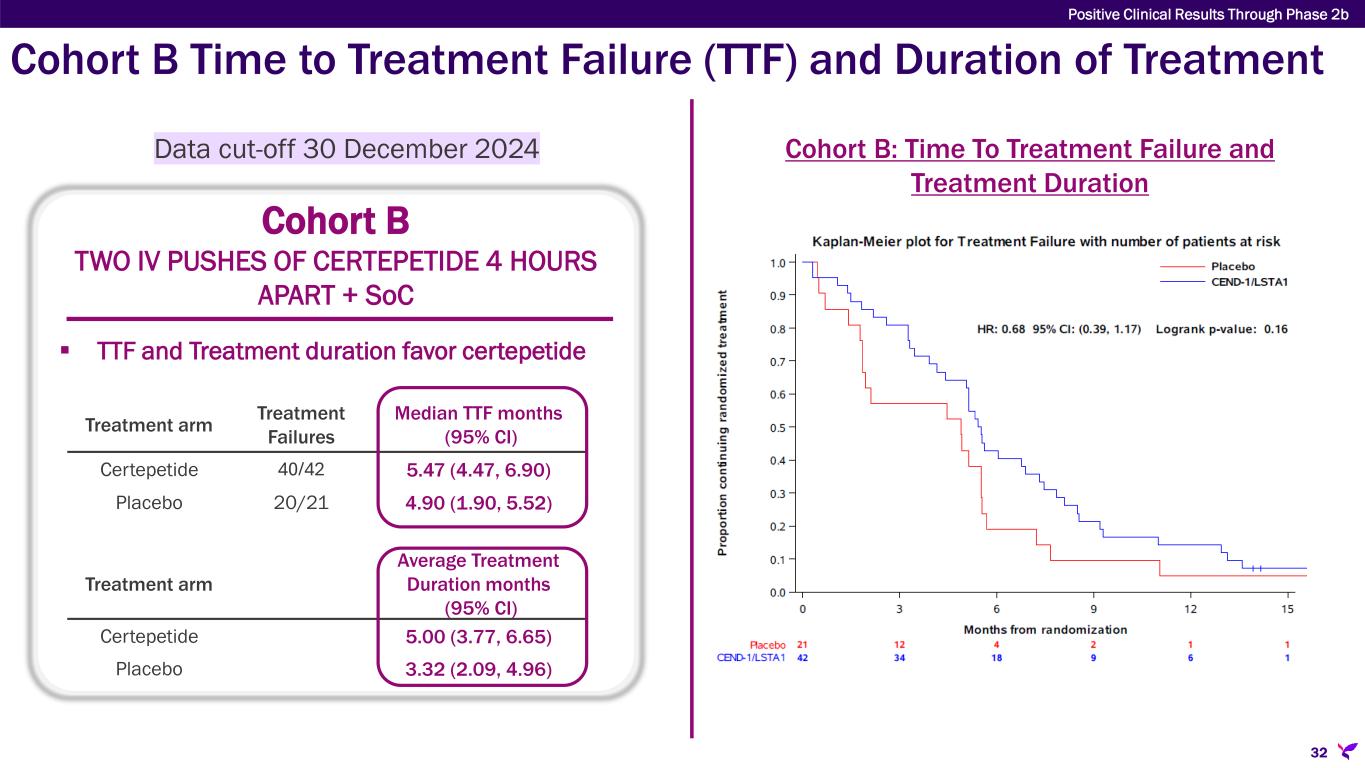
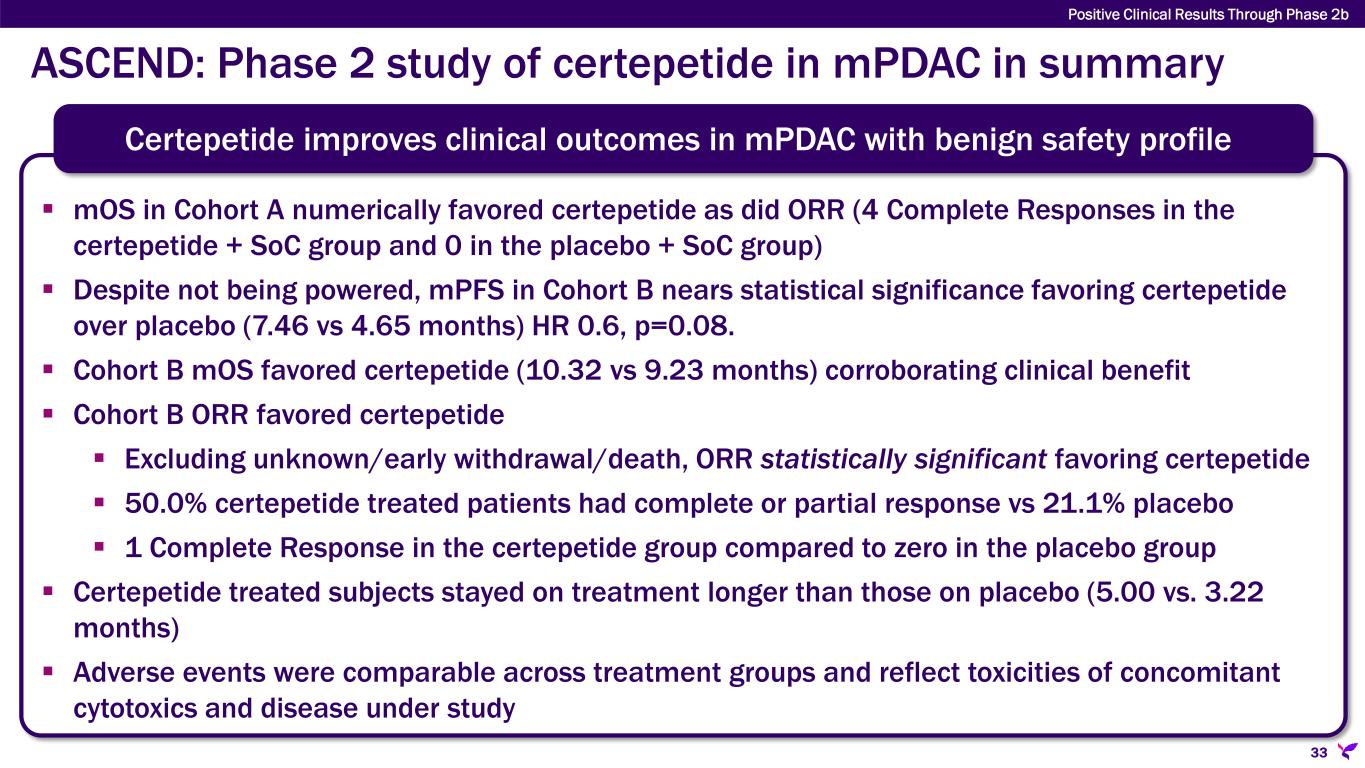
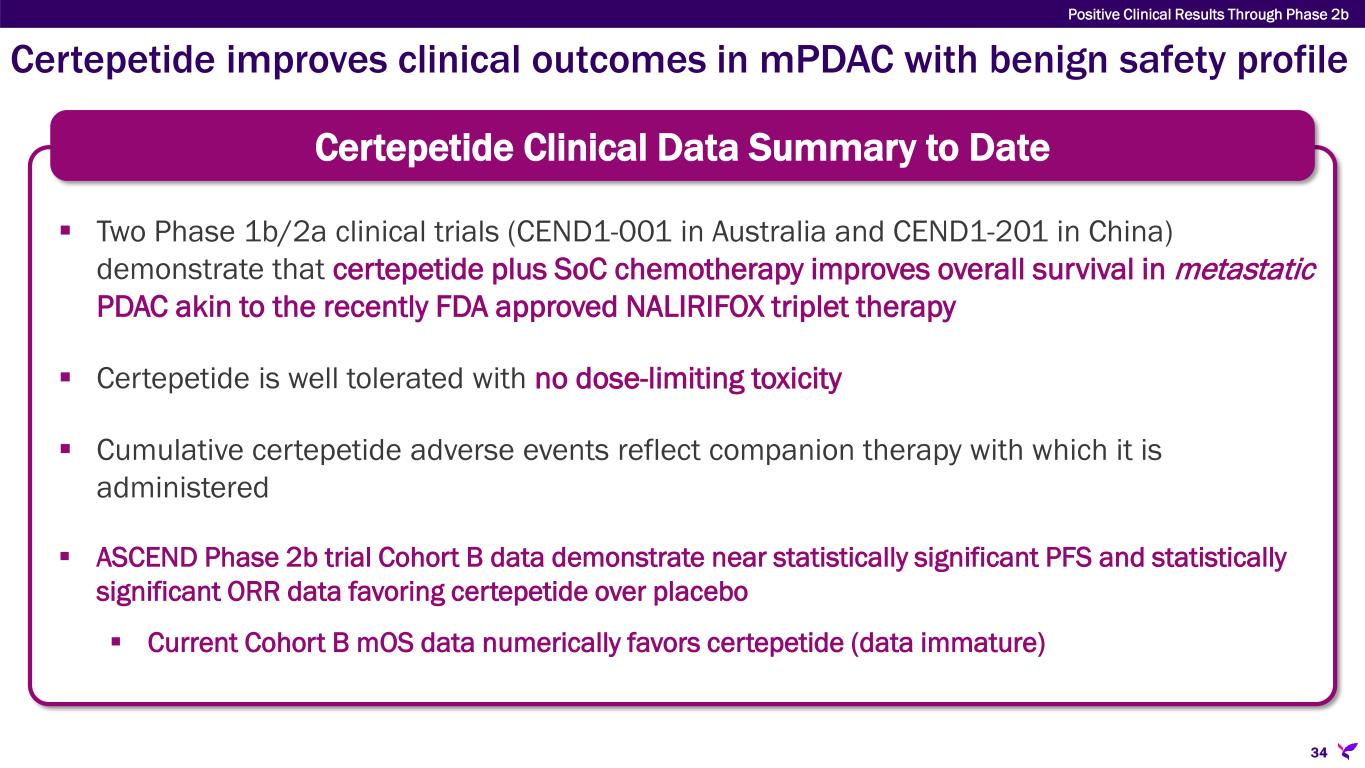
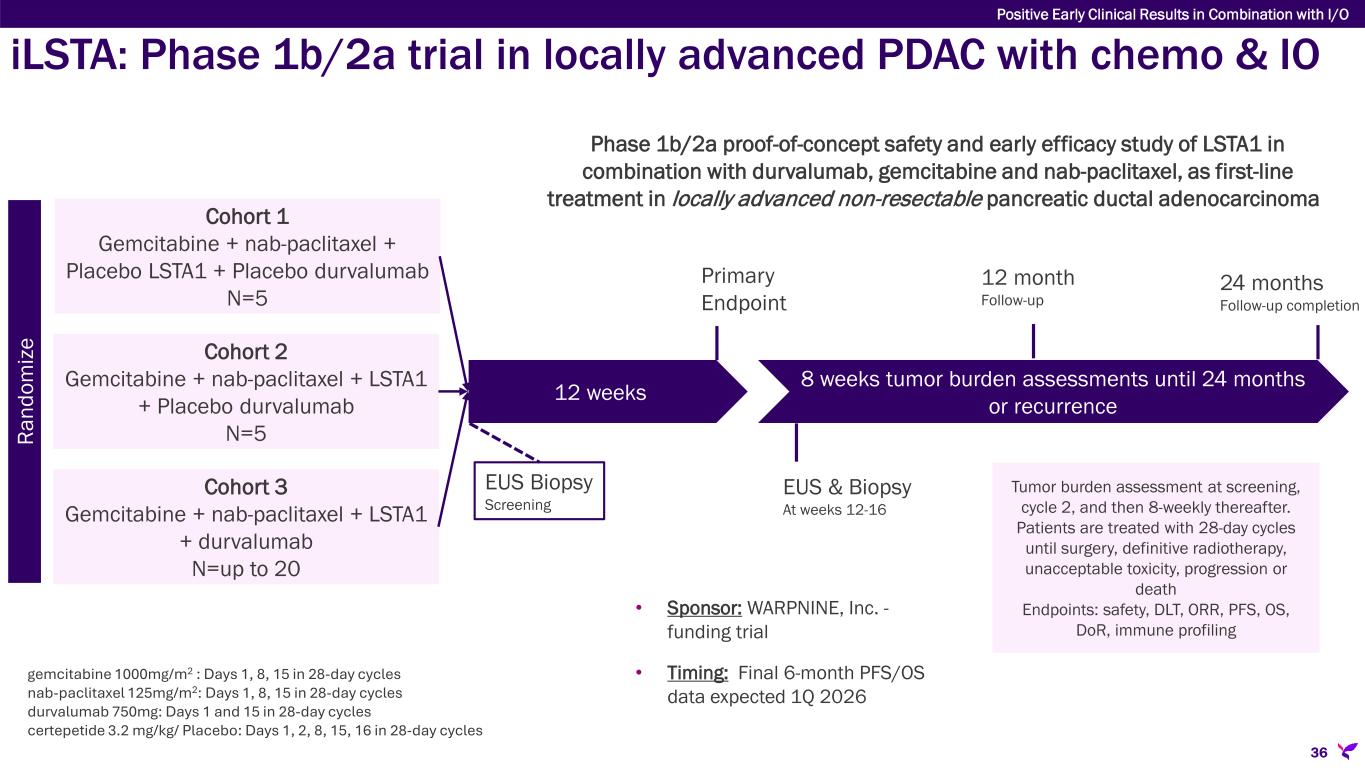
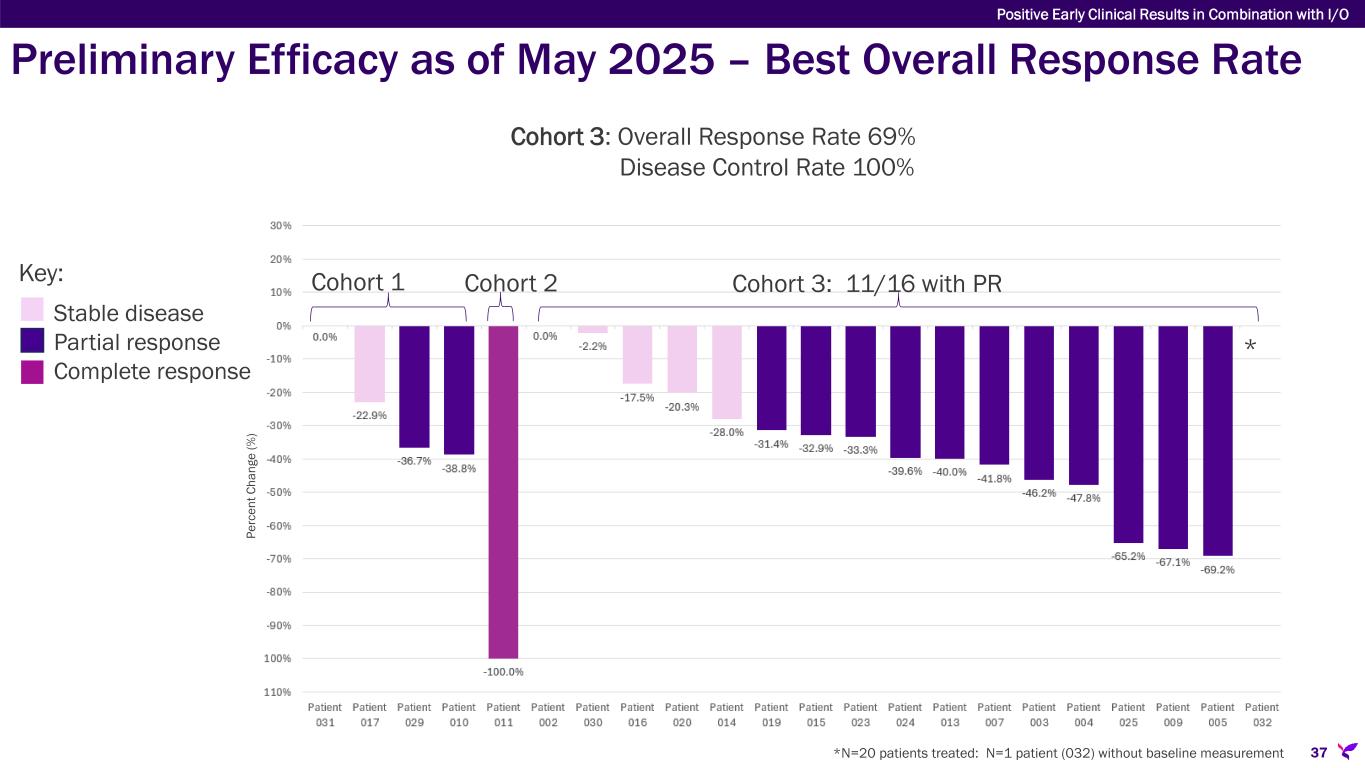
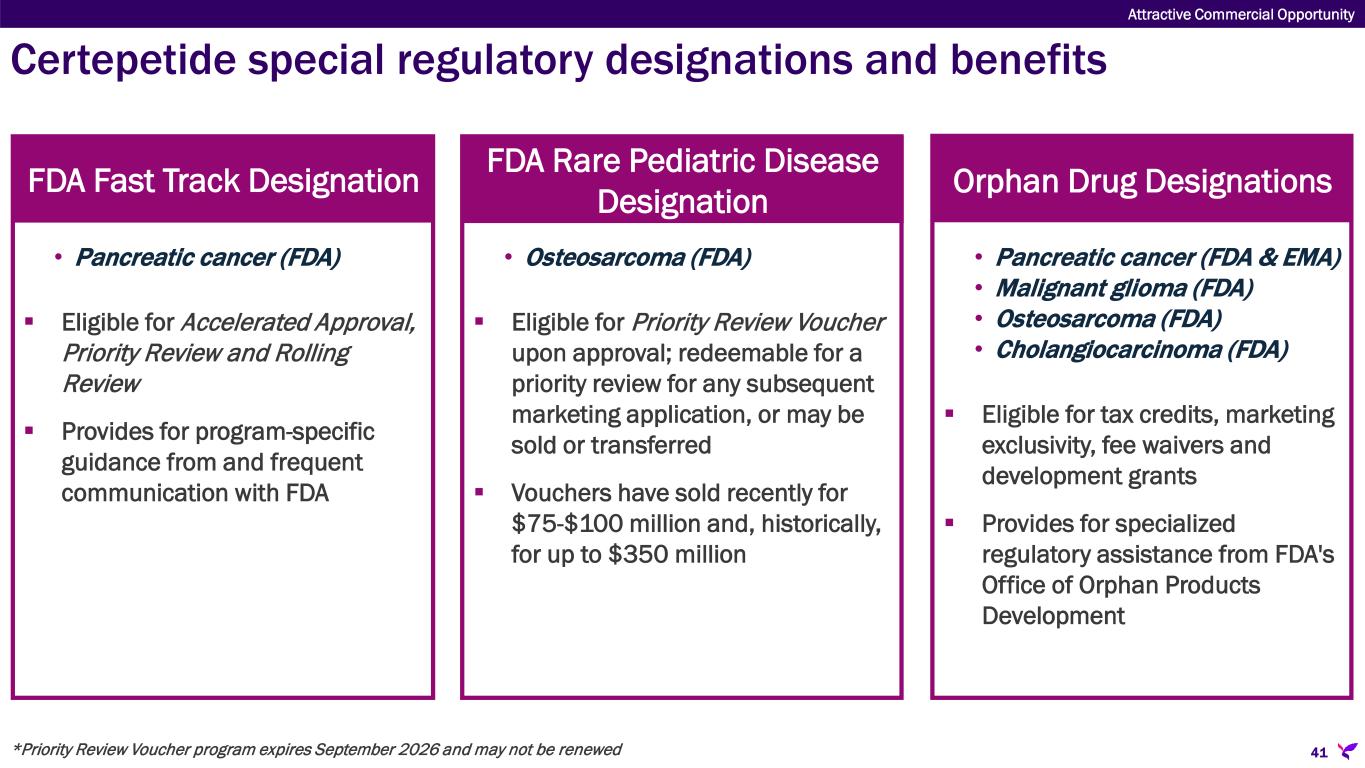
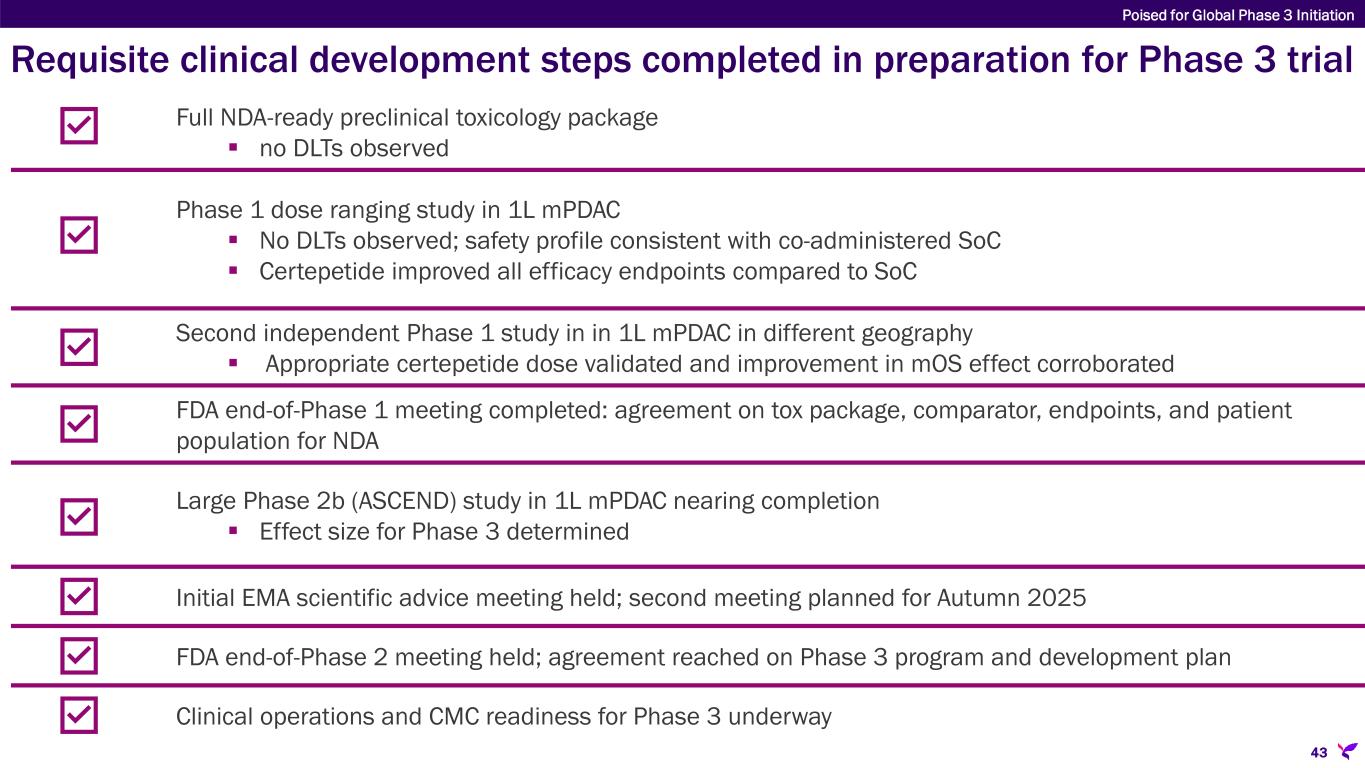
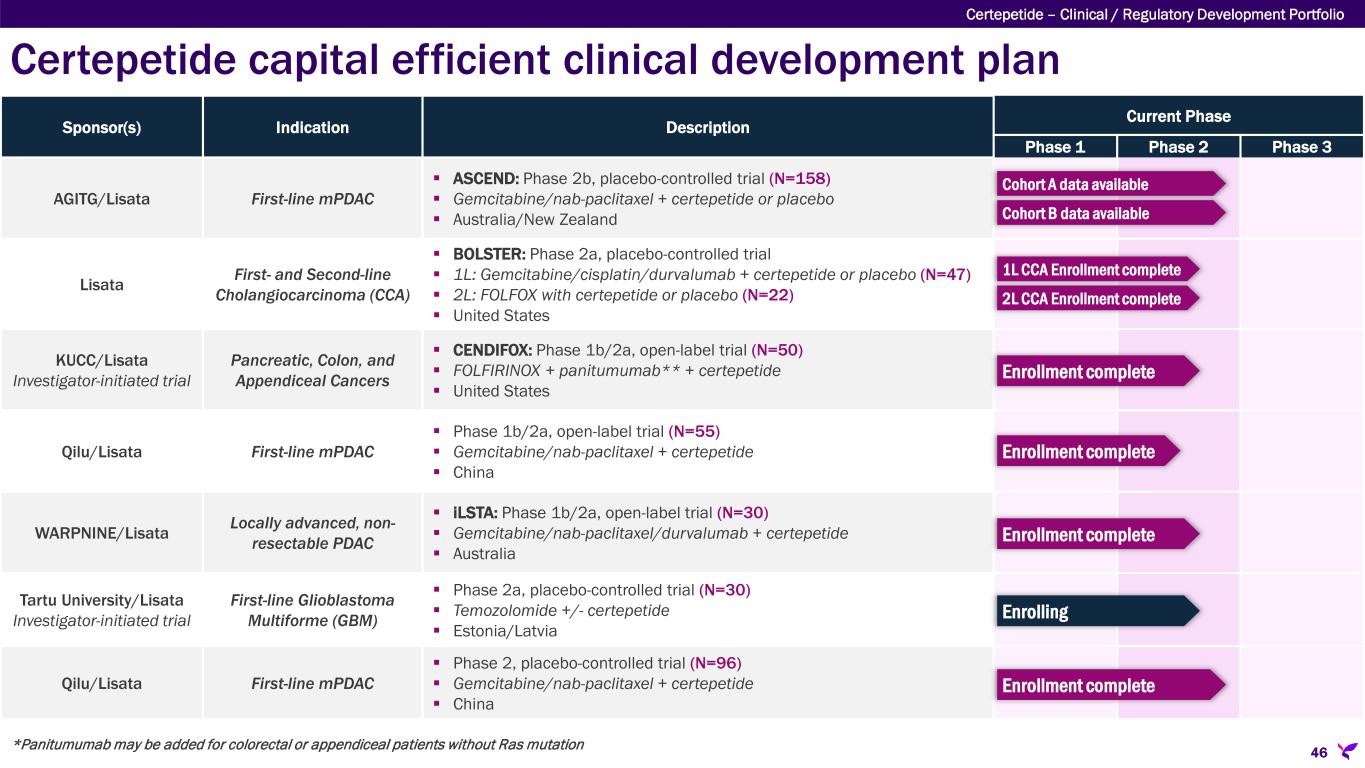
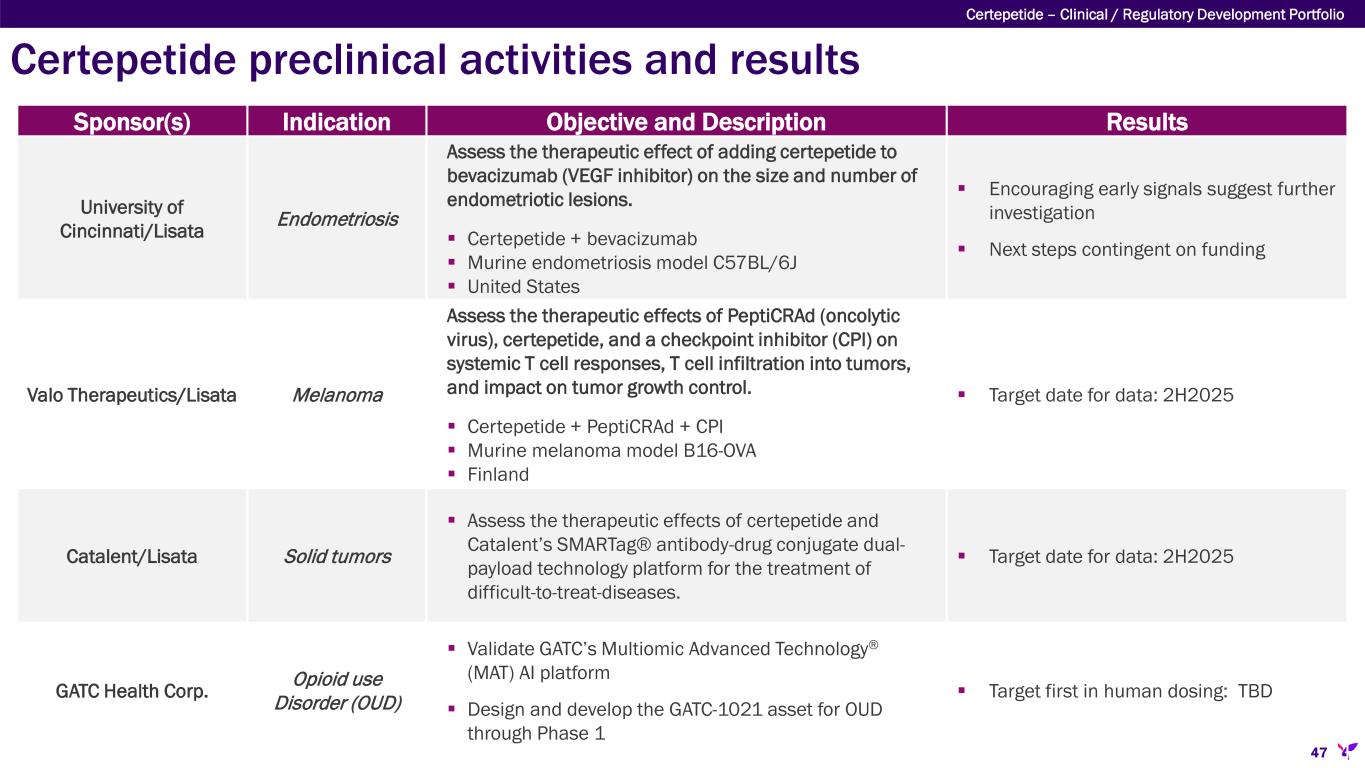
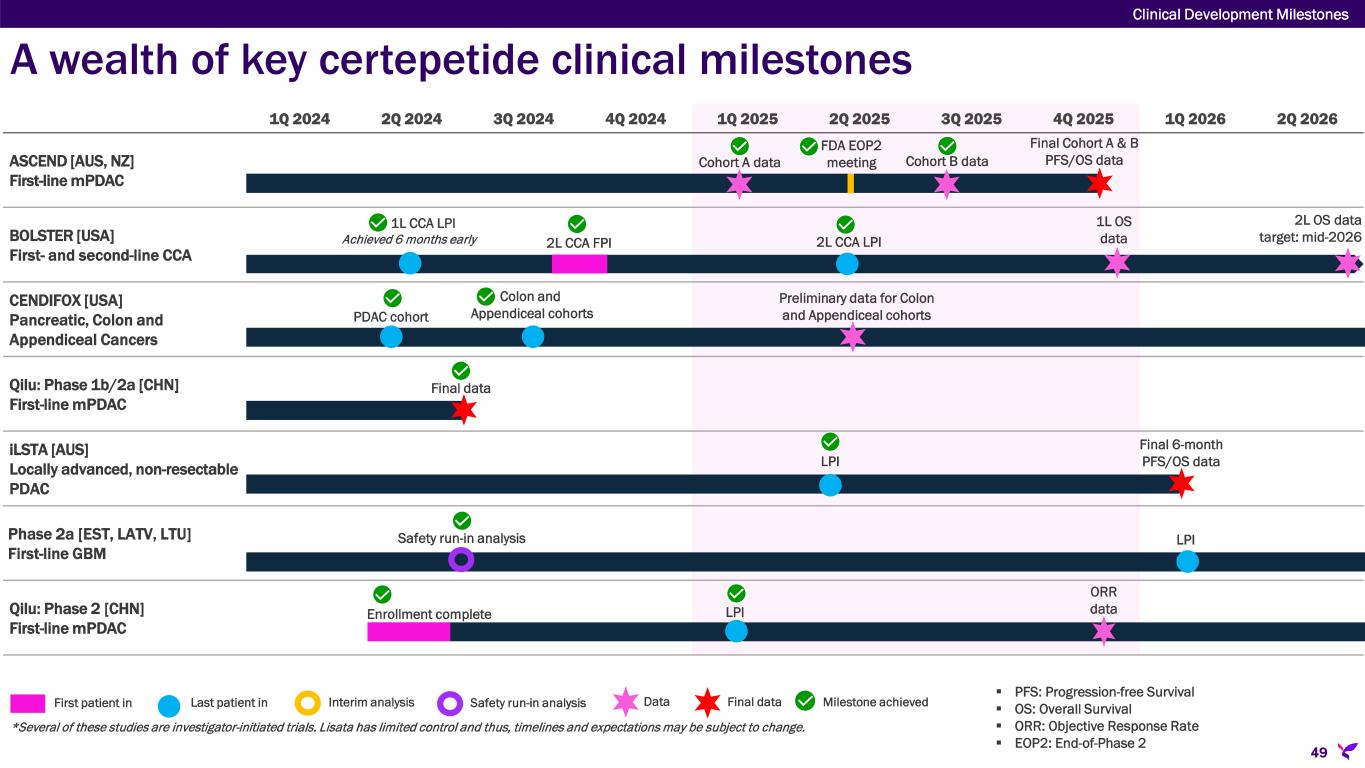
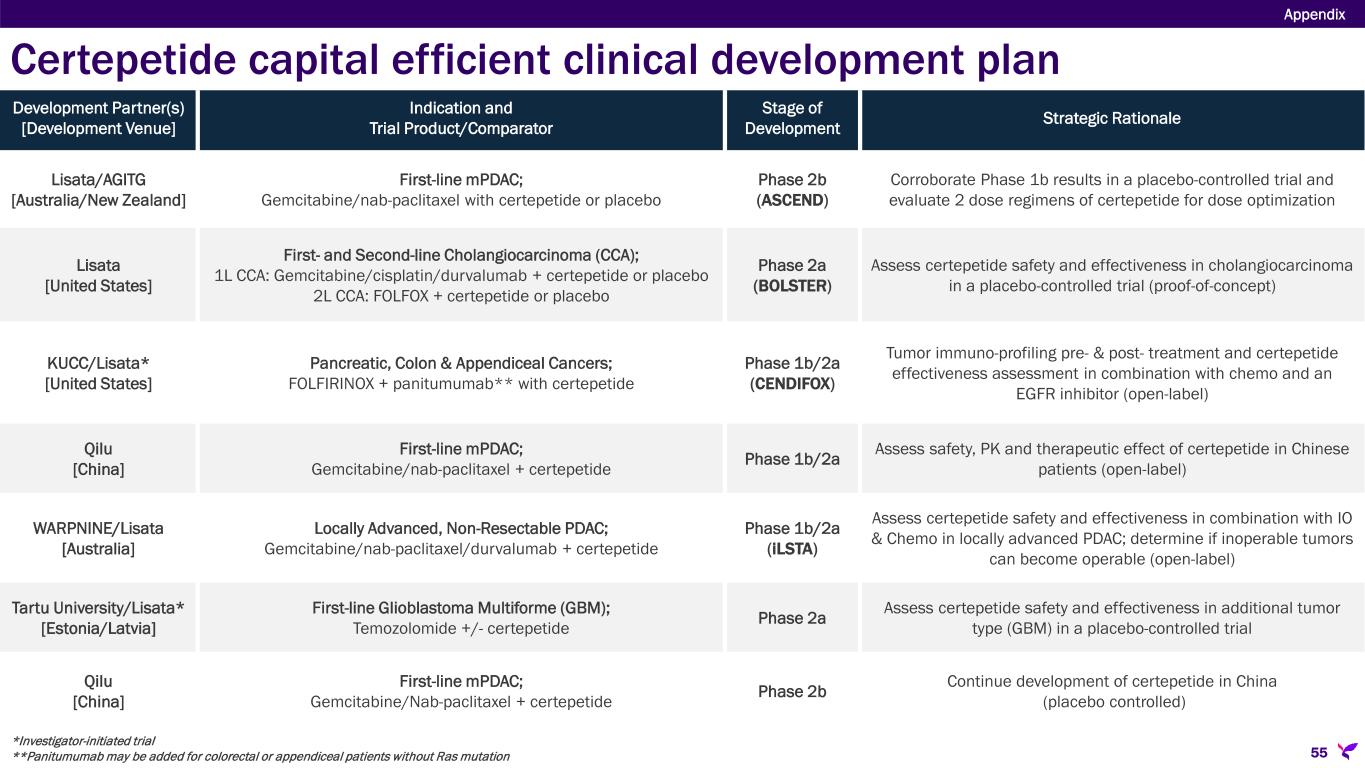
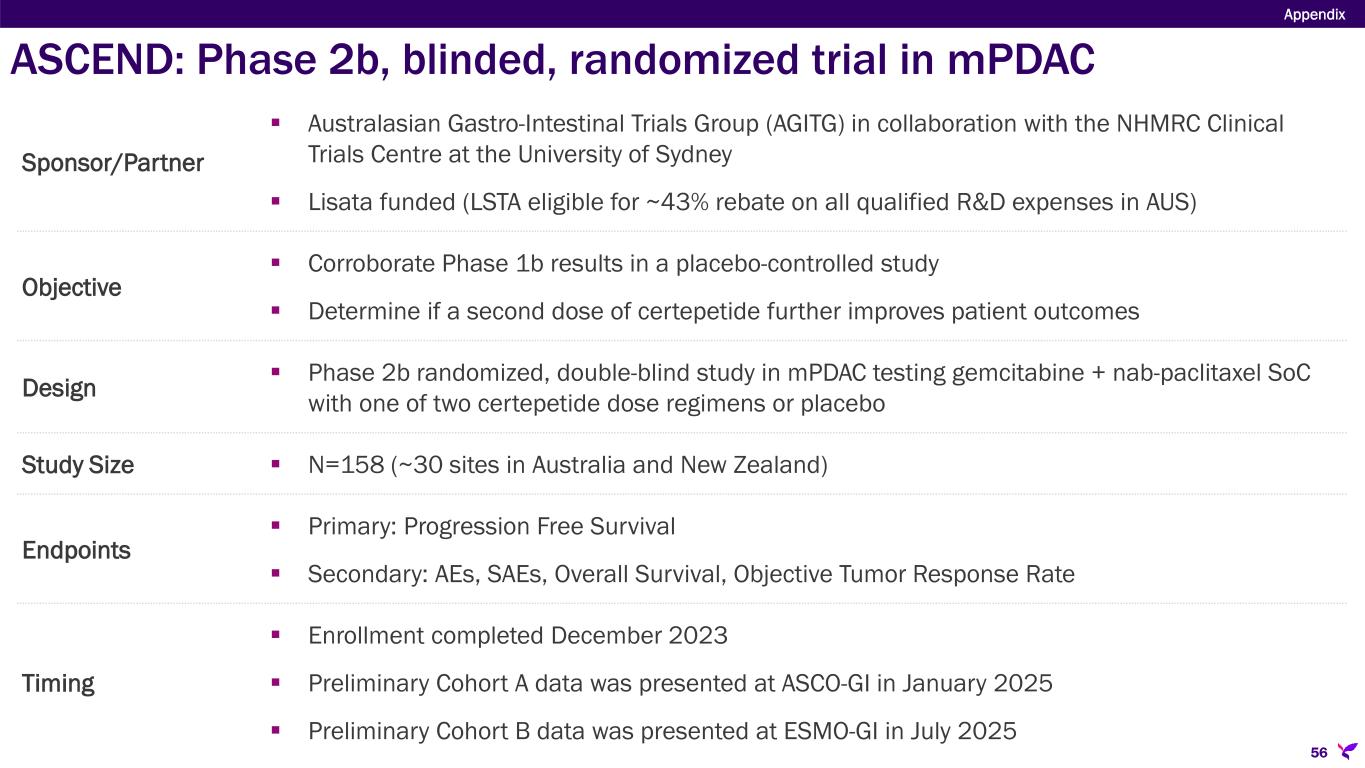
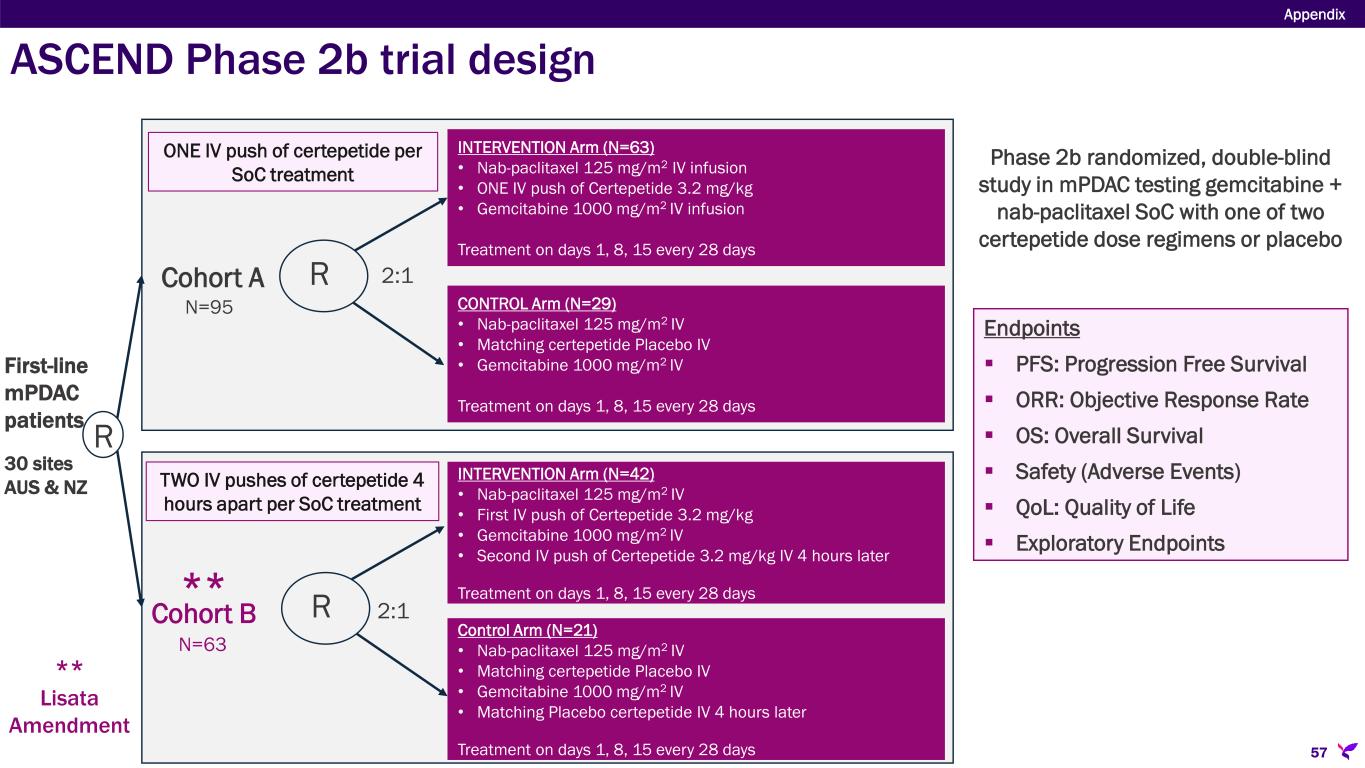
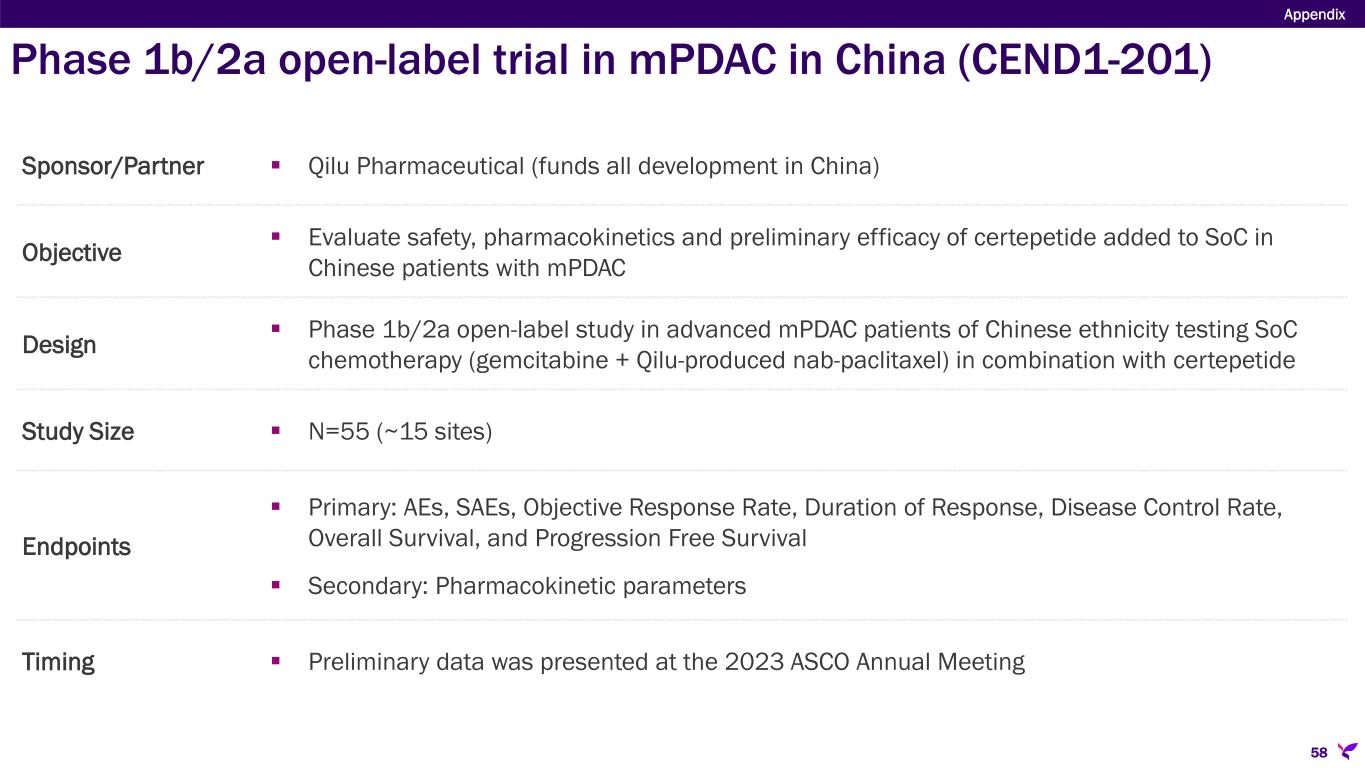
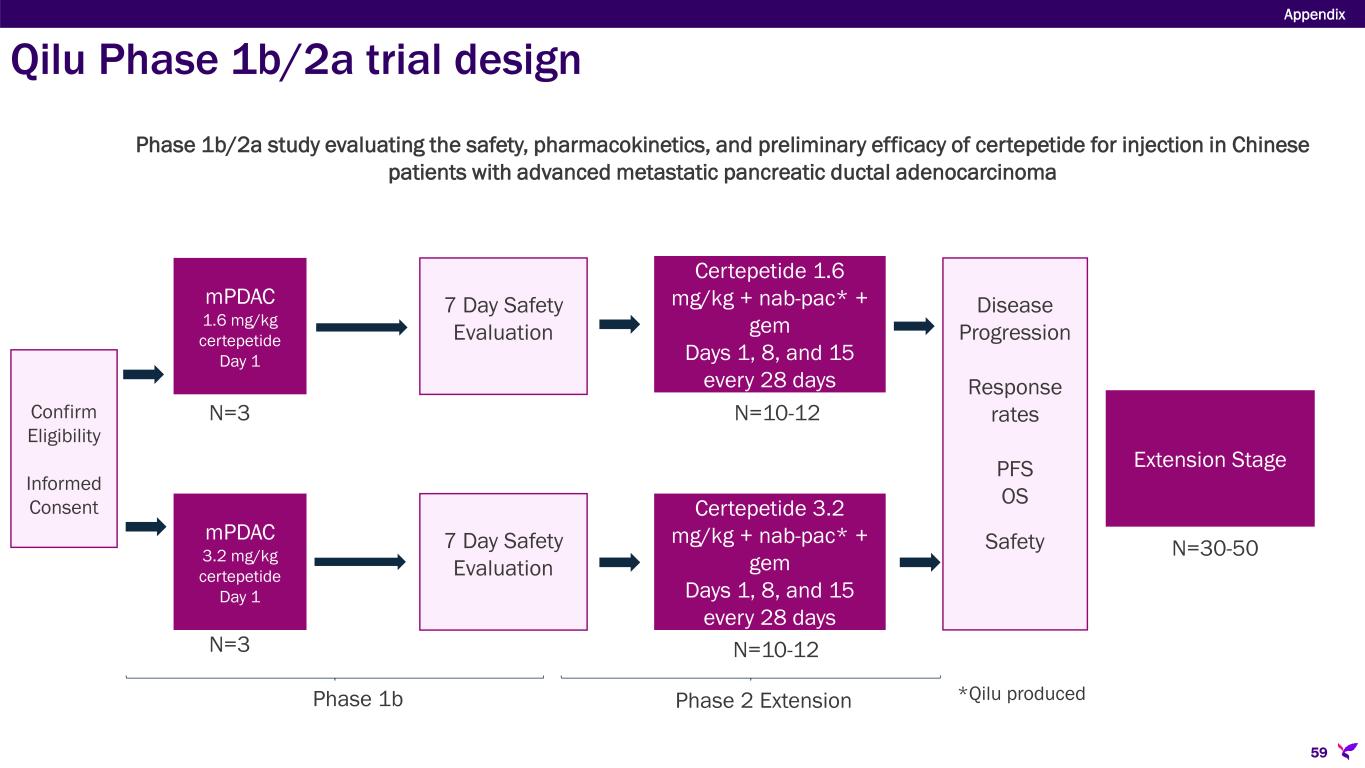
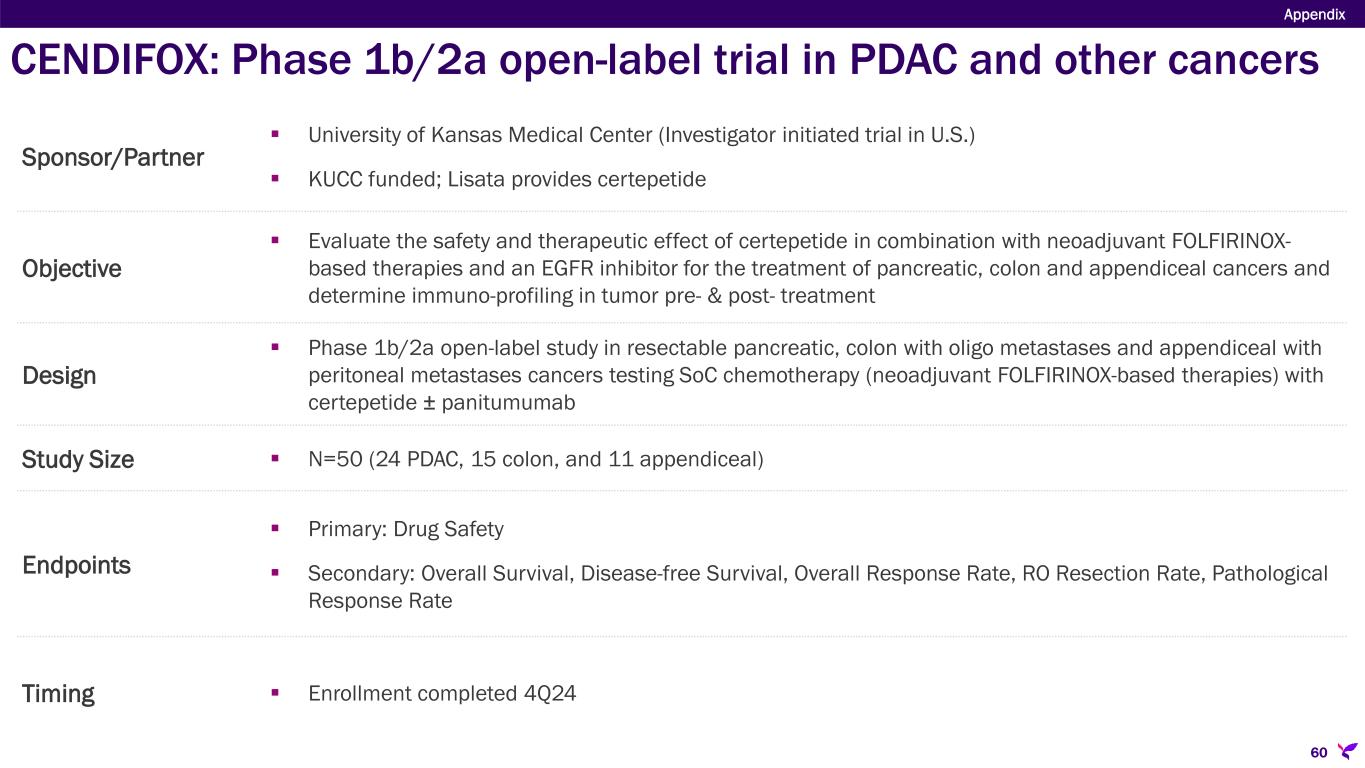
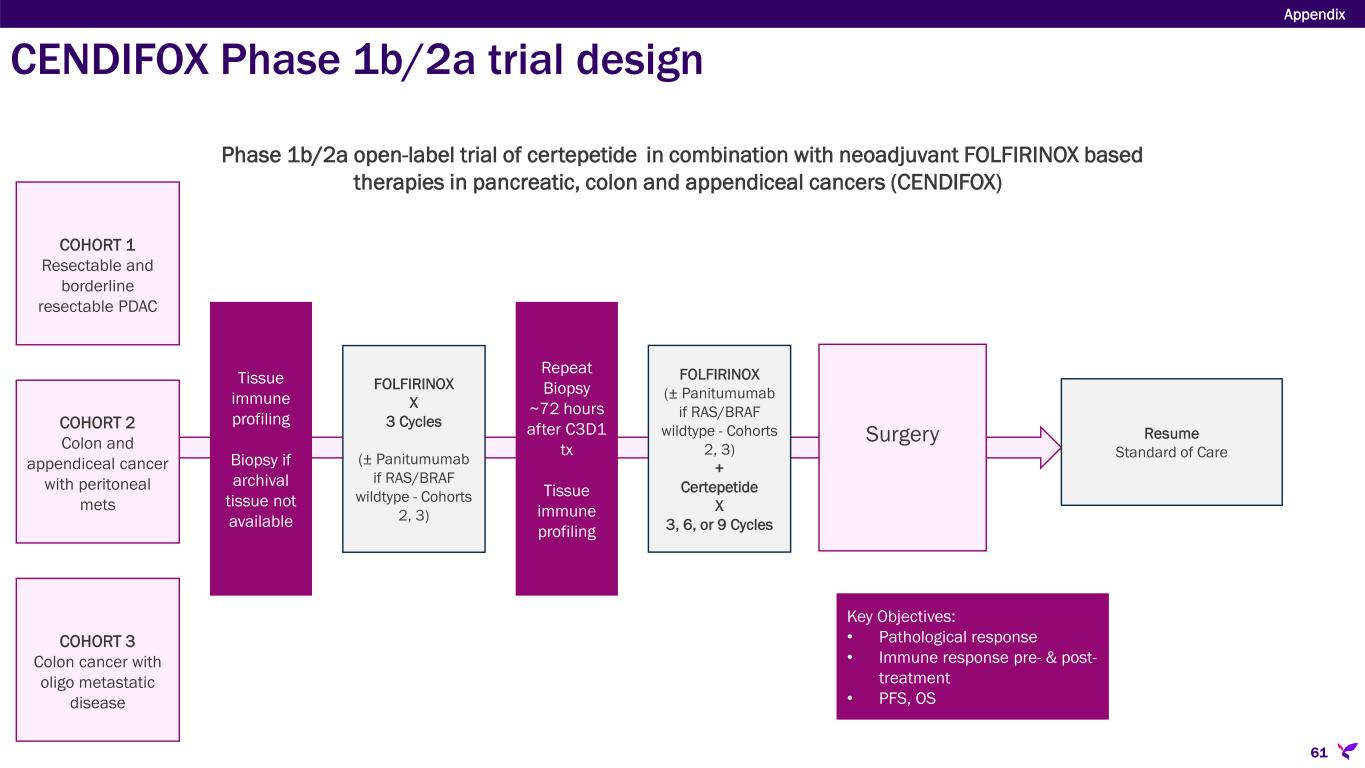
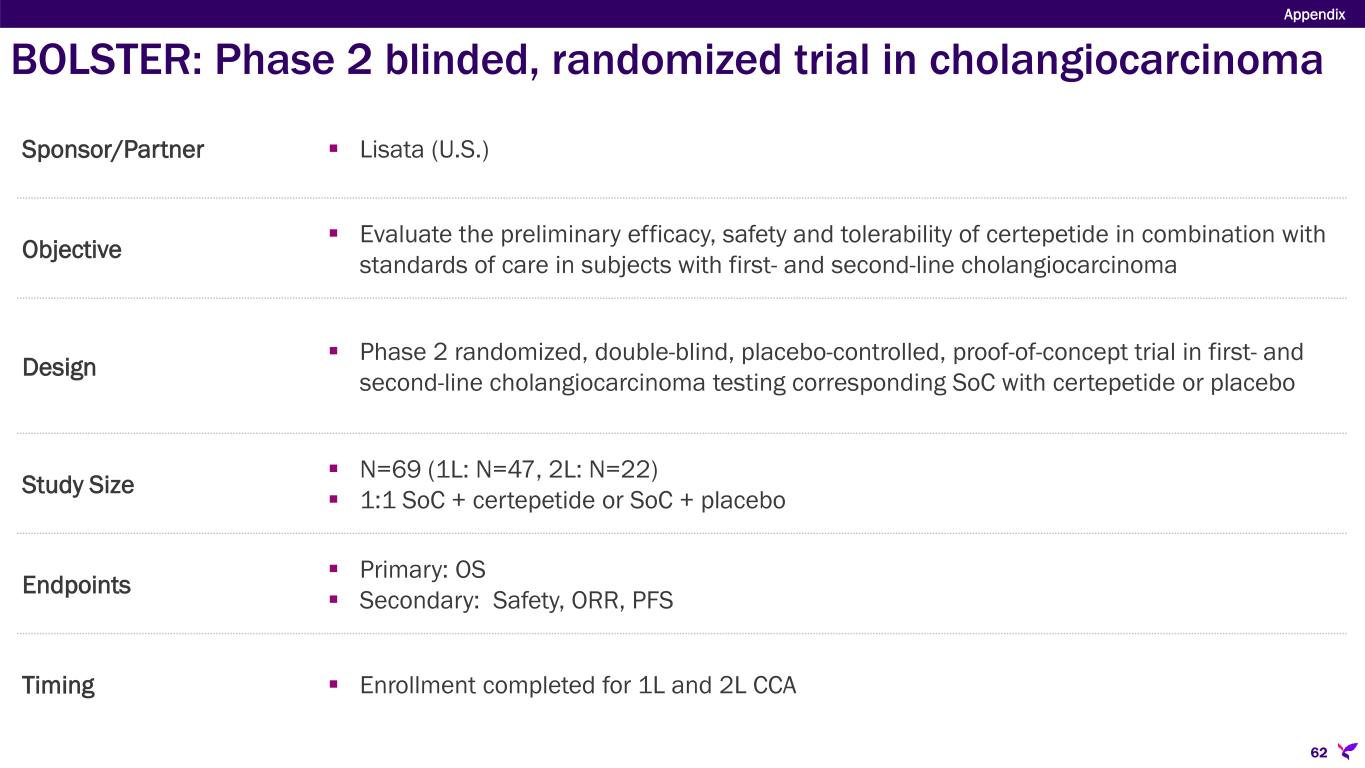
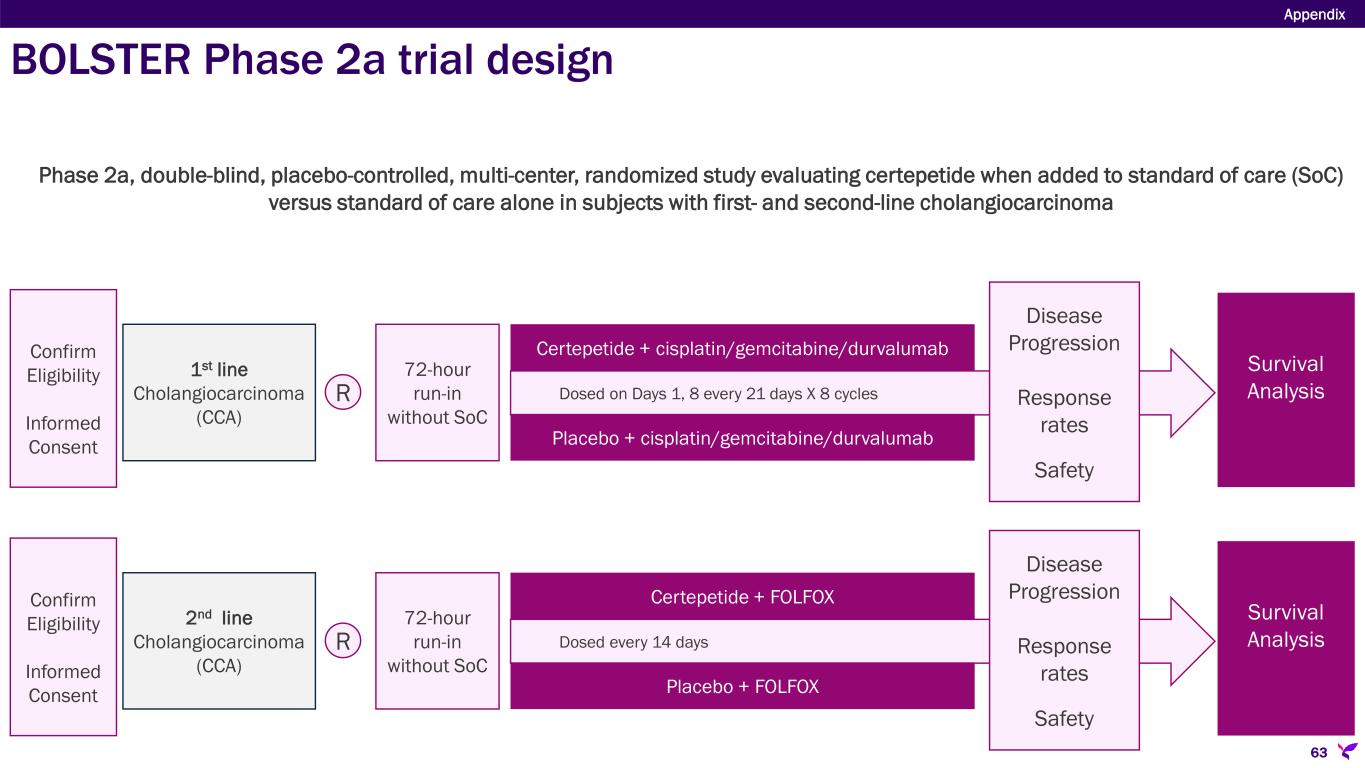
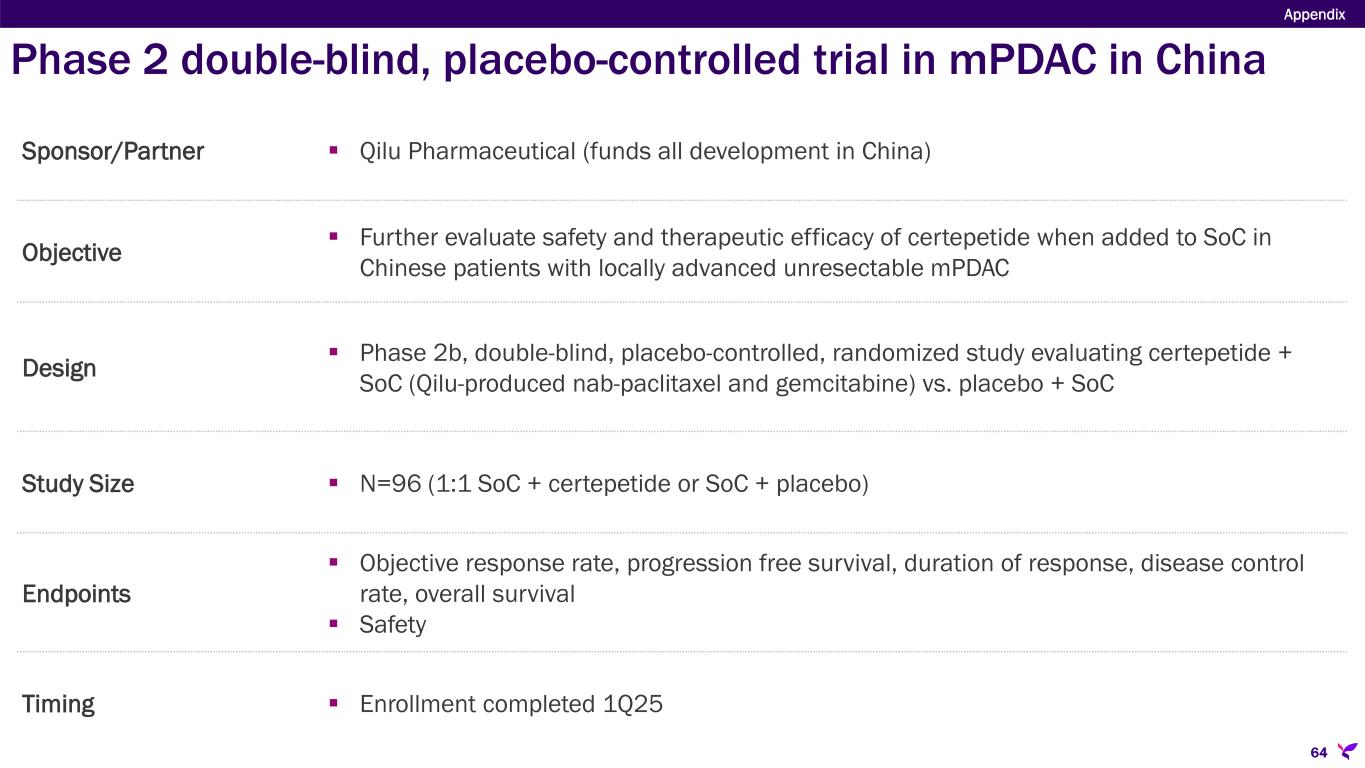
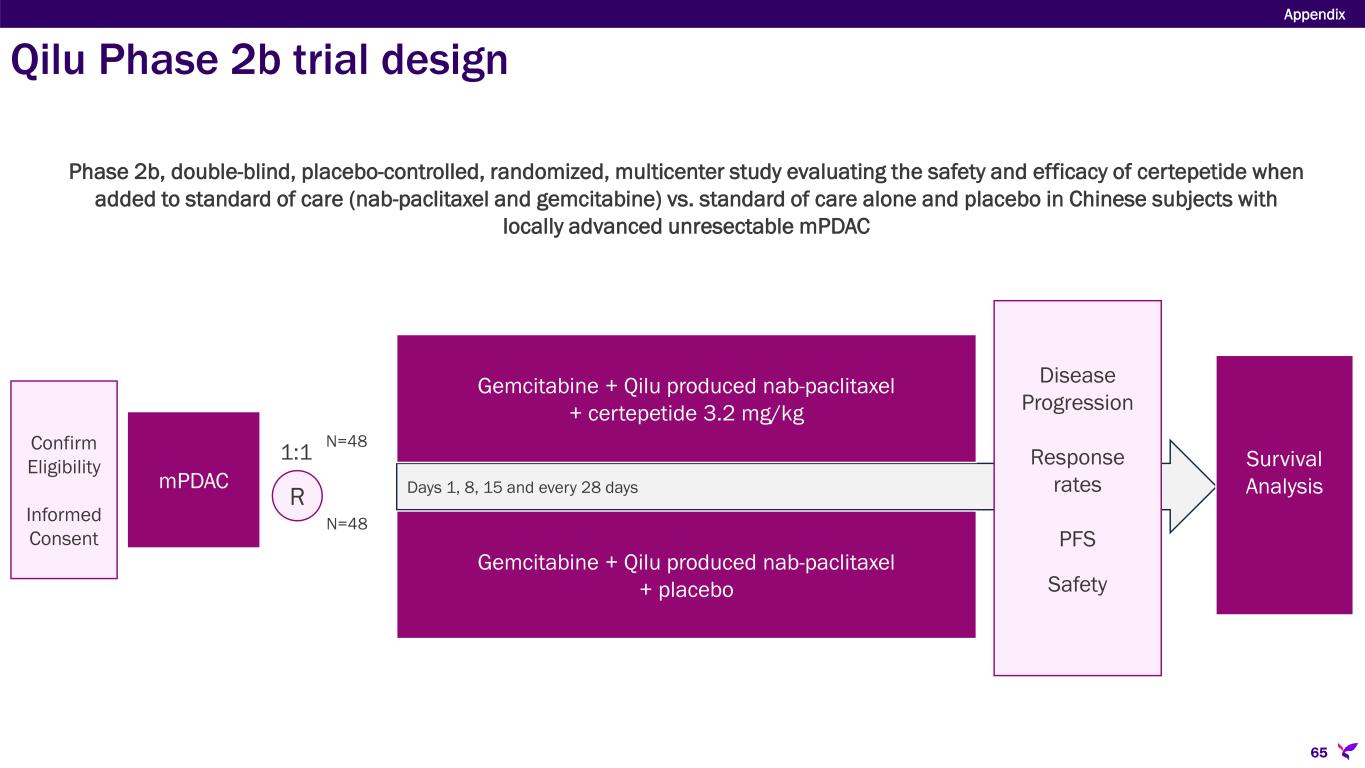
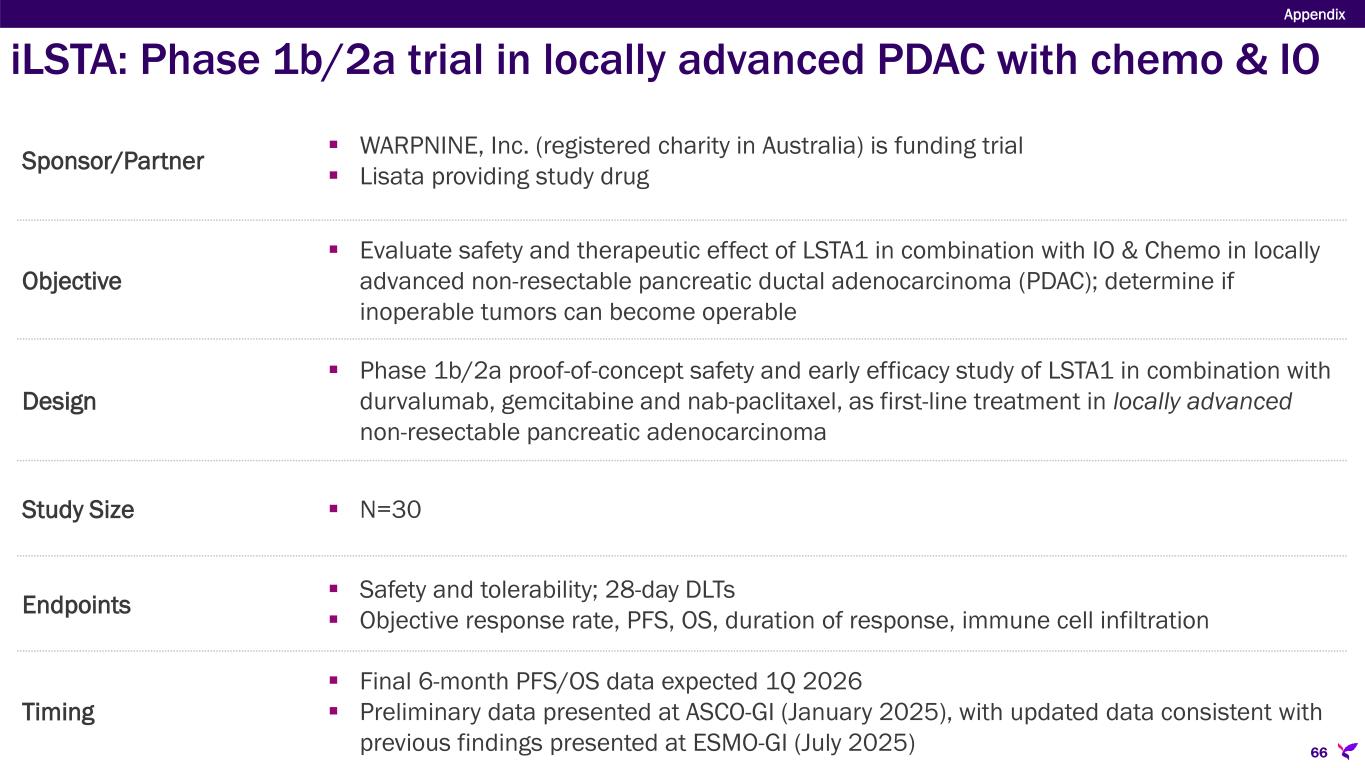
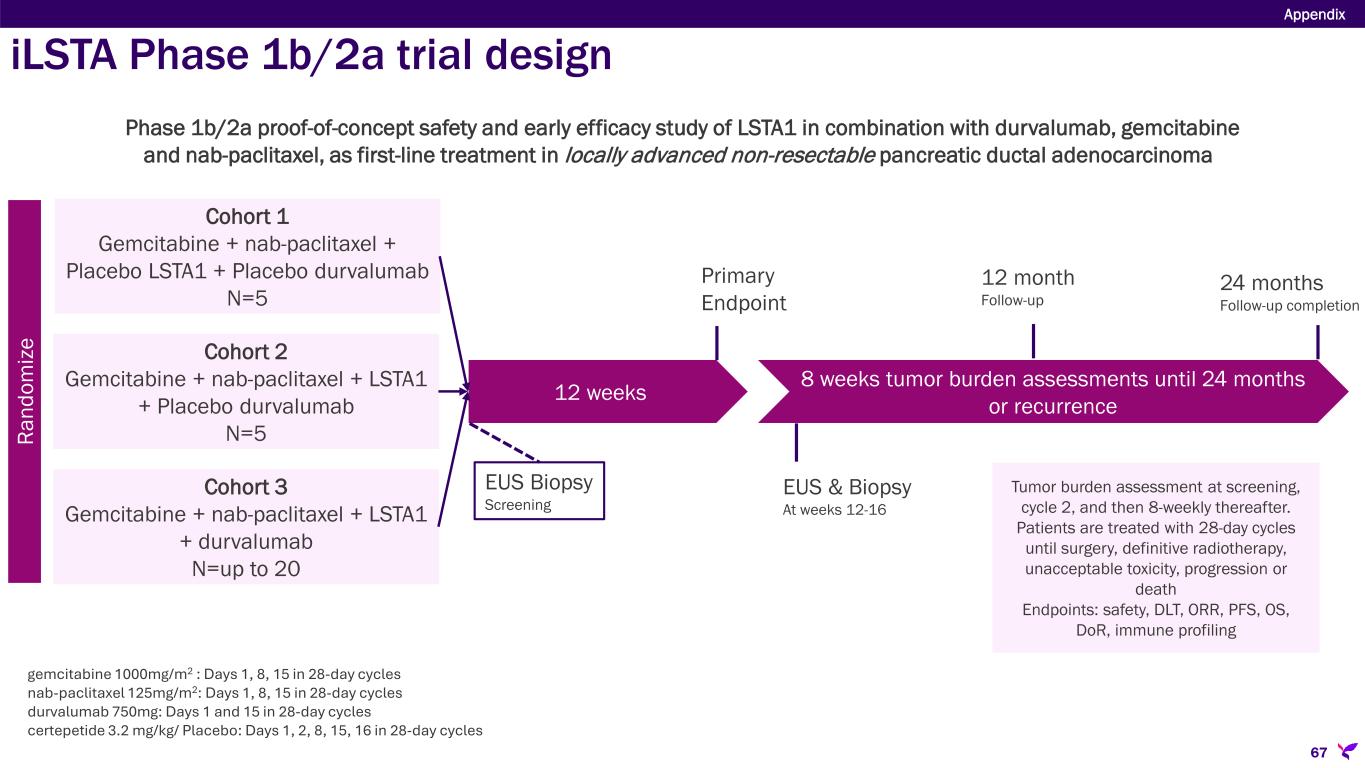
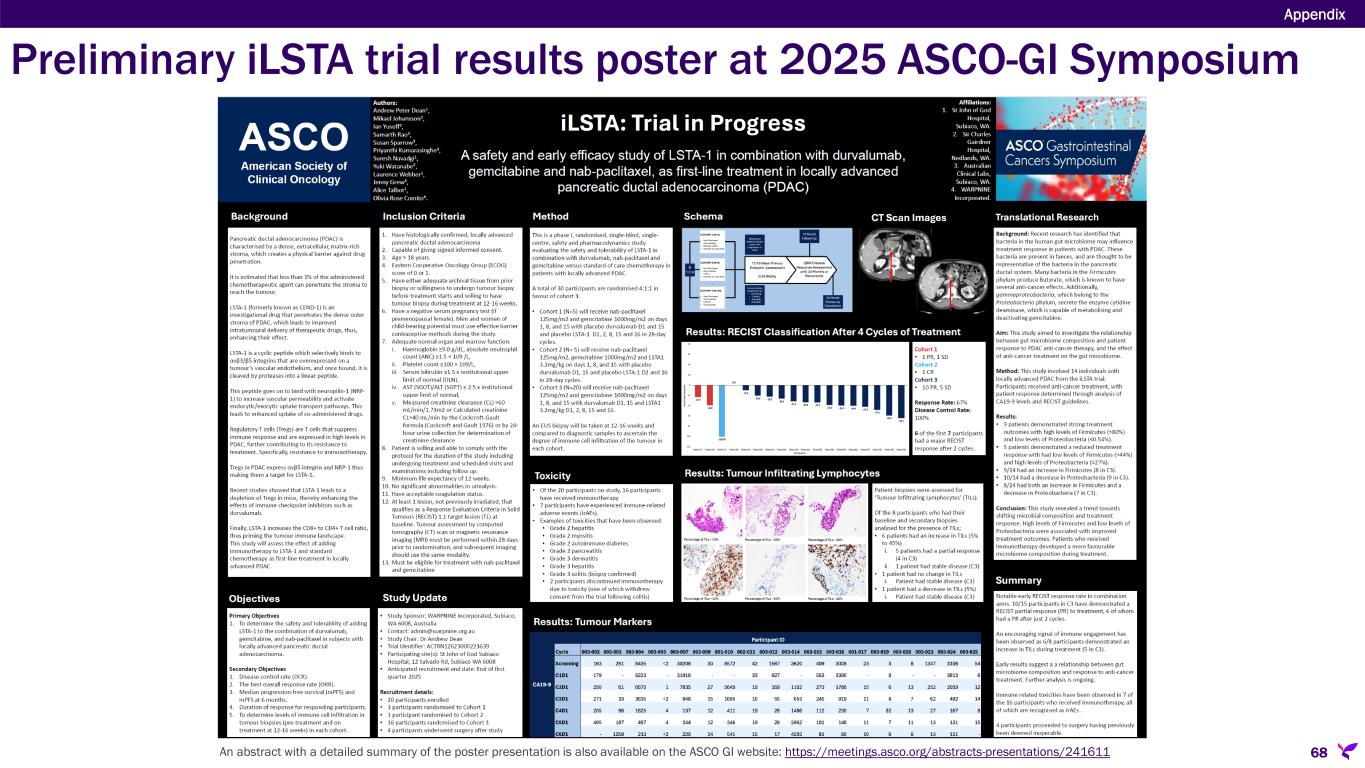
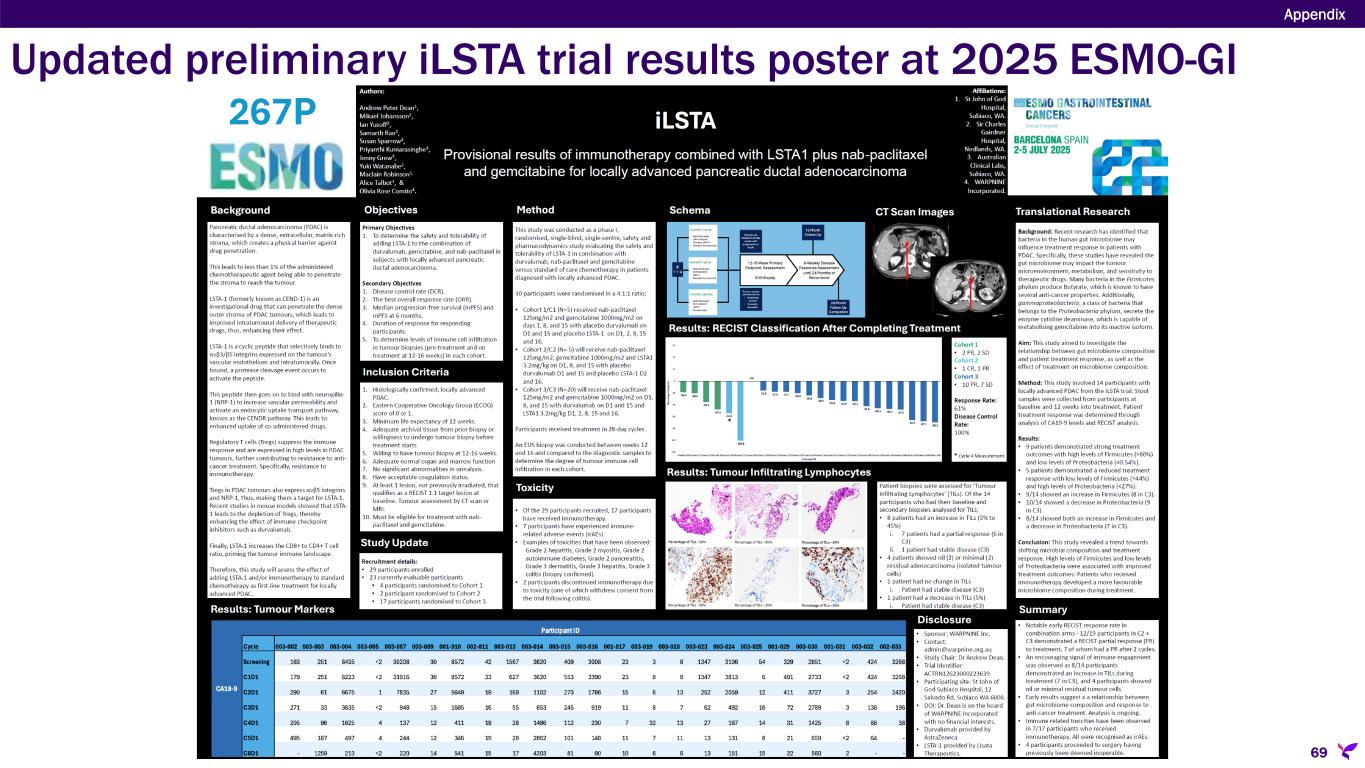
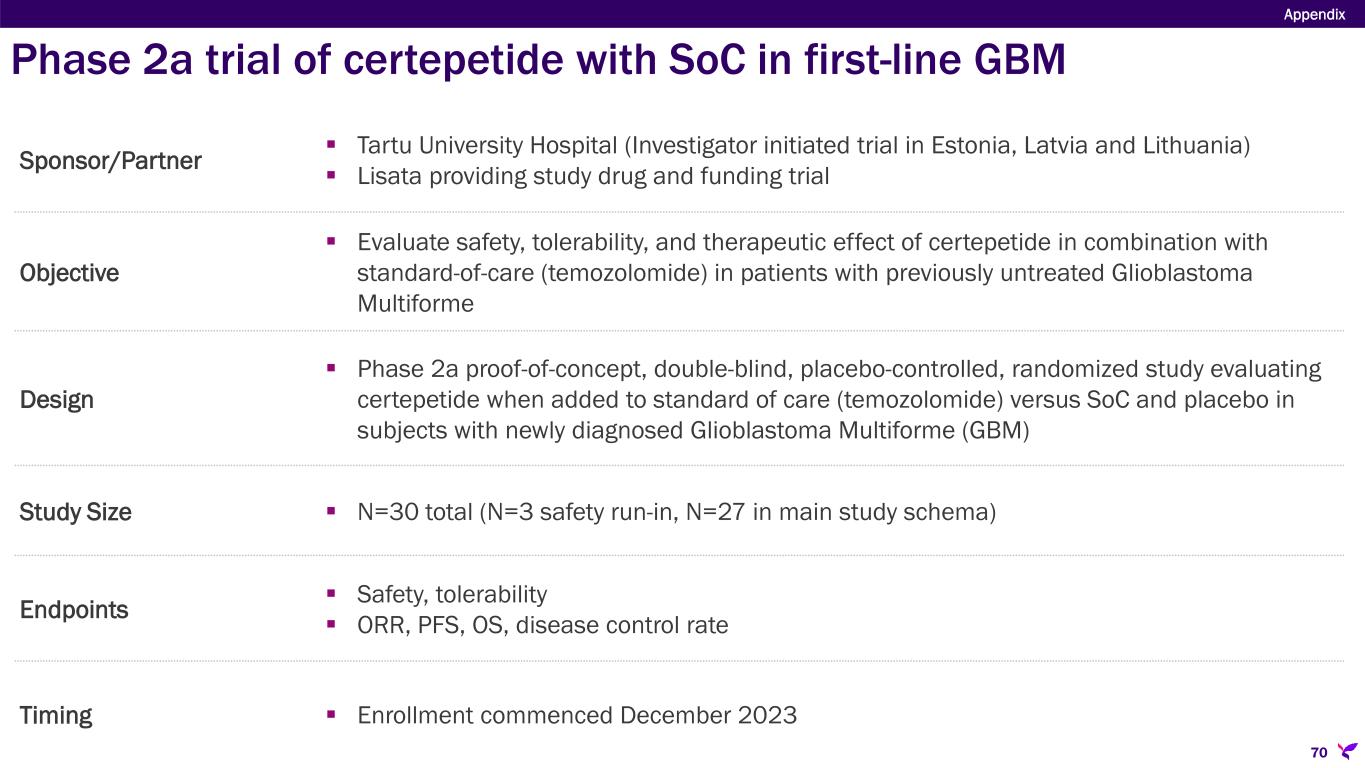
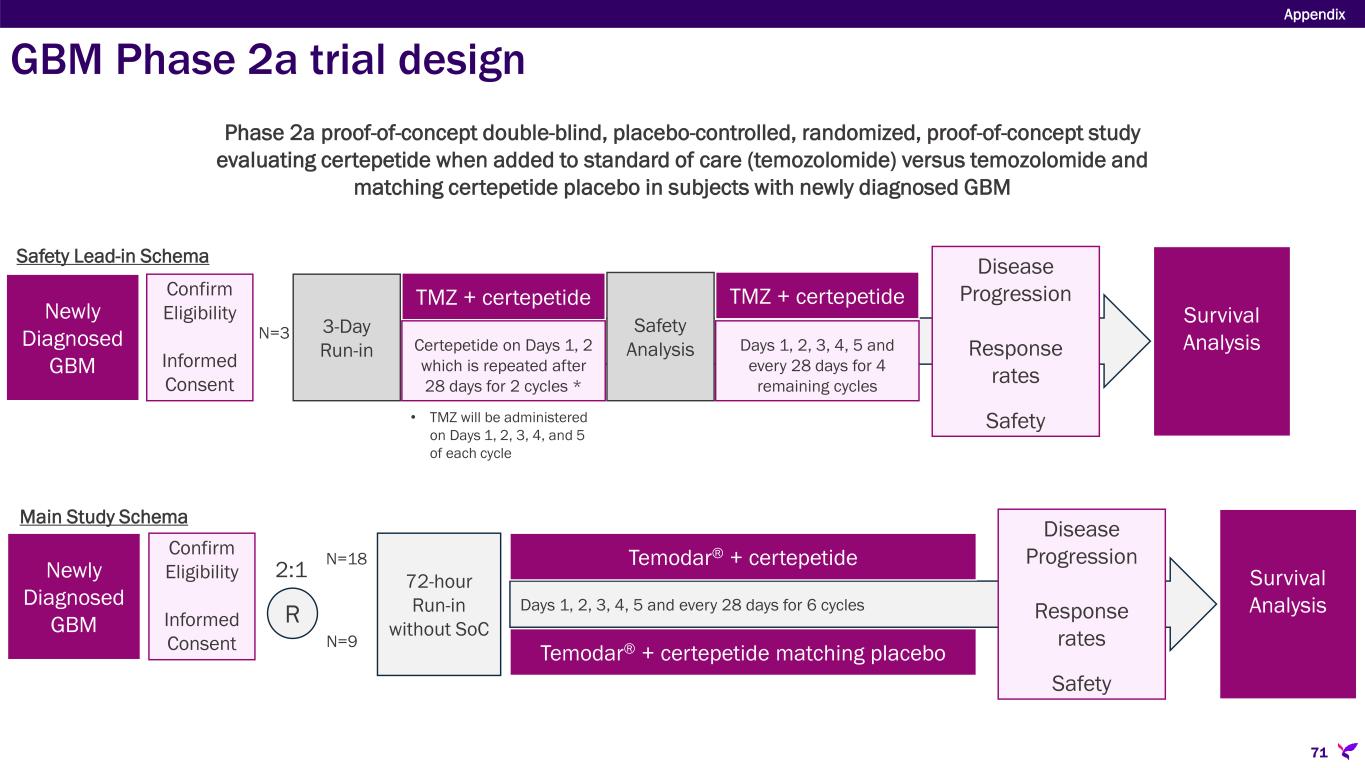
Thank you, James, and good afternoon, everyone. It's a pleasure to be here today to present an update on our clinical development portfolio, including near-term catalysts. As mentioned on previous quarterly calls, LASADA is focused on the development of its proprietary cyclic internalizing RGD peptide product candidate, Sertepatide, for the treatment of advanced solid tumors and other difficult-to-treat diseases. Sertepatide is designed to activate a novel uptake pathway that allows co-administered or tethered anti-cancer drugs to selectively target and penetrate solid tumors more effectively. In addition, Sertepatide has been shown to modify the tumor microenvironment, making it less immunosuppressive and therefore increasing the tumor susceptibility to immunotherapy on our body's own immune system, while also inhibiting the metastatic cascade. If you'd like more information regarding Sertepatide's mechanism of action, we encourage you to visit our website, where you'll find an animated video and relevant slides within our corporate presentation. On a regulatory front, Sertepatide has secured multiple special designations from both the FDA and EMA, all of which are listed on our website and in the corporate presentation for your easy reference. Now for an update on our individual development programs. The ASCEND trial is a Phase 2B, 158-patient, double-blind, randomized, placebo-controlled clinical trial evaluating certepatide in combination with standard-of-care gemcitabine and nabpaclitaxel chemotherapy in patients with metastatic pancreatic ductal adenocarcinoma, or MPDAC. The trial is being conducted at 25 sites in Australia and New Zealand and is sponsored by the Australasian Gastrointestinal Cancers Trial Group, or AGITG, in collaboration with the National Health and Medical Research Council Clinical Trial Center at the University of As I mentioned in the past, this investigator-initiated trial was inherited upon our acquisition of SEND Therapeutics. The original trial was designed with an academic bent rather than one with commercial objectives and was statistically powered based on a six-month progression-free survival primary endpoint. This endpoint is unusual in that it has not been previously used as the basis of approval for an anti-cancer drug. However, after the acquisition, Lysada collaborated with the AGITG to modify the trial to ensure it provided clinical outcomes that would best support the next steps in development of certepitide from a regulatory perspective. To that end, the ASCEND protocol was amended to include another cohort of patients, cohort B, not statistically powered, but it was to evaluate an additional certepitide dosing regimen. The ASCEND protocol was also amended to capture overall survival outcomes for both Cohort A and Cohort B, as overall survival is considered by regulatory authorities to be the gold standard endpoint in pancreatic cancer trials. Since the ASCEND protocol was amended following the trial's initiation, data from Cohort B are being generated sequentially following Cohort A data. Cohort A, with 95 patients receiving a single IV dose of certepatide, or placebo, in combination with standard of care, completed enrollment in the third quarter of 2023. As announced in January of this year, preliminary cohort data was presented at the 2025 ASCO GI Symposium, which showed a positive trend in overall survival, including four complete responses in the certepatide-treated group compared to none in the placebo-treated group. And more recently, preliminary data from cohort B, with 63 patients receiving two IV doses of certepatide, 3.2 milligrams per kilogram, or placebo administered four hours apart in combination with standard of care, were presented at the ESMO Gastrointestinal Cancers Congress on July 2, 2025. These data showed a positive signal in both progression-free survival and objective response rate in the certepatide-treated group compared to the placebo-treated group, indicating that the two-dose regimen resulted in a clinically meaningful treatment effect and an attractive safety profile. Final data and key findings from both cohorts are anticipated for later this year. Furthermore, we have concluded an end-of-phase-two discussion with the FDA, and we have agreement from the FDA on the fundamental aspects of an acceptable phase three protocol, including the dose, dosing regimen, blinding, and primary endpoints. Based on that protocol, we have already begun preparation for trial initiation with capital acquisition to support the trial being the gating factor. The bolster trial is our own phase two a double blind placebo controlled multi-center randomized trial in the United States, evaluating certepatide in combination with standard of care in first and second line cholangiocarcinoma. Enrollment was completed in the first line cholangiocarcinoma arm nearly six months ahead of plan, accelerating anticipated top line data readout to the fourth quarter of 2025. Based on encouragement from multiple investigators involved in the trial, a second cohort was added evaluating certepatide in subjects in second-line cholangiocarcinoma on top of standard of care. Although originally planned to recruit 40 patients, we recently took the decision to cap enrollment in this new arm at approximately 20 patients to allow for quicker data analysis and a more efficient use of our capital. It should be noted that this is an exploratory trial that is not statistically powered, so we believe that the reduced number of patients in the second-line arm will still be sufficient to determine if there is a treatment effect signal. Dendifox is a phase 1 B2A open-label trial in the United States evaluating certepatide in combination with neoadjuvant Fulfirinox-based therapies in pancreatic, colon, and appendiceal cancers. In December of 2024, the company announced enrollment completion in all three cohorts. This single center study being conducted at the University of Kansas Cancer Center was designed with a three-cycle run-in period to ensure patients met specific criteria before receiving treatment. Of the 66 patients enrolled, 50 met these criteria and were treated with tertepatide across three cohorts, including 24 with resectable or borderline resectable pancreatic cancer, 15 with high-grade colon or appendiceal cancer and peritoneal metastases, and 11 with oligometastatic colon cancer. We are eagerly awaiting data from this investigator-initiated study and will share key findings when available. Chilu Pharmaceutical, the licensee of circepatide in the Greater China Territory, is running a parallel development program for circepatide in combination with gemcitabine and nabpaclitaxel as a treatment for metastatic pancreatic cancer. Chilu recently reported that completed enrollment in the study of 96 subjects. According to guidance from Chilu, data are expected in the next 12 to 18 months with a Phase 3 study planned to start thereafter. Based on the terms of the license, Chi Lu will be obligated to pay LASADA a $10 million milestone upon dosing of the first patient in their Phase 3 study. In collaboration with AstraZeneca in Australia and the funding sponsor of the ILISTA trial, WRP9, we are evaluating certepatide in a phase 1b2a randomized placebo-controlled three-arm single-blind single-center safety early efficacy and pharmacodynamic trial. The trial is being conducted in Australia combining certepatide with the checkpoint inhibitor dervalumab plus standard of care gemcitabine and nab paclitaxel chemotherapy versus certepatide in combination with standard of care that is no dervalumab in that arm versus standard of care alone in patients with locally advanced non-resectable pancreatic cancer. As recently announced, enrollment in the ILISTA study is complete. An updated interim analysis presented at the ESMO GI Congress on July 3rd, 2025, revealed compelling new preliminary data for certebitaties. These data are consistent with earlier findings from the 2025 ASCO GI meeting, further reinforcing certepatide's potential to significantly enhance immunotherapy effectiveness by provoking significant recessed responses and improving overall response and disease control rates. Final data and key findings from this study are anticipated in the first quarter of 2026. A study of certepatide in combination with temozolomide in glioblastoma multiforma, or brain cancer, has been initiated with several patients already enrolled and treated. The study is designed as a phase 2A double-blind, placebo-controlled, randomized, proof-of-concept study evaluating certepatide when added to standard of care temozolomide versus temozolomide alone and matching certepatide placebo in subjects with newly diagnosed glioblastoma multiforma. This actively enrolling study is being conducted across multiple sites in Estonia and Latvia and is planned to also now include a site in Lithuania. The study is targeted to enroll 30 patients with a 2-to-1 randomization certepatide plus standard of care versus placebo plus standard of care. The study is more than 50% enrolled with additional patients currently in screening. Enrollment completion is expected in 2026. Moving on now to exciting developments in recent collaborations and a significant intellectual property milestone. Recently, Lasada entered into a research license with Catalan to evaluate, in a preclinical setting, the efficacy of certepatide as a payload on Catalan's SMARTTAG antibody drug conjugate dual payload technology platform for the treatment of difficult-to-treat diseases, including advanced solid tumors. Under the terms of the agreement, Catalan has assumed full responsibility for all research and development expenses, and LASADA is providing consulting support. It is our belief that preliminary positive data from this collaboration could be the harbinger of a more extensive license agreement in the future. Additionally, we have established an evolving strategic collaboration with GATC Health. This partnership combines LUSADA's drug development expertise with GATC's AI-powered multi-omics advanced technology platform to accelerate and optimize drug discovery. This includes analyzing certepatide for new indication targets, including some outside of oncology, as well as identifying effective combination therapies. Further strengthening our position, the United States Patent and Trademark Office issued a new composition of matter patent for certepatide, extending our protection until March of 2040, with the potential for further extension. This patent grants Lysada exclusive rights to the drug itself, preventing others from manufacturing or selling certepatide. The patent's claims cover certepatide's chemical structure, pharmacokinetic properties, methods of manufacturing, and applications for treating solid tumors. Looking ahead, beyond the clinical studies I've mentioned, we are actively exploring additional opportunities to advance our development strategy, including progressing certepatide in combination with gemcitabine and nadpaclitaxel in a global Phase III trial for the treatment of metastatic pancreatic cancer. However, we remain focused only on initiating trials that can be funded through data with existing or guaranteed capital, and that can be executed within a reasonable period of As a reminder, several of the clinical studies I mentioned are investigator-initiated trials, meaning LASADA has limited control over study timelines, and expectations may be subject to change. That said, we are incredibly grateful to the investigators, and especially to the patients participating in certipatide clinical trials around the world. For detailed information on each trial, please refer to the appendix section of our corporate presentation on our website. The presentation also includes two slides illustrating the anticipated timelines and execution of key milestones and data readouts. With that, I will now turn the call back to Dave.
Thank you, Kristen. As we conclude, it's important to acknowledge that the excellence and dedication of our LASADA team remain the driving force behind our progress. Based on the positive clinical data that we have reported to date and the uniqueness of Certepatide's mechanism of action, we continue to demonstrate the broad applicability of Certepatide across a wide variety of advanced solid tumors and other difficult-to-treat indications with the goal of ultimately transforming the cancer treatment paradigm while realizing Certepatide's full value. And with that overview operated, we are now ready to take questions.
Operator
As a reminder to ask a question, please press star 11 on your telephone, and you will then hear an automated message advising you that your hand is raised. Each listener will be permitted to ask one question at a time and will return to the queue for any additional questions. And for your first question, it comes from the line of Joe Pantinis from HC Wainwright. Joe, your line is open. Please ask your question.
This is Josh. I'm for Joe. Thank you for the update. I just had a quick question about the ASCEND trial.
Operator
So, I was wondering if there's any additional insights you provide us at this time on what this Phase III protocol may look like?
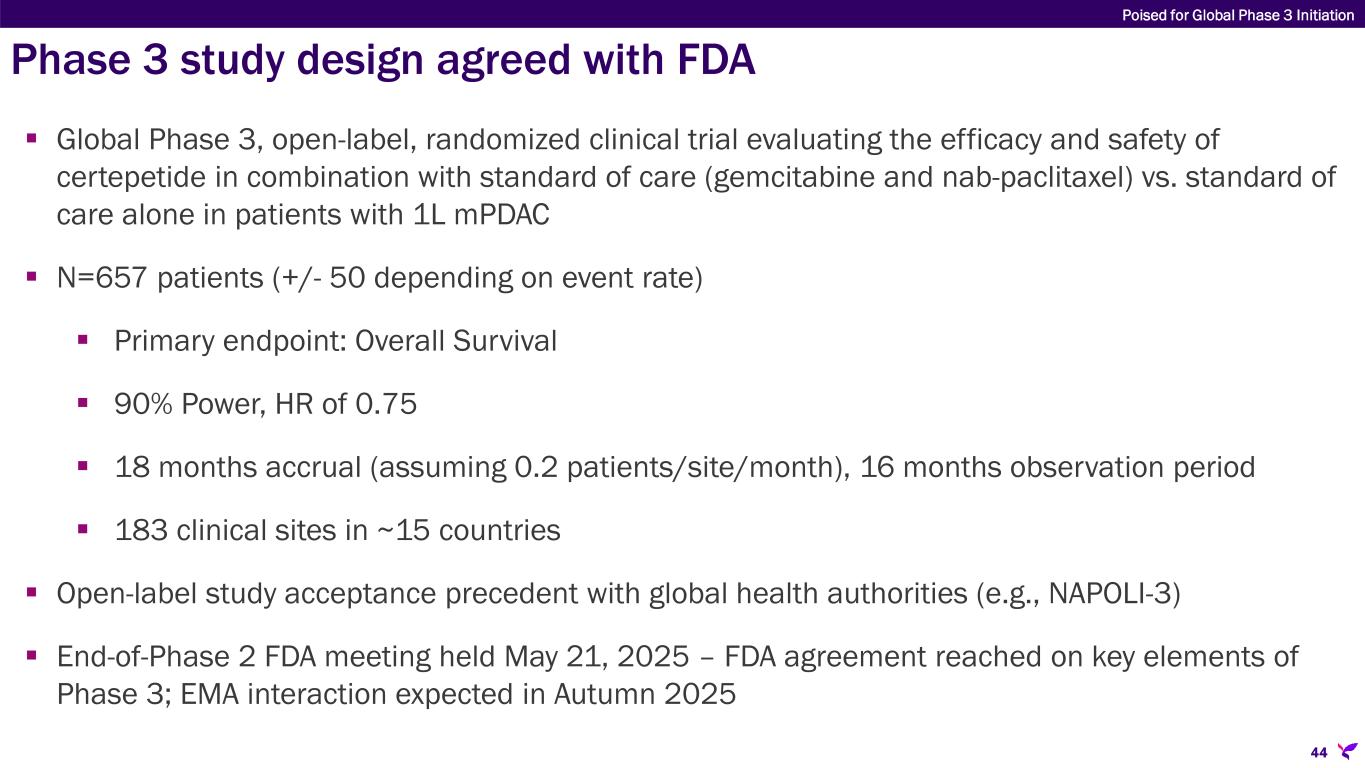
Well, at this stage, we've had already the end of Phase II meeting with FDA, and we have a tacit agreement on the structure of an open label Phase III trial. We anticipated to have somewhere on the order of 650 to 900 patients, depending upon how many dosing arms we include. At this stage, we're contemplating including a continuous infusion dosing arm, along with a two-dose of Sertepitide dosing arm for comparison. But in the end, the exact design and size will be determined by statistics, which will power the trial at 90% and maintain a hazard ratio at 0.75. Perfect. Thank you so much.
Operator
Thank you. One moment for your next question. And for your next question, it comes from the line of Will Heidel from Brookline Capital Markets. If your line is open, please ask your question.
Okay, thank you for taking the questions. Quick question about the spending. I noticed that it's gone down a bit. Do you expect spending to remain the same?
I know you've extended the runway by a quarter. What's your expectations on that over the next year?
Well, it'll depend on when we initiate the phase three and also what the results of the bolster trial indicate, and then our plans to move the cholangiocarcinoma indications to later stage development, as well as the advancement of some of the other products that are now in preclinical evaluation. But if we were to make no other changes right now, then we would expect that you would see a modest decrease in spending over time as the ongoing clinical trials completely wrap up.
Operator
Thank you. And for our next question, it comes from the line of Pete Anderlin from MEZ Partners. Pete, your line is open. Please ask your question.
Thanks. Good afternoon. You know, you had been talking about cash through the second quarter of 26, and now you're extending that to the fourth quarter, and, you know, you just referred to lower expenses, but is it also possible that you are, that projection, any future license revenues or any other revenues, you know, like tax benefits or anything like that?
At this stage, the projections only include the anticipation of a very small final contribution of capital from the New Jersey sale of NOL program. Other than that, though, they do not contemplate any capital raises or any infusions. Of course, we'll be looking to do something probably later this year or early next year in order to fund future operations and future clinical trials. But the current projections do not include anything other than a small sale of New Jersey NOLs as part of the program next year.
Got it. And I just mentioned the coverage extending through 2040, and you previously had talked more or less about pretty full 2030, so I'm wondering what changed in terms of the latest patent version.
Oh, well, the latest patent just recognized some specific intellectual property around the actual composition of matter of certepitide itself. And, you know, the composition of matter patents, Pete, are fundamental patents that are the most difficult to work around. And so with the granting of that patent and the extension of that patent life out into the 2040s, we feel that the intellectual property portfolio is now really ultimately secure.
Great. And if I could mention One more, Dave. Would you be willing to give some kind of a comment on the regulatory resistance of the FDA, which we all know about, versus, you know, what it's like in China? And that's, of course, relevant for the approval of the, you know, payment of a large sum once you get the first patient enrolled over there. But they get it. But, I mean, in terms of, you know, time and difficulty and the amount of information that's required, can you compare the U.S. versus China in any way?
It's hard to do so, Pete, not being a Chinese company. You know, Chinese companies have special relationships with their regulatory authorities, and there's a lot of politics that goes into that. So I really can't compare and contrast between the two. So all I will say is that the FDA has been very clear about their guidances for the development of cancer products, and we continue to work with them to find the most expeditious way to move our products forward.
Operator
Thank you. And this concludes the question and answer session. I will now turn the call back to Dr. Mazzo for closing remarks.
Well, again, thank you all for participating in today's call. we remain grateful for your continued interest and support stay well and have a good evening this concludes today's conference call thank you for participating Humanities Connect