Operator
Welcome to the Lesata Photophysics 3rd Quarter 2025 Financial Results and Business Update Conference Call. Currently, all participants are in listen-only mode. Following management-prepared remarks, we will hold a Q&A session. To ask a question at that time, please press star 1 on your telephone. You will then hear an automated message advising that your hand is raised. As a reminder, this call is being recorded today, Thursday, November 6, 2025. I will now turn the call over to John Mendito, Vice President of Investor Relations and Corporate Communication at Lasata. Please go ahead, sir.
Thank you, Operator, and good afternoon, everyone. Welcome to Lasata's third quarter 2025 conference call to discuss our financial results and to provide a business update. Joining me today from our management team are Dr. David Mazzo, President and Chief Executive Officer, Dr. Kristen Buck, Executive Vice President of Research and Development and Chief Medical Officer, and James Nisko, Senior Vice President of Finance and Treasury and Chief Accounting Officer. Shortly before this call, we issued a press release announcing our third quarter 2025 financial results, which is available under the Investors and News section of the company website, along with a webcast replay of this call. If you have not received the news release or if you'd like to be added to the company's email distribution list, please subscribe to the email alerts on the company website or email me at jmindito at lasada.com to be added. Before we begin, I remind you that comments made by management during this conference call will contain forward-looking statements that involve risks and uncertainties regarding the operations and future results of LASADA. I encourage you to review the company's filings with the Securities and Exchange Commission, including, without limitation, its Forms 10Q, 8K, and 10K, which identify specific risk factors that may cause actual results or events to differ materially from those described in the forward-looking statements. Furthermore, the content of this conference call contains time-sensitive information that is accurate only as of the date of this live broadcast, Thursday, November 6, 2025. Losada Therapeutics undertakes no obligation to revise or update any statements to reflect events or circumstances after the date of this conference call. With that, I will now turn the call over to Dr. David Mazzo.
Thank you, John, and good afternoon, everyone. It's my pleasure to provide the latest update of Losada's recent business highlights, discuss our third quarter 2025 financial results, and give a report on the progress of our development programs. Building on the momentum from the first half of the year, LASADA achieved several development milestones involving certepatide, including the announcement of encouraging preliminary results from multiple studies, including the ASCEND trial, the ILISTA trial, and the SENDEFOX trial, adding further corroboration to our expectations of the positive impact of certepatide as part of various anti-cancer treatment regimens. On the business development front, we entered into a strategic alliance with GATC Health to use their Multinomics Advanced Technology Artificial Intelligence Drug Discovery Platform to identify product candidates for development. We also executed a non-exclusive global license agreement with Catalant, in which Catalant gains access to certepatide and its analogs for use as a payload for their smart tag ADC technology platform. We continue to anticipate that the next several quarters will be a data and transaction-rich period for Losada, with several key milestones on the horizon. Following the review of our financial results, Dr. Kristen Buck, our Chief Medical Officer and Head of R&D, will provide an update on our ongoing and planned clinical studies, including timelines and key achievements. With that, I will now turn the call over to James Nisco, our Senior Vice President of Finance and Treasury and Chief Accounting Officer.
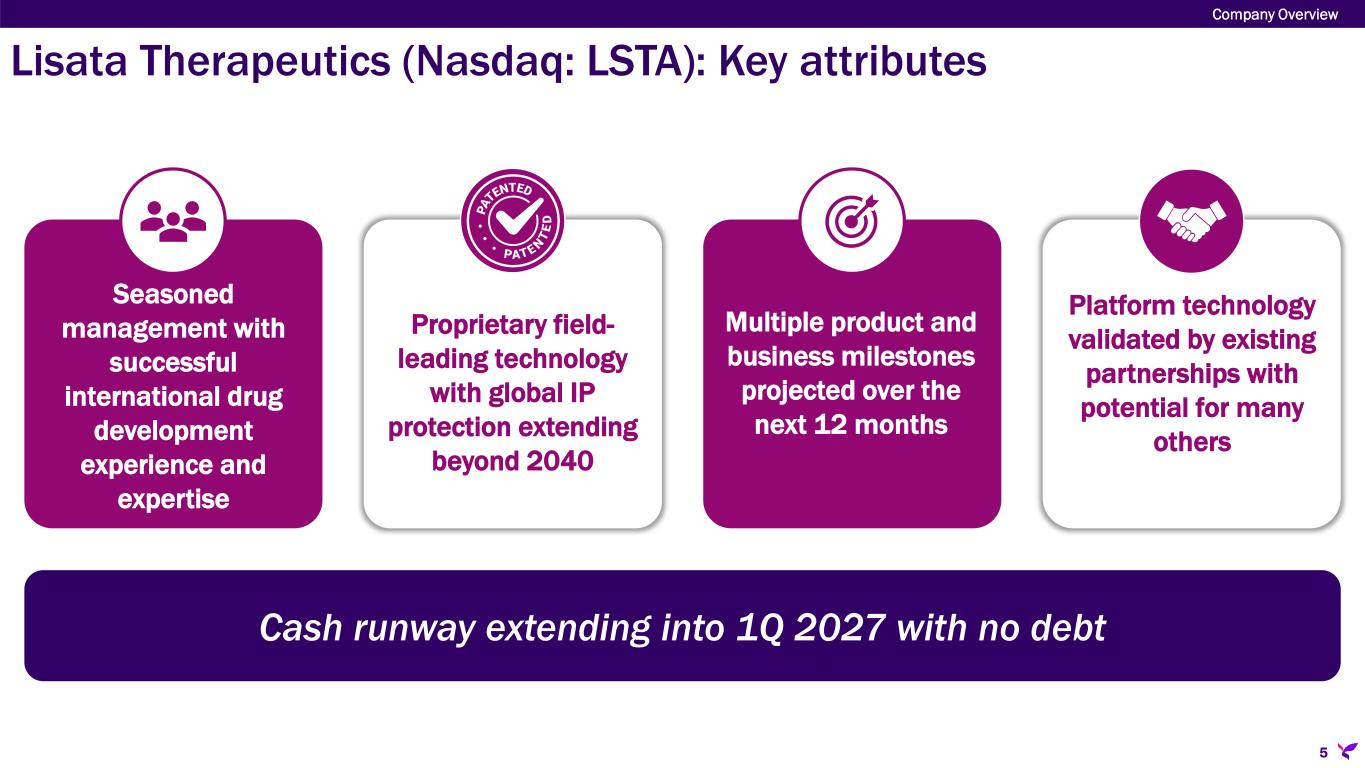
Thanks, Dave. Good afternoon, all. I'm pleased to join you today to present a summary of our third quarter 2025 financial results. Next, a review of our operating expenses. For the three months ended September 30, 2025, operating expenses totaled $4.4 million compared to $5.3 million for the three months ended September 30, 2024, representing a decrease of $0.9 million or 17.3%. Research and development expenses were approximately $2 million for the three months ended September 30, 2025, compared to $2.5 million for the three months ended September 30, 2024, representing a decrease of $0.6 million, or 22.9%. This was primarily due to lower spend on chemistry, manufacturing, and controls, and a reduction in clinical department expenses, partially offset by an increase in the bolstered trial costs as a result of a CRO refund in the prior year quarter related to trial protocol modifications. On a year-over-year comparison for the nine months ended September 30th, 2025, bolstered trial costs are lower than prior year. General and administrative expenses were approximately $2.5 million for the three months ended September 30th, 2025 compared to $2.8 million for the three months ended September 30, 2024, representing a decrease of $0.3 million, or 12.1%. This was primarily due to lower spend on consulting and savings from the elimination of an employee position. Overall, net losses were $4.2 million for the three months ended September 30, 2025, compared to $4.9 million for the three months ended September 30, 2024. It is noteworthy that we continue to make progress according to our plans for our R&D and business activities while continuing our legacy of prudent capital management and expense minimization. Turning now to our balance sheet and cash flow, as of September 30, 2025, we had cash and cash equivalents of approximately 19 million. Based on our existing and planned activities, the company projects that available funds will support current operations into the first quarter of 2027. With that, I will now turn the call over to Dr. Kristin Buck to provide an overview of the company's development programs.
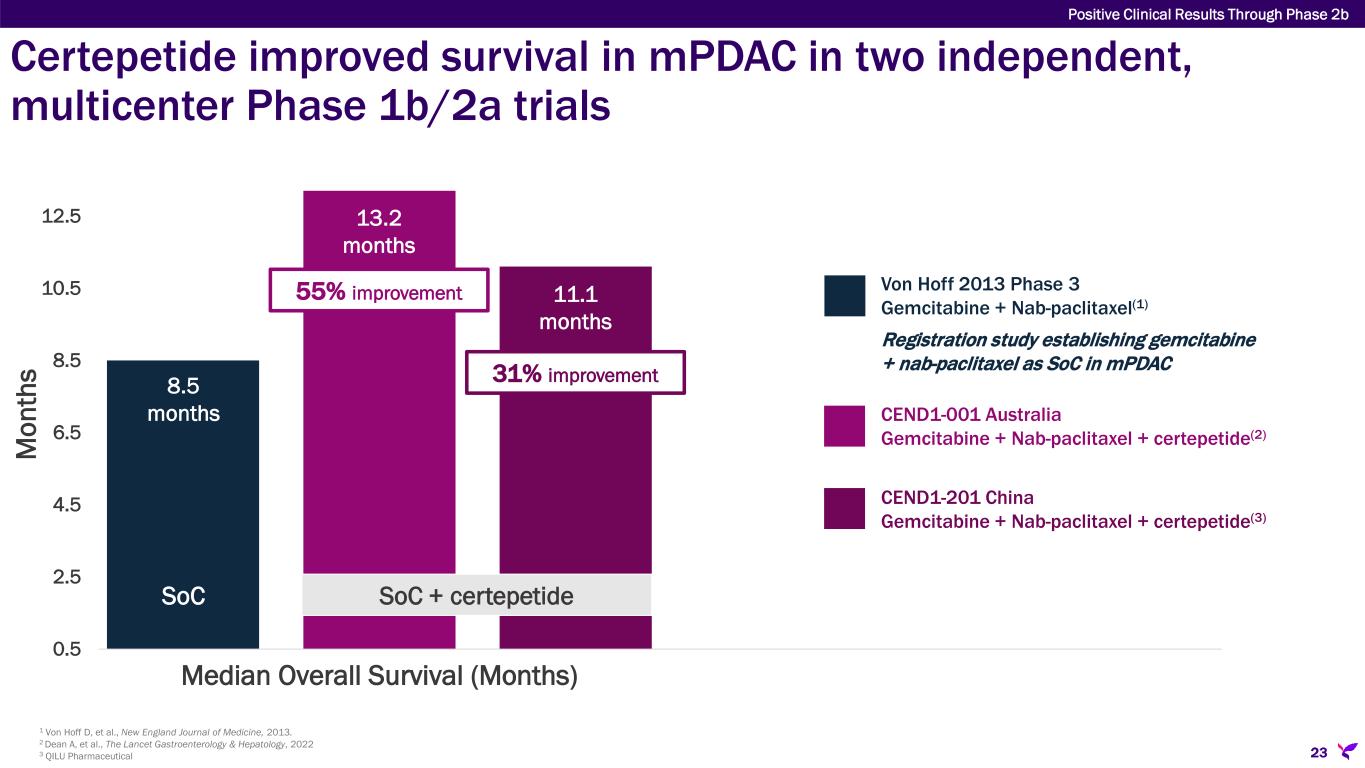
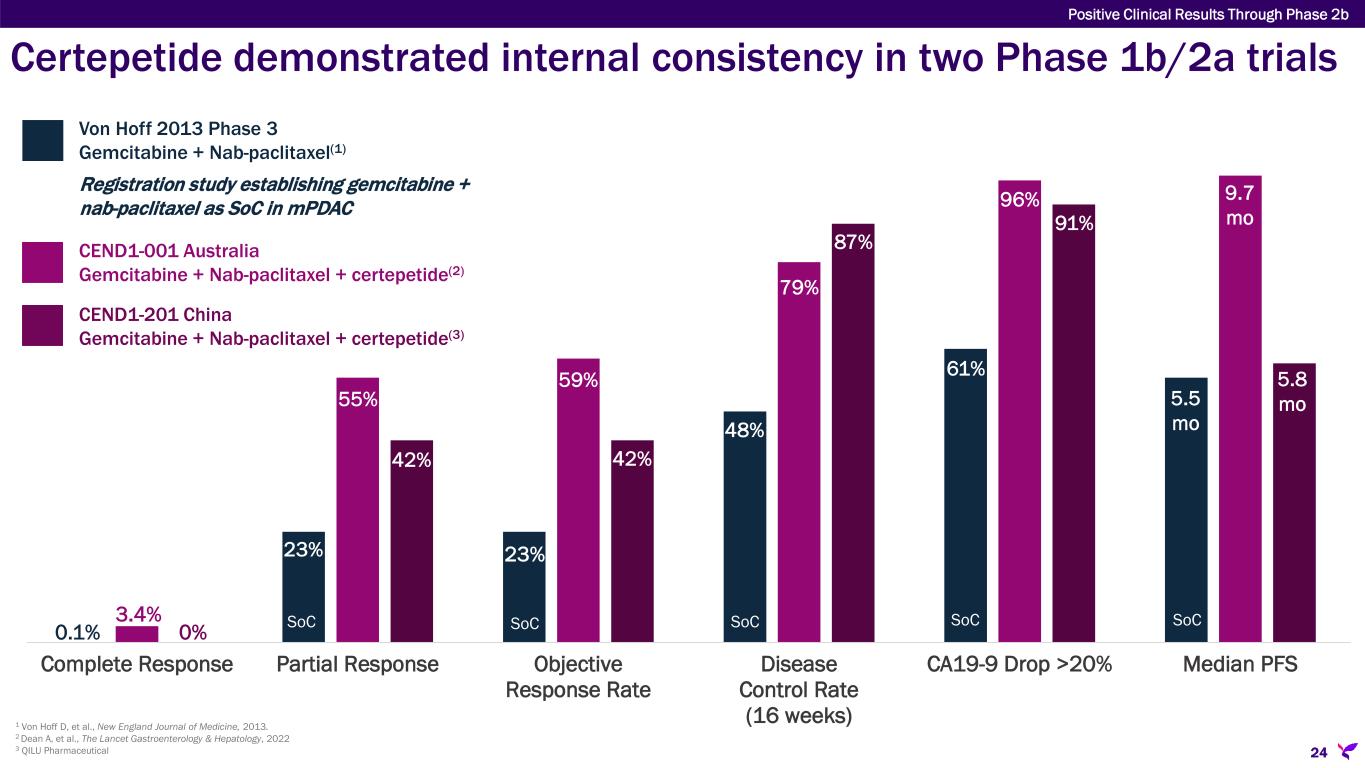
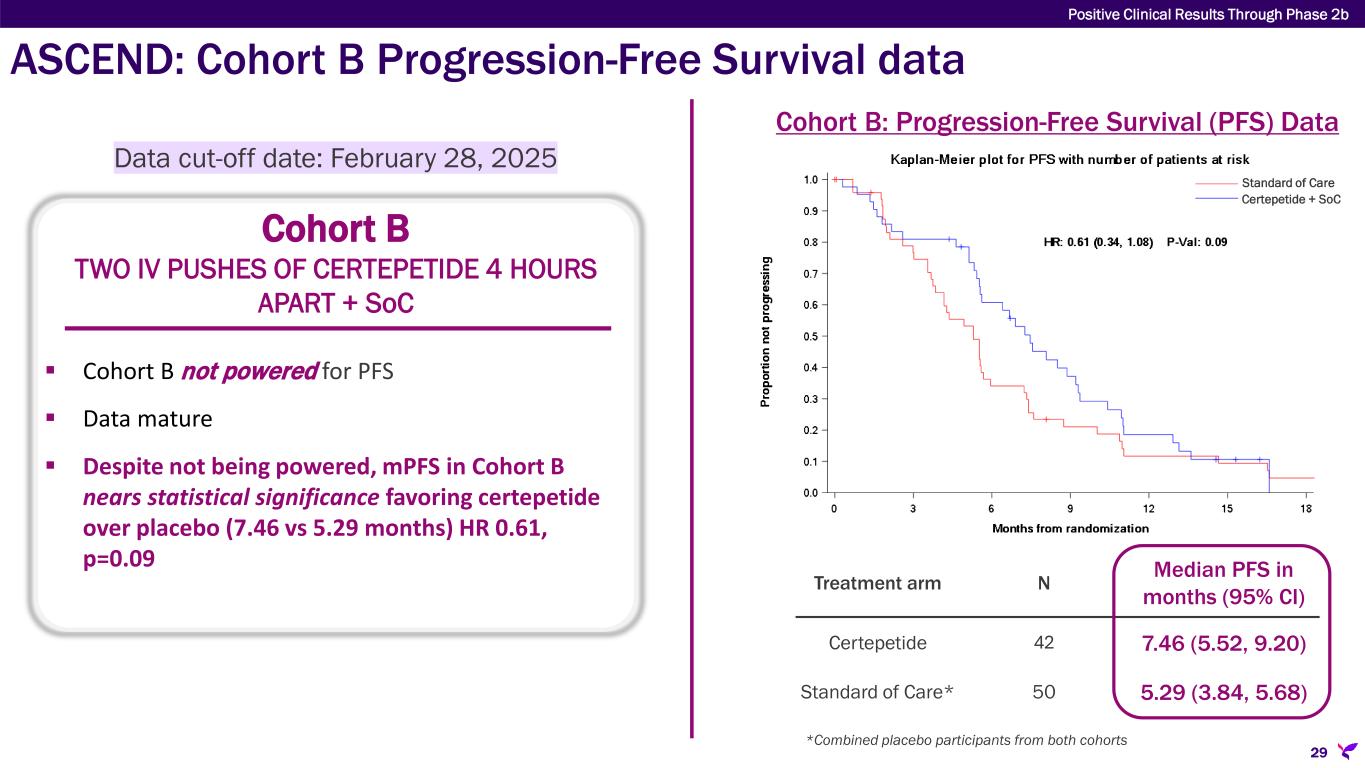
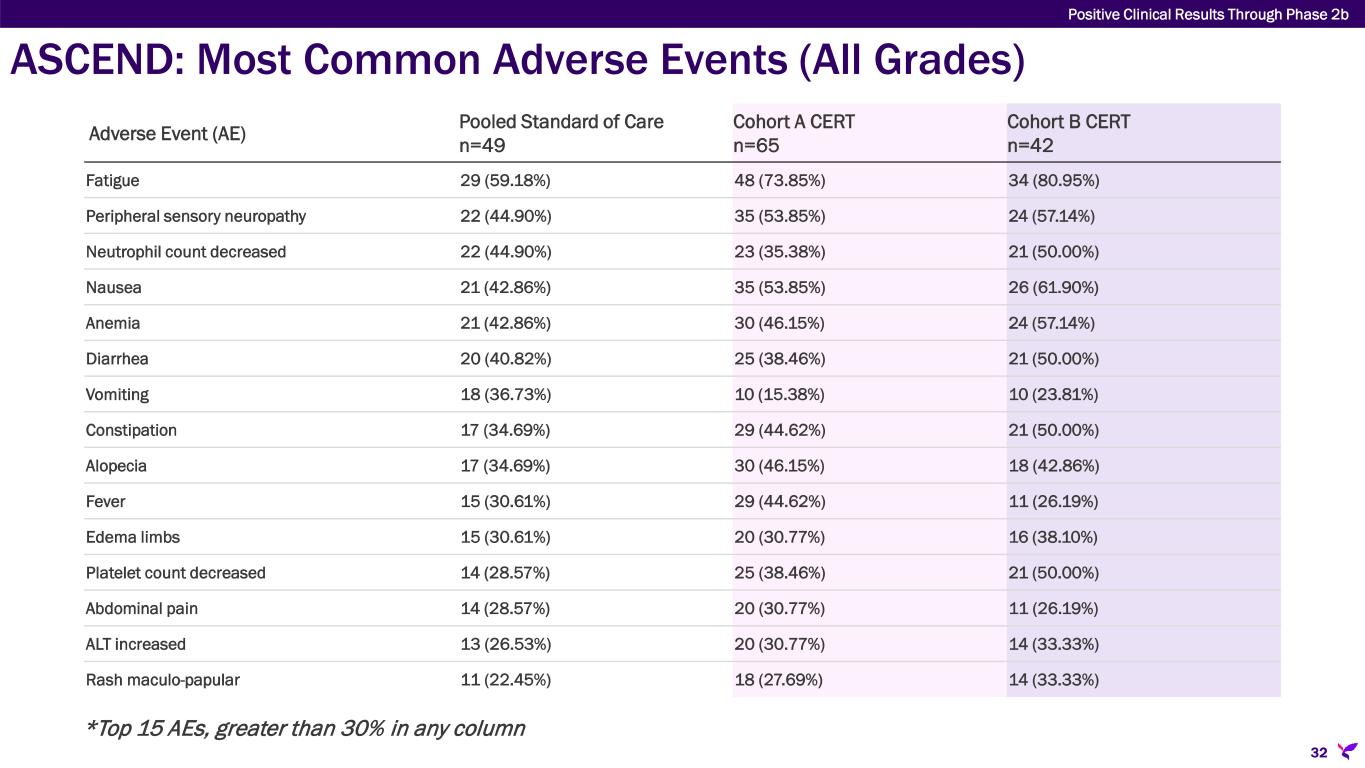
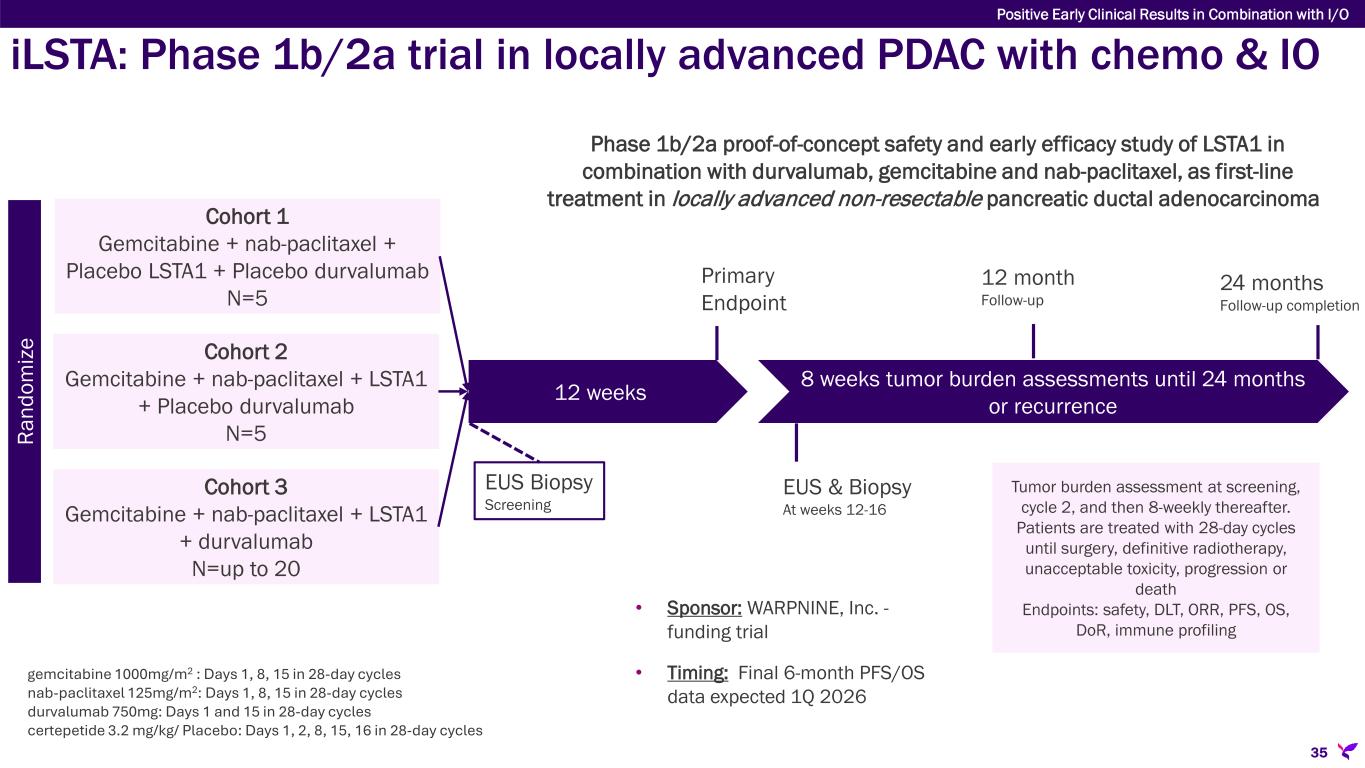
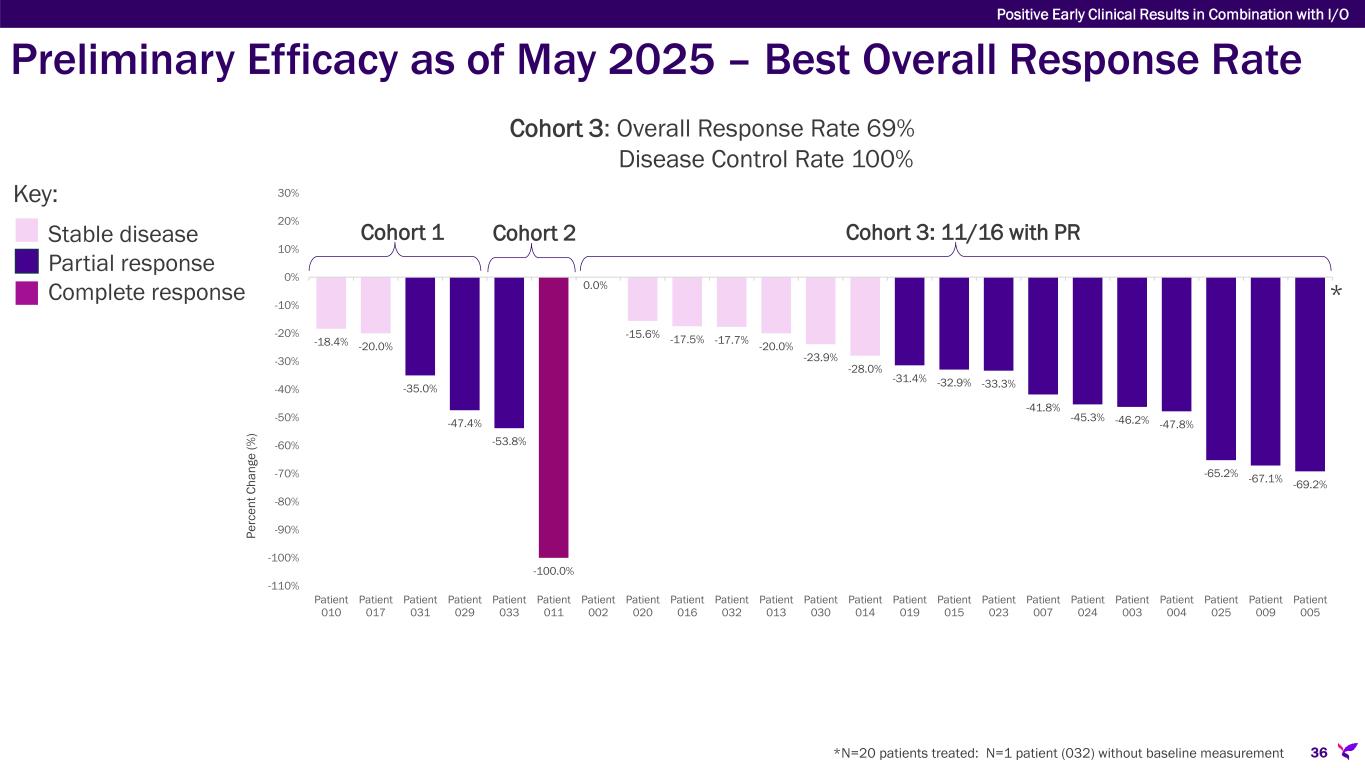
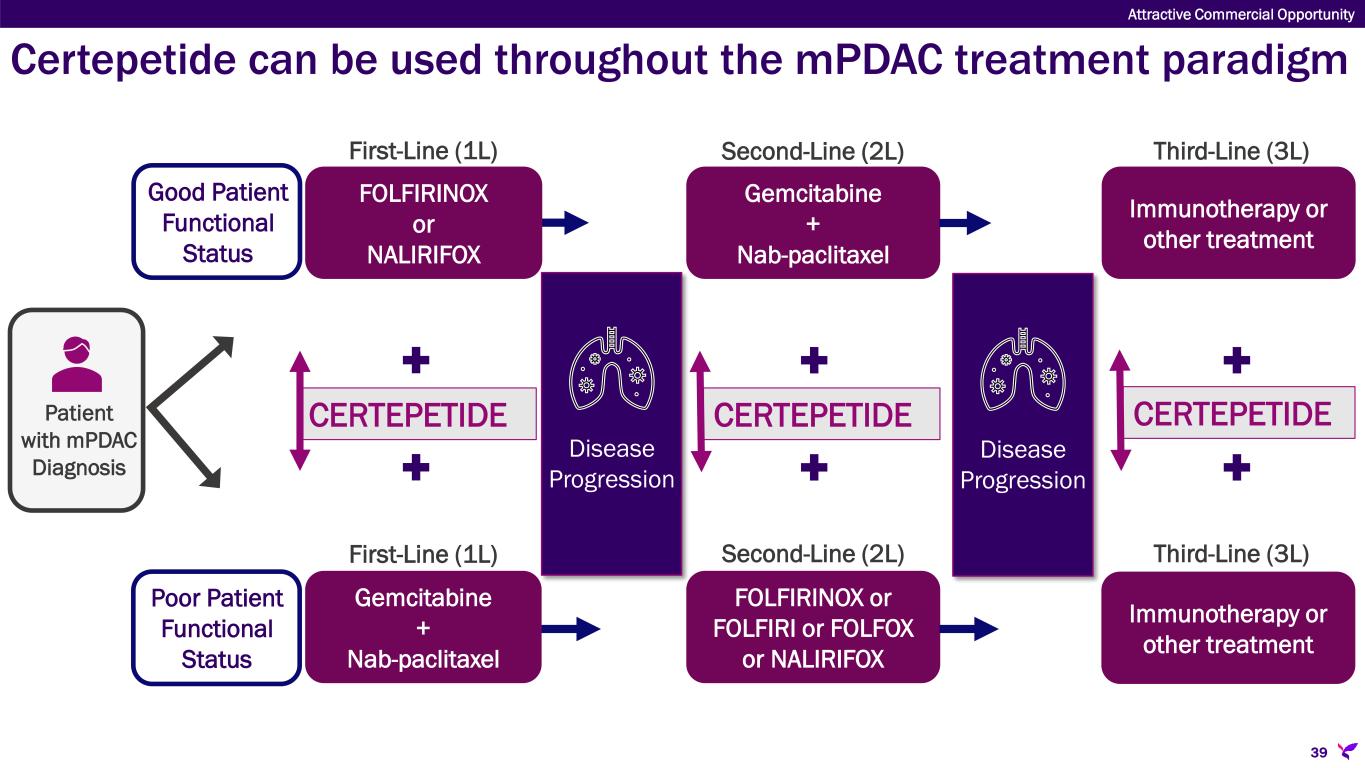
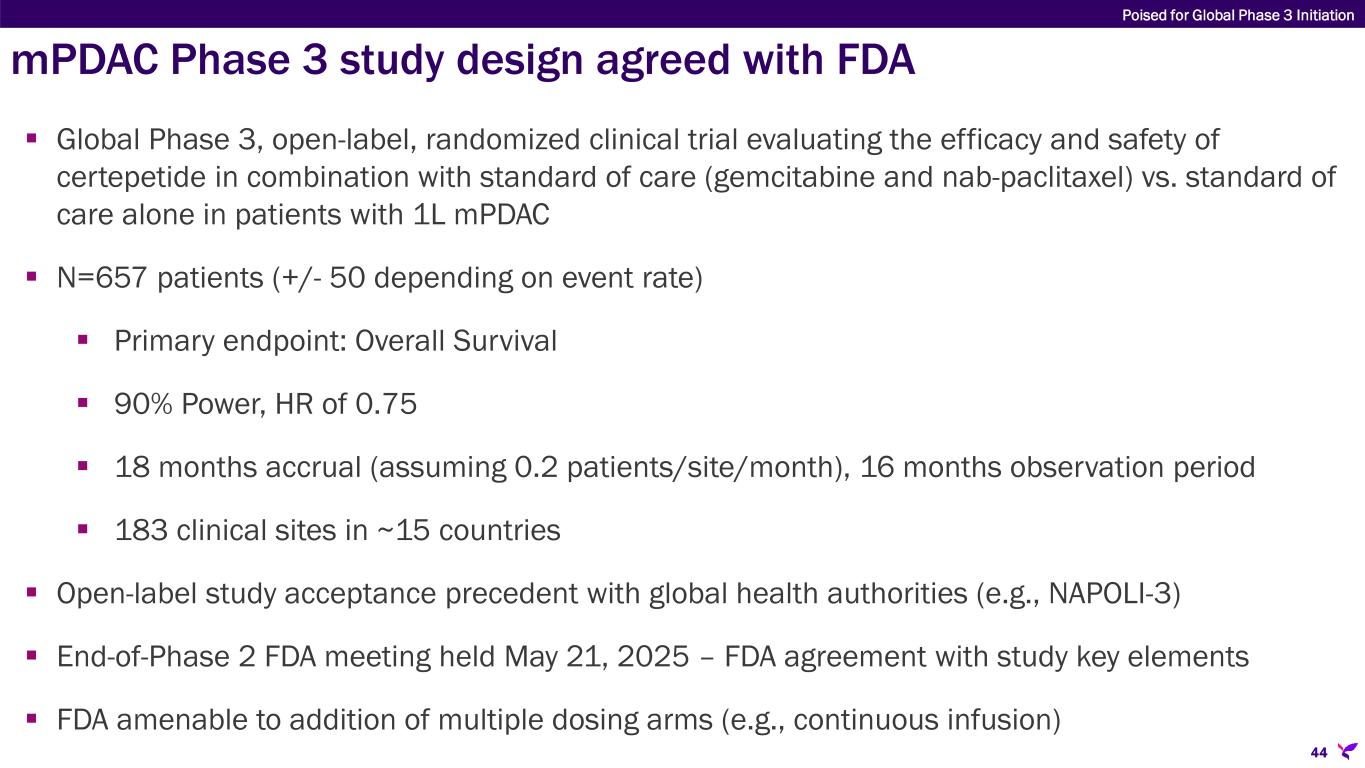
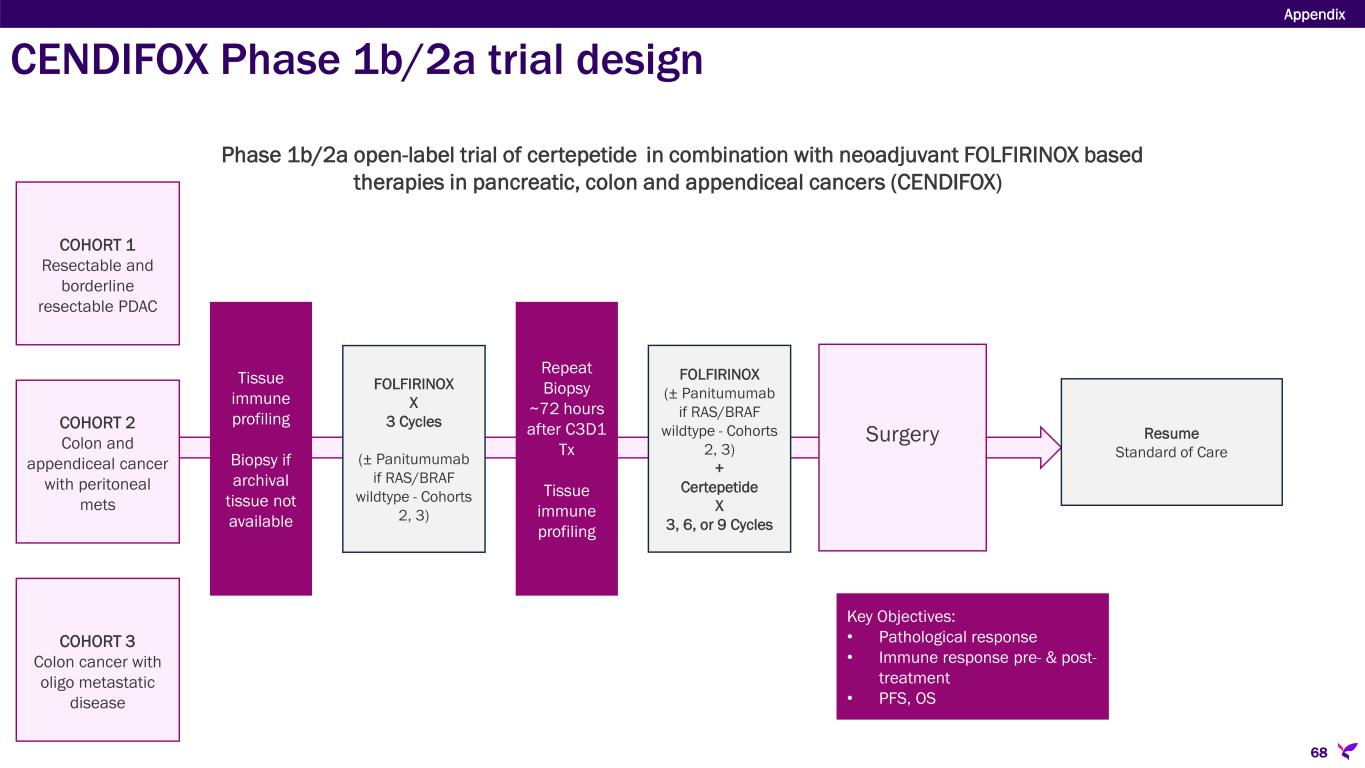
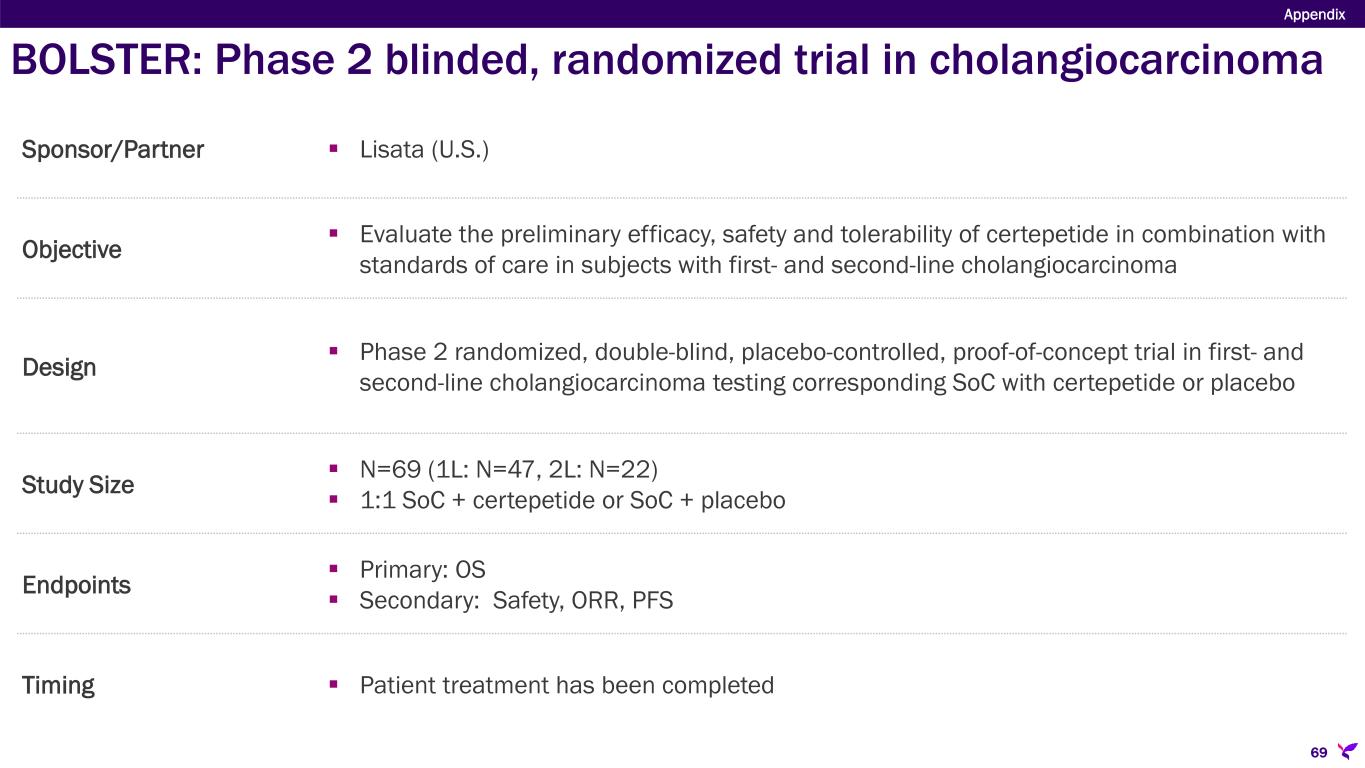
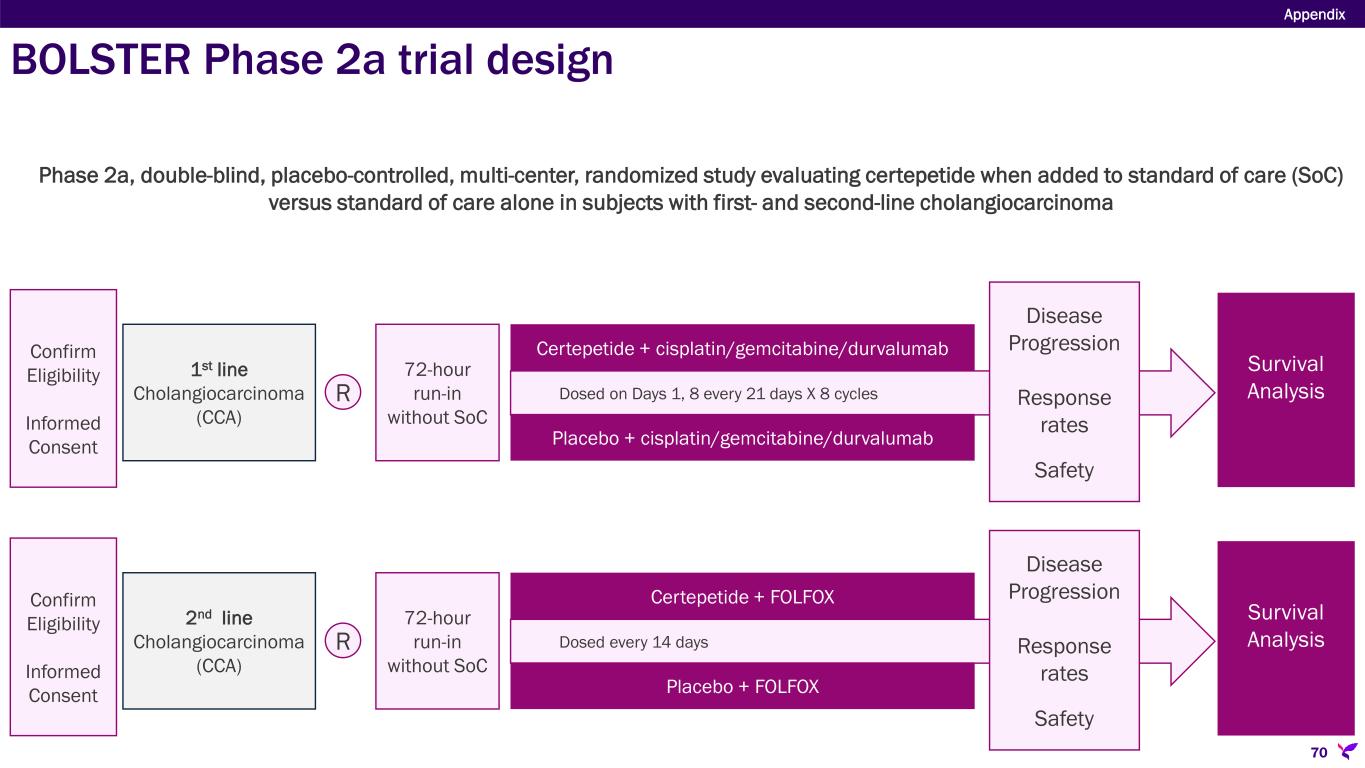
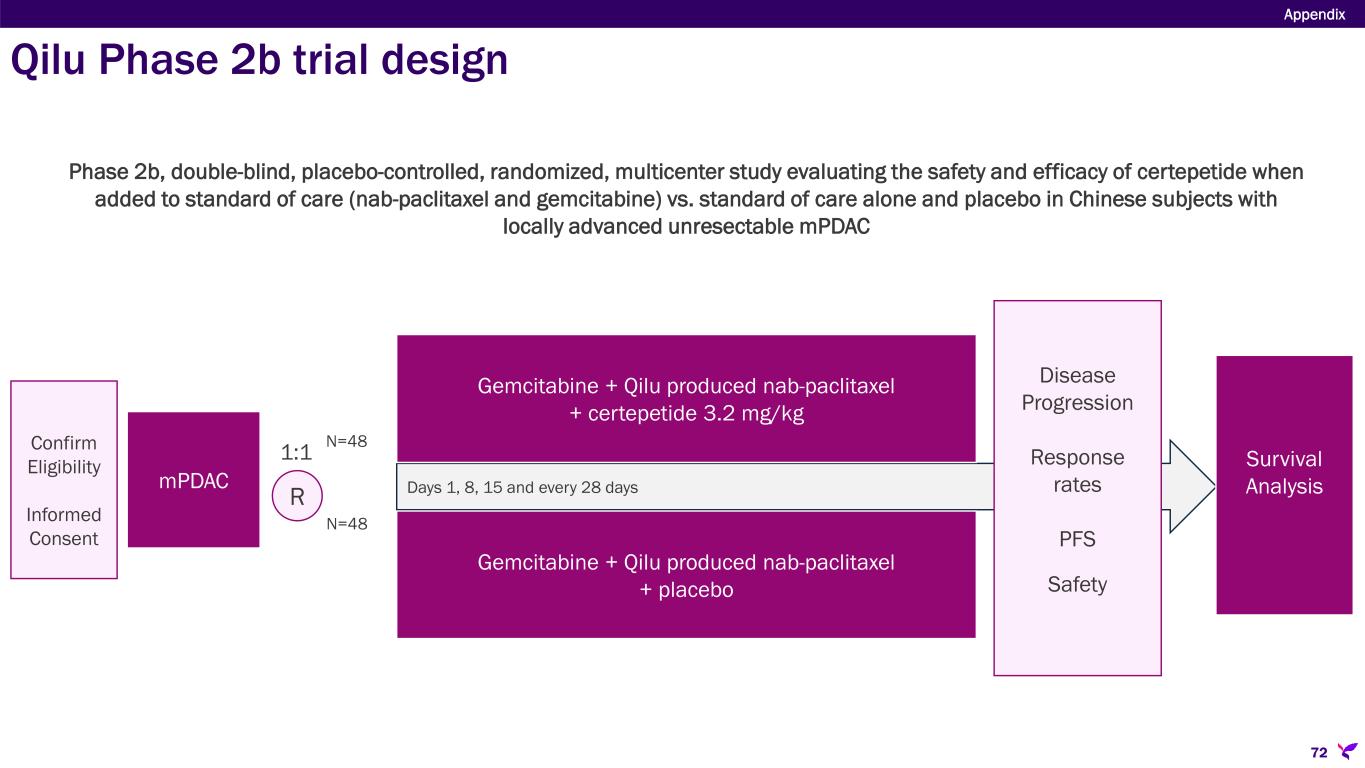
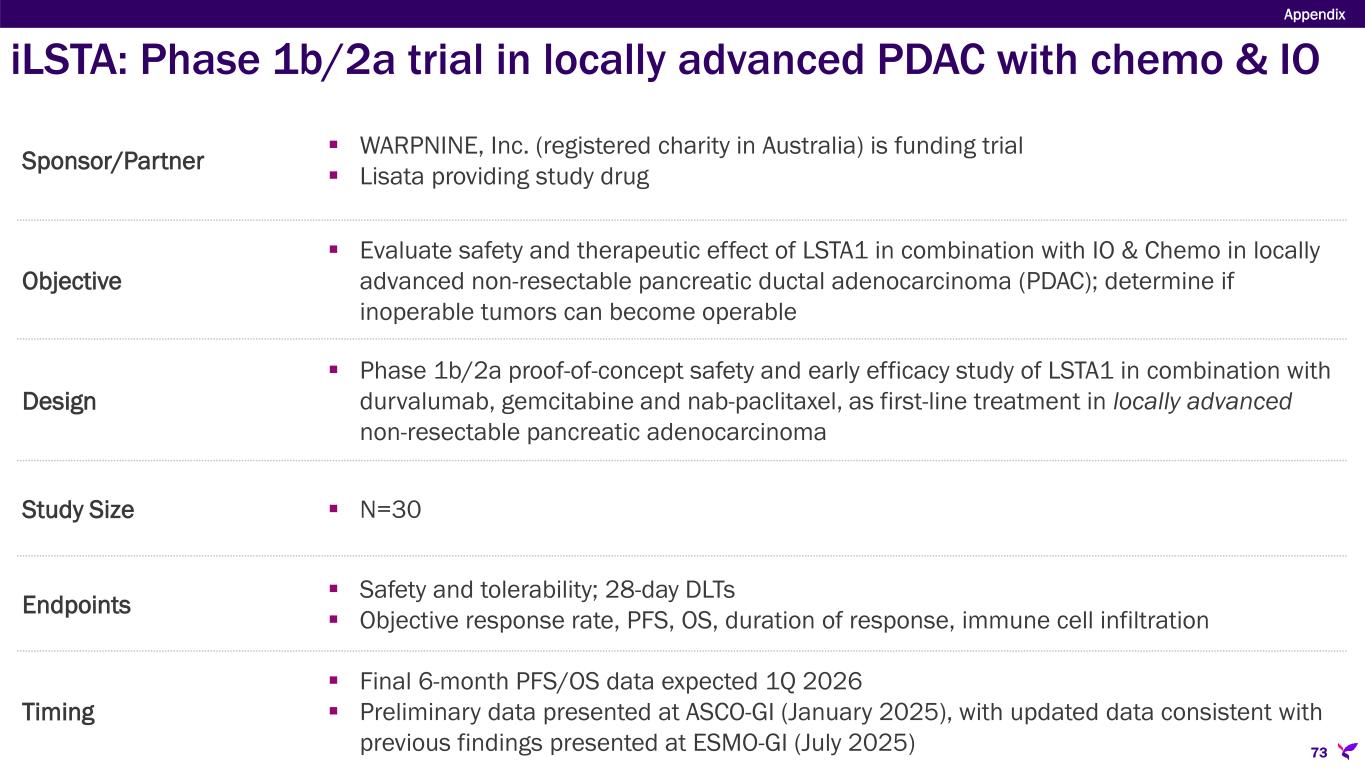
Thank you, James, and good afternoon, everyone. It's a pleasure to be here today to present an update on our clinical development portfolio, including near-term catalysts. As mentioned on previous quarterly calls, LASADA is focused on the development of its proprietary cyclic internalizing RGD peptide product candidate certepatide for the treatment of advanced solid tumors and other difficult-to-treat diseases. Certepatide is designed to activate a novel uptake pathway that allows co-administered or tethered anti-cancer drugs to selectively target and penetrate solid tumors more effectively. In addition, certepatide has been shown to modify the tumor microenvironment, making it less immunosuppressive and therefore increasing the tumor's susceptibility to immunotherapy and our body's own immune system while also inhibiting the metastatic cascade. If you'd like more information regarding Sertepatide's mechanism of action, we encourage you to visit our website where you'll find an animated video and relevant slides within our corporate presentation. On a regulatory front, Sertepatide has secured multiple special designations from both the US FDA and EMA, all of which are also listed on our website and in the corporate presentation for your easy reference. Now for an update on our individual development programs. The ASCEND trial is a Phase IIb 158-patient double-blind randomized placebo-controlled clinical trial evaluating certepatide in combination with standard-of-care gemcitabine and nabpaclitaxel chemotherapy in patients with metastatic pancreatic ductal adenocarcinoma, or MPDAC. Patient recruitment was conducted at 25 sites in Australia and New Zealand and is sponsored by the Australasian Gastrointestinal Clinical Trials Group, or AGITG, in collaboration with the National Health and Medical Research Council Clinical Trial Center at the University of Sydney. As we mentioned in the past, this investigator-initiated trial was inherited upon our acquisition of SEND Therapeutics. The original trial was designed with an academic bent rather than one with a commercial and regulatory objectives and was statistically powered based on a six-month progression-free survival primary endpoint. This endpoint is unusual in that it has not been previously used as the basis of approval for an anti-cancer drug. After the acquisition, LASADA collaborated with the AGITG to modify the trial to ensure it measured clinical endpoints that would best support the next steps in development of certepitide from a regulatory perspective. To that end, the ASCEND protocol was amended to include another cohort of patients, cohort B, not statistically powered, to evaluate an additional certepitide dosing regimen. The ASCEND protocol was also amended to capture overall survival outcomes for both cohorts A and B, As overall survival is considered by regulatory authorities to be the gold standard endpoint in pancreatic cancer trials. Since the ASCEND protocol was amended following trial initiation, data from Cohort B are being analyzed sequentially following Cohort A data. Cohort A, with 95 patients receiving a single intravenous dose of certepatide or placebo in combination with standard of care completed enrollment in the third quarter of 2023. As announced in January of this year, preliminary cohort A data was presented at the 2025 ASCO GI Symposium, which showed a positive trend in overall survival in the certepatide plus standard of care chemotherapy group, including four complete responses in this group compared to none in the standard of care plus placebo treated group. Most recently, preliminary data from cohort B with 63 patients receiving two intravenous doses of certepatide, 3.2 milligram per kilogram or placebo, administered four hours apart in combination with standard of care chemotherapy, were presented at the ESMO Gastrointestinal Cancers Congress on July 2, 2025. These data showed a positive trend in progression-free survival, overall survival, and objective response rate in the certepatide plus standard of care treatment group compared to the standard of care plus placebo treated group. Another complete response was also noted in the certepatide plus standard of care treated group, while none were observed in the standard of Care plus Placebo group. Additionally, full data from both Cohorts A and B, which was presented at the ESMO Congress in October 2025, further corroborated previous findings and indicated no increase in adverse events in the Certepatide plus Standard of Care Treated group beyond those experience in the Standard of Care plus Placebo Treated groups. Final data and conclusions from both cohorts are anticipated for the first quarter of 2026. As we have previously announced, we have completed an end of Phase II meeting with the FDA and, in conjunction with other correspondents with the agency, have an agreement on the fundamental aspects of an acceptable global Phase III protocol, including dose and dosing regimen, blinding, and primary endpoints. Subsequently, we have begun preparation for Phase III trial initiation as contingent upon available capital and anticipated capital acquisition. The BOLSTER trial is our Phase IIa double-blind, placebo-controlled, multicenter randomized trial in the United States, evaluating certepatide in combination with standard-of-care chemotherapy and immunotherapy in first- and second-line cholangiocarcinoma on top of standard-of-care. Enrollment was completed in the first-line cholangiocarcinoma arm nearly six months ahead of plan, accelerating anticipated top-line data readout to the fourth quarter of 2025. Based on encouragement from multiple investigators involved in the trial, a second cohort was added evaluating certepatide in subjects in second-line cholangiocarcinoma. Although originally planned to recruit 40 patients, enrollment was ultimately capped at approximately 20 patients to allow for quicker data analysis and a more efficient use of our capital. It should be noted that this exploratory trial is not statistically powered. However, the reduced number of patients in the second-line arm should be sufficient to determine if there is a treatment effect. The SEND-A-BOX trial is a Phase 1B2A open-label trial in the United States evaluating certepatide in combination with neoadjuvant fulfirinox-based therapies in pancreatic, colon, and appendicill cancers. In December 2024, the company announced enrollment completion in all three cohorts. This single-center study, being conducted at the University of Kansas Cancer Center, was designed with a three-cycle run-in period to ensure patients met specific criteria before receiving treatment. Of the 66 patients enrolled, 50 met these criteria and were treated with certepatide across three cohorts, including 24 with resectable or borderline resectable pancreatic cancer, 15 with high-grade colon or appendiceal cancers with pertineal metastases, and 11 with oligometastatic colon cancer. Preliminary data from the pancreatic cancer cohort presented at the AACR special conference in September of 25 showed that the combination of certepatide with fulfirinox was safe and In the 10 patients who completed the therapy and underwent surgery, treatment resulted in a 50% R0 resection rate and a 70% pathological partial response alongside promising early survival data, including a 60% two-year overall survival rate. Importantly, the combination therapy appears to transform tumors from immuno-cold to immuno-hot by enhancing immune cell infiltration and increasing markers like PD-1 and PD-L1, which could significantly improve the effect of subsequent immunotherapies. data from the Sendafox trial are anticipated in the coming months. The trial is funded by the University of Kansas Cancer Center, and Lasada is supplying certepatide. Chilu Pharmaceutical, the licensee of certepatide in the Greater China Territory, is running a parallel development program for certepatide in combination with gemcitabine and nabpaclitaxel as a treatment for metastatic pancreatic cancer. Chilu previously reported that they completed enrollment in the study of 96 subjects. However, we still await data from the study to be shared. Also, according to guidance last received from CHILU, data are expected in the next 12 to 18 months, and we anticipate ongoing dialogue to continue related to potential next steps in the development plan. The ILISTA trial is a Phase 1b2a, randomized, placebo-controlled, three-armed, single-blind, single-center trial evaluating the safety, early efficacy, and pharmacodynamics of certepatide in patients with locally advanced non-resectable pancreatic cancer. The trial is being conducted in Australia in collaboration with AstraZeneca and the funding sponsor, WRP9, combining certepatide with the checkpoint inhibitor, Dervalumab, with standard-of-care gemcitabine and nabpaclitaxel chemotherapy versus certepatide in combination with standard of care chemotherapy without Dervalabad versus standard of care alone. As recently announced, enrollment in the ILUSTA study is complete. An updated interim analysis presented at ESMO-GI Congress on July 3rd, 2025, revealed compelling positive preliminary data for short hepatitis. These data are consistent with earlier findings from the 2025 ASCO-GI meeting, further reinforcing certepatide's potential to significantly enhance immunotherapy effectiveness by provoking significant recessed responses, improving overall response and disease control rates. Final data and key findings from this study are anticipated in the first quarter of 2026. A study of certepatide in combination with temozolomide in patients with glioblastoma multiforma, or GBM, brain cancer, has been initiated with many patients already enrolled and treated. This study is designed as a Phase 2A, double-blind, placebo-controlled, randomized proof-of-concept study evaluating certepatide when added to standard of care temozolomide versus temozolomide alone and matching certepatide placebo in subjects with newly diagnosed GBM. This actively enrolling study is being conducted across multiple sites in Estonia, Latvia, and Lithuania. The study is targeted to enroll 30 patients with a randomization of 2-to-1 certepatide plus standard of care versus placebo plus standard of care. Enrollment is progressing according to plan, and completion of enrollment is expected in 2026. As a reminder, several of the clinical trials I mentioned are investigator-initiated trials, meaning LASADA has limited control over study timelines and expectations may be subject to change. That said, we are incredibly grateful to the investigators and especially to the patients participating in certipatide clinical trials around the world. For more information on each trial, please refer to the appendix section of our corporate presentation on our website. The presentation also includes two slides illustrating the anticipated timelines and execution of key milestones and data readouts. Moving on to exciting business development achievements. As Dave mentioned earlier, LASADA and CATALINT entered in a non-exclusive license agreement that grants CATALINT global rights to evaluate certepatide and its analogues for use as smart tag payloads across multiple antibody drug conjugates, or ADCs, designed to address difficult diseases, including advanced solid tumors. As presented at the World ADC Conference earlier this week, compelling positive data from Catalin's preclinical study showed both improved tumor selective penetration and enhanced efficacy, further highlighting certipatide's strong potential to significantly improve the targeting and overall effectiveness of ADCs and advanced solid tumors. Additionally, we've established a strategic alliance with GATC Health. This partnership combines Lusata's drug development expertise with GATC's AI-powered multiomics advanced technology platform to accelerate and optimize drug discovery. This includes in silico assessment of certepatide for new indications, including some outside of oncology, as well as identifying new chemical entities and or repurposed existing drugs for diseases with high unmet needs, including non-oncology applications with and without Sertepatide. The Alliance has already identified a number of development candidates, several of which are anticipated to translate into clinical development during 2026. Further strengthening, excuse me, further strengthening our intellectual property portfolio. The United States Patent and Trademark Office issued a new composition of matter patent for Sertepatide in July 2025, extending our protection until March 2040 with the potential for further extensions. The patent's claim covers Sertepatide's chemical structures, pharmacokinetic properties, methods of manufacturing, and applications for treating solid tumors. With that, I will now turn the call back to Dave.
Thanks, Kristen. In summary, the past quarter has been active and fruitful as we have both advanced the broad development of Sertepatide while identifying means by which to expand and diversify LASADA's development pipeline. We continue to evaluate opportunities to bring new products to patients across a variety of cancer and non-cancer indications, and I look forward to sharing our progress on future calls. With that, overview operator, we're now ready to take questions.
Operator
Thank you. As a reminder to ask a question, please press star 1 on your telephone. You will then hear an automated message advising that your hand is raised. Each listener will be permitted to ask one question at a time and will return to the queue for any additional questions. Your first question comes from the line of Joe Pancinis with H.C. Wainwright. Your line is open.
Lander
Analyst — H.C. Wainwright
Hello, everyone. This is Lander on for Joe. Thanks for taking our questions. So for SandyFox, when approximately should we expect the next phase to be data cut? And for the GPM trial, could you provide some color on the enrollment status for the target sample size? Thank you.
Hi, Landon. Thanks for joining and for asking the questions. On Sendafox, unfortunately, we really can't give a very precise estimate of when the next data cut will be made available because it's really under the control of the investigator at the University of Kansas Cancer Center. So we'll stay close to him. We obviously encourage him to keep things moving along, but the academic world moves at a different pace than the commercial development world. And then as it relates to, what was your second question?
Lander
Analyst — H.C. Wainwright
The GBM trial, enrollment status.
As it relates to GBM trial, as Kristen mentioned, we're completely on track with that. The target is to enroll 30 patients, and I would say that we're approximately two-thirds of the way through. so things are moving very well according to plan perfect that's very helpful thank you so much
Operator
thank you your next question comes from the line of Robert Sasson with water tower research your
line is open thank you just a couple of questions your cash flow runaway to the first quarter of What is actually, can you sort of run through what I think it really includes in terms of expenditures going into 2026?
Yeah, sure. So thanks for the question. And James is on the line if we want to go into more detail. we want to go into more detail, but generally speaking, that covers all of the operating expenses for the company, as well as all the expenses to support the ongoing and complete the ongoing clinical trials.
Is there any sort of assumption of Phase 3 trial for Ascend actually incorporated into those assumptions?
And one more question for me. I mean, you've come out with some pretty robust clinical data, a series of them, in the past year, and your share price has not really reacted to it in the way that one would expect for that type of data. What do you think the investors are missing?
Oh, everything, candidly. I think the problem is a confluence of negative forces that seem to be affecting lots of small-cap companies. But it's especially frustrating for Lasada where, as you pointed out, we continue to generate positive results across a wide variety of studies. We continue to manage our capital extremely prudently. We continue to make very, I think, astute business deals. And yet the stock doesn't react. And I think that's partly because the macro environment is not favoring small cap biotech these days. So there aren't quite a lot of buyers. We're also stuck in a difficult situation because many of our shareholders treat their holdings in Losada as a venture capitalist might. In other words, they've made their purchases quite a while ago, and they're holding for the long run, so they don't trade. And with a limited float like we have on a given day, a very small number of trades could make the market, and that makes our stock somewhat volatile. So I think, you know, we are continuing to look for ways to break that paradigm, and our best efforts are to continue to do positive transactions and generate positive data. But, you know, in terms of what the market is missing, I think they're missing that there's quite a lot of value in a product that can be used, and we've demonstrated now that it can be used very broadly across a number of different types of cancers in a variety of different combinations.
Okay, thank you for that answer. That sounds really plausible. I'll jump back into the queue. Thank you.
Operator
Next question comes from the line of Pete and Erdin with MAZ Partners. Your line is open.
Thank you. Hi, everybody. First, this Biotech Achievement Award, Breakthrough Award that you got overall, is the word used. Does that mean that you're the only one that got that? I mean, there might be other lesser awards, but is that basically the only number one award of that type given at this time?
I think we can say that that's the only award with that title or name. Yes, Pete.
I mean, it seems sort of trivial, but the reason I'm asking that is, Dave, you said before that potential licensees or partners want to see more clinical results. And also, of course, we've seen a lot of positive results recently, but somebody else said the stock hasn't responded. And, you know, given the broad application of certepatide and maybe some other aspects, too, in immunotherapy and chemotherapy, The question that I'm really getting at is, wouldn't it make sense to take a broad brush approach to potential licensees and make a push for that now that you're starting to gain some momentum and that you could use the ones that you've gotten, Cadillac and the other, for referrals and therefore beat the bushes for some additional licenses? Given that, for example, Catalyst is a non-exclusive license, they would all be non-exclusive because each one would apply to a particular disease and a particular drug. And I know you're probably going to say they cost money, but I have an idea to address that too, which is what about using independent consultants on a contingency fee basis to go out and do that beating the bushes to get licensees? I know that's a lot, but I just wanted to throw it all out there.
No, no. And I think you've done actually in the form of a question, you've actually done a nice job of describing our actual ongoing strategy and execution. That's exactly what we're doing. And we don't need to do that with external consultants. We do that with our internal staff who know the product extremely well. And so that's exactly what we're doing on a regular basis. And we're building on the momentum of the previous non-exclusive licenses and the interest that was shown in those deals to generate new interest and hopefully build a greater consortium of different licensees.
Okay, great. And just following up on a previous question, And I guess the burn rate looks like it'll be roughly $3 million per quarter for the next five quarters. Is it going to be fairly level over that period of time?
Well, let me put it this way. And, you know, listen carefully to the way I state this so I'm not misquoting anyone. But I hope not. I actually hope it's going to go up. and I want it to go up because I want us to be doing more studies which will be generating more data which is how a company like Losada ultimately generates values for shareholders. Now of course to do that we'll likely have to raise some capital to supplement our current balance sheet but that would be the plan. Now there are ways for capital to come in through licensing fees, etc. that are non-dilutive and of course we'll give those priority.
Okay, great. Thanks very much.
Operator
Next question comes from the line of Kent Doliver with Brooklyn Capital Markets. Your line is open.
Great. Thank you. With the final analysis of the Ascend data coming relatively soon, could you talk about your thinking for the next steps? because everybody on this call knows you need to raise a substantial amount of money to fund a phase three. And there's some orchestration that goes on to get that done. So I'd like to know you're thinking about the steps in the process you'll lay out to do so.
Thanks, Kemp, for the question and actually the opportunity to be clear on what our plans are. So based upon the data that's been generated from the Phase 2B trial, we've concluded internally that the drug deserves further development and that moving to Phase 3 would be the logical next step. Clearly, in this current financing environment, it's going to be next to impossible to raise the amount of money necessary to unilaterally fund that phase three in a manner that would not be so overly dilutive to current shareholders as to be distasteful. So we are working, much to Pete's suggestion, the previous questioner, working to find licensees and partners who will be willing to bear the brunt of that funding or at least contribute in an equal manner to that funding so that we can get that trial done. In the meantime, we've done everything we can and continue to do everything we can internally with existing resources to be prepared to move into Phase III, including completing activities on the CMC side that would have us poised for Phase III production and NDA validation lot production, having the end of Phase II be meeting with FDA to discuss and agree on a protocol and preparing, you know, similar discussions with other regulatory agencies around the world, looking for some consensus on a global protocol, beginning to have early dialogue with CROs that might be involved in certain areas, and, of course, you know, looking for partners and means to fund that trial.
Okay, and to be clear, this would be along the line, predominantly along the lines of what it would be a pharma partner who would take an indication, this indication, maybe other indications, in order to move the company forward.
That's likely the structure of a weak pharma deal.
Operator
This concludes the question and answer session. I will now turn the call back over to Dr. Mazzo for closing remarks.
Well, again, thank you all for participating in today's call. We remain grateful for your continued interest and support in Losada. Stay well and have a good evening.
Operator
Ladies and gentlemen, that concludes today's call. Thank you all for joining. You may now disconnect.