Operator
Good day. Thank you for standing by. Welcome to the MacSite Second Quarter Earnings Conference Call. At this time, all participants are listen-only mode. After the speaker's presentation, there will be a question and answer session. To ask a question during the session, you will need to press star 1-1 on your telephone. You will then hear an automated message that your hand is raised. To withdraw your question, please press star 1-1 again. Please be advised that today's conference is being recorded. I want to hand the conference over to your first speaker today, Eric Abdel of Investor Relations. Please go ahead.
Good afternoon, everyone. Thank you for participating in today's conference call. Joining me on the call from Maxite, we have Meher Massoud, President and Chief Executive Officer, Parmeet Ahuja, Chief Financial Officer, and Sean Menorges, Senior Director of Business Development. Earlier today, Maxite released financial results for the second quarter ended June 30, 2026. A copy of the press release is available on the company's website. Before we begin, I need to read the following statement. Statement or comments made during this call may be forward-looking statements within the meaning of federal securities laws. Any statements contained in this call, other than statements of historical fact, including those that relate to expectations or predictions of future events, results, or performance, are forward-looking statements. Actual results may differ materially from those expressed or implied in any forward-looking statements due to a variety of factors which are discussed in detail in our SEC filings. Acceptance required by applicable law, the company has no obligation to publicly update any forward-looking statements, whether because of new information, future events, or otherwise. And with that, I will turn the call over to Meher.
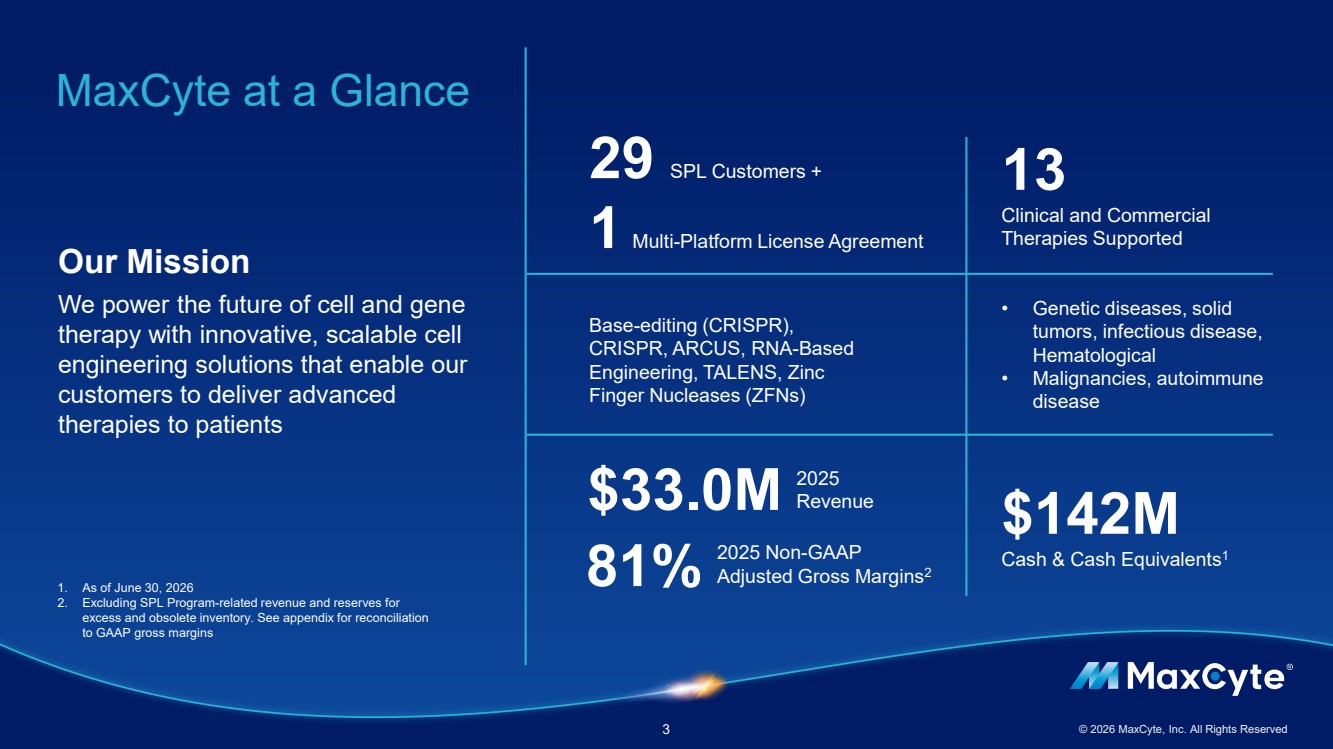
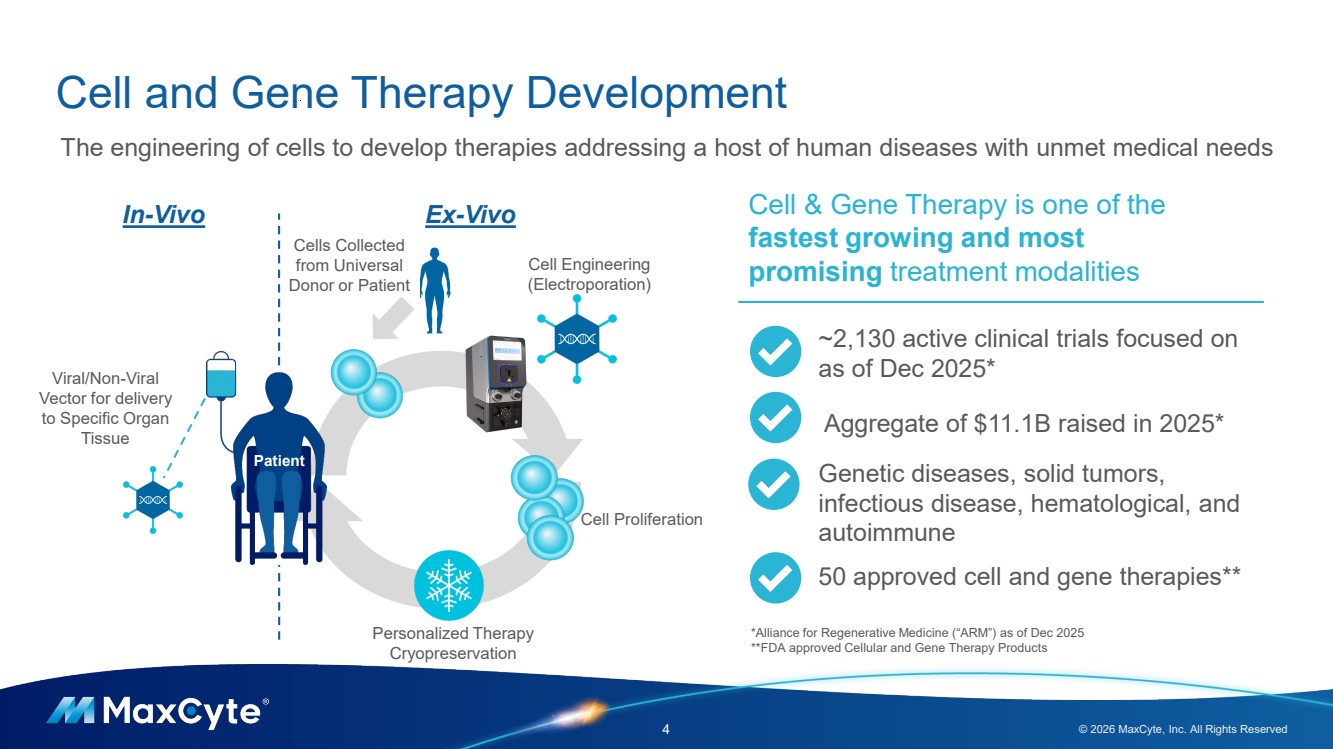
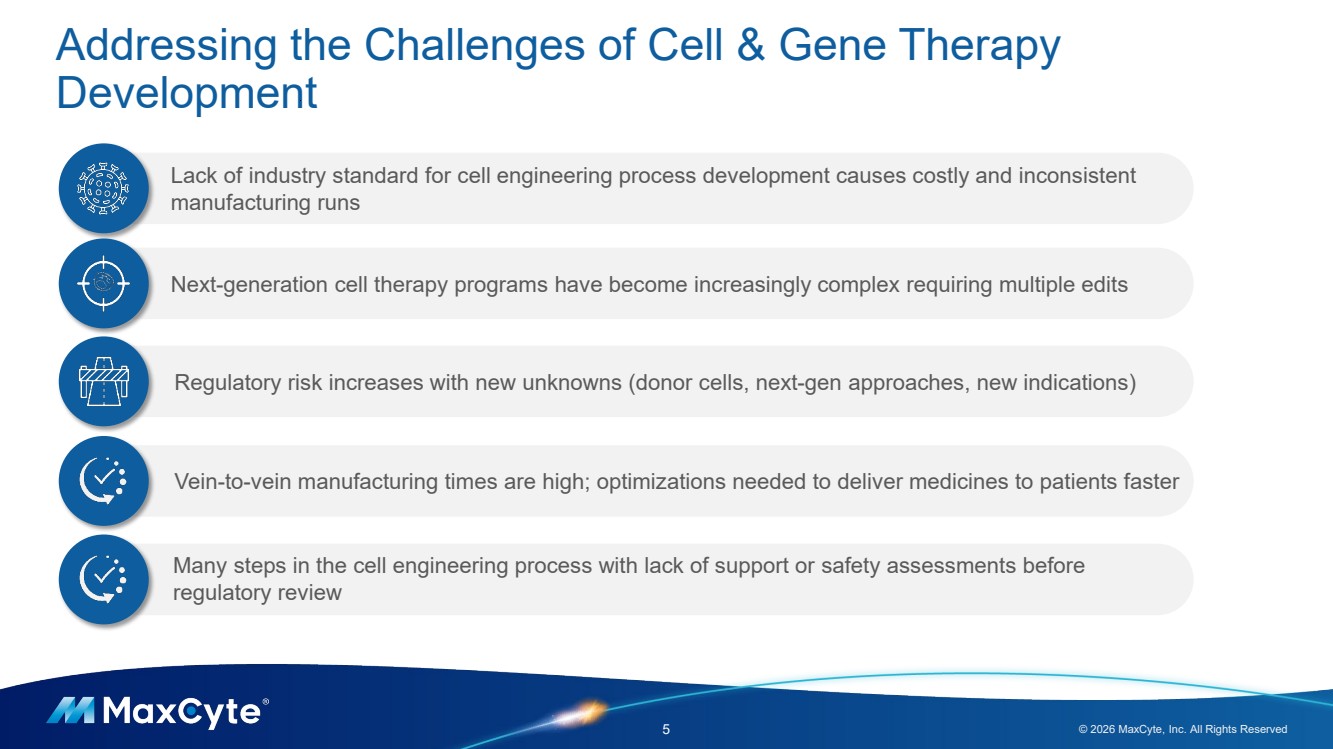
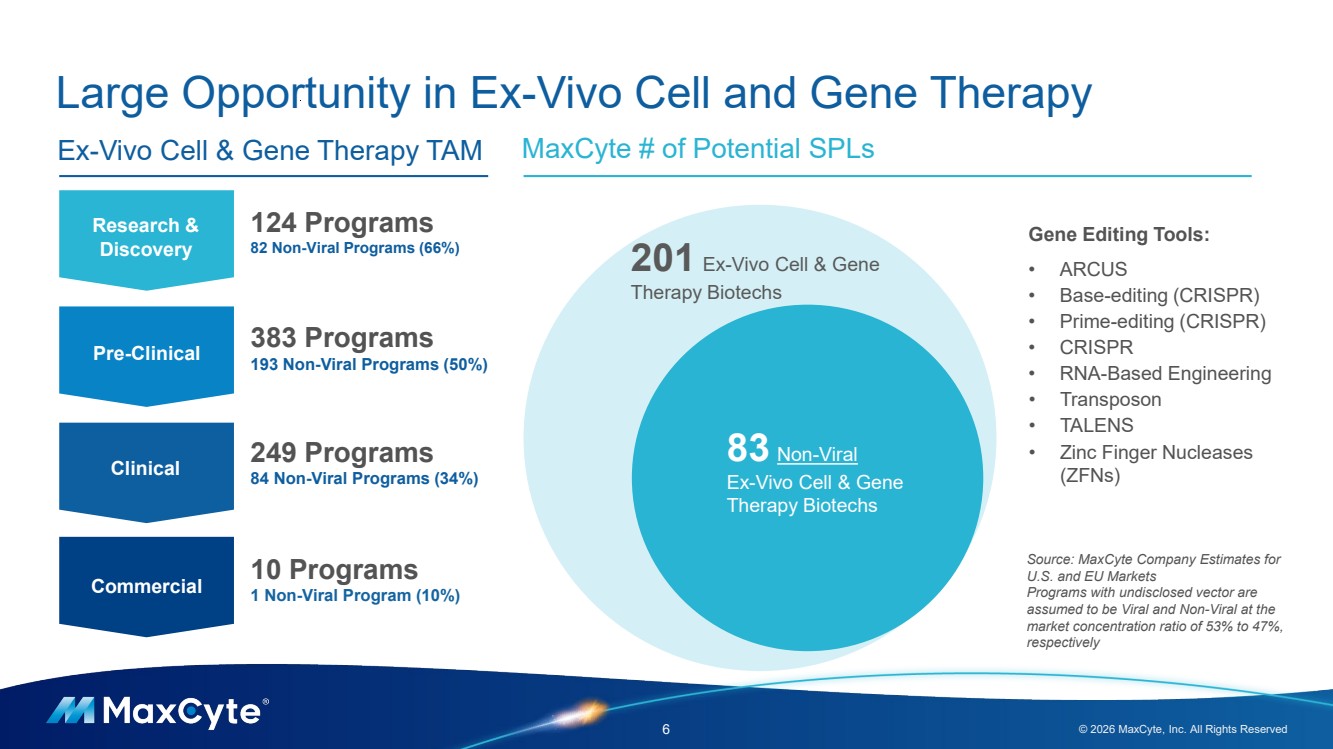
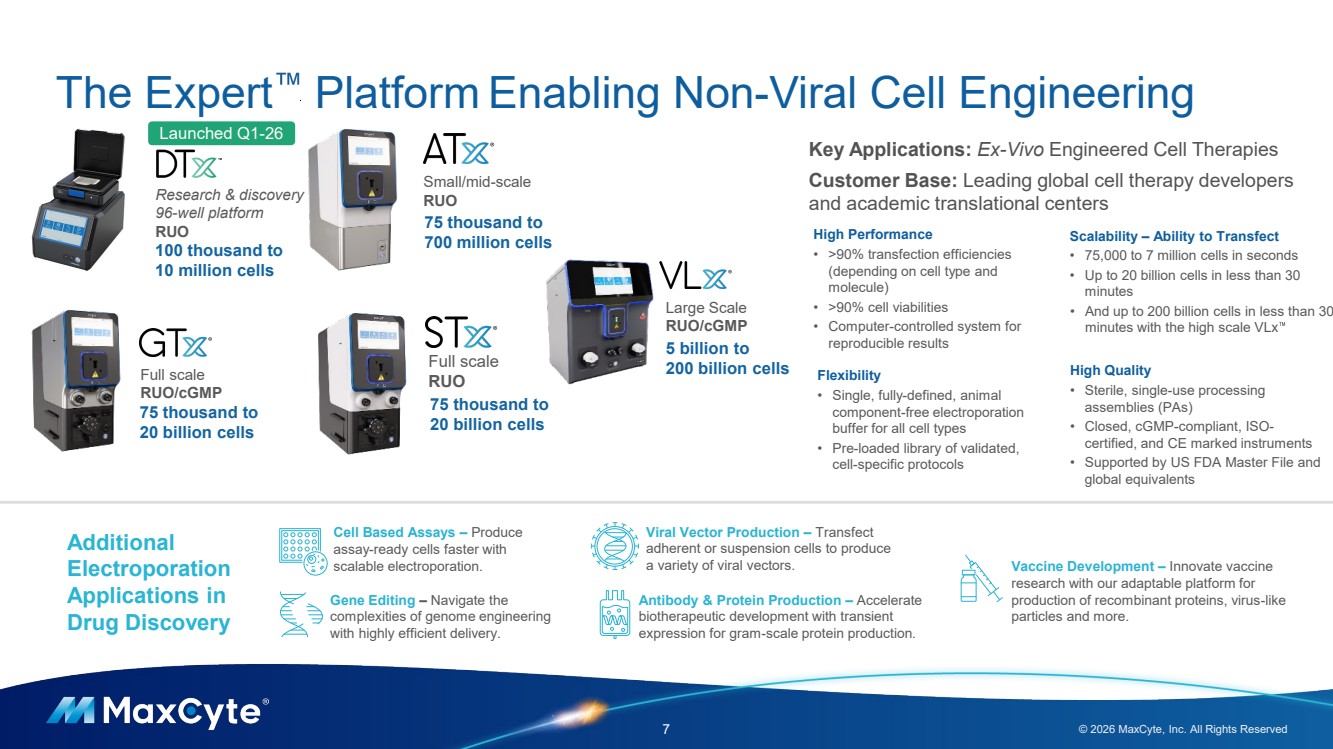
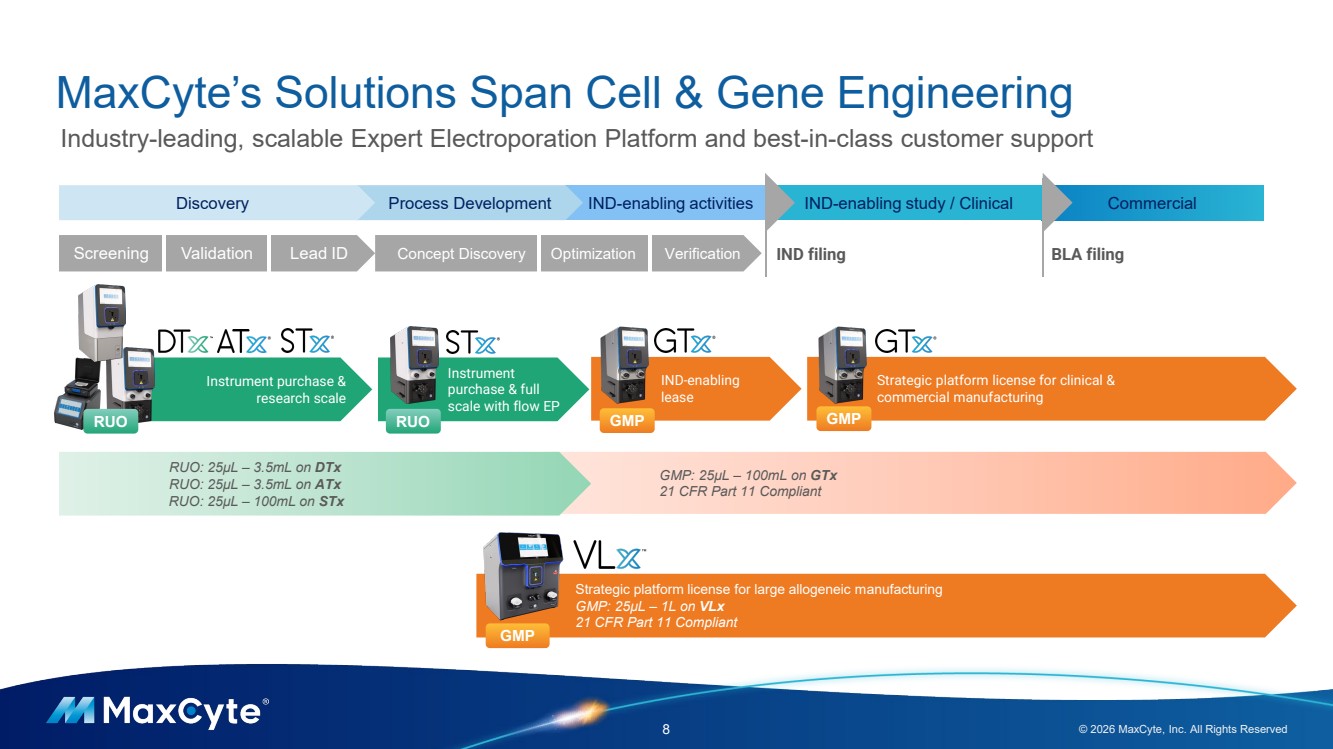
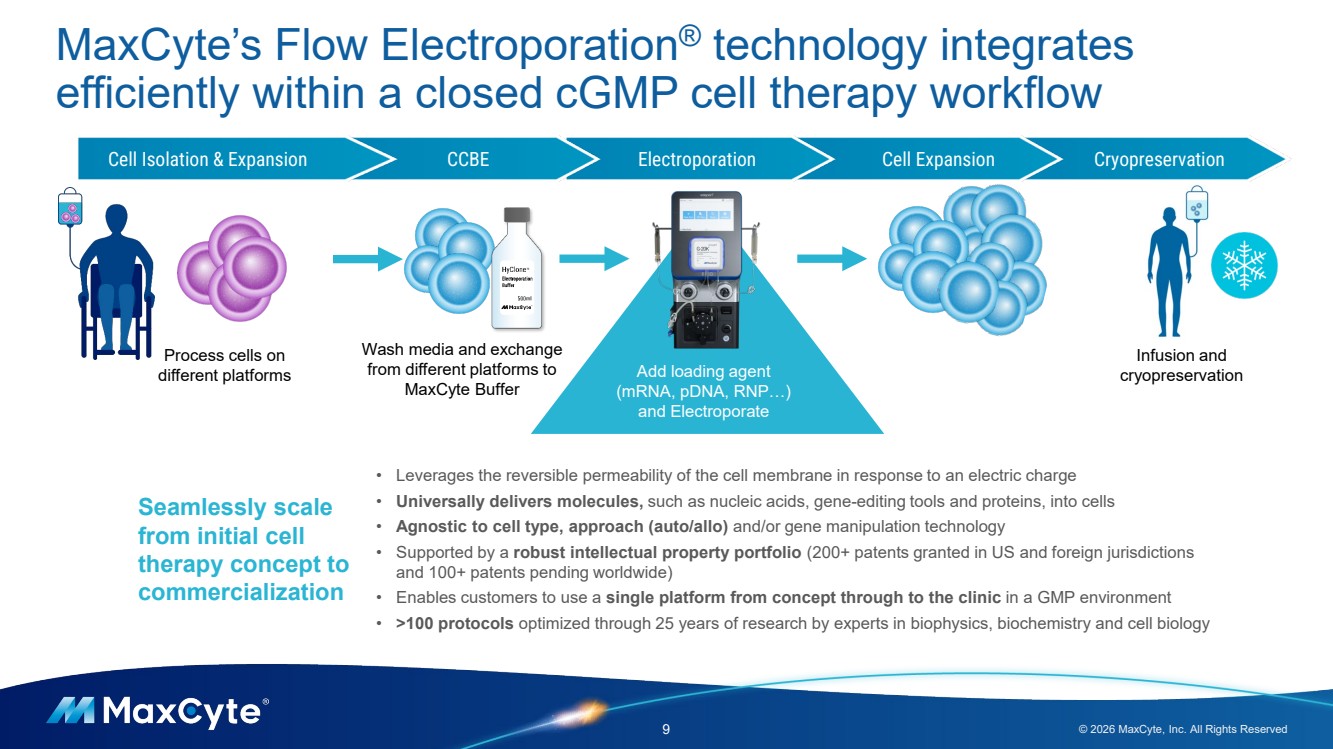
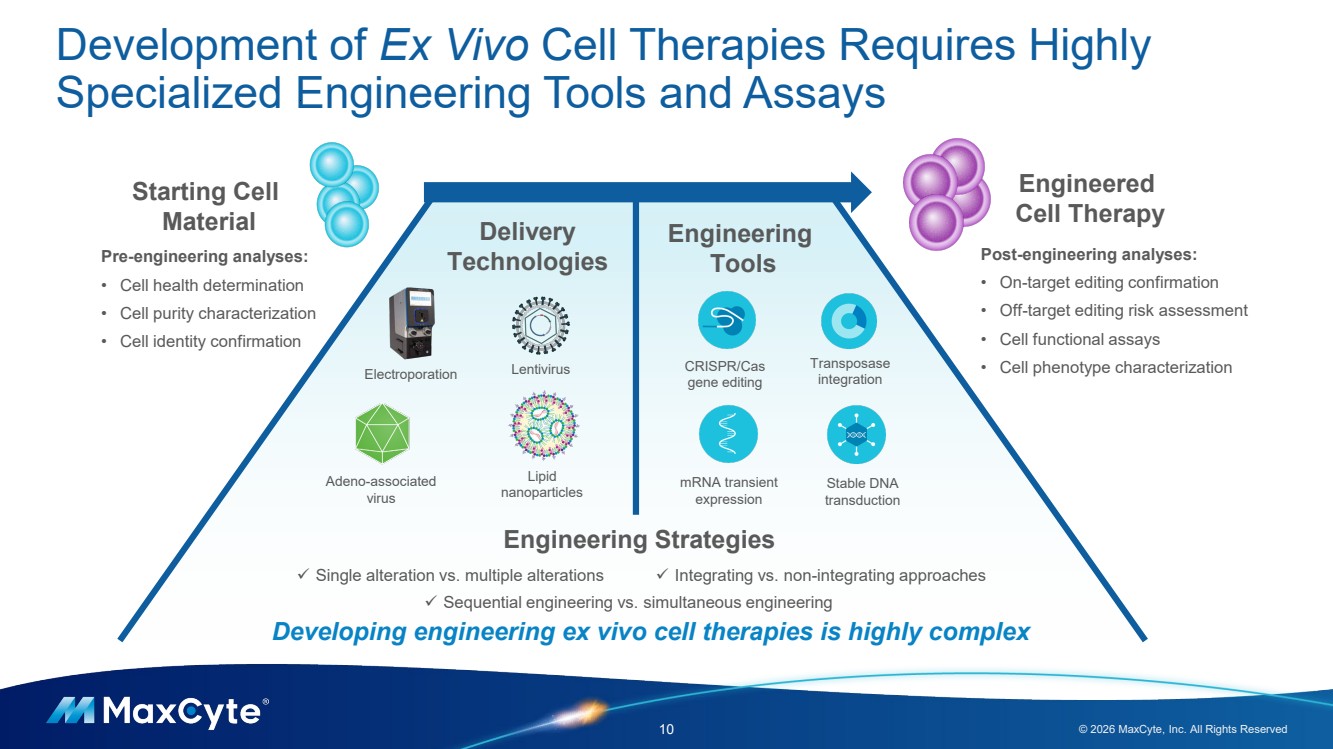
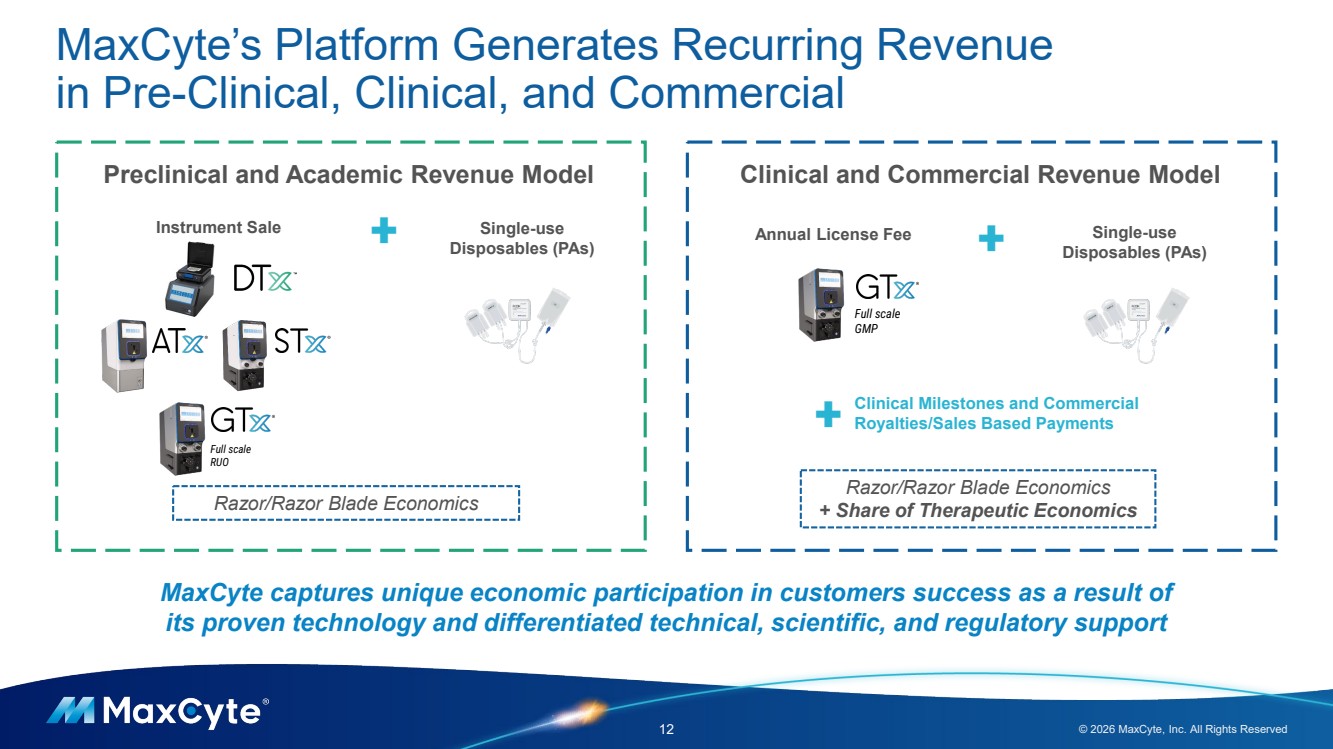
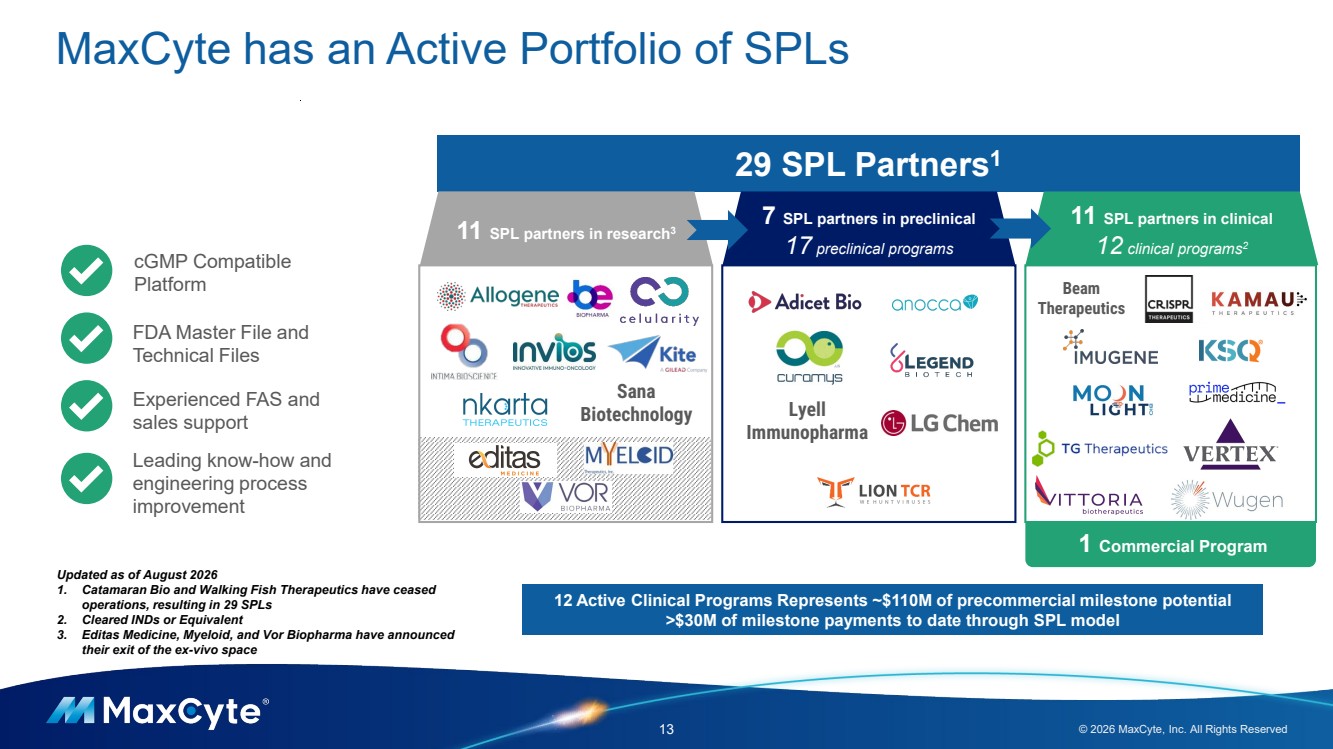
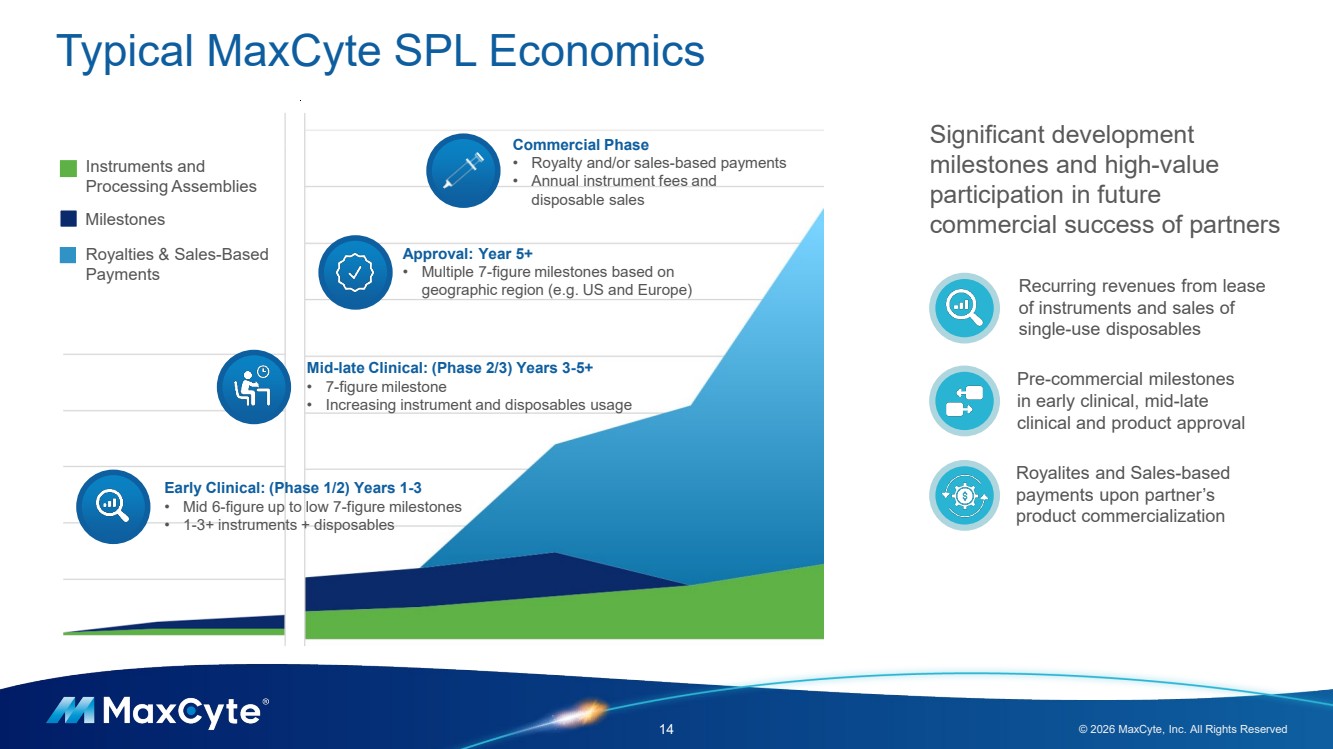
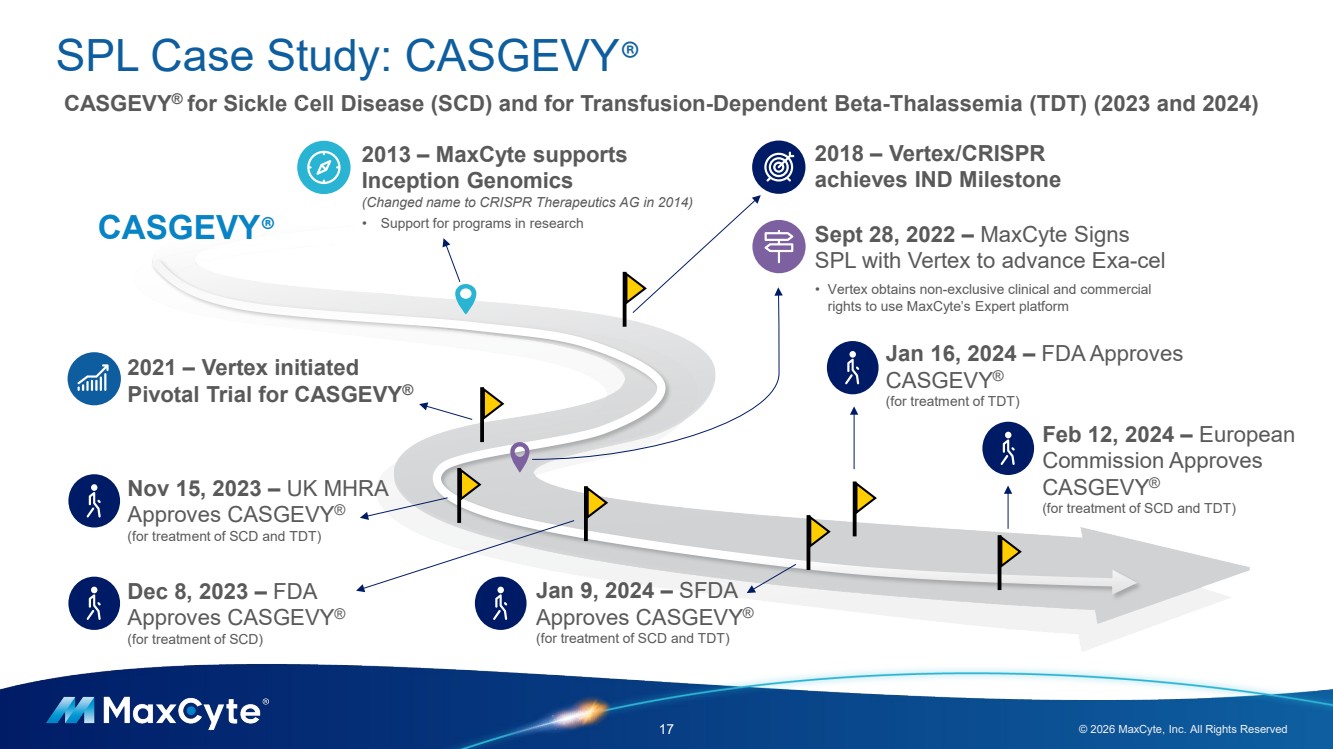
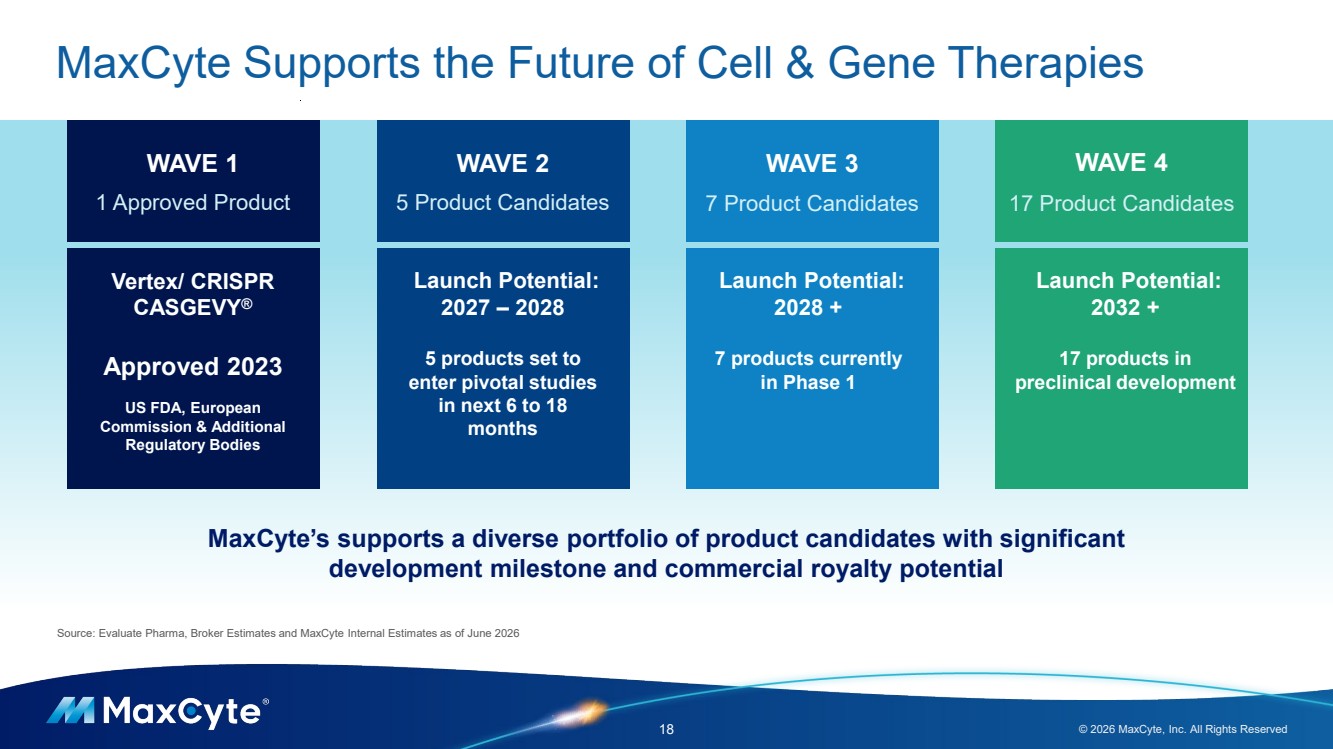
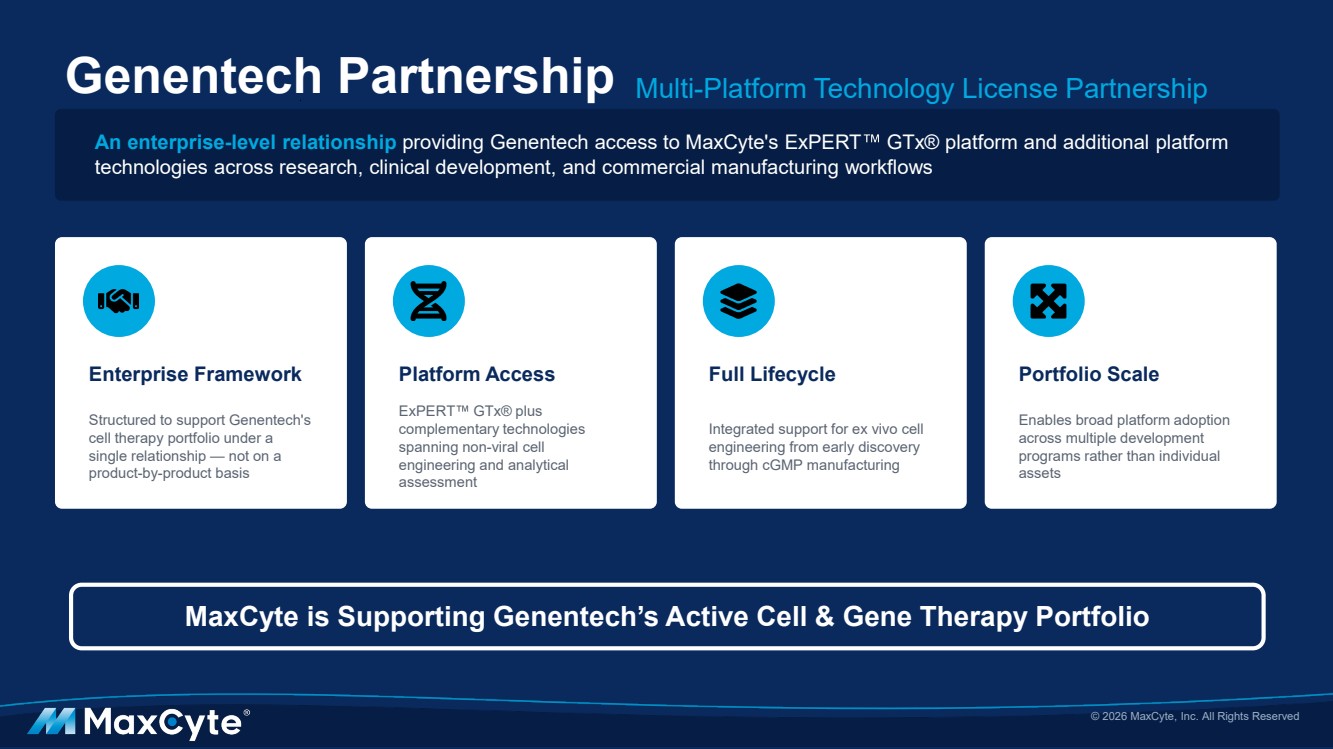
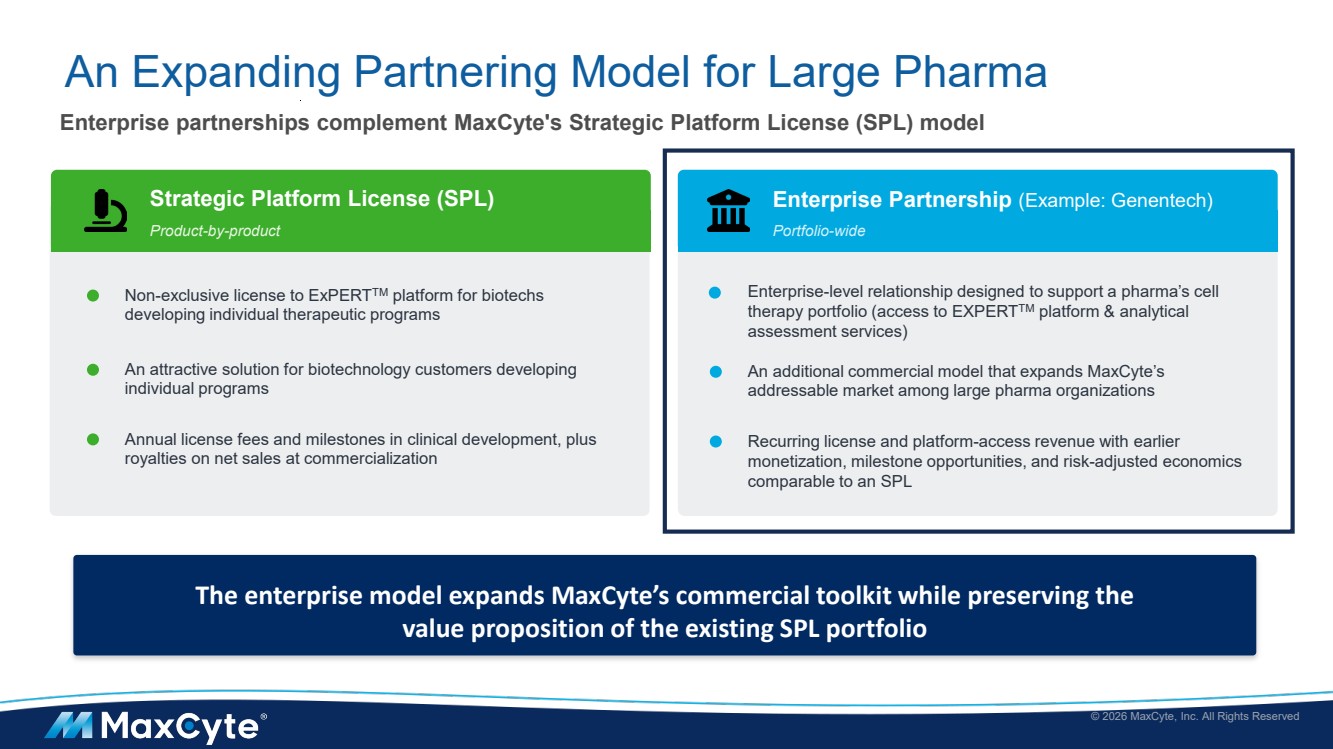
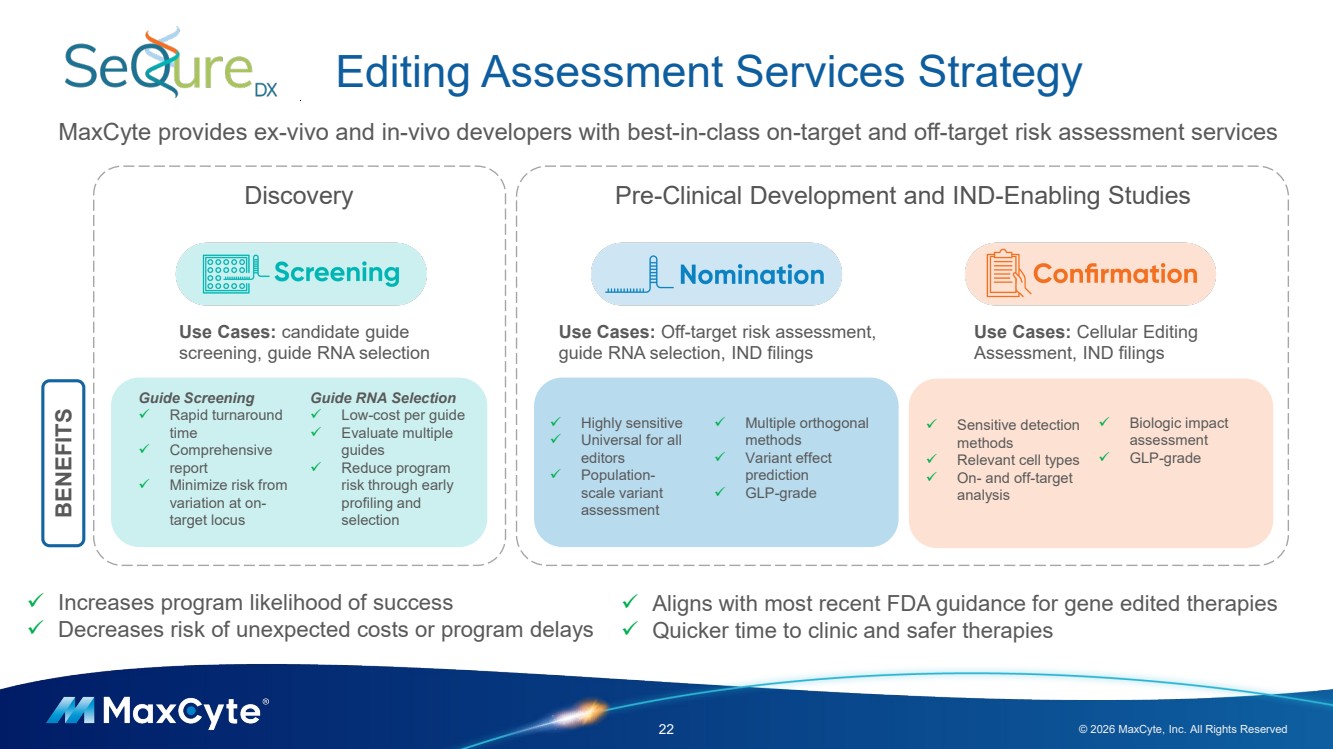
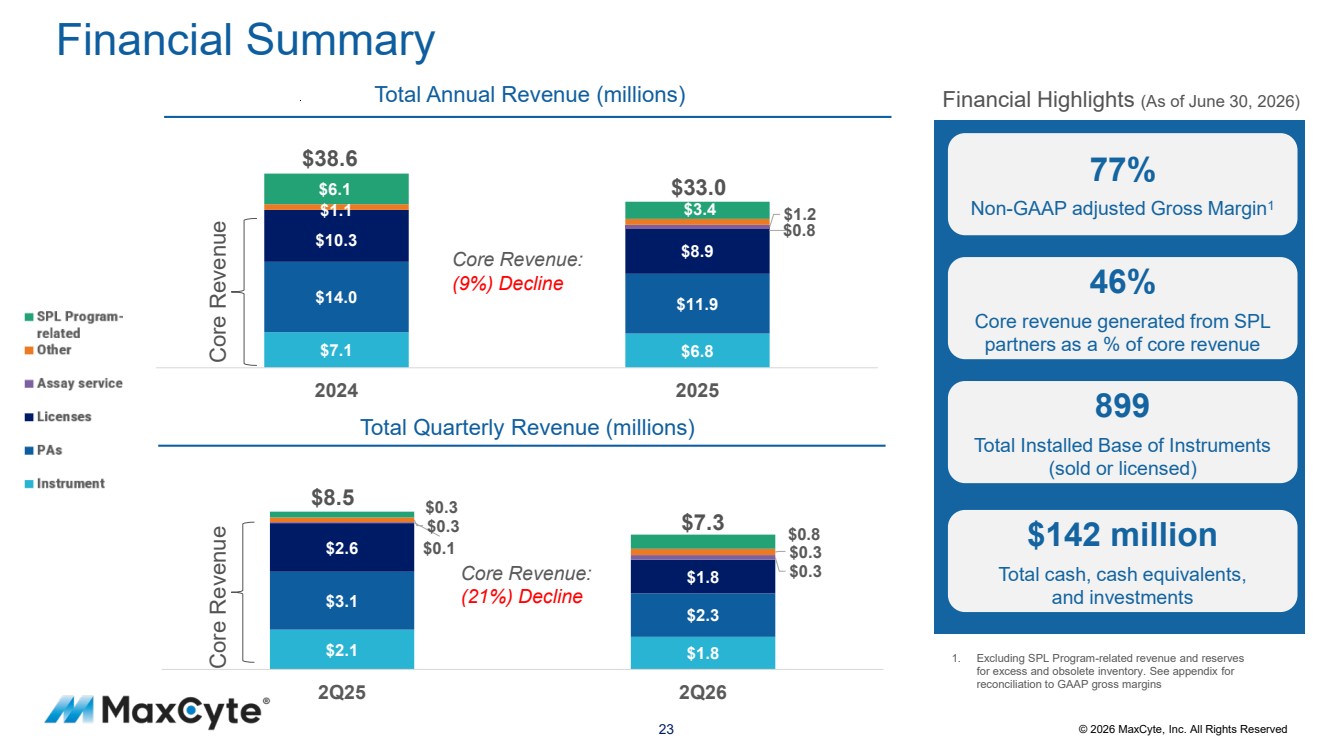
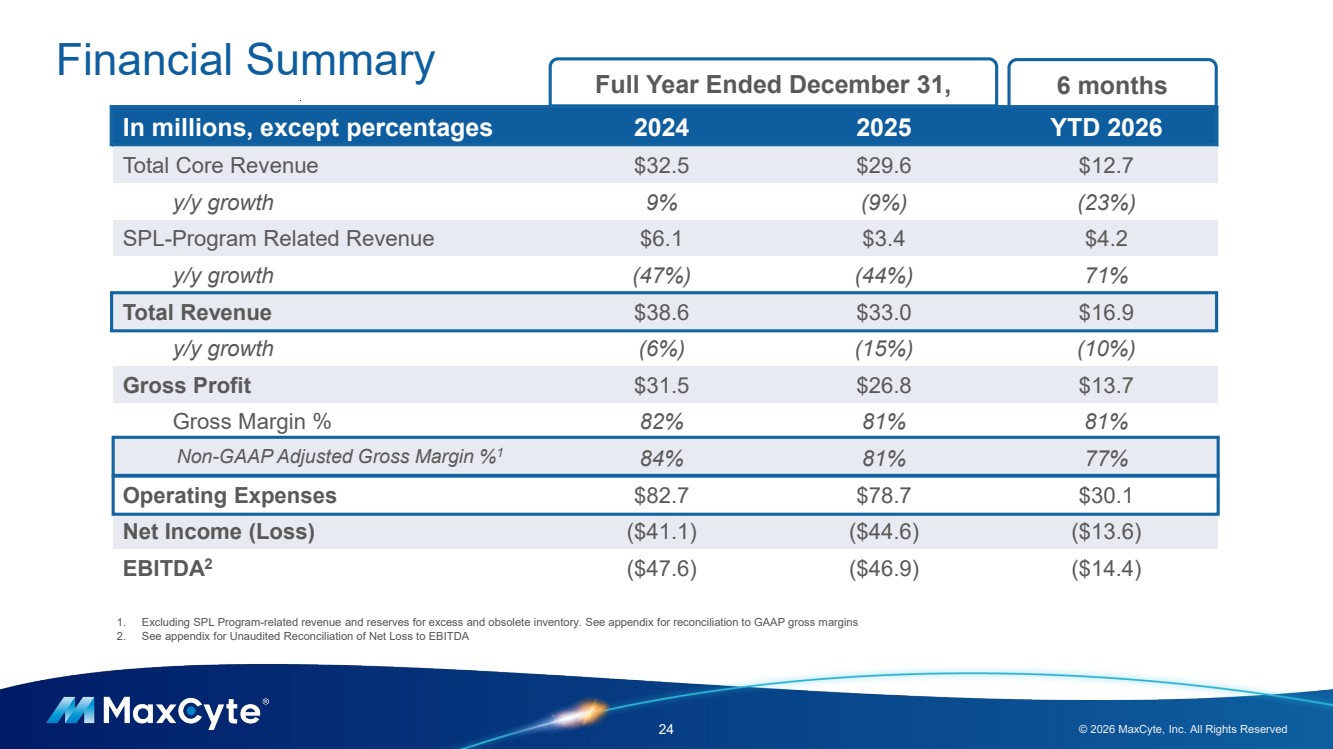
Thank you, Eric. Good afternoon, everyone, and thank you for joining MagSite's second quarter 2026 earnings call. MagSite reported $7.3 million of total revenue in the second quarter, including $6.5 million of core revenue and $0.8 million of SPL program-related revenue, which consists of milestones and royalties. Results were ahead of our expectations and consistent with the framework we laid out coming into the year. As expected, we entered 2026 facing several headlines, including inventory drawdown by our largest customer and headwinds resulting from the discontinuation of a few partner clinical programs last year. Despite those challenges, our objective was clear, stabilize revenue in the first half and return to growth in the second half. Our first half results reflects the stabilization where both our Q1 and Q2 revenues were ahead of our expectations, and we remain confident in our ability to achieve our goal of returning to growth in the back half of the year. We achieved sequential revenue growth in Q2 compared to Q1, primarily driven by instrument placements across our portfolio, including our recently launched DTX platform. We also continue to see GTX placement across biotech and academic customers, reflecting ongoing program advancement. Processing assembly revenue remains stable, sequentially, supported by our SPL portfolio. The second quarter reflected discipline execution against our operating plan, resulting in improved first-half financial results. We delivered a meaningful reduction in net loss year-over-year despite the revenue headwinds we face heading into 2026, and we expect to build on that progress as we execute against our plan and return to revenue growth. Furthermore, we have continued to invest in R&D priorities that expand our platform and strengthen our long-term growth opportunities. Investments in expert DTX, secure, and newer strategic collaborations are designed to broaden how we engage with customers from early discovery through clinical development and commercial manufacturing while further diversifying MagSite's revenue streams over time. Additionally, I want to highlight a significant milestone for the company as we recently announced our multi-platform technology license partnership with Genentech, which we believe reflects the growing recognition of MagSite's technology across the ecosystem from early research all the way through commercial manufacturing. Under the agreement, MagSite provides Genentech with access to our expert GTX platform and additional platform technologies, including our electroporation and analytical assessment capabilities across research, clinical development, and manufacturing workflows. The partnership is structured to support multiple programs and to enable Genentech's ex vivo cell engineering activities from early discovery through CGMP manufacturing. I want to be clear about why I believe this agreement is so important for MaxCite. It is an evolution in how we partner with the largest players in our industry. Rather than licensing our technology on a single program basis, we have established enterprise-level relationship with Genentech that supports multiple cell therapy programs under a single framework. We believe this structure reflects how large pharmaceutical organizations increasingly want to deploy enabling technologies as enterprise-wide platforms that support multiple programs. We expect this trend to allow MagSite to participate more broadly across the development lifecycle of a customer's portfolio, not just one product at a time. The result is multiple platforms being used across a portfolio of programs rather than just for one program. We structured the partnership with Genentech with the goal of creating long-term value for MagSite, while shifting a greater proportion of that value earlier in the customer lifecycle. We expect that will mean greater revenue captured during research and clinical development across many of our platforms, durable recurring license and platform access revenue, complemented by milestone-based opportunities, and continued demand for our instruments, processing assemblies, and analytical technologies. The agreement also provides participation in commercial manufacturing through annual licensing and platform realization. While the structure differs from a traditional SPL, we believe the risk-adjusted economics are more favorable on a partnership level, even in the enterprise-portfolio-based relationship across the entire development life cycle. This enterprise-based model monetizes multiple revenue streams across the customer relationship while reducing our dependence on the outcome of any single clinical program. This agreement structure accompanies our SPL model. It does not replace it. We believe SPLs remain the right commercial solution for many of our biotech customers who are developing individual therapeutic programs, and we expect to continue signing SPLs going forward. Over the past several years, we have consistently maintained strong royalty-based economics across our SPL partnerships, and our current pipeline gives us confidence in our ability to continue doing so, reflecting the value of our offering to cell and gene therapy developers. Our existing SPL agreements continue under their contractual terms, including acquired entity provisions where applicable. Our pipeline continues to support attractive royalty-based SBA opportunities, and we expect both commercial models to coexist, each serving different customer needs. Beyond our relationship with Genentech, we believe this partnership establishes a commercial framework that can be applied with other large pharmaceutical organizations over time. It helps validate the breadth and strength of Maxi's technology portfolio, expand our addressable market within large pharma, and demonstrate our ability to engage a leading global biopharmaceutical company at an enterprise level. Overall, I am very excited about what this partnership represents for Maxite and about the opportunities it creates for the future. On the instrument side, expert DTX adoption continues to build with encouraging early traction across discovery and early optimization workflows in both ex vivo and in vivo cell and gene therapy. As I've discussed on prior calls, the DTX is fully compatible with the rest of our expert platform, which gives customers who adopt the instrument and discovery a seamless path to scale on our STX and GTX instruments for CGMP manufacturing and ultimately into a partnership agreement. We expect DTX adoption to build through the balance of 2026 and into next year. We also continue to see steady progress with Secure and Decorder. The regulatory environment continues to evolve in our favor, and we continue to expect year-over-year growth for secure assay services and licenses in 2026. We firmly believe that secure assays will become part of the industry standard for off-target risk assessment and gene editing. Turning to SPL program-related revenue, we recognize $0.8 million in the second quarter, which was comprised of nearly all royalties. Vertex reported approximately $76 million of cash-heavy revenue for the second quarter of 2026, reflecting approximately 75% sequential growth versus Q1-2026 and 150% year-over-year On its earnings call, Vertex noted that more cash-heavy infusions were completed in the first half of 2026 than in all of 2025. Additionally, Vertex also indicated that more than 100 patients initiated their treatment journey for cash-heavy during the second quarter, which marked the third consecutive quarter with more than 100 patient initiations. They also noted that regulatory submissions for Cash Chevy are now complete in Saudi Arabia and the UK in the 5 to 11 age group, and they are seeing continuing strong uptake in the UK, Italy, and Middle East. Overall, we remain very encouraged by Cash Chevy's continued commercial trajectory, and we truly believe in its long-term transformative potential for patients. Turning to our customers, we have 30 total license partnerships, which includes 29 SPL partners in our recently announced multi-platform enterprise partnership with Genentech. We continue to see encouraging progression across our partner pipeline, with multiple clinical-stage programs moving towards late-stage development. Importantly, we have five partner programs with the potential to begin commercial launches in the next couple of years, including as early as next year. While any individual program carries clinical or commercial risk, we believe the breadth and diversification of our multiple shots on goal give us a high probability of generating meaningful core revenue, regulatory milestones, and commercial royalties over time. Our SPL portfolio remains a key driver of long-term value, as is evident by the growing commercial royalty revenue and the advancement of a significant number of SPL programs through the clinic. Looking to the second half of the year, we remain confident in our return to revenue growth. We expect growth to be driven primarily by instrument placements, supported by stable license revenue, and processing assembly demand from our SPL partners, including our recently announced partnership. the continued rollout of expert DTX, and a healthy commercial funnel across both new and existing customers. On the processing assembly side, a significant portion of the inventory drawdown from the largest customer is now behind us. We expect stable processing assembly demand as the SPL-related program headwinds we experienced in the first half also have largely subsided. Taken together, these factors give us strong confidence in our outlook for 2026. To close, I am pleased with the execution of our team in the second quarter. The Genentech Partnership Agreement represents a meaningful step forward in how we engage with our customers and reinforces the growing role our platform plays across the cell and gene therapy ecosystem. We are proud of our accomplishments and our positioning for long-term growth and plan to continue to invest in the business with financial and commercial discipline as we execute in the second half of 2026 and beyond. I will now turn the call over to Parmeet.
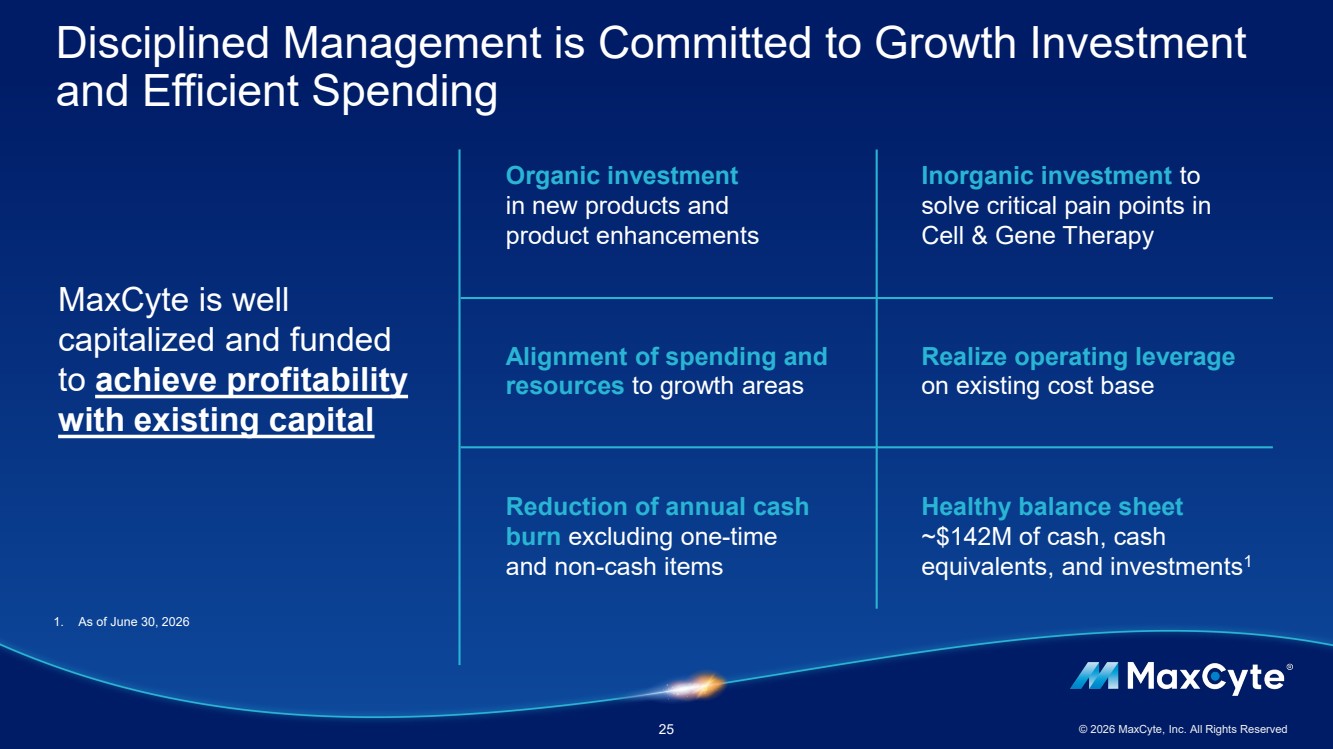
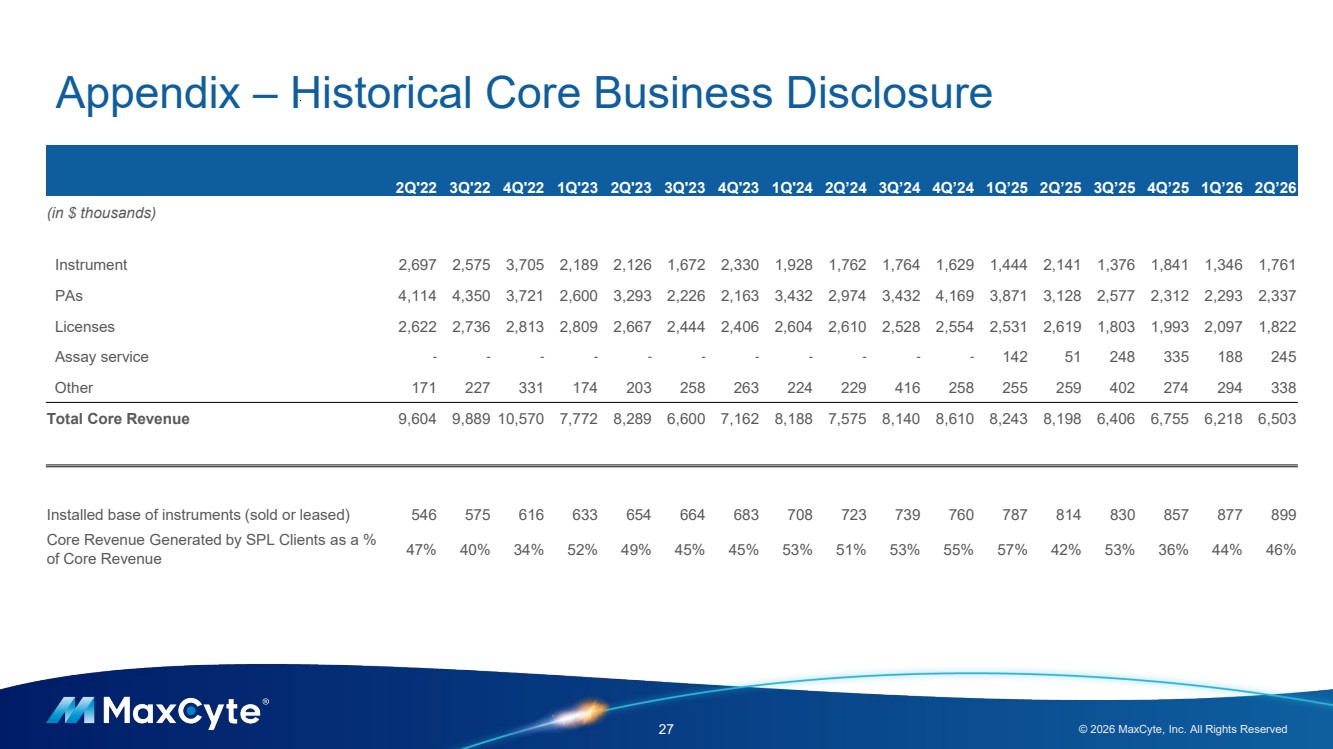
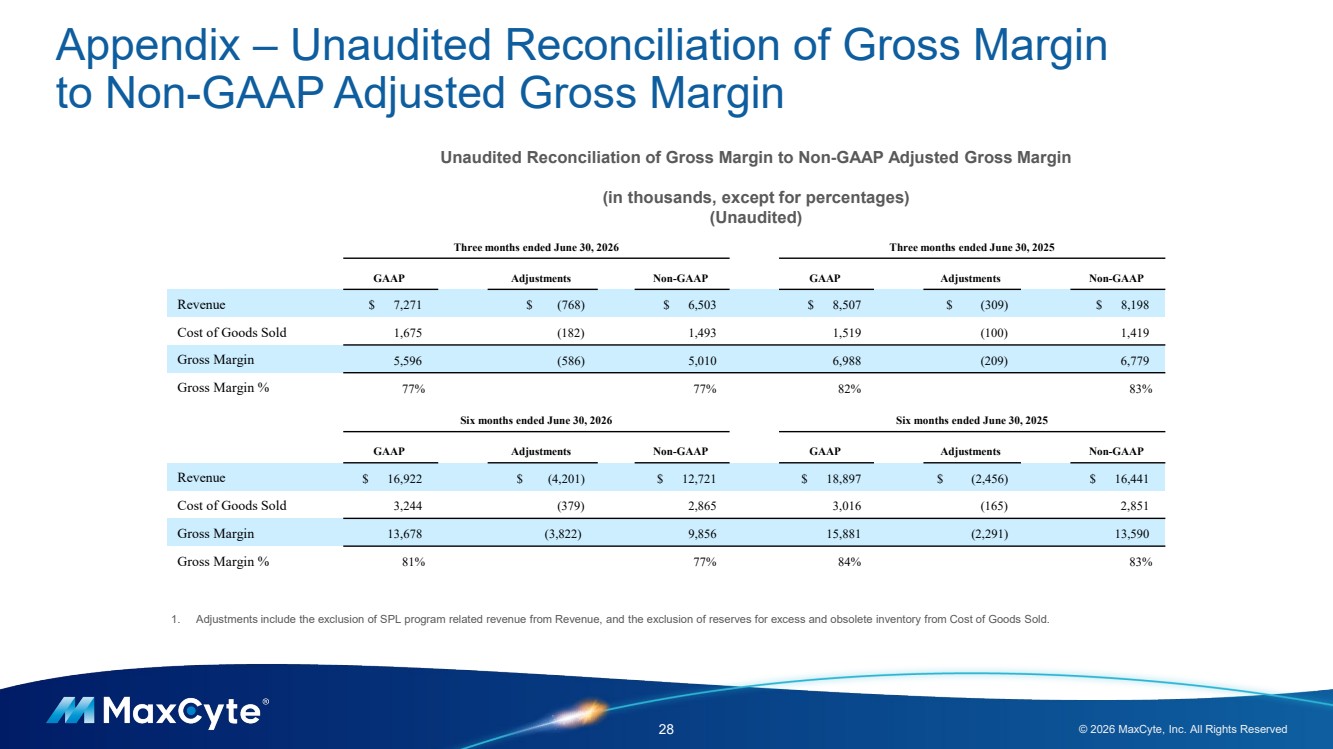
Thank you, Meher. Total revenue in the second quarter of 2026 was $7.3 million, compared to $8.5 million in the second quarter of 2025, representing a 15% decrease. We reported core revenue of $6.5 million, compared to $8.2 million in the comparable prior year quarter, representing a 21% decrease. Within core revenue, instrument revenue was $1.8 million compared to $2.1 million in the second quarter of 2025. License revenue was $1.8 million compared to $2.6 million in the second quarter of 2025, and processing assembly, or PA, revenue was $2.3 million compared to $3.1 million. Core revenue in the second quarter was primarily impacted by lower license revenue due to discontinued partner programs, the timing of instrument placements, and a difficult year-over-year comparison driven by PA purchases in the second quarter of 2025 that were accelerated by tariff-related dynamics. Excluding these one-time tariff-driven purchases, PA revenue was relatively flat year-over-year, reflecting a stabilization in activity across our customer base. Secure saw continued positive of year-over-year momentum in the quarter, with total revenue of 0.5 million, which includes both license and services revenue. SPL program-related revenue in the second quarter was 0.8 million, consisting almost entirely of royalty revenue, compared to 0.3 million of SPL program-related revenue in the second quarter of 2025. The year-over-year increase reflects continued growth in royalty revenue as Kaschevi adoption and commercial sales continue to build. Moving down the P&L, gross margin was 77% in the second quarter of 2026 compared to 82% in the second quarter of 2025. Excluding inventory provisions and SPL program-related revenue, non-GAAP adjusted gross margin was 77% in the second quarter of 2026 compared to non-GAAP adjusted gross margin of 83% in the second quarter of 2025. Gross margin for the quarter was primarily impacted by product mix, driven by a higher proportion of instrument revenue, which carries lower gross margins than our licenses. Looking forward, and as discussed on last quarter's call, We expect these trends to continue in the back half of the year, with gross margins in the mid-70s. Total operating expenses for the second quarter of 2026 were $15.8 million, compared to $21.2 million in the second quarter of 2025, a decrease of approximately $5 million, or 25%. We continue to remain disciplined in managing our cost structure. The reduction in operating expenses reflects the full run rate benefit of the restructuring and cost efficiency actions we took in 2025, which are now being realized across the P&L. Looking forward, we do not expect operating expenses to grow meaningfully from these current levels, even though we continue to make investments in product development, which we believe will contribute to our continued return to growth. As revenue growth returns in the second half of the year, we expect the combination of discipline, cost management, and revenue growth to further reduce cash burn. We ended the second quarter with combined total cash, cash equivalents, and investments of $141.9 million and no debt. Last quarter, we announced the board's authorization of a $10 million share repurchase program. As previously indicated, we intend to execute the majority of the program before year-end. Since the authorization, we have repurchased approximately $5.5 million of MaxSight stock as of today. Our balance sheet is well-positioned moving forward, enabling us to continue to invest strategically in our business. Continuing to our 2026 guidance, we are reiterating our 2026 outlook and expect total revenue to be in the range of $30 to $32 million, consisting of $25 to $27 million of core revenue and $5 million of SPL milestones and royalties. For the back half of 2026, we expect low single-digit year-over-year revenue growth. On the quarterly cadence, we expect usual seasonality, with Q4 being slightly higher than Q3, driven by typical year-end budget-flush dynamics. For SPL milestones and royalties guidance, we expect $3 million of revenue for milestones and $2 million of royalty revenues, with $3 million of milestone revenue already received in Q1. Lastly, we anticipate ending 2026 with at least $130.5 million in cash, cash equivalents, and investments, excluding any further capital deployed towards our repurchase program. Now, I'll turn the call back over to Meher.
Thank you, Parmeen. And thank you to everyone at Maxar for their hard work and dedication each and every day to move our company and mission forward. I look forward to updating you on our next quarterly call. With that, I will turn the call back over to the operator for the Q&A.
Operator
Thank you. At this time, we'll conduct the question and answer session. As a reminder to ask the question, you'll need to press star 1 on your telephone and wait for your name to be announced. To withdraw your question, please let's start 1-1 again. Please stand by while we compile the Q&A roster. And our first question comes from the line of Julie Simmons of PayingWord Libero. Your line is now open.
Thank you very much. Thank you for taking the question. So a couple of questions. Firstly, on the step up in instrument revenue, which is slightly higher than I was looking for. I was just wondering whether you could give any sort of indication as to where that's coming from, particularly in terms of your instrument portfolio um and then secondly just on the guidance on the the non-core business revenue um that looks a little bit low to me given what you've already received in milestones and also the run rate that vertex is demonstrating currently um any reasons why you haven't changed that yet sure let me take the first one julie and then pardon me if you want to take the second part of the question.
On the instrument side, Julie was across the board. We saw it in research, process development, and clinical as well. So there's not any one particular. It's a product mix. You know, we saw some early traction with DTX, continued traction in the clinical with the GTX and STX for process development. So really, it's a mix. We feel good, you know, where we are in the year and where we got it for the year in terms of instrument revenue as well. So it's within our expectations, a little bit higher than our expectations, actually. And we feel good exactly. It's going to the year that it would be around here. Harmi, did you want to take the second part?
Yeah, Julie, you pointed to our non-core revenue guidance. So of the $2 million royalty, we've recognized $1.2 million through first half, $0.4 million Q1 and $0.8 million Q2. As you pointed out, guest chair we beat market expectations this quarter, and we're starting to see real traction, which supports the remaining royalty. And as we've discussed before, there can be quarter-to-quarter variability as KESJV Rams, consistent with what Vortex has communicated on their earnings call. Fundamentally, we're excited about the continued progress with KESJV, with significant growth sequentially and year-over-year. And, you know, as commercial sales continue to build, we will start to see their royalty revenue truly materialized in our P&L.
Can I add something there as well? So Julie, obviously, Vertex commented on their call. They've never had three consecutive quarters of 100 patient initiations, more patients infused so far in the first half than all of last year. We just don't want to comment on our, you know, on our partners and Vertex's program. That's for them. But we are very excited about what we're seeing. So I'll leave it there.
Operator
Thank you. One moment for our next question. Our next question comes online of Hannah Rayford of Stevens Inc. Your line is now open.
Hey, good afternoon. Thanks for taking the questions. It's good to see instrument demand kind of stabilize, and it sounds like that was pretty much across the board. Are you still seeing any pockets of hesitancy around CapEx, or do you feel like that headwind is kind of behind you?
Pardon me, let me take that. So we see stabilization both on the instrument side and on the processing assembly side as well, PAs. We feel the headwinds that we had last year are behind us. And we don't see any more pockets of, you know, headwind demands in any way.
This is a return back to stability and get back to growth in the second half. And it's exactly where we are. I mean, this is a good quarter for us. We have a good year ahead of us. It's exactly what we expect. We're seeing, you know, the funding exactly what we expect to go into the year. Stability there, it's come back. And we're growing from there. I mean, we've done, and we're seeing it across the board. If you look at our, you know, our revenue, you know, it was both on the SPL and on SPL side as well. So a very good quarter for us. We don't see any pockets of headwinds ahead.
And maybe to build on that a little bit, Maher, you know, as we look ahead, Hannah, in our funnel, we're continuing to expect instrument revenue to be a primary driver. And much like this quarter, across both academic and industry, with a healthy distribution across our instrument portfolio. You know, we certainly have had a recently announced partnership with Genentech that will play a role in the second half, as well as the continued rollout of the DTX.
Awesome. Thank you. And then as it relates to that Genentech partnership, can we expect to see more of those coming up? How does this kind of change your strategy going forward? Could you just talk about what we can expect there?
Great question, Hannah. So the strategy is twofold. The SPL are still a big driver of the future growth of this company. We now have two ways of working with industry, one with biotechs through the SPLs and through enterprise-level multi-partnership agreements with Genentech and other large pharma and large biotech, right? So it allows us to really now get into large pharma, which we've never done before. We're able to monetize on a risk-adjusted basis, you know, programs here on a multi-program basis, not just one program. So we feel good where we are, right? We have a good funnel for the SPLs for the rest of the year going to next year as well. We now have an ability to, and a model that works very well with large pharma, which we look to continue to negotiate with other large pharmas. So this is a complementary basis. It's not one or the other. And this really shows the power of our platform. This is a case where with Genentech specifically, we're supporting them with two of their clinical allot programs now, as well as their preclinical research programs. So it's a multi-platform agreement. It shows the power and strength of our platform. I keep reiterating that we are best in class. The investments we've made as well with the DTX, where we now are the only company that has something that can take you from research all the way to commercial without needing any further scale-up, no one can do that. That's us. So we feel very good where we are. The SPLs are our future. These multi-partnership agreements are our future as well. We believe in the space. The cell therapy space has stabilized. We feel the future of the cell therapy space, and we're diversifying our revenues now throughout cell therapy. It's not just, you know, small or smaller biotechs. It's biotechs, large biotechs, large pharma, multiple ways through analytical capabilities as well with the secure acquisition, which was part of the Genentech partnership as well. So we feel very good about this, Hannah.
All right, thanks for the color. I'll leave it there.
Operator
Thank you. One moment for our next question. Our next question comes from the line of Matt Hewitt of Greg Helm Capital Group. Your line is now open.
Good afternoon and congratulations on the progress made during the quarter. I'm curious, regarding the Genentech agreement, how have the discussions with some of your other larger SPL customers changed, if at all? And as you go into that next round of discussions with those that maybe were in the pipeline, how do you decide who the better fit is as far as for SPL versus the multi-platform agreement? Is it purely based on size? Is it the number of targets that the customer is looking at? Any color there would be helpful.
Yeah, very good question. So let me take the first part. It hasn't changed the tenure of conversation with any of the current SPL, you know, future partners in the funnel. You know, all of those, for the most part, are those biotech companies. The Genentech deal is a multi-platform deal, right? It's across the entire spectrum of the electroperation side as well as the analytical secure side. That's the color where with Genentech that we would pursue with other larger biotechs or with, you know, with large pharma as well. It also allows us, with the Genentech deal, we're able to monetize the value much further up in the relationship. That's something that, obviously, with the baby biotechs, that's not a flavor for them. That's more of the Genentechs and those type of companies. So in essence, I say it again, Matt, we have a model now for both our SPL biotech companies as well as the Genentech and other large pharma, and we're pursuing those. We're speaking with other large pharma as well. will continue to do so. They take time to transpire. These are even with the SPLs. These are negotiations sometimes and discussions and working with them early can take 18 months to develop plus and that's part of our model. But we now have a way to work with what we always said, the large pharma model. So not concerned in any way that's going to change any of our current discussions. If there are any changes, it's always in a good way.
Got it. And then maybe shifting gears, As you noted, an uptick or at least some improvement in academic a couple times in your prepared remarks. I'm just curious what you're seeing there. Obviously, the funding environment from an academic perspective, my sense, remains pretty challenging. So the fact that you're seeing some improvement there, I think, bodes well. And I'm just curious your expectations over the remainder of the year for that market segment.
Yeah, absolutely. So we're seeing, on the academic side, we are seeing traction there. A lot of it is also related to these are academic that are taking clinical trials. So these are pursuing clinical trials. So these are GMP-based academic partners that we're working with, and we're seeing that We've always said that. That's what's going to see the future biotechs, the future SPLs. So we've made a conscious decision to go, when we talked about going earlier in research, going earlier with the researchers. That's part of what we meant, and that's what we're seeing. And it's not a surprise to us. So it was actually part of our execution plan going into this year. Let's go after it. Let's diversify our revenue model. And that's one of the ways. So that's what you're seeing there, Matt. It's really a way for us to capture the future SPLs. I'll say it. You know, we always said it before. The only platform anybody should be using for self-therapy is a maxized platform. So we get in there early in the academic for these clinical trials that eventually will become future industry-sponsored companies and trials. They should be working with us, and that's what we're doing. Great. Absolutely. Thank you, Matt.
Operator
Thank you. One moment for our next question. Our next question comes from Mark Massaro of PTIG. Your line is now open.
Hey, this is Megan on for Mark. Thank you guys for taking our questions. You touched on it a bit earlier, but with the $141.9 million in cash and investments on the balance sheet, what are you seeing in your inorganic deal pipeline? in our inorganic deal pipe so ask that question one more time and i want to make sure we're clear what you're asking i mean uh megan um of course so just really what um with all the cash and investments on the balance sheet what you're looking or like what you're seeing in the deal
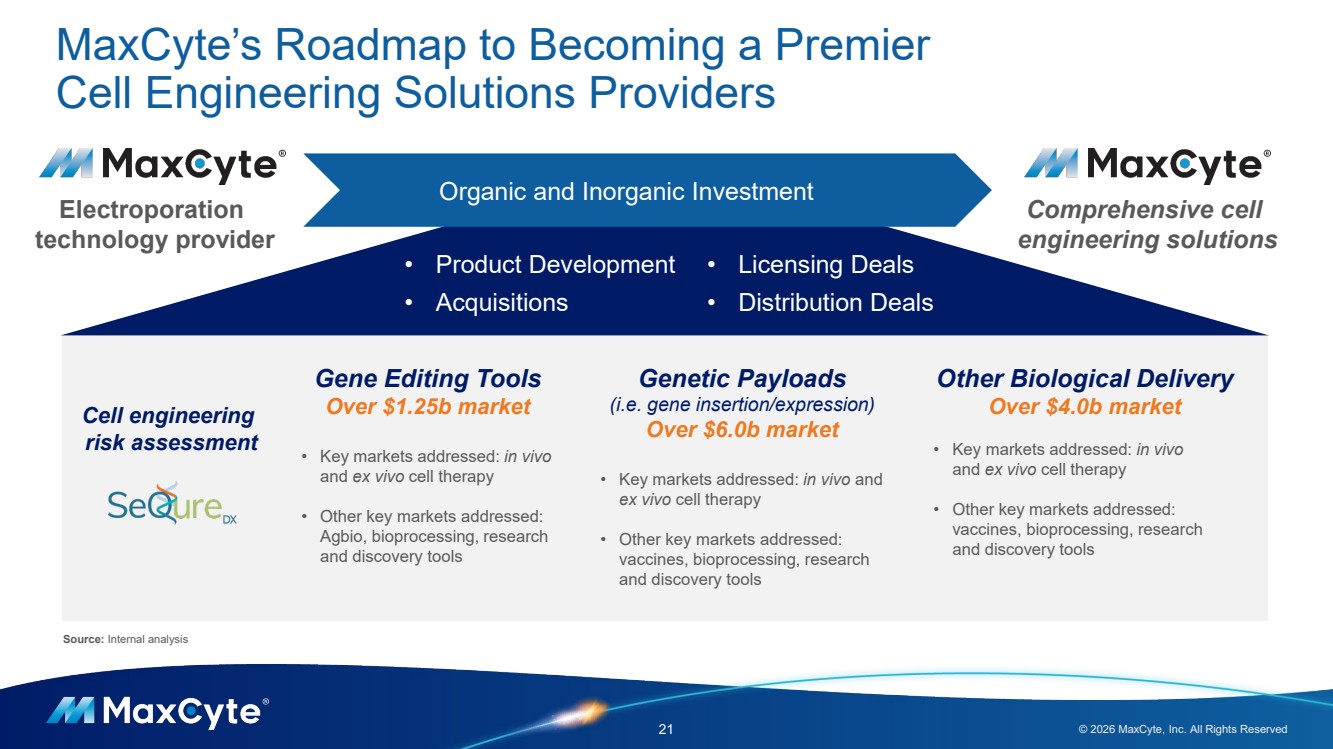
pipeline oh you mean in the m a deal pipeline so let me let me tell you how we look at our cash balance sheet. We have three ways of looking at this. We always invest in the organic growth of this company. That was a DTX. That's the continuing investments we're now and secure as well, building out their assays. That's first and foremost. We obviously always look for selective programs out there or potential transactions out there. But again, very, very selective. At the end of the day, we're always looking to return back value to our shareholders. So that's that 141 that you're seeing there. That's what we did. That was evident by the buyback that was approved by the board earlier this year. Whereas Parmeet mentioned earlier, we've already purchased $5.5 million worth in the buyback. But it is an investment in MaxSite first and foremost, being very selective and returning capital and really shareholder value back to our investors.
Awesome. Thank you for the color there. And then also just curious if you've seen any changes in the competitive environment over the the past.
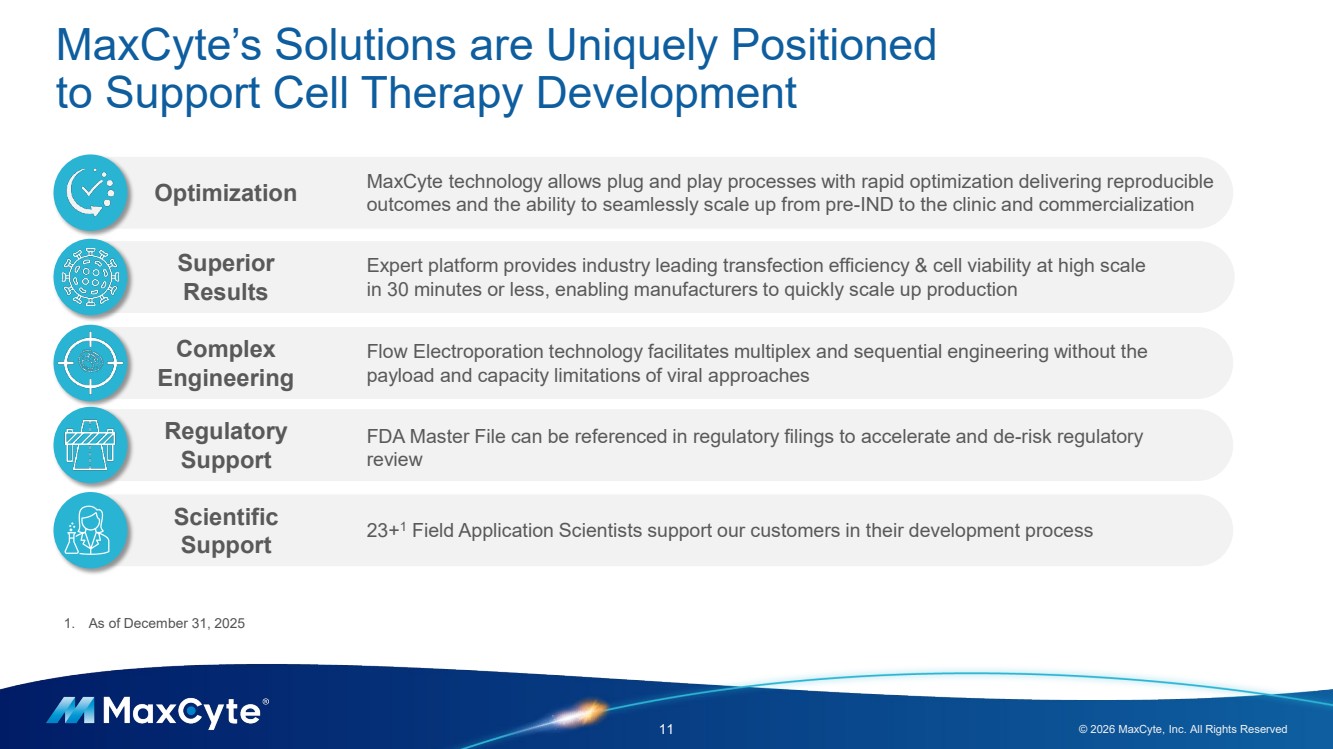
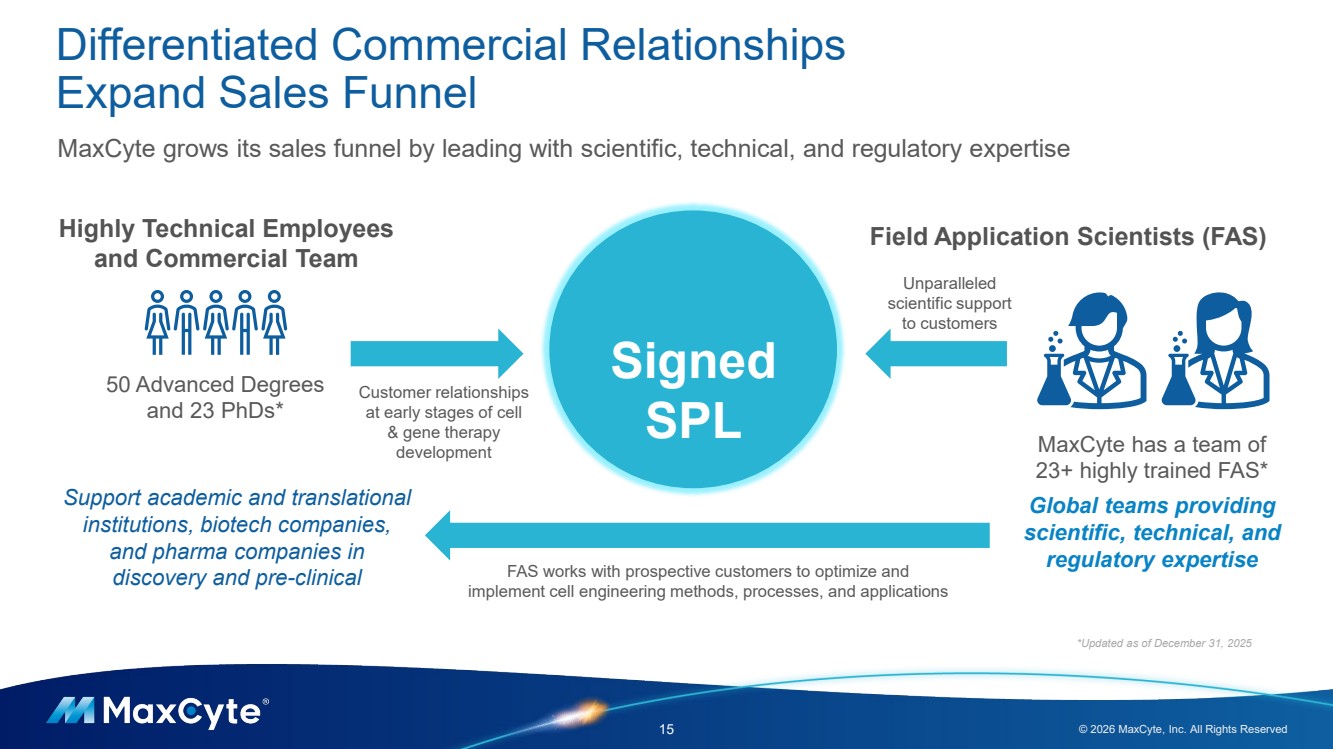
Good question. We have not seen changes in the competitive environment. In fact, with the recent transaction that we announced right now, we displaced a competitor in the clinic. We're still the best-in-class platform. We develop, we're continuing to invest in the products themselves and our expert platform. It's not just the expert DTX that you're seeing. We continue to create application workflows that are proprietary to MagSite. These application workflows themselves are new product launches. These are things that we have that other companies do not have. We have a field-based scientific team. We have a scientific team internally. We know cell therapy better than any other company out there. So, it's our platform. It's our scientists. We're not seeing any new competition, and we're displacing the competition both in academia and in industry now. So, we feel very good where we are.
Great. Thanks again for the questions.
Operator
Thank you. One moment for our next question. Our next question comes from the line of Dan Arias of State Forward Line is now open.
Yeah, hi, guys. Thanks for the questions. Meher, you kind of alluded to it with the instrument commentary, but can you just maybe expand a little bit on the overall environment? I mean, some of the comments that have been made across the space have just been subjective of some improvement in biotech spending. Would you sign on for seeing that yourselves? And what is the overall feel on just the state of affairs when it comes to spending and pipeline management overall?
Yeah. Good question, Dan. The information you see out there and what we're seeing out there in terms of return back to biotech funding, it's a bit different than the industry we're in. So it's more outside of cell therapy. We're seeing more of a stabilization in cell therapy. It's not a return back to your 2020, 2021 years. That's not the case. But that's exactly what we expect to go into the year, and that's what we're operating within. That's why we're not expecting to come back to those 2020, 2021 years. We're actually diversifying our revenue model. We are launching new products. We're finding ways now to work with large-former we've never done before. We're actually leaning into the cell therapy space. We don't need it to come back to those 2020, 2021 to get back to the growth that we're getting back to. So it's not quite the same as what you're seeing out there in terms of funding for the bioprocessing or bioproduction market. It's not as robust as that, but we don't need it to be. We know exactly where it is. We're not seeing headwind anymore it's stabilized it has not gone back to some of the numbers you're seeing for the other spaces but that's that's we knew that going to the year and we feel good about this year and even going to next year um maybe just as a follow-up the the inventory work down at the large account that you talked about i think your largest customer uh you said has that run its course or is that a factor for the back half too no it has it's larger on its course uh that's why we feel good we said we said going into this year there was a headwind that we'd have in the first half It's behind us now, and it will not have any effect going into the second half. I mean, pardon me, anything to elaborate there?
No, I think you answered that well.
Operator
Okay, super. Thank you. One moment for our next question. Our next question comes from the line of Brandon Smith of TECON. You guys are now open.
Thanks for taking the questions, guys, and congrats on the quarter. Maybe just a quick follow-up to one of the previous questions on kind of broader momentum within cell therapy. I mean, we've heard from a few other tools guys this quarter that cell and gene therapy is maybe still lagging a bit behind other modalities. But to your point, I think things seem to have stabilized and moving back in the right direction. So I guess do you expect a material acceleration in some of these programs in the second half of this year and maybe demand with it? Or is that something we should maybe expect to be a little bit more 2027 weighted? I'm kind of curious that you're seeing that funnel at this point.
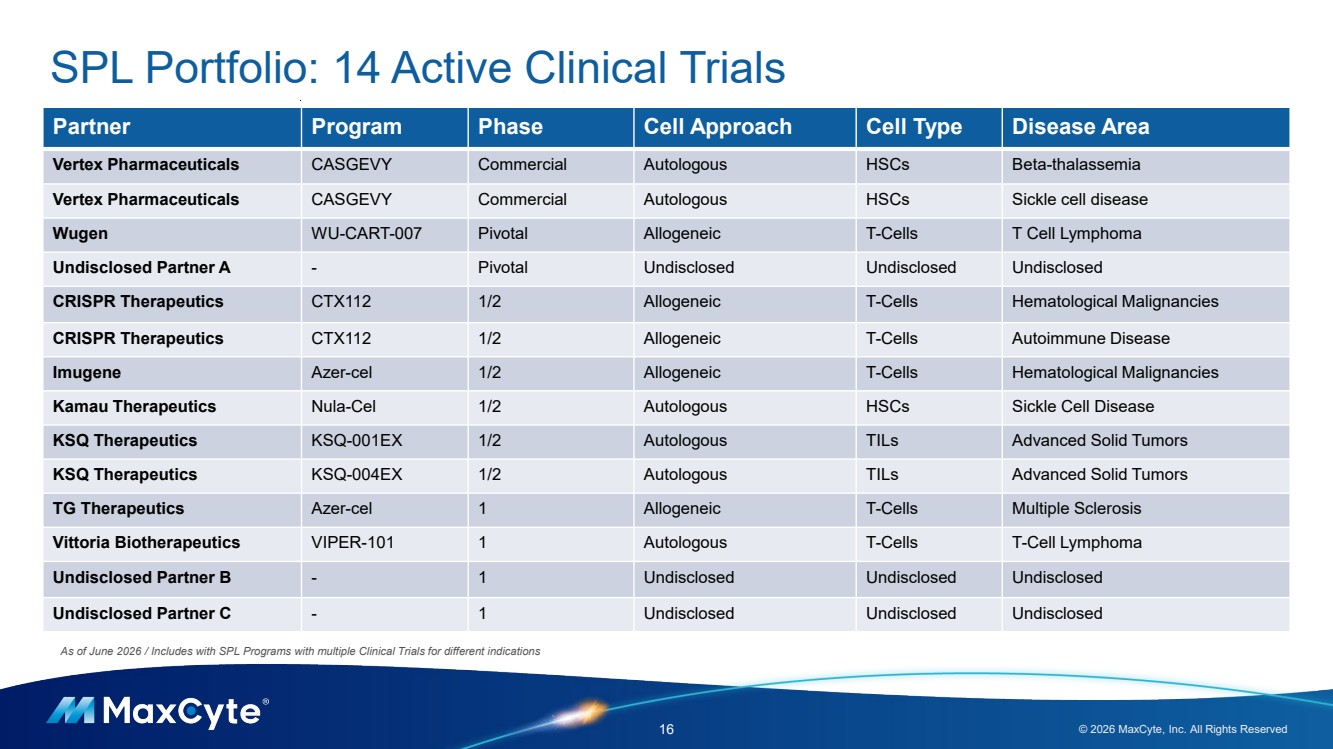
Very good question, Brendan. That's more in the 2027. We have the five programs. It's the beauty of our business model is that we sign these SPLs and these programs progress into the clinic. So these 14 clinical programs we have now, we still expect five that are moving into Pivotal. One has already moved into Pivotal as actually part of what we reported in Q1 as well. That's more into 2027 where we expect them to potentially even have an approved product in 2027, resulting from these five late-stage programs. So it's more, I wouldn't say back half-weighted, it's more going into 2027 where we see the impact of that.
Okay, got it. That's helpful. And then I guess maybe more broadly, I just wanted to ask, in terms of SPL's potential new deal signings, we have seen some pretty convincing signs that some ex-US markets are leaning maybe even more aggressively into cell therapy, I think especially in APAC. I guess is that something Maxi could potentially capitalize on? Are there any kind of caveats or considerations to an SPL with some of those kinds of partners? Just any in front of color, how you guys are thinking about that, too?
Yeah, great question, Brendan. That's something we began to look into a few years ago, and we knew where the space was going. We saw the investments in Asia Pacific, specifically in China, and we've created a presence there, and we're seeing some growth there. Granted, from a smaller base, but we're seeing healthy growth there. And we continue to invest in Asia Pacific, specifically China, Japan, Korea, even India and Australia. We're investing there. And that's exactly right. We're seeing a lot of programs being initiated there with the hopes of then making it to the U.S. or to Europe. And we're working with those companies. We're beginning to build that infrastructure there. We have a sales team, an FAS team in Asia-Pac. We have a general manager that's overseeing the Asia Pacific for us as well. We're very cognizant of that. And we have a model for that. The same way we have a model with large pharma. The same way we have a model now with academia. We have a model where we're working with them in the clinic over there that will then transpire into future SPLs and partnerships when they broaden their horizons to the U.S. and to Europe.
Operator
Yeah, that sounds good. Appreciate it. Thank you. One moment for our next question. Our next question comes on the line of Julie Simmons of Pannier Liberal. The line is now open.
Thank you very much. And just another quick question following up on the instruments. I was just wondering, now you've got sort of multiple different instrument types in the market. Is there a big variation in the processing assembly revenue that comes from each of those? Or does the expectation that DTX, because it will be doing more, you're selling sort of more at lower price consumables. I'm just sort of trying to see if there's a mix effect that we might see there.
Let me take that and then Parmi if you want to add to that. So the DTX has a higher pull-through of processing assembly revenue. That's an early research, both used for cell therapy and in vivo gene editing as well. We expect a higher pull-through on the DTX PAs. Obviously, the processing assemblies for your clinical, your GTX, that begins to ramp as these programs go further into the clinic, especially when they go commercial. So it's a mix. So you have from early research, the DTX, a higher pull-through. You have the ATX and STX that has their pull-through, not quite as high as what the DTX would be. But obviously, they're at a higher price point as well when you're doing process optimization going to the clinic. And then your CGMP, PAs, obviously, we can see right now from our largest customer, have a significant and meaningful revenue for us. And as we begin to see more of these SPLs go through late stages, we're seeing right now, our model is proving itself. As we see more programs get approved, which we believe will have at least one next year, potentially one next year, You're going to see more revenue growth from those PAs on the clinical side as well. So it's a mix. High pull through early, and then you have much higher cost PAs that have a high ramp as programs go to pivotal and then to commercial.
Yeah, just to maybe build on that, it's a different price structure, obviously, right? The idea with the GTX is to get in early on the research side of things. We will have higher PA pull through. But obviously, as Meher indicated, there are price differences there as programs then scale up further to clinical and further.
Okay, thank you. And just on the STLs, I mean, I gather there's sort of still a pipeline of ones that you're discussing. You've historically talked about sort of three to five a year. I mean, does that still seem reasonable, sort of parking Genentech slightly because it's a slightly different offering?
It is. In terms of licenses, we still, three to five, as I think I mentioned on the last quarterly call, we sometimes will sign more than five, as we've done a few years ago. Sometimes we'll sign less than three. But overall, three to five, looking at the funnel, is a healthy number. We still feel confident we can sign one to two, even in the back half of the year. That includes Genentech. So we feel good where we are in terms of all the licenses that we're signing. It's more the timing of where we are in the negotiations with the biotechs or even large pharma. So some years you might have more than five, some years more than three, but on average you're going to have that three to five fund, you know, over the years.
Operator
Thank you. I'm showing no further questions at this time. I'll now turn it back to Mahir Masu, CEO, for closing remarks.
Thank you, Operator. And thank you, everyone, for joining us again. I look forward to speaking to you on the next quarterly call.
Operator
Thank you for your participation in today's conference. This concludes the program. You may now disconnect.