Operator
Thank you for waiting. My name is Rebecca, and I will be your conference operator today. I would like to welcome everyone to the NorthWestern Energy Second Quarter 2025 Financial Results Webinar. I will now turn the call over to Travis Meyer. Please go ahead.
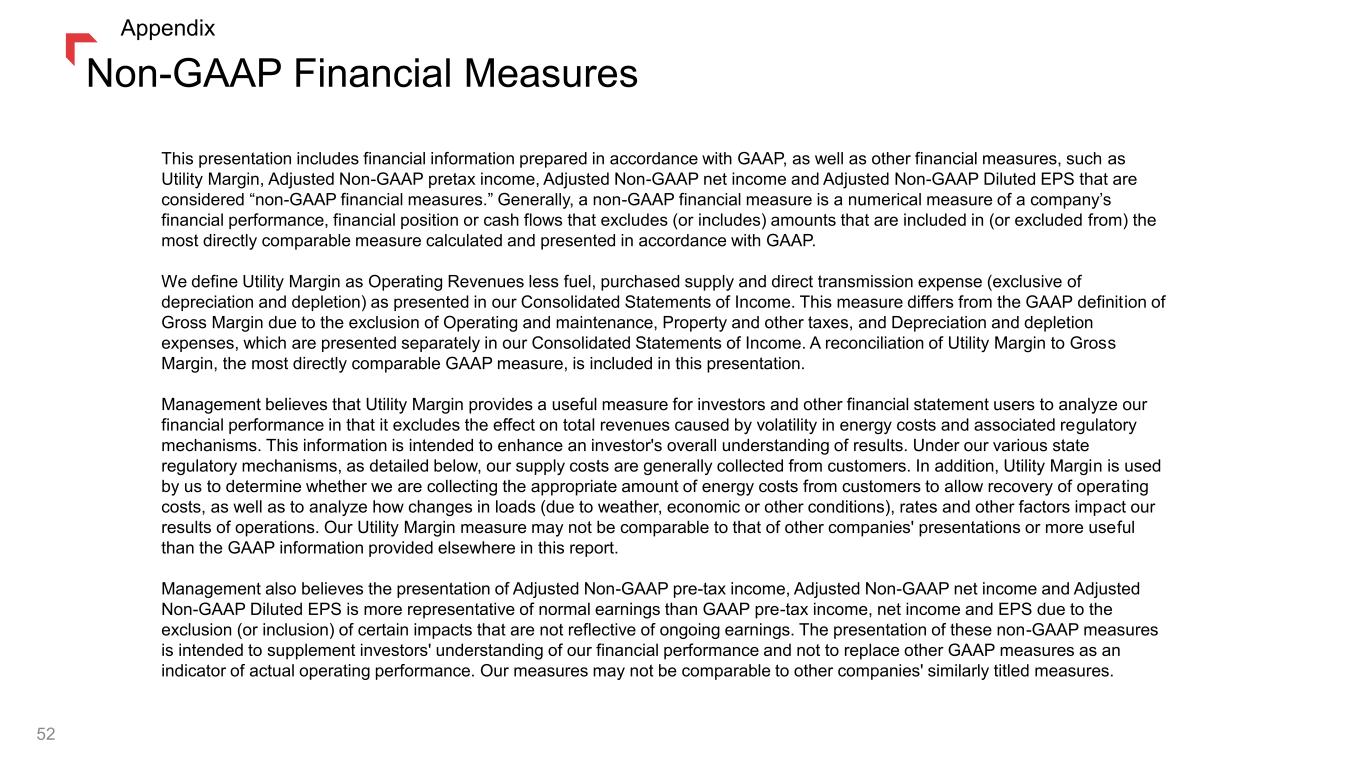
Thank you, Rebecca. Good afternoon, and thank you for joining NorthWestern Energy Group's financial results webcast for the quarter ended June 30, 2025. My name is Travis Meyer, and I'm the Director of Corporate Development and Investor Relations Officer for NorthWestern. Joining us on the call today are Brian Bird, President and Chief Executive Officer; and Crystal Lail, Chief Financial Officer. They'll walk you through our results for the quarter and provide an overall update on our progress. NorthWestern's results have been released, and the release is available on our website at northwesternenergy.com. We also released our 10-Q premarket this morning. Please note that our company's press release, this presentation, comments by presenters and responses to your questions may contain forward-looking statements. As such, I'll direct you to the disclosures contained within our SEC filings and the safe harbor provisions included on the second slide of this presentation. Also note that this presentation includes non-GAAP financial measures. Please see the non-GAAP disclosures, definitions and reconciliations included in the presentation. The webcast is being recorded. The archived replay will be available shortly after the event to remain active for 1 year. Please visit the Financial Results section of our website to access the replay. With that, I'll hand the presentation over to Brian Bird for his opening remarks.
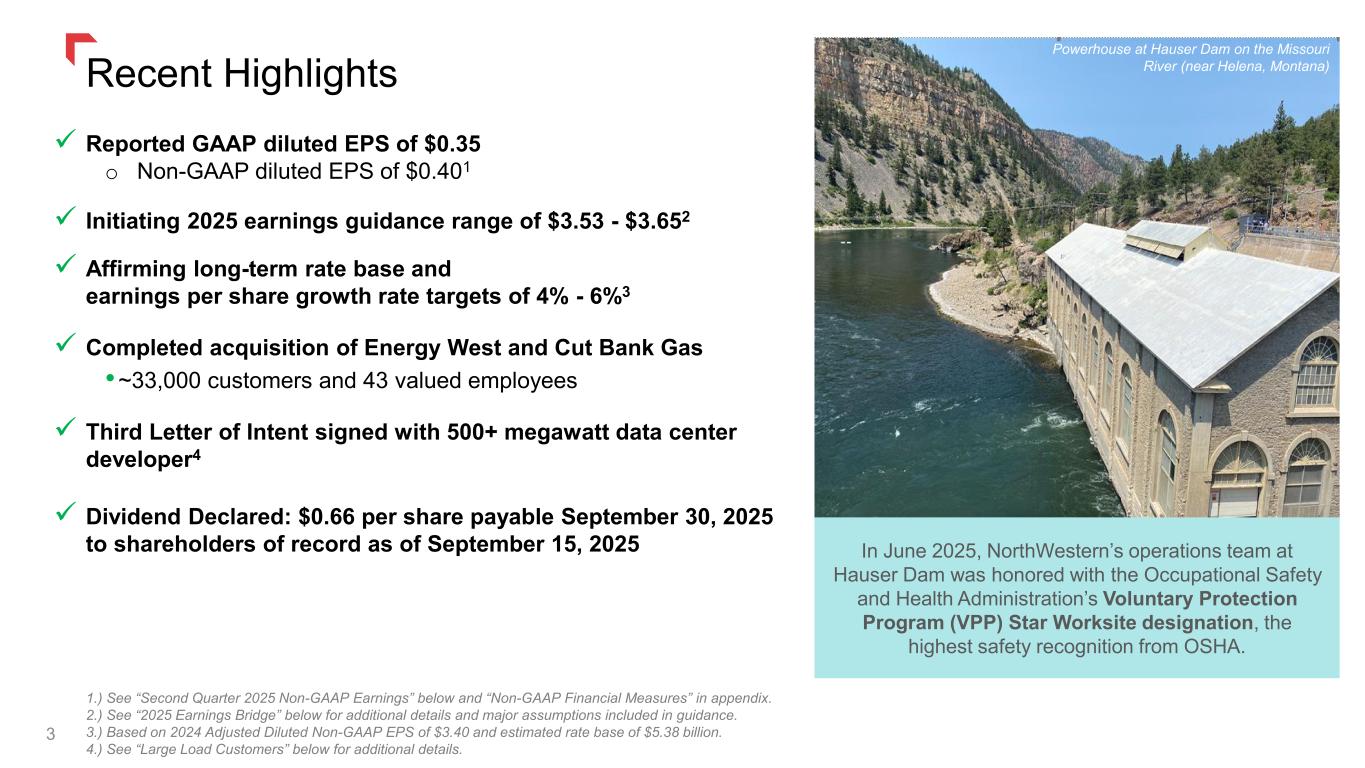
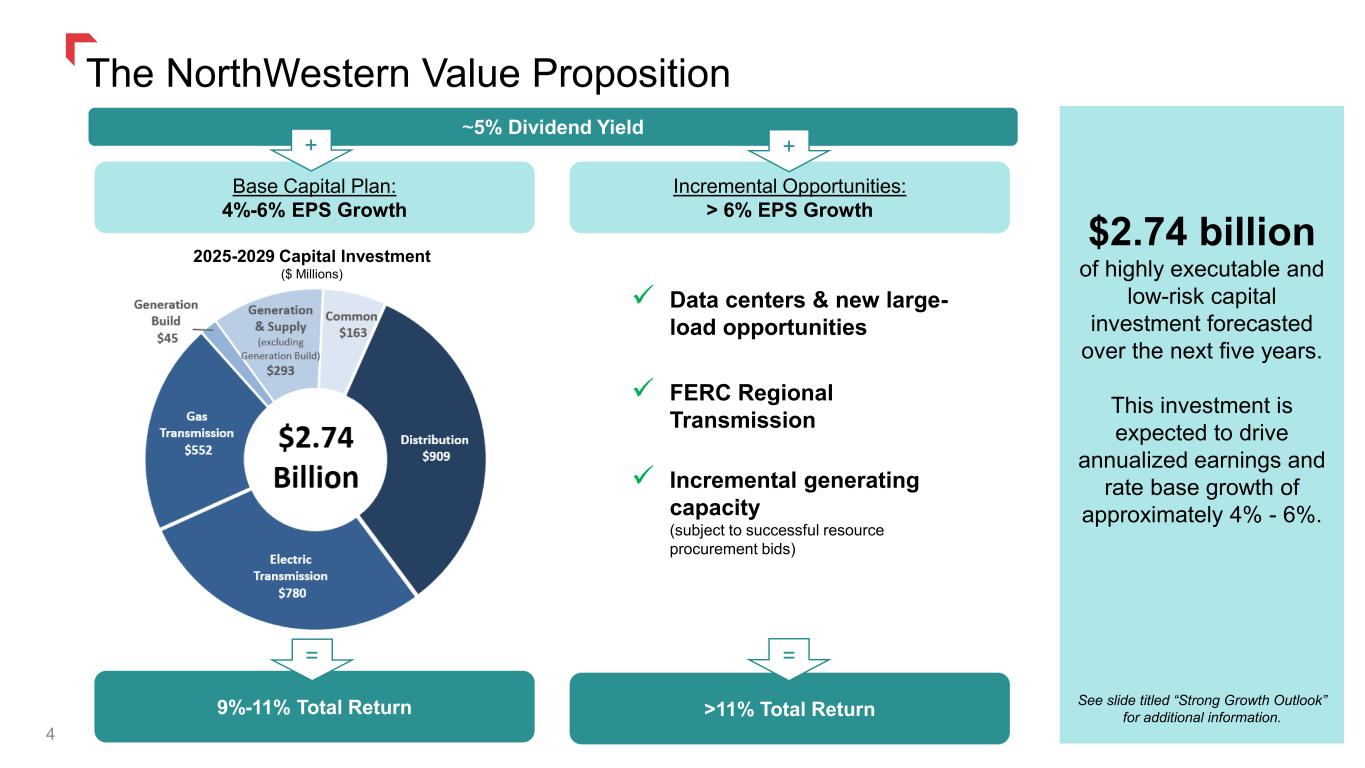
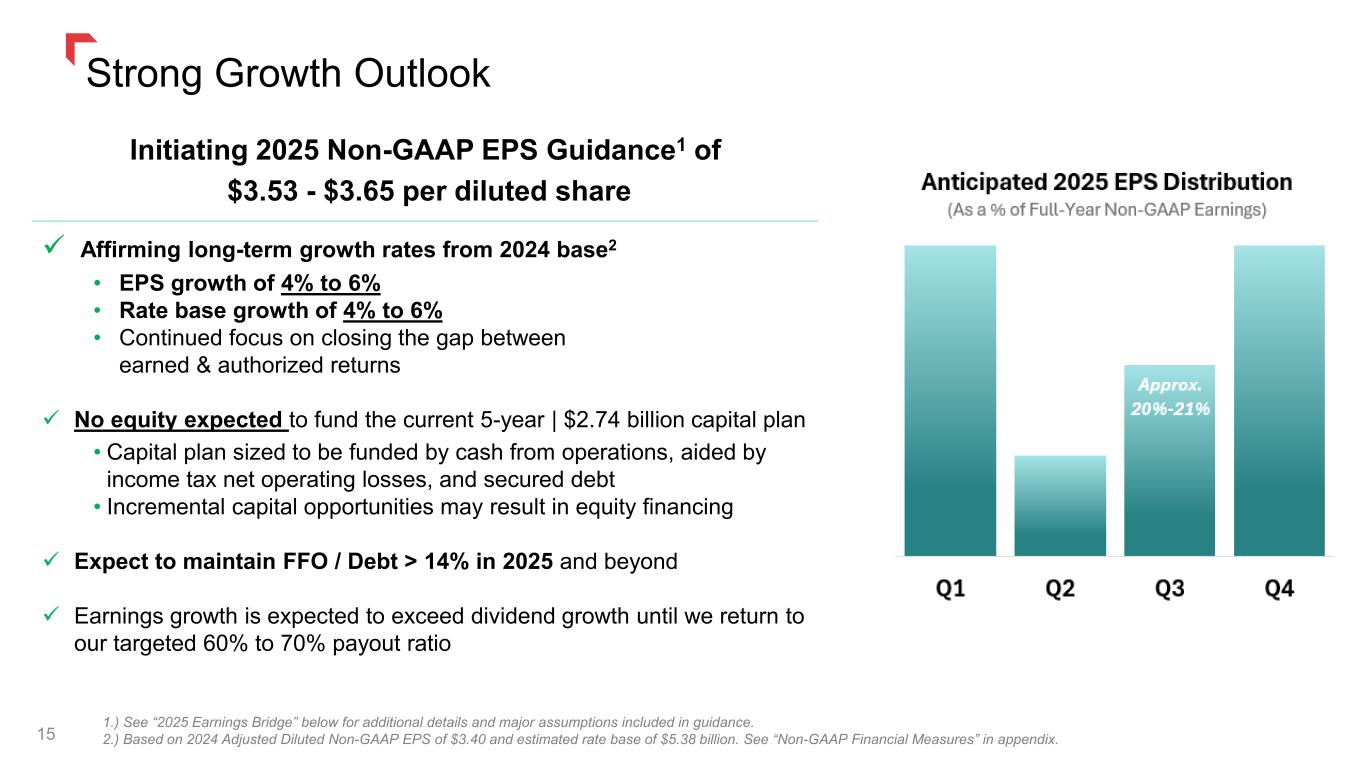
Thanks, Travis. Recent highlights for the quarter. We have reported GAAP diluted EPS of $0.35. With some adjustments, the non-GAAP diluted EPS was $0.40 for the quarter. We're initiating our 2025 earnings guidance range of $3.53 to $3.65. We're affirming our long-term rate base and earnings per share growth rate targets of 4% to 6%. We completed our acquisition of the Energy West and Cut Bank gas facilities, adding 33,000 customers and 43 valued employees. We entered into our third letter of intent with Quantica to a 500-plus megawatt data center developer. And we declared a dividend of $0.66 per share payable September 30, 2025, to shareholders of record as of September 15, 2025. The NorthWestern value proposition continues. We continue to have a very strong dividend yield right around 5%. That, plus our 4% to 6% EPS growth range based upon a 5-year capital of about $2.75 billion, and arguing about 80% of that is in certainly non-controversial transmission and distribution investment. On a combined basis, that gets us to a 9% to 11% total return. We do have some incremental opportunities to invest additional capital and grow our earnings, such as data centers and new large load opportunities that we'll discuss further, plus FERC regional transmission and also any incremental generating capacity or gas transmission that could help us exceed an 11% total return. And with that, I'm going to hand it back over to Crystal for the second quarter financial review.
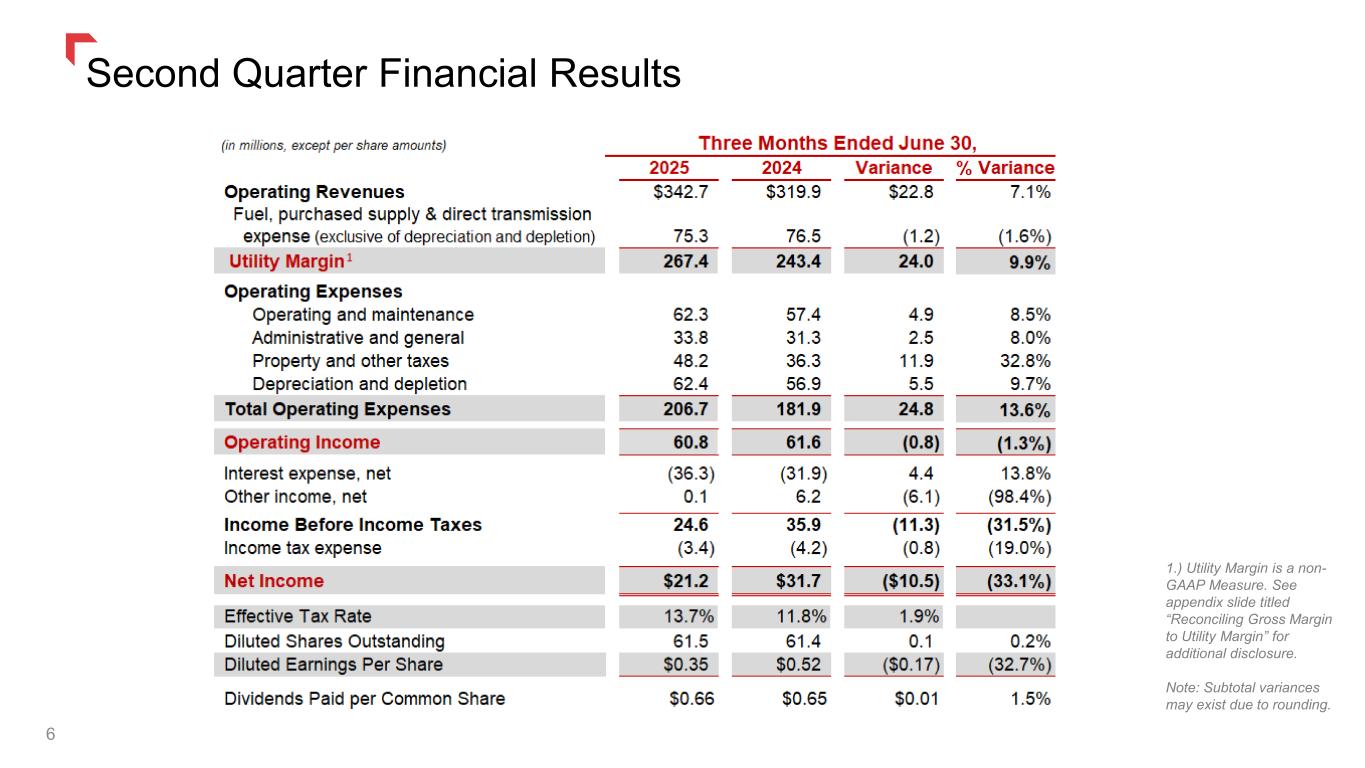
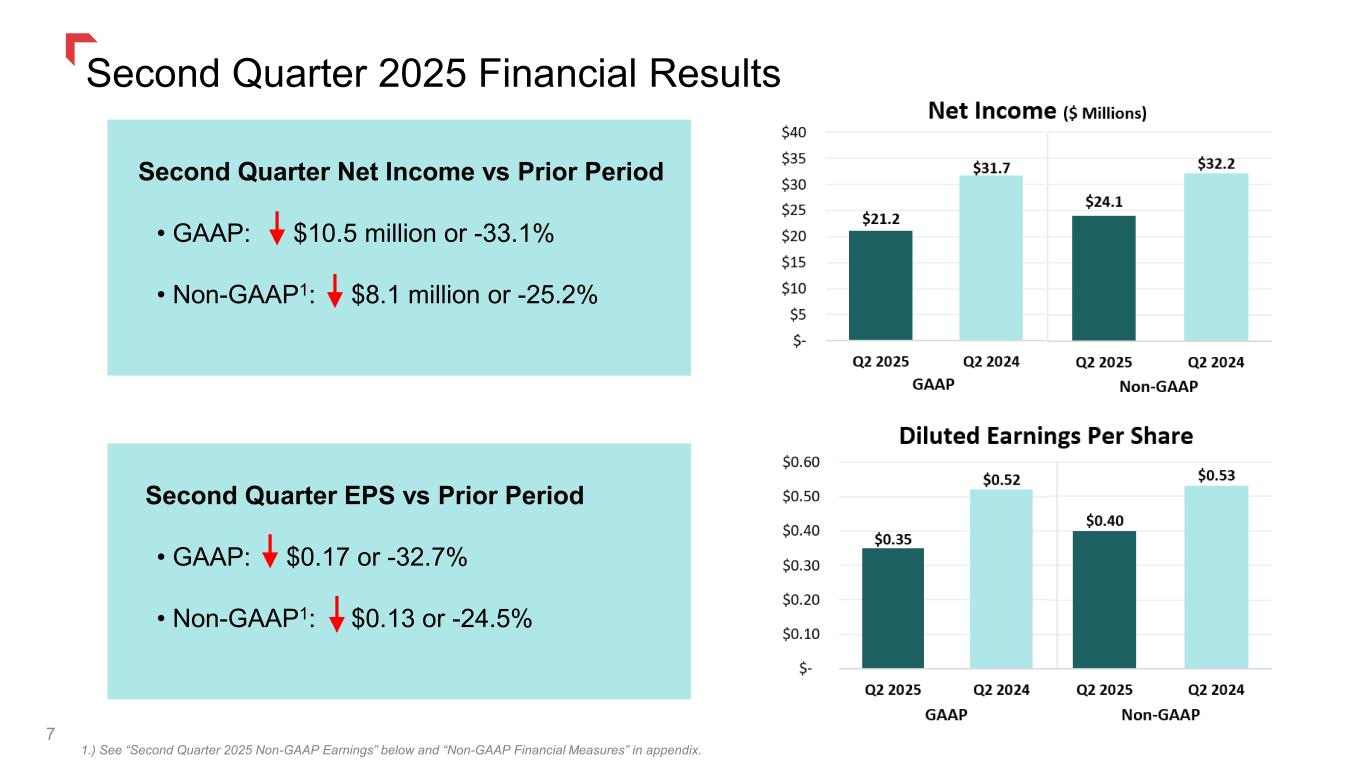
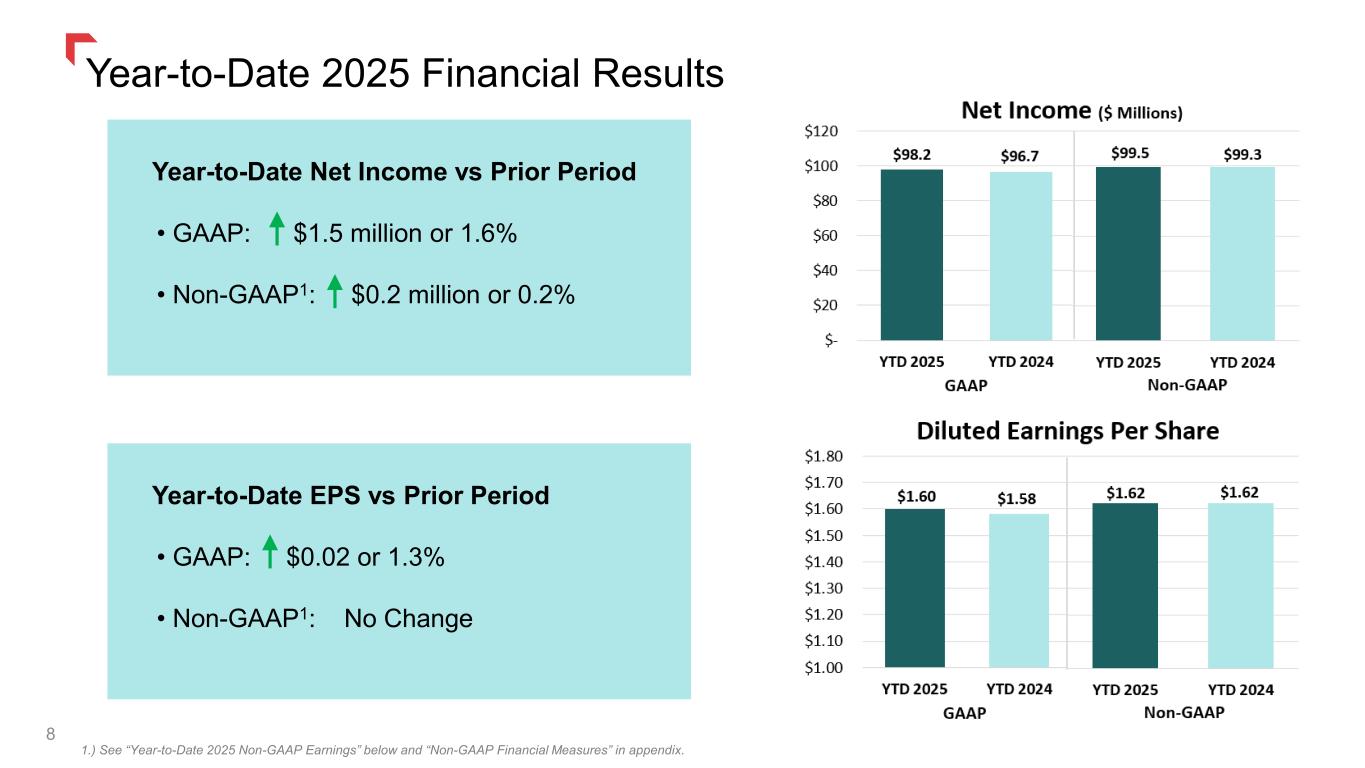
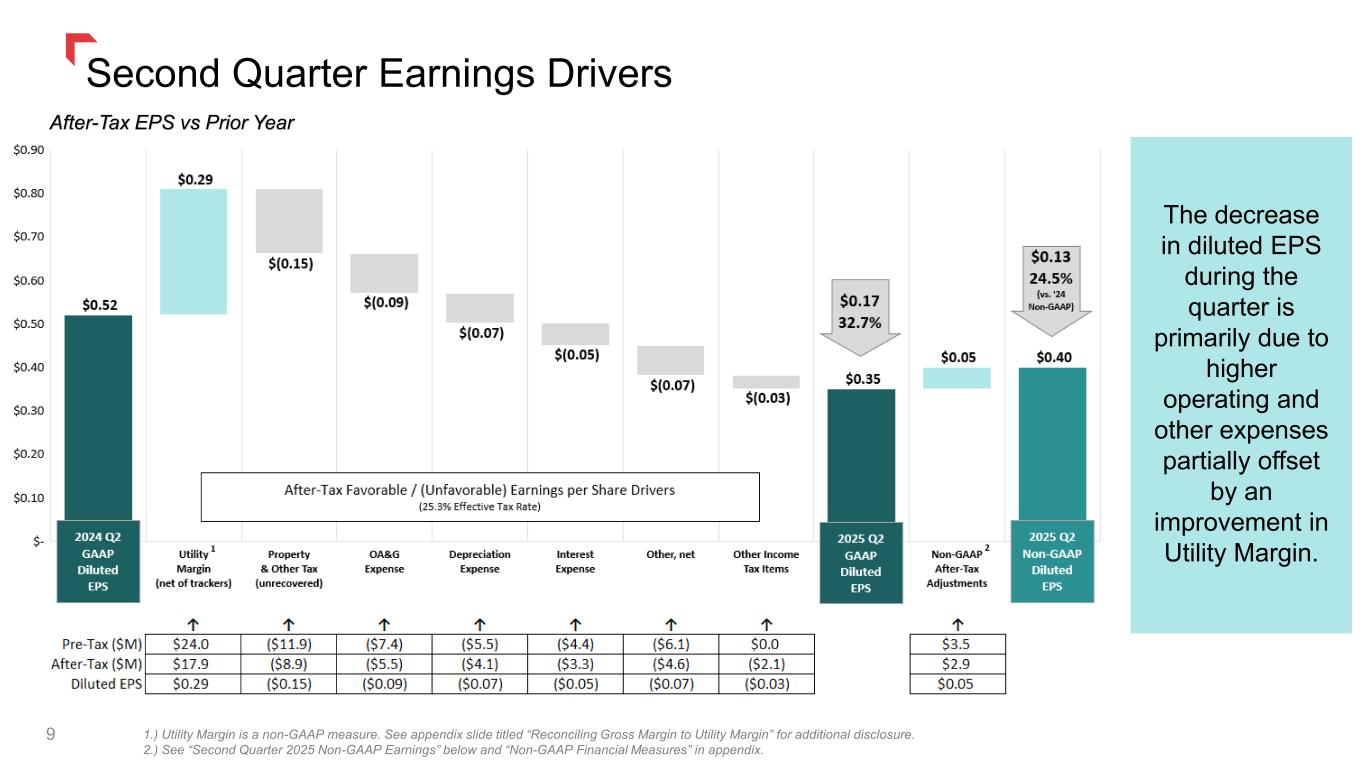
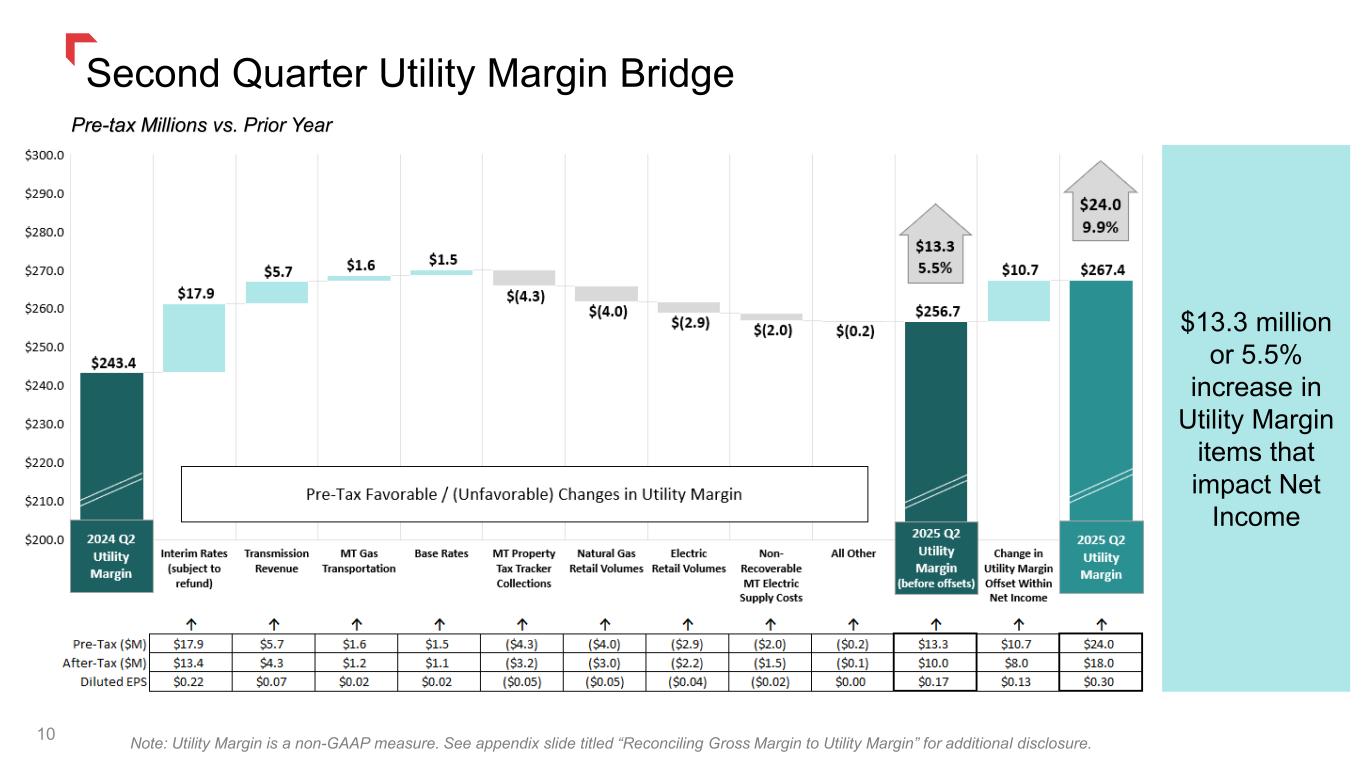
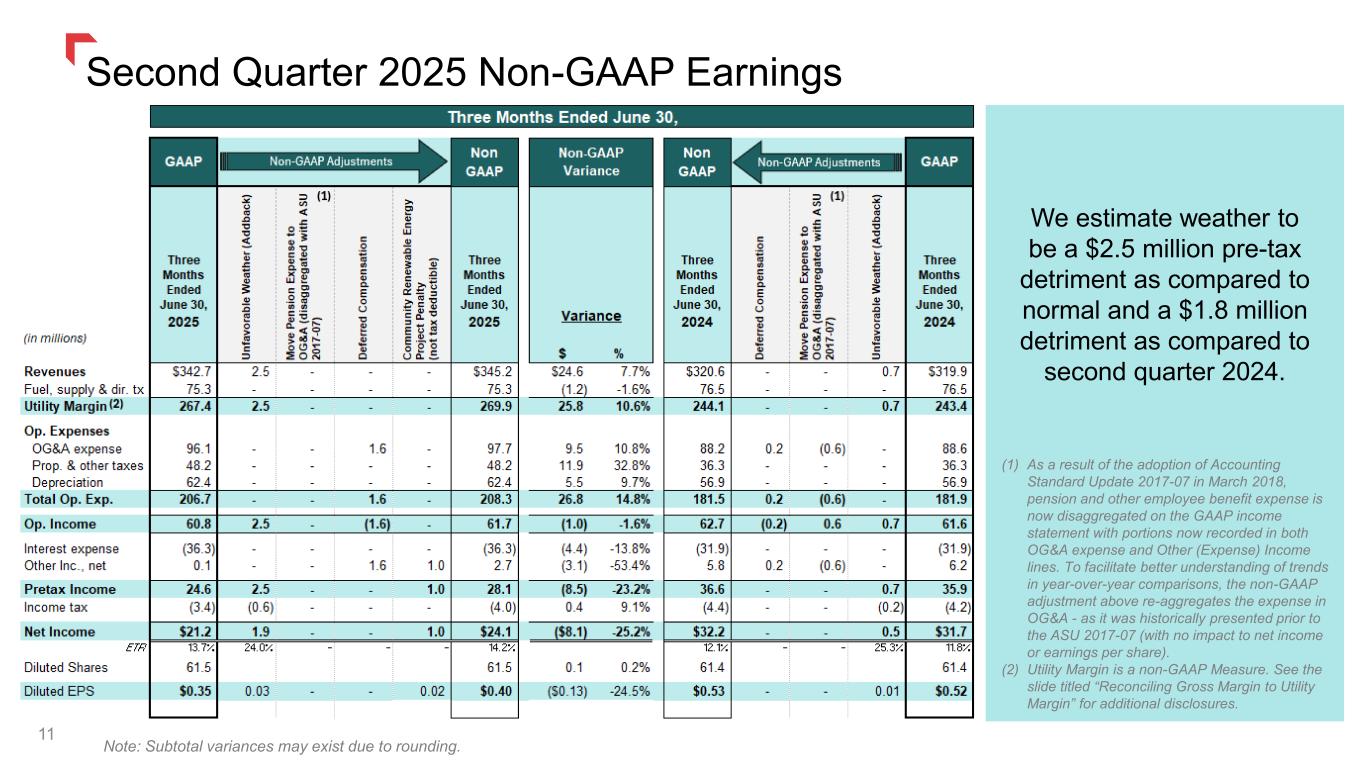
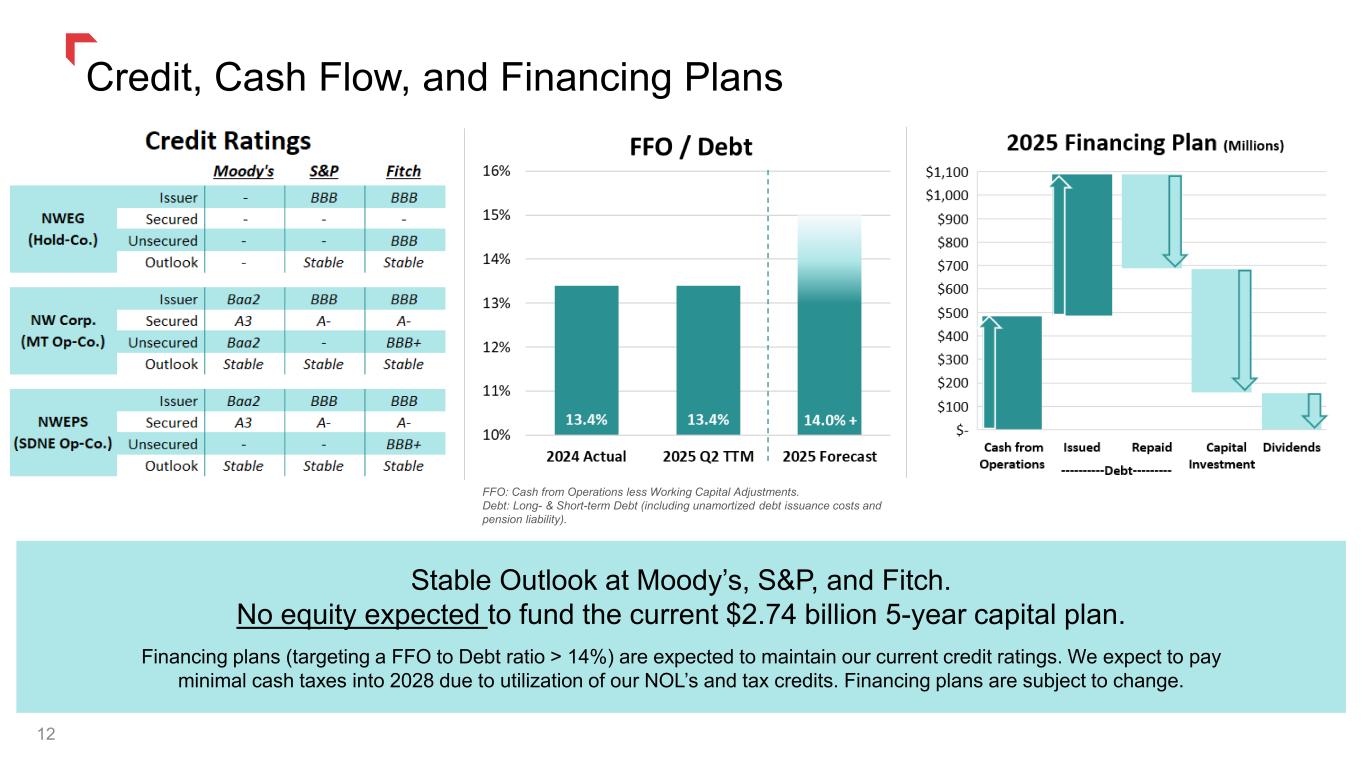
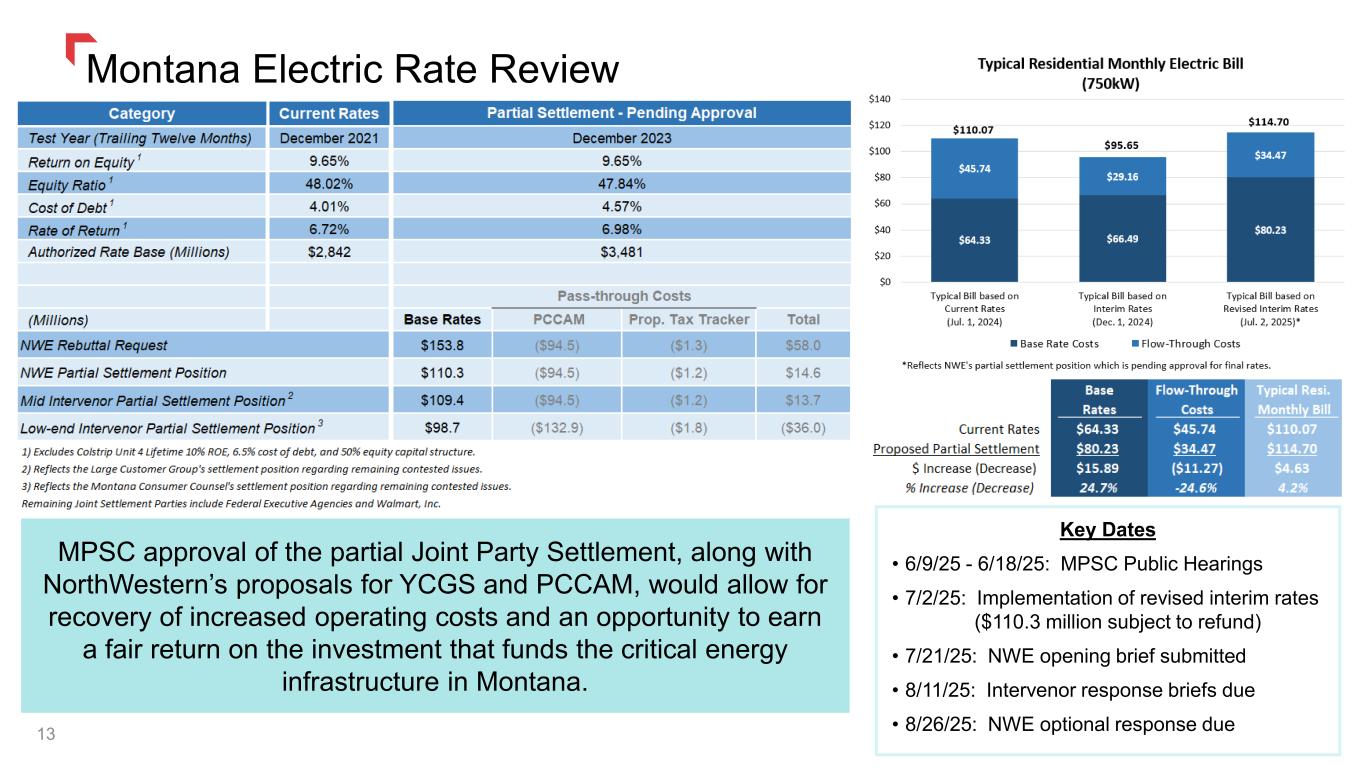
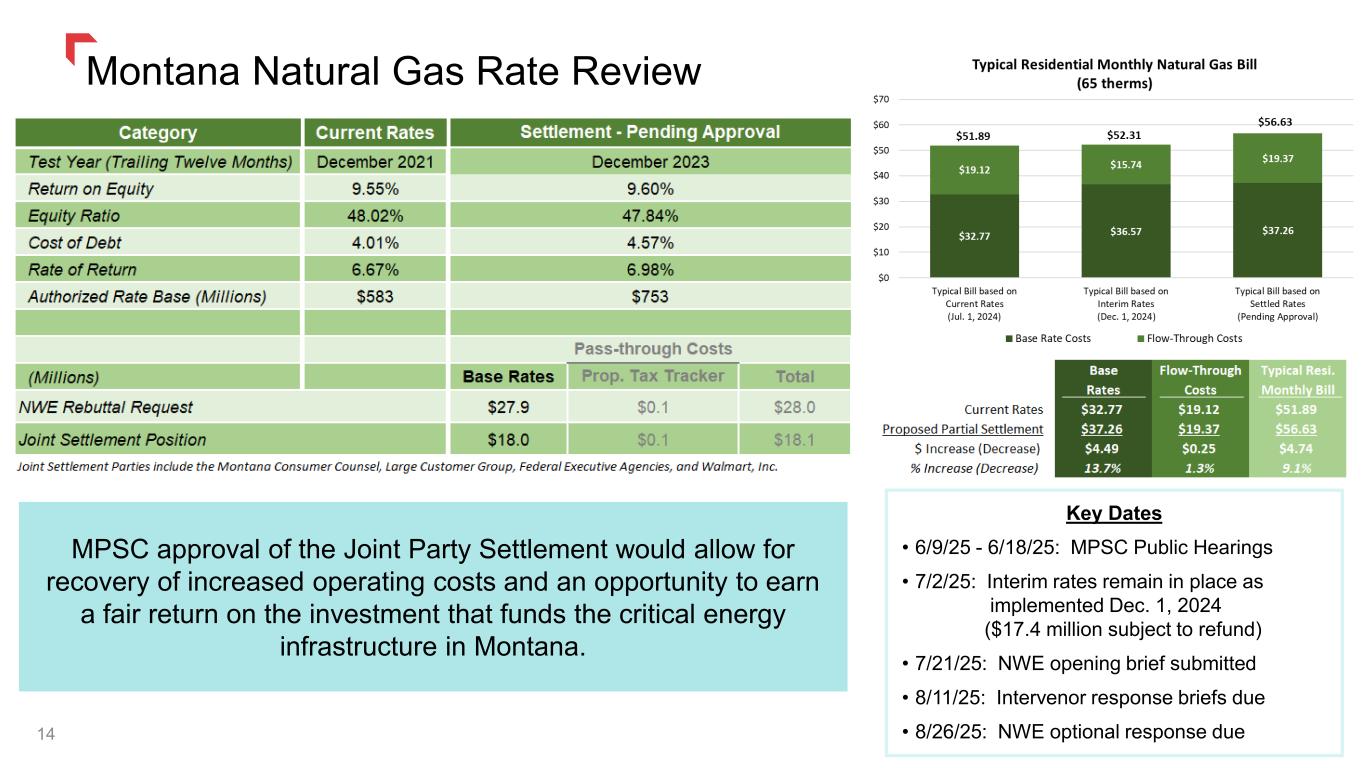
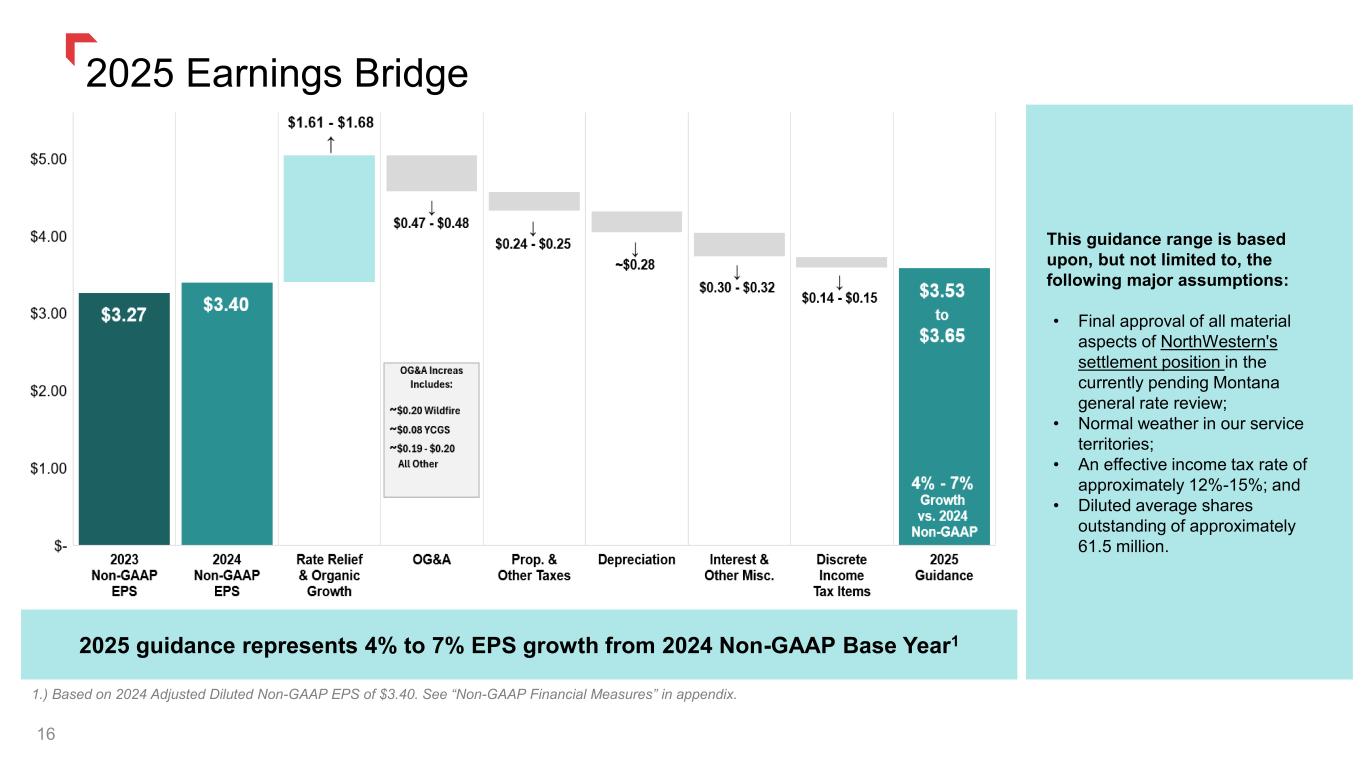
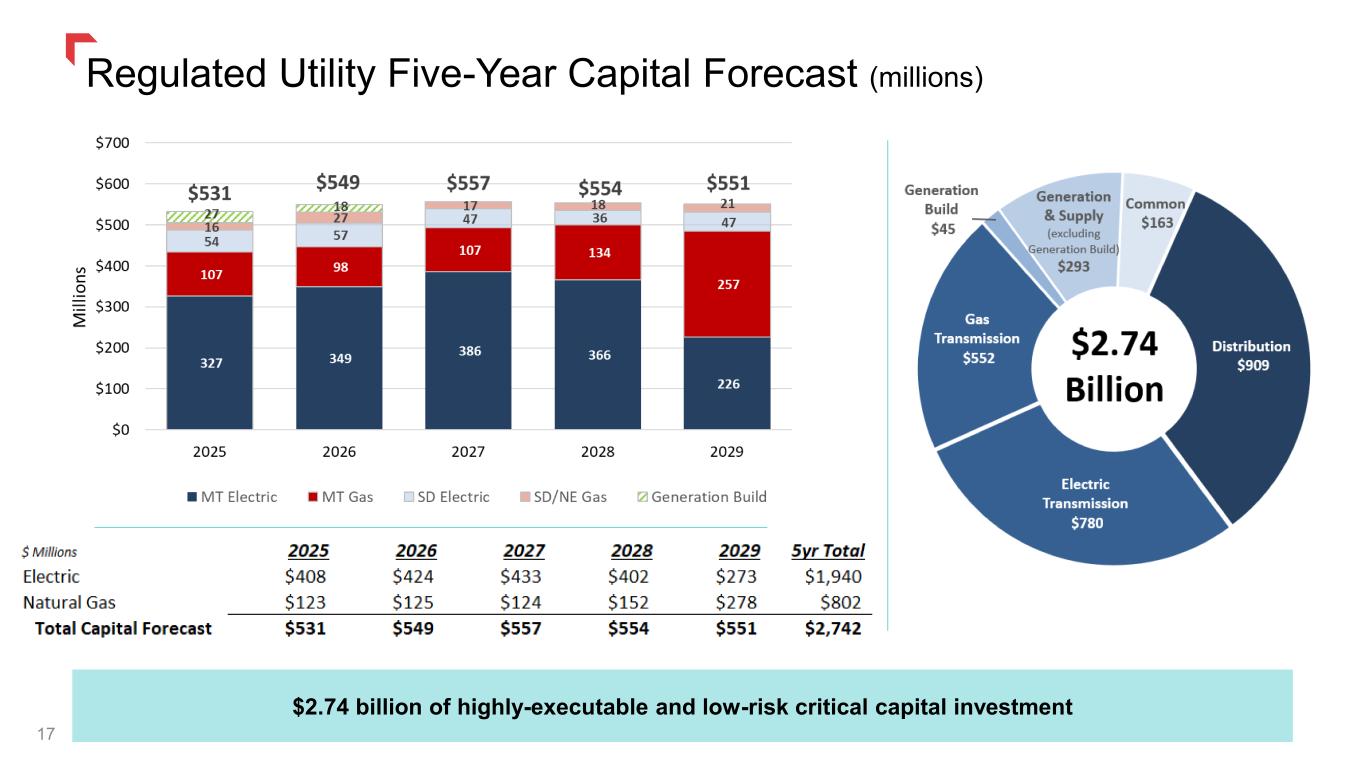
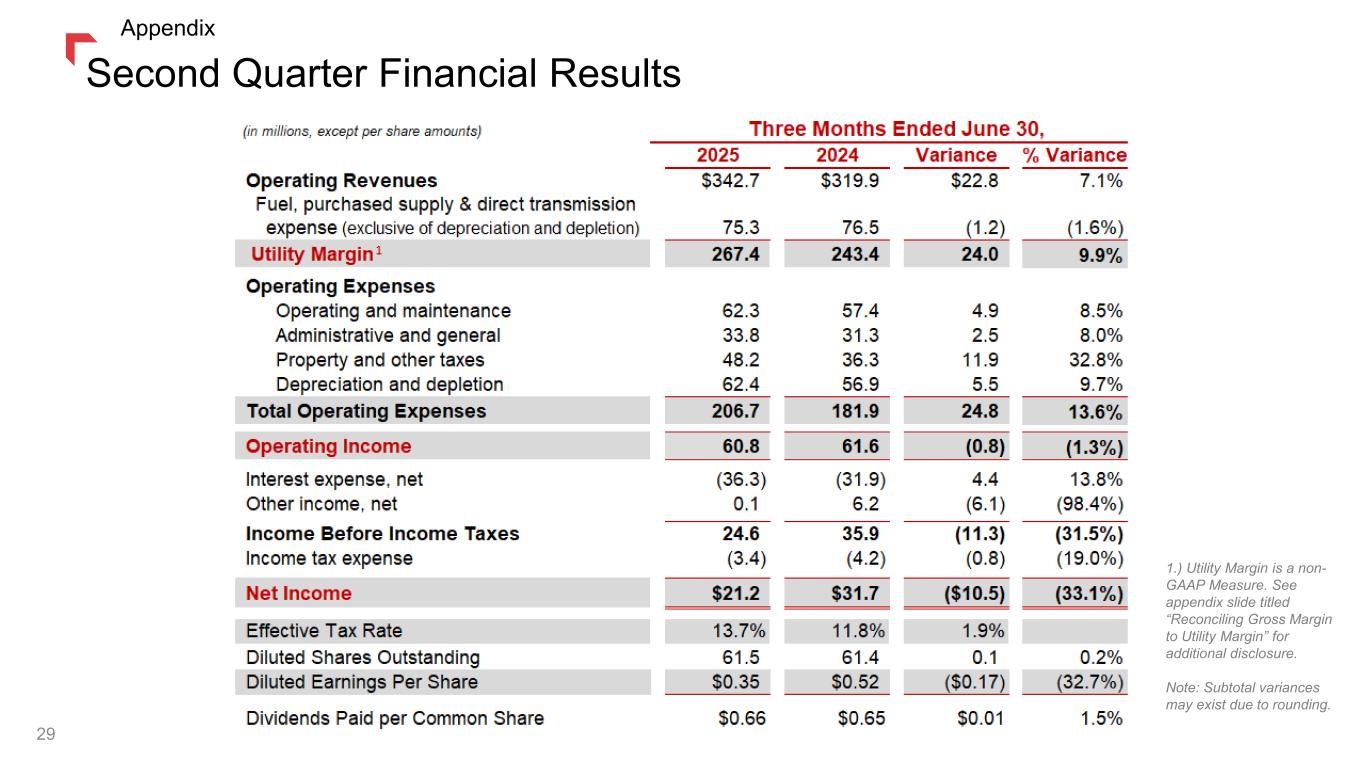
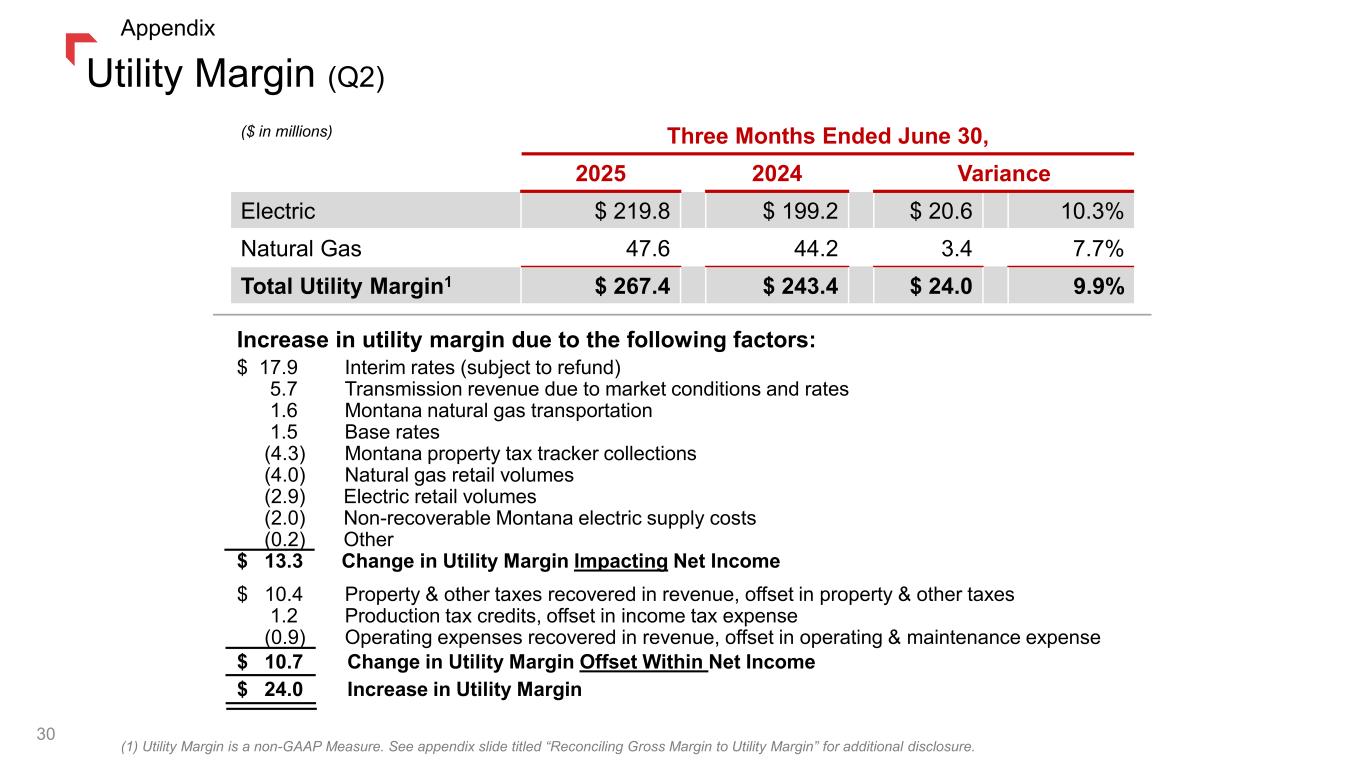
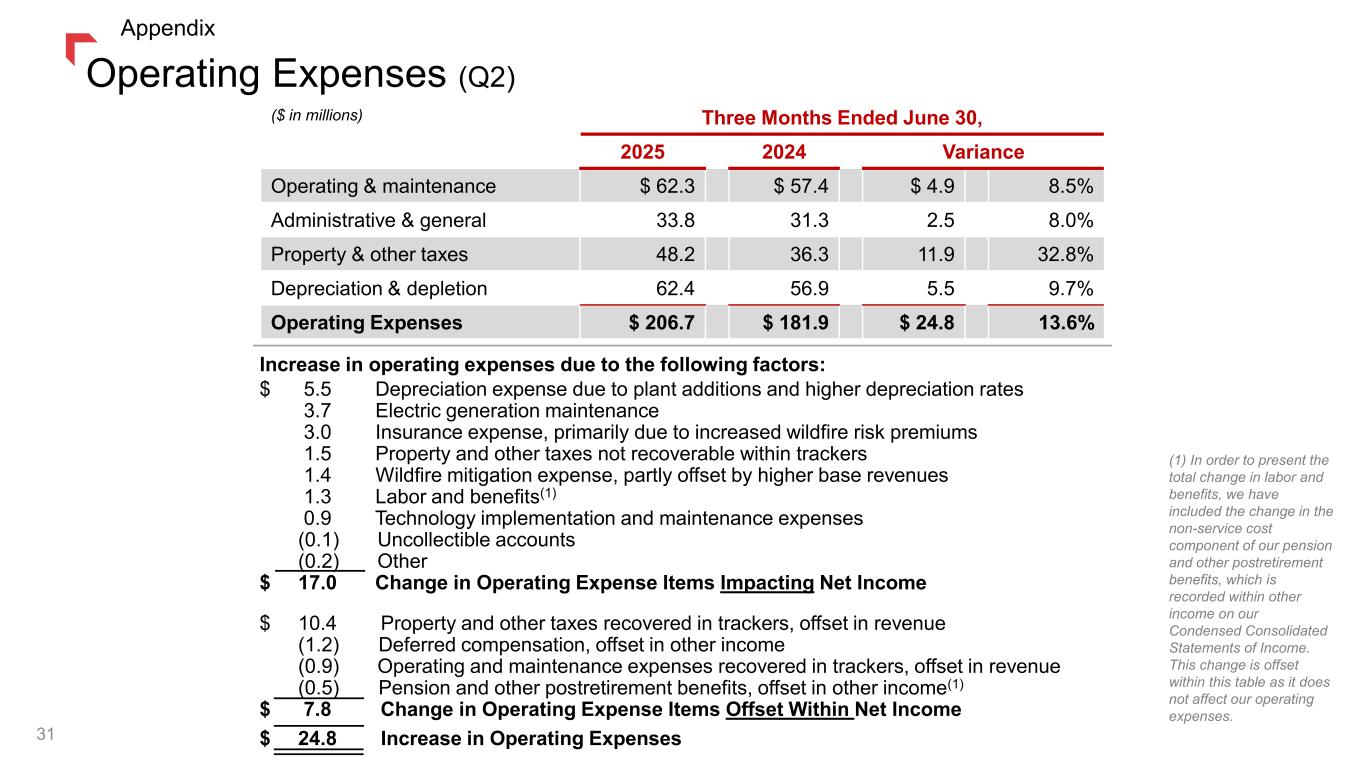
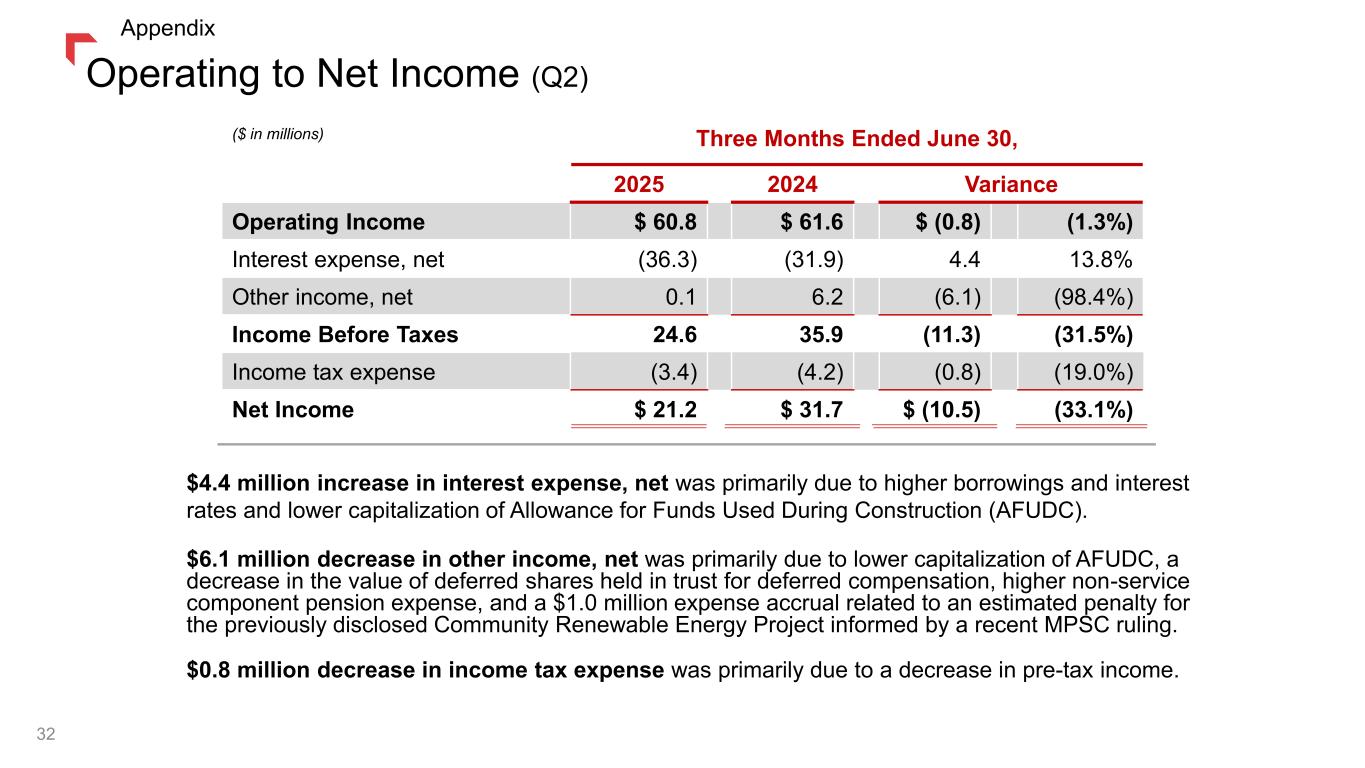
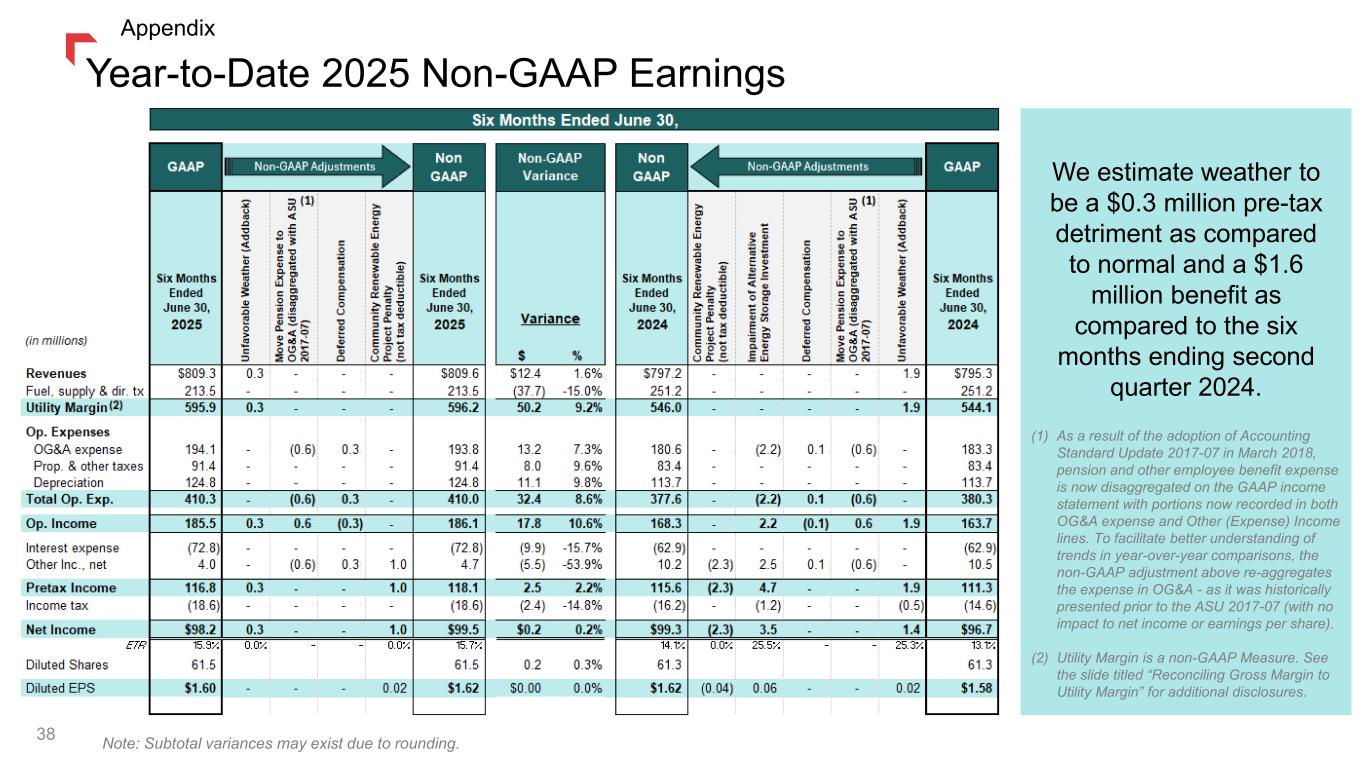
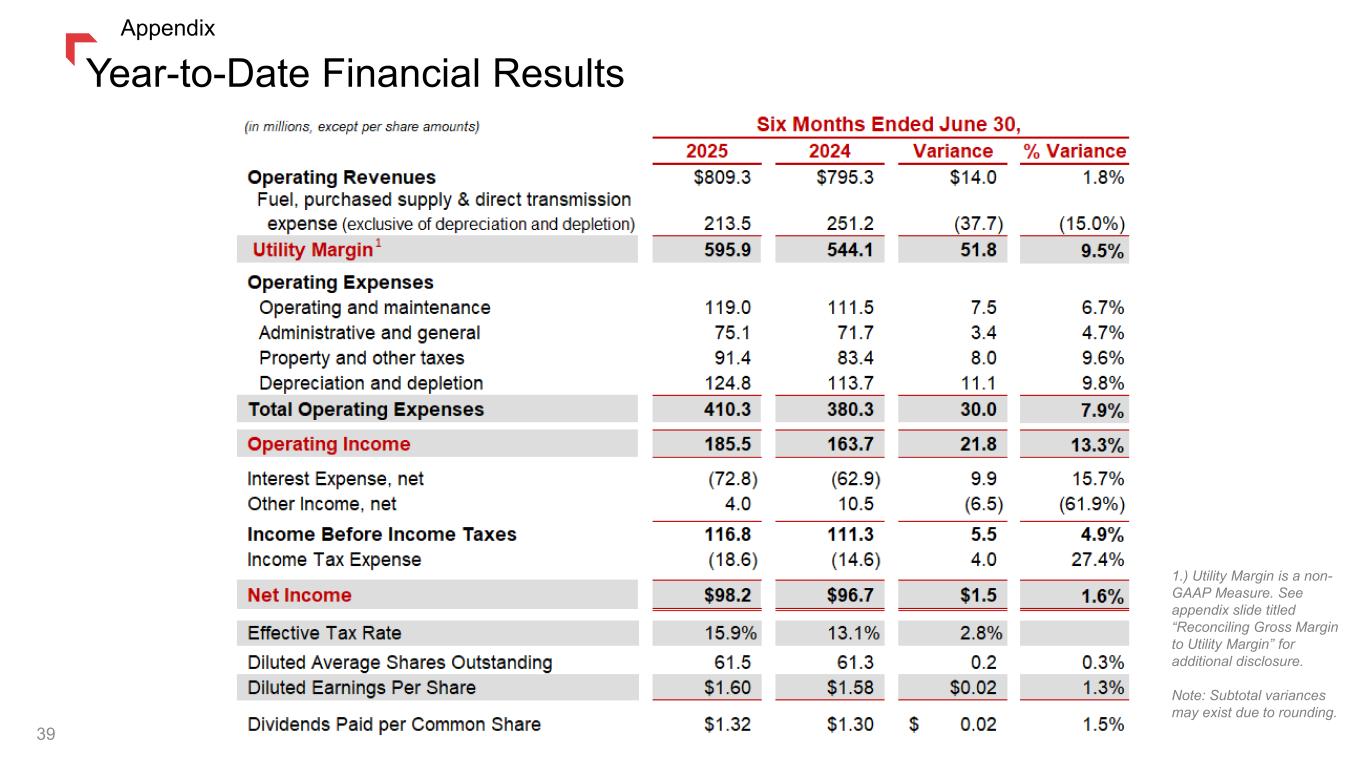
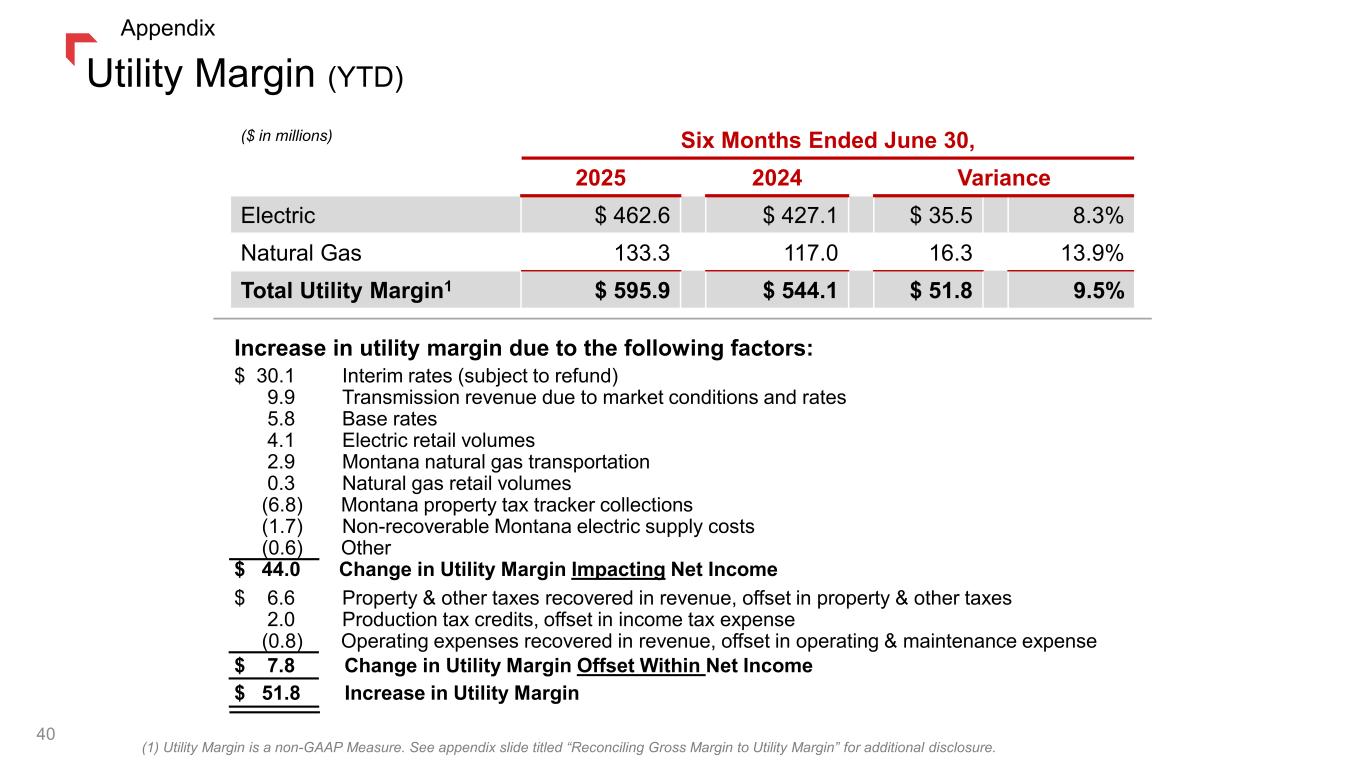
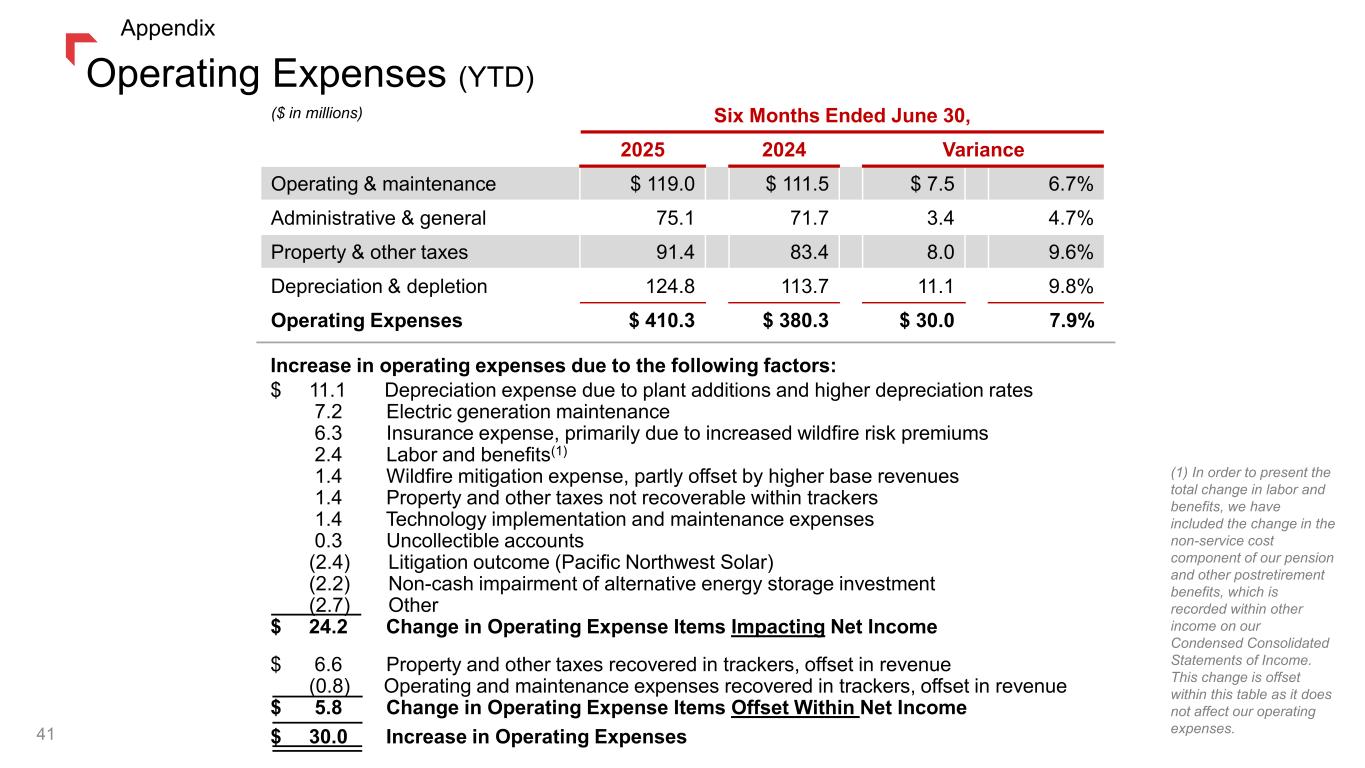
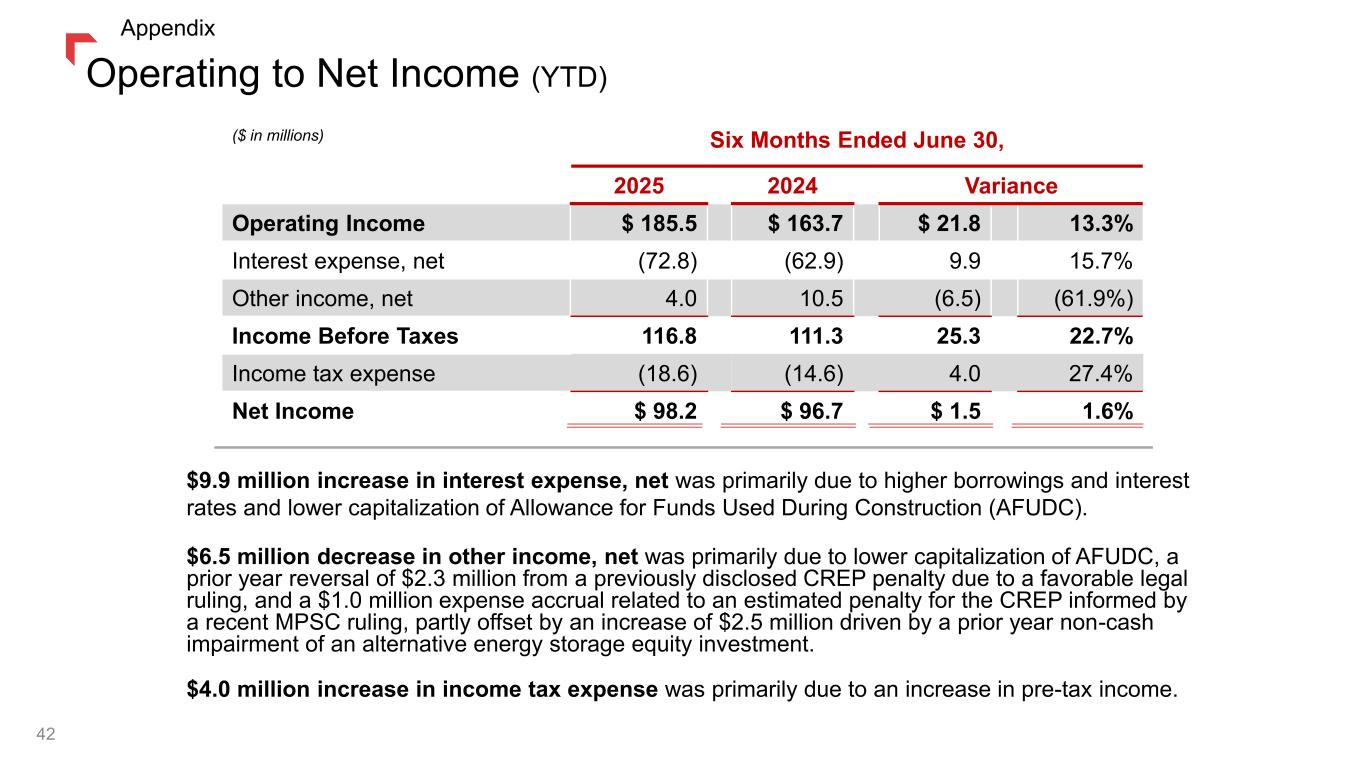
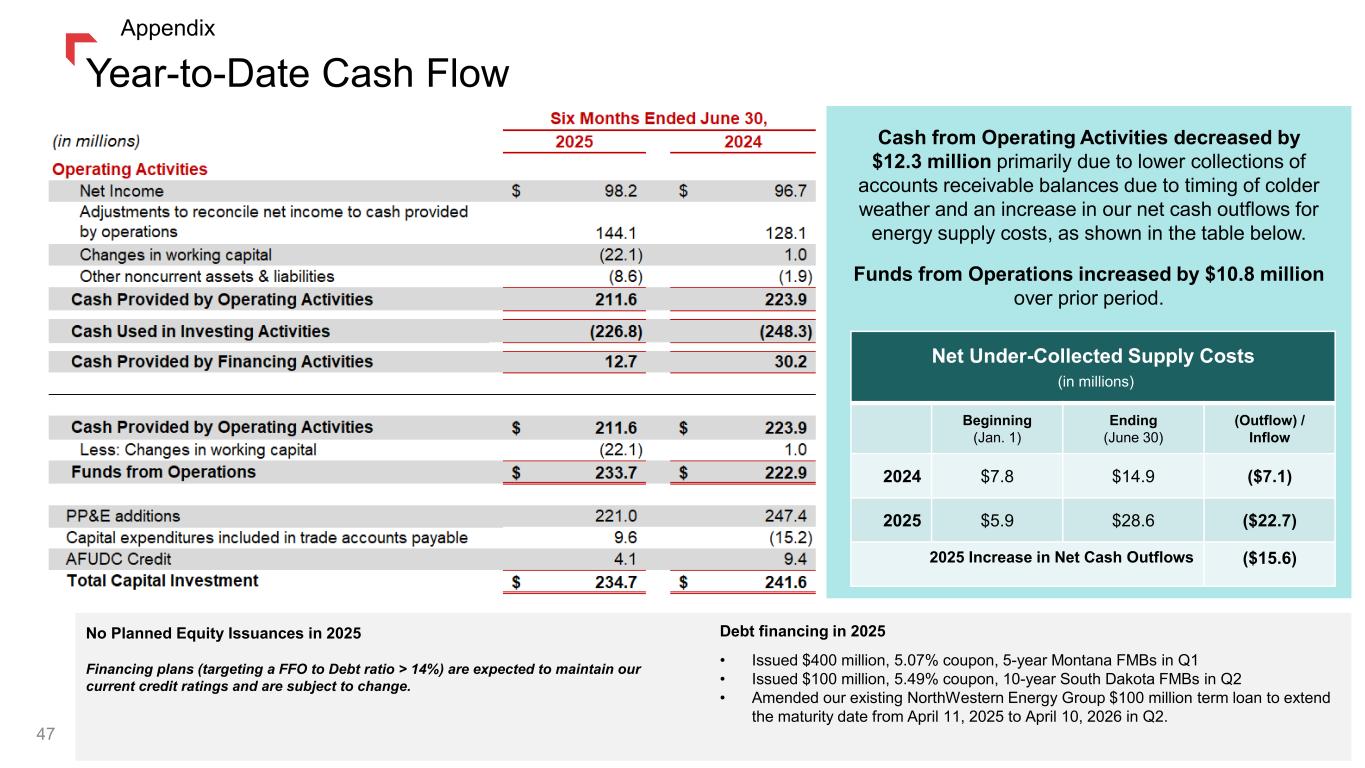
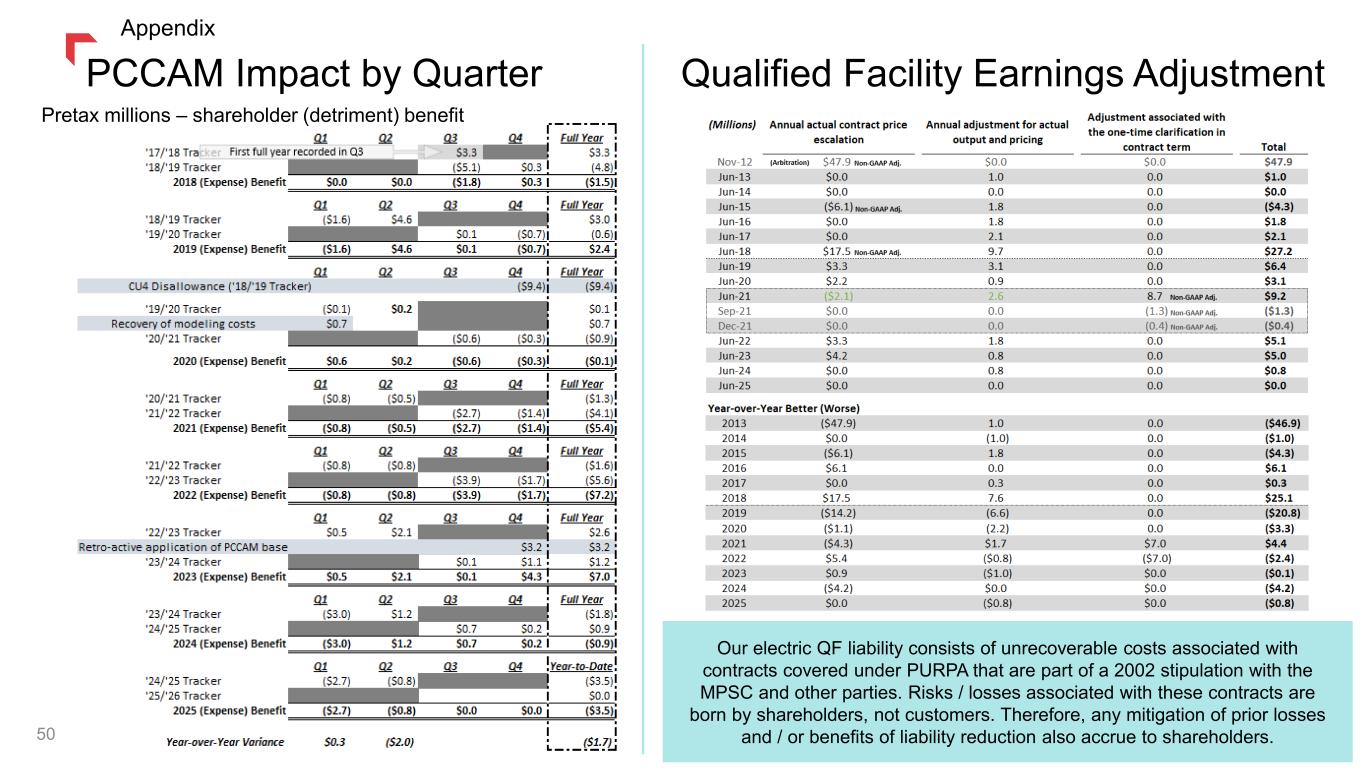
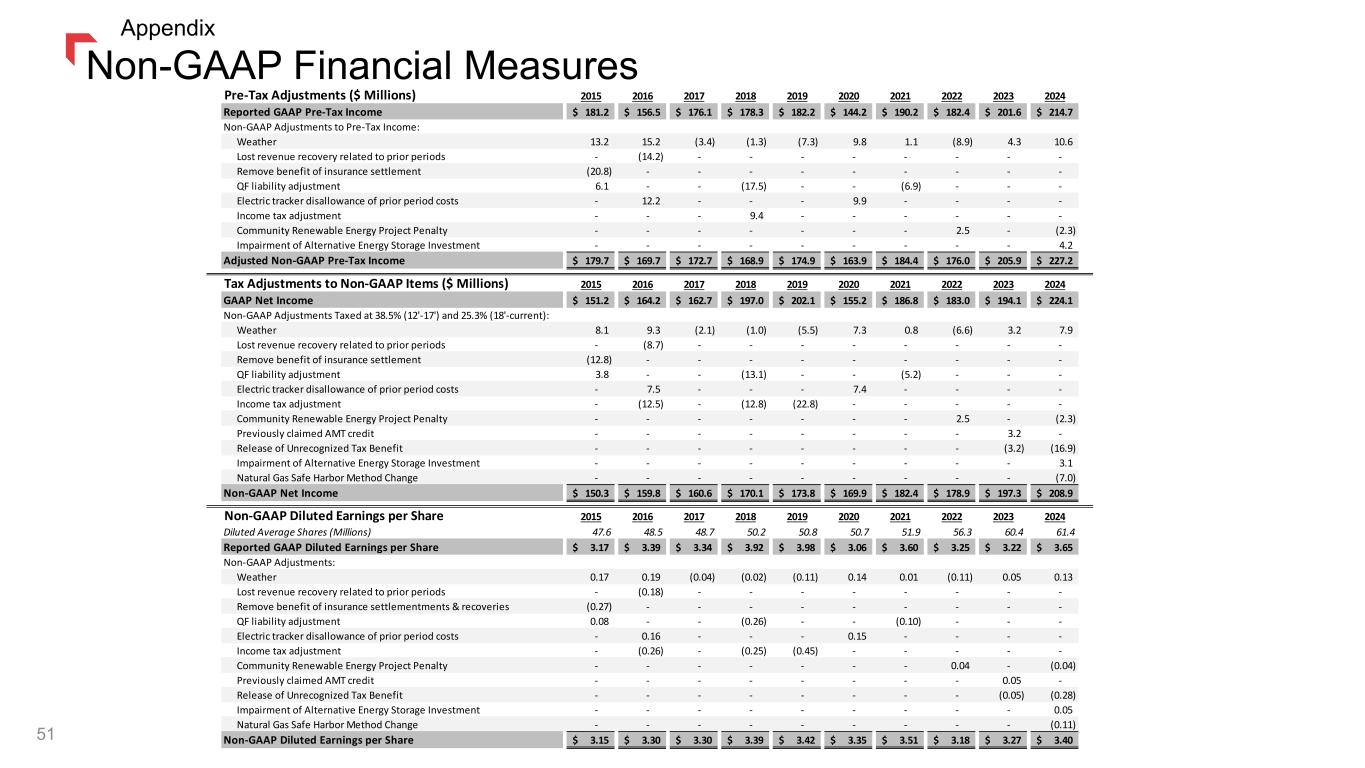
Thank you, Brian. Coming to you from sunny Bozeman here. In my comments today, I will cover our second quarter 2025 results, update you on some key regulatory proceedings. I think you all know we've been busy here in the second quarter on that front and then also provide you our 2025 outlook, which we had indicated we would provide following the Montana rate review hearing. So starting on Slide 7. You will see that our earnings for the second quarter were $0.35 on a GAAP basis, and that's compared with $0.52 in the prior period. On an adjusted non-GAAP basis, earnings were $0.40 as compared with $0.53 in the prior period. Obviously, a notable decline in our second quarter results when you think about and compare them to the prior year, certainly impacted by the lack of interim rates and timing of those decisions. But I would point out that these results are in line with our expectations and start the year where we think we need to be. I'll provide more color on that and our outlook as I get to those slides. Moving to Slide 8, just to remind you what that looks like from a year-to-date results perspective. You'll see we're pretty flat against the prior period. Our earning results for the first half with net income and EPS in line with 2024. You'll recall that we started out the year with a solid first quarter and then our year-to-date results reflect that. Moving to Slide 9 to give you a bit more detail on what happened during the quarter. You'll see the bar charts here of what are the significant drivers. Quarterly earnings were driven primarily by the key topics of rate recovery. You'll see that in the first part on the left, offset by a bit of unfavorable weather and certainly pressures at the operating cost, depreciation and interest lines, again, all in line with our expectations of where we thought we'd be here in the second quarter. To provide more detail on the margin portion of that, Slide 10 shows that the impact of rates, both interim rates and final rates drove a $0.24 margin improvement in the quarter. Again, that reflects the impact of the Montana rate review moving from the earlier interim results that were in place until late May to the adjusted interim rates that were put in at that point and then also gas rates in both South Dakota and Nebraska, again, $0.24 from the impacts of those two areas. In addition, I think Brian mentioned lots around transmission, but both electric and gas transmission show improved results for us. That's $0.07 on the electric transmission side and $0.02 on the gas transportation side, respectively. Those were offset by unfavorable weather and usage of $0.09 for the quarter. And then also impacts of Montana property tax legislation, which you will see had a $0.05 detriment for the quarter. We do expect that detriment to continue throughout the back part of the year. Again, there was new property tax legislation enacted in Montana adjusting the amount that is collected through our bills. In addition, the PCCAM was a detriment of $0.02 in the quarter. We talked about that last quarter and would expect to see some continued headwinds throughout 2025. Moving to Slide 11 to discuss our adjusted items, I've already mentioned the weather's unfavorable impact. You will see here that was $0.03 in the second quarter, which compares to a $0.01 unfavorable add-back in the second quarter of 2024, showing a $0.02 swing versus the prior period. Additionally, we have adjusted out the impact of a CREP penalty, consistent with prior treatment of that item. This results in adjusted earnings of $0.40 for the second quarter compared to $0.53 in the second quarter of 2024. Moving to Slide 12, we discussed our financing plans, which remain unchanged from that. We'd also discussed that we had already executed upon any financing needs through the year. Our debt financing needs are taken care of, with no changes to our view on financing for the year. You'll see a little dip in our cash flows for the quarter reflecting the timing of that rate recovery and relief, but we expect to conclude the year above our downside threshold and are making good progress there. Moving to Slide 13 to discuss regulatory updates. I'll comment on our Montana rate review proceedings. We have previously announced a full settlement on our gas case and a partial settlement in the electric case. The remaining contested items are primarily related to the recovery of our Yellowstone generating facility and the PCCAM base. We were pleased to announce the tremendous work it took to narrow the focus of that proceeding and having a solid hearing where, I would say, largely a really impressive group of about 30 employees represented the company and how we serve our customers very well in front of the commission. With that hearing concluded, we moved on and filed opening briefs, and we expect an outcome in the ultimate proceeding sometime in the fourth quarter. Moving to Slide 15, I will discuss our outlook for 2025. We are pleased with our start to the year and introducing our 2025, as Brian alluded to, our non-GAAP guidance of $3.53 to $3.65. I would note that this includes some significant assumptions regarding the outcome in our Montana rate review. While we await an outcome, we are reporting revenue consistent with our settlement position and we expect to record ultimately a final adjustment to whatever is applicable based on the outcome of the proceeding. I should note that the final decision, when received and likely in the fourth quarter of this year, will be retroactive to May 23. This guidance is consistent with our commitment to deliver on a 4% to 6% long-term earnings growth off of our base of 2024, which is $3.40. Additional key and important details are available on Slide 16 for your review. Moving to Slide 17 and concluding my comments, you'll see our 5-year regulated capital investment expectations remain unchanged, and our execution in the first half of the year is on track. And with that, I will turn it back to Brian.
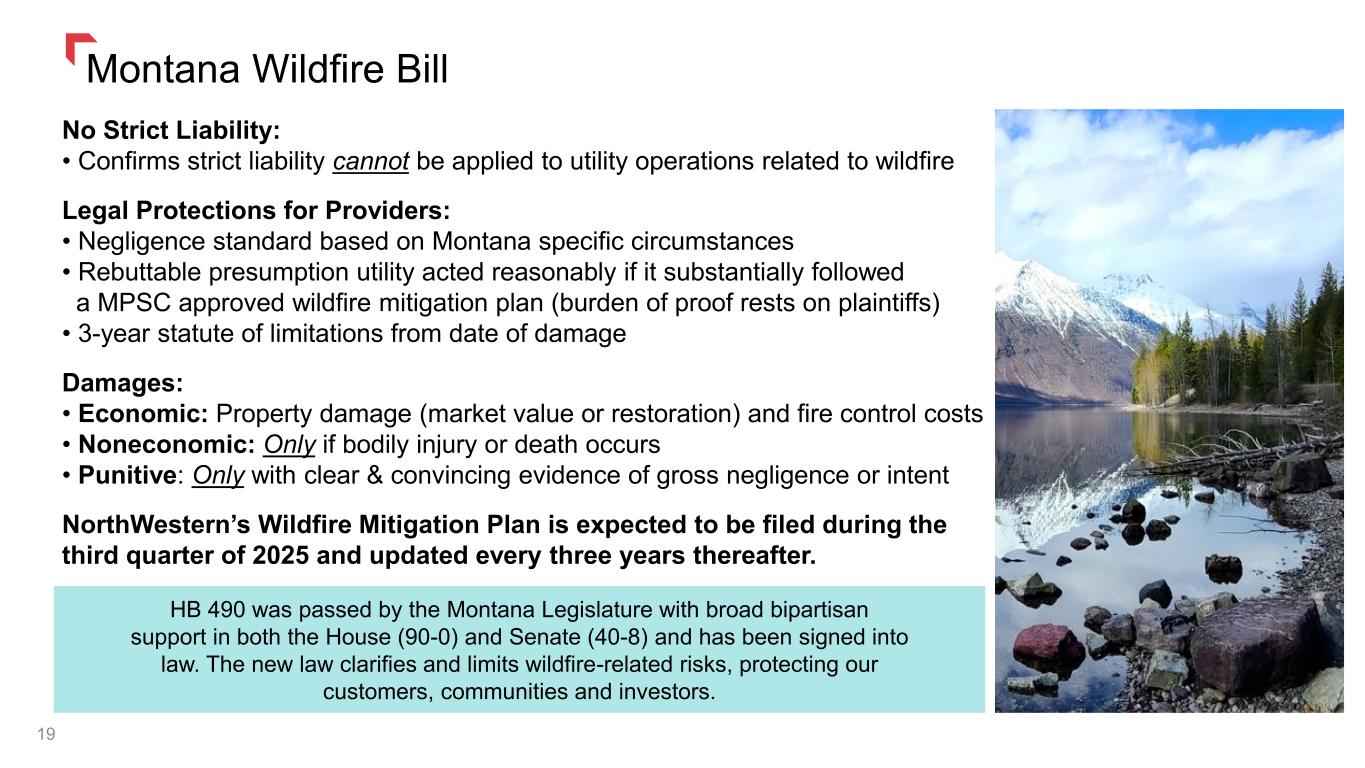
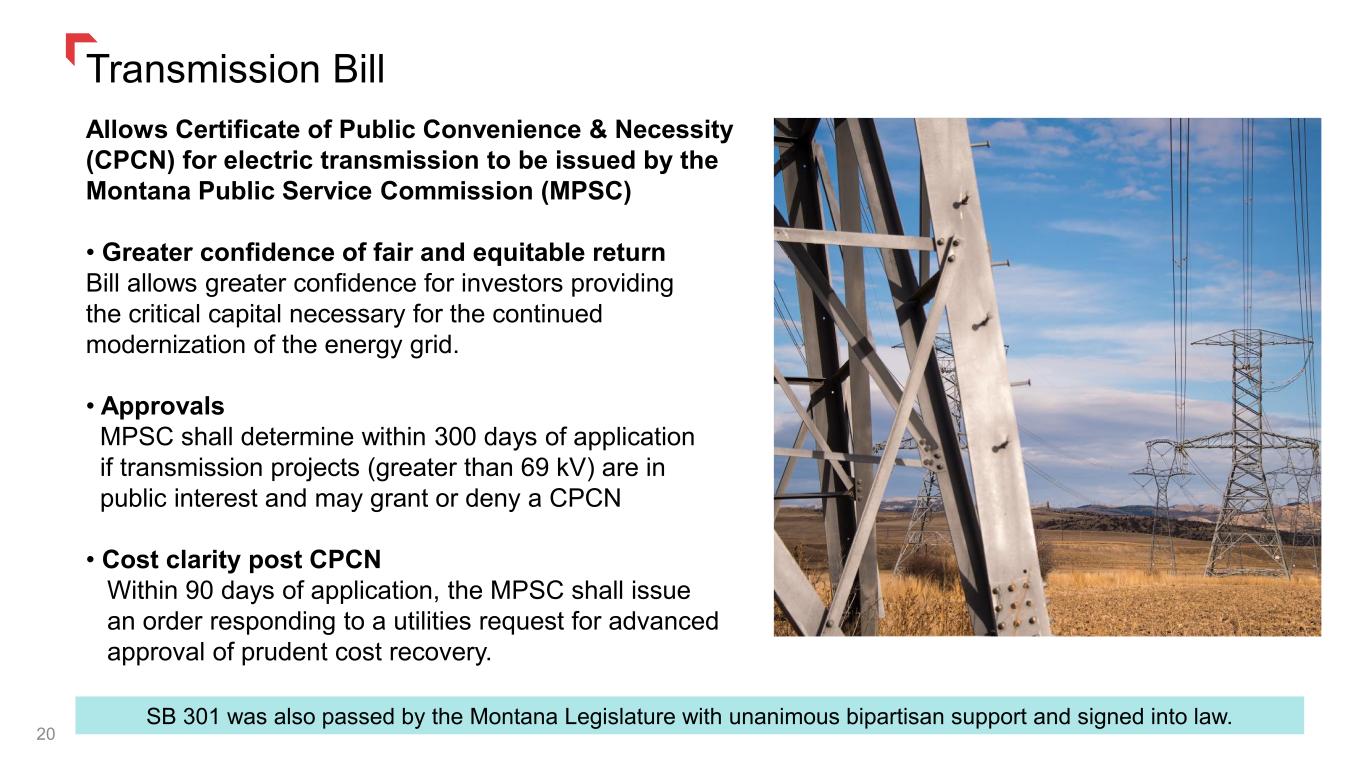
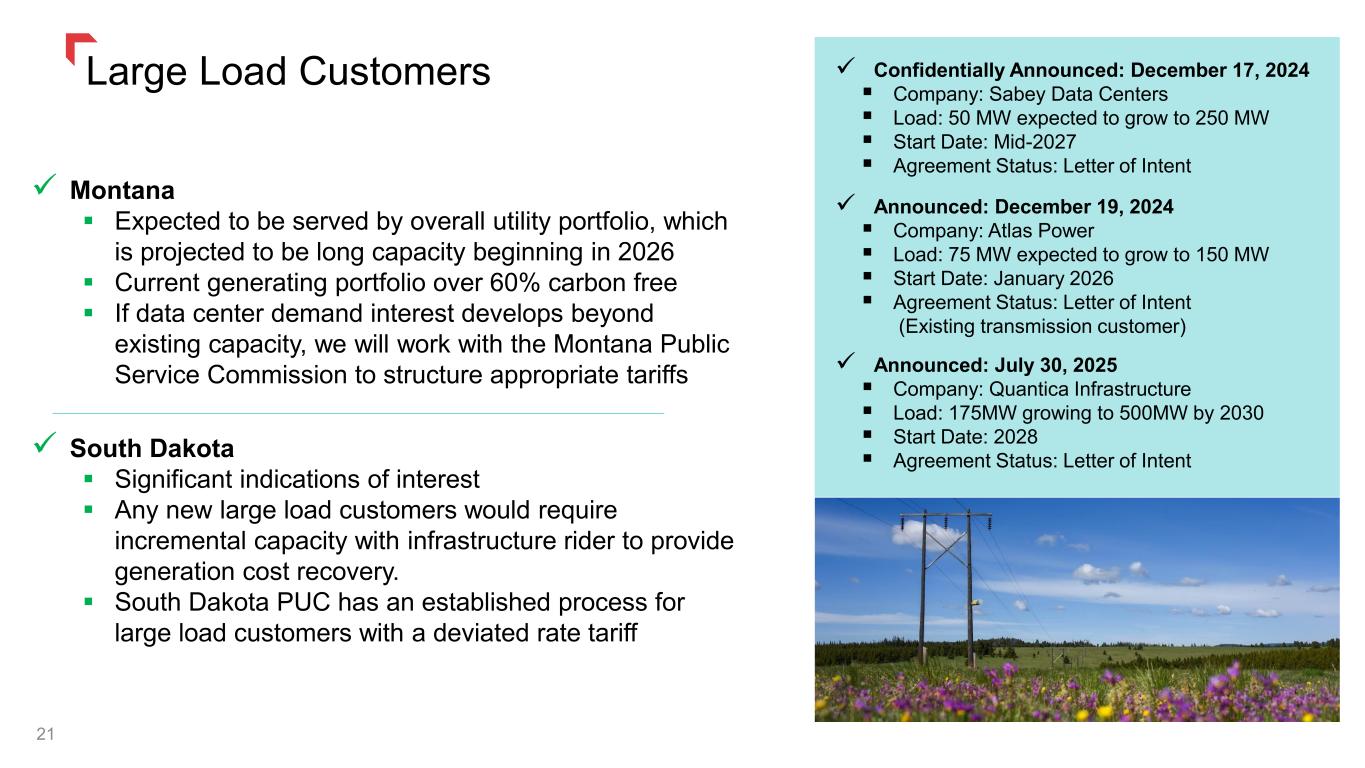
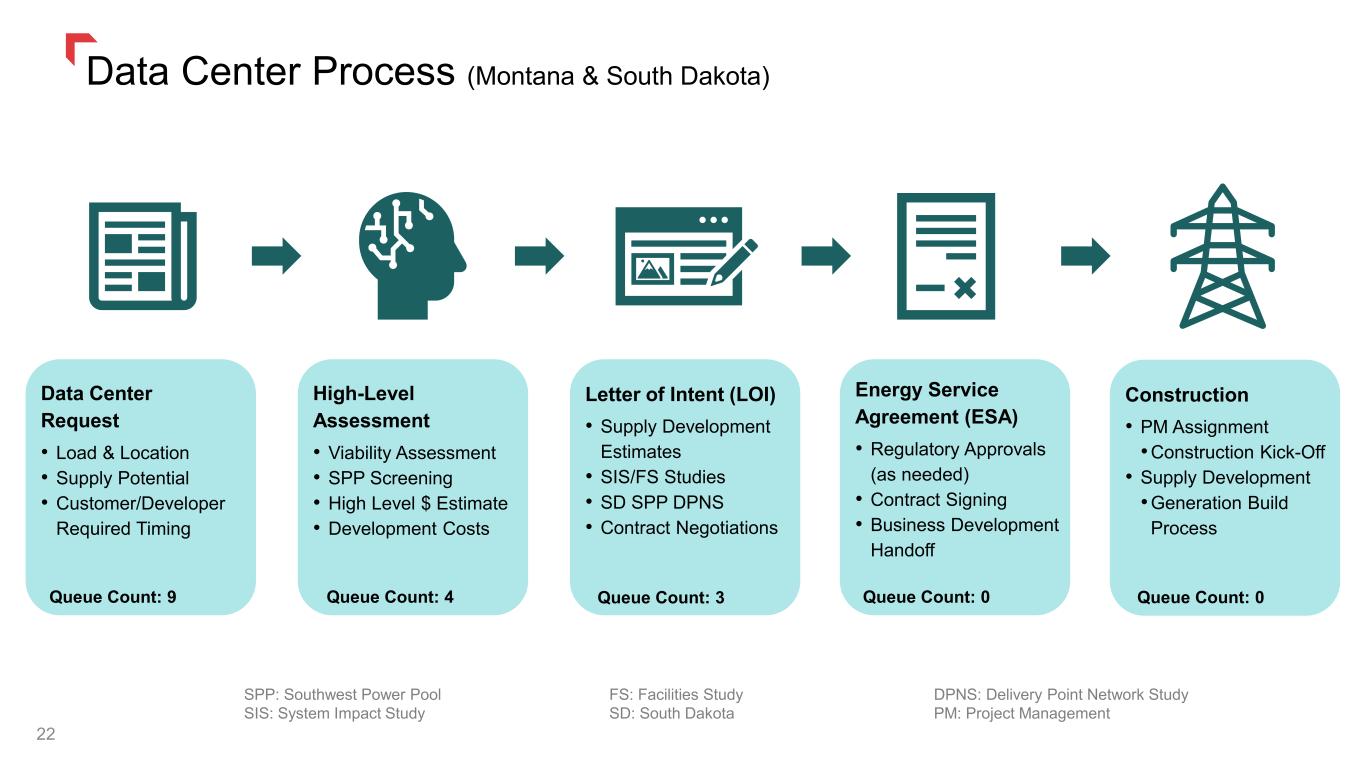
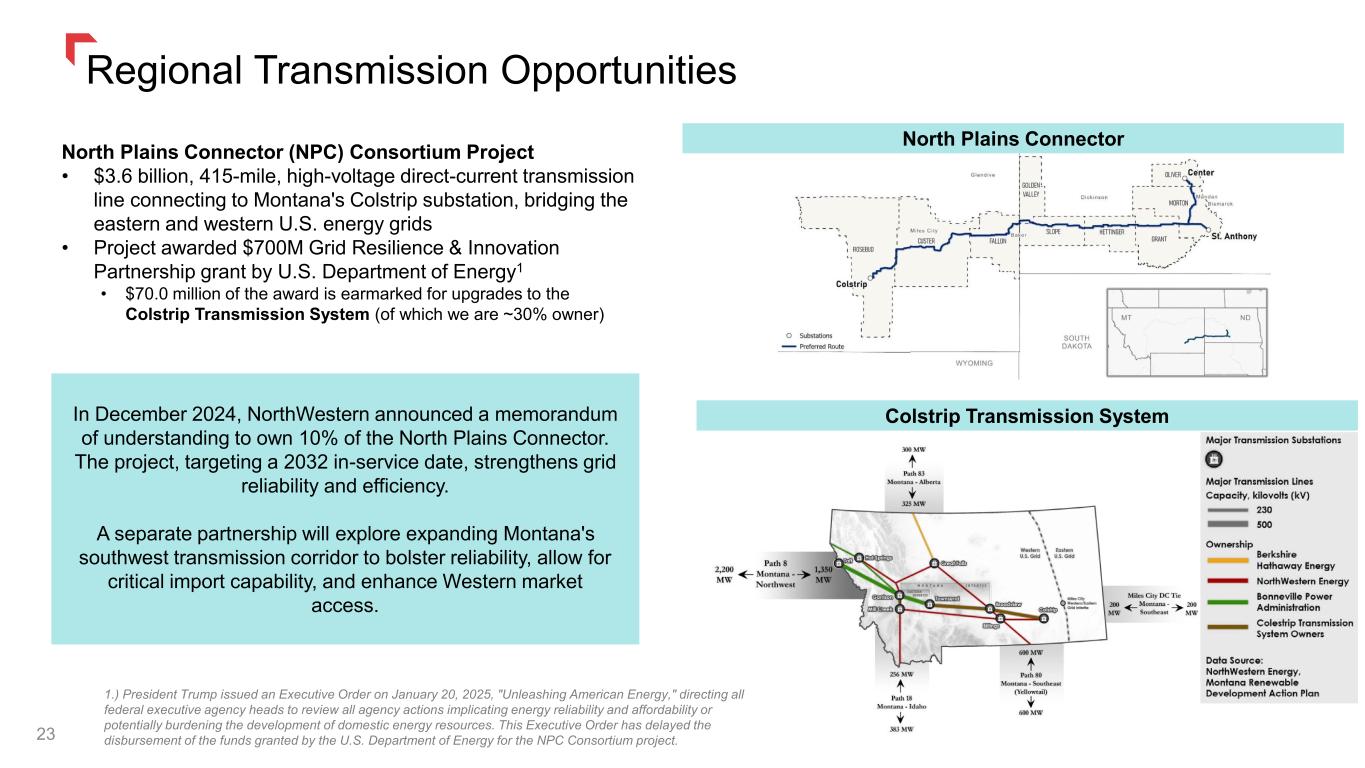
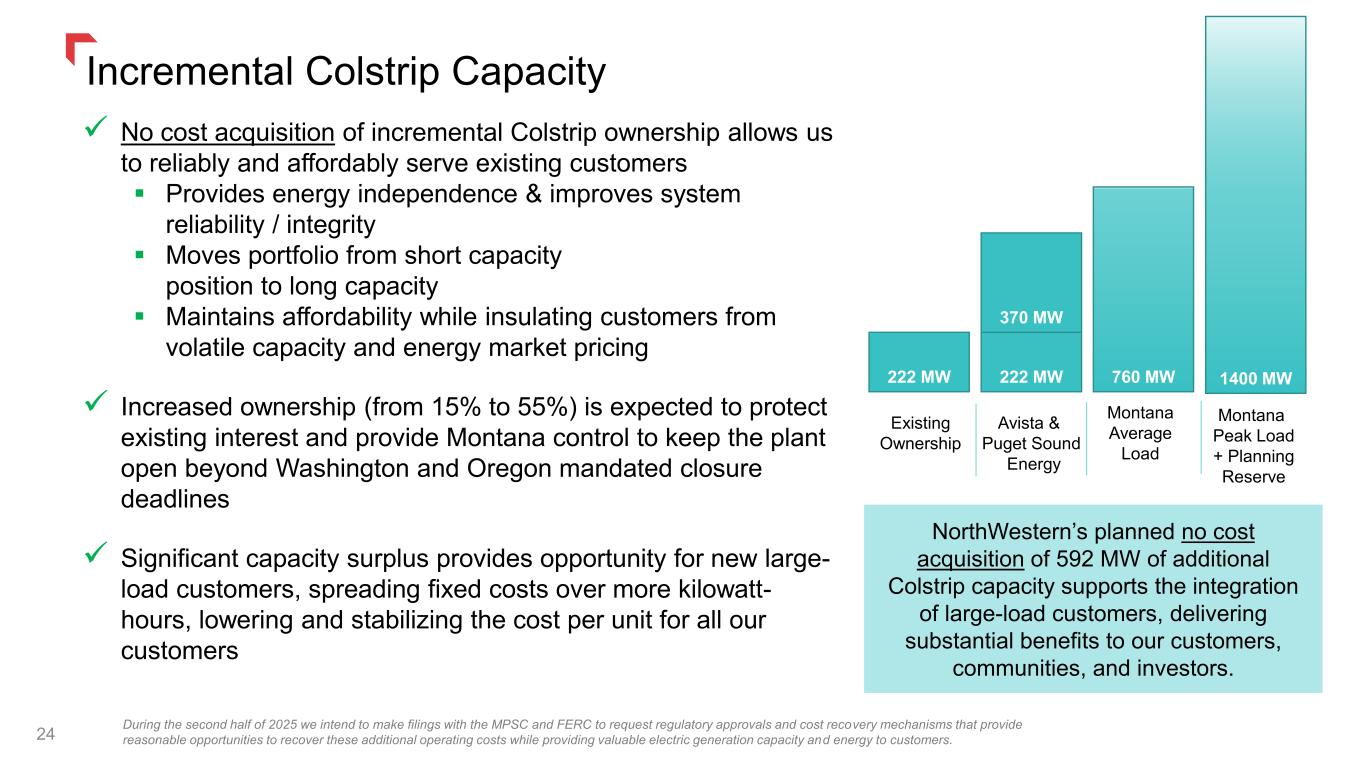
Thanks, Crystal. On Page 19, I mentioned the Montana wildfire bill. We should now call that the Montana Wildfire Law, which has now been passed, as you probably all are aware, with nearly unanimous support in the state. I would argue that the Montana and Utah bills are seen as the best protection for utilities in the industry. The nice aspect of the law itself is that we no longer have to deal with strict liability in the state for any utility operations related to wildfire. Strict liability cannot be applied to utility operations concerning wildfire. Incrementally, we do need to get our wildfire mitigation plan ultimately approved. But with that approval, we will receive a negligence standard that's based on Montana-specific circumstances, not California, for instance. More importantly, there would be a rebuttable presumption that the utility acted reasonably if it substantially followed the approved wildfire plan. In other words, that burden of proof now rests on the plaintiffs, not on the utility. Regarding damages, we should be responsible for economic damages to property, as we always have been. But the protections we receive on noneconomic damages would apply only if bodily injury or death occurs. And from a punitive perspective, that would only come into play with clear and convincing evidence of gross negligence or intent. We feel very good about this. Obviously, we want to get our wildfire plan approved in front of the commission, and we intend to file that here shortly, probably in August, which was our number one priority from a legislative perspective during the session. This was a great outcome. Regarding our second most important bill, Senate Bill 301, which is also law, has effectively given us a CPCN associated with our regional transmission investment, providing greater clarity or certainty that we can prudently invest in our utilities and receive fair treatment upon receiving our CPCN. Essentially, once the project is finished, we could argue if we invested more than we initially planned, and that prudency comes into play. This provides much greater certainty as we continue to assess how we invest from a regional transmission perspective on large projects. Great legislative outcomes. I know we talked about it in the first quarter, but we wanted to reiterate those two significant outcomes in 2025. Moving on to large load customers on Slide 21, primarily data centers, as you saw in the announcement regarding Quantica, we now have our third letter of intent in Montana. On January 1, 2026, we will transition from a short position to a long position with the 592 megawatts associated with Colstrip, and I will speak to Colstrip specifically in a moment. However, being in that long position has created an opportunity for us to serve large load customers. In terms of these large load customers, we need to collaborate with them to develop a tariff that protects our existing customers while being suitable for them. We plan to do this, and we have some time to prepare. Many of these large load data centers are not expected to commence until 2027. However, we intend to file tariffs for these customers in 2026 to ensure service as a state-regulated resource. If we are denied service by the commission for whatever reason, we intend to serve these customers on a FERC-regulated basis. Overall, we plan to ensure that we are able to serve these customers regardless of regulation. In South Dakota, we continue to see significant interest, although the absence of a sales tax may impact prospects there. Still, we are optimistic about the opportunities we see for data centers and will work to secure those. We expect to have at least one of these LOIs finalized by the next call in October. Moving forward, on the data center process on Page 22, we have increasing interest in data center requests and high-level assessments continuing through those processes. We are excited about working with Quantica and are eager to advance their project. Additionally, we intend to develop energy service agreements, and I'd like to see one or two in that queue when we next discuss this. I mentioned regional transmission opportunities on Slide 23. We continue to work actively with Grid United on the North Plains Connector and our own project, which I refer to as the Montana-Idaho project through Southwest Montana into Idaho and beyond. We are also exploring other opportunities on our paths and with the Colstrip transmission line itself to increase capacity. We are enthusiastic about the transmission opportunities, particularly now that we have our CPCN. Regarding incremental Colstrip capacity, here's a bit of history. When we acquired the Avista portion, we were definitely short from a resource adequacy standpoint, and that incremental 222 megawatts fits perfectly into our portfolio to serve our existing customers and achieve resource adequacy on January 1, 2026. Additionally, we are acquiring 370 megawatts from Puget, which we will buy on January 1, 2026. That incremental 370 megawatts will help us achieve a 55% ownership at Colstrip as a whole. Many of those owners did not plan to remain in Colstrip long-term. We believe that this 55% ownership has protected the plant from shutting down. At the time we made those decisions, several factors were not entirely understood. We were unaware of federal actions that have helped Colstrip from a viability perspective moving forward. This has certainly been a benefit. Additionally, the opportunity to serve large load customers and data centers was not a factor during our negotiations. This presents a great opportunity for us to continue engaging with Colstrip. Ultimately, we consider Colstrip to be an energy hub, providing us with a significant opportunity to keep the plant operating until we can transition to cleaner energy solutions that offer similar dispatch characteristics in the future. We are excited to work with the Colstrip community and the state of Montana to see this vision come to fruition. From a conclusion standpoint, I believe it's been a solid quarter. Year to date, we feel good about our standing and are optimistic regarding our year-end guidance. As Crystal highlighted, we have been diligently working on numerous initiatives throughout the quarter to enhance shareholder value.
I think we'll open the queue for questions.
Speaker 4
This is actually Aidan Kelly on for Jeremy. Yes. So just on the data center front, could you offer an updated sense on the potential timing to sign energy service agreements for the three data centers that are currently under letters of intent? Are you waiting on a transmission service agreement study to wrap up at this point? Or are there any other gating items here to move these projects forward?
Yes. We're wrapping up on a transmission service issue side in the first two. I would argue those are certainly in earlier stages from an LOI since we just signed Quantica recently. By the time we have this call in October, I'd like to think we will have at least one of either Atlas or Sabey signed as an energy service agreement by that point. I'm very confident at least one of them will be.
Speaker 4
Understood. That's good to hear. And then I guess with this pipeline kind of expanding today, could you speak to how you are thinking about addressing load requirements, especially in the scenario that this data center interest develops beyond existing capacity? I know you mentioned you would also look to work with regulators to structure tariffs in '26. So maybe just curious on that end. And then also thoughts on the possibility of integrating more utility-owned generation in the scenario of excess demand in Montana?
Yes. Because of the need for deliverability speed, we're working with these data centers. They are planning to build some of their own generation to serve their operations. We want to work with them on that. In terms of integrating those into our rates, we have been discussing build-transfer capabilities, which allows us to demonstrate the resources from a pre-approval perspective and gives us time to ultimately get approval from the Montana Commission to own them. However, if for whatever reason, the MPSC doesn't support that, we will find a means to serve these customers on a FERC-regulated basis.
Speaker 4
Got it. Understood. And then maybe just one last one, if I could. Just looking at the queue count of nine customers in the data center request stage, could you quantify, if you could, how many are in Montana versus South Dakota?
It's a good question. I would say it's about the same. You could say, Brian, you can't divide 9.5, you get 4.5, but I'd argue they are relatively the same.
Speaker 5
Congrats on a good quarter and a good update here. So maybe following on Jeremy's question a little bit. Obviously, these data centers coming in by end of the next decade. Obviously, that keeps the tariff under the right tariff would help affordability. When do we transition to that new generation needed capital being deployed? Like when do we drive to that sort of what you're talking about on Slide 4 there, that 6% or higher growth? And is there a transmission component to that as well?
Yes. To serve them, there will be necessary investments made on our system, both for interconnection and transmission. So that capital will be deployed relatively quickly during this process. In terms of a build-transfer perspective, we'd like to do that as soon as the generation is available to serve those customers. It will happen soon. Just to clarify, you're looking at a 2027 timetable, which involves a bit of ramp-up. A lot of the build for particularly, I'll pick on Quantica here for a moment, to reach that 500 megawatts, is projected for 2030. So over time, this will be a gradual build. We are engaging with Sabey and Quantica on the build-transfer aspects.
Speaker 5
Okay. If I understand Quantica correctly, it was created three days ago and is backed by private equity, specifically MCAP investments.
Yes. Yes, Ross. I know when they rolled out their plan, we've been discussing Quantica for some time now. It's been at least six months, and we know these folks well from their talent days. We're confident in their capabilities and what they will bring to Montana.
Speaker 5
Fantastic. I apologize for the feedback on this end of the line. We're having a thunderstorm roll through New York right now.
Speaker 6
So just on the DC ramp, thanks for clarifying when you think you're going to get the energy service agreements in place. If you do get that by the third quarter, just what is the ramp of the megawatts on the system? Like what year would it hit? Is it more '27 and beyond? Could you see some uptake in '26? Just how are you thinking through that?
Yes. The developments in 2026 are likely to be small, primarily due to construction timelines. I’d stay focused on 2027 for more substantial growth.
Speaker 6
I appreciate it. Can you anticipate handling the Colstrip cost once you acquire the facility in '26? I know there are some pending processes, and we have some variability regarding how that will get captured in the rates. But if you were able to keep that merchant, is that an option? And how do you feel about the growth rate in that scenario?
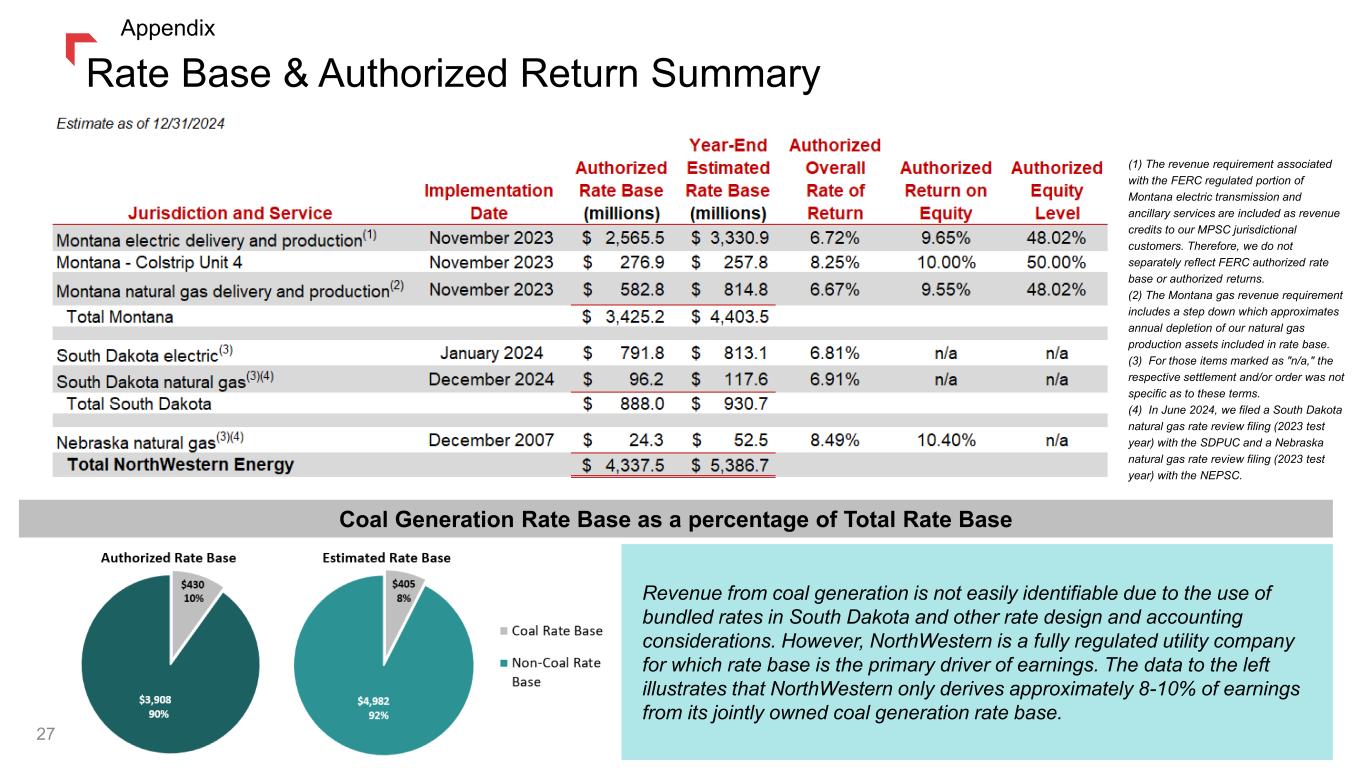
Yes. Nick, I'll take a stab at it, and Brian will provide additional insights. Your question is excellent regarding our direction with Colstrip. I would like to emphasize two aspects. First, we've entered into two transactions, one for the Avista portion and another for the Puget portion. We believe that the Avista portion is essential for serving existing customers and expect to propose a process for cost recovery in a filing this quarter. The Puget megawatts will not be needed for our regulated load based on our current evaluations, which relates back to Brian's earlier comments regarding our ability to serve large loads. We're committed to ensuring we have a path for affordability through tariffs. If the commission does not support this approach, we will pursue our FERC-regulated options. That said, we expect to file within this quarter to address recovery of some of the Colstrip costs. Brian, anything to add?
No, that's great. Thanks.
At this time, there are no further questions. I will now turn the call back over to Brian Bird for closing remarks.
From my perspective, continued progress on many fronts. We have made significant strides in addressing wildfire issues both operationally and from a legislative standpoint, and I'm extremely proud of the ability demonstrated by our company to tackle our capacity shortfall. We are excited about the movement in the data center sector. Ultimately, we need a favorable outcome on the rate review, continue to move forward, and provide returns in line with what you expect. I appreciate your interest today and going forward. Thank you.
Operator
Ladies and gentlemen, that concludes today's call. Thank you all for joining. You may now disconnect.