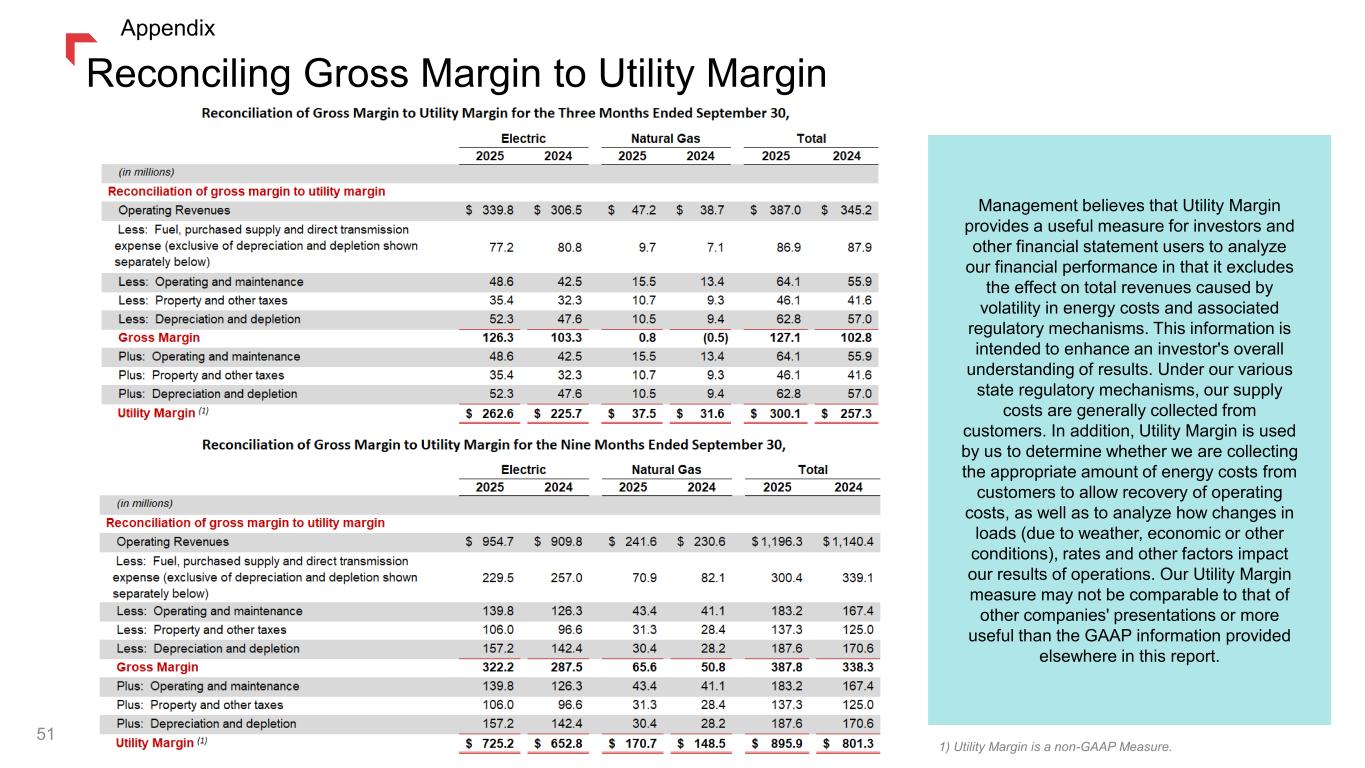
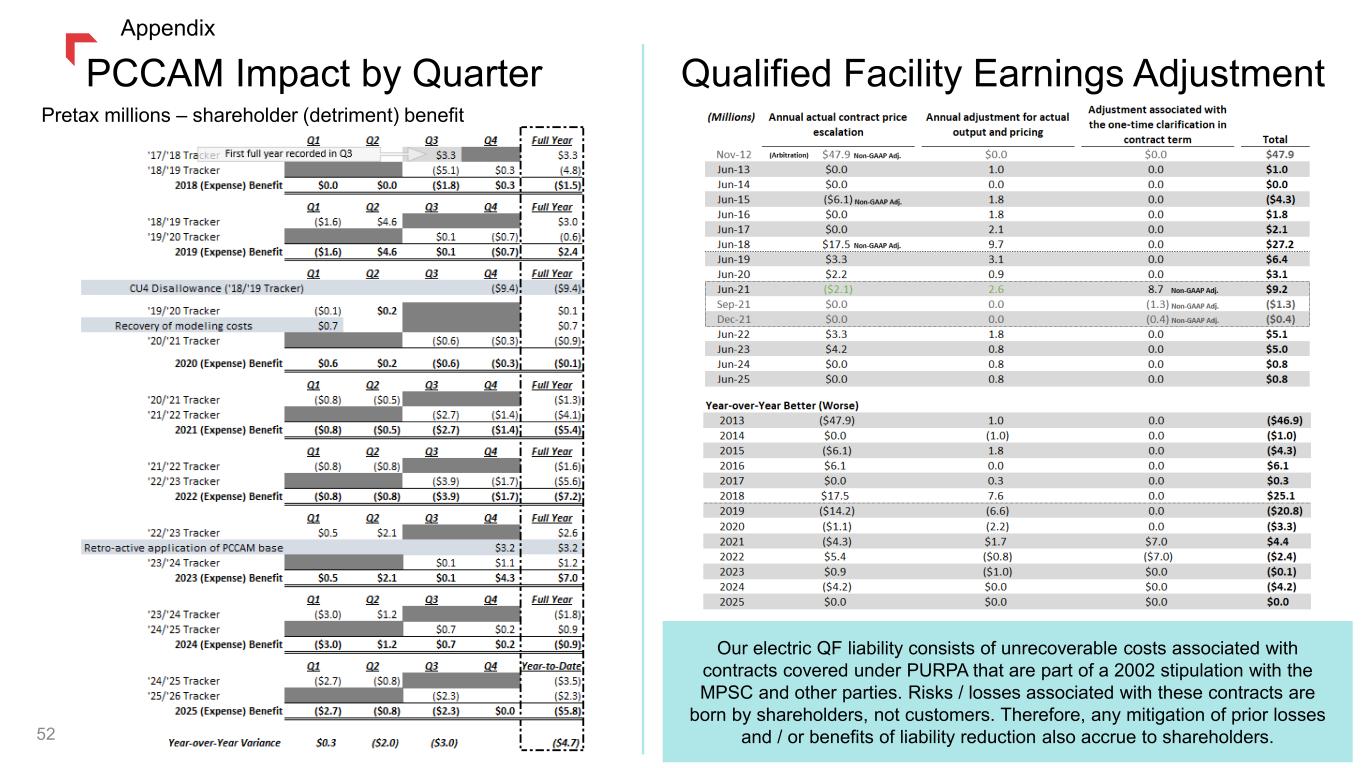
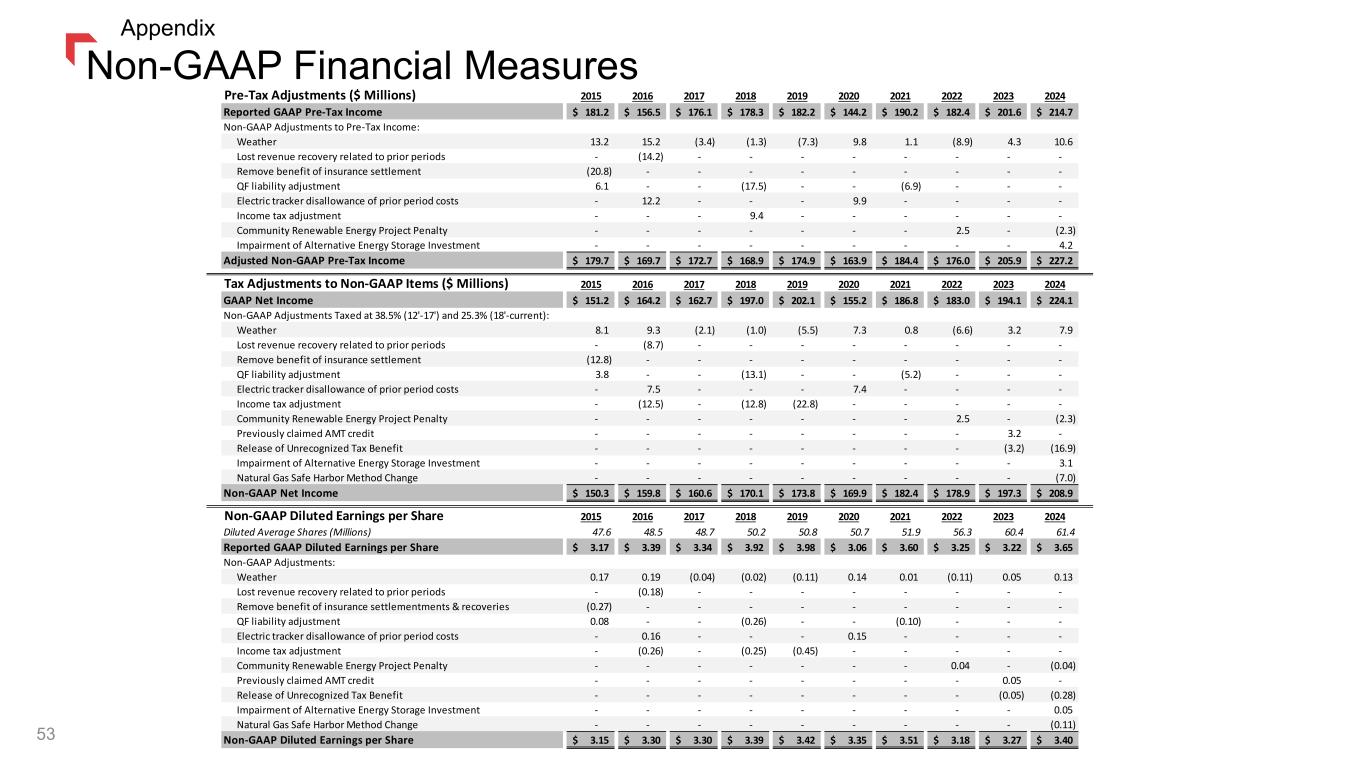
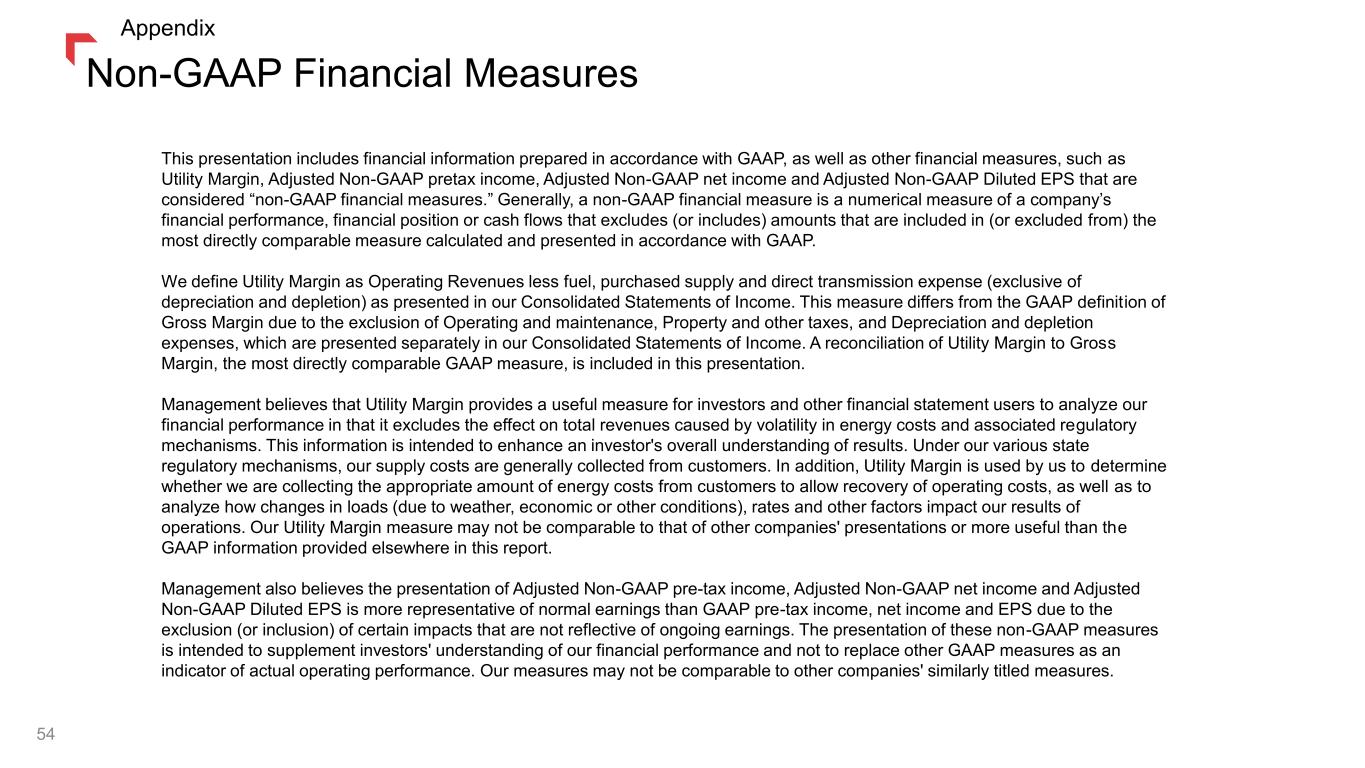
Thank you for standing by. Welcome to the NorthWestern Energy Third Quarter 2025 Financial Results Webinar. I would now like to turn the conference over to Travis Meyer, Director of Corporate Development and Investor Relations Officer. You may begin. Thank you, Perella, and good afternoon, and thank you again for joining NorthWestern Energy Group's financial results webcast for the quarter ended September 30, 2025. Joining us on the call today are Brian Bird, President and Chief Executive Officer; and Crystal Lail, Chief Financial Officer. They will walk you through our financial results and provide an overall update on the progress this quarter. NorthWestern's results have been released, and our release is available on our website at northwesternenergy.com. We also released our 10-Q premarket this morning. Please note that the company's press release, this presentation, comments by presenters and responses to your questions may contain forward-looking statements. As such, I'll direct you to the disclosures contained within our SEC filings and safe harbor provisions included on the second slide of this presentation. Also note that this presentation includes non-GAAP financial measures and information regarding the pending merger transaction. Please see the non-GAAP disclosures, definitions, reconciliations and merger-related disclosures included in the appendix of the presentation. The webcast is being recorded. The archived replay will be available today shortly after the event and remain active for 1 year. Please visit the financial results section of our website to access the replay. With those formalities behind us, I'll hand the presentation over to Brian Bird for his opening remarks.
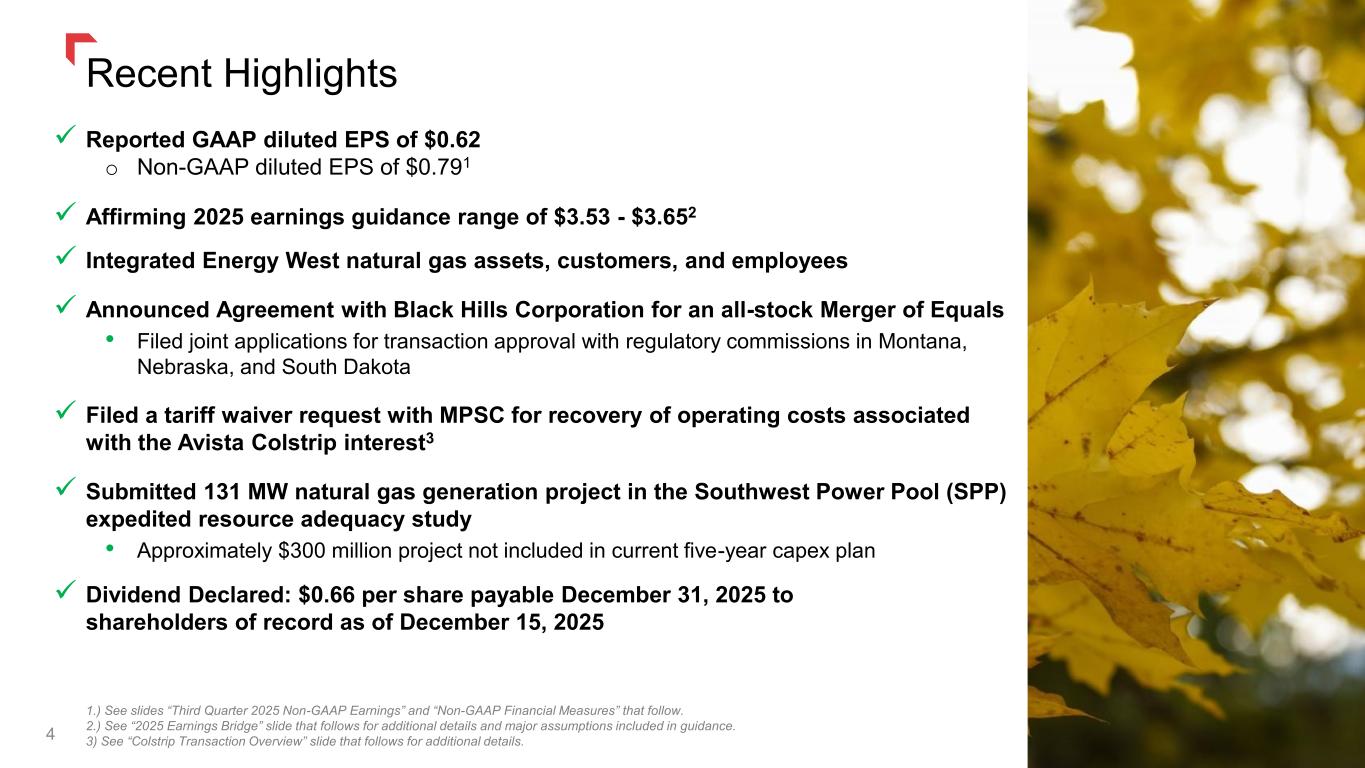
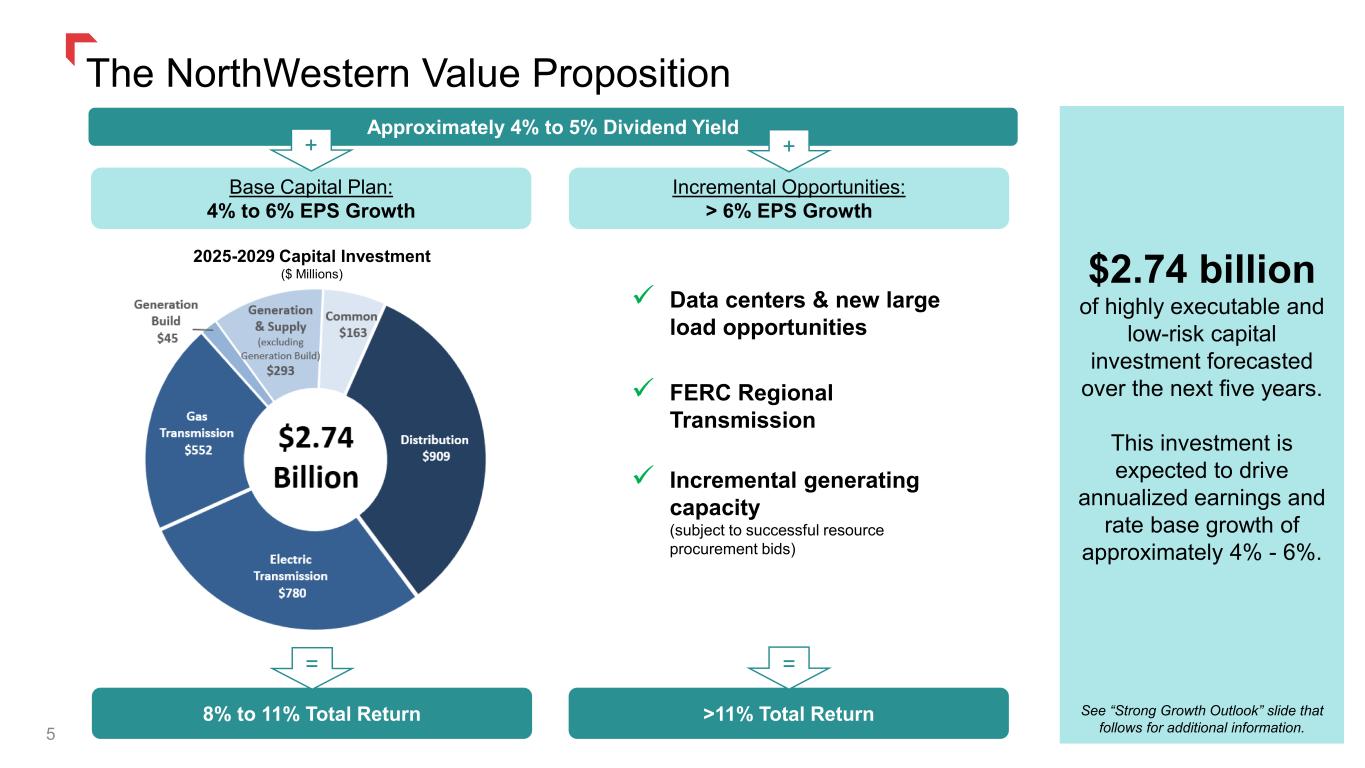
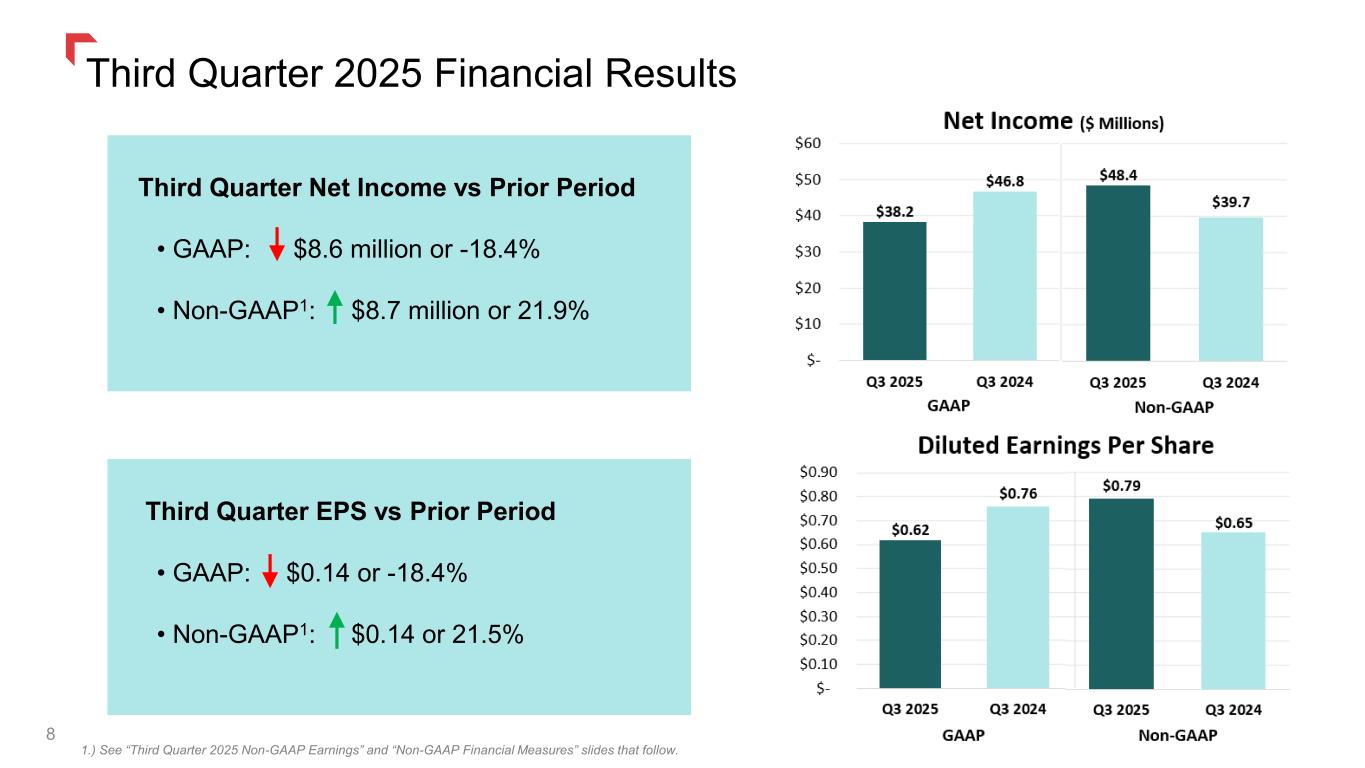
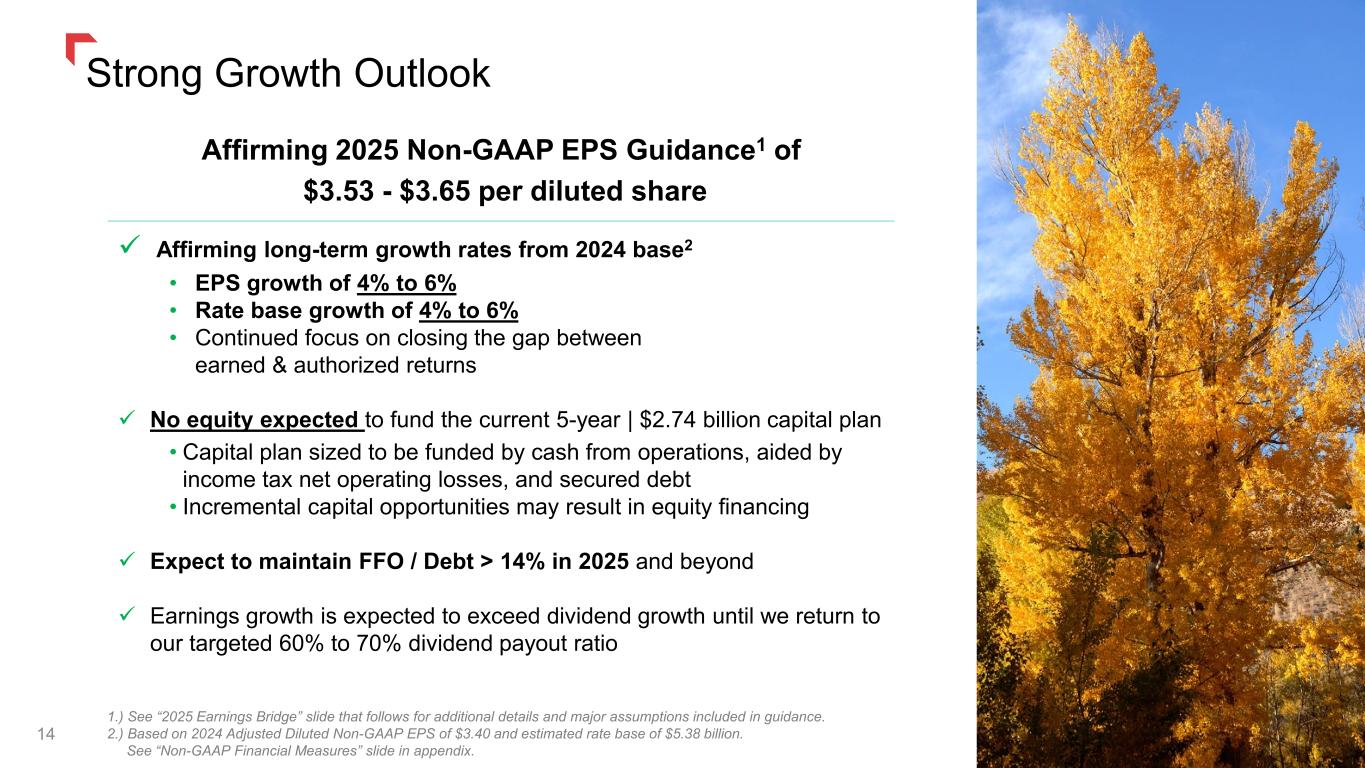
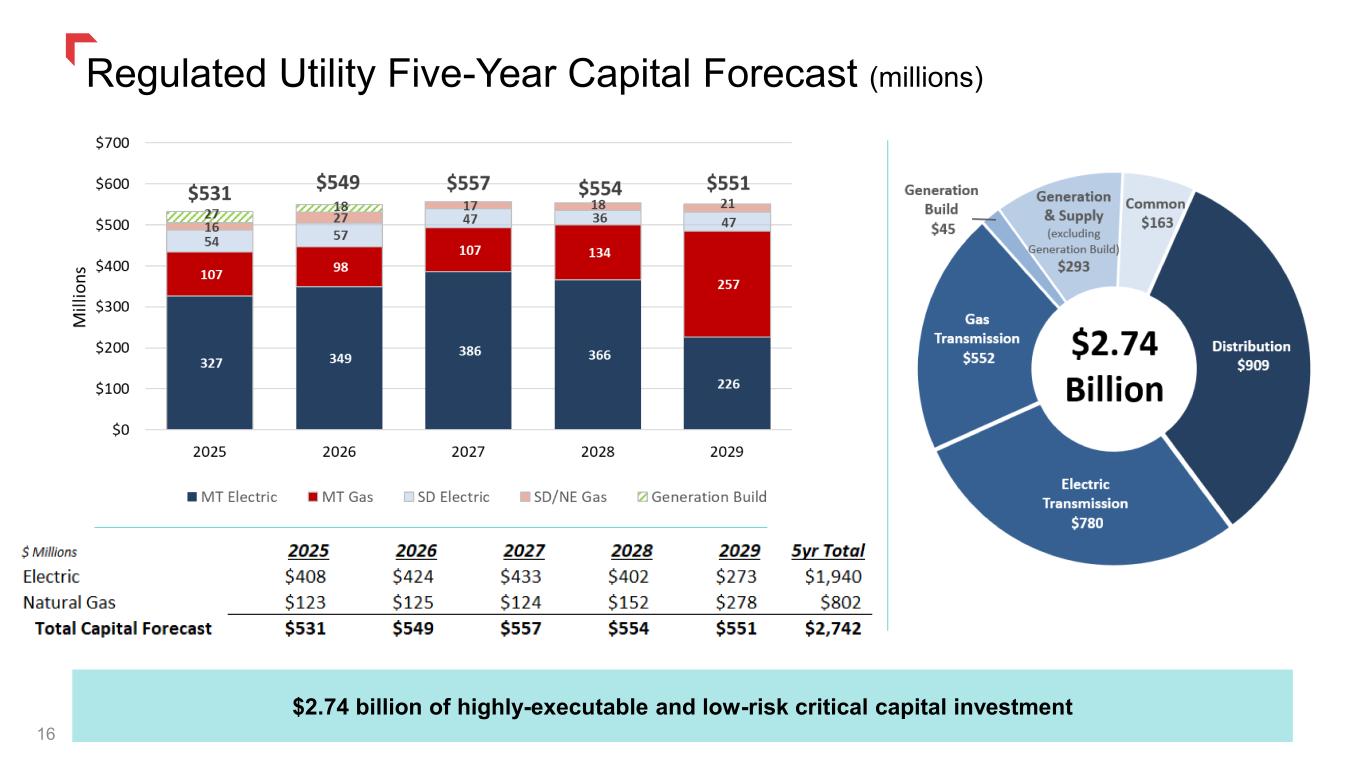
Thank you, Travis. On our recent highlights, we reported GAAP diluted EPS of $0.62 per share, non-GAAP diluted EPS of $0.79 per share for the quarter. We are affirming our 2025 earnings guidance range of $3.53 to $3.65. During the quarter, we integrated our Energy West acquisition of the natural gas assets. We've also integrated the customers and employees, and we've really tucked that business in seamlessly. Very, very excited about that opportunity. I'll tell you what, something we've been a bit more excited about is the announcement of our agreement with Black Hills Corporation for an all-stock merger of equals. Even though we did that announcement in mid-August, we have already filed our joint applications for the transaction approval with the regulatory commissions in Montana, Nebraska and South Dakota. In addition, during the quarter, we filed a tariff waiver request with the MPSC for recovery of our operating costs associated with the Avista Colstrip interest. And recently, we submitted a 131-megawatt natural gas generation project in the Southwest Power Pool expedited resource adequacy study. That project, if we move forward, will be approximately a $300 million project, which is currently not included in our 5-year CapEx plan. Lastly, a dividend declared during the quarter, $0.66 per share payable December 31, 2025, to shareholders of record of December 15, 2025. Moving forward to the Northwestern value proposition with a dividend yield between 4% to 5%, combined with a base capital plan providing a 4% to 6% EPS growth, gives us a total return of 8% to 11%. If you think about that CapEx plan, the vast majority of that is in a T&D investment throughout our total system on both the gas and electric side of our business, which is obviously necessary to serve our customers. Considering the incremental opportunities we have with data centers and large load customers, FERC regional transmission and any incremental generating capacity, some of which I just spoke to, you could see the dividend yield plus that greater than 6% EPS growth, giving a total return even greater than 11%. With that, I'm going to turn it over to Crystal to talk about the third quarter financial review.
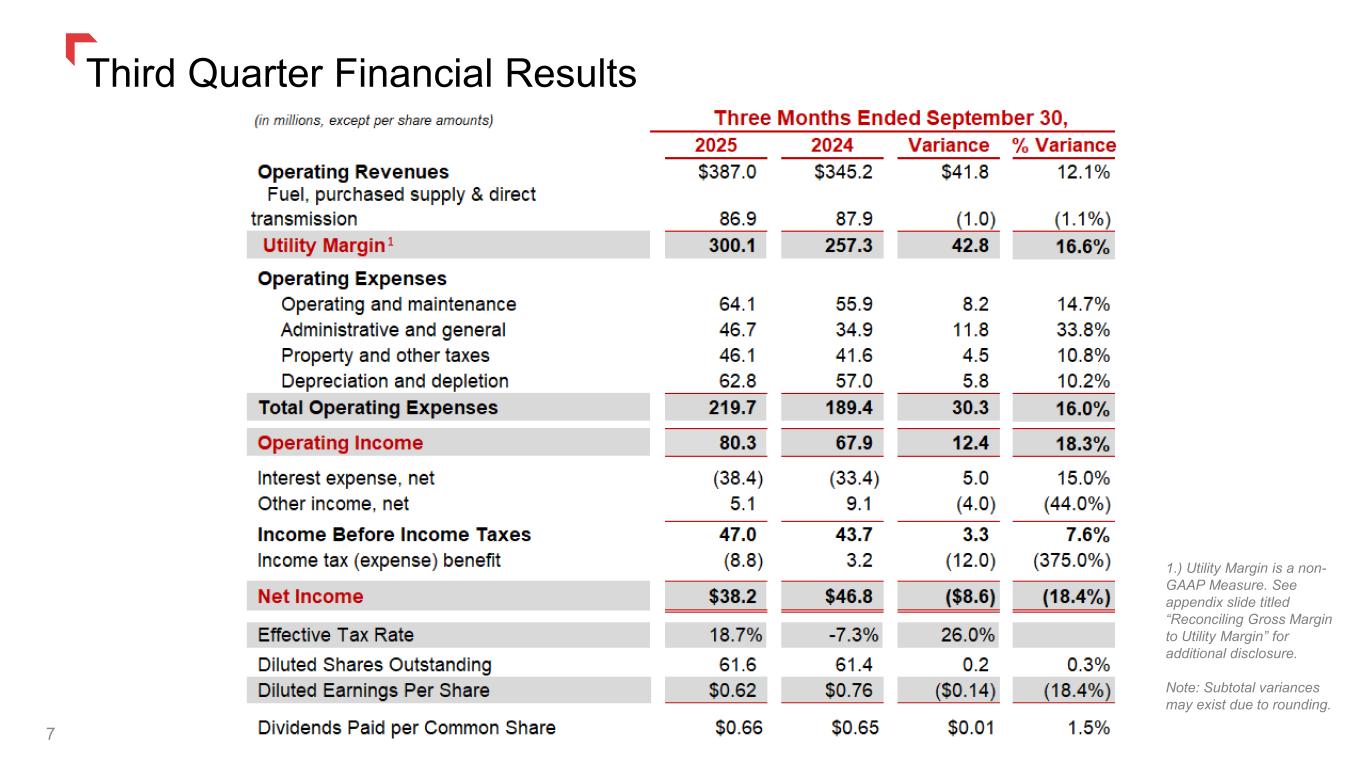
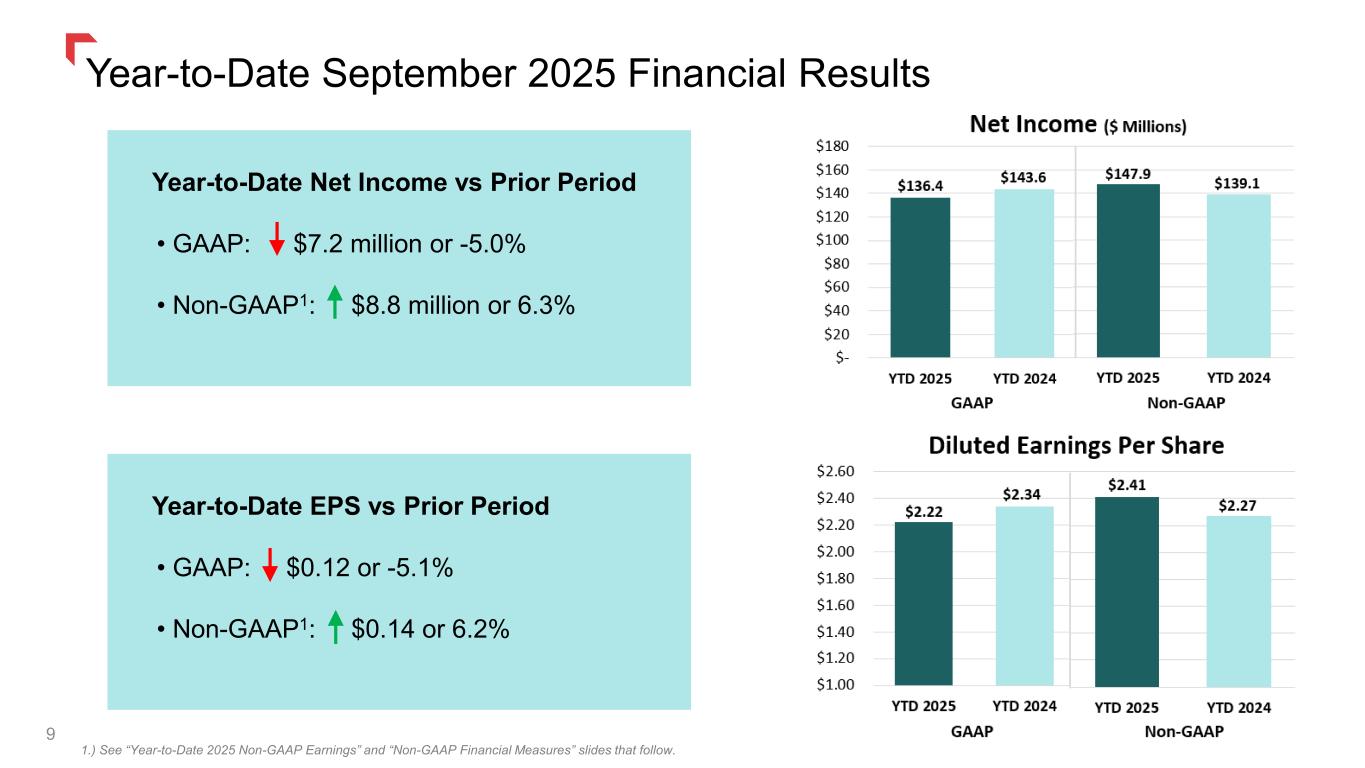
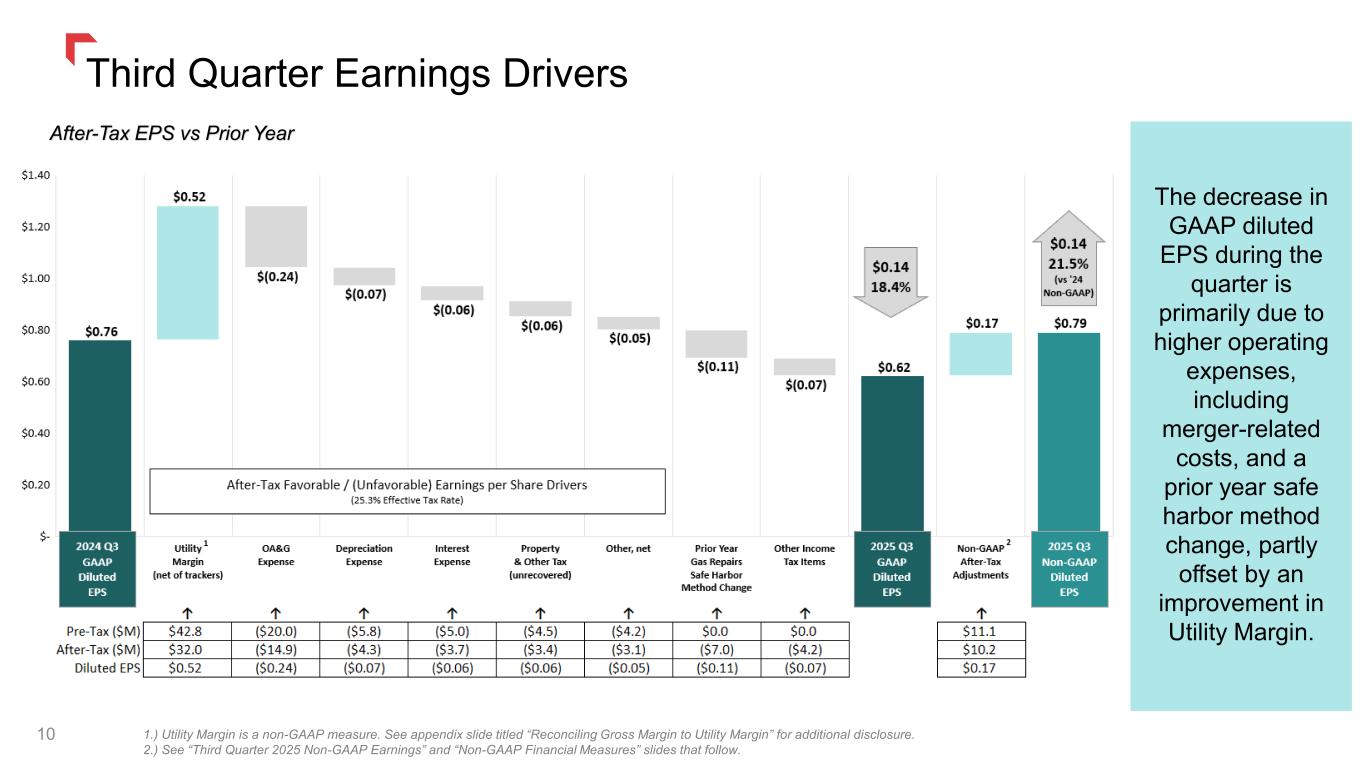
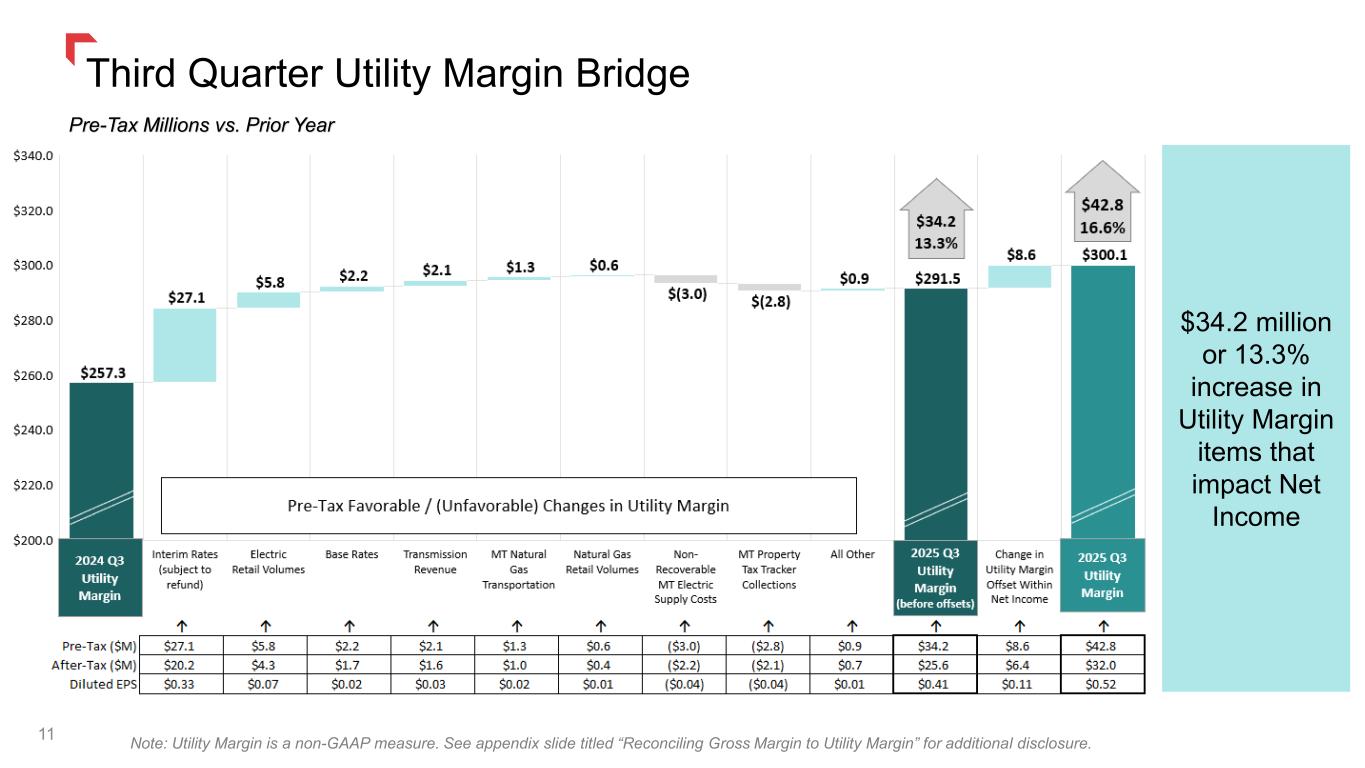
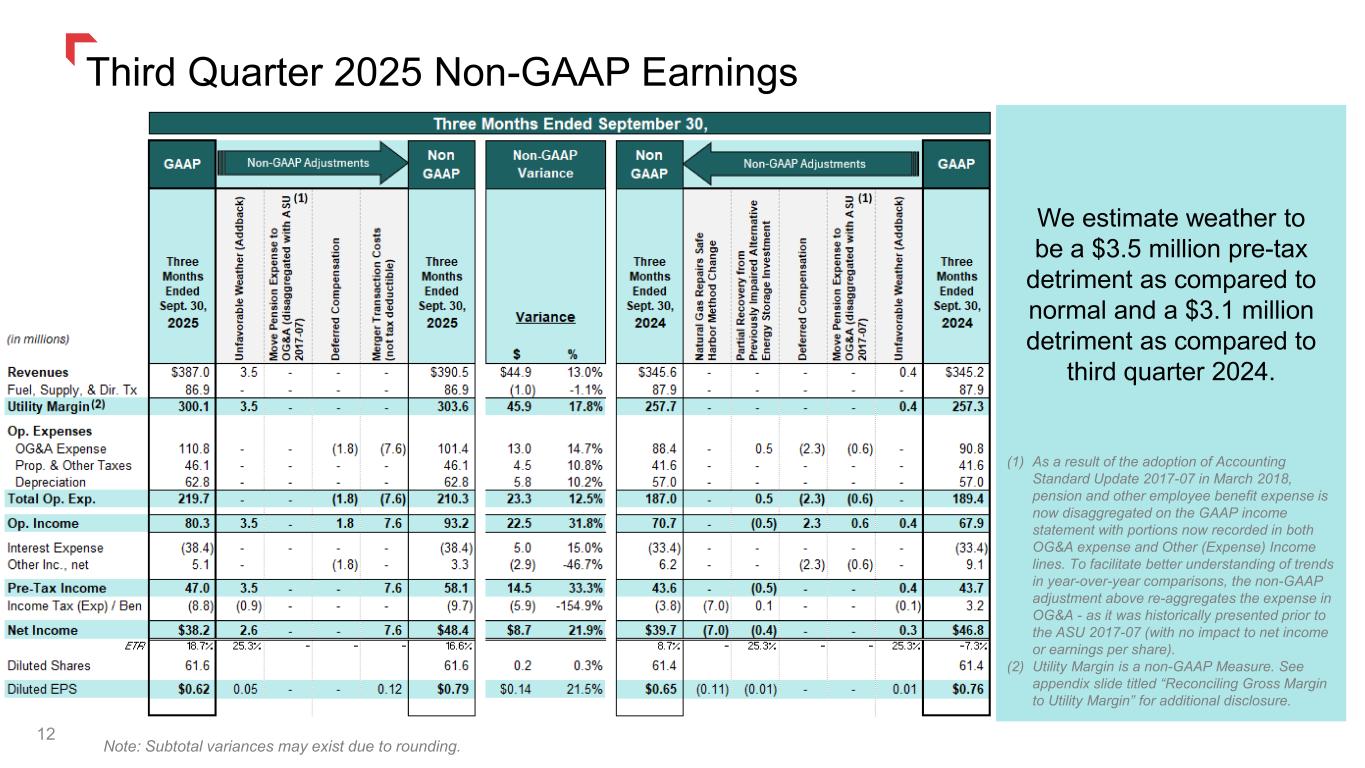
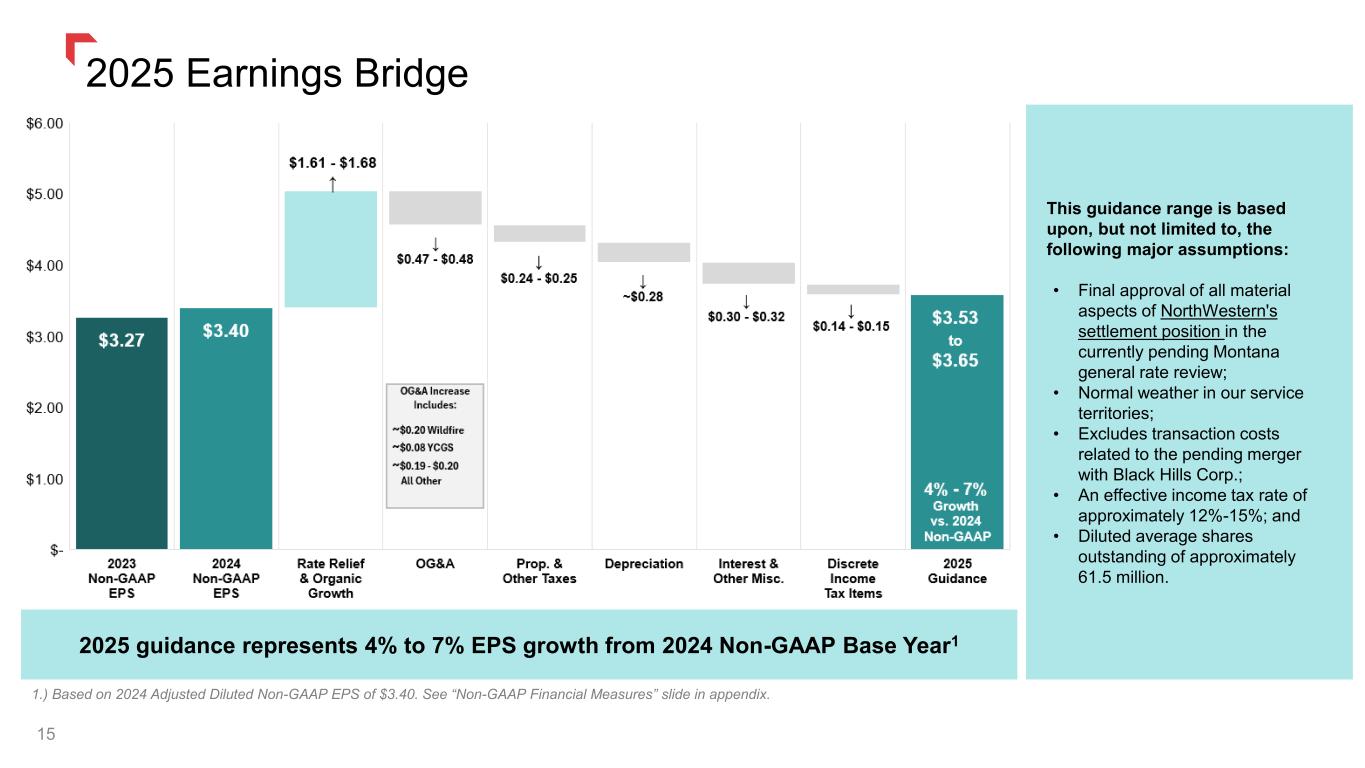
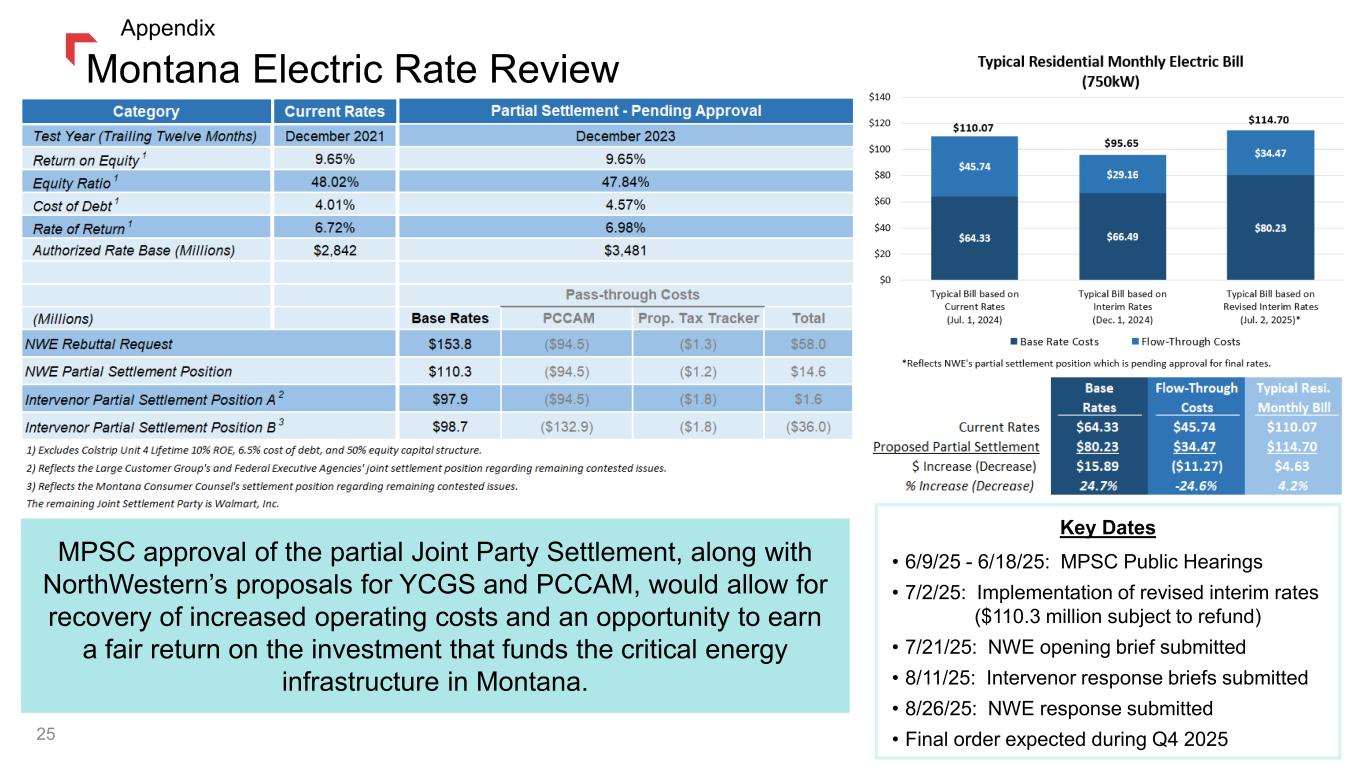
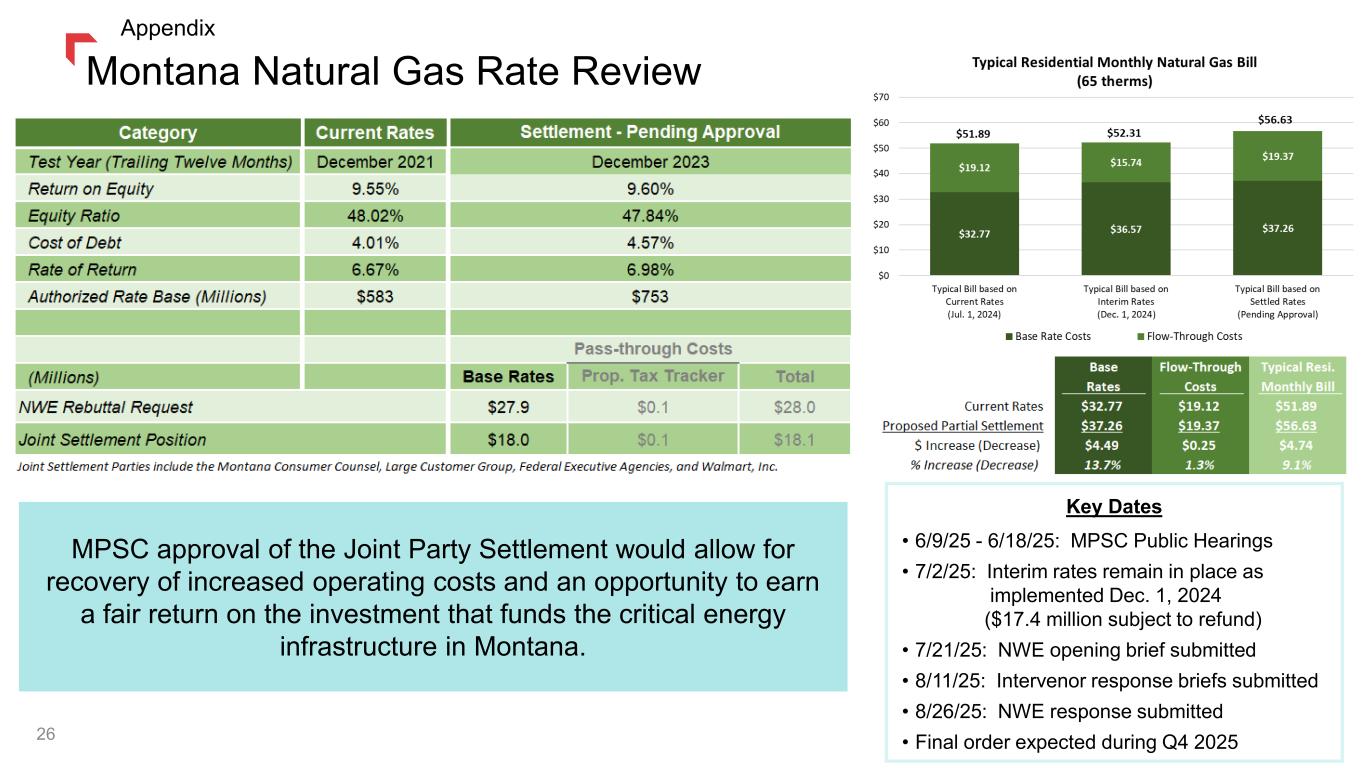
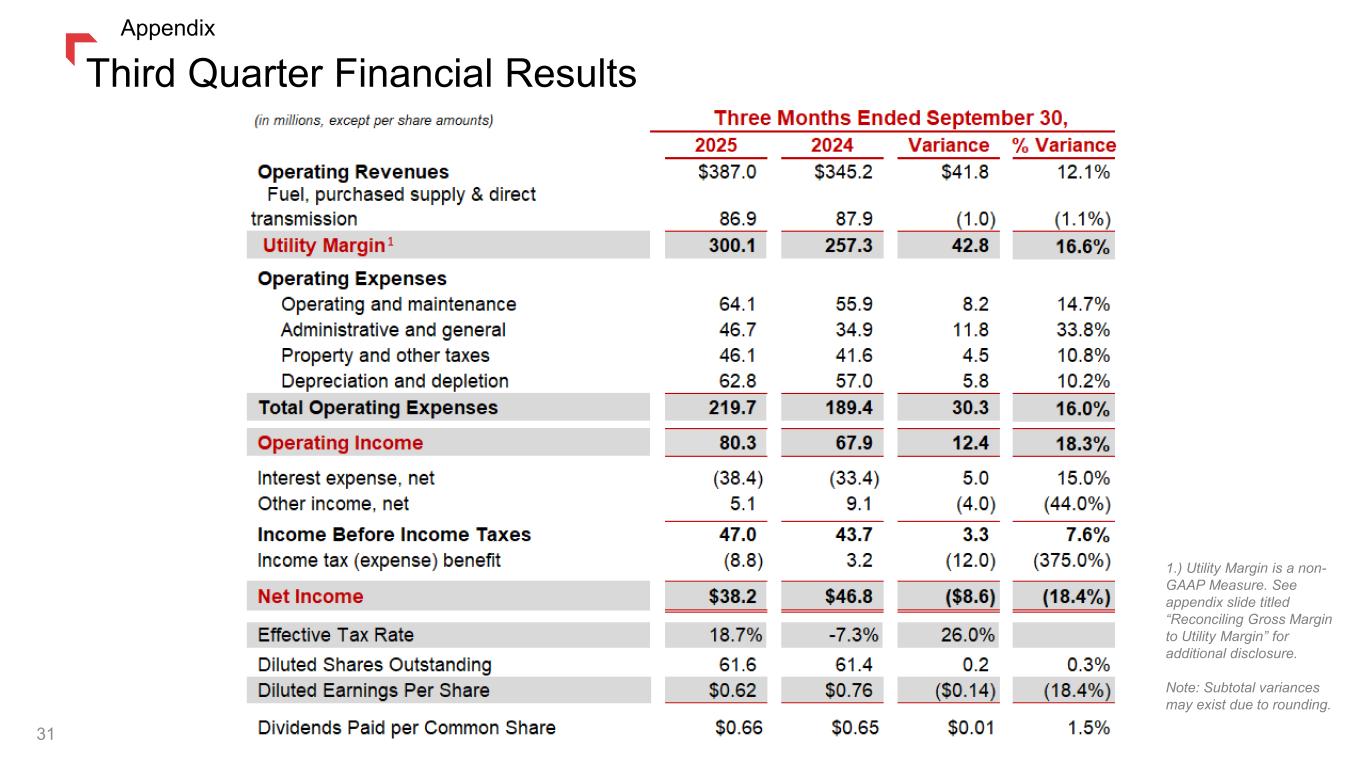
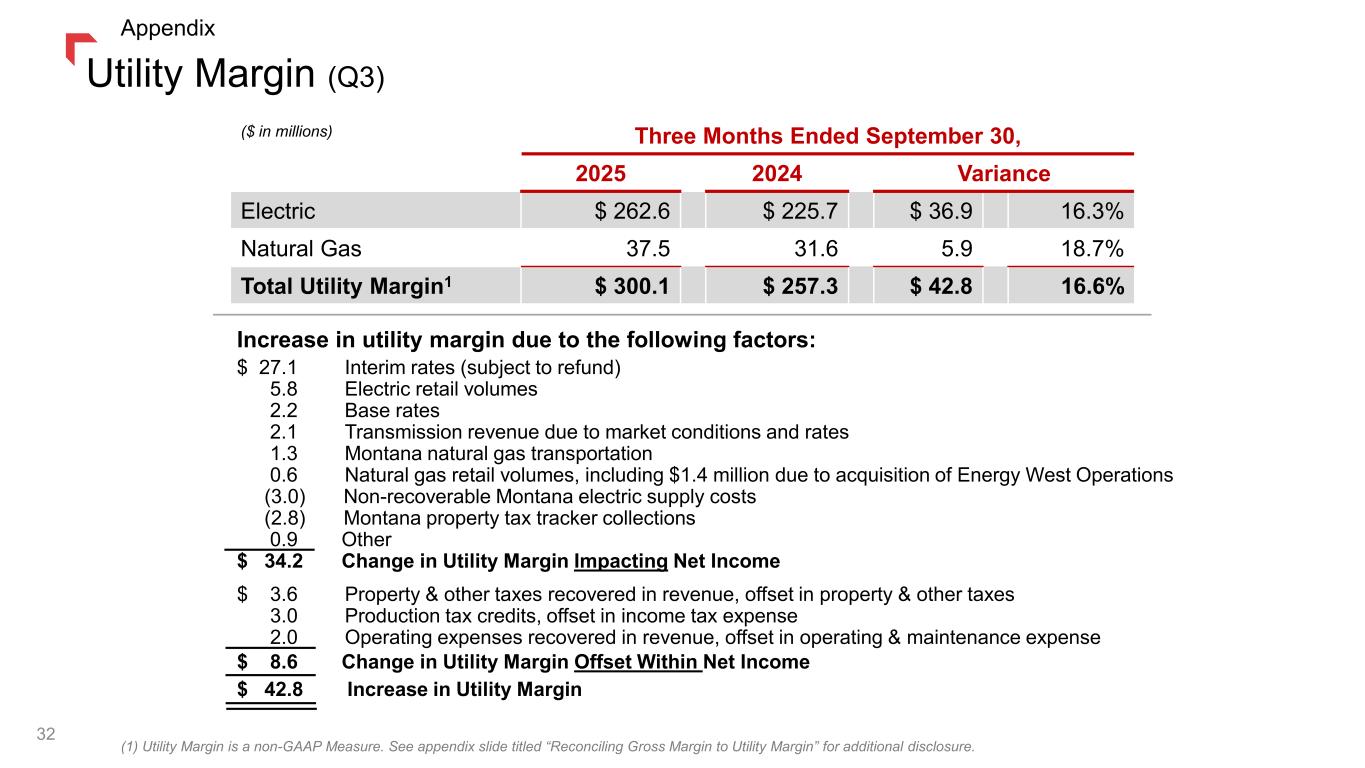
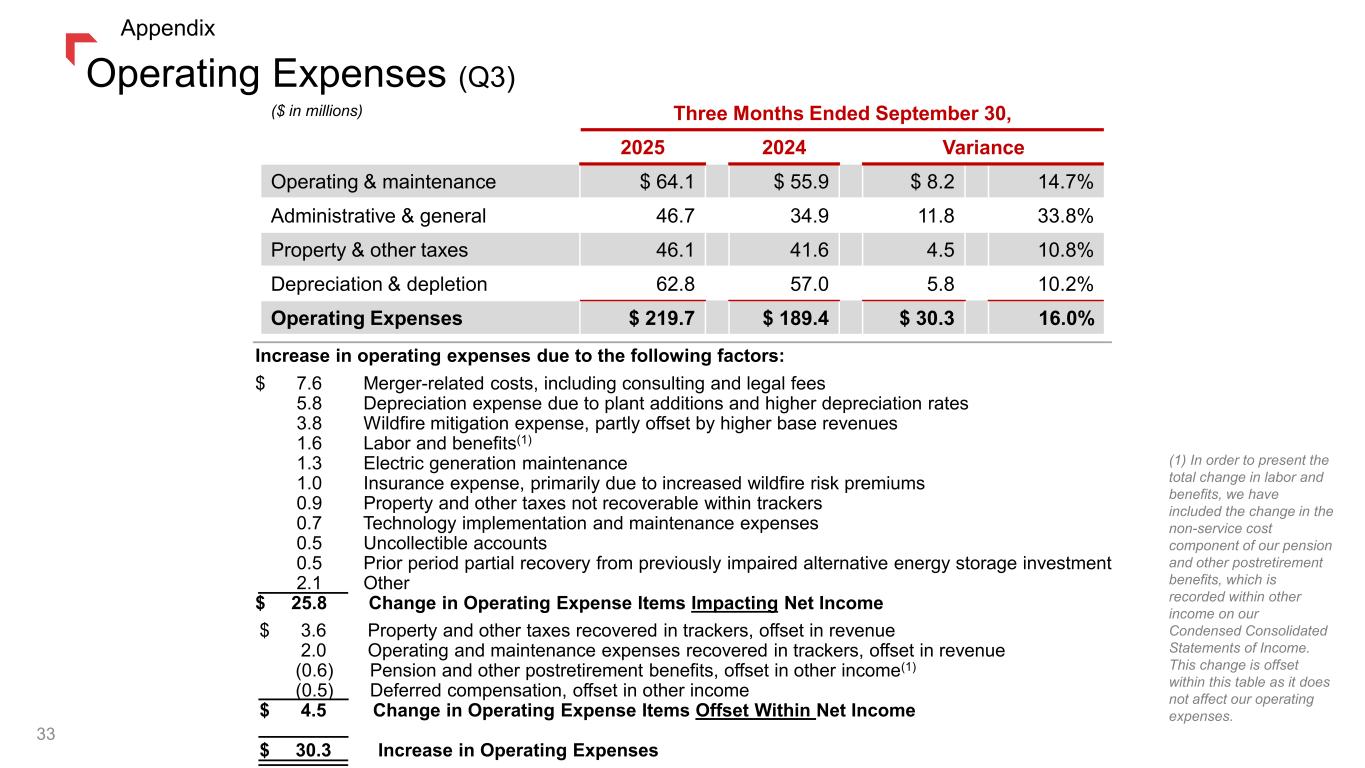
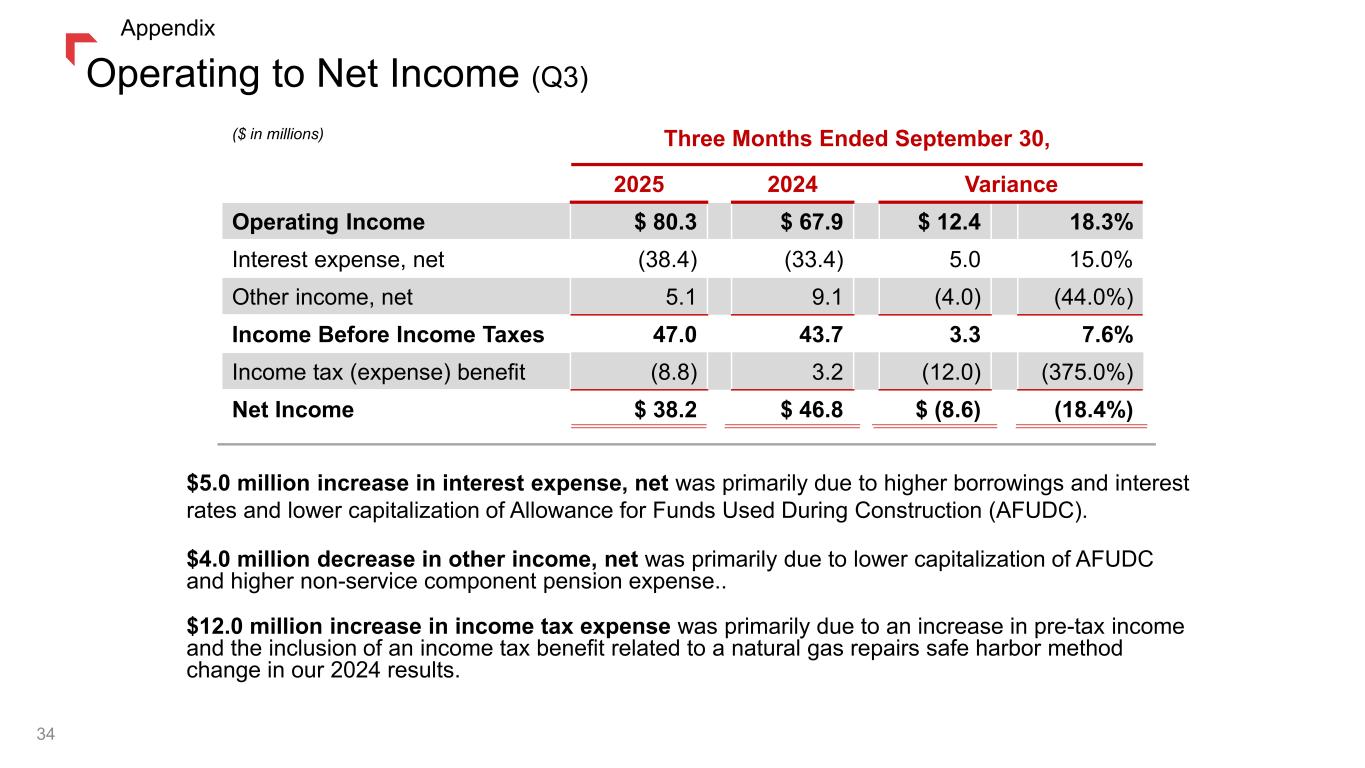
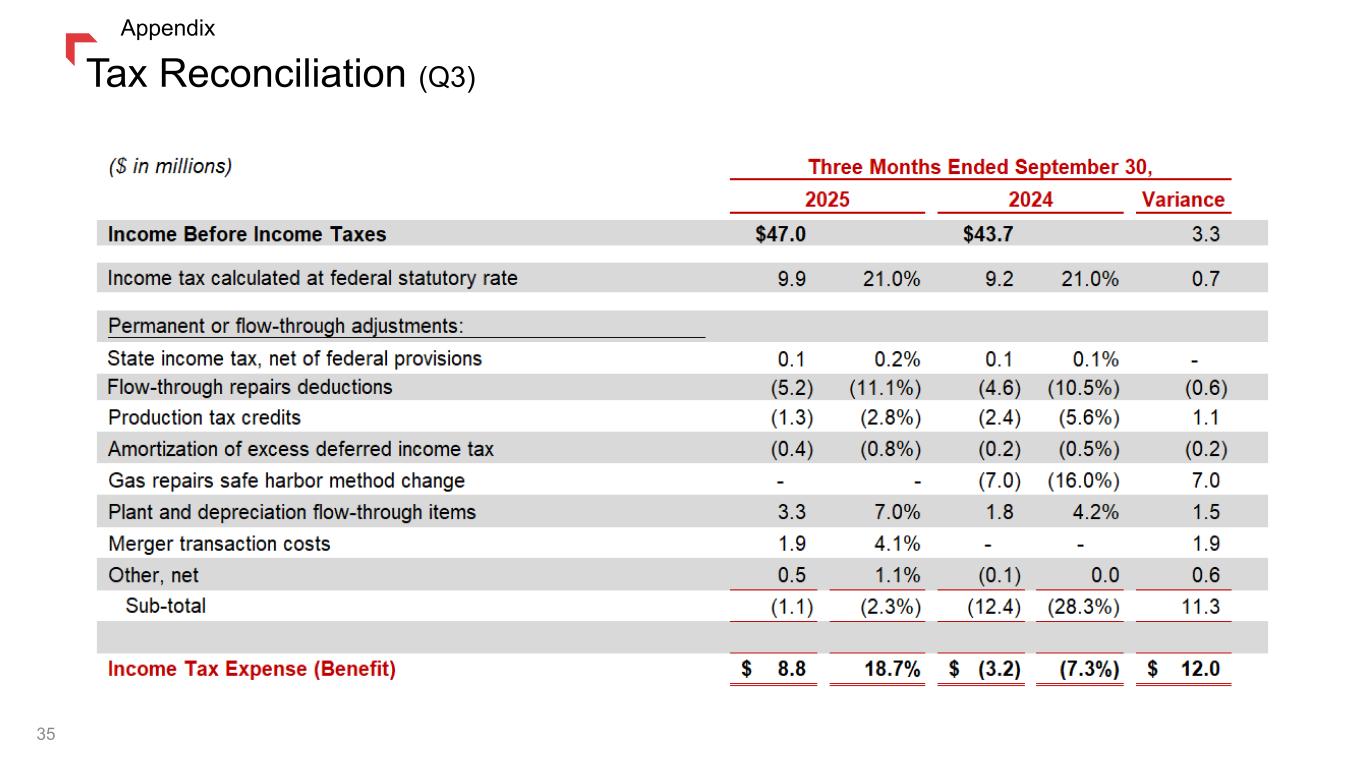
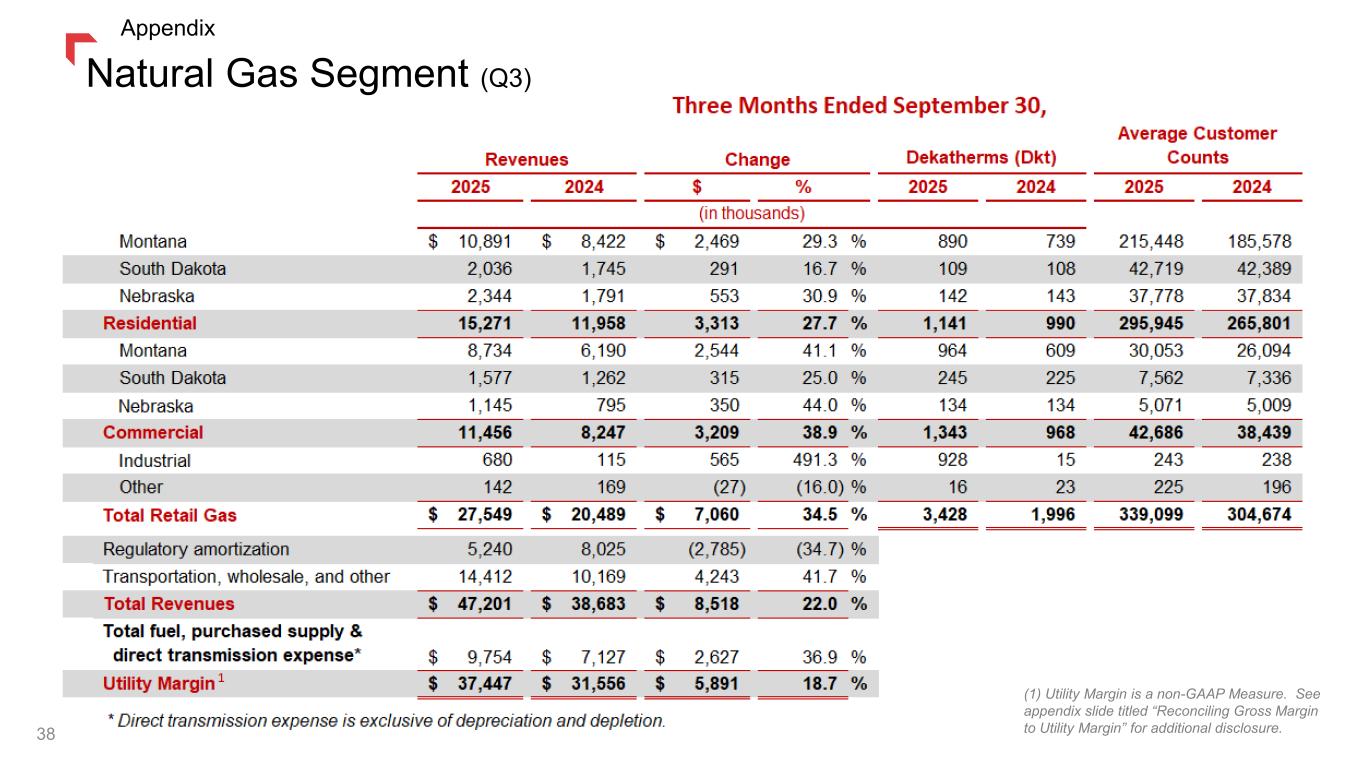
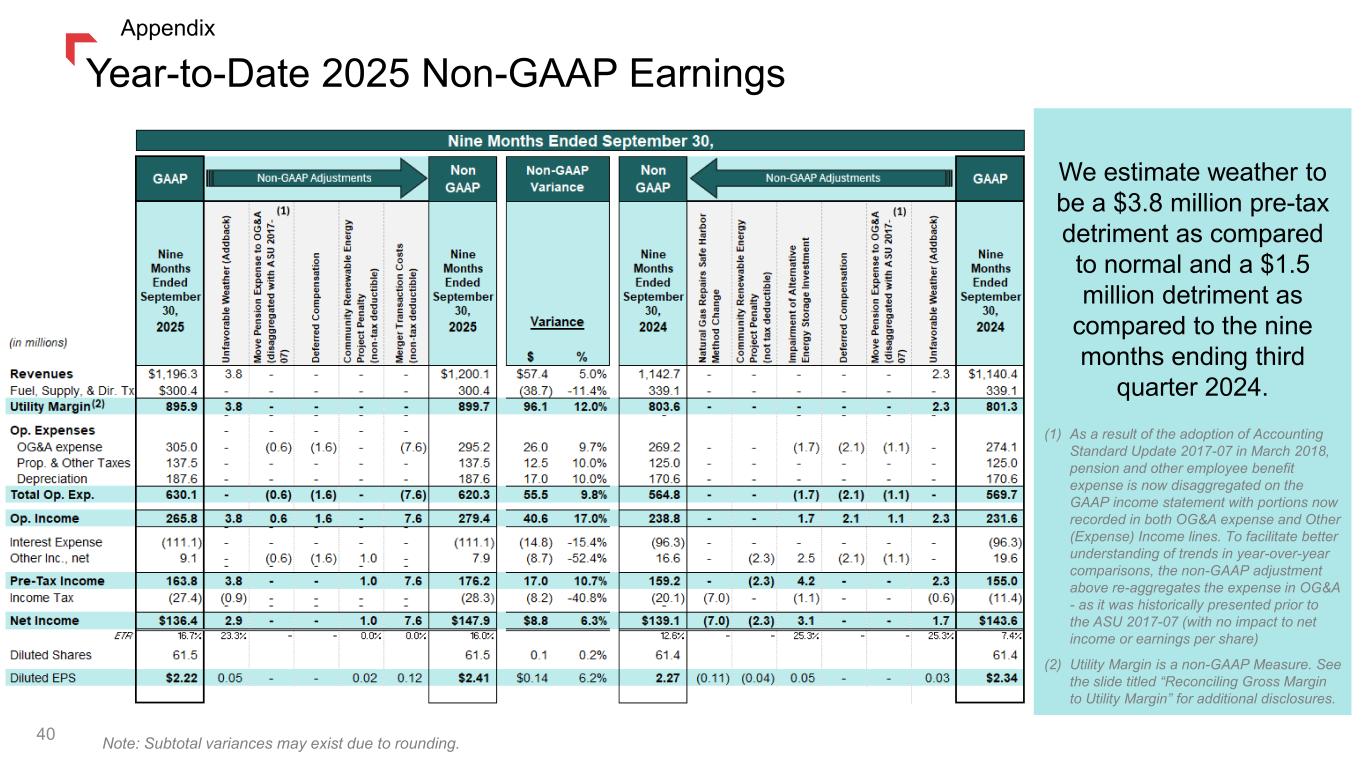
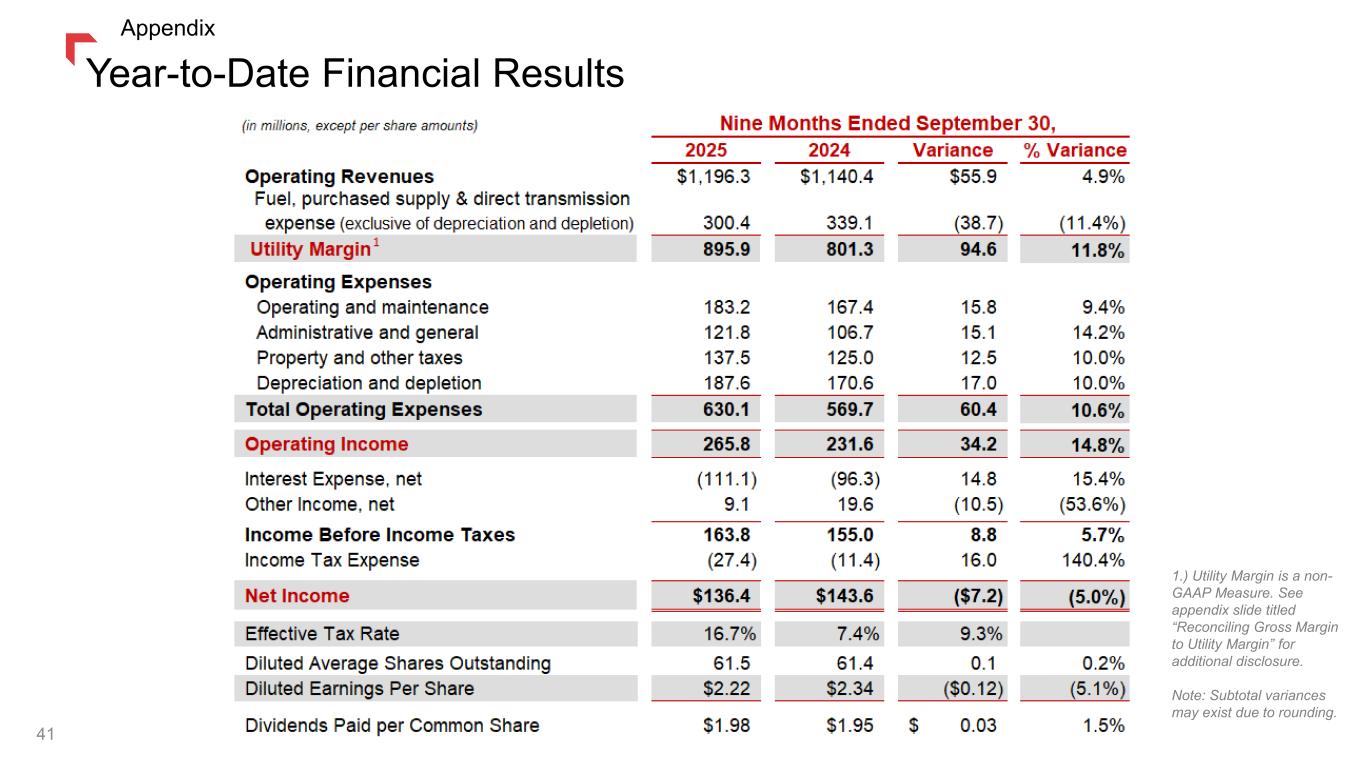
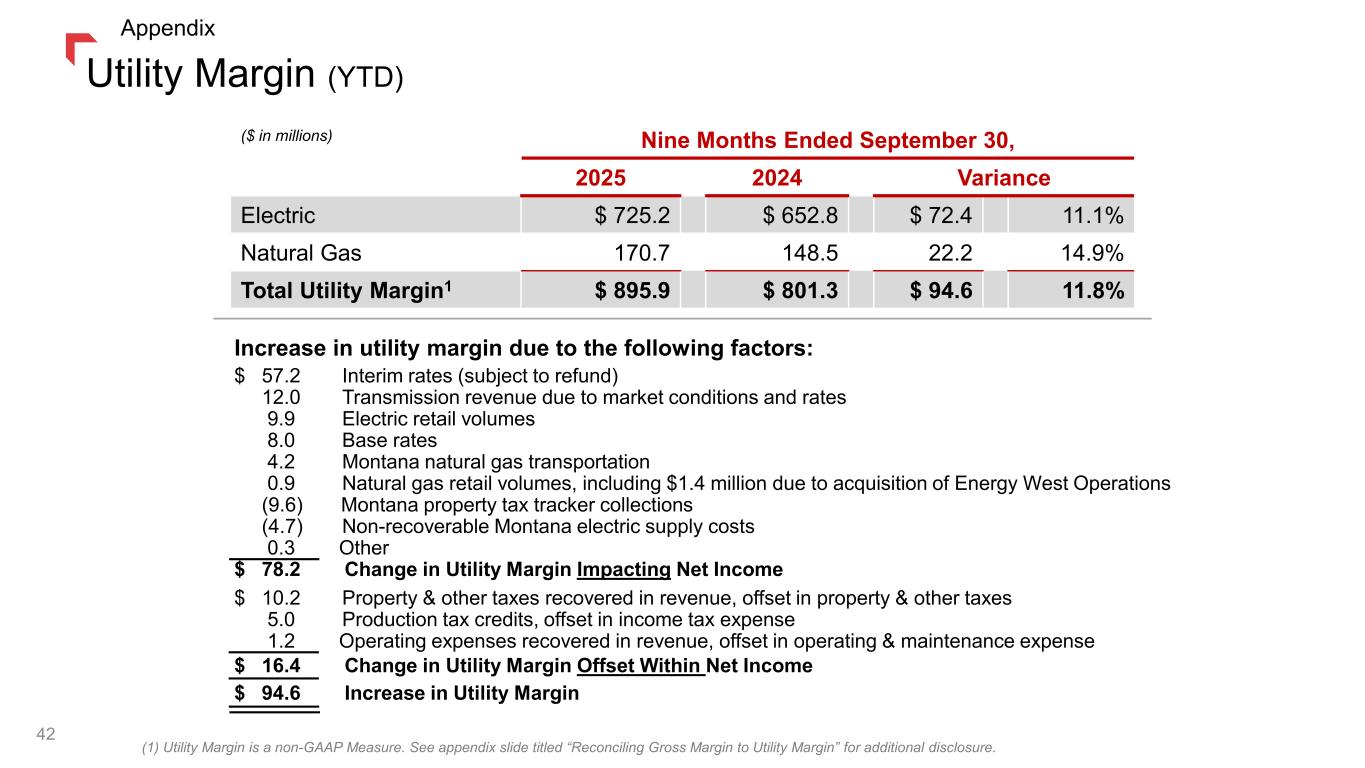
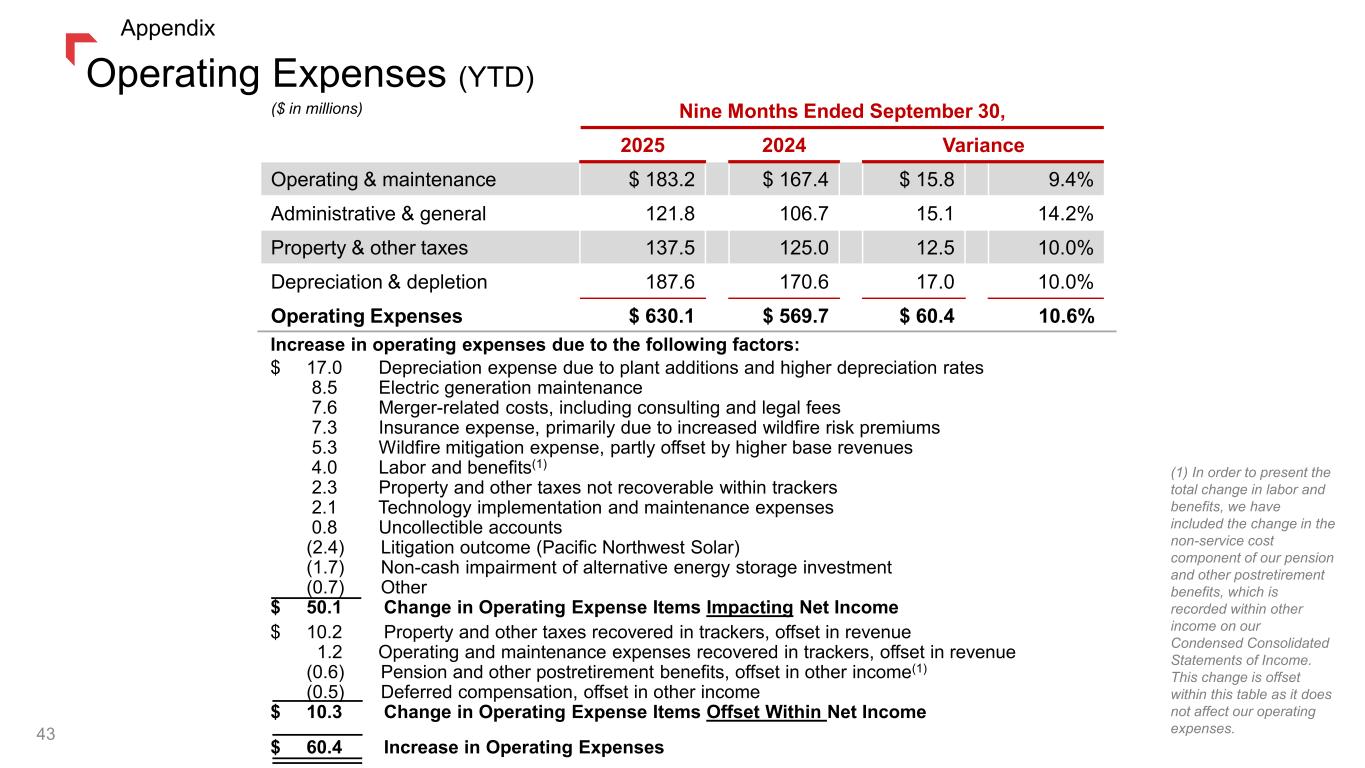
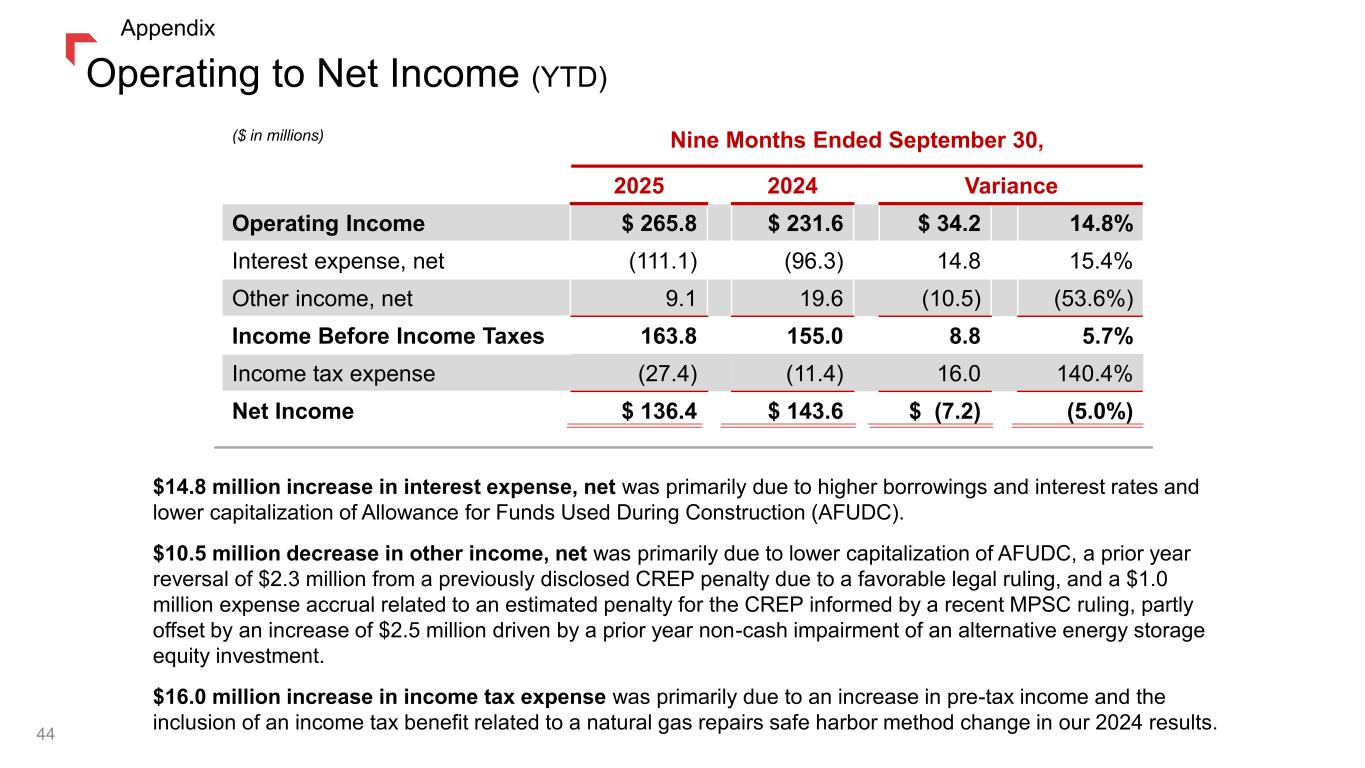
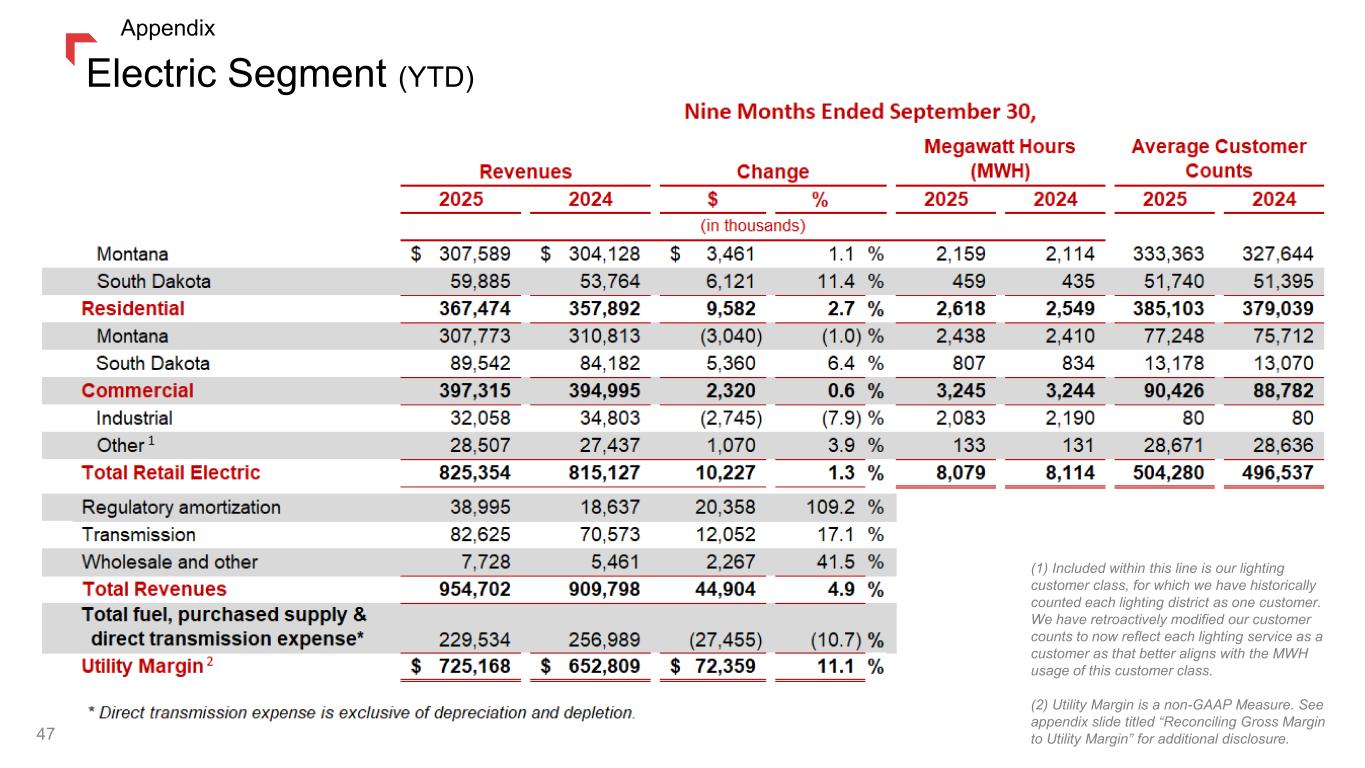
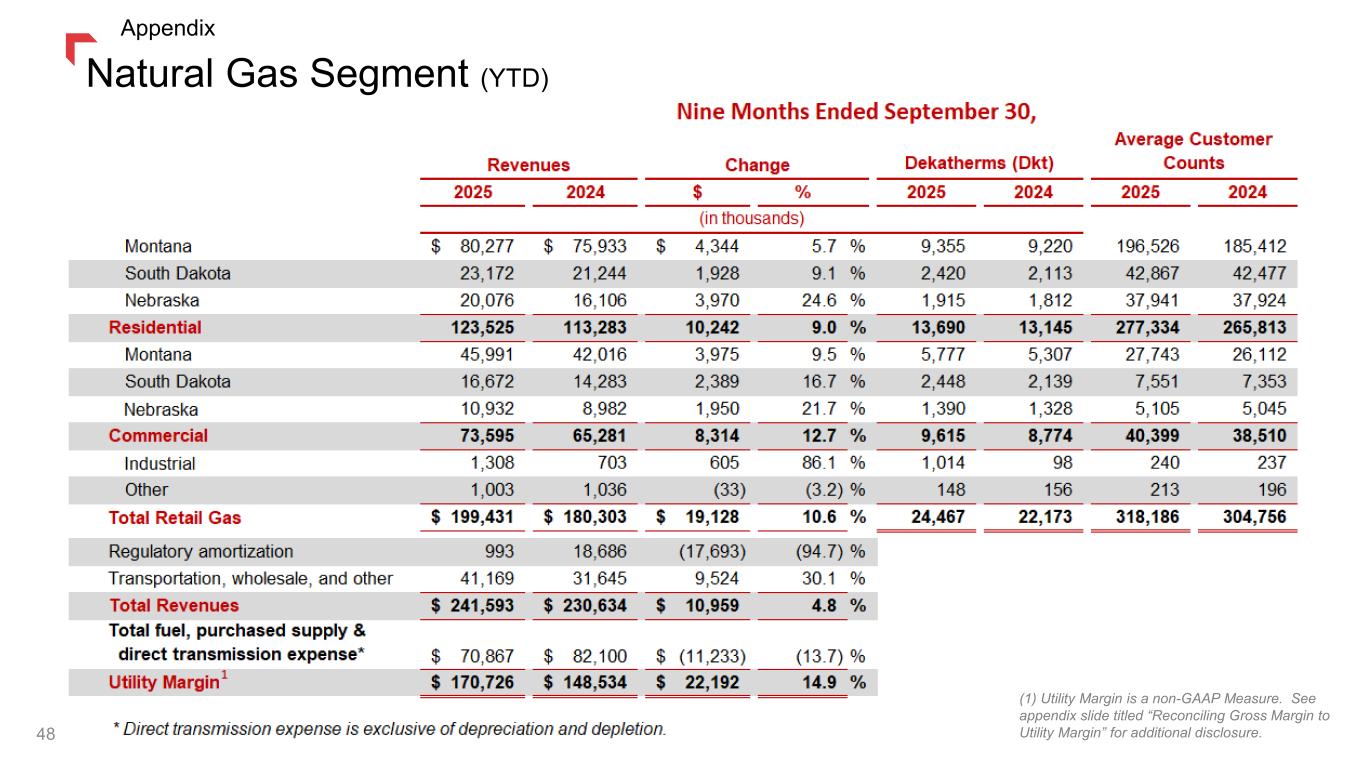
Thank you, Brian, and good afternoon, everyone. We are coming to you from beautiful Butte, America, today following a Board meeting here. Based off those highlights, it feels like we might have had a bit of a busy quarter. I will cover and update you on our third quarter results and outlook for closing out the year, and then turn it back to Brian for some really exciting strategic updates and where we're at otherwise with the business. We are pleased to deliver a solid quarter in line with our expectations here for the third quarter of '25 and are on track to deliver on our earnings guidance and financial targets for the year. For the quarter, earnings were $0.62 on a GAAP basis compared to $0.76 in the prior period. On an adjusted basis, we delivered $0.79 as compared with $0.65. In the upcoming slides, I'll dig into the details of those drivers, but I would note and highlight what you just caught, which is comparability year-over-year. There are a couple of items impacting that, including the merger-related costs included in the third quarter of '25 and also a reminder that in the third quarter of 2024, we had a tax benefit. From a year-to-date perspective, that leaves us at $2.22 on a GAAP basis compared to $2.34 last year. On an adjusted basis, that's $2.41 in 2025 year-to-date compared to $2.27 in 2024. Slide 10 shows you the third quarter drivers of EPS compared to that same period in 2024. Despite mild weather, margin improvement drove $0.52, which was offset in some regards by higher operating costs, including those $0.12 of merger-related costs I referred to, higher depreciation and interest, and inclusion again in the prior year of an $0.11 tax benefit. For further detail on the margin, again, I highlighted that it was $0.52 of improvement. Of that $0.52, rate drove $0.35 of margin improvement. As a reminder, we worked really hard on that regulatory execution to be able to recover our costs and close that gap on earning returns. That $0.35 is certainly key to that, and we are currently awaiting our outcome in our Montana rate review, which I'll address a bit later. Customer usage provided $0.08 of improvement and electric and gas transmission and transportation provided another $0.05. These are offset by a couple of trends we had highlighted previously for 2025, including the market sales impact in our PCCAM, which was a detriment during the quarter as well as the effects of Montana property tax legislation that also detracted from us during the quarter, reducing some of the favorability in the margin line. Moving to adjusted items to help make the quarter clearer for third quarter '25 versus third quarter '24. Mild weather in this third quarter impacted us by about $0.05, compared to an add-back of $0.05 and add-back of $0.01 in the third quarter of 2024. In 2025, we've incurred $0.12 of merger-related costs, along with the previous year's tax benefit related to prior year gas repairs once that final guidance came out. All of that gets us to, if you look at the adjusted columns, $0.79 of earnings in the third quarter of 2025 compared with $0.65 in 2024. Our financial performance year-to-date reinforces our confidence in delivering on the financial commitments that we've made, and we expect a final outcome in our Montana REIT review, as I alluded to earlier, during the fourth quarter. As such, we continue to maintain a wider range of $0.15 as we look to close out 2025. We also expect to provide our 2026 outlook during our year-end call in February, so you can look forward to that.
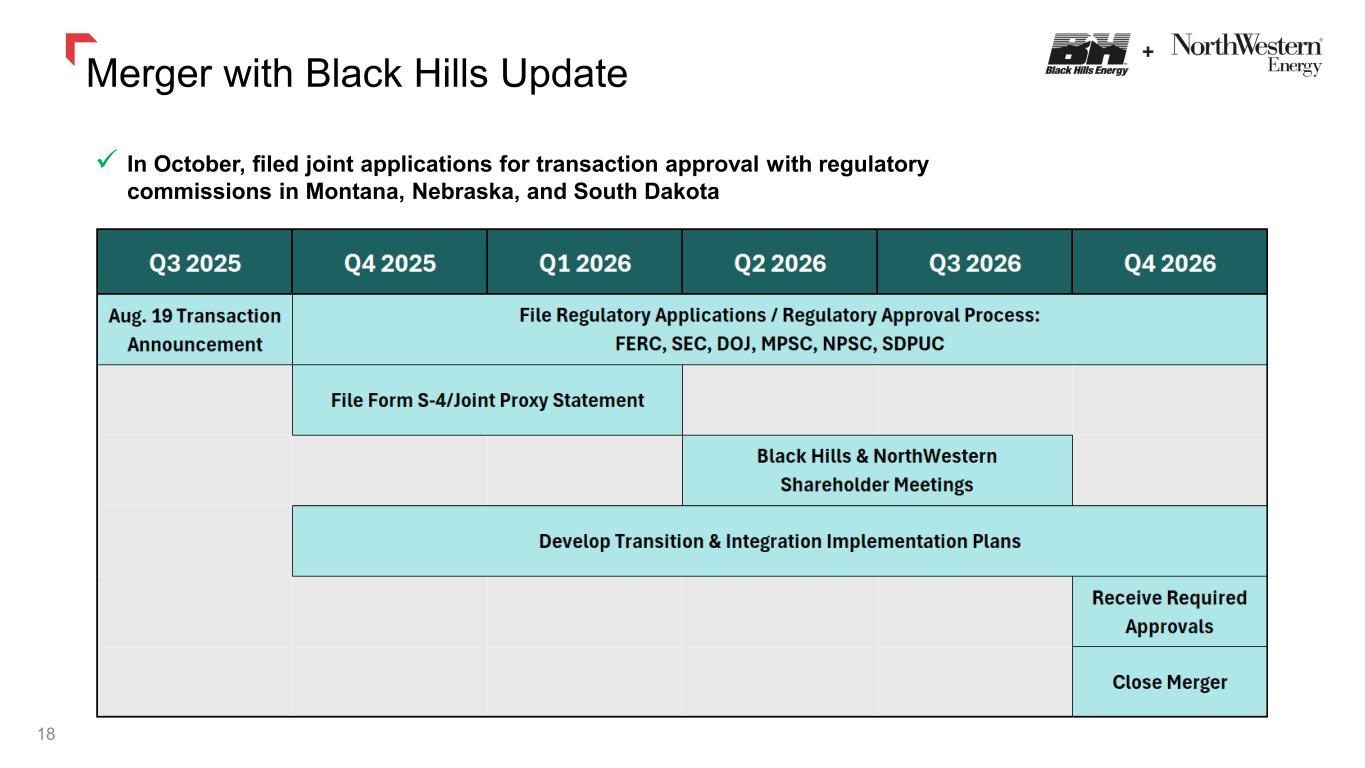
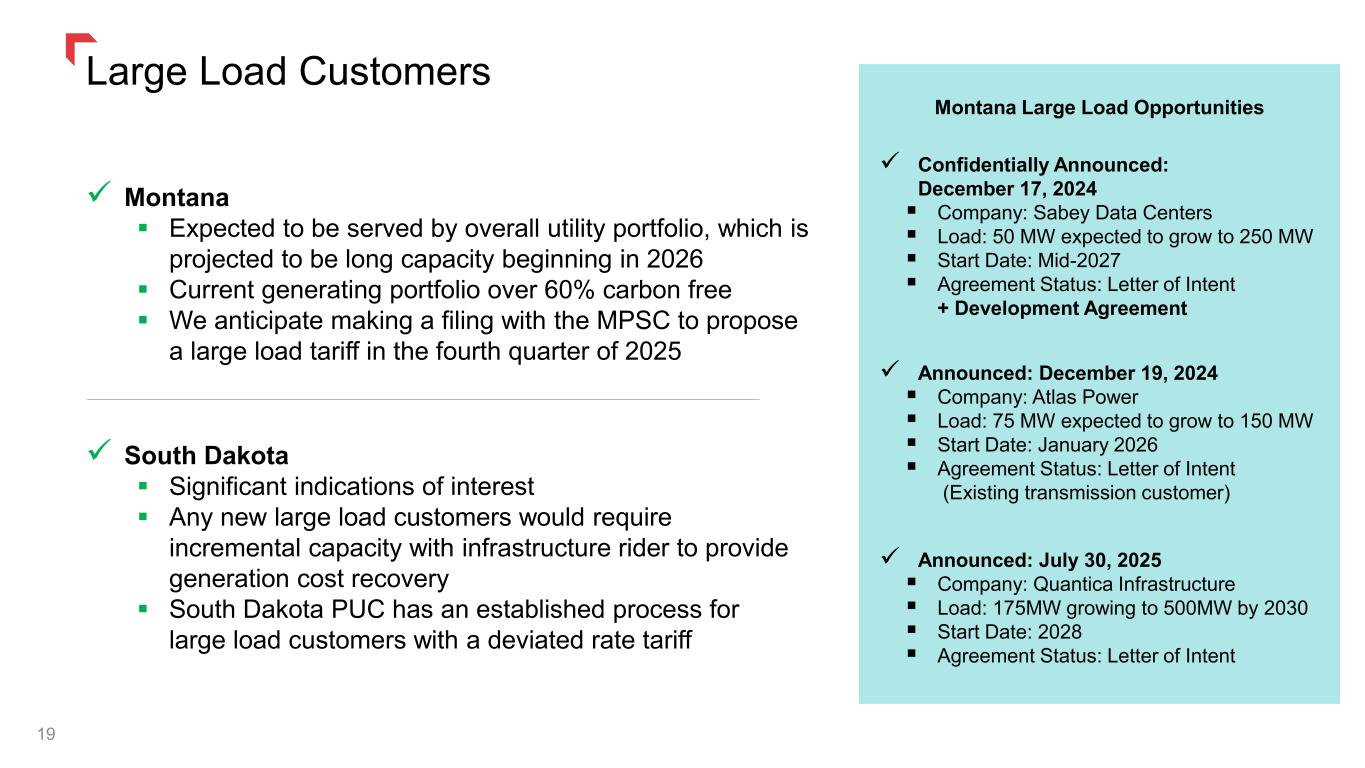
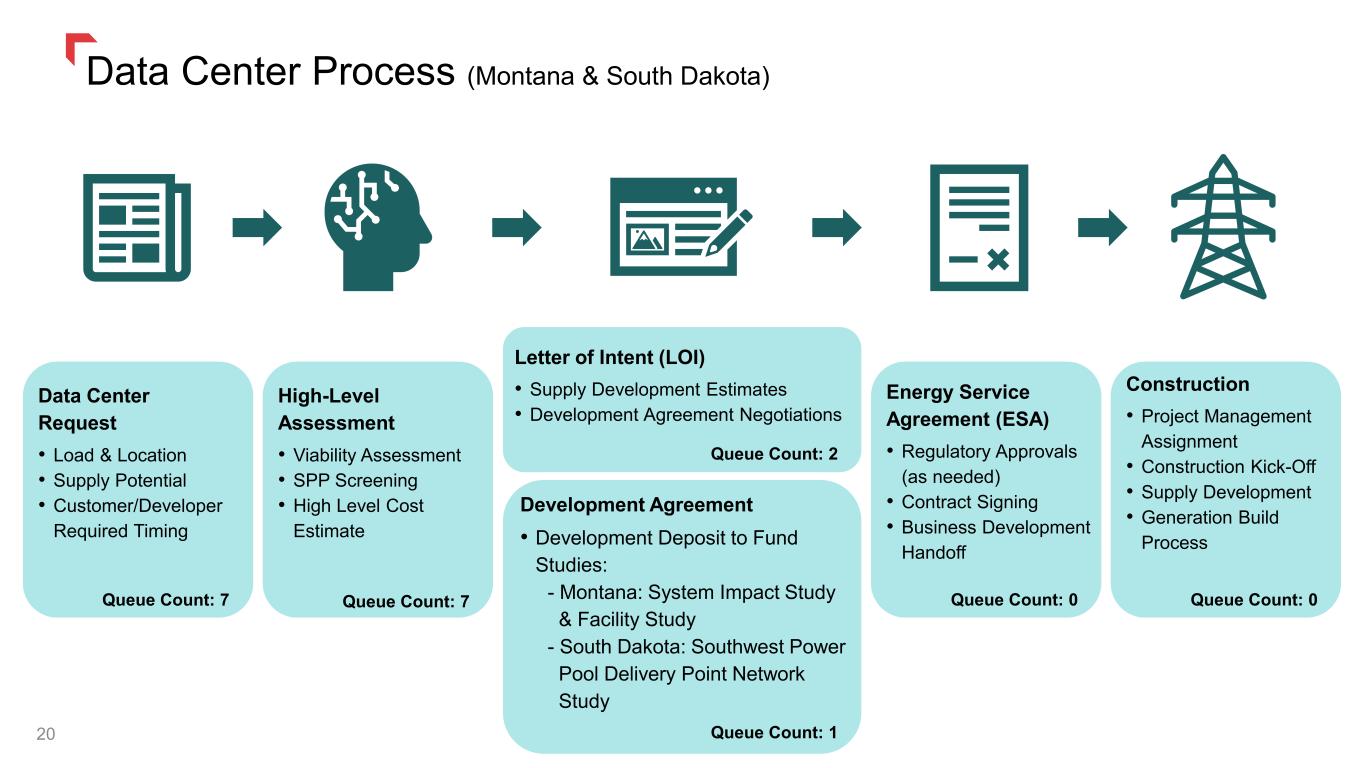
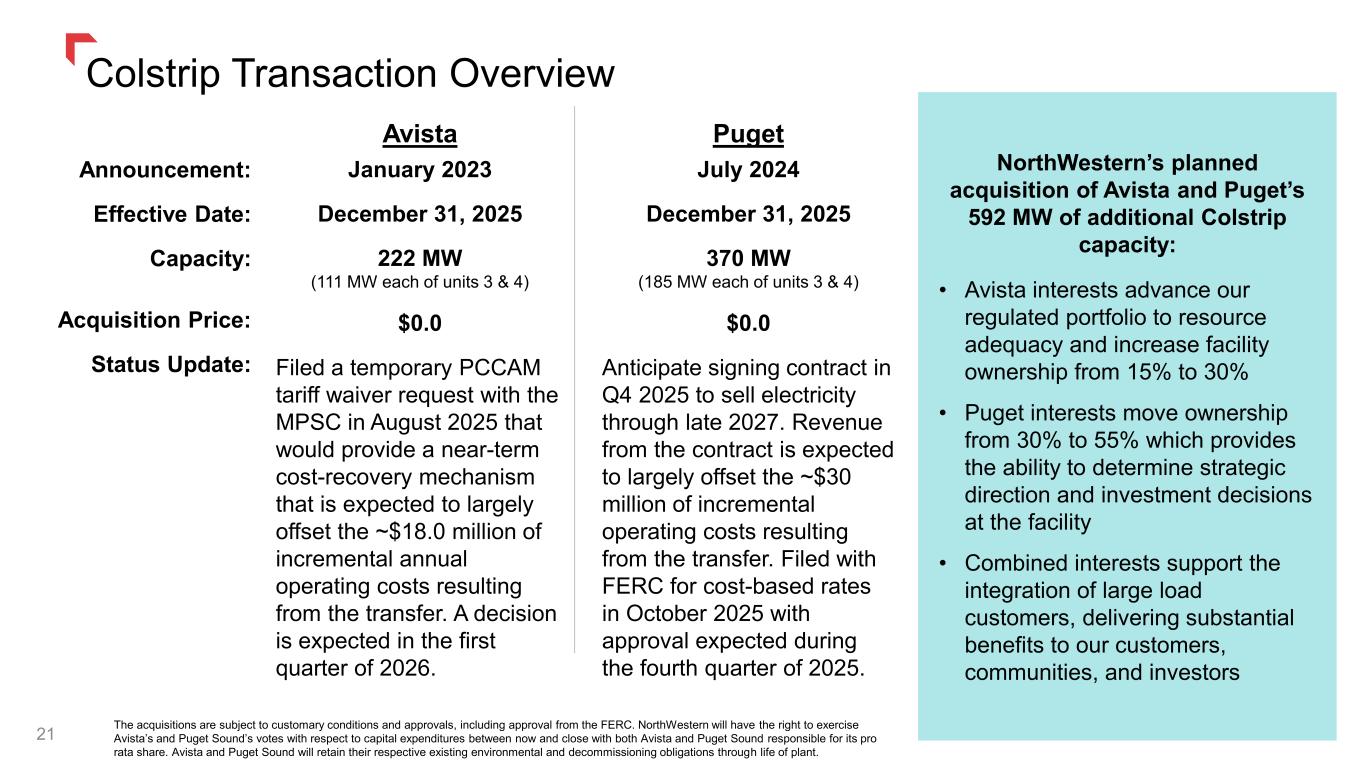
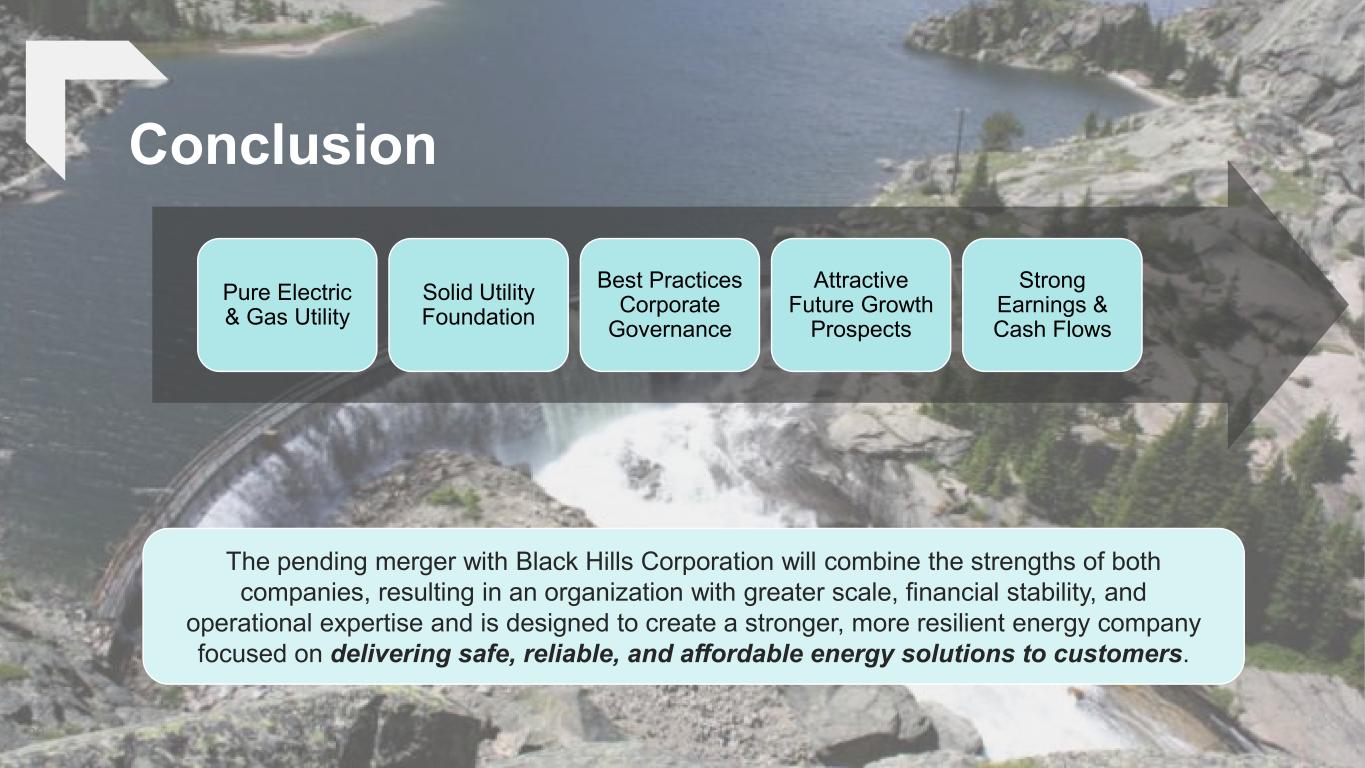
Thanks, Crystal. On 18, we talk about our merger with Black Hills update in August 18 seems like a long time ago, but it was about 2 months ago. In that short period of time, we, with our Black Hills friends, have worked collectively to make 3 filings with each of the 3 states that we needed to make filings in. We filed with the MPSC and the North Dakota Public Service Commission, and the South Dakota PUC. Those filings are made, and we continue to work on other filings necessary for the transaction. Continue to work on the S-4 and joint proxy statement and expect to release that in Q1 of 2026. In terms of shareholder meetings, sometimes in Q2 or Q3, our respective companies would hold shareholder meetings to vote on the transaction. As for developing transition integration implementation plans, we are collectively speaking to independent integration consultants, and hope to make a decision relatively soon. Things will really get going here, I'd argue, in December and January as we continue planning. Lastly, for receiving approvals and closing the merger, I'd like to think that could happen sometime in the second half of 2026. Moving on to the next page regarding large load customers. Off to the right, I think all of you are well aware of the 3 LOIs we currently have with SEBI, Atlas and Quantica. I'll mention the development agreement with SEBI shortly. On the left-hand side of the page, just a quick focus on Montana and South Dakota. We do anticipate making a filing with the MPSC to propose a large load tariff in the fourth quarter of 2025, and we'd like to do that in conjunction with an ESA with SEBI, so going in arm in arm, ensuring we're protecting customers while also providing what we need to move forward with data centers in the state. In South Dakota, there continues to be significant interest. Any new large load customers require incremental capacity. The South Dakota PUC already has an established process for large load customers. We've also seen good progress on a sales tax exemption bill in South Dakota which we hope to address in the next legislative session to attract data centers. I think we're making really good progress in both states. Regarding the process on Slide 20, we continue to lay out for you kind of left to right, the process, and we have seen good progress here. From a data center request, we've moved 3 of those parties into a high-level assessment. As a matter of fact, of the LOIs, we entered into a development agreement. We notice we show those hand-in-hand here as an incremental step of the LOI process. The development agreement is primarily to ensure that we have a commitment to fund the studies, and we've received development deposits along the way to support those necessary impact studies and facility studies. This is an important step, and we anticipate other LOIs could see development agreements before the end of the year, all in hopes of reaching energy service agreements as quickly as possible. Moving forward, Colstrip transaction overview. I need to provide some history. Back in January of 2023, we acquired the Avista piece. You may recall that our IRP talked about the necessity of incremental 200-plus megawatts of capacity, and that Avista portion provided resource adequacy for us in Montana, bringing our ownership interest in the Colstrip facility from 15% to 30%. Unfortunately, the 30% interest wasn't going to be high enough to protect ourselves from other owners of the plant for various reasons, given that their states didn't want them to own coal-fired generation. This could incentivize them to close down Colstrip. In July of 2024, we acquired Puget's 370 megawatts, which allowed us to increase our ownership from 30% to 55%, providing a clear advantage in directing Colstrip's future. We believe an ownership of these resources will deliver substantial benefits for our customers, communities, and investors, and support the integration of large load customers. We believe we will sleep better knowing we have the resources to serve our customers on the coldest days. For the Avista portion, we filed a temporary PCCAM tariff waiver request with the MPSC, providing a near-term cost recovery mechanism that is expected to offset the $18 million of annual operating costs expected from the transfer in the first quarter of 2026. We've also filed with FERC for cost base rates in October 2025 for the Puget portion and expect approval during the fourth quarter of 2025. I'm excited about this process. I think we can see positive outcomes moving into our next rate review with MPSC for both the Avista and Puget pieces. We have presented everything as a prudent means to protect our financial integrity, and I hope the Montana Public Service Commission will understand our need for recovery of operating costs as we prepare for January 1, 2026. Like I said, I appreciate all of your interest in this process. As Crystal pointed out earlier, we've been extremely busy, and I'm proud of our ability to handle our day-to-day operations while engaging with our Black Hills partners to create a stronger company that serves our shareholders, customers, and employees better.
Thank you, Brian. That was a good update. Prella, we'll open the lines for Q&A.
Operator
Your first question comes from Aidan Kelly with JPMorgan.
Speaker 4
Yes. I just want to hone in on the data center front first. It looks like there was some activity in the request and high-level assessment stages. Could you just clarify if this was a simple pull forward of some of the request stage into the high-level assessment and then maybe one just got added to the request stage? And then just on top of that, what sort of time line you might be able to kind of convert the high-level assessments into incremental LOIs?
They're great questions. I think the data center requests, the queue count there went up 1. More importantly, we've increased the queue count in high-level assessments by 3. I can't give a specific time on when things move to the next level, but I do think there is at least one we could see show up in that box here relatively soon—either in the LOI box or directly to a development agreement.
Speaker 4
That's helpful to know. And then maybe just pivoting to South Dakota. I am also curious on the timeline for getting approval of the gas plant. Ultimately, how should we consider that flowing into CapEx in the rate base?
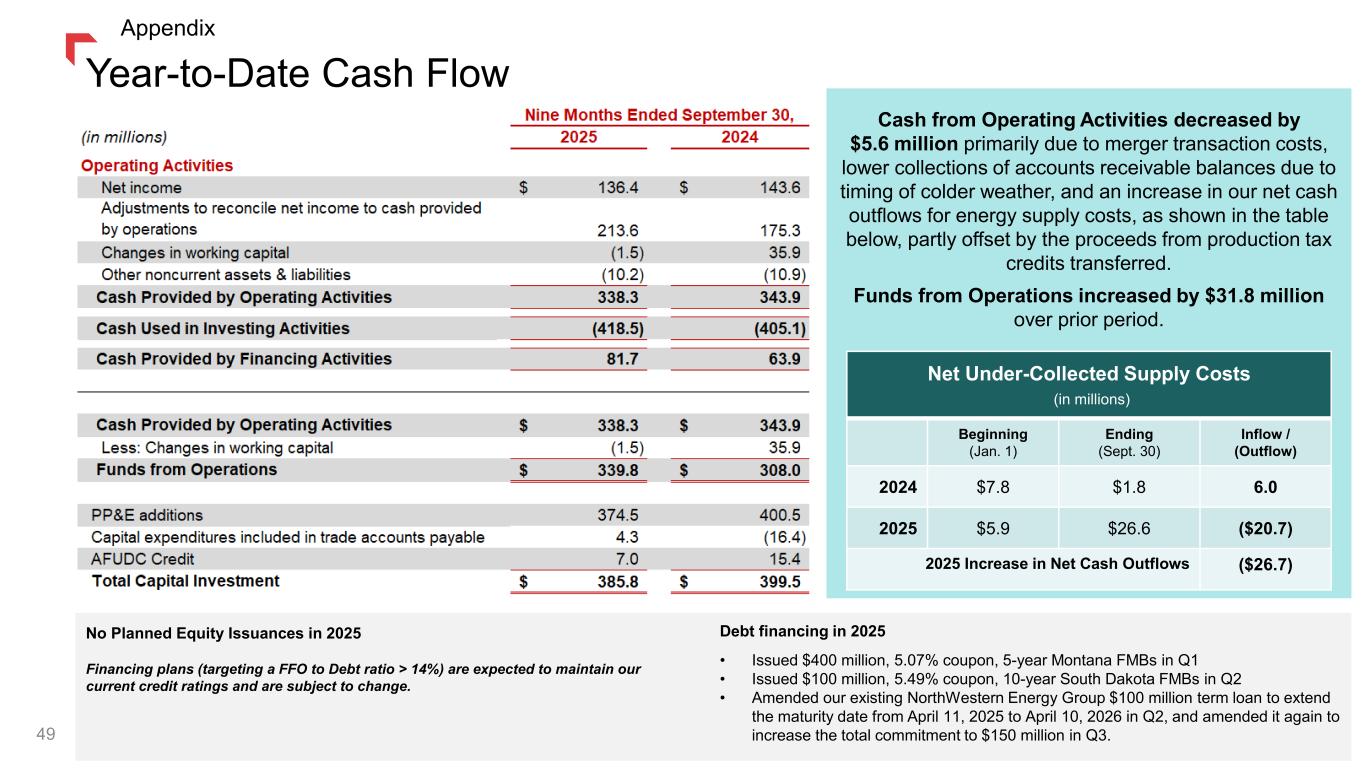
I'll take that one. I think both MISO and SPP put out this summer an expedited resource adequacy study window. We submitted, based on that study, a facility that would meet resource adequacy by 2030. We've received initial feedback from SPP that what we've submitted meets their initial requirements, and we expect to hear on the transmission piece in early 2026. As such, we will wait to incorporate it into our capital plan until we roll forward that refresh probably in the fourth quarter call in February.
Operator
And I'm showing no further questions at this time. I would like to turn it back to Brian Bird for closing remarks.
Well, thank you so much. I just want to reiterate the tremendous support we've had since the announcement, and I think the feedback we've received, and I know our friends at Black Hills have equally received tremendous support for the merger. We are collectively working really well together to move this process along and understand the importance of this merger, and we will work hard to make sure it happens as soon as the second half of 2026. With that, again, thank you for your participation today.
Operator
Thank you. And this concludes today's conference call. Thank you all for joining. You may now disconnect.