Operator
Thank you for standing by. My name is Jordan and I'll be your conference operator today. At this time, I'd like to welcome everyone to Northwestern Energy 2025 year-end financials results webinar. All lines have been placed on mute to prevent any background noise. After the speaker's remarks, there will be a question and answer session. If you'd like to ask a question during this time, simply press star followed by the number one on your telephone keypad. And if you would like to withdraw your question, press star one again. Thank you. I'd now like to turn the call over to Travis Mayer. Please go ahead.
Good afternoon and thank you for joining Northwestern Energy Group's financial results webcast for the full year ended December 31st, 2025. As Jordan said, my name is Travis Mayer. I'm the Director of Corporate Development and Investor Relations Officer for Northwestern. Joining us on the call today are Brian Byrd, President and Chief Executive Officer and and Crystal Lale, Chief Financial Officer. They will walk you through our financial results and provide an overall update on progress this quarter. Northwestern's results have been released and the release is available on our website at NorthwesternEnergy.com. We also released our 10K pre-market this morning. Please note that the company's press release, this presentation, comments by presenters and responses to your questions may contain forward-looking statements. As such, I'll direct you to the disclosures contained in our SEC filings and the safe harbor provisions included on the second slide of this presentation. Also note that this presentation includes non-GAAP financial measures and information regarding the pending merger transaction. Please see the non-GAAP disclosures, definitions, and reconciliations and the merger-related disclosures included in the appendix of the presentation materials. This webcast is being recorded. The archived replay will be available shortly after the event and remain active for one year. Please visit the financial results section of our website to access the replay. With that behind us, I'll hand the presentation over to Brian Bird for his opening remarks. Thanks, Travis.
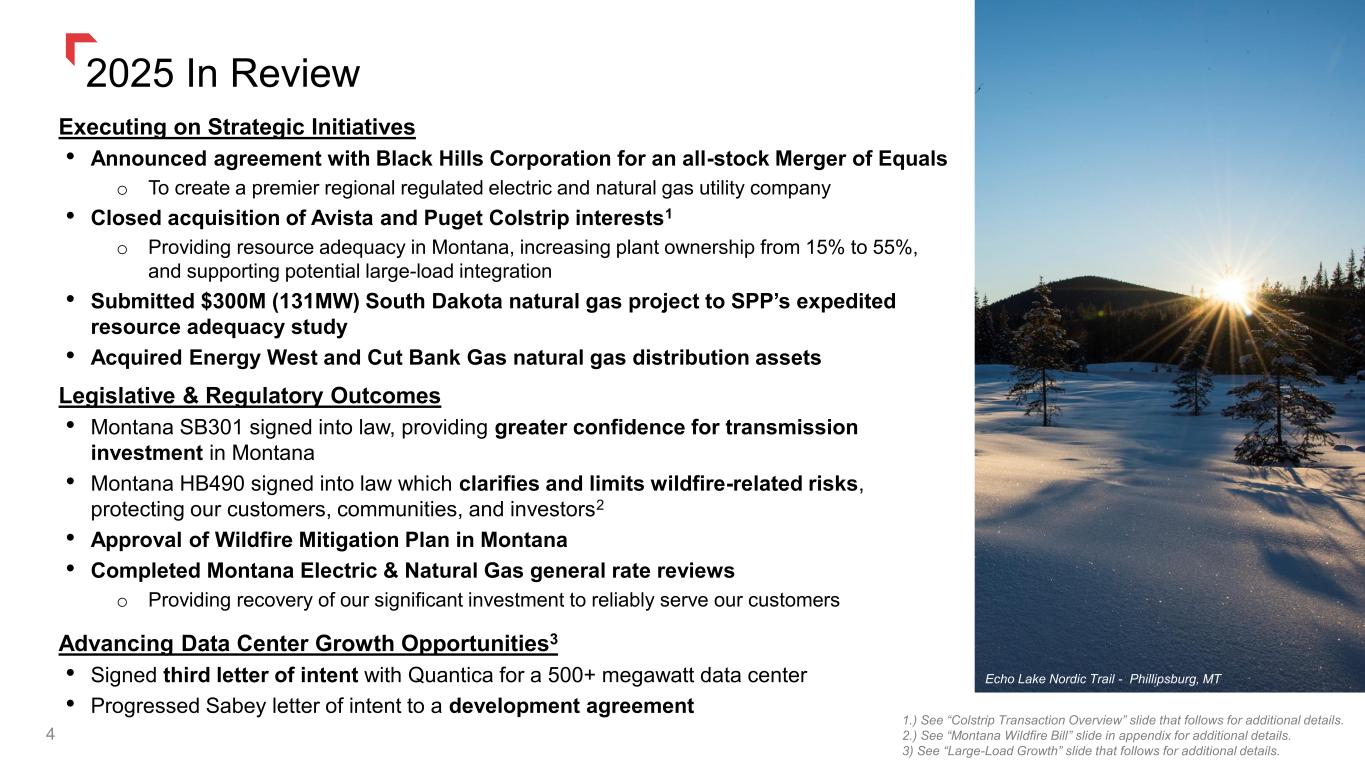
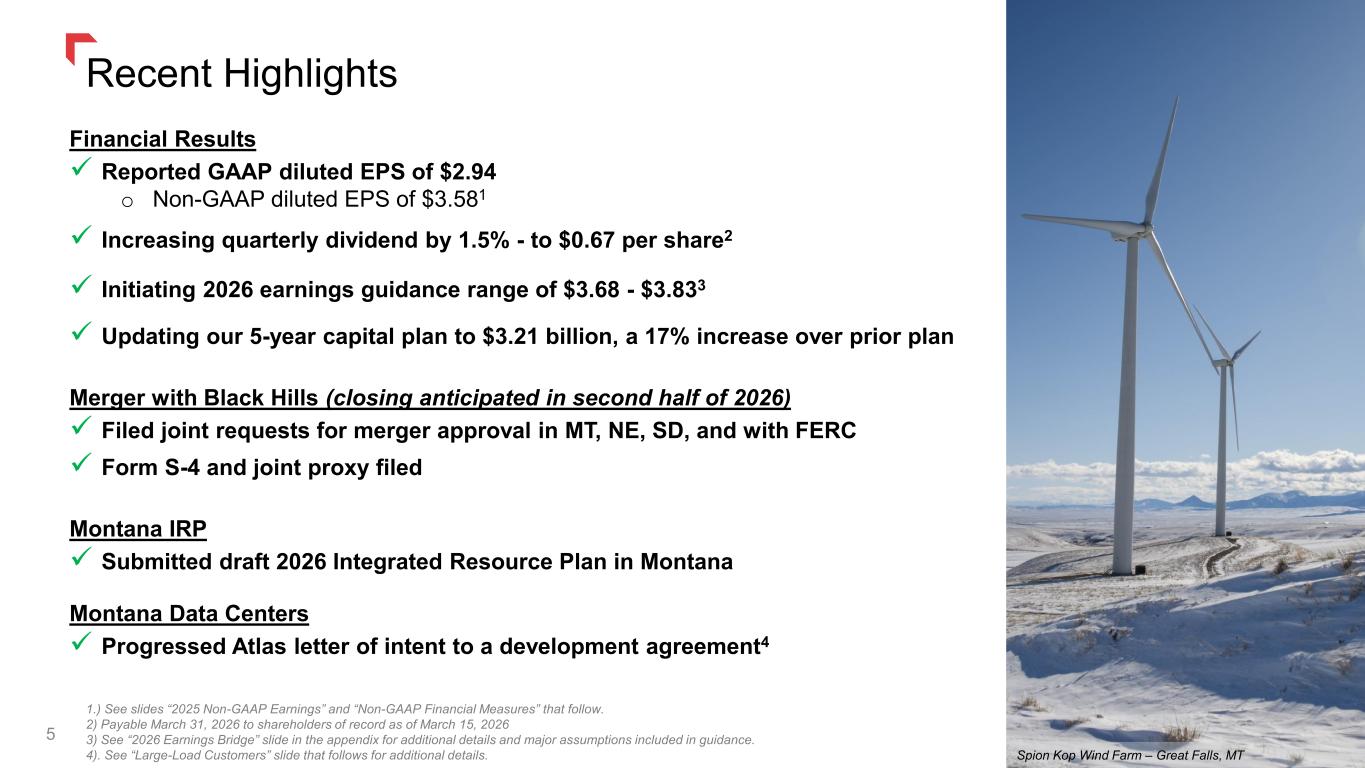
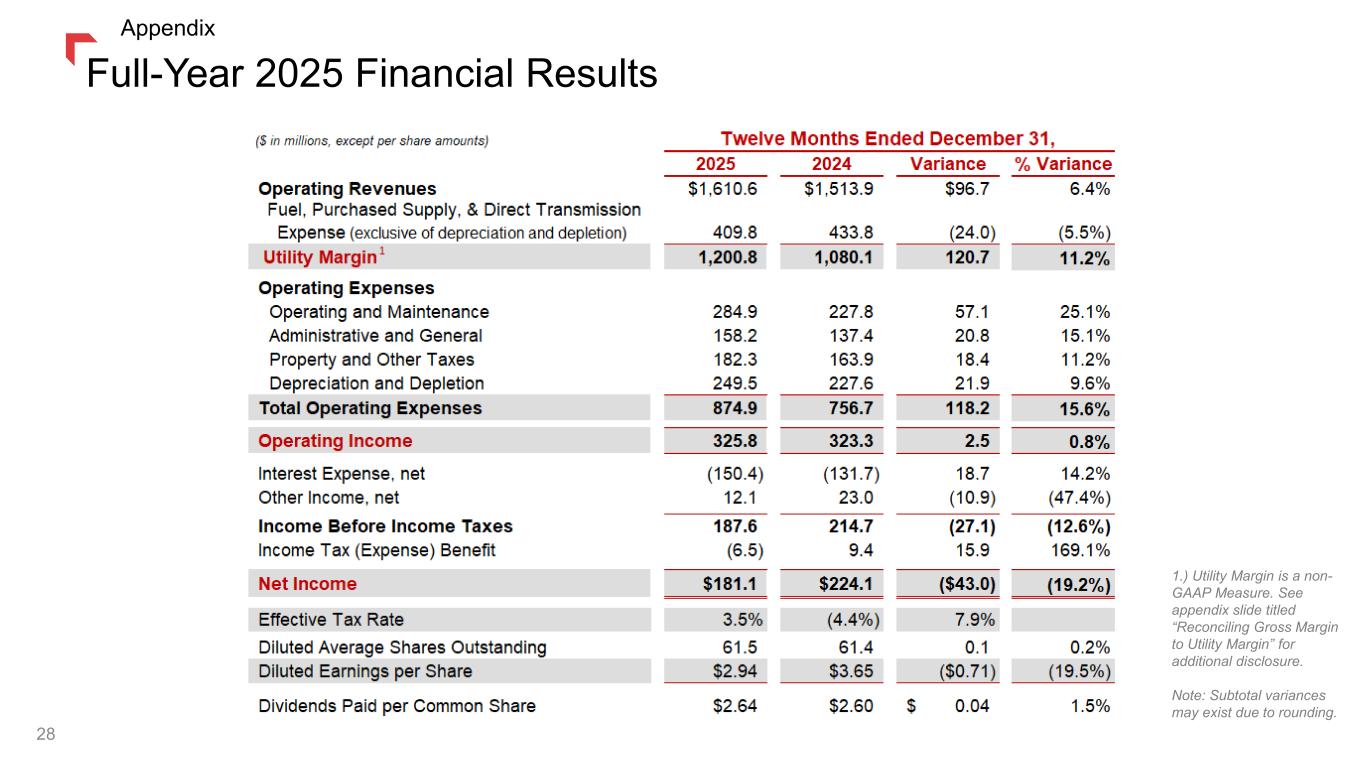
Speaking about 2025, first and foremost, I'll talk about how we've done in terms of executing on our strategic initiatives. First and foremost, we announced our agreement with Black Hills Corporation for an all-stock merger of equals. We patiently waited and ultimately closed our acquisition of the Vista and Puget coal strip interests as of 1-1-26. We recently submitted a 300 million or 131 megawatt South Dakota natural gas project to SPP's expedited resource adequacy study and we're now including that project in our ongoing capital plan. And we acquired the Energy West and Cutbank gas natural gas distribution assets on the legislative and regulatory front and we have very very good outcomes in 2025 on the legislative front montana senate bill 301 was signed in the law providing greater competence for transmission investment in montana and montana house bill 490 signed into law which clarifies and limits wildfire related risks protecting our customers communities and investors. So again, a very good legislative outcome in 2025. On the regulatory front, speaking of wildfire, we also, as part of that legislation, we need to get our wildfire plan approved. And we did get that approval from the Montana Commission in 2025. And then also on the regulatory front, we did complete our Montana Electric and Natural Gas General Rate Reviews. And then moving forward, thinking about the data center growth opportunities during the year, we signed our third letter of intent with Bonica for 500 plus megawatts data center, and we progressed with SEBI from a letter of intent to a development agreement. So that's 2025. More recently, in talking about financial results, and Crystal will get into that here shortly, but the financial results for the full year, we reported GAAP diluted EPS of $2.94 cents, and our non-GAAP diluted EPS of $3.58. We are increasing our quarterly dividend by 1.5% to $0.67 per share. We're initiating our 2026 earnings guidance range of $3.68 to $3.83, and we're updating our five-year capital plan to $3.21 billion, a 17% increase over our prior plan. Speaking of the merger with Black Hills, which we anticipated closing in the second half of 2026, we filed joint requests for merger approval in the states Montana, Nebraska, and South Dakota, but we also filed with FERC, and we recently filed also our Form S-4 and joint proxy. Regarding the Montana IRP, we initiated or submitted, I should say, our draft 2026 Integrated Resource Plan here about a month ago. And from a Montana data center perspective, as of yesterday, we advanced our friends at Atlas Power from an LOI perspective to a development agreement. And I'll speak to all of these topics a bit more after Crystal's presentation. With that, Crystal.
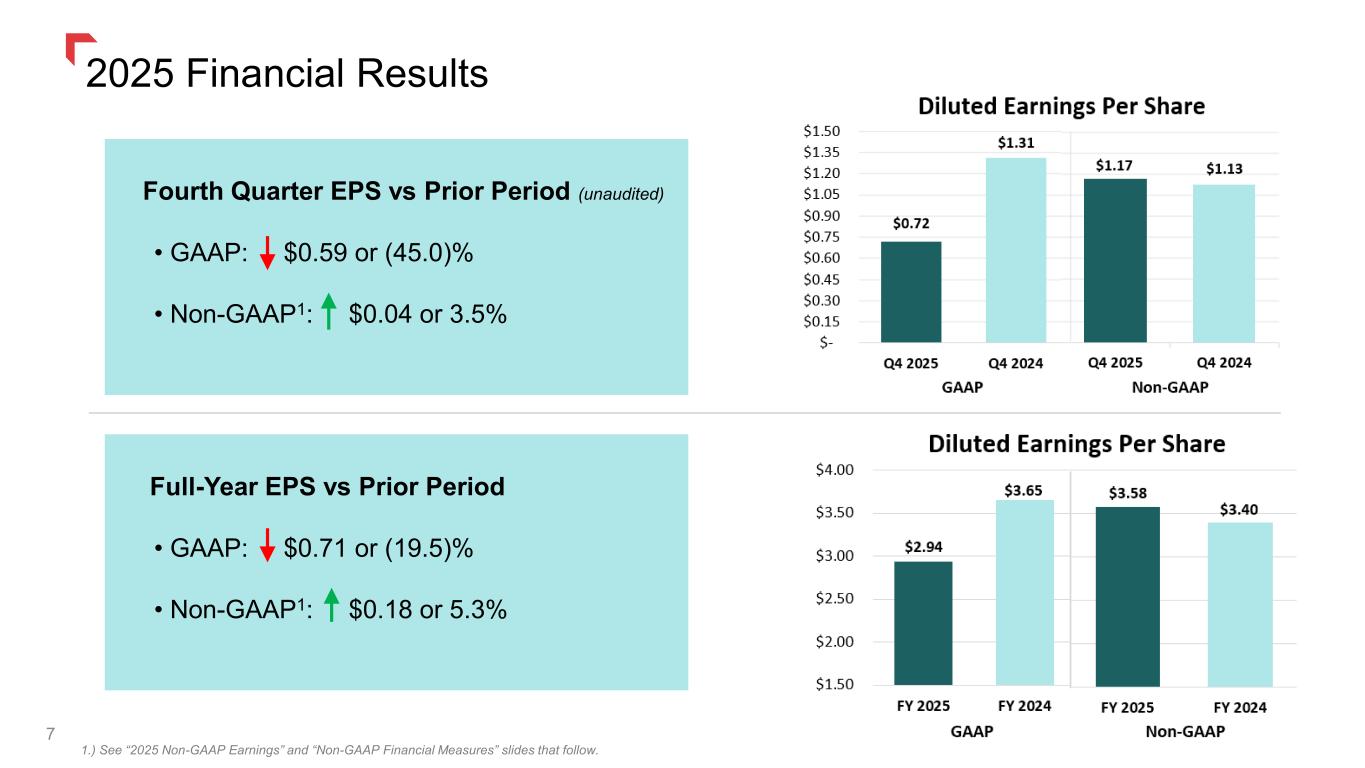
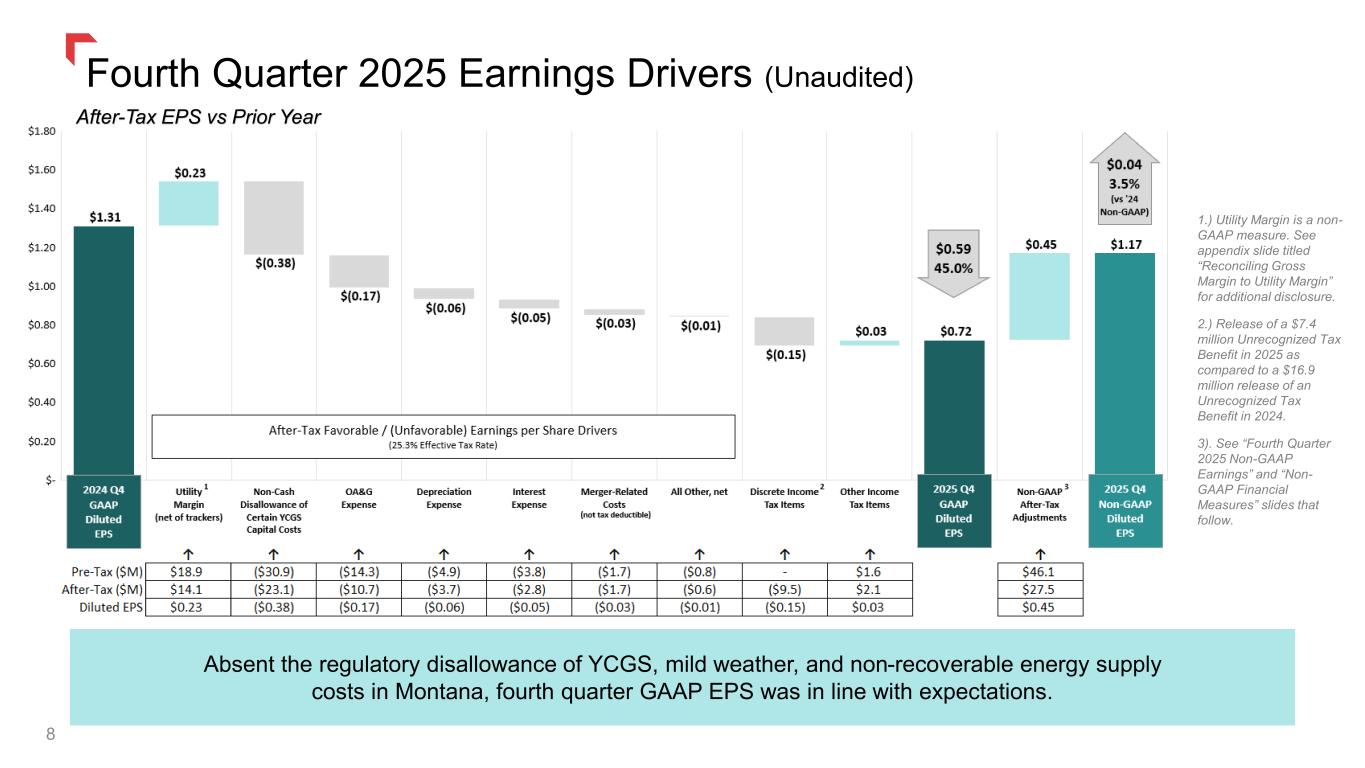
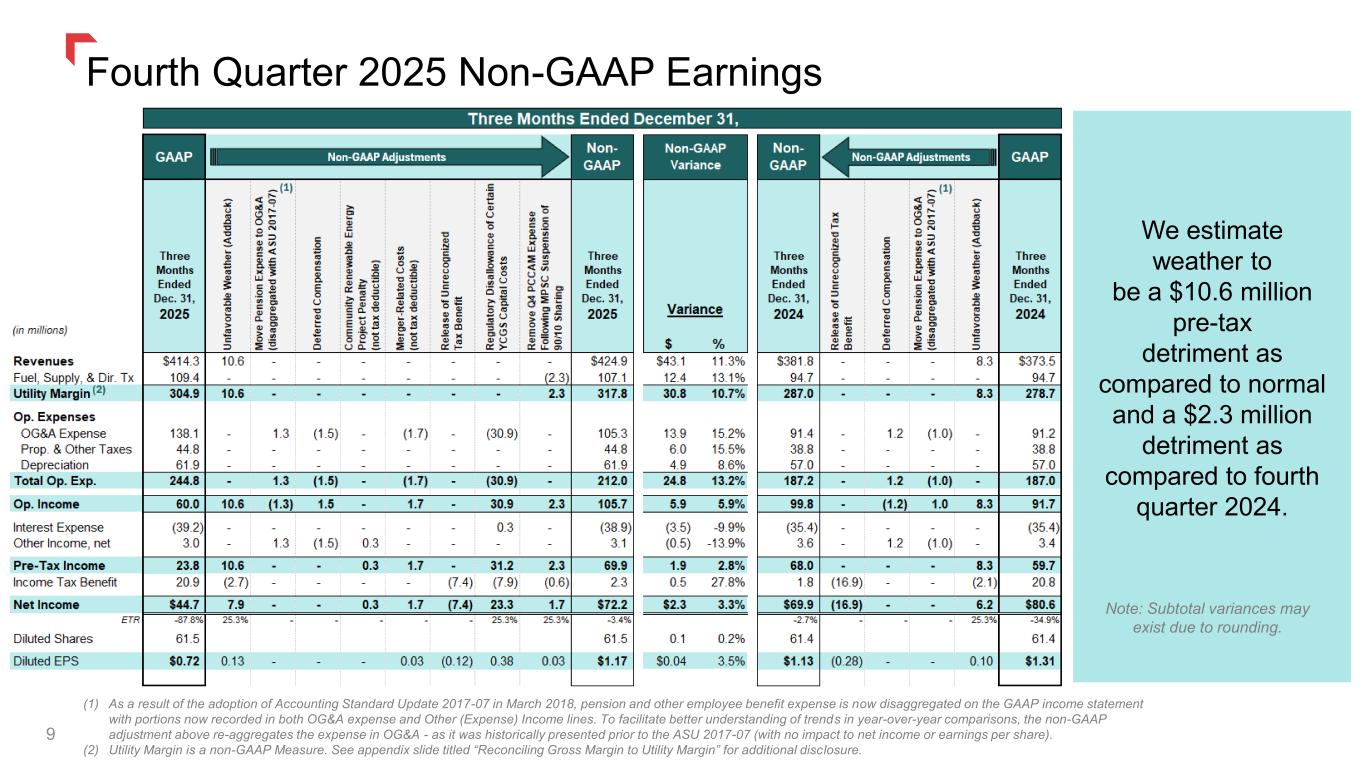
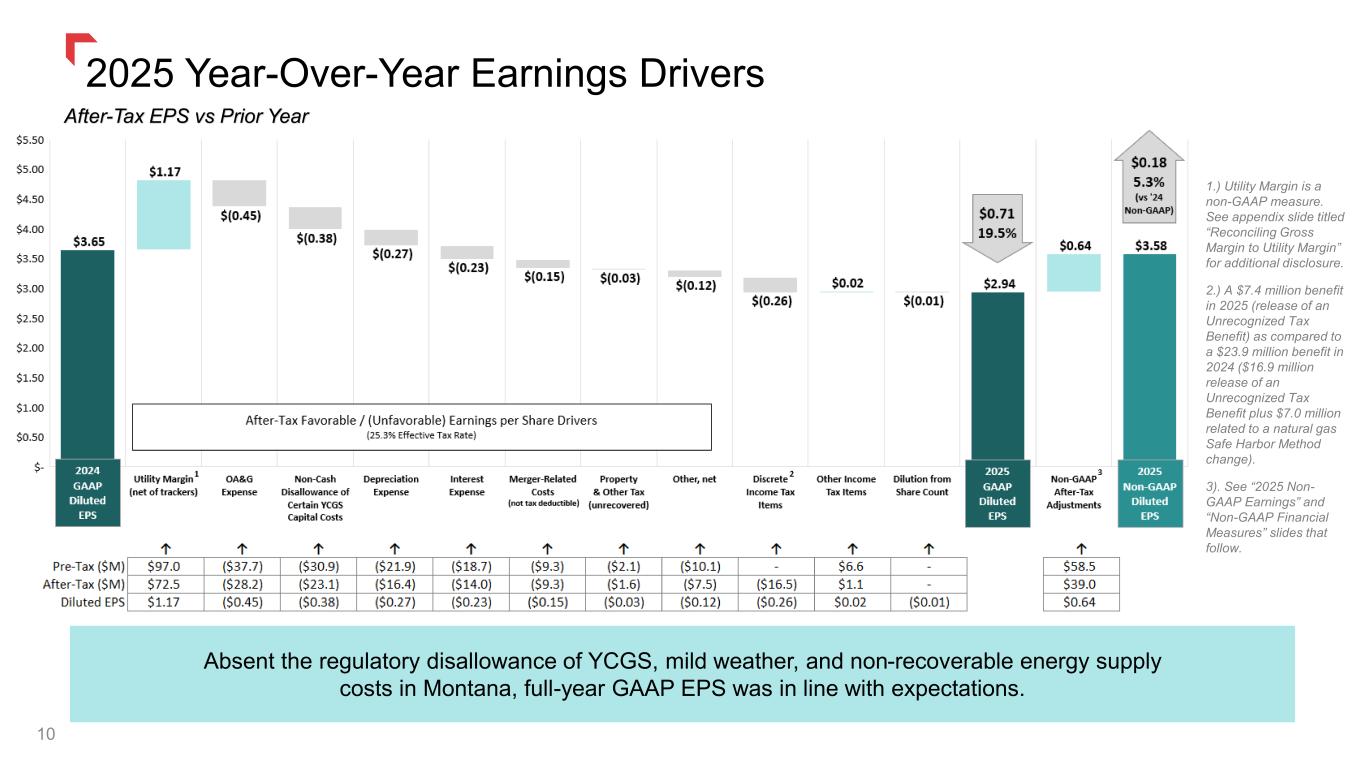
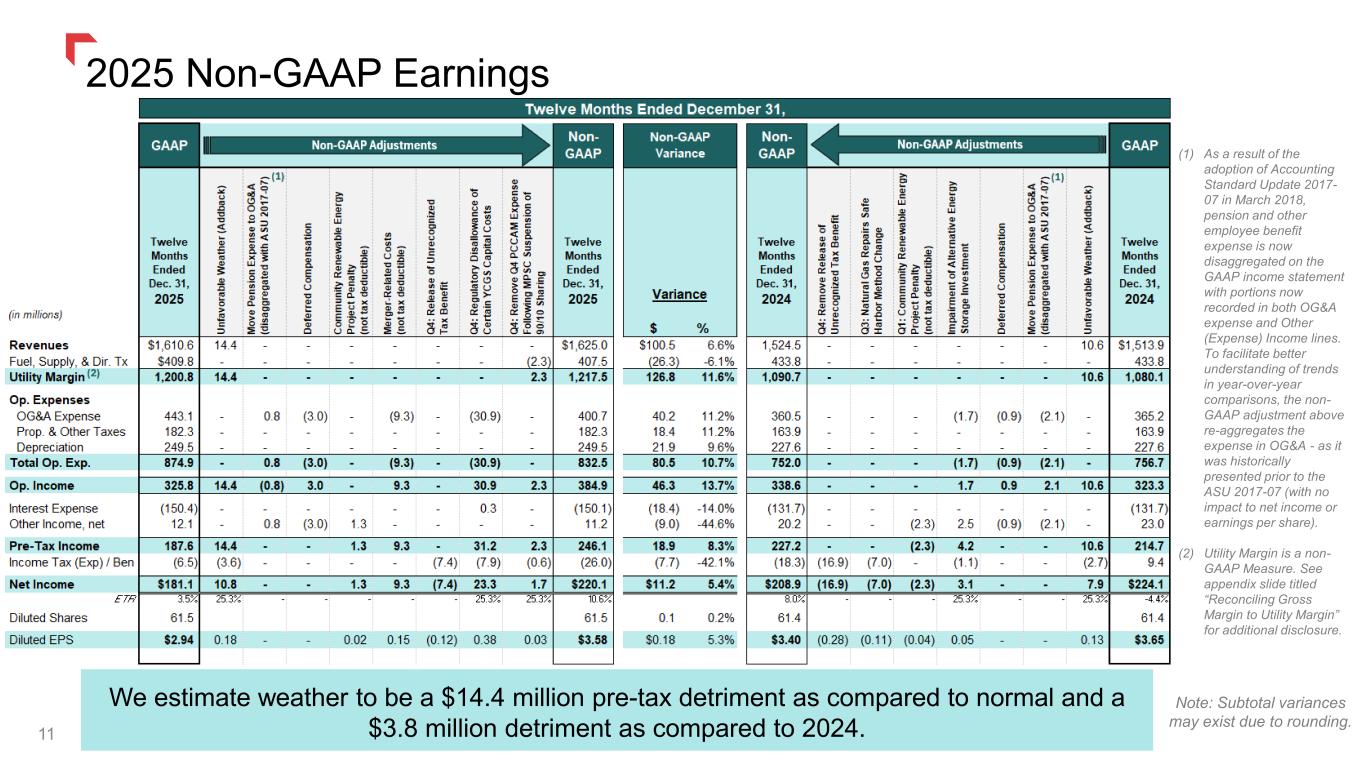
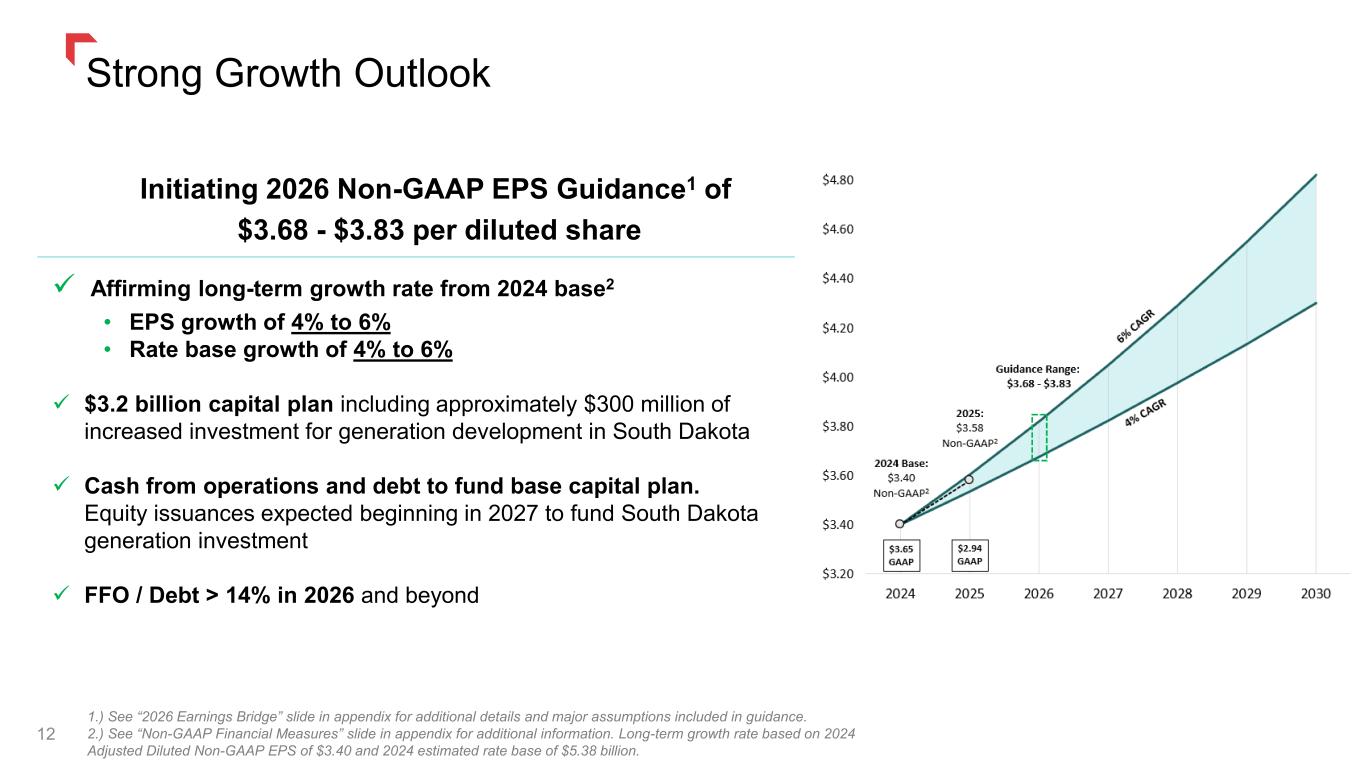
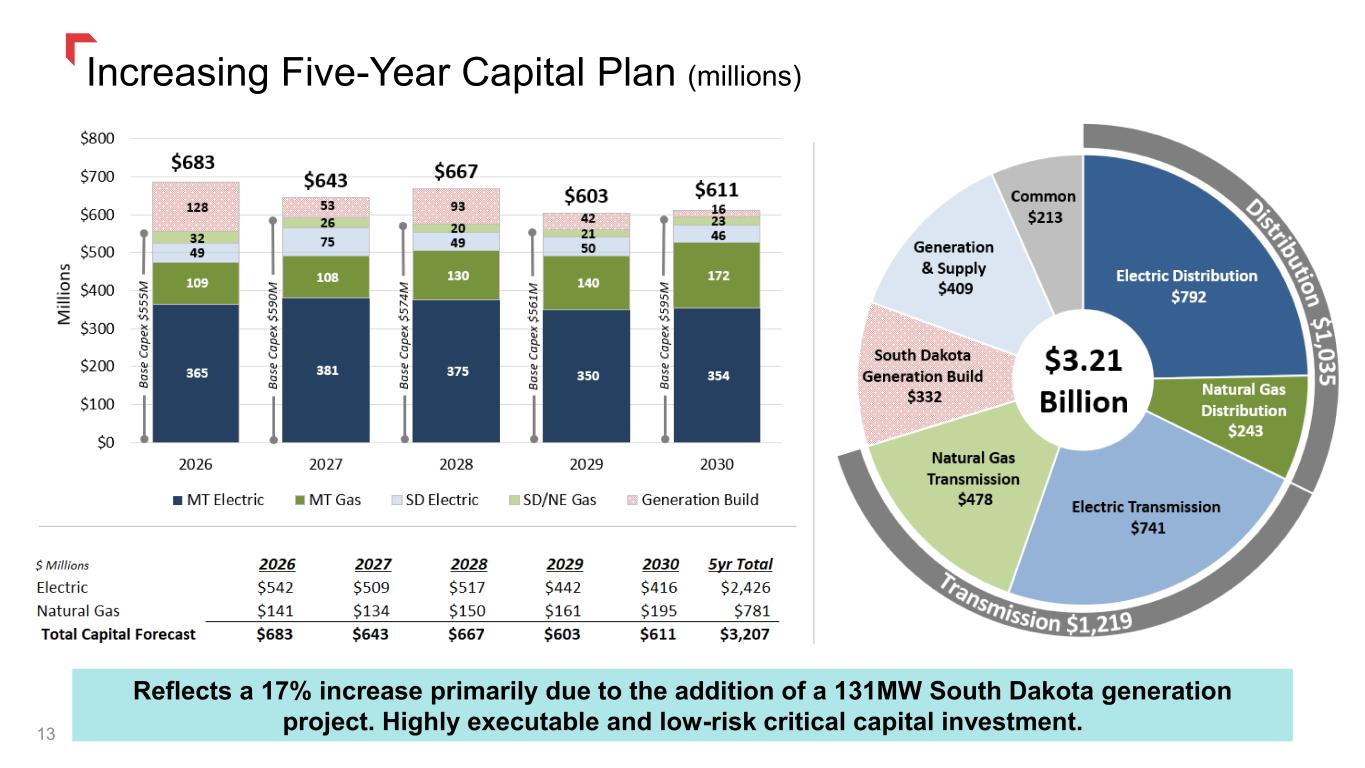
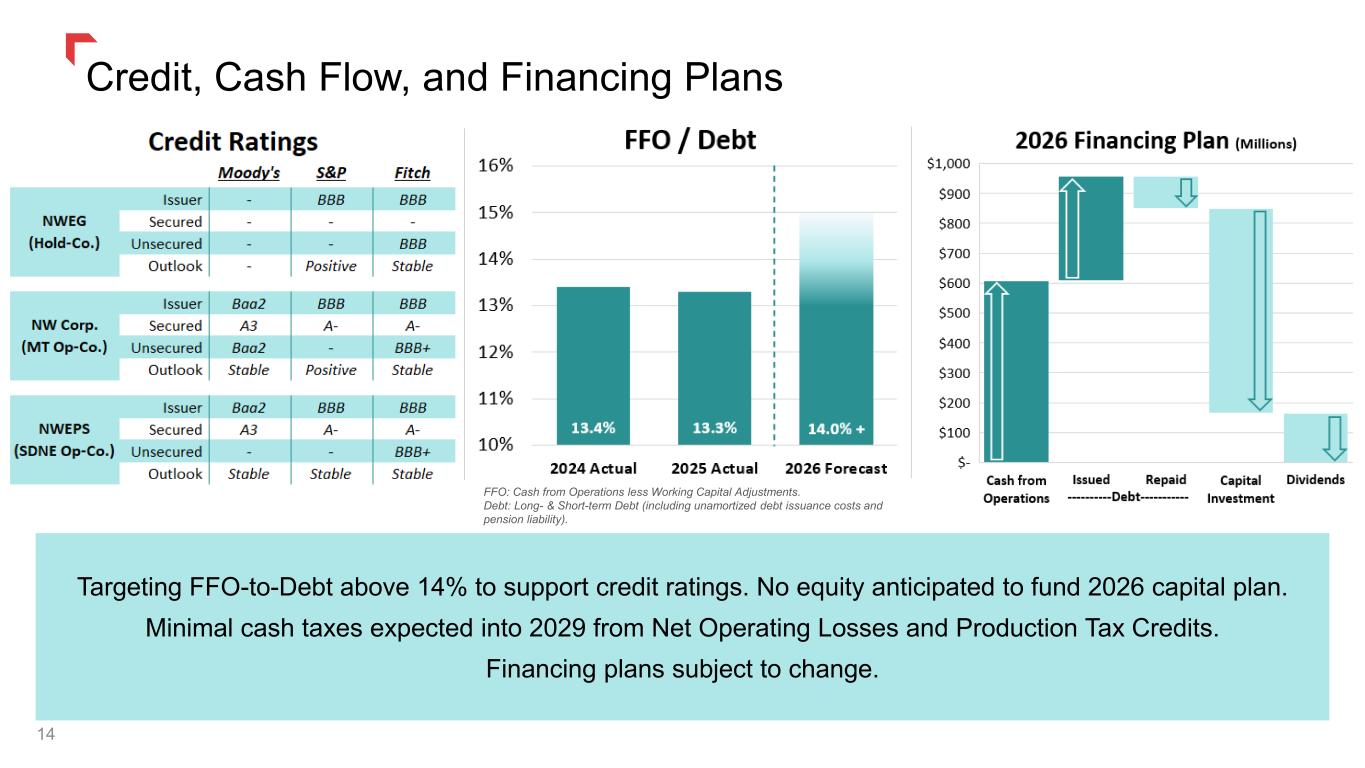
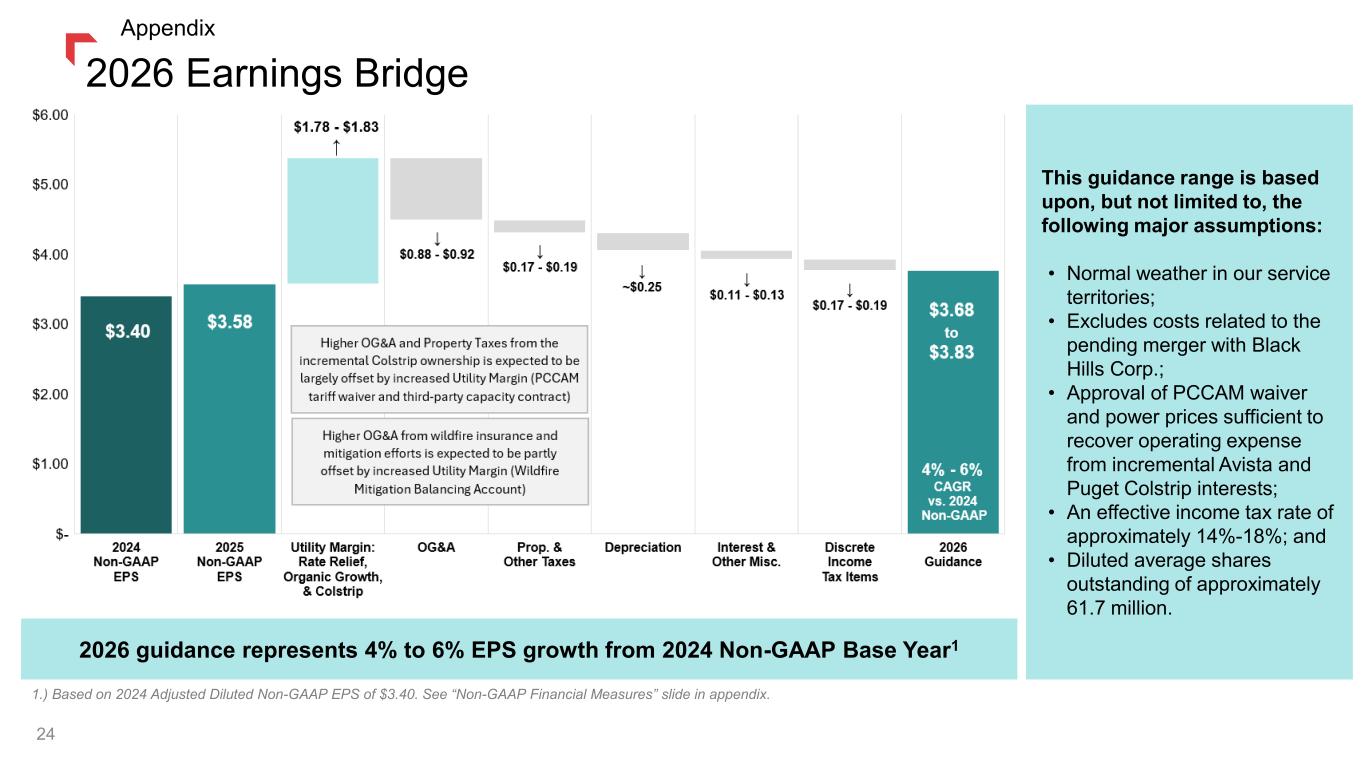
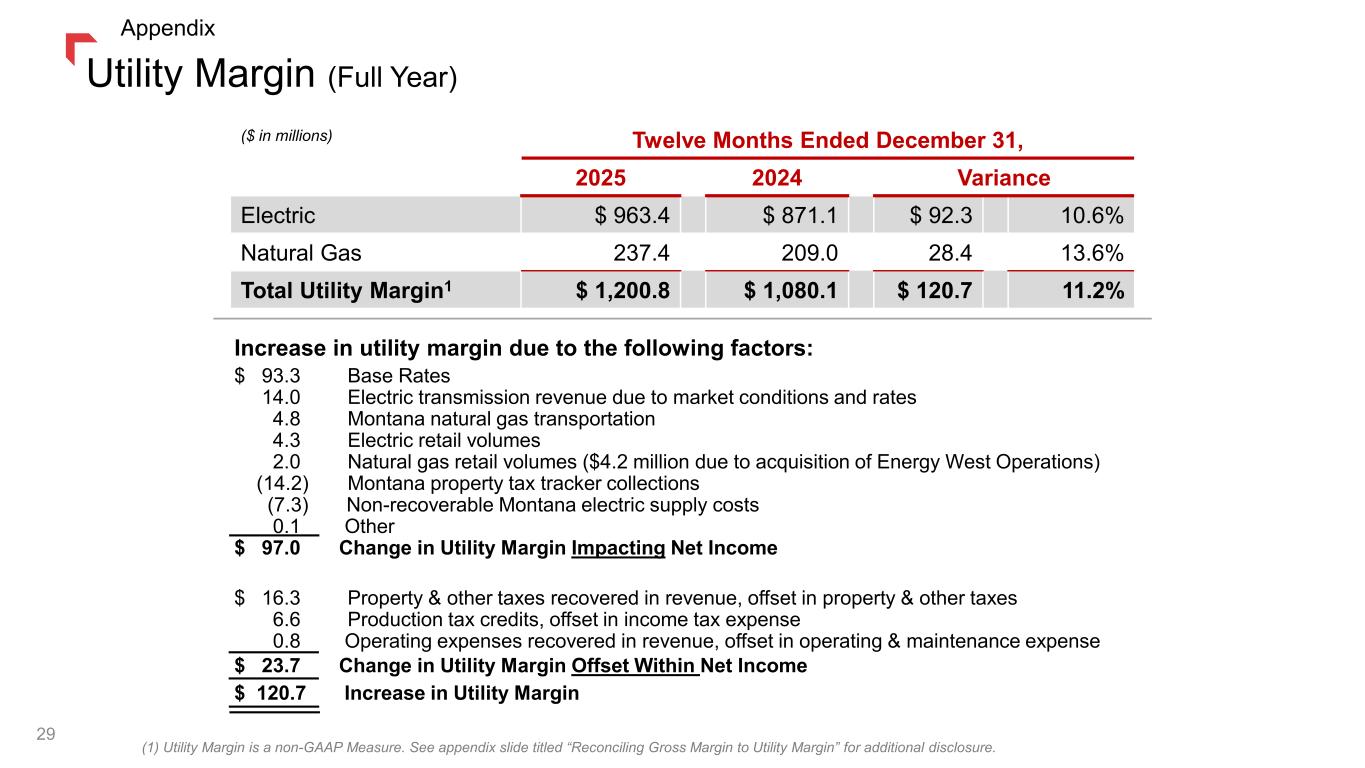
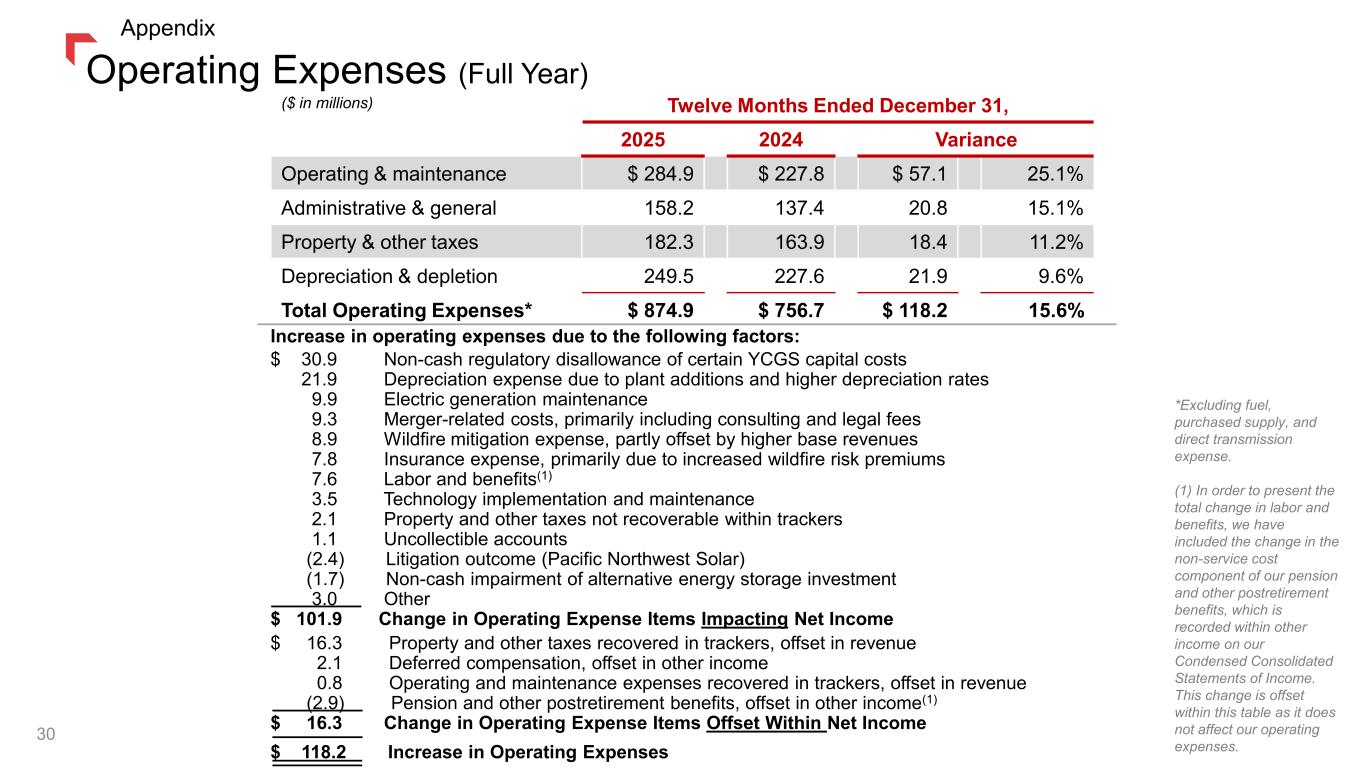
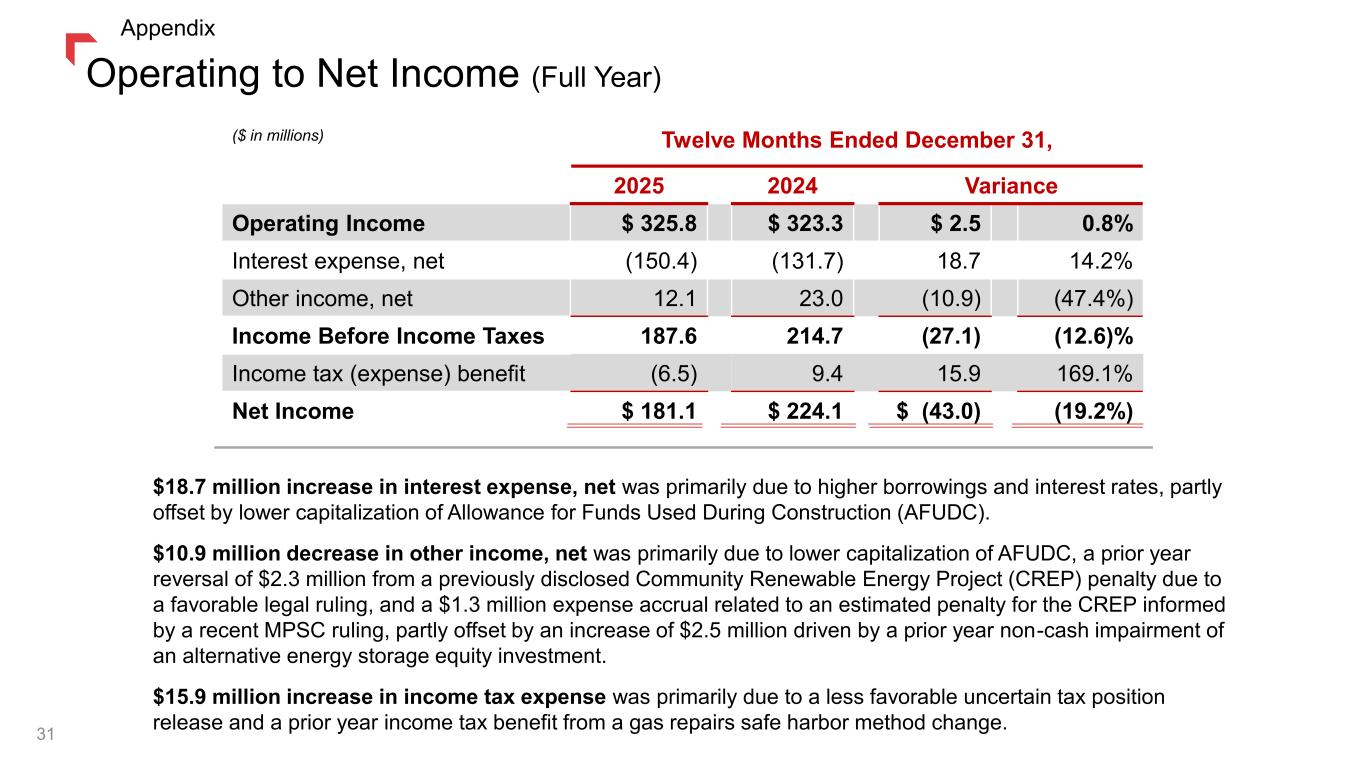
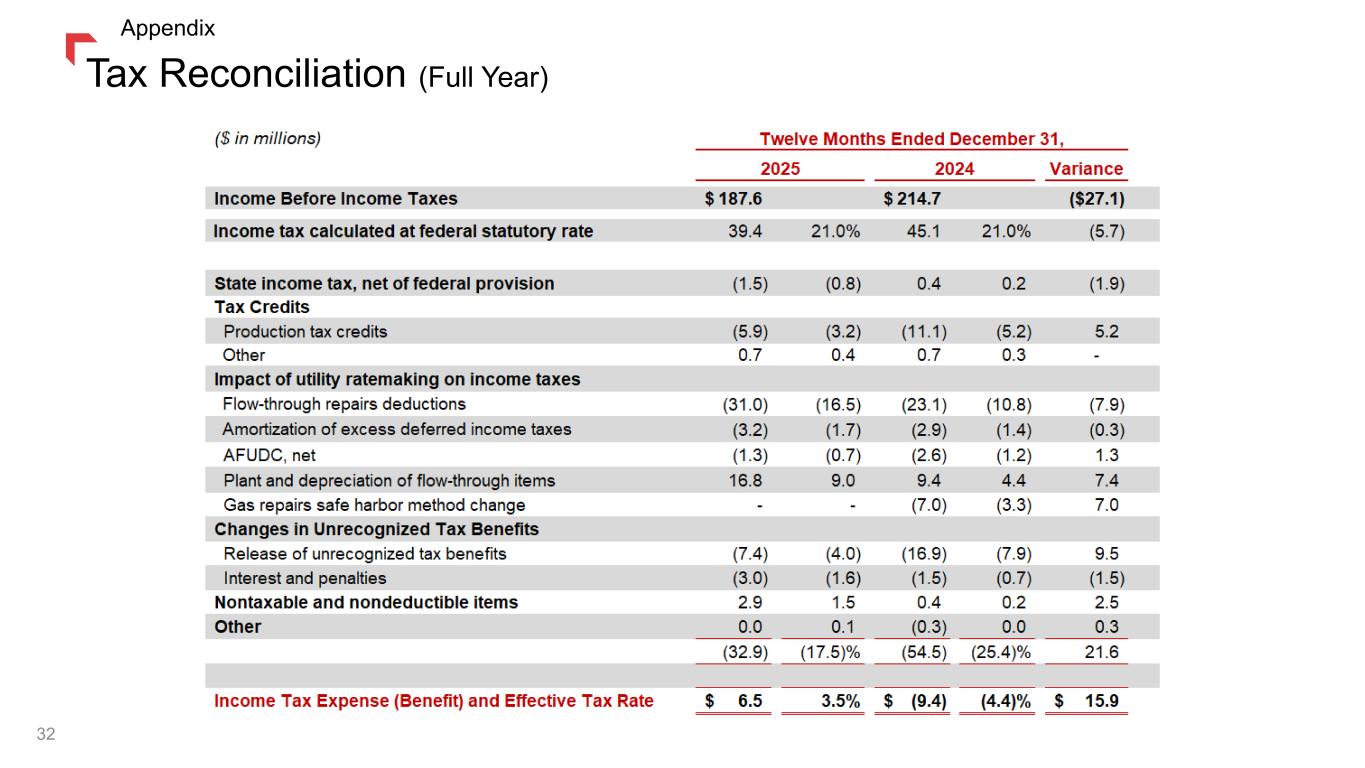
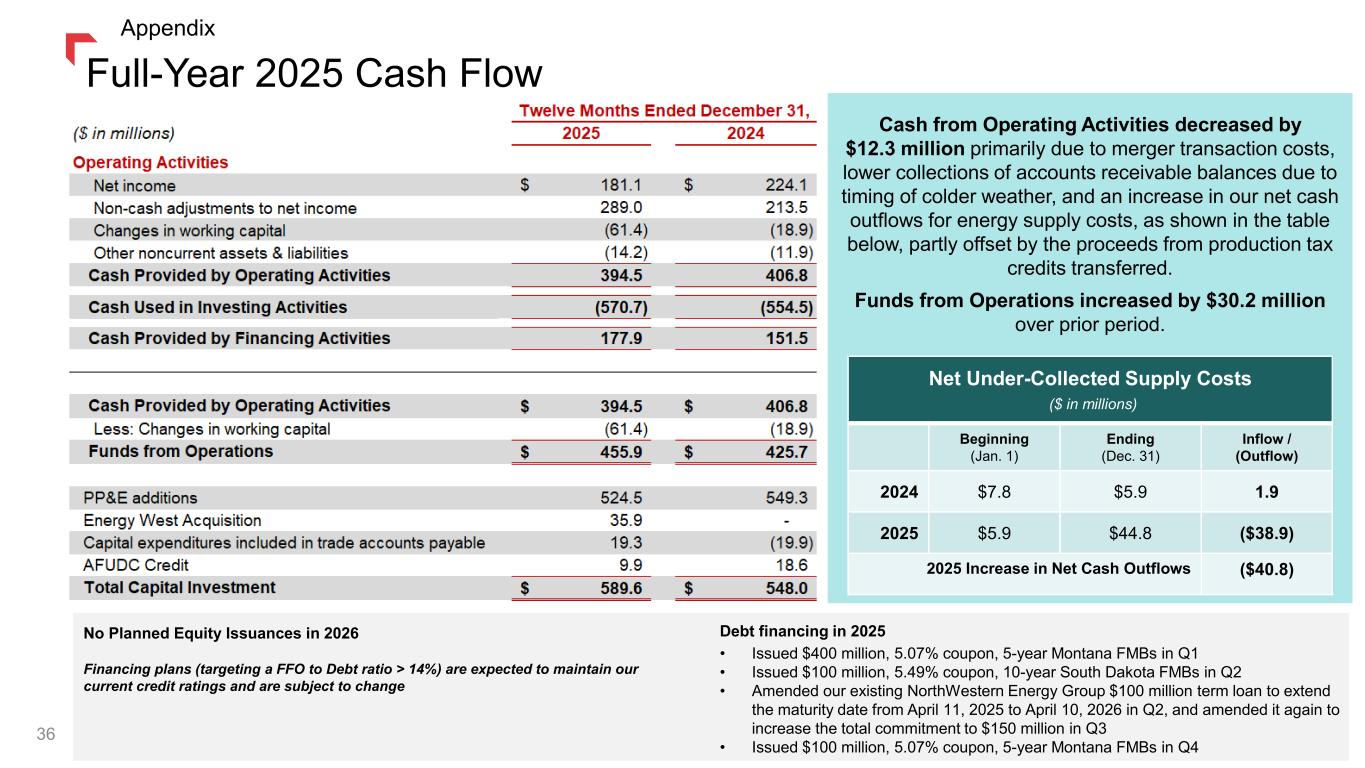
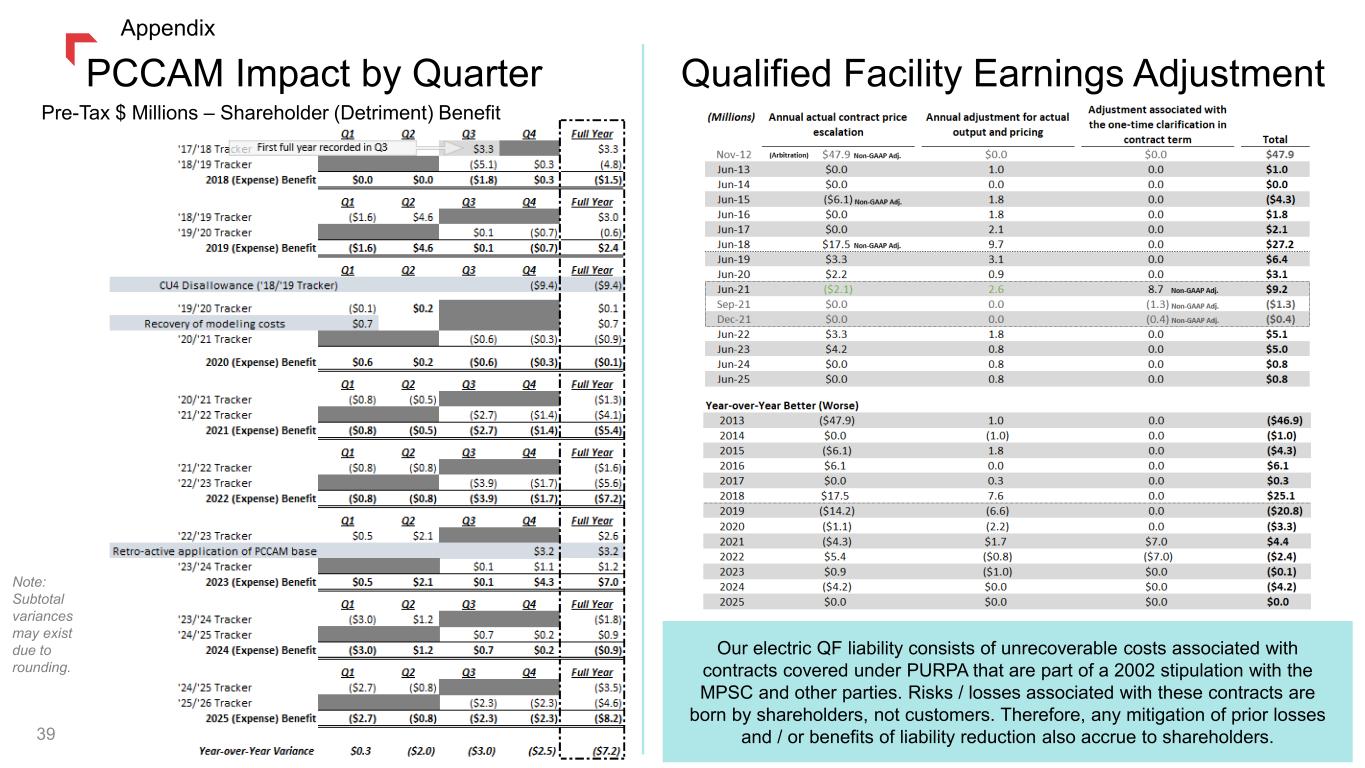
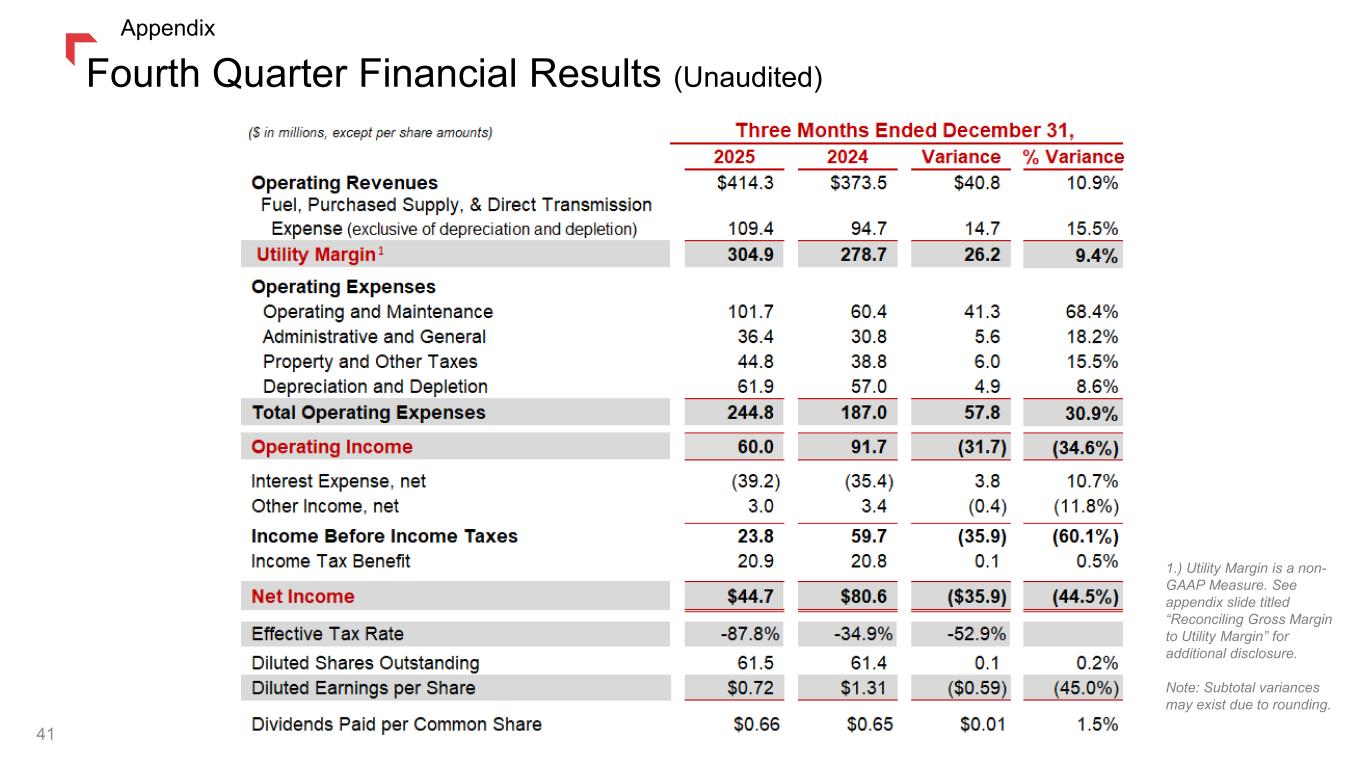
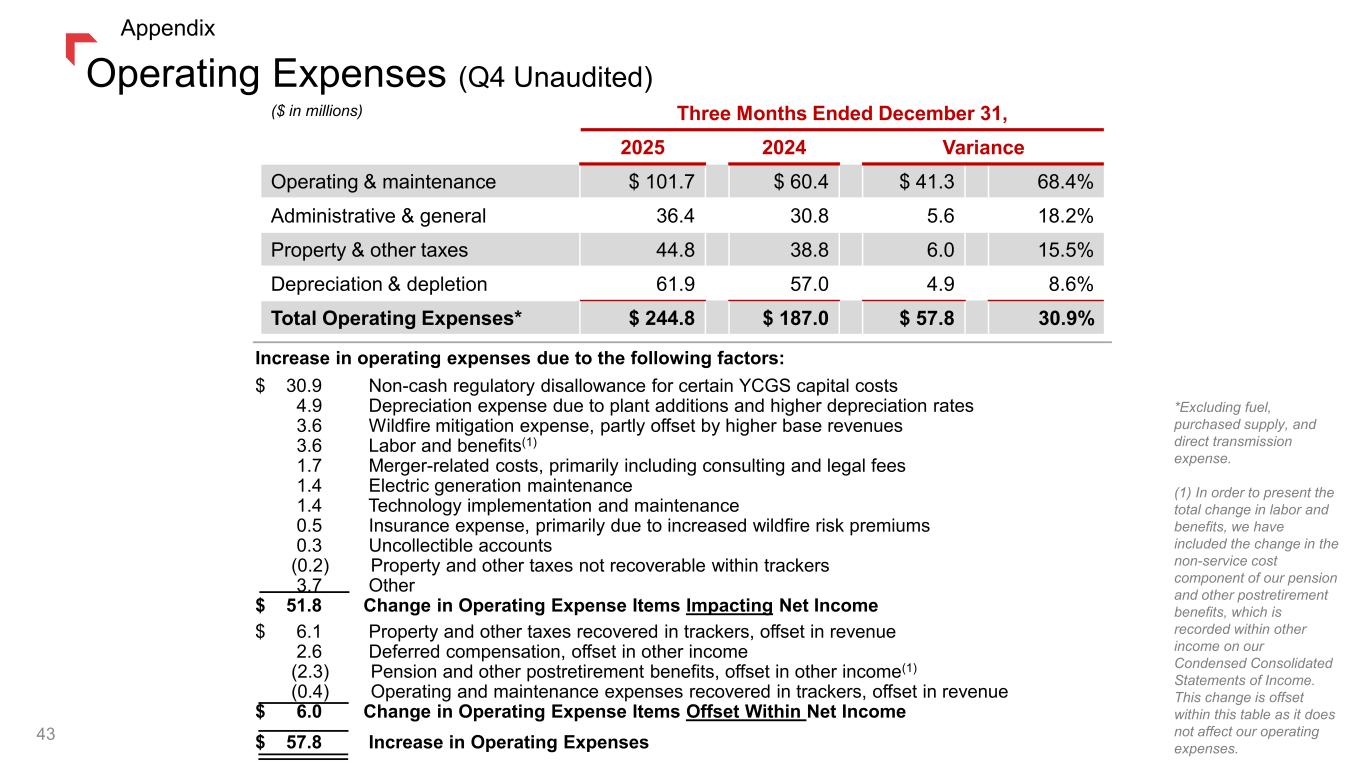
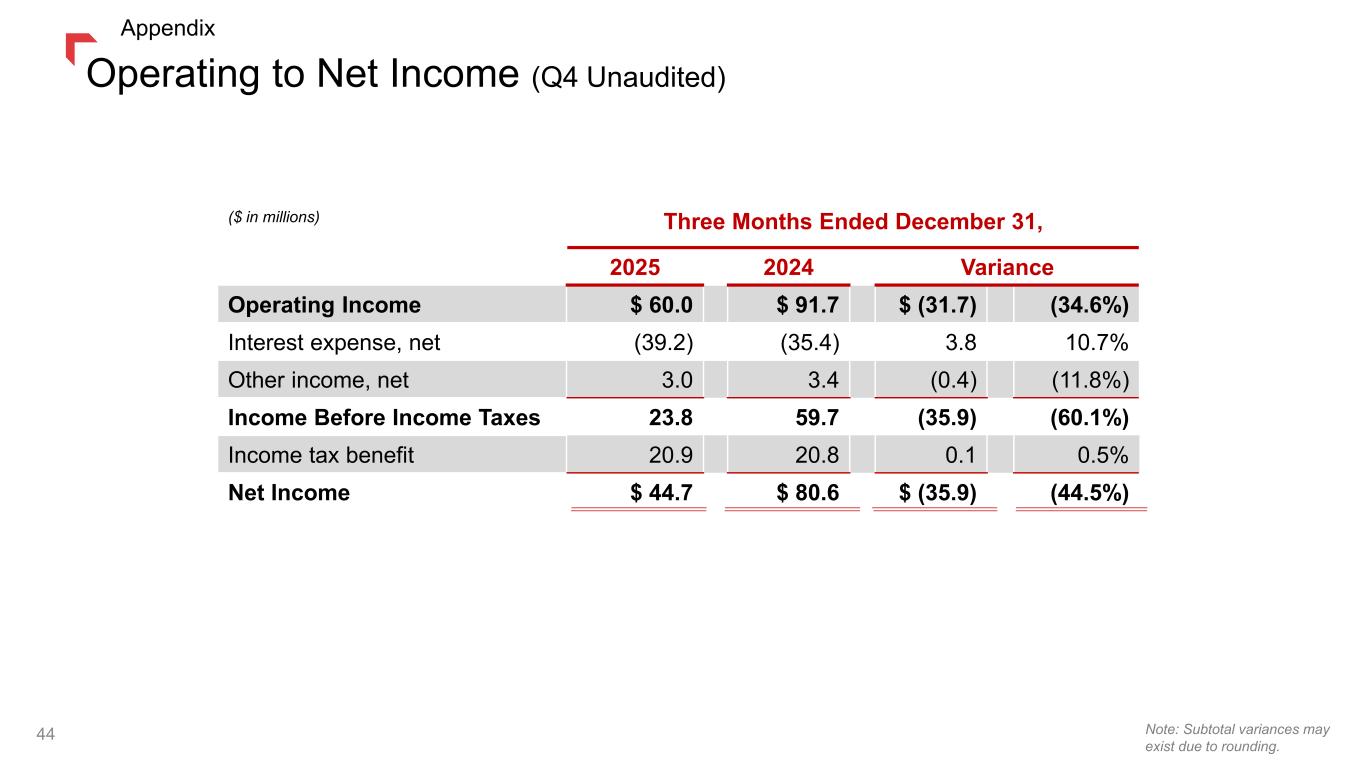
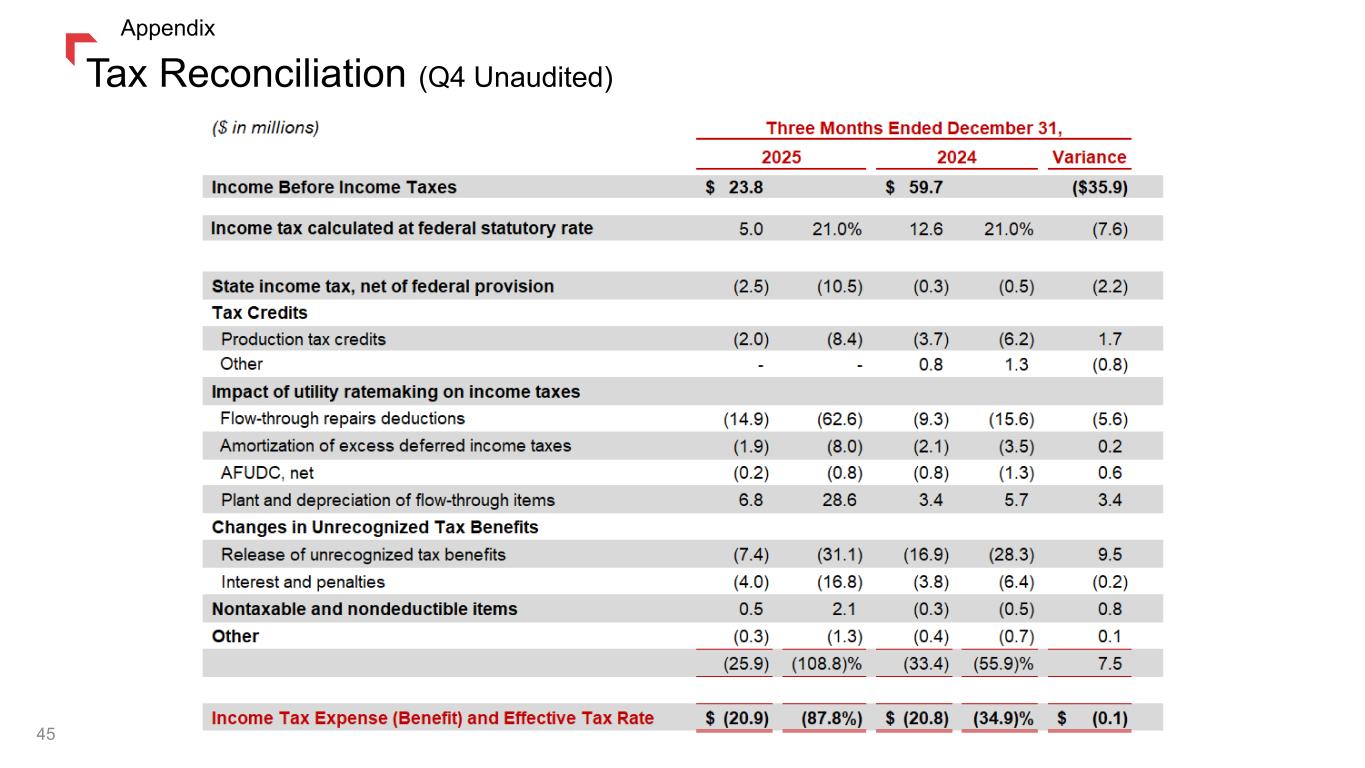
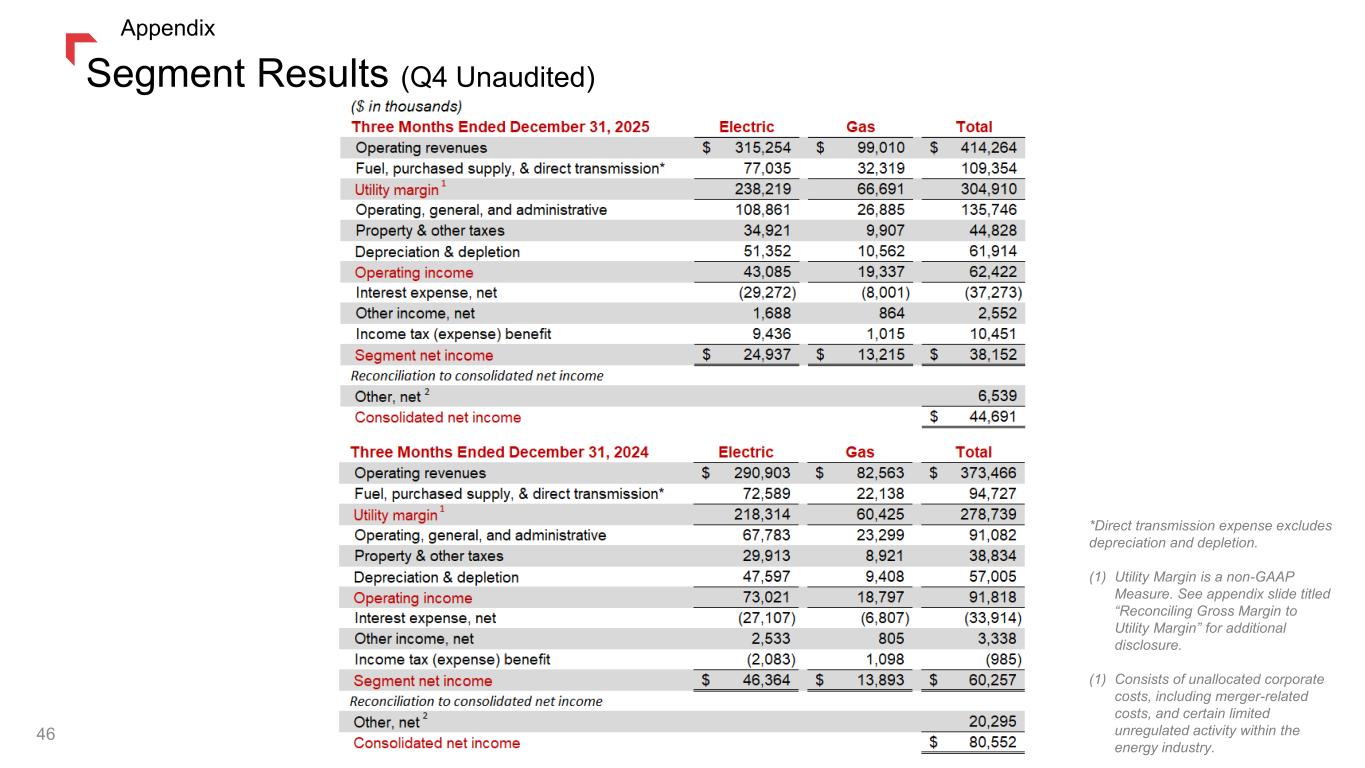
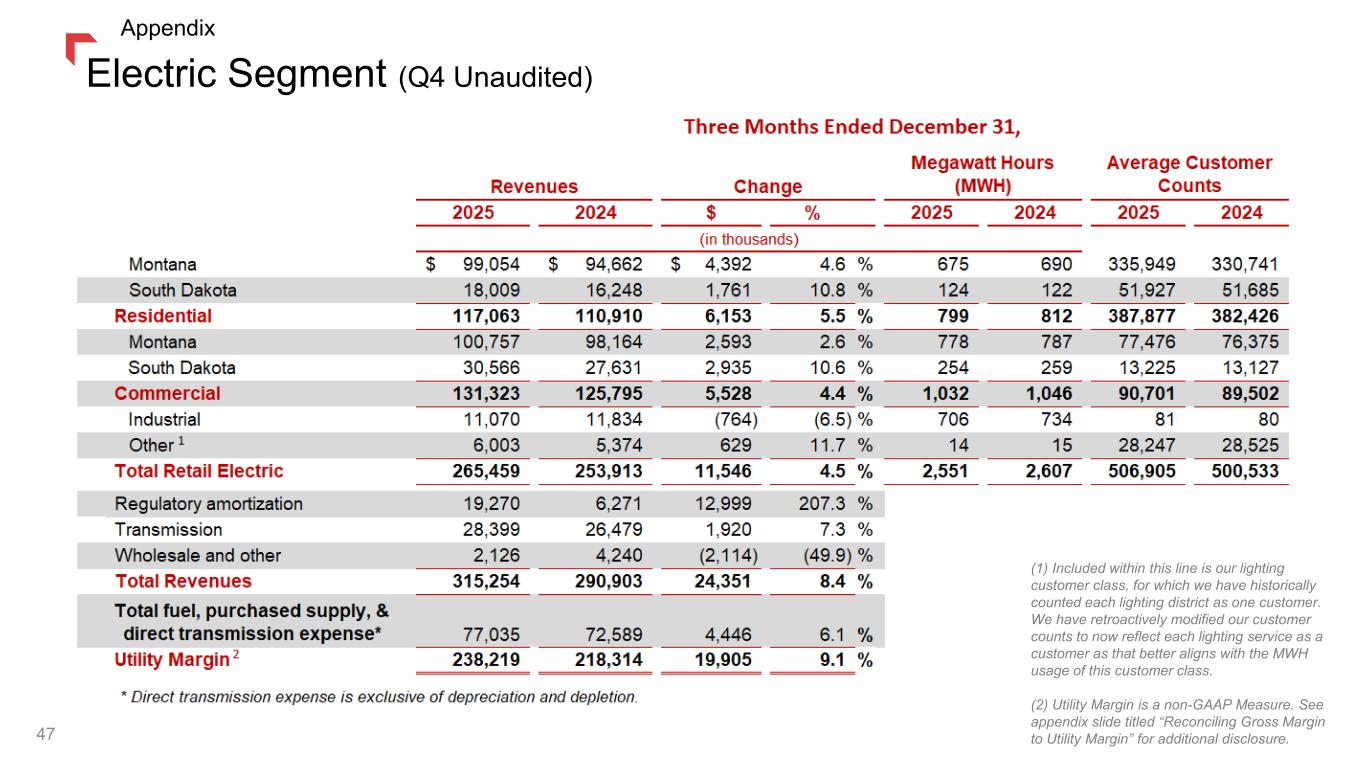
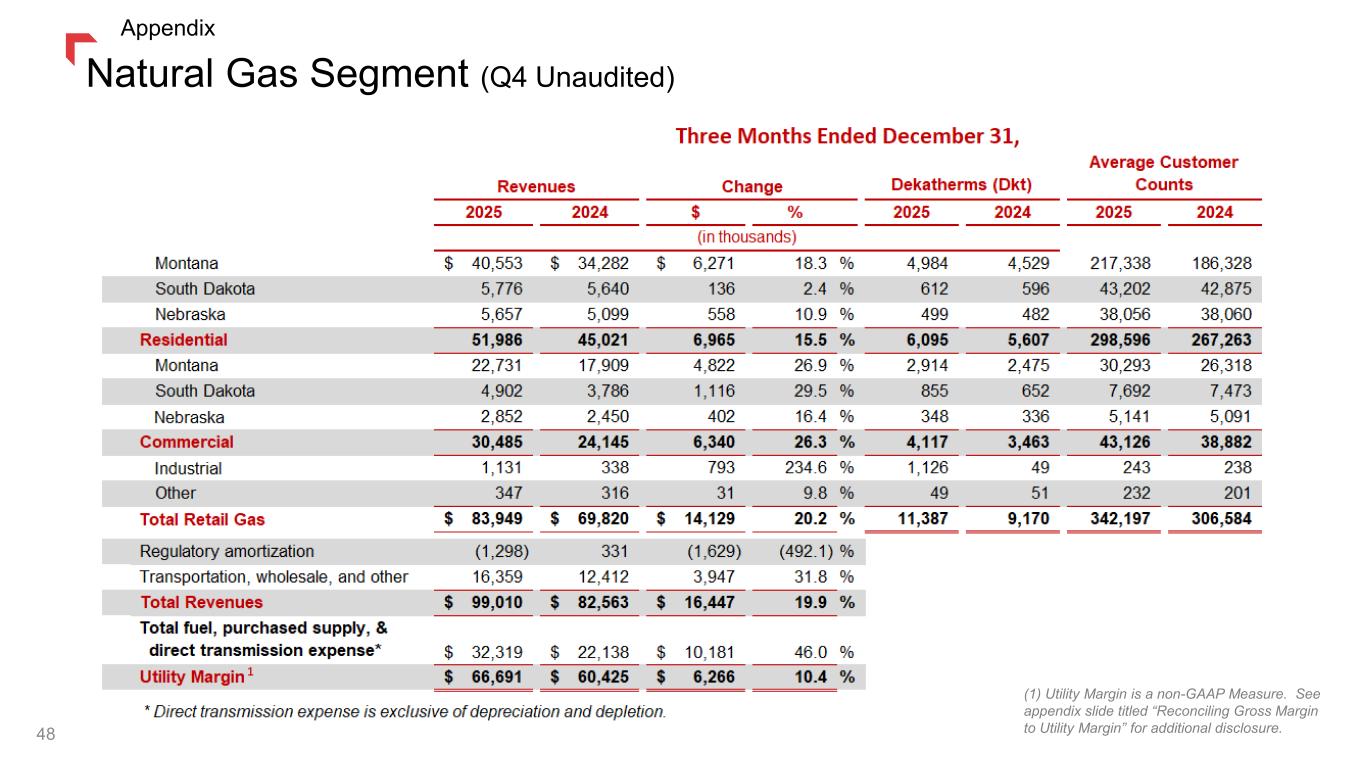
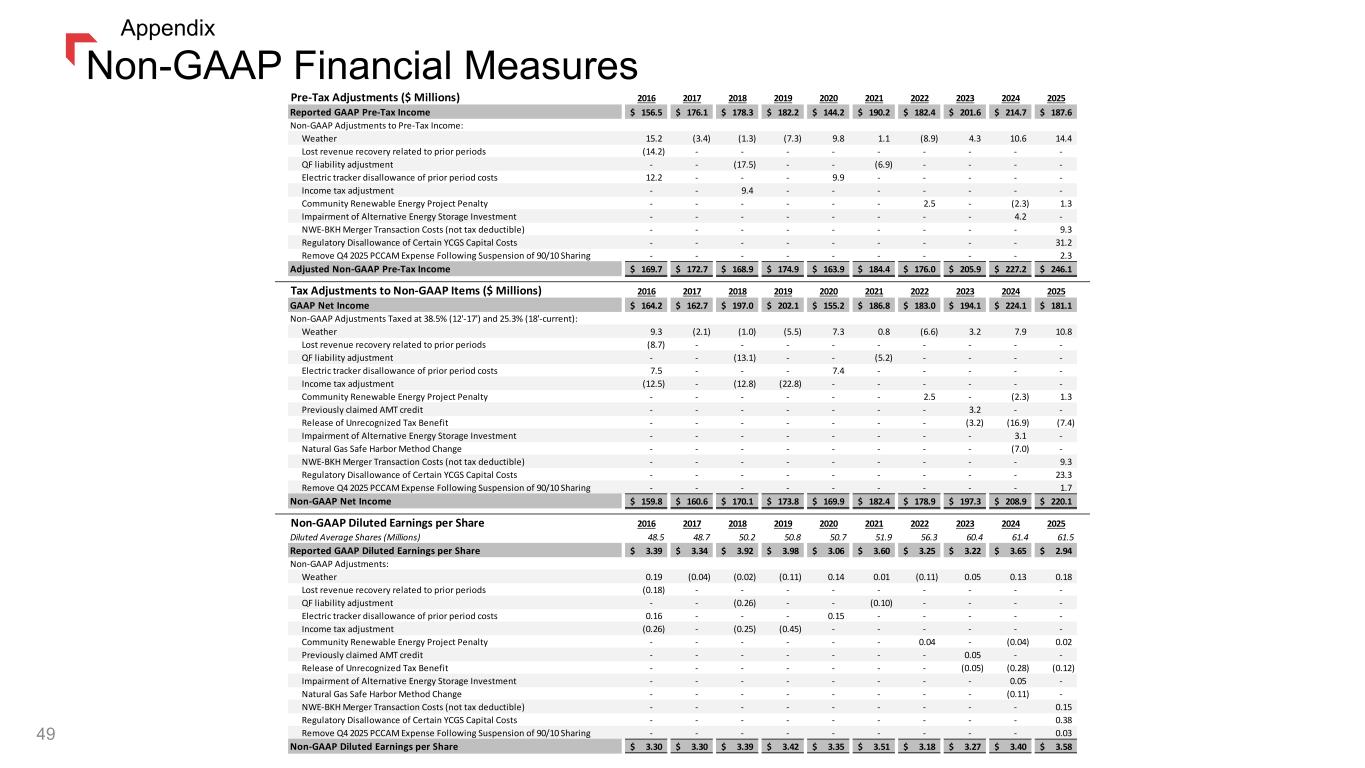
Thank you, Brian. In my comments today, I will cover our fourth quarter and year-to-date results. I will also cover, as Brian mentioned, our outlook for 2026 and our updated capital and financing plan. After listening to Brian there, it's been a really, really busy 2025 with a lot of accomplishments, and our team has worked super hard to also deliver on our results for 2025, achieving 5.3% growth off of 2024 on a non-GAAP basis. We delivered GAAP earnings of $2.94, which included impacts of merger-related costs, the regulatory outcomes rate case in Montana, and a very warm fourth quarter. I'll describe those adjustments in a bit detail, or further detail here on a later slide. Adjusting for those items, as I mentioned, we delivered $3.58, and that's the efforts after quite a few headwinds during the year to deliver upon our commitments to our shareholders moving on to slide eight on an adjusted basis for the fourth quarter we delivered a dollar 17. our improved margin reflects new rates a lot of regulatory execution involved in getting to those numbers which were offset a bit by mild weather as i alluded to in this fourth quarter very warm for us and impacts of market prices in our montana peak am mechanism that margin improvement was offset by a one-time charge in the montana rate review higher operating costs and operating costs certainly include merger related costs as well and then depreciation and interest expense increases as well moving to slide nine to talk about some of the adjustments for the quarter weather for the quarter was unfavorable by three cents but when you compare that to a very mild 2024 however compared to normal weather represented a 13 cent impact to us in q4 the quarter was also impacted by three cents of merger costs The one-time charge for the Montana rate review outcome related to the Yellowstone County generating station and the disallowance of certain costs related to that was $0.38 and $0.03 related to the PECAM, reflecting the final order there, reflecting cessation of the sharing amount there, offset by a $0.12 tax benefit. You'll see that resulted in the $1.17 of adjusted earnings compared to $1.13 in the fourth quarter of 2024. On a year-to-date basis, moving to slide 10, our performance is driven by, again, that improved margin driven by regulatory execution offset by detriments of PCAM within that of nine cents from a full year basis. On an O&M perspective, certainly higher given new maintenance at the Yellowstone County generating facility is the maintenance at our other electric generation, the amount we're spending importantly on wildfire mitigation and also insurance that is increased in labor and benefits. We also incurred higher depreciation expense of $0.27 and interest expense of $0.23. What I might highlight on this slide is that taxes in the current period includes a $0.12 benefit, while 2024 included a $0.39 benefit, which is a good segue to the next slide 11 to hopefully give you clarity on quite a few things that moved within our earnings from a 2025 full year basis. Weather again was unfavorable by 5 cents compared to normal weather. That was 18 cents of detriment for us as we think about our impacted results for 2025. It was a very mild back half of 2025. Most of you won't recall, but we actually started the year through first quarter with favorable weather. So that reversal was really significant for us and impacts also as we'll talk about later cash and the impacts of financing plans. In addition, merger-related costs were $0.15, and the Montana rate-reviewed disallowance I spoke to was $0.38, which, notably, we have thought reconsideration of that disallowance, but we do not have a clear timeline as to when we might see any impact of that, but that would certainly be a 2026 item, if so. In addition, I spoke to tax benefits, and quite a bit of noise within our tax number between last year and this year, there was $0.12 of discrete items benefits in 2025. And that compares to, if you'll recall, 2024, we had $0.28 in the prior period. All of that, if you'll follow the slide along, gets us to $3.58 of adjusted earnings for our 2025 number, which, as I alluded to earlier, was 5.3% of an increase over 2024. And my comment there is, given the significant headwinds, we've talked about the headwinds and our financials from our PECAM mechanism, which again, I'll take a positive out of the Montana rate review outcome, indicating that the sharing part of that will be suspended on an ongoing basis. That's important, but that was about nine cents of impact to us in 2025 total, which we've adjusted out the fourth quarter here. And then also property taxes being higher. We collect a significant amount of property taxes through our rates. Those increase, and we only recover a certain portion of that between the rate cases. Those were pretty significant headwinds for us during the year, so we are pleased, on top of the mild weather that I talked about and the ongoing impact to our financials, we are pleased by delivering $3.58 for 2025. Slide 12, looking forward from a guidance perspective, we are initiating earnings guidance in the range of $3.68 to $3.83 per share, which represents 5% growth at the midpoint off of our 2025 results and remains anchored to our 2024 phase. A significant part of that is moving to slide 13 and updating our capital plan. Brian mentioned the inclusion of the 131 megawatt generating facility in South Dakota. And also we've updated to include our incremental full-strip ownership. We're very proud of closing those transactions effective January 1, 2026 and being resource adequate to make sure that we can serve our customers. Those two things drive a 17% increase in our overall capital plan over what we've reflected before. You'll recall our dedication to having a self-funded capital plan and only issuing equity when it is accretive on an ongoing basis. I would tell you that the base capital plan that underlies the $3.2 billion you see here continues to be self-funded. With the incremental South Dakota generation investment reflected here, we do expect to need equity beyond 2026 to fund that investment, which we expect, if you think about that, to be on a 50-50 debt-to-equity basis that we would manage that incremental capital. And that's consistent with our overall commitment to maintaining high credit quality in our ongoing plans. Moving to slide 14 to talk about financing for 2026, again, I just mentioned that the incremental South Dakota generation investment, that would be beyond 2026. We expect issued debt to refinance existing maturities and fund our existing capital plan. We closed out 2025 at a lower FFO to debt. That was driven by the things I mentioned earlier of the combination of lack of margins from very mild weather affecting our cash flows and also being significantly under collected as supply costs on the Montana side. Those two things really drove us closing out the year at a lower level than we would like to but we remain committed to getting above and staying above our downside thresholds and with that I will turn it back to Brian.
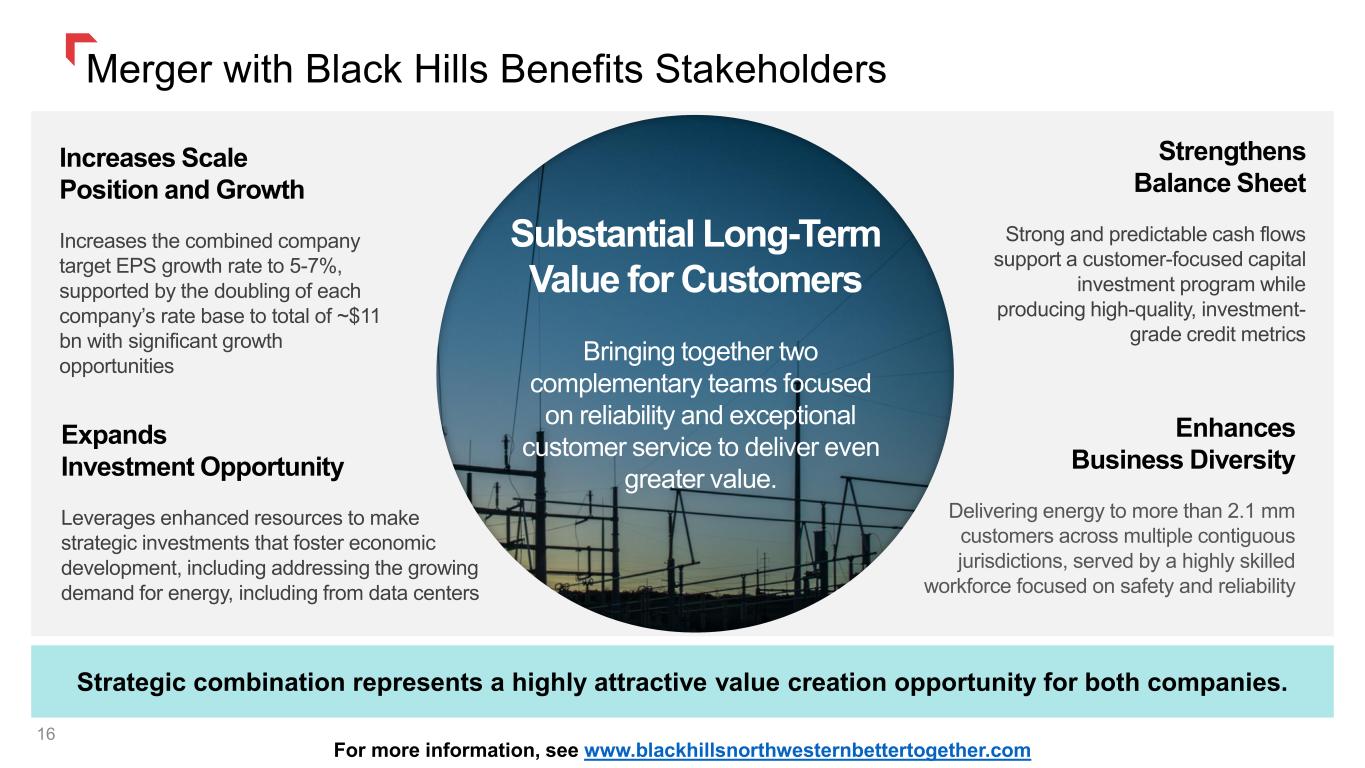
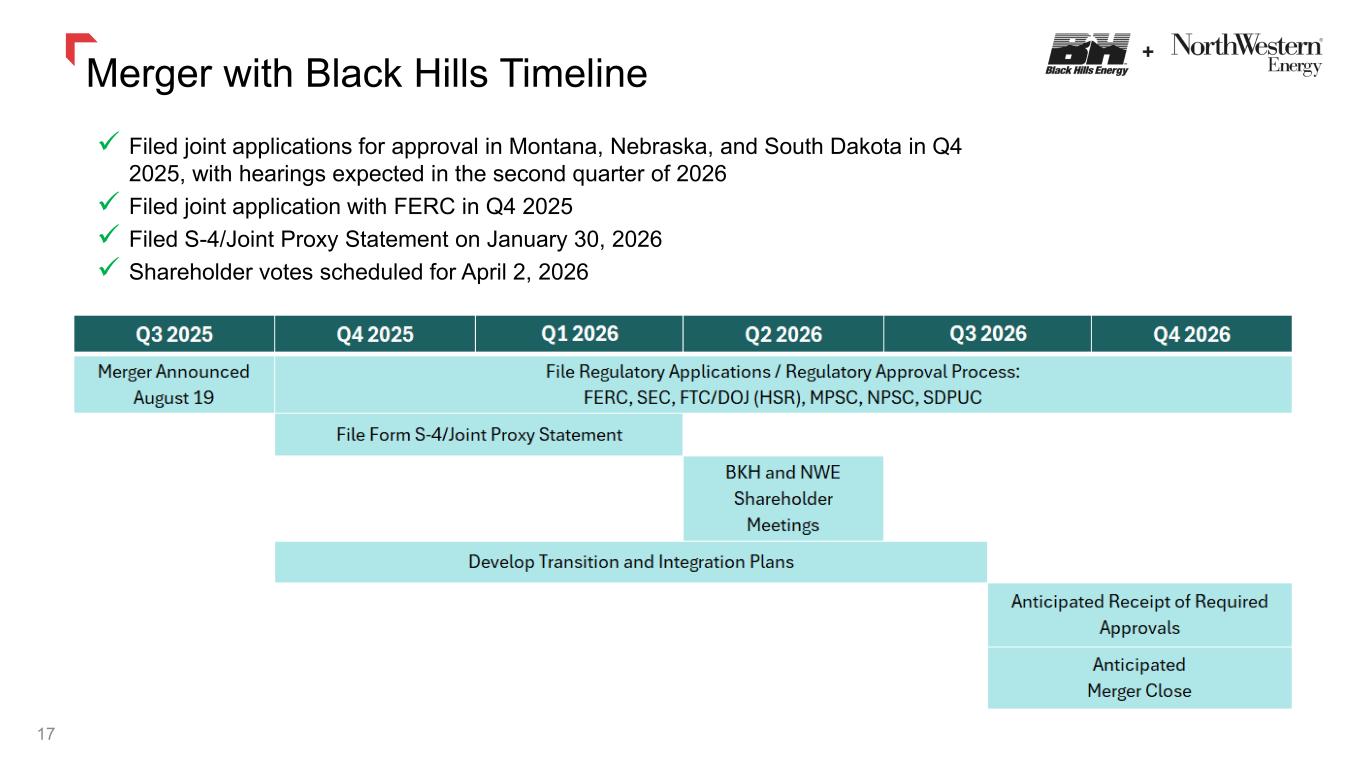
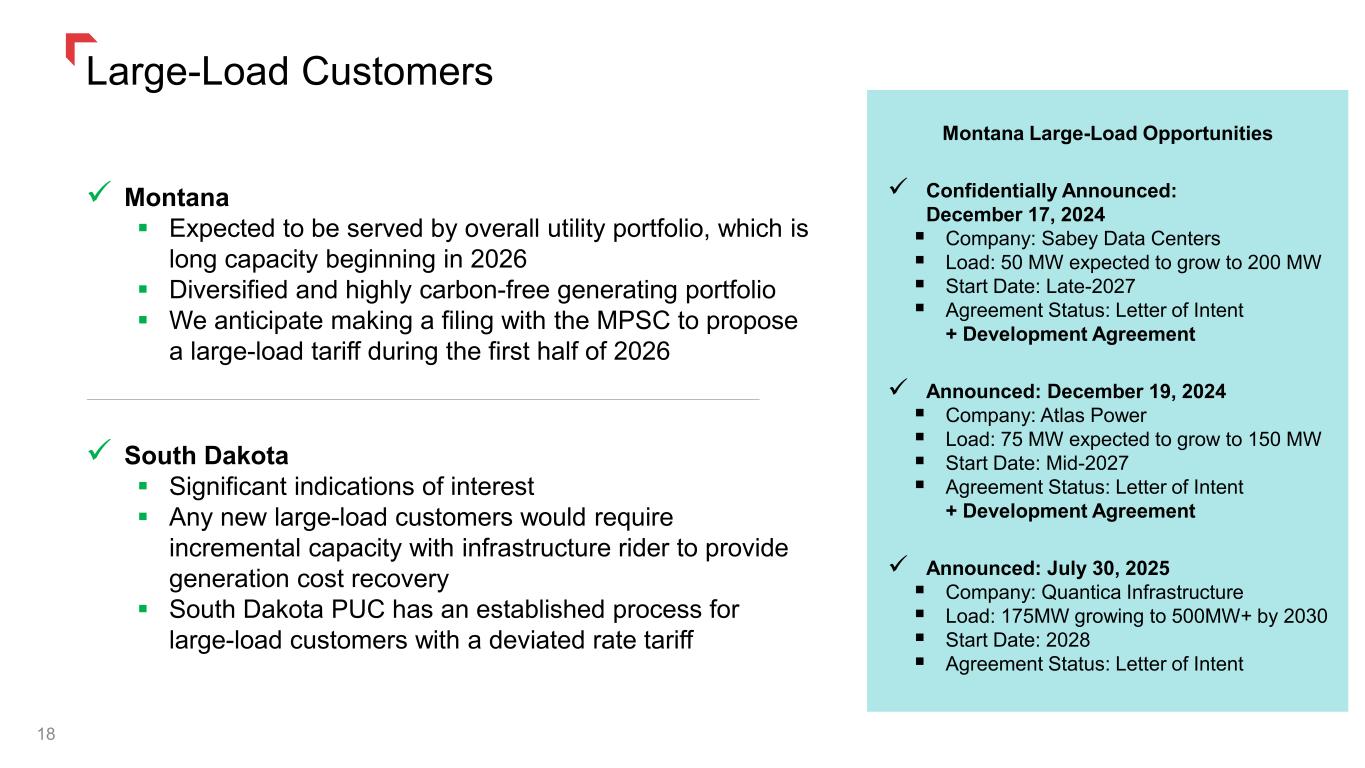
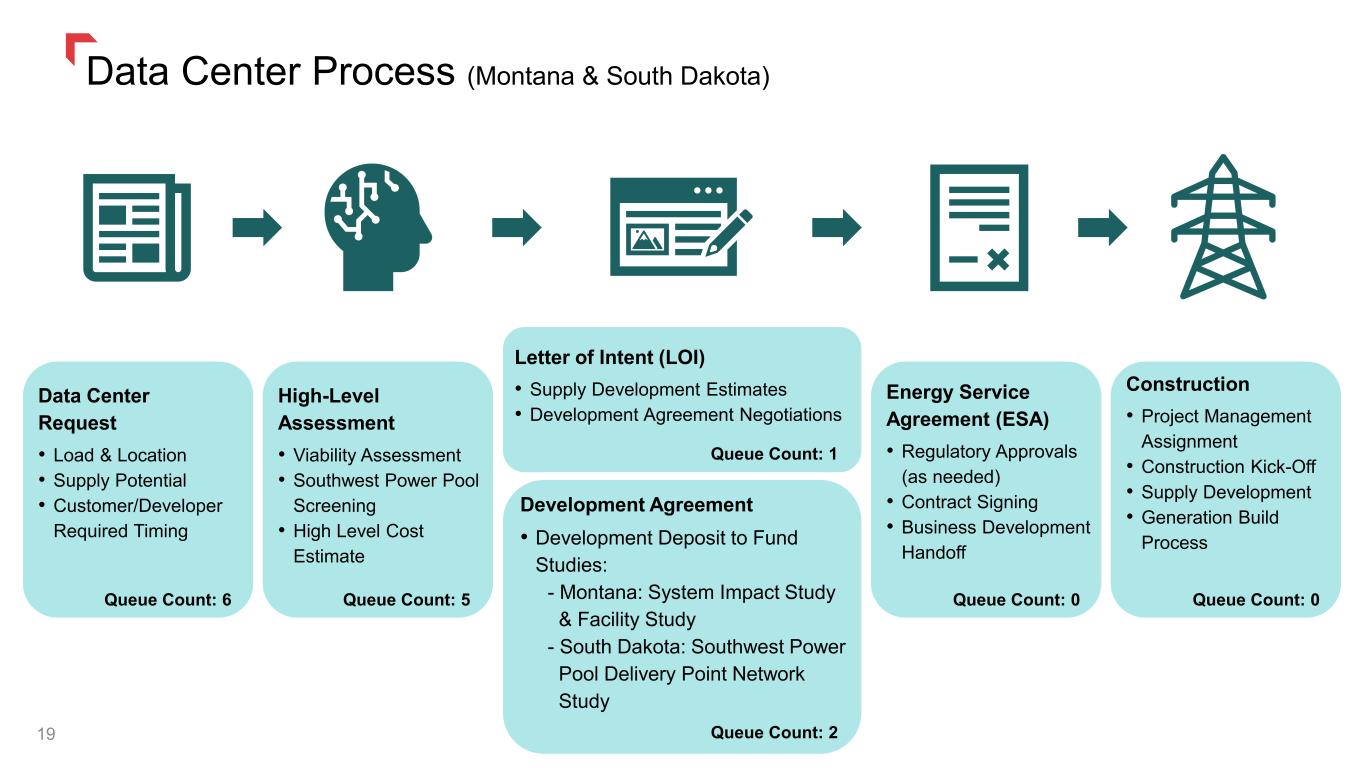
All right thanks Crystal. On 16 we speak to the merger with Black Hills and the benefits to really to all stakeholders and obviously the strategic combination represents a highly attractive value creation opportunity for both companies. On this slide really speaks to certainly from a shareholder perspective but also customers. So let me start with shareholders and it increases scale position and I mean, think of moving two companies from a 4% to 6% EPS growth to 5% to 7%, doubling of each company's rate base, totaling approximately $11 billion, both companies having significant growth opportunities and ability to take advantage of this merger to truly capture those. And as it points out, a little bit lower on the slide, as a larger company will be able to expand our investment opportunity, and I should also acknowledge reduced risk as a larger company with risks like wildfire risk, another risk that we have in our business, we certainly can sustain those as a larger organization. Also strengthen the balance sheet, the credit metrics. You heard Crystal speak to that just a moment ago. Obviously, as a combined entity, we have the financial wherewithal to invest more in our businesses as a larger company and do that cost effectively for our customers. And lastly, enhance business diversity. Not one entity will have more than a third in terms of ownership, in terms of representation by a jurisdiction. I think their largest would be approximately 31% for a particular jurisdiction, but also a very, very good mix of electric and gas. What makes these two great companies, both combo utilities, even stronger on a combined entity. And in the center of this page, and this is clearly the center of all we do, certainly and American Western will speak for our friends at Black Hills, we think about our customers and the substantial long-term value for our customers for bringing these two teams together who are very complimentary. We both provide excellent customer service to our customers and are great operators. And I will tell you the savings generated from putting these two companies together ultimately improve the customers in future rate review proceedings. And so obviously in this time when people are thinking about affordability, our two companies are thinking about that certainly as we contemplate this merger on a going-forward basis. Moving forward, in terms of a timeline, I mentioned earlier that we filed joint applications for approval in three states, Montana, Nebraska, and South Dakota. We did that in Q4, and we have hearings expected in the second quarter of 26 for those states. We also filed at FERC in Q4 of 25. We filed our S-4 joint proxy statement on January 30th, And we have shareholder votes both scheduled for April 2nd. Beyond that, we've also started our integration planning effort, and we do expect anticipated approvals and closing in the back half of 2026. Moving forward, kind of thinking about large load customers, and obviously that leads you to discussions around data centers. On page 18, I mentioned the far right, you see the Montana large load opportunities. First and foremost, Sabia, I'm sure you've been reading about they've had some issues in terms of property, in terms of their project. They have two sites certainly that they're considering, and right now they've got a favorable vote here recently to move forward, but they're still looking at the land concerns and they're dealing with those issues. They have land both in Butte and Anaconda that they're considering, so we continue to work through them as they work through those challenges we have a development agreement and we expect to get to an ESA here hopefully by the end of Q2 2026 also we announced here recently Atlas Atlas Power we've moved from an LOI to a development agreement and they have been moving much much quicker is good signs I think would think from an off taker or a customer from their perspective they're getting ready to move forward that's good news for us with that development agreement. I would just tell you the benefit of development agreements, these two entities now are putting skin in the game. Think of upwards of $500,000 of investment, if you will, for all the studies that are necessary that we need to complete as a utility. And so skin in the game, if you will, for those two entities as we move forward. And I expect that at least one of those ESAs to be completed for those two by the end of Q2-2026. Quantica, also making great progress and hopefully we'll see a development agreement from them relatively soon. As I think about the two states that we provide electric business off to the left, one thing I would say about Montana, we ultimately hope to serve these large load customers on a state jurisdictional basis and when we have an ESA with one of these parties, we'd like to make a filing with the NPSC along with a large load tariff that protects customers, and we would like to think we're going to do that here in the first half of 2026. Regarding South Dakota, there is a significant indication of interest by data centers in The benefit there is any new large load customers that require internal capacity, we have infrastructure riders that can help us with that generation cost recovery. And also the South Dakota PUC has an established process for large load customers with a deviated rate there. The last thing I'd say about South Dakota is we sit during this legislative session we're waiting on sales tax reform in the state which is something that is very very important to data centers before they move forward in South Dakota so watch that in the coming weeks. The second slide I have on data center slide 19 the middle of that slide shows letter of intent and development agreements obviously moving from two letters of intents and the one development agreement to one letter of intent two development agreements shows progress there we'd like to move all of those over into the esa category uh to the right here relatively soon in 2026. to the far left i would also talk about data center requests and high level assessments you may note that the queue count is actually down a little bit there and i think what happens there's a lot of developers here and and they get to a certain point and if they can't move forward and fast enough, can't find an off taker or a customer, that count can reduce, not necessarily surprised. I think from a high-level assessment, there are some in there we believe certainly can move into that middle category of letter of intent and development agreement. So we're excited there. We do see some sales tax movement in South Dakota. I expect both of those Q counts to actually go up in 2026.
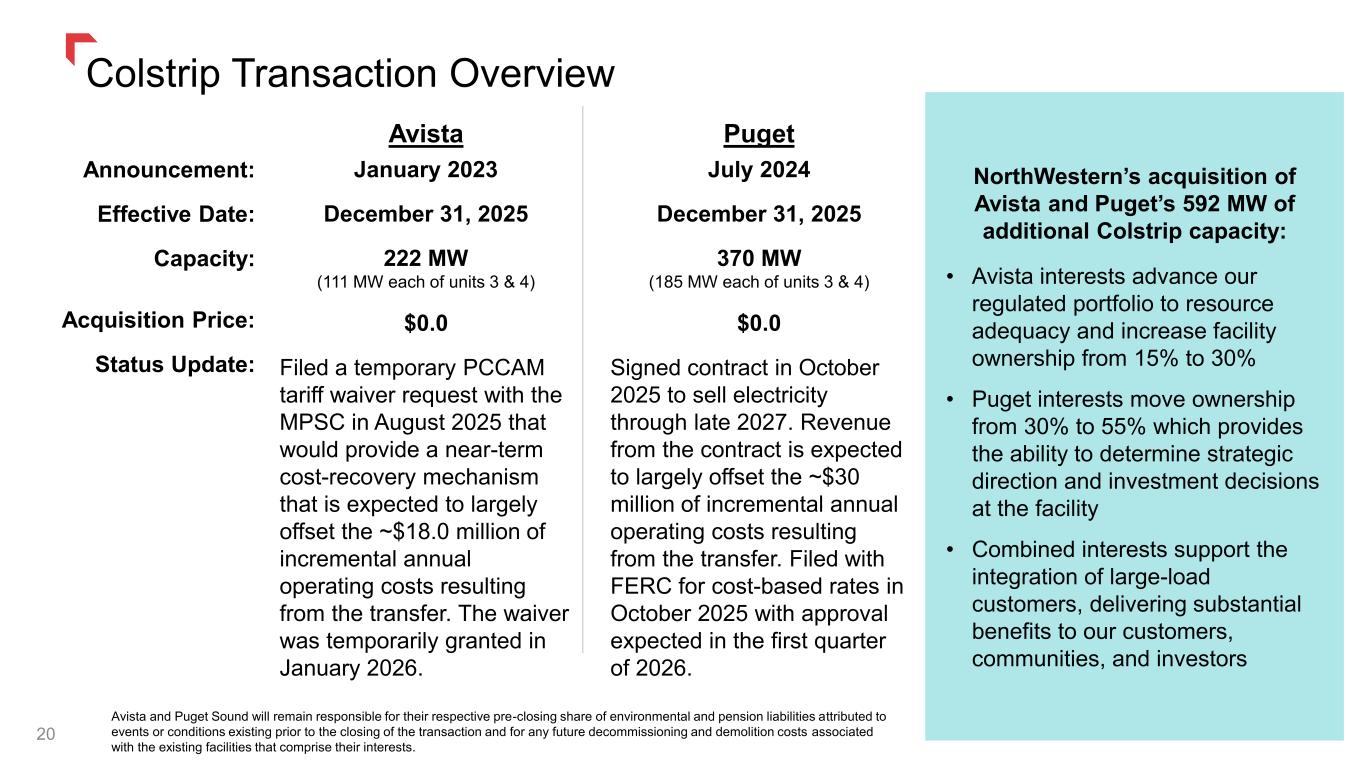
Moving forward on Colstrip, Happy announced earlier that we've closed those two portions of Colstrip.
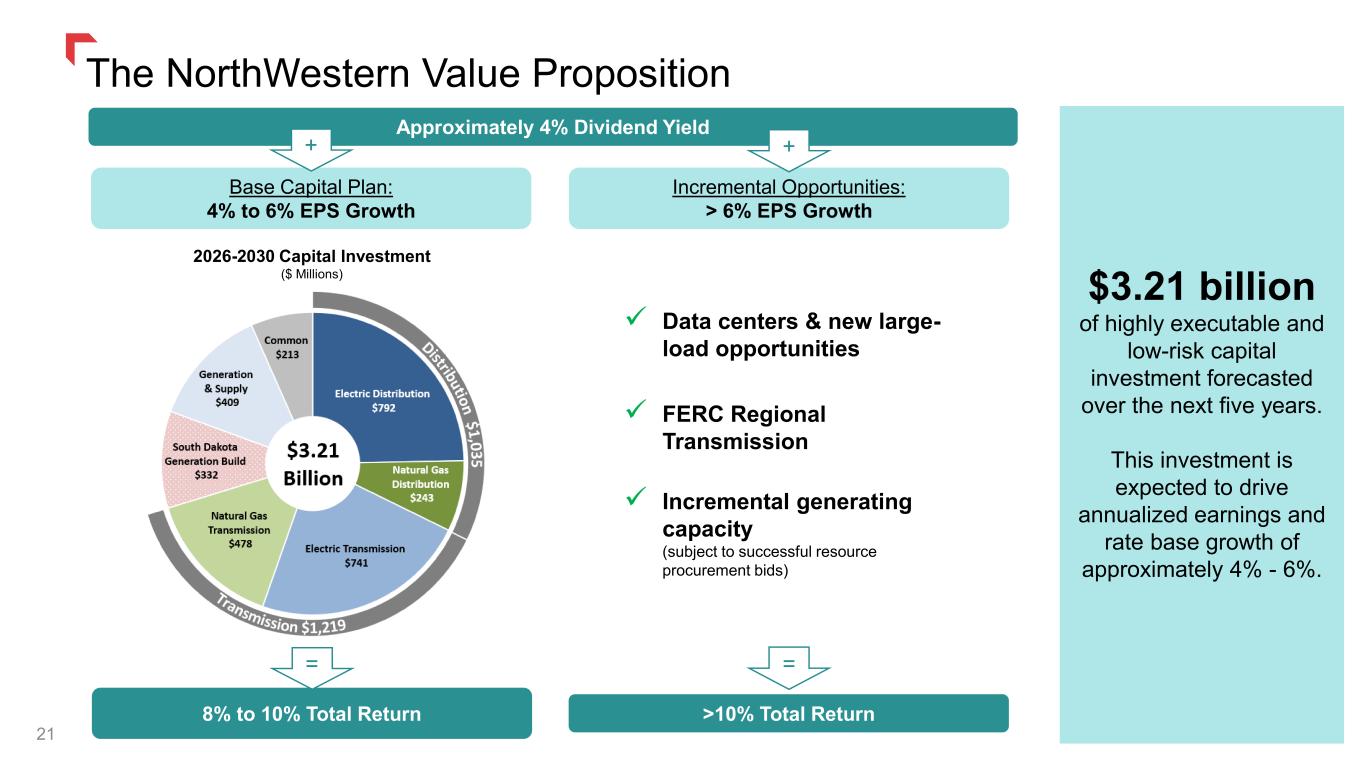
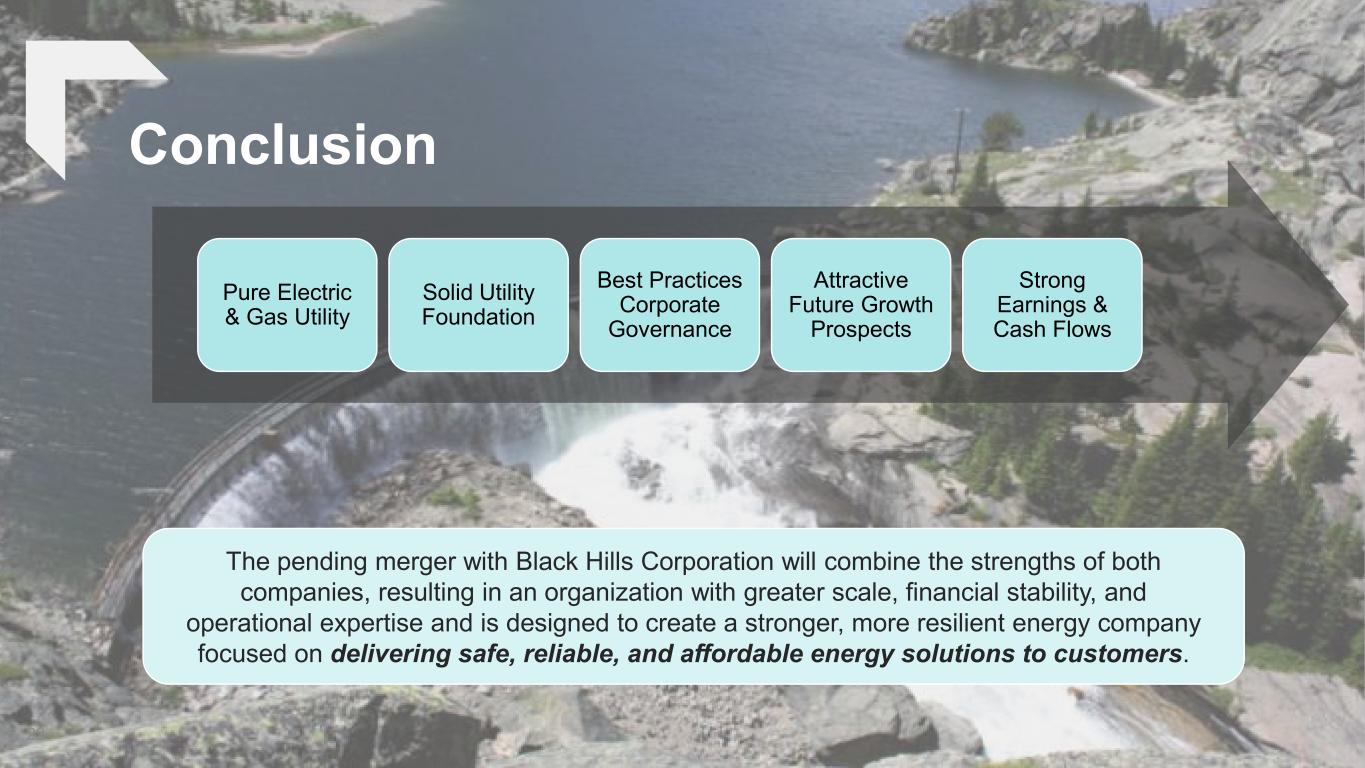
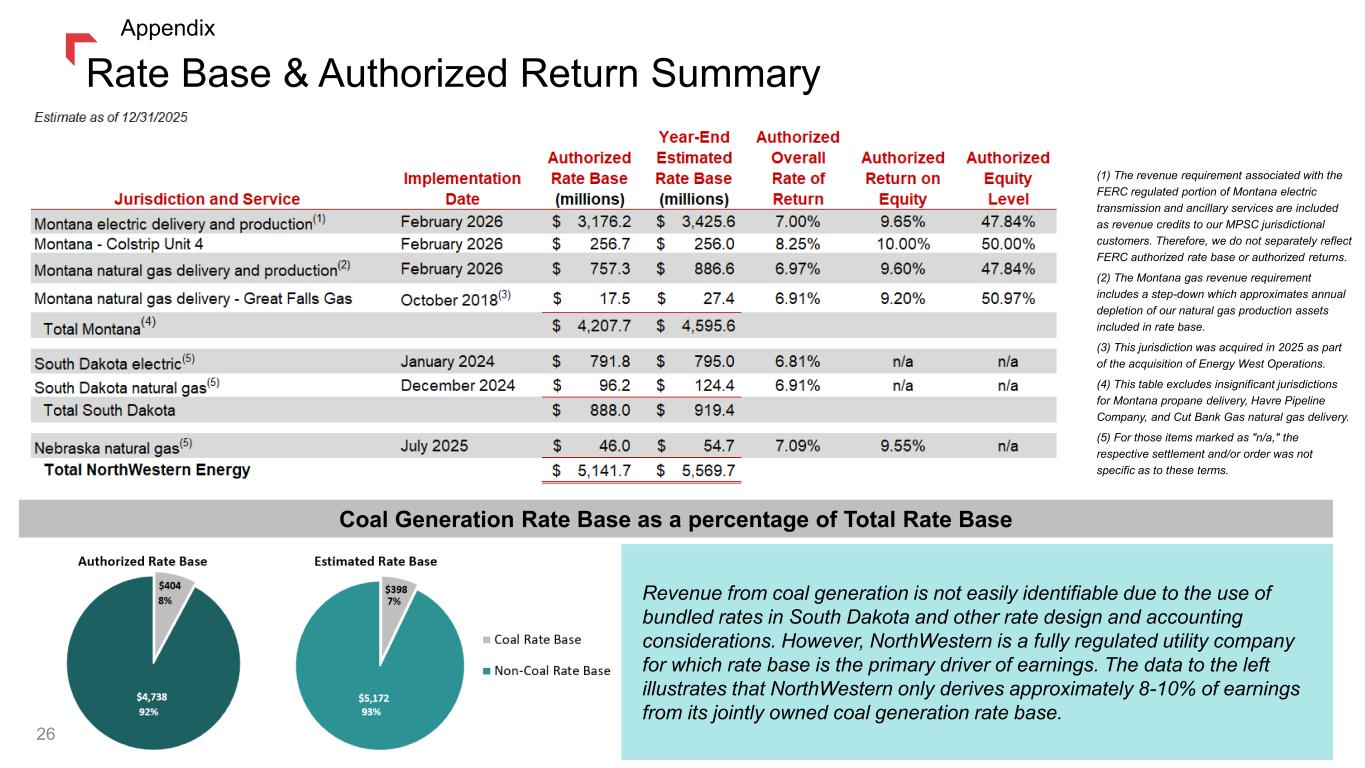
And in addition to our own 222 megawatts, we've added the Avista 222 that not only allowed us to achieve resource adequacy in Montana, but increased our ownership from 15 to 30%. But knowing that we had not as much control, certainly as a 30% owner, not if we didn't have control of the facility as a whole. The incremental Puget piece did two things for us. It moved us from 30% to 55%, giving us that ability to drive strategic direction for the overall facility, but also gave us the ability now to serve large-load customers. And so both of those interests are closing, those plants, those interests are operating well for us, and we're excited to have them in the fleet, and I'll tell you what, I sleep much sounder when cold weather does come to us in Montana and South Dakota. One thing I'd just say real quickly about Avista and Puget, and I think you're well aware, we acquired both of those units for zero, which is a fantastic thing for our customers, certainly from an affordability and reliability standpoint. But we do need to cover our operating costs. And in Montana, for the Avista portion, we filed a temporary PECAM tariff waiver with the MPSC in August, and that would provide a near-term cost recovery that is expected to largely offset the approximately $18 million of incremental annual operating costs. That waiver, by the way, was temporarily granted in January, 2026, so hopefully we'll learn more about that waiver in 26, hopefully get full recovery for the full year of those operating costs at some point in the future. From the Puget perspective, we signed a contract in October of 2025 to sell that electricity through late 2027, think of when data centers could come on in the state. And that revenue from that contract is expected to largely offset the approximately 30 million of incremental annual operating costs resulting from the transfer. I think you're all well aware we filed with FERC for cost-based rates in October 2025, and we expect approval from that filing in the first quarter of 2026. Lastly, the Northwestern Value Proposition slide, you might have noticed that two changes on this slide. The first, Crystal Talk 2, is the 17% increase in investment over on the right-hand side up to the $3.21 billion. The second is noting the dividend yield at the top of the page. You might recall it used to say 4% to 5%. I argue today we're saying approximately 4%. Keep that in mind as you think about our base plan on the left and our incremental opportunities there in the center. From a base plan, taking that dividend yield plus our 4% to 6% EPS growth, you're looking at an 8% to 10% total return just doing, and I'd argue, what utilities are typically doing from electric and gas distribution, transmission, supply investment. This is a kind of bread and butter utility investment. And so even with that, thinking about an 8% to 10% total return, and obviously we're able to capture any data center growth, any regional transmission, any incremental generating capacity, that return can certainly go over 10%. And so with that, I'm going to, from a conclusion perspective, I think you've seen this conclusion slide for many years I'm just going to turn it over for Q&A.
Operator
As a reminder if you'd like to ask a question during the question and answer session simply press star followed by the number one on your telephone keypad. Your first question comes from the line of Sean Perez from Wells Fargo. Your line is live. Hello.
Thank you for the update and great capital plan roll forward. My first question is Previously, you indicated that you file a large load tariff in 4Q to shrink expense costs for a new data center load. Can you update us on the timing and scope? What's changed versus the stakeholders should expect a filed tariff?
Yeah, Whitney, you're cutting out a little bit, but I'll take that question. We had said we will file a large load tariff, but I would note that that was tied to signing an ESA. So we want to go hand in hand to file a tariff with a specific contract. You know, part of that conversation, we have an existing GS2 tariff today. We think we could serve customers off of that tariff, but you want to strengthen that tariff and certainly get ahead of this argument that data centers aren't paying their fair share, We expect to file that once we have a signed ESA so that we can walk through the specific mechanics with the Montana Commission of what that looks like and why indeed they pay their fair share and likely contribute broadly to the system benefits.
So once we have a signed ESA, we will plan to file that large loan tariff in sync with Yeah, one thing I'd add to that is I said in the presentation, there's an expectation we would do that by the end of the second quarter. And the reason being, that's when I expect an ESA to occur. And I would say that the tariff is ready to go. We're waiting for an ESA.
Okay. Sounds good. Hopefully, I'm much more audible now. Now, just for another follow-up, on the merger, there's been focus on merge low data cost, sorry, data center cost causation. Stakeholders need or want education, not just on the process. Can you give us an update on how the education plan to stakeholders to demonstrate no harm and affordability has been so far? That's it for me.
I think you're talking from a public process perspective. I think where data centers have gotten quite a bit of attention, as you're well aware, throughout the country. And I would argue in Montana, in the community of Butte, obviously most of the discussion because Savie's furthest along in the discussion there. And I think the Butte Silver Bowl allowed a lot of conversation in the community, ultimately voted nine to three and four to letting Savie move forward. So I think I would argue that the data centers are getting to be more vocal. It's talking to the benefits. We, utilities, certainly have been supportive of that effort. And I think what we need to demonstrate, all of us need to demonstrate, is from a tariff perspective, and that's our plan, is to allow the MPSC to approve a tariff, that we would put a tariff in front of them that's going to protect customers. And I think when customers understand that, they're going to feel much, much better about it. Obviously, they're reading what's happening in other parts of the country and how customers have been impacted by data centers, and it's easy to jump to conclusions. And so I think there's been a decent dialogue about this topic. Certainly I and others have been out talking about it, but I'm not saying it's going to be easy either for data centers. But I think thus far we're making good progress with Savian Atlas, and Quantica, I know, is out there talking about this as well. So I feel pretty good about where we're at.
Operator
Your next question comes from the line of Aiden Kelly from J.P. Borgny. Your line is live.
Hey, good afternoon. Just wanted to touch on the load fund first, if I could. It seems like there's been a number of quarters, you know, in the past that we've been waiting for an ESA. And, Brian, you mentioned in your prepared remarks, you know, some friction on the landing considerations with SABE perhaps going longer than expected. Do you see this issue kind of percolating to other perspective loads such as ATLAS and others? I mean, just in general, like what do you think is needed to push these development agreements into the goal line at this time?
Yeah, I think you've seen, and I'll take a bit of a mea culpa here myself. I think we, thinking at ESAs, we at times were the holdup to getting these ESAs done and we're ready to go from our perspective. And unfortunately for SABI, they ran into this land issue, and obviously they're working through that. So I think, you know, this is not just on the utilities to get these things done. In many cases, developers also need to find customers, and before they're ready to sign ESAs sometimes, they need to have that done. It's much easier for hyperscalers, of course, who don't need to find customers. So I do think that SABI is working awfully hard to get to an ESA atlas, obviously moving to a development agreement. The next step is to get to an ESA. So I've seen that it's taken a bit longer nationally for this process, and certainly it's impacted us a bit here. But I'm also very confident in terms of where we sit with these three providers today or these potential data centers. I feel very good about where we ultimately will get to. Got it.
Makes sense. And then just turning to the growth outlook, if I could, I see you affirmed the four to six rate days CAGR post the South Dakota plant, which I believe is directly around maybe $300 million in CapEx. And then obviously you mentioned in the remarks it's perhaps like a 50% equity source. So I guess my question would be, what do you see as the all-sitting factors to that share dilution that kind of gives you the confidence of that reaffirming 4% to 6% EPS category?
Sure. The great thing about, and we've talked about this, what are the incremental opportunities that total return, the incremental opportunities to the right side? But the incremental generation in South Dakota, we recover cash during construction. There's a phase-in rate plan rider that allows us to recover. ASUDC is great. It's accretive to earnings, but it isn't accretive to cash, as we've talked about how do you finance those things a long time. So the opportunity that presents itself with meeting the resource adequacy requirements at SPP, owning that generation here, and building that facility, that's the right kind of incremental capex that we've looked to layer into our plan. We're excited to do that. That's certainly the kind of stuff that gives us confidence to maintain or even push upward on our earnings range while also financing that in terms that makes sense. So that's where we've been pretty clear. That's the type of incremental CapEx we were looking for. That's incremental to our base plan. So we'll fund that in a 50-50 kind of approach. We'll recover cash during construction with the phase-in rate plan and then obviously ultimately see growth off of earnings out of that once it's in service.
Great. Thanks for the insight. I'll leave it there.
Operator
Your next question comes from the line of Nicholas Campanella from Bank of America. Your line is live.
Hey, thanks for, hey, how are you? Thanks for taking the questions. I just wanted to kind of clarify the overall like ESA strategy. Also, my prior understanding was that the system is long, so you may not need for the first couple of deals you know dedicated to framework to you know pay for the depreciation the interest and what would be associated with with new build but just this ESA will inform how you propose an overall pair for all of that in this this upcoming first half here is that is that just the general strategy I'm sorry to make you go back and repeat yourself yeah I think it's an example for how we We want to make sure we're protecting customers.
And I think the discussions we're having with data centers, they want to protect customers too, the folks that we're certainly talking to. And so going hand-in-hand with them, with an ESA and a tariff, that is the plan and that is again the plan by the first half of 26.
And Nick, I would add on to that, just every data center site specific, some of them to your point, we are a long generation. What is the transition needs? what is maybe some of them are not much capex all of that we do have an existing care if I know we talked about that a year ago we felt like we can serve customers under that we do still today as you know the national narrative on data centers has changed a bit and there's a lot of what I would call misinformation about what they can do to certainly help shoulder the cost of the grid and in fact subsidize some of your other customers I think everywhere you're going to see Commission's want to understand that better we got feedback from the Montana Commission and we certainly want to be transparent with them and bring that forth so that you have a positive construct under which you're doing that so while each one's unique bringing something forth that demonstrates the value that a data center can have a large load facility can have on the grid and that they are indeed paying their fair share while we would be comfortable serving them under existing tariffs I think there's also a lot of value to making sure your regulators are understanding that and of course then the public sentiment around that maintain positive yeah one One thing on that too, Crystal, you sparked a thought for me.
I think this issue of protecting customers, I think there's been a confusion around why the Puget portion was put into a regulated entity. Our intent here is actually protect customers. The need here really for the Puget piece, we needed it to get control of the facility, but from an energy perspective, we certainly didn't need it until the 2027 timetable. So instead of imposing $30 million of costs on our existing customers, we found a means to deal with that and protect customers while that's in a FERC-regulated entity. And our hope is, as I mentioned earlier, ultimately to move that into a state-regulated entity when we have large-load customers we can serve through that. And so that is the ultimate we're trying to do. We'd love to see everything on a state-regulated basis, but we do want to serve large-run customers in any way that is best to serve our customers today.
Okay, thank you. Thanks for the updated thoughts there. I appreciate it. And then maybe just going back to the financing plan quick and to prepare, you just kind of mentioned the 13% episode of debt. You know, is all incremental CapEx at this point going to require some equity now, and just can you talk a little bit about if these ESAs materialize and you get this load on the system, how that changes the equation around the financing for you guys?
Sure. We've said repeatedly that we size our base capital plan based off our cash flow availability and to hit our credit quality metrics. Obviously, I mentioned 2025, the key drivers there are falling below the 14% FFO is lack of cash and that comes from the very mild weather and the margins we would have expected to have and then also material under collection and the Montana supply tracker I think that's around 80 million dollars so we expect that to come back in 2026 but we're always planning our capital plan to maintain a solid balance sheet and have credit quality so your question of what happens with incremental capital and again as I alluded to the Aberdeen Generating Station we recover cash during construction of that if you think about the ramp period of any data center and incremental capital that would be required there. You'd have a very similar funding mechanism that you see cash during construction, and that's the kind of stuff that's accretive, and we certainly would look to issue equity for that kind of accretive growth. So that's where we've had a dividing line all along, is we will be very disciplined about our base capital plan, and that's a regulatory lag. That's 18 to 24 months off of putting that in the ground to recovery. For that kind of stuff, we need ongoing cash flows to support that. For stuff that drives growth, as anything large load would, that's the type of stuff we'd look to maintain equity issuances where that makes sense. But again, nothing in 26, just to make sure I was clear. Nothing in 26.
Nothing in 26. Thanks for the time. Thank you.
Operator
Your next question comes from the line of Paul Fremont from Ladenburg. Your line is live.
Thank you very much. My first question has to do with, for the South Dakota plant, do you have a – are you in the queue for a turbine, and what would be the commercial operation date of that plant?
I'll start with the commercial operation date. We're looking at – first of all, we have a plant in construction now. I think you're speaking to the 131 megawatts. That's $300 million investment. We're already making an investment in 26 for turbines, and so I'd say approximately a third of that investment will be made in 2026 to get our turbines in place, and the plant is expected to be completed in 23rd.
Okay. And you're in the queue, or you have the turbines are lined up for that 2030 in-service day?
Well, we're buying turbines.
Okay. My next question has to do with if the endangerment finding is reversed at EPA, what is that, does that change the potential investment in environmental upgrades at Coal Strip? And can you also update us on where things stand in terms of environmental upgrades?
Yeah, I think obviously we'll do whatever we need to, in essence, to keep coal strip open as long as it's economic and obviously if we're forced to do something we think is not necessary you know we would probably invest in a gas plant if we're required to do something sooner rather than later it has always been our hope here with this investment in coal strip we can keep that plant open and operating through the depreciable light that we expected in the 2040 timetable and again hopefully that technology possibly nuclear possibly long duration storage, whatever that is, to help us replace Coal Strip with something that's cleaner. But if we're forced to do something sooner, either investing in environmental controls, if you will, or ultimately building a gas plant, we will do that too. We need to serve our customers with Coal Strip or its replacement. And so it's hard to answer that question today, Paul, until we see ultimately what's happening.
But I have to say what we're expecting out of the administration is certainly helpful for our long-term plans for coal strip at this point in time i would also just clarify our five-year capital plan we did roll in coal strip related capex but that's maintenance capex paul is how i would refer to that right there's no material environmental capex in that number so if something changes over time certainly we we talked about that at the time we talked about the mass ruling previously and how that might impact closer but we never had any numbers in our capital plan related to that and is there I mean is there any update in terms of whether those rules will be voted on or applied by the EPA or or for the time being
should we just assume that nothing is moving forward along those front along that front yeah I think works we've been expecting to hear something on this any day now, and I guess until we actually see what the rules say, I'll kind of hold off on how to respond to that.
And then lastly, any updates on the remaining portion of coal strip ownership where the parties most likely will need to divest their ownership interests?
Paul, we just grabbed these two pieces from Puget and Avista, that 592, we're extremely happy with those we'd like to certainly understand um how the commission looks at it and ultimately how things are working out with data centers um you know we're extremely happy with being able to get to 55 ownership and i'll stop there right but i mean theoretically how would those costs be picked up if if if the other owners were forced to exit are you talking environmental costs that be have to be applied well in other words if the other partners are forced
to exit the plan ownership because of state laws then what would happen to their share of the operating costs and would they I guess would they still be on the hook for that or how would that work yeah I think I think they would be in the tough spot I'm guessing and I'm guessing all of them are looking for means to exit other than talent doesn't need to exit but I'm sure they're talking to folks about great uh that's it thank you very much your next question comes from the line of Rex Savage from Clear Street your line is live hi thank you I wanted to ask just quickly on
merger state regulatory we've seen a bit of a delay in South Dakota was curious if there's anything to be concerned about there and in the Montana review it looks like some of the interveners have made the claim that the application is incomplete perhaps because there's not a benefits study that's in there maybe for other reasons so kind of do you feel comfortable with the Montana timeline as it stands or might we also see a delay in Montana thank you.
Sure I'll take that one So first, your question with regard to South Dakota and the timeline there, South Dakota has a six-month statute, which I would acknowledge is a bit of a quick shot clock on getting through all the process and procedure and making sure they're comfortable with that. We are working with staff on resetting a bit of an extension to that procedural schedule. I don't have any concerns there. They're asking the right questions and going through the right process. They just need a little bit more time, and they would have been in front of both Nebraska and Montana. So we're working with them on resetting the procedural. I still think that they'll likely, in the end, be well ahead of Montana order, even with a revised procedural schedule, so no concern there. You've also seen it progressing in Montana, and what I would say is a bit normal, given the nature of the interveners there and who they are, so we've responded to the motions You also saw the interveners testimony come in, and overall, again, exactly as we would expect the docket to progress. there's the comments as to maybe commitments that we could make what they'd like to see to better understand that we do certainly recognize that in each of the jurisdictions we serve not just the ones we're in a big part of your local commitment is your utility and we want to make sure and work through that in the right sorts of ways so I wouldn't say there's any concern and how those dockets are progressing the concerns expressed are I think typical for each of those interveners and the intervener testimony I think paints a path towards the direction of the things they want to make sure are considered in an eventual outcome.
Thank you. And as a follow-up on Montana, I believe you're going through this IRP process now as well. How does that, if at all, fit in to the review, maybe not necessarily the review directly, but the timing of the review for the deal versus the review of the IRP. I believe the final draft is due in maybe a couple of months, but please correct me if I'm wrong.
No, the IRP is out and we'll have a chance to see it. I do not, I don't anticipate there's any connection between the IRP and the merger process.
Operator
That concludes the question and answer session. I'll now turn the call over to Brian Bird for closing remarks.
Well, I think Crystal pointed out earlier on the call, it was a really very, very good 25. I mean, obviously, we ran into some issues in terms of the rate review, and I'll come But I think we need to think about the revenue requirement associated with that. That certainly continues to help us invest those things we need to to continue to provide good service to our customers. But if you think about our ability to certainly announce the merger and all the work we're doing with our friends at Black Hills to get that across the goal line, to think about our ability now to have Coal Strip to be resource adequate in Montana and certainly in this age when people are certainly very, very concerned about reliability and affordability, to feel much, much better about that in terms of how we serve our customers and also thinking about longer term how can we continue to make investments we have but also earn the appropriate returns we have for our shareholders and I think 2025 set us up very very good for that on a going forward basis and with that just want to continue thank all of you for your support of the company and your interest in what we're doing here at Northwestern and we'll certainly want to thank everyone at Northwestern for all the hard work in 2025 as well so with that I want to say thanks.
Operator
That concludes today's meeting. You may not disconnect.