Operator
Thank you for standing by. My name is Janine and I will be your conference operator for today. At this time, I would like to welcome everyone to the WSFS Financial Corporation 4th Quarter Earnings Call. All lines have been placed on mute to prevent any background noise. After today's presentation, there will be an opportunity to ask questions.
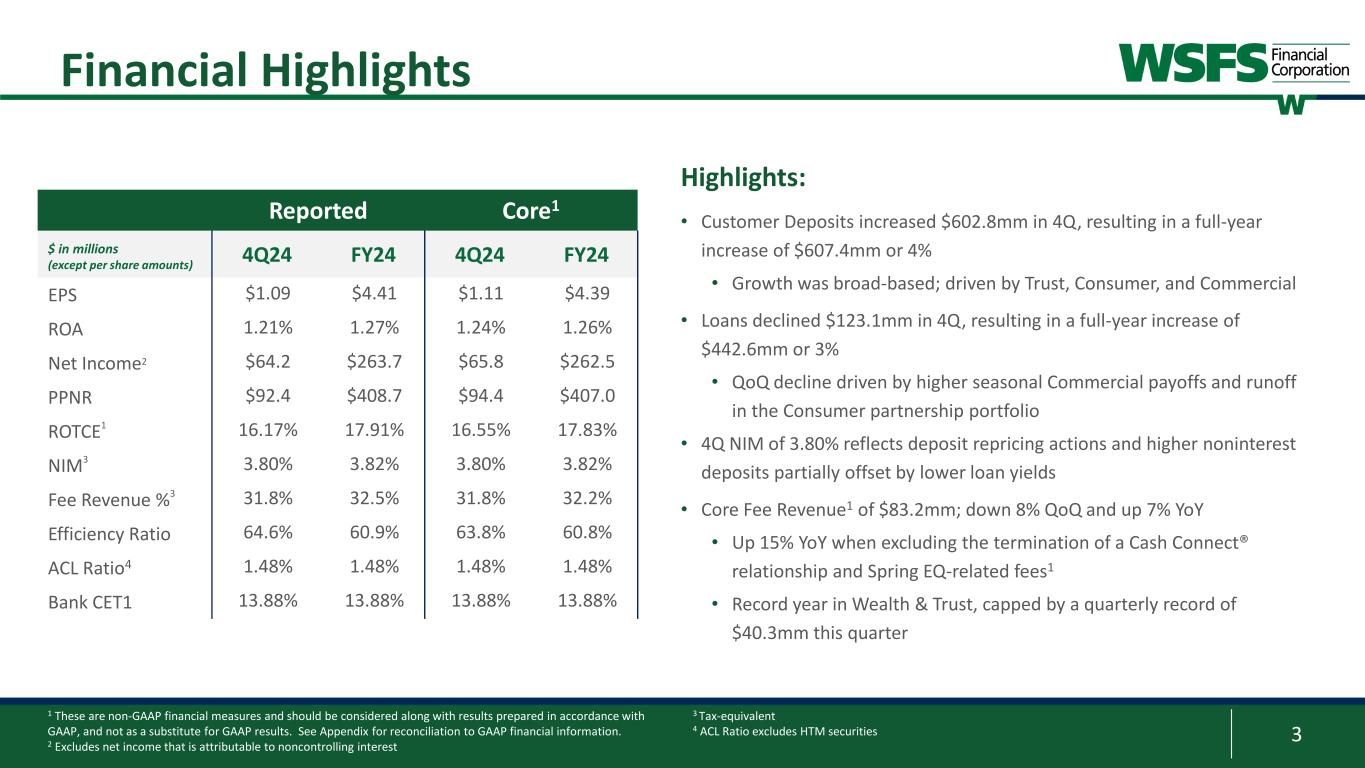
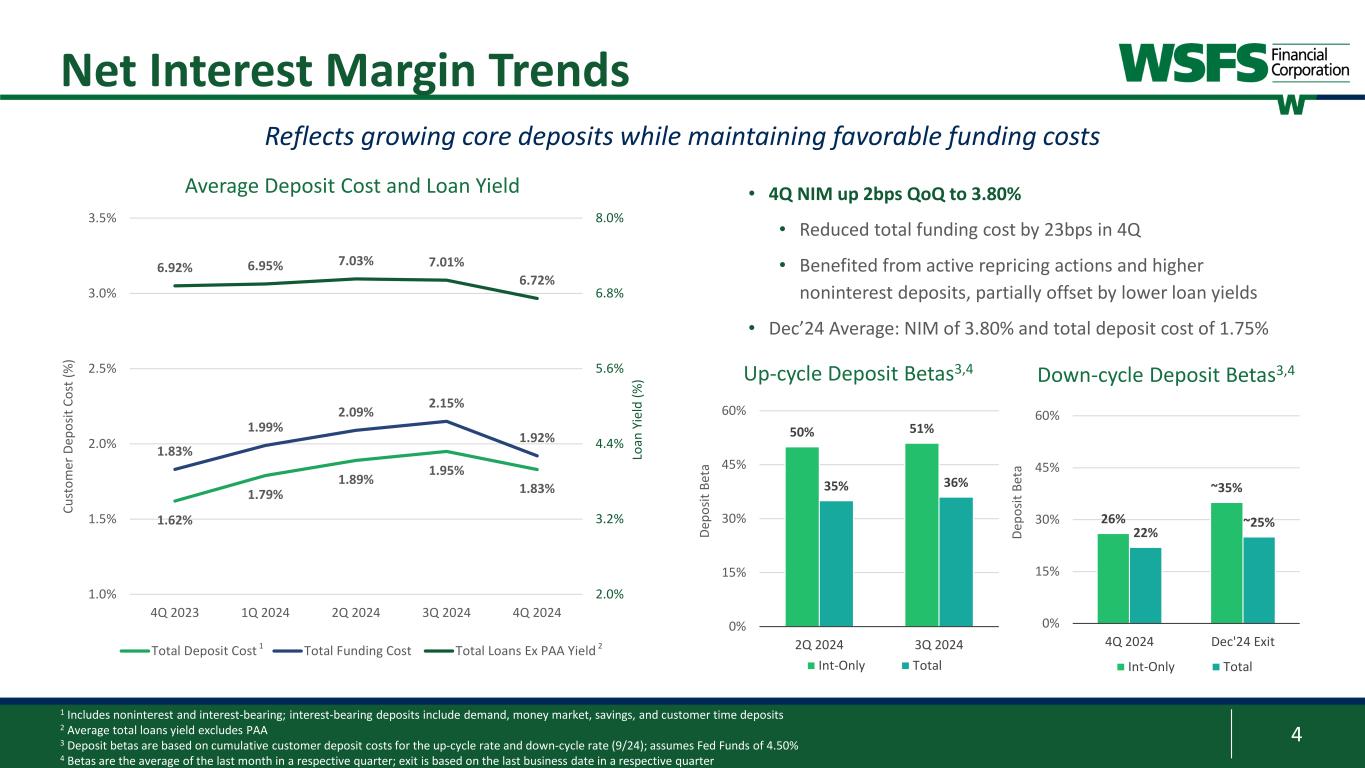
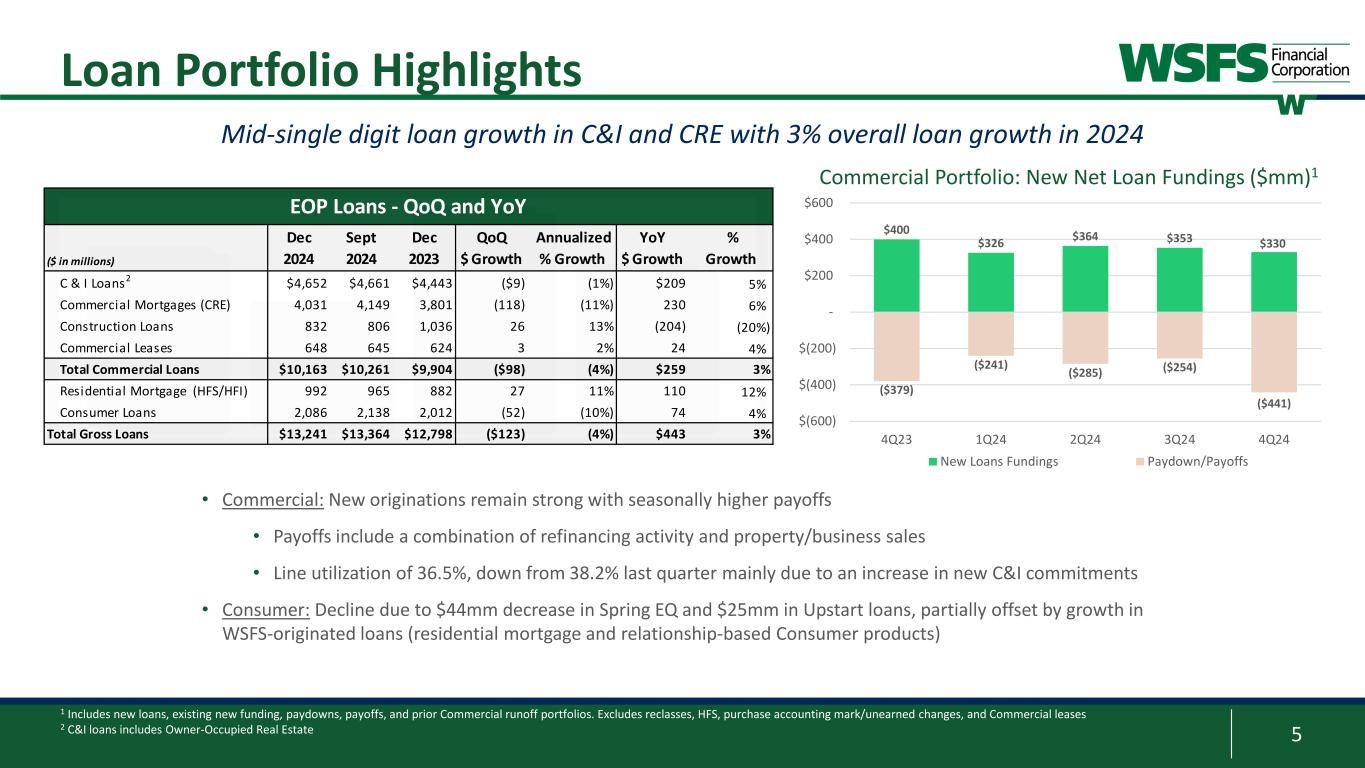
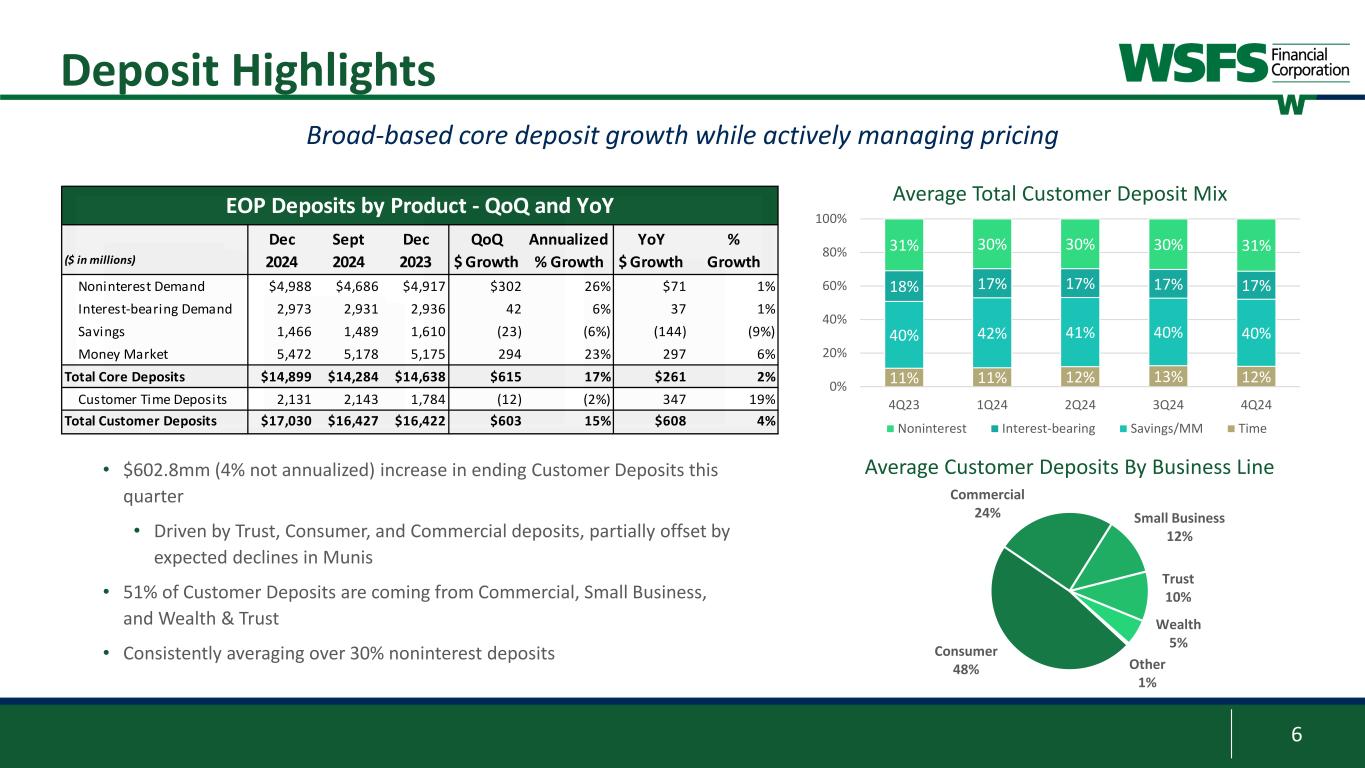
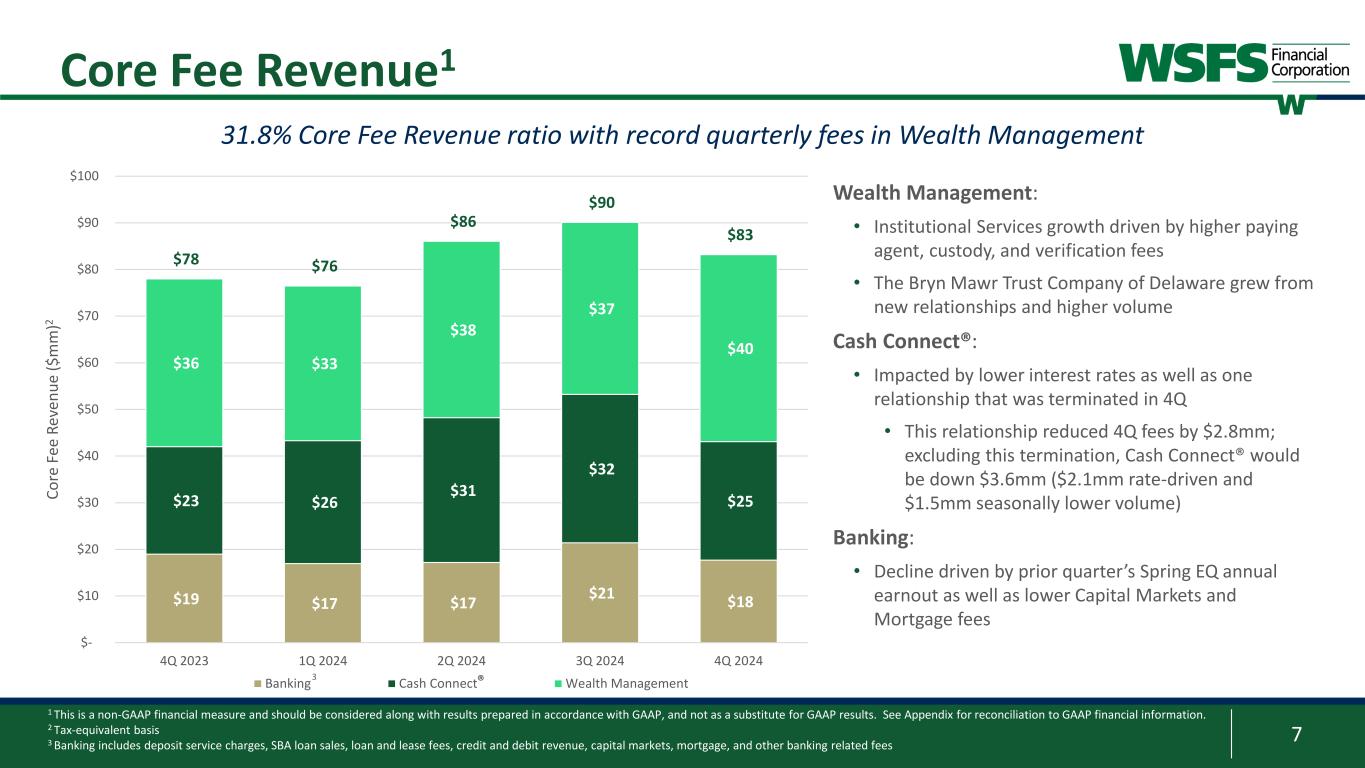
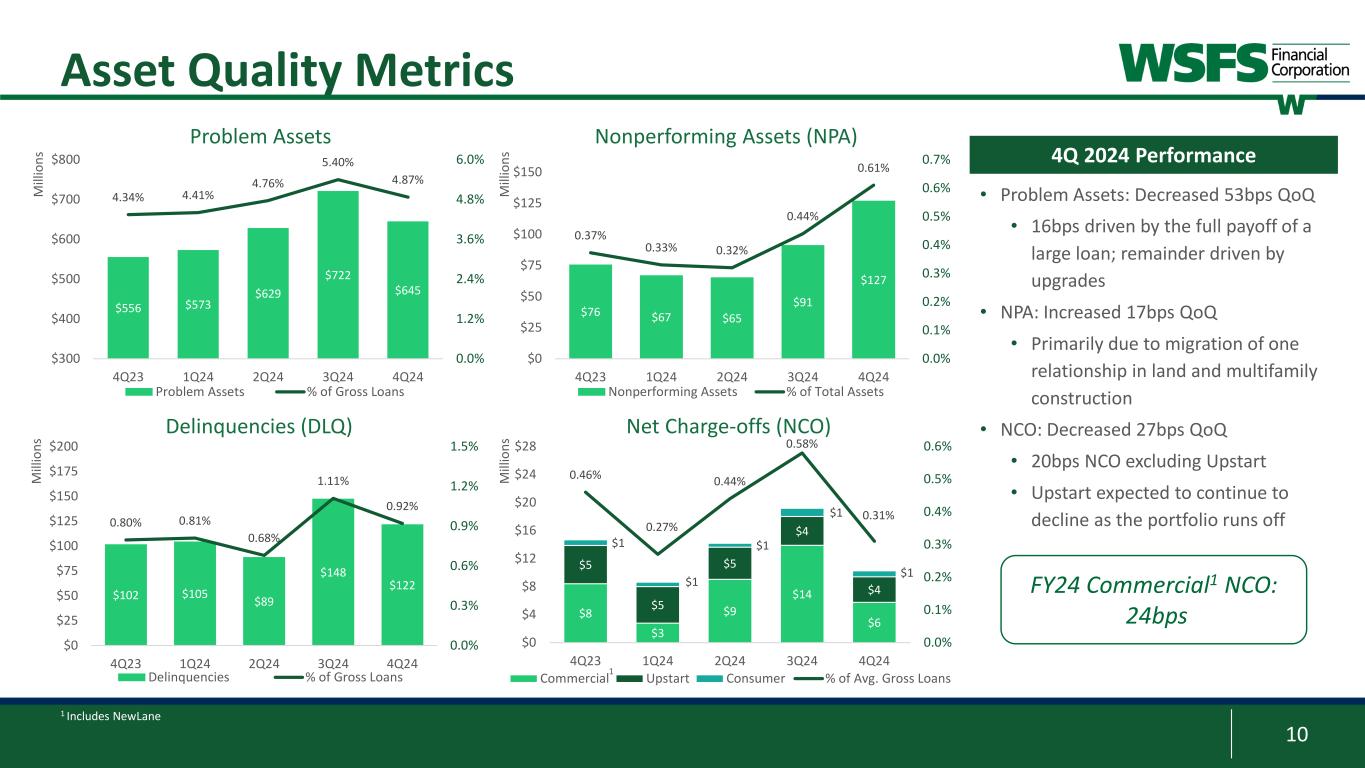
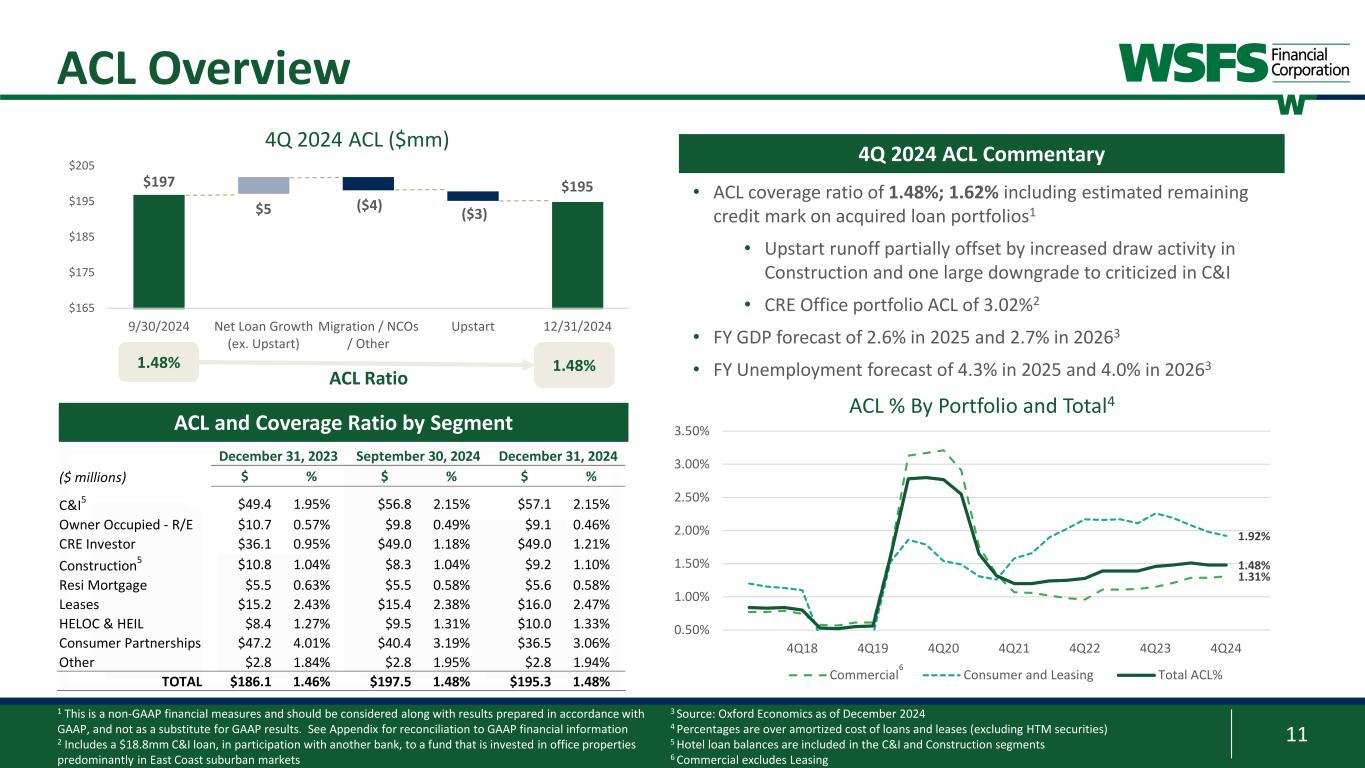
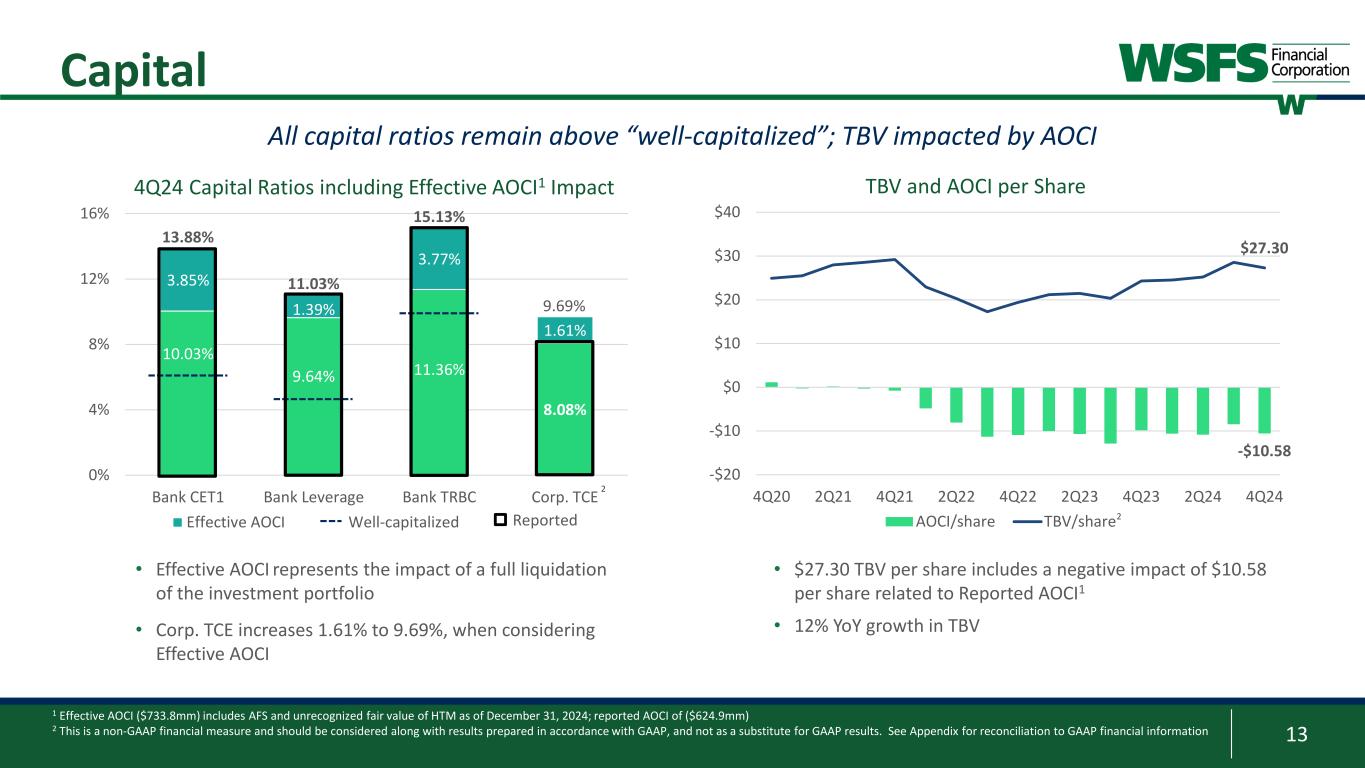
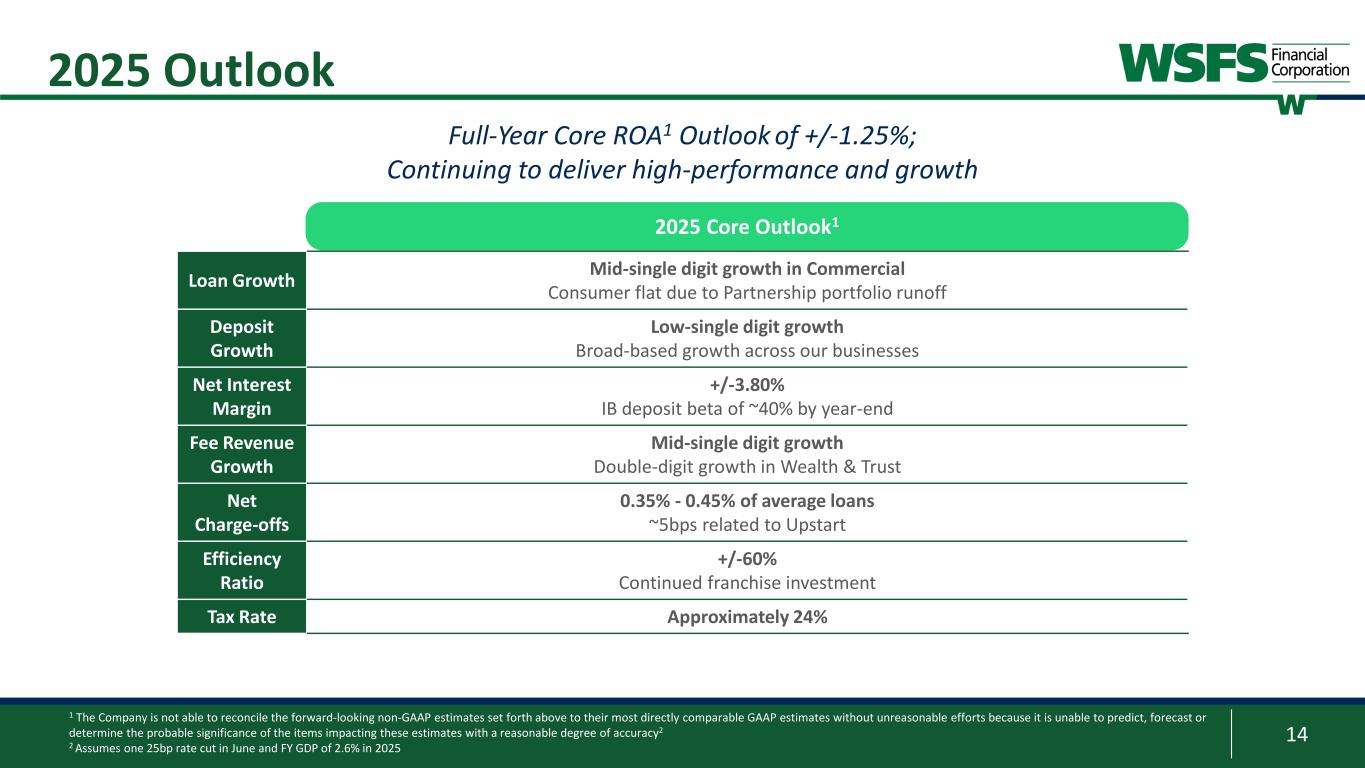
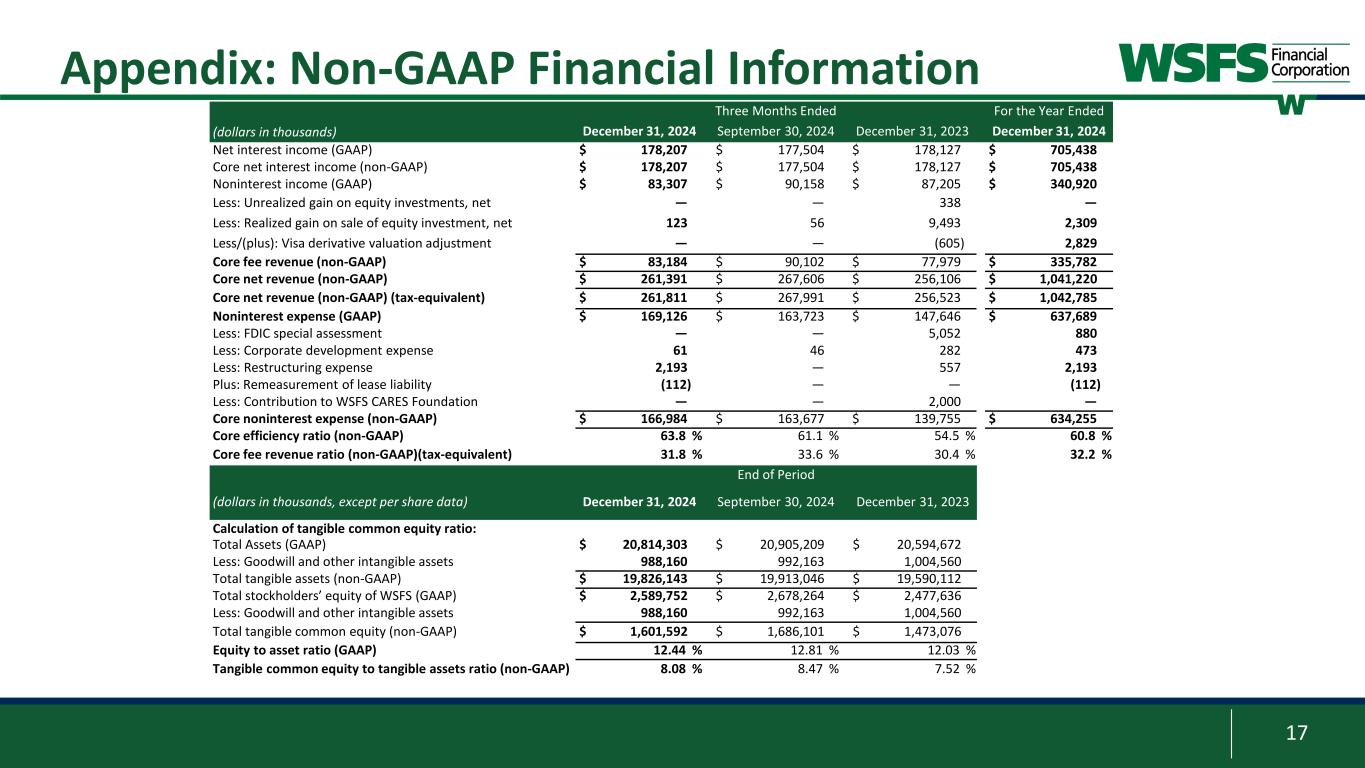
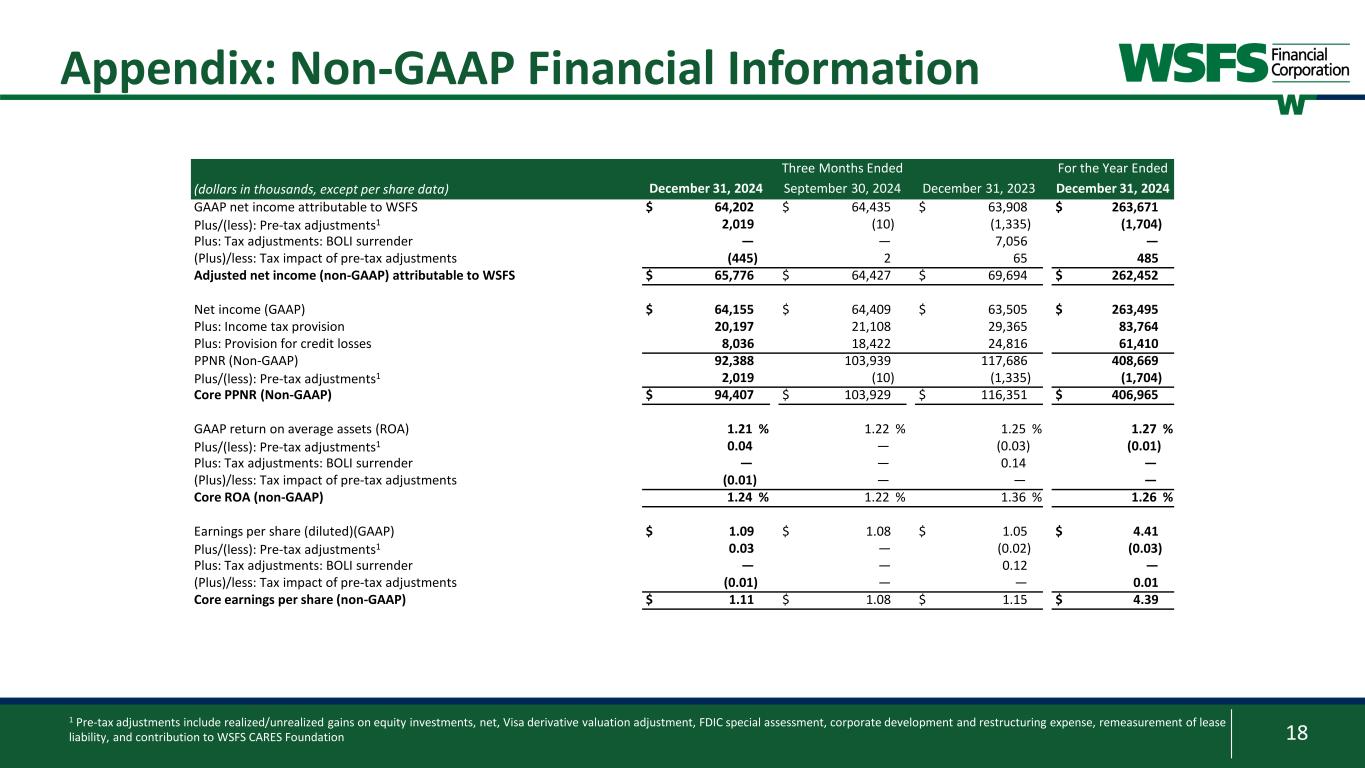
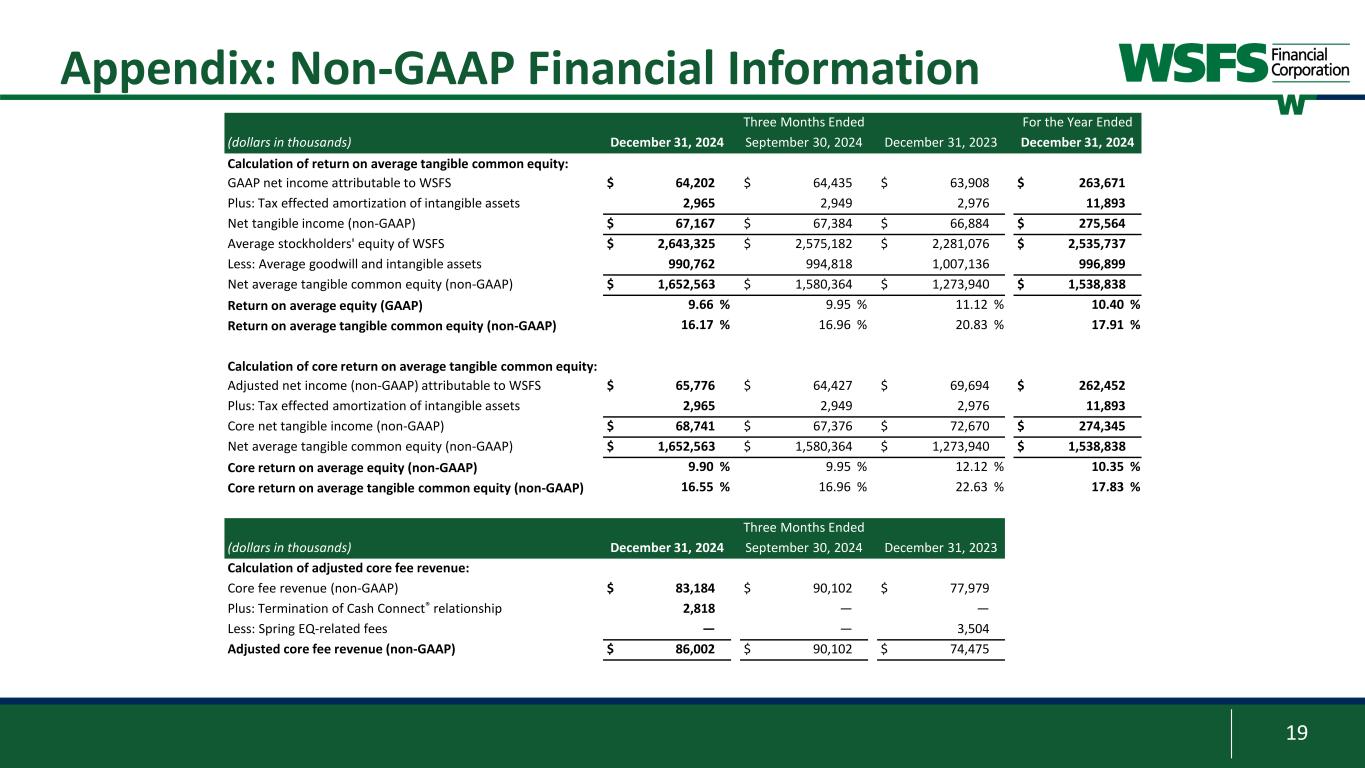
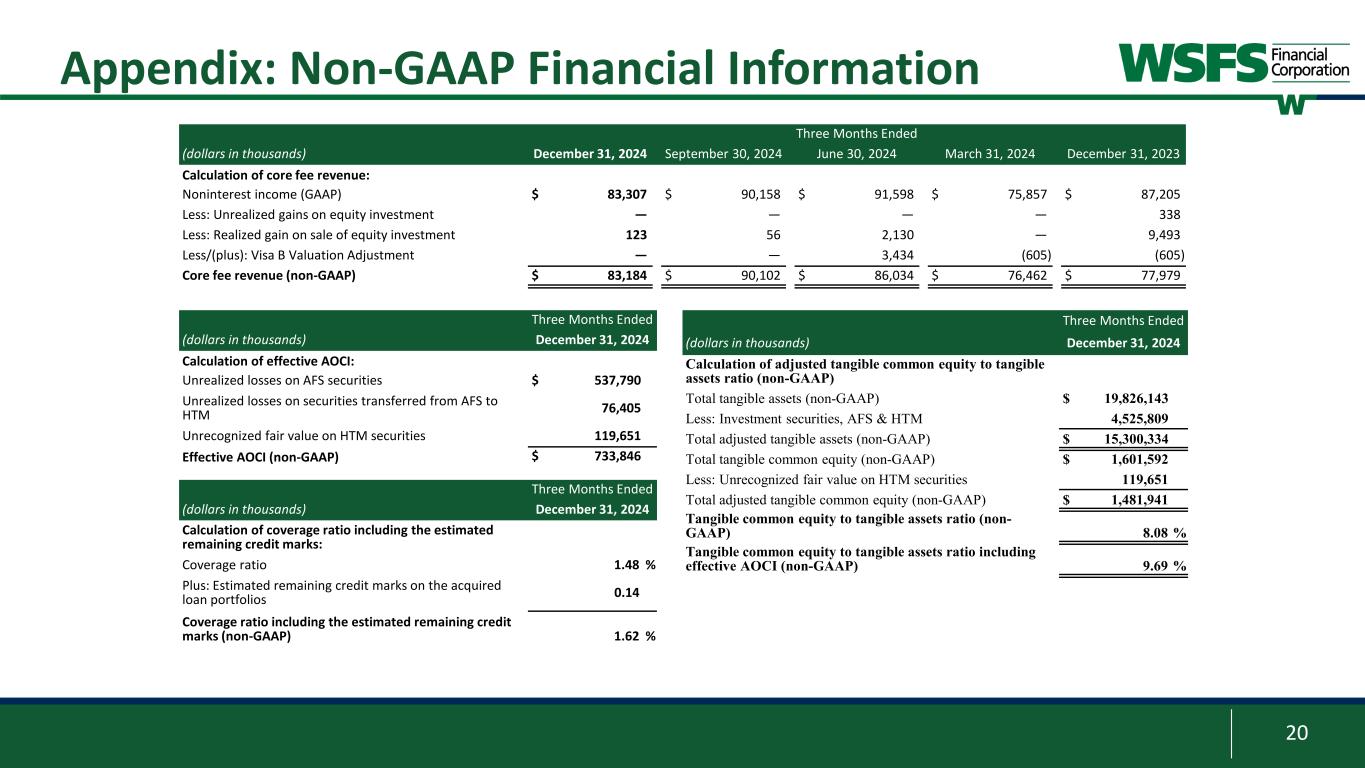
To ask a question, you may press star followed by the number 1 on your touchstone phone. to withdraw your question please press star followed by the number one again i'd now like to turn the call over to david burke chief financial officer sir you may begin all right thank you janine and good afternoon everyone and thank you for joining our fourth quarter 2024 earnings call our earnings release and earnings release supplement which we will refer to on today's call can be found in the investor relations section of our website with me on this call are Roger Levinson, Chairman, President, and CO, and Art Bocci, Chief Operating Officer. Prior to reviewing our financial results, I would like to read our safe harbor statement. Our discussion today will include information about management's view of our future expectations, plans, and prospects that constitute forward-looking statements. Actual results may differ materially from historical results or those indicated by these forward-looking statements due to risks and uncertainties including, but not limited to, the risk factors included in our annual report in Form 10-K and our most recent quarterly reports in Form 10-Q, as well as other documents we periodically filed with the Securities and Exchange Commission. All comments made during today's call are subject to the safe harbor statement. I will now turn to our financial results. Our businesses continue to perform very well in the quarter, providing us with strong momentum moving into 2025. 4Q results included a core earnings per share of $1.11, core return on assets of 1.24%, and core return on tangible common equity of 16.55%. These results capped a successful 2024 with full-year core earnings per share of $4.39, core return on assets of 1.26%, and core return and tangible common equity of 17.83%. Our results for the quarter included the termination of a relationship with a long-standing cash-connect client as a result of adverse events in the client's overall business portfolio. This termination resulted in a negative $4.7 million pre-tax impact to our financials, with a $2.8 million impact to core fee revenue and a $1.9 million impact to core non-interest expense. This event is an isolated incident that does not have a broader bearing on the Cash Connect business. The team acted proactively to protect our interests and we will be working to recover this loss through insurance and other avenues where appropriate. Despite the Cash Connect event, WSFIS delivered year-over-year core fee revenue growth of 7% in 4Q, powered by the Wealth and Trust business which delivered a record fee quarter of $40 million on double-digit growth. For the full year 2024, the company achieved core fee growth of 19% relative to the prior year. Core net interest margin was 3.80 for the quarter, up two basis points in quarter, despite the interest rate cuts that we experienced in 4Q 2024. We actively managed our deposit repricing and achieved an interest-bearing deposit beta of 26% for the quarter, with an exit beta as of the end of December of 35%. Customer deposits grew 4% link quarter, driven by broad-based growth across the wealth and trust, consumer, and commercial business lines. Non-interest-bearing deposits grew 6% link quarter and comprised 31% of average deposits in 4Q. Loans declined 1% in one quarter, driven by higher seasonal payoffs and business sales. On a year-over-year basis, loans grew 3%, with mid-single-digit growth in C&I and commercial mortgage. We continue to have a strong originations pipeline, while our business sales present important opportunities for our wealth business to expand client relationships. We finished the year with a loan-to-deposit ratio of 77%, providing ample balance sheet flexibility and capacity to fund future growth. Our total net credit costs of $8.7 million decreased by $11.4 million from the prior quarter. This decrease reflects improvements in early-stage metrics of problem assets and delinquencies, as well as lower net charge-offs. Excluding our upstart portfolio, which is in runoff, we recorded net charge-offs of 20 basis points for the quarter and 27 basis points for the year. Non-performing assets increased quarter over quarter due to the migration of one relationship with two loans, but we believe these loans are well collateralized based on current valuations. Our ACL coverage at the end of the year remains at 1.48%. On the last page of the supplement, we provided our outlook for 2025, which assumes one 25 basis point rate cut in June. Overall, we expect to deliver another year of high performance and growth with a full year core return on assets of approximately 1.25%. We expect mid-single-digit loan growth in our commercial portfolio and flat growth in our consumer portfolio. Our consumer portfolio will be impacted by the runoff of our Upstart and Spring EQ partnership portfolios, which will be offset by WSFIS-originated loan growth. We expect continued broad-based deposit growth across our businesses in 2025, building on our recent momentum. Our outlook is for deposit growth in the low single digits from our very strong levels in 4Q. Our outlook for net interest margin is approximately 3.80 for the year, consistent with the level in 4Q, and this incorporates an additional interest rate cut in June. We will continue to focus on deposit repricing opportunities and expect to finish the year with an interest-bearing deposit data of approximately 40%. We continue to see strong momentum and growth opportunities in our fee businesses, which contribute almost a third of our total revenue. We expect our wealth and trust business to grow double digits as we capitalize on talent additions and technology investments made in 2024. Our overall fee revenue will grow mid-single digits as Cash Connect revenues are expected to decline as a result of the interest rate reductions. As a reminder, this revenue decline is more than offset in Cash Connect's funding costs, resulting in a higher profit margin for the business in 2025. Net charge are expected to be between 35 to 45 basis points of average loans for the year as the industry continues to see the normalization of credit. Our commercial portfolio continues to perform well, but losses may remain uneven in 2025. We expect net charge-offs associated with Upstart to continue to decline as the portfolio runs off. And lastly, we will continue to leverage opportunities to invest in the franchise while prudently managing our expense base. While we may have fluctuations on our efficiency ratio quarter to quarter, our outlook for the full year is for an efficiency ratio of 60%. We're excited about the future and remain very committed to delivering high performance. Thank you, and we will now open the line for questions.
Operator
Thank you. Ladies and gentlemen, we will now begin the question and answer session. Should you have a question, can you press star followed by the number one on your touchstone phone, and you will hear a prompt that your hand has been raised. Should you wish to withdraw, can you press the star followed by the number one? If you are using a speakerphone, please leave the handset before pressing any keys. One moment, please, for your first question. Our first question comes from the line of Russell's on third from Stevens. Please go ahead.
Hey, good afternoon, guys. Hey, Russell. Hey, Russell. I wanted to start on the expense outlook, appreciate the efficiency guide for the year. Could you give some thought to us around how you're thinking about dollar expenses, how that 4Q would kind of shake out as a run, right? I hear you lumpy quarter on quarter. But sort of what's embedded in the top line guide provided earlier, and as a bit of a follow-up, just what type of margin of error are you assuming on the efficiency guide? I think for the past year, we were maybe 90 bits above the plus or minus range.
Yeah, thanks, Russell. So let me talk about 4Q a little bit. And 4Q, as you alluded to, was a little bit of a noisy quarter. We obviously had the Cash Connect one-timer, the $1.9 million one-timer. Also, when you look at a year-over-year basis, we had increases in Cash Connect related to interest rate increases, which are offset in revenue. So those are purely variable expenses that flow through the expense line related to rates that are offset in revenue. So if you normalize those two things out, our expenses for the year were up about 15%. And the majority of that, a large part of that was in salaries and benefits and the really two main drivers for that. I would say one is at the end of the year in the fourth quarter, we always true up our incentive compensation to the actual performance that we had in the year. So that was part of it. And the second part is the investment that we're making in the business in terms of headcount. And so when you look at our heads, we added about 80 FTE year-over-year, about two-thirds of that went into three areas, wealth, commercial, and technology. And these are the areas that we continue to invest in. And when you look at our fee growth, particularly on the wealth side, the double-digit growth that we're expecting this year, next year, I think that's a manifestation of the investments that we're making. And I think we're in a fortunate position to be the platform of choice for many people. And in fact, you know, there are two teams of advisors recently joined us from competitors just in the last few months, you know, as evidence of this. And we continue to see a lot of interest both on the commercial side and the wealth side of people joining our team. So that's a little bit of color on the quarter. In terms of the guide, you know, I would say, obviously, you know, the efficiency ratio can move around a little bit quarter over quarter, and it also moves around a little bit because of rate impact and the revenue side. So, I think, you know, I think this is a goal for the year, and we may deviate from that quarter over quarter, but that's something that we, you know, we're focused on managing. And with a goal of keeping efficiency generally flat, that basically implies a revenue growth and expense growth that's kind of parallel, so you can model it that way. But I would say that's our overall philosophy. We're going to continue to invest. We'll continue to be opportunistic. We think it's the right long-term tradeoff and decision, but we're focused on managing the expenses appropriately.
I appreciate it, David. thanks for the the color there and then as it relates to cash connect can you talk about any potential levers you guys have yet to pull that could improve overall profitability in general sort of agnostic of what short rates do yeah yeah absolutely um and so um as you said obviously interest rates are going to impact the business but important to remember that in a in a as interest rates have declined, that should be accretive to our profit margins.
Even though you're going to see an impact on the top line and the fee line, that's more than offset on expenses. But beyond that, we are focused on driving the profit margin of the business up. And that's a combination of growth. It's a combination of its growth. It's optimizing our cash logistics and making sure that we minimize non-interest earning cash. And the third one, an important one, is pricing. As we've consolidated market share following the USB client acquisitions that we've made, we do feel we have an opportunity for pricing leverage, and that's something that we're going to deploy. So our goal is to definitely drive the profit margin up next year from where it is this year. Okay.
Helpful. Thank you. And then just one last one for me, guys, in terms of how we should think about the overall size of the securities portfolio by the end of the year, if you're still kind of targeting roughly 20% of average assets ultimately, and maybe when we might get there.
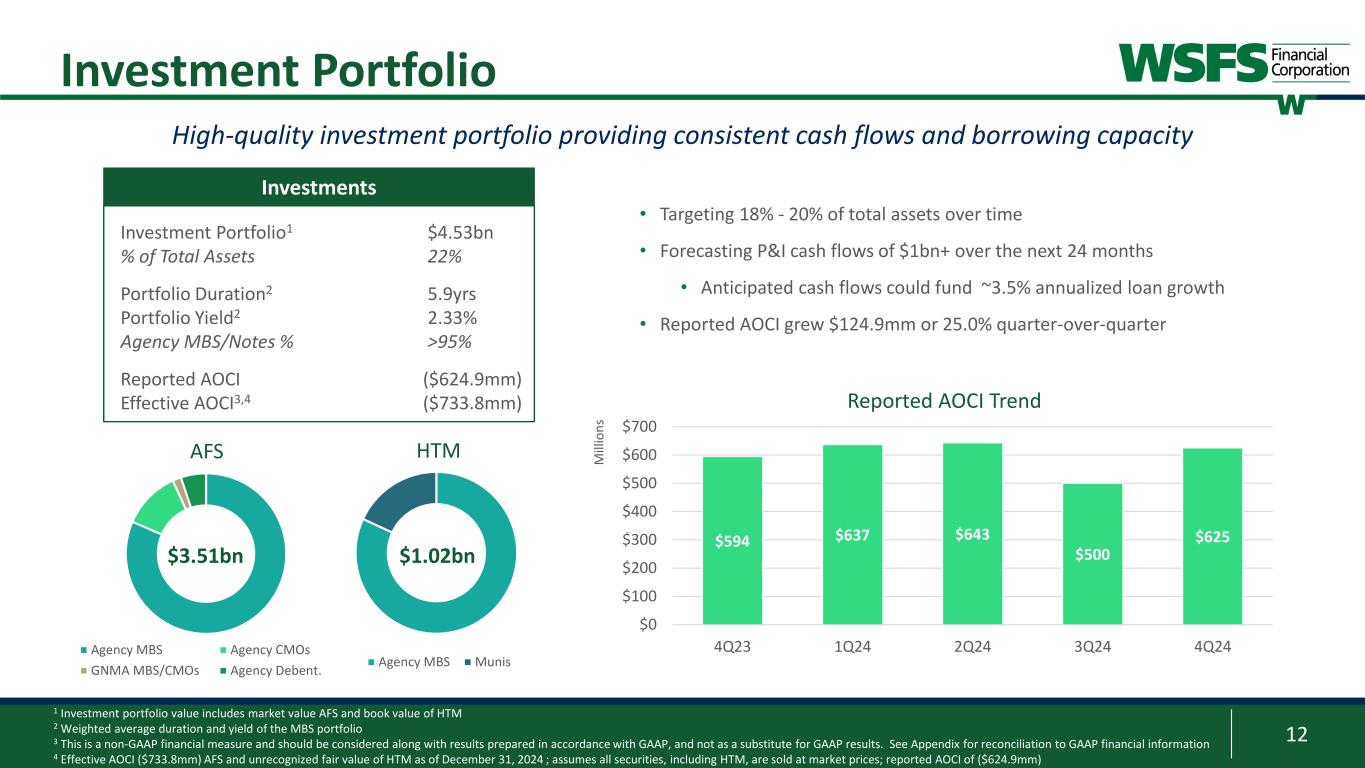
Yeah. So on the securities portfolio, it's about 22% of assets right now. You're right. We're targeting somewhere around the 20 mark, maybe a little bit lower. The security portfolio is about $4.5 billion. It throws off about $500 million of cash per year in principle as well as interest, so about $500 million a year. Most of that is going to be redeployed into growth in the business, but we will look to probably redeploy a little bit of that into the securities portfolio. So net-net, we do expect to come down, even though we will add to our securities portfolio a little bit, but net-net, it will be down. Okay. Thanks very much for taking my questions. Thank you. Thanks, Russell.
Operator
Thank you. Our next question comes from the line of Frank Giraldi from Piper Sandler. Please go ahead.
Just wondering on, you know, as I look at or think about capital, your current capital levels on a regulatory basis, any color on where those could trend to in either the short term or medium term. Obviously, you've been buying back stock and you have more firepower there, but also just thinking about other potential uses of capital and your interest level in additional M&A at this point. Thanks.
Yeah, maybe I'll start off on the capital alternative, Roger, to talk about M&A. But, Frank, on the capital side, so we have a philosophy, as you know, that we return about 35% of our net income every year. And that's about 15% in terms of dividend and the rest in terms of buyback. When you look at last year, we actually did about 50%, which was about 35% of that in buyback and about 50% in dividends. And the way we look at that is we look at the opportunities that we have to deploy capital in the business versus where we're trading and the ability to buy back stock. And we kind of always balance that equation and we take a hard look at that and we're constantly thinking through that balance. So I think next year, just as we did more this year, I think we will expect to do that again next year. And it's an equation that we're continuously looking at and revisiting. And I would say the other point I would make is that over the last couple of years, we held a little bit more capital because of volatility in macro environment, credit, interest rates. And so we still think it's prudent to hold a little bit more now, but again, we're definitely taking a hard look at buybacks and we continue to be disciplined, but it's something we're focused on continuing to make sure that we're carefully managed that and return as much as we can.
Yeah, Frank, it's Roger. I would just add as it relates to our appetite for you know M&A we've we just completed our next strategic plan 25 26 27 strategic plan and the focus is really continuing to optimize this very unique market position that we have across all of our our businesses and to really optimize you know that investment that being said as you as David outlined you know we continue to invest in the franchise, and we would look to invest in both the fee businesses and the banking side if it was something that could be accretive to those activities. I will say that any investment that we make, the bar is pretty high because any decision to deploy capital in those kinds of investments is a decision to not deploy it in the ordinary course of business. So we're We're open to looking at that, but we feel very confident that we can continue to achieve the kind of results that we have provided and what we've outlined in the Outlook without having to do anything of any significant magnitude, but always open to opportunities that would slant in the franchise.
Okay, great. And then just a couple of quick ones on sort of modeling, more modeling related. the really strong deposit growth in the quarter. I know sometimes you can have some customer inflows, large customer inflows that are more temporary in nature. Anything that you see coming back out in terms of just sizing it in terms of coming out in one queue, or is this a pretty good run rate, all else considered?
Yeah, Frank, I think you're right. I think we will have a little bit of that. You know, when we look at, you know, like you said, I think we have very strong growth in the quarter, quarter over quarter, but also year over year, importantly. So even when you normalize for that seasonality, but it, for example, if you look at last year and the growth that we had, we also had a strong fourth quarter last year, probably about half of that came out in the first quarter and then we built on that. But so I think, you know, we would expect kind of a similar pattern this year uh and that's why maybe you see the low single digit growth in deposits off of that high point in 4q but but i think importantly you know when you look at our balances on average year over year which kind of normalizes out for some of these things you know we're still up six percent overall on average year over year and i would say even more importantly we're up seven percent when you look at the non-interest bearing deposits uh and the non-interest bearing deposit growth was really across all businesses, across consumer, across commercial, and across wealth and trust. And that's really, I would say, reflects the kind of the core fee relationships, the core fee operating business that we do with our clients. So I think the deposit story is a very strong one. Yes, there's seasonality there, but I think anywhere you look at it quarter over quarter, year over year, I think net net, we have solid growth.
Okay. No, that's great. And then just quickly, lastly, I think when you guys talk about the Cash Connect business, this one partnership that was terminated, I think the numbers you're giving are one-time in nature, one-time impacts. Just trying to size it, am I missing? Is there a number you can provide?
Is it not meaningful in terms of the quarterly impact from just the lack of this customer um you know being being a partner anymore yeah yeah i would say frank there are a few moving pieces there um when you think about cash connect for 2025 um one is this you know this client two is the interest rate impact and three are the levers that i previously discussed around pricing optimization and growth in the business and so um when you when you net all of those things You know, we expect the top line revenue to be down somewhat, but that's more than offset on expenses. And so when you net all of those things, including the absence of this client, we still expect our profit margin, you know, to increase from the mid single digits to kind of the high single digits next year. So that's, you know, that's really how we look at the business and that's how we're driving the business.
Okay. Or just in terms of the specific fee from the absence of this one customer is just something you guys aren't disclosing, or is it just not meaningful, or both?
Yeah, I can't really – I don't want to get too much into specific client revenue, but again, I think I would focus on the bottom line, the profit margin, and run rating this quarter a little bit.
Okay. All right, great. Thank you.
Operator
Thank you. Our next question comes from the line of Kelly Mota from KBW. Please go ahead.
Hi, thanks for the question. Maybe just one more quick question on this Cash Connect business. Just from a high level, it sounds like what happened with this client is somewhat idiosyncratic. what are the risks of this business? Is it mostly just mismanagement or potential fraud risk? I'm just trying to understand what the risks are here beyond the smooth interest rates. Maybe I'll start with that.
Yeah, so just to circle back to the particular situation, as it's outlined in the materials, the business owner had financial stress in related enterprises that we felt elevated the risk profile of our relationship. And that's what led to the termination of that relationship. More broadly, I think the risk as you think about the business here is we're managing and keeping track of a large amount of cash throughout the system and making sure that we have all the proper controls in place to manage and track that, which is obviously a lot of systems that have been built up over the 25 years or so that we've been in business. And I would say as a general statement, all of those controls worked in this particular situation to our satisfaction. There are some loose ends that we're still working on as reflected in those charges and we have some avenues to pursue on that. But that's the biggest risk in this business. And I would say as a general statement, I think the way we mitigate those risks and manage them was demonstrated very well in the ultimate outcome of that situation.
Got it. That's really helpful. And I appreciate all the color on kind of the investments you've made and talent you've brought on and kind of how you're managing expenses commensurate with revenue growth. Just wondering, as we look ahead, how much when you're managing your expenses, Are there still rooms for additional efficiencies? And that would be, you know, perhaps if revenues came in lighter or more challenged, be the areas in which you could potentially get greater savings? Or, you know, would the plug here mostly be, you know, a toggle in your recruiting effort?
I would say, Kelly, you know, it's a combination. I think, for example, again, one of the things that drove our expenses this time was when the fourth quarter typically is a true-up in our incentive accrual, which is very numeric and really relates to the company performance. So that's something that is clearly variable and something that is directly related to where our OAs are and where the company performance is. I think that's one thing. The second thing is that as we've made investments in headcount, particularly when we talk about advisors, relationship managers, you know, as you may know, the expenses, of course, start day one, but because of contractual limitations, the revenue really doesn't start flowing materially until the second year. And so, you know, there's a little bit of a mismatch, there's a little bit of a timing mismatch between when the expenses and that revenue, but that's why we feel optimistic about continuing that double digit trajectory, you know, it's on the back of these investments. And I would say the third thing is, you know, we have made, you know, we had some major technology investments this year, including upgrading our trust accounting system, which was one of the final kind of integration pieces from our acquisitions. And so, you know, that drove, when you look at the full year, that was really more of a third quarter. But when you look at the full year, that also, you know, is a lever. So, you know, I do think we have levers and, you know, it's something, again, that we manage, you know, we take a very hard look at.
Yeah, Kelly, it's right. Just to give a little bit of historical context. You know, I think if you followed us over a period of time, our efficiency ratio has tended to be a little bit higher, you know, than some of our peers. We have dipped into the 50s, the mid-50s and high 50s periodically. We've kind of hovered around 60% as more of a long-term sustainable level. And a big part of that is because, you know, the businesses that we're in are service-driven businesses and we think – and fee businesses, which carry a little bit, you know, higher expense load to them. So that's why we talk about the efficiency ratio, you know, being around that 60%. That is our long-term goal. Obviously, we always look at opportunities to become, you know, more efficient. You saw this quarter, you know, we moved some owned real estate to held for sale. We're taking advantage, hopefully, of some opportunities in the marketplace, you know, to address, you know, some potential expense savings there. So we're looking at it that way, but there shouldn't be an expectation that we're going to drop somewhere below that kind of historical level, because I think our mix of businesses and our service-based model dictates a little bit higher, you know, efficiency ratio.
Understood. That's super helpful context. Maybe last question from me. I think this is the second quarter where you had an uptick in MPAs this quarter. I believe the presentation calls out land and multifamily construction. Can you provide us some color on the migration that occurred this quarter and your process of work out of some of these larger migrations over the past, back half of last year?
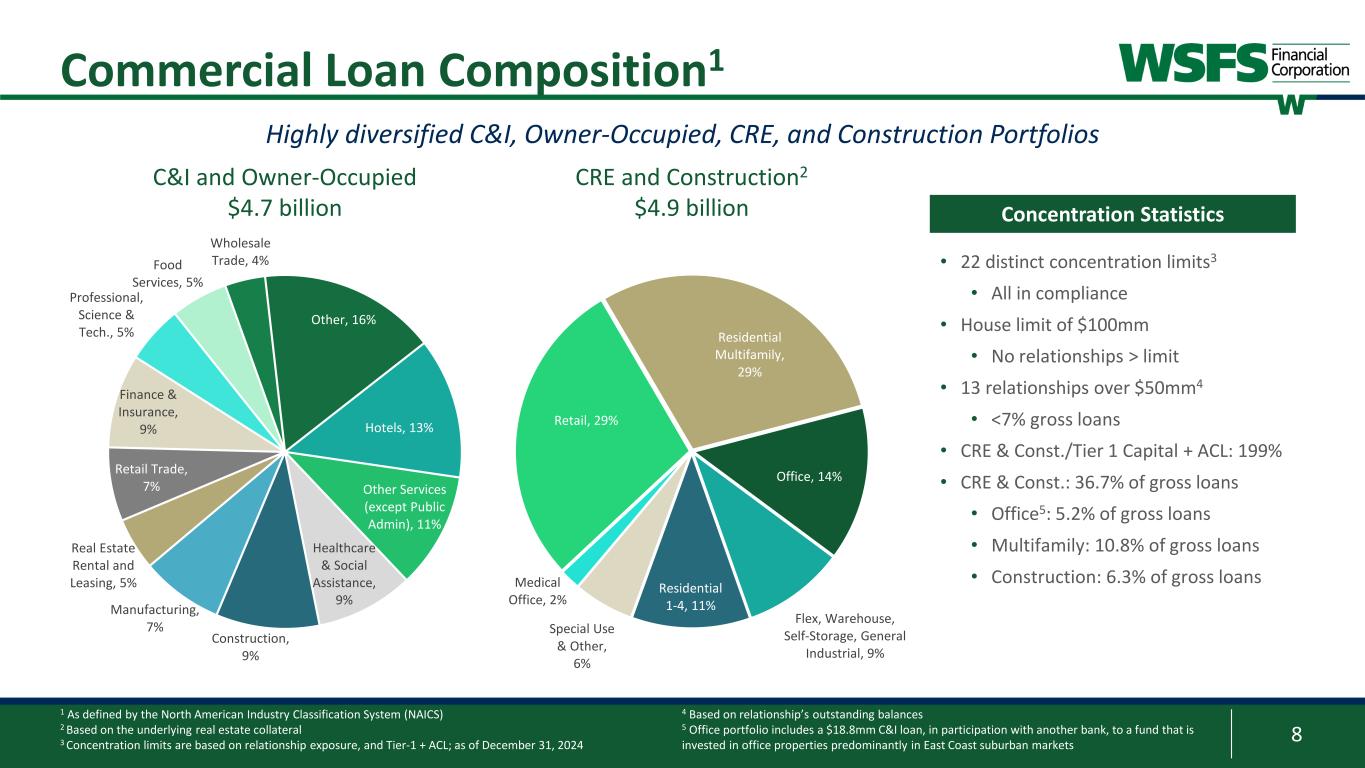
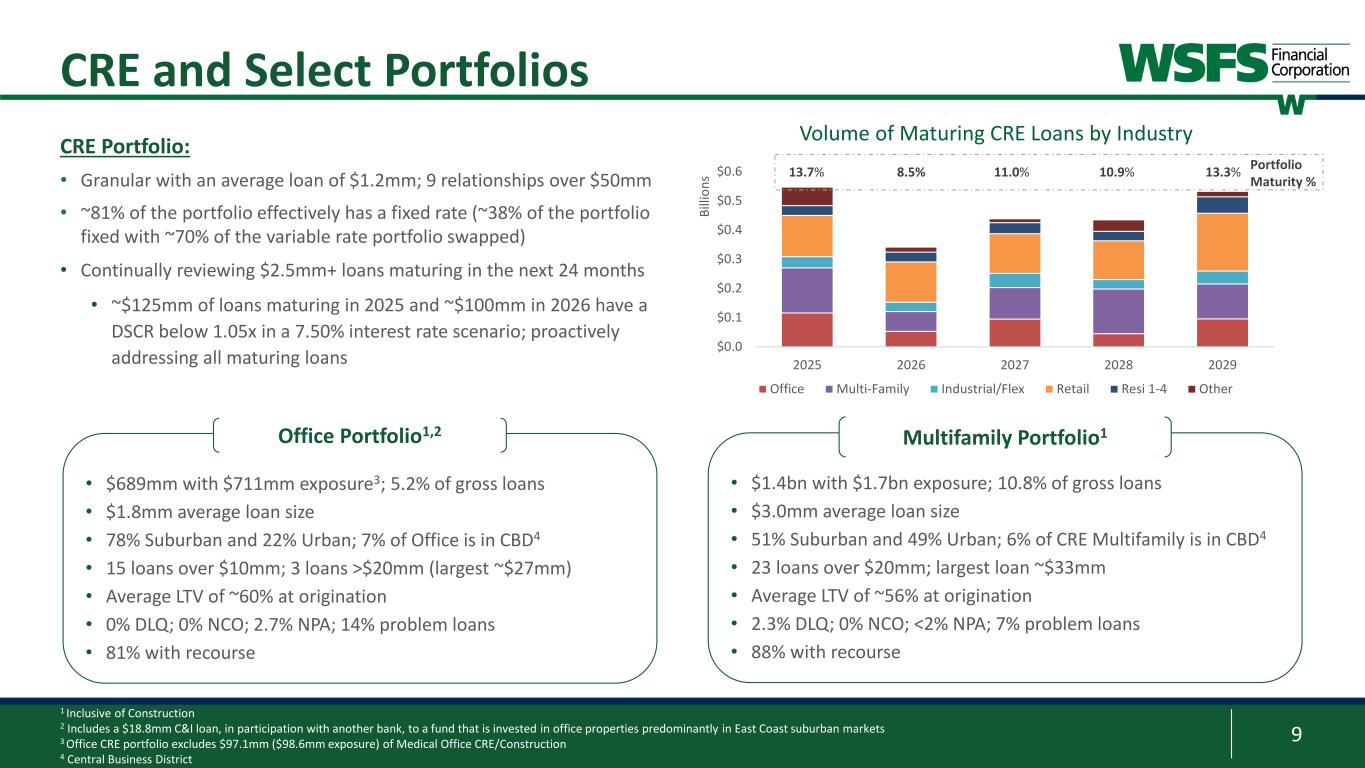
Yeah. So I would say that really it was only one credit of any size that moved to MPA, and it was that relationship. So two loans right around $20 million each, as we outlined in the materials, a land loan, industrial land loan in Central Jersey area, and then another multifamily construction loan more in North Jersey to a large sponsor that has run into some challenges in his global cash flow. So, you know, we feel, as David said, we're very well secured and we're working through that. Similarly, I would say the other situations that we've had that migrated over the course of last year into NPA, I think we continue to work on those in a very constructive way. As we've talked about with our borrowers, we hope to see some resolution in the near future um and you know obviously all that was incorporated into you know where the um where we've landed on the uh acl going forward yeah kelly i would just add that you know a vast majority of our loans are with recourse as well so you know we have um you know we we actively manage that we have different tools and and so you know that's why you don't necessarily have the MPAs that turn into losses.
Awesome. Thank you so much.
Operator
Thank you. Again, should you have a question, can you press star followed by the number one? Our last question comes from the line of Manuel Knavis from DA Davidson. Please go ahead.
Hey, good afternoon. Hey, Manuel. Could you go into a little bit more detail on the loan growth outlook and the mix? for it, discuss pipelines and kind of what keeps consumers flat, what parts are going to make up for the upstart runoff?
Let's start with that. Sure, sure, sure. So, yeah, so I think when you look at the long growth outlook, you really, as you alluded to, you have to break it down between the consumer and the commercial businesses. When you look at the consumer, we have two partnership portfolios that will be running off one is upstart which right now is about a hundred and forty million dollars as of the end of the year it runs off about 25 million a quarter so really by the end of the year this portfolio will be you know kind of negligible by the end of this year the other one of portfolio is a billion dollars and that portfolio runs off the spring eq portfolio and that portfolio the runoff is a little bit subject to interest rates but with with prepayments but generally it runs off about 10 to 15 million per month so this quarter I think we had about 44 million was to run off in that portfolio so those those are kind of the decliners the offsetting that we are we're definitely focused and I've had success in growing our with this originated loans and those are a combination of residential mortgage loans, which had nice growth this quarter, as well as other consumer portfolios that we have, and primarily, you know, they're primarily kind of HELOC portfolios that, again, that we had nice growth this quarter. So I think the combination of doing more on the mortgage side, which we feel we can do, as well as some of our real estate, some of our other smaller portfolios, I think, you know, largely is going to offset this growth to keep consumer flat. so that's you know that that's kind of the consumer story on the commercial story we had if you look at our we have larger payoffs this quarter due to seasonality which always happens in the fourth quarter but I think particularly this quarter we have some business sales you know which accounted for about 25 percent of the payoffs but generally when you look at our the origination side of the equation of a pipeline you know it's still it's still solid and we still you know, we feel good about it. We feel good about the momentum. And so I think commercial is going to continue to, you know, to deliver mid-single-digit growth. So when you put all of that together, you know, you get to kind of maybe a three and a half, four percent growth between the two. And that's, you know, that's how it shakes out.
I appreciate that color. Does the resi mortgage origination or the HELOC origination, is that ad household? Is it like kind of deeper relationships with folks you already have on the wealth management side. That was part of the thought process with Upstart and Spring Q is that you could add households. And I'm just wondering if you're finding new ways to do that, just any color on some of that would be helpful.
Yeah, I think the residential mortgage, you know, it's a combination. I think it's a business that we have capability and that we originate ourselves. um we think that there's you know and and and you know we we obviously try to lend from a relationship perspective so that can be an input influx of new clients that then we try to you know expand into into deposit accounts but there also is important source of of cross-sell from a wealth business as well you know both ways so so i think um that is that is an entry point for new clients, as well as also an area where we can expand relationships for clients that come in through other channels like wealth.
Manuel, I'd also remind you, this is Art, we have originated both mortgage loans for clients or prospects as well as non-clients, and we have the flexibility for the non-client relationships to be able to sell those loans into the secondary market and book a game. So it's a combination of sales, and then where those relationships are there, we'd rather keep it on the books rather than expose that client to a competitor.
I appreciate that. With that kind of blended overall loan growth rate of 3.5% to 4%, a lot of that's covered with securities cash flows. That could potentially leave you with a lot more capital build. You talked about having a similar level of buyback activity to last year? Could it mediability increase?
Yeah, I think, Manuel, we kind of touched on this, you know, before. Yes, we can fund the loan growth with the securities. There may be some excess, and we're certainly generating capital, and that will all be included in, you know, our ongoing analysis of, you know, the capital return philosophy that we've talked about a fair bit.
Yeah, Manuel, I would add that, you know, one of the things that, I mean, this particular quarter, in the beginning of the quarter, we paid off our BTFB facility. We basically paid it off in cash, you know, driven by the liquidity generation that we had in the business. You know, so that's also been accretive to our net interest margin. So I think, you know, I think we look at kind of all of those levers and opportunities to deploy liquidity. And as Roger said, you know, we'll continue to evaluate buybacks for sure.
Is there any further takeaways on the strategic plan, the new three-year plan, just kind of obviously comes across with the near-term outlook for this year, but is there anything else you can discuss on kind of what the focus is on that three-year strategic plan?
I think, you know, first of all, the plan is consistent with the process that we've gone through before. It's every three years. It's a combination of management working with the board, and I would tell you that it's very consistent with what you've been hearing us talk about it's to continue to optimize the prior investments that we've made in the franchise and to continue to lean into those areas across all of our business lines as you've heard us talk about we have a very unique market position in one of the most favorable markets in the country where really all the large players are much much larger institutions where this market is just one small piece of their franchise this is our where our franchise is and we think there's opportunities for growth to take market share for us to get more of a share of wallet with our customers and to continue to grow through some of the investments that we've made and that's really the focus of the plan and it's consistent with our long-term goal of delivering sustainable long-term high performance as you've seen demonstrated over the last several years we we will invest in in all of that um that could be similar to what you saw in 24 with adding you know talent and we would be open to uh you know investments of a little bit larger size you know as well but as i said i think the bar for those will be high because we really want to have our the organization focused on you know optimizing what's right in front of us and what's very unique and different i appreciate the commentary thank you
Operator
Thank you. And with no further questions in queue, I would now like to turn the conference back over to Mr. Dez.
Okay. Thank you, everyone, for joining today's call. If you have any specific questions, please feel free to reach out to Andrew or me. Roger, Art, and I will be attending conferences and investor meetings throughout the quarter, and we look forward to meeting with many of you. Have a great day. Thank you.
Operator
That concludes our conference call for today. You may now disconnect.