Operator
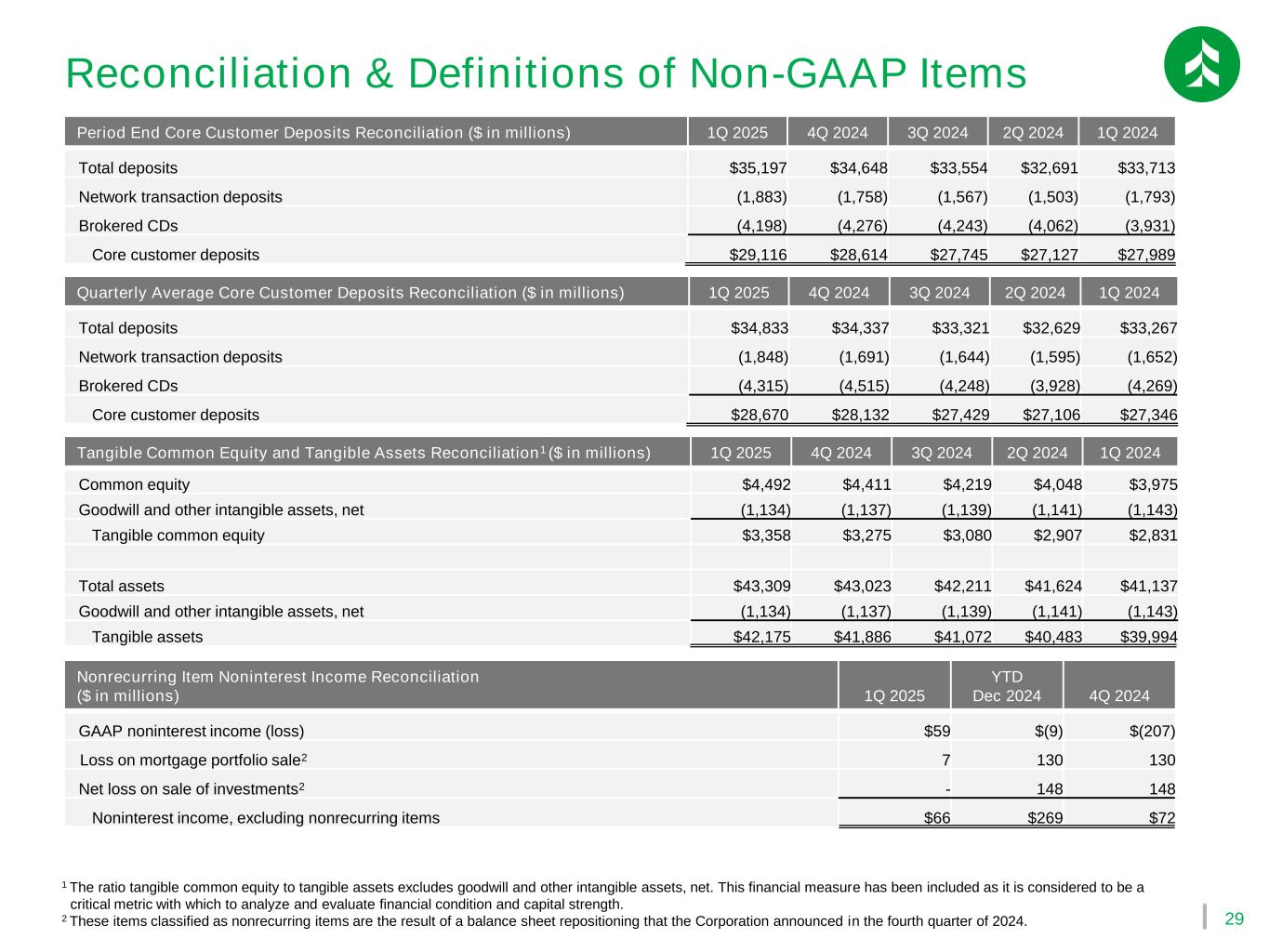
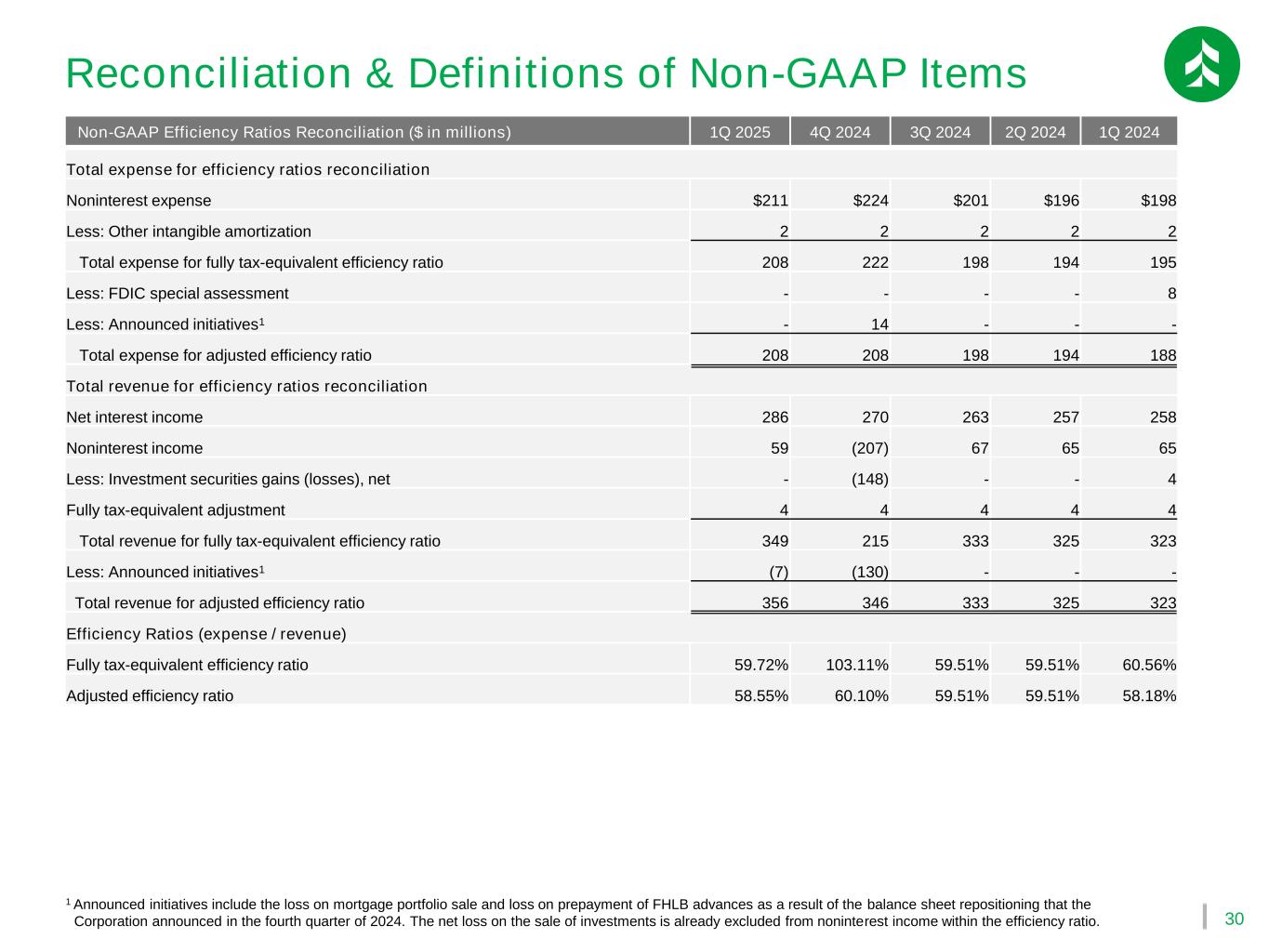
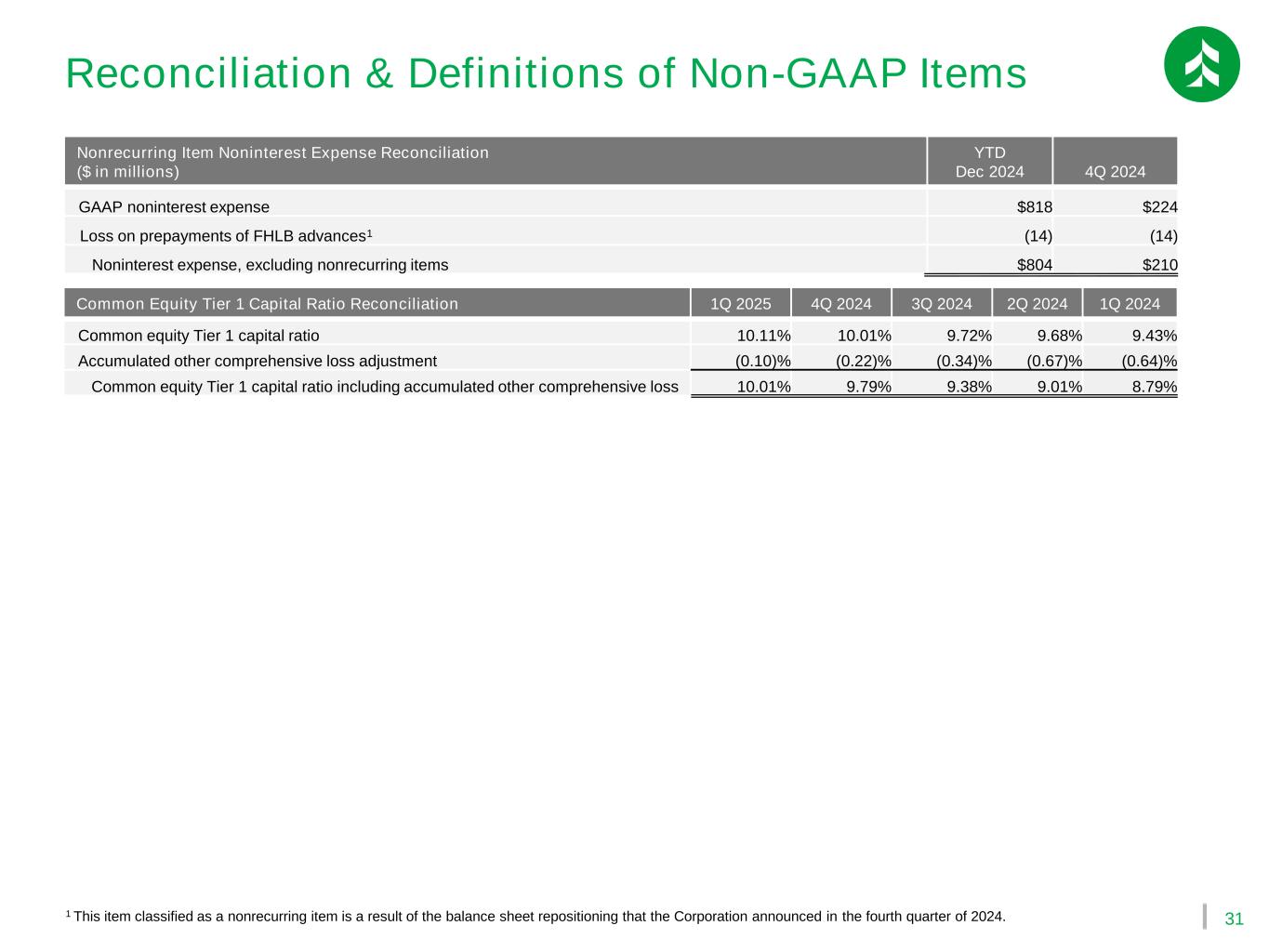
Good afternoon everyone and welcome to Associated Banc-Corp's First Quarter 2025 Earnings Conference Call. My name is Kevin, and I'll be your operator today. At this time, all participants are in a listen-only mode. We will be conducting a question-and-answer session at the end of the conference. Copies of the slides that will be referenced during today's call are available on the company's website at investor.associatedbank.com. As a reminder, this conference call is being recorded. As outlined on Slide 1, during the course of the discussion today, management may make statements that constitute projections, expectations, beliefs, or similar forward-looking statements. Associated's actual results could differ materially from the results anticipated or projected in any such forward-looking statements. Additional detailed information concerning the important factors that could cause Associated's actual results to differ materially from the information discussed today is readily available on the SEC website in the Risk Factors section of Associated's most recent Form 10-K and subsequent SEC filings. These factors are incorporated herein by reference. For a reconciliation of the non-GAAP financial measures to the GAAP financial measures mentioned in this conference call, please refer to Pages 28 through 30 of the slide presentation and to Pages 10 and 11 of the press release financial tables. Following today's presentation, instructions will be given for the Q&A session. At this time, I'd like to turn the conference over to Andy Harmening, President and CEO, for opening remarks. Please go ahead, sir.
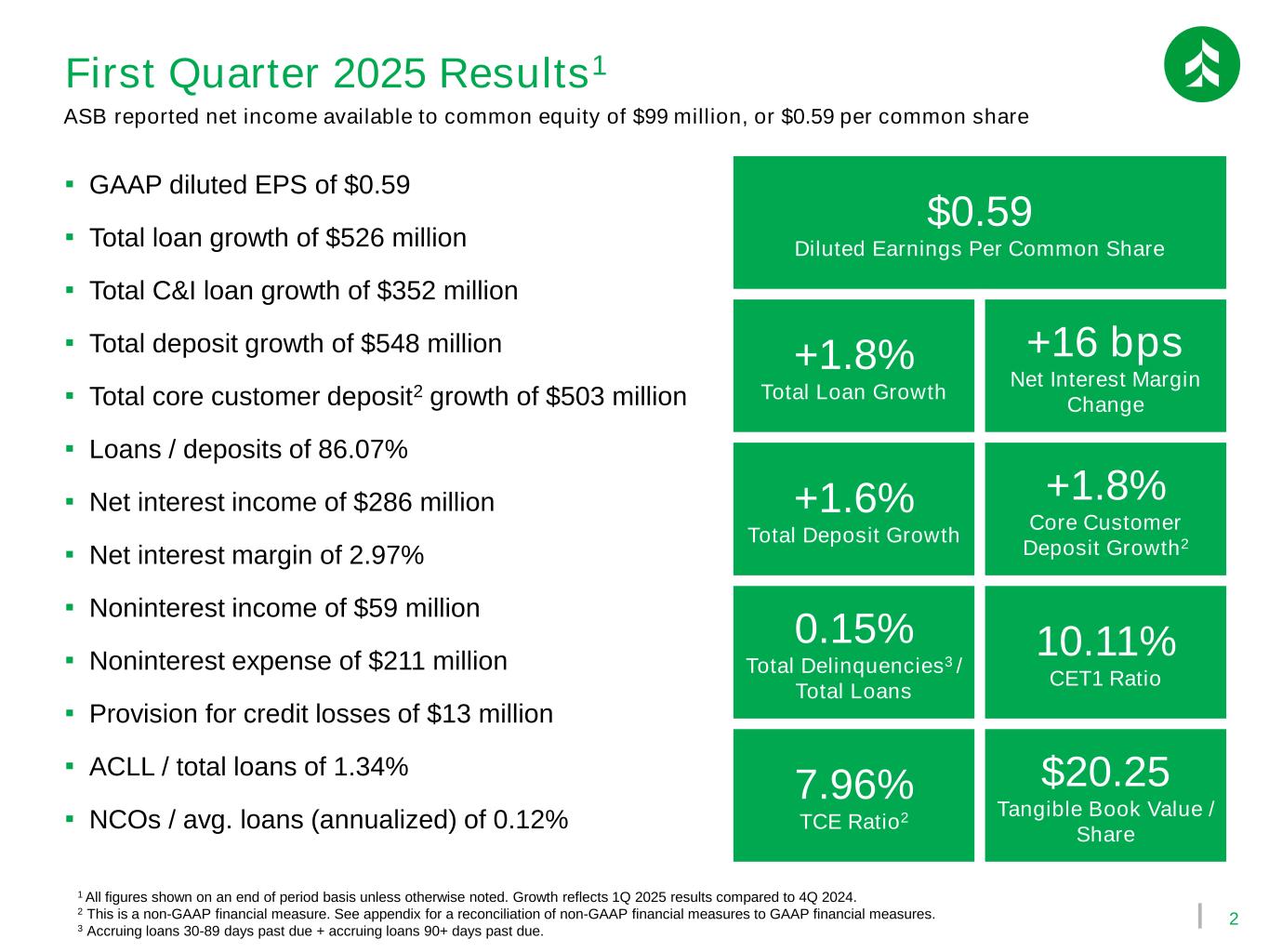
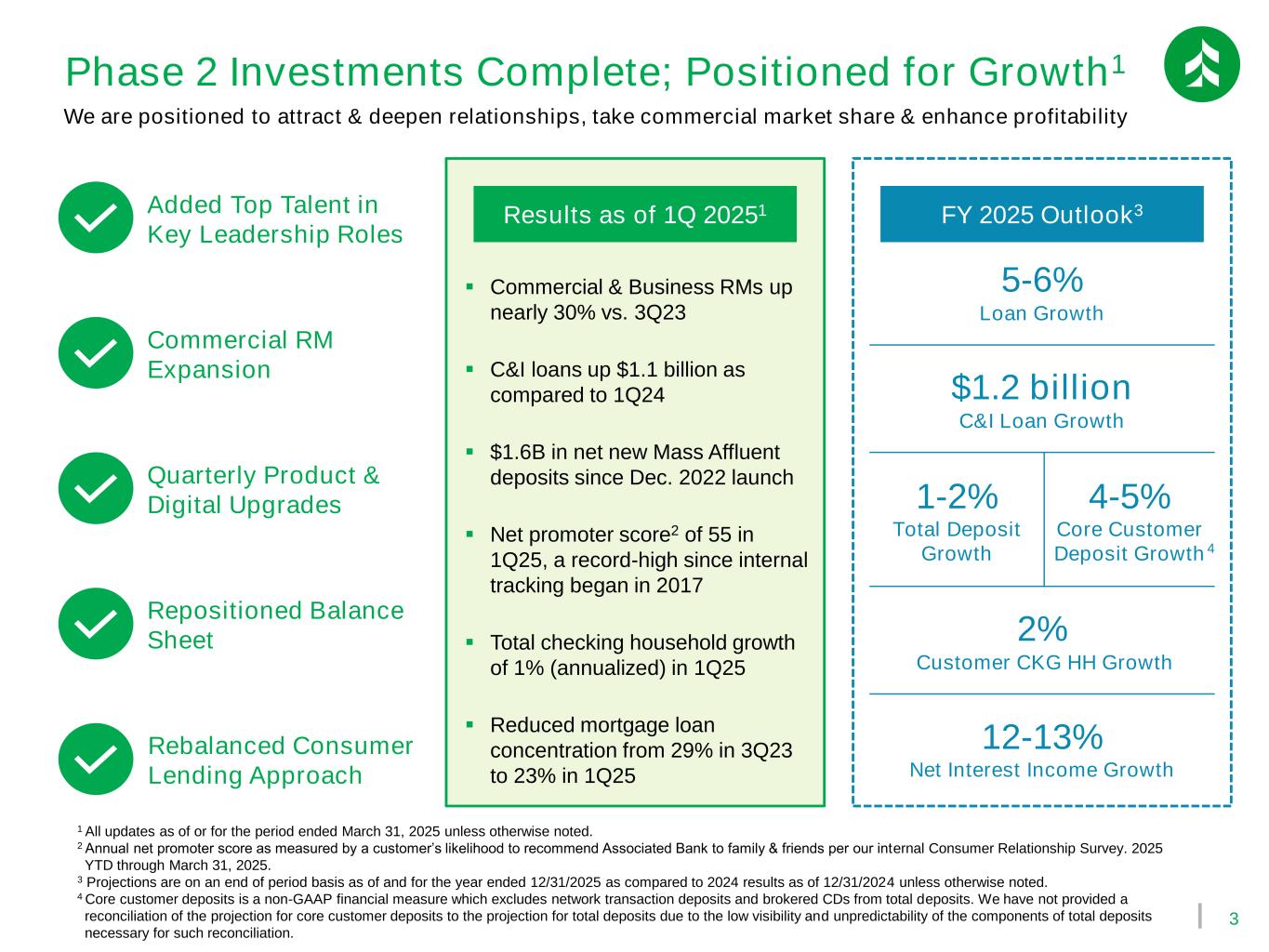
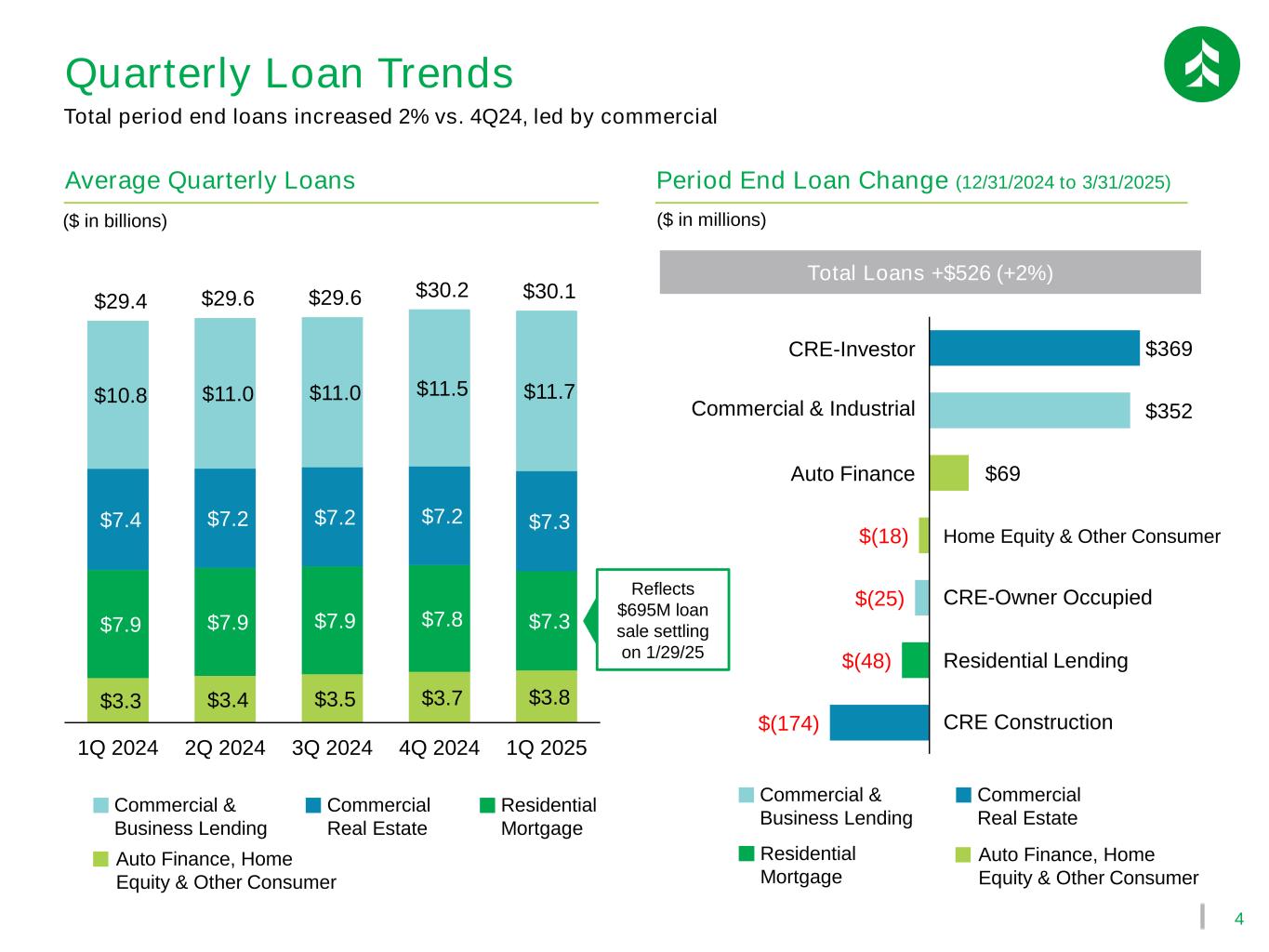
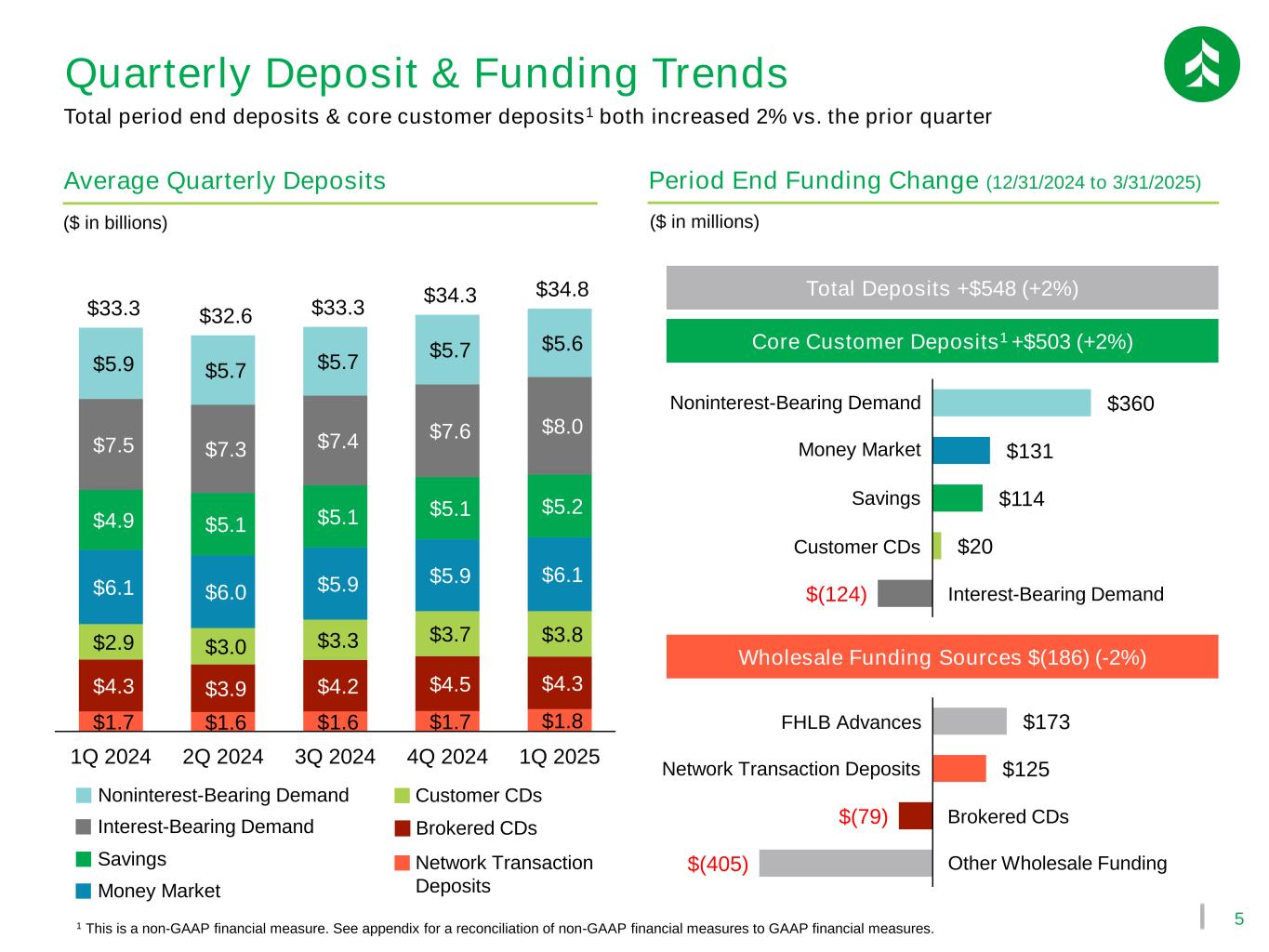
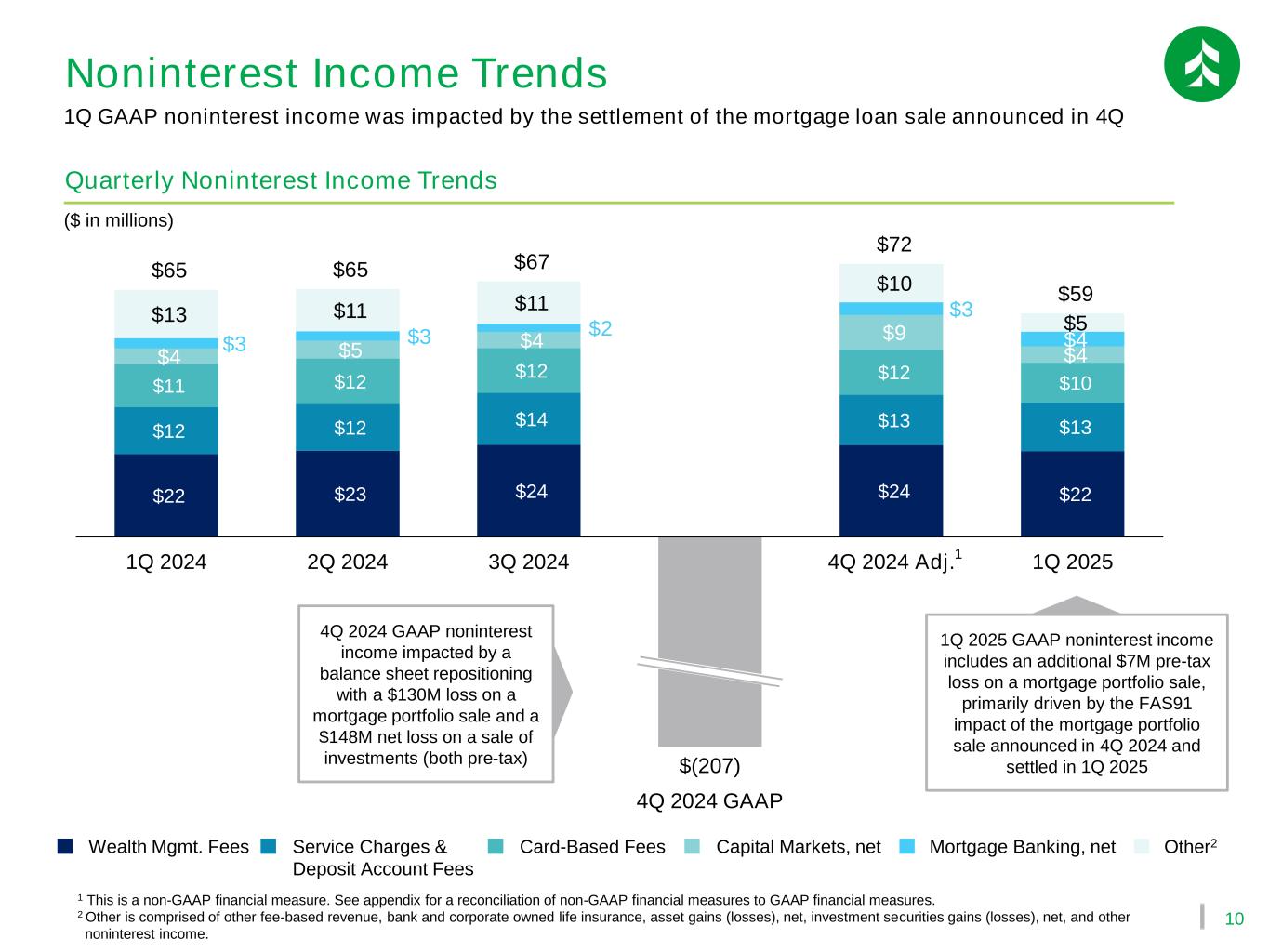
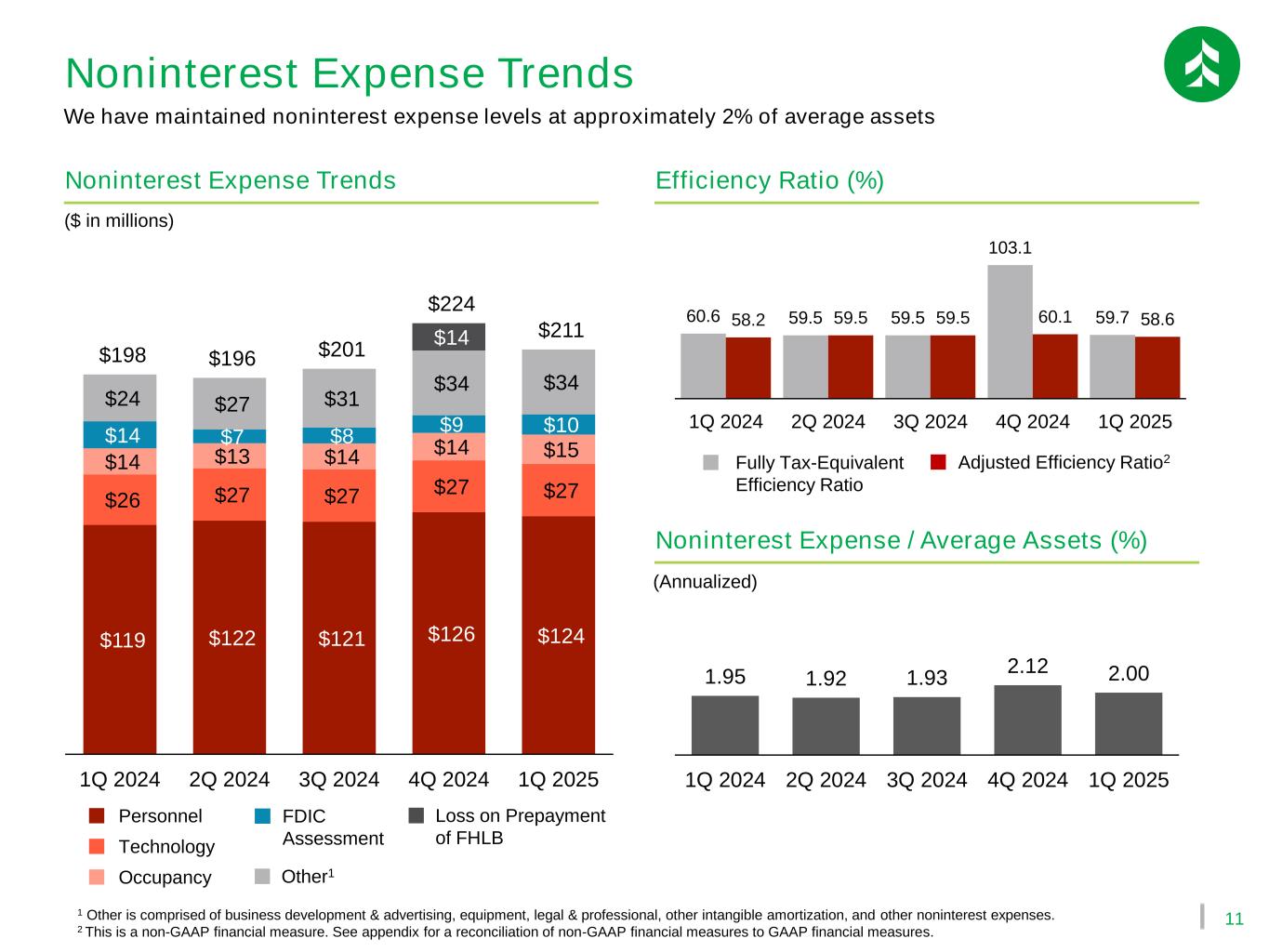
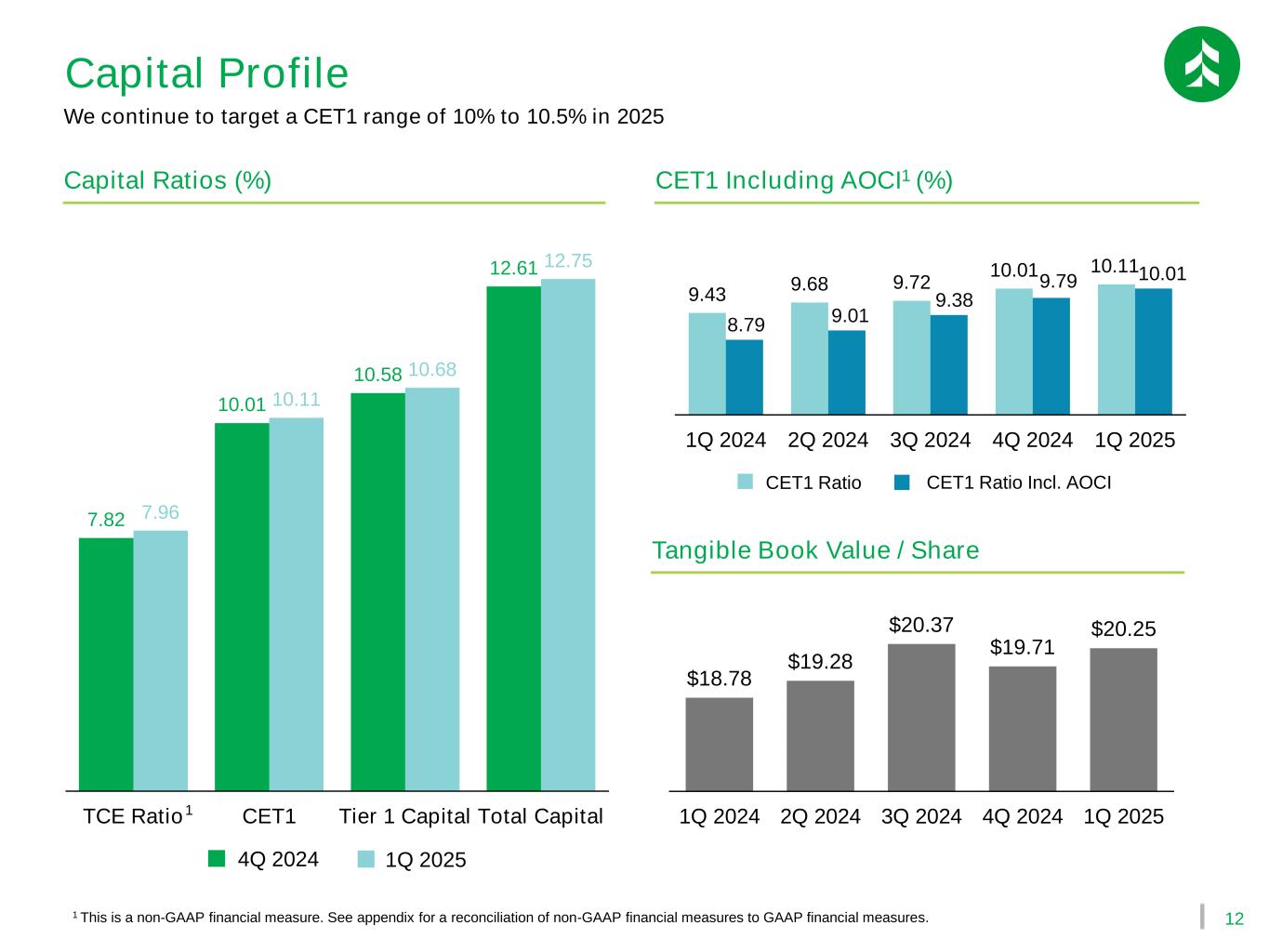
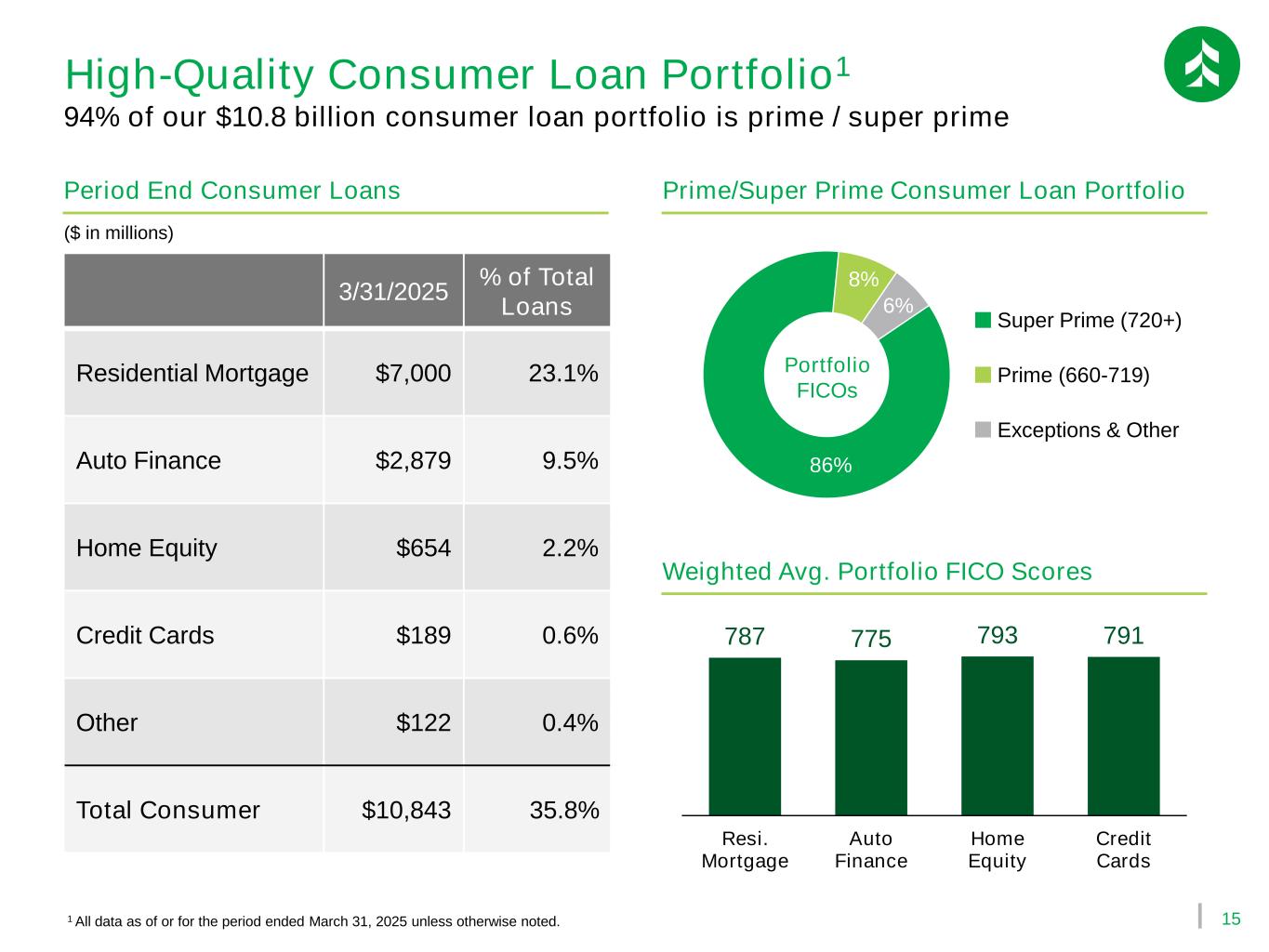
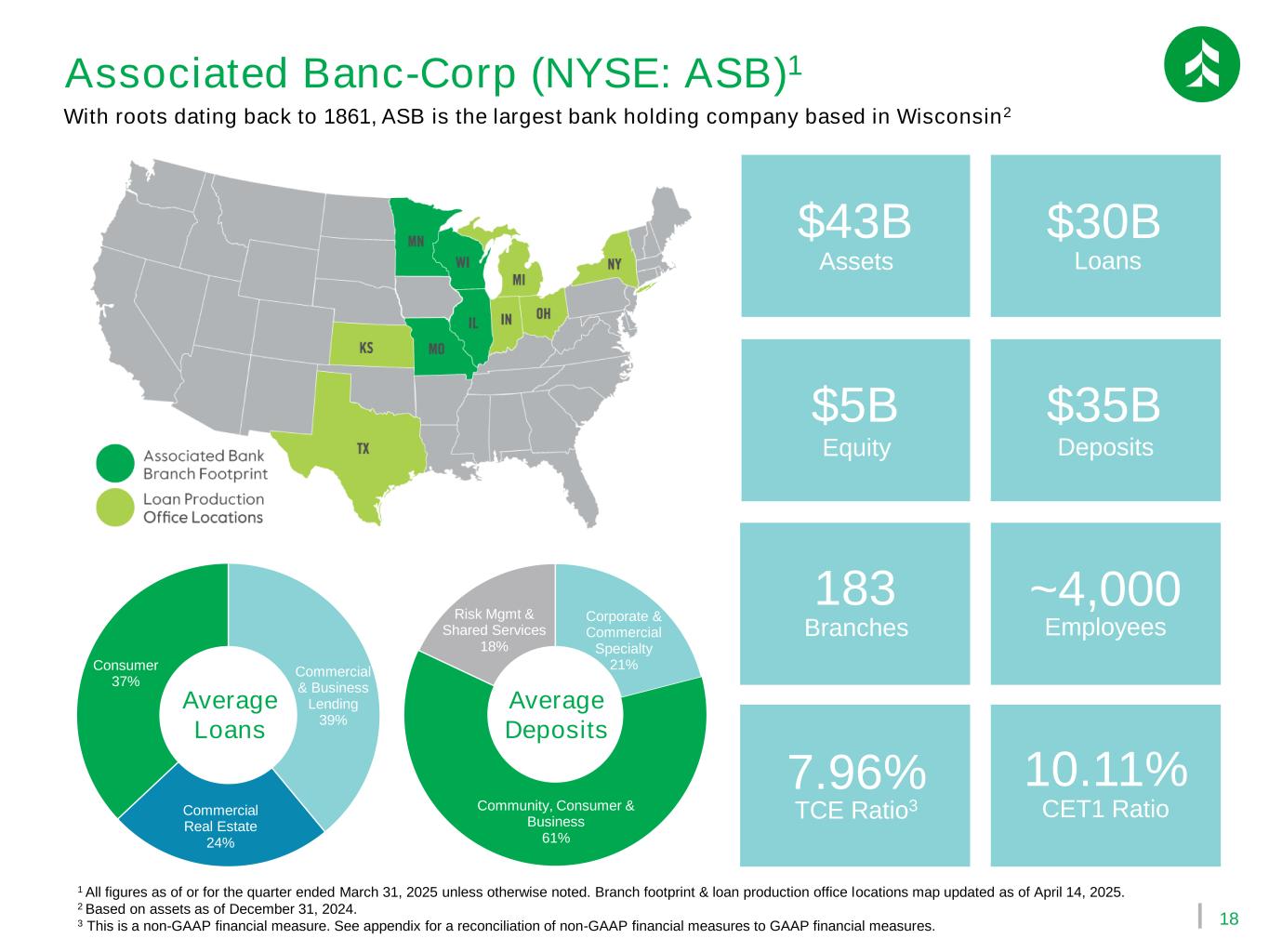
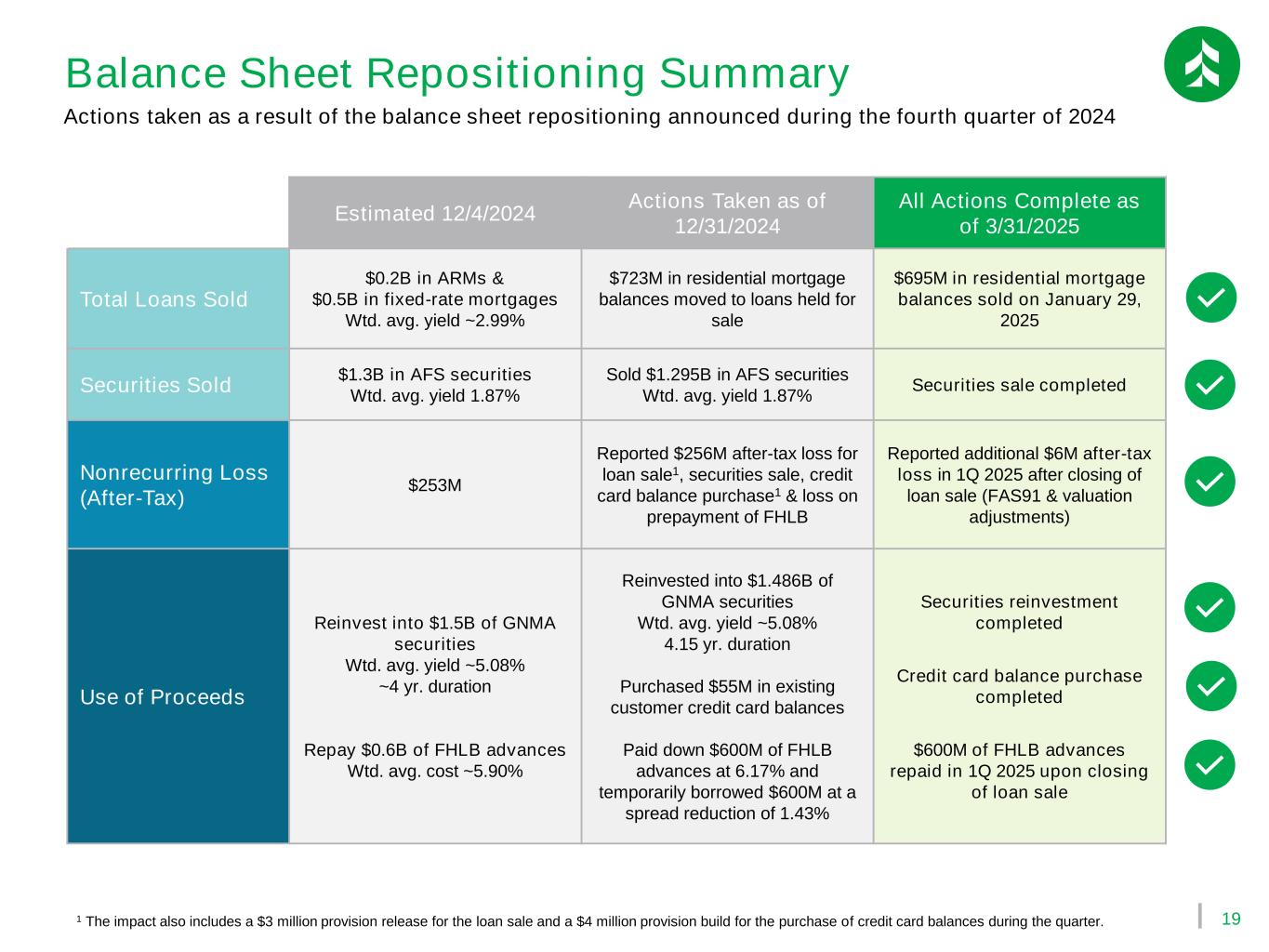
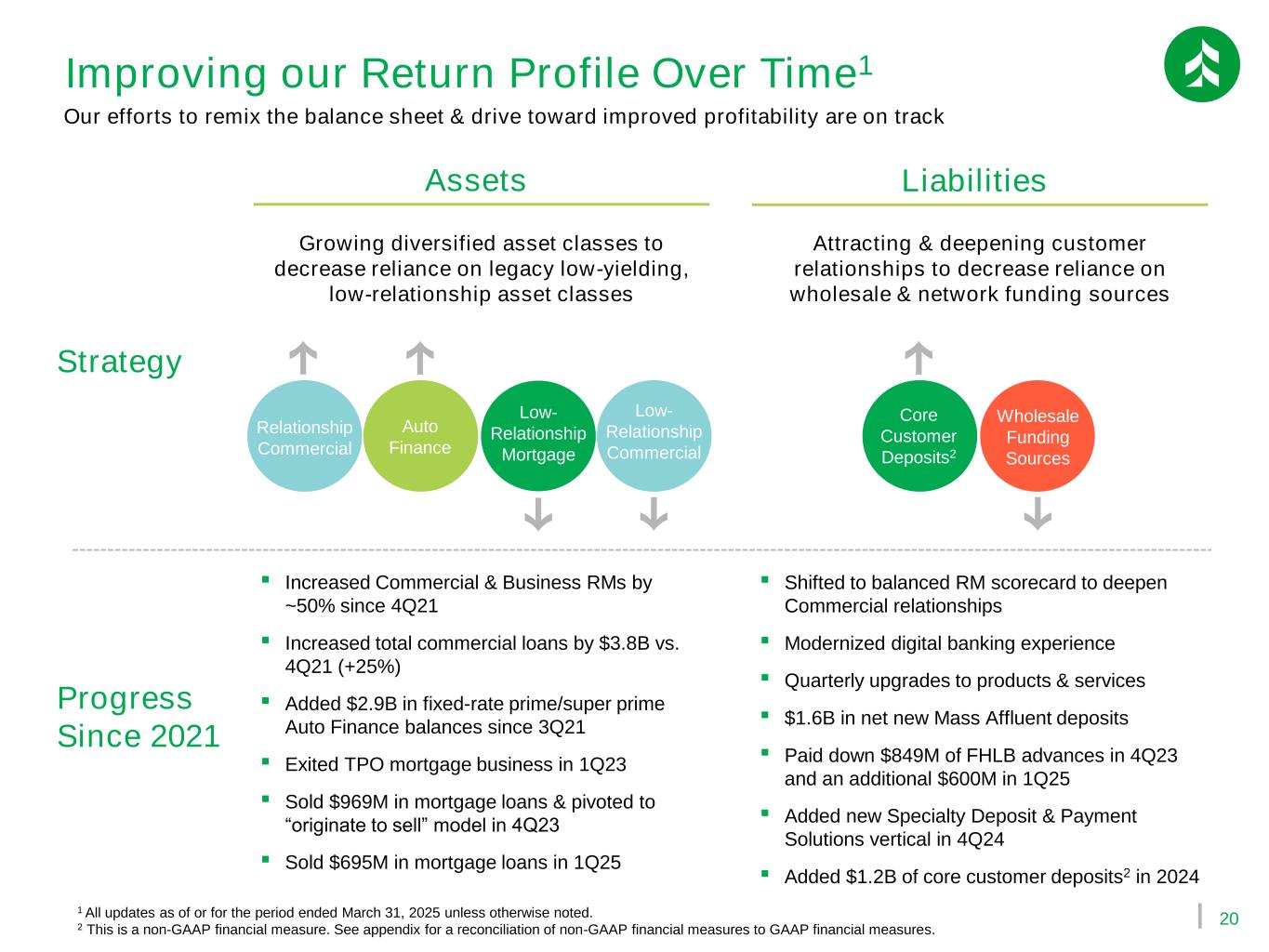
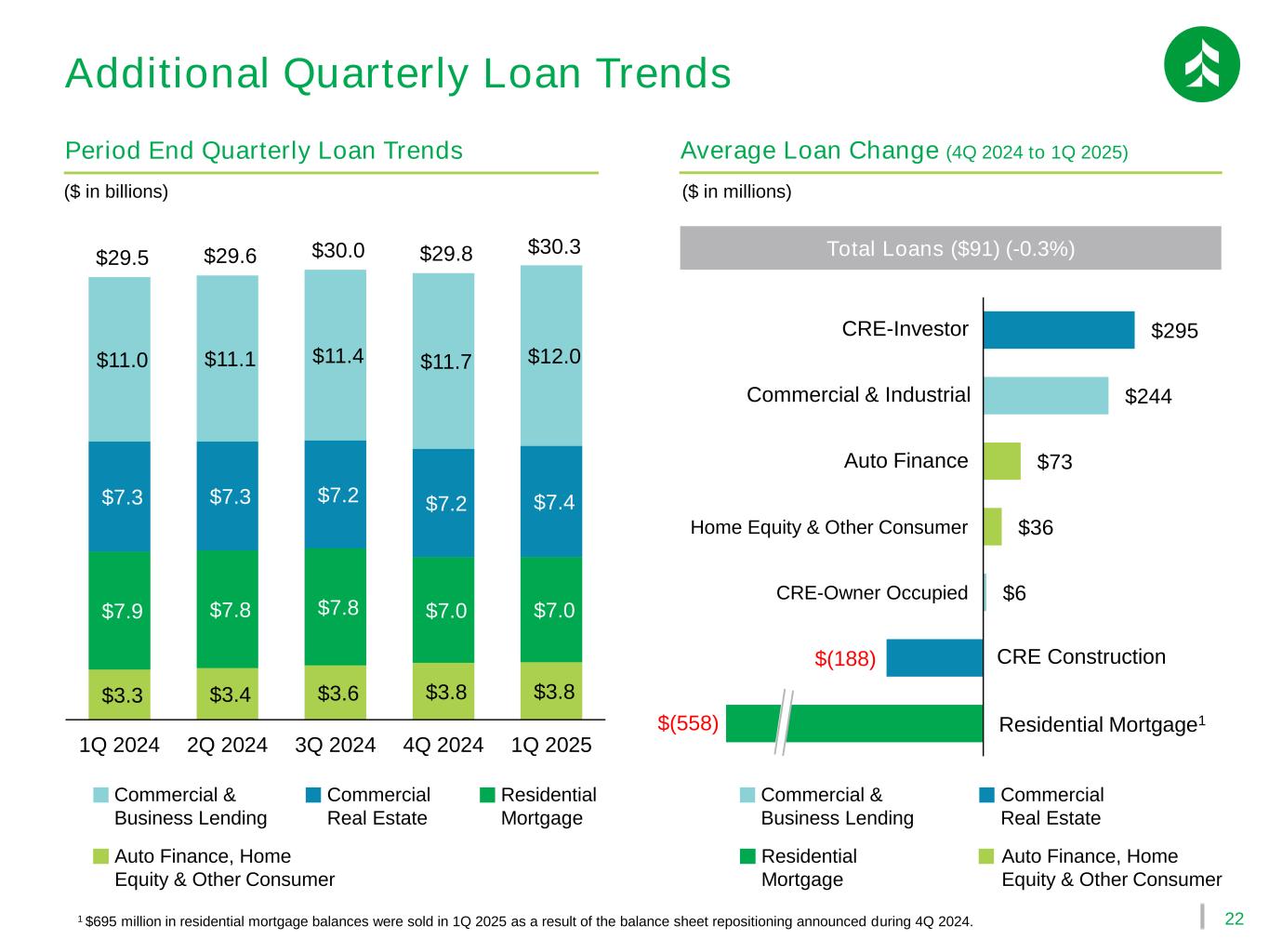
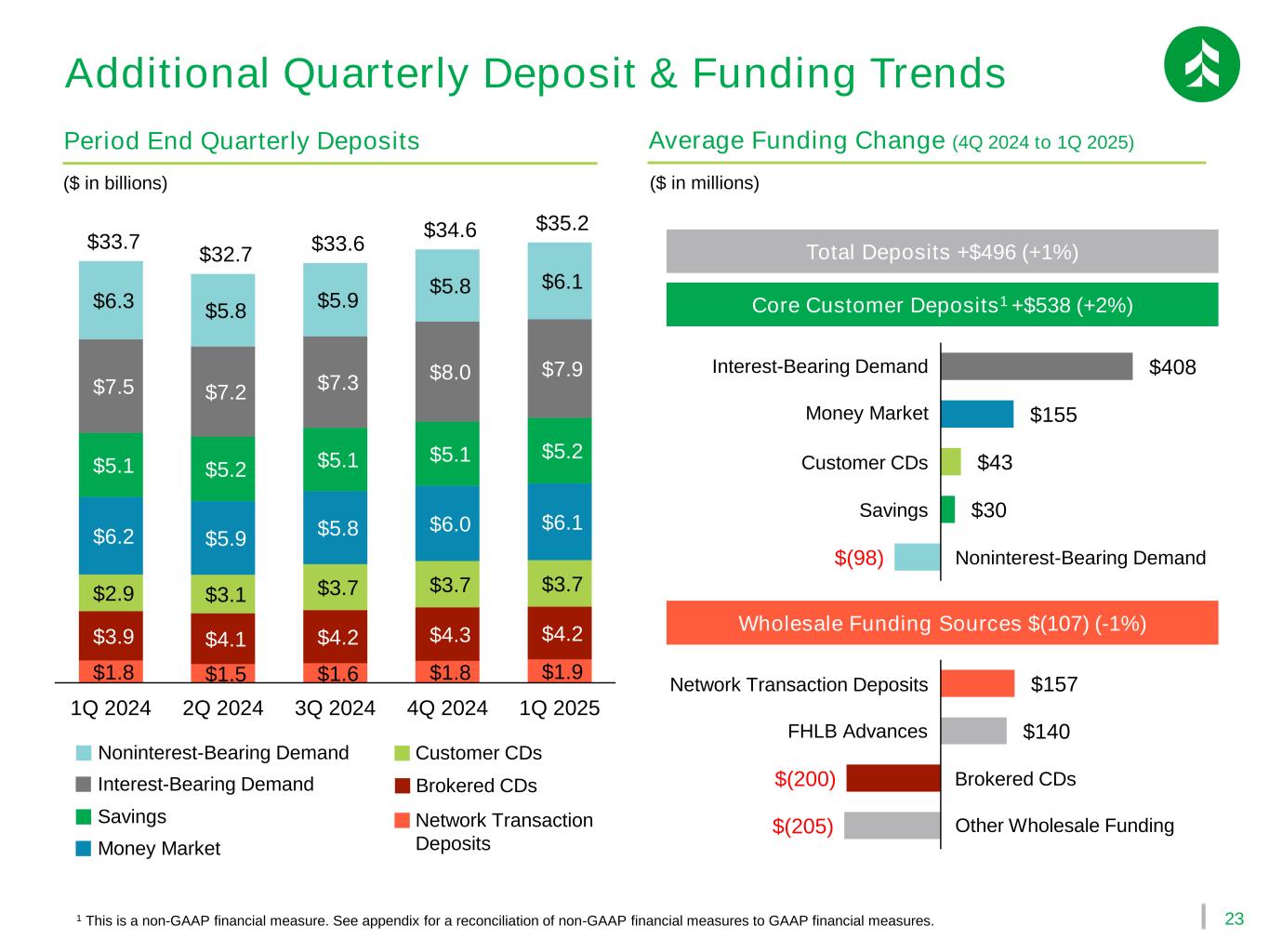
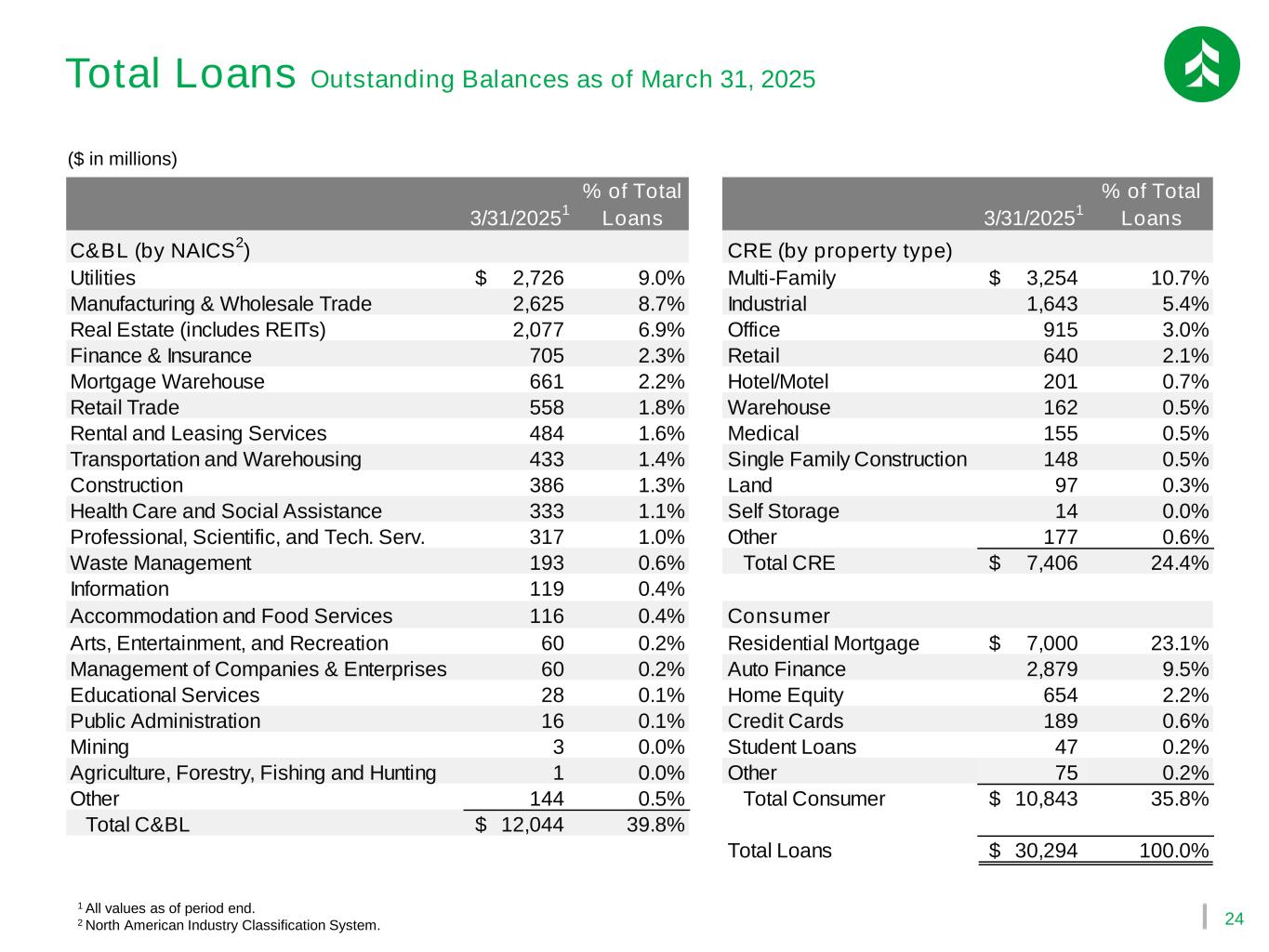
Well, good afternoon everyone. This is Andy Harmening and in addition to this being our first quarter earnings call, it is also opening night of the Draft here in Green Bay. So, pretty exciting time for us. I'm joined on our call by our Chief Financial Officer, Derek Meyer; and our Chief Credit Officer, Pat Ahern. I'll start off by sharing some highlights from the quarter. And from there, Derek will cover the income statement and capital trends, and Pat will share an update on credit. And while the macro picture has been clouded by talk of tariffs and trade negotiations, we've continued to see stability in our home Midwestern markets. Unemployment in Wisconsin, Minnesota and several other Midwestern states remains below the national average of 4.2%. Our largely super-prime consumer business has remained resilient, and our commercial customers continue to plan for the long-term while taking steps to protect their businesses against short-term volatility in the market. During the first quarter, we hit several key milestones in Phase 2 of our strategic plan and the hiring, the product launches, and all other major investments of Phase 2 have now been completed. In Q1, we completed the expansion of our commercial banking team, and we entered a promising new market with the lift-out of three talented RMs in Kansas City. We continue to bolster our consumer value proposition that is quickly becoming best-in-class by adding family banking to our product suite. And we completed the sale of $700 million in residential mortgage loans that we announced in late 2024 as part of a balance sheet repositioning. As we've continued to drive momentum with our strategic plan, that momentum has carried to our financial results. In Q1, we saw over $500 million in loan growth, over $500 million in core customer deposit growth, 16 basis points of margin expansion, and only 12 basis points of charge-offs. In addition to growing our balance sheet in Q1, we also added 10 basis points of CET1 capital. Thanks to our enhanced profitability profile, we are now able to deliver balance sheet growth and capital accretion simultaneously. Looking ahead, there is no denying that tariffs have injected uncertainty into the economy. We're proactively meeting with customers and monitoring our portfolios on a daily basis to stay on top of any emerging concerns. But to date, we have not seen any material changes in customer activity, line utilization, or credit quality. With that being said, our focus has remained squarely on what we can control, and we feel well-positioned for 2025 regardless of the macro picture. We're positioned to play offense, thanks to momentum from our strategic plan, which has given us an industry-leading consumer value proposition, a customer household base that is growing and deepening, record high customer satisfaction scores, and an expanded commercial team poised to take market share and an enhanced profitability profile. We are also well-positioned to play defense if necessary, thanks to the stability of our markets, our foundational discipline on credit, strengthened capital profile, bolstered liquidity, and sharpened risk management focus. As we've done for over 160 years, we stand ready to serve the financial needs of our clients. With that, I'd like to walk through some highlights from the quarter, beginning on Slide 2. For the first quarter, we reported GAAP earnings of $0.59 per share. Total loans grew by $526 million during the quarter, highlighted by another $352 million in C&I loan growth as our middle market commercial growth strategy has continued to take hold. Funding our loan growth primarily with core customer deposit growth continues to be a key priority of our plan. In Q1, we saw $502 million in core customer deposit growth. While our quarterly customer deposit flows are typically boosted by seasonality in Q1, core customer deposits were still up 4% compared to Q1 of 2024. Shifting to the income statement. Our net interest income increased $16 million from Q4 to $286 million, while our margin increased 16 basis points to 2.97%. As anticipated, we realized most of the benefit from our balance sheet repositioning in Q1, but we've yet to realize roughly 3 basis points of incremental NIM impact due to the timing of the loan sale, which closed in late January. We expect a full quarterly benefit of repositioning to flow through in Q2. In Q1, we posted GAAP non-interest income of $59 million, inclusive of a $7 million loss recognized upon closing of the loan sale as we accounted for the FAS 91 impact and slight valuation adjustments. Total non-interest expense finished at $211 million for the quarter, but that number also includes the impact of a $4 million OREO write-down that we wouldn't expect to be a recurring item. Staying disciplined on expenses remains a foundational focus for our company. We also continue to closely manage credit risk. In Q1, our delinquencies, charge-offs, and provision all decreased versus Q4. We remain committed to staying ahead of the curve by taking a disciplined, consistent approach to loan risk rating so we can better understand our credit risk in our portfolio by segment and by geography. Moving to Slide 3. Our company is in a better position than ever to drive organic growth. We announced in March that we've completed the expansion of our commercial team through a lift-out of three talented RMs in the Kansas City market. That announcement marked the completion of all major investments in Phase 2 of our strategic plan. And while we've already seen tailwinds start to emerge across the bank in the back half of 2024, 2025 is about monetizing our investments. We're in a great position to do so in commercial, where we've added top talent to our leadership team, increased commercial RMs by nearly 30%, and added specialty verticals that help us deepen relationships with our clients and diversify our business. These actions position us to take market share in key metros like Milwaukee, Chicago, Minneapolis, St. Louis, and Kansas City, where we're underpenetrated while still holding serve in our important home market of Green Bay. We also have a consumer value proposition that competes with anyone in the industry, which has translated to record high customer satisfaction, positive household growth, and higher-quality households. The investments we've made in talent, products, marketing, and technology have positioned us to attract and deepen customer households sustainably over time. As we mentioned last quarter, each percentage point increase in our household numbers represents approximately $150 million in incremental deposits. Ultimately, we expect our efforts to translate to growth in lower-cost core customer deposit categories that enable us to further decrease our reliance on wholesale funding sources. We've also provided ourselves with additional capacity to grow in more profitable relation-driven lending categories by taking several actions to reduce our concentration of low-yielding non-customer residential mortgage loans. We've reduced our resi loan concentration from 29% in Q3 of 2023 to 23% in Q1 of this year. As we think about what comes next, we're going to continue to invest in our business and our leadership team has plans to sit down together later this quarter to align on what the next wave of investments might look like. In the meantime, Phase 2 has put us in a position of strength for 2025 and beyond, and we look forward to building on that momentum. On Slide 4, we highlight our loan trends through the first quarter. Total average quarterly loans decreased slightly during the quarter with the decrease primarily driven by the recognition of the $695 million mortgage loan sale that settled in January. Total period-end loans, which exclude the impact of the loan sale, increased by 2% or $526 million point-to-point. Segment growth was led by the CRE investor category, but this was once again heavily influenced by the completion of construction projects during the quarter. As a whole, the commercial real estate category increased by $196 million. The limited production we've seen is lower risk, underwritten at today's higher interest rates and expenses and lower leverage with highly experienced and tested CRE clients. We continue to expect elevated payoffs in the coming quarters, but payoff activity remained limited in Q1. As mentioned previously, the commercial and industrial category continued to perform strongly, adding another $352 million in Q1. We do not have reason to believe this number is inflated meaningfully by preemptive inventory builds, line draws, or other activity tied to tariffs. Line utilization levels held steady in Q1 and have remained below pre-COVID levels. Finally, auto finance balances grew by $69 million in Q1 as we've continued to diversify our consumer portfolio. We expect auto to continue growing at a decreasing rate in future quarters as the portfolio matures. And we continue to expect commercial and industrial loan growth of $1.2 billion and total bank loan growth of 5% to 6% for the year.
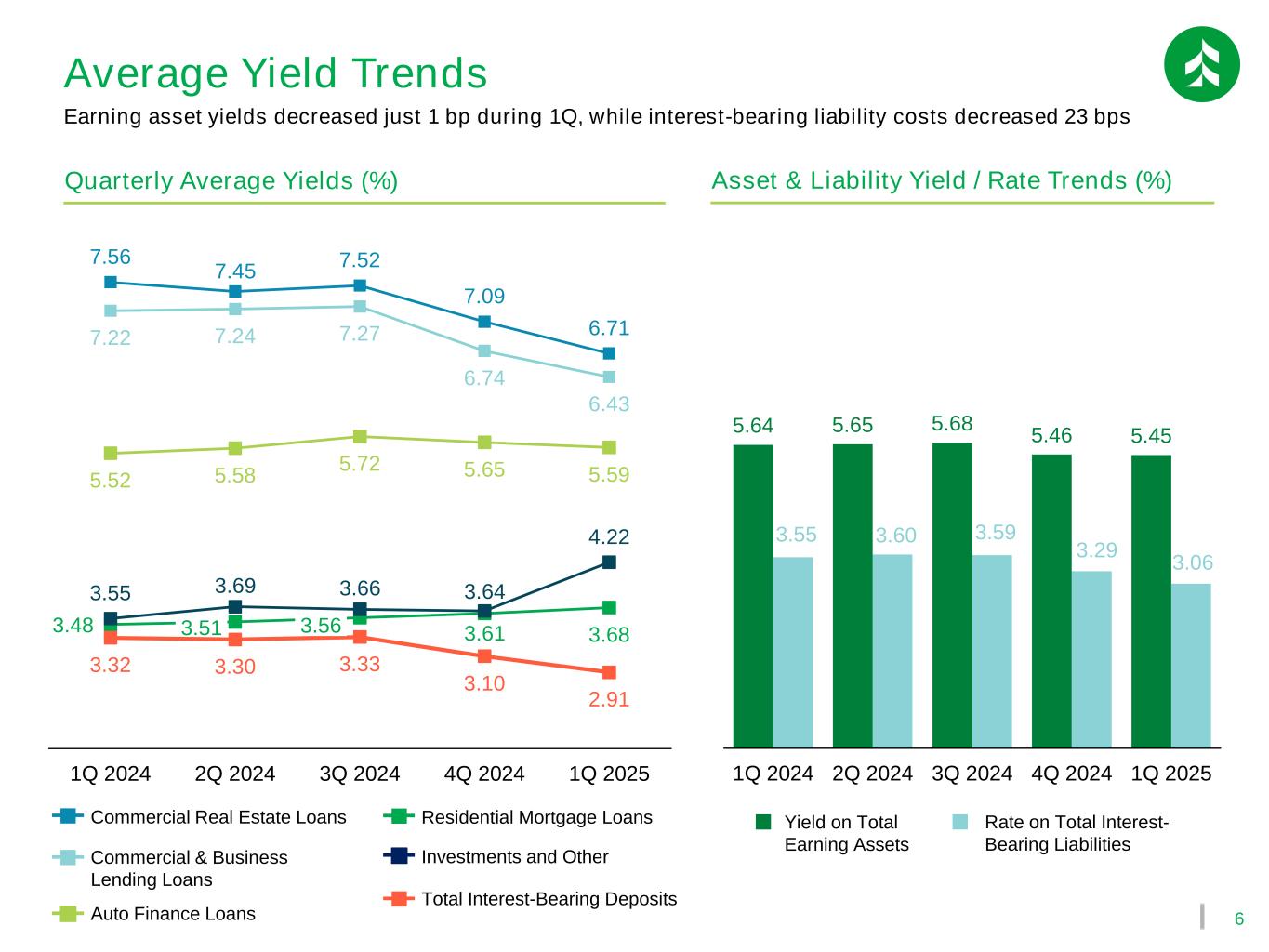
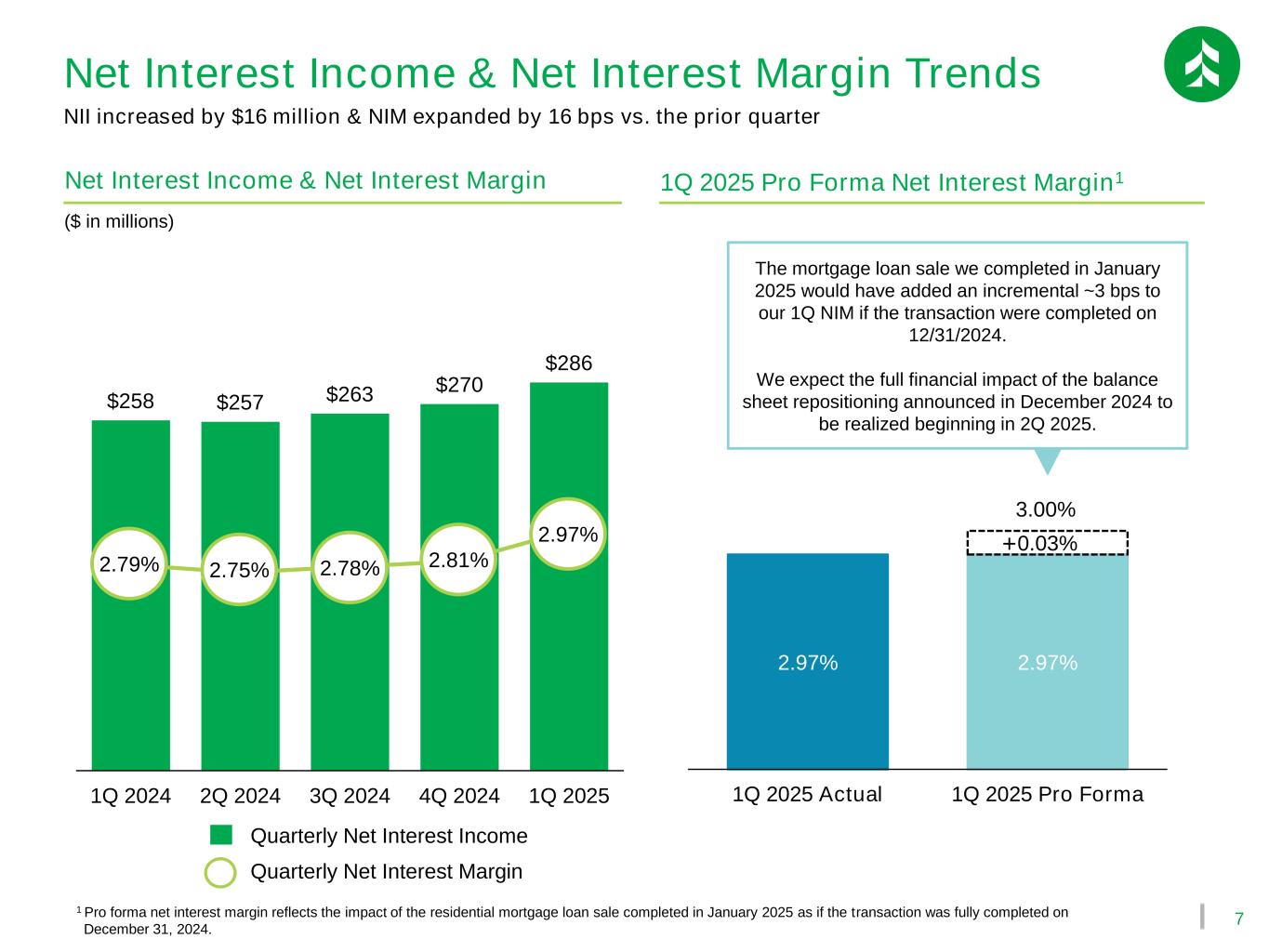
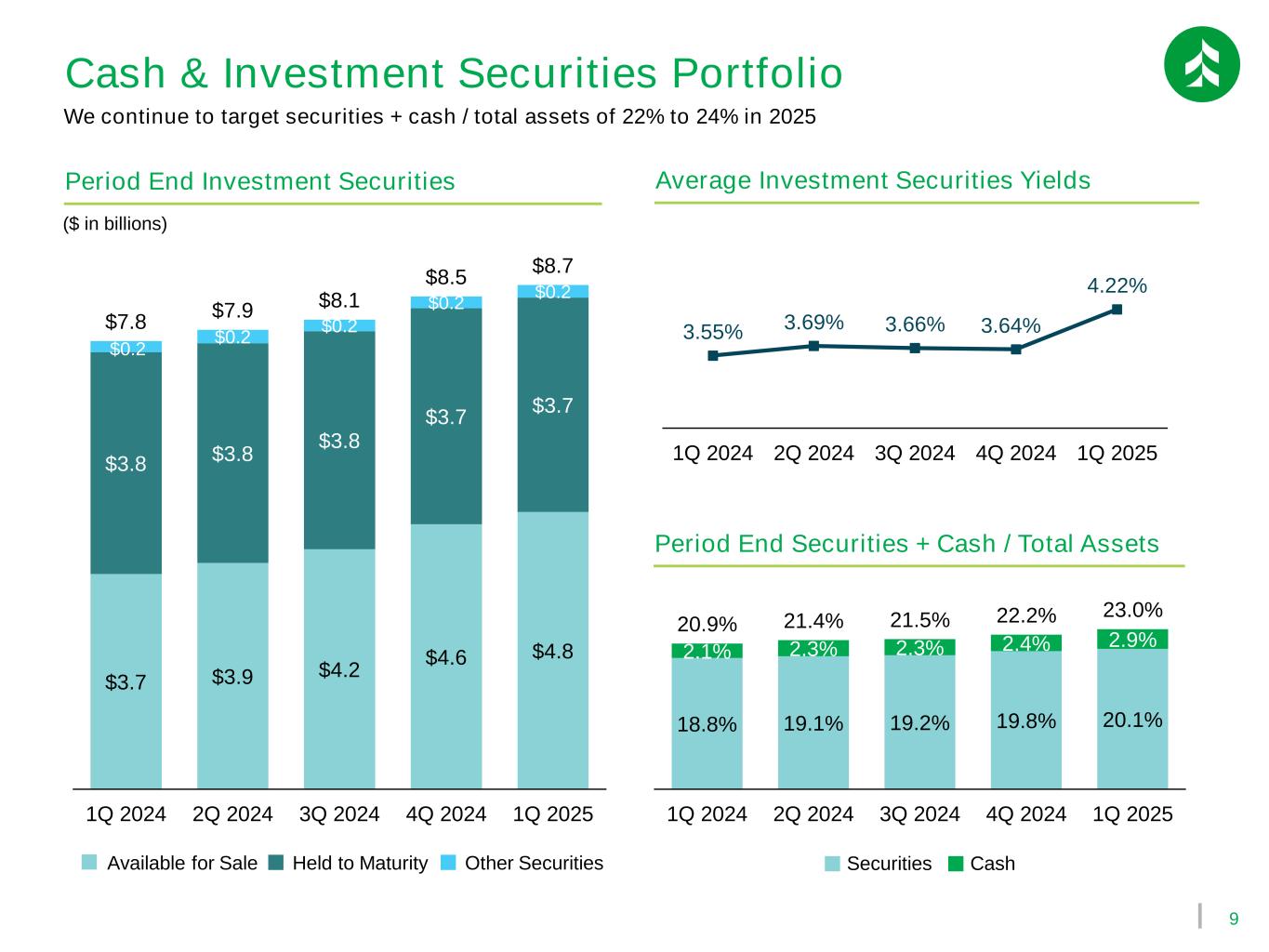
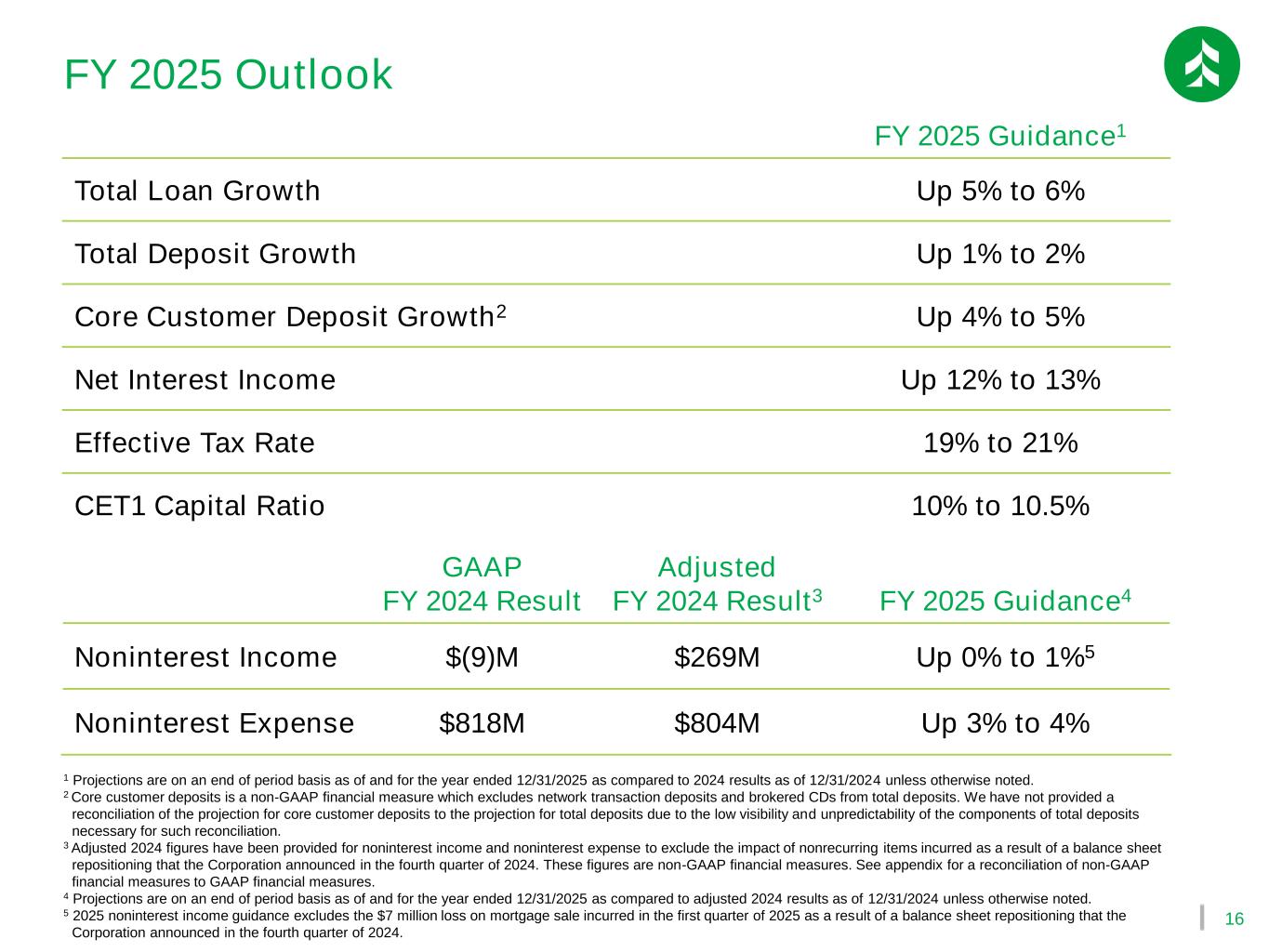
Thanks Andy. I'll start with our asset and liability yield trends on Slide 6. In Q1, earning asset yields decreased by just 1 basis point during the quarter with anticipated decreases in our floating rate CRE and C&I portfolios, largely being offset by an increase in investment yields following the securities repositioning that was completed at the end of Q4. On the other side of the balance sheet, total interest-bearing liability costs decreased by 23 basis points. We remain pleased by our ability to reprice deposits downwards each of the past two quarters. And after seeing interest-bearing deposit costs decreased by 23 basis points in Q4, they fell by another 19 basis points in Q1, landing at 2.91% for the quarter. One area we benefit from is time deposits. Cost on time deposits decreased by 23 basis points in Q4 and by another 27 basis points in Q1. With nearly $8 billion in CDs scheduled to mature over the next 12 months, we expect additional repricing opportunities in 2025. Moving to Slide 7. Our total net interest income grew to $286 million in Q1, a $16 million increase versus the prior quarter and a $28 billion increase versus Q1 of 2024. Our net interest margin expanded by 16 basis points to 2.97%. Both increases were largely driven by the balance sheet repositioning announced in December. However, we also saw approximately 2 basis points of organic NIM expansion during Q1. Due to the timing of the loan sale, which settled in late January, we have not yet fully recognized a full quarter's benefit of the balance sheet repositioning. On a pro forma basis, we estimate that the loan sale would have added approximately 3 more basis points to our Q1 net interest margin had the transaction settled on December 31st, 2024. Based on our latest expectations for balance sheet growth, deposit betas and Fed action, along with the enhanced profitability from our balance sheet repositioning, we continue to expect to drive net interest income growth of between 12% and 13% in 2025. This forecast assumes four rate cuts in 2025 versus two rate cuts previously.
Speaker 3
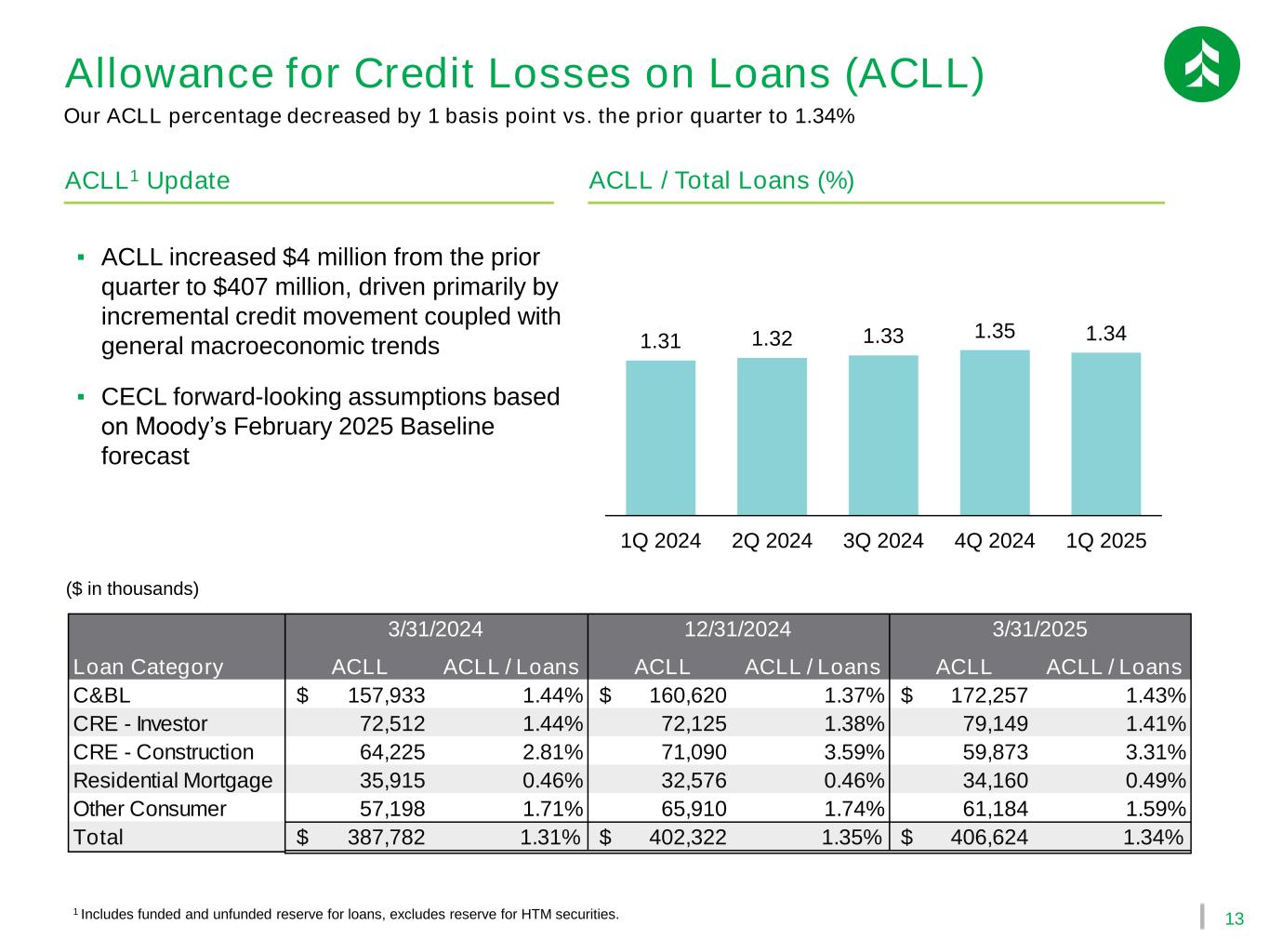
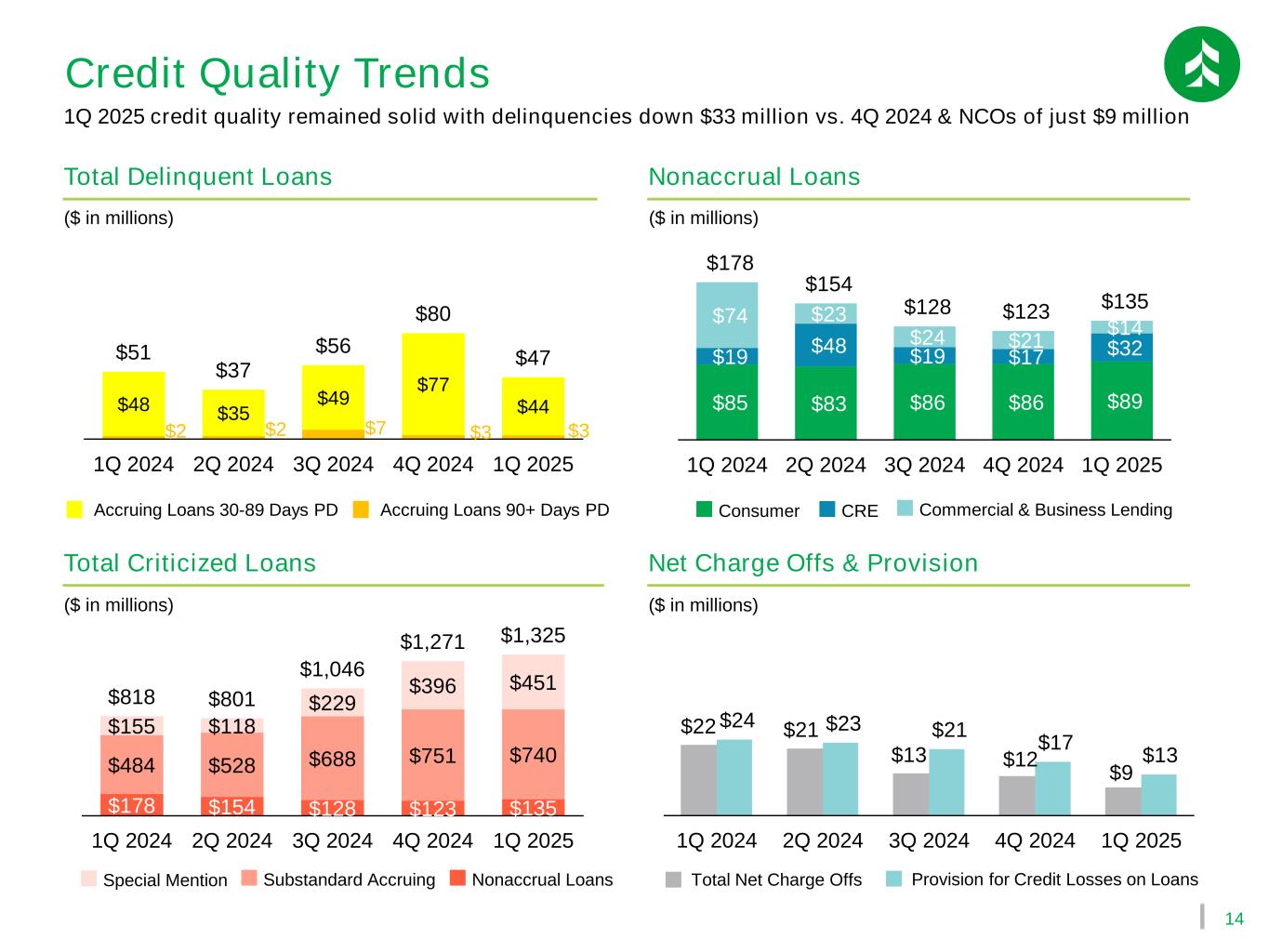
Thanks Derek. I'll start with an allowance update on Slide 13. We utilized the Moody's February 2025 baseline forecast for our CECL forward-looking assumptions. The Moody's baseline forecast remains consistent with a resilient economy despite the high interest rate environment. The baseline forecast contains no additional rate hikes, slower but positive GDP growth rates, a cooling labor market, and continued deceleration of inflation with continued monitoring of ongoing market developments. Our ACLL increased by another $4 million in Q1 to finish the quarter at $407 million with increases in the commercial and business lending, CRE investor, and mortgage categories, partially offset by decreases in the CRE construction and other consumer categories. The uptick in commercial stemmed from a combination of loan growth plus normal movement within risk rating categories. Altogether, our reserves to loan ratio decreased by 1 basis point from the prior quarter and increased 3 basis points from the same period a year ago to 1.34%. Moving to Slide 14. We maintain a high degree of confidence in the quality of our loan portfolio, but continue to review our portfolios closely given emerging uncertainty in the macro picture and recent trade policy announcements. In Q1, our portfolio continued to perform well. Total delinquencies decreased to $47 million in Q1, a $33 million decrease from the prior quarter, and $4 million lower than the same period a year ago. Total criticized and classified loans increased slightly from the prior quarter. The majority of this increase was driven by migration within the CRE and C&I categories. Similar to the past couple of quarters, we do not feel this increase is an indication of a significant shift in the credit profile of the portfolio nor does it represent an increased risk of loss, but rather a reflection of conforming to industry guidance and our proactive and conservative approach relative to credit changes. We continue our ongoing portfolio deep dives and don't see a systemic shift in our commercial portfolios. We continue to see resolution with some of our more stressed credits and liquidity remains present in the market in terms of both payoffs and loan re-margin. After three consecutive quarterly decreases, total non-accrual balances increased slightly to $135 million in Q1, with increases in CRE and consumer, partially offset by a decrease in C&I. We remain comfortable with this level of non-accrual loans, which has reflected the normal course of business activity. To that point, Q1 non-accruals were down $43 million or 24% from the same period a year ago.
In summary, we'll continue to closely monitor impacts to the economy and our customers as trade negotiations evolve, but we feel well-positioned as a company, thanks to the emerging momentum of our strategic plan. Based on a good start to the year, growing commercial pipelines, stable credit trends, appropriate expense management, and emerging impacts on the economy in the second half of the year, we've affirmed our forward-looking guidance for balance sheet and income statement expectations in 2025. With that, let's open it up for questions.
Operator
Certainly. We'll now be conducting a question-and-answer session. Our first question today is from Timur Braziler from Wells Fargo Securities. Your line is now live.
Speaker 4
Hi, good afternoon.
Speaker 4
Trying to gauge the second quarter NII, it looks like there's quite a few tailwinds that you guys are benefiting from, whether it's the end-of-period loans versus the average or the DDA end-of-period versus average. Can you just help frame kind of beyond the 3 basis point recognition on the mortgage book, just how second quarter is shaping up from some of these late 1Q actions?
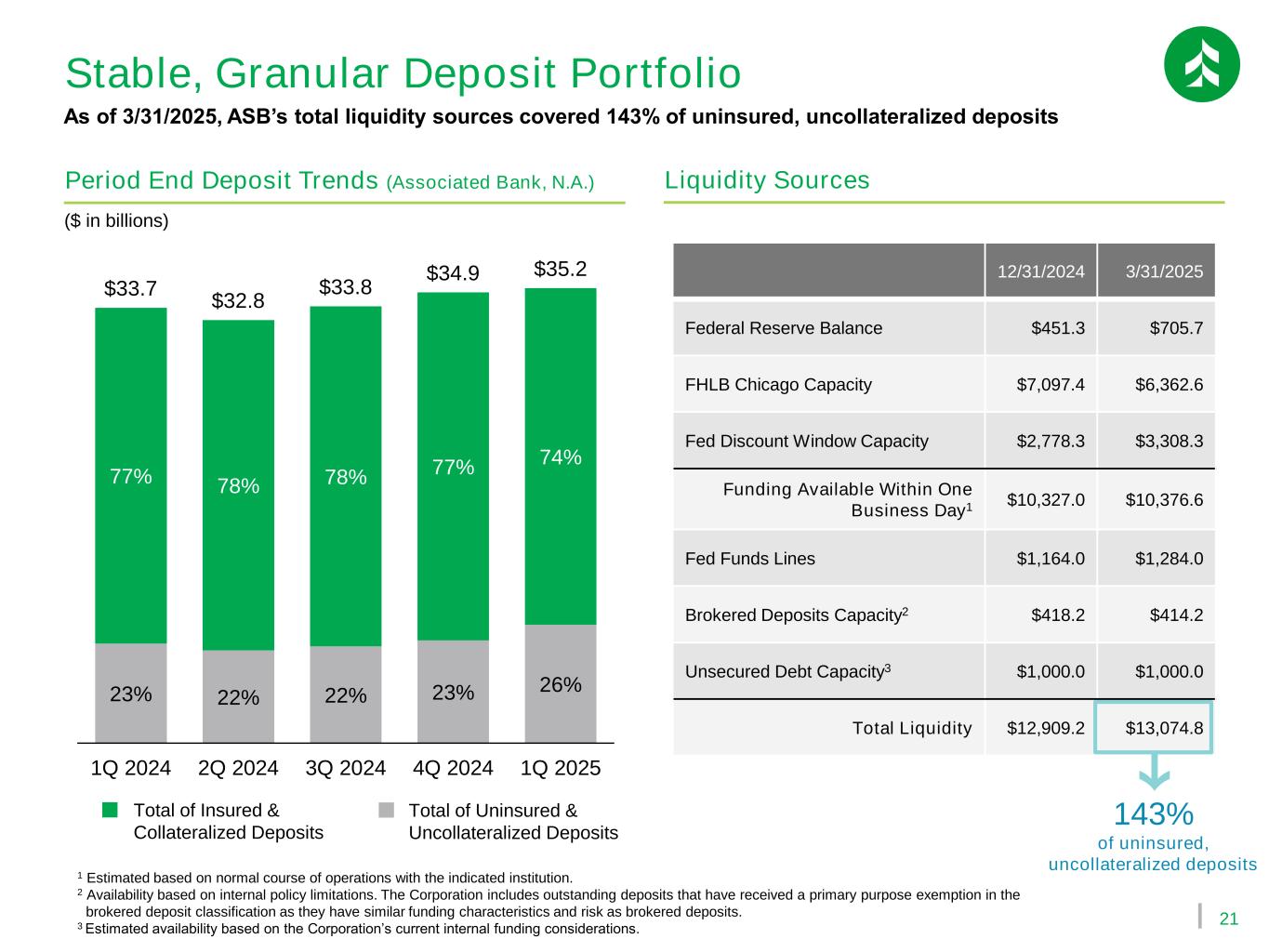
When I reflect on the second quarter, I recognize that there are some clear advantages as we move forward, including the sale of our portfolio and the improvements we've observed throughout the quarter. Like many others, we've taken advantage of a deposit market that we've been able to reprice. However, I anticipate that while we can continue this repricing trend, the gains across the industry may be slightly diminished as some CDs mature at lower rates. Although we're pricing these down, the mixture is a bit different while maintaining similar volumes. On our end, we've experienced cyclical growth in deposits, and we have various strategies to manage deposits effectively. Overall, we are optimistic about our deposit situation, though we may not see as significant an increase in the second quarter. Ultimately, we believe we have momentum as we head into the second quarter, which we expect will translate into net interest income. In summary, considering loan growth, deposit growth, margin adjustments, pricing strategies, and customer acquisition, we believe we are well-positioned heading into Q2.
Speaker 4
Okay. And then I guess just in terms of deposits, can you maybe box in the magnitude of the seasonal outflows that you're expecting in 2Q? And are most of those coming out of that DDA bucket?
No. The non-interest-bearing deposits appear to have stabilized for us. It's easier to understand the impact on deposits when considering the various factors that come together and balance each other. If I focus solely on deposits, it's important to note that we're expanding our customer base and experiencing strong growth in our HSA business, which is seeing double-digit customer growth. Our commercial team has also added over 25 members, and we've expanded our offerings for higher affluent clients and expertise in branches and private wealth. While we don't disclose specific quarter-by-quarter deposit growth projections, I am confident in our ability to grow deposits largely through our customer base due to the efforts we have put in. Additionally, improvements in customer retention are noteworthy; our Net Promoter Score reached 55 in the first quarter, marking a record high for our company. This reflects positively on our product offerings and services, which in turn helps retain customers. Overall, I believe we are in a strong position as we approach Q2, and I expect this momentum to carry us through the year.
Speaker 4
Great. Thanks for that. And then just looking at the commercial loan growth in particular, how much of that is somewhat insulated from the macro just given the hiring and bringing over the backlogs? And I guess just on the thought of loan growth here, just talk to us about building out and accelerating some of that growth into some of this macro uncertainty?
Yes, that's a great question. We began our initiative in the fourth quarter of 2023, and now, 15 to 18 months later, we have gained real momentum. We have hired more people and are not dependent on a strong GDP for growth. We believe we can enhance commercial loans in a low GDP market by capturing market share with quality customers. It typically takes six to 12 months for new hires to become fully operational, and we are mindful of the non-solicitation periods, which last about 12 months. We monitor these expirations quarterly, and we are seeing an increase in the number of people becoming available. By the first quarter of 2026, those restrictions will no longer apply. For instance, we have four people whose non-solicitation period expired in the fourth quarter of 2024, four more in the first half of 2025, and six others in the second half. We firmly believe that despite a potential decrease in GDP, we can still achieve growth by increasing our market share.
Speaker 4
Great. Thank you for the color.
Operator
Thank you. Next question today is coming from Daniel Tamayo from Raymond James. Your line is now live.
Speaker 5
Thank you. Good afternoon guys.
Speaker 5
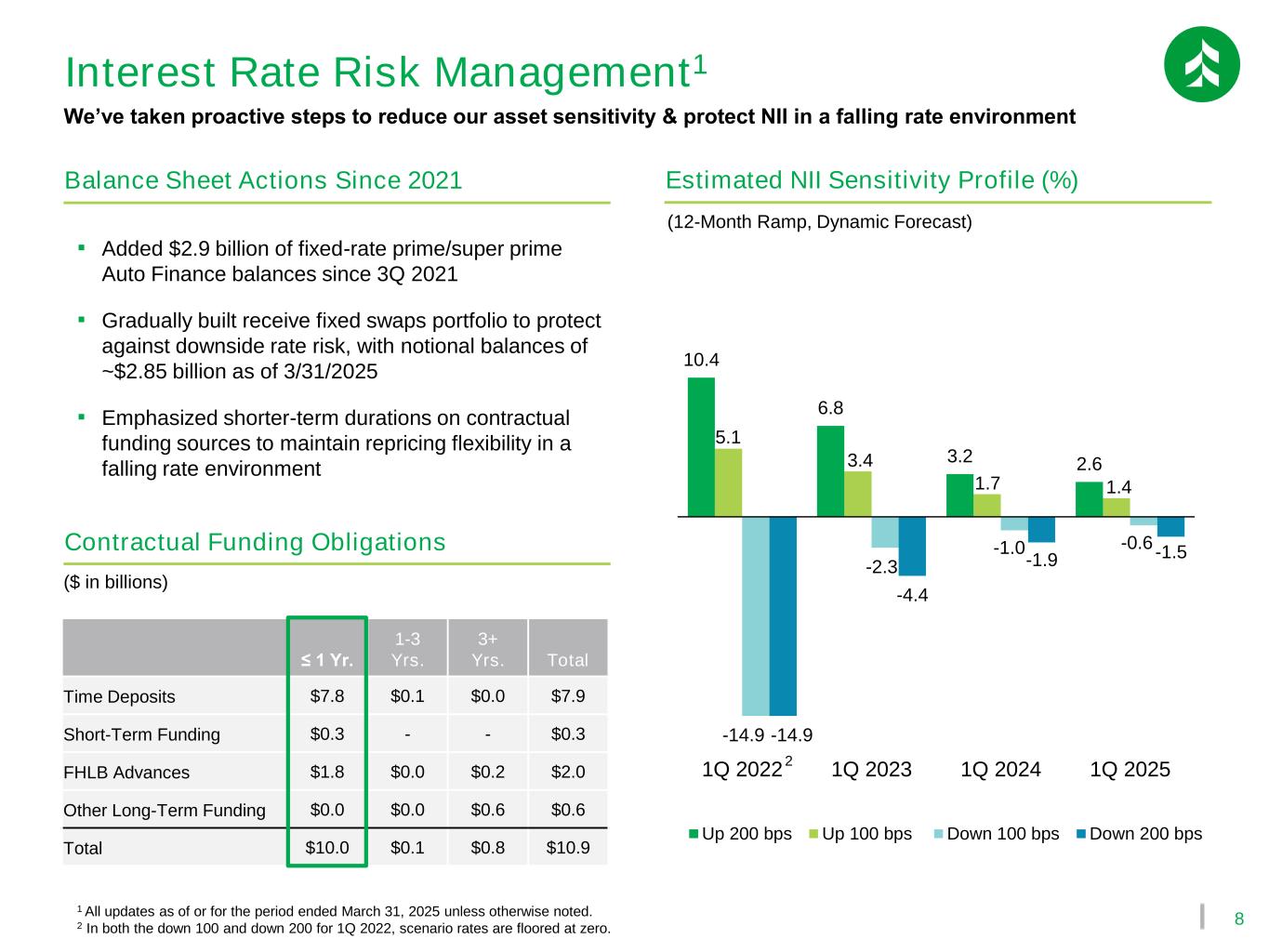
Yes, I guess my first question, you guys talked about it. It's in the slide deck, but the balance sheet looks like it's really close to neutral now. We've talked about the impact being relatively muted, but should we think about NIM impact from each 25 basis point cut at this point to be mostly hedged out?
Well, I'll start that and pass it to Derek. The first simple answer is, yes, we are way more neutral than we've been in the past, certainly when I got here four years ago. Derek, do you want to speak to what that looks like then?
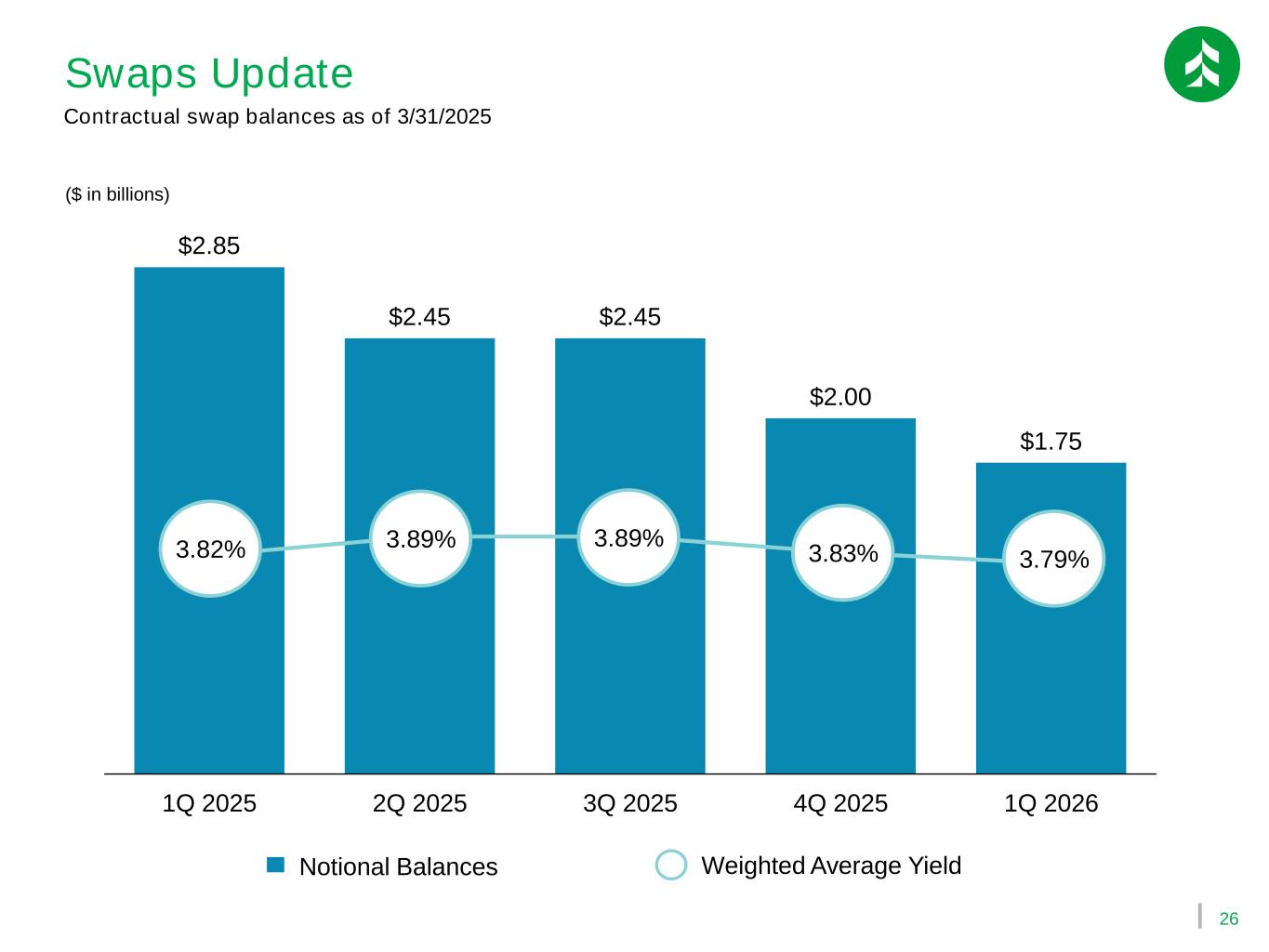
Yes. So, a 125 basis point cut would cost us about $500,000 per quarter. So, it really is very neutral. And the deposit mix, the CD repricing and the asset growth, all of which to the earlier set of questions, looks really strong are bigger drivers than how many rate cuts are left in the year.
Speaker 5
Okay, great. For my second question regarding capital, I understand that you're using capital for growth, and there's still significant growth potential ahead. You've just reached the lower end of your target capital CET1. However, considering the current low share price, I’m curious if there have been any discussions about potentially utilizing buybacks in the near term.
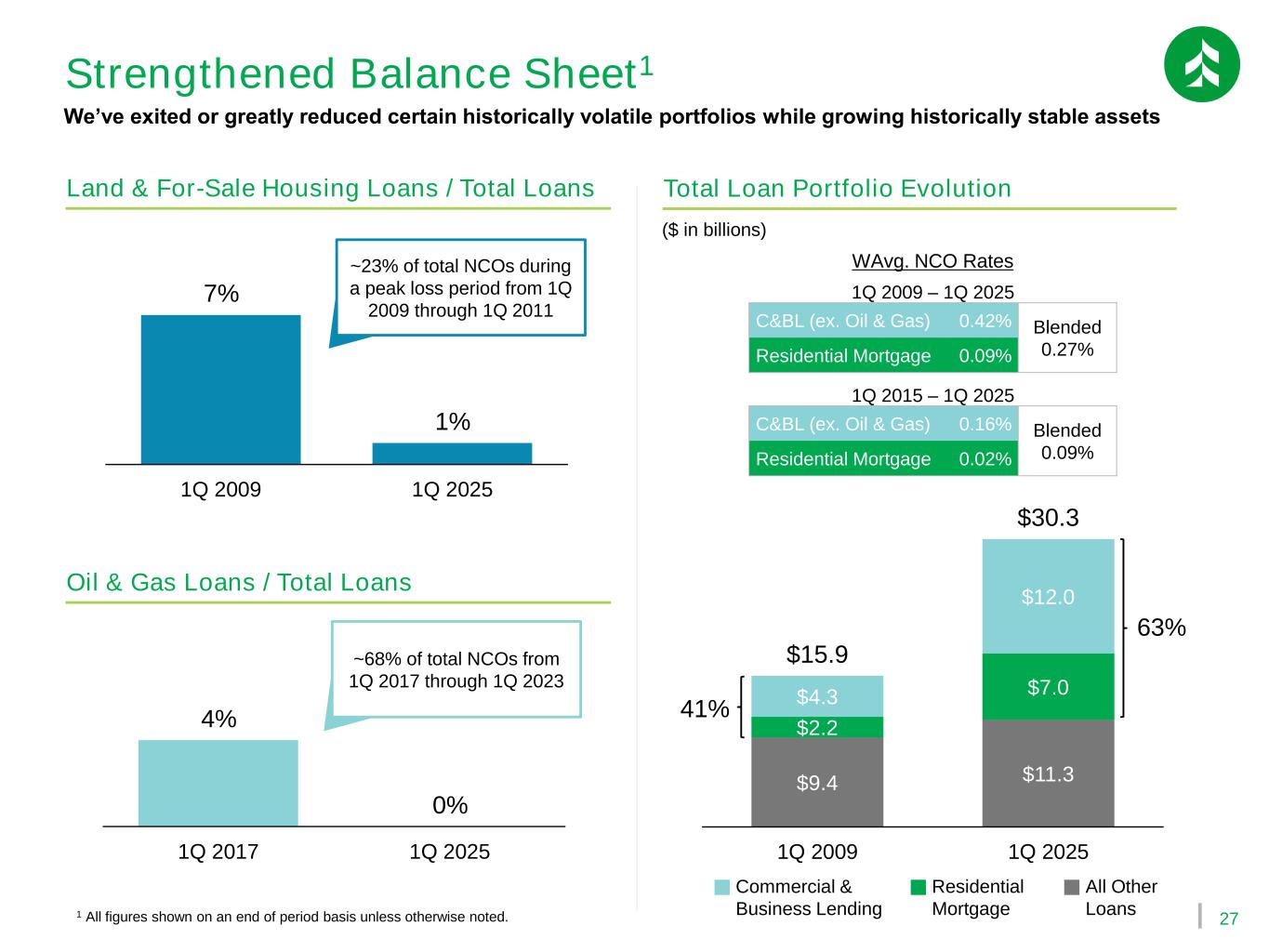
Derek doesn't usually let me answer that, but I'm going to. This is Andy. The answer is that we feel pretty strongly about the use of capital to help build this company. And we think that's the best use right now. And for us, when we grow and we think about balance sheet shift, we're going to continue on with that. And we believe that we can continue to expand our margin over time by adding assets that have a little bit better return. We don't want to slow that. We're talking about a balance sheet that at its height had 36% resi in it and today has 23%. And now we have the commercial engine moving for us, albeit a little challenged like everyone else with the economy, but still moving quite well for us. That gives us a position to continue that mix shift each quarter and each year, and we think that's the best thing for long-term investors.
Speaker 5
Understood. Yes. If I could ask one more question about the reserves, in the event of a more recessionary environment, I’m curious if there are any offsets in terms of qualitative reserves that you could utilize, rather than having to build reserves in a scenario where the economy is worsening.
Pat, why don't you speak to the overlay that we use on the model?
Speaker 3
Sure. Right now, I'd say we're really comfortable with our coverage right now. But we've taken kind of a conservative approach, and we've included overlays for economic uncertainty for several quarters. So, I think that gives us a strong starting position to handle changes within the market. Obviously, we'll watch for more clarity as we get into the balance of the year and decide what steps are appropriate, whether it's Q2 or beyond.
Speaker 5
Okay, I appreciate the color guys.
Thank you. Thanks for the questions.
Operator
Thank you. Next question today is coming from Scott Siefers from Piper Sandler. Your line is now live.
Speaker 6
Good afternoon guys. Thanks for taking the questions. So, Andy, you had suggested customer activity haven't really changed in the first quarter. And do you have any sort of updated thoughts just based on conversations through April? In other words, after all this tariff uncertainty really started and has been ebbing and flowing. What broadly are your customers thinking as they deal with this stuff?
Yes. That's a constant day-by-day, as you probably know. But I think the important thing is that we're in that mix every day. So, we've changed conversations to include every standard renewal has a discussion of that. Every outbound call has a discussion of it. And what we found is a lot of preparation. On the CRE side, what we found is people had already looked for alternatives to China. What we found is, when we go line-by-line on a credit deal or a construction deal that they understand if they have a 20% tariff, what that translates into overall project costs. So, that was heartening for us. They're ahead of the game. They anticipated this in some respects, maybe not the magnitude, but they certainly had planned for it. There's no question that it brings to light the idea of do we go forward? However, what we've seen is a very steady production number for us. And what we've seen also is the overall pipeline has grown in the over 50. The question is how that translates into how it comes back in based on confidence. But I wouldn't say there's a lack of confidence as much as a cautious view right now. And frankly, I've been pleased with what we've heard. In fact, I'll be with customers tonight and asking the same question. I know they do like to talk about what's going on with their business, and we get really good insights. So, I'd say cautious, though very aware and in many cases, planful.
Speaker 6
I appreciate that insight. Thank you very much. I have a broader question regarding the Kansas City commercial talent and the new branch in St. Louis. Could you please discuss your overall aspirations for that lower part of the Midwest, outside of the upper region where you're well established?
Thank you. I view it this way. Green Bay serves as a stronghold for us, and our customer base has shown remarkable loyalty over the years. We aim to maintain our presence in Green Bay while demonstrating our ability to expand our business in Milwaukee, which is a significant metropolitan area. We're experiencing faster household growth in Milwaukee than in any other part of our operations, driven by our product offerings, marketing approaches, digital initiatives, and commercial strategies. We believe we can implement similar strategies in Minneapolis and are already doing so in Chicago. These are key markets, and if we can succeed in them, we can replicate our success in other areas. From a product, marketing, digital, and commercial standpoint, we feel we have a model that can be effective in other major cities. Over time, we want to achieve organic growth, reach Phase 2, and capitalize on it. If we can enter markets with more rapid population or economic growth, it could greatly benefit our position, especially since we are currently growing in markets that are progressing at a slower pace compared to regions to the West or South.
Speaker 6
Yes, okay. Perfect. Good. Thanks again for the details.
Operator
Thank you. The next question is coming from Jared Shaw from Barclays. Your line is now live.
Speaker 7
Hey good afternoon.
Speaker 7
Maybe just on the commercial real estate growth there, how much more growth should we be expecting from that? Or how much should that be contributing to growth going forward? Was that more opportunistic this quarter? Or is there something more there that's going to sustain that for a little longer?
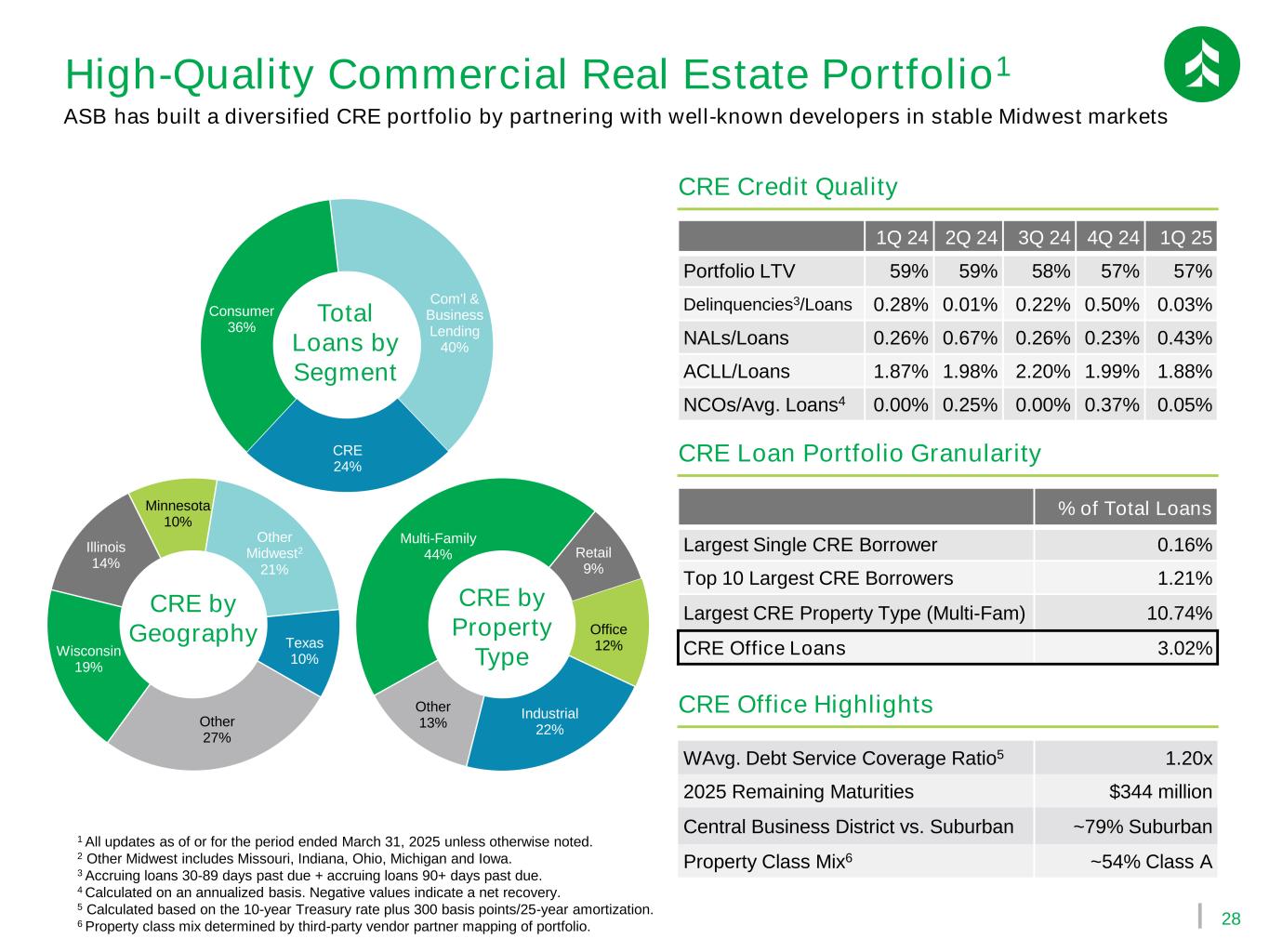
It's a couple of things, and I'll have Pat fill in the details, but it's really properties transitioning into income-producing from construction. So, there's actually a stability in that type of property where it's hitting some thresholds. And then paydowns have been a little bit slower than we had expected based on the market, but that still allows us to convert those into amortizing loans. Pat, do you want to put a little more color on that?
Speaker 3
Yes, the positive aspect that Andy mentioned is that the loans transitioning out of construction have successfully met challenges and continue to align with the original underwriting standards. They remain in our income-producing investor category, and we are confident in this. The sponsors have fulfilled their commitments as per our initial assessments. They will likely seek long-term financing options in the markets, but for now, these loans fit our underwriting criteria and are strong assets that we intend to retain.
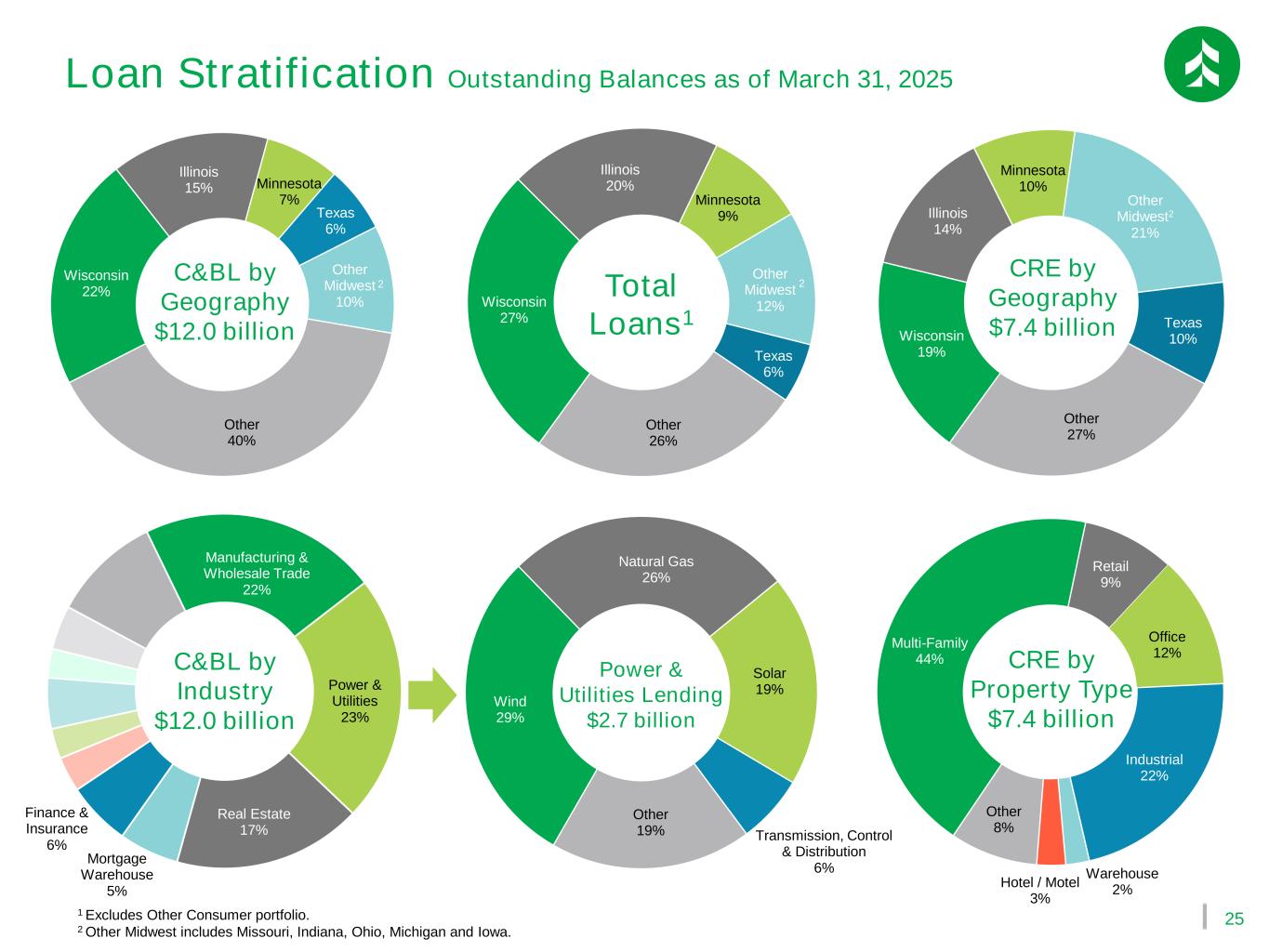
Jared, it's Derek. If you look at Slide 22, you'll see the trends for our quarter-end loan mix. We don't consider this a growth platform for us. While we feel very positive about it, we finished the first quarter last year at $7.3 billion and it’s $7.4 billion this year. If you add up all the categories in that bucket, it's pretty flat.
Speaker 7
Okay. All right. Good. Thanks. And then maybe shifting to C&I as a follow-up to the conversation you just mentioned about the strong markets. Where is the C&I growth coming from? Is that sort of mirroring what you're seeing on the household growth? Or are there certain markets that are outperforming others right now? And along that lines, so what are you seeing in terms of like spread compression and competition on middle market C&I?
Yes. The first part of my response, which I’m especially pleased about, is that we’re not noticing this trend in just one specific market. It’s evident in major metropolitan areas, but also in our community banking markets, such as our Win Wisconsin Strategy. We're the largest bank based here, and we are actively engaging with the communities. I’m really happy to see growth across our entire footprint. This indicates that we don’t rely solely on one location for success. Additionally, it’s encouraging for us as we continue to release investments and non-solicitations. These non-solicitations begin in Milwaukee and Chicago and extend to Minneapolis, and further out to Kansas City. This is a positive sign as they start to expire, allowing us to enter the market with experienced personnel who are well-acquainted with local key businesses. Regarding competition or compression, we’ve noticed a slight increase in that area over the past year, particularly in commercial real estate. It's not a significant concern, and we don’t anticipate rapid growth in that sector, but we have seen some compression since some participants had retreated from the market and are now gaining renewed interest as they envision potential opportunities. Overall, we are satisfied with the intended changes in our balance sheet regarding the types of commercial and industrial business we are attracting. Furthermore, I’m particularly excited about the size of our deposit pipeline that aligns with this, which will ultimately enhance our return on equity.
Operator
Thank you. Next question today is coming from Jon Arfstrom from RBC Capital Markets. Your line is now live.
Speaker 8
Thanks. Good afternoon.
In the non-interest income, just to get to a starting point, capital markets, is the first quarter activity about an appropriate run rate? Would you think fourth quarter was a little abnormal?
Speaker 8
Yes, it was a really good, abnormal good.
There was a lot happening with syndications and capital markets. We achieved strong production and fee income as a result. However, we are seeing some softening, returning to trends more similar to those observed in the previous quarter and the other three quarters of last year. So, I believe you have interpreted that correctly.
Speaker 8
It's difficult to predict, but the loss from the mortgage portfolio and BOLI is likely to decrease, and that's a good baseline to consider.
Speaker 3
No. We've seen some resolution in the C&I stuff. And I think it's just generally normal course of business. Real estate, there is one particular deal, but not out of the ordinary, and we feel comfortable where we sit with it right now.
To be clear, Jon, for clarification, Pat looks more closely at the Bears' draft pick than the Packers'.
Speaker 8
All right, Andy, you should be at Lambeau tonight with business cards. I wanted to ask you about the non-solicitations expiring and the completion of the commercial expansion. How do you measure the progress in that expansion? What do you think about the profitability of it compared to the rest of the company? It seems like the initial investment has been made, but the revenues might not be there yet. How should we understand this?
That's exactly how we view the situation; it takes time. In the initial year of investment, the returns aren't immediate. We are starting to see that our existing relationship managers are still responsible for the majority of our production, which aligns with our expectations. Our projected overall growth might seem ambitious, but it reflects the reality that as employees settle into their roles over six to twelve months and begin producing, we anticipate that growth. While 75% of production is currently from our existing base, that percentage might decrease to 65% and 50% as the year progresses. This is why we believe we have favorable momentum. Additionally, when considering the $1.3 billion in growth along with the corresponding deposits, it's important to note the reliability of our treasury management. Our HSA business ranks 12th or 13th nationally, and our cross-selling efforts there are substantial. With every introduction, we also present our HSA and Private Wealth services, extending beyond just the commercial line. Looking forward, I am particularly excited about the consistent revenue growth from deposits. There's a lag for loans, usually six to twelve months, before seeing an increase in bookings for deposits and ancillary business, which is a trend we are observing. Each step we take alters the return profile.
Speaker 8
Okay, all right. Fair enough. Thanks guys. Appreciate it.
Operator
Thank you. Next question is coming from Casey Haire from Autonomous. Your line is now live.
Speaker 9
Great. Thanks. Good afternoon guys. I wanted to touch on loan growth. Apologies if I've missed this, but just wondering why the loan growth guide is still 4% to 6%? You guys are off to a pretty good start here. And if I remember correctly, I think you were saying in January that the loan growth was going to be back half weighted in the second half of 2025. So, just wondering what's keeping you at 4% to 6% here?
I believe we're looking at 5% to 7%, or perhaps 5% to 6%, right, Derek?
Yes, we mentioned that we expected to start off strong, and we believed that would happen due to our recent hiring. We anticipated a solid first half of the year. However, there are various factors to consider. We believe our team's quality and their tenure here will contribute positively. At the same time, there are concerns regarding the economy in the latter half of the year. Additionally, we expect commercial real estate payoffs to be slightly higher than what we've previously seen, which we accounted for in our forecasts. We've projected low GDP growth, an increase in CRE payoffs, and the impact of more experienced team members transitioning off their non-solicitation agreements each quarter. This shapes our outlook of 5% to 6%, and it is the reason we feel reasonably confident despite the current market noise.
Speaker 9
Okay, fair enough. And then, Derek, regarding the CDs and the $8 billion that is maturing, I understand that the benefit will flatten out somewhat. But I am curious about your new rates compared to the 4.33% level in the first quarter.
Yes. Well, the CDs that matured first quarter were a lot higher. Most of them had a 5% handle on it. And they go to the market rates that we were going out with, and the competitors were at around 4%. But as you would expect, probably about halfway through this quarter for most of the industry who stayed short, at least where we're competing in our markets, about halfway through the quarter, the rates that are maturing will have dropped some. And depending on whether the Fed cuts or not this quarter, we would expect market rates to start dropping, and we participate in that. But as Andy mentioned earlier, it's not clear that the difference between the maturing rates and the market rates will be the same, quite as wide as they were earlier this quarter. I hope they will. We feel optimistic about our guide, and we've seen rational pricing, and I hope that continues. It bodes well for us in a market where we've got superior loan growth, and there might not be as much broad-based demand for deposits, which should help pricing.
Speaker 9
Great. Thank you.
Operator
Thank you. Next question today is coming from Terry McEvoy from Stephens. Your line is now live.
Speaker 10
Hi, thanks. Good afternoon. Just one question left on my list here. I didn't see the OREO expense in the release. I think you said it was $4 million. So, I guess my question is, is that included in the up 3% to 4% for the full year guide? And if so, does that suggest kind of expenses flat to maybe even down a little bit on a quarterly basis?
Yes, sure. It is included in the guide, and it does suggest that this is a pretty high quarter relative to the guide.
Speaker 10
Okay. And it was $4 million the OREO expense?
Operator
Thank you. That does conclude today's teleconference and webcast. You may disconnect your line at this time and have a wonderful day. We thank you for your participation today.