Operator
Greetings, and welcome to the Chimera Investment Corporation's second quarter earnings call. At this time, all participants are in a listen-only mode. A question-and-answer session will follow the formal presentation. If anyone should require operator assistance during the conference, please press star zero on your telephone keypad. Please note this conference is being recorded. I will now turn the conference over to Tyra Welton, Head of IR. Thank you. You may begin.
Thank you, Operator, and thank you, everyone, for joining us this morning. I'm Tyra Welton, Head of Investor Relations. This morning, Chimera released its results for the second quarter of 2026. The earnings release and presentation for the quarter are both available on our website at ChimeraReid.com. Before we begin, I'd like to review the Safe Harbor Statement. Today's remarks may contain forward-looking statements, which are predictions, projections, or other statements about future events. These events are based on current expectations and assumptions that are subject to risks and uncertainties, which are outlined in the risk factors section in our most recent annual and quarterly SEC filings. Actual events and results may differ materially from these forward-looking statements. We encourage you to read the forward-looking statement disclaimers in our earnings release and our quarterly and annual filings. During the call, we may also discuss non-GAAP financial measures. Please refer to our SEC filings and earnings supplements or reconciliations to the most comparable GAAP measures. Additionally, the contents of this conference call may contain time-sensitive information that is accurate only as of the date of this earnings call. We do not undertake and specifically disclaim any obligation to update or revise this information. I will now turn the conference over to our President and Chief Executive Officer Phil Cardiff.
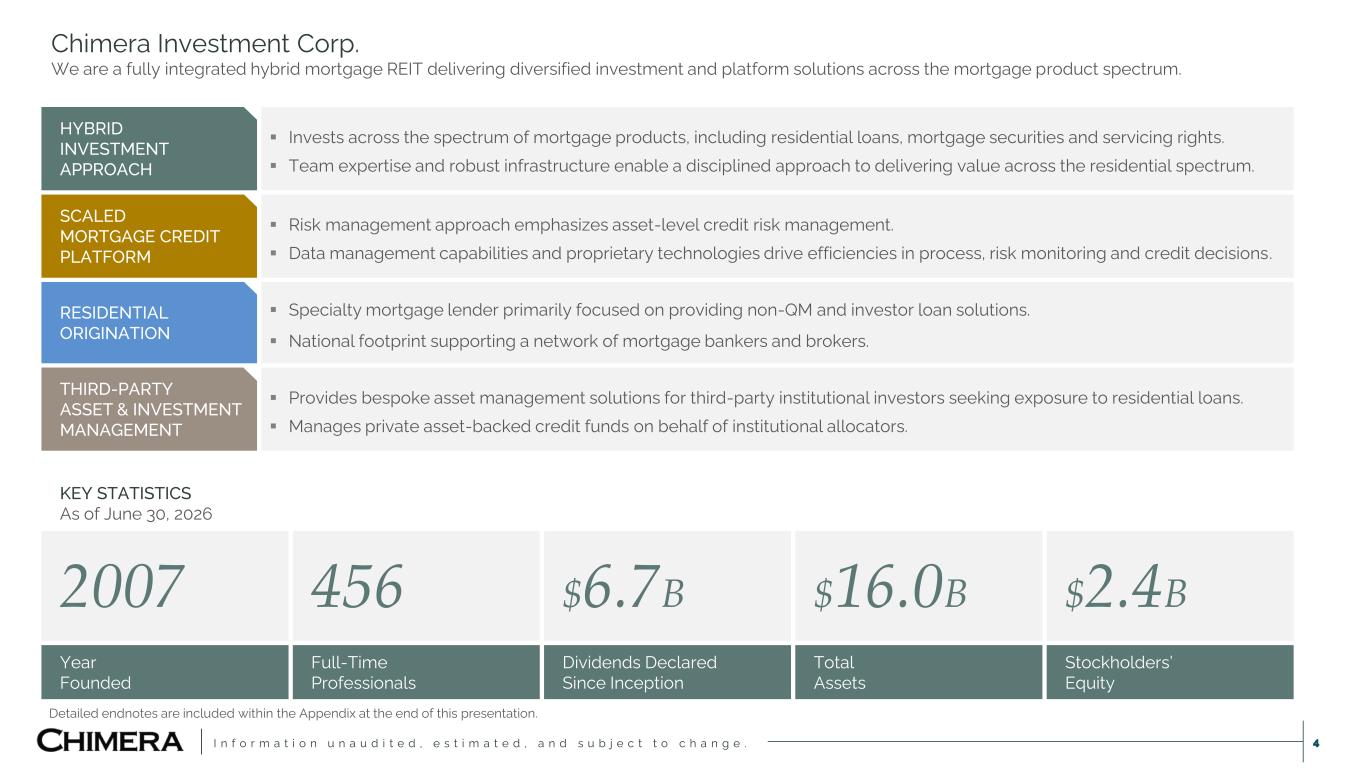
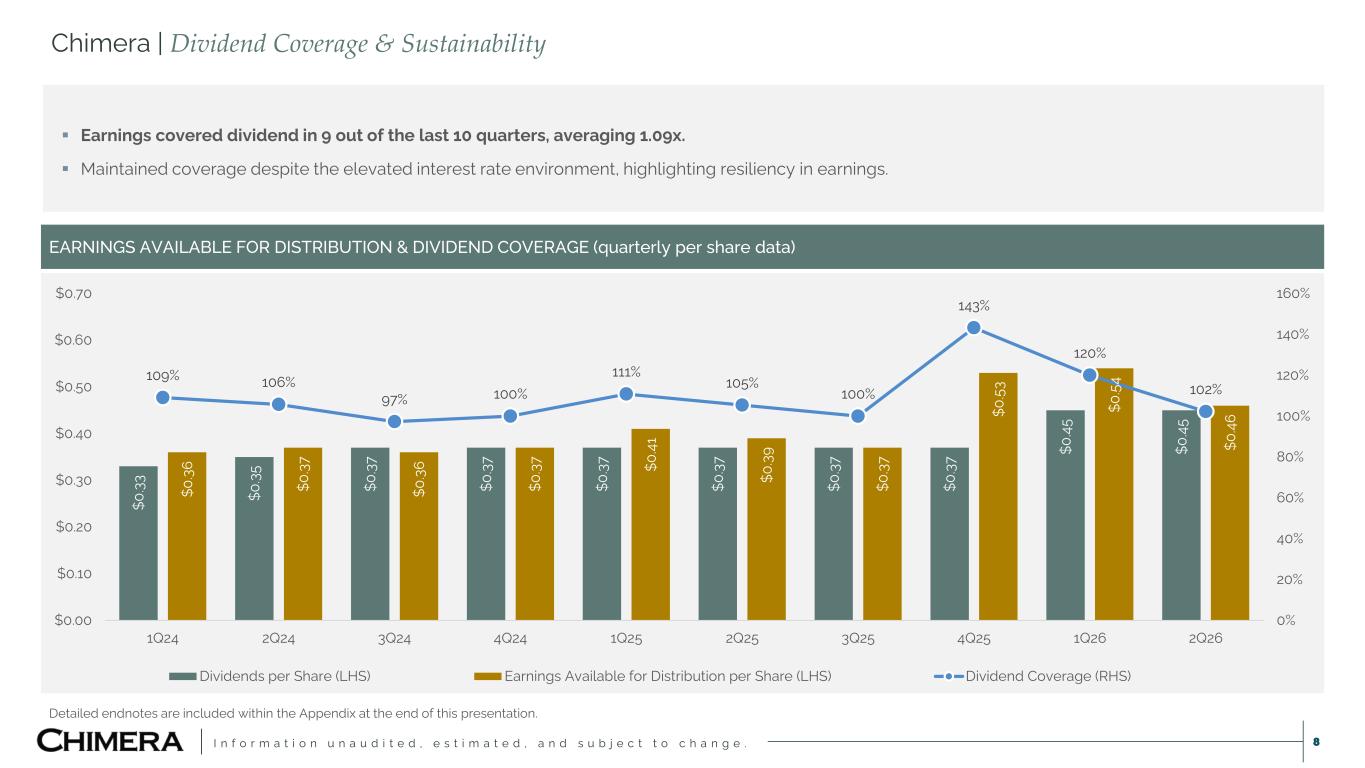
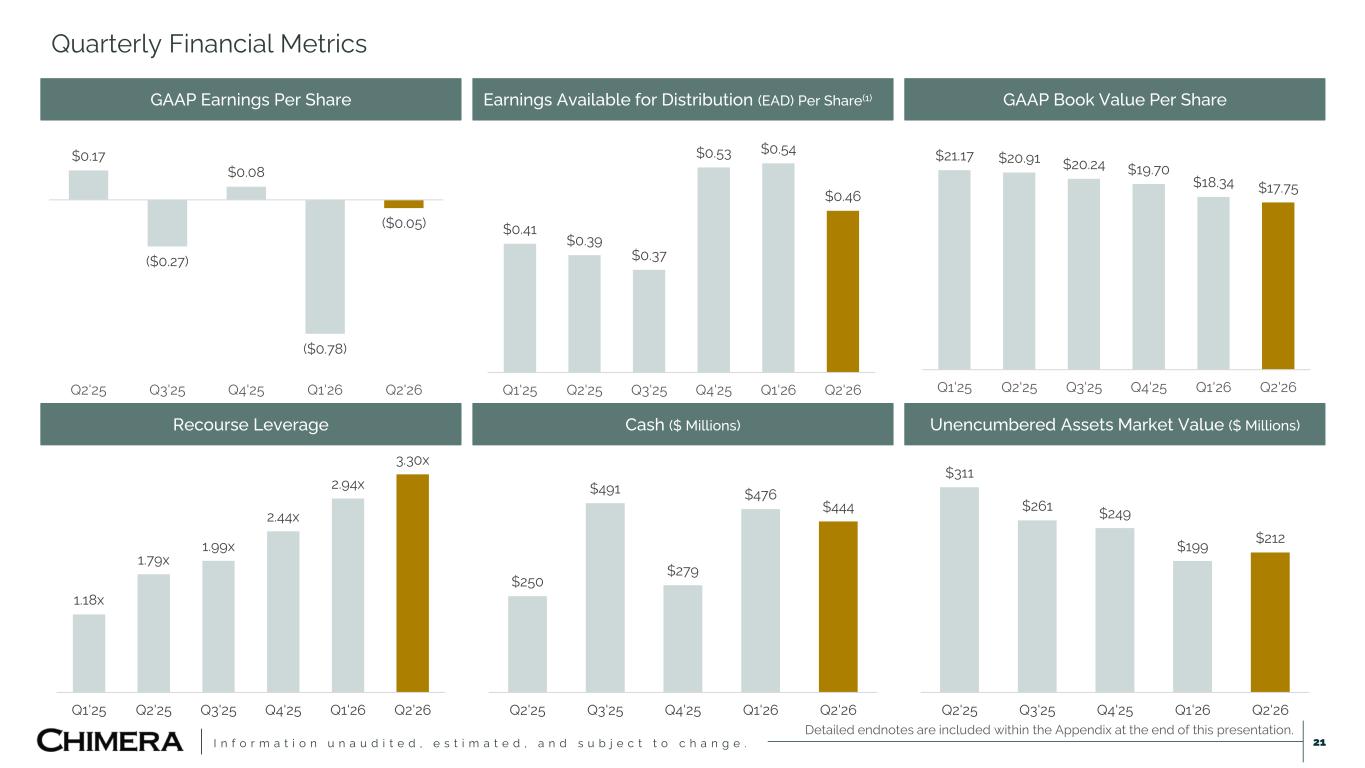
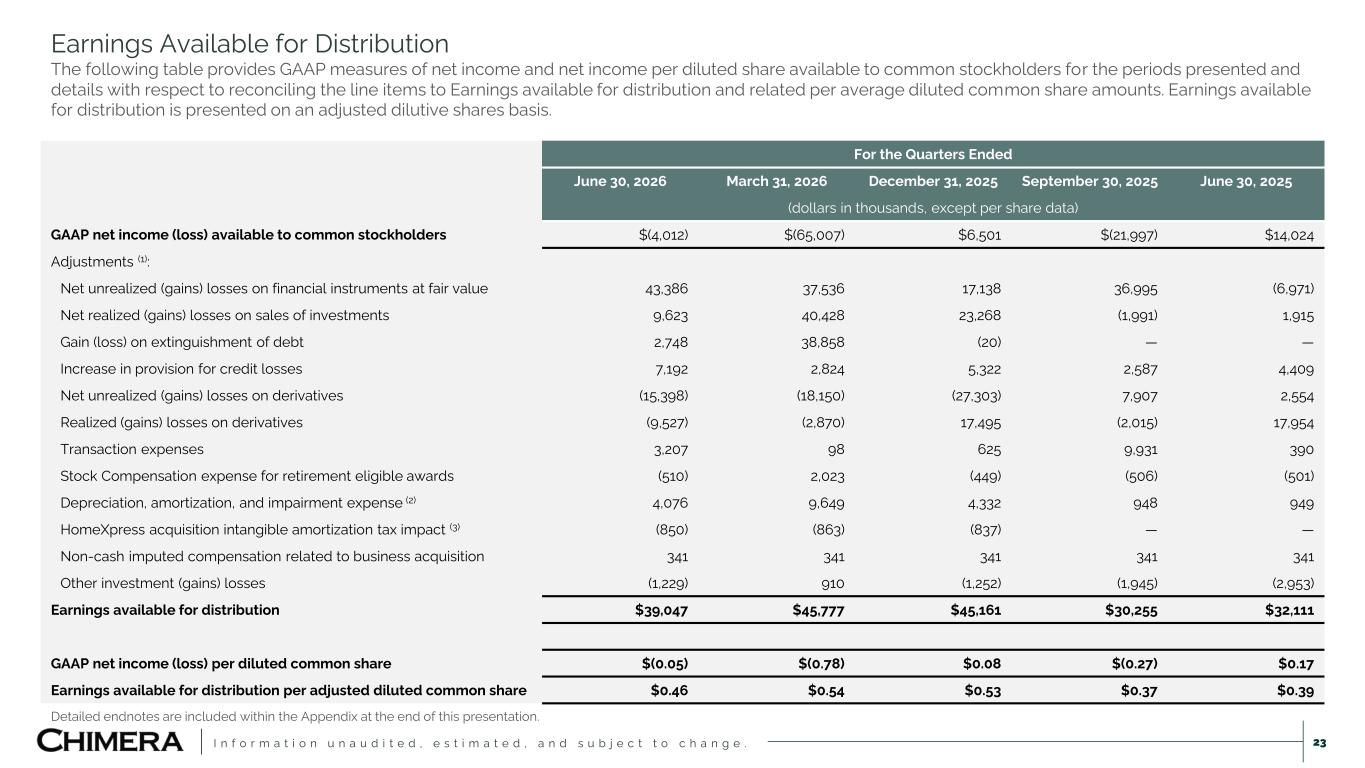
Thanks, Tyra. Good morning, and welcome to Chimera Investment Corporation's second quarter 2026 earnings call. Joining me on the call are Subra Vithswanathan, our Chief Financial Officer, Jack McDowell, our Chief Investment Officer, and Kyle Walker, the President and CEO of Home Express Mortgage. After my remarks, Subra will review the financial results, Jack will review the investment portfolio, and then Kyle will review Home Express's results. It's nearly 3,000 years old, but with a fresh translation by Emily Watson and a blockbuster movie by Christopher Nolan, a new generation is discovering the Odyssey, and it has much to say about that is relevant to us. During Odysseus' 10-year journey home, we learned that most threats are unpredictable and that risk management matters more than heroics. He doesn't know he'll face challenges like the Cyclops and the Sirens, just as we didn't know at the beginning of the year that we would see open conflict in the Gulf, or that the rate cuts everyone had penciled in would give way to talks of hikes before year end. We also learned that Odysseus reaches home by planning for the downside, for example, by plugging his crew's ears and lashing himself to the mast to resist the sirens rather than to rely on willpower. Likewise, as I noted in the first quarter, we don't try to predict where the market will be. We focus on being prepared for wherever it goes. And we do that by building resiliency through diversified income streams and liquidity. But most importantly, the Odyssey teaches us that we must have a fixed destination but not a fixed route. Odysseus' objective never changes. Return home. His route, however, is not direct. He must be flexible, creative, know when to wait and when to preserve resources and when to take calculated risk to make it home. We've been clear about our destination to build a company that is not dependent on any single market environment and that benefits shareholders through tax-advantaged dividend and enterprise growth. And while we have model portfolio, targeted growth plans like Odysseus, we're not locked into a particular path. We remain flexible and open to change as market conditions change. The second quarter remained much like the first. Volatility and uncertainty persisted. We went about our business much as we did in the first quarter. With respect to the investment portfolio, we continued to reduce our lower yielding assets and sponsor two re-securitizations, redeploying the proceeds in the more liquid and higher yielding assets. Turning to Home Express, in the second quarter, loan production grew by 30% compared to the second quarter of 2025 and 24% compared to the prior quarter. Earnings, however, grew only modestly quarter over quarter. This result, increased production with essentially flat earnings was driven primarily by margin compression from increased competition. We'll look to increase home expresses earnings by further scaling production while maintaining our strong credit discipline and by reducing our cost to originate. But increasing our allocation to agency RMBS and third-party sales of HomeExpress loans are not the only ways to grow Chimera's earnings, especially given the current securitization market economics and compressed sale margins. Therefore, we are pivoting to acquire and securitize mortgage loans from both HomeExpress and third parties. Currently, we're targeting two securitization of HomeExpress loans and one of third-party loans by year end. And depending on the relative value between loan sales and securitizations, we may increase the size or frequency of those securitizations. So how are we doing? Last quarter, we noted that as we looked out over 2026, we believed we'd be able to generate $1.80 of EAD. We also noted that we expected some volatility in EAD period to period given our operations and the market. We further pointed out that our fourth quarter and first quarter EAD contained several one-time items, and that we believed our underlying run rate was closer to $0.47 plus or minus. EAD for the second quarter was $0.46, right on our projected underlying run rate, and once again, exceeding our dividend. We have $1 of EAD through the first half of the year, and still believe EAD for the year will be at least $1.80. In short, we continue to perform as we expected, even though the market environment is significantly different than anticipated at the beginning of the year. What's our outlook for the remainder of the year, and how are we positioned? Just like we noted in the first quarter, we expect continued uncertainty, geopolitical and market-driven. But despite the uncertainty, we remain optimistic about the future. We will continue to grow and diversify the portfolio, expand originations, build fee-based income, and opportunistically pursue acquisitions, staying flexible on the route and clear on our destination. With that, I'll turn it over to Subra to walk you through the financials.
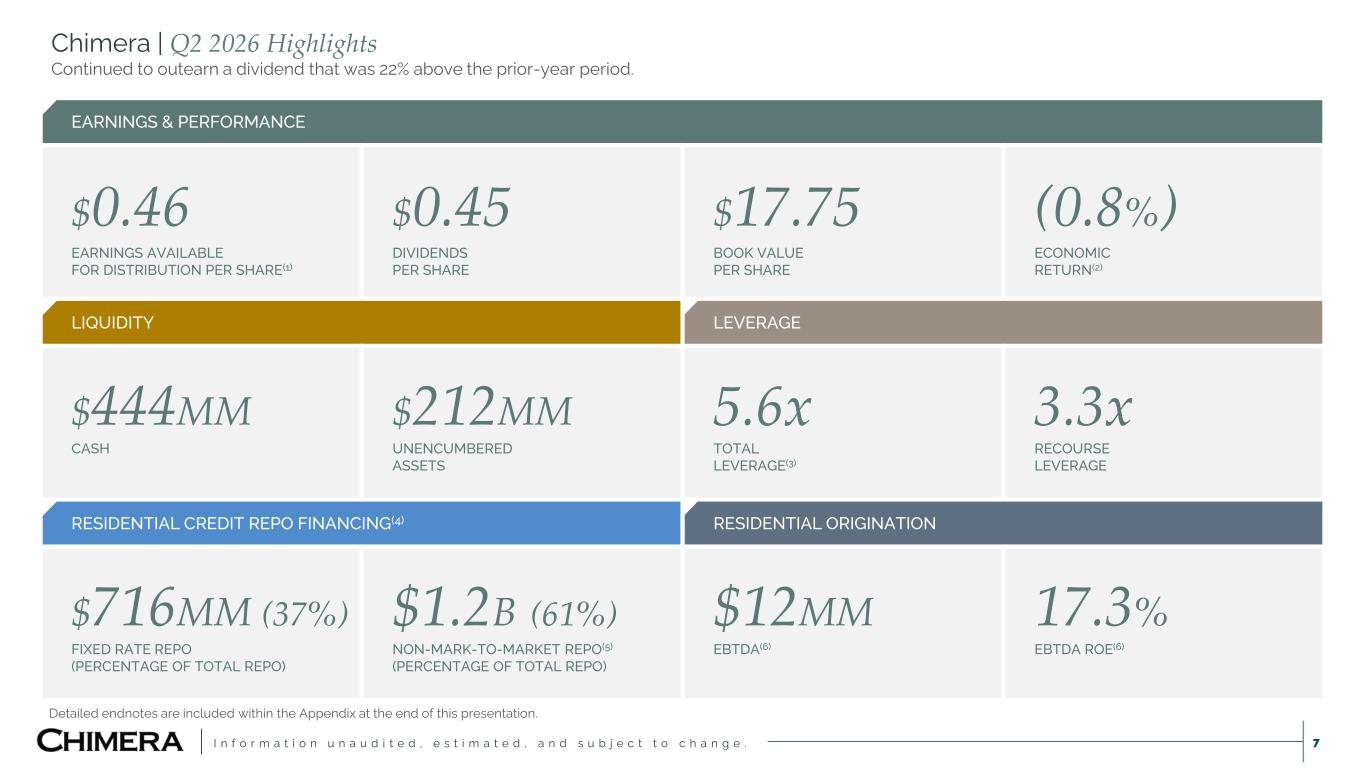
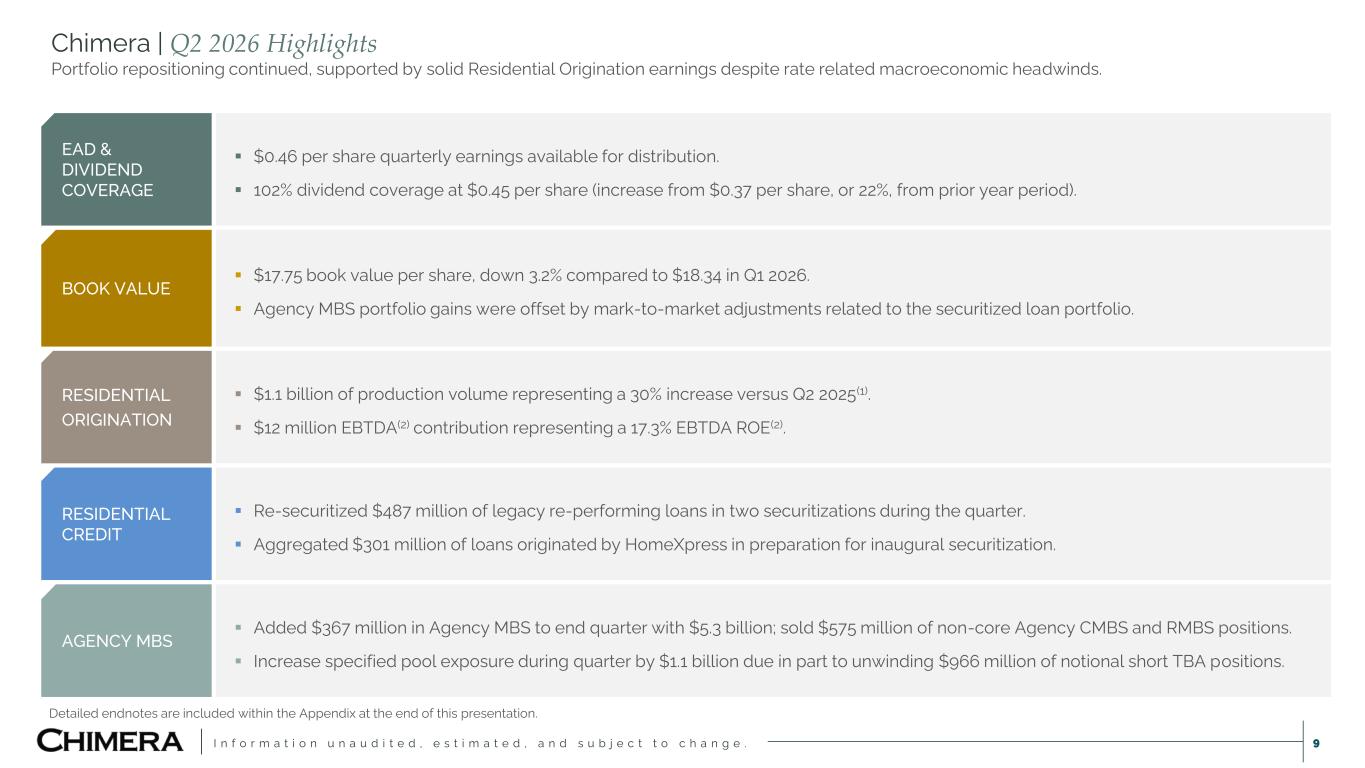
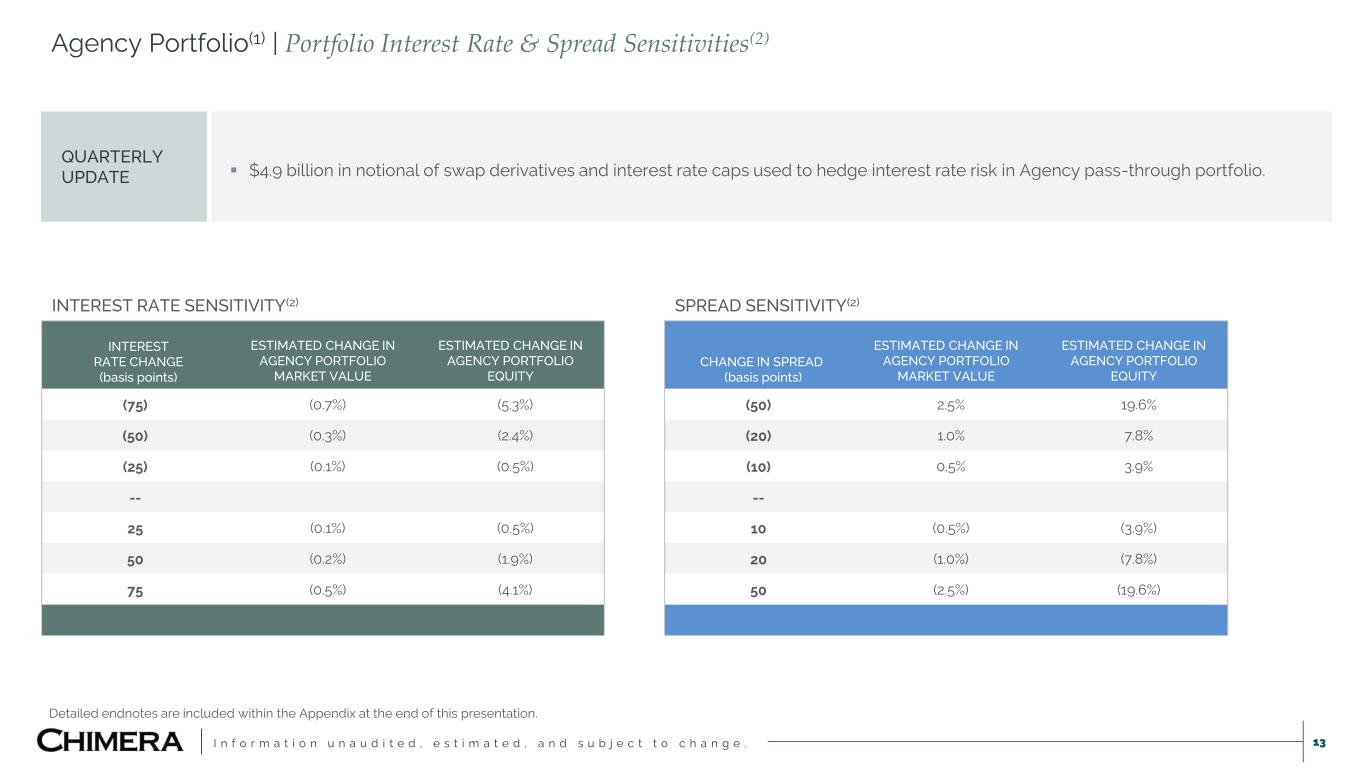
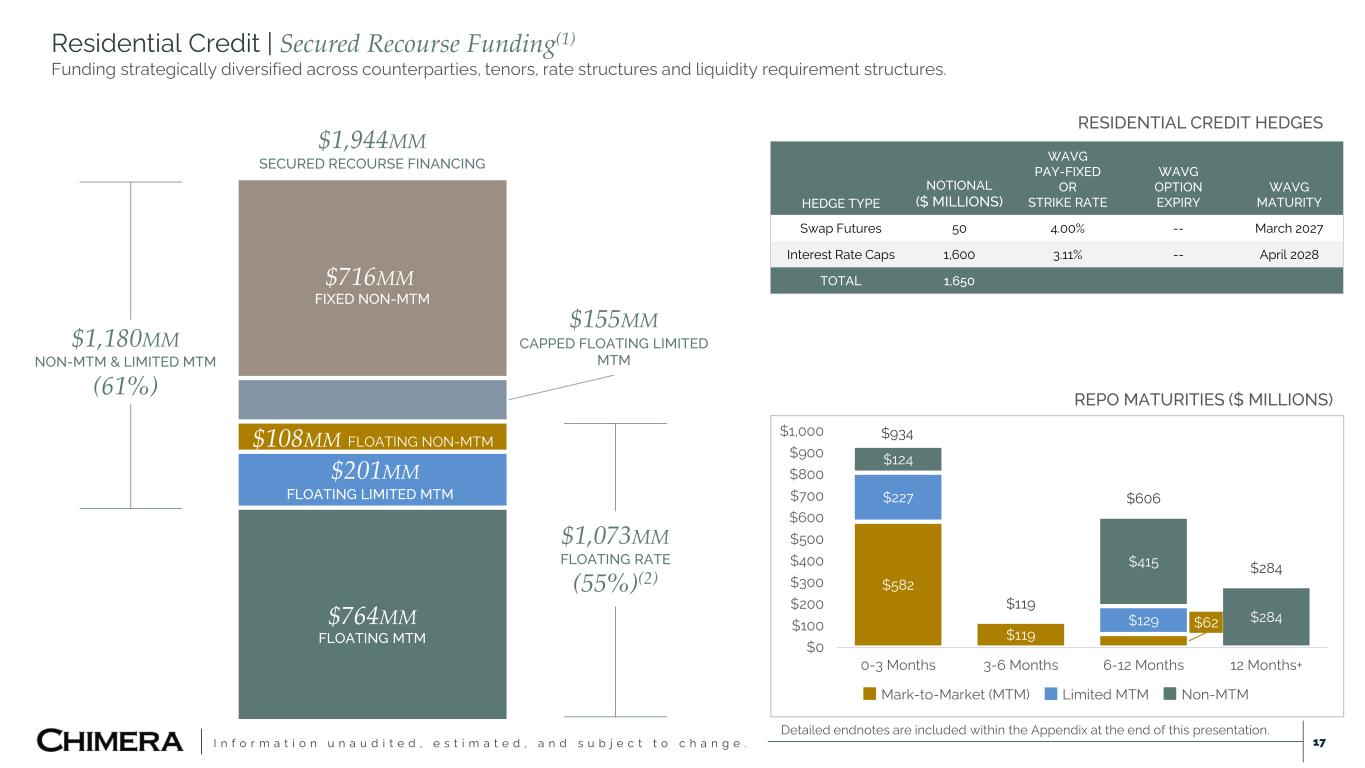
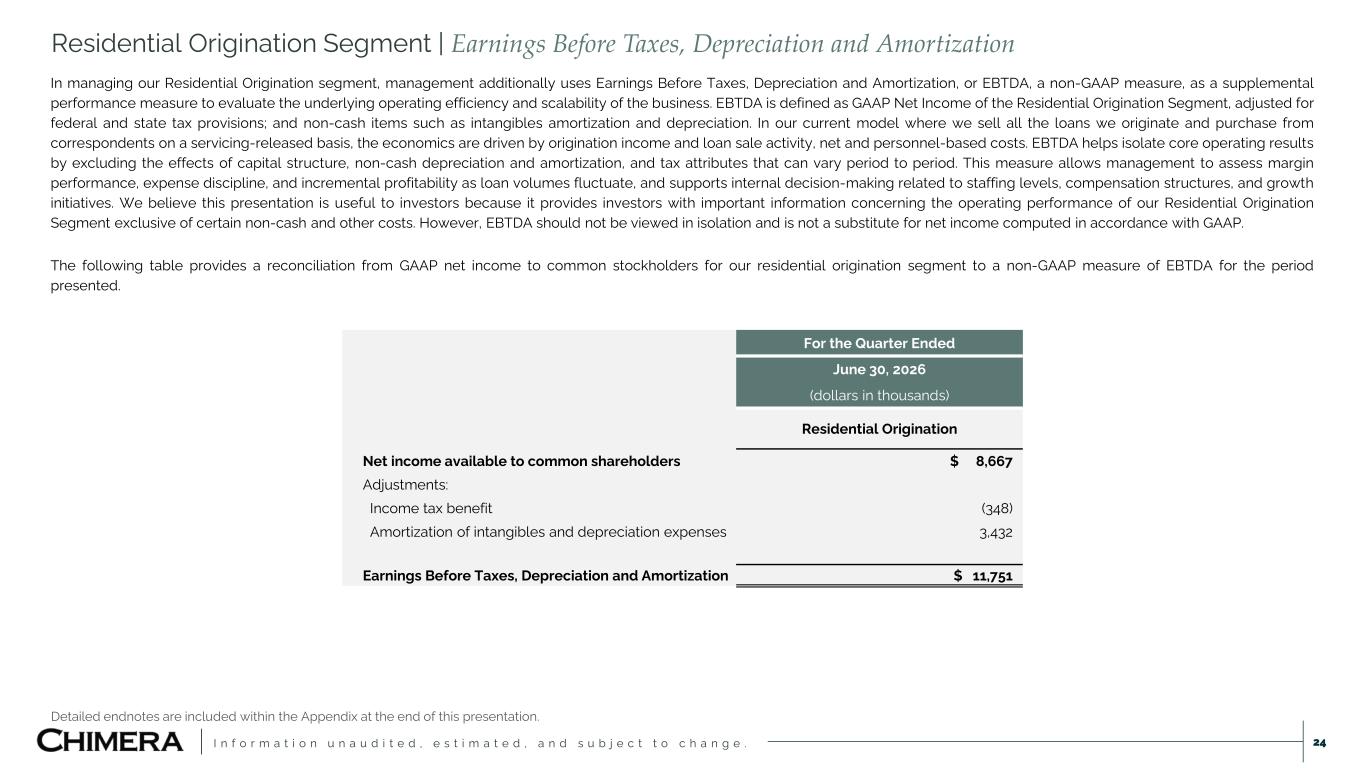
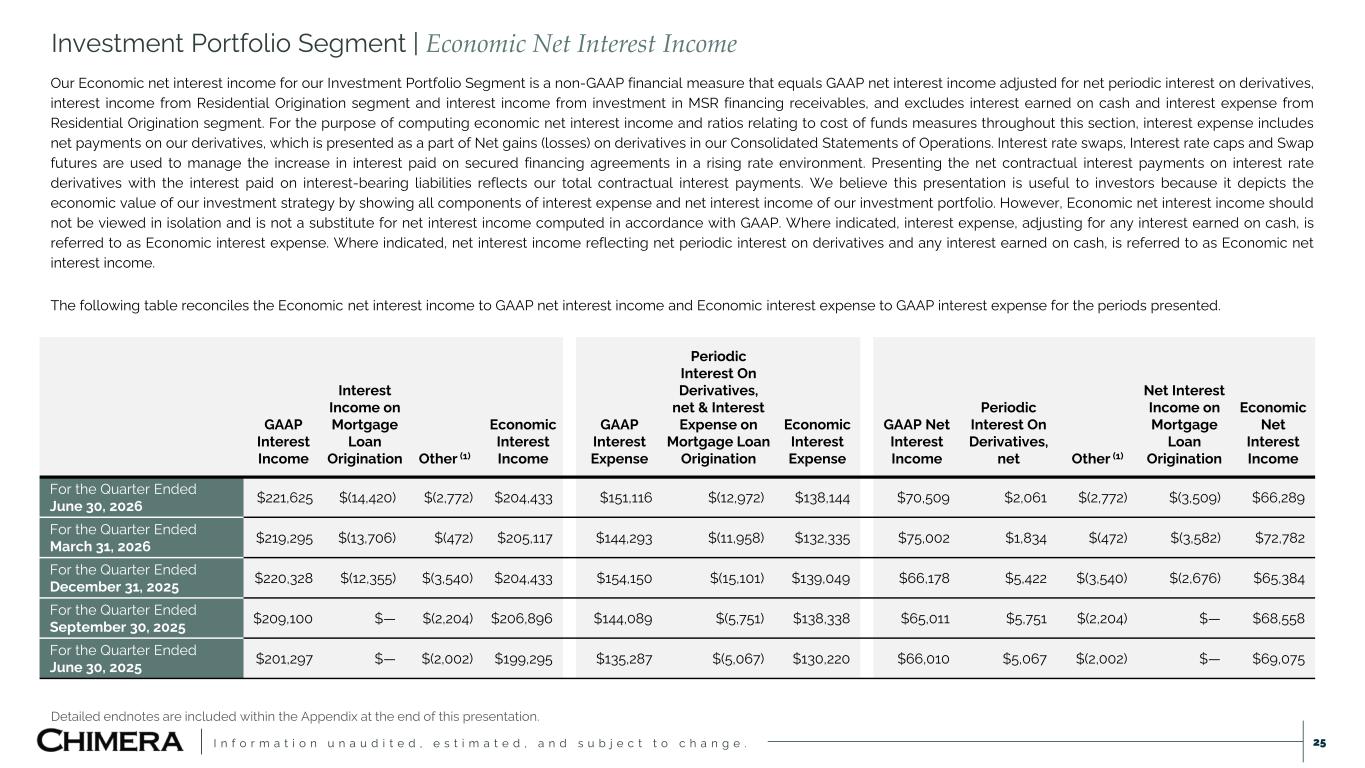
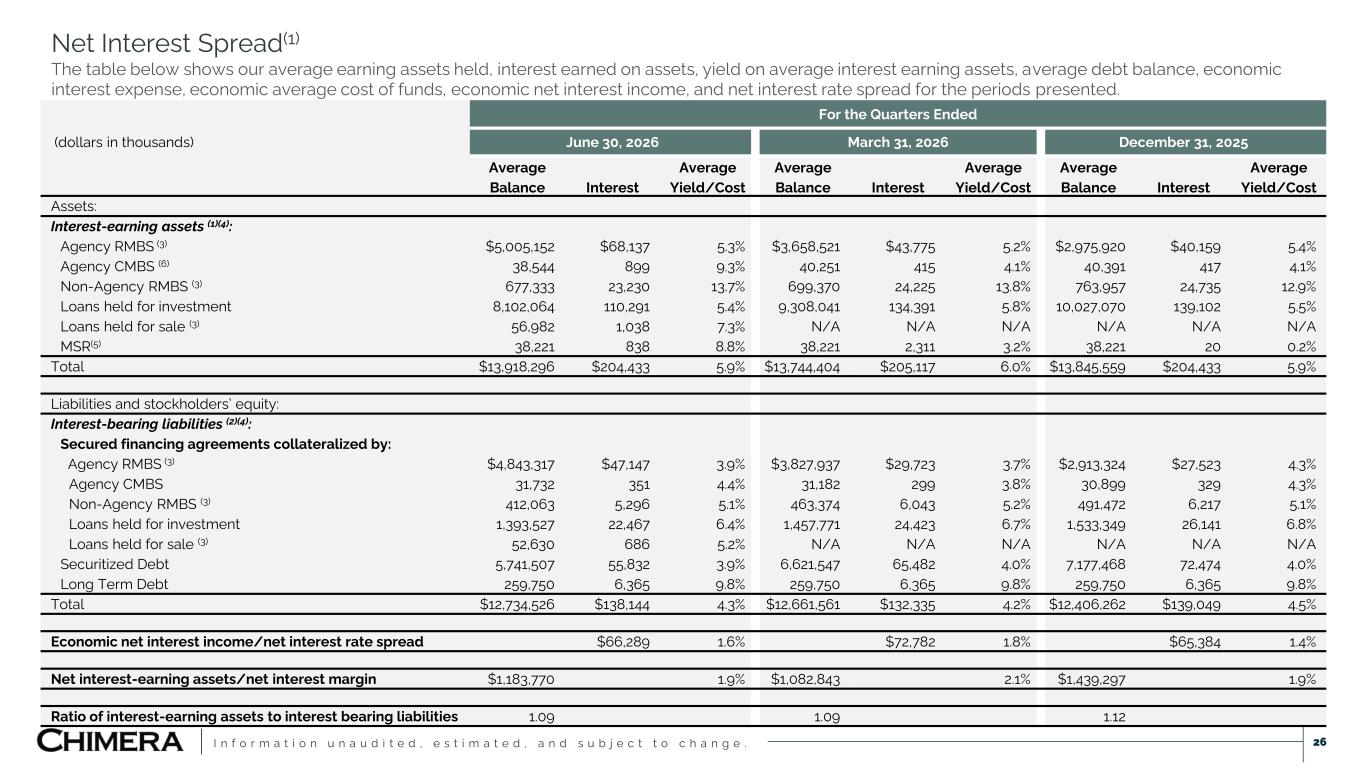
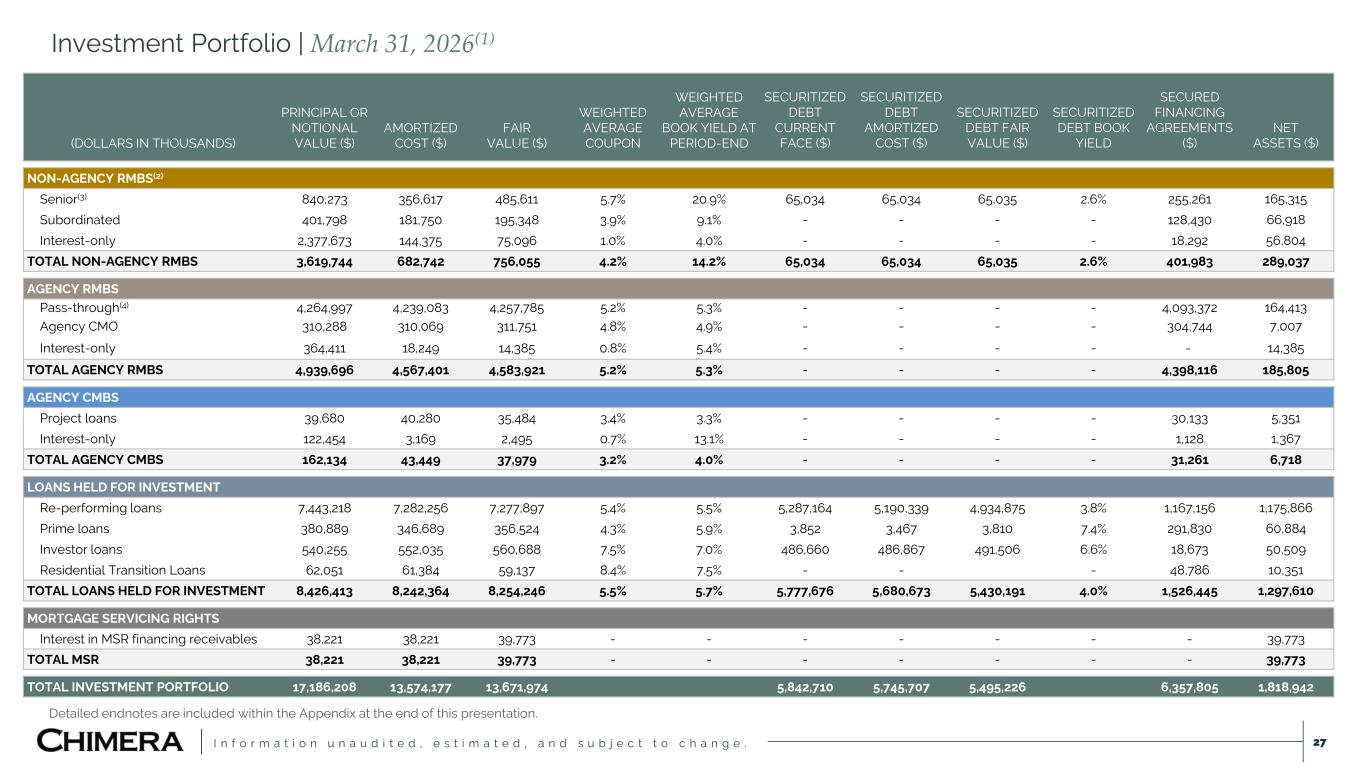
Thanks, Phil. Gap net loss for the second quarter was approximately $4 million. Net loss of $13 million from our investment portfolio segment was offset by net income of $9 million from residential origination. We generated approximately $39 million of earnings available for distribution or $0.46 per share. Our EAD was not materially impacted by one-time charges this quarter. As a reminder, our EAD per share of $0.54 in the first quarter included $0.07 of one-time benefits. These non-recurring favorable items resulted from the securitization unwind undertaken as part of our portfolio optimization efforts as well as MSR-related investments. Excluding the impact of those items, EAD in the first quarter would have been $0.47. The quarterly dividend of $0.45 was covered by second quarter earnings. Book value per share declined 3.2% to $17.75. Economic return on gap book value was negative 0.8% based on the quarterly change in book value and second quarter dividend of $0.45 per common share. Annualized EAD return on average common equity was 10.35%. 75%. Segment performance for the first quarter was as follows. For the investment portfolio, economic net interest income was $66.3 million, while annualized economic net interest income return on average equity was 12.35%. The yield on average interest earning assets was 5.9%, our average cost of funds was 4.3%, and the resulting net interest spread was 1.6%. For the residential origination segment, Home Express funded $1.1 billion in loans. EBITDA, defined as earnings before taxes, depreciation, and amortization, was $11.8 million, and annualized EBITDA ROE was 17.3%. With respect to leverage and liquidity, our total leverage was 5.6 to 1, while RICO's leverage was 3.3 to 1. GAAP leverage increased due to re-secretization activity and increasing allocation to agency RMBS. Growing agency allocation also drove the increase in recourse leverage. We ended the quarter with $656 million in total cash and unencumbered assets, compared to $675 million the last quarter. Total consolidated secured financing outstanding was $7.7 billion. It was comprised of $727 million related to our residential origination warehouse loans, and the remaining approximately $7 billion was for our investment portfolio. Within the investment portfolio, $5.1 billion of secured financing supported the agency positions against which we maintained $4.9 billion in swaps, interest rate caps, and other hedges with varying maturities. $1.9 billion was secured by residential credit assets, of which $1.2 billion, or 61%, carried non- or limited mark-to-market features, and $1.1 billion, or 55%, of this were floating rate facilities. Finally, on expenses, compensation, G&A, and servicing expenses were lower in the quarter. The decrease were offset by higher transaction expenses related to a securitization activity during the second quarter. In summary, though the first quarter results included certain non-recurring benefits, our second quarter results provide a normalized EAD. Taken together, the first half demonstrates continued dividend support, and as we move into the second half, we remain focused on supporting dividend coverage over the full year and driving total shareholder returns over the long term. With that, I'll turn the call over to Jack.
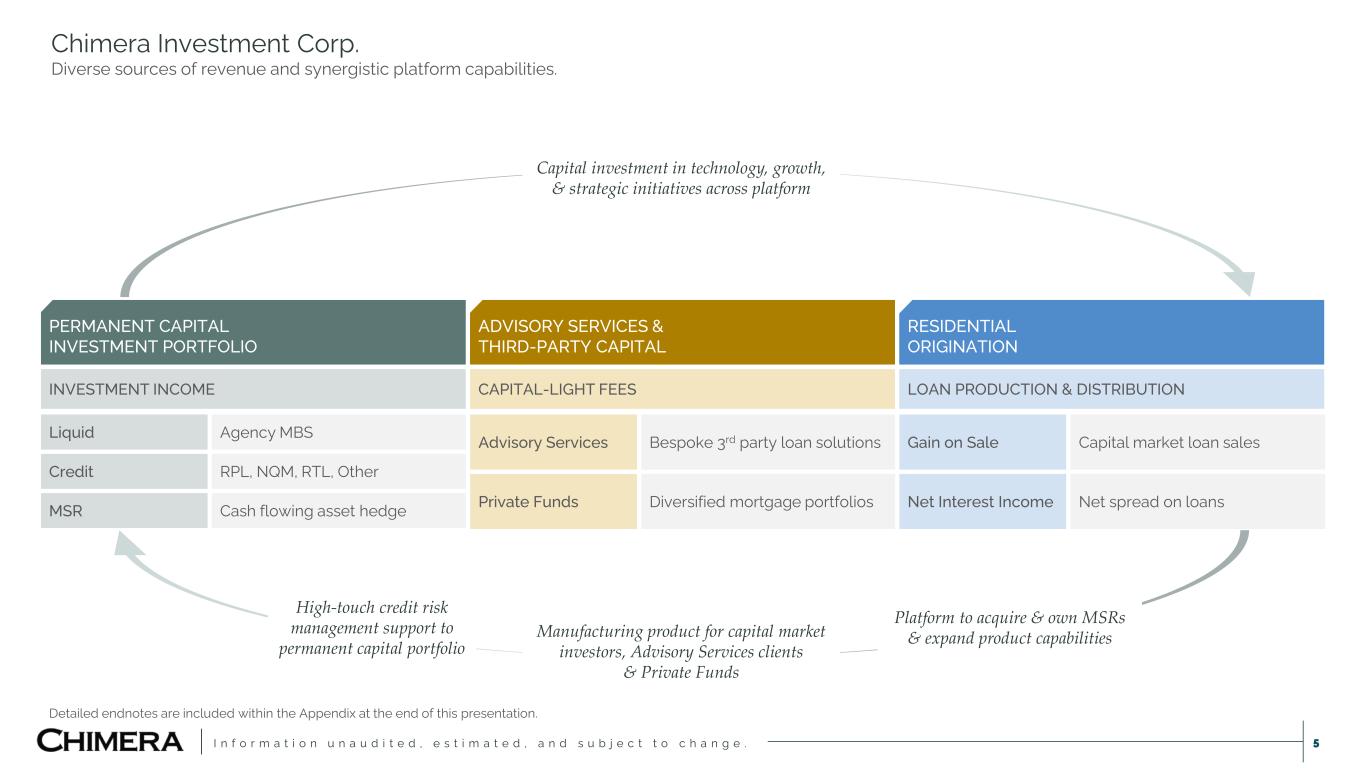
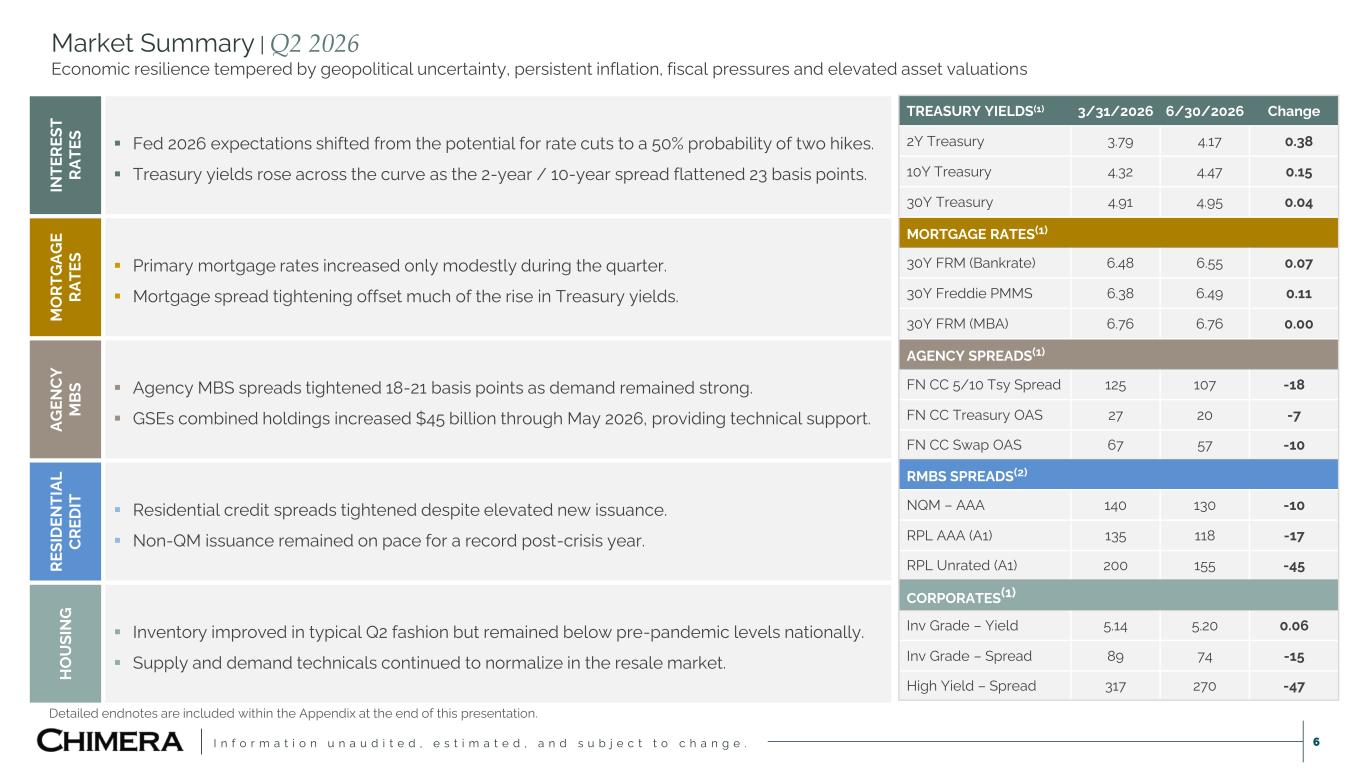
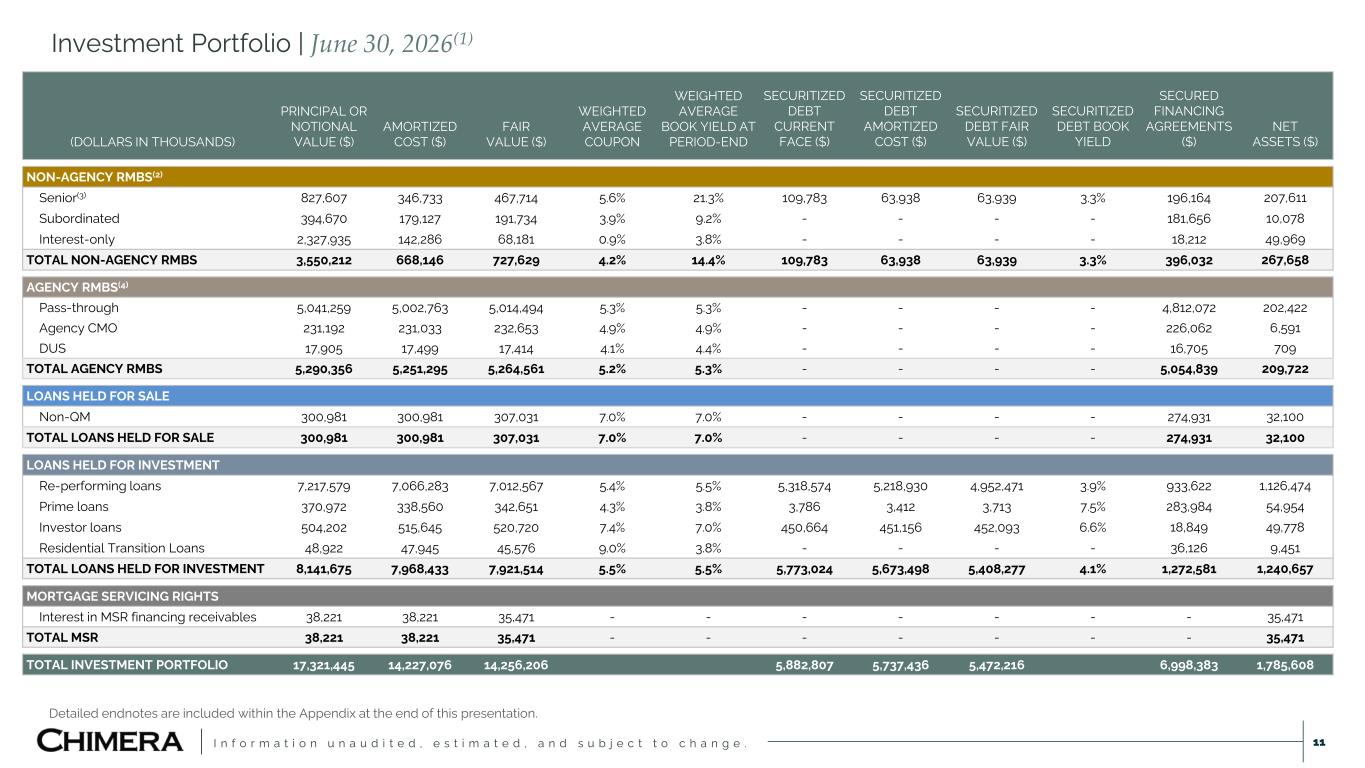
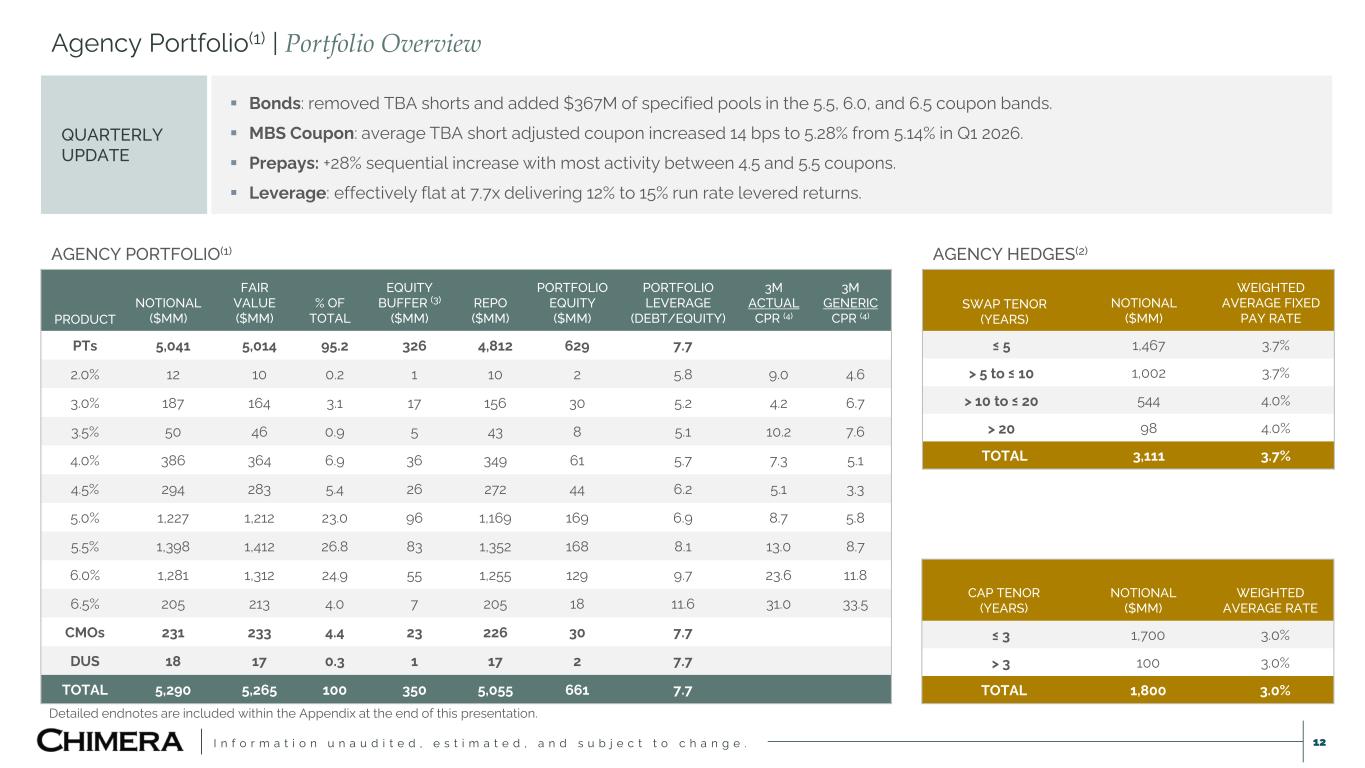
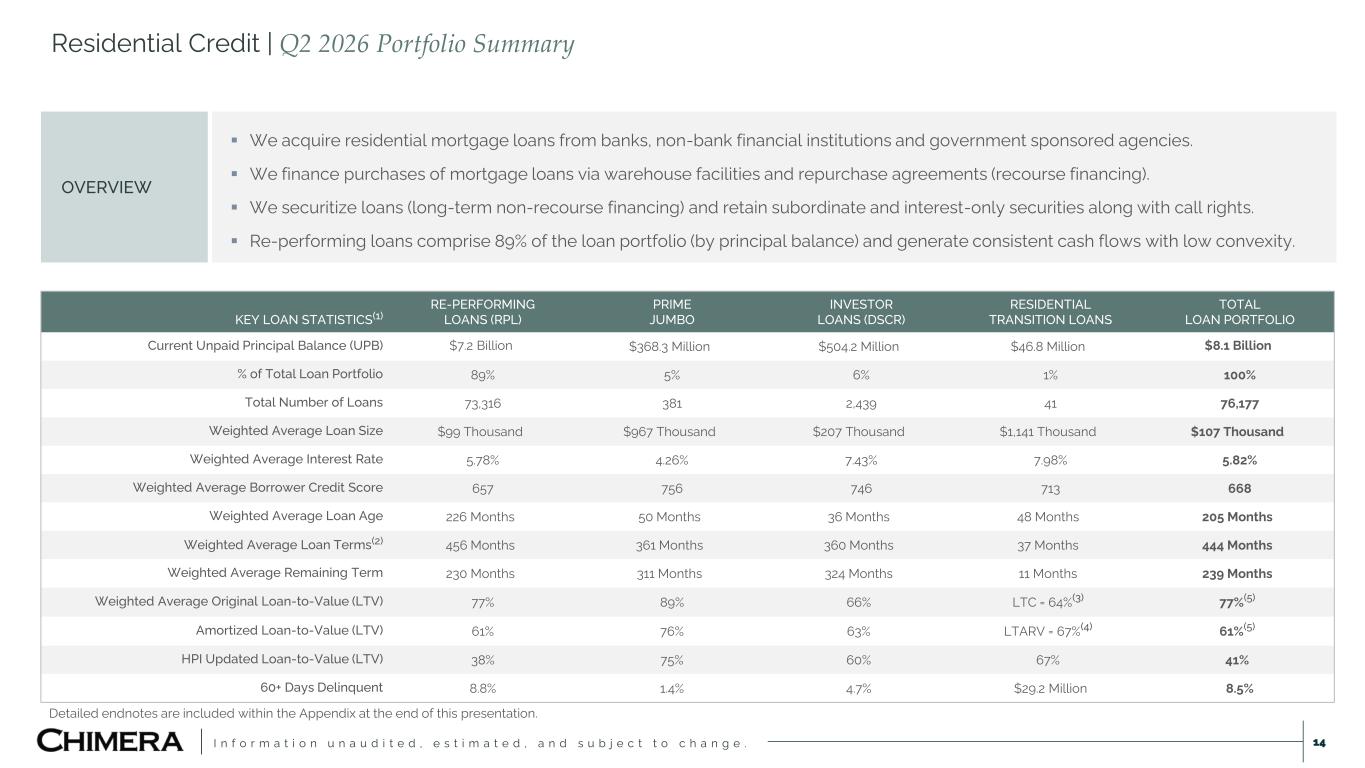
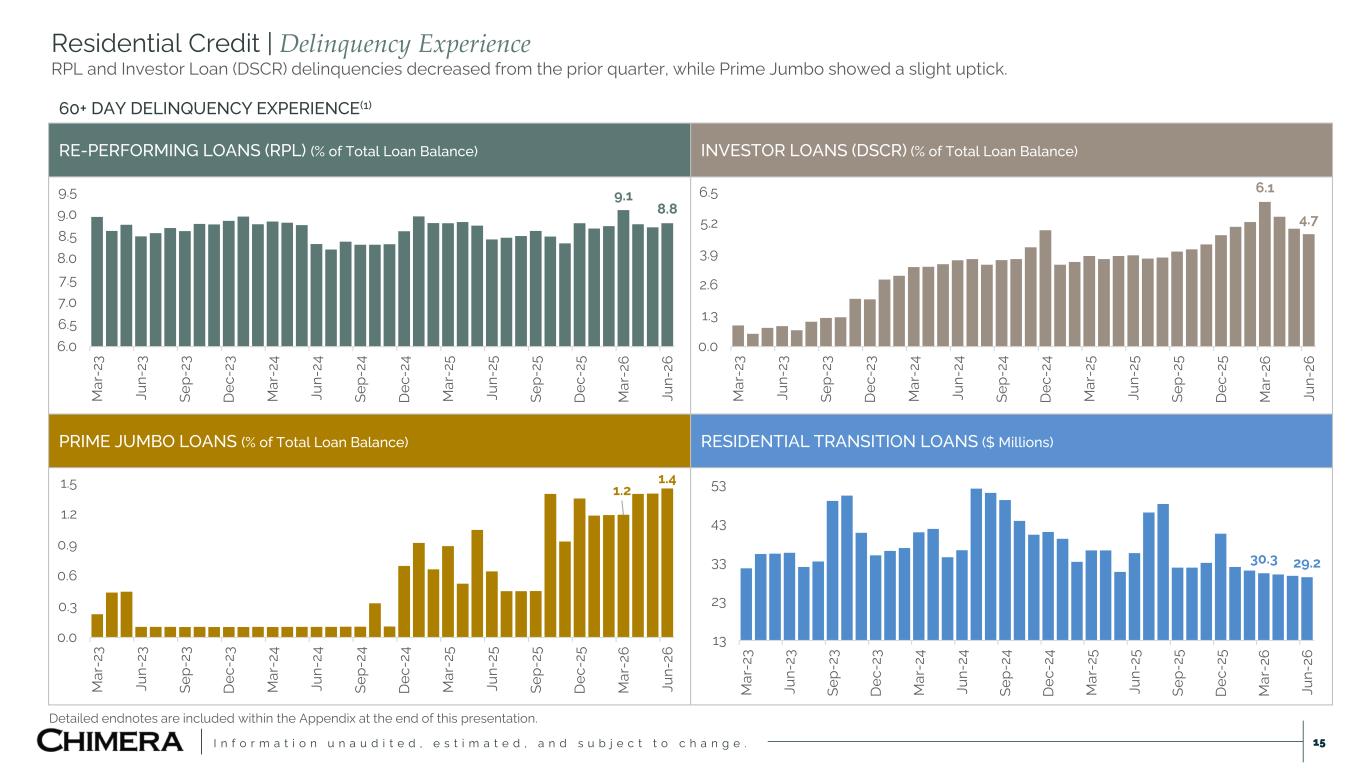
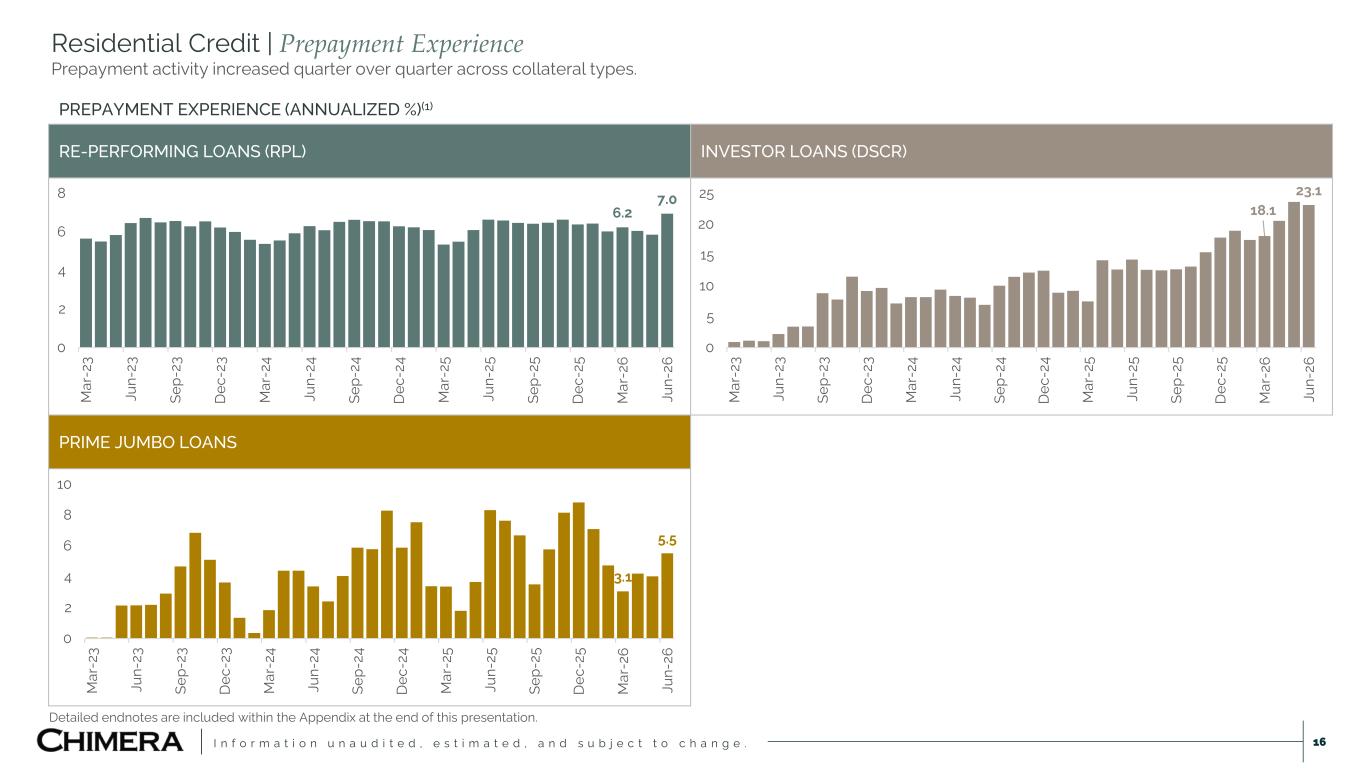
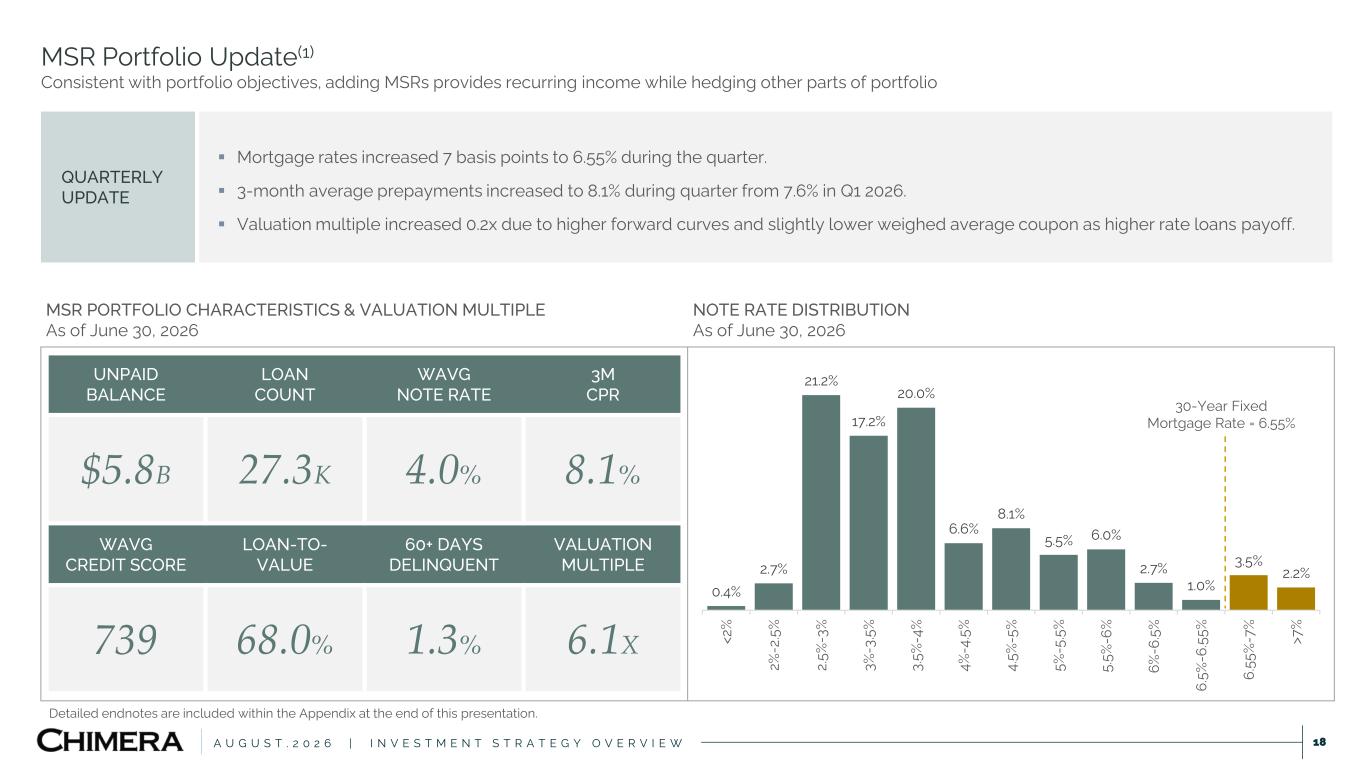
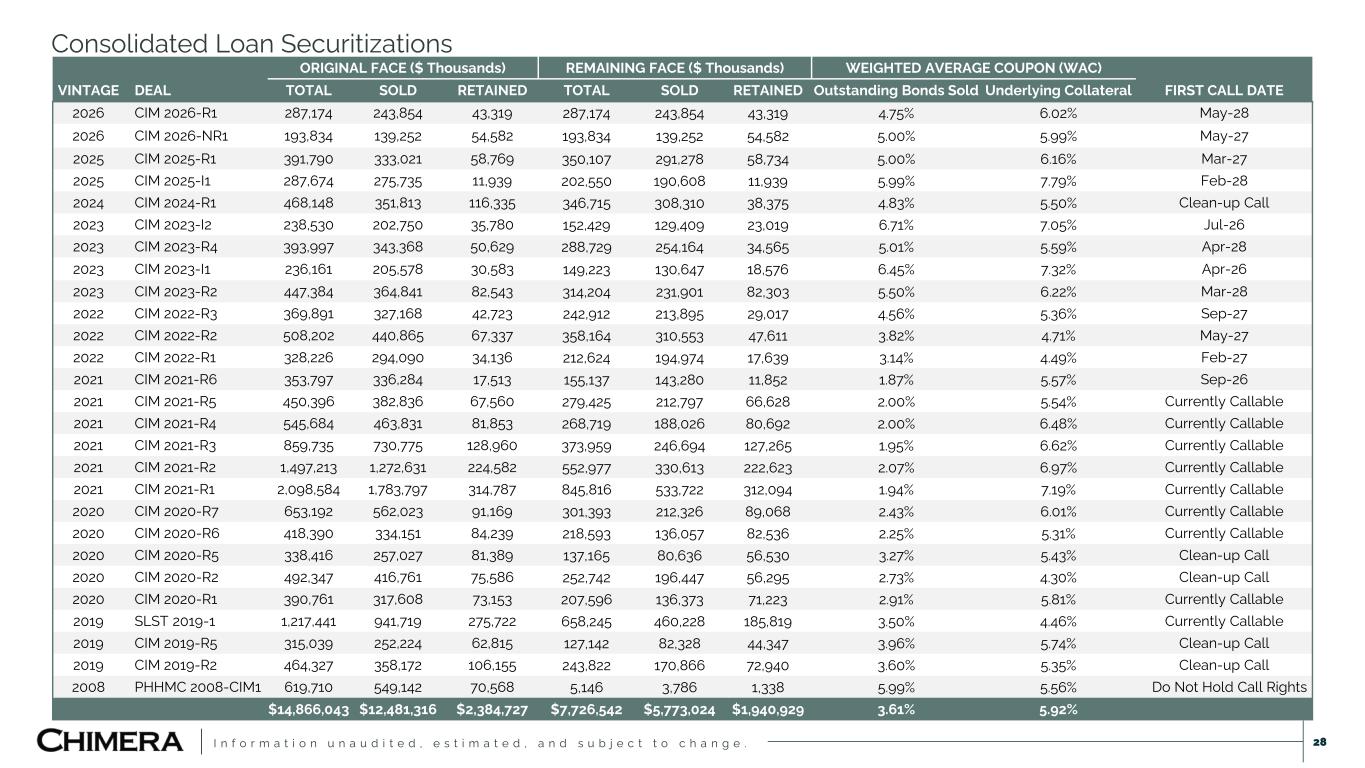
Thanks, Subra, and good morning, everyone. The second quarter was defined by a sharp repricing of the expected path of monetary policy as persistent inflation and resilient economic activity shifted markets from anticipating rate cuts toward a higher or longer outlook. Volatility increased materially in mid-May, pushing Treasury yields higher and temporarily widening agency MBS and residential credit spreads. Market conditions subsequently improved and spreads across both agency MBS and structured residential credit, including new-issue non-QM and RPL securities, ended the quarter tighter, supported by strong investor demand. By quarter end, Treasury yields were considerably higher, particularly at the front end, producing a pronounced bear flattening of the curve. While tighter spreads offset part of the increase in benchmark rates, all-end mortgage bond yield still finish the quarter at elevated levels. With respect to our investment portfolio activities, we closed out 966 million short TBA positions and further streamlined our agency portfolio by selling some of the non-core legacy CMBS, interest-only, and HECM positions, in addition to trimming our CMO exposure. In total, these sales represented 575 million of notional, and generated $19 million in capital for redeployment. Within the agency portfolio, we purchased and settled $967 million of pass-throughs with a focus on coupons in the 5.5 to 6.5 range, leaving our specified pool portfolio with more than 75% allocated to 5% coupons and above, and increasing our TBA-adjusted average coupon by 14 basis points to 5.28%. As Phil mentioned, we completed two re-securitizations backed by $487 million of loans. Of that collateral, $282 million consisted of loans retained from our first quarter loan sale activity, while $205 million came from a securitization we called during the quarter. Reallocating the loans sourced from the called securitization across the two new transactions enabled us to increase the advance rate and lower the original issue cost of funds related to the bonds. These deals improved overall financing efficiency and also released approximately $13 million of capital for reinvestment. Palisades Advisory Services was named Asset Manager on both deals. We continued to shift our capital allocation mix during the quarter, increasing agency MBS by 5 percentage points to 26% of our invested capital. Conversely, we reduced our allocation to legacy residential credit by 4 percentage points to 61%, while capital invested in MSRs and Home Express were roughly flat. We maintained a strong liquidity position with $656 million in cash and unencumbered assets. We also continued to manage our residential credit repo financing conservatively, with 61%, or $1.2 billion, comprised of limited or non-mark-to-market facility whose average month's maturity at quarter-end was eight months. During the quarter, we adjusted our hedging strategy by replacing the portion of our payer swaps within the money interest rate caps within our agency portfolio and added similar caps to hedge the liabilities in our residential credit sleeve. The caps provide similar protection to swaps in a higher rate environment while also improving the convexity of our portfolio in a sustained rally. Credit performance continued to track our expectations across product sectors in the second quarter. Delinquencies in the legacy re-performing book ended the quarter at 8.8%, down from 9.1% in Q1. We saw similar improvements in our investor DSCR loan portfolio, where delinquencies declined from 6.1% to 4.7%, driven in large part by early-stage delinquent loans becoming current. We continued to wind down the legacy RTL portfolio, which had 16 loans resolved during the quarter, including 13 payoffs and three workouts. The jumbo loan delinquencies remained stable, while prepays across the portfolio had a moderately upward sloping trend typical for the spring season. We made significant progress repositioning the investment portfolio. We still have work to do, but after multiple refinancings and divestitures over the last 18 months, culminating in the sale of $1.2 billion of loans in the first quarter, we've generated and redeployed nearly $700 million of capital from these portfolio management activities. Through 2025 and into the second quarter of 2026, we've redeployed the majority of that capital into liquid agency MBS. As noted, we view agencies as an important component to our portfolio construction strategy, providing both a relative value allocation and a liquidity bucket we can draw on to fund other accretive opportunities. That work has laid the foundation for us to build on our expertise in residential whole loan credit. Between our HomeExpress origination platform, Palisades technology and data infrastructure, our loan acquisition partnerships, and a track record spanning whole loan due diligence, credit underwriting, service or oversight, asset management, and securitization, we have a fully integrated residential credit platform, which we intend to grow. We believe the timing is favorable. Non-QM continues to show secular growth, evident in strong year-over-year increases in origination volume despite elevated rates and subdued housing activity. The rise in self-employment and non-traditional income profiles is expanding the pool of borrowers that fall outside conventional government programs, while non-QM has become a key financing source for investors with rental properties. We expect this form of financing to account for a growing share of the overall origination market, and we intend to be a consistent value-added partner to our lender and seller network. We're already executing on this. We've identified and retained $301 million of loans to seed our first HomeExpress securitization that remains on track for the third quarter. Since quarter end, we have retained additional loans for a second HomeExpress securitization and committed to purchase loans from third-party sellers for a separate non-QM transaction we intend to bring to market in the second half of the year. The first half was about continuing to reposition the portfolio. Despite a volatile backdrop, we exited lower-yielding legacy positions and redeployed capital into opportunities more closely aligned with our long-term strategic objectives and offering better prospective returns, all while maintaining our strong liquidity position. Those actions leave us with a stronger portfolio and the flexibility to lean into our core focus areas, led by residential credit, as opportunities emerge through the balance of the year. With that, I will turn it over to Kyle to discuss residential origination.
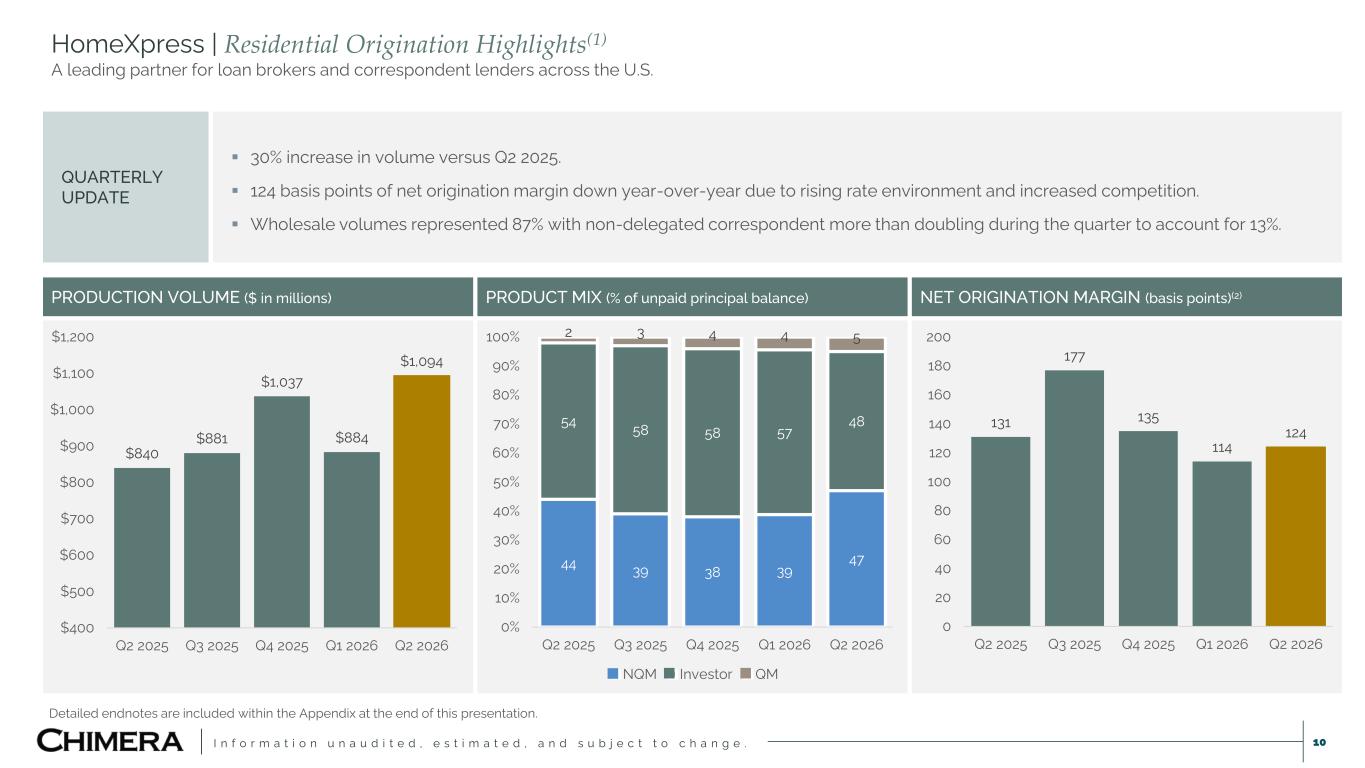
Thank you, Jack, and good morning, everyone. Home Express delivered into the strong quarter with record loan origination volume of $1.1 billion and $11.8 million in EBITDA. Our loan growth is up 30% from the prior year's second quarter and 24% over the first quarter of 2026. Growth in the second quarter was driven by broad-based demand across our core products, as well as increased production through our non-delegated correspondent channel, which now comprises 13% of our production. As Jack noted, while there was market volatility in the second quarter, Home Express loan production is less dependent on interest rate levels. In fact, in June, our loan volume increased to reach a monthly record for Home Express of $420 million. which is an impressive accomplishment considering the competitiveness of our market. Looking ahead at the third quarter, while monthly production may fluctuate due to market and other macro environment volatility, we expect the underlying loan demand to remain healthy, and we are focused on executing with discipline. As to profitability, Home Express EBITDA climbed $11.8 million in the second quarter, driven primarily by the higher loan volume and cost effectiveness. At the same time, net origination margin in the second quarter expanded to 124 basis points, up 10 basis points from the first quarter of 2026. The net origination margin for the second quarter of 2026 is slightly lower than the level of the second quarter of 2025 due to the increased market competition and tighter pricing. As such, we are focused on controlling the controllables by maintaining credit discipline, optimizing and enhancing our loan products, and keeping a sharp focus on process efficiency as the HomeExpress platform grows. In addition, while our loans already perform exceptionally well in the secondary market and are highly valued by investors, we continually seek new investor relationships to further enhanced competition, broadened demand, and maximized loan pricing execution. First, on credit, our underwriting standards have not changed. So even with a robust production volume growth, key metrics on our new loan originations, including weighted average FICO and LTV ratios for the quarter, remained in line with historic levels. That combination of higher volume with the same underwriting standards is what we're focused on preserving as we grow the business. Second, we are not trying to win every loan. Instead, we're protecting economics where returns do not justify the risk and choosing to compete in products and channels where the borrower's credit profile, the broker relationship, and our execution capabilities can support attractive returns. And third, we remain focused on driving higher efficiency as the platform scales. We recently equipped our brokers with the ability to order appraisals directly through our portal. We also now use smart fees to automatically populate the data they require to prepare loan disclosures. These technology tools serve to shorten loan processing times and help us support higher volumes more efficiently while improving accuracy. As I mentioned last quarter, we are expanding the share of consumer loans in our production mix. These loans, while typically have higher balances, enable us to generate more funded volume without a proportional increase in loan count and related fixed operating costs. Our average loan size grew to more than $455,000 during the quarter compared with $410,000 in the first quarter. We are actively engaged with our warehouse lenders to continue to improve the financing economics of our business, and we expect our efforts will enable us to increase our float spread. Importantly, we have ample funding to support our expected growth. Our warehouse capacity, which we expanded to $1.5 billion last quarter, has now been increased to $1.65 billion in July, and we are evaluating additional capacity. Our warehouse facilities are distributed across seven facilities with large financial institutions. We're also growing our broker network. We now have more than 6,350 brokers serviced by 145 account executives and related sales staff. Our strong national network remains our driving force, providing us with broad access across our various consumer, non-QM, and investor lending products. Stepping back, the first half of 2026 reflected our ability to execute. It also demonstrates the strength and value of our platform. Home Express is firmly on track to exceed the $4 billion loan origination volume target for the year, barring market events. It is also contributing meaningful EBITDA while providing Kibera with direct access to quality residential mortgage collateral. As we look towards the second half of 2026 and beyond, our focus is clear. Continue scaling the business in a disciplined and efficient manner with high credit quality, which is the foundation for driving earnings growth over time. With that, I'll turn the call over to Phil.
Thanks, Kyle. We'll now open the call for questions.
Operator
Thank you. We will now be conducting a question and answer session. If you would like to ask a question, please press star 1 on your telephone keypad. A confirmation tone will indicate your line is in the question queue. You may press star 2 if you would like to remove your question from the queue. For participants using speaker equipment, it may be necessary to pick up your handset before pressing the star keys. And our first question will come from Bose George with KBW.
Everyone, good morning. Actually, first, just on book value, can you just talk about the drivers of the change in book value during the second quarter, and where does mark-to-market book value stand quarter to date?
Yeah, sure. This is Jack. Just on the, you know, second quarter book value move, one thing to keep in mind, the vast majority even still today of our GATT portfolio is comprised of securitized loans. So we have about $8 billion of loans on balance sheet against, what, $5.5 billion of securitized So those are in, you know, fixed-rate, non-marked market term securitization. So we're not hedging the book value there, and that's the vast majority of the move in our book value. We had a pretty substantive, you know, sell-off in rates during the quarter, and that drove the value of the loans down. and also the SEC debt, but the loans move more than the SEC debt during this quarter. The one thing to also point out there, too, is as we've continued to sort of reposition, diversify the portfolio, we now have a quarter of the portfolio in agencies. We've got about 10%, 11% of the capital allocated to Home Express, and both of those things contributed positively to book value. But it's just a function of our consolidated gap securitization, that's driving that book value change. And just to reiterate, I think we've talked about this in the past, the one reason that we're not looking to hedge that is as the gyrations in, you know, interest rates change values on both the asset and liability side there, it really doesn't have any impact on our earnings power, dividend paying ability. So on the residential credit side of the book, what we're hedging is our floating rate liabilities with respect to our repo to ensure that our earnings power remains intact. But we take that the book value volatility on that part of the book is going to fluctuate with interest rates.
Okay, yeah, that makes sense. So, yeah, just the mark-to-market book value part?
Yeah, so quarter to date, there's been a bit of a sell-off in rates, so we're down about 1.5% quarter to date.
Okay, great. And then just actually a follow-up on the book value, just on the securitized portion. Since that doesn't impact your earnings out of that, I mean, essentially, does that your ROE on your remaining capital in that, does that just go up when those marks happen?
Yeah. So, I mean, our GAAP book value will change, certainly. So, yeah, I guess from a GAAP ROE standpoint, as the loan value declines, then, yeah, our earnings power remains intact. So, our ROE.
Okay, great. That makes sense. And then just on Home Express, just based on your guidance, it sounds like the higher rate outlook is not having a, you know, a much, like you said, meaningfully negative impact. So can you just talk about what rates are doing to Home Express in the back half of the year? And also is the, just talk about the margins in the non-delegated correspondent versus the traditional wholesale.
So we're seeing continued increase in volume on a month-to-month basis. We think the third quarter is going to be an increase over the second quarter. There has been some margin compression. You know, we're very focused on, you know, maintaining our underwriting standards, you know, pricing deliberately, and looking for operational efficiencies to try to drive down our cost of risk. As far as the non-delegated correspondent, it is slightly less margin business than our wholesale business. I would say maybe 10 to 15 basis points less in margin. But it appears to be much more efficient in how we can process the loan. So I think our costs originate on that business.
Operator
Our next question will come from Trevor Cranston with JMP Securities.
All right. good morning. Can you talk a little bit about your outlook for the agency basis after the spread tightening that we saw during the second quarter and sort of how you compare incremental returns on investing in agency MPS versus new credit opportunities today? Thanks.
Yeah, that's a good question. And I would say on the agency front, I mean, we've built up, you know, over $600 million dollars of capital allocated to agencies. Spreads have, you know, been moving around, but we're still generating something in the low to mid-teens area with respect to the capital allocated there. And, you know, there's still good demand coming in.
First half of the year, we obviously had the first quarter demand coming from the GSE.
So, you know, there's technical support with respect to spreads in the agency space. And we look at agencies as both a relative value bucket where we can generate returns, but also a source of liquidity that we can draw on for other opportunities. And right now, the bar to draw on that capital is relatively high, just given where yields are in the agency space. With that being said, we do feel like we are at a bit of an inflection point with respect to the work that we've been putting in over the last year and a half and repositioning the portfolio. I think what you heard from Phil's remarks as well as in my remarks is that, you know, the opportunity set for us as we see it on a go for basis is really to start leaning into one of our core competencies, which is what the vast majority of our infrastructure is built around, which is residential credit. So again, you know, and that includes retaining more loans from Home Express, buying loans from third parties, securitizing those loans, and really creating optionality with respect to whether or not we want to, you know, retain the credit portion of the capital stack for our investment portfolio, where we would be targeting something in the mid-teens area, or we want to distribute the entire structure and turn over that capital and generate gain on sale or capital market.
That's helpful. Thank you.
Operator
Moving next to Marissa Lobo with UBS.
Good morning and thank you. For the inaugural Home Express securitization, will Chimera retain the residual equity piece? And if so, how should we expect that to be reflected in EAD going forward?
Yeah, so like I was saying, whenever we're looking to do a securitization, whether it's Home Express or third-party loans, What our intent is to, you know, structure those deals and then, you know, up to the time of distribution, evaluate, you know, a variety of factors. One, our capital needs, our portfolio construction objectives, relative value in the market. And based on those factors, we make a determination as to whether or not we would retain the credit portion of the capital stack, which would essentially be investing for long-term earnings over the next several years or distributing the entire structure and booking the gain on sale, which would go through EAD and earnings and then turning over that capital and, you know, rinse and repeating it. So right now, I mean, we're still working through those dynamics. We're looking to get that first deal done probably in the latter part of the third quarter. And as we approach, you know, the date of that deal, we'll start, you know, honing in on the decision to, you know, what we're going to retain.
Okay. Thank you for that. And could you just update us on third-party advisory? You know, how much AOM are you managing, and how should we think about that revenue stream contributing to EAD going forward?
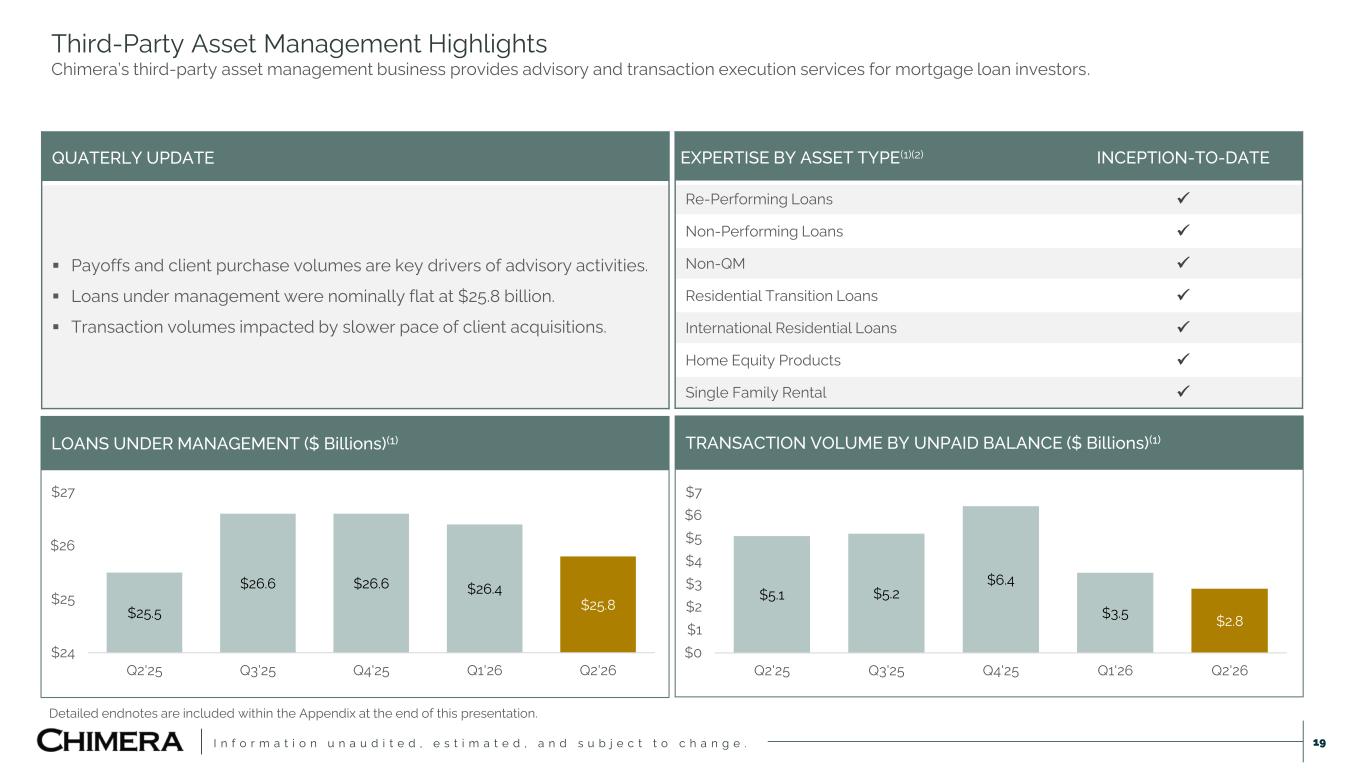
Yeah, so I guess the way I would think about Palisades Advisory Services is they serve, you know, multiple functions. One, they serve third-party clients with respect to helping them with all their residential whole loan service or oversight and data needs, and that generates revenue from third parties on a fee basis. And they're also very instrumental in overseeing the Chimera portfolio and our focus on buying loans from third parties, securitizing them. So it's really a function of external versus internal resource allocation. I will say just on the third-party business, you know, there is competition in that space, and we've also seen somewhat of a reduction in transaction activity from some of our clients, so we're seeing a little bit of dilution with respect to third-party fee revenue, but we're actively redeploying those resources to help focus on some of our whole loan needs at the REIT level.
And also with the Home Express securitization and the third-party conduit securitization.
Got it. Okay. Appreciate the answers.
Operator
And our next question will come from Doug Harder with BTIG.
Thanks, and good morning. Can you talk about where you are in terms of redeploying the capital from the call deals in the first quarter and where we are in terms of seeing that earnings? Thank you.
Yeah. Hey, Doug. So when we raised that $195 million from the calls and the sale in late first quarter, we actually had about a $900 and close to a billion dollar TVA short just from a risk management perspective that we held into April. so we actually closed out of that position, so there was some degradation with respect to the negative carrier offshore position in April, but after that, we were primarily fully deployed, and so we're realizing the benefits of that $195 million redeployment, you know, for the, you know, today and for the better part of the second quarter. The one thing to just highlight and point out, though, and this kind of goes back to our consolidated securitizations of the, you know, we've got $8 billion of loans, $5.5 billion of securitized debt. The way that those deals are structured is that when principal comes in, it delevers the structures. And then over time, that's going to dilute our earnings power up until we call the deal, pull the capital out, and then redeploy it once again. So part of the earnings accretion, if you will, from the first quarter activities, we're definitely seeing that, but it's being offset by some of the deleveraging in other parts of the portfolio. But still, there's a net benefit to it. But we're seeing that, you know, today and in the back half of Q2.
All right. Because I guess where I'm just struggling is, you know, one of the logics of kind of the book value decline that you took from calling those deals was to see earnings accretion from that, you know, and X, the one-time items, the earnings seem relatively flat. So, you know, just, and I understand your point there about replacing some of the degradation, but, you know, just, you know, was wondering if, you know, kind of where we were in seeing that accretion, but I appreciate the answer. Sure.
Operator
And this now concludes our question and answer session. I would like to turn the floor back over to Phil Cardis for closing comments.
Thank you. To our shareholders, thank you for your continued support. Over the past couple of years, we've made a lot of progress towards our destination, and we look forward to updating you again next quarter.
Operator
Ladies and gentlemen, thank you for your participation. This does conclude today's teleconference. You may disconnect your lines and have a wonderful day.