Good afternoon, everyone, and welcome to Diodes Incorporated's fourth quarter and full year 2025 financial results conference call.
Operator
At this time, all participants are in a listen-only mode. At the conclusion of today's conference call, instructions will be given for the question and answer session. If anyone needs assistance at any time during the conference call, please press the star key followed by zero on your touchstone telephones. As a reminder, this conference call is being recorded. Today, Tuesday, February 10, 2026, we'd now like to turn the conference call over to Leanne Severs of Shelton Group Investor Relations. Leanne, please go ahead.
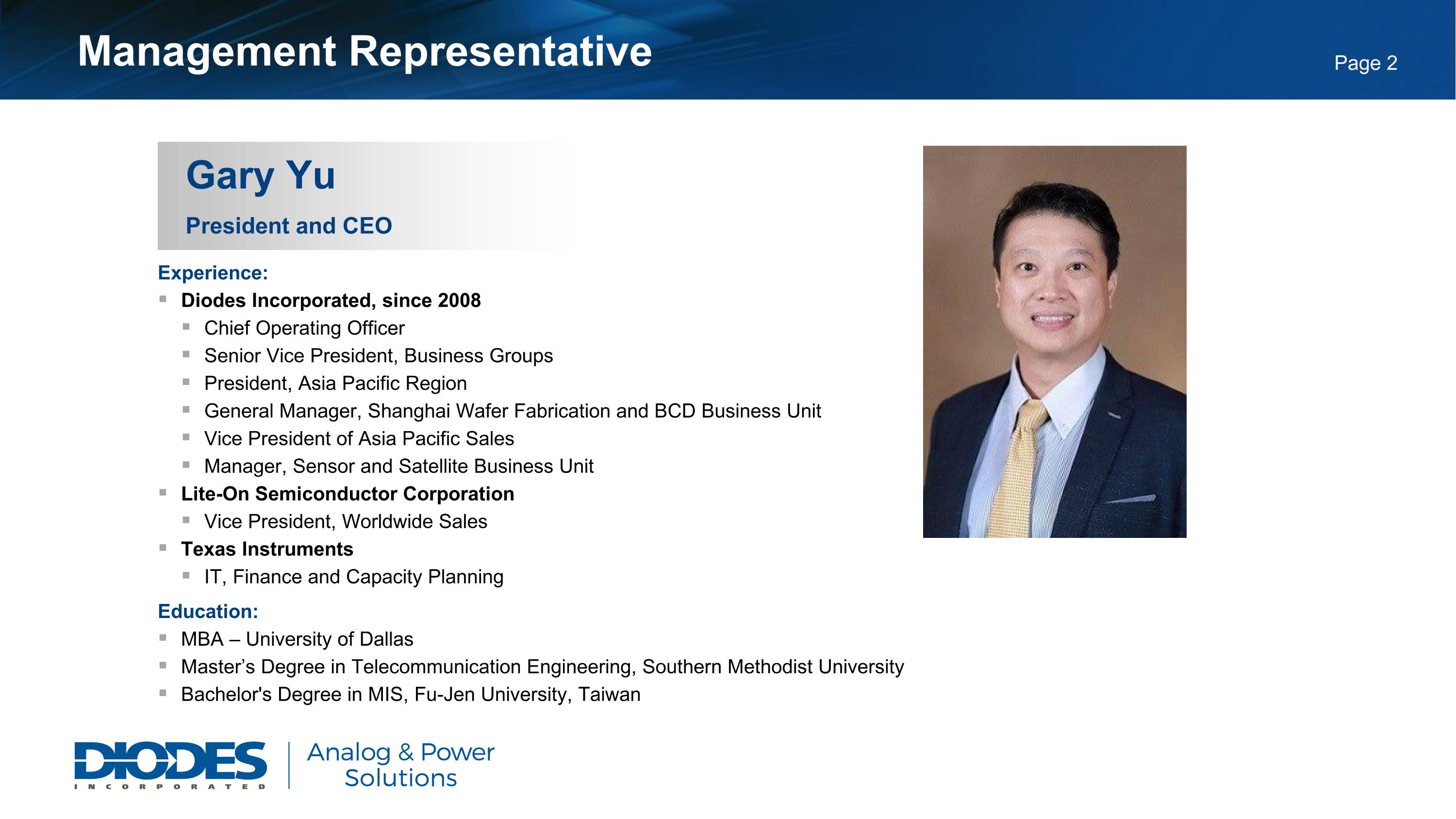
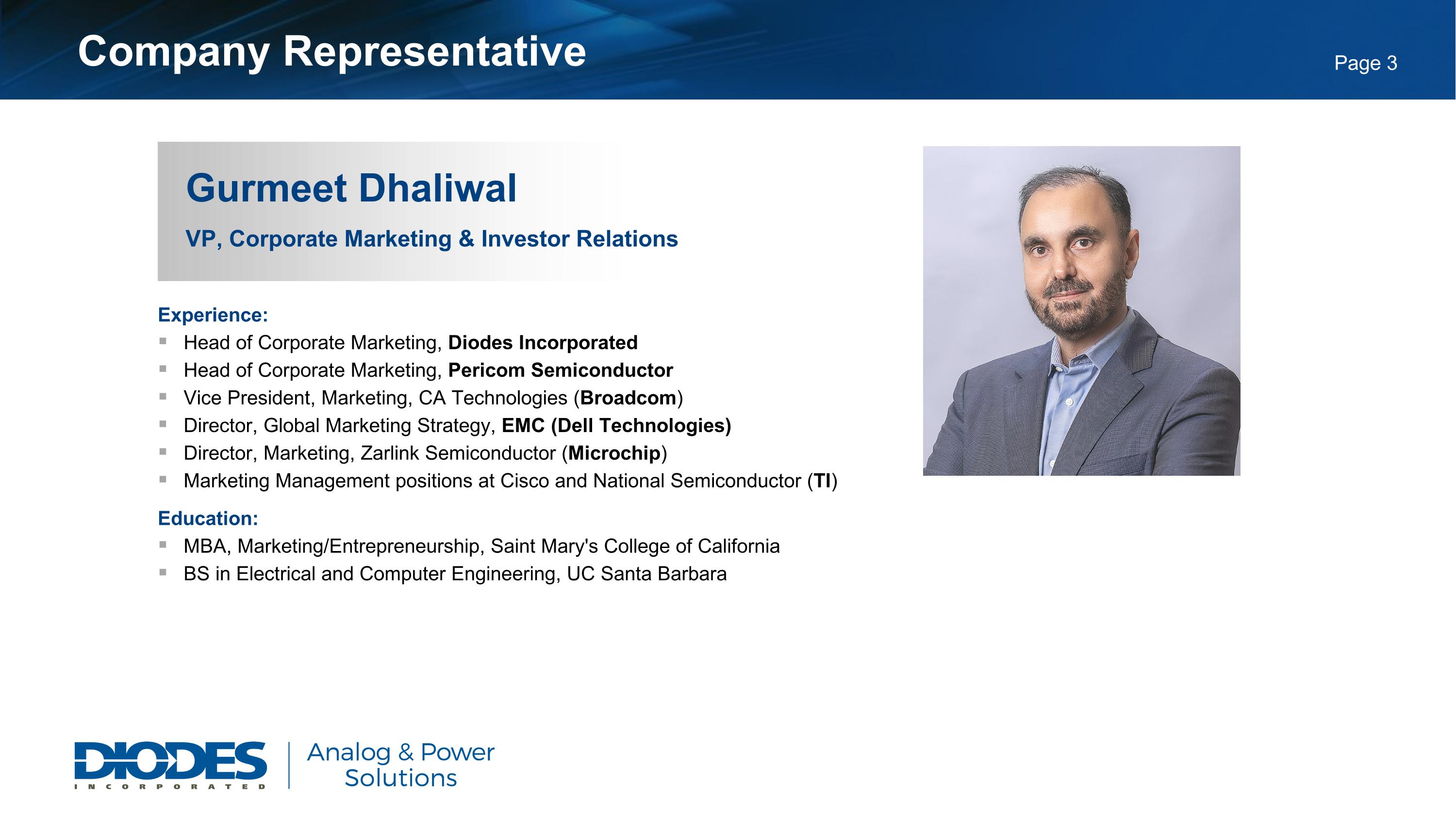
Good afternoon, and welcome to Diodes' fourth quarter 2025 financial results conference I'm Leanne Severs, president of Shelton Group, Diodes Investor Relations firm. Joining us today are Diodes president and CEO, Gary Yu, CFO, Brett Whitmire, senior vice President of Worldwide Sales and Marketing, Emily Yang, and Vice President of Marketing and Investor Relations, Grameet Dhalawal. I'd like to remind our listeners that the results announced today are preliminary as they are subject to the company finalizing its closing procedures and customary quarterly review by the company's independent registered public accounting firm. As such, these results are unaudited and subject to revision until the company files its Form 10-K for its year ended December 31, 2025. In addition, management's prepared remarks contain forward-looking statements, which are subject to risks and uncertainties, and management may make additional forward-looking statements in response to your questions. Therefore, the company claims the protection of the safe harbor for forward-looking statements that is contained in the Private Securities Litigation Reform Act of 1995. Actual results may differ from those discussed today, and therefore we refer you to a more detailed discussion of the risks and uncertainties in the company's filings with the Securities and Exchange Commission, including Form 10-K and 10-Q. In addition, any projections as to the company's future performance represent management's estimates as of today, February 10, 2026. DABS assumes no obligation to update these projections in the future, as market conditions may or may not change, except to the extent required by applicable law. Additionally, the company's press release and management statements during this conference call will include discussions of certain measures and financial information in GAAP and non-GAAP Included in the company's press release are definitions and reconciliations of GAAP to non-GAAP items, which provide additional details. Also, throughout the company's press release and management statements during the conference call, we refer to net income attributable to common stockholders as gap net income. For those of you unable to listen to the entire call at this time, a recording will be available via webcast for 90 days in the Investor Relations section of Diod's website at www.diods.com. And now I'll turn the call over to Diod's President and CEO, Gary Yu. Gary, please go ahead.
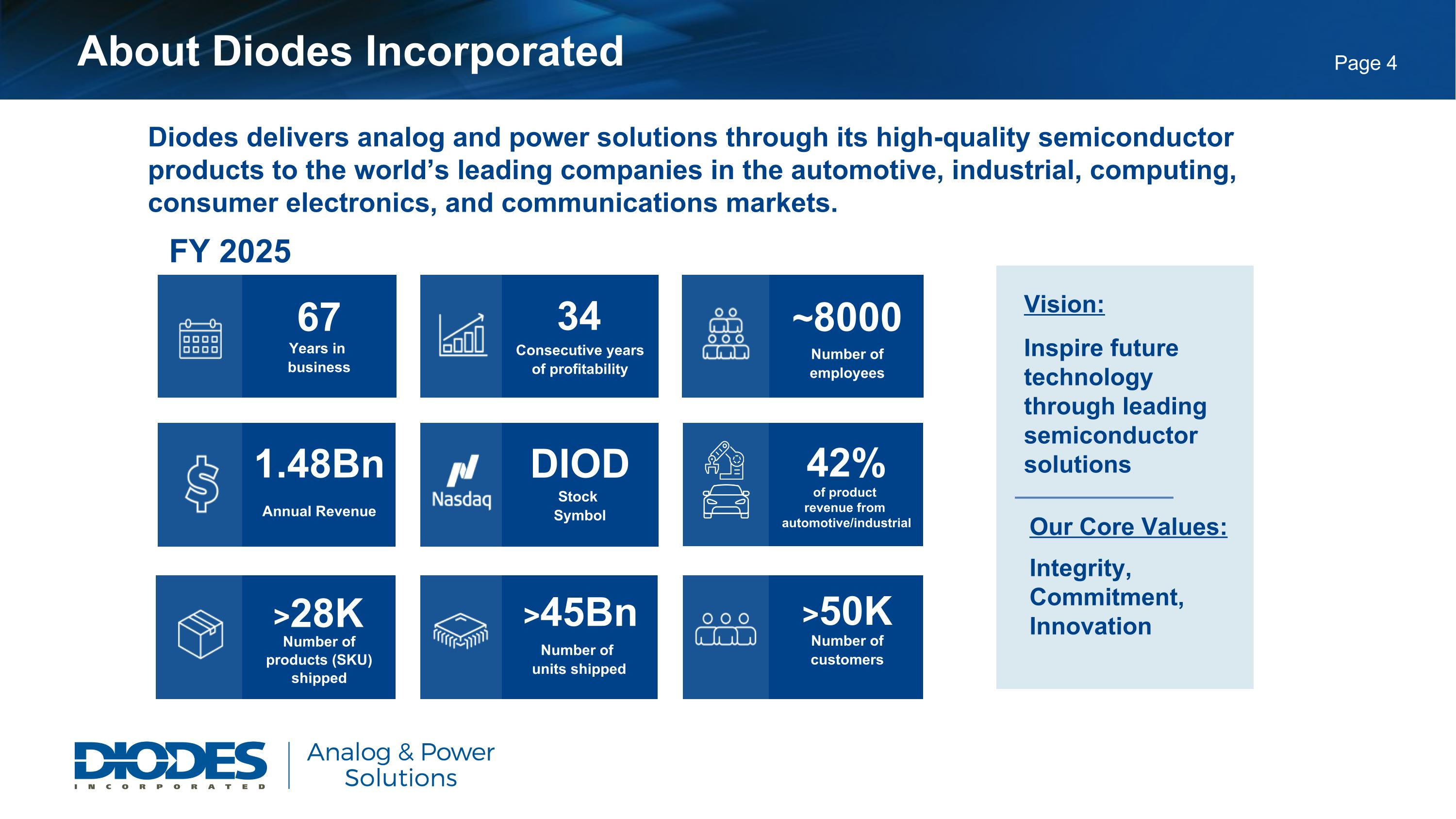
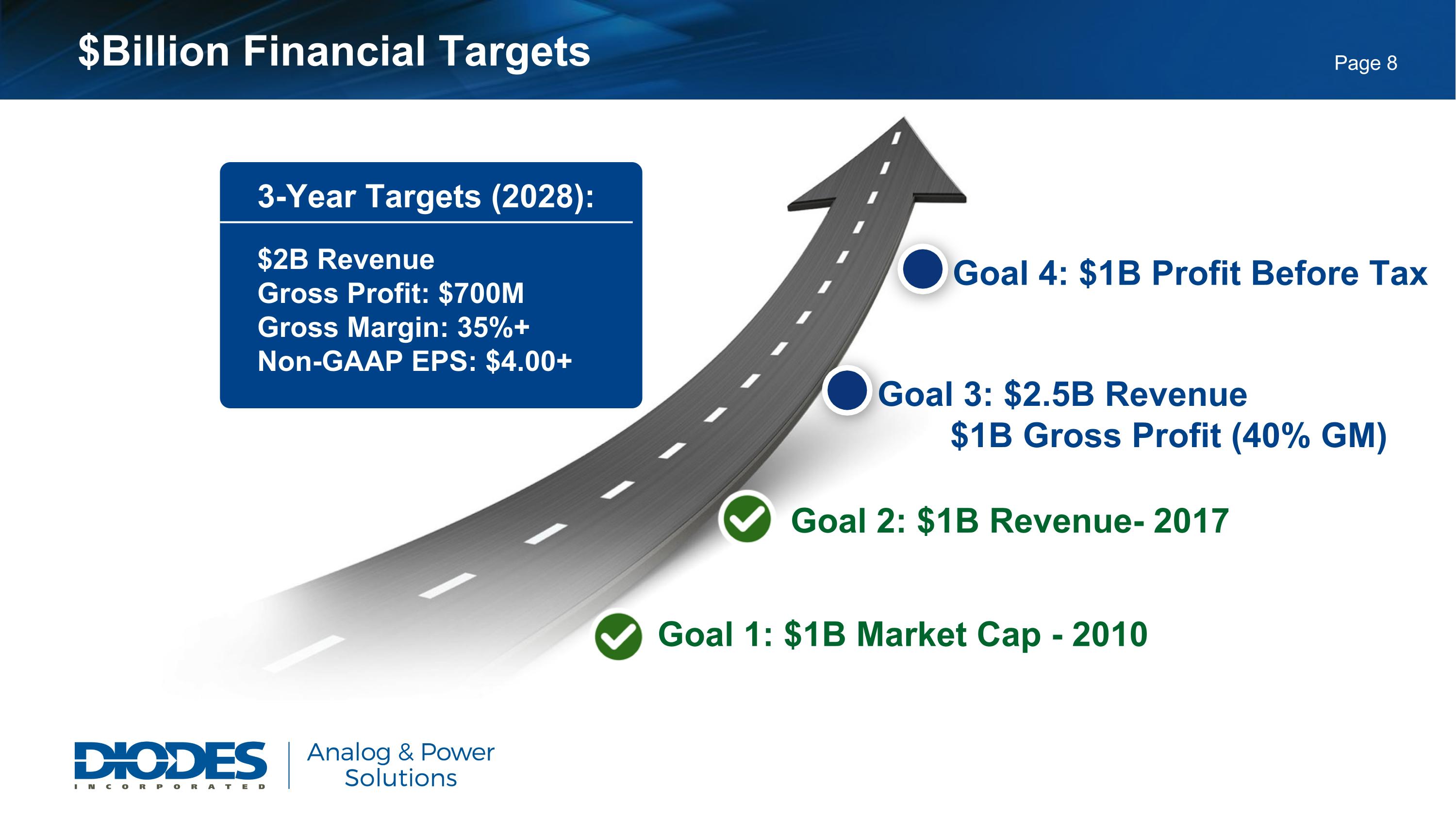
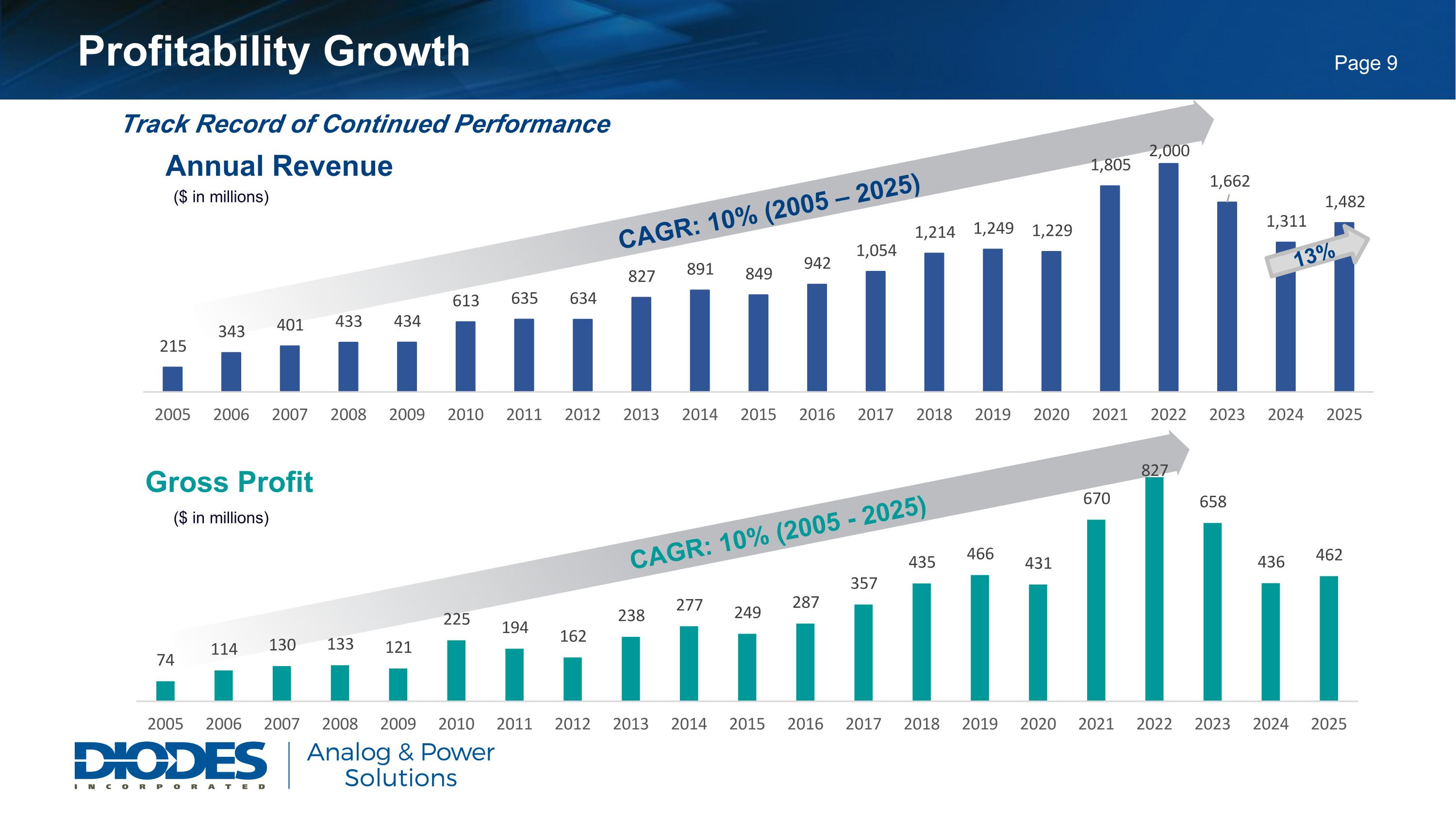
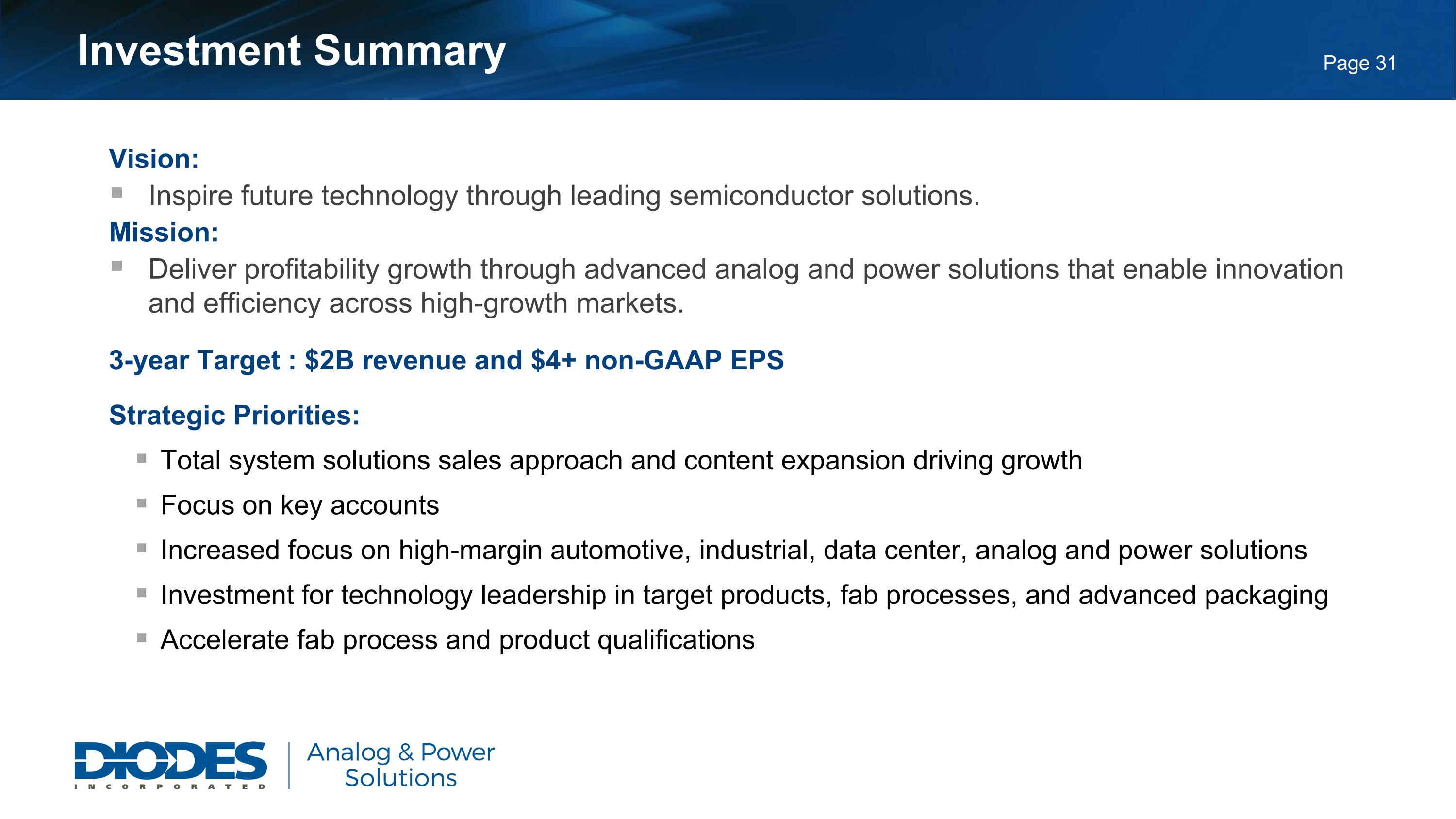
Welcome everyone and thank you for joining us on today's conference call. As announced in our press release earlier today, we ended 2025 with fourth quarter revenue growing 15% year-over-year and 13% for the full year 2021. Further highlighting the success of Dow Design Win initiative and content expansion over the past year, we have continued to see demand improvement across our target market and geographies, with the most significant growth for the full-year driven market, primarily for AI server-related applications, automotive and industrial end markets. The initial improvement in gross margin as product makes benefit from growth in the automotive market, initially, and at 24% year-over-year. We also remain focused on increasing manufacturing efficiency and minimize under-loading costs over the next few quarters to further drive future margin expansion. As we look to the coming quarter, we anticipate extending our success by delivering above seasonal revenue results and our first consecutive quarter of double-digit year-over-year growth. As we look back over this past year and the progress that has made, I want to take this opportunity to discuss my specific near-term financial target after having been in the role of president and CEO for the past two quarters. After reaching $1 billion in revenue in 2017, our next billion dollar goal is to reach $2.5 billion in revenue and $1 billion in gross profit, or 40% in gross margin. I want to emphasize that we remain committed to achieving these long-term goals. In order to help our investor track our progress toward these goals, today I'm introducing three-year interim financial target, which includes achieving $2 billion in annual revenue with approximately $700 million in gross profit, or 35% plus in gross margin. This is equated to a revenue CAGR of 10.5% and a 15% CAGR on gross profit dollars. Most notable, when taking into account our improved cost structure, we are expecting to deliver over $4 in non-GAAP EPS, which equals to a 50% CHDR over that three-year period. This interim goal highlights the strong operating leverage in Dow's financial model and the ability to generate significant earnings, power, and cash flow on each incremental dollar of revenue growth. As mentioned earlier in my remarks, we continue to prioritize product mix improvements by focusing our sales effort and R&T dollars are three key focus area of automotive, industrial, and the computing for AI-related server application. Content expansion, design-wing momentum, and a new product introduction will continue to be the cornerstones of our growth initiative, combined with increased manufacturing and cost efficiency to drive margin expansion. With that, let me now turn the call over to Brad to discuss our first quarter and full year financial results, as well as our first quarter guidance in more detail.
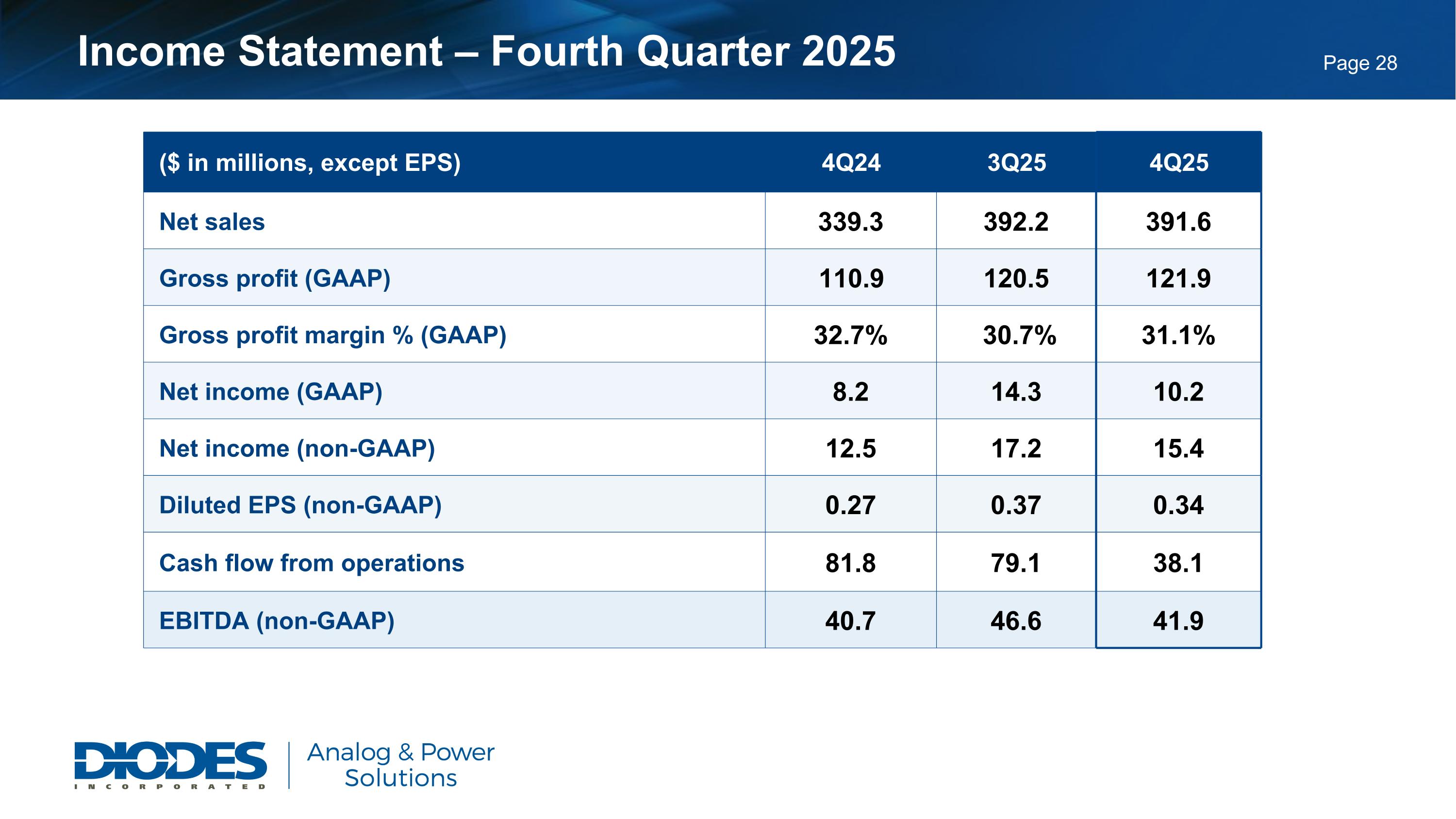
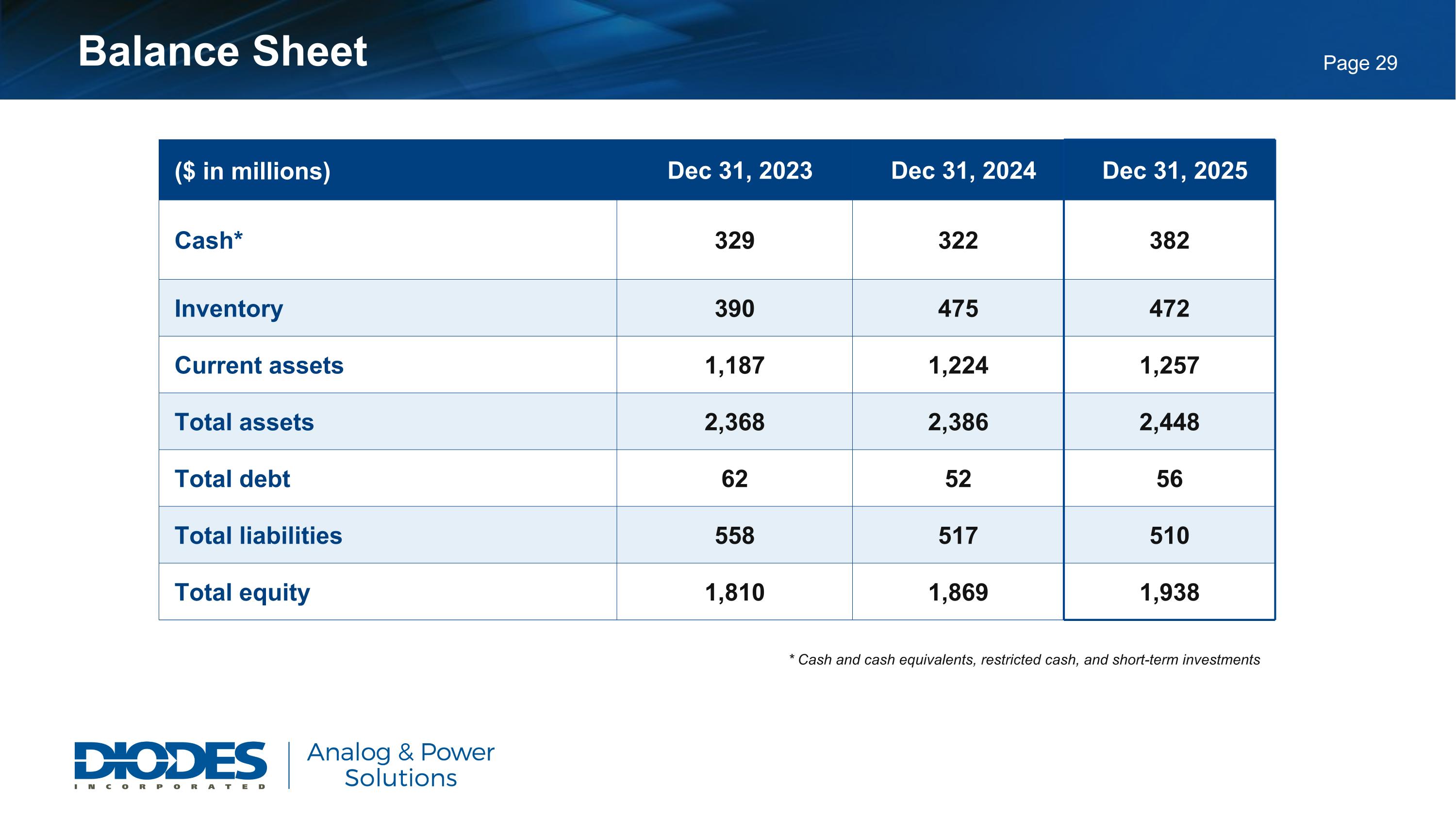
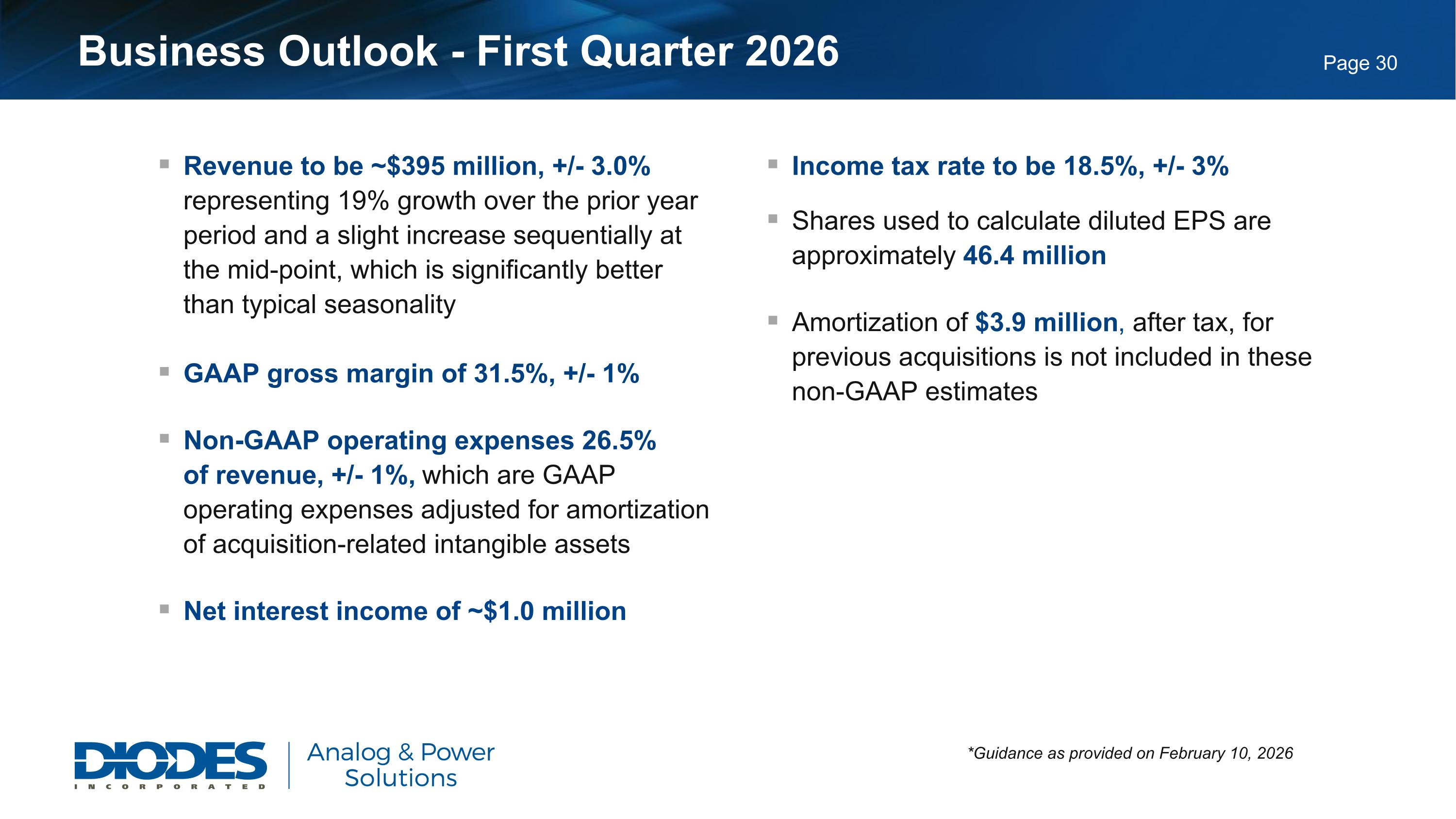
Thanks, Gary, and good afternoon, everyone. Revenue for the fourth quarter of 2025 was $391.6 million, an increase of 15.4%, over $339.3 million in the fourth quarter of 2024, and essentially flat compared to $392.2 million in the third quarter of 2025. Full-year 2025 revenue increased 13% to $1.5 billion compared to $1.3 billion in 2024. Gross profit for the fourth quarter was $121.9 million or 31.1% of revenue compared to $110.9 million or 32.7% of revenue in the prior year quarter and $120.5 million, or 30.7% of revenue, in the prior quarter. For the full year, GAAP gross profit was $462.4 million, or 31.3% of revenue, compared to $435.9 million, or 33.2% of revenue, in 2024. Gap operating expenses for the fourth quarter were $108.7 million, or 27.8% of revenue, and on a non-gap basis were $104 million, or 26.6% of revenue, which excludes $4.7 million amortization of acquisition-related intangible asset costs. This compares to GAAP operating expenses in the fourth quarter 2024 of $99 million, or 29.2% of revenue, and $108.9 million, or 27.8% of revenue, in the prior quarter. Non-GAAP operating expenses in the prior quarter were $103.1 million, or 26.3% of revenue. Total other income amounted to approximately $1.3 million for the quarter, consisting of $7 million in interest income, $2.9 million in foreign currency losses, $1.3 million in interest expense, $1.6 million loss on investment, and $0.1 million in other income. Income before taxes and non-controlling interest in the fourth quarter 2025 was $14.5 million compared to income of $12.3 million in the prior year period and $19 million in the previous Turning to income taxes, our effective income tax rate for the fourth quarter was approximately 14.9%. For the full year 2025, the tax rate was approximately 17.6%. For 2026, we continue to expect the tax rate for the full year to remain at approximately 18% plus or minus 3%. Gap net income for the fourth quarter was $10.2 million, or 22 cents per diluted share, compared to net income of $8.2 million or $0.18 per diluted share in the prior year quarter and net income of $14.3 million or $0.31 per diluted share last quarter. Full year gap net income was $66.1 million or $1.43 per diluted share compared to $44 million or $0.95 per diluted share in 2024. The share count used to compute GAAP income per share for the fourth quarter 2025 was 46.3 million shares and 46.4 million for the full year. Non-GAAP adjusted net income in the fourth quarter was $15.7 million, or $0.34 per diluted share, which excluded net of tax, $3.9 million of acquisition-related and tangible asset costs, and $1.6 million of loss on investment. This compares to non-GAAP adjusted net income of $12.5 million, or $0.27 per diluted share in the fourth quarter 2024, and $17.2 million, or $0.37 per diluted share in the prior quarter. For the full year, non-GAAP adjusted net income was $56.7 million, or $1.22 per diluted share, as compared to $61 million, or $1.31 per diluted share in 2024. Excluding non-cash share-based compensation expense of $5.3 million for the fourth quarter net of tax, both GAAP net income and non-GAAP adjusted net income would have increased by 12 cents per share. For the full year, excluding GAAP and non-GAAP, non-cash share-based compensation expense of $20.3 million net of tax, GAAP and non-GAAP diluted earnings per share would have improved by $0.44 per share. EBITDA for the fourth quarter was $41.9 million, or 10.7 percent of revenue, compared to $40.7 million, or 12 percent of revenue in the prior year period, and $46.6 million, or 11.9 percent of revenue in the prior quarter. For the full year, EBITDA was $199.2 million, or 13.4 percent of revenue compared to $177.1 million or 13.5% of revenue in 2024. We have included in our earnings release a reconciliation of GAAP net income to non-GAAP adjusted net income and GAAP net income to EBITDA, which provides additional details. Cash flow provided by operations was $38.1 million for the fourth quarter. Free cash flow was $12.4 million, which included $25.7 million of capital expenditures. Net cash flow was a negative $9.7 million, which includes $23.8 million that was returned to our shareholders by executing on our previously announced $100 million stock buyback program. The objective of our share repurchase program is to return excess capital to shareholders while partially offsetting the dilutive impact of shares issued under our equity incentive plans. For the full year, cash flow provided by operations was $215.5 million, an increase of $96.1 million compared to $119 million last year. Free cash flow in 2025 was $137.2 million, which included $78.4 million of capital expenditures. This represents a $90.8 million increase over the $46.4 million in 2024. And the net cash flow for the full year was a positive $57.6 million, which includes $33.8 million for the stock buyback program, compared to a negative $3.8 million in net cash flow last year. I'd also like to point out that our free cash flow per share increased three-fold to $2.95 per share in 2025 from $1 per share in 2024. Turning to the balance sheet, at the end of fourth quarter, cash, cash equivalents, restricted cash plus short-term investments totaled approximately $382 million. Working capital was approximately $879 million, and total debt, including long-term and short-term, was approximately $56 million. In terms of inventory, at the end of fourth quarter, total inventory days were approximately 161 as compared to 162 last quarter. Finished goods inventory days were 59 compared to 62 last quarter. Total inventory dollars increased $600,000 from the prior quarter to $471.5 million, consisting of a $2.1 million increase in work and process, a $1.2 million increase in raw materials, and a $2.7 million decrease in finished goods. Capital expenditures on a cash basis were $25.7 million for the fourth quarter, or 6.6% of revenue, and $78.4 million, or 5.3% of revenue for the full year, both of which were within our targeted annualized range of 5% to 9% of revenue. Now turning to our outlook. For the first quarter, 2026, we expect revenue to be approximately $395 million, plus or minus 3%. At the midpoint, this represents a 19% increase year over year and a slight increase sequentially, which is significantly better than typical seasonality. Gap gross margin is expected to be 31.5%, plus or minus 1%. Non-GAAP operating expenses, which are GAAP operating expenses adjusted for amortization of acquisition-related and tangible assets, are expected to be approximately 26.5 percent, plus or minus 1 percent. We expect net interest income to be approximately $1 million. Our income tax rate is expected to be 18.5% plus or minus 3%, and shares used to calculate EPS for the first quarter are anticipated to be approximately 46.4 million shares. Not included in these non-GAAP estimates is amortization of $3.9 million after tax for previous acquisitions. With that said, I now turn the call over to Emily Yang.
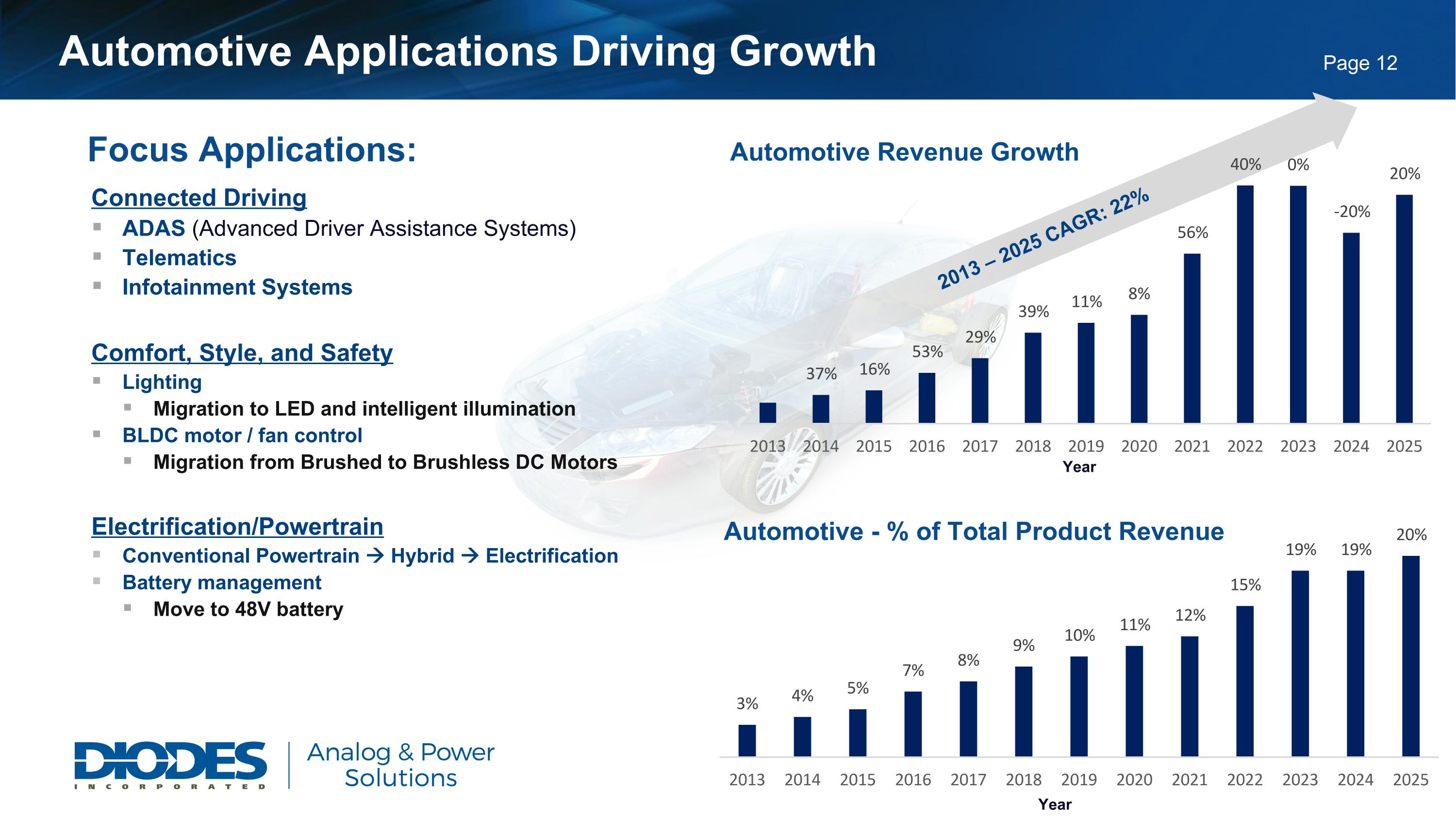
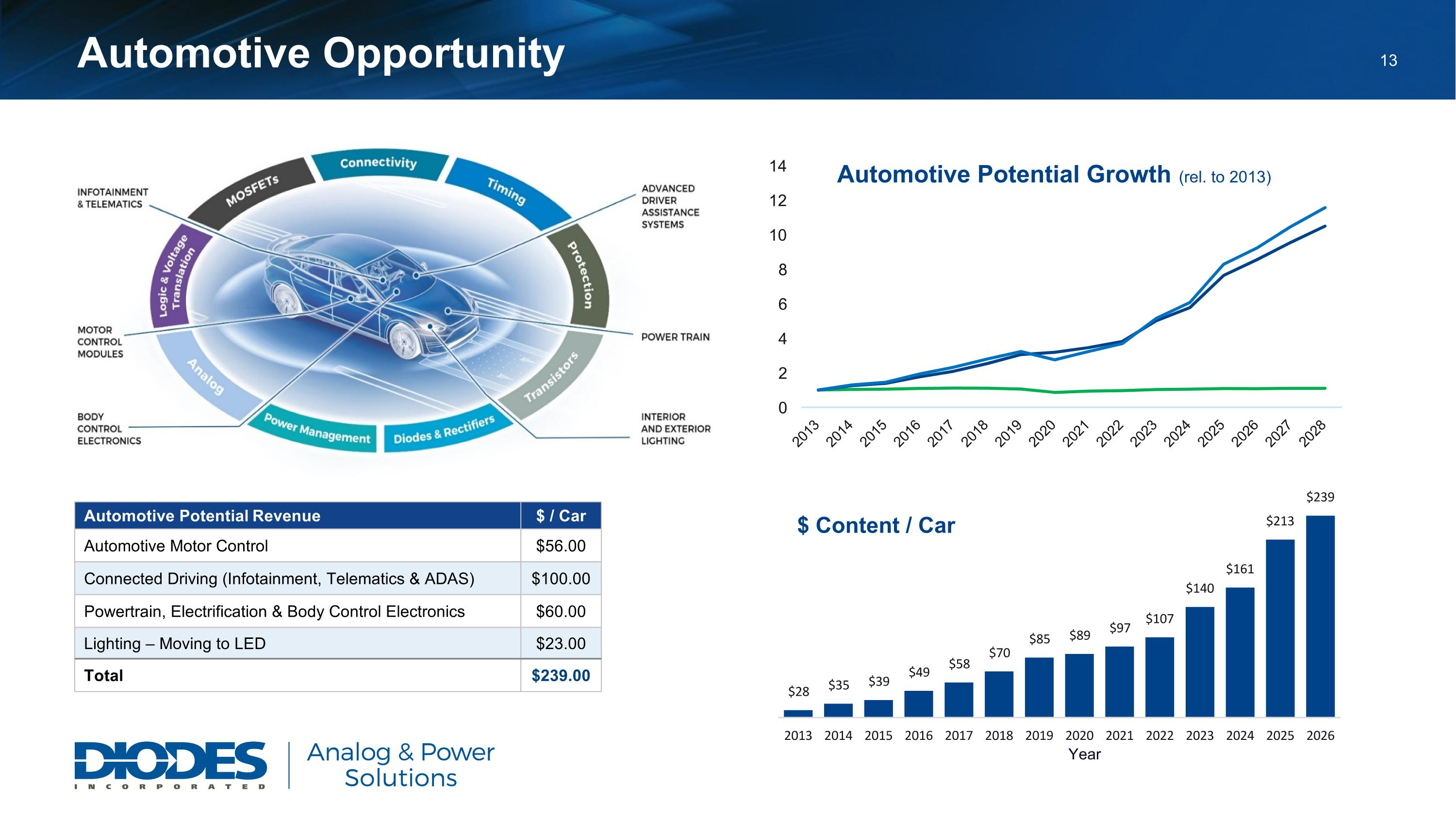
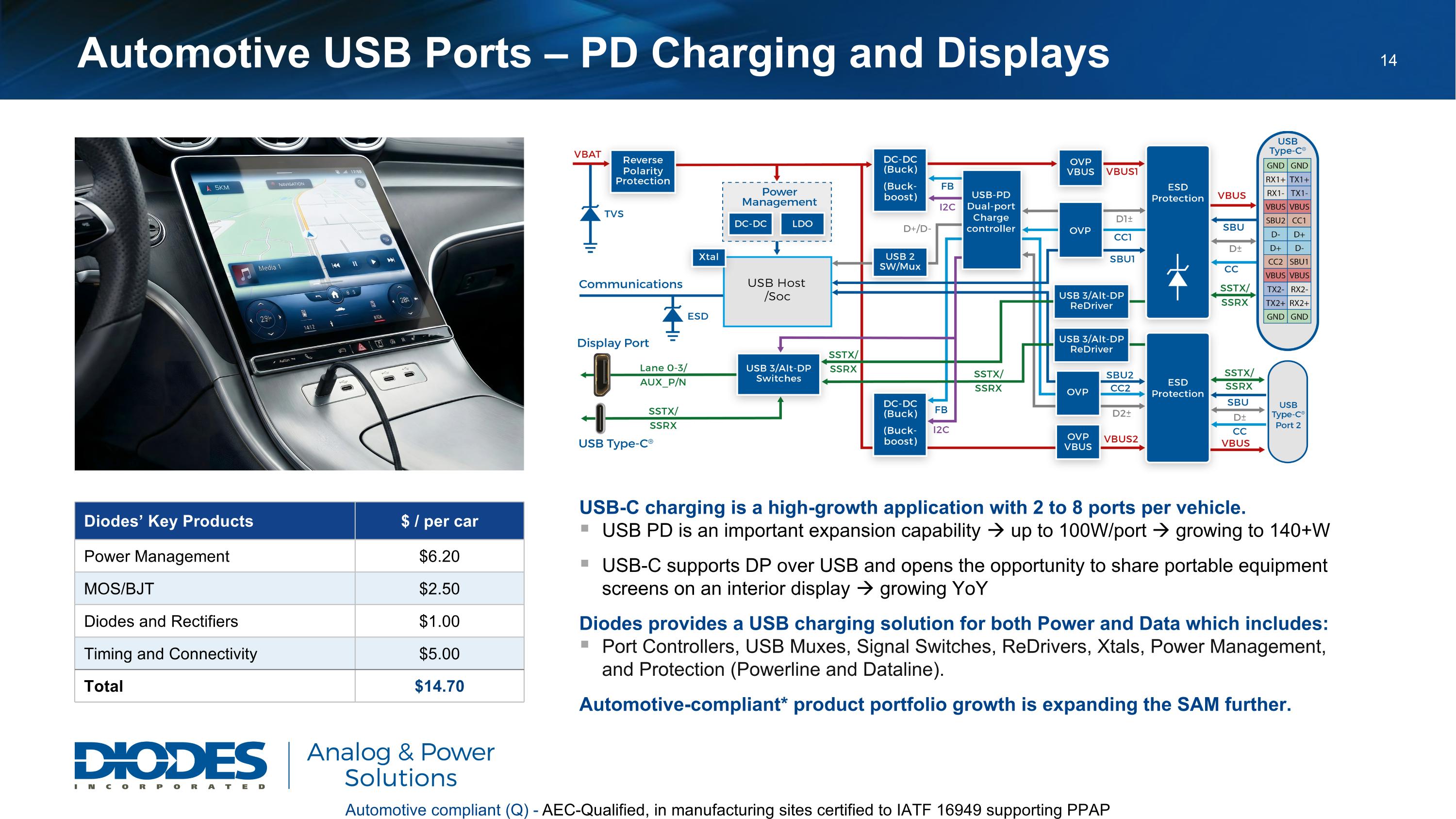
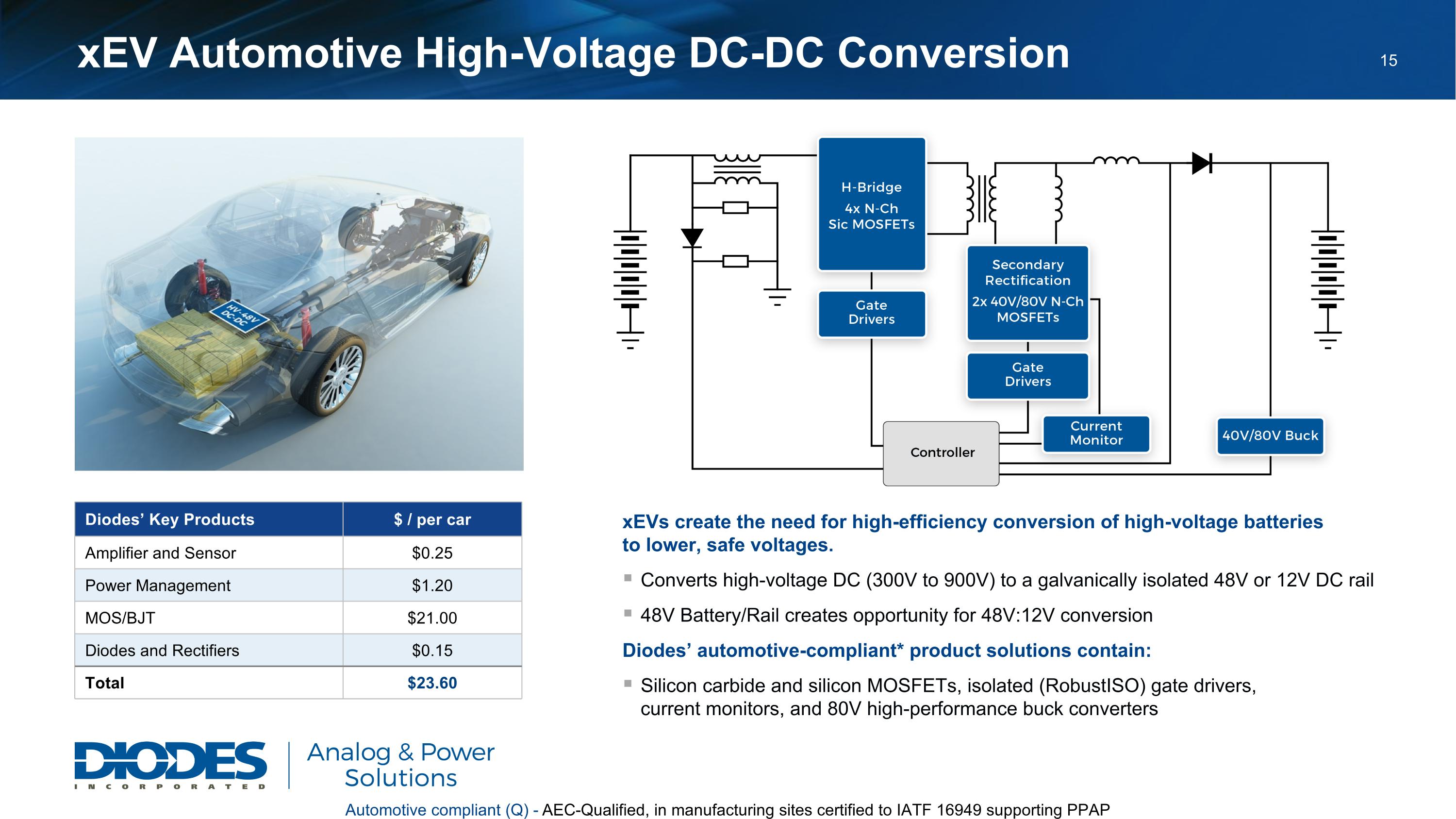
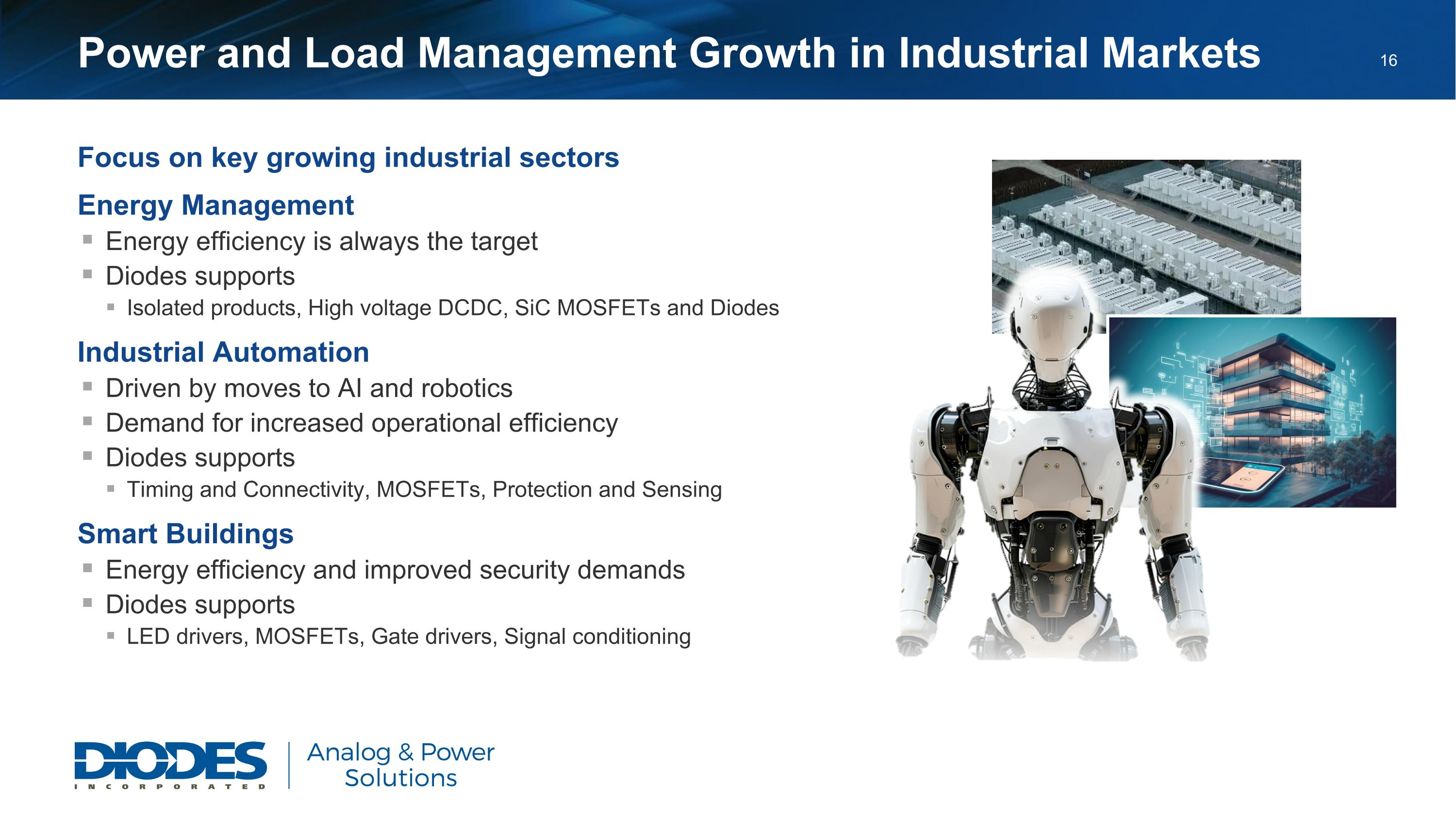
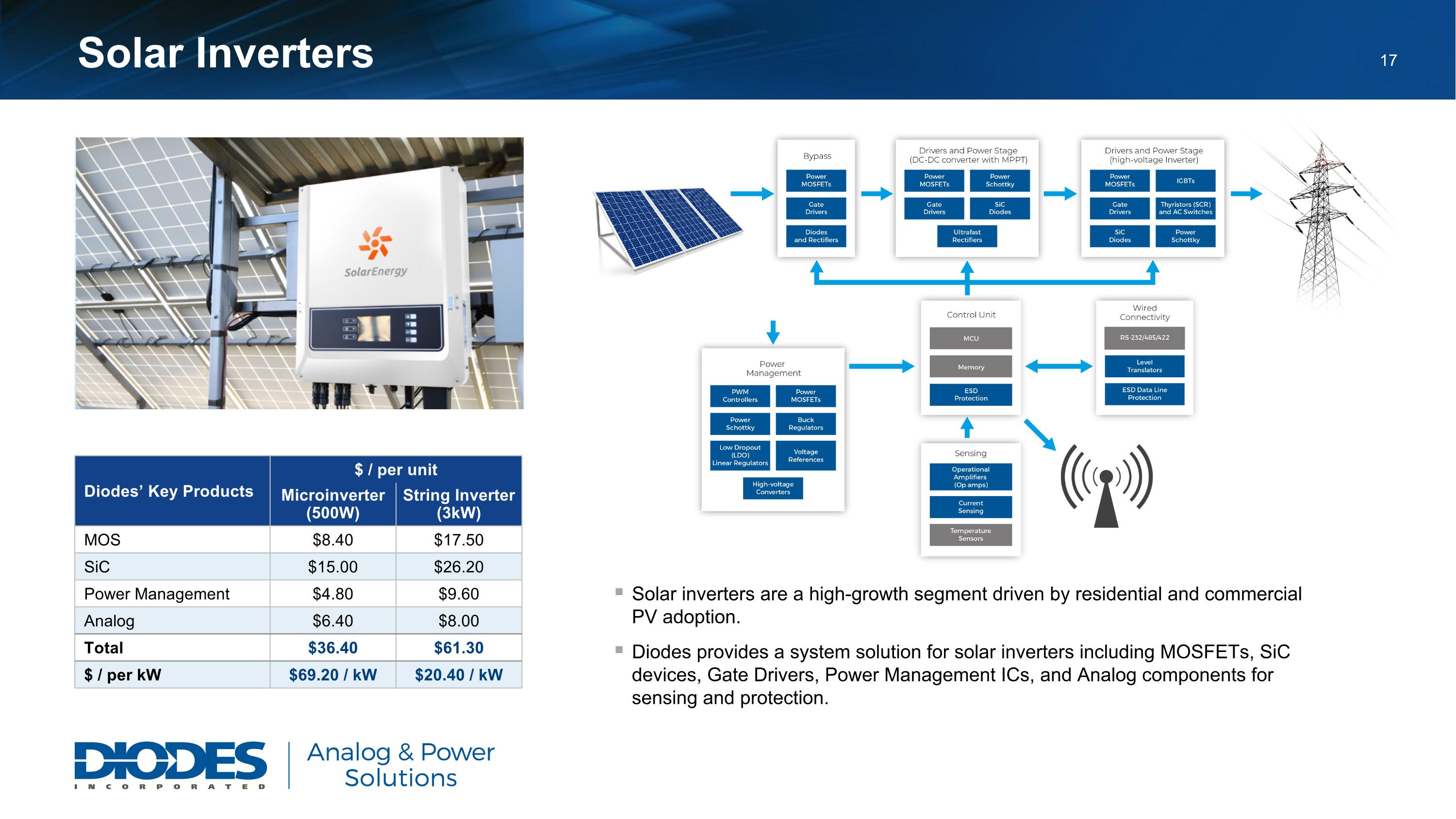
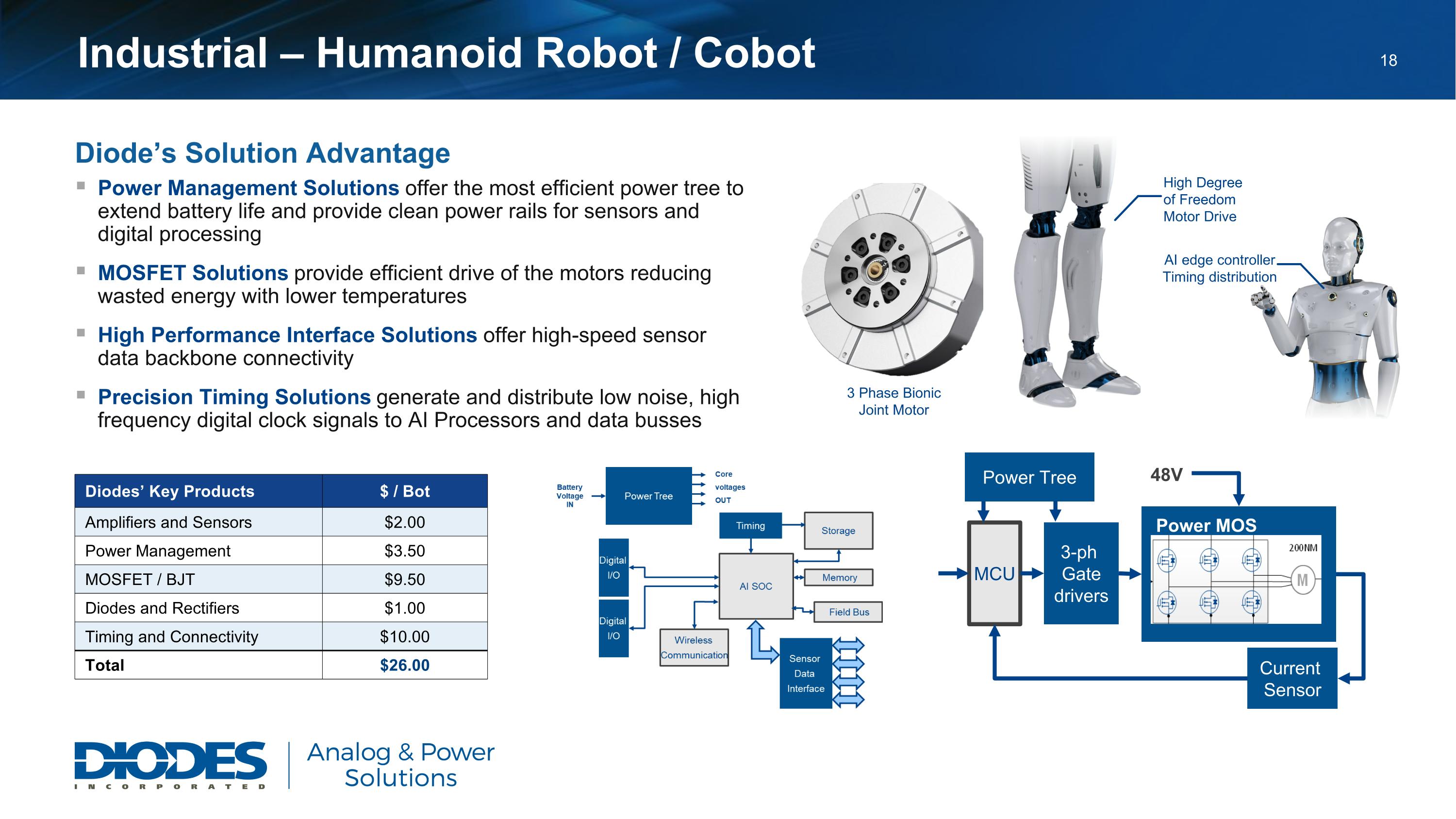
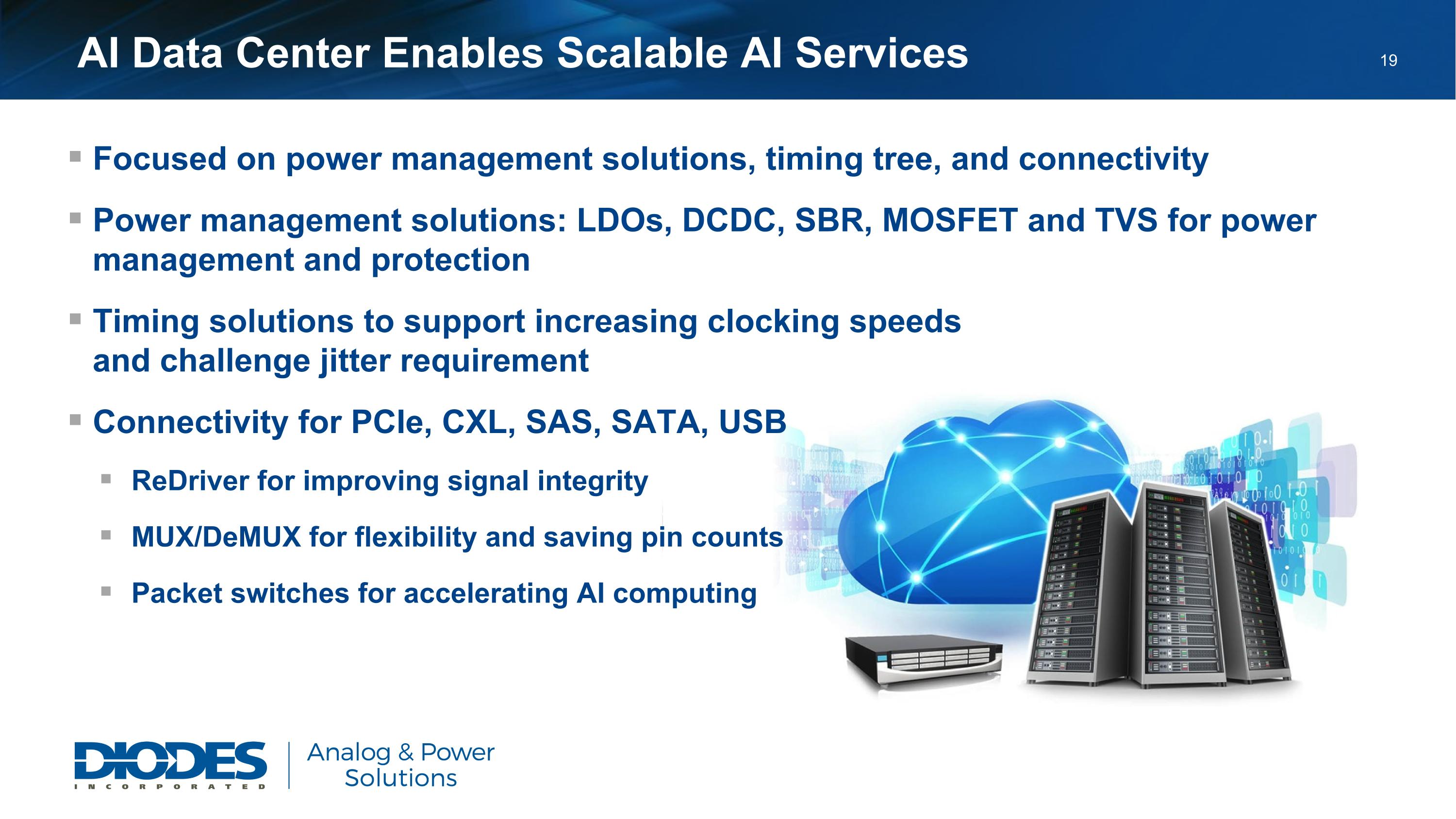
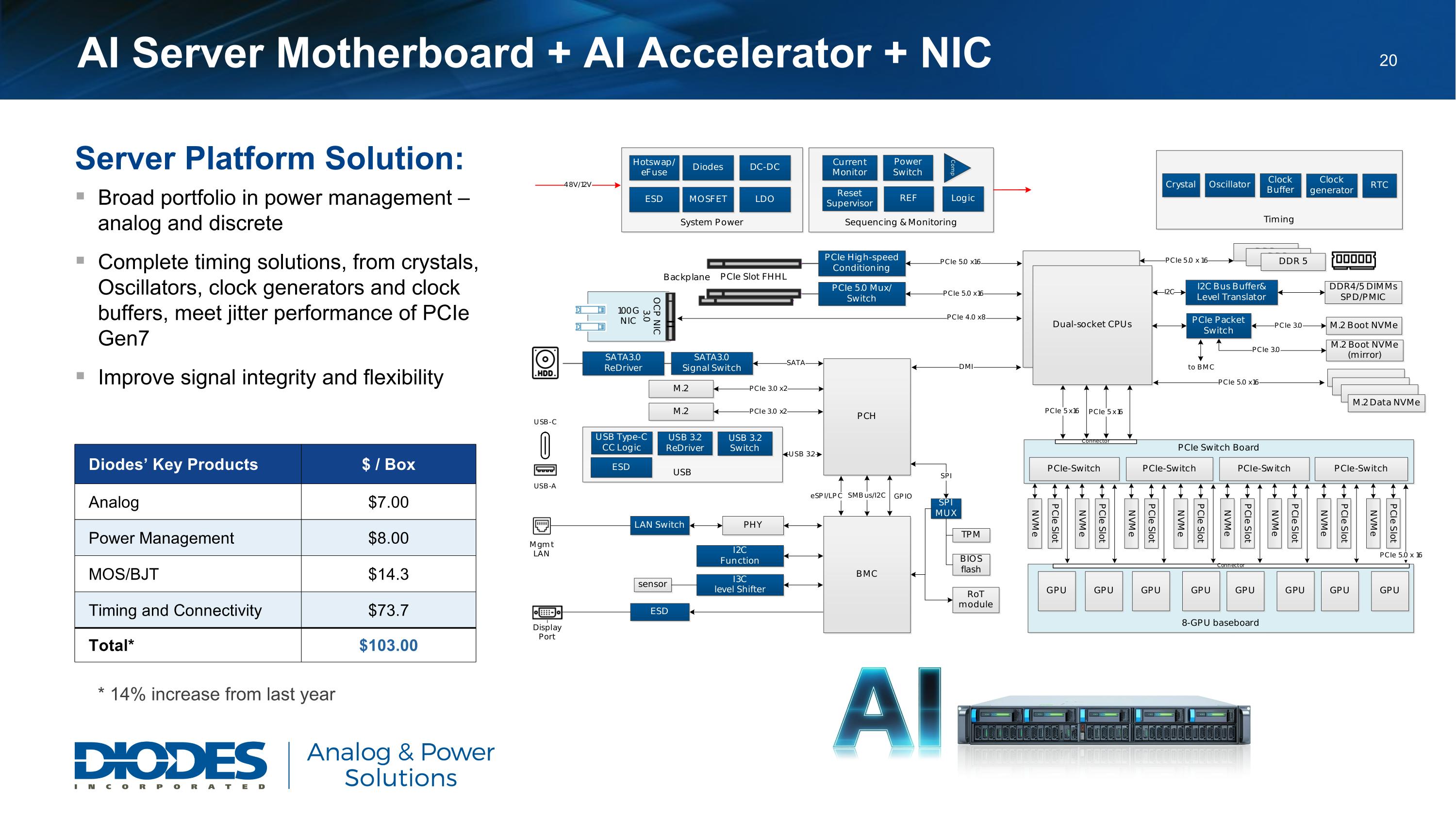
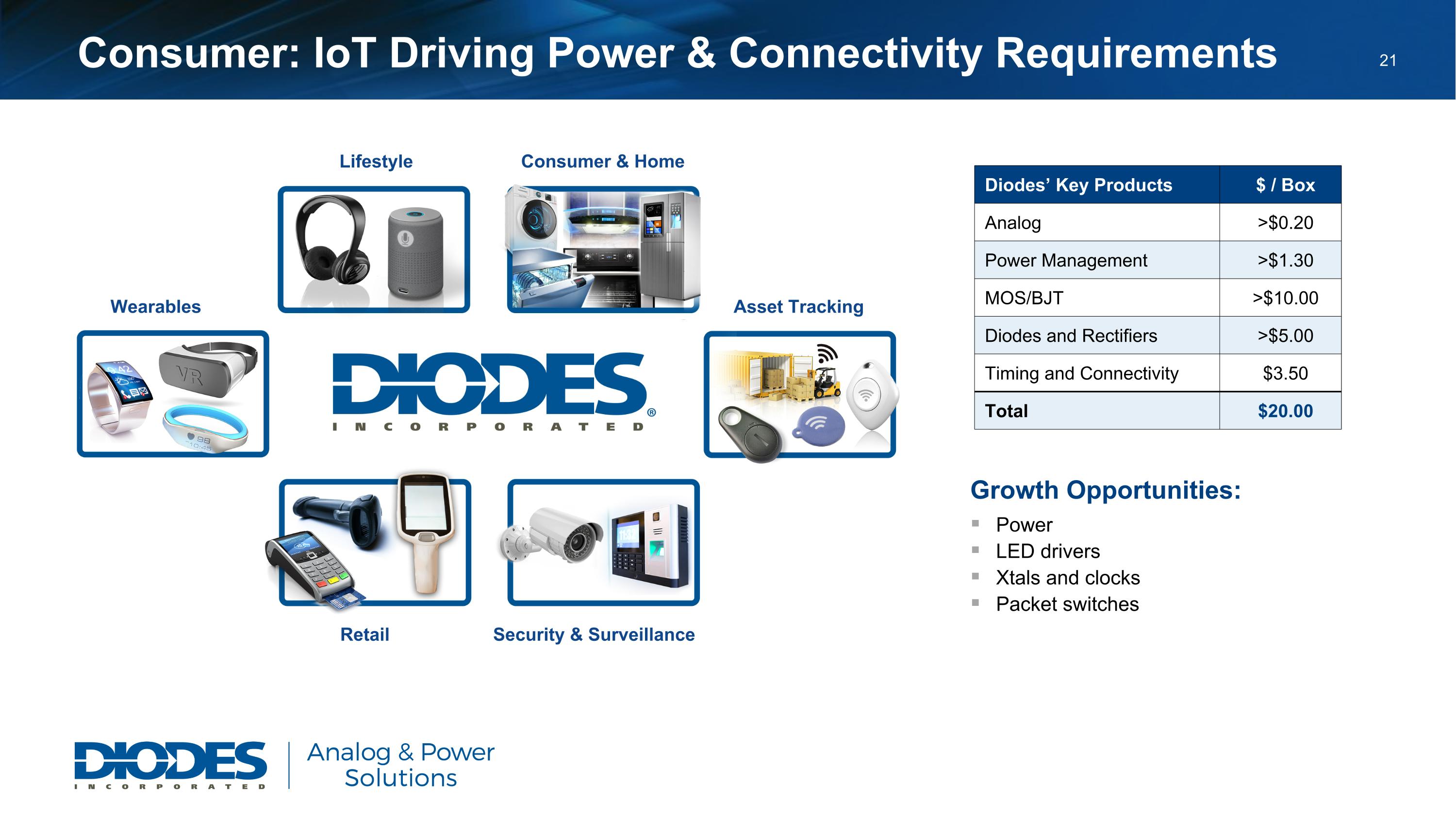
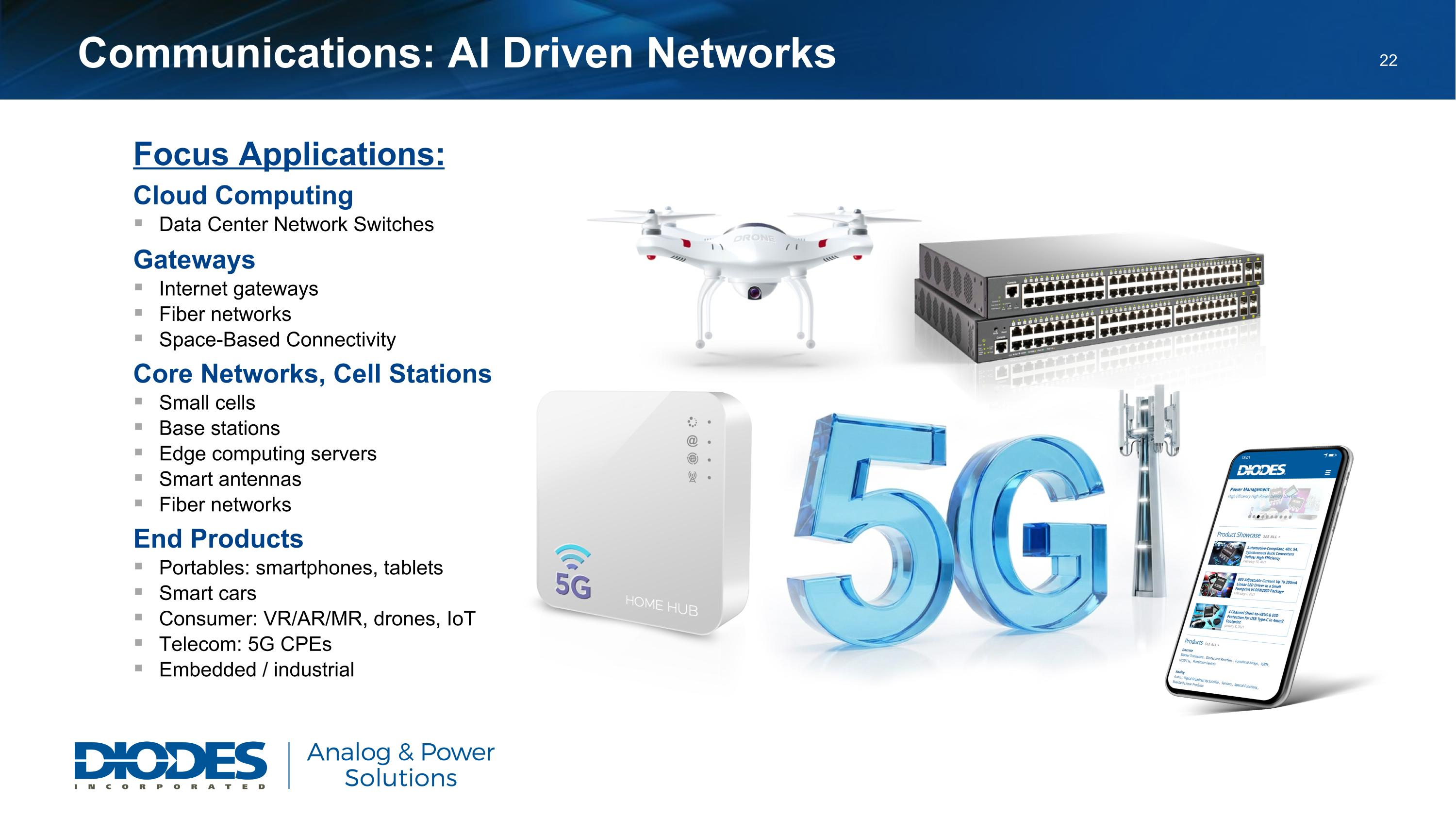
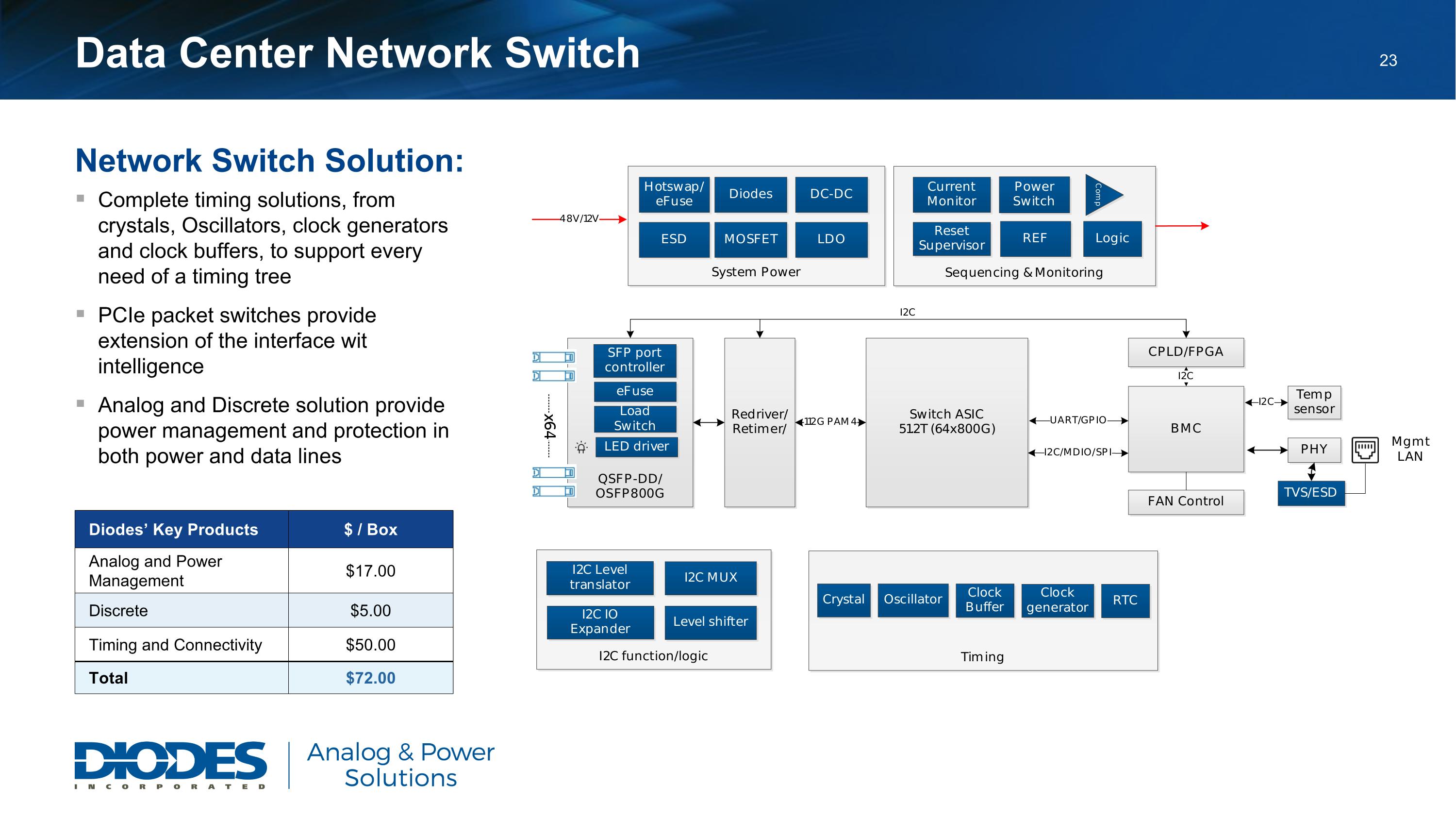
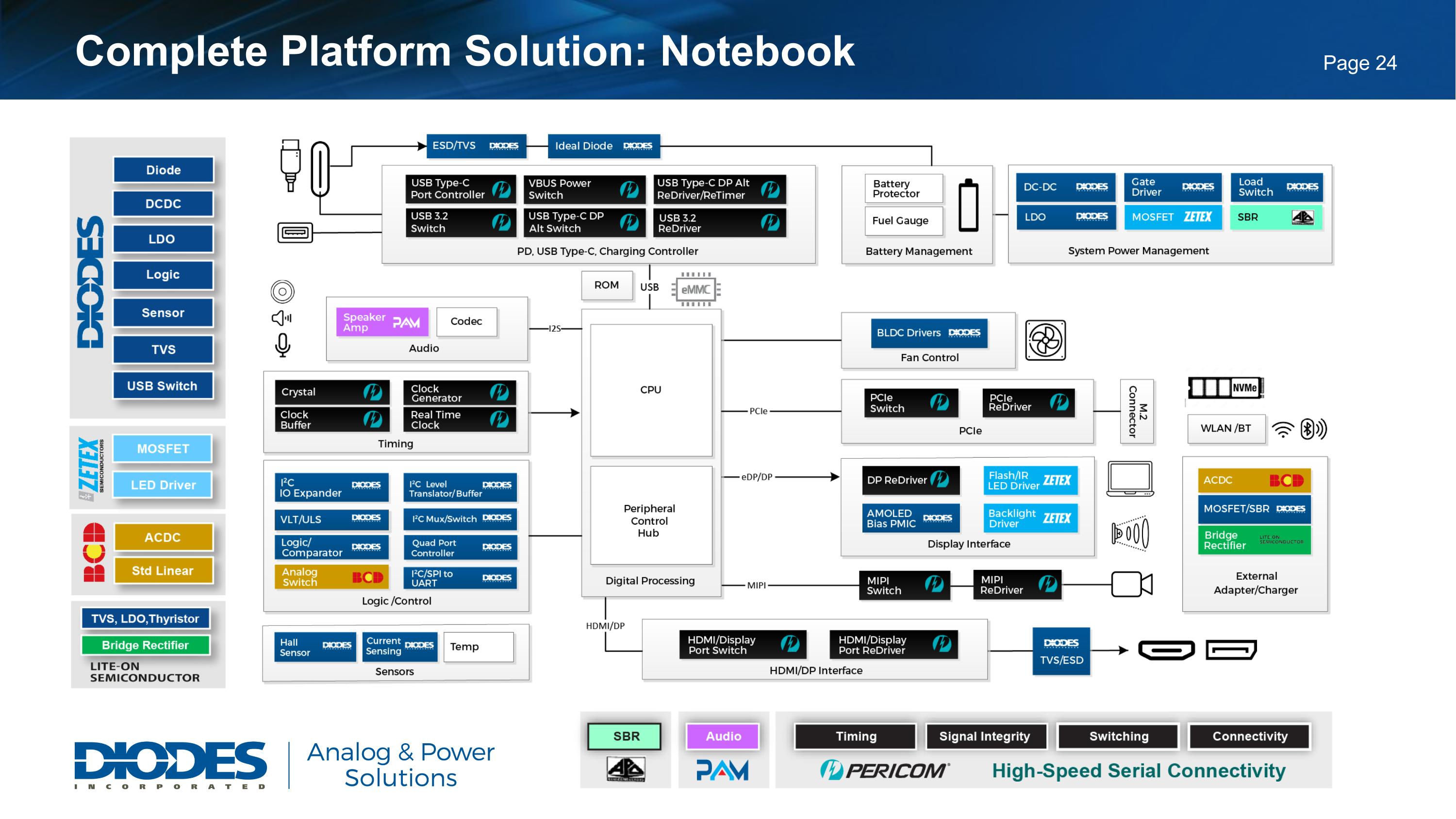
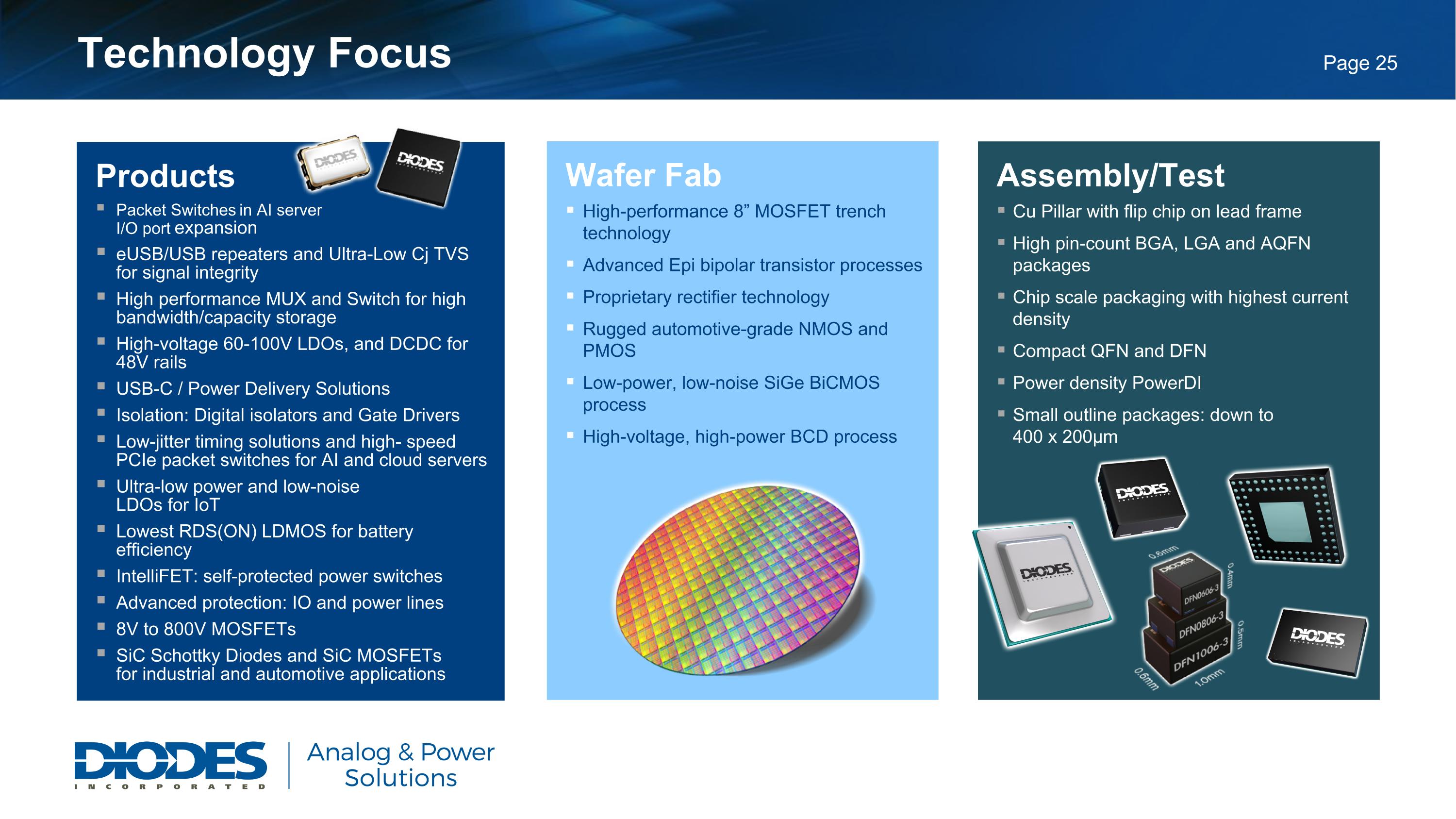
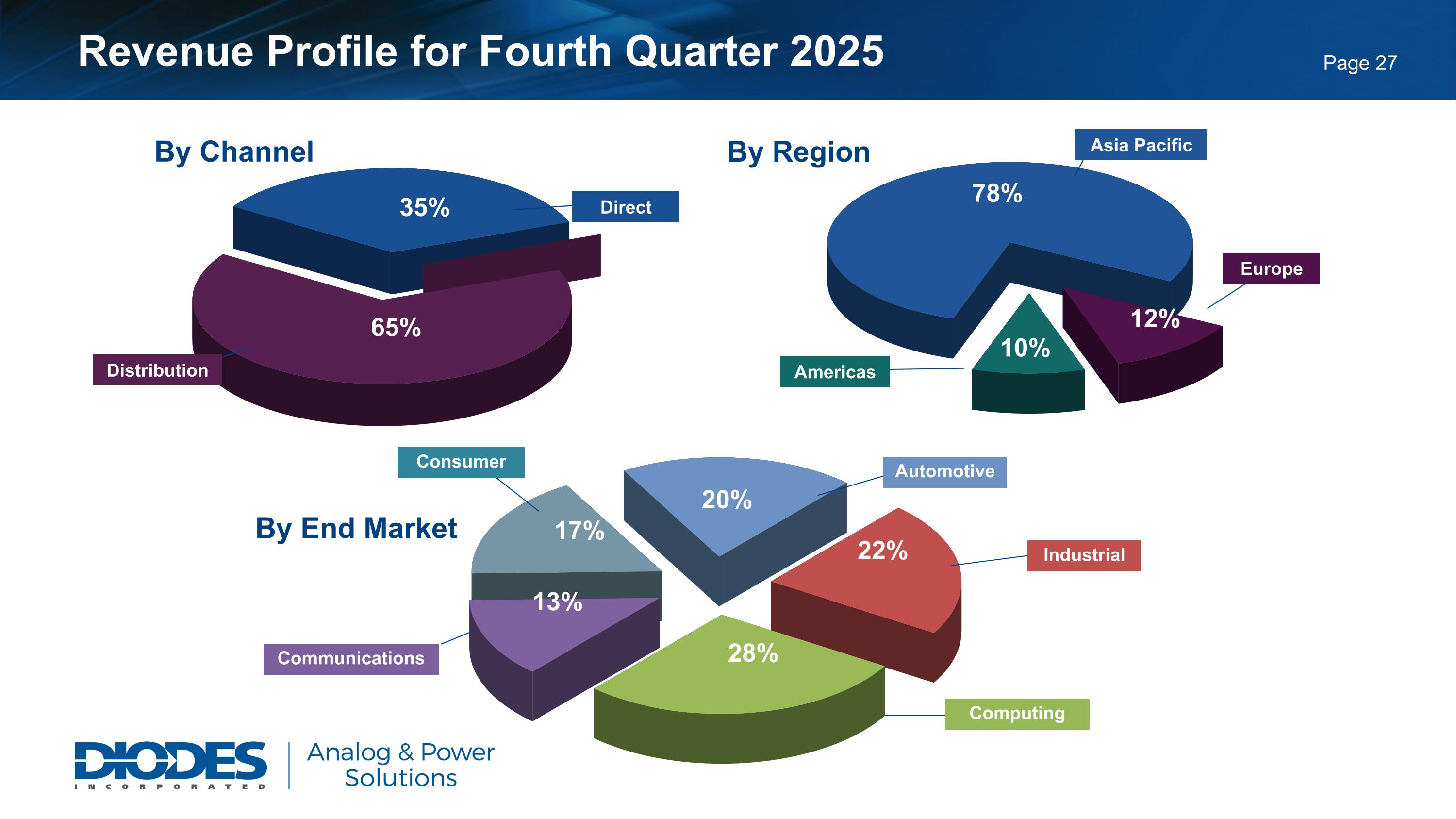
Thank you, Brad, and good afternoon. As Gary and Brad mentioned, fourth quarter revenue was up over 15% year-over-year, flat sequentially and at the high end of our guidance, mainly driven by strong demand in Asia, especially in Taiwan for the AI server-related computing. Our global POS increased sequentially, led by North America and Europe, followed by Asia. This is a good indication of the overall market recovery in the automotive and industrial markets. And our channel inventory decreased again, both in terms of dollars and weeks, which are now within our normal range of 11 to 14 weeks. I will also highlight, with the recent supply interruption in the market, we have been strategically supporting key customers on new opportunities and orders, specifically in the automotive and communication markets, while also further extending our design in momentum across all end markets. Our key focus remained on building a strong win-win partnership with our customers for the long term. Looking at global sales in the fourth quarter, Asia represented 78% of the revenue, Europe 12%, and North America 10%. In terms of our end markets, industrial was 22% of DIOS product revenue, automotive 20%, computing 28%, consumer 17%, and communication 13% of the product revenue. Our automotive industrial revenue combined was 42%, which is a one percentage point increase compared to last quarter due to stronger demand in Europe. In 2025, we introduced over 650 new part numbers, which approximately 40% of this specifically for the automotive market, where we have increased our addressable content to 239 per vehicle from 213 at the end of 2024 and from 160 at the end of 2023. And our content in the AI server applications this year increased to 103 from 90 last year. Now let me review the end markets in greater detail. Starting with automotive market, revenue in the quarter grew 6% sequentially and 20% for the full year. As the inventory situation and overall demand continued to improve, the good news is we have started to see solid bookings with longer visibility on the orders. Additionally, the supply disruption I mentioned previously is expanding content opportunities for diodes at key automotive customers. During the quarter, we brought in our content and deepen our design in momentum across all focus areas including connected driving, comfort style and safety, and electrification. Diode's level shifter gained broadened adoption in in-vehicle infotainment, ADAS, and zonal control unit platforms, while our timing solution saw additional design wings of PCI Express clock generators, buffers, and low-voltage crystal oscillators supporting high-speed ADAS modules. Complementing this momentum, our USB power delivery controllers and DC-DC converters continue to see strong traction across infotainment, charging interfaces, and body electronics, while our hall-effect sensors expanded into new applications, including e-latches, steering locks, and cooling fans. In lighting and motor control applications, we achieved significant wins for multi-channel LED drivers across several next-generation lighting programs. Demand for our current monitor remains strong in comfort-focused motor systems, such as power seats and power windows, while our LDO solutions continue to rent in wireless charging and ADAS-related subsystems. Our bipolar junction transistors portfolio also gained momentum with new program wins supporting actuators and millimeter wave radar system. Coming to the industrial market, revenue in the quarter was flat sequentially but increased 13% for the full year. Similar to the automotive market, the inventory situation continues to improve. We are beginning to see overall demand visibility and backlog improvement and are seeing more rush orders than ever before, which is further indication of the market recovery in 2026. During the quarter, we saw solid momentum across power, fencing, and automation applications. Our LED driver family continued to win designs in traffic signage projects, while current monitor experienced strong demand as power supply unit volumes increased. DIOS Hall sensor and DC-DC buck converters also maintained steady growth driven by expanding been used in the fan motors and energy meter platforms. Our SBR product family also remained a key enabler in industrial power, with design inns across power rack and server power manufacturers supporting AI applications. In energy-related applications, our 1,200-volt silicon-copy shock-key barrier diodes were designed into next generation energy storage platforms. Similarly, our gate driver ICs secure new design wings in battery storage inverters, reinforcing our position across industrial electrification and power control infrastructures. In the computing market, although revenue was flat sequentially, we saw the strongest growth in this market for the full year, growing 25% over 2024. The highlight in this market continues to be strong demand across multiple product categories driven by AI surfer adoption and data center expansion. BIOS I2C repeaters, multipliers, and USB switches remain high demand for surfer and AI-related surfer platforms from major global customers. Our DDR-MOX product line also experienced robust growth as AI surfer and data center consumers expanded memory bandwidth to support the accelerated AI workloads. We also achieved strong momentum for our PCI Express 5.0, 6.0 clock solutions, especially as surfer and noble OEMs migrate to high-performance architectures optimized for AI systems. In connectivity and power, our USB-C source switches with integrated CC controllers along with our 20-volt low-noise LDOs continue to gain traction, especially in 15-watt USB-C power ports for desktop and docking station applications. Additionally, our low-on power switches saw increased adoption in data center SSD configurations while our smart low switches capture multiple design wins for notebook power delivery systems. We also secure several design wins for our SBR product in power delivery adopters for the notebook. In the consumer market, revenue was down 5% sequentially and up 8% for the full year. During the quarter, our WLED driver gained momentum in the virtual reality headsets, supporting next-generation high-brightness display architectures, while our 5.0 OCP switches expanded in USB and HDMI port protection designs as connectivity requirement increase across personal electronics. Also, our bipolar junction transistor portfolio secure new design inks across home security devices, whereas our discrete switching components remain essential for reliable sensing and control functions. Lastly, in the communication market, revenue was flat sequentially and up 7% for the full year. We're seeing strong momentum across high-speed connectivities and networking applications driven by AI infrastructures. Our bi-directional level shifters continue to win designs in smartphones, and our SBR rectifiers are also gaining traction in both smartphones and SSDs. We're also seeing growing demand for our differential crystal oscillators in smart NICCAR and optical modules targeting next-generation 800-git 1.6T transceivers, supporting the industrial transition to higher bandwidth network infrastructures. And finally, our USB re-drivers secure major design wins in the next-generation Wi-Fi routers. In summary, our focus in 2026 is executing towards our three-year financial targets to drive continuous year-over-year growth momentum and margin expansion. With channel inventory at more normalized level and further signs of recovery in the automotive industrial market, we expect to see improvements in overall business outlook throughout the year. Additionally, our continued investment in contact expansion initiatives targeting our key focus markets of automotive, industrial, and computing for AI survey-related applications should contribute to our future top and bottom line growth. With that, we now open the floor to questions operator.
Operator
Ladies and gentlemen, at this time, we'll begin the question and answer session. If you would like to ask a question, please press star and then one using a touchtone telephone. To withdraw your questions, you may press star and two. If you are using a speakerphone, we do ask that you please pick up the headset, handset to ensure the best sound quality. Once again, that is star and then one to join the question queue. We'll pause momentarily to assemble the roster. And our first question today comes from David Williams from Benchmark. Please go ahead with your question.
Hey, thanks, everyone. And congrats on the really solid results here and the better outlook. Yeah, I guess maybe first, Gary, you gave some pretty aggressive targets there that you've outlined, can you kind of maybe walk us through the puts and takes and maybe, you know, how you see getting there, maybe just stepping through the trajectory would be helpful?
Yes, and David, I think that's really, really a very good question. First, I really want to emphasize again, we're still committed to achieving the $1 billion GP long-term goal, right? And, you know, I do believe since the market is still kind of dynamic and the interim target of $2 billion revenue is an important milestone for investors to understand and modeling how and when we are going to achieve our long-term $1 million GP target. So as in my speech, you know, continue to drive and gaining share in the three key end market segments like automotive, industrial, and AI survey-related application, and also continue to improve cost structure and economics enhancement. And the $2 billion, you know, represents a 10.5% CAGR with about like 700 million gross profit, it's about like 15% CAGR, and a 35% and a plus GP percent will deliver $4 EPS, which equivalent probably 50% CAGR for the three-year period. And also to make this happen, we are talking about a more than 45% GP fall-through for any incremental dollar contribute to our revenue, and that's very important.
That's very helpful. So I guess from the gross margin standpoint, very nice fall-through. What are the, is that simply just the leverage or are you seeing some of the operational efficiency that you've kind of worked on the last several quarters or through the downturn? Is that really beginning to flow through? And then how should we think about the cadence of that gross margin improvement?
Well, actually, you know, that's a very good question too because, you know, we have been working a lot to improve our cost structure, you know, including improving the manufacturing efficiency and the product mix improvement. And the most important, we bring the revenue up and that's going to try to help our underloading issue in your manufacturing currently.
And just one more, if I may. Just if you kind of think about the growth trajectory through the year, how should we kind of think about that for the full year?
Well, we usually don't talk about the full year, but I do get a good feeling of the market demand getting much better this year, right, especially on the key segment that we're focusing on. And as we continue to drive this kind of initiative, including product mix improvement and pushing more cost reduction and the manufacturing efficiency, as well as continue to qualify in a PC or process product to all costs. And this will help minimize an under-loading cost impact. So overall, the margin improvement for 2026 to me is very promising.
Yeah, I think, David, let me just add a little bit, right? So if you look at the Q1 guidance, we actually guided a 19% year-over-year growth, right? So even we don't really guide a whole-year guidance, we usually, you know, say, hey, usual seasonality, if you just plug in the usual seasonality, it kind of will give you a good estimate for the year, right? So I think you can use that as a reference.
Operator
And our next question comes from William Stein from Truist Securities. Please go ahead with your question.
Great. Thanks for taking my questions, and congrats on the good results. Regarding the new targets, I think you said that's a three-year target, So should we contemplate this interim goal as something you plan to achieve in calendar 28?
Yeah, definitely, yes. This is why I committed to the board and also committed to the street.
Great. And a couple of others, if I can. The delta between your current gross margins and the target that you laid out today, Should we think about the majority of that as getting through under-utilization charges? Is that the major driver of this? I think you highlighted a 45% drop-through. That doesn't sound like it's sort of normal operating leverage. It sounds like it's an under-utilization charge going away. Is that the way we should think about that dynamic from here through 28?
Yeah, definitely. Under-load, charge is going to be the key. fact and you know for our GP percent in but that's the only thing we want to improve right not only the unloading charge but also wanted to improve the product mixing you know enhancement and also want to concentrate focus on high margin segment like automotive industrial and AI related server altogether we'll come to be more GP dollars and GP percent one I don't want
if I can you have these manufacturing services agreements that I think are coming to an end this year, or maybe they're just diminishing. If you can clarify that for us and help us prepare for any changes that might cause either positive or negative to profitability. Thank you.
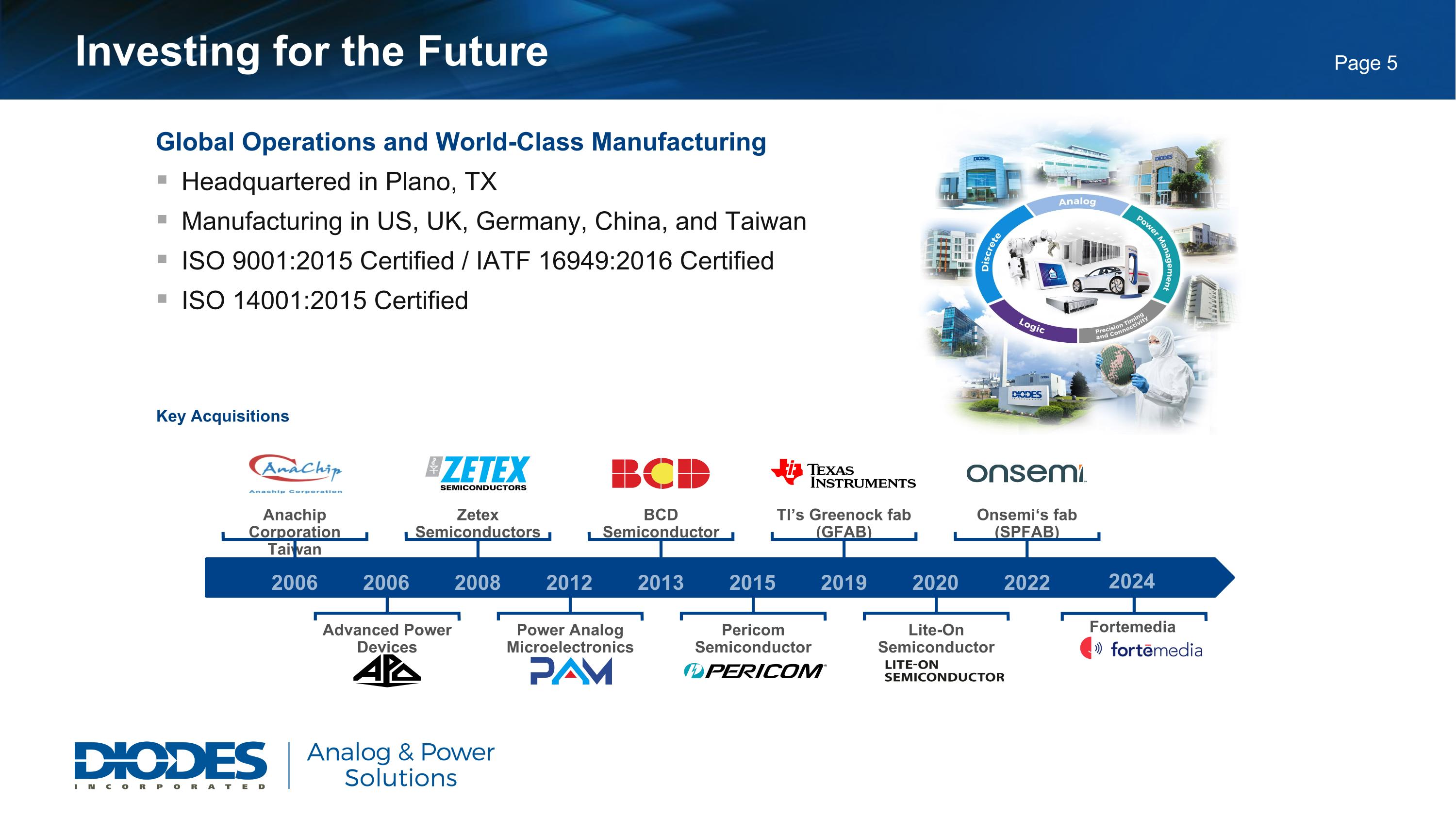
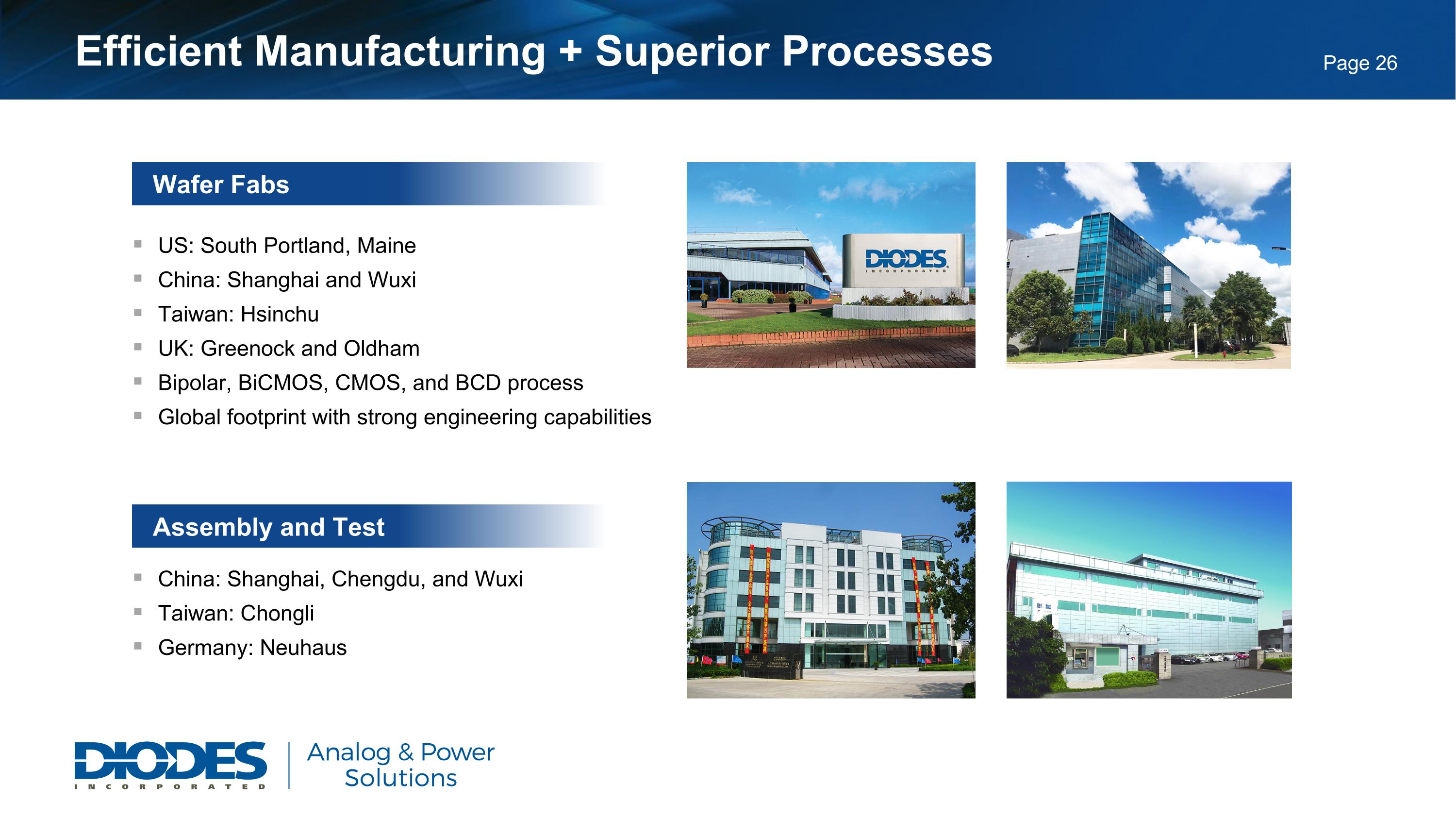
Yes, you know, and your assumption is correct, and we cannot disclose too much detail about that, but they are about to actually know about this year. And that's the reason we try to continue reporting our product and the process into the manufacturing in RGFAB and SPFAB. And so far, the progress is quite promising, and we do see quite a few in key customers already adopted the product produced from those two wafer FAB. And I will say, probably starting from next year, you're going to see the benefit contributing to RGP percent from those two wafer FAB.
Operator
Once again, if you would like to ask a question, please press star and then 1. To withdraw your questions, you may press star and 2. Again, that is star and then one to join the question queue. And we do have a follow-up question from David Williams from Benchmark. Please go ahead with your follow-up.
Hey, thanks for letting me jump back in here.
Well, you were so efficient answering my first questions, I figured I should throw in a couple of more. But maybe just on the opportunity with Nexperia or the customer that you discussed earlier, Can you maybe size the magnitude of that? And then I know that that has historically been lower margin business. Can you talk maybe about what you're doing to help stabilize the margin and not seize the pressure here that you would typically see with that business?
Yeah, so, David, this is Emily, right? So I mentioned this before. Anytime there's a supply interruption, market strategic change direction or anything is always favorable for DIOS, right? So, you know, definitely we're not interested to pick up a lot of deep commodity business and stuff like that, but we actually use the opportunity to work with the customer to really deepen the relationship and make it really, I would say, beneficial long-term for both of the companies, right? So that's pretty much the approach we're taking. So we are using the opportunity to expand our overall portfolio as well as our print position.
And just one last one. Just kind of thinking about the lunar holiday coming up in Asia, I know that that typically drives some seasonality. Are you sidestepping that, or are you just not seeing the impact, or maybe talking about anything you're doing there to offset that typical weakness?
Yeah, Chinese New Year is pretty standard, right? Definitely there's going to be some shutdowns and some of the customers, as well as taking the break, right? So we actually included all these estimates into our number. But like I mentioned, we're definitely seeing really strong backlog, really strong booking, strong book-to-bill ratio and everything. So that's the reason we actually guided a very strong Q1 estimate guidance to the street. So, you know, like I said, we're seeing a lot of recovery in the market which is a very good indication of the recovery.
Thank you for the help. Congrats once again.
Operator
And ladies and gentlemen, at this time, we'll be concluding today's question and answer session. I'd like to turn the floor back over to the management team
for any closing remarks. Thank you, everyone, for participating on today's call. We look forward to reporting our progress on next quarter's conference call. Operator, you may now disconnect.
Operator
And ladies and gentlemen, we will conclude today's conference call and presentation. We thank you for joining. You may now disconnect your lines.