Operator
Good day, everyone, and welcome to the first Internet Ancorp Earnings Conference Call for the second quarter of 2025. At this time, please note that all lines are in the listen-only mode. Following the presentation, we will conduct a question-and-answer session. And if at any time during this call you require immediate assistance, please press star zero for the operator. Also note that today's event is being recorded. I would now like to turn the conference over to Ben Brodkovitz from Financial Profiles, Inc. Please go ahead.
Thank you, Operator. Hello, everyone, and thank you for joining us to discuss First Internet Bancorp's second quarter financial results. The company issued its earnings press release yesterday afternoon, and it is available on the company's website at www.firstinternetbancorp.com. In addition, the company has included a slide presentation that you can refer to during the call. You can also access these slides on the website. Joining us today from the management team are Chairman and CEO David Becker, President and COO Nicole Lorch, and Executive Vice President and CFO Ken Levitt. David and Nicole will provide an update on credit in certain lines of business, and Ken will discuss some of the financial details for the quarter, as well as an outlook for the remainder of the year and for 2026. Then we'll open the call to answer your questions. Before we begin, I would like to remind you that this conference call contains forward-looking statements with respect to the future performance and financial condition of First Internet Bancor that involves risks and uncertainties. Various factors could cause actual results to be materially different from any future results expressed or implied by such forward-looking statements. These factors are discussed in the company's SEC filings, which are available on the company's website. The company disclaims any obligation to update any forward-looking statements made during the call. Additionally, management may refer to non-GAAP measures, which are intended to supplement but not substitute for the most directly comparable GAAP measures. The press release available on the website contains the financial and other quantitative information to be discussed today, as well as the reconciliation of the GAAP to non-GAAP measures. At this time, I will turn the call over to David.
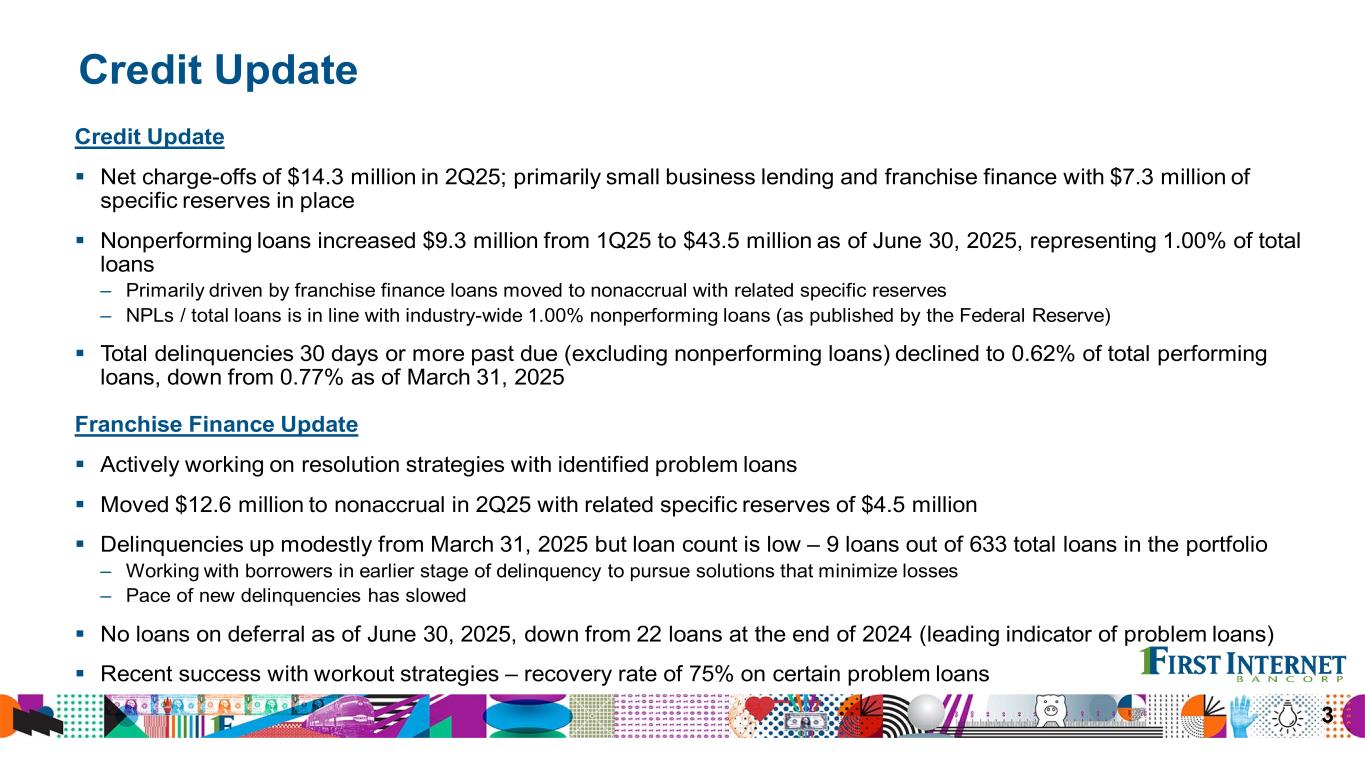
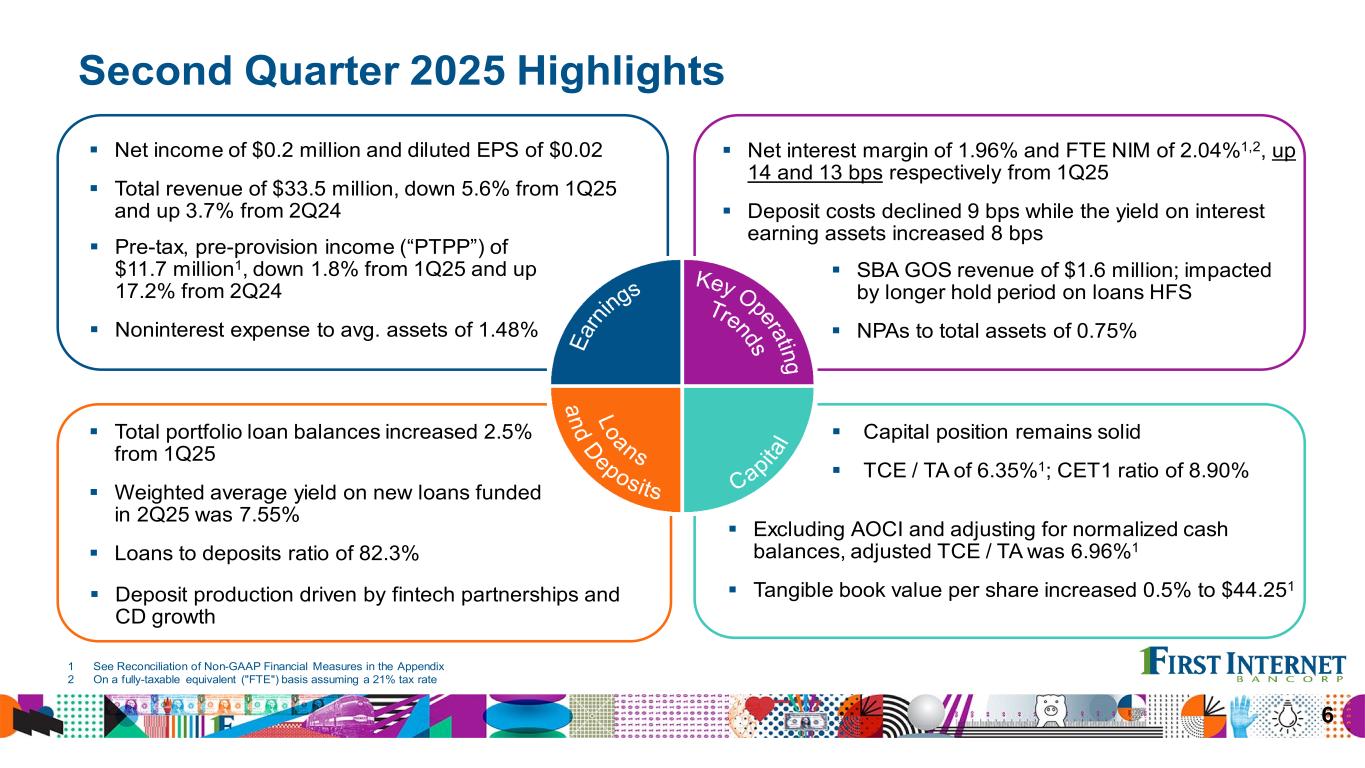
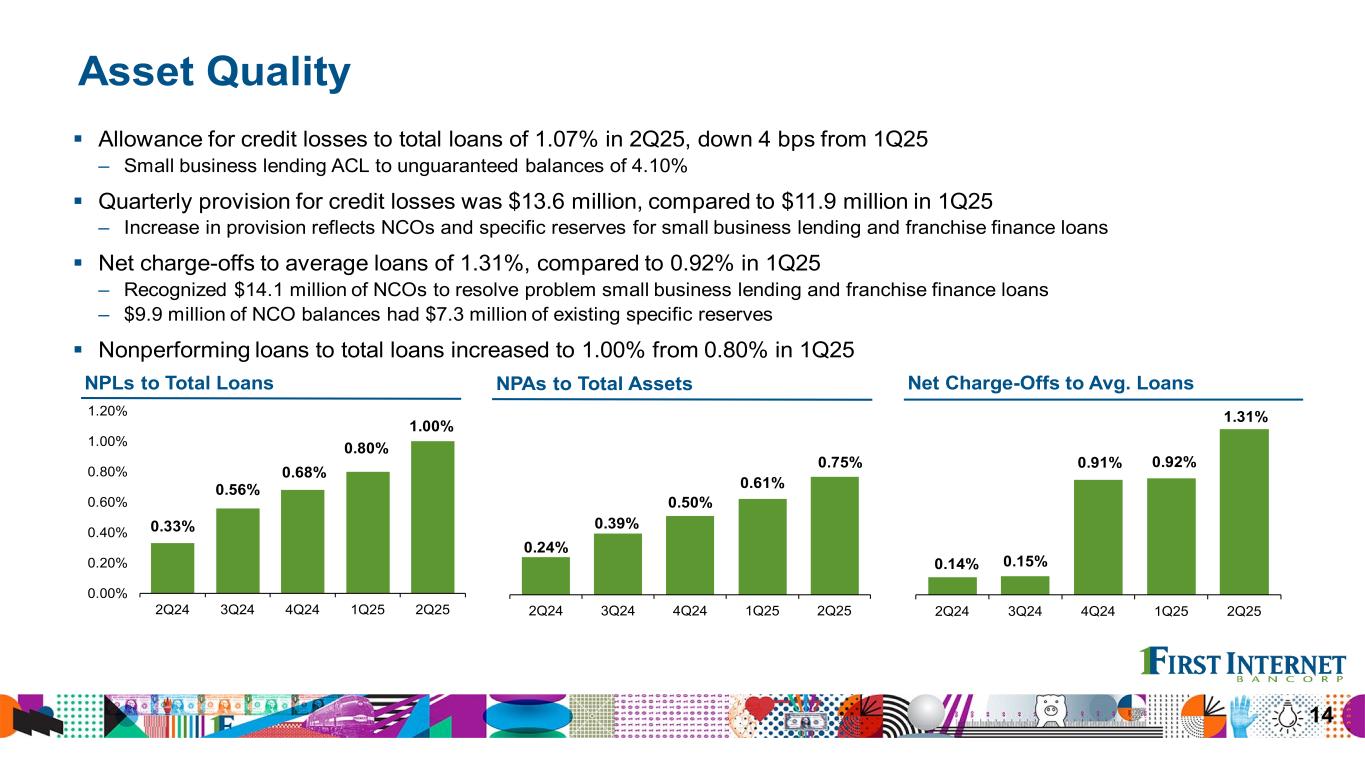
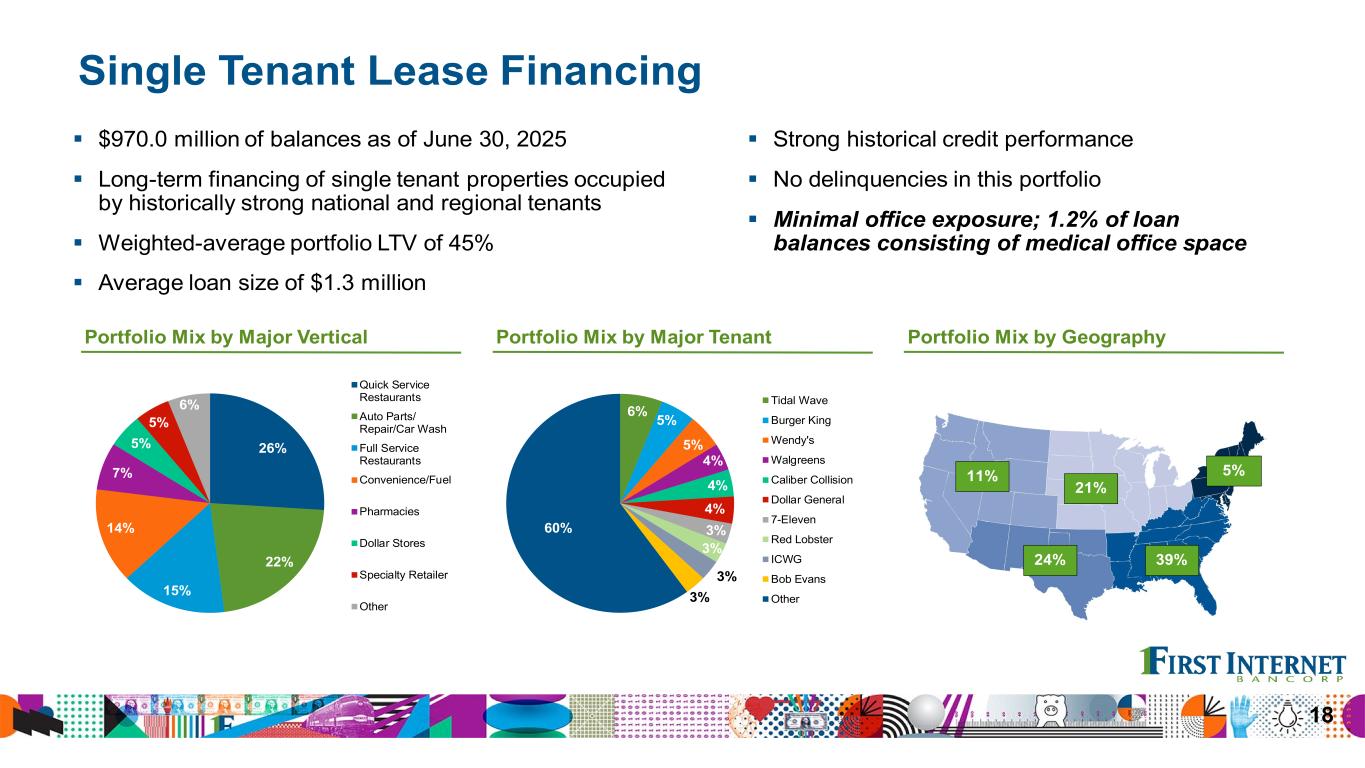
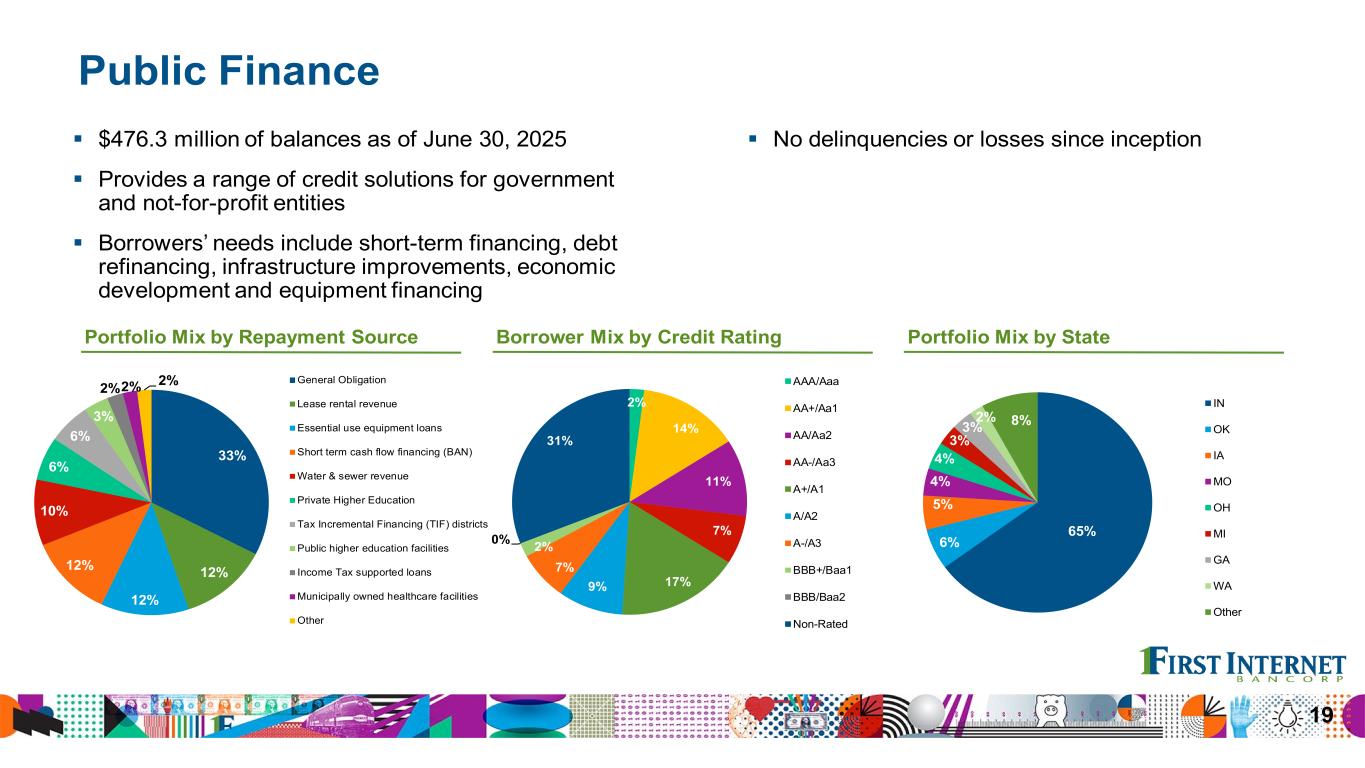
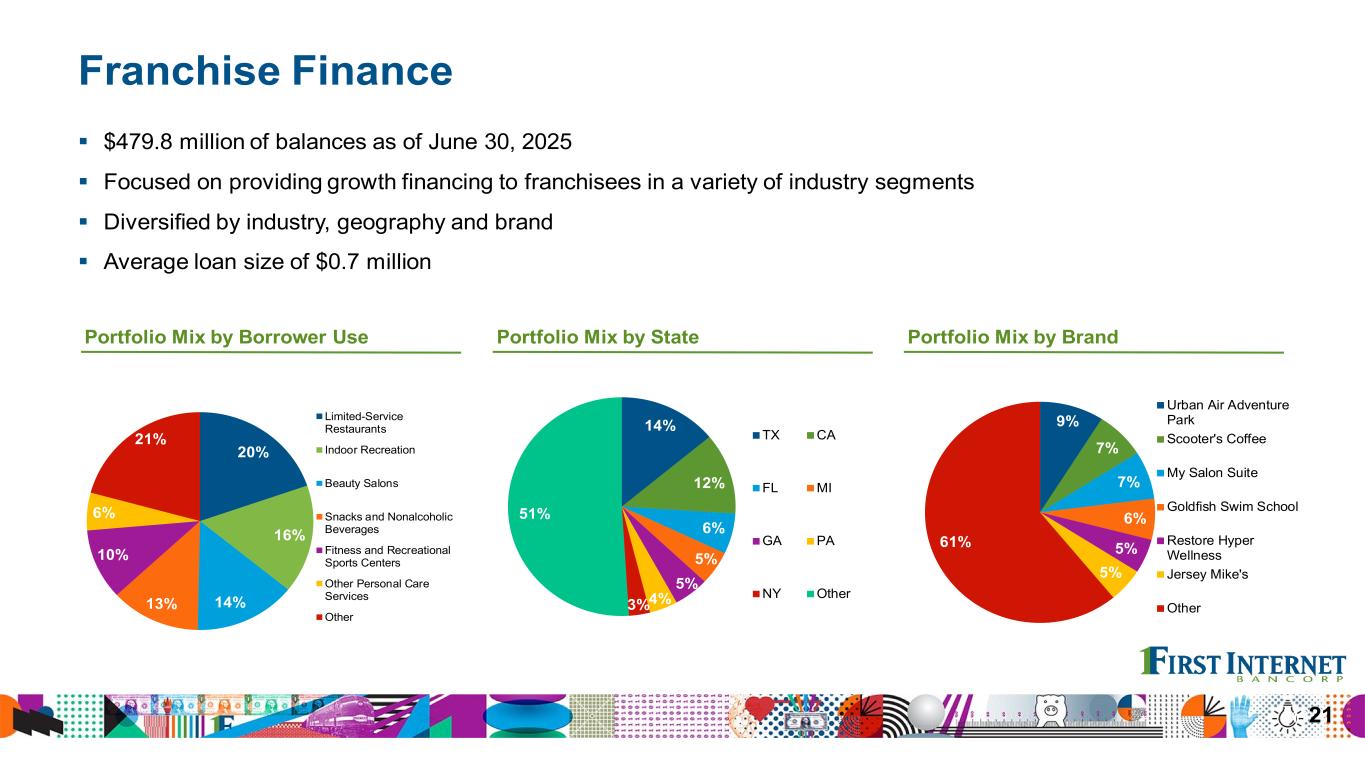
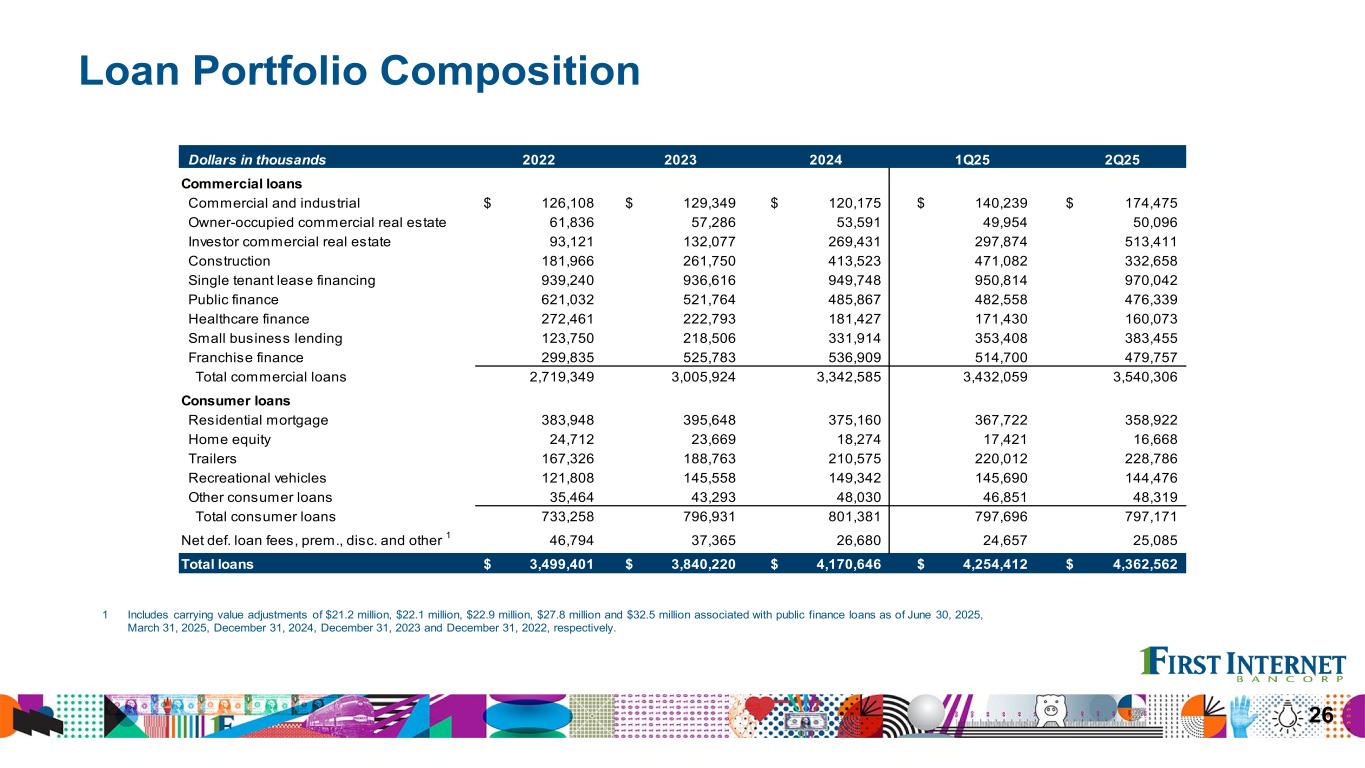
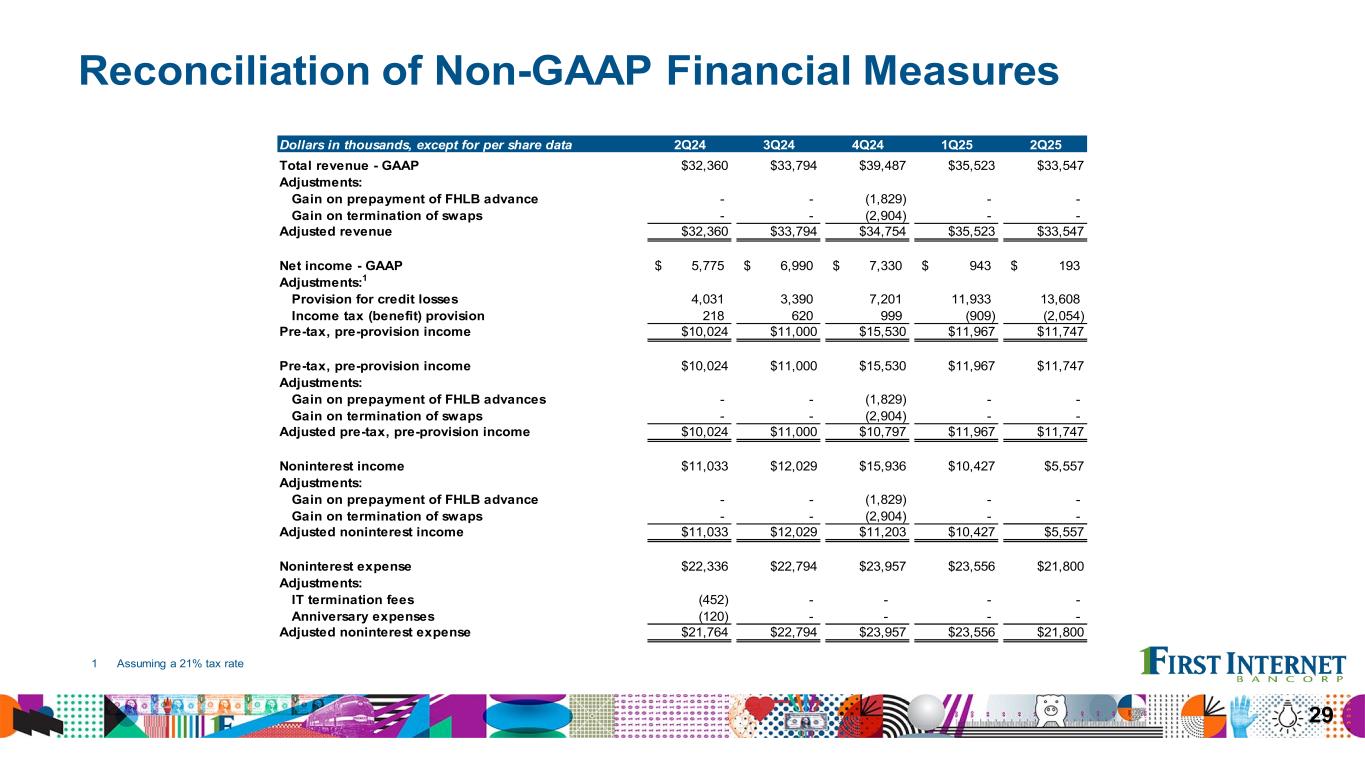
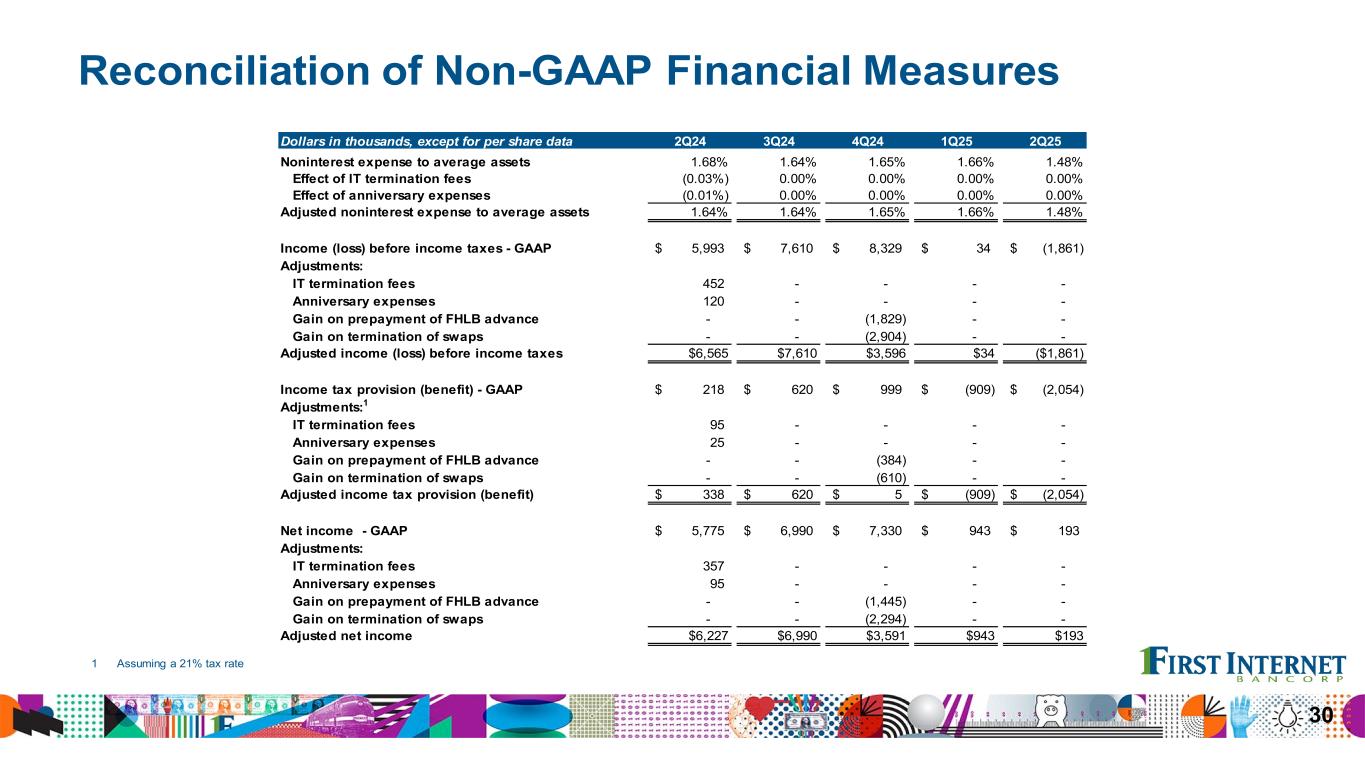
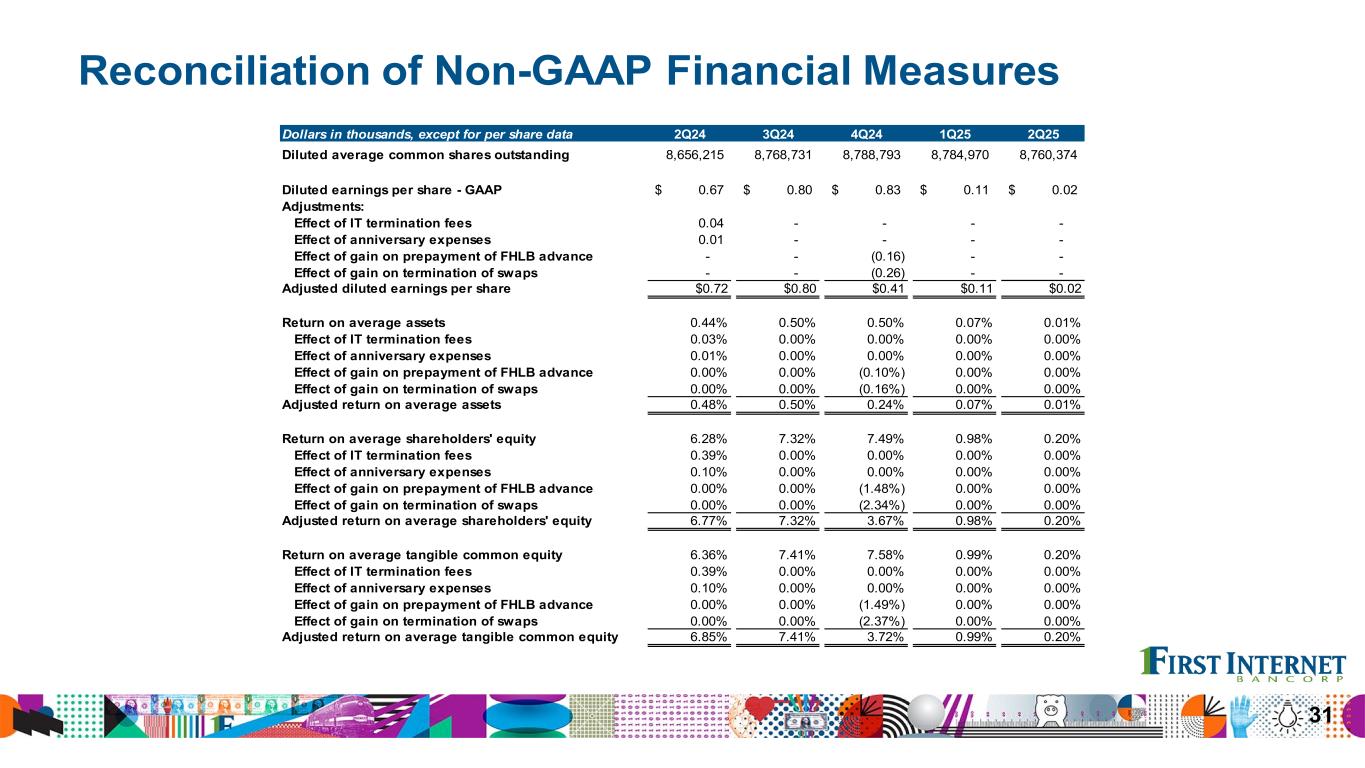
Thanks, Ben. Good afternoon, and thank you for joining us on the call today. In the second quarter, interest income was up. Interest expense was down. Net interest margin on a tax-effective basis rose above 2%. These are all positive outcomes that we had expected. And yet, due mostly to credit issues and to a lesser extent, changes in non-interest income, we are reporting 2 cents of diluted earnings per share for the quarter. We're not happy about that, and we know you are not happy about that as well. To address your concerns head on, we're going to run this call a little differently than we have in the past. Rather than walk you through every element of our income statement in detail, we're going to start with an update on credit, then we'll walk you through our forecast for the second half of this year and all of 2026. Then we'll take your questions. There is a lot, a lot of detail in the deck that we don't plan to speak to today unless you have specific questions on it. So let's go to credit. For the third consecutive quarter, we are talking about elevated provision expense and non-performing loans, once again in our franchise finance and small business lending portfolios. With other lending verticals that have a sterling track record, like single tenant public finance, our overall credit quality is sound and is in line with industry norms. The Federal Reserve reported non-performing loans to total loans for all banks at 1%. at the end of 2024 and again at the end of the first quarter of 2025, and that's exactly where we are. Across our loan portfolios, our delinquencies, which serve as an early warning indicator, declined to 62 basis points, a 15 basis point improvement in the last 90 days. I'll give you additional color on the franchise finance portfolio, then I'll hand it over to Nicole to talk about what we see in SBA. In the second quarter, we moved $12.6 million of franchise finance loans to non-performing status with related specific reserves of about $4.5 million. At the end of the quarter, 5% of the franchise portfolio was on non-accrual and about a third of those balances are covered by specific reserves. So clearly, we still have some wood to job, but we believe this portfolio, which consists of loans purchased from and serviced by Apple Pie Capital, is headed in the right direction. There are 633 total loans in this portfolio, and as of June 30th, none of them were on deferral, and only nine of them were past due. Additionally, the pace of new delinquencies has slowed, and with a now more active servicing role that we talked about last quarter, early intervention creates more opportunity for us to pursue solutions that minimize losses. We have had recent success in workout strategies with borrowers leading to improved recovery rates. We believe the steps we have taken and continue to take have resulted in a significant progress towards de-risking the portfolio. With a very small pool of delinquent borrowers in a slowing pace of new delinquencies, we see promising signs for improvement in future periods. The vast majority of the portfolio is performing well, with an average yield over 7% that has contributed towards our continued growth in net interest income and net interest margin. Now I'll turn it over to Nicole to talk about small business lending.
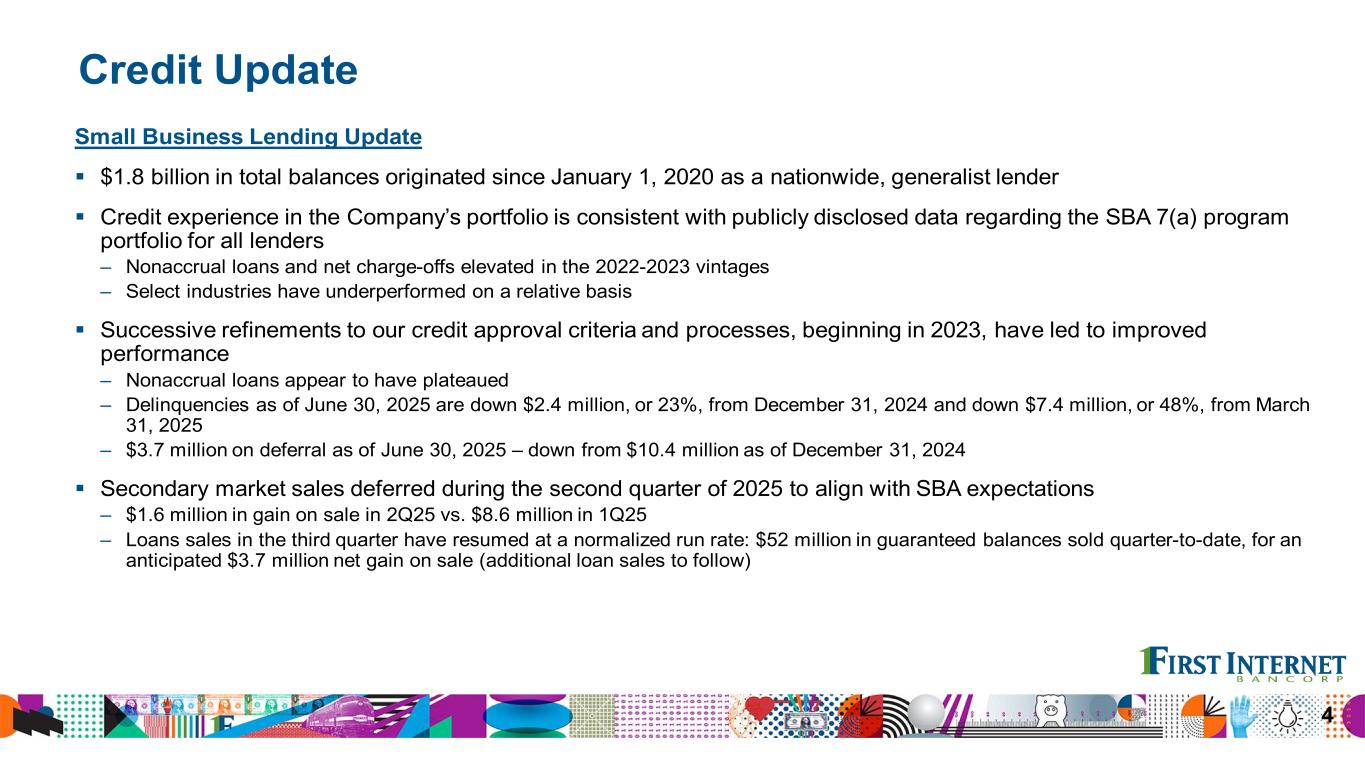
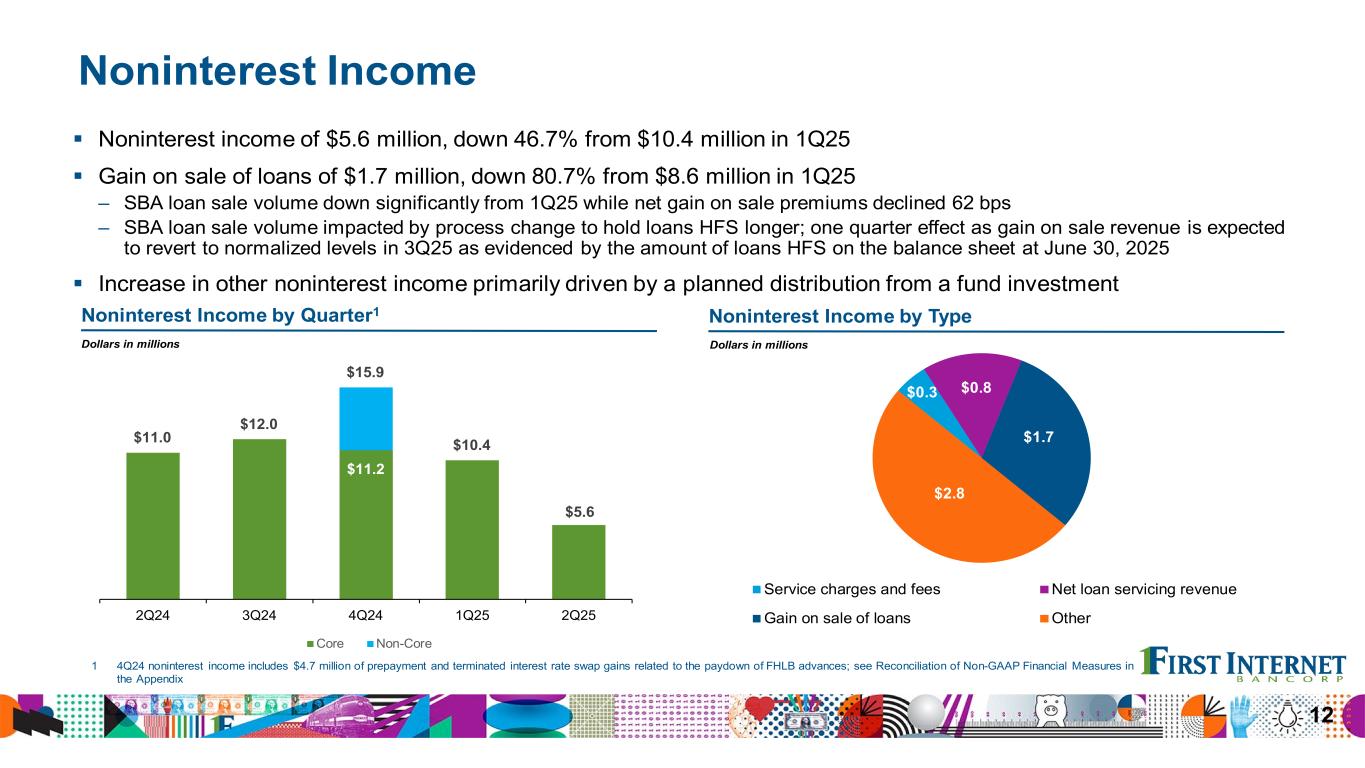
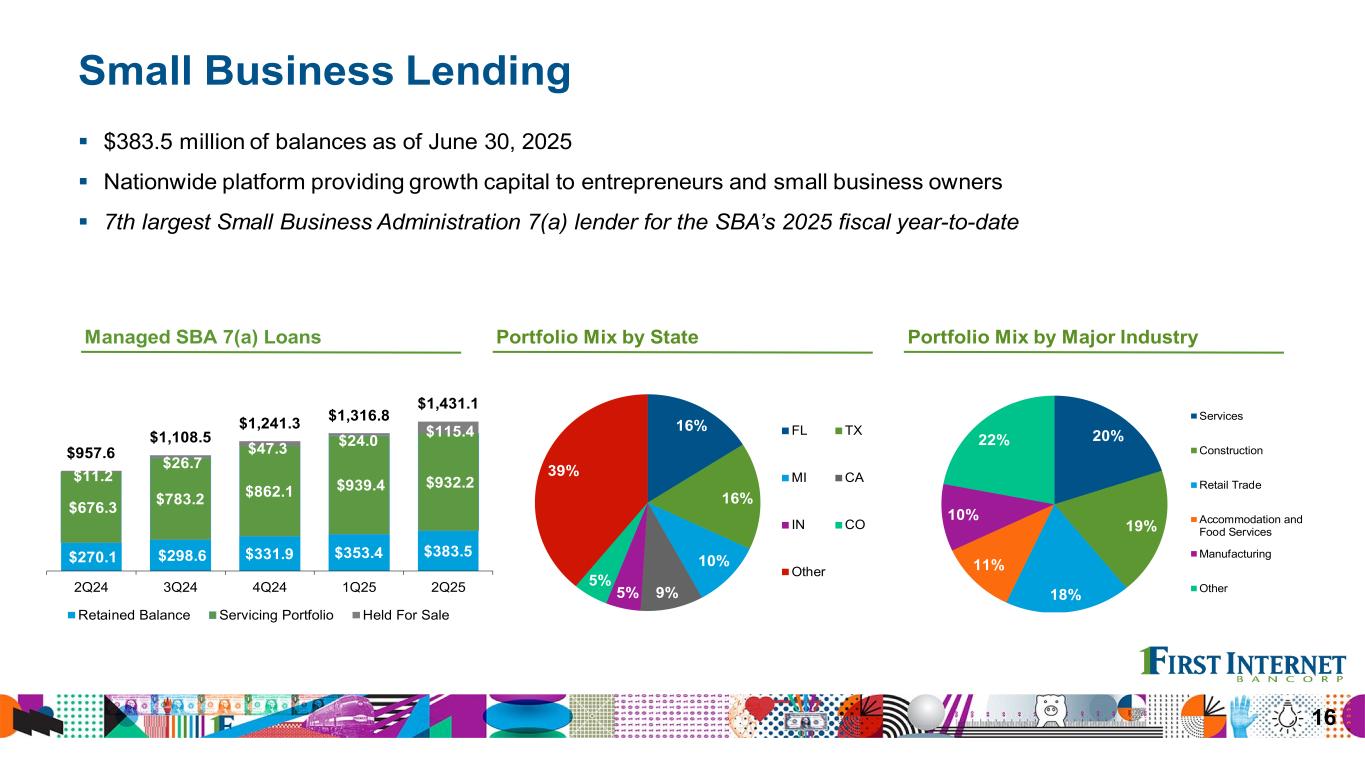
Thank you, David. Let's unpack what we're seeing in SBA. Since we entered the SBA lending business in earnest in 2020, we have originated $1.8 billion in small business loans. We have helped thousands of entrepreneurs achieve their dream of business ownership. Considering everything these business owners have had to react to in the last five years, from supply chain disruptions to inflation, tight labor markets, rising rates, uncertainty around government actions and taxes, we continue to feel positive about how our borrowers are navigating the current environment. It It has been well covered by members of the media and members of Congress that the Small Business Administration has seen challenges across its portfolio. Because we are a nationwide generalist lender, our experience is likely to mirror that of Small Business Administration's portfolio as a whole. In early 2023, we implemented the first in a series of adjustments to our approval criteria and to our processes in response to what we see in our portfolio. the SBA portfolio as a whole, and the economic outlook. We've added bench strength to our SBA teams, including our leadership team, servicing, credit, and closing. Closing is where guarantees are often lost, and we haven't lost one yet. And now, we are seeing improvement in our portfolio consistent with our expectations. Loans on non-accrual are down. Past dues dropped by 48% since the next quarter. And the number of loans on deferral at the end of the second quarter was half the number at the end of the fourth quarter of 2024, and the dollar value is down by more than 60%. The improvement we are seeing in our portfolio is consistent with macro SBA program data. Over the past two years, there was a sharp rise in repurchase activity on the part of the SBA as well as lenders. Generally speaking, repurchases are due to a troubled or delinquent credit. The repurchase levels, which are published monthly, peaked in March of 2025 and are decelerating. For reference, June 2025 was back down to a level of April 2024. We see this as evidence that this cycle is winding down. The elevated level of prepayments has slightly tempered demand for SBA loans in the secondary market, so we are seeing softer premiums as we get back into the secondary market. Being one of the most active lenders in the SBA industry, we believe we have a responsibility to lead by example. As we noted for you last quarter, we implemented changes to our loan sale process to align with SBA's standard operating procedure. This is one way we can preserve shareholder value by protecting the guarantee on these loans. As a result, we held our originated loans for a longer period of time before or selling them into the secondary market. You'll see this shows up a few ways in our financial results. First, our SBA loans held for sale are up 92 million over the prior quarter. Holding these loans played a part in margin expansion. Second, we reported non-interest income of 5.6 million for the quarter, which is right in line with the 5 to 6 million that Ken forecast in our last call. Included in non-interest income was 1.6 million on gain-on-sale of SBA loans, which was down about $7 million from the linked quarter while we held the majority of our originations. This was a one-quarter impact for us to revise our processes, and we're back in the market now. In fact, we have already sold $52 million in guaranteed balances for a total of $3.7 million in gain-on-sale month-to-date in July, with more sales to follow this quarter. Based on the loans we have in our held for sale bucket, plus the strong pipeline behind that, we are forecasting gain on sale will propel meaningfully improved non-interest income in the second half of this year. All told, we find the improvement in our SBA results encouraging. I want to thank our entire SBA team for their tireless commitment to our borrowers, to each other, and to First Internet Bank. And now I'll turn it over to Ken for more on our 2025-26 outlook.
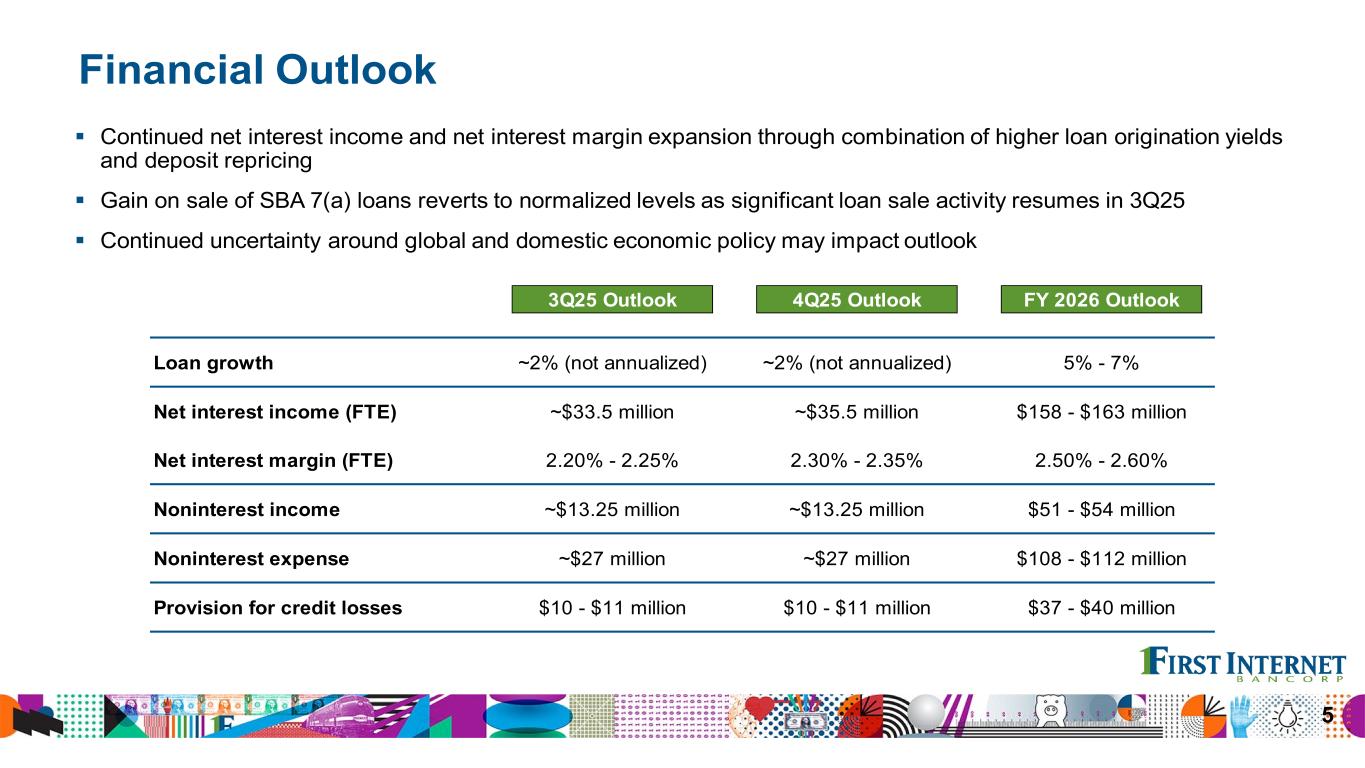
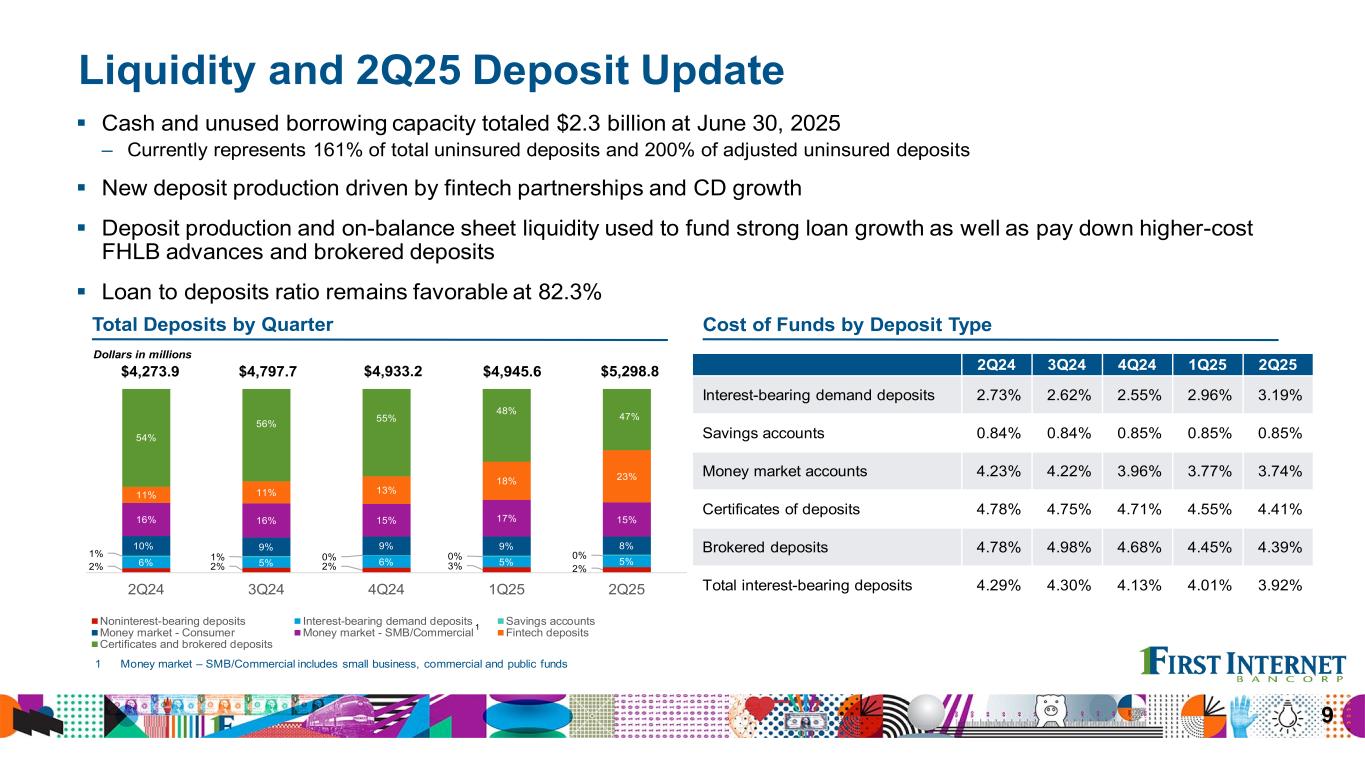
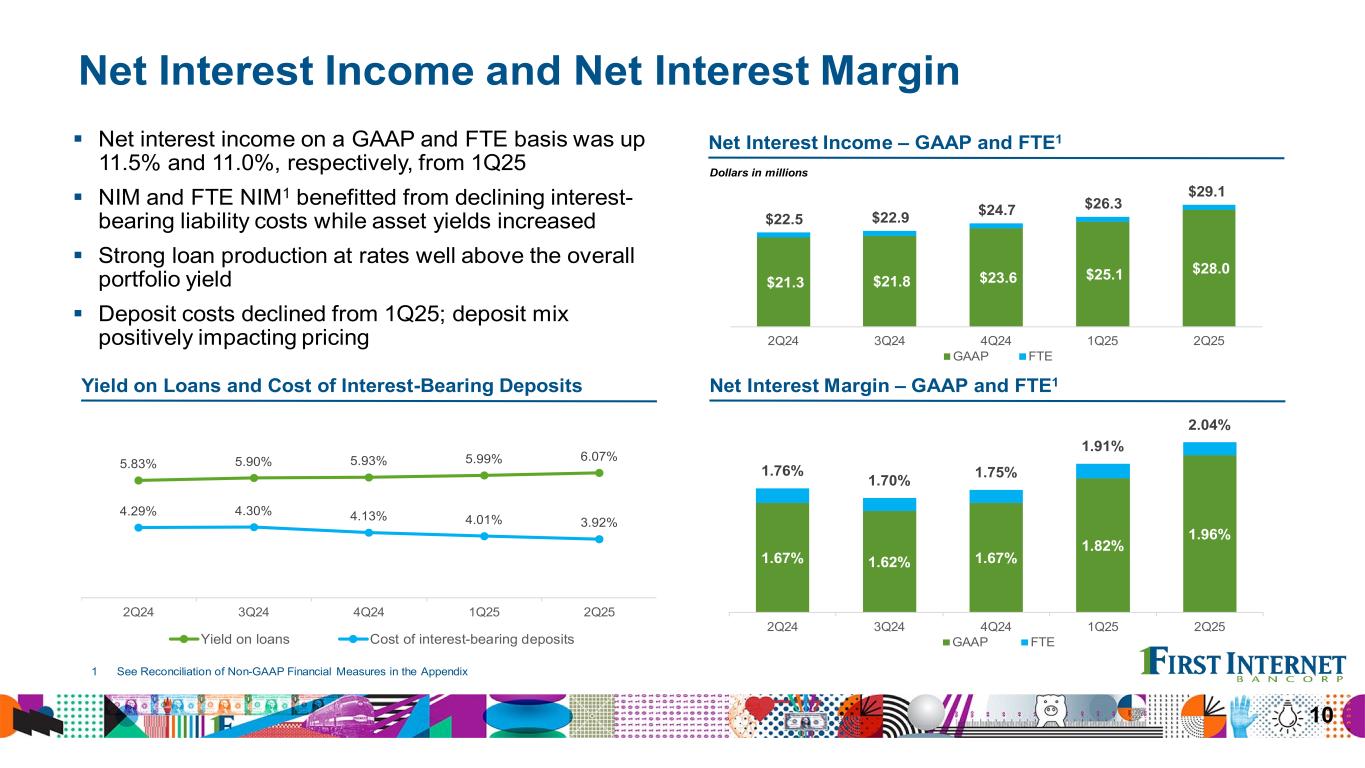
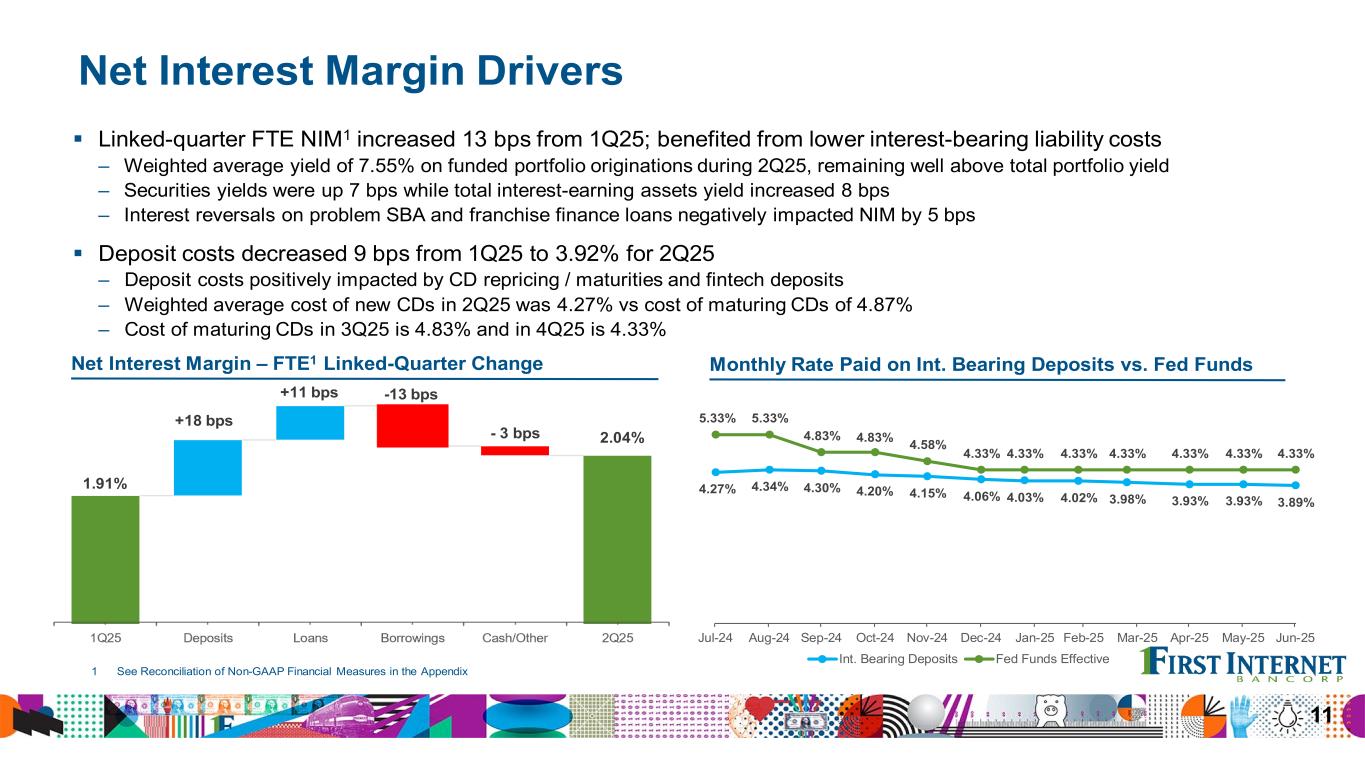
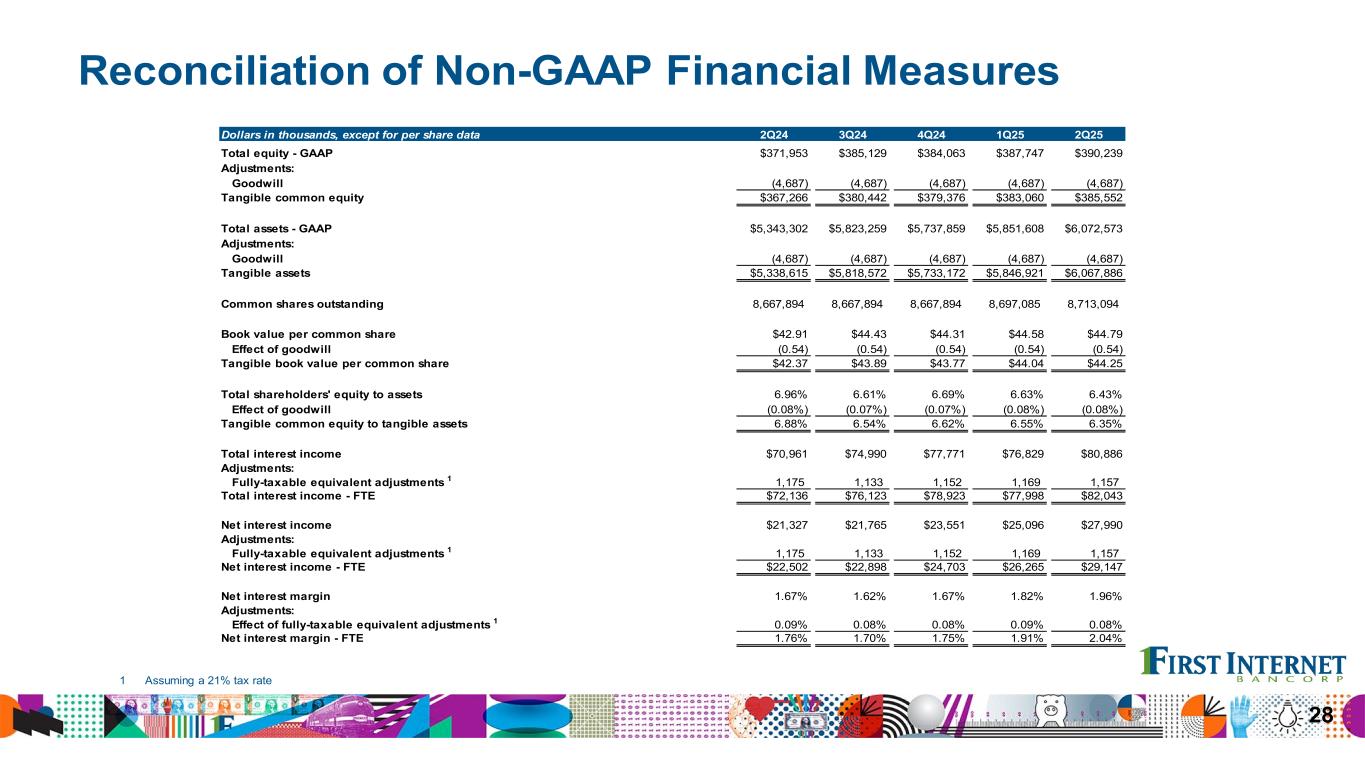
Thank you, Nicole. Let me start by discussing some of the drivers of net interest income and net interest expense during the quarter. Net interest income for the second quarter was $28 million or $29.1 million on a fully taxable equivalent basis, up 11.5% and 11% respectively from the first quarter. Net interest margin improved to 1.96% or 2.04% on a fully taxable equivalent basis, up 14 and 13 basis points respectively. The yield on average interest earning assets rose to 5.65% from 5.57% driven by an eight basis point increase in loan yields as rates on new originations exceeded 7.5% during the quarter. The cost of interest-bearing liabilities declined to 3.96% from 4.02%, driven by a nine basis point decrease in interest-bearing deposit costs, as we continue to benefit from CD repricing, and as we grew lower cost fintech deposits. With lower CD pricing across the curve, we expect further declines in deposit costs throughout 2025, as higher cost CDs mature and are replaced by lower cost fintech deposits or new CDs. When combined with the higher loan origination yields, this should support ongoing growth in net interest income and margin, even assuming no Fed rate cuts. At quarter end, 1.8 billion dollars or 33 percent of our deposits were indexed in some form to the Fed Fund's rate, offering additional cost reduction potential if rates decline. Now, turning to future periods, I would like to provide some commentary on our outlook for the second half of 2025 and into 2026. Note that these estimates assume a flat rate environment. Given the economic uncertainty, we are not going to attempt to predict the timing and magnitude of Fed rate cuts. We remain excited about our strategies in place to drive net interest income and net interest margin growth as loan yields continue to increase and deposit cost decline. For the third and fourth quarters each, we expect to grow our loan portfolio at an unannualized rate in the range of 2% each quarter. The impact of funding loans at higher origination rates in conjunction with lower deposit costs is expected to result in our fully taxable equivalent net interest margin rising to somewhere in the range of 2.20% to 2.25% in the third quarter and 2.30% to 2.35% in the fourth quarter. In dollar terms, we expect fully taxable equivalent net interest income to increase as well and be in the range of approximately $33.5 million in the third quarter and $35.5 million in the fourth quarter. With regard to non-interest income and expense, looking at the balance sheet, we have well over $100 million of guaranteed SBA balances that we expect to sell in the third quarter, and origination pipelines remain strong to support fourth quarter volume. As such, we expect to see non-interest income pick back up around to around $13.3 million in both the third and fourth quarters, driven by an increase in our gain on sale of loans. Furthermore, we expect expenses to land in the range of $27 million in both the third and fourth quarters. With respect to the provision for loan losses, we expect some tempering in the overall provision. However, it will remain elevated compared to historic levels. We anticipate the provision to be within the range of $10 to $11 million for both the third and fourth quarters. Moving to our expectations for 2026, just as we are excited about the prospects for the second half of 2025, we are equally excited about the outlook for 2026. We anticipate continued growth in our income-generating loan verticals, as well as our small business lending platform on a relatively stable expense base, which is expected to drive positive operating leverage for the full year of 2026. From an asset perspective, we expect to grow the loan portfolio somewhere in the range of 5% to 7% over the course of the year. While we do expect deposit costs to stabilize under a flat rate scenario in 2026, loan originations will continue to price upwards. We anticipate fully taxable equivalent net interest income in the range of $158 million to $163 million for the full year, which reflects a fully taxable net interest margin in the range of 2.5 percent to 2.6 percent. Moving to non-interest income and expense, as we continue to bolster our SBA origination platform and expect originations to grow, we have modeled non-interest income in the range of $51 million to $54 million for the full year. On the expense side, we estimate expenses to be in the range of $108 million dollars to one hundred and twelve million dollars representing annual growth of around eight and a half percent to twelve and a half percent with respect to the provision for loan losses we are going to take a conservative position and estimate the full year provision to be in the range of thirty seven to forty million dollars in terms of how this guidance translates to earnings per share if you take an optimistic approach that is the higher end on revenue and the lower end on costs, you should arrive at around $6.30 per share. If you take a more conservative approach to the forecast, the low end of the range equates to about $5.20 in earnings per share with a midpoint in the area of $5.80 per share. With that, I'll turn it back to the operator so we can take your questions.
Operator
Thank you, sir. Ladies and gentlemen, if you do have any questions at this time, please press star followed by one on your touchtone phone. You will then hear a prompt that your hand has been raised. And should you wish to decline from the polling process, please press star followed by two. And if you're using your speakerphone, we ask that you please lift the hands up first before pressing any keys. Please go ahead and press star one now if you have any questions. And your first question will be from Brett Rabbitohm at Huffday Group. Please go ahead, Brett.
Hey, good afternoon, guys.
I wanted to start on the provision guidance for the back half of this year and next year. I mean, if you just kind of think about the numbers, that's essentially a 90 to 100 basis point level, you know, through the end of next year.
Can you just talk about, you know, that level and what you might be anticipating related to credit stress from here and you know where you think you guys are relative to working through the sba and finance the franchise finance portfolios quite honestly brett we hope like we don't need that number but we're tired of sitting here and telling you guys every quarter that we missed so we pushed it up to what it's been for the last couple quarters as we stated and all the numbers we shared with you that the portfolios are headed in the right direction it looks like the cycle is uh turning to our favor, but we don't want to short-sight it again next year or the second half of this year, for that matter, and wind up short. So we boosted it up. We hope that's a nice carry-forward for us that we'll actually improve the bottom line because we don't need it. But we don't want to be in a position to underestimate and wind up short, as we have in the last couple, two, three quarters.
Okay, that's helpful. And then on SBA, I know, Kim, we had a conversation during the quarter about, you know, consumer spending was down and obviously higher interest rates have impacted, you know, some of the SBA industry loans, but wanted to get a better sense of what you were seeing in SBA. And then I didn't quite understand Nicole's comment about what detail on Nicole's comment regarding changes to industry standards, which I assume is the revised things that have happened since the new administration.
Sure. I can clarify that for you, Brett. Yeah, there have been changes to the SOP that were announced recently, and I think they were effective as of June 1. what we're really seeing is a reversal to the prior Trump administration in terms of some of the rules. And so that has changed the industry a bit. There were concerns that that might soften demand for SBA loans, either on the part of borrowers or in the secondary market, but that really hasn't shown up to us at all. We're seeing strong pipelines continue.
But what those changes did do to us, Brad, in the second quarter, slow down our sales in the secondary markets. So as Nicole stated, we were down $7 million in what we had anticipated for the quarter, which was $0.70 worth of earnings for the quarter. So had those changes not taken place, we wouldn't have a lot of the angst that we have today. But it is what it is. And as she said, we're back up and running over $3 million in gain on sale already in the month of July. So this quarter, we'll come back to normal, a little ahead of where we've been in the past.
It's pretty common, Brett, for those loans, SBA loans, to be sold hot off the closing table into the secondary market. What we're doing is making sure we have the trailing documentation like titles and licensures and deeds all sewn up before we put those loans out for secondary market sales.
Okay. And if I could sneak in one last one around credit, just on the franchise finance portfolio, I know you've tightened up underwriting. Can you remind me, generally speaking, what the underwriting terms were for the franchise finance book? What do you mean by underwriting terms in this case, Brett? well just you know any metrics that you can you can give me related to um you know loan to values debt service coverage ratios um you know how you generally look at the different franchises and how you underwrite cash flow or or real estate yeah now thank you okay i got got you thanks for the clarity i mean these are it is cash flow lending right so you're you're either you know you're writing to the underwriting cash flows of the business.
And I think, you know, our minimum on that is probably a 125 debt service coverage, but probably targeting higher than that. So that's kind of the target. There is oftentimes very little real estate involved with these deals, but you are getting personal guarantees on everything and you are getting, you know, additional pieces of collateral. You might have business equipment and things of that nature. So that's kind of the overview at a high level.
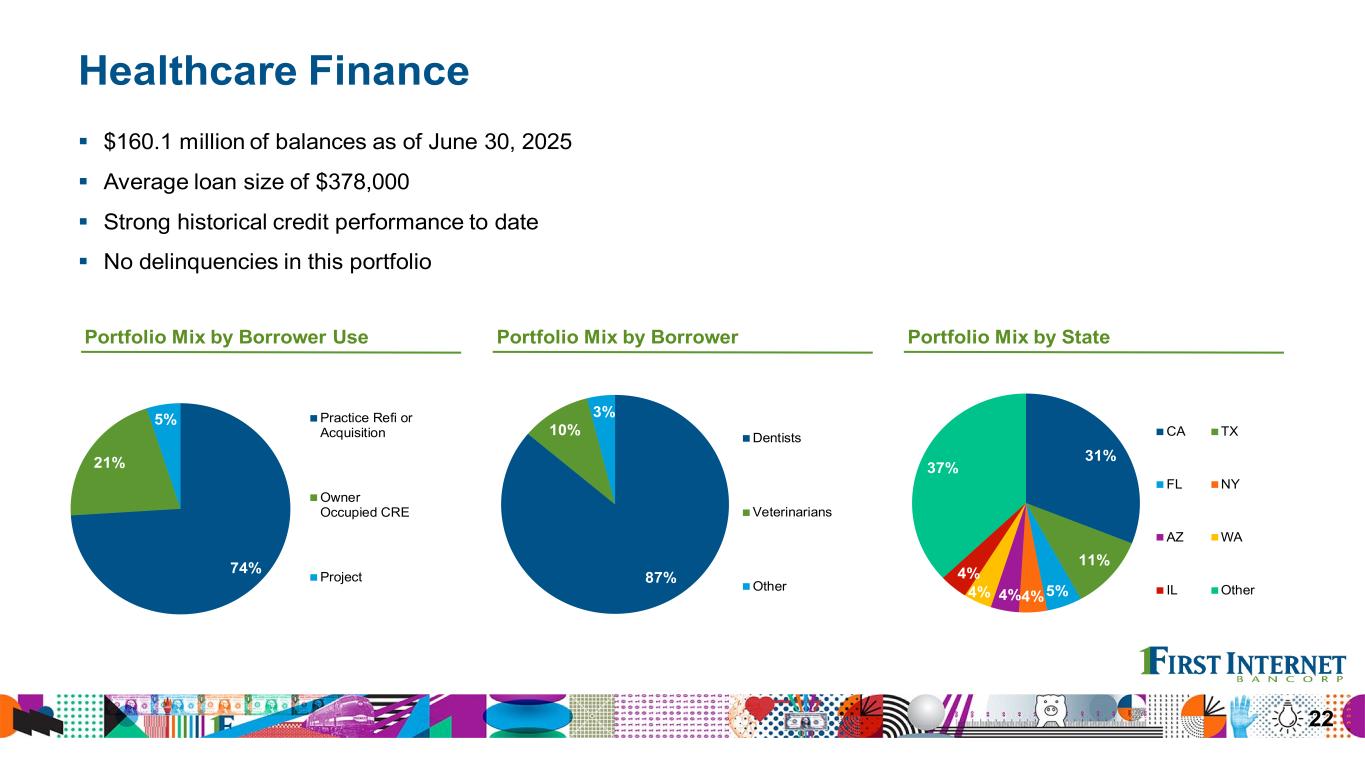
And due to the changes going in the marketplace, Brett, we stopped originating or purchasing loans at the beginning of the year. We haven't purchased anything since January. Just too much uncertainty in the marketplace and concerns about consumer sediment, tariffs, et cetera, et cetera. So the portfolios actually dropped outstandings by a little over 10% since the first of the year.
Okay. Great. Appreciate all the color, guys.
Operator
Next question will be from Nathan Rice at Piper Sandler. Please go ahead, Nathan.
Hi, everyone. Good afternoon. Thanks for taking the questions. um kind of appreciate all the um commentary around the provision outlook you know just curious you know what's kind of underpinning that outlook in terms of how you're thinking about the charge off trajectory going forward um i imagine it's not going to be you know as high as we've seen the last handful of cores but just curious kind of the underlying charge off assumptions and kind of what that equates to in terms of the reserve trajectory from here yeah i think you know sometimes the charge-off number itself can be a little bit choppy because sometimes what we find is, you know, whether, you know, you think what goes through provision, right?
You either have a charge off or you have a specific reserve. So sometimes that, you know, you could put a specific reserve and then charge off a lot like this quarter in particular, right? We had, you know, seven plus million dollars of the net charge-offs had already been reserved for so I think probably maybe the better way to look at it is really just what is what is the provision what is the income statement impact because sometimes it's a little bit hard to predict where it's going to be a direct charge for a specific reserve but yeah I mean we do we do expect the the the ACL coverage to grow over time I mean granted this quarter it was down a bit but it was because of the charge-offs that I just alluded to that we had full of reserves on. But I do, you know, we do expect that the ACL coverage ratio will grow over time, you know, as we kind of continue to, you know, expect at least throughout the end of this year to kind of continue to work through some of the problem credits we've identified.
One of the issues out there, Nate, with, for example, the franchise finance loans at the end of the year, we had 40 loans that had received some kind of deferment on them. Today, that number is zero. We haven't had any for several months. So we're getting comfortable that, you know, everything's kind of crawled out from under the rug at this point, but we're still just being overly cautious, not knowing what Mike pop we're in the same situation we deferrals are way down in the SBA world so that's kind of leading indicator that something is wrong with this loan obviously when they're asking to defer payments and that has not only has delinquency gone down the permits are virtually zero we have nothing in either bucket that's over 90 days delinquent that we haven't already put the non-performing And as Ken said, about 40% of that has some form of specific reserve against them. So we think we're cleaning it up quickly, and the future looks a lot brighter than the past has. But we want to be, quite honestly, just conservative. We'd rather surprise you with lower numbers than continue to hit high numbers.
Yep, but understandably. You know, of the $33, $34 million in charge-offs over the last few quarters, Do you guys have a breakdown of how much of that was SBA versus franchise?
I don't have the total, the number off the top of my head. If I were, I'm going to speculate here, but I think it's probably a little bit heavier weighted on the SBA side, just because I think in terms of some of the problem development, some of the, I guess maybe some of the problem loans developed earlier there than they have in franchise. So it's probably just a, maybe a timing, you know, matter on that one, but I would, I would guess it's a little bit heavier weighted on, on, on, on SBA than it is on franchise.
Okay, got it. And then obviously you guys had nice deposit growth in the quarter. Deposits expected to slow in the back half of this year, just given maybe some excess cash on the balance sheet. coming out of the quarter, how do you kind of think about, you know, the trajectory of deposits over the next couple quarters?
You know, I think actually, you know, Nate, we're having a lot of success with a couple of our fintech partners on the deposit side. And I think throughout the course of the rest of 2025, we expect pretty solid deposit growth there. So, I mean, I think what that'll allow us to do is probably take our CD rates down a little further and kind of manage that. Because if you think about this, Nate, for the rest of 2025, we have over 800 million of CDs maturing at a weighted average cost above 460. So there's a lot of latitude to even if the fintech deposit growth is above our expectations, we can certainly manage overall balance sheet growth by managing CD pricing.
And what rate are those CDs rolling into these days from 460 roll off?
The 460, if we were doing it today, it's probably in the mid 420s.
Okay, gotcha. Just lastly for me, it seems like you guys are still expecting, you know, pretty decent loan growth. I think you mentioned around 8% annualized for the next couple of quarters. So just curious on maybe thoughts of perhaps slowing growth and maybe getting back in the market, buying back stock, just given the valuation today.
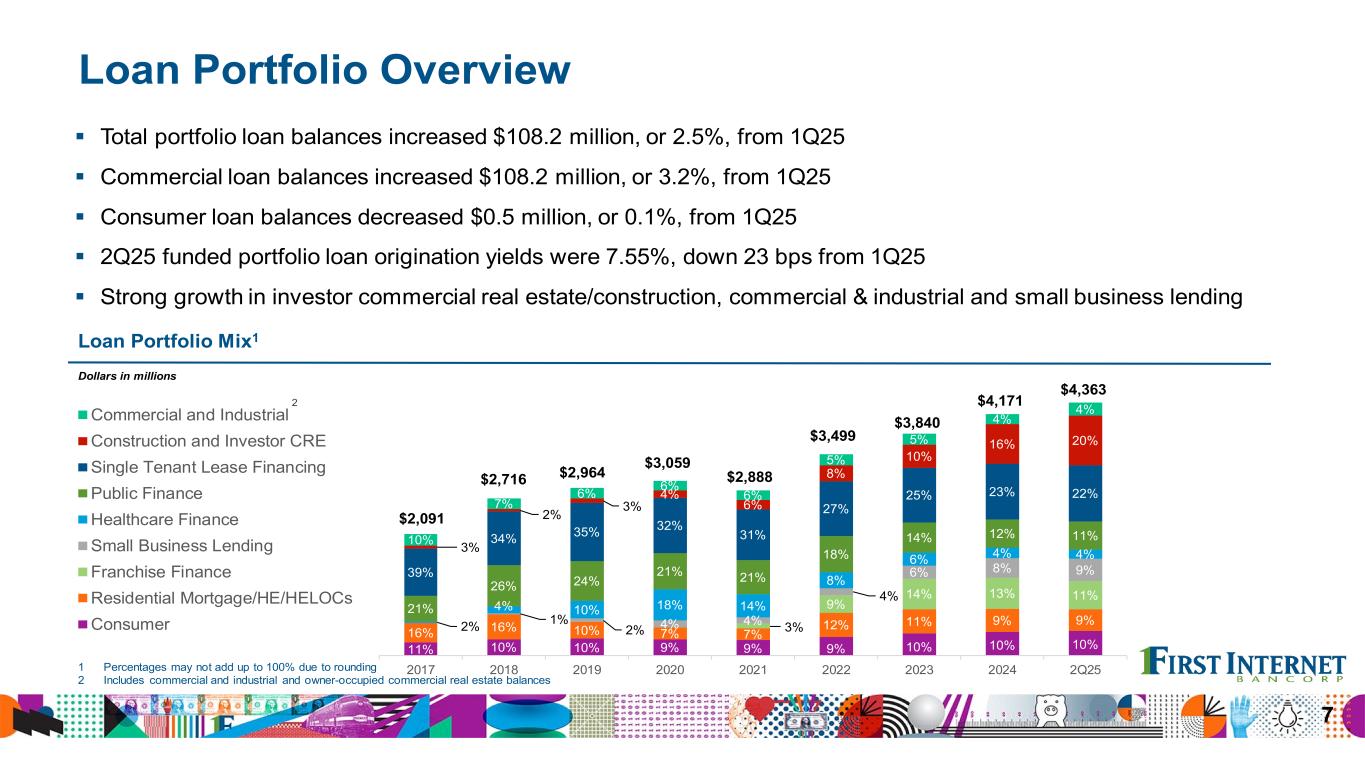
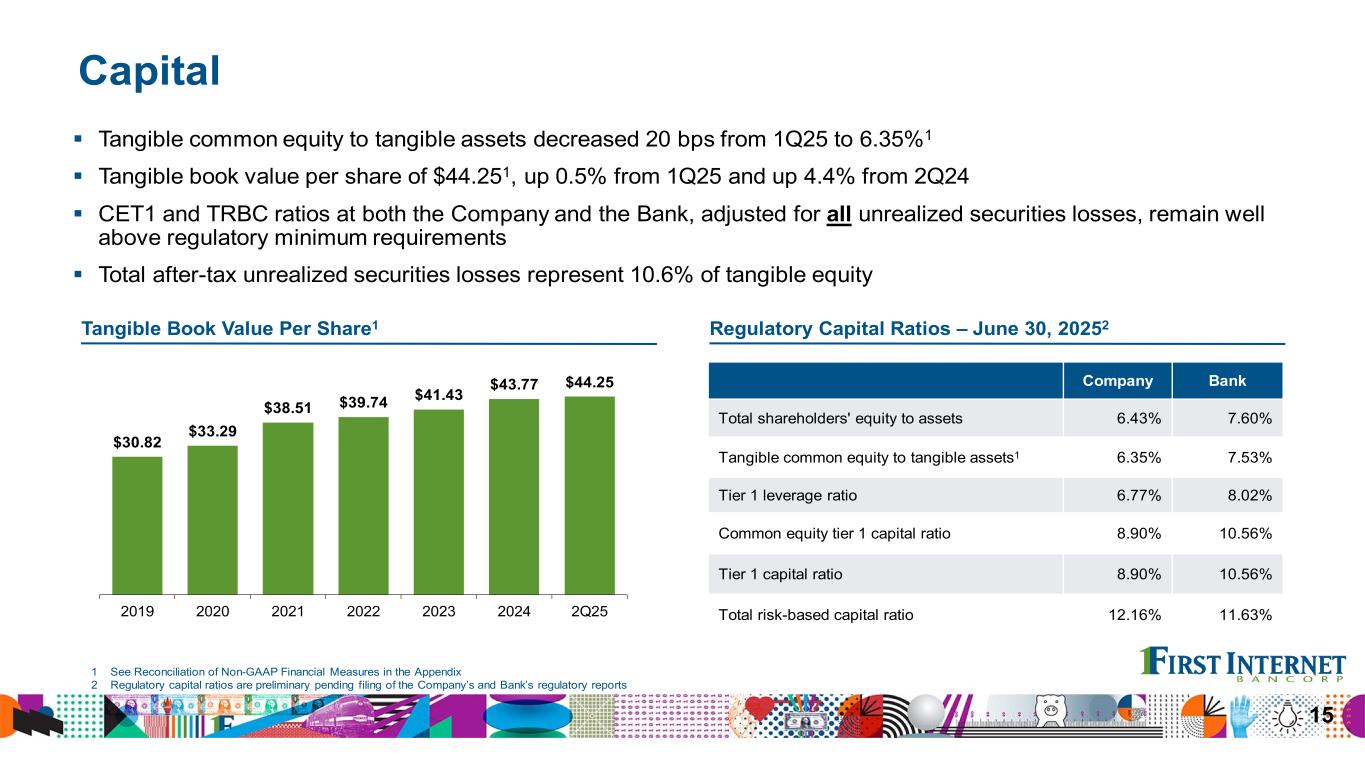
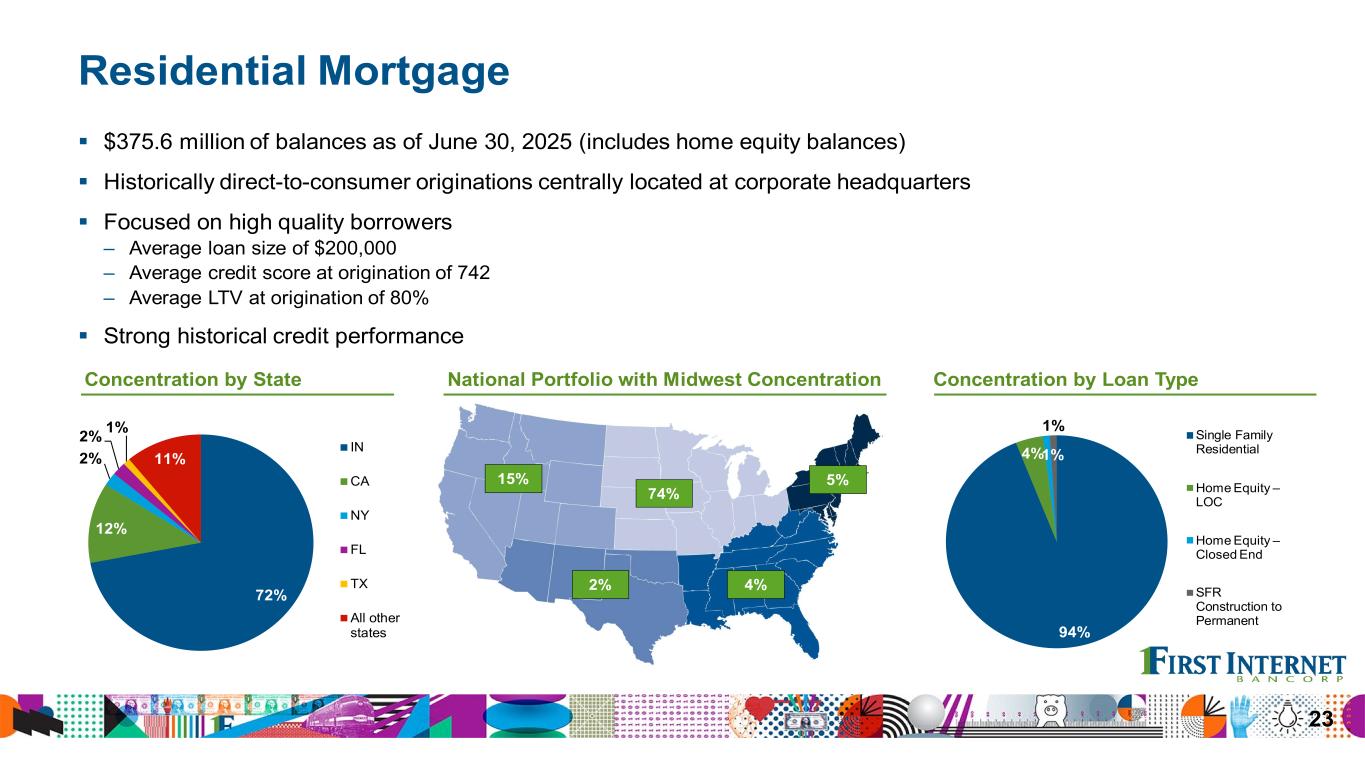
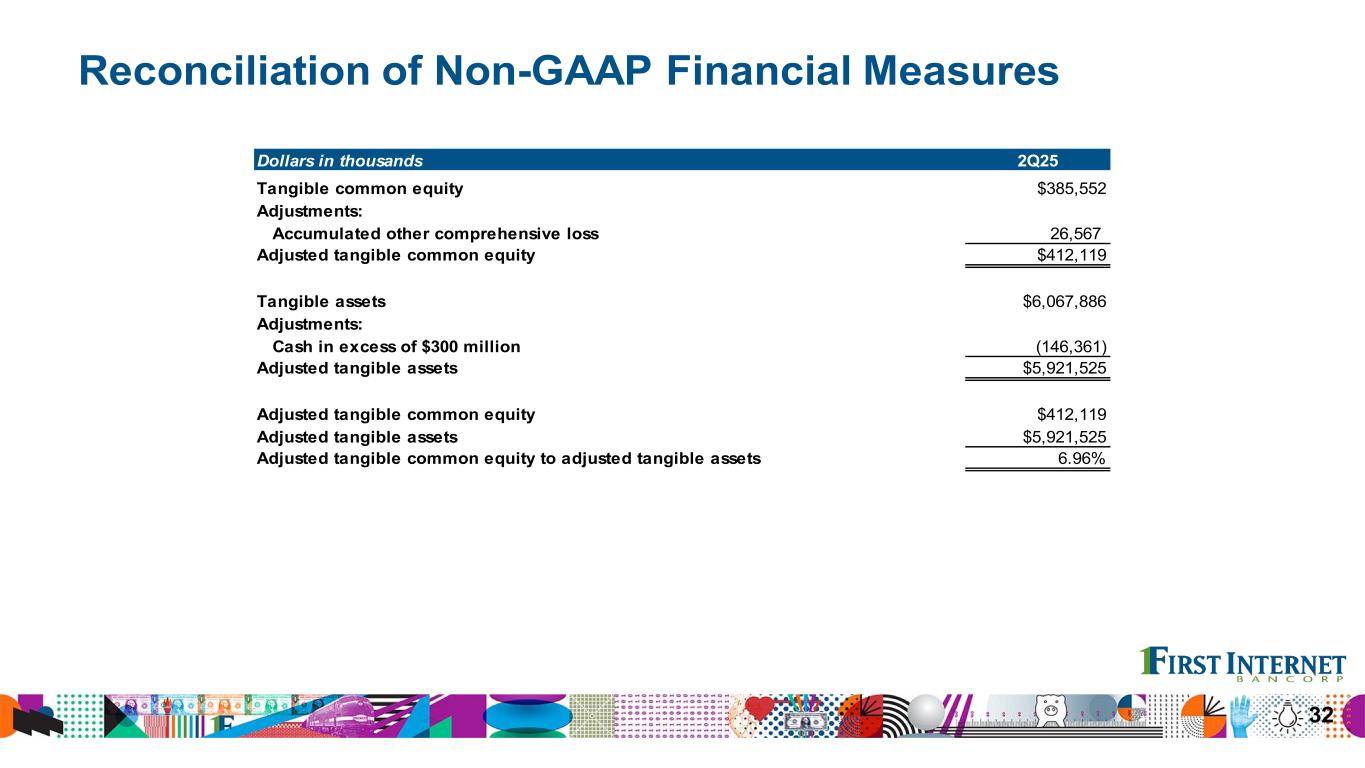
Yeah. No, I mean, the loan growth is, I mean, we're excited about the loan growth opportunities because it's a lot of it is, you know, continue, you know, we're seeing increased production in the SBA. Granted, we're only retaining, you know, we're only retaining 25% of that on average. But as we talked about on the gain on retaining loans longer before we sell into the secondary market, if you look at the balance sheet, you will see that loans held for sale was in excess of $100 million. Well, with our model and our process now for selling, we expect that average balance to be around $100 million a quarter. So that's the added benefit of holding those for longer is we're clipping nice interest income at a higher rate. You know, we have had a lot of success in the construction side and originations, and a lot of that growth are just unfunded commitments that draw. So I think a lot of the rest of the areas of the portfolio are fairly managed growth. And as a reminder, there are certainly a couple of portfolios, you know, residential mortgage and health care that are in decline. But certainly we, you know, are going to try are managing the balance sheet, you know, responsibly. And, you know, what, you know, I think probably, you know, I guess when I look at the capital ratios, though, as well, I'd prefer as much as I'd love to be buying stock back at this price, I think we also need to be responsible and build capital ratios. So as we can come back in and get earnings, get an earnings at compounding at a higher rate than overall balance sheet growth, then we can, you know, start to rebuild capital ratios and then probably start to take a look at that share repurchase.
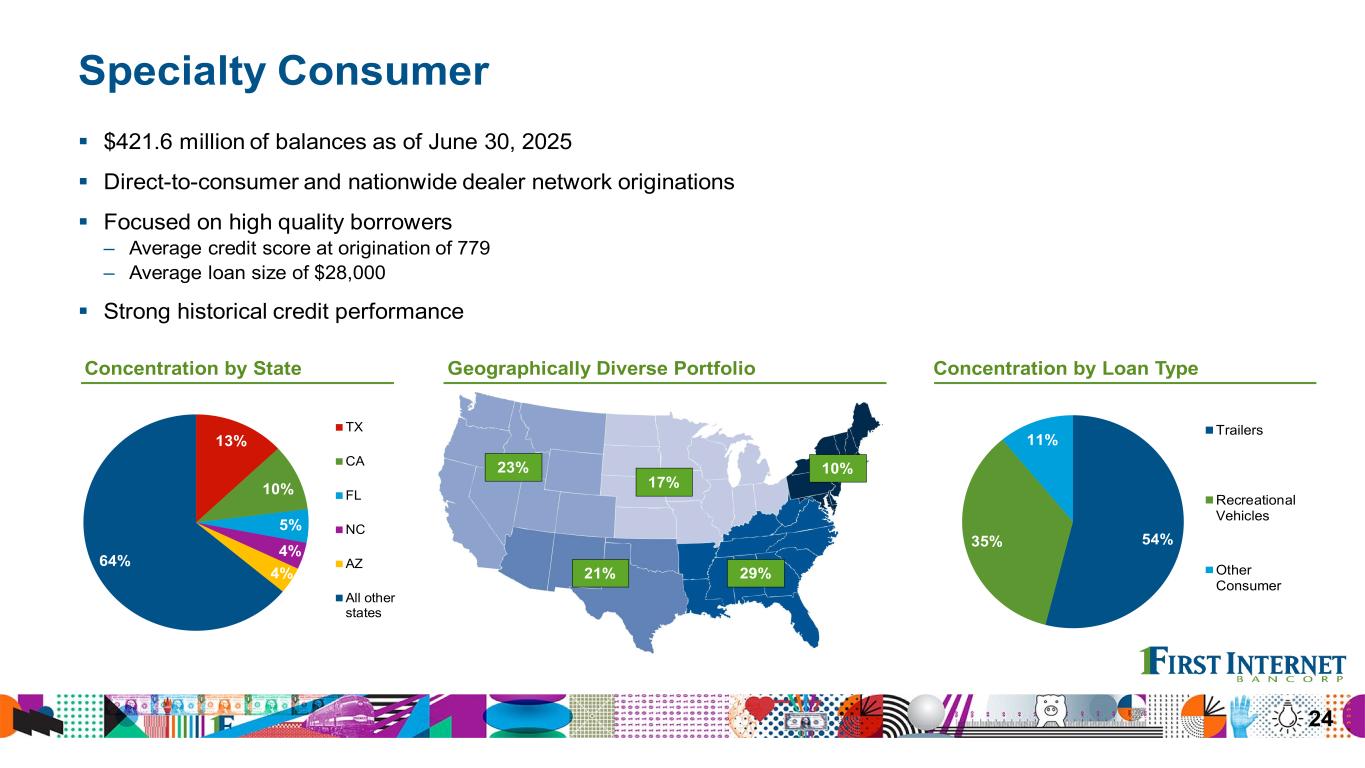
And back to the loan growth, it's not really impacting the capital ratios, per se, because we have one of the lowest loan-to-deposit ratios in the history of the bank. So we're able to pick up the higher yield on the loans without bumping up the balance sheet and putting any real additional pressure on the equity side of things. So right now we're in a good position, as Ken said, when we're putting stuff on the books in the 78 percent as long as we can do that a great quality we'll stick with it we did find out we're doing a little research here where we're chatting with you the split on the losses over the last six months franchise was actually 54 percent sba was 46 percent very helpful i appreciate all that and then ken just one last one sorry what's the tax rate assumptions you're assuming with all the specific guidance you laid out which is very helpful by the way so thank you yeah i you know
for 2026 i assume 15 seeing that we got starting to get get back to a stronger earnings trajectory you know the for the remainder of this year you know probably somewhere you know call it in the 10 to 12 range probably a little i might be a little bit high on that but that's what i'm putting into the model.
Okay. Thanks again, everyone. Really appreciate it.
Appreciate it. Thanks, Nate.
Operator
Next question will be from George Sutton at Greg Hallam Capital Group. Please go ahead, George.
Thank you. My first question is around sort of a willingness to lend. Where are you really willing to lend right now? And in that context, when we talk about the SBA side, David, you've talked about kind of $600 million goals in the past. I assume those are sort of off the table as you're thinking about it today, but just wanted to clarify, where are you willing to lend?
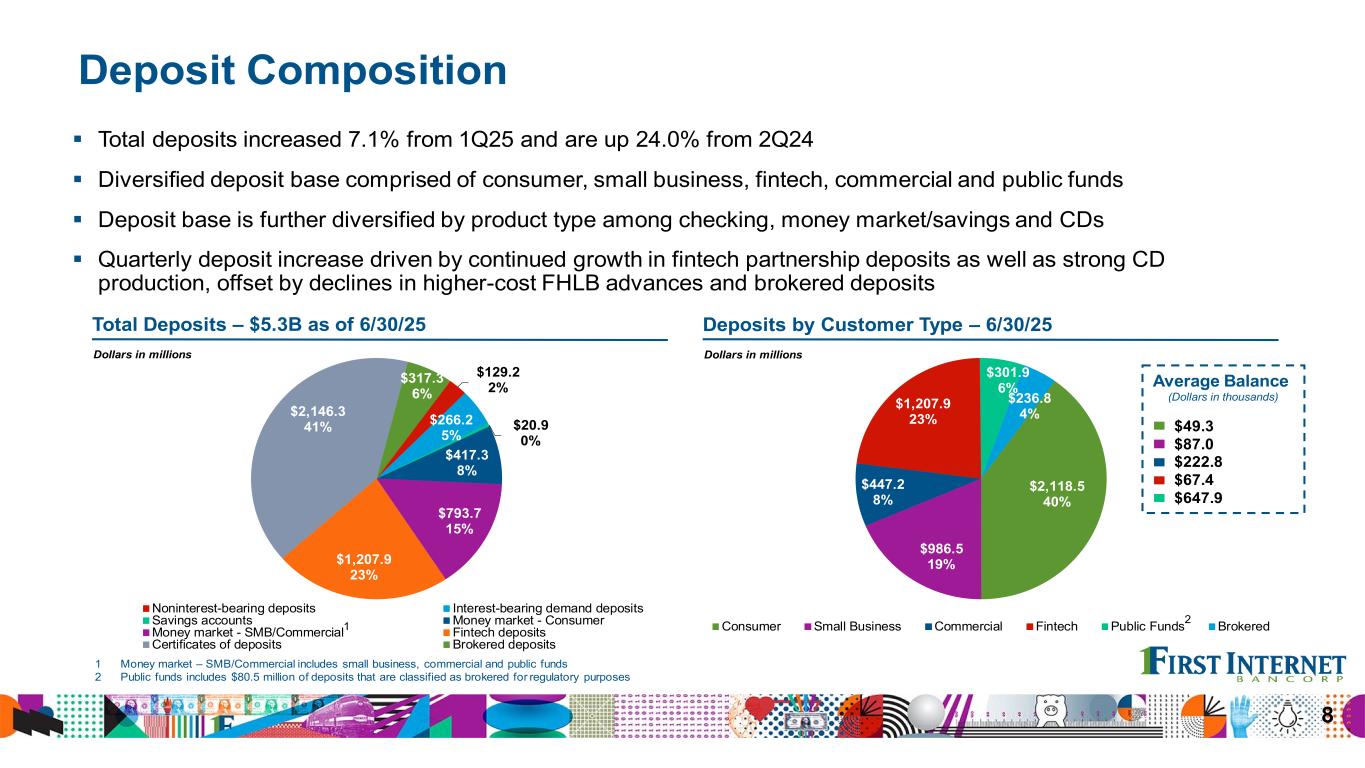
Actually, George, we're going to tip the $600 million goal, probably beat it. We bet this year, in all indications, pipelines and activity, we could get up to $650 million to $700 million next year. We're okay lending in the SBA area. As Nicole said, over the last 18, 24 months, we started changing some of our underwriting parameters. We got out of certain industries and verticals in the SBA space. what we're bringing on the books today is good quality, good solid loans. It's really the 21-22 vintages kind of back in the COVID stage that's the ones that are hurting us today. And a lot of ours are existing business acquisition. So they survived. The people buying today, the companies have survived all that craziness. Inflation is down. Interest rates really haven't helped them yet, but there is kind of a light at the end of the tunnel. So we have changed. We're very comfortable with the underwriting standards that we're doing now and continuing on the SBA side. And I think the play, as Nicole said, we're obviously very focused on staying within all the parameters and all the guidelines from the SBA. And knock on wood, I'll say this and I'll jinx this, but in the billion plus in loans that we've done and the charge-offs we've had recently, we've never had a denial on the insurance nor a cure request so it's been clean paper good paper it's going solid the commercial side of our business is strong the consumer side has stayed strong about the only thing we've really kind of curtailed per se is the franchise we are sticking to higher rate standard which is kind of we priced ourselves out of a couple markets we have peers that are going a little further down the food chain on rate but we stayed on like on the consumer side we're still it's super prime it's 770 plus credit scores uh 78 yield uh same way on the commercial it's so far plus five years so far plus 300 so we're we're actively out in the market we good pipelines every place is the franchise is the only thing we truly shut out gotcha thank you so other than ken's very brief discussion on successful deposit growth with some of your fintech relationships i'm wondering if you could just sort of update us on the the ramp and the jaris of the world in terms of how how those programs are going what your plans are to grow that part of the business? It's going strong, ramped. In the month of June, we processed $10 billion worth of payments for them. In the month of June, our deposit base on their small business savings product is approaching $500 million. Our fintechs as a whole, we're north of a billion in total deposits. It's all below Fed funds, and it's also below cost of our federal home loan bank borrowing. So as they've increased, we've been able to pay down a lot of that. JARUS is moving ahead, doing well. They've got a couple of really big opportunities. We haven't blown up the forecast on them, but I think this past month we added about a million and a half to our portfolio. So we're three to four million, and we're about 10 million in a loan pool with them. So it's getting bigger month by month, and we see a path with a couple of the people they're talking to that could take the roof off towards the end of the year, early part of 25. But we have settled down tremendously on the fintech space. We have counseled four of our clients off, and we have about five or six in the pipeline. We've got 10 active, I think four in testing at the current time and certification. So it's been worth all the pain and agony. We grew revenue by 38% quarter over quarter, and we had forecasted, I think, initially about $4 million net there, and without anybody doing anything crazy, we're probably going to get closer in the $5 million to $6 million range for this year. If a couple of them take off, we could get considerably higher than that. So it's been a good move, and we're seeing good results for all the work that we've done.
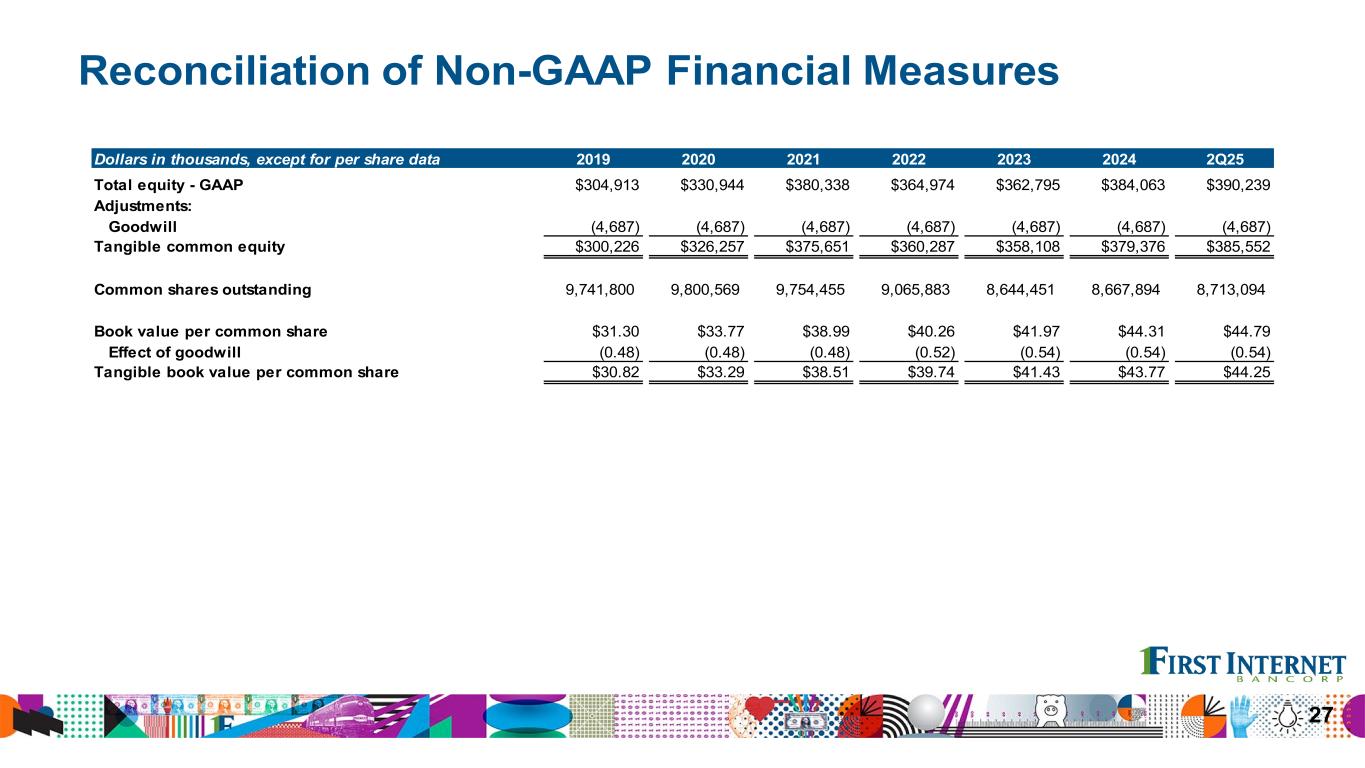
Last question, and I'm following up on a prior question that was related to the buyback that was answered by our CFO with the answer of capital issues. I'll ask the CEO the same question in a different way. So you've got a $44 book value and a $23 stock price. At what point does that equation just simply overwhelm the capital thoughts that Ken expressed?
I'll go back to the statement I think I made last quarter. If we stay with a two-handle on the front, we're not going to buy back. But God forbid we fall into the teens. That overweighs the capital constraints on my basis. so it's foolish to be at that level for a whole lot of reasons and uh we hit the teens we'll be buying uh if we stay above 20 we probably won't but teens will be in a buyback position for sure okay thanks guys thanks thank you george next question will be from emily lee at kbw please go ahead emily hi everyone this is emily lee stepping in for tim slitzer thanks for taking my question hi hi emily um so most of my questions have been answered but uh just to dig into the
expense outlook for 27 million of quarterly expenses in q3 and q4 the rest of this year um i was just wondering what line items you think can kind of drive you above or below that expectation?
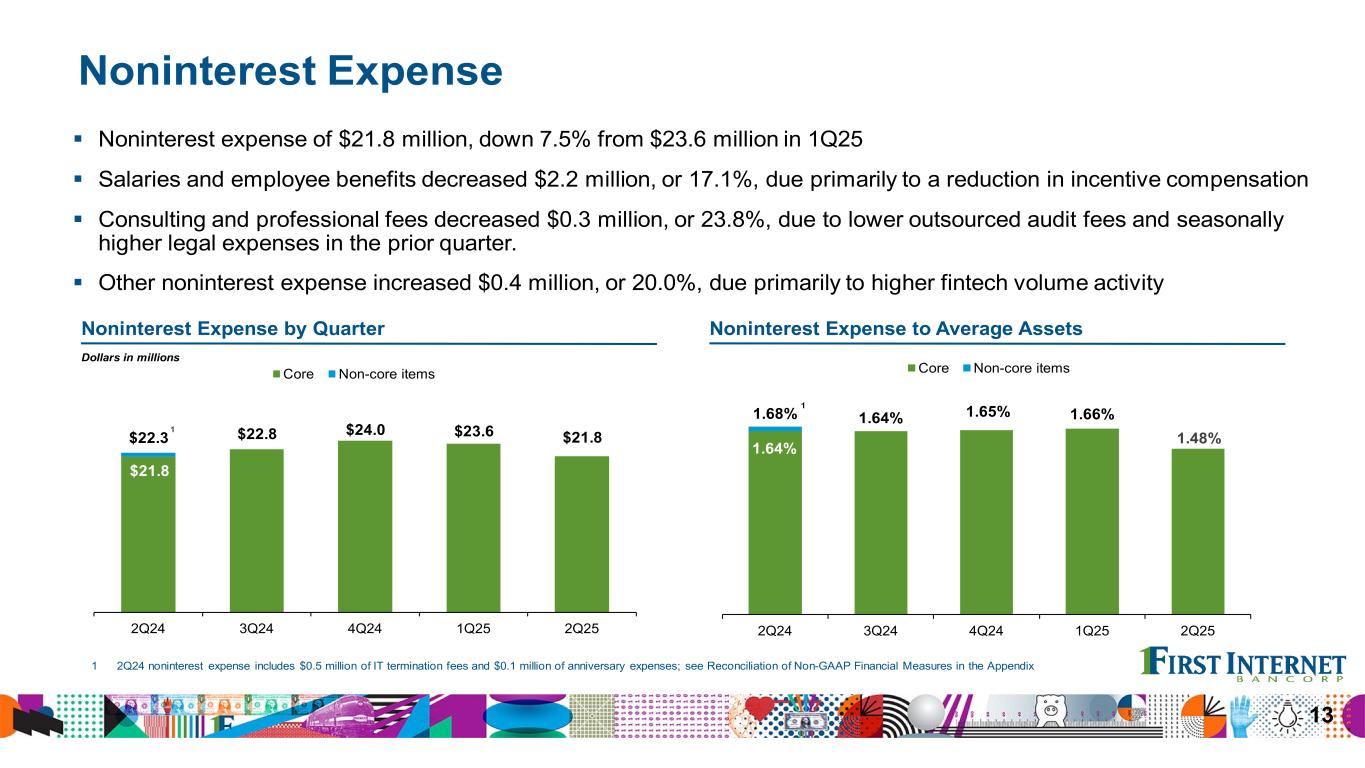
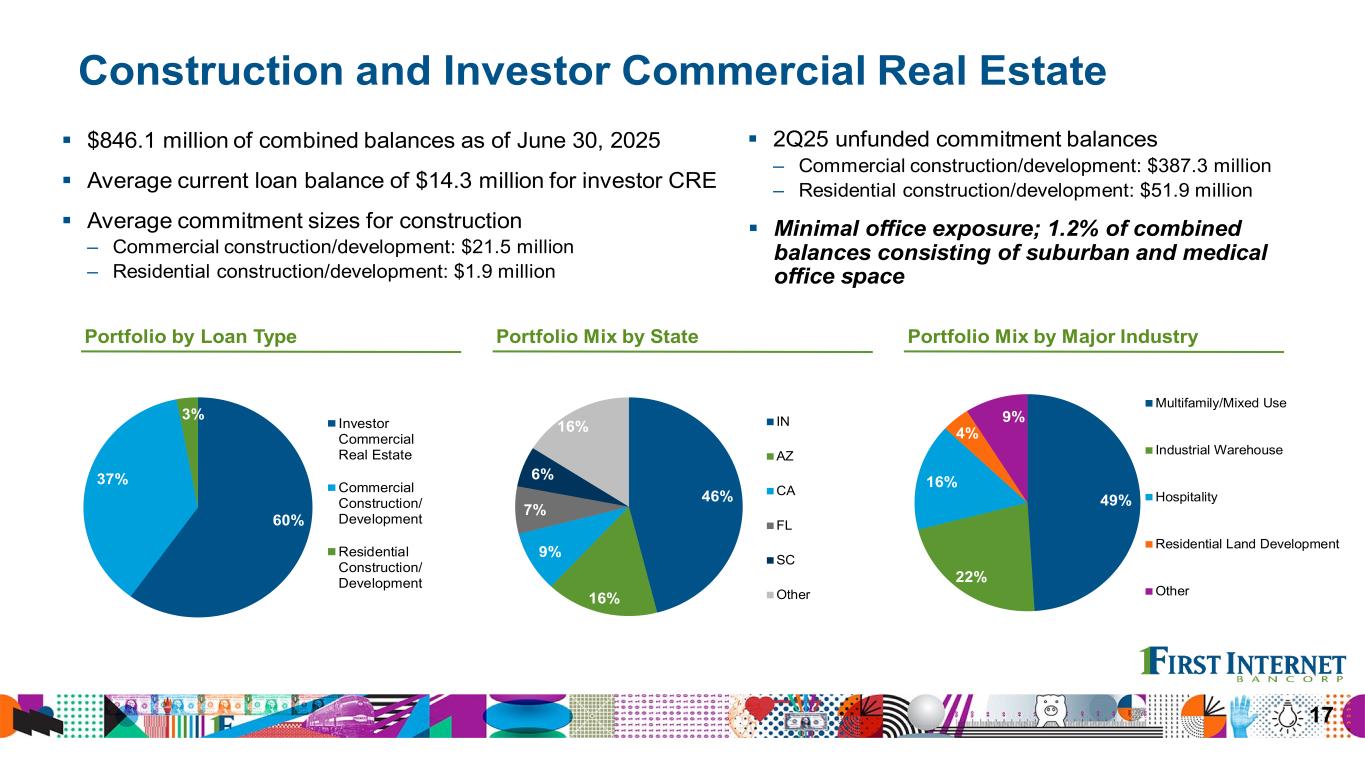
Yeah, I think that probably the line item for us that always has the most variability is the compensation. And what drives the most variability in that are really SBA commissions and construction commissions. So, you know, for, and I think we had some commentary in the release and in the, you know, the DACA on kind of, you know, what we did in the second quarter based on year-to-date performance, which did some adjustment to senior management, you know, incentive compensation. But I, you know, look, I think we have the outlook for SBA originations, as David talked about, continues to, the pipeline is strong throughout the remainder of the year, and our construction business continues to do well.
So kind of, I mean, we're kind of forecasting that those kind of pieces that have the most variability are going to be on the higher end of the range that's great thank you um and if i could ask one more um you mentioned in your opening remarks that sba dollar volume value has dropped this quarter can you give a little more color on the dynamics around that sure i'll take that one so sba premiums tend to fluctuate um based on demand for the product and what we're seeing right now is because the investors who are buying those SBA loans are expecting a certain amount of time that they're going to hold that risk-free investment in their portfolio. But when a loan runs into trouble, if it goes to delinquent or if it defaults in total, the lender or the SBA will rebuy that back from the investor. And what has happened is those loans are being bought back at an increasing or had been buying back at an increasing rate. So investors were not seeing the hold periods that they expected on those returns. So consequently, demand softened a little bit and premiums came down. Historically, we would get north of 8% premiums on those loans. Right now, the last round that we bid out, we were seeing somewhere net about seven, mid sevens. So we're just seeing a little bit of softness there.
Quite honestly, Emily, if the gross bid is, the full bid is under eight, in this last round we had four loans that were under eight gross and we just decide to hold them on the books. We have enough flexibility in the balance sheet and in the back and full scale on the sales side, so we're just keeping them on our books.
Those loans are typically coming on at prime plus two and a half so over time we're going to get a much better return holding those loans than we would getting a seven percent premium by selling them correct understood thank you thanks so much for taking the question you got it appreciate it thank you and at this time mr becker we have no other questions please proceed thank you sylvia well yes we certainly appreciate you joining us for today's call.
As you said, we've had continued to deliver strong improvement in net interest income. The macro environment remains a little uncertain. Customer activity is a little destabilizing right now, but our lending teams continue to perform very well, as we just discussed, especially small business lending and the commercial side. We're also excited about the growth potential from the fintech that George just asked me about, and we will further diversify and strengthen our revenue base. With improvements in the loan mix and anticipated reductions in deposit costs, we're confident in our ability to deliver stronger earnings in the coming quarters. As stated, we might have padded just a wee bit on some of the reserves, but we feel it's smart for both of us. So as fellow shareholders, we remain committed to enhancing profitability and long-term value, and we thank you for your continued support and have a great afternoon.
Operator
Thank you, sir. Ladies and gentlemen, this does indeed conclude your conference call for today. Once again, thank you for attending. And at this time, we do ask that you please disconnect your line.