Operator
Good morning, and welcome to the KKR Real Estate Finance Trust Inc. Second Quarter 2025 Financial Results Conference Call. Please note, this event is being recorded. I would now like to turn the conference over to Jack Switala. Please go ahead.
Speaker 1
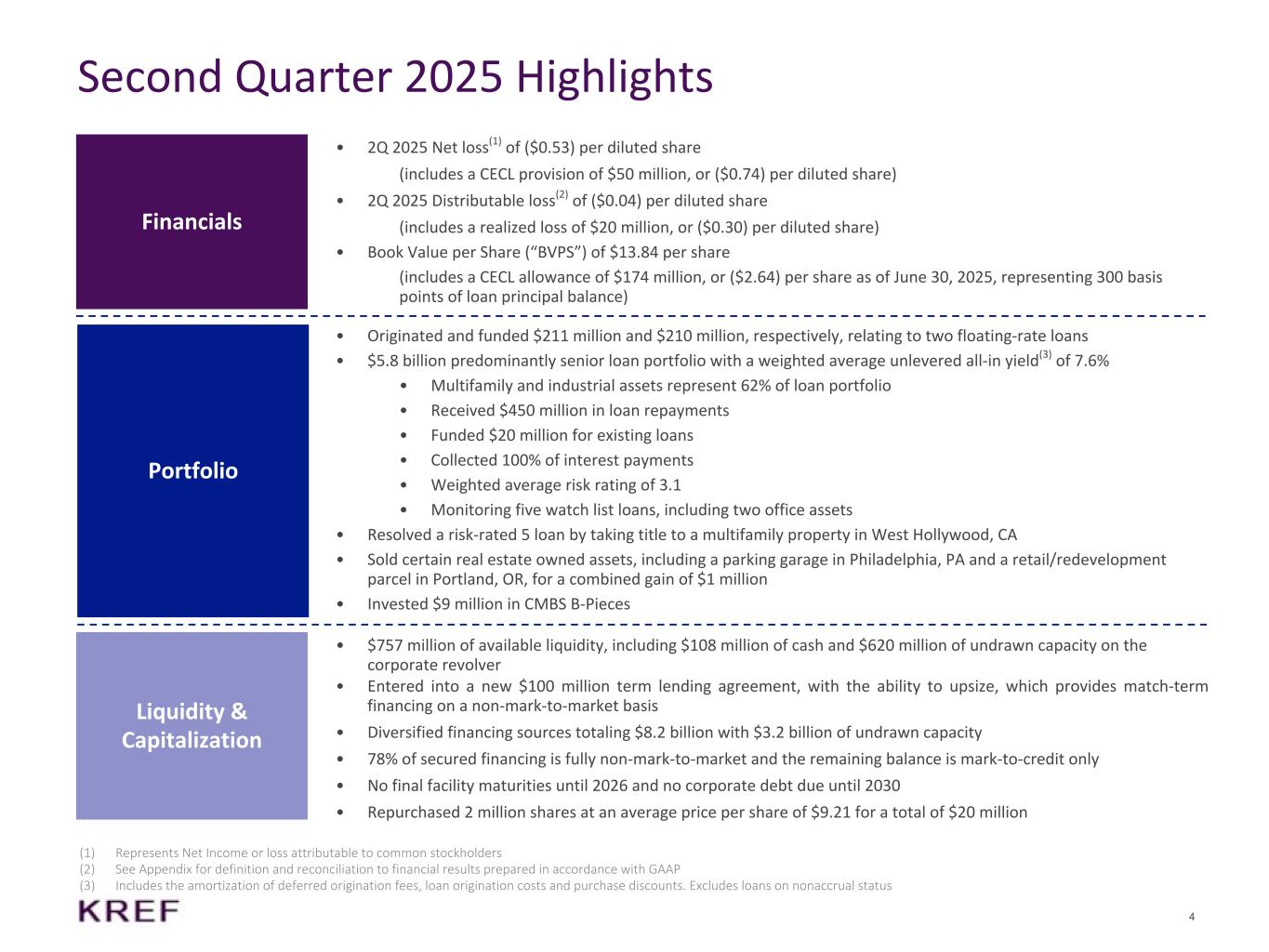
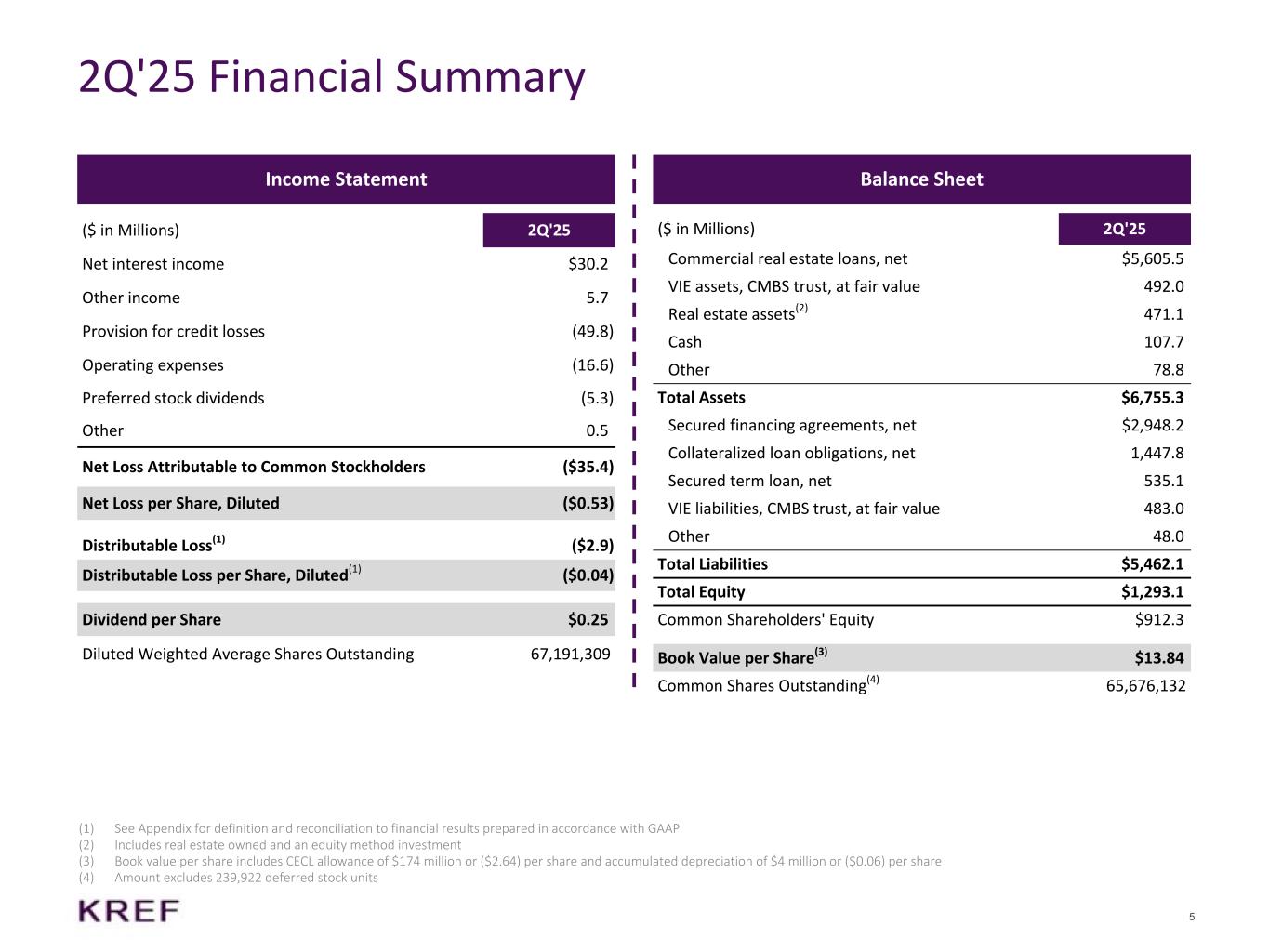
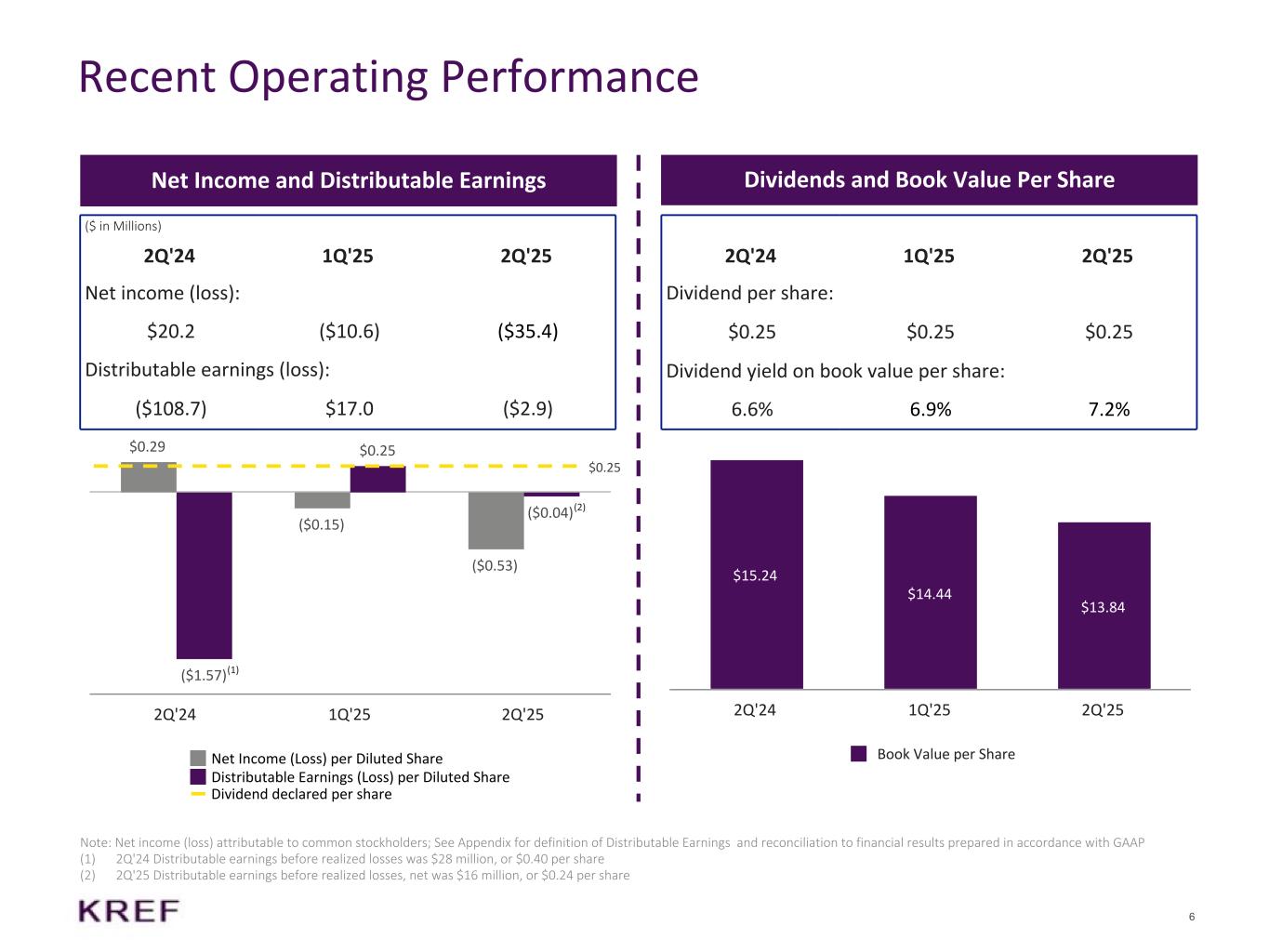
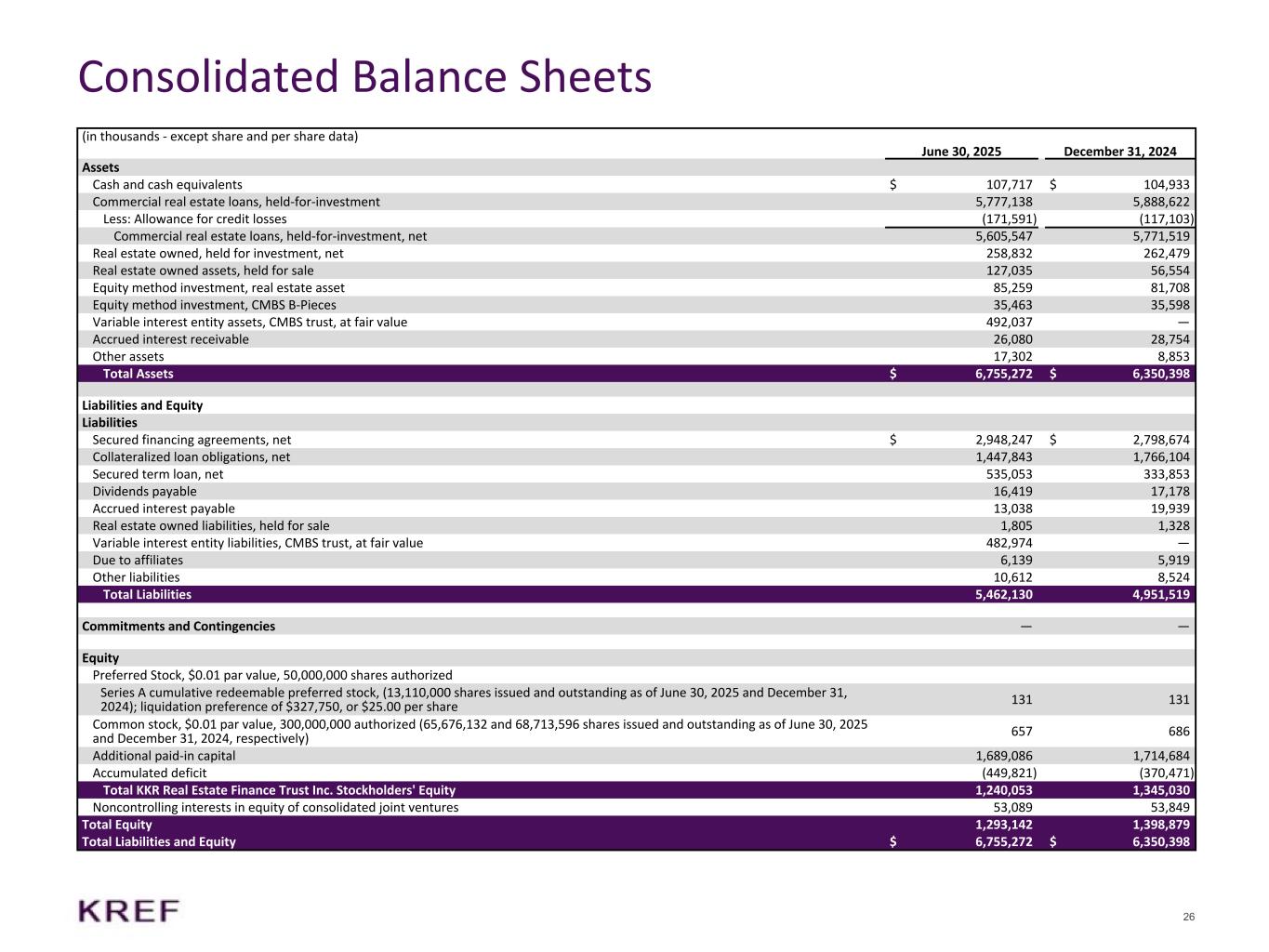
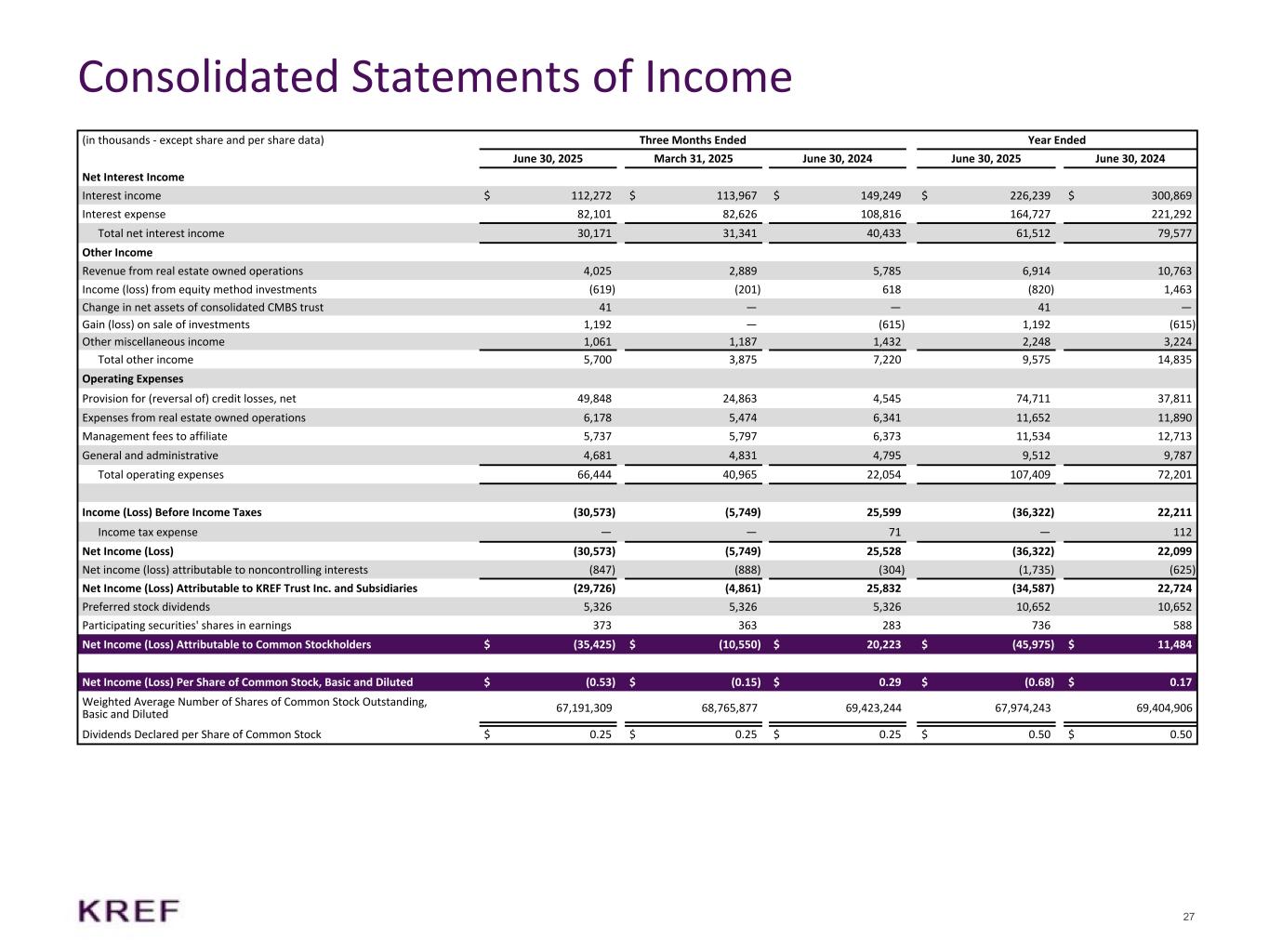
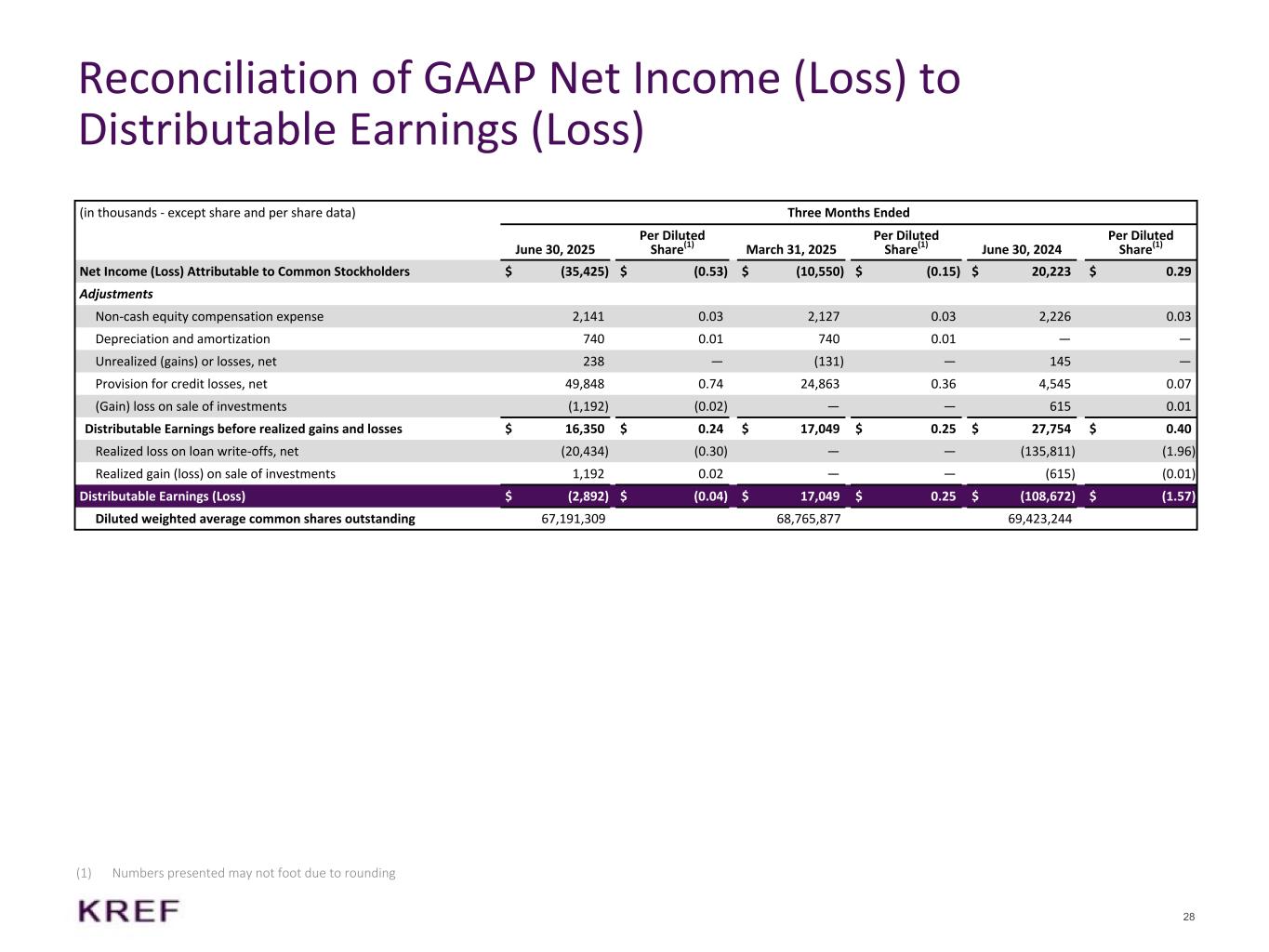
Great. Thanks, operator, and welcome to the KKR Real Estate Finance Trust Earnings Call for the second quarter of 2025. As the operator mentioned, this is Jack Switala. This morning, I'm joined on the call by our CEO, Matt Salem; our President and COO, Patrick Mattson; and our CFO, Kendra Decious. I'd like to remind everyone that we will refer to certain non-GAAP financial measures on the call, which are reconciled to GAAP figures in our earnings release and in the supplementary presentation, both of which are available on the Investor Relations portion of our website. This call will also contain certain forward-looking statements, which do not guarantee future events or performance. Please refer to our most recently filed 10-Q for cautionary factors related to these statements. Before I turn the call over to Matt, I'll go through our results. For the second quarter of 2025, we reported a GAAP net loss of $35 million or negative $0.53 per share. Book value per share as of June 30, 2025, is $13.84. We reported a distributable loss of $3 million due primarily to taking ownership of our West Hollywood property. Prior to realized losses, distributable earnings was $16 million or $0.24 per share. We paid a $0.25 cash dividend with respect to the second quarter. With that, I'd now like to turn the call over to Matt.
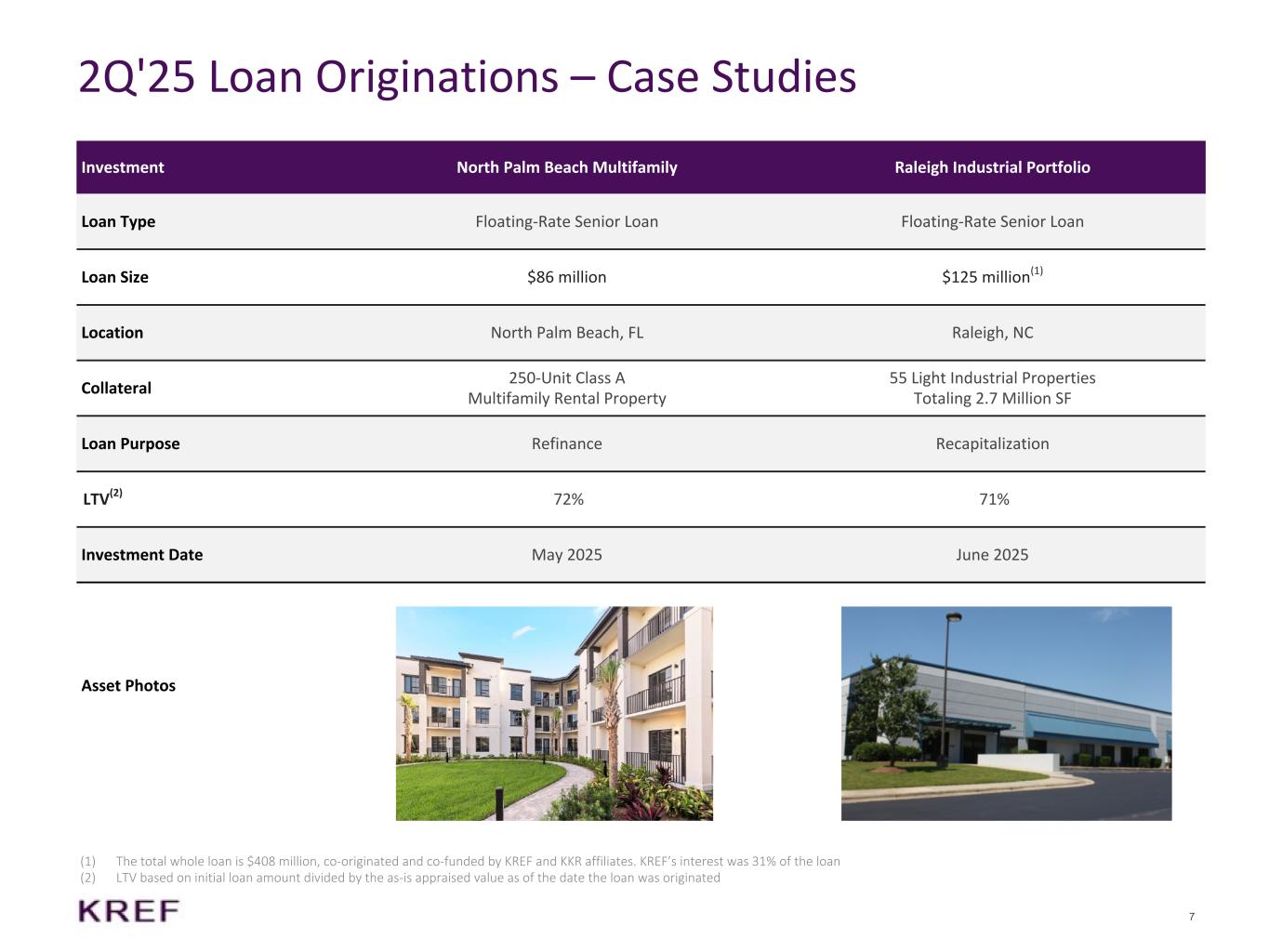
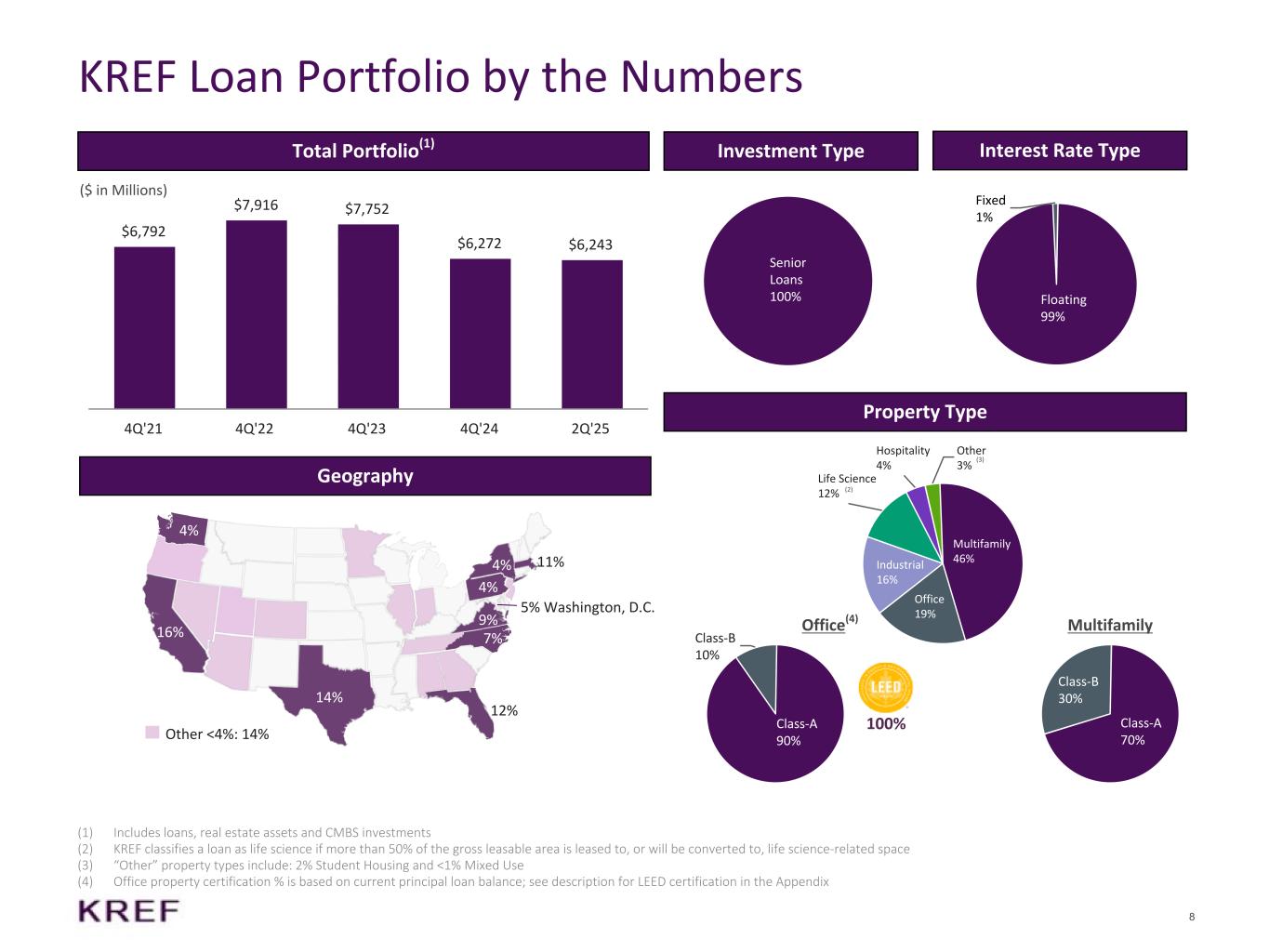
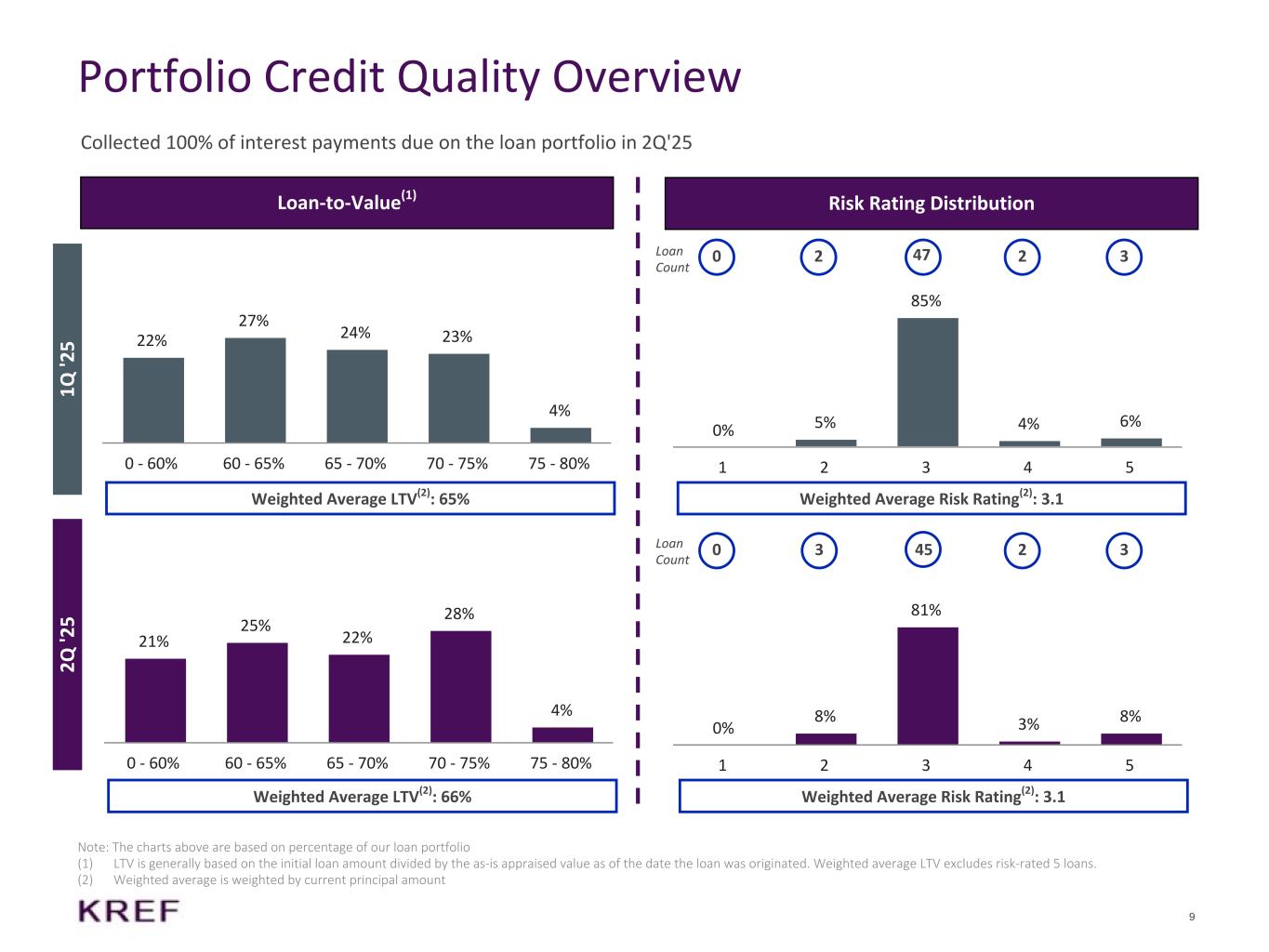
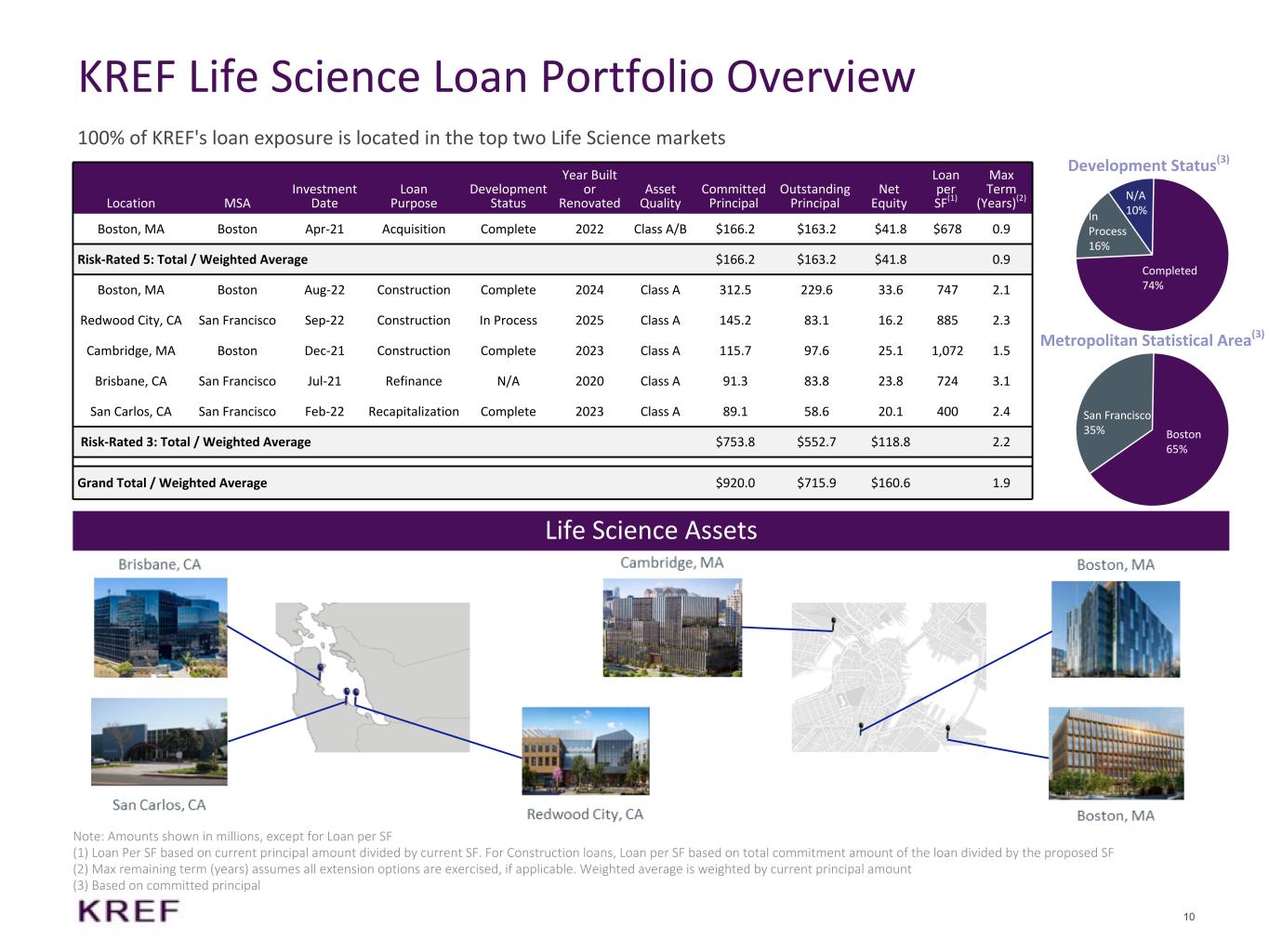
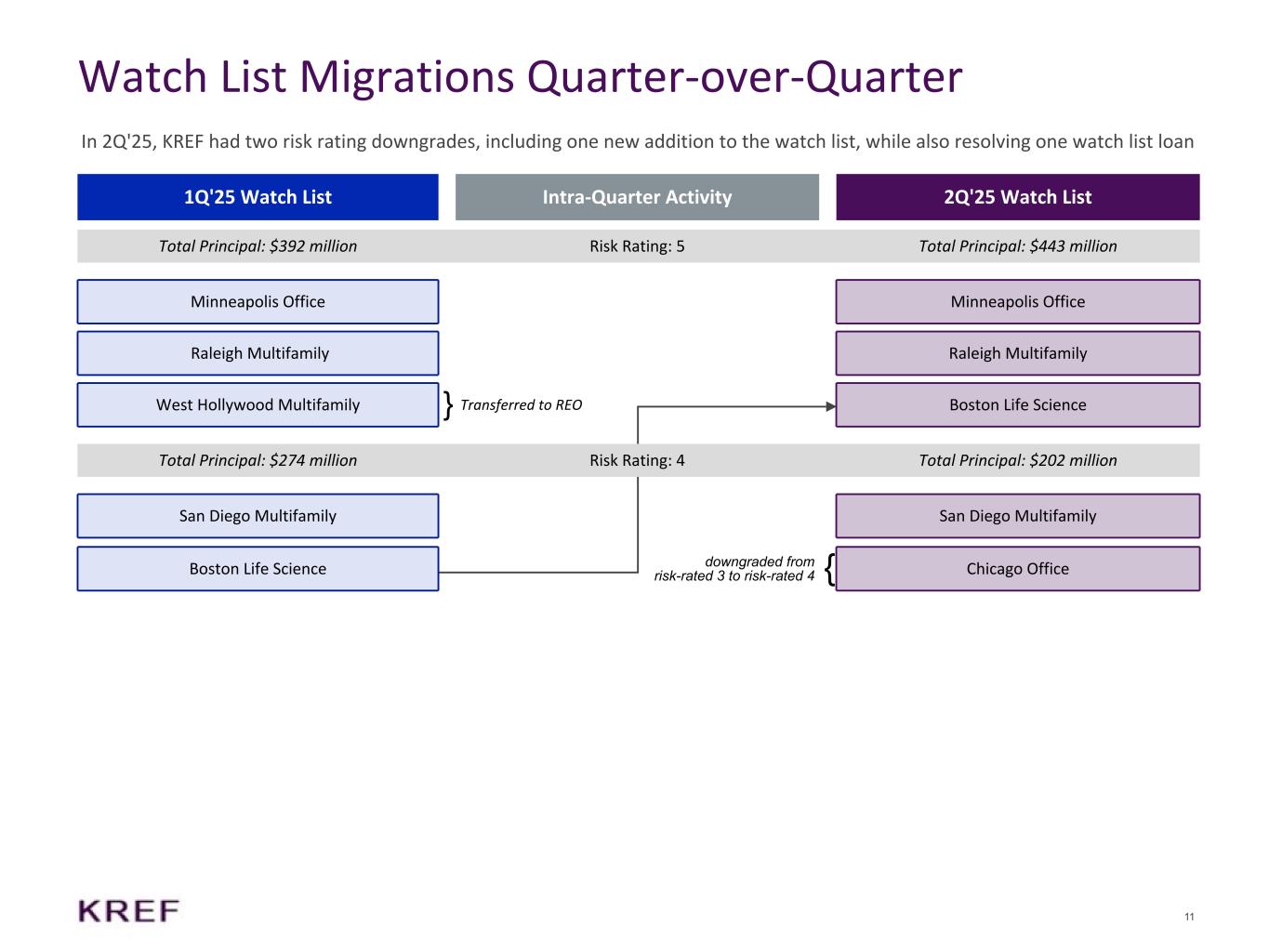
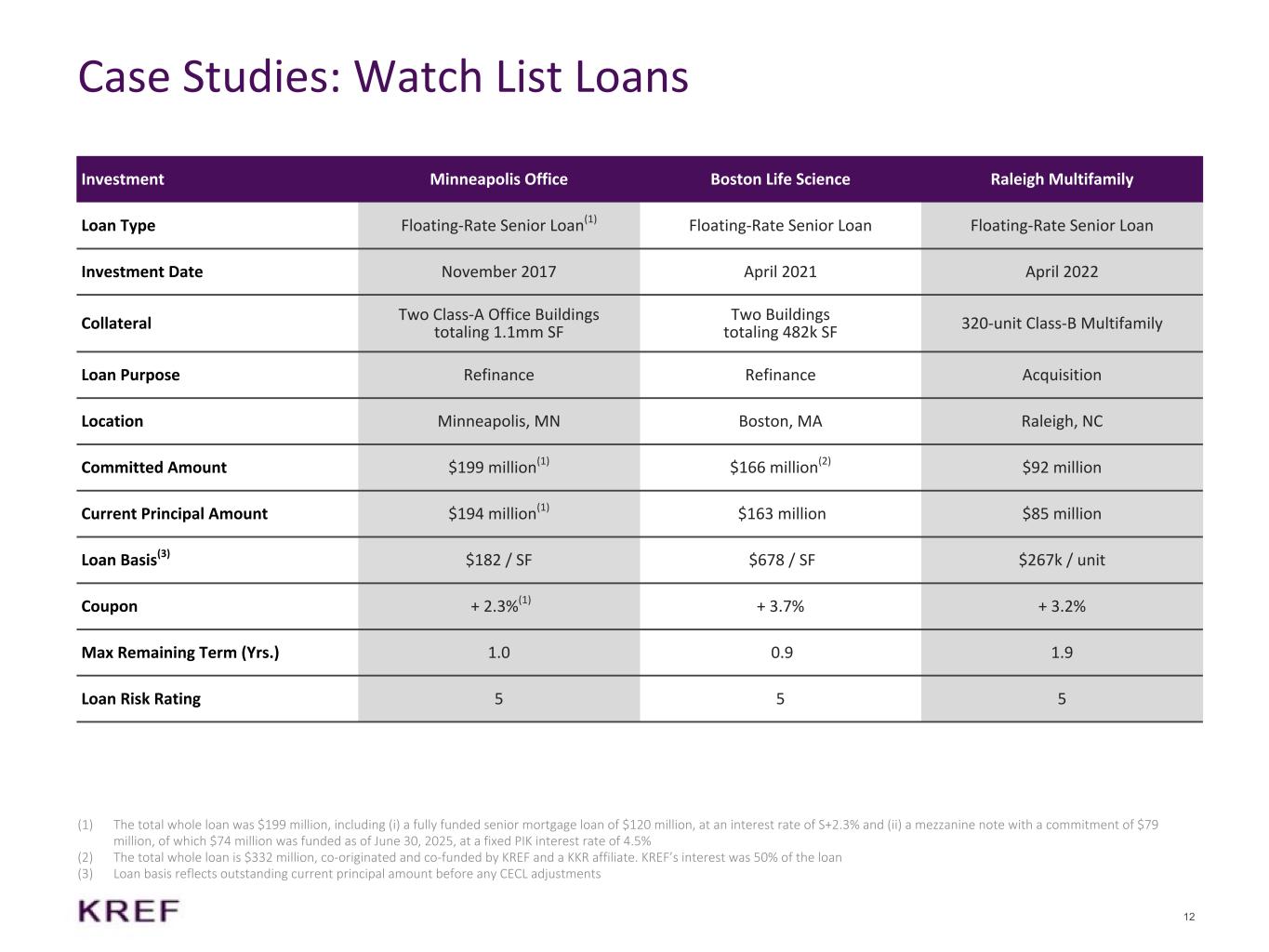
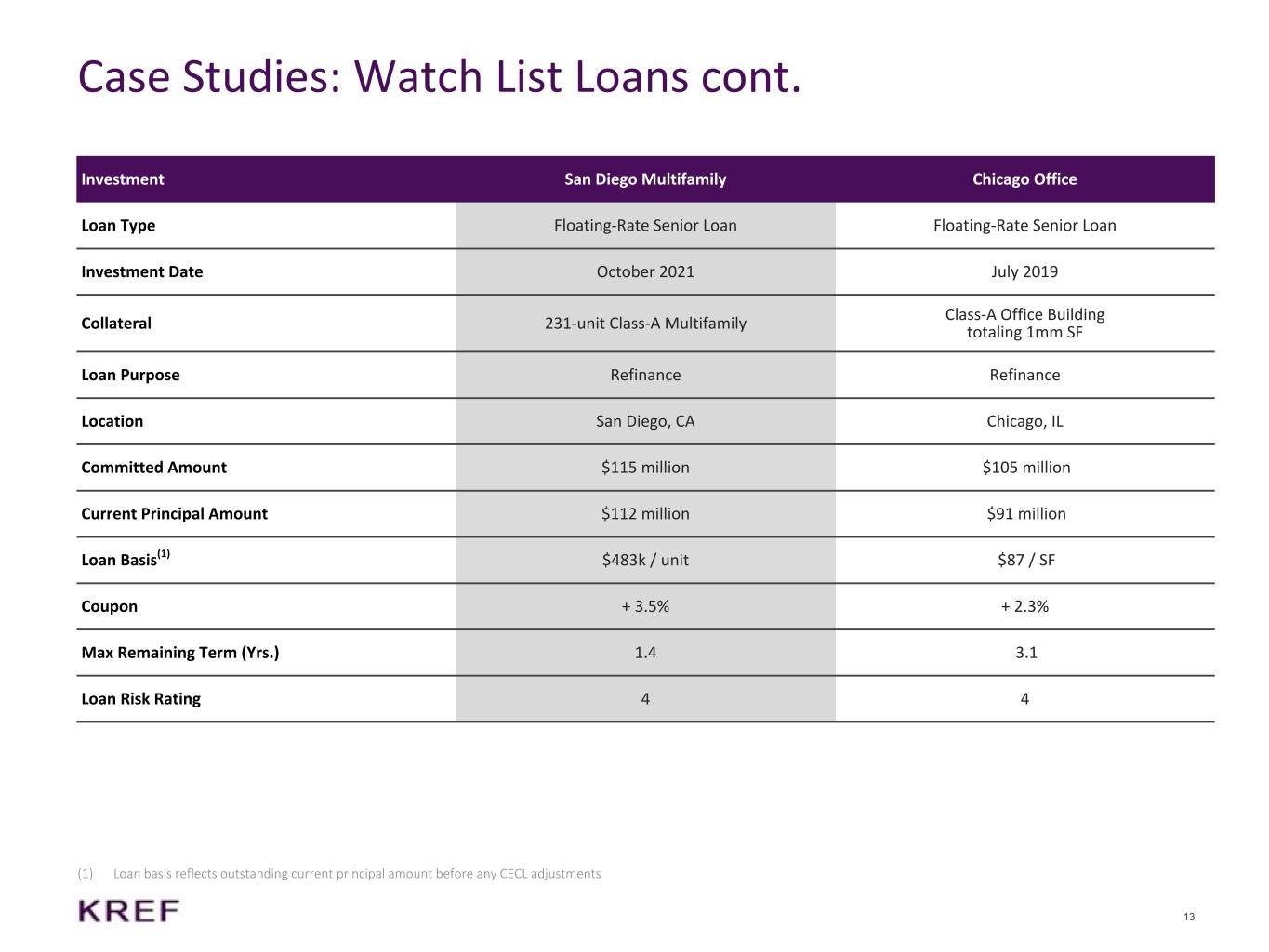
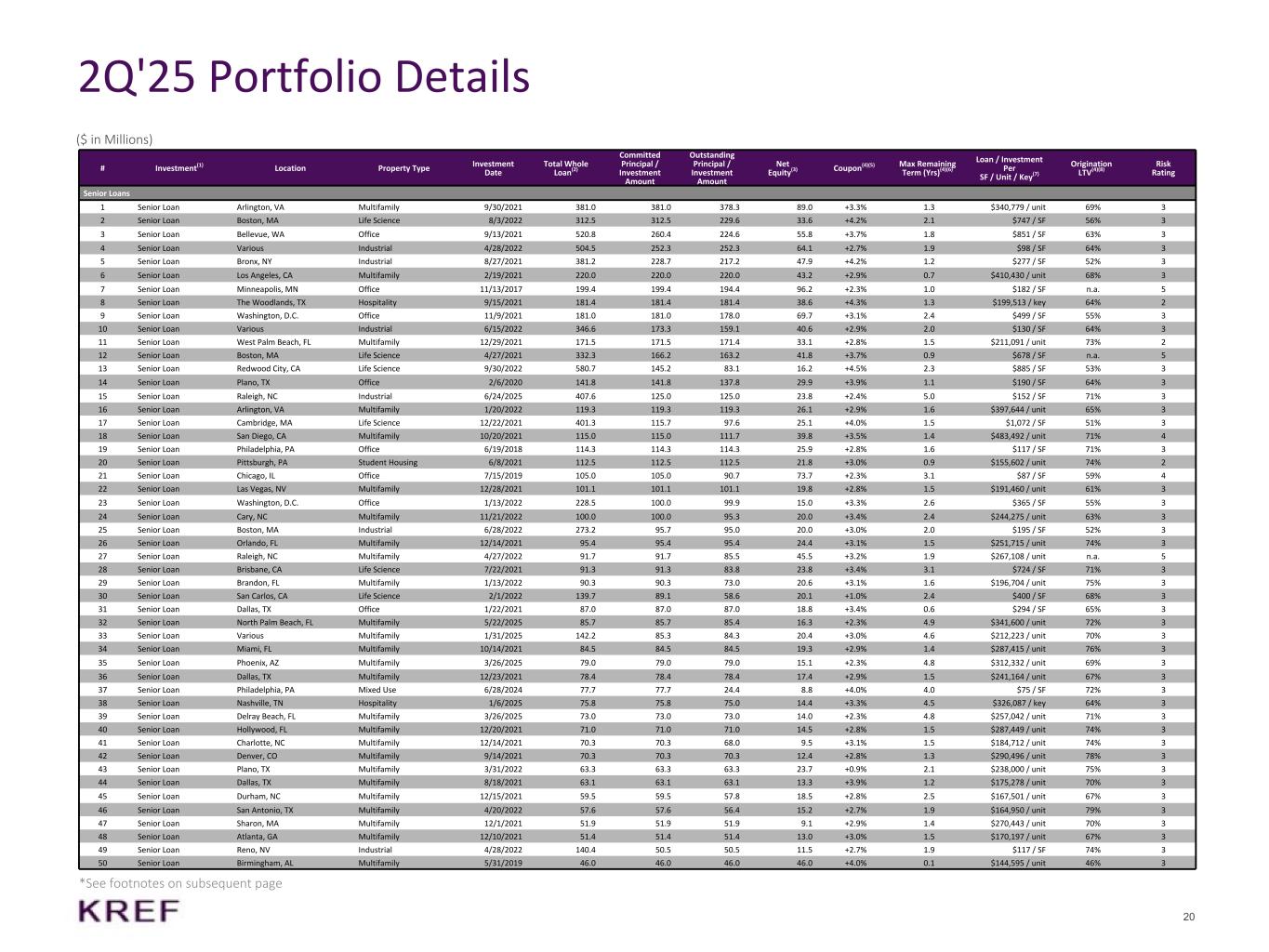
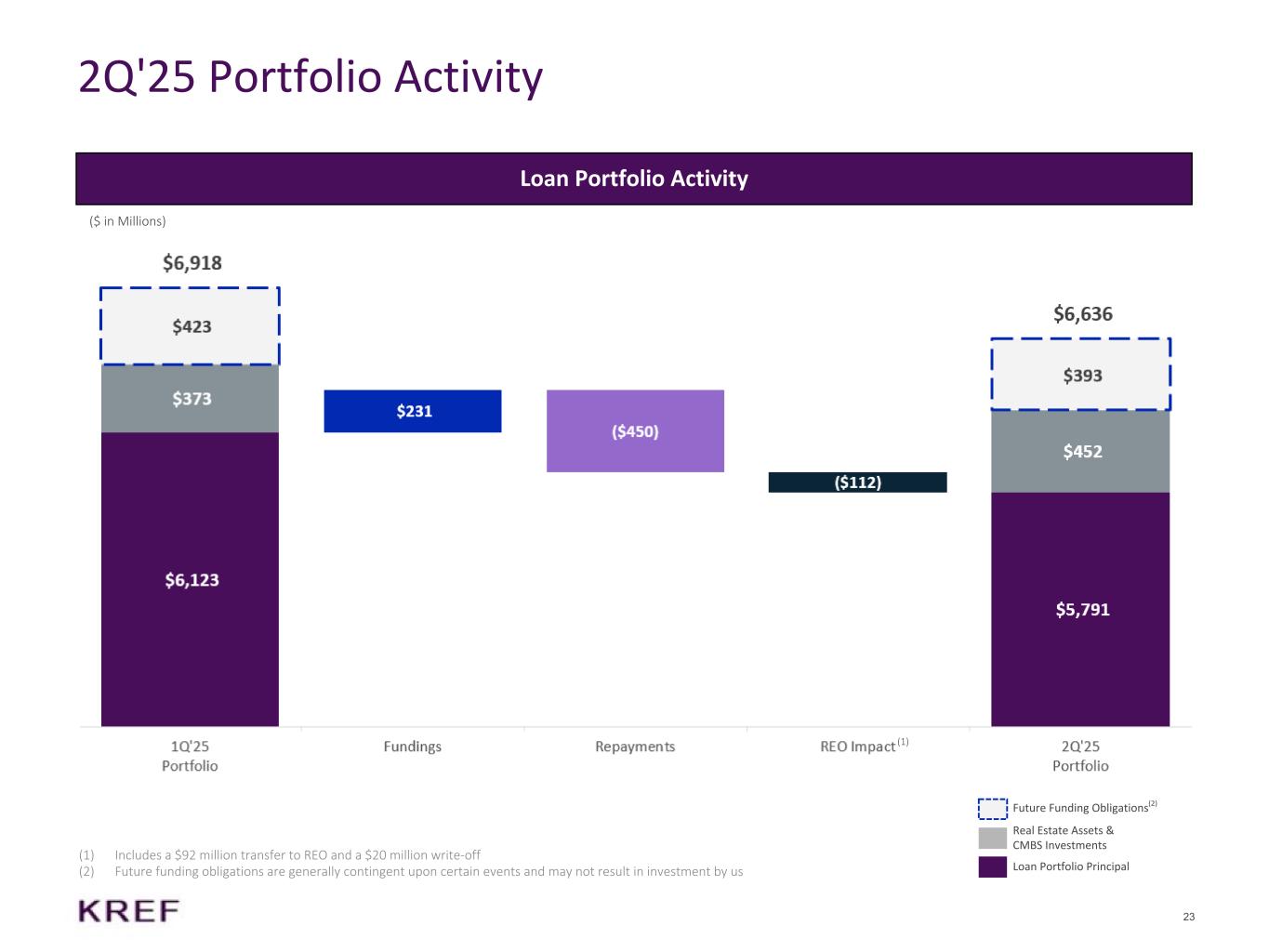
Thank you, Jack. Good morning, everyone, and thanks for joining our call today. Let's begin with an update on the real estate credit market. Transaction activity and loan demand has recovered from the volatility of the initial tariff announcement, and we are seeing significant opportunities within our loan pipeline, which continue to run near record levels. Competition has returned and most lenders are active in the market. Despite the competitive environment, we believe the lending opportunity remains highly attractive, offering both absolute and relative value. Most of that is driven by the ability to lend on reset values well below replacement costs. Fundamentals remain healthy across most property types and construction starts have decreased meaningfully likely leading to stronger rental growth over the next few years. Commercial banks are increasing their participation while shifting some of their lending to loan on loan or other back-leverage facilities allowing KREF to borrow at attractive rates on a non-mark-to-market and match term basis. Now turning to second quarter results. Originations in the quarter totaled $211 million comprised of 2 loans secured by industrial and multifamily properties. We had 2 full repayments and 6 partial repayments, which totaled $450 million. We will continue to reinvest repayments and are projecting nearly $1 billion of incremental repayments over the second half of the year. Now that we have turned the investment pipeline on, we are focused on 2 newer areas: first, diversifying our portfolio geographically into Europe; and second, creating some more duration through CMBS investments. We have an active pipeline in the European loan market and anticipate new originations in the region by the end of this year. In addition, this quarter, we closed on a B-Piece investment, where returns are very attractive. The pool consists of 34 low leverage, fixed-rate first mortgage loans, diversified across property types and geographies. We have a best-in-class team and a long track record of CMBS investing, including the ability to leverage our K-Star platform, which is a rated special servicer. Turning to risk ratings, we downgraded a Boston life science asset from a 4-rated loan to a 5-rated loan and expect to extend the loan through February of 2026. We also downgraded our Chicago office loan from a 3-rated loan to a 4-rated loan due to continued market deterioration. As a reminder, this loan has already been modified twice with the reduction in loan balance by approximately 35% through $35 million of equity repayments and a $50 million hope note. Turning to our life science exposure. Our life science sector is 12% as of the second quarter, comprised of 6 assets located in the top 2 life science MSAs of Boston and South San Francisco. 60% is comprised of newly constructed and purpose-built properties that are targeting larger pharmaceutical tenants, which are less susceptible to some of the cyclical issues the sector is experiencing. As a reminder, we've added additional detail in our supplemental, which can be found on Page 10. With that, I'll turn it over to Patrick.
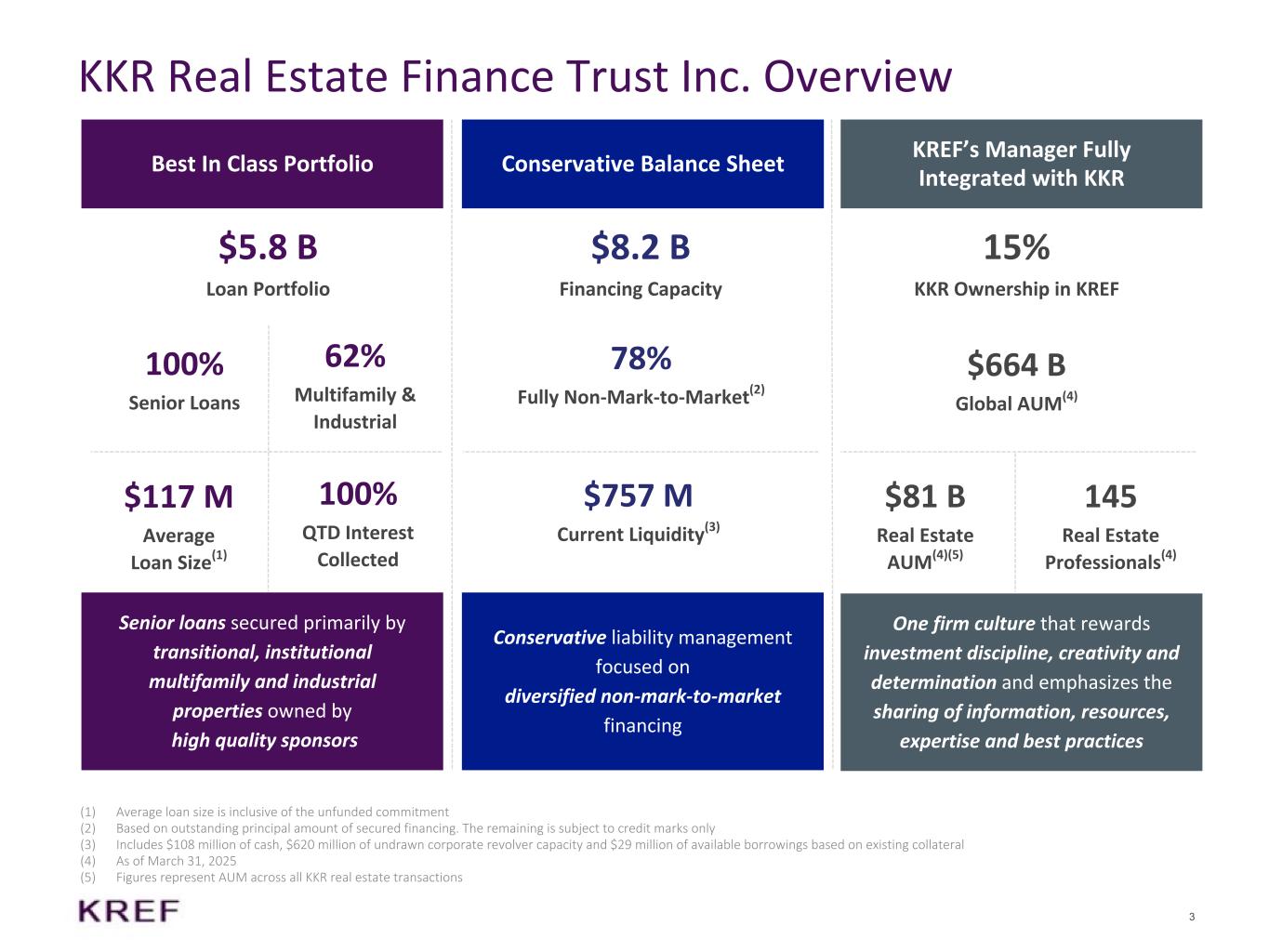
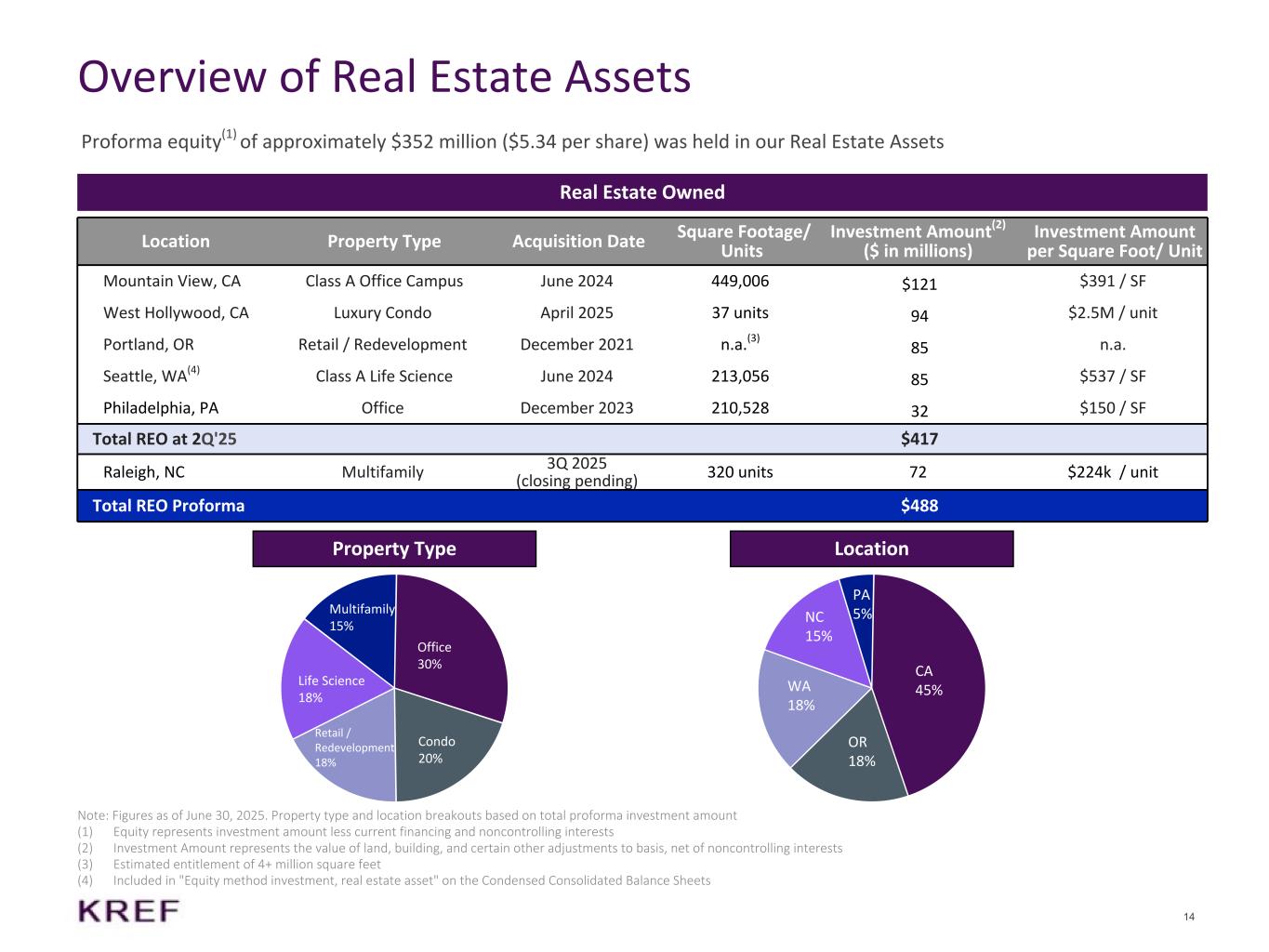
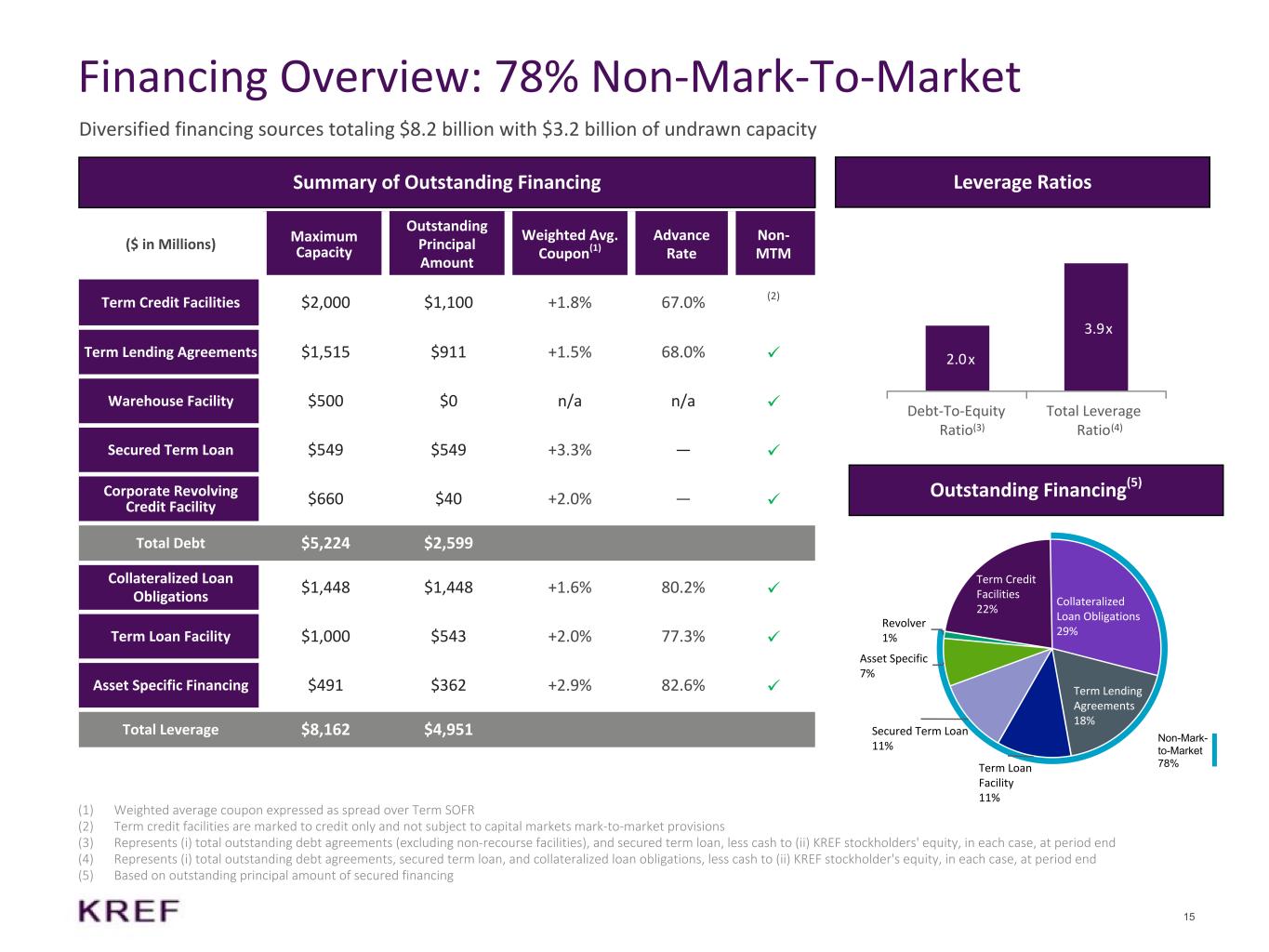
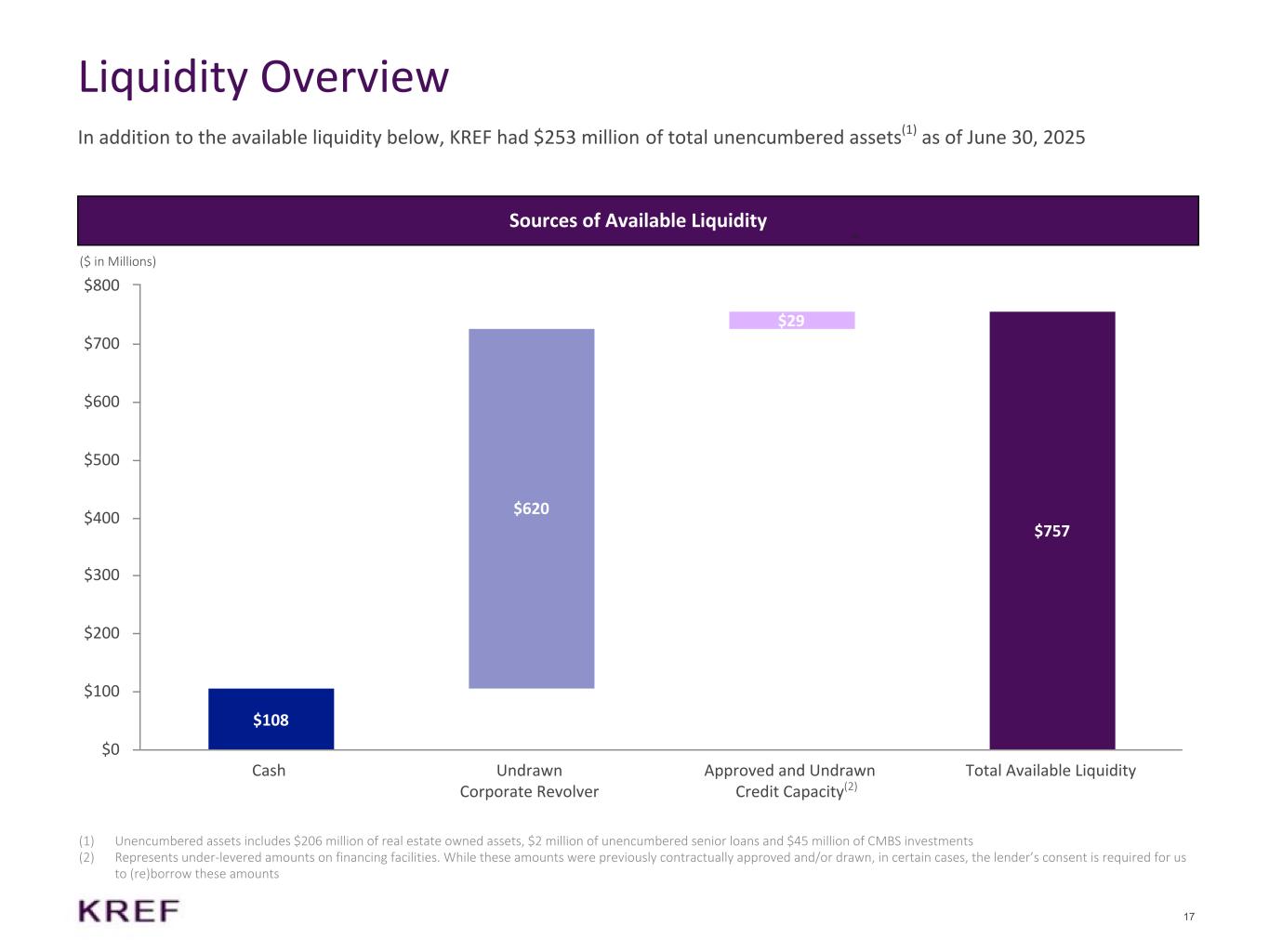
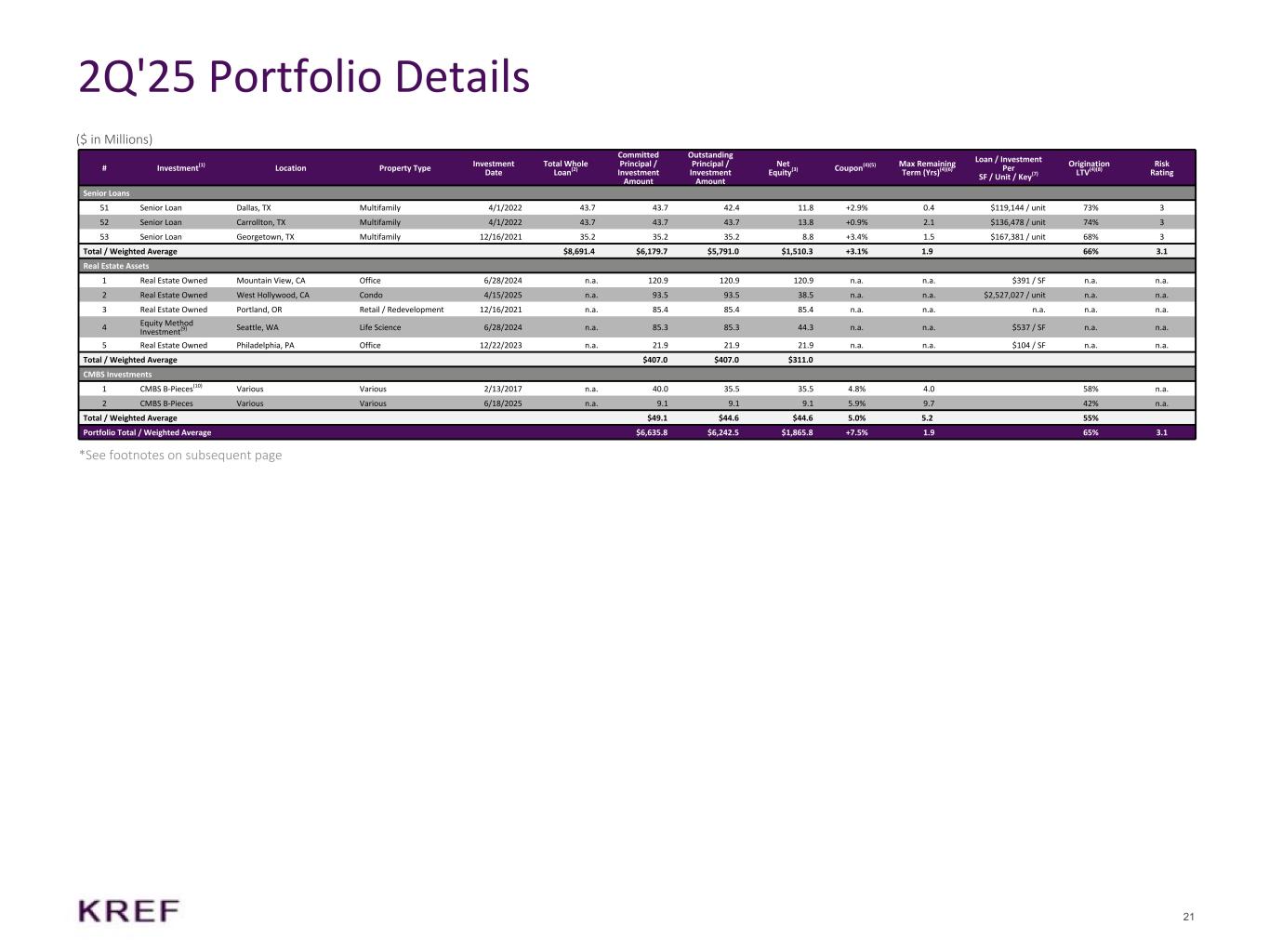
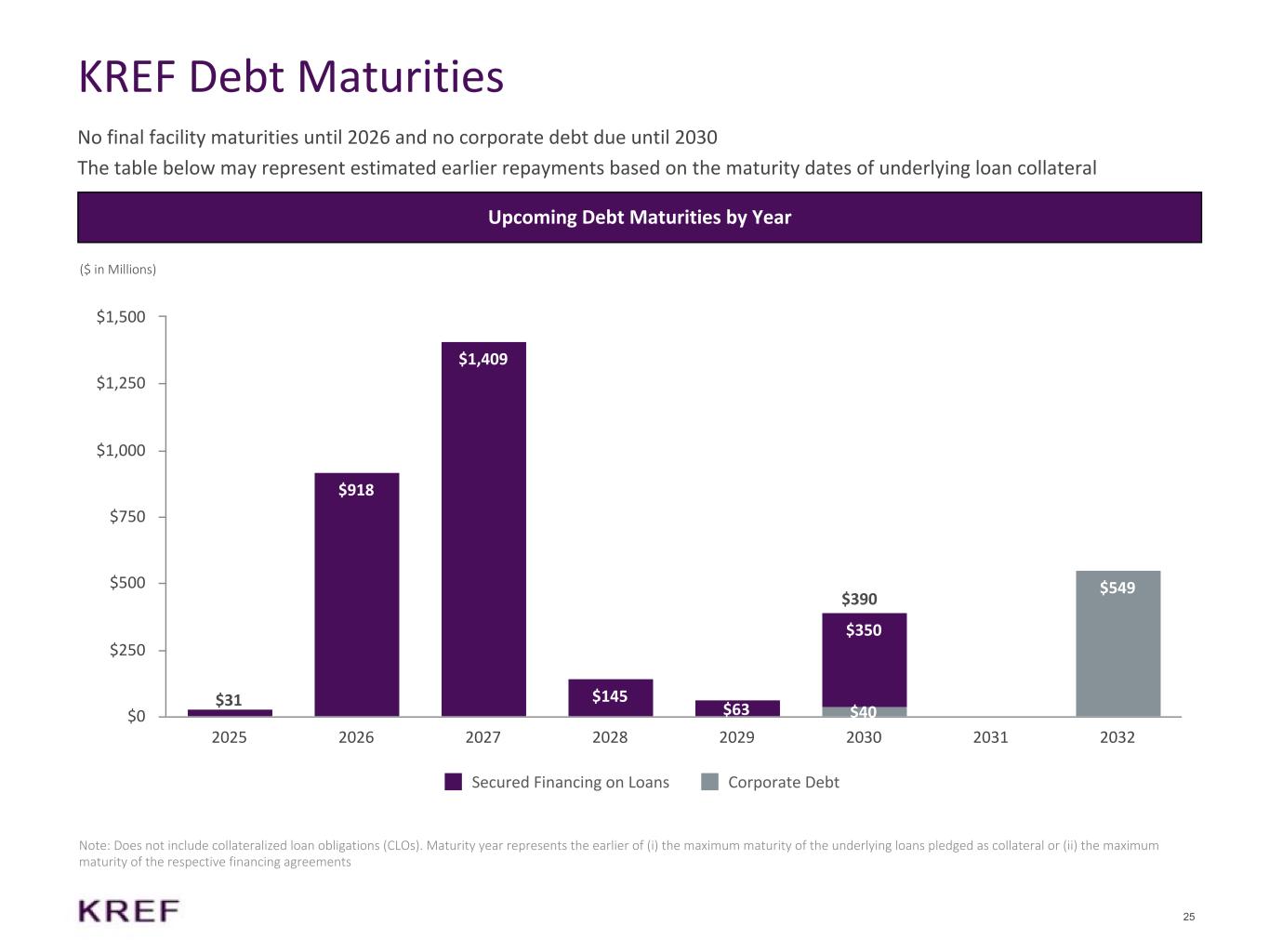
Thanks, Matt. Good morning, everyone. Let me begin with an update on our watchlist as well as progress on the REO assets. As we reported last quarter, we took title for the West Hollywood multifamily loan in April and recorded a loss to distributable earnings of $20 million, which was a slight improvement over our CECL reserve. We're progressing on our execution plan for a condo sellout and expect sales to commence in the third quarter. On the 5-rated Raleigh Multifamily, we are proceeding on an assignment and REO foreclosure and expect to complete the process in the third quarter, at which point, we will convert our approximately $15 million CECL reserve to a realized loss. As of June 30, this asset is 96% occupied, and we will implement a small value-add program to enhance the value and reposition the property as market fundamentals continue to improve. Three updates on the REO side. First, Mountain View, California office. The market here has improved materially from our initial ownership from both the capital markets and tenant demand perspective, and we are actively responding to tenant requests for proposals. Given our asset offers tenants the ability to have a full campus setting, we continue to position leasing toward a single user. Next, in Portland, Oregon. During the quarter, we closed on the sale of a parcel, which will be developed as a multi-genre concert space, providing an entertainment venue to the site. Additionally, we're working toward the completion of the entitlement of over 4 million square feet of mixed-use space creating a path to opportunistically sell additional development parcels and repatriate capital. Finally, in Philadelphia, we completed the sale of the garage in the second quarter to a private parking operator at a level slightly above our carry basis. The garage was a 13-story, 469 parking space facility amongst the larger Philadelphia REO portfolio. At the office property, we're continuing to focus on retaining tenants and increasing occupancy and remain open to selling the property on an appropriate basis. As a reminder, at just our basis in the REO assets, we could generate over $0.12 per share per quarter on distributor earnings as we effectuate our business plans, repatriate capital, and reinvest into performing loans. Our REO portfolio represents approximately $352 million of pro forma equity or $5.34 per share, which is reflected on Page 14 of our supplemental. Moving to share repurchases. We repurchased $20 million of KREF stock in the second quarter for a weighted average price of $9.21. Over the last 3 quarters, we have repurchased almost $40 million of common stock, representing approximately $0.25 of book value per share accretion. Since inception of our buyback plan, we have bought back $137 million of KREF common stock. We'll continue to evaluate the allocation of capital across both share buybacks and loan origination. Liquidity remains robust. And at quarter end, we had $757 million of liquidity available, including $108 million of cash on hand, and $620 million of undrawn corporate revolver capacity. With the assistance of the KKR Capital Markets team, 78% of our financing remains fully non-mark-to-market. Overall, we are well-positioned for the opportunity in front of us in 2025 and beyond. We've been making progress on our watch list and REO as well as actively making new investments. We'll continue to be transparent and proactive in managing the portfolio to maximize shareholder value. Thank you for joining us today. With that, we are happy to take your questions.
Operator
At this time, we will pause briefly to gather our roster. The first question comes from Jade Rahmani with KBW.
Speaker 4
Thank you very much. Can you talk about the level of ROEs that you're able to achieve in the market and give some color around loan spreads, all in yields that would be helpful considering the uptick in competition that we've seen this year.
Thank you for joining us this morning, and I appreciate the question. In terms of the market, our pipeline is larger than ever, and we've set two records in our own pipeline this year, reflecting the market opportunity. Currently, we're managing over $30 billion a week within our actionable pipeline across all of our pools of capital in the U.S. and Europe. We have bank capital, insurance capital, and more transitional bridge-type capital for KREF, creating a robust opportunity set. The competition is definitely high, with all capital pools active, leading to a return of spreads to levels we saw before the tariff announcement. Specifically, for the transitional lending segment we focus on, the market is around the mid-200s, with much of what we are exploring in the $2.65 range, indicating a return to pre-tariff conditions. In this quarter, we completed two deals at the tighter end of the market, around $240, which reflects a competitive landscape. These opportunities are primarily for stabilized assets—one being an industrial portfolio that was meant for the single asset, single borrower market before the tariff announcement, and the other is a well-located multifamily property from an institutional sponsor. These assets don't require significant business plans and are priced in the $240 to $250 range. We aim to focus on high-quality segments of the market, financing these opportunities effectively. The expected returns on equity for these deals range from the mid-11s to the low 13s, with the two deals we closed this quarter being around the 12% mark, which aligns with our targets, reflecting stabilized, well-occupied assets.
Speaker 4
You mentioned the $1 billion in repayments you expect in the second half. Can you talk about what kind of originations you expect in the second half? And also any loans with upcoming maturities that could create some conversations on how those ultimately get paid off or if the plan is to extend.
Yes, I have a few comments to make. We are currently working to align repayments with new originations. If we receive the nearly $1 billion in repayments that we anticipate, we will actively move to originate new loans to replace most of that amount. However, we are mindful of our low leverage ratio, which is currently in line with our targets, possibly on the higher end but still within a reasonable range. Regarding near-term maturities, there is nothing significant currently on our radar, aside from one industrial property in New York that we are monitoring. Other than that, there isn't anything else that we are particularly focused on at this time.
Operator
The next question comes from Rick Shane with JPMorgan.
Speaker 5
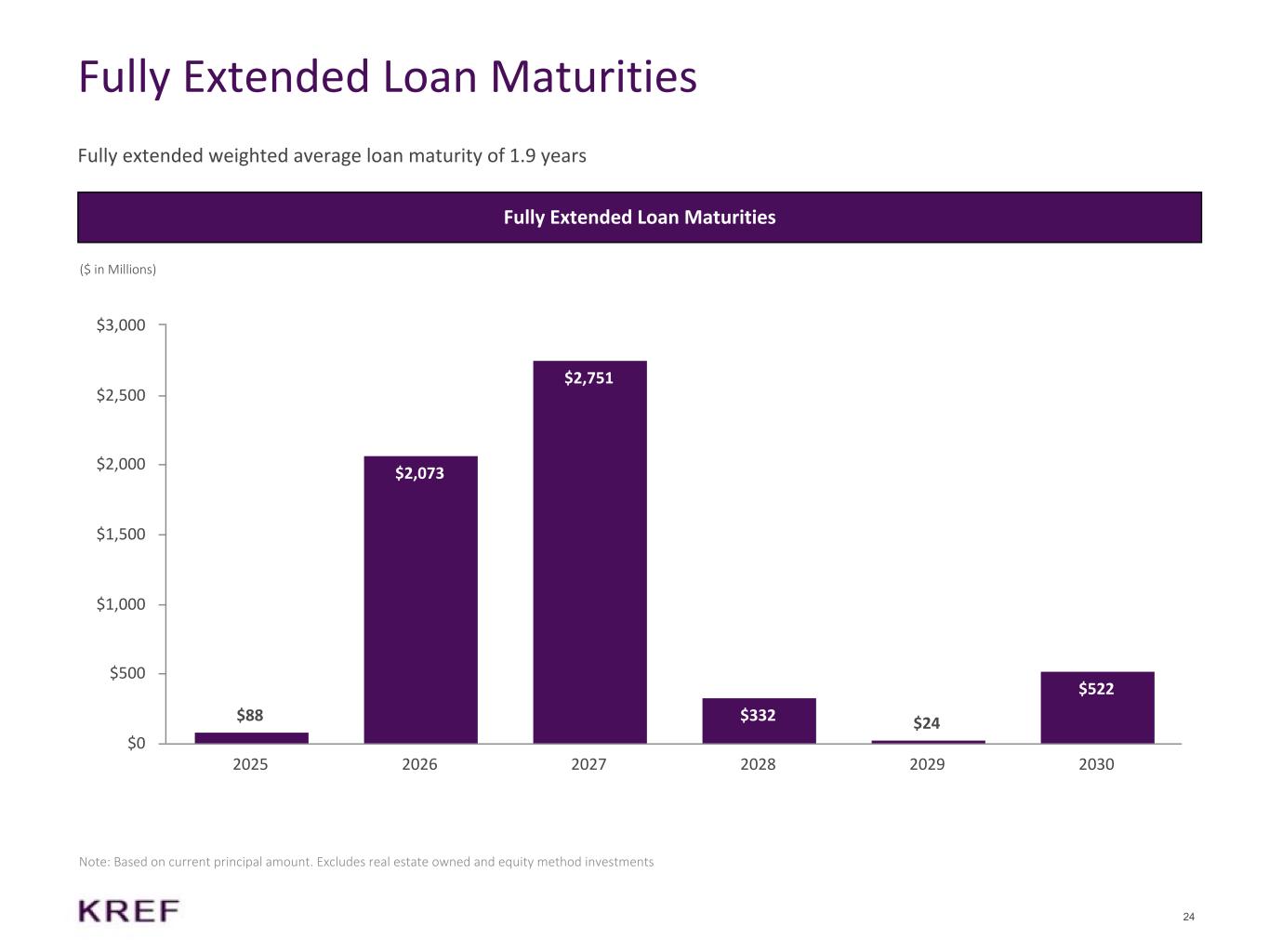
It's always challenging to follow Jade because he asked excellent questions and covered many of my interests. I want to discuss something related to the previous topic. In 2026, you have more than $2 billion in maturities, around $2.7 billion to be precise. These are significant amounts, and while we just talked about near-term maturities, I would like to get a clearer picture of the upcoming heavy lift next year. Could you provide an idea, perhaps even a pie chart, of that $2 billion? For instance, what percentage do you anticipate will be paid off, extended, or become problematic? How should we approach this 2026 maturity wall?
Yes, Rick, I'm not sure I can offer the precise predictions you're looking for regarding the future. However, I want to highlight a couple of points. A significant amount of that is being pulled forward. For example, we expect around $1 billion to come down in the second half of the year, all before a maturity date. I believe these business plans are being executed and completed, with many people refinancing or starting to sell assets. Therefore, we anticipate the maturity wall will look very different by the end of this year. As we consider the maturity wall for 2027, much of that may be pulled forward into 2026. The markets are active, financing is available, and people are capitalizing on that. Looking at our pipeline, it's largely focused on new investments, with a good portion involving refinancing. This allows sponsors to buy more time and create additional runway. For owners of multifamily properties or industrial assets, they're observing the absorption of supply pipelines and significant drops in supply starts in recent quarters, along with the effects of tariffs on new projects. Many are becoming optimistic about the implications for rental increases and enhanced property values. Consequently, a lot of our current pipeline consists of sponsors attempting to hold onto their assets for another two or three years until the fundamentals favor landlords. In terms of translating this within our portfolio to our borrowers, many are pulling their financing forward to buy time and hold onto these assets through the current cycle. Regarding credit issues, I believe we will see a decrease in credit challenges related to maturities. Most issues have already been identified. While there could be potential problems, they are less about maturity dates now and more about specific property types or individual assets. Thus, I wouldn't anticipate significant defaults triggered solely by maturity dates; any challenges are more likely to arise earlier or from other factors, such as a tenant departure.
Speaker 5
No. It's a very interesting point about rate resets. We constantly consider this in terms of consumer finance. At some point, consumers have shown their ability to adapt to changes, especially given the lengthy period of high rates and the fact that essentially everyone has already gone through a reset when the business model is improving for those that remain successful. Additionally, it may not be any more expensive. I'm curious about the term refinance. Does this refer to sponsors borrowing outside of your portfolio, or is it about refinancing existing loans? If it pertains to refinancing existing loans that you have issued, could you clarify the distinctions between a refinance and an extension? From an outsider's perspective, we tend to view them similarly, but I believe you have separate criteria internally, which might indicate different signals.
Yes, that's a good question. The majority of the refinancings we are seeing are new credits and new assets for us. We rarely refinance our own portfolio. However, we do modifications and extensions. There are isolated instances where we consider it a new loan due to new terms, like a new 5-year term with refreshed reserves and structure. This has happened in the past, but it's quite rare. These are primarily new opportunities entering our pipeline.
Operator
The next question comes from Steve Delaney with Citizens JMP Securities.
Speaker 6
First, let me commend the buyback; I believe it's an excellent use of capital. Although ideally, you'd prefer to focus more on offense than defense, as a representative of the shareholders, I appreciate it. I suspect we will likely continue this approach if the stock remains below 70% of its book value. Matt and Patrick, looking at the portfolio, it is now around $6 billion, which is about 20% lower than the recent peak from about 1.5 years ago, which was a little over $7 billion. Considering the current capital base and the opportunities available, as we revise our models and plan through to the end of 2026, is it feasible to expect the loan portfolio to potentially recover to around that $7 billion mark? Or, given the buyback and other allocations, is that an unrealistic expectation? I'm curious if you have a target level in mind for where your loan portfolio might stabilize in this environment.
Steve, this is Patrick. That's a good question. I want to address a couple of things. First, we don't consider it in terms of a target. Instead, we focus on how we allocate capital and manage our leverage levels. Since reaching that peak level, there are a few factors to note. The mix is likely to change slightly in the coming quarters. For example, the CMBS investment we made adds capital, but with that allocation, the loan portfolio won’t maintain its peak level. Regarding buybacks, removing equity from the company limits our capacity to grow the loan portfolio, so we expect some contraction there. However, we also have equity that is somewhat tied up in our REO assets. As we implement our business plans and free up that capital, we can reinvest it into new loans, potentially driving some growth. Nevertheless, all of this will be determined by our total equity and target leverage level. Additionally, Matt pointed out that we’re right at our target leverage level now. For the year, we’re likely just behind on redeploying repayments; our originations are about $50 million short compared to repayments we've received. There will be fluctuations from quarter to quarter. The pipeline is quite active, as Matt mentioned, and there are many deals nearing closure. Looking ahead to the latter half of the year, we expect to close that gap and probably see a slightly higher level than where we are today. I hope this answers your question.
Speaker 6
Yes, that's very helpful. I understand that from your perspective, it’s about how capital is allocated rather than a specific dollar amount in the portfolio compared to other capital allocations. I'm curious about the B pieces. Do you consider that to be somewhat opportunistic given some market disruptions, or do you think it will be a core element of KREF's investment strategy moving forward?
Thanks, Steve. It's Matt. We aim to grow our presence in that market, which would enhance the consistency of our investments. We have established a strong position there and have been significant players since the onset of risk retention in CMBS in 2017. In fact, we were the first investor to acquire a conduit B piece subject to risk retention, and I handled the initial agreements with the banks to set that program up. Since then, we have become the largest investor in risk retention across our various capital pools. We plan to remain active in the market, as it offers a more stable range of opportunities due to the nature of risk retention, which has proven to be less volatile in terms of returns compared to other markets. We hope this trend continues, allowing us to keep participating. Of course, we make relative value decisions with every investment, and any changes would prompt us to adjust accordingly. However, we are optimistic that the way this market functions will enable our consistency.
Speaker 6
Okay. Do you view the return on equity from the CMBS B piece's book as beneficial to shareholders compared to maintaining a 100% bridge loan portfolio? In other words, for each dollar invested, do you believe it offers a higher return on equity to KREF shareholders than if you weren't involved in that sector?
Yes, it really depends on the types of loans being compared. The returns we’re generating tend to be slightly higher than what we see on the loan side in terms of total return or internal rate of return. While the additional return is a positive factor, it's not the main reason for our involvement. We believe there’s a favorable risk-reward balance in this sector. Additionally, it serves as a diversifier for us, and the duration aspect is crucial. This trend is visible among our peers, as the industry is shifting to create longer duration assets. From a risk management viewpoint, this approach is beneficial. Considering that our loan portfolio consists primarily of shorter duration loans—around three years—we do not need to refresh the entire portfolio every three years. This strategy helps mitigate some of the risks associated with market cycles, which is another major reason for entering this space.
Operator
The next question comes from John Nickodemus with BTIG.
Speaker 7
I wanted to start with a two-part question regarding your life science loans. First, the Boston loan was downgraded for the second consecutive quarter. I'm interested in what a potential resolution plan could look like. I know you mentioned an extension, but could it resemble what we saw with the St. Carlos modification a few quarters ago? Secondly, regarding your remaining five life science loans, which are all rated three, how do you assess their current status and their likelihood of avoiding the watchlist in the upcoming quarters?
Thank you for the question. I appreciate you joining the call. Regarding the Boston asset, we don't have a definitive answer yet as we are exploring various options and are engaged in discussions with the borrower, which has led to this extension. We plan to provide an update on this in the next earnings call as discussions are ongoing. As for the rest of the life science assets, we made modifications to one, and as mentioned earlier, a few of the assets, particularly three, are new, purpose-built assets that began as construction loans and are mostly delivered now. We feel confident about these since they are in excellent locations with strong real estate, and we have solid sponsors involved. While the market remains challenging, we're starting to see some positive signs. It's still early, but tenants are beginning to return to certain markets, and we hope this trend continues. For now, we believe we are positioned correctly, and we will monitor our sponsors' plans for these assets as time progresses. Additionally, while it hasn't been asked yet, we've noticed increased liquidity in the office sector, though there's still a clear distinction in quality. Higher-quality assets are seeing the most attention, and tenants are re-entering the market, as demonstrated by recent developments in Mountain View, showing significant change since we acquired that asset. These dynamics indicate that with high-quality real estate, asset values can recover over time. This summarizes our outlook on the overall portfolio, particularly concerning the REO and life science assets.
Speaker 7
Great. Thanks so much, Matt, and I appreciate the added detail on the office sector. That's great to hear. And then other one for me. One of the notable developments this year has been the move by some of your peers into the owned net lease space. than you've mentioned diversifying into more European loans, obviously, the CMBS B pieces. Just curious to hear your team's thoughts on more commercial mortgage REITs owning net lease real estate. And if that's something that you would ever consider in the KREF vehicle?
I believe it's a positive sign that the market is evolving, and I'd like to see our peers introducing new types of investments into their portfolios. This approach can enhance the duration of assets and offer different funding opportunities. Ultimately, I think this will lead to a stronger industry and potentially attract more shareholders. In terms of net lease, we've successfully engaged in this area in other parts of our real estate business, and we have teams experienced in it. However, we are still evaluating whether it makes sense for KREF specifically. We'll keep everyone informed on our discussions with the Board regarding expanding our portfolio in this area. While it's not something we are pursuing immediately, it remains a topic of consideration for us.
Operator
And we have a follow-up from Rick Shane with JPMorgan.
Speaker 5
Very quick. On the $400 million REO portfolio, we had a question. What's sort of the time line to repatriating that capital back into loans?
Sure. I can go through each location individually if that's helpful. The supplemental information is available on Page 14 for reference. To provide some context, Mountain View is a campus office property where we aim to be patient and are specifically targeting a single user. The property is of high quality, although there are competitors and some vacancies in the market. However, we are on the shortlist for tenants seeking high-quality space in Mountain View, and we've observed significant leasing activity recently. Our campus offering stands out due to the attractive amenities and security features, especially since most competitors operate multi-tenant buildings. In terms of timing, we must be patient as the market is recovering and activity is increasing. We are actively working on proposals for tenants but are willing to wait for the right deal. The situation here is somewhat uncertain. As for West Hollywood, we plan to begin marketing condo sales in the third quarter, and over the next year, we will gradually sell the condo units. Regarding Portland, we have been working diligently on the redevelopment and entitlement processes, and we are approaching a point where we can sell lots for multifamily development. We are excited about this project and hope to sell lots and recover some capital over the next year, though it will likely be individual parcel sales rather than one large sale. In Seattle, the situation is somewhat similar to Mountain View. We have signed a significant tenant in the life sciences sector, which we believe will boost future leasing, but this is a multi-tenant property and leasing activity isn't as strong as in Mountain View, so this may take more time to stabilize. The Philadelphia asset is primarily a stabilized office building, and we are working on a few leases there. If we can finalize some of these, it could result in short-term sales over the next year, depending on market conditions. Finally, the Raleigh multifamily property is likely a short-term hold as it is well-occupied. We may implement a slight value-add strategy as supply in that market declines, making it an attractive setup. We anticipate holding it for about 12 to 18 months before trying to exit after further investment. Overall, a few of these properties should generate returns within the next year to 18 months, and our focus will largely be on the progress in Mountain View, which is a significant asset for us.
Operator
This concludes our question-and-answer session. I would like to turn the conference back over to Jack Switala for any closing remarks.
Speaker 1
Great. Thanks, operator, and thanks, everyone, for joining us today. You can reach out to me or the team here if you have any questions. Take care.
Operator
The conference has now concluded. Thank you for attending today's presentation. You may now disconnect.