Operator
Good morning, and welcome to OPFI's First Quarter 2026 Earnings Conference Call. All participants are in a listen-only mode. As a reminder, this conference call is being recorded. Following management's presentation, a question-and-answer session will be held. For those listening by dial-in, you will be prompted to enter the queue after the prepared remarks. I am pleased to introduce your host, Mike Galentine, Head of Investor Relations. You may begin.
Thank you, Operator. Good morning and welcome to OPFI's first quarter 2026 earnings call. Today, our executive chairman and CEO, Scott Schwartz, and CFO, Pam Johnson, will present our financial results followed by a question and answer session. You can access the earnings presentation on our website at investors.opfi.com. During this call, OPFI may discuss certain forward-looking information. The company's filings with the SEC describe essential factors that could cause actual results, developments, and business decisions to differ materially from forward-looking statements. Please refer to slide 2 of the earnings presentation and press release for our disclaimer statements covering forward-looking statements, and references to information about non-GAAP financial measures, which will be discussed throughout today's call. Reconciliation of those measures to GAAP measures can be found in the appendix to our earnings presentation and press release. In addition, certain important information related to the BNCC transaction will be included in the registration statement on Form S-4 that will be filed by OPFI in conjunction with the transaction. Investors are encouraged to read the Form S-4 and other documents filed with the SEC in conjunction with the transaction. Additionally, OPFI and BNCC and their directors and officers may be deemed to be participating in a solicitation of proxies in favor of the proposed merger. please refer to the disclaimer information included in our earnings release. With that, I'd like to turn the call over to Todd.
Thanks, Mike, and good morning, everyone. Thank you for joining us today. Pam will review our strategic investments and our Q1 financial performance and metrics. But first, I'd like to share a little bit more about OPFI's recently announced plans to acquire BNCC Corp and BNC National Bank in a cash and stock transaction valued at approximately $130 million. OpBuy's goal has always been to be the leading digital finance platform offering essential financial products and services to everyday Americans. This acquisition, in addition to our previous investment in Biddy, our Lola lending system, and our new line of credit product, is a pivotal step toward fulfilling that promise. BNC National Bank is a community-focused institution with over $1 billion in total assets and a veteran management team with decades of banking experience. They serve individuals and small-to-medium businesses through a diversified set of financial products, including personal and commercial loans, SBA loans, and wealth management. We believe the BNC transaction will not only provide OpFi with a larger geographic footprint to expand credit access, but will also unlock significant synergies in operating efficiencies and capital. By uniting OpFi's technology with BNC's national charter and established deposit base, which totaled approximately $1 billion at the end of 2025, we will be positioned to provide broader access to financial products for underserved populations. Financially, this acquisition is expected to be transformative. BNC brings a stable, low-cost funding profile with over 80% of BNC's deposits carrying a cost of less than 2%. We expect this to significantly enhance our balance sheet flexibility and lower our overall funding costs. We expect this combination to be at least 25% accretive to adjusted EPS in the first year post-closing, 40% accretive in the second year, and 50% accretive in the third year. We are very excited to work alongside the BNC team to expand and digitize their core business. We believe that vertically integrating with BNC will provide our platform with the strongest possible strategic footprint, allowing us to expand our products and consumer choices and credit access while reducing costs for our customers. We believe this will also benefit our investment in Vidi by enabling us to further expand our small business platform, offering multiple products and serving additional customer segments. We expect to close in the fourth quarter of 2026, subject to regulatory approval and other closing conditions, and look forward to providing further updates throughout the year. In addition to the acquisition of BNC, we have simplified our corporate structure by transitioning from an up-C structure to a traditional C-Corp legal structure. This change is intended to provide tax optimization and remove operational complexity of the up-C structure. As a result of this simplification, all Opt-Fi stockholders now hold Class A common stock with identical economic and voting interests. We believe this enhances our acquisition currency as our stock is more straightforward and attractive vehicle for future growth and M&A activity, ensuring our capital structure is as agile as our technology platform. For the remainder of my remarks, I will be discussing product and credit initiatives, and the Lola migration. OPT 5 fully deployed the Model 6.1 refit in Q1. The refit is designed to increase volume while improving overall delinquencies. As discussed last quarter, our current goal is to launch a model refit every six months and a new model every year. This will allow us to have the most current data to build our models and keep up with the ever-changing macro environment and customer sentiment. The team is hard at work building our most powerful model, Model 7. We expect to launch Model 7 in the fall of this year. OpFi continues to make great progress on building Lola, the origination and servicing system of the future. Lola provides a clean architecture designed to leverage rapidly evolving AI tools across origination, servicing, and corporate operations. The building phase and test phase is complete, and we are actively finalizing the quality assurance phase of the project. Initial migration is planned for this month, with substantial completion to our new software system expected in the third quarter of 2026. Early indicators give us confidence in our belief that Lola will help continue to improve funnel metrics, increase automated approvals, enhance efficiency in servicing and recoveries, better integrate major systems, deliver reduced cycle times, and greater throughput for our product, tech, and risk teams. With the initial launch of Lola in Q2 2026, OpFi is excited to announce a new line of credit product. We expect this product to launch with our bank partners in the summer of 2026. This exciting product will not only serve as another high-quality credit access option for customers in our current states, but also enable us to serve new geographies. This product will have the same fair and transparent features that Oplone's installment product has provided to millions of customers. Our Lola system and architecture enable us to deploy and develop new products in response to customer needs and market dynamics. Finally, the Board of Directors has approved a new $40 million share repurchase program, which replaces our prior repurchase program, reflecting our firm conviction that Optify stock is currently trading below its intrinsic value. This decision underscores our Board and management's confidence in the robust long-term cash generation capabilities of the business we have built. By allocating capital toward our own shares, we are reaffirming our commitment to enhancing stockholder value and signaling our optimistic outlook on the company's financial health and growth potential. Our recent announcement to acquire BNC marks another major milestone in the evolution of OpFi. OpFi is strategically retooling and investing more than $150 million in 2026 to prepare our business for sustainable long-term growth. We are excited to get to work with the BNC team and execute on our shared vision of being the leading technology-enabled bank platform that offers essential credit access and community banking services to everyday Americans and businesses. With that, I'll turn the call over to Pam.
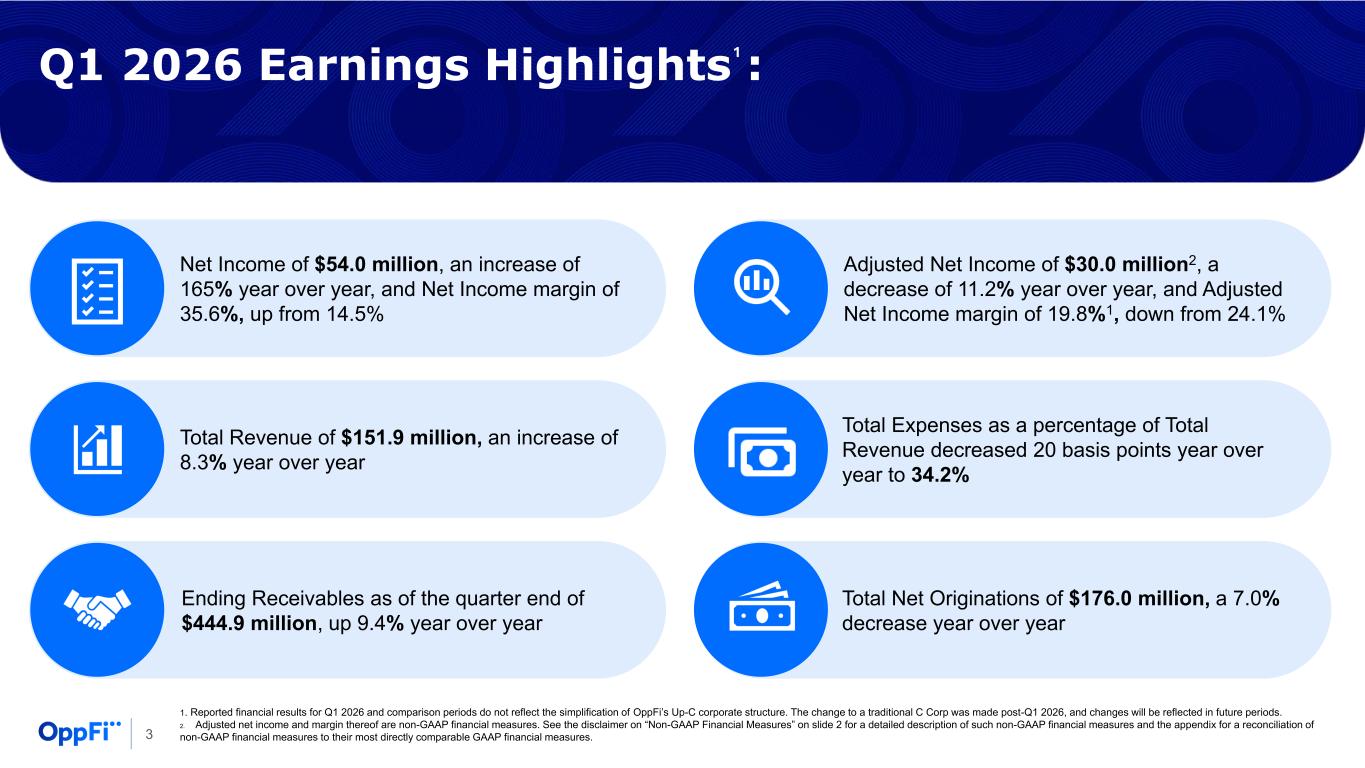
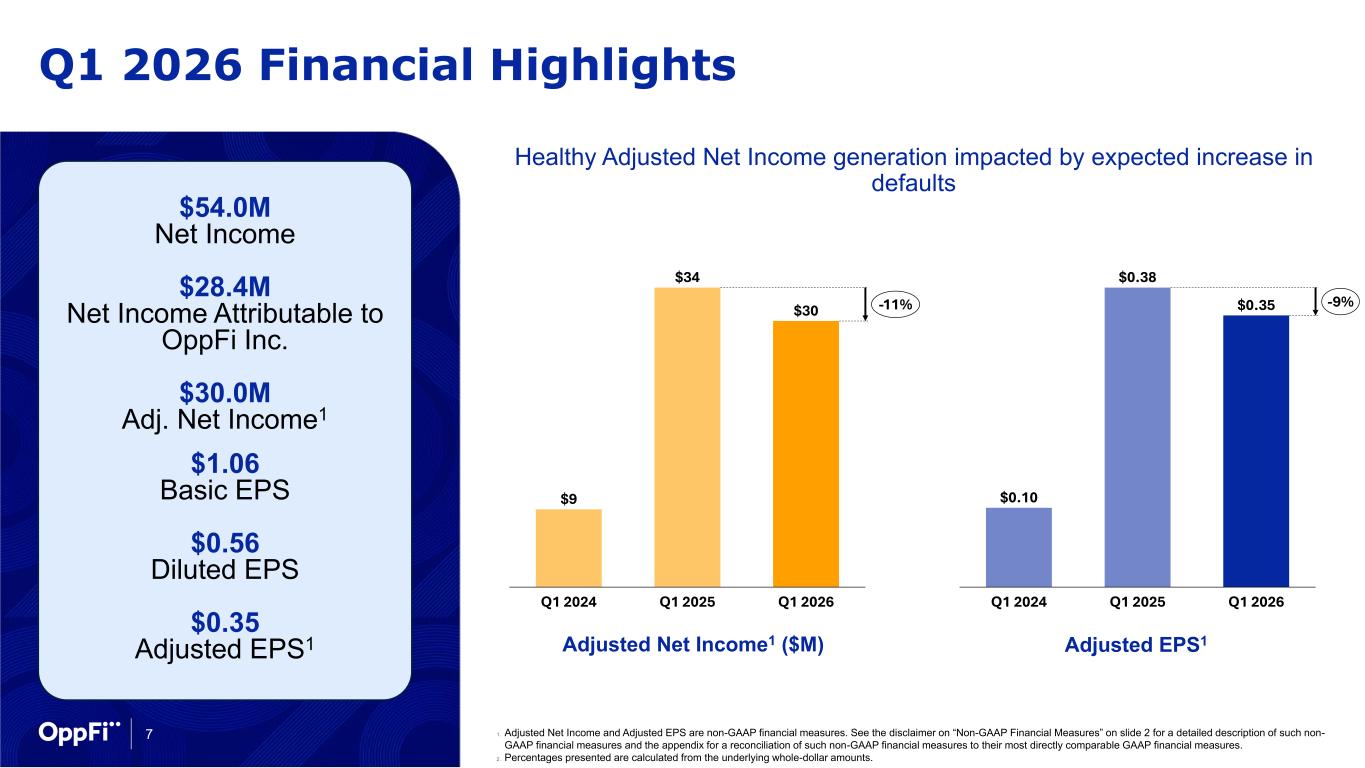
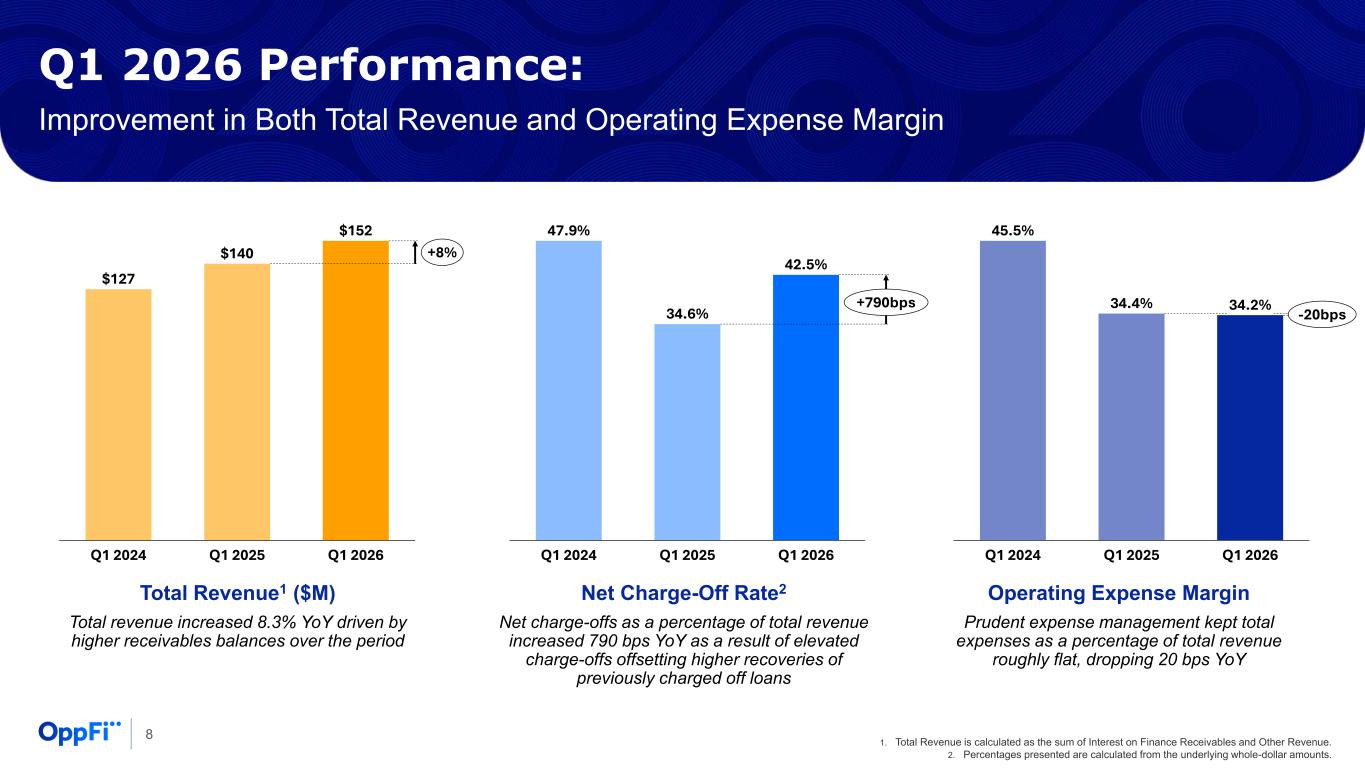
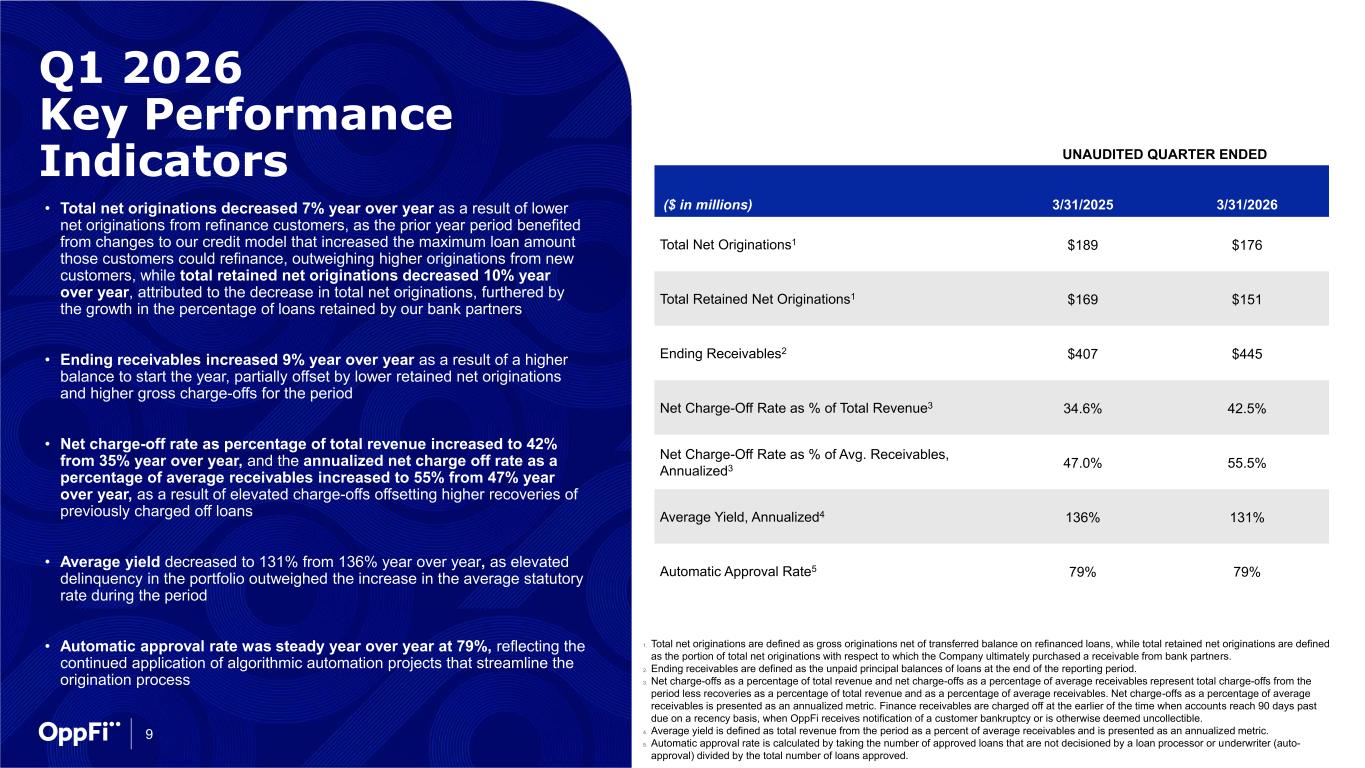
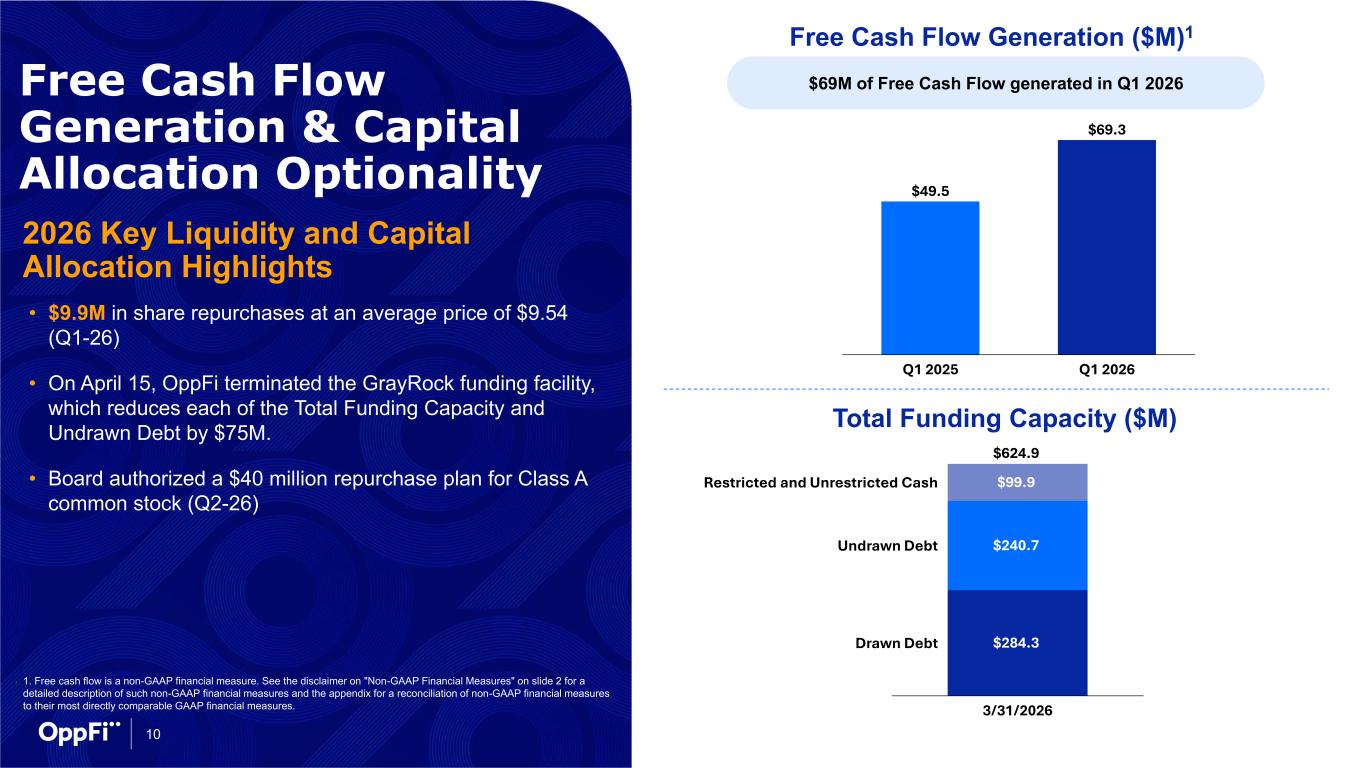
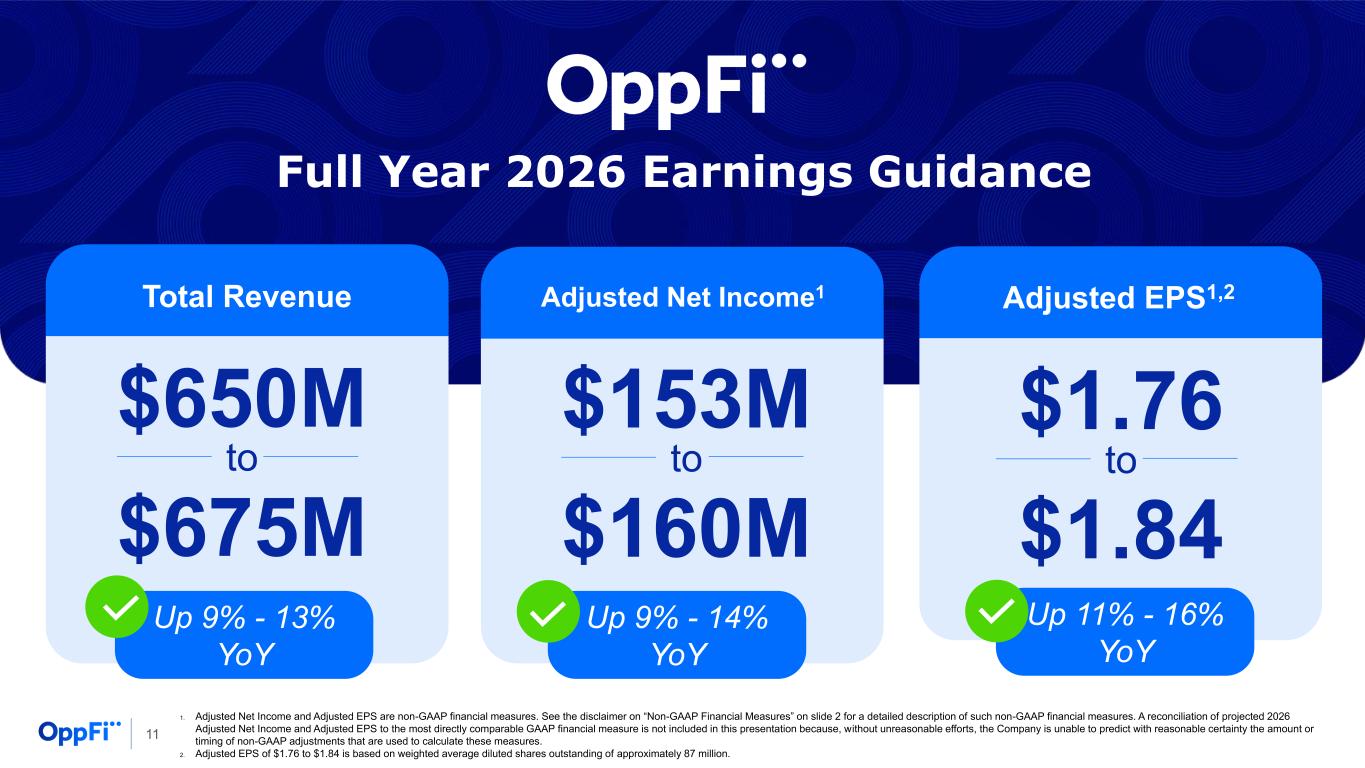
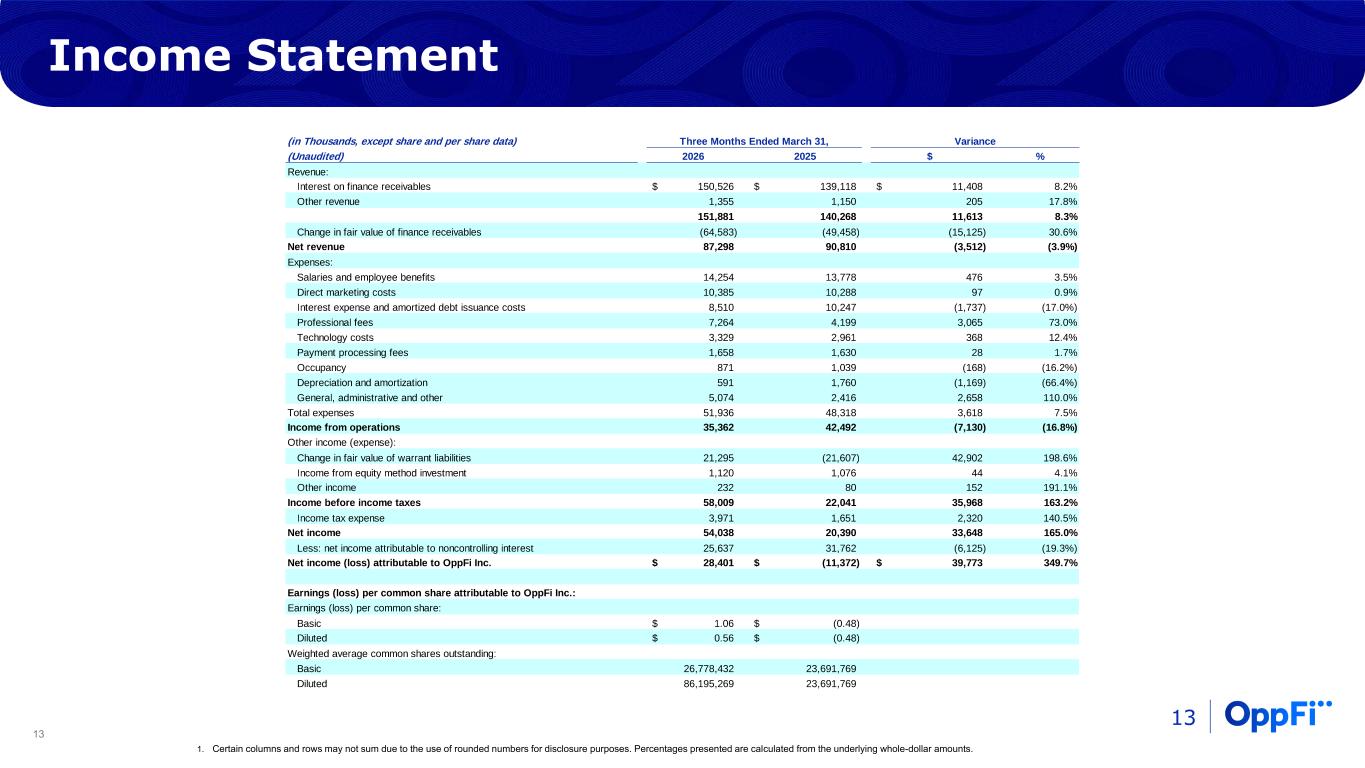
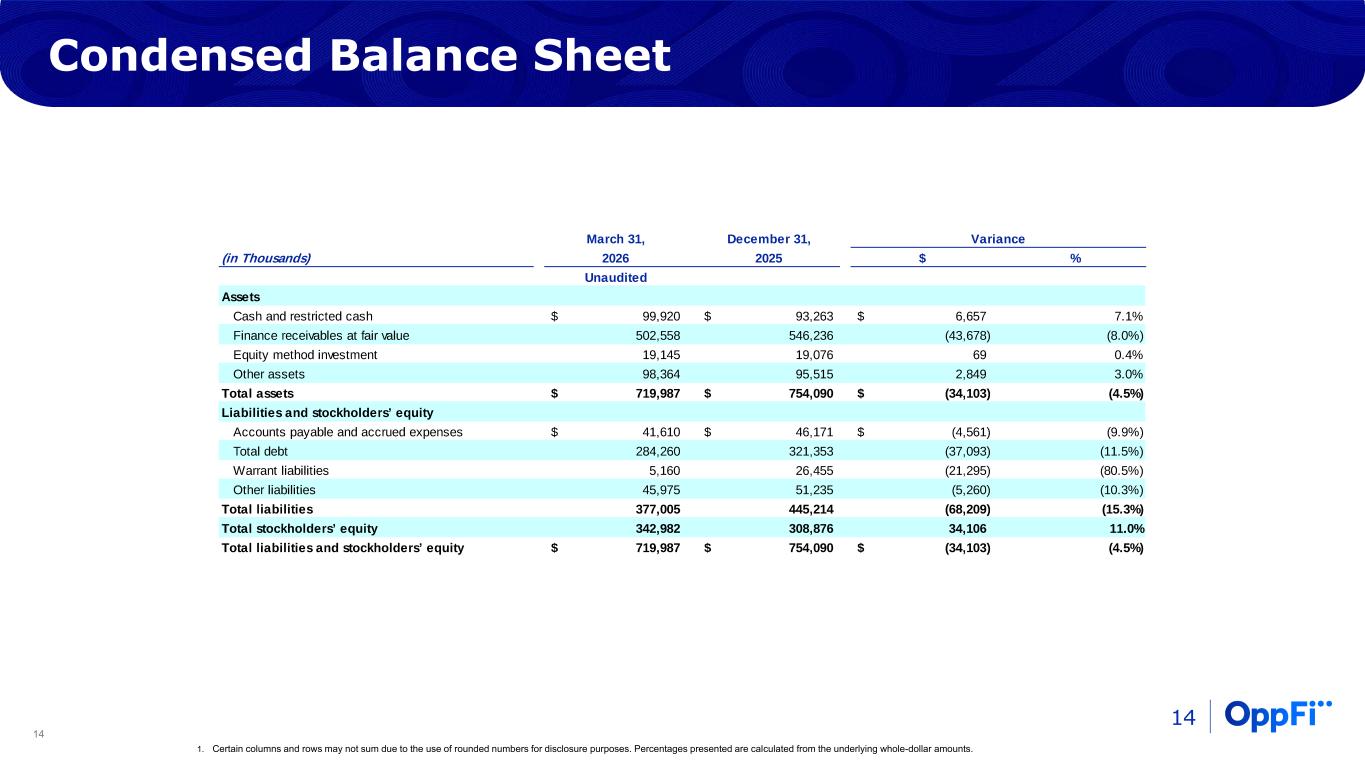
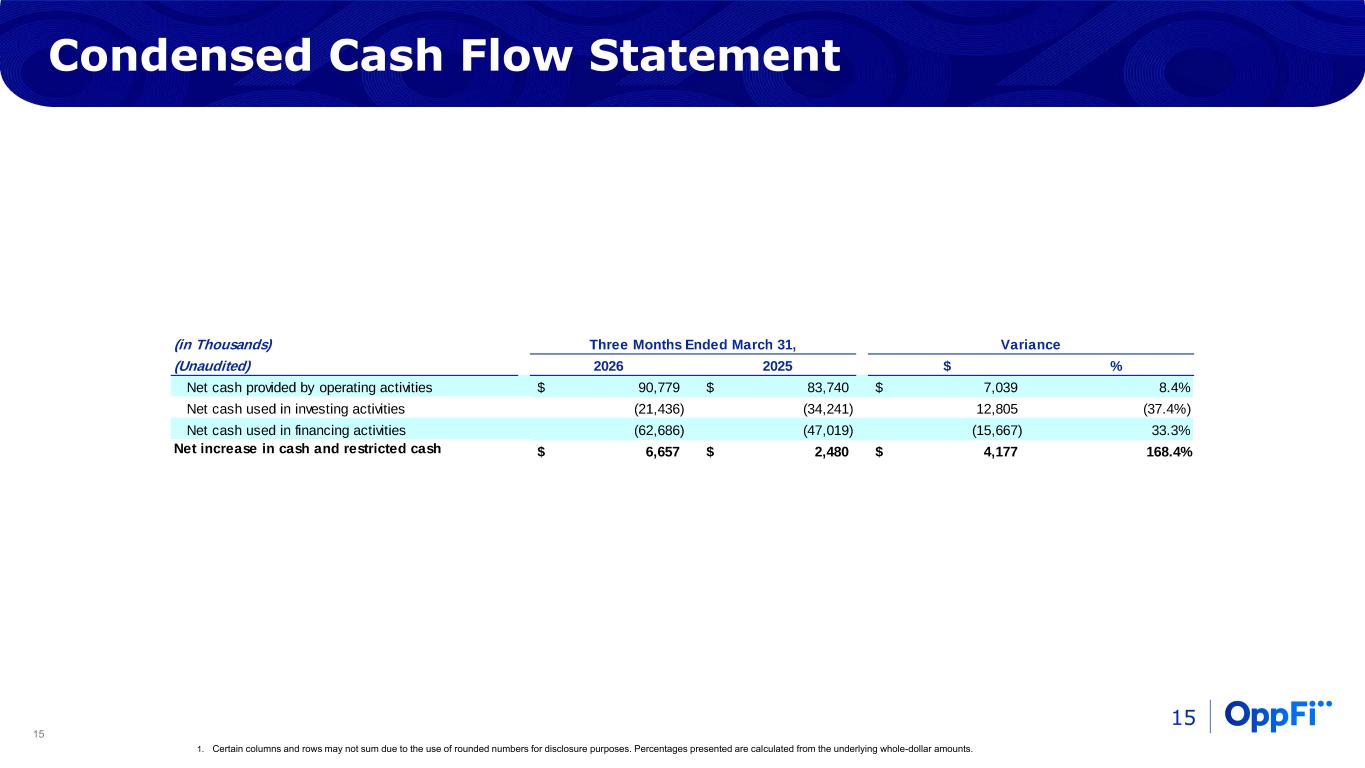
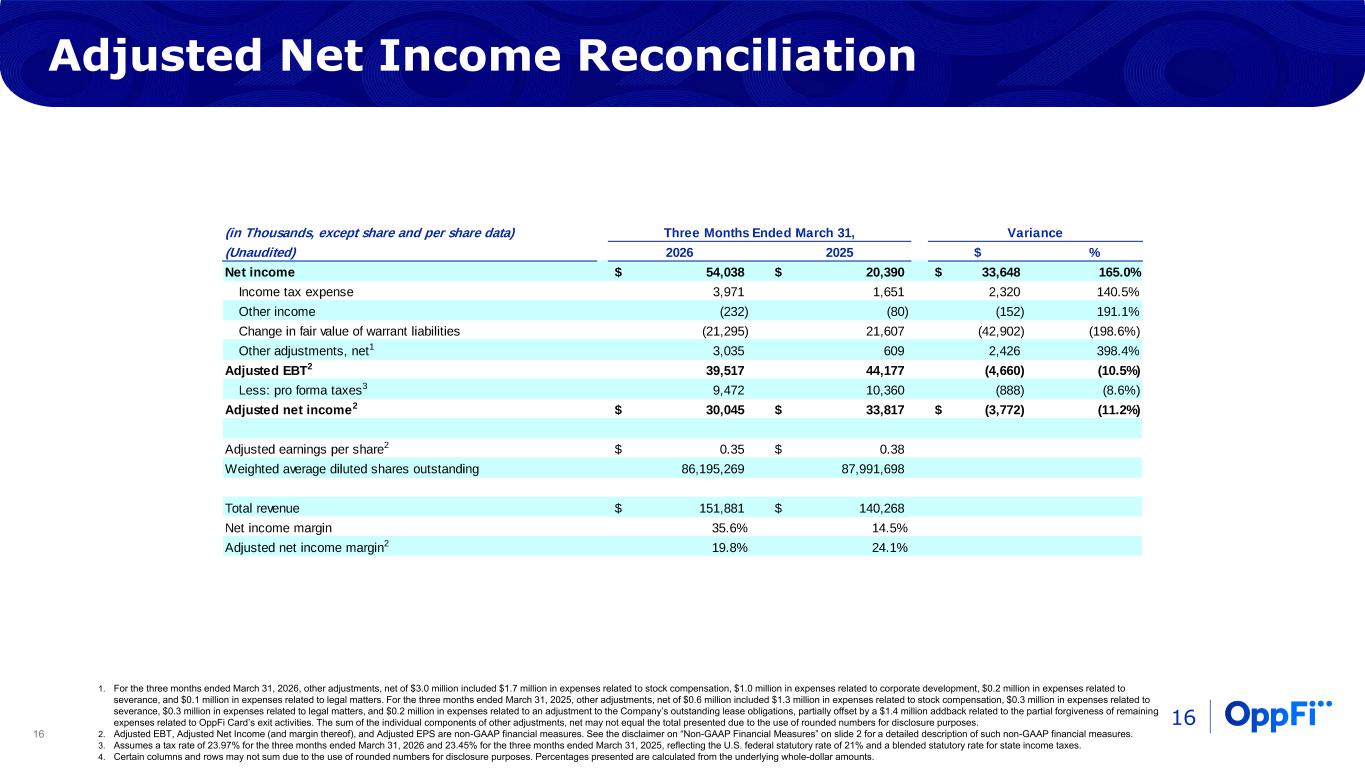
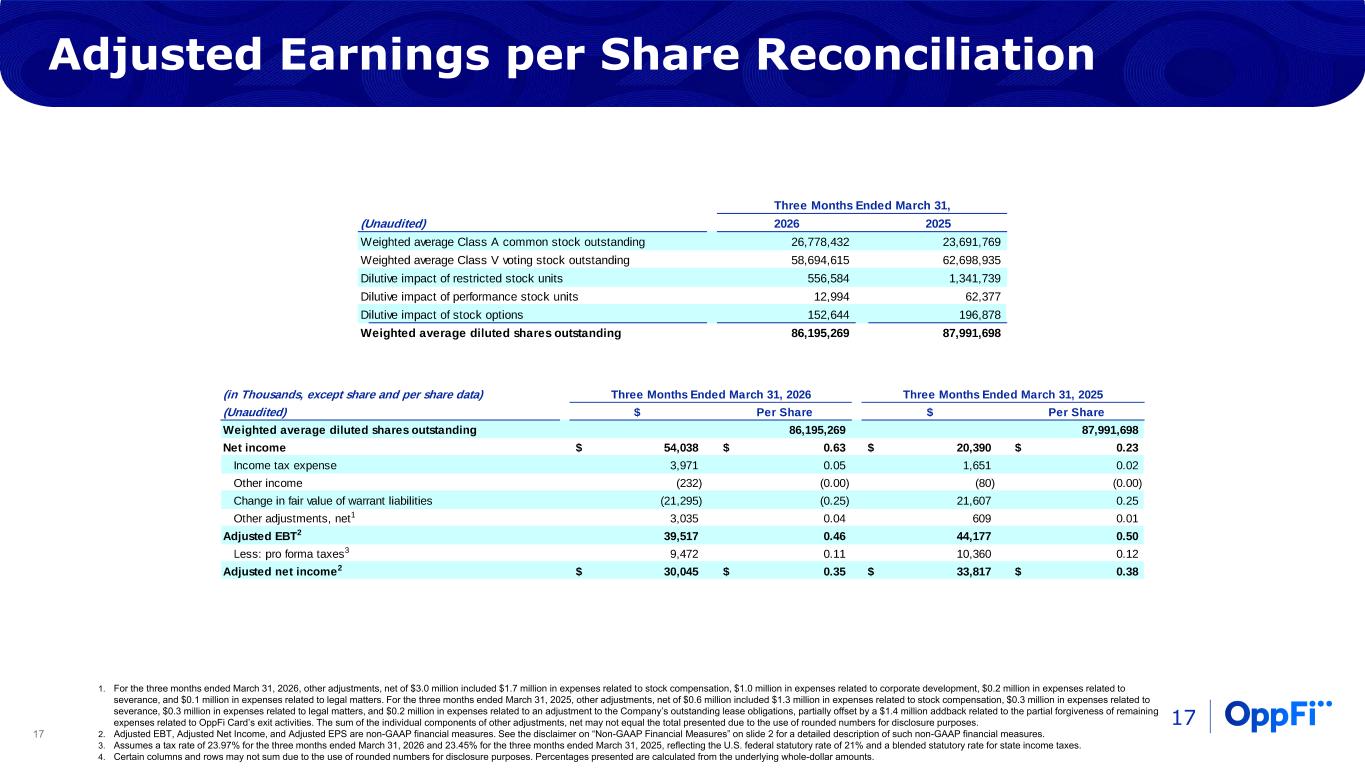
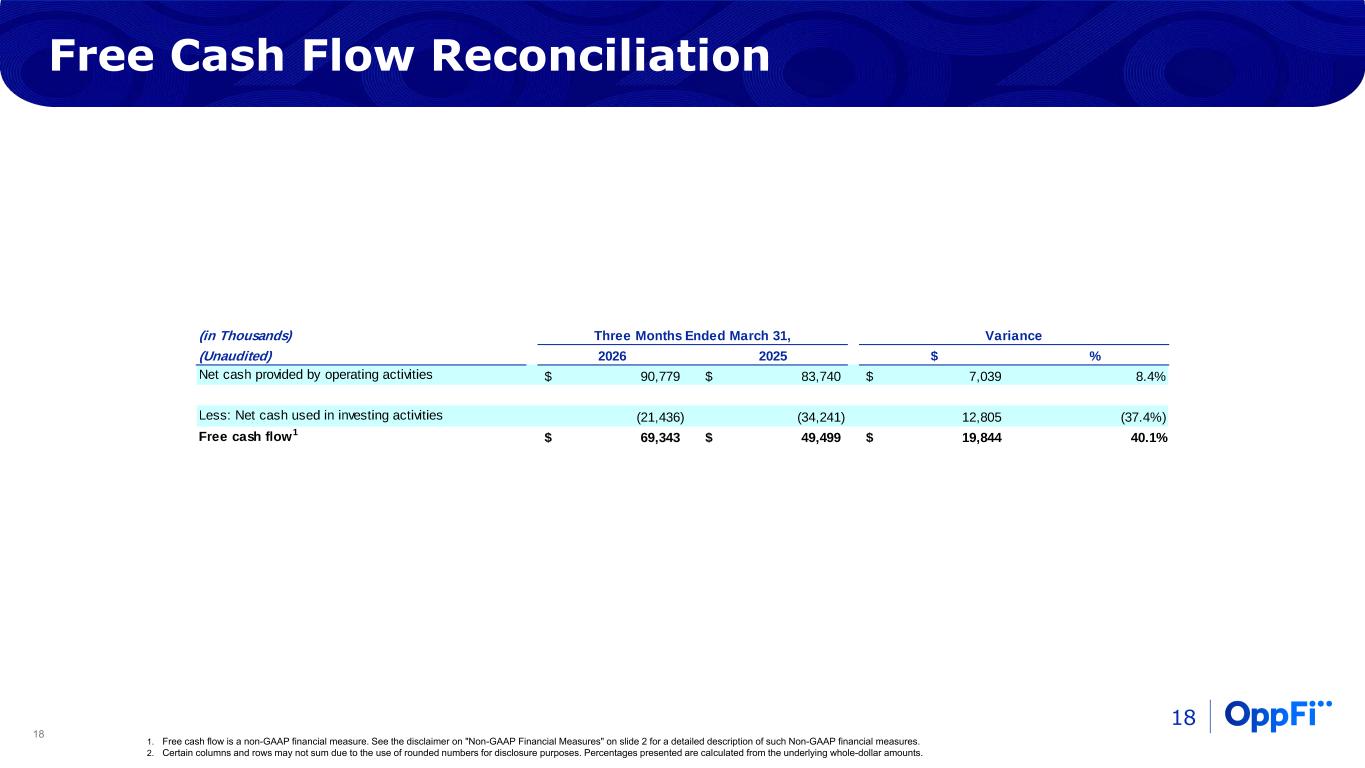
Thanks, Todd, and good morning, everyone. I want to reiterate Todd's remarks. 2026 is a strategic and transformational year for OpFi as we direct our focus toward investing for the long term. While we remain confident in our ability to navigate the normal cycles of our business, we are not managing the company solely maximizing returns for the next quarter. Instead, we are executing against a clear long-term strategy, investing in our platform, capabilities, and customer experience with the goal of driving sustainable returns in the future. This commitment to future growth is reflected in our investment of more than $150 million this year. This includes Lola, the acquisition of BNC and its planned integration with OpFi, and the strategic dissolution of our up-sea structure. Even as management navigates a challenging current environment, characterized by historically low consumer sentiment, inflationary pressures, and higher average tax refunds that have temporary limited loan demand. These investments are designed to ensure we are building a superior technology-enabled banking organization, ready to lead the digital finance platform space for years to come. The announced acquisition of BNC is expected to be financially transformative. We expect significant revenue synergies in 2027 and beyond by expanding our ability to deliver a comprehensive suite of financial products in more states. OpFi expects to generate adjusted EPS accretion from synergies of at least $60 million in the first year post-closing, $90 million in the second year post-closing, and over $115 million in the third year post-closing. Synergies are based on our views of achievable geographic expansion, marketing opportunities, and funding optimization. The combination of OpFi and BNC will create a banking organization that will be well-capitalized with significant liquidity and is expected to generate returns on assets on an equity of plus 10% and plus 35%, respectively, by 2028. We expect to maintain capital ratios well in excess of market standards. OpFi has also taken proactive steps to simplify our corporate structure. With their announced reorganization moving from an up-sea structure to a traditional C-corp, Op-Fi terminated the tax receivable agreement. Op-Fi recorded tax amortizable goodwill of approximately $466 million. This tax amortizable goodwill is expected to result in approximately $111 million in future cash tax savings for Op-Fi subject to tax changes and other conditions with no associated ongoing tax receivable agreement liability. Transitioning to the existing business, we started 2026 on a positive note, generating revenue of $152 million, an 8% increase over Q125. Revenue growth was fueled largely by higher receivables, which ended the quarter 9% higher at $445 million. First quarter 2026 originations decreased 7% to $176 million compared to the prior year The year-over-year decrease in originations primarily reflects a tightening of credit for certain consumer segments, as we began rationalizing new loan issuance to specific segments beginning in Q2 2025. Furthermore, the first quarter of 2026 had reduced demand due to higher average tax refunds, which naturally reduced the immediate need for loans. We have previously discussed that one of the benefits of OPFI shorter duration loans is that the loans move through the system relatively quickly. So the loans originated last summer had higher expected delinquencies, as we had discussed, but this was partially offset by our recoveries, which were up 38 percent from the prior year quarter, helping mitigate the impact of higher default rates. Overall, net charge-offs as a percentage of revenue increased to 42 percent for the quarter, up from 35 percent in the prior year quarter, and net charge-offs as a percentage of receivables increased to 55 percent, up from 47 percent in the prior year quarter. Due to higher defaults, the revenue yield decreased to 131 percent, down from 136 percent in Q125. OBFI continues to maintain tight control over operating expenses. Total expenses as a percentage of total revenue were 34 percent in the first quarter, flat with the prior year. As a result of our revenue growth, offset by higher net charge-offs, adjusted net income decreased 11 percent in the first quarter to $30 million, and adjusted earnings per share decreased to $0.35 from $0.38 last year. Looking at the balance sheet, we continue to maintain a robust financial position, ending the quarter with approximately $100 million in cash, cash equivalents, and restricted cash, alongside $284 million in total debt and $343 million in total stockholders' equity. Our total funding capacity is strong, at $625 million at quarter's end, including $241 million in unused debt capacity. This robust balance sheet serves as the foundation for our capital allocation strategy. OpFi has built a very strong cash generation engine with its existing business. In the first quarter of 2026, the company generated $69 million free cash flow. We plan to put this cash to work through a combination of buybacks, dividends, and strategic M&A. During the first quarter, the company repurchased 1 million shares of Class A common stock for $9.9 million. Additionally, as Todd mentioned, the board has authorized $40 million for a new share repurchase program because at current share prices, the board and management believe this is an attractive use of cash to generate positive returns for stockholders. Also, we will continue to explore strategic M&A opportunities in addition to our plan to acquire B&C. Given our solid start to the year, current economic uncertainties, and ongoing OPFI investments and restructuring, we are maintaining our 2026 guidance. With that, I would now like to turn the call over to the operator for Q&A. Operator?
Operator
At this time, if you'd like to ask a question, over the phone, please press star 1 on your keypad. To leave the queue at any time, please press star 2. Once again, that is star 1 to ask a question. We'll move first to David Scharf with Citizens Capital Markets. Your line is open.
Hey, good morning. This is Zach. I'm for David. Thanks for taking another question. I wanted to dig in a little bit on the SMB side, especially with the acquisition of BNC, and kind of see if we can get some more details on how the average biddy customer compares to the average SBA customer in the legacy BNC business and, yeah, what kind of any more details on what that combined SMB customer base might look like. Thanks. Good morning. Thanks for the question. So BNC has a well-established SBA and commercial lending program, and that will continue through their community bank. The area that OpFi is specifically focused on is working capital SMB originations. in the neighborhood of below $150,000. We think there's a real supply-demand imbalance and that's something through different products like revenue-based finance, installment, line of credit. We plan to have a full suite of products across the risk segments. And that's something that we've been working with Biddy on to develop and are excited about the potential ones, especially becoming a bank.
Operator
We'll move next to Dave Storms with Stonegate Capital Markets. Your line is open.
Maximus
Analyst — Stonegate Capital Markets
Hey, good morning. This is Maximus. I'll be asking questions for Dave today. I just wanted to start off with the recent acquisition, you know, opening up the opportunity for new states. We were just curious about if you guys can just apply the current playbook that you guys had prior to the acquisition. if you have to copy and paste, specifically any changes to your risk-based pricing model or customer acquisition strategy? Thank you.
Yeah, thanks for the question. We think that there's a geographical expansion that will happen to allow us to operate in more states. We will continue to offer our core product, which is our installment product. And we already are risk-based pricing. We've introduced lower prices, higher prices across the risk spectrum and seen a lot of success there. So that will continue. But we think that there's a lot more geographical expansion. It's also potential to even further lower prices for consumers and our commitment to credit access with the operational and revenue synergies that we're going to receive from becoming a bank.
Maximus
Analyst — Stonegate Capital Markets
Awesome. Thank you. And if you guys were able to walk through, you know, the main puts and takes and, you know, the outlook for the rest of 2026, you know, particularly around originations, receivables, and revenue, thank you.
I mean, I think, like, you know, the sentiment, you know, because of some of the inflationary pressures with the war, we're being, you know, we're being thoughtful about it. I mean, not to say, though, our origination, new originations, we're up 8%. Receivables were up 9.4% year over year. We're continuing to find ways to grow. We're also being thoughtful. You know, we're about long-term sustainable growth, and we want customers to be successful. We're not just going to do short-term originations to show revenue spikes or growth. That really doesn't do a lot for us long-term, so we're really focused on long-term value creation and, you know, being careful. Our Model 6.1 launched in the quarter, which we're really excited about. It's our refit, and we're actively building our most powerful model ever, Model 7, which will factor in a new way of building models where we're using more AI. So we're very excited about that. That should launch in fall, which will allow us to propel us to grow with lower losses. So, you know, I think we're positioned really, really well with our pricing, our balance sheet strong, and we're just going to, you know, we're waiting and seeing a little bit on some of the inflation and macro events, but we feel really, really confident we can continue to grow profitably in this environment.
Speaker 6
Thank you, and good luck next quarter.
Operator
And as a reminder, if you would like to ask a question, you might press star 1 on your keypad, and to leave the queue at any time, please press star 2. We'll take our final question from Mike Grondahl with Northland Securities. Your line is open.
Thank you. A couple questions here, but first, are you guys able to drill down a little bit into those revenue synergies? $60 million is a lot, and I know the three I think I wrote down was one, more states, two, some marketing benefits, and three, funding efficiency. Could you kind of just go through each one and talk through those, like more states? Is that a couple states? What kind of list do you expect to get there? I don't know. If you could just help on those three revenue synergies, that would be great.
Yeah, no, good question. So we believe that with the national banking platform, we're currently in 40 states. it opens up the full you know 50 obviously you know we have to you know we're gonna we're gonna work with our regulatory council to make sure that you know we're doing everything federally in state you know applicable laws but we do think there's there's definitely more than I think you said two states we think there's more expansion we also have the line of credit product which we'll be expanding as well through that National Bank Charter, which we're excited about. I think when it comes to some of the revenue synergies, it's the structure of the bank partnership program. Doing it directly yields a lot of synergies that accrue to us, and it is favorable in the funding structure, and we're doing a lot of volume. So if you look at it over a year, it's pretty significant.
Got it. And then secondly, the LOC product, customer apply loan from you guys, and then it'll just automatically offer that if it's the best fit. I guess what will the customer see and how will they apply for that product, and then what are your kind of goals for it? Is that going to be 5%, 10% of the mix in a year? Just a little bit of color on the LOC.
Yeah, so it's going to be done through the Op Loans brand. We're going to be offering two products under the Op Loans brand, an installment and a line of credit product. What's being contemplated for the summer launch is we're going to be picking up three new geographies with the line of credit product. So originally, it's going to be offered in certain states, and installment will be offered another. soon after launch and once once we get the early data reads we will provide customers with optionality to select between the two products out of what they what they you know what what best suits them and fits them and so we're excited to have another product option for our customers and and you know some customers prefer line of credit over installment if they feel that provides them a little bit more control. It changes a little bit of how refinances happen versus the line of credit. There's no refinances. So we're excited to provide another high-quality option. It'll have all the same features as our installment. There's going to be no draw fee on the original origination. There's going to be no late fees, no prepayment. So we're excited to offer a largely similar product, but just another option for customers. It also allows us to better compete. We know that a lot of our competition uses line of credit in various ways to serve their customers. So, you know, we think it's merited and it will be a good high quality option for our customers.
Got it. And then just lastly, I wanted to ask about credit quality um i think there was a little cleanup in 4q would you guys say there was also a little bit cleanup in 1q and do you see that continuing or just where are we in in credit quality how you guys are viewing it and thinking about it yeah i mean you know just to you know point out we you know our charge office receivables was elevated from last year last year was an exceptional year we were you know we were we were kind of in a growth we were extending term a little bit so we had a really really strong q1 last year this
this year is more of a normalization if you go back to 24 and 23 it's still it's still better than those months you know we were able to grow receivables like I said 9.4% of new originations you know it's elevated they're they're elevated i think customers are being a little cautious here um you know on the demand side and then also you know on the uh you know under payments you got to be a little cautious when there's inflationary pressures that we're seeing uh you know we're hopeful that this uh iran conflict and gas prices will get resolved quickly um and we feel like in the second half we have a lot of growth levers um our pricing our model six are already in market they're doing really really well and then this line of credit products going to add new geography expansion which will add a lot of you know growth so you know we're able now with our risk based pricing to be able to operate you know in different credit environments and cycles it's much different kind of than in 22 we had a single price product and so we feel like we're much much better prepared to be of it operate with a little bit of a higher-pass dues coming in.
That's helpful. Best of luck the rest of 26 and with the acquisition.
Mike, could you just repeat the question?
Oh, no. I just said best of luck in 2026 and with the acquisition. Thank you. Thanks, Mike. I appreciate that.
Operator
We have a follow-up question from David Scharf with Citizens Capital Markets. Your line is open.
Hey, guys. I just wanted to squeeze one more question in here. So, obviously, you know, seeing good things from the Lola platform. I wanted to see if we can possibly get some KPIs or, you know, quantitative metrics around that to kind of show kind of the upside that it's providing. I mean, we're starting the migration literally this month, which we're very excited about. It's going to reduce cycle time. You know, really, really doing well. Like our auto approval rate went from 78.6 last year. in Q1 to 79.2 so we're still even on our old system making progress on auto approvals but but this is structurally going to allow us to reduce processing times and to approval for customers so customers are going to get approved faster we're going to continue to push up the auto approval rates this allows us to launch products so we started talking about line of credit product in the beginning of the year, and we're going to be able to launch it four months later, not even. That's all due to having a clean architecture and a modular infrastructure from our loan servicing system that will allow us to launch. So we're excited. I mean, from a corporate standpoint, better corporate integrations into our accounting systems, our data was all re-packed and cleaned up, so we're going to be able to deploy tools to better read out data and have better information faster and I think from like product enhancements from a risk perspective from a credit perspective because of the clean architecture we think cycle time so meaning we have an idea to enhance our installment product for us to get that to market will be a 50% reduction and in cycle time to get something to market by having that architecture. So there's tremendous benefits, and we'll continue to report out on those benefits in our quarterly earnings call and how the company is using it to its benefit going forward.
Maximus
Analyst — Stonegate Capital Markets
I understand. Thank you very much, and congratulations on the strong quarter again.
Operator
It appears we have no further questions, and this concludes today's program. Thank you for your participation, and you may disconnect your line at any time.