Operator
Good afternoon and welcome to RealMada Therapeutics' first quarter earnings conference call. At this time, all participants are in a listen-only mode. After the prepared remarks, we'll conduct a question and answer session. To ask a question, please press star 1. As a reminder, this conference call is being recorded and will be available for replay on the RealMada website. I would now like to turn the call over to Brian Ritchie from Lifeside Advisors. Please go ahead, Mr. Ritchie.
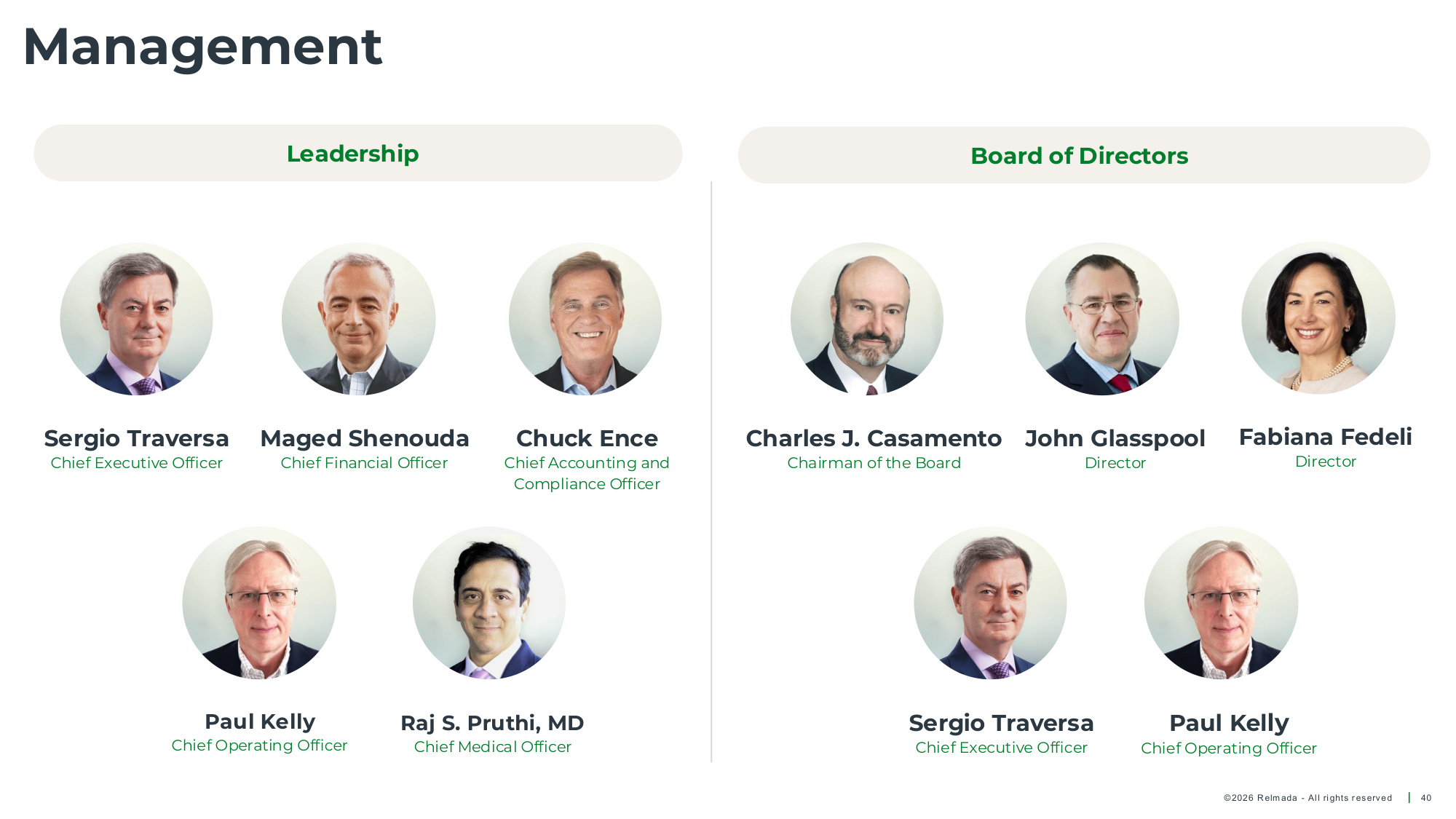
Thank you. Good day, everyone, and thank you for joining us today. This afternoon, RealMata issued a press release providing a business update and outlining its financial results for the three months ended March 31, 2026. Please note that certain information discussed on the call today is covered under the safe harbor provision of the Private Securities Litigation Reform Act. We caution listeners that during today's call, Ramada's management team will be making forward-looking statements. Actual results could differ materially from those stated or implied by these forward-looking statements due to risks and uncertainties associated with the company's business. These forward-looking statements are qualified by the cautionary statements contained in Ramada's press release issued today and the company's SEC filings, including in the 10-Q filing for the quarter-ended March 31, 2026, filed after the close today. This conference call also contains time-sensitive information that is accurate only as of the date of this live broadcast on May 12, 2026. RealMata undertakes no obligation to advise or update any forward-looking statements to reflect events or circumstances after the date of this conference call. With me on today's call are RealMata's CEO, Dr. Sergio Traversa, who will briefly provide a summary of recent business highlights, Dr. Raj Pruthi, RealMata's CMO Urology, who will provide an NDB01 program update, and RealMata CFO, Megan Chinoutta, who will provide an update on separanolone and a review of the company's Q1 financial results. After that, we will open the line for a brief Q&A session. Now, I would like to hand the call over to Sergio Traversa.
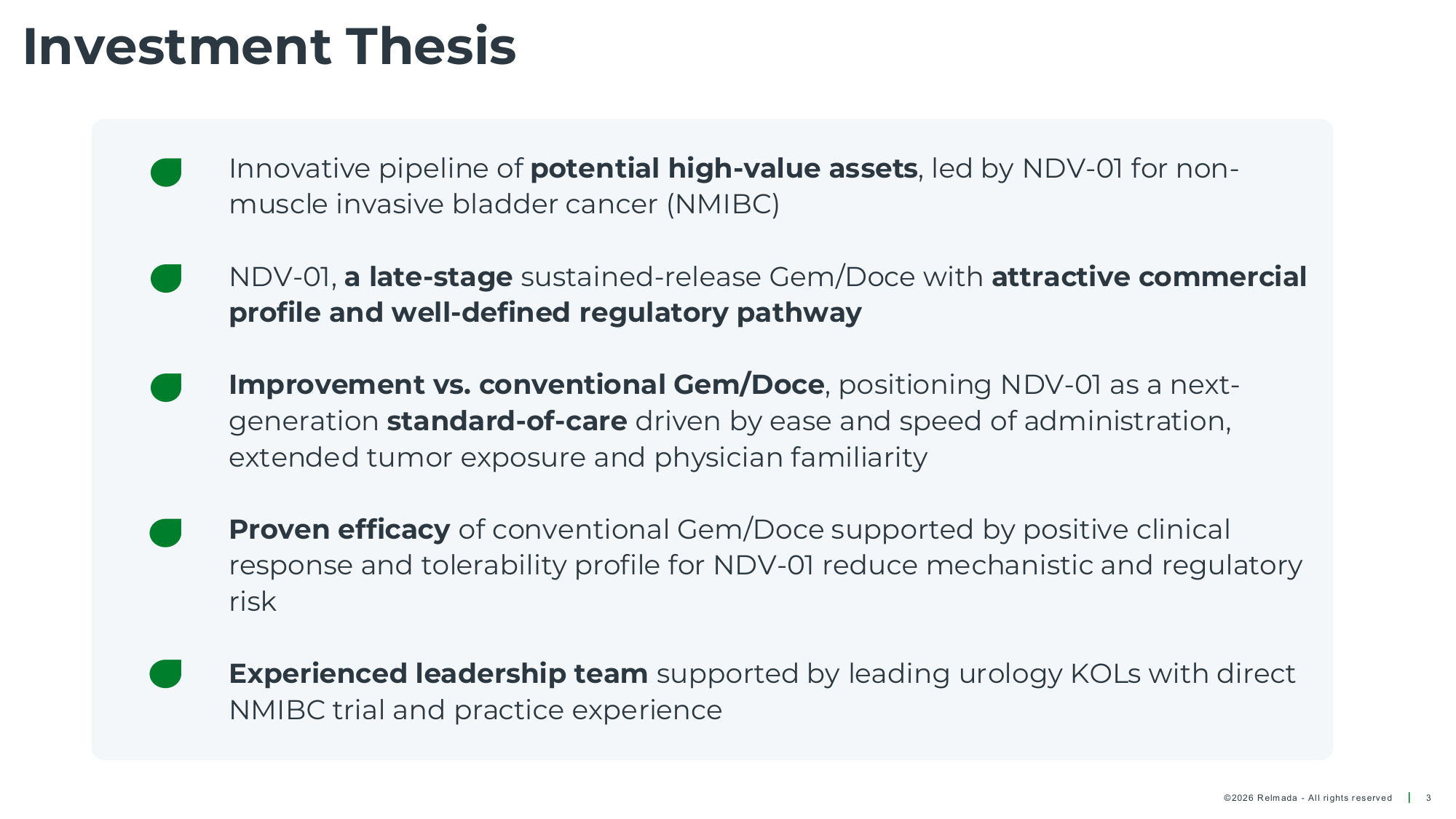
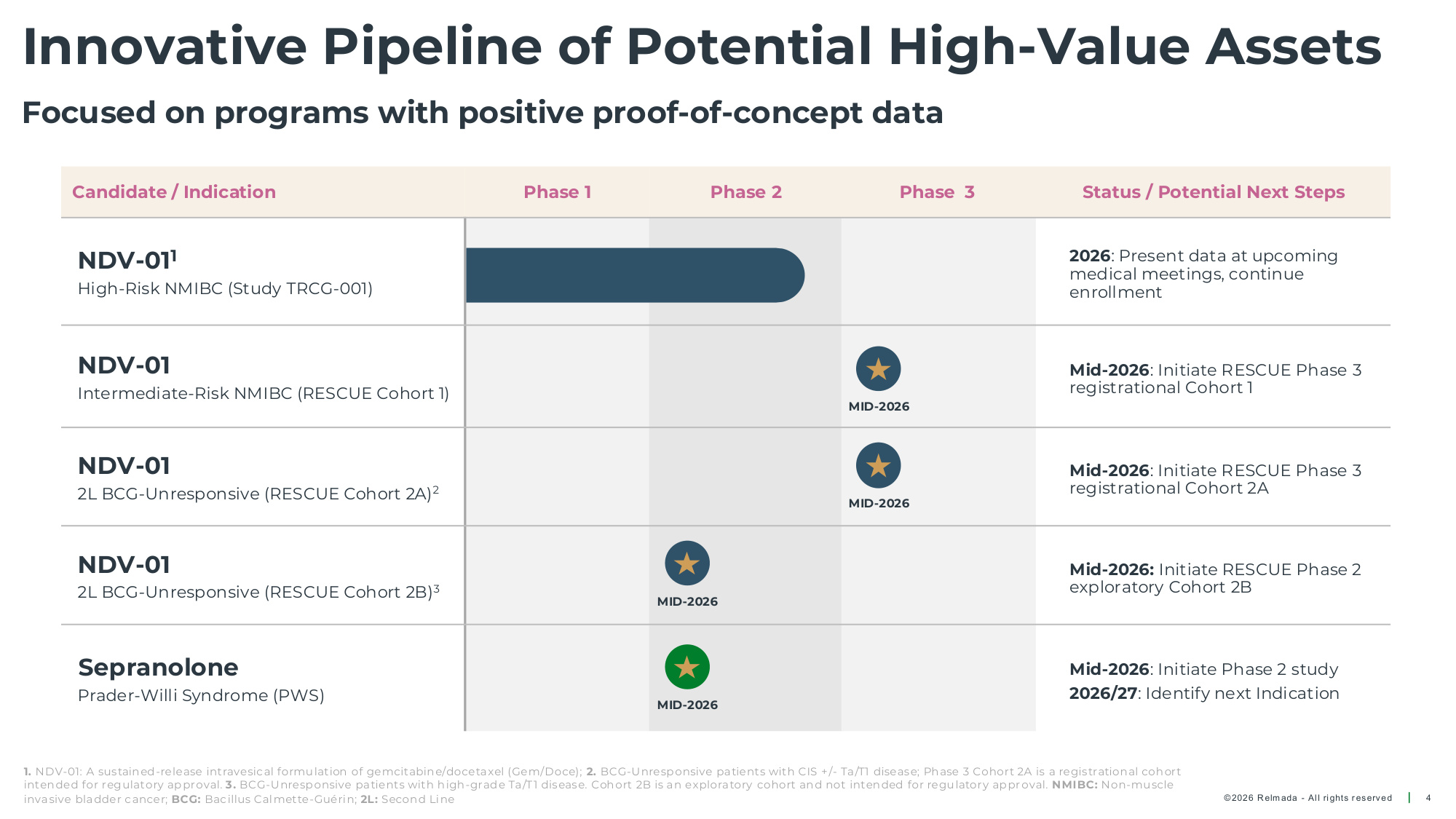
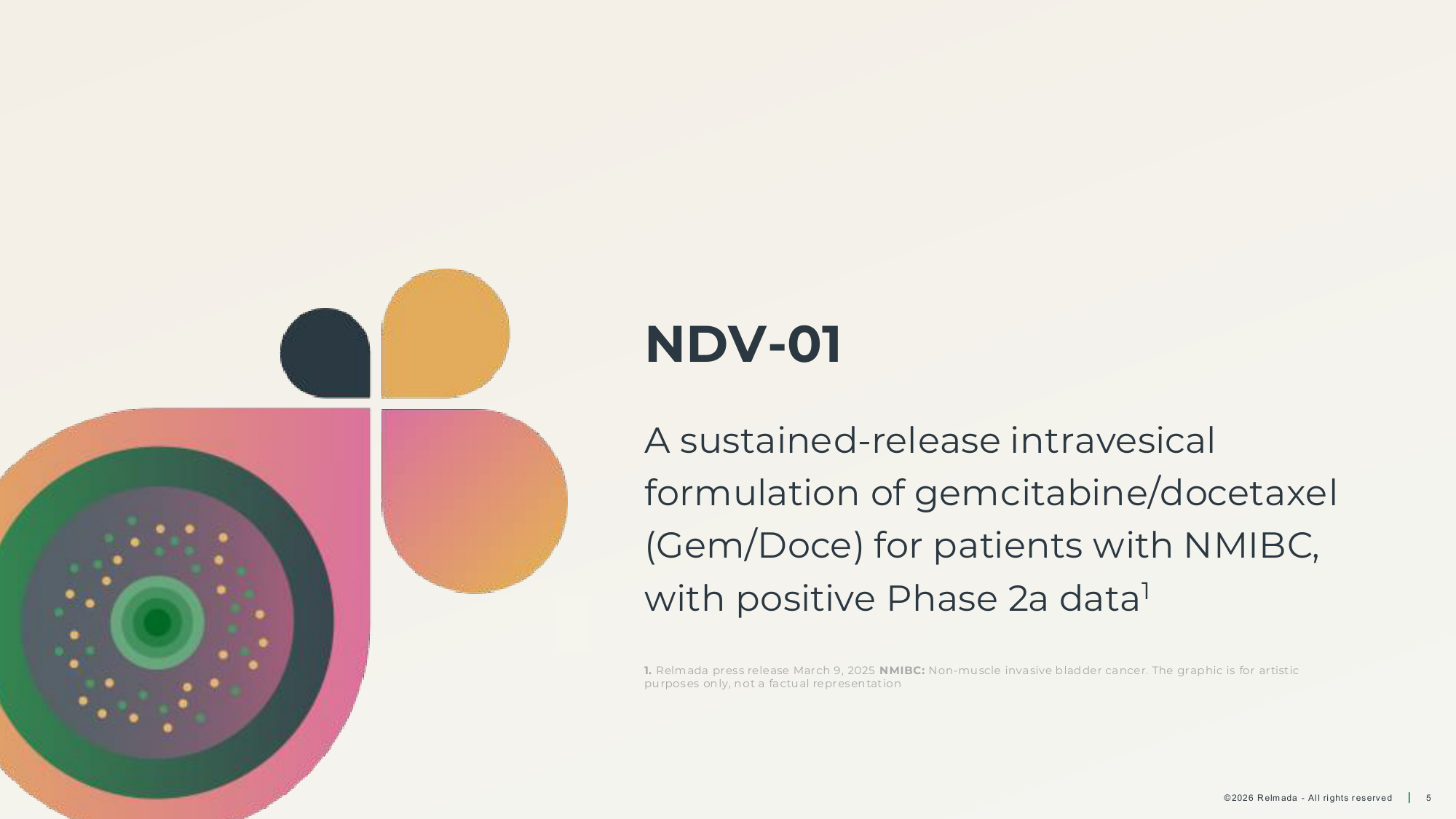
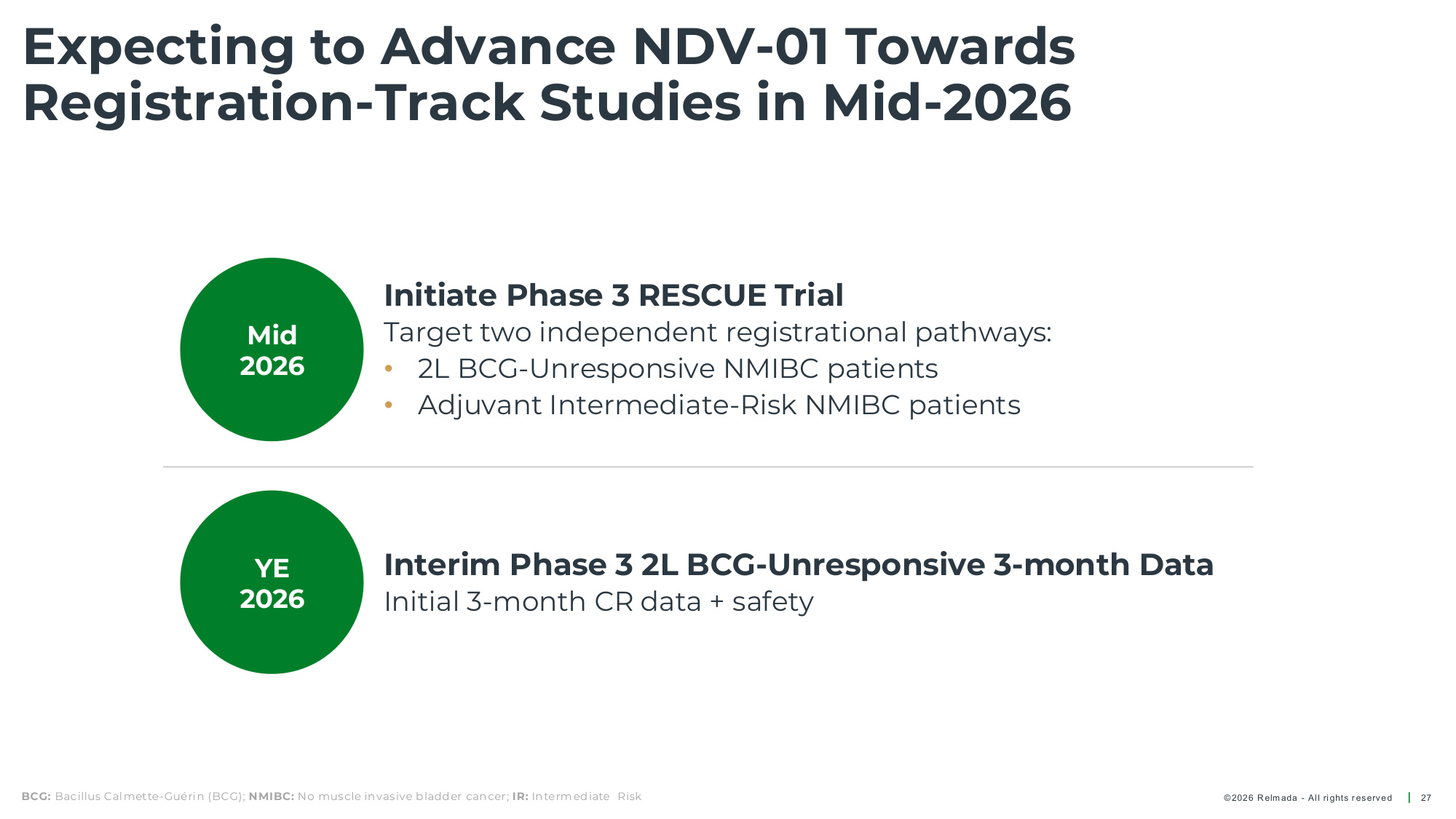
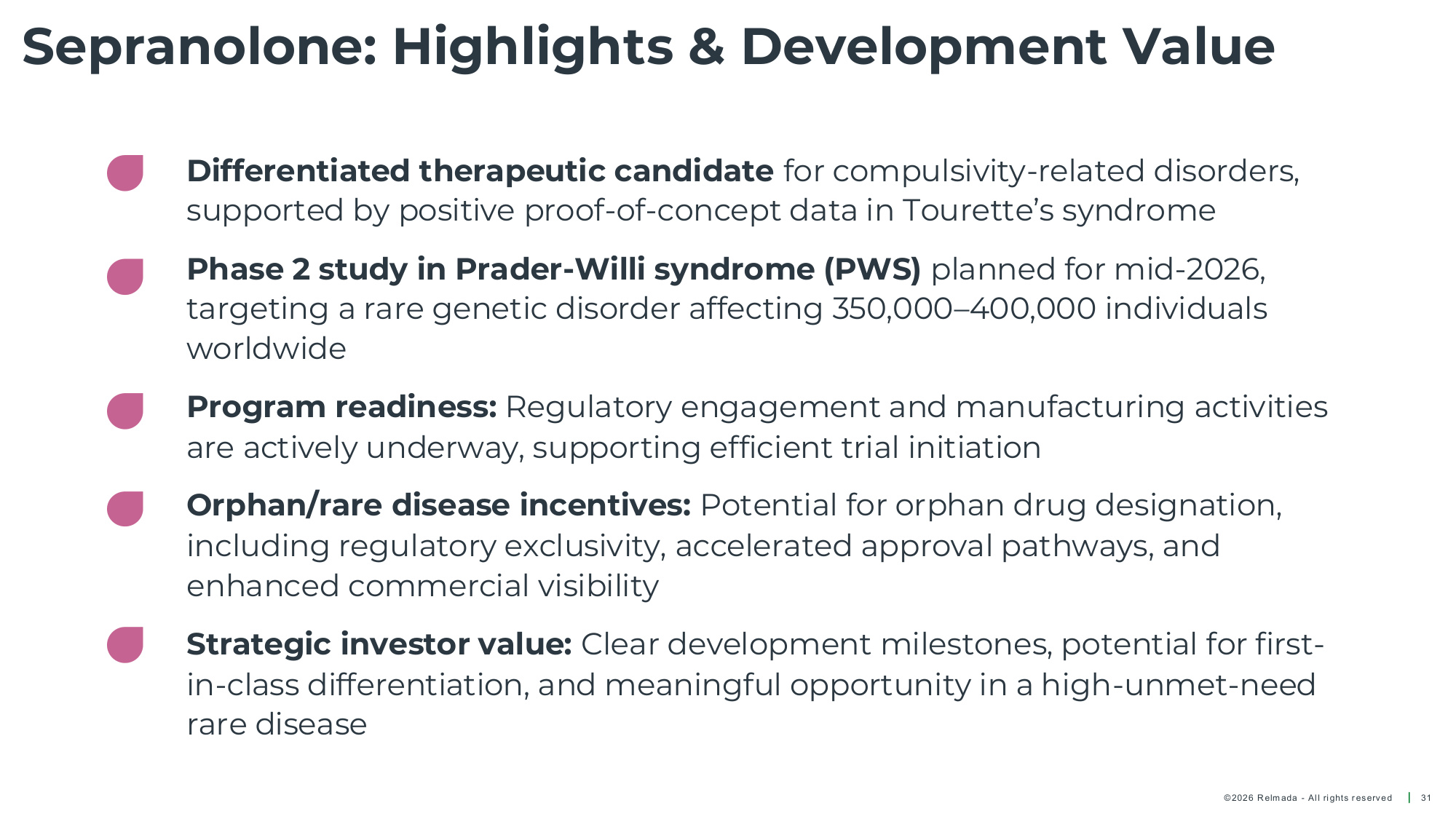
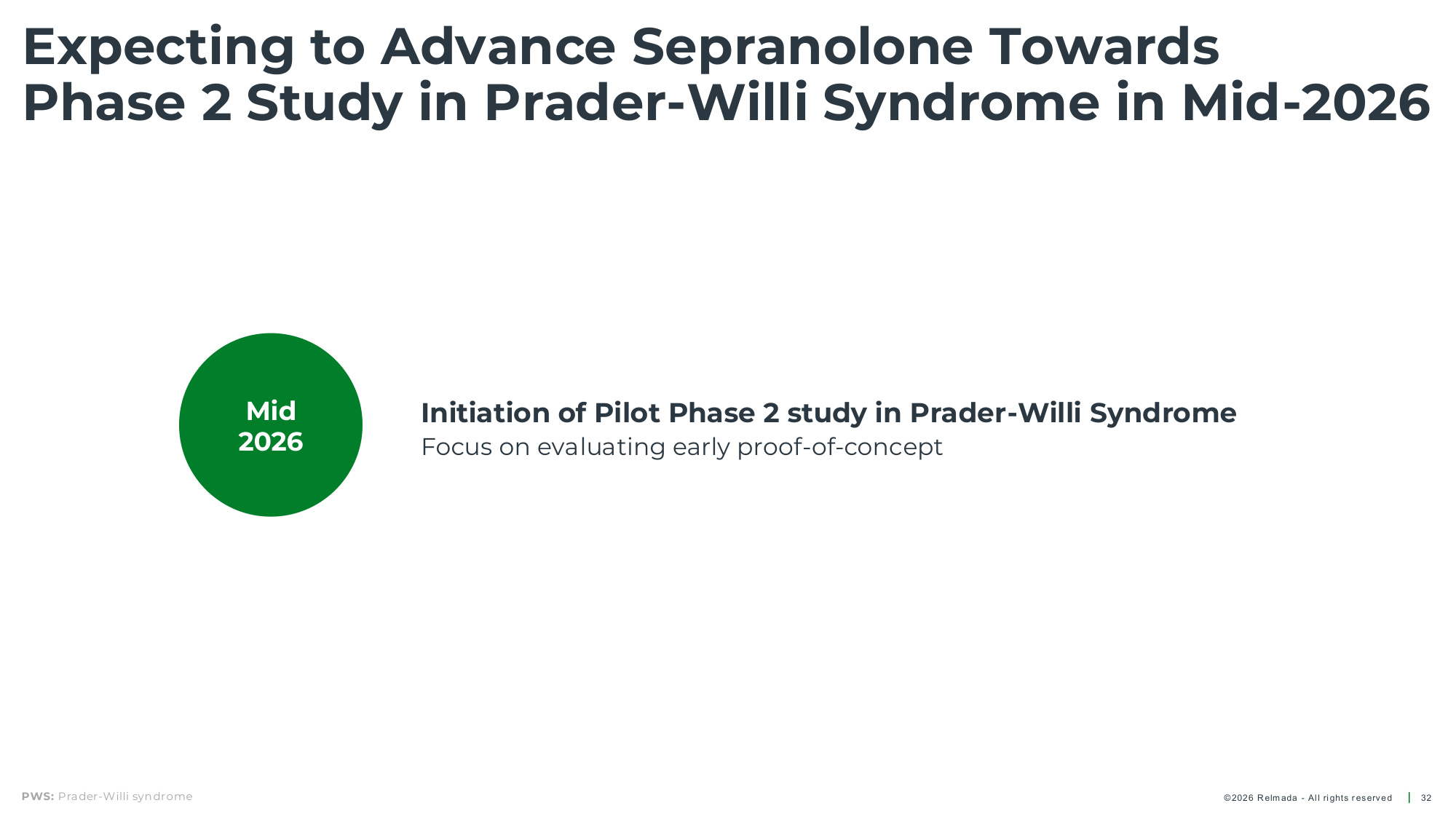
Thank you, Brian. Good afternoon, and welcome, everyone, to the RealMata first quarter 2026 conference call. RELMADA continues to make excellent progress this year, and we are excited about where we stand. The robust 12-month data for NDVO-1 in non-muscle invasive bladder cancer, or NMIBC, and the successful completion of 160 million private placement financing, meaningful milestones that reflect the strengths of our progress. Importantly, we remain on track to initiation the Phase 3 rescue program in mid-2026, which we believe will be a transformational moment for RealMada. Let me briefly describe what makes NDVO-1 distinct. NDVO-1 is a ready-to-use, sustained-release, intravesical formulation of gencitabine and docetaxel, or GEMDOSI. It's designed to build on a well-established safety and efficacy profile of conventional GEMDOSI and deliver a best-in-class therapy for patients living with NMIBC. We remain focused on maximizing its potential for success for patients, their urology community, and our investors. Let me walk you through four milestones that speak to the momentum we have built this year. Number one, we have continued to de-risk the development of NDVO-1 with the report of solid and durable 12-month efficacy data from the ongoing phase two study of NDVO-1. We will be presenting this data and an overview of the Phase III Rescue Program at the American Urological Association 2026 Annual Meeting later this week. High response rates, a favorable safety profile, and ease of use continue to strengthen our conviction that NDVO-1 has the potential to provide what urologists and patients with NMIBC need, a simple, durably effective treatment that readily fits into a real-world practice setting. Number two, we achieved FTA alignment for our planned registration of Phase 3 rescue programs. Number three, in April, we filed a provisional patent application in the U.S. directed to formulations and methods of treatment for NDVO-1. This application, efficient, could form the basis for worldwide patent filings and have a term into 2047. Lastly, we have fortified our balance sheet. With the private financing that was completed in March, we have the resources to support completion of the Phase III rescue program. Before I end the call to Raj, I want to underscore the significance of the patent filing. The provisional application is directed to both the formulations and methods of treatment, reflecting the breadth and novelty of the NDV01 platform. If granted, it could form the basis for worldwide patent filings, significantly expanding our global IP protection. Most importantly, we would meaningfully extend the covered claims of NDVO 1 into 2047, providing a nine-year extension of commercial exclusivity and strengthening our competitive positions as we advance our registration. Looking ahead, as we enter the second half of 2026, our focus is on execution. We remain on track to initiate the registration of Phase III rescue program for NDV01 in mid-2026. We are also preparing to initiate a proof-of-council study for Sopranolone in Prader-Willi syndrome, targeted for mid-2026. Magid will speak about it in more detail shortly. I will turn the call over to Dr. Raj Pruthi, who will provide a review of the NDV program. including 12-month follow-up data from the ongoing phase two-day study and the summary of our phase three plans. Raj?
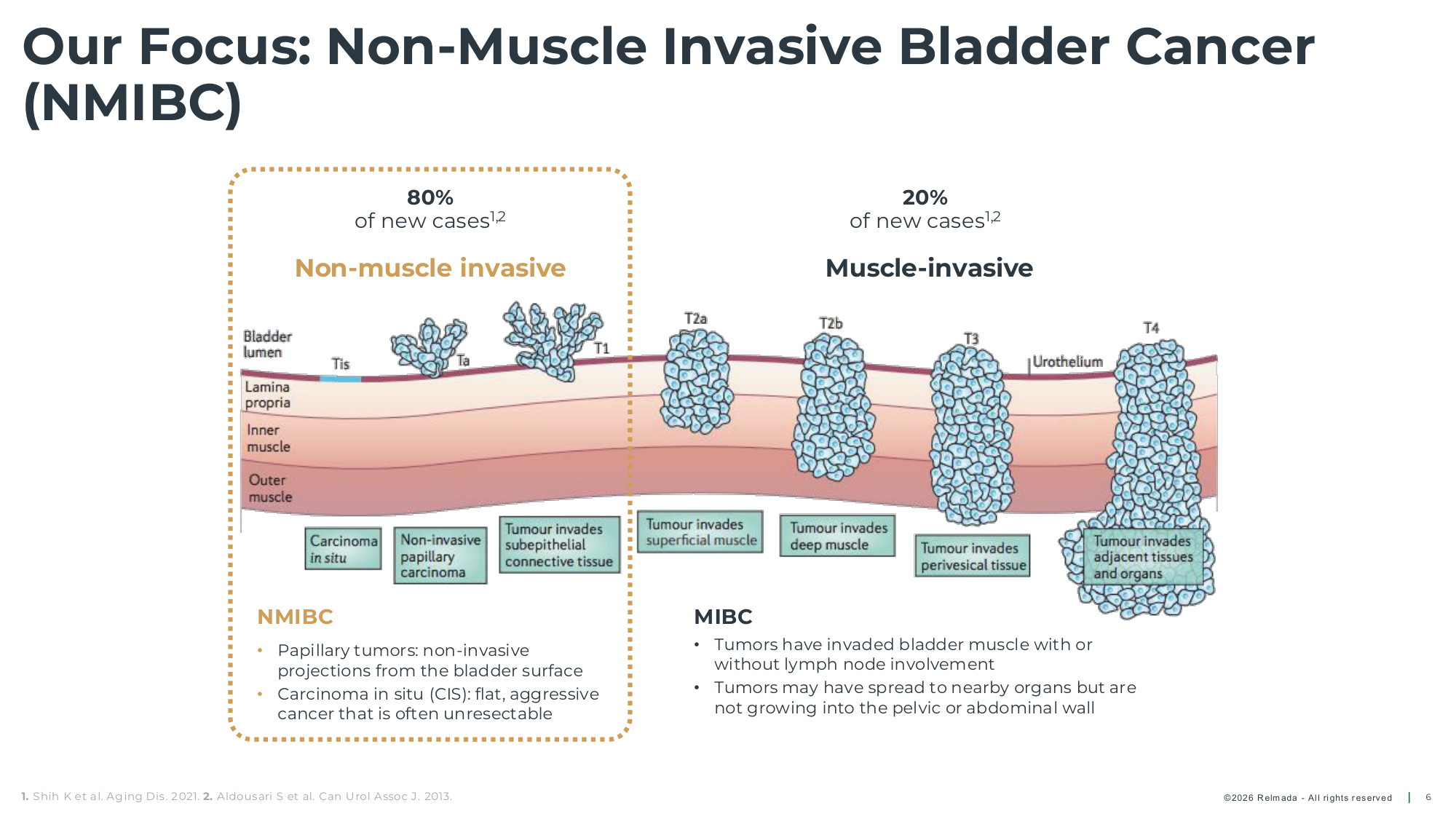
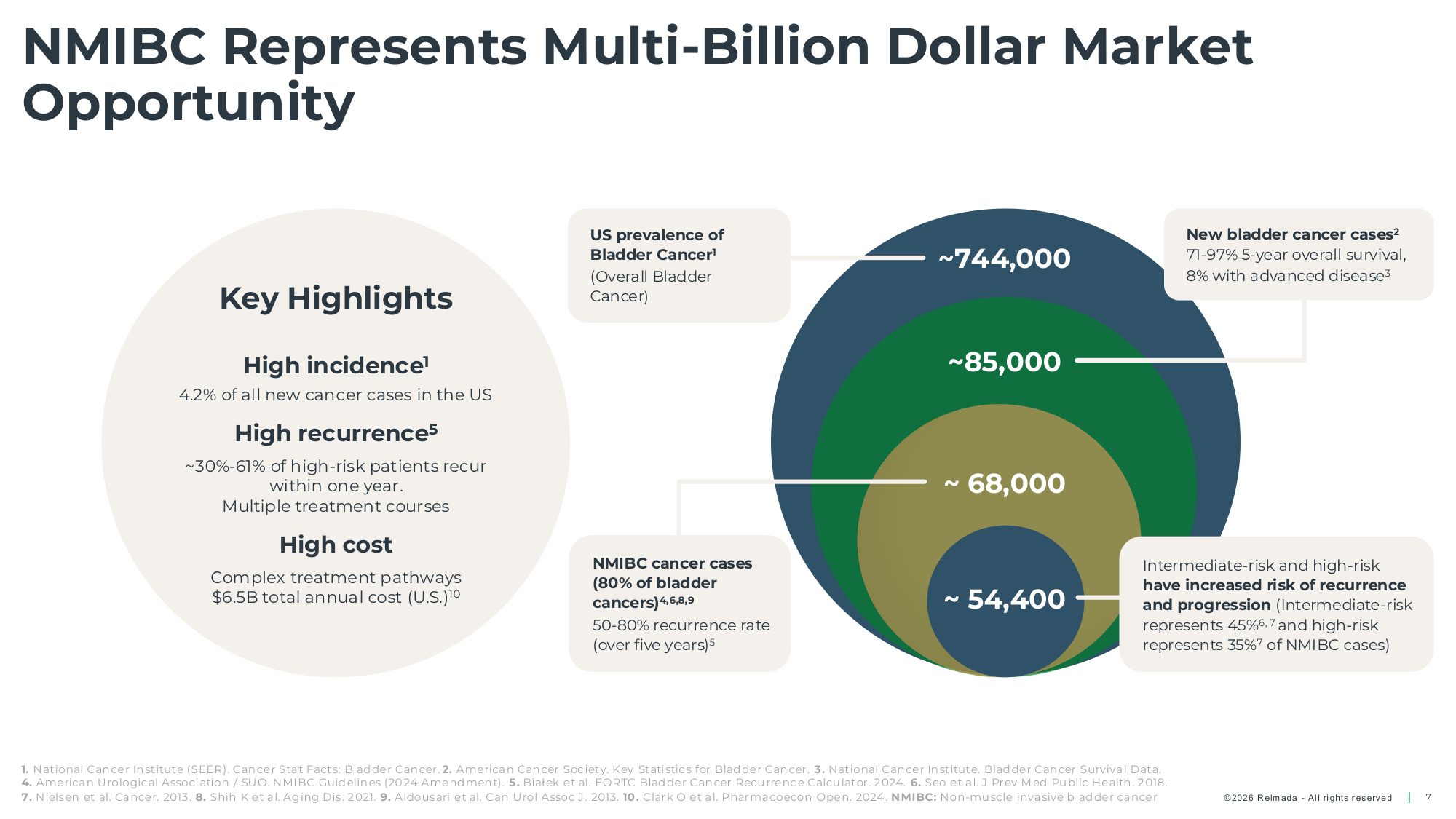
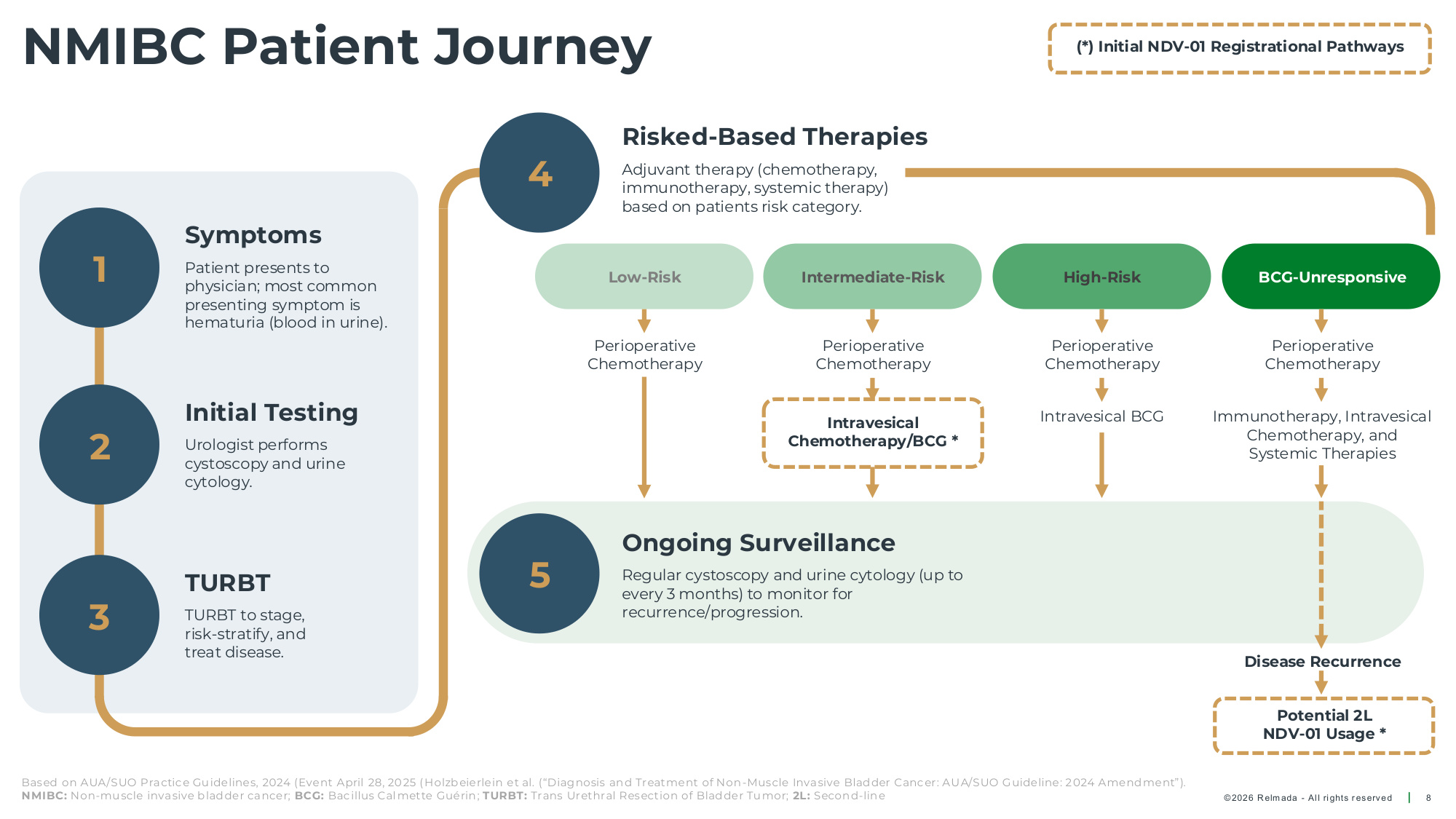
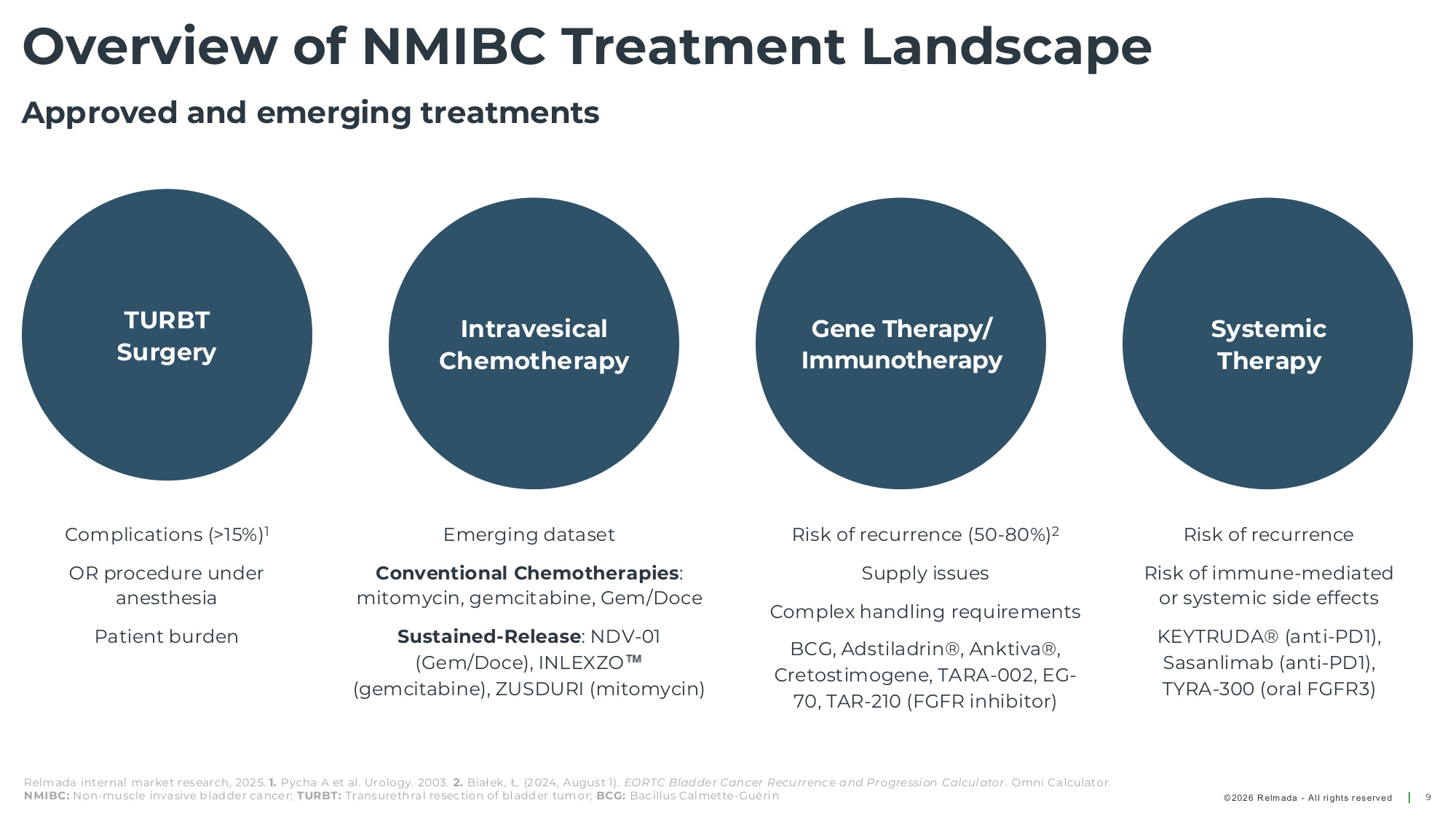
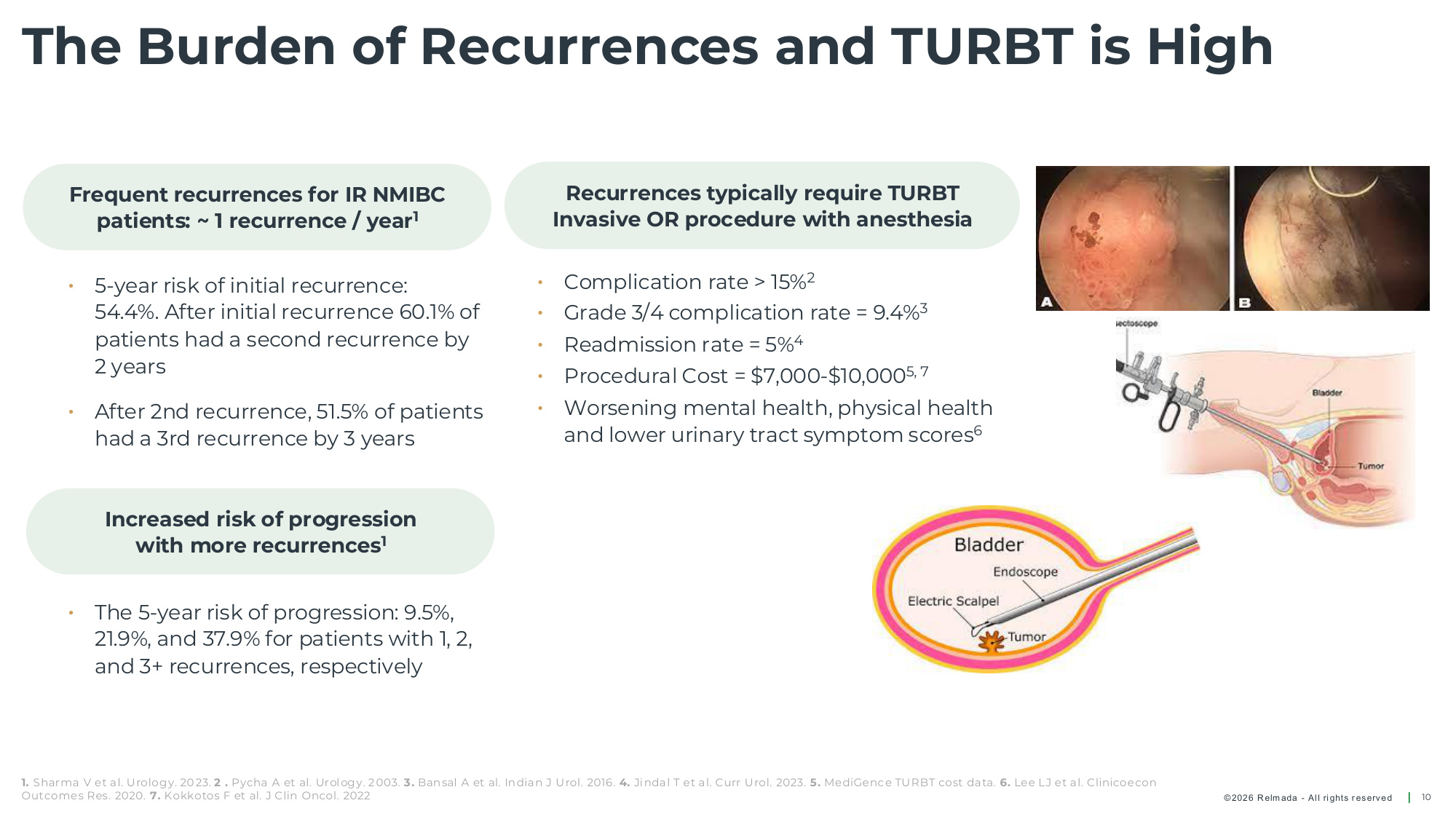
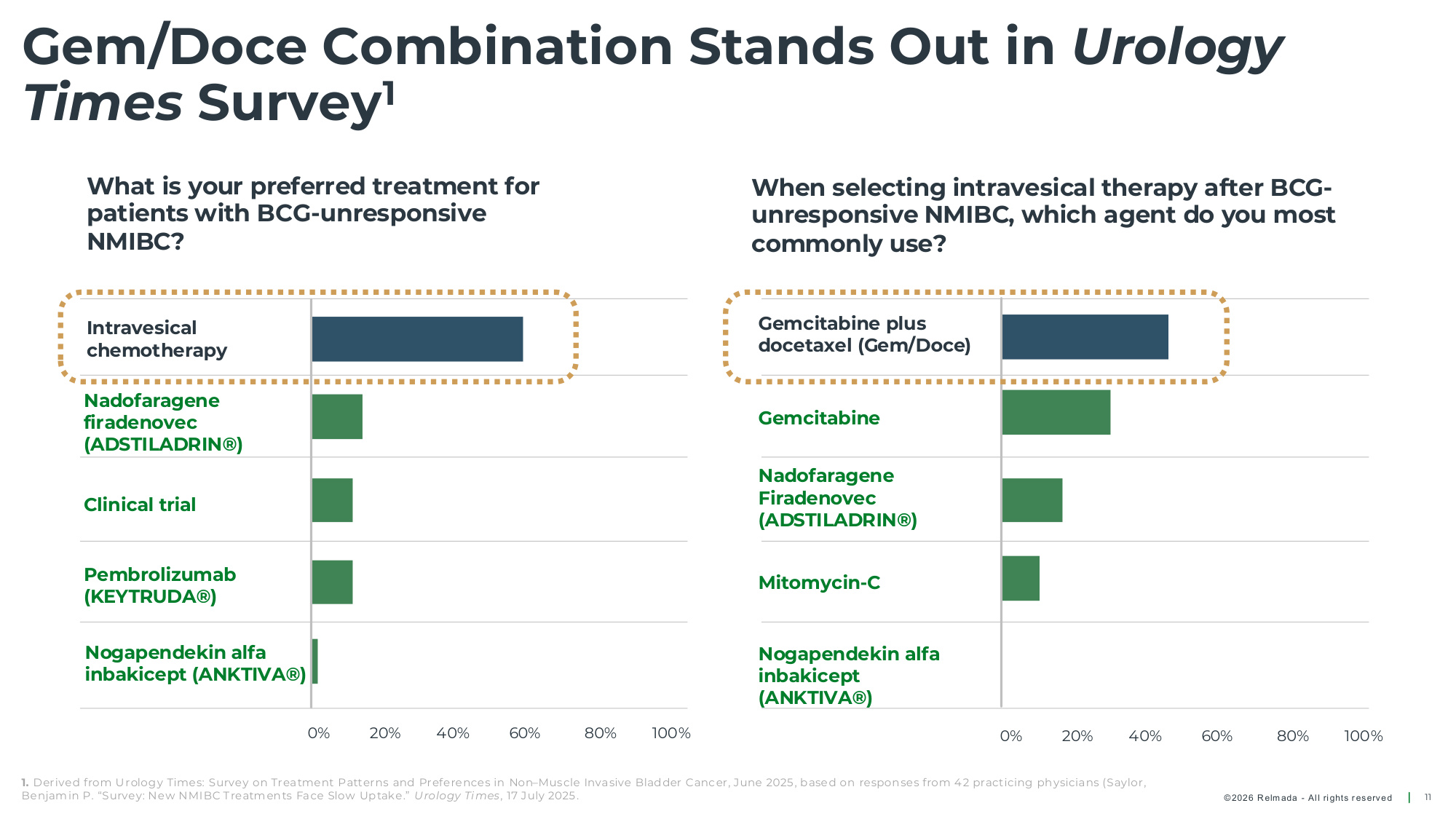
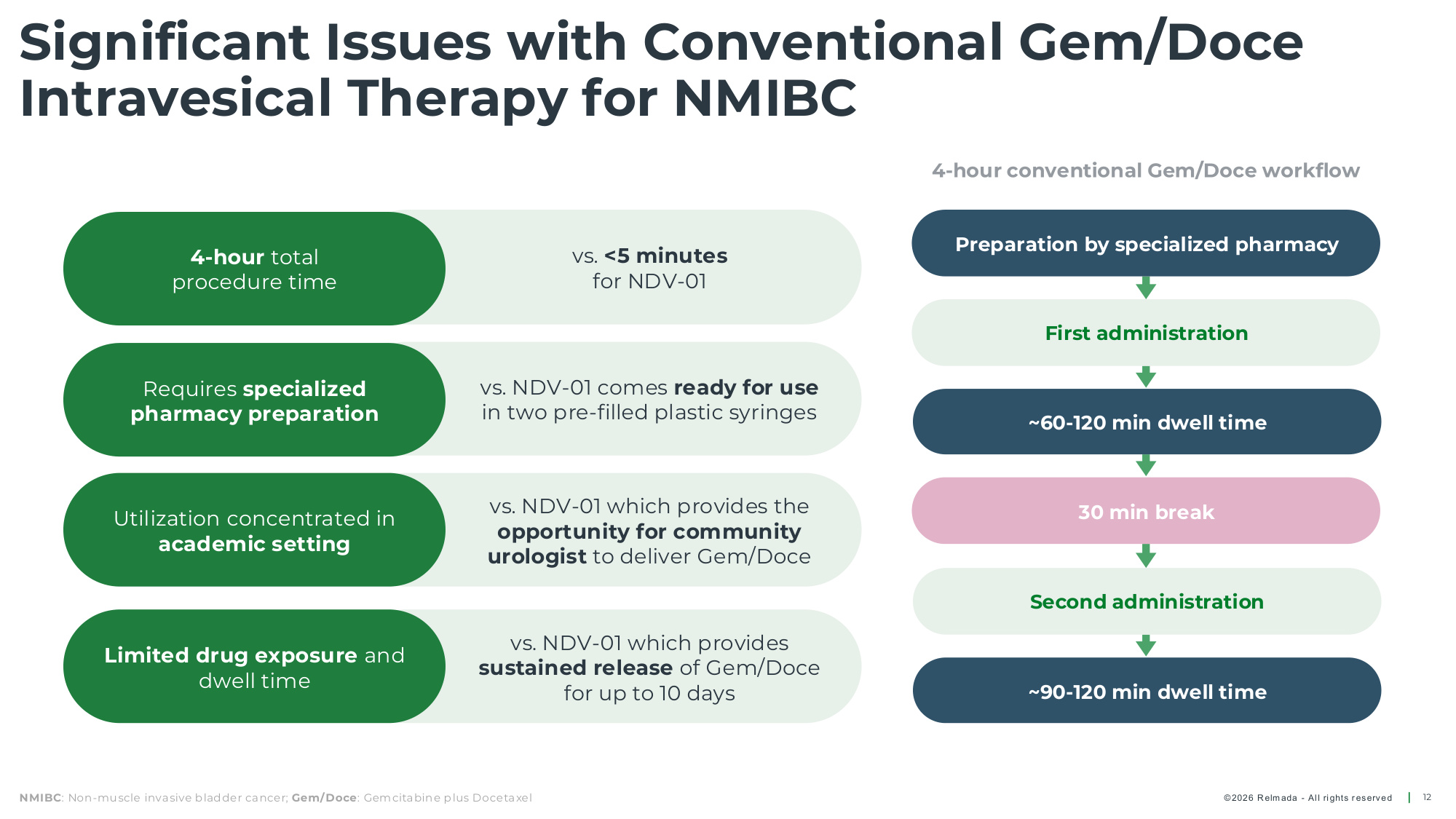
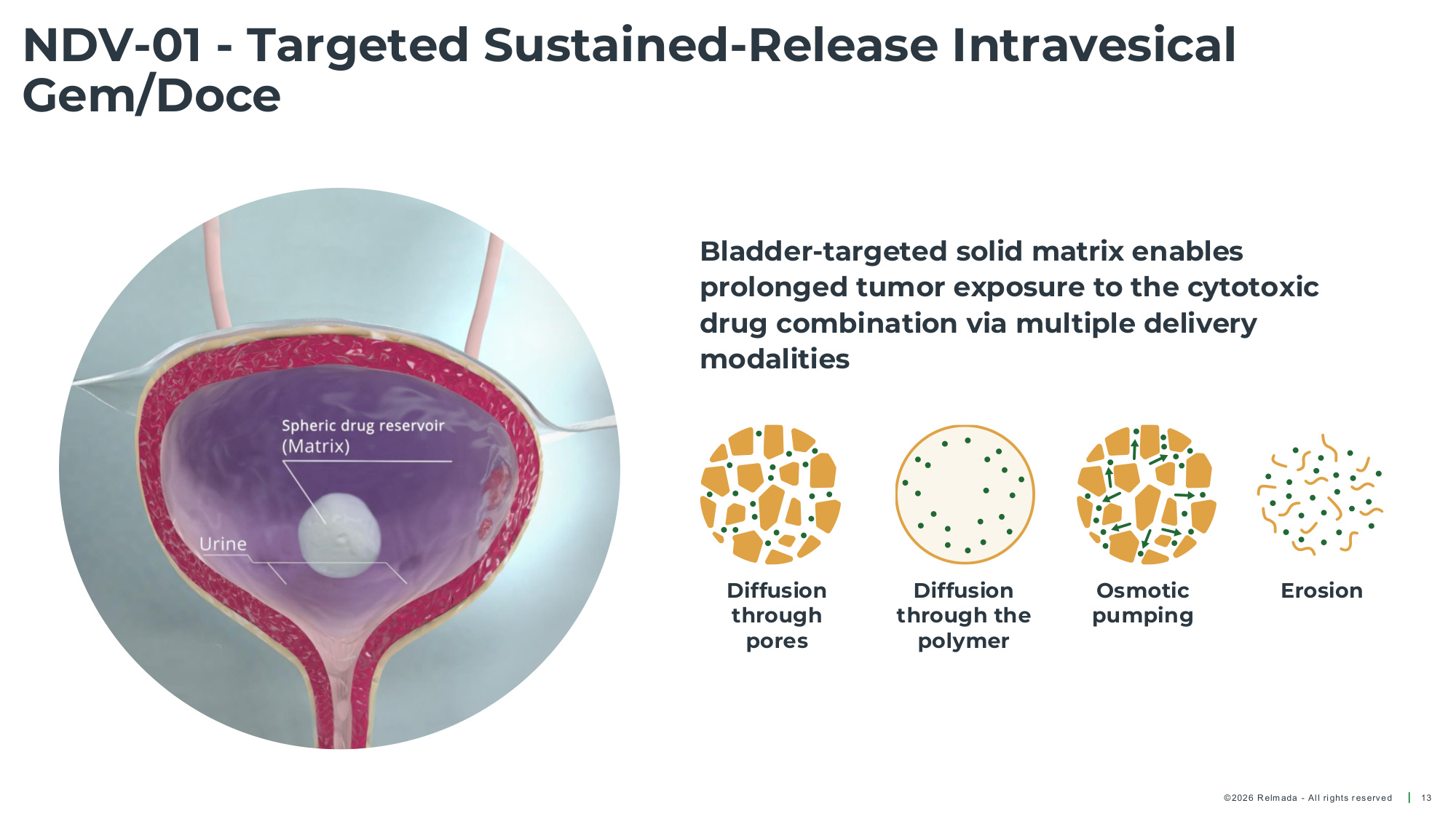
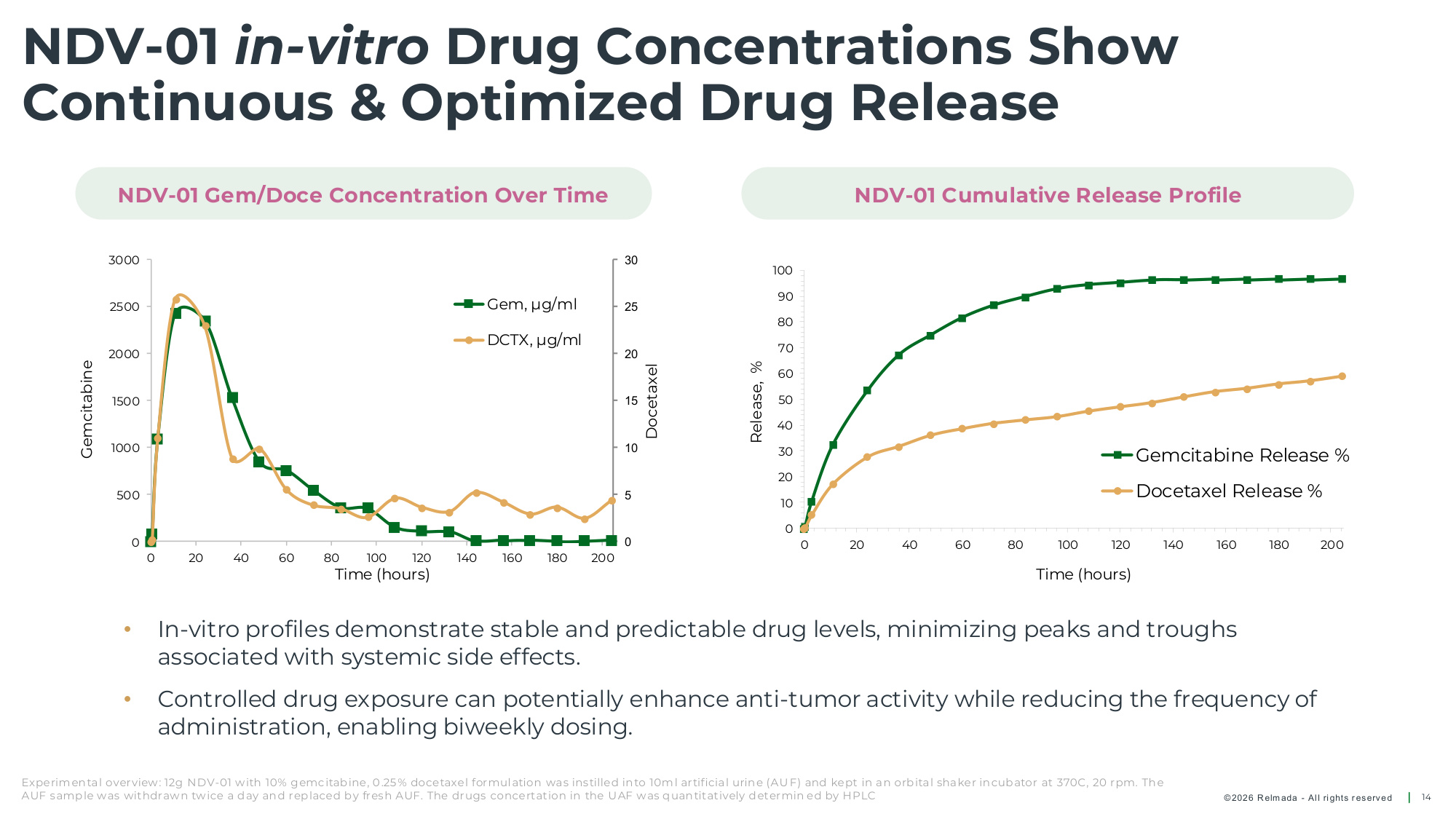
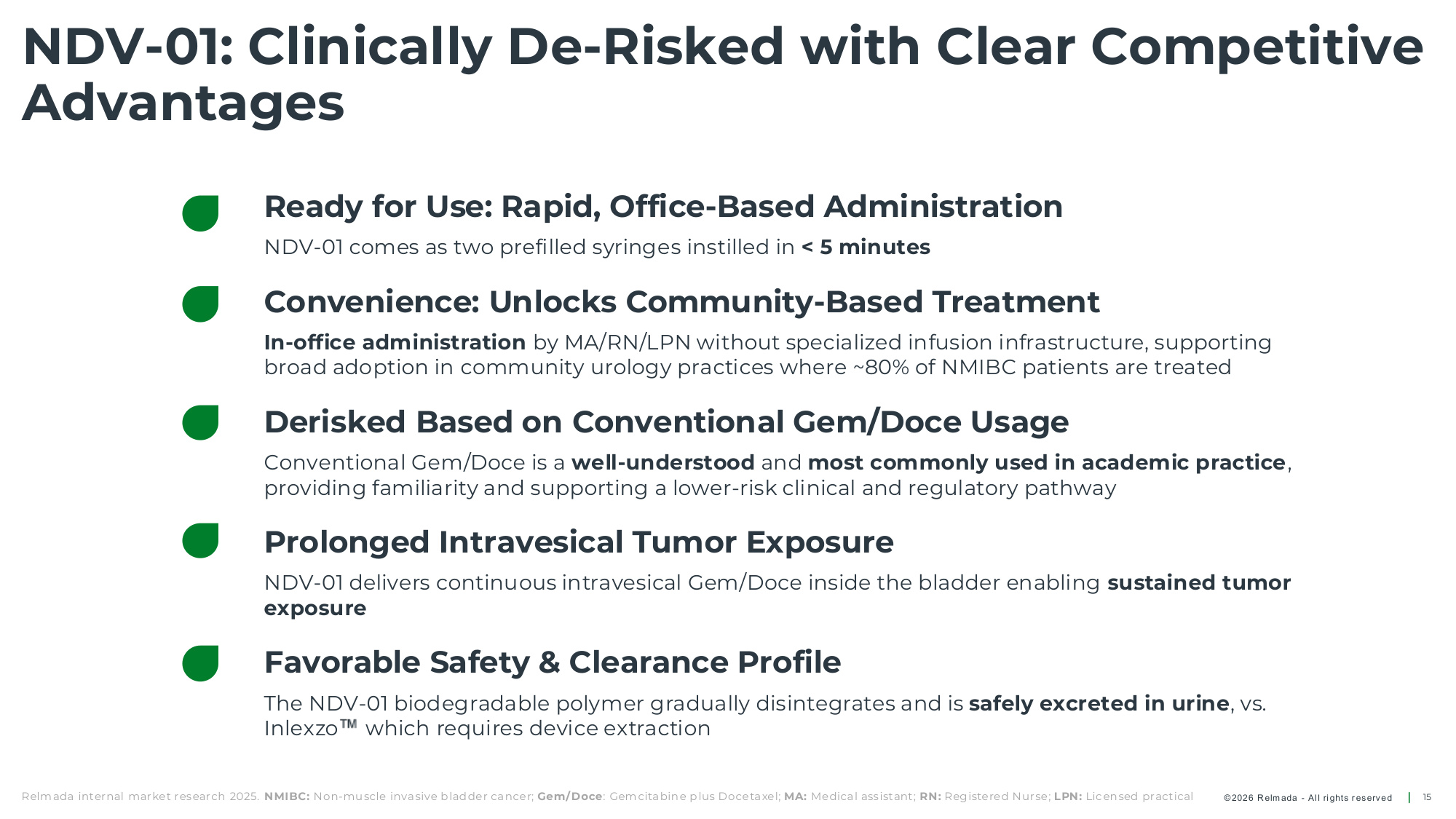
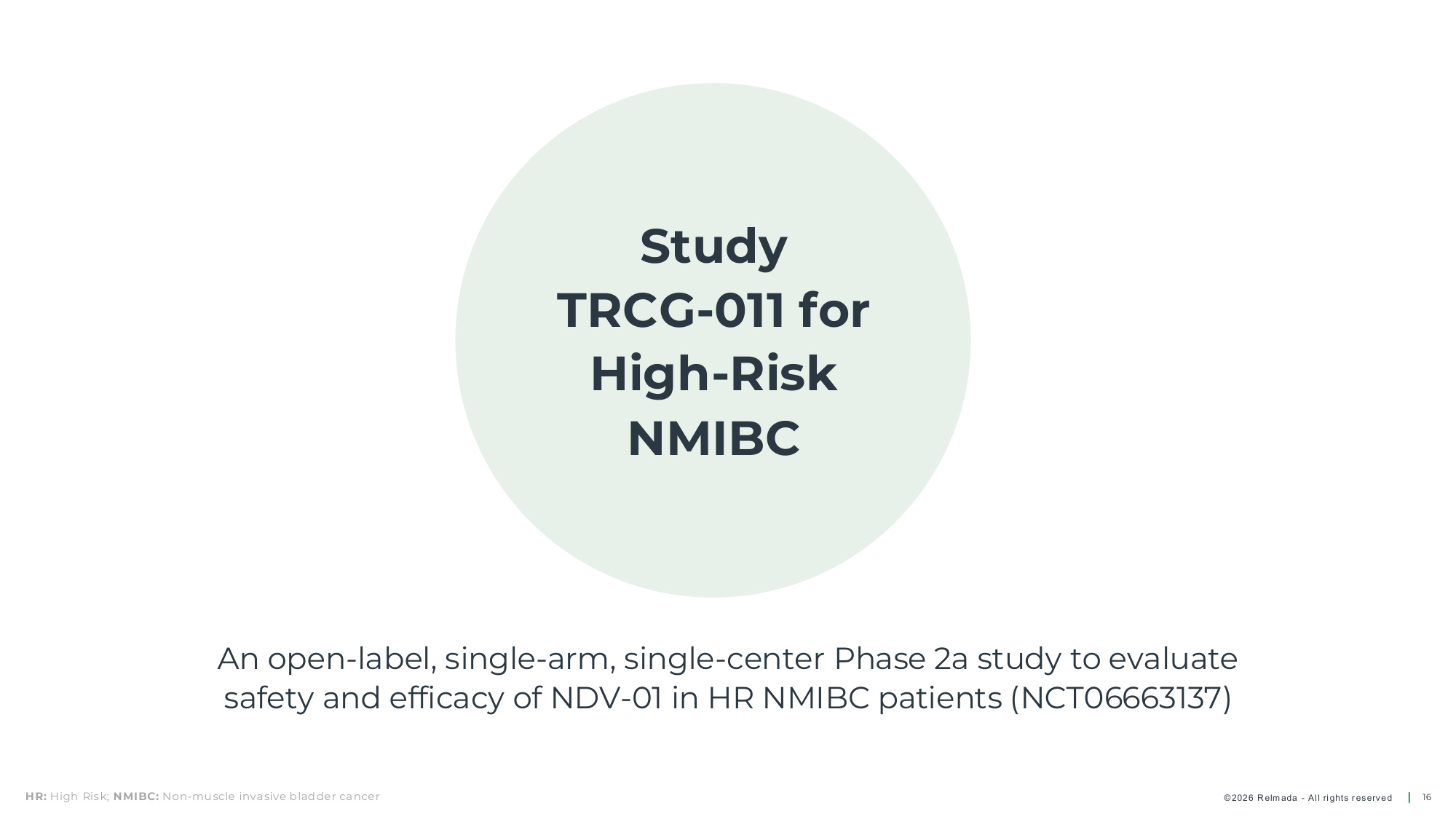
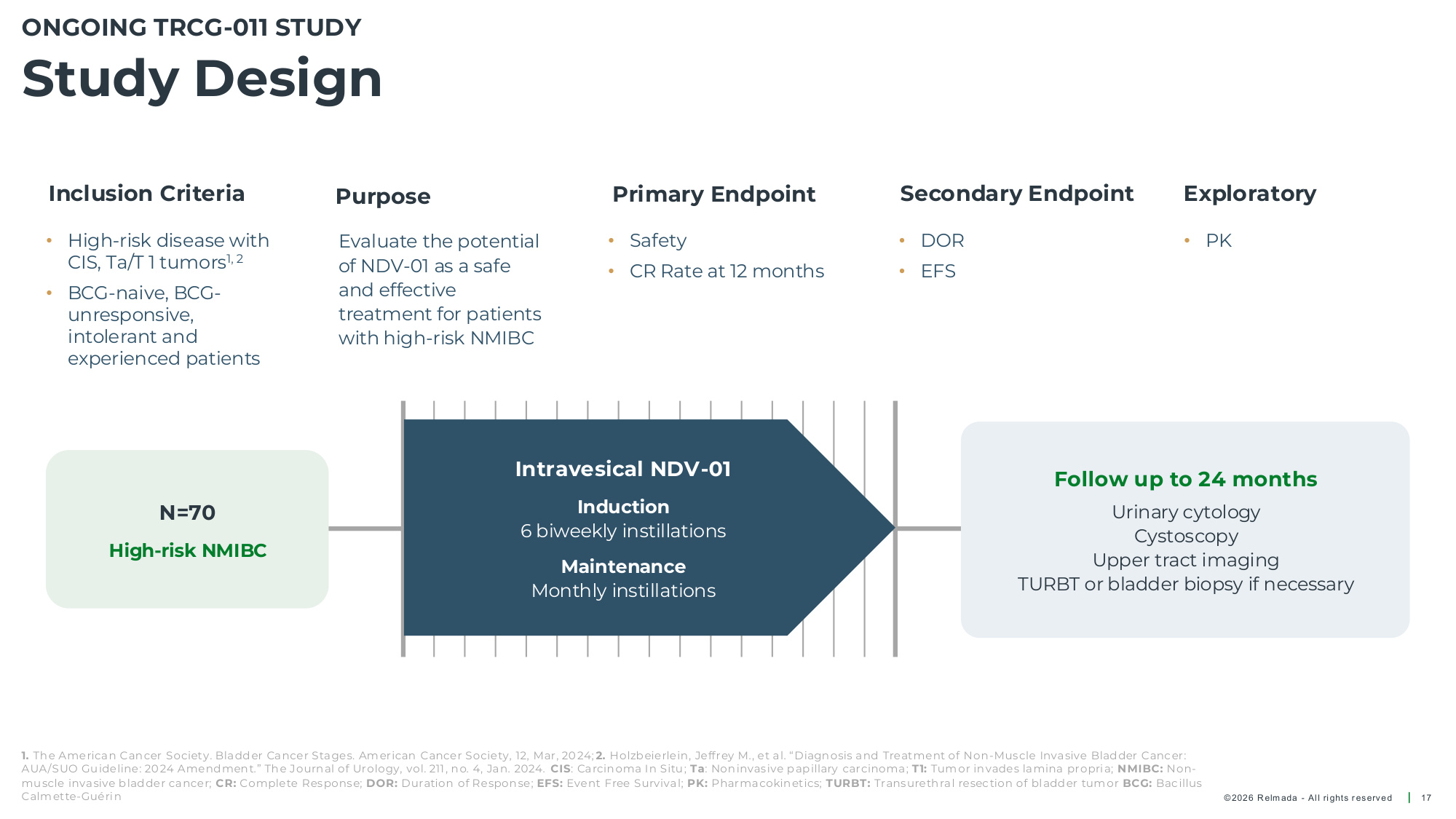
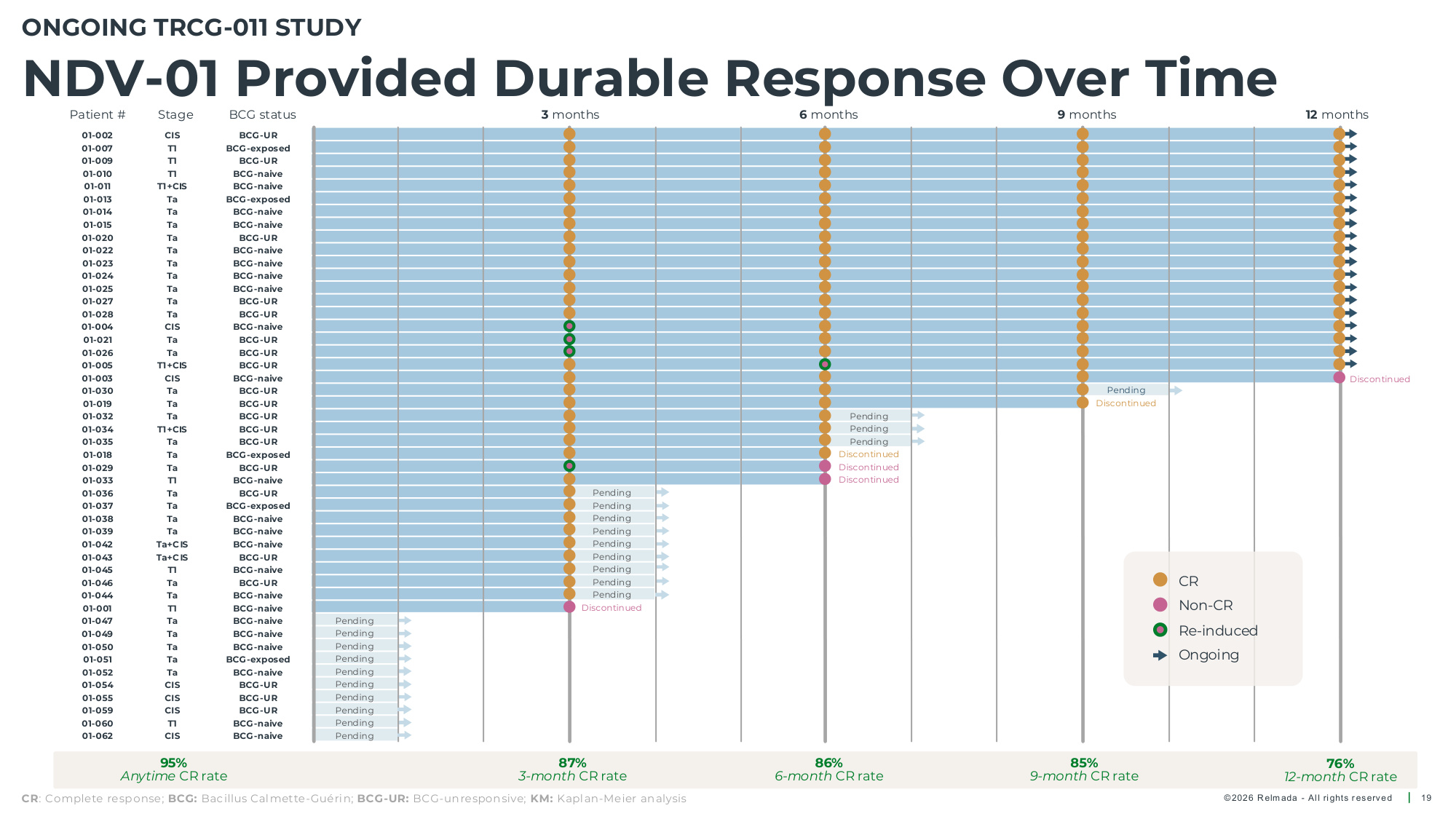
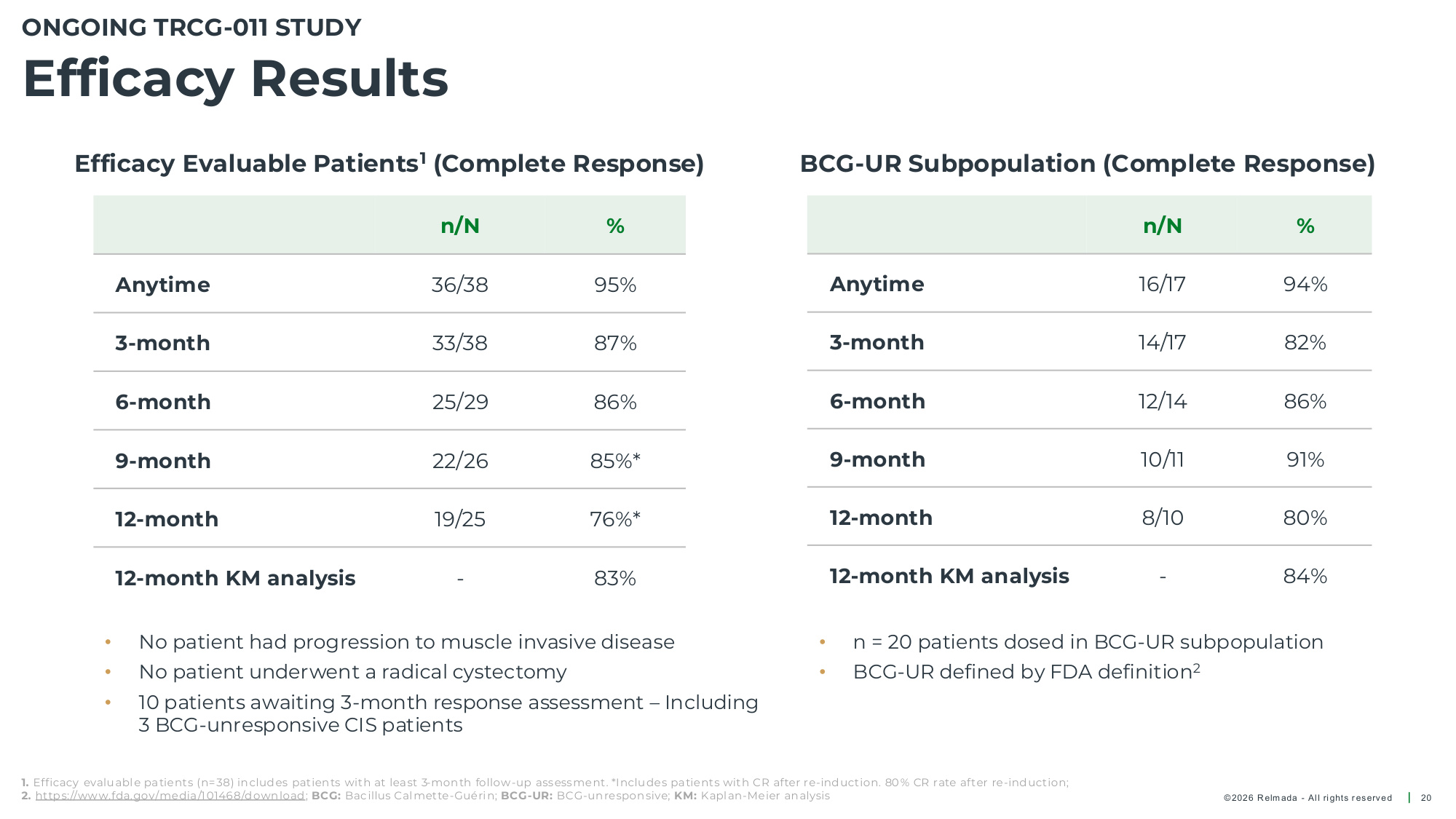
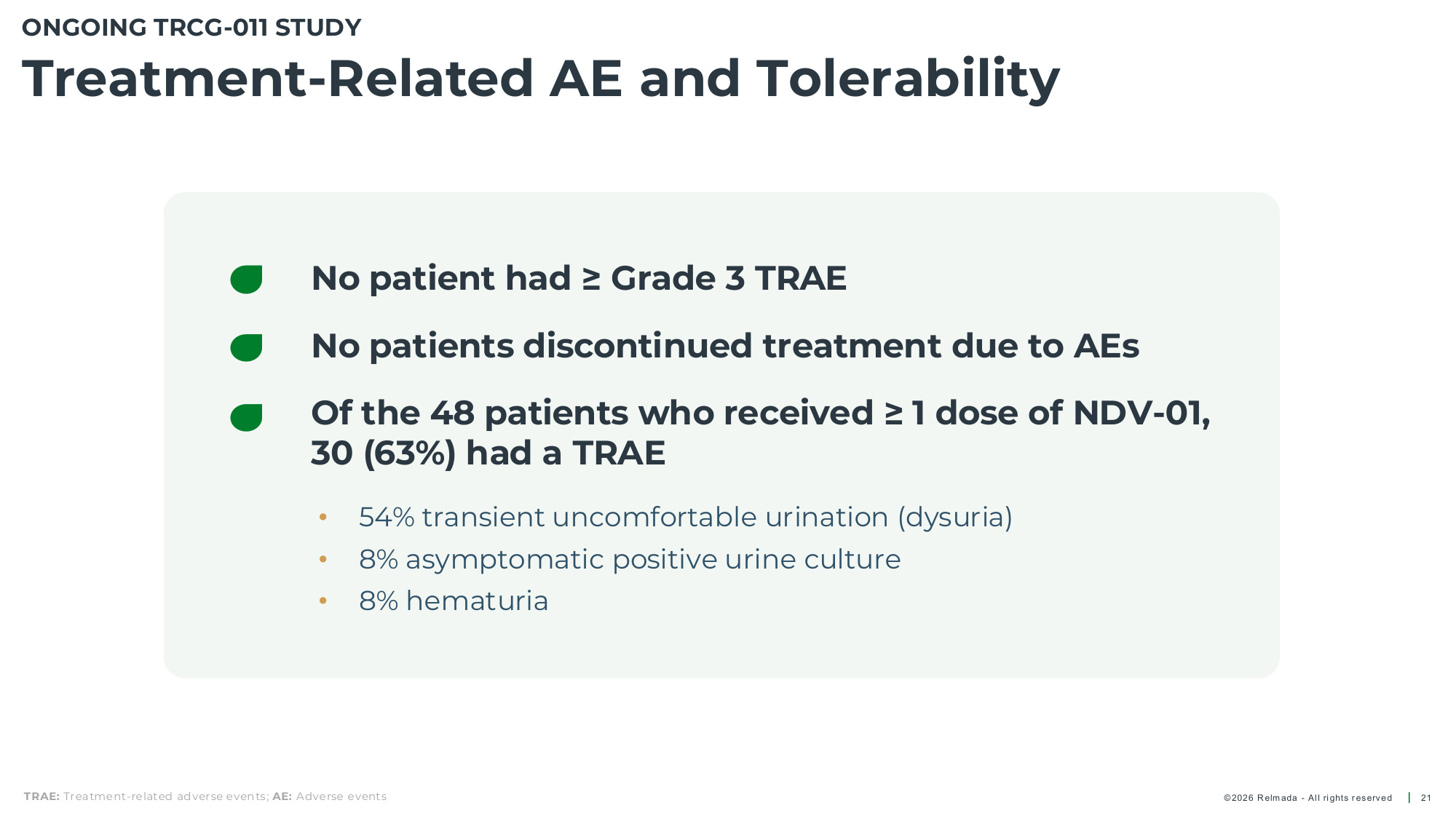
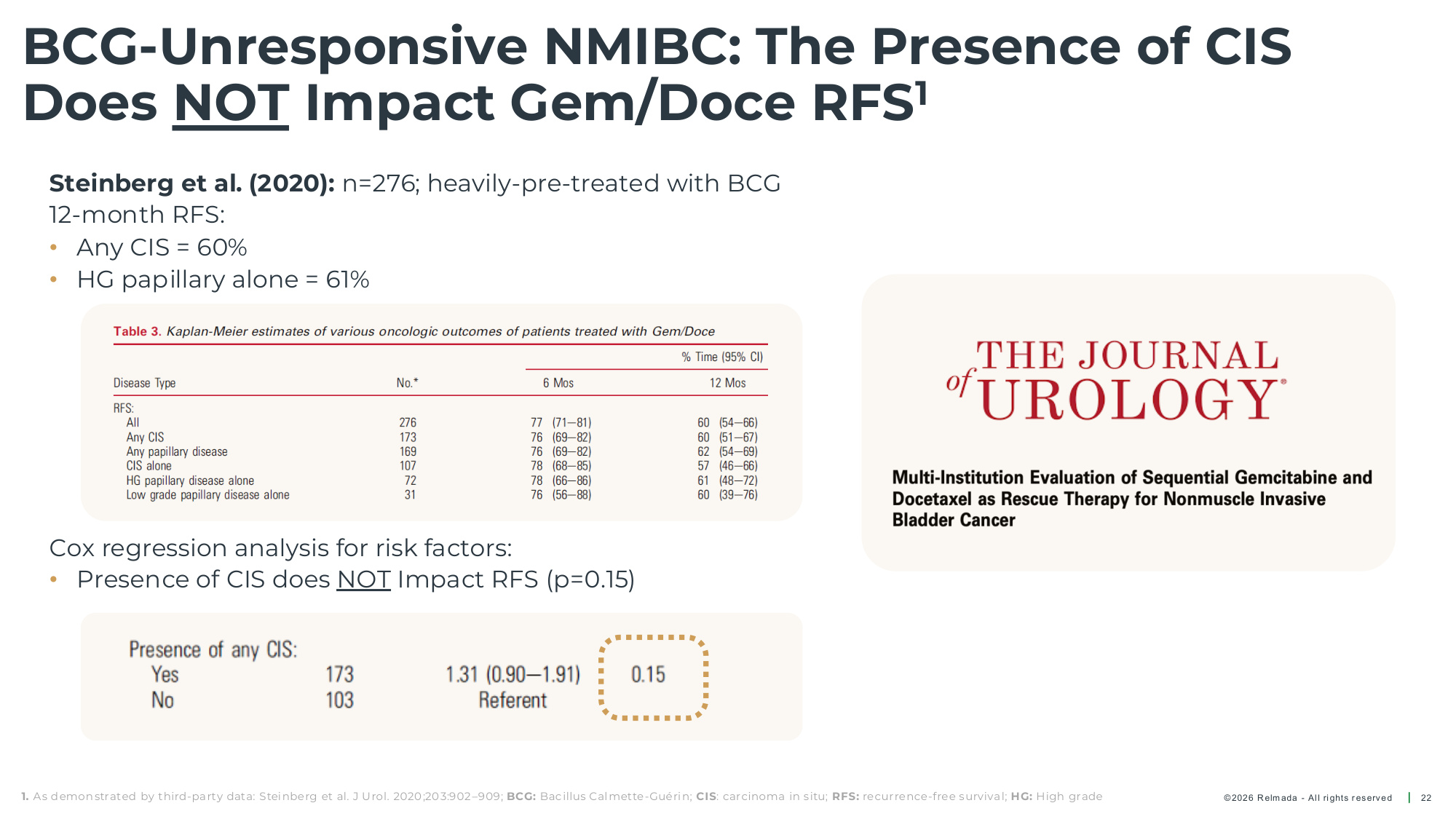
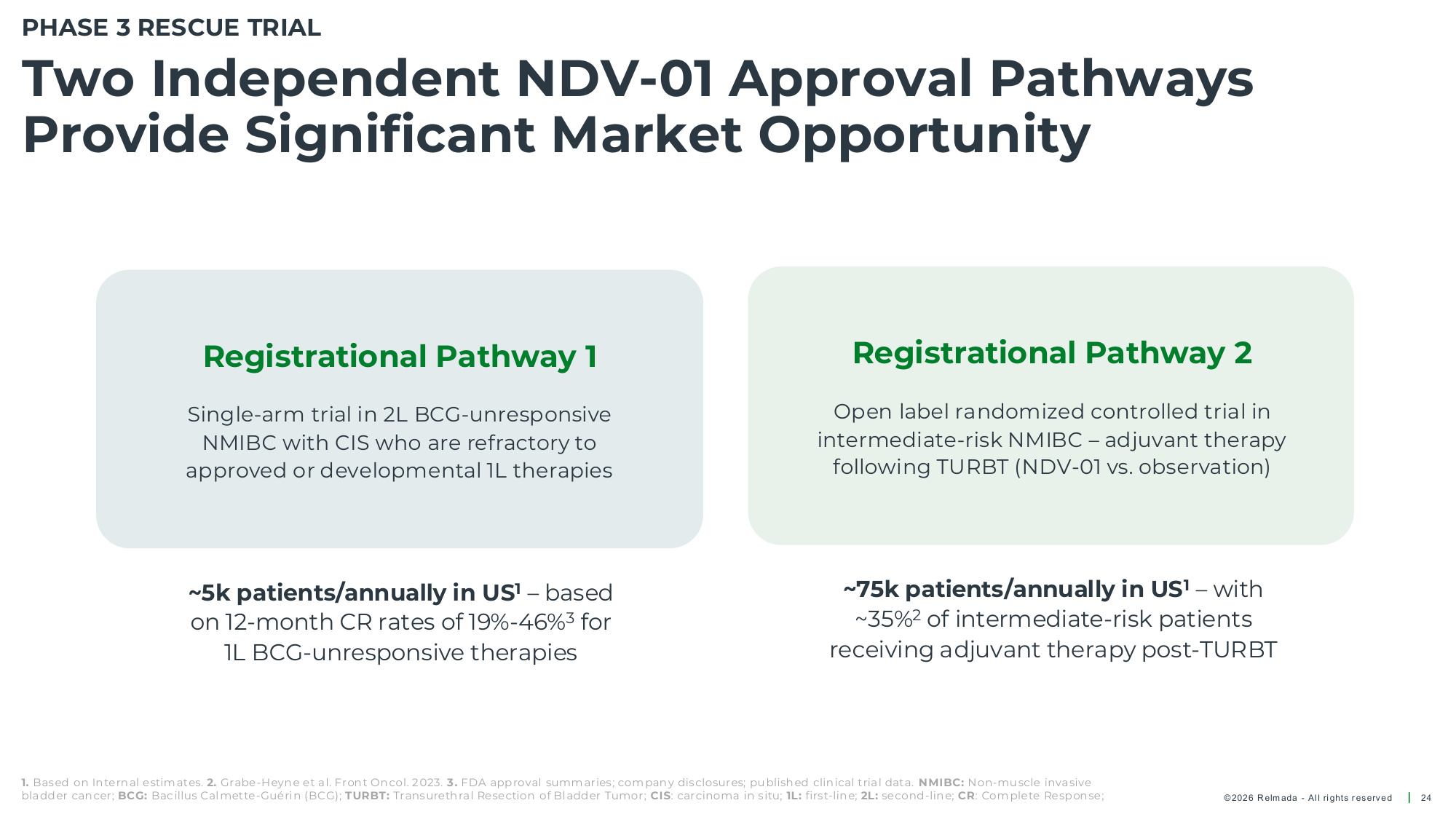
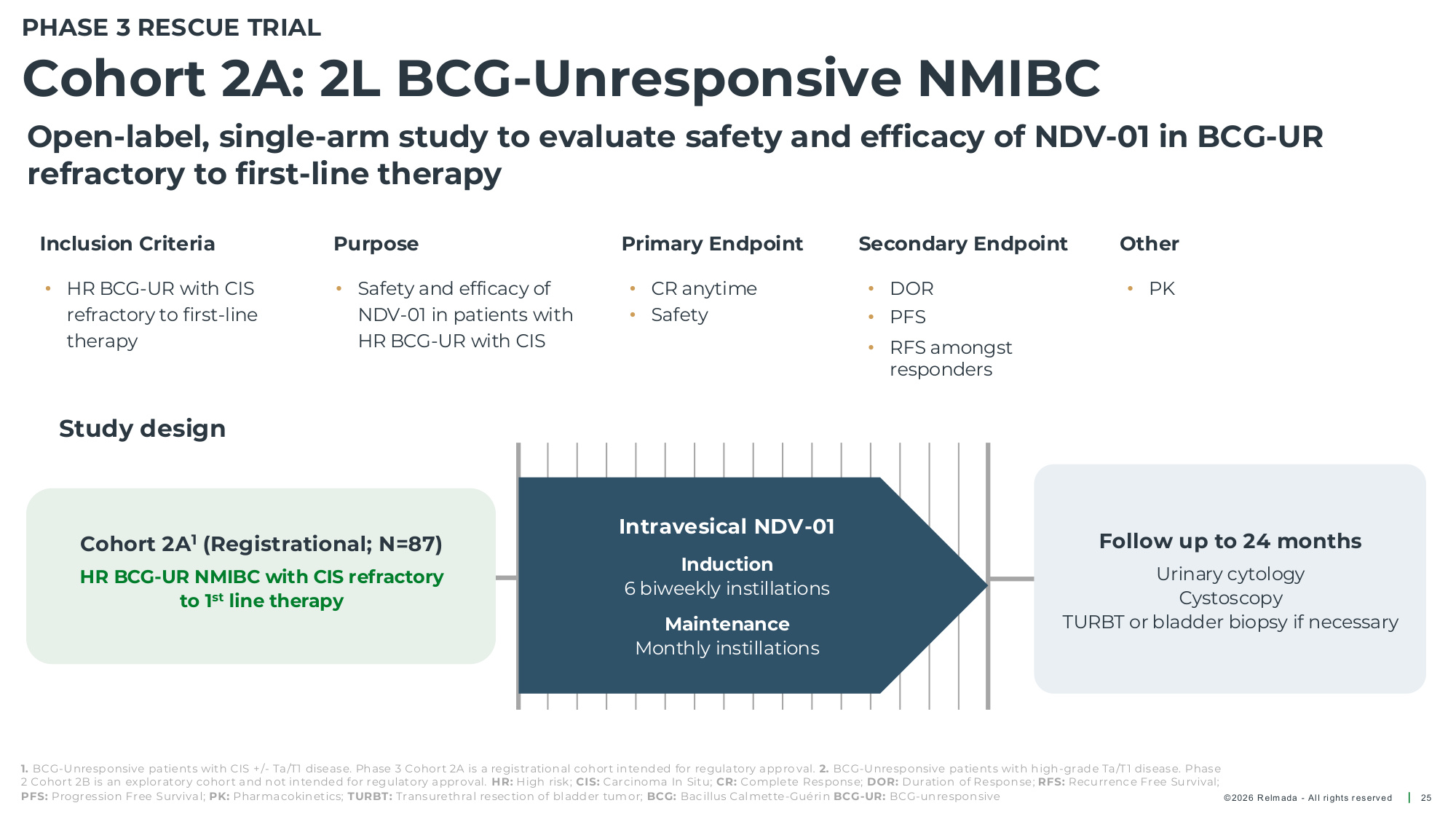
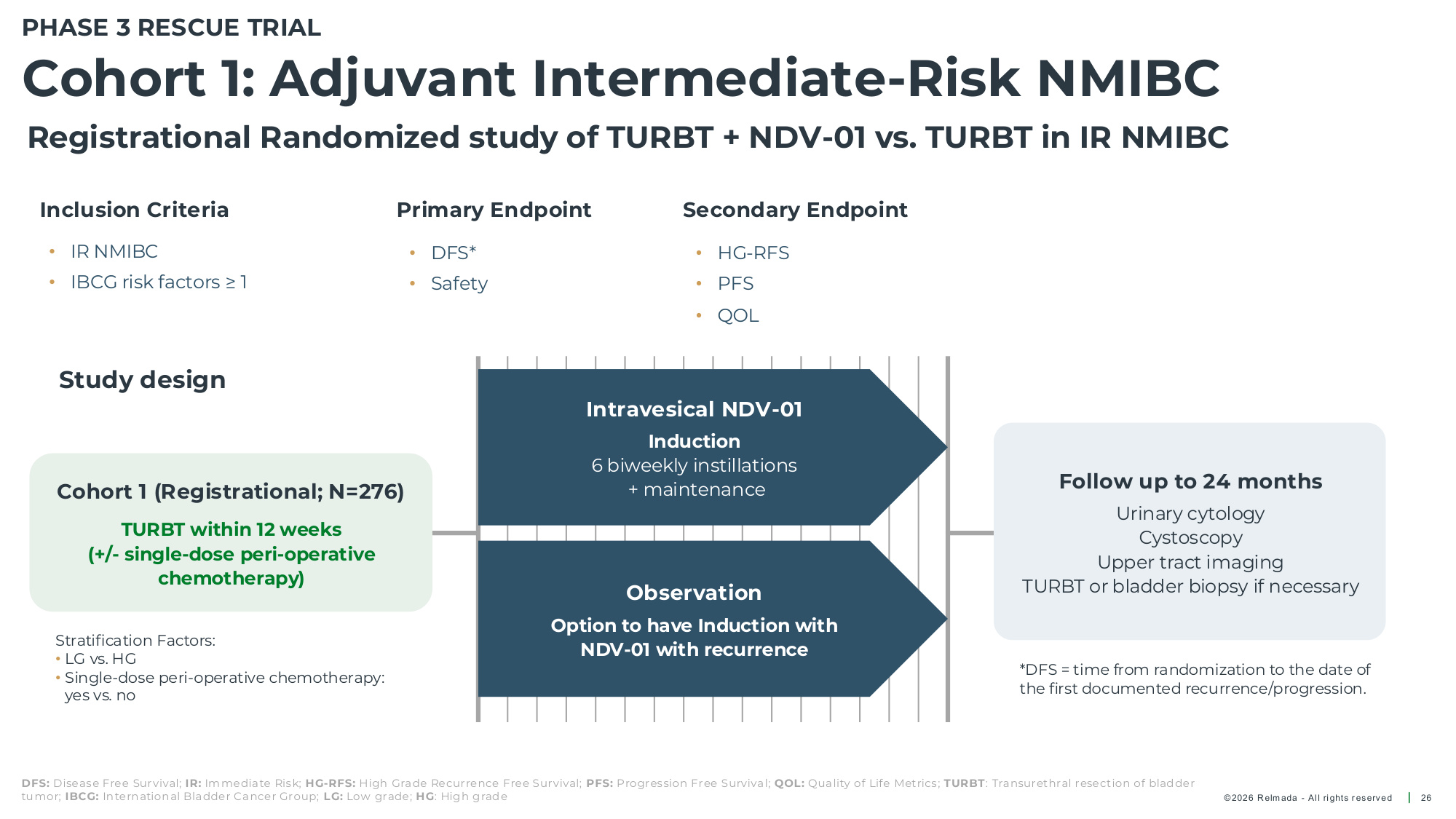
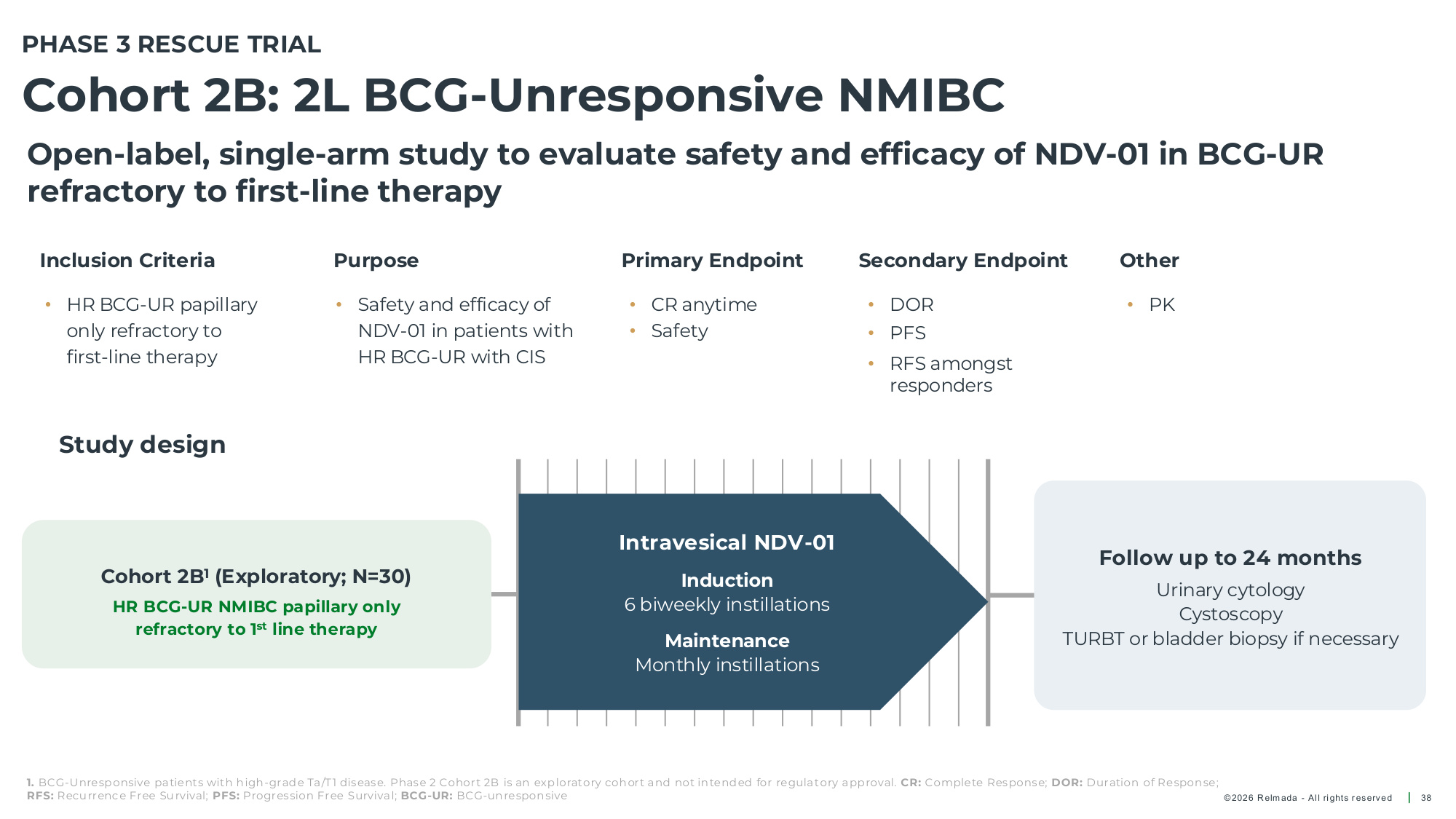
Thank you, Sergio, and good afternoon, everyone. I'm delighted to provide an update of NDV01 and our upcoming presentations at the AUA meeting this coming weekend. The AUA is an important platform for us as we look forward to introducing NDV01 to the broader urology community, building awareness of NDV01 as a differentiated, sustained-release gem dosy, and generating investigator interest in the Phase III rescue program. Bladder cancer is one of the most common cancers we see, and its impact on the patients is significant. Most are diagnosed in their mid-70s. The disease often comes with high recurrence rates and intensive treatments that can greatly affect quality of life during a stage of life when preserving it is especially important. I want to touch on three topics during today's call. First, a recap of the NDV01 12-month data. Second, a summary of our planned Phase III program. And third, a discussion of how NDV01 might fit in the real-world practice of a urologist. As Sergio noted, NDV01 is a novel, sustained-release intravesical formulation of gemcidavine and docetaxel. It builds on physicians' established familiarity with conventional gemdose. This is particularly meaningful for patients who are unresponsive to BCG, where bladder sparing options that avoid radical cystectomy can be life-changing. Turning to the 12-month data, NDV01 has demonstrated high response rates and durable efficacy in our ongoing Phase II study. We believe these results compare favorably to other programs in this space and support NDV01's potential as a best-in-class treatment for patients with bladder cancer if approved. The Phase II study is an open-label, single-arm trial in patients with high-risk NMIBC. Patients receive six biweekly doses, that is, every other week, followed by monthly maintenance for up to one year. Regular assessments include cystoscopy, cytology, and biopsy if needed. The study was designed to enroll up to 70 patients. Primary endpoints are safety and complete response rate at 12 months. The data demonstrated a 95% complete response rate at any time and a durable 76% CR at 12 months in the high-risk NMI-VC patients, and a 94% CR at any time and a durable 80% CR rate at 12 months in the difficult-to-treat BCG-unresponsive subpopulation. We are enforcing its best-in-class potential in NMI-VC. No patients had progression to muscle-invasive disease, and no patients underwent a radical cystectomy. On the strength of these findings, we are advancing NDV-01 into a Phase III Rescue Registrational Program. The program will evaluate NDVO1 in both second-line BCG unresponsive disease and in intermediate-risk bladder cancer as an adjuvant therapy following transurethral resection, or TRBT. We will be presenting the 12-month data set at the AUA Annual Meeting this Friday. We believe these data are compelling and look forward to the discussion they will generate in the urology community. Given the burdensome nature of the existing bladder cancer therapies, safety remains a critical aspect of the therapy's overall profile. We continue to be encouraged by the favorable safety profile observed for NDVO1 in our clinical program. In the 12-month dataset, no patients experience a grade 3 or higher treatment-related adverse There were no dose interruptions or discontinuations due to adverse events. and most treatment-related adverse events were Grade 1. Now turning to the Phase 3 Rescue Program. We designed the program with two separate approval pathways to increase the likelihood of success while creating the most streamlined route to regulatory approval. We expect to file the USIND and initiate rescue program across an estimated 80 sites in North America in mid-2026. The rescue program will also be highlighted in the Trials in Progress session at the AUA annual meeting on Sunday, May 17th, providing an important opportunity to engage the urology community. Let me now walk you through each of the two studies that formed the rescue program. Registrational Pathway 1 focuses on patients in the second-line setting, patients who are or BCG-unresponsive with carcinoma in situ, or CIS, and refractory-to-first-line therapies that are approved or in development. We estimate approximately 5,000 patients per year in the U.S. fall into this setting. With few effective alternatives to radical cystectomy, this study is designed as a single arm trial. The primary endpoint is complete response rate at any time. Secondary endpoints include duration of response, progression-free survival, and recurrence-free survival. We expect to report the first three-month response data around year-end. This pathway could offer a rapid route to approval. Registrational pathway number two evaluates NDVO-1 as an adjuvant therapy following TURBT in patients with intermediate-risk NMIBC. We estimate approximately 75,000 patients per year in the U.S. fall into this setting. Since no approved treatments exist in this setting, the study is designed as an open-label randomized control trial comparing NDVO-1 versus observation. The primary endpoint is disease-free survival. Secondary endpoints include high-grade recurrence-free survival, progression-free survival, and quality-of-life endpoints. We see this as a very attractive opportunity to incorporate NDVO-1 into patient care after TRBT and pave the way for broader adoption. Let me share our thinking on how NDVO-1 might work in the real-world practice of a urologist. NDVO-1 is formulated to create a soft matrix in the bladder, enhancing local urethelial exposure while minimizing systemic toxicity. It can be delivered in the office by a nurse or LPN in under five minutes and does not require specialized pharmacy or HUD. This streamlined administration model offers a level of convenience and time savings that differentiates NDVO-1 from other agents. As I hand a call over to our CFO, Magit Shenouda, I want to emphasize why we're so excited about NDVO-1. Our Phase II data gives us high confidence in the rescue program. We believe NDV01 addresses a clear unmet need with a unique sustained delivery platform and has the potential to redefine the standard of care in bladder cancer. Magid?
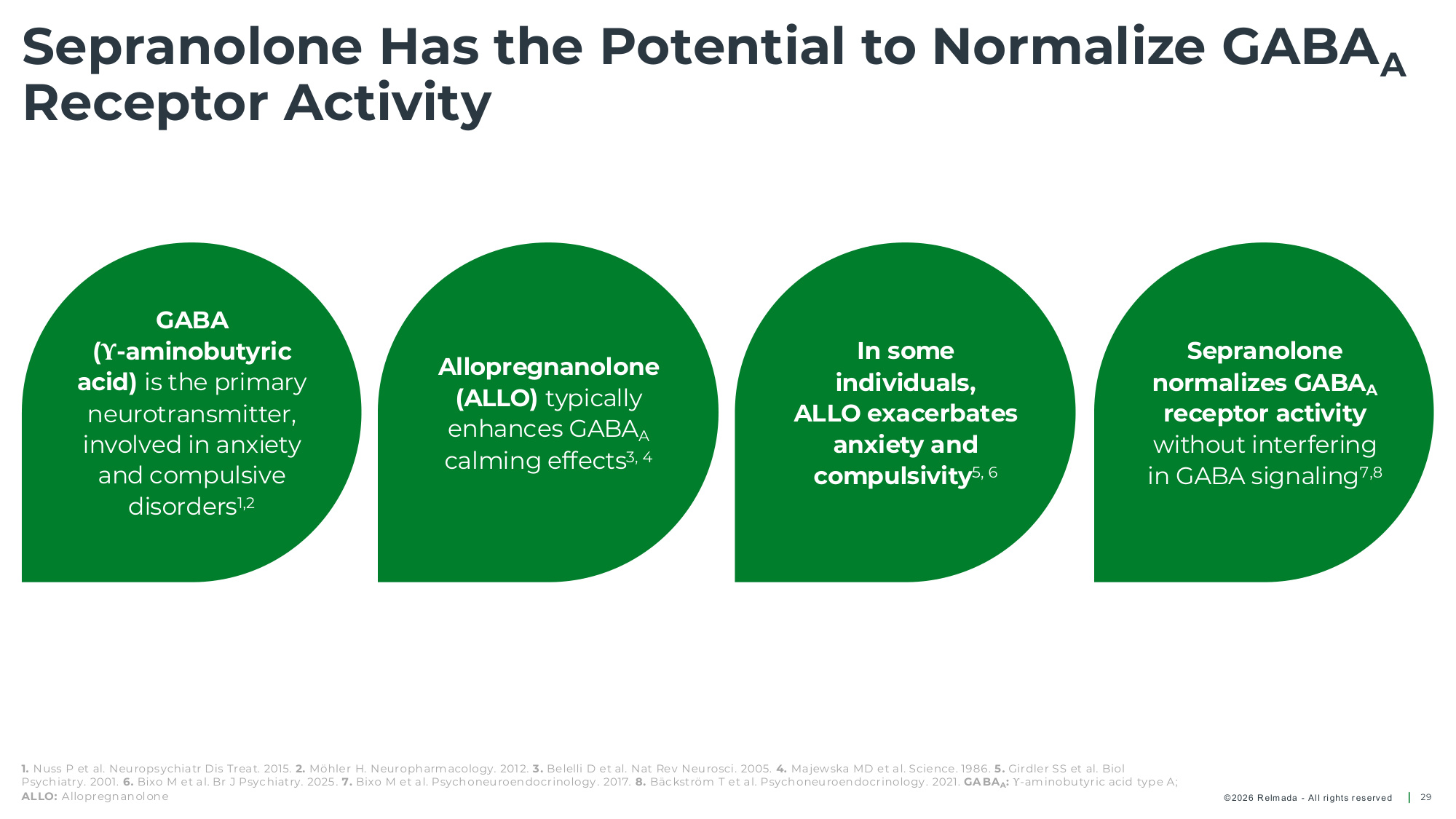
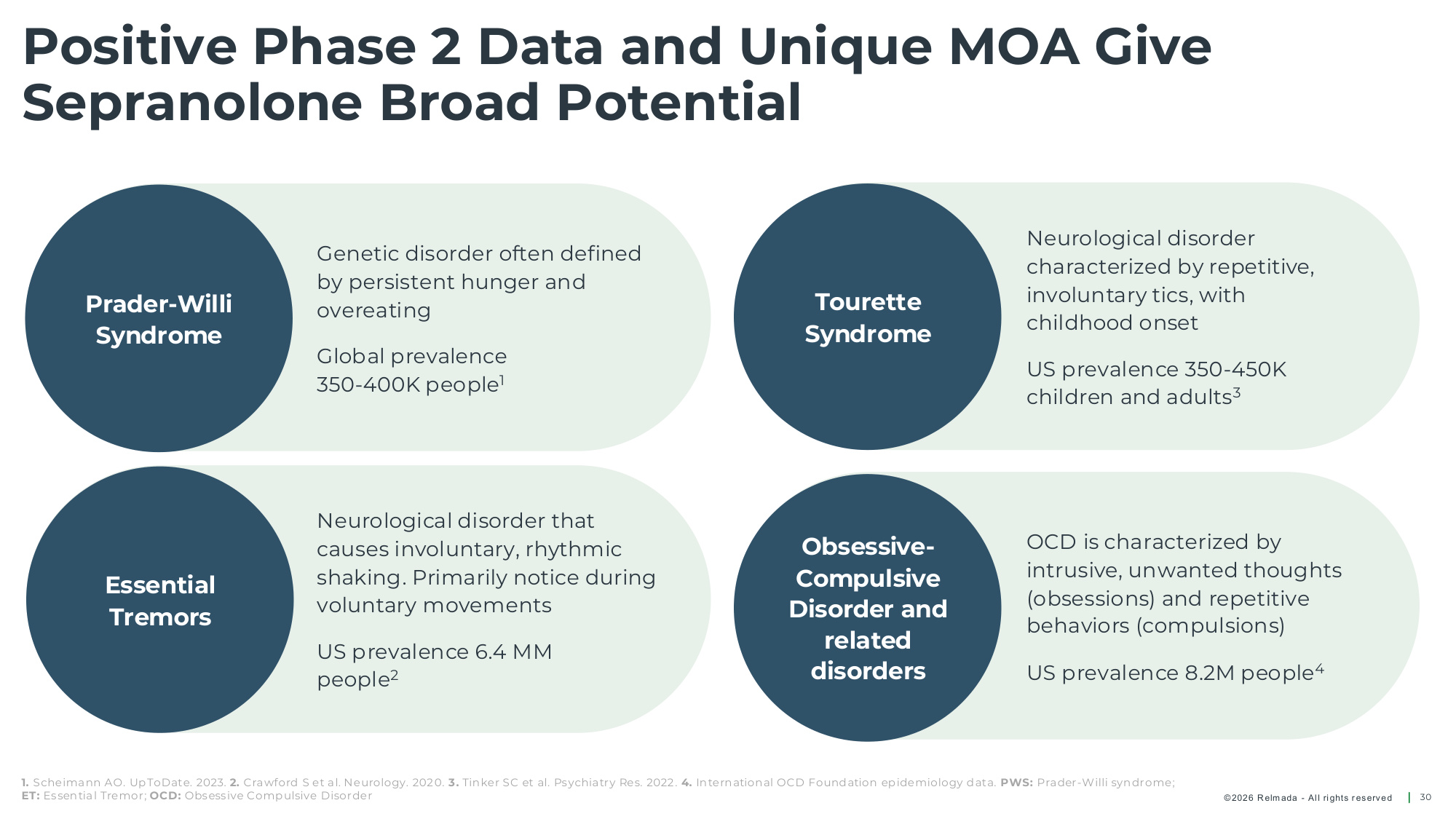
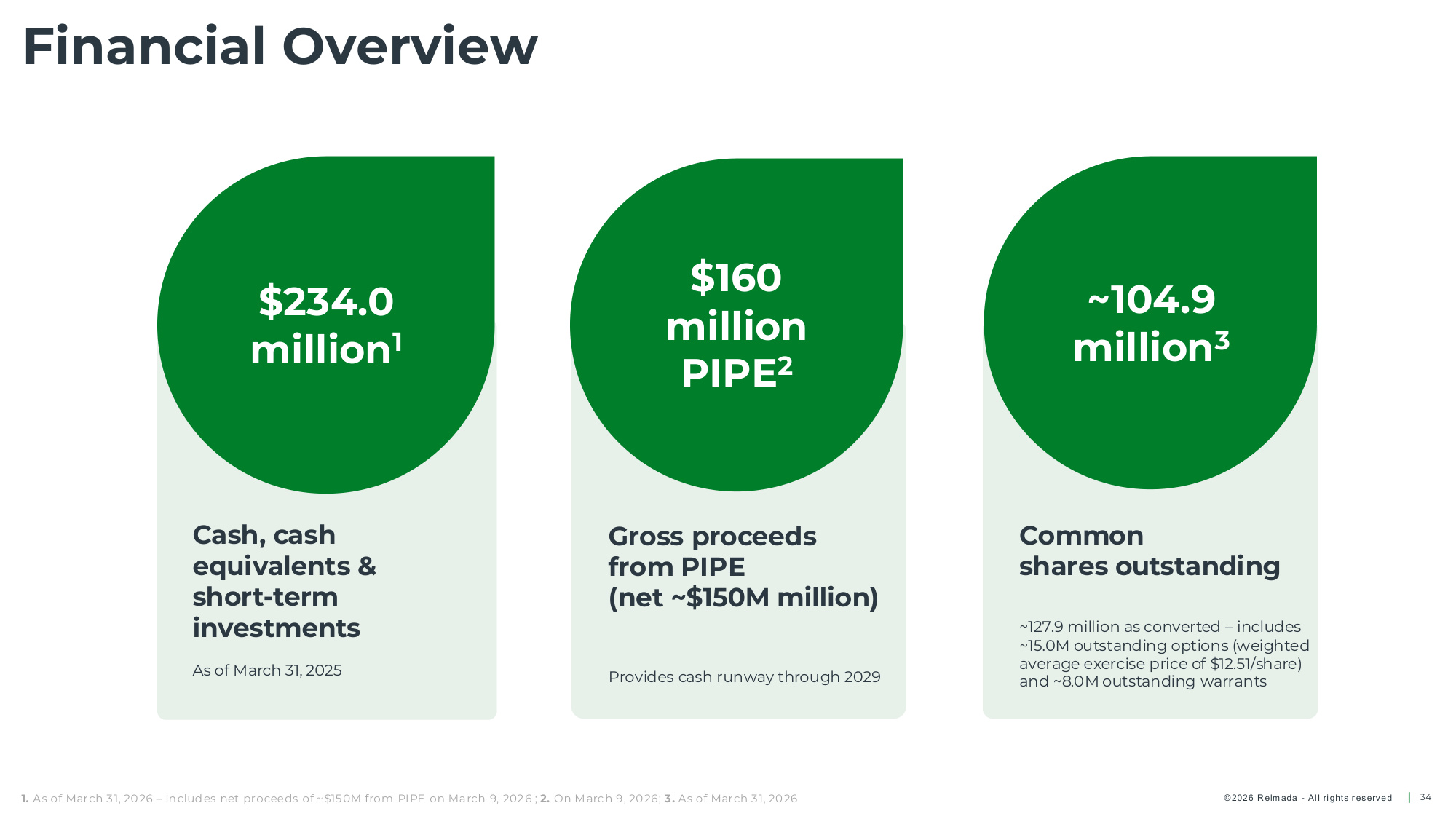
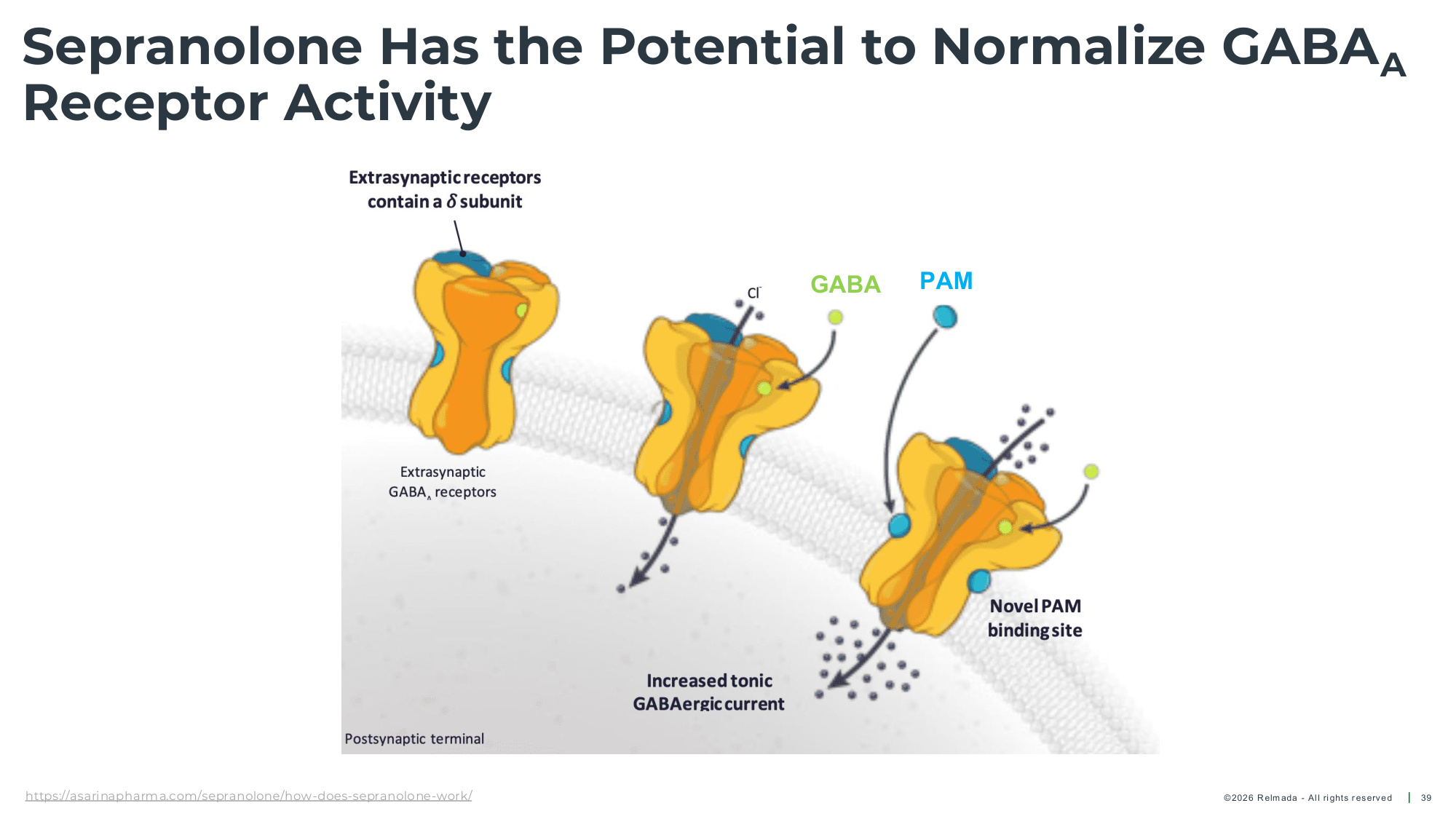
Thanks, Raj, and good afternoon, everyone. Today, I'll spend a few minutes on Sopranolone and then provide you with an overview of our first quarter 2026 financial results. Sopranolone is a novel neurosteroid that modulates GABA, one of the most important neurotransmitters. Sopranolone is intended to act on the GABA neurotransmitter pathway to normalize the activity of GABA-A, of the GABA-A receptor and alleviate the repetitive symptoms in compulsivity disorders. These disorders affect millions of people around the world and include obsessive-compulsive disorder, Tourette's syndrome, and Prader-Willi syndrome. We plan to initiate a proof-of-concept study in Prater-Willi syndrome in mid-2026. Our immediate preparations are focused on engaging with the FDA regarding our proposed trial design and putting a robust supply chain in place. Moving now to our financial results. As noted earlier by Brian, this afternoon, RealMata issued a press release announcing our business and financial results for the first quarter ended March 31, 2026. During this call, I will provide a high-level review of our financial results and refer you to our press release and 10Q filing issued this afternoon with more detailed information. Starting with our cash balance, Realmata closed the first quarter of 2026 with a cash balance of $234 million compared to $94 million at December 31, 2025. Our first quarter cash balance includes net proceeds of approximately $150 million from a private financing announced March 9, 2026. We expect our current cash resources to provide sufficient runway to fund company operations through 2029, including completion of the Phase 3 Rescue Program for NDVO1. Moving briefly through our first quarter financial results. Research and development expense for the three months ended March 31, 2026 totaled $8.1 million compared to $12 million for the three months ended March 31, 2025, a decrease of $3.9 million. The decrease was primarily attributable to non-recurrent costs associated with the acquisitions of the acquisition of Sopranolone and the license agreement of NDVO-1 in 2025. This 2026 decrease was partially offset by increased costs related to the startup of the Phase III NDV01 trials and Phase IIB sopranolone study and additional R&D personnel. General and administrative expense for the three months ended March 31, 2026 was $11.4 million compared to $6.3 million for the three months ended March 31, 2025, an increase of approximately $5.1 million. The increase was primarily driven by an increase in compensation costs partially offset by a decrease in stock-based compensation costs. Net cash used in operating activities for the three months ended March 31, 2026 totaled $15.1 million compared to $18.1 million for the same period in 2025. The net loss for the three months ended March 31, 2026 was 19.1 million dollars or 22 cents per basic and diluted share compared with a net loss of 17.6 million dollars or 58 cents per basic and diluted share for the first for the three months ended march 31 2025. before we open the call for questions i'll turn back to sergio for some closing comments sergio thank you maggie in closing i'm very confident and optimistic about but our clinical programs and the long-term prosperity for Almada.
As we are getting ready to initiate the rescue registration program for NDVO-1 in mid-2026, we are focused on execution and look forward to updating you on our progress in the coming forms.
Operator, I would like now to open the call for questions.
Operator
Yes, sir, thank you. As a reminder, if you would like to ask a question, please press star one on your telephone keypad. Please stand by or I will compile the Q&A roster. Thank you for waiting. We now have our first question. And this comes from Kelsey Goldwyn from Piper Sandler. Your line is now open. Please go ahead.
Thanks for taking my questions and looking forward to seeing the data this weekend at AUA. I guess a couple for me, if you don't mind. First, for AUA this weekend, it seems like there's some gem-dosey presentations. I guess how should we think about the growing literature on gem dosi and the degree of read-through to NDVO1? And then secondly, maybe just updated thoughts on how we should think about this first look at the BCG unresponsive second-line data later in the year, maybe how many patients we might see or how to benchmark that. And I'll leave it at that. Thank you so much.
Thank you, Kelsey. Sir, you're here, and good afternoon.
Well, maybe I can take a little point on the first question. I see the conventional GENDOSI data always as a positive because it just consolidates how the urology community believes that this is a very effective way to treat bladder cancer. With that said, I let Raj to expand and answer you the second question.
Yeah. Thanks for the question, Kelsey. You know, I'm excited as a urologic oncologist to see the number of non-muscle invasive bladder cancers in general in the hundreds at the AUA this year. And you're right, there's a significant number of GEMDOSI papers being presented, more and more on the efficacy of GEMDOSI, especially in the high-risk patient population. The other that I think is notable is that of time toxicity with gem dosi. There's two papers being presented on the burden of conventional sequential gem dosi time toxicity, the burden to the patient and to the provider. So I think that provides, really tees us up to address that time toxicity with our sustained release formulation. Regarding, I think your second question was on our cohort 2A for the second line BCG unresponsive. You know, my hope in that is that by, you know, as we get the study going, that we'll have a handful of patients maybe by the end of this calendar year that will be able to share three-month data. You know, this is an open-label study, so a three-month response and safety rate data by the end of this year, early next year. And we anticipate at a cadence of every three months sharing that data into 2027. I think I got both your questions.
Perfect. Thank you so much.
Operator
Thank you. And the next question comes from Christopher Liu from Lucid Capital Markets. Your line is now open. Please go ahead.
Thank you. And congrats on the progress you guys have been making so far. So for my question, I was just wondering what your updated thoughts are going into this AUA update in terms of what would be a positive readout for you guys at this 12-month mark, in your opinion?
Thank you, Chris. Sergio here.
I would let Raj, the AUA expert, to answer this one. Raj?
Yeah, I think for, you know, I really kind of hone in on the BCG unresponsive population. I think that's the most difficult to treat at failing BCG. I think for the RBCG Unresponsive, we see numbers of 80% landmark and 84% KM at the 12-month standpoint, which I think is best in class. I think you see approved agents, the best in class approved agents for BCG Unresponsive with CIS are around 45%. And I think others have seen numbers up towards 70%. But I think the numbers of 80 and 85% that we have are really best in class at that point, and along with a good safety profile. I think, Chris, I think that that's the number that I would kind of look at, is that 80% number.
I appreciate the color. Thank you. You bet.
Operator
Thank you. And the next question comes from Uyir from Mizuho. Your line is now open. Please go ahead.
Operator
Hey, guys. Yeah, thanks for taking our questions, and congrats on all the progress you've made. Maybe just help us to understand a little bit more about your patent estate. So you filed the provisional patent, and I wasn't – I'm not sure I quite understand the phrase, if approved, patents claiming priority to the provisional patent would have extended patent life, I guess, into 2047. Could you maybe just help clarify that, what that means exactly? And also, with the extended patent term, which is quite extensive, How are you perhaps thinking about doing additional clinical trials? Does it give you a greater chance of, you know, or are you thinking about, you know, perhaps doing combination studies in addition after the rescue programs are done? Thanks.
Good afternoon, Oye, and Sergio here. I'll take the first one on the IP and then I'll let Raj to handle the one on the development. So we just filed a patent a few weeks ago, so allow me to be not too specific on what the claims are. But in general, these are new patents and reflect the work that has been done in the U.S. in the formulation and manufacturing. And these are new patents. We filed in the U.S., and then we'll have the opportunity. We have some time, I believe it's one year, to file outside of the U.S. And so these are new patents. So they will provide coverage, if granted, of course, until sometime in 2047.
I hope I kind of answered your question.
Operator
When do you expect the prosecution to end or when do you expect the patent to be issued?
Yeah, it's always a guess. We just filed. So from my experience, I would not expect anything, at least for the first 12 months, first year. It looks like a patent office is very, very busy with a lot of filing and applications. So I would not focus on any response before I please one here.
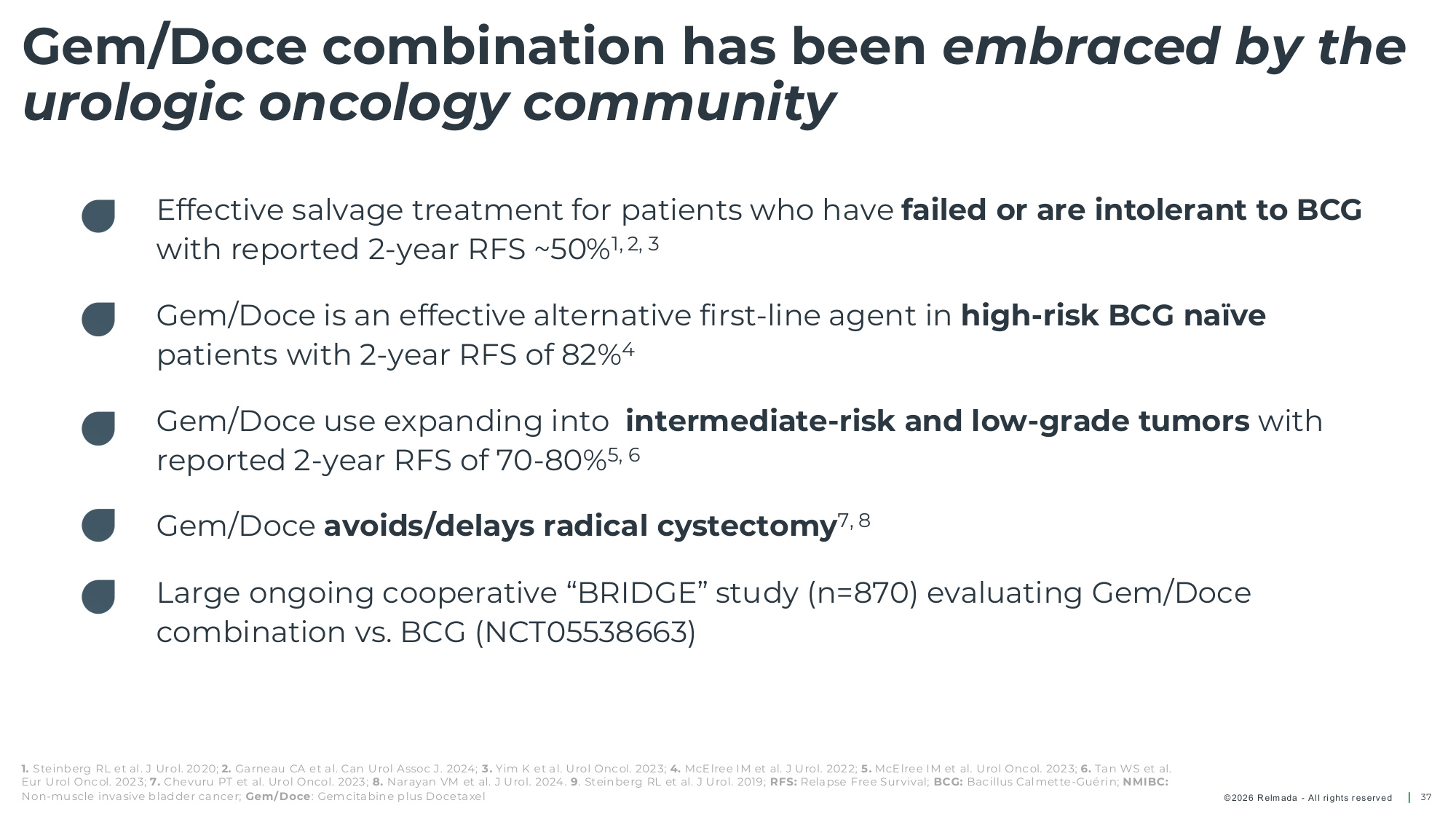
And, Oye, I can jump in on your other question about now we have the opportunities to look at NDV01 and where else in lower tract or upper tract disease. I think there are a lot of opportunities, and we can just follow the path of where has gemdose been effective I think we started with BCG unresponsive and discussed that with those results. I think the extension into intermediate-risk disease is a significant opportunity and market opportunity for RALMATA. I think also another opportunity that we're considering is in the high-risk BCG-naive population, another large patient population. I think on the heels of the BRIDGE study, which completed enrollment, I believe, in August 2025, and it's an event-driven study, will take a couple years to read out, I think that's also another place where BRIDGE does read out as GEM-DOSI is non-inferior to BCG and becomes an alternative. I think NDVO1 can nicely step in there as an easier-to-use, less burdensome approach for GEM-DOSI and the B2G and IEA high-risk population.
Great question. Thank you, Oye.
Operator
Thank you. Once again, for those who want to ask a question, please press star and 1 on your telephone keypad and wait for your name to be announced. Star and 1 if you wish to ask a question. The next question comes from Farzin Hak from Jefferies. Your line is now open. Please go ahead.
Good afternoon, and thank you for taking my question. So following up on an earlier question, like you have a broad inclusion criteria for phase three, the BCG and responsive setting, and you're allowing up to two prior lines, including a wide-range start 200 in Lexa, et cetera. So how are you modeling the potential for variability or dilution of efficacy? And could you add just to one prior line as the trial progresses?
Thank you, Farzee. Yeah, Raj, I think.
Would you mind to take this?
Yeah. Yeah, my pleasure. Thanks for the question, Farzee, and it's a very thoughtful question. I think we've built in kind of guardrails to that study of up to two prior first-line therapies. With that, the idea that, you know, beyond that, there may be some resistance mechanisms. And we'll evaluate, we'll break that down by one or two lines of prior therapy. So we're looking at that. And within the therapy, too, another area we're looking at, and remember, these are open-label studies, so we can see how these patients are doing. We're also going to look at patients who've had prior intravascular chemotherapy as part of their BCGN-responsive disease, particularly in Lexa. We are excluding prior gemdose in those patients, because we're giving a gemdose treatment. but we'll look at anlexa and gemcitabine and we've heard and in my own practice having gemdose as a rescue for gemcitabine is a is appropriate so we'll be looking at both of those closely um and i think we want to see you know our efficacy is what is the our approaches what is the appropriate second line therapy right these therapies are going to be sequenced by urologists two, three, four, five times before a cystectomy. Right now, there's a lot of agents approved and in development for the first line. There's none in second-line therapy, so that gives us an opportunity to provide the highest levels of evidence and a label for the second-line approach. And then from there, once you all just use it there, as we do, they could use it before or after. But you bring up a good point. and we are looking at lines of therapy and also what that prior therapy was. Thanks for the question, Farzeen.
And then on your phase three primary endpoint, does FDA's acceptance of CR at any time imply any durable responses? For example, median duration response greater than six months.
So what their phrase was, they want the primary endpoint to be CRNE, and they also want to see duration of response and the words that they use is they want to look at the quote totality of the data close quote so i think they're getting at what your you are is a strong crne which could be at three months is great but they want to see some level of durability in that they didn't they didn't give the number on that but they want to see some durability so crne uh together with durability in in this uh framed as duration of response is what they'll want to see. And given the fact that there is no agents that have been approved in this space, I think they'll put all that together, as they said, in the totality of the data. Really, the other alternative for the patients at this point in their journey is radical cystectomy.
Right, makes sense. And then a quick one is that, what is the expectation for enrollment cadence across both your pivotals? Can the drug's in-office profile serve as a recruitment advantage, potentially?
Yeah, that's a great question, Farzee. I think, and having been on a number of calls of our site qualification visits, the enthusiasm by investigators is significant. A lot of the sites participated to address cohort one, which is intermediate risk, have participated in Pivot 006, and they're excited for the next intermediate risk study. We've modeled out up to 15 to 18 months, but with that enthusiasm and with the Given what CG has been able to do as far as recruitment and number of events, I feel confident that we'll be able to meet or exceed that timeline. Regarding the second-line therapy, we are anticipating 12 months, but that's, again, for seeing another area where there's incredible enthusiasm because urologists have nothing else at this point in their armamentarium to treat these patients. So a lot of these urologists, even the best-in-case scenarios are 45% 12-month CR. You see 19% to 45%, meaning 55% to 80% of patients are recurring within one year with the first-line therapy. So, there's a large population of patients out there with BCG-unresponsive CIS who failed first-line therapy. We're not competing with any other study.
So, I'm optimistic that we'll be able to reach that 12-month enrollment. Great.
Operator
Thanks, Karzine. thank you and there are no further questions that came through this concludes our question and answer session and the call for today thank you everyone you may now disconnect