Operator
Thank you for standing by. My name is Kate and I will be your conference operator today. At this time, I would like to welcome everyone to the AdSbrands Inc. first quarter 2026 earnings call. All lines have been placed on you to prevent any background noise. After the speaker's remarks, there will be a question and answer session. If you would like to ask a question during this time, simply press start followed by the number one on your telephone keypad. If you would like to address your question, press start one again. Thank you. I would now like to turn the call over to Trevor Martin, Senior Vice President, Head of Corporate Finance. Please go ahead.
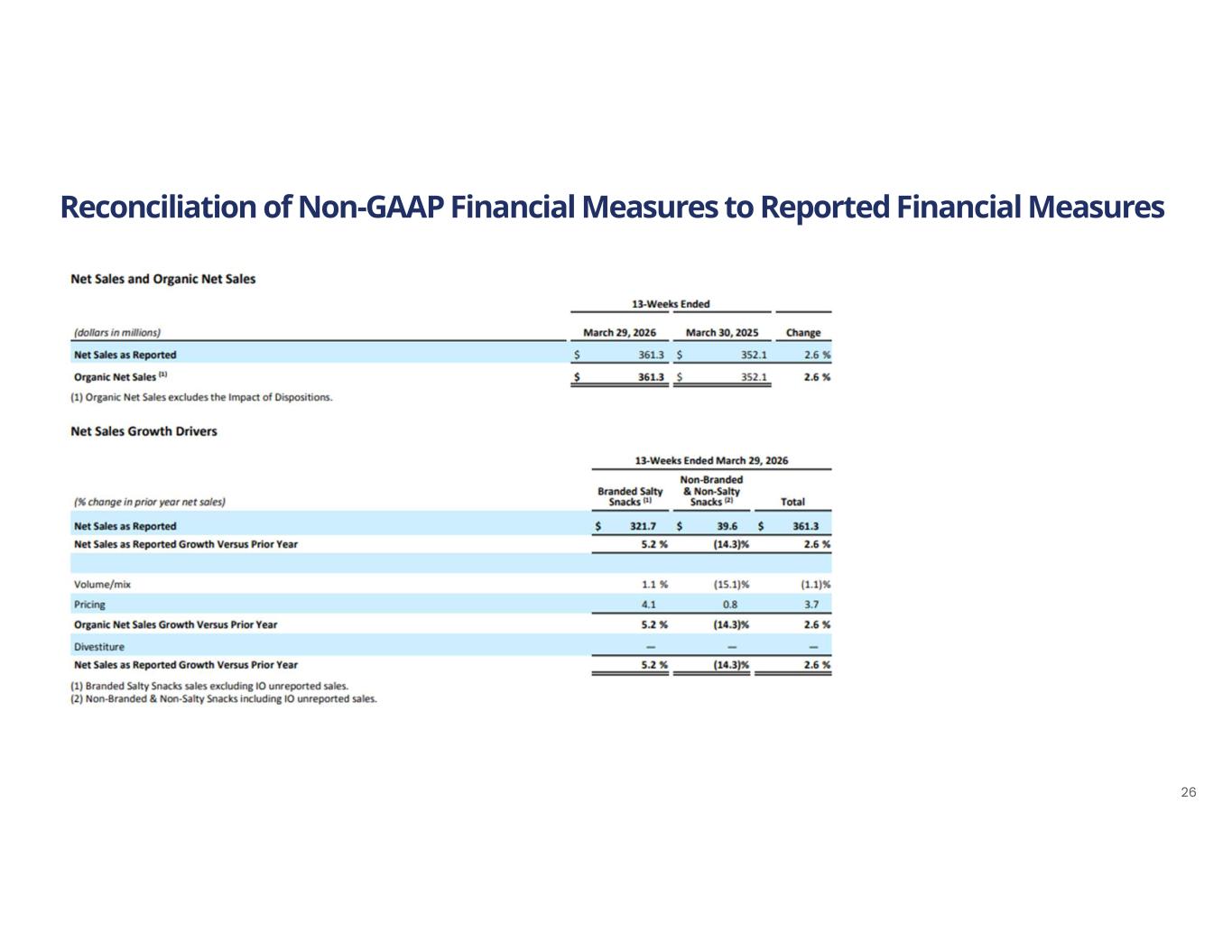
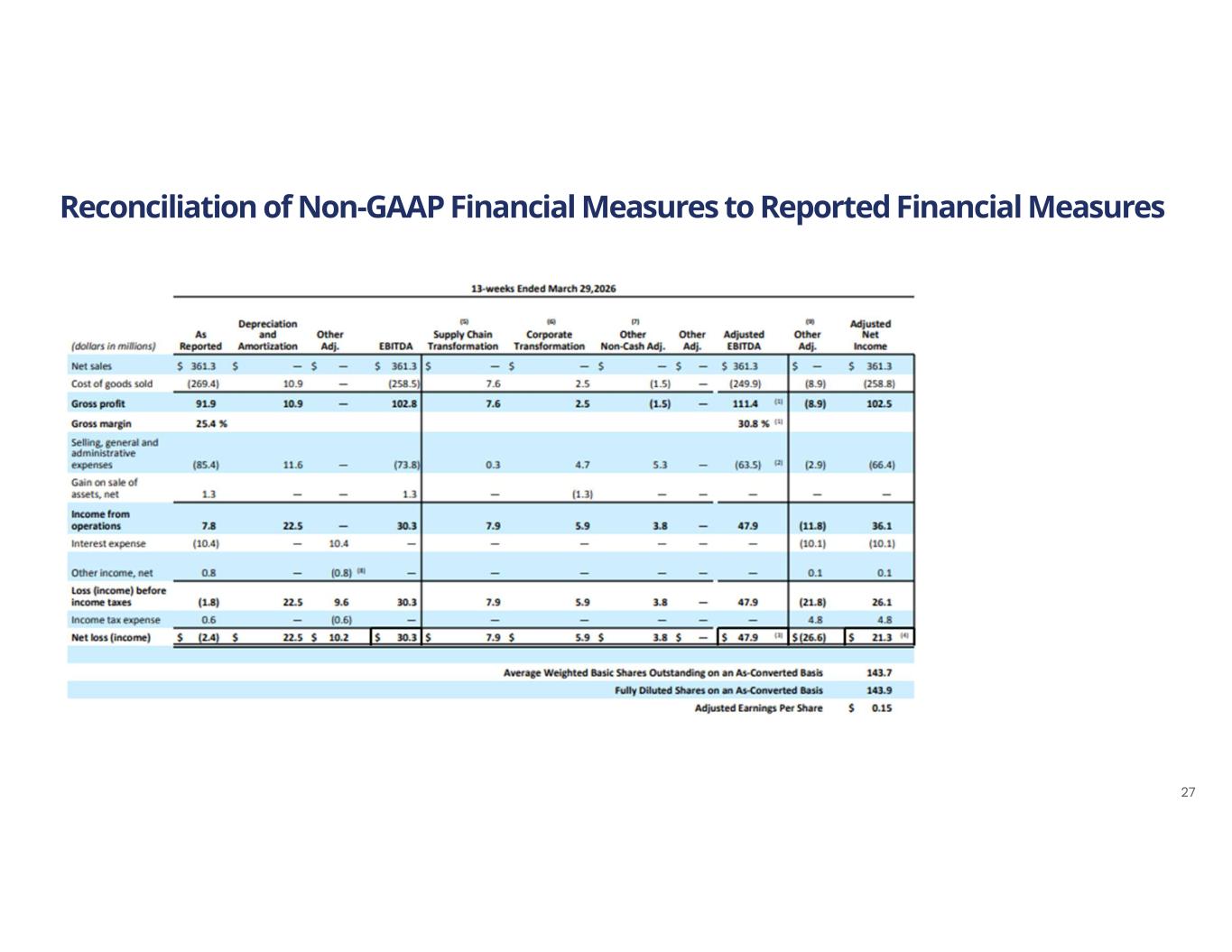
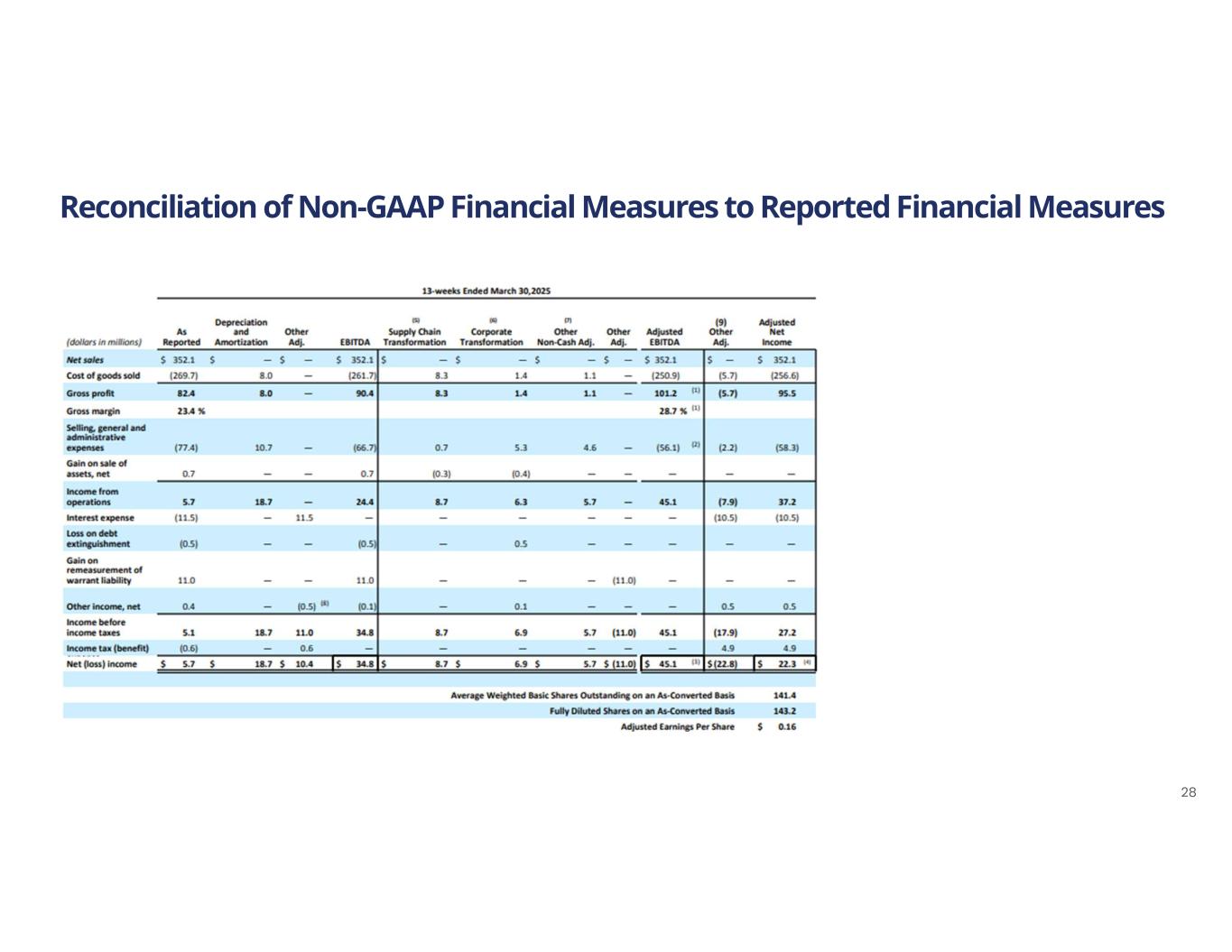
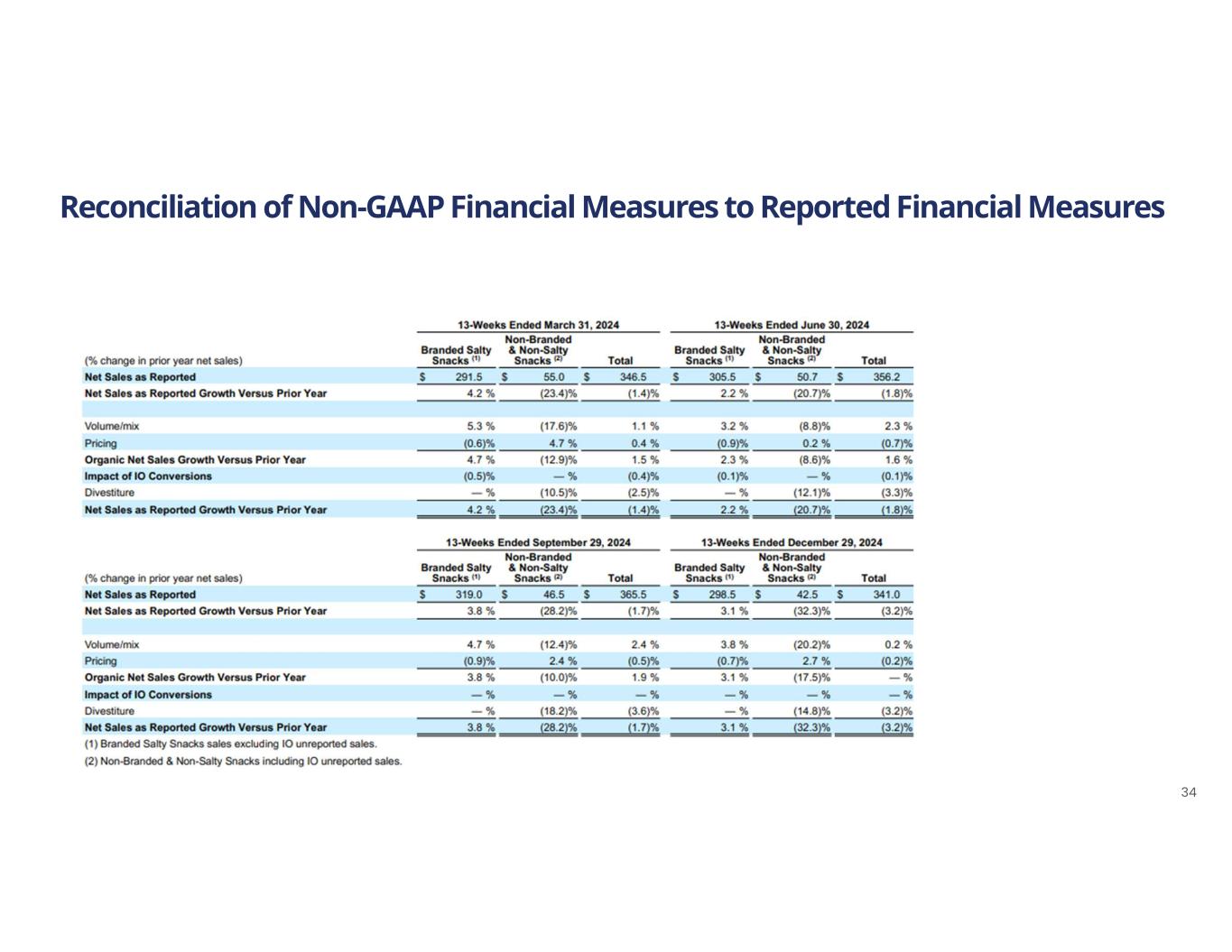
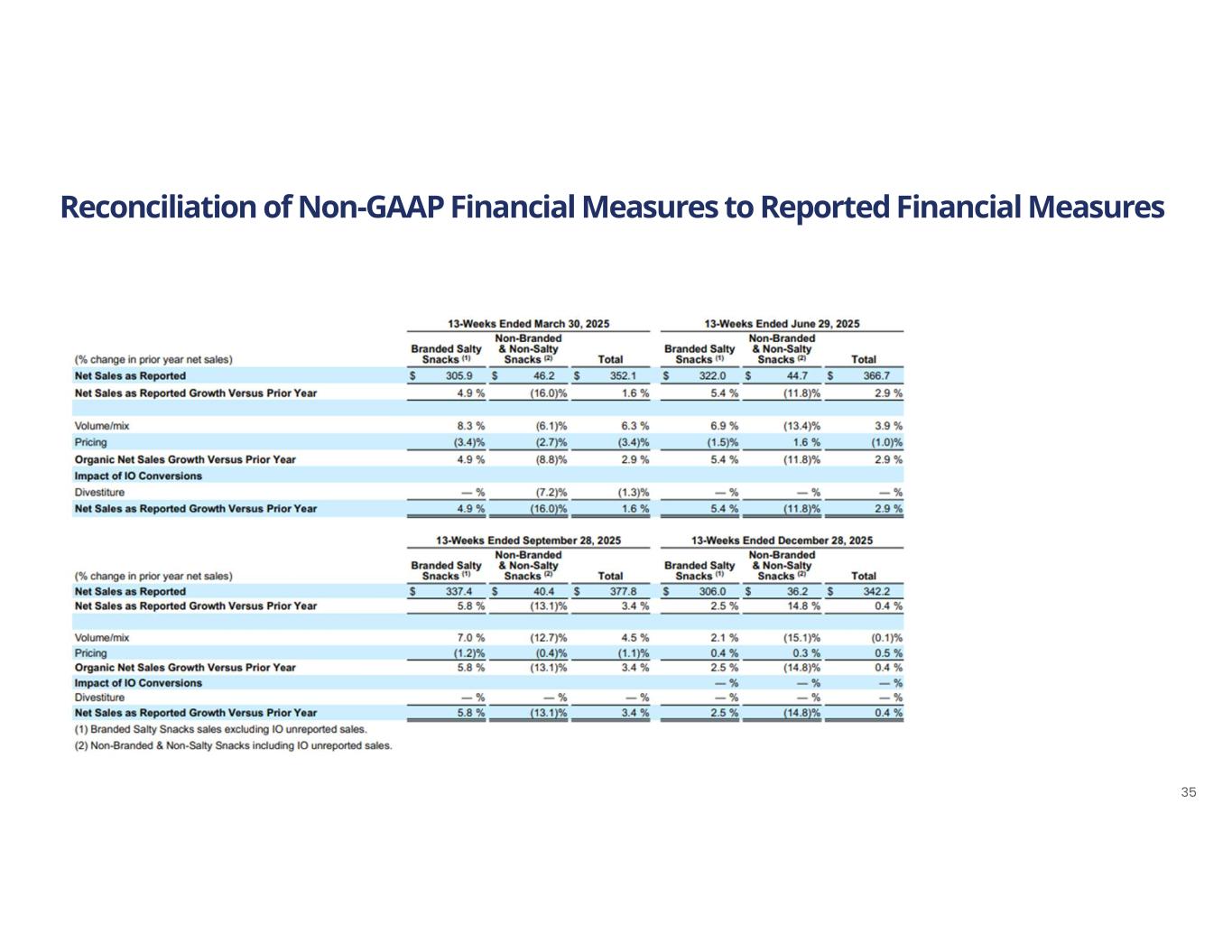
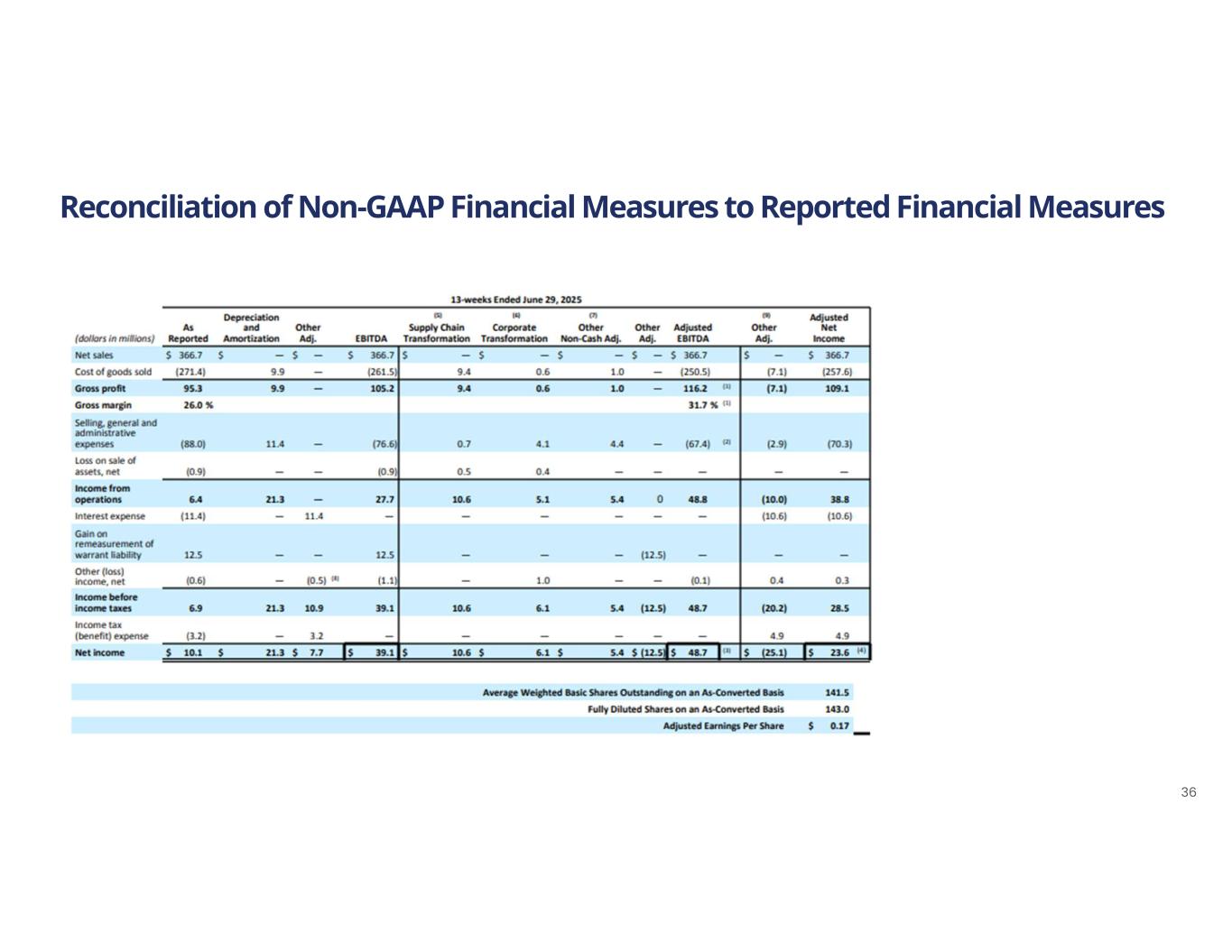
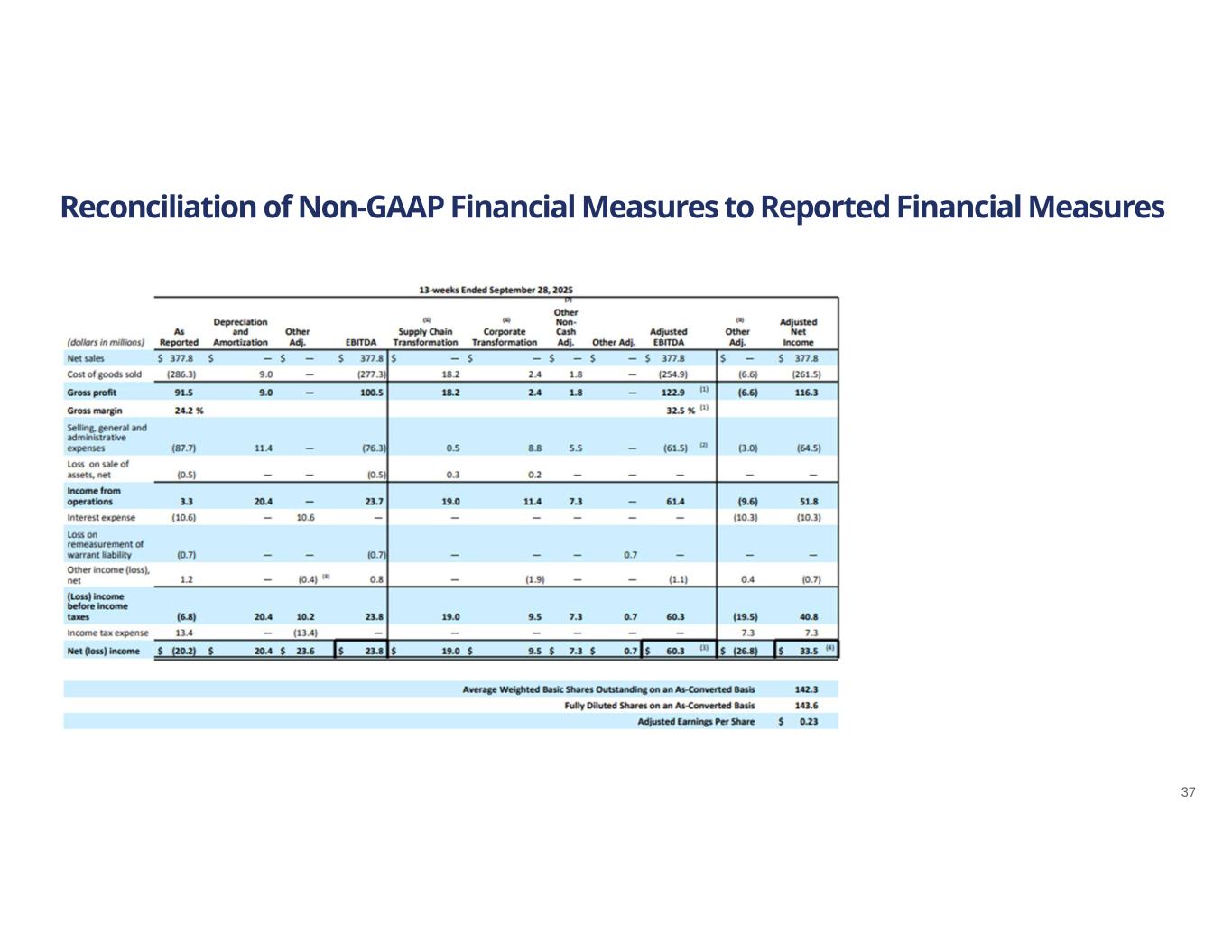
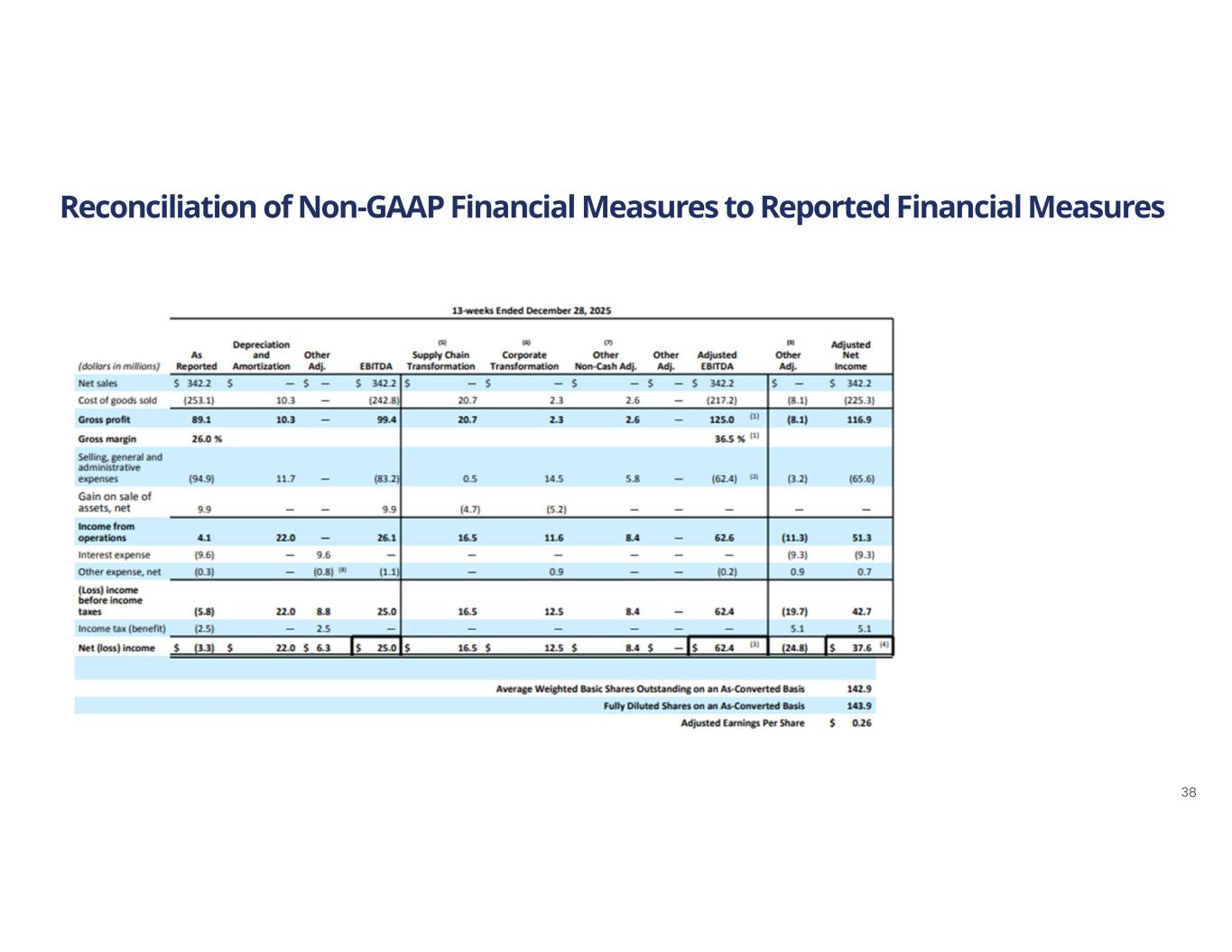
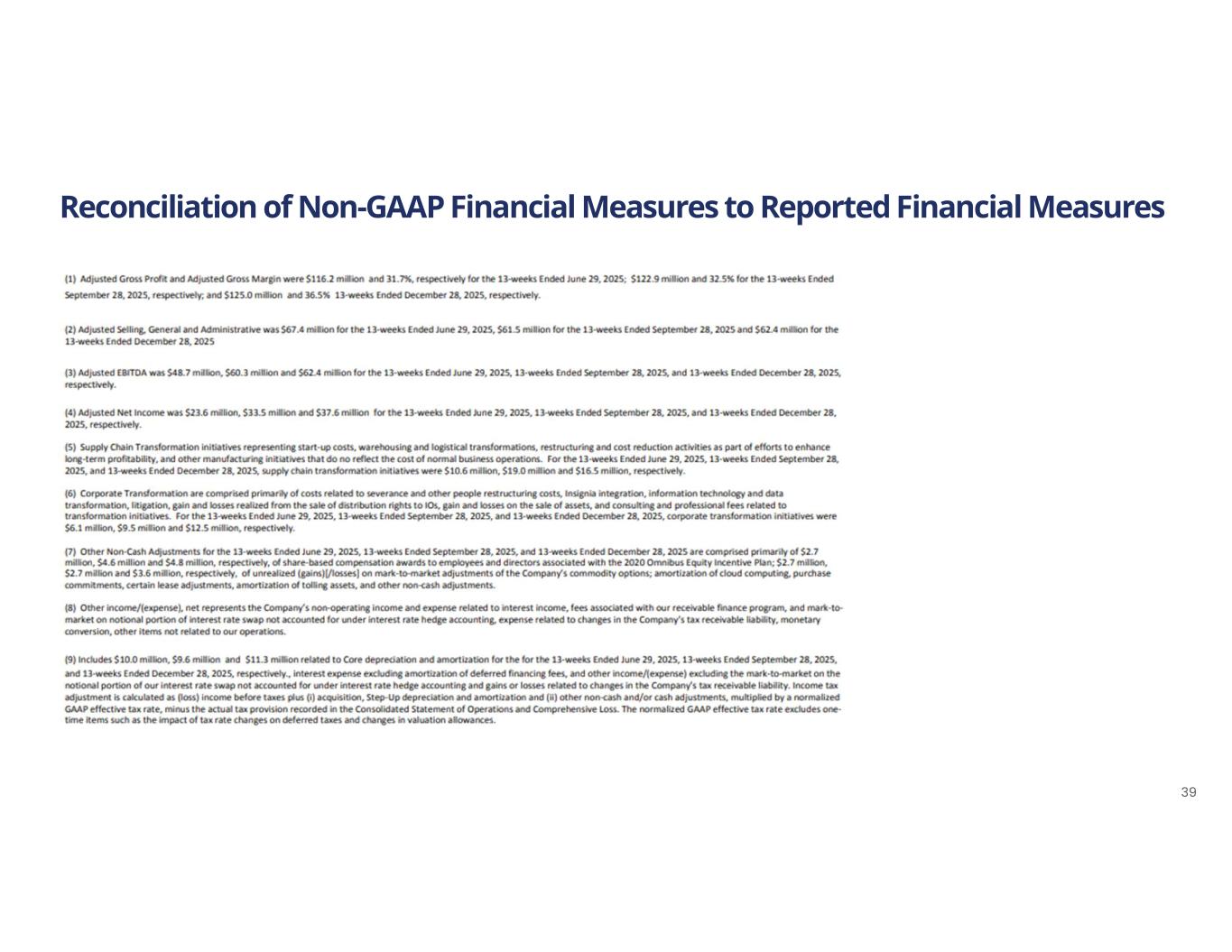
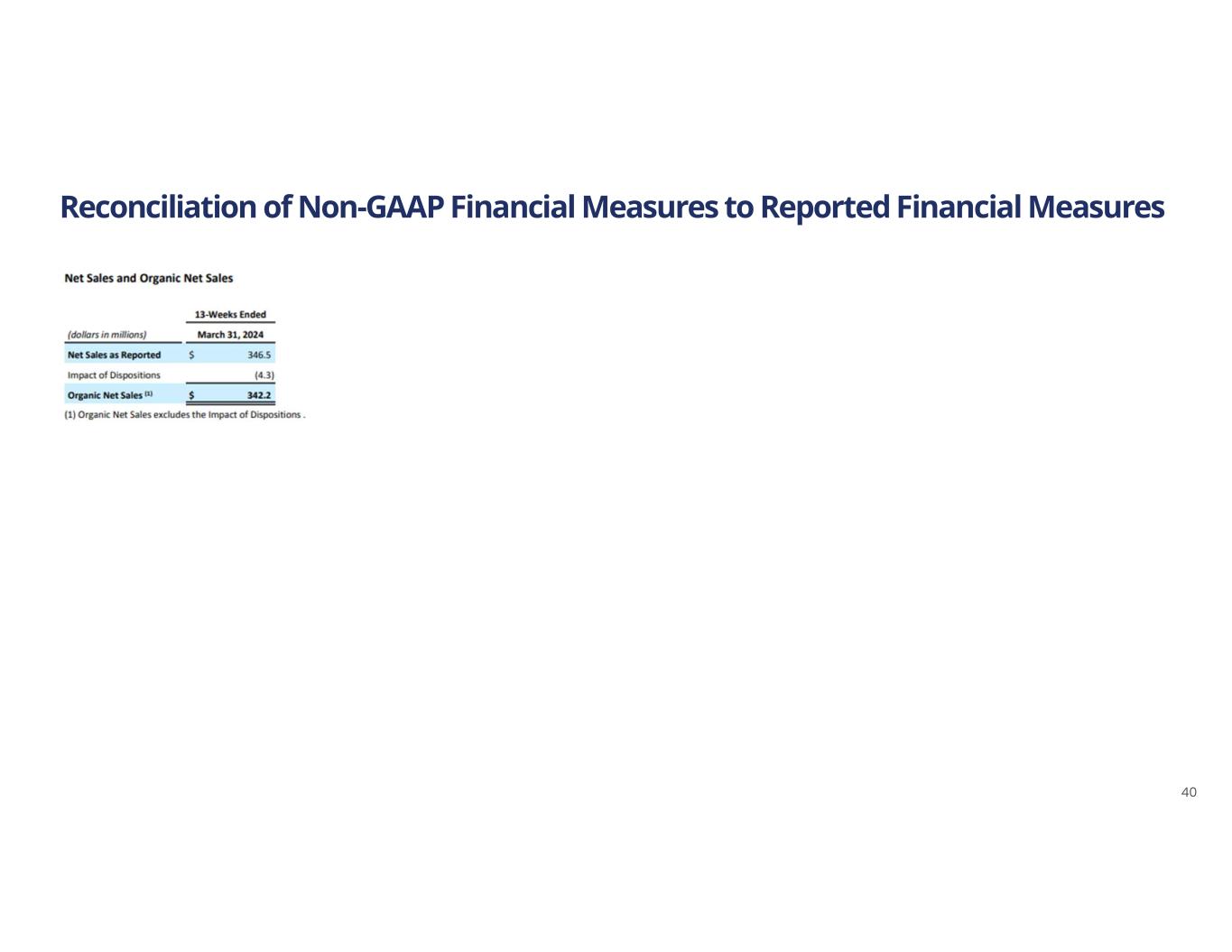
Thank you, Operator, and good morning, everyone. Thank you for joining us today for our live Q&A session of our first quarter, 2026 earnings results. With me today on today's call are Howard Friedman, CEO and B.K. Kelly, CFO. I hope everyone has had a chance to read our prepared remarks and our presentation, all of which are available on our Investor Relations website. Before we begin our Q&A session, I just have a few administrative items to review. Please note that some of our comments today will contain forward-looking statements based on our current view of the business and that actual future results may differ materially. Please see our recent SEC filings, which identify the principal risks and uncertainties that could affect future performance. Today, we will discuss certain adjusted or non-GAAP financial measures, which are described in more detail in the performance earnings materials. Reconciliations of non-GAAP financial measures and other associated disclosures are contained in our earnings materials listed on our website. Now operator, we are ready to open the line for questions.
Operator
At this time, I would like to remind everyone, in order to ask a question, press star then the number one on your telephone keypad. We will pause for just a moment to compile the Q&A roster. Your first question comes from the line of Peter Galbo with Bank of America, your line Hey, good morning, guys.
Thanks for taking the questions. Howard, maybe to start, just you had some commentary on the second quarter in your prepared remarks, kind of addressing some of the softness to start 2Q, particularly in April. So I was hoping maybe you could expand a little bit just on that point, as well as whether or not you think April represents kind of the bottom within the quarter, and then we should see improvement in May and June. So maybe I'll start there and let you kind of elaborate on your commentary. Yeah, thanks for the question, Pete.
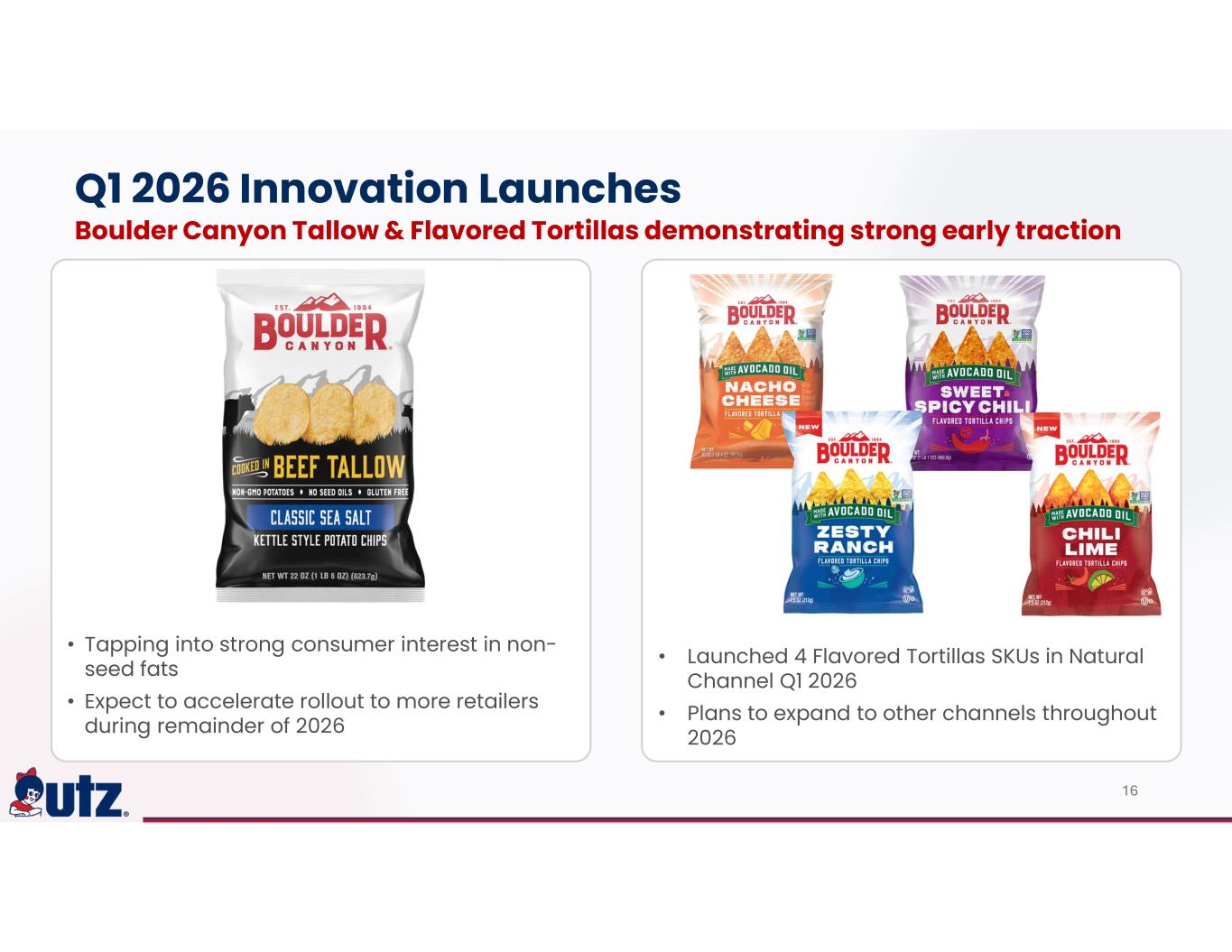
So a couple of things. Look, I think, first of all, we always expected that April was going to be sort of – would be a more difficult lap for a couple of reasons. Beyond sort of the Easter shift, we have year-over-year programming that we've done in the prior year. Specifically, you see it on Boulder Canyon, and you can see it on the cheese business. We also have some laps in some larger customers where there's some merchandising timing that actually shifted. So, you know, as you look at the year-over-year, we expected the quarter to start out a little bit softer than the run rate had been. And I think if you look at the food channel overall, you know, 50% of our business, I think it's a pretty good indicator of our underlying strength, which continues to be positive. And as we progress through the second quarter, you'll actually see some incremental activations coming. Boulder Canyon has some activity behind tallow. You'll see new product innovations start to hit, and obviously California will continue to grow. So, you know, I think we're off to where we expect it to be in the second quarter and largely through Q1 as well.
Great. Thanks for that. And, BK, just maybe as a follow-up, you left the guidance, you know, unchanged for the year, actually reiterated all elements of it.
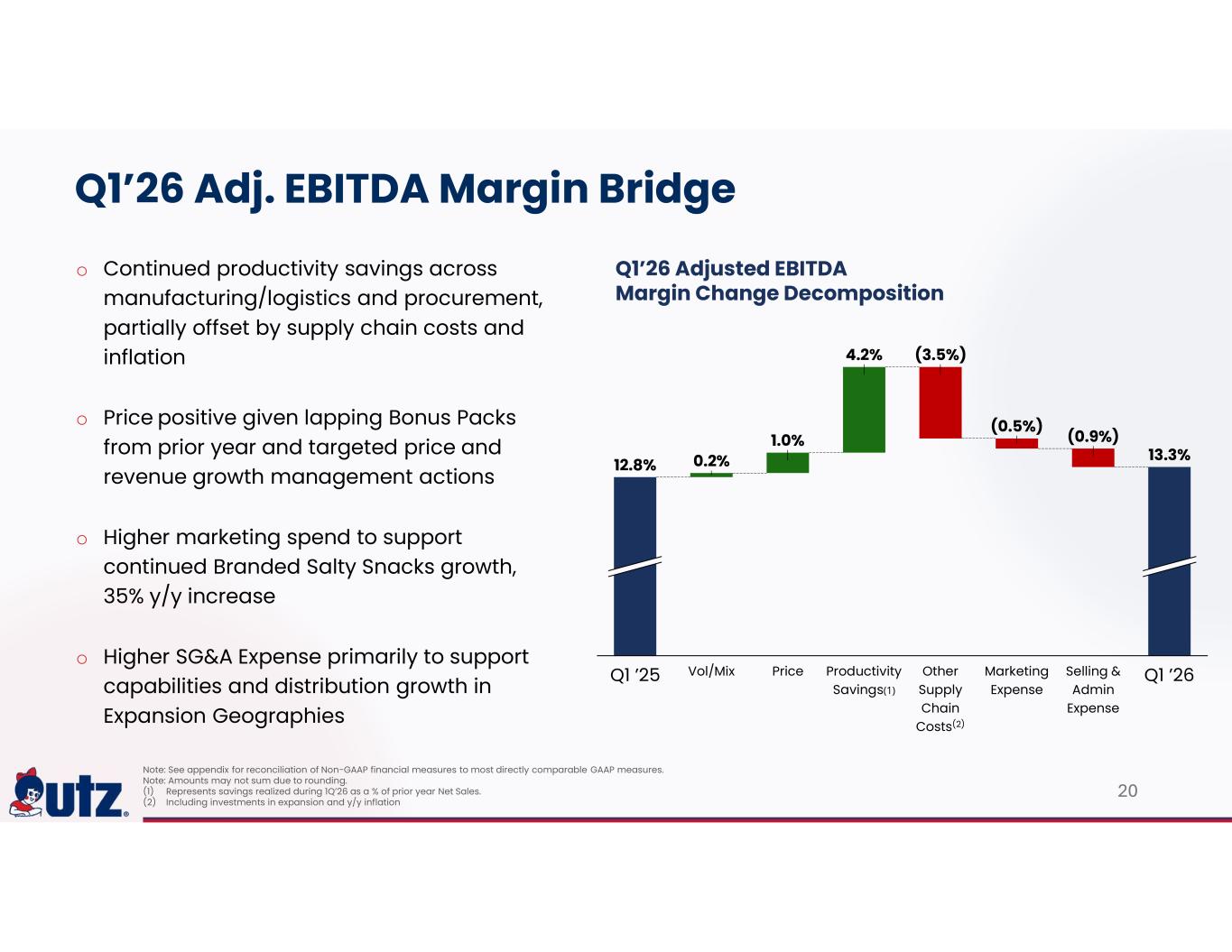
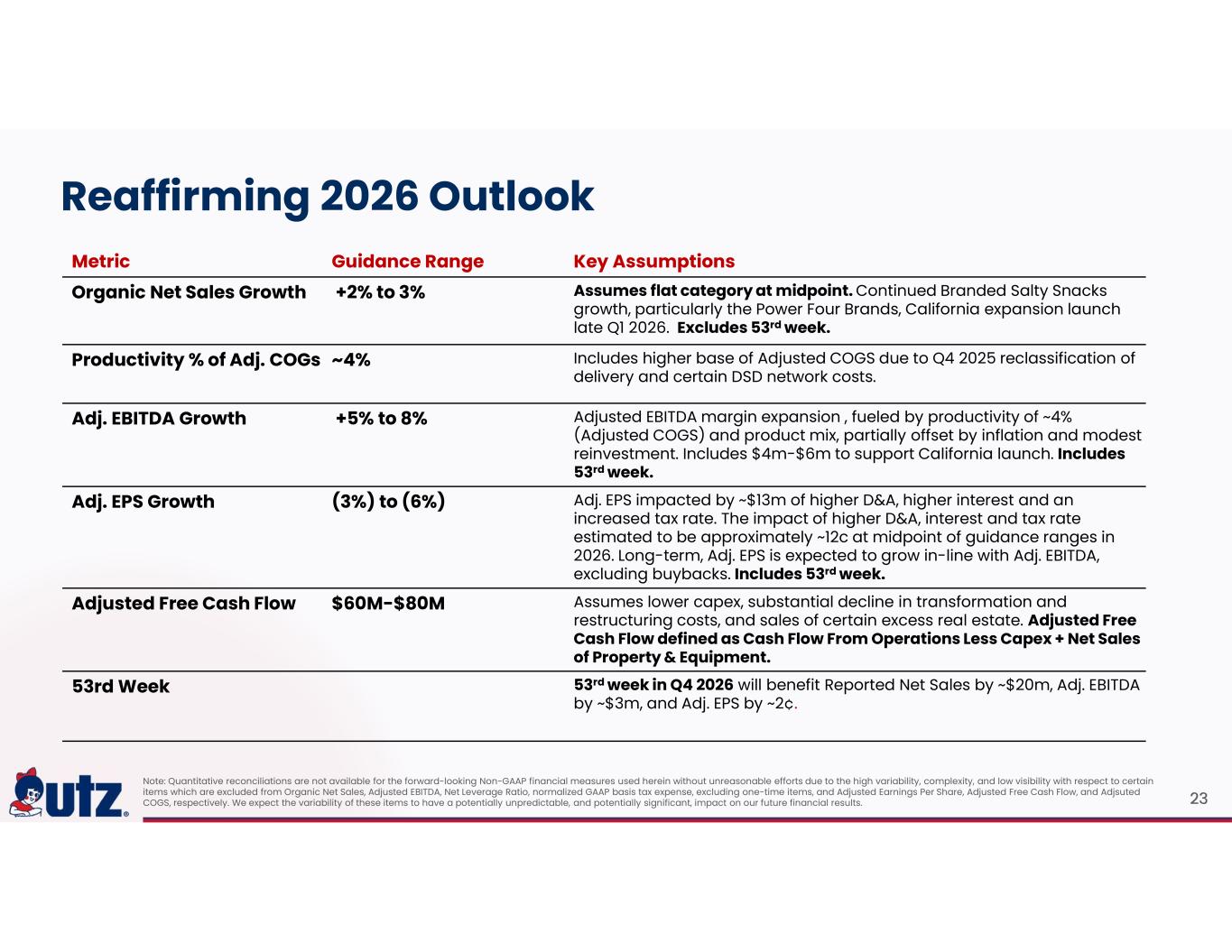
I think there was a bit of, you know, concern out there in the market that just given maybe less of a scaled DSD platform, you know, things like freight uh resins you know might might hit you a bit sooner so maybe you can just talk a little bit about the hedging program um and and kind of how you're locked on uh freight and and go forward for the rest of the year thanks very much guys yeah thanks b thanks for the question um so so first of all i would say you know we're covered for most of the year on fuel ags and freight um our productivity program that we we touted a bit here uh at approximately four percent is going well and we'll continue to build on those plans in H2 and that'll help us offset any incremental inflation which we think you know comes from primarily a small impact from fuel for us but mostly packaging driven by the resin impact you know we'll continue to maximize the other levels levers that we have you know the RGM tools around price pack architecture and you'll be using AI to improve our promo effectiveness and we'll continue to improve our sales mix the net impact for us is that, you know, we have many levers to address potential inflation, but we are mostly covered on the fuel, ags, and freight pieces, to your point. Great.
Operator
Your next question comes from the line of Michael Lavery with Piper Sandler. Your line is open.
Luke
Analyst — Piper Sandler
Hi, guys. Morning. This is Luke on for Michael. Thanks for taking our question. I just wanted to ask on marketing spend.
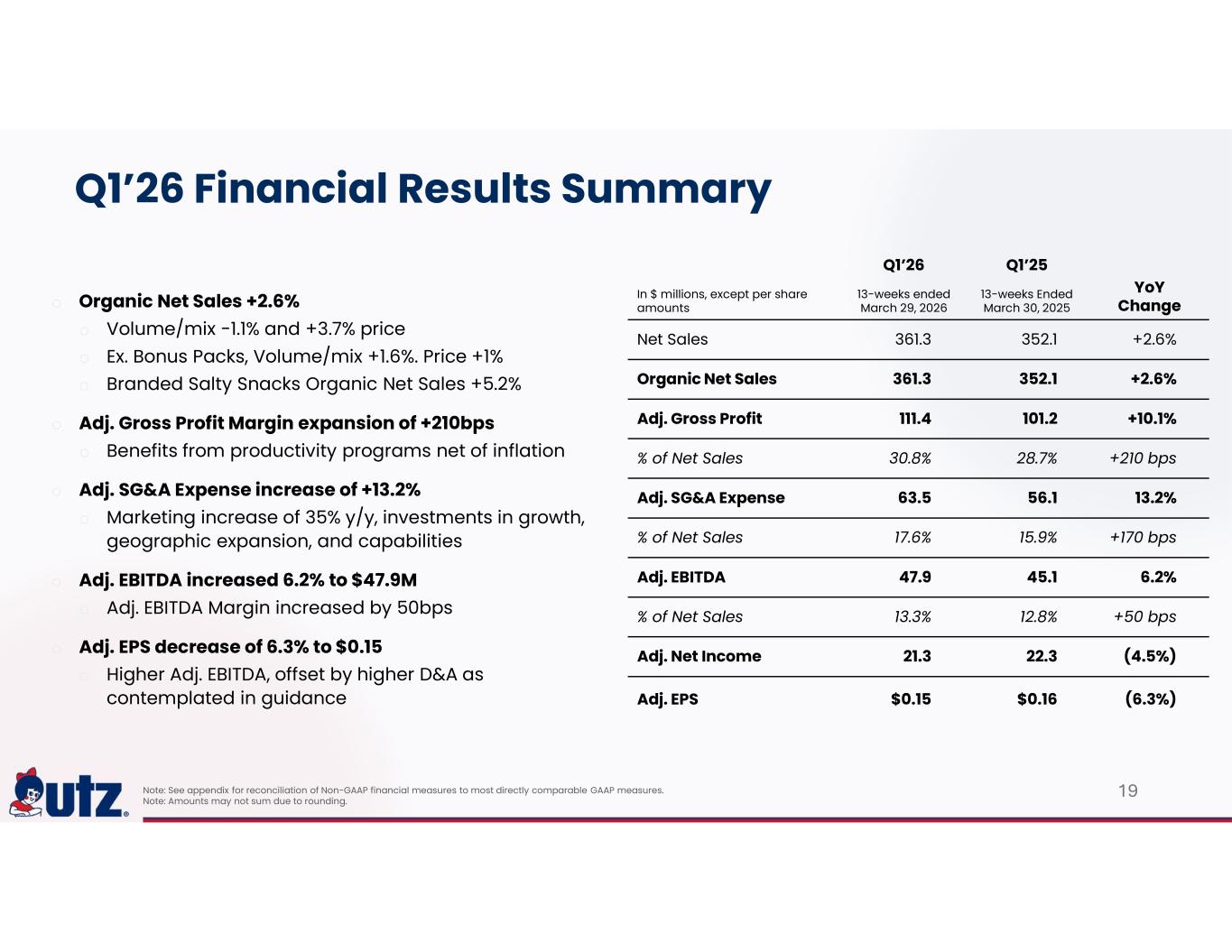
You increased marketing spend by 35% in the first quarter, and I believe your long-term target is for three to four percent of sales how close will you get to that target this year and in 2027 and then also where do you see the biggest opportunities for return on marketing spend um thanks for the question well i think what we've said you know we're largely in line with what we would have expected on the marketing investment for the year we'll we will expect to about 40 percent year over a year uh and we continue to have conviction that that's the right place to be we're still many probably a couple of years out from being able to get to that um three to four percent longer term uh target because as you can imagine when we start to think about the available resources we have and the opportunities we have to grow whether it's with westward expansion continuing drive capabilities as well as marketing innovation uh there is a reasonable competition for those dollars you know i would tell you that we feel great about the innovation this year, and I think it's probably the strongest lineup we've certainly had in my time here. I think in terms of where we see ongoing investment, I think there are a couple places. One is obviously supporting our Power4 brands, us, Boulder Canyon, Zapps, and on the border. Boulder Canyon has new advertising that will be out this year to support the momentum on that brand, which continues to grow very quickly. Second is in our expansion markets, where we're introducing the brand and California will obviously get investment as we continue to scale that area. And then the last is in supporting our tour where it's a little bit more traditional competitive dynamics for us within the category. So I think over time you'll continue to see us grow our advertising and consumer spend and we'll remain focused and disciplined on how we deploy those resources.
Luke
Analyst — Piper Sandler
Okay, that's great. Thank you. And your household penetration increased just over a point. What's working there and what opportunities are ahead?
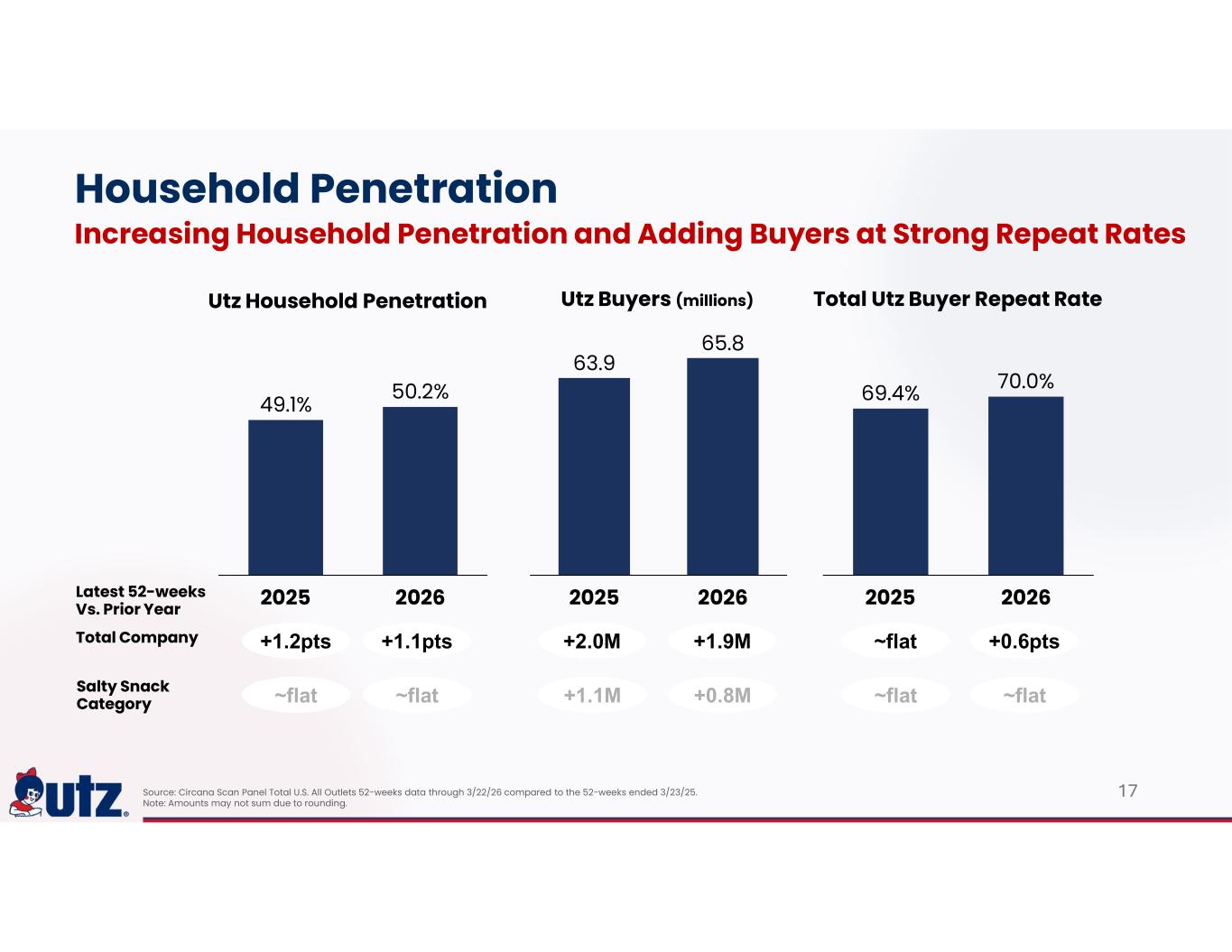
Yeah, so look, I think part of our household, we feel very good about the household penetration trend we've been on. I think equally important to us is that the loyalty rates continue to grow, because obviously as you grow penetration, you're introducing yourself to newer users, and they may not repeat quite as much. And what we're seeing is very strong loyalty rates as well, which I think is a testament to the quality of our products and the variety of items that we offer. You know, I think that the major drivers, again, are going to be – partially it's going to be about expansion geographies, which, you know, obviously for the UTS brand is as we're moving westward, and for the remaining Power 3, it's also bringing into UTS's core geography. So we're introducing new households in both places. second you know our innovation is introducing products into households that they may not have had before feel very good about the early start on tallow and then lastly is driving incremental advertising which is also doing a good job of being both effective and efficient but also driving our brand story so you know I think we're kind of hitting on most of the cylinders right now and you know lots left to do thank you thank you your next question comes from the line of Scott Marks with Jeffries.
Operator
Your line is open.
Hey, good morning. Thanks so much for taking our questions. First thing I wanted to ask about in the prepared remarks, you made a comment about not seeing any need to change commercial plans because of competitor activity. I'm wondering if you can expand on that a little bit and just help us understand what you're seeing out there from a competitive perspective and how some of the recent changes within the category may or may not have impacted your own business?
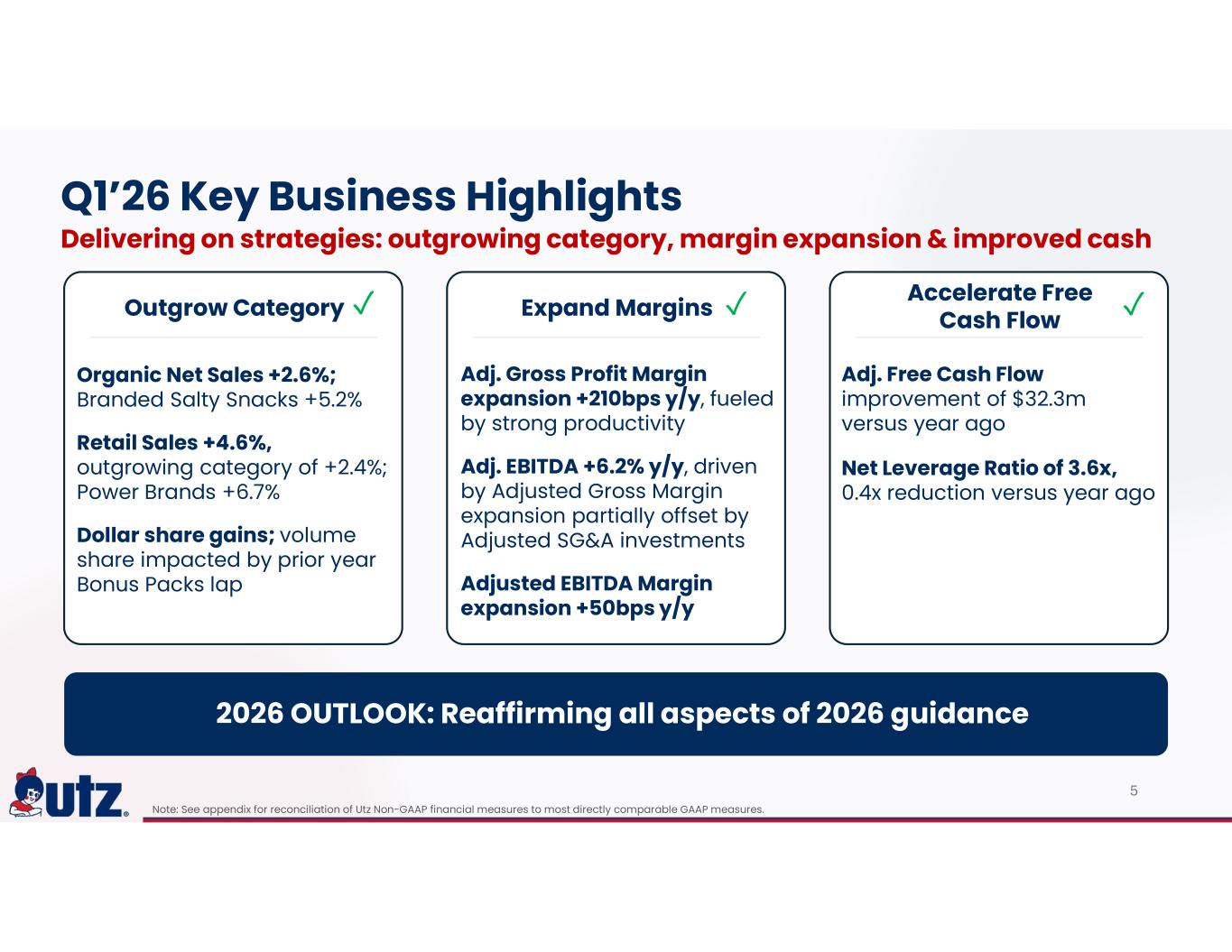
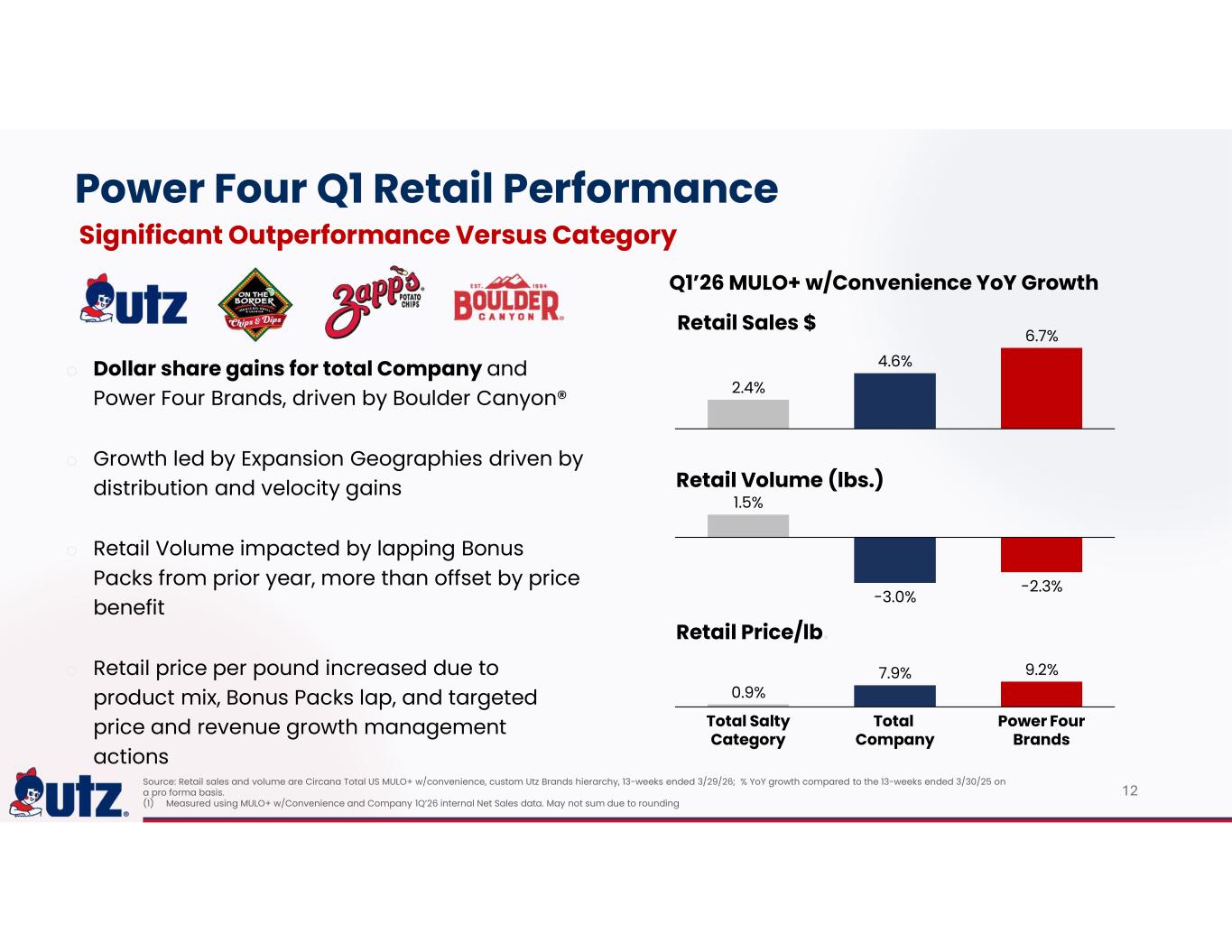
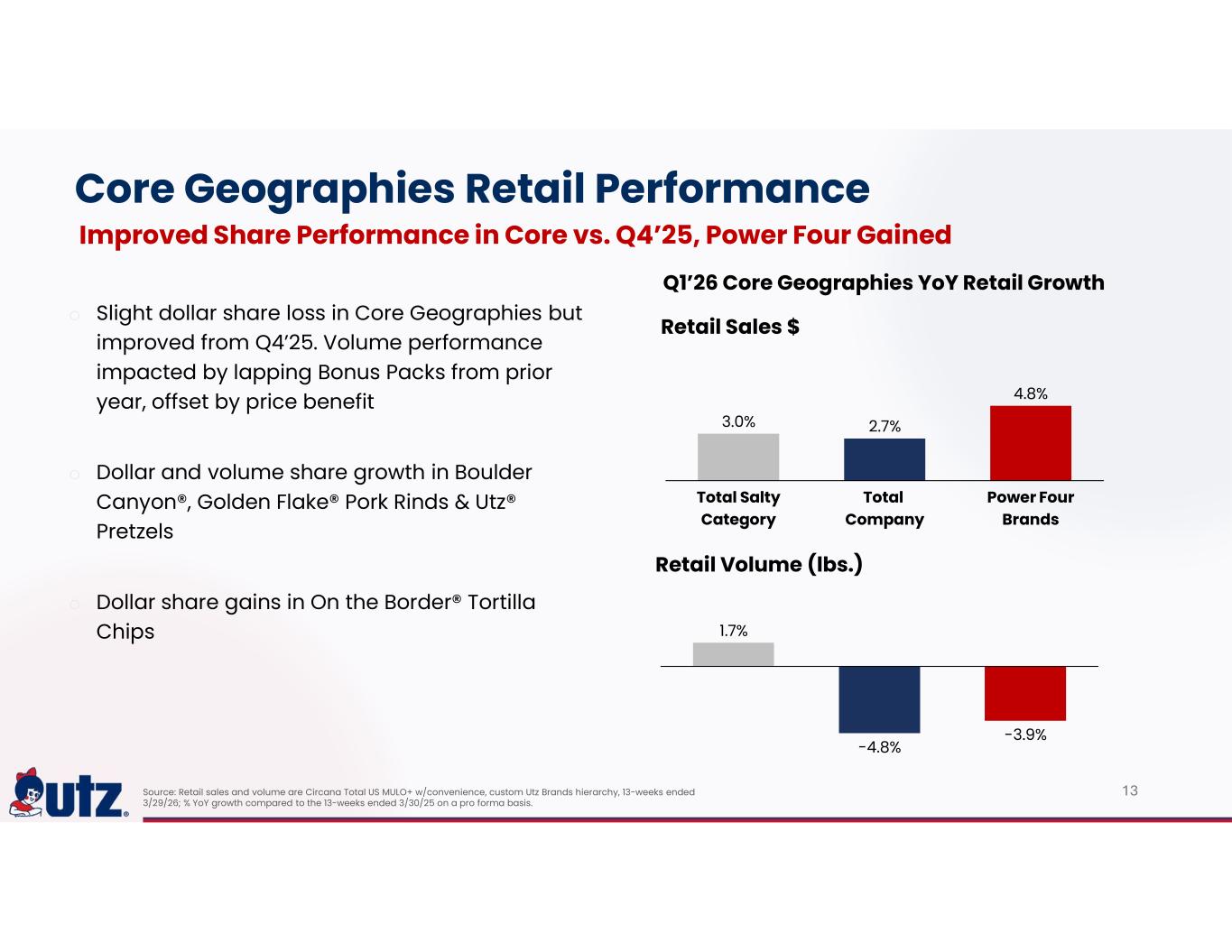
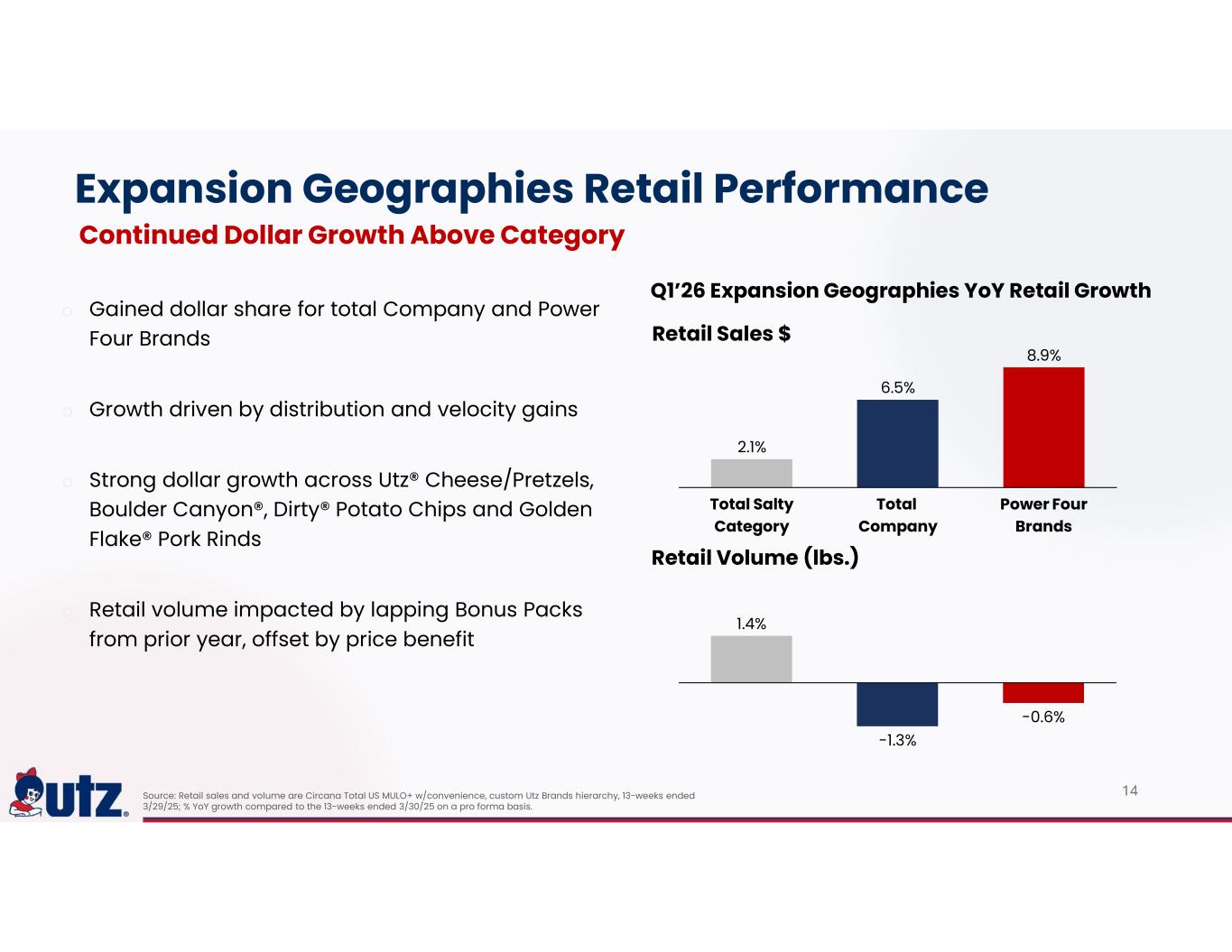
Yeah, thanks for the question, Scott. Look, I think overall we feel like we're where we expect it to be at this point in the year and that our commercial plans are holding. And, you know, a lot of the innovation, expansion, and investment in marketing and consumer, I think, is going to deliver on the goals that we've had for the year. I think with respect to what we're seeing competitively, you know, I tell you what we've What we've observed is obviously the Bellmark prices or the OnPak price has come down, and we have seen some sharper promotional price points with some customers in some of the subcats. And, you know, this isn't wildly different than what we had seen in Q4 as we were going through that, observing the early testing. And, you know, we do believe that at this point it will continue to be a targeted and focused activity from the competition. You know, from our perspective, you know, we feel pretty good. I think if you look at the first two major merchandising windows of the year, Super Bowl and Easter, we were able to take Dollar Share. We grew our distribution 7% on TDPs, and we increased marketing, as we said, to 35% while also being mindful of where our price gaps need to be to remain competitive. So I think we feel confident in our drivers for the year. I think we feel confident that California will continue to build and that we've invested in our revenue management capabilities to make sure that we are able to compete and you know the nice thing about our company is we can be fairly agile and with productivity giving us more resources potentially to deploy if we had to we feel like we can compete in a variety of contexts appreciate the thoughts there and then just to follow up for me a lot of a lot of comments in today's remarks about that bonus bags they hate to bring up the term again but obviously it's in there you know you obviously helped us give us a little bit of context in terms of what the numbers look like
excluding the bonus packs. I'm wondering if you can break that down, though, between core markets versus expansion markets. What would the impact have been if we exclude the bonus bag just in terms of price versus volume and kind of where that growth is coming from? Thanks.
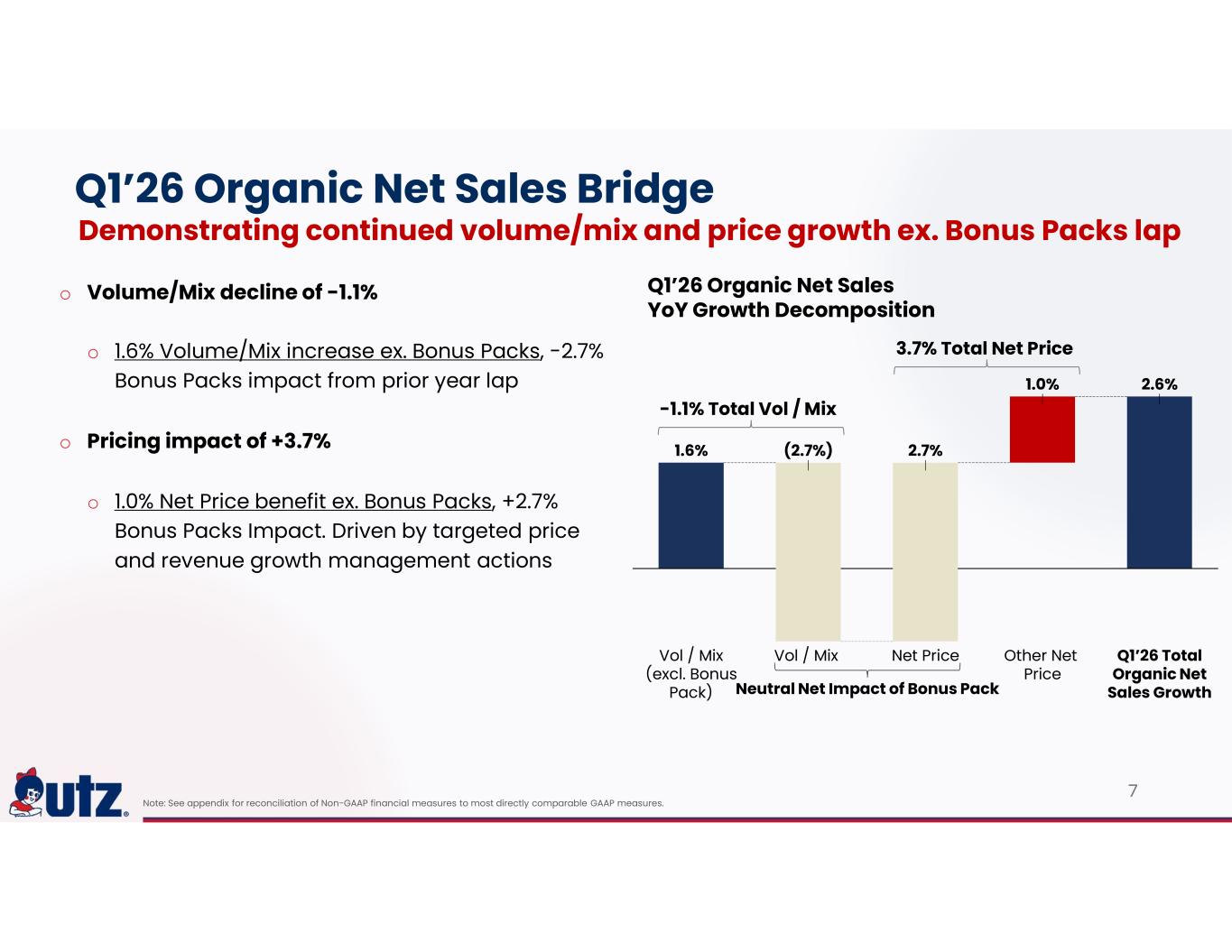
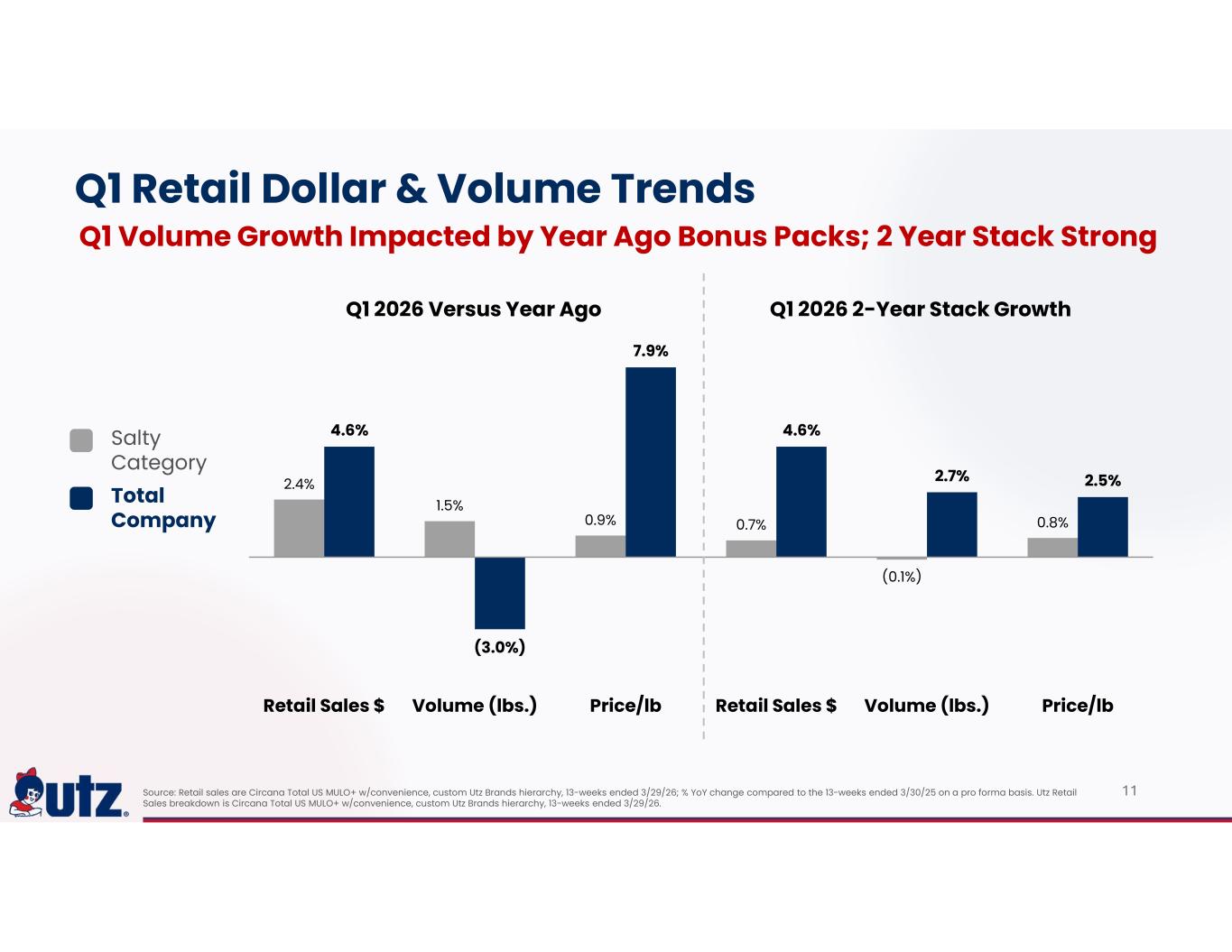
Yeah. So a I know we haven't broken it out between core and expansion geographies. It's kind of more difficult for us to do just given the nature of the fact that bonus bags were actually the same UPC. So we'd have to do quite some additional work to be able to offer that. I think what you can say is that bonus bags broadly were mostly in the core of geography, just that's where the majority of our distribution is with respect to things like us and uh on the border which is where it was but you know we tried to give you a a perspective of on a two-year basis you know we're holding up quite well competitively and at both volume mix and price are being equal similar contributors to our overall growth rate which i think really kind of the point we wanted to make sure we got across appreciate it thanks thanks guys your next question comes
Operator
from the line of Rob Dickerson with DTIG. Your line is open.
Great. Thanks a lot. Hello, people. Hey, how are you? Good to hear from you. I'm great. Yeah, just a quick question on the category. You know, I realize you're using retail dollars and the quarter category is not flat, right? It was up, I think, over 2% based off of what you spoke to, you know, the guidance that you've been talking for a while of kind of expecting kind of flat for the year. Is it just kind of, you know, obviously the market is very dynamic right now, kind of we're still in the early or at least first half of the year, but there's no need to say, oh, we actually think, you know, the category could be more than flat this year and may well be aligned with the category.
I'm just trying to gauge a sense of kind where your head is right now um you know sitting you know in early may with respect to the category and maybe its potential for the year and then kind of how you could maybe operate vis-a-vis that category gross thanks yeah i i think first i i think when you think about the beginning of the year we have continued to project a more flattish um category just given how early it has been in the year and there is a very uh it's certainly been noisy in the first three four months of the year you know i so i think at this point we're just continuing to take a conservative view on on the category i think what we would expect um is that as as the year continues and as the category sort of starts to demonstrate more consistency then we would we'll revoke we'll relook at that look at our assumptions but from our perspective you know obviously we've never been solely dependent on the category for our growth um the expansion geographies remain a significant area of white space for us and our increases in innovation at ANC, we believe puts us in a position to make sure that we are delivering against the guidance that we've provided as we go forward. And obviously if the category continues to improve, then we'll take a different decision as we continue to navigate the year.
Sorry, super. And then I guess just on the innovation front, I think you mentioned As you were saying, like, you know, beef tallow going for $20 on auction, and then I know you have flavored tortillas coming, you know, it's protein, some of it's protein skews. You know, there are a few other competitors that, you know, might have some healthier options coming in as well. But just as, you know, we think about kind of consumer reengagement, right, in a category like Boulder is clearly doing very well and engaging well with the consumer. Again, kind of coming back, I guess, to us, but then also to the category. It just feels like there's clearly action in motion that would support kind of category improvement potentially as we get through the year, but especially just within consumer re-engagement. I don't know if that makes sense to hear your comments.
Yeah, it does. We think that there are kind of three areas where consumer engagement really kind of matters to us. I think the first to your point is around Better For You, and we're certainly seeing many people entering into Better For You category, larger-scale competitors and smaller guys. We feel really good about Boulder Canyon's ability to compete. Tallow has gotten off to a great start. It was a new one for me to go onto an auction site and see the product there. But really around Better For You attributes and non-sea oil, and that business continues to grow in both the natural and to the best. I think we've also seen that it's actually able to stretch with, to your point, based on both unflavored and now flavored tortilla chips, which we feel very good about. The authorizations and early consumption trends on that business is strong. I think protein in us is introducing that brand into what we call an elevated performance, not necessarily all the way to the Boulder Canyon side, but the presence of positive. we think is a big territory for consumers who are looking to incorporate more protein in and we'll continue to try and work on the better for you attributes across we have snacking made simple on our us brand is our sort of our organizing idea which highlights the simple ingredients that are in our core products you know the next two areas really are around flavor and and then and value and those two areas also are places where i think consumers have always engaged in in this category and we'll continue to do so as we go forward. So I do think you're gonna see more effort by everybody to continue to introduce presence of positives. I think it's a consumer trend, but I also think flavor and value you'll also see.
All right, and then just maybe a quick one for me too, for BK, just on the free cashflow front, is there anything to call out as we get, as we're now in early May for the year, And I'm really just kind of speaking to that, you know, expected kind of sequential improvement free cash flow this year than kind of that ability to hit that larger target longer term. That's all.
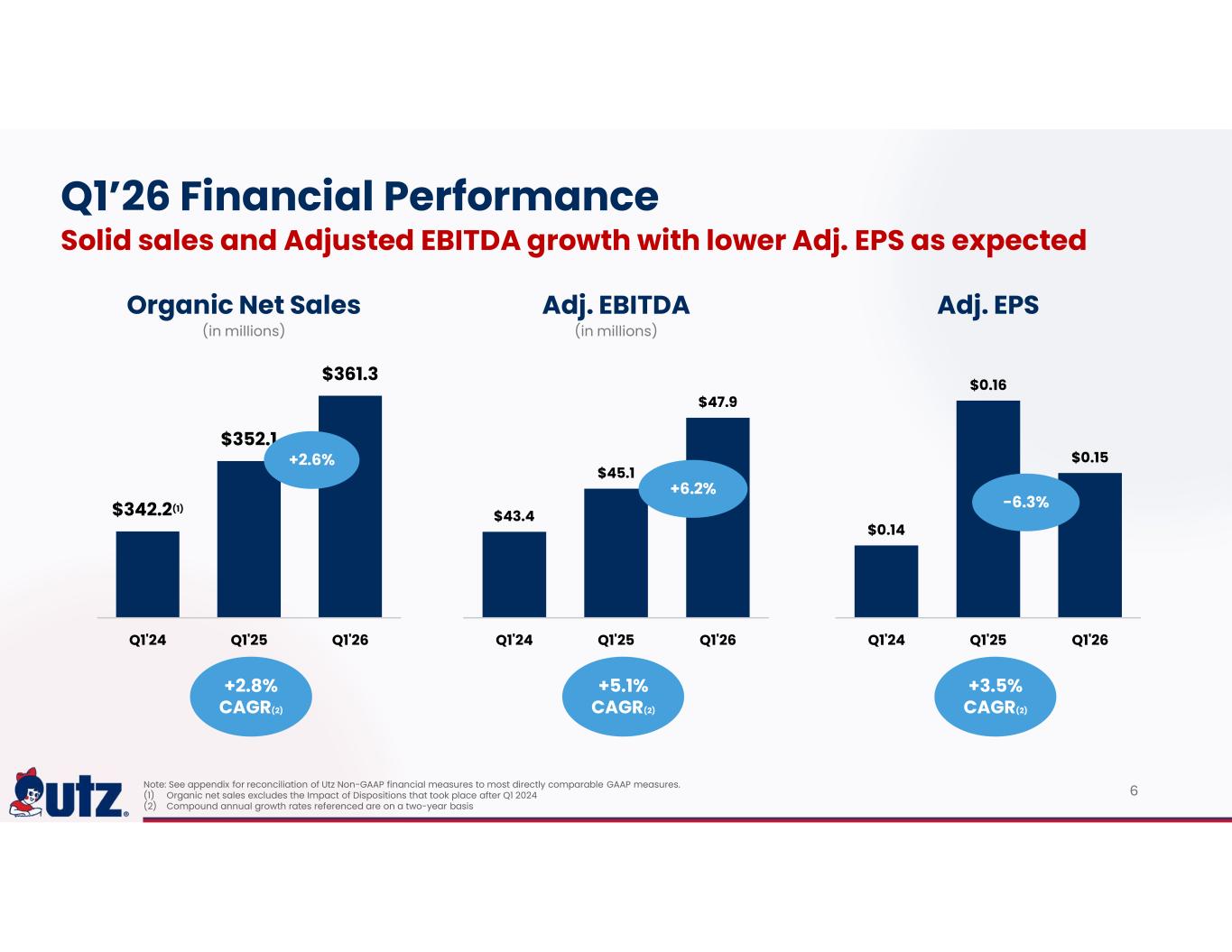
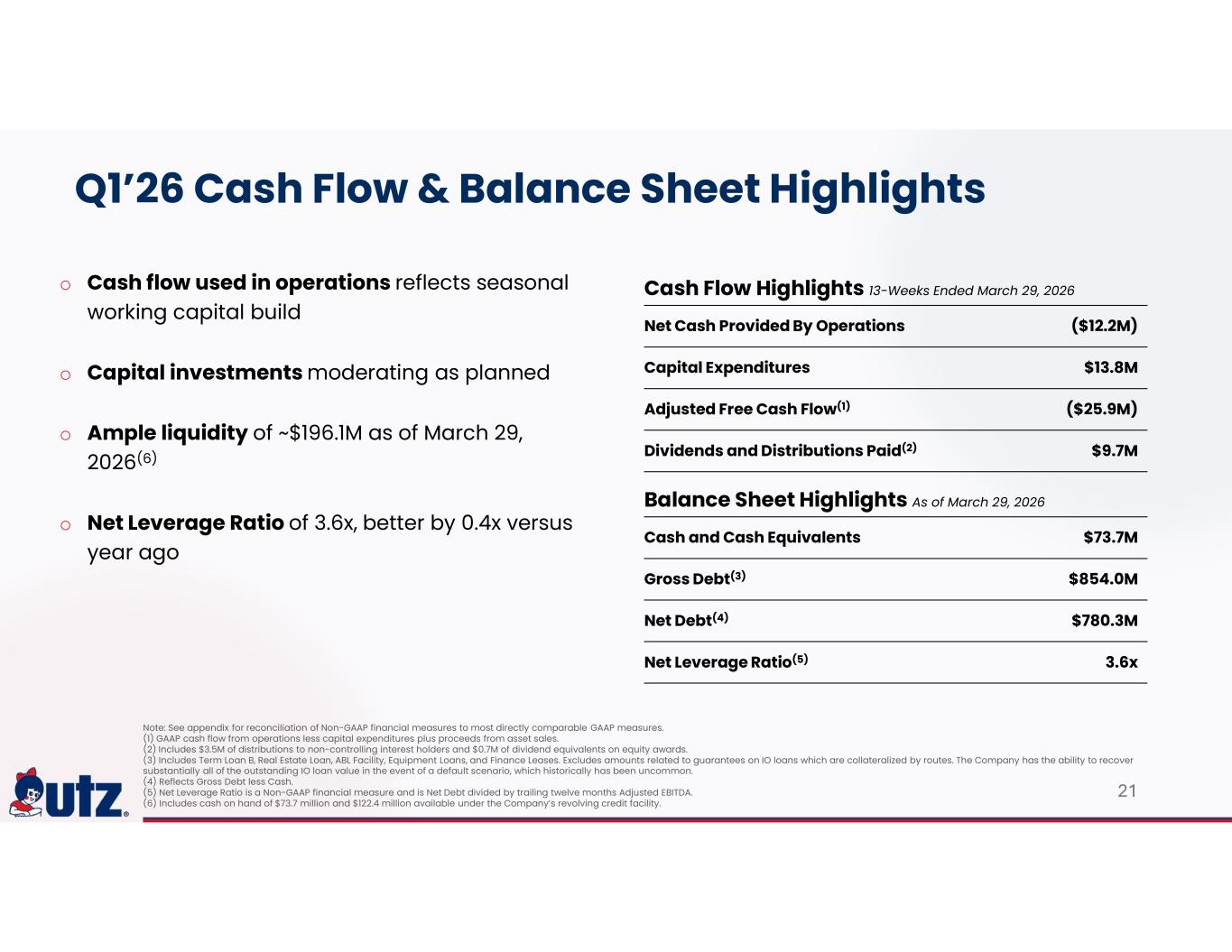
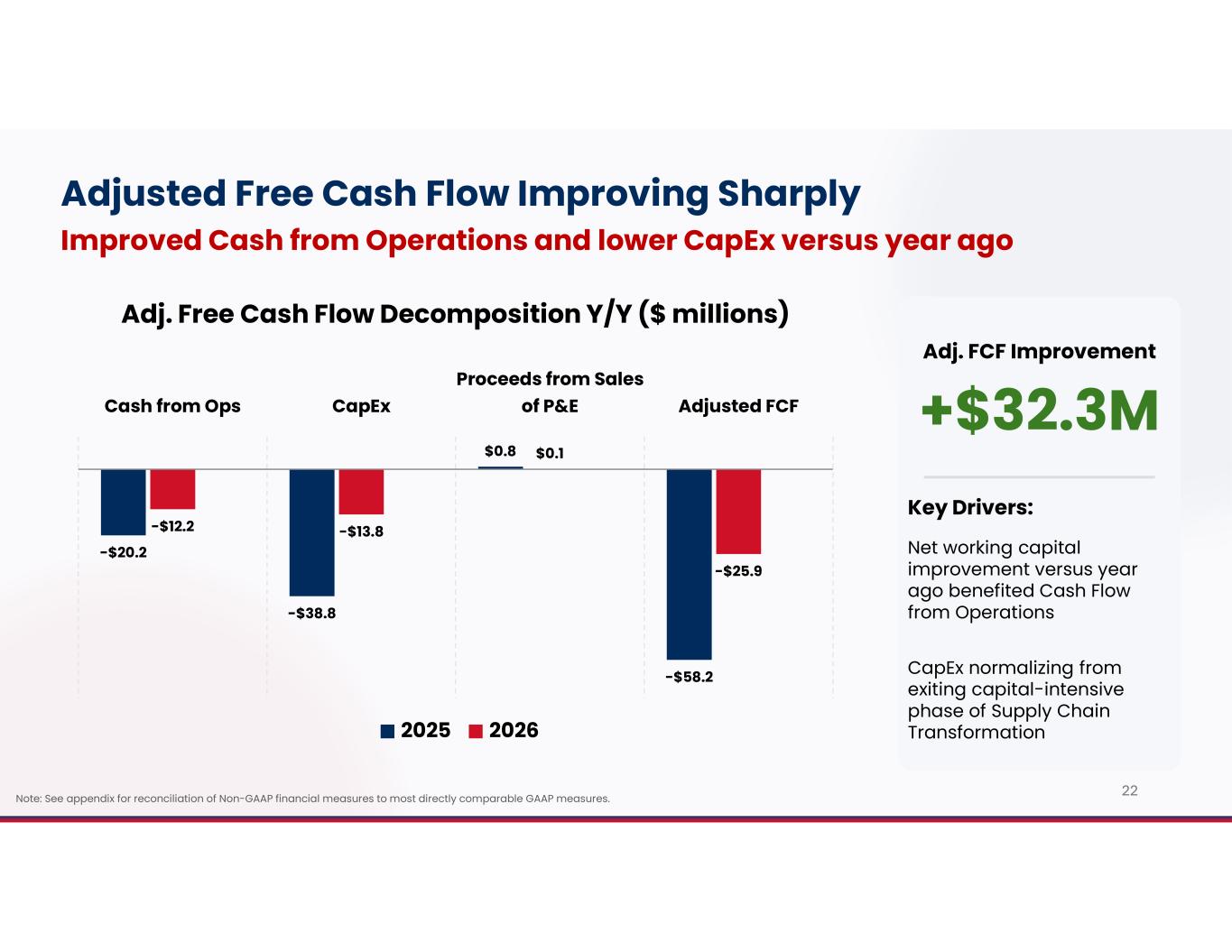
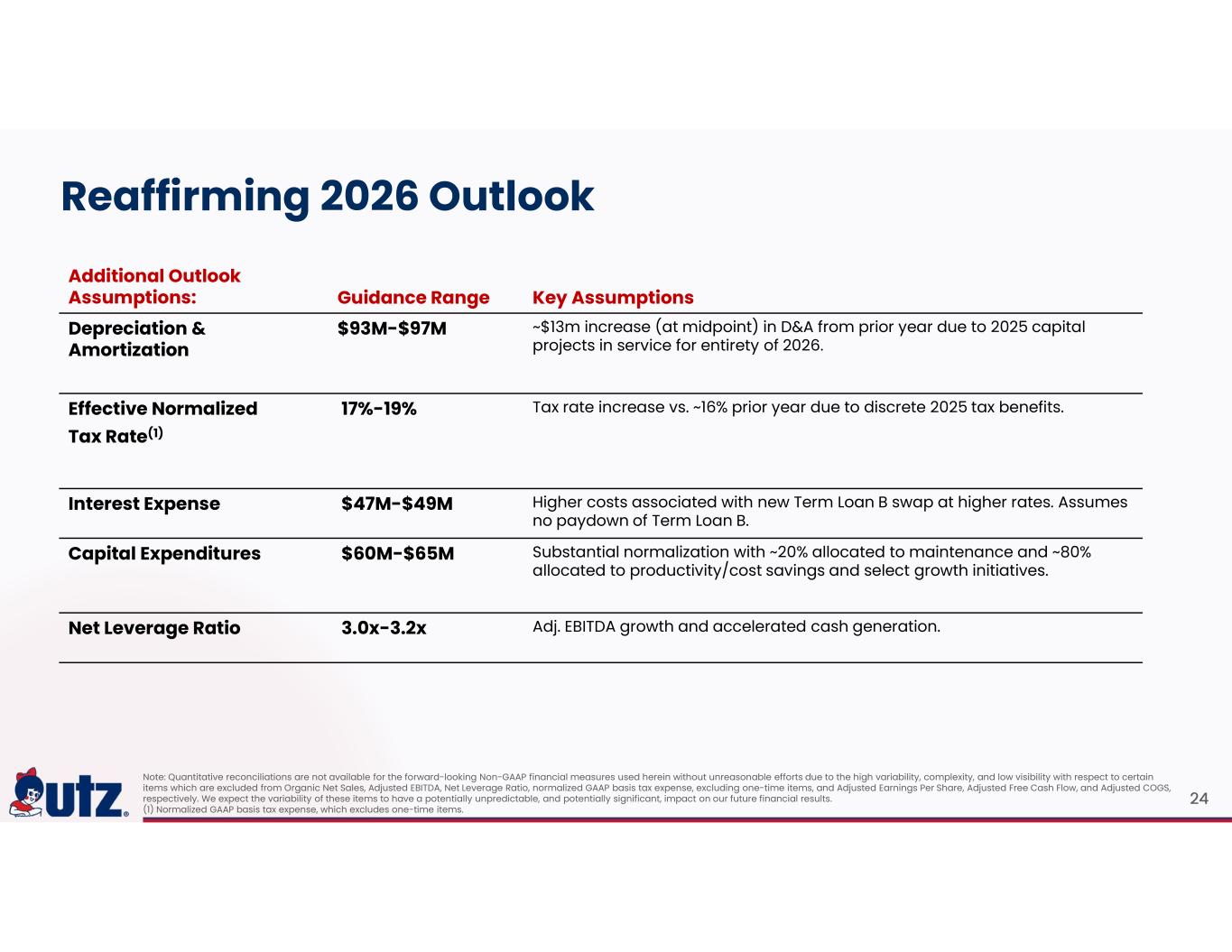
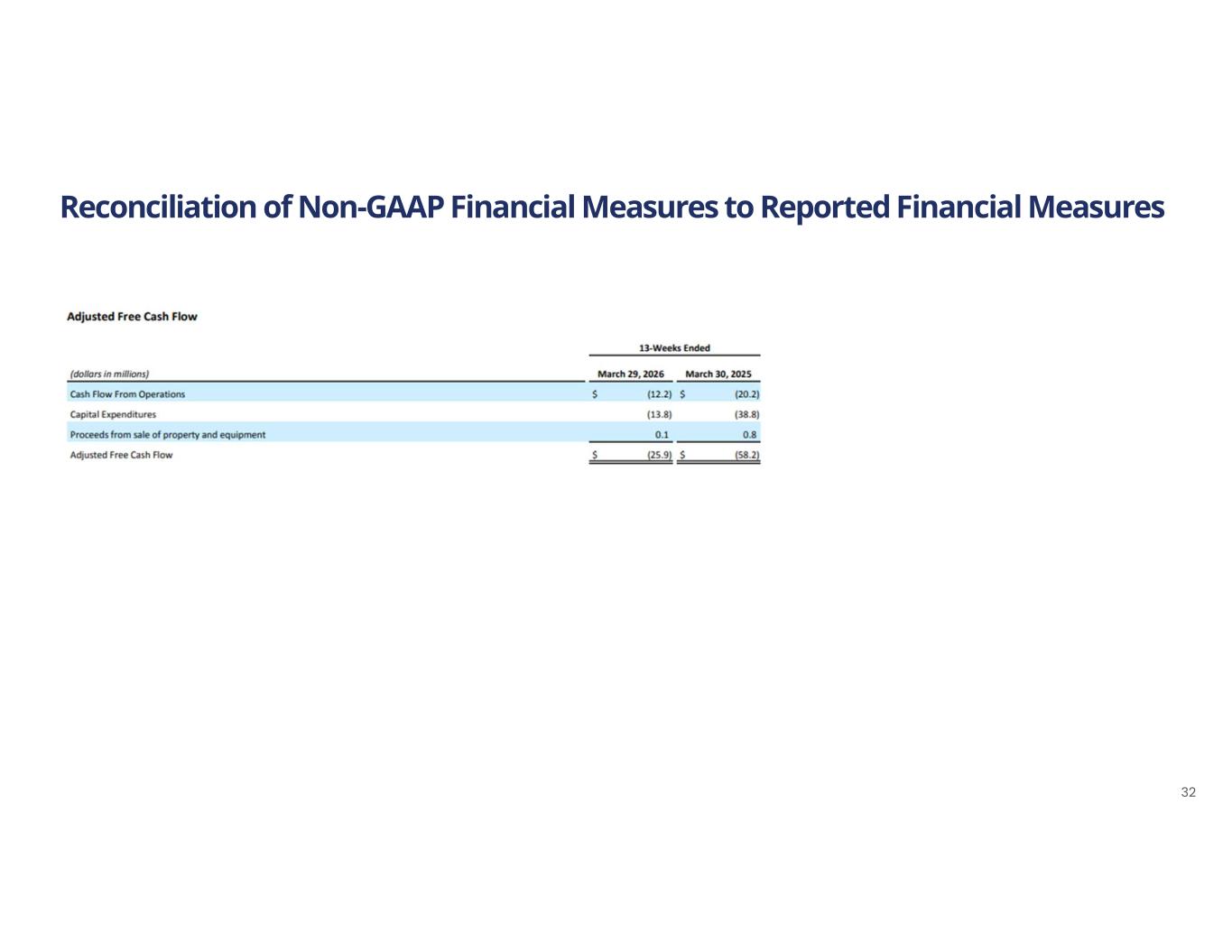
Yeah, I think the – thanks for the question. You know, our confirmation of our guidance included the $60 million to $80 million of free cash flow that we were chasing this year. The, you know, Q1 for us is always going to be a quarter where we burn cash as we build, you know, for the seasons. I think the improvement in our leverage year-on-year is something that is indicative of the improvement we're making in our processes and capabilities in this area. We continue to think that that will build over the year and we'll be on track for the fee cash flow that we expect to generate as well as a lot of targets that we set.
Super. Thank you. I'll pass it on.
Operator
Before going to the next question, again, if you would like to ask a question, press star, then the number one on your telephone keypad. Your next question comes from the line of Jim Salero with Stevens. Your line is open.
Thanks for taking the question. I wanted to circle back on the pricing actions you mentioned by large competitors and kind of the limited impact on the commercial plan. From some of the work that we've done, it seems like those pricing actions are most pronounced in mass, particularly the largest mass retailer. I wonder if you could share how you're thinking about your pricing maybe on a, you know, kind of channel basis relative to peers and if we should see maybe a more strategic opportunity for you to differentiate yourself in channels outside of mass.
Yeah, thanks for the question. Certainly, we've seen similar performance in the mass channel, which is not that much of a surprise to us. I think you've seen that. We've seen that historically, which kind of goes back to the original point of it. Nothing that we're doing, we've seen so far, has been all of that surprising to us. And if you think about how our commercial strategy kind of unfolds, we have got a wide range of competitive dynamics across the price ladder. So, you know, we continue to grow very nicely in the natural channel. We've been making good progress in club behind some of our premium brands, notably Boulder. our expansion geographies and frankly the Food Channel overall continues to perform for us with the larger national grocers as well as the regional players and so you know we will compete there you know obviously our rev man capability really comes through in the Food Channel because that's where promotional effectiveness and timing can really can really kick in and then I think you know more broadly as you think about sort of the rest the remainder of the mass channel we are feeling very good about the performance of our business there we've seen distribution gains um so you know overall work we are it is a subcat by subcat channel by channel um uh game for us and uh and that's again i think we have a lot of different ways to get to our goals and our objectives and i think that's kind of what you're seeing in the first quarter great And then if I could shift gears and ask a quick one on California, you mentioned your prepared remarks, you know, California was up high single digits.
It might be too early, but I want to ask if, do you have any sense for the repeat rates in California, given your brand is going to be new to a lot of folks out there, curious to see, you know, kind of the initial loyalty response?
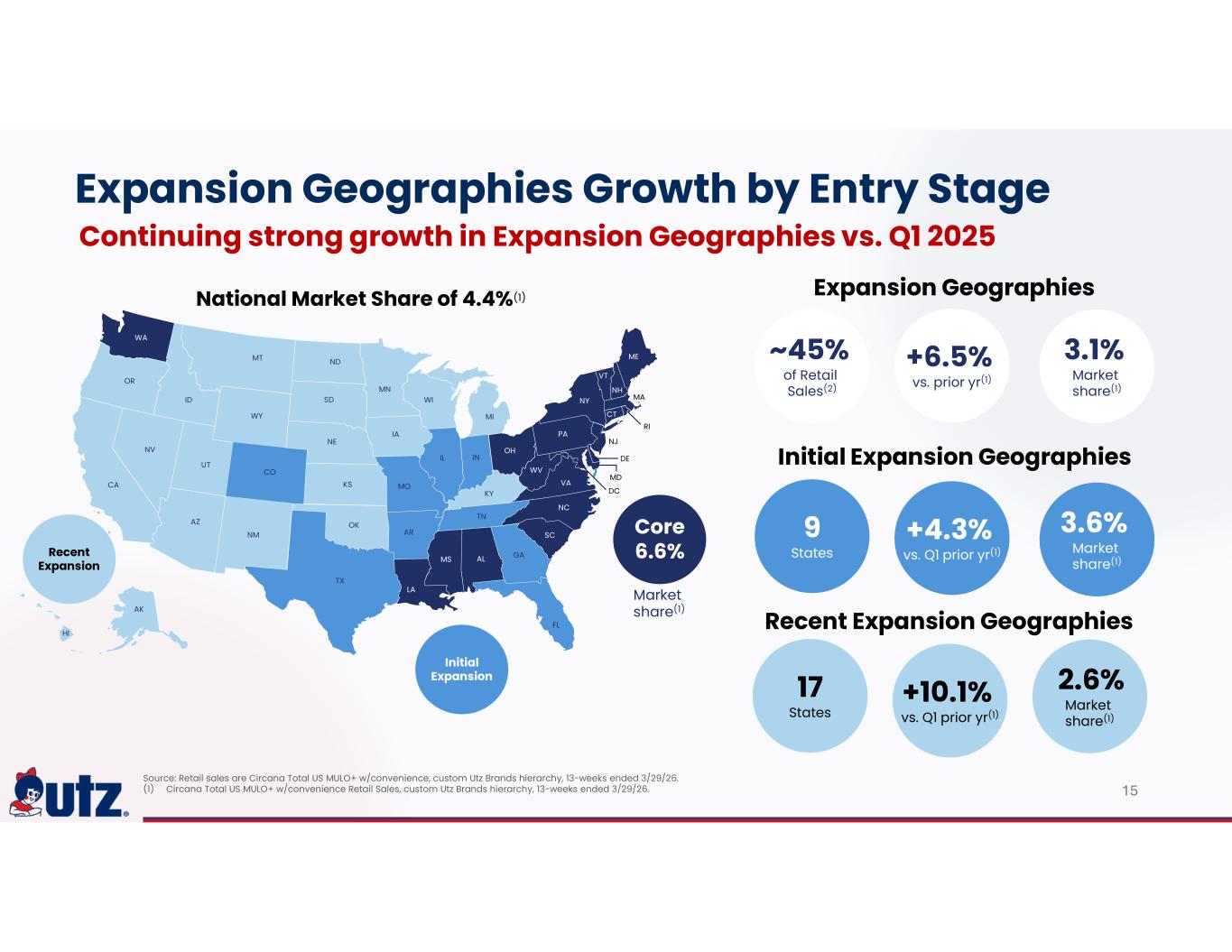
Yeah, it's early for us to see, you know, we have to get through a couple of purchase cycles before we'd really be able to give you a better sense of loyalty. What I can tell you is if you look at our overall marketing metrics nationally, which, of course, our expansion geographies are a significant portion of our growth, you continue to see loyalty and repeat rates actually fairly consistent across. So I think that that gives us quite a bit of confidence that even with a lower relative brand awareness on a brand like us, that the product, once in consumers' hands and pantries, will earn its right to stay there. I think beyond that, remember that Boulder Canyon and Hawaiian are also brands that exist in that marketplace today. And so it's also the opportunity for us to expand distribution of those items, which are more familiar to the California market. So, you know, it will be a full suite of our Power 4 brands and some of our targeted brands as we kind of mature that geography over time. But, like I said, high single digits, a couple weeks in, you know, just call it five, six weeks into it, we feel pretty good about where we are in California. Lots to do, but we're excited about it.
I appreciate the thoughts. I'll hop back to the queue.
Operator
Ladies and gentlemen, that concludes today's call. Thank you all for joining. You may now disconnect.