Operator
Thank you for standing by. My name is Jordan, and I'll be your conference operator today. At this time, I'd like to welcome everyone to the UTS brand fourth quarter and full year 2025 earnings call. All lines have been placed on mute to prevent any background noise. There will be a question and answer session, and if you'd like to join during this time, simply press star followed by the number one on your telephone keypad. If you'd like to withdraw your question, press star one again. I'd now like to turn the call over to Trevor Martin, Senior Vice President of Investor You may begin.
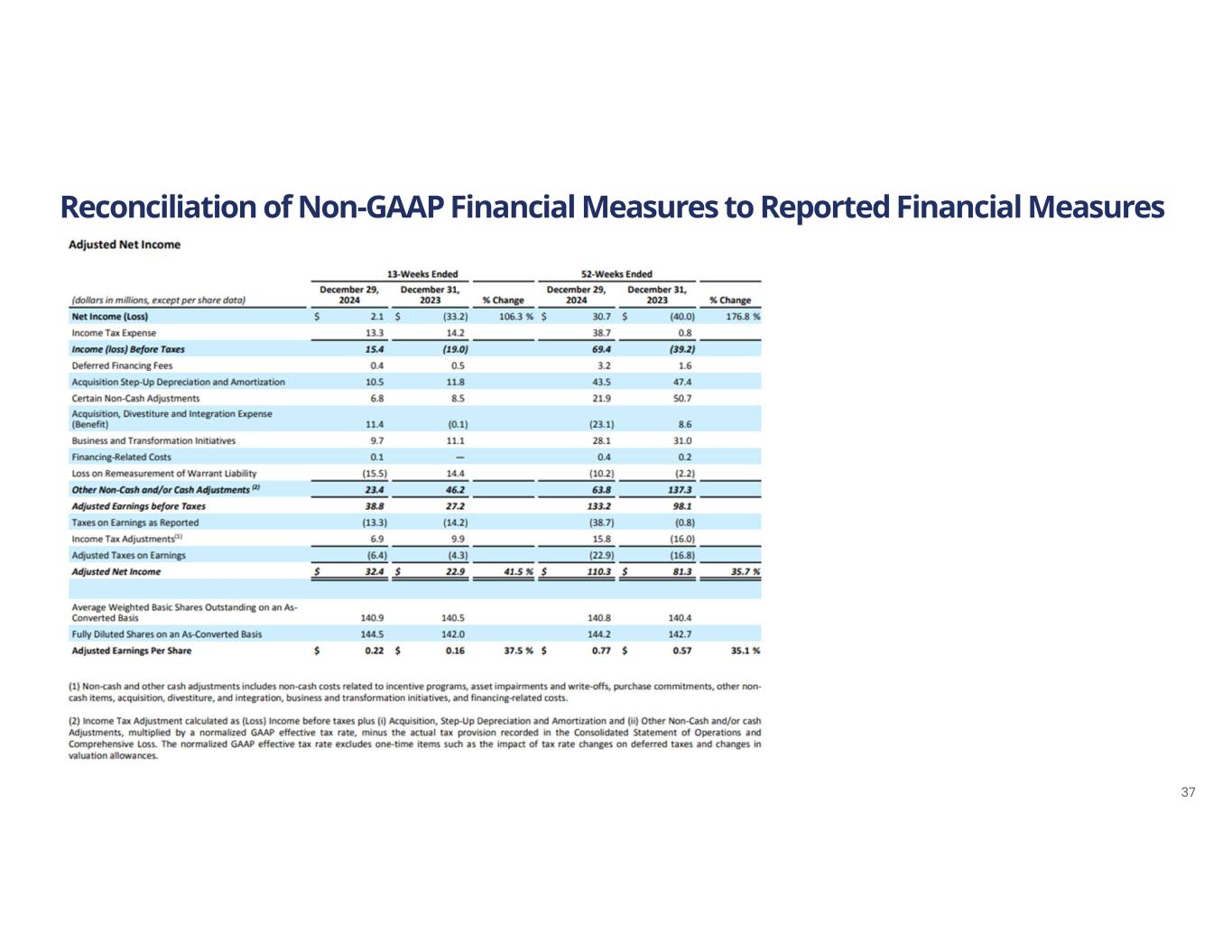
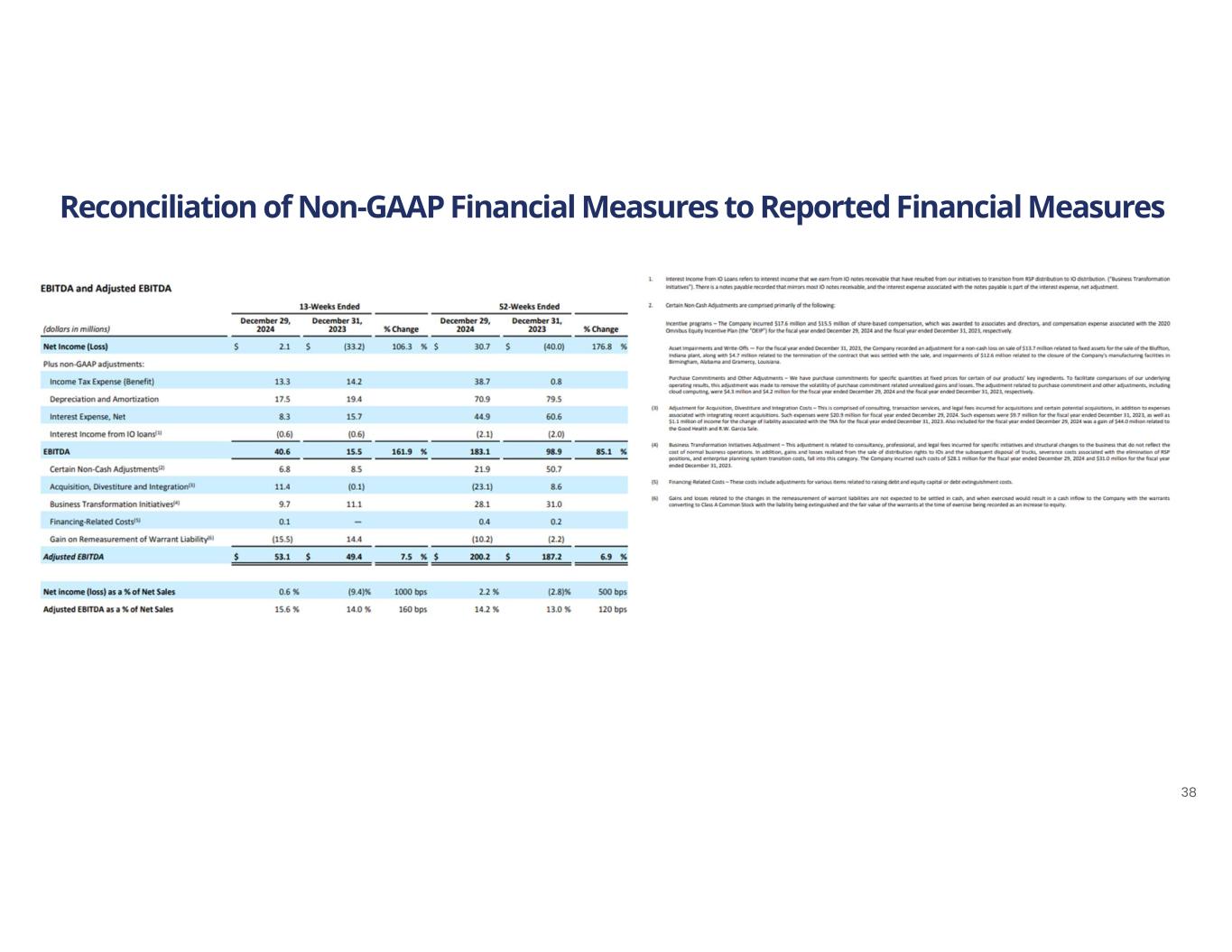
Trevor Martin Thank you, Operator, and good morning, Thank you for joining us today for our live Q&A session of our fourth quarter and full year earnings results. With me on today's call are Howard Friedman, CEO, and E.K. Kelly, CFO. I hope everyone has had a chance to read our prepared remarks and your presentation, all of which are available on our Investor Relations website. Before we begin our Q&A session, I just have a few administrative items to review. Please note that some of our comments today will contain forward-looking statements based on our current view of the business and that actual future results may differ materially. Please see our recent SEC filings, which identify the principal risks and uncertainties that could affect future performance. Today, we will discuss certain adjusted or non-GAAP financial measures, which are described in more detail in this morning's earnings materials. Reconciliations of non-GAAP financial measures and other associated disclosures are contained in our earnings materials posted on our website. Now, operator, we are ready to open the line for questions.
Operator
Your first question comes from the line of Andrew Lazard from Barclays. Your line is live.
Good morning, everybody. Maybe I'm sure you'll get a number of questions along these lines, but figure we'll get this one kind of out of the way first. And I know, obviously, we've all heard a lot more detail recently from a large, salty competitor on, you know, a more front-footed approach this year in the category. And I guess based on either what you've seen in market or hearing from customers and such, I guess, what are you expecting and how does all of this influence your guidance for the coming year in terms of, you know, needed investment spend and things of that nature?
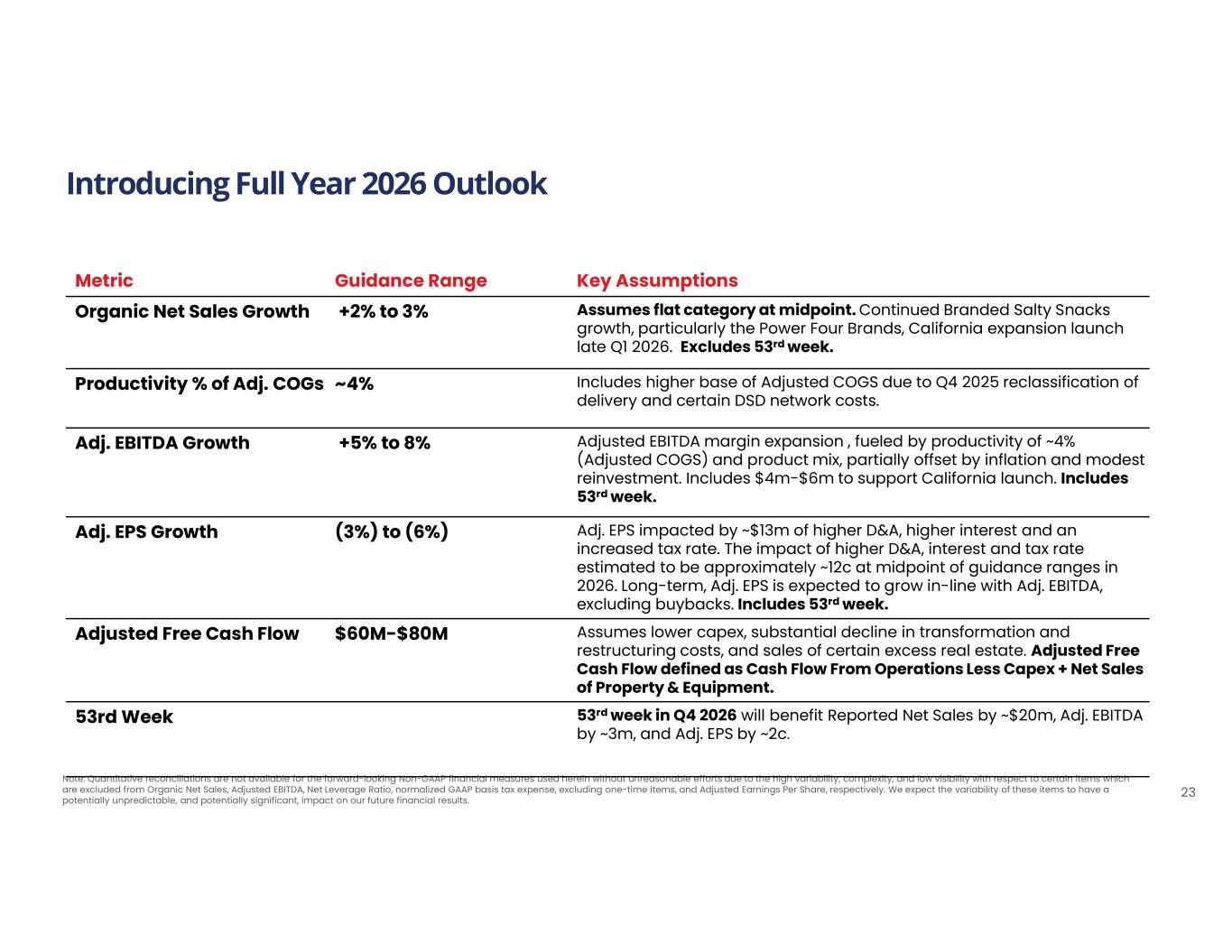
Yeah, thanks for the question, Andrew. It's Howard. Look, I feel really good and I have a lot of confidence in our commercial plan as we think about 2026. If you think about our building blocks of driving our geographic white space, continuing to enjoy distribution gains, investing in marketing and innovation, and competing in a rational promotional environment, I think it all feels to us as a pretty consistent with what we've heard historically and kind of what we've observed in the market. You know, our guide at 200 to 300 basis points contemplates a flat category at the midpoints, two and a half, basically two and a half for the year, which we think is a prudent place to start and give us the flexibility that we need to compete, given the variety of unknowns that may be out there in front of us. But overall, our confidence in our plan and our conviction and what we believe this business can deliver in 26 has not changed.
And that's helpful. And then maybe even if we exclude the four to six million planned investment spend in 26 for the California expansion, it still seems like maybe guidance would have been short of the originally expected 100 basis points of EBITDA margin expansion this year, if I've kind of done the math right. I was hoping you could kind of get into that a little bit and what things are driving that outcome.
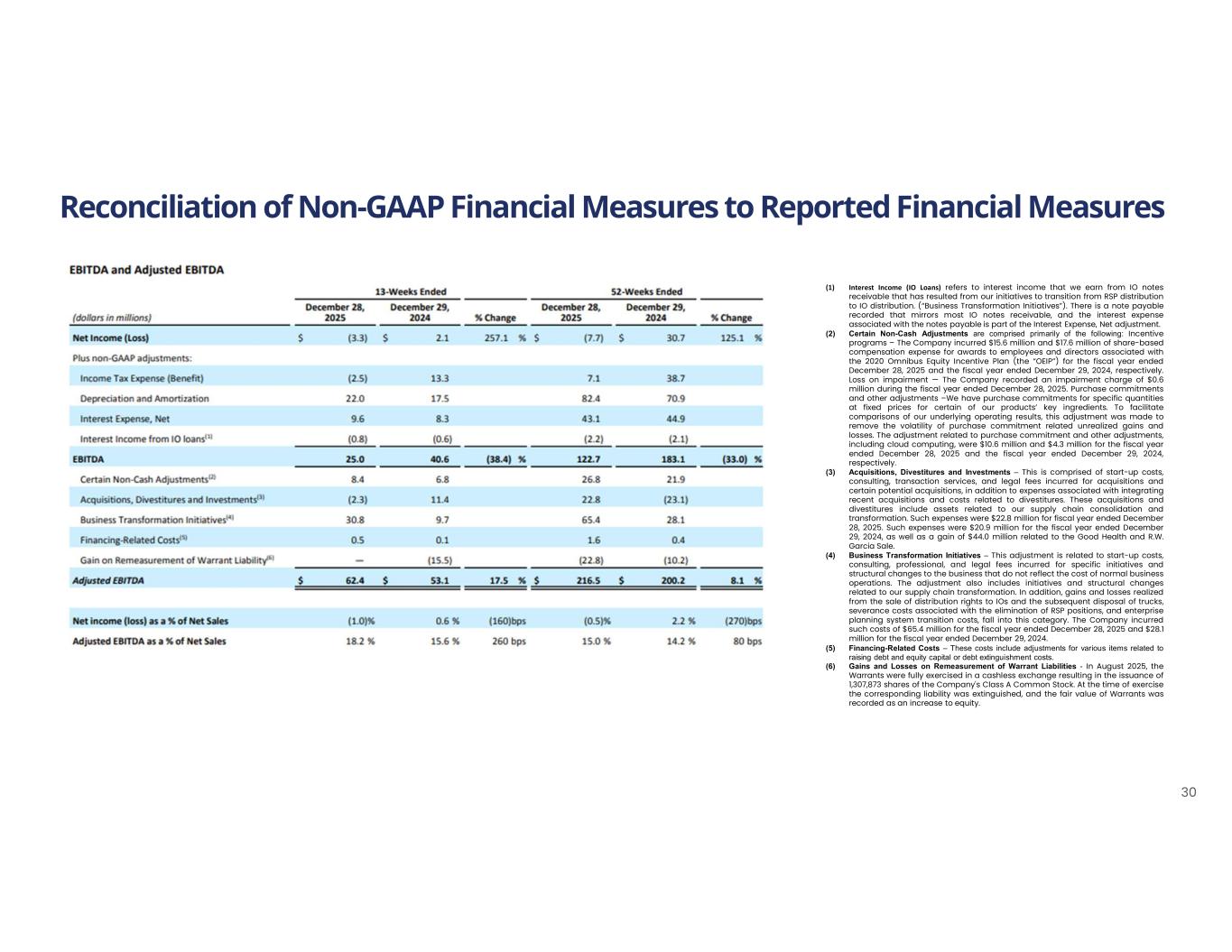
Yeah, thanks, Andrew. You know, at the midpoint of our guide, we are expecting about 40 to 50, you know, basic points of margin expansion of EBITDA. I think, you know, to your point, that accounts for the four to six million dollars of California investment. And to Howard's point, you know, the environment is dynamic and we want to have some flexibility. So it's prudent for us to reflect in our midpoint of our guide anticipation of things that may or, you know, may have to overcome throughout the year. So it's nothing more than being a bit more flexible and then having some capacity to handle any challenges that come our way.
Got it. That's helpful. And then I'm going to throw in just one real quick one. Just with 26 being sort of the final year of, you know, the initial sort of three-year plan, I guess, you know, how do we start to think about what type of sort of organic top line and EBITDA growth could look like sort of beyond 26 on a more, you know, sort of normalized basis. And maybe you're going to get into this more potentially at next week in Florida. So if that's the case, you know, we can wait till then. But I thought I would just try and ask that and see what you're thinking about. Thank you.
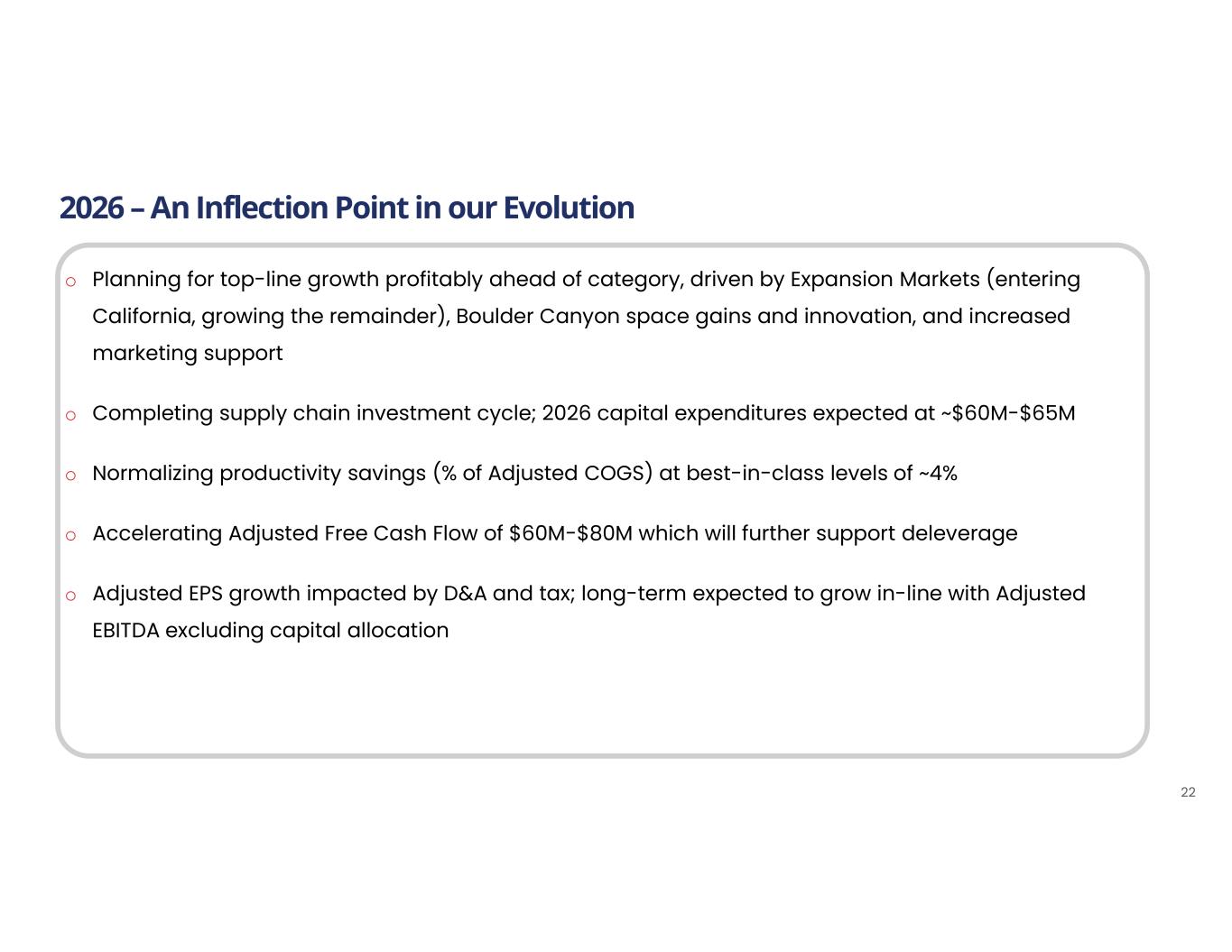
Yeah. Thanks for the question. To your point, we are looking forward to seeing everybody in Florida next week, and we will actually go quite a bit further into our commercial plans for the next three years. And I think what you'll hear a lot from us is the commercial opportunity, while we have advanced it significantly over the last three years largely remains intact. We still have a lot of geographic white space and top line to go get. We have the ability to fund that journey through margin expansion, through productivity and other means. And probably the thing that is most additive to our thinking will be a little bit more around cash, which is, I think, the next leg is we're rotating off of the heavy investment cycle we're in. But we'll get into quite a bit more of that next week when we see you all. Great. See you there. Thank you. Thank you.
Operator
Your next question comes from the line of Peter Galbo from Bank of America. Your line is live.
Hey, good morning, guys. Thanks for taking the question. Hey, Howard, maybe just to drill down a bit more on the price reinvestment commentary, both for yourselves and obviously from the largest player in the category, just was hoping maybe to understand how you're thinking about the interaction for full thoughts brands and OTB would seem like those would be the more competitive parts of the portfolio. So just, again, I know it's kind of early days, but how you're thinking about maybe the interplay of price cuts in those segments specifically and how it might impact those two brands. Yeah, I appreciate the question.
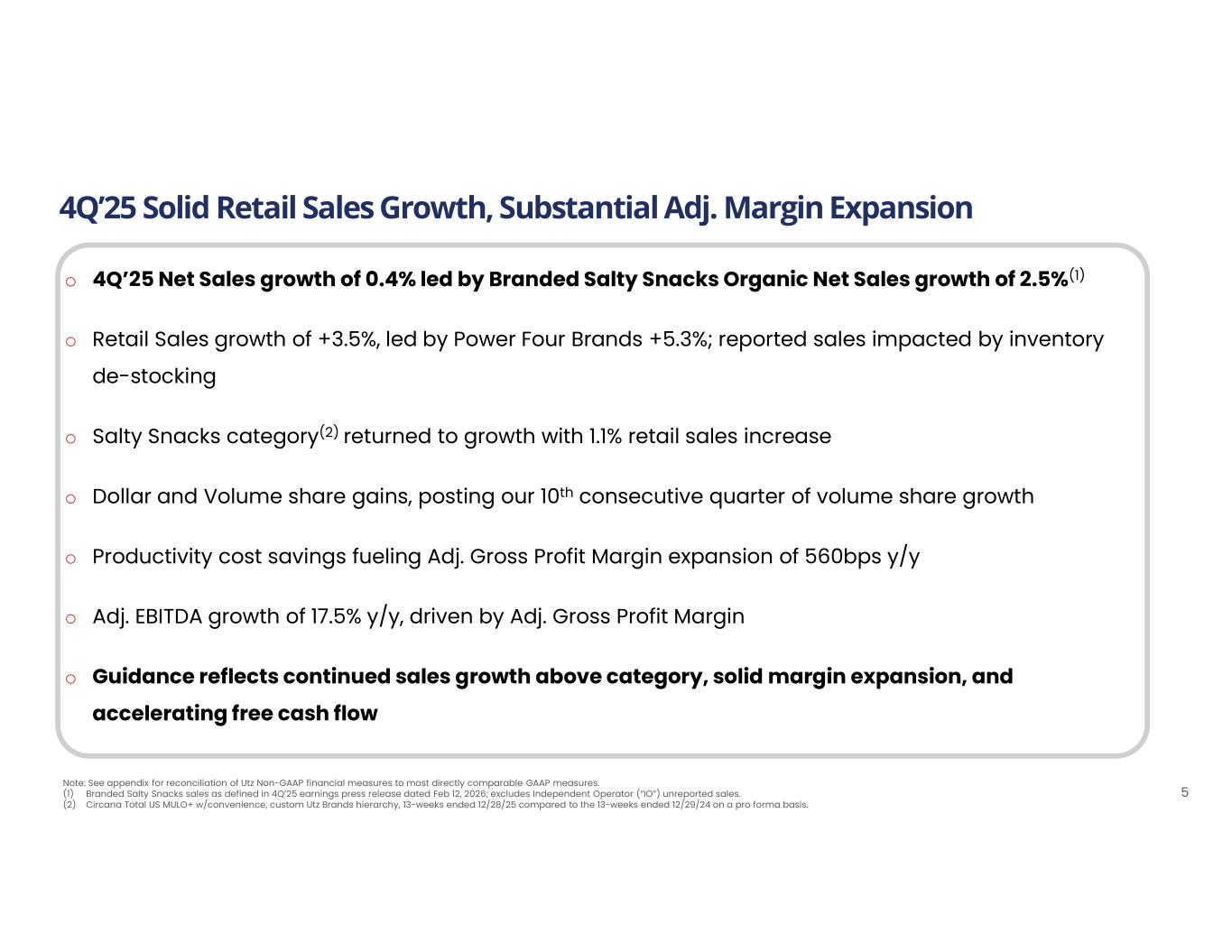
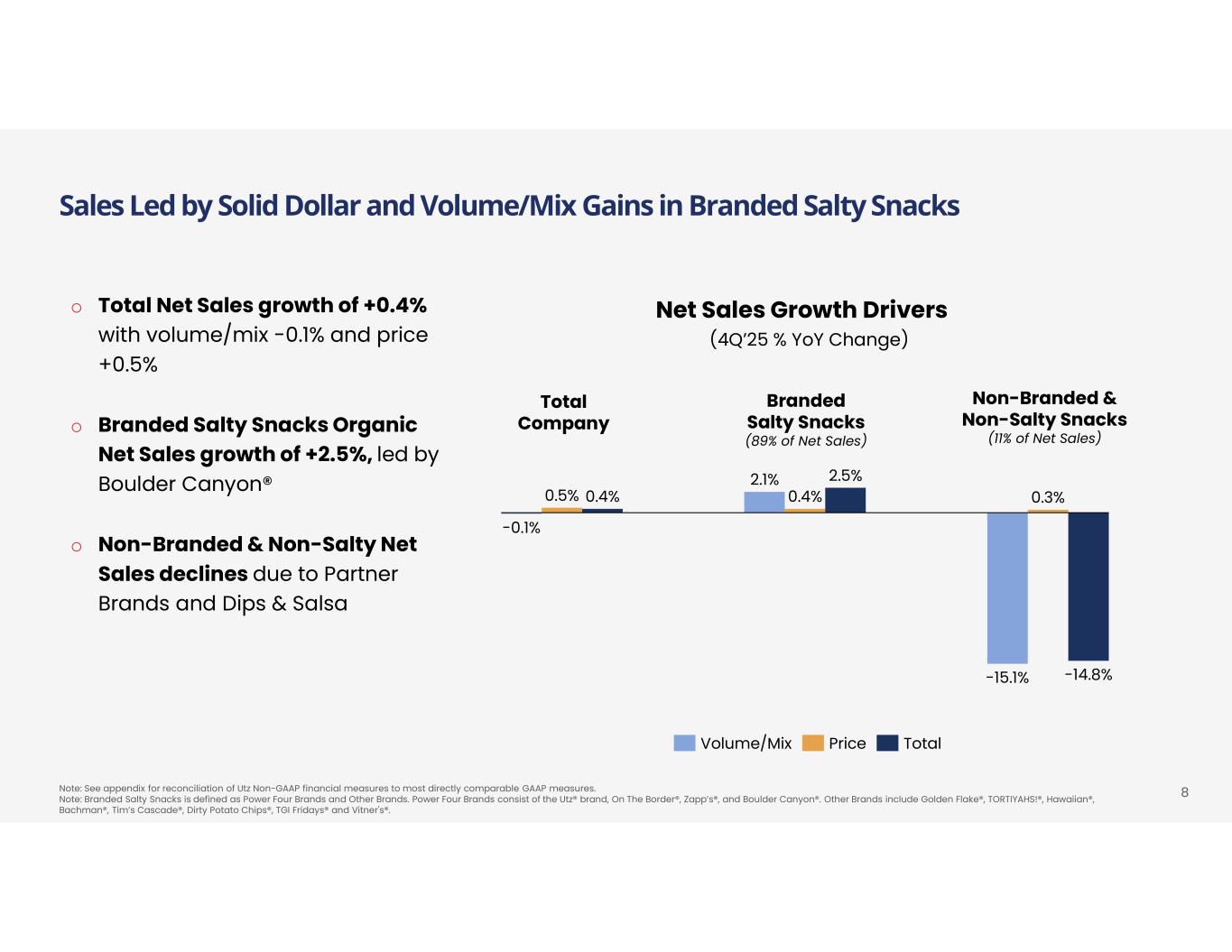
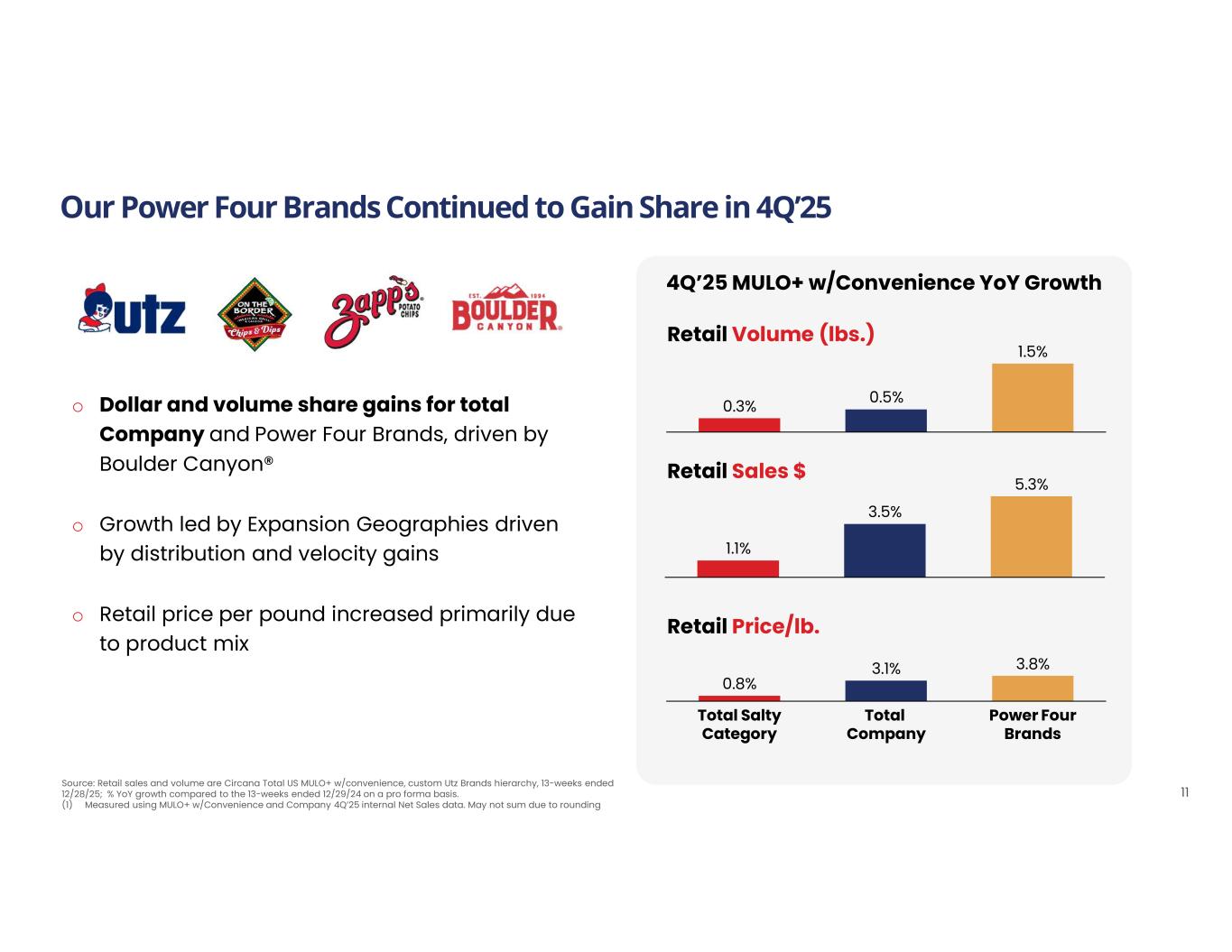
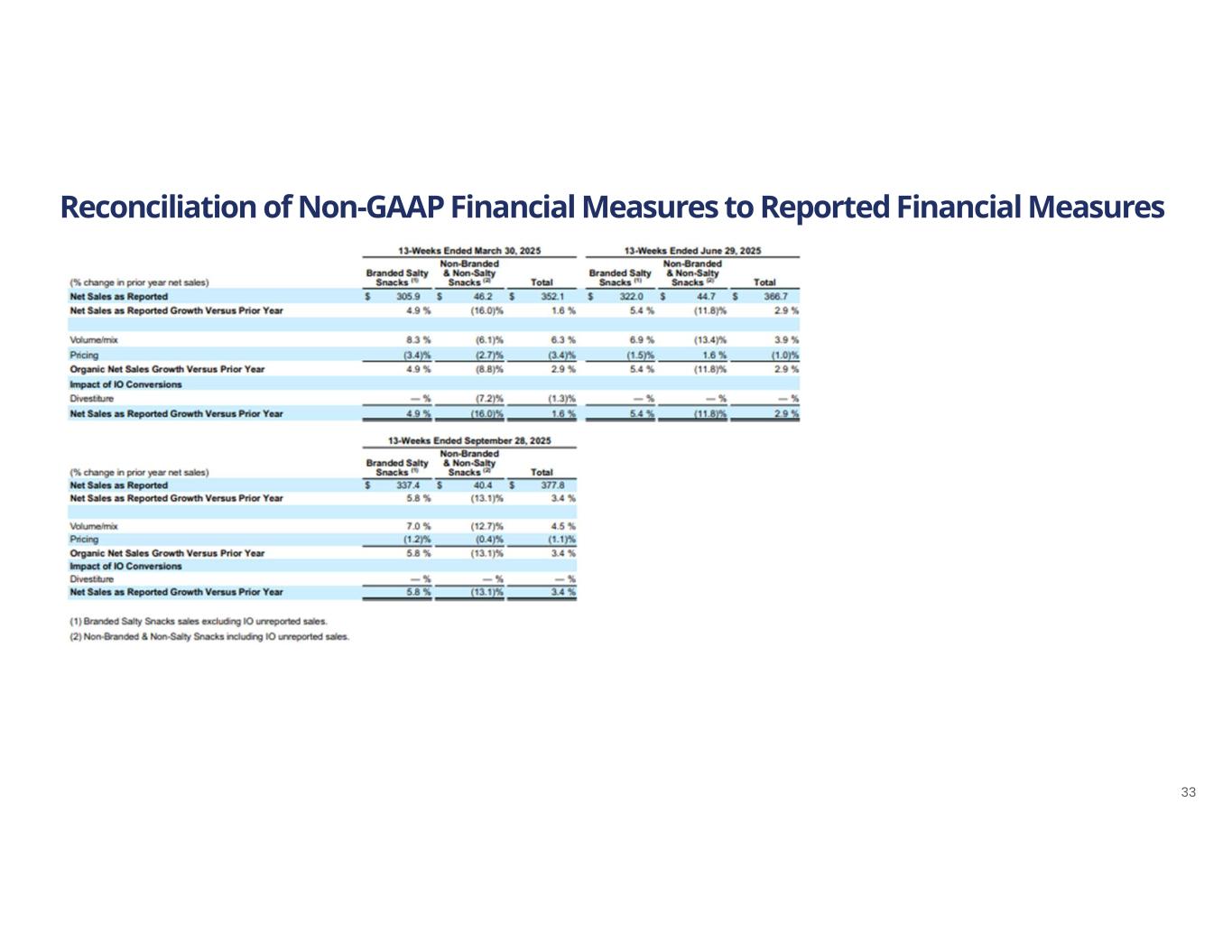
Look, Pete, I think a couple of things. I think, first, I feel very good about the investment that we've been making in revenue management capabilities over the last couple of years. I think we're much clearer on how the price ladder works for across our entire portfolio. Obviously, those two brands are large and significant to us. And, you know, I think as we what you're starting to see from us is starting to deploy some of those capabilities. I'll remind everyone that, you know, in 25, you know, we continue to focus on affordability. And through most of the year, the first three quarters, we had a one percentage point investment in price along the way. and as we got out of the year, we had a little bit more positive price toward the end of the year. We'd expect as you go into next year that we'll obviously continue to play our role in the category and be prudent in how we invest but that we'll be up and down the price ladder and ultimately I think we'll maintain the gaps we need to but I do think that you're going to see a more positive contribution in both volume and price across the portfolio as we go into 26 because of some of the differences in our commercial strategy this year.
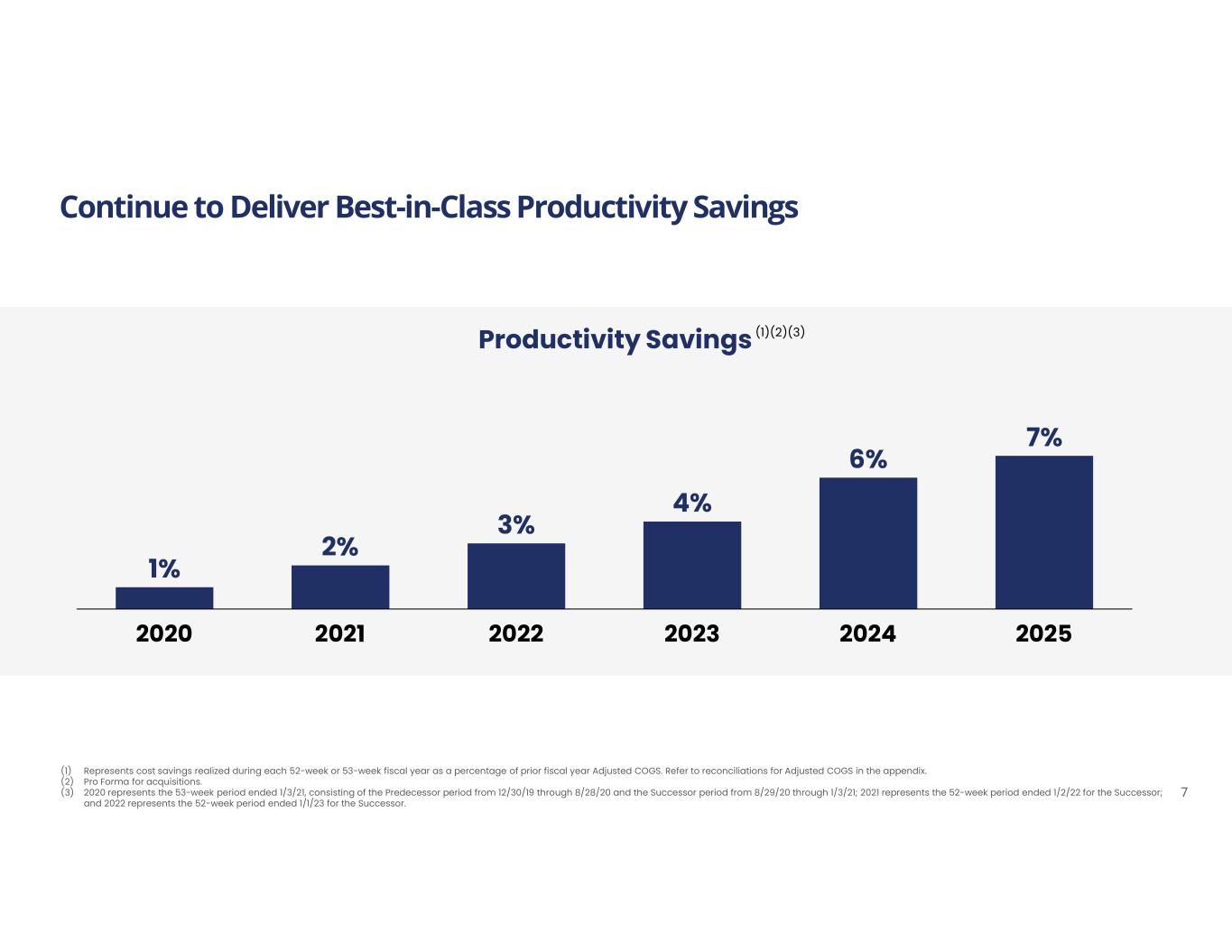
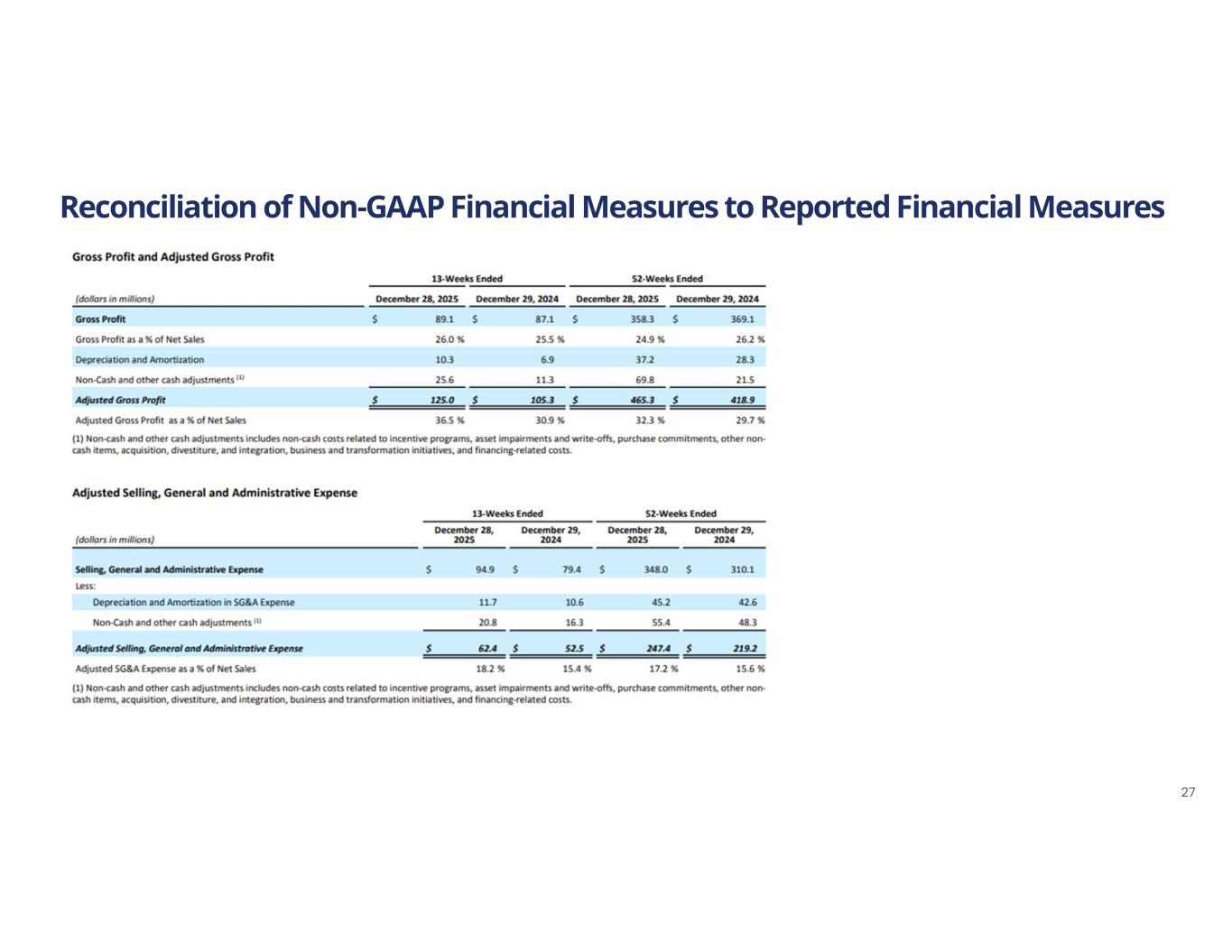
Okay, thanks for that, Howard. And maybe just to piggyback on the EBITDA question that Andrew had asked around, if we kind of take the like for like, it's maybe a touch light. If I've done the math right on productivity, I think it's like a $40 million COGS productivity number. It would imply, you know, I know there's the California investment, But it would imply that, you know, between inflation and reinvestment, there's a pretty material headwind. So maybe you can just bucket between the reinvestment and the inflation numbers, just kind of how you're thinking about those two within the gross margin cadence and ultimately the EBITDA guide. Thanks very much.
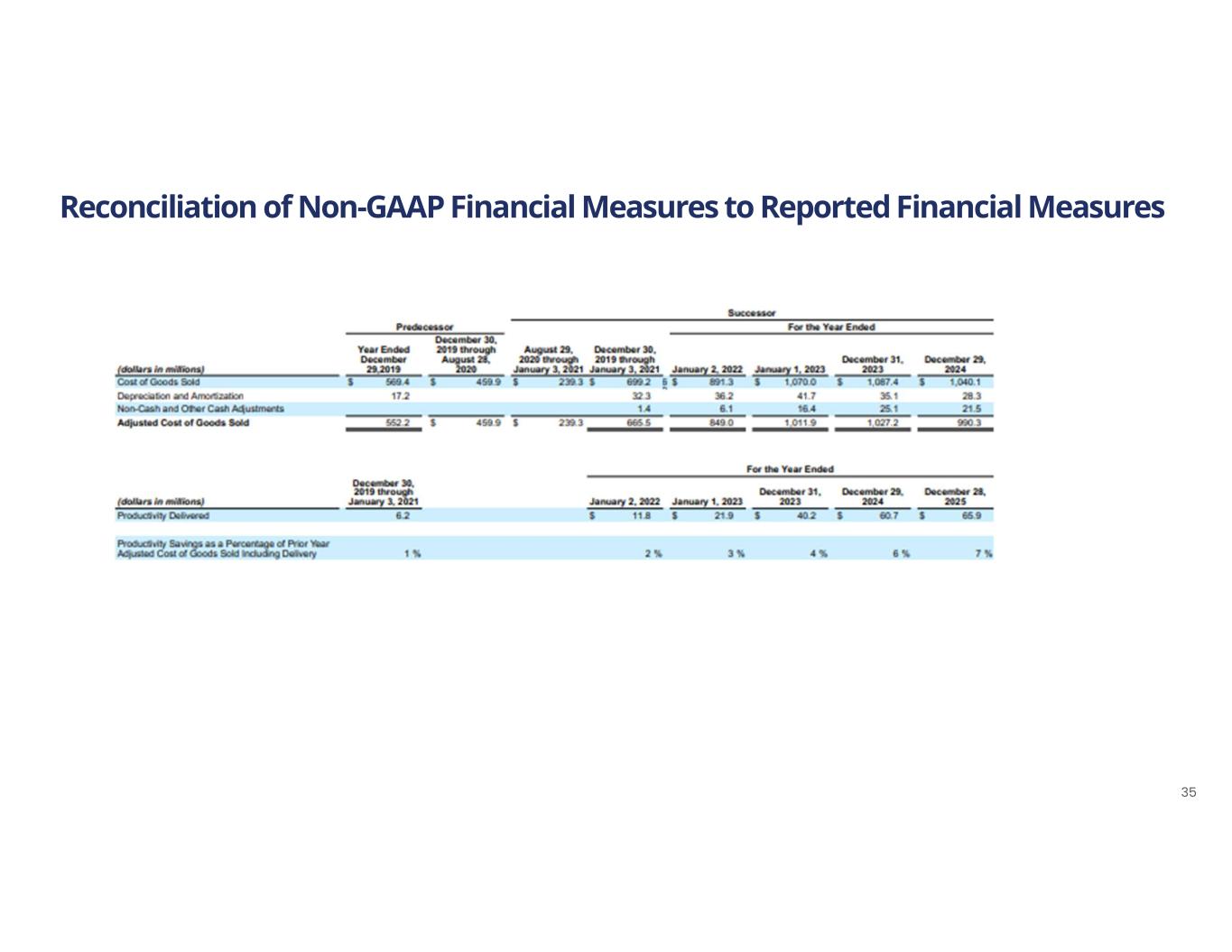
Hi, this is BK. So first of all, you know, the productivity performance, you know, we're very proud of that and it's been very strong. Our first step with productivity, obviously, is to mitigate and manage through any inflation. We don't see abnormal inflation coming through, but there is a bit in some ingredients, some packaging and a little labor for sure. We will continue to invest, as Howard said, but also just, again, to the point and theme of being flexible and just being prudent in our guide, we're going to make sure that we can manage through a variety of outcomes, no matter what could come our way. And, you know, given that perspective, that's how we come to the EBITDA guide that we have. Okay. Thanks very much.
Operator
Your next question comes from the line of Scott Marks from Jefferies. Your line is live.
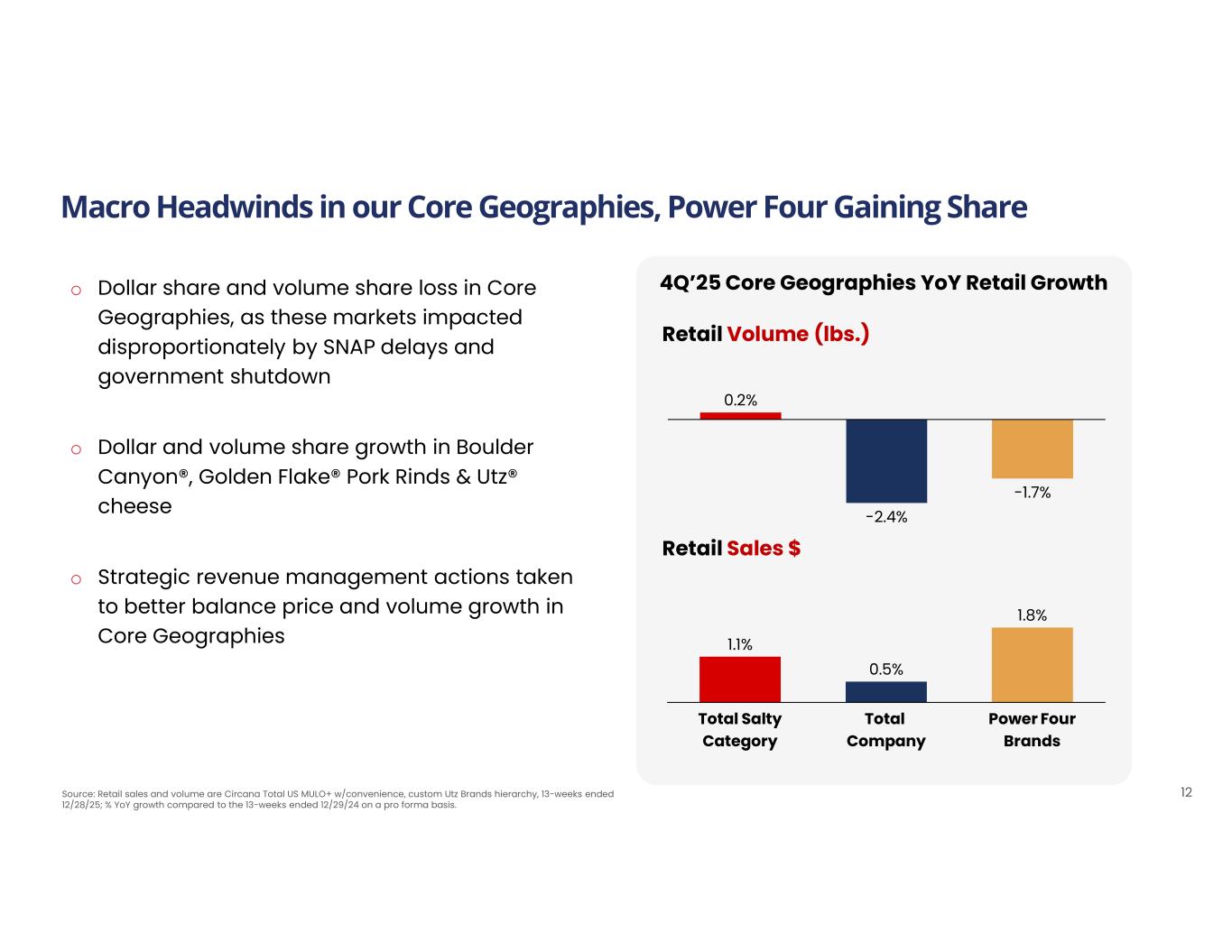
Hey, good morning. Thanks for taking your questions. The first thing I wanted to ask about, in the prepared remarks, you called out the snap disruption from early November. But it sounded like some of your core geographies that UTS was hit maybe a little bit more than the category. So I'm wondering if you can shed some light on that and why that was the case.
Yeah, thanks for the question, Scott. A couple of things. We certainly, as you look at the disruption that we had in November, SNAP and the government shutdown were the two that we called out. And if you just look at our geographic dispersion and you look at kind of the core of our core, the core of our core is in that Maryland, Virginia, Washington, D.C. area, which winds up being a little bit more disproportionately impacted just given the nature of the population And so that's what we were calling out specifically. And that area is about 20 percent of our overall core sales. And so that's kind of what we passed through in the remarks.
Understood. Thanks for the clarity on that. And then, you know, in the prepared remarks, you also called out some dynamics for this year on the, you know, on the volume front, you obviously called that in Q1, you know, lapping in the bonus bag, but then you also called out some, some innovations that you're expecting to launch with, with the protein pretzels and some of the new Boulder Canyon offerings. So I'm wondering if you can just kind of help us understand maybe as we think about cadence throughout the year in terms of when these innovations are coming to market and how we should be thinking about some of the distribution wins because of that.
Yeah, I'll start and make sure if BKF has any color to add. A couple of things. First of all, I think we feel really, really good about the distribution gains that we are expecting to see through the year. You know, they typically start shelving in February and March. In fact, our California expansion, we start actually putting product on shelves in the coming weeks. So we would expect to start to see some distribution gains building through the back half of this quarter. And then innovation starts coming in Q2. So you'll kind of see a pretty consistent and deliberate, similar to prior years, a back half of Q1 into Q2 as innovation rolls, planograms reset. And then typically in right around back to school, you'll see a second visibility in terms of additional gains that we may see in the back half of the year if that's actually still in front of us. So, you know, I think you'll find a pretty consistent volume year. Obviously, Q1 and into April on the lap on bonus bags will be a little bit anomalous. it's a three-point on price positive and a three-point negative on volume through Q1 and into April, which is kind of the reciprocal of what you saw last year. So you kind of put that together, it should help with the cadence.
Yeah, Howard, I think that's great. Only I would add to your point is, as we begin the Q2, we will have started our California distribution, and so we'll have a little bit of volume there coming through as well.
I appreciate the caller. We'll pass it on. Thanks, Scott.
Operator
The next question comes from the line of Michael Lavery from Piper Sandler. Your line is live.
Thank you. A little bit more on the top line. You're midpoint, and it's a range, obviously, but you called out as a flat category view. It was close to that, but slightly up. Do you expect a little deceleration, or is that just some conservatism? And then on the distribution piece, you've got the white space geographically especially, but can you also clarify if you're seeing pressure in existing stores or core markets on – can you gain there? Are you losing any space? Can you hold it? How should we think about the distribution side?
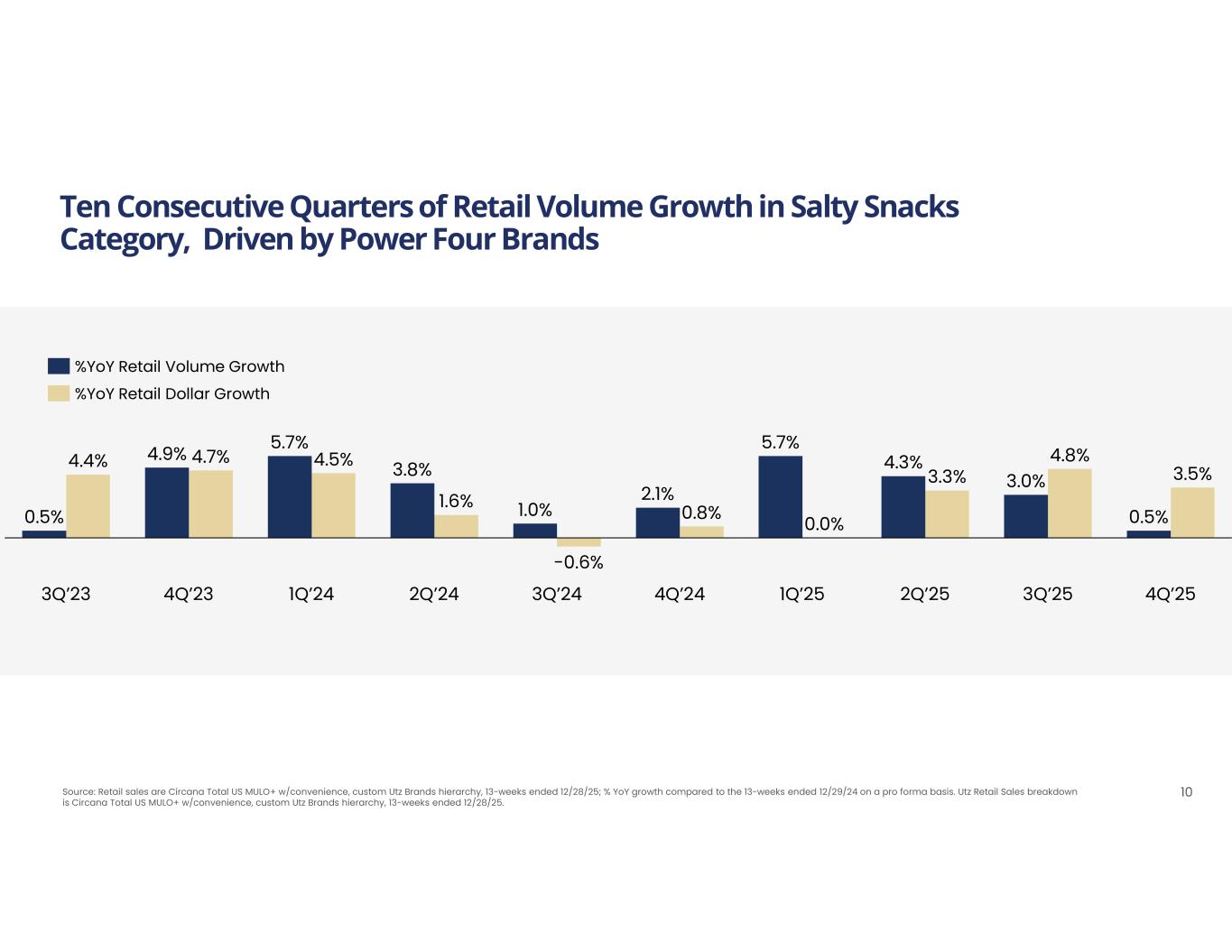
Yeah, I'll take the second question first, and then I'll get into the – look, we expect to have positive distribution gains in 2026. It's consistent with the last couple of years. It's not just an expansion markets in California, but also within our core as we're bringing innovation and some of our power three brands continue to gain distribution traction in our core markets. So, you know, we would anticipate a positive distribution gain based on everything that we can see right now and the wins that we know we have that you'll start to see materialize as we go into California through the course of the year. I just lost your second, your first question. I apologize. Look, I think over the last couple of years, obviously, much has been written about the category. I've always been bullish and believe it's a great category to be in and consumers want to be there. I think what you're seeing right now from a lot of category participants is a renewed commitment in trying to drive shoppers down the aisle through a combination of the things that have always made this category great, which is really around better brands, brand building, innovation, and a rational promotional environment, which is largely what we're seeing and largely what we continue to expect. And we do believe that consumers will respond. Fourth quarter of this year, we saw a positive category improvement, and it actually inflected positively. And then obviously the storms in January further drove some tailwind. But I just think it's a little premature to say that we expect the category to be positive in 2026. I think we're cautiously optimistic that all of the ingredients are there. But at this point, knowing what we know, we felt like a flat category was the most prudent call.
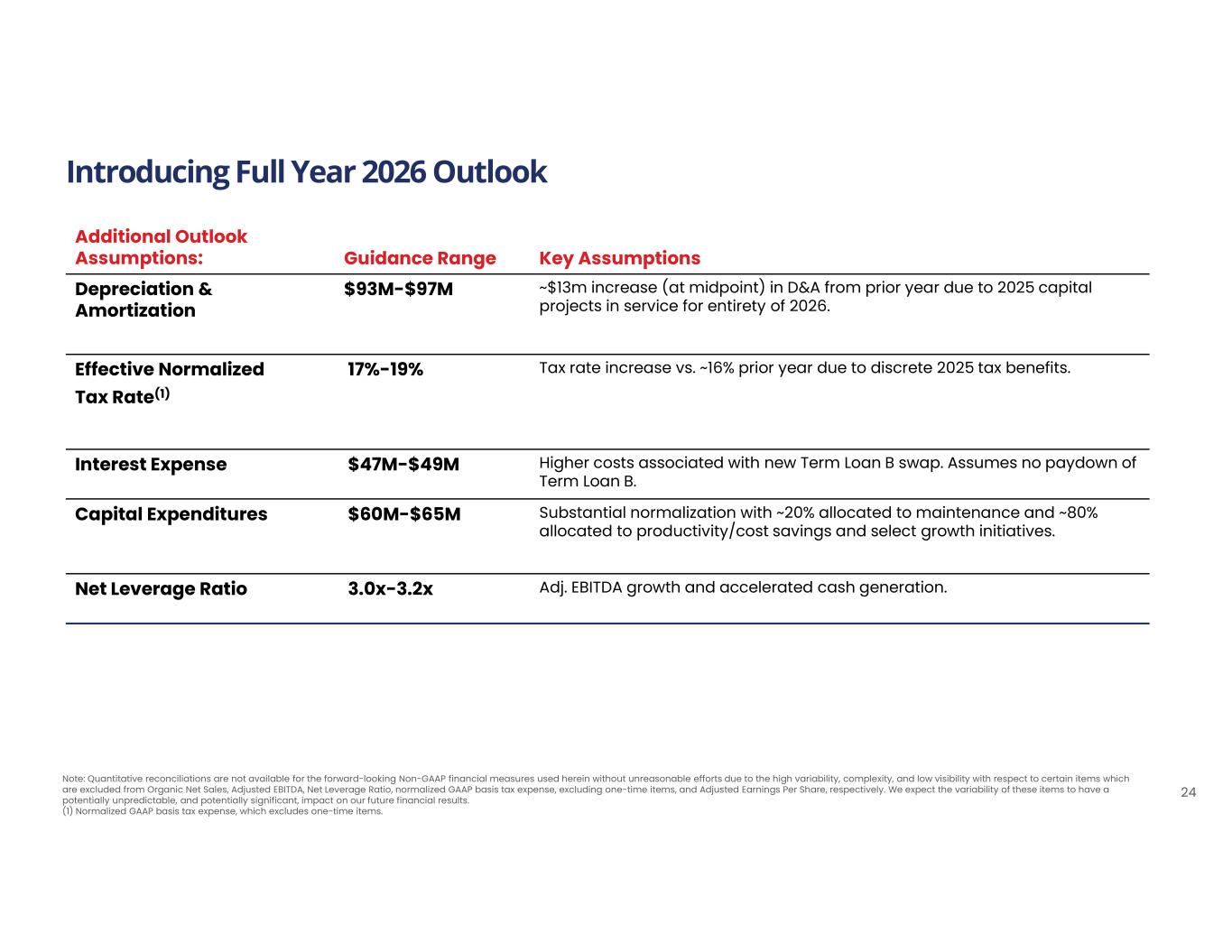
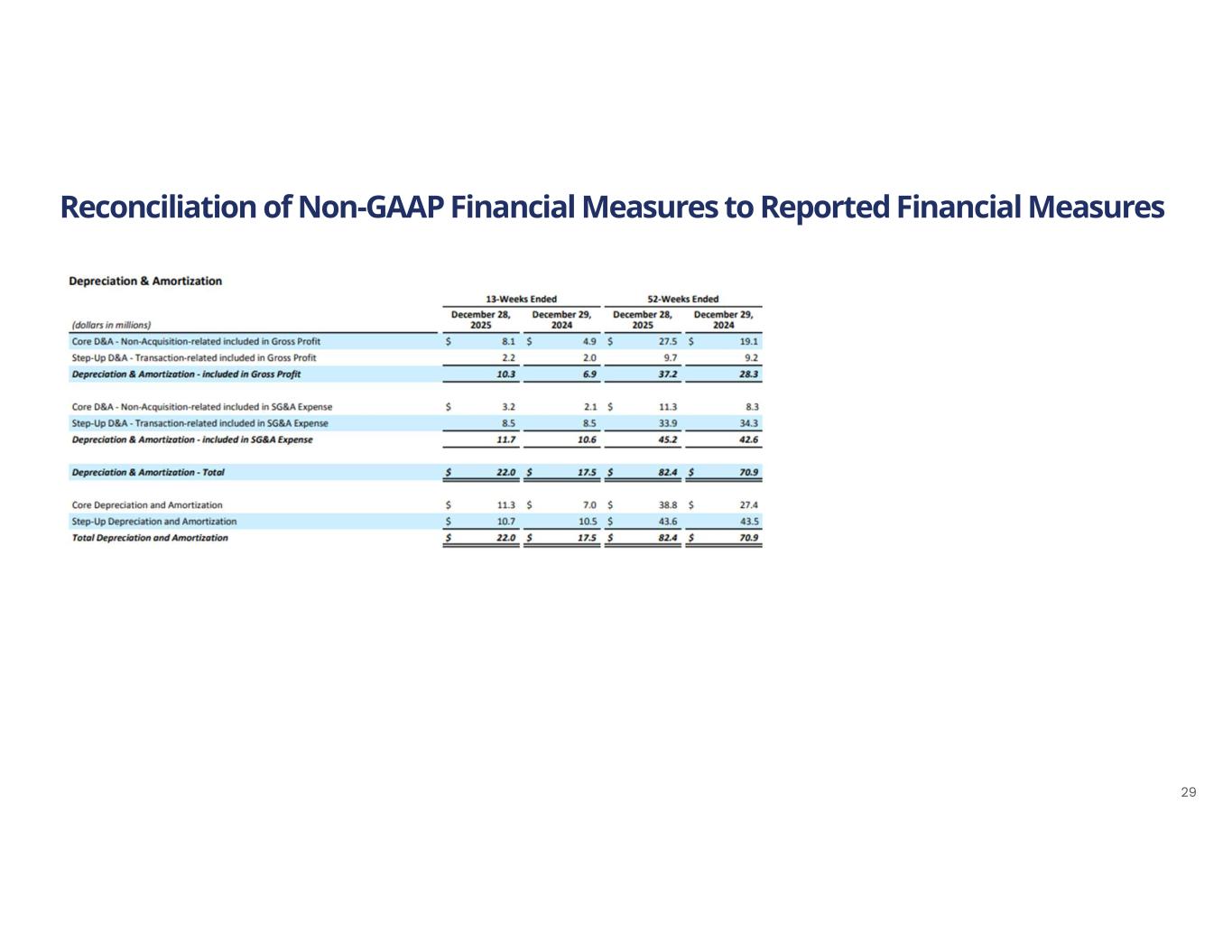
No, that's very helpful. Great caller. Just a little bit of a housekeeping clarification on the below the line. I understand that the newer PP&E would have higher DNA, but maybe can you just make sure to help us reconcile the 93 to 97 million up 13 million with the 37 million full year figure in your gross profit bridge? It looks like the higher figure kind of aligns with the cash flow statement, but I want to make sure to understand how to translate that into the income statement side and the gross profit bridge just to get those moving parts straight.
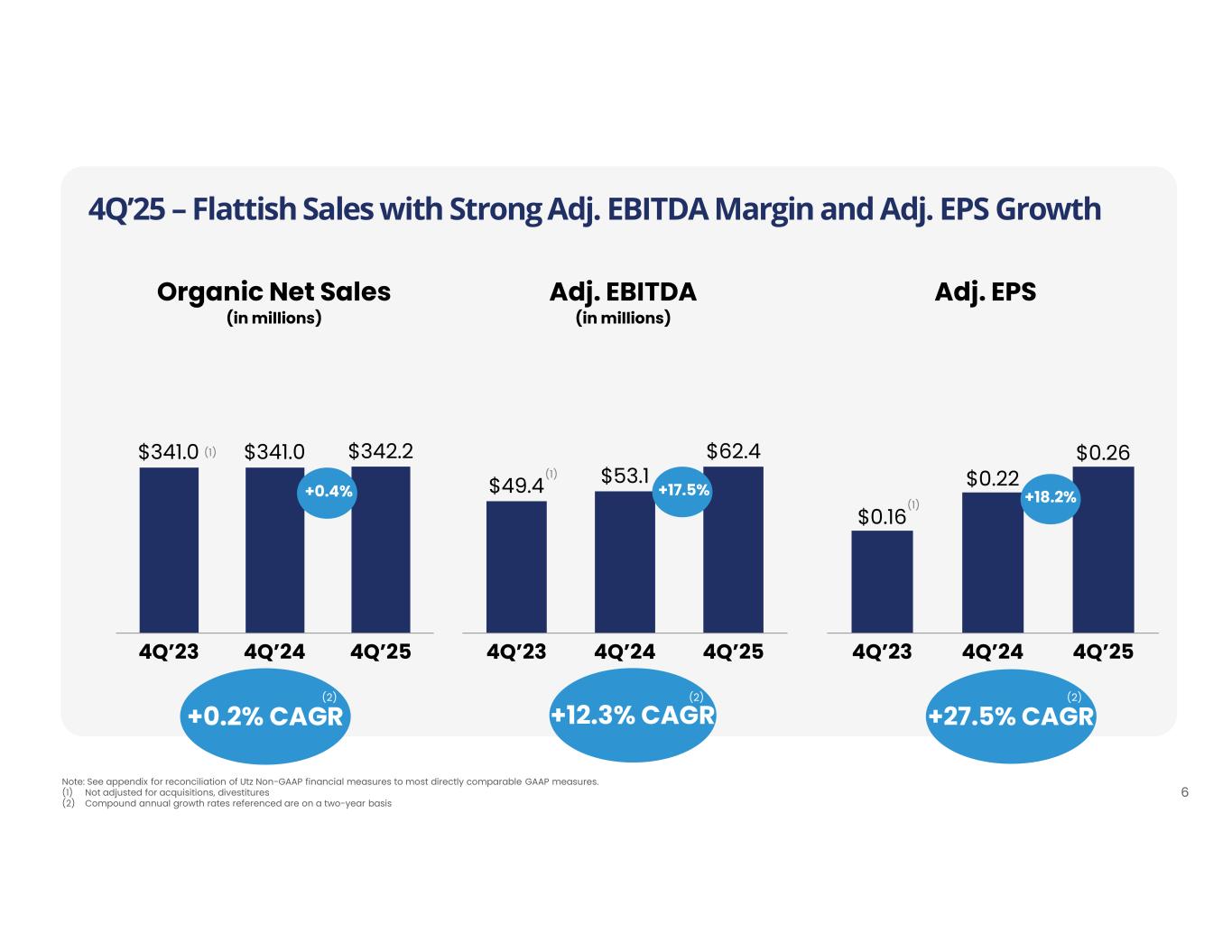
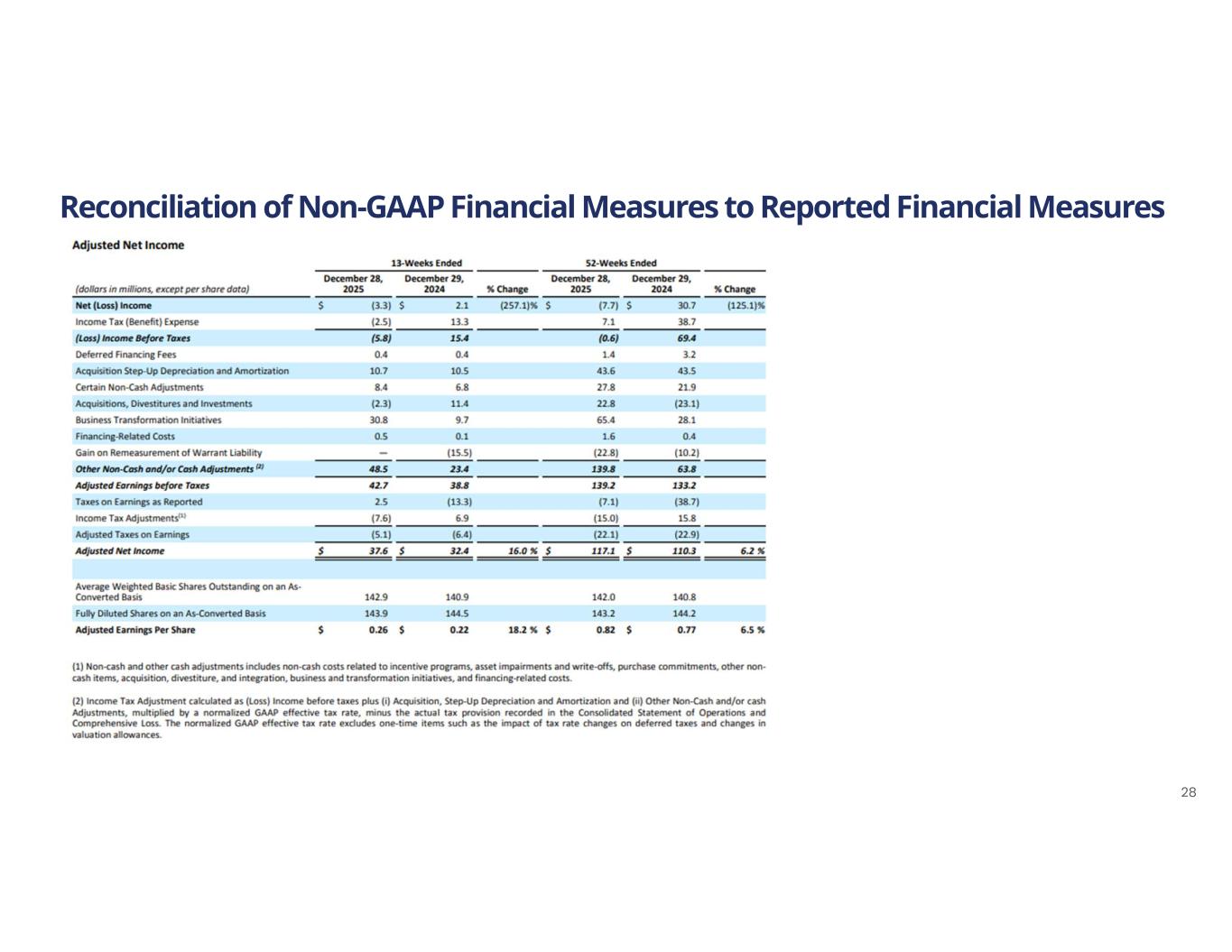
Yeah, maybe we can take that one offline as a bit of a modeling question. somebody trying to understand exactly, you know, what lines you're looking at there. I'm not exactly certain, you know, to the point. But just in terms of the pressure on EPS, if I can just come back to that point. As you noted, DNA does add about $0.08 to us, you know, year-on-year in terms of a drag given the depreciation amortization you just quoted. I think that's the first time we've been so direct about that number. We want to give that transparency. As I said in the script, fair remarks that does go back to our kind of historical view of what we saw in DNA. We have a little bit of a drag coming in on interest as well as we replaced a swap there during our risk management, and then there's a bit about a penny on tax. So we can come back to the specifics on which roles of appreciation you focus on in the modeling questions, but that is the EPS kind of year-on-year performance. Thanks so much.
Operator
Your next question comes from the line of Robert Moskow from TV Cowan. Your line is live.
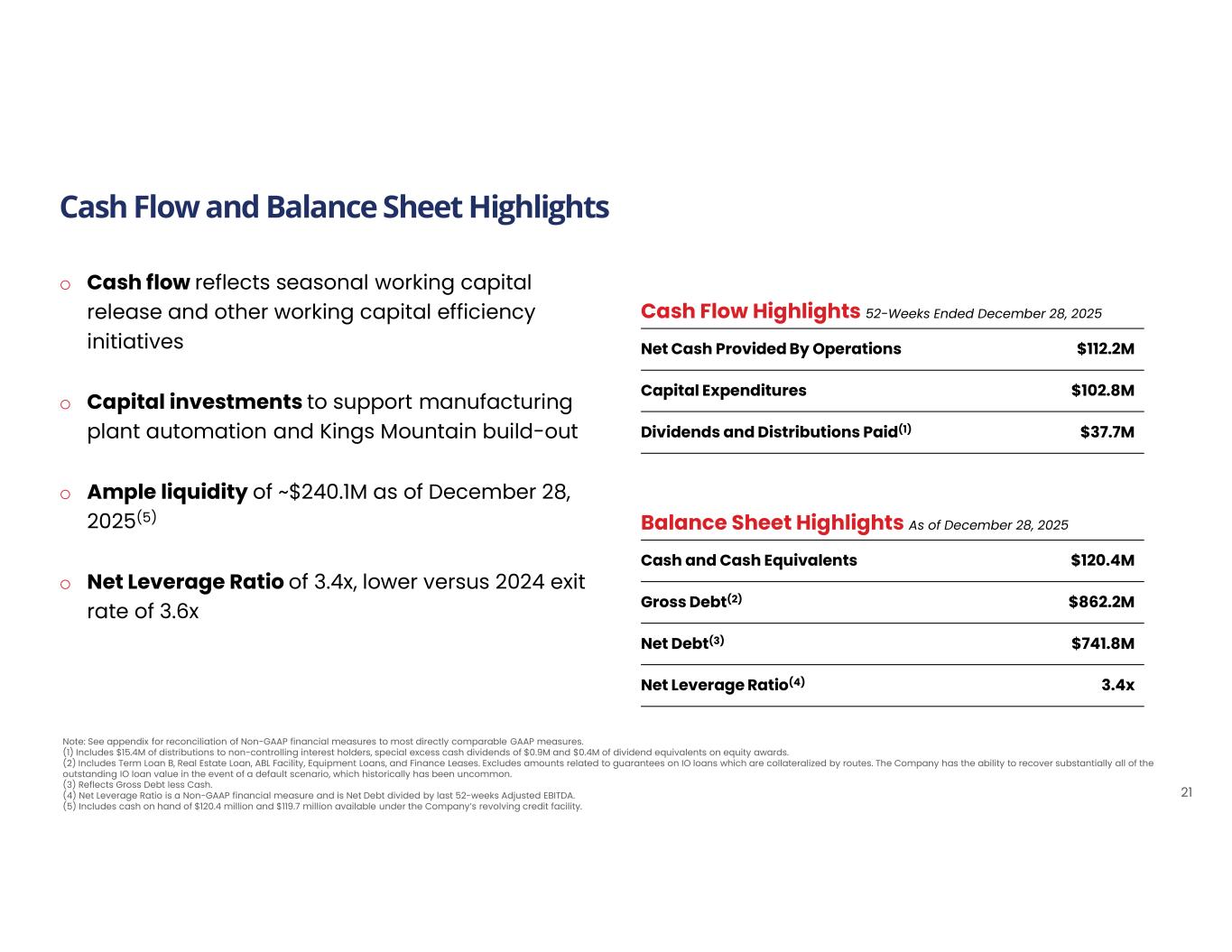
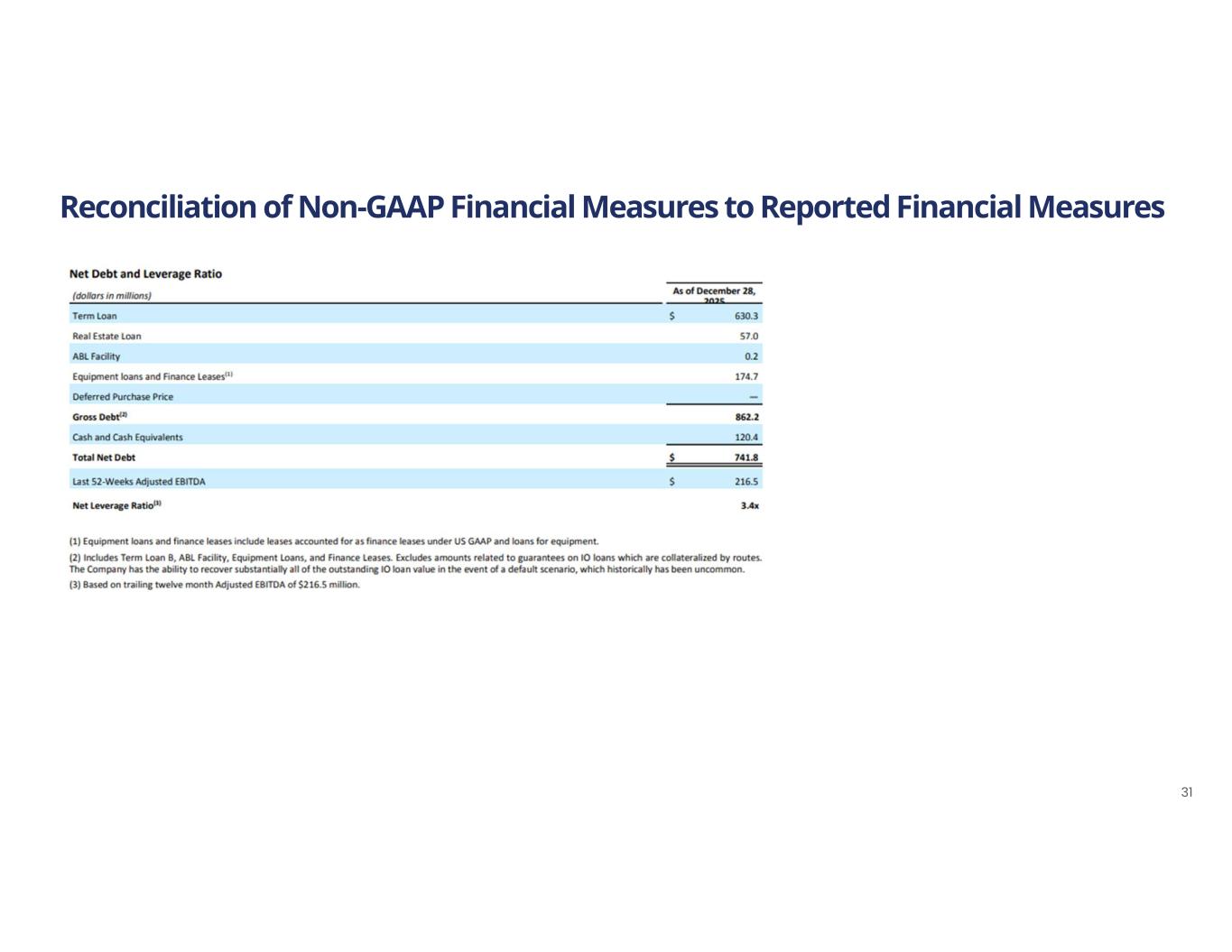
Hi. I wanted to ask BK about the leverage ratio target. Were you originally expecting leverage to be below three times by the end of 2026? The guidance this year is 3 to 3.2. Did something change?
Hi, Rob. Thanks for your question. And, yeah, so to your point, you know, in our guide, we put a leverage range of 3.0 to 3.2. No matter what numbers I would focus on leverage, I would have ranged them at some point. You know, we finished at 3.4 times in 2025, Robert, as you saw. We thought we did some really solid work from Q3 to Q4 last year, dropping from 3.9 to 3.4. We felt 3.4 was approaching the three times, but probably a bit at the higher end of where we expected. So, there's a little bit of a higher start there to begin with, but in the prepare remarks, we talked about that over time, we think we will deliver 0.3 to 0.4 times a year. And we also quoted a free cash flow goal of $100 million. And so, our long-term approach to get to 2.5 to 3 is still our goal. So nothing changed there other than just we had a bit of a higher starting point given how we finish the end of the year with a little bit less effort out there as well.
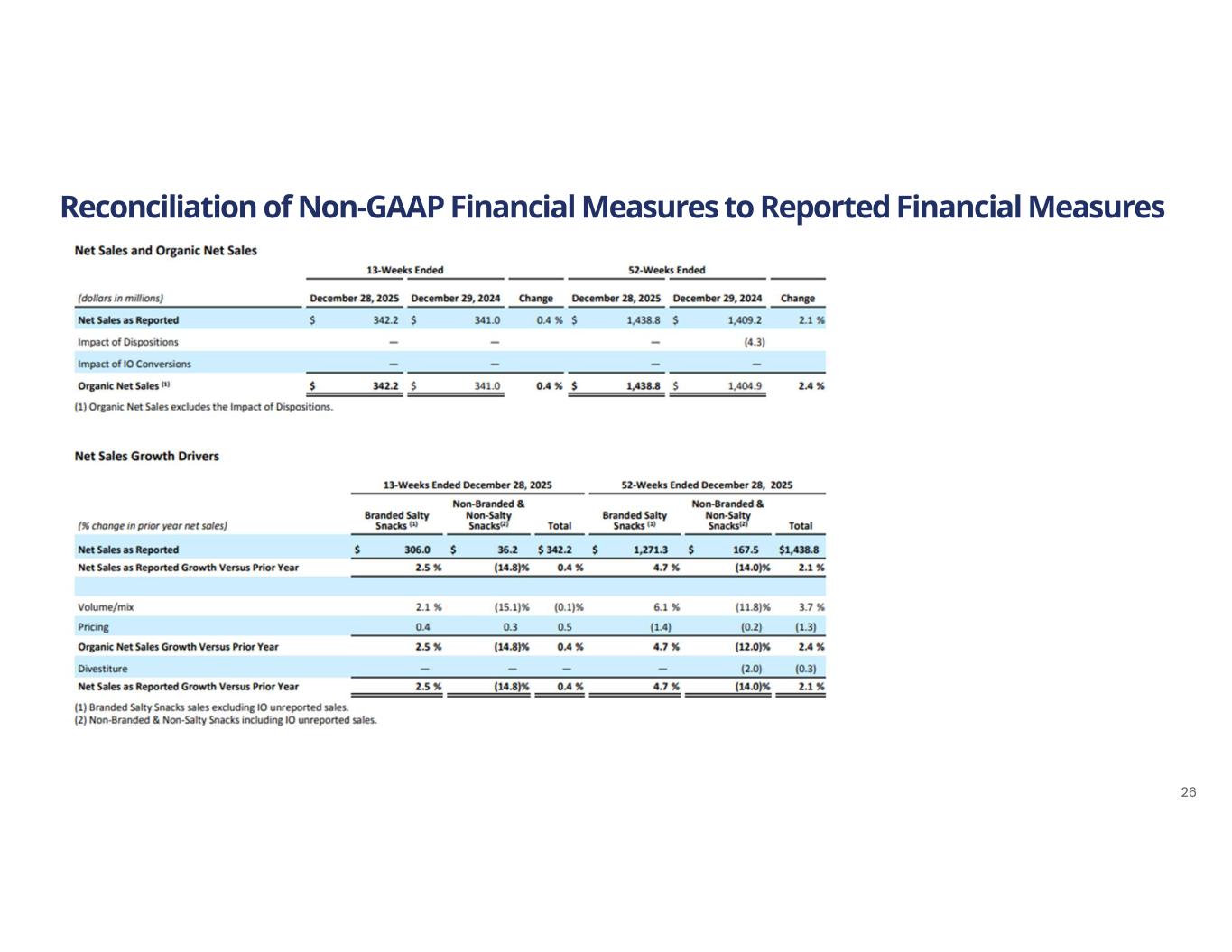
Okay. And I wanted to ask a little more about affordability. Howard, you said that the category is doing the things that it always has done to generate growth. And you talked about innovation and rational promotion. There's a lot of talk about how affordability needs to improve in order to really get volume to bounce back, but you yourself said, you know, pricing's only down 1% in 2025. Why is that sufficient to get, why is minus 1%, it's not just you, it's the whole category, why is that sufficient to improve the affordability equation?
Yeah, Rob, I appreciate the question. Look, first of all, I would say that if you kind of look at our company through its history you know obviously long before me affordability has always been part of who we are and how we compete i think we we offer a um an affordable indulgence we hit the the um the right price points from an opening price point all the way to a premium price point with boulder canyon we have a price back architecture that allows consumers to opt in depending on where they are and i think if you were to go if you were kind of look at our pricing evolution over time even if you went back to inflation you know we took our last price advance uh in the latter half of 2022 and had not done anything had not changed our pricing from there so i feel like we're in we have maintained a pretty good price position in the marketplace i do think that consumers as they are looking for affordability and value it really kind of depends on an individual's expectations we do think that there is going to be that the competitive environment is rational based on what we saw in the back half of Q4 and what we've seen at least early into Q1 of 2026. And I think that price has always been just a piece of the equation. I think consumers will pay what they deem a fair price for the innovation and for the products that they love. And when that equation gets out of whack, then it becomes a little bit of a problem. But I do think that where we are today and kind of where I think the category is headed it is a is a good step to move consumers back into the category and walking down the aisle and ultimately will should yield results it's kind of how we've thought about our terms of competition for the last several years okay great thank you for that your next question comes from the line of jim solera from stevens inc your line is live our wk good morning I wanted to ask a little bit around the progression in both households and buy ranges as we think
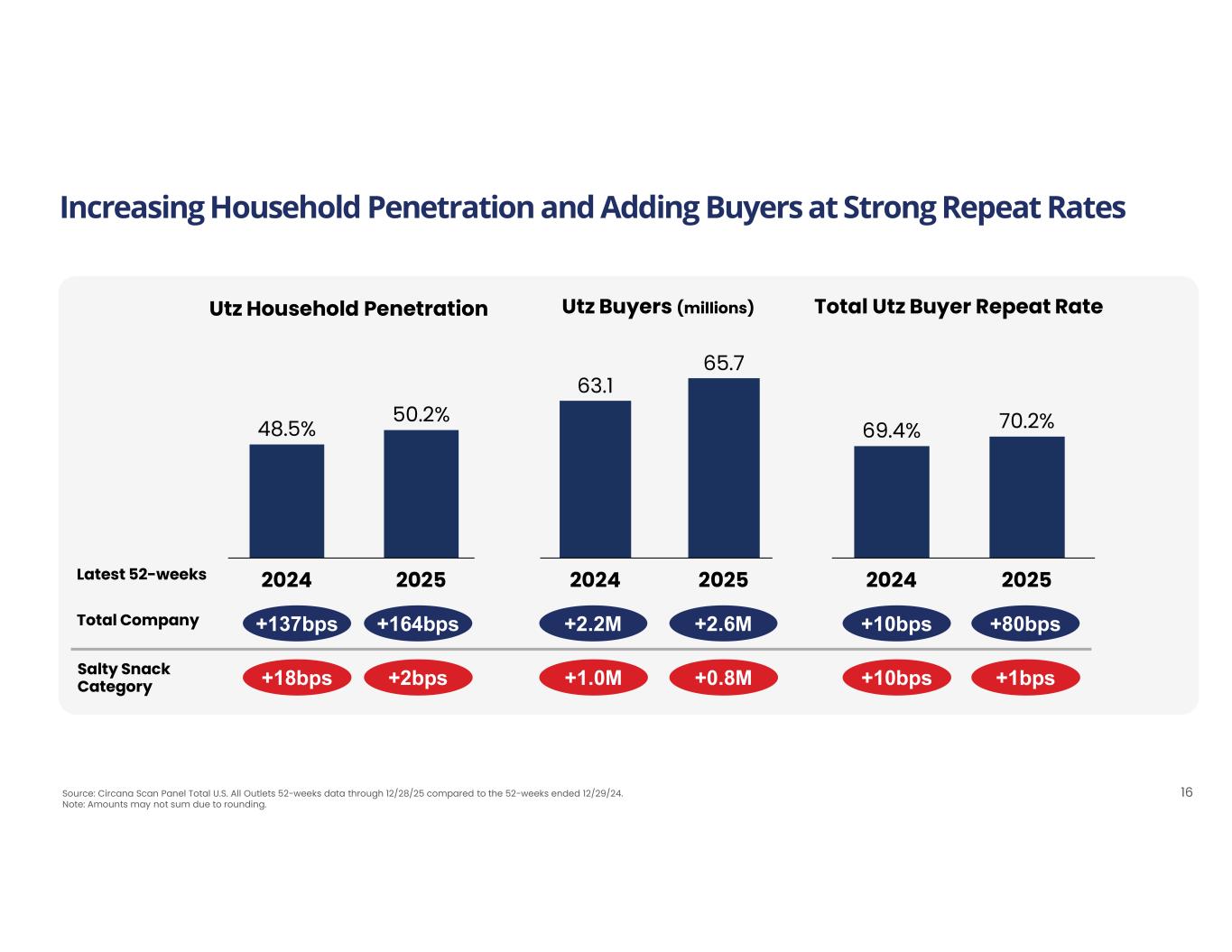
about, you know, against a flat category. That kind of implies that your growth is going to come from either expanding households in markets where you don't have them or obviously capturing households in markets where you already do have decent penetration. Walk us through maybe the growth drivers there and how we should think about the mix So, you know, expanding in California and the expansion markets, the households there versus maybe some incremental placements for Boulder and picking up new households in the core market.
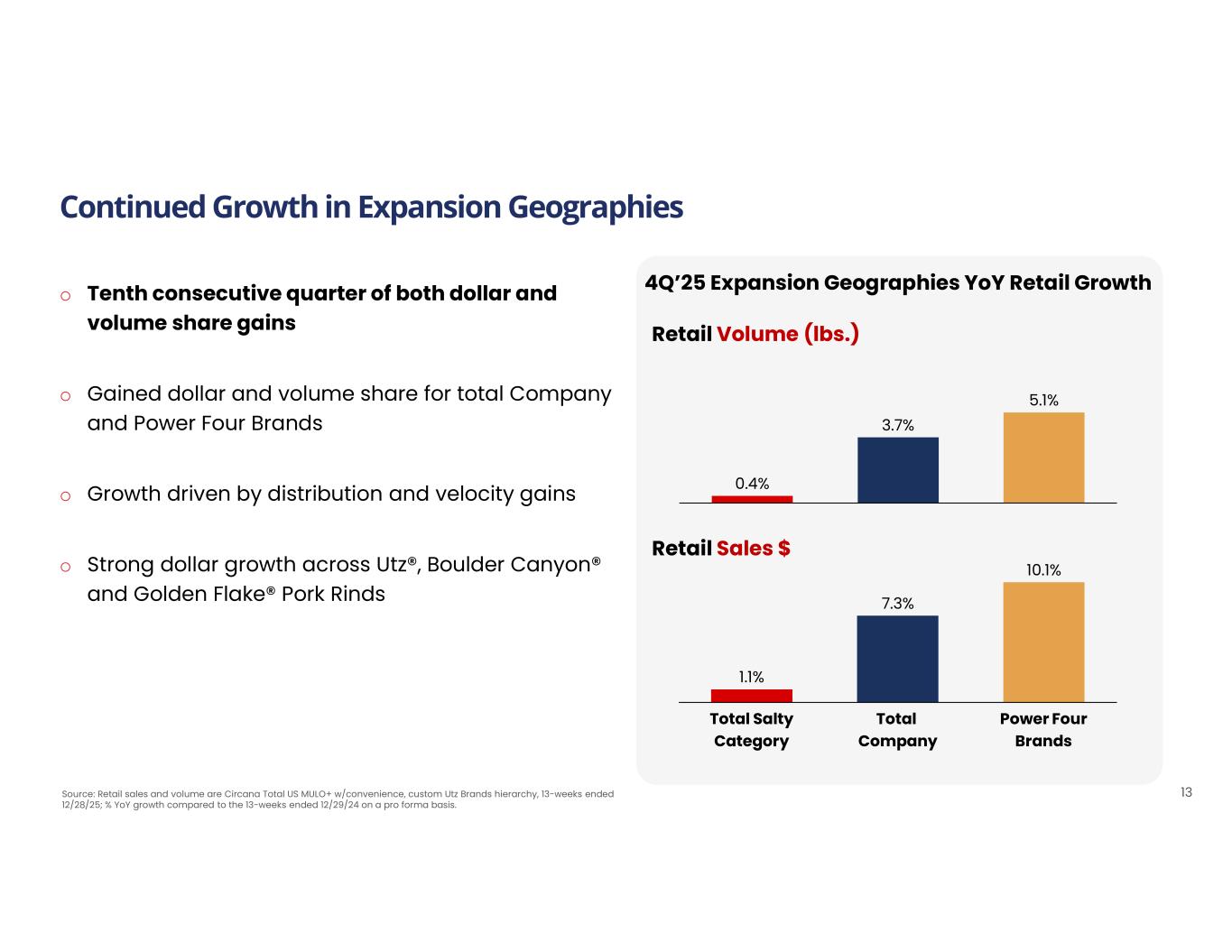
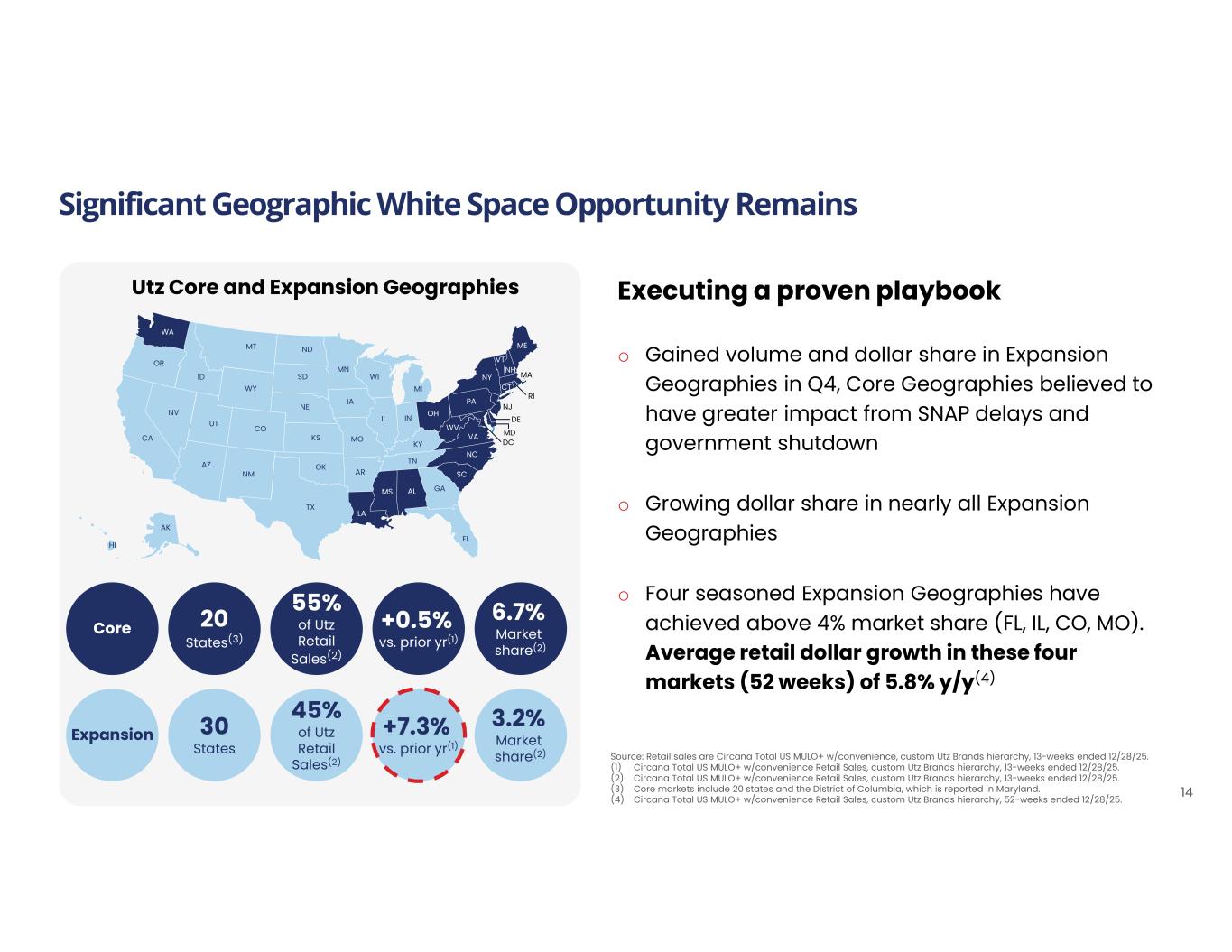
Yeah, if I want to make sure I understand the question. If you're asking, like, contribution in terms of how do we think about distribution versus marketing support versus something else helping to support our top line, is that? Yeah, that's correct. Yeah, look, I think there are a couple of things. I think if you look at our expansion geographies, our expansion geographies are 45% of our business and growing significantly above both our business and the category. And we would expect to continue to see that type of outperformance as we go forward. If you were to look at Florida or Illinois or Missouri, you see some of the markets that we have entered and have been there for several years, still growing at a nice 5.8% top-line growth. So that is a combination of distribution gains as well as continuing to drive marketing support. California is a largely untapped market for us. We're at 1.9 share today, and we will be setting shelves and moving into that market very shortly, which we would expect to both contribute top-line sales as well as incremental households. Now, when you look at our household acquisition and the loyalty that we see, our repeat rates are very strong. So when we get into a home, consumers tend to repeat at pretty high levels. So we would expect that the distribution gains in California will obviously be a significant driver, as well as we still have a significant amount of white space through the middle of the country and even in our core markets with some of our power brands. I think you're also going to see consumer acquisition driven by both protein and the Boulder Canyon tallow offering that we'll be coming out with that are incremental occasions and incremental items to our assortment, which we also believe will be driving new trial of different users, which we'd also expect. And then our advertising and consumer spend will be up, you know, similar on a percentage basis to what we did this year. And we are very happy with kind of how consumers have responded to the marketing, both in-store and in social and digital, to driving trial in our business. So I still think you're going to see a distribution-led story in terms of how we grow. And then it is reinforced and built further by the innovation and marketing spend that we have. Great.
And then if I can ask a follow-up on some of the innovation, I think we've seen across the industry, you know, more focus on healthy oils. Beef tallow is the first. I'm excited to try that when that's at shelf. But all of these ingredients, I imagine, are, you know, significantly higher cost than vegetable oil, but also, you know, on the back of a premium product. But give us an idea of how that impacts the mix as we see, you know, a brand like Boulder taking more and more position in the portfolio. And is there any supply limits that we should think about on, you know, things like beef tallow, avocado oil, olive oil, these kind of alternative oils that are outside the traditional vegetable oil market, which is obviously much larger?
Yeah, I'll start and then if BK has some color to add on top. I think in terms of supply, look, we've been investing in integrated business planning capabilities to really try to understand our volume expectations, and also we've spent a lot of time collaborating with our customer base to make sure we know what they're interested in and what they're seeing in the market. So I think from a supply perspective, we feel very good with the availability that we have and our, you know, our ingredient suppliers and our oil suppliers have been tremendous partners as Boulder has, you know, really jumped significantly over the last couple of years. And so we don't anticipate a problem in terms of availability of the oils or really any of the other ingredients that we would be pursuing. I think it's kind of standard work for us. I'm pretty proud of our teams and what they're able to do. I think in terms of, you know, how do we think about the margin mix and how do we think about the contribution of innovation to our overall portfolio? Look, our expectation when we launch a new item is that it's margin accretive, that the value that we're offering to a consumer, that there is a propensity to be willing to pay for those premium ingredients, whether it's protein in the pretzels and puffs or the beef tallow for boulder candy or avocado oil or really anything else that we do. So we would anticipate it being a net positive on the margin line and obviously on the higher priced items as they grow more you'll also see a positive price benefit to the P&L. I don't know VK if you have anything else to offer.
Well I think that's well said Howard. Great I appreciate it going guys so thank you.
Operator
Your next question comes from the line of Peter Grom from UBS. Your line is live.
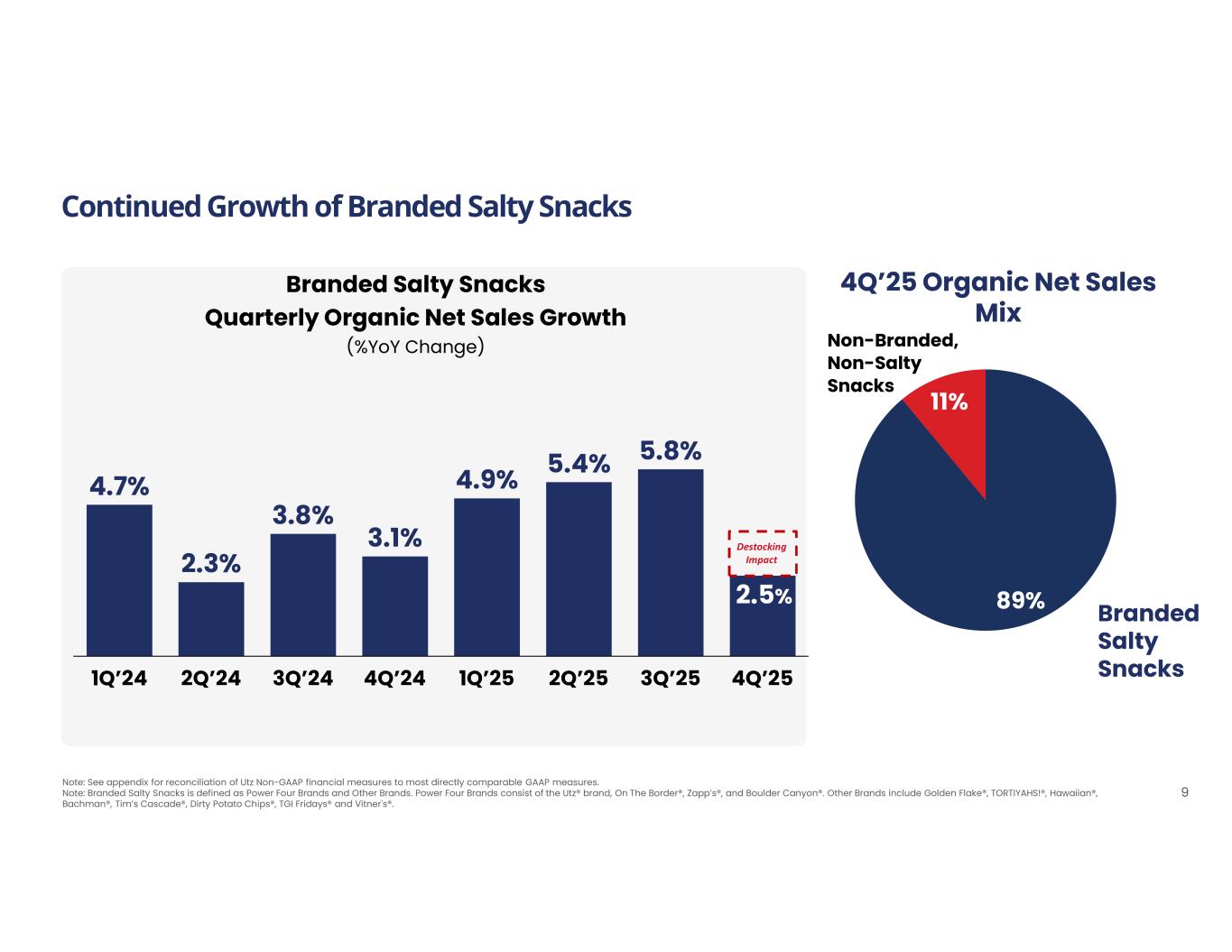
Great. Thank you. Good morning, everyone. So I wanted to just ask, hey, Howard, I guess this is on the organic sales outlook, and I understand you mentioned in the preparer market you're trying to be conservative, but as I take a step back, right, you just delivered 2.4% growth this year. The category was down 50 basis points. And there was, you know, a headwritten related to the kind of the non-branded, non-salty portion of the portfolio. But just so as I look out to next year, you're expecting a better category backdrop, you know, albeit, you know, maybe not growth. It sounds like there's going to be less of a headwind from non-branded, non-salty. You're getting a benefit from California. Yet, you know, the guidance at the midpoint is kind of similar to what you just delivered. So is there something happening beneath the surface as to why it wouldn't be stronger or you're just simply taking a conservative approach to start the year?
Yeah, look, I think, so I appreciate the question. I think first and foremost, I want to reiterate that we feel very good and about our commercial plans. I think we have a strong lineup and I feel like we are gaining the response from consumers in the marketplace. That said, it's February and the environment is is gonna continue to be dynamic and we're trying to make sure that we are prepared for a variety of outcomes. Obviously, if you were to think about our business over the last couple of years, making sure that we are prepared with appropriate contingencies to deliver against our promises continues to be an area of focus for us. And so I just wanna make sure that as we're starting out in February, that we're giving ourselves the appropriate framing so that we are prepared for a variety of outcomes and we have the flexibility to respond as we need to.
Got it. That makes sense. And then I guess just to follow up on the commentary around distribution and shell space specifically, I mean, obviously, you know, a large competitor talked about growing space in the double digit range with the upcoming resets. Howard, I think you mentioned you still expect to gain space through innovation and core markets. So can you just help us understand what's happening around shell space with the upcoming resets?
Thanks. yeah so you know obviously we have been we've been working and it's we've been working with our retailers over the last couple of years and we have enjoyed a great partnership where we've been able to not only get entry into some new banners and new geographies but once we get in we wind up seeing an expansion in the average items that are carried in those stores you saw that play out in florida you saw that play out in missouri you've seen it consistently over the course of our history of we get in with a reasonable set of assortment and then we sort of build from there. And there are a lot of geographies where we're in that sort of build from there step. So we do have good visibility to what we expect to gain in terms of both our core markets and our core brands, as well as our more significantly our expansion geographies. And as we continue to fully develop the channels in those markets. So, you know, I am expect we what we anticipate and can see positive distribution gains for us in the beginning of the year I think you'll see that and we can talk a lot more about it when we when we get to the end of Q1 where you know we sort of get into that normal distribution cycle but I think overall you know we feel really good about where our distribution driver is for the year and you know anticipate another strong year of growth great thank you so much I'll pass it on Thanks, Steve.
Operator
Your next question comes from the line of Nick Modi from RBC. Your line is live.
Thank you. Good morning, everyone. Hey, Howard. So, just on your comment about the dynamic consumer environment, I mean, it strikes me as, you know, as we started the year, things actually got worse, and then we had that winter storm that might have helped, you know, just some pantry loading. But just kind of, I know with the guide, a lot of questions about kind of, are you being conservative or not? But maybe you could just give us your, your kind of 50,000 foot view on like what you're And there's so many moving pieces, like, you know, tax refunds are coming, but for higher income consumers. And then you still, I don't know, the ICE situation is still causing some traffic issues and some of the up and down the street retailers, you know, so if you just kind of like, give us your quick take on that. And it seems like some of the headlines coming out that the middle income consumers now coming under increasing duress uh versus you know just being a lower income consumer issue a year ago so any thoughts on that would be helpful and then the the kind of the bigger picture question is just on portfolio construction you know obviously things are shifting in the food in the food landscape you know focus on protein also fiber um as you think about your portfolio longer term and maybe you'll address this a cagney so forgive me if i'm jumping in the gun here but just wanted to get your thoughts on like how you think about the portfolio um longer term in in terms of some of these kind of emerging areas of growth? Thanks.
Yeah, so I'll start with the consumer, and then I'll kind of give you a portfolio thought. And, you know, obviously, we can certainly talk more about it. I think we'll give you a sense. I do feel really good about our brand lineup and their ability to stretch, which we'll talk about. Look, a couple of things on the consumer, and I want to kind of start where I typically start in these conversations. The nice thing about our business and the thing that I think we are most excited about is that we have some growth drivers that are not solely dependent on a market or a state or a geography that, you know, there's a lot of white space in our commercial operating plans that give us the opportunity to overcome some of the headwinds that some of our more mature competitors may not be able to do as simply or easily. If you think about geographic white space and the investments that we're doing in marketing and, you know, an innovation lineup that is and capability is ramping and becoming bigger ideas and more on trend consumer thoughts. All of those things, I think, help us to be able to overcome some of the consumer dynamics that you see in the marketplace. If we were fully developed, we'd have to have a different response for. So I think that, you know, we feel good that the underlying consumer situation obviously is something that we're paying attention to, but it's not going to override the ability for us to grow. I do think that, you know, if you look at kind of where the consumer is right now, you know, we continue to see them shopping up and down the ladder and looking for value. You talked about the storms, and obviously that did certainly drove some pantry loading. But, you know, the category was improving before then, and, you know, the consumer trends in the fourth quarter transitioning into the first quarter, a lot of those things have persisted. And we would expect that, you know, it'd be an environment where we need to be flexible as we go. We have offerings up and down the price ladder from premium to opening price points. We have brands and packages that allow for the consumer to opt into our portfolio. And I feel like we're going to do, we'll do our job to make sure that consumers stay there and engage. You know, obviously our marketing spend will also help. I think in terms of the portfolio, I just offer you a couple of things. I think first, when you think about protein and fiber and flavors and portion control, a lot of those behaviors are sort of transcendent. They've been in the industry for a very long time. And I feel like if you look at our Power4 brands, we identify them as our growth drivers because of their ability to meet the near-term consumer need, but also to be able to expand and stretch into other occasions. You see us expanding into protein this year, 8 to 10 grams of protein for the puffs and pretzels. It'll be at an affordable price point that makes sense for that consumer and allows us to get into a fast-growing segment for consumers who are looking for it. And as you think about Boulder Canyon, not only has it been able to stretch into incremental non-seed oil, but also into subcategories. So, you know, I do feel like we have the right portfolio and we have a few hidden, we have a few gems, you know, in the rest of our targeted branded portfolio that have opportunities to grow as well, brands like Hawaiian. So I feel like our portfolio is pretty strong and our ability to engage with consumers is there and expect that you'll see more of that as we get into Cagney.
Super helpful. Can you just maybe comment on, are you still seeing some of the press activity in some of the up and down the street retailers just because of the immigration issues and ICE raids and things like that?
You know, I think what we saw in the fourth quarter was that our up and down the street business was improving and certainly Seastore was getting better, which is kind of the places where we would look. I think January with the snowstorms, it gets a little bit harder for us to see um just given what happens when everybody stays home but um you know i i do think that uh you know from as we look at our business given that we do tend to over index to food to the larger classes of trade uh it's a little bit harder for us to see a lot of noise there thanks so much thank you your final question comes from the line of john bombgartner from miserable low securities.
Operator
Your line is live.
Good morning. Thanks for the question. Hey, John. Hey, I'd like to ask about some of the incremental consumption occasions as a number of your snacking peers are, you know, sort of ramping their presence during events and seasons to, I guess, augment the weakness in the everyday business. And, you know, Howard, you seem comfortable with distribution and shelf presence this year, but can you speak a bit to that competitive programming noise, the increased activity? Does it require you to invest more in marketing or pricing? Does it require a different approach to innovation? Just you have to sort of rise above, or I guess at least capture your fair share in that heightened programming environment.
Yeah, I appreciate the question. Look, I think there are a couple things. I feel very pleased with what our marketers have been able to do over the last few years in terms of seasons, whether it is variety packs at Halloween on Zaps or our Hoops Mix right now. So we have always had a pretty strong lineup of limited time offers. It's something that we're very proud of. And several of them have then rotated into our core assortment, things like Mike's Hot Honey. So I think we have a pretty good lineup. I mean, we tend to pick our spots. We can't, you know, we're not going to engage in every season where it doesn't, where we don't really feel like we have something to say or something meaningful to offer. So we do tend to pick our spots and I think we'll continue to do that. I don't think it requires a different marketing or promotional strategy per se. I think what it requires is for us to be able to continue to make sure that our products are present in those occasions at the right price points, at the right points of disruption in the store, which our IO partners do a great job of. So we'll invest there where we feel like we should, but I think the heightened environment, if it drives more consumer interest into the category over those occasions, we would expect that we would get our fair share of that activity as well.
Operator
That concludes today's question and answer session. Thank you for joining today's conference call. You may disconnect.