Operator
Good day and thank you for standing by. Welcome to the GeneDX Second Quarter 2026 Earnings Conference Call. At this time, all participants are in a listen-only mode. After the speaker's presentation, there will be a question and answer session. To ask a question during the session, you will need to press star 11 on your telephone. You will then hear an automated message advising your hand is raised. To withdraw your question, please press star 11 again. Please be advised that today's conference is being recorded. I would now like to hand the conference over to your first speaker today, Sabrina Dunbar of Invest Relations. Please go ahead.
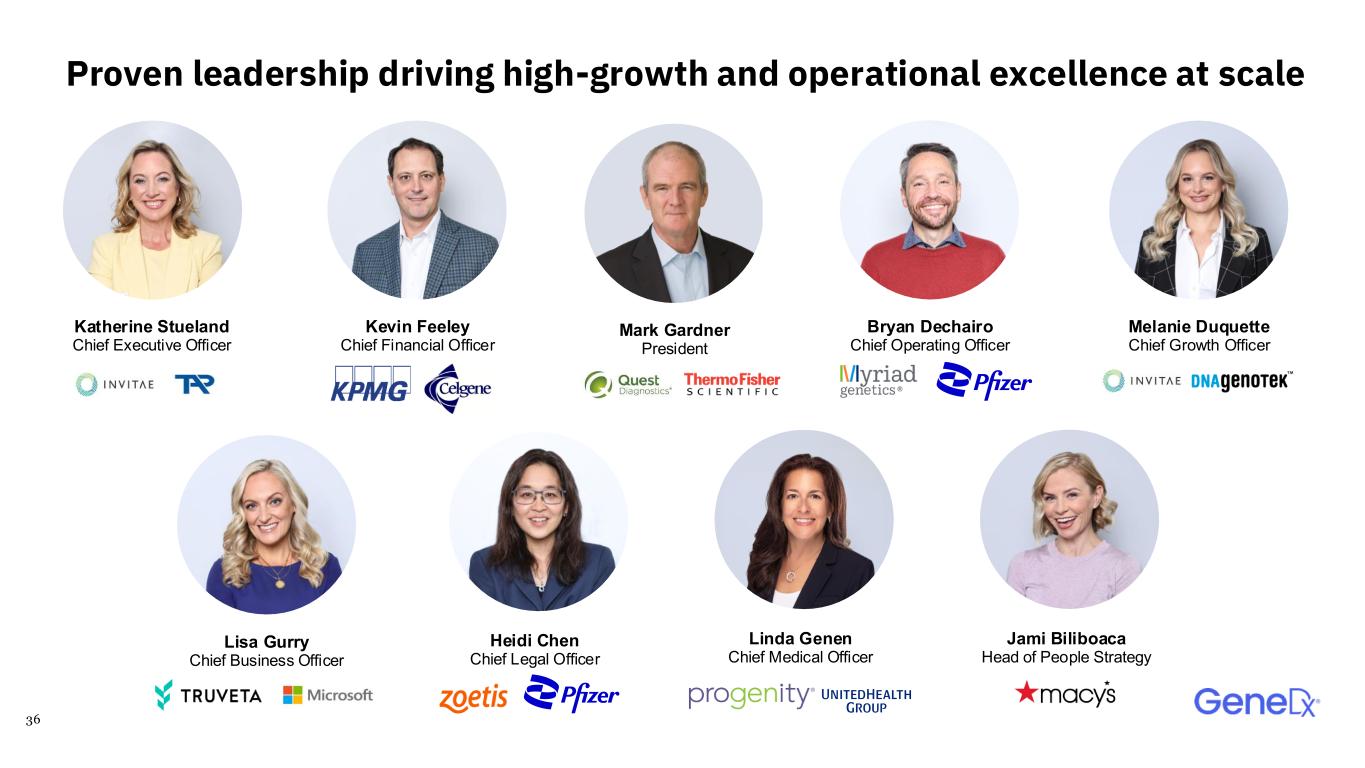
Thank you, Operator, and thank you, everyone, for joining us today. On the call, we have Catherine Stulin, Chief Executive Officer, Kevin Feely, Chief Financial Officer, and Mark Gardner, President. Earlier today, GNDX released financial results for the second quarter ended June 30th, 2026. Before we begin, please take note of our cautionary statement. We may make forward-looking statements on today's call, including about our business plans, updated 2026 guidance, and outlook. Forward-looking statements inherently involve risks and uncertainties and only reflect our view as of today, August 3rd, and we are under no obligation to update. When discussing our results, we refer to non-GAAP measures, which exclude certain items from reported results. Please refer to our second quarter 2026 earnings release and slides available at ir.gndx.com for definitions and reconciliations of non-GAAP measures and additional information regarding our results. Additionally, please refer to our most recent annual and quarterly filings with the SEC for a discussion of factors that could cause actual results to materially differ from forward-looking statements. With that, I will turn the call over to Catherine.
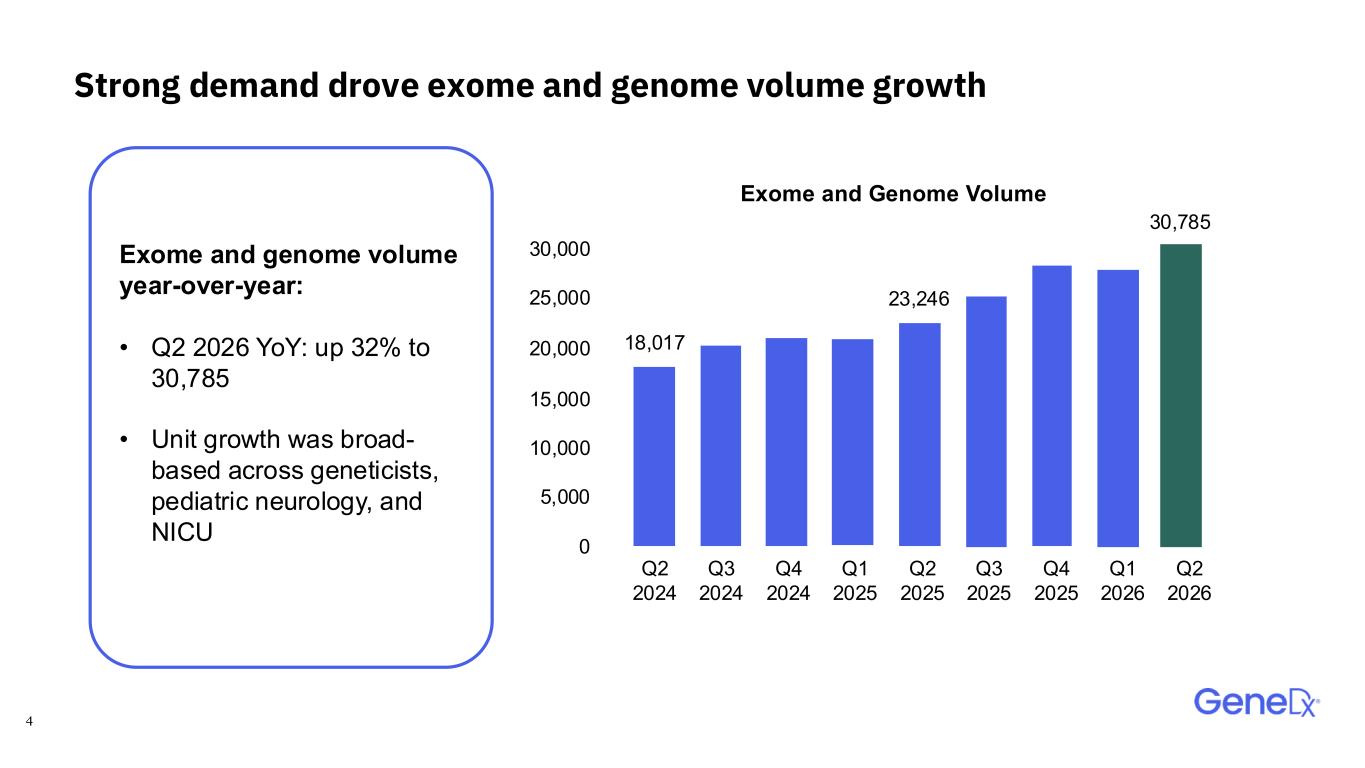
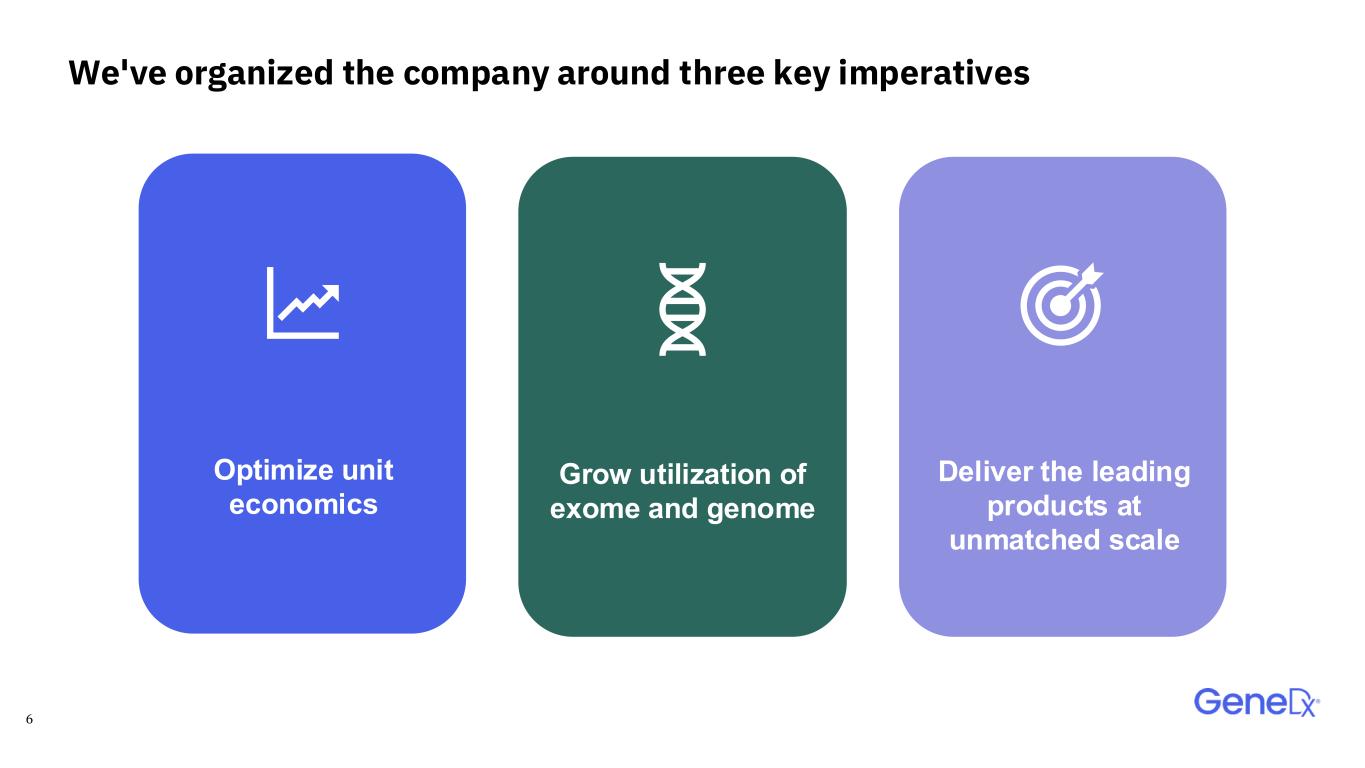
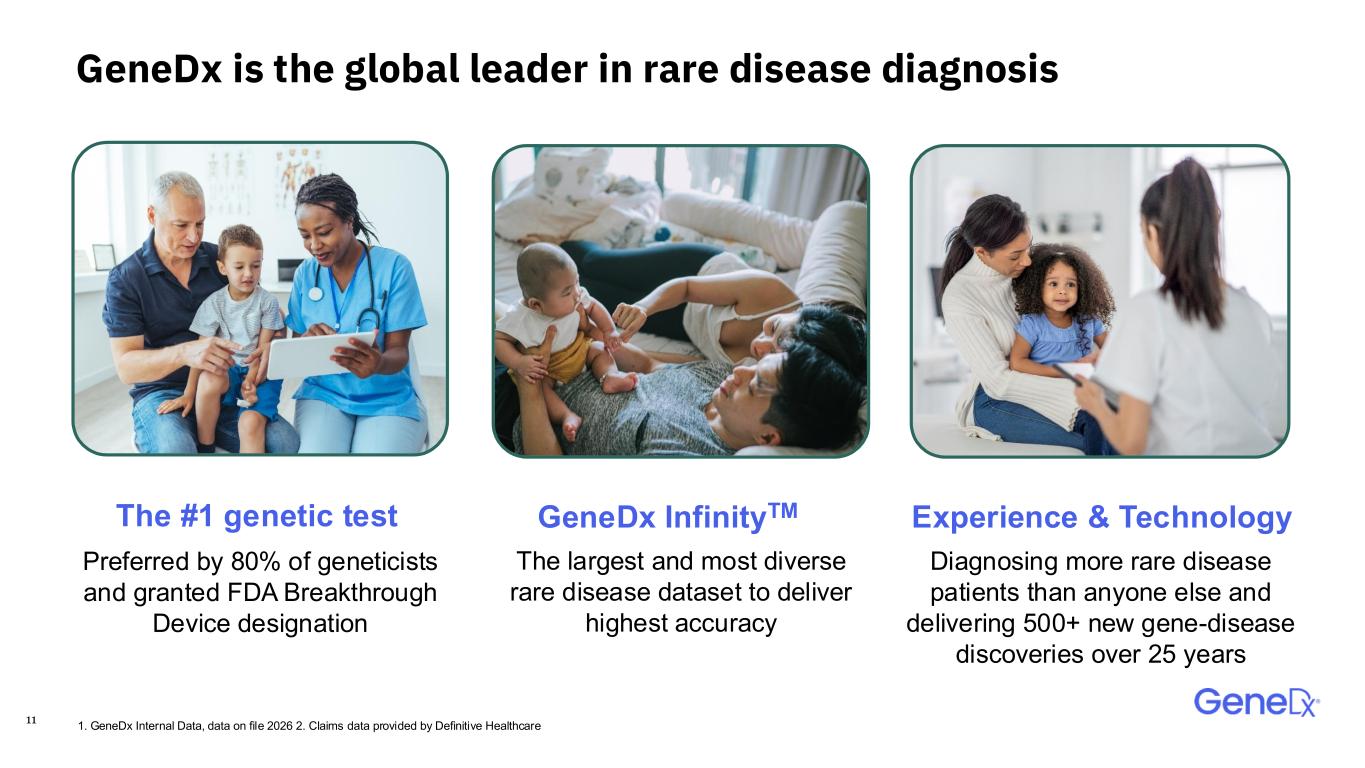
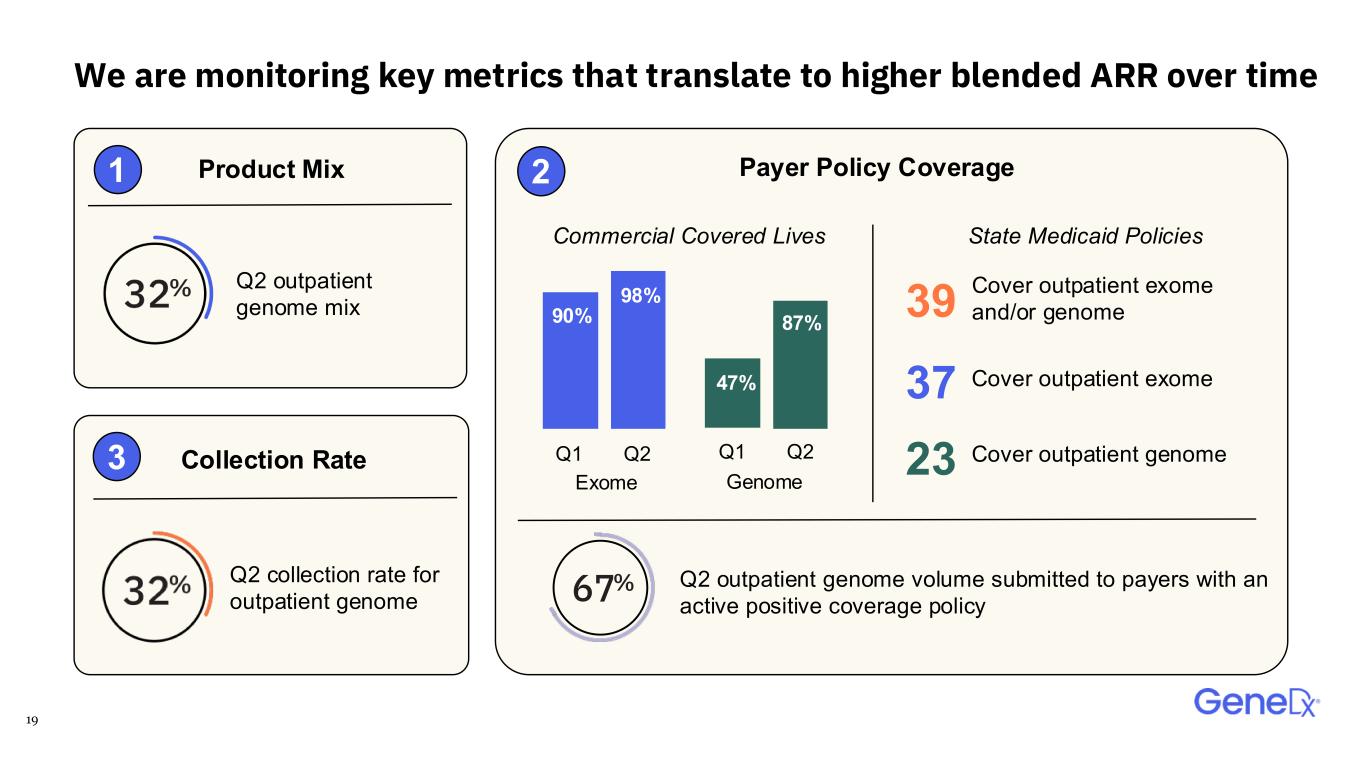
Thank you, Sabrina, and good afternoon, everyone. Our team demonstrated incredible focus and agility to deliver a solid second quarter. We hit a new record, resulting more than 30,000 exome and genome tests in a quarter, which represents 32% year-over-year growth. We reported $114.4 million of total revenue exceeding our guide and returned it to profitability one quarter earlier than we had previously expected. Based on our second quarter performance and our continued momentum into Q3, we are reaffirming our full year 2026 guidance. Demand for our services has never been higher, and as we continue to drive adoption of our exome and genome, we must be relentless in our efforts to improve the rate at which we get paid for our services. It's the single biggest opportunity for us, and as we shared on the last call, we've organized the business around three key imperatives. First, optimizing unit economics, second, growing utilization of exome and genome, and third, delivering leading products at unmatched scale, all while managing our capital responsibly. Optimizing unit economics is our first priority because we're under-earning on our potential, and we see significant room for improvement off this Q2 baseline. Our long-term vision remains unchanged. We believe the genome will increasingly become the standard for diagnosing all heritable disease, and we're continuing to optimize our commercial and operational strategies to bridge this transition. Our strategies took hold in the second quarter as MIX moderated with steady month-over-month MIX gains back into our exome products, including reflux. In tandem, we saw coverage begin to catch up with the clinical demand, with Caroline announcing a new coverage policy that expanded commercial genome coverage from 47% to 80% 87% in just one quarter. Our team plays a pivotal role in these coverage expansions through advocacy and evidence generation, and will continue to pursue coverage expansion opportunities for both Exo and Geno. This is our market development strategy in action. By serving the market ahead of coverage, we demonstrate demand and medical necessity. That unpaid volume is primed for us to accrete revenue when new markets as coverage expands. Now, our greatest focus is translating coverage into payments. We'll spend the majority of our time today discussing how we'll get paid far more for our tests, and in doing so, see in the fullness of time, revenue growth rates converge with or exceed volume growth in the future. We're committed to serving families during their moments of greatest need. They're at the center of everything we do. To reach them, we're making strong progress against both our foundational and expansion markets, and demand continues to be a source of strength and optionality. We've proven we can maintain our leadership positions through this genome transition, and our competitive positioning is directly translatable. Clinicians choose GeneDx and return to GeneDx because of the quality and reliability of our results, our leading turnaround times, our deep data and expertise, and the customer support infrastructure we have built specifically for the complexity of rare disease. As genomic testing moves into the mainstream, our ability to transform a genome's worth of information into a single, actionable answer will only increase in importance. In summary, demand is strong, and we're now leaning into a large multi-year opportunity to improve ARR, which will serve as a significant revenue tailwind. We are confident we can drive collections to the industry standard of 70%, and we're building on the strengths of our team to realize this massive revenue opportunity ahead. With that, I'm happy to pass the call over to the newest addition to our executive team, Mark Gardner. I was elated to welcome Mark to the team back in June, and he has brought his experience from across the industry and passion for what we do to ensure our capabilities keep pace with a growing demand for our services. I'm excited for you to hear directly from him. Mark, please take it away.
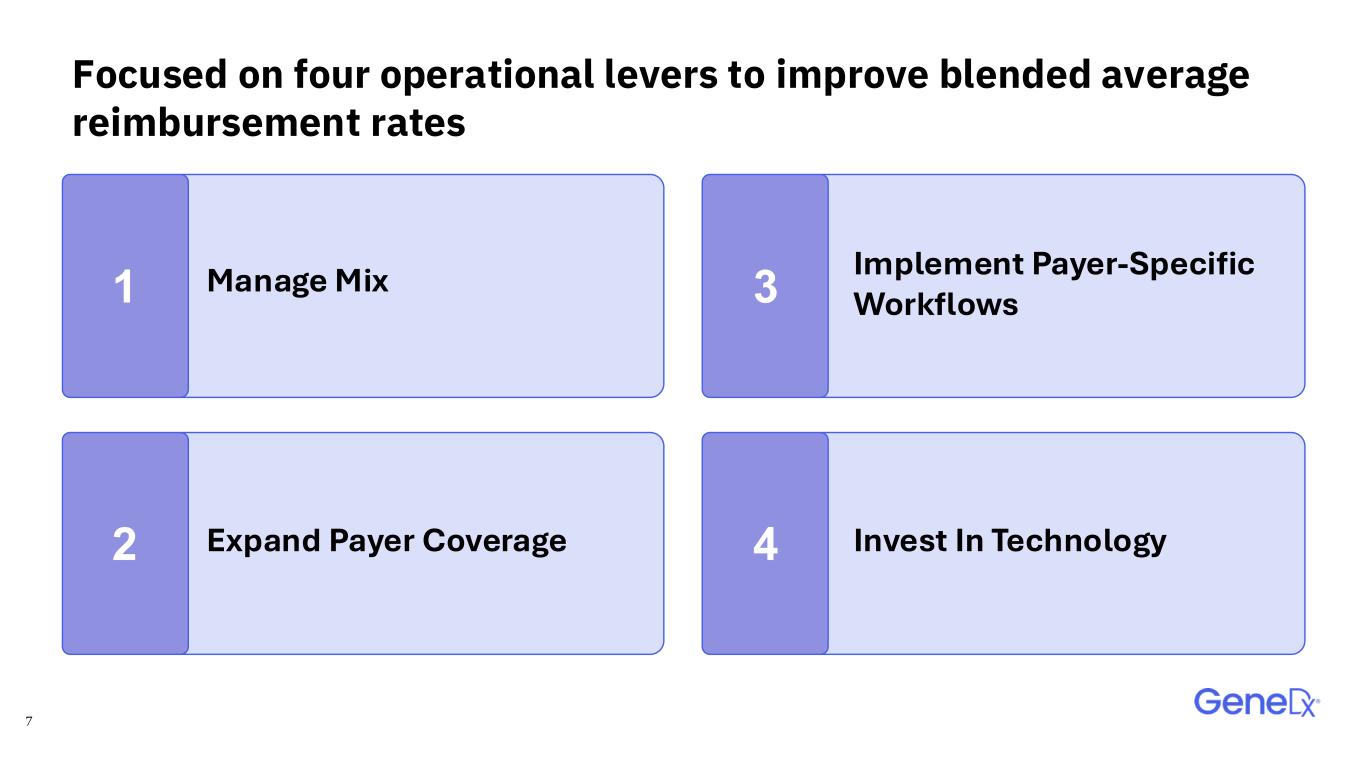
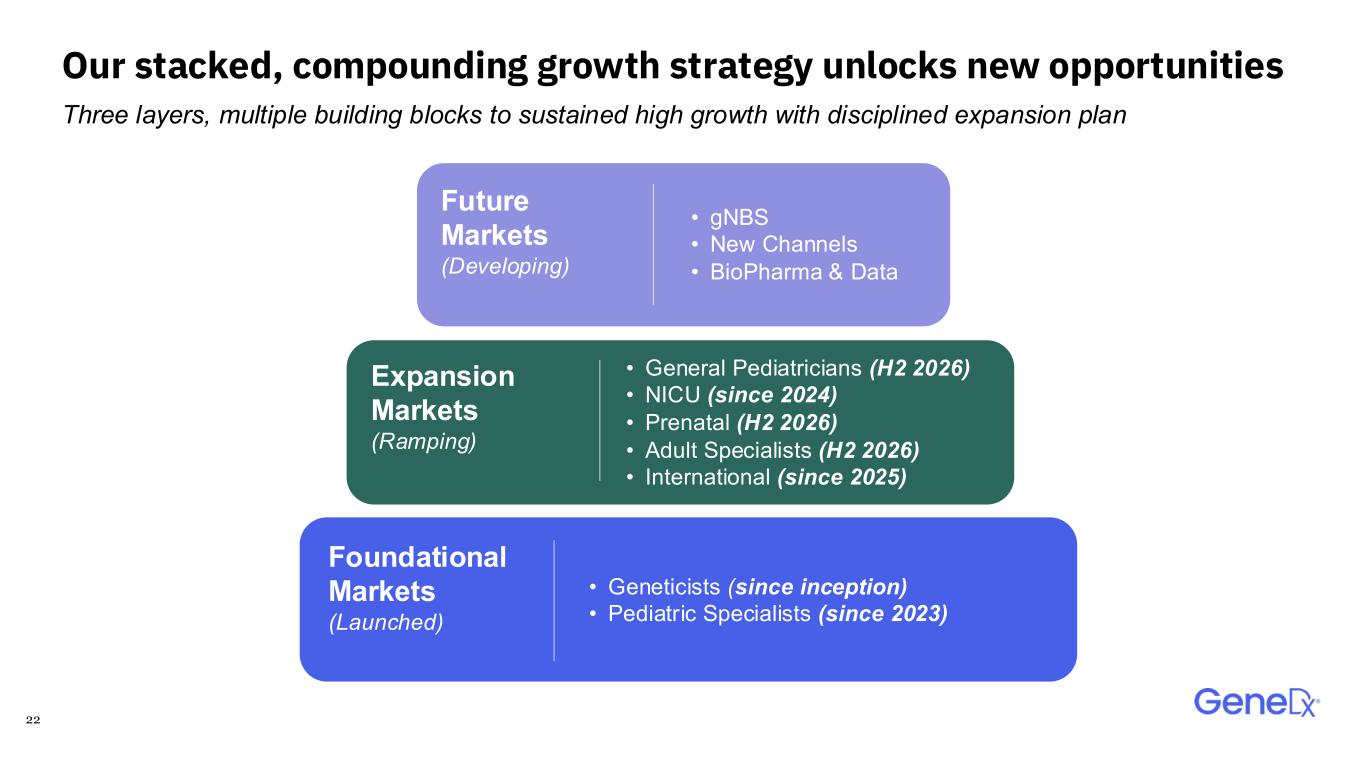
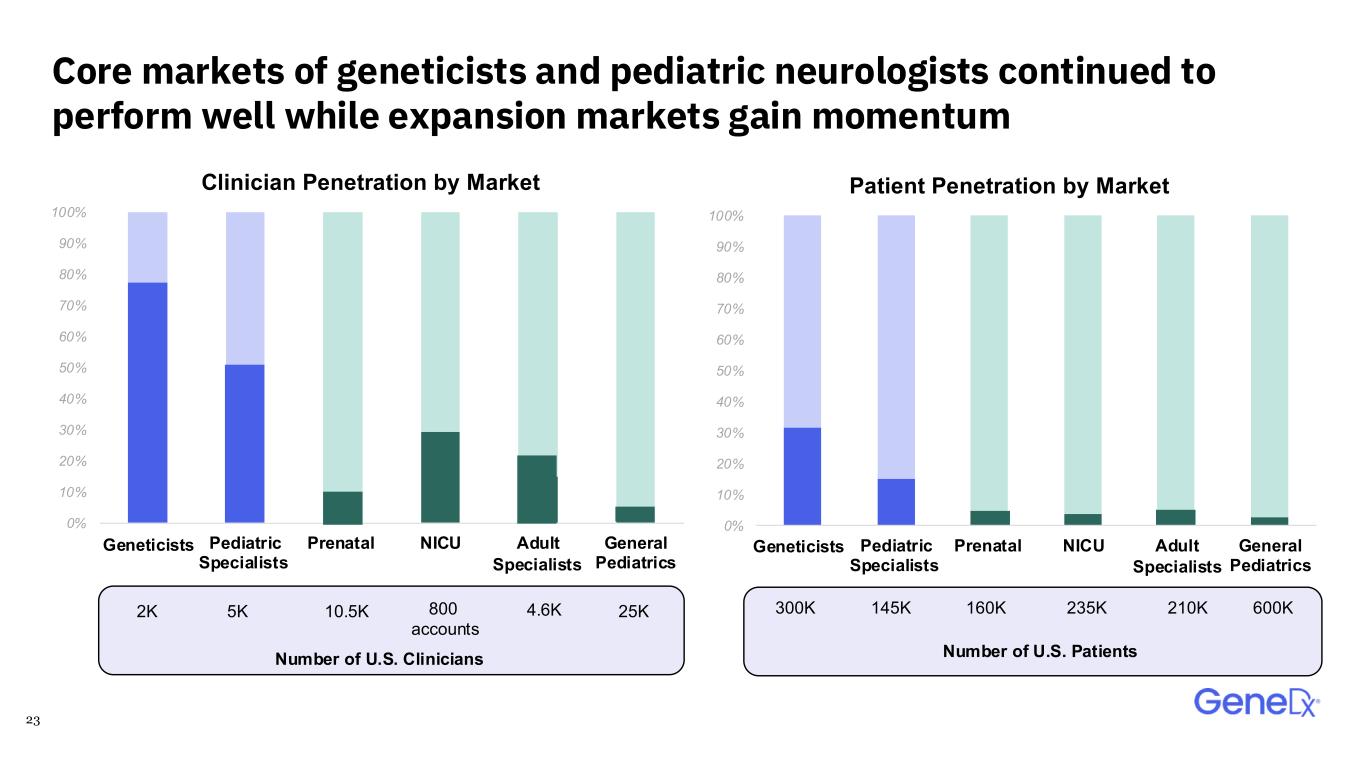
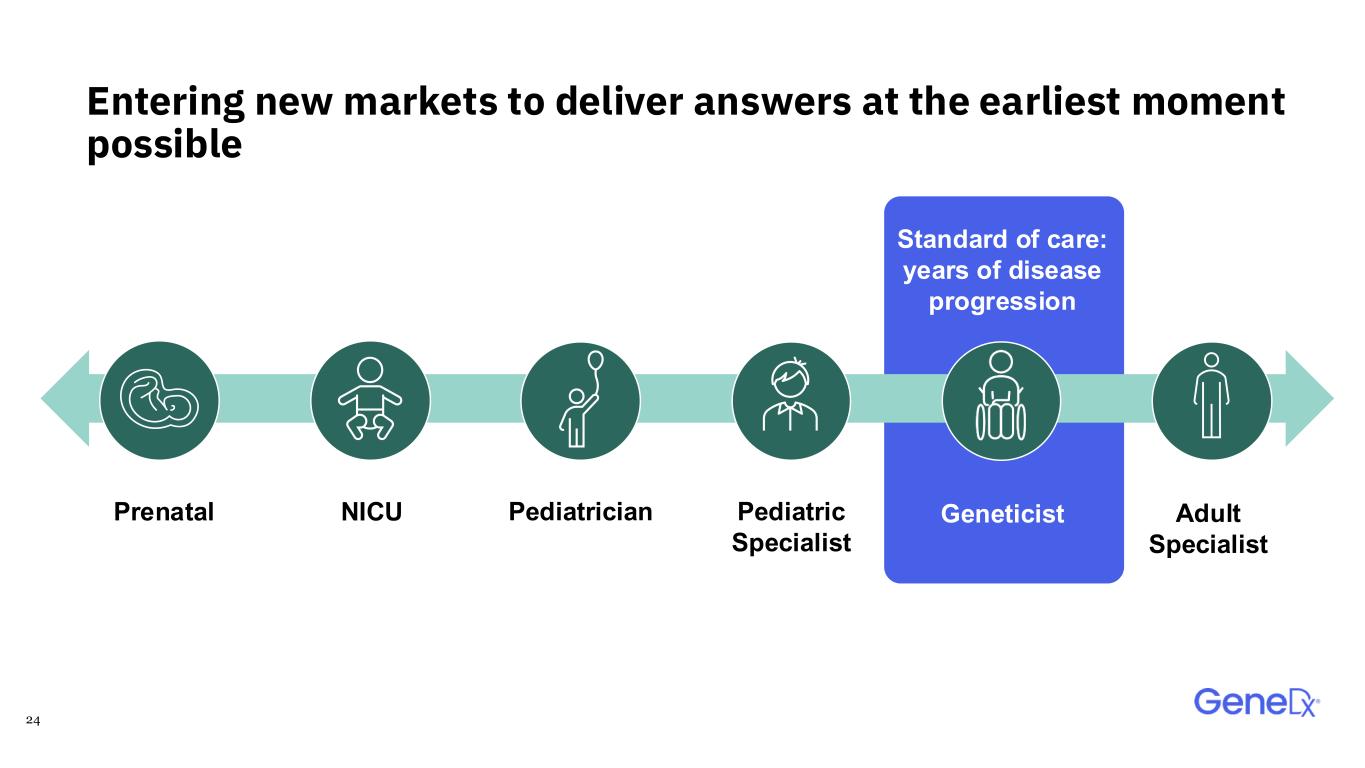
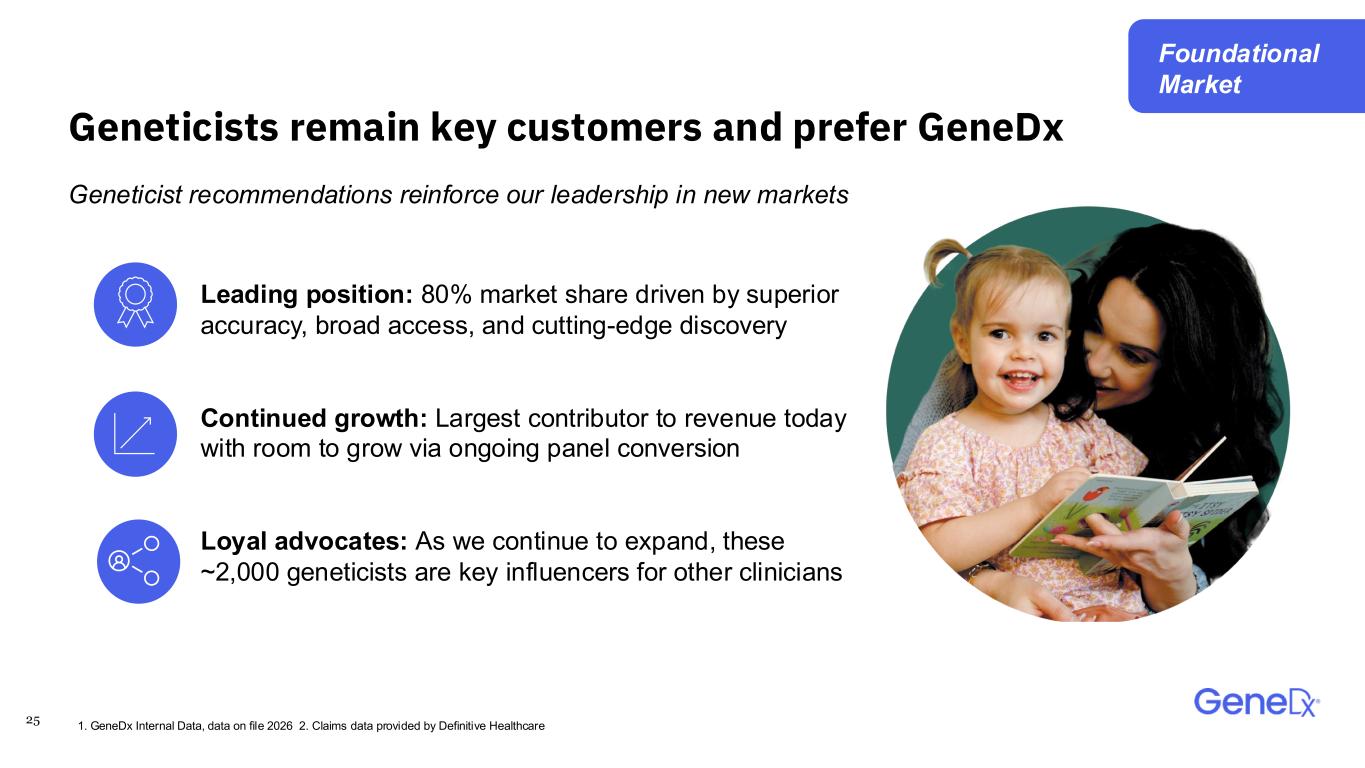
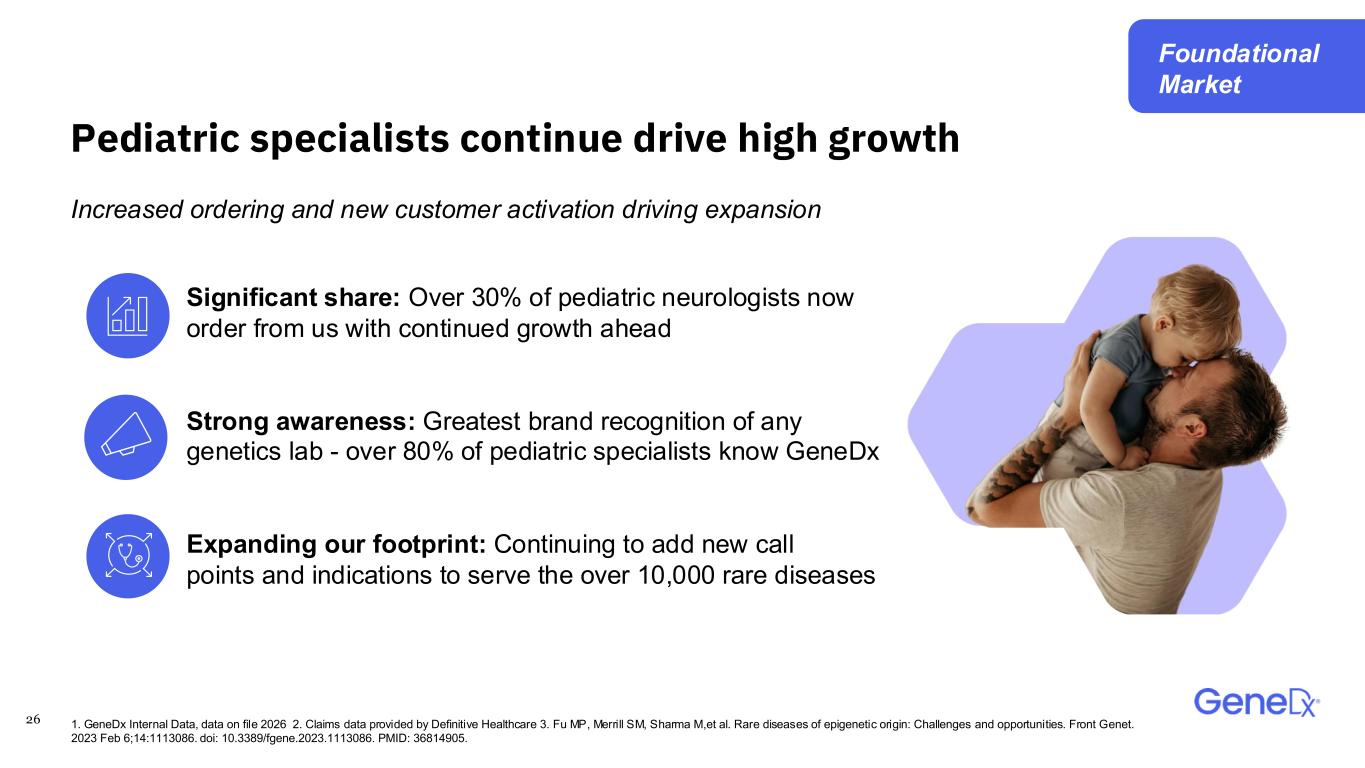
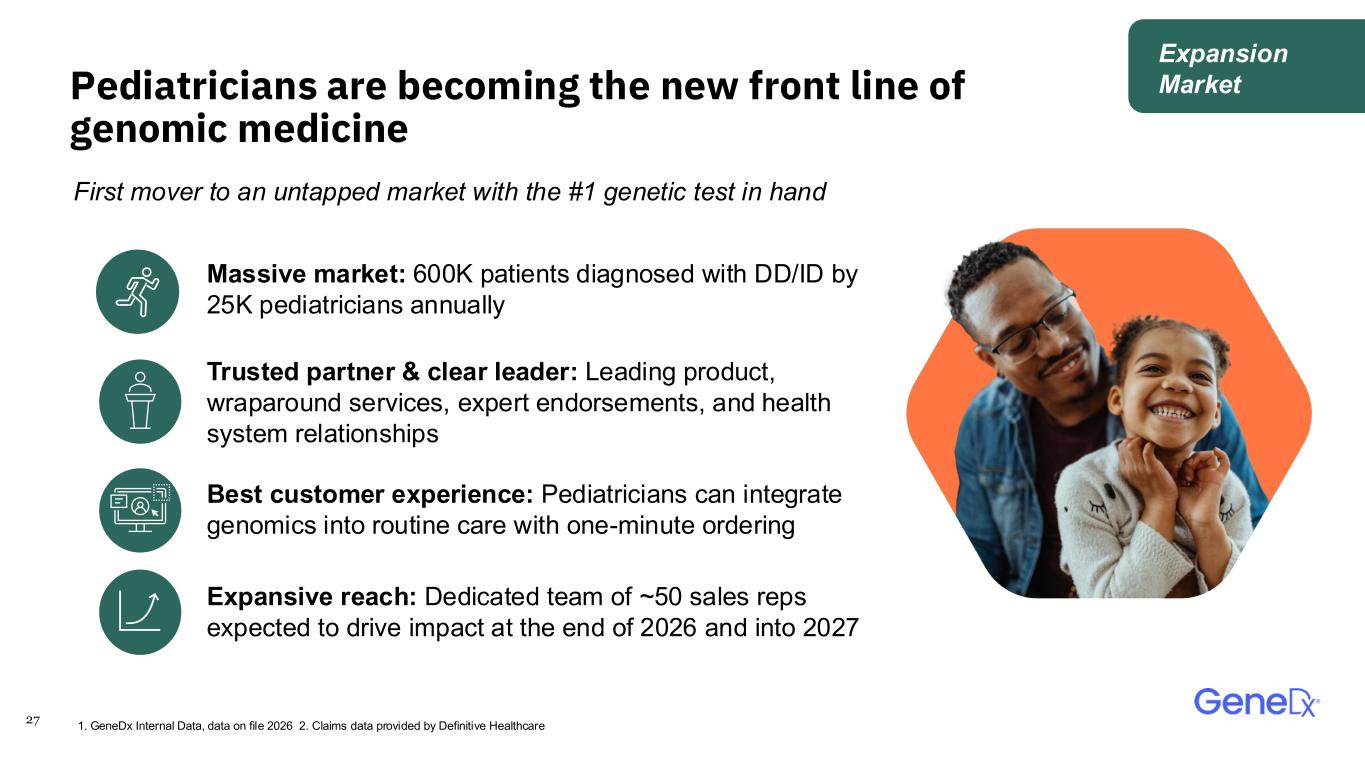
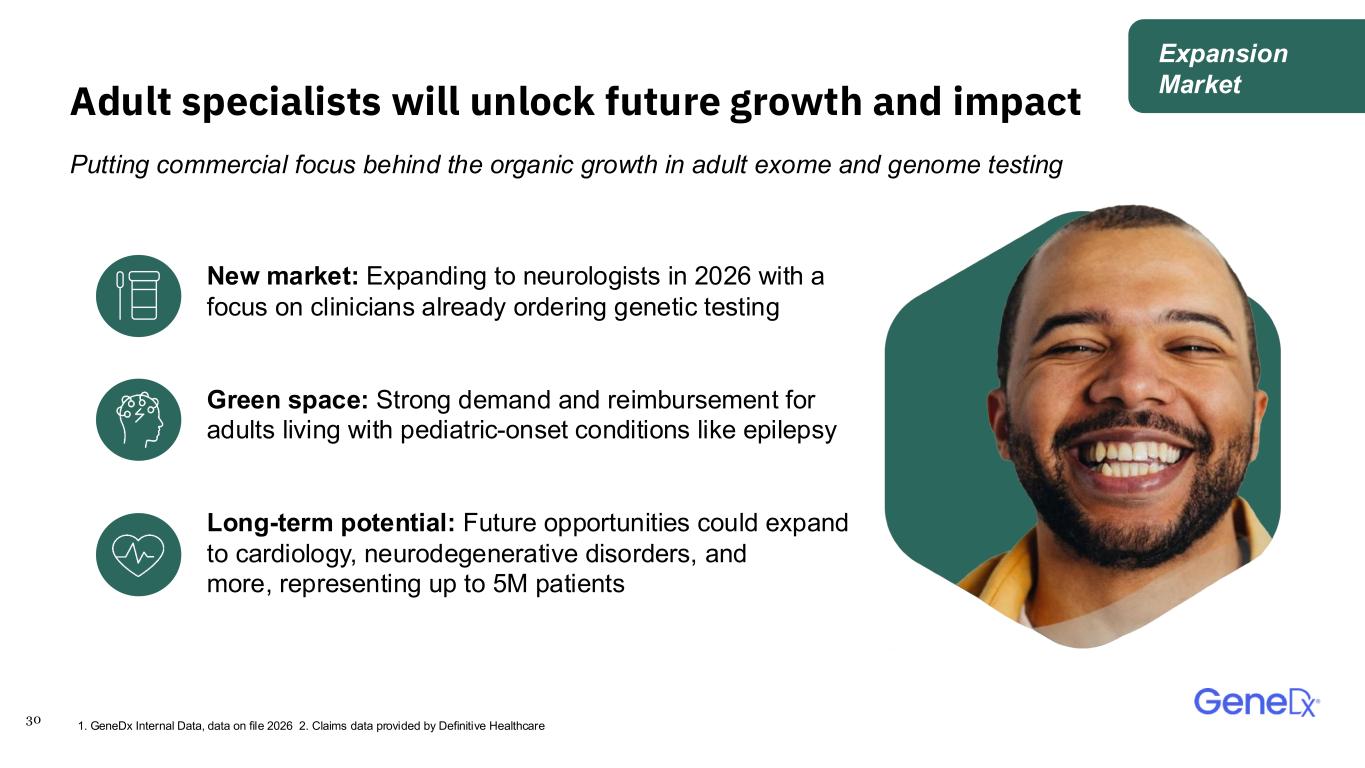
Thank you, Catherine, and good afternoon, everyone. I'm excited to be here and really grateful for the opportunity to serve patients and customers in this critical segment of the advanced diagnostics industry. You know, I joined GNDX because I saw a company with proven clinical leadership, a strong market position, and a tremendous opportunity ahead. And six weeks in, that conviction has only grown. The quality of our products, our variant classification and interpretation capabilities, our identity database, and our scale are just some of the things that set us apart as the leader in rare disease testing. I've also observed that while we've grown quickly, we need to strengthen specific elements of our operations to unlock the next phase of growth. Today, I'll walk you through what I believe to be the two most impactful areas for improvement, revenue cycle management, and commercial operations. We bring significant value to the healthcare system, and we should be paid fairly for our services. I agree with Kathryn that we are under-earning today on both exome and genome testing, and this is a significant opportunity that the whole of our company has rallied around. To be specific, we are focused on four operational levers to improve the blended average reimbursement rate of the company. First, mix management. By managing our exome versus genome mix in the near term, we have more time to build the internal processes needed to maximize payment on whole genome volume in the long term. Mix improved during the second quarter and continued to improve throughout July. Second, expand payer coverage. Payer coverage is moving in the right direction. That's a direct result of GNDX's evidence and advocacy, but it still lags clinical demand and includes too much red tape. Third, implement payer-specific workflows. Medical necessity criteria, documentation requirements, and prior authorization processes vary across payers, and we need to build workflows to ensure that we meet every administrative requirement to collect payment. When done well, this approach improves prior authorization approval rates, reduces avoidable denials, and increases the percentage of tests for which we are ultimately paid. While we're focused in the near term on improving RCM processes for genome, I would note that our exome business will also continue to see improvements in collection rate. Fourth, we have to invest in technology. We're applying artificial intelligence and other systems and processes around or across our entire revenue cycle operations to build a more intelligent and scalable function this includes internal controls and customer experience features to collect and submit billing information that enables consistent and reliable payment this is a longer term capability and under development we've already made progress on all four of these actions and we expect to begin to influence rates in the quarters to come I'm confident based on the data we've seen during Q2 and our ability to drive ARR improvements up this Q2 baseline. Next on commercial. Our core market of geneticists and pediatric neurologists continued to perform well. We maintained our approximately 80 percent market share among geneticists, while expanding our pediatric neurology market share grew up to 50 percent. So while geneticists may have moved from exome to genome over the past year, they did not leave GeneDx. At the same time, it could still take years to reach a geneticist. Thus, diversifying call points will enable us to unlock our total addressable market and bring the power of genomic testing to patients with a much shorter diagnostic journey. This strategy is driving our investment approach. For example, based on changes in the AAP guidelines, we invested in building out our commercial team to serve general pediatrics in early 2026. In Q2, we saw our highest growth ever in this channel, and we're seeing the early signals that typically precede larger-scale adoption, including increased engagement with our field reps and medical science liaisons, new account creation, and first orders from new clinicians. Across all markets, we'll continually adjust coverage models as necessary to ensure that each dollar we invest and the sales force as an appropriate return on investment in the longer term. In summary, by driving process excellence and revenue cycle management and prudently investing in call point diversification, we will drive sustainable long-term growth for the company. I now pass it to Kevin to walk through our financials and the leading indicators we will use to track progress over time.
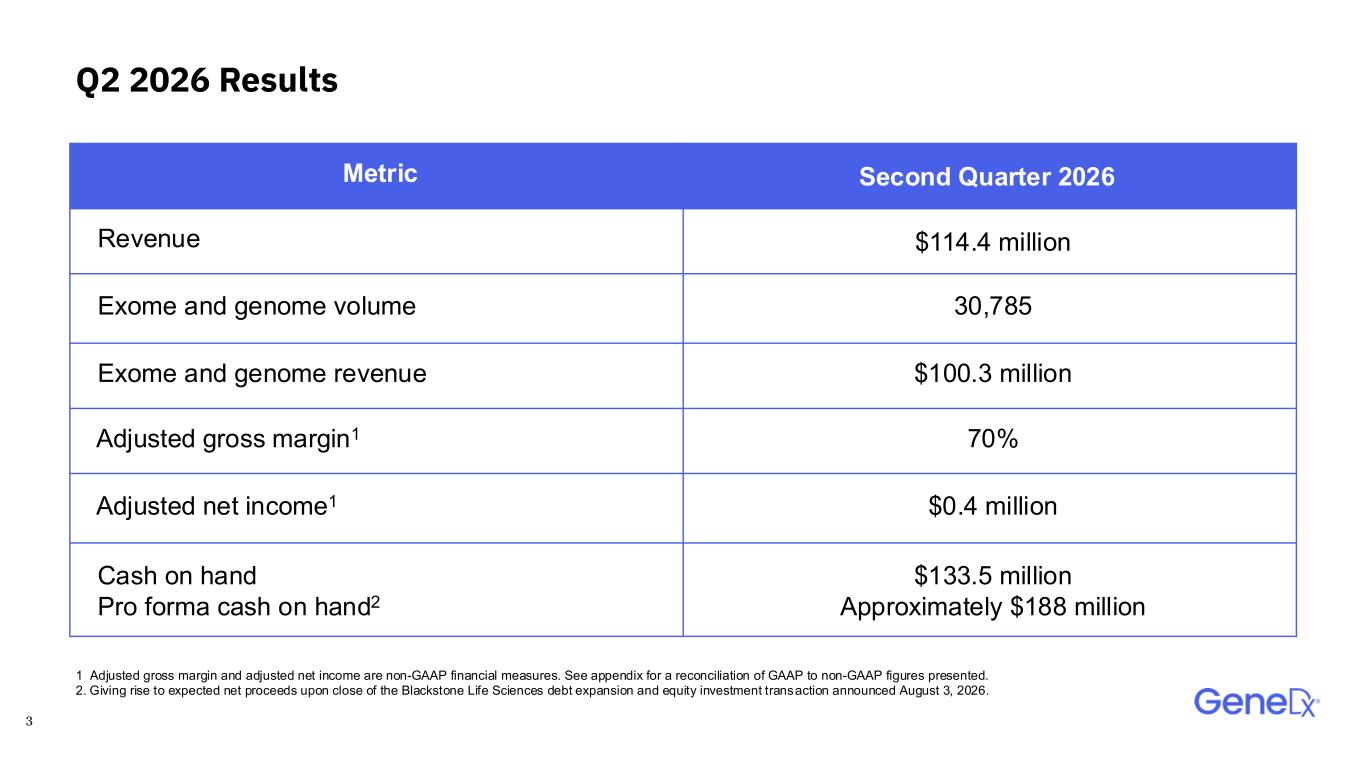
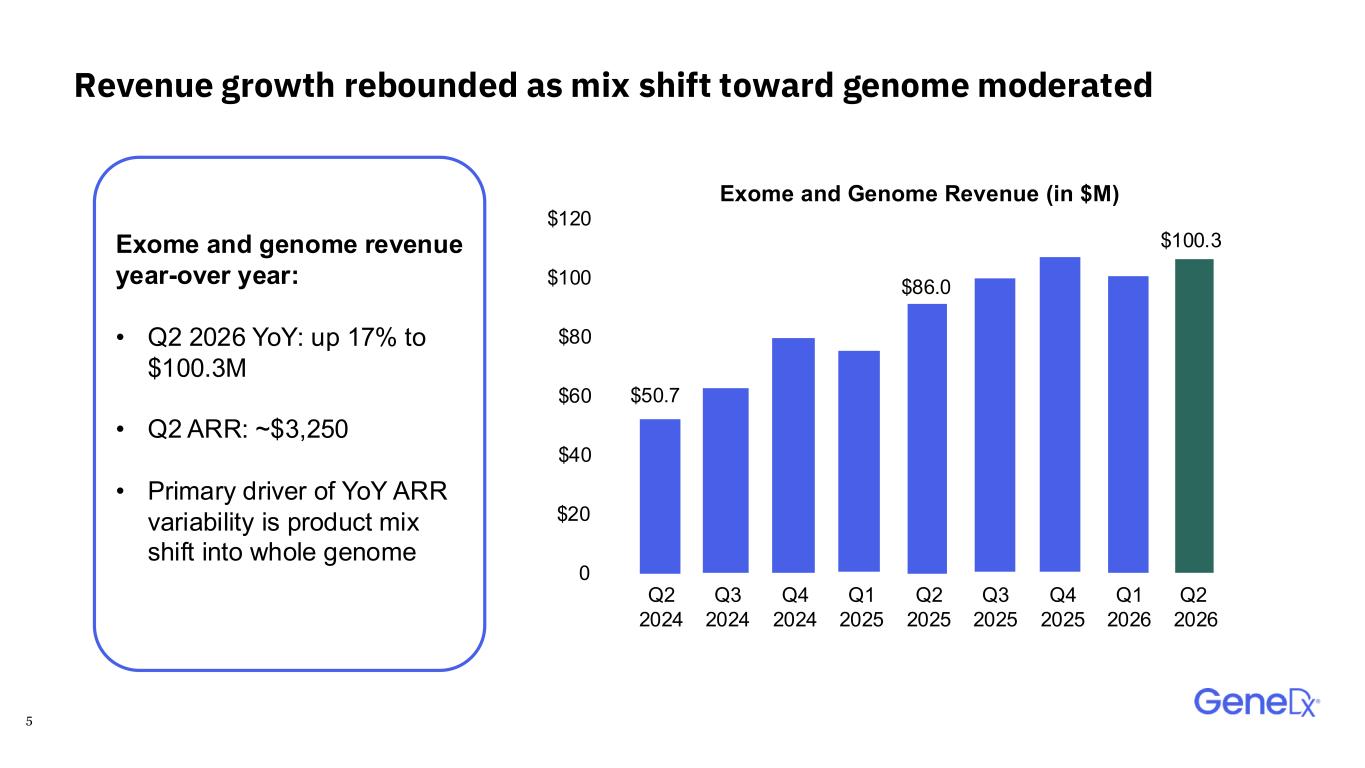
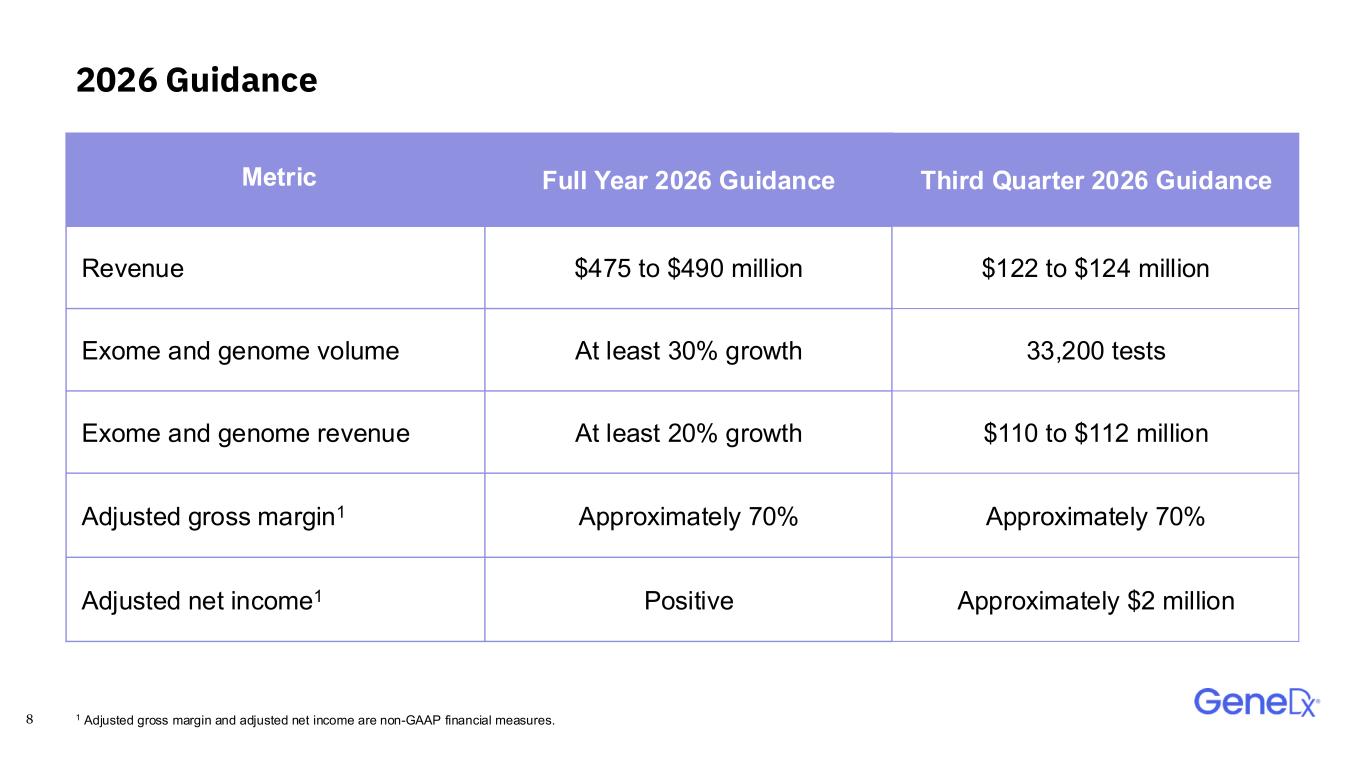
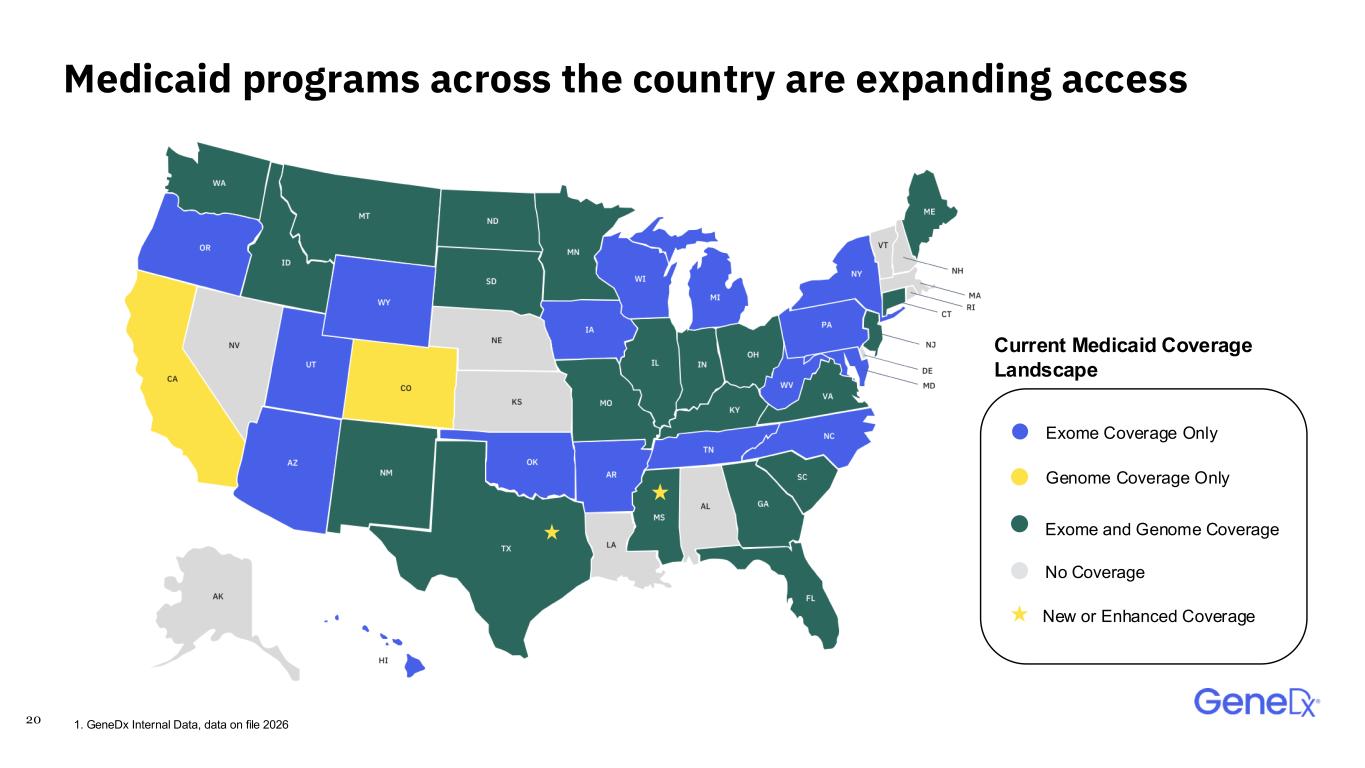
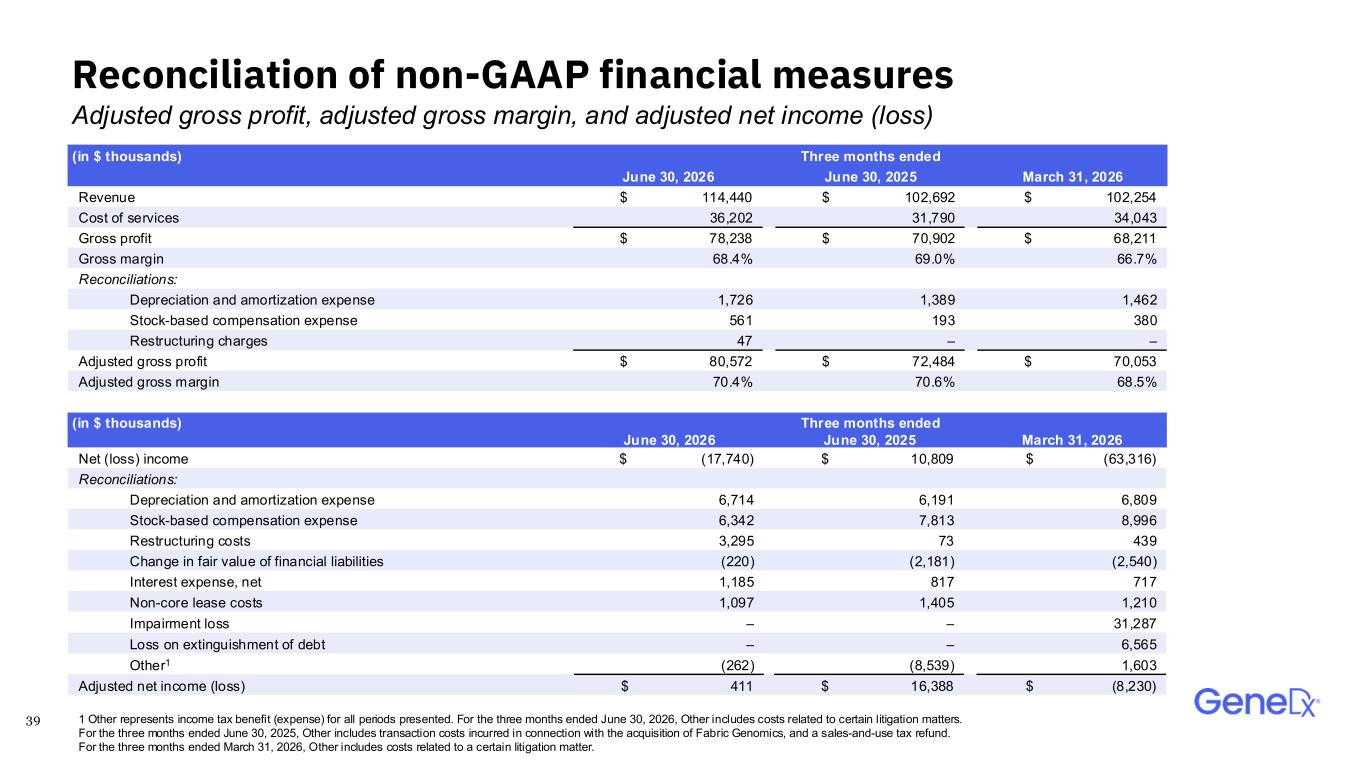
Thanks, Mark, and good afternoon, everyone. total revenues were $114.4 million, up 11% year-over-year. Exome and genome revenues were $100.3 million, up 17%, with exome and genome result volume of 30,785 tests, up 32%. Unit growth was broad-based across geneticists, pediatric neurology, and the NICU, with early contributions from general pediatrics and prenatal. Total company gross margin was 70%, up sequentially from 69% in the first quarter. We returned to profitability with adjusted net income of $0.4 million, an $8.6 million improvement from the first quarter. The blended average reimbursement rate in the second quarter was $3,258 per test, roughly flat quarter over quarter and in line with expectations. The primary driver of the larger ARR variability against 2025 is the product makeshift into genome. there have been no meaningful changes to our contracted pricing we view this q2 blended arr as the new baseline for the remainder of the year and are working against three key levers to improve it product mix payer coverage and underlying collection rates first on mix in the second quarter of 2026 the genome represented 32 percent of all insurance-based outpatient volume mix down from close to 40 percent in the first quarter demonstrating steady mixed share gains back into exome and reflex each month of Q2 and continuing through July. That second quarter genome mix is up from only 15% in 2025 and is what drives the divergence between our volume and revenue growth rates year over year. Although genome contracted rates are lower than exome by comparison, I'll underscore that genome gross margins are healthy. Second, on pair coverage. While pair coverage is moving in the right direction, coverage varies significantly between exome and genome, and understanding that gap is important context for the forward-looking ARR outlook. On the commercial side, approximately 98 percent of commercial lives have some level of exome coverage, up from approximately 90 percent in the first quarter. Genome is earlier in that journey. Approximately 87 percent of commercial lives now have some level of genome coverage up significantly from 47 percent last quarter, representing a structural shift in reimbursement outlook for genomes. The primary driver of that increase was Carillon. On the Medicaid side, 39 states now cover exome or genome testing, with Mississippi coming online July 1st. The full impact of coverage expansion takes time to flow through our blended ARR and revenue based on collections and accrual lags, it's important to acknowledge that across both commercial and Medicaid plans, not all coverage policies are created equal. Even with written policy, genomic testing remains out of reach for too many children as claims are denied by overly restricted eligibility criteria and administrative barriers. In the second quarter, approximately 67% of our outpatient genome volume was submitted to payers with an active positive coverage policy. Looking at the evolution here, that rate is up from 38% in the second quarter of last year and up from 46% just last quarter. The uptrend has continued in July, giving the rolling advancements of policy coverage. And third, outpatient genome collection rates, which are affected by both coverage and our own operational effectiveness. Our operational underlying outpatient genome collection rate, which is the percentage of claims paid, today stands at approximately 32 percent flat with the first quarter and down from 43 percent in the second quarter of 2025. That declining collections from last year reflects an investment we made into developing the market by accepting volume ahead of coverage. Importantly, it reflects a tremendous opportunity for us when, in the fullness of time, we get paid more often for these volumes with greater coverage and with better RCM. As Catherine rightly pointed out, we are under-earning versus our full potential. As an illustration of the opportunity, if we were to double that 32% collection rate, what are zeros in our blended ARR today become paid units, driving revenue uplift that falls directly to the bottom line? Now, I focus on Genome here because of the large year-over-year mix shift and its larger place in the future of the business, and also the fact that Exome already operates at a gross margin above the total company average. However, outpatient exome collection rates are comparable to genome, which means there's a ton of room to improve. Most denials are addressable and the work will put into RCM aims to benefit the entire portfolio. We do not expect improvements to be perfectly linear, but in terms of pacing, Q3 collection rates should remain roughly flat as our payer-specific workflows are still being built out and incrementally implemented. As a reminder, our revenue recognition reflects collection experience over a trailing period, and thus it takes a couple of quarters to fully capture improvements in coverage and the impact of operational actions. We expect to see meaningful improvements in Q4 2026 with the most significant uplift coming in 2027 as both expanded coverage and stronger operational execution compound together. Beyond operational effectiveness, that collection rate, and thus ARR, could always have some underlying variability from a single payer's administrative behaviors, tightening coverage policy, or contracting change. However, we serve a diversified payer base, so the impact of any single payer action is usually moderated. Moving down the income statement, beyond ARR uplift, genome gross margins have room to expand from lower COGS over time. Today, whole genome costs us nearly twice as much to produce than exome. The difference there is almost entirely higher reagent costs, which we expect will come down as utilization per genome grows and manufacturers advance their technology. We expect cost per test to stay relatively flat for the second half of 2026, with step improvements in 2027. Operating expenses were approximately $80 million, which was slightly better than expected. We completed the full $25 million of annual cost actions committed to on our last call. And we've recalibrated our investment pace while continuing to protect core investments in our proven growth channels and operational infrastructure. Onto the balance sheet, subsequent to the close of the quarter, we further fortified our financial position through a $50 million expansion of our existing debt facility and a concurrent equity investment from a valued strategic partner, Blackstone Life Sciences. This brings our pro-formal liquidity to approximately $188 million as of June 30th, 2026. This opportunistic capital expansion ensures that GNDX is fully capitalized well beyond sustained positive cash flow while maintaining the flexibility to invest in high growth strategic opportunities. Turning to guidance, we're reaffirming our full year guidance range of $475 to $490 million in revenues. We continue to expect exome and genome volume growth of at least 30%, exome and genome revenue growth of at least 20%, gross margin of approximately 70%, and to be profitable for the full year. For the third quarter, we expect revenues between $122 and $124 million, exome and genome revenue of $110 to $112 million on volume of approximately 33,200 tests. The blended ARR there is approximately $3,300 a test. Expect gross margins of approximately 70% and approximately $2 million in adjusted net income. With that, I'll turn you back to Catherine prior to Q&A.
Thank you, Kevin. GDX is positioned for long-term, sustainable, profitable growth. For 25 years, clinicians have relied on GDX to resolve their most challenging cases because our accuracy is proven. Deep clinical loyalty has enabled us to shepherd the market through major shifts before, beginning 15 years ago with the transition from single gene tests and multi-gene panels to exome, and beginning now from exome to genome. Innovation accelerates and we're leading the way. We have the strategy, the team, and the operating plan to capture the significant opportunity ahead. I want to say thank you to our dedicated employees for all of their extraordinary work, and to our shareholders for their continued support. Without you, our work in service of the ever-growing number of families needing answers would not be possible. With that, operator, please let's open up the line for questions.
Operator
Thank you. As a reminder, to ask a question, please press star 11 on your telephone and wait for your name to be announced. To withdraw your question, please press star 11 again.
In the interest of time, we ask that you please limit yourself to two questions please stand by while we compile the Q&A roster and our first question comes from Dan Brennan of TD Callen your line is open great thank you thanks for the questions um you give a lot of obviously a ton of detail on the focus on getting better payment rates I was hoping maybe you could just yeah there's a lot of numbers in there I was hoping maybe you can just elaborate a little bit on the pacing in 3q 4q kevin i heard you say that it seems like 4q could see a meaningful uplift just given the timing it takes maybe can you just review i got the numbers in 3q um so maybe a like why is the pace a little slower and then b what's the kind of upside case you're exiting for q and what could that mean for next year yeah thanks dan um look there's the natural lag between operational improvements and those improvements blending through our accrual rates.
We'd expect the collection rates to remain roughly flat with Q3 with meaningful improvements beginning in Q4. And in 2027, the upside is real. It just takes time to flow through. We're placing a premium on getting paid and guiding with that discipline.
Okay. And maybe just on the mix, you know, you have the reflex. Alex, you're getting the whole genomes down. I know on the last call you talked about, obviously, you want to provide the best service to customers. You don't want to dissuade them from getting what they want. But maybe just speak to a little bit of how you're managing that mix. You've got it down, kind of what you're baking in for the back half of the year. And from a competitive standpoint, if a competitor is pushing whole genomes, does that put you at a disadvantage at all that you're trying to favor the exome against that? Thank you.
Well, first, you know, we continue to see, as I said in my prepared remarks, that the future is indeed genome. We expect that all inherited disease will be diagnosed off of a genome. But in the meantime, we have several services that we're able to provide to give our clinicians, regardless of what channel they're in, the right technology to get the diagnostic yield that they need to get the right answer to their patient. it. Remember, 80% of the time, patients with genetic disease can be diagnosed with an exome. And so, we see really good uptake with that product. And if they need more information, then we can quickly reflex them beyond that exome to a genome. And because we've been able to drive down our turnaround times, we can do all of that faster than other labs can run a genome. So, So we've been successful in really managing this transition. We saw it in Q2, and we continue to drive, I would say, a really meticulous approach to the sales force to ensure that we are giving customers what they want, utilizing the various tools that we have.
And if I'm still live, maybe this last one is speaking. We had realized prices are kind of flattish after 26 because, you know, you were just getting to this level, and I think the street and us probably had similar, maybe low single-digit pricing. I know, Kevin, in the past, you've talked about how you'd be willing to go in contract with payers to secure higher payment rates, even if it meant you give away some of the upside. The tone sounds different now with Mark. It sounds like you feel there's all this upside on getting realized price. Any way for us to think about what this could mean beyond 26 in terms of what the capture could look like? Thanks.
Yeah, look, in terms of 27, I think to keep flat in 27 and beyond misses a core central opportunity for us. Today at 32%, genome collection rates reflect where we are in the coverage maturity, not where we think we're going. We've brought in that volume to deliberately build the clinical evidence to expand payer policies. that's worked as represented by that, frankly, massive jump in commercial coverage from 47% to 87% in just one quarter. But look, all collection rates for exome and genome are well below where we think a mature diagnostic test should typically live at around 70%. That would be doubling today's collection rate. And we think that represents a meaningful structural opportunity for us as we progress. As we said, it won't be linear, but in 2027 and beyond, we expect this work to pay off handsomely in that regard.
Operator
Thank you. And our next question comes from Mark Massaro of BTIG. Your line is open.
Hey, guys. Thank you for taking the questions. I was hoping that maybe you could double-click on the Carillon opportunity, recognizing that that is a very, very significant lift that you talked about. But I was just wondering if you could maybe frame what needs to happen next. Is this just getting in front of commercial payers? And I think I heard you say this is a big lift in 2027. But can you just walk me through why it wouldn't be a lift in Q3 and Q4 and any potential for that?
Yeah. So, Mark, thank you for that. It is indeed in a single quarter just a massive opening up of possible patients and revenue for us moving forward. So, it's a really positive development, as Kevin had shared in his comments, coverage leads in payment lags. So, there's just a massive opportunity ahead to raise our collection rates and revenue based on carillon. It's extended coverage to about 56 million lines, but payers don't always operationalize everything immediately, so it takes some time. Kevin, anything you want to add?
Yeah, I would just add that certainly we're not counting on anything in that regard for the third quarter here, but some contribution beginning in the fourth quarter of 2026, but then more fully in 2027 to account for that natural act.
Okay. And then, if you don't mind, I want to ask the same question on Medi-Cal. You know, obviously, these are different payers, but can you just walk us through the same thought process as to when you expect a benefit and if there could be anything in Q3 versus Q4?
Monitoring it closely, look, California pricing for their genome within Medi-Cal fee-for-service They published a rate a couple months ago, and that became effective just July 1st. And so it's pretty early, but monitoring adjudication experience closely to see that they're paying often and at that price. I think some of the larger work to do is to make sure that MCOs in the state of California are following Medi-Cal policies and guidelines, which they're required to do under regulatory frameworks. But we want to see some data further accumulated that the MCOs, which is the largest proportion of volume, are going to follow policy. We have counted on some uplift based on recent trends that we can see, but continue to view it as a massive long-term win that Medi-Cal has put out policy, but still monitoring it closely and expect greater uplift in 2027.
Fantastic. Last one for me, it was encouraging to hear the progress with rising engagement with the general pediatrician market with orders coming in. Is there any way to quantify what those orders are? When do you think it might be material enough to quantify them? And then are there any lessons learned? I know it's early, but perhaps, you know, can you talk about ways that maybe you've optimized the early launch and how you can attack that in a bigger way in 2027?
Certainly. Well, as a reminder, it's been just over a year since the guidelines published. We're still in the early stages of commercial activity post-guidelines. We're pleased that we are investing in this channel. We're seeing clinicians in the GenPEDS channel ordering exome testing predominantly, and we're seeing some good interest there. It's a different call point, though. I'll let Mark comment a little bit more on this.
Obviously, this is one where depending on the specifics of each of the practices, some of those practices are more attractive than others. There's obviously a greater emphasis amongst developmental and behavioral specialists to order more exomes than you might see amongst the rest of the general peds call point. So we're definitely seeing that there are differences even within the overall general pediatrics channel. The other thing I would note is that we think that this is an area where as more and more general practitioners are becoming corporatized or part of larger groups, that that's actually opportunity to aggregate demand and to set policy for the larger corporate entity. So we think that by being really focused on higher productivity physicians and by concentrating on how we win corporate accounts, we think that that's a way to expand the market. But so far, the evidence is that it has a very high return on investment.
Operator
Thank you. And our next question comes from William Piniello of Craig Hallam. Your line is open.
Hey, guys. Thanks a lot. I'll ask my two questions. One, I'm trying to understand. So, you know, it sounded like you said a pretty significant improvement in mix, actually, in Q2 versus Q1. But we actually saw the ASP or ARR go down, not a ton, but slightly. And with the improvement in mix we might have thought it would move the other direction so is is something else getting worse are you seeing an uptick in you know the rate of denials are you seeing pricing pressure I mean why why wouldn't it flow through to higher ARR rather than lower ARR yes it's a great question, Bill, and hi.
Look, the mix improvement is real, moving from 40% to 32%, with the differential there flowing back into the reflex product, an important bridge that allows us more time to mature collection processes for genome. But the reality is exome collection rates roughly flat underlying from quarter to quarter. There was some slight variation in payer mix That led to about that $50 variation. That's within 1% of Q1. I think the way we would read that is the blended ARR has stabilized, it's flat, and now represents a new base for us to work off of. The building blocks that we described in terms of operational improvements is being deployed That will take some time. But we're not happy with the 32% collection rate on genome, and exome collection rates are comparable to that. we have work to do, and frankly, we think that represents the largest opportunity the company has to meaningfully increase our earnings power over time.
Hey, if you'll indulge me and let me sneak in a third, I don't have to, but just I want to follow up on that. When you're saying exome collection is roughly the same, I mean, I thought in the past we had gotten all the way up to like 55% collection rates or something on Exome. And so if we're down at sort of 32-ish or something, maybe I'm just not understanding what you're saying.
No, you're tracking well, Bill. The nuance there is those collection rates we cited are for the outpatient insurance-based volume only. And so what I mean by that is excluding the NICU. The NICU is collected at 100% and what buoys that rate back up towards the 50% range in total. What we'll be tracking and calling out specifically so you can all track along with us is the improvements in the underlying outpatient insurance-based rate, which is where we see the largest opportunity at.
Okay, that makes a ton of sense. If I can ask what was going to be my second question. I'm just trying to wrap my head around the guidance, I may be remembering, you know, commentary a little bit wrong from last quarter, but I thought we were kind of expecting some, you know, steady improvement in ARR over the course of the year. And, you know, I appreciate all the reasons, you know, not to necessarily expect that, and that seems really prudent. But you held your volume growth rate flat and your revenue guidance flat or your volume guidance and your revenue guidance flat. I'm just sort of wondering how we reconcile, you know, maybe ARR not improving at the same rate, but revenue and volume being, you know, still where you expected.
Yeah, I mean, look, the guide reflects July trends that we had the benefit of seeing, which showed mix continuing to move in the right direction and core channel demand really healthy at this point. and reflex volume for the first time on a single-month basis since we launched that product, reflex volumes exceeding genomes in the month of July. And so we took stock of the totality. What we see is really positive trends that played out throughout the second quarter and into July and incorporated all that into the new guide that we just provided here. Perfect.
I really appreciate that. Thanks a lot.
Operator
Thank you. And our next question comes from David Westenberg of Piper Sandler. Your line is open.
Okay. I'm going to truly ask just one in one follow-up here. So can you just – I'm going to get into the H2 guidance. How much visibility do you have on collection rates in Q4? Secondly, on the Salesforce ramp and their productivity, how much productivity are you seeing right now, and how much of productivity gains are in the Q4 guidance I'm thinking about specifically? Last one follow-up.
Yeah, look, in terms of visibility, it was a commitment of ours to improve that following the first quarter call, and we think we've done that. I've had the benefit of adding a number of folks to my financial leadership team. We brought in some exciting revenue cycle leaders with experience doing this at very large scale at companies you all know very well, in addition to Mark. So beyond Mark joining, a whole host of new talent really with the goal of upping experience levels operating at much larger scale than we have. And we've accumulated data trends, like I said, through July, And those data points throughout the second quarter and into July inform what we see as the outlook that we've provided. And on the sales activity.
With regard to the sales report, I would just say that, you know, what we've seen is that while, you know, our traditional call points continue to deliver at a very high rate per rep, If you actually look at the incremental number of new physicians, the incremental number of new orders, we think that these emerging markets actually represent a significant amount of our future growth. They by now actually represent a meaningful and impactful amount of our overall volume growth for the quarter. And frankly, a lot of those folks we just hired in the first part of this year. So, you know, traditionally they would have a learning curve and they would get more productive as the year goes on. So we see that accelerating in the back half of the year.
Thank you so much. Kevin, just going to stick with the question on you and, you know, congrats on the return to profitability in Q2. The operating cash flow was was one of the high points we've seen in quite a while. And I think investors are also kind of seeing the Blackstone facility and that happening in the quarter. So we just want to think about how you're thinking about cash flow expenses from here out for the rest of the quarter and what GDX needs to do to become a sustainably cash flow positive company over the next couple of years.
Sure. And Dave, thanks for the question. I'll kick it off and then hand it over to Kevin. Just to say, as we committed on the last call, we have, you know, succeeded in that $25 million OPEX cut, and we've organized the company around the three biggest levers, which is improving unit economics, driving utilization of exome and genome, and delivering best-in-class products, and we have organized everyone around it, all of our capital deployment around those three efforts. Anything that doesn't fall into that is opportunity to continue to make sure that we've got the right capital management strategy. So, we feel like we've got the right focus in place.
Yeah, as you pointed out, Dave, Q2 certainly will be the high point of the year. Q2 reflecting the lag from the first quarter operating loss, which in large part was driven by the heavy commercial investment into expanding the sales team, as well as some other investments. The second quarter was a heavier CapEx cycle than what we might expect moving forward, as we've significantly increased the sequencing fleet to keep pace with the increase in genome volume that we've seen over the past year. We think that has now reached a point of leveling out. And Q2 did have some certain one-time payments, as well as the lag between the fact that earning a dollar today takes some more time to collect it in cash. Three things going to improve that picture moving forward. First, as I mentioned, we've completed the execution at a net $25 million in cost from our plan. That work is behind us in current run rates. Second, the RCM improvements we've talked about will begin to increase our earnings power more so in the fourth quarter as collection rates rise. And then third, as volumes continue to grow, we do get some compounding COGS leverage that improves operating margins over time. So, we'd expect about $10 million approximately in the third quarter, but the fourth quarter returning to cash flow generation. And that Blackstone financing gives us ample runway to get there without any sort of compromise. And by 2027, we expect all of those factors to converge in strong, sustained cast generation.
Operator
Thank you. And our next question comes from Kyle Mixon of Canaccord Genuity. Your line is open.
Hey, guys. Thanks for the question. It's good to see a clean quarter. I want to ask about the reflex testing. So if that volume mix continues to expand at a pretty rapid clip, like you saw recently, and the reflex mix is much higher in 4Q than you would have expected, how does that impact the guidance, especially ARR?
What's in the guide is our expectation of how those mix would evolve over time. And, look, think about reflex together with exome. It's designed to be reimbursed at the exome rate. So there could be some interplay between exome and reflex, but ultimately see that genome mix rate at or slightly lower than where it is today in the back half of the year, and we've incorporated that into the guide.
All right, great. And then if the outpatient genome mix decreased by so much here, what other end markets kind of benefited the most? Was it the emerging with the NICU and the GenP or the established kind of end markets? Which area did the volume increase the most?
Yeah, look, the Reflex product, like I said, is in large part meant to be a bridge offering. Where we're seeing the greatest interest is in the geneticist forum. As Mark said, the secular shift to genome and its interest has not slowed down, but what we have seen is many of those genome orders moving to reflex, taking advantage of the exome to reflex structure that we've put up. The product is operating better than initial expectations when we first launched it in February.
And I would just add, in the Gen-P sector, we're seeing good utilization of our Exome products. So it's predominantly Exome, and so there's a healthy mix. Again, as we're on each channel, we learn more about what product works, what services work, and what the sales force needs to do to make sure we've got the right mix.
Operator
Thank you. And our next question comes from Tycho Peterson. of Jeffrey, so the line is open.
Jeffrey Sutherland- Hey, thanks, and welcome, Mark. I'm curious how you characterize the competitive landscape now. I mean, I think you've called out at some of the conferences competitive forces as a factor of that whole genome shift. Any comments you'd make on kind of just the shifting competitive landscape?
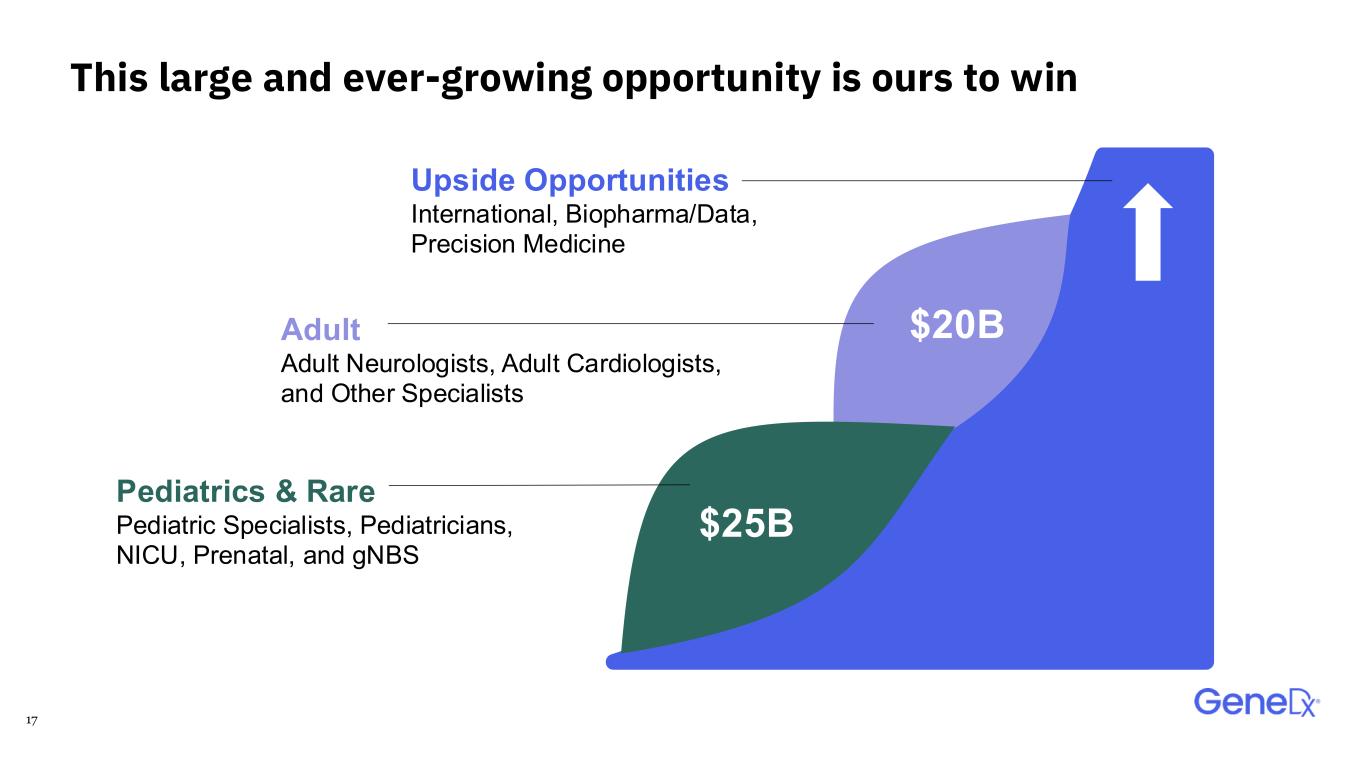
Barbara Sutherland- Sure, I'll kick it off and then would love Mark to share his fresh perspective on it. One, I would say we're still the dominant player. We still have 80% market share amongst geneticists. We're not 50% for pediatric specialists. So we're continuing to be the market leader, and we're evolving and developing new markets in GenPeds, mainly because of the quality and accuracy of our products, the customer experience, the underlying data that ensures that people have confidence in our answers. But, yeah, we keep our eyes on competition. We've made it clear this is a really attractive and it's a very large market that will require more than GDX. Having more voices out there really opens up markets faster. It helps shape payer policy faster, helps shape policy in general faster. So, you know, we're going to continue to be the leader, and we also welcome competition for those reasons.
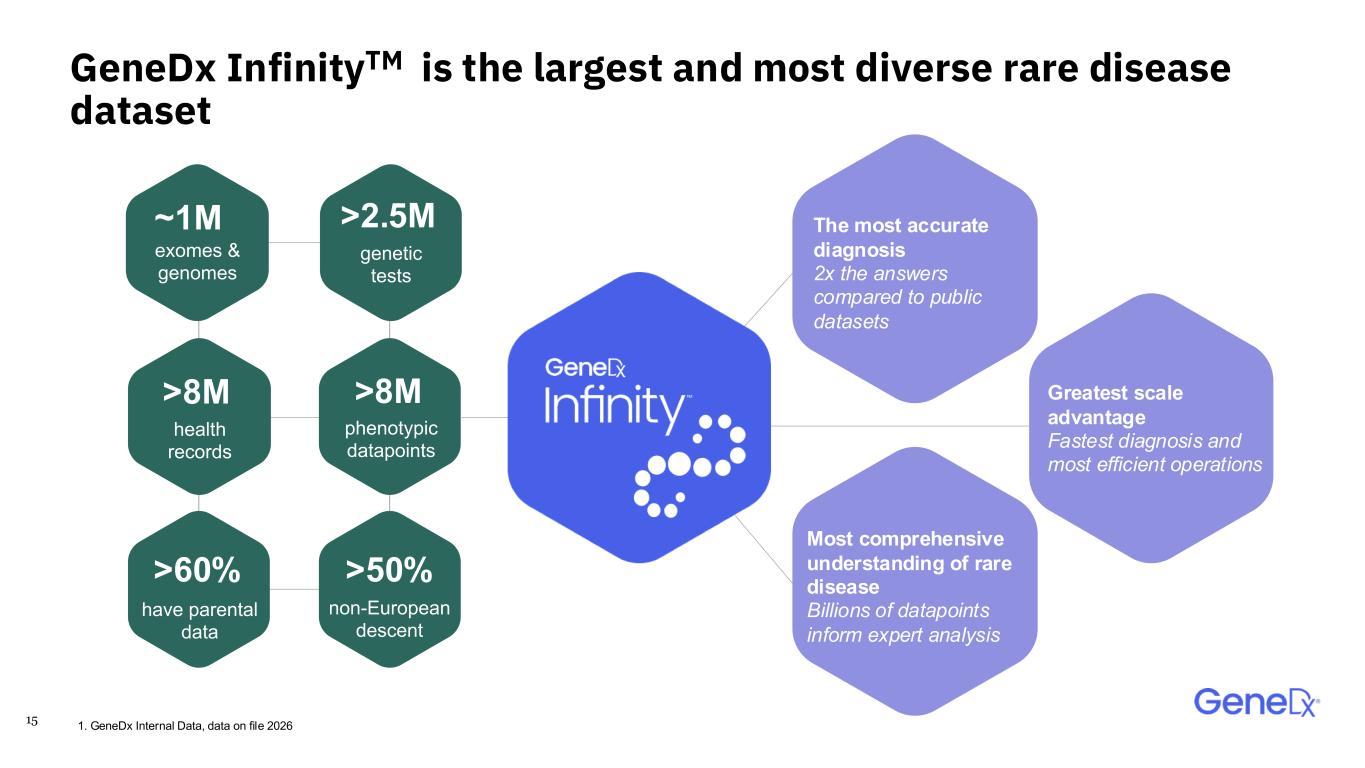
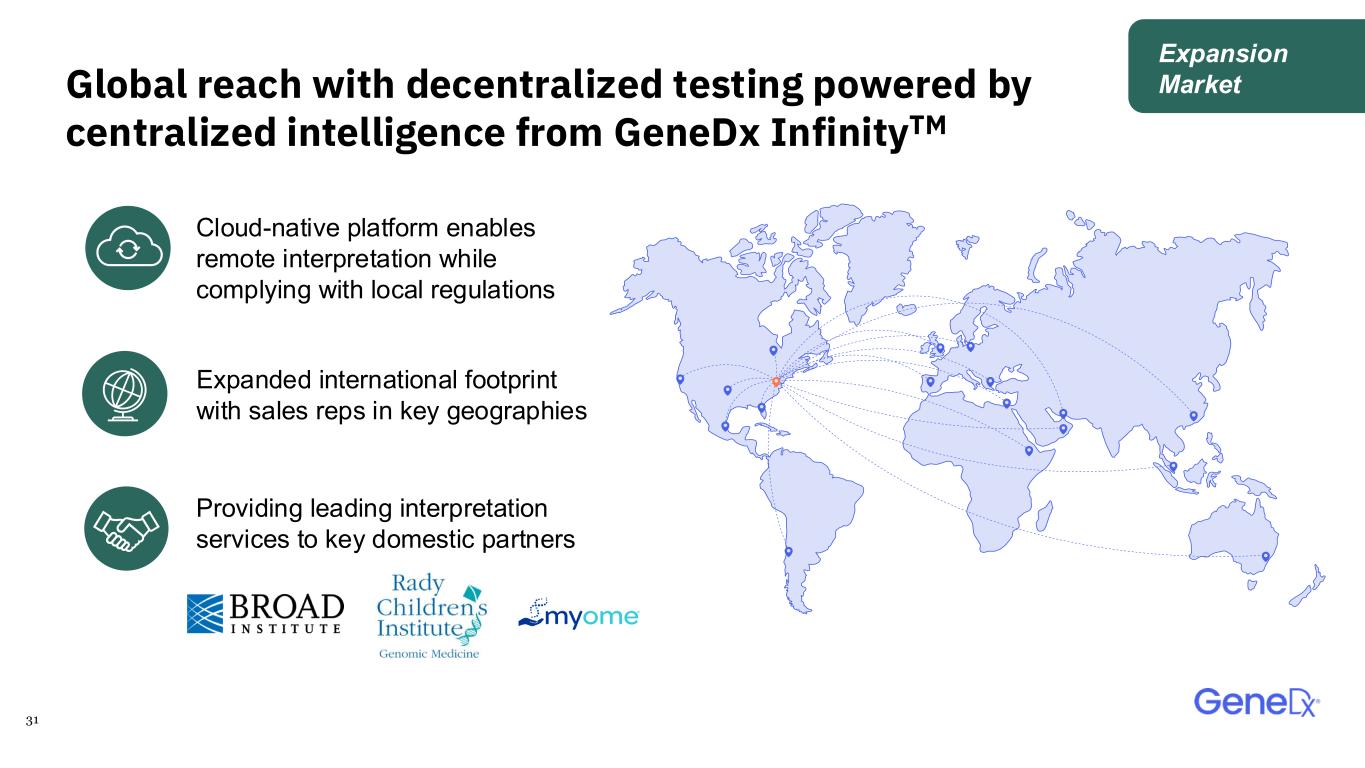
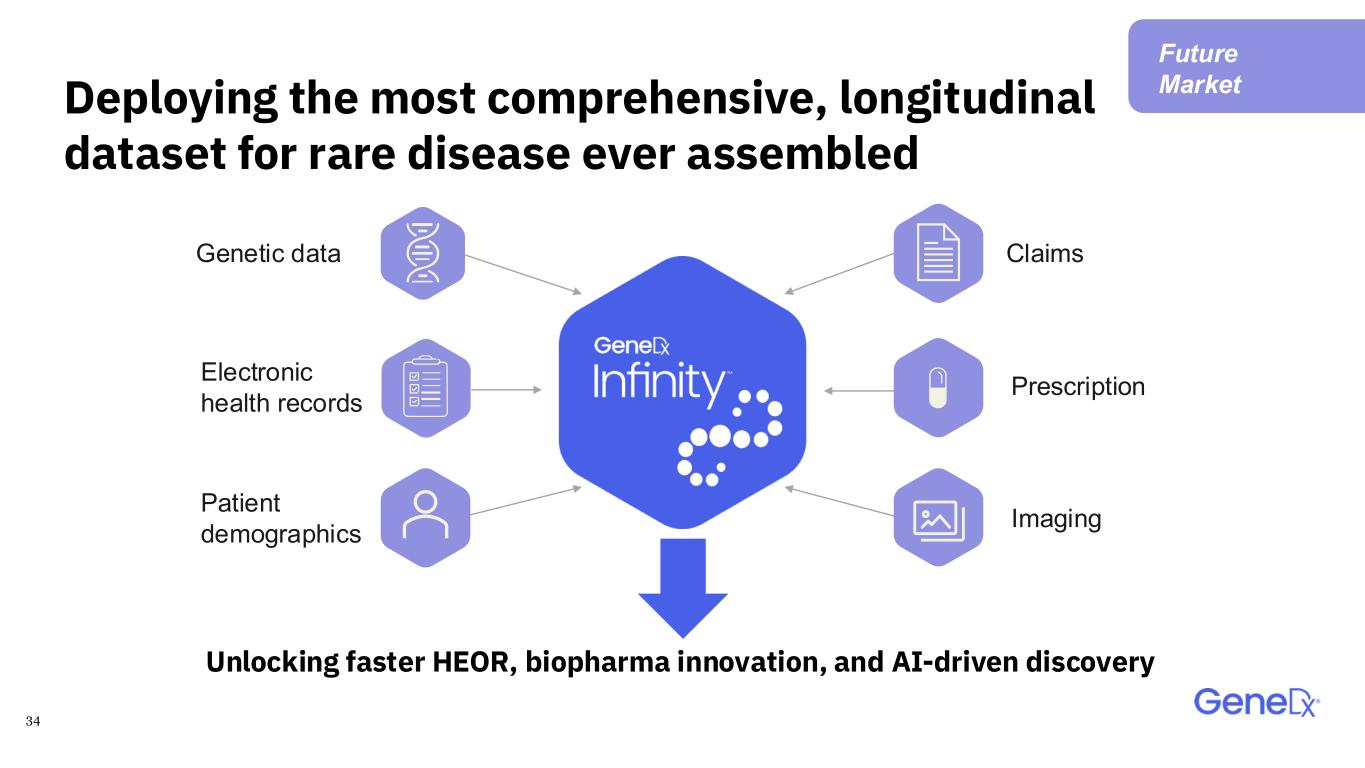
Tycho, it's great to hear your voice again. And I would just say that, you know, what really characterizes a lot of our competition right now is who's able to both measure variation and match variation the best. And, you know, there are a lot of different ways to measure genomic variation. But at the end of the day, the Infinity Database is a unique asset for matching that variation to drive discovery. And so what we find is that, you know, our customers are loyal to that because it produces a higher diagnostic yield and it gets better answers for the patient. So, you know, we feel like we can maintain our leadership through continuing to invest in that data asset and continue to drive discovery in the market.
Okay, that's helpful. And then the one-minute genome, where are you in rolling that out, and, you know, how critical is that to the ramp in the back half of the year?
Certainly. So, we've made some really good progress with one-minute ordering, which in the past we've talked about as an unlock predominantly for general pediatricians. It was designed by them, for them, we think as the potential to unlock more volume across all the channels. So it will be later this summer with, I would say, a rolling set of features. We're going to continue to put out kind of an MVP and continue to iterate on it. But all is on track there.
Kevin, I would just add that, you know, obviously one of the things about these emerging markets is that, you know, the customer service expectations are different. And so we're obviously learning from that, and we're adjusting our approach, you know, commensurate with, you know, the maturity of those markets. And so I feel really proud of the work of the team on that. And I think we're really going to be able to accelerate growth with people who are frankly not that used to ordering exome and genome testing.
Operator
Thank you. And our next question comes from Sabu Nambi of Guggenheim. Your line is open.
Hey, guys. Thank you for taking my question. Kevin, last quarter you were really helpful in telling us the exome-genome mix, and it would be really helpful if you could tell us what your assumptions are for exome-genome mix in 3Q and then in 4Q. And where do you see yourself exiting this year? This is all acknowledging that payer coverage is improving at a rapid rate for genome.
Yeah, in terms of mix, we would expect that genome mix that we cited to come down some, hovering at around approximately 30%, maybe slightly lower in the second half of the year. And recent data order flows over the past several weeks helped frame that expectation.
Thank you for that. And then I want to probe a bit on the operational pillars and focus in the prepared remarks. Mark, can you expand a bit on what's different about this approach compared to what was being done before? Just trying to understand how this new approach will materially change things in the near term. Thank you so much.
Yeah, I would say that with regard to, like, developing payer-specific processes, that's something where historically we've frankly not invested enough in the systems and process muscle to really execute against that. You know, the team had already brought on a number of key personnel to help lead that, so I'm just sort of shepherding that further along. But I think with some of the people that we brought in from the industry who really have sort of been there and done that before, you really have a playbook that's relatively straightforward. It just comes down to complying with exactly what the payers need you to comply with in order to get paid. And it's a very attention and detail oriented process, but it's something where I think that we're seeing dramatic improvement in that.
Thank you for that, Mark. And Tim, you hired a bunch of sales reps. How is the productivity going on with the new reps? Are we seeing returns from that investment already?
Should we expect that group to still be ramping to full productivity throughout the end of the Well, I would say that we already see what we would say is a positive return on investment so far. And absolutely, we think that those teams will continue to accelerate in their productivity. And, you know, things like one-minute ordering actually just complement that. You know, it's not just about adding reps. It's also about adding processes and market-specific customer service elements to really drive adoption. So, you know, we feel like that should continue to accelerate the time.
Okay. Thank you so much, guys. Thank you.
Operator
And the next question comes from Keith Hinton of Freedom Capital Markets. Your line is open.
Great. Thank you. I have one on volumes and then a follow-up on gross margin. So for volumes in the quarter and the back half of the year, can you just talk a little bit about the contributions from the foundational markets versus how much of the growth came from the various expansion markets? So sort of any granularity you can give there for the quarter and kind of what's baked into the guide. And then I'll follow up on gross margin.
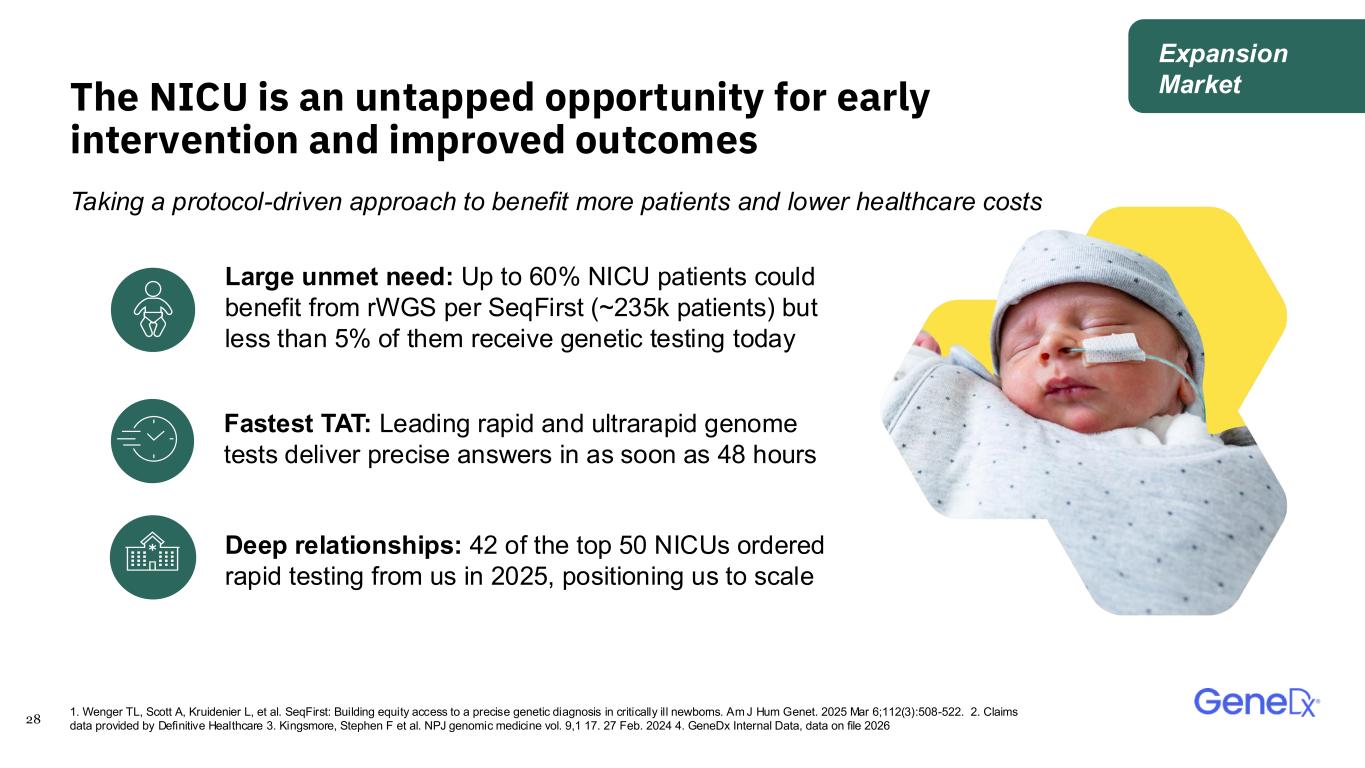
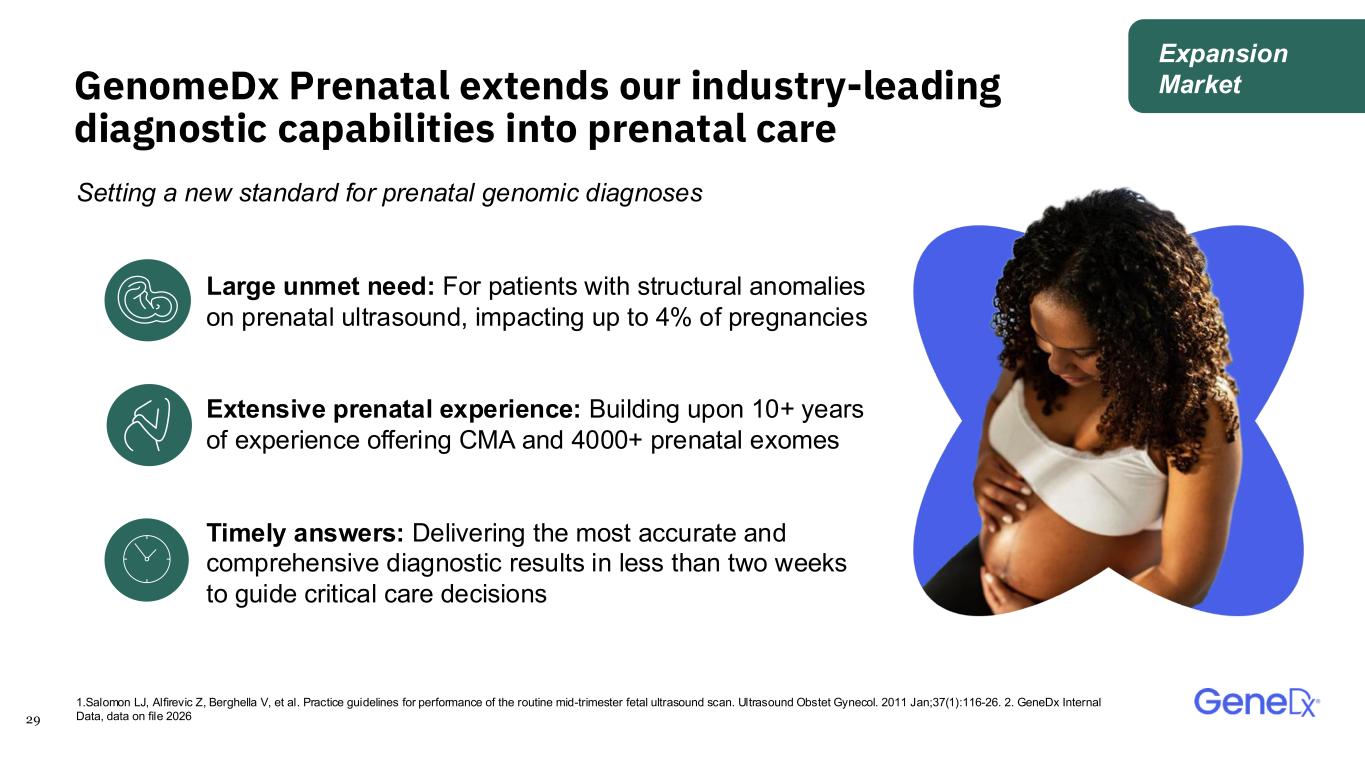
Yeah, look, we've seen broad-based contribution. The majority of growth in terms of units, of course, coming from geneticists, PNURO, and the NICU, maybe in that ranked order, just given the much larger base. If you were to double-click into those newer markets of general pediatricians and prenatal lower unit contribution, but significant year-over-year growth rates or even quarter-over-quarter growth rates just off of a much smaller base. And we would expect through the second half of the year to see contribution from all those I think signals through July continues to show we're in the right markets and they're growing in the direction that we'd expect them to. I think, frankly, if you look at contribution, we still have significant headroom to penetrate and grow in those core foundational markets of geneticists, PNURO, and the NICU alike, notwithstanding early contributions we're seeing from the new markets.
Great. That's helpful. And then on gross margin, I believe, based on the numbers I'm looking at, that you guys were able to improve gross margin almost 200 BIPs quarter over quarter, even though the X-Gen ASP was slightly down. So can you just talk a little bit about sort of what drove that quarter over quarter efficiency gains and how we should think about the sustainability going forward as hopefully ASP starts to come up?
Yeah, maybe I'll start and then see if Mark has some additional color to layer in. Thanks for pointing that out. I think the team here continues to focus really on two fronts. How do we continue to improve wet lab efficiency? Certainly see reductions in input costs as utilization for genome grows. but also we are still in the early innings of deploying advanced technology across the dry side stack. Having made significant efficiency gains, there still remains a large opportunity to further expand gross margins. We saw some of that this past quarter that's helping us get more efficient. We have reached a point of pretty impressive economies of scale, but But I think one of our most excited is to get Mark's fresh perspective on where we can continue to see step change and realize even greater efficiencies over time.
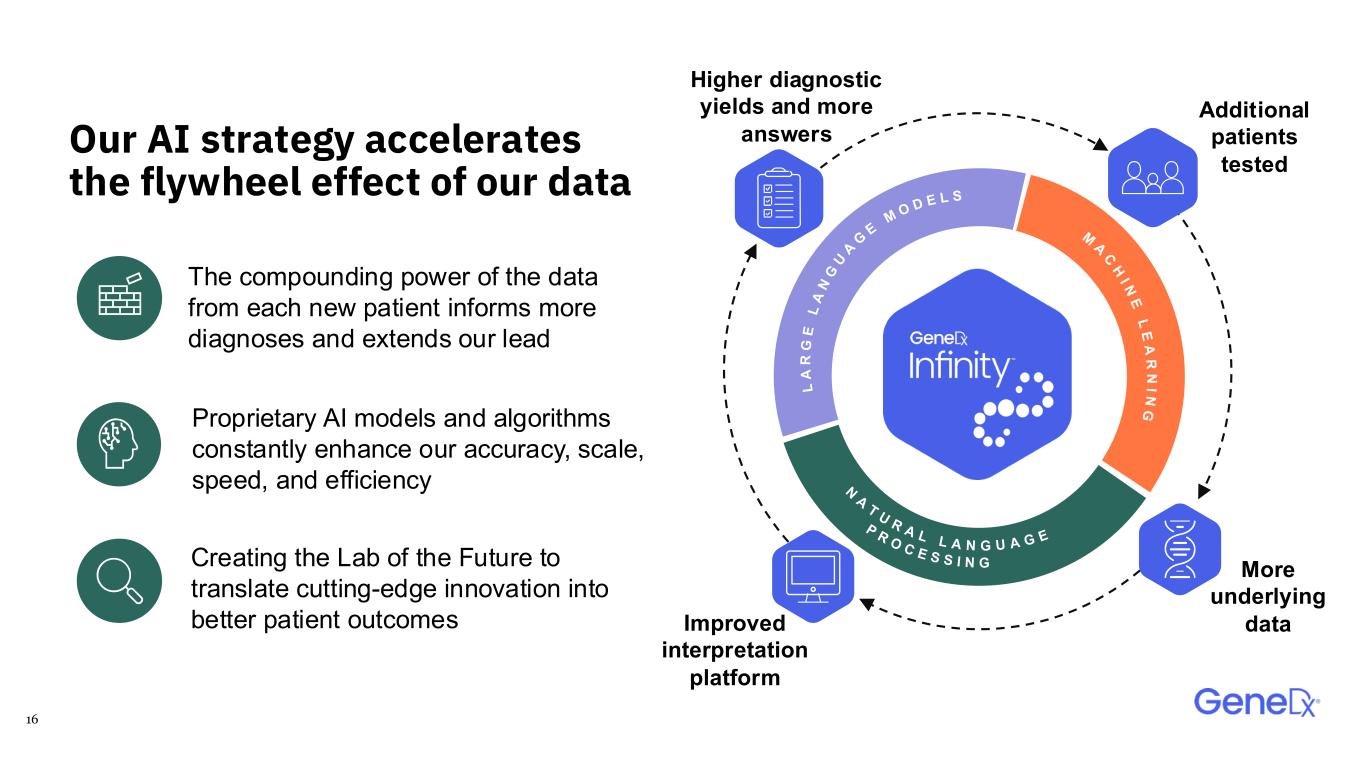
I think this is one of the more exciting opportunities that we actually have as a company is leveraging the power of machine learning and AI and other tools like that, coupled with our data, coupled with the talented variant scientists that we have on the team to really drive productivity on that. And I would say that we had very significant improvements in dry lab productivity in Q2, and we're obviously trying to continue to drive that for several years to come. By now, in a lot of ways, the amount of productivity that comes from the dry lab, in some cases, actually is larger than that that you'd see from the wet lab. So exciting stuff. Great. Thank you.
Operator
Thank you. This concludes our question and answer session. I'd like to turn it back to Catherine Stulen for closing remarks.
Well, we appreciate everyone's time tonight. We look forward to talking to you soon over the coming days, and have a good evening.
Operator
This concludes today's conference call. Thank you for participating, and you may now disconnect.