Operator
Good morning ladies and gentlemen and thank you for standing by. Welcome to the Adamus Trust fourth quarter 2025 results conference call. During today's presentation, all parties will be in a listen-only mode. Following the presentation, the conference will be open for questions. If you have a question, please press the star followed by 11 on your touchtone phone. If you would like to withdraw your question, please press star 11 again. If you are using speaker equipment, we do ask that you please lift your handset before making selection. This conference is being recorded on Thursday, February 19, 2026. I would now like to turn the conference over to Christy Musalem, Investor Relations. Ma'am, please go ahead.
Good morning and welcome to the fourth quarter 2025 earnings call for Adamus Trust. A press release and supplemental financial presentation with Adamus Trust's fourth quarter 2025 results was released yesterday. Both the press release and supplemental financial presentation are available on the company's website at www.adamusreach.com. Additionally, we are hosting a live webcast of today's call which you can access in the events and presentations section of the company's website. At this time, management would like me to inform you that certain statements made during the conference call, which are not historical, may be deemed forward-looking statements within the meaning of the Private Securities Litigation Reform Act of 1995. Although Adamus Trust believes the expectations reflected in any forward-looking statements are based on reasonable assumptions, it can give no assurance that its expectations will be attained. Factors and risks that could cause actual results to differ materially from expectations are detailed in yesterday's press release and from time to time in the company's filings with the Securities and Exchange Commission. Now at this time, I would like to introduce Jason Serrano, Chief Executive Officer. Jason, please go ahead.
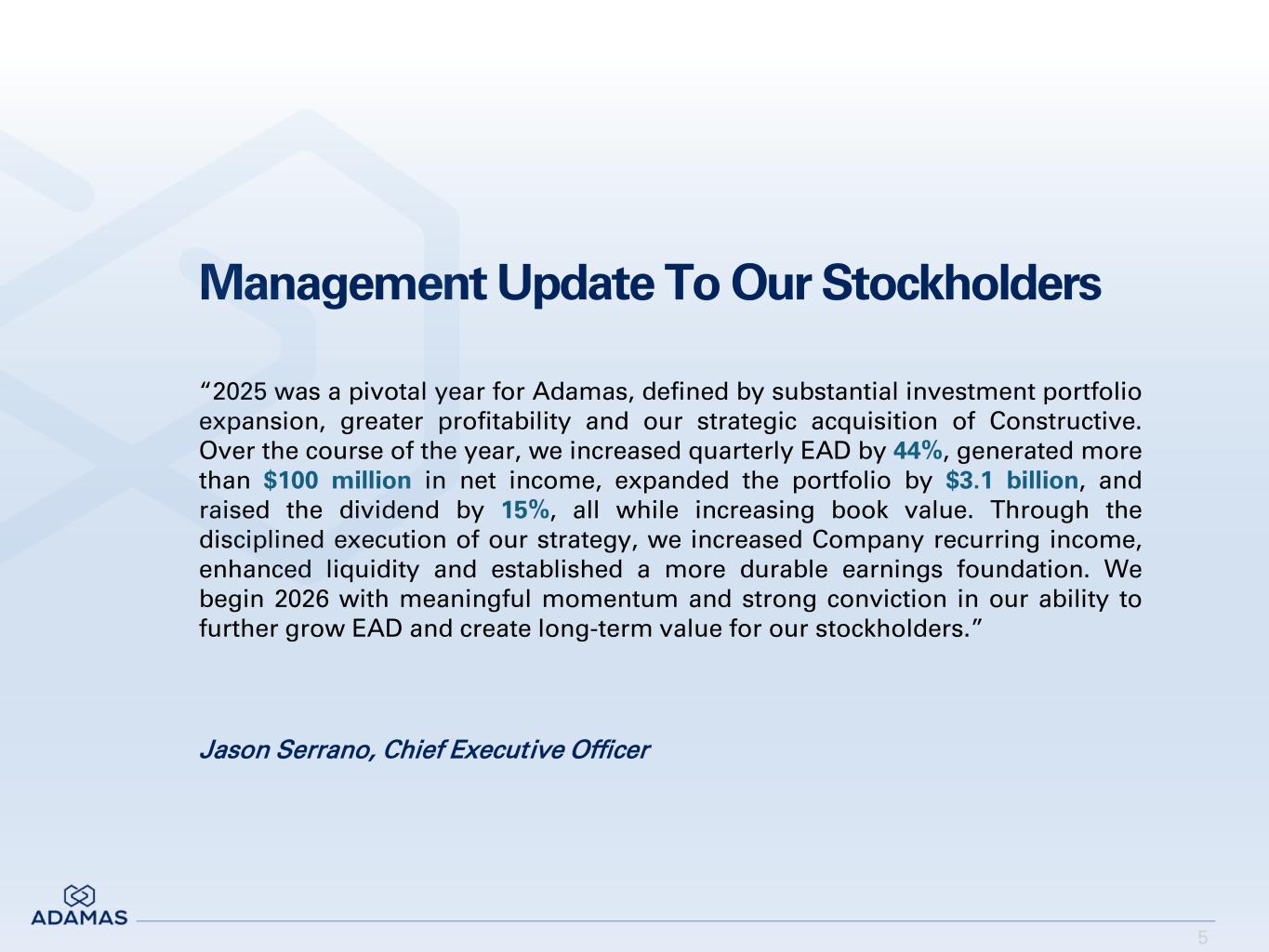
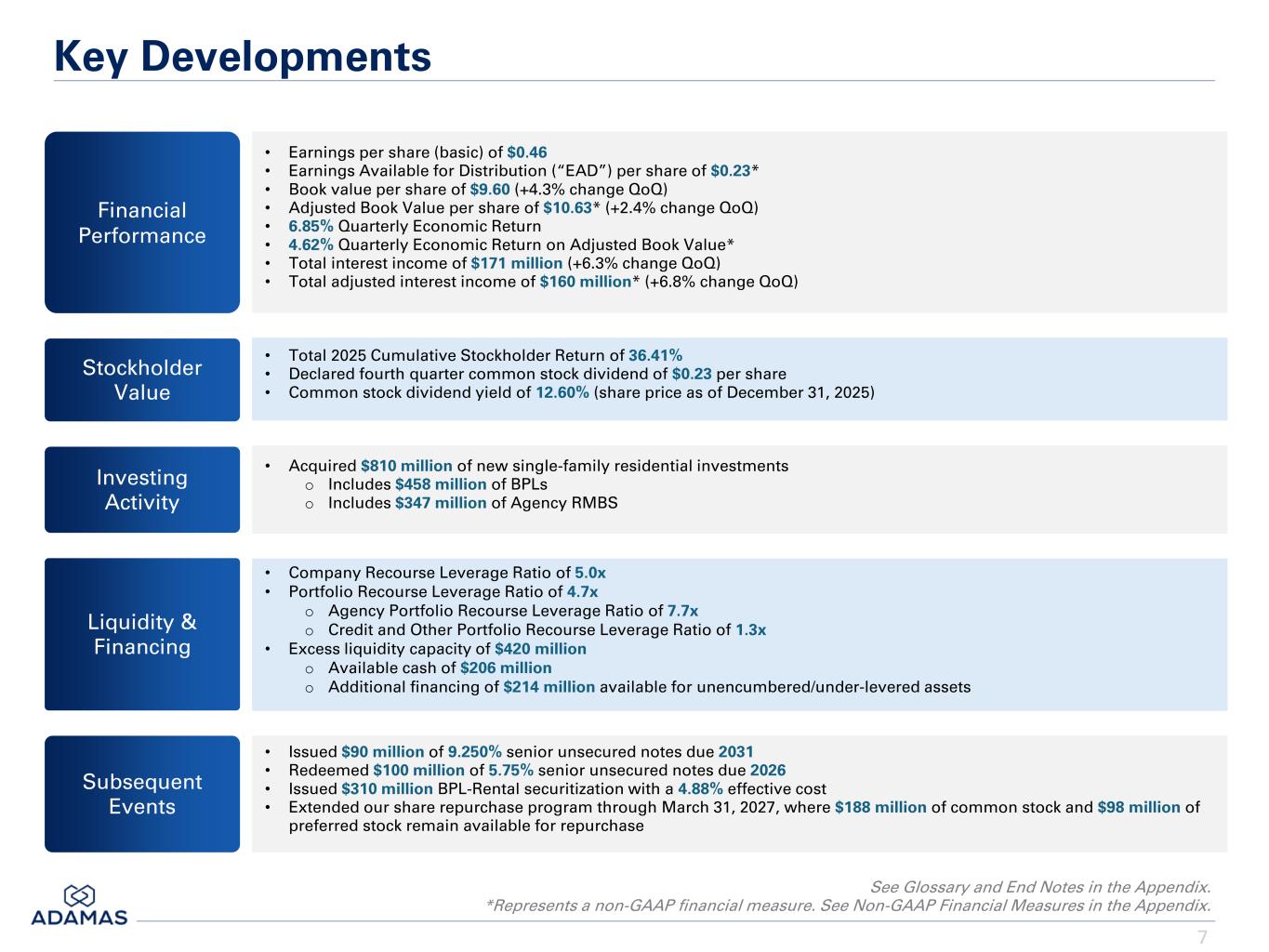
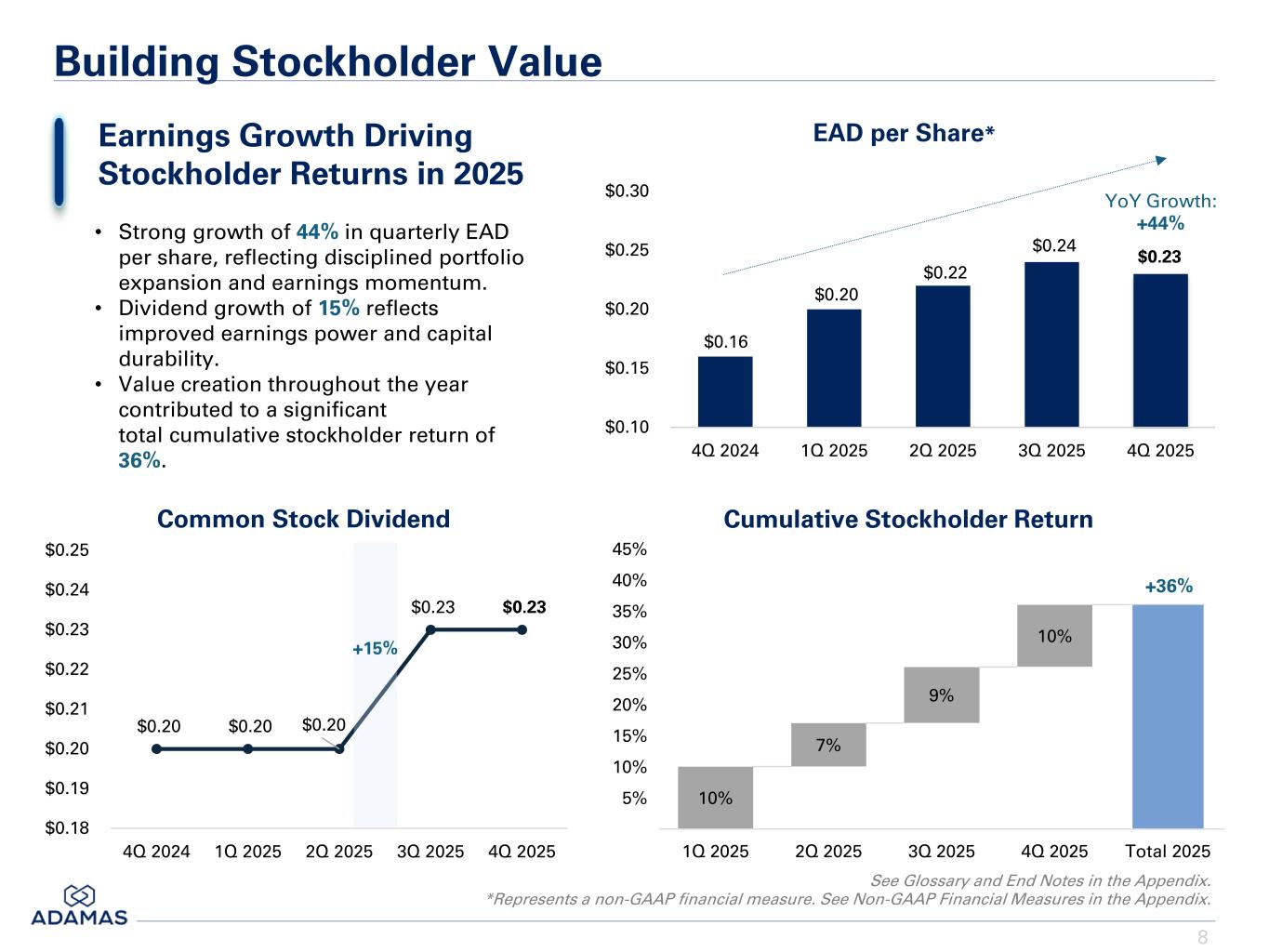
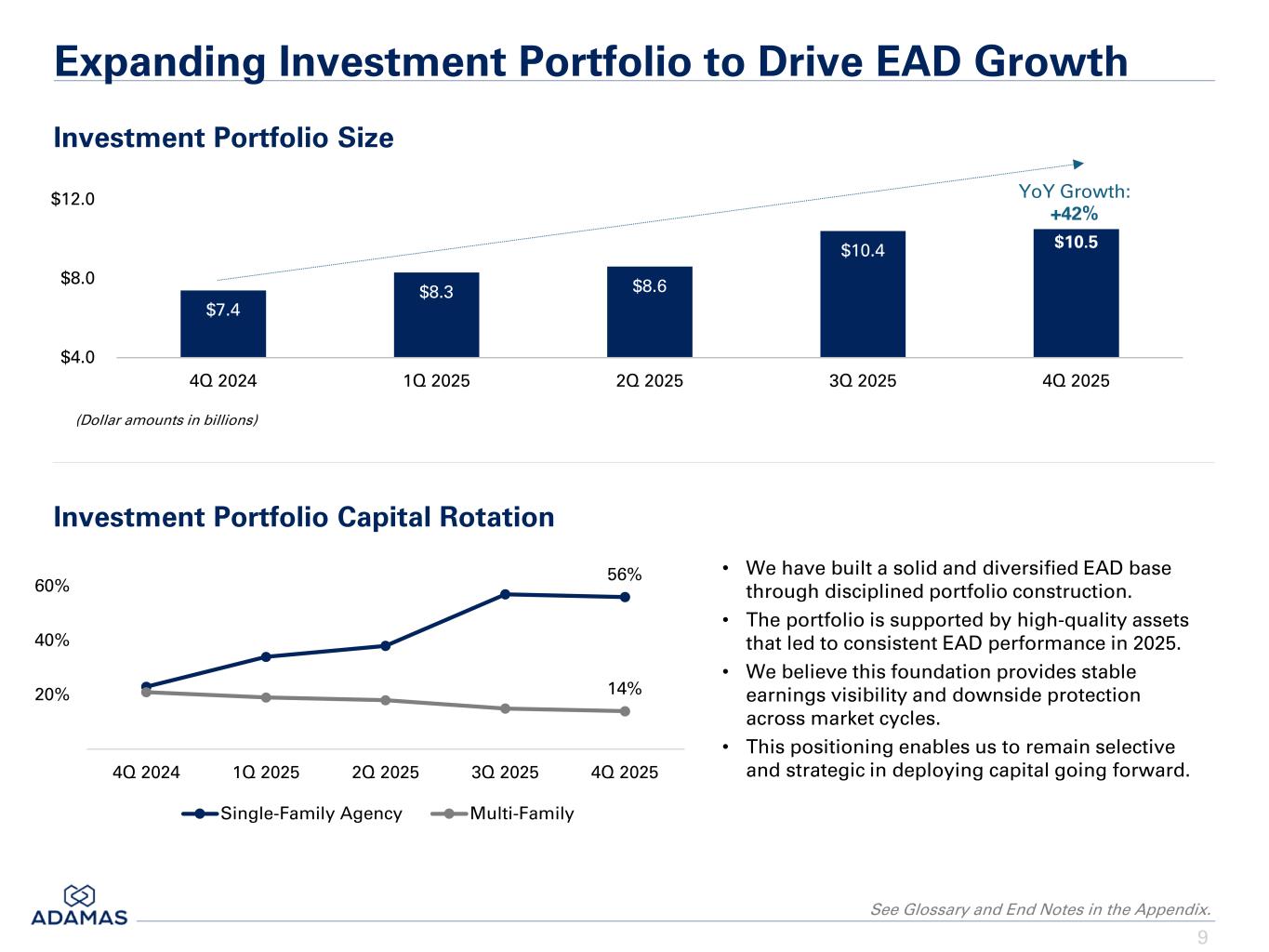
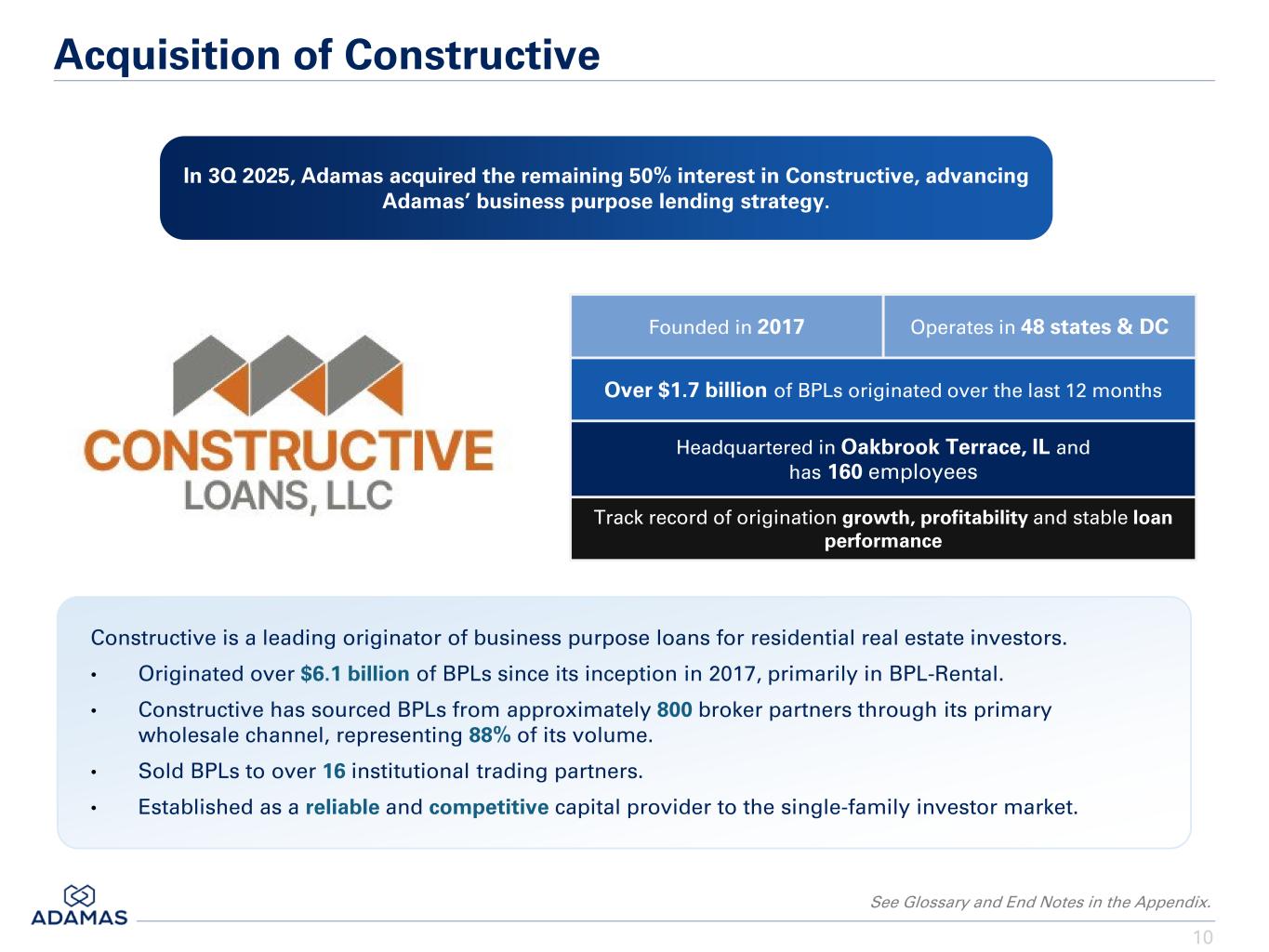
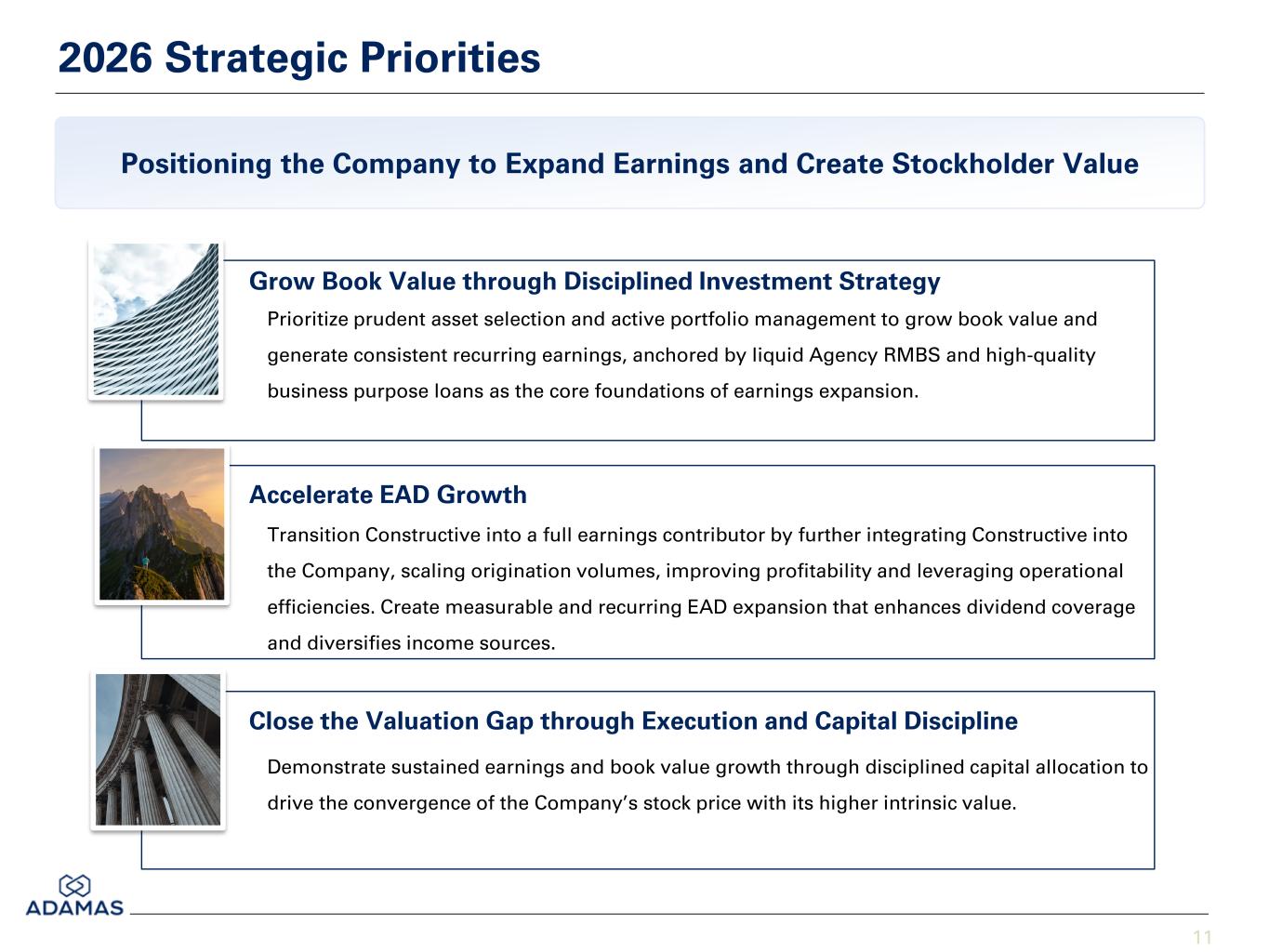
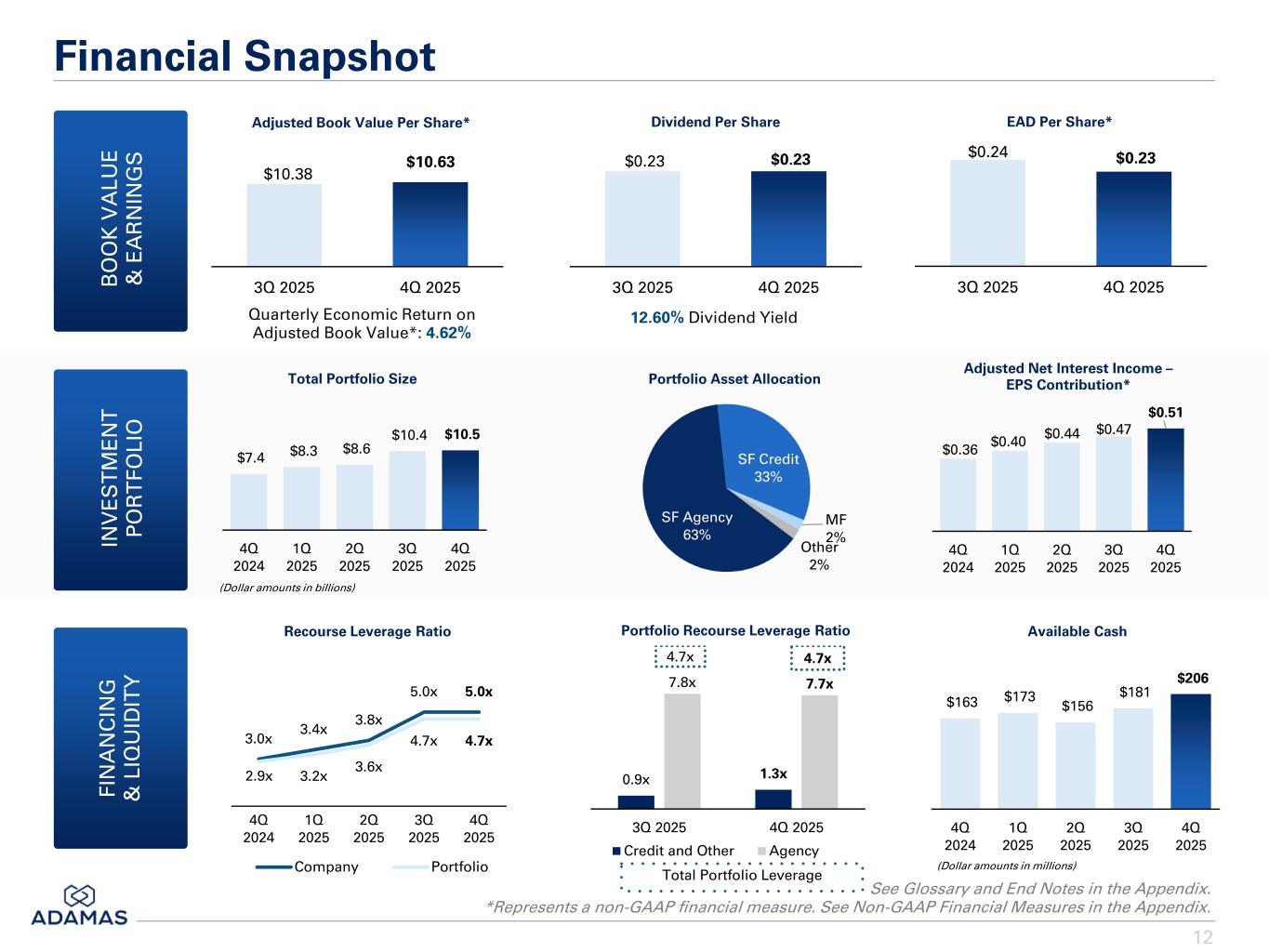
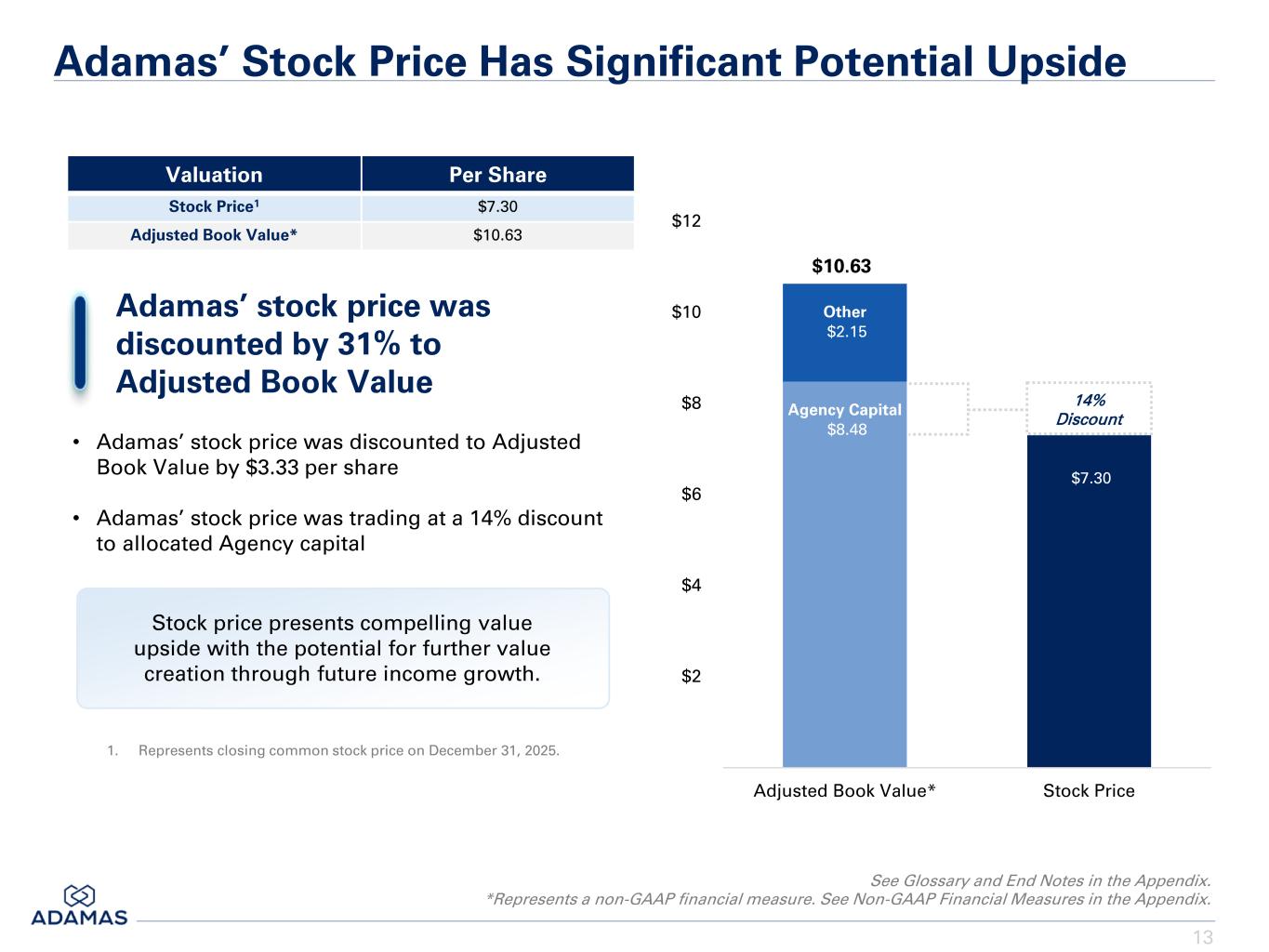
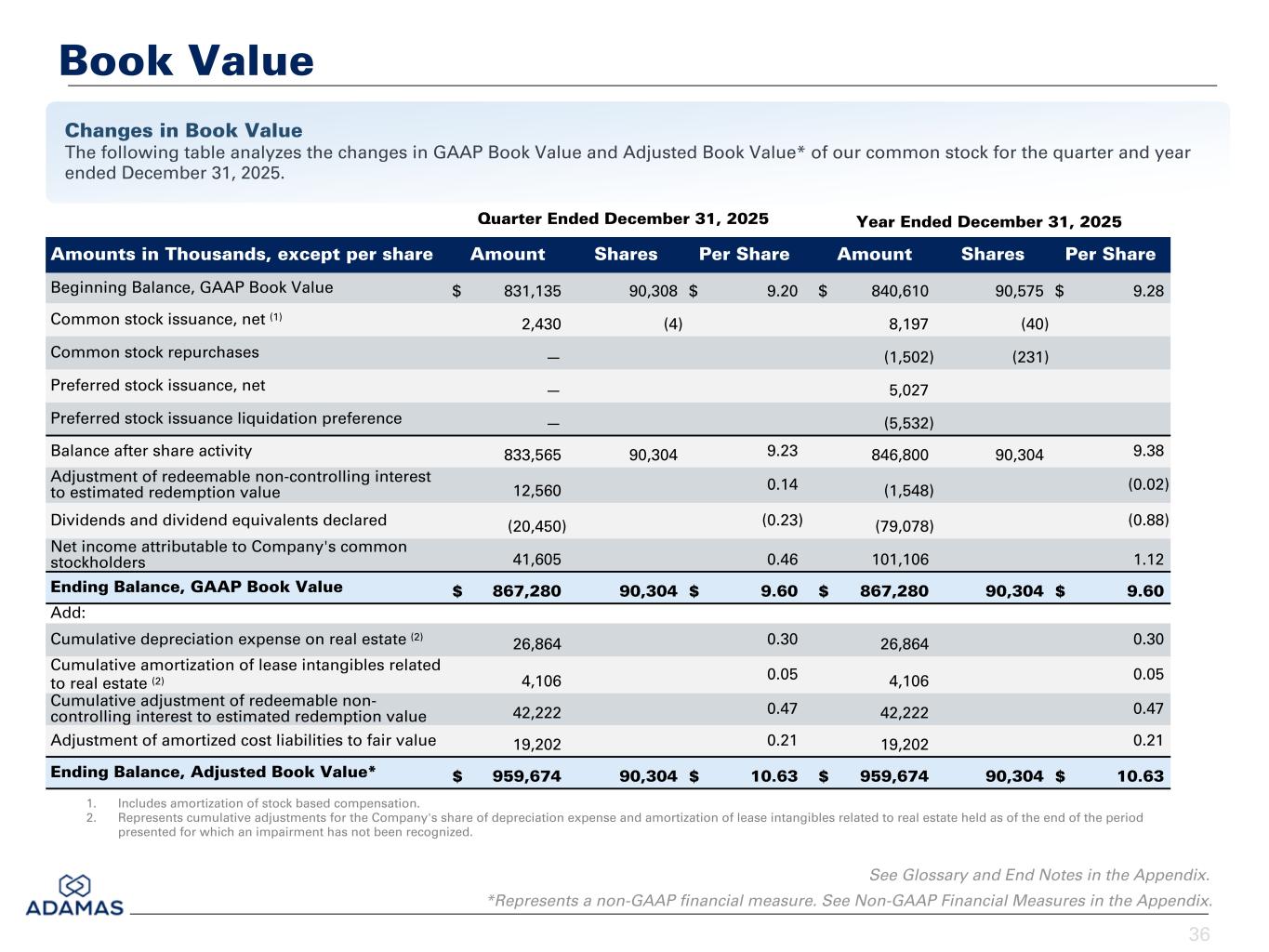
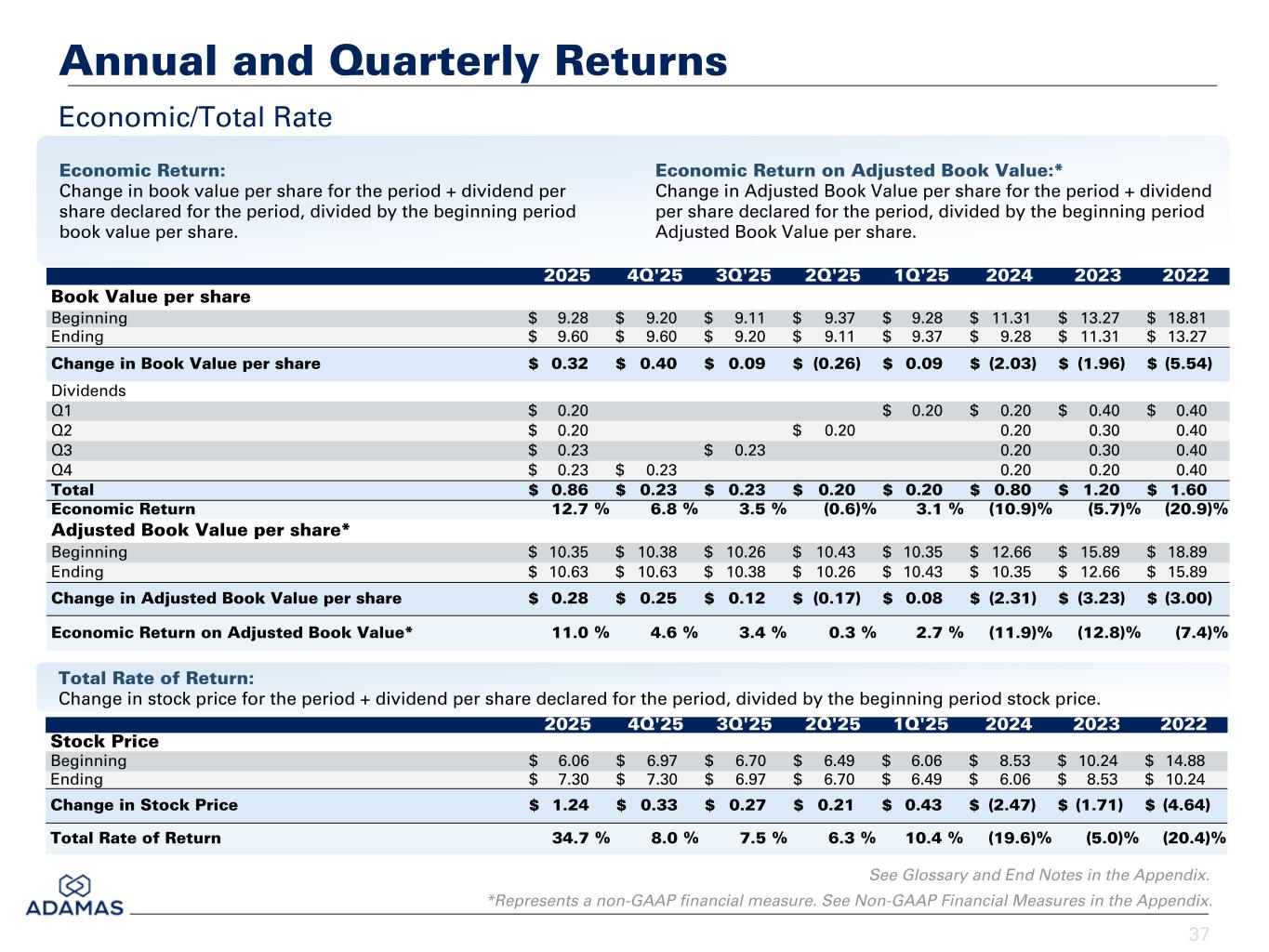
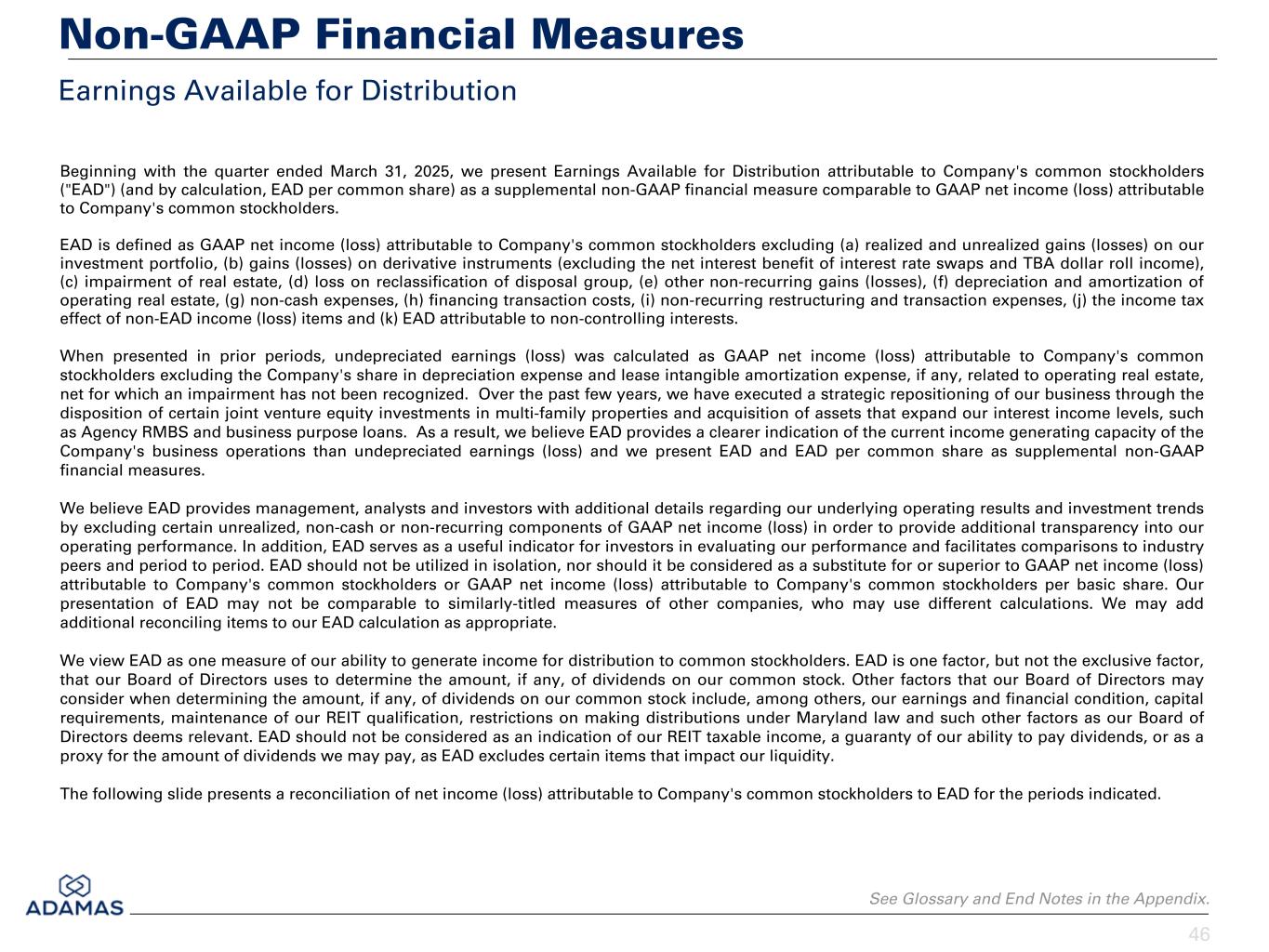
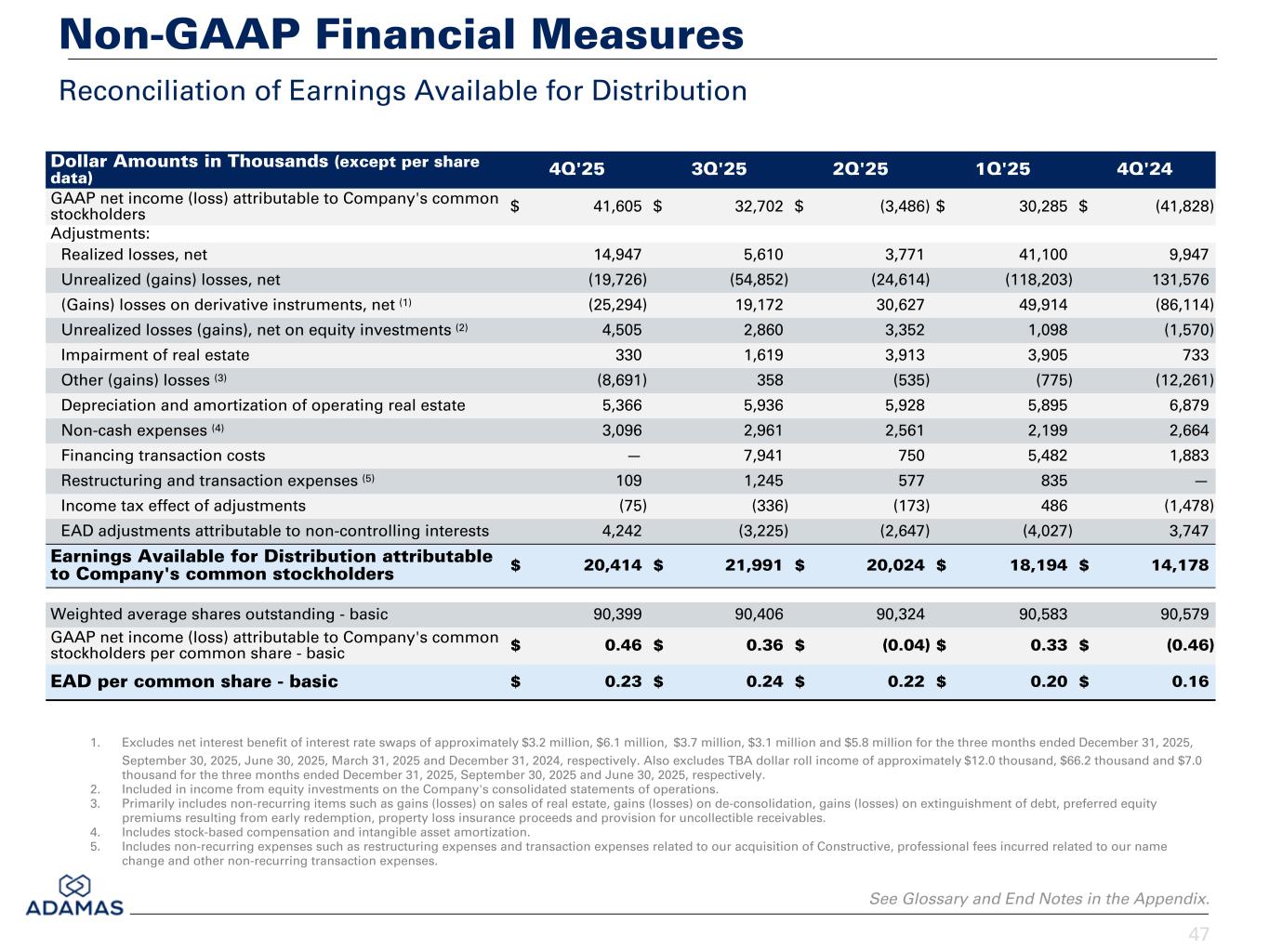
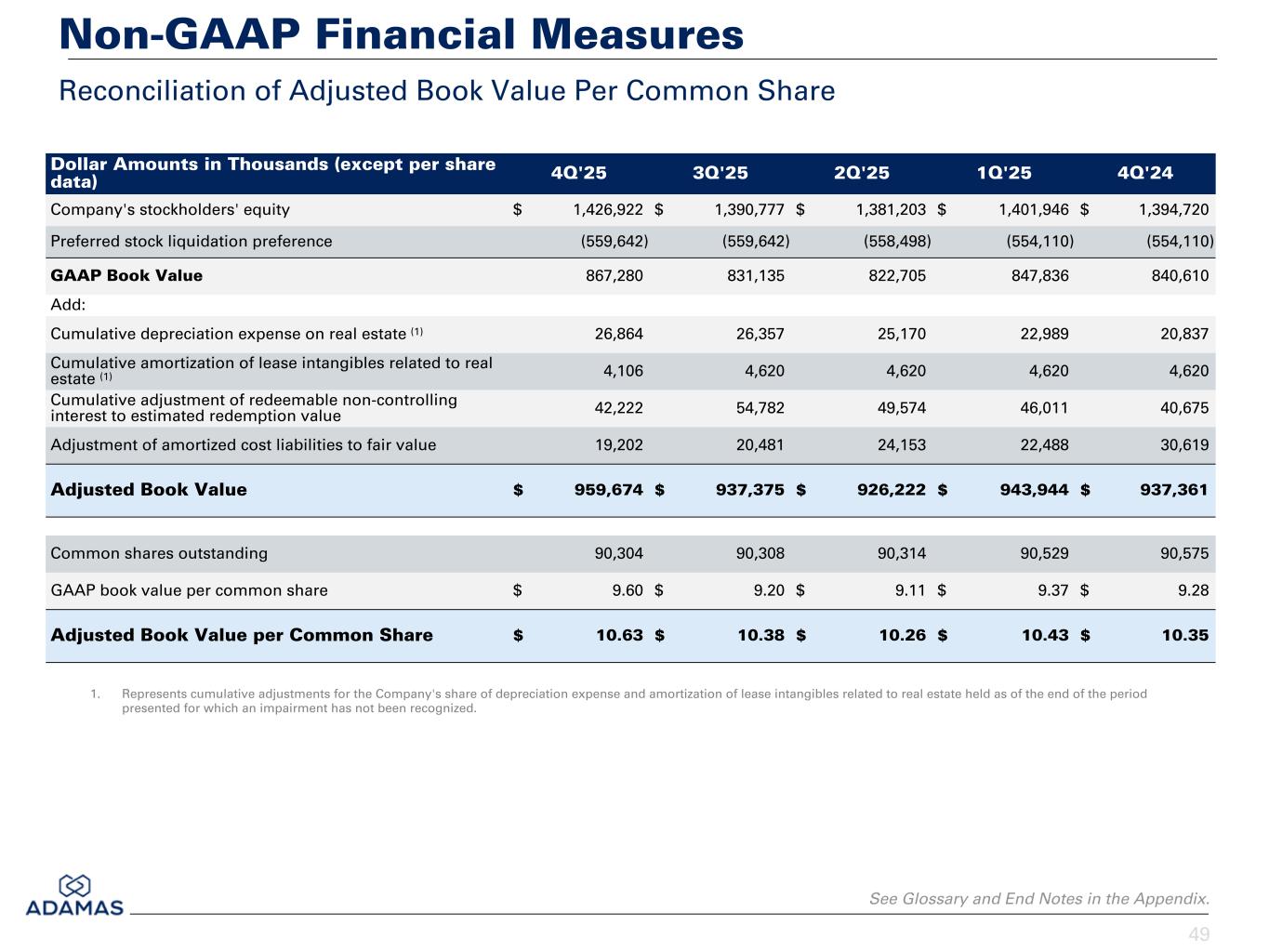
Hello. Thank you for joining us today to discuss our 2025 fourth quarter results. With me this morning is Nick Ma, President, and Kristi Nario, our CFO. We are excited about entering a new year, as 2025 represented a strategic inflection point for the company, characterized by significant balance sheet growth, accelerating profitability, and a strategic expansion into Constructive, a leading business purpose loan originator. We exited 2025 stronger and larger than at any point in our history. The transformation of Atomus over the past year has been deliberate and decisive. We expand scale, materially enhance recurring earnings power, strengthen the balance sheet, and position the company for durable, long-term growth. Our Q4 results are another validation to our strategy, which reinforce our confidence in the trajectory ahead. Salient 2025 company performance highlights include $3.1 billion investment portfolio expansion, a 44% increase to earnings developer distribution year over year, where we generated over $100 million of net income, leading to a 15% increase to our common dividend. All these factors contributed to generating a 36% cumulative total stockholder return, a transformational year where we also grew company book value. We stayed firm with the disciplined capital allocation, active portfolio management, and a clear strategic vision. By meaningfully increasing our allocation to agency RMBS. We improved liquidity, reduced credit volatility, enhanced financing flexibility, and strengthened the trajectory of earnings. The balance sheet today is materially more resilient than it was a year ago and positioned well for 2026. The addition of a powerful new earnings engine in the full acquisition of Constructiv strategically positioned Atomus to benefit from both stable spread income and scalable origination economics, a combination that we believe differentiates our platform as an update to fourth quarter gap book value and adjusted book value increased by 4.3 percent and 2.4 percent respectively continuing the positive momentum we generated throughout the year quarterly ead of 23 cents per share fully covered our dividend but declined by one cent sequentially this slight reduction from last quarter was anticipated and directly tied to the J-curve effect discussed in our third quarter communication related to the integration of Constructiv. Importantly, this temporary negative impact reflects upfront integration and scaling costs, not structural earnings pressure. As we transition from integration to production, we expect Constructiv to be a positive contributor to EED in the first quarter. Throughout 2025, we found scaling agency RMBS to be both an attractive investment on an absolute and relative basis providing mid to high teens equity returns we increased the company's agency rbs portfolio by 3.4 billion or to 56 of company capital from 23 a year earlier at an attractive average spread to treasury interpolated between five to ten year maturities of 139 basis points the strategic reallocation of capital throughout the year enhanced liquidity and balance sheet flexibility also lowered our credit exposure and tail risk, as well as increased visibility into book value performance. Now, against that base, Constructive's DSCR origination platform introduces significant upside potential. As volume scales and efficiencies are realized, we believe the earnings contribution from the DSCR production from both a gain on sale as well as interest income from loans held can expand materially. We are excited to demonstrate the operating leverage embedded within our business model in the new year. Despite the transformation of the company, Atomos shares continued to trade at a substantial discount in intrinsic value. At year end, the shares traded at a 31% discount to book value. Even more compelling, the market capitalization represents approximately a 14% discount to just the agency capital held on our balance sheet alone. In practical terms, the market in 2025 and continuing in early 2026 is assigning limited to no value to our non-agency and multifamily holdings, our scaled origination platform with an exciting embedded earnings growth track, and our ability to grow book value. We believe the discount creates compelling upside potential as we continue to execute and expand earnings and demonstrate sustained book value creation. We have entered 2026 with strong momentum. In the first quarter, we were off to an exceptional start. as adjusted value is up between 3% to 4%. At the same time, constructive DSR originations are beginning to contribute to earnings as expected. As acquisition efficiencies are realized, we see a clear path to expanding EAD in 2026. We are highly encouraged by the early results and increasingly confident in the earnings power of the platform. We approach 2026 with conviction and optimism in the macro backdrop. The progression of the Fed easing cycle coupled with declining volatility has created a favorable environment of lower rates and tighter spreads. The current administration's policy focus of improving housing affordability and reducing mortgage rates further reinforces our positive outlook on the residential assets. Our goal is to maintain flexibility to capitalize emerging opportunities and to direct capital to the most attractive risk adjusted returns in the residential mortgage market. Dividend sustainability remains a core priority. In the year, we are focused on balancing competitive yields to expand reoccurring earnings with robust coverage and long-term capital preservation. We are energized by the opportunity in front of us and confident in our ability to deliver long-term value for our stockholders. At this time, I'll pass the call over to Nick for a market and strategy update. Thank you Jason.
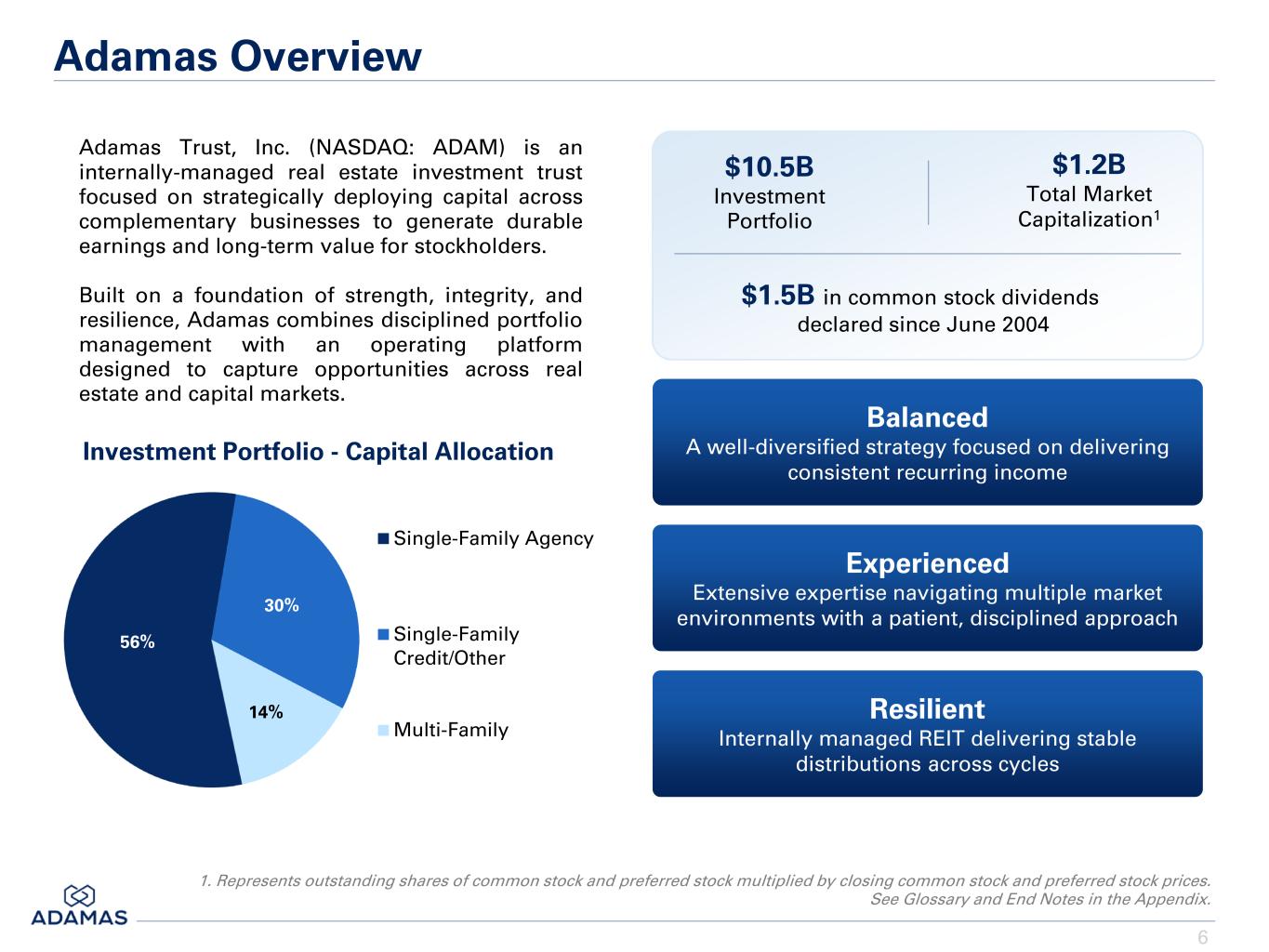
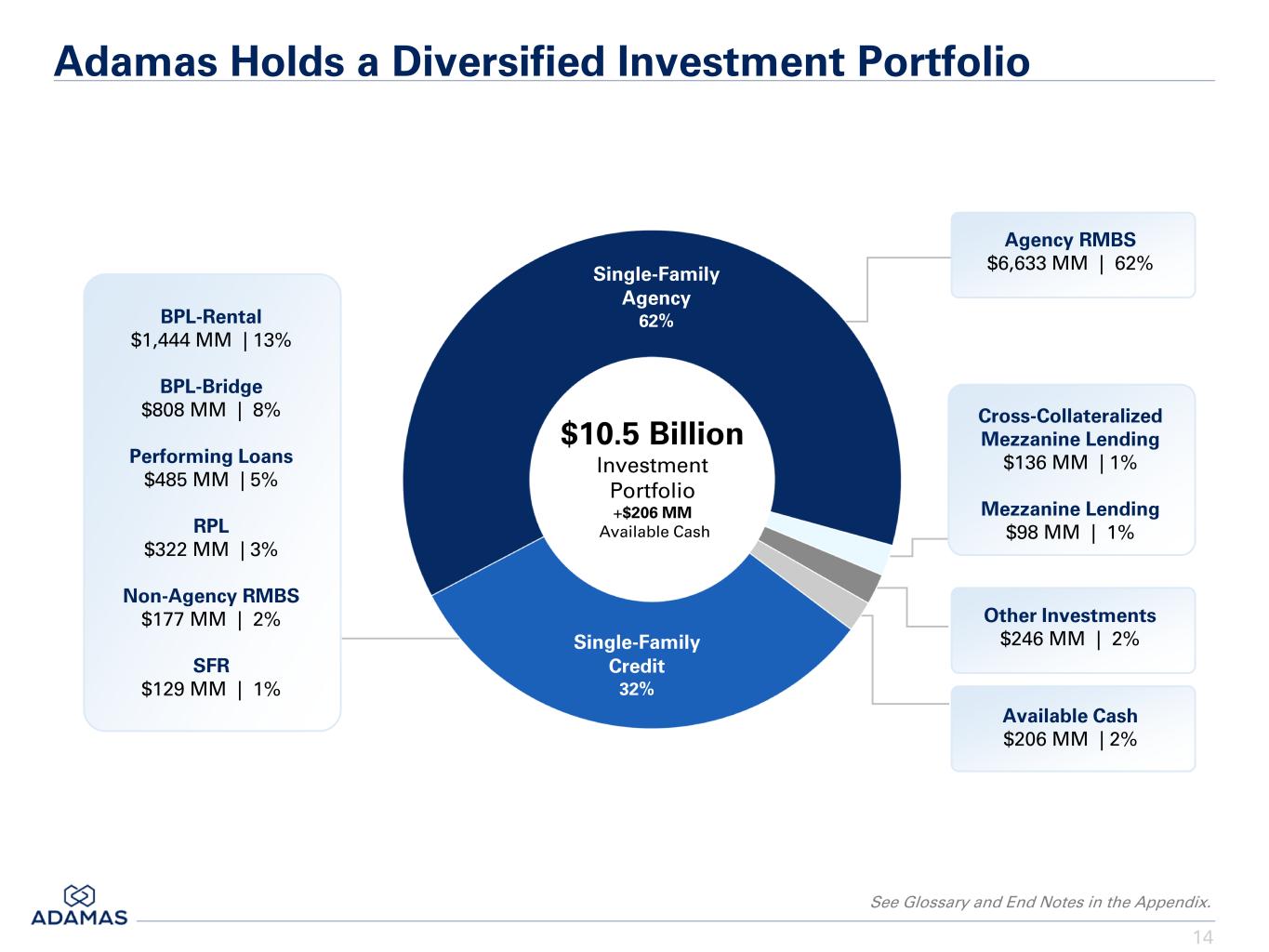
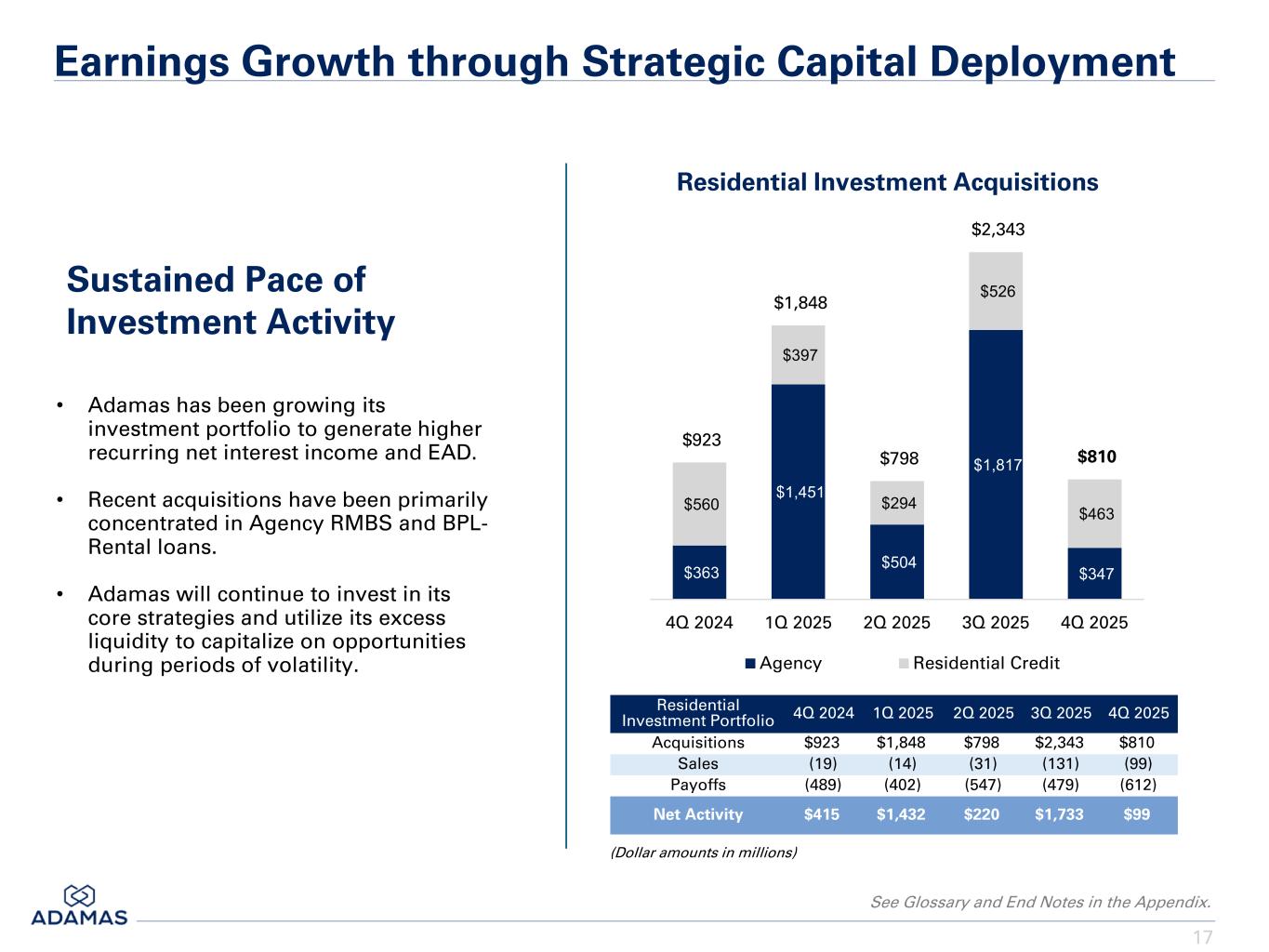
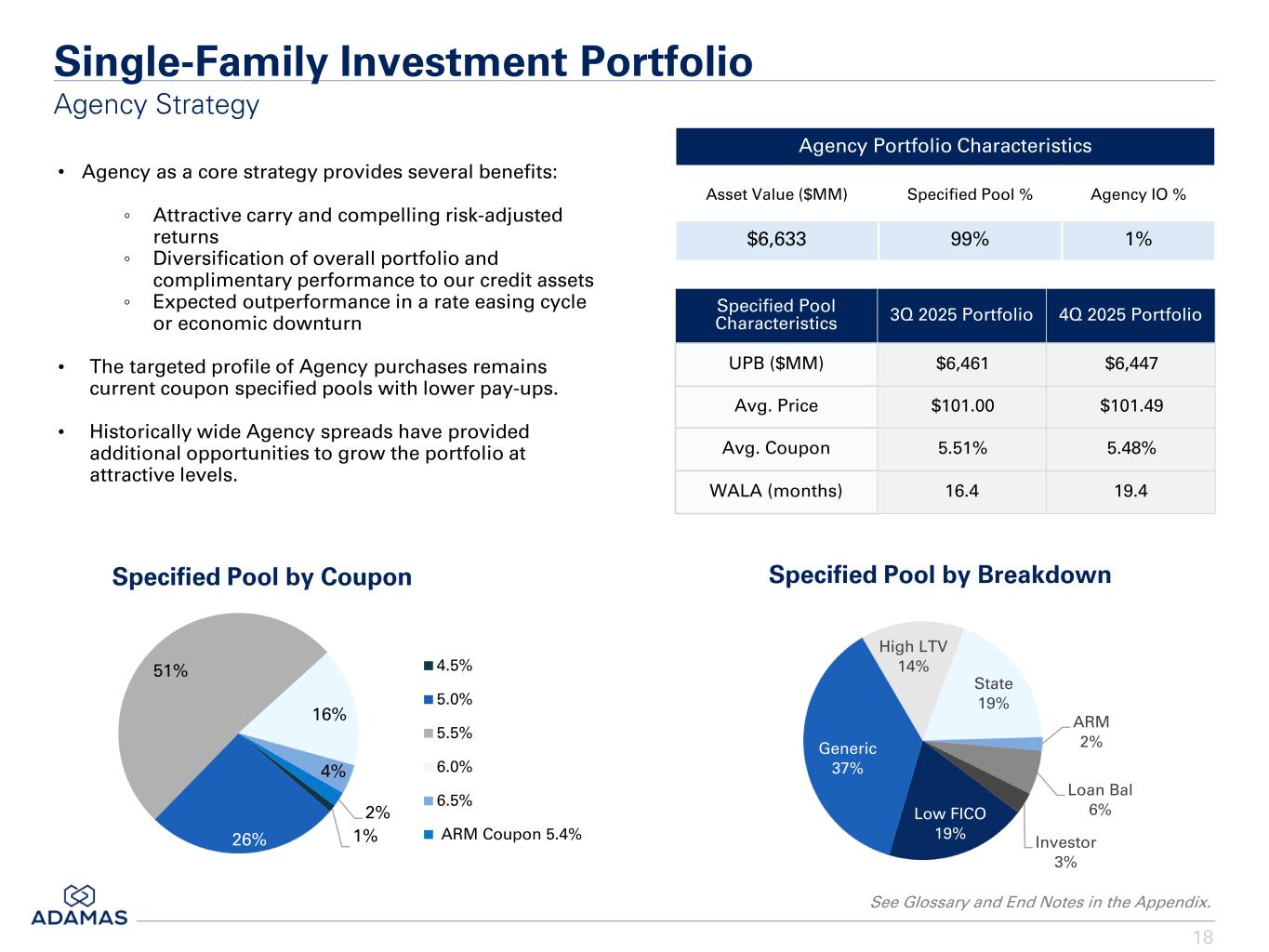
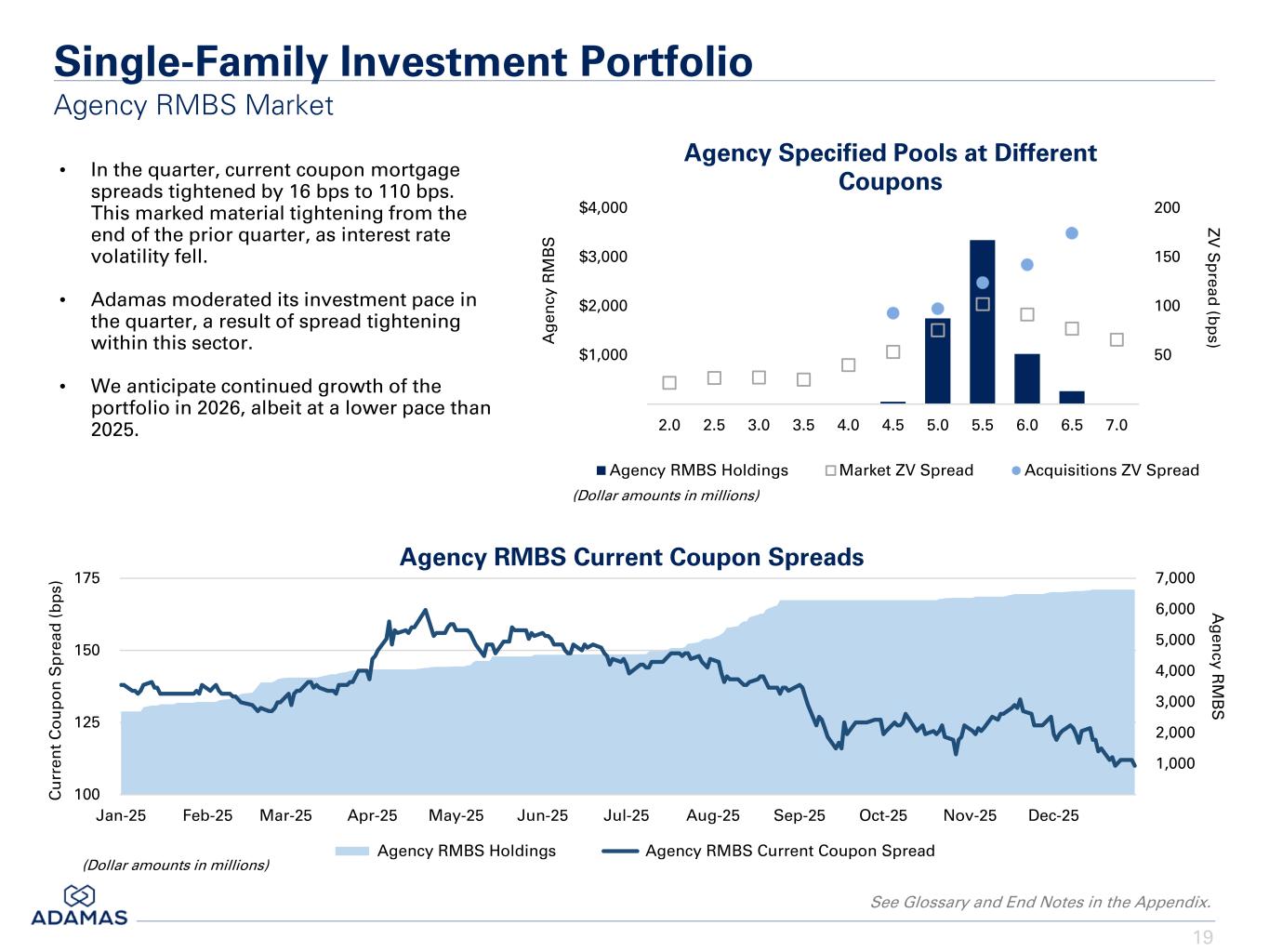
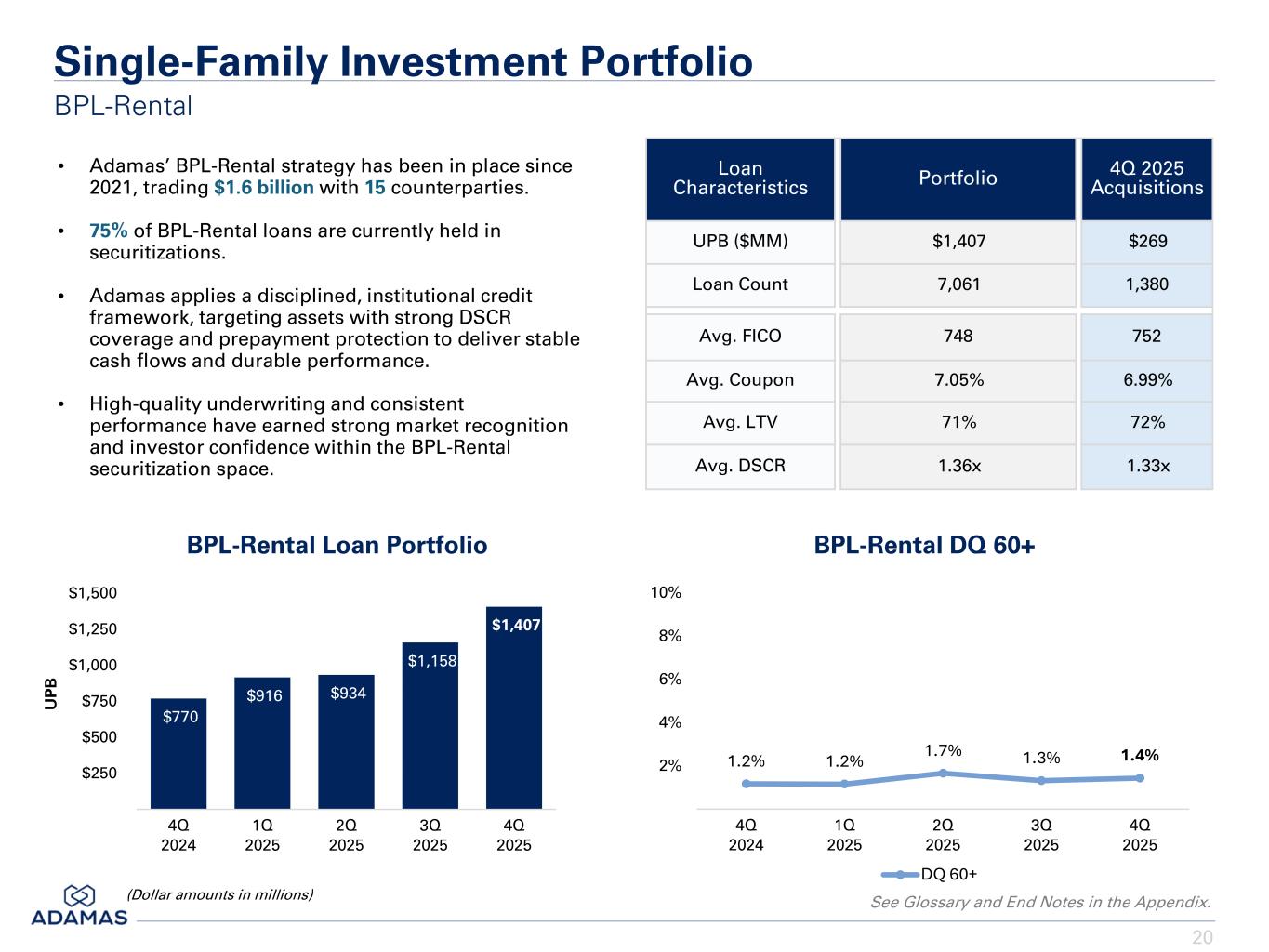
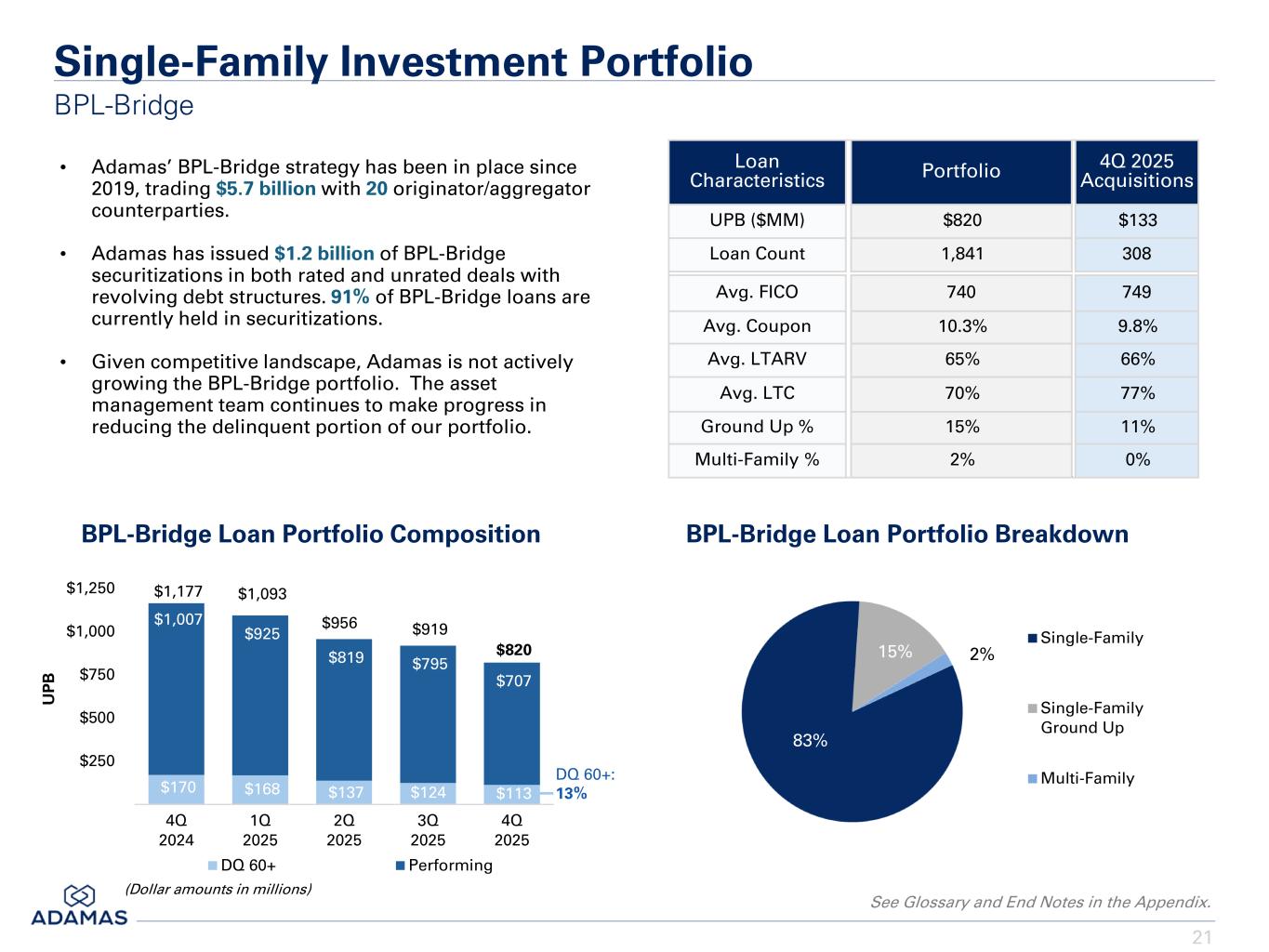
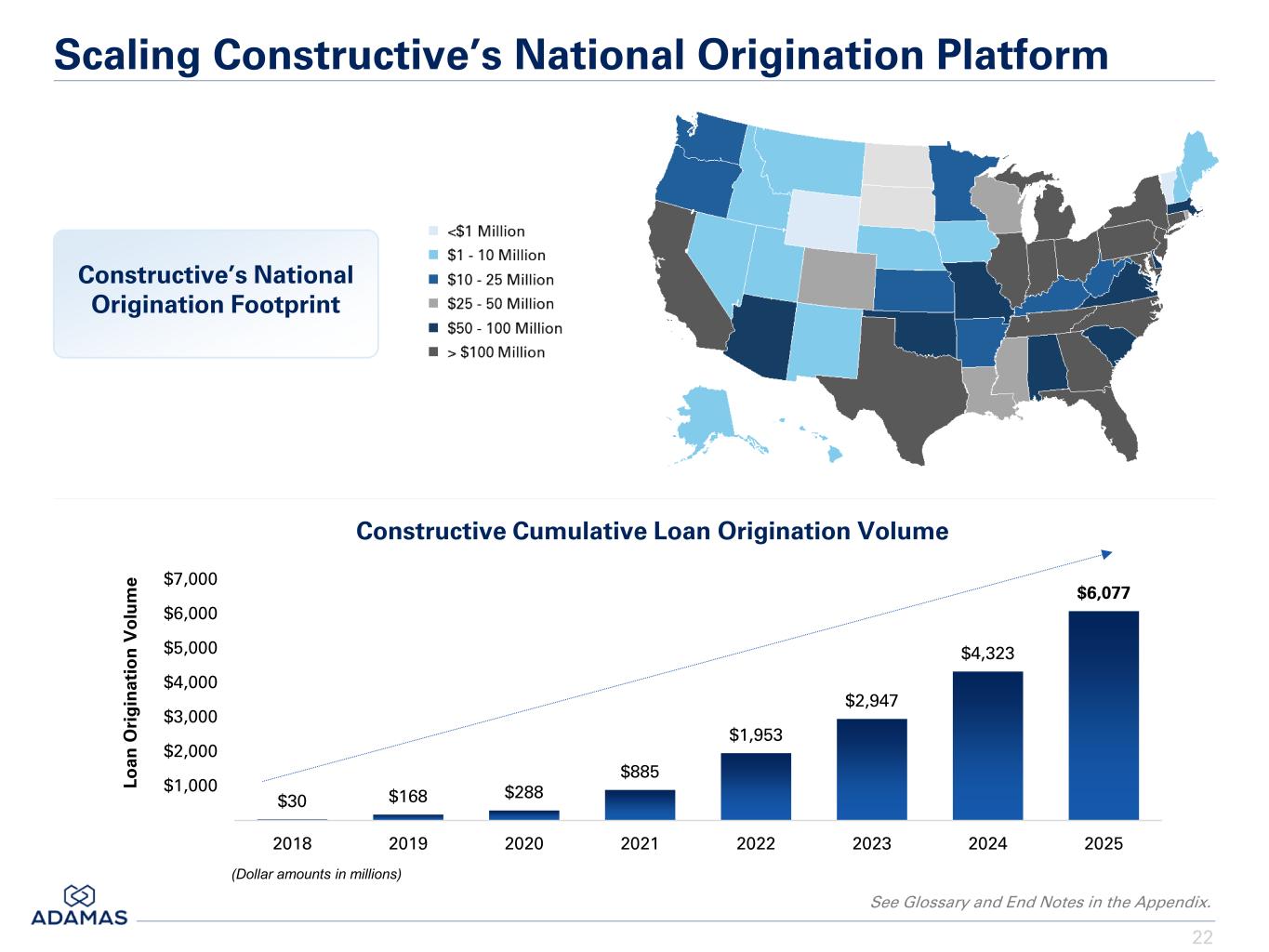
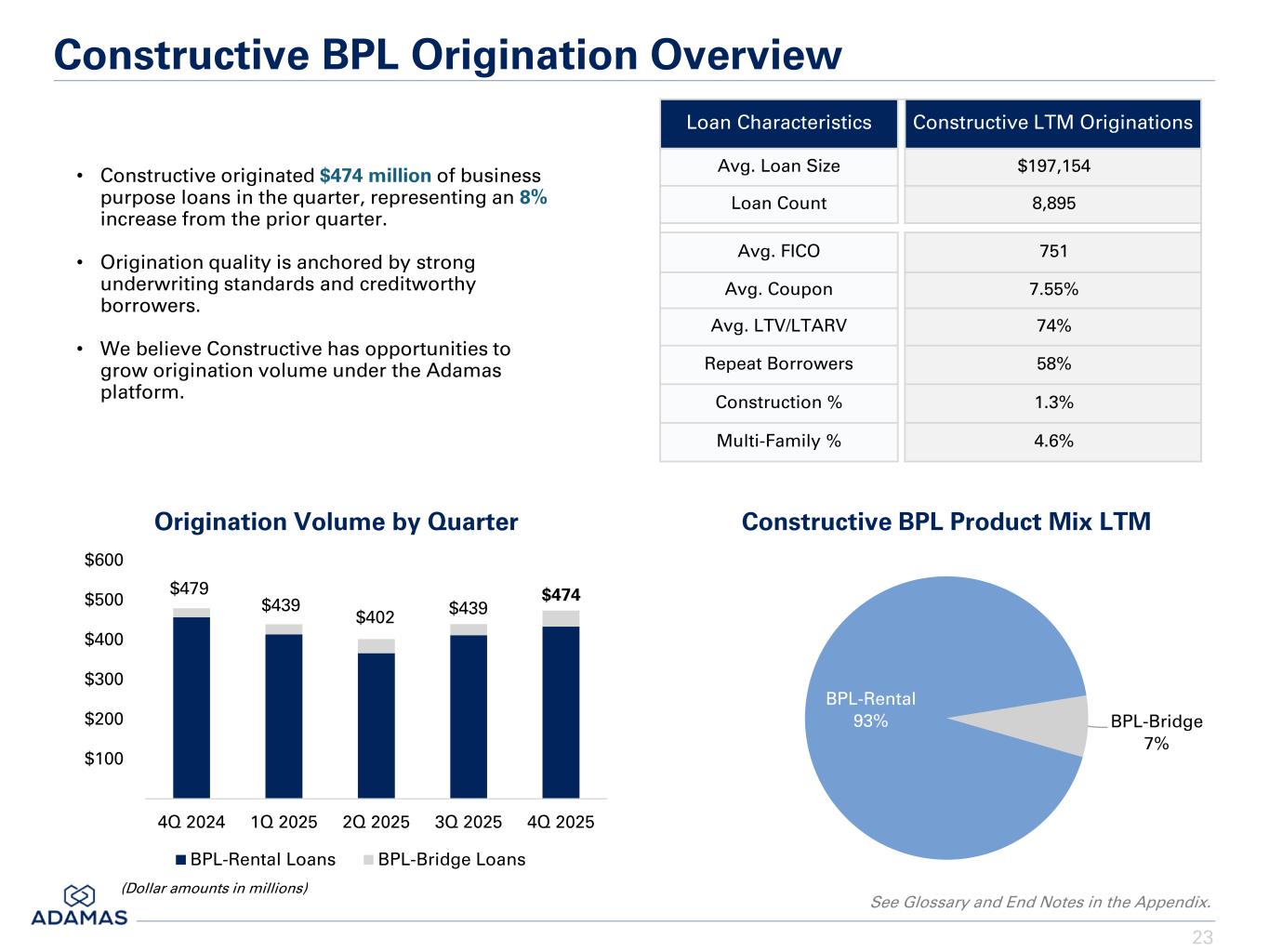
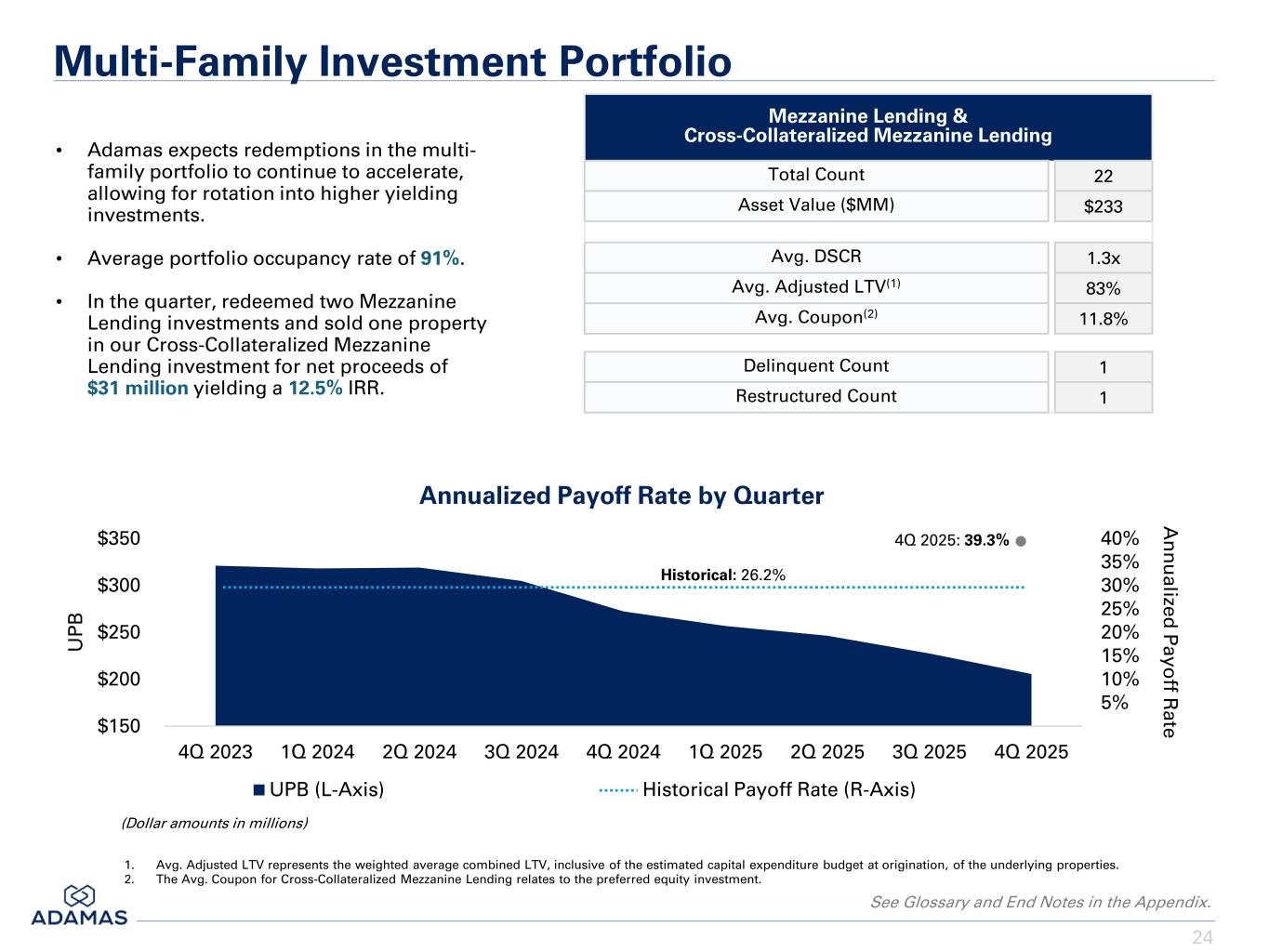
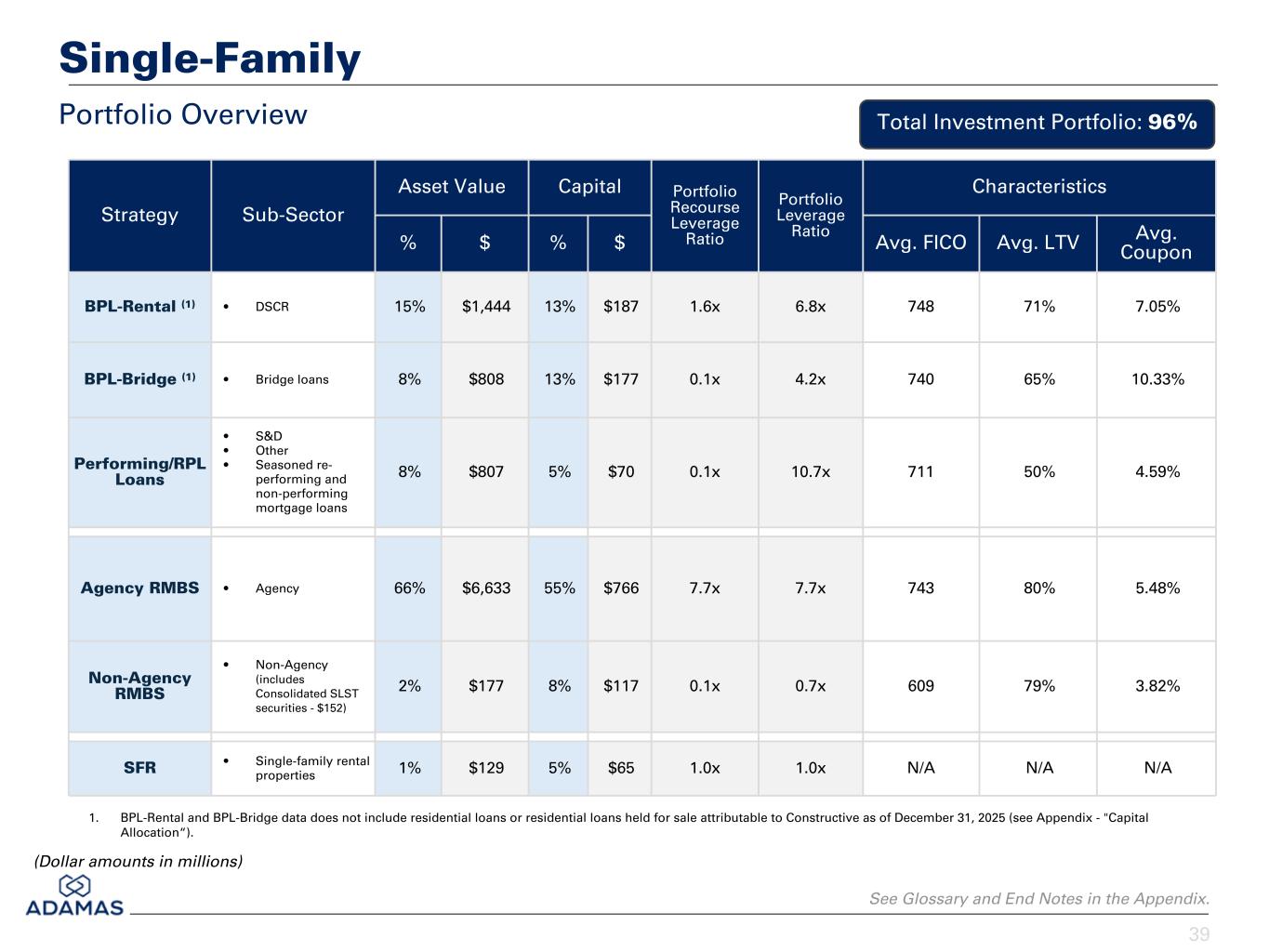
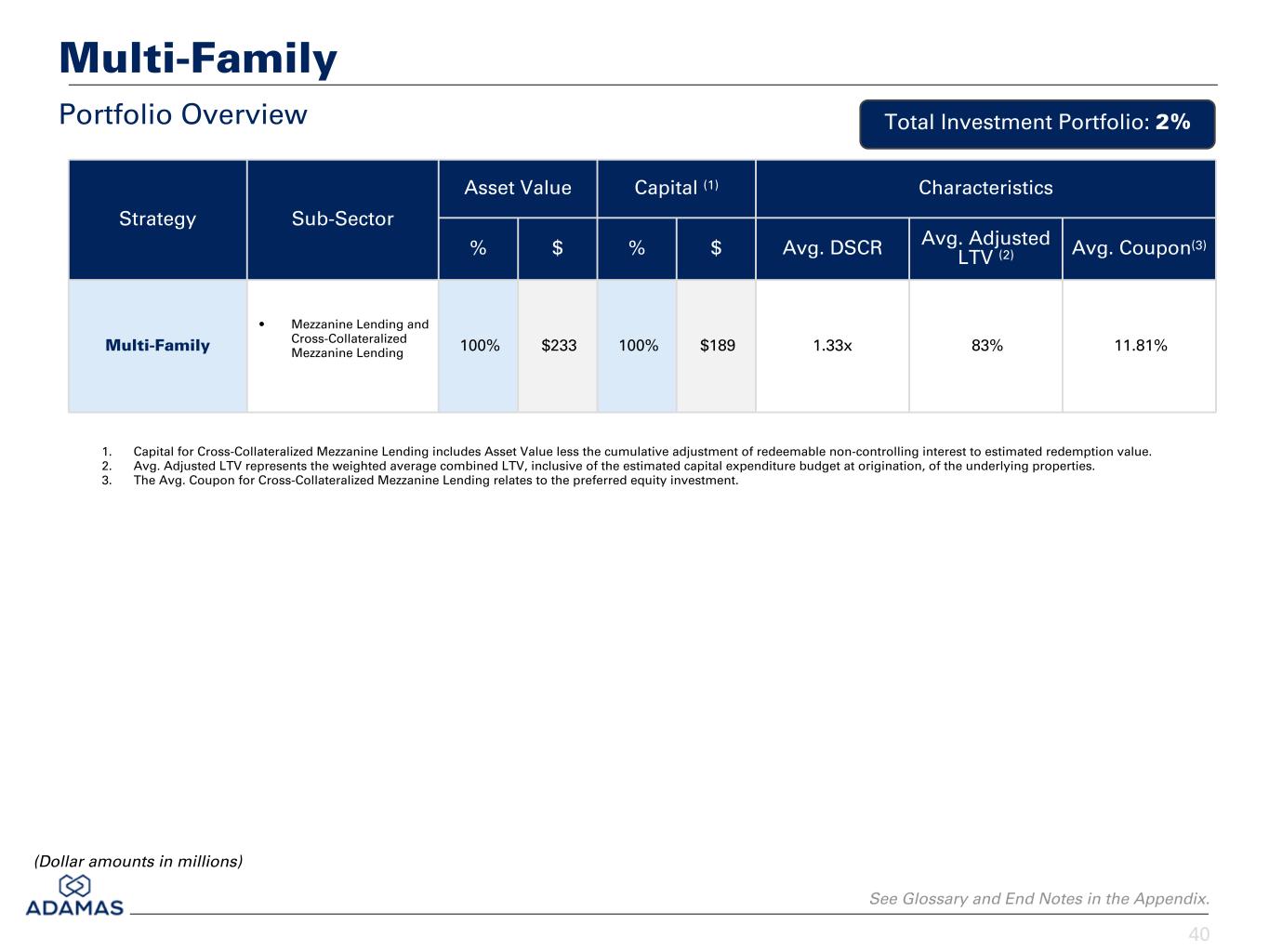
As we close out 2025, we are excited to have delivered significant EAD expansion alongside book value growth. Looking forward, we are confident that our two-pronged approach of investing in agency RMBS and high quality residential credit remains the optimal strategy for the current market environment. In the quarter, we deployed $810 million into residential assets, reflecting another period of solid investment activity. Agency RMDS purchases totaled $347 million in the fourth quarter as tightening spreads moderated the pace of acquisitions. In residential credit, we invested in $276 million of BPL rental loans and $181 million of BPL bridge loans. This marks the first quarter where rental loan purchases exceeded bridge loan purchases, reflecting our deeper utilization of Constructiv's origination capabilities in rental loans. We anticipate that this trend will continue. Our agency portfolio ended the year at $6.6 billion, doubling in size over the course of 2025. Constituting 63% of our investment portfolio and 56% of our equity capital, Agency RMBF now represents our single largest asset exposure. In the fourth quarter, our agency purchases were concentrated entirely in five percent coupon spec pools. We have continued to target low pay-up spec pools at or slightly under the current coupon, where we see the best balance of positive net interest margin, duration upside, and a more favorable convexity profile. Agency leverage also declined slightly in the quarter, falling to 7.7 times from 7.8 times. The pace of agency acquisitions was tempered by meaningful spread compression during the period. Current coupon agency spreads tightened by 16 basis points, narrowing from 126 basis points to 110 basis points. Interest rate volatility fell meaningfully in the fourth quarter and has steadily declined since the tariff announcements in April, providing the impetus for tightening spreads in agencies. Despite spreads normalizing toward longer-term averages, we continue to see value in agency RMBS. Our capital allocation to agencies is expected to grow through 2026 to between 60% and 70% of equity capital. We will adjust the pace and magnitude of future acquisitions opportunistically in response to spread movements and broader market conditions over the course of the year. Our BPL rental portfolio has almost doubled over the course of 2025, growing from 770 million to 1.4 billion. This core strategy has benefited from the integration of Constructors Origination Platform alongside our discipline underwriting standards. Borrower metrics remain strong across the BPL rental portfolio with a 748 average FICO, 71% average LTV, and 1.36x DSCR. Credit performance has been robust with delinquencies remaining low at 1.4%, a direct result of our focus on credit quality. In 2025, we completed four securitizations across our whole loan portfolio. We continue to aggregate loans to execute securitizations, and we are on pace for executing one BPL rental deal a quarter, targeting a mid to high teens leverage return. In the fourth quarter, non-QM AAA spreads remain range bound at around 130 basis points into the new year however we have seen meaningful spread compression as non-agency triple-a spreads have converged towards agency levels creating a favorable environment for us to grow our bpl rental loan securitization program we continue to take a selective approach in bpl bridge where the portfolio stands at 820 million of upb a decline from 1.2 billion at the beginning of the year. The proliferation of revolving securitizations across a myriad of issuers has intensified buyer competition, driving yields tighter. At this juncture, we see more compelling opportunities in agencies and BPL rental, and we expect the size of the BPL bridge portfolio to decline throughout 2026. Constructive continues to scale successfully delivering its highest volume quarter of the year in Q4 with 474 million of originations. Constructive originated 1.8 billion dollars worth of loans in 2025 with 93 percent of those originations in BPL rental reflecting a strong alignment with our core credit strategy. Origination quality remains robust with a weighted average FICO of 751 and an average LTV of 74%. After our full acquisition of the platform, Constructive's loan production now matches closely with Adamus' investment criteria. We target strong borrower profiles in the stable segments of the credit spectrum. Beyond discipline credit underwriting, we have deliberately minimized originations at the margins of securitization and eligibility and shifting institutional buyer mandates, concentrating production where institutional sponsorship and secondary market liquidity are the strongest. Over the past 12 months, new construction loans have represented less than 2% and multifamily loans have represented less than 5% of Constructiv's total origination. We expect Constructiv to become a strategic earnings driver and sourcing engine for the firm. In the quarter, Atomos purchased 44% of Constructiv's originations, deliberately striking a balance of investment portfolio growth and the cultivation of Constructiv's third-party distribution network. Through Constructiv, we benefit from a capital-like model that produces both gain-on-sale revenue and a proprietary investment pipeline. We have the flexibility to direct BPL rental originations to our portfolio or to the secondary markets as conditions weren't, and we expect a broadly balanced allocation between the two in 2026. In multifamily, we had another positive quarter of resolutions at an accelerated 39% annualized payoff rate. Performance has been strong throughout 2025, with only one delinquent and one restructured asset, both unchanged over the course of the year. As the portfolio seasons, we anticipate that the pace of payoffs to be higher than the historical average of 26%. And we will continue to redeploy the proceeds into our higher yielding core strategies. Our diversified agency and credit portfolio paired with constructive origination capabilities provide us multiple avenues to grow earnings in this market environment. We are well positioned to extend this momentum in portfolio growth and earnings through 2026. I will now pass the call to Christine to walk through our financial highlights.
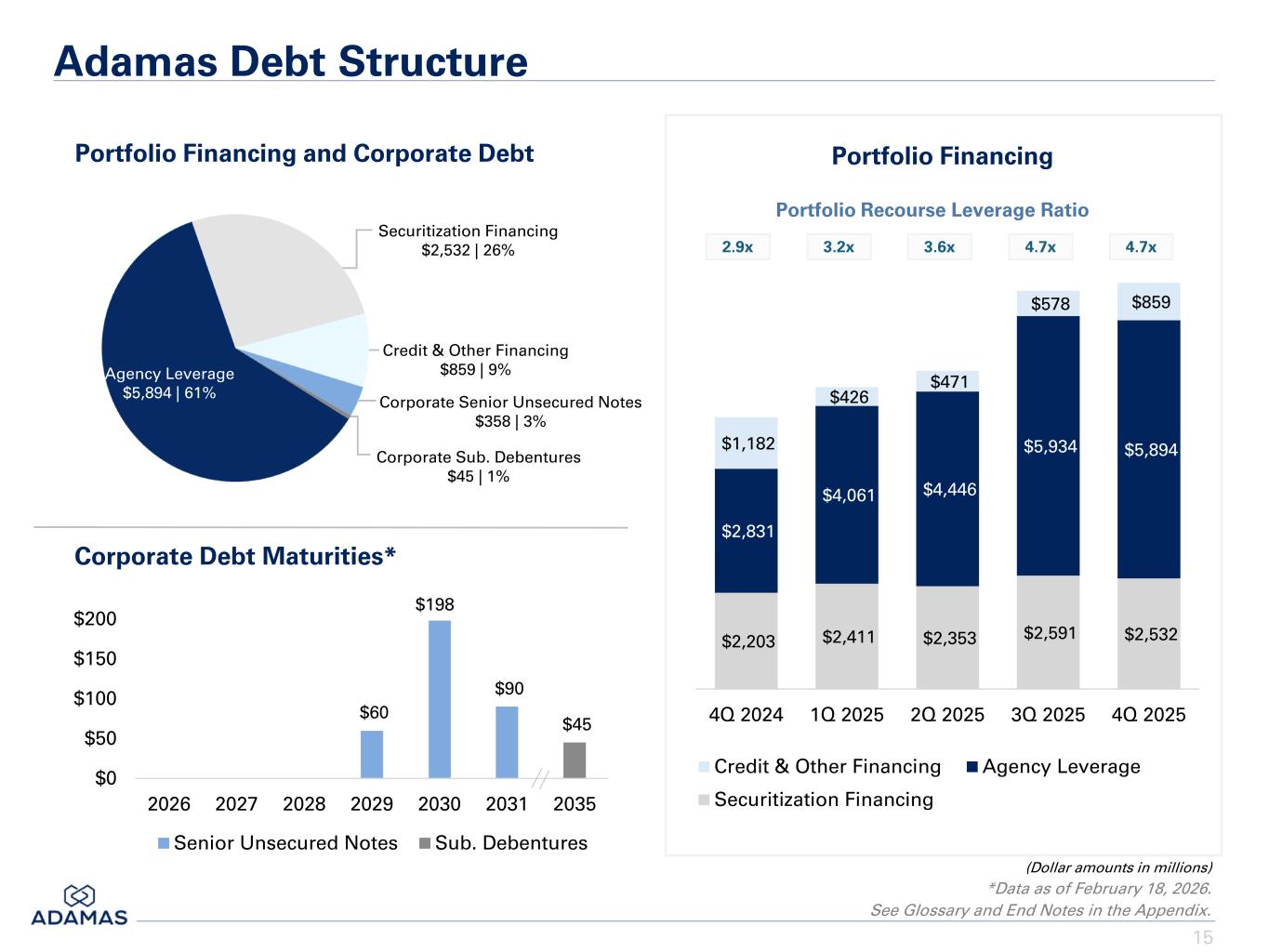
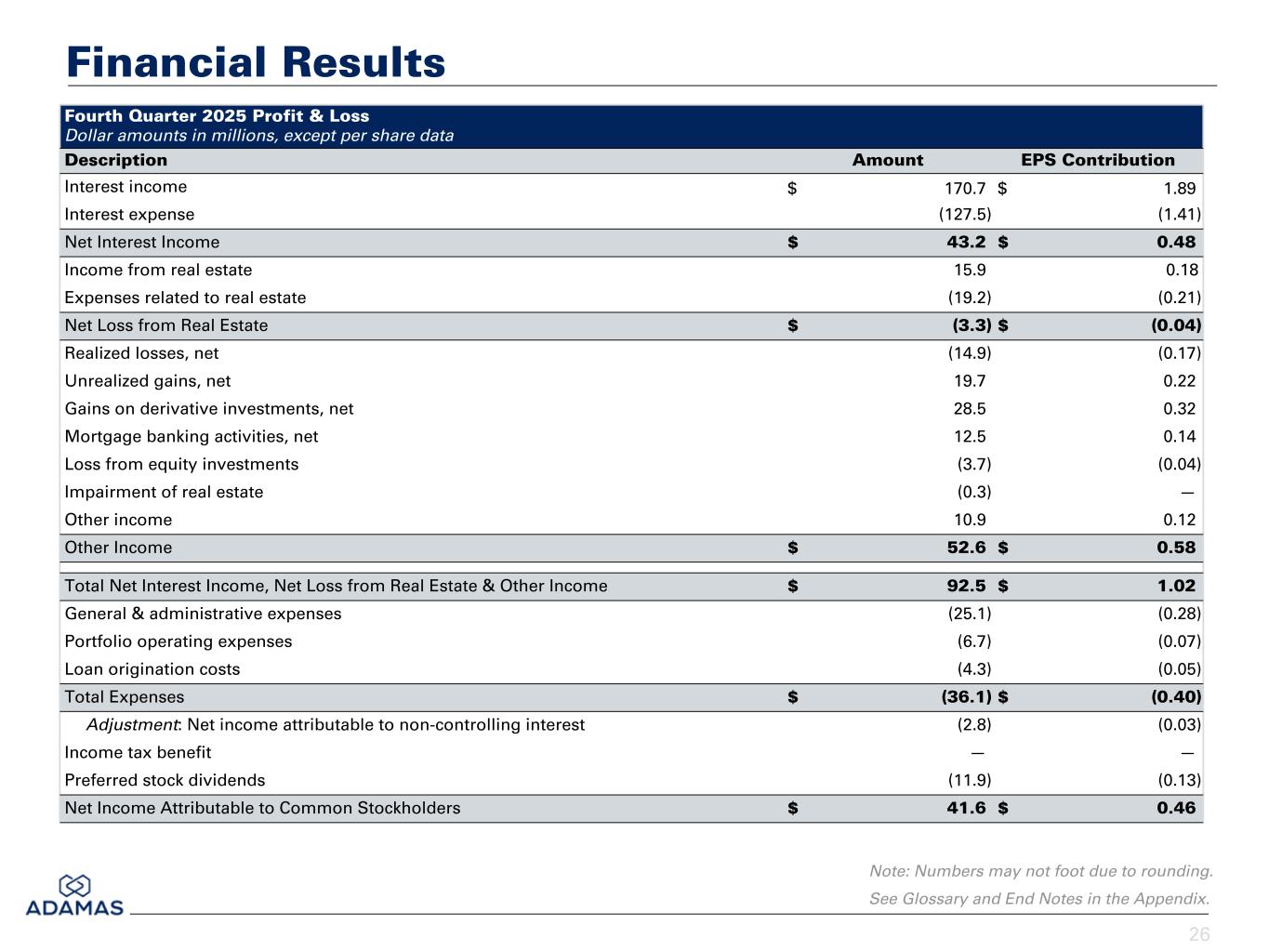
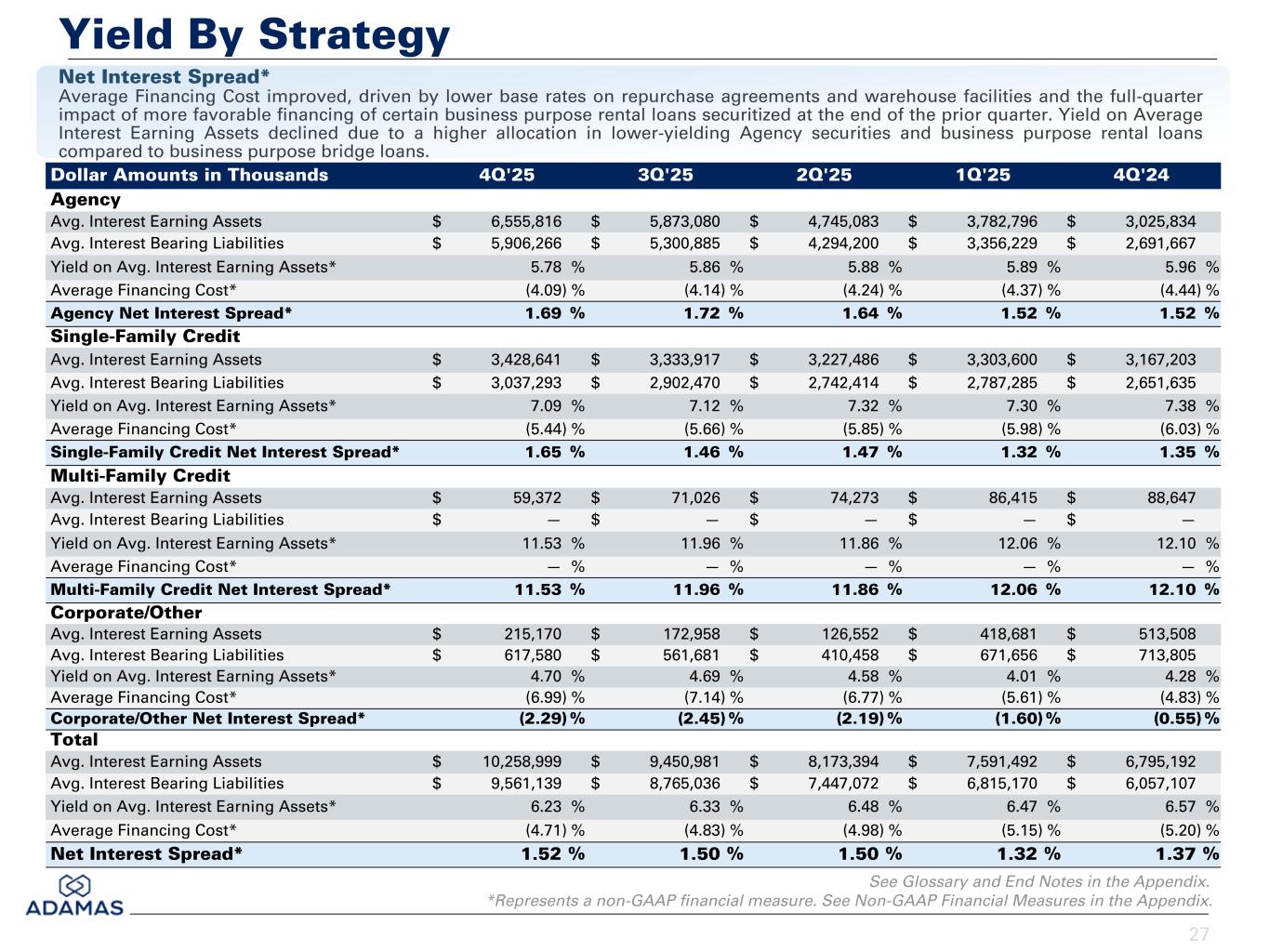
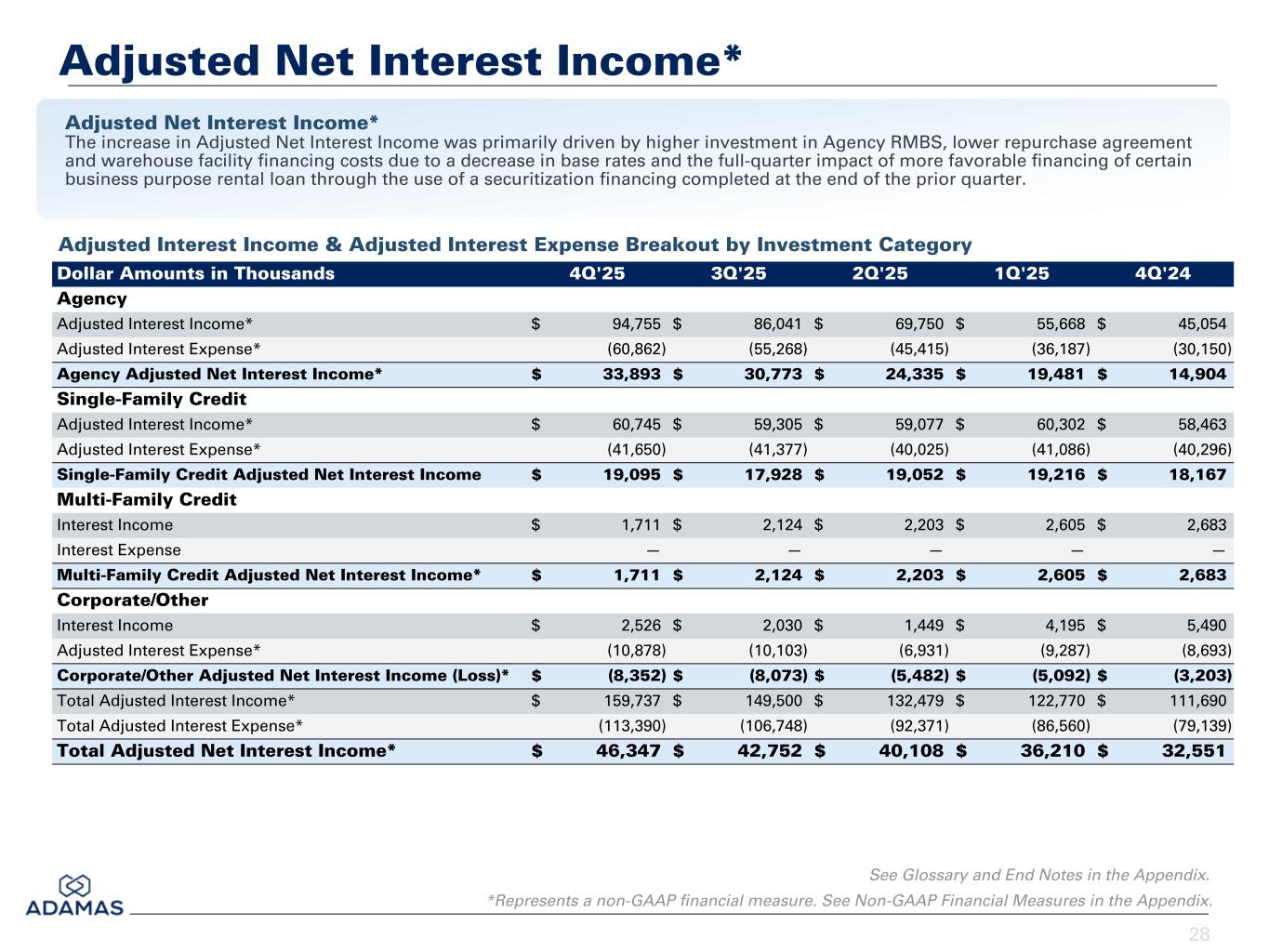
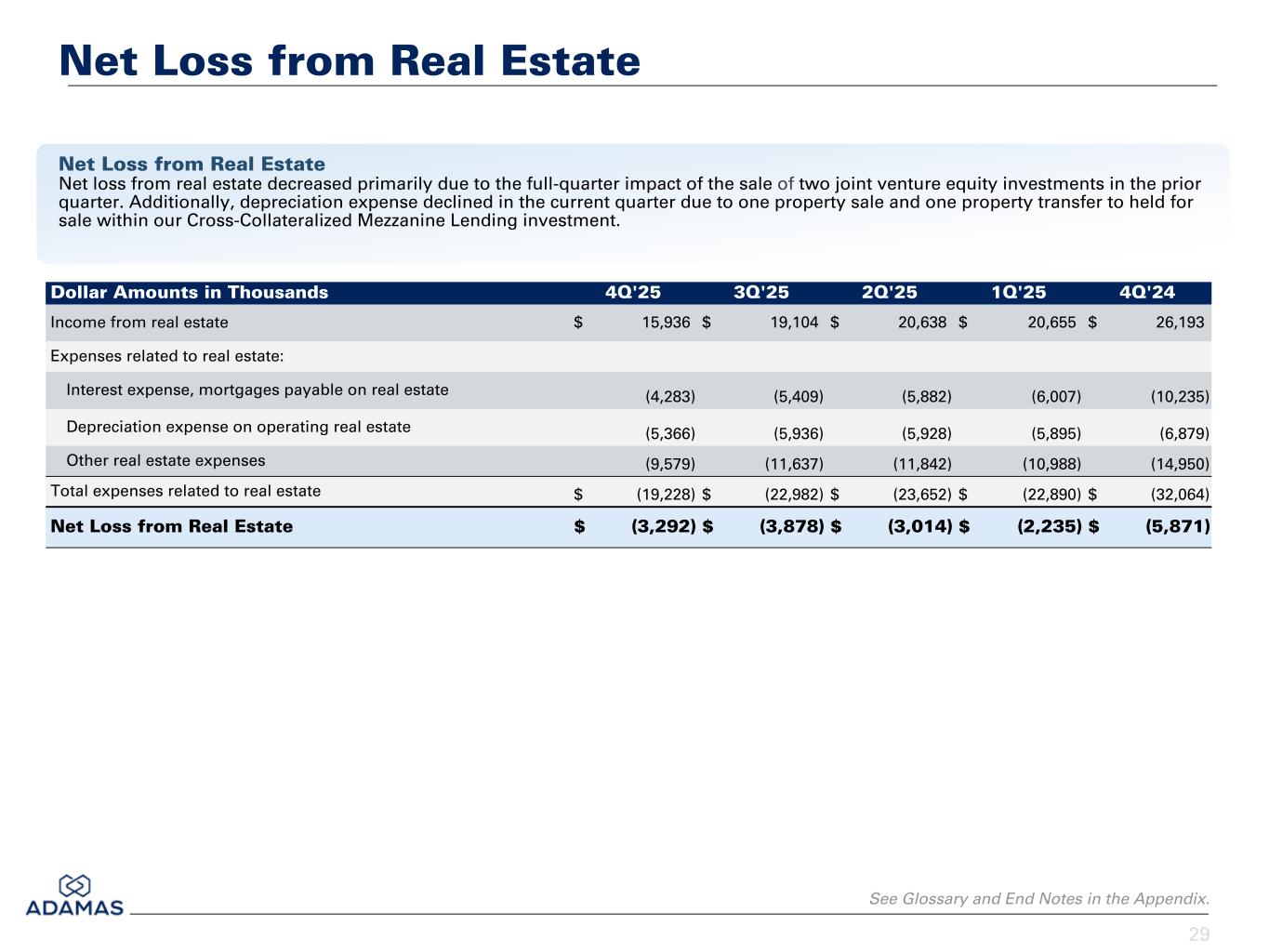
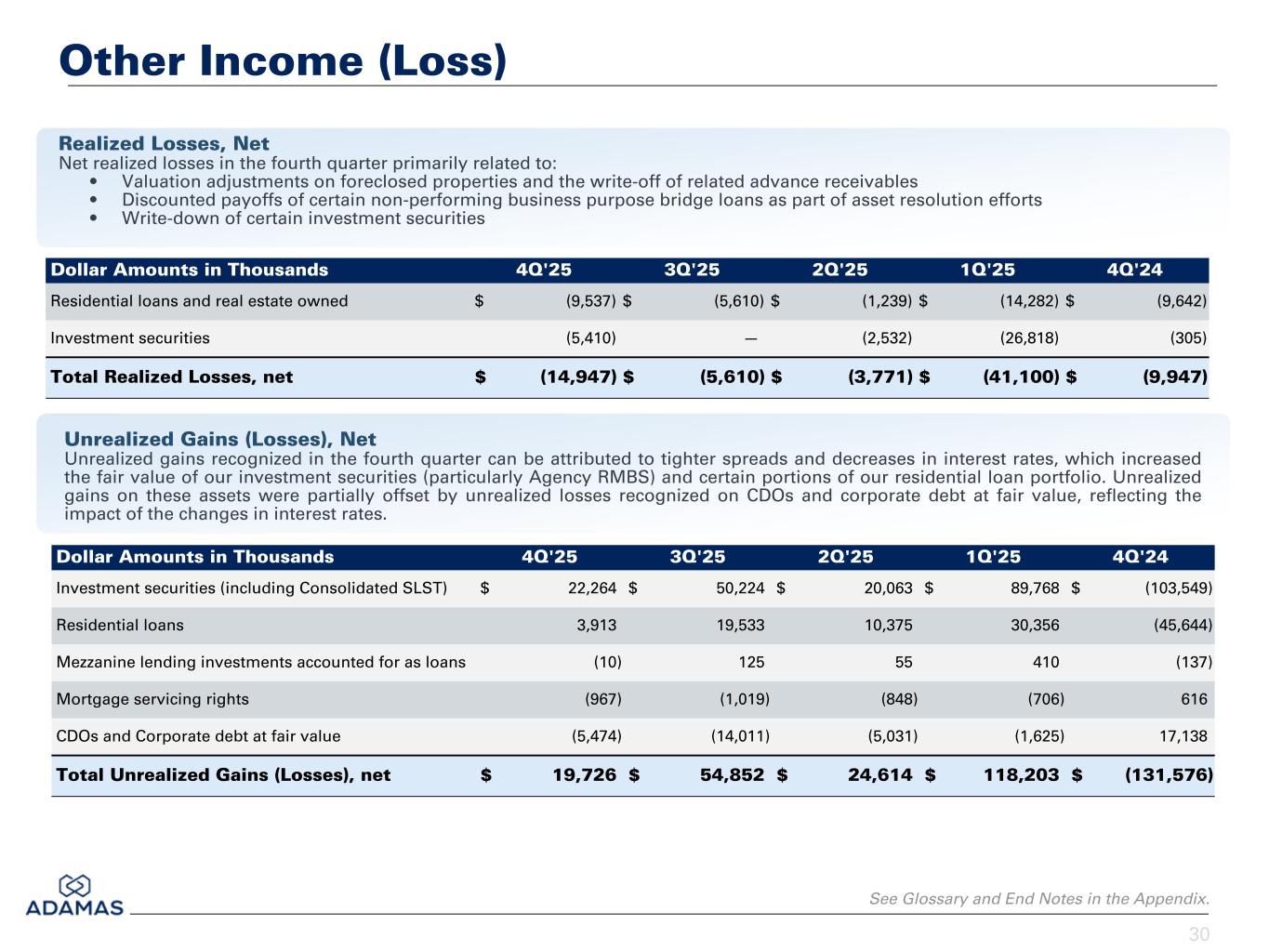
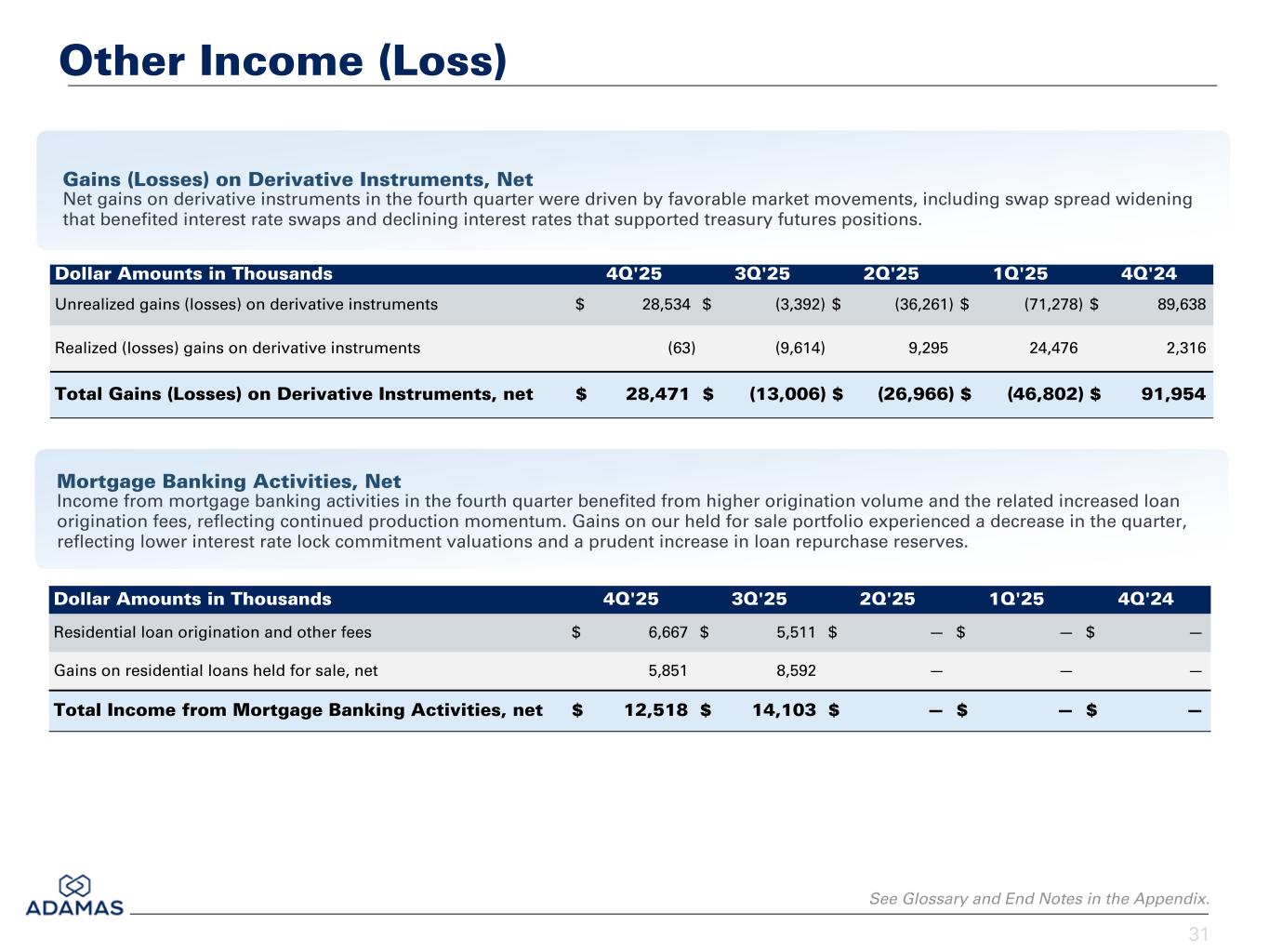
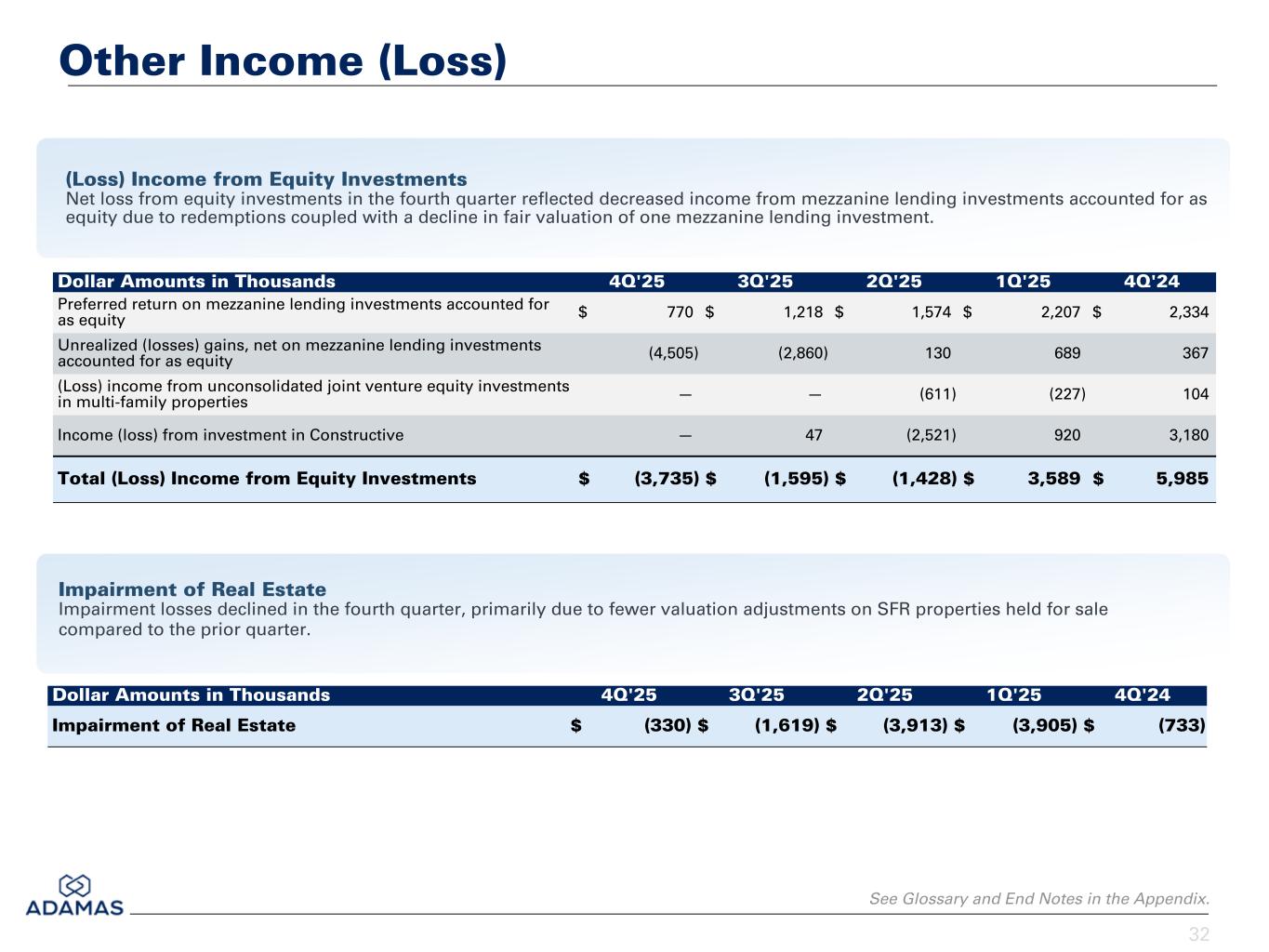
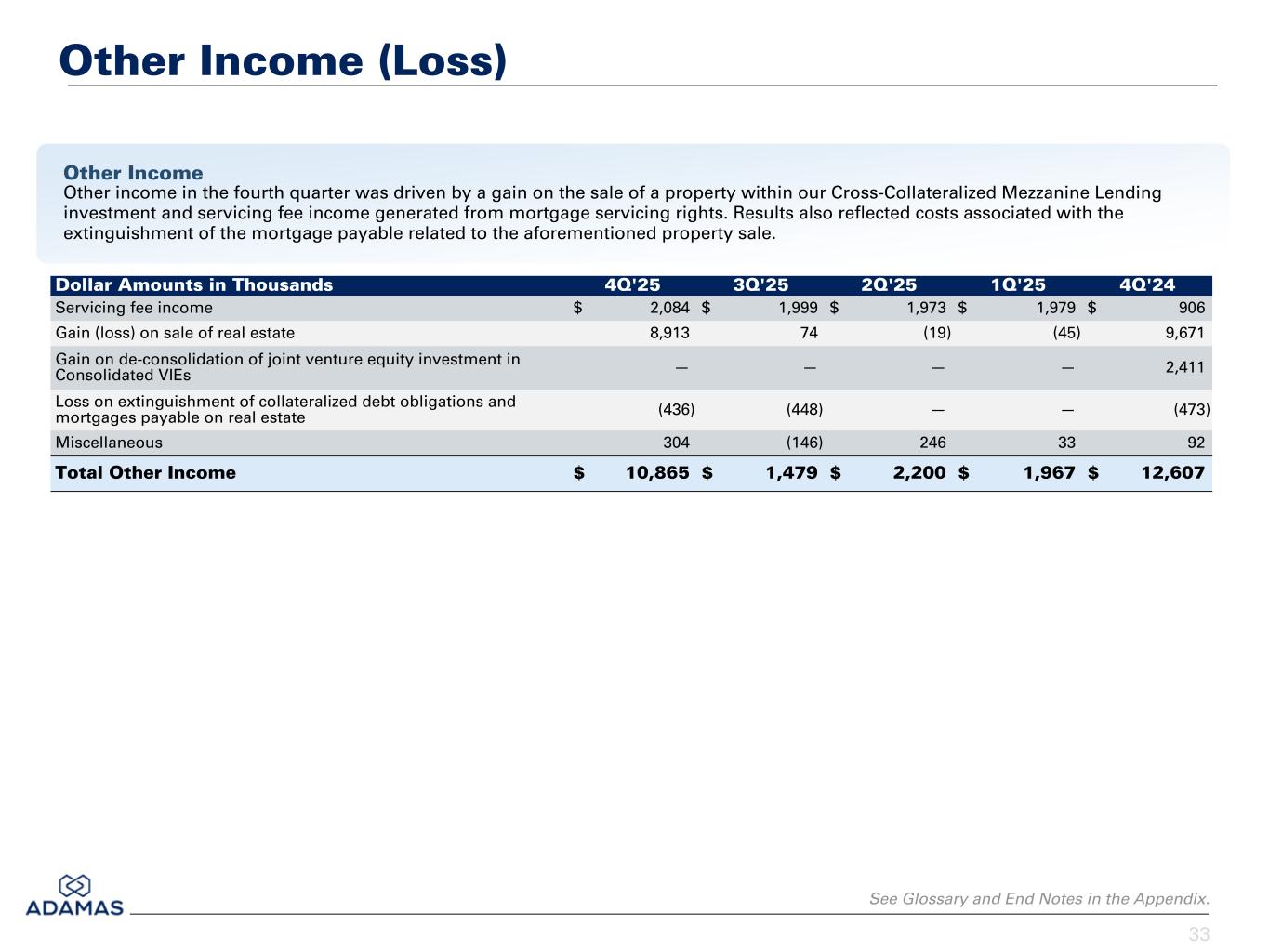
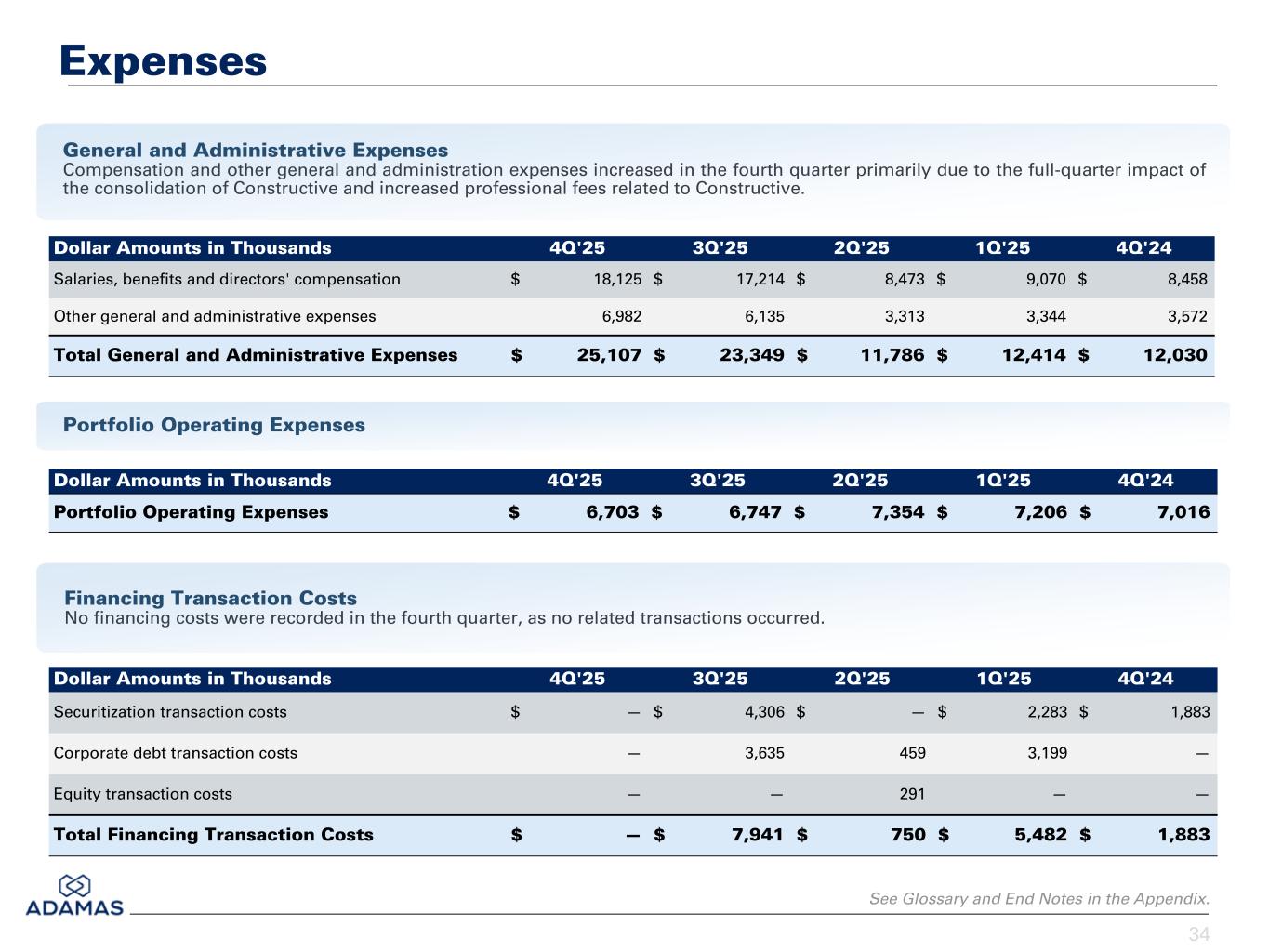
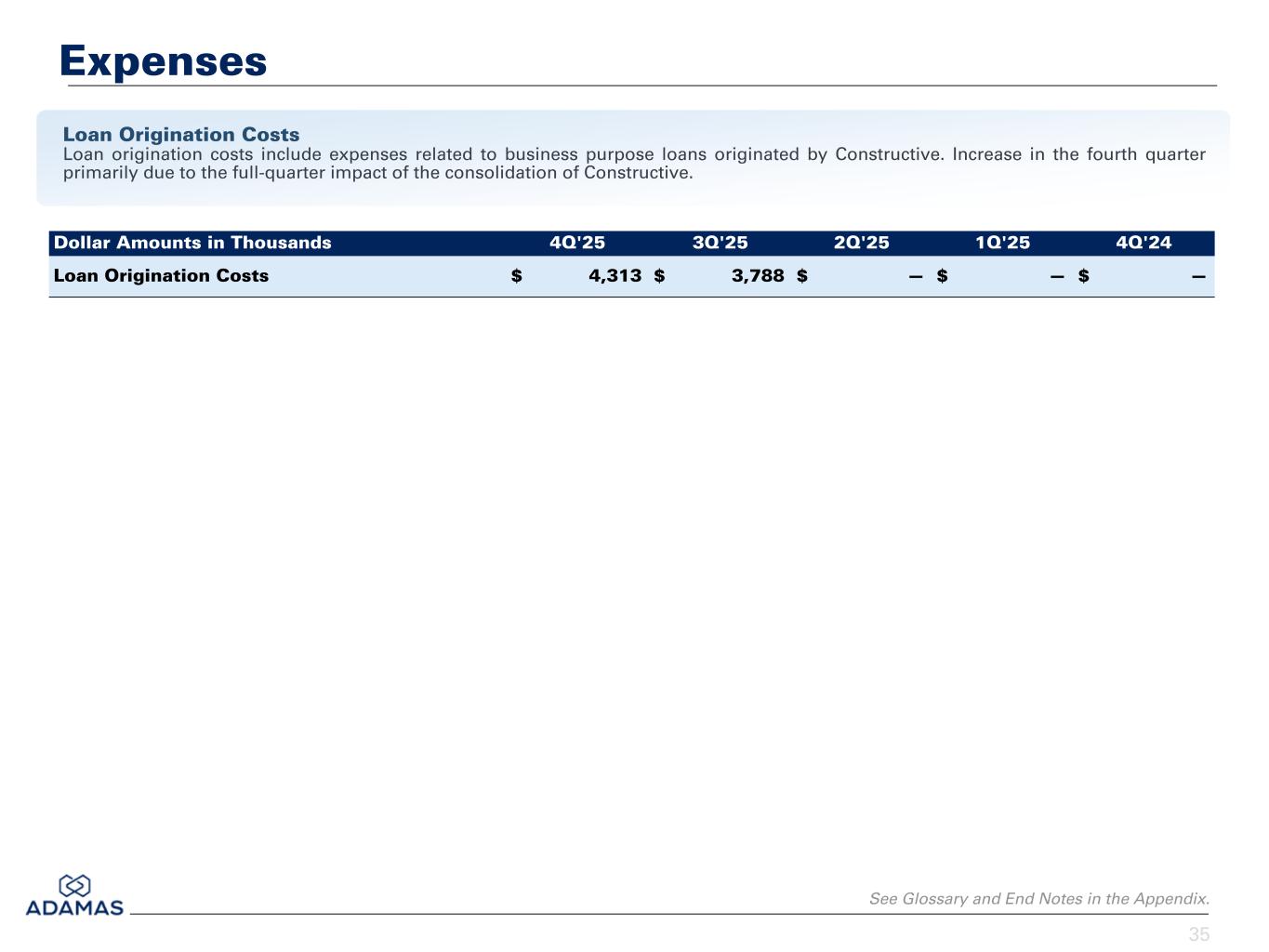
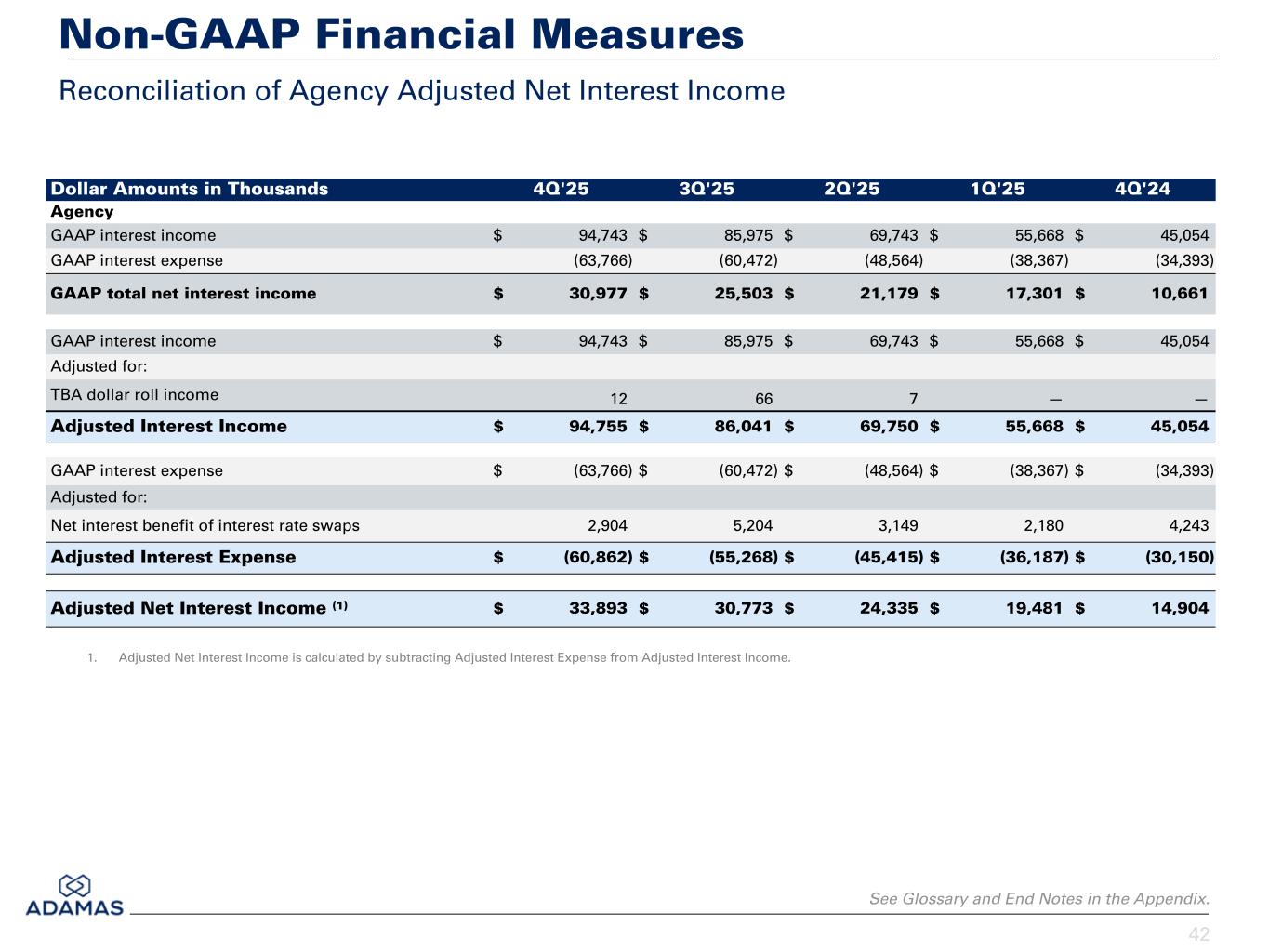
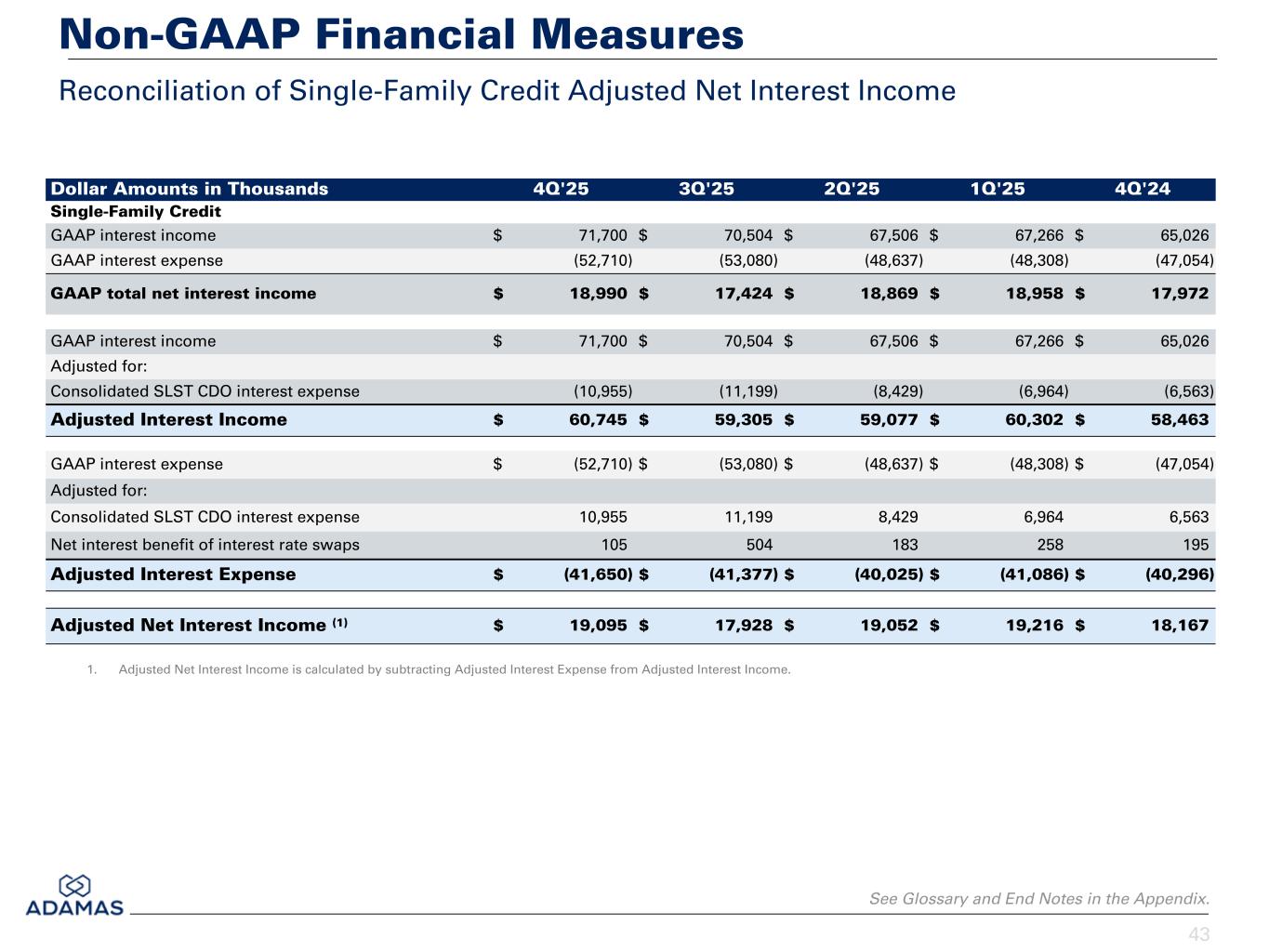
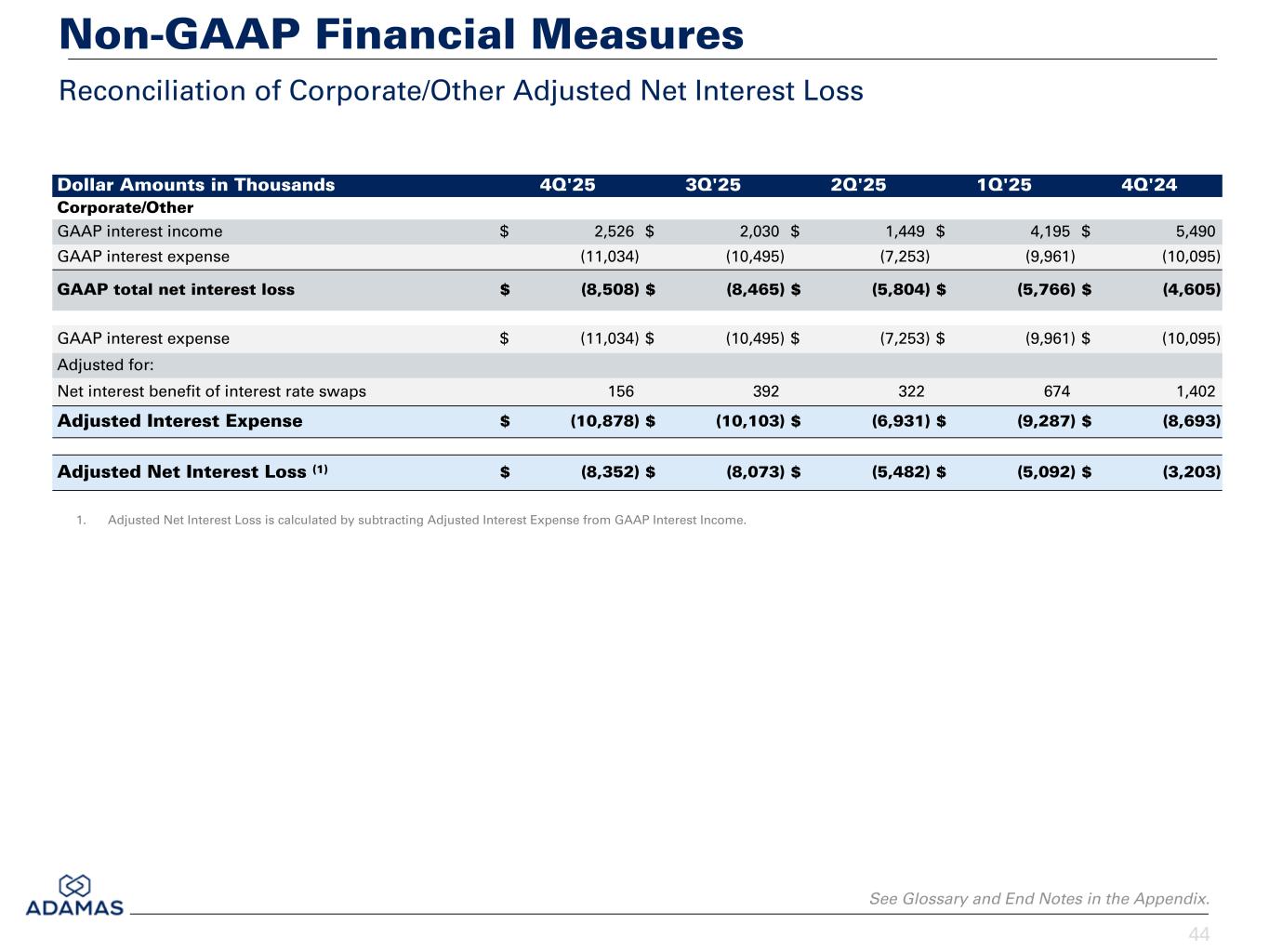
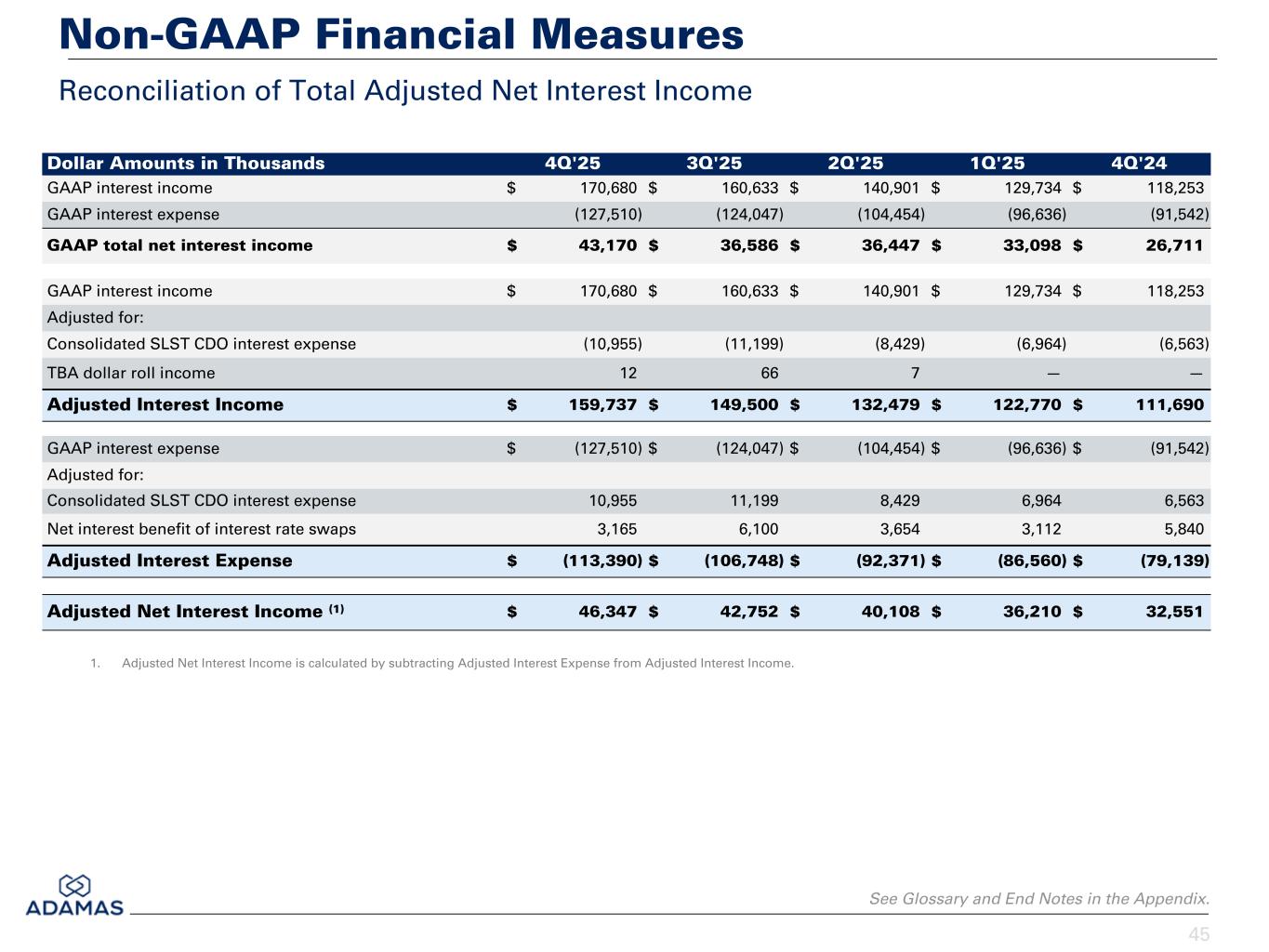
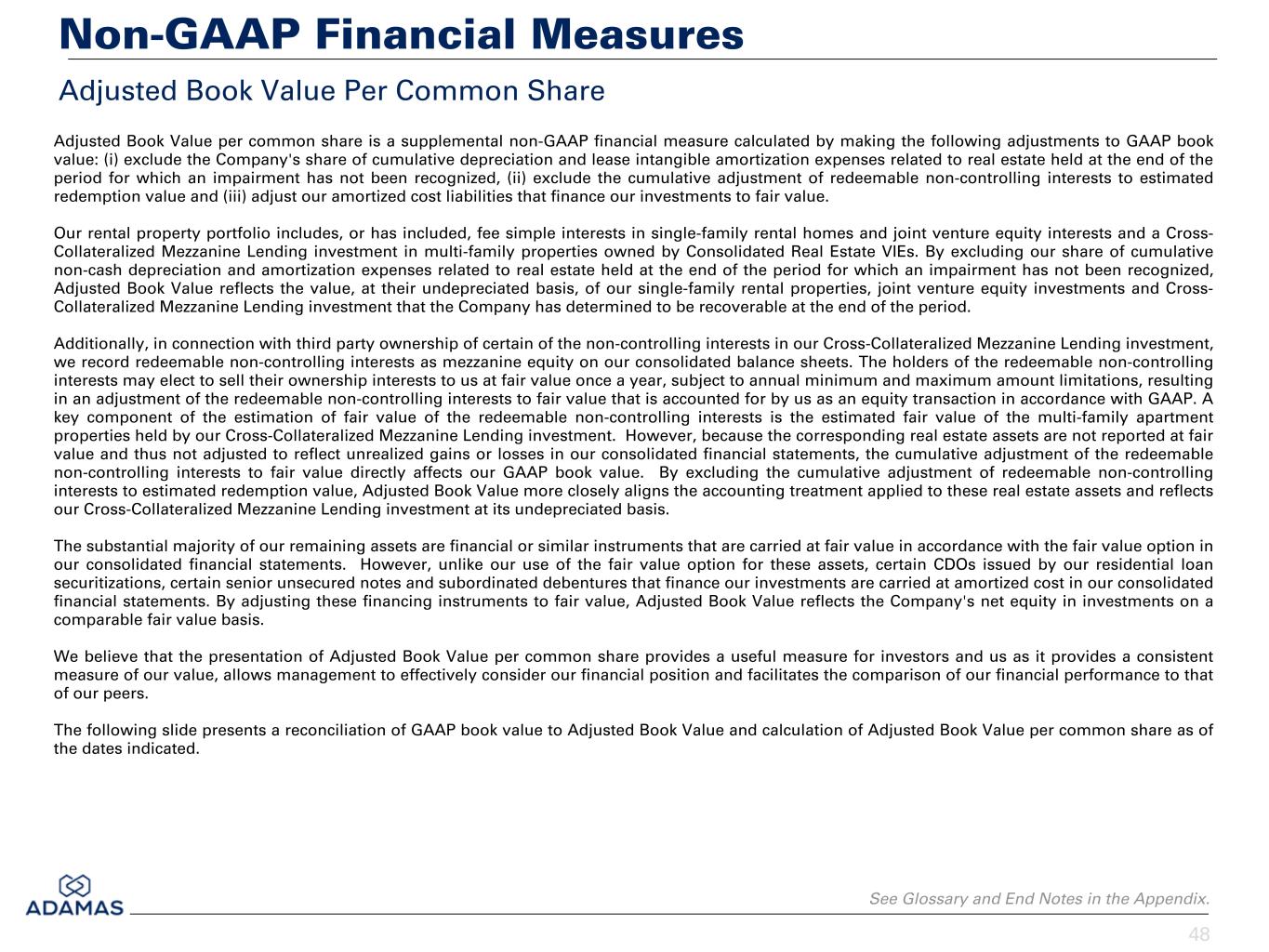
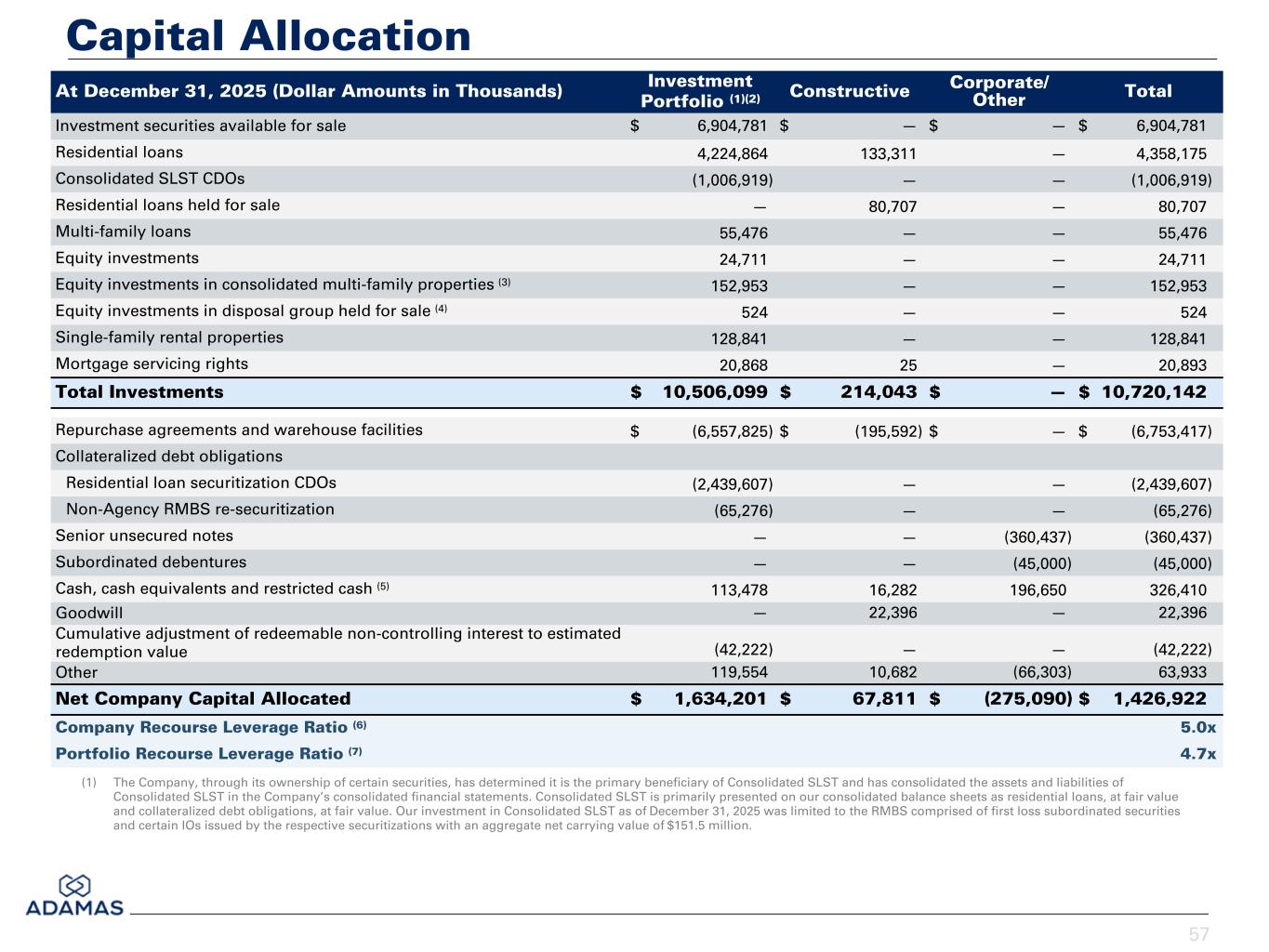
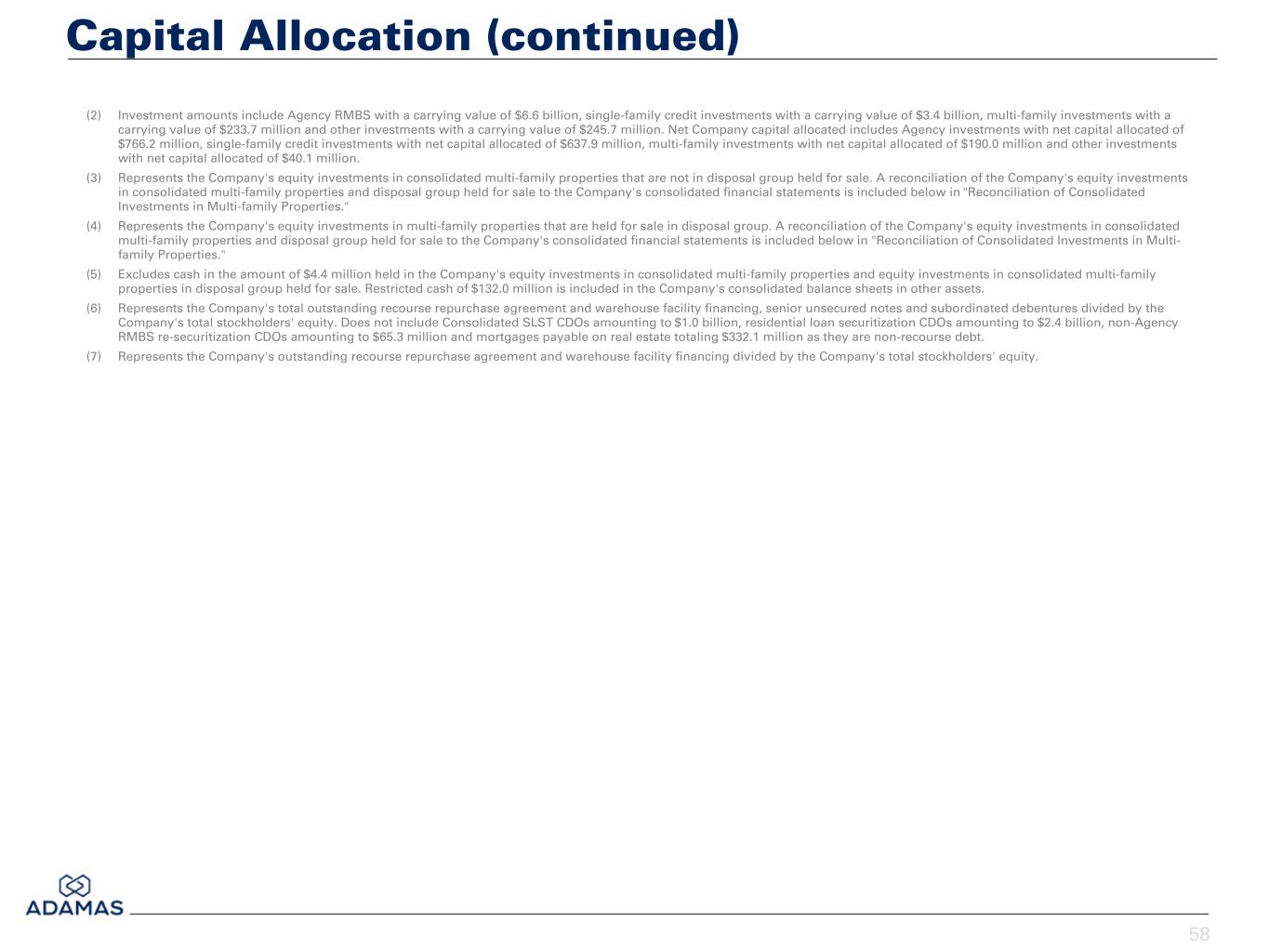
Thank you, Nick, and good morning, everyone. For the fourth quarter, we reported gap net income attributable to common stockholders of $41.6 million, or $0.46 per share, and earnings available for distribution of $0.23 per share, which fully covered our quarterly dividend. After accounting for our $0.23 dividend, we generated a 6.85% economic return on gap book value and a 4.62% economic return on adjusted book value. For full year 2025, economic return on gap and adjusted book value was 12.72% and 11.01% respectively. Our quarterly performance benefited from strong investment mark-to-market gains. We saw spread tightening across agency RMBS and certain portions of our residential loan portfolio, which increased asset valuations and contributed meaningfully to earnings. In addition, gains on our interest rate swaps contributed to our results as swap spreads widened during the quarter. Adjusted net interest income increase to $46.3 million in the fourth quarter from $42.8 million in the third quarter, and that interest spread remains stable at 152 basis points. These results reflect our continued portfolio repositioning toward agency RMBS and BPL rental loans, while also benefiting from improved financing costs. Partially offsetting the positive valuation impacts that I mentioned earlier we recorded 14.9 million of realized losses primarily related to discounted payoffs and resolution activity on certain non-performing residential loans and valuation adjustments on foreclosed properties primarily related to our bpl bridge portfolio these actions reflect ongoing active portfolio management and credit resolution efforts and in most cases the realized losses had been substantially reflected in prior period marks. Turning to Constructive, the platform continued to demonstrate solid origination momentum during the quarter. Constructive generated $12.5 million in mortgage banking income, driven by higher origination volumes and related origination fees, partially offset by lower valuation on interest rate lock commitments and the prudent increase in loan repurchase reserves. Constructive incurred $4.3 million in direct loan origination costs and $10.2 million in direct G&A expenses, resulting in a $2 million loss for the quarter on a standalone basis. Direct G&A for Constructive increased in line with higher production volume, the full quarter impact of consolidation, and also continues to include expenses associated with integration we view these items as part of normal progression of integrating and scaling the platform origination activity and pipeline trends remain healthy and as integration efforts moderate and production continue to grow we expect a more consistent earnings contribution from constructive at acquisition we estimated constructive to generate approximately 15% annual equity return, and our current expectations remain aligned with that target. Total consolidated ADAMS G&A expenses were $25.1 million for the quarter, up from $23.3 million last quarter, reflecting the full quarter consolidation of constructive. From a capital markets perspective, we continue to strengthen our balance sheet. During the year, we issued 198 million senior unsecured notes to extend and diversify our funding profile. Subsequent to quarter end, we issued 90 million of nine and a quarter senior unsecured notes due 2031 and redeem our 100 million five and three quarters senior unsecured notes due 2026 at par, retiring that obligation ahead of its April maturity. As a result, we now have no corporate debt maturities for the next three years this provides meaningful flexibility and positions us to focus our capital on growing the investment portfolio rather than addressing near-term refinancing needs at year end we maintained 206 million of available cash and approximately 420 million of total liquidity capacity including financing available on unencumbered and under levered assets our company recourse leverage ratio was five times and portfolio recourse leverage ratio was 4.7 times with leverage primarily concentrated in agency financing overall our strategic repositioning has strengthened the durability of our earnings profile and positioned the company for continued growth and recurring income we remain focused on discipline execution and delivering sustainable returns for our stockholders. That concludes our prepared remarks. Operator, please open it up for questions.
Operator
Thank you. As a reminder, to ask a question, please press star 11 on your telephone and wait for your name to be announced. To withdraw your question, please press star 11 again. One moment while we compile our Q&A roster. Our first question will come from a line of Doug Harder with UBS. Your line is open. Please go ahead.
Good morning. It's Marissa Lobo on for Doug today. Thanks for taking my question. On the pace of deployment between agency MBS and residential loans in 2026, how are you viewing the relative attractiveness of agency MBS given the significant spread tightening year-to-date?
Yeah, so from a lever return perspective, we do see a higher return on the non-agency credit that we invest in, in particular BPL rental. So for that particular asset class, we see somewhere in the mid-to-high teens type levered return. Compared to agencies today, somewhere in the mid-teens type return on a levered hedge basis. So we are still constructive on both. We still like both asset classes. We like the balance and the diversity that having both on our portfolio gives us. As I mentioned in my earlier remarks, we do expect the agency portfolio to grow. So right now, it's at 56% of equity capital. We do expect it to grow into the 60s, assuming market conditions hold. We do think that the non-agency part of our portfolio will stay about the same, but that's not because we are not increasing our BPL rental exposure. We're going to continue to increase that. But because BPL Bridge does pay down relatively quickly, and we find less opportunity there, that effectively the mix within non-agencies will change, but we expect that the percentages in the non-agency side to remain relatively static. So where does the additional equity capital come from? It comes from the continued resolutions in the multifamily portfolio and other non-core strategies.
That's very helpful. Thank you. And looking at the expenses related to the constructive acquisition, how should we think about the remaining integration costs and the 2026 run rate for operating expenses related to constructive?
We still see in first quarter partially some integration costs with constructive. It's only been there for about six months. But in terms of ratio, when you think about it, it's going to be approximately 7 to 7.5% of stockholders' equity, and really approximately 44% of that would be attributable to constructive, with the rest really adamant. And if you think about constructive, roughly 40% of their GNA is variable and directly tied to origination activity, and this really provides us meaningful expense flexibility as volumes fluctuate. So, as I said, it's about 7% and 7.5% of stockholders' equity would be our run rate.
Got it. Thank you. And finally, just on that comment about the gain on sale change this quarter, reflecting lower commitment valuations and the increase in loan repurchase reserves. Could you expand on that? What are the implications to the valuation of loans on balance sheet.
We don't, yeah, we think it is transitional and let's talk about the interest rate lock valuation. It was really primarily driven by a smaller pipeline compared to last quarter and modestly lower pull-through rate reflecting pricing conditions during the period. These changes are consistent with kind of normal quarter to quarter market fluctuations, and we continue to actively monitor and manage the pipeline and align it with current market conditions. In terms of repurchase reserves, we think it was prudent to increase the repurchase reserves, and it is really tied into our purchase of the 50% interest into constructive, and Nick can go into a little bit more detail.
Yeah, we effectively coordinated the magnitude and timing of some of these repurchases and the corresponding reserves in collaboration with our former equity partner in the constructive business. And primarily these actions were executed in the fourth quarter to take advantage of provisions and indemnities that were provided as part of the constructive purchase transaction. We don't see the repurchase loan loss reserves as an extrapolation of higher loss trends or credit concerns for 2026. We feel very comfortable with the credit underwriting that we currently haven't constructed.
Got it. Thank you very much. Thanks for taking my questions.
Operator
Thank you. And one moment for our next question. Our next question will come from the line of Boyce George with KBW. Your line is open. Please go ahead.
Thanks. This is actually Frank Labetty on for Bose. Good morning, guys. I want to start with discussing about the balancing between capital deployment between scale and construction originations versus increasing agency deployment or share repurchases. And then is there like a preferred return threshold guiding that allocation going forward?
Yeah, thank you for the question. So, ultimately, we're focusing on mid-to-high teams returns on a risk-adjusted basis throughout the different avenues which we deploy capital into. The interchange of that does change per quarter based on what's available in the market and different underwriting trends that we're seeing. Going back to constructive, we see it as more of a capital-light model given their wholesale origination business. You know, Nick mentioned earlier that we're focused on both, you know, gain on sale through selling to third parties as well as holding on balance sheet for our, you know, origination activity, securitization activity, which we expect one securitization a month in this space. But we don't expect to have, you know, a significant increase of capital allocation towards that trade, even with origination volumes that would grow. to grow. That was one of the primary focuses that we looked at Constructive many years ago and, you know, why we were excited about their business model. It provides for flexibility on the call side, you know, keeping it flat with, you know, origination trends going up or down. So we think it'll be consistent kind of cap allocation there. And then the trends of looking at different asset classes, again, it's really, you know, we're – Nick mentioned a target of of 60% on agencies, and that's just looking at where we see value in today's market, the interchange between BPL Bridge and rental, the fact that BPL Bridge, we think, will start – will be reduced on our balance sheet just due to payoffs that are happening there and a lack of opportunity that we're seeing. And on the bridge – and on the rental side, you know, continuing to support efforts there for constructive and seeing value in that space. So, ultimately, you know, it really depends what the market's giving us, and we're going to make the prudent cap allocations accordingly.
One follow-on comment on constructive. So we're still in the process of transition, and there are still things that we can do to increase volume and increase efficiencies and reduce costs that does not require capital. For example, getting them better financing lines with better terms, whether it's providing our captive capital to reduce the time, the warehouse time that they have their loans So there's things that we can do that doesn't necessarily require additional capital, and we're actually focused on those things first before planning to put additional capital That's very helpful.
And then sticking on constructive, you just talked about the competition in the business purpose lending channel. The demand for the product is clearly very strong. Are you seeing any new entrance in space and any pressure on margins there?
Yeah, on the competition in DSCR loans in particular, yes. This is a space that Constructive has been in for a while, so we have seen the ebbs and flows in terms of competition. Obviously, at this juncture, it is a relatively competitive business. There's also very strong demand for loans from institutional buyers across both non-QM as well as BPL rental slash DSCR. So there's fortunately a strong demand there in terms of – and therefore originators have tried to grow in that particular space. I think from our perspective, Constructive has always been a top-tier player. They have very long-term relationships. They're navigating the competition very well. And I think one of the things that we are seeing is some of the larger non-QM originators having a higher percentage allocation of originations into BPL rental. That is a trend that we think will continue. In some cases, we have also, or Constructive has partnered with some of these larger entities to grow volume as well. So the market continues to evolve and change. Fortunately, there's strong demand, but the competition is something that we have been mindful of and navigating very well.
Great. Thank you. And just one more, if I can. Did you guys provide an update on book value quarter date?
Yeah. So in Jason's remarks, he mentioned that adjusted book value is up somewhere between 3% to 4%. That's for a quarter to date.
Okay. Great. Thank you, guys.
Operator
Thank you. And one moment for our next question. Our next question comes from the line of Matthew Erdner with Jones Trading. Your line is open. Please go ahead.
Hey, good morning, guys. Thanks for taking the question. You know, there's been a lot of talk about institutionals, or I guess institutions being banned kind of from that rental space. Could you talk about just the profile of borrower that you guys have, you know, and if that were to occur, what impact it would have?
We think that if this policy ultimately goes through, that it will be positive for a constructors' business. So, constructive originates loans really to individual investors, not to institutional investors. Every single one of constructors' borrowers of loans originated in 2025 owns less than 80 single-family properties, and the average is significantly lower than that. And institutional investors own SFR properties by the thousands. So we don't have a lot of details yet, but in the White House executive order, the policy is really looking to limit purchases, and I quote, from Wall Street investors and large institutional investors. So the definitions of which are forthcoming, but these are not necessarily descriptors of Constructive's client base. So overall, I think If there was abandoned institutions owning SFR, I would pause it for constructive. It should increase the supply of homes and transactions and reduce the demand for homes that are more restorative.
Got it. That's helpful. And then apologies if I missed this on the last question, but could you kind of talk about share repurchases? You know, if you did any during the quarter, I don't think you did, and how you're viewing that going forward?
Yeah. So, you know, the way we look at share repurchases is, you know, just as a different capital allocation relative to the opportunities we see in the market as a whole. We did not repurchase shares in the quarter, in the fourth quarter. We do look at, you know, where our price to book is and the creative value of actually utilizing capital for that. In share repurchases, it's a permanent capital reduction in retiring those shares. We don't get the ability to hold in Treasury and try to issue later, so what we have to do is just we focus on whether or not the capital that we have allocated to and budgeted for our investment programs is accretive relative to using that capital and permanent deletion of that capital related to those share repurchases. So it's something that we consistently look at and we monitor, we throw in our models as it relates to core capital allocations and we will continue doing that. We have in previous quarters repurchased shares as the market provided some opportunities there and we'll continue to look at that going forward.
Got it, that's helpful. And then last one for me, How are you guys looking at agency leverage, given that we've kind of moved into a tighter spread range? Obviously, there's the GSE backstop, I guess, with their loan purchases. Just how are you guys thinking about leverage?
Yeah, so in the quarter, leverage declined slightly. Right now, it's about 7.7 times. Historically, we have run leverage up into 8.5 times leverage. For now, we are probably going to be trending on the lower end, so closer to the 7.7 times, but depending on how on market conditions, we could go higher. Great.
Operator
Thank you. And one moment for our next question. Our next question will be from the line of Timothy D'Agostino with Equity Research. Your line is open. Please go ahead.
Yeah, I think you've taken the question, and good morning. With the comments on, you know, 60 to 70% of equity capital being agency and, you know, potentially seeing a decline in BPL bridge in 2026, I was just wondering, the total investment portfolio size currently is at $10.5 billion. Do you have like a target size you or goal you're trying to reach? Or do you have any near term, like percentage increases?
Just thinking about, you know, what you're striving for in terms of a total portfolio size maybe at the end of 26 or at the end of 2027 thank you yeah so the goal is to maximize um you know our total return within our portfolio i mean that's that's the core uh that's where we start um with looking at cap allocation uh so in doing so you know when the when the market um you know has different moves and whether it's on credit or an agency we will look to change our cap allocation relative to those two different asset classes. So there is not a target that we are focused on reaching as a sense of just reaching a target versus maximizing our recurring earnings that we have in our portfolio. The comments that Nick made earlier on the targets around 60% is based on what we see the market giving us today and the different roll-offs of non-core strategies we have in our balance sheet. So, yeah, we don't have a capital allocation model that focuses on either investment portfolio size or a certain percent that we need to be in either strategy. It's really where we see the best risk-adjusted returns in the market and how to maximize, you know, our earnings potential.
Okay, great. Thank you so much. And then just as a second question, regarding available cash, you know, it's you've probably averaged maybe around like 170 million over the trilling five quarters and obviously at the year end you have 206 million available cash i guess could you just provide maybe an overview of how you plan to um allocate that cash whether you want to continue to hold the stockpile if you're going if you're just seeing kind of rotation capital i guess just any sort of color on the available cash at year end would be great and how you plan to use it thank you yeah you know we as the agency strategy and spreads tighten into year end you know we it did take away some of our expectations of what we could grow
our portfolio in the beginning of that quarter so we ended up the quarter with a little bit more cash than we would have expected which is partially the reason for the reason why we ended up maturing our five and three quarter note due April 2026, and we just saw an opportunity there given the cash allocation that we had and the fact that there was a near-term maturity coming up and utilize the capital in that way. But I think overall, the opportunity for us is to continue deployment in two areas. We talked about a capital light model on the constructive side and then looking for opportunities within agency um so you know to the extent that the you know the market um you know wind down on the agency side we expect to have further deployment there um and looking for more opportunistic uh trades in the market as a whole uh versus you know kind of a scheduled deployment thank you take the questions thank you and one moment for our next question i am showing no
Operator
further questions at this time and i would now like to hand the conference back over to dacian Serrano for closing remarks.
Yes, we appreciate your continued support and look forward to discussing our first quarter results in April. Have a great day.
Operator
This concludes today's conference call. Thank you for participating and you may now disconnect. Everyone, have a great day.