Operator
Thank you for standing by. My name is Rebecca and I will be your conference operator today. At this time I would like to welcome everyone to the Allegiant Travel Company second quarter 2026 earnings call. All lines have been placed on mute to prevent any background noise. After the speaker's remarks there will be a question and answer session. If you would like to ask a question during this time, simply press star followed by the number one on your telephone keypad. If you would like to withdraw your question, press star one again. Thank you. I would now like to turn the call over to Sherry Wilson, Managing Director of Investor Relations. Please go ahead.
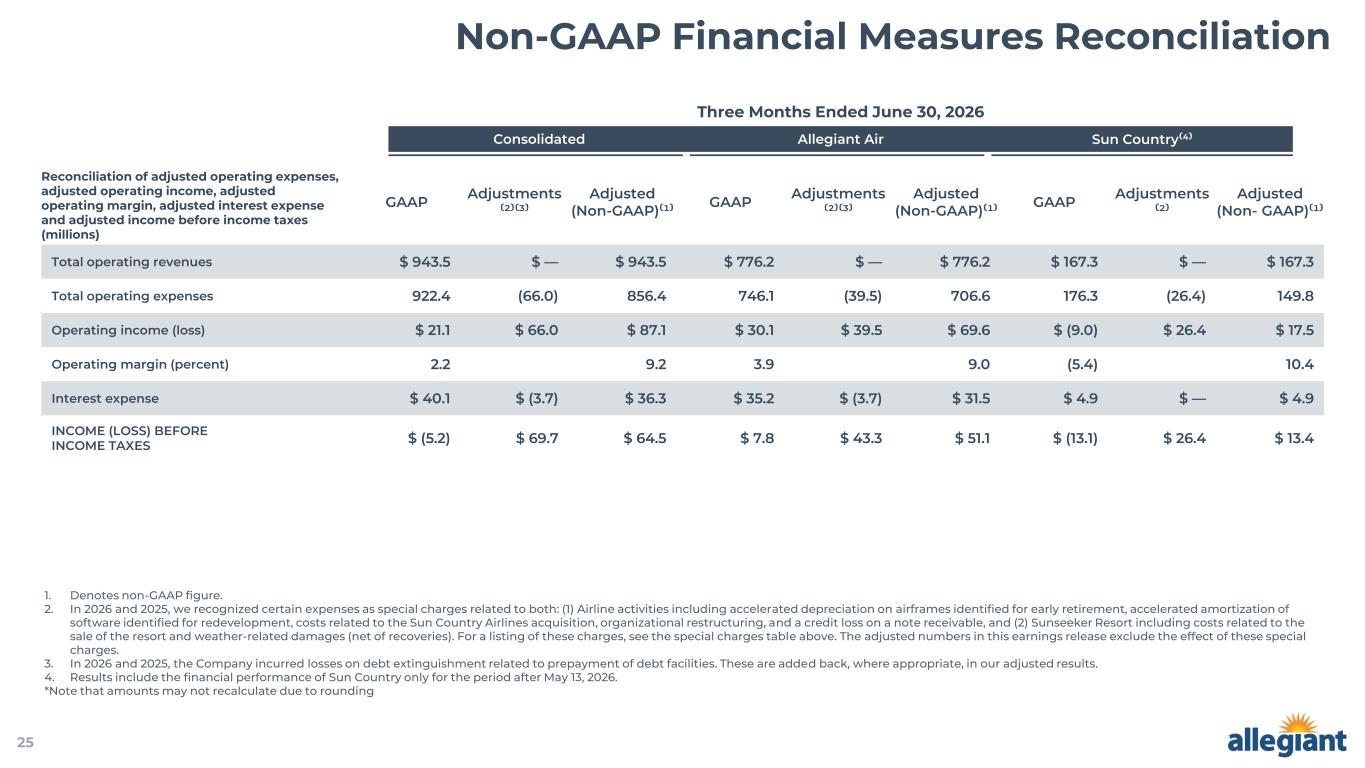
Thank you and good afternoon everyone. Welcome to Allegiant Travel Company's second quarter 2026 earnings call. On the call with me today are Greg Anderson, Chief Executive Officer, Drew Wells, Chief Commercial Officer, and Robert Neal, President and Chief Financial Officer. Earlier this afternoon, we issued our second quarter earnings release, which is available on the Investor Relations section of our website, along with the supplemental materials accompanying today's call. We ask that you refer to those documents as we walk through our results. The company's comments today will contain forward-looking statements, including our third quarter and full-year 2026 outlook, statements regarding the integration of Sun Country and expected synergies, and other statements concerning our future performance and strategic plans. These statements are subject to risks and uncertainties, and actual results could differ materially from those anticipated. For additional information, please refer to the Safe Harbor language in this afternoon's earnings release and our filings with the SEC. We will also be discussing non-GAAP financial measures. A reconciliation of these measures to the most directly comparable GAAP measures, where available, is included in the earnings release posted on our Investor Relations website. Before we begin, a brief note on comparability. Second quarter results are presented in this afternoon's earnings release, include the full quarter of Allegiant, as well as Sun Country results from May 13th, the date of acquisition, through June 30th. Prior year results are Allegiant standalone.
In order to provide the most meaningful commentary, some results will be discussed on an Allegiant standalone basis on today's call and will be noted as such.
Outlook commentary on today's call is generally for the combined entity unless otherwise specified. Finally, in order to fully outline the results of the combined entity, our prepared remarks today are a bit longer than usual. In the interest of time, we ask that each analyst limit themselves to one question. If a follow-up is required, please re-enter the question queue, and we will get to as many questions as time allows. With that, I'll turn the call to Greg.
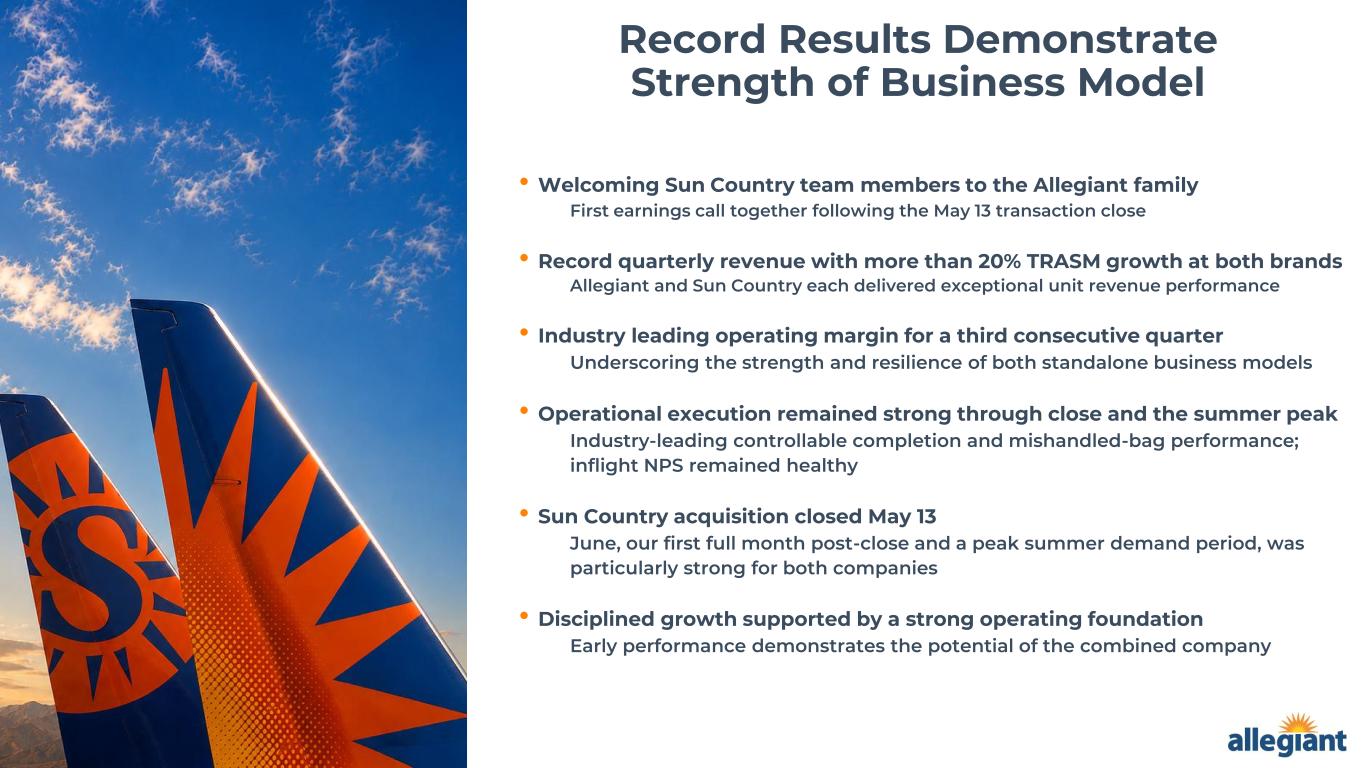
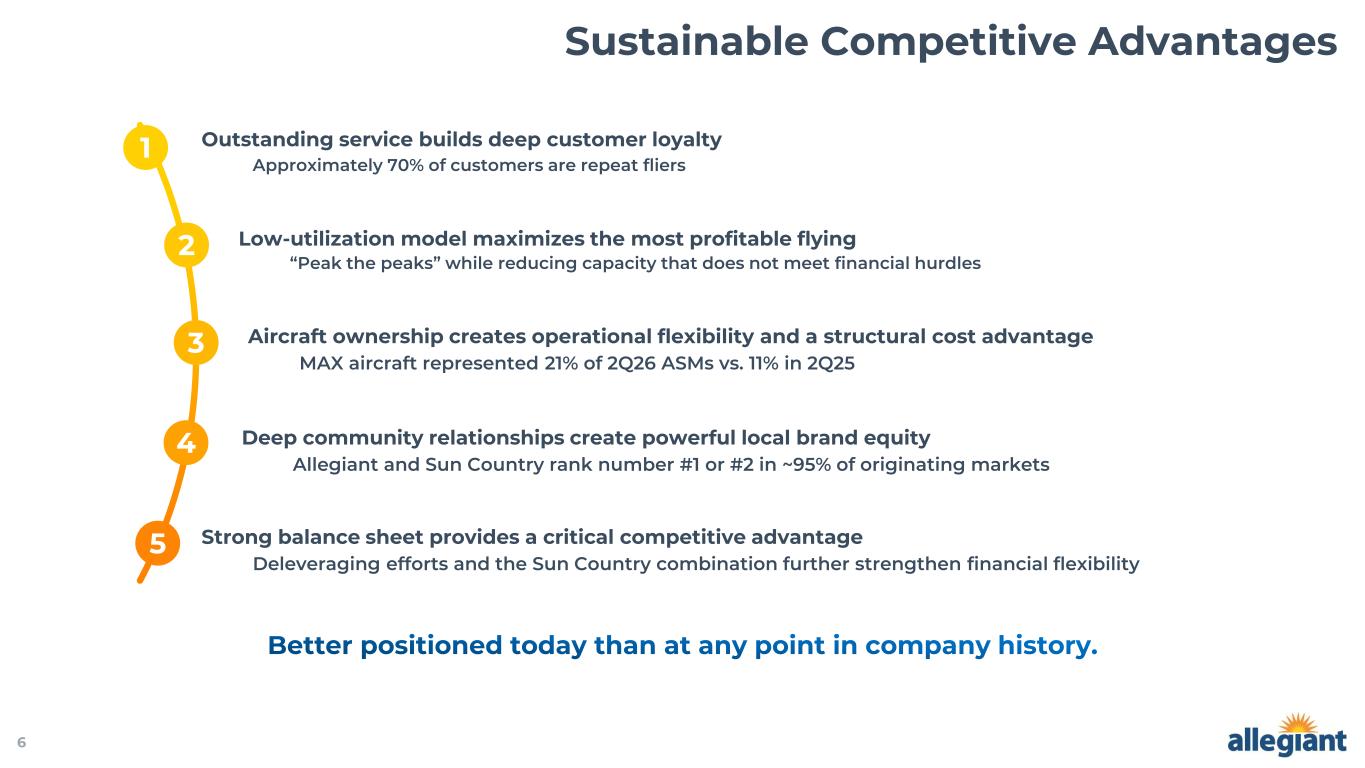
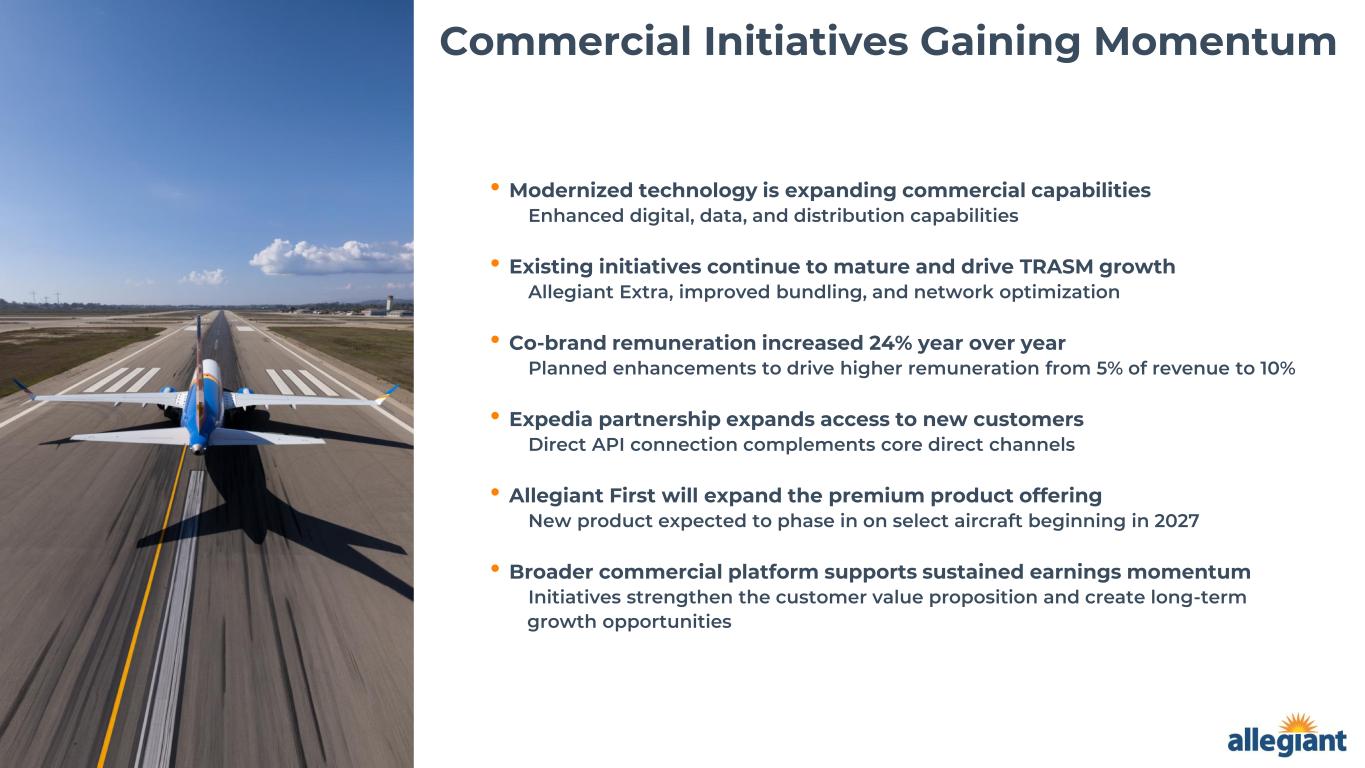
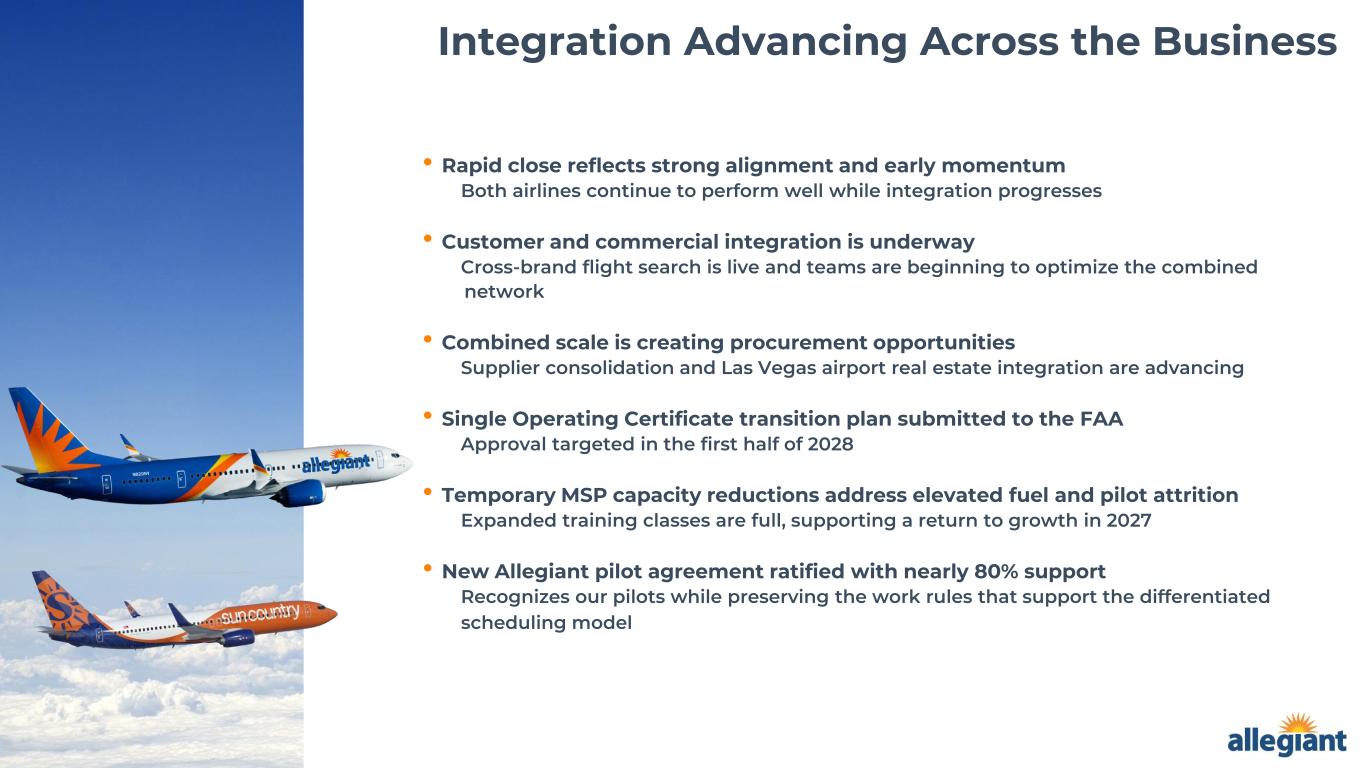
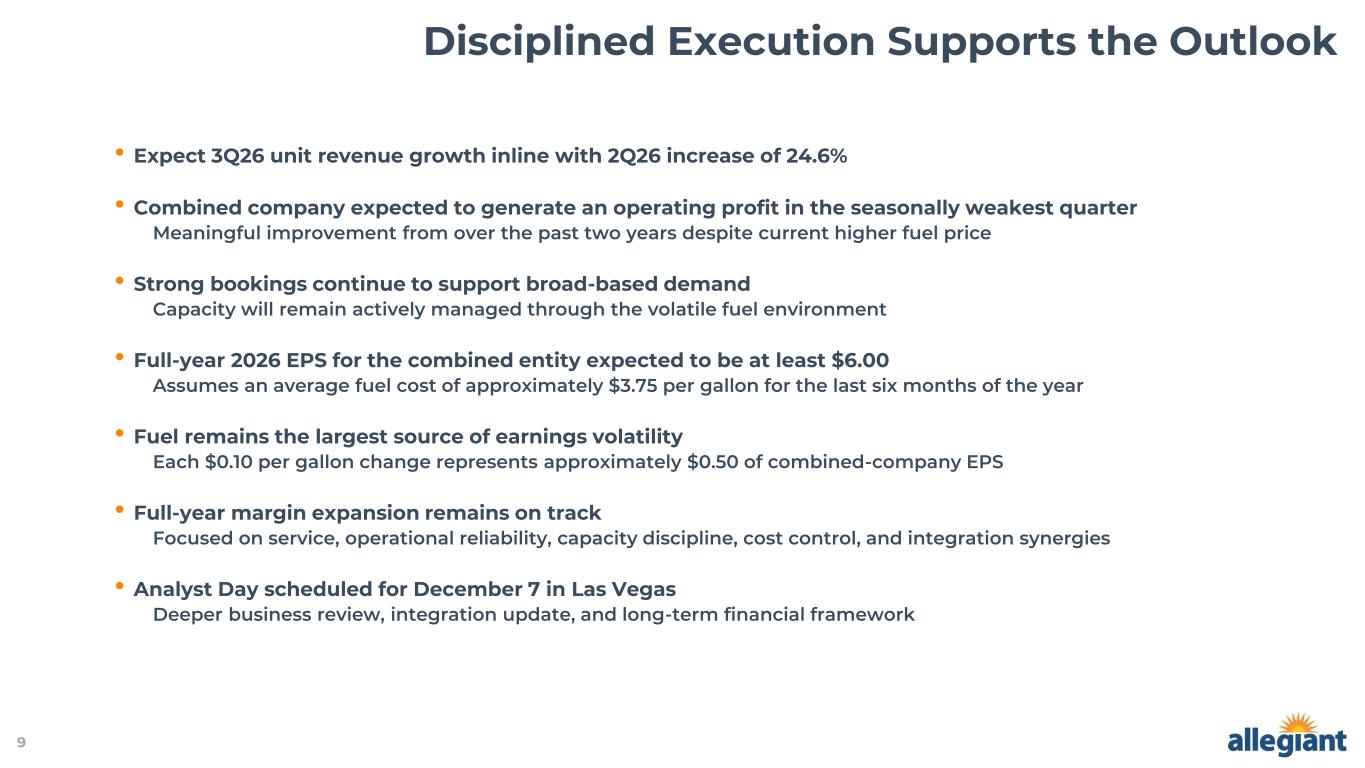
Thank you, Sherry, and thanks to everyone joining our call. I also want to welcome the Sun Country team members that are on the call for the first time as part of the Allegiant family. We are thrilled to have you with us. So let me begin with our results. The second quarter delivered record quarterly revenue, with both Allegiant and Sun Country achieving year-over-year TRASM improvement of more than 20%. Importantly, unit revenue growth outpaced unit costs, driven in part by strong execution across several new commercial initiatives. This performance helped us lead the industry in operating margin for the third consecutive quarter, underscoring the strength and resilience of both standalone business models and the exceptional contributions of our team members. We delivered strong operational results, including industry-leading controllable completion and mishandled bag performance, while in-flight NPS remains very healthy. These achievements are even more impressive given we delivered them while closing the Sun Country acquisition and beginning integration. June, our first full month post-closed in a peak summer demand period, was particularly strong for both companies. We are excited about what we can achieve together, and we remain focused on disciplined growth from a strong operating foundation. And our performance shows we are doing just that. And so while I'm pleased with the quarter's results, I'm proud of why we believe they are sustainable. Our performance is supported by a distinct competitive moat that is difficult to replicate. First, outstanding service to our customers is the foundation of our business and is the key to building a loyal customer base that continues to fly with us. Roughly 70% of our customers are repeat flyers. Second, our operating philosophy is the engine behind our success. We run a low-utilization model, maximizing flying during high-demand periods while reducing capacity on days that do not meet our financial hurdles. Third, owning our aircraft at attractive prices gives us significant operational flexibility and adds to our cost advantage versus our peers. Max deliveries are contributing meaningfully to our results, with these aircraft representing 21% of scheduled service ASMs in the second quarter, and this is up from 11% during the same period last year. Together with Sun Country, our well-timed max order gives us valuable aircraft access and expands our attractive route opportunities. Fourth, our deep community relationships create powerful local brand equity in markets we serve. Together, Allegiant and Sun Country are the number one or number two carriers in roughly 95% of our originating markets. and finally our strong balance sheet is a critical advantage thanks to our deleveraging efforts over the past year and our combination with sun country an already strong balance sheet is even stronger the true sustainability of our business comes from checking all of those boxes and in short we are better positioned today than at any point in our history next i want to turn to our commercial initiatives which are gaining real momentum over the past two years we've modernized our commercial technology and we are now building on that foundation it's enhanced digital data and distribution capabilities as we build greater flexibility to personalize customer offerings previous highlighted initiatives such as a legion extra improved bundling and schedule and network optimization continue to mature and are contributing meaningfully to our TRASM outperformance. I'm also encouraged by the new initiatives our teams continue to advance. Our co-brand credit card is a clear example. With remuneration to us of 24 percent year-over-year coupled with planned enhancements to this program, we remain confident we can double co-brand remuneration over time from 5% of revenue today to 10%. Third-party distribution is another example. Our recently launched Expedia partnership marks allegiance entry into OTAs. Retaining control of our brand, product offering, and customer relationship is non-negotiable, and our direct API connection with Expedia enables us to reach new travelers while complementing, not replacing, the direct channels that remain at the core of our strategy. Additionally, building on the success of Allegiant Extra and strong demand for premium products, we recently announced plans to debut Allegiant First, which will be phased in on select aircraft in 2027. Together, these initiatives further strengthen our customer value proposition and are expected to support sustained earnings momentum in the years ahead. Turning to the integration. The quick close of our Sun Country acquisition reflects strong team alignment and early momentum. We remain very confident in the synergies we outlined, and both airlines continue to perform well independently. Importantly, we have already made some good progress with our integration. Customers can now search for flights across both airlines, access a broader range of destinations, and complete bookings through a redirect to the operating carrier. Our commercial teams are beginning to form a holistic view of the combined network with an eye towards the future of optimizing schedules and route decisions based on demand, financial returns, and the seasonal strengths of each network. Our procurement teams are finding ways to streamline the supplier base and leverage the combined company scale. In fact, in the coming days, we will integrate our Las Vegas airport real estate. On the regulatory front, we submitted our single operating certificate transition plan to the FAA and are targeting approval in the first half of 2028. That said, over the past few months, Sun Country has experienced elevated pilot attrition, concentrated among its junior MSP pilots and largely driven by increased hiring at the largest carrier in the Twin Cities. In response to this attrition and elevated fuel prices, we are reducing off-peak capacity in the Twin Cities during the back half of the year. We have already taken steps to expand training classes in preparation for the first quarter of 2027, and the supply of qualified pilots remains strong. Our training classes are full, and these pilots are scheduled to enter service later this year. We are confident this capacity reduction is temporary, and we expect to grow MSP capacity in 2027 through a combination of Sun Country and Allegiant flying. Turning to our Allegiant pilots, we're pleased to have reached a new collective bargaining agreement with nearly 80% voting in favor. This is an important milestone that recognizes the hard work of our pilots while preserving the work rules that support our differentiated scheduling model. I want to thank both negotiating teams for their tireless work in getting this agreement across the finish line. In looking ahead, we expect unit revenue growth to be in line with the second quarter's 24.6% increase for the third quarter. We also expect the combined company to generate an operating profit in the third quarter, a meaningful improvement from the modest operating losses reported in the same period over the last two years, despite much lower fuel prices at that time. As a reminder, the September quarter is seasonally the weakest period for both carriers. For the full year, we continue to see broad-based demand supported by strong bookings, and we will remain aggressive in managing capacity to this volatile fuel environment. As a result, we expect full year 2026 EPS for the combined company to be at least $6 per share. This assumes fuel per gallon at $3.75 for the remainder of the year, which reflects the recent forward curve. I should note that fuel prices remain volatile, and for reference, a 10-cent increase in fuel is worth roughly 50 cents of earnings per share in the combined company. We are proud of our ability to navigate a wide range of challenges while remaining an industry profitability leader we remain focused on what we can control delivering great service to our loyal customers operating safely and reliably maintaining capacity discipline managing costs tightly and seamlessly integrating sun country to unlock operating synergies and before i hand things over i want to again thank our team members across both airlines this quarter we delivered strong long operating and financial results while closing a historic transaction. For the full year, we remain on track for margin expansion despite significantly higher fuel costs. Allegiant is better positioned than ever, and our commitment to building the leading leisure carrier in the U.S. remains unwavering. Every single day, our team is focused on delivering continuous improvement. And finally, please mark your calendars for December 7th in Las Vegas when we plan to host an analyst day. We look forward to you sharing a deeper look at our business, providing an integration update, and outlining our long-term financial framework to highlight the full value of the combined company. With that, I'll turn it over to Drew to discuss our commercial performance.
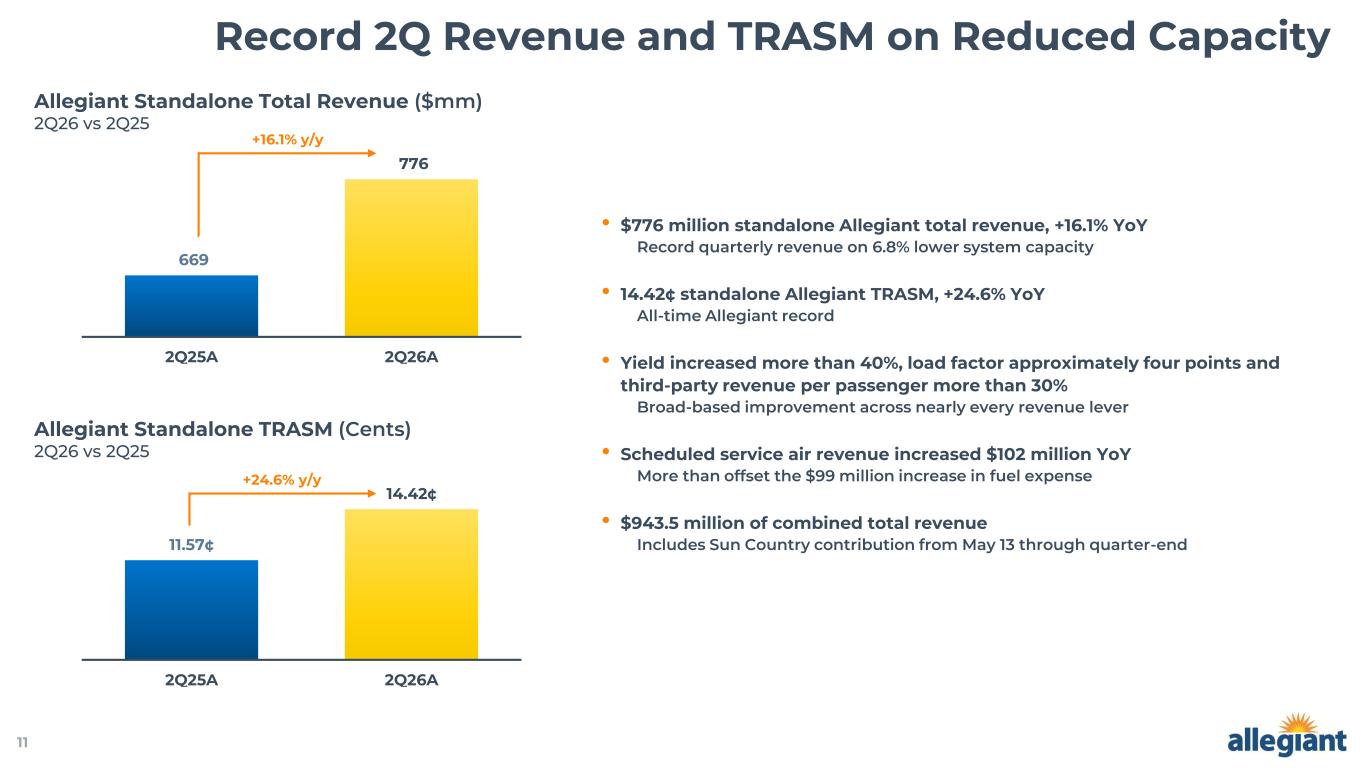
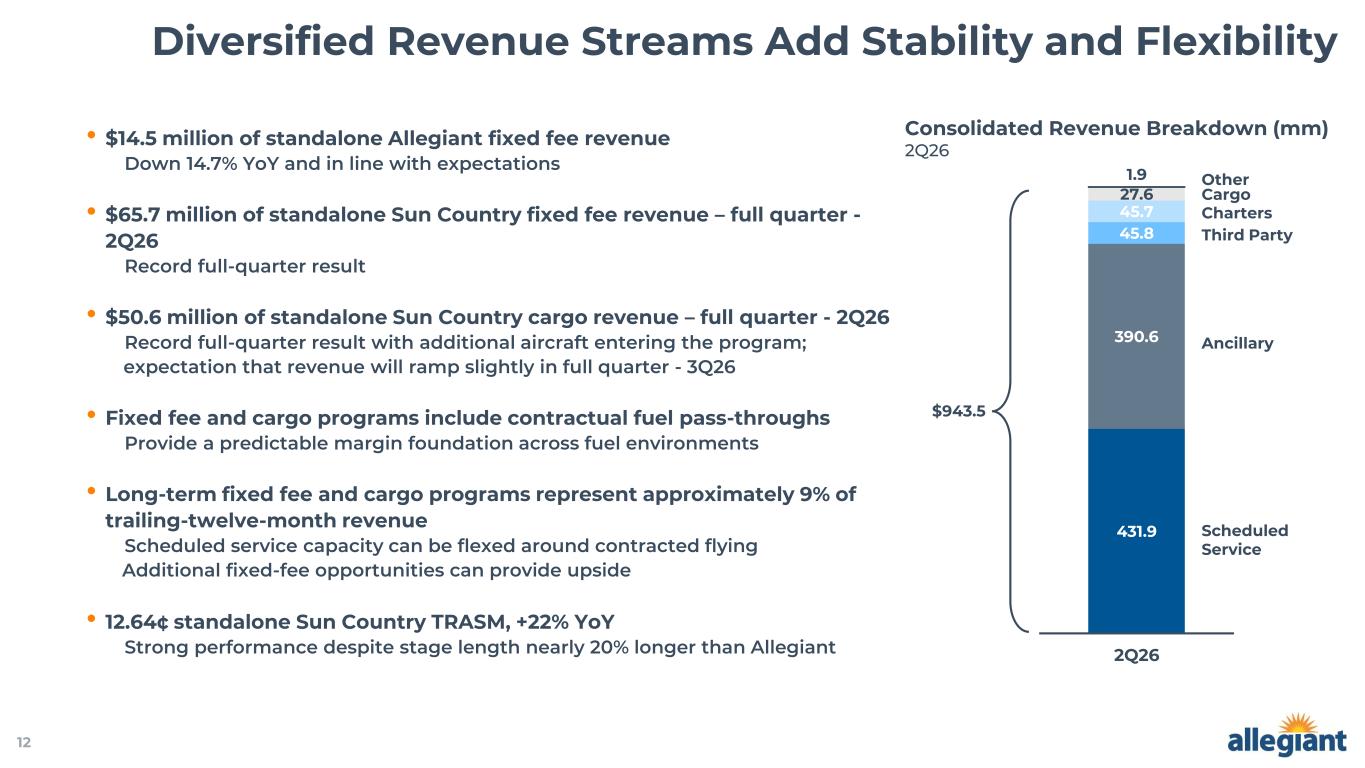
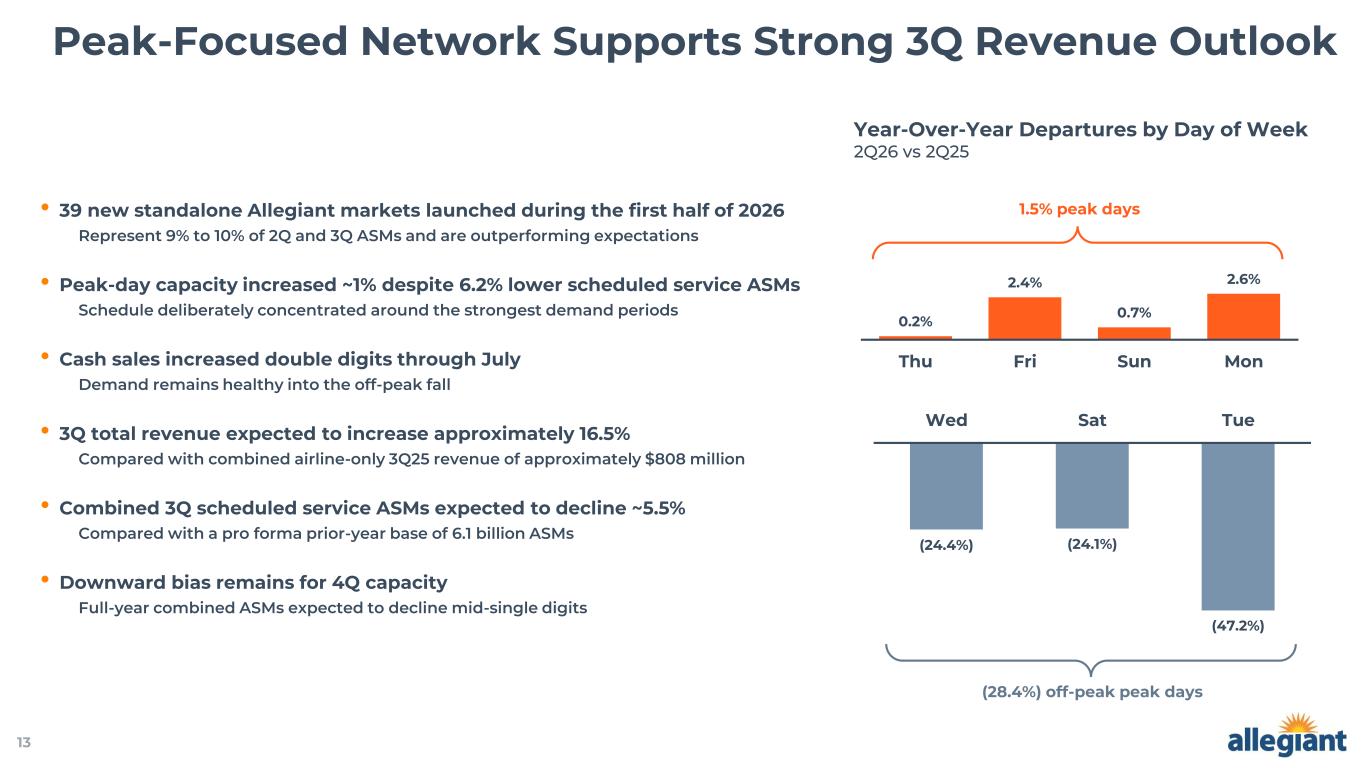
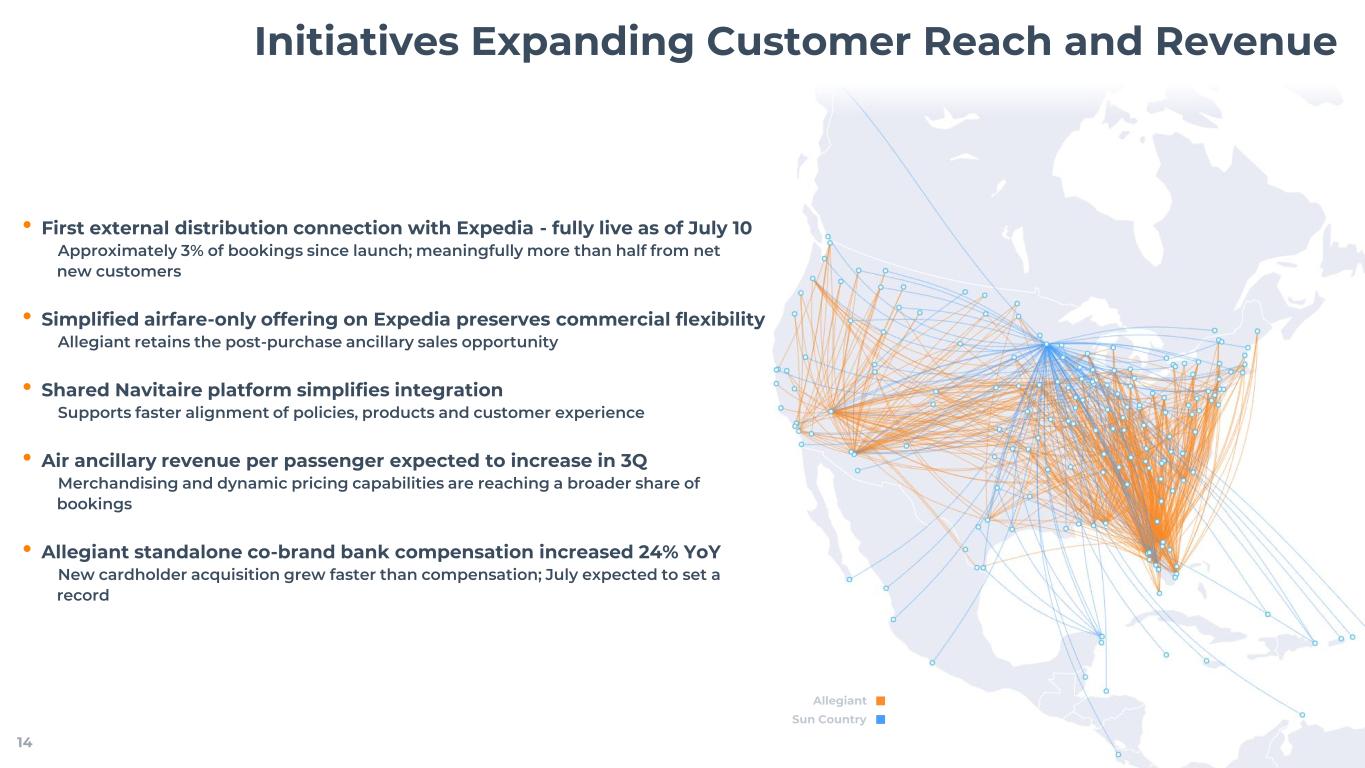
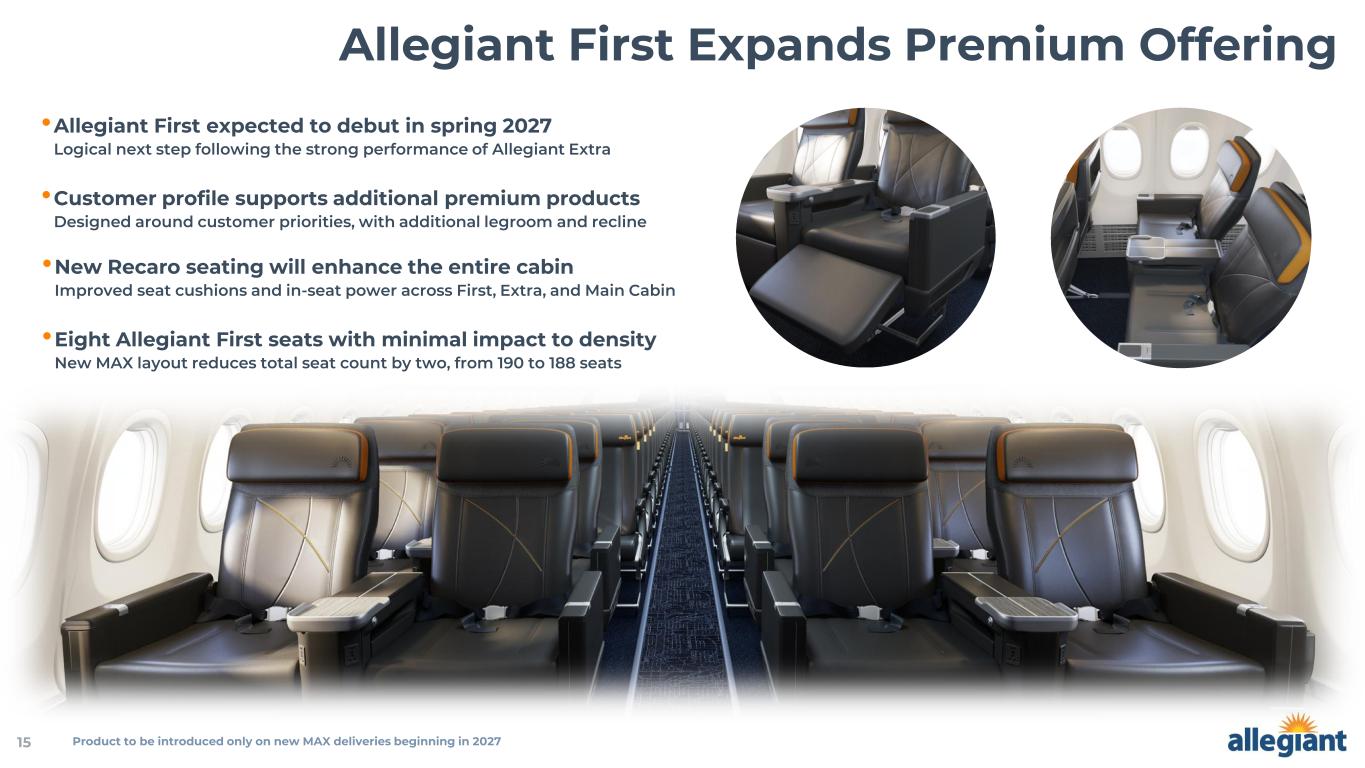
Thank you, Greg, and thanks to everyone for joining us this afternoon. Standalone Allegiant finished the second quarter with $776 million in total revenue, up 16.1% versus the prior year. Despite 6.8% less system capacity in the quarter, we held passenger counts nearly flat and set yet another record revenue quarter, overtaking the first quarter of 2026. Similarly, the standalone Allegiant 2Q TRASM of $0.14.42, up 24.6% year-over-year, set an all-time Allegiant best. The gains came from nearly every lever. Yield up more than 40%, load factor up approximately 4 points, and third-party per passenger up more than 30%. In a quarter with many incredible revenue data points, my favorite is this. Standalone Allegiant Scheduled Service Air Revenue increased $102 million versus last year, more than covering the $99 million increase in fuel expense. Zooming out to the combined company, we produced $943.5 million across all lines of business, including Sun Country brand contribution from May 13 close to quarter end, highlighting some full quarter figures for context. The $14.5 million standalone Allegiant fixed fee revenue was down approximately 14.7%, but in line with expectations. Standalone Sun Country fixed fee revenue of $65.7 million dollars and Sun Country cargo revenue of 50.6 million dollars were record quarters for standalone Sun Country for full quarter 2Q26. Focusing on the Sun Country brand a bit, the record cargo revenue perhaps comes as no surprise. During the 3Q25 Sun Country earnings call, cargo expansion was discussed as a focus and in January we mentioned two additional airplanes coming online this summer. As a reminder, at standalone Sun Country and in the current state of integration, cargo flying is less efficient on a crew hour basis and will typically draw from scheduled service resources during the ramp-up periods as additional aircraft enter the cargo program. As a result of the additional aircraft coming online, we expect cargo revenue to ramp slightly into the third quarter as compared with the second. One final reminder on the cargo front, the program is a fuel pass-through. Fixed-feet charter programs represent a fuel pass-through as well and in combination with cargo they provide a very predictable foundation in any environment on top of which we can continue to drive highly flexible scheduled service options to match our capacity with demand our long-term fixed fee and cargo programs including both brands constitute approximately nine percent of our trailing 12-month revenue and we opportunistically fill in the broader schedule with additional fixed fee flying on the scheduled service side the Sun Country standalone TRASM of $12.64 was also a robust 22% higher year-over-year in the full second quarter. And while the commercial approach is quite similar between the brands, it is important to note that the Sun Country stage length is nearly 20% longer than the Allegiant one. In fact, when comparing the trailing 12 months, more than 85% of Sun Country brand flights are longer than the average Allegiant brand flight. Turning to the network, as noted earlier this year, 39 markets began operation across the first two quarters of the year in the standalone Allegiant network and represent between 9 to 10 percent of the second and third quarter ASMs. We are encouraged by the outperformance of the new market additions through the summer. And as we look to start optimizing our combined networks into 2027, there is tremendous potential. While Allegiant's strength is connecting underserved, small, and mid-sized communities to leisure destinations, Sun Country brings a powerful position in Minneapolis-St. Paul. Together, these brands create a network that is broader, more flexible, and more resilient. The core theme through the quarter for both standalone Allegiant and standalone Sun Country networks was the continued exceptional demand. And while the macro environment certainly played a role, we were very deliberate in our peak focus schedule. Even with the overall reduction of 6.2% scheduled service ASMs, standalone Allegiant was able to grow peak days approximately 1%. The Leisure customer remains incredibly resilient, and all indications, internal and external, are that travel spend remains strong, even into the fall. Most importantly, cash sales were up double digits through July, despite forward capacity remaining slightly down year over year. This amounts to an expectation of third quarter total revenue of approximately 16.5% against combined airline-only third quarter 2025 revenue of approximately $808 million. Specific to scheduled service, we expect third quarter ASMs for the combined entity to be down approximately 5.5% from the prior year pro forma base of 6.1 billion ASMs. Two dynamics are at work in that figure. First, in response to the fuel environment, both Allegiant and Sun Country Brands have reduced off-peak flying in the back half of the third quarter. Second, as Greg discussed, Sun Country Brand additionally pulled down September capacity in response to elevated pilot attrition and the planned increases in cargo flying. On our first quarter call, I indicated standalone Allegiant capacity would be flat to slightly down in the third quarter. With fuel remaining elevated, standalone Allegiant will now be down a little more than 3%. No other business model is better positioned to remain flexible in sculpting a schedule to protect the best flying through peak periods and peak days of week. While fuel continues to be volatile, I expect a downward bias to fourth quarter ASMs for the combined airline and a full-year number to be down mid-single digits. Some of the support for the third quarter unit revenue outlook will come from our first external distribution connection with Expedia. After a measured rollout, we were 100% live on July 10. In the few weeks since launch, approximately 3% of bookings have come from the Expedia network, with meaningfully more than half of bookings coming from net new customers to Allegiant. We're thrilled with the early returns as an acquisition channel. Beyond the near-term booking contribution, the channel helps address one of the unique challenges of operating such a broad network by providing a scalable way to build awareness, attract new customers, and accelerate demand in newer markets. In past Sun Country filings, they've noted approximately 20% of bookings from external distribution, part of that coming from Expedia. We intentionally launched with a simplified, airfare-only offering and, over time, expect to enhance the integration with additional products and capabilities while preserving the flexibility that has long been a hallmark of our commercial approach. In the meantime, we still maintain control of ancillary sales post-purchase for these bookings. Expedia isn't the only commercial initiative underway, however. Our Navitare platform, an initiative we've discussed at length on prior calls, is paying an added dividend in the integration. With Sun Country running on the same Navitare passenger service system backend, the platform combination is meaningfully simplified. Even so, we will have a lot of decisions to make around policy and product alignment in the coming weeks and months. Our move to complementary onboard beverages is the first of those, and a true win for our customers' experience onboard. afford. And while this will pose a mild near-term headwind to air ancillary revenue and commissary costs, we expect to grow third-quarter air ancillary per passenger. That expectation comes on the heels of air ancillary per passenger being roughly flat year-over-year for the last four quarters as our larger focus on conversion and in turn driving yield success produced the intended total revenue results. Into the third quarter, the improvements Greg referred to on our product merchandising and dynamic pricing capabilities continue to mature and are beginning to impact a larger swath of bookings, supporting that increase in area ancillary per passenger. Our Legion Always Rewards Card Program contribution continues to excel. Bank compensation increased 24% for 2Q25, and new cardholder acquisition ramps slightly higher than that. In fact, when official numbers come across, we expect July 2026 to set a record for new accounts. We expect continued momentum into the quarter before hitting more challenging comps from the end of 2025. I expect to have more detail to speak to during our Analyst Day later this year. Lastly, we are excited about the recent announcement of our new premium product coming Spring 2027, Allegiant First. After Allegiant Extra exceeded our expectations by such a wide margin, this was a logical next step and has been a couple years in the making. The success of Extra clearly demonstrates the value of our customers and their appetite for premium services and products. The product is based on the elements most important to those customers, as shared directly by them, including extra legroom and recline. The entire cabin will feature a new Recaro seat design, with the extra cabin and main cabin each seeing improvements, including the seat cushion and power available throughout. The new layout is a reduction of just two seats from our current 190-seat max layout, with the upside of eight premium seats. I also look forward to providing more detail, including expected economics, about Allegiant First during our analyst day. Demand persisted through the quarter at incredible levels and looked strong into the third quarter, even into the off-peak fall. When coupled with the initiatives we talked about, we're creating significant short and long-term tailwinds while maintaining the core scheduling flexibility principles that make the now larger Allegiant stories so compelling. I'd like to thank the commercial teams that have worked so hard to deliver these incredible results and to all of our team members for making travel and experiences possible for millions. With that, I'd like to turn it to Robert.
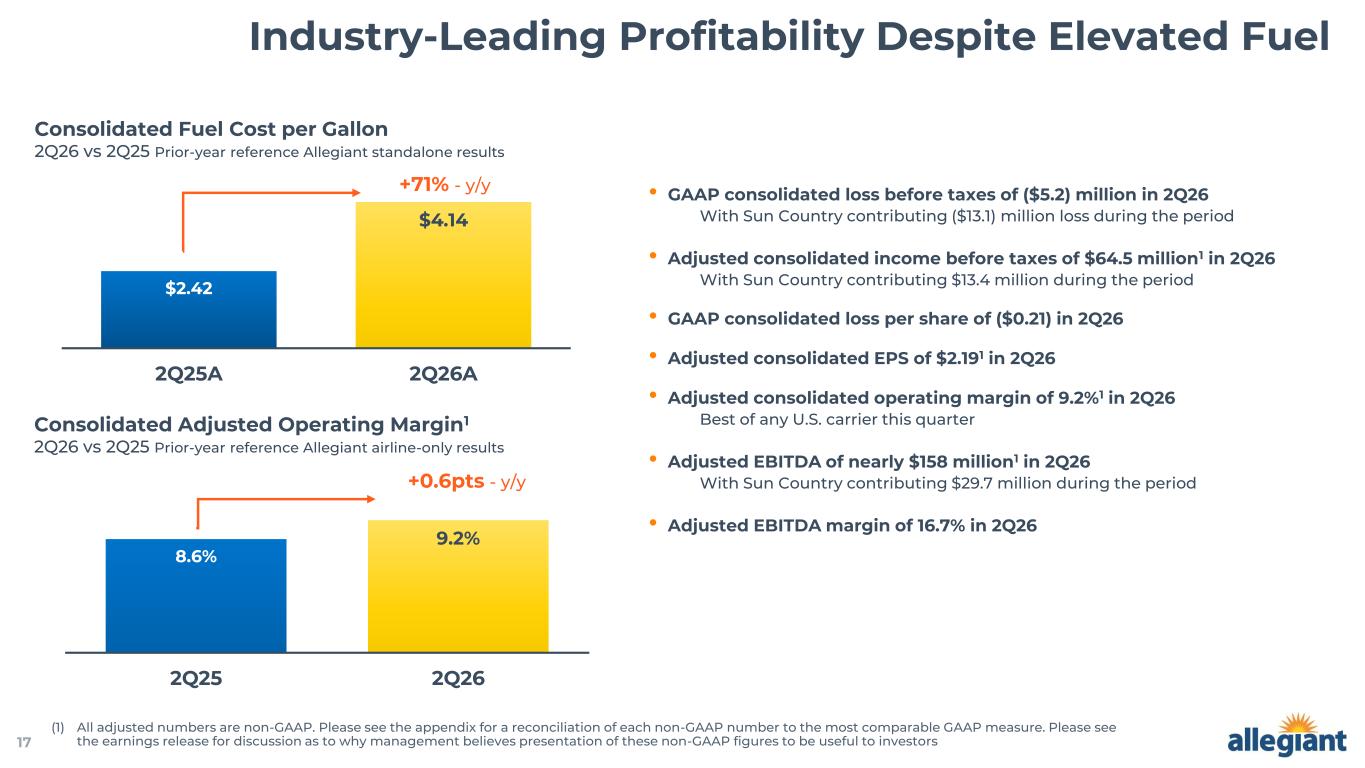
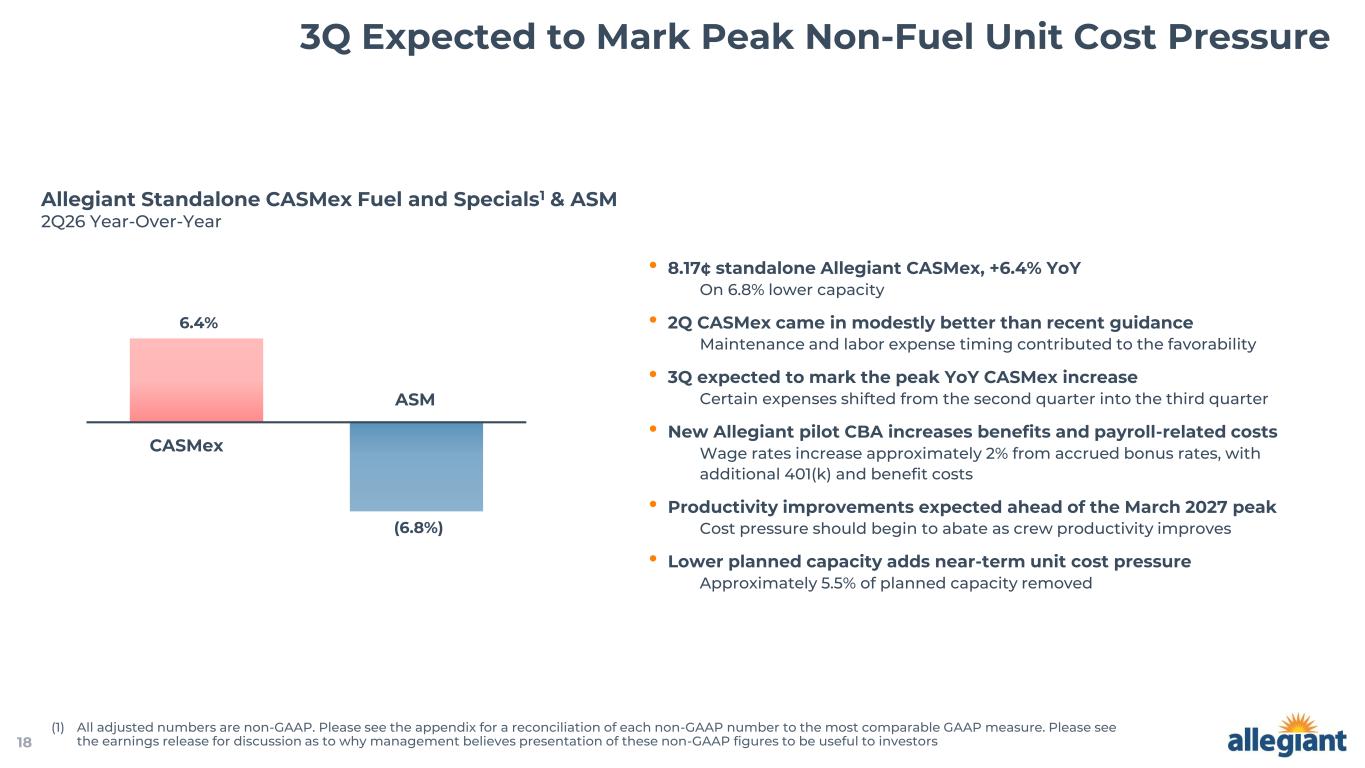
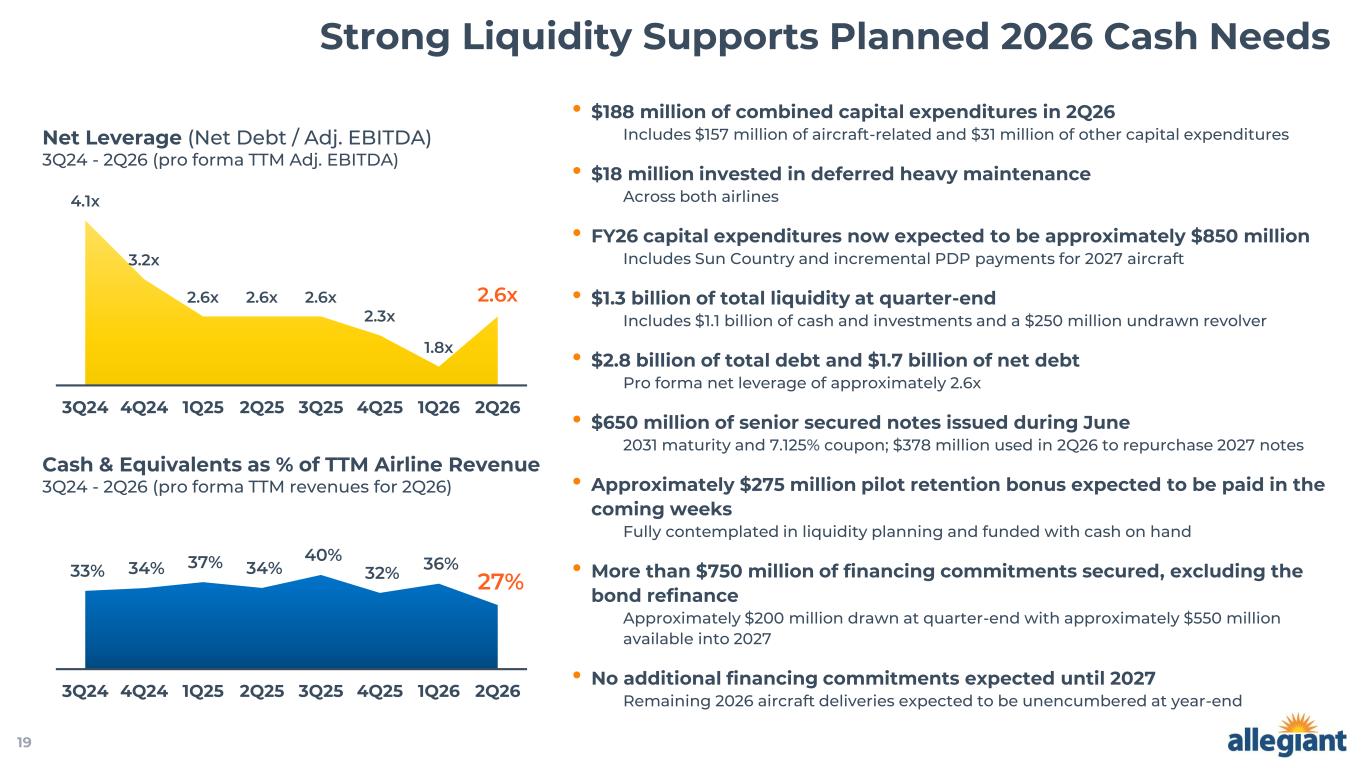
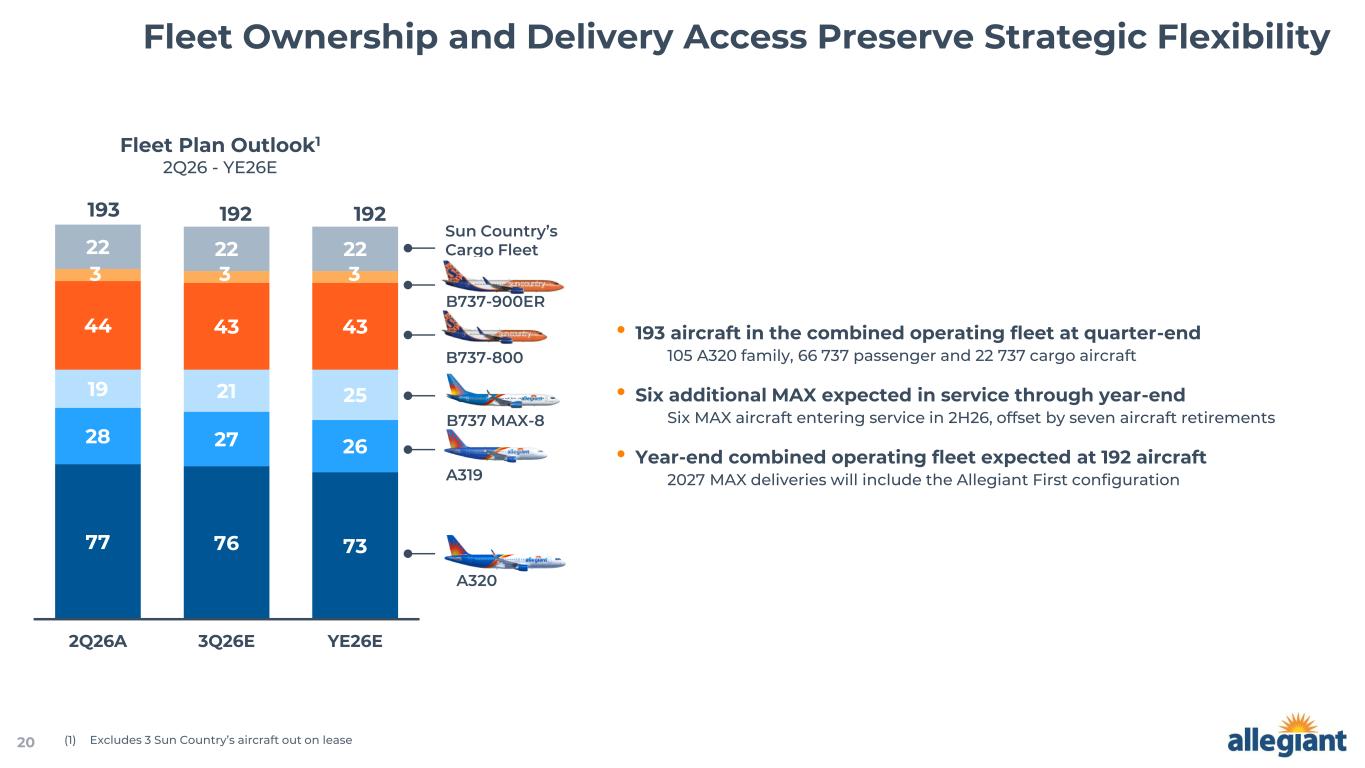
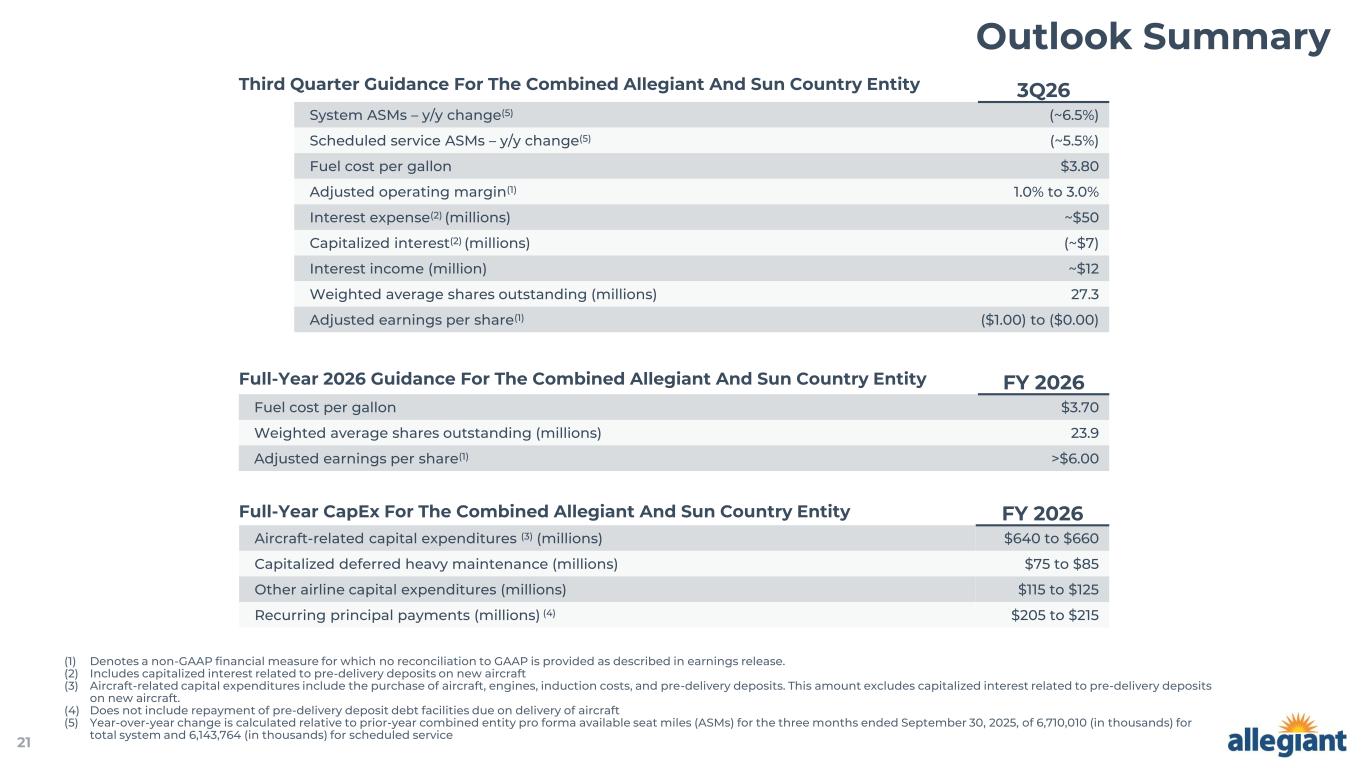
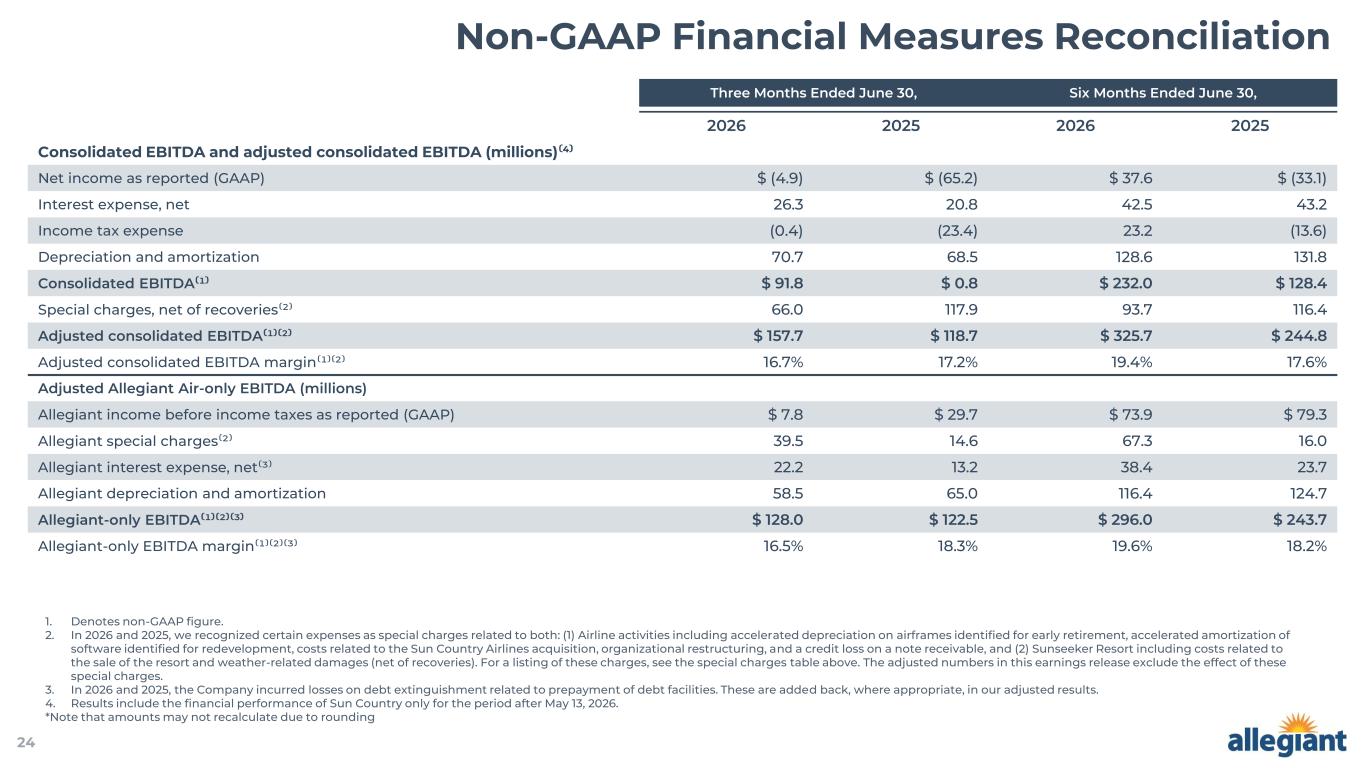
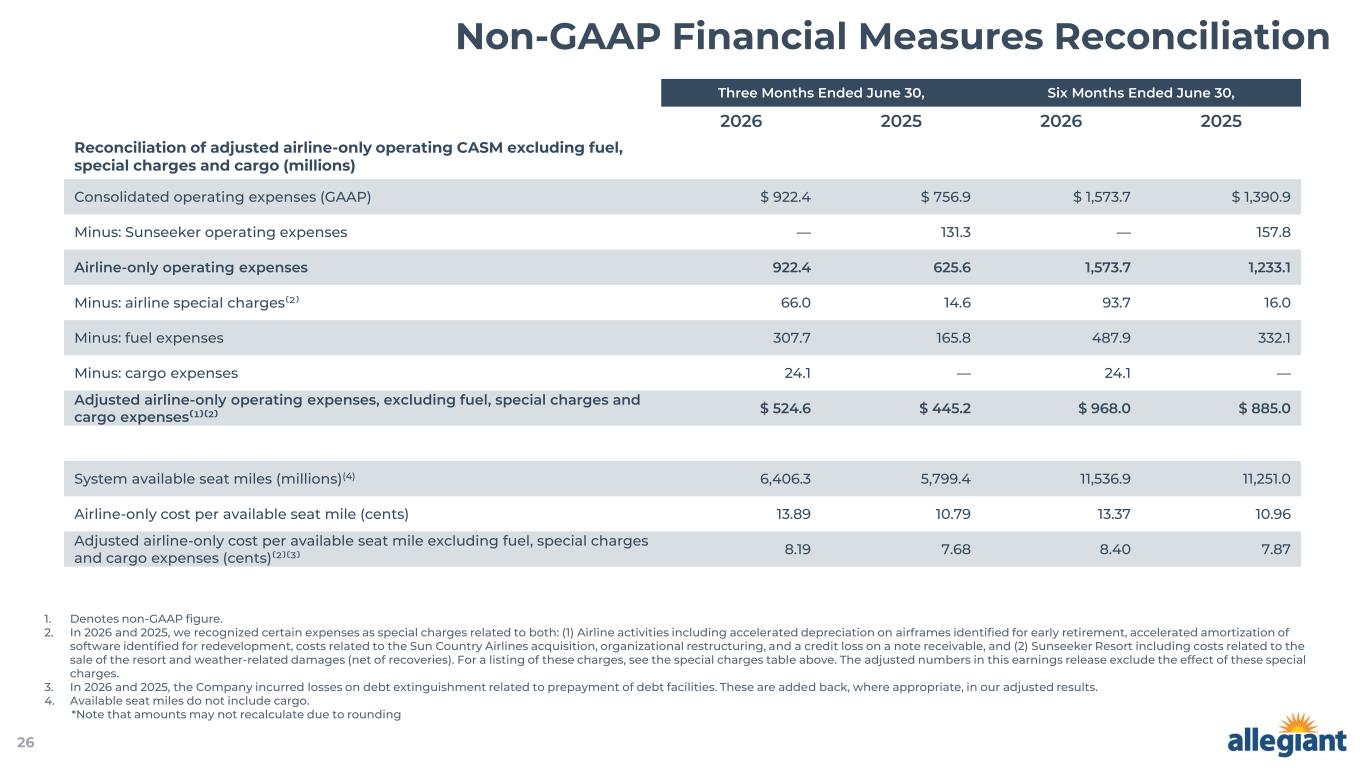
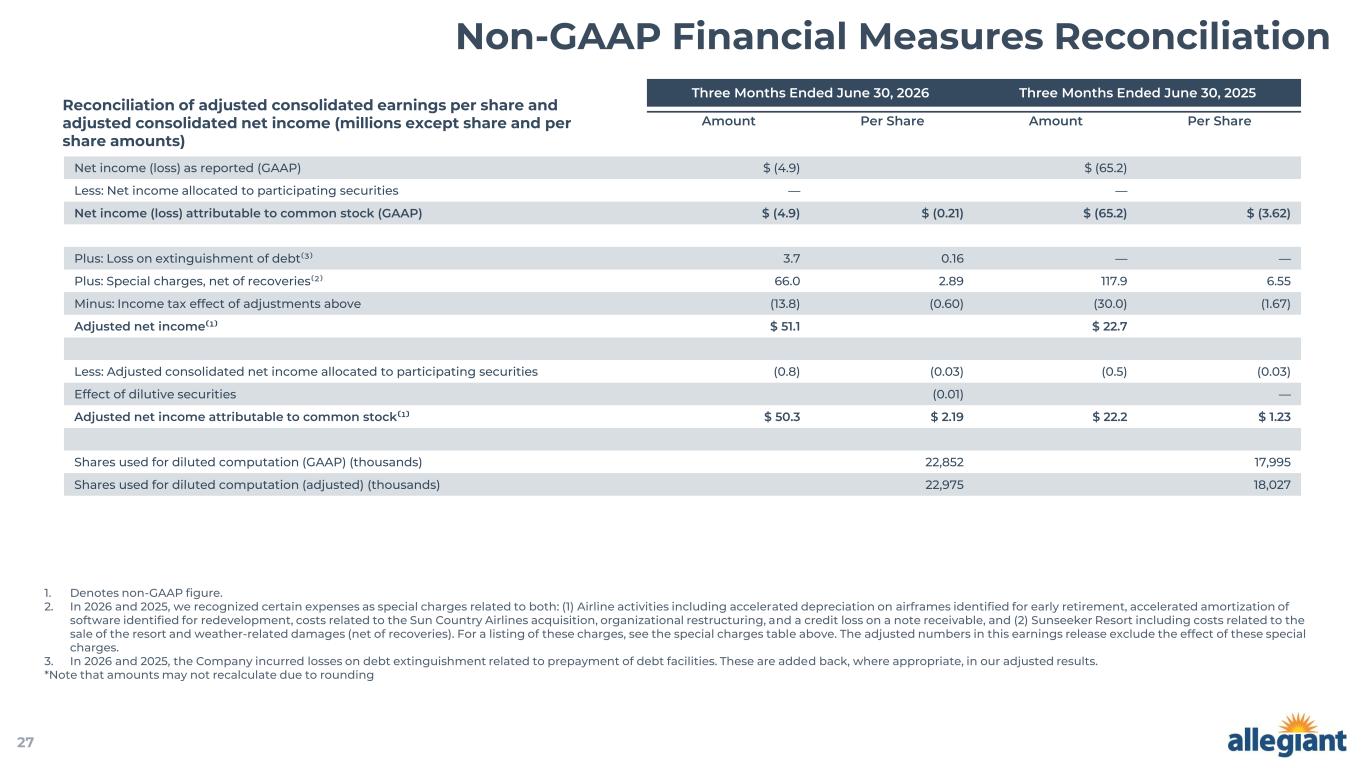
Thank you, Drew, and good afternoon. I appreciate everyone joining us today. 2026 has already been an eventful year, and the strength of the model is alive and well in our results. My comments will reference financial results on an adjusted basis, and year-over-year comps will reference prior-year Allegiant airline-only results unless otherwise noted. for the second quarter the combined entity produced pre-tax income of 64.5 million dollars with sun country contributing 13.4 million during the stub period resulting in a consolidated earnings per share of two dollars and 19 cents we delivered a consolidated operating margin of 9.2 percent which is the best of any u.s carrier this quarter and generated nearly 158 million of ebitda with sun country contributing 29.7 million and yielding a consolidated ebitda margin of nearly 17 these results came in well ahead of our june 30th guidance update with the outperformance driven primarily by a six cent improvement in fuel price along with some non-fuel cost shifts which i'll touch on in a moment drew has already covered the revenue detail so i'll simply note that record revenue performance cost discipline across the businesses and strong office execution made this quarter successful turning to costs second quarter non-fuel unit costs for Allegiant on a standalone basis were 8.17 cents, up 6.4 percent year-over-year on capacity down 6.8 percent. Chasamex fuel came in modestly better than we were estimating in our recent guidance update and ahead of our initial expectation for a sequential step-up from the first quarter. Primary drivers of that beat included maintenance and labor expenses, some of which we expect to shift into the third quarter. Looking at the cost trajectory through the remainder of the year, as Greg noted, we are pleased to have reached a new CBA with Legacy Allegiant Pilots, providing well-deserved compensation along with other benefits. While wage rates for Allegiant Pilots will step up just about 2% through the remainder of the year from the bonus rates we were accruing, these wages will now become subject to 401k contribution and other benefit elements, creating incremental cost pressure in the back half of the year at the Legacy segment. However, we continue to expect increased crew productivity to be achieved ahead of the March peak, at which point that cost pressure should begin to abate. With the timing elements previously mentioned, removal of planned capacity from our schedules, and incremental pilot benefit cost discussed, we now expect the third quarter to mark our peak CASM-X year-over-year increase. During the second quarter, we invested $188 million in capital expenditures on a combined basis including 157 million in aircraft related investments and 31 million in other capex in addition we had 18 million of deferred heavy maintenance spend across the two airlines for the full year we have updated our capex outlook to approximately 850 million dollars the increase from our prior guide includes capital spending in the sun country segment as well as incremental pdp payments for future aircraft as we've now aligned our 2027 aircraft delivery estimates to contractual commitments following the much improved delivery performance at boeing this year we ended the quarter in a strong financial position with total available liquidity of 1.3 billion dollars including 1.1 billion in cash and investments and 250 million in undrawn revolvers total debt at quarter end was 2.8 billion dollars and net debt was 1.7 billion with pro forma net leverage of approximately 2.6 times for the combined entity During June, we completed the refinancing and upsize of our senior secured notes, issuing $650 million in aggregate principal amount. The new notes are due in 2031 and carry a coupon of 7 and 1.8%. We were very pleased with the level of subscription and overall execution of the transaction. I want to recognize our finance, accounting, and treasury teams at both airlines for their work in getting this done and for moving at such pace during the quarter to support this right on top of the acquisition closing. Reflecting the new bond terms, as well as some country interest, we are expecting $43 million in net interest expense in the third quarter. As we look at liquidity and leverage through year-end, there are a few things to keep in mind. First, we expect to pay out our pilot retention bonus of approximately $275 million in the coming weeks. This is inclusive of payroll taxes and will be funded from cash on the balance sheet. This is a planned, discrete use of cash that has been fully contemplated in our liquidity planning, and the balance sheet has the strength and flexibility to absorb it without the need to seek further financing commitments. And second, I wanted to touch on some of the financing commitments we've disclosed during this year. Early in the second quarter, we took a proactive approach to liquidity planning, mindful of a sharp rise in fuel costs, an accelerated closing timeline for Sun Country, an anticipated payout of the pilot retention bonus upcoming 2026 fleet capex and the 2027 maturity of our senior secured notes we raised more than 750 million in commitments for aircraft and pdp financing in addition to the upsized bond refinance i just mentioned we had drawn approximately 200 million at the end of the quarter with the remaining 550 million available for drawing into 2027 with significant flexibility with this in mind we do not anticipate the need for additional financing commitments until next year and currently expect remaining 2026 aircraft deliveries to be unencumbered at year end taken together we expect net leverage to move up slightly and reach its peak following payout of the retention bonus cash as a percentage of trailing 12-month pro forma revenue stood at 27 which remains a bit higher than we need so you'll likely see us carry less cash on hand by year-end, especially considering pre-arranged financing. And moving to fleet, we ended the quarter with 193 aircraft in the combined operating fleet, including 105 A320 family aircraft, 66 737 passenger aircraft, and 22 737 cargo aircraft, which are owned or leased by our cargo customer. 69 of these airplanes are operated on the Sun Country Certificate, while the remaining 124 are operated by Legacy Allegiance. taken delivery of a single 737 MAX aircraft in July and expect six additional MAX deliveries through year-end. This will result in six 737 MAX aircraft entering service in the second half, offset by seven aircraft retirements, leaving the year-end operating fleet count for the combined entity at 192. In addition, we have three 737 NGs leased to other operators and scheduled to return to us through 2029. Looking further out, our 2027 MAX aircraft will deliver with the new Allegiant-first configuration Drew highlighted. These airplanes will operate with just two fewer seats as compared to our existing MAXs, preserving our competitive unit cost profile while increasing our premium seat offering. At this time, we are planning for the new cabin only on new deliveries and have not yet contemplated retrofit on the in-service fleet. We can make broader fleet-wide decisions after we've taken some time to gather further information from both airlines and we expect to update on that program at our december 7th analyst day more broadly fleet flexibility underpinned by aircraft ownership continues to be a key competitive advantage for the company now turning to our earnings outlook for the third quarter we expect combined entity scheduled service capacity to be down approximately five and a half percent year over year based on an assumed fuel price of $3.80 per gallon, we expect an operating margin of 2% at the midpoint and a consolidated loss per share of approximately 50 cents based on an assumed share count of $27.3 million. This guide is reflective of another quarter of margin improvement year over year despite the significantly higher fuel price. As a reminder, the third quarter is the softest seasonal period of the year at both airlines. We are maintaining our disciplined approach to capacity with reductions focused on off-peak day of week and shoulder season flying, which ties directly to the cost cadence I discussed a moment ago. For the full year, we now expect consolidated earnings per share of greater than $6 based on an assumed share count of $23.9 million. This number assumes a fuel price per gallon of $3.80 for the third quarter and $3.70 for the fourth quarter. Our ability to flex capacity and respond to changing industry headwinds such as higher fuel continues to position Allegiant as the leading carrier in leisure travel. On the integration, the team is working hard to identify and capture synergies across the combined business, and we remain confident in a minimum of 140 million in run rate synergies expected by 2029. As we continue working through the data, we'll provide further updates on both the size and timing of synergy capture at our upcoming analyst day. In closing, I'd like to thank our more than 9,000 team members at Allegiant and Sun Country for their tremendous efforts and unwavering professionalism as we are hard at work on integrating the two airlines while continuing to deliver unbeatable value for our customers day in and day out. And with that, operator, this concludes our prepared remarks. We can now begin the Q&A portion of the call.
Operator
At this time, I would like to remind everyone in order to ask a question, press star, then the number one on your telephone keypad. We'll pause for a moment to compile the Q&A roster. And your first question comes from the line of Atul Meshwari with EBS. Your line is open.
Good evening. Thanks a lot for taking my question. I know we're not talking 2027 yet, but do you have any preliminary thoughts around capacity plans for next year?
And then related to that, now that the pilot deal is done, what capacity growths do you need to fully leverage cost inflation uh next year thank you the tools hey it's greg i'll kick it off uh just maybe more high level and drew may want to add some on his thoughts for for next year but you know we the way we think about capacity at allegiant here is that we need to earn the right to grow and that the returns in the environment they should drive that growth we're not just going to grow for growth sake um now i'd like to see more flying in the peak periods i was impressed by what drew and team have been able to do this year in 26 where we've had less capacity overall, but in the peak periods, we were up a point in capacity. And just as a philosophy, the fleet flexibility really supports our discipline around capacity growth. But Drew, you want to add anything how you're thinking about it in the near term?
Yeah, maybe just at kind of the highest level. I think we've communicated in the past that our kind of mature run rate would be maybe in the mid-single digits to the higher single digits, such that you know to greg's point the environment dictates i think fuel will obviously be the biggest driver and how much we're able to fly next year there's obviously um some slack in the schedule relative to what we have pulled back this year um and then i don't know if robert wants to talk to fleet at all but we have a number of max deliveries next year with which will provide us with the ultimate flexibility on how much we'd like to grow um into the year sure hey atul yeah I think we've shared in the past that 2027 is our peak year for quantity of aircraft deliveries from our firm order.
So we do have a bit of a step up in available fleet next year. I don't really think of that specifically as as growth. I think that's that's it's an option for growth. But like like Greg said, you know, we'll earn the right to grow based on how the business is performing, and we just have a lot of flexibility to retire some of our older our older aircraft.
Operator
Your next question comes to the line of Scott Group with Wolf Reserve. Your line is open.
Hey, thanks, afternoon. So, I'm wondering, I know the guidance was sort of all on a consolidated basis. Just, I guess, a two-parter, like, I know this quarter you reported consolidated, but gave us a breakdown of Allegiant for Sun Country. Are you going to continue to do that for the time being? And I guess, assuming that you are, any way you can help us, you know, break down some of the pieces of the guide between Allegiant and Sun Country in terms of some of the margins and earnings and maybe some of the RASM and CHASM commentaries, that'd be helpful. Thank you.
Hey, Scott. It's BJ. Yeah. So, how we reported today, I think, is how you should expect things to look at least through the end of the year. so we would report two business segments being Legacy Allegiant and Sun Country we may continue doing that through 2027 there's some some materiality tests that we'd have to look at and so we'll make that decision as we get as we get closer to next year I do think we will continue to we will break out cargo expenses so that you can understand non-feel unit costs excluding cargo across the combined entity um did i get a question what else am i missing i'll just help on help on margin and and guidance yeah you know we had talked about um we've talked for the last couple of quarters about moving away from uh providing unit metrics but maybe i'll just use this since we didn't in the in the prepared remarks to tell you a little bit about kind of how we're thinking about the unit cost side of things at least um for the third quarter recognize that if you're if you're looking through the guide you're probably getting a really high all-in chasm x year over year if you're looking at that number compared to allegiance standalone in 2025. so maybe i'll just break it out for you to tell you what we're thinking about the third quarter um which would be i would expect legacy allegiance non-fuel unit cost to be up in the nine to 10 percent area and then i would expect consolidated non-fuel unit costs excluding cargo to be up a little bit more than that let's call it 10 to 12 percent now i want to be clear it's not a guide it's an estimate um you know we're working with this this information relatively fresh but hopefully that helps a little bit with modeling it does and just just as long as you're When you talked about RASM being similar in Q3 as Q2, was that a Legion comment or an all-in comment?
It was a consolidated comment, though I'll peel it back one layer deeper that you're not going to see a ton of variance in the individual components.
Operator
Your next question comes to the line of Mike Lickenberg. Your line is open.
Yeah, hey, good afternoon, everyone. Just, you know, three months into the merger, where are the quick wins or low-hanging fruit? What are the pain points? I know, Drew, you mentioned, you know, moving into the OTA world for the first time, obviously uncharted territory for Allegiant. And if you could just kind of run through some of the sort of, you know, what you're seeing and maybe how things play out in this first year since you're going to maintain the separate operating certificates. Thanks.
Mike, it's Greg. Thanks for the question. I'll start it off, and Drew may want to jump in on the distribution or other elements of it. But overall, you know, I think the integration and bringing the two companies together is off to a strong start. It's first and foremost, stability above all. both airlines are performing well operationally, financially. As we're bringing, as we're going through the plan, we have similar cultures, which is good. We have tech systems that align several of them. So that's also very positive. I mentioned in my opening remarks some of the early progress that we've made. Some of that's around like cross-selling on the websites or we filed with PFA on our single operating certificate, although that'll take some time to work through on the procurement and supply chain side as well. But what I'm encouraged by with the integration office, the IMO, is just even with all of that, but the big milestones, which are the SOC or the PSS or the JCBA, just the plans we have in place as we think about those, those are a little bit longer term.
But I wanted to highlight just we have the right people in the right places with experts helping us plan out so that we can continue to integrate as smoothly as possible but drew any other comments you want to add and not not a ton from from my side obviously the expedia process we had started uh well before we we knew we'd be coming together um through through the acquisition um i think it's gonna be very helpful as we think about combining some of the commercial processes and and some of uh the connectivity we'll we'll need to fully optimize what we'd like to do but just yeah you know the teams coming together and having kind of a unique perspective on how to accomplish a lot of the same goals has led to some really fun debates and i think it's going to lead to some really incredible results as we can get from from planning into the execution so you know really excited where where this is going to go great thanks thanks mike your next question comes from the line of john godin with citigroup your line is open hey guys this is max on for john Thanks for taking my question.
I wanted to plug into your fleet strategy at large a bit. Can you speak a bit more on the delivery cadence of the 737s, kind of through 27 and the incremental margin you're expecting from these aircraft, kind of in the short to medium term? And if you can provide some of the contours around, you know, fuel efficiency, capacity contributions, and segmentation benefits you expect from these aircraft, you know, including the Allegiant First.
Hey, Max. This is Greg. Thanks for the question. Let me give some high-level thoughts and turn it over to the team. But, you know, overall, you asked about our fleet strategy, and I'd say owning our fleet and buying and selling aircraft at the right prices are a key part of our strategy. We want to be, and I think we are, very good at both operating aircraft and also very good as asset traders. And I think that shows because we have some of the lowest ownership costs when it comes to fleet, I think, in the industry. On the max order specifically, I just want to call out, we view that as a competitive advantage. It provides us access to aircraft at very attractive prices and kind of tying it all together with the fleet strategy.
What EJ, Austin, and team have done is with some of the older, less utilized assets that we've sold, we've been able to pay for, I think, roughly 25% of the max order. so just hats off to the team and how they're handling the fleet but dj do you want to get into the specifics on uh how they're performing how the max is performing and the benefits sure yeah maybe max i'll hit on your question on on schedule first uh you asked about sort of what is the delivery cadence look like from here uh what you see in the release largely covers our deliveries uh through this year there may be one or two aircraft on property that are not in service at the end of of 2026 i would expect the max fleet to grow by around 20 shells during 2027 that should take you up to call it 45 to 47 in-service airplanes at the end of 2027 and then just remember our firm order was for 50 aircraft the rest of those would deliver in 2028 they are all max eight variant at this point um and so that's that's the entirety of the firm order As I think you're aware, we do have a very attractive option book, which kicks in in early 2028 and runs out past the end of the decade. So, we're taking a close look at that now. Of course, the combination with Sun Country opens up a lot of opportunities to dip into that option book a little bit more. And then the way I'm kind of thinking about that, you know, at least certainly in the current environment with fuel where it is, the MAX aircraft are outperforming um the the probably the ngs but certainly the the 320s on an asms per gallon basis which is driving you know incrementally better earnings at a higher fuel price um and then just the last thing i would mention is you know we're starting to appreciate quite a bit more at this point um you know that we were one of the later operators to have a power by the hour agreement on our engines and so we just have an attractive engine maintenance profile on the new airplanes as well and that's that's another reason to consider those airplanes very seriously one thing we didn't hit
on this quarter but did last um just the fuel efficiency aspect and kind of the second order effects we think it saved about a percent worth of capacity in the current year by having that fuel efficient max aircraft which won't show up directly and kind of the margin difference between the two but does show up on the bottom line um and i think it's important to keep in mind great Thanks, guys.
Operator
Your next question comes to the line of Savvy. Seth, your line is open.
Hey, good afternoon. I know there's a lot of kind of planning here and kind of stay tuned for that today, but I was kind of hoping we could drill down a little bit more on the two things you're actually kind of doing today, which is kind of Expedia just the reason for that change and what might be different kind of doing an OTA today versus maybe in the past that kind of kept you away? And then the onboard kind of beverages, just how much of an impact should we think of that in terms of cost or kind of efficiency and things like that?
Sure. So I'd be happy to take that. You know, Expedia was really about finding an efficient source for the breadth of network that we have. You know, we will continue to have direct bookings as our core source of revenue generation, but when you think about, you know, the network with, you know, 120 plus cities, 550 plus routes at any given time, you know, achieving efficient marketing across the entirety of that breadth is not always easy, and so this was a method that we found to be, you know, scalable and effective at reaching folks that were in or showing interest for travel, you know, a product that we're proud of and proud to put out there so um i don't view it so much as a huge pivot away from from the core pillars directly remain that but this is this is an attractive kind of customer acquisition um plot from from my side um on the inside beverages this is the the first of kind of those those healthy debates i i was referring to in a previous um answer you know both both the sun country brand the allegiant brand are very interested in you know kind of customer experience and exploring kind of this void that exists in kind of the smart value area of the industry, and for me, as we started talking, it became a no-brainer that we go down this path and explore and match with some country offering on complimentary and flight beverages. I don't have the number off the top of my head for explicit headwinds.
I don't think it's a material headwind, especially as we're talking about still expanding the air ancillary unit revenue into the next quarter yeah on the cost side it's it's not material at least for the remainder of this year yeah thanks and savvy i just want to add just a little finer point on the on the expedia uh commentary that drew provided and that's just um it we know that the direct bookings that's part of our dna that will always be part of our dna uh and it's important as we as drew and the team they work through the expedia structure that we continue to own the relationship with our customer. And so, that was an important part of the deal for us. As Drew mentioned, the early results, they're very encouraging. The vast majority of folks using this channel are new customers or win back. So, we're pleased with what we see thus far.
Operator
Your next question comes from the line of Dwayne Finningworth with Evercore. Your line is open.
Hey, thank you. Good afternoon. It'll be tough for me to limit it to one, but I'm going to follow directions here. Can you speak to when you think you'll be able to get code sharing switched on? And I guess any early learnings as you look at the combined network, how do the peaks at Sun Country differ from the peaks at Allegiant seasonally, for example?
Yeah, Duane, I'll take that one. And, you know, we're able to kind of cross-sell today, which is effectively, you know, showcasing the inventory that the other carrier has and then shift them into the appropriate booking funnel to continue the purchase path. I think a little bit later this year, we'll expand what we're able to do from that merchandising But a full code share or selling will probably come single PSS timeframe, I'd assume, and you're you know 12 to 18 months out um you know looking at michael broger maybe for confirmation maybe 12 to 18 months out on on that yeah yeah um and then talking seasonality and peaks you know we're both very much after the leisure customer so there's going to be a lot of similarities from from that perspective i think you're going to get a slightly uh i guess more hyper peak uh in in the spring period which is common for the geography coming out of minneapolis st paul um and probably a slightly stronger summer peak coming from the Allegiant side, and maybe one other strong peak in October on some country. So, nothing drastically different, just kind of some of the seasonality peaks up slightly more for one carrier or another.
Operator
Your next question comes from the line of Dan McKenzie with Seaport Global. Your line is open.
Oh, hey. Good afternoon, guys. Congrats on the quarter here. Drew, I'm wondering if you can elaborate more on the decision for a first class product. And I guess I'm just, is it simply a competitive response since others in the low cost segment have introduced it? You know, so Legion has to do it as well. Or was it something you've been planning for a while? And, you know, I guess historically, I think the average fare in the first class has typically been four to six times the leisure fare. And I'm just curious if, you know, on the work that you did there to arrive at that decision and what this could really mean to the business as you look ahead, you know, say two to three years out, say it's a percent of total revenue.
Yeah, I'll probably save kind of any of the economic discussion for the analyst day later this year. But speaking to the process a little bit, you know, this has been a couple years in the making, and it really did generate from the results we saw through the Allegiant Extra process. We started that in 2018, 2019 as a test across four aircraft and never could have dreamed it would have expanded to the success that we've seen over the last two, three years. So when we couple that with kind of looking at our customer strengths, and in particular, household income, meaningfully over 100K, and a nice tail end of that distribution into the higher income brackets, and some of the repeat travelers we have inside Allegiant Extra, it really opened the door, at least to me, to say that, hey, there's more that we can provide that gives value to the customer. So we'll have more of the economics there, but it really came down to the success we saw in Allegiant Extra and the customer strength profile.
Thanks so much, you guys. I'll stick to one here.
Operator
Your next question comes to the line of Ravi Shankar with Morgan Stanley. Your line is open.
Great answer, everyone. Plenty to unpack on the call, But if I can just follow up on the pilot situation with your competitor kind of, you know, taking some of your junior pilots, can you expand on that a little bit? How convinced are you that this is a one-time event? And even though you said that you're pretty confident in the pipeline being restored later this year, kind of, is this potentially likely to be an ongoing thing?
Hey, it's Greg. Let me take that one. And yeah, we view it as temporary, but just maybe taking a step back, just in general, like pilot attrition, we have a number of pilots across both airlines that ultimately, it's a small number, I'd hope, but ultimately that want to work for a full service carrier. As we drill down a little bit deeper with our Sun Country pilots and what we've seen there, the vast majority of them have been hired within the last three years. And then they're going to the largest full-service carrier in MSP, who recently, you know, increased their hiring by maybe double or more. But importantly, and you called out, our schoolhouse is full. It's full on the Sun Country side. We have multiple classes. On the Allegiant side, we just opened a class. The number of applications for candidates, cadets, and pilots is off the charts, very highly qualified. and they value what we offer. We offer competitive pay, but we also offer unique quality of life overall where our team members, our flight crews, are home every night. And so we're confident we'll manage through it. It's a headwind in the near term. We're going to manage through it, and we look forward to restoring and getting back to where we want to be, and particularly for flying in March of 27.
Apologies for the follow-up, but do you think that this is a precursor to, like, more capacity coming in from them in MSP, or kind of why are they doing this?
I don't want to comment on other carriers and why they're hiring, but I don't believe it's from a capacity standpoint trying to come into MSP.
Operator
Your next question comes to the line of James Kirby with J.P. Morgan. Your line is open.
Hey, good afternoon, guys. Thanks for the question. I just wanted to ask about the implied step change from Q3 to Q4. I know you talked about the Chasm X being peak in Q3, so I assume it's stepped down in Q4, but maybe just any RASM assumptions or macro that is embedded in the implied 4Q guide or any color you can share really how it's booking. Yeah, I assume you only have like a month or two of data there, but any color you can share on how RASM is trending there.
Drew here, you know, real early for 4Q, still more than, you know, 80, 85% left to go there.
So, everything is kind of small sample size theater for now. I mean, things look great. I mean, we're not baking in any kind of reduction or slowdown in the demand environment. Our growth rate ticks up a little bit from combined down five and a half to the Allegiant standalone getting slightly positive there. We haven't talked to a combined piece. And then just bear in mind that the Q4 comp from last year got meaningfully tougher on our end as well. So I think the environment persists.
I'm extremely bullish and have been, I think, communicated all year that the holiday period is going to show up and show up really well um so i'm i'm i think 4q is going to be going to be really strong again guy and then just a really quick follow-up on the sun country pilot nutrition are you expecting that to kind of be the worst in 3q and then improve in 4q i know you said 2027 is when you expect it fully to abate and probably return to growth there in msb but uh just for the case for the year Hey, Jay.
Yeah, the recent trends over the past couple weeks have been encouraging, but we're planning for the worst, and we're going to continue to hire and try and get ahead of it as quickly as we can. But so I don't want to make a call here or there. They're still – it's out of our control to a degree. But like I said, we're going to react and manage through it with the tools we have the best we can.
Got it. Thanks for the question, guys. Thanks, Jay.
Operator
Your next question comes from the line of Chris Stathulopoulos with SIG. Your line is open.
Good afternoon, everyone. On this TVA with the pilots, appreciate the color with the 401k contribution, the cash piece. There are some comments around the crew productivity side. And if you could frame how we should think, I'm guessing you're thinking about that in utilization or or block hours per aircraft but but the timing around that and and the cadence or perhaps the fourth quarter exit rate and and how you're thinking about that utilization for for next year chris hey it's greg why don't i kick it off and and if bj wants to add some commentary uh he'll jump in here but first and foremost we're very happy to have a deal ratified by our pilots.
It's been a long time coming. And as you mentioned, it improves pay, benefits, quality of life. There's a unique pay feature with the retention bonus in there as well that we've been accruing since May of 2023 and just genuinely happy to be able to pay that out. They're very well earned and deserved. Importantly, I think on both sides, we're able to roll out a new preferential bidding system that is off the shelf. It's called NAPLU. Many other carriers use it within that bidding system we think that we'll have that in place by the end of the year is what we're working towards and I think this will just help with transparency it'll help us in the sense of building more productive lines around scheduling and so I think that's what BJ's or that's what we've been talking about that we'll see that won't happen until next year we would expect but BJ any other commentary you want to hit um yeah chris i mean i think you mentioned the the 401k contribution and and some of the other benefit elements and then there's just a small step up in wage rates through the end of this year versus the rates that we were accruing that's probably driving
one to two points um in chasm x in the back half of the year but you know keep in mind um Pilot headcount is relatively flat on more than 1,300 pilots. I think we're down around 50 heads year over year, something like that. And so we just – you just – we're going to see a little bit of cost pressure because we didn't have the aircraft to fully utilize the crew members that we had through the end of this year. And that's where the productivity comes back in as we head into March.
Operator
Thanks, Chris. Your next question comes from the line of Connor Cunningham with Mellis Research. Your line is open.
Operator
And going to the next question from Catherine O'Brien with Goldman Sachs. Your line is open.
Hey. Good afternoon, everyone. Thanks for the time. One question, admittedly a little bit of a multi-parter on RASM, but I guess first, what drove the better Allegiant Sandal on RASM versus your June 30 guide? And could you maybe give us some color just on where you exited 2Q on a consolidated RASM basis? If not an exact number for June, just maybe how to think about it versus that total 2Q performance.
And, you know, how much of 3Q do you have booked and any parts of the network you'd call it bright spots? uh thanks for humoring the multi-party i will do my best to handle all the parts um you know maybe uh just kind of generally on on the 2q cadence um you know end of end of april was probably you know the relative low point and then we hit kind of a kind of almost flattish from from early may through the end of june um maybe not quite as stark of a cadence through the quarter as some others have commented on, but everything looked pretty good for, you know, virtually the entirety of the quarter. So I feel really good about that. And I think that's true generally of the combined entity that I'm speaking specifically to Allegiant on that front. You probably won't talk too much about hotspots either. Again, with the unit revenue performance, it's hard to point to a lot of things that didn't live up to the excitement. So I feel really good broadly there. Katie, what else did you want to hit on?
Oh, just how much of 3Q's booked?
Yeah, I always hate admitting this number in this call. We're about 80% booked for the quarter, so we have a pretty good line of sight to 3Q at this point.
That's great. That was it. Thanks, Jared.
Operator
I will now turn the call back over to Sherri Wilson for closing remarks.
Thank you all for joining today's call. please reach out if you have questions otherwise we will talk to you next quarter ladies and gentlemen that concludes today's call thank you all for joining you may now disconnect