Operator
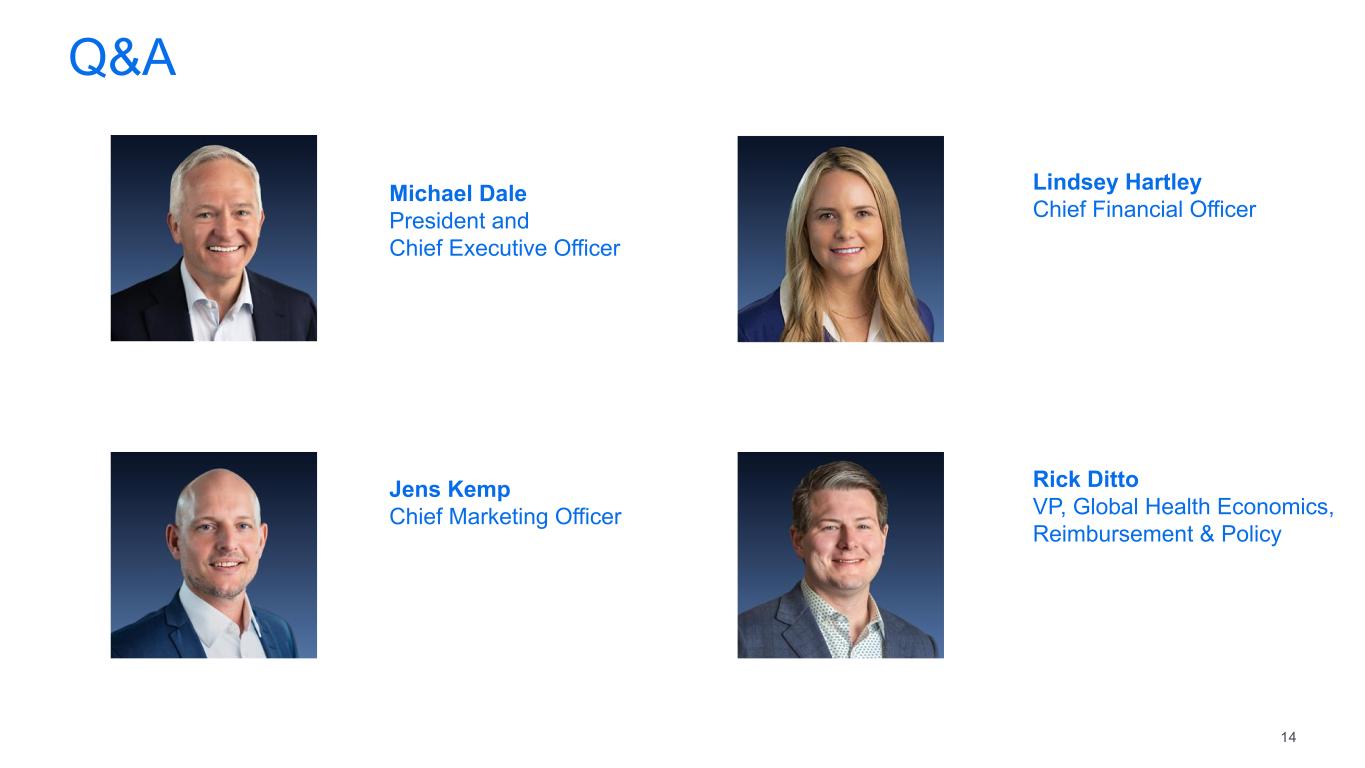
Good morning, everyone. Joining me on today's call is Michael Dale, AxoGen's Chief Executive Officer and Director, and Lindsay Hartley, Chief Financial Officer. Michael will discuss fourth quarter and full-year 2025 financial results and corporate highlights. Lindsay will then provide details on financial performance, guidance, and overall outlook for the year. This will be followed by a question-and-answer session. Today's call and presentation is being broadcast live via webcast, which is available on the investor section of AxelGen's website. Follow me at the end of the live call. A replay will be available in the investor section of the company's website at www.axelgeninc.com. Before we begin, I'd like to remind you that during this conference call, Manning will be making forward-looking statements, which are statements that are not historical facts and are based on current expectations and assumptions regarding future conditions, events, and results. Forward-looking statements include, among other things, statements regarding our financial guidance and outlook, clinical development activities and regulatory efforts, commercial growth initiatives, reimbursement and market access efforts, training and education initiatives, research and development activities, and our overall business strategy and operating performance. These forward-looking statements are subject to risks and uncertainties that could cause actual results to differ materially, including without limitation of the risks and uncertainties reflected in our filings with the Securities and Exchange Commission, including our most recent annual report on Form 10-K, subsequent quarterly reports on Form 10-Q, and other filings we make with the Securities and Exchange Commission. Forward-looking statements speak only as of the date made, and we undertake no obligation to update any forward-looking statements except as required by law. In addition, for reconciliation of non-GAAP measures, please refer to today's press release for a presentation with highlights from today's call and the corporate presentation on the investor section of the company's website. Now I'll turn the call over to Michael. Michael, please go ahead.
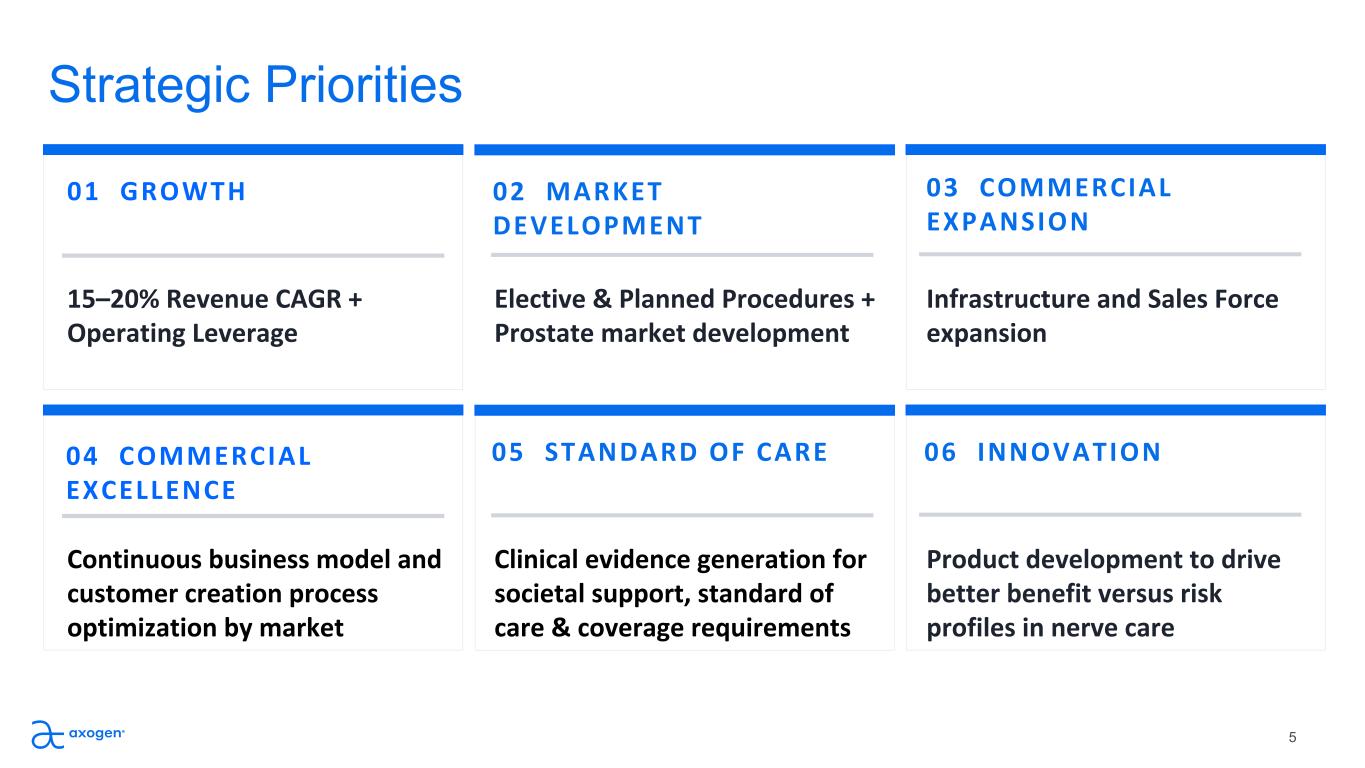
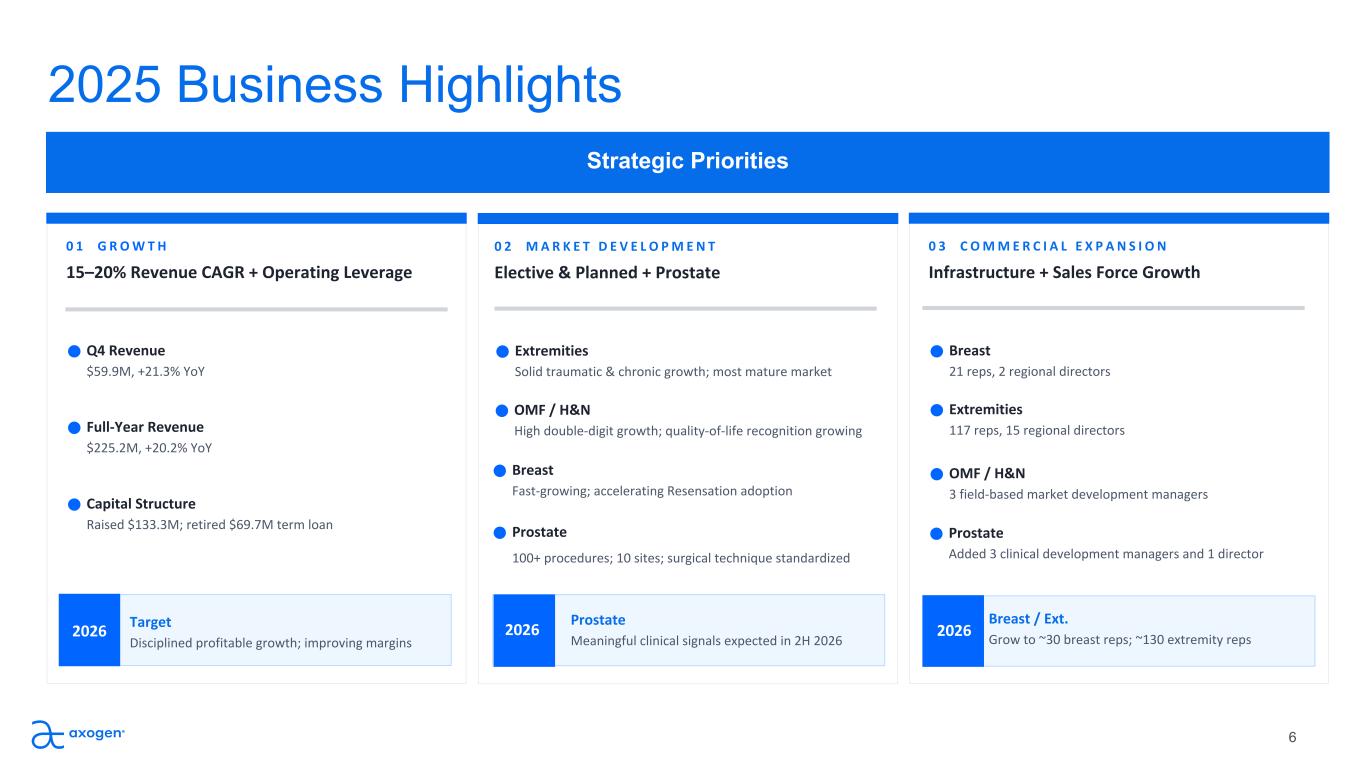
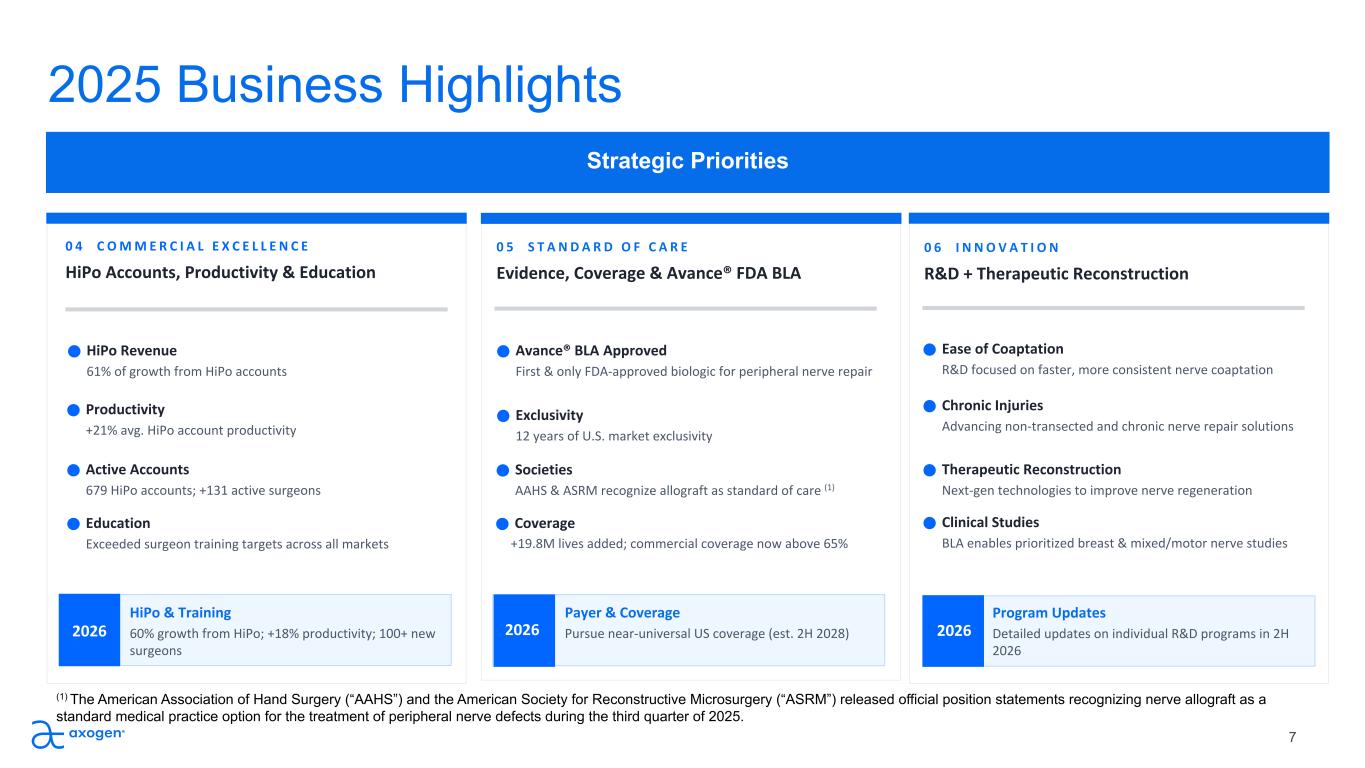
Thank you, Operator, and welcome to everyone joining us this morning. Today I'll walk through our fourth quarter and full year 2025 performance through the lens of the six priority areas of our strategic plan, highlighting how we executed against each in 2025 and how they frame our objectives for 2026. I'll then turn the call over to Lindsey to review the financials and outlook, after which we'll open the call for questions. 2025 was a year of significant achievement fraction, both financially and strategically, and one that positioned us well for durable growth in the years ahead. The first strategic plan priority I will speak about is our growth target of 15 to 20 percent and the related financial operating leverage we expected for the business. We delivered strong top and bottom line performance in 2025, consistent with the upper end of the growth trajectory outlined in our strategic plan. Our Q4 revenue was $59.9 million, up 21.3% year-over-year, with double-digit growth across all three target markets. Our full-year revenue increased 20.2% to $225.2 million. Our adjusted EBITDA grew 41% to $27.9 million. And we increased our cash position by $6 million by fully funding our strategic initiatives. This performance reflects expanding adoption of accident's nerve repair algorithm across traumatic, iatrogenic, and chronic peripheral nerve injuries, with advanced nerve graft remaining our primary growth driver, often complemented by our broader portfolio of repair, protection, connection, and termination solutions. Importantly, we have now reached a financial inflection point, enabling greater concentration of our market development efforts while generating positive cash flow and improving profitability. Regarding capital structure and balance sheet strength, in January, we completed an upsized public offering, raising $133.3 million in net proceeds. We used $69.7 million to fully retire our term loan facility, leaving us with a clean capital structure and significantly enhanced financial flexibility. Eliminating the interest and revenue participation obligations improves our earnings quality over time, while the remaining proceeds provide capacity to fund continued execution of our strategic plan. As a result, we enter 2026 well-capitalized and positioned to deliver disciplined, profitable growth. The second strategic plan priority I will speak about is our market development progress for elective and planned procedures in extremities, oral, maxillofacial, and head and neck, breast, and our prostate market development plans. Across our three core markets, momentum remains strong, as represented by continued double-digit growth in each market. In extremities, which continues to be our most mature market and where we are furthest along in achieving standard of care status, supported by solid growth in both traumatic and chronic procedures. For oral, maxillofacial, and head and neck, we deliver high double-digit growth, driven by a surgeon adoption of the oxygen algorithm and increasing recognition of nerve repair's impact on quality of life. Breast remains one of our fastest-growing opportunities, with accelerating the adoption of re-sensation techniques and increased implant-based reconstruction volumes. In prostate, we made important foundational progress in 2025. More than 100 procedures were completed across 10 clinical sites, and in collaboration with our surgery partners, we established a standardized surgical technique. As we enter the second half of 2026, we expect to begin seeing meaningful clinical signals as nerve recovery data matures, an important step in what we believe is a highly underdeveloped and compelling market opportunity. The third strategic plan priority I will speak about is our commercial expansion progress in regards to infrastructure and sales force growth. In 2025, we significantly expanded our commercial organization across all markets. In Brest, we added 10 sales representatives and two regional directors, ending the year with 21 sales representatives and two regional directors. In Extremities, we added 12 sales representatives and high-potential geographies, ending with with 117 reps and 15 regional directors. In oral, maxillofacial, and head and neck, we ended the year with three field-based market development managers, and in prostate development, we added three clinical development managers and one director. Early productivity trends are tracking well with our assumptions. Across markets, new hires typically reach independence and breakeven within six to nine months after which they become accretive in 2026 we plan to continue this expansion we will grow the breast team to approximately 30 sales representatives we will grow extremities to approximately 130 representatives and we will continue to evaluate further commercial investment to support prostate market development in the second half of the year the fourth strategic strategic plan priority I will speak about is our commercial excellence performance specific to our high potential accounts, productivity in general, and education. Our high potential account strategy remains a cornerstone of our commercial model. In 2025, 61% of total revenue growth came from high potential accounts. Average high potential account productivity increased 21%. An active surgence in high-potential accounts increased by 131, ended the year with 679 active high-potential accounts out of an approximately 780 universe. While slightly below certain internal targets, fundamentals across both high-potential and non-high-potential accounts remain strong, with double-digit growth and improving productivity across the broader base. For 2026, our high potential objectives include 60% of revenue growth from high potential accounts and 18% productivity growth in these accounts and activation of at least 100 surgeons. Surgeon education continues to be one of ACCIDEN's core competencies and a critical driver of algorithm adoption. In 2025, we exceeded training targets across all markets, and in 2026, we plan to further expand education programs across breast, extremities, and oral maxillofacial head and neck. In 2025, extremities held nine professional education programs and trained 170 surgeons. In oral, maxillofacial, and head and neck, we held three programs and trained 59 surgeons. In breast, we held five professional education programs and trained 79 surgeon pairs. For 2026, our training objectives include holding and conducting 10 extremities professional education programs and training 200 surgeons. In oral, maxillofacial, and head and neck, we will conduct six professional education programs and train 100 surgeons and in breast we will conduct five professional education programs and train 75 surgeon pairs the fifth strategic plan priority i will speak about is progress related to our standard of care objectives as related to evidence coverage and the fda biological license approval of advance In December, we achieved the most significant milestone in ACCGEN's history, which was the FDA approval of the biologics license application for AVANCE. AVANCE is now the first and only FDA-approved biologic therapeutic for treating peripheral nerve discontinuities, with 12 years of market exclusivity. This establishes AVANCE as the standard of reference in nerve repair. We are acting on this milestone across four fronts. Customer engagement to reinforce confidence in advance of safety, efficacy, and regulatory status. Payer engagement to drive near universal U.S. coverage. Clinical advancement by enabling prioritized studies under an approved regulatory framework. And lastly, manufacturing investments to support scalability and margin expansion by our ability now to manage our manufacturing operations under one quality system. In 2025, we also received strong validation of events from leading medical societies. The American Association of Hand Surgery and the American Society for Reconstructive Microsurgery issued position statements recognizing nerve allograft as a non-experimental, medically necessary standard of care for peripheral nerve defects. building on prior guidelines from the American Association of Oral Natural Facial Surgeons. Together, these endorsements represent an important step toward broader recognition of allograft nerve repair as a standard of care and support our efforts to expand coverage and payment in the future. On reimbursement, approximately 19.8 million additional lives gained coverage in 2025, bringing commercial coverage above 65%. With biologic license approval, we believe we are well positioned to address the remaining payer objections. Additionally, CMS implemented a new outpatient payment classification for NERV procedures in January, improving the economic profile for outpatient settings and potentially expanding site of care flexibility over time. The sixth and last strategic plan priority I will speak about is our innovation progress. Our R&D investments, which are focused on improving benefit versus risk profiles for the treatment of nerve care, are focused on three strategic priorities. Firstly, making nerve coaptation faster and easier and more consistent. Second, advancing solutions for non-transsected and chronic nerve injuries to better protection. And thirdly, developing therapeutic reconstruction technologies to improve the fundamental ability for nerve regeneration. With the biologic license approval in place, we are moving forward also with prioritized clinical studies, including in-breast, mixed and motor nerve indications. We expect to provide more detailed updates on individual programs later this year. In each instance, these programs are progressing well, and we plan to provide more detail on each of these programs in the second half of the year. In summary, 2025 was a year of execution and validation for oxygen. We delivered strong financial results, achieved a historic regulatory milestone, and continued building momentum across our markets all while executing against the six priorities of our strategic plan i am proud of the action team and confident in our ability to deliver disciplined growth consistent with our guidance and long-term strategy i'll now turn the call over to lindsay to review the quarter's financials and our outlook for 2026. thanks mike i'm pleased to report our 2025 financial results and provide 2026 guidance.
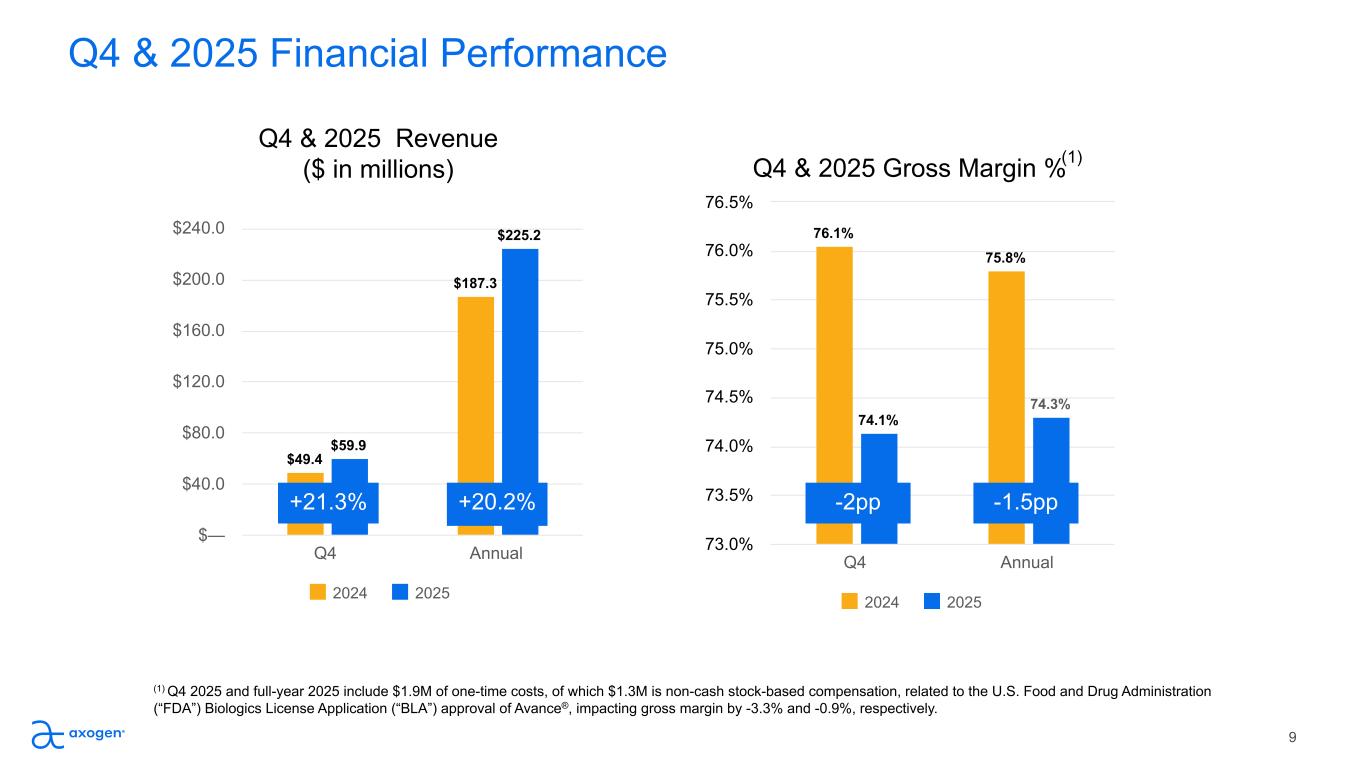
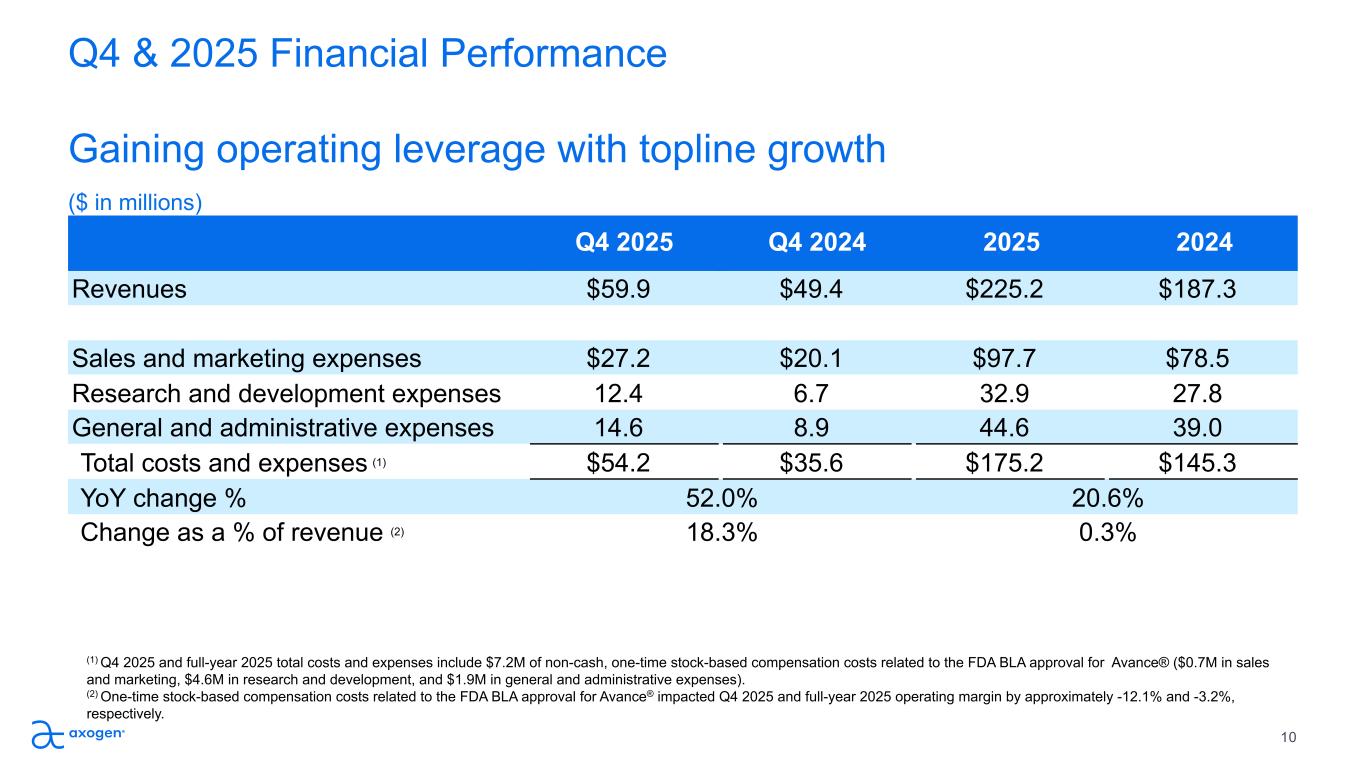
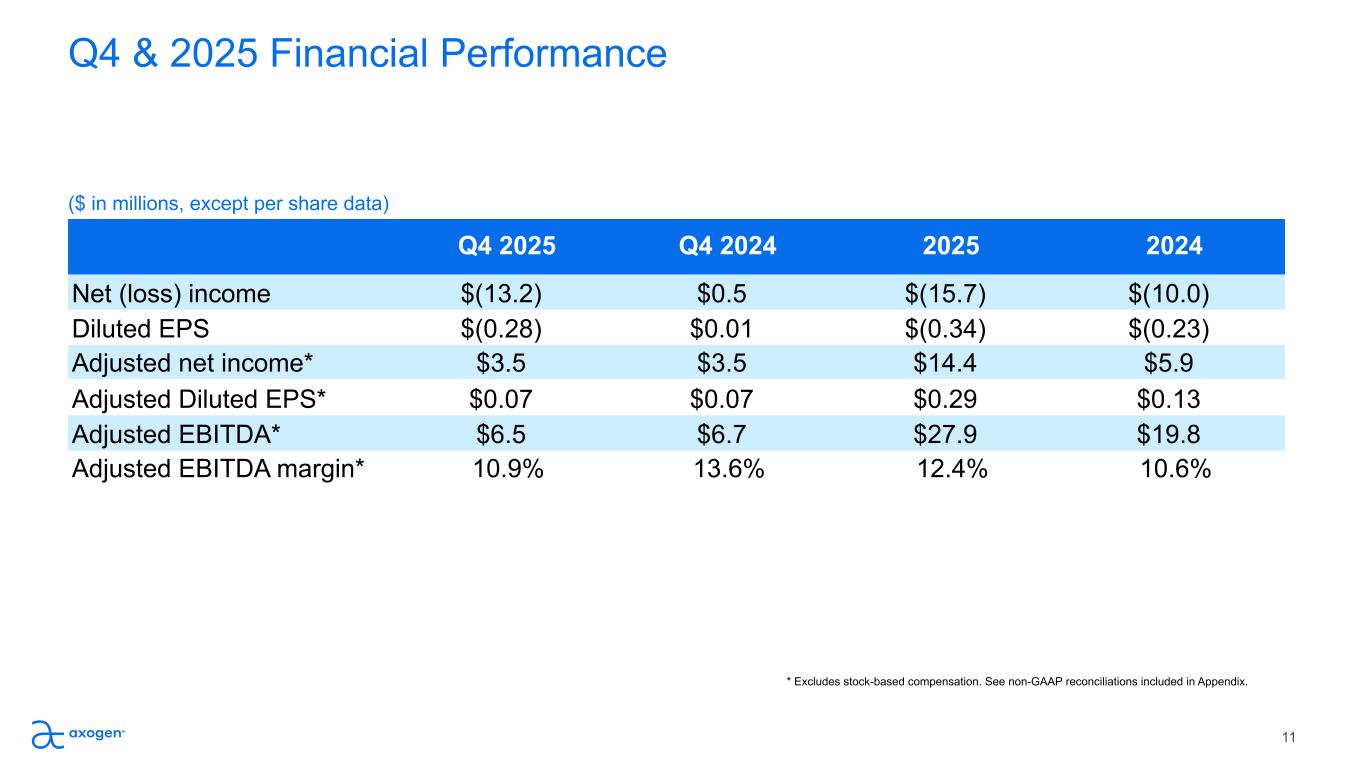
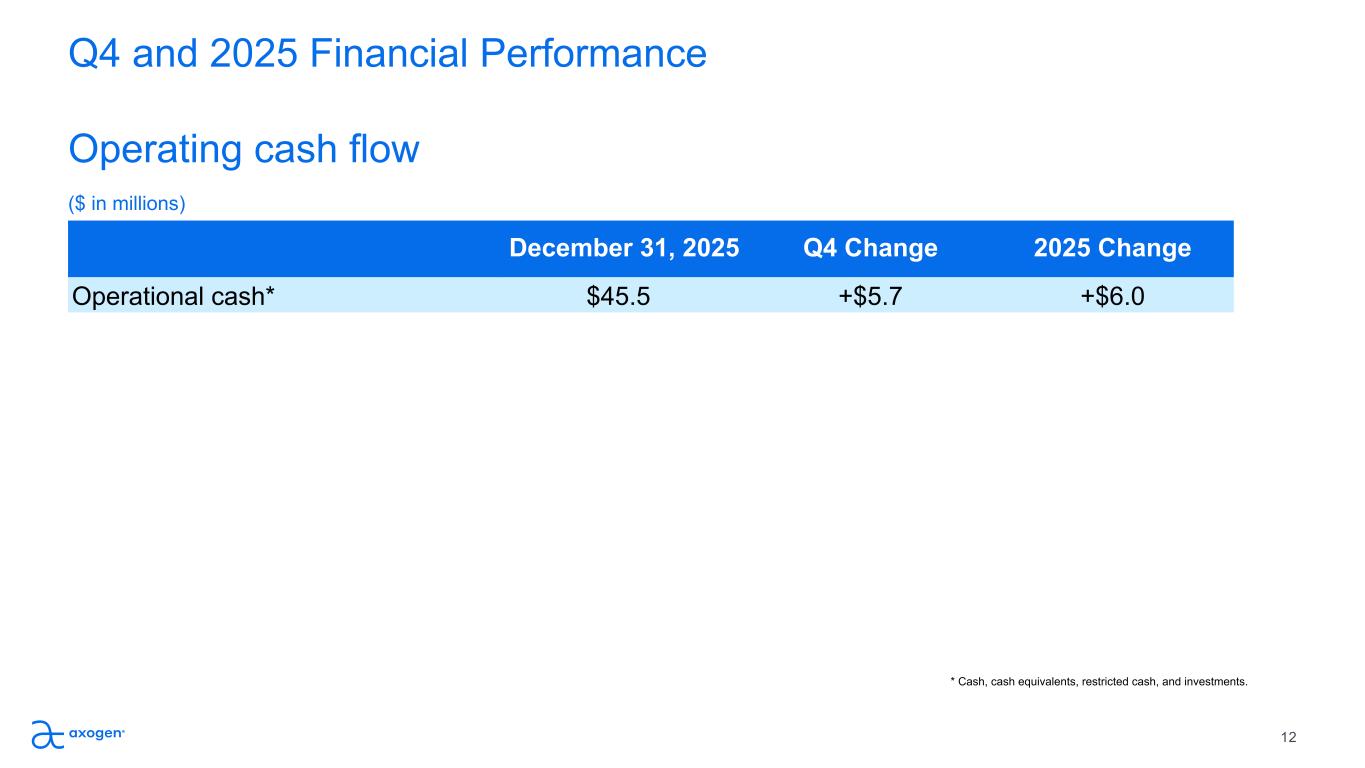
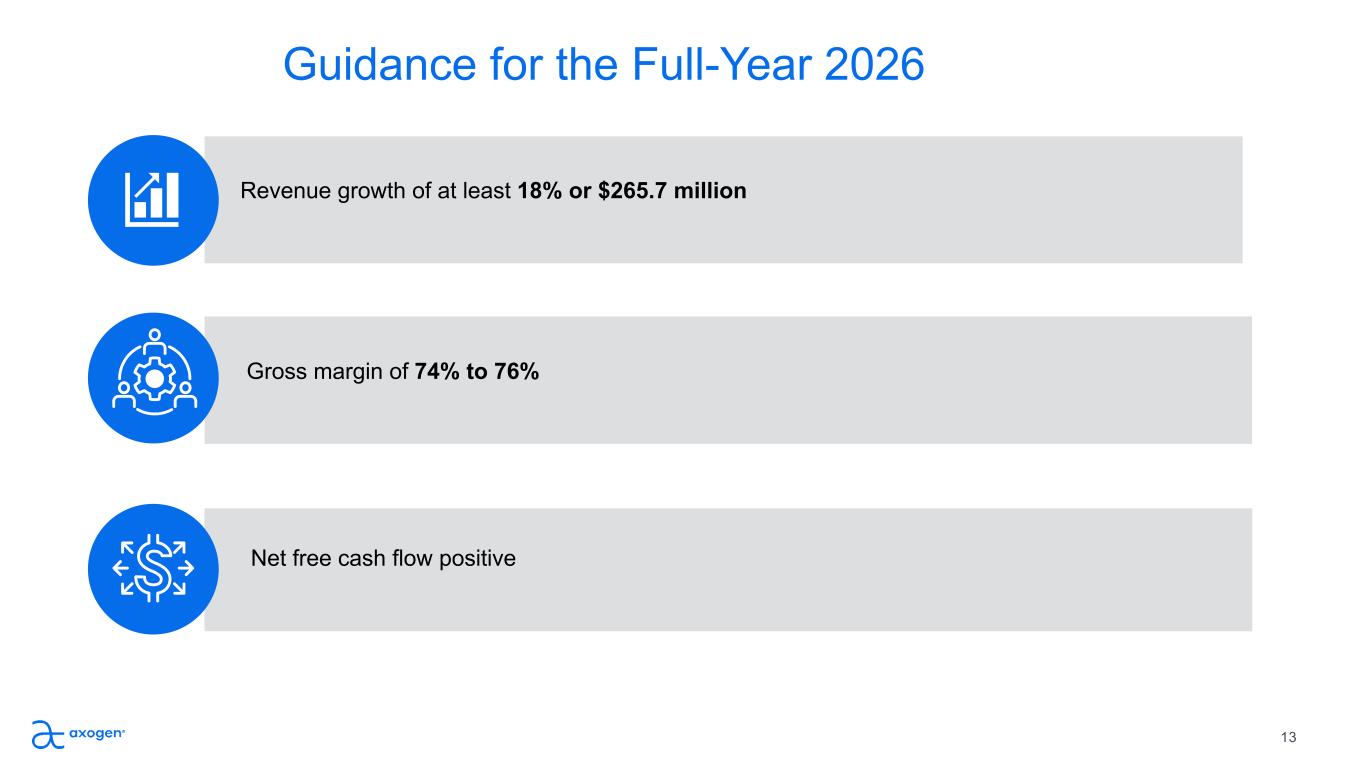
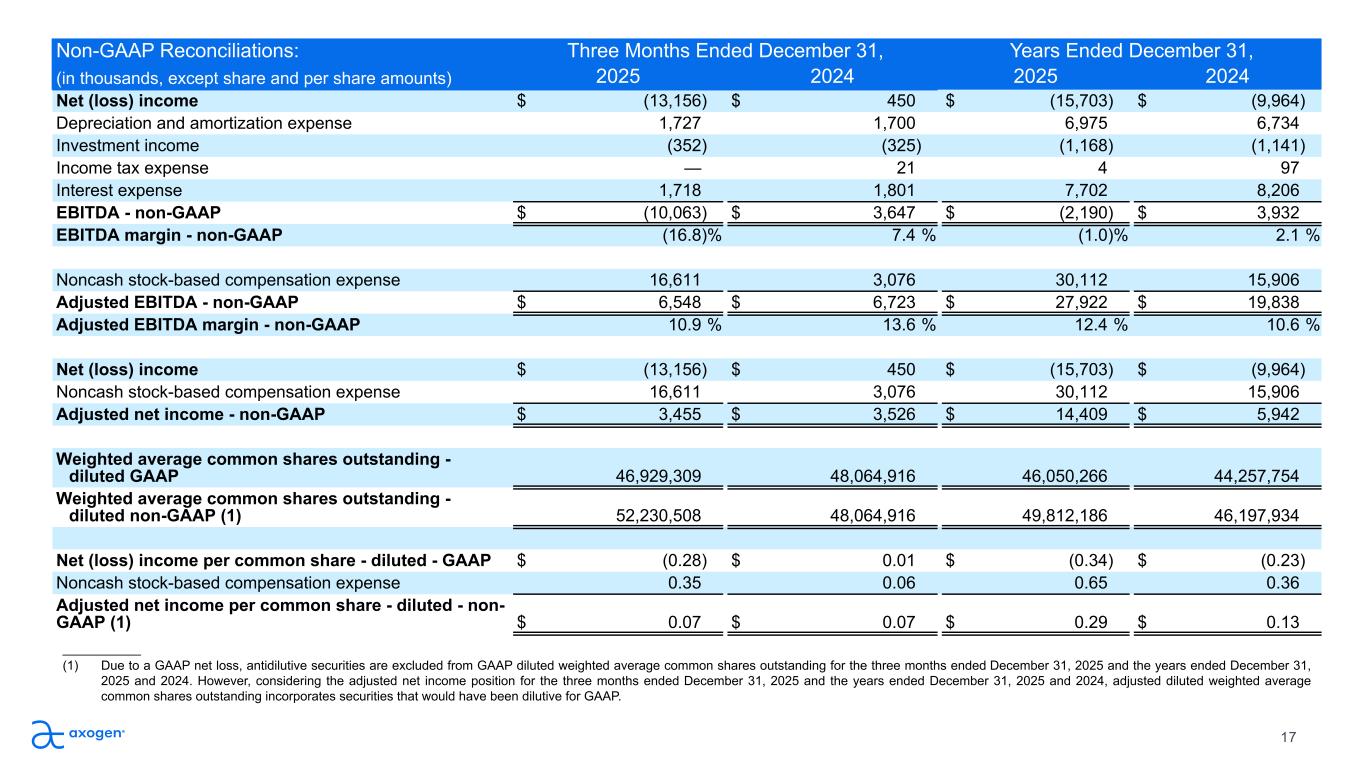
We are excited about our results for the fourth quarter and the full year. Our focus on commercial execution and resource allocation have yielded top-line growth and positive cash flows. For the fourth quarter, we reported strong growth with revenue of $59.9 million, reflecting 21.3% growth compared to the fourth quarter of 2024. For the full year, we reported revenue of 225.2 million, reflecting growth of 20.2% compared to 2024. As mentioned during our last earnings call, we estimated that our revenue was positively impacted by the discontinuation of the case stock sales program for advance. We believe the pull forward impact on our full year results to be minimal. Revenue growth continues to be fueled by strong sales of advance and adoption of our comprehensive product algorithm across our target market, with unit volume and mix serving as the primary driver of our revenue performance in addition to price. Our gross profit for the fourth quarter came in at $44.4 million, up from $37.6 million in the fourth quarter of 2024. This represents a gross margin of 74.1% down from $76,000 to $142 million in 2020. Gross margin of 74.3 percentage points left, profit was negatively impacted by 1.9 million, 0.9% for the full year from one-time costs related to the 0.3 million for its containing milestones. These one-time costs, the year-over-year decreases of gross margin were primarily driven by approximately 2% of inventory write-offs and reduced shipping costs on products as a result of the reduction in inventory write-offs and shipping costs resulted from the discontinuation of the K-Stock sales program for advanced year. Operating expenses in the fourth percentage of revenue. Full-year operating expenses, 145, included in operating expenses for the fourth quarter and full year, was of non-cash, one-time stock equity awards tied to the FDA, reflected across operating expense marketing, research and development, and 1.9 million in general and administrative expenses. As a result, operating margin was negatively impacted by approximately 12.1% in the fourth quarter, and at one-time cost, operating leverage improved by 3% as a result of top-line growth and financial discipline year-over-year. Sales and marketing expenses as a percentage of total revenue increased nearly five percentage points to 45.4 percent in the fourth quarter compared to 40.6 sales and marketing expenses revenue in 41.9 percent in 2024. Search and development expenses were $4 million in the fourth quarter, $7 million in the fourth quarter of 2024. And as a percentage of total revenue increased by approximately seven percentage points to 20.7. Research and development expenses increased $88 million in 2024. General and administrative expenses increased 60 as a percentage of total revenue in percentage points to 24.4. General and administrative expenses increased 14.2 percentage of revenue decreased one percentage. Net loss for the fourth quarter compared to net income or one Adjusted net income was $3.5 million. Here adjusted net income, $0.29 per $0.9 million or 13 cents. Adjusted EBITDA for the fourth quarter was $6.5 million compared to an adjusted EBITDA of $6.7 million in the same period. Adjusted EBITDA margin decreased 270 basis points, 0.9%. year adjusted EBITDA was $27.9 million compared to an adjusted EBITDA of $19.8 million in 2024. Full year adjusted EBITDA margin improved 180 basis points and leverage exclusives to report for the full year our balance of cash, cash equivalents, restricted cash and investments increased $6 million to $45.1 million as of December 31, 2024, demonstrating our ability to be cash flow positive for the year. Now turning to our full year financial guidance for 2026. We expect full year 2026 revenue growth to be at least 18% or total revenue of at least 265.7 million. We anticipate full year 2026 gross margin to be in the range of 74 to 76%. This range is consistent with 2025 and considers anticipated product costs in selling advanced biologic product in the second quarter. In 2027, we expect to begin seeing improvement to gross margin as a result of implementing continuous improvement programs this year and increasing economies of scale. Free cash flow positive for the full year of 2026. Similar to prior years, we anticipate higher cash burn in this quarter and full year performance and entered 2026, which said we will continue to prioritize initiatives that strengthen our financial foundation, including targeted investments in innovation and commercial and continuing economies of scale. We are confident in our ability to further enhance operating margins and deliver consistent profitability. With that, I will now open the line for questions.
Operator
Question and answer session, if you'd like to be placed in the question queue, please press star 1 on your telephone keypad. A confirmation tone will indicate your line is in the question queue. You may press star 2 if you'd like to move your question from the queue. For participants using speaker equipment, it may be necessary to pick up your handset before pressing star 1. One moment, please, while we poll for questions. Our first question today is coming from Michael Sarkone from Jeffrey. Your line is now live. Hey, good morning, and thanks for taking the question.
Hey, Mike. Hey, just to start, you know, on the guidance for the year, at least 18%. You exited 2025 at 21%, and maybe you could argue that's even higher when you adjust for the K-stock discontinuation.
But, you know, just wanted to get your take on how conservative or achievable you view the guidance and maybe you know talk about some of the key assumptions that you've got in there thanks Mike we would characterize it as prudent we're building off of a larger base we believe that our commercial customer creation models are elastic but they still need to be managed and so each quarters a new quarter each year's a new year and we feel very confident in the guidance of 18%, obviously, we aspire to growing the business as fast as possible. But hopefully that answers the question. It's a situation that we still believe that we need to prove out quarter to quarter because the management of the customer creation processes is one of diligence, and then we're expanding the footprint. I understand.
That's helpful. And then maybe just, you know, you touched on the CMX reimbursement, healthy increase in the outpatient setting. Can you maybe just help us think about how you're thinking about pricing in that context and, you know, any help on can you give us a rough sense of the split of the business between inpatient versus outpatient procedures?
Why don't I ask my colleagues, Jens and Rick, to weigh in on answering that question.
Hey, Mike. Thanks for the question. This is Rick. Just to start, we don't break out by care setting in terms of our revenue, but I do think this is a good de-risking event. It's not a light switch, so it's not like all of a sudden all these procedures are going to move to the outpatient setting. But I think it increases side of care flexibility over time and it's something we'll continue to take a look at. One thing that's important to note is that it gives us a lot of belief in what we're doing. Jens, any color that you want to add?
Yeah, I would say it's definitely positive that payments have increased.
It's advantageous for the extremities, the hand.
Super helpful. Thanks, all.
Operator
Thank you. Our next question is coming from Larry Beiglson from Wells Fargo. Your line is now live.
Hi, good morning. This is Simran on for Larry. Thanks for taking the questions here. Maybe just to start out, Mike, since the VLA in December 2025, Can you talk about the reaction to it so far from physicians in each segment of the market and payers as well? And then how are you thinking about major coverage wins in 2026 as you move towards full coverage from, you know, above 65% today?
The reception from the physician community is varied. So, the product has been commercially available to the community for many years now. For a lot of individuals, they more or less took for granted that this is the case and were in many. That said, it's in advance, there's continuities. So for those individuals who are sitting on the fence, in all regards, it's very positive. It's already been available to people that allows us to go back and revisit to their response. It's a formal process. helpful.
And maybe just to follow up. Yeah, go ahead.
Just to follow up. So maybe just switching gears towards your Salesforce kind of ads for the year. I think if I'm doing my math right, you added about 22 reps across the business in 2025, and you're guiding to through at least 12 repetitions in 2026. Maybe help me understand why is that the right number, especially as you're starting to sort of reach critical mass in, you know, some of your segments like extremities. And how are you thinking about the productivity ramp of the Salesforce today versus the historical Thanks for the question.
I think maybe to start with the one comment you made that reaching critical mass, if you wanted to provide full coverage for extremities, you probably need some extremities does not We're a long way from full, a long way from full.
Operator
Thank you. This is coming from Chris Pasquale from NetFront Researcher Line is now live.
Throughout the year, could you just get level set us on how we should think about it here. Is 2Q the low point and then you improve from there and sort of magnitude of the high and the low for the year would be helpful?
Yes, so as we progress through the year and we begin selling the new biologic advanced product, it will carry a heavier cost. Now we will be selling both tissue and biologic products going to and going into...
Okay, so it sounds like the pressure builds over time as that mix shifts and then we start to see improvement in 27, is that fair?
Mike, you talked about how having the BLA out of the way now frees you up to focus on other clinical priorities, including breast, I would assume at some point, prostate as Can you give us any sense about how you're thinking about what's ultimately going to be required to establish the level of clinical evidence you want in those indications? Are we talking about randomized trials, or can you get what you need just from documenting sort of a single-site registry-style study in more detail?
Sure. It will be both. So, in every instance, it does not need to be randomized, but it needs to fit the bill with an FDA requirement. Randomized. So, those are those.
Operator
Jason Bedford from Raymond James. Your line is now live.
Good morning, and congrats on the progress. Just as it relates to the BLA, it doesn't look like it based on the physician training metrics you provided, but are you assuming any step up in growth directly related to the BLA?
Not explicitly. I assume it's part of the strategic plan. So the growth, it's implicit.
And then just, you mentioned the active 679 high potential accounts within a universe of, like you said, 780. So my question is, do you see scenarios where the potential universe of high potential accounts grows beyond the 780?
Yes, definitely. As we increase our target indications and target procedures, that high-potential algorithm will evolve. And so we do expect in the future that that universe of high-potential accounts will grow.
Operator
Next question today is coming from Kaitlyn Roberts from Canaccord Genuity, your line is now live.
Thanks so much for taking the questions. Just starting off with guidance, if you could provide some more color on the cadence of revenues throughout the year?
From a calendarization standpoint, it should be very similar to what we've seen the last two years for Oxygen. To generalize, first quarter is typically the most modest quarter for the business. And then the second and third quarter are stronger quarters based upon the dynamics that transpire across nerve care. So summertime is when you see a very significant trauma. People are out and active, and so that's a pronouncement, but it just basically builds throughout the year, and I would look to the last 24 months of history to give you a guide for the calendarization.
Awesome. And then just for rest, I think you've talked in the past about addressing only a certain part of the market given the technique of the nerve size limitations, are you working on expanding the technique to address further breast recon procedures?
We are. So we have ongoing R&D and regulatory work to understand what other permutations could be offered. That includes greater nerve length, different morphology representations on the nerve, all things that could make it easier. There's nothing expected this year that would be available. But certainly within the next 24 months, if we decide and determine that we can successfully develop such, we will be bringing those to the market.
Thanks for taking the questions.
Operator
Thanks, Taylor. The next question today is coming from Mike Racky from the Poly-Ranked Partners, or Riders Now Live.
Hey, everyone. Thanks for taking our questions, and congrats on all the progress. Thanks, Mike. So maybe just to jump in on prostate, you highlighted some really exciting milestones, over 100 procedures, and some of the clinical activity we should be expecting in the later part of this year. But, you know, how should we think about the potential revenue contribution in the commercial side ahead of that progression throughout the year in any color there would be helpful?
Sure. So we're trying to maintain discipline as we wait for the clinical signals from those 10 clinical sites so prostate will not be a significant revenue contributor in 2026.
Got it understood and just to clarify there is there is there any then contribution in the first half or is it really you know that'll be kind of the gating factor for your ability to drive more commercial adoption there just as you get more of that clinical signal?
Nothing that we haven't already forecasted implicit in the guidance, which we just shared. So certainly there's spend and there's things being planned for potential development, but that's all captured in the guidance at present. It would be very unlikely that we would depart from the current plan. It really boils down to what we've been describing is that we want to see the clinical signals from those 100 patients in the various procedures that we conducted. And again, on the presumption that those are positive, then we'll have a lot more to talk about.
Okay, yeah, appreciate the color there. And then maybe just one last one, but, you know, so helpful color on the BLA expenses that you outlined in the fourth quarter. I'm curious if there was any GNA impact there and then any BLA expenses that we should be building in for 2026.
Yes. As I mentioned on the call, there was the stock-based compensation expense directly tied to that event. In G&A, it was 1.9 million. Across all of OBEX, it was 7.2 million.
The question today is coming from Anthony Patron from the ZUHO Group, your line is now Thanks, and congratulations on a strong end to the year here. Maybe I'll start just on the BLA transition, just, you know, something we touched on, Mike, previously, just around, you know, inventory or distributor channel shifts as you move from the tissue-based product to Avance, BLA, and 2Q, and anything we should be aware of over the next couple of months. And a quick follow-up here would be on hospital outpatient, that new rate plus 40%. How does that play specifically on the breast side? Like, how many breast reconstructions a done outpatient? And is that a driver for that segment in 2026? If I can, I have one quick one on just patient economics after as well. Thanks.
Sure. With regards to the transition from the tissue to the biologic, it will be invisible to the customer for the most part. There is no inventory obsolescence risk. So, all the mechanics and logistics have been factored in and should be seamless at this point. So hopefully that answers that question. With regards to the outpatient dynamics, despite the changes in reimbursement, as we presently understand the market opportunity in breast, it will not be a factor of any significance with regards to the outpatient setting. Most of those procedures will remain inpatient as we currently are in the situation.
And then- Yeah, a quick one would be just on patient economics. When you think of core extremity, oral maxillofacial, you're bringing in breast now, and you now have these 100 cases in prostate, and in 2027, presumably that will grow. When you think about revenue per patient between core extremity and oral, how does that stack up to breast and prostate? And by our math, I think you used quite a bit more avants, you know, graft in the latter two surgeries, just trying to get an idea of how the different patient categories stack up from a revenue capture standpoint.
In general, from a pure product standpoint, grafts, because of the longer grafts, these are typically 1 to 2 millimeter diameter grafts, 7 millimeter in length, and the number of those graphs that are used, those procedures will represent the highest average selling price. There are exceptions in extremities based on the trauma of the situation where it is similar, but on average, extremities will have a lower ASP point based on the number of graphs and products utilized. Prostate should be succeed there and move forward. will employ graphs that are typically four to five millimeters in diameter and about 50.
Operator
So our final question today is coming from Frank Tachanen from Lake Street Capital Market. Your line is now left.
Thank you for taking the questions. I was curious if I could follow up on Brest. I think you outlined 1,200 potential accounts to target in that area. If you think about the 30-rep headcount, how much of that market can you pursue with that size headcount?
Only a portion of it, and so as I've mentioned in the past, we don't have a firm number yet, but I think it should be expected that that organization could as much as double between now and 2028 and 29 to ensure that we have full coverage based on the number of accounts for a representative to support the care pathway development. So we're still watching that and evolving that. It's still a little too early to put a stake in the ground. But the bottom line is we currently have plans to continue to grow the breast organization for the next several years.
Got it. That's helpful. And then just as my last one, curious if you could talk about any long-term gross margin targets once we get to a place where you're consistently manufacturing under the BLA and where that gross margin profile can go over a longer period of time?
Our plan is to address that explicitly in the second half of the year. By then, we will have instituted many of the capital infrastructure investments and have those in place. and that's what's allowing us to guide that we expect improvements in 2027 and I know everyone's anxious to know okay what are we looking at but until we really get that that work behind us we think it's appropriate that we hold off in terms of that guide for this year it's very similar to what we explained last year, that 74% to 76% range, people should feel good about it.
Thanks for taking the questions.
Operator
Thanks, Frank. Thank you. We've reached the end of our question and answer session. Let's turn the floor back over to Mr. Dale for any further closing comments.
Thank you, Operator. On behalf of the action team, I want to thank everyone for their time and interest in our work to fulfill the promise and potential for all stakeholders in our business purpose us to restore health and improve quality of life by making restoration of peripheral nerve function an expected standard of care. We look forward to updating you on our continued progress and our plans for the business on our earnings call next quarter. So thank you very much.
Operator
Thank you. That does conclude today's teleconference and webcast. You may disconnect your line at this time and have a wonderful day. We thank you for your participation today.