Operator
Good day, and welcome to the Bright Spire Capital Second Quarter 2025 Earnings Conference Call. All participants will be in a listen-only mode. Should you need assistance, please signal a conference specialist by pressing the star key followed by zero. After today's presentation, there will be an opportunity to ask questions. To ask a question, you may press star, then one on a touch-tone phone. To withdraw your question, please press star, then two. Please note that this event is being recorded. I would now like to turn the conference over to David Palame, General Counsel. Please go ahead, sir.
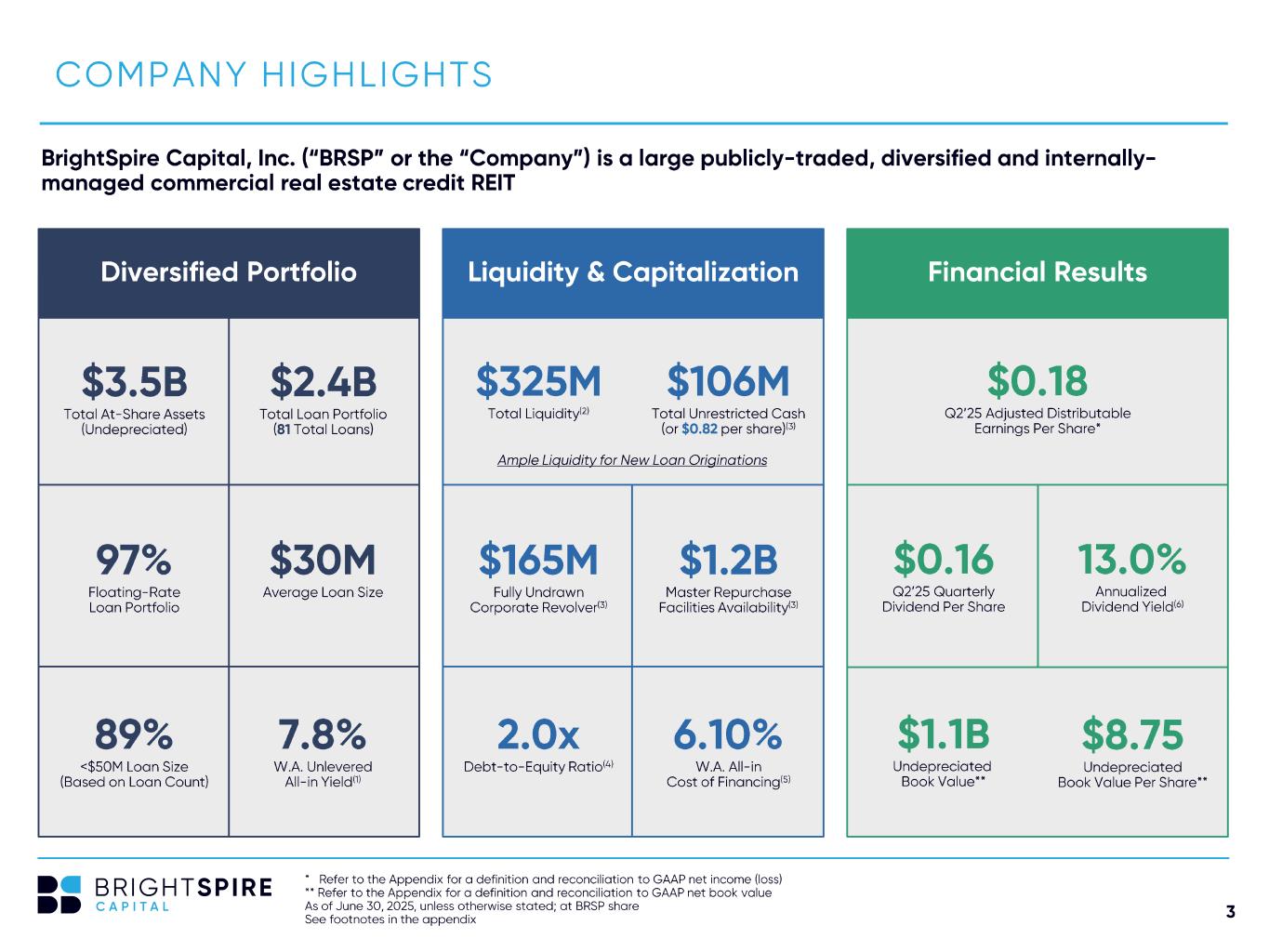
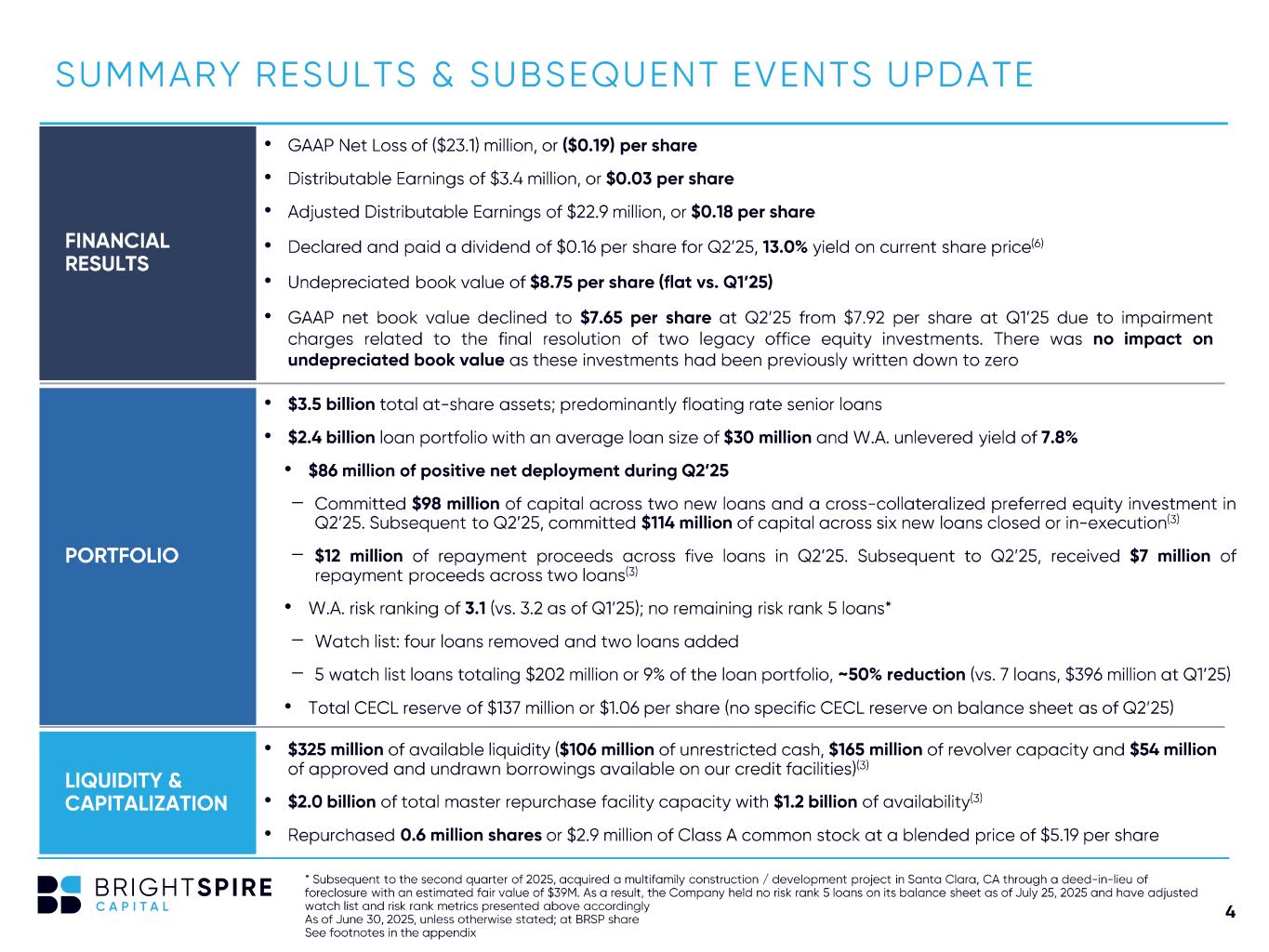
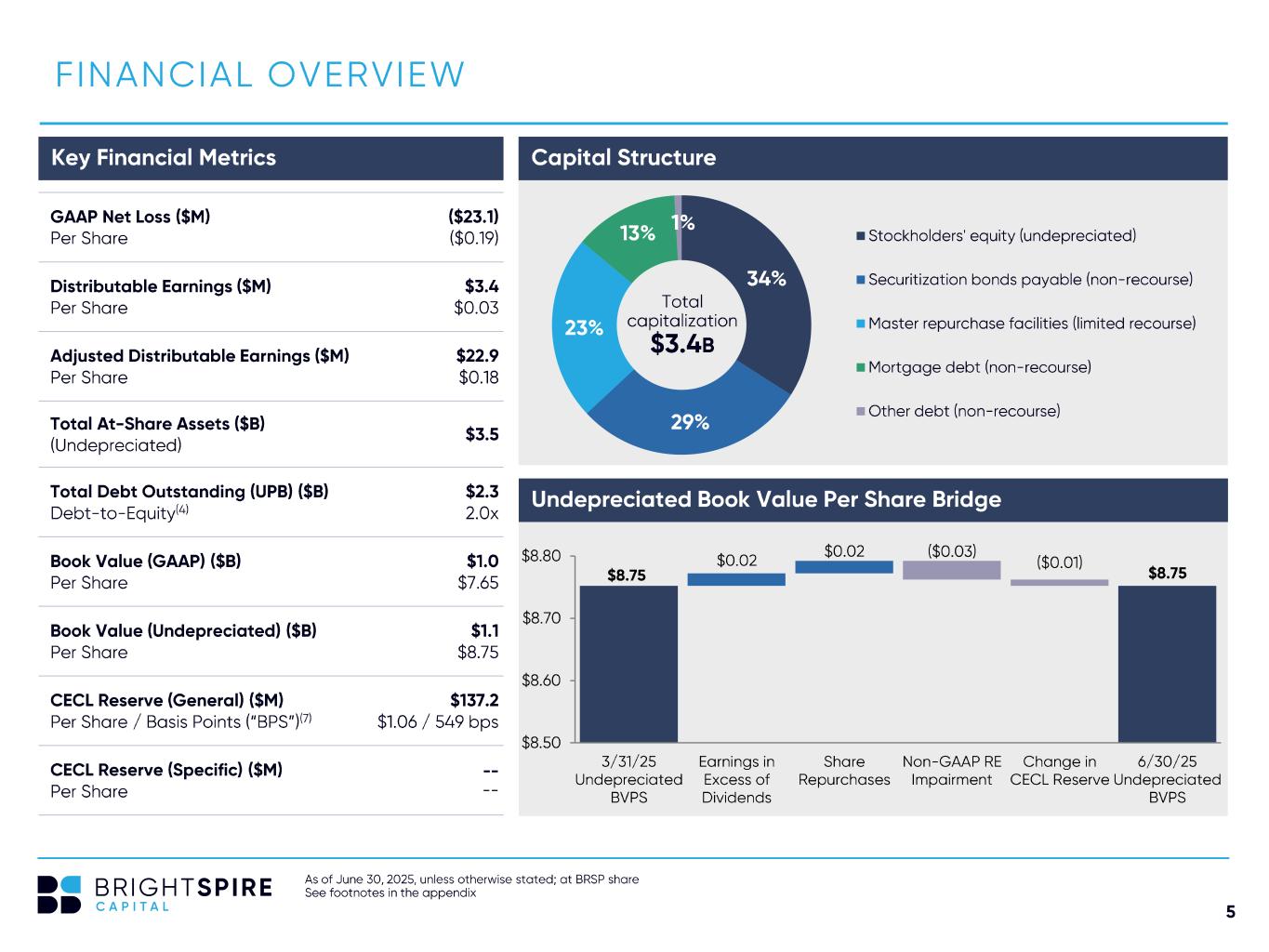
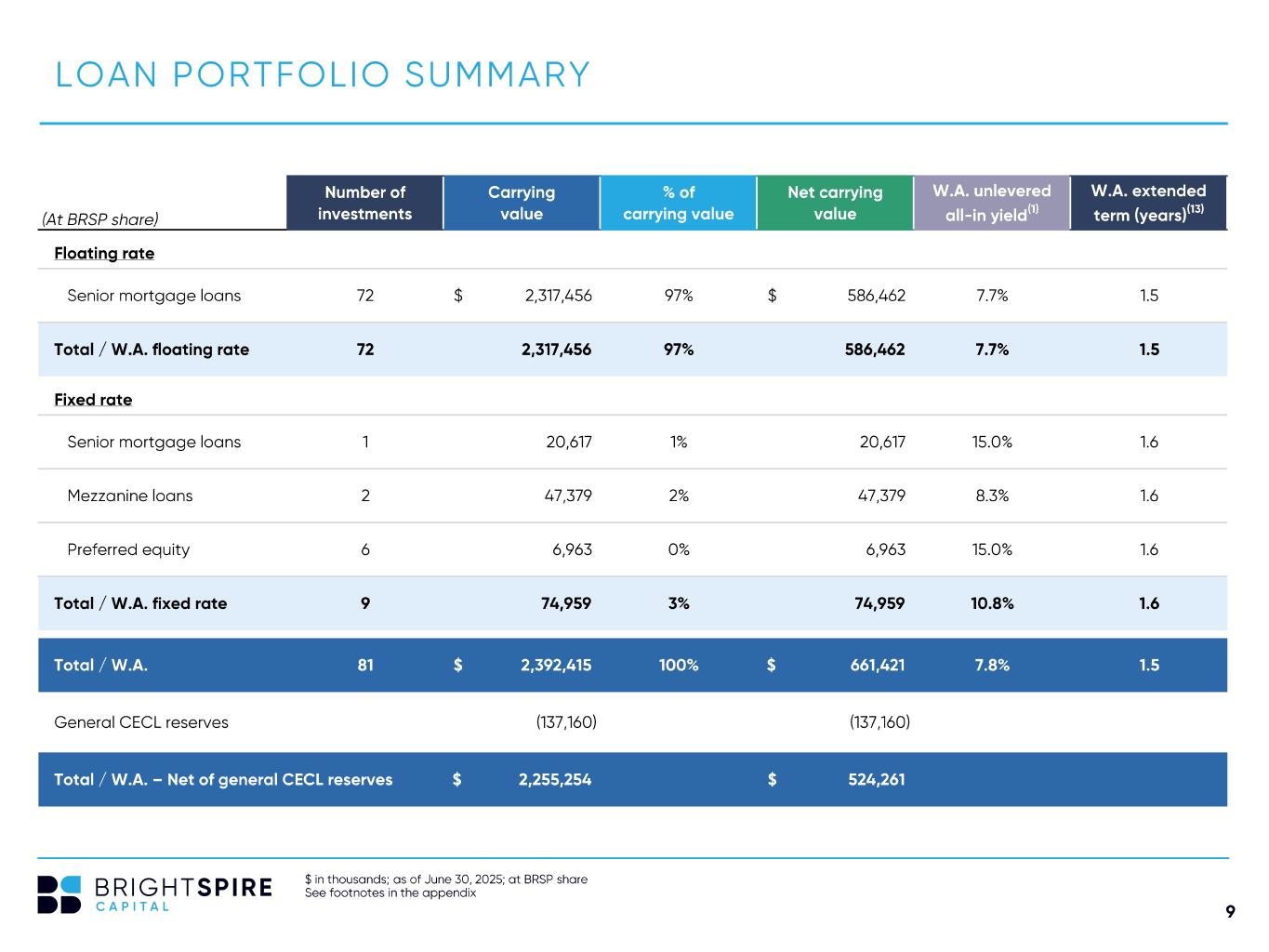
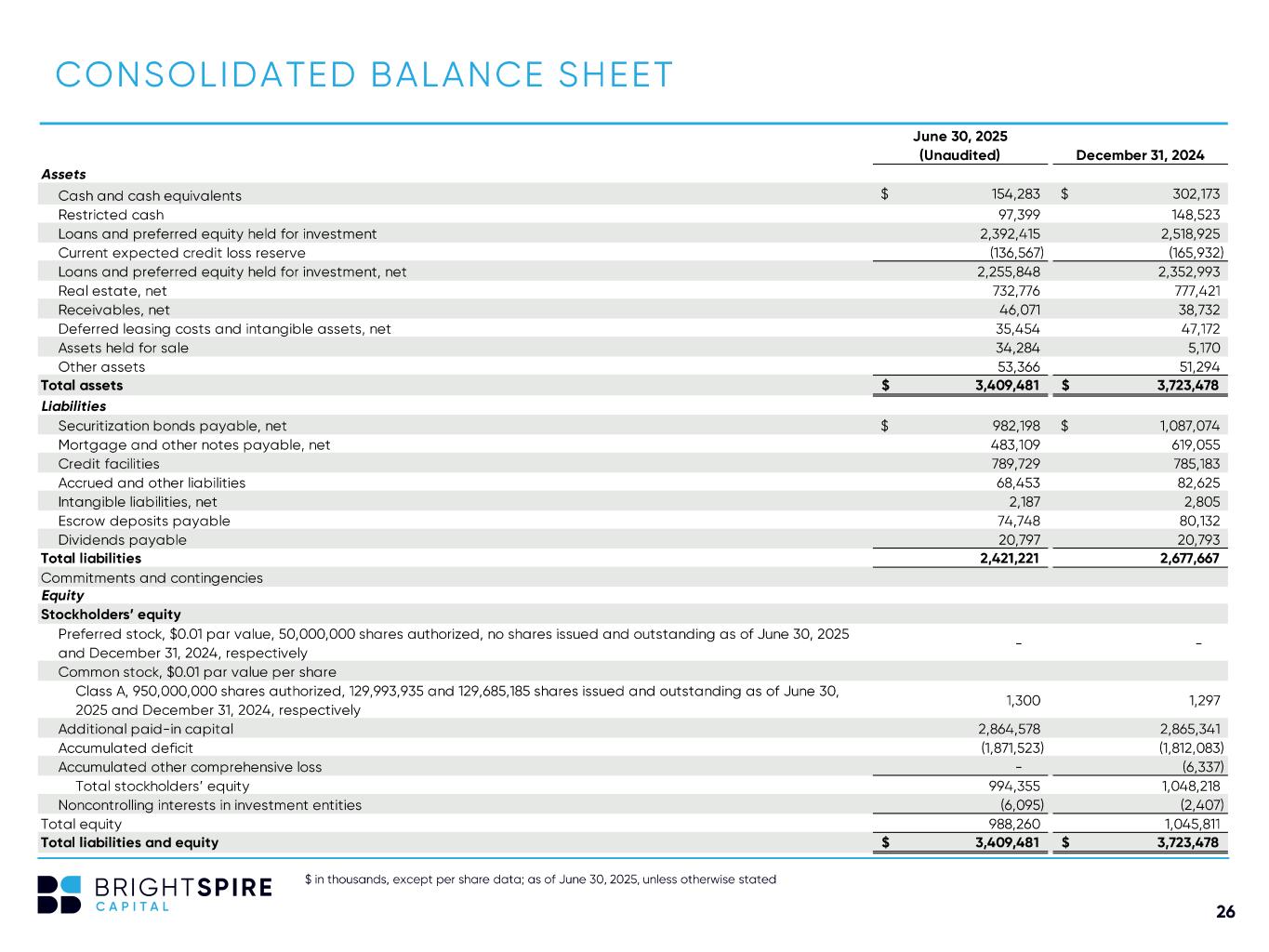
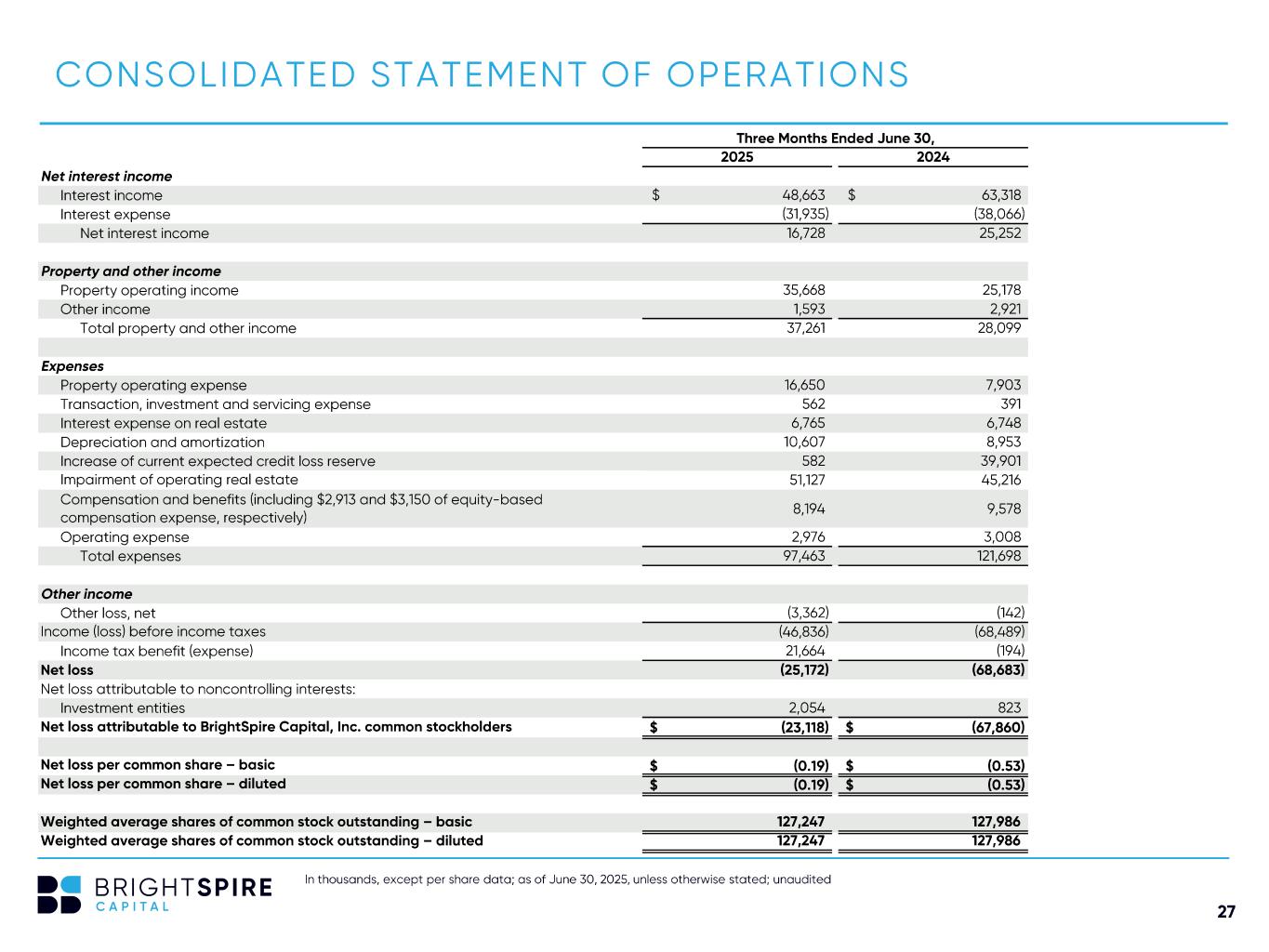
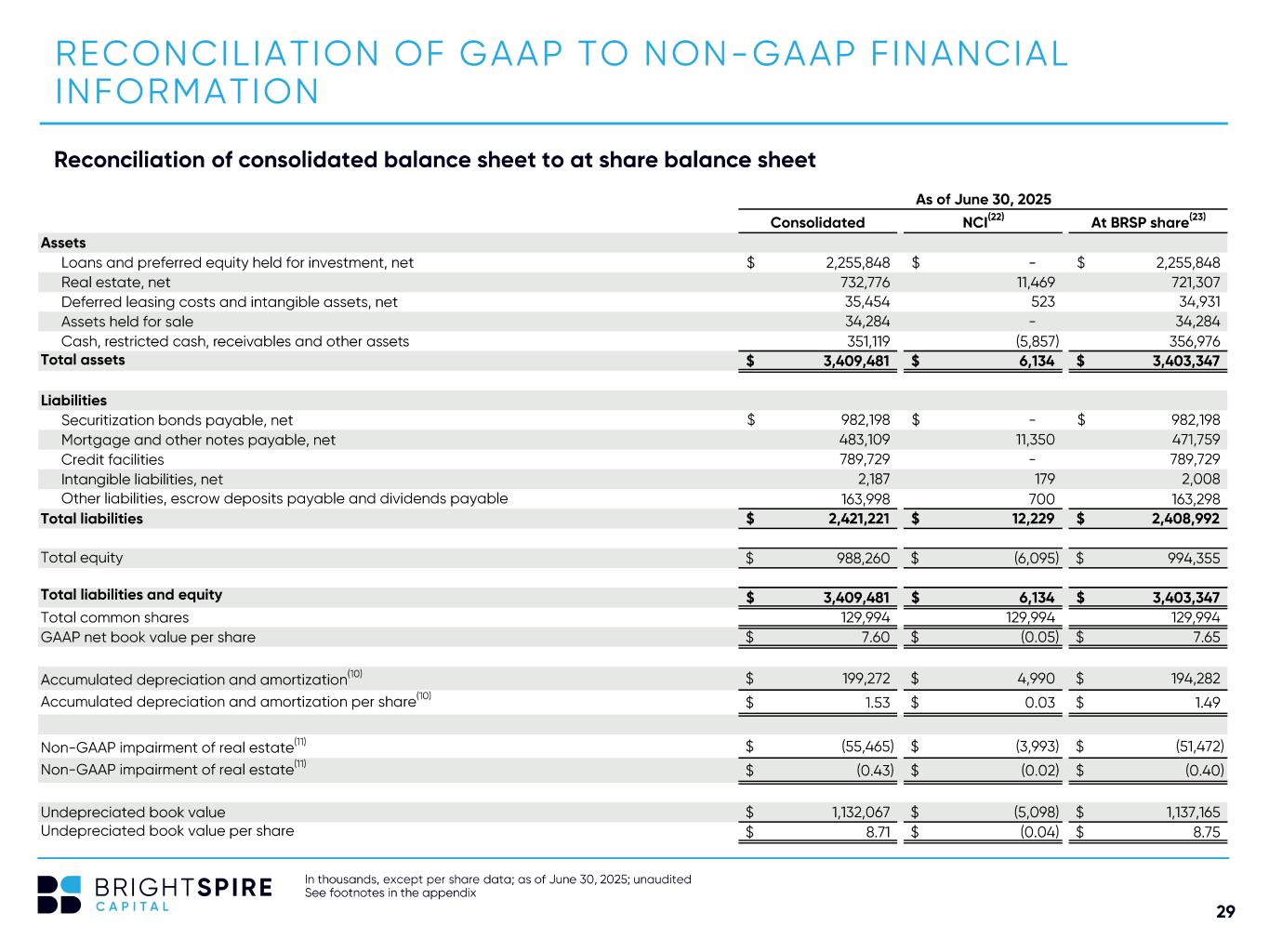
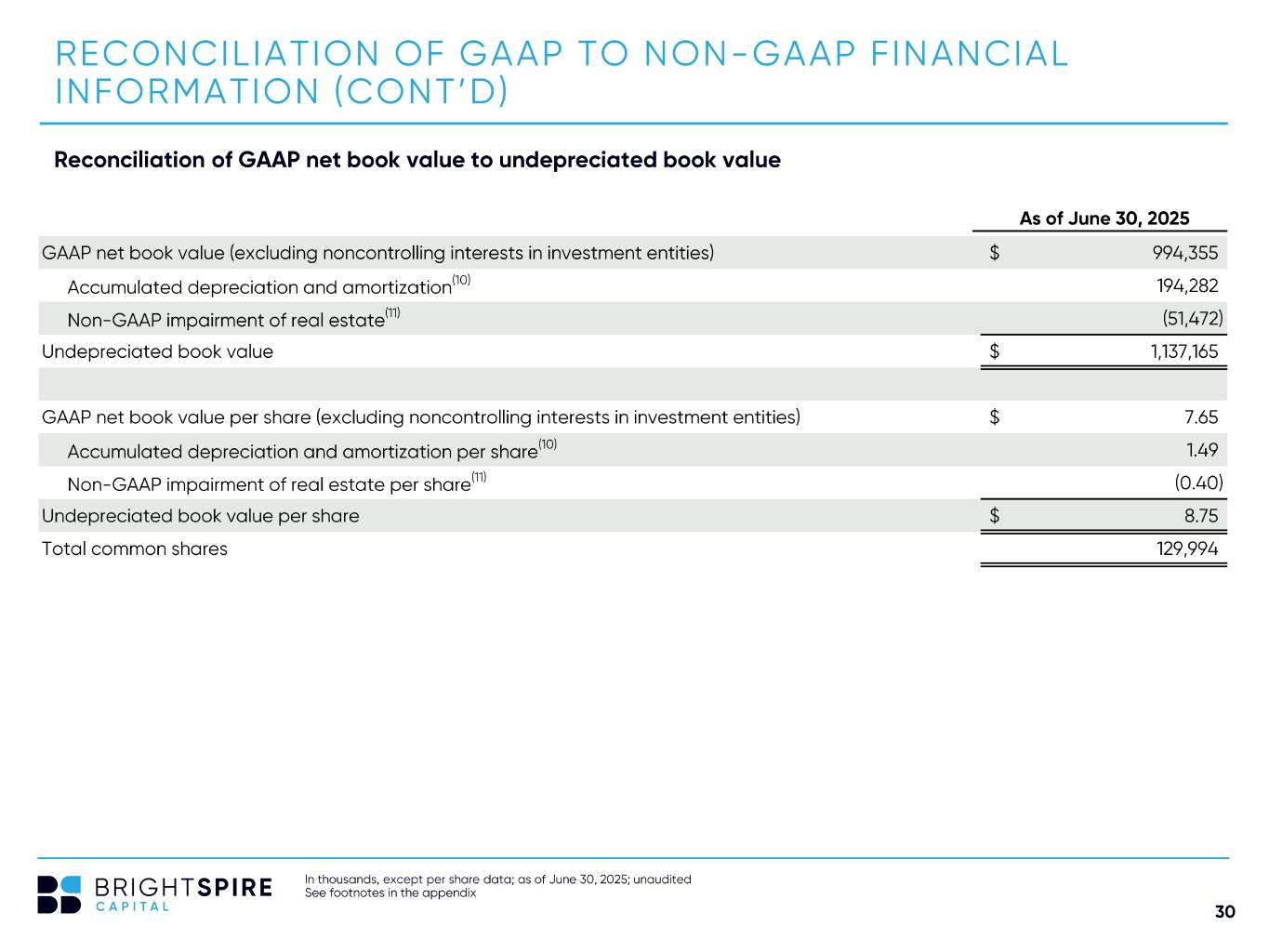
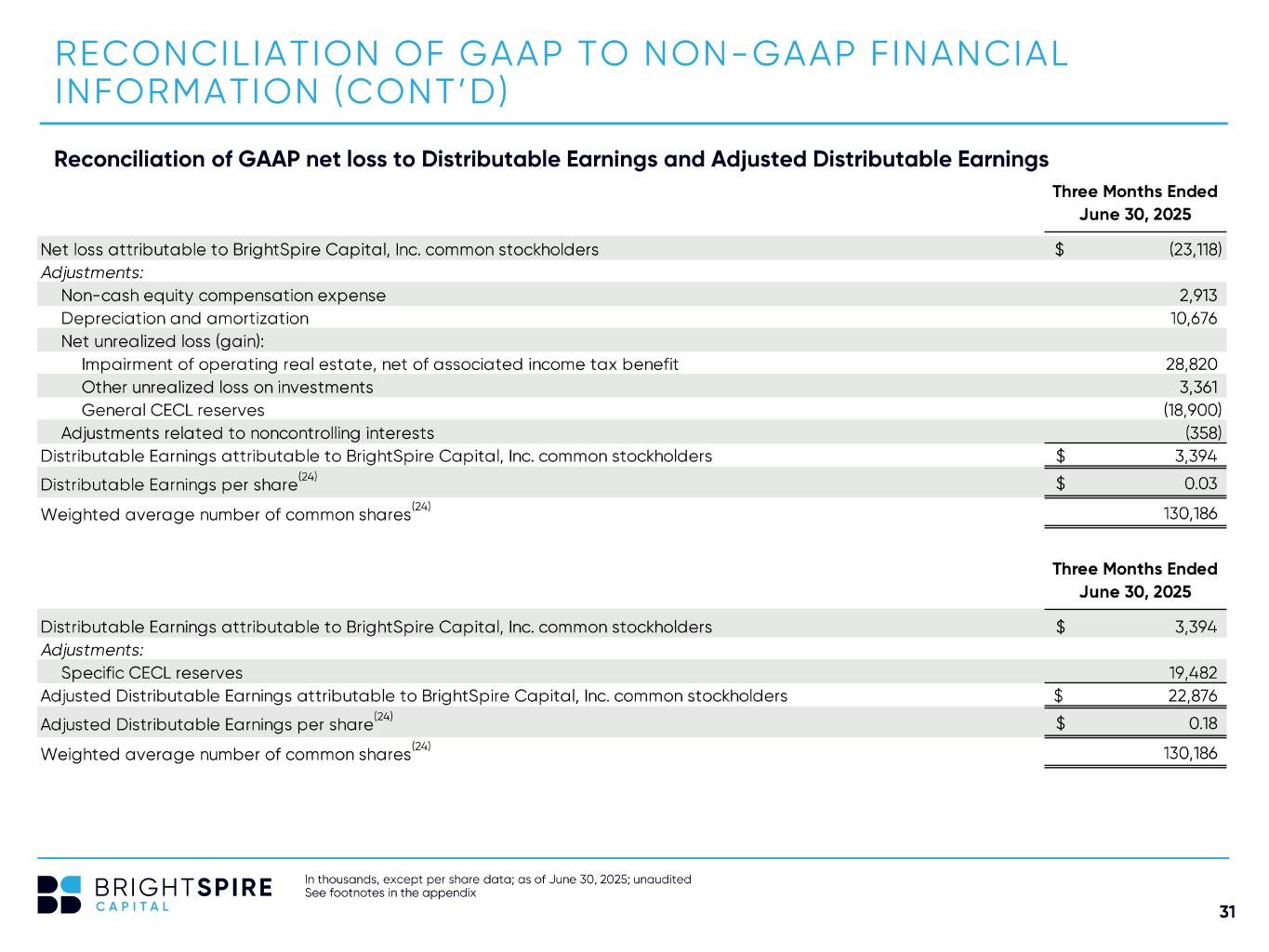
Good morning, and welcome to Brightspire Capital's second quarter 2025 earnings conference call. We will refer to Brightspire Capital as Brightspire, BRSP, or the company throughout this call. Speaking on the call today are the company's Chief Executive Officer, Mike Mazze, President and Chief Operating Officer, Andy Witt, and Chief Financial Officer, Frank Saraceno. Before I hand the call over, please note that on this call, certain information presented contains forward-looking statements. These statements, which are based on management's current expectations, are subject to risks, uncertainties, and assumptions. Potential risks and uncertainties could cause the company's business and financial results to differ materially. For a discussion of risks that could affect results, please see the risk factors section of our most recent 10-K and other risk factors and forward-looking statements in the company's current and periodic reports filed with the SEC from time to time. All information discussed on this call is as of today, July 30, 2025, and the company does not intend and undertakes no duty to update for future events or circumstances. In addition, certain financial information presented on this call represents non-GAAP financial measures. The company's earnings release and supplemental presentation, which was released yesterday afternoon and is available on the company's website, presents reconciliations to the appropriate GAAP measures and an explanation of why the company believes such non-GAAP financial measures are useful to investors. Before I turn the call over to Mike, I will provide a brief recap on our results. The company reported second quarter gap net loss attributable to common stockholders of $23.1 million, or 19 cents per share. Distributable earnings of $3.4 million, or 3 cents per share, and adjusted distributable earnings of $22.9 million, or 18 cents per share. Current liquidity stands at $325 million, of which $106 million is unrestricted cash. The company also reported GAAP net book value of $7.65 per share and undepreciated book value of $8.75 per share as of June 30, 2025. Finally, during this call, management may refer to distributable earnings as DE. With that, I would now like to turn the call over to Mike.
Thanks, David, and welcome to our second quarter earnings call. We had a solid second quarter and are pleased with our progress and the results. Our dividend was covered by adjusted DE while our undepreciated book value remained unchanged. In addition, our net loan originations were again positive for the quarter. Most importantly, we made substantial headway in reducing exposure to watchlist loans, thus making further progress in continuing to de-risk the portfolio. We also, of course, remained actively engaged in managing the resolution of REO assets. Turning briefly to the markets, we saw a notable improvement in market conditions and a welcome decline in volatility since I'll call in April. Commercial real estate debt markets appear to be largely unaffected by the headlines over the last 90 days. We've seen credit and lending spreads stabilize, loan inquiry has increased steadily, and the CMBS market has returned to normal and is quite active. Moreover, bank warehouse lenders have remained ready, willing, and engaged to provide competitive financing throughout the second quarter. These recent improvements are encouraging and provide optimism for the CRE market's continued progress. Now turning briefly to our balance sheet. During the quarter and subsequently, we have reduced the watch list on a net basis by 50 percent. The most notable reduction was the result of foreclosing on the San Jose hotel loan. We now own the property free and clear with no financing in place. During the protracted foreclosure process, the hotel experienced meaningful deferred maintenance that we are now in the process of addressing. Our intention is to make much-needed and neglected physical and operational improvements to the property ahead of significant events taking place in the Bay Area through mid-2026. This is most notably the Super Bowl and the World Cup. We will look to sell the asset sometime in 2026. However, while the asset remains unlevered, it is currently cash flow positive and is now contributing to earnings. In the interim, given the asset is unlevered, it also serves as a significant source of immediate liquidity as a result of committed but undrawn financing capacity. On the origination side, as anticipated and highlighted in our last call, we experienced a lull in new loan closings during the second quarter. This quarter's origination dynamics were mirrored by a slowdown in payoffs in our own loan portfolio. As a result, on a net basis, we experienced positive growth in the loan book. We expect loan origination conditions to improve in the second half of the year, as we already have an additional six loans for $114 million that have closed or are in execution. Finally, during the quarter, we repurchased 561,000 shares at an average price of $5.19. cents. Bright Spire continues to trade at a roughly 40% discount to its underappreciated book value. This equates to a discount of approximately $450 million to a book value, which includes a ceaseful reserve of $137 million or $1.06 per share. Given the recent improvements on our watch list and the consistency in book value, we feel the stock is significantly undervalued. In closing, we navigated a very dynamic first half of the year. We delivered net positive growth in our loan book, our adjusted distributable earnings covered the dividend, and we cut the watch list in half. We will continue to make progress on our remaining watch list loans as well as our REO resolutions. The REO resolution proceeds are a significant source of liquidity for future loan originations and the continued regrowth in our loan book. We enter the second half of the year with a more defined path forward to capitalize on the opportunities ahead. With that, I will turn the call over to our president, Andy Wade. Andy?
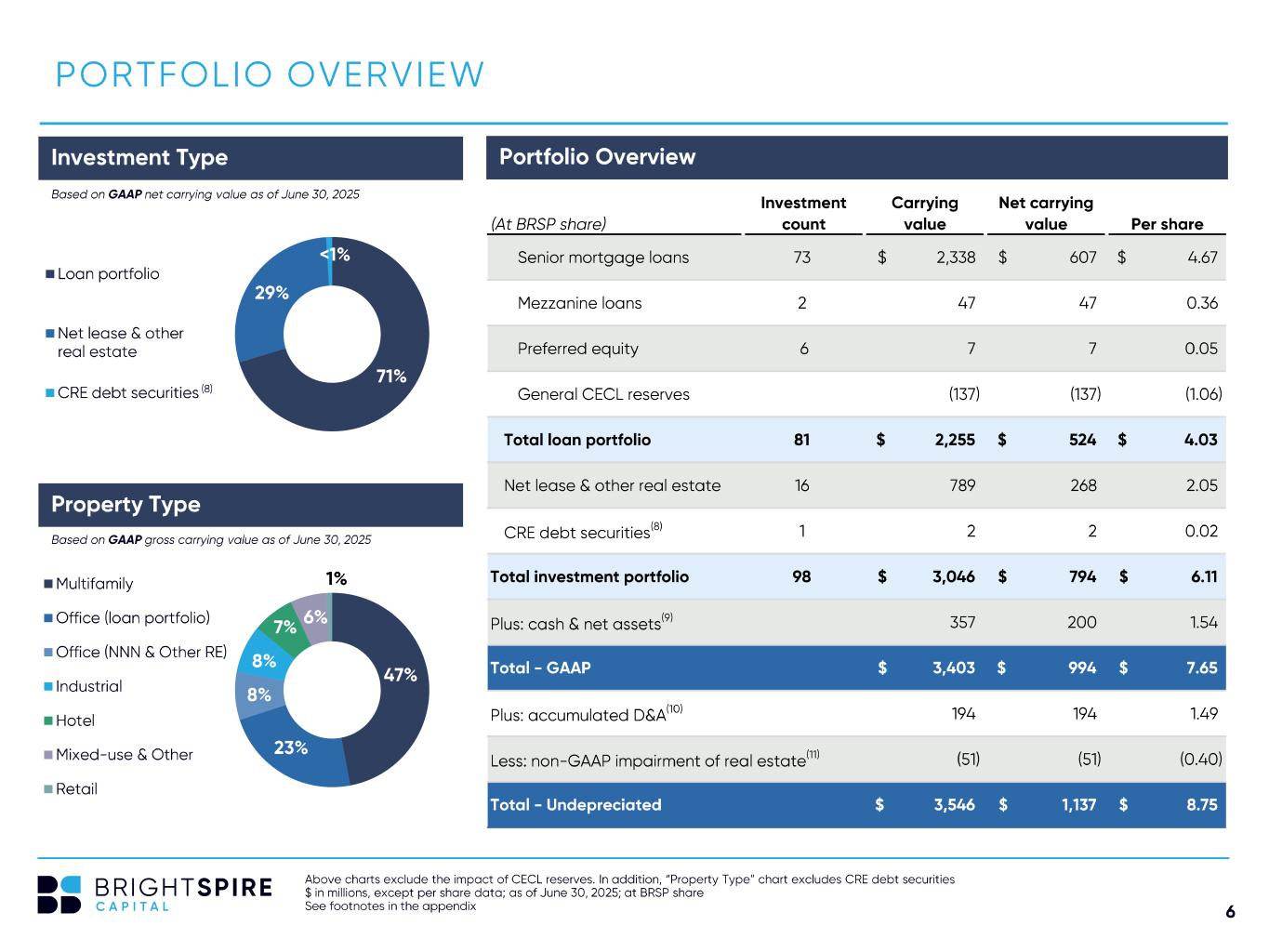
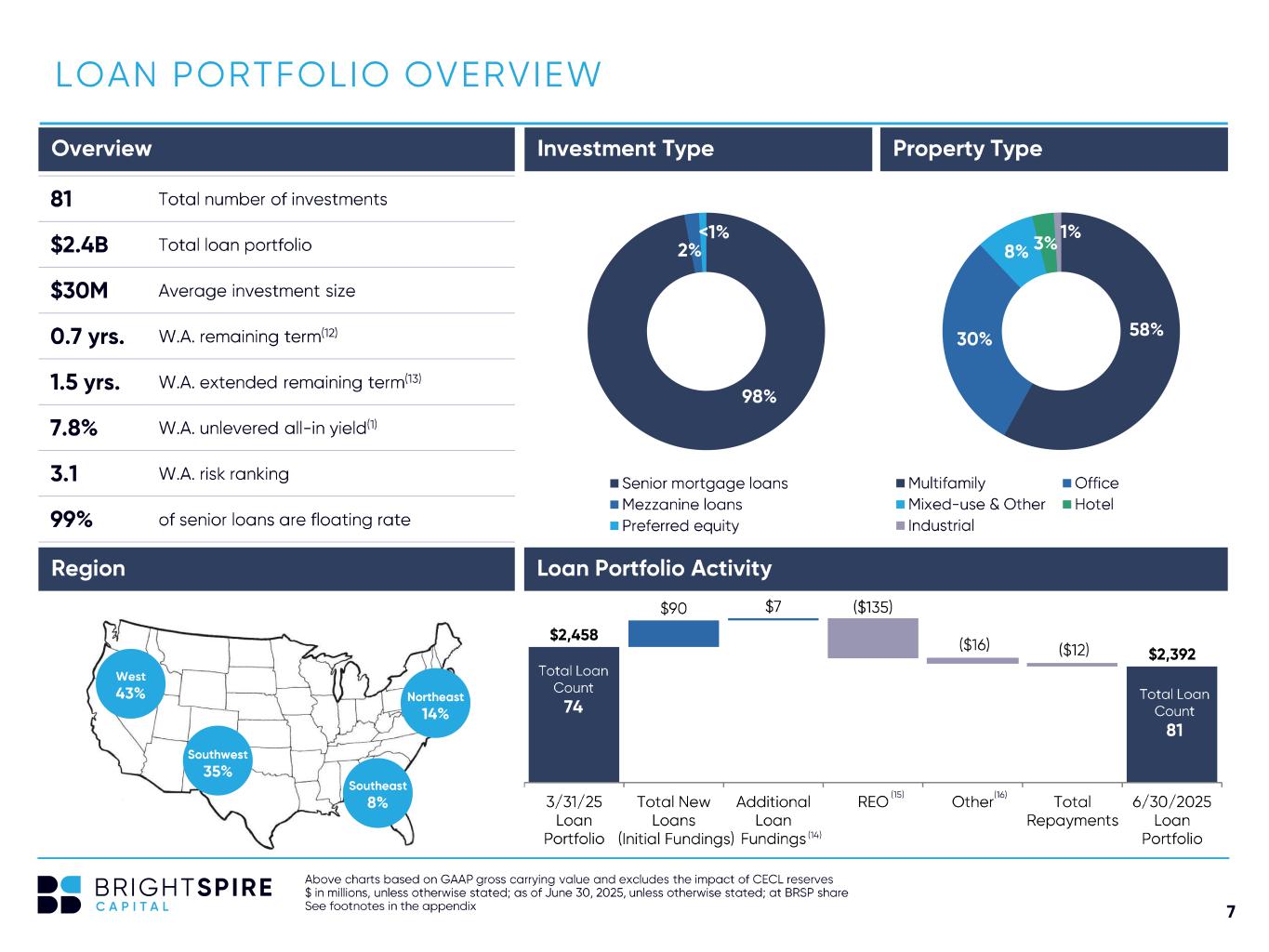
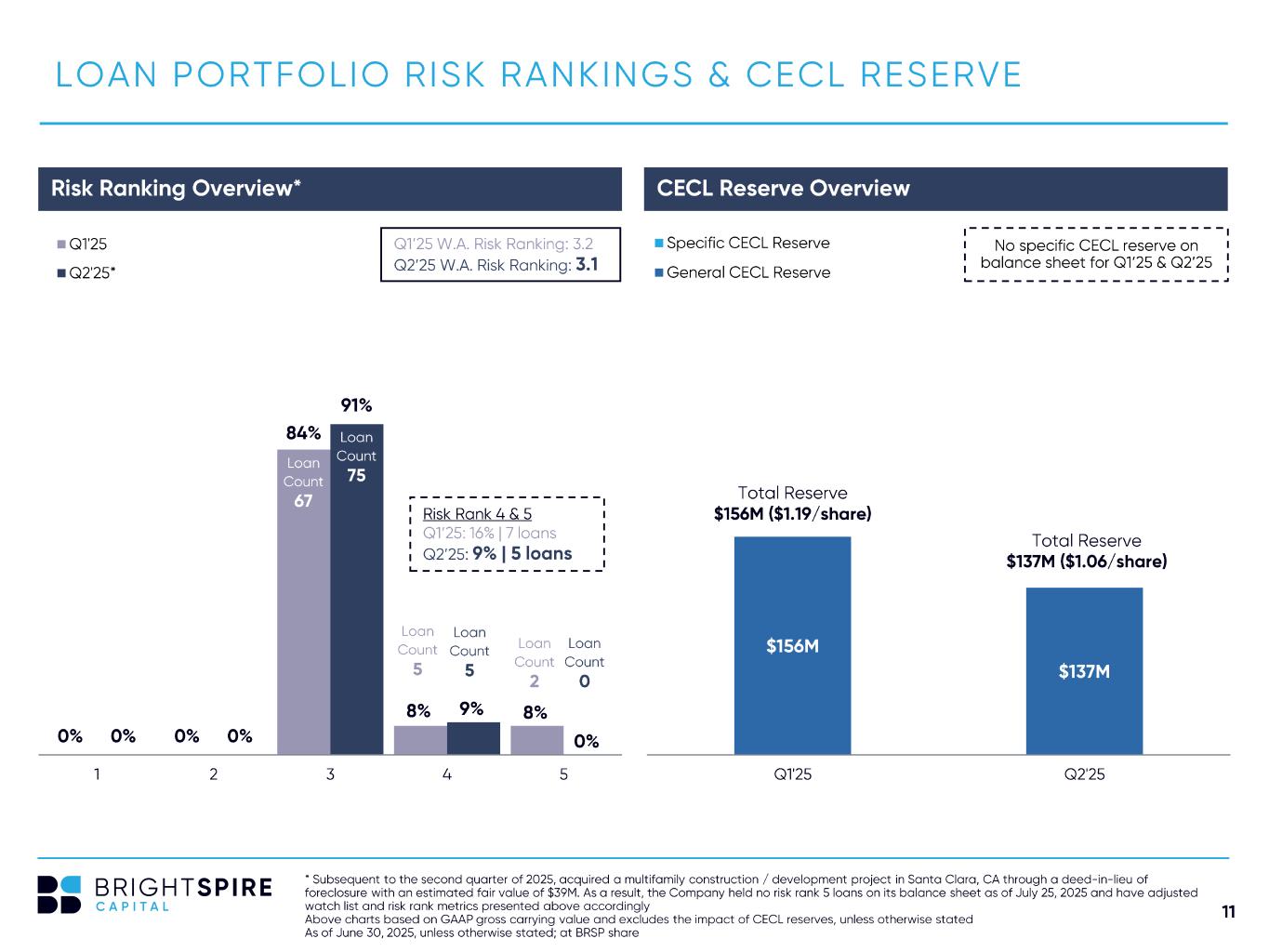
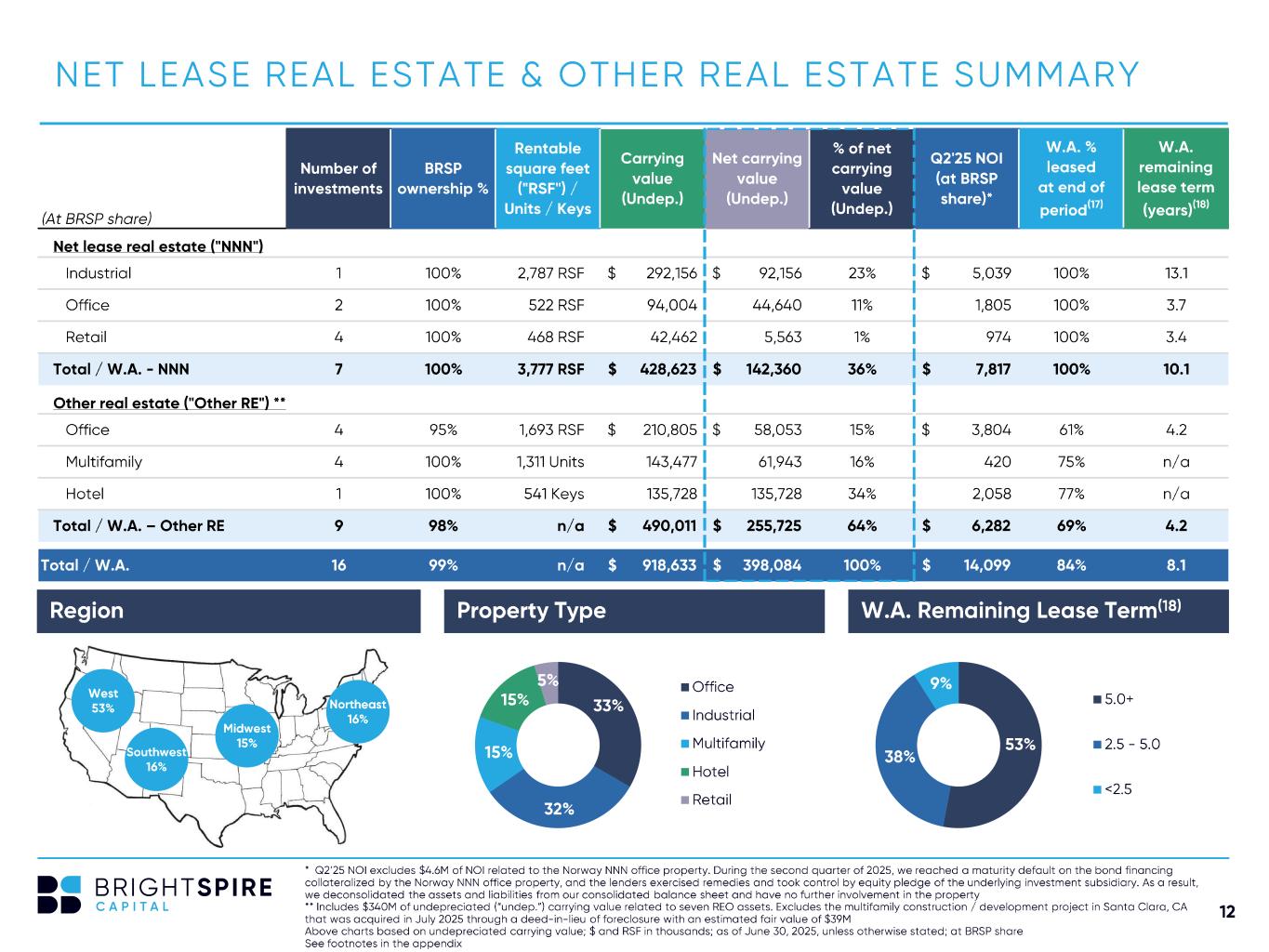
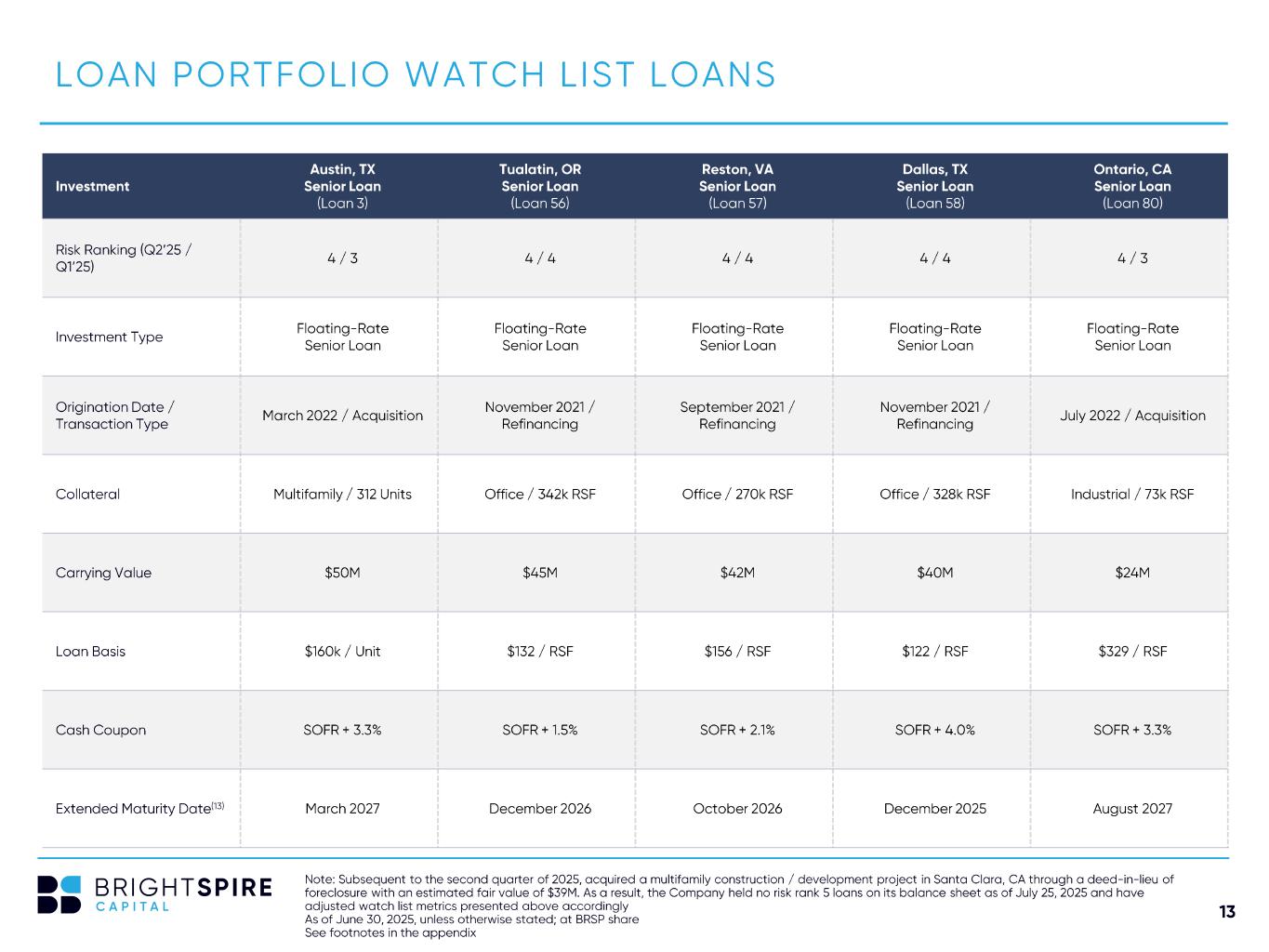
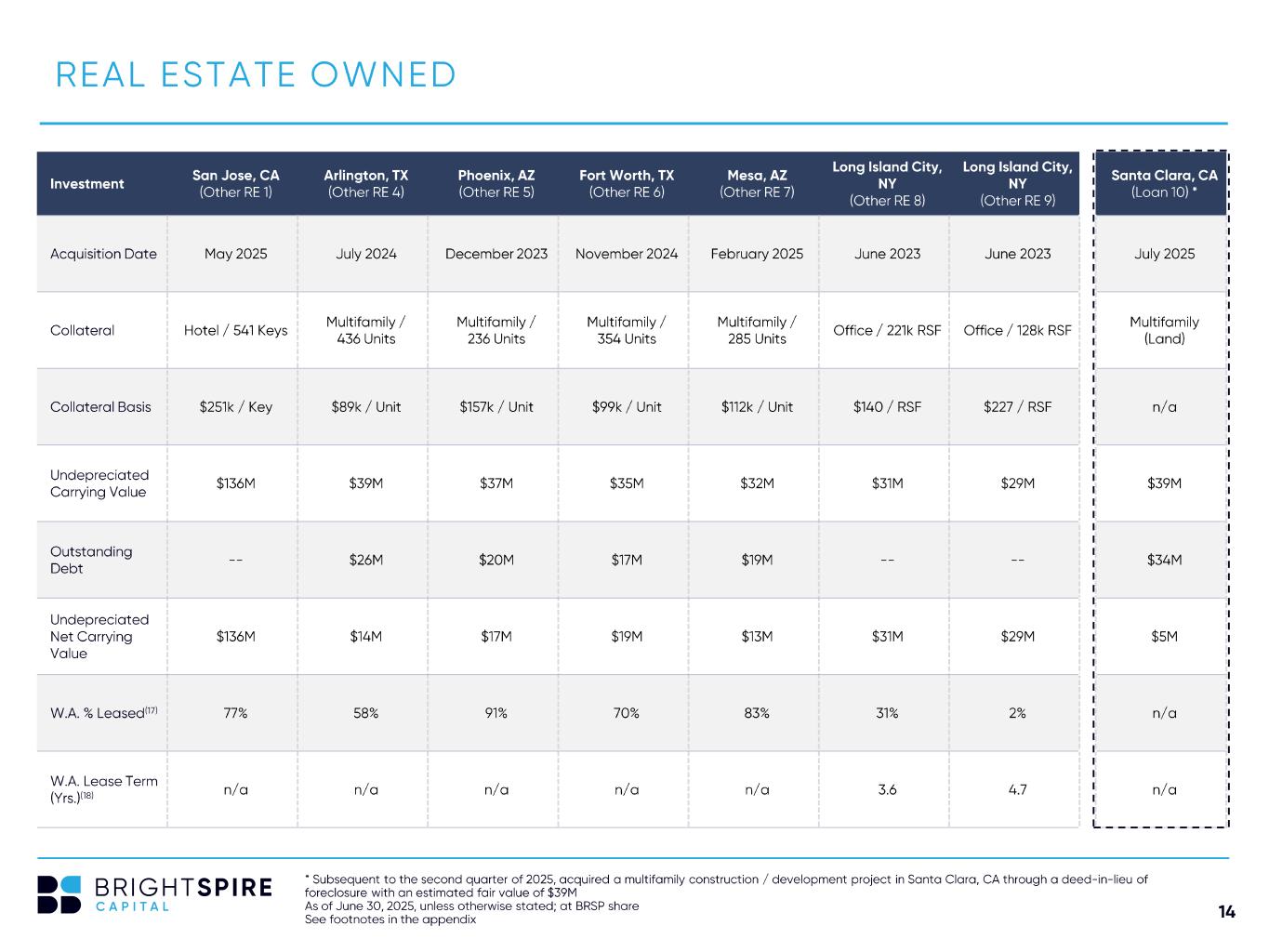
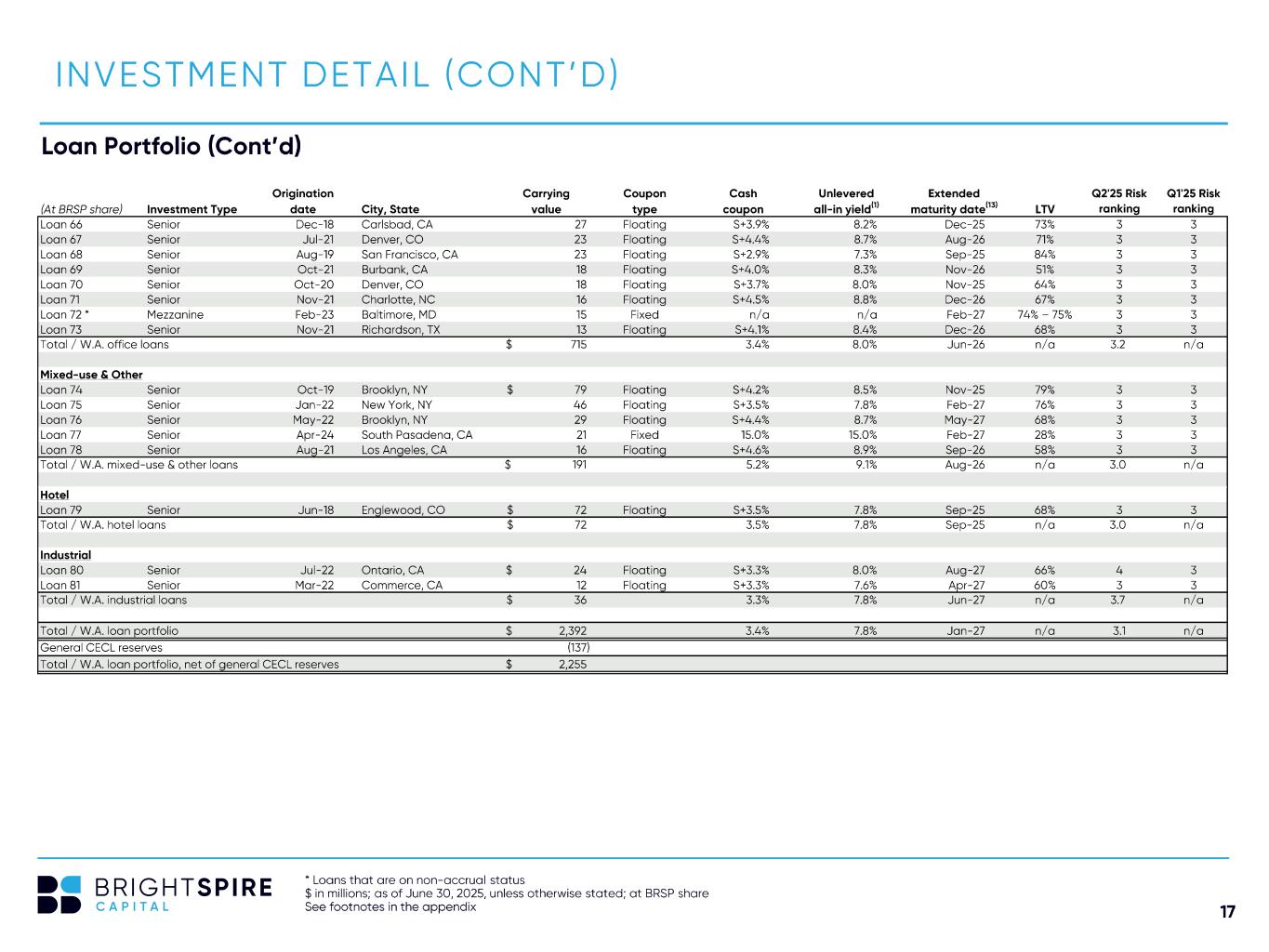
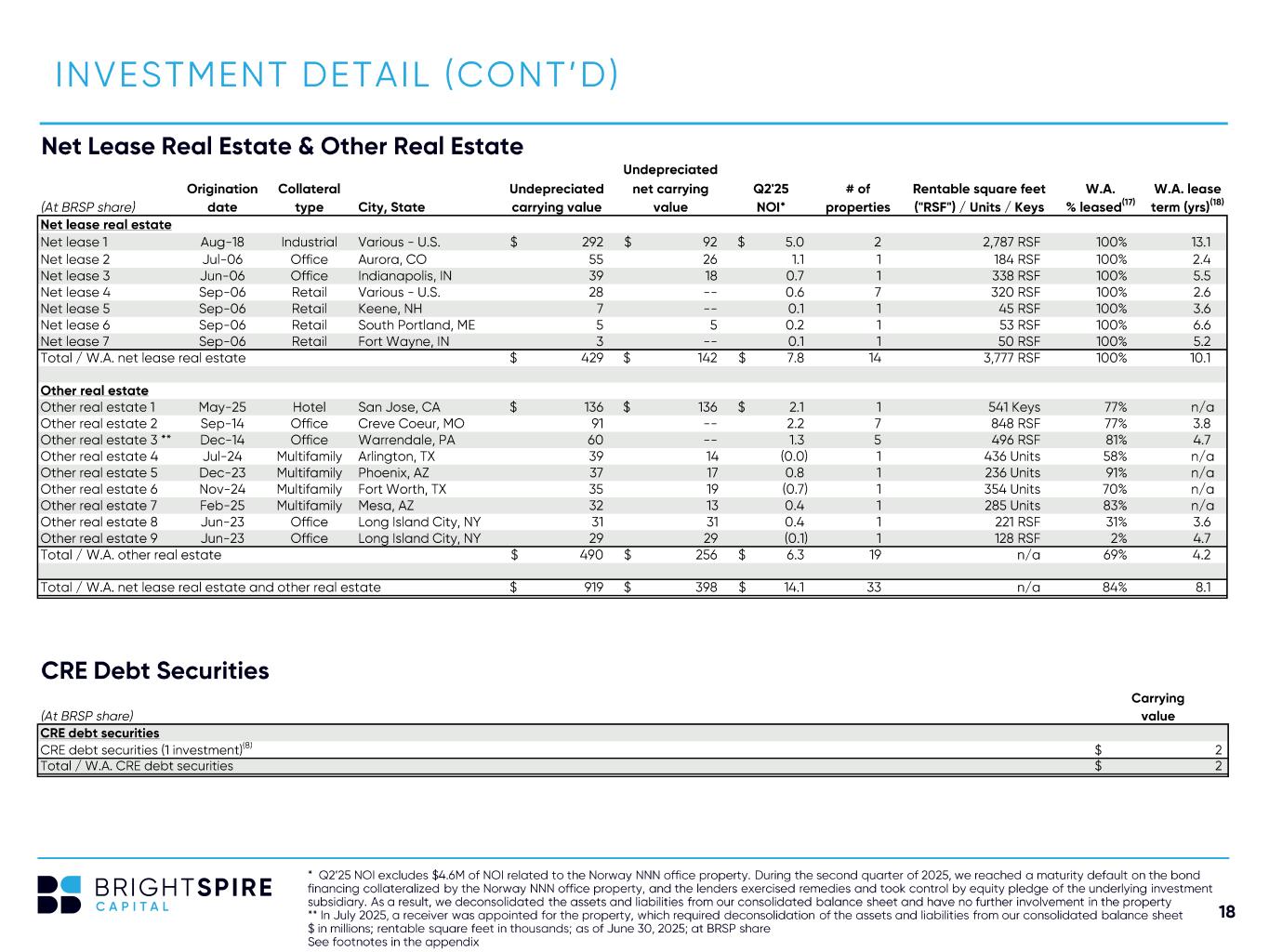
Thank you, Mike. Echoing Mike's comments, we continue to execute on our stated objectives, resulting in a positive quarter of significant watchlist reductions, stable book value, and meaningful progress on the portfolio. During the second quarter, the port was 3% or $70 million on a net basis, excluding the impact of the San Jose loan moving. Capital deployment was relatively modest during the quarter, consisting of $98 million across two new senior loan originations and across collateral, as well as future fundings of $7 million, resulting in total deployment of $105 million. Repayments were insignificant. Consisting of five parts, we anticipate repayment volume related to both loan payoffs and REO resolution. To increase, the combination of current liquidity on balance sheets will be redeployed in the coming quarters in new loans. During the quarter and subsequently, we continue to make progress reducing total by nearly 50% and by two loans on a net deduction watch list exposure was primarily driven by the removal of our two risk ranks during the quarter and subsequently we took ownership and the Santa Clara multifamily pre-development loan. As a result, there are no risk ranks. Additionally, we upgraded two risk rank four loans. The loans were previously downgraded due to uncertainty to support the execution of the underlying business plan resulting in the upgrades. Also during the quarter, two loans were downgraded to a risk rank four. The Ontario-California Industrial Loan has faced challenges related to increased supply and most recently tariff. Given the uncertainty, the borrower is no longer supporting the property and BRSP is evaluating options which include either a sale in the short term or potentially managing the property through this period of uncertainty. Additionally, we downgraded the Austin, Texas multifamily loan. Occupancy at the property has been stable. The supply glut in the market has put downward pressure on rental rates. On a net basis, watchlist loan exposure was reduced from $396 million at the end of Q1 to $202 million today, or 9% of the loan. While the watchlist experienced a significant reduction commensurately comprised of eight properties with an aggregate undepreciated gross book value of $379 million. The San Jose Hotel property accounts for $136 million or 36% of the REO portion of our portfolio. As Mike previously mentioned, our current plan for the property contemplates holding it in the near term to improve property level performance. The office portion of our REO portfolio is comprised of two Long Island City properties with a combined undepreciated gross book value of $60 million or 16% of the REO. We are focused on leasing up one of the properties where we have a tenant taking one full floor and are negotiating with another for significant space. Imminently, the second building will be marketed for sale. A portion of our REO portfolio is comprised in one multifamily pre-development site for a combined undepreciated gross book value of $183 million or 48%. As it relates to the four multifamily properties, we're actively engaged in the execution of value-add business plans. We anticipate resolving most of the multifamily portion of our REO portfolio over the next year or so. Currently, we are in the process of finalizing the sale of our Phoenix, Arizona multifamily property in line with our carrying value. We expect to close on the transaction next month. Previously highlighted, our corporate business plan contemplates repatriating capital from this portion of our portfolio for redeployment new loans. At present, our eight REO properties have an aggregate undepreciated gross carrying value of $379 million and a debt to assets ratio of approximately 31%. Net carrying value of $260 million. As we look to execute our business plan, we'll exercise prudence with a focus on maximizing the value of our existing fuel or loan portfolio average loan balance of $30 million. With that, I will turn the call over to Frank Siris.
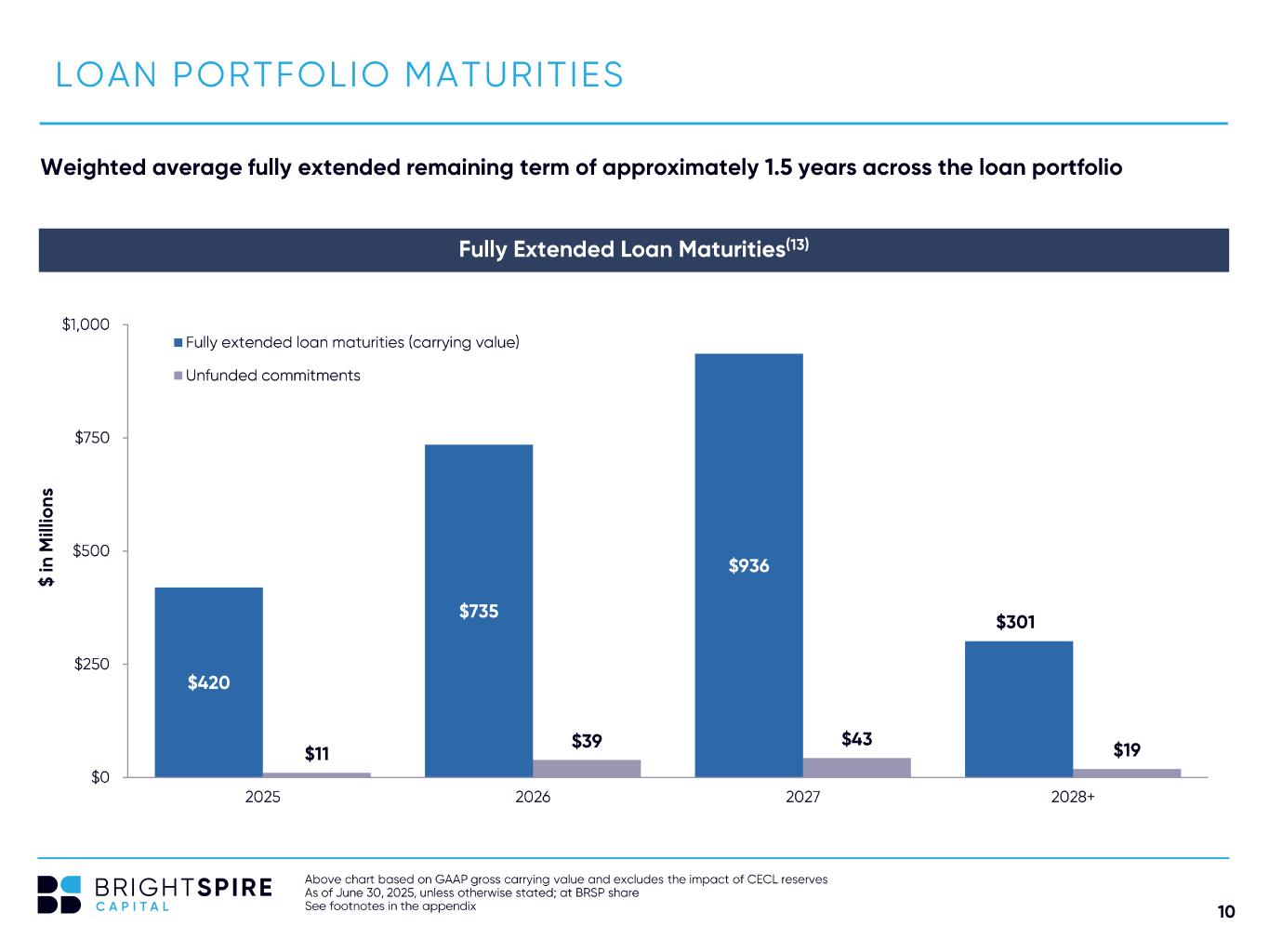
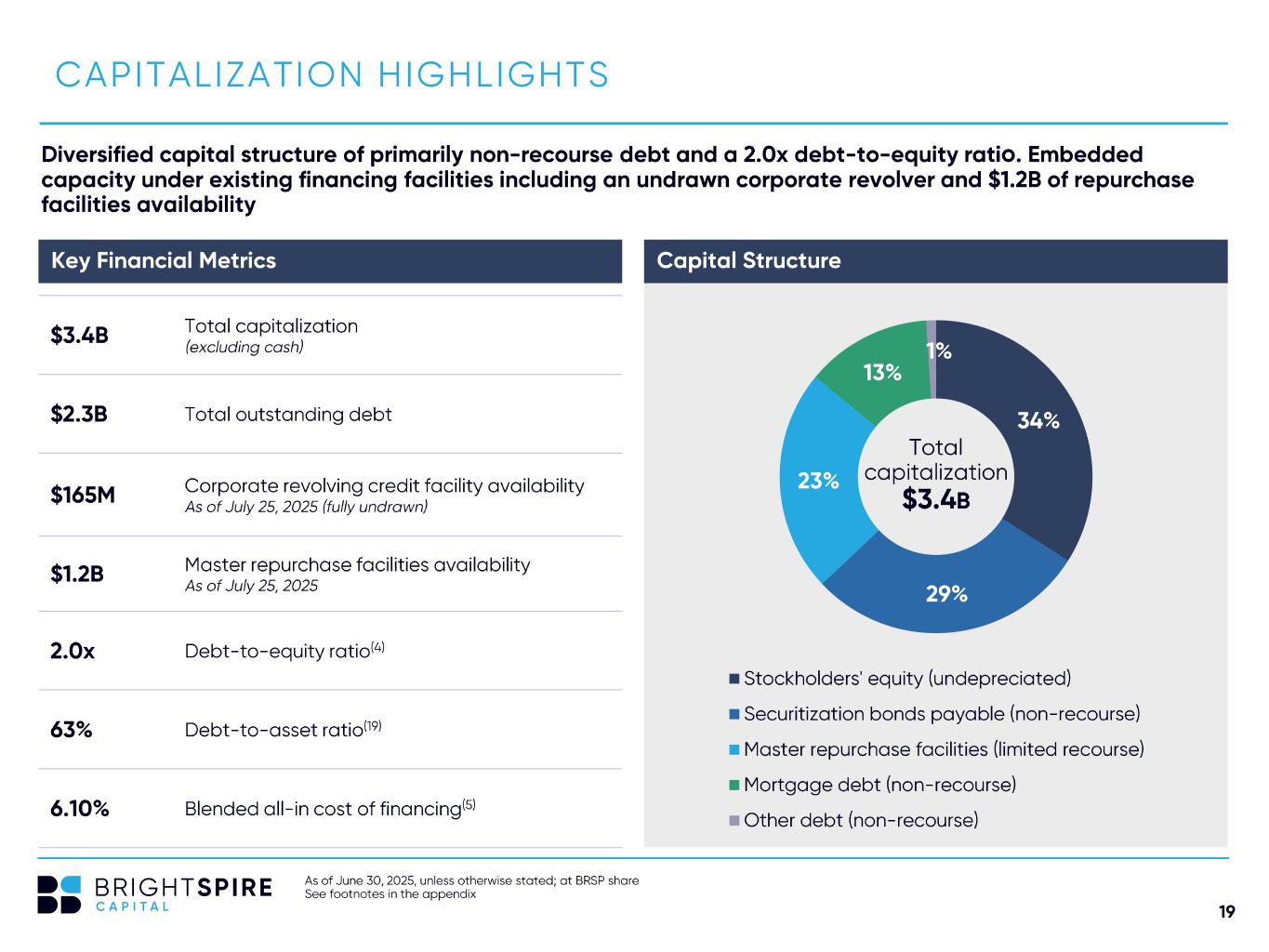
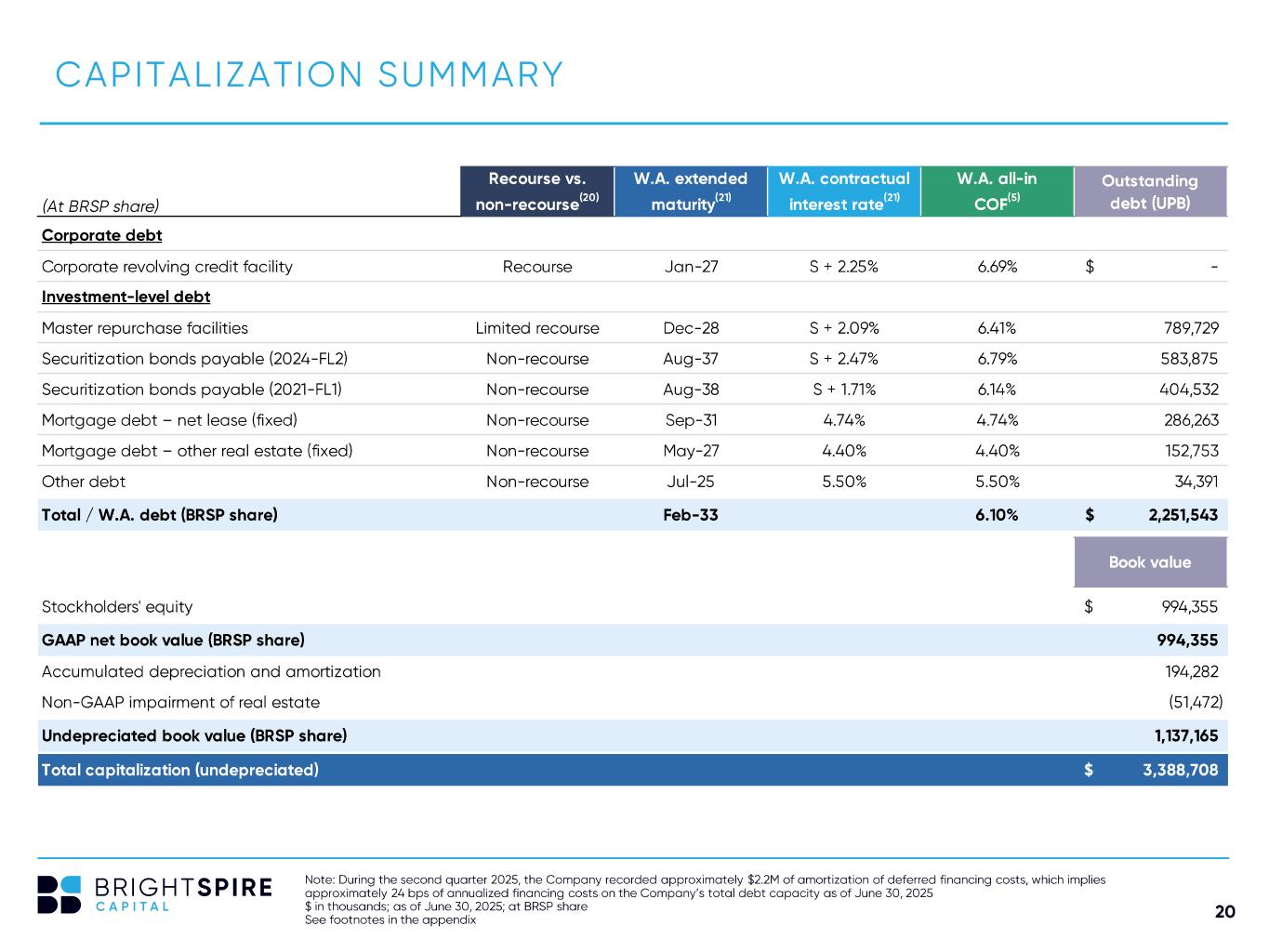
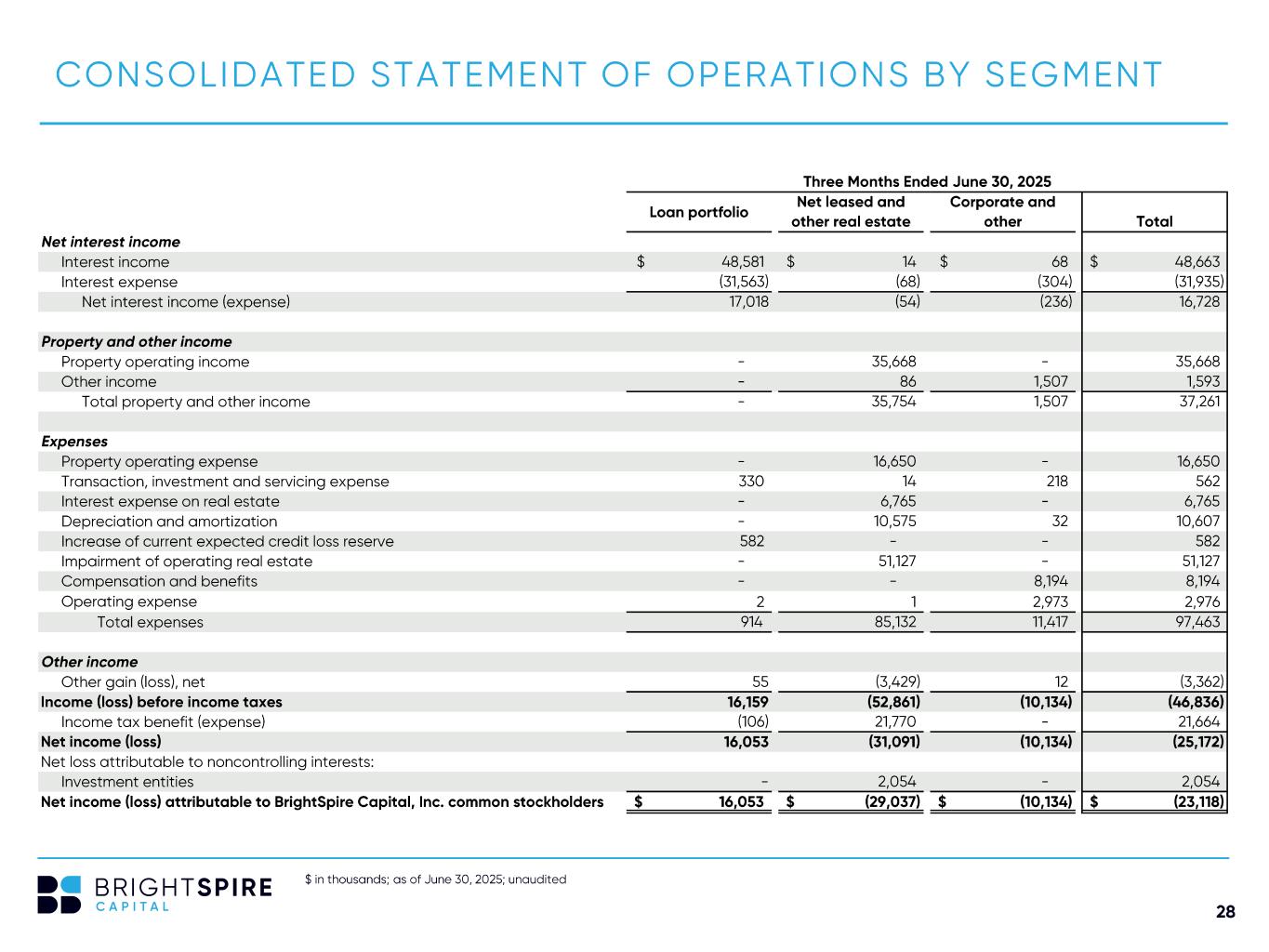
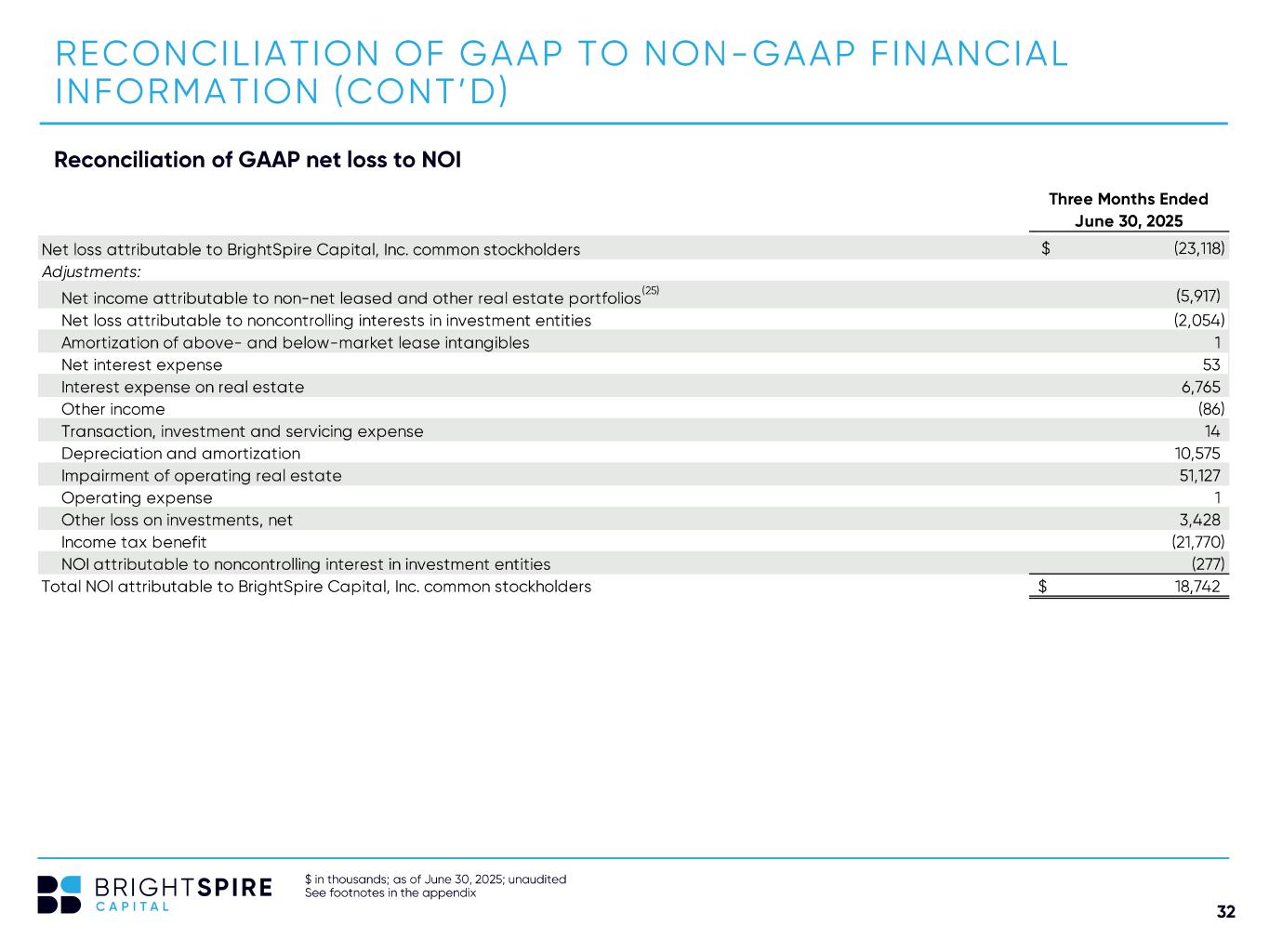
Thank you, Andy, and good morning, everyone. For the second quarter, we generated adjusted DE of $22.9 million, or $0.18 per share. Second quarter DE was $3.4 million, or $0.03 per share. DE includes specific reserves of approximately $19.5 million. Additionally, we reported total company gap net loss of $23.1 million, or $0.19 per share. I would first like to provide an update on two of our legacy office equity investments. First, our Equinor Norway net lease asset reached a maturity default on its bond financing and the lender's foreclose on the property. As a result, we deconsolidated all Equinor assets and liabilities from the balance sheet and recorded a gap impairment of approximately $49 million and an income tax benefit of approximately $22 million. As for the second of the two properties, in January earlier this year, we defaulted on the CMBS financing for our multi-tenanted office equity property located just outside Pittsburgh. Peptically into quarter end, a receiver was appointed for the property, and as a result, we will deconsolidate the assets and liabilities from the company's consolidated balance sheet in the third quarter. Accordingly, we reported a gap impairment of approximately $2 million related to the property. The combined items lowered second quarter total gap net book value to $7.65 per share from $7.92 per share in the first quarter. However, the impairment charges and offsetting tax benefit had no impact on our undepreciated book value as we had previously written both investments down to zero over a year ago. As such, for the second quarter, we reported undappreciated book value of $8.75, flat quarter over quarter. Now I'd like to quickly bridge to the second quarter adjusted distributable earnings of $0.18 versus the $0.16 recorded in the first quarter. The change was primarily driven by loan originations and operating income from the San Jose Hotel. Looking at reserves, during the second quarter, we recorded specific CECL reserves of approximately $19.5 million related to taking ownership of the properties associated with the San Jose Hotel Loan and the Santa Clara, California Multifamily Pre-Development Loan. As both loans were resolved during the quarter and subsequently, we charged off their reserves. Our general CECL provision stands at $137 million, or 549 basis points, on total loan commitments. This is approximately $20 million lower than the prior quarter. As the CECL provision is flat quarter-over-quarter, the decrease is primarily driven by the charge Our debt-to-assets ratio is 63%, and our debt-to-equity ratio is 2.0 times. We have no corporate debt or final maturities due until 2027. Lastly, our liquidity as of today stands at approximately $325 million. This comprises $106 million in current cash, $165 million under our credit facility, and approximately $54 million of approved but undrawn borrowings available on our warehouse lines. This concludes our prepared remarks, and with that, let's open it up for questions. Operator? Thank you.
Operator
We will now begin the question and answer session. To ask a question, you may press star, then 1 on your touchtone phone. If you are using a speakerphone, please pick up your handset before pressing any keys. If at any time your question has been addressed and you would like to withdraw your question, please press star then 2. We ask that you please limit yourself to one question and one follow-up. If you have any additional questions, you may re-enter the queue. At this time, we will pause momentarily to assemble our roster. And your first question today will come from Randy Binner with B. Reilly FBR. Please go ahead.
Hey, good morning. So that was well covered, Decorder. I guess my question here is related to the REO portfolio, specifically the San Jose Hotel and the multifamily properties you mentioned. Can you just give a little color kind of like on value-added activities you mentioned? And then in San Jose, I think there's events coming to that market. I'd just like to like love to hear like a little bit of color about like how the outlook is going for managing those and adding value to the process, as you said. Thanks.
Hey, Randy, how are you? This is Mike. I'll discuss the San Jose asset, and Andy is deeply involved in the multifamily assets. He could tell you what we're doing there, which is some of them are very heavy lifts, and the team is doing a great job. On the San Jose Hotel, again, as I said, it was a very protracted process and ended up foreclosing on the asset. There is a considerable amount of deferred maintenance at the asset given that the foreclosure process was a long one and there was some distress at the asset. There were just basic things like elevators. Some elevators were not operating and offline. So there are things like that that we need to address. So when I talk about doing those things, there are some big events that are coming up. You obviously want the hotel fully operational in its best condition. So we are going to be investing capital over the next six months into the hotel for deferred CapEx and things that need to be addressed. There are some big events coming up. I believe the fall is the peak season. We also have, as I said in the prepared remarks, the Super Bowl coming and the World Cup to Levi's Stadium, which is very close proximity to our hotel. And then we have the March Madness in San Jose in March, obviously. So we want to do things that we need to do to get that hotel fully operational and in peak condition before those events. So we would envision, because it's going to take some time to get some of these things addressed, probably about six months, we're going to hold the asset certainly to do that, address the CapEx that's been deferred, and then prepare for these big events. And that's why I think we'll look to potentially sell the hotel sometime in mid-2026, but we don't really have a timeline for it yet. It is contributing to earnings. The hotel is, the NOI is above OPEX, so there is a positive NOI, but it's still in a trough, and the ROE on that asset is still low. We don't have it encumbered right now. We can draw a modest amount against it on our pre-approved capacity with our lender, something like $60 million in terms of potential liquidity. but right now we're going to keep it unencumbered. The ROE is low, but hopefully the cash flow will increase, and again, we'll look to address this in 2026. And now I'll turn it over to Andy to talk a little bit about some of the multifamily REO that we have.
So as it relates to our multifamily REO, we've got one that's on the precipice of being sold, and then for the remaining assets, the business plans largely comprise of addressing deferring some of the unit improvements, leasing up the property, in some cases improving the curb appeal. But these are relatively straightforward executions. And, you know, in most of the cases here were well along the way in terms of the execution of that business plan. And, you know, it's essentially taking an asset that is, you know, leased at a below market rate, improving the look and feel of the asset and driving towards market occupancy. And so, you know, we anticipate exiting the other three assets that are in various phase underlying product and getting them to market.
That's great. Go ahead. I'm sorry, Randy.
No, I was going to say that's super helpful on both fronts, but Mike, you were going to say?
Operator
And your next question today will come from Steve Delaney with Citizens JMP. Please go ahead.
Hello, everyone. Thanks for taking the question. And also, congratulations on your stock up 6% today. Mike, just a little kind of theoretical question to start. If we look at bridge loans that you're underwriting today, especially after having worked through some fours and fives of bridge loans made in 2022 or 2023, is there a difference in the quality of the borrowers or the properties of the structures? What have we as an industry, I'm throwing myself in there as an analyst, but the interim bridge lending, commercial real estate lending apparatus in the country, has there been a lesson learned? Is the bridge loan business today meaningfully different from what was being done post-COVID 2022 with lower rates? So I'm just curious if there's something kind of cyclical going on there or the new version, if you will. Is 2.0 going to be better than 1.0?
I feel like I'm talking to my daddy. Yes, there's been a lesson learned. Thank you, Pop. Research dad. We had a bubble market. We stopped lending in early 2022 because we saw it. we wish we stopped lending a quarter or two earlier. One of the things that were driving the market before that we've spoken about in past calls have been the syndicators, and they're largely gone. And that's a huge positive. We're also operating in a different rate environment. And we're also operating where some of these properties, the values are getting reset. And so that's also very positive. So right now, we're looking at going in debt yields that much better than we were before, and exit debt yield is also better. I think the backdrop capital markets are looking very good. CLO market, we have a deal that's in the market, not us, but another lender that should price shortly. Spreads look like it may tighten on that. The CMBS market, as you've heard on other calls today, the CMBS market is wide open and doing well. We mentioned on our call, the bank warehouse lenders are very active. As you know, Freddie and Fannie, probably from your GSE lender calls, Freddie and Fannie are robust lending activity, very aggressive, and hopefully we'll have a Fed cut in September. So the capital markets are feeling very good after this quarter. We're very constructive on multifamily. We feel like the recovery is U-shaped, and we're at the bottom of that trough. We're still seeing concessions that are given, but construction lending is down considerably than where it was in our previous cycle in 2020, 21, and 22. The rent versus own proposition is looking stronger than ever, which bodes very well for multifamily. So we think that in 2026, 27, you're going to see rent concession, burn-offs, and rent increases. And hopefully our credit people are recovering from the pdst over the past two years and they're seeing that and we're we're trying to lean into the underwriting more because we do believe that that market will tighten um we we are picking our spots we we would prefer new construction takeout uh and properties obviously brand new in areas where uh we're seeing uh higher household incomes where you could potentially uh push push rents further than in other older vintage multifamily. We still think it's a lender-driven market. We've said that repeatedly on the last two or three calls, meaning that there's billions of dollars coming up for refinancing in the next two years, which bodes well for the bridge market. And the lenders are at the end of the rope with regard to loan extensions without putting equity in the deals. And so the borrowers that are coming to us are still looking. And this is why inquiry has increased dramatically. 75% of it is still refi. The reason why the hit ratio is still low is because those borrowers are seeking to do better than the paydowns required by their existing lenders. So they're coming to the market asking for an equity neutral refinancing. And those are still a struggle. And so as the lenders that they currently have are working with them, we're starting to see those refi requests turn into sales, and we're seeing more acquisition activity, which we largely prefer over bridge-to-bridge lending. So hopefully that investment sale activity will continue to grow as lenders are pushing their borrowers into the market saying, sell the property or pay down the loan. So we're pretty constructive. in the market right now, especially for multifamily, and we think that this is a much different lending market than you're seeing. And evidenced by the fact, Steve, you're seeing the advance rate on CLOs about five percentage points higher than they were in 2022 because the debt yields going in are much better than what we saw in 2022.
That's very helpful. Great look back and roll forward to where we sit here today. And given where we are today, at June 30, your portfolio was $2.4 billion. If you look at it, maybe Andy wants to, whoever wants to answer it, I guess I'll address it to the team. But looking at your capital base today in that portfolio, how much incremental loan portfolio growth do you believe you have with your existing capital base to maybe move beyond the $2.4 billion portfolio at June 30. Thanks.
Well, I'm going to turn it over to Andy because he did say, and he'll clarify further from what his prepared remarks were about how much embedded capital we have in our REO. Andy?
So, in terms of portfolio growth, right now, today, we're sitting on about $260 million. And so we're incredibly focused on, you know, getting to liquidity as it relates to those underlying positions, cash position. So we're deploying capital. But as we look forward, it has the opportunity to grow to about $3.5 billion during that period of time. Our, you know, deployment is going to be somewhat moderated by our ability to dispose of the organization at this point.
Excellent. Well, thank you for that. all for your comments.
That's very helpful. Thank you, Steve.
Operator
And your next question today will come from John Nicodemus with BTIG. Please go ahead. Hello. Good morning, everyone.
Somewhat related to Steve's last question, something that Andy went over in your prepared remarks, the repayments. Obviously, you noticed that they were low in the second quarter. Good to hear that they're going to be bouncing back. We did note that there were just $7 million total so far in July. Is that something that looks like it'll be happening before the end of the third quarter or deeper into the year? We're just kind of curious what the repayment trajectory is looking like throughout the rest of 2025.
It's difficult to predict with a high degree of accuracy what the repayment schedule will look like and getting to the REO proceeds. But we're certainly going to see an uptick over Q2, without a doubt. We've got some rather significant positions that we've got a clear line of sight in terms of resolving. So I think, you know, over the back half of the year, you are going to see some rather material.
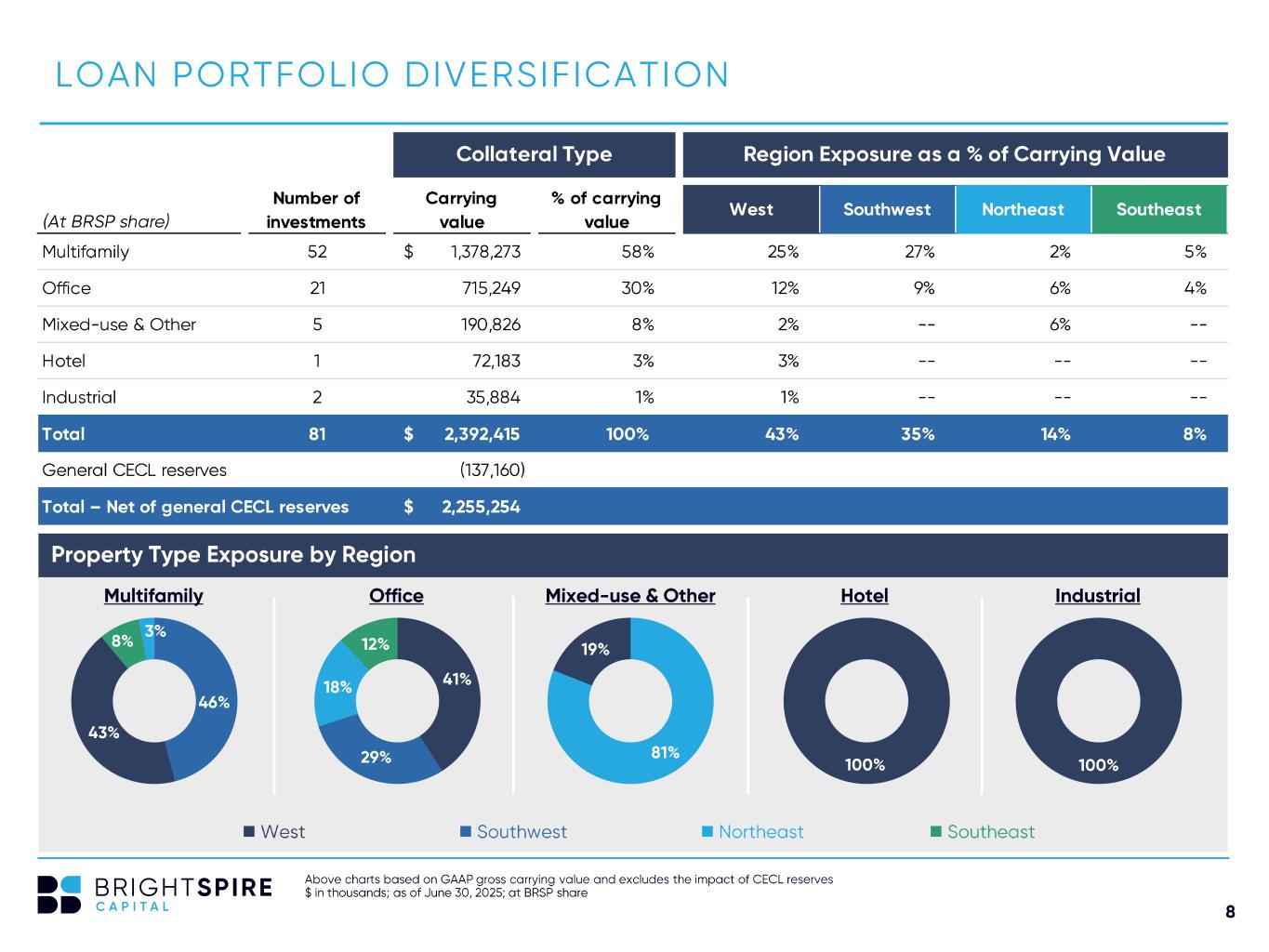
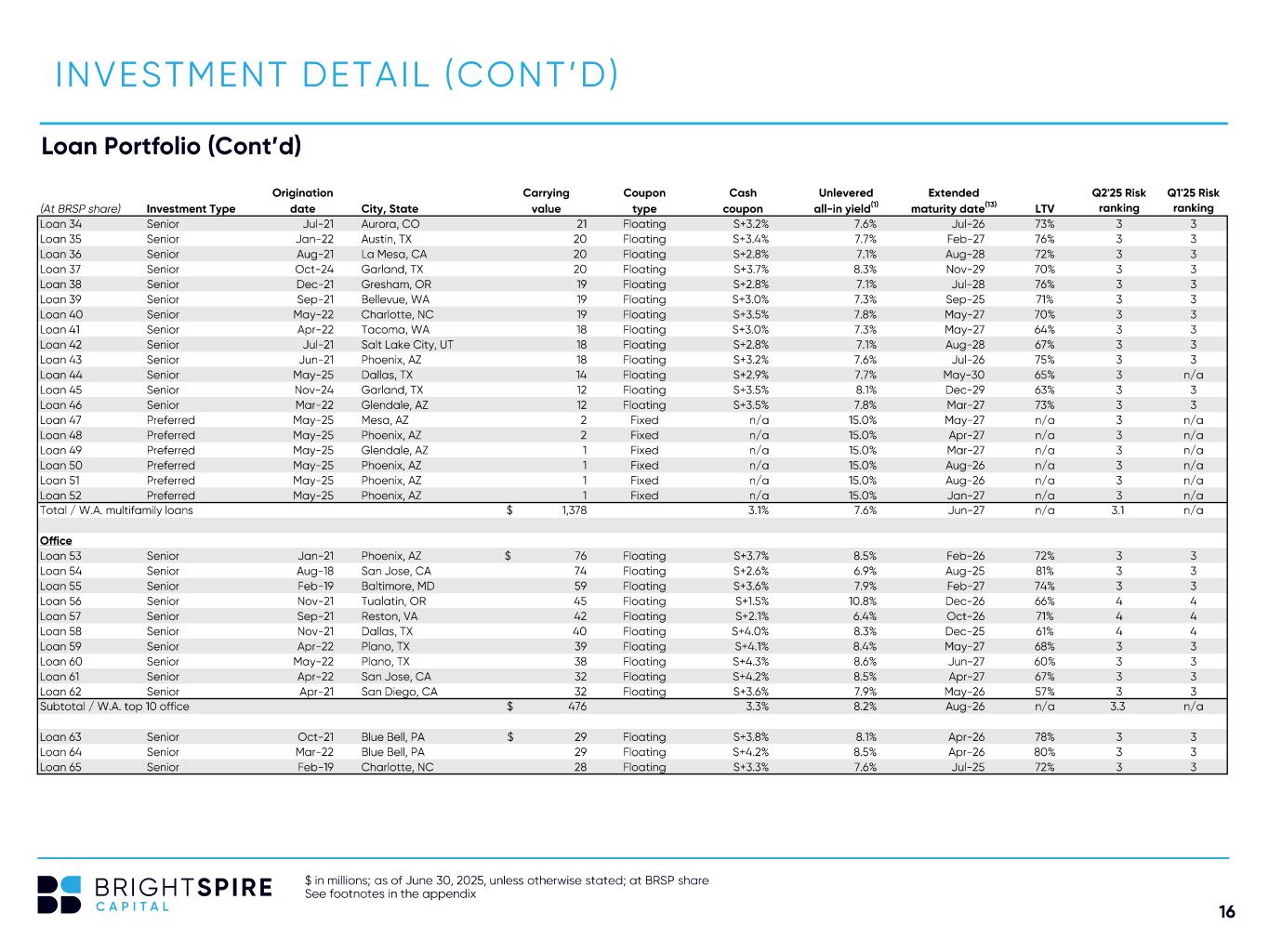
So I'll add to that, that we are, we are seeing, we had some, a modest pay down on one of the risk rated for office loans. We, we expect a small office loan to pay off at the end of the month. We also are seeing on some of the larger office loan assets that we have, I think hopefully next quarter we should have this discussion about some underlying leasing that we're seeing there. And the Phoenix office asset, they're in the process of working on a lease that could be meaningful for the building. We cannot speak for the borrower, but there's a chance that that borrower in executing that lease will put that asset up for sale. So we're hopeful of that. Again, we can't speak to their goals and what their intentions are, but we would hope that that would be the case. In Baltimore, that asset is a relatively highly leased asset, that office asset, and it is competing for a number of leases for state agencies. There was a state agency building that was owned by the Maryland government that they are deciding not to invest new capital in. And they've told those tenants, those nine agencies in the building for about 250,000 square feet to go find some new space. And our building is our owner or borrower is competing for some of that space. And again, we can't speak on their behalf, but hopefully that will get done and that may lead to that property being sold. And if we can get the office portfolio down by about 20% from where it is today, it's shrunk over time. That would bring it down to like a five-handle, 500-ish million. Then I think we would potentially look at the market for doing new office loans. The CMBS market is accepting office properties more than it has over the past year. So we're optimistic that we can get some one-off deals done in the office market again. we'd have to shrink the office portfolio. And then I would also add that in Long Island City, Andy alluded to this, one of the buildings, we have leased one floor and we're all working with a state agency. We were selected in an RFP process. We are in lease negotiations with that agency. I would put a grain of salt on that, please, because anything could happen. But that is some positive momentum there. Hopefully that lease gets done. It's probably a little premature to say that because it's not fully baked. Hopefully we'll have more to say about that positively next quarter.
Thanks so much, Mike and Andy.
That's some great color and definitely exciting to hear what's coming through. Then for my follow-up, a little bit more of a pivot, and I know this is something we've discussed before, I believe, in the spring with your team. I just wanted to hear any updates your team might have now that Texas has moved to change its legislation on traveling HFCs. Has that changed how your team's looking at your existing loans as well as any future loans there, just given your Texas multifamily exposure? Thank you.
We have executed on some of the HFCs, and we understand what the new legislation says. It gives us a two-year benefit in taxes unless we sell the assets. We will be selling the assets before that two-year horizon. So that is what it is, and we think that that will have really no impact on our strategy in executing on those REOs. We are right now almost complete with complete CapEx on the Fort Worth asset, and I think that will probably see the light of day in terms of a sale after we list the Mesa multifamily asset. That will be the next one that goes up. The Fort Worth asset is experiencing extensive leasing progress after the refurbishments that we put in place, and we'll put that one out on the market, my guess, around first quarter of 2026. And then after that asset, the next one that will follow will be the one in Arlington, Texas. And that'll probably be around the second quarter of 2026.
Thank you so much, Mike. Appreciate it. And that's all for me.
Operator
Again, if you have a question, please press star and then one. And your next question will come from Jason Weaver with Jones Trading. Please go ahead. Good morning, guys. Thanks for taking my question.
Just looking at the decline in property operating margin in the quarter, I assume a good portion of that from the two you took back, specifically San Jose. But how should we be thinking about the trajectory from here moving forward? Andy, you mentioned in your prepared remarks there was a lot of deferred maintenance. Did that contribute to the extra expense burden there?
I mean, for operating during the quarter, remember, we foreclosed on Signia San Jose Hotel, so that would have not only increased property income, but as well as property the expenditures in the quarter. So maybe that combination that's looking odd. But CapEx wouldn't affect the NOI.
So can you point to anything else that's affecting the operating margin there? It declined about 10 points is what I'm getting.
No, but I'm failing to get the gist of where you're going.
We can revisit. Second, you know, maybe related to Steve's question, it seems like many of the peers out there that a few have reported that they're still having some difficulty seeing net growth in their portfolios. Anything that you can point to from a competitive perspective on why you've been able to win more mandates, whether that's pricing, covenant structures, et cetera?
I'll be perfectly honest with you here. We feel we're disappointed in the second quarter. We said that going into last quarter that we would have a low. And quite frankly, hats off to some of our competitors. You know, we've looked at our friends at 2RTX have done a great job for the quarter, and we look to follow suit. We feel like the inquiry that we've gotten has increased, as I said in the prepared remarks, dramatically year over year. So we're getting the looks that we want, and that's the main thing, that we want to see as much as possible that's out there. And then it's up to us about the hit ratio. The struggle has been a lot of the borrowers coming to us for refis or looking, as I said earlier, for these cash neutral deals or to get a better deal than their current lender is asking of them. And so that has been a little bit of a struggle. But I think over time, we're seeing the lenders really pushing on the borrowers to move on. And we're starting to see more acquisition financing. So that's why we're optimistic for the back half of the year, especially if there's a Fed cut in September. But in terms of our peer group, I would not thank you for the generous remarks, but I don't necessarily think that we've done or outperformed our peer group and originations this quarter.
All right. Thank you for that color.
Operator
And your next question today will come from Gaurav Mehta with Alliance Global Partners. Please go ahead.
Thank you. Good morning. I was hoping to get some more color on the cross-collateralized preferred equity investments that you guys had in 2Q25?
I'll take that question. So, this is related to the PREP equity position that we originated during the quarter, correct?
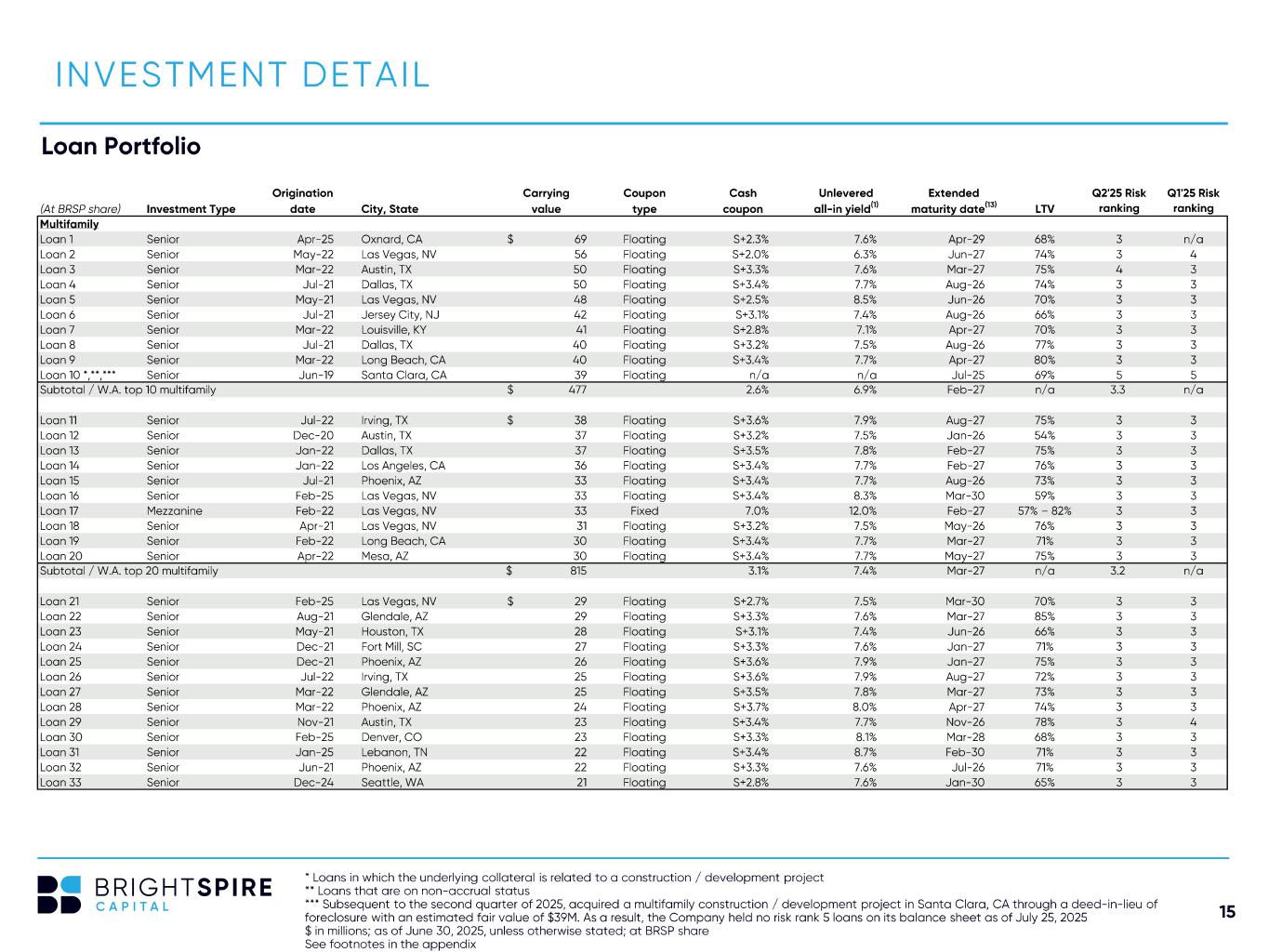
Okay. So, this is a cross-collateralized PREP across six properties or loans. They're all located in Phoenix. These were existing loans. So this was the performance of those six properties under this PREF equity agreement. And, you know, the underlying collateral consists of just over 900 units, and the occupancy is about 92%, 93%. In terms of the rate on that particular instrument, I believe it was 14%. If you had any other questions, is it related to this particular loan?
No, that's helpful. And as a follow-up, I wanted to ask you on the Santa Clara multifamily that's in REO. I look at the carry value of $39 million. It seems like it's different than $57 million that was reported when it was in the watch list. Just wanted to get some more color on the difference in the carry value.
So the difference is, essentially, you're seeing the charge off of the CISO that's related to that. So that was a decrease. This was our CISO reserve that we had against it. And that accounts to difference.
Thank you. That's all I had.
Operator
This concludes our question and answer session. I would like to turn the conference back over to Mike Mazze for any closing remarks.
Thank you. Okay, in closing, we would like to mention to the families, friends, and colleagues of the victims of the 345 Park Avenue tragedy and our friends and industry colleagues at Blackstone and Rudin that we offer our thoughts and prayers and deepest condolences. and a thank you to the NYPD, the first responders, and to all of the building security staffs who keep us safe. Thank you. And thank you for joining us today. This ends our call.
Operator
The conference has now concluded. Thank you for attending today's presentation. You may now disconnect.