Operator
Good morning, ladies and gentlemen, and thank you for standing by. My name is Kelvin, and I will be your conference operator today. At this time, I would like to welcome everyone to the NextPoint Residential Trust 24-2024 Earnings Call. All lines have been placed on mute to prevent any background noise. After the speaker's remarks, there will be a question and answer session. If you would like to ask a question during this time, simply press star followed by the number one on your telephone keypad. If you would like to withdraw your question, simply press the pound key or start 2. Thank you. I would now like to turn the call over to Kristen Griffith, Investor Relations. Please go ahead.
Thank you. Good day, everyone, and welcome to Nesquan Residential Trust Conference Call to review the company's results for the fourth quarter ended December 31st, 2024. On the call today are Paul Richards, Executive Vice President and Chief Financial Officer, Matt McGranner, Executive Vice President and Chief Investment Officer, and Bonner McDermott, Vice President, Asset Investment Management. As a reminder, this call is being webcast through the company's website at nxrt.nextcoins.com. Before we begin, I would like to remind everyone that this conference call contains forward-looking statements within the meanings of the Private Securities Litigation Reform Act of 1995 that are based on management's current expectations, assumptions, and beliefs. Listeners should not place undue reliance on any forward-looking statements and are encouraged to review the company's most recent annual report on Form 10-K and the company's other filings with the SEC for a more complete discussion of risk and other factors that could affect any forward-looking statements. The statements made during this conference call speak only as a state and state and accept as required by law. NSRT does not undertake any obligation to publicly update or revise any forward-looking statements. This conference call also includes an analysis of non-GAAP financial measures. For a more complete discussion of these non-GAAP financial measures, see the company's earnings release that was filed earlier today. I would now like to turn the call over to Matt McGrainer. Please go ahead, Matt.
Thanks, Kristen. And before we dive into our prepared remarks, I want to take a moment to congratulate Brian Mitts on his well-earned retirement, which officially took effect on December 31st, 2024. We're incredibly grateful for his years of dedication, the countless long days he put in, and the instrumental role he played in shaping NXRT into what it is today. While Brian has stepped back from day-to-day operations, we're fortunate that he remains a valued member of our board, continuing to provide guidance and insight as we move forward. At the same time, I'm pleased to officially welcome Paul Richards as our new CFO, and having worked closely with Brian and me for over a decade, Paul deeply understands our strategy and our approach to execution. He's a strong leader, and I have full confidence in his ability to drive sector-leading long-term results for our shareholders. And with that, I'll turn the call over to Paul to walk us through our fourth quarter and full-year 2024 financial results.
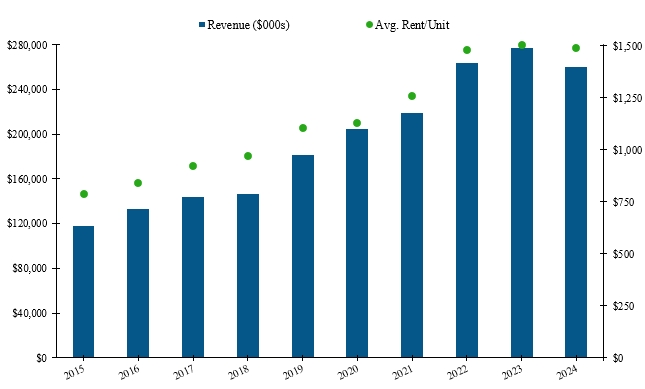
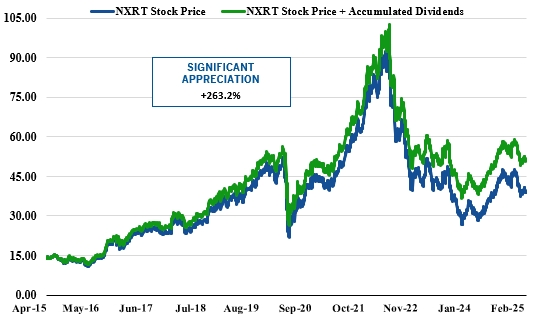
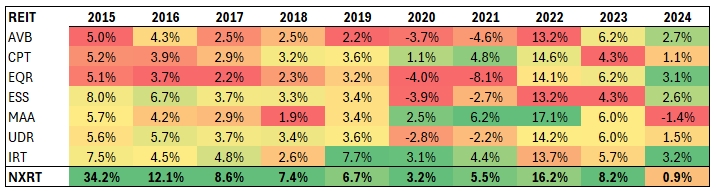
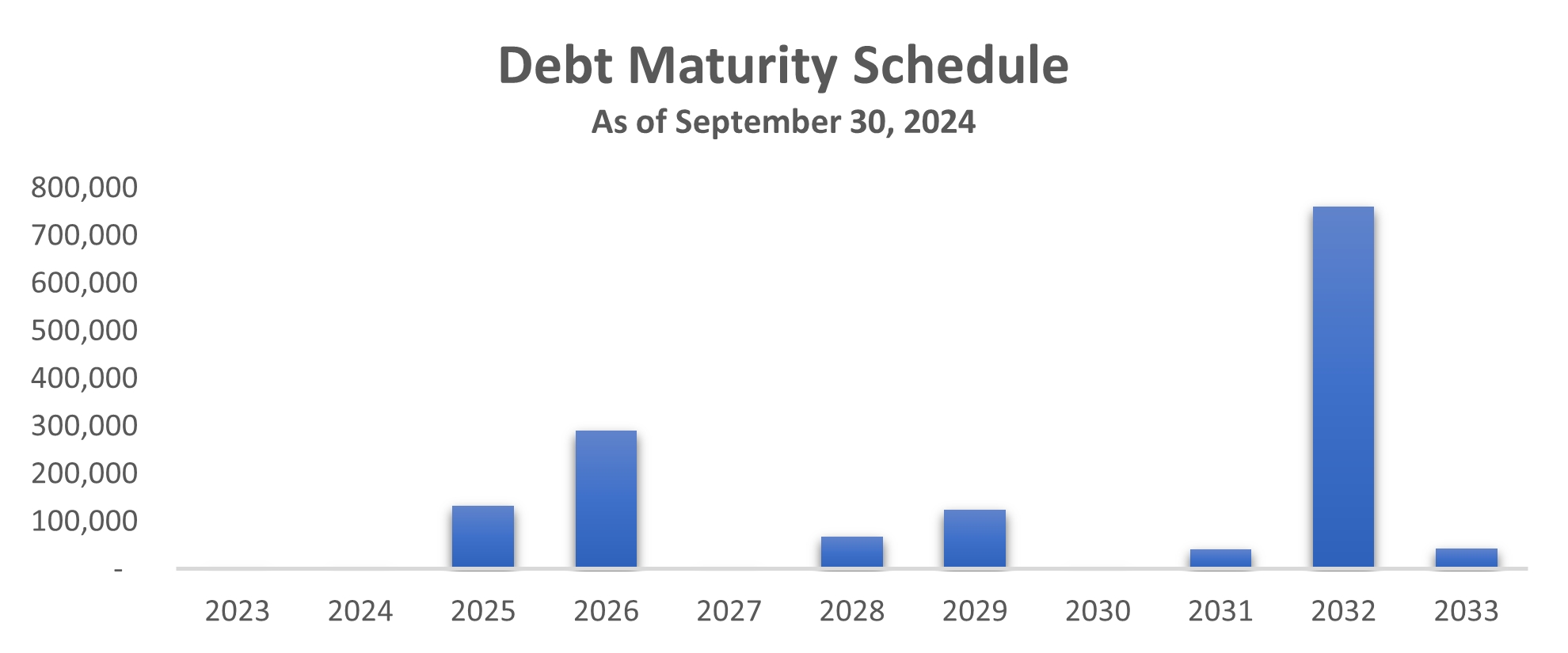
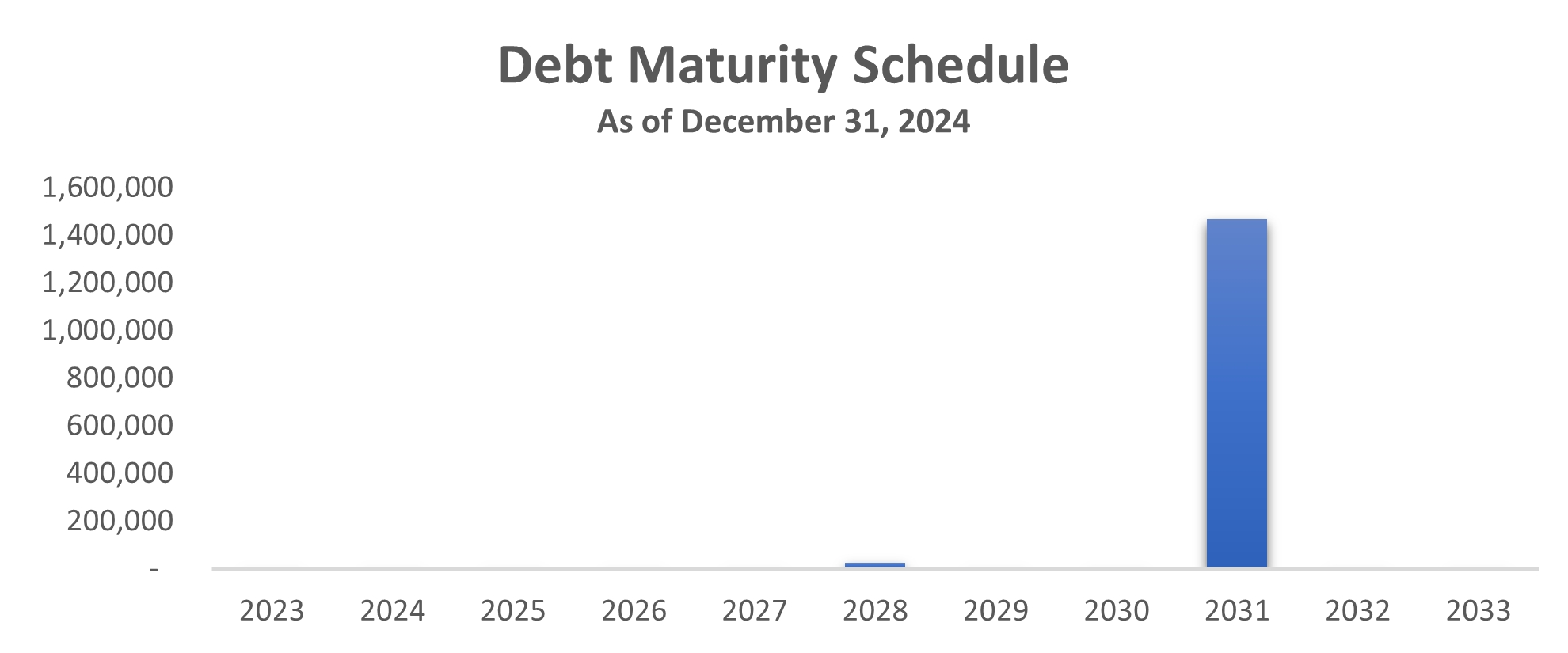
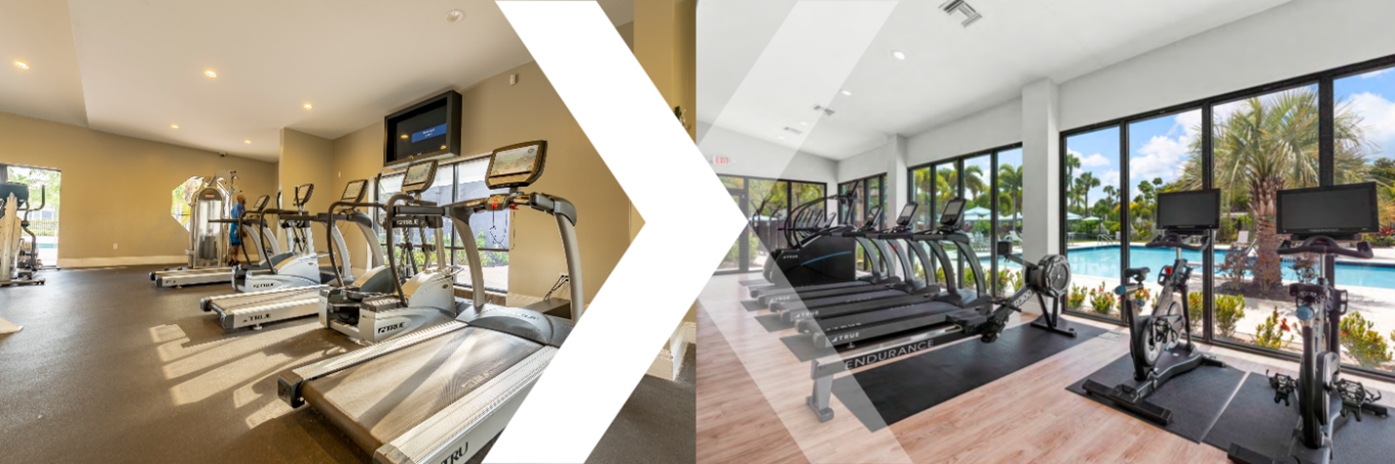
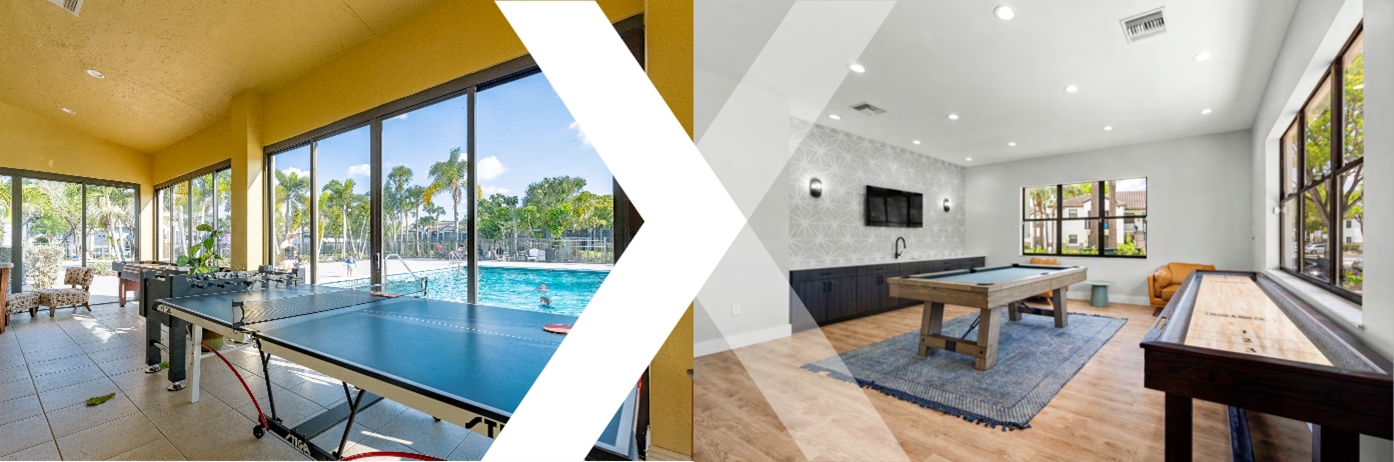
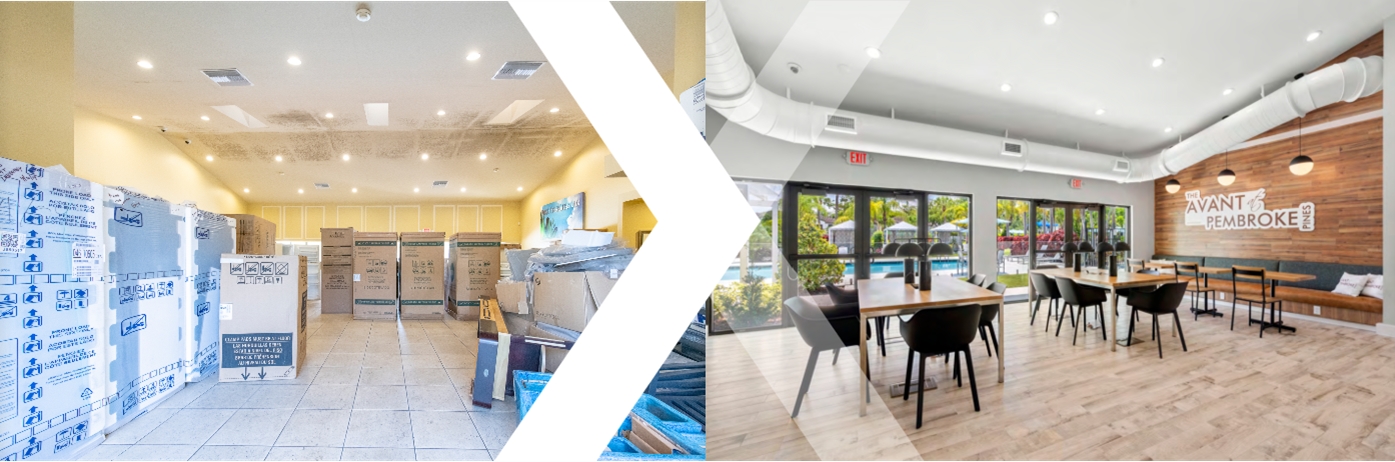
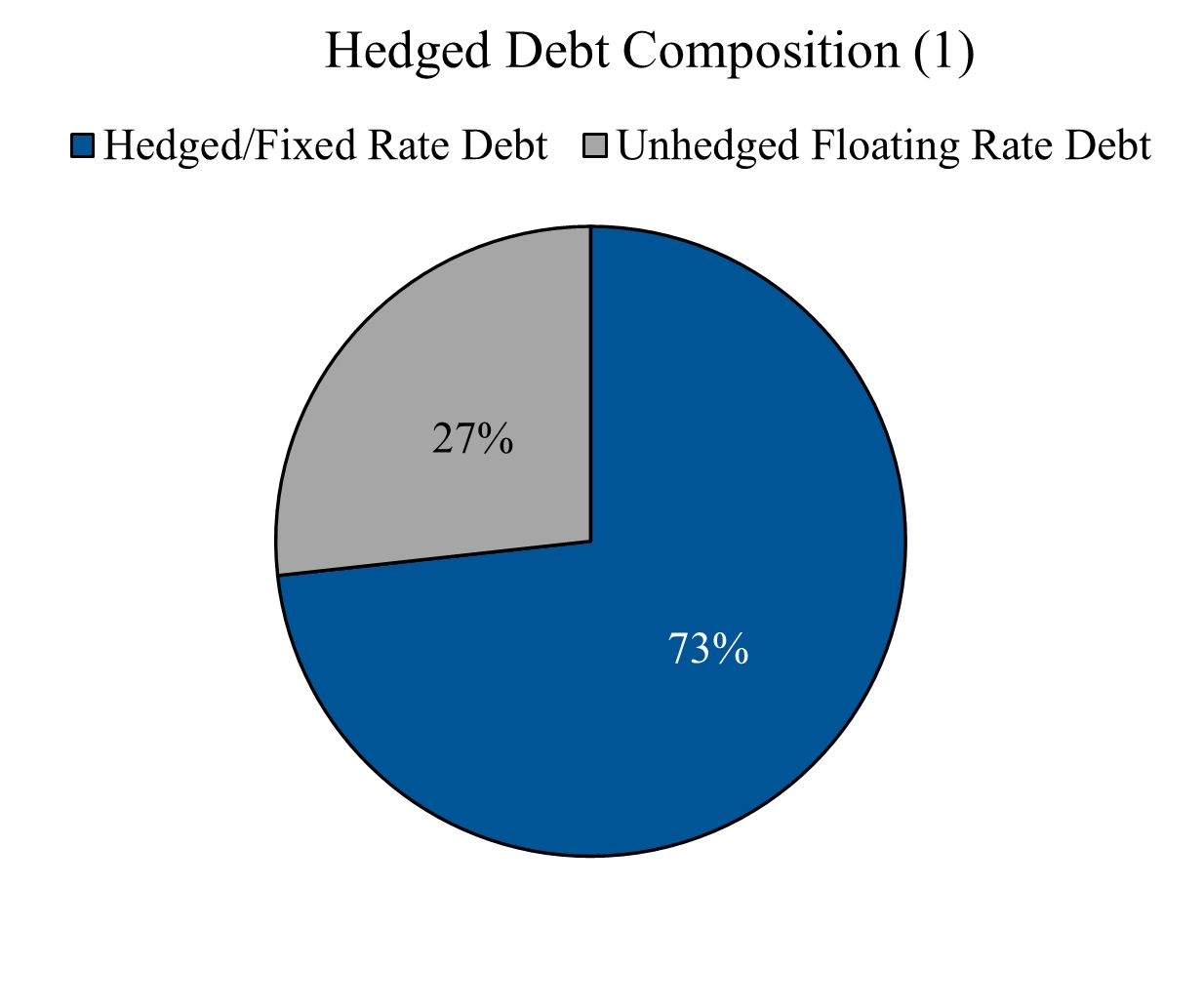
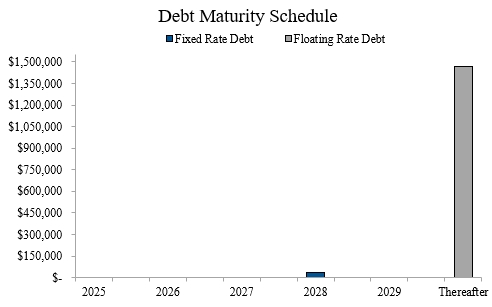
Thanks, Matt, and thanks, Kristen, and welcome to everyone joining this morning. I look forward to our conversation, and we appreciate your time. I'll kick off the call and cover our Q4 and full-year results and highlights, update our NAP calculation, and then provide initial 2025 guidance. I'll then turn it over to Matt and Bonner to discuss specifics on the leasing environment and metrics driving our performance and guidance and details on the portfolio. Let me start with results from the fourth quarter, which are as follows. Net loss for the fourth quarter was $26.9 million or $1.06 per diluted share on total revenue of $63.8 million as compared to net income of $18.4 million or $0.70 per diluted share in the same period in 2023 on total revenue of $68.9 million. For the fourth quarter, net operating income was $38.9 million on 35 properties, compared to $42.2 million on 38 properties for the fourth quarter of 2023, a 7.6% decrease in NOI. For the fourth quarter, same-store rental income increased 90 basis points, and same-store occupancy remained stable at 94.7%. This coupled with an increase in same-store expenses of 2.2 percent led to a decrease in same store NOI of 40 basis points as compared to Q4 2023. Rental income for the fourth quarter of 2024 on the same store portfolio was up 20 basis points quarter over quarter. We reported Q4 2024 core FFO of 17.7 million or 68 cents per diluted share compared to 75 cents per diluted share in Q4 2023. We continue to execute our value-add business by completing 58 full and partial renovations during the quarter at least 31 renovated units achieving an average monthly rent premium of 150 dollars and 19.2 return return on investment inception to date in the current portfolio as of year end we have completed 8348 full and partial upgrades 4730 kitchen and laundry appliance installations and 11 389 technology package installations resulting in 175 50 and 43 dollar average monthly rental increase per unit and 20.8 percent 64 8 point 64.8 percent and 37.2 percent return on investment respectively moving to the full year full year results are as follows net income for the year ended december 31st was $1.1 million or income of $0.04 per diluted share, which included a gain on sales of real estate of $54.2 million and $97.8 million of depreciation and amortization expense. This compared to net income of $44.3 million or income of $1.69 per diluted share for the full year 2023, which included gain on sales of real estate of $67.9 million and $95.2 million of depreciation and amortization expense. For the year, NOI was $157 million on 35 properties as compared to $167.4 million on 38 properties for the same period in 2023, or a decrease at 6.2%. For the year, same-store rental income increased 2.3%, and same-store occupancy remained stable at 94.7%. This, coupled with an increase in same-store expenses of 3.3%, led to an increase in same-store NOI of 90 basis points as compared to the full year in 2023. We reported core FFO in 2024 of $73.1 million, or $2.79 per diluted share, compared to $2.92 per diluted share for 2023. Since inception of the business in 2015, NXRP has generated 10.8% compound annual growth in core FFO. Turning to our NAV estimate, based on our current estimates of cap rates in our markets and Ford NOI, we are reporting a NAV per share range as follows. $44.56 on the low end, $58.52 on the high end, and $51.54 at the midpoint. These are based on average cap rates ranging from 5.25% on the low end to 5.75% on the high end, which remain the same as last quarter and remain flat over the last year, reflecting stability in capital markets and cap rates in our markets. for the fourth quarter nxrt paid a dividend of 51 cents per share on december 31st since inception we have increased our dividend 147.6 percent for 2024 our dividend was 1.47x covered by core ffo with a payout ratio of 68 percent of core ffo finally before discussing guidance i'd like to touch on our 2024 transaction activity and subsequent events nxrt disposed of old farm on march 1st 2024 radborn length on april 30th 2024 and stone creek at old farm on october 1st 2024. these sales generated 20.2 levered irr a 2.96 multiple uninvested capital and 92.4 million on net sales proceeds which we used 24 million to pay down and draw balance in the credit facility in the first half of 2024 we retired 14.6 million of common stock at a weighted average price of $33.19, which represented a 37% discount to the midpoint of our Q1 2024 NAP range. In two closings on October 1st, 2024 and November 29th of 2024, the company entered into 34 loan agreements for total gross proceeds of $1.466 billion, which is in aggregate representative of 97.7% of the company's total outstanding debt. Notably, NXRT agreed to refinance at an interest rate pricing improved from prior terms. This refinancing activity extended the company's weighted average debt maturity schedule to seven years. Holistically, these refinancing reduced NXRT's weighted average interest on the total debt by 48 basis points to 6.21% before the impact of interest rate swap contracts. Accounting for the hedging impact of the swaps, NXRT's adjusted weighted average interest rate was reduced from 3.64% to 2.96% as of December 31st, 2024. With the completion of these refinancings, the company has no meaningful debt maturities until 2028. On February 24th, 2025, the company's board of directors declared quarterly dividend of 51 cents per share, payable on March 31st, 2025, to stockholders of record on March 14th, 2025. Going to our guidance for 2025, we are issuing initial guidance as follows. For poor FFO per diluted share, $2.83 at the high end, $2.56 at the low end, with a midpoint of $2.70. For same-store revenue, 1.3 increase on the high end, 20 basis points decrease on the low end, with a midpoint, a 50 basis point increase. Same-store expenses, an increase of 2.4% on the high end, 4.9% on the low end, and 3.7% increase for the midpoint, which results in same-store NOI of a 50 basis point increase on the high end a 3.5 percent decrease on the low end and a negative 1.5 decrease at the midpoint and with that i'll turn it over to matt for commentary on the portfolio thank you paul let me start by going over our fourth quarter same store operational results occupancy ended 2024 at 94.7 stable year over year we saw sizable occupancy growth in dfw in charlotte finishing the year 96.3% and 97% respectively.
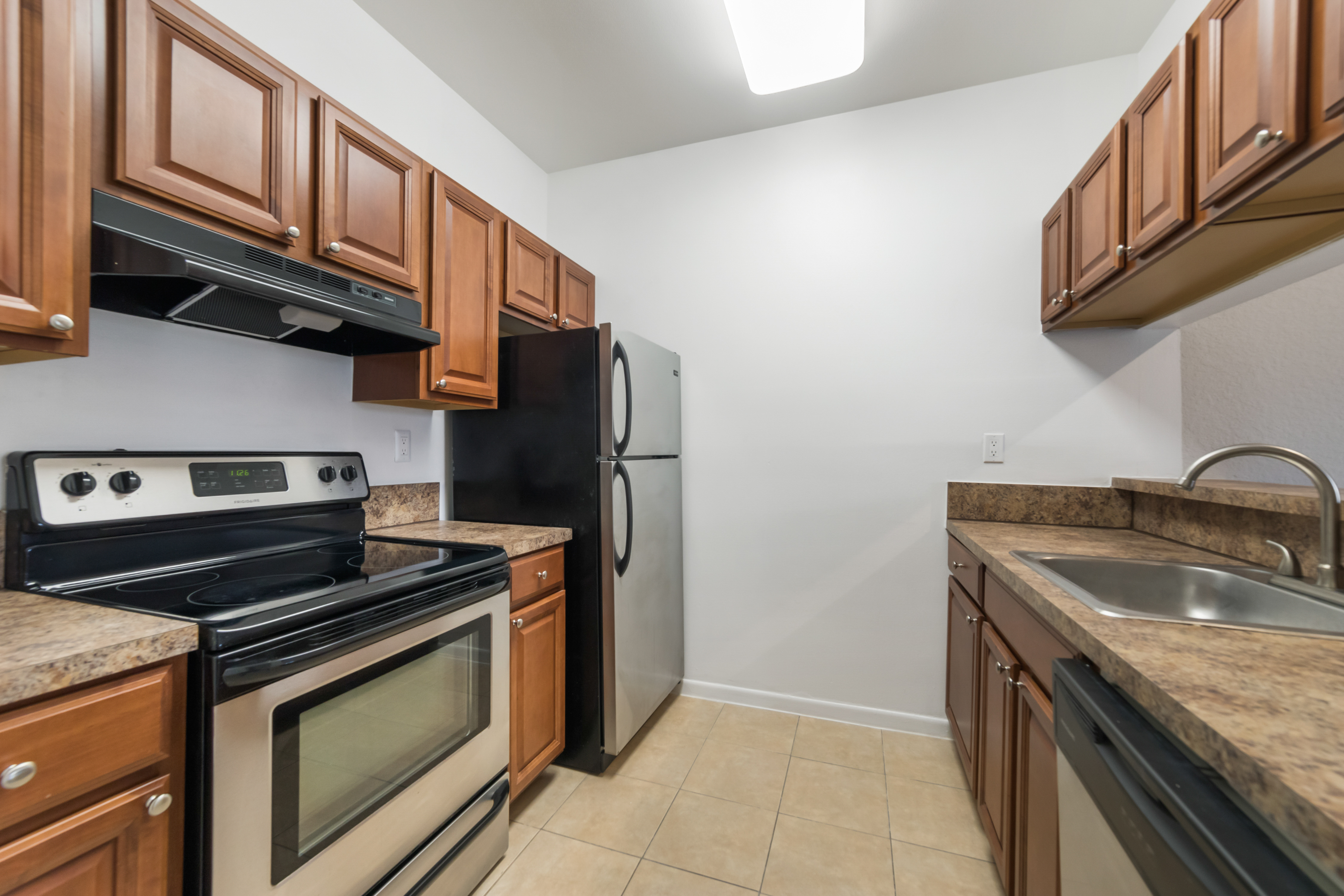
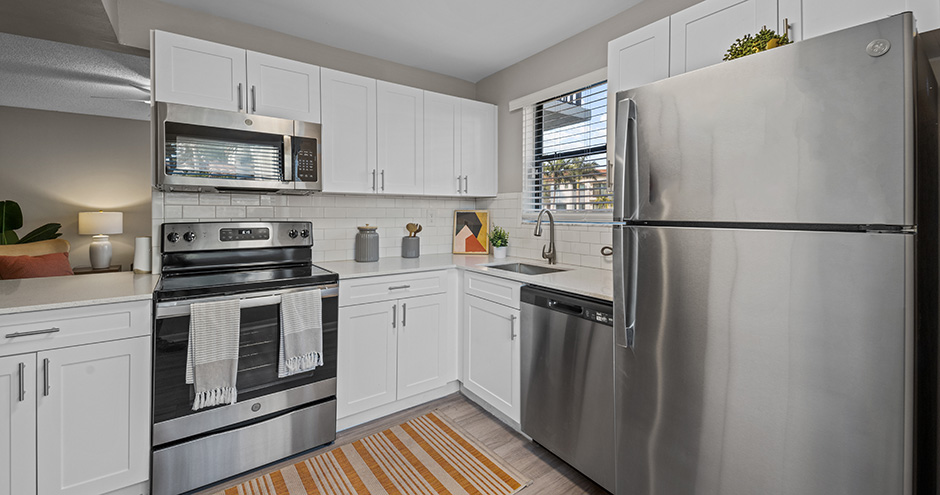
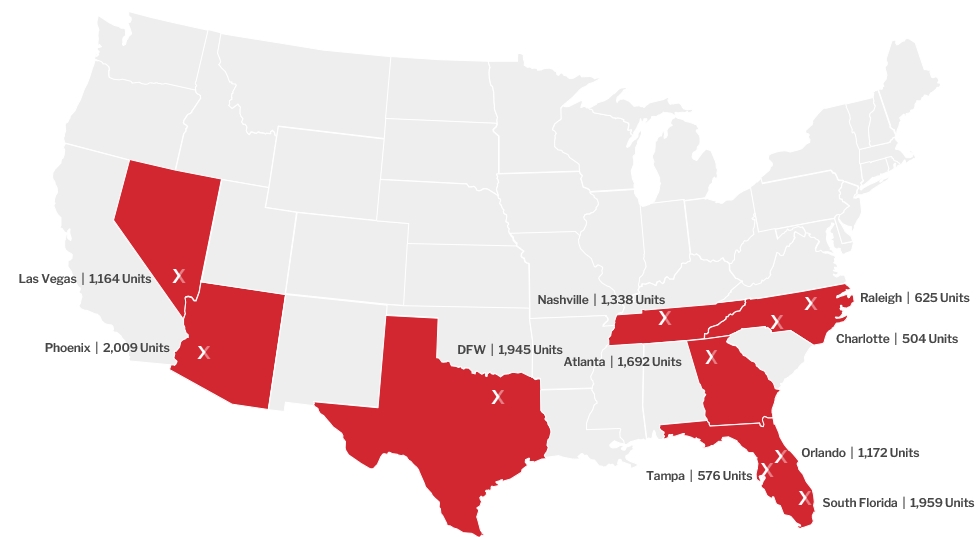
Orlando, Tampa, and South Florida remain strong, finishing the quarter at an average occupancy of 94.9%. Key four, same-story and wide growth was a negative 40 basis points, driven by 90 basis points of growth in rental revenue and 60 basis points growth in total revenues. Operating expense growth finished the quarter at 2.2%, maintaining the moderate growth we've seen over the last several quarters. Renewal conversions were 55.4% for the quarter, and 2025 retention has started off strong, with both January and February over 53.3%, and March is projected to finish at the same clip. Bad debt continued to trend down, finishing Q4 at 90 basis points, and for the full year, we averaged 1.3%, which was down from 2023's average of 2.7%. Operationally for the quarter, payroll declined 30 basis points year-over-year. R&M expense growth was 4.3% in the quarter, continuing to moderate off of an elevated post-COVID comp in 2022-2023. Real estate taxes have also moderated, and true-ups booked in Q4 reflect a reduction to our overall real estate tax for the year, ending at negative 6.5% growth. On the occupancy front, we're pleased to report that Q4 same-store occupancy was 94.7%, positioning us well for 2025, and as of this morning, the portfolio is still 94.7 percent, occupied with a 60-day trend of 96.3 percent. Our four-year 2020, our four-year 2024 same-store and OI margin was a healthy 61 percent. Same-store revenues for the year increased by 2 percent, while same-store and OI improved by 90 basis points, despite the impact of record deliveries in our markets. Indeed, five of our 10 same-store markets grew in OI by at least 3%. Those notable growth markets for the year were Las Vegas at 8.6%, Orlando at 6.6%, Raleigh at 5.2%, and Atlanta at 3.5%. Turning to 2025 guidance, as Paul said, we're guiding between a 3.5% decline and a 50 basis point increase in same store and oi growth for the 2025 with the midpoint projecting a 1.5 reduction year over year across the portfolio we are forecasting a negative 0.5 percent to one percent rental income growth that assumes a 94 to 94.3 physical occupancy with peak occupancy model for q1 and moderating slightly as we focus on rent growth in the back half of the year it also assumes a negative uh 90 basis point earn out from lease trade outs and gain to lease inversion in 2024 also includes the 1.5 market rent growth in 2025 also includes those 50 basis point top line growth attributable to our um our value-add activities and roi capex spending we are we're also forecasting a negative 30 basis point reduction in financial occupancy from 92.3 percent uh from 292.3 percent from 92.7 percent at the midpoint finally we're assuming a 30 basis points increase increase in bulk wi-fi and other rent charges from a market perspective we we're expecting our top performing revenue markets will be south florida las vegas raleigh nashville and atlanta each expecting roughly two to four percent growth in these markets on the expense front for year we're forecasting a 50 basis point controllable expense decline within that number is a negative one percent r&m and turn turn because turn cost growth assumption a three percent labor growth increase a negative 3.8 percent growth in advertising and a negative 2.6 percent growth in gna expense on a non-controllable front we're forecasting a 2.4 to 2 to 4.9 percent total expense growth. The components of this are 4.1% utility expense growth, a 7% insurance growth, assuming a 5% target growth on our April 1 renewal, and an 8.6% real estate tax expense growth, which we expect to, which we're hoping to achieve better results. This all equates, as Paul mentioned, to negative 3.5% to 5% safe-store and OI growth. We continue to be an internal growth business at our core and to that end our guidance includes the following assumptions regarding our value add programs still aligned with our historical 15 to 20 targets in which we anticipate to accelerate as the year progresses amid declining supply we expect to complete 425 full interior upgrades at an average cost of 18 000 per unit generating a 269 average monthly premium We expect to complete 326 partial interior upgrades at an average cost of $5,200 per unit, generating a roughly $86 average monthly premium. These partial upgrades include varying bespoke additions such as new stainless steel appliances, hard surface countertops, updated tub enclosures, and private yards, among other aspects. These partial and bespoke rehab initiatives are strategically tailored by property to drive rent growth, where we see opportunities among competing properties. Finally, we also plan to install 661 washer and dryers at an average cost of $1,000 per unit, generating $53 in average monthly premium, or a 64% ROI. On the acquisition and disposition guidance, we will continue to underwrite the limited value-add pipeline of opportunities out there in the first half, but we do expect the volume of opportunities to potentially increase later in Q2 and into the second half of the year as prospective buyers can finally underwrite rent growth. Now, on the capital markets and balance sheet and liquidity front, NXRT today has $23.1 million of unrestricted cash and $350 million of excess capacity on our unsecured corporate credit facility, giving the company $373 million of available liquidity as we head into 25. In June, we expect to finalize a recasting of the corporate credit facility, and we're well down the path to finalize an agreement with a strong syndicate of banks to continue to provide liquidity and flexibility on our balance sheet. We appreciate that partnership and look forward to welcoming new relationships to the platform. So far in 2025, we're off to a good start, prioritizing margin expansion and increased resident satisfaction and retention. We are excited to execute on our strategy this year and initiatives. We expect to see a transition year leading to outside growth in 2026 and 2027, specifically in the second half of the year as supply begins to wane. Indeed, Q4 saw another sharp pullback in starts to just 37,000 quarterly units in the quarter. That's the lowest level since Q4 of 2011. That's all I have for prepared remarks. Thanks to our teams here at NextPoint and BH for continuing to execute. With that, we'll turn the call over to the operator for questions.
Operator
Thank you. Ladies and gentlemen, we will now begin the question and answer session. At this time, I would like to remind everyone to ask a question. Press the star button followed by the number one on your telephone keypad. If you would like to withdraw your question, please press the pound key or star two. One moment, please, for your first question. The first question comes from the line of Kyle Katarinsic of Janey. Please go ahead.
Hey, good morning, guys. Total rental income for Atlanta was up 160 basis points quarter over quarter, but average effective rents, negative 10 basis points, and occupancy was negative 160 basis points. So what shows a positive result there?
Yeah, I think in Atlanta, we've had a little bit higher occupancy there. um you know pulling up pulling up exactly what you're looking at um see i think oh the other the other benefit that we've added uh to total revenue in atlanta here recently isn't uh both wi-fi uh we've rolled that out across the three assets uh over q4 and q1 so you see some some total revenue right there um that i think is my benefit we're getting one gig
fiber retrofit in units and so that's that's offsetting some of the loss and downward pressure and both accidents in that in 2025 just to add the bonders point um bad debt and we're expecting and have seen bad debt improvement in the market um under underwriting a positive inversion this year of almost a quarter million bucks that's improving to 1.8 percent uh in 2025 versus 2.6 percent in 2024, so that's a little another impact.
Okay, thank you. And then, can you please provide some color on what's true of the 290 basis point decrease in occupancy in the Raleigh-Durham market?
Yeah, I think in Raleigh, it's one of the larger supply and expansion markets for us. We've seen some pressures, particularly in the Morrisville sub-market. Our high house asset was under a little bit more pressure. We're better today at the stabilized rate. We also have a little bit of personnel change there. So I think it's something that we've dealt with and are moving forward on. We still love the Raleigh market. And I think that's why that picture gets better, particularly toward the back half of the year.
Okay. Thank you. And then one more. I know you guys mentioned a little bit about the full interior upgrades, but early in 2024, you mentioned there was about 5,000 to 5,500 units left there, and that, you know, like you mentioned in your prepared remarks, 4Q24 into 25, you'd start to ramp up that as supplies started to dissipate. Any changes, material changes to that plan based on current market conditions in any markets you're focusing the upgrades on?
Yeah, we're prioritizing the renovations largely in places where we can still push rates so that that um that's you know largely south florida um you know raleigh in the second half of the year and then um you know vegas uh the the upgrades in atlanta that bonner just mentioned um you know i'd say that the revenue or excuse me the rehab output this year um we're pleased that um it's double the output of last year um and it's still not you know at our three to four hundred a quarter uh pace that we were you know that's historically done since 2015. um our our goal and our hope is to uh reevaluate this output every quarter and and hopefully um as as you know the industry is expecting an inversion and in rate in the second half of the year that we can add additional output uh from uh to the rehab pipeline and and you know have some upside in this guidance so that's the goal awesome thanks guys appreciate it thank you your next question comes from the line of omatayo kusanya deutsche bank please go ahead hi yes good morning everyone um could you please walk us through how would you things about interest expense by giving again some of the strong maturity um yeah sorry uh it's mad i'm having a difficult time hearing hearing you i think one question um or part of the question was um how the swap expiration um plays in through uh through the guidance um is that that fair yes that's it can you hear me yeah i can hear you better now sorry um yeah so the we have a quarter we have roughly a quarter million of of our swaps um you know expiring in in june um and then we um you know we're we've had a 50 basis point decline in our spread. So, um, you know, that, that is, and as a component of our guidance, uh, is actually a 12 cent benefit for 2025. Um, this is 160 basis points to 109 basis points, um, you know, reduces the, um, you know, the total interest expense. Now, um, the high, we have to take some assumptions on, you know, higher for, for longer. Um, and if we do see fed cuts, you know, in the second half of the year or any more that's, you know, baked in. We do think there's upside in the core numbers, but, you know, we're being, I think, appropriately conservative at this juncture.
Operator
There are no further questions at this time. With that, I will now turn the call back over to the Next Point Management Team for final closing remarks. Please go ahead.
All right. Thanks, everyone, for calling in, and we look forward to speaking to you next quarter. Have a great day.
Operator
Ladies and gentlemen, that concludes your conference call. We thank you for participating and ask that you please disconnect your lines.