Operator
Thank you for standing by. My name is Kathleen and I will be your conference operator today. At this time, I would like to welcome everyone to the Next Point Residential Trust First Quarter 2025 Earning Call. All lines have been placed on mute to prevent any background noise. After the speaker's remarks, there will be a question and answer session. if you would like to ask a question during this time simply press star followed by the number one on your telephone keypad and if you would like to withdraw your question press the star one again and now i would like to turn the call over to kristin griffith investor relation please go ahead thank you good day everyone and welcome to an excellent residential trust conference call to review the company's results for the first quarter ended March 31st, 2025.
On the call today are Paul Richards, Executive Vice President and Chief Financial Officer, Matt McGriner, Executive Vice President and Chief Investment Officer, and Bonner McDermott, Vice President, Asset and Investment Management. As a reminder, this call is being webcast through the company's website at nxrt.nextpoint.com. Before we begin, I would like to remind everyone that this conference call contains forward-looking statements within the meanings of the private securities litigation reform act of 1995 that are based on management's current expectations assumptions and beliefs listeners should not place a new reliance on any forward-looking statements and are encouraged to review the company's most recent annual report on form 10k and the company's other filings with the sec for a more complete discussion of risk and other factors that could affect any forward-looking statements. The statements made during this conference call speak only as of today's state and accept as required by law, NXRT does not undertake any obligation to publicly update or revise any forward-looking statements. This conference call also includes an analysis of non-GAAP financial measures. For a more complete discussion of these non-GAAP financial measures, see the company's earnings release that was filed earlier today. I would now like to turn the call over to Paul Richards. Please go ahead, Paul.
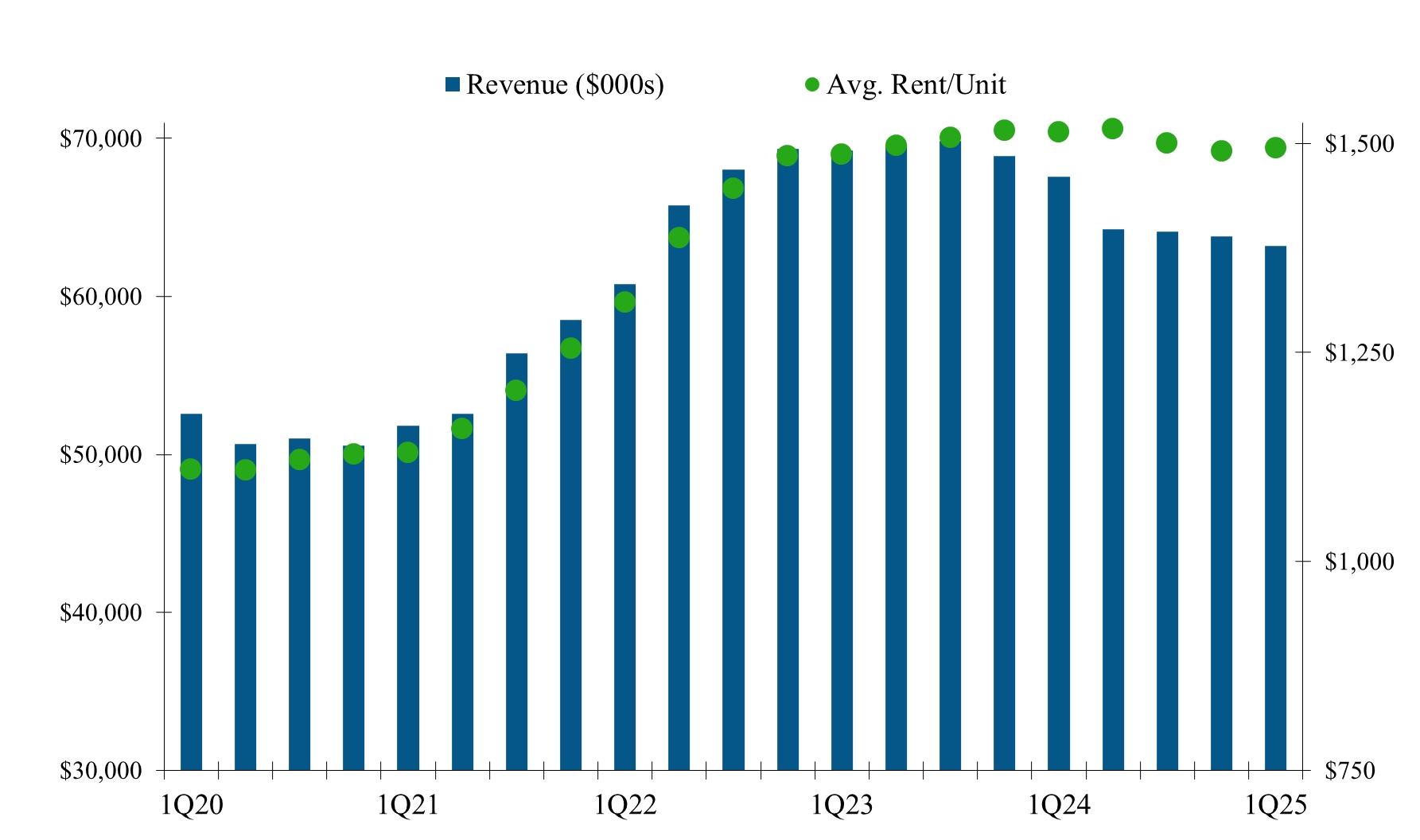
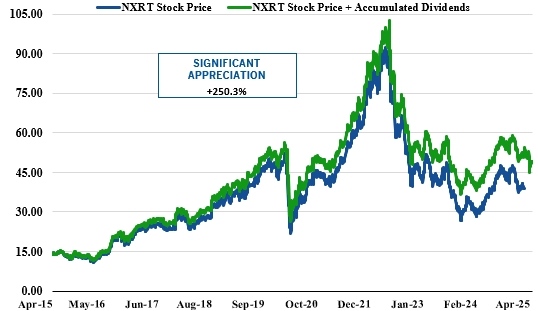
Thank you, Kristen, and welcome everyone joining us this morning. We appreciate your time. I'm Paul Richards, and I'm joined today by Matt McGrainer and Bonner McDermott. I will kick off the call and cover our Q1 results, updated NAV, and guidance outlook for the year, and briefly touch on a few subsequent events. I will then turn it over to Matt to discuss specifics on the leasing environment and metrics driving our performance and guidance. results for q1 are as follows net loss for the first quarter was 6.9 million or lost 27 cents per diluted share on total revenue of 63.2 million the 6.9 million dollar net loss for the quarter compares to net income of 26.4 million or one dollar earnings per diluted share for the same period in 2024 on total revenue of 67.6 million for the first quarter of 2025 noi was 37.8 million on 35 properties compared to $41.1 million for the first quarter of 2024 on 37 properties. For the quarter, same-store rent and occupancy decreased 1.3% and 0.3% respectively. This, coupled with a decrease in same-store revenues of 1%, led to a decrease in same-store NOI of 3.8% as compared to Q1 2024. As compared to Q4 2024, rents for Q1 2025 on the same-store portfolio were up 0.3 percent or four dollars we reported q1 core ffo of 19.1 million or 75 cents per diluted share compared to 74 cents per diluted share in q1 2024 during the first quarter for the properties in the portfolio we completed 210 full and partial upgrades at least 201 upgraded units achieving an average monthly rent premium of 62 dollars and a 16.1 return on investment Since conception, NXRT has completed installation of 8,558 full and partial upgrades, 4,795 kitchen and laundry appliances, and 11,389 technology packages, resulting in $172, $50, and $43 average monthly rental increase per unit, and 20.7%, 64.5%, and 37.2% return on investment, respectively. NXRT paid a quarter dividend of $0.51 per share of common stock on March 31, 2025. Since inception, we've increased our dividend 147.6%. For Q1, our dividend was 1.4 times covered by Core FFO, with a 68.3% payout ratio of Core FFO. Turning to the details of our updated NAV estimate, based on our current estimate of cap rates in our markets and Ford NOI, we are reporting a NAB per share range as follows, $44.20 on the low end, $58.20 on the high end, and $51.20 at the midpoint. These are based on average cap rates ranging from 5.25% on the low end to 5.75% at the high end, which remain stable quarter over quarter. Turning to full year 2025 guidance, NXRT is revising 2025 guidance ranges for earnings per diluted share and core FFO per diluted share due to the share buyback program we initiated in q2 earn interest rate environment as well as plans to continue to layer in additional swaps these guided range these guidance ranges are as follows for earnings loss per diluted share one dollar eight cents at the high end negative one dollar thirty six cents at the low end with a midpoint of negative one dollar and twenty two cents and core echo foe per diluted share of two dollars and eighty nine cents at the high end, $2.61 at the low end, with a mid-coin of $2.75. NXRT is reaffirming same-store rental income, same-store total revenue, same-store total expenses, same-store NOI, and acquisitions and dispositions. Lastly, I would like to take time to get a few subsequent events that have occurred over the past few weeks. On April 28, 2025, the company's board approved a quarterly dividend of $0.51 per share, payable on June 30th, 2025 to stockholders of record on June 16th, 2024, or 2025. Since April 1st, 2025, the company has purchased 223,109 shares of its common stock, totaling approximately $7.6 million at an average price of $34.29 per share, which is a 33% discount to our current NAV midpoint. On April 3rd, 2025, the company entered into a new five-year $100 million super swap with JP Morgan Chase with a fixed rate of 3.489%. This completes my prepared remarks, so I'll turn it over to Matt for commentary on the portfolio.
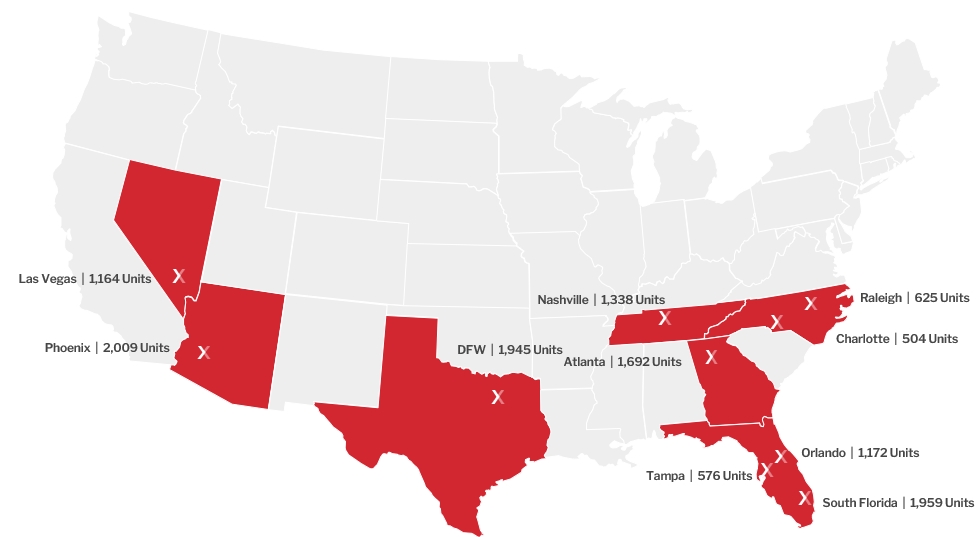
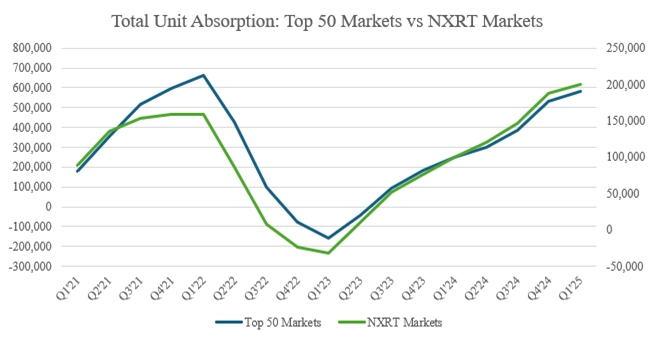
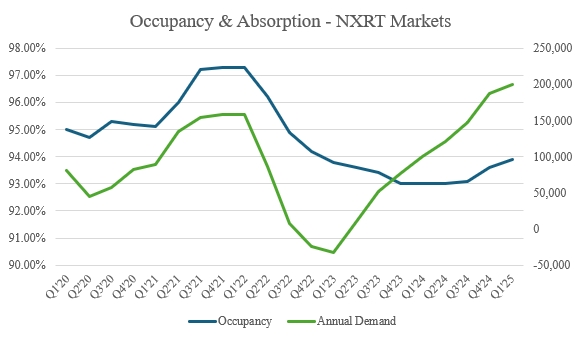
Thank you, Paul. Let me start by going over our first quarter same-store operational results. Occupity ended the quarter at 94.4%, and we saw sizable occupity growth in Nashville and Phoenix, which finished the quarter at 95.4% and 94.6%, respectively. Charlotte, Orlando, South Florida, and Las Vegas remain strong, finishing the quarter at an average occupancy of 95.1%. We are tactically pushing rate increases and accelerating interior renovations into a fundamentally stronger peak leasing season ahead. And as of this morning, the portfolio is 95.5% leased with a healthy 60-day trend of 92%. Q1 same-store and OI was down 3.8%, driven by 80 basis point decline in rental revenue and a 1% decline in total revenues. Though negative, we were 2% better than our internal forecast and saw an improvement of almost 40% in bad debt year-over-year and believe same-store NOI will inflect higher over the remainder of the year. Renewal conversions for eligible tenants were 54% for the quarter, achieving a 73 basis point increase in lease renewals. April blended lease growth is expected to finish flat, but there are signs that demand remains strong, leading to positive rent growth later in the quarter in the back half of 2025, consistent with our initial guidance for the year. I'll return to this point in a minute. Operating expense growth finished the quarter 3.7%, maintaining the moderate growth we have seen over the last several quarters. Repairs and maintenance expense were in line at 4.9%, and term costs saw a 2% improvement over the prior year quarter. Market conditions in Q1 continued to remain strong, nationally over 138,000 units were absorbed a record first quarter leasing and demand performance our markets of Atlanta Phoenix and Dallas were top were top three for absorption while strong showings from Charlotte and Tampa as well gave us five of the top 10 markets for Q1 absorption affordability challenges persist positioning our assets to capture increased rental demand and improve in an improvingly operating environment we have shifted to rent growth initiatives in most of our markets while continuing to balance occupancy maximization where new deliveries and concessions are still impacting our assets through q1 2025 we have seen new supply albeit primarily in with within class a stock continue to deliver in our markets we're encouraged by the placement of our assets relative to the sub markets most directly hit with this new competition And RealPage forecasts for our submarkets over the next three years project a 1.4% annual rise in available inventory, well below the recent rapid growth we've seen during this historic supply wave. Indeed, RealPage's April data is forecasting a 22% decline in deliveries year-over-year within NXRT submarkets, from 17,636 units to 13,750 units. In the years to follow, the supply picture improves even more dramatically with the lack of new starts in recent years, with an additional 38% decline in new supply in 2026, just 8,494 units, and a staggering 82% drop in 2027 to just 1,513 units in our submarkets. Amidst this improving outlook, we have seen a marked acceleration in new lease pricing power in each successive month of 2025 to date. We're pleased to share that effective rents ended the quarter at $1,495, up 30 basis points from the fourth quarter of 2024. Six of our 10 markets showed flat to positive rent growth, with Tampa and Las Vegas showing the strongest growth, with 1.9% and 1.6% rent growth, respectively. South Florida, DFW, Charlotte, and Atlanta witnessed growth between 0% and 1% during the seasonally slower first quarter. Moreover, using March as our last full month of data, we saw 17 of 35 properties and four of our 10 markets, South Florida, Charlotte, DFW, and Las Vegas, all shipped into positive new lease growth, and that's up from just two properties in Q4. April month to date has seen further improvement to 20 properties out of our 35 properties, with particular strength in Las Vegas, 7%, in Tampa at 4.8%, the FW at 3.5% in South Florida at 2%. Renewal growth in Q1 was muted as we aimed to reduce exposure to still stagnant new leases while minimizing turn costs, but our defensive occupancy has allowed us to take larger swings at rental increases in the historically stronger Q2 and Q3 seasons. We expect the strategy to be source of rent growth allowing us to obtain higher organic rents and or churn units for varying degrees of renovation opportunities i want to spend a quick minute on the impacts we are seeing related to tariffs we in bh construction are actively monitoring this very fluid situation but so far the impact on nxrt is pretty muted most vendors we interact with have notified customers of potential increases and supply disruptions related to tariffs such vendors to remain to nxrt or flooring suppliers like a shaw or appliance suppliers like a ge or paint like sharon williams so far these suppliers are generally holding prices flat to signaling a 10 to 20 percent increase over the term if uncertainty persists across the rest of our platforms and multi-family development partners we aren't hearing anything causing material concern most lumber and concrete providers for example are local to the us and supply chains already and have supply chains already in place developers are also pointing to the dearth of new construction starts as a larger offset to normalize demand for construction materials and labor so obviously a situation we're monitoring but as we sit here today NXRT is not seeing a material impact we continue on the transaction front we continue to actively monitor the sales market for opportunities and stay close to any movements on cap rates in our markets. After a pretty noticeable increase in marketed offerings to start the year, most institutional investors are in wait-and-see mode for clarity around the interest rate environment and, more recently, tariffs. That said, pricing expectations for quality assets in our markets remain strong, and most processes and sellers are expecting to transact at five caps. Indeed, there are several portfolio processes currently underway that should provide real-time transparent transparency to our nav guide with add similar vintages and geographical overlay to nxrt's portfolio these guides are five to five and a quarter cap rate ranges and approximately 200 to 220 000 per unit values in closing we're pleased with the start of 2025 through late april and focused on driving internal growth and recycling capital as supply continues to be absorbed later in the year in particularly we in particular we believe the inflection of new lease growth to be a really positive sign for our assets after many quarters of softness that's all i have for prepared remarks i appreciate our teams here at next point bh for continuing to
Operator
execute and now we'd be happy to take any questions thank you we will now begin the question and answer session if you have dialed in and would like to ask a question please press star one on your telephone keypad to raise your hand and join the queue and if you would like to withdraw your question simply press the star one again if you are called upon to ask your question and listening via loudspeaker on your device please pick up your handset and ensure that your phone is not on mute when asking your question again please press star one to join the queue and your first question comes from the line of kyle katarin katarin sick of jenny your line is
now open hey good morning guys which of your markets are you seeing enough transactional value value where values at the upper end of your cap rate range versus the lower provided in your nav slide um sorry did you say what are there are there um geographies where cap rates are softer basically.
Yeah. I'd say that for, again, for the transactions that we've seen take place and the processes going on, I'd say out of our markets, probably Atlanta, I would say, is on the weaker side of our NAV guidance. And then some DFW, which makes sense given the supply and is heavily still delivering in those two markets. I don't know, Bonner, do you have anything to add to that?
Yeah, I think it's also a qualitative discussion, right? The bid is really aggressive for well-ocated bourbon, you know, B, B-plus assets, similar to ours. I think, you know, more of the product that's out there is either, you know, a broken capital structure or, you know, outside to promote, right? The, you know, the decision to sell into this softness, um you know it's typically you know not not making a whole lot of money for the general partnership so um you know it just depends right for for quality assets those are getting bit up uh you know we were in a process on the deal we liked in las vegas man i talked about you know the great rent rent rent rent fundamentals there you know we put what we thought was a very compelling offer out there and got outbid so you know that was a five to you know sub five in place But if you look at some other assets and the syndicators that have been out there, the tithes, the other groups like that, some of those assets are a little bit weaker and a little bit lesser demanded.
Okay, thank you. And then given the midpoint of your NAV range and where the stock's currently trading, can we see you guys hitting the higher end of your disposition range, selling more assets to repurchase stock and close that valuation gap over the next few quarters?
Yeah, I think so. I think what we'd like to do is maintain a steady buyback program with the free cash flow that we generate, which is a lot, that at the same time be opportunistic to also not externally grow, but recycle capital. there's some deals that we want to sell and and uh perhaps we use a portion of the of the proceeds to recycle into newer assets um um or new um you know value add assets where we have an internal growth story um as well as uh keeping the buyback in place obviously that's share price dependent um if we run a little bit then um you know we might pause and wait awesome thanks guys appreciate
Operator
Your next question comes from the line of Omotayo Okusanya of Deutsche Bank. Please go ahead.
Yes. Good morning, everyone. I just wanted to confirm the increase in core FFO for share guidance. That is all being driven by you're expecting more share buybacks and as well as you're taking care of swaps throughout the course of the year, you're locking in fixed rates that are a little bit better than you were anticipating. Is that fair?
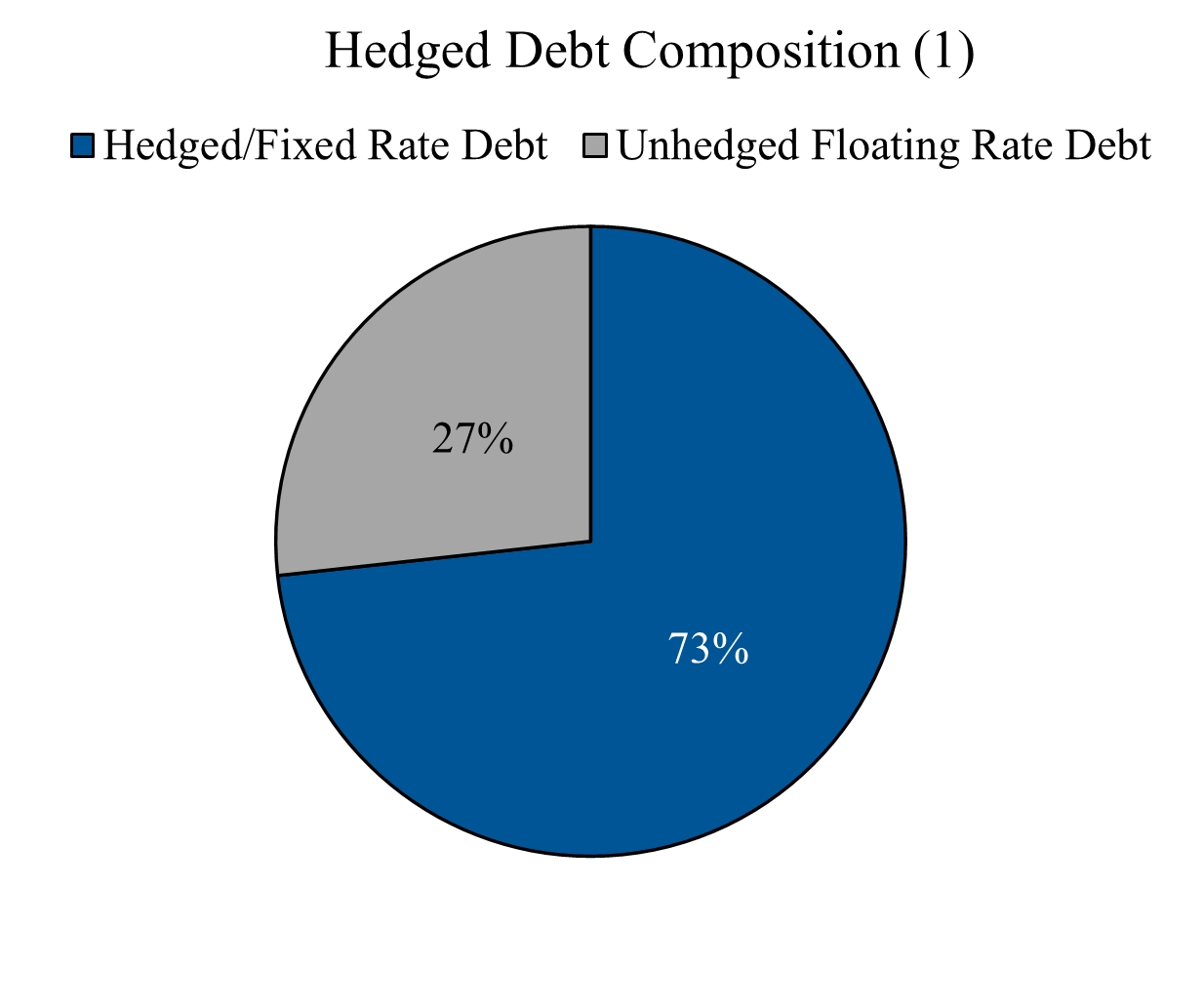
Hey, Tayo. Yeah, this is Paul. That's correct. So we've seen in the marketplace on the swaps side, rates come down precipitously. So we were, again, able to lock in a $100 million notional at sub 3.5. And we're actually seeing, I just checked today, a little bit better, a few basis points better than that, too, if we were to lock in another $5,200 on a five-year swap basis. And we're also seeing the curve, you know, really retrace down to five to six cuts. And so that really does help the forward guidance. So that's, I would say, the majority of the reason how we've taken up, you know, our guidance range up those few pennies this past quarter.
Any reason why you haven't been a little bit more aggressive on the swaps then, then since you're kind of seeing this happening yeah over the past week was pretty choppy and so we were like I said about three weeks ago we did lock in that 100 million dollar and then I got pretty volatile and credit charges really did spike and now it's you're seeing less of that and you are seeing rates settle so we're we would be able to lock in you know a better transaction today than we would have over the past two weeks so we have a keen eye on that right now I agree with Okay, that's helpful.
And then, Matt, your comments earlier in regards to just kind of new rent growth and also kind of renewal growth. Again, what's the FASWARE and 1Q kind of X, the value add program?
Yeah, most of what I'm referring to in terms of new lease growth inflection is organic. It's not driven by any rehab results, which, again, is kind of like the all, I don't want to say all clear sign for the industry, but the folks both, you know, on the buy side and then, you know, on an operating performance perspective, like that's what we've been waiting for, right, the inflection of these sub markets to start seeing new lease growth again. So, I'm pretty positive.
That's helpful. And then for the value-add program, again, accelerated in 1Q, how should we kind of think about for the rest of the year how much of that stuff we could potentially get?
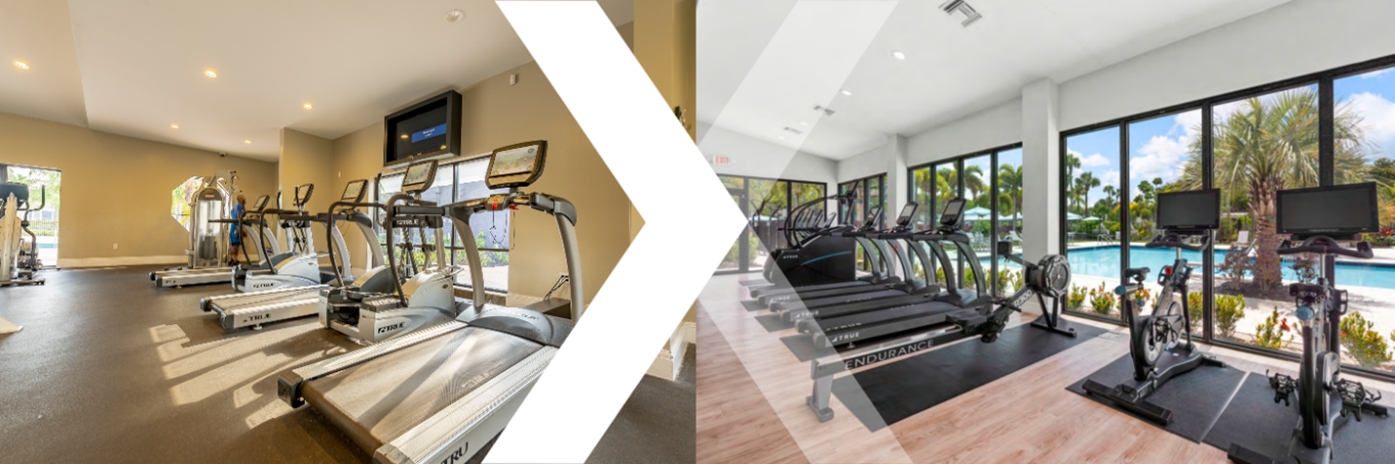
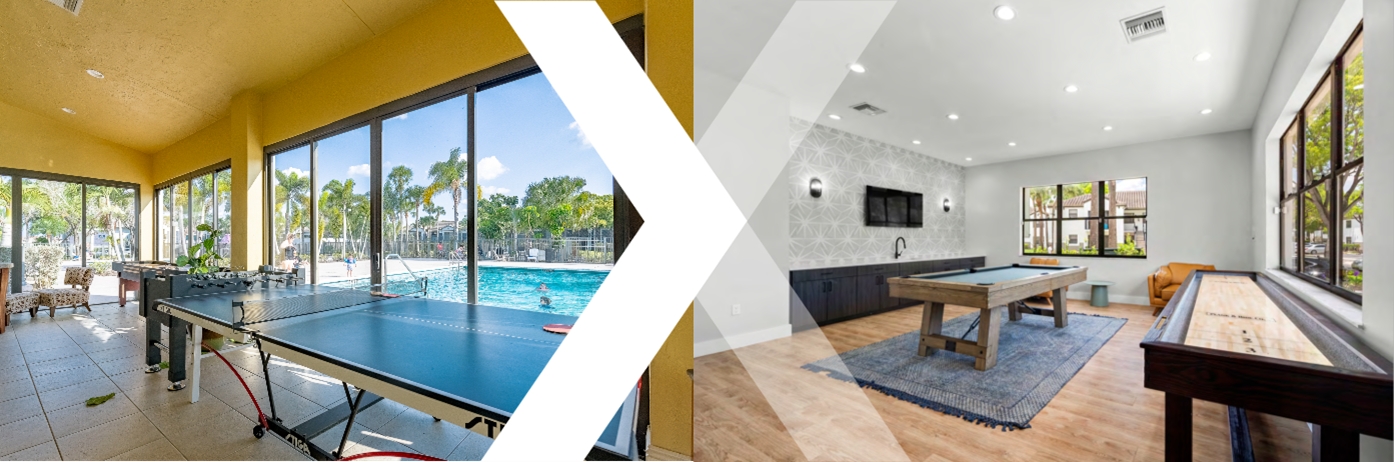
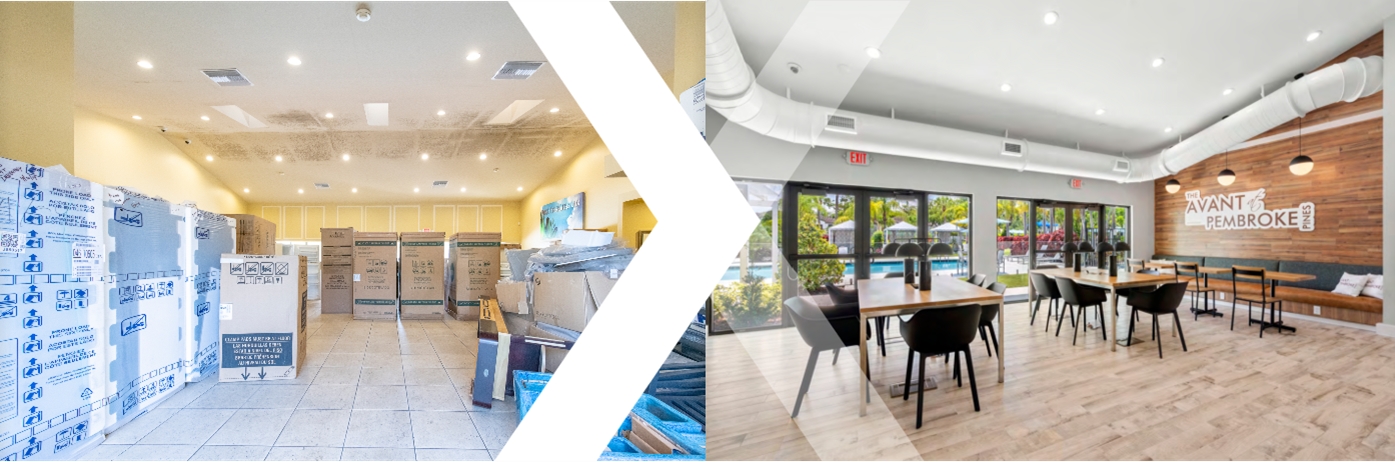
Yeah, I mean, I'd say that we're maybe hitting a jog, you know, as the second half of, you know, the year. As I mentioned, my prepared comments, we're holding probably a little bit more units open for rehab opportunities and willing to take some occupancy retracement to push rent in the back half of the year. In markets like, you know, South Florida, you know, Las Vegas, as Bonner mentioned, there's a lot of rehab opportunities that we're still continuing to execute because we can get those bumps and have them healthily absorbed by the tenant. So, you know, it's a goal for ours to get, you know, back to, you know, to 400 units a quarter in output. I don't think we're going to get there in the next few quarters, but, you know, hopefully by second half of the year, we're doing a couple hundred a quarter.
Gotcha. That's helpful. Then one more from me, if you don't mind. How do we think about stock buybacks for the rest of the year with the stock at 36 to 38 versus the earlier buybacks at like 32 to 33?
Yeah, I mean, I still worry like a 6.6, 6.7 implied cap rate. So we still like it here. Really, you know, we'll take advantage on weekdays and volatile days. So, you know, I think I like it, you know, up to probably 10% of the, you know, 10% off the low end of NAV range or in that, you know, 6.25% cap rate range. I think that's kind of our guiding light.
Okay, that's helpful. Thank you very much.
Operator
Your next question comes from the line of Buckhorn, of Jake Raymond James. Please go ahead.
Thanks. Good morning, guys, and congrats. I wonder if you could maybe dive in a little bit further on the comments about Las Vegas, given the strength you're seeing there. It seems a little maybe counterintuitive, so I kind of want to unpack it a little bit, just given the signs that tourism-related travel is declining into Vegas, and there seems to be some signs of some layoffs at some of the resorts in that market. So is your portfolio in Vegas, do you view that as kind of counter-cyclical in times of uncertainty? Or how do you attribute the strength you're seeing in Vegas?
Yeah. I think for our assets, they're just in an affordable gap, right? Like there's not, I mean, our average unit per effective unit rent is probably $1,200 in that market. And then a recurring resident burden is probably somewhere in the $25,000 to $3,000 per month on a P&I basis. And the fact of the matter is, as you well know, Buck, even though you've seen some recent supply in 2021 and 2022, or excuse me, starts in 2022 that hit in the last 18 months, that's a historically undersupplied housing market. And so with the net migration inflows, which is still occurring today in the in our affordable kind of price point and in our the in in the markets that in the sub markets that we have, there's just not a lot of options. So it's been it's been a particular sign of strength for really the last, you know, I'd say three or four quarters. And and it's a market that we want to continue to look at for acquisitions, you know, given given this backdrop. off. I think we're still very bullish on it.
Yeah, no, it's a very encouraging sign.
And if you think about just kind of the overall trajectory of new lease growth, I mean, I know you're trying not to project out too far, but if these trends continue through kind of peak leasing season, where do you think your new lease rate growth would kind of peak out this year, maybe by the third quarter yeah it's a good question i think um and i looked at this last night um i think that if we can get uh well just let me just give you a little sense of where our guide is so um you know we did 1482 dollars of net effective rents for the first quarter um you know to get to the top end of our revenue guidance we only have to get to 1520 uh 1520 dollars a unit that's like 35 40 bucks so um you know on a percentage increase that's you know a couple percent and not a whole lot of um you know headroom there i think that our um yeah our ability to hit you know 35 or 40 or 50 per unit um given our assets given the lack of affordability um you know just given the quality of the locations um you know i think that we have uh we have some potential to hit that upside um and achieve that you know two percent ish growth uh for the rest of the year which would be great that's great color i appreciate the uh the feedback there uh one real last quick or quick last one is uh capex guidance just wondering if you could maybe
help think help us think through um both recurring and non-recurring capex needs as you're seeing in the year progress?
Yeah, Buck, happy to have you with that. You know, you look at page 17 of the supplement, we've got, you know, call it six million bucks of kind of recurring, non-recurring CapEx in the first quarter. It's actually down a little bit, you know, year over year. I think part of that's just the reduction in the portfolio, but that seems like a pretty stable run rate, You know, we've got a little bit of an exterior capex going on at some of the properties in the second and third quarter, but nothing overly material. It's a pretty, pretty steady standard year. You know, to Matt's point, I think, you know, we're targeting, you know, maybe 300 interior upgrades, you know, Q2, Q3 range. So you may see a little bit of pickup in interiors, but that's, you know, all demand driven. So, nothing overly material in terms of change quarter over quarter for, you know, CapEx spend. Got it. All right.
Operator
And your next question comes from the line of Omotayo Okusanya of Deutsche Bank. Your line is now open.
Yes. Thanks for taking the follow-up. When we kind of looked at your actual results versus maybe some of our estimates, It felt like OPEX and as well as property taxes and insurance came in a little bit light. Even like OPEX with a quarter at like 12 point something million a quarter, I don't think has been that low in a while. So just curious if there's anything unique going on, if there's a one-time item in there or how would you kind of think about those numbers as potential run rates for the rest of the year?
In terms of, you know, our guide for the year, I think Matt mentioned, you know, we were We're a little bit ahead of our kind of internal forecasting, but, you know, we've done well. We've worked a lot on centralization for payroll spend. We're ramping more of the potting for maintenance. So we're pushing that aggressively. I don't know that you fully realize the opportunity there. I think we'll get more maintenance payroll spend down, you know, hopefully by, you know, the first half of 26, We get to kind of a normalized new run rate there, but it's something we're working pretty hard on. You know, taxes, we're just in the valuation cycle there, so there's going to be some fluctuation. We'll, you know, fight a lot of those, you know, particularly Texas counties. We've got a couple of reval years there, but nothing material. We didn't discuss, but we recently renewed our insurance, got a pretty favorable result there. So there's going to be a little bit of savings. Has not materialized in the Q1 numbers. That's an April 1st renewal. But everything, you know, on the expense front looks pretty good. Going back to Matt's comments on tariffs, you know, we feel good about OPEX for the year. Helpful.
Operator
And that concludes our Q&A session. I will now turn the conference back over to the management team for the closing remarks.
Yeah, thanks very much for everyone's participation and interest today and look forward to seeing you guys at NAIREE. Thanks.
Operator
Ladies and gentlemen, that concludes today's call. Thank you all for joining. You may now disconnect.