Operator
Hello, and thank you for standing by. My name is Lacey, and I will be your conference operator today. At this time, I would like to welcome everyone to the Next Point Residential Trust third quarter 2025 earnings call. All lines have been placed on mute to prevent any background noise. After the speaker's remarks, there will be a question and answer session. If you would like to ask a question during this time simply press star followed by the number one on your telephone keypad if you would like to withdraw your question press star one again thank you i would now like to turn the conference over to kristen griffith investor relations you may begin thank you good day everyone and welcome to next point residential track conference call to review the company's results for the third quarter ended September 30, 2025.
On the call today are Paul Richards, Executive Vice President and Chief Financial Officer, Matt McGriner, Executive Vice President and Chief Investment Officer, and Bonner McDermott, Vice President, Asset and Investment Management. As a reminder, this call is being webcast through the company's website at nxrt.nextpoint.com. Before we begin, I would like to remind everyone that this conference call contains forward-looking statements within the meanings of the Private Securities Litigation Form Act of 1995 that are based on management's current expectations, assumptions, and beliefs. Listeners should not place undue reliance on any forward-looking statements and are encouraged to review the company's most recent annual report on Form 10-K and the company's other filings with the SEC for a more complete discussion of risk and other factors that could affect any forward-looking statements. The statements made during this conference call speak only as of today's date and accept as required by law. NSRT does not undertake any obligation to publicly update or revise any forward-looking statements. This conference call also includes an analysis of non-GAAP financial measures for a more complete discussion of these non-GAAP financial measures to see the company's earnings release that was filed earlier today. I would now like to turn the call over to Paul Richards. Please go ahead, Paul.
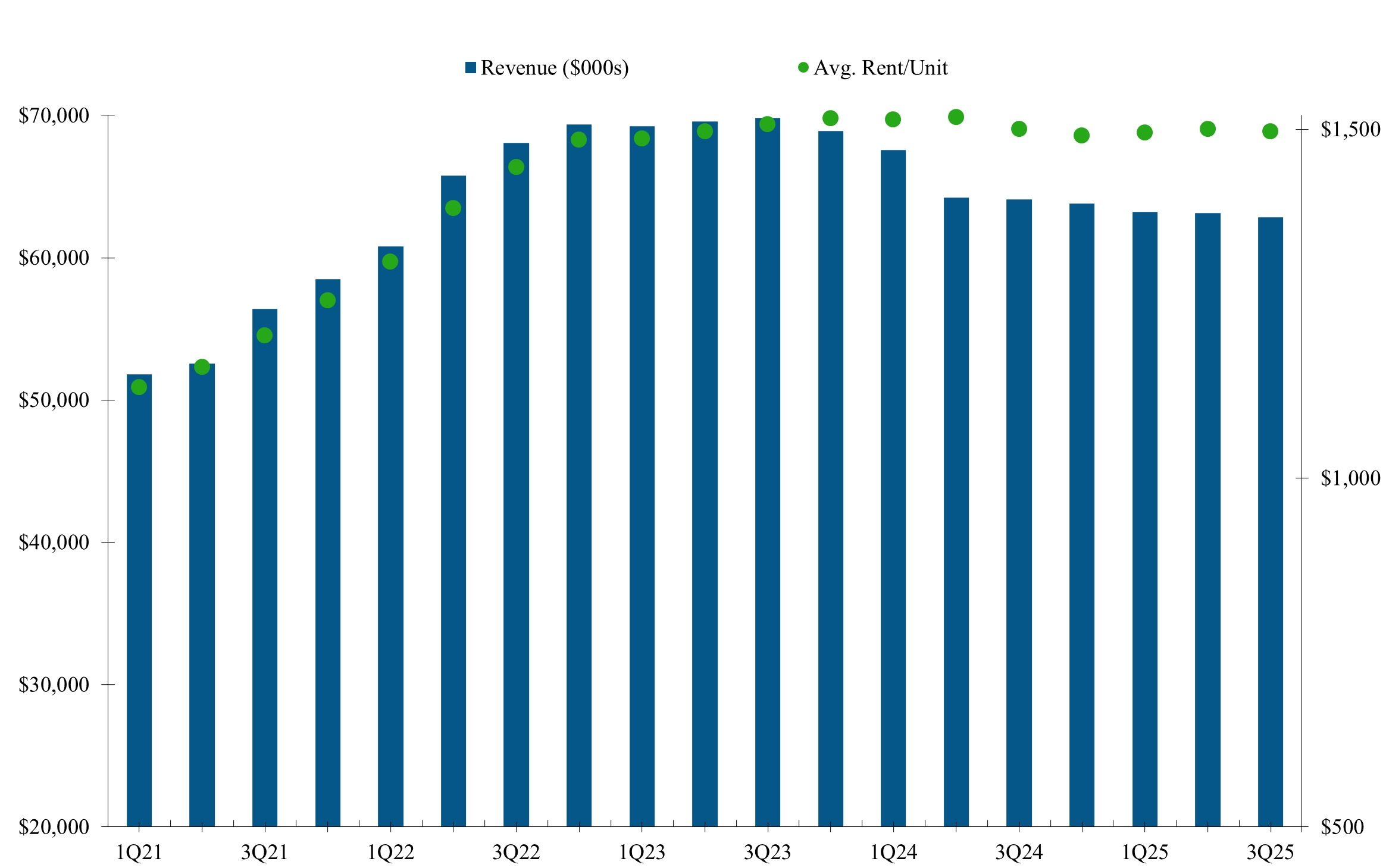
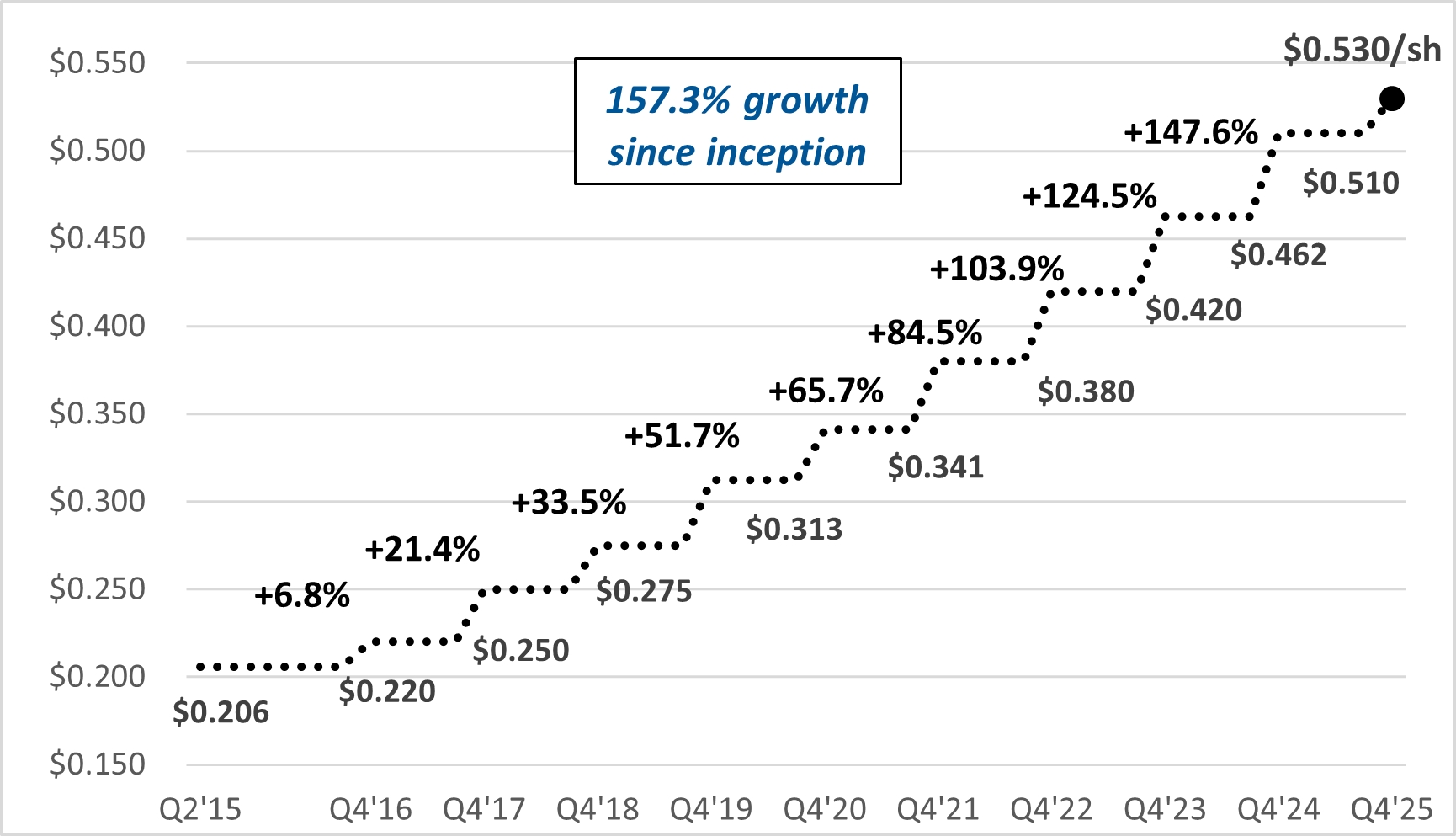
Thank you, Kristen, and welcome everyone joining us this morning. We appreciate your time. I will pick off the call and cover our Q3 results, updated NAB, and guidance outlook for the year. I will then turn it over to Matt to discuss specifics on the leasing environment and metrics driving our performance and guidance. Results for Q3 are as follows. Net loss for the third quarter was $7.8 million for a loss of $0.31 per diluted share on total revenues of $62.8 million. The $7.8 million net loss for the quarter compares to a net loss of $8.9 million or $0.35 loss per diluted share for the same period in 2024 on total revenue of $64.1 million. For the third quarter of 2025, NOI was $38.8 million on 35 properties compared to $38.1 million for the third quarter of 2024 on 36 properties. For the quarter, same score, rent and occupancy decreased 0.3% and 1.3% respectively. This This coupled with a decrease in same-store revenues of 0.6 percent and same-store expenses of 6.2 percent led to an increase in same-store NOI of 3.5 percent as compared to Q3 2024. As compared to Q2 2025, rents for Q3 2025 on the same-store portfolio were down 0.2 percent or $3. We reported Q3 core FFO of $17.7 million or $0.70 per diluted share compared to $0.69 per diluted share in Q3 2024. During the third quarter, for the properties in the portfolio, we completed 365 full and partial upgrades, leased 297 upgraded units, achieving an average monthly rent premium of $72 and a 20.1% return on investment. Since inception, NSRT has completed installation of 9,478 full and partial upgrades, 4,925 kitchen and laundry appliances, and 11,389 tech packages, resulting in $161, $50, and $43 average monthly rental increase per unit and 20.8%, 64%, and 37.2% return on investment, respectively. An expectant paid a third quarter dividend of $0.51 per share of common stock on September 30th, 2025. For Q3, our dividend was 1.37 times covered by core FFO with a 73.2% payout ratio of core On October 27, 2025, the company's board approved a quarterly dividend of $0.53 per share, a 3.9% increase from the previous dividend per share, payable on December 31, 2025, to stockholders of record on December 15, 2025. Since inception, NXRT has increased the dividend per share by 157.3%. Turning to the details of our updated NAV estimate, based on our current estimate of cap rates in our market and forward NOI, we are reporting a NAV range per share as follows. $43.40 on the low end, $56.24 on the high end, and $49.82 at the midpoint. These are based on average cap rates ranging from 5.25% on the low end and 5.75% on the high end which remains stable quarter over quarter turning to full year 2025 guidance nxrt is reaffirming guidance midpoints for loss per diluted share core ffo per diluted share same store rental income same store total revenues same store total expenses and same store noi and tightening guidance ranges for acquisitions and dispositions loss per share core fulfill ranges are as falls loss per diluted share of negative one dollar and 22 cents at the high end negative $1.40 at the low end, with a midpoint of negative $1.31, and for core FFO per diluted share, $2.84 at the high end, $2.66 at the low end, with affirming the midpoint of $2.75. This completes my prepared remarks, so I'll now turn it over to Matt for commentary on the portfolio.
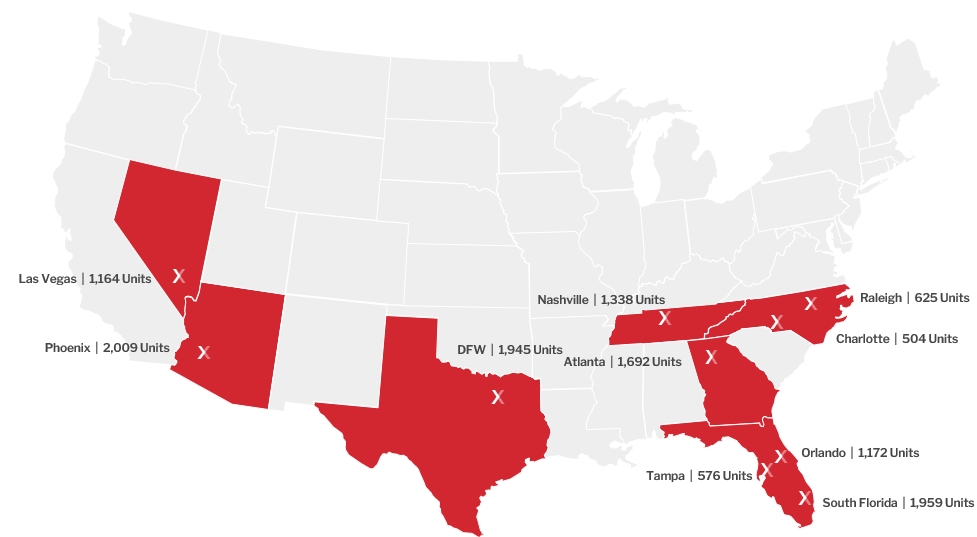
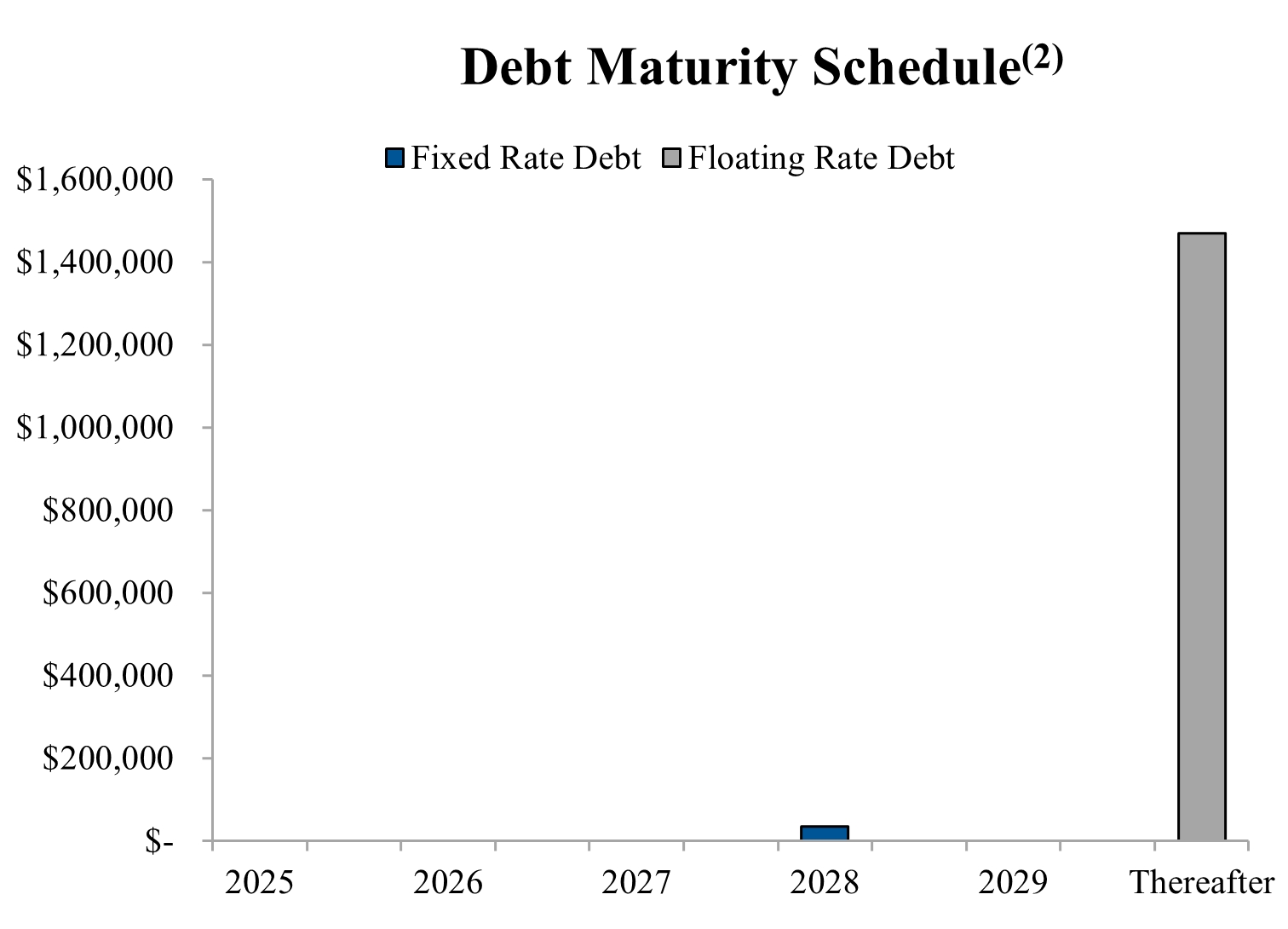
Thank you, Paul. Let me start by going over our third quarter same-store operational results. Same-store total revenue was down 60 basis points, albeit with five of our 10 markets averaging at least 1% growth, with Atlanta and South Florida leading the way at a positive 2.8% each. We are also pleased to report continued moderation and expense growth for the quarter. Third quarter, same-store operating expenses were down an impressive 6.3% year-over-year. Payroll and RNN declined 7.5% and 6.1%, respectively, with year-over-year and total controllable expenses down a meaningful 6%. Insurance was also favorable by 19%, driven by the team's efforts here and market improvement on the property casualty side. Real estate taxes also decreased 8.7% due to favorable protest outcomes, most notably in our Nashville portfolio. Third quarter same-store NOI growth continues to improve in our markets, with the portfolio averaging a positive 3.5%, a marketable improvement from down 1.1% last quarter. Seven of our 10 markets achieved year-over-year NOI growth of at least 2.5% or greater, with Nashville and Atlanta leading the way at 26% and 7.8% growth, respectively. Our Q3 same-store NOI margin registered a healthy 62.2%. The portfolio experienced improved revenue growth also in Q3, with five out of our 10 markets achieving growth of at least 1% or better. Our top five markets were Atlanta and South Florida at 2.8%, Tampa at 2.4%, Raleigh at 2.1%, and Charlotte at 1%. Renewal conversions for eligible tenants were 63.6% for the quarter, with all 10 markets executing positive renewal rate growth of at least 75 basis points or better. 646 renewals were signed during the quarter in an average of 1.81%. On the occupancy front, the portfolio registered a 93.6% occupancy at the close of the quarter. Market competition from lease-up assets on down the spectrum remain our biggest challenge, but clear skies are forming ahead. As of this morning, our portfolio is 93.6% occupied and 95.8% leased with a healthy trend, 60-day trend of 92%. Even though we saw elevated pressures to occupancy and concessionary utilization, top-line rent beat our internal forecast by 20 basis points for the quarter, and bad debt continues to stabilize with a meaningful 32% year-over-year improvement for the quarter. Again, on expenses, they continue to moderate and finish the quarter down 6.4%. Payroll declined 7.6% this quarter and continues to trend downward as we implement centralized teams and AI technology. Our centralized platforms for renewals, screening, call centers, alongside AI applications deployed across various aspects of the resident experience are all driving greater efficiency and enabling reductions in on-site staffing, particularly within the leasing offices. As mentioned previously, we are now focused on optimizing our maintenance operations to drive similar efficiencies across our markets. Insurance, real estate taxes, R&M, and G&A were the other categories that saw meaningful year-over-year improvement for the quarter, with all categories improving at least 6.6% or more. Now, turning to our updated view on supply, we believe we're close to the end of a record national new multifamily supply cycle. COSTAR sees annual net deliveries having peaked at 695,000 units in the trailing 12-month period, ending Q3, 2024, and Q4, 2024. This compares to annual net delivered units of 351,000 on average in the prior five years, that prior five years being Q314 through Q319, and 282,000 units on average since 2001. Coast Star forecast net deliveries reached 697,000 units in 2024 and expected to be 508,000 units in 2025, before falling significantly year-over-year in 2026 by 49% in 2027 by an additional 20%, a critical Q3 for deliveries followed by a steeper drop-off. For Q3 of 2025, deliveries are 17% down quarter-over-quarter and is the last quarter with more than 100,000 units delivered. An increased expectation for three Q25 deliveries is followed by a significant drop-off to Q4 2025 deliveries that is now forecasted at just 69,000 units, down 52 percent year-over-year and 41 percent quarter-over-quarter. This ushers in the start of the lengthy period where deliveries are expected to be below the long-run average and more bullish long-term forecasts for prior years. 2027 and 2028 delivery forecasts have also have fallen. GoStar now expects 2027 deliveries of 234 units that compares to forecasts from December of last year of 283,000 units, and 231,000 units for 2028 that compares to prior forecasts of 308,000 units. That's down 27%. On the whole, cautious optimism best fits our rental market outlook. Looking better in places still challenged, but we have come to the time where market fundamentals are coalescing to support a more bullish outlook for multifamily. We expect the rental market will take the lion's share of new household formation and outperform the for sale market on the near term. While some markets still have supply issues, particularly in our fast-growing sunbelt markets, demand is still there. We're absorbing units at a very strong clip right now, and part of that is due to the affordability challenge in the for sale market. It's about twice as expensive on a monthly basis to own a home as it is to rent, the average apartment in the U.S. During the quarter, the team re-underwrote each of our assets as if we were to buy them new today, with a particular view on the sub-market competition for lease-ups. We tried to estimate, based on historical lease-up trends, when each of our sub-markets that have supply pressures would indeed stabilize. We defined sub-market stabilization as 92% occupied, with new construction deals being at least 70% leased. Our analysis showed that five of our 10 markets should stabilize in the first quarter, six of the 10 in the second, and eight of the 10 in the third quarter of next year, with all markets stabilizing by year end. Indeed, this could happen sooner, as NXRT markets are littered with major job and corporate relocation announcements almost daily across finance, technology, defense, logistics, manufacturing, and research. Billions of capital and thousands of jobs across names such as Align Data Centers, Alliance Bernstein, Apple, Bell, Textron, Fujifilm, Goldman, Intel, Microsoft, Oracle, TSMC, Wells Fargo have all hit our markets in the past six months alone. Again, more reason for cautious optimism. On the transaction front, buyer sentiment for multifamily purchasing continues to improve in Q3, according to CBRE and our own experiences. Institutional investor allocations to real estate are expected to tick up to 10.8% in 2026, according to Institutional Real Estate Allocations Monitor. Firms like Blackstone remain bullish on commercial real estate investments given muted supply growth and lower cost of capital in the form of lower rates and tightening spreads. Indeed, Blackstone in particular believes we are now approaching a steeper point in the price recovery, and we share that view. We continue to actively monitor the sales market for opportunities and stay close to any movements on cap rates in our markets. Many investors remain sidelined, but we see opportunity to return to the market as fundamentals improve. We're expecting to recycle capital in the next couple of quarters against this transaction backdrop and are excited to announce that NXRT has been awarded the opportunity to acquire a 321-unit multifamily community in the high-growth suburbs of northern Las Vegas. This asset features a unit mix focused on two- and three-bedroom floor plans ideal for young families and roommate situations. Recent large-scale developments have driven significant expansion, job growth, and residential revitalization in North Las Vegas, which is now the Las Vegas Valley's most prominent industrial market. Nearby, over 15 million square feet of industrial space is currently under construction or plan, supporting the creation of approximately 8,000 jobs in this sub-market alone. We have evaluated this asset to be structurally sound, well-located, and primed for value-add execution that is the best we have underwritten all year. We believe the asset has potential to generate a 7% same store in OI CAGR over the next five years. Our plan will be to acquire the asset in late Q4 utilizing available capacity on the facility and then we expect to execute one or more sales transactions in the first half of 2026 utilizing tax efficient 1031 reverse exchange mechanics thereby initiating our capital recycling and growth strategies as we head into 2026. We expect this strategy to modestly be accretive for 2026 while yielding stronger core FFO growth throughout the 2027 to 2030 period. Capital recycling to generate growth is our primary external objective, selling mature assets with limited potential into newer growth, nicer and higher growth assets within our familiar market geographies. Transforming the portfolio and unlocking gains for tax-efficient capital recycling into high-conviction assets to grow in OI at an outsized rate is consistent with the company's historic execution. We expect to continues scouring the market for the best opportunities, but we will absolutely prioritize stock buybacks as well in the low 30s over the near term. To summarize and reiterate a couple points. On the macro outlook, we see the market signaling a steeper recovery ahead. On operations, revenue is moderating but at a decelerating pace, and we continue to demonstrate strong expense control driven by R&M, labor, and insurance. We have stabilized bad debt and view the financial health of our tenant demographic is quite strong and resilient to market pressures. We have full conviction we can hit our same SOAR guidance expectations, and we are positioned for improved performance heading into 2026. On the balance sheet, we're cognizant of the swap maturity overhang on our earnings forecast, and we continue to monitor that daily for opportunities. We expect to act in replacing the swap booked over the near term uncertainty before any expirations. And on our path to growth, we see green lights ahead as it relates to our capital recycling strategy. Good deals are available. We are confident in our ability to underwrite, capitalize, and execute on them. And our team will be heavily focused on doing just that heading into 2026, as well as, again, importantly, buying back stock in the low 30s. In closing, in the near term, we will continue to prioritize the balanced approach, driving occupancy, maintaining discipline, rent strategies, managing controllable expenses to support steady NOI growth, while we look to accelerate our capital recycling strategy and portfolio transformation to drive external growth as conditions on the field are set to improve. Looking ahead, we are confident in long-term fundamentals of our Sunbelt position workforce housing assets, which we see to be well-positioned to outperform other geographies given our favorable trends in population migration, job creation, and wage growth. That's all I have for prepared remarks. I appreciate our team's work here at NextPoint and BH for continuing to execute. And that concludes our prepared remarks. So at this time, I'll turn it back over to the operator and open up the call for questions.
Operator
At this time, if you would like to ask a question, please press star 1 on your telephone keypad. We will pause for just a moment to compile the Q&A roster. Your first question comes from the line of Omatayo Akusanya with Deutsche Bank. You may go ahead.
Hi, yes. Good morning, everyone. On the operating expense side, again, things look like they're going really well. Could you just talk a little bit about if that is going to be sustainable on a going-forward basis? And I just ask that in the context of full-year guidance, where the midpoint of guidance suggests that FFO growth in, or FFO in sports portal will be 61 cents versus your current 70 cents run rate, which is being helped by better than expected expense control?
Yeah, I think there's a couple categories tied to this path. You know, we think that we'll have continued improvement and sustainability on the non-controllable side with insurance. We also feel good about um the real estate tax um you know protests that are going on and and see you know potential upside in that number um on the payroll and r&m side um you know we're uh you know we don't see anything change changing uh materially and expect that can uh to be consistent as well um for what it implies for for core um you know i think we're um you know you know we're cautiously optimistic that we're, you know, that we'll exceed expectations as usual. And that's, you know, we're doing everything we can to beat on the expense side and, you know, in the face of these supply pressures. I don't know, Bonner, if you have anything to add to that.
Yeah, I would just add, I think on the real estate taxes, we received one pretty significant settlement that's kind of one-timey in Q3. So that's not necessarily the run rate for taxes there, but it does, you know if you'll remember um nashville is on a four-year revaluation cycle so um you know we fight this battle every four years that that occurred last year we've been you know in the in the process of litigating those we've got court dates on a couple of the other deals but we don't we don't expect to see any dramatic shift there so some of the real estate tax savings that you see in the quarter is more one-time to nature but i agree with matt you know particularly on payroll and repair and maintenance expenses those are heavy focuses for us controlling so i do think that we can continue uh at least through the first quarter on the payroll run rate um you know we've made those strategic initiatives to centralize a lot of the operations so most of most of that activity on the pnl hit kind of april 1st and going forward can you quantify that one-time benefit in 3Q?
Yeah, the total there was about $820,000.
Gotcha. Okay, that's helpful. Then my second question is, again, your self-disclosed NAV, again, you guys, whether you're at the low end or the high end, depending on the cap rate you're using, the stock has been persistently trading at this kind of huge discount to NAV, and I guess when you guys look at that over a long-term period, you know, if that gap is not necessarily made up over time, how do you kind of think about kind of what next for NXRC and how you try to create shareholder value if you just kind of get a fine, this
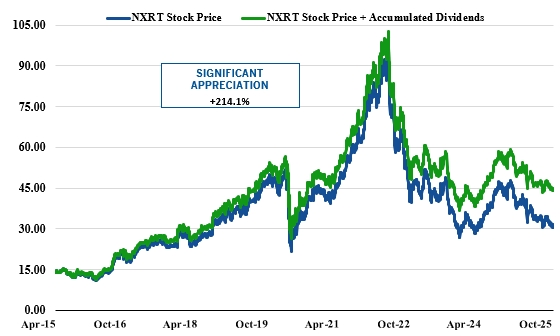
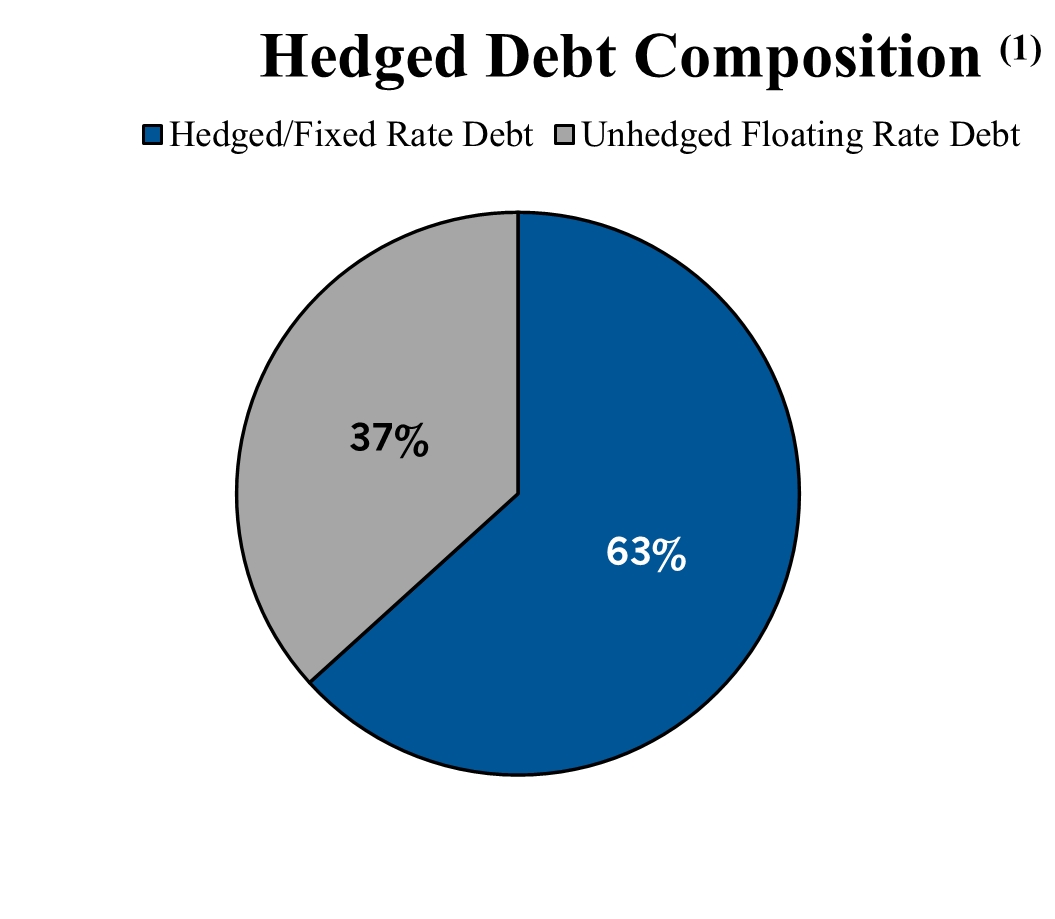
the petrol large discounts with nav granted a lot of the sector is already trading that way so this is not unique to you but just just curious how you're thinking about that yeah look um you know we've been very clear uh since we became public in uh in 2015 that um you know we view the review the company as as a growth company um but we also you know all i mean we also have the company set up to transact as well, you know, with floating rate debt. Our goal is to hit $170 million of NOI by 2027. It's that simple. And, you know, the terminal value, you know, at least in our mind, will always be there. We think that the portfolio is, you know, hard to replace and scale. You know, we think we have the best job, you know, best exposure to the highest job growth markets and um you know we have um you know we we believe that you know if the if the discount isn't closed um then we'll close it you know we own 16 and a half percent of the company we're highly aligned to do so and um you know what we what we absolutely know is that even in a muted transaction environment there's still a bid for multi-family um the transaction market is still kind of a five cap market and especially for for assets like ours so while the public markets are you know discounting you know multi-family stocks we think that that will change dramatically in 2026 as new lease pricing inflects I think that's going to be the the catalyst of it I see that happening in you know the second quarter probably of 2026 and I think our stock will will start to perform um uh in into that into that bid uh of new of new lease growth um but if it doesn't you know we're confident that there is a terminal value and a bid for a bid for the company um you know we know that for sure so um we'd like to we'd like to continue to grow the the earning stream i think we can um you know but if not there's a bid there i'm good thank you so our
Operator
Next question comes from the line of Buckhorn with Raymond James. You may go ahead.
Hey, good morning, guys. Thanks for the time. I apologize. Did you guys give out the splits on new lease rates, renewals, and the blend for the quarter?
No, we did in the supplement, but we'll update it for you. The new, for the quarter, new leases were down 4.06% or $58. Renewals were up 1.94% or $29, almost $30. That's a blended negative 44 basis points. Got it. Appreciate that. And by the way, October, October is kind of trending the same way. New leases were down 3.78% or $54. Renewals were up about 70 basis points or $10 for a blended down 1%. Perfect. You already beat me to my next question.
I appreciate that. Got it. Step ahead of me, man. I'm also going to touch a little bit on the CapEx then, just kind of the maintenance CapEx, both, you know, recurring, non-recurring, I think it's added to about $9 million in the quarter. Do you see that starting to taper off anytime soon, or is that kind of the run rate that you expect the portfolio to be on for at least a few more quarters?
Yeah, I mean, I think it's a little bit elevated, and, you know, the reasons for that is because, you know, we haven't been able to recycle as much of the portfolio as we typically do, so there is, you know, there is a little bit of more maintenance capex going into it um bonner do you have anything to add to that yeah i'd also say you know if you're referencing page 22 of the supplement you'll see you know the interior spend is up uh particularly in the third quarter that's that's up but it's also up on a smaller dollar improvement so our market upgrade program where you know we're not doing the full enchilada premium upgrades with um you know hard service counters and things like that we're focused more on kind of that uh on average it was about four thousand dollar upgrade so to to some units that you know we touched in the past or needed needed some help to be competitive we're you know we're spending about four thousand dollars we're getting a seventy dollar premium um so it's not it's not quite the historical run rate for spend on interiors but we're still getting to that kind of twenty percent annual return uh so we think that that makes sense short-term while pricing you it was under pressure uh and then we i think we referenced this on the last call the you know the large refinancing that we did with freddie mac we got you know new property condition assessments those you know kind of dictated some larger non-referring capex spends some you know uh milling and paving of drive lanes some siding repairs some some roofs we're also doing we're redoing a pool in Raleigh so we've got some I would say larger projects this year I think we're more focused on streamline streamline mass than going into next year and those are more one timey in nature anyway so I should moderate perfect great color appreciate that and again congrats and great job on controlling the the expenses in this environment a lot of progress there.
I think I want to go back to Omatayo's question about, you know, you know, capital allocation and just thinking about the NAV discount. But I guess the question really is why go after a new asset in Vegas at this point when you could, you know, buy your, you know, the existing portfolio probably at an equal or better, you know, kind of combined in a wide yield and growth rate going forward.
Just kind of what's the, you know, help us walk through the rationale of why buy an asset right now when you buy the existing portfolio yeah I think I don't think they're mutually exclusive I think we can do both um as I said I think you know they over the near term until we close on this deal we're going to you know aggressively buy back stock given um given where the um given where the capital is but our our view also is um you know we do need to show some external growth in terms of capital recycling we're not going to be net you know, net acquirers, so to speak. So, we're not, you know, going to just go out and buy willy-nilly. The difference with this deal is, you know, given the situation of the asset, it's basically going in almost a six cap that we believe we can drive to a seven and a half or an eight cap over the course of, you know, our three-year, you know, value-add campaign. And those opportunities don't really, you know, exist on a large scale. This is a very precision-based investment. And I don't think it cannibalizes anything we're doing on a stock buyback program. You know, our free cash flow yield is still strong. And I mean, I meant what I said when we're trying to hit $170 million of NOI in 2027 by the end of that year. I think that that's possible. And if we do that and we apply the terminal cap rate, I think we'll all be very happy. Appreciate it.
Operator
This concludes today's question and answer session i would now like to turn it back over to the management team for closing remarks um thank you very much for uh everyone's participation today and look forward to speaking to you all live in december and a read thanks again this concludes today's call you may now disconnect