Operator
Good morning, ladies and gentlemen, and welcome to the Frontview Raid Inc. Q1 2025 earnings call. At this time, all lines are in easy and only mode. Following the presentation, we will conduct a question and answer session. If at any time during this call you require immediate assistance, please press star zero for the operator. This call is being recorded on Thursday, May 15th of 2025. I would not like to turn the conference over to Randy Starr. Randy, please go ahead.
Good morning, everyone, and welcome to our first quarter 2025 earnings call. I'm joined today by Stephen Preston, Chairman and Co-CEO. Before I turn it over to Steve, please note that we will be making certain statements that may be considered forward-looking statements under federal securities law. The company's actual results may differ significantly from the matters discussed in these forward-looking statements, and we may not release revisions to these forward-looking statements in the future. Factors and risks that could also cause actual results that differ materially from expectations are disclosed from time to time in greater detail in the company's filings with the FCC and yesterday's press release. Steve?
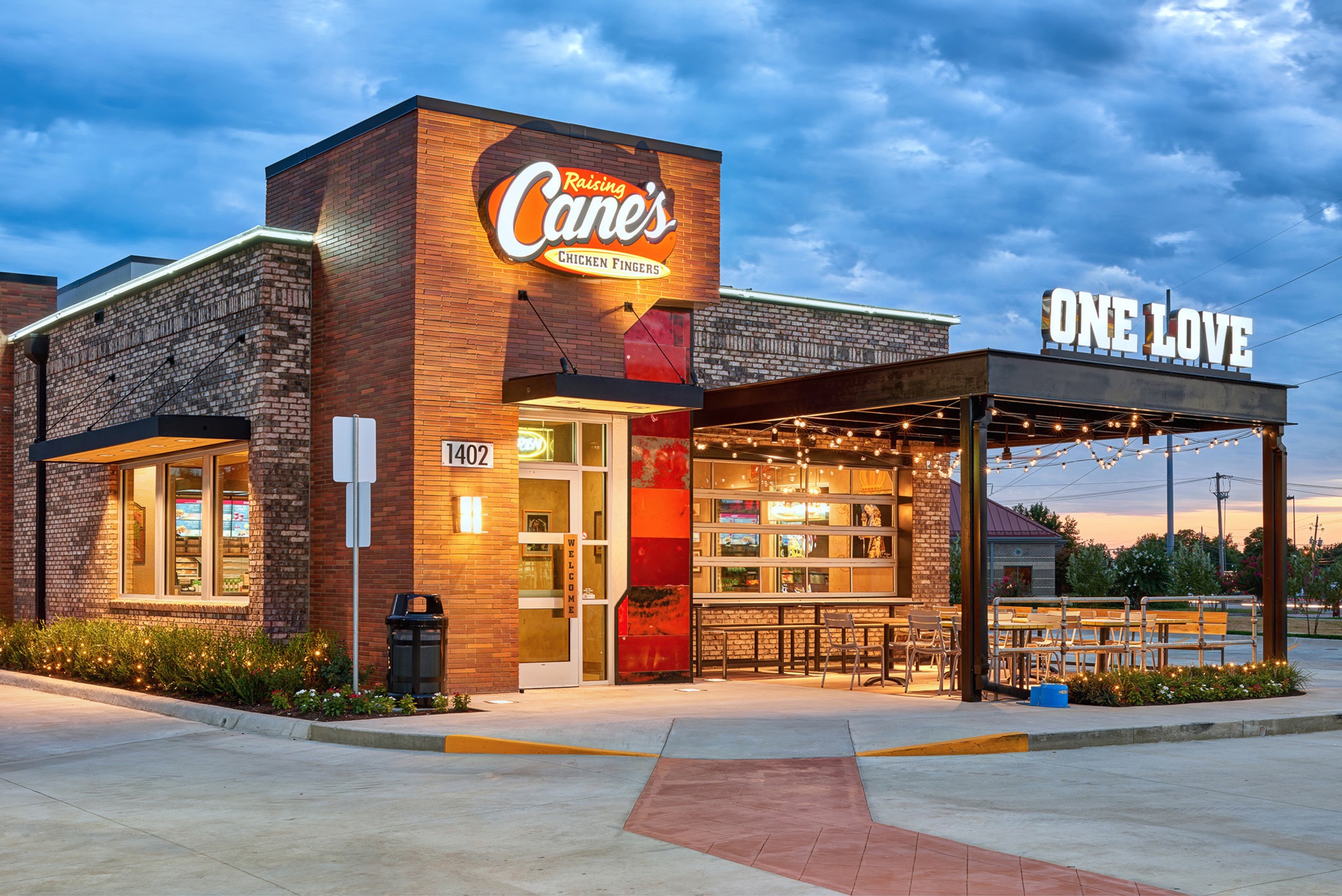
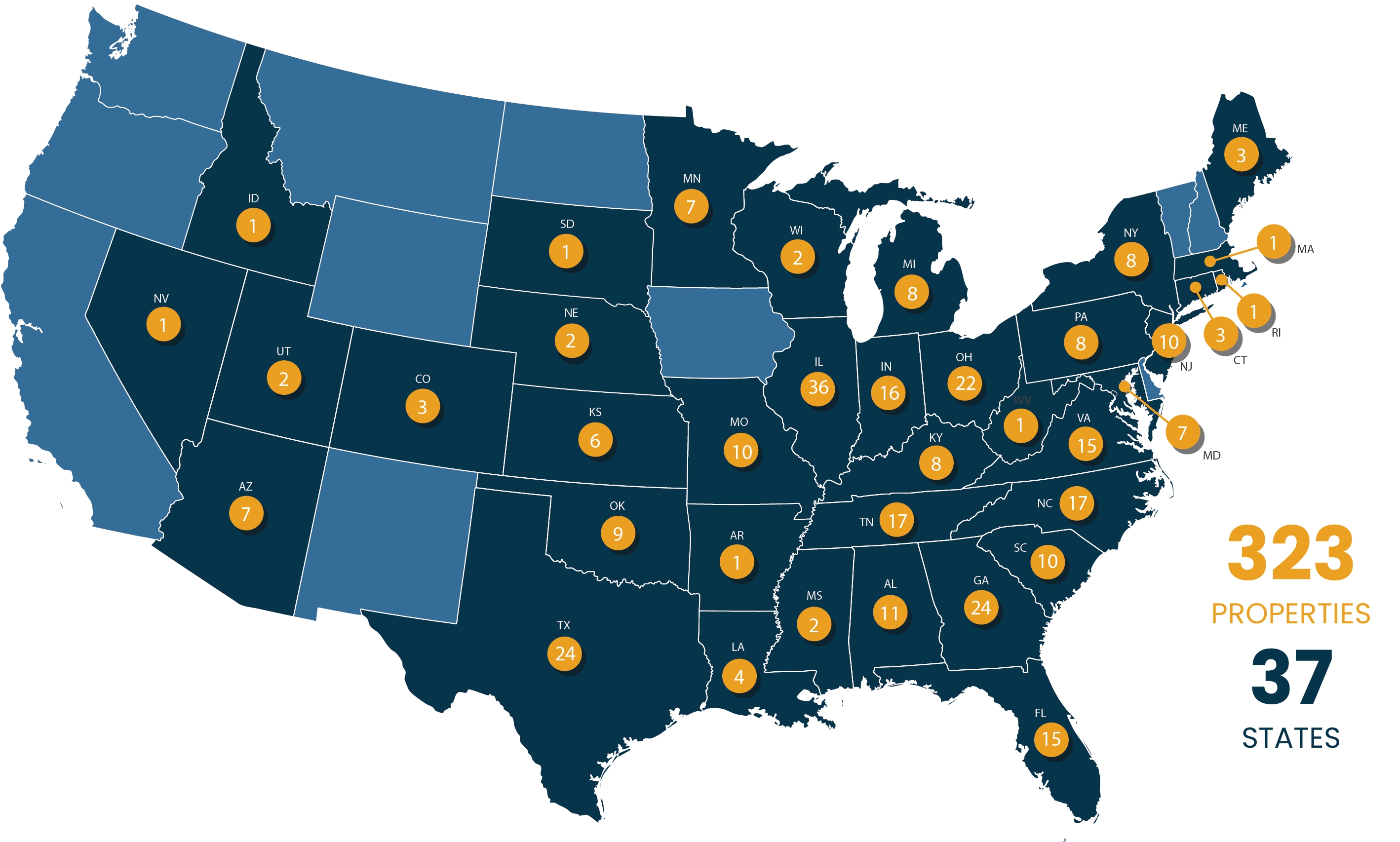
Great. Thank you, Randy. Good morning, everyone. Welcome to Frontview's Q1 2025 earnings call. As a reminder, Frontview is an internally managed net lease REIT that acquires, owns, and manages primarily properties with frontage on high-traffic roads that are highly visible to consumers. Since entering the public markets in October of 2024, we have demonstrated our ability to source accretive acquisitions. The first quarter of 2025 was no exception, and we acquired approximately 49.2 million of properties and an average cap rate of 7.9%, exceeding our pricing guidance by about 40 basis points and having a weighted average lease term of approximately 12 years. The acquisitions are diversified across nine industries, 13 tenants, and 13 states, including eight new tenants and two new states. Investment-grade tenants accounted for approximately 29 percent of the annualized base rent from these acquisitions. Subsequent to the close of the quarter, we have closed on one additional property for an additional $3.6 million at an initial cash capitalization rate of 8.1 percent and a lease term of seven years. We also have five properties under contract for an additional $15.7 million at a weighted average initial cash capitalization rate of 8% and a weighted average lease term of approximately 8 years. The properties under contract are diversified across five industries, six tenants, and four states, with the investment grade tenants representing approximately 20% of the ABR. We have the ability to grow quickly and accretably with our existing team, provided that we have an appropriate cost of capital. Since February, we have seen our share price decline. Given our current share price and cost of our capital, we have slowed the pace of our acquisition activity in order to prudently allocate capital. At this time, we are now planning to acquire between $125 million and $145 million of acquisitions during 2025, So our pipeline of opportunities remains robust, and we believe we will be able to immediately recommence acquisition activity at our prior pace as our cost of capital improves. We still believe we will acquire above the 7.5% cap rate mark through Q2 and into early Q3. And although our current cost of capital is challenging, we believe we are acquiring frontage assets at historically elevated cap rates, and accordingly believe it is in the best interest of the company to continue to acquire assets at these pricing levels, albeit at a slower pace. As of March 31, 2025, we had approximately $141 million of liquidity, comprised of availability under Align and our existing cash balance. We anticipate having sufficient borrowing capacity under our facility to fund our investment activity for the year, coupled with our ability to reinvest surplus cash flow and generate funds from the sale of properties we sold one operating freddy steak burgers during q1 at a sales price of 2.05 million at a cap rate of 6.9 percent we plan to increase the level of property sales during 2025 to between 20 million and 40 million as we see opportunities to sell off non-core assets and assets with shorter lease term durations replacing them with longer term duration leases that fit our acquisition model. In addition, re-penanting properties can give us the opportunity to create meaningful value for our shareholders. For example, as highlighted in our investor presentation, we proactively re-penanted a Miller's Alehouse with a new Raising Cane's Absolute Triple Net ground lease at a substantially similar rent. We have recently listed the asset for sale at a 4.7% cap rate compared to our prior basis of approximately 7.2%. Notwithstanding our currently planned acquisition slowdown, we reaffirm our prior 2025 AFFO per share guidance within $1.20 to $1.26. Our per share results are sensitive to both the timing and amount of real estate investments, property dispositions, and capital market activities that occur throughout the year. Drivers that could increase our AFFO per share include quickly ramping up our acquisition activity to prior levels, income from tenant replacements coming back online earlier than expected, and the accretive sale of certain properties throughout the year. Switching gears to the team front, as previously reported, in late April, Tim Diefenbacher transitioned to the private sector and left Frontview earlier this month. Tim has been nothing but a supporter of Frontview, and we wish Tim all the best in his new role and thank him for his work and efforts throughout our IPO process. The board has appointed Randall Starr as CFO, and he will continue to serve as co-CEO. Randi is a key company executive with a strong financial background and is a natural fit for this role. Randi has a financial analyst and investment banking experience and has been involved in our portfolio since its inception in 2016. Prior to that, Randi attended NYU's Real Estate Finance graduate program while working for C.B. Richard Ellis, and was more recently overseeing top golf as COO and Chief Development Officer, including liaisoning with their accounting and finance departments. Both Randy and I have been very involved in CFO functions from the founding of our business, through the IPO, and throughout our duration as a public company. Randy is a natural fit for the position, and I look forward to continuing to work closely with Randy as we operate and grow the business. Although Randy will still stay involved in the acquisitions process his involvement will move to more of an oversight role our dedicated established acquisitions team which has been responsible for almost 160 million of acquisitions since becoming a public company is a well-oiled machine and more than capable requiring no additional hires to execute on our projected acquisition volume the board has also appointed sean kukumaro to become our chief accounting officer sean is exceptionally capable and seasoned with Big Four public accounting firm experience almost 19 years in the space and has been integrally involved in overseeing front-views accounting since 2018. On the portfolio management front, we previously reported 12 properties in which the tenants were either bankrupt or not paying rent. These 12 properties represented approximately 4% of year-end 2024 ABR, and the tenants were predominantly in the casual dining restaurant space. As we will be describing in a few moments, we have demonstrated that the assets we acquire with Frontage are desirable to a variety of different users and that our top-notch, experienced management team is capable of re-tenanting, repurposing, or otherwise selling off assets to maximize value in a time-efficient manner. Of the 12 assets, we have sold one asset, we are under firm contract to sell a second asset. We are under conditional contract to sell two additional assets. We have leased one asset. We are under active lease negotiations on two assets, with both under signed LOIs. Two of our hooters are currently open and rent paying, but we are also negotiating with other major tenants interested to lease the properties, demonstrating the strong real estate fundamentals of these properties. And our Joann's is currently rent paying, but we are actively marketing to be proactive. We now have parallel lease and sale activity on the 11th asset and expect to be in receipt of LOI shortly, and we are actively marketing the one remaining asset and anticipate having activity shortly. We are proud of our team and our team's ability to quickly, efficiently, and proactively repurpose these assets. Based upon our efforts to date and subject to customary due diligence and closing conditions, we expect the equivalent return of between approximately 3% and 4% of the approximately 4% year-end ABR previously noted with the respect to these 12 properties. Given the projected timing of the aforementioned sales and rent commencements and new leases, equivalent rental replacement income is expected to come back online in Q4-25 or in early 26. At that time, we expect bad debt expenses should run at more normal levels in the 1-2% range, and based upon prior historical outcomes, we believe we should see similar recovery rates. With respect to our watch list, we were hit with a perfect storm earlier this year. As those tenants roll off the watch list, we do not see any major additions at this time. Burger King has been in the news recently as a large franchisee for Burger King filed for bankruptcy. However, we do not have any properties leased to this operator. We own three freestanding Burger King restaurants and two gas convenience stations with operating Burger King's as part All of low rents and all of our Burger King restaurants are open, operating, and current on rent. Additionally, although Applebee's has reported recent store closings, our three Applebee's are open, operating, and current on rent. We have very good clarity into 2025 renewals. At this time, we expect three tenants not to renew this year, one of which is a Walgreens that we previously mentioned that now has leasing and purchase interest. The other two are leases for small properties that have not yet expired. We are already negotiating a contract to sell one of the assets and are in active negotiations to lease the other assets, so we do not expect any meaningful downtime for these two assets. Moving now to the portfolio highlights. Our portfolio continues to perform well. As of March 31, 2025, our portfolio consisted of 323 freestanding properties with an average remaining lease term of over seven years. We are heavily diversified across 37 states and 117 metro areas. We are pleased to keep a very diversified portfolio with limited exposure to any one tenant. At quarter end, our largest tenant exposure was about 3.1% of ABR. While our occupancy rate at the end of Q1 2025 picked down slightly to over 96%, it is expected to return to more normalized levels once the replacements have taken occupancy. Rental collections on contractual rent were strong at approximately 99.5% for the period. Our tenants are predominantly serviced in nature and we do not have a large exposure to general retailers that could be impacted more so from prolonged or higher tariffs. We continue to monitor our tenants in this regard. On a go forward basis, beginning with the release of our first quarter financials, we will be expanding the detailed disclosure of our tenancies from top 20 to top 40 in our investor presentation. Thank you, and let me turn it over to Randy for more details on the quarterly numbers and guidance. Thanks, Steve.
I'll begin by discussing our financial results for the first quarter, followed by an overview of our capital markets activities and our guidance for 2025. I am very pleased to report that for the first quarter, we reported AFFO per share of 30 cents, reflecting certain operating efficiencies and strong rent collections for leased properties of 99.5%. Our G&A and property leakage figures came in better than expected when compared with our modeling, reflecting our team's ability to efficiently and effectively operate and manage our business. We continue to be pleased with our acquisition volumes at above market cap rates, thanks to our ability to capitalize on our niche market, and we expect these acquisitions to contribute significantly to cash flow growth as our cost of capital. Our debt to annualized adjusted EBITDA-RE ratio finished the quarter at 5.7 times, underscoring our prudent approach to leverage and our robust balance sheet. Long-term, we'd like to keep this ratio between five and six times, but we do expect in the near term to exceed six times, staying well below seven times, as we continue to draw down on our line to acquire properties throughout the year at our revised cadence. We do not have any debt maturities in the near term, and in terms of capital markets activities, during the first quarter, we recently locked in our $200 million term loan for three years at a SOFR rate of 3.66%, representing an all-in borrowing rate of 4.96%, approximately 65 basis points lower than our current revolver borrowings. Given the makeup of our capital structure, our earnings were a bit more sensitive to short-term SOFR swings until we achieved greater scale, which was the rationale for prudently locking in a large portion of our previously floating rate debt. Looking ahead to the remainder of 2025, we are reaffirming AFS float per share guidance within the range of $1.20 to $1.26. Key assumptions for fiscal year 2025 underlying this guidance include net real estate acquisitions totaling between $125 million and $145 million, property dispositions ranging from $20 million to $40 million, Non-reimbursed property and operating expenses projected between $2 million and $2.6 million. Maintaining a previously disclosed bad debt expense of between 2% and 3% of cash NOI. This figure includes the 7 of the 12 previously disclosed tenants that are allocated to 2025. Total cash, general, and administrative expenses estimated between $8.9 million. and our AFFO guidance from existing assets from our granular and diversified portfolio with new replacement properties and effectively and efficiently managing our property. As Steve mentioned, our discipline underwriting and sourcing of assets outside the competitive public replant. We remain committed to returning capital to shareholders. Our board has declared a quarterly dividend of 21.5 cents per share for the first quarter, but we believe appropriately balances shareholder returns with reinvestment. Thank you for your attention. And with that, we'll turn it back to the operator.
Operator
Thank you. And now, ladies and gentlemen, we will now begin the question and answer session. Should you have a question, please press the start button, followed by the number one on your cell phone keypad. You will hear a prompt that your hand has been raised. Should you wish to cancel your request, please press the start button, followed by the number And if you are using a speakerphone, please leave the handset before pressing any keys. One moment, please, for our first question. Our first question comes from John Kielichowski from Wells Fargo. Please go ahead.
Thank you. Maybe if we could just start with the credit loss guide of 2% to 3%. I appreciate the color you gave, kind of the seven properties there. But I was just hoping for maybe a little bit more here because Hooters and Joanns are still paying rent. Could you tell us if that was expected in that guide or where that puts you?
And then also maybe the three tenants that told you that aren't renewing, what of that is included in this guide as well yeah sure so for our internal modeling purposes we did assume that within that two to three percent that we had those seven vacant for the year and that's that's how we have modeled uh the uh we have taken a small additional um you know a vacancy expense just uh for some sort of unknown that uh may populate that uh you know gets us to that two to 3% for the year. With respect to the three assets that we expect not to renew, they are small in nature. We have a Walgreens, as we mentioned, and then we have two smaller tenants combined. They represent less than 100 VIPs of ABR.
Got it. Thank you. And then maybe, Randy, one for you. Congrats on taking over this CFO seat now as well. Maybe strategically, I don't know if you differ from Tim at all here. And I know we're a long way now from, you know, thinking about issuing equity in 26, but at some point, hopefully that becomes a consideration again. How are you thinking about that? You know, where do you all need to be trading for that to kind of come back into consideration?
Well, I think it's no secret that we're obviously very unhappy with our current share price. It certainly doesn't reflect the value of our portfolio. That is one reason why we have, while we continue to see, it's a very constructive transaction environment out there right now. And so our acquisition team has a number of fantastic leads that we would be able to act on, but we have purposely scaled down, as you can see from our guidance, just to make sure that we have sufficient liquidity at the end of the year. With our acquisition cadence now, that would leave us in between $60 and $70 million of liquidity projected at year end, which we think gives us some flexibility heading into next year and also gives us more time to have the stock. We also have, obviously, we're also very mindful of our, you know, our debt-to-even ratios here, and those will be staying in the sixes projected this year. But we do have a $200 million accordion feature on our line, so we do have ample access to liquidity.
I appreciate the response. Thank you.
Operator
Thank you so much for the question, John. I know we're going to move on to Daniel Guglielmo from Capital One Securities. Please go ahead.
Hi, everyone. Thank you for taking my questions. I appreciate the work you've all been doing around the offline properties. As you've gone through those negotiations, have you seen any tangible benefits from the properties having direct frontage? Are there pricing benefits, more interest, quicker closing times? Anything you have around that would be great.
Yeah, for sure, and that's a great question thank you for that yeah no i think that it speaks to uh in the makeup and composition of our portfolio and assets that do contain that frontage so given the short time that uh you know these were hit the fact that we have made such progress such quickly uh or so quickly i think you know we'd love to say that uh it's uh it's the management team and we put a pat on our back and certainly that is some component of it but the assets themselves from the real standpoint that we so very carefully choose is very integral to that response and that quick response. And again, the asset size that we have, you know, with the larger footprint makes these buildings and land tracts interesting to a lot of other opportunities and options, which allows us to, you know, facilitate a quicker cleanup of any assets that come back. So yes, I absolutely believe that, you know, these assets compared to a large box that sits back without frontage is certainly a huge benefit, and it allows us to tailor an approach that is a lot quicker to clean up.
Yeah, I appreciate that. And then in the commentary, you mentioned the increased disposition guidance. Are there certain characteristics of the properties in the portfolio that you feel are kind of ripe for recycling? You mentioned the shorter lease terms, but is there anything else that's been enticing buyers to transact at a lower cap rate?
Yeah, no, again, it's a good question. And so we look at that and we comb through the portfolio, and certainly the shorter-term duration assets are ones that are good to sell off into the space. And then if we can accretively turn that into an asset that happens to have a longer lease term, then that's beneficial to us. At the same time, there are other assets that – sorry, I just lost my – that have, sorry about that, that have some certain rent that, you know, could be harder to backfill at the time of a renewal. So we're looking at that aspect of it as well, that, you know, allows us to, you know, take an asset and offload it, and then, you know, replace that later with a better cap rate asset, and an asset with a rent that is more replaceable.
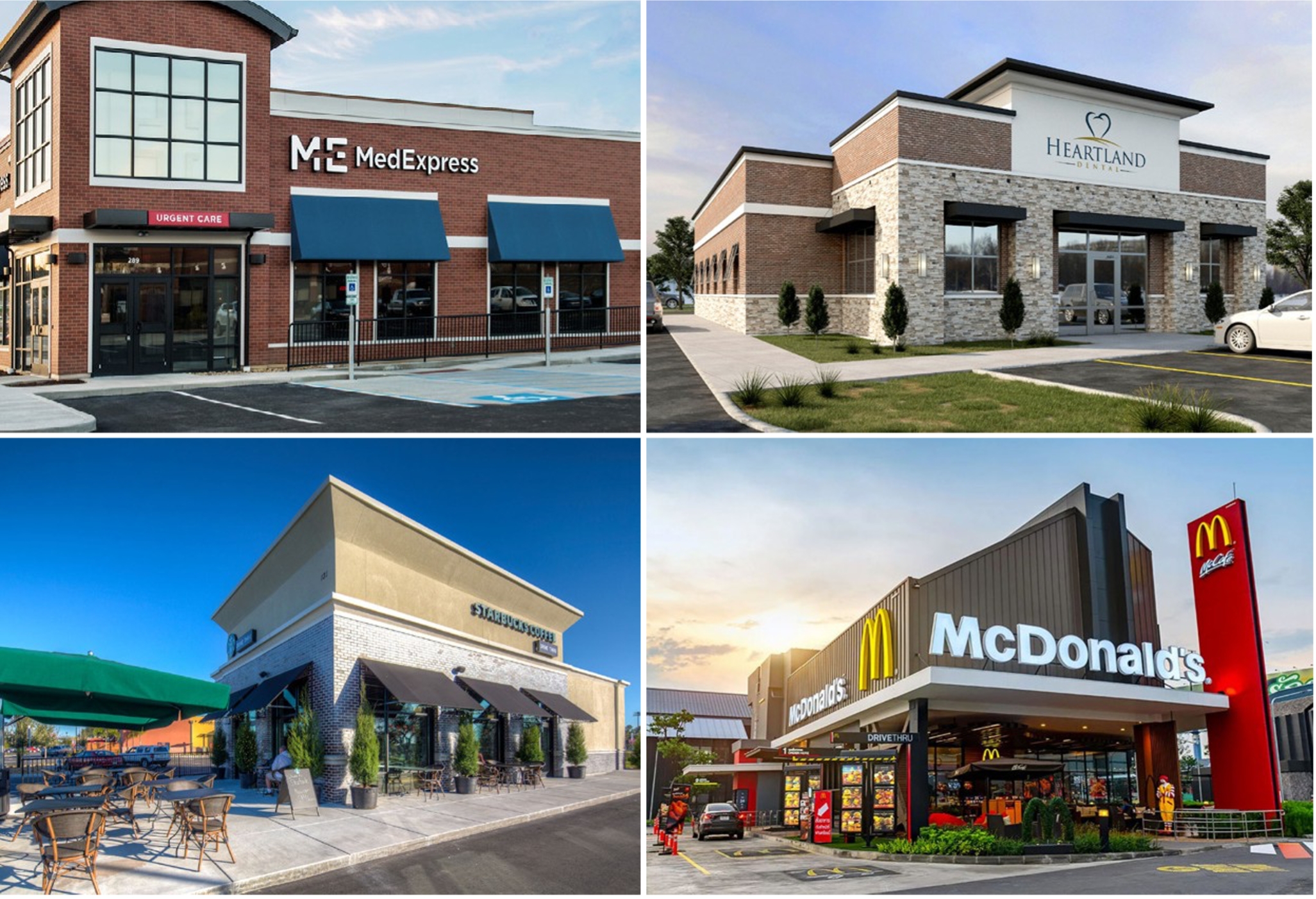
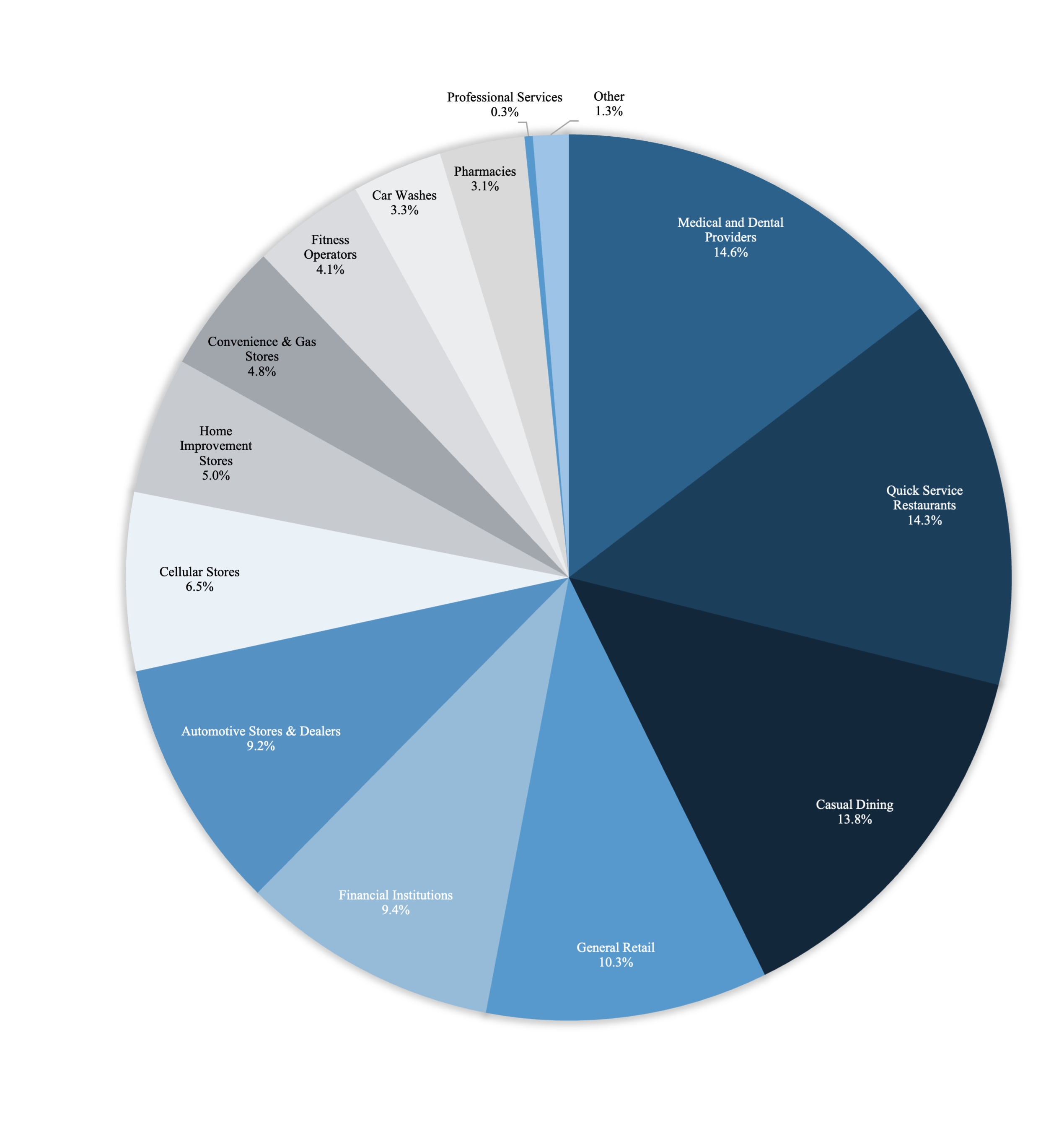
And we also, Dan, will look at the sector as well. We've been very cognizant of the type of sectors that we've been acquiring in for the past, you know, since the IPO, we've really been targeting medical, dental, veterinary services, automotive services, convenience stores, QSR, fitness, finance, and if they're well located, a few dollars restored as well. So if we have the opportunity to recycle, let's say, a sector, whether it's casual dining or one that we're really not focusing on now with the newer asset with the longer lease term, we see that as quite favorable for the portfolio.
And there's also cap rate arbitrage as well that does a role into that, as, you know, that we mentioned on our remarks, we have assets that would trade in the marketplace at significantly lower cap rates than at cap rates that we're acquiring of.
In terms of how we try to do this, just to give you a little bit more information on it, when we're selling properties, we hire brokers who we know have phenomenal Rolodexes of buyers all over the country. And these are brokers who we typically don't like to buy from because they get very good cap rates. We like to buy from the brokers who are smaller and also direct through our relationships. So we are very strategic on who we hire to sell our properties.
Great. Thank you. I appreciate the call. Yep, you bet.
Operator
Thank you so much for the question, Daniel. And now we're going to move to Anthony Paolone from JPMorgan. Please go ahead.
Yeah, thanks and good morning. First question is, if I look in your supplemental, you ended the quarter with, you show $62 million. of annual base rent um can you just maybe bridge the 12 properties like what's in that 62 what's what's not just so we understand kind of you know your guidance what's more of a sort of guide or reserve for lack of a better term versus like what you're showing here that's actually contractually still in place yeah so so um we've got sean here as well that can jump in but within that 62 we believe that the seven are not part of that.
So we would just have any additional incremental vacancy that we would be taking off the top of that. So that rental revenue is not billed into the 62 and then being taken off of. We're at a net number on the 62. Okay, so we should think about if, with those seven properties on a root tenant- Yeah, you shouldn't take off another 2% and change off of the 62 to reflect the seven properties.
So conversely, like late 25, early 26, you're going to add to the 62 in theory if those get backfilled.
Okay. Got it. And then, you know, you mentioned kind of normalized bad debts of, I think, one to one and a half percent over time. How should we think about that just in terms of steady state? you have contractual bumps of call at about a point and a half. So, you know, what do you think the steady state recovery of that one to one and a half bad debt number is net against sort of the organic growth rate? Like, so that, like, how should we think about just steady state net NOI growth, if you will?
Yeah, for sure. So, yeah, that's right. So, typically the leases, you know, have either annual rental escalations or they bump typically every five years. And you're usually bumping about 10% every five years, 7.5% to 10%, or you're sort of 1% to 2% annually, and that gets you into that, you know, 1, 3, 1, 4, 1, 5 sort of average. It's based on the 10%. It's not an exact science each year. So you have that inherent to the portfolio. And then, you know, with respect to, you know, the other bad debt of the portfolio, it – We recover about 75%. Yeah, yeah, yeah. We recover about, yeah, we kind of keep the recovery about the same, about the, you know, 75 to 100 percent based upon our historical recovery rates.
Got it. And then just last one, I mean, you know, obviously you're doing, you're taking actions here to, you know, to get your cost of capital back. But, I mean, if we sit here and think about fast forward, whether it's 12 months, 18 months, if you're still in a situation where you just don't have access to equity, you know, what is sort of plan B? I mean, how long do you guys foresee, you know, doing this before, you know, there has to be some other action beyond just waiting for, you know, the capital cost to come back through recycling and so forth?
Yeah, no, I mean, listen, it's a good question. It's top of mind for everybody, of course, right? So, you know, we want to make sure that we can continue to execute, which I think we've been doing. We want to continue to make sure that we're making prudent decisions within the portfolio. I think that we've demonstrated that we've got the resiliency of the portfolio, you know, certainly based upon the quick and successful retenanting of the 12 assets we've mentioned. And then ultimately, you know, we want to make sure that we can recycle assets accretably. So we do have that option. If we get back and we get to a point where we're sitting a couple of quarters down the road and we're still sitting at a stock price that looks the way it does today, you have to take a position that you start to look at M&A and other options for the company. But all along the road, we're going to continue to make the best decisions and then make the best responses for the business.
Okay. Appreciate that. Thank you.
Operator
Thank you for the question, Anthony. And for our next question, we're going to move on to Jana Gillan from Bank of America. Please go ahead.
Thank you and good morning. I'm curious how you're thinking about your investment spreads between recycling the portfolio and using new capital. It sounds like you could buy in the mid to high sevens and then sell in the mid to high sixes. Is that the correct way to think about it?
Yeah, I think it's going to look like when you kind of see a blended average of the assets that are going to come offline versus, you know, through sales, that you're going to see a blended average. So, yeah, we are seeing that that's accretive. We have some, as the case of the Raising Cane that we mentioned, that will be below that 6.5. There are other, you know, non-core assets that you think that will be, you know, slightly elevated, you know, beyond the 6.5. but yeah i'd like to see uh you know i think you can see about a hundred basis point or so spread on average between where we would exit and then where we would uh acquire and in the meantime increasing our walls great and um i i apologize if i missed this in the step but do you disclose average or median tenant rent coverage i see that you get uh financial reporting from a large portion of your portfolio uh we do not we just don't we don't get a lot of recording yeah we we do not dispose of this time thank you thank you so much for the question jana and since there are no further questions at this time please continue steve yes no thank you everybody we appreciate the questions we appreciate uh your time and uh we look forward to collectively building this company and you know we hope for improved share price as we go but we're going to continue to make the the right prudent decisions for this business and we'll be at nareet and anyone that would like to sit down and visit we're going to be there and welcome the opportunity thank you all the conference is now concluded thank you for attending today's presentation you may now disconnect.
Operator
Thank you everyone.