Operator
Thank you for standing by. This is the conference operator. Welcome to the MicroVest First Quarter 2026 Earnings Call. As a reminder, all participants are in a listen-only mode, and the conference is being recorded. I would now like to turn the conference over to MicroVest Investor Relations. Please go ahead.
Operator
Thank you, operator.
And thank you, everyone, for joining our update today. This is Rodney Wortham, Chief Financial Officer of MicroVest, and with me on today's call is Mr. Yang Wu, Founder, Chairman, and Chief Executive Officer of MicroVest. Mr. Wu will start off with a high-level overview of the first quarter results before providing some operational and business updates. I will then discuss our financials in more detail before handing it back to Mr. Wu to wrap up with our outlook, some closing remarks, and to answer a few questions. Ahead of this call, MicroVest issued its first quarter earnings press release, which can found on the investor relations section of our website, ir.microvest.com. We have also posted a slide presentation to accompany management's prepared remarks for today's call. As a reminder, please note that this call may include forward-looking statements. These statements are based on current expectations and assumptions and should not be relied upon as representative of views for subsequent dates. We undertake no obligation to revise or release the results of any revision to these forward-looking statements due to new information or future events. Actual results may differ materially from expectations due to a variety of risks and uncertainties. For more information on material risks and other important factors that could affect our financial results, please refer to our filings with the SEC. We may also discuss non-GAAP financial measures during this call. These measures should be considered in addition to, and not as a substitute for, or in isolation from, GAAP results. These non-GAAP measures have been reconciled to their most comparable GAAP metrics in the tables included at the end of our press release and this slide presentation. After the conclusion of this call, webcast replay will be available on the investor relations section of MicroVast's website. Now I'll turn the call over to Mr. Wu to kick things off.
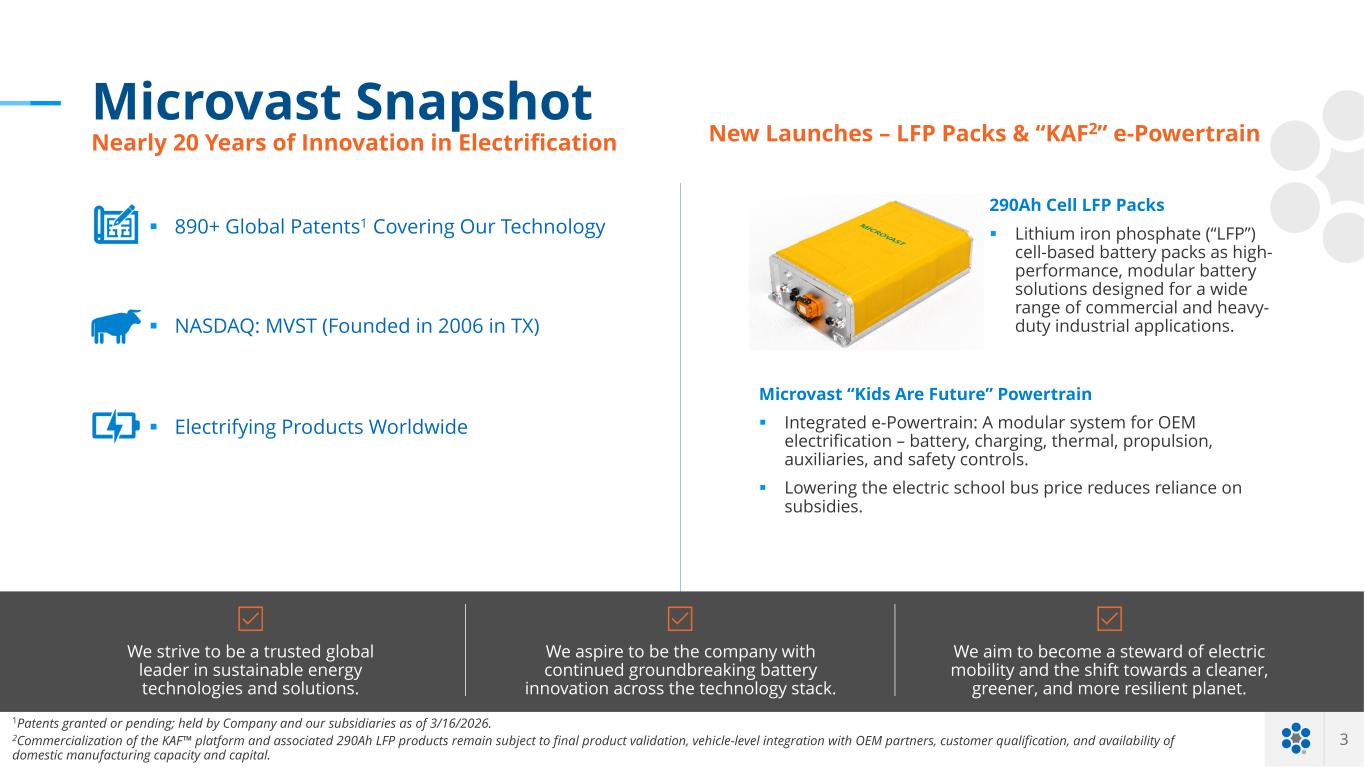
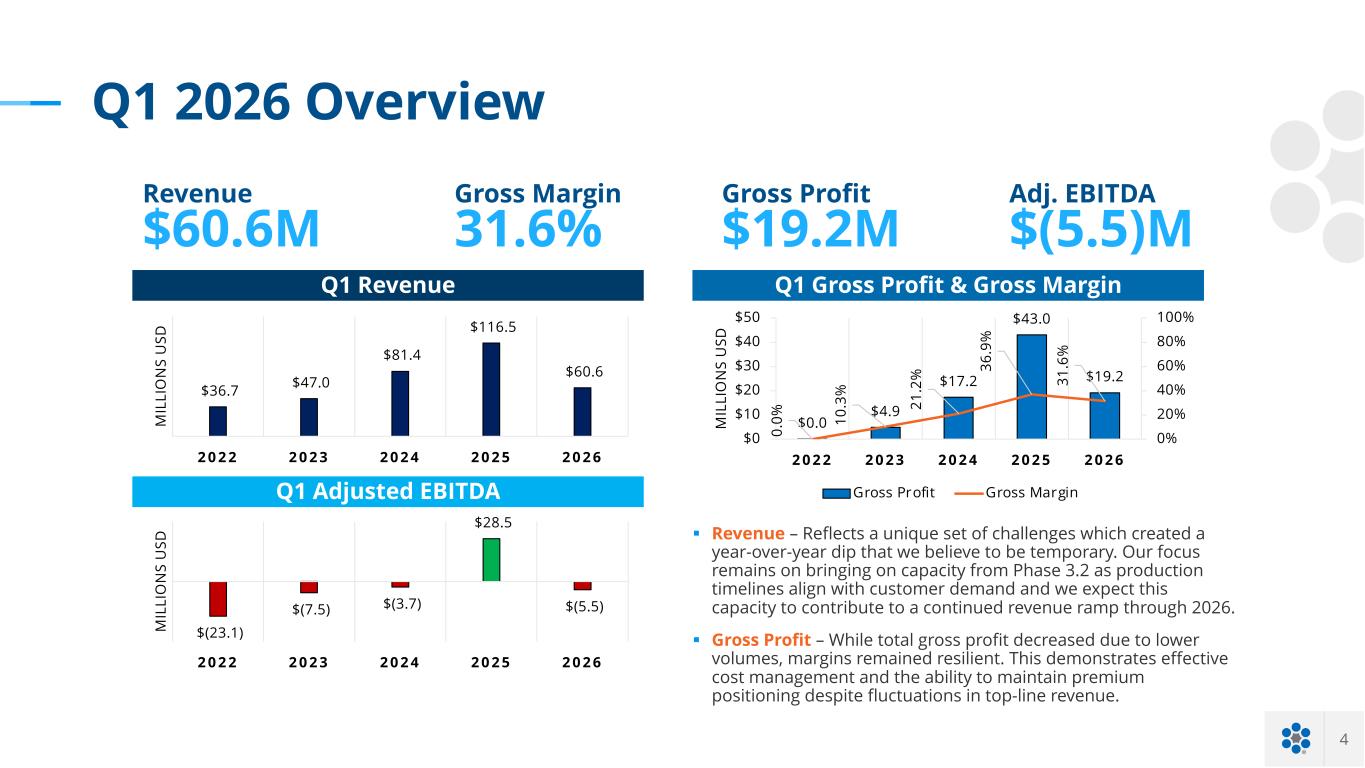
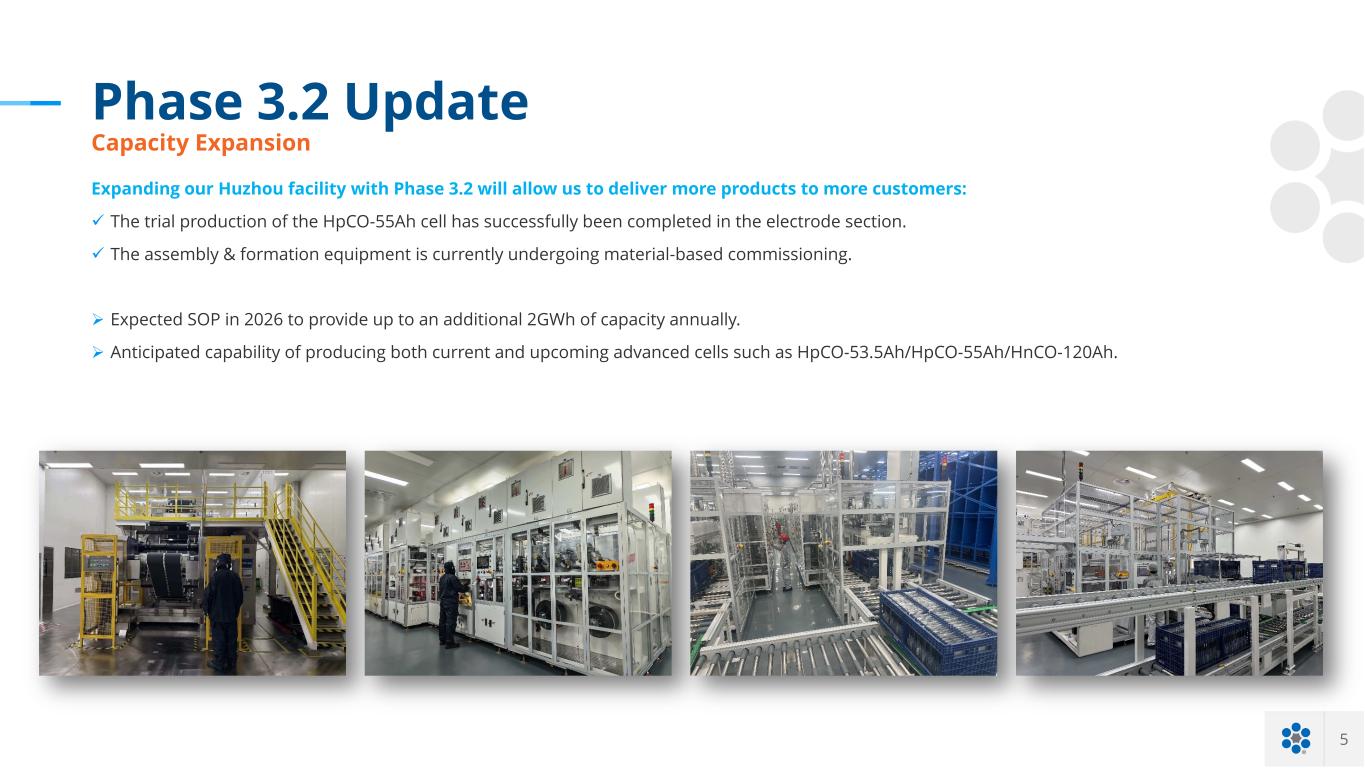
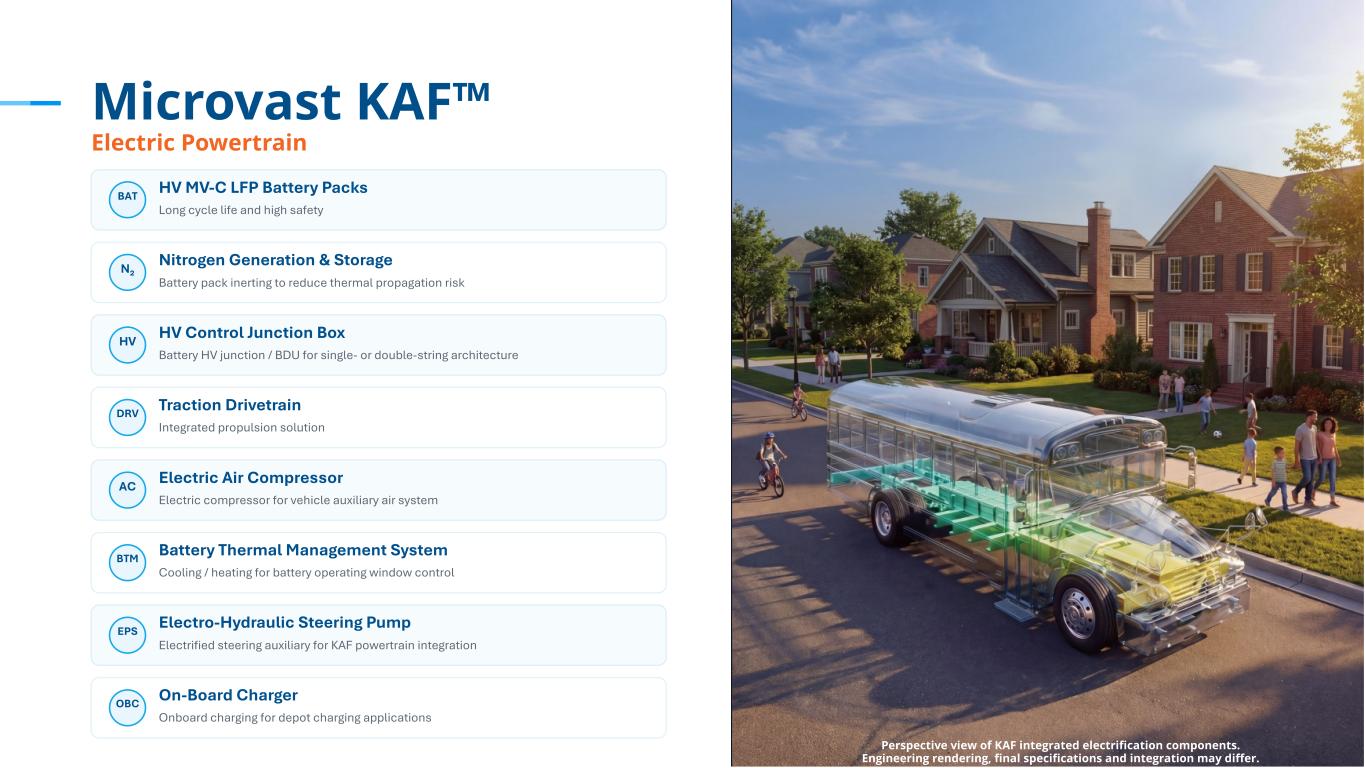
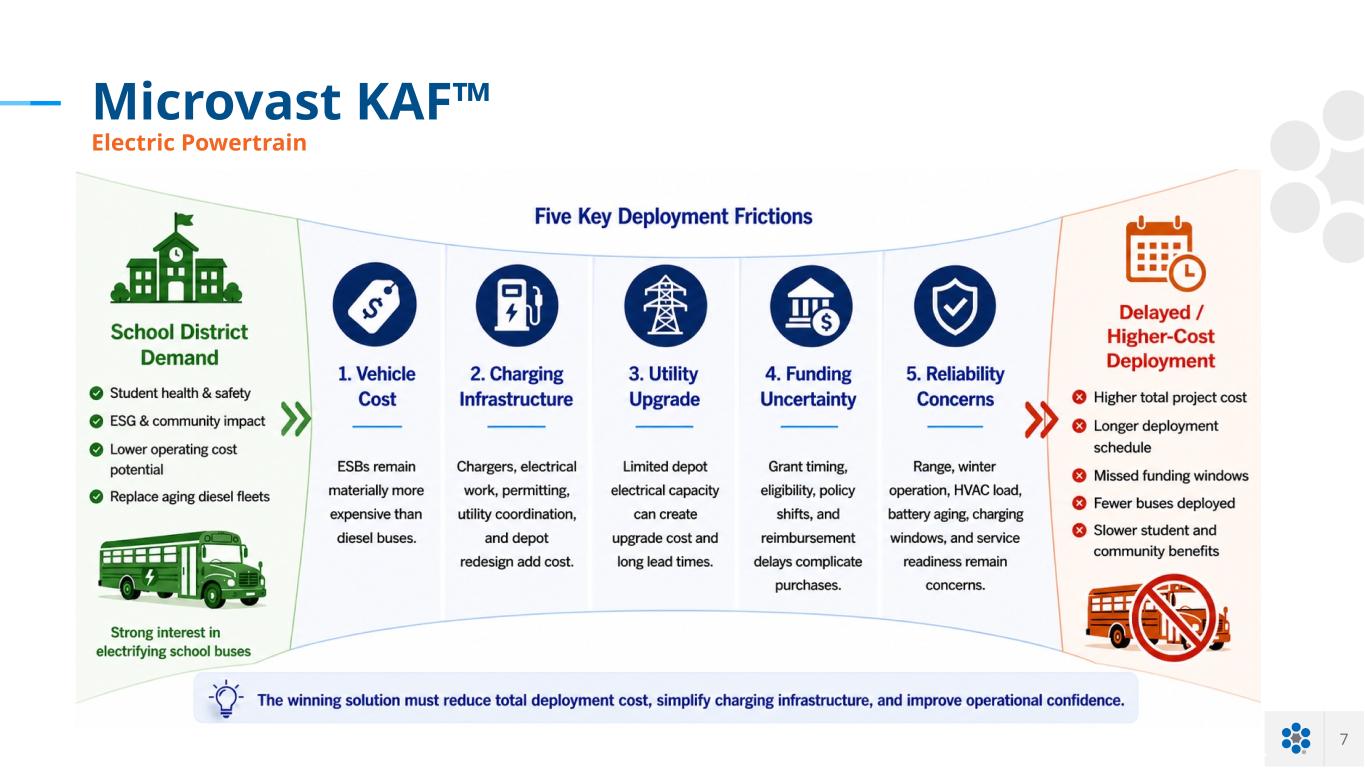
Hello everyone, and welcome. Thank you for joining us today. As always, I want to start by reminding you of our core mission. Founded in Texas in 2006, MicroVast has grown into a global leader in advanced battery technologies. With over 890 patents granted or pending, and our electrified solution successfully deployed worldwide. We are proud to contribute to the global energy transition, building a more sustainable future, one battery at a time. Innovation is a call to our operations and always on display at MicroVest. And I'm excited to announce our next generation, 290 mAh LLP-based battery packs as high-performance modular battery solutions designed for a wide range of commercial and heavy-duty industry applications. We expect to integrate these new packs into the Cuff electric power frame solution. MicroVas is on a mission to lower the barrier to entry for electric school bus platforms in the United States and reduce reliance on subsidies. We aim to deliver cleaner, quieter, affordable, and more comfortable transportation for the next generation as we know that our kids today are the future. I will go into more detail about how we plan to transform the domestic school bus industry on the upcoming slides, but let's first take a brief look at the quarterly overview. Please join me on slide four. Our first quarter revenue was $60.6 million, reflecting a unique set of challenges which created year-over-year dip that we believe to be temporary. Our focus remains on bridging on capacity from Phase 3.2 as production timelines align with customer demand and expect this capacity to contribute to a continued revenue ramp through 2026. Our gross profit margin was 31.6%, and so total gross profit decreases due to lower volumes. Margins remain resilient. This demonstrates effective cost management and ability to maintain premium positioning despite fluctuation in our top-line revenue. We expect some continued pressure from Phase 3.2 ramp-up costs and current raw material price increases, but aim to maintain a strong margin profile. Let's turn to slide 5 for an operational update on our Huzhou Phase 3.2 expansion. I am pleased to report that our Huzhou 3.2 expansion continues to progress well. The trial production for our 55-amp hour cell has been completed on the electrode section, and the assembly and formation equipment is currently undergoing material-based commissioning. The two images on the left display for electrode section in operation, while the two on the right show trial cells during assembly. We expect a SOP in 2026 as this expansion is a critical component of our growth strategy. Phase 3.2 is expected to add up to 2 gigawatt hour of annual production capacity and anticipated to be modular across our LBC platform. Move to slide 6. I'm tremendously excited to finally launch our 290 ampere LLP battery pack and a cuff electric powertrain. This product and in-market has been one of my dreams since the very beginning of funding microvests, and I cannot wait for it to hit the road. COF is not just a battery system. It is a potential total solution to electrify a market that includes nearly half a million conventional school buses in the U.S. We would not just be handing OEMs a cell and a pack. We would be handing them a plug-and-play electrical powertrain that includes our high-voltage LP packs, traction drivetrain, and importantly, our proprietary nitrogen generation and storage system. This nitrogen purging system aims to substantially reduce the risk of semi-propagation. addressing the number one safety concerns school boards and parents have today. For specific drivetrain components, we plan to partner with mature and high-volume suppliers to source and develop this integrated solution. From a business perspective, we expect our cuff powertrain solution will be market disruptor in a segment that has consistent recession-proof demand. Currently, electrical school bus can cost more than $350,000. Facing school districts to rely on lottery-based grants by streamlining the powertrain integration as a total solution, we plan to leverage domestic LFP manufacturing in Crossville and aim to eliminate this hurdle. Our power transition solution is targeting total cost ownership parity with diesel buses for under 10 years without accounting for any government subsidies or for potential reduction in overhead and personal required to maintain diesel counterparts. Our new battery pack will be the centerpiece of our presentation at the School Transportation News Expo or STN in July 2026. The American school routes need to be electrified, and we believe Microwave's CAF solution is going to make it possible. Now as we move to slide 7, it is important to understand the environment of OEMs and and school districts are operating in. On the left, you can see school district demand. School boards are facing intense pressure to reduce negative environmental impacts and reduce costs by replacing an aging diesel fleet that is becoming increasingly expensive to maintain. However, despite this strong interest in providing a cleaner, quieter, affordable, and more comfortable transportation for our next generation. The transition has been largely stalled by five key deployment barriers that have made large-scale electrification nearly impossible for the average district. The primary barrier is cost. As it stands today, electrical school bus remain materially more expensive than diesel alternatives. This upfront price gap is the primary barrier to entry. The second and third barriers are the infrastructure and utility hurdles. Districts aren't just buying a vehicle. They are suddenly tasked with becoming electrical engineers. Between site-specific wiring, charging infrastructure, and a long time for utility upgrades, The complexity of getting ready for the bus often exceeds the complexity of the bus self. The fourth barrier is funding uncertainty. The current market is trapped into a grand cycle mentality. Funding often involves shifting eligibility and complex reimbursement cycles create a stop-and-go purchasing behavior that prevents long-term fleet planning. The final barrier is the reliability of the fleets. Operationally, districts are concerned about winter range, HVAC loads, and the long-term health of the battery. They need to know that the bus will show up at 6 a.m. regardless of the temperature. When these deployment hurdles aren't addressed, we see the consequences on the right. Delayed or higher cost deployments, we see missed funding windows, fewer buses on the road, and a slower realization of benefits for the students, and community. As you can see by the tagline at the bottom of slides, we believe that the winning solution must reduce the total deployment cost, simplify the charging infrastructure, and above all improved operational confidence, the MicroVest CAF electrical powertrain solution is being built specifically to address those hurdles. By working to develop and integrate a power train that is safer, cheaper, and easier for OEM to integrate and deploy. We are aiming to remove the friction and accelerate the mission. Now I will turn the call over to Ronnie to discuss our financials.
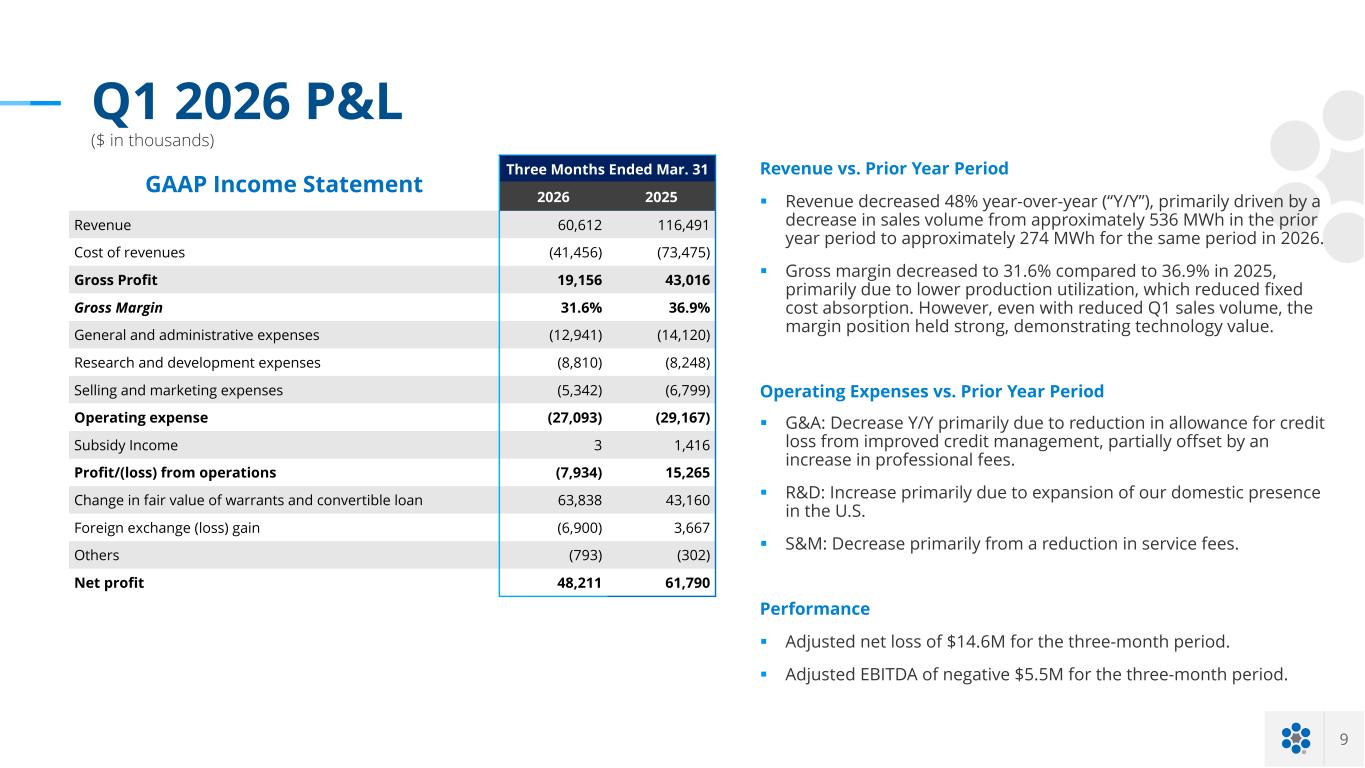
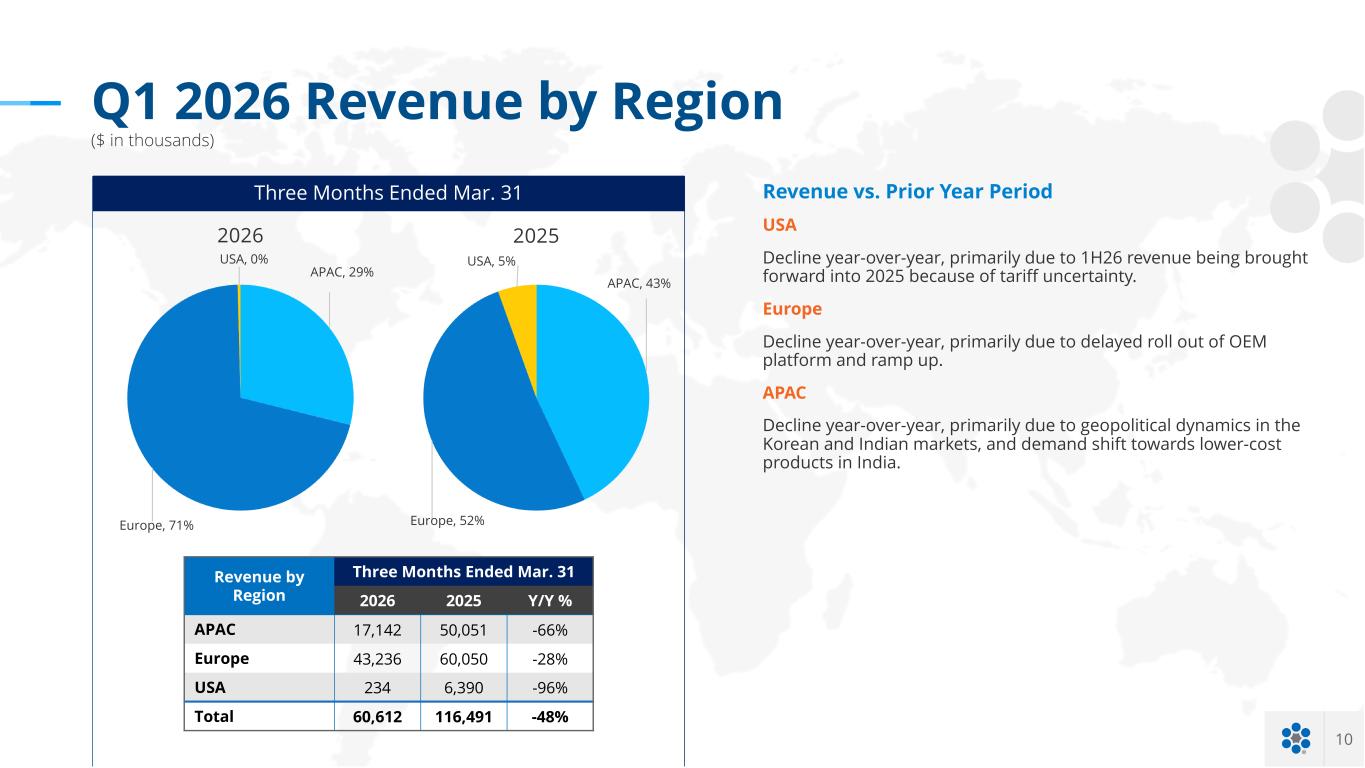
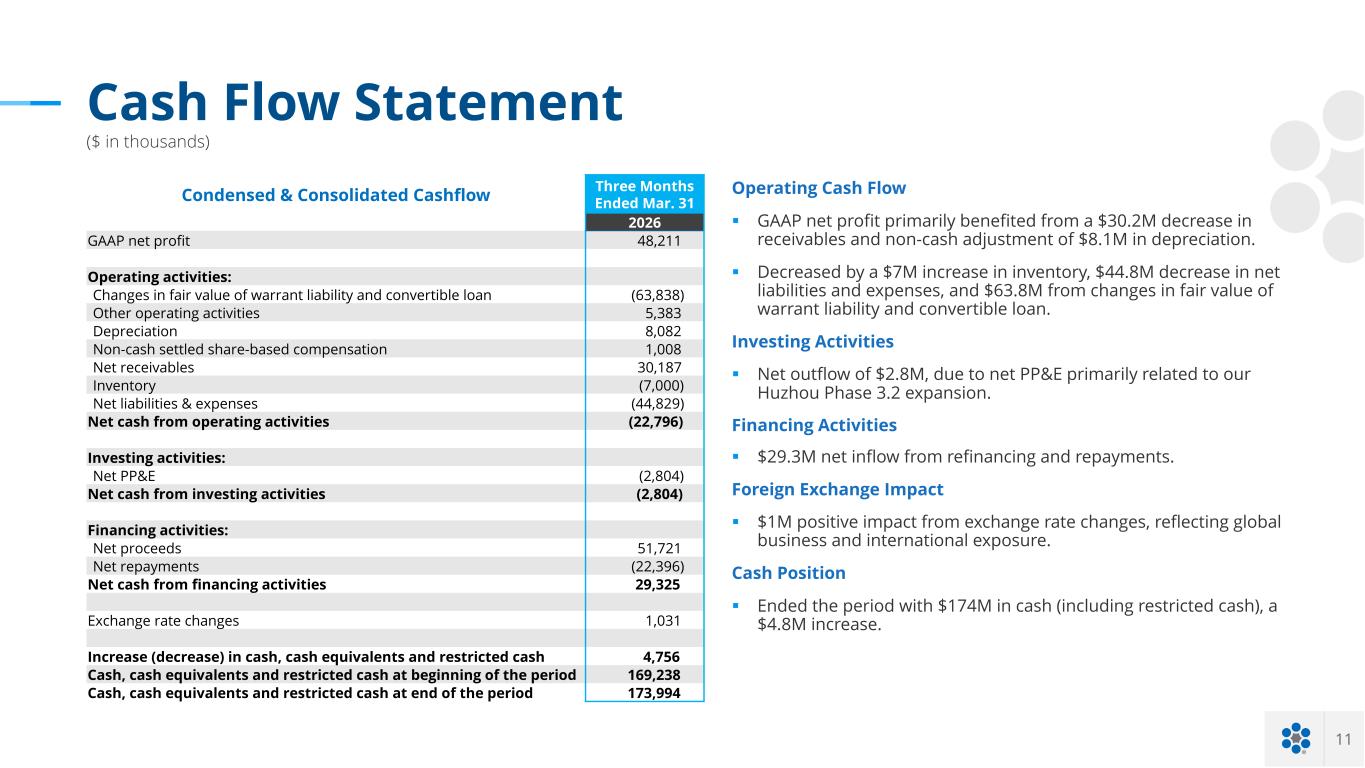
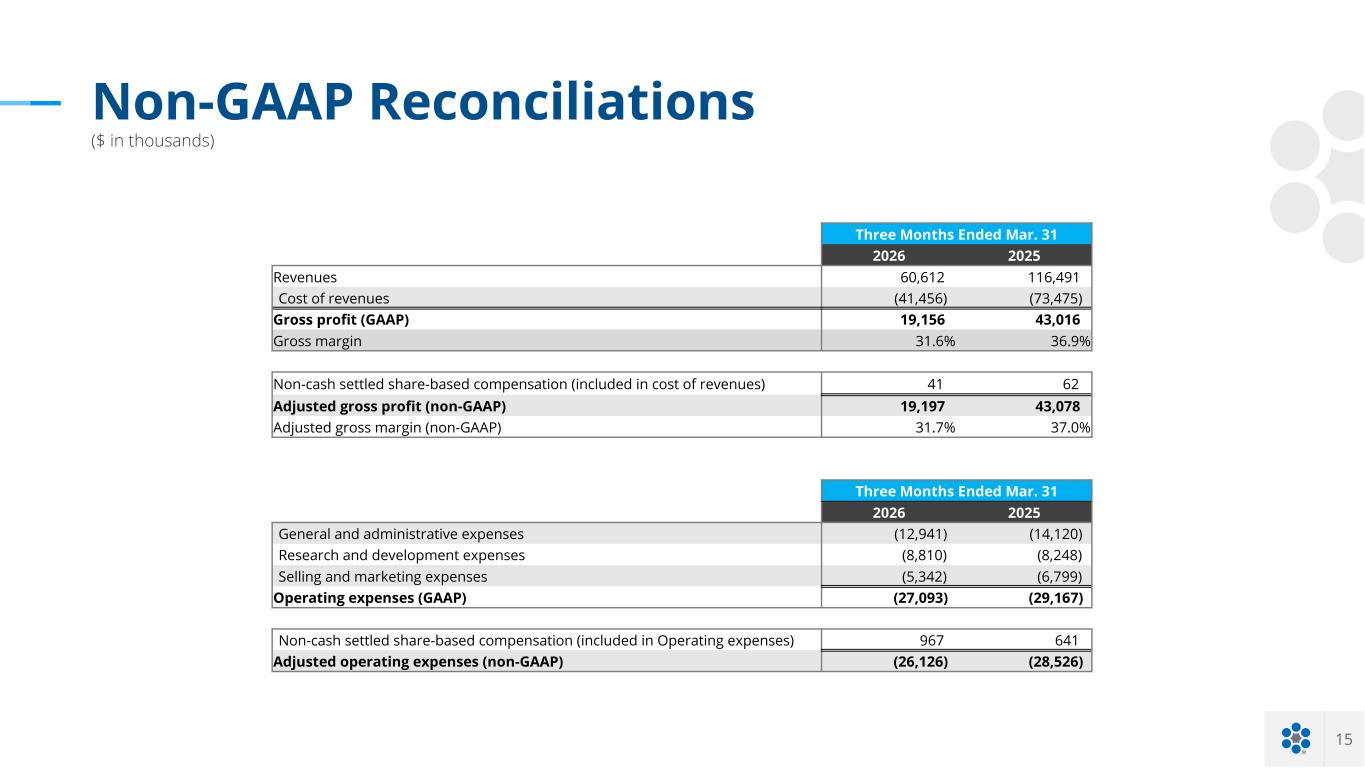
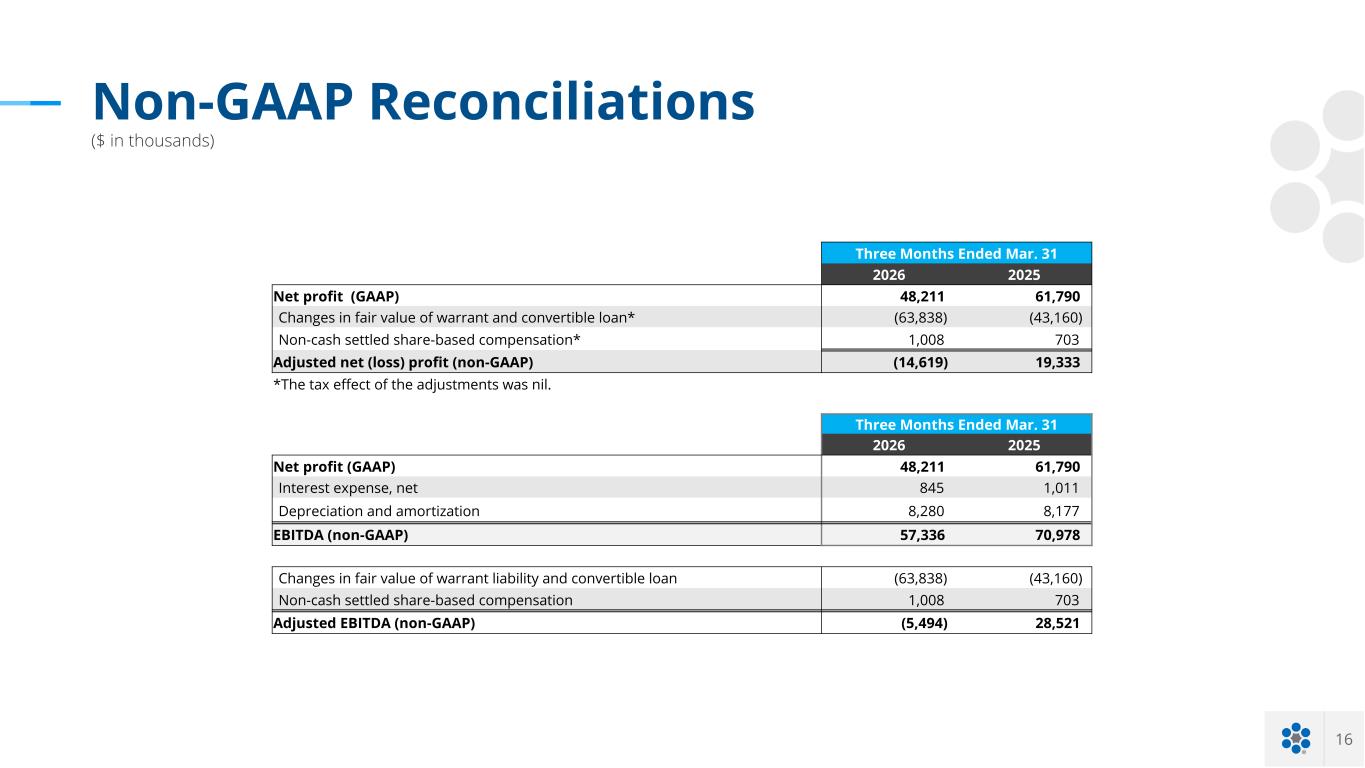
Thank you, Mr. Wu. Please join me on slide nine. Our revenue for the quarter was $60.6 million, a decrease of $55.9 million, or 48% compared to the same period in 2025. The decrease was primarily driven by a reduction in sales volume from approximately 536 MWh in the prior year period to approximately 274 MWh for the same period in 2026, which will be detailed shortly. Our gross profit for the first quarter was $19.2 million, with a gross margin of 31.6% compared to 36.9% in Q1 2025. The decrease was primarily due to lower production utilization, which reduced fixed cost absorption in raw materials and energy price increases resulting from supply chain disruptions. However, even with these reduced sales volumes in the quarter, our margin position held strong, demonstrating the value of our technology. The gross margin profile remains subject to external pressures, including inflationary trends in raw material pricing and the elevated logistics and freight expenses resulting from the ongoing global supply chain disruptions and geopolitical conflicts. The implementation of new tariff frameworks has also increased the cost of goods sold. While we continue to implement cost mitigation strategies, these macroeconomic factors, combined with the phase-out of regional subsidies for electric vehicle adoption, have contributed to a challenging environment for the near-term profitability across the battery manufacturing sector. Operating expenses decreased to $27.1 million for the quarter, compared to $29.2 million in 2025, a 7.1% decrease year-over-year. General and administrative expenses for the three months decreased by $1.2 million, or 8.3%, compared to the prior year period. This reduction in G&A expenses was primarily due to $2.2 million decrease of allowance for credit loss due to improved credit management, and $1 million decrease of employee costs, which was partially offset by a $1.5 million increase in professional service fees. Research and development expenses for the three months increased by $0.6 million, or 6.8%, compared to the same period in 2025. The increase in R&D expenses was primarily due to the expansion of our domestic R&D presence in the United States. Selling and marketing expenses for the three months decreased by $1.5 million, or 21.4%, compared to the same period in 2025. This reduction in sales expense was primarily due to $1.3 million of decreased service fees. We reported a GAAP net profit of $48.2 million in the quarter. After adjusting for non-cash expenses such as stock-based compensation of $1 million and fair value changes of our warrant liability and convertible loan of $63.8 million, we recorded an adjusted net loss of $14.6 million compared to an adjusted net profit of $19.3 million last year. Year-to-date, our adjusted EBITDA was negative $5.5 million compared to an adjusted EBITDA of $28.5 million in the prior year period. Reconciliations of these non-GAAP metrics to the most comparable GAAP metrics are included in the tables at the end of this presentation and our earnings press release. In addition, as discussed in our Q1-2026-10Q, we have recently shifted our priorities and resources towards certain new and upcoming commercial vehicle opportunities, such as our 290-amp-hour LFP pack and the integrated CAF powertrain solution, while we remain poised to increase activity in ASS in the future. Please turn to slide 10 where we'll review our revenue by region. During the three months, the company observed a moderation in global electric vehicle demand growth, primarily driven by the expiration of government incentive programs and shifting regulatory frameworks in key regions. Our revenue and delivery schedules were also impacted by broader macroeconomic headwinds, including geopolitical instability and evolving tariff structures, which contributed to market volatility and have influenced customer procurement cycles. Now to discuss each region briefly, the decrease in U.S. sales versus the prior year period was due to our largest customer bringing product into 2025 as a result of uncertainty around tariff outcomes. Europe declined year-over-year primarily due to OEM-delayed rollout of platforms and production ramp-ups. The region accounted from 71% of our quarterly revenue, up from 52% last year. APEC revenue declined 66% year-over-year, primarily due to shifting regulatory and geopolitical dynamics impacting the Korean and Indian markets, and a demand shift towards lower-cost products in India. Now turning to slide 11, we'll walk through our cash flow performance for Q1. Net cash used in our operating activities was $22.8 million, a decrease of $30 million compared to $7.2 million generated by operating activities in the same period of 2025. This decrease was primarily due to a $36.6 million reduction in net income after adjusting for non-cash items, which was partially offset by a net $6.6 million improvement in net operating assets and liabilities net cash used in investing activities was 2.8 million compared to 2.3 million in the prior year period this cash outflow primarily consisted of capital expenditures related to the expansion of our phase 3.2 manufacturing facility and to the purchase of property and equipment associated with our existing manufacturing and r d facilities net cash generated by financing activities was 29.3 million an increase of 19.8 million compared to $9.5 million in the same period of 2025. The increase was primarily due to $23.5 million increase in proceeds from bank borrowings and partially offset by $7.7 million increase in repayments of bank borrowings. Overall, after accounting for foreign exchange adjustment of $1 million, we had an increase in cash of $4.8 million. This resulted in a total cash, cash equivalents, and restricted cash of $174 million at quarter's end. Now we'll hand the call back over to Mr. Wu to go over our outlook.
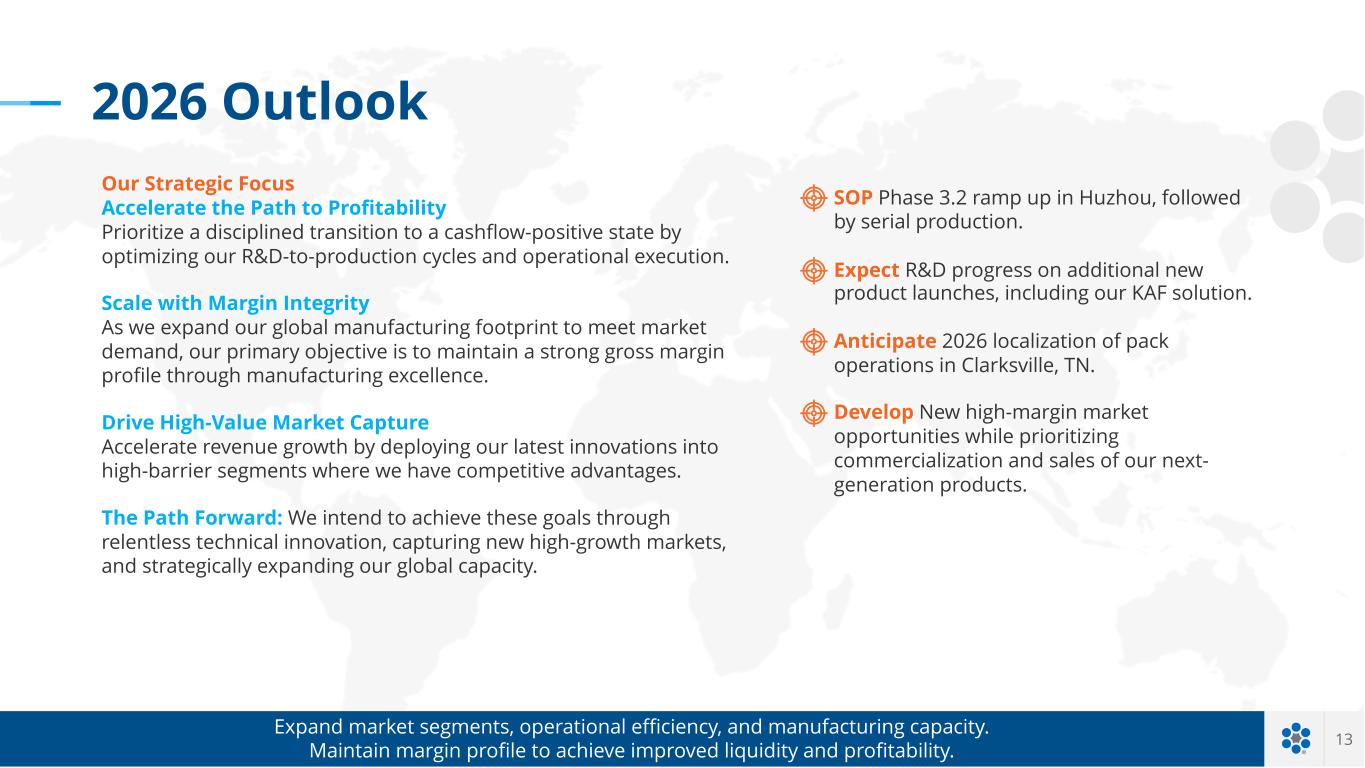
Thank you. Please tend to slide 13. As we move through the first half of 2026, we are executing on the strategic outlook we established at the start of the year, which remains consistent. Our focus remains centered on three primary objectives, accelerating our path to profitability, scaling with margin integrity, and driving high-value market capture. The first pillar of our strategy is a disciplined transition to a cash flow positive state. We are working towards this goal by optimizing our R&D to production cycle and tightening operational execution across our global footprint By streamlining the bridge between innovation and manufacturing, we are reducing the time to the market for our latest technologies. Secondly, we are scaling with margin integrity. As we expand our battery manufacturing capacity to meet growing market demand, our objective is to maintain a strong growth margin profile. We seek to achieve this through manufacturing excellence and by ensuring that our expansion does not come at the expense of operational efficiencies. Finally, we look to drive high-value market capture. We are deploying our newest innovation into high-barrier segments where our competitive advantages are most pronounced, specifically in heavy industries and transit. We believe this will allow us to accelerate revenue growth while focusing on most profitable opportunities. Operationally, the primary catalyst for the 2026 expansion continues to be our Huzo Phase 3.2. We are currently in a ramp-up phase for SOP, with cereal production expected to follow later this year. This facility is essential for providing the capacity required to meet the demand for our next-generation cell technologies. In the U.S., we are advancing with a ramp-up of our pack line assembly operation in Crustville, Tennessee. This targeted investment in our Crustville facility is to establish a pack assembly line, expanding our domestic capabilities, and supporting anticipated customer demand. Resumption of full-scale battery plant construction activities at this site remains contingent upon securing additional financing and strategic partnerships. In addition to the CAF Powertrain solution, our R&D team also continues to make progress on future products and platforms solved by customers. Those next-generation products are centered to our ability to develop and maintain high-margin market opportunities and diversify our customer base into stable, high-value sectors. To summarize, 3Q1 has presented its challenges globally. It also reinforces our commitment to our core goals. We are navigating the current macro environment with a disciplined approach that aims to prioritize long-term value for shareholders. Thank you for your continued support. We look forward to sharing further updates on our operational milestones in the months ahead. And now, we will go over a few of investor questions we have received. My first question here.
There has been a lot of activity surrounding the company's expansion efforts.
Operator
Could you provide additional color on your manufacturing capacity?
Our current global operational capacity remains centered on our existing facility in Huzhou, which support our diverse cell chemistry portfolio and produces cells, modules, and packs. Between our primary Huzhou lines, which produce 48 ampere, 53 ampere, 55 ampere, and 120 ampere, phase 3.1, which is in serial production, and phase 3.2, which is in ramping up, There is approximately 4 gigawatt-hour of production capacity, with our Lexi lines contributing as needed for lower-volume products and service needs in different formats. Towards the end of 2025, we also made a targeted investment in our cross-fail facility to establish a pack assembly line. Additionally, we have pilot lines utilized for prototyping and testing and our German facility produced VDA modules. Historically, our capacity has been weighted toward our high power and multipurpose cell technologies to serve our core transit and industry customers. With the transition into 2026, we are increasingly pivoting our Huzhou allocation toward a next-generation cell production.
With the Huzhou Phase 3.2 expansion identified as your primary operational catalyst, could you provide a status update on the transition from trial to serial production? What are the final milestones required for full-scale deployment, and are we on track for the 2026 ramp-up timeline?
Huzhou Phase 3.2 is our most significant operational milestone for the year. We have successfully completed the initial installation and are currently in the process of SLP ramp-up. The milestones required for full-scale series production involved the final calibration of assembly line and the completion of the internal quality validation for the high-volume output. We remain on track to move from trial production to full serial production in 2026, which will significantly expand our capacity for next-generation cell technologies.
As you absorb the planned costs associated with the Huizhou Phase 3.2 ramp-up, how should we model gross margins? Are there efficiencies from 2025 that act as a primary hedge against these expansion costs? protecting our gross margins is a top priority as we continue to scale with the hujo phase 3.2 ramp up naturally introduces some planned absorption costs and we are offsetting these through operational efficiencies that we did establish in 2025 our primary hedge is focusing on high barrier to entry segments and maintaining the disciplined approach with our r&d to production cycles. Though there is some near-term global turbulence, we do expect to maintain a strong margin profile, even as we bring that new capacity online. Next question. How should we view the cadence for 2026? The Q1 revenue reflects a unique set of timing challenges. In the U.S., we saw the pull forward of deliveries into late 2025 due to the tariff uncertainty, which did create a year-over-year dip that we believe to be temporary. In APAC, specifically India, the market has pivoted toward lower-cost solutions. Our strategy is not to race to the bottom on price, but to stay disciplined in our premium positioning where our technology's lifecycle value is highest. We are focused on capitalizing on the electric mobility applications, including our 290-amp hour packs and the CAF powertrain, and the new capacity from Hujo phase 3.2 to offset these regional headwinds. As we anticipate production timelines for our next generation sales to align with customer demand in the second half of the year, we do expect to see a normalized delivery schedule and a steady ramp up. And operator, I'll hand it back over to you.
Operator
Thank you. This is the conference operator. This concludes the webcast. Thank you for joining Michael Vatt's first quarter 2026 earnings call. You may now disconnect.