Good morning, and thank you for joining us for Stagwell's second quarter earnings webcast. I'm Ben Allinson, and I lead the investor relations function here at Stagwell. With me are Mark Penn, Stagwell's chairman and chief executive officer, and Ryan Green, Stagwell's chief financial officer. Mark will provide a business update before Ryan shares a financial review. After the prepared remarks, we'll open the floor for Q&A. Please remember to submit the questions through the chat function. Before we begin, I'd like to remind you that the following remarks include forward-looking statements and non-gap financial data. Forward-looking statements about the company, including those related to earnings guidance, are subject to uncertainties and risk factors addressed in our earnings release, slide presentation, and the company's SEC filings. Please refer to our website, staggleglobal.com forward slash investors, for an investor presentation and some additional resources.
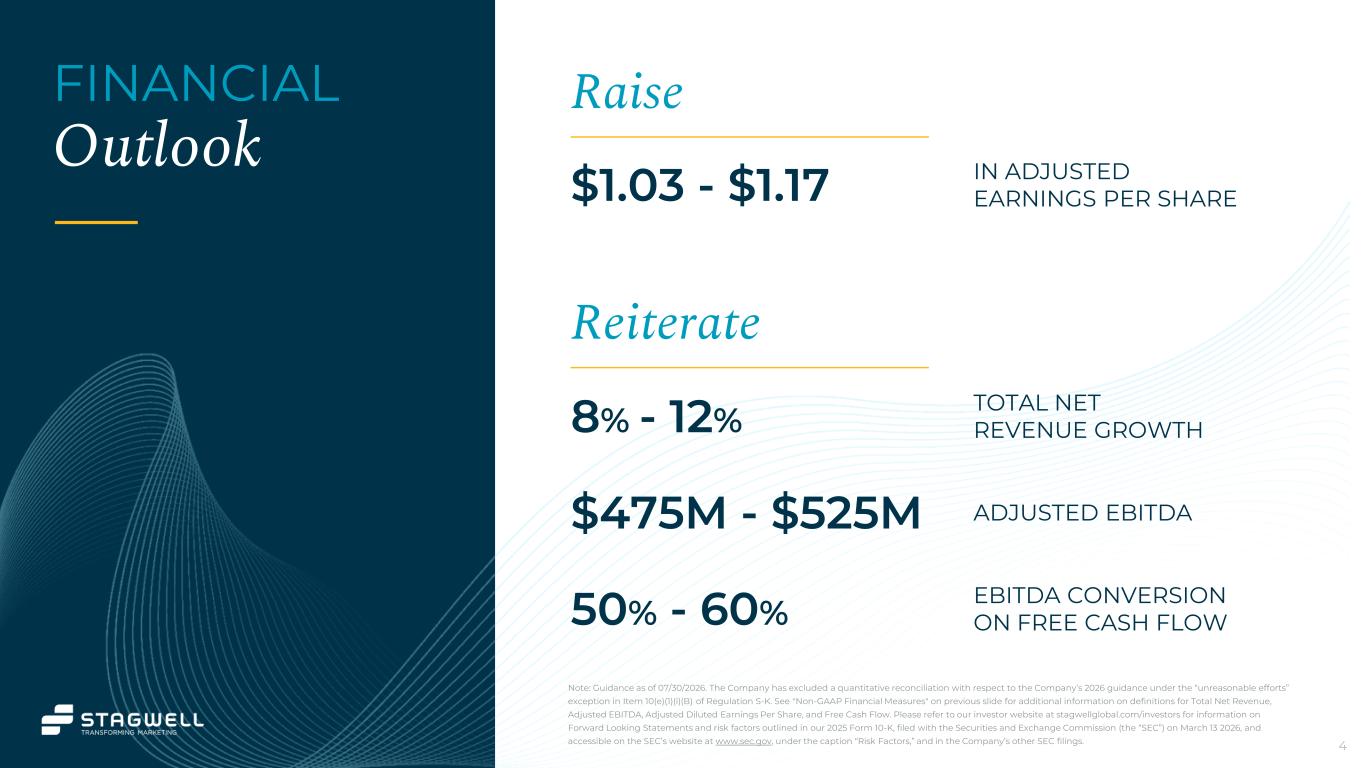
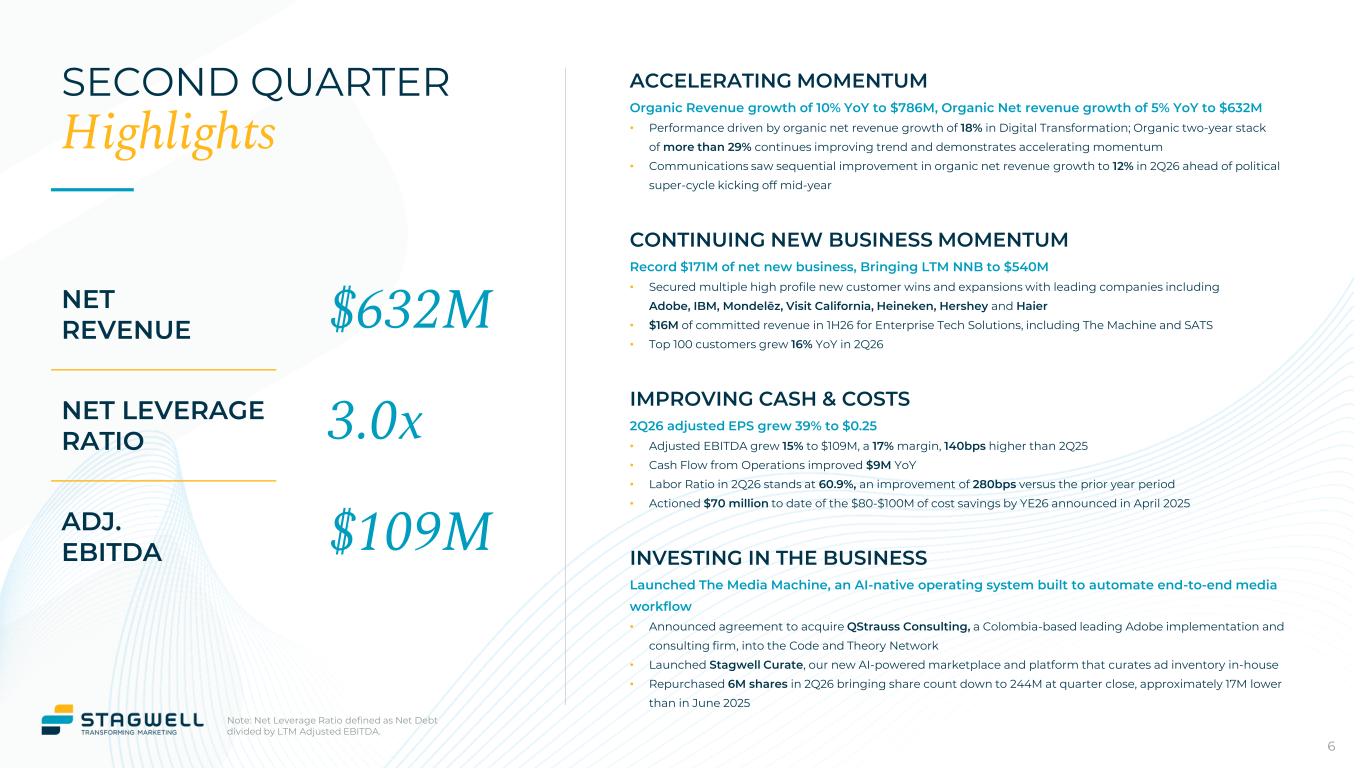
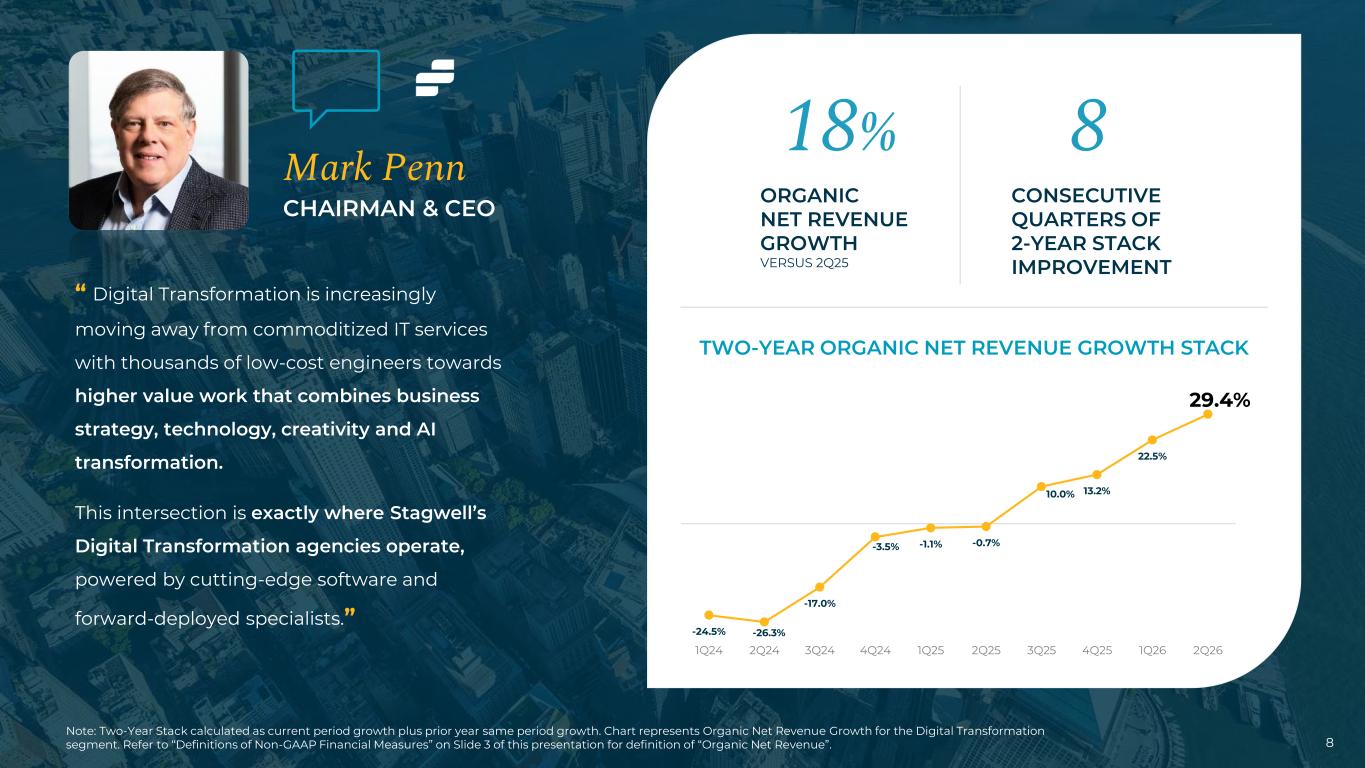
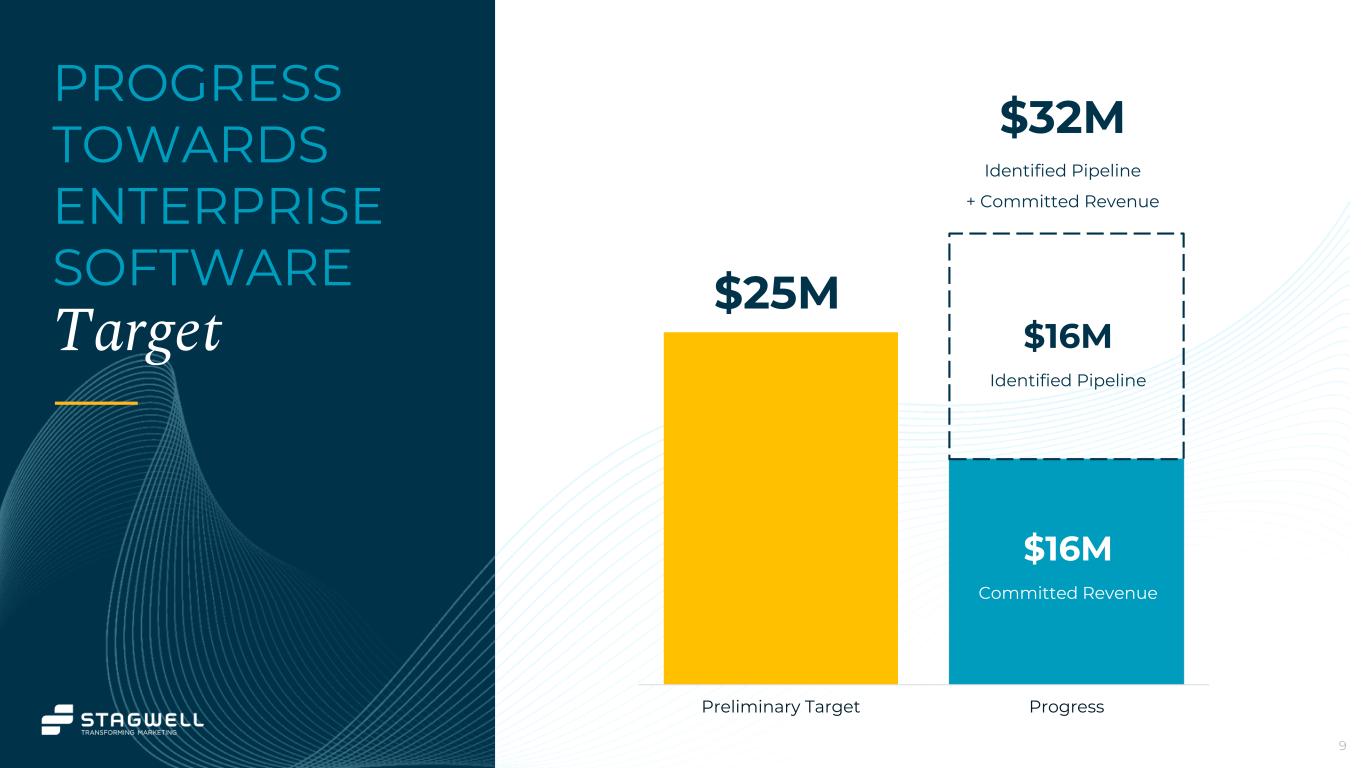
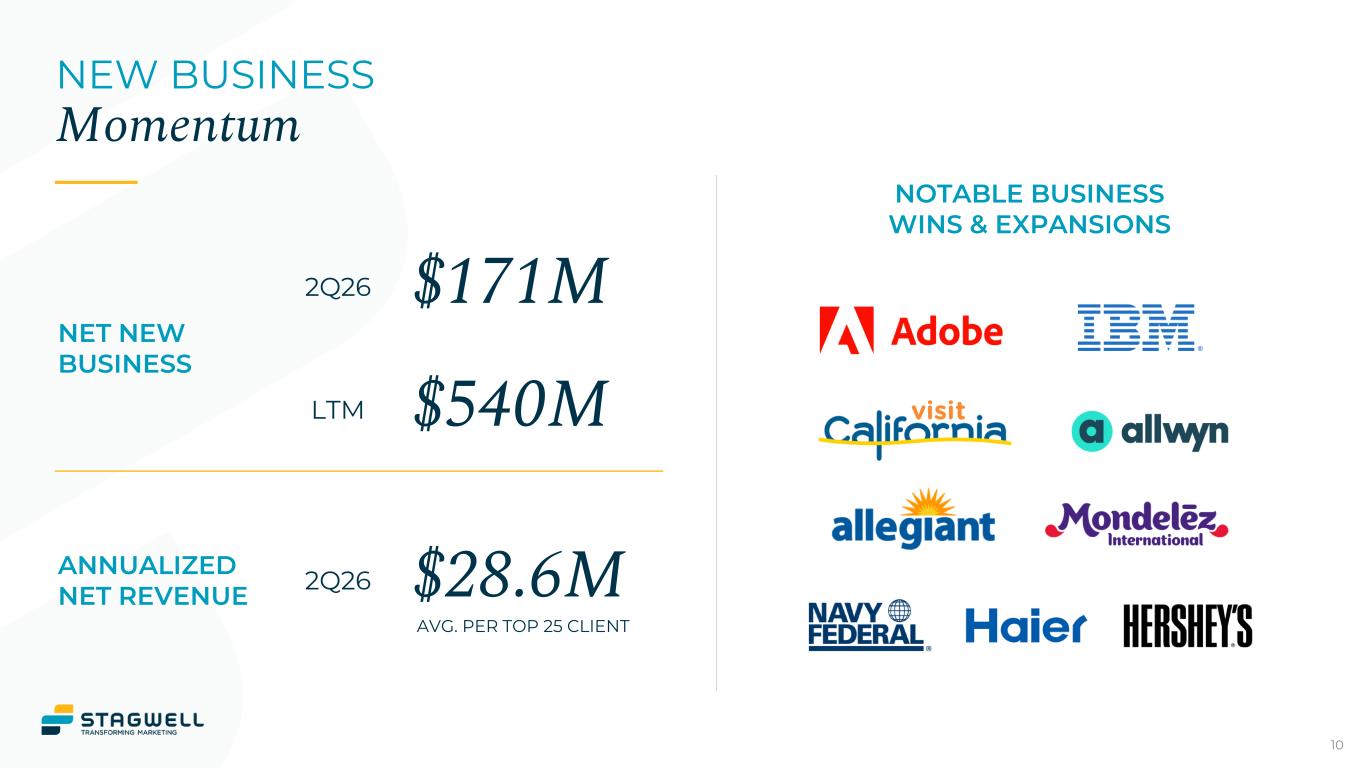
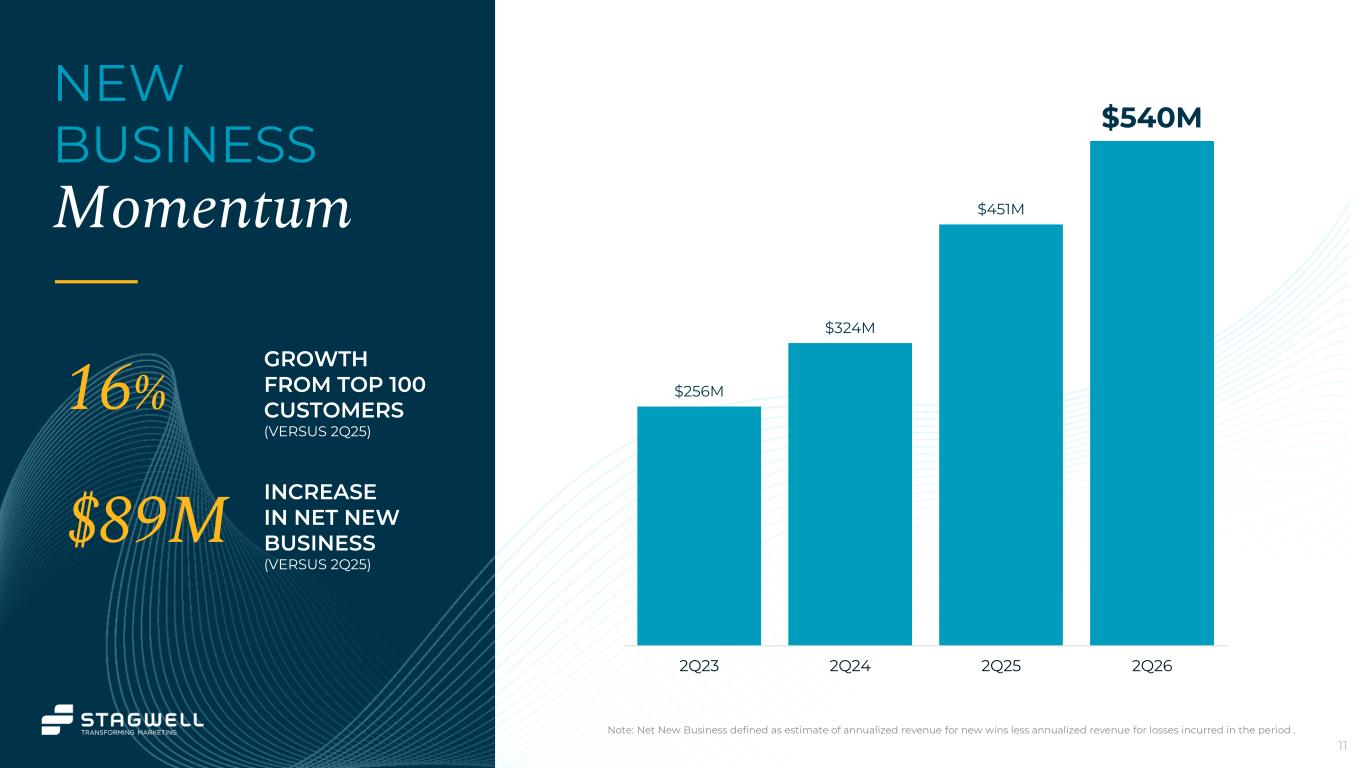
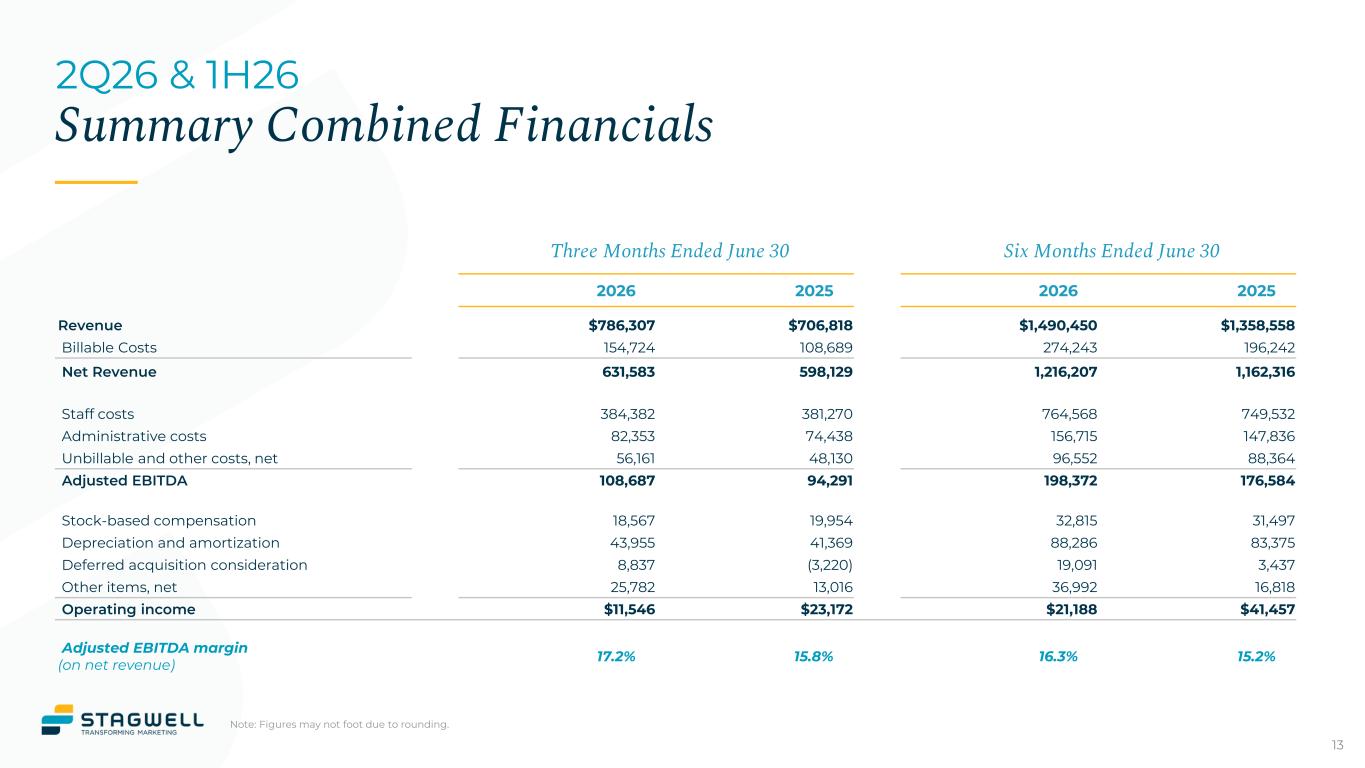
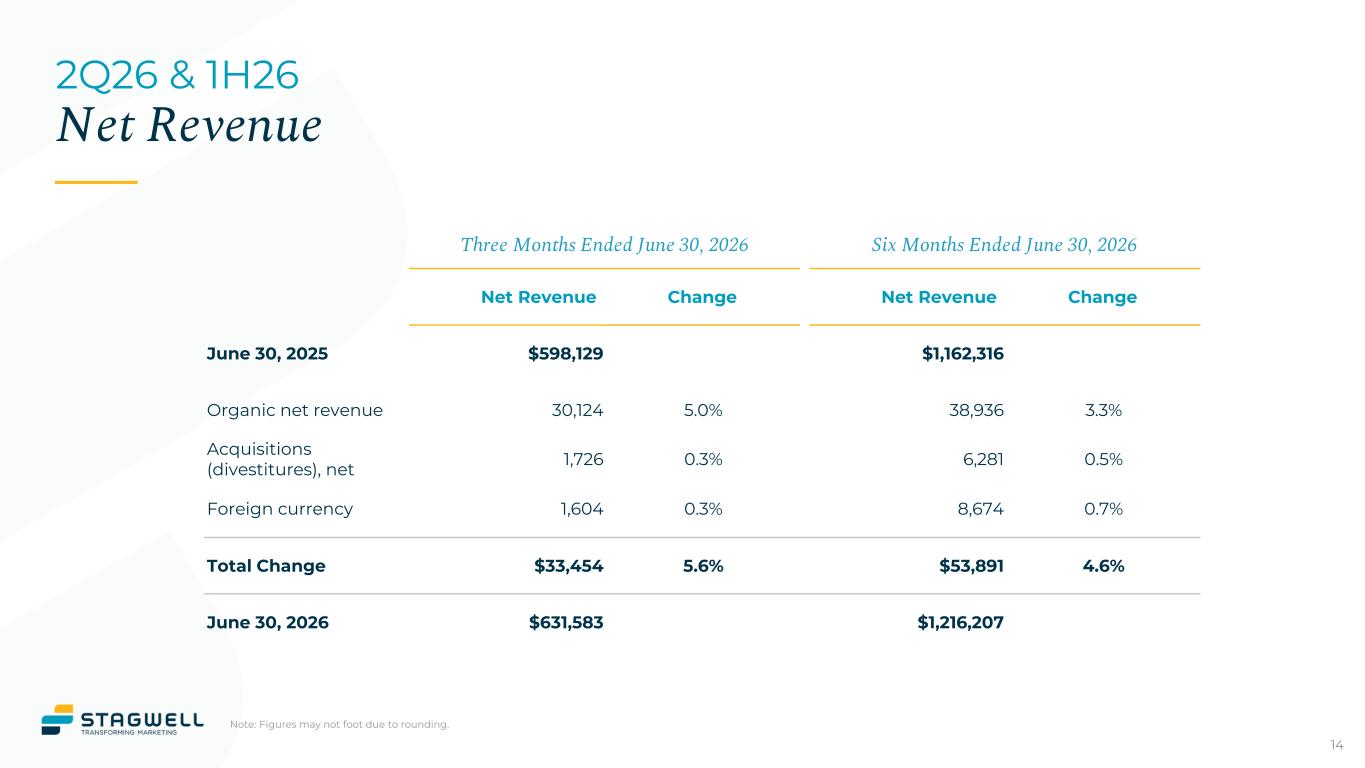
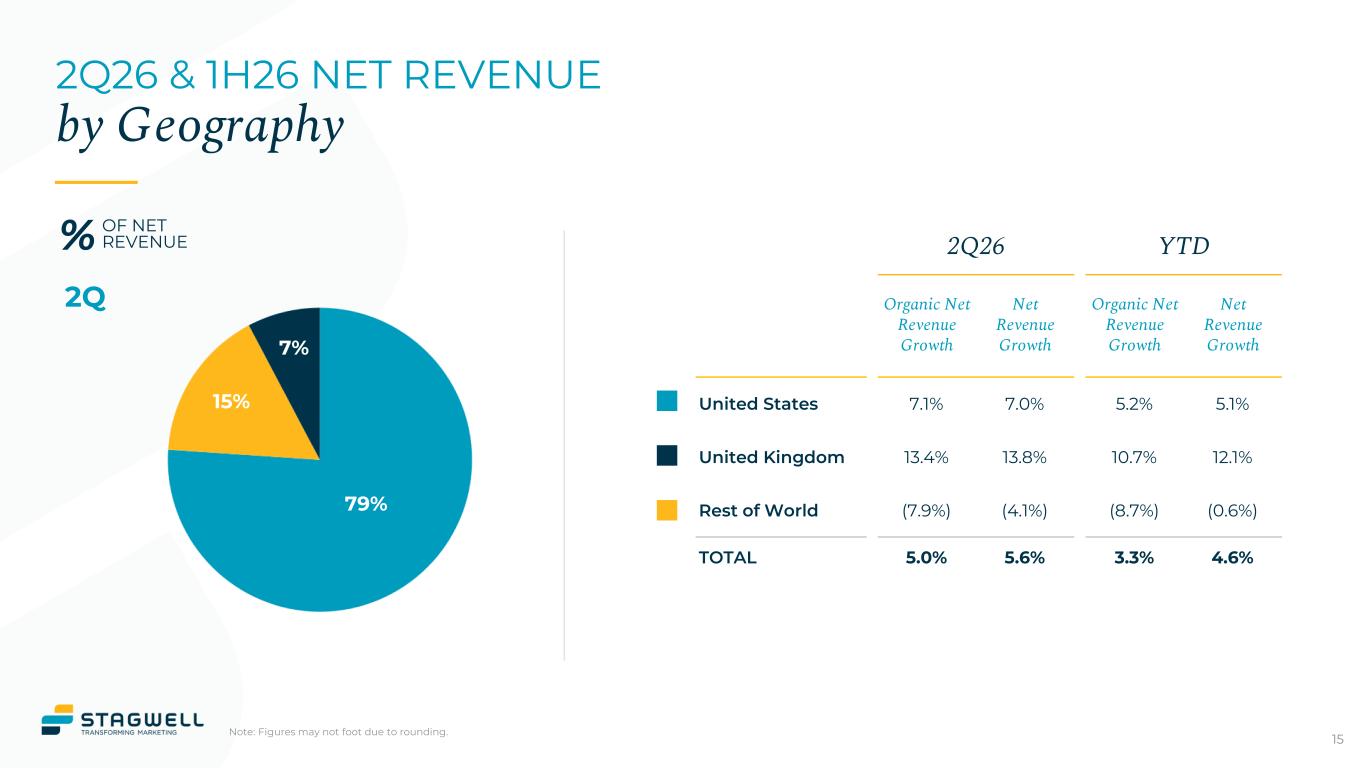
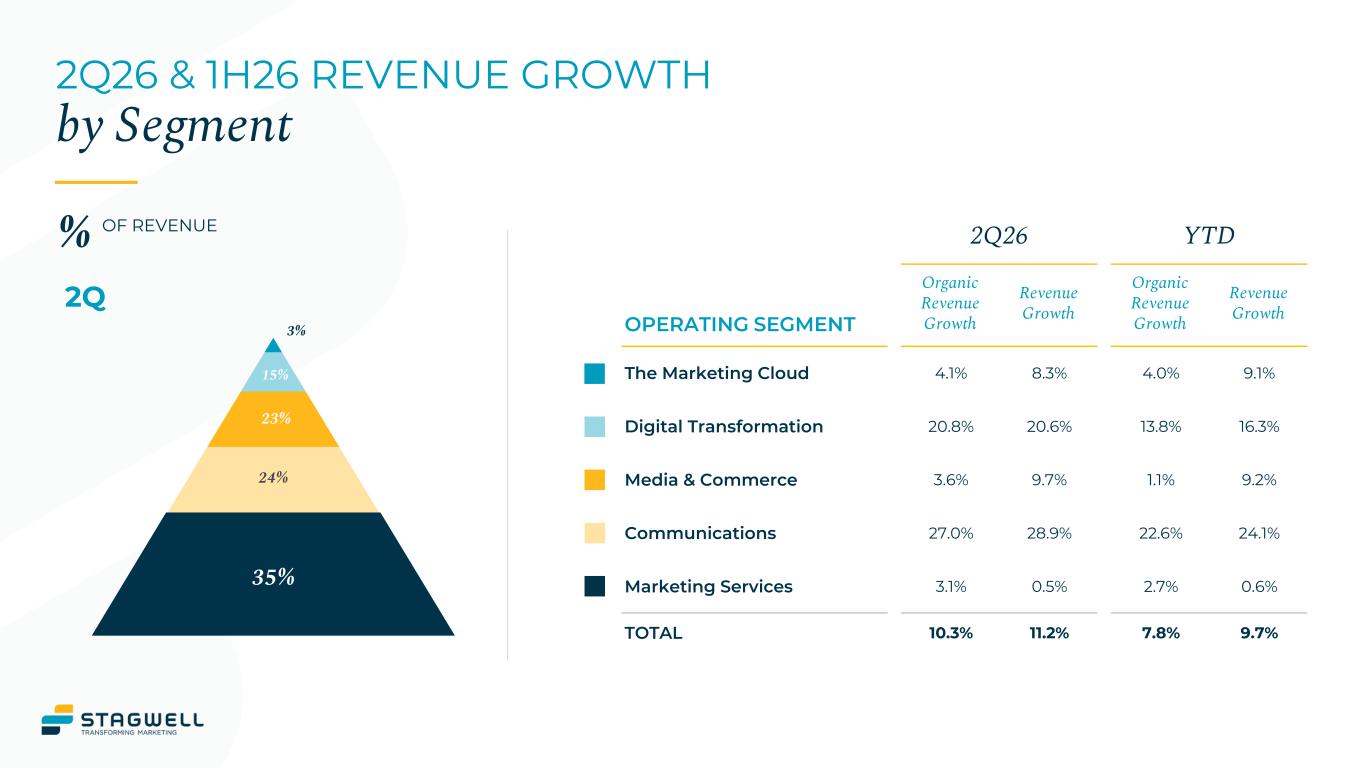
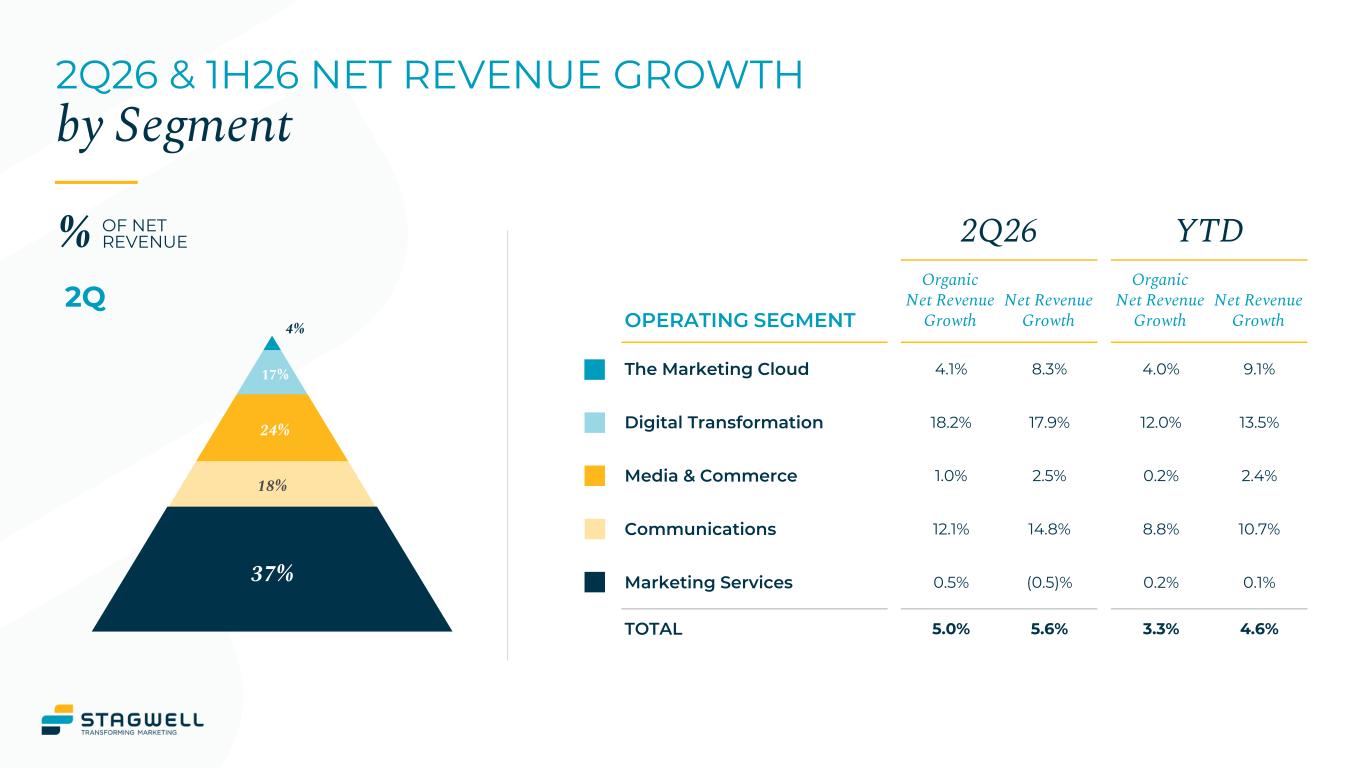
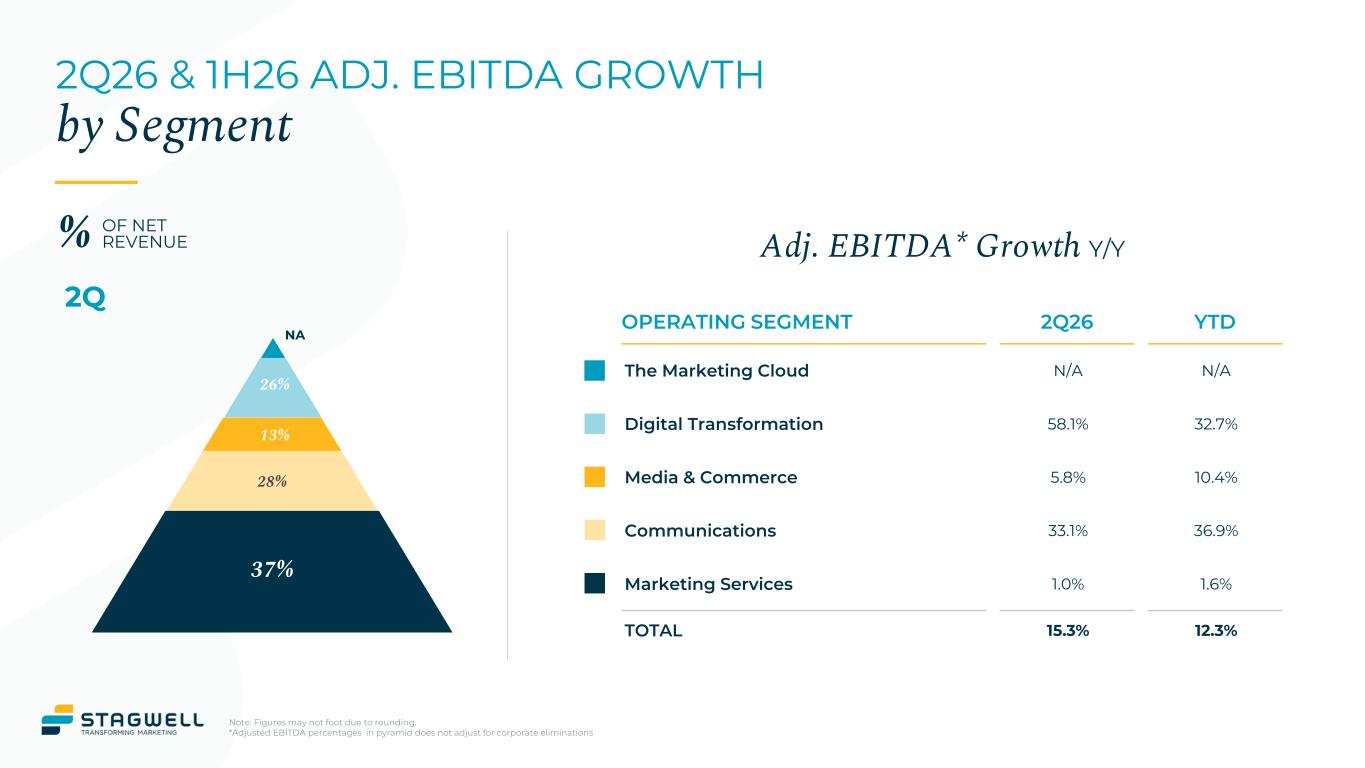
This morning's press release and slide deck provide definitions explanations and reconciliations of non-GAAP financial data and with that i'd like to turn the call over to our chairman and ceo mark penn thank you ben when i founded stagwell i was convinced that the marketing services industry needed transformation stagwell was founded as a tech forward challenger to the legacy players for the vision of providing customers with everything from global full service to platform self-service solutions stagwell's first half and especially the second quarter, this validation of these founding principles, and the work we have done to build Stagwell over the last decade, and the incredible teams of people here who really make Stagwell what it is. AI is the tech transformation that we were built for, and our business is thriving as we become recognized as the leader of cutting-edge agentic marketing. This was the biggest second quarter in the history of the company. Organic revenue grew 10% year-over-year, organic net revenue grew 5%. The standout was 18% organic net revenue growth in digital transformation, along with 12% firm communications. Geographically, we saw 7% organic net revenue growth in the U.S., and 13% organic growth in the U.K. Adjusted EBITDA of $109 million is more than 15% higher than last year, and the margin of 17.2% is 140 basis points higher. This improvement in profitability is a result of continued focus on cost management. Our labor ratio in the quarter stood at 61% and almost 300 basis point improvement year over year. Net new business of $171 million was our highest ever and 45% greater than QQ25 led by some major new assignments and adjusted EPS grew 39% year over year to 0.25 or 25 cents. I said last quarter that 2026 is a pivotal year for Stagglo. These results show we are steadily moving ahead of the competition. Starting with net new business, the run of flagship wings clearly signifies us moving into a top four position in the industry when it comes to key capabilities. We continued our strength with tech companies by taking IBM's creative business away from a 30-plus-year legacy incumbent. We expanded our relationship with Adobe and added Columbia-based, leading Adobe implementation firm, Q Strauss, consulting to the Code and Theory Network just earlier this week. We continued to grow our government work by winning Visit California, an account that hadn't turned over in over 20 years. We made inroads in the packaged food segment by feeding out legacy competitors for mandates with both Hershey and Mondelez. We expanded our European presence, joining Heineken's roster and winning both higher Europe and all-win. And we celebrated wins with Navy, Federal Credit Union, Allegiant Airlines, and countless others. This new business momentum is a testament to the tech-forward collaborative approach Stagwell brings to its pitches and the great equality of its people. The feedback when we win these mandates is consistent. Stagwell is the right combination of strong creativity, great technology, and agility. Our pipeline has never been stronger. We expect the cumulative year end pipeline to be about 30% higher than last year. I've said digital transformation is going to be a major driver of our business this year. In 2Q, we saw organic net revenue growth of 18%, bringing our two-year organic net revenue stack to more than 29%, a meaningful acceleration versus Q1 and the eighth consecutive quarter of improvement on that metric. This is all on top of digital transformation, posting a 30% adjusted EBITDA margin in the second quarter. I'm regularly asked, how does our digital transformation businesses like Code & Theory, how have they been able to generate mid-teams plus organic net revenue growth over the last 12 to 18 months while the IT services and legacy cold-to-code digital transformation businesses have declined or at best state flat? As well as, how is Stagwell able to generate more than three times the revenue per head of its IT service players? The answer is simple. The market is increasingly moving away from commoditized IT services with thousands of low-cost engineers towards higher-value work that combines business strategy, technology, creativity, and AI transformation. This intersection is exactly where Stagwell's digital transformation agencies operate, powered by cutting-edge software and forward-deployed specialists who realize value for clients by driving adoption and optimizing workflows. The results from the digital transformation speak for themselves. Our tech products are increasingly becoming core to our value proposition across all segments. Our solutions, like the machine and Stag Roll Agentic Targeting System, or Sats, which is built on Palantir's Foundry, fit seamlessly into our customers' way of working. And we're doing the same with our media solutions, giving our customers more control and transparency over their media buy with the media machine and Stag Roll Curate, all powered by AI. We are closing in now on creating a complete suite of agentic products for enterprise, including the machine, the knowledge machine, the targeting machine, and the media machine. We're seeing real traction with products like the machine and ZATS. Through the first half of the year, we've had $16 million of committed enterprise technology revenue, and our pipeline exceeds another $16 million, firmly on track to exceed our initial bookings goal for this year of $25 million. We see this as part of the flywheel that will drive our new business momentum in the coming years. As we look towards the second half, I want to call out the growing momentum in our communications segment, which fought 12% organic net revenue growth in the second quarter. This represents an almost 700 basis point quarter over quarter acceleration from the first quarter. Political is beginning to play an obvious part and will accelerate further as we get closer to the increasingly competitive midterm elections in November. our PR work continues to rebound strongly as well. We also continue to make strong progress in our initiatives to reduce small client churn, which will also have a positive impact on organic net revenue growth throughout the year. We anticipate an acceleration in the second half with double-digit net revenue growth led by digital transformation and communications. The overwhelming majority of that growth will be organic. Our second quarter results are industry-leading and showing accelerating trends on all key Our new business successes over the last 12 months provide a strong foundation for the second half of the year. For that reason, we are updating our full year guidance today. As I've highlighted, we expect growth in the second half of the year to be overwhelmingly organic. We maintain our 8% to 12% total net revenue growth target and our adjusted EBITDA guidance of $475 million to $525 million. We've also reiterated our free cash conversion goal of 50% to 60% for the full year. However, we are raising our full-year adjusted EPS guidance for $1.3 to $1.17. This reflects our increase in confidence in the full year, as well as the impact of year-to-date buyback activity. This is just the start of a multi-year growth cycle for Stagwell. As we look ahead to 27 and 28, our outstanding net new business trends provide increased visibility over the next 24 months plus. We're winning bigger, longer-term contracts and some of the most preeminent brands of the world. And we continue to make headway on government contracts. We're winning these away from legacy competitors as clients look to help them adopt AI and new models of marketing. These wins will really make the full impact next year because it takes a while for them to come on board and ramp up as we continue our momentum throughout 2026. And this is all before we really start the political super cycle of the midterm elections, presidential primaries, and the largest election in American history in 2028. We are also carefully managing our costs throughout the business as we grow and expect our margins to continue expanding. This should mean solid growth and adjusted EBITDA in 2027 and then excellent growth in 2028 with the political season as well, as we continue. And at the same time, we continue to make progress on our free cash generation. With industry-leading growth, expanding margins, and growing free cash flow, we do not believe that our current trading multiples are appropriate. To that end, we'll continue leveraging our buyback authorization to shrink our share account further to have a positive compounding impact on our adjusted EPS growth. It could see us raise our already increased adjusted EPS guidance for the year later in the year. The second quarter was excellent, and it's just the start of a multi-year growth story for Stagwell. With that, I'd like to hand it over to Ryan, who will walk you through the financials in some more detail.
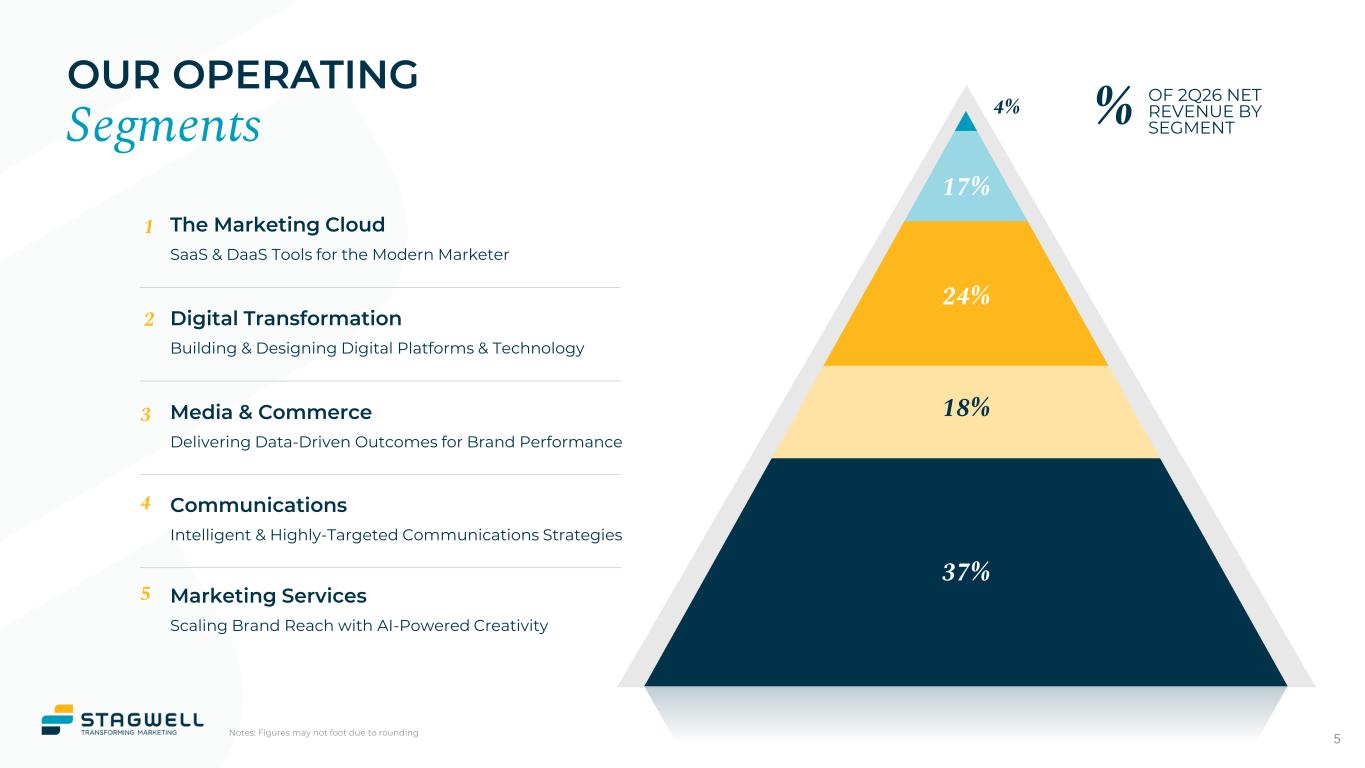
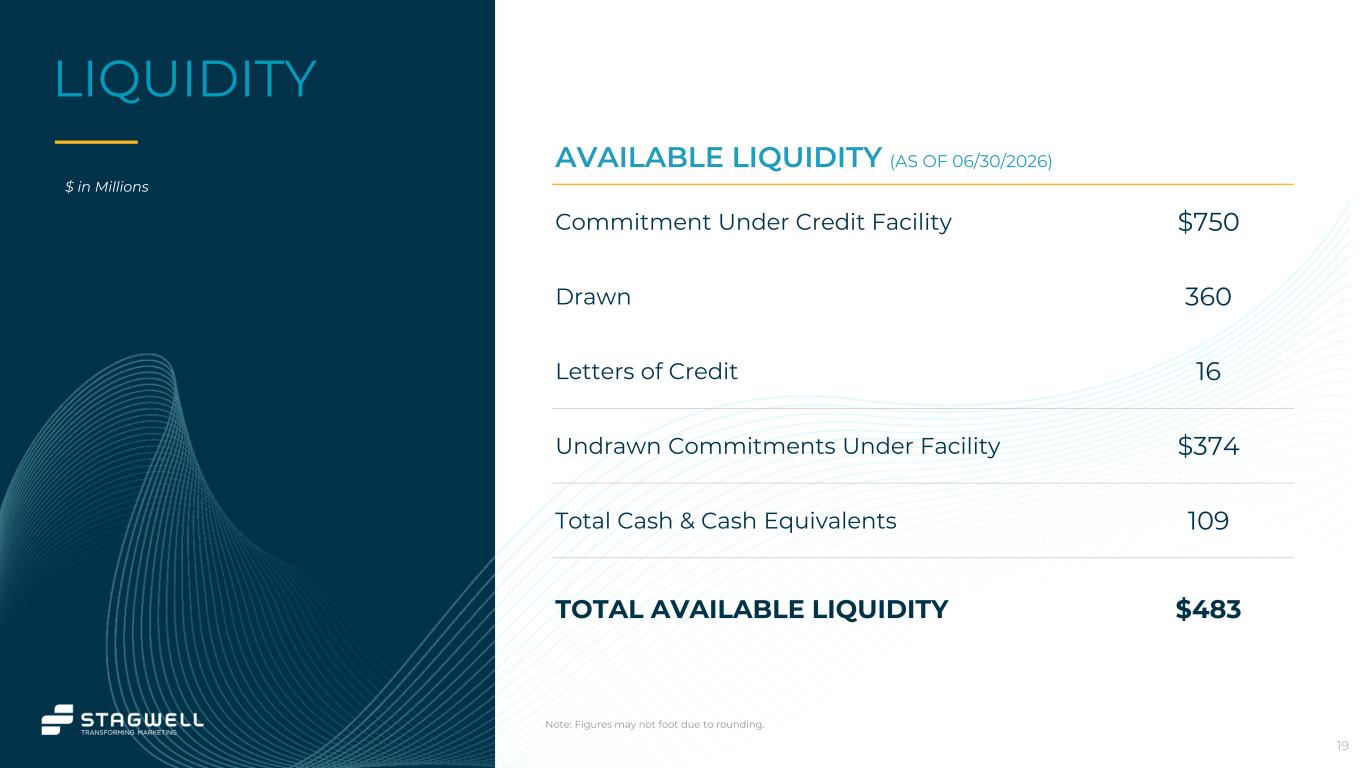
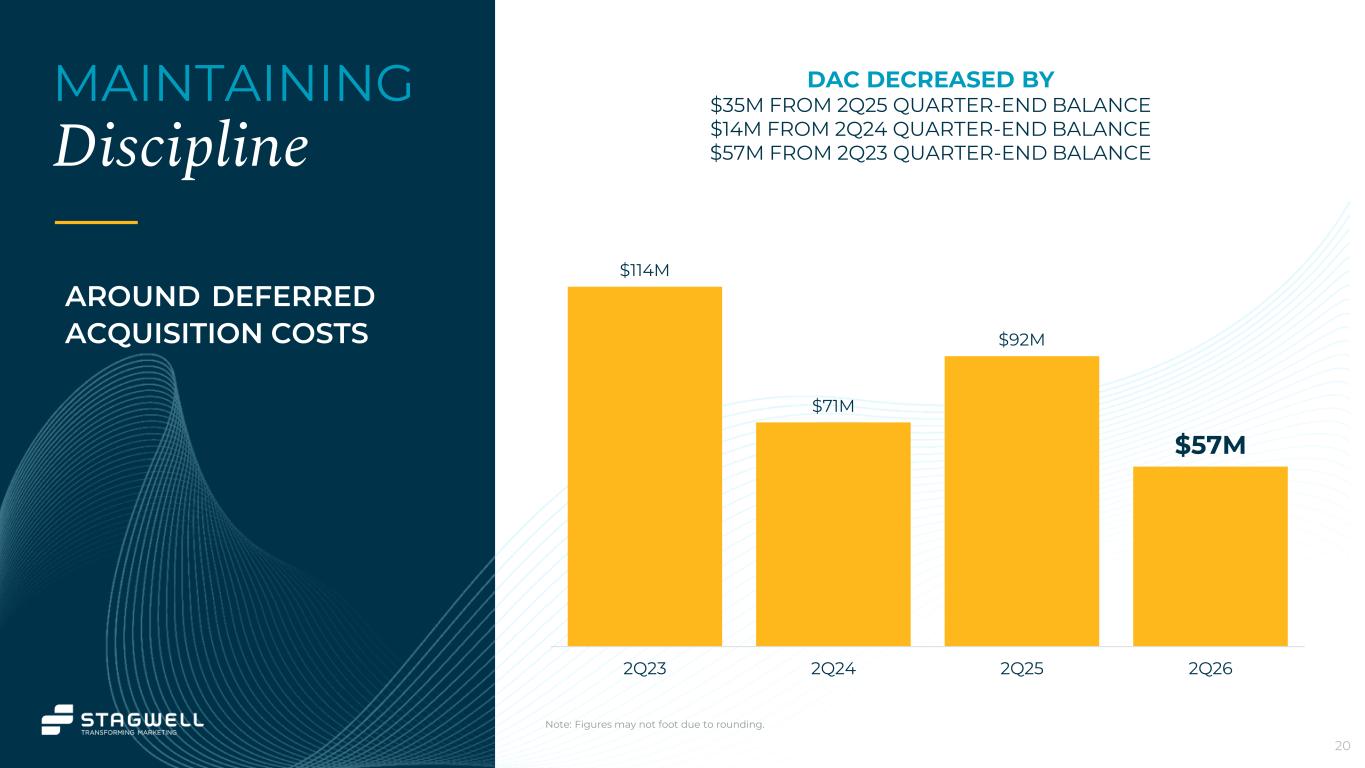
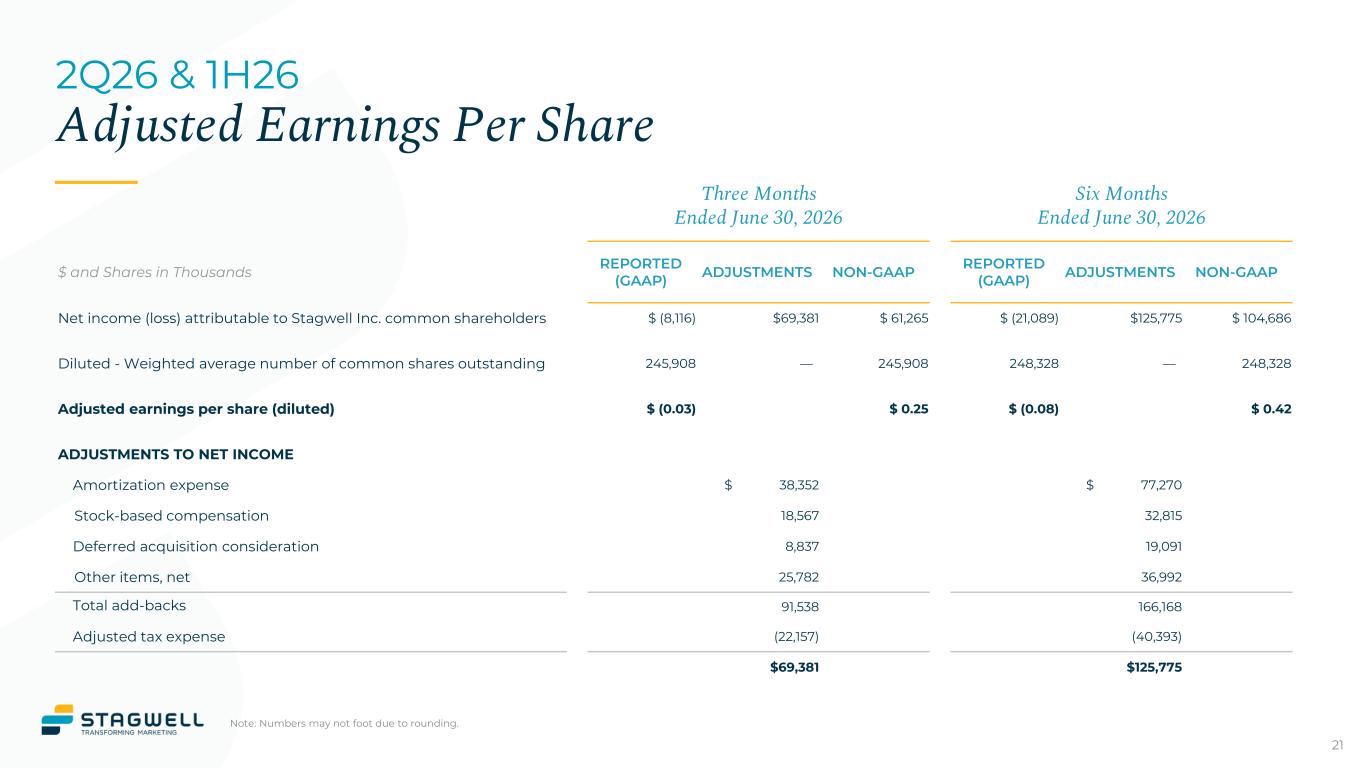
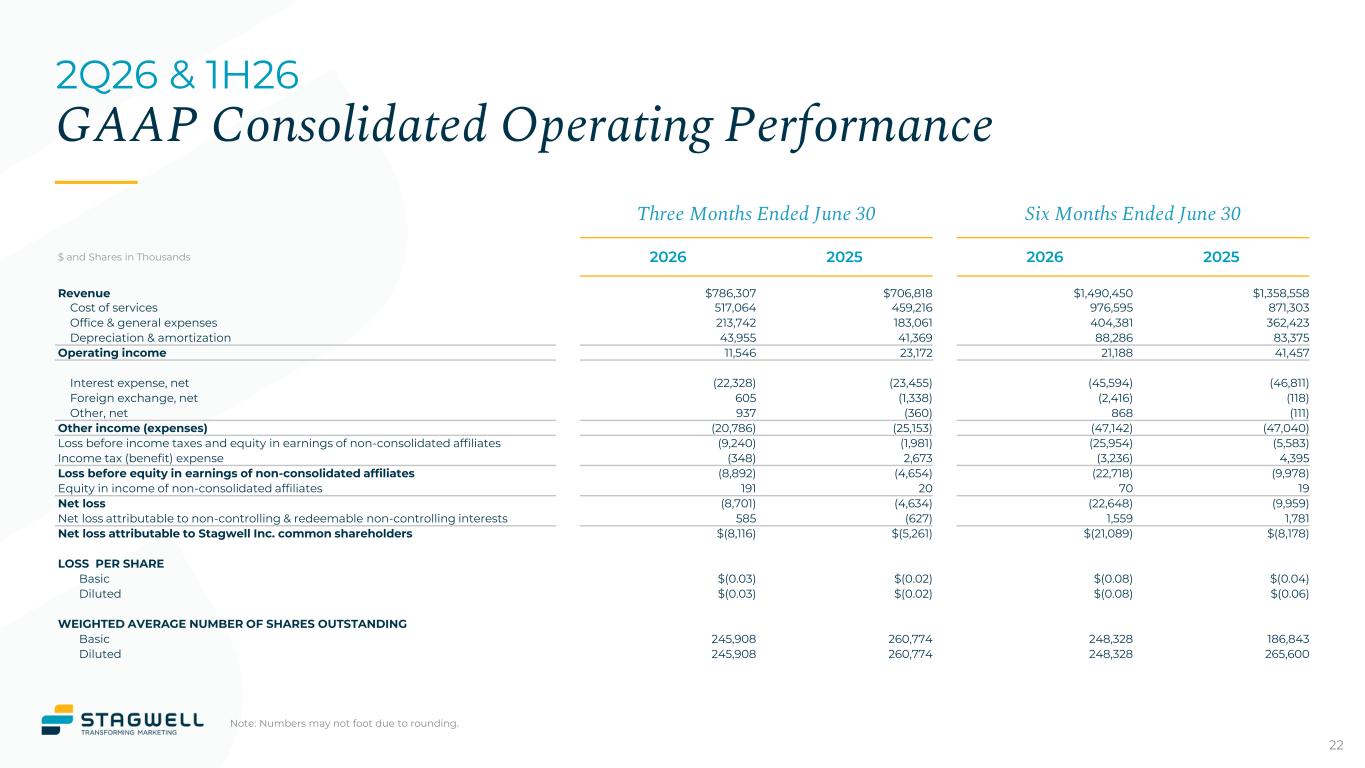
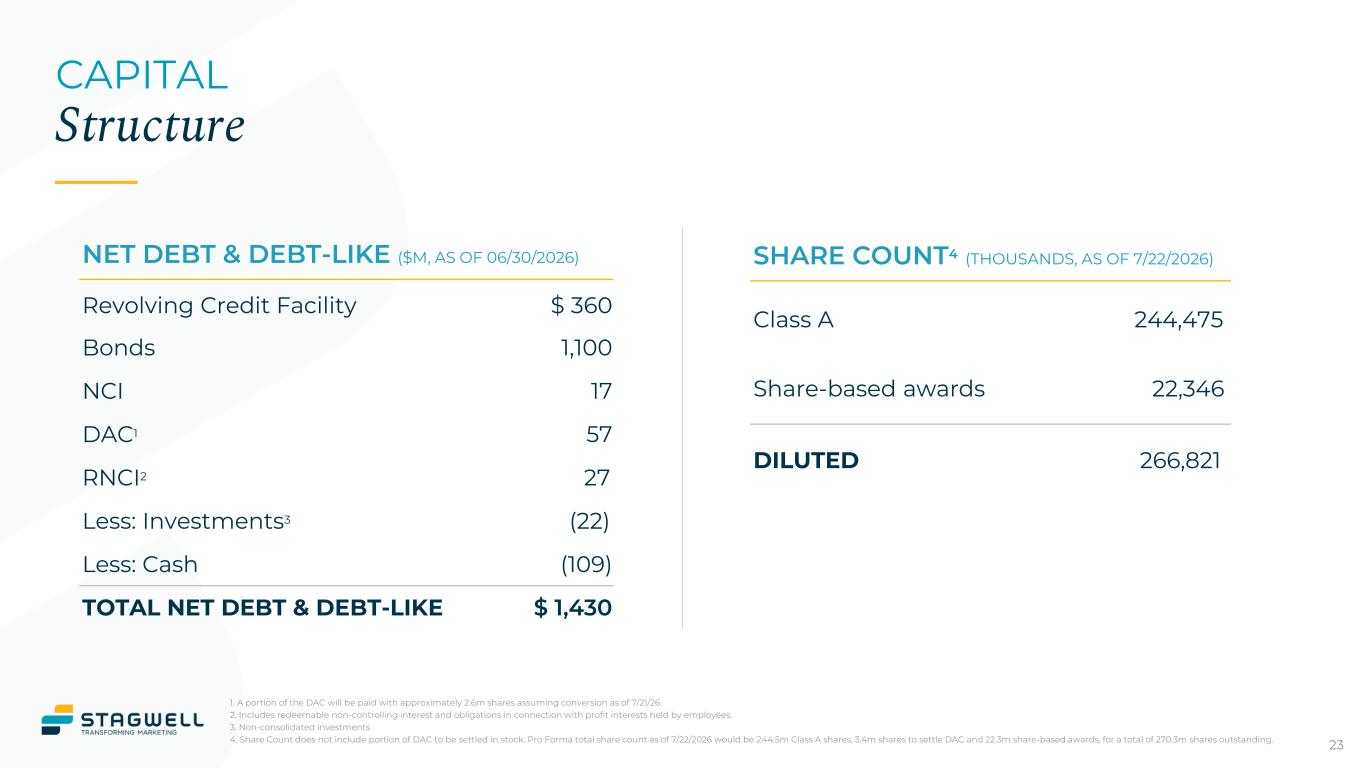
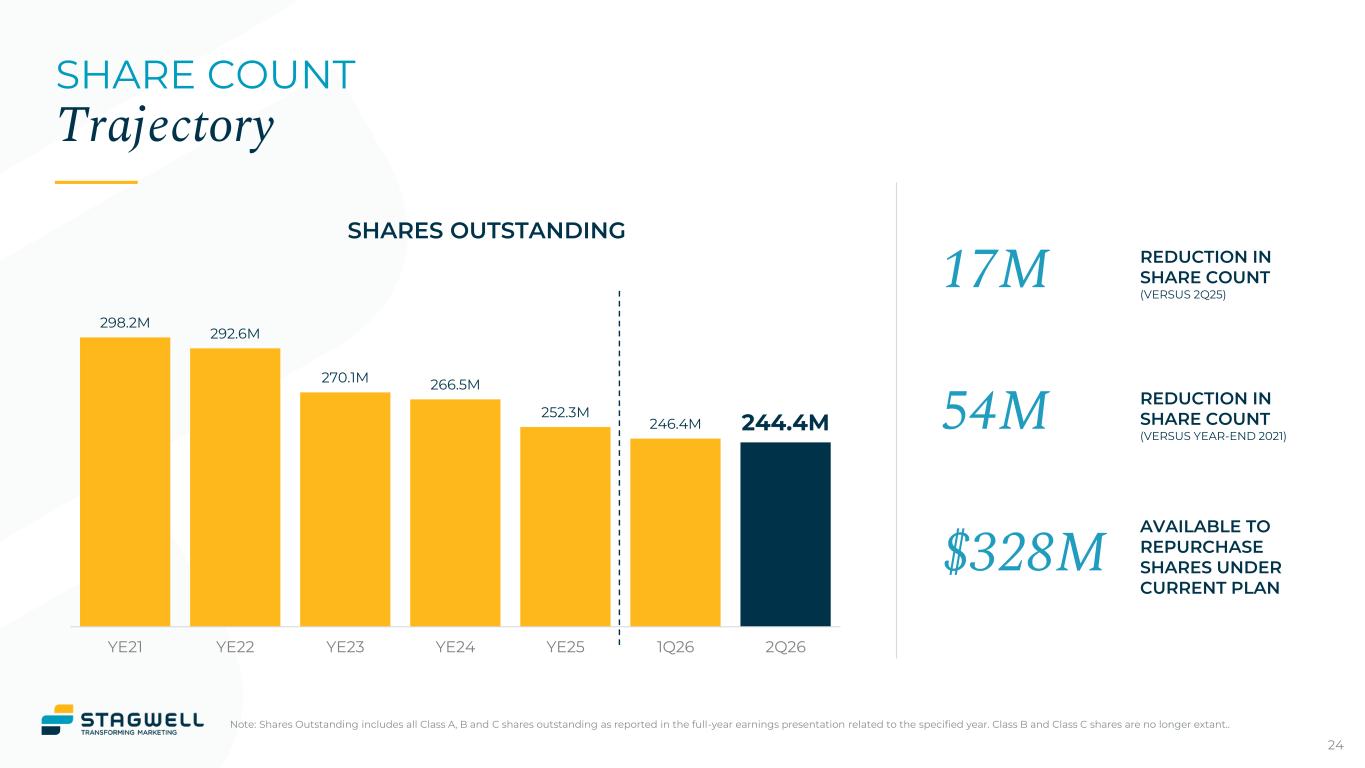
Ryan? Good morning. Thank you, Mark, and thank you for joining us. I'm now going to provide some detail in our second quarter results and our progress against our full-year objectives. This quarter reflects accelerating revenue growth and margin expansion while continuing to fund investments that will support our next phase of growth. We deliver 11 percent revenue growth to $786 million and 6 percent net revenue growth to $632 million. Second quarter organic revenue grew 10 percent and net revenue grew 5 percent, representing our strongest growth in the last six quarters. Organic contributions are expected to drive growth throughout the second half of 2026. Growth was broad-based across the portfolio, with all five operating segments delivering organic revenue and net revenue growth, led by digital transformation and communications. Digital transformation net revenue increased 18% organically year-over-year to $107 million. Our teams are doing far more than system implementations. They are embedding teams alongside clients to drive meaningful business transformation. This is a premium service offering, and as a result, the segment delivered a 30% margin, its highest since the merger. Communications delivered 12% organic net revenue growth to $112 million, representing the segment's strongest second quarter since the merger. Corporate demand continues to grow as clients engage us to address critical communications and public affair challenges. Our differentiated approach combines senior strategic talents and campaign-tested targeting capabilities that deliver results at both the national and local levels. We also expect election-related activity to contribute strongly to our second-half results. The marketing cloud increased organic net revenue by 4% to $27 million. Growth was driven by demand for AI-embedded products, including 34% from leaders, as well as high platform utilization and additional subscription-based offerings. Marketing services generated $243 million in net revenue, representing a 0.5% organic net revenue growth. Several significant creative assignments were awarded the second quarter and are expected to scale throughout the second half of the year, positioning the segment for stronger growth in 2027. Media and commerce threw 1% organically to $155 million in net revenue. Geographically, the U.S., our largest region, reported 7.1% organic net revenue growth year over year. the UK, our second largest region, continued to accelerate, delivering 13.4% organic growth. As the top line accelerated, we also improved the efficiency of our business. Since launching our cost reduction program in April of 2025, we have actioned approximately $70 million of annualized savings and remain on track to achieve our year-end target of $80 million to $100 million. These actions are already contributing to margin expansion and 2026 and will be more fully reflected in 2027. Technology investments are improving efficiency across the organization. Back office automation initiatives are delivering results. The continued rollout of payroll, cash, and expense automation platforms remain on track to generate more than 25,000 hours of monthly productivity efficiencies. Staff costs as a percent of net revenue declined to 280 basis points year-over-year to 60.9%, our lowest second quarter labor ratio in four years. As a result, trailing 12-month revenue per head exceeded $280,000, up 6% from the second quarter last year. This remains the highest level in marketing services industry and more than three times that of major IT providers. Even as margins expand, we continue investing in technology and talent to support future growth. We are investing in sales and account teams at both the stagwall and brand level, as well as platforms and products such as the stagwall content supply chain, the machine, and marketing cloud offerings. As a result, second quarter adjusted EBITDA increased 15% year-over-year to $108.7 million dollars, with margin expanding 143 basis points to 17.2 percent. Stronger EBITDA performance is translating into improved cash flow. Year-to-date cash flow from operations was 63.7 million dollars, an increase of 9 million dollars, or 16 percent compared to the first half of 2025. We expect operating cash flow to improve as the year progresses, driven by the seasonal pattern of our business and the expected second half increase in communications activity related to on-cycle election year. As a result, we remain confident in achieving our four-year free cash flow conversion target of 50 to 60 percent of adjusted EBITDA. Deferred acquisition consideration was approximately $57 million at quarter end, and we expect it to be negligible by the end of the year. Our revolver balance was $360 million at quarter end, and we had $374 million of unused borrowing capacity under the credit agreement. Net leverage stood at 3.04 times. We remain on track to exit 2026 with net leverage in the mid twos. Turning to capital allocation, we remain active with share repurchases during the second quarter. We were purchased approximately 5.9 million shares at an average price of $6.22 per share. Year-to-date, we have repurchased approximately 14.4 million shares for $88 million at an average price of $6.10 per share. Shares outstanding at the end of the second quarter were 244.4 million shares, roughly 16.8 million or 6.4% below the same period last year. The lower share count, together with stronger EBITDA growth, drove just an EPS of $0.25, an increase of $0.07 per share, or 39%, compared to the second quarter last year. Year-to-date CapEx and Capitalized Software are in line with our expectations and reflect the continued scaling of projects already underway. We expect full-year capital expenditures and Capitalized Software investment to be in line with last year. We are reiterating our guidance for net revenue growth of 8% to 12%, adjusted EBITDA of $475 million to $525 million, and free cash flow conversion of 50% to 60% of adjusted EBITDA. As Mark mentioned, we are raising our adjusted EPS guidance to a range of $1.03 to $1.17 per share, principally reflecting the impact of sharing purchases completed year-to-date. The new guidance reflects our current share count, although continued repurchases could provide additional upside. Based on the limited acquisitions to date, we expect these targets to be achieved largely organically. Now, I will hand it back over to Ben for questions.
Thank you, Ryan. Just as a reminder, please do submit some questions via the chat button at the top of the screen if you'd like to ask any. I'm going to start with a question about digital transformation in particular. Obviously, a really, really nice quarter, continuing a pretty meaningful trend here. So can you talk a little bit about what is sort of driving the strong level of growth there? And is it a sustainable thing in the back half of 26 and into 27 as well?
Well, I think it's sustainable for about 10 years. What's really driving it is the conversion to AI. I think, as I've said for actually two years now, every single company that touches a consumer will have to redo the way they communicate with that consumer based on AI. And that is going to create an enormous backlog of work for people like us in code and theory that really focus on that last mile with the consumer. So that's why we have the largest pipeline in history related to those kinds of services. And we've also done some very smart things with business in terms of broadening out the services now, doing the partnership with Adobe, working with Palantir, bringing in kind of the best tools that relate to either content creation or targeting. And let me tell you, at the same time, that work is getting far more efficient because about 75% of the coding now is done agentically. And so we are getting higher level assignments, greater backlog of the pipeline, and we're working more efficiently than ever to produce that work.
And maybe just to follow up on that, and this question from Mark Zagotowicz at StoneX, just talking about margin trajectory within that business, particularly in the second half, and again into 2027, 30% plus, I think, in this quarter. Is that something we think we're going to be able to see some upside to and some leverage? How would you think about it?
Well, look, again, I think the overall products that we're delivering are becoming more efficient because of our smart use of AI internally. And I also think the demand for clients is they need this work done now. I think time is increasingly important to those clients. And in terms of getting kind of AI and agentic work in place in terms of their communication for customers, because they save money. So are they going to be, you know, where are they going to put their focus? Their focus has got to be getting online as quickly as possible.
I want to pivot quickly to new business. Obviously, a very, very strong call to continuing those trends. A question from Jason Crier. Craig Allen, we've heard agency peers in the market talking about a tougher environment for new business. How really do it look like Stagwell seeing any shortage of new business opportunities? So can we maybe just lay out what we're seeing in the new deal environment right now? Are there any kind of key themes we're seeing in terms of what people are asking for, and why is Staggle performing so well when it comes to competitive things?
So, obviously, you're seeing some comparative and competitive differences really come to the fore. While others stepped back from creativity and said, oh, maybe creativity will be done by AI, or maybe it'll be thrown in for free. We stepped up with premium creativity that really helps brands differentiate themselves, and we're finding that that is really winning in the marketplace. That's why, as I went through in the script, we won so many bigger and amazing accounts really from legacy players because we think creativity, human creativity, on top of being powered by AI is really what's going to win in the marketplace and what big companies need to differentiate themselves in this increasingly competitive world. And so consequently, we're seeing there in digital transformation, we've opened pipelines at government, we've opened our pipelines globally as well as we've built a division out in other divisions out in other parts of the world. You see that we basically also have taken what we had over in London and the UK, we've put in a new structure, we've put in a really new team approach that is resulting in double-digit organic growth out there.
Great. I want to combine a couple of questions here because I think there's a lot of interesting things here. Laura Martin has asked, can you talk about how you're using AI to accelerate revenues and or lower costs? But I want to also bring in a little bit about CapEx and how that's trending, how that's trended in the first half of the year, and how we're thinking about that in the back half of the year. So maybe, Mark, how are we thinking about using AI to accelerate revenues at lots of costs?
No, look, I think that we set out really a year and a half ago to make sure that AI was infused throughout every single process. Remember, we've always had a strong internal technology first team built to help the entire enterprise, not connected just to individual brands within the enterprise. And so that team has been at the forefront of implementing AI. And Ryan here has been at the forefront of taking those back office services and applying AI to them. And our engineers have been at the forefront of applying, you know, applying Agenda coding, again, to making the work faster, simpler, better. And all of those things, I think, are working to really continue to define Stagwell as the leading transformer of marketing today.
Maybe on the CapEx question. Yeah, sure. Last year, we added about $145 million to our fixed assets. When you exclude the intangibles, the capital investments were close to $125 million. If you look at how the investments are going for this year, we're going to be in about the same range we expect if you look at it from a balance sheet perspective. In terms of cash flow, last year we had funded only about $111 million of that. And so we saw some of that pickup carry over into this year. We're closer to $90 million funded this year, and we'll probably keep the same pattern. We'll see the same contribution both from the investment but also the cash perspective this year.
Remember, we've changed the way that we're investing capital. We basically are doing fewer new acquisitions, more CapEx, which we expect to come out at the same level this year as last year, and share buybacks in terms of our capital allocations.
Question here about the media machine. Obviously, it plays into the broader machine narrative, but launched beginning of June. Why is that important? How is that going to drive revenue for the business moving forward? And what's traction looking like there? Apple shoot still very early from it?
Look, I think we really look at media from a performance-first objective. We look at the other players, some of whom have become just media companies, and they have really dedicated those media operations to winning on the basis of scale and or principal media. We're coming in from a slightly different approach. We're going to be technology first. We're agentic first. We're performance first. And we believe we'll be able to carve out an increasing market share as we reveal to the industry the new tech products on which our media operation is based. And you're going to see, I think, stay tuned for further announcements in this as we take an even more competitive stance on media against those legacy partners.
And just I want to go a little bit more on some of the enterprise tech products. We just talked about $60 million of committed revenue, $60 million of pipeline. Right. Where are we at in that right now? Like, how are we building on track? What are we looking for kind of through the rest of the year?
Well, look, I have a lot of experience in technology. I'm the chief strategy officer at Microsoft. And technology is not always the easiest to build. But I will say that our teams are 100% on track with the timing. I set $25 million as the first year goal. We're really on track for the first year goal of bookings. That really sets us up nicely to really go next year full bore. At the same time, and most importantly, and I think as Ryan pointed out, while we're keeping our overall labor expenses down, we're investing in new sales teams. Those sales teams are just coming on now. And now that we believe the products are ready to go to market, we're building the sales infrastructure for selling those products, which is really somewhat different from the infrastructure that we use to sell marketing services. The two of them are going to work collaboratively and cooperatively to sell to our clients first, the outside market second. And I think you're going to see that really explode next year. Two more questions.
First one, a little bit shorter. The second one, I think it's a little bit more detailed. But the first one is just about political. How is it looking into the back half of the year? How's it going to be as a driver in there? And then maybe looking ahead to 28 as well. When should that presidential cycle really kick off?
Look, political is on track. What we have typically seen is that the midterm elections are about the size or close to the size of the past presidential election. And then the presidential election will represent kind of a new level of campaign involvement and expenditure. And so far, what we're seeing is pretty much on track with that prediction. Remember, the shift of the midterms, the presidential race will start. And so there will be, I think, significant political work in 27 which is which is in contrast to the year before midterms when there really isn't much of any political work i think you're going to see that the 27 particularly the second half 27 with the presidential primaries will really pick up especially in terms of fundraising and other activities this is going to be quite a political super cycle unlike anything we have seen in a modern history.
I want to finish with quite a detailed question about capital allocation, particularly in the back half of the year. And investors pointed out that based on our guidance, obviously you're going to generate a lot of free cash in the back half. In particular, it's very similar to the traditional seasonal trends. How do you think about capital allocation, be it around M&A, stock buybacks, debt pay that heading into the back half of the year? And the comment from the investors about how cheap the stock is to the variety of other things. Is that the right way of thinking about it? So I want to ask that really.
Sure. I mean, look, remember that in general, this is a point that you have to look at is that we did not make almost any acquisitions during the first half. So there'll be some acquisitions coming in the second half, but this year will be primarily driven by organic revenue. The way that we're reaching the H-12 is actually not as we planned originally in the early part of the year where we thought there'd be a bunch of acquisitions. Instead, organic growth is higher, acquisitions lower, stock buybacks, I think higher, EPS higher. And I think as we look at the second half of the year, we're going to continue to distribute our capital use so that, As Ryan said, we hit at the end of the year something closer to the mid twos in terms of our debt ratio, continue to do buybacks, fund our CapEx, and do some acquisitions. Because there are some areas, I think, particularly as our stock value goes up, it becomes even cheaper and more effective to do certain kinds of transactions. So I guess that's a long way of saying that it's a balanced approach to capital allocation that you'll see in the second half of the year.
And just from M&A and the strategy of it, diversifying the business, strengthening bits of the business, are they going to be smaller, bigger? How do you think about that?
Look, I don't see, at this point, I don't think anything that's going to be huge or disruptive. I think we have a pattern of buying small to mid-sized companies in areas that we think there can be excellent growth and really that continue our path to global full service down to platform self-service. And we've also, I think, successfully been diversifying and owned media properties. and we continue to look at acquisitions either in that area or related to that area because I think that's something that we've really turned around quite successfully and is contributing to the bottom line this year.
Yeah, but organic is the key to the story in 2026. With that, I think that's most of the questions we've covered at this point in time. We really appreciate you taking the time to listen in today. We'll obviously have another earnings call for our third quarter later on in the year. Any questions, please do reach out to ir at snagworldglobal.com. We'd be more than happy to answer them.