Good morning, and welcome to Stagwell's first quarter 2026 earnings webcast. I'm Lena Peterson, Stagwell's Chief Brand and Communications Officer, filling in for our Director of Investor Relations, Ben Ellenson, today. With me are Mark Penn, Stagwell's Chairman and Chief Executive Officer, and Ryan Green, Stagwell's Chief Financial Officer. Mark will provide a business update before Ryan shares a financial review. After the prepared remarks, we will open the floor for Q&A. Please submit questions through the chat function. Before we begin, I'd like to remind you that the following remarks include forward-looking statements and non-GAAP financial data. Forward-looking statements about the company, including those related to earnings guidance or subject to uncertainties and risk factors addressed in our earnings release, slide presentation, and the company's SEC findings. Please refer to our website, stagwellglobal.com, forward slash investors for an investor presentation and additional resources. This morning's press release and slide deck provide definitions, explanations, and reconciliations of non-GAAP financial data. And with that, I'd like to turn the call over to our Chairman and CEO, Mark Penn.
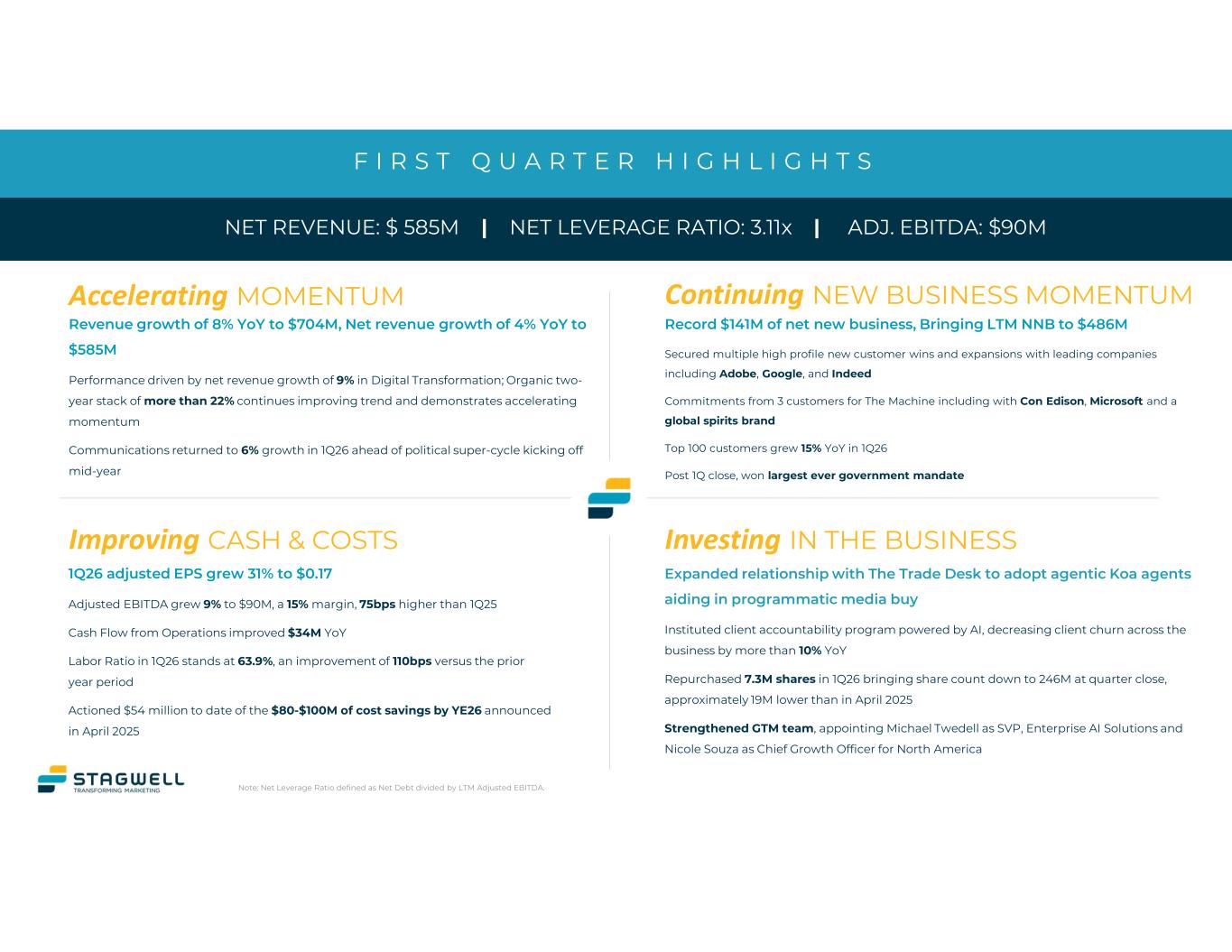
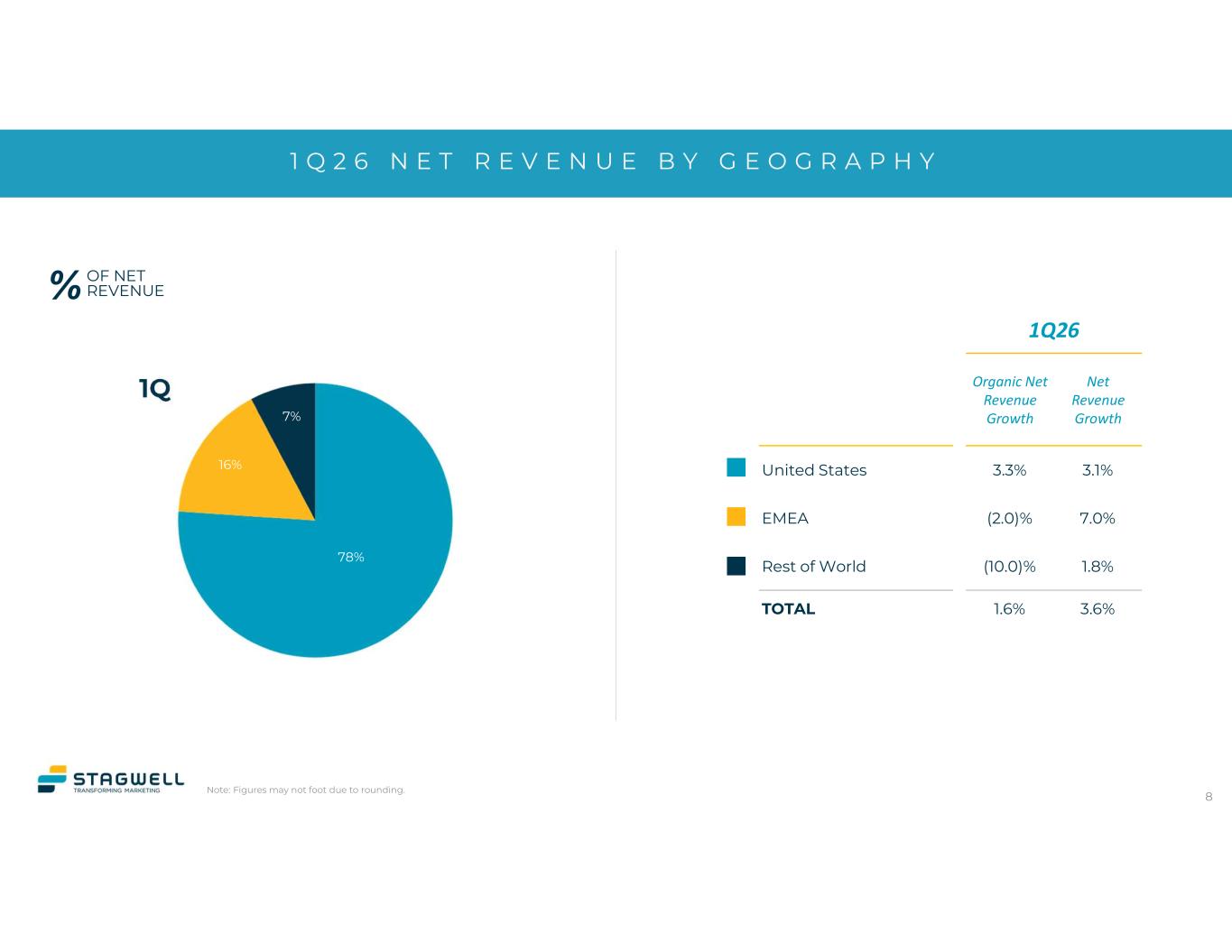
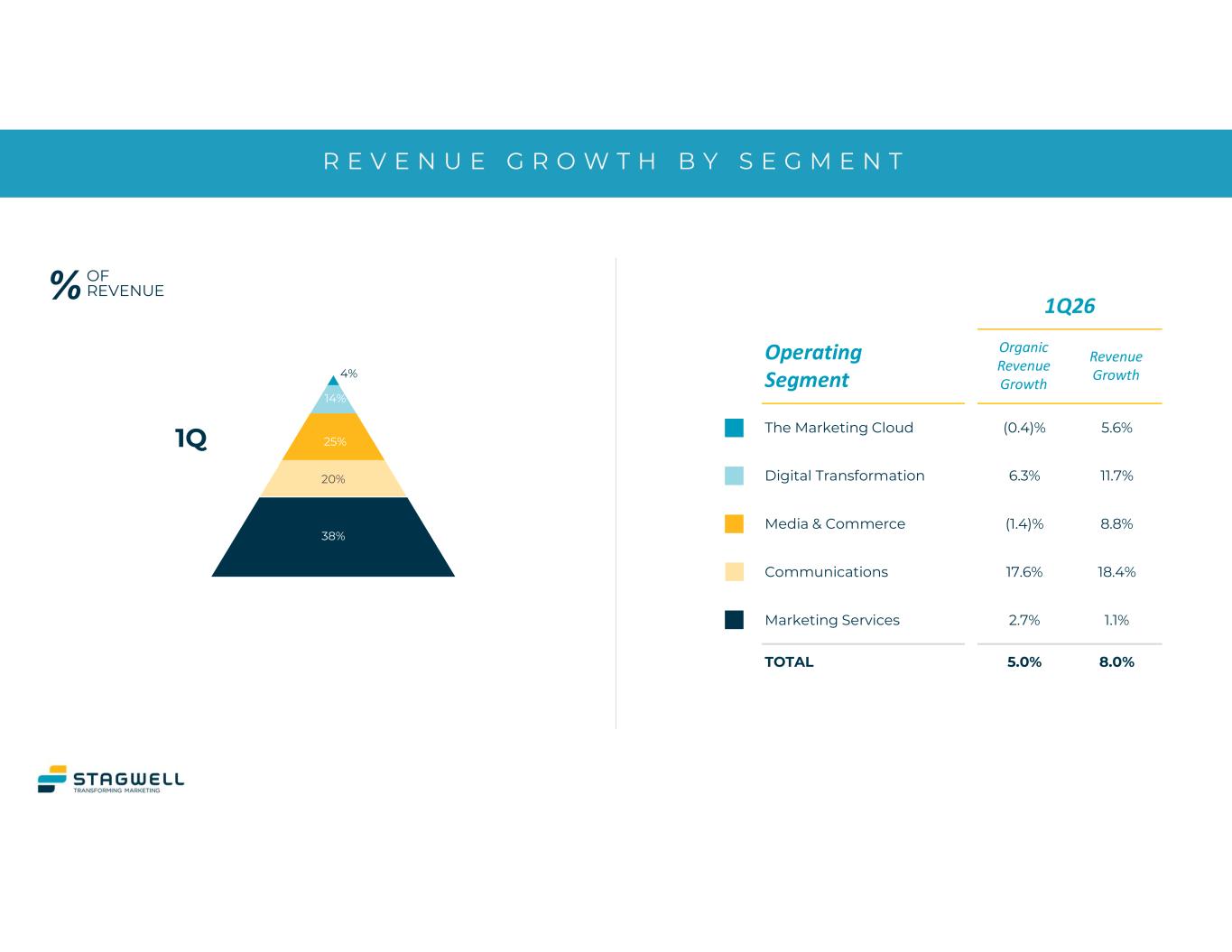
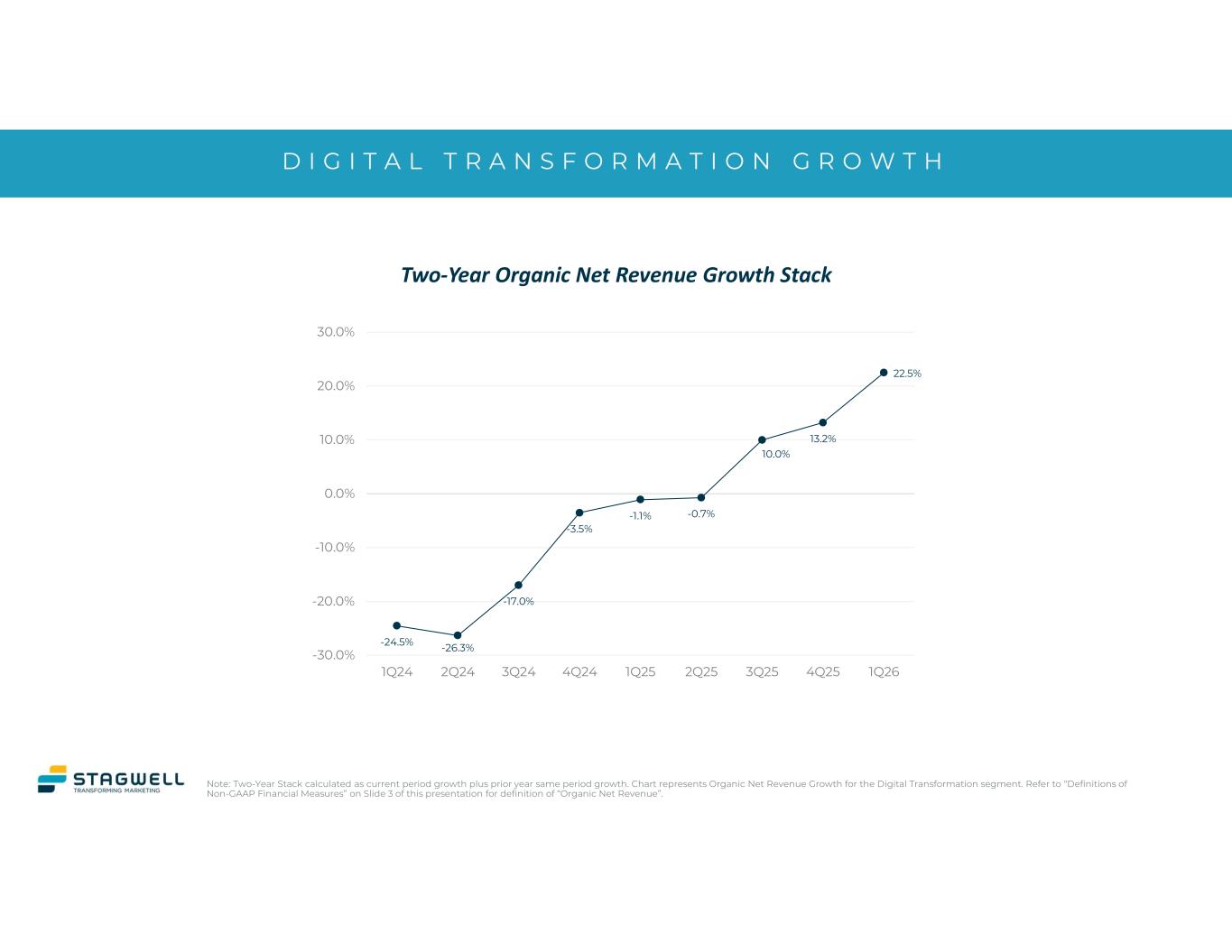
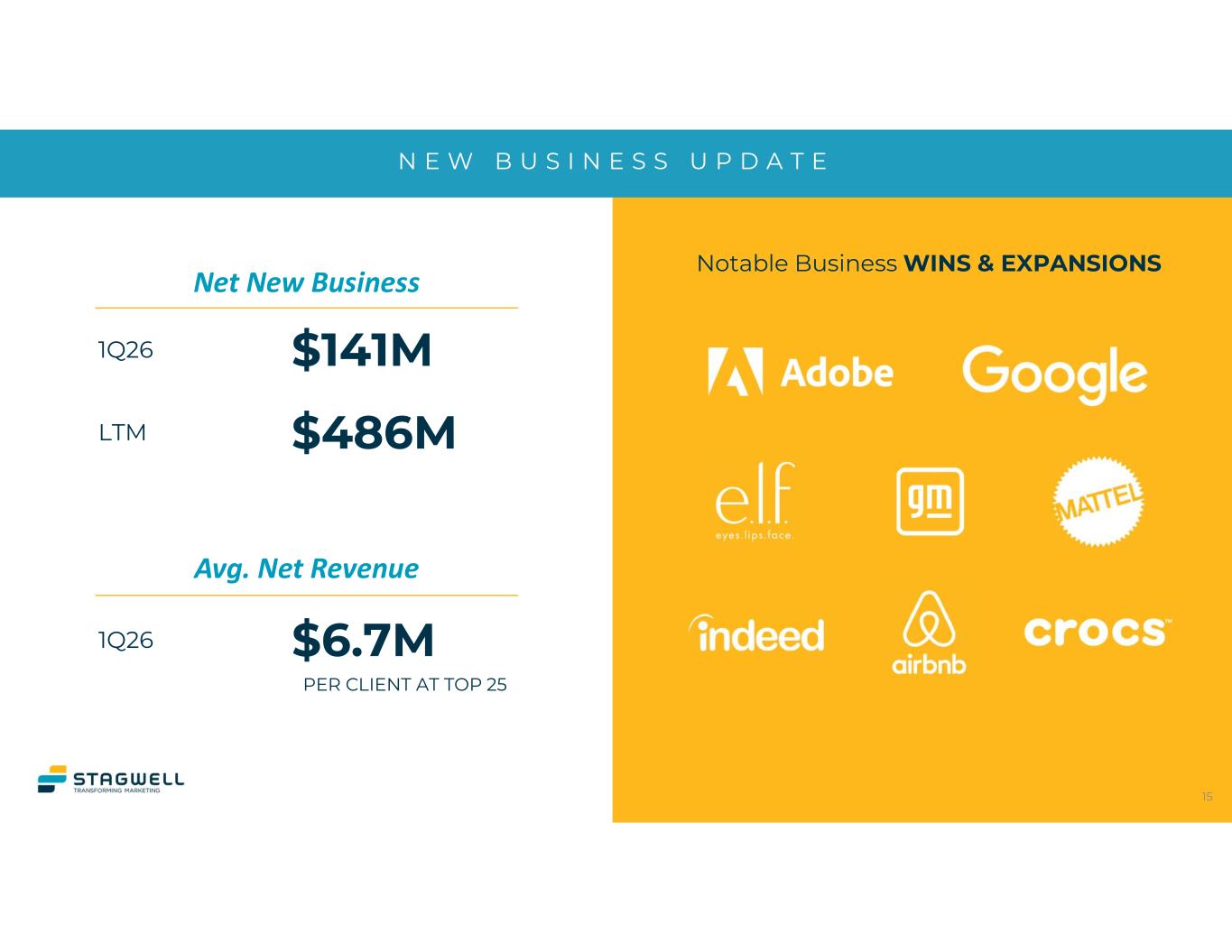
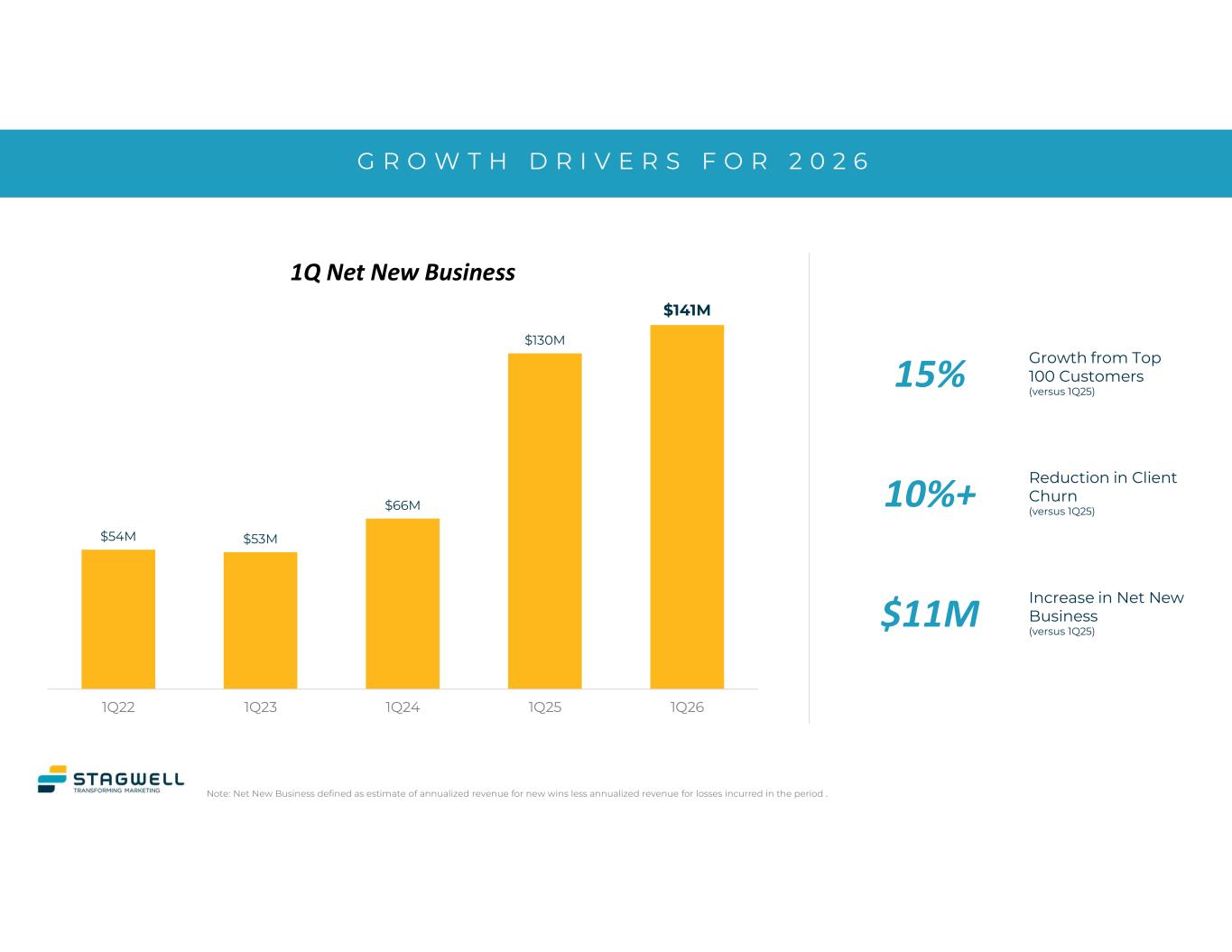
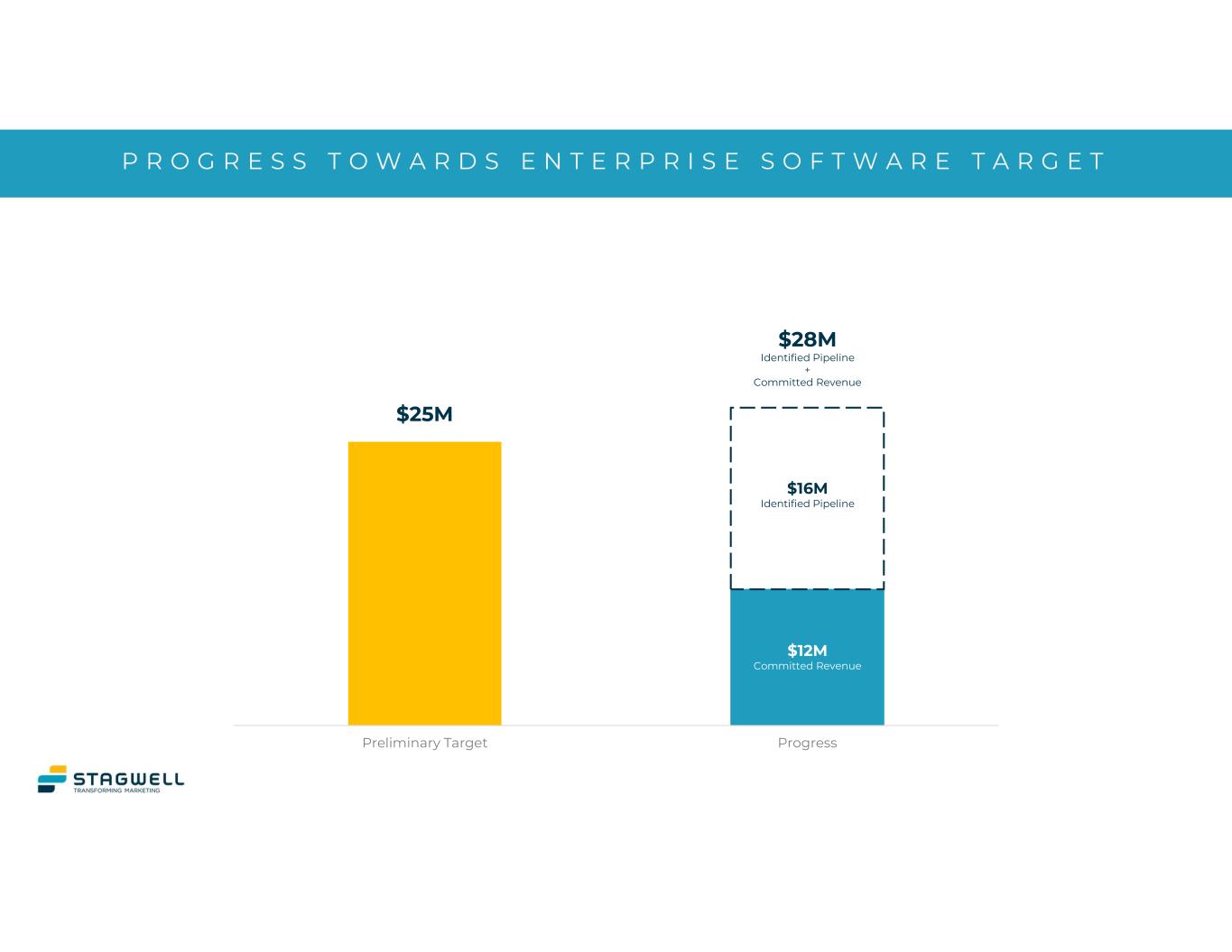
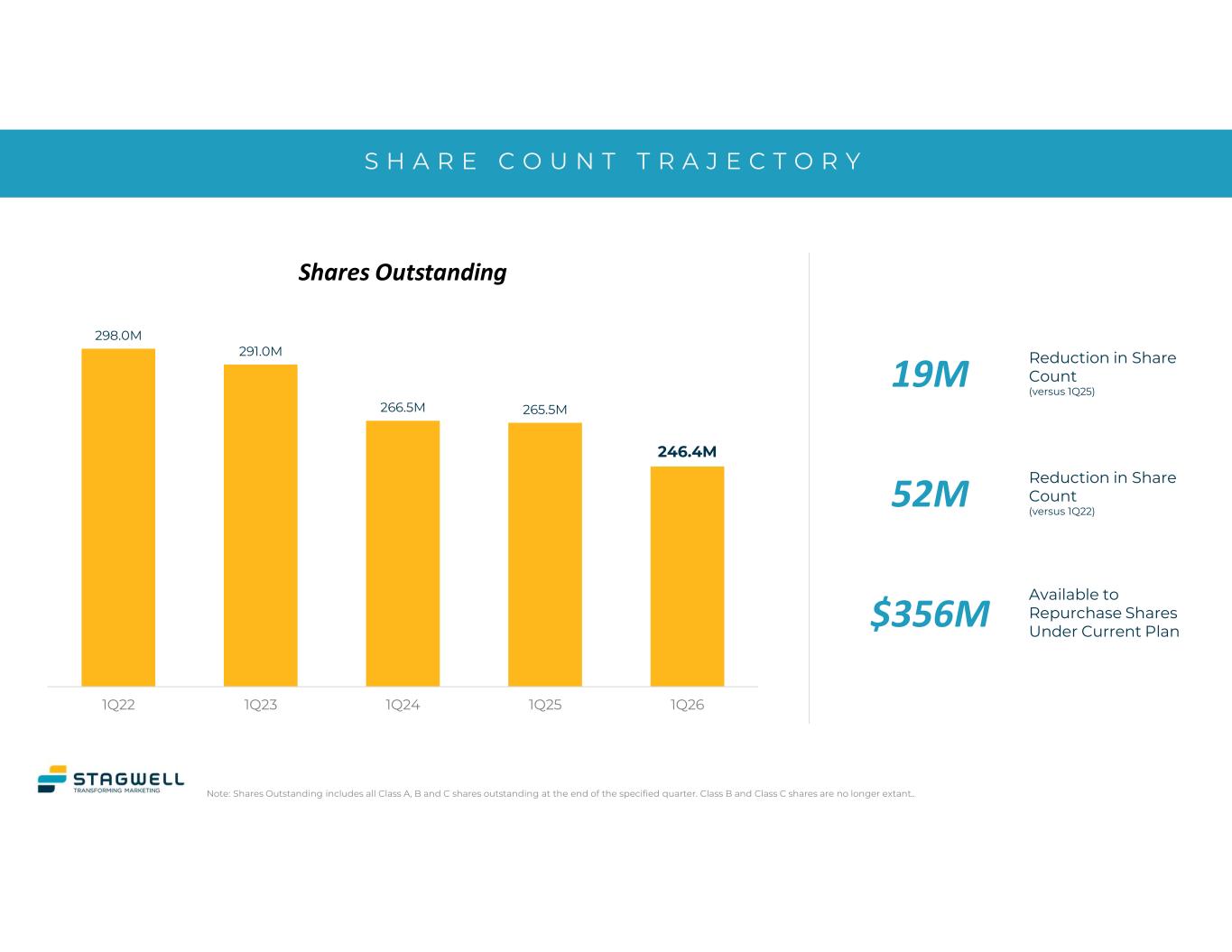
Thank you, Lina. This is a pivotal moment in the Stagwell story as we continue to achieve our vision of extending in services from global full service to platform self-service AI applications. We're hitting major milestones on both ends of that vision while keeping costs under control and increasing our earnings per share. Together, these developments should produce an incredible 2026. First, our net new business is hitting records, and we are now regularly achieving large-scale The first quarter was a record, and our wins are about $80 million ahead of wins last year at this time. We're closing in on four new major assignments under final negotiations, and we just signed our first five-year, nearly $60 million government contract this week. Second, our new enterprise tech products and sales organization are on track towards hitting the first sales goal of $25 million with $12 million booked, and we are just getting our sales operation in place. Demand for the new products is strong with a growing pipeline. Our digital transformation segment continues to lead the way in growth. Third, this quarter is in line with expectations as indicated on the last call, and we are building towards a record-breaking second half of the year with the combination of new business and the kickoff of an advocacy super cycle. We reiterate guidance and express even further confidence given this quarter's organic net revenue growth is actually the strongest in Q1 in at least four years. We expect growth to accelerate to double digits by Q3 and Q4. Revenue grew 8% to $704 million, and net revenue grew 4% to $585 million. We saw growth across all five of our segments in the first quarter, led by a 9% jump in digital transformation. Digging into the digital transformation results, the two-year organic net revenue stack for the segment tells a particularly impressive story. with growth of more than 22% in Q1. This continues, an improving trend in this metric that we have seen for the last eight quarters. Given the strong start to the year, we expect the digital transformation segment to accelerate to mid-teens growth in the second half. AI and our understanding of how to apply it is a huge tailwind for us. Past weakness in communications has reversed and the segment grew more than 6%, principally on the backs of new corporate assignments, as the political season was not yet underway, but will be in full swing in the last two quarters. All advocacy work is now within the single communication segment, and the companies are diversifying their work for more non-profits, universities, and localized retail marketing. By region, the U.S. led the way this quarter with over 8% organic revenue growth, with over 3% organic net revenue growth, and double-digit growth in adjusted EBITDA. International efforts outside the UK were muted by a strengthening dollar and slowdowns in the Middle East tourism and technology, which we expect to be temporary. Adjusted EBITDA grew 9% year-over-year to $90 million, representing a margin of 15.3%, an improvement of 75 basis points versus last year. This reflects prudent cost controls across the business. Our first quarter labor ratio declined to 63.9%, even as we invested in our go-to market engine. We are reinvesting these efficiencies in growth to take advantage of the AI opportunities. In the first quarter, we bought back approximately 7.3 million shares. Our shares outstanding at the end of the quarter was down to about 246 million shares, down by about 19 million shares since last April, and down about 50 million shares since August 2021. As a result, EPS for the quarter was 17 cents, 31% higher than a year ago. Continued improvements in cash management means cash flow from operations improved by $34 million versus the first quarter of last year. This puts us on target to hit $250 million to $300 million in free cash flow with almost no deferred acquisition payments. Acquisitions have been dialed back as we are investing heavily in buybacks and in new technology, as I previously outlined last month. As I also predicted on the last call, we saw a surge in wins to start the year with record-breaking first quarter net new business coming in at $141 million. dollars, putting our last 12 months at 486 million dollars. Our winning streak is continuing into this quarter, as well with several important wins to be announced shortly. As I mentioned earlier, our government contract effort is also picking up steam and having success. This is adding hundreds of millions of dollars to our pipeline, and we have multiple large pitches coming up. When it makes sense, we are partnering with established players like Deloitte and Palantir on massive contracts we continue to focus on driving organic growth through larger assignments previously the domain of our three major competitors in reducing a high churn rate among our smaller customers we have taken two major steps to execute that strategy and we expect it to pay off in 2026 and in raising 2027 estimates first we have doubled the size of the new business team announcing significant new hires including nicole susa as chief growth officer for north america who brings with her 25 years of experience, most recently at Publicis. Second, to reduce client churn, we institute a client accountability program so that every client, no matter what its size, has a person responsible for it. We're receiving frequent reports fed into an AI engine that monitors and reports on client needs and trends. We've seen our top 100 clients grow by 15% in size, and we've decreased client churn across the business by more than 10% versus 1Q 2025 as we roll out these programs as to our emerging enterprise services and software business we are innovating with the products and driving early sales in addition to the over 100 million dollars of marketing cloud revenue we're building an additional stream of software and service revenue housed in the digital transformation segment based on three key products the machine an agentic marketing operations operating system which brings together a company's entire marketing stat. Sats, the Stagwell agentic targeting system that brings together a secure mix of client and our proprietary data with the power of Palantir's targeting. And Stagwell Search Plus, a new set of tools for managing search in the world that AI answers. We announced the addition of Michael Twedell to lead our enterprise AI solutions team and organize our sales and go to market efforts. He is quickly building a team. We are building the most cutting edge, comprehensive agentic marketing system available today. We believe every company will need an agentic marketing operations operating system, or MOOSE as I like to call it, to unite their ever-burgeoning volume of enterprise applications and data. Since officially launching the machine, we have three active engagements that are part of the initial 12 million booked, including Con Edison, a well-known electric utility, a division at Microsoft, and a soon-to-be announced global spirits brand we are also currently have nine active opportunities with two deep into scoping the rest spanning industries from public sector to financial services sats will be sold both with the machine and individually it's also a testing with multiple client engagements including a fortune 500 client and the global lifestyle accessories brand working together with palantir we are added key features that take users from audience identification through to media placement and assessment on an agentic basis. Stagwell Search Plus, our tool to help brands optimize an AI search and beyond, was described by senior Google leaders as, quote, genuinely differentiating. And we are now working regionally with Google industry heads to support client adoption. We're partnering with key leaders, including the trade desk at Love and Adobe. Last week, we announced a joint initiative with Adobe called the Creative intelligence system which creates agentic personas to surface insights specifically for marketers in the financial sector who use Adobe as their system of record. This is a major pivot to the sales of AI application services and software, and we are now on the verge of bringing it all together, going to market with significant sales and installations this year and the ability to hockey stick it in 2027. Stagwell is on the verge of expanded growth that will carry through 26 into 27 and 28. Leg one of that growth is from the political super cycle, which will ramp starting in mid-year and then with the presidential race starting the day after the midterms. Expenditures and political efforts have expanded fourfold since 2008, and we believe it can double again. Leg two is the unique combination of services and software we are now offering, which is at the sweet spot of what clients need to adopt AI and shift new models of marketing. And leg three is our expanded wins of new clients at scale, displacing long-term hold co-relationships. We are coming into the CPG and healthcare spaces with superior talent offerings against hollowed-out creative shops, and we are moving to disrupt their longstanding government contract relationships. While aged legacy companies are seeing shrinkage, we continue to grow year after year and have an unlimited growth runway ahead of us. We will continue to diversify the business into new high-touch areas as the business of marketing changes and into AI-based services and software that is a must-have for marketing today. We're growing our top and bottom lines. We're expanding our margins. We're delivering strong free cash flow. We continue to be significantly undervalued no matter how you look at the metrics for a healthy, growing company like us at the forefront of its field. How many companies with this profile do you know are trading at 6x free cash flow? That's why we will continue to be aggressive with our buyback. We have hundreds of millions of dollars in our buyback runway. We will use it. With that, I'd like to hand it over to Ryan.
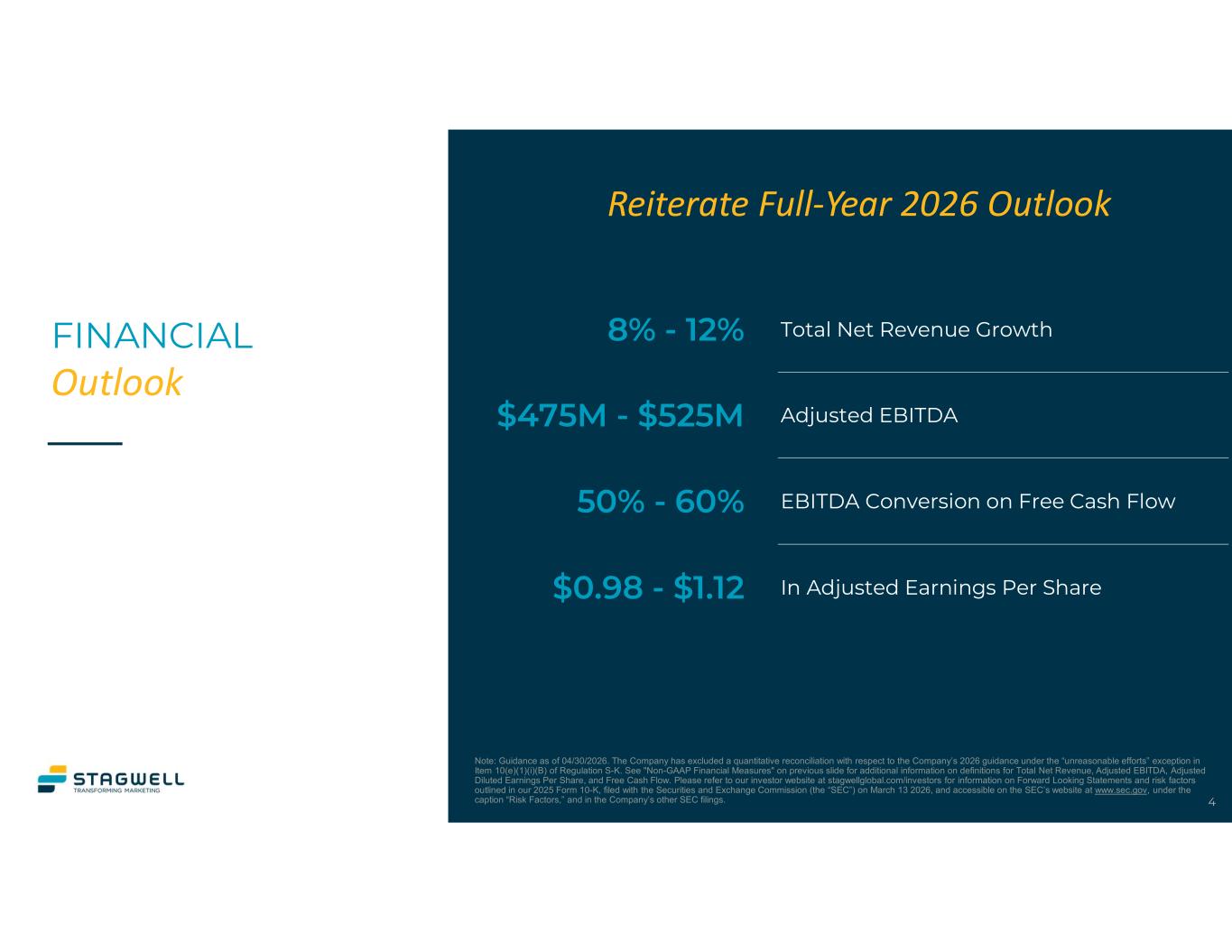
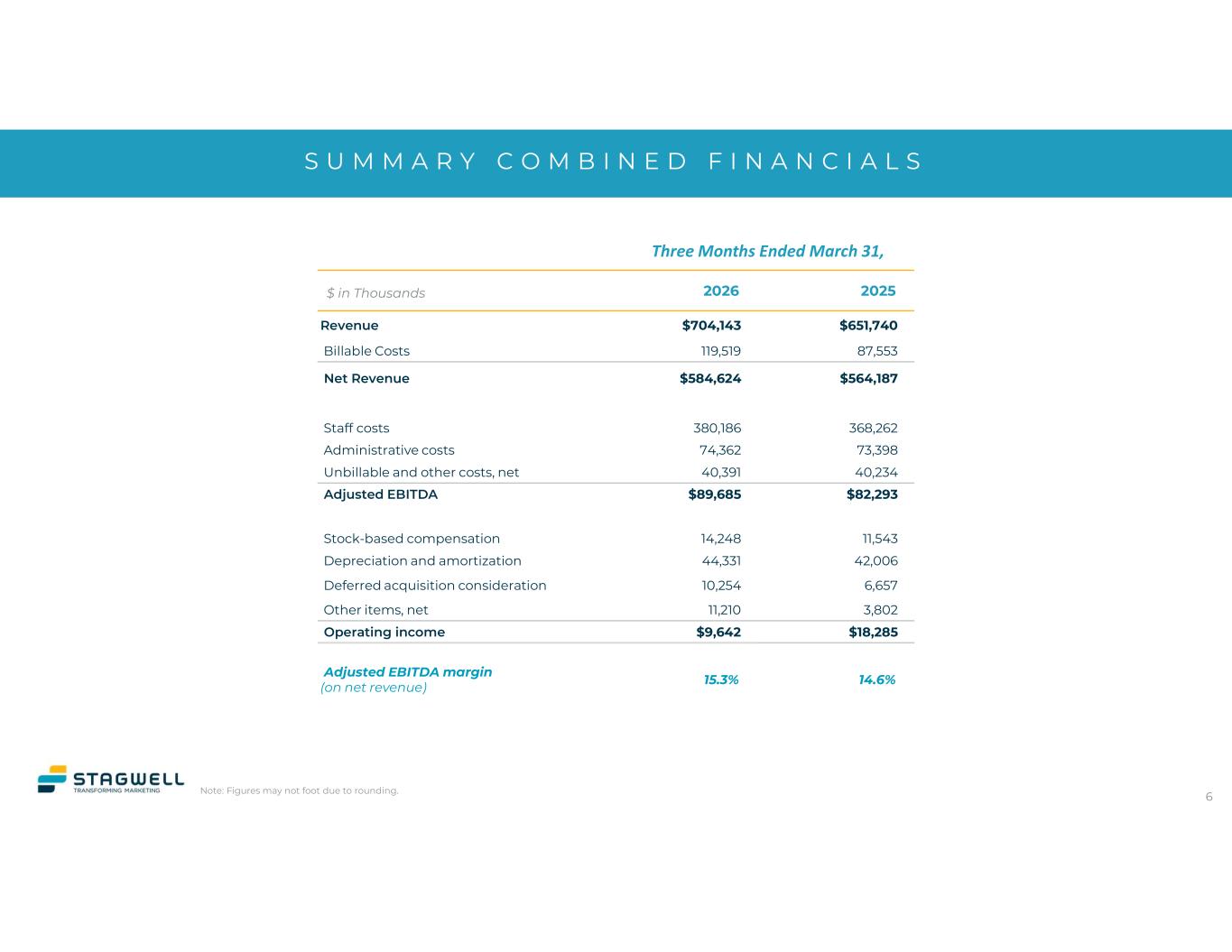
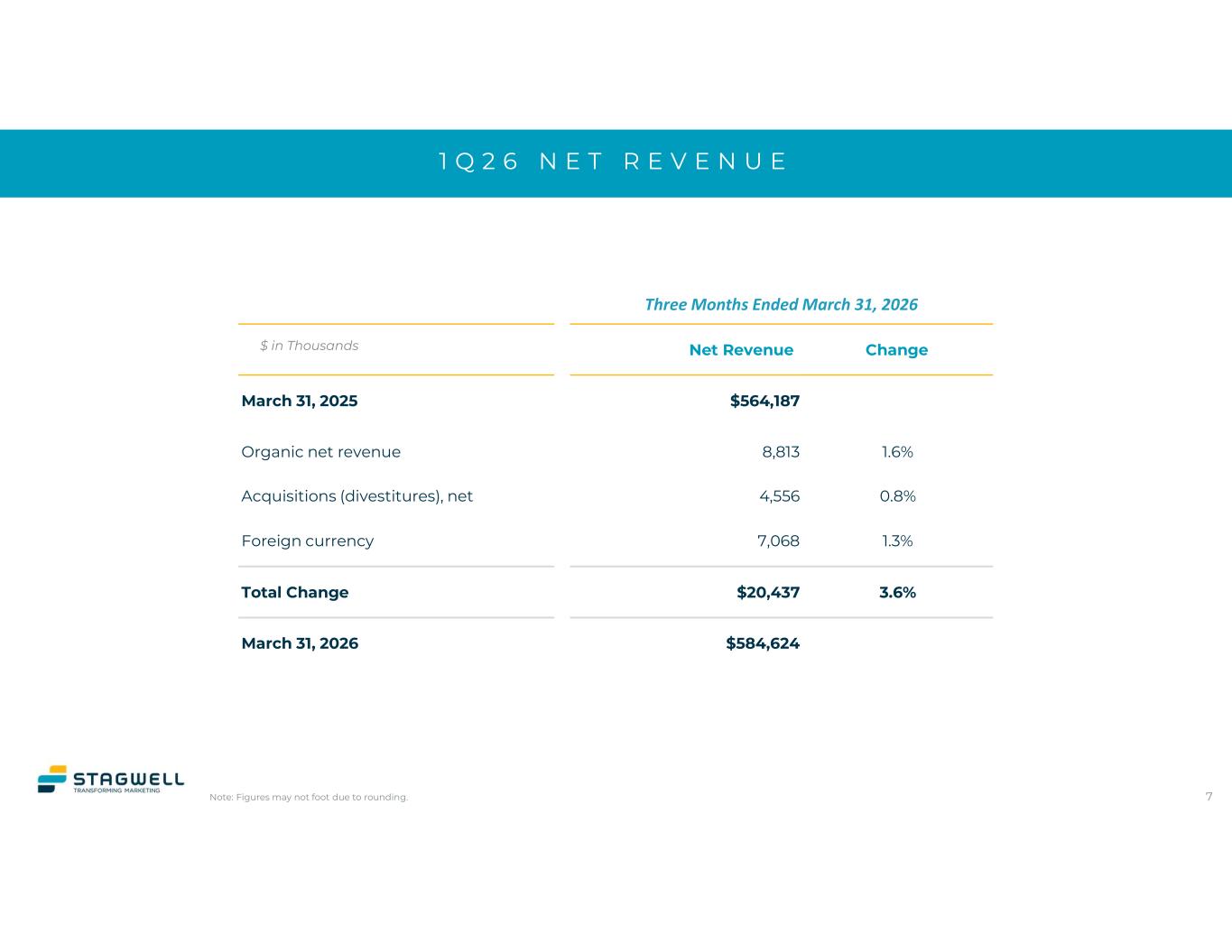
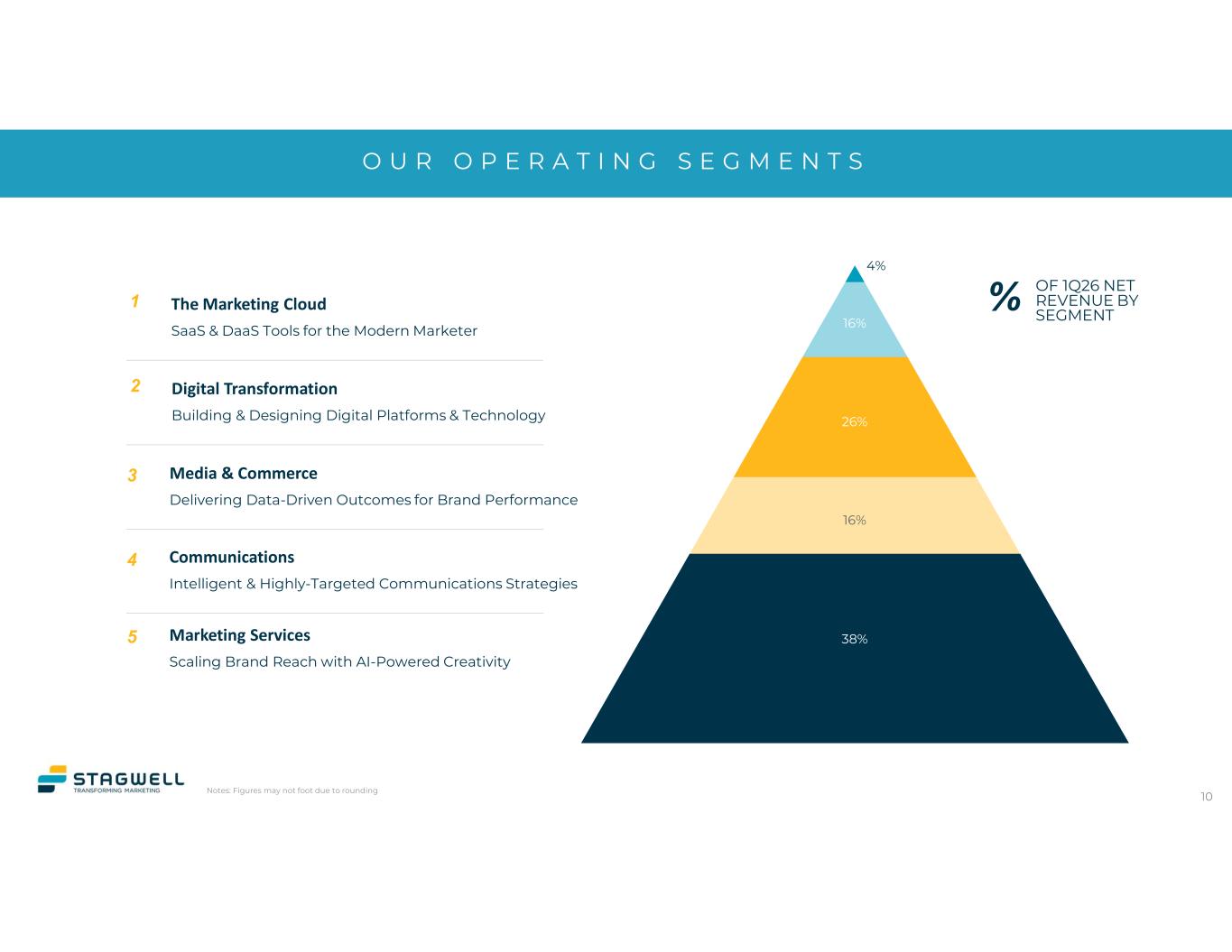
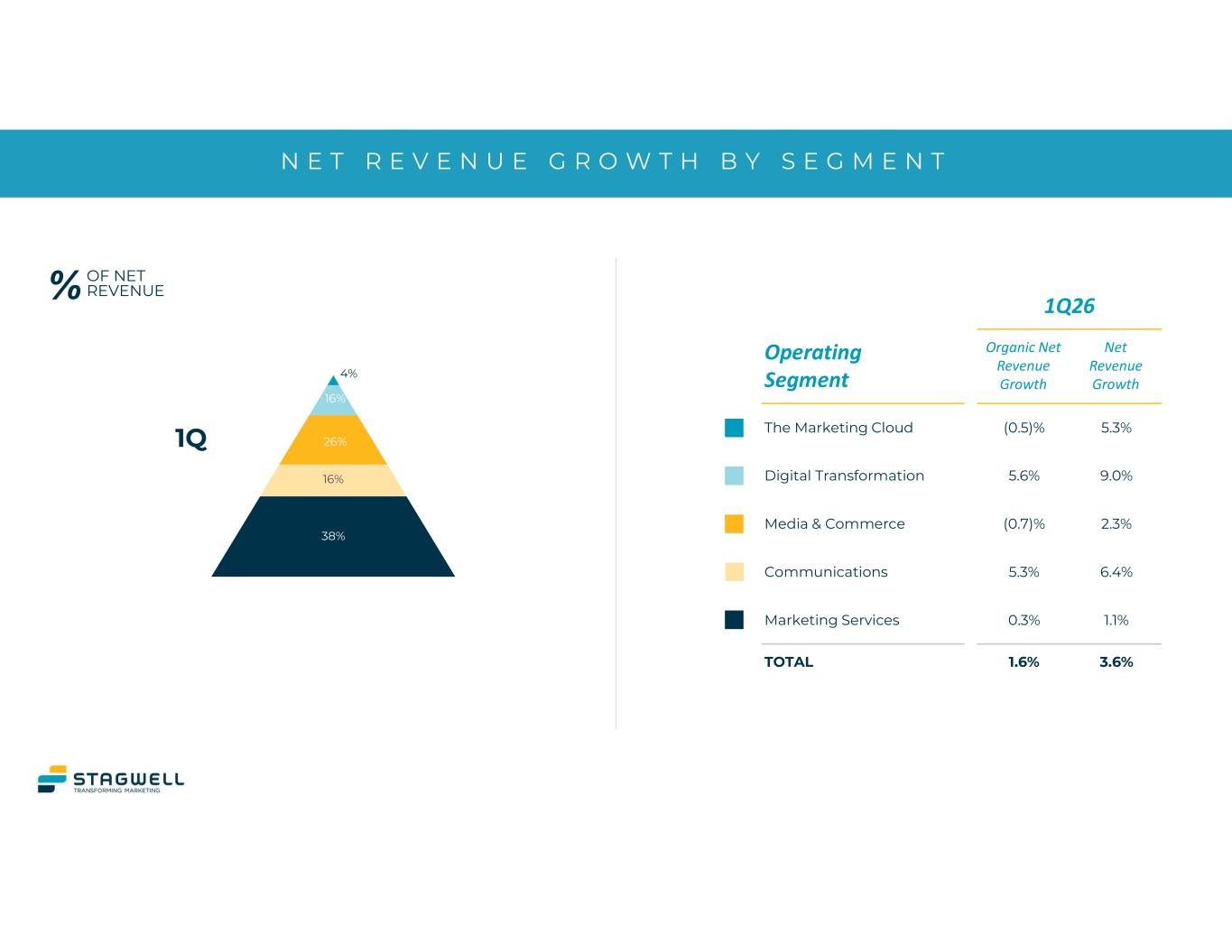
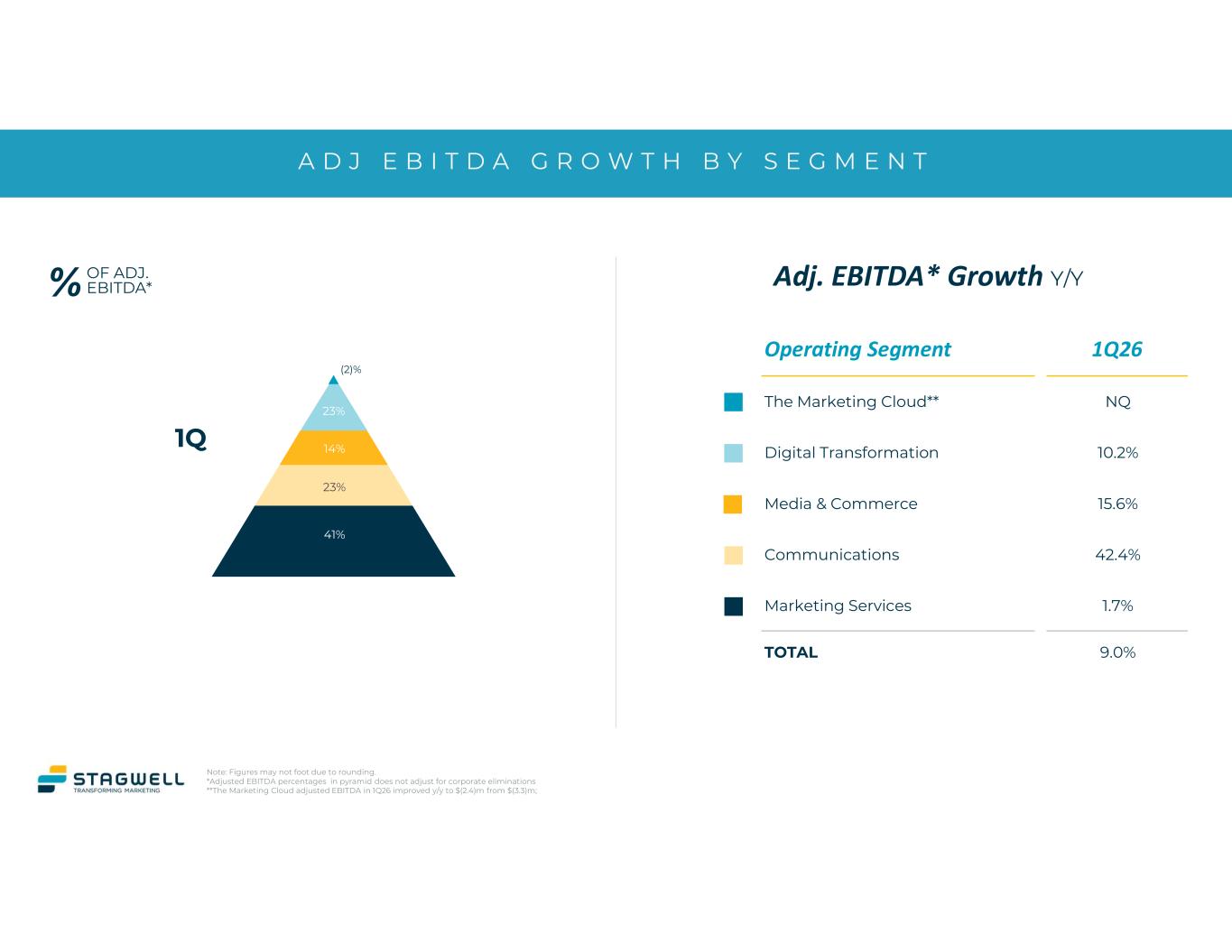
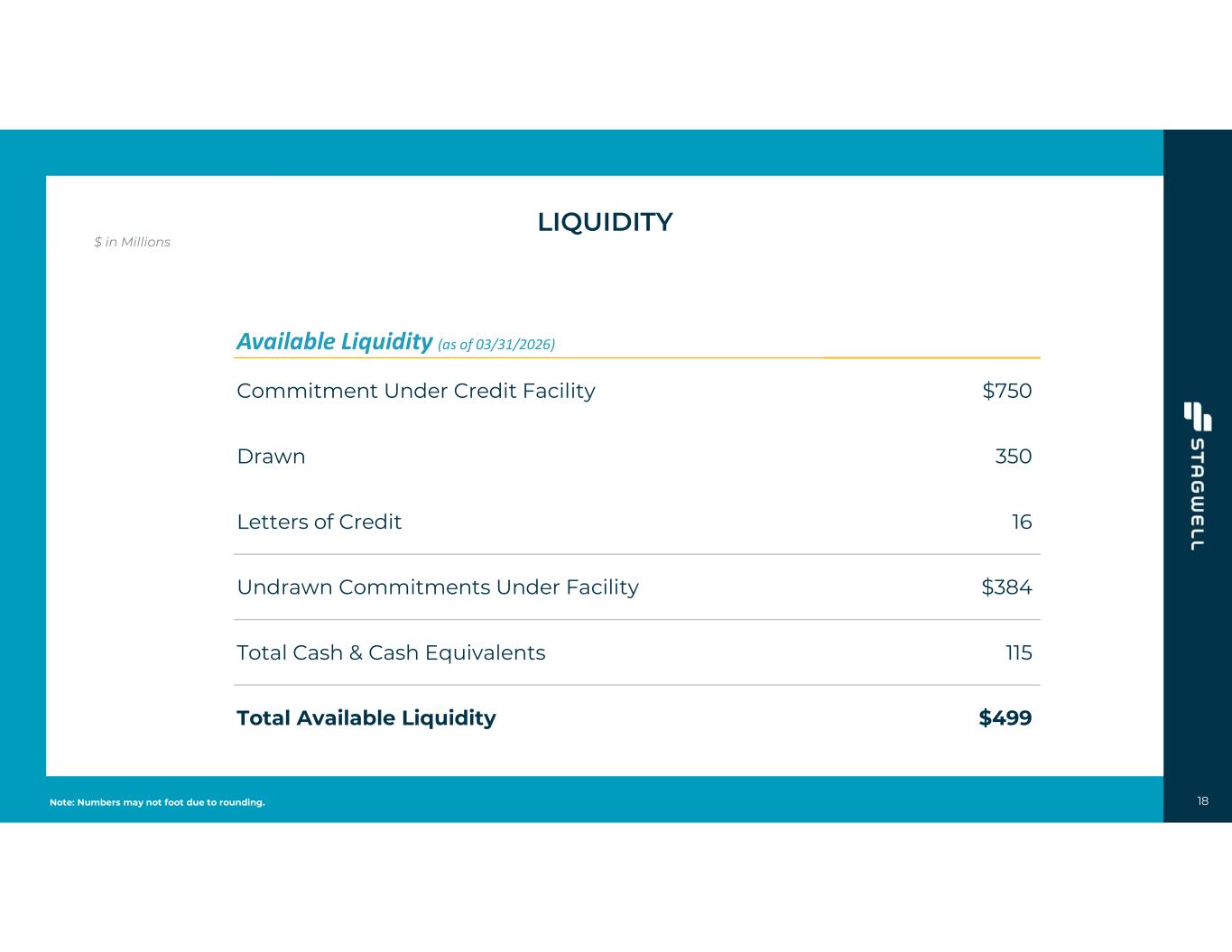
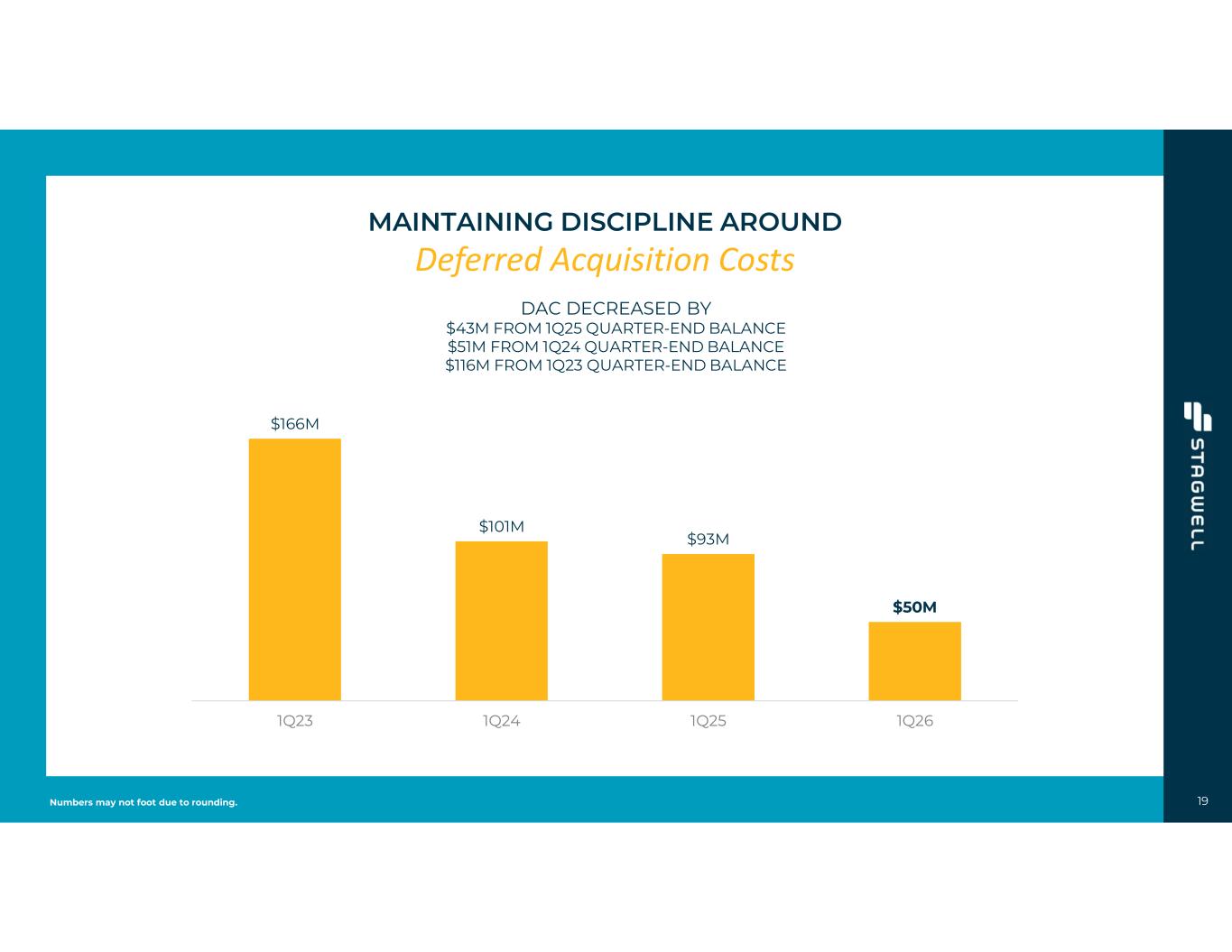
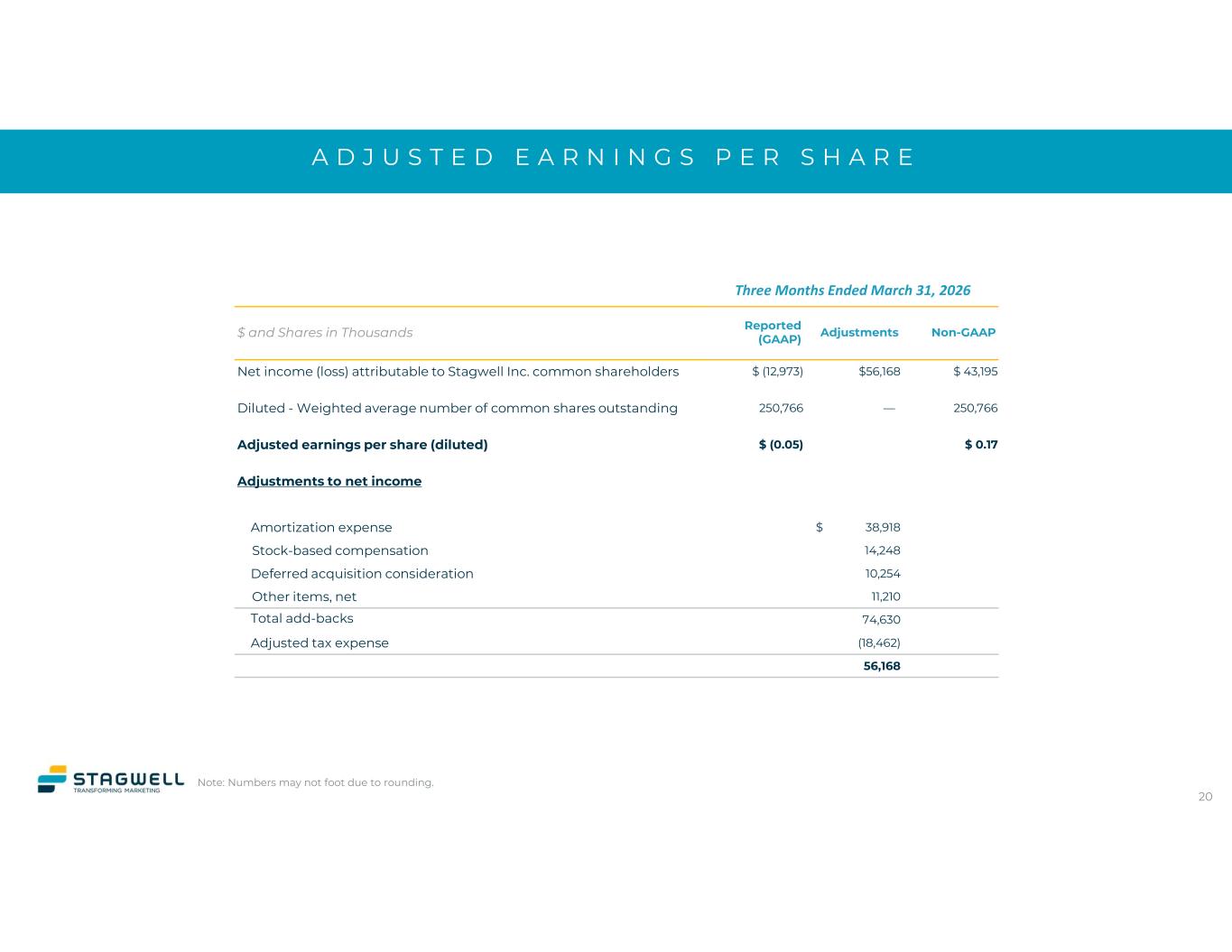
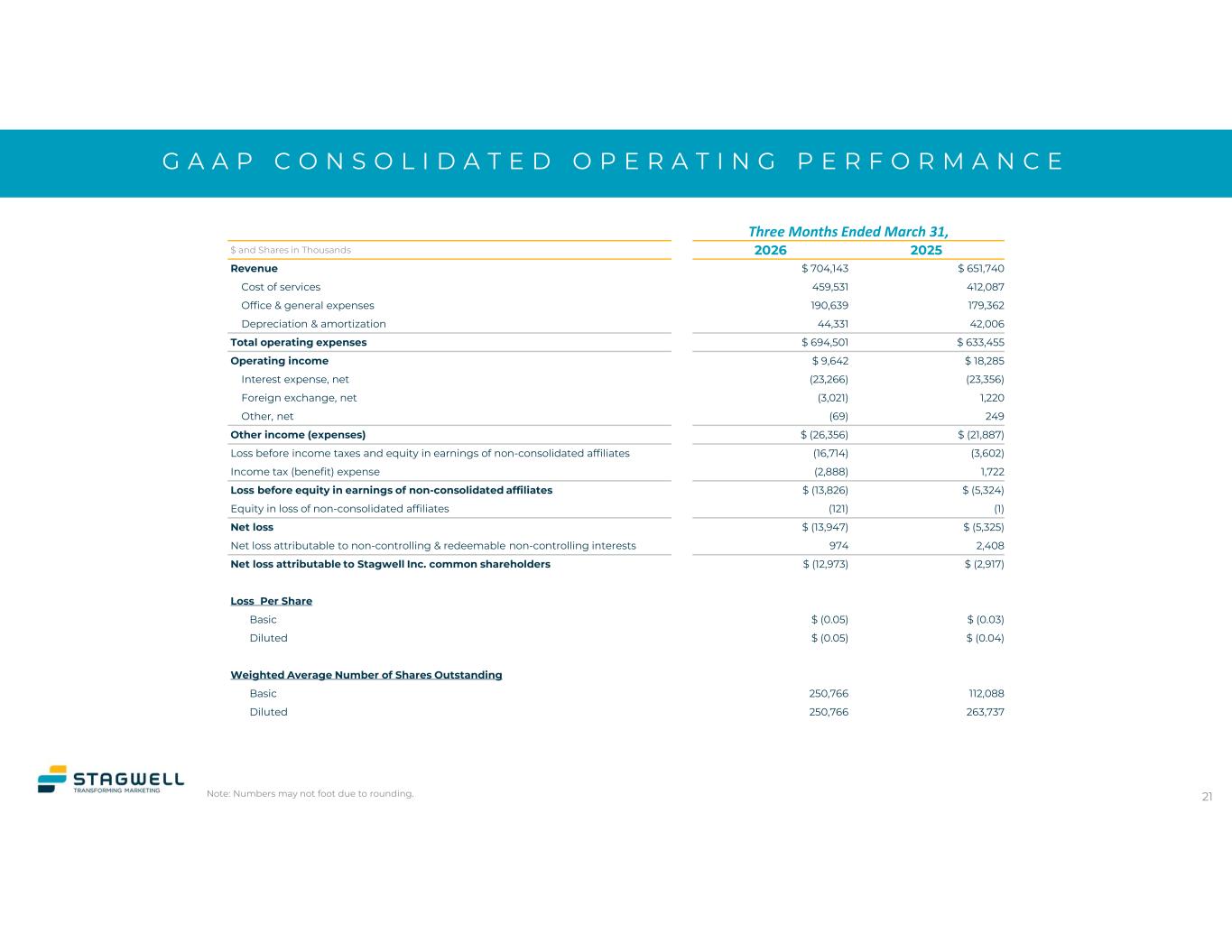
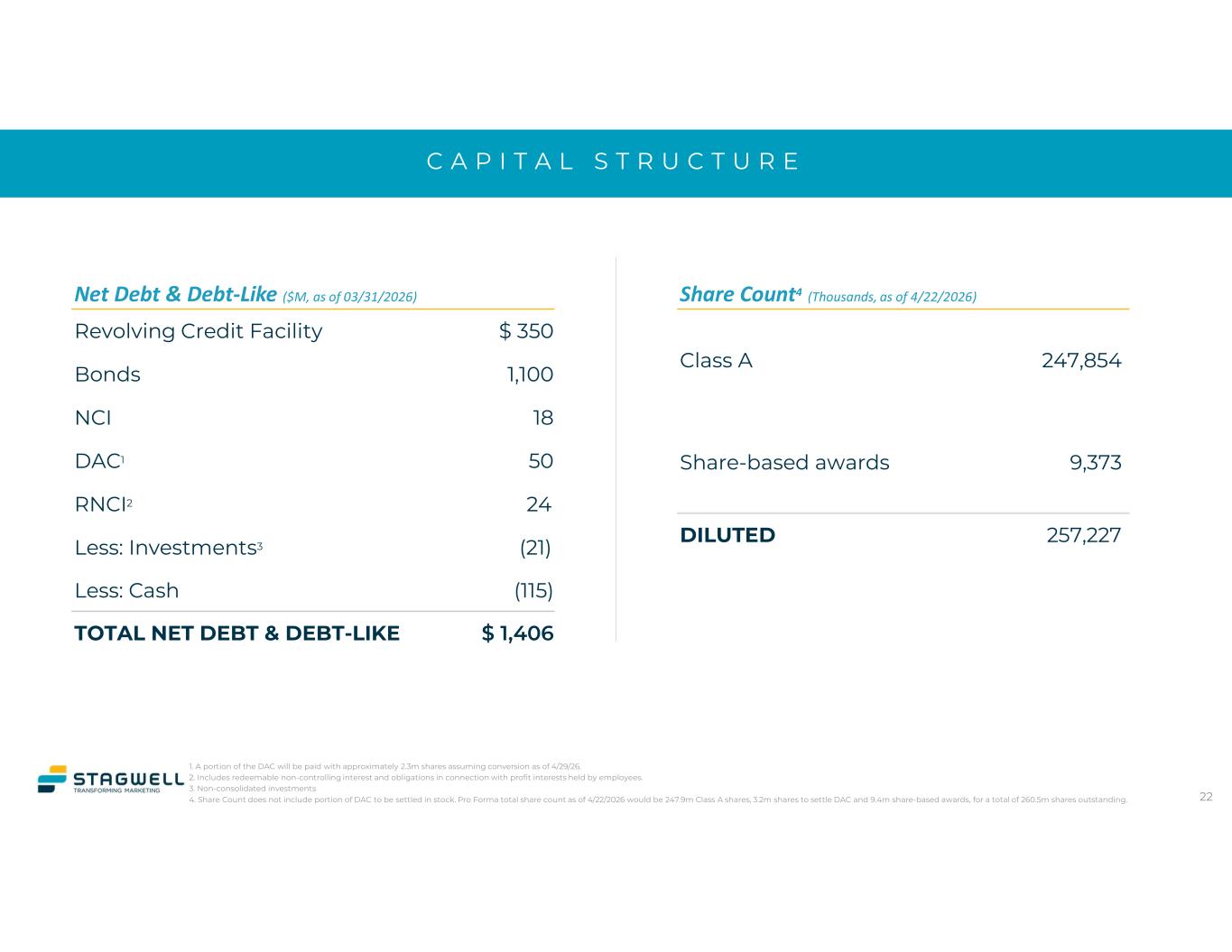
We'll walk you through some of the financials in more detail. Good morning and thank you for joining us. Today, I will share additional information about our first quarter's financial performance and how we are tracking towards our full-year goals. Before beginning, I want to reiterate what we discussed in the fourth quarter call. Our first quarter is where we lay the foundation for growth throughout the year. And we go through a cycle of departing clients leaving January 1st and new clients coming on typically from April to June. Results in the quarter were firmly in line with our expectations across all metrics. We expect to deliver accelerating sequential growth in the second quarter and throughout the year. Starting with the top line, revenue increased 8% year-over-year to $704 million, and net revenue increased 3.6% to $585 million. All five segments delivered revenue and net revenue growth during the quarter. Growth was led by digital transformation segment, with net revenue rising 9% year-over-year to $96.5 million, driven by increasing demand for integrated technology solutions paired with services that deliver measurable ROI in a changing market. The marketing cloud grew 5.3% to $26.5 million, driven by demand for our AI-enabled communication technology platforms and research offerings that help clients track sentiment in real time, gain faster insight, and more actionable insights into customer behaviors. Some of the other divisions are now selling marketing cloud products and retaining the revenue there. One product in the Middle East was pushed to Q2 due to regional conflicts, while Bera, our brand modeling product, grew 28% year-over-year, and the Harris-Quest family of products grew 19%. The new enterprise software products are not accounted for in the marketing cloud, but are in the digital transformation segment. Media and commerce continued its rebound, delivering 2.3% net revenue growth to $149.5 million. Performance was driven by improving new business momentum and expanding relationships as clients increasingly lean into the segment's integrated media, creative, and loyalty capabilities. Continue investment in media technology and AI-enabled platforms, combined with disciplined cost management, support stronger operating leverage across the segment. Marketing services maintain its momentum despite elevated prior year comparables, growing 1.1% to $217.6 million. Performance was led by our creative and research agencies, and our centralized production group nearly doubled net revenue as we continue to bring more production in-house. And finally, communications grew 6.4% year over year to $96.8 million, largely driven by new corporate assignments as our communication firms deliver their products lines to undertake more localized marketing for retailers and other outlets. We expect election-related revenues to ramp up in the second quarter and to continue to grow each quarter thereafter as we grew to our top line we continue to take steps to manage our costs payroll as a percent of net revenue declined by 110 basis points year over year to 63.9 percent while gna as a percent of net revenue declined by approximately 50 basis points to 19.6 percent in the first quarter we expanded the rollout of tech deployment through our businesses in anticipation of actions actioning the balance of the cost savings we announced last year. The total action savings since April last year amount to $54 million, firmly on track to achieve the $80 to $100 million that we previously outlined, with these savings flowing through the P&L during 2026 and fully reflected in 2027. These improvements were partially offset by purposeful actions to strengthen our go-to-market expertise through expanding our new business team, which we aim to double in 2026, and marketing cloud Salesforce. Additionally, we increased our investment in our AI and technology capabilities. This includes OPEX investments into our tech products, including the machine and our Palantir partnership, as well as bringing in further experts to strengthen our technical expertise in AI and data. Adjusted EBITDA in the first quarter was $89.7 million, representing a margin of 15.3%. This reflects year-over-year growth of 9% and margin expansion of 75 basis points. This improvement in adjusted EBITDA, together with the impact of share repurchases I will discuss shortly, drove adjusted EPS of $0.17, a 31% increase versus the first quarter last year. Cash management continues to be a core focus for Stagwell, and we delivered further progress early in the year. Cash flow from operations improved by $34 million versus first quarter last year, driven primarily by stronger working capital execution. That improvement translated into an $18 million year-over-year increase in free cash flow within the quarter, keeping us firmly on track to achieve our full-year free cash flow conversion target of 50% to 60% of adjusted EBITDA. These improvements in cash flow reduce our revolver balance at quarter end to $350 million, a $25 million or approximately 7% reduction versus the first quarter of 2025. Lower net debt and year-over-year growth in adjusted EBITDA drove a 0.17 turn improvement in our net leverage, bringing leverage down to 3.11 times. Our continued progress on leveraging cash has been reflected in recent ratings actions, with Moody's reaffirming our B1 rating and revising our outlook to positive in late March. We remain on track to exit 2026 with net leverage in the mid-twos, reflecting the combination of our growing adjusted EBITDA, discipline cost allocation, and improving free cash flow generation. Turning to capital allocation, we have purchased approximately 7.3 million shares during the quarter at an average price of $6.16, representing approximately $45 million of deployment. We continue to invest in our technology platforms, including the machine, our partnership with Palantir, and the marketing cloud offerings. Capital expenditures and capitalized software totaled $33 million in the first quarter, and we continue to expect full-year investment levels to be consistent with 2025. As Mark noted, the momentum behind these products supports this level of investment, and we expect them to begin driving growth across the segment in the second half of the year. Deferred acquisition consideration totaled approximately $50 million at quarter end, down roughly $43 million versus prior year period. As previously noted, we expect deferred acquisition consideration to be negligible by year end. First quarter results, coupled with excellent new business trends that Mark highlighted, give us confidence in our full-year guidance of total net revenue growth of 8% to 12%, adjusted EBITDA of $475 million to $525 million, and free cash flow conversion of 50% to 60%, and adjusted earnings per share of $0.98 to $1.12. Thank you, and I will turn it back over to Lena for questions.
Thank you, Ryan. As a reminder, please submit your questions at the bottom of the screen. I'm sorry, the button at the top of the screen. Let's start with a question from Steve at Wells Fargo. Digital transformation continues to track well. Can you talk about the underlying trends here in terms of new customers, expansion with existing customers, and also speak to what kinds of projects we're working on in a world with far more AI adoption in marketing services?
I think we're finding that there's tremendous demand out there. Now we've come from the stage of what's AI? Oh, my God, what's legal to say about AI? To I better have AI. And I think that we're seeing with the machine, like lots of pitches, same thing with the Sats product. You see that we're getting big name customers. we're going first obviously to existing uh to existing customers and offering this but we just went to the adobe summit and we got over 600 leads right and that kind of tremendous interest in the product so so i think that you know the answer to your question is really people want to put ai into their marketing we've got a full suite of agentic tools here we're going to existing customers first but we're really out we just organized our sales force we just went to adobe summit picked up 600 uh leads uh and and i think you know i think that's how this thing is going really about as well as i could expect and we've gotten 50 percent of our first year quota really in the first in the first couple of months great so steve has one more question which is i think last year you cycled off of a client loss that dragged media segment down as we look into 2026 what's your outlook for media how should we expect it to trend throughout the year yeah i mean we're still in the media burning off uh from the q1 h&r block client that was there so that that that kind of is fully out and so that means our we don't have a somebody else with a big q1 uh so we think that the media stuff comes later in the year. I think right now we've run really strong. You know, if you look particularly, Gail has been out there, you know, winning really significant contract after contracts. I think that that's going to be probably the biggest area of kind of media growth that we that that I see coming down the pike. We, of course, have given now we have new head of the entire division and he's been reorganizing the media we're adding the the technology so our media is going to be more holiday pattern our political is going to be more holiday more or less holiday season uh you know pattern uh as well uh and i think i see us growing you know across the year uh and i think i think you're going to particularly particularly see that pattern both in the whole company and with media okay we've got a question from mark at benchmark.
Your guidance implies an acceleration in the second half of the year. Could you discuss how much that second half acceleration is dependent on AI product scaling versus advocacy tailwinds and existing client expansion?
I think it's not dependent as much on AI scaling as it is on, number one, we know that a number of large scale creative contracts are closing. We know that our pipeline for general digital transformation work is really about as strong as we've ever seen that pipeline. And it is also, and the third element is the political season, which really, again, promises to be another record political season. I think people never, I've never heard of people talking about midterms six months out like they were tomorrow. So I think those three elements when we started out say what gives us increased confidence well we just won the biggest government contract we know that we're closing on three or four other other assignments now they're in final contracting and signing stage which are mixed across creative creative and media we know the political of super cycle is coming and we already have clients in the bank so a question came in that I'm asking to for you to elaborate on the comments about advocacy agencies and specifically seeing how they're seeing more work from corporate rather than political clients yeah i i think that in the long term here and i ran originally where you recall an advocacy and we were always diversifying by the end of it microsoft was my biggest client uh and so i think we're seeing those uh all of those companies now taking more public affairs uh more uh which more particularly suited to local work around retail establishments you know in communities. We're seeing those kinds of assignments. We're seeing more nonprofits, universities, hospitals, those kinds of clients that really work well as they begin to really diversify. Remember, we've taken the whole communication segment now and put it together into a single unit under a single manager.
So turning to new business, Laura at Needham was asking, could you dig a little deeper into the record net new business quarter can you talk about the areas where stagwell is seeing strength or what verticals are driving the improvement in pipeline and is the mix of your new clients changing what are the margins on new clients versus historical client base okay so i think i think the in terms of new clients i think i think digital transformation and creative are are the two spots where we are seeing a really strong uh flood of new business uh i think that uh we're also as you can see we're getting out there uh with with uh with the new products but in terms of what i call the regular pitch flow when i look at that and i look at the winds and the winds are significantly ahead of what of what we what we've ever seen uh and so uh i think that that's kind of where are the new ones i think in terms of margin for the new clients i i think those margins are at or better the previous i think that as we scale up to bigger clients we are we are not uh finding that we have that the margin is going to be reduced on those clients it's really quite the opposite we we have a lot of smaller lower margin clients that are sort of cycling out of the system and just in terms of the of the of the fact that our longevity with larger clients is five times our longevity with smaller clients just just what we spend on marketing and remarketing getting those smaller clients just taking that overhead out gives them a higher margin so we have a number of questions coming in about the improvements in churn we're seeing in the business could you discuss what improvements insurance might look like through the rest of the year and what impact we might that might have on our top line yeah look our goal is to is to cut the churn by about 25 percent right we we've seen like a we've seen a change already as we as we've told kind of everybody to focus on it we're putting in place the system what i call the accountability system where every single client about how small we'll we'll have someone responsible for it has to report on it look many of these are small projects we don't count small projects by the under $500,000 in net new business. So we'll separate out the small projects from the clients that should grow, and we're really focused. But our goal, if we're successful, we could get two or three points of organic growth out of that system. I think we are trying a dual-track approach, double where we've been successful, obviously in the net new business, and put a real focus on trying to mitigate what's been taking us down, which is small client churn, and those two together, I think, are key factors here in improving organic growth over this year and permanently.
Okay, a question for Ryan. Could you talk about the key drivers of the 30% plus improvement in adjusted EPS order?
Yeah, sure. So it's really a function of two things. We have seen significant growth in our adjusted EBITDA, which has increased our numerator, But we also have been aggressive with our share buyback, purchasing 7.3 million shares in a quarter for about $45 million. And so we're lowering the denominator with us realizing the stock has been undervalued. We've got aggressive, and we're seeing that reflected that in our adjusted EPS, growing 31%.
Great. I think we have time for one more question from Jeff at B. Riley. He's asking a question about the macro. What are you hearing from your client base regarding if and how they might alter their marketing plans as a result of the Middle East conflict, oil prices, or headwinds, and the macroeconomic impact that can materialize if the conflict is prolonged? And what assumptions are you making about potential macro impact included in your guidance for 2026?
Well, look, I think the only direct impact on us is Mideast tourism is not exactly flourishing at the moment. We expect, though, when this is over, it will bounce back quickly and that a lot of these clients will then, it will be like post-pandemic, you know, but that is, but really only about 3% of our business is out there, but it is, but that is some impact. on us. We are not right now, as you can see, as the stock market continues, we don't see clients making contingency plans about this. We don't see clients pulling back about this. We don't see clients altering their plans right now. I think for those in America right now, remember, gasoline prices or oil prices were above $100 a barrel for three and a half years of the Obama administration, parts of the Biden administration, this is not like a pandemic, massive pullback. We're just not seeing that right now. And remember, people are going to pretty much lock their holiday plans in in the next two or three months. So there's not a lot of time here for change. We're seeing, in fact, a tremendous investment in AI, tremendous focus on the fact that every company needs to redo its connection with AI, and we don't see any pullback from that whatsoever. And that and the political sphere, which is going to be, I think, again, a very strong season, no matter what happens in the Mideast, I think those two basic trends, which are the most important for us as a company, are really strong in attack for this year.
Okay. Our final question is a question from Jason.
And what have you learned about the opportunities in the government sector over the past year and how do you think the opportunity for stag raw has changed as you've been engaged in these contract discussions uh well i set that out as an initiative that i knew would take time you know i think that we've moved a long way in the initiative as i say you should see the next two weeks a formal announcement of the contract i alluded to which is a real breakthrough Drew, we've picked up two or three other smaller government-related contracts and assignments, but now we're really ready with the team, the accounting, the structure, in order to bid on the largest contracts, like the post office and the Navy, to bring in good partners too, because these are massive contracts, and to really compete, to compete. And for the first time, I think, for some of these agencies that have a brand new competitor. And so far, I can say from the ones that we've won or just about to win, that has played out pretty well for us.
On that note, that was our last question. Thank you to everyone for joining us. We'll see you next quarter.