Operator
Greetings and welcome to the FinWise Bancorp Second Quarter 2026 Earnings Conference Call. At this time, all participants are in a listen-only mode. A question and answer session will follow the formal presentation. If anyone should require operator assistance, please press star zero on your telephone keypad. As a reminder, this conference is being recorded. It is now my pleasure to turn the call over to the speakers. Please go ahead.
Good afternoon and thank you for joining us today for Finwise Bancorp's second quarter 2026 earnings conference call. Earlier today, we filed our earnings release and investor deck and posted them to our investor website at investorsfinwisebancorp.com. Today's conference call is being recorded and webcast on the company's investor website, as previously mentioned. On today's call, management's prepared remarks and answers to your questions may contain forward-looking statements that are subject to risks and uncertainties that could cause actual results to differ from those discussed today. Forward-looking statements represent management's current estimates, expectations, and beliefs, and FinWise Bancorp assumes no obligation to update any forward-looking statements in the future. We encourage listeners to review the more detailed discussions related to these forward-looking statements, including factors that may negatively impact them, contained in the company's earnings press release and filings with the Securities and Exchange Commission. Posting the call today are CEO Jim Noon, CFO Bob Wallman, and Executive Chairman Kent Lanvatter. Jim, please go ahead.
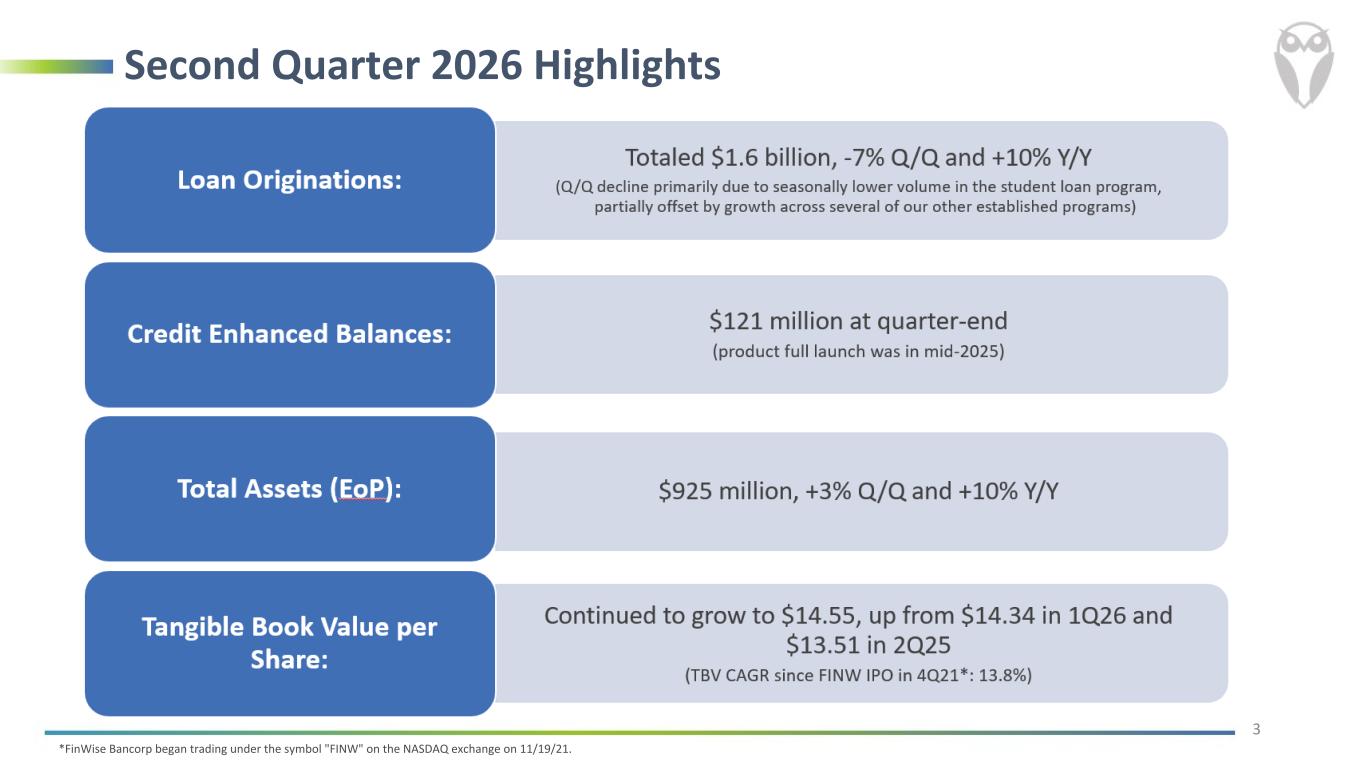
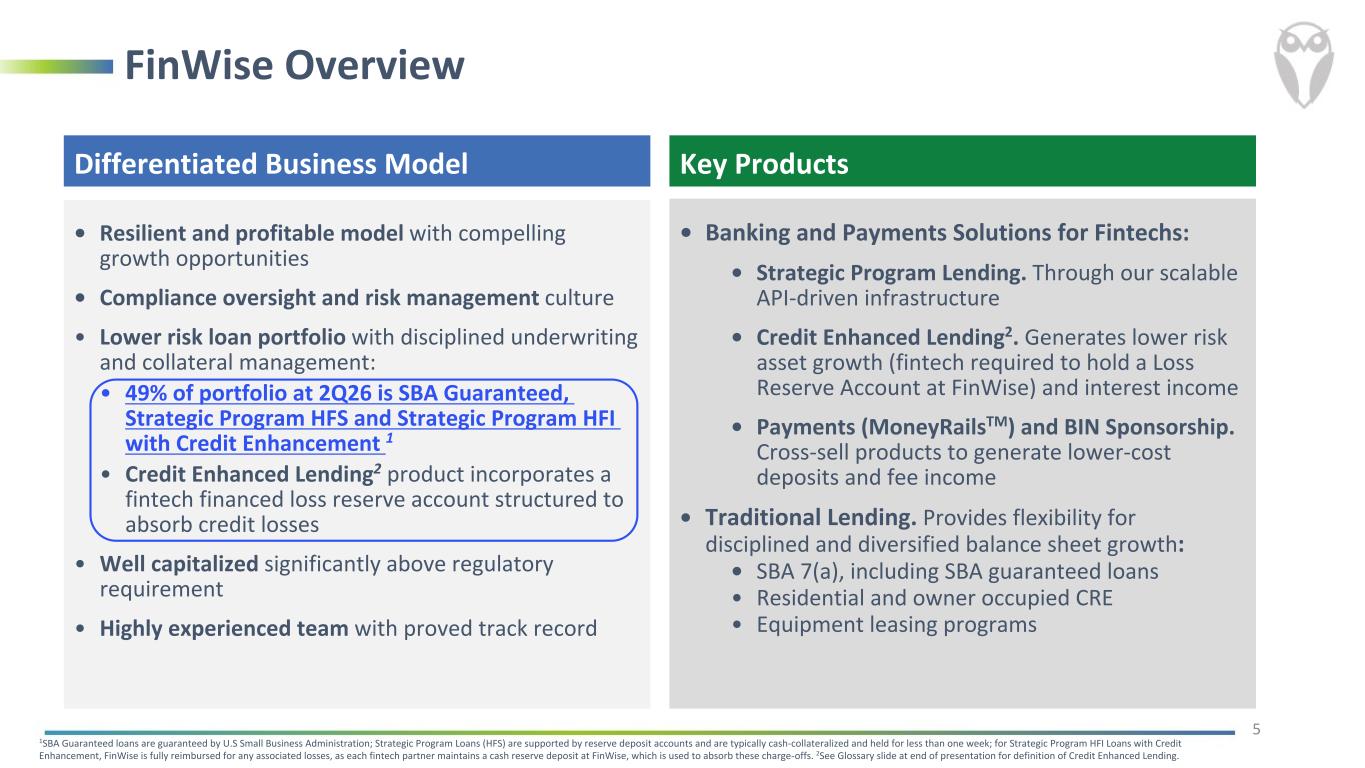
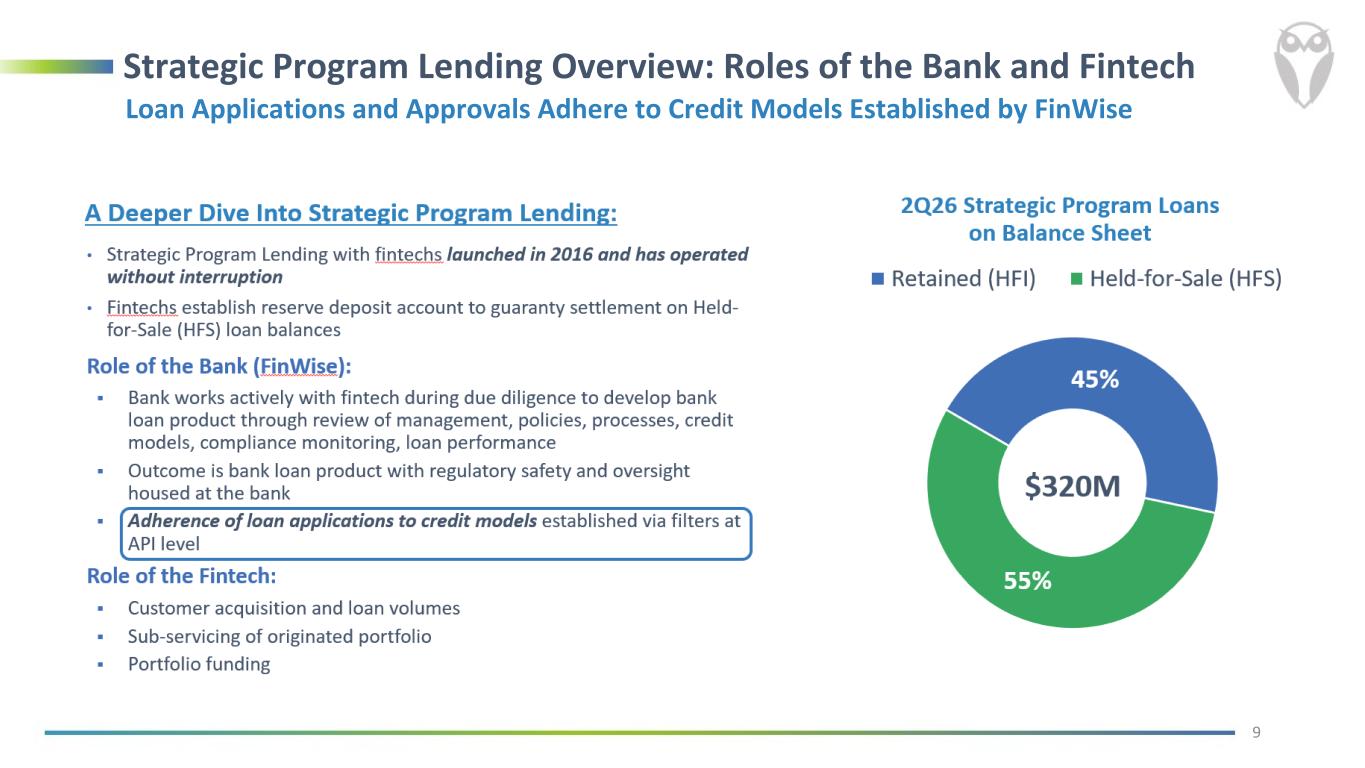
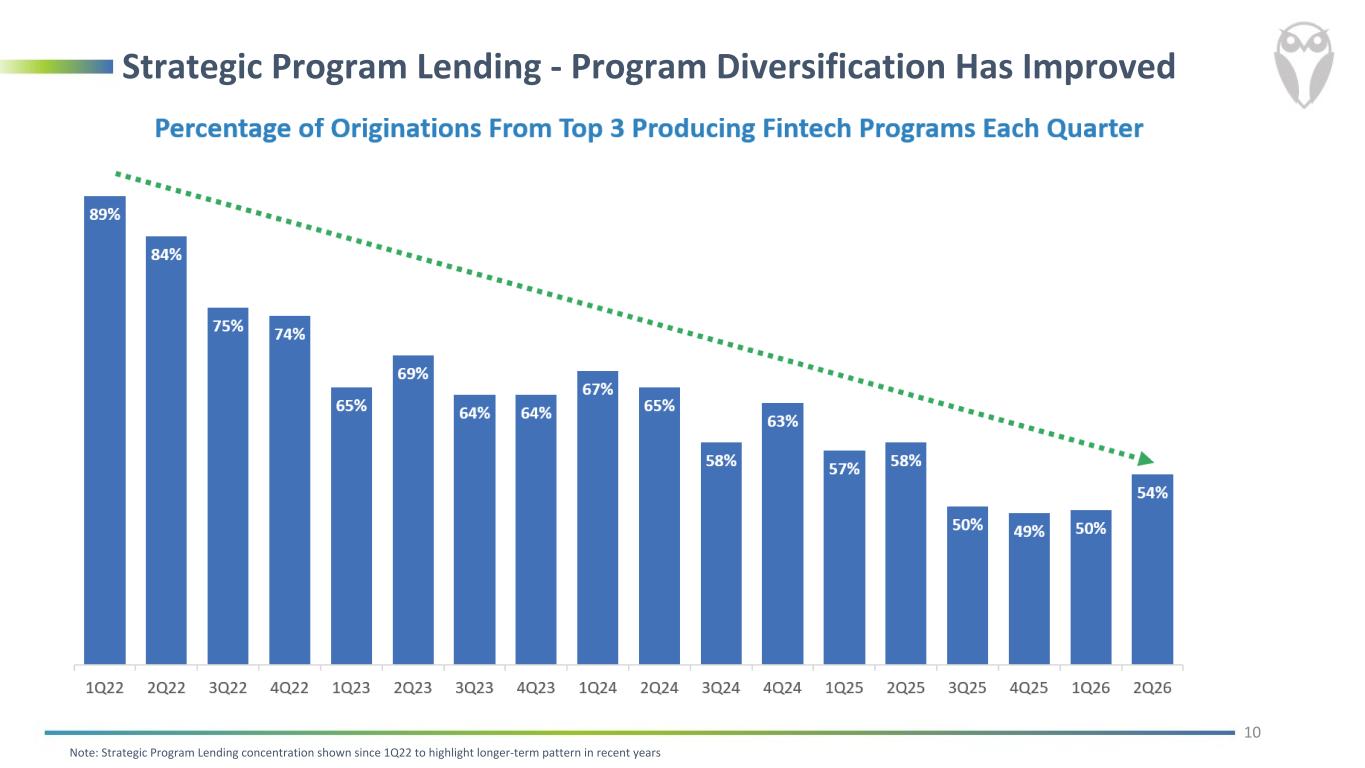
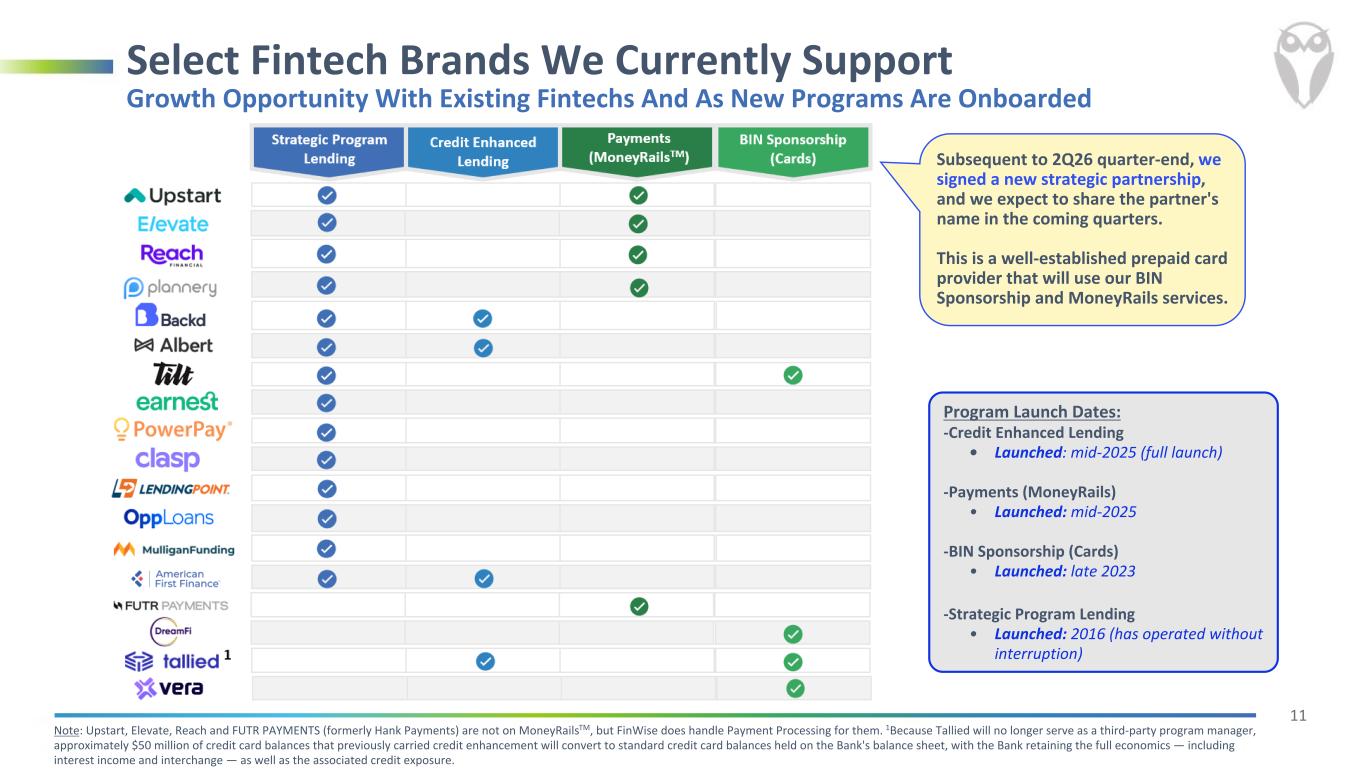
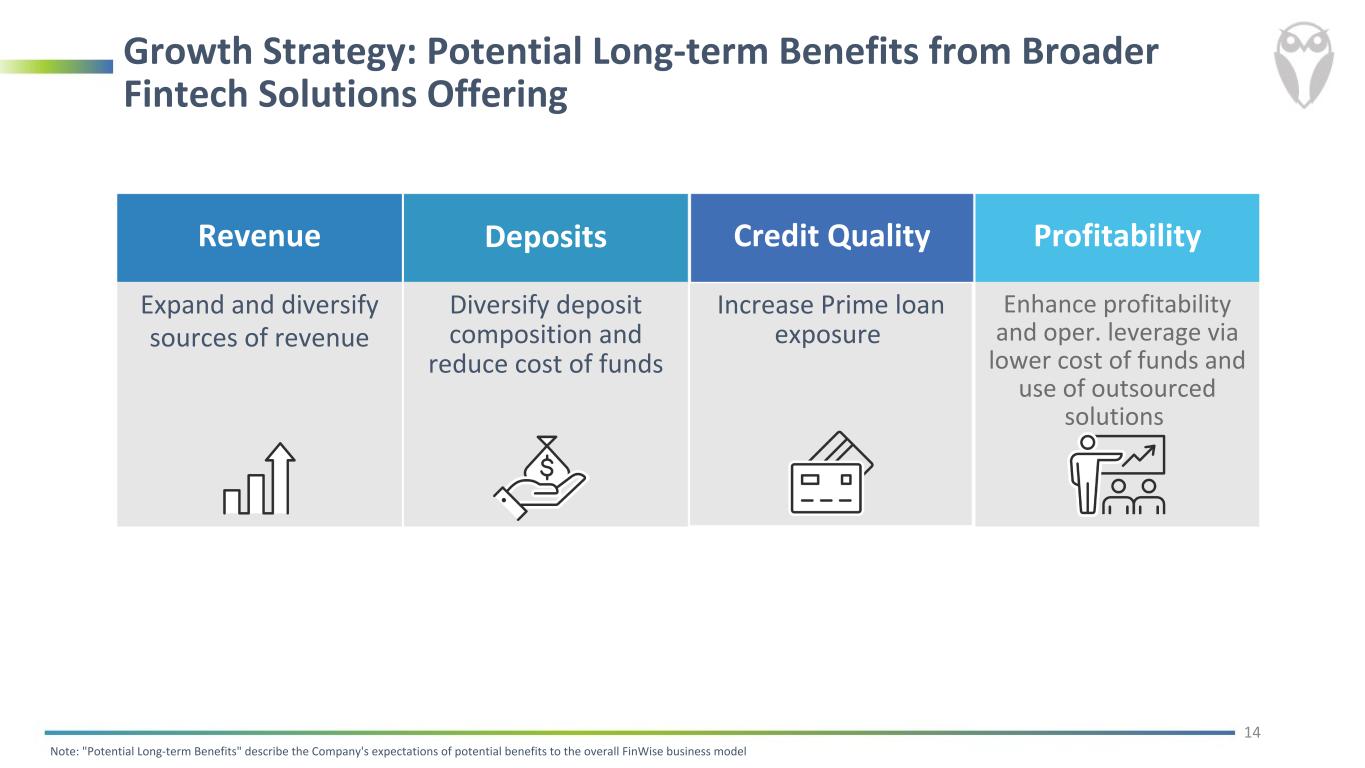
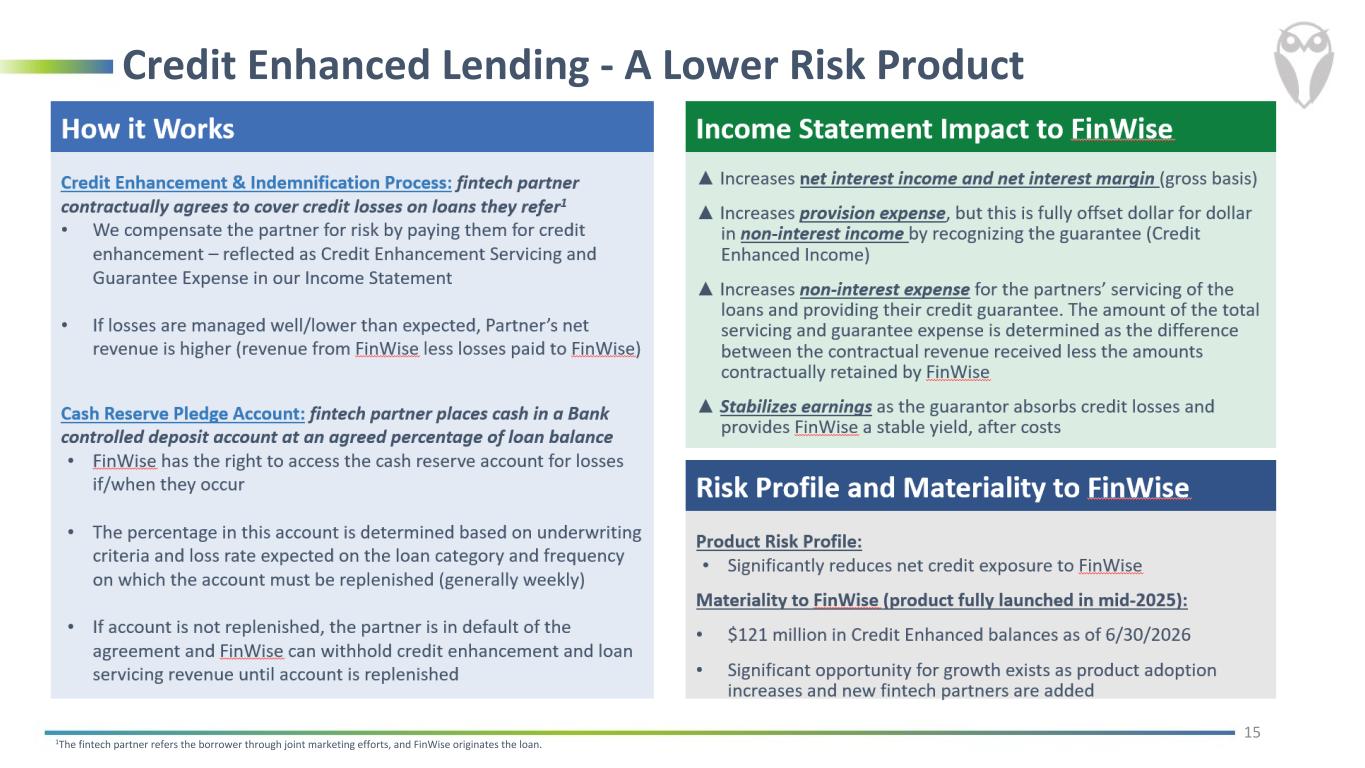
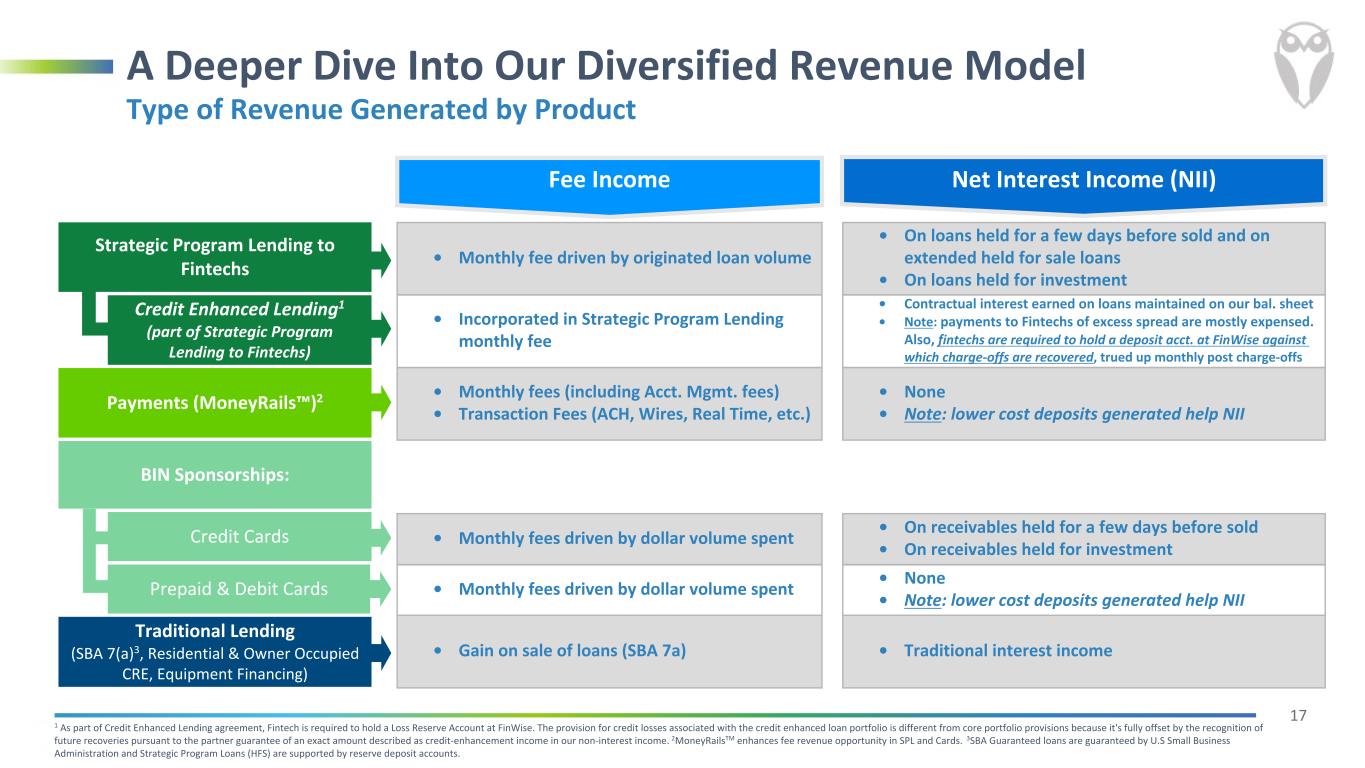
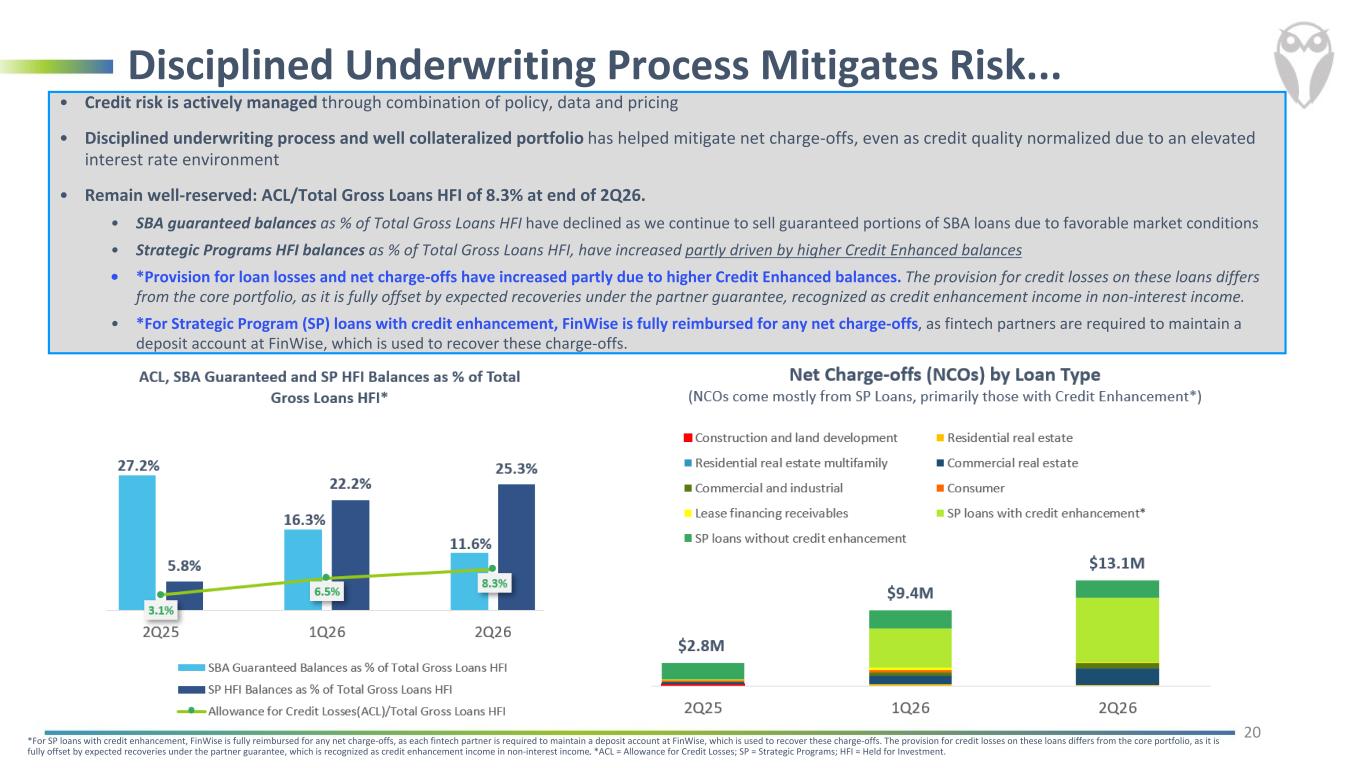
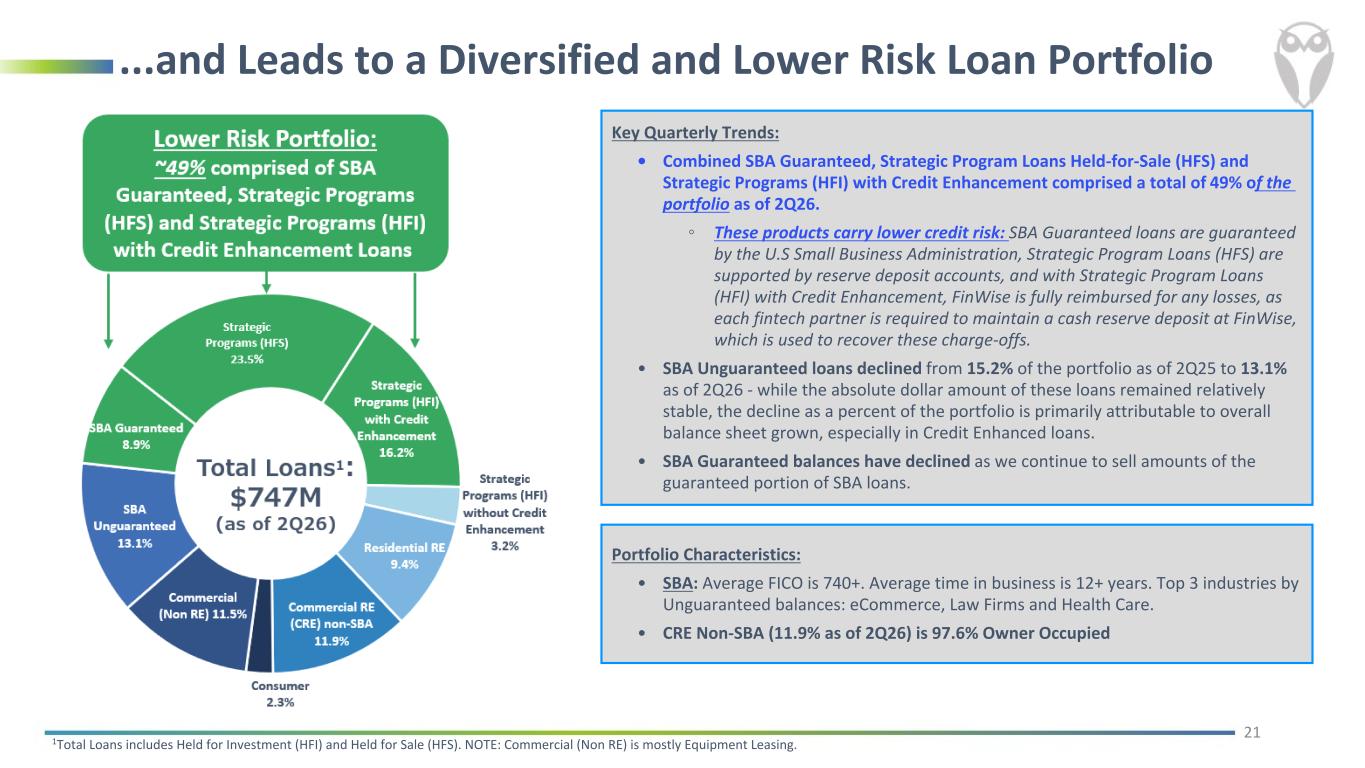
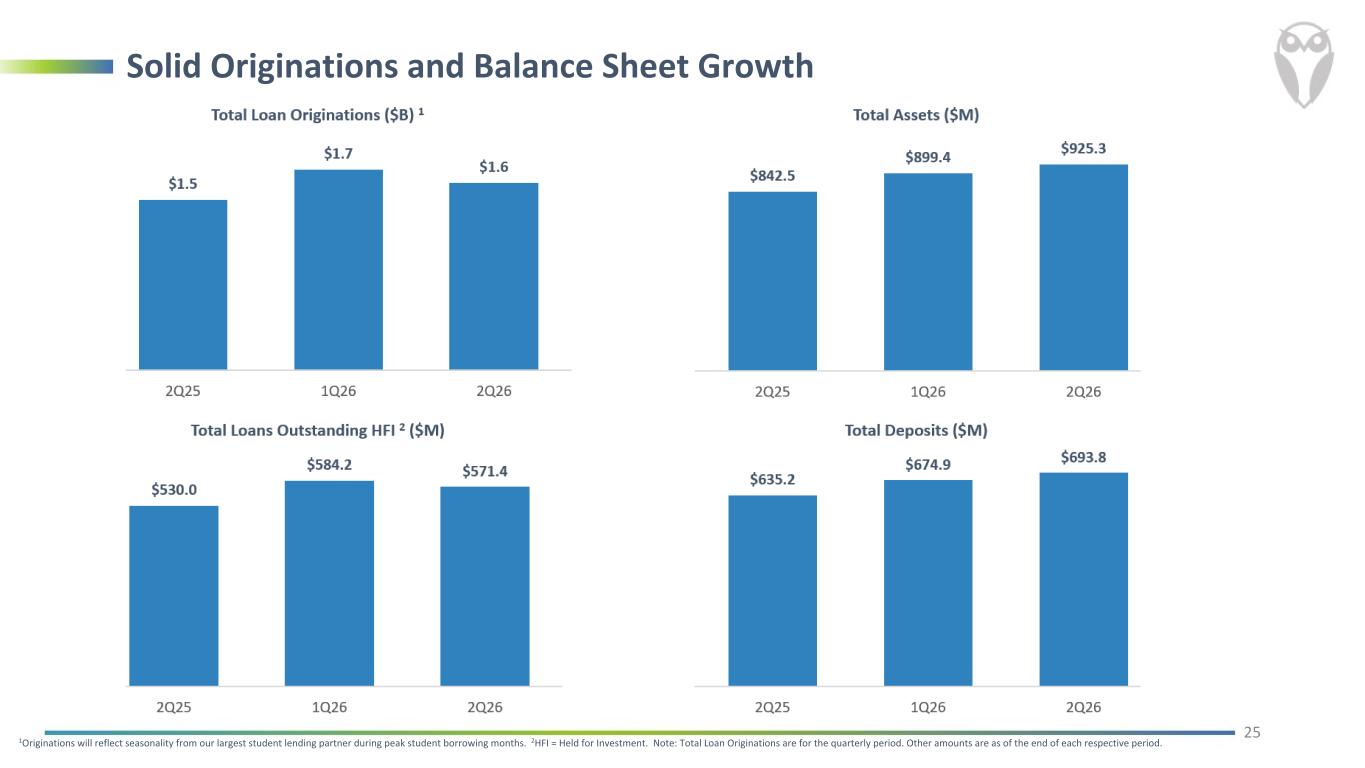
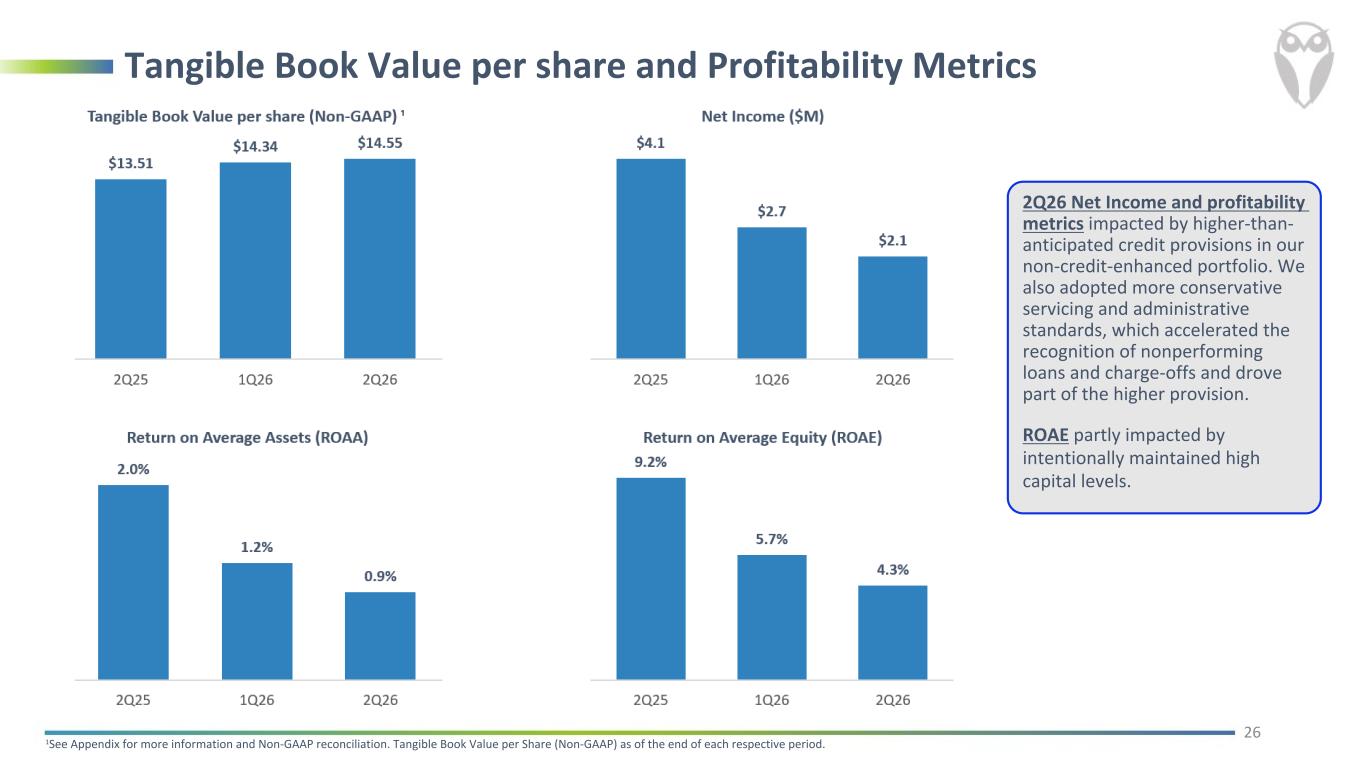
Good afternoon, everyone. Our second quarter earnings of $0.15 per share were short of our expectations, driven by higher provision expense on the loans where we retain credit risk. We are proactively managing these credit trends and will continue to empower our credit and compliance teams to identify and reduce risk across the portfolio, as they did during the second quarter, resulting in meaningful reductions in our MPA balances. I'd like to start by giving you more detail on credit quality. Total provision for credit losses was $22.7 million for the second quarter, compared to $10.6 million in the prior quarter. Of the $22.7 million, $16.7 million related to credit enhancement loans, which is offset by corresponding credit enhancement income and does not affect net results. The remaining $6 million in provision reflected increased provisioning in the core loan portfolio, driven by losses recognized on the liquidation of non-performing loans, higher reserves on non-performing and classified loans, and the more conservative servicing standards we have implemented. As noted earlier, non-performing loan balances declined in the second quarter, from nearly $50 million last quarter to approximately $38 million this quarter, a meaningful improvement driven primarily by a reduction in SBA 7A loans classified as non-accrual. This was the result of loan collateral resolutions and paydowns. Of this $38 million, approximately $19 million is guaranteed by the federal government, and the remaining $19 million is unguaranteed. Total net charge-offs, excluding those from loans with credit enhancement, were $5.2 million, slightly above our guided range of $4 to $5 million. Net charge-offs within the core portfolio remain concentrated in the loans with the identified attributes we discussed last quarter. Approximately 80% of this quarter's charge-offs within the core portfolio came from this legacy This is a finite, well-defined pool with approximately $50 million in performing balances outstanding at the end of the quarter. We are proactively managing this portfolio and will provide additional updates in future quarters as we continue to make progress. Let me walk through net charge-offs in each of our three key portfolios in more detail. First, SBA net charge-offs were $2.9 million versus $2.2 million in the prior quarter, with the vast majority tied to legacy credits referenced earlier. This largely reflects specific industry and loan attributes, which we have materially tightened via policy changes. These charge-offs are likely to remain elevated over the next few quarters. second net charge-offs on strategic programs with credit enhancement were 7.9 million versus 4.8 million in q1 the sequential increase continues to reflect normal seasoning of a larger credit enhanced portfolio and finwise is fully reimbursed for any losses finally net charge-offs on strategic program loans without credit enhancement were $2.3 million in Q2 versus $2.3 million in Q1, reflecting normal repayment behavior across the balances we manage here. To summarize, we remain very comfortable with the overall quality of our portfolio. The issues we've described are ring-fenced, understood, finite, and being actively managed. Outside of this pool, credit performance across the book remains healthy and as generally expected. In terms of originations, we delivered $1.6 billion this quarter, ahead of our expectations for $1.4 billion, and down modestly from an elevated $1.7 billion in the prior quarter. The sequential change reflects seasonally lower volume in the student loan program, partially offset by growth across several of our established programs. This resilience and origination reflects the benefit of a more diversified partner base, which is a deliberate part of our strategy and increasingly lets us absorb variability in any single program. We are also pleased to announce on this call the contract signing of a new strategic partnership subsequent to the end of the second quarter, and we expect to share the partner's name in the coming quarters as we get closer to launching the products with them. This is a well-established prepaid card provider that will use a combination of our bin sponsorship and money rail services. The cards issued under this program will be offered on the MasterCard network, and based Based on the current pace of implementation, we expect the program to go live during the fourth quarter. This partner chose FinWise for our expertise in bin sponsorship and our disciplined approach to program execution, the same qualities that continue to differentiate us in the market. Our sales pipeline remains very strong, and we anticipate signing additional and more meaningful deals before year-end. It's worth putting this in context. Next, the pipeline we're seeing today, built by our expanded sales team and led by our chief fintech officer, Sarah Grada, is materially stronger and potentially more meaningful to our bottom line than the pipeline we had just a few years ago. This quarter, we also welcomed a new salesperson with years of industry experience across both lending and cards, bringing our business development team to five, including our chief fintech officer. Turning to our credit-enhanced product, balances were $121 million at the end of the second quarter. As we noted in the tallied press release last week, our prior guidance of approximately $217 million in credit-enhanced balances by year-end 2026 no longer applies, reflecting the change in how those balances are now structured. We're pleased with the trade-off since we retain the full and higher economics described earlier. Importantly, we still expect some further growth in credit-enhanced balances in 2026. The largest partner we mentioned last quarter, whose pace had slowed, is picking back up. We also remain in active discussions with several prospects. We'll continue to provide quarterly updates going forward. looking ahead meaningful credit enhanced balance growth beyond 2026 will come from new partner additions the product continues to be a meaningful growth driver for our long-term plans and building that pipeline is where our focus needs to be in closing taken together this quarter reinforces our conviction in the company's strong long-term trajectory and in our three key priorities First, we will continue to empower our credit and compliance teams to prune risk proactively, as you are seeing us do within the legacy pool within our core portfolio. Second, we will continue to support the momentum in our sales pipeline that's already coming through from our business development team, and which we highlight in the investor deck this quarter. Finally, we will continue to support the multi-product platform we have built at FinWise. because we believe this carries enormous value for both potential partners and our shareholders. That same model that took us from $0 to $100 million in credit-enhanced balances in six months, build the infrastructure, pilot it, market it, then launch the right partners, is now turning the corner in cards, payments, and deposit sponsorship. So in the same way that our compliance investments positioned us during a previous cycle, These product investments are positioning us for exactly the cycle we're now entering. I believe we will have a very strong period for new partnerships over the next 12 to 24 months. The strategic plan we set out on three years ago has not changed. What's changing is the pace of opportunity in front of us, and my job is to make sure we capitalize on it for the long-term benefit of our shareholders. I will now turn the call over to our CFO, Bob Wallman, to provide more detail on our financial results.
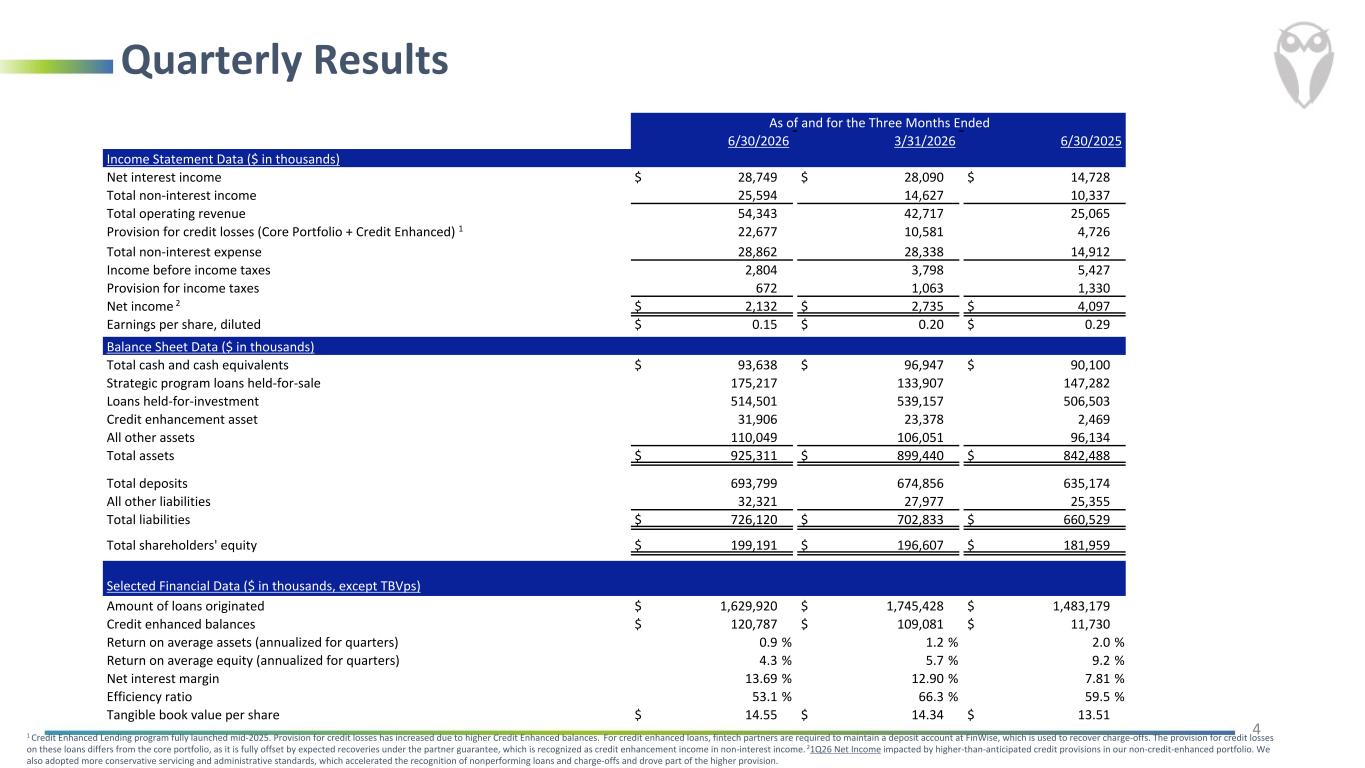
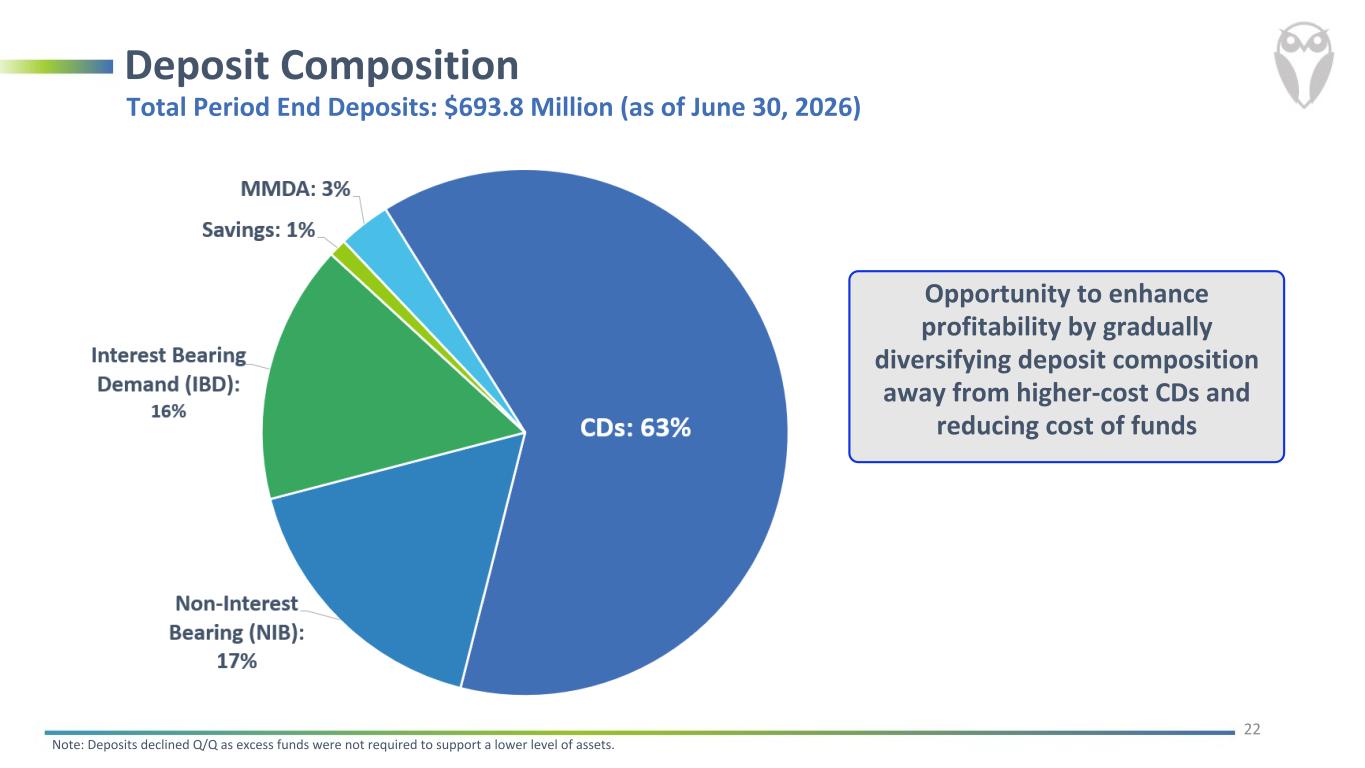
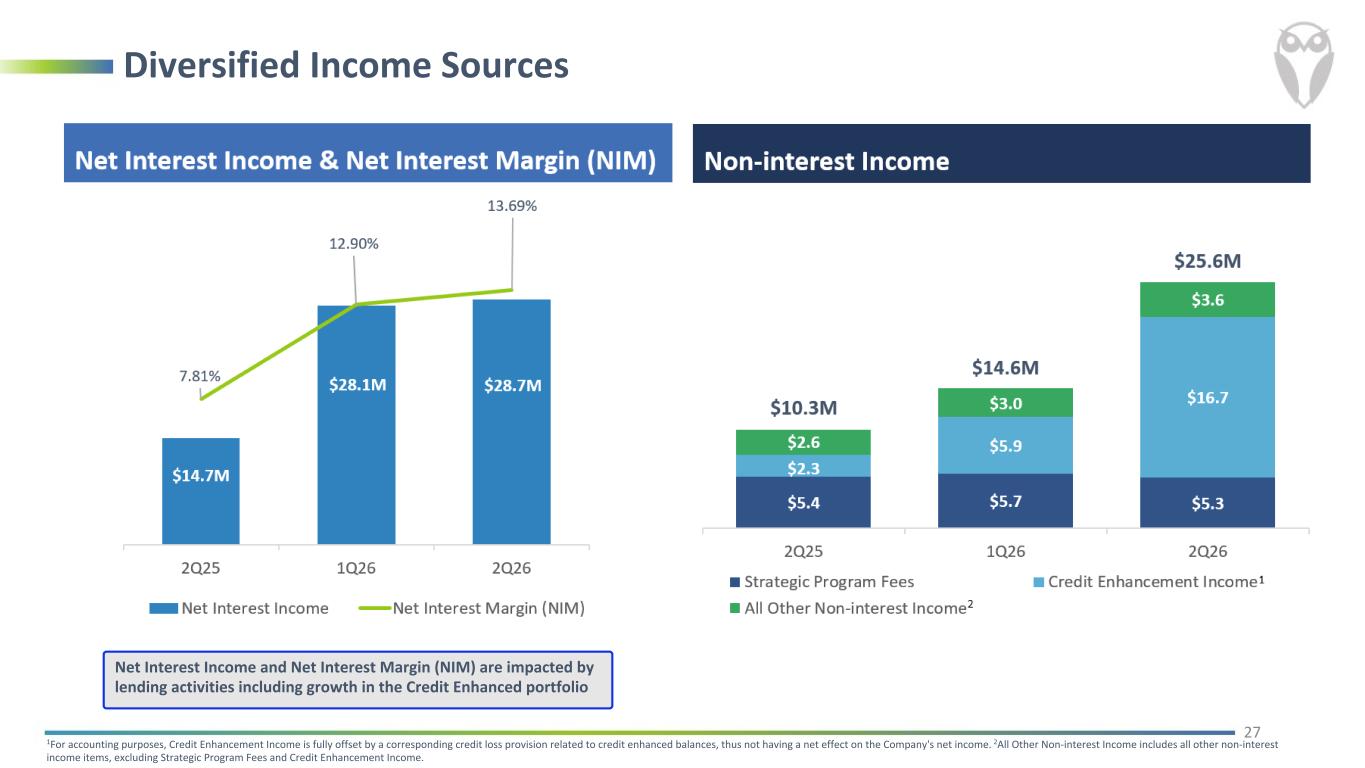
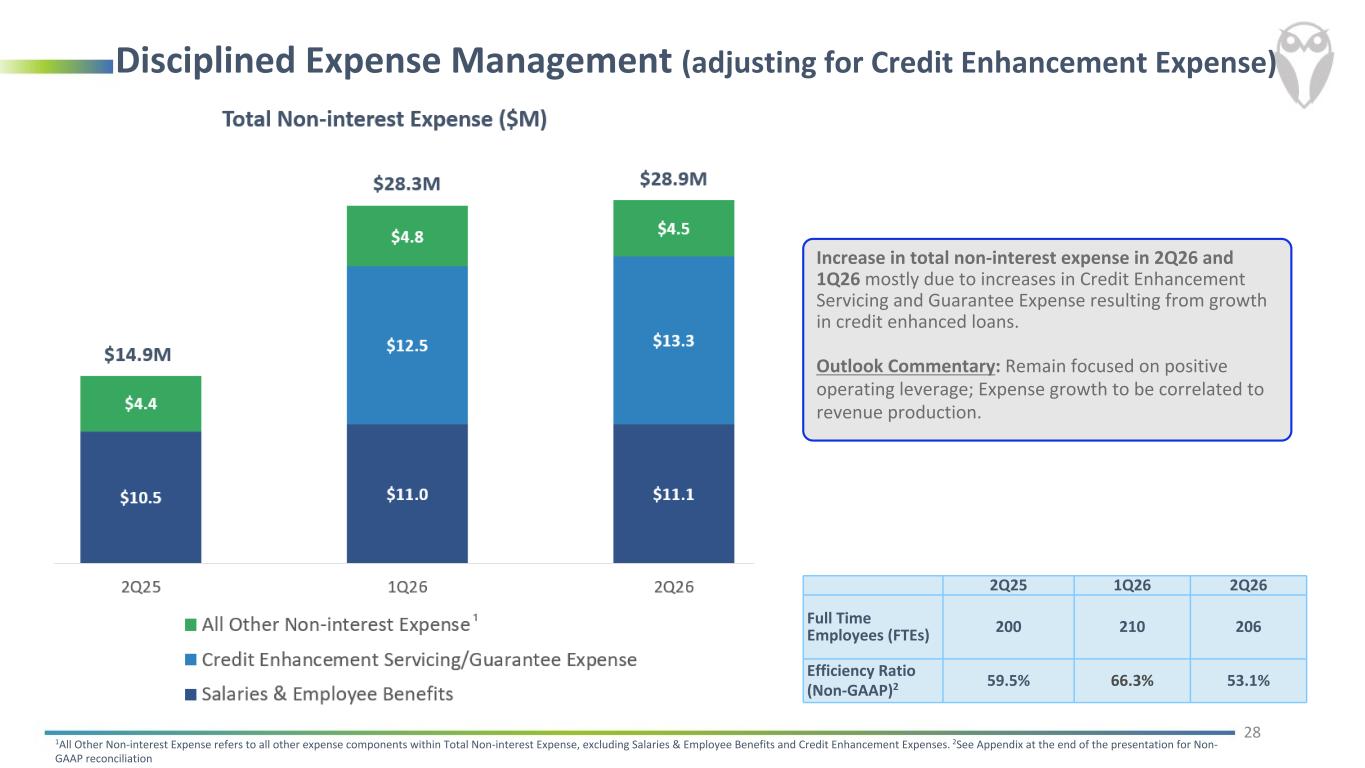
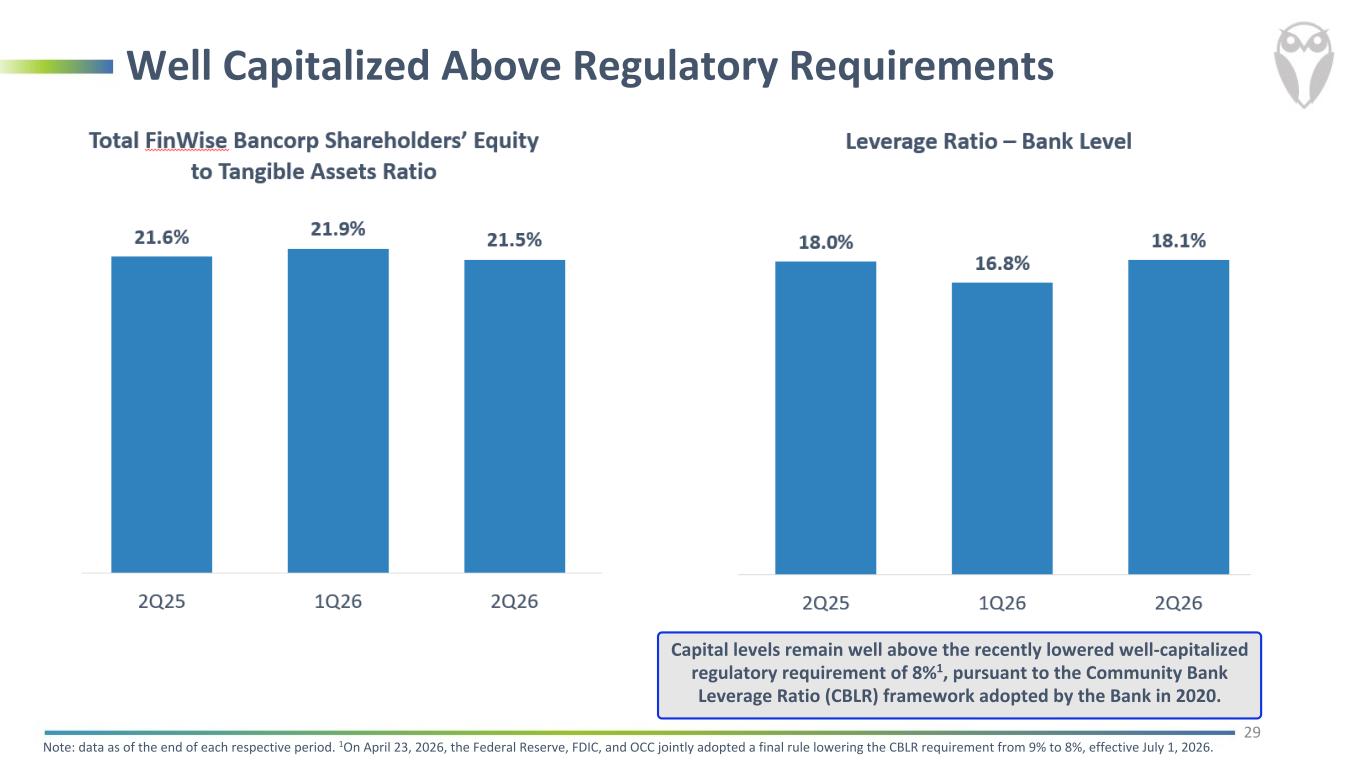
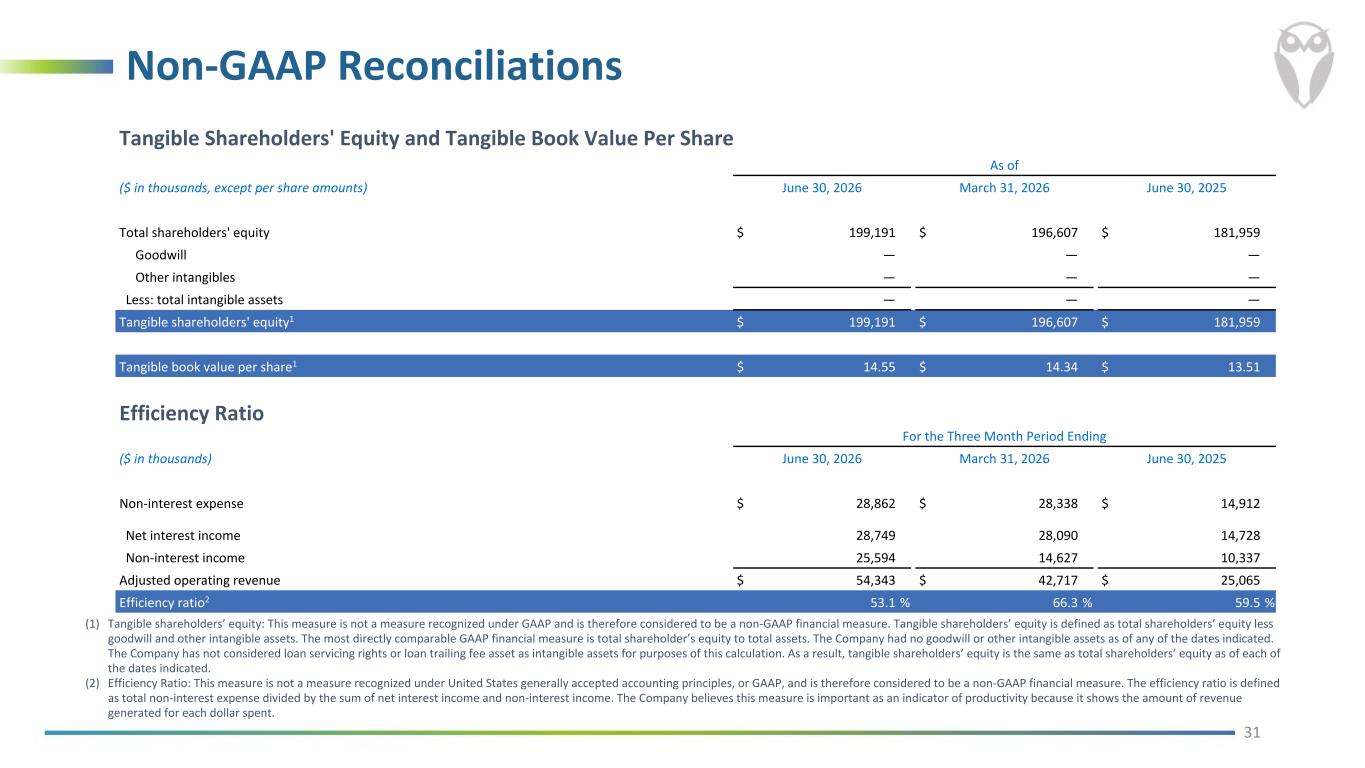
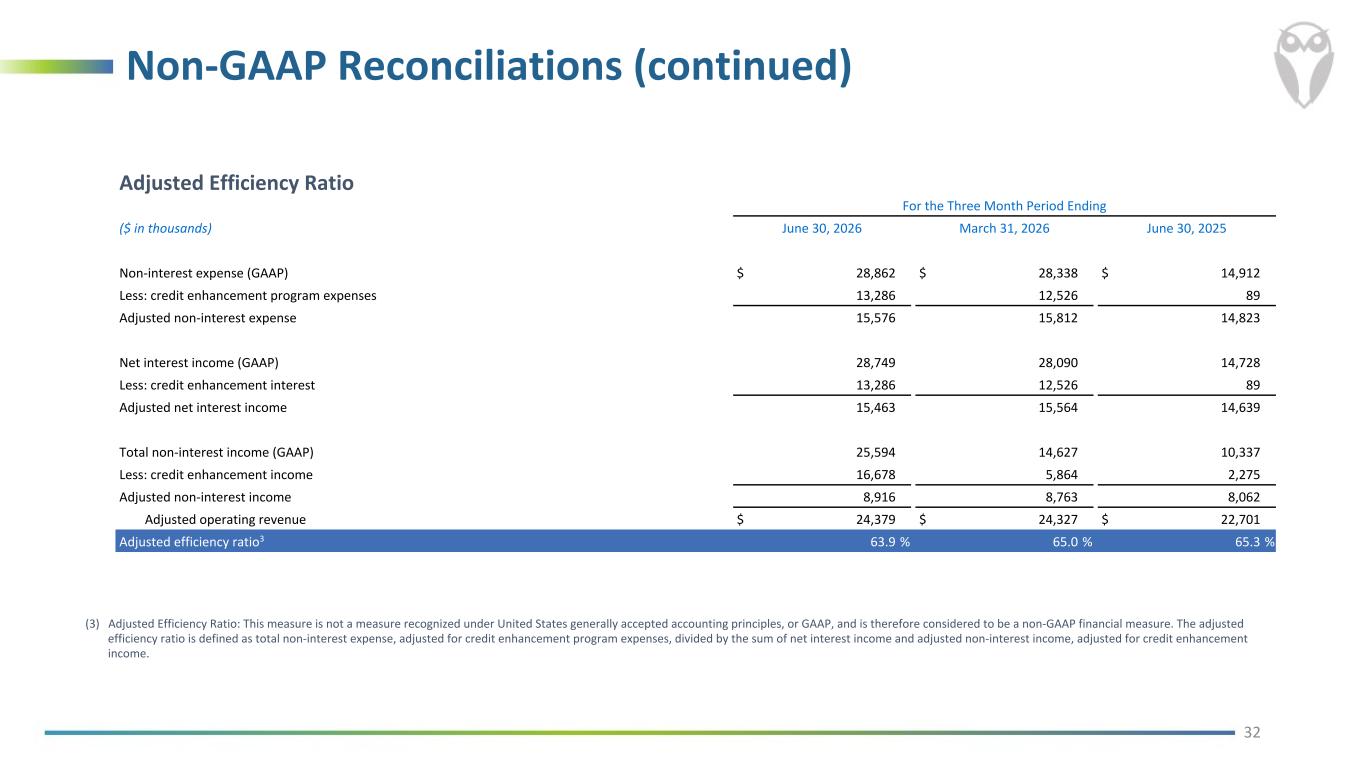
Thanks, Jim, and good afternoon, everyone. FinWise reported second quarter net income of $2.1 million and diluted earnings per share of $0.15. Results were driven by strong loan originations, growth in net interest income, and disciplined expense management, partially offset by a large provision for credit losses in our traditional banking portfolio. Net interest income was $28.7 million for the second quarter of 2026, compared to $28.1 million for the prior quarter. The increase from the prior quarter was primarily due to growth in the credit-enhanced loan portfolio and a decrease in non-performing loans, which resulted in a lower reversal of interest on non-accrual loans and contributed to an increase in the average yield on loans held for investment. Net interest income also improved as a result of a decrease in average interest-faring liabilities and the related cost of funds. These increases were partially offset by a decline in average balances within the traditional loan portfolio. Net interest margin for second quarter of 2026 was 13.69% compared to 12.90% for the prior quarter. This sequential quarter increase is in line with growth in the credit enhanced loan portfolio, a decrease in non-accrual loans, and a decrease in the yield on interest-bearing liabilities. As we've said before, we suggest thinking about net interest income and net interest margin in two ways, including and excluding excess credit enhanced income. Non-interest income was $25.6 million versus $14.6 million in the prior quarter, primarily due to an increase in credit enhancement income, which corresponds to the provision for credit losses on credit enhanced loans and resulted from the credit enhancement portfolio growth. In addition, the company prevailed in litigation with an off-bordered strategic partner, which resulted in an increase in miscellaneous income of $450,000 and a decrease in other expenses of $300,000. Non-interest expense was $28.9 million versus $28.3 million in the prior quarter, primarily due to increases in credit enhancement guarantee and servicing expenses, largely resulting from an increase in interest income attributable to the credit enhanced loan portfolio growth. Otherwise, operating expenses were flat quarter over quarter. The efficiency ratio was 53.1 percent versus 66.3 percent. Excluding the offsetting credit enhanced accounting effects, the efficiency ratio was 63.9 percent in the second quarter versus 65 percent in the first quarter of 2026. Let me briefly review the financials of the tallied acquisition. As noted in last week's release, we expect roughly $4 million in total integration and transition costs over the coming year, weighted toward the next two quarters and narrowing thereafter as we eliminate duplicative vendor and platform expenses. These estimates exclude amortization of the acquired platform, intellectual property, and customer relationships. These are non-cash items requiring that the assets be marked to market and amortized. We expect to complete the initial purchase accounting, including the asset valuations by the end of the third quarter of 2026, and we'll provide an update then. Total assets were $925.3 million, up from $899.4 million, primarily due to increases in the company's credit enhancement loans, the credit enhancement asset, and the loans held for sale portfolio, partly offset by a decrease in other loans held for investment. Deposits increased to $693.8 million versus $674.9 million, driven by growth in interest-bearing demand deposits and time certificates of deposit, partially offset by a decrease in non-interest-bearing demand deposits reflecting a shift in customer partner balances toward the interest-bearing products we also continue to operate from a very strong capital position with a bank leverage ratio of 18.1 percent over double the well-capitalized minimum and a holding company leverage ratio of over 22 percent finally as of june 30th 2026 the company has repurchased a total of 29 736 shares for approximately 400 000 under the company's share repurchase program announced in may 2026 which provides for the purchase of up to 685 000 of the company's issued and outstanding shares. Outside of blackout periods, we prioritize repurchases when our shares trade below tangible book value, reflecting our conviction that this is an attractive use of capital at those levels. Let me provide forward outlook on some key metrics as we've done in prior quarters. Loan originations for second half of 2026. While there may be variability quarter the quarter we believe originations can come in around 1.6 billion in the third quarter reflecting the typical seasonal pickup in student lending for the fourth quarter we are comfortable with a baseline estimate of 1.4 billion sba loan sales we will continue to follow our strategy of selling guaranteed portions of our sba loans as long as market conditions remain favorable the average gain on sale of loans over the past two quarters is a reasonable proxy for the quarterly run rate we'd expect for the remainder of the year quarterly net charge-offs we anticipate an approximate range of four to five million in net charge-offs for non-credit enhanced loans as a good quarterly number to use in your models for the remainder of this year now performing loan balances for Q3-2026. We anticipate a migration to non-performing loans of approximately $7 million in the third quarter.
Speaker 4
Net Interest Margin.
We are maintaining our prior outlook that when including credit enhanced balances, the net interest margin is expected to increase, driven by growth in credit enhanced balances and efforts to lower funding costs. Conversely, excluding excess credit-enhanced income, we anticipate a gradual decline in margin, consistent with our ongoing risk reduction strategy. Efficiency ratio. We remain focused on driving sustainable, positive operating leverage, with a long-term goal of steadily lowering our core efficiency ratio, which excludes credit enhancement accounting effects. That said, there may be periods in which the efficiency ratio may increase tax rate while multiple factors may influence the actual tax rate we suggest using 27% in your modeling with that we would like to open the call for questions and answers operator thank you we will now be conducting a question-and-answer session if you would like to ask a question please press star 1 on your telephone keypad a confirmation tone will indicate your line is in the question queue.
Operator
You may press star 2 to remove yourself from the queue. For participants using the speaker equipment, it may be necessary to pick up the handset before pressing the star keys. One moment while we pull for questions. Thank you. Our first question will come from Evan Yee with Raymond James.
Hey, good afternoon. Thanks for taking my questions. So I want to start on credit. So NPL declined by $12 million this quarter. I was just curious how much of that improvement came from collateral liquidations versus upgrades or payoffs? And then should we expect a similar pace of resolution over the next few quarters?
Yeah, no problem, Evan. We were really happy to have reduced by roughly a quarter our NPA balances during the second quarter. It reflects active resolution work. It's not a one-time swing, so I think just generally the direction of travel is favorable there. You know, our total risk exposure at Core RAN was $19 million of the total $38 million in NPA balances. And similar to our NCO comments, you know, we know the loan's at risk, we restricted the attributes, and we're actively managing that segment of the portfolio. As far as guidance, I would just point to Bob's comments on, you know, $7 million of potential net migration in Q3.
And then just another question for me. How do you think about the $50 million credit card portfolio you acquired from the tallyed acquisition? Has your thinking evolved regarding retaining versus selling those receivables?
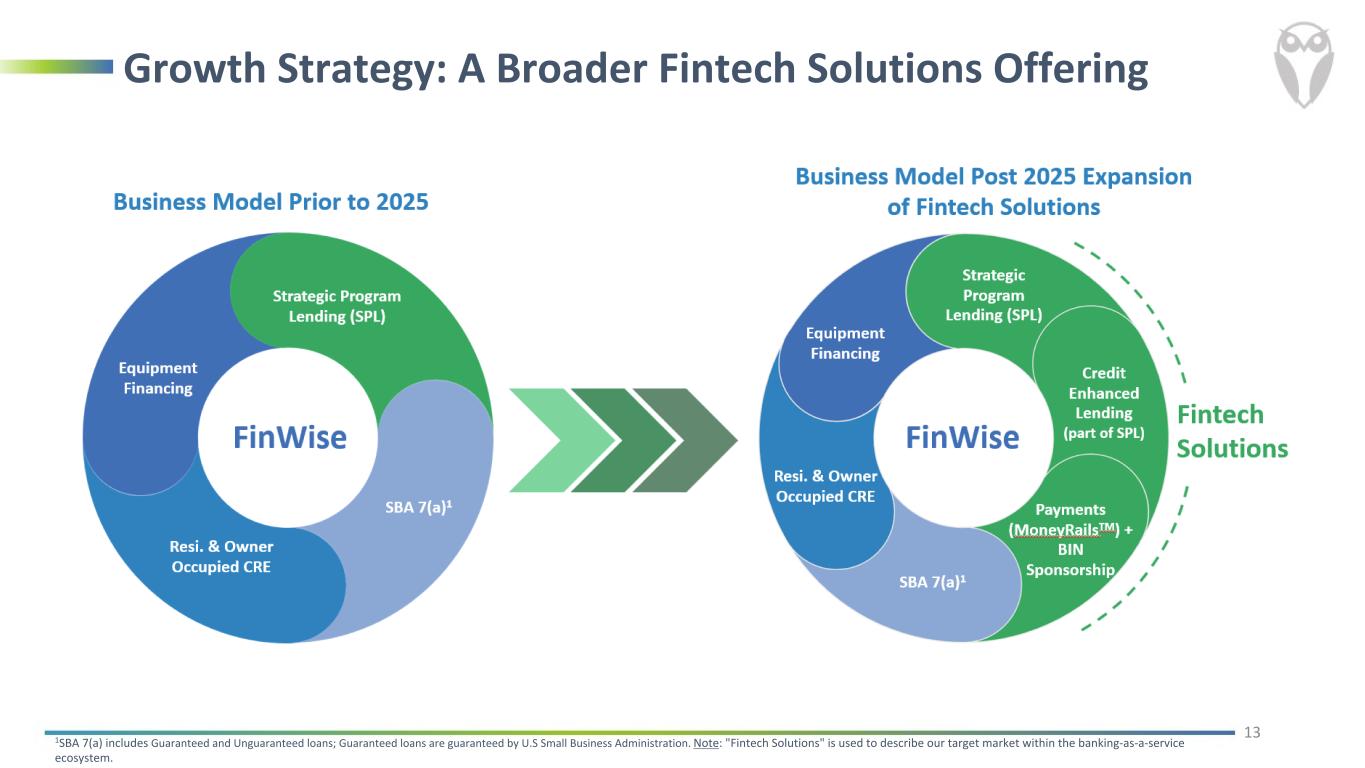
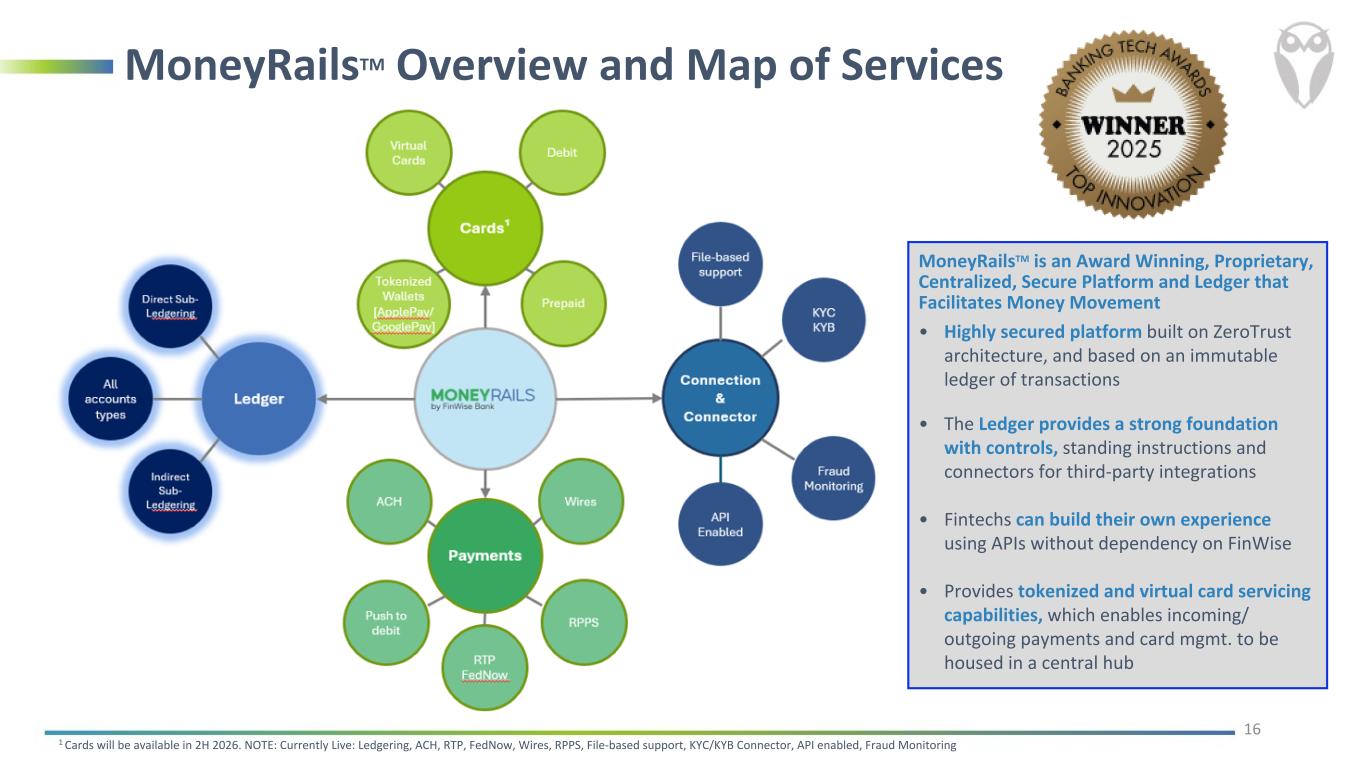
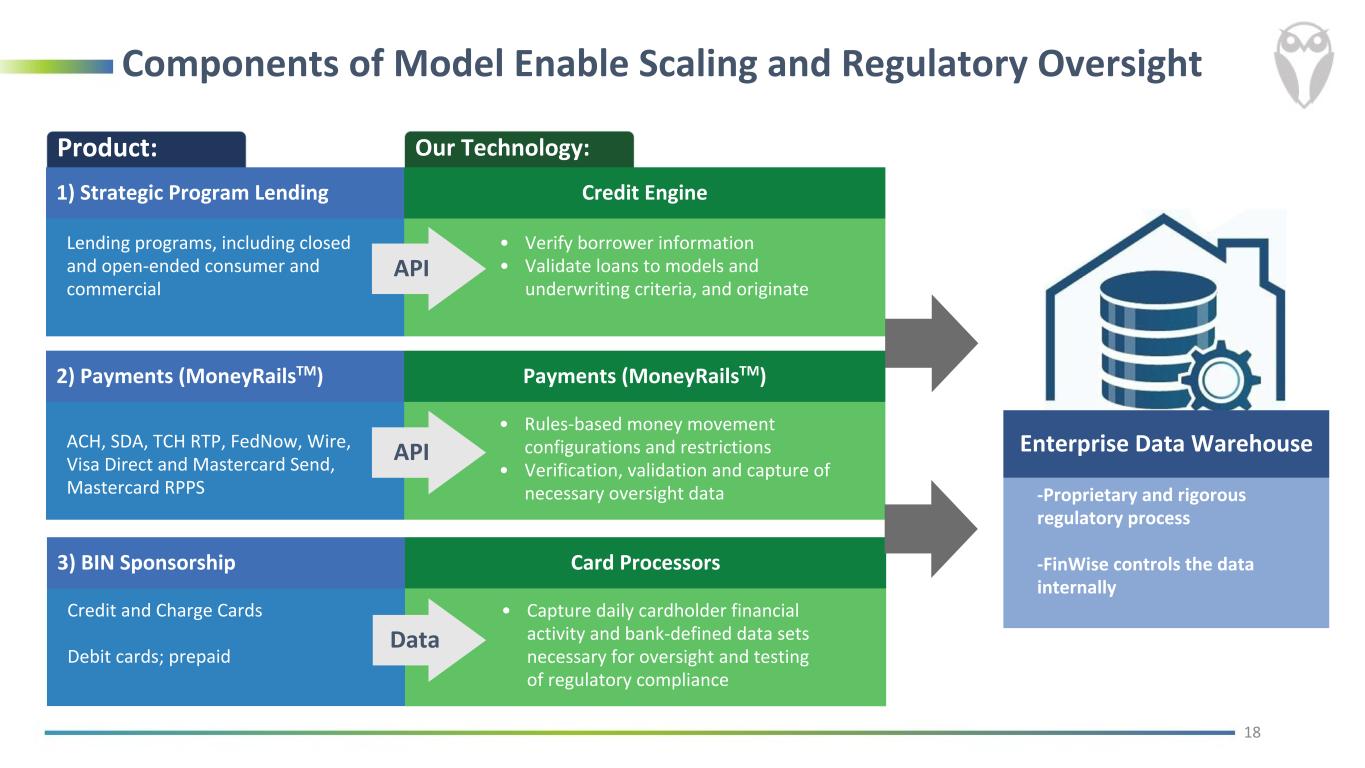
So, since going public, Evan, you know, we've talked a number of times about our interest in acquiring technology platforms that kind of fit our suite of services that we take to market with fintechs. You know, the Tally acquisition fits this strategy really well, and credit card processors don't come up on the market very often. So, you know, as you saw in the press release, we acquired the platform and the related assets of Tally. Owning the credit card operating system provides the core component for the tech stack, like the credit card tech stack. And it fits really neatly with what we've built historically with FinTech Connect for lending and MoneyRails for payments. So we look at this really as a technology platform acquisition rather than a business acquisition. And it fits pretty well with kind of the scope of services that we offer our partners.
Speaker 4
Thank you for taking my questions. I'll step back.
Operator
Next, we'll hear from Andrew Terrell with Stevens.
Speaker 4
Hey, good afternoon. Hey, Andrew.
Just to start, Bob, I think you mentioned $3 million to $4 million of charge-offs in the preparator marks was kind of the expectation. One, was that correct? And then, two, is that relative to the core portfolio? I think it was $2.93 million charge-off for this quarter.
Yeah, I can take it, Andrew. The NCOs, you know, most of the $2.9 million in NCOs in the core portfolio came from the legacy pool that had those defined attributes and cohorts. We anticipate that will continue to have NCOs from that group until we, like, fully work through them. um as we've noted you know we expect elevated charge-offs over the next few quarters you know as we work through those loans as far as guidance um the uh you know in this quarter the non credit enhanced ncos did come in slightly above the high end of the range which was the four to five million dollar number i think you're referencing but it's kind of normal quarter quarter timing on individual resolutions rather than a deterioration there. So we still see four to five million as kind of the right normalized run rate for that segment.
Okay. So four to five is the core portfolio plus strategic loans without credit enhancement?
Speaker 4
That's correct.
Okay. Great. And, you know, as you're working through some of these portfolios, I know you're giving kind of explicit back-off guidance that doesn't necessarily imply it, but just help us think about, like, when you feel like you've reached – when you feel like you've kind of worked through the majority of this portfolio. Like, when should we start anticipating, you know, improvement sequentially in credit quality?
So, you know, I can't put a – this is Bob – I can't put a specific quarter count or point to a quarter when we'll be through that. You know, we've got Added to the $4 to $5 million of non-credit enhanced charge-offs per quarter for the remainder of 2026. And we expect the SBA vintage-driven elevation to persist over the next few quarters as those vintages continue to season and we work through. But the pool is finite and identified, you know, roughly about $50 million. And that's what informs us guidance. So it's a bounded pool with a guided range, but I can't give you a fixed number of quarters or amount. But I would say a lot of it's going to come through to the next couple quarters and taper on as we go into 2027.
Yep. Okay. Great. I appreciate it. And then can you talk about just with a tallied acquisition, you know is that included in you they're obviously moving from you know a credit enhanced position to non-credit enhanced i would assume with the um with the acquisition are loss rates against that portfolio baked into you know your your guidance here would that be incremental and just talk about the credit quality of the the loan portfolio that you'll be acquiring yeah the credit quality is really high, Andrew.
We have experience with this, including during the due diligence of when we onboarded that portfolio that extended back to the original U.S. bank loan tapes, and there's a couple decades worth there of performance. So we know the performance really well. It's really high quality. There's not meaningful charge-offs in that portfolio. So is it baked into the NCO guidance, yes, but it's not material to that number.
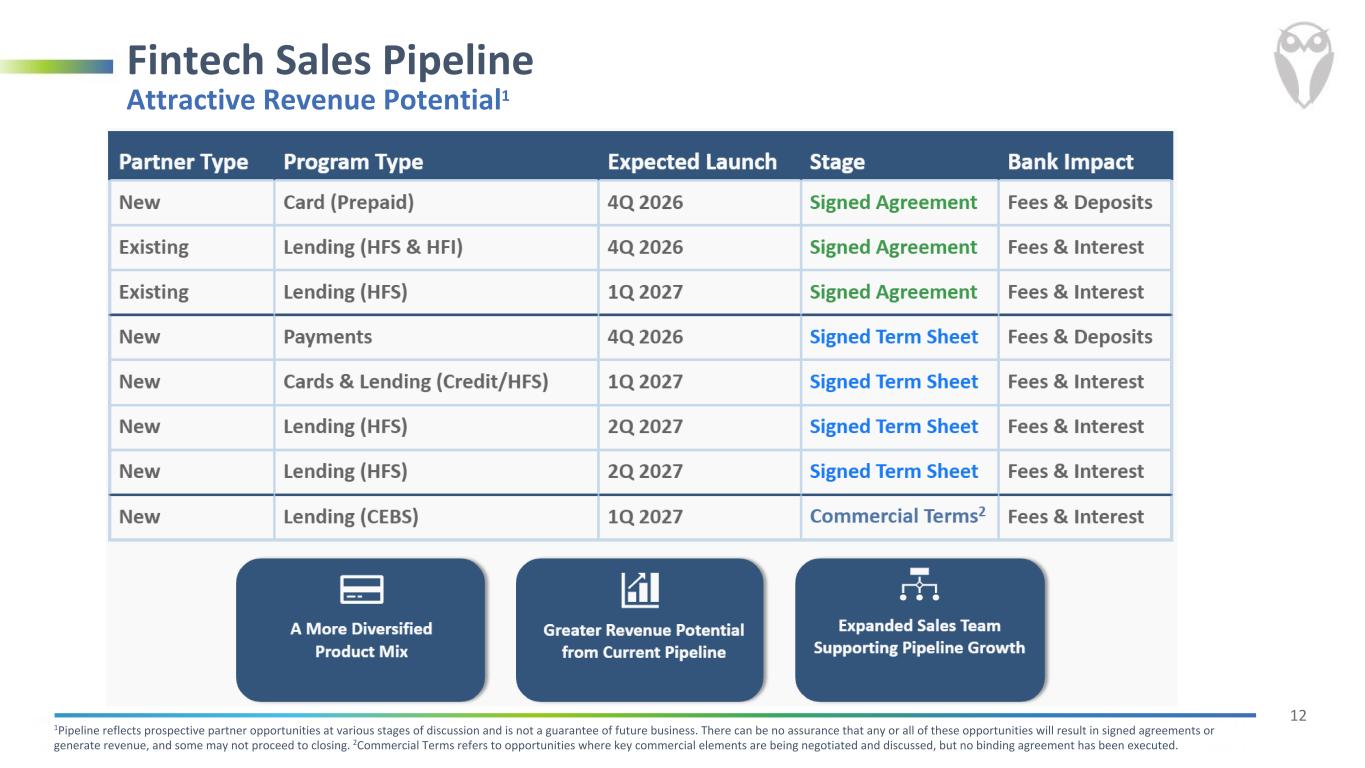
Okay, great. I appreciate it. If I could ask one more, I appreciate the slide 12 in the presentation, the pipeline for fintech partners, and despite you giving it this quarter, I'll have to ask a question still. Just since it's the first quarter you've shown this, can you just characterize for us, Jim, how robust is this kind of pipeline that we can now see, how robust it is compared to the past couple of quarters where we couldn't necessarily see this level of disclosure?
Yep. Yeah. So, we thought that would be a helpful slide this quarter. I had mentioned last quarter, Andrew, that the pipeline was stronger than I had seen it in the eight years I've been at the bank, and it's just continuing the compound right now. We added that slide to the investor deck to give you some detail on what it looks like, expected launch dates, and kind of the breadth of product, you know, it does give some color, I think, on why I was so bullish on fintech sales last quarter. I expect that to continue to grow, both in number and in breadth of product. You know, Sarah Grata and her team are doing a really great job, and we intend to keep executing to convert those into contracts and announcements. And, you know, this announcement that we did with the prepaid partner as part of our earnings call. This quarter is really just the first one, and you'll have more coming in the back half of the year here.
Great. Thank you so much for taking the questions.
Speaker 4
Yep, you're welcome.
Operator
And as a reminder, if you do have a question, please press star one on your telephone keypad. Next, we'll move to Manuel Navos with Piper Sandler.
I also appreciate this slide 12. Are the new partner types considered kind of new partner additions or extra programs with current partners?
So they're both shown there, Manuel. If you look on that far left-hand column, you can see we put that partner type. And so while a majority are certainly new partners, like fully new partners to the bank, there are two existing partners on there where we are adding new products for those two new partners. And those are kind of slots two and three there.
And the launch dates on here, you have three programs in the fourth quarter of this year. Would that mean revenue would hit in the launch date or would it be a little bit after?
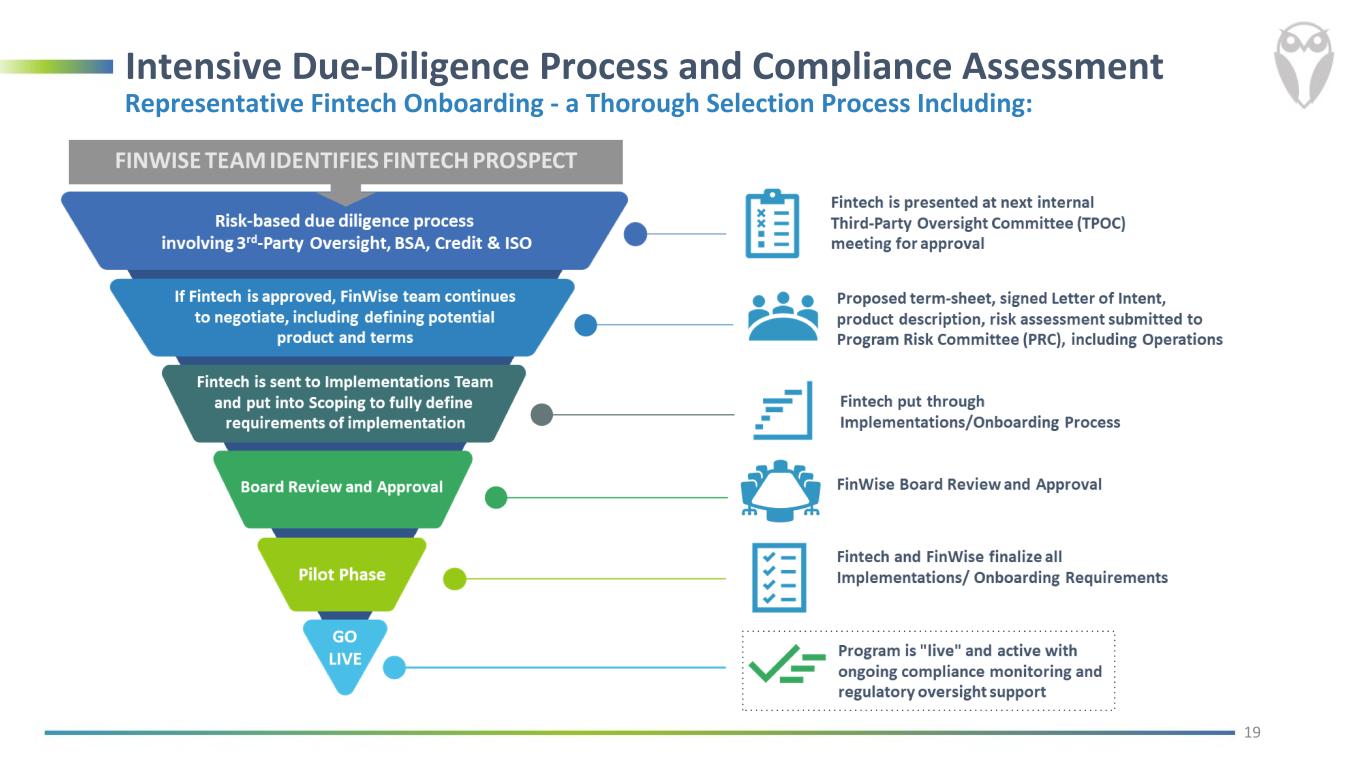
Yeah, so launch means we're operationally live. Revenue would begin accruing, you know, at that point. But two things I would point out to you to just make sure you guys, you know, kind of have this on your radar. One is when we make the announcement, that's typically upon contract signing. There might be a few weeks generally between when we sign a contract and when we're ready to go live because all the due diligence is happening kind of concurrent to the contract negotiations. So that's number one. Number two, while we're live and kind revenue producing day one of the launch, there's generally a piloting period and certainly a scaling period with the fintech as their volumes pick up. And generally, there's at least a few quarters between when we go live and when we're comfortable kind of updating, whether it's origination guidance or other stuff with you guys, because we have more of a track record to point to and, you know, more evidence to point to.
So in essence, you've announced one new partner at the beginning of this call. This has five further partners in the pipeline that are just on the term sheet side, but that should hopefully pull through. And that'd be five more partner additions. Is that the right way to read that?
Yeah, I think four of them are signed term sheets, like fully new partners. Another one is where we've got commercial terms agreed to, but not necessarily a time-assigned term sheet by the time we went to press with the deck, but yes, generally.
Tally just happened. Has its improved product offering platform for you, has that enhanced your ability to compete or land any of this pipeline of deals? Is it already relevant or is it still to help you down the road?
It's already relevant. It's not demonstrated in the slide that we're referencing. So as far as conversations and calls, it's definitively relevant, but it's not part of what's on that slide.
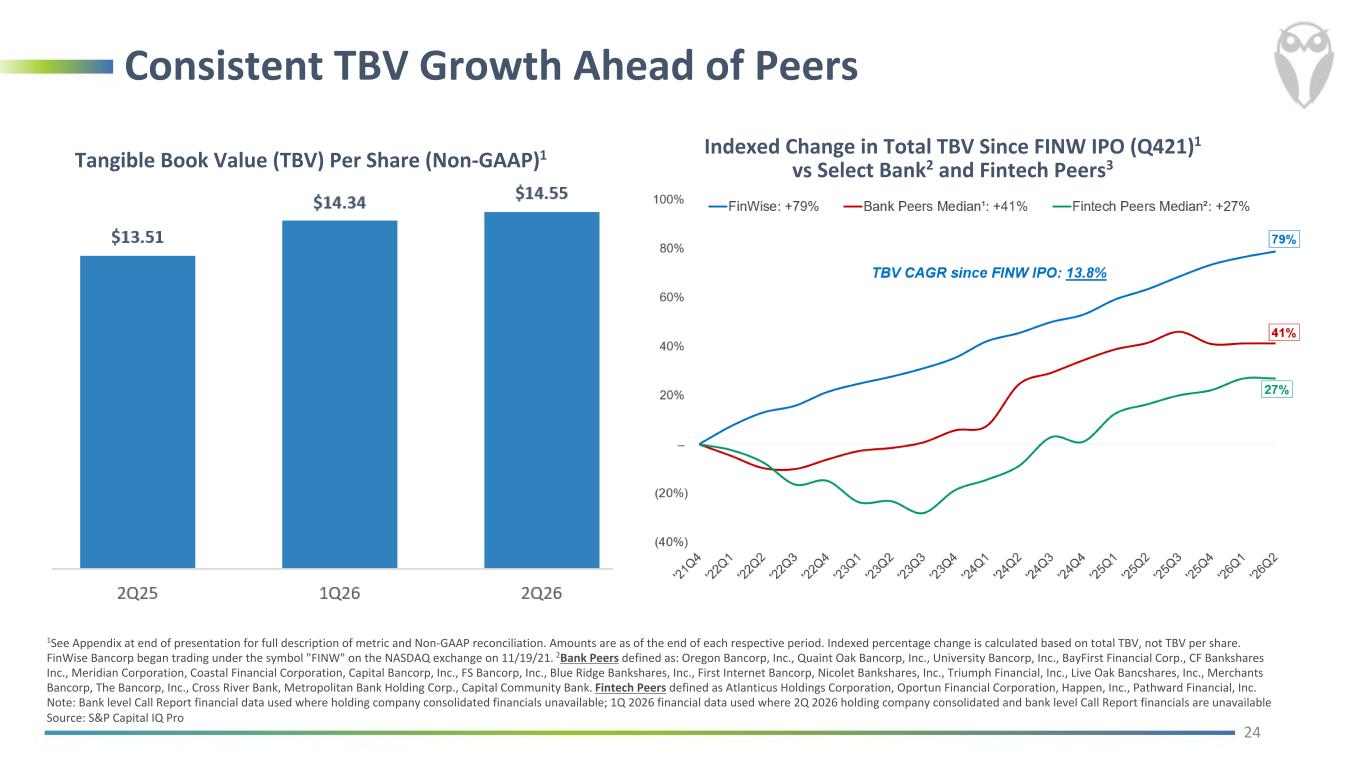
How quickly can you act on the buyback? You said your tangible book value is key. Can you start as soon as, when can you start from today?
So we will have a short period to allow the earnings to disseminate, but this is Wednesday and I believe we start on Friday.
Speaker 4
Originations were solid.
Can you break down the way it built and kind of beat expectations a little bit this quarter? And why not a little bit higher origination progression going forward?
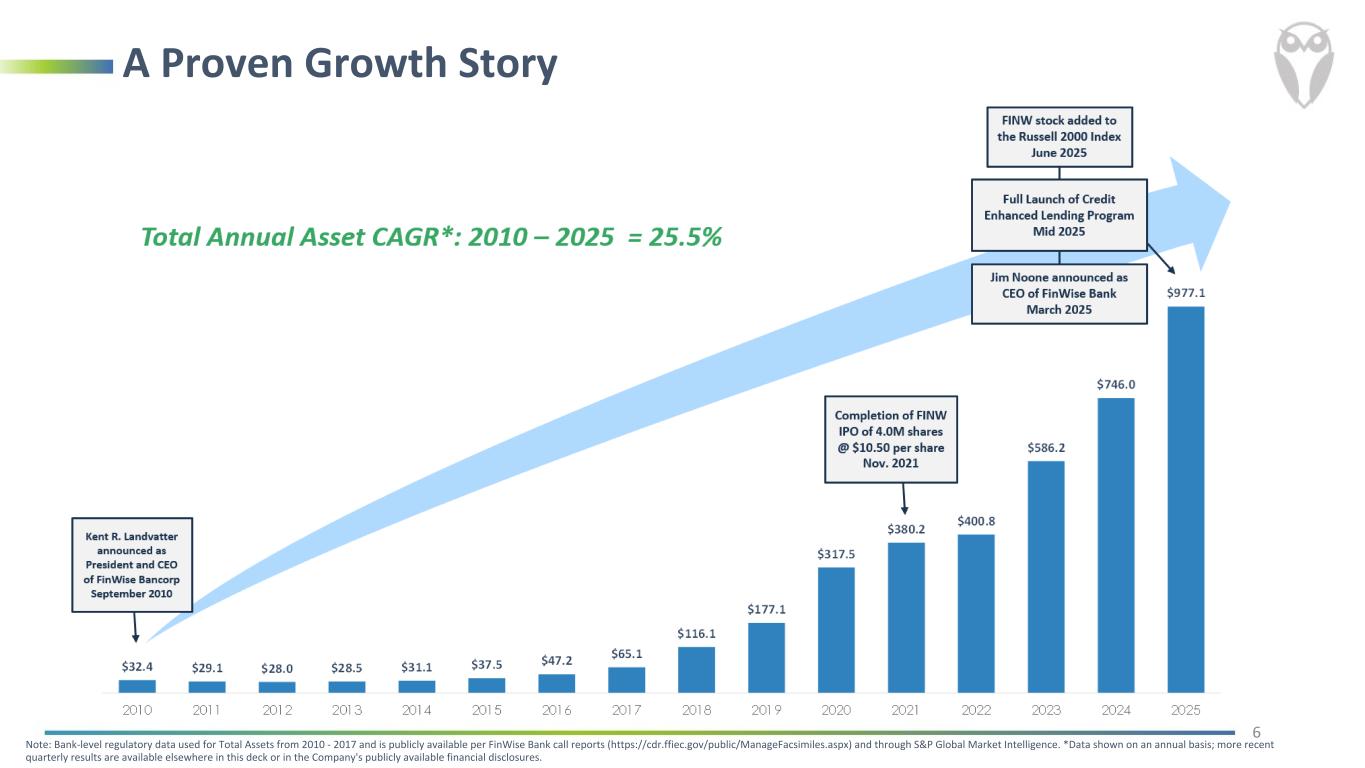
Yeah, so the originations were pretty strong here, Manuel, at $1.6 billion in the quarter. It exceeded our guidance of 1.4. It's up roughly 8% year over year. As far as the composition this quarter, you know, the student lending seasonality is the only program level change that was material. And that reduction in Q2, you know, was offset by kind of more measured increases across the board with our programs. So all in all, we were really happy with originations in the quarter. And there's one other comment I think I would just make here, which is, you know, in March of 23, our originations kind of troughed out at $850 million. And kind of what we told folks at the time was, you know, the fundamentals of the business were sound. The issues at the time were not going to alter the trajectory. And, you know, we're consistently originating at kind of twice those levels now. So I think it's important to point out. It's also important to remember those types of times as we work through this legacy SBA portfolio. We know what it is. We've gone through this before, whether it's with fintech credits that we retained and some of the NCOs back in 22 or the origination trough out in 23 with some of our fintech partners. None of this alters the trajectory of the company, and we're very comfortable with kind of how things are trending and managing through whether it's originations or the legacy SBA pool.
I appreciate that. My last question for me is, can you kind of break up expectations for new loan growth? You kind of hold the guide on the credit-enhanced loan growth because a portion of it is tallied. where where should balance sheet loan growth go going forward and describe if you can some of the credit enhanced growth on a quarter to quarter basis what are kind of some of your plans for balance sheet growth yep so i think we're seeing you know uh let's say more measured growth uh in a number of our uh portfolios um although you certainly did see you know our sba balances were down quarter over quarter.
Some of that was loan sales. Some of it was working through non-performers. As far as credit enhanced balance sheet, we grew that from zero to 100 million in a couple quarters. We withdrew the guidance, like you said, mostly related to tallied and that portfolio having been one of the growth engines there and then converting that to the direct portfolio as part of the acquisition, just made guidance there more difficult, I would say. So we got off to a quick start. We beat expectations. And we have to bring in additional partners to grow meaningfully from here. But we do have some growth, you know, in the other partners. It's just more gradual. And so that's part of why we pulled guidance on the credit enhanced this quarter.
Speaker 5
Thank you for the commentary.
Speaker 4
Yep, you're welcome.
Operator
And we do have a question that has come in via email, and we will let Juan Arias handle that. Please go ahead, sir.
Thanks, Operator. The question, I think this is for Bob. How should we think about the earnings trajectory in the second half of 2026 and into 2027 relative to the first half of 2026? what are the key earnings and growth drivers investors should be focused on?
Well, that's a great question. It's driven by a lot of considerations, key assumptions, and variables as to what drives our revenues and what drives our expenses. And maybe that's the best way to approach it. I'll go through what I think of being the key assumptions first, the key drivers first, and that's the first one we oftentimes talk about is originations, and we provided color there today. Originations for Q3 we expect to be around 1.6, and Q4 we expect to be a baseline of 1.4, but variables that can affect that include how, you know, the strength of the student lending season, And, of course, the economy always significantly influences the originations. The second item, and was also talked about here, that when I think about it, the key driver is what's happening with the credit enhanced portfolio, which is one of our key areas of growth. Now, while we lose tallied from credit enhancement, it does move into the core portfolio where we actually pick up additional revenue related to tallied on the interchange. You know, we don't pick up any additional interest income, but we pick up all the interchange. But in addition to that, Jim was just talking about, you know, what is going to be growth in the credit enhanced portfolio. You know, we expect it to be more muted than what it was a year ago, but we do expect the existing partners to continue to expand their portfolio, so we will see some growth there. Third key item, and we spent a lot of time talking about that, is the provision for loan losses. We have said that it's about $4 to $5 million on the non-credit enhanced portfolio with the strategic partner retained portfolio running just over $2 million, and that's pretty steady over time. But the core or traditional portfolio has been running high this year, but we do see that, as we talked about, tapering as we leave 2026 and we hit into 2027, so some benefits there. And expenses is, I guess, the fourth key item. And again, you know, it has been steady for some period, pretty consistent for several quarters now. And excluding the tally transition expenses, we expect that the operating expenses will remain very flat or flat-ish through 2026, but grow as we move forward as we bring on additional partners. So when you take a look at that, I mean, our core business is – our core business – our core businesses and our activities are generating a consistent level of profitability. what is hurting us is the provision for loan losses from a P&L perspective, driven a large part by the charge-offs in the traditional loan portfolio. So kind of summing all that up, when I think about it, I'm looking at the second half of 2026, and I think this is one way that you can look at it, thinking about it is that one way you can look at it is to view the first quarter of 2026 as a proxy for Q3 and Q4. It's been a very stable environment, and the charge-off and the provisions are probably going to be about there. But then to make any adjustments you think appropriate for what's happening on the other portfolios, originations are growing a little bit and so forth, the credit-enhanced portfolio drawing a little bit, expenses flat, but whatever you think are appropriate there. But that's my crystal ball look at this.
Operator
Thank you. And we do have a follow-up question. We'll hear from Manuel Nelvos with Piper Sandler.
I appreciate the commentary. I just want to jump on to kind of make sure I understand the progression well. The core portfolio provisioning rose this quarter on some heightened losses. But the expectation is that those, while the heightened losses might be a little, might be higher in the second half than previously expected, they should be lower than the second quarter. Is that the right projection on my part?
From a provisioning perspective, the answer to that question is yes. Provisioning in the second quarter was $6 million compared to, I think, roughly, and this is excluding the credit enhanced, roughly, you know, in that $4 to $5 million range that we said. So, yeah, we expect the second quarter to be a bit of an outlier.
Got it. Okay, that's helpful. And then, okay. And the shifting of the credit enhanced portfolio, you're taking on the tally portfolio. Is the tally portfolio going to have less growth than what you could have had with it if it had continued independently? consistently? Because it seems like you could think of these two portfolios, your credit enhanced portfolio and a tally portfolio, and say that they're going to have the same growth that you had previously in your guidance. Are you slowing the tallied growth?
No, there's no change to what the expected growth rate is with tallied, Manuel, just because it's become a direct portfolio versus a credit enhanced portfolio. It's just that when that changed, you know, in conjunction with the fact that we had another partner whose growth had slowed and certainly hadn't met expectations earlier in the year, it just kind of made sense to pull the guidance.
Got it. Okay. This is helpful to clarify. Thank you. Thank you for the time and the commentary.
Speaker 5
You're welcome.
Operator
And that will conclude today's conference call. We thank you for your participation. You may disconnect your lines at this time.