Operator
Ladies and gentlemen, thank you for standing by. My name is Krista and I will be your conference operator today. At this time, I would like to welcome you to CNO Financial Group's second quarter 2026 earnings results. All lines have been placed on mute to prevent any background noise. After the speaker's remarks, there will be a question and answer session. If you would like ask a question at that time simply press star then the number one on your telephone keypad and if you would like to withdraw your question again press star one thank you i would now like to turn the conference over to adam oval please go ahead good morning and thank you for joining us on cno financial group's second quarter 2026 earnings conference call today's presentation will include remarks from gary bajwani chief executive officer and paul mcdonough chief financial officers.
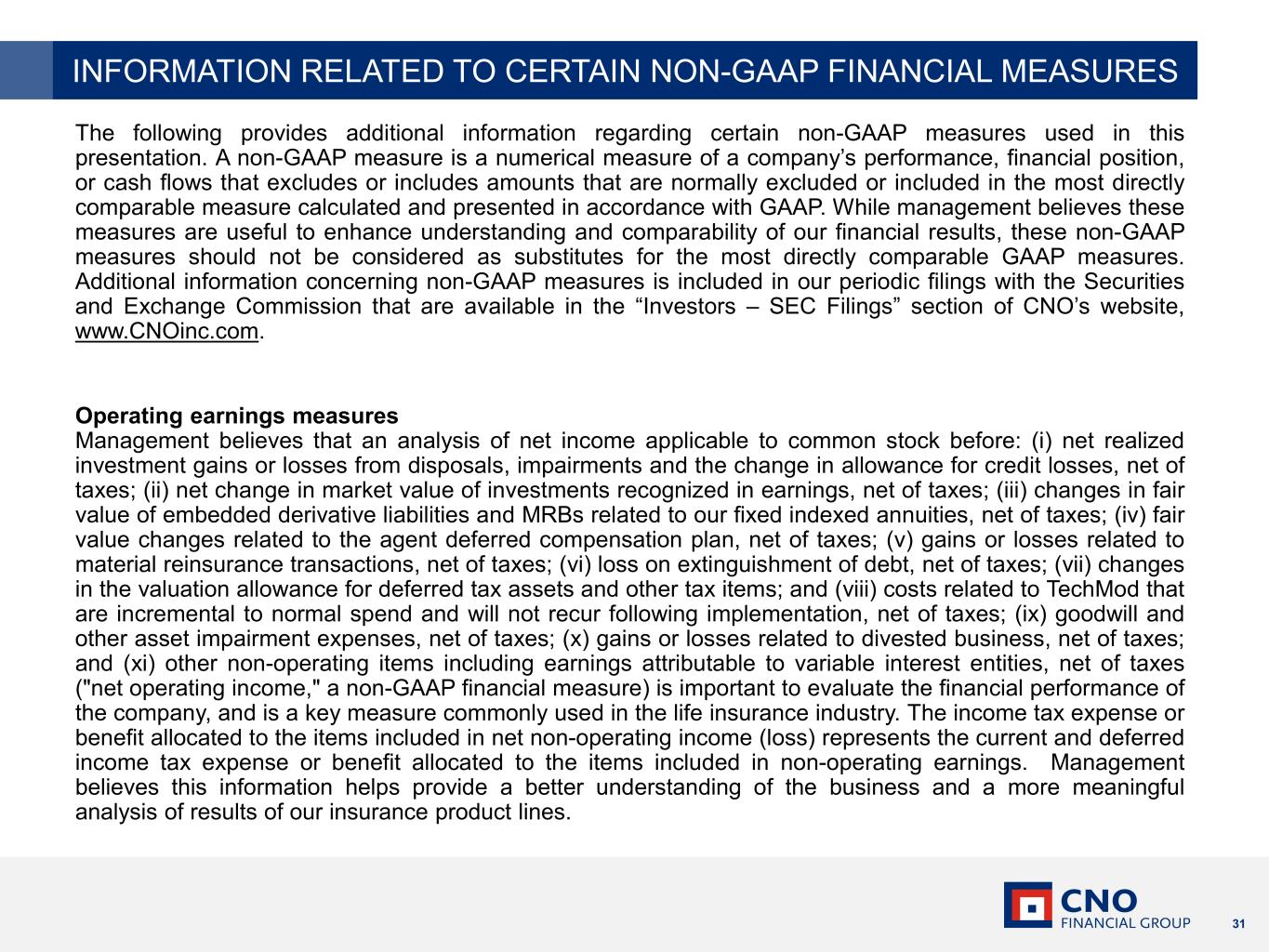
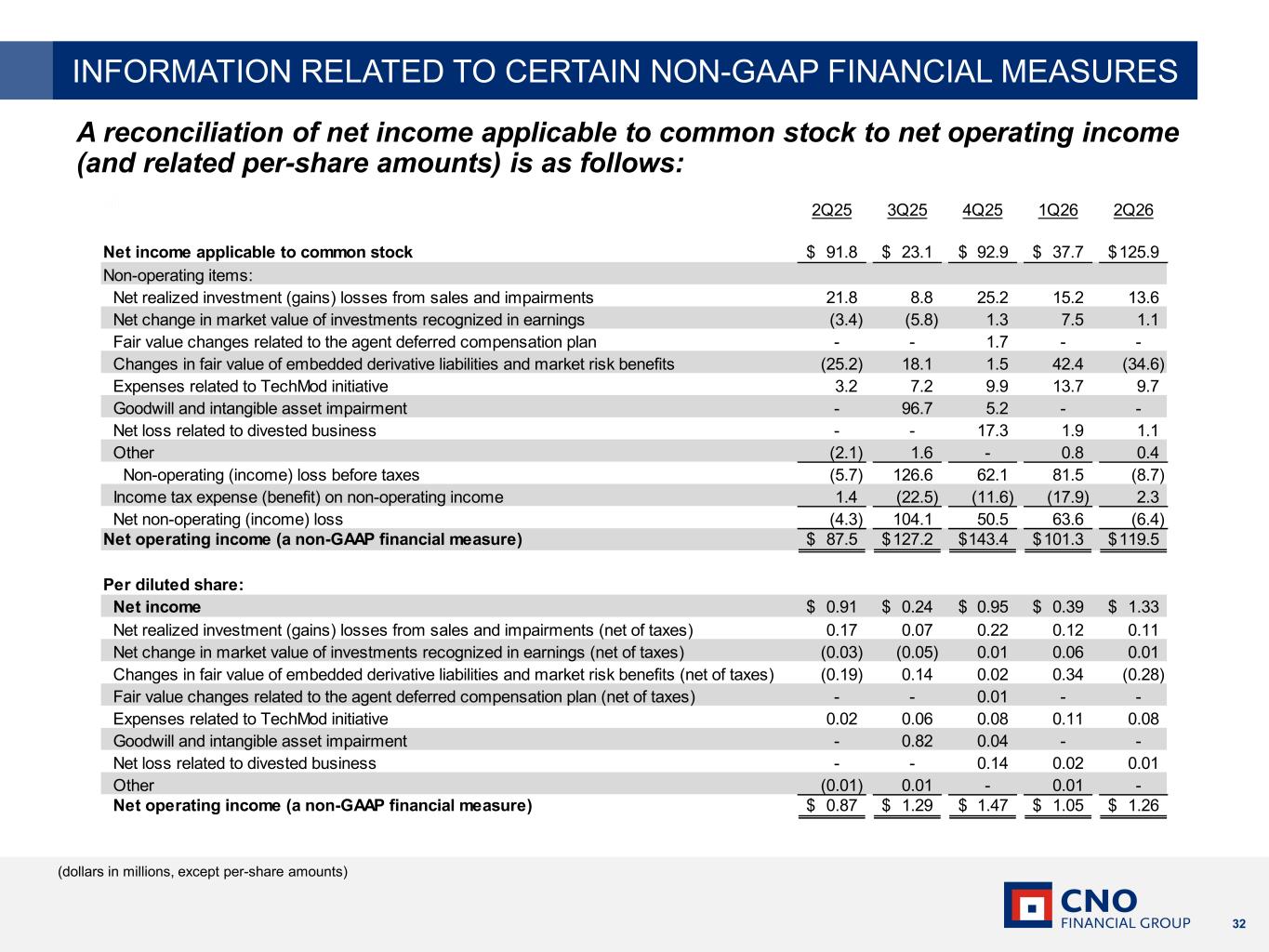
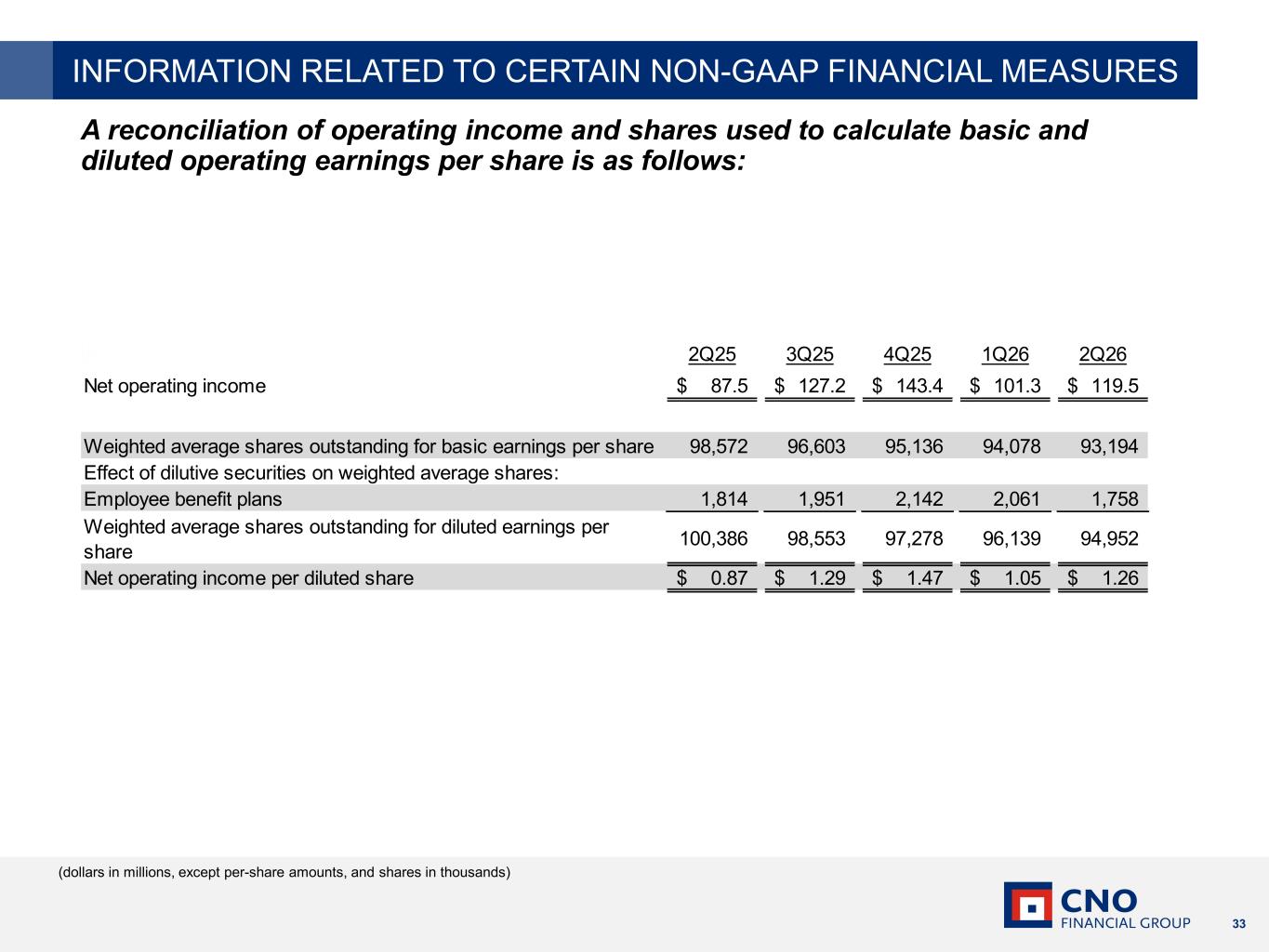
Following the presentation, we will also have other business leaders. During this conference call, we will be referring to information contained in yesterday's press release. You can obtain the release by visiting our website. This morning's presentation is also available in the Investors Section Form 8K. Let me remind you that any forward-looking statements we make today are subject to a number of factors which may cause actual results to be materially different than those contemplated by the fore. Today's presentation contains a number of non-GAAP measures, which should not be considered as substitutes for the most directly comparable gap measures. You'll find a reconciliation of the non-gap measures to the corresponding gap measures in the appendix. Throughout the presentation, we'll be making performance comparisons, and unless otherwise specified, any comparisons made will refer to changes between the second quarter of 2026 and the second quarter of 2025. And with that, I'll turn the call over to Gary.
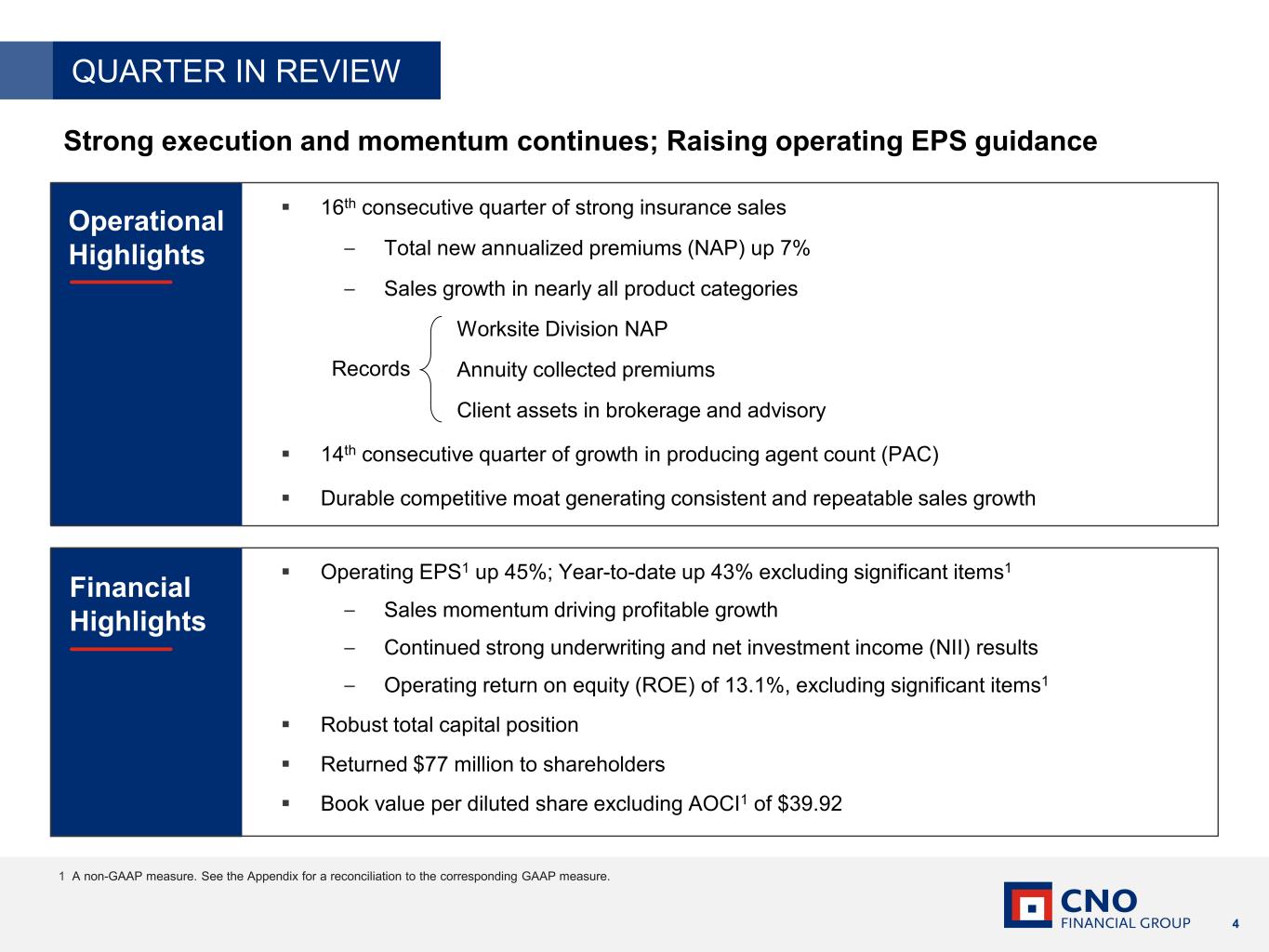
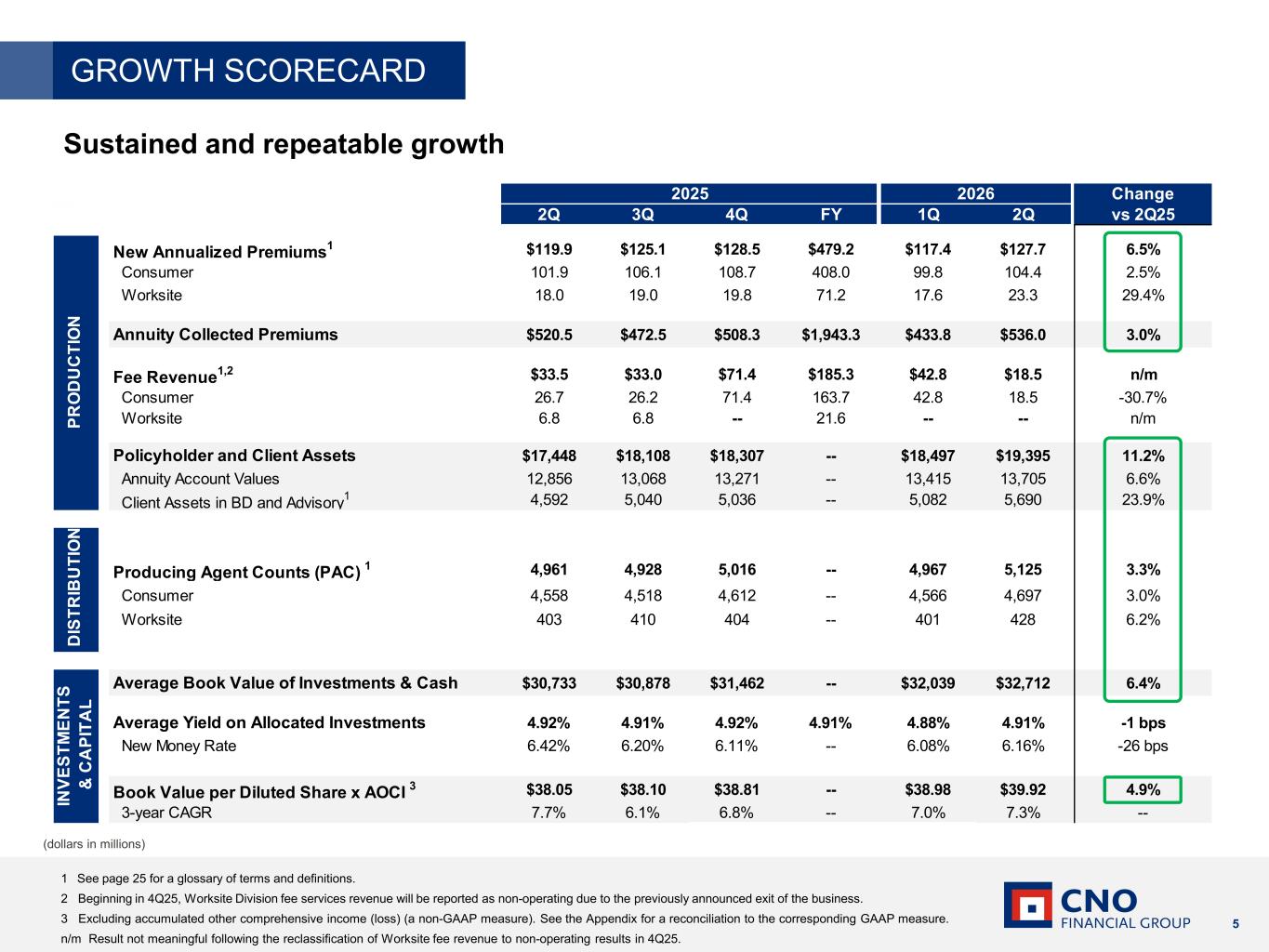
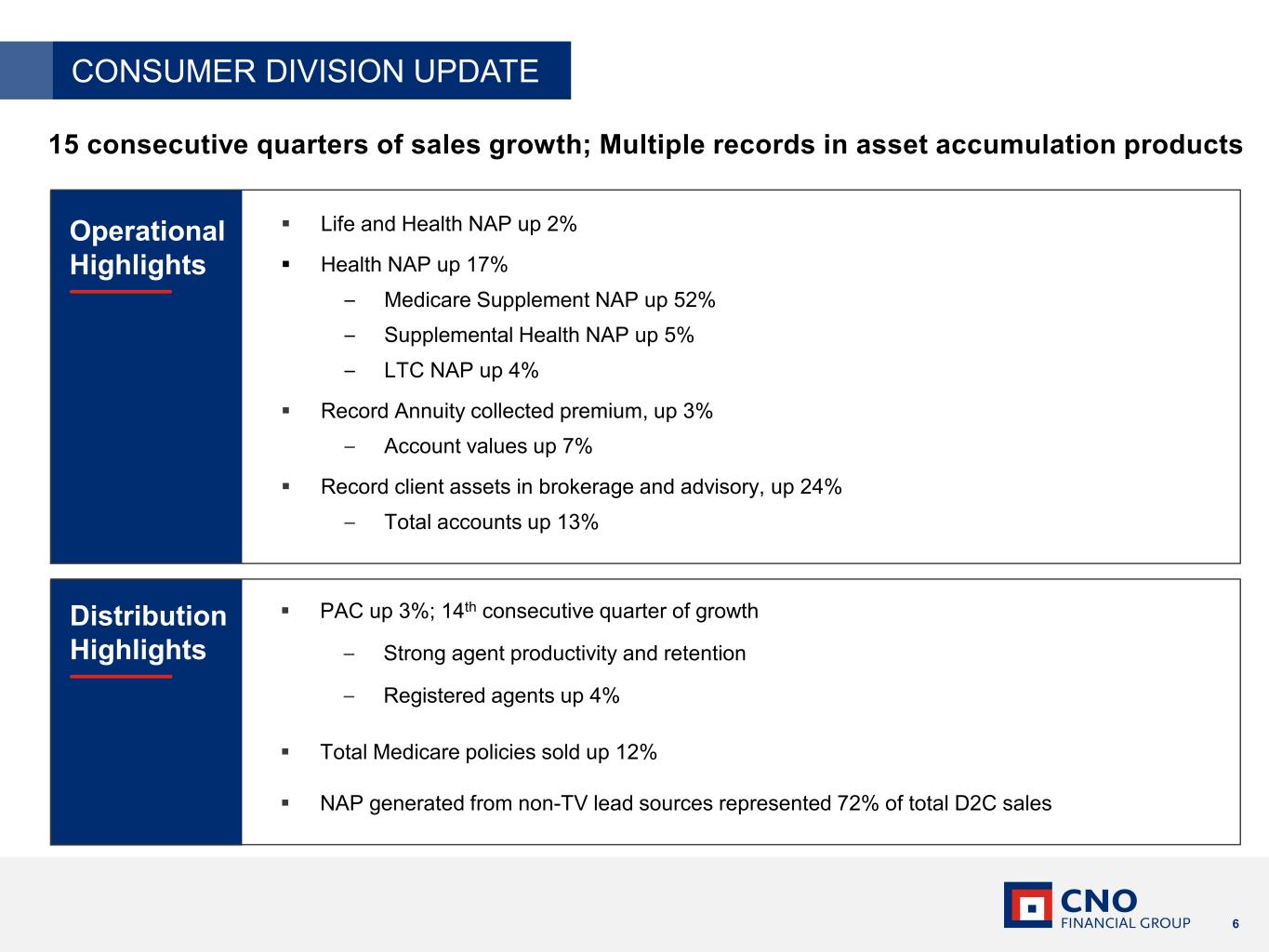
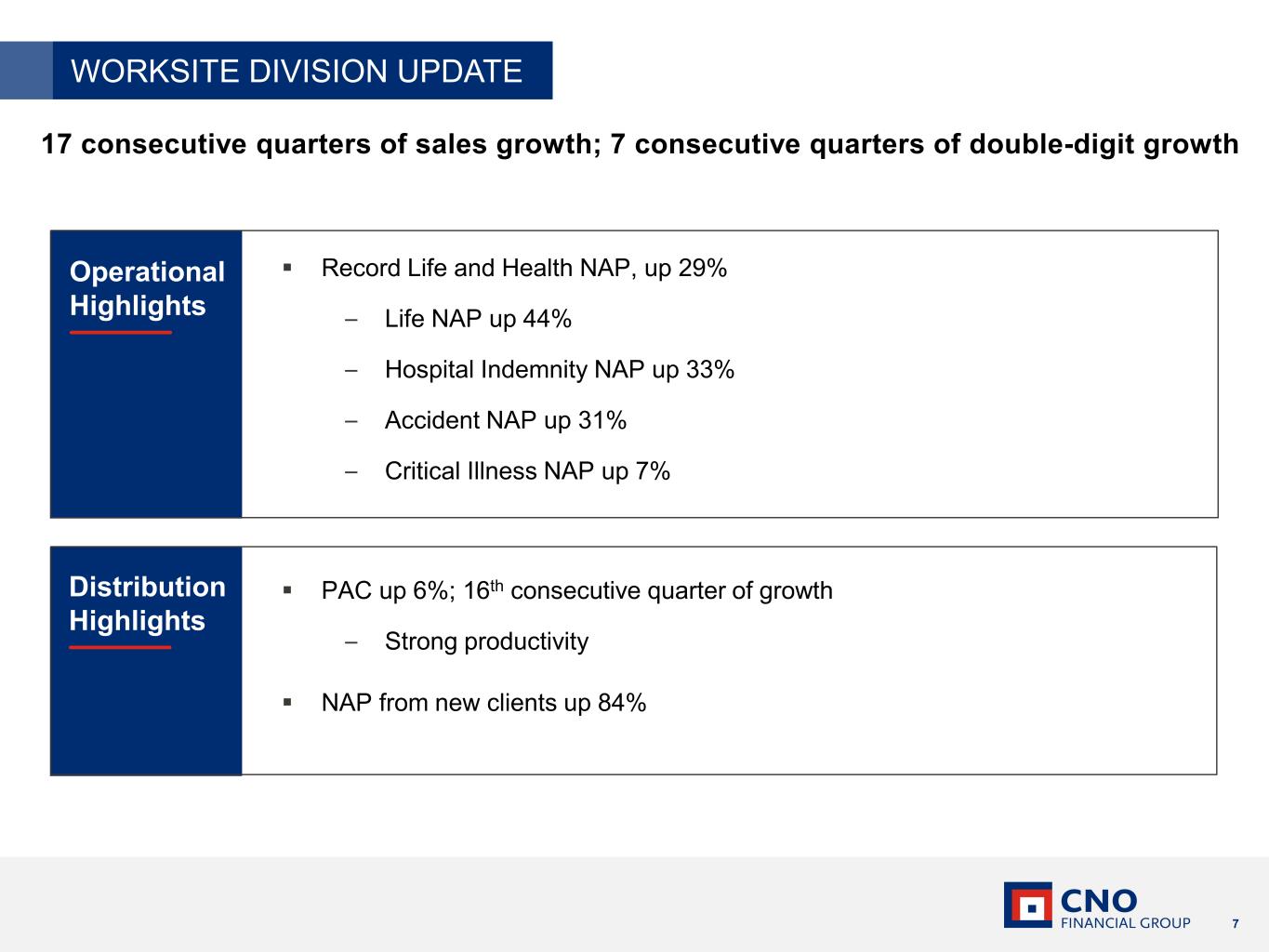
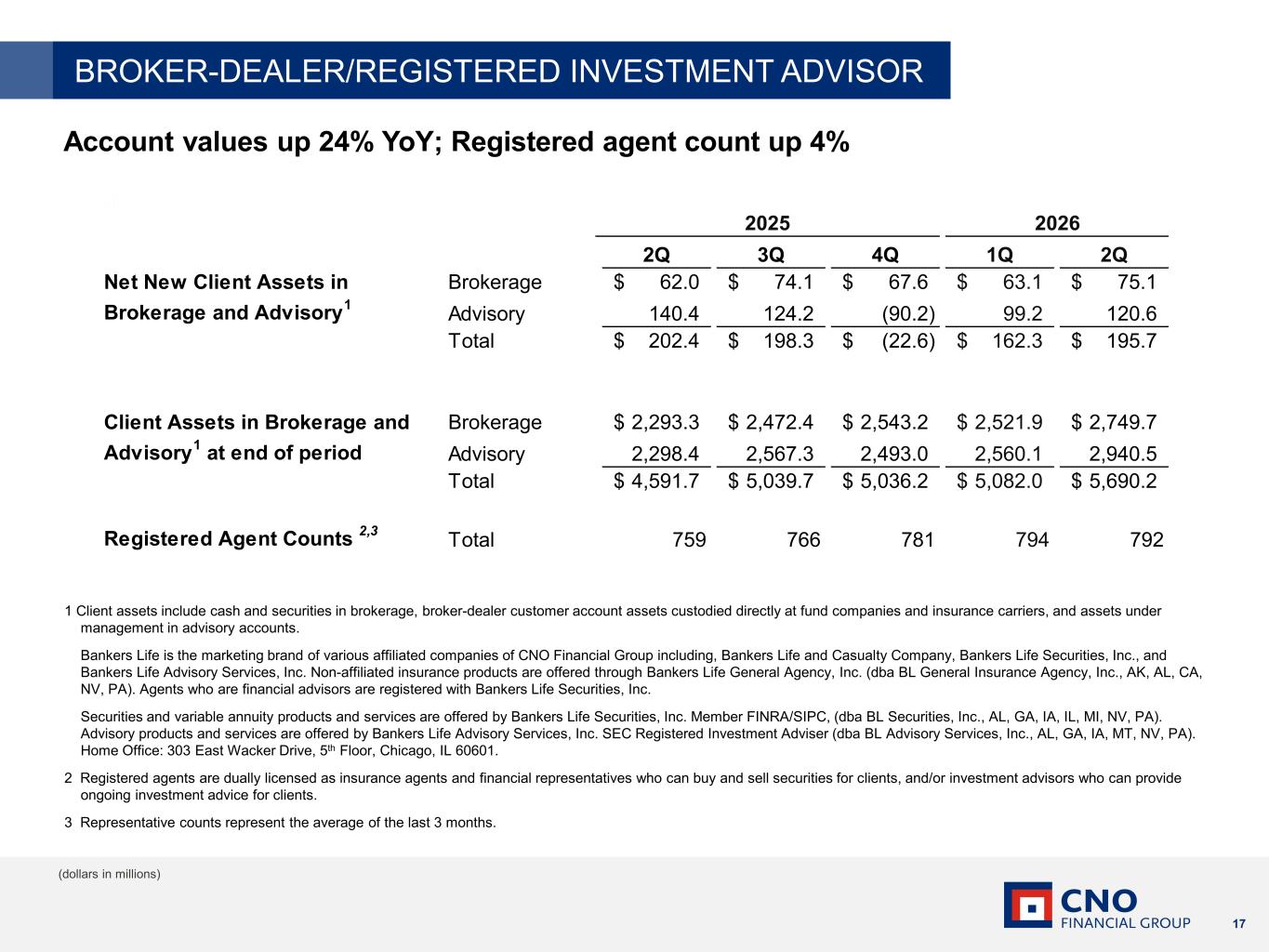
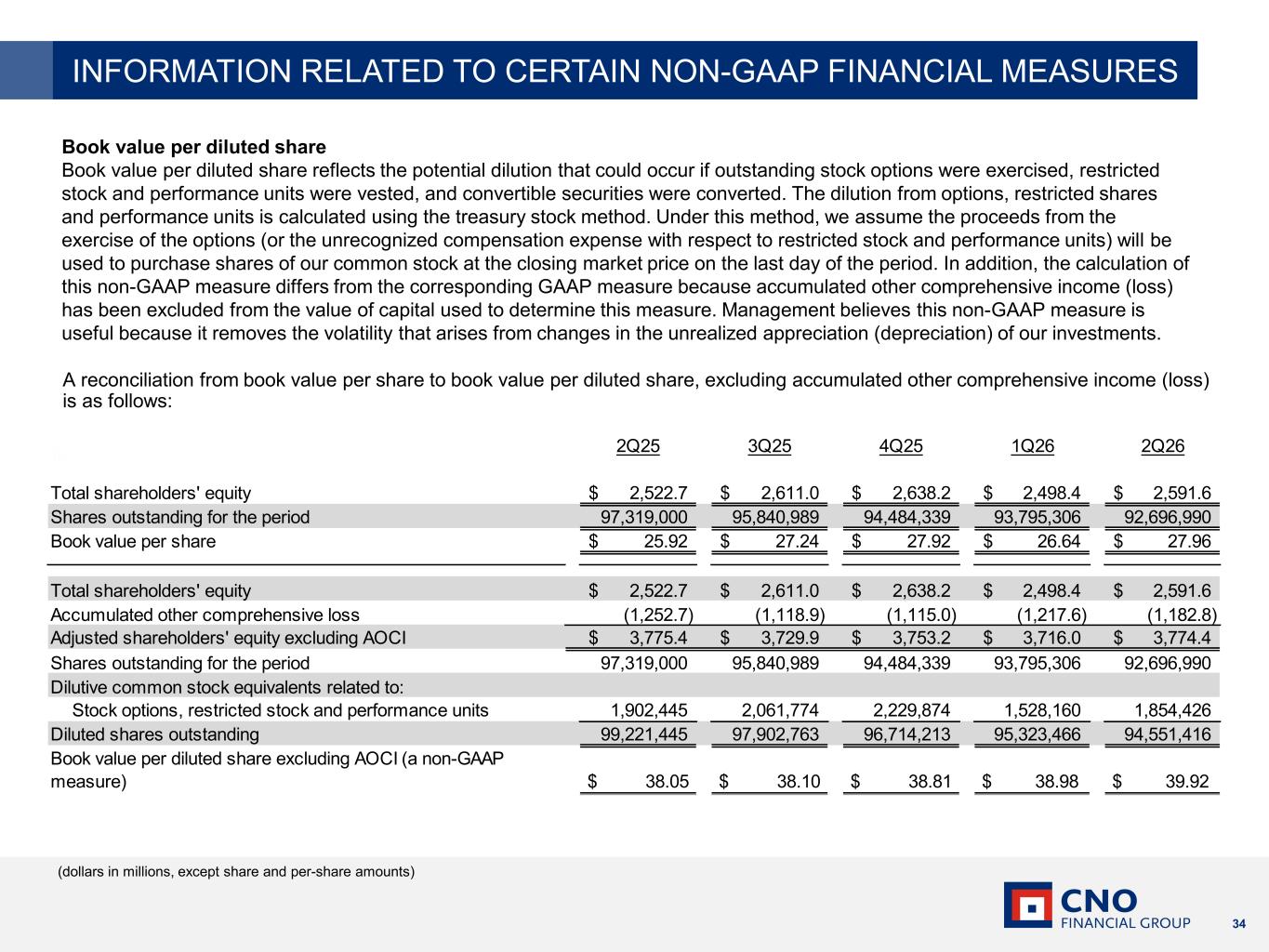
Thanks, Adam. Good morning, everyone, and thank you for joining us. CNO delivered a very strong quarter and first half of the year. Operating earnings per diluted share were up 45% in the second quarter and up 43% year-to-date, excluding significant items. We delivered our 16th consecutive quarter of sales growth and our 14th consecutive quarter of producing agent count growth. As a result, we are raising our full-year operating earnings per share guidance, and either improving or reaffirming all other 2026 guidance. We remain pleased with the consistent results we're generating, and we remain focused on growing earnings, improving profitability, and reinvesting in the business. Our business model continues to perform well as we navigate a dynamic macroeconomic environment. Sales results in the quarter were strong across both divisions. Total new annualized premiums were up 7%, and we set multiple sales records. Our exclusive middle market focus and our last-mile captive agent distribution model are the foundation of our durable competitive mode. This difficult-to-replicate model remains a key competitive advantage that drives consistent sales performance and profitable growth. Earnings benefited from strong insurance product margin and investment results reflecting growth in the business and expansion of the portfolio book yield. We maintained a robust capital position while returning $77 million to shareholders. Book value for diluted share, excluding AOCI, was $39.92, up 5%. Turning to slide 5 and our growth scorecard, Nearly all of our growth scorecard metrics were up for the quarter with strong performance across production, distribution, and investments in capital. Turning to slide six in our consumer division, we delivered our 15th consecutive quarter of sustained sales growth, including records in annuities and brokerage and advisory. Total health NAP was up 17%, marking 16 consecutive quarters of growth. Supplemental health was up 5%, long-term care was up 4%. Our Medicare business continued to perform well. Medicare supplement NAP was up 52%, marking the third consecutive quarter of growth over 50%. Our results benefit from the shift in consumer preferences away from Medicare Advantage and towards Medicare Supplements. This trend underscores the value of offering both Medicare Supplements and Medicare Advantage through our local agent distribution model. Medicare remains a flagship door-opening product for C&O, supporting our ability to expand the total number of households we serve. Total Medicare policies sold were up 12%. The baby boomer generation is moving through its peak retirement years with more than 11,000 Americans turning 65 each day. Rising retirement health care costs also continue to pressure household finances. In 2026, the amount that a typical retired couple needs to save for health care increased nearly 8%, compared with annual increases of 2% to 3% in recent years. For these reasons, we expect durable demand for all our health care products. LifeNap was down 9% for the quarter against the strong comparable. Results were primarily driven by lower direct-to-consumer sales. We take a measured approach to managing our D2C channel. We invest where we see productive opportunities and optimize performance over time. This quarter, non-television marketing channels, including web, digital, and third-party partners, generated nearly 72% of all B2C live sales. As consumer media habits evolve, we continue to reduce our reliance on television advertising and shift more towards efficient marketing channels. While this transition may create some quarterly variability, we remain comfortable with the business and its long-term prospects. In general, demand for life insurance remains healthy. However, we do not expect sales to go in a straight line. Our broad product portfolio allows us to meet shifting customer needs across protection, health, and retirement income solutions. We set multiple records in our asset accumulation business during the quarter, reflecting the demand for retirement income solutions among middle-income consumers. Annuity collected premiums reached a new record of $536 million, up 3%. Account values were up 7%. We also delivered our 13th consecutive quarter of brokerage and advisory growth. Client assets were up 24% to a new record, and total accounts were up 13%. When combined with our annuity account values, our clients entrust us with more than $19 billion of their assets, up 11%. Strong agent productivity and retention fueled our sales momentum. Producing agent count was up 3%, our 14th consecutive quarter of growth. Registered agent count grew 4%. Next, slide 7 in our worksite division performance. We delivered our 17th consecutive quarter of sustained sales growth. Record life and health map was up 29% for the quarter. This represents our 7th consecutive quarter of double-digit insurance sales growth. Highlights from the quarter include life, up 44%. Hospital indemnity, up 33%. accident, up 31%, and critical illness, up 7%. Our focus on small to mid-sized businesses and associations drives meaningful sales growth. Employers invest heavily in employee benefits, but the mix is shifting. To control costs, many are reducing traditional Medicare coverage while increasing the availability of employee-paid voluntary benefits. Our products are designed to address these protection needs, and our career agents and partners are well-positioned to help employees understand and address potential gaps in coverage.
NAPs from new clients increased 84%.
This growth is well-balanced between geographic expansion and further penetration into existing markets. Life sales continue to experience a significant uptick from these new client relationships. Producing agent count was up 6%, our 16th consecutive quarter of growth. Productivity remained robust across all agent cohorts. Importantly, our optimized career agency remains a growth engine for the division, generating approximately 90% of our total worksite insurance sales. Given its strong performance and long-term potential, we will continue to invest in expanding this channel. Across both divisions, our results highlight the value of a diversified product portfolio built around customer needs rather than individual products. We think about our product diversification in three simple ways. First, we serve a broad range of customer needs with health, wealth, and income protection solutions. Second, our products play different roles in the customer life cycle. Medicare products help us initiate new customer relationships, while annuities deepen existing relationships and support long-term customer value. And third, our product portfolio balances risk across mortality, morbidity, and longevity. This combination is a unique strength in the marketplace. It enables us to build lasting customer relationships while delivering consistent performance over time.
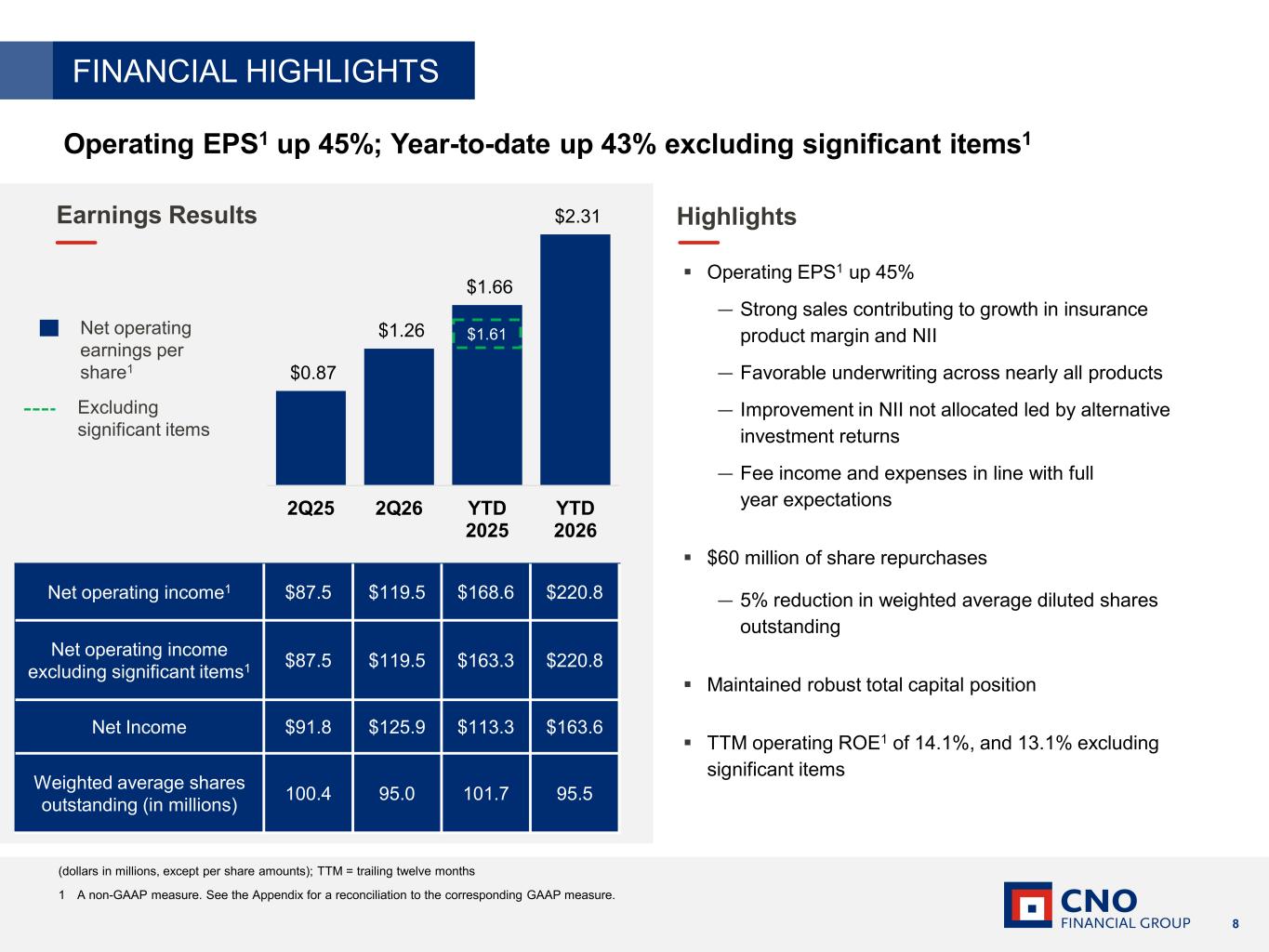
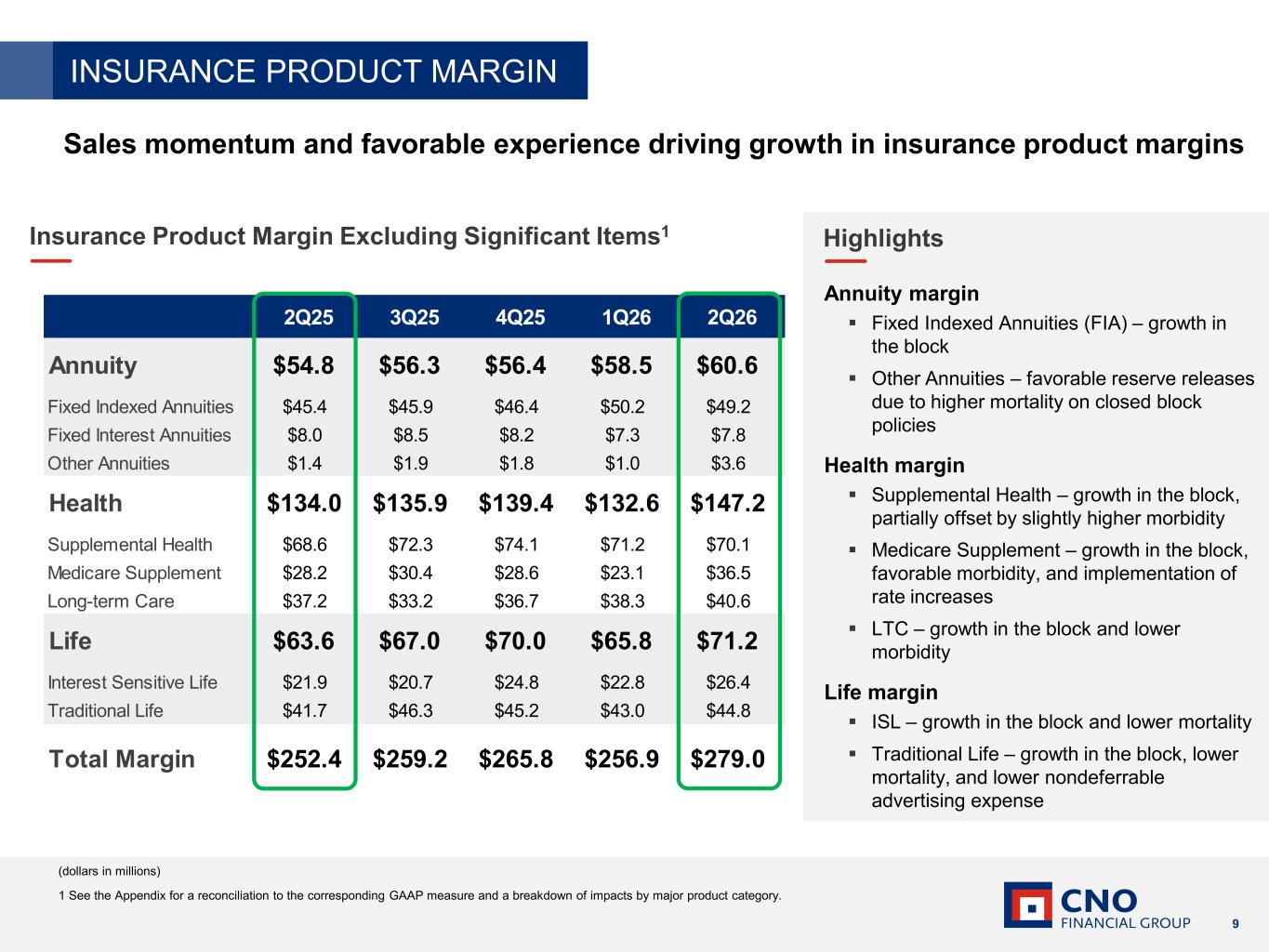
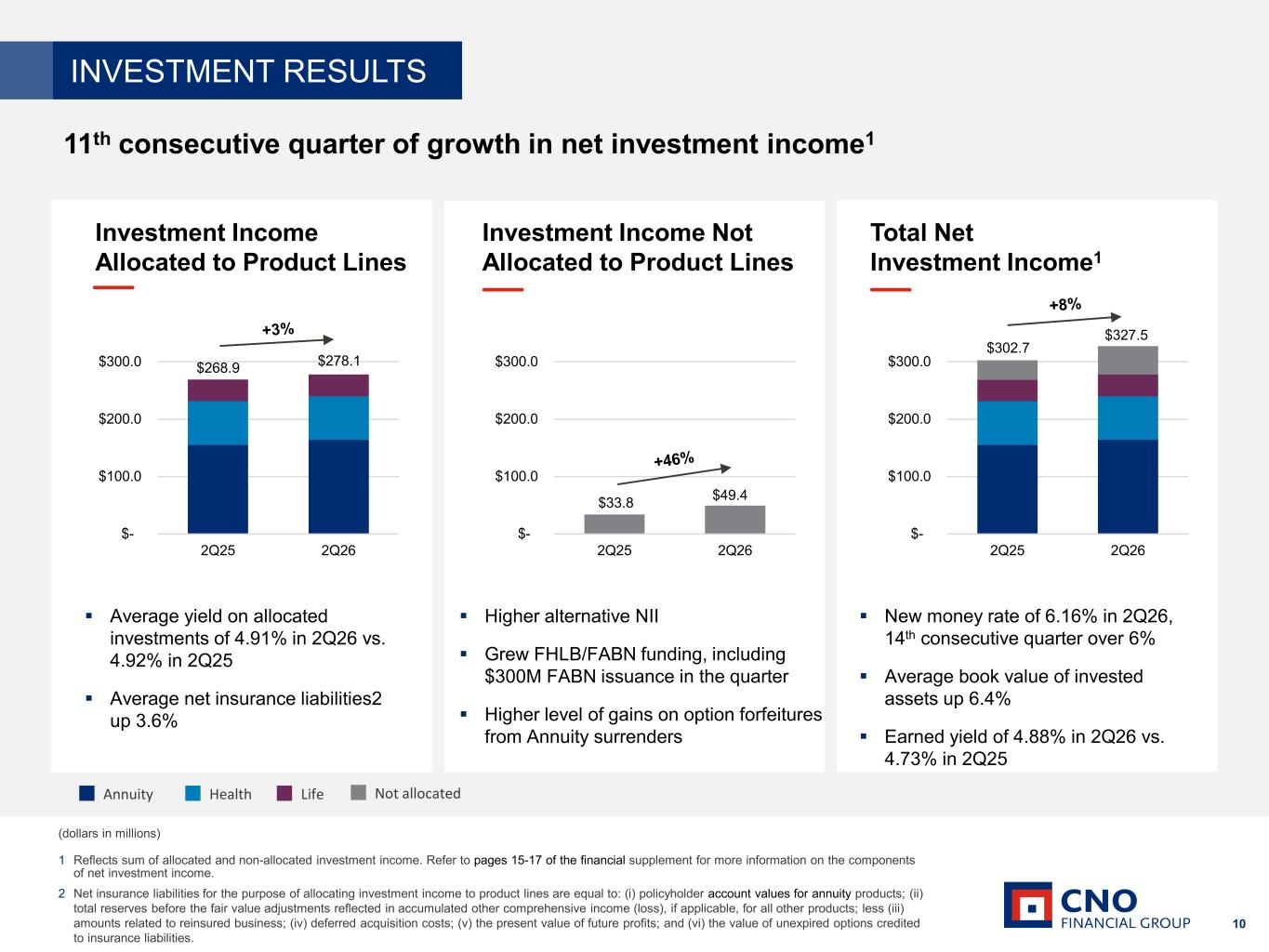
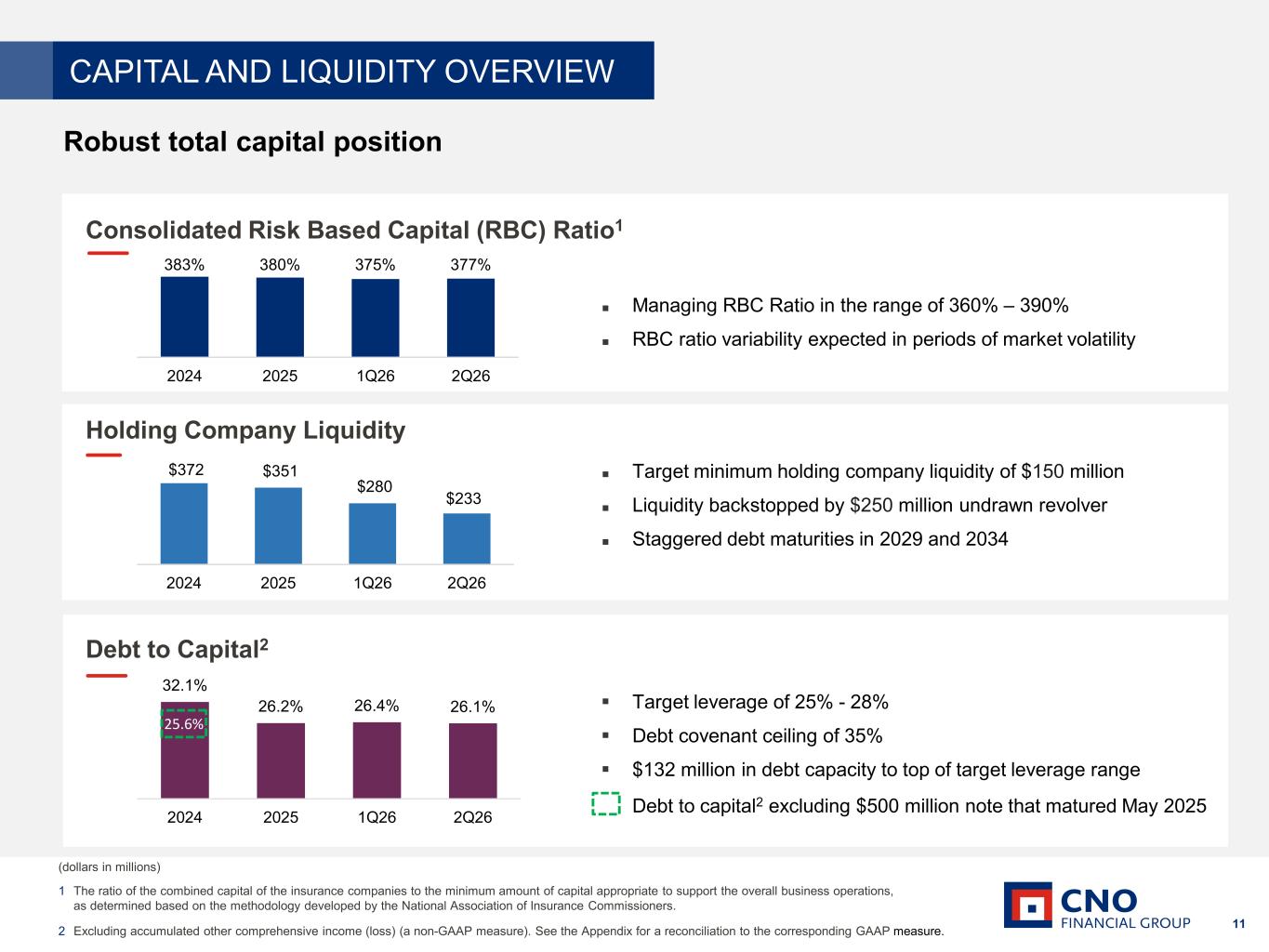
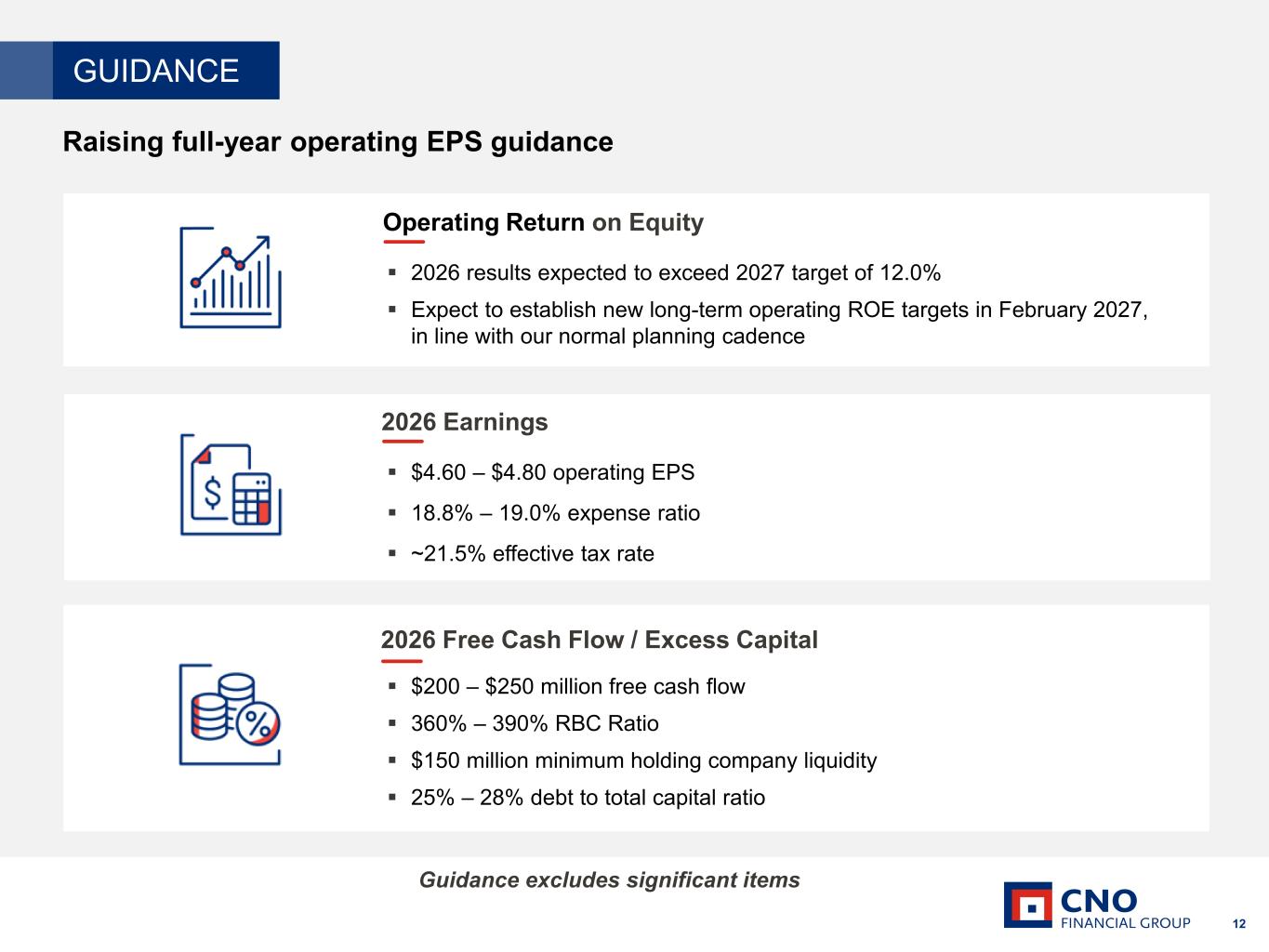
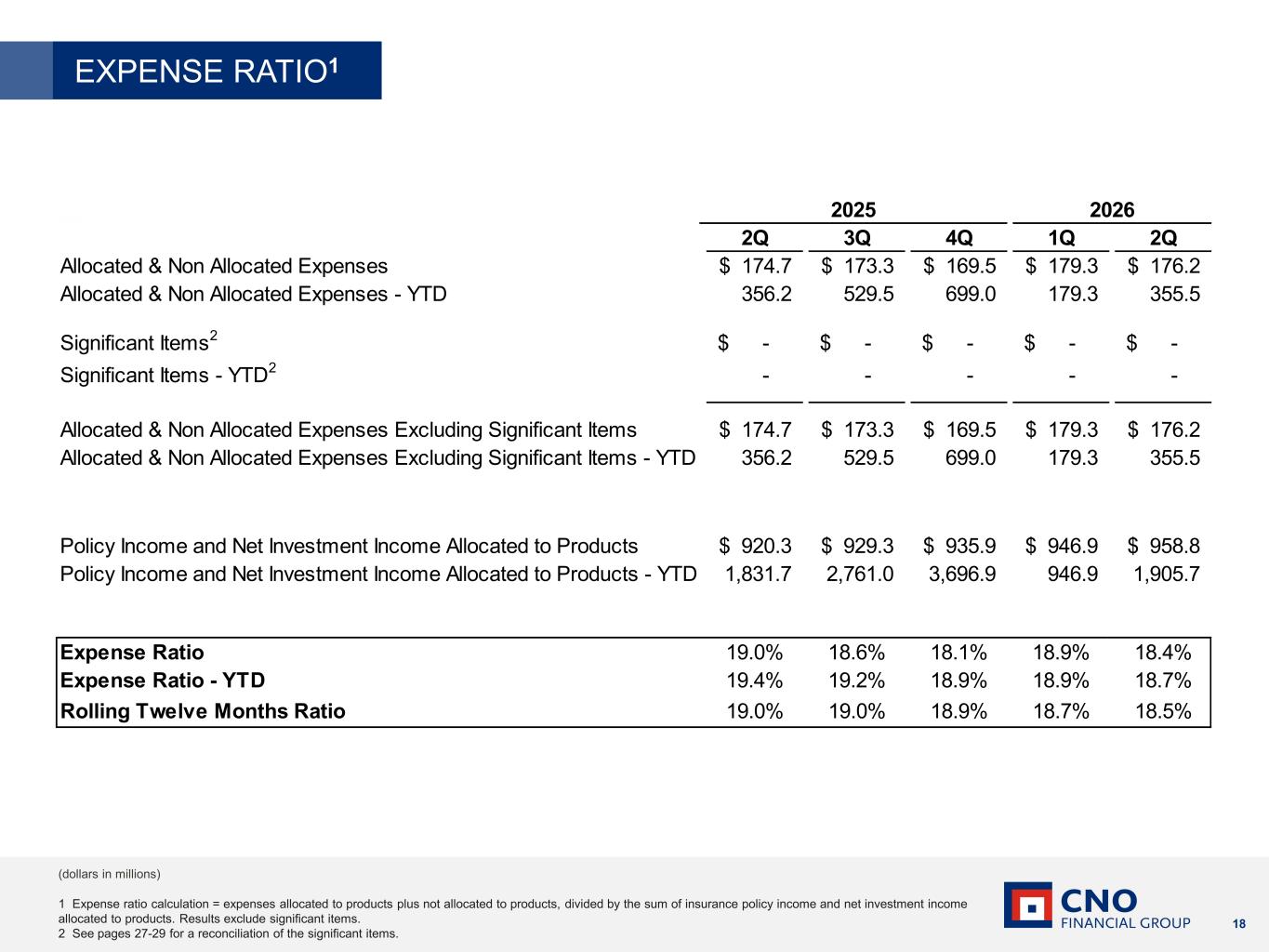
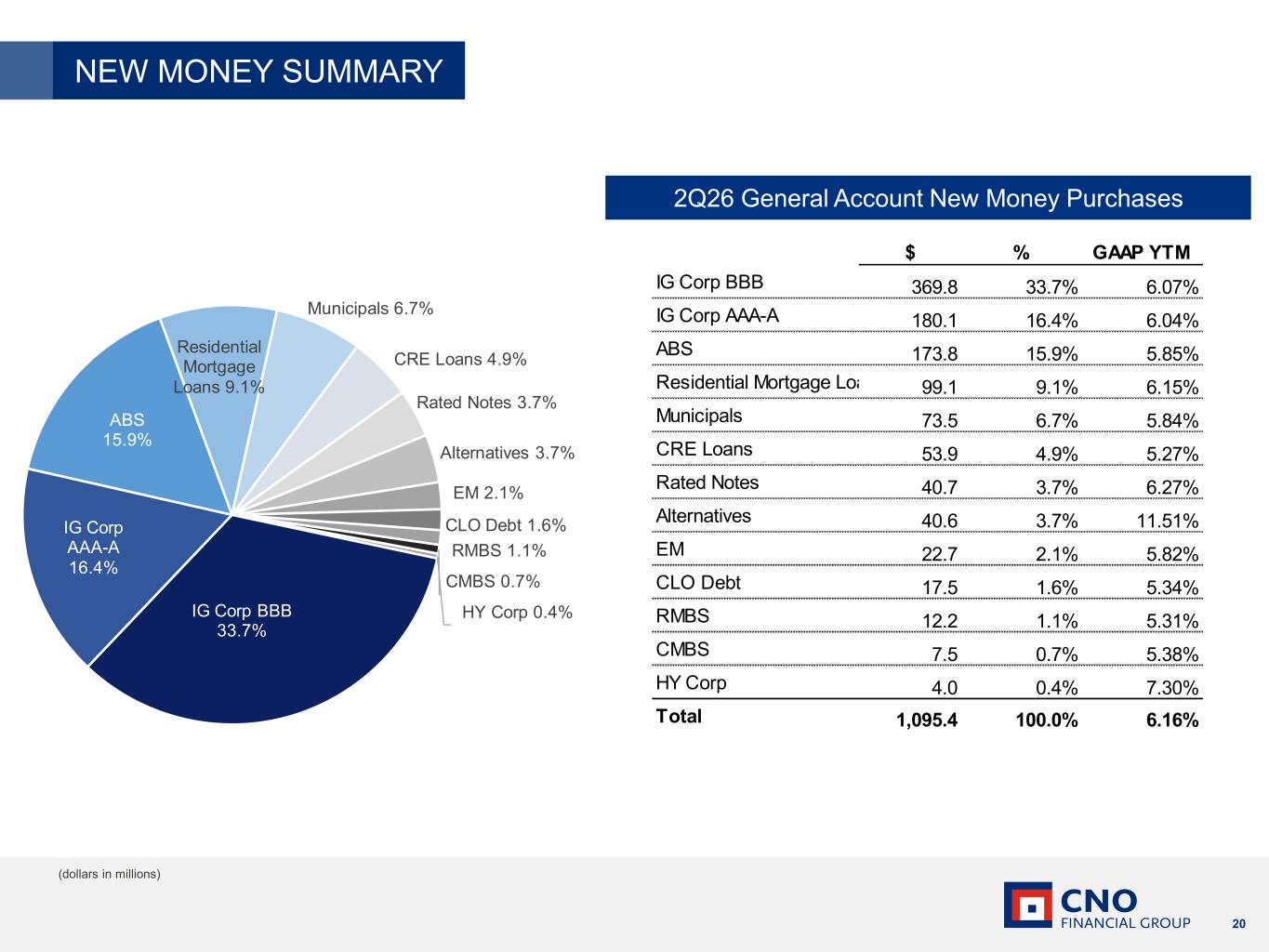
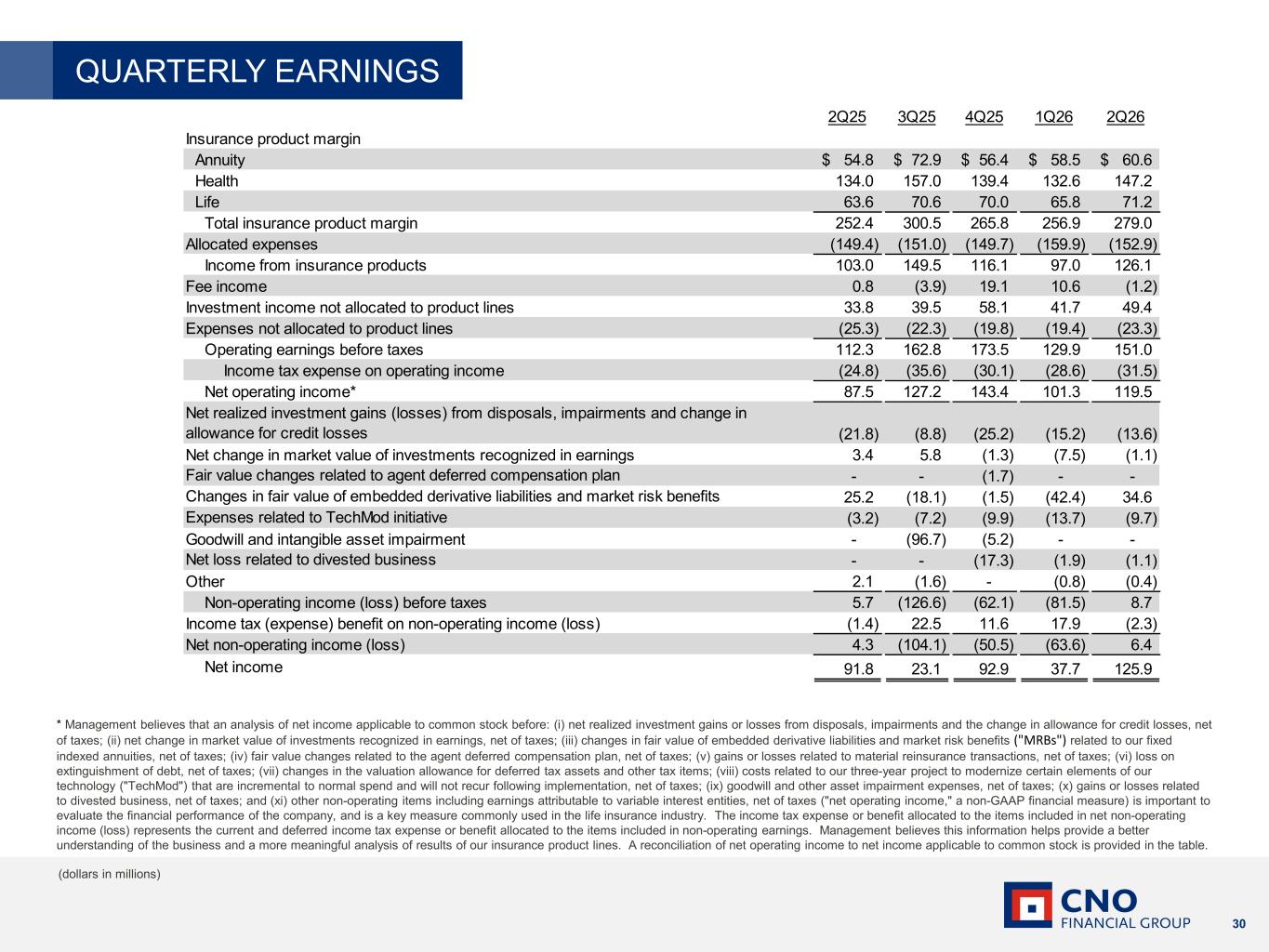
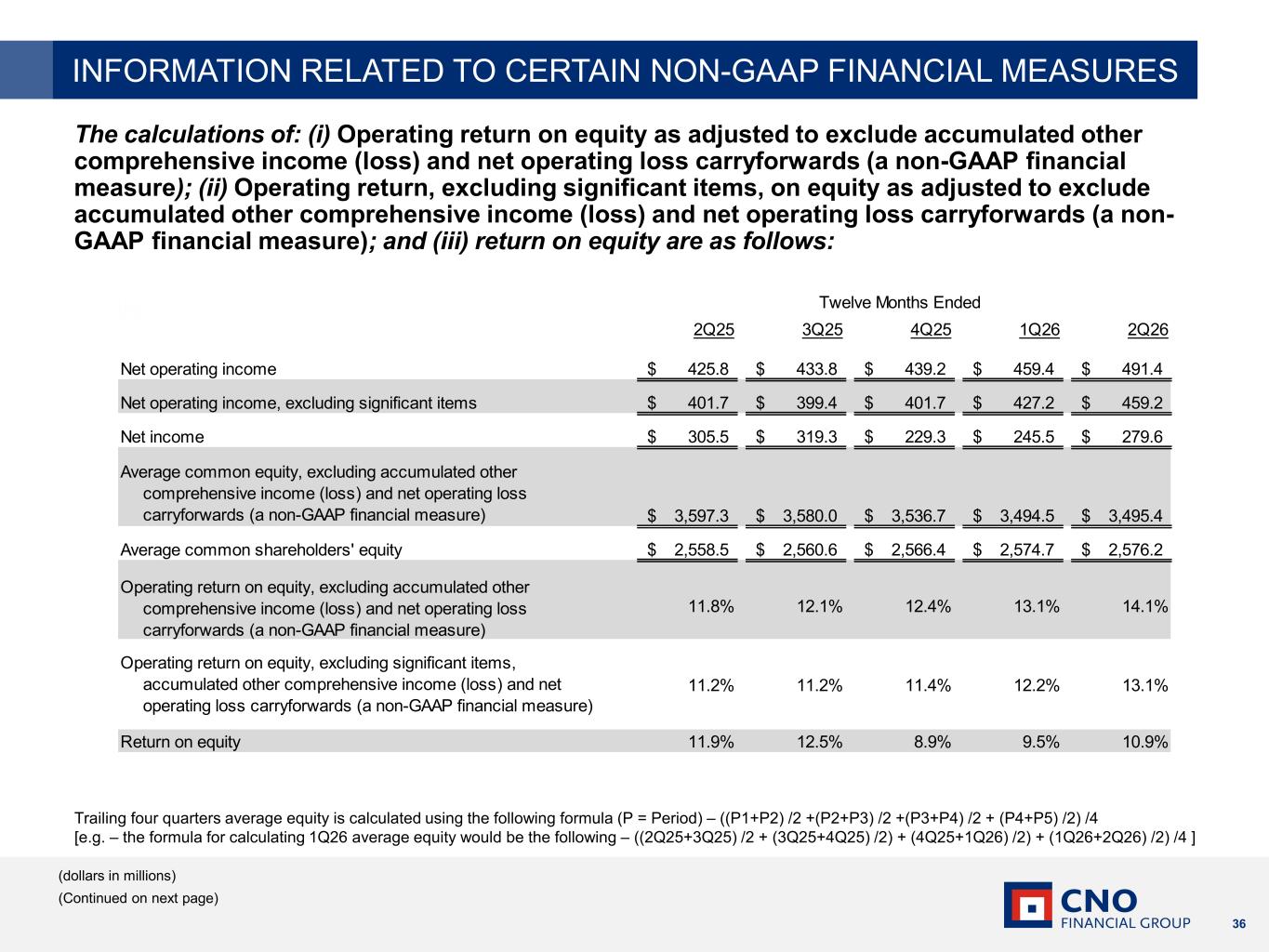
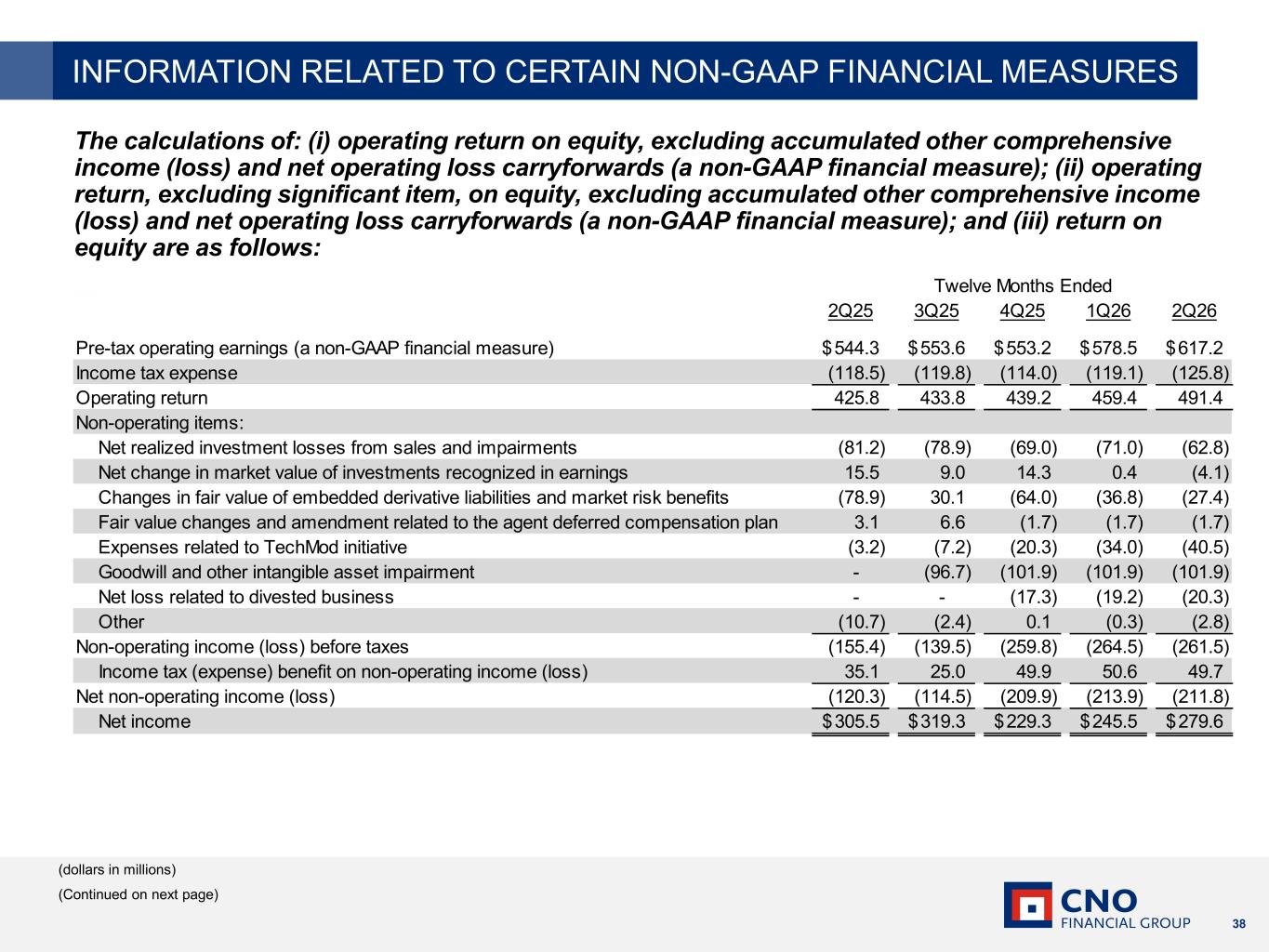
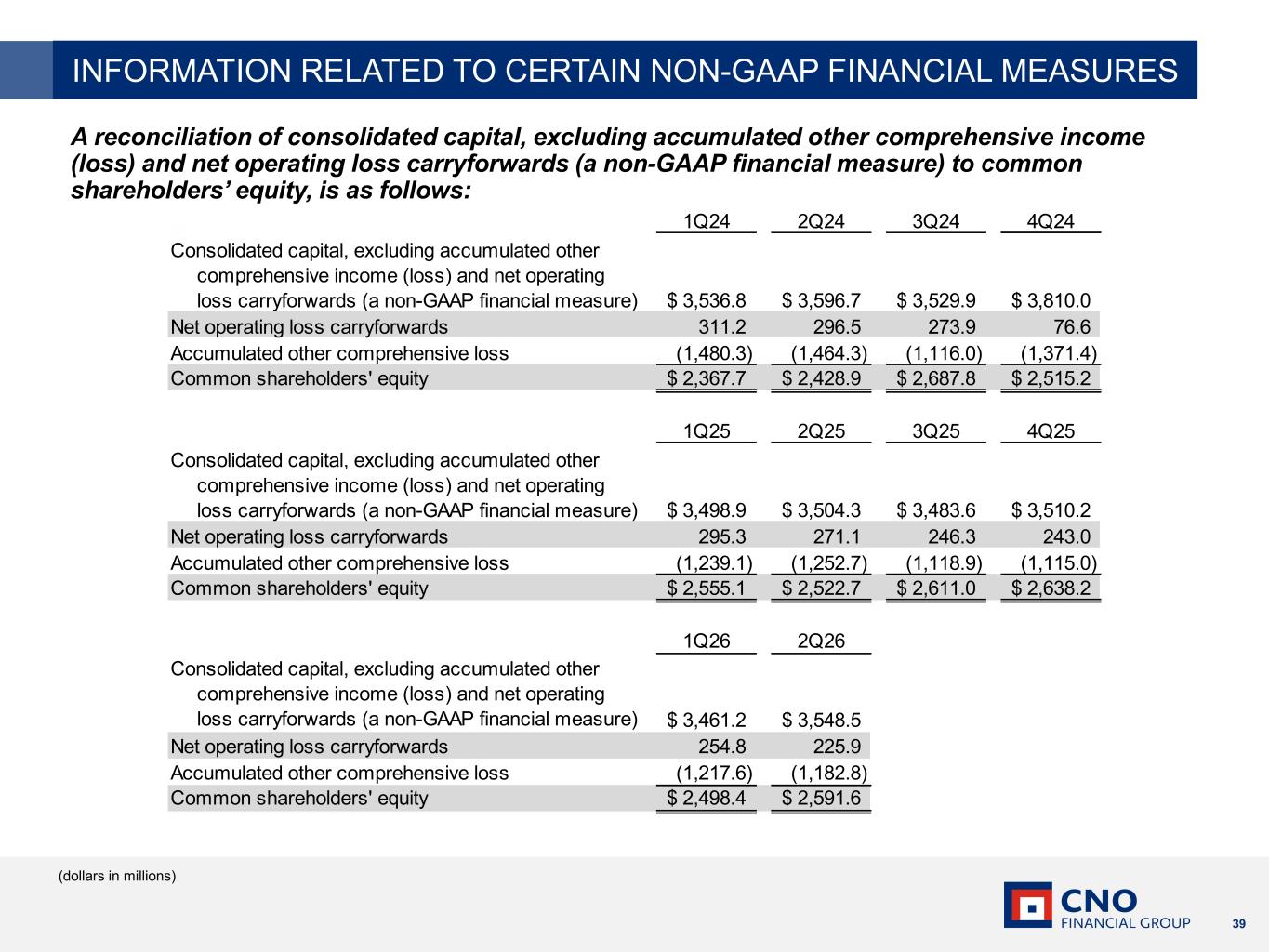
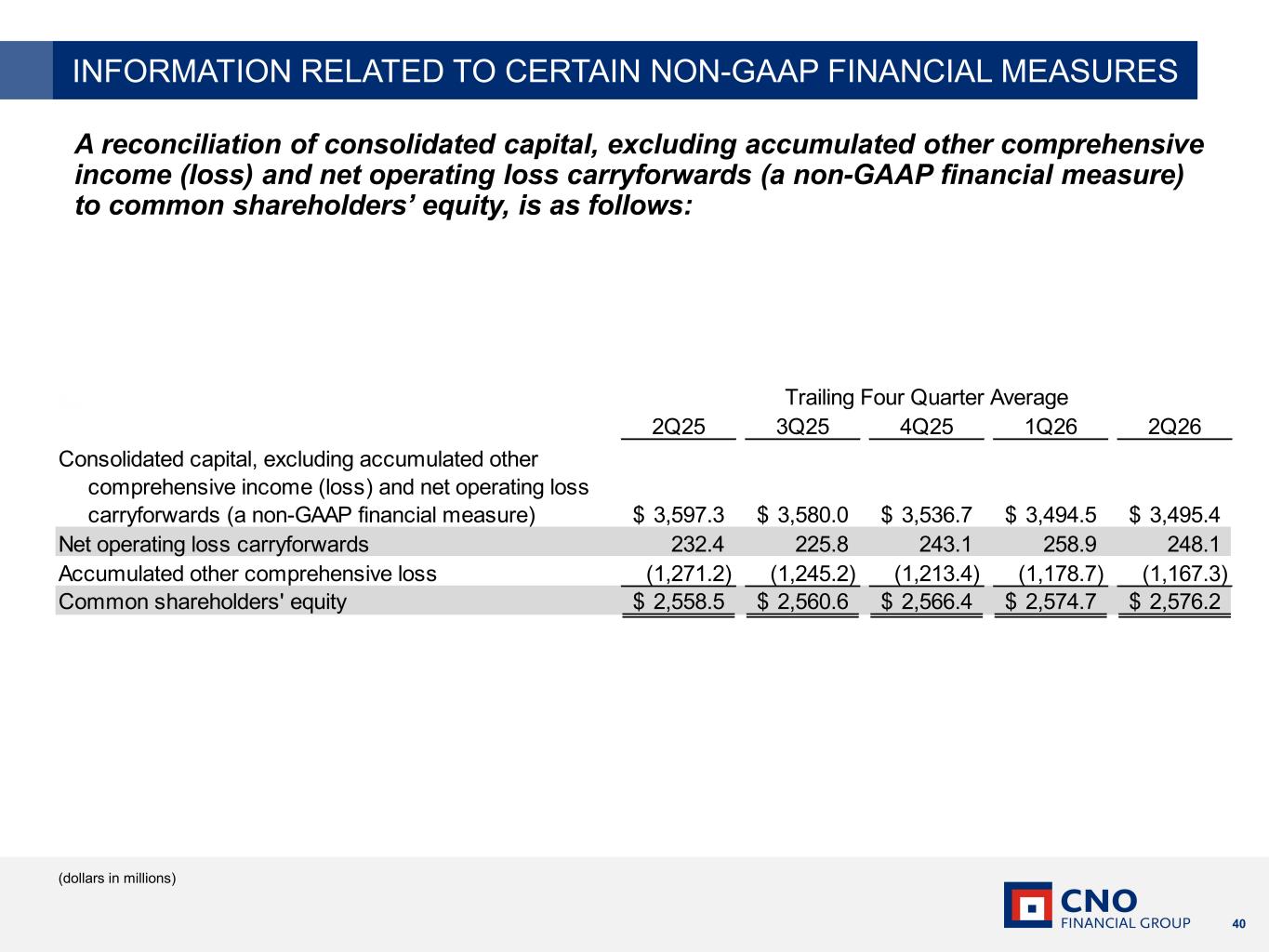
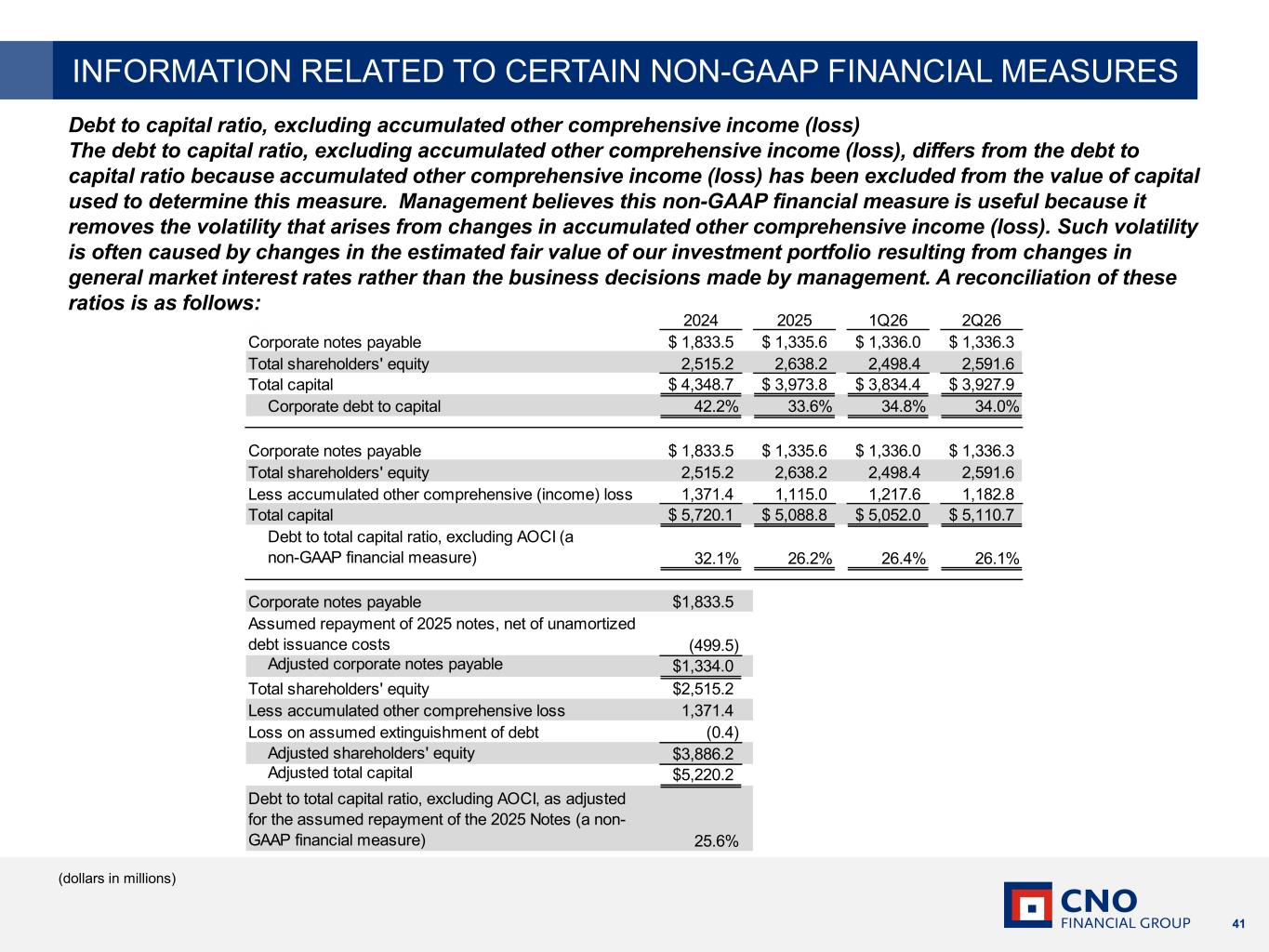
And with that, I'll turn it over to Paul. Thanks, Gary, and good morning, everyone. Turning to the financial highlights on slide eight, we delivered a very strong quarter, generating operating earnings per share of $1.26, up 45% from the prior year. The quarter reflects continued strong earnings fundamentals, including the compounding of sustained sales momentum, contributing to growth in insurance product margin and net investment income, favorable underwriting across nearly all products, and improvement in net investment income not allocated to products, led by alternative investment returns. The income results were generally on plan through the first half of the year, and we remain on track to achieve our full-year outlook. The expense ratio was 18.4%, reflecting another quarter of favorable expense performance. We continue to view this as a timing difference and expect expenses to normalize over the remainder of the year. We maintained our disciplined and balanced approach to capital management, deploying $60 million on share repurchases in the quarter, contributing to a 5% reduction in weighted average diluted shares outstanding. On a trailing 12-month basis, operating return on equity was 14.1% and 13.1% excluding significant items, reflecting steady progress on improving the profitability of the business. Overall, the results demonstrate the strength of our business model and consistent execution over the last several years. Turning to slide nine, sales momentum combined with broadly favorable claims experience drove growth and insurance product margin across all three major product categories. Fixed indexed annuities continued to benefit from growth in the block. Other annuities benefited from favorable reserve releases due to higher mortality on closed block policies. Supplemental health benefited from growth in the block, partially offset by a handful of large claims on older policies. We view these claims as isolated events and do not believe they represent the change in the underlying trends. Medicare supplement benefited from growth in the block, favorable morbidity, and rate increases implemented earlier this year. The favorable morbidity resulted in a reserve release from better-than-expected first-quarter claims development, which we do not expect to recur. Long-term care benefited from growth in the block and lower morbidity. Life margins reflected growth in the block and lower mortality across both intrasensitive life and traditional life. Traditional life also benefited from lower non-deferrable advertising expense. Turning to slide 10, net investment income remained a meaningful contributor to earnings growth, increasing 8% year over year and marking the 11th consecutive quarter of growth in total net investment income. The new money rate was 6.16% in the quarter, representing the 14th consecutive quarter above 6%. Investment income allocated to product lines increased 3%, supported by growth in average net insurance liabilities, which were up 4%. Net investment income not allocated to products improved significantly, increasing 46% year-over-year. The improvement was driven by higher alternative investment income, growth in our FHLB and FABN programs, including a $300 million FABN issuance in the second quarter, and a higher level of gains on option forfeitures from annuity surrenders. Turning to slide 11, at quarter end, our consolidated risk-based capital ratio was 377%, holding company liquidity was $233 million, and debt-to-capital was 26.1%, all above or within our target levels. The underlying capital generation of the business continues to enable thoughtful reinvestment in the business to support growth and manage risk, while also returning capital to shareholders in a disciplined and sustainable manner. Turning to our 2026 guidance on slide 12, given our strong first half results and confidence in the underlying performance of the business, we are increasing our full year operating earnings per share guidance to a range of between $4.60 and $4.80, an 8% increase at the midpoint from our prior 2026 guidance. We are narrowing the expense ratio to a range of 18.8 to 19.0%, reducing the upper end by 20 basis points, reflecting improved operating leverage from continued strong sales results. As mentioned earlier, we expect expense dollars for the full year to be consistent with our original guidance, notwithstanding some lower expense in the first half of the year. We are lowering our effective tax rate assumption to approximately 21.5%, and we are reaffirming all remaining 2026 guidance metrics. So, no change to our target RBC ratio, fold co-liquidity, or leverage targets, and no change to our full-year free cash flow expectations. We are expecting to get closer to target capital levels across our operating subsidiaries, including in Bermuda, which will contribute to free cash flow generation in the second half of the year, subject to customary regulatory approvals. Turning to return on equity, our 2026 operating return on equity is expected to exceed the three-year target of 12% we had previously established for year-end 2027. We have been clear that 12% return on equity was not the destination, but rather a waypoint in our journey of continued improvement. Our intention is to improve ROE each year, including in 2027 and beyond, as compared to 2026, with the ultimate goal of achieving top quartile ROE relative to our peer group. We expect to establish new ROE targets in February of 2027, in line with our normal planning cadence. And with that, I'll turn it back to Gary.
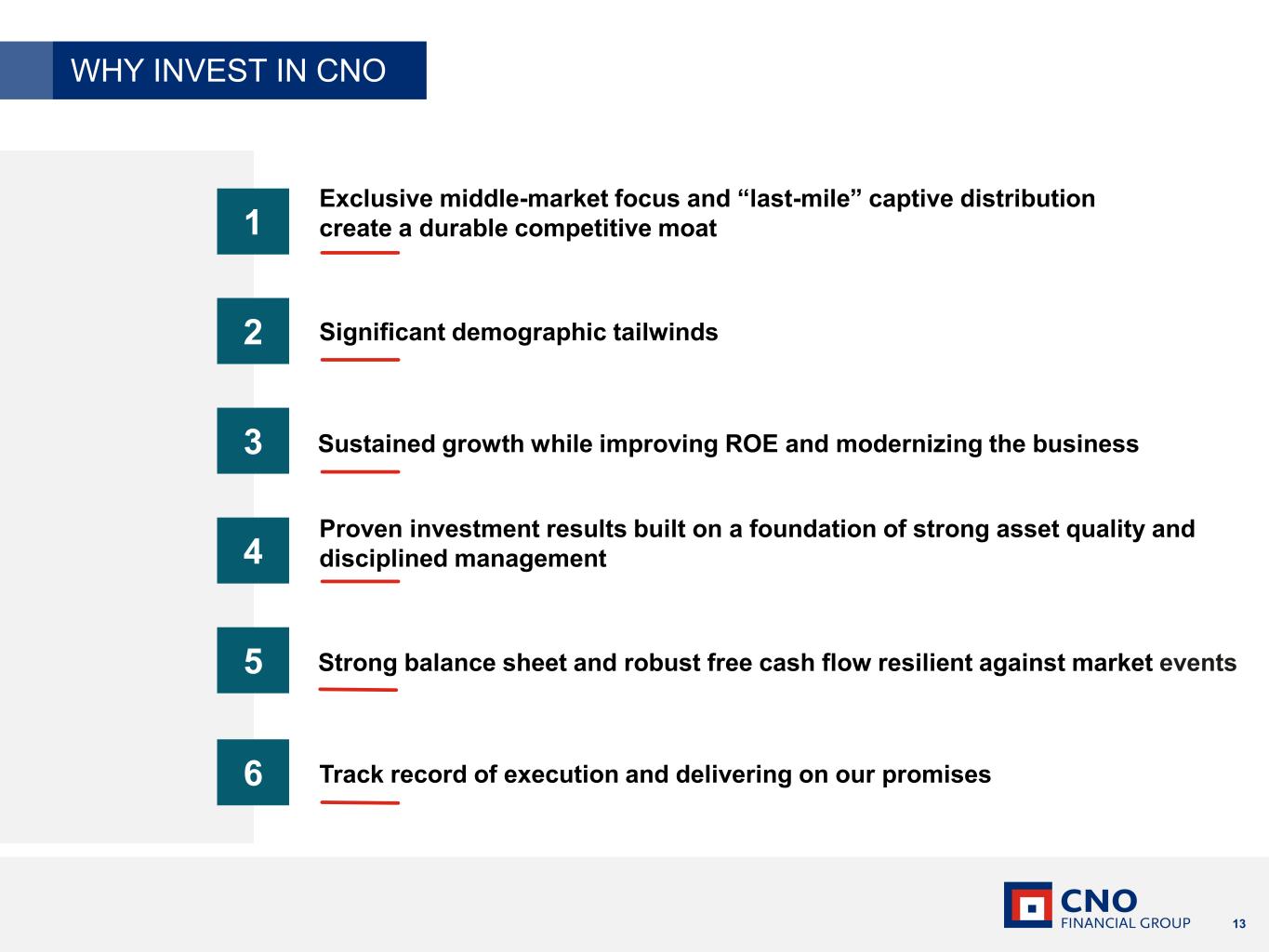
Thanks, Paul. Turning to slide 13. C&O delivered a very strong quarter and first half of the year. Consistent, repeatable results continue to drive our momentum as we grow earnings, improve profitability, and reinvest in the business. Our performance reflects the strength of our diversified business model and the consistent execution of our team. As we enter the second half of the year, we remain confident in our ability to deliver sustainable growth and long-term value. Before we open up the line for Q&A, we have one calendar announcement. Our next C&O investor briefing is planned for early September. This one-hour virtual session will feature both our worksite division and a detailed review of our Medicare business, followed by time for questions with members of our management team. Program registration will start in August, so please ensure that you are signed up to receive our email alerts. Thank you for your support of, and interest in, C&O Financial Group. We will now open it up for questions. Operator?
Operator
Thank you. If you would like to ask a question, please press star one on your telephone keypad to raise your hand and join the queue. And if you would like to withdraw that question, again, press star one. Your first question comes from Ryan Krueger with KBW. Please go ahead.
Hey, thanks. My first question was on long-term care. The margins there have been quite strong and seemingly keep improving for a number of years. I guess as you study the claim experience, I think in the past you just said it's been trending better than you expected, but as you study the underlying drivers, I guess are you getting closer to the point of thinking this could be more of a long-term level that's sustainable?
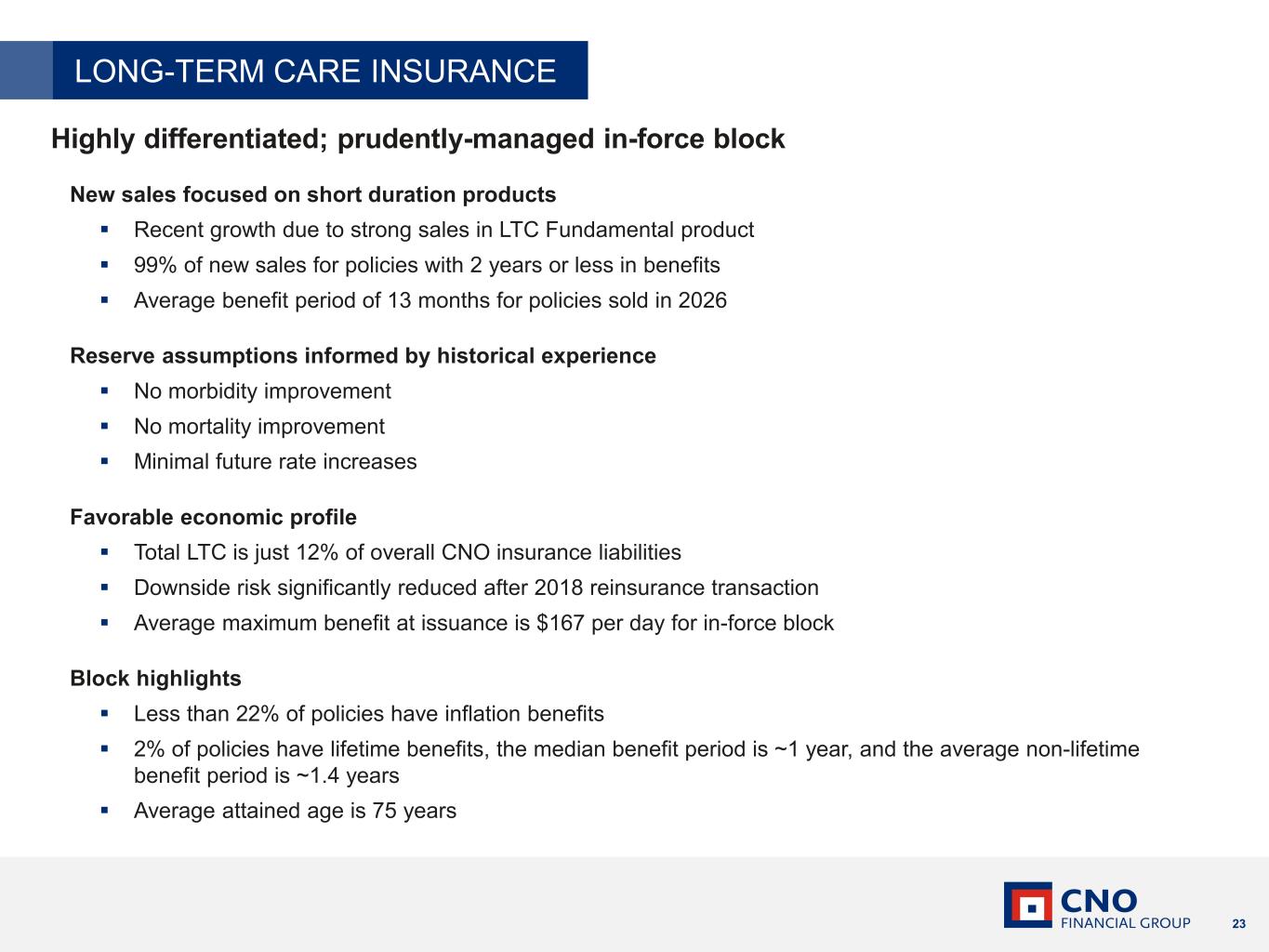
Hey, Ryan. um it's something that we look at every quarter it's something that we look at um you know in more detail every year as you know we switch to the third quarter for our annual review um so we'll be looking at uh you know the the recent trends as we go through that exercise in the third quarter um we certainly have uh observed modestly lower claims versus our expectations on the favorable end of the range of current assumptions. Um, so I don't want to get ahead of the annual exercise, but, um, you know, we'll certainly be, uh, reporting that on our third quarter call.
Thank you. And then on the worksite business, I guess, particularly on the lifestyle, can you talk about, you've had quite a lot of growth in the interest sensitive lifestyles within worksite. Can you give a little bit more color on kind of what you're seeing there and what you think has been leading to that?
Yeah, Ryan, this is Gary. Thanks for the question. We're obviously very pleased with how the worksite business is growing. As we mentioned, the success we continue to have there is a combination of both geographic expansion as well as penetration in existing areas. What we're seeing, and remember, selling life insurance into the worksite space and really emphasizing it, that's been a project going on for the last several years. I think we're seeing a combination of good market demand, excuse me, we're seeing encouragement by employers, and we're seeing, frankly, a maturity of our own sales force in understanding and really using these products to their fullest. So I think we're benefiting from a number of different, what I would describe as just small tactical things that we've been doing over the years, you know, as we've talked about in many of our calls. There's been no major strategic shift, no major changes to products, nothing like that. It's just the continued blocking and tackling. And, you know, we have, frankly, a wonderful team out there that's doing a great job, and we expect it to continue. Thank you.
Operator
Your next question comes from the line of Sunit Kamath with Jeffries. Please go ahead.
Great. Thanks. Good morning. I wanted to start with MedSup. It looked like the margin had been traveling sort of in the mid-20s on a quarterly basis and now it's sort of mid-30s. Paul, I think you'd mentioned a reserve release there. So I was wondering if you could size that for us and maybe give us a sense of where you think on a go-forward basis this margin should be traveling. Thanks.
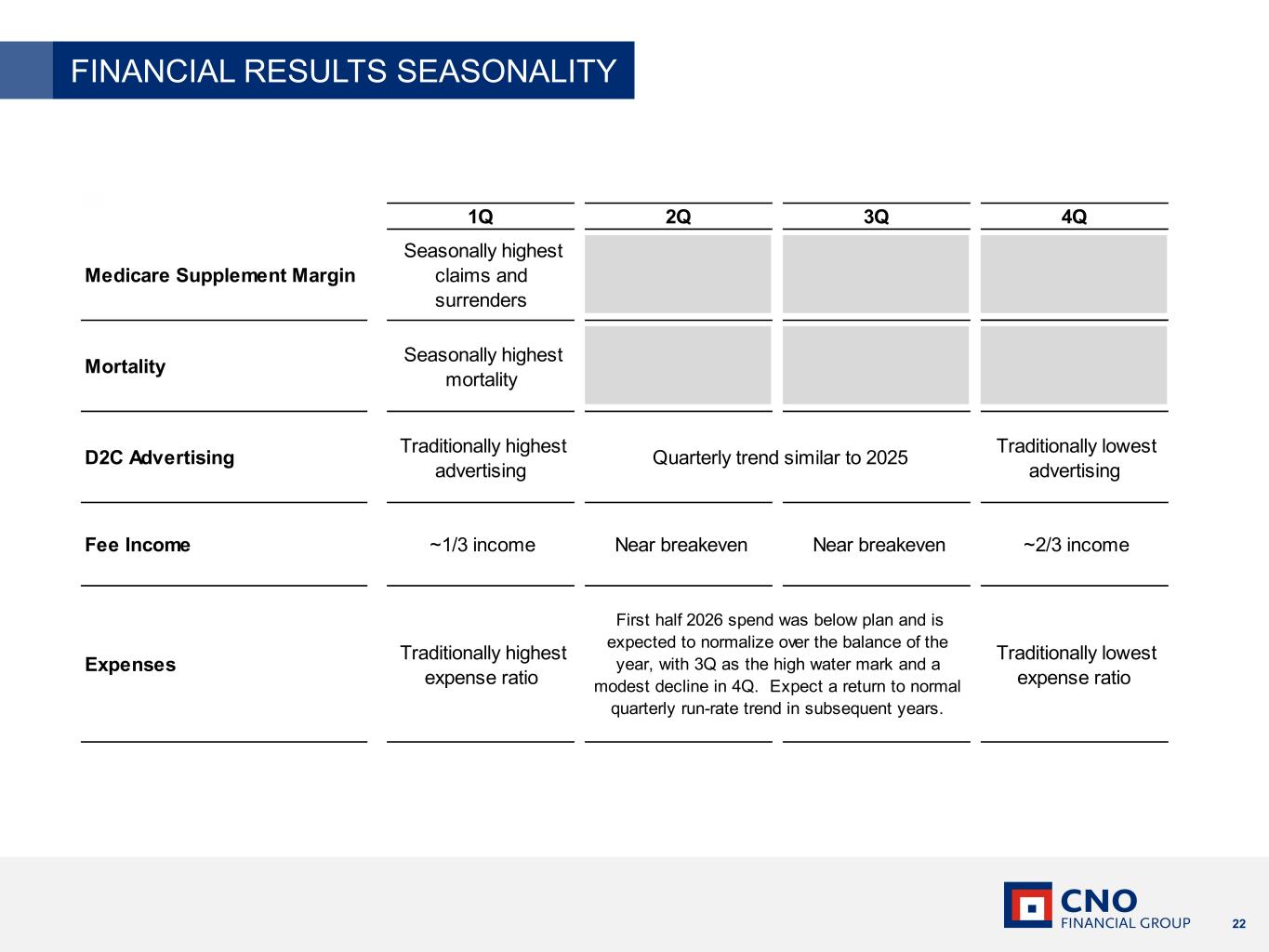
Sure. Hey, Suneet. Yes, we saw some favorable claims reserve development, and this is a product where the claims reserves develop quickly. um and uh and and that was around four million so if you're looking to kind of run rate um the margin you should you should adjust for that i think with that adjustment kind of looking at the first half together that should give you a decent indication of run rate okay that's helpful and then i guess for gary and i know we talked about this last quarter so i can guess what your answer is going to be but if we just look at consumer nap it just looks like it's been decelerating i guess the past couple quarters and as i look out over the next two i think the comps
get pretty difficult um so just curious if you think you can keep this kind of growth engine going or um could we see sort of a decline at least over the next couple quarters uh given the comps thanks yeah samit uh the the short answer is i don't know but but let me give you a few factors to think about um so first of all we've had 16 17 quarters of consecutive growth On the one hand, life never goes in a straight line, and there's going to be some point when that streak breaks. I have no idea when that's going to be, but I would also tell you I would not bet against this team. The field leadership in the consumer division is spectacular. They have been doing a fantastic job. We've got a tremendous tailwind in terms of the consumer need. You know, you see still 11,000 folks retiring every day. Every single one of them needs help with Medicare. Every single one of them wants to talk about long-term care and guaranteed lifetime income with annuities. I don't see any of those trends changing anytime soon. If you ask me, you know, how does our future look over a three- to five-year horizon, I would say extremely bright. Can I tell you if Q3 will be above Q2 and by how much? I can't. But if I look out over the long term, we have favorable demographics, an excellent product portfolio, field leadership that is second to none, and it's growing. Look at our productivity numbers. So I would not bet against these results over the long term. In any given quarter, I have no idea.
Operator
If you would like to ask a question, please press star 1 on your telephone keypad. Your next question comes from the line of Joel Hurwitz with Dowling & Partners. Please go ahead.
Hey, good morning. First one, can you just provide an update on capital deployment priorities? And I guess specifically, how are you thinking about share repurchases at this point with the stock now trading well above book value?
Hey, Joel, I'll take a first crack. And Gary, you may want to jump in. I'd say that the way we think about capital has not changed. So we generate a fair amount of capital to support continued growth. We're reinvesting in the business. You know, the biggest example of that is the TechMod initiative that we're, you know, kind of still in the early innings on. But, you know, that's a significant reinvestment in the business to, you know, update our core applications and infrastructure and reduce risk and position us for growth. After all that, sort of solving for our target capital levels and hold co-liquidity, we generate a fair amount of excess capital. And we look for inorganic growth opportunities. We're very selective. We haven't done much of that. And the rest, we return to shareholders through the ordinary dividend on a quarterly basis and through share repurchases. So nothing you haven't heard before, really no change to that.
Yeah, if I could just add a couple of things. So first of all, I would emphasize Paul's main point, which is we have made no changes to how we think about capital deployment. We see opportunities in the marketplace. We see needs to develop the business for the long term. Think about our TechMod initiative that we've talked about. When we see opportunities like Bermuda, we will continue to take those. But beyond that, there's really been no change. A final comment I would make, it's absolutely true that when we trade above book value, the accounting treatment of share purchases is not as obviously advantageous as when we're trading below book value. However, I'm hopeful that no one would be surprised to hear the CEO believe that I still think this company is undervalued even above this level or at this level of what we're trading. I think we've got an incredibly bright future, and we will continue to execute the way we've been executing. So I think there's a lot more upside here.
Got it. That's helpful. Thank you. And then, Paul, just wanted to see if you could provide an update on Bermuda and where you stand with potentially moving other blocks like your life business or a block of your life business to Bermuda.
Sure. So, consistent with our past practice, we're not going to provide details because we don't want to get ahead of regulatory approval processes, but there are opportunities for us to seed more of our liabilities, and that's something that we're focused on, and we'll keep you posted as that evolves. As I mentioned in my prepared remarks, we are looking to get closer to target levels of capital across our operating subsidiaries, including in Bermuda. And in the close to three years now that we've been operating there, we have built up some excess capital. And so we're looking to solve for that, subject, of course, to regulatory approvals. A third treaty could be a part of that because, you know, that, you know, as you sort of solve for that, you can address some of the excess capital that's been built up. So that's where we are. I, you know, that's as much as we can tell you at this stage, but stay tuned as that evolves.
I guess just any call on how much excess capital has been built up in the entity?
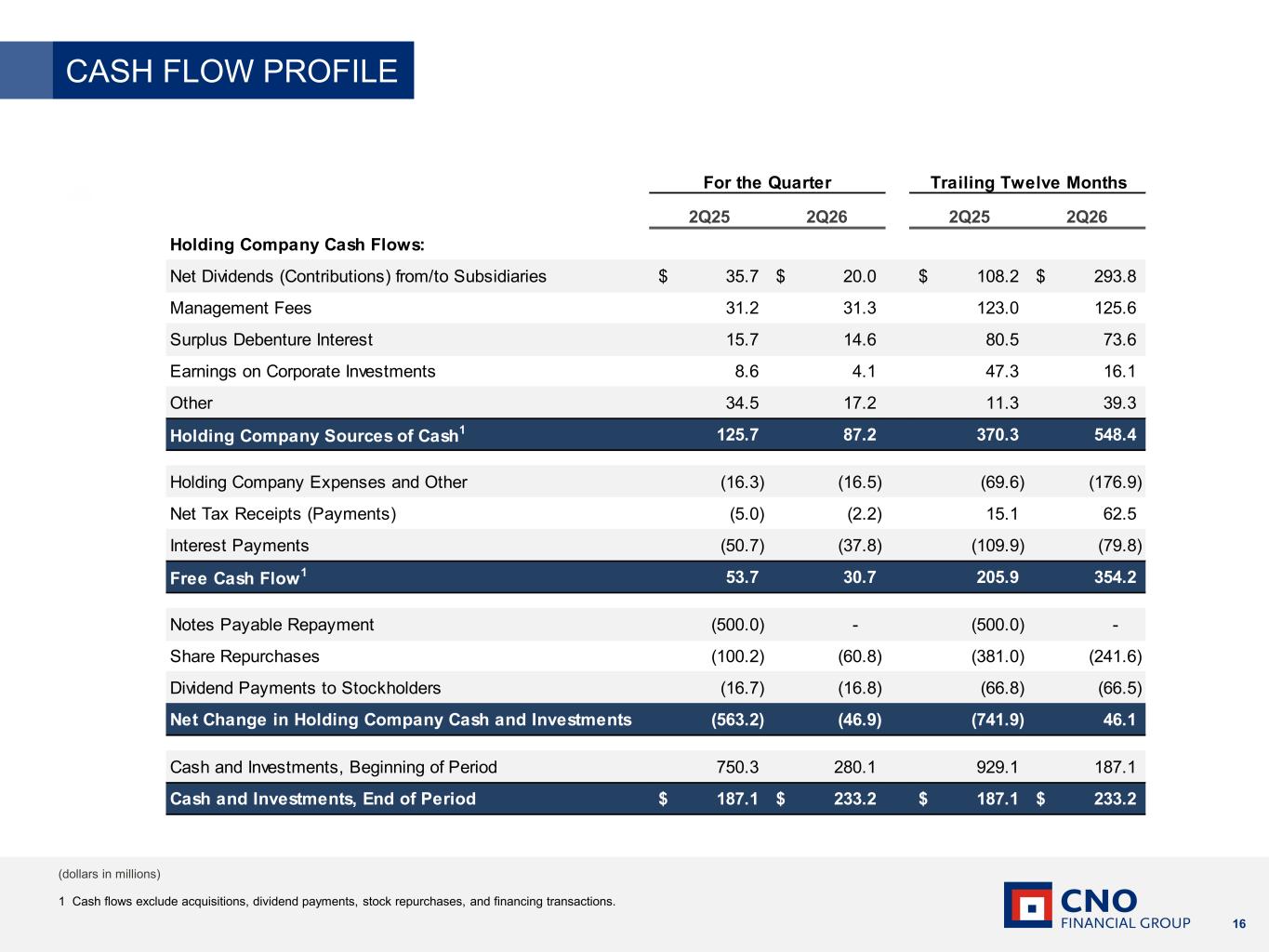
I'd rather not be specific, again, just not to get ahead of the process and particularly the regulatory review and approval. But I will say that as you think about pre-cash flow in the year, that process would, as we address capital that's been built up over a couple, three years, that'll be sort of a one-off favorable item in the year. We also have the tech mod investment that's consuming capital that's also one-off in nature. So you net those things together, and the free cash flow guidance is pretty close to run rate currently.
Operator
Your next question comes from the line of Wilma Burtis with Raymond James. Please go ahead.
Hi. This is Vadip on for Wilma. I was wondering if you could talk about what you were seeing in the market that led to more corporate bond investments this quarter, and what are some other asset classes that are currently attracting investment for C&O? We saw that RMLs have continued to be attractive. Thank you.
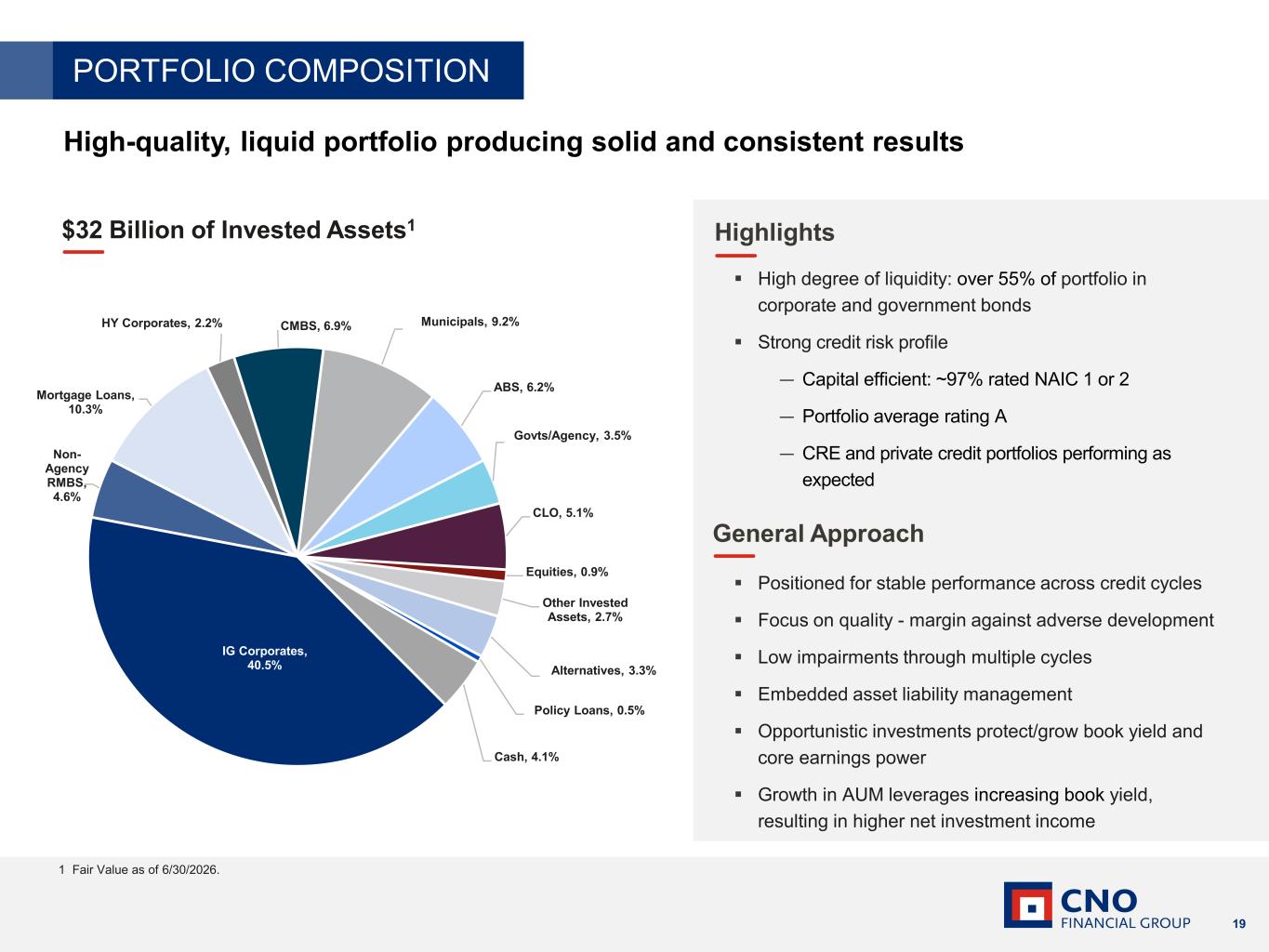
Yeah, I'll take that. This is Eric Johnson. I'm the chief investment officer here. So during that quarter, we had a fairly active quarter in continuing to try to optimize from a return on asset perspective. And that involved a fair amount of activity in corporate bonds, you know, swapping durations as well as some industry sector reallocations. Interestingly enough, we really have not been adding aggressively to our RML portfolio over the period. While they screen pretty well from a return perspective, we feel we have a sufficient allocation there. And in fact, we've been working pretty hard in this interest rate environment to manage lower the convexity profile of our portfolio. So we really have been a little less active than historically it was the case in generally in prepayable securities. We've been leaning, you know, the other direction, actually. I think, you know, I would not, you know, I would say that our allocation to corporates is probably in line with what we think our expectation would be there in terms of the kind of the ratings breakdown of it. You know, we continue to focus pretty heavily on the single A category as being a little better value for us in the BBB category. So it was a very constructive quarter. We did a lot of good things, put some income on the books, continued to protect the quality of the portfolio, and, you know, feel good about how the quarter went.
Hey, thanks. This is Wilma. Thanks, Fadeep, just jumping in for the follow-up question. Can you talk a little bit about the annuity spread dynamics? Are you seeing relatively stable crediting rates in the market? Has there been any pressure there? Maybe just give us a little bit of color on what you're seeing.
Hey, Wilma, it's Paul. I'm not sure I can provide a whole lot beyond sort of what you'd expect, which is we manage our annuities to sort of a target spread. We're pretty good at doing that in various interest rate environments. And we continue to apply that level of discipline in the current environment.
Yeah, let me just supplement Paul's comments a little bit. I think it's important to remind everybody of a few key factors that make our annuity book different. And I won't say immune, but I will say less subject to some of the other pressures we're seeing in the marketplace. We've absolutely seen new entrants come in. We've absolutely seen a bit of an arms race. There's no question about that. You've seen that in some of the sales figures. But remember, number one, we sell our annuities only through captive distribution. And so our people are not regularly spreadsheeting our products. And then number two, and this is a key thing, the products that we sell are dedicated to the middle-income market. They are fair. They are reasonable. They provide a good value. But when our captive distribution force is in there talking to these customers, they're not competing against everybody and their brother because most folks aren't calling on this customer base. As often as anything, our competition is a bank CD. So it's important to remember that we're not immune to these competitive pressures, but we are significantly insulated because of the difference in our distribution model and the focus we have on that middle-income market that doesn't attract a lot of attention from most big financial players.
Thanks, Rick Keller, and congrats on a great word. Thanks.
Operator
And that concludes our question and answer session. I will now turn it back over to Adam Oville for closing comments.
Thank you, operator, and thank you all for participating in today's call. Please reach out to the investor relations team if you have any further questions. Have a great rest of the day.
Operator
Ladies and gentlemen, this does conclude today's conference call. Thank you for your participation, and you may now disconnect.