Operator
Thank you for standing by. My name is Jeannie, and I will be your conference operator today. At this time, I would like to welcome everyone to the CubeSmart second quarter 2025 earnings call. All lines have been placed on mute to prevent any background noise. After the speaker's remarks, there will be a question and answer session. If you would like to ask a question during this time, simply press star, followed by the number one on your telephone keypad. If you would like to withdraw your question, press star one again.
Operator
I would now like to turn the call over to Josh Schultz, Vice President of Finance. Please go ahead.
Speaker 13
Hey, Jeannie. Good morning, everyone. Welcome to CubeSmart's second quarter 2025 earnings call.
Speaker 13
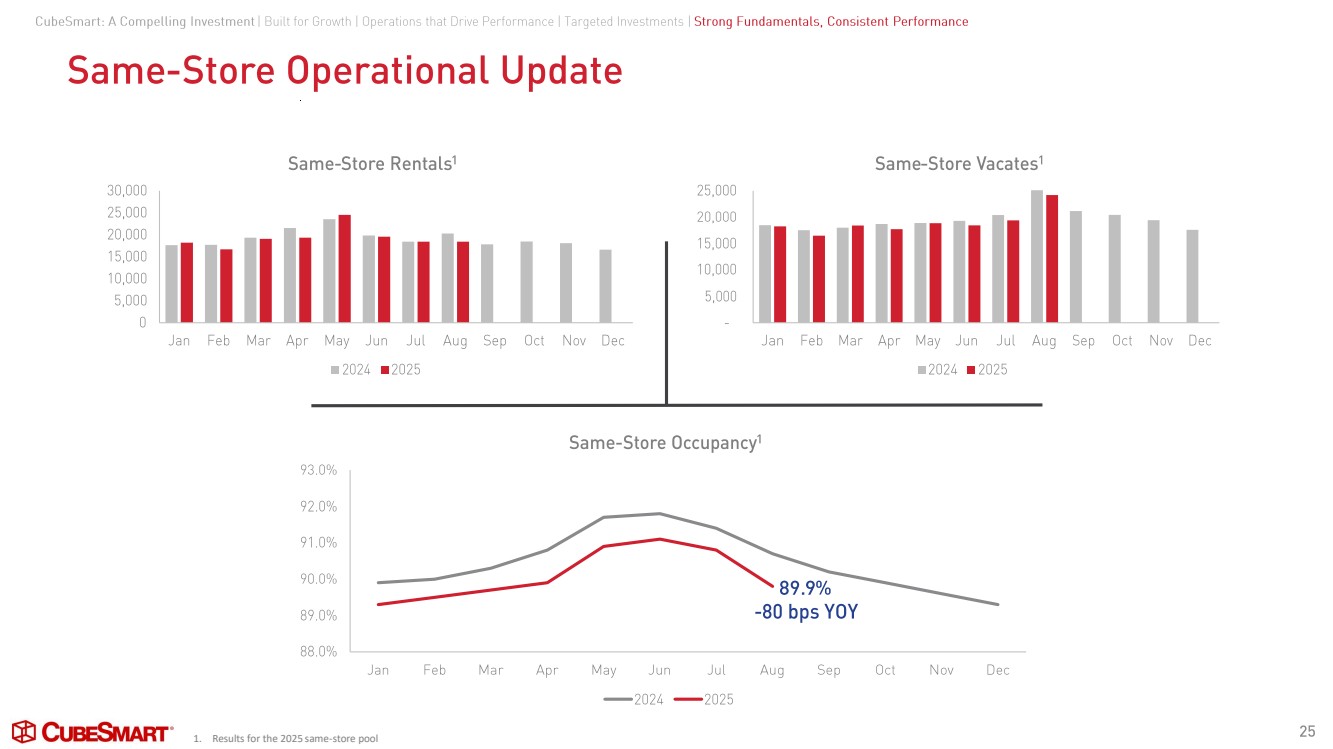
Participants on today's call include Chris Marr, President and Chief Executive Officer, and Tim Martin, Chief Financial Officer. Our prepared remarks will be followed by a Q&A session. In addition to our earnings release, which was issued yesterday evening, supplemental operating and financial data is available under the investor relations section of the company's website at www.cubesmart.com. The company's remarks will include certain forward-looking statements regarding earnings and strategy that involve risks, uncertainties, and other factors that may cause the actual results to differ materially from these forward-looking statements. The risks and factors that could cause our actual results to differ materially from forward-looking statements are provided in documents the company furnishes to or files with the Securities and Exchange Commission, specifically the Form 8-K we filed this morning, together with our earnings release filed with the Form 8-K, and the risk factor section of the company's annual report on Form 10-K. In addition, the company's remarks include reference to non-GAAP measures. The reconciliation between GAAP and non-GAAP measures can be found in the second quarter financial supplement posted on the company's website at www.kebesmart.com. I will now turn the call over to Chris. Thank you, Josh. Good morning, everyone, and thanks for joining us. We posted a very solid beat and raise second quarter. The stabilization trends we experienced in the first quarter continued their positive momentum throughout the second quarter and into the month of July. Year-to-date, our key performance indicators have exceeded the expectations we articulated during the year. Our expectation of an anemic housing market and the absence of any catalyst for a sharp recovery have proven accurate. Our belief in the continued health of our customer base, the resiliency of our product, and the gradual improvement of fundamentals have been directionally accurate, albeit the impact of new supply and the pace and magnitude of improvement and new customer move-in rates have been more positive compared to our base case assumptions. Digging a bit deeper into performance through the busy season, our trough to peak occupancy grew 190 basis points compared to 180 basis points last year. Our net effective rates for new customers grew 28.3 percent compared to 15 percent in 2024. Overall, rate trends have been very constructive. In the first quarter, move-in rents were down 8.3 percent over the first quarter of last year. That gap in the second quarter contracted to 4 percent, and in July, the gap was 3.3 percent and has been narrowing throughout the month. We are experiencing similar solid trends in occupancy with the gap to last year narrowing further in July. Continuing one further layer deeper and looking at major market performance, our urban markets along the Acela Corridor, along with the stores in Chicago, continue to be our top performers, indicative of the more muted reliance on housing transactions and stickier customer base and the laggards are the markets across the more volatile sunbelt primarily florida and arizona which are more reliant on housing mobility and are still absorbing news supply our new york msa continues to shine with solid sequential acceleration in net rental income from the first quarter the boroughs continue to lead the way, benefiting from the reduction in new supply and the broad base of consumer and small business demand, followed by very good performance in Long Island, while northern New Jersey continues to gradually improve as the supply is absorbed. Looking ahead, we expect the baseline for occupancy and move-in rates should approach parity by the end of the year. Naturally, given the fact that we turn over approximately 5% of our Qs in any given month, it will take time for all of that positive momentum to flow through the revenue algorithm. We recognize that there remains a risk of volatility with the consumer as they have likely not fully absorbed the impact of ongoing governmental and monetary policy decisions. While acknowledging that risk, our results through our busy season, along with more recent trends, have made us increasingly more confident that our operational trends will continue to steadily improve through the back half of 2025, putting us on much better footing as we head into 2026. Thank you, and I'd now like to turn the call over to Tim Martin, our Chief Financial Officer.
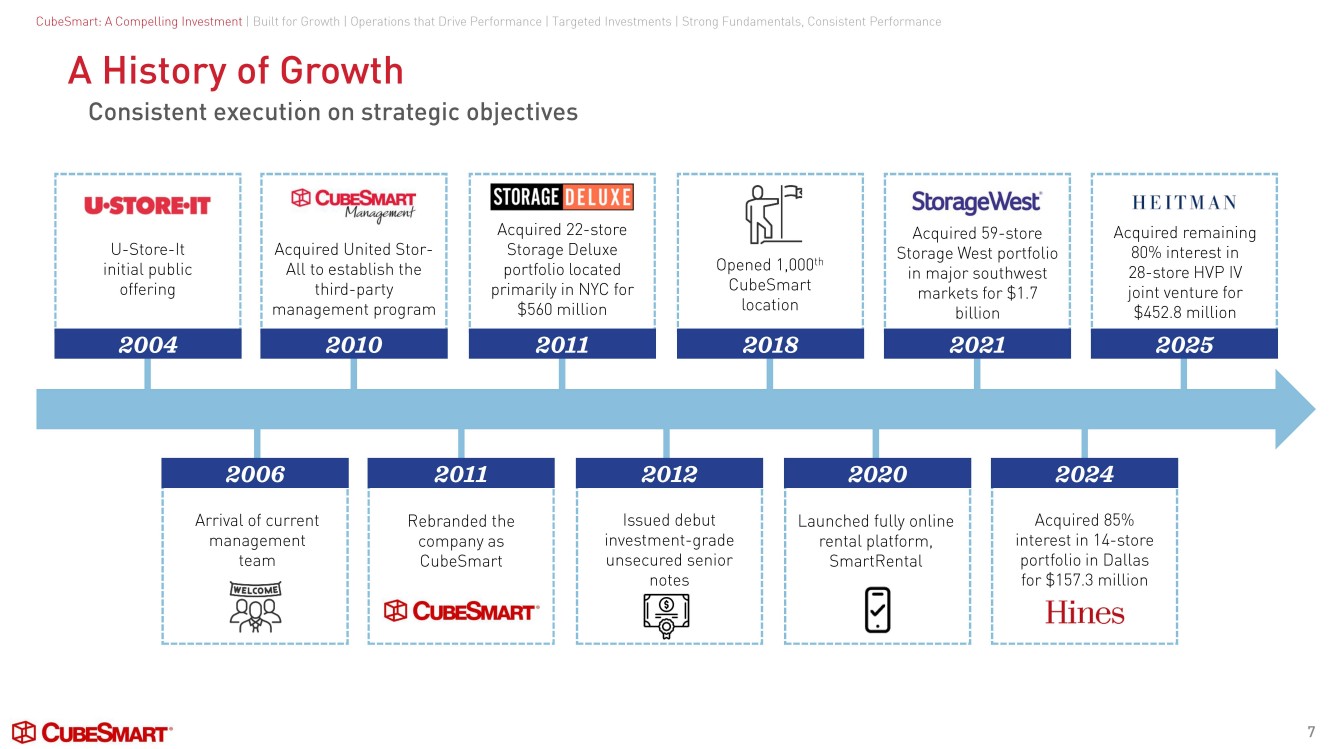
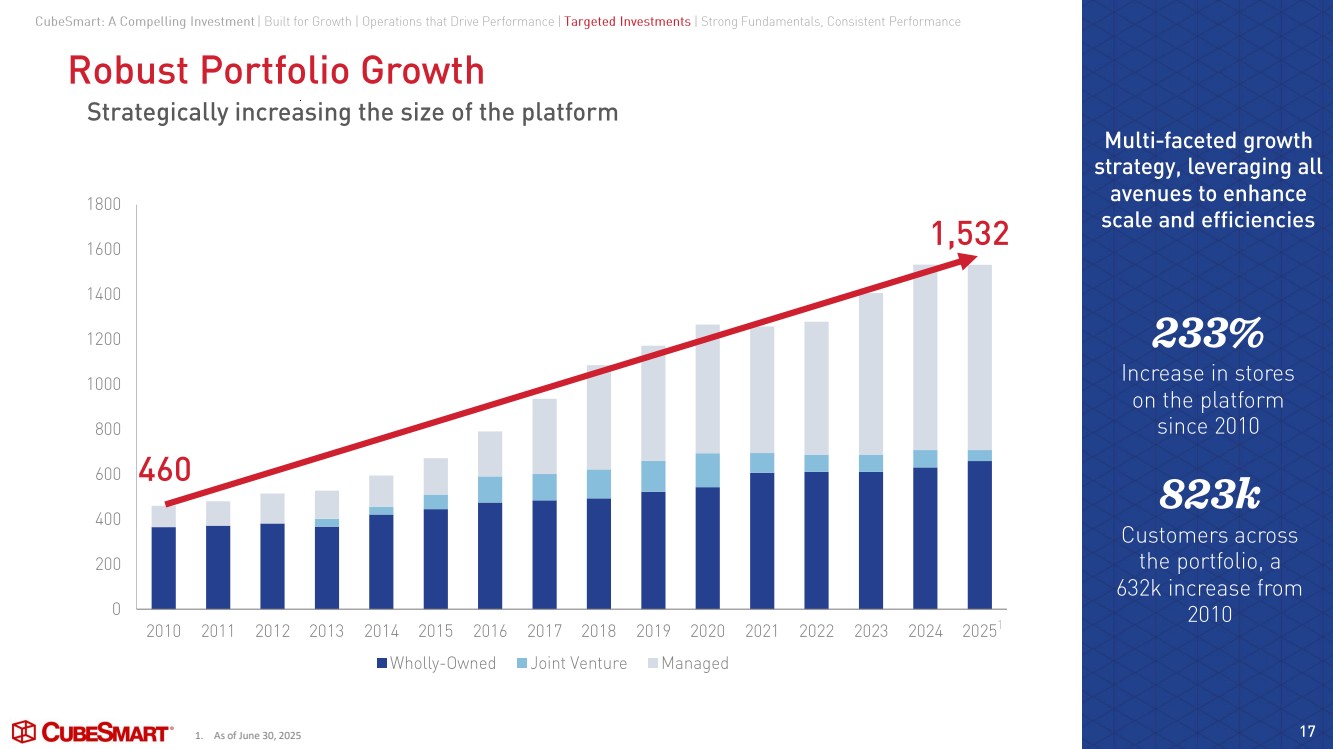
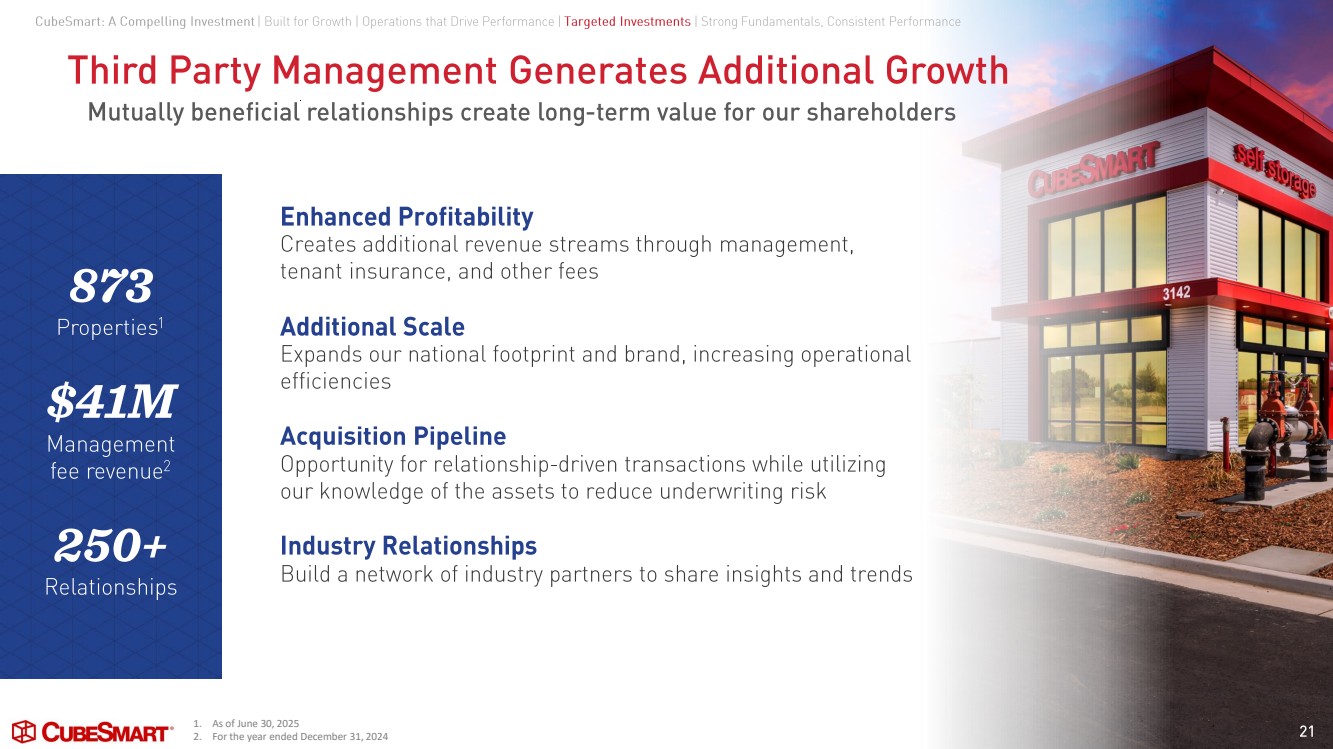
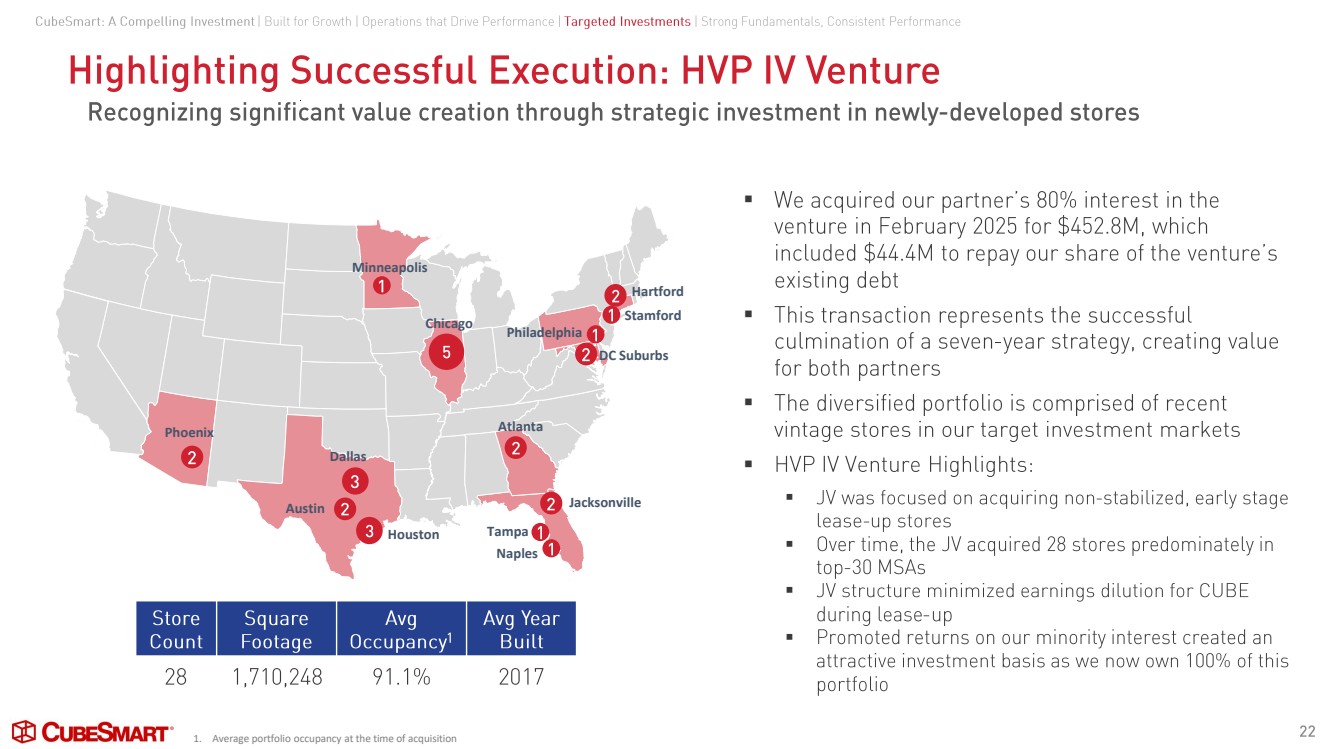
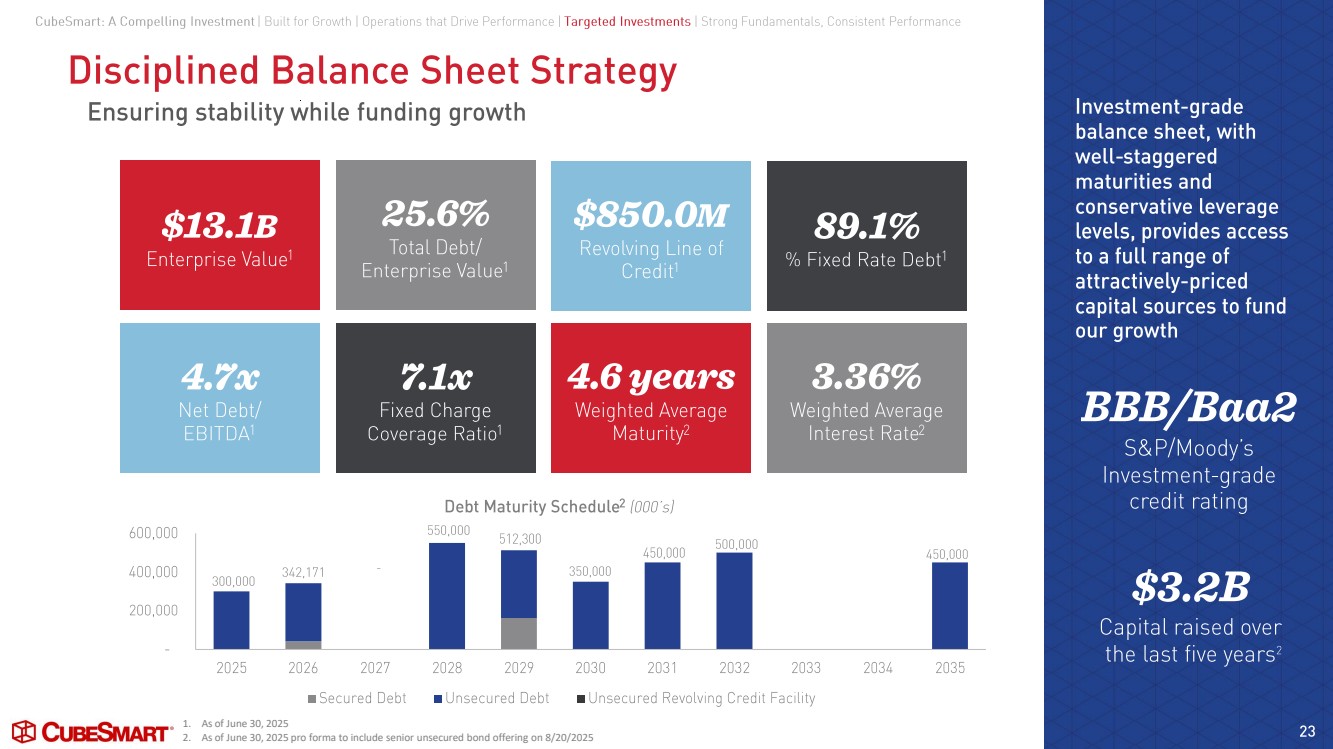
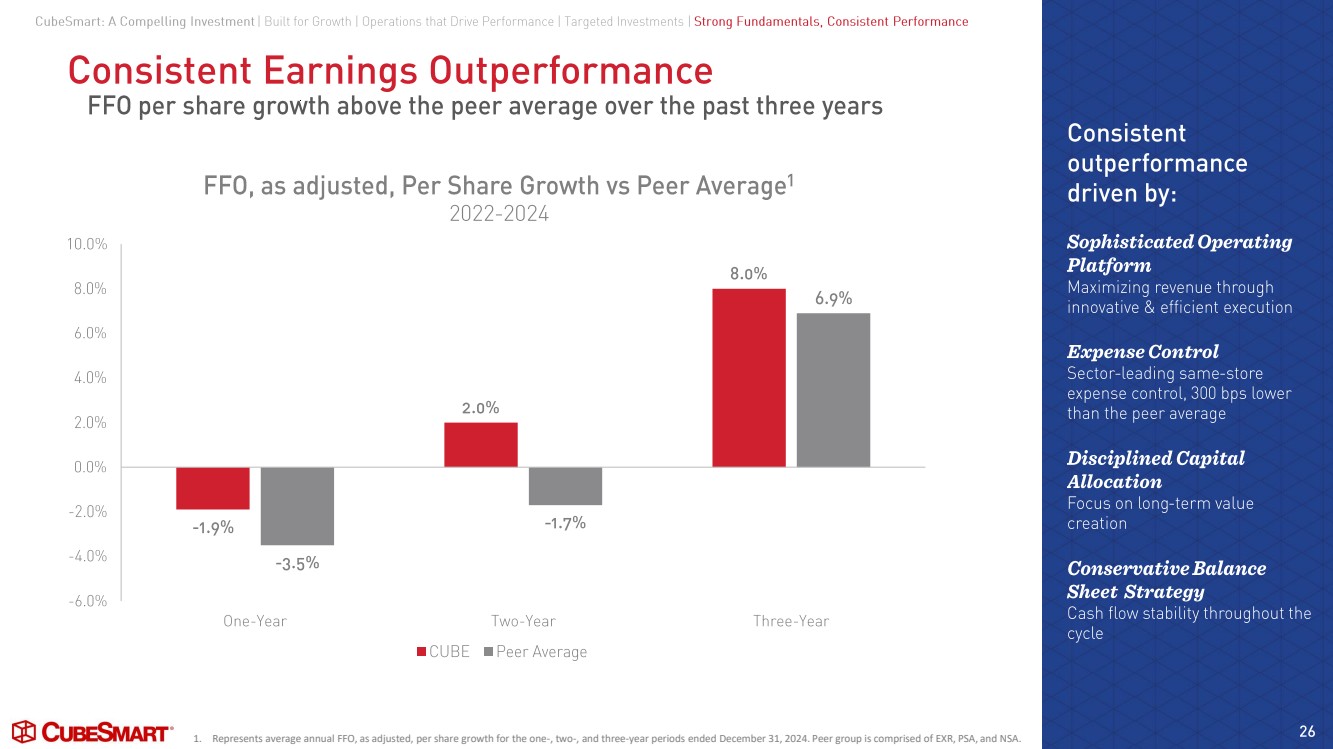
Thank you, Chris. Good morning, everyone. And as always, thanks for taking a few minutes out of your day and spending it with us. Second quarter results reflect exactly what Chris was touching on, the continuation of stabilizing operating trends that we talked about back in the first quarter. Same store revenue growth was down 0.5% over last year, with average occupancy for our same store portfolio down 80 basis points to 90.6% during the quarter. From a rate perspective, our move-in rates during Q2 were down about 4% year-over-year, improving from down 8% in Q1 and from down 10% back in Q4 of last year. Same-store operating expenses grew 1.2% over last year, again this quarter trending a bit better than our expectations. We've had sector-leading expense controls over the past three years, and our team's focus in this area continues to show up in the results. I'll expand on some of the expense line items in a moment when discussing changes to our full-year guidance ranges. Revenue growth of negative 0.5% combined with 1.2% expense growth yielded negative 1.1% same-store NOI growth for the quarter. We reported FFO per shares adjusted of $0.65 for the quarter, which was at the high end of our guidance range entering the quarter we were quiet this quarter as it relates to on balance sheet investments the team continues to evaluate a healthy volume of acquisition opportunities but returns on marketed transactions haven't reached compelling levels on a risk-adjusted basis from our perspective we remain well positioned with plenty of capacity when we do find attractive deals we added 30 stores to our third-party management platform during the quarter bringing that total to 873 stores at quarter end. We have seen some churn in the third-party portfolio from larger transactions, including our acquisition of 28 stores from our joint venture last quarter, as well as a handful of portfolios that our third-party owners have sold this year. Balance sheet metrics remain strong with net debt to EBITDA at 4.7 times. Our $300 million dollars of 2025 senior unsecured notes mature in november of this year so we will be actively monitoring the market in the coming months with a focus on issuing long-term unsecured debt and effectively pushing that debt out to the end of our maturity schedule details of our 2025 earnings guidance and related assumptions were included in our release last evening second quarter results combined with the continuation of stabilizing operating trends were the primary drivers of our improved FFO per share and our same-store operating estimates. Overall trends, as we've mentioned, continue to move in a positive direction with all key operating metrics seeing better than forecasted performance through July. The negative occupancy and rate gaps have narrowed throughout the year. The cadence and pace that these improving trends have on year-over-year revenue growth, as we look at the balance of the year, are impacted by a variety of things, including the timing of changes we made in our fee structure mid-last year, the timing related to rate increases to existing customers and how that flows through revenue year over year, as well as the reality that only about 5% of our customers churn on a monthly basis. Embedded in our expectations for third quarter results is our expectation that same store revenue growth will be slightly more negative than it was in the second quarter, and then improving as we get into the fourth quarter. So while we're very encouraged by the positive trends in operating fundamentals, just want to manage expectations that these improvements will take a little bit of time to flow through. On the expense front, as I mentioned, we had a really good first half of 2025 as we continue to be laser focused on improving expense efficiency. Our improved expectations that led to our improved expense growth guidance range were driven by a variety of line items, but the leading areas of improvement were the much better than anticipated insurance renewal in May, successful property tax appeals, and the impact of efficiency-focused projects at our stores, including staffing and telecom initiatives. That wraps up our prepared remarks for this morning. Thanks again for joining us on the call. And at this time, Jeannie, let's open up the call for some questions.
Operator
Jeannie At this time, I would like to remind everyone, in order to ask a question, press star, then the number one on your telephone keypad. And your first question comes from the line of Samir Kunal with Bank of America. Please go ahead.
Samir Kunal Yeah. Good afternoon, everybody. I guess, Chris, Thanks for the color on July. It looks like you are seeing positive trends, which is good to see. Just curious, on the revenue side, you took the midpoint up, which was good, but you also took the top end down slightly. So I guess what were you assuming at the top end that you felt was sort of out of reach based on your assumptions?
Hey, Samir, it's Tim. So the top end would have assumed a stronger improvement in overall levels of demand, and we're just reining in the high end of those expectations as a result of that's not how the busy season played out. We just don't see that the high end is in the cards. So we brought it down. But, again, would much rather focus on the fact that we raised guidance in the midpoint than the part that you're pointing out, that we narrowed the top end.
Okay, got it. And then I guess on the revenue growth as it relates to New York, still very strong versus the portfolio, but it did decelerate a little bit. But maybe provide some color around the New York boroughs and kind of what you're seeing, maybe in the northern New Jersey area. Any color would be helpful. Thanks.
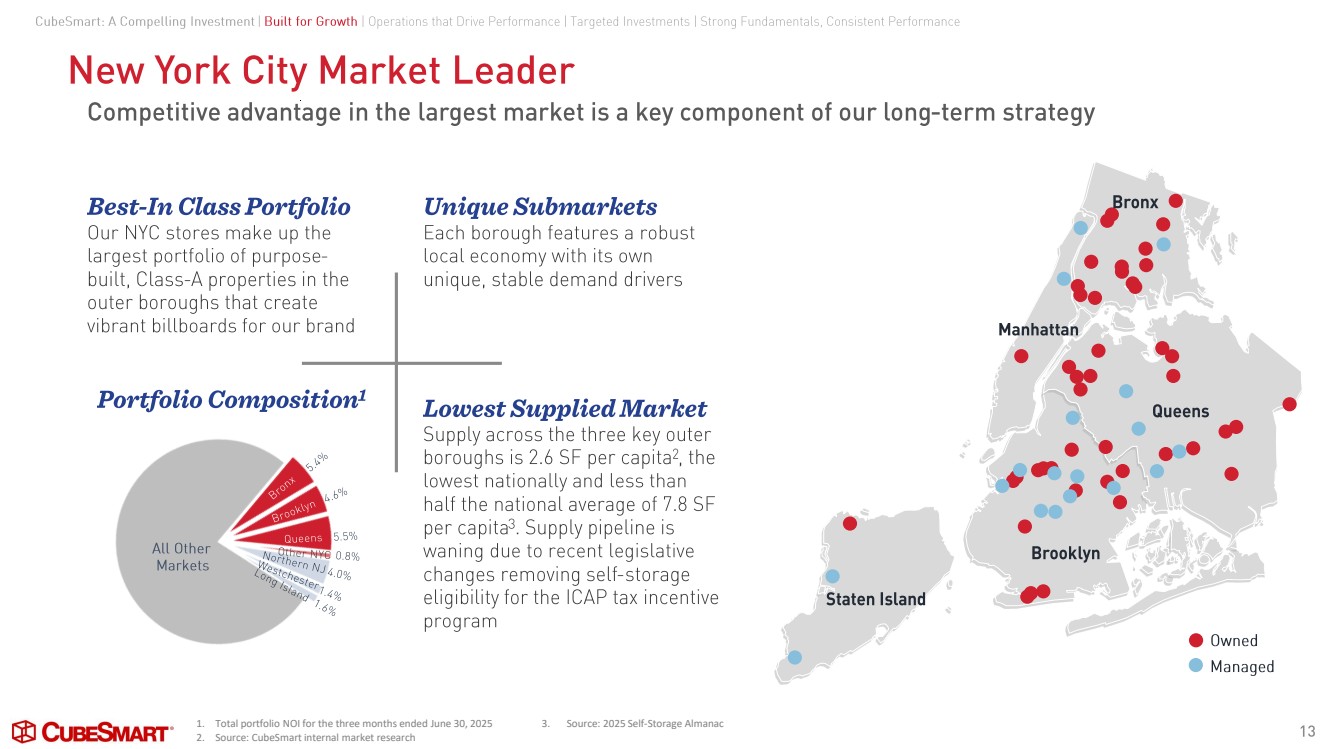
Yeah, so the positive trends across the portfolio are also embedded in the New York MSA as a whole. So net rental income accelerated from Q1 to Q2 fairly nicely. The overall total revenue came down a bit, again, back to Tim's comments at the beginning related to changes we made last year in fees, et cetera, that had a very difficult comp, particularly given the nature of the customer in the boroughs, difficult comp for Q2. So very encouraged by net rental income growth, continue to move in a really positive direction in both the boroughs as well as in Long Island. I think as it relates to North Jersey, that same store cadence, that rental income there, we're seeing continued movement in a good direction, albeit it does remain slightly negative year over year and therefore is a bit of a drag on the MSA as a whole. But no real meaningful supply being delivered. The supply in North Jersey is being absorbed. And so overall, really pleased with New York, the cadence of New York, continued stickiness of the customer base there, and our position on a relative basis to our peers and our outperformance relative to other operators in that market during the quarter.
Excellent. Thank you. Thanks.
Operator
Your next question comes from the line of Michael Goldsmith with UBS. Please go ahead.
Good morning. Thanks a lot for taking my questions. You mentioned twice on the call that, you know, the monthly turnover of customers is 5%. And then, can you help us tie that to just the pace of recovery and that the third quarter is going to be a little bit more negative than the second quarter? and just how, you know, street rates continue to close the gap and get better, but then, you know, it just takes time for that to flow through. Can you kind of just tie that all together and just provide a picture of, you know, how the recovery and the stabilization should take place?
Yeah, thanks, Michael. So it is the reality that the operating fundamentals, all of the key metrics that we look at, Whether it's levels of demand, pricing to new customers, narrowing the occupancy gap, all of those things are improving. The reality is that probably the most encouraging thing about 2025 is it's feeling more normal from day-to-day, week-to-week, month-to-month. Certainly more normal than it has been over the last two years. As we've talked about for the past several quarters, if not the past two years, it's just been a little bit bumpy here as we've gone through post-pandemic and kind of the reset that we've all been through the last three years. And so what that does is it creates a little bit of that volatility that we saw last year, creates interesting comps year over year. And so it just doesn't naturally flow through in a steady and programmatic way, the way everybody that's building a model would like it to. And so it's why we're pointing out that there still is a little bit of volatility in how all of that flows through. The 5% is just a reminder that even if we have a really good month, it's a really good month that churns 5% of the portfolio, right? And so it just takes time as all that goes through. We touched upon some of the things that are creating the bumpiness and perhaps, I guess, the unpredictability from your perspective on how all that flows through related to what we did with fees, what we did and what we continue to do with rate increases to existing customers. And all of those things create a little bit of noise in how all of the positive fundamentals flow through to the bottom line. And ultimately, all of this is gearing towards, you know, the ultimate stabilization and kind of the end of the reset. And I think we're going to be in a great spot here as we think about where we're starting in 2026.
Thanks for that, Tim. And then just as a follow-up, first quarter you were able to acquire out of a JV little activity in the second quarter. So can you provide a little color that you're seeing in the transaction market? You know, is there a lot on the market? What does pricing look like? It sounds like it hasn't been too favorable to your appetite. So can you just provide a little more color on that?
Yeah, thanks, Michael. Not a lot has changed from what we've talked about in the prior, you know, handful of quarters. We continue to underwrite. I would say deal volume is up from where it was last year. The number of opportunities we're underwriting is a little bit higher than where we were this time last year. But the result remains the same, which is, you know, we're competitive on some deals. We're not as competitive on others. And just on a risk-adjusted basis, where it makes sense for us to invest based on our outlook for an individual opportunity and our cost of capital, just not quite there yet, just not able to transact in any meaningful way.
Thanks for that. Good luck in the back half. Thanks. Appreciate it.
Operator
Your next question comes from the line of Todd Thomas with KeyBank Capital Markets. Please go ahead.
Yeah. Hi. Thanks. Good morning. I was just wondering, you know, just following up a little bit on your comments around same-store revenue growth, stabilizing and getting cover in, you know, the fourth quarter or later in the year. You talked about the New York City metro. I'm curious if you can speak to, you know, the operating trends in the Sunbelt markets where it's been a little bit weaker, Texas, Phoenix, Atlanta. You know, is the inflection that you're anticipating later in the year consistent with what you would expect to see in those markets, or will those markets take a little bit longer to recover still?
Yeah, Todd, I think the positive directional trends are across markets, right? So when you think about just as an example, if we think about acceleration from markets, you know, kind of first quarter to second quarter, and then you've got some of the Sun Belt markets that are actually showing that improvement, Orlando, Miami, Atlanta, I think six of our top 20 showed some acceleration, albeit still not positive. On the one hand, I think you're seeing things being constructive. On the other hand, when you think about the supply that is out there and that is supposed to be delivered, and again, I think some of these projects will clearly lag into next year, but it eventually will be delivered. you still have pretty high amount of deliveries in Atlanta and Houston and Dallas and Phoenix. So again, I recognize that there are large MSAs, they're sprawling, it's possible to construct storage in those markets where you're not necessarily clumped together with existing product that you are in some of the urban areas. But I do think it'll be a longer timeframe for those higher impacted supply markets to recover. But I do think trends will get better.
Okay. So it seems pretty broad-based. The other question I had was this morning, we got a little bit of a weaker jobs report and uncertainty around the economy and consumers been high for a little while in general. As you think about your ECRI program and revenue management, do you shift your stress at all in sort of a proactive way to, you know, consider a potentially weakening macro or economic backdrop? Does anything change, or do you let the system continue to manage it based on demand?
Yeah, I think fundamentally because of the nature of the product is just one in which, you know, The need is so broad-based, which is why it's so resilient. The systems will identify the need and the expected demand and then sort of match those two up and lather, rinse, repeat. I do think we watch, again, the health of the existing customer relative to kind of what's going on macro. But as I think we've said to date, the existing customer continues to remain pretty healthy. Okay.
Operator
Your next question comes from the line of Juan Sanabria with BMO Capital Markets. Please go ahead.
Hi. Apologies if I missed this, but I guess what is the main driver of the expected de-cell and same-store revenue in third quarter versus second quarter? Is it a product of Tecnicomps and the other ancillary revenue line?
I'm sorry, Juan. Just to reiterate, it's a combination of the timing as to really just how things flow through and show up in revenue. It's the timing of when we made adjustments to some of the fees earlier in 2024. It's the reality as to how the rate increases to existing customers just flow through revenue. And the timing of that, the volatility that we are seeing less up now, but we did see volatility last year, which creates a little bit of bumpiness in a variety of different comps. And then just the reality that as fundamentals continue to improve, you get a little bit of that help in each month, but only a little bit given the churn. So it just takes time for all this to flow through. We're super positive about the direction of all of the trends and operating fundamentals. Just want to make sure that we're telegraphing how we think it's all going to flow through, ultimately, into the revenue result that you should expect to see for the balance of the year.
Thanks. And then just, you know, the 3 p.m. business is awesome churn. I guess, what's the expectation in the second half? Are there any other large or chunkier portfolios that are being sold away from you guys that could see that number of third-party managed stores actually go down, or just get curious on what visibility you have there?
Yeah, not a great deal of visibility. Obviously, the stores that are leaving our platform as they're sold that we know about, we're incorporating that into our expectations. you know we've talked about in in the prior quarters one of the benefits that we've had from a relatively sluggish transaction market over the past 18 to 24 months has been that that we had been experiencing less churn as a result of a slow transaction market now that it's starting to to pick up at least a little bit you know we're starting to see some some stores leave the platform. And part of the business, we try to do a great job for our owners. I think we do. And oftentimes that positions them to accomplish their objectives, which is to maximize the cash flow and be in a good position to transact and realize a profit. So part of the business, what we can do to control it is to continue to do a great job of onboarding stores, 30 more stores onboarded to the program this year. That's the part that we have a little bit more control over. The rest of it is kind of a result.
I appreciate that. Thank you. Thank you.
Operator
Your next question comes from the line of Eric Wolf with Citi. Please go ahead.
Thanks. It's Nick Joseph here with Eric. You touched on the high amount deliveries in some of the markets and the continued impact that you're feeling there.
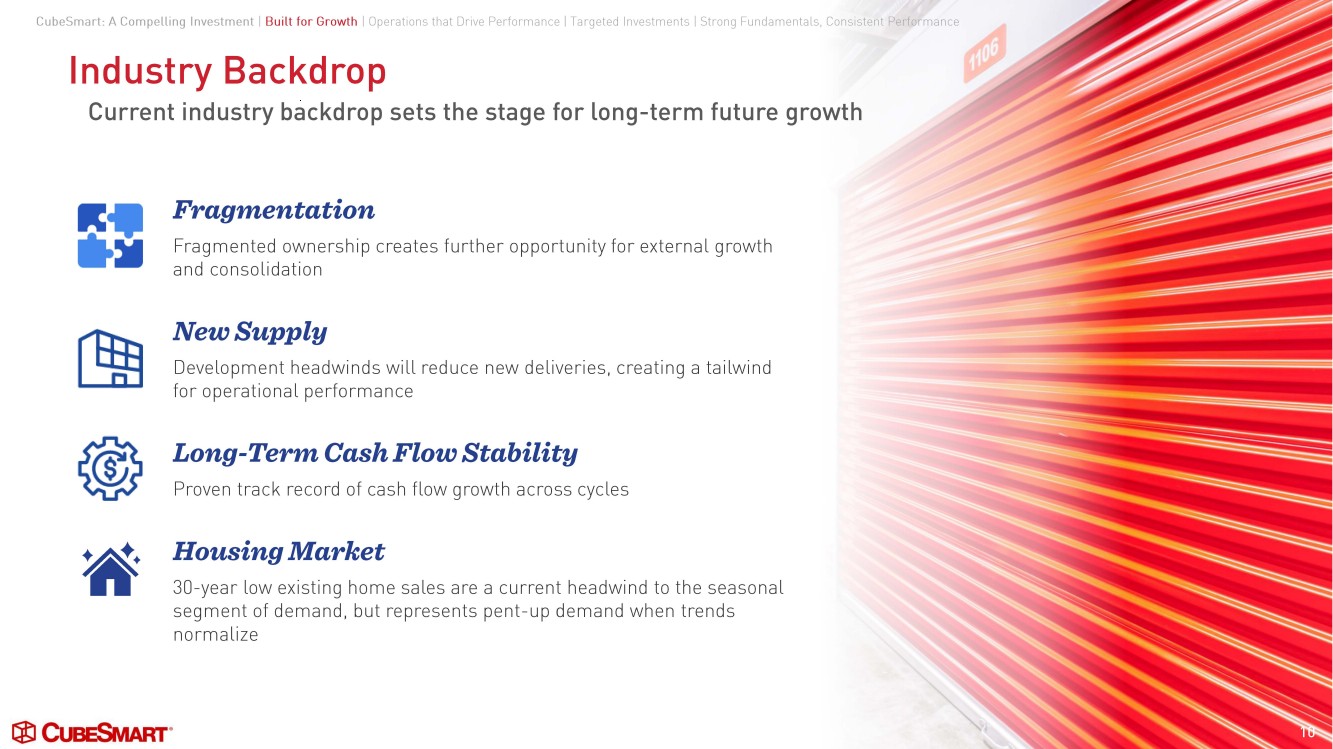
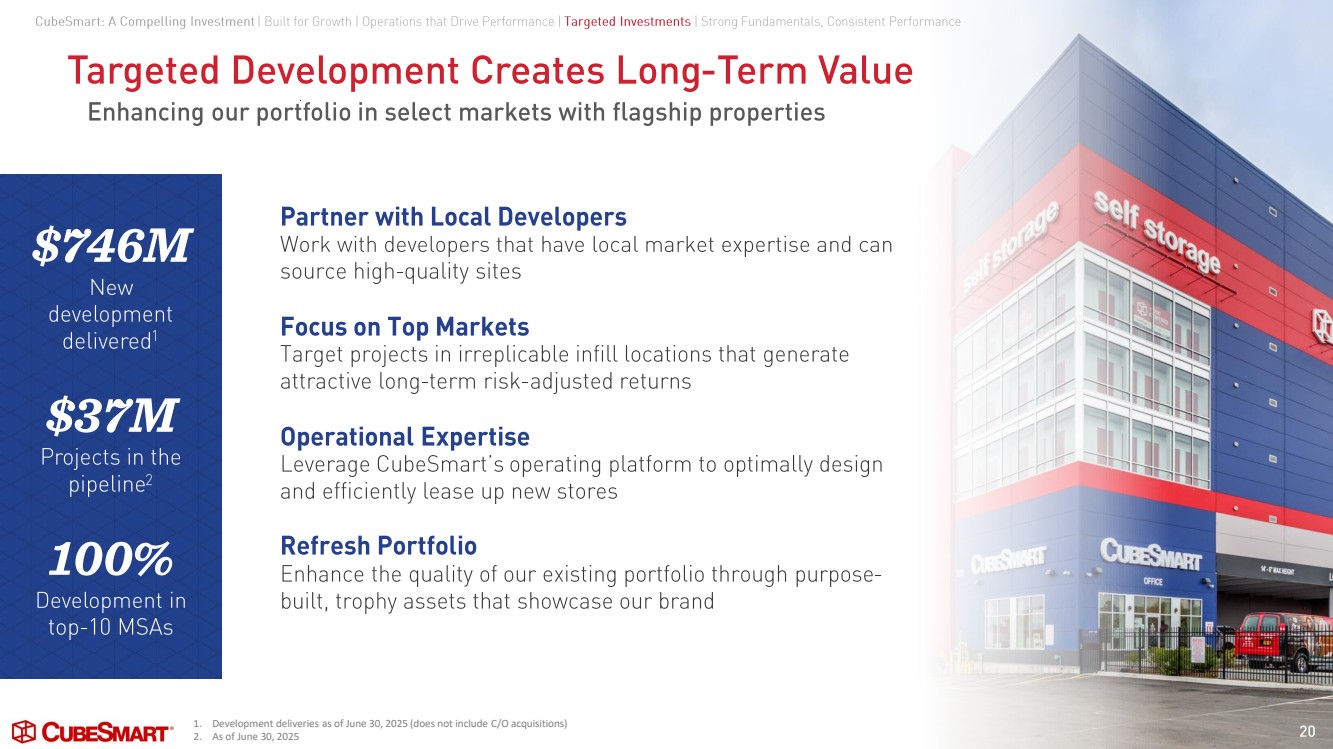
Are there any indications of construction starts picking up in um in any of your markets obviously you're dealing with the residual of you know starts that have already occurred your morning no i think it's it's actually the opposite you know for the most part as you as you would expect uh raw material costs are up. Land values certainly have not gone down. Labor is challenging to obtain and expensive. And your cost of borrowing, if it's available for speculative development, is tight. And then trying to pencil out returns that make sense in this market today, given all that for your your potential equity investors is also a challenge. So obviously deals are coming out of the ground or had already come out of the ground or getting completed. But I think as we look out a little bit further and you look at 26, 27, I think we're going to see a lot of delays, a lot of projects that don't get started until some of those factors that I just discussed are resolved more favorably. So I think supply will continue to be overall constructive, albeit in certain markets, it will continue to have a bit of a handle.
That's helpful. Thank you. How far off do you think, or how far do in-place rents need to move before supply starts to pencil?
Yeah, I mean, that's just such a micro market specific. And again, it all comes back down to on the cost side as well. And, you know, if you own the dirt, how long have you owned it, what your basis is, et cetera. So, given where, you know, given where rates are, again, relative to certainly where they would have been in 2020 or 2021 when some of these developers would have started focusing in on these projects, I think we've still got a bit of a ways to go. Thanks.
Operator
Your next question comes from the line of Spencer Glyncher with Green Street. Please go ahead. Thank you.
Operator
Can you just provide an update on the Texas JV you entered into at the beginning of the year? I'm just curious how these properties have been trending from an operational standpoint.
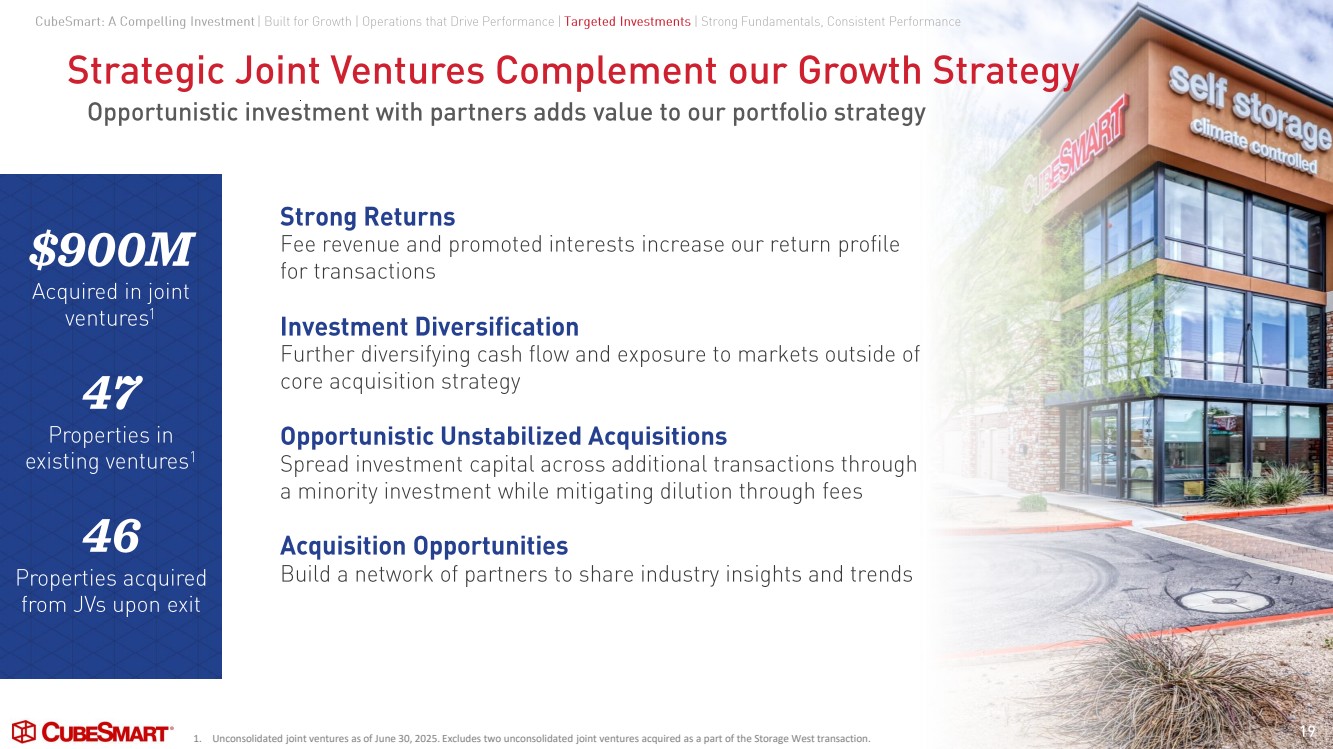
Hey, Spencer. Good morning. The Heinz portfolio you're referring to, the Dallas stores, everything is going very much according to what we thought would happen. That portfolio, as a reminder, was extraordinarily attractive to us because those assets, if you could have taken a map and said, where would you like to add stores to complement our existing footprint in the Dallas MSA, the overwhelming majority of those were were basically a perfect fit for us as to how they fit in. So the integration of those stores went very, very smoothly. The pricing of those stores and how they're complementary to our existing assets has played out just as we had hoped and expected. So nothing really to report other than we're delighted with the transaction and it's performing very much in line with how we thought it would.
Operator
Okay, great. are you able to share maybe what the occupancy and or rental gap is um between those assets and then the thing for pool i don't have that right in front of me happy to follow up with you okay um and then maybe just finish looking gears and you guys already talked about the sunbelt quite a lot um but maybe just more specifically and i know it's a smaller market but if you could just share a little color on the austin market dynamics i'm just curious what drove operating expenses so high in the quarter? Thanks.
Austin on the operating expense side is taxes. So that's just the nature of timing and getting information from the state, etc. Overall, Austin is impacted by supply. As in Dallas, again, one of those markets where five years ago, everybody would told you there you can't build another self-storage facility and here we are today with a lot more self-storage facilities so good market long term um under some supply pressure at the moment and now on the operating expense side as i said just and specifically on taxes it's not bad news this year it was good news last year we had a refund we had a nice refund last year which creates a difficult comp um when comparing this year's expenses to last year's
Operator
okay very helpful thanks thanks your next question comes from the line of michael griffin with evercore isi please go ahead
great thanks i'm curious if you can unpack the same store expense guidance a bit obviously you guys have done a good job controlling expenses and you know about uh about a percent year to date in the first half you're looking ahead i mean this acceleration i guess expected guidance probably about 3% in the back half. Is that a timing issue? It seems like comps from the second half of 24 may be more favorable. I don't know if there's kind of anything you can add there about why you're expecting that acceleration to get to the revised midpoint.
Yeah, part of it is what we talked about last quarter. We had some of our beat in the first quarter was timing related, but some of it was better than expected seasonal type expenses. So that was some good news that we talked about last quarter that we're not expecting to repeat itself or we don't have the opportunity for it not to snow in August and have that help our results. Part of it is some of the efficiencies that we've seen on personnel expense. We've been fortunate to be able to capture a lot of efficiencies, as I mentioned, over the past, going on now north of three years. But at some point, those efficiencies kind of lap and you're back to kind of normal inflationary type growth in those line items. Some of the cadence between what we experienced in the first half of the year versus the back half of the year is timing related. We are going to have a little bit heavier repair and maintenance. Our expectation is that our repair and maintenance expense will be a little bit higher in the second half of the year than it has been in the first, in line with our expectations, but a lot of that comes down to timing. Marketing is always the wild card as to we're going to spend based on the opportunities that we see and the returns that we get on that incremental spend. We also have a little bit of a difficult comp in the fourth quarter related to real estate taxes, some refunds that we had last year. relative to an expectation of not very many. Maybe we get some across the finish line in the fourth quarter, but that's not our expectation as we sit here. The biggest driver on the positive side, when you think about the back half, is on the insurance renewal. I mentioned that briefly, but we had a very favorable property insurance renewal back in May that was better than what we expected. Our risk management team did a great job there and we're in a much better position than we thought we were going to be from an insurance standpoint.
Thanks, Tim. That's some helpful context. And then maybe just on the new customer acquisition front, obviously Google searches and search engine optimization has been a priority over the past couple of years, but as we get this emergence of AI or GPT and usage there, Do you have a sense of how many prospective customers are starting to use these AI tools to find storage units or is most of the traffic still coming in from traditional Internet searches?
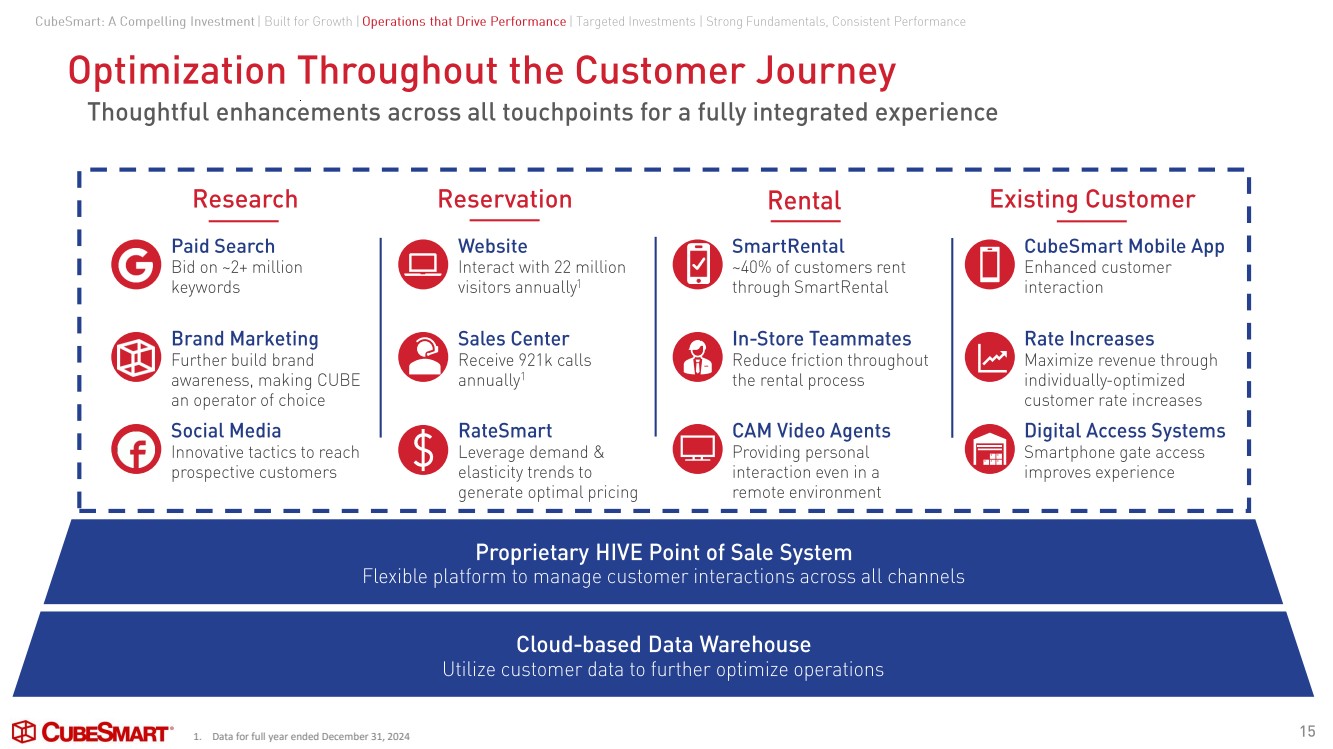
Yeah, most of the traffic still coming in through traditional Internet searches. The LLMs are evolving. And when you think about the utilization and the types of queries, you know, you can get your mind around those queries that involve some form of additional information, judgment. For example, you could see using an LLM to say, which college would be appropriate for my daughter? Because you're going to get that interaction then with a follow-up to say, well, can you help me by giving some more information? What is she interested in? What part of the country? What's your affordability index, et cetera? Compare that to self-storage near me. There's just not that same level. And so I think we were with our partners, our agency, and our friends at Google last week digging into all this and the use of Gemini and how one can get ahead of the curve here, and it's moving fast. Our marketing team is all over it, but I would say to date, you know, the traditional sort of self-storage near me on a map continues to dominate.
Great. That's it for me. Thanks for the time. Thank you.
Operator
Your next question comes from the line of Kevin Kim with Truist. Please go ahead.
Thank you. Good morning. Just a follow-up on that previous question, let's say more of that search gets funneled through AI agents. Do you think that leads to price discovery becoming a bigger factor for customers?
Yeah, Stephen, I think at this point, it really does seem that that interaction through a more AI-driven search, the underlying tenets of what gives the response, again, you're looking for that response that, regardless of the form, is meant to deliver the best answer for the query. I still think you're going to come down to things like reviews, like, you know, the speed and validity of your website, like, you know, anything that gives your product higher validity, higher respect within the answer that, you know, whatever engine is trying to get you to. So at the moment, you know, there are going to be some things that change. They always do in the search environment as, you know, they always have as Google has changed its priorities and algorithms over the years. But, again, fresh off of this summit, I think at the moment, you know, it's a work in progress. And, again, will video be more important? Will, you know, other things can get higher priority in terms of the responsiveness, probably, but exactly what they are today, work in progress.
Okay. And just a broader question, do you think the sector's, self-worth sector's rents can grow something closer to an inflationary level, even if housing doesn't come back, given that we are probably lacking some of that? and assuming, you know, supply is kind of static. Do you think the rest can rise in this group?
Yes, I think, again, I think once you've reestablished a baseline that, you know, is reflective of the existing demand, what you need then is that churn, right? Again, back to the number of customers that come in and out every month, you know, After you've reestablished that baseline, then I think you grow from there. And, again, I think we're on that path, both Cube and the industry.
Okay. And, Chris, if I can squeeze on the third one, you might like this one. I'm just curious. Why do you guys have a BBB rating from S&P Global, whereas the EFR that has more leverage has a better rating? And now I'm looking at your pricing grid. I don't think you're paying more for it. But are you leaving any money on the table for not getting a better rating?
Man, I might have you join my next call with our friends at S&P and Moody's. I think you make some valid points there. I think part of the disconnect, certainly from a consistency of credit metrics and conservative credit metrics and continued access to our unsecured bondholders, we have an awful long track record with this strategy. And I think that goes a long way down that path. I think size becomes part of it, part of the differentiator. But I would agree with the premise of what you're suggesting and certainly something that we're aware of and think about and talk about. Okay. Thank you, Greg. I think at the end of the day, though, Stephen, when we do transact, I do think that there's the view of S&P and Moody's and there's the rating. And then there's ultimately, as with anything, there's how investors look at us and look at that rating. And I do think we get credit for all of the metrics that you're referring to in how our bonds trade. So it's not like there's a specific point where you say, you have this rating, therefore, this is your pricing. I think our investors in our bonds do look at all of the things that you're looking at as they think about how to price our bonds, both our existing bonds and future issuances.
Okay, thank you very much. Thank you.
Operator
Your next question comes from the line of Mike Mueller with J.P. Morgan. Please go ahead.
Yeah, hi. Chris, when you look back over the past 30 years or so in the business, have there been any clear triggers or catalysts that cause stagnant market move-in rates to move up outside of housing cycles? I mean, we know significant supply kind of does the opposite, but just curious about on the upside?
Well, I think to the sharpness of the upside, certainly the period in the second half of 20 through the very beginning of 22 in my 30 years was the sharpness to the up, driven by the various factors related to the pandemic. I think when you look back, you're right. Supply is always going to be the headwind. Macro events that cause the consumer to freeze in place, COVID, Lehman bankruptcy, 9-11, those tend to cause a short-term blip that freezes demand. And generally, when you take out supply and you take out black swan events, pricing has always tended to sort of move up better, a little bit higher than inflation. I think the last several years, as we've had a variety of differing strategies across the sector as to how to price the new customer, I think that's created a bit of volatility that we did not have.
Got it. Okay. And second question, how has ECRI pushback been recently compared to, say, the past couple of years?
No change. I think we're, again, still in an environment where the existing customer remains pretty healthy, and I think the stickiness of them and the nature of the product has supported the TCRI process. As Tim talked about, the one thing we are doing more of is testing and trying out different cadence, different strategy around the timing and the amount of that increase, which has created some bumpiness, as we've talked about here for a while. But overall, general reaction from the customers is unchanged.
Operator
Your next question comes from the line of Ravi Vedia with Mizuho. Please go ahead.
Hi there. Good morning. I wanted to ask about the transaction markets. I think we might see more products coming to market in the second half of the year here. Maybe can you describe your appetite to execute and acquisitions and maybe some of your funding sources and what are some of the IRRs or benchmark returns that you're looking to target as you make these decisions? Thank you.
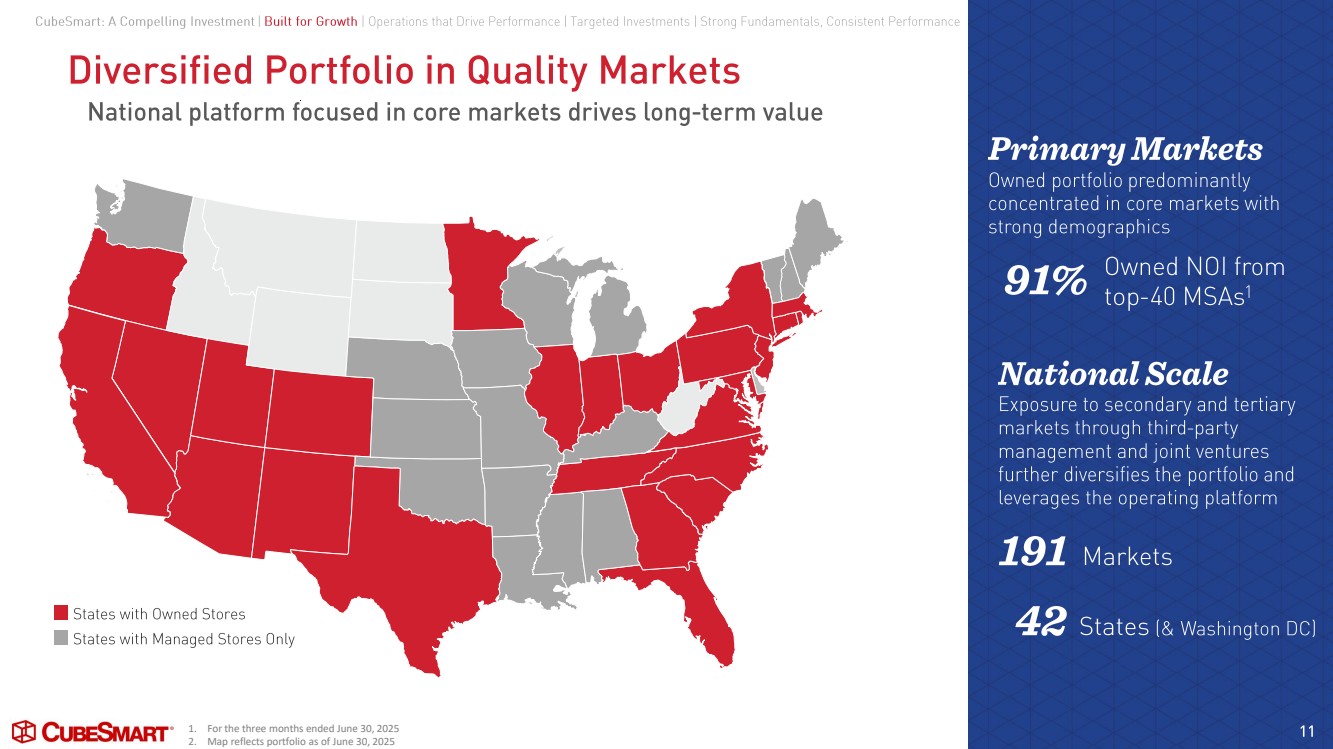
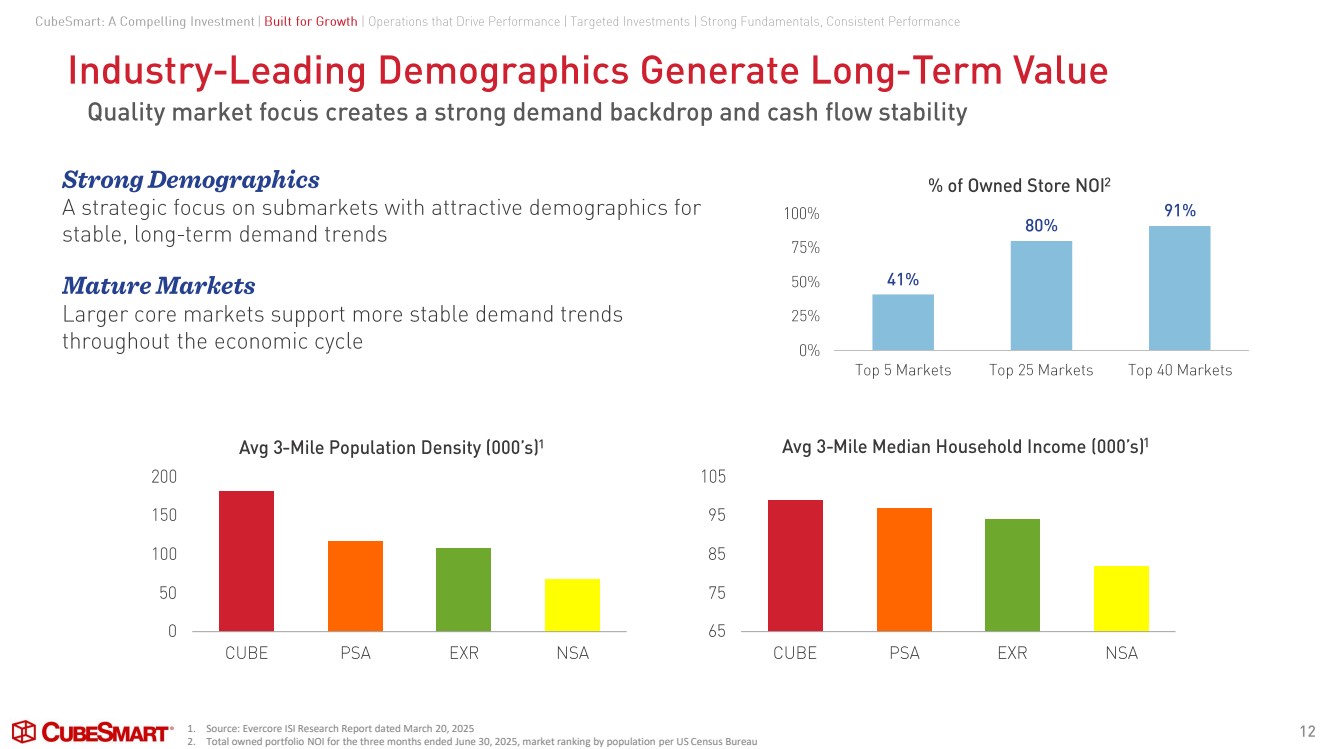
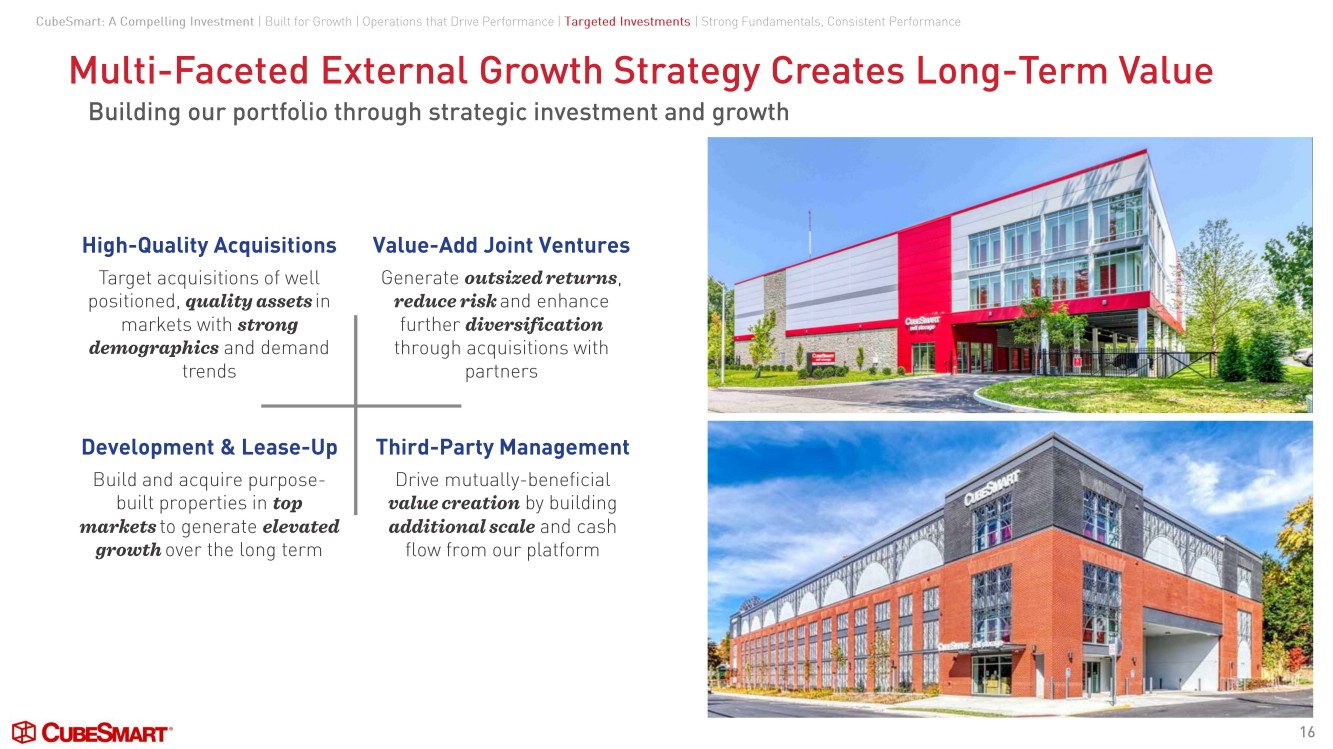
Yep, thanks. As I mentioned earlier, the transaction market, the volume of opportunities that we've had to underwrite this year is up a little bit from where it would have been a year ago. Seasonally, the transaction market in our sector tends to pick up here in the coming months as many sellers want to get through that one more busy season, that one more leg of rate growth or occupancy growth in order to sell their assets. So this is the time of the year where if you are a seller, you're starting to think about gearing up to bring your store to market. So this tends to be seasonally a good time to go forward. From our perspective, we are very focused on finding opportunities that are consistent with our overall portfolio growth strategy, which is primarily focused in top 40 MSAs, high-quality assets, in high-quality markets. And so that's what we're looking for on balance sheet. And then from a return standpoint, we're looking for things that are, you know, certainly if they're stable acquisitions, we're looking at pricing that would be accretive to our earnings. If there's something that's less than stable or something that we see a good opportunity for it to grow significantly under our operating platform, then we're going to look at stabilized type returns and think about how the potential acquisition is complementary or not to our existing portfolio. So there are a variety of things that we're looking for. Ultimately, where we are right now is that, as I had mentioned, And on a risk-adjusted basis, given our cost of capital and our return requirements, we're not seeing things of high-quality trade at prices that work for us. I think that could change any day. I think that could change tomorrow from a how would we fund it. We have an $850 million line of credit. We have great access to a variety of different capital sources. We have established a leverage level, as I talked about earlier, that gives us quite a bit of capacity. If we saw a wave of opportunity, we don't need to be reliant upon issuing equity because we have some capacity in our balance sheet that we could, for a period of time, find some things that are attractive. We could utilize debt to do that. We have a significant amount of free cash flow that we generate each year that could also fund those opportunities. I would think for us that the – or even sector-wide, I think the opportunities are as you're coming out of a development cycle, you would think that a lot of the stores that have been developed over the past two, three, four years are developed as they traditionally are by merchant builders and by pockets of capital that do not have forever timelines on how long they want to own their self-storage asset. So I do think that there is a building wave of potential opportunities of folks that have been sitting on the sidelines from a selling standpoint that ultimately need liquidity and desire liquidity and want to come to market. They're just waiting for a better time, as are we as a buyer waiting for a time where the math makes sense for us and returns make sense for us and for our shareholders.
Got it. Thanks so much for the caller. Appreciate it, Chris.
Thank you. Appreciate it.
Operator
There are no further questions at this time. I will now turn the call back over to Chris Marr for closing remarks.
Thank you, everyone. It was a very solid quarter here at CUBE. Those stabilizing trends continued into July, which gave us comfort and confidence to raise our guidance expectations for the year. So we believe we're in a good position here as we navigate the back half of 25, and we're optimistic about what 2026 will hold for us. I think we'll continue to see reduced levels of deliveries, reduced impact from supply. The existing customer continues to be quite healthy. So a good backdrop as things stabilize here and we begin to see more positive opportunities as we move into next year. So thank you all for listening. Enjoy the rest of your summer, and we will look forward to speaking with you on our third quarter earnings call.
Operator
Ladies and gentlemen, that concludes today's call. Thank you all for joining. You may now disconnect.