Operator
Thank you for standing by. My name is Eric, and I will be your conference operator today. At this time, I would like to welcome everyone to the CubeSmart First Quarter 2025 earnings call. All lines have been placed on mute to prevent any background noise. After the speaker's remarks, there will be a question and an answer session. If you would like to ask a question during this time, simply press star, followed by the number 1 on your telephone keypad. If you would like to withdraw your question, press star 1 again. I would now like to turn the call over to Josh Schutzer, Vice President of Finance. Please go ahead.
Thank you, Eric. Good morning, everyone. Welcome to CubeSmart's first quarter 2025 earnings call. Participants on today's call include Chris Marr, President and Chief Executive Officer, and Jim Martin, Chief Financial Officer. Our prepared remarks will be followed by a Q&A session. In addition to our earnings release, which was issued yesterday evening, Supplemental operating and financial data is available under the Investor Relations section of the company's website at www.cubesmart.com. The company's remarks will include certain forward-looking statements regarding earnings and strategy that involve risks, uncertainties, and other factors that may cause the actual results to differ materially from these forward-looking statements. The risks and factors that could cause our actual results to differ materially from forward-looking statements are provided in documents the company furnishes to or filed with the Securities and Exchange Commission, specifically the Form 8K we filed this morning, together with our earnings release filed on the Form 8K, and the risk factors section of the company's annual report on Form 10K. In addition, the company's remarks include reference to non-GAAP measures. The reconciliation between GAAP and non-GAAP measures can be found in the first quarter financial supplement posted on the company's website at www.cubesmart.com. I'll now turn the call over to Chris.
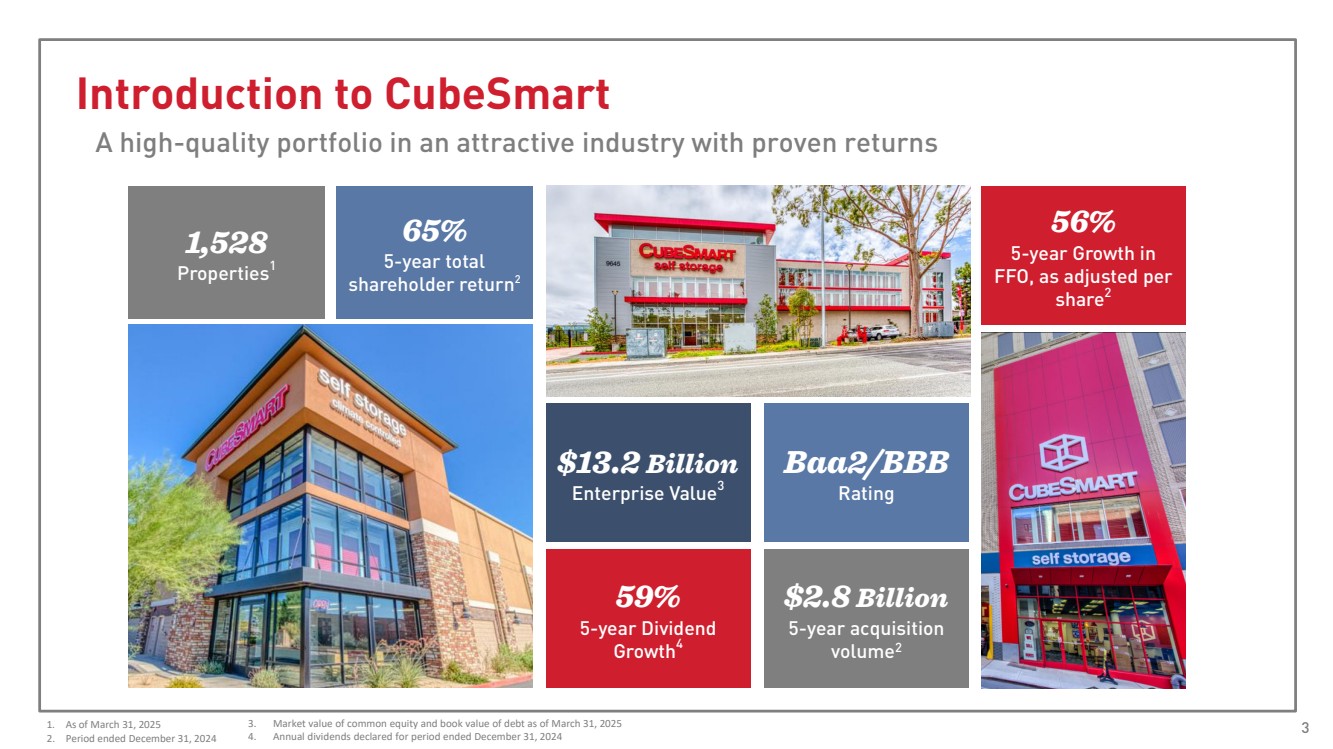
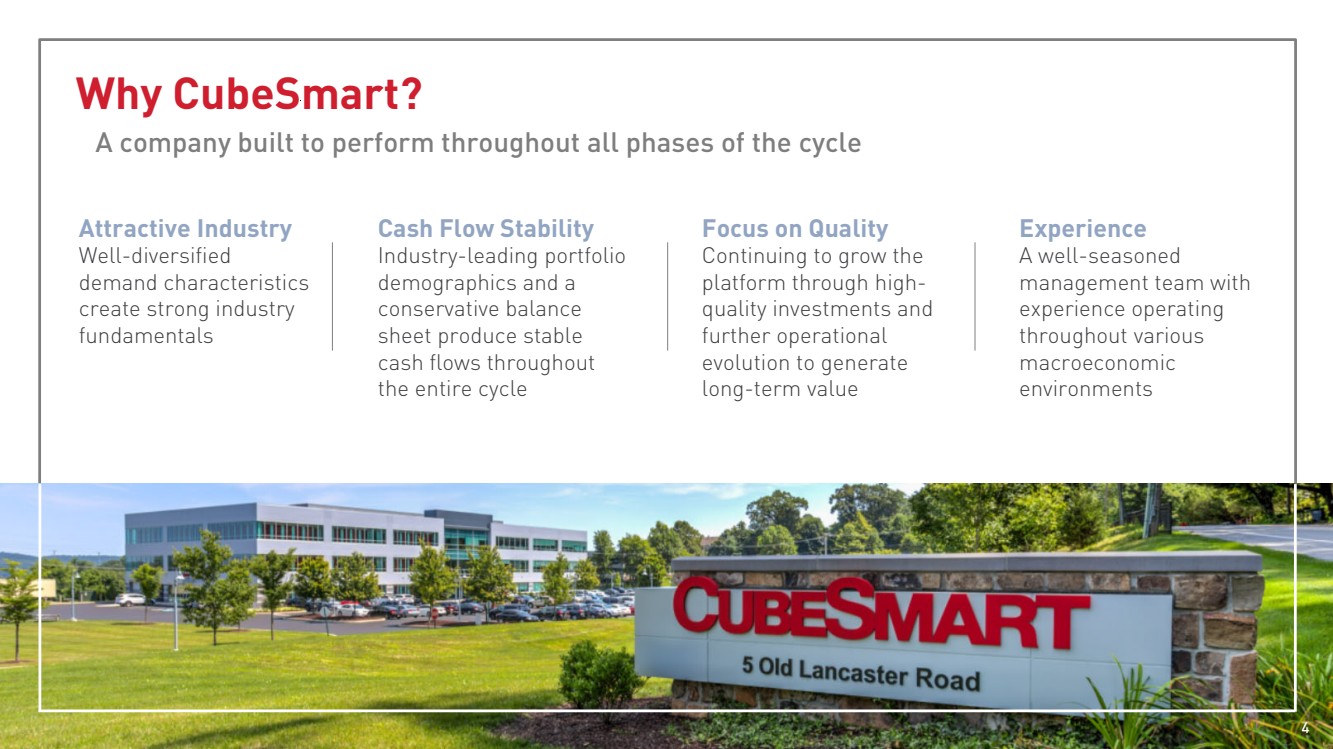
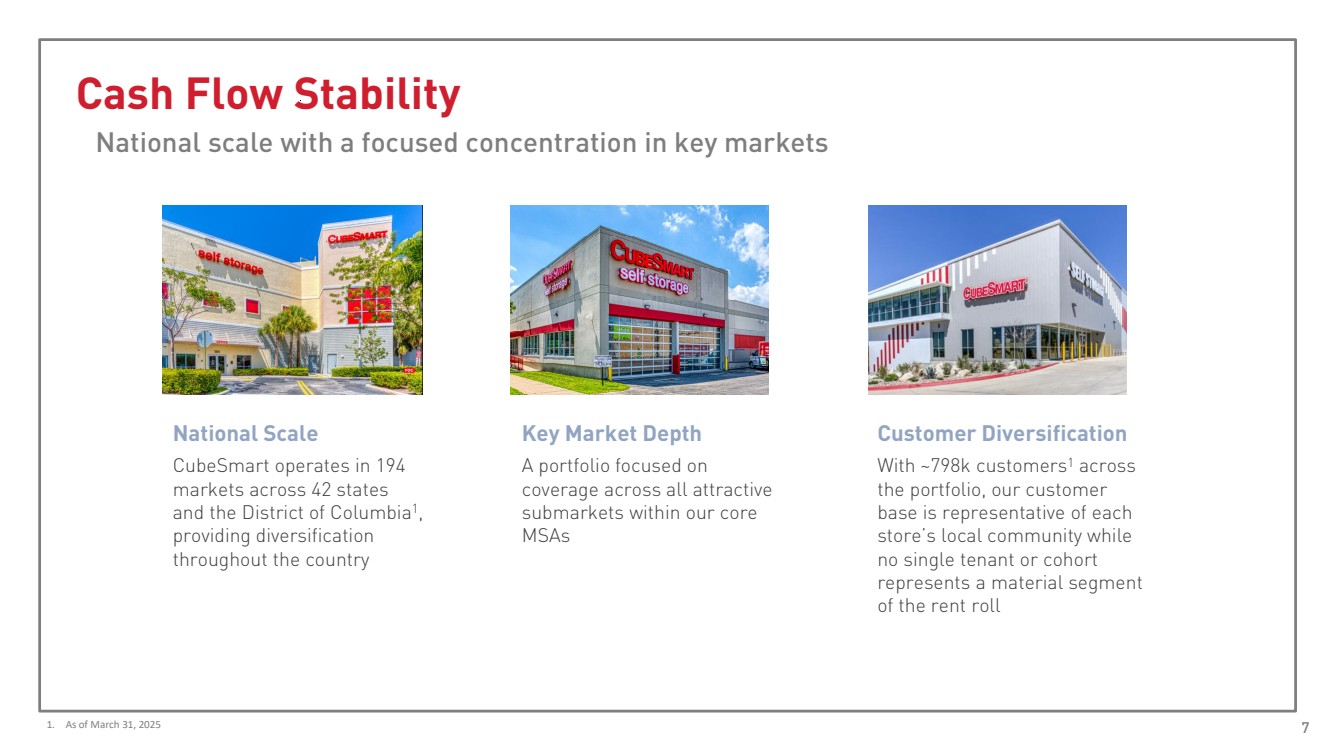
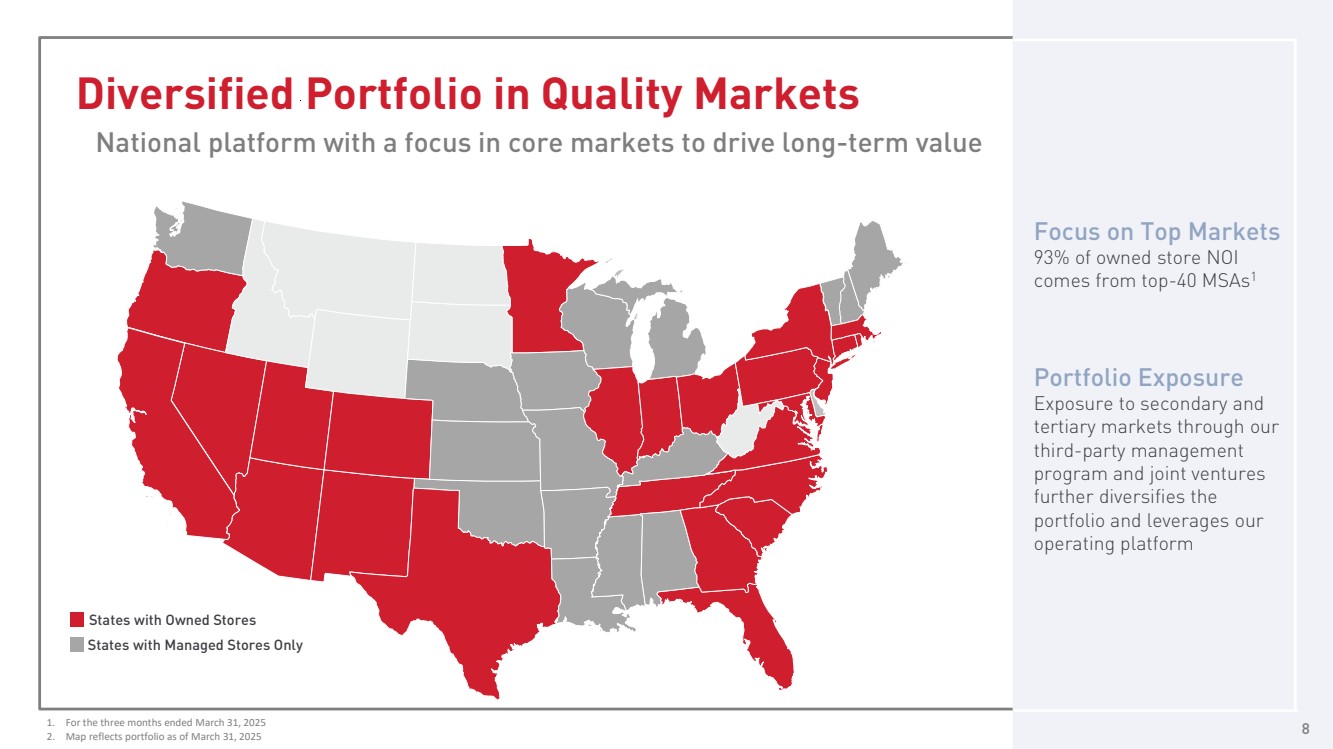
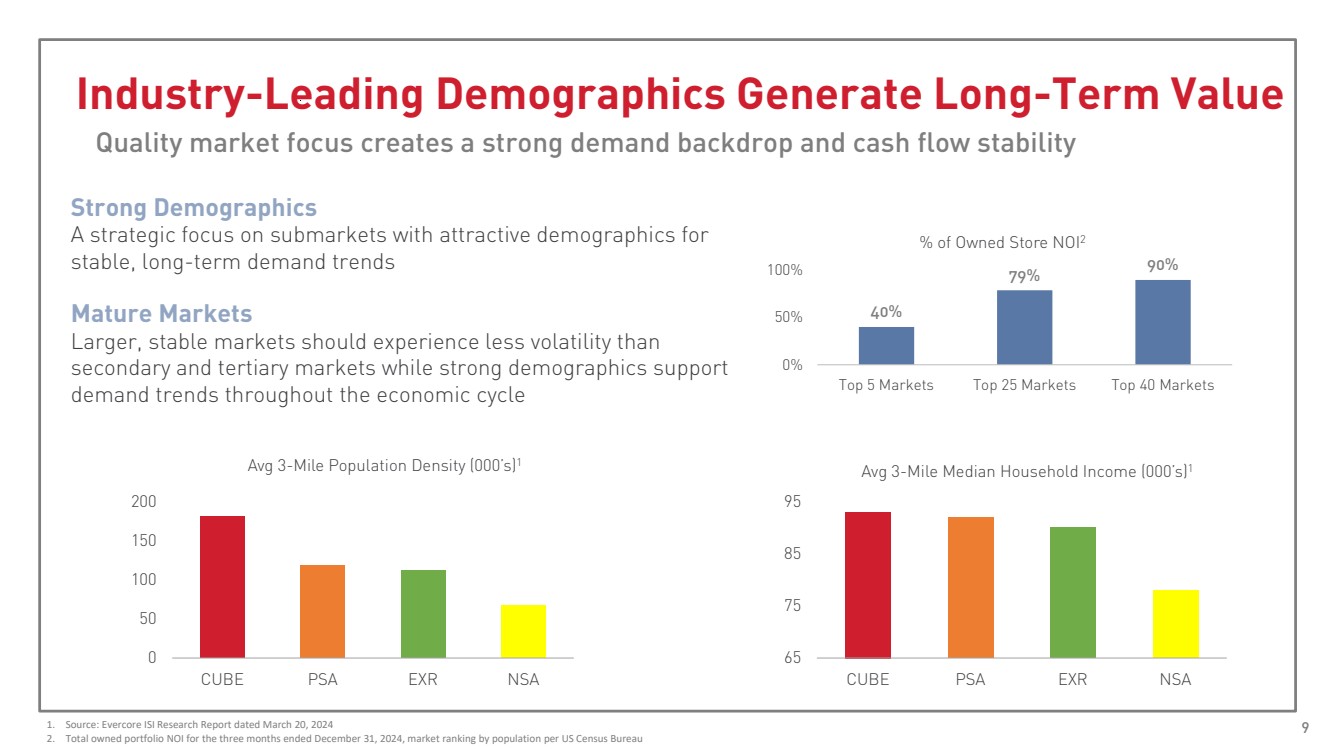
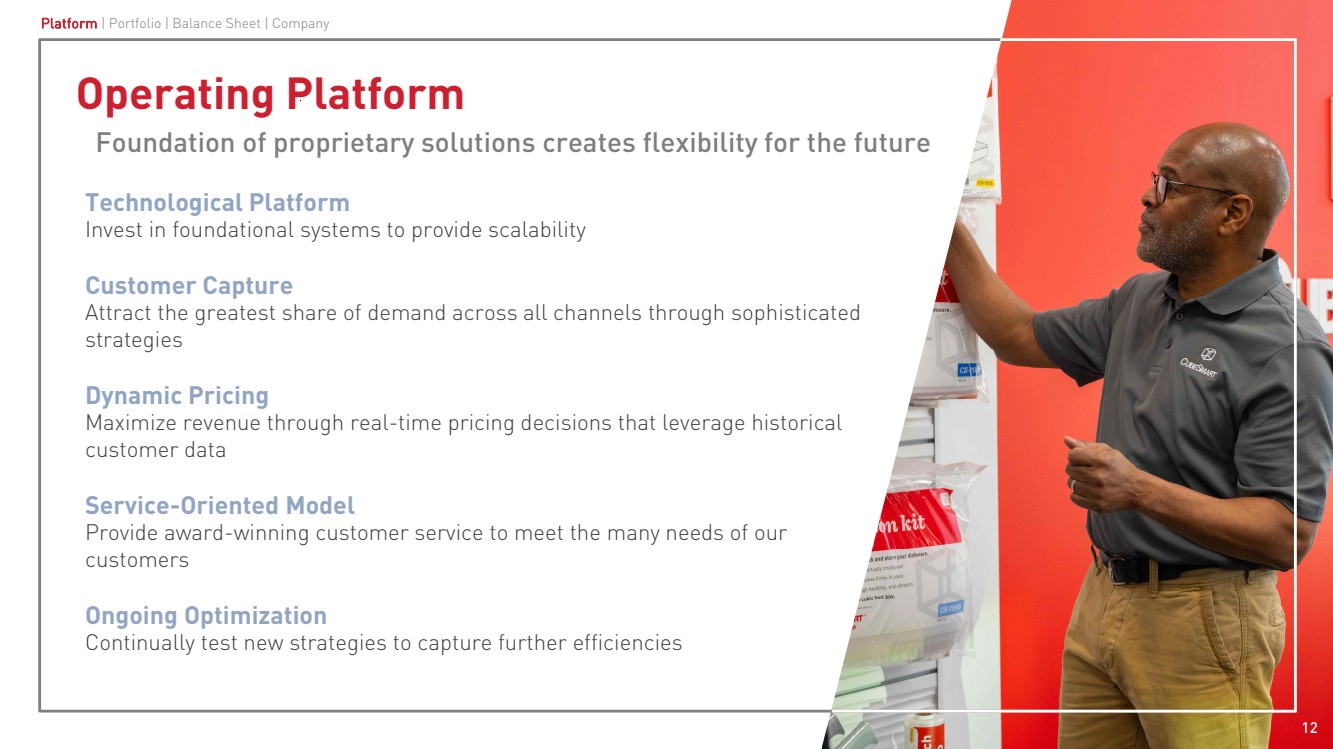
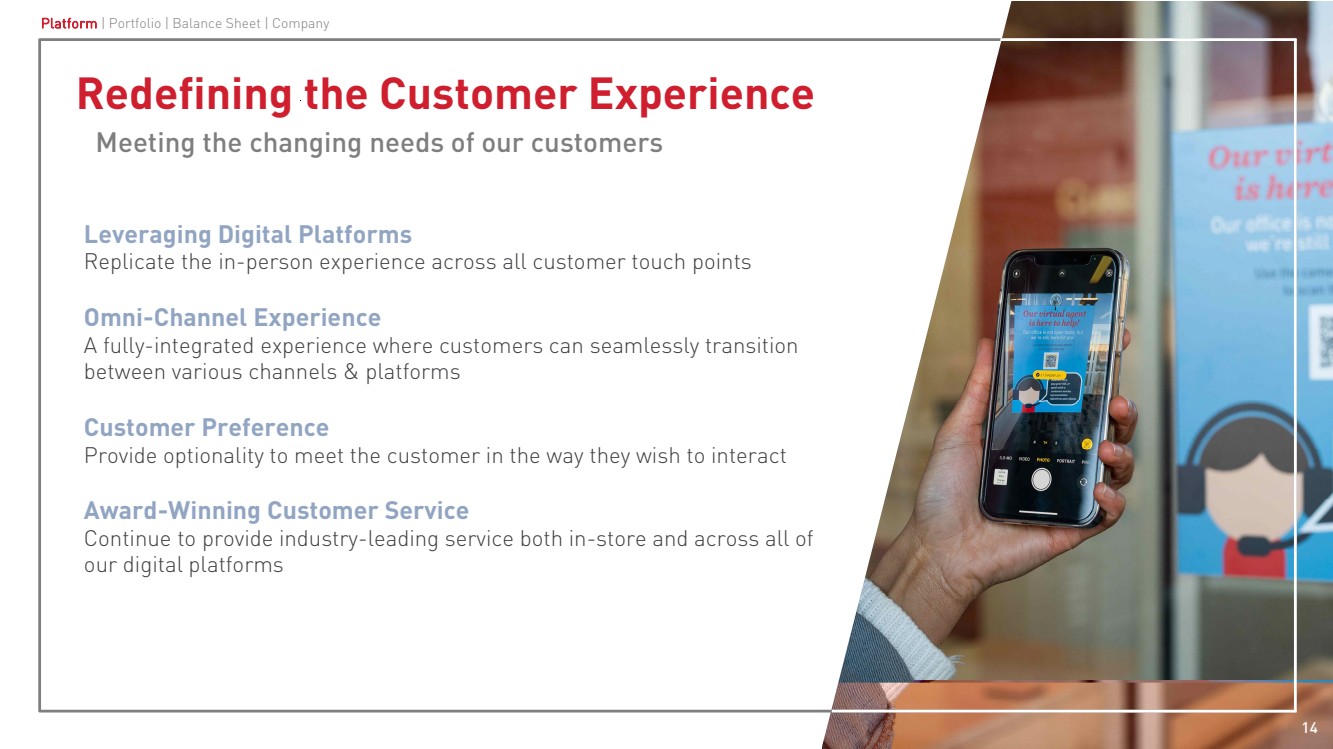
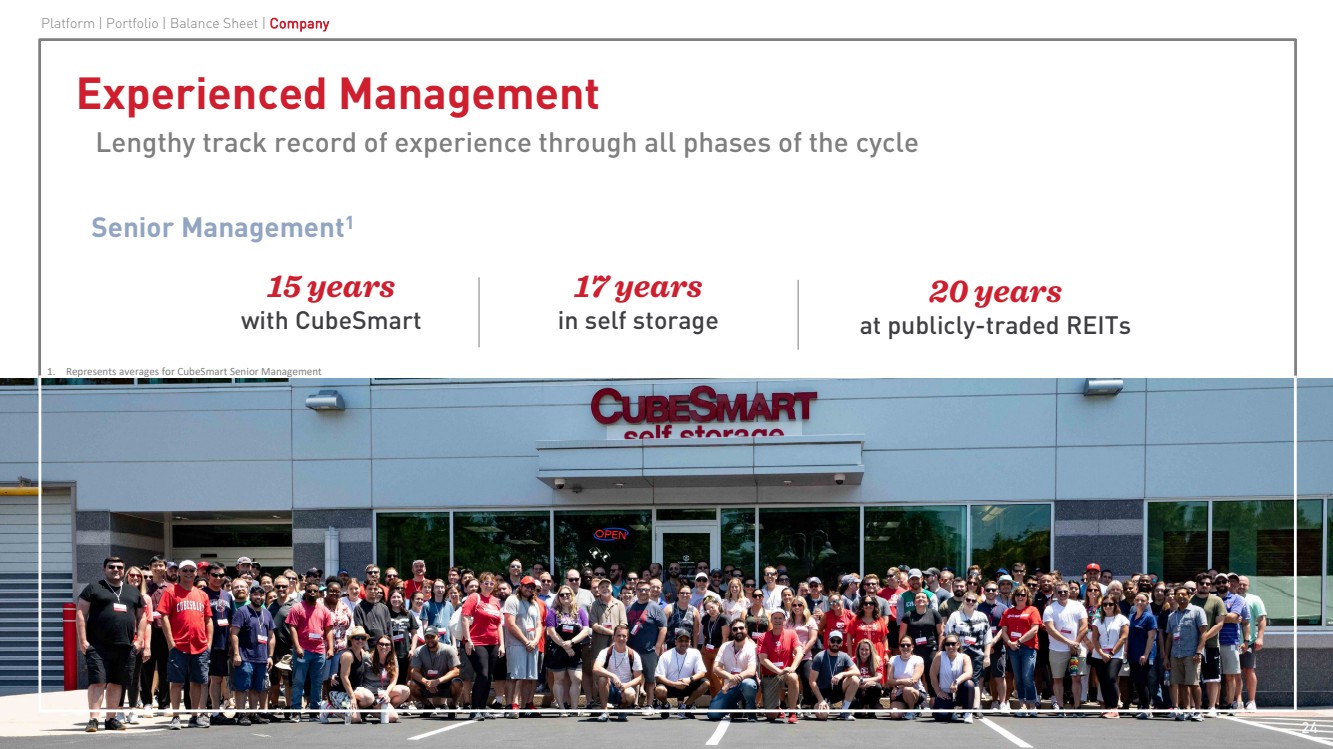
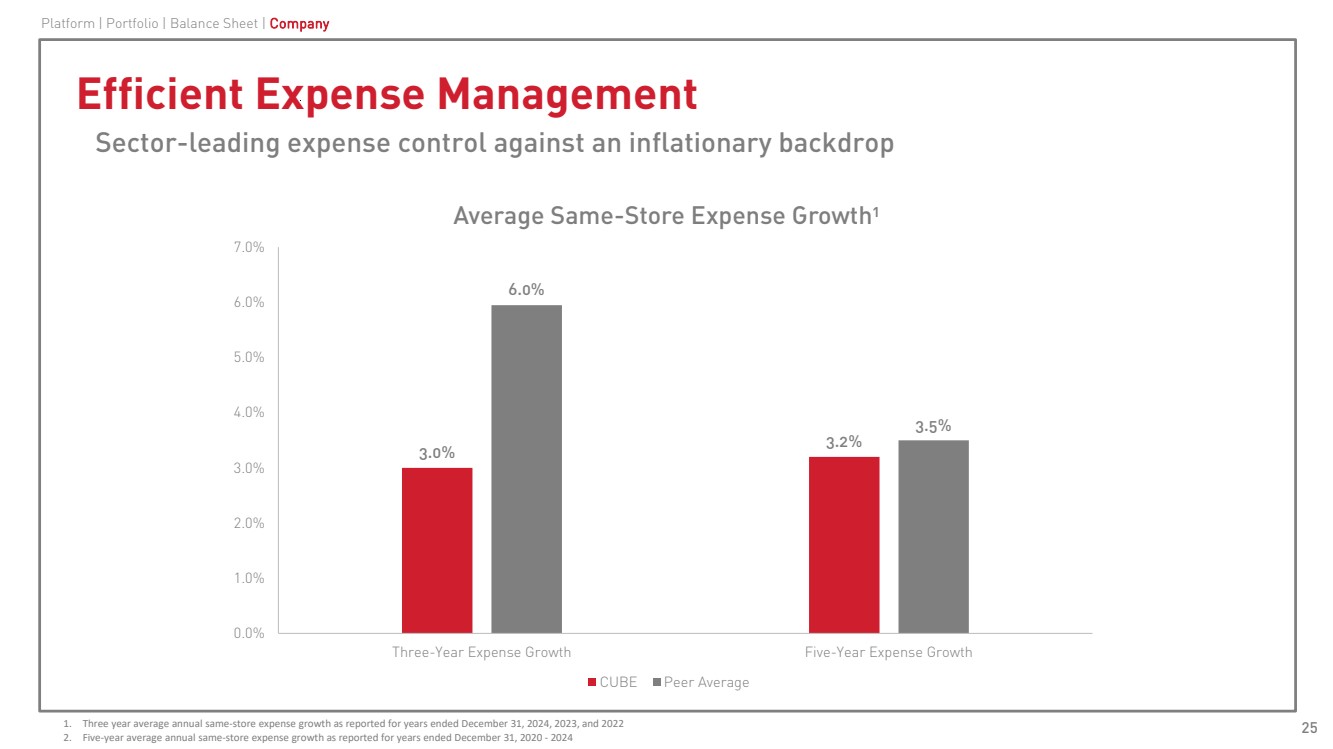
Thank you, Josh. Thank you, everyone, for joining us this morning. Our performance in the first quarter was strong. Our key performance metrics all trended towards the higher end of our expectations. We expected, we experienced, I'm sorry, we experienced solid top of funnel demand rental rates for new customers continue to improve narrowing their year-over-year gap and our existing customer health remains solid muted operating expense growth reflects the continued optimization of our platform while not losing focus on providing our renowned best-in-class customer service This positive operational performance resulted in 64 cents of FFO per share, a penny beat to the high end of our guidance. As previously discussed during the quarter, we closed on the acquisition of our joint venture partners' interest in a high-quality portfolio, expanding our presence in several key markets. Our strong markets, the New York City boroughs, Chicago, and the Washington, DC, Maryland, and Virginia suburbs all continue to exhibit their strength and our supply impacted markets northern New Jersey, Phoenix, and Atlanta are exhibiting signs of stabilization or recovery. Through four decades of operating in the self-storage industry, I remain impressed by its resilience. The quality and geographic diversity of our portfolio, the economic diversity of our need-based customer, and the ever-increasing sophistication of our platform provide great confidence in the long-term health of the industry and in our performance as a leading operator. Now I'd like to turn the call over to Tim Martin, our Chief Financial Officer, for his comments on the quarter. Tim?
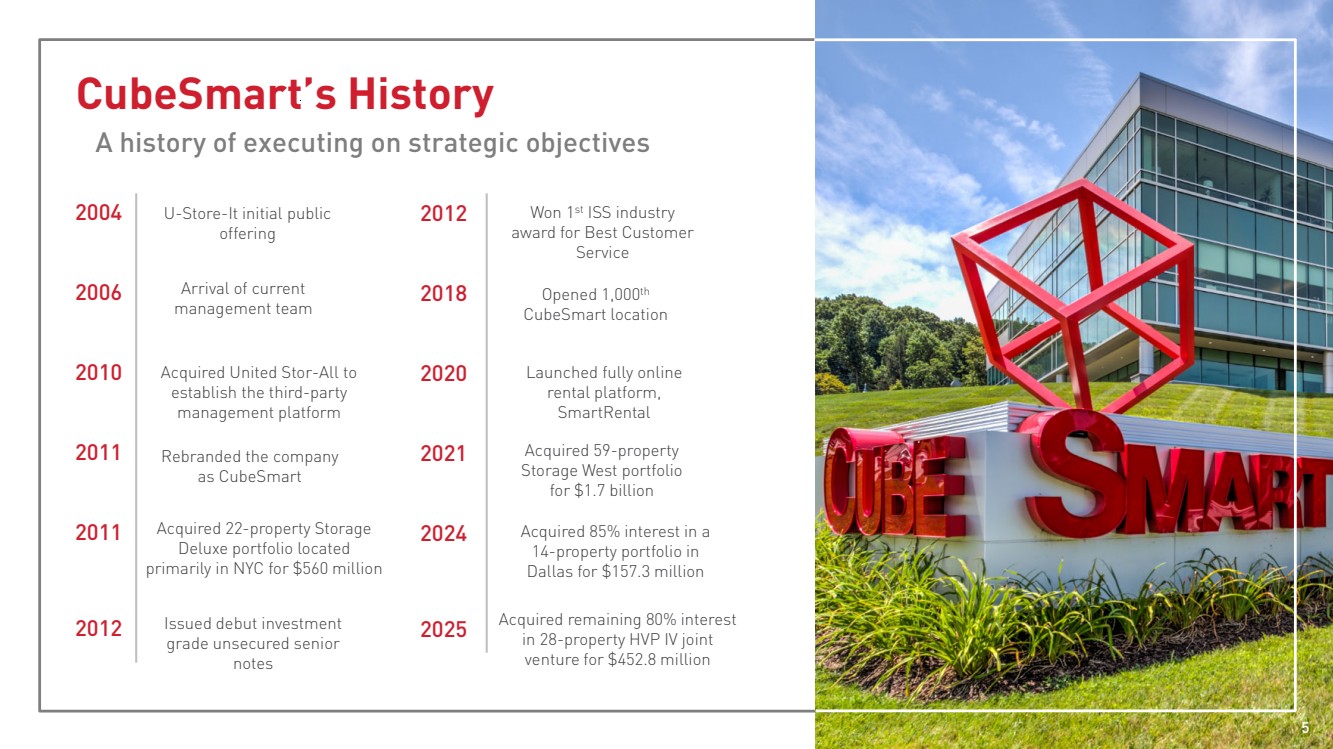
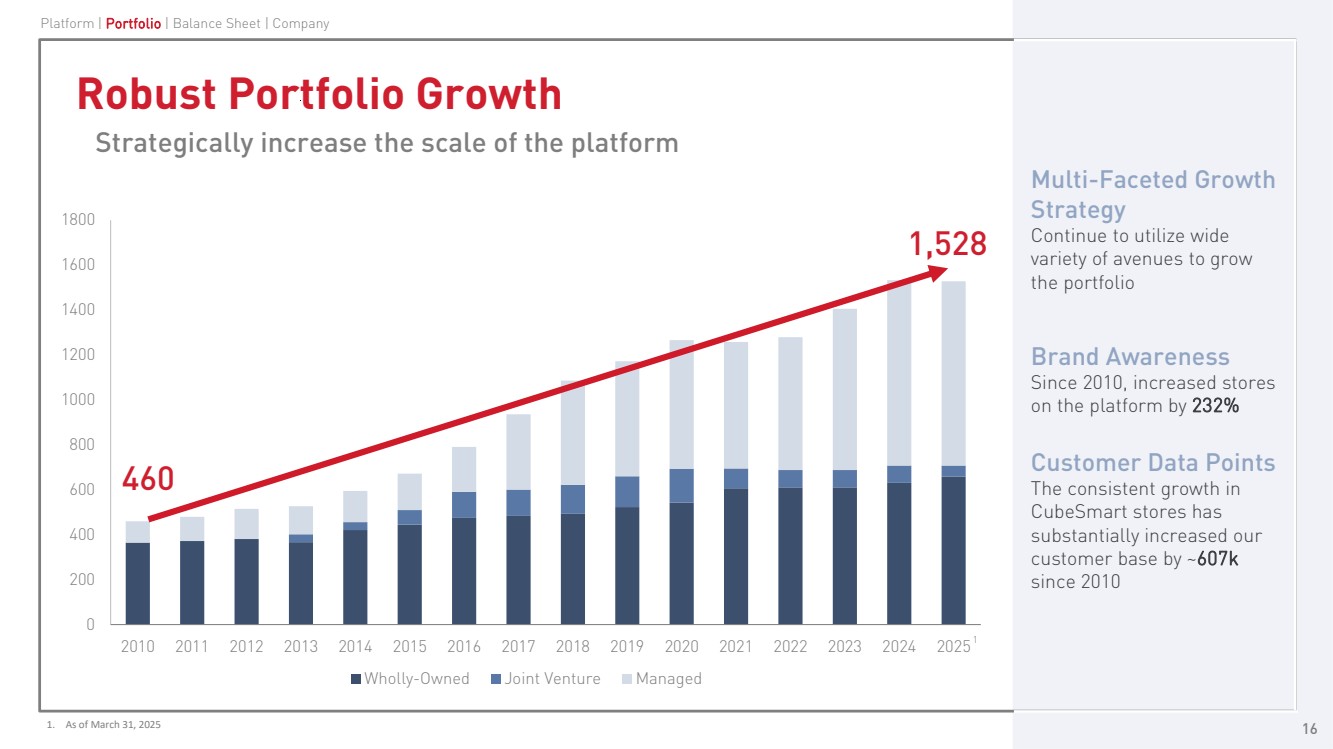
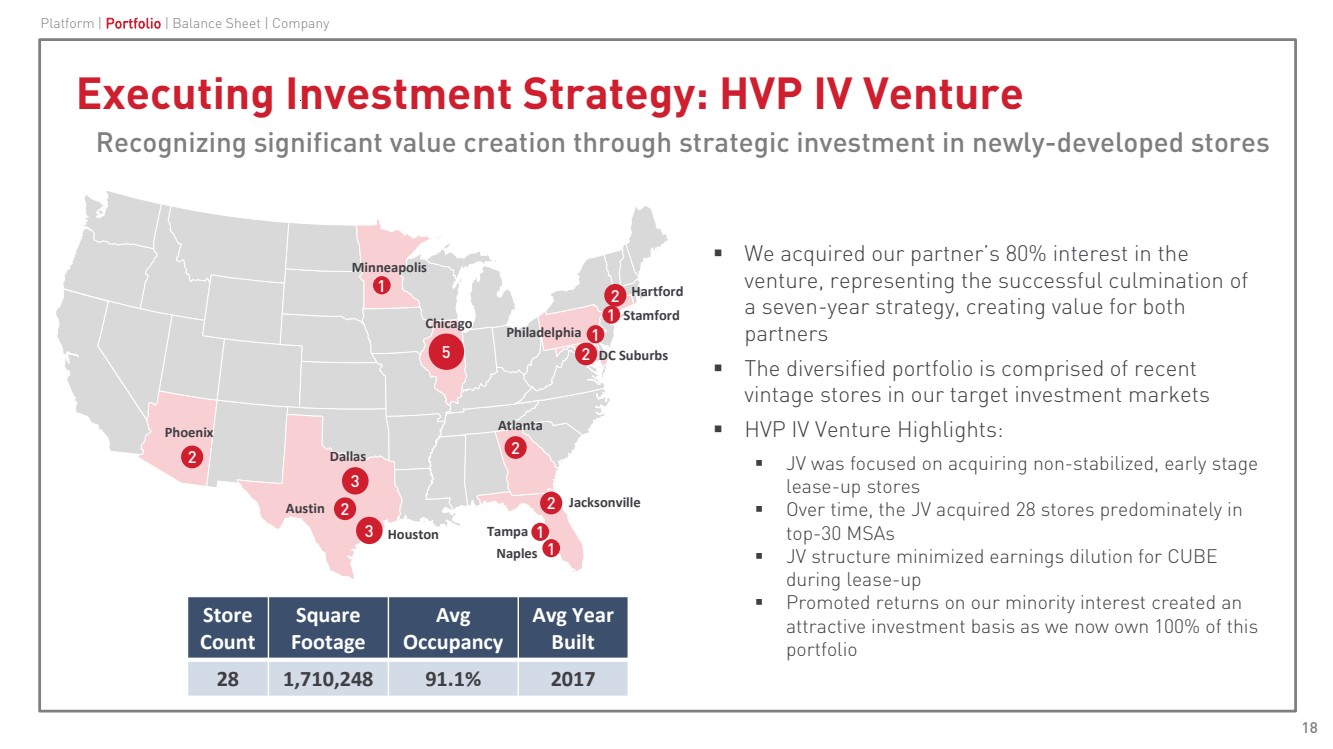
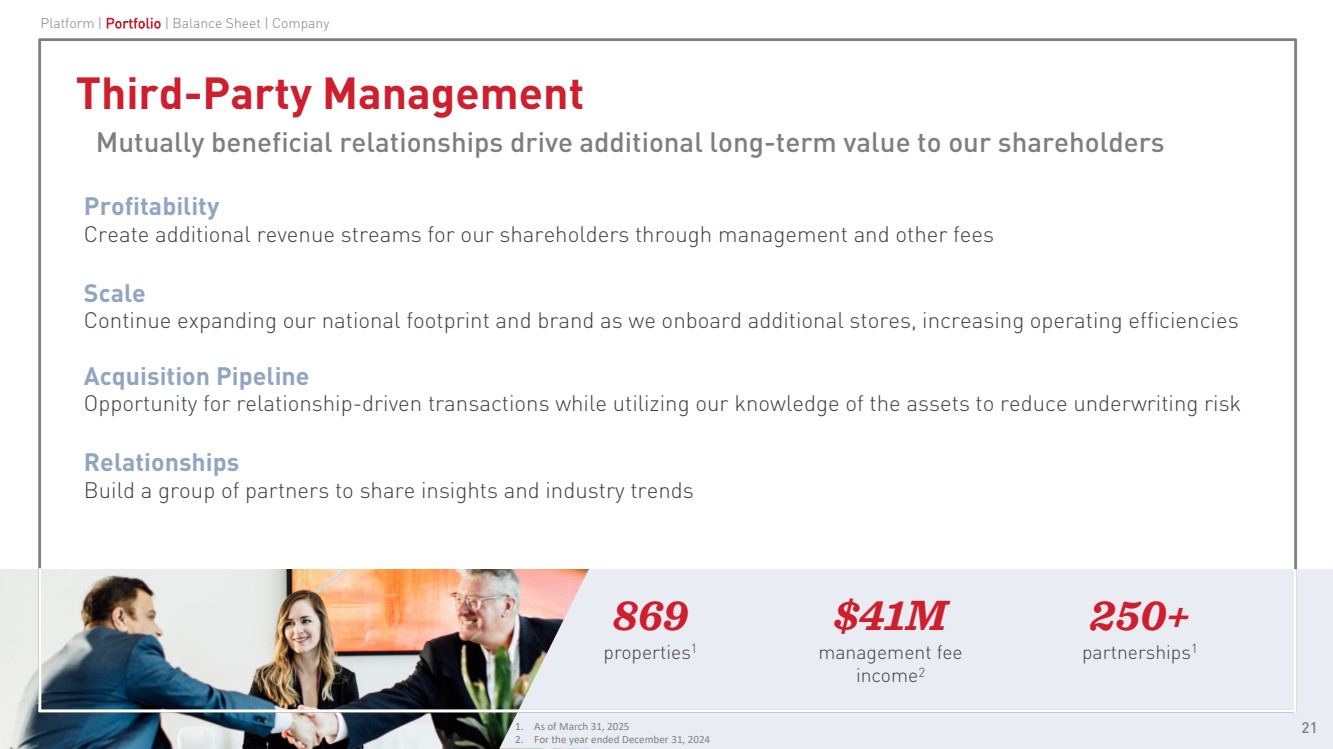
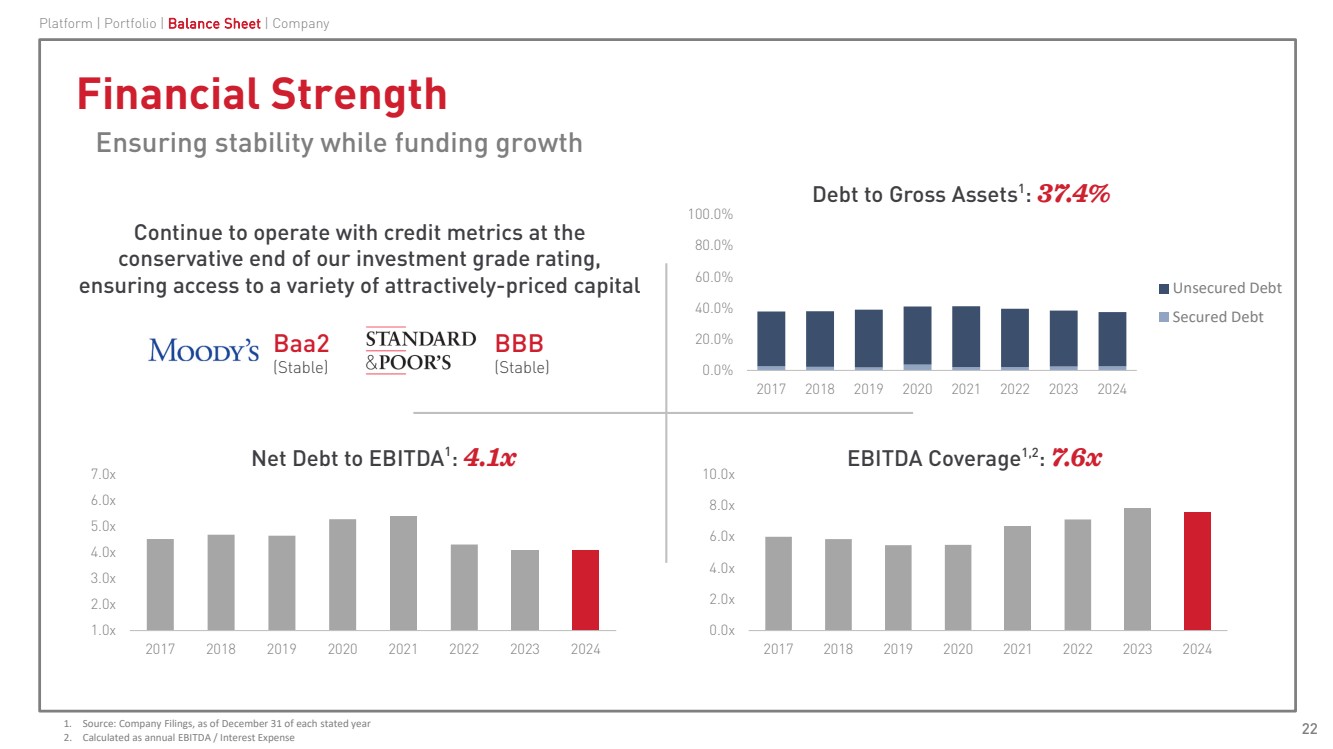
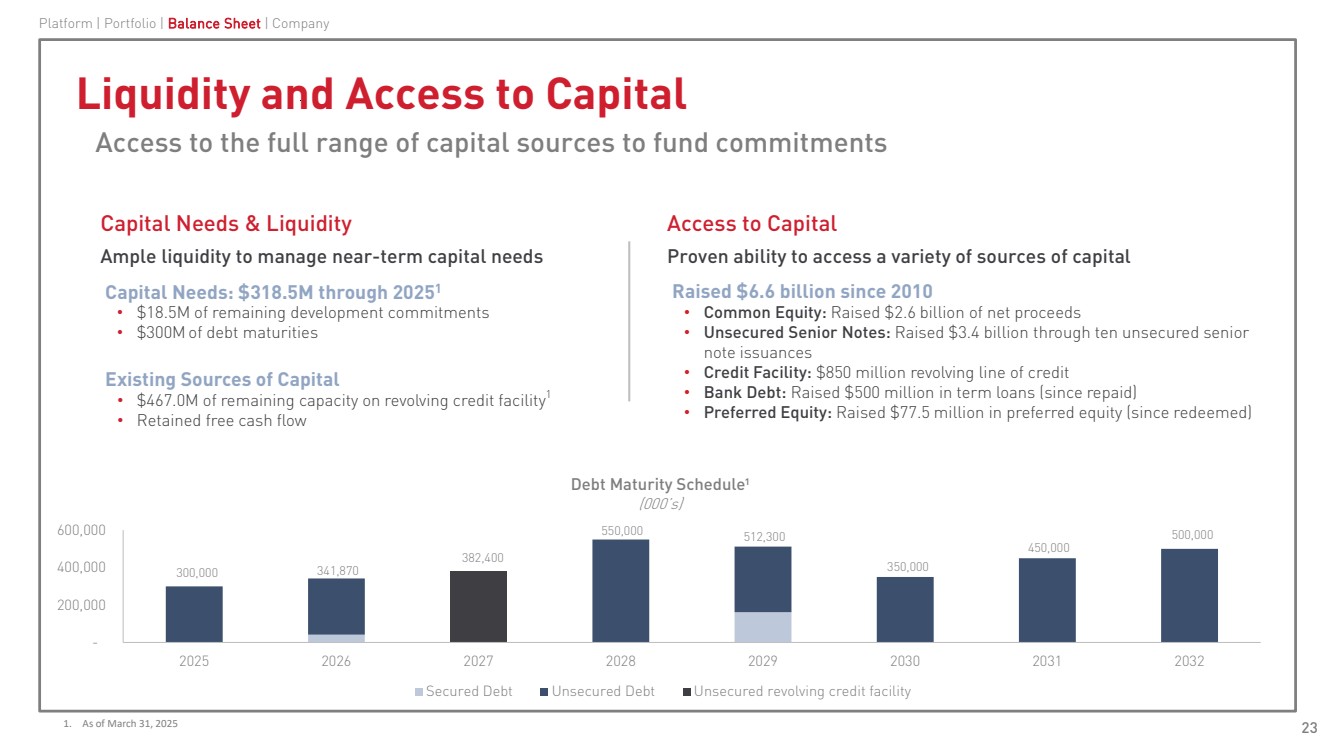
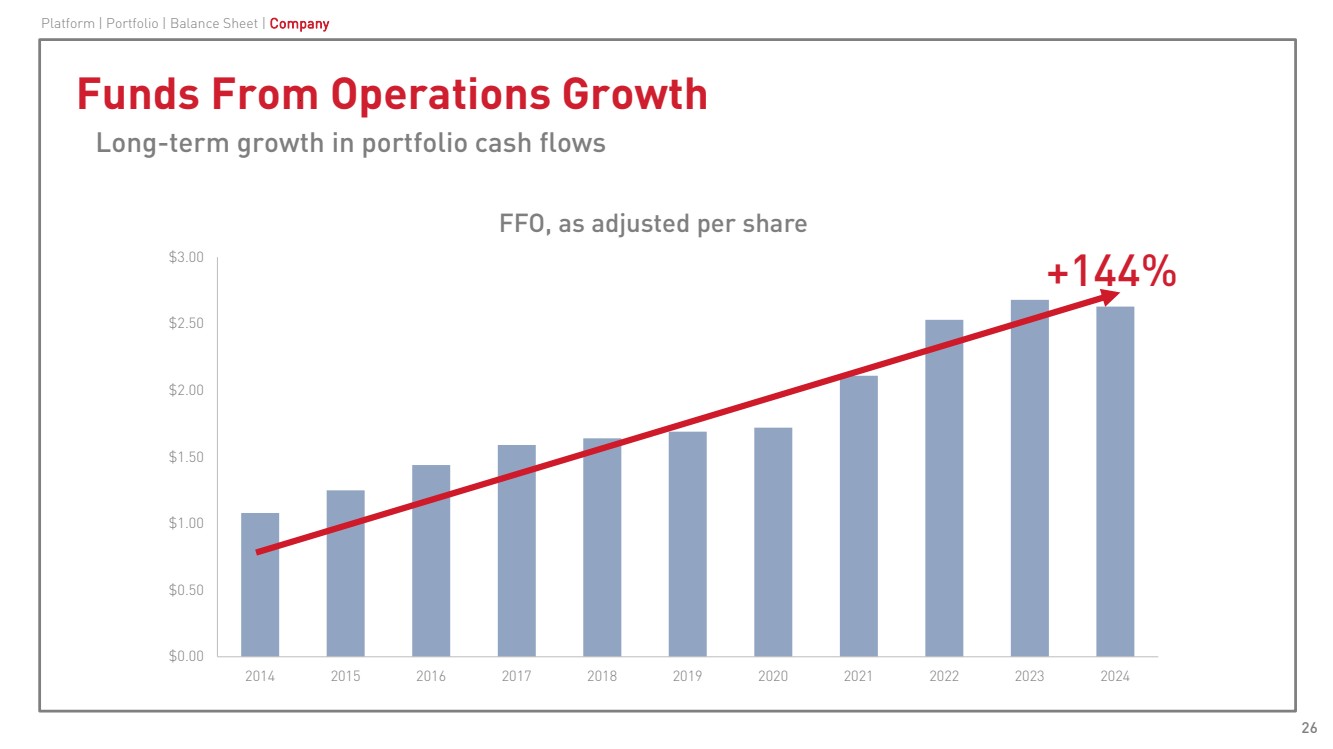
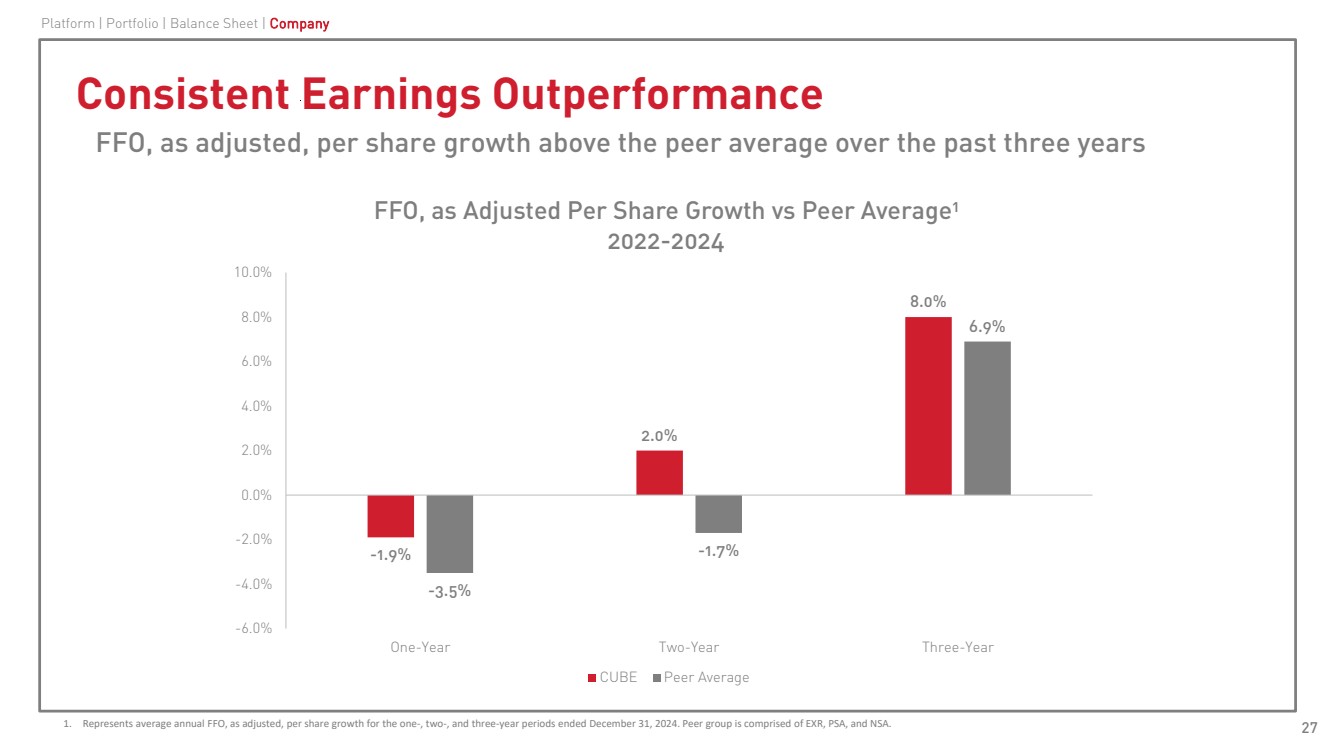
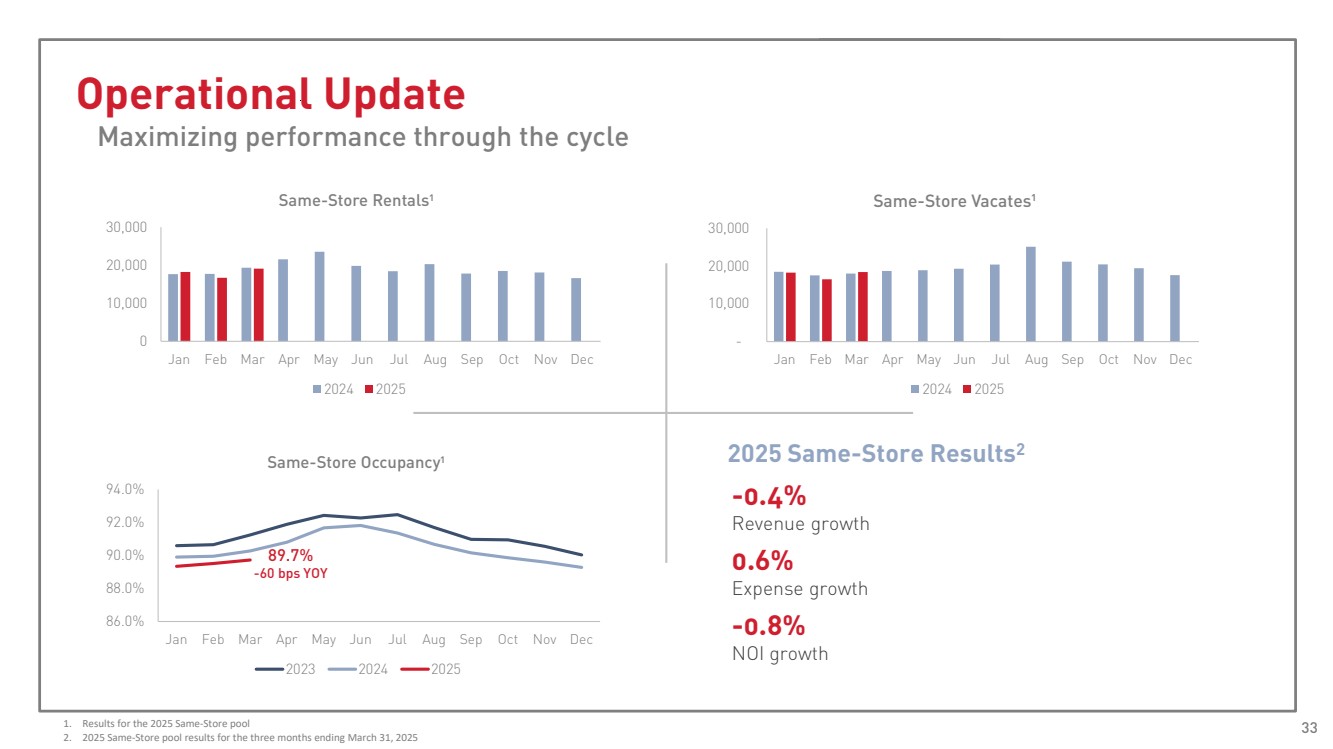
Thanks, Chris. Good morning, everyone. Thanks, as always, for taking a few minutes out of your day to spend it with us. First quarter results, as Chris mentioned, were strong, coming in a little bit better than our expectations, giving us a nice positive start to the year. Same-store revenue growth was down 0.4% over last year, a nice improvement from down 1.6% in the fourth quarter. Our average occupancy for our same-store portfolio was down 50 basis points to 89.5% during the first quarter, again a gap that narrowed from down 120 basis points during the fourth quarter. From a rate perspective, our move-in rates during Q1 were down about 8% year-over-year, and that was an improvement on Q4 when we were down about 10% year-over-year. So while we're not back to an inflection point where we're seeing growth over prior year levels, we are seeing improvements in all of these key metrics. Same-store operating expenses grew only 0.6% over last year, a result that was better than we had modeled for the quarter. We had a little bit of good news versus our expectations across a number of line items. Some of those are more timing related like marketing and repair maintenance while others like personnel and weather related costs were good results versus expectation that lead to an improvement in our outlook for full year expense growth. So revenue growth of negative 0.4 percent combined with 0.6 percent growth in operating expenses yielded negative 0.8 percent same-store NOI growth for the quarter. We reported FFO per share is adjusted of 64 cents for the quarter, which was a penny higher than our guidance entering the quarter. On the external growth front, we closed on the previously announced acquisition of the remaining 80 percent interest of one of our unconsolidated joint ventures known as HBP-4. As we discussed on last quarter's call, this was a portfolio of 28 early-stage lease-up stores that were acquired between 2017 and 2021, predominantly in top 30 MSAs. Our investment of $452.8 million included $44.5 million that represented our portion of repaying the venture level debt, so we now wholly own the portfolio on an unencumbered basis. Another successful venture for us, creating meaningful value for both parties and resulting in an accretive transaction, an attractive basis in a geographically diverse recent vintage portfolio with perfect underwriting and still yet a little bit of outsized growth on the horizon as some of the assets fully stabilize. On the third-party management front, we added 33 stores to the platform in the quarter and ended the quarter with 869 third-party stores under management. Balance sheet remains in excellent shape with net debt to EBITDA at 4.8 times. We have a bond maturity later in the year that we will address either with existing capacity or through accessing the debt markets opportunistically here in the coming quarters. Details of our 2025 earnings guidance and related assumptions were included in our release last night. As I opened with, performance in the first quarter was strong, with most metrics near the higher end of our expectations, with narrowing year-over-year declines in move-in rates and occupancy throughout the quarter, while our existing customer metrics remain strong. That said, we've all seen the headlines. Starting in April, there's been quite a bit of uncertainty throughout the economy, which results in volatility for the large consumer decisions which can be drivers for storage demand. At this point, we did not foresee any improvement to the frozen housing market given the current rate environment and market uncertainty, and so our base case remains for gradual improvement in operational metrics in 2025, but without a catalyst for sharp reacceleration. The recent uncertainty around the consumer leads us to maintain our prior range of expectations for top-line growth. We did see better-than-expected performance on expenses, which allowed us to narrow that range slightly, providing a modest improvement to the midpoint of our FFO per share range. That concludes our prepared remarks. Thanks again for joining us on the call this morning. At this time, Eric, let's open up the call for some questions.
Operator
At this time, I would like to remind everyone, in order to ask a question, Please press star followed by the one on your telephone keypad. Your first question comes from the line of Samir Knal with Bank of America. Please go ahead.
Yeah, good morning, everybody. I guess maybe, Chris, you mentioned, you know, when I looked at the press release yesterday, you talked about solid demand, right? You kind of characterized the environment that way. Just maybe expand on that comment. help us understand what the drivers are to demand at this time that you certainly saw in the first quarter. Thanks.
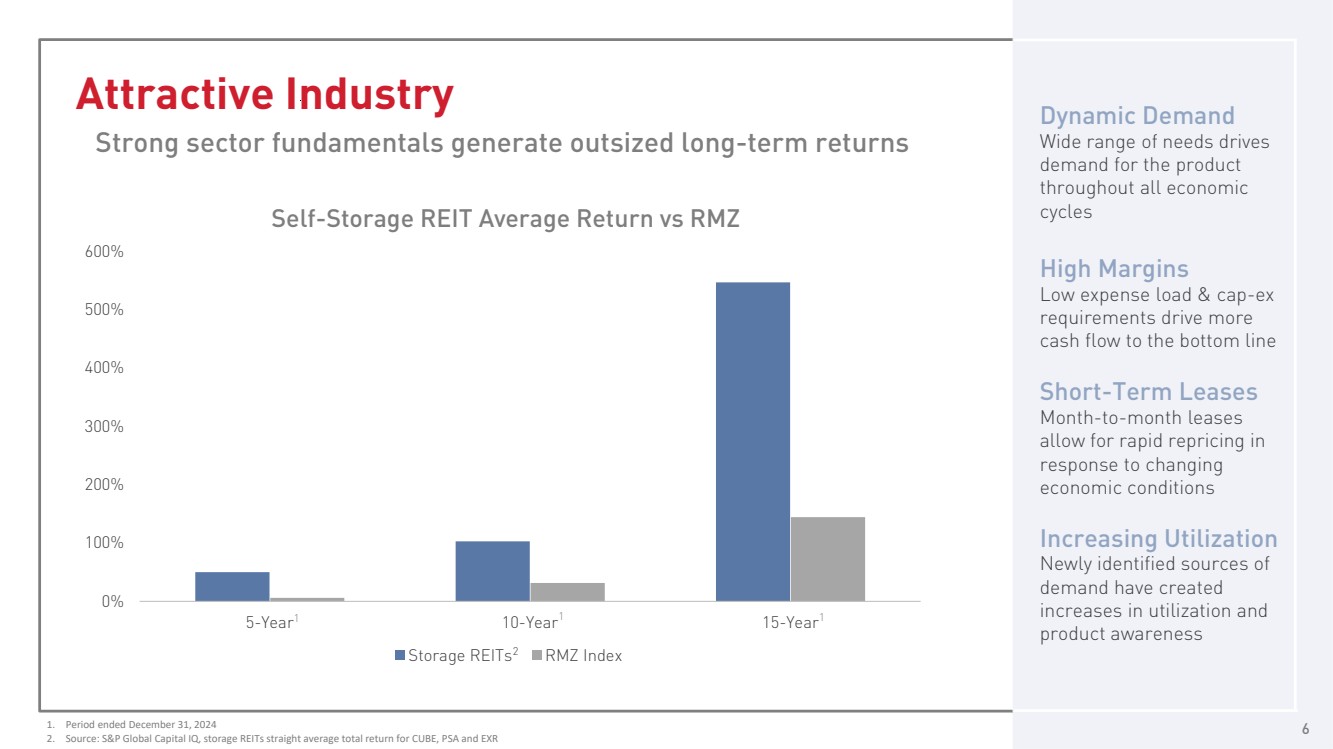
So the beauty of our business and why it's so resilient is that our customer can be everyone. And so the drivers of demand in the quarter, given what's going on in the housing market clearly uh that that customer who is selling buying a single family home uh continues to not be at the levels that we would have experienced historically uh and that's been the situation now for a few years so within that demand it's it's the everyday life events plus our business customers who find us as a solution to whatever their their need is for uh storing their possessions for a defined period of time so nothing new it's just an incredibly resilient business with a very very diverse customer base with a very diverse set of needs and as a result we've proven over time to be a very, very resilient business, and that's what's so great about self-storage.
Got it. And then I guess, Tim, I'm sorry if I missed this, but where was occupancy in April? I know you mentioned it being 89.7% in March.
Yeah, this is Chris. 89.9% is where we ended April.
And just as a follow-up, I know one of your peers had talked about maybe lowering rates in April to kind of get to the higher occupancy. Is that something you had to do as well in your portfolio?
Yeah. So the average rent rate on rentals, if you just think about sort of that sequential move as we've gone over the last couple of quarters and then into April. Move-in rates in the fourth quarter, on average, were down 10% year over year. In the first quarter, that then contracted to down 8%. And during the month of April, they were down about 2%.
Operator
Thanks. Your next question comes from the line of Eric Wolf with Citi. Please go ahead.
Hey, good morning. It's Nick Curran for Eric this morning. So, I guess you mentioned the strong start to the year, but you're not adjusting guidance as much given macro volatility. So, I guess the question is, if we're in a less volatile environment, like when you gave guidance initially, you know, what would have changed? Would same-store revenue have gone up a little bit more? Would Corfo have gone up a little bit more, just help us think through what that would have looked like.
I appreciate the question. The thing that is consistent regardless of one's view on macro volatility is that it's still the date on the calendar, right? We're still very early on in our leasing season. So even if you weren't in that environment, not sure that you would see us or others in the industry have a have a dramatic move on our expectations for the full year based only on the first quarter results. You combine that with the fact that we set our expectations in February and communicated them. So not all that much has changed. It was a good first quarter and it was a little bit better than we thought it was going to be. That said, we're still, you know, we still have the whole rental season ahead of us. And even in more normal times, it's a little bit easier to predict what might that that might look like but it's uh it's still imperfect until you get a little bit deeper into the rental season thanks for that so i guess that the follow-up would be um you know what would you guys consider a good peak leasing season like how can we measure that um good relative to our expectations good relative to historical performance like what what is your good relative i guess i guess you know if we were sitting on the second quarter call right now and you say we had a good peak leasing season, what would that entail? Yeah, good. Well, I would entail that being good relative to what we expect it to be. And so our expectation included in the base, you know, in our baseline scenario is that we are not anticipating a rental season that looks like a pre-pandemic, air quote, normal rental season in that we're not expecting the same gains in physical occupancy that we would typically see seasonally we're not expecting the same level of rate growth that we historically in a normal time would have would have seen we're expecting something a little bit more muted so for us having this rental season good would be what we expect great would be something that looked a little bit more like normal levels of seasonality that is
Operator
that is great is not our expectation at this point understood thank you thank you your next question comes from line of spencer grinter with green street please go ahead thank you um just as it relates to market level performance some of your texas markets seem to be under pressure in one queue can you just talk about you know what drove the end of performance there um and kind of higher thinking about expectations moving forward for the the year for those markets sure um yeah when you get into uh again dallas houston austin san antonio
um you know austin uh a supply impacted market i think is is coming back and you know we see green shoots there and feel pretty good about austin when you think about houston again uh solid, a market that has, again, super resilient theme for the call, absorbed a lot of supply and did so with some pretty good population growth, pretty good job growth, and is, I think, in a good footing and moving in a good direction. Dallas is a little bit tough. Part of that is supply. Part of that is, you know, pricing decisions from the competitive set that we face in Dallas. So, So we're working through both of those. But again, as I said in my prepared remarks, I think all of these markets we're feeling good about and I think are at one end stabilizing and at the other end I think moving in a pretty good direction.
Operator
Okay, great. That's a really helpful color. And then just on the two developments in process, it seems as though those are trending well in terms of timing and then total anticipated costs, but I'm just curious if there's been any setbacks or surprises on input costs or labor just given the broader economic climate?
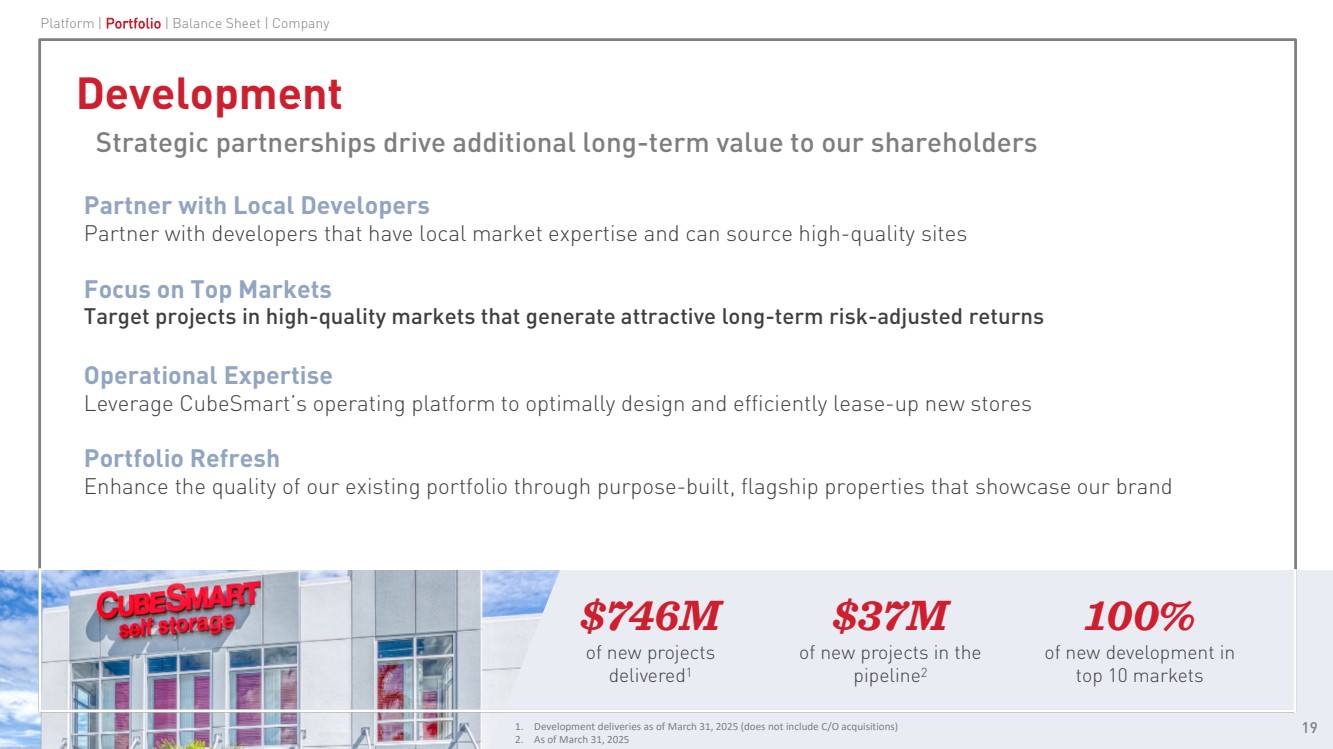
Thanks, Spencer. There have not been any surprises. I mean, any development has its challenges along the way, but just given the timing of those projects, they were in advance from a raw material standpoint of being exposed to all of the volatility that we've seen in recent weeks slash months. So from a timing perspective, we were on the fortunate side of not being impacted in any meaningful way on those projects.
Operator
Okay, great. Thank you so much.
Operator
Thank you. Your next question comes from the line of Todd Thomas with KeyBank. Please go ahead.
Hi, thank you. Good morning, Chris. Tim, you ran ahead of your budget in the first quarter and I understand the conservatism just being it's early in the year and just given all of the uncertainty today, but the 2Q guide assumes a flat result at the midpoint relative to the first quarter, which I do not believe has really happened very often going back to 2005, the first year after the company IPO'd. Sounds like you're seeing some seasonality rents and occupancy are trending higher through April. So can you just discuss some of the puts and takes? What causes FFO to hold steady? And what's assumed at the lower end of the 2Q FFO guide is 63 cents. That'd be down one penny sequentially.
Yeah, good question. Don't really spend a lot of time thinking about that sequence. A couple of different things that are going on there. We have, you know, it was a good first quarter, a little bit better. Some of that is on timing of operating expenses. As you know, on the top line growth, we have the other income line item, which we are lapping some changes that we made a year ago. And so we will get a little bit less of a contribution from that line item starting in the second quarter. The timing on some expenses, it's timing of marketing spend this year versus last year. I guess it's a combination of things, nothing, nothing meaningful that I can point to that would, you know, that would point to that trend being different than it had been historically other than expense timing.
Okay. That's helpful. And then Chris, you, you mentioned small business customer demand in one of your comments or responses. Are you seeing that demand pick up at all? And are there certain markets in particular where, you know, you have seen some evidence of that type of demand materializing a little bit more?
Yeah, to some degree the urban markets. So we see a little bit of a pickup in that customer base in New York, in some of the more urban areas of North Jersey. We see it in the more urban areas of Chicago, a little bit in Washington, D.C. proper. And it's a combination of, you know, folks finding us as a solution to making a commitment to more permanent space. So instead of, you know, small warehouse or a portion of a space in a warehouse um not not not necessarily due to uh any particular marketing efforts on our side i think more from a from a growing awareness of self-storage um and in this in the more suburban areas um you know it's really it's really sub market or actually store specific What we have not seen is any distress. So we have not really seen a pickup in small businesses that are using us because they have chosen to shut down, which, you know, we view in the near term here at least as positive.
Okay. Thank you. Thanks, Todd.
Operator
The next question comes from the line of Michael Griffin with Evercore ISI. Please go ahead.
Great. Thanks. You know, I'm doing a good job on the expense controls this quarter. You know, just curious, particularly for the personnel expense going down year over year. I mean, is that more kind of proactive management of staffing at facilities? Is it wage related? You know, how should we think about kind of that line item throughout the cadence of the year?
Yeah, it's a thanks for the question. It's a it's a combination of a handful of things. what it's not is is wage certainly there's still wage inflation and and we look to be competitive with our teammates in the store they're critically important part of our of our model and our success that said we have been able to over the over the past several years find ways to be more efficient in how we're staffing the stores managing the hours in the stores and so that's that's really a that's really part of the of the contribution on that line item that That is a line item that we don't – a little bit of it also is what we did in the first quarter of last year versus this year. I wouldn't expect to see that type of number repeat itself throughout the year. Our expectation for the full year is for that number to be more flat than negative compared to last year in total for the year. Great. That's helpful.
And then just on the acquisition opportunity set, obviously you bought out your JV partner stake in one venture in the first quarter. But, you know, as you look ahead, are there any opportunities maybe to buy out some of the other existing joint ventures? You know, do wholly owned acquisitions make sense right now? If you can give us a sense of that, that'd be helpful.
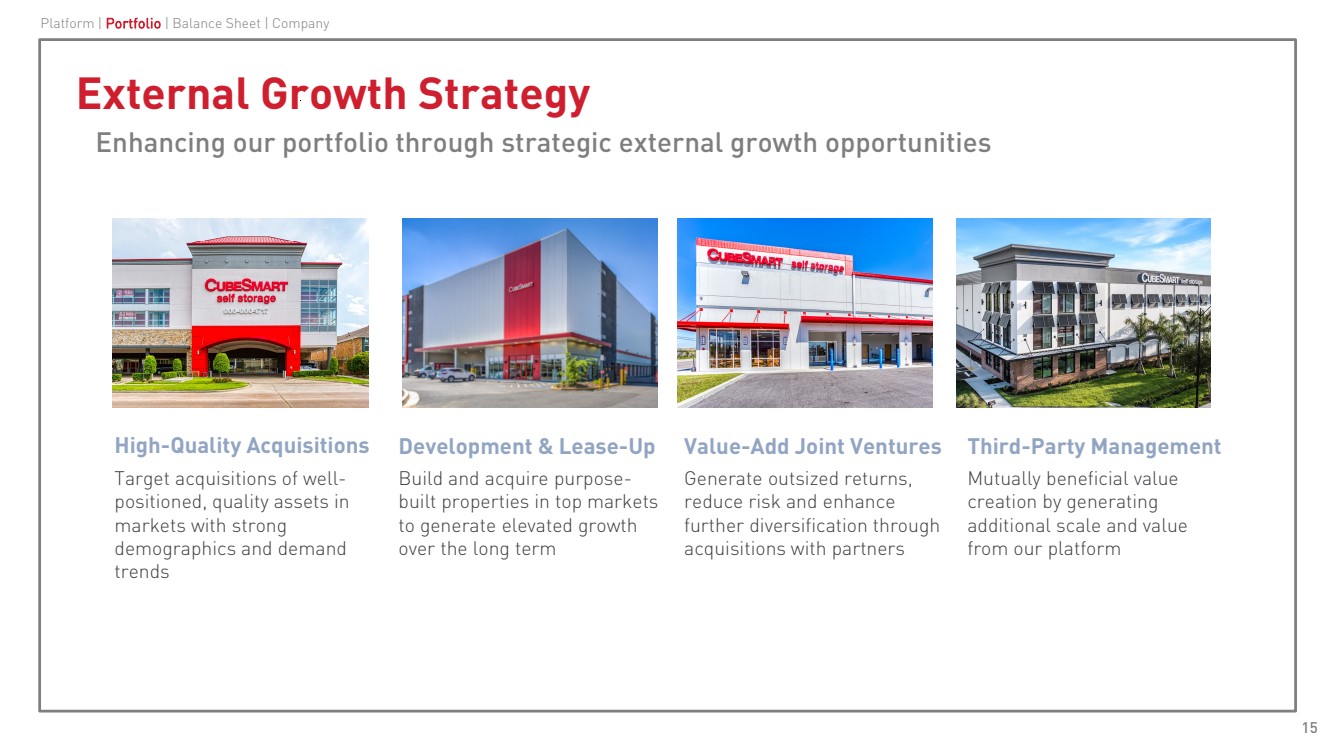
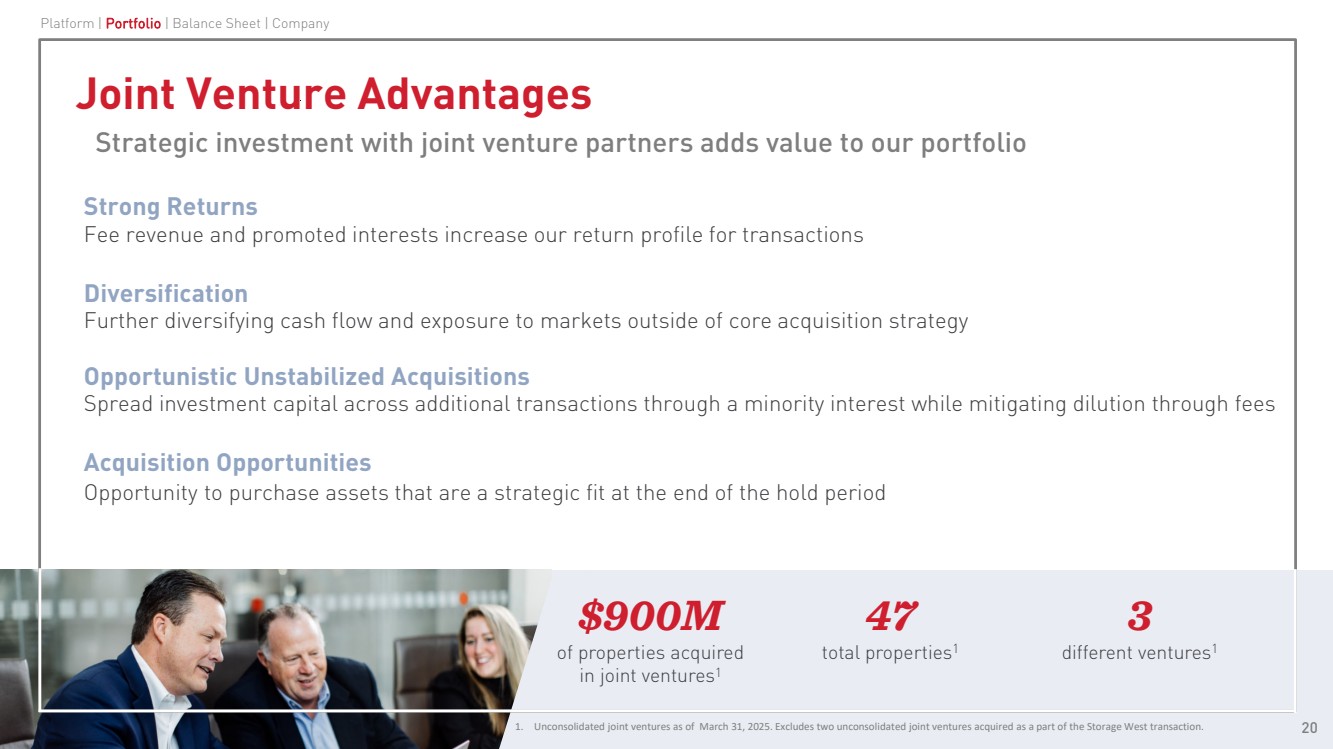
Holy owned acquisitions would make a lot of sense for us if sellers would sell us their assets at the price we would like to pay. Unfortunately, that's not the way the world works. I think the volatility in the market and head fakes in both directions on where interest rates are ultimately going to land has created an environment that I would have described to you as three months ago being a little bit more constructive, where buyers and sellers were starting to converge on valuation, I would say the last handful of months has probably sent that back in the other direction a little bit, as there's just an awful lot of uncertainty as to where cost of capital ultimately lands for everyone on both sides of the table. So a little bit hazy right now. From our perspective, what we focus our energy on is looking at every opportunity, trying to uncover every opportunity, maintain a healthy balance sheet that gives us the capacity to transact when we see attractive opportunities to do so. But just like some of our other commentary on where we see the rental season and other things, I would say the investments part of the equation is also pretty fuzzy. you would think that there that there is an increasing line of potential sellers that's building because there hasn't been a high level of transactions here over the past gosh going on now 24 months so you would think there would become some more and more motivation on the seller side but that said if you're a seller and you're not and you're not and you're not forced to come to the table maybe you continue to wait for a little bit better day to to bring your asset to market great that's it for me thanks for the time thank you the next question
comes from the line of ravi vedia with mizuho please go ahead hi guys good morning uh hope you guys are doing well um i just wanted to ask about your ecri strategy right now uh particularly as we're starting to see um the second derivative and a number of fundamentals improve like how are you thinking about your ecri rates are they still elevated right now or are you looking to bring them back down and maybe increase uh moving rates thanks yeah thank you so our our strategy uh has not changed in um and has been fairly consistent for you know over a year now
the actual tactics underlying you know do change on a on a frequent basis because we're completely data-driven, and it's simply looking at the in-place customers who are eligible for a rate increase and thinking about how to balance great customer service, a good customer experience with that plan. And so, you know, I think in this environment that's more constructive on price, We'll just continue to, again, let the data drive our decisions. The ECRIs in the quarter were fairly consistent with where they were both last quarter and last year, and I would not envision at this point that we would be making any meaningful change to the program at this time.
Got it. Thank you. That's all for me.
Operator
Your next question comes from the line of Daniel Chikariko, the Scotiabank. Please go ahead.
Thank you. Looking to understand the sequential rate trends so far this year, how much are street rates maybe or your moving rates up from the seasonal trough in late January, early February through April? And how does that compare to 2024 or a pre-COVID, quote-unquote, normal year?
And so, if you think about it, and I guess I talked about it to a prior question, you know, they've been moving in a very constructive direction. Q4 averaged down about 10 percent, Q1 averaged down about 8 percent. And then in the month of April, the average was down a little bit north of 2 percent. And if we look at that compared to how rates, you know, just the sequential movement in rates, they're up about mid-teens. And if you compare that to kind of how that sequential curve moved last year, it's better than what we saw in 2024.
Great, thanks. I was looking for the latter part of that, so appreciate it. And how does the 89.9 at the end of April compared to last year? Yeah, it's a 90 basis point gap to last year. Great. Appreciate the time.
Operator
Thanks. The next question comes from the line of Kaibin Kim with Truist Security. Please go ahead.
Thank you. Good morning. I wanted to ask a couple of questions on the New York City market and D.C. Both markets rebounded nicely. I was curious, is that more along the lines of the rebound you saw nationally in your portfolio, or are there certain elements about New York City or D.C. that you think are more supportive that might have more sustainability going forward? Thank you.
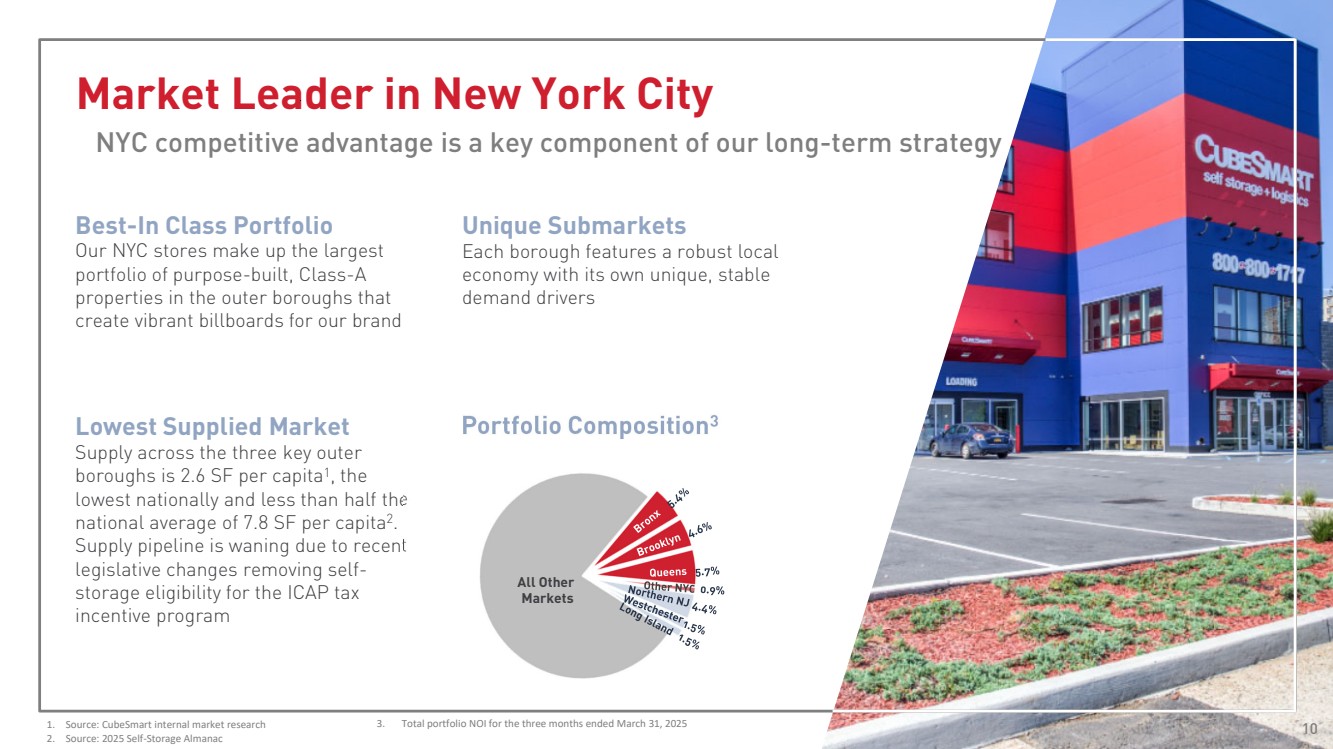
Yeah, great question, Kevin. It's as often in our business a mixture of the two. The boroughs seeing very good performance that, you know, is led by the Bronx and Brooklyn, both seeing, you know, kind of five-ish type percent, same-store revenue growth, very solid. Queens, you know, the sub markets with the exception of Long Island City doing well, Long Island City is going to face a pretty competitive supply situation here for a little bit, quite close to all of our stores in that market. And then, you know, the opposite when you get to the MSA is northern New Jersey, which is kind of flat in the first quarter, and it's still moving in a good direction with the supply impact, but has a ways to go. DC, I think, again, that the suburbs continue to be quite strong, and the district itself is up close to 4% in the quarter, same-store revenue, and moving in a good direction. So I would say to kind of get more direct, a little bit better than what we're seeing nationally uh we're seeing in new york city uh washington and its suburbs and chicago uh and i think you know those trends marginally will continue as we go throughout the year and do you think the the strength in dc has anything to do with doge or some of the government employee turnover so we asked that question uh and we are you know grassroots uh having the folks in the stores um try to see what kind of color they can obtain from our customers um nothing uh obvious yet uh on that front okay thank you and congrats on a good
quarter thank you your next question comes from the line of michael goldsmith with ubs please go ahead good morning good morning thanks a lot for taking my question uh seems like you're seeing a really nice improvement in street rates in April down 2% versus down 8% in the first quarter. Just trying to unpack that a little bit. Is that a reflection of the comparisons? Is that a reflection of a different strategy? Is that just lowering rates kind of as low as it can be without driving incremental demand? Just trying to understand what are the factors driving that improvement there?
Yeah, we saw, obviously, a very good first quarter. If you take leap year out, our rentals in the quarter were flat to last year, which in this environment was really, really good. And that was with, you know, a gradual improvement from January to February to March in rate. And as I said, rates moving up sequentially a little bit more than what we would have seen better than what we saw last year. So with that, it continued into April. April is pretty volatile. And again, we'll continue to watch this. There's obviously everything that Tim spoke about that's happening in the world today. And we're carefully watching how that impacts the consumer. So frankly, Michael, we're kind of taking it day to day, week to week here at this point.
Thanks for that. And just to follow up, you talked a little bit about some expense timing. Can you provide a little bit more color what's going on there? And I think in particular, you have referenced marketing, but if you can just clarify what moves where and And if that's expected to come back later in the year, that would be helpful.
Thanks, Michael. The two big areas from a time perspective that I would note, one is R&M expense, and that is just one of those things. It's a combination of when things break and when you spend. And when you think about year-over-year comparisons, it can be, you know, we were a little bit heavier last year than we were this year. So timing on that line. But the bigger one is the one you talked about, which is marketing. And we don't spend to a budget on the marketing line item. We spend to the opportunity to deploy marketing dollars in a way that gets us a good return on that incremental spend. And it's a line item that you've seen for years for us is going to have some volatility in it throughout the year. When you combine that, it was the same way last year, right? If we find compelling opportunities to deploy marketing spend that gets us a good return, when you think about it in conjunction with how we're pricing, there are going to be years where in the first quarter we press on that pedal a little bit more. There are going to be years like this year where we pull back on that a little bit. But our expectation for the year is that while we may have pulled back a little bit on that in the first quarter, our expectation is there's more likely than not an opportunity for us to press down on the pedal a little bit more later in the year. So our expectation for the year in marketing hasn't really changed. It's just we're a little bit light in the first quarter.
Thank you very much. Good luck in the second quarter.
Operator
Next question comes from the line of Hong Zhang with JP Morgan. Please go ahead.
Yeah, hey guys. I mean, it seems like the operating environment is still pretty mixed. I was just wondering if you're seeing more demand from the third-party management side from just operators looking to work with you?
Thank you for the question. The short answer is yes. Obviously the mix changes, right? So we've gone from seeing the majority of our pipeline being development stores, new development stores. And as that has become increasingly more challenging and we're seeing a decline in new supply, it shifted a bit to more of the open and operating stores. For a variety of reasons. Some is just stress in this environment, and they recognize the value of the CubeSmart brand. Some of it is, you know, simply life events that cause an owner or an operator to want to retain CubeSmart. um we're seeing a little bit less of the institutional activity um which is again no surprise if you've seen a little bit less overall activity on the uh on the acquisition front here given the the climate as you described so that that i think is the color and the short answer got it and i guess that's my follow-up i understand self-storage business is relatively more recession resilient than other property types, but I'm just wondering how you think
the business would react if we really do enter a recession later this year.
Well, I think you hit it spot on, and through short ones in the GFC, thinking about this since 1993-94, typically you just see customers who come to self-storage and rent um because they find themselves wanting to cut back on expenses and they may move in with a friend and you know go from a one bedroom to a two bedroom and they have duplicative uh possessions you may see uh you know folks moving home with mom and dad to save some money and you know again duplicative possessions it may take longer to find that post-college employment and that may create a demand so again the beauty of the business is that through most cycles we perform quite quite well and then on the vacate side you know there's always this misnomer that you know you're going to see an increase in vacates because of of an economic recession and you know our experience with that is that is just not usually the case in any material way.
Operator
The next question comes from the line of Brandon Lynch with Barclays. Please go ahead.
Thank you for taking my questions. I think your marketing spend has mainly been for paid search, but you've also commented in the past about testing other channels. Can you provide an update on that and any color on the progress with those initiatives?
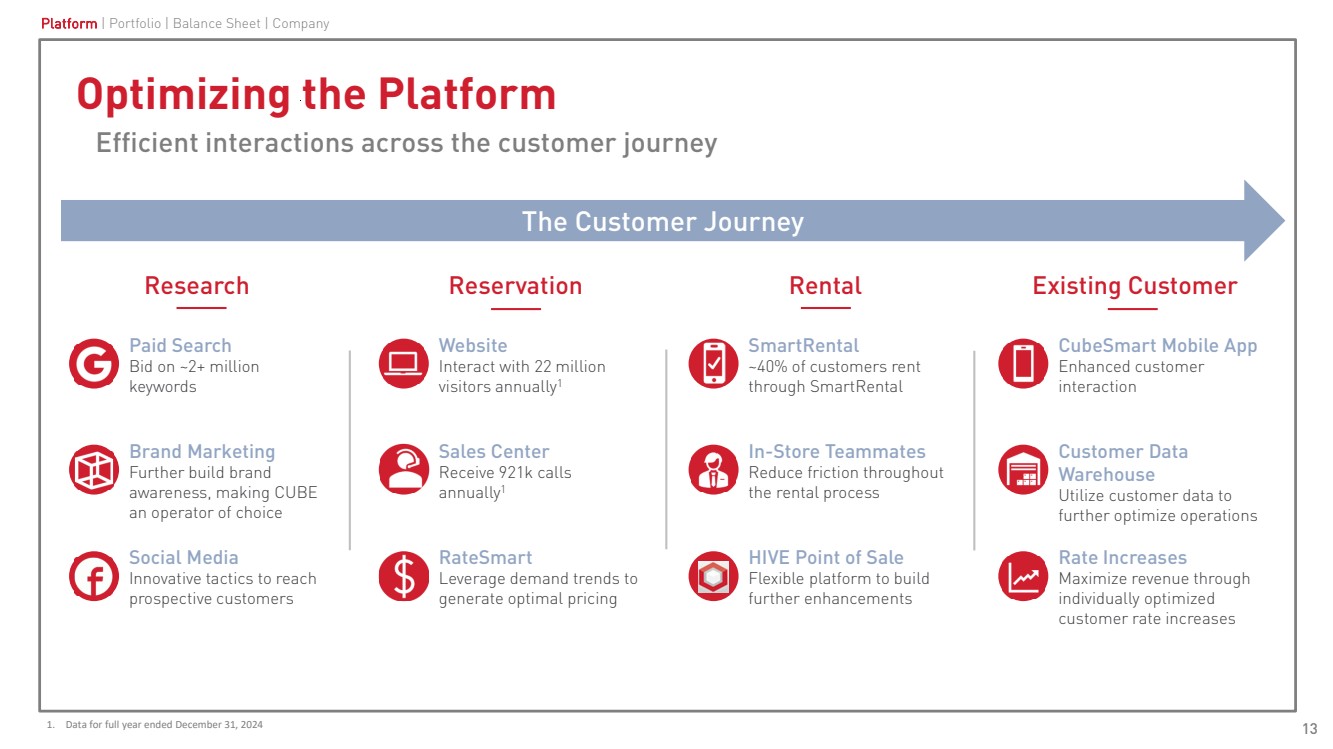
Well, you know, the marketing efforts run, again, from SEO, organic to paid, and, you know, different costs associated with each of those. And then, you know, it expands into social media to varying types of other media advertisements on satellite radio, et cetera. And then more limited of recent vintage out of home, which would be, you know, advertising in an urban market like New York on bus, you know, kings or tails, et cetera. It runs across the gamut, but you're spot on. The highest expenditure tends to be in the form of paid search.
Great. That's helpful. And maybe just help us understand what leads to more kind of high level brand recognition type marketing on on buses or on satellite radio versus the much more targeted search oriented spend.
Yeah, ultimately, right, your highest brand level recognition is the store itself. And so just think about you're a consumer and you're going to see, although I don't know why you would, you know, the Brooklyn Nets play basketball and you're walking down Atlantic Avenue and you're seeing, you know, three beautiful cube smarts as you as you take your stroll. and so now it's top of mind, right? So that's giving you the most brand recognition and that's why we see a disproportionate amount of SEO given our dominant New York City presence with those great assets. And so now it's in your mind. Now you may, because we know where you're walking and you're listening to one of the satellite radios, you get an ad that's further reinforcement, etc but until you have an actual need right that's just that's just giving you kind of that back of mind brand awareness no different than in the 90s you wanted to build your store on the nicest street halfway in between you know the nicest multi-family in town and the most popular shopping center in town you wanted those cars coming back and forth and seeing your doors so then when the need occurs right you're top of mind that's when instead of searching for self-storage near me which would be the most ubiquitous term, you direct to CubeSmart and then you find us, you know, great customer service. We have the Cube to satisfy your need and your rent.
Great. Thank you for the color.
Operator
I'll now turn the call back over to Chris Marr, President and CEO, for closing remarks. Please go ahead.
Sure. Thank you all for listening. I think the themes that clearly you're getting is it's prudent at this point to neither be Pollyanna or Chicken Little. We're going to work through the opportunity set that's provided to us. And what we can assure you is that we will be maximizing that opportunity and focused on delivering shareholder values. So thank you all very much for taking your time here today. And we look forward to speaking to you again after the second quarter. Take care.
Operator
Ladies and gentlemen, this concludes today's call. Thank you all for joining.